Your cruise
Seabourn Ovation · 22-night Mediterranean cruise, Genoa to Piraeus (Athens)
Apr 30 – May 22 · 22 nights ·
Day 1 Genoa (board) · Day 2 Portovenere · Day 3 Bonifacio · Day 4 Cagliari · Day 5 La Goulette · Day 6 Trapani · Day 7 Palermo · Day 8 at sea · Day 9 Civitavecchia (Rome) · Day 10 Salerno · Day 11 Giardini Naxos · Day 12 Valletta · Day 13 at sea · Day 14 Korcula · Day 15 Kotor · Day 16 Dubrovnik · Day 17 Kotor · Day 18 Brindisi · Day 19 Corfu · Day 20 Delphi · Day 21 at sea · Day 22 Gythion · Day 23 Piraeus (Athens) (step off)
What you do Glide through the legendary Gulf of Poets aboard a private vessel, circling the wild islands of Palmaria, Tino & Tinetto. This is Portovenere seen as Byron and Shelley saw it — from the sea, in total privacy.
What to expect Your private skipper departs directly from Portovenere's historic quay, weaving between the three UNESCO-listed islands at a pace you dictate. Anchoring off Palmaria allows for a private swim in crystalline water before you coast along the dramatic cliffscapes of Tino and Tinetto. On the return, the medieval church of San Pietro and the rainbow-painted village appear in their most cinematic form — from the water. Prosecco and local snacks are typically provided on premium charters.
Good to know Pre-book well in advance; the operator will collect you from the Portovenere dock. Confirm all-aboard time with your ship and build in a 30-minute buffer. Half-day (3–4 hr) formats are available and suitable for most port calls.
Versus the ship tour Fully private charter — your group, your pace, your anchorage. Swim off the bow at Palmaria's turquoise coves, drift past sea caves, and linger at Lord Byron's Grotto with no crowd in sight.
book direct with CTTours – Cinque Terre Private Tours & Shore Excursions → · the full guide →
What you do Coast the entire Cinque Terre shoreline by private boat — the only way to appreciate the full drama of cliff-clinging villages, hidden sea grottos, and vine-terraced cliffs that no trail can reveal.
What to expect Departing from Portovenere, your private vessel hugs the Ligurian coastline northward, pulling into each of the five villages in sequence. Your English-speaking guide narrates the geology, poetry, and culinary heritage of every cove as you pass. You may dock briefly at Vernazza or Manarola for a espresso or a plate of fresh anchovies and trofie al pesto. The return journey at golden hour — with the pastel villages lit in warm sun — is genuinely bucket-list.
Good to know Full-day format (up to 7 hours) recommended for this itinerary. Confirm departure from Portovenere pier directly with the operator. Pack a light layer — sea breezes can be fresh even in summer.
Versus the ship tour A fully private, expert-guided sea journey that stops where you want — a hidden grotto, a quiet beach, a sun-drenched terrace for lunch. No fixed schedule, no shared deck, no missed moments.
book direct with CinqueTerre-Travel Private Tours → · the full guide →
What you do Explore Portovenere's twin crown jewels — the 12th-century Doria Castle and the striped Gothic church of San Pietro — with a private local historian who brings 800 years of Ligurian drama to vivid life.
What to expect Your guide meets you dockside and leads you through Portovenere's medieval caruggi — the narrow, colour-washed lanes flanked by tower houses — up to the Genoese fortress of Castello Doria, whose ramparts deliver a panorama across the Gulf of Poets that few photographs do justice. You then descend to the tip of the headland and the extraordinary black-and-white striped church of San Pietro, perched above the crashing sea. Lord Byron's Grotto below the church — the cave where the poet swam to visit Shelley in Lerici — is part of the narrative. A stop for a glass of local Vermentino concludes the walk.
Good to know Castello Doria entry is included; confirm current opening hours with the operator as they vary seasonally. The walk involves cobbled lanes and steps — flat shoes essential. Easily completed in 3–4 hours, well within a typical port call.
Versus the ship tour A private expert guide — not a group leader with a flag — who tailors the pace, the stories, and the hidden corners entirely to your curiosity. Access to the castle battlements and the cliff-edge San Pietro terrace at the perfect, unhurried moment.
book direct with Kiss From Italy – Private Shore Excursions → · the full guide →
What you do A full-day small-group odyssey combining the Cinque Terre coastline by boat with a lavish on-board Ligurian lunch — fresh seafood, local wine, and the Gulf of La Spezia as your dining room.
What to expect The day begins in La Spezia or Portovenere and the boat threads its way up through the Cinque Terre, pausing at villages for optional short explorations ashore. Mid-day the vessel anchors in a sheltered bay for a full Ligurian lunch served on deck: think grilled branzino, house-made focaccia, trofie al pesto, and chilled Pigato. The afternoon returns along the coast, the villages soft-lit in afternoon gold. It is, in short, the definitive Riviera day.
Good to know 8-hour format — confirm your ship's all-aboard time before booking and verify the operator can accommodate your port schedule. Book well ahead in summer; small-group capacity fills quickly. Check availability directly through the operator link.
Versus the ship tour A small-group format — never more than a handful of guests — means a genuinely convivial, unhurried table. Lunch is freshly prepared on board with the day's catch and regional wines, not a buffet.
book direct with GetYourGuide – Portovenere Boat Experiences (local operator) → · the full guide →
What you do As the Ligurian sun melts into the sea, drift through the Gulf of Poets on an intimate aperitivo cruise — Prosecco in hand, Portovenere's painted houses glowing gold behind you. Unambiguously romantic.
What to expect Guests board a classic wooden vessel at the Portovenere quay as the afternoon crowds thin and the light turns amber. The boat idles through the Gulf, framing the islands of Palmaria and Tino in the evening glow while the crew pours chilled Ligurian sparkling wine and serves local charcuterie and cheeses. The silhouette of San Pietro church against the darkening sky is one of the Riviera's most iconic images — and you'll have it from the water. A deeply memorable two hours.
Good to know Best suited to ships with a late all-aboard (8 PM or later). Confirm your ship's schedule before booking. Light wrap recommended as sea temperatures cool quickly after sunset. Pre-book; groups are kept deliberately small.
Versus the ship tour An intimate evening experience — small vessel, small group — designed purely for the beauty of the light and the moment, not transport. The Gulf of Poets earns its name at sunset.
book direct with CinqueTerre.eu – Boat Excursions (local ferry & private operator) → · the full guide →
What you do Trek a dramatic section of the UNESCO Cinque Terre coastal trail with a local expert guide, descending into Portovenere through vineyards and cliff-top viewpoints — the most cinematic arrival in all of Italy.
What to expect Your local guide leads a small group along rugged Ligurian coastal paths, threading through terraced vineyards producing the legendary Sciacchetrà wine and past cliff-edge panoramas that drop sheer into the Ligurian Sea. The trail demands a reasonable level of fitness but rewards every step with views that stop conversation mid-sentence. The descent into Portovenere — with its medieval tower-houses and the church of San Pietro framed against the sea — is a genuinely euphoric arrival. Your guide shares the ecology, history, and folklore of the coast throughout.
Good to know Rated moderate-to-challenging; sturdy hiking footwear and sun protection essential. Half-day format (approx. 4 hours) fits most port schedules. Small group capped at a handful of guests for a personal experience. The hike ends in Portovenere, steps from the dock.
Versus the ship tour A small-group trail experience led by a local naturalist-guide who knows every switchback, wildflower, and panoramic viewpoint — delivering the Cinque Terre as a living landscape, not a postcard.
book direct with Viator – Half-Day Small-Group Hike to Portovenere (local guide) → · the full guide →
What you do Walk 10-15 minutes from your berth to the Porto Antico ferry kiosk by Renzo Piano's Biosfera and board a real Genoese ferry line that glides 70 minutes down the Riviera past Camogli and San Fruttuoso to Portofino's pastel, superyacht-studded harbor -- the postcard image of coastal Italy. Arriving by sea is the most beautiful possible approach, and you can add the boat-or-hike-only San Fruttuoso abbey on the same route. Last return boats leave Portofino around 4:50pm, so it fits a port day with margin -- but confirm your ship's all-aboard against that schedule before you commit.
What to expect A 10–15 minute walk from your berth leads to the Porto Antico ferry kiosk beside Renzo Piano's Biosfera, where you board a genuine Genoese ferry line for a 70-minute glide down the Riviera. The boat drifts past the picturesque villages of Camogli and San Fruttuoso, offering unfolding coastal views before arriving in Portofino's iconic harbor—pastel-painted buildings, superyachts, and the Mediterranean in postcard perfection. Arriving by sea gives you the most beautiful possible approach to this legendary destination. The return journey reverses the scenic route, with the last boat departing Portofino around 4:50pm.
Good to know Depart Porto Antico around 9:00am (seasonal, March–October) and plan your full port day against a 4:50pm last return boat—confirm your ship's all-aboard time before committing, and build in at least 30–45 minutes buffer to make it back safely. The round-trip ferry costs roughly €26–28pp ($28–30) to Portofino, a fraction of the ship's €130–180pp coach excursion, giving you full control of your schedule. You can combine the ferry with a hike or boat-only visit to the San Fruttuoso abbey (€24 round-trip to that stop; abbey entry is a separate small ticket). Wear comfortable walking shoes, bring sun protection and a light layer for the sea breeze, and have euros or a card ready at the kiosk—no advance booking required, but arriving by 8:45am secures a spot on the 9:00am departure.
Versus the ship tour DIRECT WINS BIG. The ship's Portofino & Santa Margherita coach excursion runs $130-180pp; the direct ferry is ~$28pp round-trip -- you save roughly $100-150 per person AND arrive the scenic way by water instead of by bus. The only thing the ship buys you is a guaranteed-back-to-the-vessel guarantee; here YOU own the clock, so build in buffer against that ~4:50pm last boat.
What you do Pesto alla Genovese was invented in this city in the 1500s, and hand-grinding Ligurian basil, pine nuts and olive oil in a marble mortar is Genoa's defining edible ritual. In Enrica Monzani's home kitchen -- a licensed Ligurian culinary leader and cookbook author -- you make fresh pasta and pesto by hand (focaccia and focaccia di Recco on the baking class), then sit down to eat exactly what you cooked on the terrace. You leave knowing the genuine recipe, not a tourist approximation.
What to expect You arrive at Enrica Monzani's home kitchen in Genoa and roll up your sleeves to hand-grind Ligurian basil, pine nuts, and olive oil in a marble mortar—the authentic ritual that birthed pesto alla Genovese in the 1500s. Over 3.5 hours, you shape fresh pasta by hand, craft pesto from scratch, and optionally browse the local market for ingredients. The class culminates on the terrace where you sit down to eat exactly what you cooked, tasting genuine recipes rather than tourist approximations. You leave with both a full meal and the knowledge to recreate it at home.
Good to know Book direct by email with A Small Kitchen in Genoa (Enrica Monzani) well ahead—spaces are small and private. The 3.5-hour class fits comfortably into a 6–8 hour port window if you depart the ship within the first hour; allow 30–45 minutes buffer to return by tender before all-aboard. Wear casual, kitchen-ready clothes you don't mind getting flour on, and bring comfortable walking shoes if you opt for the market visit. Pricing ranges from EUR 160–200 (~$172–215) depending on the menu chosen; confirm exact timing and directions from the pier when you book.
Versus the ship tour ROUGHLY EVEN ON PRICE -- BUT DIRECT WINS ON QUALITY. The ship's 'Taste of Genoa' cooking/tasting runs $100-140pp, modestly cheaper on the sticker. For the extra ~$30-70 you get a tiny private class in a real local's kitchen instead of a 30-person demo, and the flexibility to book direct. If you only want a cheap nibble, the ship or a few-euro DIY focaccia tasting beats both -- this card is for someone who wants to actually cook.
book direct with A Small Kitchen in Genoa (Enrica Monzani) → · the full guide →
What you do Italy's largest aquarium and one of Europe's biggest -- 12,000+ animals across ~600 species, housed in Renzo Piano's iconic ship-shaped pavilion right on the Porto Antico waterfront. It's the single attraction Genoa is most famous for, it's self-guided and pace-flexible, and it sits a flat 10-15 minute walk from the cruise berth. This is your low-risk, near-port safety net: no transfers, fixed price, and you're never far from the ship.
What to expect You'll walk 10–15 minutes flat through Porto Antico to reach Renzo Piano's striking ship-shaped pavilion, where a self-guided path unfolds through 12,000+ animals across roughly 600 species—schools of rays gliding overhead, massive tanks of Mediterranean fish, and intimate chambers of seahorses and jellyfish. The pacing is entirely yours: linger in front of a tank for five minutes or twenty, circle back to favorites, and spend as long as you want absorbing the scale and detail that make this Italy's flagship aquarium. The indoor, climate-controlled environment means you move at leisure without time pressure, and the iconic architecture itself—Piano's ship design reflected in the waterfront setting—frames each viewing moment. You'll typically spend 90 minutes to 3 hours inside, then reverse the 15-minute walk back to your berth, never far from the ship.
Good to know Book entry online in advance (EUR 26–33 at gate, EUR 36 for flexible annual pass) and save $30–55 per person versus the ship's $60–90 markup. Depart the pier within the first 2–3 hours of your port window to allow a comfortable 90-minute to 2-hour aquarium visit plus return buffer; the walk is straightforward and flat, with no transfers needed. Bring only light clothing and perhaps a camera—the aquarium is indoors and climate-controlled, and there's no complex logistics or guides to coordinate. No advance booking is strictly required if you're willing to pay gate price, but online purchase guarantees entry and locks in the lowest rate.
Versus the ship tour DIRECT WINS. The ship sells aquarium entry as a $60-90pp excursion; a gate ticket booked direct is ~$28-36pp -- you save roughly $30-55 per person for the identical experience, on a 10-minute walk you'd make anyway. The ship adds nothing but a markup and a guided escort you don't need for a self-paced indoor attraction.
book direct with Acquario di Genova (Costa Edutainment) → · the full guide →
What you do The Galata is the largest maritime museum in the Mediterranean -- fitting for the birthplace of Columbus and a once-mighty seafaring republic -- but the unmissable hook is outside on the water: the Nazario Sauro S-518, an actual decommissioned submarine moored as the museum's waterfront. You climb down inside and walk the real boat compartment by compartment, not a model. It's deeply on-theme for a cruise traveler and sits right on the Porto Antico, steps from the ship.
What to expect You walk straight from the pier into the Porto Antico and enter the Galata Maritime Museum, where you move at your own pace through galleries celebrating Mediterranean seafaring history. The real experience waits outside: you descend a gangway into the Nazario Sauro S-518, a decommissioned WWII submarine, and walk the actual cramped compartments—torpedo room, control center, crew quarters—for roughly 20-25 minutes, imagining the lives of submariners in a vessel that feels authentically confined. After surfacing, you can spend as long as you'd like in the museum's indoor exhibits, which pair perfectly with the submarine context. It's a self-contained, walkable loop that never feels rushed and keeps you steps from your ship the entire time.
Good to know Book your combined ticket (€19 adults, ~$21) directly online at Galata Museo del Mare before arrival to skip queues; add the €1 smartphone audio guide for deeper context as you move through the museum. The walk from your berth to the Porto Antico is 5–10 minutes on flat ground with clear signage, so you can leave the ship 4–5 hours into port and still have 2–3 hours to explore comfortably. Plan to be back aboard 30 minutes before all-aboard time; the submarine is outdoors and weather-dependent (no cover while boarding), so check conditions and dress accordingly. Bring comfortable shoes for uneven decking around the waterfront, and note that the submarine's interior is genuinely narrow—not recommended if you have mobility limitations or claustrophobia.
Versus the ship tour DIRECT WINS, AND SHIPS RARELY OFFER IT. Cruise lines seldom sell this specific submarine experience, so booking direct is usually your only route -- and at ~$21pp all-in it's one of the best-value marquee things you can do in Genoa. Walkable from the berth, fixed price, no transfer risk.
book direct with Galata Museo del Mare (Mu.MA) → · the full guide →
What you do The five rainbow fishing villages of Monterosso, Vernazza, Corniglia, Manarola and Riomaggiore -- stacked on UNESCO cliffs above the sea -- are arguably the most photographed coastline in Italy and a textbook bucket-list item. On a tight port day you do NOT want to gamble on DIY regional trains: a licensed local guide-driver (Enrica's A Small Kitchen team runs small-group/private Cinque Terre days) builds the whole day around your ship's all-aboard time and gets you back. This is the ambitious 'spend your one big day here' option.
What to expect You'll spend the day island-hopping across five UNESCO-cliffside villages—Monterosso, Vernazzo, Corniglia, Manarola, and Riomaggiore—each stacked vertically above the sea with the kind of pastel architecture that dominates Italy's most-photographed coastlines. Your licensed local guide-driver (Enrica's A Small Kitchen team) choreographs the whole rhythm around your ship's all-aboard time, steering you through the villages, arranging train or boat passes between them, and managing entries so you're not left guessing at station queues. Expect a mix of walking the steep village streets, pausing at viewpoints for the postcard shots, and moving between towns by regional train or coastal boats—the day has real momentum built in. You're back at the pier with guaranteed buffer time; there's no gambling on regional train schedules.
Good to know Book by email directly with A Small Kitchen before sailing to confirm your per-person rate, group size, and exact pickup time from the Genoa port; confirm which train/boat passes and village entries are included vs. extra. Your guide-driver picks you up at the pier (timing locked to your ship's schedule) and typically returns you 90–120 minutes before all-aboard to give you a real safety margin. Bring comfortable walking shoes, sun protection, and small cash for any village vendors or meals not covered in the package; the villages have limited ATMs. Train and boat passes between the five villages are often not included in the ~€140–200 base price, so clarify what's covered and budget an extra €15–30pp for transport within Cinque Terre.
Versus the ship tour MIXED -- READ THE TRADE. The ship's Cinque Terre excursion is $180-250pp; a private licensed guide-driver at ~$150-220pp is similar-to-cheaper with a far smaller group and a guaranteed-return promise tied to your ship. Pure DIY by train is only ~$30-40pp but carries real all-aboard risk on a long mainland day -- if you're confident and budget-driven, DIY wins on price; if you want the safety net for the same money as the ship, go direct private.
book direct with A Small Kitchen in Genoa (licensed guide-driver day) → · the full guide →
What you do Glide through the legendary Gulf of Poets aboard a private vessel, circling the wild islands of Palmaria, Tino & Tinetto. This is Portovenere seen as Byron and Shelley saw it — from the sea, in total privacy.
What to expect Your private skipper departs directly from Portovenere's historic quay, weaving between the three UNESCO-listed islands at a pace you dictate. Anchoring off Palmaria allows for a private swim in crystalline water before you coast along the dramatic cliffscapes of Tino and Tinetto. On the return, the medieval church of San Pietro and the rainbow-painted village appear in their most cinematic form — from the water. Prosecco and local snacks are typically provided on premium charters.
Good to know Pre-book well in advance; the operator will collect you from the Portovenere dock. Confirm all-aboard time with your ship and build in a 30-minute buffer. Half-day (3–4 hr) formats are available and suitable for most port calls.
Versus the ship tour Fully private charter — your group, your pace, your anchorage. Swim off the bow at Palmaria's turquoise coves, drift past sea caves, and linger at Lord Byron's Grotto with no crowd in sight.
book direct with CTTours – Cinque Terre Private Tours & Shore Excursions → · the full guide →
What you do Coast the entire Cinque Terre shoreline by private boat — the only way to appreciate the full drama of cliff-clinging villages, hidden sea grottos, and vine-terraced cliffs that no trail can reveal.
What to expect Departing from Portovenere, your private vessel hugs the Ligurian coastline northward, pulling into each of the five villages in sequence. Your English-speaking guide narrates the geology, poetry, and culinary heritage of every cove as you pass. You may dock briefly at Vernazza or Manarola for a espresso or a plate of fresh anchovies and trofie al pesto. The return journey at golden hour — with the pastel villages lit in warm sun — is genuinely bucket-list.
Good to know Full-day format (up to 7 hours) recommended for this itinerary. Confirm departure from Portovenere pier directly with the operator. Pack a light layer — sea breezes can be fresh even in summer.
Versus the ship tour A fully private, expert-guided sea journey that stops where you want — a hidden grotto, a quiet beach, a sun-drenched terrace for lunch. No fixed schedule, no shared deck, no missed moments.
book direct with CinqueTerre-Travel Private Tours → · the full guide →
What you do Explore Portovenere's twin crown jewels — the 12th-century Doria Castle and the striped Gothic church of San Pietro — with a private local historian who brings 800 years of Ligurian drama to vivid life.
What to expect Your guide meets you dockside and leads you through Portovenere's medieval caruggi — the narrow, colour-washed lanes flanked by tower houses — up to the Genoese fortress of Castello Doria, whose ramparts deliver a panorama across the Gulf of Poets that few photographs do justice. You then descend to the tip of the headland and the extraordinary black-and-white striped church of San Pietro, perched above the crashing sea. Lord Byron's Grotto below the church — the cave where the poet swam to visit Shelley in Lerici — is part of the narrative. A stop for a glass of local Vermentino concludes the walk.
Good to know Castello Doria entry is included; confirm current opening hours with the operator as they vary seasonally. The walk involves cobbled lanes and steps — flat shoes essential. Easily completed in 3–4 hours, well within a typical port call.
Versus the ship tour A private expert guide — not a group leader with a flag — who tailors the pace, the stories, and the hidden corners entirely to your curiosity. Access to the castle battlements and the cliff-edge San Pietro terrace at the perfect, unhurried moment.
book direct with Kiss From Italy – Private Shore Excursions → · the full guide →
What you do A full-day small-group odyssey combining the Cinque Terre coastline by boat with a lavish on-board Ligurian lunch — fresh seafood, local wine, and the Gulf of La Spezia as your dining room.
What to expect The day begins in La Spezia or Portovenere and the boat threads its way up through the Cinque Terre, pausing at villages for optional short explorations ashore. Mid-day the vessel anchors in a sheltered bay for a full Ligurian lunch served on deck: think grilled branzino, house-made focaccia, trofie al pesto, and chilled Pigato. The afternoon returns along the coast, the villages soft-lit in afternoon gold. It is, in short, the definitive Riviera day.
Good to know 8-hour format — confirm your ship's all-aboard time before booking and verify the operator can accommodate your port schedule. Book well ahead in summer; small-group capacity fills quickly. Check availability directly through the operator link.
Versus the ship tour A small-group format — never more than a handful of guests — means a genuinely convivial, unhurried table. Lunch is freshly prepared on board with the day's catch and regional wines, not a buffet.
book direct with GetYourGuide – Portovenere Boat Experiences (local operator) → · the full guide →
What you do As the Ligurian sun melts into the sea, drift through the Gulf of Poets on an intimate aperitivo cruise — Prosecco in hand, Portovenere's painted houses glowing gold behind you. Unambiguously romantic.
What to expect Guests board a classic wooden vessel at the Portovenere quay as the afternoon crowds thin and the light turns amber. The boat idles through the Gulf, framing the islands of Palmaria and Tino in the evening glow while the crew pours chilled Ligurian sparkling wine and serves local charcuterie and cheeses. The silhouette of San Pietro church against the darkening sky is one of the Riviera's most iconic images — and you'll have it from the water. A deeply memorable two hours.
Good to know Best suited to ships with a late all-aboard (8 PM or later). Confirm your ship's schedule before booking. Light wrap recommended as sea temperatures cool quickly after sunset. Pre-book; groups are kept deliberately small.
Versus the ship tour An intimate evening experience — small vessel, small group — designed purely for the beauty of the light and the moment, not transport. The Gulf of Poets earns its name at sunset.
book direct with CinqueTerre.eu – Boat Excursions (local ferry & private operator) → · the full guide →
What you do Trek a dramatic section of the UNESCO Cinque Terre coastal trail with a local expert guide, descending into Portovenere through vineyards and cliff-top viewpoints — the most cinematic arrival in all of Italy.
What to expect Your local guide leads a small group along rugged Ligurian coastal paths, threading through terraced vineyards producing the legendary Sciacchetrà wine and past cliff-edge panoramas that drop sheer into the Ligurian Sea. The trail demands a reasonable level of fitness but rewards every step with views that stop conversation mid-sentence. The descent into Portovenere — with its medieval tower-houses and the church of San Pietro framed against the sea — is a genuinely euphoric arrival. Your guide shares the ecology, history, and folklore of the coast throughout.
Good to know Rated moderate-to-challenging; sturdy hiking footwear and sun protection essential. Half-day format (approx. 4 hours) fits most port schedules. Small group capped at a handful of guests for a personal experience. The hike ends in Portovenere, steps from the dock.
Versus the ship tour A small-group trail experience led by a local naturalist-guide who knows every switchback, wildflower, and panoramic viewpoint — delivering the Cinque Terre as a living landscape, not a postcard.
book direct with Viator – Half-Day Small-Group Hike to Portovenere (local guide) → · the full guide →
What you do Sail to the protected Lavezzi Islands aboard a catamaran, snorkelling crystalline turquoise waters and exploring hidden sea caves. One of the Mediterranean's most pristine marine reserves — a true bucket-list immersion in wild Corsican beauty.
What to expect Depart the Bonifacio marina and sail south through the dramatic Strait of Bonifacio to the Lavezzi Archipelago. Snorkel over posidonia meadows teeming with sea bream and octopus in water so clear visibility reaches 20+ metres. Step ashore on granite-sculpted islets that look like a sculptor's dream, with not a building in sight. Return with the legendary Bonifacio cliffs glowing amber as you sail back into port.
Good to know Half-day trips (4–5 hrs) depart ~09:00 and ~14:00 — the morning sailing is cooler and less crowded. The Lavezzi are a protected nature reserve; landing areas are designated. Pre-book directly at the port kiosks or online; trips fill fast in July–August. Confirm all-aboard time with the ship before booking.
Versus the ship tour Small-group catamaran with a knowledgeable local skipper means you anchor in secluded coves inaccessible to larger vessels, with genuine freedom to snorkel, swim, and explore at your own pace in a UNESCO-listed marine reserve.
book direct with Bonifacio Evasion (official boat operator, Bonifacio port) → · the full guide →
What you do Glide beneath Bonifacio's impossibly dramatic limestone cliffs — 70 metres of white rock plunging into the sea — and slip inside sculpted sea caves on a private or small-group boat. The view of the citadel from the water is the one photograph you will never forget.
What to expect Your skipper steers out of the marina and immediately rounds the headland to reveal the full cliff face — the medieval citadel perched on its knife-edge promontory above. The boat ducks into the Grotte du Sdragonato, where light through a natural skylight casts an electric-blue glow on the cave walls. You'll pass the Grain de Sable sea stack and the Capo Pertusato lighthouse before returning through the narrow harbour entrance. Commentaries are delivered in French and English.
Good to know Tours run approx. 1.5 hrs; depart from the main marina throughout the day. Sea conditions can affect cave access — morning departures are calmer. Book directly at the port office on arrival or pre-book online. Easily combined with a citadel walk afterwards, well within a typical port call.
Versus the ship tour A small, nimble vessel navigates inside cave mouths and beneath overhanging cliffs that larger boats cannot reach — giving you eye-level encounters with the rock faces, blowholes, and natural arches that define Bonifacio's legendary silhouette.
book direct with Les Vedettes Bonifaciennes (official sea-tour operator, Bonifacio port) → · the full guide →
What you do Explore Bonifacio's 9th-century Genoese citadel — a labyrinth of medieval alleys, cliff-top ramparts, and ancient churches — with a passionate local historian, then descend the legendary 187-step King of Aragon's Staircase carved into sheer white cliff. One of Corsica's most dramatic heritage experiences.
What to expect Your guide leads you through the Porte de Gênes, the citadel's ancient gateway, into a world of 13th-century lanes where Genoese merchants and Corsican nobles once lived. You'll visit the Église Sainte-Marie-Majeure, the oldest building in Bonifacio, and stand on ramparts with vertigo-inducing views of the Strait. The staircase descent — according to legend, cut in a single night by Aragonese soldiers — is a physical highlight, emerging at sea level beside turquoise water lapping at the base of the cliffs. Tours run seasonally, June through September.
Good to know Theatrical guided tours run from late June to early September; book via the Bonifacio Tourist Office website or in person. Wear comfortable, non-slip shoes — the staircase is steep and uneven. The walk takes ~2 hrs including the staircase. Port is a short walk to the citadel base; the climb is moderate but rewarding.
Versus the ship tour The Tourist Office's expert local guides — Pierre and Nela — bring centuries of Genoese, Aragonese, and Napoleonic history alive through theatrical storytelling, taking you into corners of the citadel that self-guided visitors simply walk past.
book direct with Bonifacio Tourist Office (official guided tours) → · the full guide →
What you do Spend a full morning under sail aboard an elegant yacht, tracing the wild southern coastline from Bonifacio to the turquoise bays of Sperone — swimming off the transom, lunching on deck, and anchoring where the charts show only rock and sea. Pure Mediterranean freedom.
What to expect Cast off from Bonifacio's marina and let the skipper set the mainsail as the citadel shrinks behind you. The route arcs east past the Plage du Petit Sperone — all powdery white sand and impossible turquoise — to the Plage du Grand Sperone, consistently rated among Corsica's finest beaches. You'll anchor for a long swim, perhaps snorkel over a reef, then drift to a quiet cove for a local charcuterie and wine spread on deck. The return sail as the afternoon light gildens the cliffs is pure cinematic Corsica.
Good to know Full-day sailings (7–8 hrs) are best for ships with a late all-aboard; half-day options (4 hrs) exist for tighter schedules. Confirm departure times directly with the operator. Bring sunscreen, a hat, and a light layer — sea breezes can be deceptive. Book well in advance in peak summer season.
Versus the ship tour A genuine sailing yacht — not a motorised tender — means you experience the Corsican coast as it was meant to be discovered: under canvas, at anchor in bays accessible only by sea, with a crew focused entirely on your group's experience.
book direct with Corsica Sailing (local sailing operator, Bonifacio) → · the full guide →
What you do Discover Corsica's passionate food culture through an intimate guided tasting of charcuterie, local cheeses, chestnut specialities, and AOC Corsican wines inside a vaulted citadel setting. A sensory deep-dive into an island cuisine that is unlike anywhere else in France.
What to expect A knowledgeable local food guide leads a small group through the citadel's stone lanes to curated artisan shops and a vaulted tasting room with sweeping sea views. You'll sample at least six products — sliced figatellu sausage, aged Niolo cheese, chestnut polenta, Corsican honey, and two or three wines from the island's distinct AOC regions. The guide contextualises each product within Corsican history and landscape, making this as educational as it is delicious. Producers often pour their own wine and share personal stories.
Good to know Best arranged by contacting the Bonifacio Tourist Office directly to confirm current local artisan partners running tastings. Allow 2–2.5 hrs. The citadel is a 15-minute walk uphill from the marina; a petit train also runs from the port. Most tastings include purchasing opportunities — bring a bag and extra euros.
Versus the ship tour Corsican gastronomy — brocciu cheese, lonzu cured pork, fig jam, Patrimonio red, and Cap Corse aperitif — is produced in micro-quantities by family artisans. A locally guided tasting connects you directly to the producers and the stories behind ingredients found nowhere else on earth.
book direct with Bonifacio Tourist Office / Local Artisan Producers (Bonifacio Citadel) → · the full guide →
What you do Escape to Rondinara — a perfectly circular, shell-white bay of Caribbean-grade turquoise water that many consider the single most beautiful beach in all of Corsica. Spend a morning or half-day in total bliss, with sun loungers, paddleboards, and silence.
What to expect Your private driver winds through the Corsican maquis — fragrant with rosemary, cistus, and wild lavender — to arrive at a beach so symmetrical it appears designed. The shallow, sheltered bay is ideal for swimming at any skill level, with water temperature warm from June through September. A discreet beach club provides sun loungers and cold drinks without commercialising the experience. Snorkelling around the bay's rocky edges reveals posidonia and abundant fish. The drive back through the Corsican interior offers gorgeous countryside views.
Good to know Pre-arrange your private taxi from the Bonifacio marina taxi rank or ask your ship's concierge the night before to arrange transfer. Journey is ~30 minutes each way. Allow at least 3 hrs at the beach for it to be worthwhile. Confirm all-aboard time precisely — plan to leave the beach with at least 90 minutes buffer for the return transfer.
Versus the ship tour Rondinara is a protected cove with strictly limited access and no cruise-tender landing — only those who arrange their own private transfer experience this flawless natural amphitheatre of beach, making it an genuinely exclusive Corsican secret for independent travellers.
book direct with Local Taxi/Private Transfer & Rondinara Beach Club (direct) → · the full guide →
What you do A bespoke private day uniting three of Tunisia's crown jewels — the UNESCO ruins of Carthage, the azure-and-white clifftop village of Sidi Bou Said, and the world's finest Roman mosaic collection at the Bardo. Bucket-list depth, your pace, zero crowds.
What to expect Your private guide meets you dockside and whisks you first to Byrsa Hill, where Punic and Roman Carthage overlap in extraordinary layers of archaeology. After the Carthage Museum's gold jewellery and skeletal finds, you wind up the bougainvillea-draped lanes of Sidi Bou Said for mint tea at the legendary Café des Nattes. The afternoon is devoted to the Bardo — floor-to-ceiling Roman mosaics spanning 3,000 sq m, rivalling any European museum. You return to port relaxed, never rushed.
Good to know Book well ahead for May–October sailings; confirm all-aboard time with your guide before departure. Bardo entry: approx. TND 12 (EUR 3.50) per person; Carthage archaeological pass: TND 15 (EUR 4.50). Private vehicle transfer from La Goulette port is included with a guide booking.
Versus the ship tour Fully private — your guide, your vehicle, your itinerary. Expert local historians provide scholarly depth at each site, with unhurried time at every stop and a reserved table for a traditional Tunisian lunch included.
book direct with TourHQ Tunisia Private Guides (local expert-led) → · the full guide →
What you do Go deep inside the Bardo — home to the world's largest and most spectacular Roman mosaic collection — with a private art-historian guide who decodes mythological scenes and Punic craftsmanship few visitors ever truly understand.
What to expect Set inside a lavish Husainid palace, the Bardo's marble halls are lined floor-to-ceiling with mosaics salvaged from Roman villas across Tunisia — portraits of Virgil, Neptune's chariot, and entire dining-room floors lifted intact. Your guide contextualises each piece within the sweep of Punic, Roman, and early Christian North Africa. Expect a minimum of two absorbing hours, with access to the Punic and Islamic wings most visitors skip. The museum café is an elegant spot for a post-tour espresso.
Good to know The Bardo is roughly 20 minutes from La Goulette by private car. Allow 3–4 hours for a thorough visit. Closed Mondays. Photography is permitted throughout the permanent collection.
Versus the ship tour A private art-history specialist — not a generalist driver — leads you through galleries at a scholar's pace, pausing on individual mosaics to unpack the stories, symbols, and lost civilisations behind them. Strictly intimate: just your group.
book direct with Bardo National Museum (official) + TourHQ Private Guides → · the full guide →
What you do Walk the very ground where Hannibal plotted, Rome razed, and three civilisations left their mark — guided by a private archaeologist or historian who brings the Punic, Roman, and Byzantine layers vividly to life.
What to expect The Baths of Antoninus alone — the largest Roman baths outside Rome, tumbling down to the Gulf of Tunis — justify the visit. Your historian guides you through the haunting Tophet (the ancient Punic child-burial ground), the cliff-edge Roman villas with their intact mosaic floors, and Byrsa Hill's breathtaking panorama over the bay. The Carthage Museum then delivers the artefacts — Punic jewellery, skeletal remains, votive stelae — that complete the picture. It is a place where history feels tactile and urgent.
Good to know Carthage is just 15 minutes from La Goulette port by private car — one of the easiest UNESCO sites from any cruise port in the world. The Antonine Baths are exposed; wear sun protection. Combine with Sidi Bou Said (5 minutes away) for a perfect half-day pairing.
Versus the ship tour Private access to all seven UNESCO sub-sites — Byrsa Hill, the Antonine Baths, the Tophet, the Punic Ports, the Roman Villas, the Amphitheatre, and the Carthage Museum — at your own pace, with expert-level narration unavailable in a group format.
book direct with TourHQ Tunisia Private Guides (local expert-led) → · the full guide →
What you do Wander the cobalt-shuttered lanes of Sidi Bou Said — Paul Klee's muse, Tunisia's most photogenic village — then lose yourself in the labyrinthine Medina of Tunis, a UNESCO-listed medieval souq of perfumers, calligraphers, and master weavers.
What to expect Sidi Bou Said greets you with cascading bougainvillea, whitewashed arches, and the legendary Café des Nattes — the oldest coffeehouse in Tunisia, perched above the bay for a mint-tea ritual that has enchanted artists since the 1920s. Your guide then leads you deep into the Medina's 13th-century fabric: the gold souq, the scent-drenched perfumers' alley, the Zitouna Mosque's grand Aghlabid courtyard. A private door or two — a master perfumer's atelier, a hidden riad — set this apart from any self-guided wander. Lunch at a refined Medina restaurant is easily arranged.
Good to know Dress modestly for the Medina (shoulders and knees covered). Sidi Bou Said is 15 min from port; the Medina of Tunis is 25 min. Allocate at least 4 hours for both. The Medina is busiest midday on weekends.
Versus the ship tour A private cultural guide unlocks the Medina's hidden foundouks (merchant houses), the Zitouna Mosque courtyard, and artisan workshops closed to independent visitors — and paces the day so you have genuine leisure time in Sidi Bou Said rather than a rushed photo stop.
book direct with TourHQ Tunisia Private Guides (local expert-led) → · the full guide →
What you do Board a private or small-group boat directly from La Goulette for a sun-drenched cruise along the Carthaginian coast — swimming in crystal-clear Gulf of Tunis waters, with a generous seafood lunch served on board.
What to expect Your boat slips out of the historic port, rounding the headland to anchor in the translucent waters below the Carthage shoreline. The crew sets out a spread of grilled fish, harissa, brik pastry, and chilled rosé as you swim or snorkel from the stern. The views back to the white dome of Sidi Bou Said and the Roman ruins on the bluffs are simply extraordinary — a perspective on this ancient landscape that no land tour can offer. Return to port in the early afternoon, sunned, fed, and deeply content.
Good to know Confirm departure and return times against your ship's all-aboard. Bring a towel, sunscreen, and swimwear. Private charters offer the most flexibility and can be tailored to include a Sidi Bou Said stop. Book at least 48 hours in advance.
Versus the ship tour Departs directly from La Goulette harbour — no transfers needed — giving you maximum time on the water. Small-group or private format means you anchor where you wish, swim at will, and enjoy a freshly prepared Tunisian seafood lunch at your own unhurried pace.
book direct with GetYourGuide La Goulette Boat Tours (local operator) → · the full guide →
What you do Sail out of La Goulette on a magnificently rigged tall ship or traditional vessel as the North African sun dissolves into the Gulf of Tunis — a cinematic, unforgettable farewell to one of the Mediterranean's most storied ports.
What to expect Boarding at La Goulette's historic quayside, you set sail with a small, convivial group as the afternoon light turns the Gulf of Tunis amber and rose. The vessel — a beautifully rigged tall ship or traditional Tunisian vessel — glides past the Sidi Bou Said cliffs and the Carthage shoreline, crew on hand with cold drinks and Tunisian pastries. The light at this hour is a photographer's dream: the white cube of Sidi Bou Said luminous above the water, the ghost of Carthage visible on the headland. An evening to keep for life.
Good to know Timing varies by season; confirm the cruise departs in time for re-boarding. Ideal as a late-afternoon experience after a morning ashore in Carthage or the Medina. Light jacket advisable after sunset. Book directly to confirm the vessel type and itinerary.
Versus the ship tour A theatrical, intimate experience on a character-filled vessel — rigged sails, timber decks, sweeping bay views — that transforms the act of leaving port into a bucket-list memory. Far from any crowded pool deck: just open sea, golden light, and the skyline of ancient Carthage fading astern.
book direct with GetYourGuide La Goulette (Pirate Ship / Tall Ship operator) → · the full guide →
What you do Ride a cable car 750 metres above the sea to Erice, a perfectly preserved Norman walled town floating above the clouds. Wander cobbled alleys, peer into ancient churches, and drink in views stretching to the Egadi Islands — a bucket-list Sicilian moment.
What to expect Your private driver meets you dockside and whisks you to the Funivia Erice cable car for a vertiginous ascent through the clouds. At the top, a knowledgeable guide leads you through the Castle of Venus, the 14th-century Chiesa Madre, and the Giardino del Balio with its sweeping coastal panorama. Time slows as you duck into a pasticceria for Erice's legendary marzipan sweets, a confection perfected by the local nuns. The return is equally theatrical — the cable car descent at golden hour is unforgettable.
Good to know Erice is 30 minutes from the port by car + cable car. The cable car can close in strong winds — your driver will advise on the day. Book the private transfer in advance; Erice is easily combined with Segesta to fill a full day. Confirm all-aboard time and allow a 45-minute buffer.
Versus the ship tour Fully private, door-to-cable-car service with a dedicated English-speaking driver-guide; linger as long as you wish in the alleys and fortified gardens without a group itinerary.
book direct with DriverInRome – Trapani Shore Excursions → · the full guide →
What you do Stand inside one of the world's best-preserved Greek temples — 36 columns dating to 430 BC, set in wild Sicilian countryside. Add the hilltop theatre with its staggering valley view and this is antiquity at its most theatrical.
What to expect The 40-minute drive from the port winds through golden hills before the Doric temple appears — unroofed, never completed, and utterly majestic. Your guide explains why it was never finished, making the mystery as compelling as the architecture itself. A short shuttle carries you up to the 3rd-century BC theatre, where the curved stone seating frames a view of Monte Barbaro and the valley below. The acoustics are extraordinary — ask your guide to demonstrate. Linger for photographs as the light shifts across the limestone columns.
Good to know Segesta is 35 km east of Trapani — about 40 minutes each way. Pre-book your private transfer and purchase park tickets at the gate or online. Pairs beautifully with Erice for a full-day itinerary. Wear comfortable walking shoes and bring sun protection.
Versus the ship tour Private car and guide means you arrive before the coach groups and enjoy the temple in near-solitude; your guide contextualises the Elymian civilisation — a story rarely told.
book direct with DriverInRome – Trapani Shore Excursions → · the full guide →
What you do At 667 acres, Selinunte is the largest archaeological site in Europe — seven Greek temples rising from a clifftop above the sea. A private expert guide transforms a vast, overwhelming site into an intimate narrative of Greek colonialism and Carthaginian drama.
What to expect The hour-long drive south along the Sicilian coast builds anticipation before the acropolis temples emerge spectacularly above the sea. Your guide navigates Temple E — partially re-erected and among Sicily's most photogenic — and the mysterious unfinished Temple G, once one of the largest buildings in the ancient world. The Marinella beach below the site offers a sublime spot for a post-exploration swim. The site's remoteness means it retains an atmosphere of genuine discovery that more-visited ruins have long lost.
Good to know Selinunte is about 1 hour from Trapani port — plan for a full day (6–7 hours total). Depart early to maximise time and avoid midday heat. Book a private guide who is licensed for archaeological sites. Confirm all-aboard with a generous buffer; discuss timing with your driver.
Versus the ship tour The sheer scale of Selinunte rewards a private guide who can focus on the temples that move you, not a whistle-stop circuit; electric golf-cart rentals inside the park mean you cover ground without exhaustion.
book direct with DriverInRome – Trapani Shore Excursions → · the full guide →
What you do The flamingo-pink salt pans stretching between Trapani and Marsala are one of Sicily's most iconic landscapes. At sunset, the windmills, salt pyramids, and wading flamingos glow amber and rose — a photographer's and gourmand's dream combined.
What to expect A local naturalist leads you along the salinaro trail between the crystalline geometric pools, explaining the annual harvest cycle and the ecology of this protected WWF reserve. Inside the restored windmill-turned-museum, antique wooden machinery and salt-grinding stones tell a story that pre-dates the Romans. Tastings of flavoured salts — including the prized fleur de sel — are laid out on a rustic table. In spring and autumn, greater flamingos wade in the shallows just metres away, completing a scene of extraordinary, quiet beauty.
Good to know The salt pans are just 10–15 minutes from the port — easily combined with a Marsala wine tasting for a half-day itinerary. Sunset timing aligns perfectly with late-afternoon all-aboard times on most itineraries; confirm your ship's schedule. Mosquito repellent is advised in warm months. Flat terrain — suitable for all fitness levels.
Versus the ship tour Walking the salinaro trail with a naturalist guide — tasting fleur de sel fresh from the pan, watching flamingos feed, and learning centuries-old salt-harvesting technique — is an entirely sensory, unhurried experience unavailable in any coach format.
book direct with Riserva Naturale Saline di Trapani e Paceco (Legambiente) → · the full guide →
What you do The Egadi Islands — Favignana, Levanzo, and Marettimo — are a protected marine reserve of crystalline turquoise water, Bronze Age cave art, and sea caves accessible only by boat. A private charter delivers you to corners the ferries never reach.
What to expect Your private motorboat departs Trapani harbour and crosses the channel to Favignana in under an hour, arriving at coves of luminous emerald water. Snorkelling gear is on board for exploring the posidonia meadows and shipwreck remnants — this is one of the richest marine sites in the Mediterranean. The captain navigates to Levanzo's sea caves, where a guide recounts the Neolithic and Bronze Age paintings hidden inside. A cold lunch of local tuna, Sicilian capers, and chilled Grillo wine is served at anchor — somewhere perfectly still and perfectly quiet.
Good to know Depart as early as possible — ideally 08:30 — to maximise time and return well before all-aboard. Sea conditions can affect departures; your operator will advise. Bring reef-safe sunscreen, a hat, and a light layer for the crossing. Pre-book the charter well in advance as private boats are limited in peak season (June–September).
Versus the ship tour A private charter anchors in secluded coves — the sea caves of Levanzo, the crystalline Cala Azzurra of Favignana — where no larger vessel can follow; your skipper cooks a fresh-catch lunch on board.
What you do Trapani's cuisine is the most North African in all of Italy — fish couscous, busiate pasta with pesto Trapanese, and tuna cured in the Phoenician tradition. A guided food walk through the historic centre with a local culinary expert is the most delicious two hours in Sicily.
What to expect Your licensed local guide meets you at the port and leads you into the baroque Corso Vittorio Emanuele, pausing at the Cattedrale di Trapani and the extraordinary 17th-century Chiesa del Purgatorio, adorned with life-size wooden statues used in the Easter procession. The fish market is a riot of silver swordfish, fresh-caught tuna, and vendors who've known each other for generations. Tastings follow at a storied pastificio (try the busiate with hand-pounded almond-tomato pesto) and a cantine pouring chilled Zibibbo. The walk ends at a harbourfront table with a bowl of fish couscous — the dish that defines this city.
Good to know The fish market is liveliest before 11:00 — morning departures are ideal. The entire walk is within easy walking distance of the port (10 minutes on foot). No transport needed — this is a port-city excursion that needs zero transfer time, making it the safest option for late all-aboard arrivals. Pre-book your guide; Giorgio's calendar fills quickly in summer.
Versus the ship tour Access to the daily fish market (Mercato del Pesce), entry into a family pasta-maker's workshop, and stops at producers that only a local guide knows — this is eating as the Trapanesi actually eat, not a tourist set-menu.
book direct with Guides of Italia – Giorgio, Licensed Driver-Guide Western Sicily → · the full guide →
What you do Step into the 12th-century Palatine Chapel, where every inch of wall and ceiling is wrapped in shimmering Byzantine gold mosaics fused with Arab muqarnas woodwork and Norman stone — routinely called one of the most beautiful interiors on earth. It's a UNESCO site and a 10-minute walk or short cab from the cruise berth, so it fits any port day. Go early: the chapel closes for Sunday Mass (9:30-11:30) and the palace also holds the royal apartments and gardens.
What to expect You'll begin with a 10-minute walk or short cab ride from the cruise pier to the Norman Palace, emerging into its courtyards and gardens before stepping into the Palatine Chapel—a 12th-century sanctuary where Byzantine gold mosaics and Arab muqarnas woodwork shimmer across every wall and ceiling surface. After absorbing the chapel's ethereal light and intricate detail, you can linger in the Royal Apartments and explore the gardens and archaeological exhibitions at your own pace. The entire complex unfolds like a walk through crusader-era luxury: each room builds on the last, with the chapel as the crown jewel. Most visitors spend 2–3 hours here before heading back to the ship with time to spare.
Good to know Arrive early to beat crowds and avoid the Sunday Mass closure (9:30–11:30 a.m.); buy your €19 ticket (~$21) on-site or pre-book via Vivaticket to skip queues. Plan for a 2–3 hour visit within a 6–8 hour port window, leaving at least 90 minutes before all-aboard to account for the return cab or walk. The chapel and palace close on Mondays; Tue–Wed tickets are cheaper (€15.50) but exclude the Royal Apartments, so Thursday–Monday is recommended. Bring comfortable walking shoes, sunscreen, and a light layer—the chapel is cool and dark, but the gardens and palace courtyards are fully exposed.
Versus the ship tour Direct wins big. The ship doesn't sell the chapel as a standalone — it's bundled into a guided city walk at $49-$59 (Disney) up to ~$70-$90 on the mainstream lines. Walking in yourself on the official €19 ticket saves roughly $30-$70 per person. Only take the ship version if you specifically want a guide to narrate the mosaics; the entry itself needs no tour.
book direct with Fondazione Federico II (official site manager) → · the full guide →
What you do Twenty to thirty minutes uphill from the port, Monreale's cathedral holds the most complete cycle of Byzantine gold mosaics in Italy — 6,000+ square meters culminating in the colossal Christ Pantocrator that fills the apse. Pair it with the adjoining Arab-Norman cloister and its 228 carved twin columns, no two alike. This is the marquee half-day from Palermo and another UNESCO site; a guide genuinely helps decode the mosaic story panels.
What to expect You'll ascend twenty to thirty minutes uphill from the port into Monreale's cathedral, where your guide unfolds the narrative encoded in 6,000+ square meters of Byzantine gold mosaics—a visual bible culminating in the colossal Christ Pantocrator dominating the apse. After absorbing the cathedral's gilded cycles, you'll step into the adjoining Arab-Norman cloister, where 228 twin columns—no two carved alike—frame a serene courtyard and deepen the half-day's arc from spiritual grandeur to intimate craftsmanship. The rhythm is measured: roughly two hours total, with the guide decoding the mosaic story panels that make this UNESCO site genuinely coherent rather than overwhelming. A rooftop visit caps the cathedral portion, granting views that contextualize the vast interior you've just witnessed.
Good to know Book the €45 guided tour with round-trip bus transfer directly through Seecily Tourism Services (Info Point Palermo) to secure a dedicated Monreale guide and eliminate transfer logistics—critical for timing peace of mind within a 6–8 hour port window. The cloister entry (€8 additional) is separate and should be paid on-site; confirm whether it's included in your chosen operator's package before departure. Allocate roughly 2.5–3 hours port-to-port (30 min each direction via bus, 2 hrs on-site), leaving a comfortable one-hour buffer to clear security and rejoin your ship. Wear comfortable walking shoes for the uphill approach and bring sunscreen; the Byzantine mosaics are interior but the rooftop and cloister courtyard expose you to Mediterranean sun.
Versus the ship tour Direct wins. Disney's 'Old City and Monreale' is $59 adult and big-ship versions that add the catacombs or a panoramic loop run ~$90-$110. The €45 direct option (guide, entry, and bus) lands around $50 and saves $10-$60 per person while giving you a dedicated Monreale guide rather than a rushed combo stop. Note the ship handles the transfer logistics for you; if you're nervous about timing, that convenience is the ship's only real edge.
book direct with Seecily Tourism Services (Info Point Palermo) → · the full guide →
What you do Descend into corridors lined with roughly 8,000 mummified and skeletal Palermitans in period dress — monks, professionals, children — many still hauntingly intact, including the famously lifelike preserved toddler Rosalia Lombardo. There is nothing else like it on a Mediterranean itinerary, and it's about 10-15 minutes from the port. Photography is prohibited and it's not for the squeamish, but first-timers who go never forget it.
What to expect You descend into candlelit stone corridors lined with roughly 8,000 mummified and skeletal figures in period dress — monks, professionals, children — arranged in alcoves along the walls, many preserved with haunting lifelike detail, including the famously intact toddler Rosalia Lombardo. The catacomb unfolds as a walk through centuries of Palermitan death, quiet and meditative, with the physical and emotional weight building as you move deeper. Photography is prohibited, so the experience remains intimate and unmediated. This is singular on any Mediterranean itinerary — nothing else quite prepares you for the scale or the visceral presence of the dead.
Good to know The Capuchin friars sell tickets EXCLUSIVELY on-site (€5 full, €3 reduced) at their official office — do not book through third-party sellers or online aggregators, which the friars explicitly warn against; tickets are first-come basis. From the Palermo port, arrange a taxi directly (~€10–12 each way, 10–15 minutes) or book one in advance if you prefer certainty. Budget 2–3 hours total (taxi + catacombs + return cab), leaving you ample margin in a 6–8 hour port day; aim to be back at the pier 45 minutes before all-ashore. Wear comfortable shoes, bring small cash for the taxi and admission, and be prepared: this excursion is not for the squeamish, and the experience is unforgettable precisely because it is unfiltered.
Versus the ship tour Direct wins enormously on price but loses on transport. Disney's catacomb-focused 'Mysterious Palermo' is $59 adult; the €5 walk-in saves ~$54 per person. The catch: you must get there yourself (short taxi, ~€10-12 each way) since there's no legitimate way to pre-book. If you don't want to arrange a cab or you want the history narrated, the ship tour earns its premium here — otherwise pay the friars €5 directly.
book direct with Catacombe dei Frati Cappuccini (official Capuchin friars) → · the full guide →
What you do Eat your way through Palermo's raucous Arab-style markets — arancine, panelle, sfincione, crocchè, fresh cannoli — at family-run stalls and old inns you'd never find or order from alone. Palermo ranks among Europe's top street-food cities, and a local guide handling the chaos, the dialect, and the best stalls is the whole point. Small groups, roughly 3 hours, ending you back near the old town and a short walk from the pier.
What to expect You'll plunge into the sensory chaos of three legendary Arab-style markets—Capo, Ballarò, and Vucciria—where a local guide steers you through narrow, raucous stalls bursting with vendors and dialect. Your guide navigates the overwhelming choices and haggling tradition, pulling you into family-run eateries and unmarked inns to taste arancine, panelle, sfincione, crocchè, and fresh cannoli exactly as locals eat them. The walk flows as a tasting journey across roughly 3 hours, with the rhythm built around stopping at the best stalls your guide knows, tasting multiple dishes in rapid, joyful succession. You'll finish back near the old town, steps from a short walk to the pier.
Good to know The morning tour runs 3 hours; budget 5–5.5 hours total with return walk and pier buffer, leaving you 0.5–1.5 hours cushion in a typical 6–8 hour port day. Small groups are capped, so book ahead through the operator Streaty (direct booking beats ship packages and guarantees the dedicated food-specialist experience). The tour starts and ends near the old town within easy walking distance of the cruise pier; confirm exact meeting point when you book. Wear comfortable walking shoes and bring an appetite—multiple tastings are included, but no need to eat beforehand.
Versus the ship tour Roughly a wash to slight ship-disadvantage. Disney bundles market food into a $49 city walk; dedicated big-ship street-food/wine walks run ~$80-$110. Streaty's €59 direct tour beats those by $15-$45 and is a true food-focused small group, not a city tour with a snack. Honest note: bare-bones independent food walks start as low as ~€30-€35 — Streaty costs more because it's a capped, well-run specialist, so it's the quality pick rather than the cheapest.
book direct with Streaty (Italian street-food tour specialist) → · the full guide →
What you do Cefalù is the postcard of northern Sicily: a honey-stone medieval fishing town with a UNESCO Arab-Norman cathedral and its own glowing Christ Pantocrator mosaic, a golden crescent beach, and the towering La Rocca crag that backdropped 'Cinema Paradiso.' About an hour from Palermo, it's the most rewarding longer trip and pairs naturally with a Monreale stop. A private driver-guide does dockside pickup with a name sign and times the day around your ship.
What to expect Your private driver meets you dockside with a name sign and carries you north along the Sicilian coast toward Cefalù, arriving at this honey-stone medieval fishing village where you'll wander beneath the towering La Rocca crag—the dramatic backdrop from *Cinema Paradiso*—before exploring the UNESCO Arab-Norman cathedral and its luminous Christ Pantocrator mosaic. You'll have time to walk the golden crescent beach and absorb the postcard-perfect harbor, then continue to Monreale (pairing naturally with Cefalù on the same day) before your driver times the return journey to guarantee you're back at the ship on schedule. The rhythm alternates between guided discovery and unhurried wandering, with your English-speaking driver handling all logistics and navigation.
Good to know This is an 8-hour private vehicle tour (roughly one hour each way from Palermo), so confirm the written back-to-ship-on-time guarantee in advance—this operator provides it, which is mandatory for longer excursions. Plan for entry fees to the cathedral and any sites beyond the driver's scope to come separately; pricing starts at ~$82 per person but is per-vehicle (4+ travelers often undercut the ship's per-head rate). Bring sun protection, comfortable walking shoes for medieval streets and beach access, and bring cash or confirm card acceptance for tips and incidental purchases. As a solo traveler or couple, weigh the ship's group option (~$69 for 5 hours) as a safer, cheaper alternative; the private driver's flexibility is the trade-off.
Versus the ship tour Direction depends on group size. Disney's 'Village of Cefalù' is $69 (5 hrs) and Cefalù+Monreale combos run ~$92-$115. The private day starts near $82/pp but is per-vehicle pricing, so for 4+ travelers it undercuts the ship's per-head rate substantially while adding flexibility. MANDATORY for a private operator on an 8-hr/hour-each-way trip: confirm the written back-to-ship-on-time guarantee (this one provides it). Solo or as a couple, the ship's group bus is the safer, cheaper call. DIY note: the Palermo-Cefalù train is ~€6 each way if you'd rather go fully independent.
book direct with DriverInRome Tours and Transportation → · the full guide →
What you do If you'd rather swim than sightsee, Mondello has the prettiest white sand and clear, shallow turquoise water near Palermo, framed by Art Nouveau villas and the Monte Pellegrino headland about 20-30 minutes from the city. Rent two sunbeds and an umbrella at a seafront lido and spend the day, or use the free public stretch. It's the classic low-effort, low-risk Palermitan beach escape and an easy bail-out from museum-heavy itineraries.
What to expect You'll arrive at Mondello's white-sand crescent, hemmed by Belle Époque villas and the Monte Pellegrino headland, and claim a sunbed and umbrella at one of the seafront lidos or stake a spot on the free public stretch. The morning rhythm is leisurely—swim in the shallow turquoise water, doze under the umbrella, perhaps grab a casual lunch at a beachside bar—with the only real decision being whether to upgrade your sunbed comfort or embrace the sand. By mid-afternoon the lido energy peaks with families and locals, then mellows as you pack up for the bus ride back to port. It's the antidote to museum fatigue: low-friction, low-stakes beach time that feels authentically Palermitan rather than touristy.
Good to know Book sunbeds directly at Lido Valdesi (or any seafront stabilimento) upon arrival for ~€28–35 per set; after 2 p.m. rates drop to ~€10, ideal if your ship allows a flexible schedule. City bus #806 runs from central Palermo to Mondello in 20–30 minutes (~€1.40); confirm the route from the pier or grab a taxi if timing is tight (cost ~€15–25). Plan a 5.5–6 hour window on-shore to comfortably swim, rest, and return without cutting it close; factor in 20–30 minutes each way for transport. Bring sunscreen, a reusable water bottle, and euros or card for lido fees and food—the beach bars accept both—and always confirm the ship's all-aboard time before leaving the pier.
Versus the ship tour Direct wins on price and flexibility. Disney's 'Mondello Beach' is $79 adult (4.5 hrs) and other lines run $79-$149; a city bus to Mondello is ~€1.40 and a lido sunbed set is under $40, so a couple can spend the day for well under one ship ticket. The ship's only advantage is the door-to-sand transfer and a guaranteed ride back — worth it if you don't want to navigate buses or taxis. For most, go independent.
What you do This is the definitive Rome bucket-list day: Michelangelo's Sistine Chapel ceiling and Last Judgment, the Vatican Museums, St. Peter's Square, plus the Colosseum and Roman Forum — all in one 9-hour private run from the pier. Your driver collects you ship-side in a Mercedes and the 'privilege' skip-the-line tickets to both the Vatican and Colosseum mean you walk past the 2-hour queues that would otherwise eat your port day. Note this is a private-driver tour, not a guided one: you explore the interiors at your own pace (audio guides sold inside).
What to expect A private Mercedes collects you pier-side at Civitavecchia and you begin a 9-hour immersion in Rome's iconic landmarks, moving at your own pace rather than a group's rhythm. You skip past the 2-hour queues at the Vatican Museums to explore Michelangelo's Sistine Chapel ceiling and Last Judgment, then wander St. Peter's Square (basilica entry is free but has its own queue). After lunch flexibility, you drive to the Colosseum and Roman Forum, again with skip-the-line privilege tickets that let you move straight inside while standard visitors wait. Throughout, your private driver and personal vehicle—not a 50-person bus—keep you on your schedule, though you explore each site's interiors independently with optional audio guides available for purchase.
Good to know The full excursion runs 9 hours; plan to depart the pier by 8:00 AM at the latest to ensure a comfortable return before your ship's evening departure. Your private driver meets you ship-side at Civitavecchia—confirm the exact return-time guarantee and buffer window when booking, as this operator runs cruisers daily but you'll want that back-to-ship safety net in writing. Bring comfortable walking shoes, sunscreen, and cash or cards for lunch and optional audio guides inside the museums (not included in the EUR 187.50 price). Book skip-the-line tickets in advance as part of your package; they're your main time-saver advantage over the cruise line's group tours, which run $220–$320 per person for the same sites.
Versus the ship tour Direct wins decisively. The cruise lines' marquee 'Best of Rome / Ultimate Rome' Vatican+Colosseum day runs $220-$320 pp, and on premium lines higher — this private, skip-the-line equivalent is ~$205 pp with your own vehicle and no 50-person bus. You save roughly $50-$120 per person and skip the group-pace bottleneck. The one thing the ship guarantees that you're trading away: a step-on licensed guide inside the sites and a back-to-ship promise (this operator runs cruisers daily but confirm the return-time guarantee when booking).
book direct with Discovery Guided Tours → · the full guide →
What you do The reason cruise lines stop here at all: a private deluxe vehicle whisks you from the pier to the Trevi Fountain, Pantheon, Spanish Steps, Piazza Navona, St. Peter's Square and the Colosseum, dropping you as close as Rome's traffic limits allow at each. It's the maximize-a-tight-window play — a first-timer who sails past Rome without standing at the Trevi would genuinely regret it. Be clear-eyed: this is a driver, not a licensed guide, so it's exterior views, photo stops and walk-up landmarks, no museum interiors.
What to expect Your driver collects you pier-side at 8:00 AM in a private deluxe vehicle and begins threading Rome's narrow streets, stopping at the Trevi Fountain, Pantheon, Spanish Steps, Piazza Navona, St. Peter's Square, and Colosseum views—you step out, snap photos, walk up to the exteriors and iconic squares, then move on. This is drive-and-stroll geography, not museum interiors: you'll see Rome's greatest hits from street level and courtyard vistas, with your driver dropping you as close as traffic allows at each landmark. The rhythm is constant but unhurried—a masterclass in first-timer coverage, punctuated by photo moments and the low hum of rolling between sites. You're back at the pier by 5:00–5:30 PM, having touched eight of Rome's most recognizable monuments without boarding a 50-seat coach.
Good to know Pickup is pier-side at 8:00 AM sharp with return by 5:00–5:30 PM, giving you roughly 8 hours door-to-door; factor in Rome's traffic and the driver will optimize stops, so expect less than 30 minutes at each landmark unless you request longer. No entrance tickets, meals, or guide services are included—this is a driver-only arrangement, so museum and basilica interiors are on your own dime and time; bring cash and book ahead if you want to step inside St. Peter's or the Colosseum. All tolls, parking, and taxes are covered in the quoted price (EUR 650–750 per vehicle for up to 7 guests, ~EUR 107–163 per person), and the driver speaks English. Book directly with RomeCabs in advance; a solo traveler or couple may find the ship's motorcoach tour or Trenitalia train equally priced or cheaper per head, so confirm group size before committing.
Versus the ship tour Direct wins on access, ties or beats on price depending on group size. The ship's guided 'City in a Day / Panoramic Rome' coach tour is $110-$170 pp; split a EUR 650-750 car across 4-7 people and you land around $115-$175 pp with door-to-landmark drops a 50-seat bus can't do. For a solo or couple it's a wash on price — but you get a private car and your own timing. If you only want a cheap motorcoach drop-and-roam, the ship's 'Rome On Your Own' transfer ($60-100 pp) or the Trenitalia train (~$11 RT) is far cheaper than any private car — say so and don't overpay for a driver you don't need.
What you do For travelers who've already 'done' central Rome, this is the equally unforgettable alternative: Villa d'Este's 51 fountains, 64 waterfalls and 220 basins — all gravity-fed, not a single pump — paired with Emperor Hadrian's sprawling 2nd-century imperial estate. An expert private guide actually walks the gardens and ruins with you, and the crowds are a fraction of the Vatican's. A 9-hour day, pier to pier.
What to expect You'll spend the morning and early afternoon in two staggered acts: first, Villa d'Este's terraced Renaissance gardens, where your expert guide walks you through cascading fountains, 220 basins, and 64 waterfalls—all fed by gravity alone, no pumps needed—then a private car transfer inland to Emperor Hadrian's 2nd-century sprawl, where crumbling villas, temples, and theaters unfold across 30 acres of archaeological theatre. The rhythm is unhurried; you're with a licensed English-speaking expert, not herded through a coach crowd, so you'll actually absorb the history and architecture as you walk. By late afternoon, your driver returns you to the Civitavecchia pier, completing the 9-hour door-to-door arc.
Good to know Pickup from Civitavecchia pier is included; plan for a private car departure roughly 3–4 hours after ship arrival to allow for disembarkation and meet your guide. Both villas are outdoor, terraced sites with significant walking and uneven ground—wear comfortable shoes and bring sun protection and water. Book at least 48–72 hours ahead; the price (EUR 869 minimum, ~$475 per couple) drops per person as group size grows, and slots are limited to preserve the "expert guide + small party" promise. Confirm your ship's all-aboard time with the concierge and allow a 30–45-minute buffer before boarding to account for Civitavecchia pier return traffic.
Versus the ship tour Mixed verdict, lean ship for small parties. The cruise lines' 'Beauty of Tivoli / Villa d'Este' countryside tour runs $150-$260 pp and other independents (Discovery Guided Tours) sell a Tivoli day from ~$115 pp — so this premium private option is meaningfully pricier per head for a couple (~$475 pp). What you're buying is a genuine licensed guide actually leading you through both UNESCO sites and a private car, versus a coach. If budget is the driver, the ship tour or a cheaper shared independent is the honest call; book this only if private + expert-guided is the point.
book direct with Through Eternity Tours → · the full guide →
What you do Walk intact ancient streets, an amphitheater, taverns, bath-house mosaics and three-story Roman apartment blocks at the buried port city of Ostia Antica — the marquee 'lost Roman city' with a fraction of Rome's crowds. It's far closer to Civitavecchia than the actual Pompeii (which is impractical from this port), and this private full-day pairs it with the Etruscan necropolis at Cerveteri. Pier-side Mercedes pickup, full day, back in time for the ship.
What to expect You'll be picked up pier-side in a private deluxe Mercedes and driven to Ostia Antica, where you'll walk intact ancient streets lined with taverns, bath houses, and remarkably preserved three-story Roman apartment blocks, culminating at the amphitheater — a far less crowded alternative to Pompeii. The day then pivots to Cerveteri's Etruscan necropolis, where you explore burial sites and artifacts from Rome's pre-imperial neighbors. Throughout, you're moving at your own pace in private transport rather than herded with a group, though your driver handles logistics rather than narrating the ruins themselves. The rhythm is unhurried full-day immersion: ancient streets in the morning, a site transition at midday, and Etruscan tombs in the afternoon, returning to the pier in time to reboard.
Good to know Book ahead with Stefano Rome Tours and confirm pier pickup timing to ensure you clear the ship's all-aboard (driver will know the buffer). Entrance tickets to both Ostia Antica and Cerveteri are not included in the EUR 590 vehicle fee—budget ~EUR 18 per site and purchase at the gate or ahead online to save time. Bring a robust audio guide app (like the official Ostia Antica app) or printed site guide, since the driver is not a licensed in-site interpreter. With a full day in the field, wear comfortable walking shoes, sunscreen, and a hat; both sites are largely open-air and can be hot, especially in summer months.
Versus the ship tour Direct wins, with a caveat. Most ships barely offer Ostia Antica, and comparable 'scenic/ruins' ship days run $150-$260 pp — splitting EUR 590 across 4-7 people lands at ~$90-$160 pp plus ~EUR 18 site tickets. You get a near-empty Roman city and a private car well under the ship's countryside price. Trade-off: it's a driver, not a step-on guide inside the ruins, so bring a good audio guide or app if you want the narration the ship's guided tour would include.
What you do Skip the 1.5-hour each-way push to Rome and explore the port town nearly every cruiser blows past: Michelangelo's harbor fortress (Forte Michelangelo), one of Italy's largest open-air markets, fresh Tyrrhenian seafood and the seafront Pirgo promenade. A relaxed small-group walk with local tastings along the way — the low-stress, low-risk safety net when you want to be steps from the ship.
What to expect You'll join a small-group walk that begins steps from the pier and moves at a leisurely pace through Civitavecchia's historic center, anchored by visits to the Renaissance Forte Michelangelo and one of Italy's largest open-air markets alive with local vendors and produce. Along the way, you'll pause for fresh Tyrrhenian seafood tastings and other local bites, absorbing the rhythm of a working port town most cruisers skip. The walk concludes on the waterfront Pirgo promenade, where you'll have absorbed three hours of culture and flavor without the fatigue of a long coach transfer. It's the opposite of the Rome sprint—an immersive, low-pressure exploration of the places locals actually go.
Good to know The entire excursion unfolds within walking distance of your ship, so there's zero transfer time and minimal risk of running late; plan for the three-hour guided walk to fit comfortably in a 6–8 hour port window. Book ahead through DriverInRome to secure your spot in a small group, and wear comfortable walking shoes—you'll be on foot the whole time through cobblestone streets and market areas. Bring cash (EUR) for any additional purchases at the market or for tips, and check departure times with the operator to give yourself at least an hour buffer before all-aboard. The price of approximately EUR 75 per person (€82 USD) includes all tastings, so budget only for optional extras and gratuity.
Versus the ship tour No real ship equivalent, and that's the point. Cruise lines don't sell a Civitavecchia-town tour because they want you on the $60-320 Rome excursions — so this isn't a price-beat, it's a different (and far cheaper) day for travelers who don't want a 3-hour round-trip. At ~$82 pp with food included and zero risk of missing the ship, it's the honest pick for repeat Italy visitors, slow-pace travelers, or anyone who'd rather not gamble a tight Rome turnaround. If it's your first time in Italy, though, do Rome — this is the alternate, not the headline.
What you do Glide along the world's most dramatic coastline aboard a private luxury vessel, anchoring at Positano's pastel cliffs, swimming in hidden sea caves, and toasting with Aperol spritz as the Tyrrhenian sun sets. The Amalfi Coast from the water is simply unmissable.
What to expect Step aboard a classic wooden gozzo or sleek motorboat from Salerno's marina and trace the jaw-dropping limestone cliffs of the Amalfi Coast. Your skipper navigates into the Grotta dello Smeraldo, stops at secluded coves for snorkeling, and moors at Positano's beach for a long, unhurried lunch. The return sail at golden hour, with the coast glowing amber, is the defining image of any Italy trip.
Good to know Departs from Salerno's Piazza della Concordia ferry dock, a 10-minute walk from the cruise terminal. Full-day charters run 8–9 hours; half-day options available. Book at least 3–4 weeks ahead in peak season. Confirm all-aboard time and build in 30 minutes' buffer for the return.
Versus the ship tour A fully private or intimate small-group charter means you set the pace — linger in a sea cave, anchor for a swim wherever the water glitters, and dine at a harbourside trattoria in Amalfi on your own schedule, with no crowds and no coach transfers.
book direct with Salerno Incoming (official local boat operator) → · the full guide →
What you do Walk the ghostly streets of Pompeii with a practicing archaeologist after the main crowds have left — an extraordinary, almost cinematic encounter with the Roman world frozen in 79 AD. Limited entry makes this the rarest ticket on the Amalfi circuit.
What to expect A private car or minivan collects you from the cruise pier for the 45-minute drive north. Roberto opens the experience with context at the Forum before moving through the Villa of the Mysteries, the Lupanar, and the House of the Faun — sites often rushed on group tours. He reads original Latin inscriptions aloud and reconstructs daily Roman life with vivid, peer-reviewed detail. You return with a completely different understanding of antiquity.
Good to know Pompeii Archaeological Park tickets must be pre-booked online at pompeiisites.org; timed entry slots sell out weeks ahead. Allow 4–5 hours on site plus 1.5 hours' total transfer. Check all-aboard time carefully — depart the site no later than 2 hours before ship departure.
Versus the ship tour Roberto is a practicing archaeologist and Salerno native — he interprets the frescoes, the graffiti, the plaster casts, and the urban layout at a depth that transforms a visit into genuine scholarship. Private access means you linger where you choose, not where a group flag waves.
book direct with Guides of Italia (Roberto, licensed archaeologist-guide) → · the full guide →
What you do Stand before three of the best-preserved Greek temples on Earth — older and more intact than the Parthenon — then retire to a working buffalo farm for a private mozzarella tasting paired with local wines. This is Campania at its most gloriously uncrowded.
What to expect Your private car heads south along the Tyrrhenian coast to the UNESCO-listed ruins of Paestum, arriving early before the heat and day-trip coaches. Roberto brings the Temple of Neptune (c. 450 BC) to life through myth, politics, and architectural analysis. The National Museum of Paestum, with its stunning Tomb of the Diver fresco, follows. Lunch is a private tour of a Mozzarella di Bufala Campana DOP farm — you watch the cheese pulled by hand and taste it warm with local EVOO, prosciutto di Parma, and Fiano di Avellino.
Good to know Half-day excursion, approximately 5–6 hours total. Pre-book the farm visit separately as availability is limited. Comfortable walking shoes essential — the archaeological site has uneven stone paths. Paestum is in the opposite direction from the Amalfi Coast, so this excursion works best for guests who want to avoid the coast-road traffic entirely.
Versus the ship tour Paestum is only 40 minutes south of Salerno — closer than Pompeii, far less visited, and arguably more beautiful. The private buffalo-farm tasting after the temples is an experience outsiders almost never access, arranged only through well-connected local guides.
book direct with Guides of Italia (Roberto, licensed archaeologist-guide) → · the full guide →
What you do Scale the Lombard-era Castello di Arechi for panoramic views over the Gulf of Salerno, then descend into a medieval old town of Norman cathedrals, ancient apothecary gardens, and poetry-lined alleyways. Salerno's own treasures are shockingly underrated.
What to expect Your guide meets you steps from the pier. The morning begins at the Castello di Arechi, a 8th-century hilltop fortress with sweeping Gulf views, reached by a short taxi or private car. You descend into the labyrinthine old town — through the Arco Catalano, past the Museo della Scuola Medica Salernitana, and into the Giardino della Minerva, a terraced hillside garden of medicinal herbs with Gulf vistas. The Duomo di Salerno (Cathedral of St Matthew) crowns the route, its Byzantine mosaics and Norman bronze doors among southern Italy's finest. A coffee stop at a historic bar on Corso Vittorio Emanuele ends the morning on a perfectly Italian note.
Good to know Meeting point is the cruise terminal or Piazza della Concordia — confirm with your guide at booking. Duration: 3.5–4.5 hours. The Giardino della Minerva charges EUR 3 entry; the Duomo is free. Wear comfortable walking shoes; the old town is hilly and cobbled. This excursion is walkable from the ship, making it the lowest-logistics option on port day.
Versus the ship tour A private local guide unlocks access and narrative that no self-guided walk can match — from the hidden Giardino della Minerva (Europe's first botanical-medical garden, dating to the 11th century) to the jewel-encrusted crypt of Salerno Cathedral, with context woven from the city's remarkable medieval medical school heritage.
book direct with GetYourGuide – Salerno Private Custom Tour with a Local Guide → · the full guide →
What you do Attend a chamber concert in the Villa Rufolo's clifftop gardens — inspiration for Wagner's Parsifal — then walk the ancient Marine Republic of Amalfi and explore its Arab-Norman cathedral. Culture, scenery, and music fused in one extraordinary day.
What to expect A private car winds up the vertiginous corniche to Ravello, 350 metres above the sea, arriving at the 11th-century Villa Rufolo in time to stroll the terraced gardens before the concert begins. Strings and piano carry across the Gulf in the open air — one of Italy's most purely cinematic musical experiences. Afterwards, the car descends to Amalfi for a long lunch of sfogliatella and fresh-caught pesce at a harbourside restaurant, followed by the Cathedral of Sant'Andrea with its gilded Byzantine mosaics and dramatic black-and-white striped façade.
Good to know Concerts at Villa Rufolo typically run June–September; check the schedule at ravelloarts.org and book tickets well in advance as they sell out. Drive time from Salerno to Ravello is approximately 45–60 minutes depending on coastal traffic. Allow at least 6 hours for the full combined experience. Evening concerts require careful checking against all-aboard time — afternoon matinée performances are the safer option for cruise guests.
Versus the ship tour The Ravello Concert Society has staged world-class classical performances on Villa Rufolo's belvedere since 1953 — this is not a tourist show but a serious cultural institution. Pairing it with a private car so you dictate the itinerary, not a bus timetable, turns it into an entirely personal grand-tour moment.
What you do Shop Salerno's Mercato del Carmine with a local chef, then cook a four-course Campanian feast in a private kitchen — from hand-rolled pasta to limoncello semifreddo. Eat what you cook over a long, convivial lunch with local wine pairings.
What to expect Your chef-host meets you at Salerno's covered morning market, guiding you through stalls of San Marzano tomatoes, local provola cheese, fresh anchovies from Cetara, and bundles of wild herbs. Back in the kitchen, you make fresh paccheri pasta from scratch, a slow-cooked ragù napoletano, a traditional caprese with buffalo mozzarella, and a lemon dessert using Amalfi Coast sfusato lemons. The meal is eaten together around the family table with a curated selection of Campanian whites and reds, with the chef narrating the history and lore behind every dish.
Good to know Classes typically run 4–5 hours. The kitchen is a short taxi ride or 15-minute walk from the cruise terminal. Book the private option well ahead for a truly bespoke experience — small-group classes fill quickly in summer. Advise the operator of any dietary restrictions at booking. Ideal for morning port calls where you want to be back aboard by mid-afternoon.
Versus the ship tour A small-group or private cooking class in a Salernitano home kitchen is the most intimate way to understand why Campania — the birthplace of pizza and the Mediterranean diet — is considered Italy's greatest food region. You leave with recipes, full, and genuinely connected to the place.
book direct with GetYourGuide – Salerno Cooking Class → · the full guide →
What you do Stand inside one of the ancient world's most dramatically sited theatres — a 3rd-century BC Greek stage framing live views of Etna and the Ionian Sea. A private expert guide unlocks the full story, from Greek origins to Roman conversion, with no crowds and no rush.
What to expect Your guide meets you dockside in Giardini Naxos and transfers you the short 5-minute drive up to Taormina. Inside the theatre you move at your own pace, pausing at the best photo vantage points while your guide narrates 2,300 years of history. After the theatre, a leisurely stroll along the Corso Umberto and a stop at Piazza IX Aprile round out the experience. You're back aboard with time to spare.
Good to know Book the private option directly on sicilyactive.com. The theatre opens at 09:00; arrive early to beat tour buses. Giardini Naxos port to Taormina is under 10 minutes by car. Confirm all-aboard time with the port agent and allow 30 minutes' buffer.
Versus the ship tour A dedicated private guide means unhurried, in-depth storytelling at each stone tier — plus freedom to linger at the panoramic stage backdrop of Etna at the exact moment the light turns golden.
book direct with Sicily Active (Private Shore Excursions) → · the full guide →
What you do Ride a private 4x4 to Europe's highest active volcano, trekking the lunar craterscape at 2,900 m with a licensed volcanologist guide. The sheer scale of Etna's lava fields and the sulphurous summit craters makes this the most viscerally unforgettable experience in all of Sicily.
What to expect Transfer from the port takes around 40 minutes through the dramatic lava-field landscapes of the Etna DOC wine belt. At the mountain, you board a dedicated 4x4 and ascend to the 2,900 m authorised trekking zone. Your volcanologist narrates the geology, recent eruption history, and ecological curiosities of the summit. On the descent, an optional stop at a family-run Etna winery adds a sensory counterpoint to the raw volcanic drama above.
Good to know Excursion runs 6–7 hours total — check your all-aboard time carefully. Bring a warm layer (summit temperatures can be 10–15°C cooler than the port). Closed-toe shoes are mandatory. Book the private 4x4 version directly via etnaexperience.com well in advance in peak season.
Versus the ship tour A licensed volcanologist — not a generalist guide — leads you. Private 4x4 access takes you well beyond the cable-car tourist zone to craters most visitors never reach, at a pace suited entirely to your group.
book direct with Etna Experience (official volcanological guide service) → · the full guide →
What you do Descend into the jet-black basalt columns of the Alcantara Gorges — a cathedral of volcanic rock carved by the clearest glacial river in Sicily. Combine it with the Etna foothills' terraced vineyards for a half-day of extraordinary geological theatre.
What to expect A private driver-guide collects you dockside and whisks you inland through citrus and olive groves to the gorge entrance. Descend by lift or stairway to the river-level canyon, where hexagonal basalt columns tower overhead and the ice-cold water swirls in deep blue pools. Your guide explains how ancient Etna lava flows sculpted this landscape over millennia. The return route passes Etna-side farms where wild pistachios and Nerello Mascalese vines grow in volcanic soil.
Good to know Bring a swimsuit if you want to wade into the rock pools (water is cold even in summer). Waterproof sandals are available for hire at the park. Round-trip from port is under 3 hours, making this perfect if you also want time in Taormina. Book the private transfer in advance through a local operator or directly with sicilyactive.com.
Versus the ship tour The gorges are only 25 minutes from port, yet most visitors skip them entirely. A private guide contextualises the extraordinary geology and ensures you arrive at opening time, before day-trippers crowd the canyon floor.
book direct with Gole Alcantara Botanical and Geological Park (official) → · the full guide →
What you do Glide along the Ionian coastline on a private skippered boat, looking up at Taormina's cliff-top theatre from the sea — the perspective no land-based visitor ever gets. Anchor at Isola Bella's crystalline reserve for snorkelling above posidonia meadows.
What to expect Depart from Giardini Naxos marina on a sleek motorboat, rounding the headland to reveal the full Taormina cliff face with the ancient theatre silhouetted above. The skipper anchors off Isola Bella's protected lagoon, where you snorkel over extraordinary rock formations and schools of Mediterranean fish. A chilled Sicilian wine and arancini are served on deck before the return. The whole excursion takes 2.5–3 hours, leaving ample time ashore.
Good to know Private charter: book as far in advance as possible via GetYourGuide's local Naxos operators. Snorkelling equipment is provided. Isola Bella is a nature reserve — swimming is restricted to designated zones; the skipper knows exactly where. Departures from the main Giardini Naxos harbour, steps from the cruise tender/pier.
Versus the ship tour A private skippered charter means the itinerary bends entirely to your group — longer at Isola Bella's marine reserve, a prosecco stop in a sea-cave, or simply drifting with Etna on the horizon. No timetable, no strangers.
book direct with Naxos Boat Tours (local private charter) → · the full guide →
What you do Taste Etna's most celebrated volcanic wines — Nerello Mascalese and Carricante — at Gambino, a fourth-generation estate rated 4.8/5 on Tripadvisor with over 1,000 reviews. A private sommelier-led tasting in the cellar, paired with local cheeses and antipasti, is pure Sicilian luxury.
What to expect A private transfer (40 minutes) carries you into the vine-quilted slopes of Etna Nord, arriving at the estate's elegant stone cantina. Your sommelier walks the terraced vineyards, explaining how altitude, volcanic minerals, and the scirocco wind shape each vintage. Back in the barrel cellar, four to six wines are poured — from the bright mineral Carricante white to a structured aged Nerello Mascalese — paired with local charcuterie, caciocavallo cheese, and Sicilian olives. You depart with a curated bottle selection, packed for travel.
Good to know Book the private tasting directly at gambinowinery.com, requesting the 'private reserve experience'. Allow 3–3.5 hours including transfers. Combine perfectly with an Alcantara Gorges visit on the same day. Confirm the winery's current seasonal opening hours when booking.
Versus the ship tour Gambino is one of only a handful of Etna estates with centuries-old pre-phylloxera vines at altitude. A private reserve tasting unlocks library vintages and direct conversation with the winemaking family — an access level simply unavailable on group excursions.
book direct with Gambino Vini (official winery) → · the full guide →
What you do Ascend beyond Taormina to the medieval eagle's-nest village of Castelmola, perched at 550 m with the most breathtaking panorama in all of eastern Sicily. Sip the legendary almond wine at Caffè San Giorgio before descending through Taormina's Baroque streets with a private historian guide.
What to expect Your private guide and driver collect you at the port and ascend by private car to Castelmola, bypassing the tourist coach queues entirely. At the summit castle ruins, the guide narrates the strategic history of this Arab-Norman stronghold while you take in the panoramic sweep from Etna to the Calabrian coast. Descend to Caffè San Giorgio for the unmissable ritual glass of almond wine. The afternoon is spent weaving through Taormina's Corso Umberto, pausing at the ancient theatre exterior, the Duomo, and the cliffside gardens of the Villa Comunale. You're returned to the port with stories and a bag of almond confections.
Good to know Book directly with italyvacationspecialists.com, specifying the Castelmola + Taormina private itinerary. The full experience runs 5–6 hours. Castelmola's lanes are steep cobblestones — wear comfortable shoes. The Villa Comunale gardens are free to enter and a perfect final stop before the drive back.
Versus the ship tour A private historian guide reveals the Norman, Arab, and Byzantine layers woven into every cobblestone — context that transforms a pretty hilltop village into a living millennium of Sicilian civilisation. The pace is entirely yours.
book direct with Italy Vacation Specialists (private Sicily specialist) → · the full guide →
What you do A 5-10 minute walk from the cruise terminal opens onto the most gob-smacking high-Baroque interior in the Mediterranean: every surface drips carved gold, the floor is a carpet of 400 inlaid-marble knight tombs, and the Oratory holds the only painting Caravaggio ever signed -- the monumental 'Beheading of Saint John the Baptist.' Skipping this is effectively skipping Valletta. Buy the timed ticket online to skip the line; closed Sundays, last admission ~16:15, no flip-flops or sleeveless tops.
What to expect A 5–10 minute walk from the cruise terminal deposits you directly into the Mediterranean's most opulent high-Baroque interior, where every wall surface glows with carved gilt and the floor unfolds as a 400-tomb marble knight cemetery beneath your feet. The Oratory—the cathedral's crown jewel—holds Caravaggio's only signed painting, the monumental 'Beheading of Saint John the Baptist,' a work of such scale and darkness it stops visitors mid-breath. You'll move through the museum galleries and side chapels at your own pace (audio guide included), absorbing gold, frescoed vaults, and religious devotion rendered in stone and paint. Total immersion time is typically 90 minutes to 2.5 hours, depending on your appetite for the collections and crowds.
Good to know Buy your timed-entry ticket online via showshappening.com before the ship docks to skip queues; the cathedral closes Sundays and stops admissions around 16:15, so morning visits are safest. Allow 3–4 hours round-trip including the walk and 90–150 minutes inside; you'll be back aboard with a comfortable buffer in a standard 6–8 hour port window. Dress code: no flip-flops or sleeveless tops (bring a light cover-up). At EUR 15 (~USD 16) per adult with audio guide and Oratory entry included, this self-guided option saves USD 45–75 per person versus the ship's bundled walking tour.
Versus the ship tour The ship sells a 3-4 hr 'Best of Malta'/Valletta walking tour at $60-$90pp that bundles this EUR 15 entry with the free Upper Barrakka Gardens. Buy the cathedral ticket yourself for ~$16 and walk the rest free -- you save roughly $45-$75pp. This is also the low-risk safety net: minutes from the gangway, no transfer risk, back aboard easily.
book direct with St John's Co-Cathedral Foundation (official, books direct via its showshappening.com ticketing) → · the full guide →
What you do Glide beneath the colossal honey-coloured bastions of Valletta and the Three Cities in a brightly painted, gondola-like dghajsa -- a boat design tracing to Phoenician times. The Grand Harbour is one of the world's great natural deep-water harbours and the stage of the 1565 Great Siege; seeing it from the water at the foot of the fortifications, with the Three Cities marina and Fort St Angelo sliding past, is the single image the port is famous for.
What to expect You board a brightly painted dghajsa—a traditional gondola-like boat whose design traces back to Phoenician times—and glide slowly beneath the colossal honey-coloured bastions of Valletta and the Three Cities. The Grand Harbour unfolds around you: Fort St Angelo and the Three Cities marina slide past as you see the very stage of the 1565 Great Siege from the water, at the foot of the fortifications. The ~35-minute private tour captures the single image the port is famous for—the world's great natural deep-water harbour seen from the intimate vantage of a traditional wooden boat, not a modern tour launch. If you extend with the EUR 8 water-taxi crossing, you can drift across to Birgu or Senglea and wander the quieter Three Cities on your own pace.
Good to know Book the dghajsa direct with Grand Harbour Tours Malta (family-run operator based in Senglea) to save ~$20–$50pp versus the ship's 'Two Harbours' cruise, and budget ~EUR 25–28 (~USD 28–31pp) for the full private 35-minute tour, or ~EUR 8pp for the heritage water-taxi crossing alone. The operator is walkable from the cruise pier; confirm exact meeting point and departure time when booking to ensure a 30–45 minute buffer before all-aboard. Wear sun protection and bring cash (EUR preferred) as the family-run operator may not accept cards; the boat is open-air and the harbour crossing takes 35 minutes, so plan accordingly for your 6–8 hour port window.
Versus the ship tour The ship's 'Two Harbours' scenic boat cruise runs $50-$80pp. Booking the same authentic dghajsa direct is ~$28-$31pp -- you save roughly $20-$50pp, get a more iconic traditional boat (not a tour launch), and can tack on the cheap EUR 8 water-taxi to wander the quieter Three Cities on your own.
book direct with Grand Harbour Tours Malta (family-run dghajsa operator, Senglea) → · the full guide →
What you do A small traditional fishing boat threads into a string of natural sea caves on the south coast where sunlight refracts off the white sandy seabed and turns the water an electric, almost luminous blue. It's one of Malta's signature natural wonders; pair the ~20-25 min ride with the clifftop Blue Grotto viewpoint for the classic photo. Go in the morning for the best light and calmest sea -- about 25-30 min from the port, easy to combine with Hagar Qim temples or Marsaxlokk.
What to expect You'll board a small traditional fishing boat and thread into a succession of natural sea caves along Malta's south coast, where sunlight refracts off the white sandy seabed and transforms the water into an almost luminous electric blue—one of Malta's signature sights. The boat ride lasts 20–25 minutes and moves at a gentle pace that lets you absorb the strange, otherworldly light show as it bounces off the cave walls. After returning to the harbor, climb to the clifftop Blue Grotto viewpoint for the classic postcard perspective of the same caves from above. The whole experience unfolds in roughly an hour, leaving time to either relax at the harbor kiosk or combine it with nearby Hagar Qim temples or the Marsaxlokk fishing village.
Good to know Depart the pier early in the morning for the best sunlight and calmest sea conditions; the boat ride takes about 25–30 minutes to reach from the port. Buy tickets on-site at the Wied iz-Zurrieq harbor kiosk in cash only (€10 per adult, €5–6 for children)—do not pre-book, as weather can cancel departures without refund. Allow 2–2.50 euros for a public bus return to the port if doing this independently, and factor in a comfortable 90-minute buffer before ship departure to account for buses and harbor congestion. Bring cash, sunscreen, and a light waterproof layer if sensitive to spray; the boat has no canopy.
Versus the ship tour The ship's 'Blue Grotto & Marsaxlokk' scenic tour is $90-$130pp -- and the heart of it is this exact EUR 10 boat ride reached by a public bus. A $70pp independent group tour exists, but if you're comfortable on the bus (~EUR 2-2.50) the DIY version costs about $13 all-in. Honest flag: weather can cancel the boats, so don't book a no-refund private transfer around it; the ship tour's one merit is it guarantees you back aboard.
book direct with Licensed fishermen's boat co-operative at Wied iz-Zurrieq (tickets at the harbour kiosk) → · the full guide →
What you do Malta's spell-binding former capital is a walled, car-free medieval-and-Baroque hilltown of golden limestone, hushed alleys, and a dramatic bastion belvedere looking out over half the island (the Game of Thrones gate is here too). About 30 min from the port; a local guide unlocks the Knights' history, the cathedral, and neighbouring Rabat with St Paul's Catacombs. Unforgettable in the early evening once the coach crowds clear -- which suits a cruise day perfectly.
What to expect You'll ascend into Malta's former capital through narrow, hushed alleyways of golden limestone, passing the iconic Game of Thrones gate as your guide unlocks centuries of Knights' history within cathedral walls. The rhythm builds toward the dramatic bastion belvedere—a sudden opening where half the island spreads beneath you. You'll drift into neighbouring Rabat to explore St Paul's Catacombs, then drift back through medieval streets that empty of coach crowds by evening, giving you that magical "Silent City" moment the tour is named for. The whole flow is unhurried walking and history, ideally timed for late afternoon when day-trippers thin out.
Good to know From the port, a EUR 2–2.50 public bus reaches Mdina in about 30 minutes; book a local guide like Colour my Travel (€25–35pp) ahead to guarantee unlocked sites and context, or navigate free. Cathedral entry runs about €10, St Paul's Catacombs costs extra, but the walled town itself is free to roam. Plan for 4–5 hours in Mdina and Rabat to avoid rushing the experience, leaving 90 minutes to return to the ship. Wear comfortable walking shoes (medieval streets are cobbled and hilly) and bring water; the ship's guided tour costs nearly triple the DIY approach but includes door-to-door transport if schedule is tight.
Versus the ship tour The ship's 'Silent City'/Mdina & Rabat tour is $79.99-$110pp. A direct local guided walk is ~$27-$38pp (save ~$45-$75pp), or go fully DIY by the EUR 2-2.50 public bus for under $20 since the old town is free to wander. Verdict: clear direct win unless you specifically want door-to-door coach transfer.
book direct with Colour my Travel (award-winning local walking-tour operator) → · the full guide →
What you do Descend into a 5,000-year-old underground temple and necropolis carved out of solid rock -- a UNESCO World Heritage site and one of the rarest things you can do on Earth, including the eerie acoustic 'Oracle Room.' Just outside Valletta in Paola; flat closed shoes required. Only 80 visitors are admitted per day to protect the microclimate, so it is genuinely once-in-a-lifetime.
What to expect You descend into a 5,000-year-old underground temple carved from solid rock, moving through passages and chambers of a UNESCO World Heritage site while the acoustic properties of the "Oracle Room" envelope you in an eerie, almost sacred silence. The Hypogeum functions as both temple and necropolis, and the layered stone walls, shaped entirely by hand millennia ago, create an intimate sense of stepping directly into Neolithic history. With only 80 visitors admitted daily, the experience avoids the crush of mass tourism—you move at a measured pace with a small group, absorbing the raw power of one of Earth's rarest archaeological spaces. Paola lies just outside Valletta, making the journey short, but the psychological weight of standing underground in a 5,000-year-old chamber lingers long after you ascend back into daylight.
Good to know Book immediately once your itinerary is confirmed through Heritage Malta directly (the sole authorised seller); standard admission is EUR 35 per adult, but same-day last-minute tickets (EUR 50) are sold from Fort St Elmo on arrival if advance slots are sold out. Wear flat, closed shoes with good grip, as the carved stone floors can be uneven and damp; the site is climate-controlled to preserve the microclimate, so layers are useful despite the Mediterranean setting. Allow 2–2.5 hours at the site itself, but factor in 30–45 minutes each way for transport from the cruise pier to Paola, plus 30 minutes arrival buffer—aim to depart the ship no more than 5–6 hours before your return time. Do not rely on cruise-line excursions; no ship operator can secure tickets due to the 80-per-day cap, making this a direct-book-only experience.
Versus the ship tour No ship excursion offers the Hypogeum -- the 80-per-day cap makes it impossible to block-book, so this is a direct-only experience with no cruise-line equivalent. The catch is scarcity, not price: tours sell out weeks to months ahead, so reserve the instant your itinerary is fixed, or chase the few same-day last-minute tickets (EUR 50) sold from Fort St Elmo on arrival.
book direct with Heritage Malta (national agency; the ONLY authorised seller -- book direct, never via resellers) → · the full guide →
What you do The Caribbean-in-the-Med: a sheltered cove off tiny Comino with blindingly white sand and surreal turquoise shallows -- the most photographed swim spot in the Maltese islands and the bucket-list snorkel for anyone who wants beach-paradise scenery. A full-fleet day cruise sails you out, anchors for swimming, and brings you back.
What to expect You'll join Captain Morgan Cruises' full-fleet day boat for a scenic sail to tiny Comino, where the ship anchors in the sheltered cove of the Blue Lagoon—a postcard-perfect swim spot with blindingly white sand and surreal turquoise shallows that look more Caribbean than Mediterranean. The rhythm is unhurried: board in Valletta, sail out (long transfer), anchor and swim or snorkel among the most photographed waters in the Maltese islands, then sail back. Bring an underwater camera; this is the bucket-list snorkel stop, and the clarity and color are surreal. Lunch and bar service are available onboard depending on your package tier.
Good to know This excursion requires a long in-port window (8+ hours minimum) because Comino is a lengthy transfer and the lagoon becomes crushingly crowded by midday. Book direct with Captain Morgan (roughly EUR 30–50 / USD 33–55 per person) rather than through the ship's organized tour (USD 120–180pp) for significant savings, but confirm return timing to ensure you're back well before all-aboard. Bring reef-safe sunscreen, a rash guard or wetsuit, and secure any valuables in your cabin; the boat has an onboard bar but limited shade. If your ship's port window is under 8 hours or tight for timing, consider the Grand Harbour dghajsa or Blue Grotto instead, with an operator that guarantees your return before departure.
Versus the ship tour The ship's full-day Gozo/Comino tour is $120-$180pp; a direct Comino day cruise is ~$33-$55pp -- a large saving. But be honest about the clock: Comino is a long transfer and gets crushed at midday, so this only fits ships with a long in-port window (8+ hrs). If your day is tight, take the Grand Harbour dghajsa or Blue Grotto instead, and use an operator that guarantees you back before all-aboard.
What you do Step inside Croatia's most perfectly preserved medieval walled town with a licensed local expert. Narrow herringbone-patterned lanes, Gothic palaces, and Marco Polo's alleged birthplace await — unhurried, in private.
What to expect Saša meets you at the town gate and threads you through the famous herringbone street grid — a medieval design to slow sea-borne invaders. You'll stand inside St. Mark's Cathedral with its Tintoretto altarpiece, peer into the Marco Polo House courtyard, and pause on the city walls above the Adriatic for views that have barely changed in 600 years. The tour adapts entirely to your curiosity — linger where you wish, duck into a local konoba for a glass of Pošip white wine, and leave with a genuine understanding of why Korčula is called the 'Little Dubrovnik'.
Good to know Old Town is a 5-minute walk from the main cruise tender/ferry pier — no transport needed. Book directly via TripAdvisor or email in advance as Saša's private slots fill quickly. All-aboard times are typically early evening; a 3-hour private tour fits comfortably.
Versus the ship tour A licensed, multilingual local guide — fluent in English, Spanish & Portuguese — leads you through Stari Grad at a genuinely unhurried pace, unlocking stories of the Venetian fortifications, the Marco Polo legend, and the living fabric of island life that a group tour simply cannot offer.
book direct with Korčula Tours with Saša (Licensed Local Guide) → · the full guide →
What you do Watch the Moreška — a centuries-old battle sword dance unique to Korčula — performed by costumed warriors in a thunderous outdoor spectacle. This living UNESCO-listed tradition is performed nowhere else on Earth.
What to expect Held in the open-air theatre just outside the Old Town walls, the Moreška tells the story of two kings fighting for the hand of a princess — and the full-contact choreography of clashing real swords is electrifying. Dancers in red and black costumes perform seven rounds of escalating intensity, accompanied by a live brass band. The atmosphere — warm Adriatic evening, stone walls glowing amber — is cinematic. Performances run on specific evenings (traditionally Thursdays in summer, with additional dates in peak season); your guide can confirm the schedule for your port day.
Good to know Check the exact performance date for your call date before sailing — performances are confirmed weekly. The theatre is a 5-minute walk from the pier. Arrive 20 minutes early for front-row seats even with a pre-booked ticket. Duration approximately 45 minutes.
Versus the ship tour Tickets booked direct give you priority front-row seating — the difference between watching clashing steel a metre from your face versus straining from the back. The Moreška is performed by the same families who have danced it for generations; this is living heritage, not a tourist show.
book direct with Moreška Cultural Society Korčula (Official) → · the full guide →
What you do Journey 6 km east to Lumbarda — the only place on Earth where the rare indigenous Grk white grape grows — for a private cellar tour and guided tasting of Korčula's celebrated Pošip and Grk wines amid centuries-old stone terraces.
What to expect A short taxi or private transfer drops you in Lumbarda's sun-drenched village, where Bire's fourth-generation family welcomes you into a working stone winery. You'll taste through four to six wines — crisp, mineral Pošip; the rare, full-bodied Grk (a grape that exists only here); and possibly a limited-release reserve. Paired with local prosciutto, sheep's cheese, and olive oil, the tasting is as much a lesson in Dalmatian terroir as it is a pleasure. The vineyard terrace looks back across the bay to Korčula's medieval skyline.
Good to know Arrange a private transfer from the pier (approx. EUR 20 return by taxi) or rent a bicycle for a scenic 30-minute ride. Pre-book the tasting directly via the Bire website to ensure the winemaker is present. Allow 2–2.5 hours; leaves ample time before all-aboard.
Versus the ship tour Bire is one of the island's most respected family estates, producing award-winning Pošip and Grk on sandy soils unlike anything in the Adriatic. A private tasting here — in the family cellar, with the winemaker present — is a genuine oenophile's privilege, not a coach-tour pit stop.
book direct with Bire Winery Lumbarda (Official) → · the full guide →
What you do Tear through Korčula's fragrant pine forests, hidden coves, and hilltop olive groves in a private off-road buggy — stopping for a swim at a secluded beach and a feast of local cheeses, prosciutto, and island wine.
What to expect Your guide hands you the keys to a two-seat off-road buggy and leads a convoy of no more than eight vehicles through the island's lush interior — past ancient dry-stone walls, through olive and fig groves, and up to panoramic hilltop viewpoints over the Pelješac Channel. A stop at a deserted pebble cove for a 30-minute swim is followed by a shaded terrace tasting of local Pošip wine, island prosciutto, and sheep's cheese. The finale is a descent through fragrant macchia scrubland back to the harbour. No off-road experience needed — the guides brief you thoroughly.
Good to know Meeting point is a short walk from the pier; the operator will confirm exact logistics on booking. Wear light, enclosed shoes and bring a swimsuit and towel. Morning departures are cooler and recommended. Duration: approximately 3–3.5 hours.
Versus the ship tour Small-group and fully private departures mean you're navigating pine-scented dirt tracks and cliff-top viewpoints that are simply inaccessible by coach — with a local guide who knows every hidden swimming cove and shepherd's track on the island.
What you do Paddle the crystal-clear Adriatic along Korčula's wild southern coastline in a private or small-group sea kayak, slipping into sea caves and hidden bays that no boat can reach — finishing with wine in a waterfront konoba.
What to expect Launching from the bay just outside the Old Town walls, your guide paddles you south along a coastline of sheer limestone cliffs draped in wild rosemary and sage. You duck into a cathedral-like sea cave, float over turquoise shallows above ancient posidonia meadows, and pull up on a private pebble beach for a swim and snorkel. The guide narrates the island's ecology and history as you glide — pointing out nesting falcons and the distant outline of Hvar on the horizon. The half-day tour ends back at the pier with a cold glass of Pošip at a waterfront table.
Good to know No kayaking experience required — all equipment and a safety briefing are provided. Morning slots (departing 08:00–09:00) offer glass-calm water and softer light for photography. Book private slots well in advance in July–August. Duration: 3.5–4 hours.
Versus the ship tour A certified sea-kayak guide takes you to sea caves, submerged rock arches, and secret swimming beaches that are physically unreachable by motorboat — the coastline from the water is a completely different island. The Cruise Critic community rates this one of Korčula's top shore experiences.
What you do Cross to the Pelješac Peninsula for the ultimate Dalmatian indulgence: plucking live oysters from the Renaissance saltpan waters of Ston, then touring the Dingač wine region — home of Croatia's most celebrated red — with a private sommelier guide.
What to expect A private transfer (arranged by Toni) whisks you across by ferry to the Pelješac Peninsula in under 20 minutes. In Mali Ston — Europe's oldest oyster-farming town — you wade to the wooden racks with the farming family and eat oysters plucked seconds from the sea, chased with chilled Pošip and local mussels. The afternoon pivots to the steep Dingač slopes, where Croatia's only geographically protected red wine grape grows on near-vertical terraces above the sea. A small-estate tasting of Plavac Mali completes a day that is entirely about the flavour of this coastline. Toni calibrates pace and stops entirely to your group.
Good to know The ferry to Orebic departs from the main Korčula pier (foot passengers; approx. EUR 2 each way). Toni handles all logistics including winery access. Confirm all-aboard time before departure — most itineraries allow a 7–8 hour port day, which is ideal for this full experience. Pre-book at least 2 weeks ahead in peak season.
Versus the ship tour Toni is a licensed private guide specialising in gourmet and cultural slow travel — his expertise means you taste oysters directly from the farmer at the Mali Ston estuary, not from a buffet line, and you access small-estate Dingač producers who don't advertise to walk-in visitors.
book direct with Explore Korcula with Toni — Private Tour Guide (ToursByLocals) → · the full guide →
What you do Hike the ~1,350 ancient stone steps that zig-zag up the mountainside to the fortress at roughly 1,200 ft, where the whole red-roofed UNESCO Old Town and the fjord-like bay open up beneath you. This is THE iconic Kotor image and the single thing first-timers most regret skipping. The trailhead is inside the walled town a few minutes from the ship, so it's fully independent of the cruise line; allow 1.5-2.5 hrs round trip and go early to beat the heat and crowds.
What to expect You'll walk straight out of the pier through the UNESCO Old Town's cobbled streets toward the North Gate, where the ancient stone staircase suddenly reveals itself—1,350 steps zig-zagging steeply up the mountainside. As you climb, the red-roofed town shrinks beneath you and the fjord-like bay opens wider with each switchback, the final push rewarding you with the San Giovanni Fortress at roughly 1,200 feet, where the entire Kotor landscape spreads below in one breathtaking vista. The descent mirrors the ascent in reverse, and the whole circuit—climb, rest at the fortress, descent—flows naturally over 1.5 to 2.5 hours depending on your pace and photography stops.
Good to know Start within the first 90 minutes of docking to beat the heat and crowds on the exposed staircase; the trailhead sits just 5 minutes from the ship inside the walled town, with no booking needed—simply pay 8–15 EUR at the official municipal booths near the North Gate or behind St. Mary's church when you arrive. Bring plenty of water, sunscreen, and sturdy shoes with good grip for the stone steps, and plan to be back at the pier with a comfortable 30-minute buffer before all-aboard. Skip the cruise line's Old Town walking tours ($72–74, which don't even include the walls) and handle this entirely on your own for $9–17 total, walking directly from the ship with no intermediaries.
Versus the ship tour The ship's Old Town walking tours run $72-74 and DON'T even include the wall climb. The walls are a pay-at-the-gate $9-17 do-it-yourself climb 5 minutes from the pier, so there's nothing to book and nothing the cruise line can sell you here. Direct wins outright: save the full $72+ and just walk over.
book direct with Kotor City Walls / San Giovanni Fortress (official municipal ticket booths in the Old Town) → · the full guide →
What you do A fast open-boat run down Boka Bay to swim inside the Blue Cave (Plava Spilja), where sunlight refracts up through the water into an electric glow, with a stop at the islet church of Our Lady of the Rocks. It's the marquee on-water experience of the bay and fits a port-day window easily. Book the early slot to leave buffer before all-aboard.
What to expect You'll board a speedboat at the Central Park dock and make a fast, open-air run down Boka Bay toward the Blue Cave (Plava Spilja), where you'll slip into the grotto and swim in water that glows with an electric blue refracted light from the sun—the signature moment of the bay. From there, the boat carries you to the islet church of Our Lady of the Rocks for a second stop, then completes the circuit with a pass-by of the submarine base. The full loop runs 3 hours, with the rhythm of transit punctuated by two distinct water stops and the maritime scenery of the bay as your constant backdrop.
Good to know Book the early excursion slot to give yourself a comfortable buffer before all-aboard; the 3-hour duration fits easily into a 6–8-hour port day. The dock is a 5-minute walk from the cruise terminal, so you can time your departure independently without waiting for a ship shuttle. Bring swimwear under your clothes, reef shoes or water sandals, sunscreen, and a towel; safety gear is provided. Book directly with Montenegro Submarine ($49 per person) rather than through the ship ($89–100) to save $40–50 per person while controlling your own schedule.
Versus the ship tour The ship sells the identical Blue Cave run for $89-100. This Kotor-based operator does the same route, 3 min from the terminal, for $49 -- you save roughly $40-50 per person and depart on your own schedule.
What you do Cruise up the bay to Perast, the most beautiful Baroque village on Boka -- a car-free waterfront of Venetian palazzos -- then hop the short boat out to Our Lady of the Rocks, a man-made island church built by sailors over centuries and lined with votive silver tablets. It's the bay's signature culture-over-swimming outing and a gentler, lower-risk alternative to the full Blue Cave run, with a short, near-port itinerary that's easy to fit before all-aboard.
What to expect You depart from Njegoseva 34 in the Old Town and cruise up the Bay of Kotor to Perast, a car-free waterfront village of honey-colored Venetian palazzos rising from the Adriatic. Once there, you have time to wander the narrow streets and absorb the Baroque architecture before a short boat hop takes you out to Our Lady of the Rocks, a man-made island church where centuries of seafaring tradition manifest in glimmering votive silver tablets lining the walls. The rhythm is unhurried—boat, village stroll, island visit, boat back—making it feel less like a checklist and more like a local's afternoon discovery.
Good to know The entire excursion runs ~3 hours, easily fitting into a 6–8 hour port day; depart early to avoid a tight turnaround. The departure point is walking distance from the Old Town pier, but confirm exact directions with Sea Stars when you book (small groups up to 12 mean you can call ahead). Budget ~3 EUR in cash for island-church entry, paid on-site. Book direct with Sea Stars rather than through the ship—you'll pay $22–35 per person instead of $100–112, saving $70–90 and gaining flexibility with a local licensed skipper.
Versus the ship tour The ship charges $100 (by land) or $112 (by sea) for this same Perast / Our Lady of the Rocks visit. Booked direct it's a ~$22-35 boat trip -- you save roughly $70-90 per person for an experience that's a short hop from the pier.
What you do Paddle the glassy, mountain-walled bay at water level -- past the village of Muo, hidden swim coves and old stone churches -- the most active, low-key-adventurous way to feel the fjord-like setting Kotor is famous for. No experience needed, launches minutes from the Old Town, and easily fits a half-day port window for travelers who'd rather be on the water under their own power than packed into a tour boat.
What to expect You'll launch from the Kotor waterfront minutes from the Old Town and paddle at water level through the glassy, mountain-walled bay—the fjord-like setting Kotor is famous for—passing the village of Muo, hidden swim coves, and old stone churches. The rhythm is deliberate and active: you control the pace under your own power, spotting details and choosing where to linger that a motorboat simply won't allow. No experience is needed; a local guide can lead the way for the full immersion, or go self-guided if you prefer total freedom. It's a low-key adventure that feels intimate with the landscape rather than rushed through it.
Good to know The $44 guided trip or ~$11 self-guided rental fits easily into a half-day port window (6–8 hours); plan 2–3 hours on the water and account for a buffer to return to the pier well before all-aboard. Both options include kayak, paddle, and safety gear provided at launch. Book the guided tour ahead if possible to secure a local guide and avoid wait times during peak cruise arrivals. Wear water shoes or sandals you can paddle in, bring sun protection and a light layer, and expect to get wet—though the protected bay conditions are calm and forgiving for beginners.
Versus the ship tour Cruise lines rarely offer a true small-group kayak here -- their water excursions are the $89-100 motorboat runs. At $44 direct this is a different, more active experience the ship doesn't really replicate, and it's cheaper than the ship's boat tours to boot.
What you do The definitive 'see the real Montenegro in one day' loop: up the famous 25-hairpin serpentine for the most dramatic bay panorama in the country, into Lovcen National Park, the old royal capital Cetinje, and the birthplace village of Njegusi for farm-smoked prsut, cheese and rakija. Best for travelers who want mountains, history and a culinary stop over the water -- but it's a long inland day, so this is for ports with a late all-aboard only.
What to expect You'll ascend the famous 25-hairpin serpentine road with jaw-dropping views of Kotor Bay unfolding beneath you, then enter Lovcen National Park to explore Montenegro's dramatic mountain landscape. From there, the tour routes through Cetinje, the old royal capital, before descending into Njegusi—a birthplace village where you'll taste farm-smoked prsut, local cheese, and rakija in their source. The rhythm is mountains-to-history-to-table: a full sensory loop through inland Montenegro that brings the country's geography, heritage, and culinary tradition into sharp focus in a single day.
Good to know Departs Kotor Old Town at 9:00 AM and returns around 7:30 PM (roughly 13 hours total), so book only if your ship's all-aboard is significantly later and the operator guarantees return timing to the pier. Budget ~$18 cash for park and mausoleum entries plus ~€20 for lunch, which are not included in the $76 per-person tour price. Mini-bus transport and English guide are included, as is a Lake Skadar boat ride. This is an inland mountain day—not a casual excursion—so wear sturdy shoes, bring sun protection, and confirm your ship's evening schedule before committing.
Versus the ship tour TIME WARNING: this tour returns ~7:30 PM (up to 13 hrs) -- only book it if your ship's all-aboard is well after that, and use an operator that guarantees you back to the ship. On price the ship charges $59 for a partial version and $120+ for the full day; this direct full-day is ~$76, saving $40+ on the comparable flagship tour while covering more ground.
book direct with 360 Monte (Gray Line Montenegro) → · the full guide →
What you do Journey through Puglia's most iconic landscapes — trulli-studded Alberobello, hilltop Locorotondo, and dazzling white Ostuni — with a passionate local expert and a long, unhurried lunch. A once-in-a-lifetime sweep of the Valle d'Itria at its finest.
What to expect Your guide meets you at the port and whisks you south through golden olive groves to Alberobello's UNESCO-listed Rione Monti — a fairy-tale quarter of 1,500 conical trulli. Locorotondo follows with its ring of whitewashed lanes and a terrace aperitivo over the valley. Ostuni, the 'White City', caps the day with a panoramic stroll through labyinthine streets. A long sit-down lunch at a local osteria ties every flavour of Puglia together.
Good to know The full loop runs 7–8 hours; confirm all-aboard time and build in a 90-min buffer. Pre-book directly to lock in your preferred date — spots fill fast in high season. Private car transfer included.
Versus the ship tour Fully private or intimate small-group format led by a local Pugliese guide who unlocks stories no audio guide can tell — including access to a working trullo and a family-run masseria lunch off the tourist circuit.
What you do Lecce's extravagant baroque facades — carved from golden pietra leccese — are among Italy's most breathtaking. A private expert guide leads you deep into the city's ancient centro storico, finishing with a hands-on session with a master stone carver.
What to expect Begin at the Roman Amphitheatre before weaving through Piazza del Duomo, Santa Croce Basilica and the luminous Piazza Sant'Oronzo with scholarly commentary on every carved cherub and twisted column. Duck into a centuries-old bottega to watch — and attempt — the art of sculpting Lecce stone, a craft passed down through generations. The final hour is pure wandering: gelato in hand, sun on golden stone. Lecce is just 35 minutes from Brindisi by road.
Good to know Lecce is 35 mins by car or 30 mins by fast regional train (approx. EUR 4 each way). Allow 5–6 hours total. Book the guide in advance and arrange a private transfer for seamless port-to-port logistics.
Versus the ship tour Priced per tour, not per person — exceptional value for a group — and the itinerary is fully bespoke. Your guide adjusts pace and depth to your interests, pausing inside hidden courtyards and private chapels most visitors never enter.
book direct with ToursbyLocals — Lecce Private Guides → · the full guide →
What you do Glide through the luminous whitewashed alleys of Ostuni — Puglia's most photogenic hilltop village — aboard a private tuk-tuk, with a local guide narrating centuries of history at every turn. An utterly distinctive way to experience this iconic 'White City'.
What to expect Your tuk-tuk departs directly from the Brindisi cruise terminal and winds up into the old town, where dazzling whitewashed facades glow against Puglia's cobalt sky. Your driver-guide stops at the 15th-century Cathedral, the panoramic terrace over the Adriatic, and the ancient Jewish quarter. There's time to explore on foot, browse artisan ceramics, and sip a local Primitivo before the return journey. The whole experience feels gloriously unhurried and personal.
Good to know Ostuni is approximately 40 minutes from Brindisi port by road. Allow 4–5 hours total. Confirm the all-aboard time with your ship and pre-book to secure the tuk-tuk — availability is limited.
Versus the ship tour The tuk-tuk format is exclusive to independent travellers — it threads through medieval lanes too narrow for coaches, depositing you at viewpoints and secret squares that larger groups never reach, at a relaxed, unhurried pace.
What you do Stand at the very end of the Via Appia — the road that once connected Rome to the ancient world — beside the towering Roman columns that marked its terminus. A private local expert weaves archaeology, Byzantine legend and medieval splendour into an unforgettable port-day experience.
What to expect Begin at the iconic Colonne Terminali della Via Appia — two soaring marble pillars that once greeted weary travellers from Rome — before descending to the medieval Tempio di San Giovanni al Sepolcro, a rare circular Crusader church. Your guide leads you through the Piazza del Duomo and into the Cattedrale di San Giovanni Battista, with its magnificent 11th-century mosaics. The tour concludes at the Museo Archeologico Ribezzo, home to extraordinary Bronze Age bronzes salvaged from Puglia's seabed.
Good to know All key sights are within walking distance of the port — no transfer needed. Allow 3–3.5 hours. Museum entry is approximately EUR 5 per person. Pre-book your guide, especially in peak season May–October.
Versus the ship tour A fully private, custom-paced tour with a vetted local historian — no crowds, no fixed script. You access hidden corners of the old town and the Museo Archeologico Francesco Ribezzo with expert commentary that transforms stones into stories.
book direct with GoWithGuide — Brindisi Private Tours → · the full guide →
What you do Spend your port day inside a centuries-old Puglian masseria — a fortified farmhouse — learning to make orecchiette, burrata and focaccia barese from scratch, then sitting down to devour every bite beneath ancient olive trees.
What to expect A private car collects you from the port and delivers you to a sun-drenched masseria surrounded by millennia-old olive trees. Adorned with an apron, you join the family in rolling, pressing and shaping the dishes that define Puglia's cucina povera. A long, convivial lunch follows on a shaded terrace — course after course, each wine-paired and unhurried. You return to the ship with a recipe booklet, a jar of estate olive oil, and a very full heart.
Good to know Typically 4–5 hours including transfers. Suitable for all skill levels; dietary requirements accommodated with advance notice. Spaces are strictly limited — book as early as possible. Private transfer from port included.
Versus the ship tour This is a genuine immersion into Puglian domestic life — not a demonstration but a hands-on lesson in a working farmhouse, with the famiglia sharing recipes jealously guarded for generations. No ropes, no tourists, just pasta, laughter and extraordinary olive oil.
What you do Cast off from Brindisi's ancient harbour aboard a private yacht and explore the Adriatic coastline — crystalline coves, sea caves and hidden beaches that can only be reached from the water. Pure, unscripted luxury on your terms.
What to expect Your private yacht departs directly from Brindisi's historic porto interno and curves south along a coastline of limestone cliffs, sea arches and impossibly clear turquoise water. The skipper anchors in a secluded bay for swimming and snorkelling above posidonia meadows alive with fish. A chilled spread of local cheeses, cured meats, taralli and chilled Pugliese white wine is laid out on deck as you drift. The return sails past the Seno di Ponente with Brindisi's cathedral glowing on the waterfront — the perfect finale.
Good to know Charter departs from Brindisi port — zero transfer time needed. Half-day (4 hrs) and full-day (7 hrs) options available. Build in at least 45 minutes before all-aboard. Book well in advance; private yachts have limited availability in summer.
Versus the ship tour Completely private — your yacht, your pace, your anchorage. The skipper knows every secret cove along this stretch of the Adriatic and will drop anchor wherever the water shimmers clearest, far from any crowd.
What you do Climb into a small 9-seat speedboat and skim the emerald cliffs of Paleokastritsa, Corfu's most celebrated coastline, nosing into the glowing Blue Caves and sea grottoes before swim stops at Paradise and Yali beaches. Cliffs, a 13th-century clifftop monastery overhead, and water so clear it looks lit from below — this is the island's single most photogenic stretch of sea. Two hours on the water; pair with a port taxi to fit a 6-8 hr window.
What to expect You'll board a sleek 9-seat speedboat and glide along Paleokastritsa's emerald cliffs for roughly two hours, with the 13th-century clifftop monastery framing the skyline overhead. The boat noses directly into the glowing Blue Caves and hidden sea grottoes—the water so clear it appears to glow from within—before the skipper drops anchor at Paradise and Yali beaches for swim stops where you can slip straight into the crystalline water. Between the cave passages and beach swims, you'll have plenty of time to photograph Corfu's most celebrated and photogenic coastline. The experience feels intimate and unhurried in a small boat rather than crowded into a wooden tour barge.
Good to know Book a departure time (10:00, 12:30, 15:00, or sunset) that allows 2 hours on the water plus a port taxi transfer each way—doable within a 6–8 hour window if you arrange transport immediately upon disembarking. The operator charges only €50 (~$54) per adult versus $104–166 on the cruise line's Paleokastritsa trip, but you must budget separately for a taxi from the pier to the speedboat dock. Bring swimwear, sunscreen, and a waterproof camera or phone case; the onboard shower and WC are basic but available if needed. Confirm your departure time and meet the operator on time, as this is a small private-feel boat with no backup tour slots.
Versus the ship tour Direct wins big. The cruise line's Paleokastritsa caves boat trip runs $104-166; Vive Corfu's private-feel speedboat into the same caves is ~$54 — roughly $50-110 less per person, in a 9-seat boat instead of a packed wooden tour barge. Honest caveat: if you only want the cave glimpse and not the swim, a walk-up wooden cave boat at Paleokastritsa beach is ~15 EUR ($16) — cheapest of all, but you'd need your own transport to the beach and there's no guaranteed seat.
What you do Walk the largest living medieval town in Greece: a UNESCO-listed warren of Venetian 'kantounia' lanes opening onto the French-built Liston arcade and the Spianada, the biggest square in the Balkans. Duck into the gold-and-silver St. Spyridon church holding the island's patron saint, then climb the Venetian Old Fortress on its sea-promontory for the postcard panorama back over the red roofs. The port is ~2 miles out; the #15 bus or a short taxi drops you in the heart of it.
What to expect You'll walk into a time-locked Venetian maze: narrow 'kantounia' lanes suddenly open onto the grand French-built Liston arcade and the Spianada—the Balkans' largest square. Step inside the glittering St. Spyridon church to see the relics of the island's patron saint gleaming in gold and silver. Climb the stone ramparts of the Venetian Old Fortress perched on its sea-promontory for postcard views back over the terracotta roofs and harbour. It's intimate, flat, and walkable in 2–3 hours, with no queues or crowds.
Good to know The port sits ~2 miles from the Old Town; catch the #15 bus or a 10-minute taxi to drop you in the heart of it. Most visitors skip guides entirely and self-navigate the compact, well-signposted lanes for free; if you want local history, Corfu Walking Tours offers a 2-hour cultural walk for ~EUR 35–50 (about half the ship's tour desk price). Old Fortress entry is EUR 6–10, paid at the gate. Budget 3–4 hours total to enjoy the town and fortress; allow 45 minutes to taxi back and clear the pier before all-aboard.
Versus the ship tour The honest answer: skip the tour desk entirely. The ship sells a Corfu Old Town walking tour for $79-99; the Old Town is compact, signposted and a flat 10-minute taxi from the pier, so most first-timers do it free and self-guided. If you want a licensed local guide for the history, Corfu Walking Tours is ~$40-55 — still about half the ship's price and not a bus-herd of 40.
What you do Stand at the tip of the Kanoni peninsula for the single most-photographed scene on Corfu: the tiny whitewashed 17th-century Vlacherna Monastery on its own islet at the end of a slim stone causeway, with cypress-covered Mouse Island (Pontikonisi) and its 13th-century chapel floating just beyond. Walk the causeway to the monastery for free, and a little shuttle boat ferries across to Mouse Island in about five minutes. It's only ~20 minutes from the port — an easy, low-risk independent stop.
What to expect You'll arrive at Kanoni's viewpoint and find yourself face-to-face with Corfu's most iconic postcard scene: the whitewashed 17th-century Vlacherna Monastery perched on its own islet, connected by a narrow stone causeway you can walk across for free. From there, a short shuttle boat ferries you out across calm blue water to Mouse Island in about five minutes, where a 13th-century chapel sits among cypress trees—a journey that feels suspended between sky and sea. The rhythm is unhurried: wander the monastery, take your photos, ferry out and back, then either taxi straight back to port or extend the morning into Old Town or an olive-grove tasting with a private guide. It's a low-intensity, high-reward stop that reads in photographs as though you've traveled far deeper into Greece than you actually have.
Good to know From the port, a taxi to Kanoni costs EUR 10–15 each way and takes roughly 20 minutes—budget 45 minutes to an hour round-trip for transport alone. The causeway walk and monastery are free; Mouse Island shuttle runs a few euros. If booking a private half-day through The Corfu Experience (€80–130 pp), include Old Town and oil tasting, and request pickup directly from your ship—this compresses your logistics and undercuts the ship's longer panoramic coach tour. Plan to depart port 2–2.5 hours into your port day and return by the 4–5 hour mark, leaving a safe 90-minute buffer before all-aboard.
Versus the ship tour Both directions matter. As a standalone view, do it yourself by taxi for the price of the fare — the ship folds Kanoni into a $79-139 panoramic bus tour where you get a brief photo stop. But if you want a guided half-day that also covers Old Town and a tasting with port pickup, The Corfu Experience's private tour (~$80-130) undercuts the ship's panoramic coach and you're in a private car, not a 40-seat bus.
What you do Sail south from Corfu to its sister islands: into the dramatic Ipapanti and Ahai sea caves of Paxos, a long swim stop off Antipaxos in some of the most luminous turquoise water in Greece, and free time in the pretty harbor village of Gaios. The boat leaves straight from the main Port of Corfu, so cruise passengers can walk on independently. This is the definitive Ionian-blue bucket-list day — but it's a full 9 hours, only viable on a long port call.
What to expect Depart Corfu Main Port at 08:20 and sail south to Paxos, entering the cathedral-like Ipapanti and Ahai sea caves—dramatic rock formations rising straight from the Ionian. You'll swim in luminous turquoise water off Antipaxos, one of the clearest bathing stops in Greece, with time to float and drift in the mineral-bright shallows. The rhythm then shifts to the pretty harbor village of Gaios for free time to explore tavernas, cafés, and waterfront shops. Return to port by 18:00, nine hours of island-hopping with an onboard multilingual guide and two cave-entry fees included.
Good to know This is a 9-hour commitment (08:20–18:00), so only book if your ship's all-aboard time is safely after 18:30; confirm the return time the morning of departure since it's an independent day cruise with no ship-side buffer. Walk straight from Corfu Main Port to the Ionian Cruises vessel—no coach transfer needed, though one is available for EUR 8 extra. Bring swimwear, sunscreen, a towel, and water; the boat provides the guide and cave access, but you'll want cash or cards for lunch and drinks in Gaios. Since this is a local operator, double-check your ship's phone number the night before so you can call if the boat runs late—you are entirely responsible for getting back in time.
Versus the ship tour Direct and cheap, with a clock warning. No cruise line sells this exact southern-islands day at a comparable price — Ionian Cruises departs the port itself at ~$49, and it's the biggest, longest-running local fleet. The catch: 08:20-18:00 is a 9-hour commitment. ONLY book this if your ship's all-aboard is comfortably after 18:30, and confirm the return time the day-of; a day cruise is independent, so there's no ship to hold the gangway for you.
What you do Thread the UNESCO Old Town's open market and family-run shops on a small-group tasting walk built around the flavors that make Corfu distinct from mainland Greece — above all the kumquat, the little citrus turned into liqueur and sweets you'll find nowhere else in Greece quite like this. Along the way: spinach-and-cheese pies, olive oil and honey, traditional butter pudding, halva and a Corfiot meze with ouzo, each stop chosen for its community story. It doubles as a cultural walk, so you get the Old Town and the island's taste in one outing.
What to expect You'll thread the UNESCO-listed Old Town's narrow streets and open market with your English-speaking local guide and up to 7 other guests, stopping at family-run shops to taste kumquat liqueur and sweets—the island's signature flavor you won't find elsewhere in Greece. At each stop you'll discover the community story: spinach-and-cheese pies, single-estate olive oils, local honey, traditional butter pudding, halva, and a Corfiot meze paired with ouzo. The rhythm alternates between walking and lingering—sensory pauses in intimate, heritage-listed shops rather than a rushed circuit. Over 2.5 hours, the Old Town's layered history and Corfu's distinct culinary identity unfold side by side.
Good to know Corfu Walking Tours operates this excursion daily; book ahead to secure a spot in the small semi-private group, as the 2.5-hour window fills quickly. The walk departs from the Old Town (a short walk or taxi ride from the cruise pier); plan to be back at the ship 30–45 minutes before departure to account for any delays. Wear comfortable walking shoes suitable for uneven Old Town cobblestones and narrow lanes, and bring a small bag if you plan to purchase kumquat liqueur or local products at the shops. The EUR 90 price includes all listed tastings; no additional spending is required during the tour itself.
Versus the ship tour The rare case where the gap is small. Old Town food-tasting walks run high on both sides — the ship's tasting/food tour is $87-139, and quality independent food walks land ~$97-125. So you're saving modestly (and getting a max-8 group instead of a larger ship party) rather than slashing the price. If saving money is the priority, do a free self-guided Old Town walk and buy kumquat liqueur at a market shop yourself; book this only if you specifically want a guided tasting.
What you do Corfu's most famous palace is the 1890 neoclassical summer villa of Empress Elisabeth ('Sissi') of Austria, set on a hill ~10 km south of the Old Town with the celebrated 'Dying Achilles' statue and gardens sweeping out over the Ionian. It's the classic first-timer marquee — but see the big caveat before you commit a half-day. Reachable by taxi or local bus as a short add-on rather than a destination in itself right now.
What to expect You'll take a taxi or hop the green local bus south from the Old Town, arriving at the hilltop palace within 15–20 minutes to explore the celebrated Imperial Gardens and the iconic 'Dying Achilles' statue overlooking the Ionian Sea. The palace itself—a neoclassical 1890 Austro-Hungarian retreat of Empress Sissi—remains closed for restoration with no confirmed reopening, so you're walking the grounds and exterior with sweeping views rather than touring interiors. Most visitors spend 45 minutes to an hour here before heading back to town, making this a quick, scenic add-on rather than a full half-day commitment. It's the marquee Corfu landmark, but best treated as a low-risk supplement to exploring the Old Town itself.
Good to know Gardens entry costs around EUR 8 per adult (roughly $9) at the gate; hours are daily 08:00–16:00. Taxi from the port runs EUR 25–35 round trip, or take the local green bus from the Old Town for less. Verify the palace interior is actually open before booking any ship excursion claiming "Achilleion Palace" tours (the flagship ship tours at $99–159 sell the same gardens-only experience)—independent operators run identical Old Town + gardens combos for EUR 46–75, making a DIY approach far cheaper. Build in at least 2–2.5 hours total (transit, entry, walk-around, return) to stay comfortably ahead of all-aboard.
Versus the ship tour Use this as the low-risk alternate, not the headliner. IMPORTANT 2026 CAVEAT: the palace interior has been closed for restoration since 2021 with no confirmed reopening date — currently only the Imperial Gardens, exterior and statues are open. The ship's flagship 'Achilleion & Corfu Town' tour ($99-159) is the single most-sold Corfu excursion, but it's selling you a palace whose inside you can't enter; independent operators run the same gardens-plus-Old-Town combo for ~$46-75. Verify the interior is actually open before paying anyone for it — otherwise treat it as a quick EUR 8 gardens stop, not a half-day.
book direct with Achilleion Palace (state museum) → · the full guide →
What you do Walk the Sacred Way with Georgia Hasioti — Delphi's most celebrated licensed guide — through the Sanctuary of Apollo, the Ancient Theatre, and the world-class museum. The navel of the ancient world, unlocked by its finest storyteller.
What to expect Georgia meets you at the site entrance and leads you up the Sacred Way past the Treasury of the Athenians and the Rock of the Sibyl to the Temple of Apollo — the very spot ancient Greeks believed was the centre of the world. Inside the museum, she contextualises the magnificent Charioteer of Delphi and the Sphinx of Naxos as primary sources, not museum labels. The tour is entirely private, paced to your curiosity, with no other groups crowding your sightlines or your questions.
Good to know Delphi archaeological site is a 20-minute drive from Itea port — taxi or pre-arranged driver recommended. Site opens 08:00; arrive early before coach groups. Book Georgia via TripAdvisor message well in advance. Confirm all-aboard time with your ship and allow 30 min return drive to Itea.
Versus the ship tour Georgia Hasioti is Delphi-born, Ministry of Culture–licensed, and commands 5-star reviews across hundreds of private bookings — she brings the Oracle's sanctuary to life in a way no group tour can replicate, at your own pace, with exclusive focus on your party.
book direct with Georgia Hasioti Licensed Guide, Delphi → · the full guide →
What you do A seamless private full-day journey from the port at Itea directly to Ancient Delphi, then on to the stone-cobbled mountain village of Arachova for lunch and boutique shopping — ancient grandeur paired with authentic Greek highland life.
What to expect Your driver-guide collects you dockside at Itea and whisks you up the dramatic mountain road to Delphi's archaeological precinct, narrating the landscape and mythology en route. After a thorough visit to the sanctuary and museum, you continue to Arachova — a clifftop village of tavernas, local wine, hand-woven textiles, and staggering Parnassus views. Lunch is at a village taverna with local lamb and Arachova's prized foritsa cheese. Return to Itea is timed precisely to your ship's schedule.
Good to know Itea is the cruise port for Delphi — transfers are short and straightforward. Arachova is 10 minutes beyond Delphi. Pre-book the private vehicle to guarantee dockside pickup. The combined site + museum ticket (EUR 20) covers both the archaeological precinct and the museum.
Versus the ship tour Fully private vehicle and local expert guide departing directly from Itea pier — no assembly points, no waiting, no shared coaches. The Arachova extension transforms the day into a true insider cultural immersion most visitors never experience.
book direct with Delphi Tours (delphi-tours.com) → · the full guide →
What you do A skip-the-line private guided tour of the UNESCO-listed Delphi archaeological site and its legendary museum — home to the Bronze Charioteer and the Omphalos Stone — led by a Ministry of Culture–licensed archaeologist-guide.
What to expect A dedicated licensed guide and private air-conditioned vehicle meet you at Itea port. You ascend to the Sanctuary of Apollo along the Sacred Way, pausing at the Athenian Treasury, the Stoa of the Athenians, and the Temple of Apollo's dramatic clifftop platform with views across the olive-silvered Pleistos valley. The afternoon is devoted to the museum's masterpieces, including the life-size Bronze Charioteer — one of antiquity's greatest surviving bronzes. The guide curates the experience around you, not a script.
Good to know Book directly through athensshoreexcursion.com and specify your Itea port call date and all-aboard time. Private tours allow flexible start times — request an early morning start to beat the heat and the crowds. Museum and site are adjacent; combined ticket purchased on arrival or online at hhticket.gr.
Versus the ship tour Entirely private, licensed expert-led, and designed specifically for cruise passengers calling at Itea — the itinerary is reverse-engineered from your all-aboard time so you never feel rushed, and every moment is tailored to your group's interests.
book direct with Athens Shore Excursion (athensshoreexcursion.com) → · the full guide →
What you do Hike the full length of the Sacred Way from the sanctuary gates to Delphi's remarkably preserved Ancient Stadium — the highest point of the precinct — where Panhellenic athletes once competed in the Pythian Games with the gods as their audience.
What to expect Departing Itea at dawn, you arrive at the site before the gates fill with day-trippers. Your guide leads you up through the terraces — the Treasury, the theatre, the altar — continuing the steep final ascent to the stadium, carved into the mountain at 570 metres altitude. The 177-metre limestone track is almost entirely intact, and the views across two mountain ranges to the Gulf of Corinth are breathtaking. Descend at leisure, finishing with the museum before the midday crowds arrive.
Good to know Wear sturdy walking shoes — the Sacred Way is cobbled and steep. The stadium is included in the standard EUR 20 combined ticket. Allow at least 3.5 hours for site + museum. Itea is 20 min by car; arrange a private driver for the return to meet your all-aboard deadline.
Versus the ship tour Most visitors never make it to the stadium — the hike requires time and a guide who knows the precinct's full topography. A private early-morning visit means you stand alone on the ancient track in near-total silence, exactly as Pindar's victors once did.
book direct with Delphi Tours (delphi-tours.com) → · the full guide →
What you do Discover the Sanctuary of Athena Pronaia — the hauntingly beautiful precinct below the main site, anchored by the iconic circular Tholos temple — with a private licenced guide who reveals why ancient pilgrims considered this their first sacred stop at Delphi.
What to expect Georgia walks you down to the Marmaria precinct, below the main sanctuary, where the circular 4th-century BC Tholos rises against a backdrop of olive groves and sheer cliff face — a composition so perfect it has defined the image of Delphi for two centuries. She explains the Tholos's still-debated purpose, the adjacent Temple of Athena, and the Castalian Spring nearby, where pilgrims ritually purified themselves before consulting the Oracle. The atmosphere at this lower sanctuary, especially in early morning light, is quietly overwhelming.
Good to know The Marmaria/Athena Pronaia sanctuary is a short walk from the main Apollo sanctuary — your guide can seamlessly combine both in one visit. The Castalian Spring is en route between the two precincts. Combine with the museum for a complete Delphi experience. Book Georgia well in advance via TripAdvisor.
Versus the ship tour The Tholos is the most photographed monument in Delphi yet the least explained — Georgia Hasioti delivers the full religious, architectural, and political context that transforms three standing columns into one of antiquity's most resonant mysteries. Visited privately, without the crowds.
book direct with Georgia Hasioti Licensed Guide, Delphi → · the full guide →
What you do Escape to Arachova — the dramatic clifftop village draped over Mount Parnassus above Delphi — for a private culinary and cultural afternoon: local wine, aged foritsa cheese, slow-roasted lamb, hand-woven kilims, and views that drop 800 metres to the olive groves below.
What to expect The village clings to a limestone ridge above Delphi, its stone-paved lanes lined with shops selling local Arachova pasta, hand-embroidered textiles, and the prized local red wine. Your private driver drops you at the village square and you explore at leisure — the clocktower lane, the terrace tavernas with panoramic valley views, and the cheese shops where foritsa and formaela are aged on-site. Lunch on a terrace with a carafe of local wine as the valley glitters 800 metres below is one of Greece's great quiet pleasures.
Good to know Arachova is 10 minutes by car above Delphi — ideally combined on the same day after your archaeological visit. Allow 2 hours minimum to do it justice. Shops and tavernas are open midday. Factor Arachova into your overall return-to-Itea timeline; total drive Arachova–Itea is approx. 35 minutes.
Versus the ship tour Arachova is where the Greeks go — not the tourists. A private afternoon here, after the main Delphi visit, allows unhurried browsing of family-run shops, a long lunch at a terrace taverna, and a genuine sense of mountain Greek life that no scheduled group excursion can afford.
book direct with Delphi Tours (delphi-tours.com) → · the full guide →
What you do Glide by wooden punt through a labyrinth of illuminated stalactite caverns flooded by a prehistoric river — one of Europe's most dramatic underground spectacles. A true bucket-list wonder of the Southern Peloponnese.
What to expect A private vehicle collects you from the port and winds through the wild Mani landscape to Vlychada. You board a flat-bottomed punt and are poled through corridors of rose-pink and ivory stalactites reflected in perfectly still water — 40 minutes of pure awe. A 10-minute walk brings you back to daylight through a separate gallery. En route, your guide narrates the deep Mani history of blood feuds, tower villages, and Byzantine survival.
Good to know Pre-book as cave entry tickets are strictly capacity-controlled — walk-ins are routinely turned away in season. Allow 3.5–4 hours total from port. All-aboard is typically early evening; a morning departure is strongly advised.
Versus the ship tour Fully private transfer and guide so you arrive early — before the day-tripper rush — and linger as long as permitted. Your guide contextualises the Neolithic human remains found here, transforming a scenic boat ride into a profound archaeological encounter.
What you do Stand inside a real, UNESCO-listed Byzantine ghost city clinging to a Taygetos mountainside, then walk the agora of ancient Sparta — two lost civilisations in a single extraordinary day from port.
What to expect Departing port by luxury coach, you reach Sparta in under an hour to view the archaeological site and museum before heading uphill to Mystras. The fortified Byzantine capital — abandoned in 1832 — cascades down a rocky spur: intact frescoed churches, a despot's palace, and sweeping views of the Evrotas valley reward every step. A leisurely lunch break in a local taverna is included before the return drive along the dramatic Laconian coast.
Good to know 6-hour tour; wear sturdy, flat shoes — Mystras involves steep cobbled paths. Book well in advance in peak season (May–September). All-aboard comfortably met with 30+ minutes to spare.
Versus the ship tour Skip-the-line entry is pre-secured, and the group caps at 16 — meaning you wander Mystras's frescoed palace-churches and cobbled lanes at your own contemplative pace, not shuffled through in a crowd. The guide specialises in Byzantine art history, making the faded frescoes inside the Pantanassa Convent come alive.
book direct with Greek Travelling (Semi-Private Shore Excursions) → · the full guide →
What you do Penetrate the brooding Deep Mani — Greece's most untamed peninsula — on a private guided tour past mediaeval tower-house fortresses, cliff-edge chapels, and electric-blue coves that most visitors never reach.
What to expect Your guide collects you at the tender pier and heads south into the Mani heartland, where every village is a stone fortress and the landscape turns lunar. You visit the atmospheric ghost-village of Vathia with its cluster of 18th-century tower-houses, pause at panoramic capes above the sea, and explore tiny frescoed churches that have stood for a millennium. The return route follows the eastern coast, offering entirely different light and seascape.
Good to know Half- or full-day versions available; the full day (6–7 hrs) is strongly recommended for genuine immersion. Roads are narrow and winding — those prone to motion sickness should sit up front. Pre-book private transfer directly with operator.
Versus the ship tour A private or semi-private vehicle means spontaneous stops at roadside Byzantine chapels, a tasting of locally-pressed Mani olive oil, and unhurried time in the tower-village of Vathia — a place that rewards slow wandering, not rushed photo stops.
book direct with Olympic Traveller (Private Shore Tours, Gythion) → · the full guide →
What you do Cross the causeway to a medieval Byzantine fortress-town marooned on a sea rock — car-free, honey-stoned, and barely changed since the 13th century. One of Greece's most intoxicating hidden treasures.
What to expect The 90-minute drive east along the Laconian coast is itself scenic, tracing olive groves and Byzantine chapels. At Monemvasia you pass through the single narrow gate into the lower town: bougainvillea-draped lanes, Venetian mansions, and the magnificent domed Cathedral of Christ in Chains. Your guide leads you up to the haunting upper acropolis — roofless Byzantine churches and Venetian ramparts with a 360° sea panorama. Optional lunch at a renowned castle-town restaurant rounds off the morning.
Good to know Allow 6 hours minimum; flat shoes are essential — the upper town path is steep loose stone. Pre-book private tour; the Monemvasia causeway road can be busy in high summer. Confirm all-aboard time with ship before booking a full-day version.
Versus the ship tour A private vehicle and an expert local guide mean you arrive ahead of day-trippers, climb to the dramatically ruined upper town at your own pace, and linger over lunch at a terrace restaurant with views of the open Aegean — an experience impossible to rush or replicate on a group coach.
book direct with Niki Olympic Tours (Private Shore Excursions, Gythion) → · the full guide →
What you do Walk the pine-shaded causeway to the islet where Paris and Helen of Troy are said to have spent their first night — then stroll Gythion's Venetian-era paralia for aperitivo with a lighthouse view. Effortlessly elegant and self-guided.
What to expect A five-minute stroll from the tender pier leads across the causeway to Marathonisi, a pine-cloaked islet barely 300m across. The 18th-century Tzanetakis Tower houses a small but absorbing museum of local history. You circumnavigate the island on a shaded path, passing the lighthouse at its tip before returning to the promenade. The pastel-painted neoclassical facades of the Paralia — Gythion's main seafront — are best photographed in the late-afternoon light, with kafeneions ready for an Assyrtiko or a Mani olive-oil tasting.
Good to know Easily combined with a visit to the Ancient Theatre of Gythion (free entry, 10-min walk). No pre-booking needed. Nearest taxi rank is at the harbour square for any onward trip. Allow 2–3 hrs total.
Versus the ship tour Completely independent, unhurried, and free of group dynamics — you set the pace entirely. The combination of mythological resonance, a working lighthouse, the Tzanetakis Tower museum, and one of Greece's most photogenic waterfronts makes this the perfect golden-hour finale to any port day.
book direct with Gythion Municipality (self-guided; Archaeological Museum of Kranae Island on-site) → · the full guide →
What you do Sink into a sun-lounger on Gythion's finest sandy beach, then sit down to a guided tasting of PDO Mani olive oil and local honey — among Greece's most acclaimed artisan produce — at a family estate minutes from shore.
What to expect Just 2km from the tender pier, Mavrovouni's kilometre-long arc of sand and shallow turquoise water is among the finest beaches in Laconia — well-serviced with sun-beds and clear water warm enough for swimming from May to October. After a leisurely beach break, your driver takes you inland for a private visit to a Mani olive grove and press, where the family explains the ancient cultivation of the Koroneiki olive and pours their cold-pressed oil alongside aged local wine and preserved olives. A deeply flavoured, sensory farewell to the Peloponnese.
Good to know Beach towels and sunscreen essential. Book the olive estate visit in advance through Private Shore Trips to confirm family host availability. The beach is walkable from the tender dock if you prefer full independence; combine with the estate visit for the full luxury experience.
Versus the ship tour A private vehicle and English-speaking guide take you directly to Mavrovouni's quietest stretch, then on to a small family olive estate where you taste single-varietal Koroneiki oils and local thyme honey with warm sourdough — an intimate, sensory experience unavailable on any group itinerary.
book direct with Private Shore Trips (Customised Gythion Shore Excursions) → · the full guide →
What you do Climb the Sacred Rock with a licensed Athens guide and stand beneath the Parthenon, the single most iconic monument of Western civilization, while the marble turns into the living story of Pericles, Athena and the birth of democracy. Skip-the-line entry is the whole game on a port day, sparing you the brutal midday ticket queue. Pair it with the Bernard Tschumi-designed Acropolis Museum at the foot of the hill, where the original Caryatids and Parthenon frieze sit under glass with the temple in view.
What to expect You arrive at the Acropolis via a 30–45 minute metro or taxi ride from Piraeus and walk straight past the ticket queues with your skip-the-line pass—a critical edge on a port day. Your licensed guide leads you up the Sacred Rock, the marble facades shifting beneath your feet as the Parthenon rises above you, the physical anchor of Western democracy. You stand beneath the temple while its architects, Athena's priests, and Pericles become tangible; the tour typically runs 2–2.5 hours on the hill. If time permits, descend to the Bernard Tschumi-designed Acropolis Museum at the foot, where the original Caryatids and Parthenon frieze rest under glass with the temple framed in the window behind them—the monument visible from the artifact's own display case.
Good to know Book your skip-the-line guided tour (EUR 110–119 all-in) or self-guided entry (EUR 30 site pass only) in advance to lock pace and avoid midday queues. From Piraeus, allow 45 minutes each way by taxi (EUR ~30) or metro; budget 2.5–3 hours on the Acropolis itself, plus museum time if included, leaving a 1.5–2 hour safety buffer before all-aboard. Wear sun protection and comfortable shoes on marble stone; bring water and consider a light jacket if museum time is planned. Confirm your tour operator's meeting point and boarding time the evening before to eliminate port-day confusion.
Versus the ship tour DIRECT WINS. The ship's 'Acropolis & Plaka' half-day runs ~$159.99 pp (Carnival; RCI/Celebrity $150-180). A guided skip-the-line tour books direct at ~$110-119 all-in, and a self-guided half-day (taxi ~EUR 30 each way + EUR 30 entry) lands under $70. Savings of roughly $40-50 pp guided, ~$90 if you DIY the entry and just want the rock.
What you do Drive the turquoise Athens Riviera south to the very tip of Attica, where a gleaming white 5th-century-BC Doric temple stands on a cliff dropping straight into the Aegean. Lord Byron carved his name into a column here; the columns framing the open sea are one of Greece's signature images and the best 'escape the city crowds' move that still fits a half-day. About 4 hours door to door.
What to expect You drive south along the turquoise Athens Riviera, the coastal sprawl gradually giving way to open sea views as you approach the tip of Attica. At Cape Sounion, a gleaming white 5th-century-BC Doric temple materializes on a cliff edge, its columns framing a sheer drop into the Aegean—the view that inspired Lord Byron to carve his name into the stone. You'll have time to walk among those iconic columns, absorb the wind and the signature Greek light, and understand why this is the escape-the-city move that doesn't require a full day. The whole experience moves door-to-door in approximately 4 hours, with the bulk of time at the temple itself.
Good to know Book transfers direct with Athens Walking Tours (~EUR 46 pp) and add temple entry separately (~EUR 10) to avoid cruise-line bundling that inflates the cost to $209–240 for a half-day outing. Aim for a departure within the first 2 hours of your port window to secure the 4-hour round trip plus buffer time before all-aboard. Temple entry is not included in transfer pricing, so bring cash or be prepared to purchase on-site. The coastal drive means no special gear required, but bring sunscreen and a hat—you'll be exposed on the cliff top, with few shade options at the temple itself.
Versus the ship tour DIRECT WINS BIG. Cruise lines almost never sell Sounion standalone, burying it inside a $209-240 full-day package. Booked direct the coastal half-day is ~$61 all-in (group versions elsewhere ~$77). If your ship only offers it bundled, you're paying a $130+ premium for the convenience of one bus.
What you do Trade marble and crowds for the Aegean blue: a half-day catamaran along the Athens Riviera and Saronic coast with swim-and-snorkel stops, a meal and wine aboard. Boats leave from Alimos and Flisvos marinas close to Piraeus, making this the rare genuinely premium on-the-water experience that comfortably fits a port-day clock. Pick an operator that guarantees you back before all-aboard.
What to expect You'll board a semi-private catamaran at Alimos or Flisvos marina—a short ride from Piraeus—and spend your half-day gliding along the Aegean's brilliant blue coastline, pausing at protected swim-and-snorkel spots where the water is clear and calm. Between swims, you'll lounge on deck with wine and a meal included, absorbing the Athens Riviera and Saronic coast views at a pace only a small catamaran allows. Unlike the ship's mega-boat island circuit, this is genuinely intimate: no crowds, no forced itinerary, just the rhythm of the sea. You'll be back at the pier with time to spare before all-aboard.
Good to know Departures are half-day sails (check your operator's exact schedule to confirm return time fits your ship's all-aboard). Alimos and Flisvos marinas are close to Piraeus but you'll need a quick taxi or arranged transfer from the port—factor 15–20 minutes each way. Book semi-private slots ahead, especially June–August, as they fill quickly and pricing rises (EUR 125–135 pp depending on season). Bring reef-safe sunscreen, water shoes, and a light layer; snorkel gear is provided, and meal + wine are aboard.
Versus the ship tour DIRECT-ONLY niche. Cruise lines rarely offer a small-catamaran sail here; their on-water option is the big Saronic island bus-boat. At ~$135 pp semi-private this is a premium experience, not a savings play, but it's the only way to get the relaxed Aegean-blue day, and it beats the ship's ~$180-200 mega-boat island cruise on quality if not headline price.
What you do Thread the historic Plaka backstreets into the roaring Varvakios Agora meat-and-fish market, stopping for spanakopita, loukoumades, Greek coffee, cheeses, olive oil, honey and wine. Repeatedly rated among Europe's best culinary experiences, it delivers the flavors-and-neighborhood immersion a first-timer remembers as vividly as the ruins, all on foot in the old town. ~4 hrs, small group, tastings included.
What to expect You'll spend roughly 4 hours threading through the narrow, winding backstreets of historic Plaka on foot, pausing at local favorites for spanakopita, loukoumades, Greek coffee, and tastings of cheeses, olive oil, honey, and wine. The real anchor is the Varvakios Agora—the roaring central meat-and-fish market—where vendors call out their wares and you'll sample directly in the chaos of neighborhood commerce. Rather than stand-and-listen, you move continuously through old-town streets, tasting as you go, absorbing the rhythm of daily Athenian life in a small group setting. It's the kind of immersive, on-foot culinary walk that stays vivid in memory alongside the ruins.
Good to know Book directly with Athens Walks before the port day to secure your spot in the small group and confirm start time—all tastings are included in the ~$75 pp price, so no hidden costs. Plan on a 4-hour window starting within 1–2 hours of disembark to leave a comfortable buffer (the Plaka walk is entirely walkable from Piraeus pier, though confirm exact meeting point when you book). Wear comfortable walking shoes and bring a small daypack or crossbody bag for any purchases or water; the market and Plaka streets are pedestrian-only and shaded, but summer heat can build. Return to the pier with at least 90 minutes before all-aboard to account for the walk back and any lingering in the market.
Versus the ship tour DIRECT WINS. The ship's food/wine tour runs ~$134.99 pp (Carnival) and independent group food walks elsewhere run $135-183. This direct small-group market-and-Plaka walk at ~$75 pp undercuts the ship by roughly $60 for a far more authentic, on-foot experience. (If you only want a quick pour, a basic Piraeus wine tasting is ~$30-35 and beats everything on price alone.)
What you do Three classic Saronic Gulf islands in one day, including car-free, donkey-and-cobblestone Hydra, one of the most photogenic harbors in Greece. Swimming, Greek music and a buffet lunch aboard deliver the 'Greek islands' taste without flying to the Cyclades. CLOCK WARNING: this is an ~11-hour day departing ~08:15 from Piraeus, so it only works if your ship has a very long call or overnights, and only with an operator that guarantees you back to the ship.
What to expect You'll depart Piraeus around 08:15 on a full-day voyage across the Saronic Gulf, visiting three islands in succession: first the car-free, donkey-cobbled harbor of Hydra, one of Greece's most photogenic ports, where narrow whitewashed streets climb steeply from the waterfront; then Poros, where you'll have time to explore; and finally Aegina. The day anchors around a leisurely Greek buffet lunch served aboard the boat, punctuated by swimming stops and live Greek music that delivers the classic island experience without the flight to the Cyclades. You'll return to Piraeus in late afternoon, having absorbed the full sensory rhythm of island life—water, light, local flavor, and Greek hospitality—all from a single excursion boat.
Good to know This is an ~11-hour commitment departing ~08:15, so it only works if your ship has a very long port call or overnight stay; on a standard 8-hour call, the risk of missing the ship outweighs the ~$40–70 savings versus booking through your cruise line. Book ahead with Athens One Day Cruise (direct ~EUR 131/$142 pp with lunch, versus ship ~$179–199) or confirm your operator guarantees return to the pier with time to spare. Bring sun protection, swimwear, and cash for any extras; wear comfortable walking shoes for Hydra's steep cobblestones. The departure point is directly from Piraeus; allow buffer time to clear the pier and reach the boat dock, and verify exact embarkation details with your chosen operator 24 hours before.
Versus the ship tour DIRECT WINS on price, SHIP WINS on safety. Booked direct this is ~$142 pp with lunch (some local operators ~$99-130) versus the ship's ~$179-199 for the identical boat and islands - a ~$40-70 saving. BUT on a standard port call the 11-hour runtime risks missing the ship; if you're not overnighting, the cruise line's version (or skipping it) is the safer call despite the markup.
What you do The low-risk fallback if a long excursion feels too tight: a fixed-fare taxi or the metro straight to the Acropolis, self-guided entry to the Parthenon, then an easy downhill wander through Plaka's old-town lanes. No tour commitment, no fixed return time, and you control exactly when you head back to Piraeus, which is the safest play for a short port call.
What to expect You'll take a fixed-fare taxi or the metro from Piraeus straight to the Acropolis, where you'll climb through the ancient Parthenon and surrounding monuments at your own pace with a self-guided audio tool or printed map. From the summit, you'll head downhill into Plaka's narrow, winding old-town lanes—a maze of tavernas, neoclassical townhouses, and small shops—wandering for as long as you'd like before strolling back to the port on your own timeline. The whole rhythm is yours: no group delays, no narrated patter, just you, 2,500-year-old stone, and the freedom to linger or move on whenever you choose.
Good to know For a 6–8 hour port call, budget ~45 minutes each way for transit (taxi or metro), 2–2.5 hours at the Acropolis, and 1.5–2 hours wandering Plaka, leaving a 60–90 minute buffer to return to Piraeus before all-aboard. Book your taxi in advance or use the metro (€4 round trip); Acropolis entry is €30 (expect a queue, especially mid-morning). Wear comfortable walking shoes, bring water, and download a self-guided audio app or grab a printed site map beforehand. Plan to be back at the pier at least an hour before your ship's departure time—this is not a ship-sponsored excursion, so you alone are responsible for making the sailing.
Versus the ship tour DIRECT WINS on price and flexibility. The ship's escorted Acropolis & Plaka half-day is ~$159.99 pp; doing it yourself is ~$50-70 pp and you keep full control of your return time. Trade-off: no guide narration and you carry your own clock - acceptable for the Acropolis, which is straightforward to navigate solo.
book direct with Athens Half-Day Sightseeing (Athens Walking Tours - audio/self-guided) → · the full guide →
Before you sail · near Genoa
Fly in at least a day early — every seasoned cruiser does, so a delay never costs you the ship. This is what is worth that day within reach of the port.
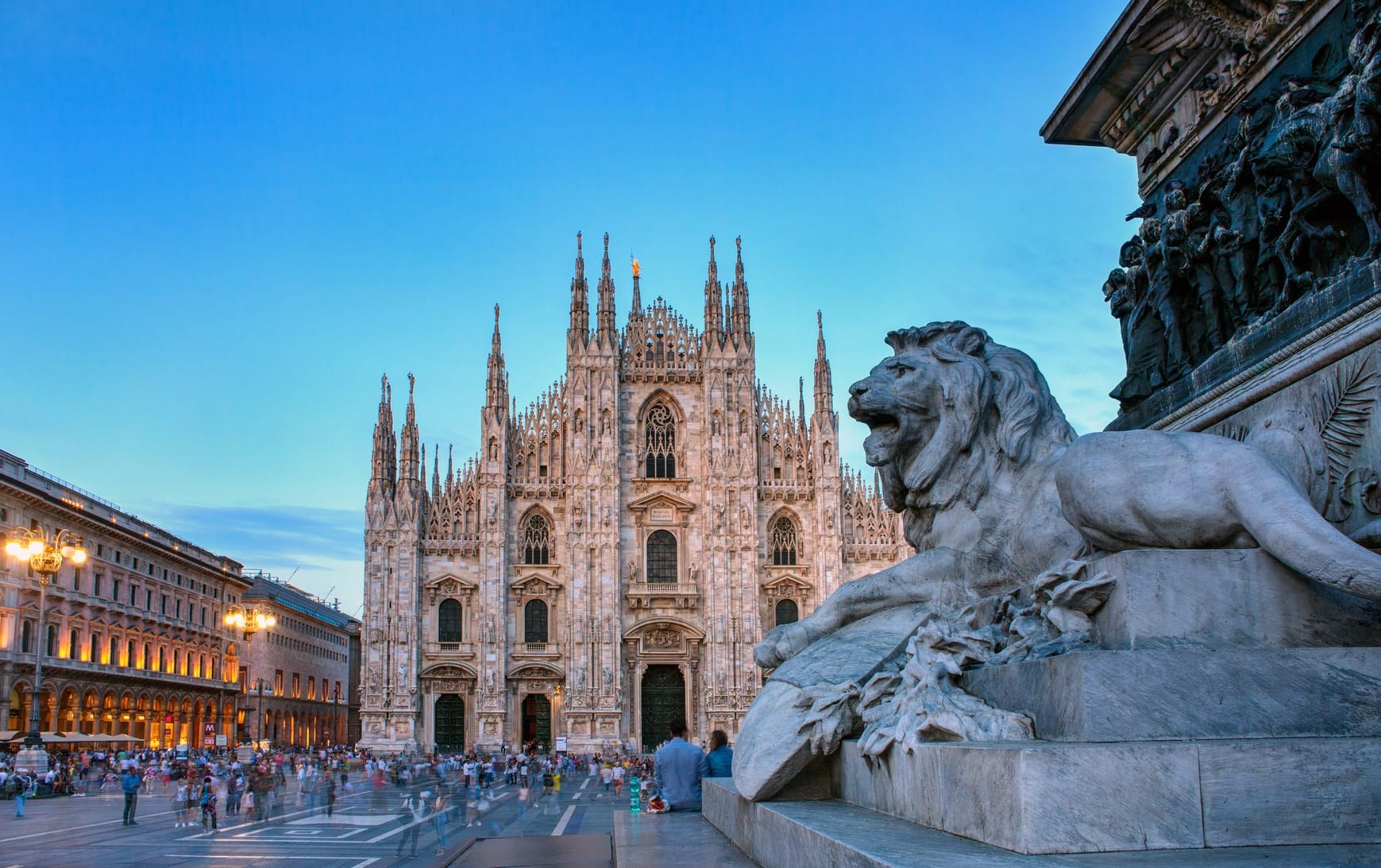 74 mi from GenoaDuomo di Milano
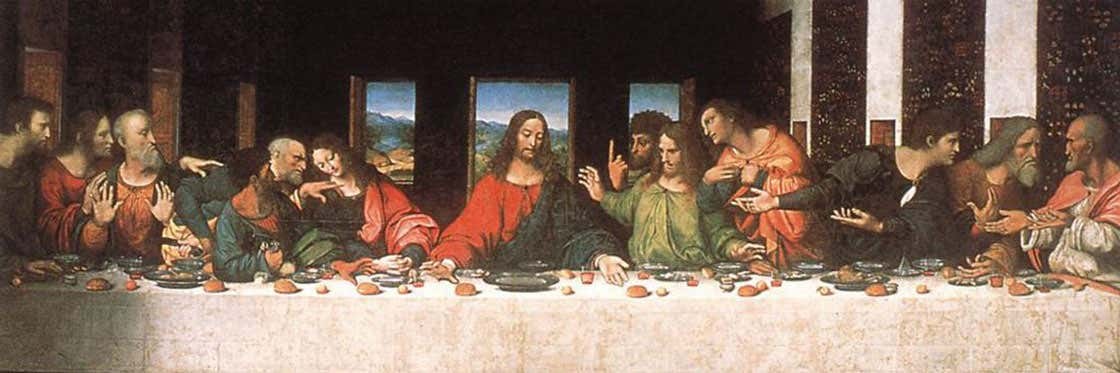 74 mi from GenoaLeonardo da Vinci's The Last Supper
  85 mi from Genoa · land adventureLake Como: Silk, Stone, and Summit — A Four-Day Master Plan
 100 mi from Genoa · land adventureCézanne's Backyard: Wine, Art & Thermal Springs in Provence
 119 mi from Genoa · land adventureFlorence to Val d'Orcia: Wine, Frescoes & Thermal Springs
 After you step off · near Athens
You end in a different port — stay on, and add what is within reach before you fly home.