Your cruise
Seabourn Venture · 12-night Mediterranean cruise, Lisbon to Belfast
Apr 24 – May 6 · 12 nights ·
Day 1 Lisbon (board) · Day 2–3 at sea · Day 4 Cherbourg · Day 5 Plymouth · Day 6 Lundy Island · Day 7 Skomer Island · Day 8 Bantry Bay · Day 9 Schull · Day 10 Cape Clear Island · Day 11 Kinsale · Day 12 Calf Of Man · Day 13 Belfast (step off)
What you do Walk the hallowed sands of Omaha Beach, stand atop Pointe du Hoc, and visit the American Cemetery with a dedicated private guide — an immersive, deeply personal reckoning with the most consequential day of the 20th century.
What to expect Your private guide meets you at the cruise terminal and whisks you through the Normandy countryside in a premium vehicle. At Pointe du Hoc the original German bunkers and shell craters remain almost untouched — your guide brings the Ranger assault to life standing exactly where it happened. Omaha Beach and the immaculate Normandy American Cemetery are deeply moving, with time to reflect at headstones and the overlook memorial. The return drive passes through hedgerow country, with your guide framing the broader Battle of Normandy before you're back aboard with time to spare.
Good to know Full-day tour runs 6–8 hours; confirm all-aboard time with the ship and request a departure of no later than 08:00. Pre-book well in advance for summer 2026 sailings — private vehicles sell out months ahead. No physical limitations beyond walking on uneven ground at Pointe du Hoc.
Versus the ship tour Fully private vehicle and expert driver-guide means you linger at the moments that move you — no headsets, no crowds, no fixed pace. The guide tailors the narrative to your group, connecting personal stories to the landscape in a way a large coach simply cannot.
book direct with Ophorus Normandy Private Tours → · the full guide →
What you do Rise with the tides to visit one of the world's great UNESCO World Heritage silhouettes — the abbey-crowned island of Mont Saint-Michel — on a private guided day trip that handles every detail from port to port.
What to expect The drive south through the bocage countryside takes roughly 1.5 hours each way, setting the scene for the jaw-dropping first glimpse of the mount rising from the bay. Your guide leads you through the Grande Rue to the Benedictine abbey at the summit, explaining 1,000 years of pilgrimage and architectural ambition. The cloister garden, the refectory, and the rampart walks over the tidal flats are all included. A table at a traditional Norman restaurant near the causeway allows time for a galette and local cider before the return journey.
Good to know Round trip is approximately 7–8 hours; request an 08:00 departure to maximise time at the mount. Book the guided abbey entry separately at Mont Saint-Michel official site (from EUR 13 adult). The mount is busiest July–August — an early start is essential. Wear comfortable walking shoes; the cobbled streets are steep.
Versus the ship tour A private itinerary means you arrive early before the day-trippers flood the causeway, climb the abbey ramparts at your own pace, and have genuine time in the medieval village — not a timed march through the gift shops.
book direct with Ophorus Normandy Private Tours → · the full guide →
What you do Board France's most decorated nuclear submarine, Le Redoutable, and stand in the very terminal where Titanic's passengers stepped ashore — all within a 10-minute walk of the cruise pier, making it the port's most theatrical in-depth experience.
What to expect The visit begins in the grand Gare Maritime Transatlantique, a stunning 1930s hall that once welcomed liners from New York, now housing an emotive Titanic permanent exhibition with recovered artefacts and personal stories. From there you descend into Le Redoutable — France's first ballistic missile submarine — touring the torpedo room, the officers' mess, the reactor compartment mock-up, and the cramped crew quarters across seven decks. The adjacent deep-sea aquarium features a 360° tank and bioluminescent species. Allow three to four hours to do justice to all three attractions.
Good to know Open daily from 09:30; last entry 16:00 in shoulder season. Book tickets online in advance at citedelamer.com to avoid queues. The submarine involves ladders and narrow hatches — not suitable for guests with severe mobility limitations. Only 10 minutes on foot from the cruise terminal via the port promenade.
Versus the ship tour Walking distance from the gangway and entirely self-paced, this is a world-class maritime museum that rewards the curious — the scale of Le Redoutable's interior is genuinely staggering, and the Titanic hall occupies the original Art Deco transatlantic terminal where first-class passengers once embarked.
book direct with Cité de la Mer (official) → · the full guide →
What you do Explore Cherbourg's secret Napoleon-built arsenal, Art Nouveau covered market, and the rain-soaked streets immortalised in Jacques Demy's film with a hand-picked local guide who genuinely loves showing off their city.
What to expect Your local guide meets you at the port gate and leads you into the historic centre, pausing at the Basilique de la Trinité, the flamboyant covered market Les Halles, and the Place Général-de-Gaulle. Film enthusiasts are treated to the exact locations used in 'Les Parapluies de Cherbourg,' including a stop at the Manufacture Le Parapluie de Cherbourg where the legendary hand-crafted umbrellas are still made. The tour winds through the Parc Emmanuel Liais — a lush 19th-century botanical garden — before finishing at a local oyster bar of your guide's recommendation. Duration and pace adjust entirely to you.
Good to know Book at least 48 hours ahead; guides have limited availability on peak port days. Duration is flexible from 2 to 6 hours — a 3-hour morning tour leaves ample time for an afternoon at Cité de la Mer. Flat, walkable terrain throughout the town centre. Wear comfortable shoes; light layers for coastal breezes.
Versus the ship tour Every step is unscripted and personalised to your interests — cinema history, Napoleonic military engineering, Norman gastronomy, or all three. A local resident rather than a professional guide means candid recommendations, neighbourhood cafés, and the stories that never appear in guidebooks.
book direct with Lokafy Private Local Tours → · the full guide →
What you do Stand before the world's most extraordinary embroidered chronicle — 70 metres of 11th-century linen depicting the Norman Conquest — then wander Bayeux's perfectly preserved medieval cathedral city on a private guided tour.
What to expect The drive east from Cherbourg through the Cotentin peninsula takes about 75 minutes, arriving at the Musée de la Tapisserie de Bayeux before the coach groups arrive. Your guide decodes each of the 58 scenes in the Tapestry, from Harold's oath to the Battle of Hastings, revealing the visual jokes and coded messages that most visitors miss entirely. From the museum you walk minutes to the soaring Gothic Cathédrale Notre-Dame de Bayeux — remarkably intact and achingly beautiful. Lunch at a traditional Norman brasserie (own account) is followed by a stroll through Bayeux's half-timbered old town before the return drive.
Good to know Bayeux Tapestry Museum entry: EUR 14.50 adult (book direct at bayeuxmuseum.com). Full tour is 6–7 hours; depart by 09:00 to return comfortably before all-aboard. Bayeux is approx. 120 km from Cherbourg port — private transfer makes this seamless. Museum closed Tuesdays in low season; check dates before booking.
Versus the ship tour A private guide contextualises the Tapestry far beyond the audio-guide experience — explaining the propaganda, the hidden details, and the political genius of William's commission. The leisurely pace through Bayeux's cathedral close and the Saturday market (seasonal) feels genuinely unhurried.
book direct with Ophorus Normandy Private Tours → · the full guide →
What you do Discover the wild, wind-sculpted headland of Cap de la Hague — Normandy's rugged answer to Land's End — where dramatic granite cliffs, lighthouse-crowned coves, and empty moorland walk you back to a France untouched by tourism.
What to expect Departing Cherbourg port, the drive west along the Cotentin coast reveals a landscape of heathland and granite sea stacks quite unlike the rest of Normandy. The first stop is the Nez de Jobourg — one of the highest sea cliffs in Western Europe — with a short walk to the cliff edge for vertiginous views over the Channel Islands on a clear day. Your guide then takes you to the charming hamlet of Goury with its circular lighthouse at the tip of the cape, a working lifeboat station, and a local café famous for its fresh langoustines. The return route passes through the village of Omonville-la-Petite where poet Jacques Prévert is buried in a walled garden cemetery.
Good to know Half-day tour runs approximately 4–5 hours, making it ideal for port days with a late all-aboard. Wear sturdy walking shoes and a windproof layer — the cape lives up to its reputation. This tour pairs beautifully with an afternoon at Cité de la Mer. Book the private guide via ToursByLocals at least one week in advance.
Versus the ship tour This is wild, off-itinerary Normandy that almost no cruise passenger discovers — a private driver-guide with deep knowledge of local geology, flora, and fishing culture. You'll have the cliffs almost entirely to yourselves, with stops chosen by the guide based on tides and light.
book direct with ToursByLocals — Cherbourg Private Guides → · the full guide →
What you do Climb to the candy-colored Pena Palace, a Romanticist fairytale castle floating on a forested peak above Sintra, then stand at Cabo da Roca, the westernmost cliff of continental Europe, before the seaside polish of Cascais. It's a UNESCO-listed day you physically cannot do from Lisbon's center on foot, and the single experience a first-timer most regrets skipping. The guided van solves Sintra's brutal timed-entry queues and, critically, guarantees you back to the ship.
What to expect You'll ascend into the forested hills above Sintra to explore the candy-colored Pena Palace, a Romanticist fairytale castle perched on a peak with sweeping views across the landscape. From there, the van carries you to Cabo da Roca, the windswept westernmost cliff of continental Europe, where you can stand at the edge and take in the Atlantic. You'll finish in the seaside polish of Cascais before returning to the ship, completing a full arc of Sintra's dramatic geography in a single morning and afternoon—a journey impossible to accomplish on foot from Lisbon's center.
Good to know This 8-hour small-group van tour includes Pena Palace timed-entry tickets and Lisbon pickup/return from the pier, eliminating the brutal entry queues that plague independent visitors. Book this operator specifically because they guarantee return to the ship; the cruise line's own coach options run 5–7 hours at nearly double the price. Depart early enough to be back well before your ship's evening departure, and bring layers and comfortable walking shoes for steep palace grounds and coastal winds.
Versus the ship tour The ship's 5-hr Sintra/Cascais coach is $129.99 and the 7-hr lunch version is $174.99. Direct is ~$88 in a small van vs a full coach, saving roughly $40-$85 per person AND skipping the entry-queue problem. This is a 8-hour mainland item: only book it on a standard call if your ship is in port well past mid-afternoon, and use this operator specifically because it guarantees the return.
What you do Lisbon was built to be seen from its river, and a small boat delivers the money shot: the red 25 de Abril Bridge (the city's Golden Gate twin), the Cristo Rei statue on the far bank, Belem Tower and the pastel hills tumbling to the water. Two relaxed hours with a drink in hand is the perfect bookend before sailaway. Pick the sunset departure if your ship leaves late.
What to expect You'll board a small boat at the riverside dock near the city center and spend two hours on the water, drink in hand, as Lisbon unfolds in front of you. The route showcases the red 25 de Abril Bridge—Lisbon's iconic rival to the Golden Gate—then glides past the historic Belem Tower and the Christ the King statue (Cristo Rei) rising from the far bank. Pastel-colored hills tumble down to the waterline, and the boat's intimate scale delivers the views that made Lisbon built to be seen from its river. If your ship departs in the evening, the sunset tour transforms the same skyline into burnished gold and rose.
Good to know The dock sits right in town, minimizing back-to-ship risk; plan for a 2-hour cruise within a 6–8 hour port window, leaving time to return before sailaway. Book direct with Tagus Cruises (€38–€45 per person, depending on day or sunset slot) rather than through the ship's add-ons (which cost €73–€100), saving €30–€55 per person for the same experience. The tour is fully inclusive—skipper, drinks, and taxes are built in—and runs on fixed daily departures; reserve ahead to secure your preferred time slot, especially if timing a sunset departure with your ship's schedule.
Versus the ship tour This is the single biggest markup gap at Lisbon. Cruise-line river/sunset water add-ons run ~$80-$110 per person; booking direct at ~$41-$49 saves roughly $40-$60 each for the same skyline. Direct wins decisively. The only edge the ship has is a back-to-ship guarantee, but the dock is right in town, so the risk is minimal.
What you do Alfama is the medieval Moorish heart of Lisbon, a tangle of staircases, laundry-strung alleys and miradouro viewpoints far too steep to cover on foot in a port-day window. An open electric tuk-tuk hauls you up to Castelo de Sao Jorge, Portas do Sol and Santa Luzia for the iconic red-roof-and-river panoramas. The cruise dock literally sits at the foot of Alfama, so this is the lowest-risk, walk-off-and-go option of the day.
What to expect You'll board an open electric tuk-tuk at the cruise dock—no shuttle, no fuss—and climb the steep medieval alleys of Alfama as the vehicle winds through a tangle of laundry-strung staircases and narrow cobbled streets. The route hauls you up to three iconic miradouro (viewpoint) stops: Castelo de Sao Jorge, Portas do Sol, and Santa Luzia, each delivering panoramic shots of Lisbon's signature red rooftops spilling down to the river. At each vantage, you'll have time to photo and breathe the sea-salt air before the tuk-tuk descends back through the Moorish quarter to the dock. The whole rhythm unfolds in 1–2 hours depending on which tour you choose, leaving you with hours to explore Belem or the city on foot.
Good to know The cruise dock sits at Alfama's literal foot, so you walk off the ship and onto a tuk-tuk—book direct with Tuk On Me (operator RNAAT 485/2014 registered with Turismo de Portugal) to lock in €15–€30 per person rather than the ship's €104.99 coach. In a 6–8 hour port window, the 1–2 hour tuk-tuk tour leaves ample buffer time; simply confirm your return time with the driver to ensure you're back at the dock with 30+ minutes before all-aboard. Wear comfortable shoes for the few steps between tuk-tuk stops, bring sunscreen and a hat for the open-air exposure at each viewpoint, and have small euro bills or a card ready for the operator if paying on-site rather than pre-booking.
Versus the ship tour The ship's 3.5-hr Panoramic Lisbon & Belem coach is $104.99. A focused Alfama/viewpoints tuk-tuk at $16-$32 covers the most photogenic, hardest-to-walk part of the city for a fraction of that. Direct wins on price and access. Fair caveat: the ship coach also tacks on Belem, so if Belem is a must-see for you, pair this tuk-tuk with a short ride or walk out there yourself.
What you do Portuguese food is a bucket-list draw in its own right, and a small-group walk is the fastest way to taste the canon: bacalhau (salt cod), petiscos (Portuguese tapas), a bifana pork sandwich, regional cheeses and a shot of sour-cherry ginjinha, learning the city through its makers. This operator works real everyday neighborhoods like Campo de Ourique and Mouraria rather than tourist traps, capped at 12 people. Best for travelers who want depth over a checklist.
What to expect You'll join a small group of no more than 12 people for a walking tour through authentic Lisbon neighborhoods—Campo de Ourique and Mouraria—guided by local food experts who know the real makers and spots. The tour flows as a series of tastings and stops: bacalhau (salt cod), petiscos (Portuguese tapas), a bifana pork sandwich, regional cheeses, and a shot of sour-cherry ginjinha, with drinks included throughout. Rather than hitting tourist checkboxes, you're learning the city's food culture through the people who've shaped it, moving at a conversational pace through working neighborhoods. The whole experience runs 3 to 3.5 hours—intimate, depth-focused, and flavored with real Lisbon rhythm.
Good to know This tour costs ~$76 per person and is offered by Taste of Lisboa Food Tours; book directly with the operator rather than through the cruise line to lock in the small-group cap and local-neighborhood routing. Plan for a 3–3.5 hour excursion, leaving you a comfortable 2.5–3 hour buffer to return to the ship within a typical 6–8 hour port window. Wear comfortable walking shoes suitable for navigating neighborhood streets, and bring cash or confirm card acceptance at each stop, as smaller vendors may have payment limitations. No special advance preparation is needed beyond booking, though arriving 10–15 minutes early at the meeting point in central Lisbon helps you settle in before the group departs.
Versus the ship tour Cruise-line tapas/Fado evenings run ~$70-$100 per person. Direct here is ~$76 for a genuinely local, small-capped walk, so it's roughly even on price but you get a max-12 group in real neighborhoods instead of a tour-bus crowd. Honest call: if you only want a quick cheap taste, a $23-$30 highlights snack-and-wine walk on a marketplace site beats both this and the ship on price; this card is the depth pick, not the budget one.
book direct with Taste of Lisboa Food Tours → · the full guide →
What you do Walk the hallowed sands of Omaha Beach, stand atop Pointe du Hoc, and visit the American Cemetery with a dedicated private guide — an immersive, deeply personal reckoning with the most consequential day of the 20th century.
What to expect Your private guide meets you at the cruise terminal and whisks you through the Normandy countryside in a premium vehicle. At Pointe du Hoc the original German bunkers and shell craters remain almost untouched — your guide brings the Ranger assault to life standing exactly where it happened. Omaha Beach and the immaculate Normandy American Cemetery are deeply moving, with time to reflect at headstones and the overlook memorial. The return drive passes through hedgerow country, with your guide framing the broader Battle of Normandy before you're back aboard with time to spare.
Good to know Full-day tour runs 6–8 hours; confirm all-aboard time with the ship and request a departure of no later than 08:00. Pre-book well in advance for summer 2026 sailings — private vehicles sell out months ahead. No physical limitations beyond walking on uneven ground at Pointe du Hoc.
Versus the ship tour Fully private vehicle and expert driver-guide means you linger at the moments that move you — no headsets, no crowds, no fixed pace. The guide tailors the narrative to your group, connecting personal stories to the landscape in a way a large coach simply cannot.
book direct with Ophorus Normandy Private Tours → · the full guide →
What you do Rise with the tides to visit one of the world's great UNESCO World Heritage silhouettes — the abbey-crowned island of Mont Saint-Michel — on a private guided day trip that handles every detail from port to port.
What to expect The drive south through the bocage countryside takes roughly 1.5 hours each way, setting the scene for the jaw-dropping first glimpse of the mount rising from the bay. Your guide leads you through the Grande Rue to the Benedictine abbey at the summit, explaining 1,000 years of pilgrimage and architectural ambition. The cloister garden, the refectory, and the rampart walks over the tidal flats are all included. A table at a traditional Norman restaurant near the causeway allows time for a galette and local cider before the return journey.
Good to know Round trip is approximately 7–8 hours; request an 08:00 departure to maximise time at the mount. Book the guided abbey entry separately at Mont Saint-Michel official site (from EUR 13 adult). The mount is busiest July–August — an early start is essential. Wear comfortable walking shoes; the cobbled streets are steep.
Versus the ship tour A private itinerary means you arrive early before the day-trippers flood the causeway, climb the abbey ramparts at your own pace, and have genuine time in the medieval village — not a timed march through the gift shops.
book direct with Ophorus Normandy Private Tours → · the full guide →
What you do Board France's most decorated nuclear submarine, Le Redoutable, and stand in the very terminal where Titanic's passengers stepped ashore — all within a 10-minute walk of the cruise pier, making it the port's most theatrical in-depth experience.
What to expect The visit begins in the grand Gare Maritime Transatlantique, a stunning 1930s hall that once welcomed liners from New York, now housing an emotive Titanic permanent exhibition with recovered artefacts and personal stories. From there you descend into Le Redoutable — France's first ballistic missile submarine — touring the torpedo room, the officers' mess, the reactor compartment mock-up, and the cramped crew quarters across seven decks. The adjacent deep-sea aquarium features a 360° tank and bioluminescent species. Allow three to four hours to do justice to all three attractions.
Good to know Open daily from 09:30; last entry 16:00 in shoulder season. Book tickets online in advance at citedelamer.com to avoid queues. The submarine involves ladders and narrow hatches — not suitable for guests with severe mobility limitations. Only 10 minutes on foot from the cruise terminal via the port promenade.
Versus the ship tour Walking distance from the gangway and entirely self-paced, this is a world-class maritime museum that rewards the curious — the scale of Le Redoutable's interior is genuinely staggering, and the Titanic hall occupies the original Art Deco transatlantic terminal where first-class passengers once embarked.
book direct with Cité de la Mer (official) → · the full guide →
What you do Explore Cherbourg's secret Napoleon-built arsenal, Art Nouveau covered market, and the rain-soaked streets immortalised in Jacques Demy's film with a hand-picked local guide who genuinely loves showing off their city.
What to expect Your local guide meets you at the port gate and leads you into the historic centre, pausing at the Basilique de la Trinité, the flamboyant covered market Les Halles, and the Place Général-de-Gaulle. Film enthusiasts are treated to the exact locations used in 'Les Parapluies de Cherbourg,' including a stop at the Manufacture Le Parapluie de Cherbourg where the legendary hand-crafted umbrellas are still made. The tour winds through the Parc Emmanuel Liais — a lush 19th-century botanical garden — before finishing at a local oyster bar of your guide's recommendation. Duration and pace adjust entirely to you.
Good to know Book at least 48 hours ahead; guides have limited availability on peak port days. Duration is flexible from 2 to 6 hours — a 3-hour morning tour leaves ample time for an afternoon at Cité de la Mer. Flat, walkable terrain throughout the town centre. Wear comfortable shoes; light layers for coastal breezes.
Versus the ship tour Every step is unscripted and personalised to your interests — cinema history, Napoleonic military engineering, Norman gastronomy, or all three. A local resident rather than a professional guide means candid recommendations, neighbourhood cafés, and the stories that never appear in guidebooks.
book direct with Lokafy Private Local Tours → · the full guide →
What you do Stand before the world's most extraordinary embroidered chronicle — 70 metres of 11th-century linen depicting the Norman Conquest — then wander Bayeux's perfectly preserved medieval cathedral city on a private guided tour.
What to expect The drive east from Cherbourg through the Cotentin peninsula takes about 75 minutes, arriving at the Musée de la Tapisserie de Bayeux before the coach groups arrive. Your guide decodes each of the 58 scenes in the Tapestry, from Harold's oath to the Battle of Hastings, revealing the visual jokes and coded messages that most visitors miss entirely. From the museum you walk minutes to the soaring Gothic Cathédrale Notre-Dame de Bayeux — remarkably intact and achingly beautiful. Lunch at a traditional Norman brasserie (own account) is followed by a stroll through Bayeux's half-timbered old town before the return drive.
Good to know Bayeux Tapestry Museum entry: EUR 14.50 adult (book direct at bayeuxmuseum.com). Full tour is 6–7 hours; depart by 09:00 to return comfortably before all-aboard. Bayeux is approx. 120 km from Cherbourg port — private transfer makes this seamless. Museum closed Tuesdays in low season; check dates before booking.
Versus the ship tour A private guide contextualises the Tapestry far beyond the audio-guide experience — explaining the propaganda, the hidden details, and the political genius of William's commission. The leisurely pace through Bayeux's cathedral close and the Saturday market (seasonal) feels genuinely unhurried.
book direct with Ophorus Normandy Private Tours → · the full guide →
What you do Discover the wild, wind-sculpted headland of Cap de la Hague — Normandy's rugged answer to Land's End — where dramatic granite cliffs, lighthouse-crowned coves, and empty moorland walk you back to a France untouched by tourism.
What to expect Departing Cherbourg port, the drive west along the Cotentin coast reveals a landscape of heathland and granite sea stacks quite unlike the rest of Normandy. The first stop is the Nez de Jobourg — one of the highest sea cliffs in Western Europe — with a short walk to the cliff edge for vertiginous views over the Channel Islands on a clear day. Your guide then takes you to the charming hamlet of Goury with its circular lighthouse at the tip of the cape, a working lifeboat station, and a local café famous for its fresh langoustines. The return route passes through the village of Omonville-la-Petite where poet Jacques Prévert is buried in a walled garden cemetery.
Good to know Half-day tour runs approximately 4–5 hours, making it ideal for port days with a late all-aboard. Wear sturdy walking shoes and a windproof layer — the cape lives up to its reputation. This tour pairs beautifully with an afternoon at Cité de la Mer. Book the private guide via ToursByLocals at least one week in advance.
Versus the ship tour This is wild, off-itinerary Normandy that almost no cruise passenger discovers — a private driver-guide with deep knowledge of local geology, flora, and fishing culture. You'll have the cliffs almost entirely to yourselves, with stops chosen by the guide based on tides and light.
book direct with ToursByLocals — Cherbourg Private Guides → · the full guide →
What you do A fully private, expert-led walking and driving tour of Plymouth's most storied landmarks — the Barbican, the Hoe, Plymouth Rock, and the Elizabethan merchant quarter — tailored entirely to your pace and curiosity.
What to expect Your guide meets you at the pier and leads you through the cobbled Barbican quarter, where Tudor merchants once loaded the Mayflower for its fateful voyage. The Mayflower Steps memorial and the original Barbican fish market are highlights that rarely get the attention they deserve. From Plymouth Hoe, your guide recounts Drake's legendary game of bowls as the Spanish Armada approached. The tour adapts on the fly — longer at what captivates you, shorter where it doesn't.
Good to know Book directly via britainsbestguides.org well in advance — private guides in Plymouth are limited. The full tour runs 3–4 hours, leaving ample time before all-aboard. Flat, comfortable shoes are essential on the Barbican's ancient stone lanes. The Hoe section involves a gentle uphill walk with stunning harbour panoramas.
Versus the ship tour A Blue Badge-accredited guide crafts the narrative specifically for you — no script, no crowds, no rushing past the moments that matter. The Barbican's Elizabethan alleyways, the Mayflower Steps, and the panoramic views from Plymouth Hoe all unfold at a genuinely luxurious pace.
book direct with Britain's Best Guides – Plymouth Private Tour → · the full guide →
What you do Join Select Southwest Tours' acclaimed guided walk through the Barbican — Plymouth's ancient waterfront district — uncovering the real stories of the Pilgrim Fathers, Elizabethan seafarers, and the centuries of maritime drama etched into its cobblestones.
What to expect The 90-minute to 2-hour walk threads through the Barbican's narrow medieval lanes, pausing at the Mayflower Steps where the Pilgrims are said to have made their final farewell to England in 1620. Your guide animates the Tudor architecture, the island's role in Drake's circumnavigation, and the working fishing harbour that still operates today. The National Marine Aquarium and the Black Friars Distillery (gin!) are in easy walking distance for post-tour exploration. History lands with emotional weight in this remarkably preserved quarter.
Good to know Tours depart from the Barbican waterfront — a 10-minute walk from the cruise tender pier. Comfortable, flat shoes are essential; Barbican cobblestones are uneven. Runs approximately 2 hours, leaving the rest of the day free. Book in advance via selectsouthwesttours.com as group sizes are deliberately kept small. This pairs perfectly with a post-tour lunch at one of the Barbican's harbourside restaurants.
Versus the ship tour Awarded best walking tour in the city, this expert-led walk unlocks layers of Barbican history — the Elizabethan merchant houses, the Mayflower Steps, the gin distillery origins — that a self-guided stroll entirely misses. Small group size ensures genuine guide-to-guest interaction.
book direct with Select Southwest Tours – Historic Plymouth Walking Tour → · the full guide →
What you do Join the island's resident warden for an intimate guided walk to Lundy's famous puffin colonies on the western cliffs. This is one of England's most extraordinary seabird spectacles — a true bucket-list wildlife encounter on a car-free Atlantic island.
What to expect Board the MS Oldenburg from Bideford or Ilfracombe and arrive at the island's Landing Beach. The warden leads a small group along the dramatic western clifftop path to the burrow fields where puffins nest from April to July. Expect nose-to-beak encounters at remarkably close range as puffins wheel overhead and pop in and out of their cliff burrows. The route passes sheer granite sea stacks and offers panoramic Bristol Channel views that are nothing short of cinematic.
Good to know Guided walks are arranged on boat days, often at short notice — confirm with the island office upon arrival. Sailing season runs April to October; puffins are present April–July, peaking in May/June. All-aboard time is strict; allow yourself buffer time to return to the landing beach. Wear layers and non-slip footwear.
Versus the ship tour Access is strictly limited by the island's carrying capacity and the warden's small-group format, so you're never in a crowd. The warden's deep ecological knowledge — covering Atlantic puffins, razorbills, guillemots and Manx shearwaters — transforms a coastal walk into a private masterclass in seabird behaviour.
book direct with Landmark Trust – Lundy Island (Island Wardens) → · the full guide →
What you do Lundy is England's first Marine Conservation Zone — its crystal-clear waters host one of the country's largest Atlantic grey seal colonies. Slip beneath the surface for an unforgettable snorkel alongside these playful giants in their protected underwater kingdom.
What to expect The rocky coves on Lundy's eastern shore shelter a resident population of Atlantic grey seals year-round. A guide leads your small group into the shallows where seals approach out of sheer curiosity, often making direct eye contact before corkscrewing away. The water is strikingly clear — visibility can reach 10+ metres — revealing colourful kelp forests, cuckoo wrasse and spider crabs below. This is a wild, unscripted encounter with England's largest marine mammal.
Good to know Best experienced between April and October when water temperatures are most comfortable in a wetsuit. Confirm snorkel guiding availability with the island office ahead of your visit via the Landmark Trust website. Wetsuits are essential; bring your own or hire on the island. Tidal timing matters — the guide will advise on the best window.
Versus the ship tour Lundy's Marine Conservation Zone status means its waters are among the clearest and most wildlife-rich in England. The seal colony here is extraordinarily relaxed around snorkellers — encounters are genuinely intimate, with seals diving, spinning and 'standing' vertically in the water column just feet from you.
book direct with Landmark Trust – Lundy Island (coordinated via island office) → · the full guide →
What you do Explore the 13th-century Marisco Castle — built by the notorious outlaw William de Marisco — with a private island historian who unlocks the island's extraordinary story of pirates, wreckers and Victorian eccentrics. History this raw and remote is vanishingly rare.
What to expect Begin at Marisco Castle, the dramatic 13th-century keep perched above the landing beach, where your historian recounts William de Marisco's reign as self-styled king of this lawless island. Progress through the village — a tight cluster of granite buildings maintained by the Landmark Trust — past the 11th-century St Helen's Church and the unique Lundy stamps post box. Your guide reveals the island's Victorian transformation under the Heaven family, who ran it as a private kingdom. The sense of stepping outside ordinary time is palpable.
Good to know Private historian sessions are bookable via the Landmark Trust island office — contact ahead of your port call date to reserve. The castle exterior is always accessible to day visitors. The island village is compact; the full historical walking circuit takes approximately 2 hours, fitting comfortably within a standard day-trip window.
Versus the ship tour Lundy's layered history — from Viking raiders to 18th-century pirates who literally minted their own currency — is told here on the very ground where it happened. A private session with an island historian gives you access to interpretation that goes far beyond any signboard, weaving together the castle ruins, the island's Victorian-era buildings and its astonishing cast of real-life characters.
book direct with Landmark Trust – Lundy Island → · the full guide →
What you do Trek the full length of Lundy's wild, wind-scoured plateau to the decommissioned Old Lighthouse on the northern tip — a 19th-century Trinity House tower with jaw-dropping 360° views over the Bristol Channel. This is the island at its most elemental and cinematic.
What to expect From the village, the path climbs onto the plateau's broad back, flanked by heather, bracken and granite outcrops. Wild Soay sheep and Sika deer graze with complete indifference to your presence. The path runs north along the clifftop spine with the Bristol Channel shimmering on both sides. Arriving at the Old Lighthouse — built 1897, decommissioned 1897 after persistent fog (a famous Victorian blunder) — you find yourself at the ragged northern tip of England's Atlantic frontier, utterly alone with the wind and the sea.
Good to know Allow 4–5 hours return for the full northern traverse; fit walkers can do it comfortably within the day-trip window. Good walking boots and waterproofs are essential — weather changes rapidly. The warden's guided walk sometimes covers this route; check on arrival. Return sailing departure is non-negotiable, so set a firm turnaround time.
Versus the ship tour The northern plateau traverse is Lundy's signature walk — 3 miles of open moorland populated by wild Soay sheep, Sika deer and feral goats, with not a road or a car in sight. The reward at journey's end is the isolated Old Lighthouse, a photographic masterpiece framed against open Atlantic sky, and views stretching to Wales, Devon and Cornwall simultaneously.
book direct with Landmark Trust – Lundy Island → · the full guide →
What you do Lundy harbours one of England's most eccentric wildlife rosters: ancient Soay sheep, Japanese Sika deer, feral goats and the legendary black rabbits of Lundy. A specialist photography guide helps you capture them all against stunning Atlantic light. Truly one-of-a-kind.
What to expect Your guide leads you off the main track and into the island's quieter southern valleys and northern plateau fringes, where the Soay sheep and Sika deer are most reliably found. Highland cattle graze the central plateau, photogenic against the wild skyline. The famous Lundy black rabbits emerge near the village in early morning and late afternoon. The guide coaches you on composition and light, using the island's dramatic clifftop backdrops as natural studio settings. Every frame feels like a National Geographic cover.
Good to know Best light for photography is morning (soon after the MS Oldenburg docks) and the golden hour before re-boarding. Bring a telephoto lens (200mm+) for deer and birds. Confirm photography guide availability directly with the Landmark Trust island office. The southern island and northern plateau are the richest wildlife zones — the guide will plan the route around the day's conditions.
Versus the ship tour The combination of species on Lundy is found nowhere else in England — Soay sheep (a Bronze Age breed), Sika deer introduced in the 19th century, shaggy Highland cattle, feral goats and the island's unique black rabbit colour morph. A specialist guide knows exactly where each species grazes at each time of day, maximising your encounters and photographic opportunities in the extraordinary Atlantic coastal light.
book direct with Landmark Trust – Lundy Island (island-based guiding) → · the full guide →
What you do The Marisco Tavern is the only pub in the world with no road leading to it — a convivial granite inn at the heart of Lundy serving freshly landed seafood, local ales and the island's own Lundy Lager. Lunch here is as much a cultural rite of passage as it is a meal.
What to expect Settle into a window seat with views down to the landing beach and the open Bristol Channel beyond. The menu leans into the island's maritime larder — expect fresh crab, mussels and local fish alongside hearty pub classics. The Landmark Trust runs the tavern with an emphasis on quality and provenance; the kitchen knows its audience. Wash it down with a pint of Lundy Lager (brewed to mark the island's heritage) and perhaps a wedge of local cheese. The convivial atmosphere — day-trippers, island staff and the occasional sailing crew all sharing tables — is utterly unlike anywhere else.
Good to know The Tavern gets busy in the midday window; arrive early or late (post-1:30pm) to avoid the queue for tables. It operates on boat days when the MS Oldenburg is in — no advance reservation is possible for day visitors, so simply walk in. Cash and cards accepted. Pair lunch with a browse of the island shop next door for Lundy stamps (a philatelic rarity) and locally produced goods.
Versus the ship tour The Marisco Tavern occupies a category entirely its own — there is simply no other pub like it on the planet. Reached only by sea (or helicopter), it serves seafood sourced from the waters you sailed in on, poured alongside the island's own-brewed lager in a granite room hung with maritime memorabilia. The sense of earned remoteness makes every bite taste better.
book direct with The Marisco Tavern, Lundy Island (Landmark Trust) → · the full guide →
What you do Step ashore on one of Britain's most treasured wildlife sanctuaries and spend a full day among 10,000+ Atlantic Puffins nesting just inches from your feet. Skomer's puffins are famously unafraid of humans — a once-in-a-lifetime encounter on a protected island.
What to expect A 20-minute Dale Princess ferry crossing from Martin's Haven lands you on Skomer, a National Nature Reserve and SSSI. From May to July the clifftops and rabbit-warren slopes are alive with Atlantic Puffins, Guillemots, Razorbills, and Manx Shearwaters. Self-guided walking trails circumnavigate the island's dramatic headlands, prehistoric standing stones, and seal-fringed coves. The island warden team is on hand throughout to answer questions and point out rare sightings.
Good to know Boats depart Martin's Haven (Pembrokeshire) at 10:00, 11:00 & 12:00; all-aboard time for cruise passengers should be checked carefully — allow 5–6 hours minimum. Tickets sell out weeks in advance; book online the moment dates open. Dress in layers; Atlantic weather changes fast. Bring binoculars and a packed lunch — no café on the island.
Versus the ship tour Numbers on the island are strictly capped by Natural Resources Wales, making every landing an intimate, uncrowded experience. You roam free on marked trails at your own pace — no herded group, no time pressure — with puffins nesting at arm's reach in burrows beside the path.
book direct with The Wildlife Trust of South and West Wales (Skomer Island Day Trips) → · the full guide →
What you do Join award-winning Pembrokeshire wildlife photographer Drew Buckley for a private or small-group day on Skomer, learning to capture frame-filling puffin portraits in one of Europe's most photogenic nature reserves. Unmatched expert knowledge of light, behaviour, and the island's best vantage points.
What to expect Drew leads you to the island's most productive puffin ledges and burrow fields at the optimal time of day for soft coastal light. He coaches composition, shutter speed, and patience — the art of waiting for a puffin to return with a beak-full of sand eels. The workshop covers Razorbills, Guillemots, and Grey Seals too. Post-session image review and editing tips are included.
Good to know Skomer landing fees (GBP 32–42) are additional to the workshop fee. Numbers strictly limited — typically 1–4 participants. Book weeks ahead for peak puffin season (May–July). Martin's Haven car park charges GBP 7/day (payable by app or coin). Wear muted colours and soft-soled shoes for wildlife proximity.
Versus the ship tour Drew Buckley is widely regarded as Pembrokeshire's foremost wildlife photographer, with an unrivalled knowledge of Skomer's puffin colonies, light angles, and seasonal behaviour. One-to-one or tiny-group sessions mean personalised coaching — you leave with portfolio-quality images, not snapshots.
book direct with Drew Buckley Photography → · the full guide →
What you do Board a specialist wildlife vessel for a circumnavigation of Skomer and her sister islands — a spectacular sea-level encounter with puffins, gannets, grey seals, and dolphins without ever leaving the boat. Perfect for those who want maximum wildlife density in a single voyage.
What to expect Departing Martin's Haven, the vessel skirts Skomer's volcanic cliffs where thousands of Guillemots, Razorbills, and Puffins wheel overhead and settle on the water beside the hull. Colonies of Atlantic Grey Seals lounge on low rock shelves, unbothered by the boat. The crossing to Stack Rocks delivers breathtaking gannetry viewing before a return sweep past Skokholm's red sandstone cliffs. A knowledgeable guide provides live commentary throughout.
Good to know No landing required — ideal if day-trip tickets are sold out or time is tight. Trips run April–September; sea conditions may cause last-minute changes. Waterproof layers and non-slip footwear essential. Motion-sickness precautions recommended for sensitive passengers. Departs Martin's Haven, approximately 1 hour from cruise tender/port.
Versus the ship tour Expert naturalist guides narrate the entire voyage, identifying every species by call and behaviour. The boat approaches seal haul-outs, gannet stacks, and puffin rafts at close quarters — perspectives impossible from land — and itineraries flex around live wildlife sightings.
book direct with Pembrokeshire Islands Boat Trips → · the full guide →
What you do Combine a Skomer landing with a private guided walk along the Pembrokeshire Coast National Park — one of Britain's most dramatic and least-crowded shorelines. A personal naturalist guide unlocks the geology, Celtic history, and rare flora of this UNESCO-class landscape.
What to expect After a morning Skomer landing among the puffin colonies, your private guide leads an afternoon walk on the mainland section of the Pembrokeshire Coast Path above Martin's Haven — a UNESCO-recognised stretch of Precambrian cliffs draped in sea campion and thrift. Choughs, Peregrines, and Buzzards patrol overhead. Your guide illuminates the Iron Age promontory forts and the ancient trackways used by pilgrims heading to St David's. Seals are often visible in the coves far below.
Good to know Co-ordinate with your guide to ensure return to the cruise ship with ample buffer time. Robust walking shoes essential — coastal paths can be muddy and uneven. National Trust car park at Martin's Haven costs GBP 7/day. Best combined with a morning Skomer landing (10:00–12:00 departure).
Versus the ship tour A private guide means the day is shaped entirely around your pace, interests, and photographic stops. The Pembrokeshire Coast Path offers clifftop vistas, hidden sea caves, and wildflower meadows that a group tour simply cannot linger over.
book direct with The Wildlife Trust of South and West Wales (Skomer Island Day Trips) → · the full guide →
What you do Discover the extraordinary medieval Cathedral of St David — the beating heart of Welsh Christianity and a site of pilgrimage since the 6th century — on a private, expert-guided visit through one of the smallest and most spiritually resonant cities in Britain.
What to expect Nestled in a grassy hollow just steps from the Irish Sea, St David's Cathedral stuns first-time visitors with its sheer scale and stillness. Your guide traces the Norman nave, the intricately carved rood screen, the medieval Bishop's Palace ruins, and the shrine of St David himself — still a place of active pilgrimage. The surrounding 'city' (population ~1,800) is one of the world's smallest, with excellent independent galleries and Welsh craft shops for leisurely browsing afterward.
Good to know St David's is approximately 20–25 minutes by car from Martin's Haven — easily combined with a Skomer morning. Allow 1.5–2 hours for the cathedral and ruins. Most independent Pembrokeshire guides will tailor a combined wildlife-and-culture day on request. Book a private guide in advance for the best experience.
Versus the ship tour St David's is the patron saint of Wales, and his 12th-century cathedral — hidden in a hollow to conceal it from Viking raiders — is one of the most atmospheric sacred buildings in the British Isles. A private guide unlocks the nave's optical illusion floor, the medieval pilgrimage routes, and the story of Wales's spiritual identity.
book direct with St David's Cathedral (Official) → · the full guide →
What you do Explore the wild, dune-backed sweep of Freshwater West — one of Wales's finest surf beaches, a Game of Thrones filming location — and the limestone lily lakes of the Stackpole Estate, Britain's most biodiverse coastal National Trust estate, on a private guided tour.
What to expect Freshwater West's vast tidal beach — backed by dragon-backed dunes and with not a building in sight — offers one of Wales's most cinematic seascapes (used as a Dragonstone exterior in HBO's Game of Thrones). A short drive delivers you to Stackpole Quay, a honey-stone harbour and the starting point for walks to the Bosherston Lily Ponds — a labyrinth of calm, reed-fringed waterways ablaze with white water lilies in June and July. Otters, Kingfishers, and rare dragonflies inhabit the margins; offshore, Choughs and Peregrines work the limestone stacks.
Good to know Best combined with a morning Skomer landing for an exceptional full-day Pembrokeshire itinerary. Stackpole is approximately 30 minutes by car from Martin's Haven. Flat, well-maintained paths around the lily ponds are accessible. A private driver-guide is the most efficient way to link all locations within cruise-port time constraints — book well in advance.
Versus the ship tour Freshwater West and Stackpole are beloved by landscape photographers and naturalists for their extraordinary variety in a single afternoon — Atlantic dunes, ancient woodland, freshwater lakes teeming with otters and rare dragonflies, and sea cliffs with nesting Choughs. Virtually unknown beyond Wales, this is the Pembrokeshire that locals guard jealously.
book direct with National Trust – Stackpole Estate → · the full guide →
What you do Step inside one of Ireland's great privately-owned mansions, set on the shores of Bantry Bay with sweeping water views. The 18th-century home of the Earls of Bantry houses one of Ireland's finest collections of Flemish tapestries, Meissen porcelain, and Russian imperial furniture — still a family home, making every room feel genuinely alive.
What to expect Wander the seven-terrace Italian-style gardens climbing behind the house for panoramic views over Bantry Bay that rank among the most romantic in Ireland. Inside, self-guided rooms take you through centuries of Anglo-Irish grandeur — tapestries gifted by Marie Antoinette, Gobelin carpets, and walls of family portraits. Allow time for coffee in the courtyard café before exploring the walled garden. The house also runs the Armada exhibition commemorating the 1796 French fleet that sheltered in the bay.
Good to know A 10-minute walk or short taxi from Bantry Pier. No pre-booking required but arrive early (opens 10:00) to enjoy the gardens before coach groups arrive. Allow 2–3 hours. Check all-aboard time — Bantry town is compact and return is straightforward.
Versus the ship tour Bantry House is rarely crowd-heavy — arrive early for near-private access to the Italianate terraced gardens rising above the bay, a perspective that simply cannot be replicated. The family still lives here, lending an intimacy no stately-home tour can match.
book direct with Bantry House & Garden (official) → · the full guide →
What you do A sub-tropical island paradise sculpted from bare rock in the early 20th century, Garinish (Ilnacullin) blooms with Himalayan rhododendrons, Japanese maples, and a Grecian temple against a backdrop of Bantry Bay mountains. Seals bask on the ferry crossing — it is pure Irish magic.
What to expect The 10-minute ferry crossing from Glengarriff Harbour often passes grey seal colonies lounging on rocks — a wildlife highlight before you've even arrived. On the island, a walled Italian garden, a Martello tower, and a classical Greek temple folly sit among exotic plantings that thrive in the Gulf Stream microclimate. The Casita tea room allows you to linger over the views. George Bernard Shaw famously wrote part of 'Saint Joan' here.
Good to know Take a taxi or pre-arranged car from Bantry Pier to Glengarriff (approx. 30 minutes). Ferries run regularly in season; no advance booking required for the ferry but OPW entry is pay-on-arrival. Allow 3–4 hours total. Book a taxi back to ensure you make all-aboard.
Versus the ship tour The island is accessible only by ferry from Glengarriff, keeping visitor numbers naturally low and the atmosphere serene. The combination of a wild Atlantic backdrop with a perfectly manicured Italianate garden is genuinely one-of-a-kind in Europe.
What you do Ireland's most south-westerly point — a vertiginous signal station perched above crashing Atlantic swells, connected to the mainland by a dramatic arched bridge over a 45-metre chasm. Wind-lashed cliffs, sea caves, and the raw edge of Europe make this a genuinely spine-tingling experience.
What to expect Cross the iconic suspension bridge — rebuilt in 1909 — over the chasm to reach the old fog signal station, restored as an award-winning visitor experience. Walk the cliff paths past blowholes and sea arches; on a clear day visibility stretches to the Fastnet Rock lighthouse. The onsite café serves excellent chowder. The drive through the Mizen Peninsula is itself one of Ireland's great scenic roads, threading between mountain and sea.
Good to know Approximately 50 km from Bantry; hire a private car or taxi for the day (approx. EUR 120–150 for a round trip, agree in advance). Allow 5–6 hours total including transit. Pre-book your driver from Bantry to guarantee the return leg.
Versus the ship tour Standing at the literal edge of Europe with the Atlantic roaring beneath you is a primal, irreplaceable moment. The signal station's keeper quarters, now a museum, add human drama to the natural spectacle. Very few cruise itineraries reach this far west.
book direct with Mizen Head Signal Station (official) → · the full guide →
What you do Swing out over the Dursey Sound in Ireland's only inhabited island cable car — sharing the tiny cabin with locals and possibly their livestock — to reach one of the most remote, traffic-free islands on the Wild Atlantic Way. Cliffs, ancient ruins, and total solitude await.
What to expect The cable car creaks out over crashing Atlantic surf before depositing you on a tranquil island where the only sounds are wind, waves, and seabirds. Walk the looped trail past the ruins of O'Sullivan Beare's castle and the signal tower to reach the western cliffs — one of the finest seabird vantage points in Munster. Return the same way, timing your cable car crossing with the scheduled departures. The Beara Peninsula drive en route is spectacular in its own right.
Good to know About 70 km from Bantry; hire a private driver for the day (approx. EUR 160–200 round trip). Cable car runs on a timed schedule — confirm times on arrival at Ballaghboy. Allow a full day (6–7 hours total). This is a rugged, weatherproof-clothing experience — not a manicured attraction.
Versus the ship tour There is nothing else in Ireland — or arguably Europe — quite like this cable car crossing. The island's complete absence of commercial tourism means you walk among Iron Age forts, medieval castle ruins, and nesting gannets in genuine wilderness. It is irreplaceable for the discerning traveller who has seen it all.
book direct with Dursey Island Cable Car (official — operated by Cork County Council) → · the full guide →
What you do A glacial lake cradled by ancient mountains, Gougane Barra is the sacred source of the River Lee and the spiritual heart of West Cork. St. Finbarr, patron saint of Cork, founded a monastery here in the 6th century — the tiny island oratory and its lake reflections are among the most serene and beautiful sights in all of Ireland.
What to expect Walk the short causeway to the island oratory, its Romanesque arches reflected in still water surrounded by forested mountain slopes. Forest trails fan out through old-growth oak, ash, and pine alongside the lake — take the upper loop for panoramic views of the corrie valley. The celebrated Gougane Barra Hotel sits at the lake's edge and serves exceptional Kerry lamb and Brown bread — ideal for a long, unhurried lunch. The landscape famously inspired the writer Frank O'Connor.
Good to know Approximately 30 km from Bantry — a straightforward 40-minute private car transfer. Combine with a leisurely lunch at the Gougane Barra Hotel (book in advance: +353 26 47069). Allow 3–4 hours. Easily paired with a scenic return via the Pass of Keimaneigh.
Versus the ship tour Gougane Barra is the Ireland that most visitors never reach — inland, contemplative, and profoundly beautiful. Pilgrims still marry in the oratory; the forest trails are almost entirely crowd-free. The combination of Celtic spirituality, mountain scenery, and extraordinary silence is a genuine counterpoint to coastal sightseeing.
book direct with Gougane Barra Forest Park (official — managed by Coillte/State Forestry) → · the full guide →
What you do The largest island in Bantry Bay, Whiddy is a five-minute ferry crossing from Bantry town yet feels entirely removed from the modern world. Walk past Bronze Age forts, WWII flying boat bases, and wildflower meadows to clifftop views over the full sweep of the bay — with a pint at the island's single pub as a fitting finale.
What to expect The ferry deposits you at Whiddy Pier, from where a circular walk (approx. 8 km) takes you past the ruins of a 16th-century O'Sullivan Beare castle, the remains of the WWII flying boat station, and a memorial to the 1979 Betelgeuse oil tanker disaster. Wildflower-lined lanes lead to the northern cliffs with their sweeping views of the Caha Mountains and Bantry Bay. End at Caitlins Bar — a true old-world Irish island pub — before the short ferry back.
Good to know Ferries depart from Bantry Town Pier — a 5-minute walk from the cruise tender landing. Check the return ferry schedule carefully and allow buffer time for all-aboard. Wear comfortable walking shoes; the circular route takes 2.5–3 hours at a relaxed pace. No advance booking needed for the ferry in good weather.
Versus the ship tour Whiddy is the rare shore excursion where the journey is literally five minutes from the pier yet you arrive somewhere that feels genuinely off the beaten path. The island has no hotels, no coaches, and no queues — just farmland, history, and one of the most atmospheric island pubs in Ireland.
What you do Circle Ireland's most iconic lighthouse — 'The Teardrop of Ireland' — aboard a private charter from Cape Clear Island. Standing 54 metres above the wild Atlantic, Fastnet Rock is a bucket-list maritime marvel best experienced up close on the water.
What to expect Depart Cape Clear's North Harbour aboard a small private vessel and head south-west through Atlantic swells toward the granite tower of Fastnet Rock. Your skipper narrates the lighthouse's remarkable Victorian construction story and its significance to transatlantic sailors. You'll circle the rock for dramatic, close-quarter photography before scanning the surrounding waters for dolphins and minke whales that frequent this passage. Return to harbour with a sense of genuine maritime adventure that few travellers ever experience.
Good to know Book directly with Cape Clear Ferries well in advance — private charters fill quickly. Allow 2–3 hours on the water; confirm all-aboard time with your ship and factor in harbour-to-harbour transfer. Dress in warm, waterproof layers regardless of season; the Atlantic is bracing even in summer.
Versus the ship tour A private boat circumnavigation puts you within metres of the lighthouse rock itself, with full commentary from knowledgeable local skippers who know these waters intimately — an unhurried, exclusive encounter with one of Ireland's most storied seamarks.
book direct with Cape Clear Ferries (private charter) → · the full guide →
What you do Paddle sea kayaks along Cape Clear's dramatic coastline, slipping into crystal-clear Wild Atlantic Way waters for a guided snorkel among kelp forests and hidden sea caves. This is Ireland's westernmost paddling adventure, raw and utterly unspoilt.
What to expect After a brief safety and technique briefing at the harbour, you'll launch kayaks into the sheltered waters of North or South Harbour before rounding headlands into more dramatic coastal scenery. Your guide points out nesting seabirds on the cliffs — gannet, chough, and storm petrel are common — before anchoring in a sheltered bay for a snorkel in remarkably clear Atlantic water. The pace is relaxed and exploratory, with stops to float, photograph, and simply absorb the wild silence of this Gaeltacht island. All equipment, wetsuits, and dry bags are provided.
Good to know Sessions typically run 2.5–3 hours; confirm your ship's all-aboard time before booking. Book directly through the island's activity providers via Cape Clear Ferries' planning page. Suitable for beginners — no prior kayaking experience required. Water shoes and swimwear under wetsuit recommended.
Versus the ship tour A small-group, expert-guided paddle keeps the experience intimate and wildlife-focused — guides position the group perfectly for seal and seabird sightings and know every hidden cove and sea arch on the island's rugged perimeter.
book direct with Cape Clear Island (activity booking via capeclearferries.com) → · the full guide →
What you do Join one of Ireland's foremost birding experts on Cape Clear Island, home to Ireland's oldest bird observatory and a legendary autumn migration hotspot. Spot rare migrants, resident choughs, and — offshore — whales and basking sharks on this extraordinary natural stage.
What to expect Your guide meets you at the harbour and leads you along the island's elevated cliff paths, pausing at key vantage points where the observatory's daily log reveals what rare migrants have been recorded that morning. Resident choughs tumble aerobatically above the headlands while fulmars glide effortlessly on updrafts. From Pointabullig and the south-facing cliffs, your expert scans the Atlantic for fin whales, minke whales, and, in season, the enormous silhouette of a basking shark. The walk covers approximately 4–5 km of gentle to moderate coastal terrain with stops for binoculars and spotting scopes.
Good to know Cape Clear is best for rare birds in spring (May) and autumn (Sept–Oct), but wildlife is year-round. Wear sturdy walking shoes and layers. Pre-arrange the guided walk directly with the observatory by email or phone before your cruise calls. Allow 3–4 hours; confirm all-aboard time.
Versus the ship tour Cape Clear's bird observatory has operated since 1959 and is staffed by specialist ornithologists — the depth of knowledge and access to daily migration data means you'll see and understand far more than any general tour could offer.
What you do Explore the length and breadth of Ireland's southernmost inhabited island on a narrated local bus or buggy tour, taking in ancient ruins, panoramic Atlantic vistas, and the living Gaelic culture of this Irish-speaking Gaeltacht island in comfort and style.
What to expect Board the island's distinctive small bus at the harbour and wind up through narrow stone-walled lanes past ancient field systems and whitewashed cottages. Your guide — a local islander — narrates in both English and Irish, sharing the extraordinary story of a community that has maintained its Gaelic language and traditions against the Atlantic odds for centuries. Stops include the ruins of the O'Driscoll clan's medieval castle, the island's three lakes, and the highest point for a 360-degree panorama stretching from Mizen Head to the Skellig Islands on clear days. The Fastnet Rock sits sentinel on the southern horizon throughout.
Good to know Tours depart regularly from the harbour; contact the operator on +353 28 39159 to confirm times and arrange private hire for a more exclusive experience. Duration approx. 45 min standard tour; allow 2 hours for a relaxed private version. Combine with the bird walk or a pub lunch for a full day.
Versus the ship tour The island's own local guides bring an insider's intimacy to the story of this tiny, fiercely Gaelic community — their commentary weaves history, folklore, and living language in a way no outside operator can replicate.
book direct with Cape Clear Island Local Bus Tours → · the full guide →
What you do Discover the atmospheric ruins of Dunanore Castle, the 15th-century stronghold of the O'Driscoll chieftains who once controlled all shipping along this stretch of the Wild Atlantic Way. A self-guided heritage trail unlocks the island's remarkable layered history.
What to expect Walk a short trail north from the harbour to Dunanore Castle, perched dramatically above the sea on a rocky promontory — the O'Driscolls levied tolls on every ship passing between here and Fastnet Rock, making them among the wealthiest clans in medieval Munster. The ruins are atmospheric and largely unvisited, offering a genuine sense of discovery. Continue to the island's small but absorbing Heritage Centre, where artefacts, maps, and oral history recordings illuminate 6,000 years of human habitation, including a Neolithic standing stone and evidence of early Christian monks. The entire trail covers 3–4 km of easy walking with sweeping sea views throughout.
Good to know The Heritage Centre keeps seasonal hours (typically May–September); confirm opening before your visit. The castle walk is accessible year-round and free. Wear comfortable walking shoes; paths are partly unpaved. Allow 2–3 hours for castle, heritage centre, and a leisurely return along the clifftop path.
Versus the ship tour The Heritage Centre's expert islander staff offer context that transforms a ruin into a vivid story — of piracy, Gaelic chieftainship, the Spanish Armada, and centuries of Atlantic survival that shaped this remarkable place.
book direct with Cape Clear Island Heritage Centre → · the full guide →
What you do Stand-up paddleboard across the mirrored waters of South Harbour as the Atlantic light turns golden, with the Fastnet Rock on the horizon and not another soul in sight. Pure, meditative Wild Atlantic Way luxury at its most elemental.
What to expect Launch from the sandy shore of South Harbour and paddle out into waters so clear you can see the sandy bottom several metres below. Your guide leads you at a relaxed pace around the harbour's headlands, where grey seals haul out on low rocks and cormorants dry their wings on kelp-draped boulders. The Fastnet Rock sits at the southern edge of your horizon — a dramatic backdrop that reminds you exactly how far west you are. The session balances instruction for newcomers with freedom for experienced paddlers to explore independently. End with a warm drink at the island's harbourside café.
Good to know Sessions available subject to sea conditions — the operator will advise on the morning of your visit. Book in advance via Cape Clear Ferries' activity planning page. No prior SUP experience needed; all equipment provided including wetsuit and buoyancy aid. Allow 1.5–2 hours on the water plus kit-up time.
Versus the ship tour Cape Clear's harbours are naturally sheltered and extraordinarily clear, making them ideal for SUP — and because the island sees so few visitors, even in peak season you'll share the water with seals rather than crowds, creating an atmosphere of total solitude.
book direct with Cape Clear Island (activity booking via capeclearferries.com) → · the full guide →
What you do Stand at the dramatic cliffs of Old Head of Kinsale — the very headland where the Lusitania sank — with breathtaking Atlantic panoramas. A private guided drive to one of Ireland's most iconic and storied promontories.
What to expect Your private guide collects you and drives the winding coastal road south of Kinsale to the wild finger of Old Head promontory. At the clifftop you gaze over the Celtic Sea from dizzying heights, with the ancient signal tower and lighthouse framing postcard views. Your guide narrates the headland's layered history, from Iron Age promontory fort to the fateful Lusitania site. The return journey weaves through rolling County Cork countryside for a full sense of the landscape.
Good to know Old Head is about 20 minutes' drive from Kinsale town. Book the private tour in advance directly with Historic Stroll Kinsale. Confirm all-aboard time at Cobh (Kinsale ships tender) and allow comfortable buffer — this excursion is typically 2–3 hours.
Versus the ship tour A fully private, pace-your-own experience with a local expert historian who weaves the headland's extraordinary past — from Celtic mythology to the 1915 Lusitania tragedy — into the landscape itself. Linger as long as you like at the cliff edge with no group crowd.
book direct with Historic Stroll Kinsale (private tailored tours) → · the full guide →
What you do Cast off into Kinsale Harbour aboard a private charter for Atlantic mackerel and lobster fishing with a seasoned local skipper. One of Ireland's most celebrated fishing ports becomes your personal playground.
What to expect A weathered, knowledgeable skipper motors you out past the historic fortifications and into the rich waters of Kinsale Harbour and beyond. You haul traditional lobster pots, feel the thrill of mackerel on the line, and may spot grey seals and gannets working the same waters. The skipper shares stories of Kinsale's seafaring heritage as the medieval town gleams behind you. The catch can often be arranged for cooking at a local restaurant afterward.
Good to know Departs from Kinsale town pier — a short walk or water-taxi from the tender landing. Dress in warm, waterproof layers even in summer. Book well in advance; private charters fill quickly in peak season. Allow 3–3.5 hours total and confirm return time with your skipper.
Versus the ship tour A private charter means only your group on the water — no strangers, no rushed itinerary. The skipper pulls lobster pots hauled from the harbour floor and hands you a line for mackerel while seabirds and seals join the party. This is the real Kinsale, experienced like a local.
book direct with Kinsale Harbour Cruises & Fishing (local operator, book via Kinsale tourism/direct) → · the full guide →
What you do Kinsale earned the title of Ireland's Gourmet Capital — and this guided tasting tour proves why. Weave through cobbled lanes sampling chowder, farmhouse cheese, artisan charcuterie, and award-winning craft spirits.
What to expect Your guide — a genuine local food obsessive — leads you through Kinsale's photogenic streets, stopping at a curated selection of restaurants, delis, and artisan producers. Expect silky seafood chowder ladled fresh, tangy West Cork farmhouse cheeses, house-cured charcuterie, and a nip of locally distilled gin or whiskey. Each stop reveals the region's deep agricultural and maritime food culture. The tour is unhurried, with time to ask questions, meet the makers, and soak up the atmosphere.
Good to know Tours last approximately 2.5–3 hours and depart from central Kinsale — easy walking distance from the tender pier. The private group option (EUR 400+) is recommended for the most personalised experience. Book directly at kinsalefoodtours.com well ahead of your cruise date.
Versus the ship tour An intimate, expert-led experience with a passionate local foodie guide who has personal relationships with every producer and chef on the route. You eat where the locals eat, hear the stories behind the ingredients, and leave with recommendations no guidebook carries.
What you do Explore one of Europe's finest preserved star-shaped fortifications, perched dramatically above the harbour entrance. A living monument to 300 years of Irish military history with sweeping water views.
What to expect You walk the wide grass ramparts of this 17th-century star fort, pausing at each angled bastion as the harbour and open Atlantic spread before you. The inner compound reveals intact barracks, a chapel ruin, and weathered military architecture that has barely changed in three centuries. A heritage guide brings the 1690 Williamite siege vividly to life and traces the fort's role in every chapter of Irish history up to independence. The clifftop setting, especially in raking Atlantic light, is deeply cinematic.
Good to know Charles Fort is a 20-minute scenic walk along the Scilly Walk from Kinsale town (or a short taxi). Allow 1.5–2 hours for a thorough visit. Entry is via OPW; pre-book guided group sessions directly. Wear comfortable shoes — the ramparts involve uneven cobbles and grassy banks.
Versus the ship tour Charles Fort's sheer scale — bastions, barracks, gunpowder stores, and sea walls all intact — rewards the visitor who takes time to explore beyond the gatehouse. A knowledgeable OPW heritage guide unlocks stories of Williamite sieges and centuries of garrison life that no signage alone can convey.
book direct with Charles Fort / Office of Public Works (OPW Ireland) → · the full guide →
What you do Uncover the town that changed the course of Irish history on a guided walk through Kinsale's medieval lanes. The 1601 Battle of Kinsale, the Flight of the Earls, and centuries of intrigue come alive in the streets.
What to expect Beginning at the Kinsale Tourist Office, your historian-guide leads you through a town that reads like an open history book — from the medieval parish church of St Multose (one of Ireland's oldest in continuous use) to the courthouse where the Lusitania inquest was held. The 1601 Battle of Kinsale — the watershed that ended Gaelic Ireland — is narrated in the very streets where it unfolded. Colourful 17th-century townhouses, hidden laneways, and harbour-front vistas make every stopping point worthy of a photograph. The 90-minute public tour is superb; the private version is exceptional.
Good to know Public tours run daily mid-March to October at 11:15 (and 9:15 May–September) from the Tourist Office — a 5-minute walk from the tender pier. Private tours can be tailored to start times that suit your all-aboard schedule. Book directly at historicstrollkinsale.com.
Versus the ship tour The guide is a genuine local historian — not a generalist tour leader — who has spent years researching Kinsale's pivotal role in Irish and world history. The private option means the story is shaped entirely around your group's interests, at your pace, with no one else in earshot.
book direct with Historic Stroll Kinsale → · the full guide →
What you do Glide through one of Ireland's most beautiful natural harbours, past medieval castles and Napoleonic sea forts, with grey seals, cormorants, and gannets for company. A serene and visually stunning way to read Kinsale from the water.
What to expect A small, comfortable charter boat slips out of Kinsale pier and into the shimmering harbour estuary, where the skipper points out James Fort and Charles Fort guarding the narrows like bookends of history. Grey seals loll on rocky outcrops, and the guide identifies the seabird colonies wheeling overhead — gannets, cormorants, oystercatchers. The cruise ventures upriver into the wooded Bandon River for a glimpse of a more secret, pastoral Ireland before returning with the medieval skyline ahead. Commentary is warm, knowledgeable, and unscripted.
Good to know Cruises depart from Kinsale town pier — steps from the tender landing. Dress in a wind-proof layer; the harbour breeze is lively even on sunny days. Tours run approximately 1.5–3 hours; confirm duration and departure time directly with the operator to allow for all-aboard. Book in advance in summer.
Versus the ship tour Being on the water transforms Kinsale — the town's multicoloured waterfront, the silhouette of Charles Fort on its clifftop, and the wild estuary wildlife are best appreciated from a boat at a leisurely pace. The small-boat format means the skipper can nose into coves and alongside seal haul-outs inaccessible to any larger vessel.
book direct with Kinsale Harbour Cruises → · the full guide →
What you do Stand on 40,000 interlocking basalt columns plunging into the North Atlantic — Northern Ireland's only UNESCO World Heritage Site. A private chauffeured tour along the breathtaking Antrim Coast Road makes this the definitive bucket-list day from Belfast.
What to expect Your private guide collects you directly from Belfast Port in a premium vehicle and whisks you up the stunning Antrim Coastal Road, pausing at Dark Hedges and Carrick-a-Rede Rope Bridge before arriving at the Giant's Causeway. With no group itinerary to follow, you can linger on the colonnade rocks at low tide, walk the cliff-top path for panoramic Atlantic views, and dive deep into the volcanic mythology with your guide. The return journey winds through the Glens of Antrim, with stops tailored entirely to your interests.
Good to know Full day: typically 8–9 hours. Pre-book well in advance — private vehicles fill up fast on port days. Confirm your all-aboard time and share it with your driver; Belfast Causeway Tours are experienced with cruise schedules and guarantee port returns.
Versus the ship tour Fully private, chauffeured in a luxury vehicle with a dedicated local expert guide — your pace, your stops, no group waiting. Includes hidden coastal viewpoints and Carrick-a-Rede Rope Bridge at your leisure.
book direct with Belfast Causeway Tours → · the full guide →
What you do Walk the very slipways where RMS Titanic was built and step inside the world's largest Titanic museum for an immersive, nine-gallery journey through her design, launch, and fateful maiden voyage. With a private guide, every exhibit comes alive.
What to expect Titanic Belfast sits on the exact footprint of the shipyard where she was constructed, and the building itself — its four prow-shaped facades echoing the hull — is architectural theatre before you've even entered. Inside, you descend through nine world-class galleries spanning the Belfast industrial boom, the ship's construction via a dramatic 'ride' through the slipways, the opulent interiors, and the haunting wreck footage. A private guide weaves personal stories of the 3,000 Belfast workers who built her, making this far more than a museum visit — it becomes a story of a city.
Good to know Titanic Belfast is roughly 10–15 minutes from Belfast Port by taxi. Allow 2.5–3 hours minimum. Book entry tickets directly on the official website to avoid sold-out dates; arrange your private guide separately through the museum's group bookings team. Located right in the Titanic Quarter.
Versus the ship tour Combine official priority-entry tickets with a pre-booked private expert guide for a deeply personal experience — no queues, no crowds, and the freedom to dwell in the galleries that move you most.
book direct with Titanic Belfast (official) → · the full guide →
What you do Northern Ireland was the primary filming location for Game of Thrones, and this landmark studio experience — housed in the original Linen Mill Studios in Banbridge — holds the world's largest collection of original costumes, sets, and props from the series.
What to expect Set in the actual studios where HBO filmed for a decade, the tour takes you through vast, atmospheric set recreations — the smoke-filled Great Hall, the chilling Night's Watch headquarters, and the towering Iron Throne room. Original costumes for Daenerys, Cersei, and Jon Snow are displayed in forensic detail, and interactive stations let you try a crossbow, sit the Iron Throne, and handle authentic props. The depth of craft on display is staggering; this is as much about the artistry of storytelling as it is fan service.
Good to know Banbridge is approximately 30 miles south of Belfast Port — allow 45 minutes each way by private transfer. Timed entry tickets MUST be pre-booked on the official website; walk-ups are not accepted. A half-day excursion: 3–4 hours on site. Factor travel time carefully against your all-aboard.
Versus the ship tour Timed entry keeps crowd density genuinely low — you walk through Iron Throne rooms, the Great Hall of Dragonstone, and original costume vaults without the crush of a theme park. An unmissable pilgrimage for any fan of the series.
book direct with Game of Thrones Studio Tour (official) → · the full guide →
What you do Explore the Falls Road and Shankill Road murals with a local guide who lived through The Troubles — an intimate, frank, and deeply human exploration of Belfast's divided past and remarkable present-day peace. Utterly unique to this city.
What to expect Your guide leads you on foot through the working-class neighbourhoods of West Belfast, past towering painted murals that serve as open-air political manifestos, memorials, and peace declarations. You'll cross through the Peace Gates in the 'Peace Wall' — the still-standing barrier dividing communities — and hear unfiltered perspectives from both the Nationalist and Unionist traditions. The conversation is candid, nuanced, and deeply respectful; you leave with a far richer understanding of modern Ireland and the fragile, hard-won peace that underpins it.
Good to know The Falls and Shankill Roads are roughly 15–20 minutes from Belfast Port by taxi. Tours typically run 2–3 hours — highly manageable within a port day. Private tours can be arranged to match your exact schedule. No prior knowledge of Irish history required — guides pitch the narrative to your group.
Versus the ship tour Guides are locals with first-hand connection to the communities on both sides of the Peace Wall — their personal testimony transforms a walk among murals into one of the most emotionally powerful experiences in Europe.
What you do Step inside Belfast's magnificent Baroque Revival City Hall for an expert-guided tour of its grand marble chambers, then lose yourself in the vibrant Victorian iron-and-glass St George's Market — one of the finest covered markets in Europe.
What to expect The guided tour of City Hall takes you through ornate council chambers, the Great Hall with its soaring stained-glass windows, and the poignant Titanic memorial garden — your guide bringing to life Belfast's transformation from industrial powerhouse to vibrant European capital. A short stroll away, St George's Market (operating since 1604 and a listed building itself) delivers a symphony of local artisan produce, fresh seafood, handcrafted goods, and live traditional music on Saturdays and Sundays. It is the city's true social heartbeat and an unmissable sensory experience.
Good to know City Hall is a 20-minute walk or 10-minute taxi from Belfast Port — perfectly central. Guided City Hall tours run at set times; check belfastcity.gov.uk and pre-book to guarantee your slot. St George's Market operates Fri–Sun (best on Saturday and Sunday mornings). A superb half-day combination leaving the afternoon free.
Versus the ship tour A beautifully curated half-day in the heart of Belfast's city centre — superb architecture, compelling civic history, and the sensory pleasure of a world-class artisan market, all walkable and entirely at your own luxury pace.
book direct with Belfast City Council – City Hall Tours (official) → · the full guide →
What you do Hike to the volcanic basalt summit of Cave Hill — the dramatic natural crown above Belfast — for a sweeping panorama over the city, Belfast Lough, and the Antrim Hills. The profile that inspired Jonathan Swift's Gulliver's Travels lies beneath your feet.
What to expect The trail from Belfast Castle (a fine Neo-Norman landmark worth a brief stop en route) climbs steadily through ancient woodland before opening onto open basalt moorland with increasingly dramatic views. At the summit — McArt's Fort, an Iron Age promontory fort — Belfast Lough stretches to the Irish Sea, the city grid lies below, and on clear days Scotland's Mull of Kintyre is visible across the water. The hike takes 2–3 hours return and requires comfortable walking shoes; the reward is a perspective on Belfast that few visitors ever earn.
Good to know Belfast Castle (the trailhead) is approximately 15–20 minutes by taxi from Belfast Port. The round trip is roughly 5–6 km with 200m elevation gain — moderate fitness required. Go early to beat midday visitors and maximise clear-sky views. Check weather forecasts the morning of your port call; the summit can be misty in low cloud.
Versus the ship tour Raw, wild, and completely free of tourist infrastructure — Cave Hill offers the rare gift of genuine solitude above a European capital. The view from McArt's Fort (Napoleon's Nose) is one of the most spectacular urban panoramas in the British Isles.
book direct with Visit Belfast (official destination guide & self-guided trails) → · the full guide →
Before you sail · near Lisbon
Fly in at least a day early — every seasoned cruiser does, so a delay never costs you the ship. This is what is worth that day within reach of the port.
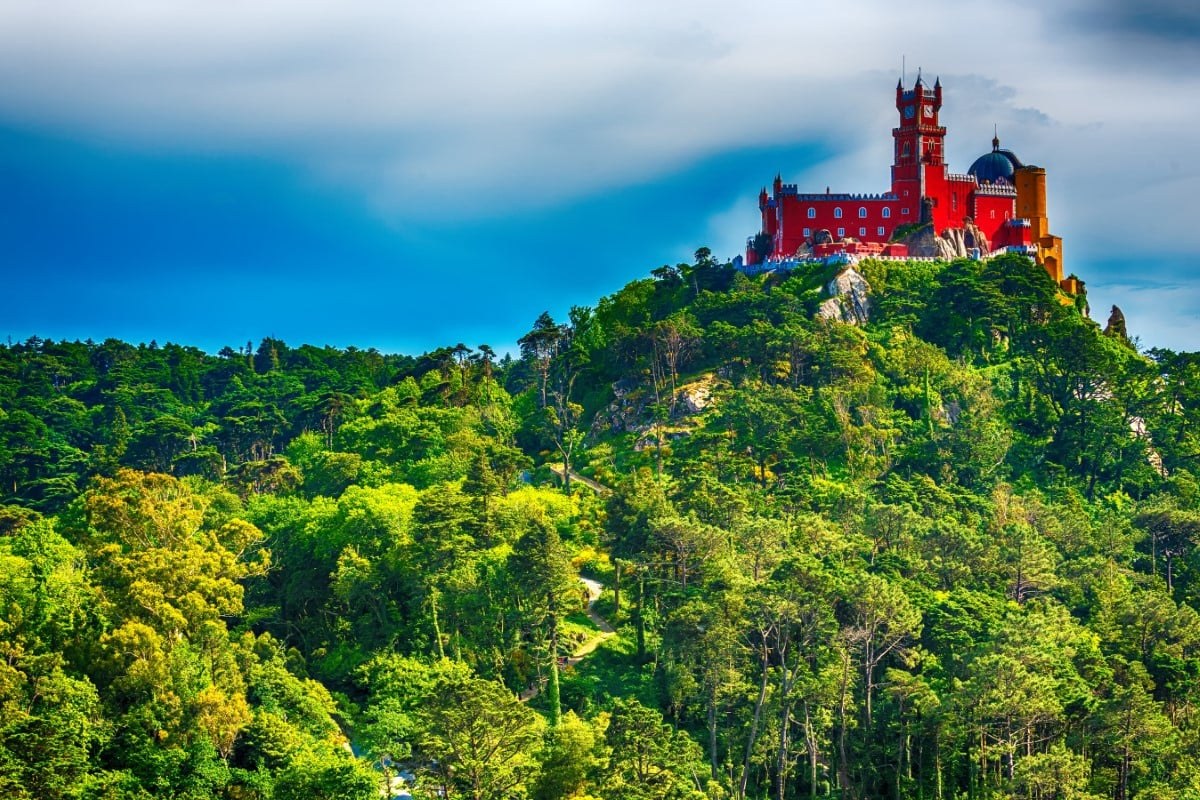 14 mi from LisbonSintra Day Trip - Pena Palace
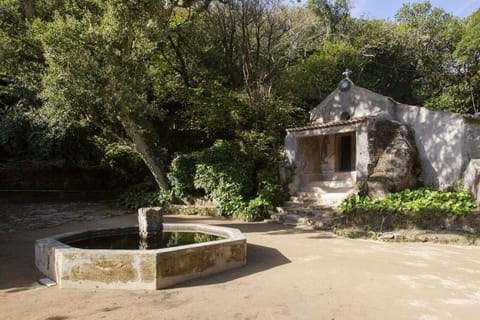 13 mi from LisbonConvent of the Capuchos Cork Lining & Underground Network
 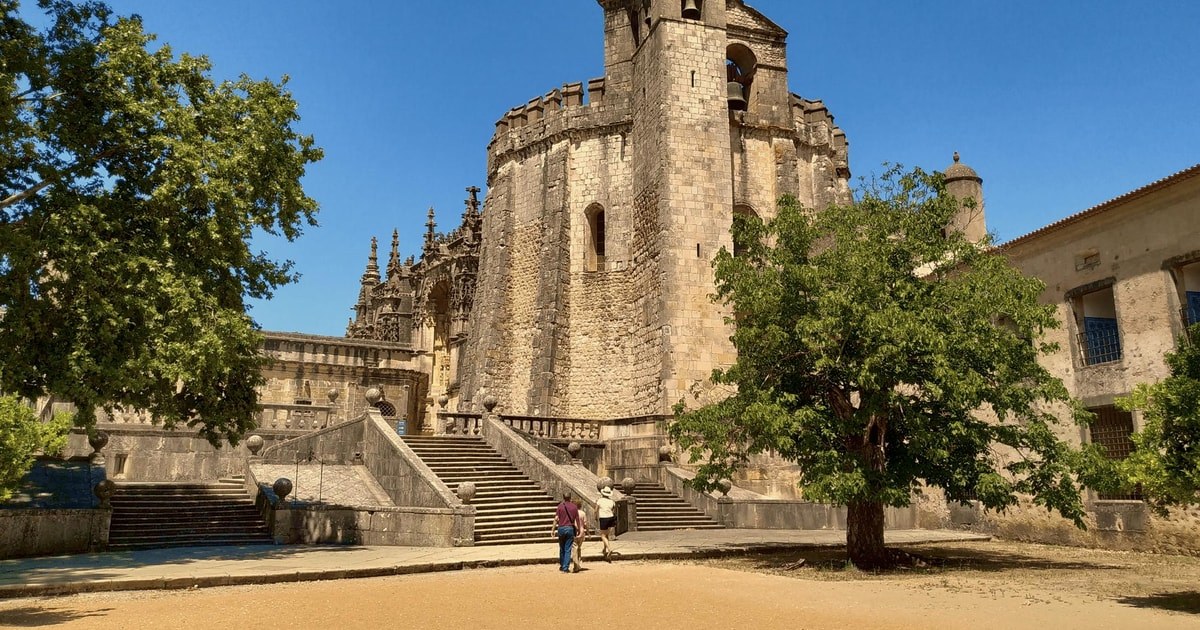 4 mi from Lisbon · land adventureTemplar Stone, Atlantic Cliffs, and Pastel Custard in Lisbon
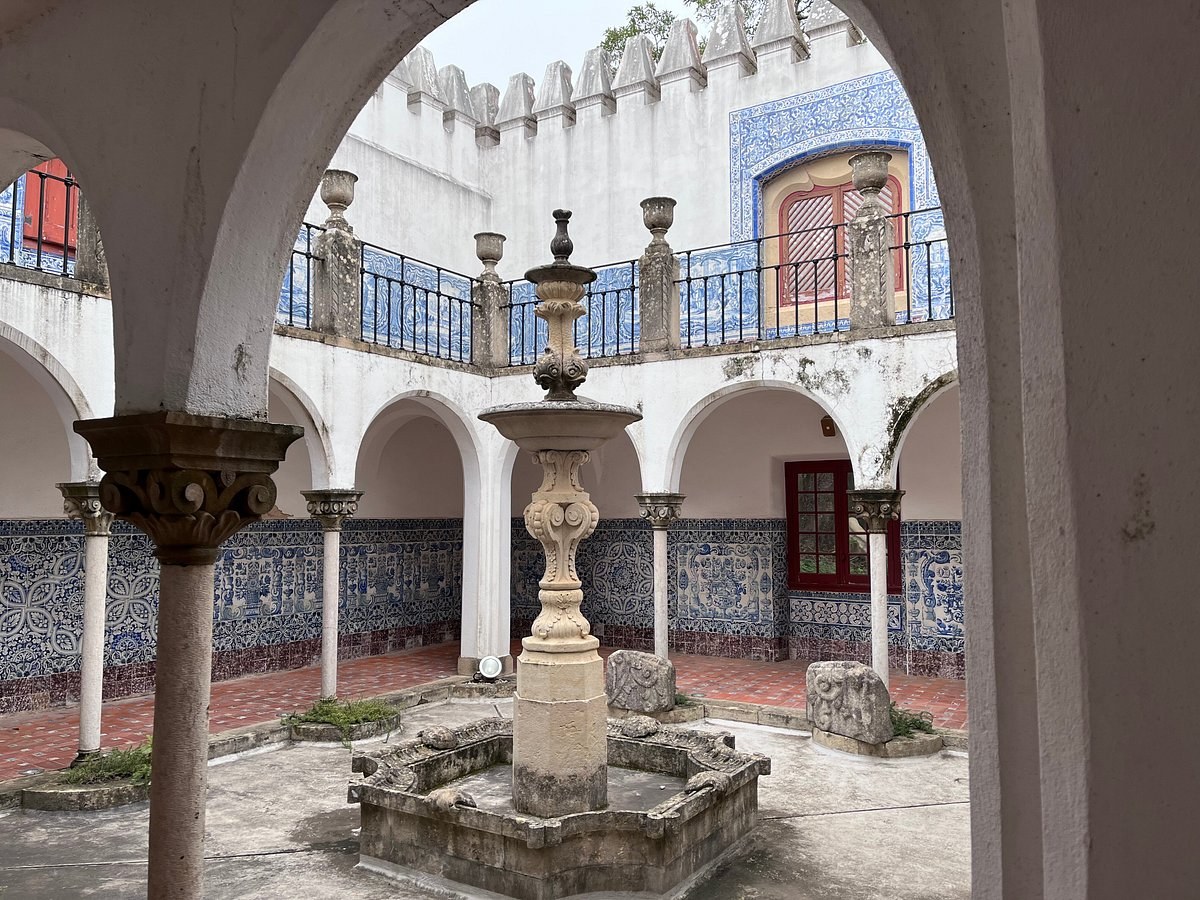 4 mi from Lisbon · land adventureSintra's Forests, Palaces & Coast: A Portuguese Masterpiece
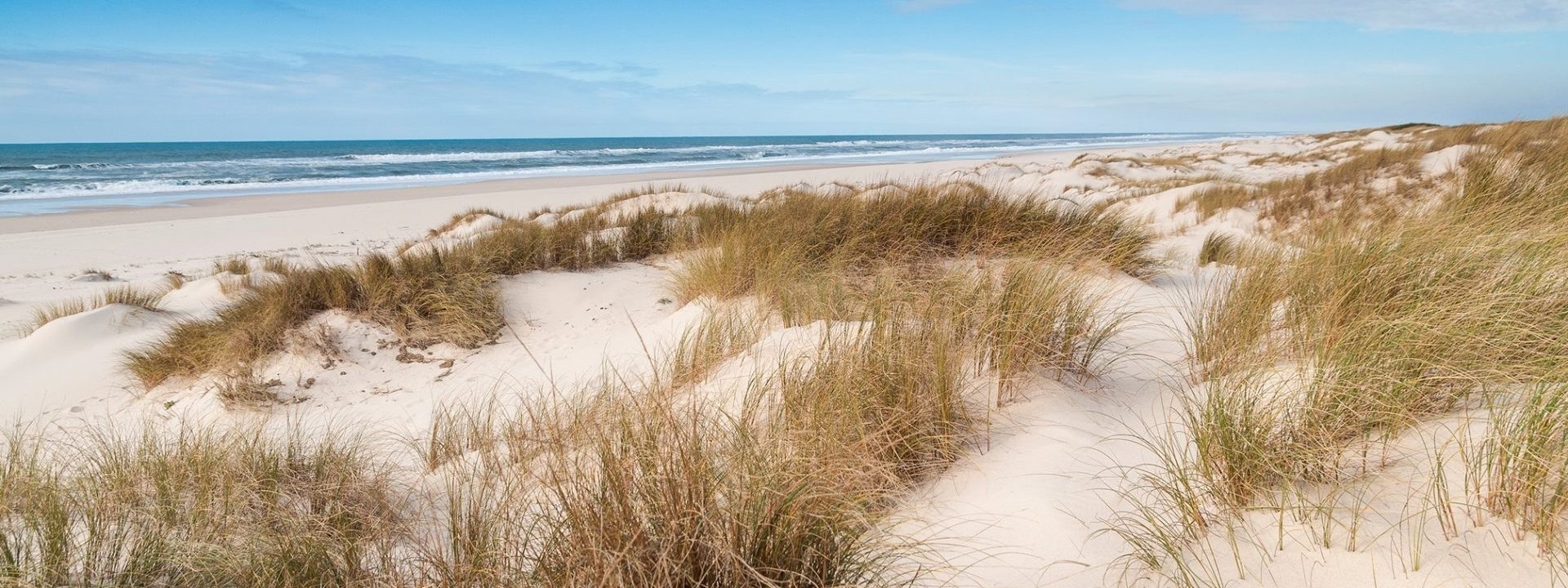 176 mi from Lisbon · land adventureSalt, Sand and Natural Wine: The Aveiro Coast Done Right
 After you step off · near Belfast
You end in a different port — stay on, and add what is within reach before you fly home.
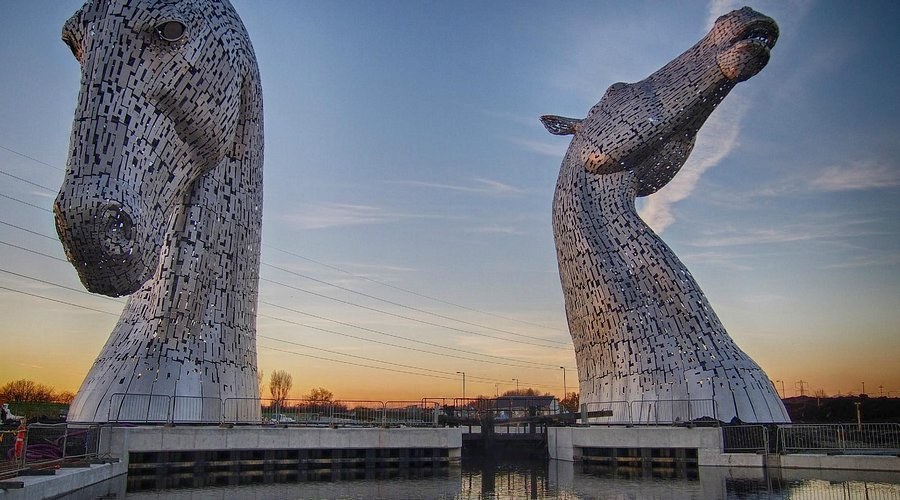 127 mi from BelfastThe Kelpies & Falkirk Wheel (The Helix Park Experience)
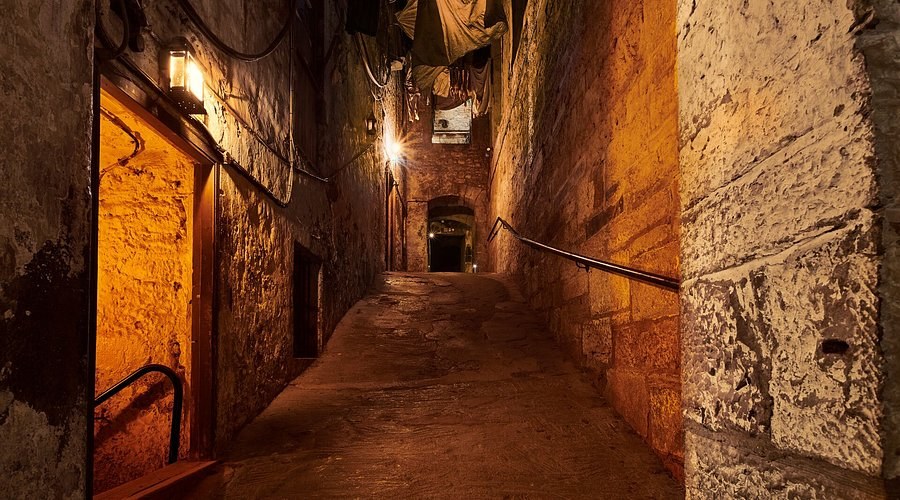 143 mi from BelfastThe Vault at Real Mary King's Close
 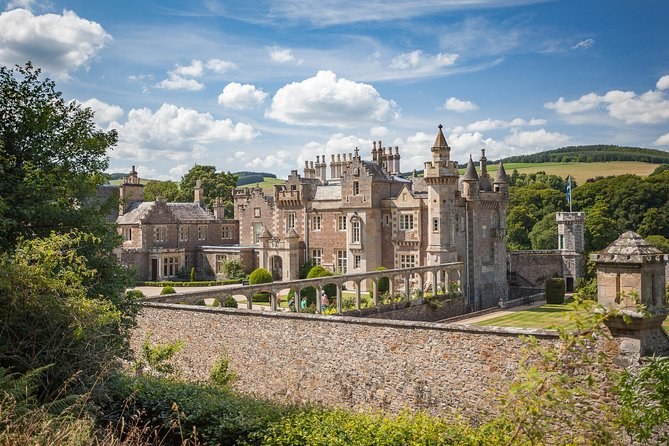 137 mi from Belfast · land adventureEdinburgh's Literary Ghosts, Hilltop Sunsets & Underground Whisky
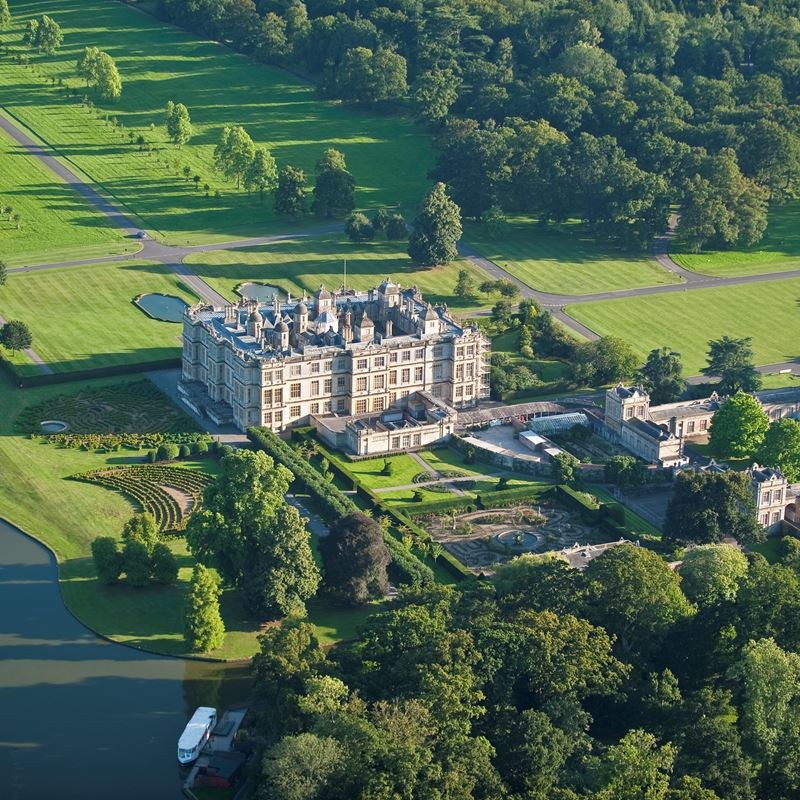 259 mi from Belfast · land adventureGeorgian Bath, Wild Somerset: Limestone, Lions and Lock Flights