Your cruise
Seven Seas Navigator · 28-night Australia & South Pacific cruise, Cape Town to Singapore
Mar 9 – Apr 6 · 28 nights ·
Day 1 Cape Town (board) · Day 2 Willis Island · Day 3–4 Port Elizabeth · Day 5–6 Willis Island · Day 7 Maputo · Day 8–10 Willis Island · Day 11 Nosy Be · Day 12 Willis Island · Day 13 Dar es Salaam · Day 14–15 Willis Island · Day 16 Mahe · Day 17–19 Willis Island · Day 20 Male · Day 21 Willis Island · Day 22 Hambantota · Day 23–24 Willis Island · Day 25 Phuket · Day 26 Penang · Day 27 Port Klang (Kuala Lumpur) · Day 28–29 Singapore (step off)
What you do Board a rigid inflatable Zodiac for a close-up circumnavigation of one of the Coral Sea's most remote specks of land. Drift alongside vast nesting colonies of red-footed boobies, frigatebirds and brown noddies — a wildlife spectacle almost no traveller on earth ever witnesses.
What to expect Your Zodiac departs the ship's swim platform and skirts the island's entire coastline at water level, giving you eye-to-eye encounters with seabird colonies that number in the tens of thousands. The guide pauses the engine so you can hear the cacophony of calls and photograph birds in undisturbed flight. Shallow coral gardens glow electric beneath the hull as you round each headland. The round trip typically takes 90–120 minutes, leaving ample buffer before all-aboard.
Good to know Pre-book directly via email well in advance — this is a tender-only island and Zodiac capacity is strictly capped. Wear non-marking soles, bring a hat and reef-safe sunscreen. Confirm your ship's all-aboard time and allow 30 minutes' return buffer.
Versus the ship tour An intimate, expert-led small-group Zodiac — never more than 12 guests — means you can idle silently within metres of nesting birds and low reef outcrops that larger vessels simply cannot access, guided by a marine biologist who narrates every species in real time.
What you do Slip beneath the surface of some of the least-dived water on the planet — the Coral Sea surrounding Willis Island, hundreds of kilometres from the nearest coast. Visibility regularly exceeds 30 metres, revealing walls of hard coral, reef sharks, giant trevally and undisturbed sea-turtle feeding grounds.
What to expect Guests kit up in a purpose-equipped dive room and giant-stride into waters of extraordinary clarity. The reef structures here are pristine — no bleaching, no crowds — and the sheer biomass of pelagic life reflects the island's status as a protected marine reserve. Drift snorkelling across shallow coral plateaus, you are likely to encounter hawksbill turtles grazing, schools of chevron barracuda and the flash of a reef whaler in the blue. Safety divers and guides remain in the water throughout.
Good to know Swimming competency is required; full snorkel equipment is provided. Confirm landing and in-water permissions with the Australian Bureau of Meteorology station keeper in advance — access can be subject to weather and conservation protocols. Bring a rash vest for UV protection.
Versus the ship tour Mike Ball operates the definitive liveaboard expeditions to the Coral Sea's outer reefs, with certified dive guides who have logged thousands of hours specifically on these formations. Group size is tightly managed, and every dive brief is site-specific — the antithesis of a mass-market snorkel.
book direct with Mike Ball Dive Expeditions (Townsville/Cairns — Coral Sea specialists) → · the full guide →
What you do Step ashore — one of only a handful of visitors ever permitted — and receive a private briefing inside Australia's most remote operational weather station. The data collected here has guided cyclone warnings across Queensland for over a century; it is a living piece of scientific history.
What to expect After a short Zodiac transfer to the beach, you walk across the coral-rubble islet — the entire thing is barely 400 metres across — to the weatherboard station compound. The duty meteorologist explains the island's role in tracking Coral Sea cyclogenesis, shows you the instrument arrays and balloon launch facilities, and fields questions with refreshing candour. The sense of absolute remoteness — no roads, no shops, just science and sea — is profoundly affecting. Visits are brief (30–45 minutes) out of respect for operations.
Good to know Landing is at the discretion of BOM and sea conditions; it is never guaranteed. Wear closed shoes for the coral-rubble foreshore. Do not touch or enter any instrument enclosures. This is one of cruising's rarest privileges — treat it accordingly.
Versus the ship tour Landing on Willis Island is granted to very few vessels per year and always requires advance coordination with the BOM. The briefing is delivered by the station's resident meteorologist — one of Australia's most isolated postings — lending an authenticity and depth no third-party guide could replicate.
What you do Join a dedicated marine naturalist on a slow, deliberate circuit of Willis Island's offshore waters — prime habitat for dwarf minke whales, spinner dolphins, red-tailed tropicbirds and occasional whale sharks. This is expedition-grade wildlife observation in one of Earth's most intact marine environments.
What to expect The excursion runs in the calm conditions that typically prevail in the lee of the island, with the naturalist briefing the group on cetacean behaviour before departure. Spinner dolphins frequently bow-ride the vessel's wake, while tropicbirds trace lazy arcs overhead trailing their extraordinary white tail streamers. In season (June–September), dwarf minke whales approach curious vessels with remarkable boldness. The naturalist's running identification and ecological commentary transforms an already astonishing scene into a masterclass in Coral Sea ecology.
Good to know Bring image-stabilised binoculars if you own them — loaner binoculars are available but limited. A polarised lens filter dramatically improves underwater wildlife sighting from the deck. Morning cruises yield the best light and the calmest seas.
Versus the ship tour Coral Expeditions' marine naturalists carry years of Coral Sea field experience and use hydrophones and binoculars to locate and interpret marine megafauna well beyond what a casual deck scan achieves. Groups are capped at 20, ensuring every guest has unobstructed sightlines and personalised commentary.
book direct with Coral Expeditions (Australia's premium expedition cruise specialist) → · the full guide →
What you do Combine world-class snorkelling with a dedicated underwater photography tuition session led by a professional marine photographer. The pellucid, undisturbed waters around Willis Island provide a studio backdrop that professionals travel half a year to reach — and you are already here.
What to expect After a 20-minute on-deck briefing covering exposure, buoyancy control for photography and coral-safe positioning, the group enters the water with the lead photographer. Each participant is given real-time feedback via underwater slates and post-dive screen reviews. The reef here hosts nudibranchs, juvenile turtles and extraordinary soft-coral detail that rewards close, patient framing. By the final dive, guests leave with a curated set of images that would pass muster in any travel magazine.
Good to know Bring your own mirrorless or compact camera with an underwater housing if possible; hire housings are limited. Basic snorkel competency required. Maximum group size of 6 is strictly enforced — book your place the moment you board the ship.
Versus the ship tour A professional marine photographer leads groups of no more than six, providing personalised composition coaching in real time — in the water, beside you. The combination of tuition and a location almost nobody else will ever photograph makes every frame genuinely irreplaceable.
What you do Rise before the rest of the ship and join an ornithologist-guide for a dawn landing on Willis Island — arguably the most exclusive birdwatching address in the Southern Hemisphere. The island hosts one of Australia's largest documented seabird colonies, and first light is when it erupts into extraordinary life.
What to expect The Zodiac lands on the coral-rubble beach just as the sky softens to indigo. Within seconds, frigatebirds begin their courtship displays, inflating scarlet throat pouches while brown boobies jostle on nesting scrapes metres from your feet. The ornithologist narrates the scene with infectious expertise, calling species by name as they lift and wheel overhead in their thousands. The island's absolute silence — broken only by wind and wings — produces a meditative quality that experienced travellers consistently describe as one of cruising's most affecting moments.
Good to know Landing is subject to BOM approval and sea-state — pre-register your interest at the expedition desk on day one of the voyage. Wear dark, non-reflective clothing to avoid disturbing nesting birds. Carry a long lens (200mm+ equivalent) for perched-bird shots. Soft-soled shoes protect both the coral-rubble substrate and your footing.
Versus the ship tour A qualified ornithologist leads a structured census-style walk, naming every species, explaining colony dynamics and pointing out nesting behaviours that an untrained eye would miss entirely. The pre-sunrise timing means you experience the island in its rawest, most atmospheric state — long before the day-trippers (there are none) arrive.
book direct with Coral Expeditions (Australia's premium expedition cruise specialist) → · the full guide →
What you do Ascend one of the Seven Natural Wonders of the World with a private guide, ride the revolving cable car, and survey 1,000 km of coastline from the summit plateau. This is Cape Town's defining bucket-list moment.
What to expect Your guide collects you portside and drives via the scenic lower cable station approach. At the top, spend up to 90 minutes exploring the plateau's lunar rock formations and indigenous proteas, with Table Bay and Robben Island spread below. The revolving cable car provides 360° views on the descent. The whole experience is unhurried and entirely at your own pace.
Good to know Cable car operates weather-permitting — confirm on the morning. Book cable car tickets at tablemountain.net to avoid queues. Allow 3–4 hours total. The V&A Waterfront is a short drive back to port.
Versus the ship tour A private guide tailors the summit walk to your pace, shares the geology, fynbos ecology, and panoramic lore that a group tour rushes past — and knows exactly when to position you for the iconic Atlantic-and-City shot.
book direct with Cape Town Tour Guide (official private guide service) → · the full guide →
What you do Cross Table Bay to the island where Nelson Mandela was imprisoned for 18 years. A former political prisoner leads you through the maximum-security cellblock — one of the most profoundly moving experiences on the planet.
What to expect The 30-minute ferry departs the V&A Waterfront (a 10-minute walk from the cruise terminal) and crosses to the island. A bus tour covers the island's lime quarry and political exile sites before an ex-prisoner leads the cellblock tour, pausing at Nelson Mandela's actual cell. The emotional resonance is unlike anywhere else in Africa. The return ferry gives views of the full Cape Town mountain backdrop.
Good to know Ferries depart at set times (09:00, 11:00, 13:00); pre-book well in advance as tours sell out weeks ahead, especially on cruise days. Total duration is approximately 3.5 hours. Confirm your ship's all-aboard time — the 09:00 departure is safest.
Versus the ship tour The guides here are survivors, not historians — their personal testimony in Mandela's cell block transforms a museum visit into a living, breathing witness to the triumph of the human spirit.
book direct with Robben Island Museum (official operator) → · the full guide →
What you do A full-day private odyssey along one of the world's great coastal drives — Chapman's Peak, the Cape of Good Hope, and a penguin colony at Boulders Beach. This is the definitive Cape Town bucket-list route.
What to expect Depart the V&A Waterfront and wind south along the Atlantic Seaboard past Clifton's white-sand coves. Chapman's Peak Drive — a cliff-carved corniche — delivers jaw-dropping ocean panoramas. At Cape Point, hike to the lighthouse perch where two oceans meet. Then on to Simon's Town's Boulders Beach, where 3,000 African penguins waddle within arm's reach. The return leg traces the False Bay coastline through charming fishing villages.
Good to know Full-day tour — allow 8–9 hours. Cape Point entry is additional. Pre-book Boulders Beach (SANParks) online. Depart by 08:00 to make the most of the light and return comfortably before all-aboard.
Versus the ship tour Private vehicle means you linger at Chapman's Peak as long as the light is golden, skip the crowds at Boulders Beach, and stop spontaneously at Kalk Bay Harbour for a freshly grilled fish lunch — a pace no group coach can match.
book direct with Cape Town Tour Guide (official private guide service) → · the full guide →
What you do Journey 45 minutes into the Cape Winelands' UNESCO-listed landscape of oak-lined streets, Cape Dutch manor houses, and world-class Chenin Blanc and Pinotage estates — a sensory masterpiece for the discerning palate.
What to expect Your driver-guide whisks you through the Helshoogte Pass into Stellenbosch, where whitewashed Cape Dutch gables frame centuries of viticulture. Visit two to three handpicked estates — perhaps Meerlust, Rust en Vrede, or Delaire Graff — for tutored tastings of benchmark South African wines. Pair with artisan cheeseboards or a light estate lunch. The drive through vine-quilted valleys is as intoxicating as the wine itself.
Good to know A half-day tour (5 hours) fits comfortably within a port call. Pre-book estate tastings directly to secure a slot — Delaire Graff and Rust en Vrede are particularly sought-after. Stellenbosch is 50 km from the cruise terminal.
Versus the ship tour A private guide accesses first-growth estates not open to bus groups — think cellar-door tastings with the winemaker present, shaded terraces overlooking the Drakenstein Mountains, and itineraries built entirely around your wine preferences.
book direct with Cape Town Tour Guide (official private guide service) → · the full guide →
What you do The smartest independent way to see Cape Town's iconic landmarks — from the V&A Waterfront and Bo-Kaap to Kirstenbosch Gardens — with a premium combo ticket that includes the Table Mountain cable car ascent.
What to expect Buses depart the V&A Waterfront (a 10-minute walk from the cruise terminal) every 20 minutes on two routes covering 26 stops. The premium open-top double-decker comes with audio commentary in 16 languages. Hop off at the lower cable station for the Table Mountain ascent included in your combo ticket, then reboard for the Camps Bay and Sea Point route back. The Bo-Kaap stop delivers some of Cape Town's most photogenic streetscapes.
Good to know Buy tickets online in advance at citysightseeing.co.za to skip the queue. Cable car is weather-dependent — check the morning of. A full loop without stopping takes 2.5 hours; plan 5–6 hours for 4–5 hop-offs. Buses run until approximately 17:00.
Versus the ship tour Complete freedom to set your own agenda — step off at Bo-Kaap's cobblestoned rainbow houses for as long as you wish, linger over the Company's Garden's squirrels and roses, or spend an extra hour at Kirstenbosch. No fixed itinerary, no waiting for others.
book direct with City Sightseeing Cape Town (official operator) → · the full guide →
What you do Face the ocean's apex predator from inside a submerged cage off the world's most celebrated Great White hotspot, Dyer Island — a raw, adrenaline-charged bucket-list encounter that redefines your relationship with the sea.
What to expect A 2-hour transfer from Cape Town brings you to the small fishing harbour of Gansbaai. After a marine biologist briefing aboard a purpose-built shark vessel, you anchor at Shark Alley — a narrow channel between Dyer Island and Geyser Rock, home to 60,000 Cape fur seals. Wetsuits on, the cage is lowered, and Great Whites glide past within metres. Even observers on deck experience extraordinary close encounters. A warm lunch and debrief complete the expedition.
Good to know Full-day commitment: depart port by 06:00, return by 17:00 — verify against your ship's all-aboard time. Transfer from Cape Town adds ~2 hours each way. Pre-book directly with Marine Dynamics as capacity is strictly limited. No diving experience required; cage diving is surface-level.
Versus the ship tour Marine Dynamics is the scientific and conservation leader in Gansbaai — a team of researchers and marine biologists who turn the boat briefing into a masterclass on Great White behaviour, shark ID, and ocean ecology. The 45-person maximum boat keeps the experience intimate.
book direct with Marine Dynamics Shark Tours (official operator) → · the full guide →
What you do Board a rigid inflatable Zodiac for a close-up circumnavigation of one of the Coral Sea's most remote specks of land. Drift alongside vast nesting colonies of red-footed boobies, frigatebirds and brown noddies — a wildlife spectacle almost no traveller on earth ever witnesses.
What to expect Your Zodiac departs the ship's swim platform and skirts the island's entire coastline at water level, giving you eye-to-eye encounters with seabird colonies that number in the tens of thousands. The guide pauses the engine so you can hear the cacophony of calls and photograph birds in undisturbed flight. Shallow coral gardens glow electric beneath the hull as you round each headland. The round trip typically takes 90–120 minutes, leaving ample buffer before all-aboard.
Good to know Pre-book directly via email well in advance — this is a tender-only island and Zodiac capacity is strictly capped. Wear non-marking soles, bring a hat and reef-safe sunscreen. Confirm your ship's all-aboard time and allow 30 minutes' return buffer.
Versus the ship tour An intimate, expert-led small-group Zodiac — never more than 12 guests — means you can idle silently within metres of nesting birds and low reef outcrops that larger vessels simply cannot access, guided by a marine biologist who narrates every species in real time.
What you do Slip beneath the surface of some of the least-dived water on the planet — the Coral Sea surrounding Willis Island, hundreds of kilometres from the nearest coast. Visibility regularly exceeds 30 metres, revealing walls of hard coral, reef sharks, giant trevally and undisturbed sea-turtle feeding grounds.
What to expect Guests kit up in a purpose-equipped dive room and giant-stride into waters of extraordinary clarity. The reef structures here are pristine — no bleaching, no crowds — and the sheer biomass of pelagic life reflects the island's status as a protected marine reserve. Drift snorkelling across shallow coral plateaus, you are likely to encounter hawksbill turtles grazing, schools of chevron barracuda and the flash of a reef whaler in the blue. Safety divers and guides remain in the water throughout.
Good to know Swimming competency is required; full snorkel equipment is provided. Confirm landing and in-water permissions with the Australian Bureau of Meteorology station keeper in advance — access can be subject to weather and conservation protocols. Bring a rash vest for UV protection.
Versus the ship tour Mike Ball operates the definitive liveaboard expeditions to the Coral Sea's outer reefs, with certified dive guides who have logged thousands of hours specifically on these formations. Group size is tightly managed, and every dive brief is site-specific — the antithesis of a mass-market snorkel.
book direct with Mike Ball Dive Expeditions (Townsville/Cairns — Coral Sea specialists) → · the full guide →
What you do Step ashore — one of only a handful of visitors ever permitted — and receive a private briefing inside Australia's most remote operational weather station. The data collected here has guided cyclone warnings across Queensland for over a century; it is a living piece of scientific history.
What to expect After a short Zodiac transfer to the beach, you walk across the coral-rubble islet — the entire thing is barely 400 metres across — to the weatherboard station compound. The duty meteorologist explains the island's role in tracking Coral Sea cyclogenesis, shows you the instrument arrays and balloon launch facilities, and fields questions with refreshing candour. The sense of absolute remoteness — no roads, no shops, just science and sea — is profoundly affecting. Visits are brief (30–45 minutes) out of respect for operations.
Good to know Landing is at the discretion of BOM and sea conditions; it is never guaranteed. Wear closed shoes for the coral-rubble foreshore. Do not touch or enter any instrument enclosures. This is one of cruising's rarest privileges — treat it accordingly.
Versus the ship tour Landing on Willis Island is granted to very few vessels per year and always requires advance coordination with the BOM. The briefing is delivered by the station's resident meteorologist — one of Australia's most isolated postings — lending an authenticity and depth no third-party guide could replicate.
What you do Join a dedicated marine naturalist on a slow, deliberate circuit of Willis Island's offshore waters — prime habitat for dwarf minke whales, spinner dolphins, red-tailed tropicbirds and occasional whale sharks. This is expedition-grade wildlife observation in one of Earth's most intact marine environments.
What to expect The excursion runs in the calm conditions that typically prevail in the lee of the island, with the naturalist briefing the group on cetacean behaviour before departure. Spinner dolphins frequently bow-ride the vessel's wake, while tropicbirds trace lazy arcs overhead trailing their extraordinary white tail streamers. In season (June–September), dwarf minke whales approach curious vessels with remarkable boldness. The naturalist's running identification and ecological commentary transforms an already astonishing scene into a masterclass in Coral Sea ecology.
Good to know Bring image-stabilised binoculars if you own them — loaner binoculars are available but limited. A polarised lens filter dramatically improves underwater wildlife sighting from the deck. Morning cruises yield the best light and the calmest seas.
Versus the ship tour Coral Expeditions' marine naturalists carry years of Coral Sea field experience and use hydrophones and binoculars to locate and interpret marine megafauna well beyond what a casual deck scan achieves. Groups are capped at 20, ensuring every guest has unobstructed sightlines and personalised commentary.
book direct with Coral Expeditions (Australia's premium expedition cruise specialist) → · the full guide →
What you do Combine world-class snorkelling with a dedicated underwater photography tuition session led by a professional marine photographer. The pellucid, undisturbed waters around Willis Island provide a studio backdrop that professionals travel half a year to reach — and you are already here.
What to expect After a 20-minute on-deck briefing covering exposure, buoyancy control for photography and coral-safe positioning, the group enters the water with the lead photographer. Each participant is given real-time feedback via underwater slates and post-dive screen reviews. The reef here hosts nudibranchs, juvenile turtles and extraordinary soft-coral detail that rewards close, patient framing. By the final dive, guests leave with a curated set of images that would pass muster in any travel magazine.
Good to know Bring your own mirrorless or compact camera with an underwater housing if possible; hire housings are limited. Basic snorkel competency required. Maximum group size of 6 is strictly enforced — book your place the moment you board the ship.
Versus the ship tour A professional marine photographer leads groups of no more than six, providing personalised composition coaching in real time — in the water, beside you. The combination of tuition and a location almost nobody else will ever photograph makes every frame genuinely irreplaceable.
What you do Rise before the rest of the ship and join an ornithologist-guide for a dawn landing on Willis Island — arguably the most exclusive birdwatching address in the Southern Hemisphere. The island hosts one of Australia's largest documented seabird colonies, and first light is when it erupts into extraordinary life.
What to expect The Zodiac lands on the coral-rubble beach just as the sky softens to indigo. Within seconds, frigatebirds begin their courtship displays, inflating scarlet throat pouches while brown boobies jostle on nesting scrapes metres from your feet. The ornithologist narrates the scene with infectious expertise, calling species by name as they lift and wheel overhead in their thousands. The island's absolute silence — broken only by wind and wings — produces a meditative quality that experienced travellers consistently describe as one of cruising's most affecting moments.
Good to know Landing is subject to BOM approval and sea-state — pre-register your interest at the expedition desk on day one of the voyage. Wear dark, non-reflective clothing to avoid disturbing nesting birds. Carry a long lens (200mm+ equivalent) for perched-bird shots. Soft-soled shoes protect both the coral-rubble substrate and your footing.
Versus the ship tour A qualified ornithologist leads a structured census-style walk, naming every species, explaining colony dynamics and pointing out nesting behaviours that an untrained eye would miss entirely. The pre-sunrise timing means you experience the island in its rawest, most atmospheric state — long before the day-trippers (there are none) arrive.
book direct with Coral Expeditions (Australia's premium expedition cruise specialist) → · the full guide →
What you do Track the Big Five on a ranger-led 4x4 safari through Schotia — the Eastern Cape's most celebrated private reserve — then dine under the African stars. This is the rare Big Five experience within easy reach of the port, delivered in intimate small-group style.
What to expect Board an open Land Rover at the reserve gate and spend two game drives tracking lion prides, white rhino and tower-ing giraffe across 1,200 hectares of pristine bushveld. Between drives, a traditional bush dinner is served around a fire under a canopy of stars — a moment of genuine wilderness immersion. Rangers share deep ecological knowledge, making this as educational as it is thrilling. The reserve is just 72 km from the port, ensuring comfortable timing around your all-aboard.
Good to know Pre-book directly on the Schotia Safaris website. The drive from the port is approximately 70 minutes; arrange a private transfer for comfort. Full-day and half-day options exist — confirm the half-day for cruise itineraries. Closed footwear and neutral-coloured clothing recommended.
Versus the ship tour Schotia is a fully private, malaria-free reserve with resident lion, elephant, rhino, buffalo and leopard. Game drives are in open 4x4 vehicles with expert field rangers, limited to small groups — giving guests true predator sightings without the crowds of a national park.
What you do South Africa's third-largest national park and the only place on Earth where you can see the Big Seven in one region. A private guided safari puts you face-to-trunk with the world's densest elephant population plus lion, buffalo, rhino and leopard — a bucket-list wildlife encounter an hour from the ship.
What to expect Depart the port in a comfortable, air-conditioned safari vehicle for the scenic 70 km drive to Addo. Once inside the park, your dedicated naturalist guide navigates known elephant corridors and watering holes where mega-herds congregate. Lion, black rhino, spotted hyena and over 400 bird species round out a full morning of extraordinary wildlife theatre. A gourmet picnic lunch is included before a leisurely afternoon return, leaving ample time before all-aboard.
Good to know Book via Calabash Tours' website; private departures should be reserved at least 2–4 weeks in advance. The park entrance fee (~ZAR 392 per person) is additional. Wear light layers — mornings are cool, afternoons warm. Request the earliest possible departure to maximise game viewing in prime morning light.
Versus the ship tour Calabash is a long-established, award-winning Eastern Cape specialist offering fully private and small-group departures with expert naturalist guides. Their intimate approach — maximum 6 guests per vehicle — guarantees unhurried time at every sighting and personalised commentary that transforms a game drive into a masterclass.
What you do Algoa Bay is one of the world's premier marine wildlife spectacles — home to Southern right and humpback whales, vast superpods of bottlenose dolphins and the world's largest colony of African penguins on Bird Island. A zodiac-assisted landing on the island seals it as a true bucket-list moment.
What to expect Step aboard a sturdy yet comfortable rigid inflatable and head out into the shimmering bay where common and bottlenose dolphins regularly bow-ride alongside the vessel. Between October and January, humpback and Southern right whales breach spectacularly. Bird Island — a protected sanctuary — hosts up to 75,000 Cape gannets and thousands of endangered African penguins waddling the shoreline. An on-board marine biologist narrates every sighting with infectious expertise. The port is walkable from the quay, making logistics effortlessly simple.
Good to know Departs from the Shark Rock Pier, walking distance from the cruise terminal. Mornings typically offer the calmest seas — book the earliest available departure. Whales are seasonal (Oct–Jan peak); dolphins and penguins are year-round. Dress in windproof layers and apply sunscreen. Book directly via Raggy Charters' website.
Versus the ship tour Raggy Charters is the undisputed authority on Algoa Bay marine wildlife, operating for over two decades with marine biologists on board. Their small, purpose-built vessels allow intimate, low-impact encounters — guests often find themselves surrounded by hundreds of dolphins or just metres from breaching whales.
What you do A beautifully manicured, Big Five-stocked private reserve just 20 minutes from the port — ideal for guests seeking luxury wildlife encounters without a long drive. White rhino, giraffe, cheetah and over 400 species roam the park's lush terrain alongside prolific birdlife.
What to expect Your private ranger collects you at the gate and heads directly to the areas most active that morning — cheetah on open grassland, white rhino browsing in thicket, or a tower of giraffe against the blue sky. The reserve's compact size means sightings are virtually guaranteed within the first 30 minutes. A sumptuous bush breakfast is served in a scenic clearing, making this a sensory experience as much as a wildlife one. The relaxed pace means there is always time to step out and photograph before heading back to port with hours to spare.
Good to know Just 20 km from the cruise terminal; a taxi or Uber ride is under 20 minutes. Book the private guided safari (not the self-drive option) for the full luxury experience. Morning departures (7:30–8:00 am) coincide with peak animal activity. Book directly via the Kragga Kamma website.
Versus the ship tour Kragga Kamma's proximity to the port (20 minutes) combined with its well-maintained luxury safari infrastructure makes it the most time-efficient wildlife experience available — yet it never feels rushed. Private game drives with resident rangers offer front-row encounters with cheetah, white rhino and prolific plains game at close range.
book direct with Kragga Kamma Game Park → · the full guide →
What you do Port Elizabeth's Route 67 is one of South Africa's great public art trails — 67 monumental works celebrating Mandela's 67 years of service, winding through the city's historic heart to the iconic Donkin Reserve lighthouse and pyramid. A knowledgeable private guide transforms it into a profound cultural and historical journey.
What to expect Begin at the foot of the hill and ascend through 67 extraordinary artworks — mosaics, sculptures, weavings and murals — each narrating a chapter of South Africa's path to freedom. At the summit, the Donkin Reserve rewards you with panoramic views over Algoa Bay and the rust-red rooftops of the Victorian city. Your guide weaves personal stories, local legends and political history into every stop. The route concludes near the historic Port Elizabeth Opera House — one of Africa's oldest surviving theatres — and the colourful Victorian terraces of Donkin Street, perfect for a final photograph.
Good to know The Donkin Reserve is a short 10-minute taxi or Uber ride from the cruise terminal, or walkable (20 minutes) for energetic guests. Wear comfortable walking shoes — the route involves a steady uphill climb. Morning tours are cooler and the light is superb for photography. Book directly through Blue Pebbles Tours.
Versus the ship tour Blue Pebbles Tours specialises in authentic, small-group and private cultural tours of the Eastern Cape led by deeply passionate local guides. This is not a whistle-stop city overview — the guide connects each artwork, monument and street corner to the living history of South Africa's democratic journey, creating emotional resonance that lingers long after departure.
What you do The Eastern Cape coastline around Port Elizabeth is a sweep of pristine golden beaches, dramatic surf breaks and rich marine heritage. A private guided coastal tour takes in Hobie Beach, King's Beach, the iconic Campanile bell tower and the legends of the sardine run — a liquid spectacle unlike anywhere else on earth.
What to expect Your guide whisks you along the beachfront boulevard, pausing at Hobie Beach — famous for its calm, warm waters and vibrant kitesurfing scene — before continuing to the windswept drama of King's Beach with its sweeping views of Algoa Bay. A stop at the historic Campanile tower, built to commemorate the 1820 British Settlers, provides context for the city's colonial and multicultural heritage. The guide then reveals the extraordinary story of the annual sardine run — the greatest marine migration on the planet — which sees billions of sardines, followed by sharks, dolphins and whales, pass these very shores each June and July. The tour finishes with a walk along the famous Boardwalk promenade, ideal for a final espresso or sundowner.
Good to know The tour departs from and returns to the cruise terminal. Half-day format (3–4 hours) fits comfortably within a typical port call. For June–July arrivals, ask Calabash about sardine run viewing packages — they are extraordinary. Book directly via the Calabash Tours website.
Versus the ship tour Calabash's private coastal tours are personalised entirely around guest interests — whether that is lingering at a surf break, exploring the Victorian harbour precinct or hearing the jaw-dropping science behind the annual sardine run that turns the ocean silver. The small-group format and expert local guide elevate this far beyond a standard city drive.
What you do Venture into Mozambique's most accessible wilderness — the Maputo Special Reserve — on a private safari tracking elephants, hippos, crocodiles, and giraffes through pristine coastal bush. A bucket-list encounter with Africa's Big Wild, just 80 km from port.
What to expect Your private 4x4 departs Maputo port early, reaching the Reserve's game-rich interior within 90 minutes. Morning hours are prime for elephant and hippo sightings along the Futi Corridor wetlands. A light bush lunch is served in the field, often with birdsong as the only soundtrack. Your guide delivers the reserve's ecology and conservation story with genuine passion before returning you to port well before all-aboard.
Good to know Depart port by 07:00 to maximise game time; typical all-aboard for Maputo calls is 18:00, allowing a comfortable return. Pre-book private vehicle and guide at least 2 weeks ahead. Bring sun protection, binoculars, and layers — it can be cool in the early morning vehicle.
Versus the ship tour Fully private vehicle and guide means you linger at sightings as long as you wish — no rushing a herd of elephants so a group of 40 can catch the bus. Expert trackers bring the bush alive with detail no group tour can match.
What you do Walk the labyrinthine lanes of Mafalala — the cradle of Mozambican music, poetry, and resistance — guided by a community historian whose family has lived here for generations. This is the living heartbeat of Maputo that no vehicle tour can touch.
What to expect You'll weave through colourful corrugated-iron streets where Nobel laureate José Craveirinha once wrote his revolutionary verse and Eusébio — the great footballer — kicked his first ball. Stops include a traditional healer's workspace, a local music rehearsal space, and a home kitchen where matapa (cassava leaf stew) may be bubbling on the stove. The tour culminates at a community art wall that doubles as an open-air gallery, with works for sale directly from the artists.
Good to know Tours typically run 09:00–12:00; the port is a short taxi ride away. Wear comfortable closed-toe shoes and modest clothing. Book directly via the association's website or email at least one week in advance. Cash (Mozambican Metical or USD) welcomed for art purchases.
Versus the ship tour Small-group, community-led access to homes, studios, and gathering places that are simply closed to outsider vehicles. Your guide grew up here — the stories are first-hand, not scripted.
What you do Explore Maputo's astonishing layered identity — colonial Modernist boulevards, the Eiffel-attributed Iron House, the art-deco Railway Station, and the ancient Fortress — on a fully private, bespoke half-day city tour with a handpicked local expert guide.
What to expect Begin at the Maputo Central Railway Station, one of Africa's most beautiful buildings, its wedding-cake façade glowing in the morning light. Move to the Casa de Ferro (Iron House), allegedly pre-fabricated by Gustave Eiffel's atelier and shipped from Lisbon — a jaw-dropping curiosity. The Fortaleza de Nossa Senhora da Conceição reveals four centuries of maritime history through its cannon-lined ramparts. Your guide rounds the tour with a walk through Praça da Independência and the Cathedral before a stop at the FEIMA craft market for artisan shopping.
Good to know A half-day tour (4–5 hrs) fits comfortably within any port call. Request an 08:30 start to avoid midday heat. The guide meets you dockside. Pre-booking 1–2 weeks ahead is recommended; the platform holds payment securely and cancellation is flexible.
Versus the ship tour Every itinerary is yours alone — no strangers, no fixed script. Your local guide adjusts pace and depth to your interests, whether that's architectural detail, political history, or simply lingering over a bica at a pavement café on Avenida Julius Nyerere.
book direct with Tours by Locals – Maputo Private Guides → · the full guide →
What you do Cross the border into South Africa's legendary Kruger National Park for a full day of Big Five game viewing — lion, leopard, elephant, rhino, and buffalo — on a private open-sided safari vehicle with a professional ranger. The world's most famous safari reserve, accessed in a single port day.
What to expect Depart port at 05:30 for the 90-minute drive to the Kruger Komatipoort gate; the early start places you in the park at first light, when predators are most active. Your ranger reads tracks, dung, and broken branches to lead you to sightings the self-drive tourists drive straight past. A packed gourmet lunch is enjoyed at a waterhole picnic spot. Expect to re-enter Mozambique by late afternoon, arriving back at port by 19:00.
Good to know Confirm your ship's all-aboard time before booking — Maputo calls can vary. Bring your passport (border crossing required). An early 05:30 departure is non-negotiable for Kruger access; arrange a port-side car service the evening before. USD or ZAR cash useful for park curio shops.
Versus the ship tour A private or small-group open-backed safari vehicle with a qualified Kruger ranger — not a minibus — means you stop for every sighting, track animals off the main roads, and experience the silence of the bush between encounters.
book direct with Kruger Park Day Trips (Maputo-based specialist operator) → · the full guide →
What you do Zip through Maputo's sensory markets and street-food scenes aboard a classic tuk-tuk — from the chaotic, fragrant Mercado Central to the seafront Fish Market (Mercado de Peixe) — tasting piri-piri prawns, matapa, and freshly grilled espetada at each stop.
What to expect Your guide picks you up from the port and weaves immediately into the colour storm of the Mercado Central — piled high with tropical fruit, dried fish, and hand-dyed capulanas. The tuk-tuk threads down to the Mercado de Peixe on the seafront, where the morning's catch is grilled on open charcoal and the city's best piri-piri prawns are served at plastic tables with ice-cold 2M beer. A final swing past the Tunduru Botanical Gardens offers a moment of lush colonial-era calm before the return to port.
Good to know The Fish Market is most vibrant before noon — a 09:00 start is ideal. Tour runs approximately 3 hours. Wear light breathable clothing and bring small-denomination USD or Meticais for market purchases. The tuk-tuk is open-air; sun protection is essential.
Versus the ship tour The tuk-tuk format grants you access to narrow market lanes and waterfront alleys that a full-size coach can never reach, with a local guide narrating every stall, spice, and story in real time.
book direct with GetYourGuide – Tuk Tuk Maputo City Tour (local operator partner) → · the full guide →
What you do Discover Mozambique's natural world inside one of Africa's finest Manueline-style buildings — the Natural History Museum — then wander the fragrant colonial-era Tunduru Botanical Gardens with a private art and history guide. Intimate, intellectual, and utterly unhurried.
What to expect The Natural History Museum's magnificent 1913 Manueline façade — all maritime stonework and twisted columns — is one of Maputo's most photogenic buildings, and the interior doesn't disappoint: beautifully curated taxidermy, geological specimens, and ethnographic artefacts tell Mozambique's layered story. Your guide then leads you a short walk to the walled Tunduru Botanical Gardens, planted in 1885, where jacarandas and traveller's palms shade meandering paths and local artists sometimes set up easels in the dappled light. It is one of Maputo's most peaceful corners and a wonderful counterpoint to the city's kinetic energy.
Good to know The museum is typically closed on Mondays — confirm the day of your port call before booking. Allow 3–4 hours for both sites. The port is walkable (20 min) or a short taxi ride. Book your private guide via TourHQ at least one week ahead, specifying your language preference and focus (art, history, or natural history).
Versus the ship tour A private local guide with an art or natural-history specialism unlocks the museum's extraordinary diorama collection — including a full elephant skeleton and Mozambican fauna — with context and passion that a self-guided visit simply cannot deliver.
book direct with TourHQ – Maputo Private Local Guides → · the full guide →
What you do Sail to the twin paradises of Nosy Iranja — a white sandbar connecting two pristine islets — where turquoise shallows meet nesting sea turtles. This is Madagascar's most breathtaking postcard, experienced in full private luxury.
What to expect Depart Nosy Be aboard a private speedboat, arriving at the legendary sandbar as morning light turns the water iridescent. Your guide leads a snorkel among hawksbill and green sea turtles, vivid reef fish and pristine coral. A freshly prepared Malagasy seafood lunch is served on the beach under palm shade. The return journey offers dolphin-spotting in the channel, making every minute count before all-aboard.
Good to know Journey is approx. 1.5 hrs each way by speedboat; depart by 07:30 to maximise beach time and return comfortably before all-aboard. Pre-book well in advance — private charters sell out months ahead. Bring reef-safe sunscreen, a hat and light layers for the boat crossing.
Versus the ship tour A fully private charter means you arrive before the crowds, enjoy a guided snorkel with sea turtles at your own pace, and have a personal naturalist guide interpreting Madagascar's rare marine ecosystem — an intimate, unhurried experience impossible in a group setting.
book direct with Nosy Be Tour (local DMC, 30+ years experience) → · the full guide →
What you do Venture into Lokobe, Nosy Be's only primary rainforest reserve, for a private guided wildlife immersion. Black lemurs, panther chameleons and rare endemic reptiles inhabit a jungle found nowhere else on Earth — this is bucket-list Madagascar at its most raw.
What to expect A traditional pirogue canoe ferries you across the mangrove-lined channel to the reserve's edge, immediately transporting you into another world. Your guide deciphers the forest floor: chameleons frozen on branches, geckos on bark, and the electric-blue eyes of a black lemur peering through the canopy. The forest interior is dense, cool and intoxicatingly alive. Return by canoe and pirogue, with spice plantation stops en route.
Good to know Wear long, light clothing and closed shoes — the forest trail is uneven and muddy after rain. Tour duration approx. 4–5 hrs; depart by 08:00 to allow a leisurely pace. Mosquito repellent is essential. Reserve guides directly via nosybetour.com at least 2 weeks ahead in high season (July–September).
Versus the ship tour An expert Malagasy naturalist guide — not a generalist driver — leads you deep into forest sections rarely visited by tourists, dramatically increasing wildlife sightings. Small-group or fully private format ensures the black lemurs approach on their own terms, without crowds disturbing behaviour.
book direct with Nosy Be Tour (local DMC, 30+ years experience) → · the full guide →
What you do Combine two of the Indian Ocean's finest island jewels in one unforgettable day: snorkel the technicolour reefs of Tanikely Marine Reserve with sea turtles, then explore Nosy Komba's hilltop lemur sanctuary and artisan villages. Pure, unhurried island-hopping at its finest.
What to expect Your chartered vessel departs at dawn, reaching Tanikely's protected bay where green sea turtles glide below the surface alongside schools of parrotfish and lionfish. Snorkel gear and a briefing from your guide ensure safe, responsible interaction. Lunch is enjoyed aboard or on Nosy Komba's beach before climbing to the village where black lemurs drape themselves over your shoulders. Artisan demonstrations of natural silk weaving make for extraordinary souvenirs.
Good to know Full day runs approx. 7–8 hrs; confirm all-aboard time before booking and ensure the operator knows your ship. Tanikely has a marine park entry fee included in most private tour prices — confirm when booking. Bring underwater camera, reef-safe sunscreen and sea-sickness tablets if prone to motion in open water.
Versus the ship tour A private or small-group boat charter allows you to linger at Tanikely's reef until you're genuinely ready to leave, interact with wild semi-habituated lemurs on Nosy Komba, and browse hand-crafted silk lambas direct from village artisans — all at a civilised, unhurried pace.
book direct with Nosy Be Tour (local DMC, 30+ years experience) → · the full guide →
What you do Meet Madagascar's iconic ring-tailed lemurs, giant Aldabra tortoises, panther chameleons and endemic birds up close at Lemuria Land — then explore Nosy Be's fragrant ylang-ylang plantations, sacred Banyan tree and spice markets by private tuk-tuk.
What to expect Begin at Lemuria Land where ring-tailed and bamboo lemurs roam freely among the trees; your guide positions you perfectly for close encounters and photographs. Giant Aldabra tortoises lumber past at arm's reach. The afternoon shifts pace as your private tuk-tuk winds through ylang-ylang and vanilla plantations filling the air with perfume, pausing at the 200-year-old sacred Banyan tree of Mahatsinjo — a deeply spiritual site for the Sakalava people — before finishing at the vibrant Hell-Ville market.
Good to know Half-day to full-day tour; well-suited when port time is limited or sea conditions preclude island hops. Lemuria Land is approx. 20 mins from the cruise pier by tuk-tuk. Book the private version (not walk-in) to secure a knowledgeable English-speaking guide. Comfortable walking shoes advised.
Versus the ship tour A private tuk-tuk and personal guide means the day is entirely choreographed around you — no waiting, no herding. The Lemuria Land section includes a naturalist who explains each species' ecology, transforming a park visit into a genuine wildlife education.
book direct with Nosy Be Tour (local DMC, 30+ years experience) → · the full guide →
What you do Ascend to Mont Passot — the highest point on Nosy Be at 329 m — for a panoramic sunset over seven sacred crater lakes and the Mozambique Channel. This is Madagascar's most dramatic viewpoint, best savoured privately as the sky ignites in gold and violet.
What to expect A private 4WD winds up through ylang-ylang and eucalyptus forest as the late afternoon light softens. At the summit, the Indian Ocean and the Mozambique Channel stretch in every direction, with seven vivid crater lakes — sacred and off-limits to swimming — shimmering below. As the sun drops, the sky performs spectacularly over the Channel. Your guide shares Sakalava cosmology and the legends attached to each lake before the gentle drive back through night-blooming jasmine.
Good to know Best scheduled for late afternoon, approx. 2–3 hrs round-trip from the pier. Ideal as a half-day complement after a morning island excursion. Bring a light layer — the summit catches the wind and temperatures drop quickly post-sunset. Confirm all-aboard time carefully; sunset timing shifts month to month.
Versus the ship tour Arriving by private 4WD with a cultural guide means you have the summit almost to yourselves before sunset crowds arrive. Your guide explains the sacred significance of each crater lake to the Sakalava people, turning a viewpoint stop into a profound cultural and natural experience.
book direct with Nosy Be Tour (local DMC, 30+ years experience) → · the full guide →
What you do Sail to the lush, car-free island of Nosy Sakatia for an intimate encounter with giant sea turtles in their natural coastal habitat, followed by snorkelling over pristine coral gardens teeming with endemic Indian Ocean marine life. Madagascar's best-kept marine secret.
What to expect A sleek private speedboat delivers you to Sakatia's calm western bay in under 30 minutes. Giant green turtles rest on the seabed and surface languidly for air — you float alongside them in crystalline, current-free water. The coral gardens here rival the Maldives for colour and fish density: lionfish, moray eels, reef sharks and clouds of anthias. A beach picnic of fresh tropical fruit, grilled catch and Malagasy rum punch follows before an unhurried return to port.
Good to know Half-day tour (approx. 4 hrs), making it an excellent morning excursion that pairs well with an afternoon Mont Passot sunset. Sakatia is approx. 20 mins from the cruise pier by speedboat. Encounter with turtles is wild and cannot be guaranteed, though sightings are frequent year-round. Bring underwater camera; snorkel equipment included in private charter price.
Versus the ship tour Nosy Sakatia sees a fraction of the visitors that Tanikely attracts, meaning coral is undisturbed and turtle encounters are genuinely wild rather than managed. A private charter allows you to free-dive or snorkel at will, with a marine guide who reads the sea and positions you for the most extraordinary wildlife moments.
book direct with Nosy Be Tour (local DMC, 30+ years experience) → · the full guide →
What you do A bespoke, privately guided full-day journey through Dar es Salaam's soul — from the colonial waterfront and National Museum to the thundering chaos of Kariakoo Market. Your dedicated expert unlocks layers of Swahili culture, history, and street life that group tours simply cannot reach.
What to expect Begin at the historic Kivukoni waterfront, where dhow fishermen unload the morning catch beside colonial-era architecture. Move through the National Museum's extraordinary exhibits — including the earliest known Homo sapiens fossils found in Tanzania. Dive into the sensory spectacle of Kariakoo Market, East Africa's largest, guided safely through its labyrinthine alleys with context only a local can provide. End with a curated lunch at one of Dar's finest seafood restaurants overlooking the Indian Ocean.
Good to know Book directly with andBeyond well in advance; private vehicles and guides fill quickly on port days. The full day runs 7–8 hours — confirm your ship's all-aboard time and build in a 90-minute buffer. Casual but smart-modest dress is advised for market areas.
Versus the ship tour Fully private with a highly knowledgeable local specialist and dedicated vehicle — you dictate the pace, linger where you choose, and receive genuine insider commentary unavailable on any fixed-route group experience.
book direct with andBeyond Dar es Salaam → · the full guide →
What you do Dart across the Indian Ocean by private speedboat to UNESCO-listed Stone Town — a living medieval Arab-Swahili city of carved doors, labyrinthine lanes, and legendary spice culture. One of the most atmospheric days possible from any East African port.
What to expect Board Azam Marine's high-speed catamaran from the Dar es Salaam ferry terminal for the 90-minute crossing to Zanzibar. In Stone Town, a specialist guide leads you through the Old Fort, the Slave Memorial, the House of Wonders, and the narrow perfumed alleys of Hurumzi. A private transfer takes you to a traditional spice farm, where you taste, smell, and pick cloves, cardamom, vanilla, and cinnamon. Return in the late afternoon, sun-warmed and steeped in Swahili history.
Good to know The fast ferry departs Dar at approximately 07:00 and 10:00; book the 07:00 sailing for maximum time ashore. Passport is required as Zanzibar is a semi-autonomous region. Confirm return sailing times against your all-aboard — the 16:00 ferry back gives comfortable margin. Book ferry tickets directly at azammarine.com well ahead on cruise port days.
Versus the ship tour Stone Town is a UNESCO World Heritage Site of extraordinary density — a private guide means you slip through the medina at your own pace, enter the historic Sultan's Palace, and reach a working spice farm before the day-tripper crowds arrive.
book direct with Azam Marine (Official Ferry & Charter Operator) → · the full guide →
What you do The closest Big Five safari to Dar es Salaam, just 4 hours away — Mikumi's vast miombo woodland and floodplains deliver lion, elephant, buffalo, leopard, and giraffe on an intimate, private game drive led by a specialist naturalist guide.
What to expect Depart the port at dawn in a private 4×4 with a Nomad-certified naturalist for the scenic drive through the Uluguru Mountains foothills to Mikumi. Enter the park at opening time — the golden hour when predators are still active and light is extraordinary for photography. Track lion prides on the Mkata floodplain, watch elephant families at the hippo pools, and picnic under an acacia canopy. The return journey follows the Tanzam Highway as the afternoon cools, arriving back well before evening.
Good to know This is a long day — approximately 12–13 hours door to door. Confirm your all-aboard time with your cruise director before booking; this excursion is best suited to ships with a late all-aboard of 20:00 or later. Lightweight long-sleeved clothing in neutral colours is recommended. Book directly with Nomad Tanzania and confirm the pick-up point at the cruise terminal.
Versus the ship tour Nomad Tanzania's naturalist guides are among the most respected in East Africa — their knowledge of Mikumi's microhabitats and animal behaviour turns a game drive into a masterclass. Private vehicle means total flexibility: stop as long as you like at every sighting.
What you do Step inside Tanzania's extraordinary ethnic tapestry at the open-air Village Museum — 16 authentic traditional homesteads representing the country's tribal nations, brought to life with dance, craft, and storytelling by resident cultural practitioners.
What to expect Wander through full-scale replicas of homesteads from the Chagga, Makonde, Hehe, and 13 other Tanzanian peoples, each furnished and explained in cultural context. Watch master Makonde woodcarvers at work — their sculptures are internationally collected — and commission a piece directly. Encounter ngoma (traditional drum) performances and learn the meaning behind the rhythms. A curated craft-buying session at the adjacent Mwenge Carving Market rounds out the morning with the finest Tanzanian art available for purchase.
Good to know The Village Museum is best visited in the morning when performances and artisans are most active. It is approximately 10 km from the port — allow 20 minutes by private transfer. Combine with a stop at the nearby Tingatinga Art Gallery for a complete arts morning. Half-day duration means easy return before any all-aboard time.
Versus the ship tour The Village Museum is one of Africa's finest living ethnographic collections — a private guide from the local community transforms it from a walkthrough into an immersive encounter, with access to artisans, musicians, and elders not available on timed group visits.
What you do Escape to Dar es Salaam's most beautiful stretch of Indian Ocean coastline — the palm-fringed bay at Oyster Bay and Coco Beach — for a private afternoon of azure water, fresh grilled lobster, and one of the most photogenic sunsets in East Africa.
What to expect A private car whisks you 6 km from the port to Oyster Bay, passing the elegant diplomatic quarter and colonial villas draped in bougainvillea. Settle into a shaded terrace at Toby's — the preferred lunch spot of Dar's expatriate and diplomatic community — for grilled catch-of-the-day, prawn piri-piri, and fresh coconut. Afterwards, stroll the white-sand arc of Coco Beach as the sky turns amber and rose. The Indian Ocean breeze and the sight of dhow silhouettes against a burning horizon is genuinely, memorably spectacular.
Good to know Best timed for a 13:00 arrival to enjoy lunch and the late-afternoon golden hour. The beach is busiest on weekends — cruise port days are typically quieter. Swimwear and reef shoes recommended if you wish to enter the water. A 30-minute return transfer ensures you're back at the port with ample time before all-aboard.
Versus the ship tour This is Dar es Salaam as the city's own elite experience it — a languid, gorgeous afternoon on the Indian Ocean with fresh seafood, cold Kilimanjaro beer, and the warm, unhurried pace that makes East Africa so deeply restorative.
book direct with Toby's Beach Bar & Restaurant, Coco Beach → · the full guide →
What you do Join a celebrated local chef at dawn at Kivukoni — the most atmospheric fish market in East Africa — then retreat to a private kitchen for a hands-on Swahili cooking masterclass using the morning's freshest catch. A deeply personal, flavour-first encounter with Tanzanian culinary culture.
What to expect Arrive at Kivukoni as the outrigger canoes beach their overnight catch — a riot of colour, haggling, and the salt-sweet smell of the sea at its most alive. Your guide navigates the market with you, explaining the species, the fishing traditions, and the trading culture of the Swahili Coast. Back in a private kitchen, you master pilau rice, coconut fish curry, and mchuzi wa pweza (octopus in coconut broth) under expert tuition. Sit down to eat your own creation with cold Tanzanian juice and the satisfaction of having truly cooked Africa.
Good to know The market is most vibrant between 06:30 and 09:00 — request an early-morning start from your guide. The full experience runs approximately 4 hours, making it ideal for ships with a midday or later all-aboard. Book directly through ToursByLocals, specifying the culinary focus and private format. Comfortable clothes you don't mind getting fragrant are advised.
Versus the ship tour A genuine, unhurried private experience with a locally rooted culinary guide — you select your own fish at the market, negotiate directly with the vendors, then cook and eat what you've chosen. This is luxury through authenticity, not amenity.
book direct with ToursByLocals — Dar es Salaam Local Guides → · the full guide →
What you do A bespoke private tour of Mahé's most spectacular highlights — granite-boulder beaches, rainforest viewpoints, Creole markets, and a leisurely plantation lunch. This is the definitive way to experience the island's wild beauty at your own pace.
What to expect Your private air-conditioned vehicle and expert Creole guide collect you dockside in Victoria. The 7–8 hour journey winds through the island's dramatic interior — misty mountain passes, spice gardens, and lookouts over turquoise bays. A proper Creole lunch at a local restaurant is included, and the itinerary flexes entirely around you. Expect small-road secrets, insider stories, and unhurried stops at beaches most visitors never find.
Good to know Book at least 2 weeks in advance; confirm all-aboard time and allow 30 min buffer. Victoria Cruise Terminal is the pick-up point. Lunch and entrance fees typically included — verify at booking.
Versus the ship tour A fully private, licensed local guide tailors every stop to your interests — no fixed group, no rushed turnarounds. You linger where you want, from Anse Intendance's thundering surf to the panoramic Tea Factory overlook, with a sit-down Creole lunch included.
book direct with Mason's Travel Seychelles → · the full guide →
What you do Glide over one of the Indian Ocean's most pristine coral gardens aboard a glass-bottomed boat, then slip beneath the surface to snorkel among sea turtles, rays, and kaleidoscopic reef fish inside the protected St. Anne Marine National Park.
What to expect A comfortable, shaded catamaran departs Victoria harbour for the short crossing to St. Anne Marine National Park — the first marine park established in the Indian Ocean. You'll visit at least two pristine snorkel sites teeming with hawksbill turtles, nurse sharks, and parrotfish, with surface viewing via the glass-bottom hull between dives. A freshly prepared Creole barbecue lunch is served aboard or on a quiet beach, before an afternoon of relaxed island time.
Good to know Departs Victoria harbour, 5 mins from the cruise terminal. Full-day tours run approximately 6–7 hours — check the return time fits your all-aboard. Snorkel equipment provided; bring reef-safe sunscreen and a dry bag.
Versus the ship tour Small-group departures keep the experience intimate and unhurried. Expert marine naturalist guides identify every species on the reef, and the full-day format means you actually explore multiple snorkel sites — not just a single rushed stop.
What you do Escape Mahé for a full-day odyssey to Seychelles' two most celebrated outer islands — Praslin's UNESCO Vallée de Mai palm forest and La Digue's Anse Source d'Argent, arguably the world's most-photographed beach. Pure bucket-list material.
What to expect A fast catamaran whisks you from Mahé's Inter-Island Quay to Praslin in under an hour. A guided walk through Vallée de Mai reveals the world's largest coco-de-mer nuts and rare black parrots in their prehistoric palm forest. A short ferry hop to La Digue follows, where a bike rental lets you freewheel through vanilla-scented lanes to the rose-granite boulders and turquoise shallows of Anse Source d'Argent. Creole lunch is served before the afternoon return.
Good to know This is a long day — departures typically 07:30, returning by 18:00–18:30. Confirm your ship's all-aboard carefully; this excursion is time-sensitive. Book well in advance as ferry seats sell out. Ferry departs Inter-Island Quay, a short taxi from the cruise pier.
Versus the ship tour The combination of the UNESCO-listed coco-de-mer forest and the surreal pink-granite Anse Source d'Argent in a single day is truly unmissable. A local guide leads you through both, ensuring you understand the ecological rarity of what you're seeing — an experience no photograph can prepare you for.
What you do Descend into the Indian Ocean without getting wet aboard a luxury semi-submarine, watching coral gardens, reef fish, and sea turtles drift past panoramic underwater windows inside St. Anne Marine National Park — uniquely accessible and utterly mesmerising.
What to expect Board the sleek semi-submarine at Victoria's harbour for a 90-minute voyage into St. Anne Marine National Park. Seated in the air-conditioned lower deck, panoramic portholes reveal a living coral seascape — hawksbill turtles, eagle rays, moray eels, and dense schools of surgeonfish cruise past at arm's length. A naturalist commentary brings the reef to life. The experience requires no swimming ability whatsoever, making it equally extraordinary for every traveller.
Good to know Departs directly from Victoria harbour — 5 minutes from the cruise terminal. Tours run approximately 90 minutes; multiple daily departures make timing flexible. Pre-book online to secure preferred time slot.
Versus the ship tour Blue Safari's Sea Star is the only semi-submarine operating in Seychelles, offering a genuinely exclusive window into the marine park's coral ecosystem that no snorkel trip or glass-bottomed boat can replicate. It's effortlessly luxurious — climate-controlled, seated, with floor-to-ceiling underwater viewing.
What you do Trek through Mahé's ancient mist-wrapped rainforest with a private expert guide to the summit plateau of Morne Blanc or Copolia — rewarding you with sweeping panoramic views across the entire island and the shimmering Indian Ocean beyond.
What to expect Your guide meets you dockside and transfers you into Mahé's Morne Seychellois National Park — the largest protected area in Seychelles. The Morne Blanc trail (moderately challenging, approx. 1.5km each way) winds through dense endemic forest draped in mist, with pitcher plants lining the path. The summit plateau opens to jaw-dropping 360° views over Victoria and the northern islands. Copolia trail offers a slightly easier alternative, reaching a natural granite platform above the jungle canopy.
Good to know Allow 4–5 hours total including transfer. Wear sturdy closed-toe shoes and bring water. Trails can be slippery after rain — a common occurrence in this tropical forest. Best completed as a morning excursion to beat afternoon cloud cover. Confirm all-aboard time with a 45-min buffer.
Versus the ship tour A private, licensed naturalist guide brings Mahé's endemic flora and fauna to life — pitcher plants, rare orchids, Seychelles blue pigeons, and ancient takamaka trees. The small-group, unhurried pace lets you truly absorb the forest rather than just pass through it.
book direct with Bertrand Richemond – The Cool Tour Guide (tourHQ) → · the full guide →
What you do Explore the world's smallest capital city with a private local guide — from the famous Creole market and the miniature Big Ben clock tower to the Seychelles National Botanical Gardens, home to giant Aldabra tortoises and rare endemic palms.
What to expect Begin at Victoria's iconic clock tower — a replica of London's Vauxhall Bridge clock, painted silver — before weaving through the fragrant Sir Selwyn Clarke Market where local vendors offer fresh cinnamon, vanilla, and salted fish. Your guide narrates Victoria's layered Creole history as you explore the Hindu temple, the Catholic cathedral, and the colourful colonial streetscape. The Botanical Gardens reveal towering coco-de-mer palms, an orchid collection, and free-roaming giant Aldabra tortoises you can observe up close.
Good to know Victoria is just 5–10 minutes walk from the cruise terminal — the most port-convenient excursion on this list. Botanical Gardens entrance fee is approximately SCR 200 (approx. USD 15). Half-day format fits easily within most port calls. Sir Selwyn Clarke Market is closed on Sunday afternoons.
Versus the ship tour A locally born, licensed private guide delivers genuine cultural depth — the stories behind Victoria's French and British colonial architecture, the spice stalls of Sir Selwyn Clarke Market, and privileged introductions to Creole culinary traditions that a group tour simply cannot replicate.
book direct with ToursByLocals – Darel S. (Licensed Mahé Private Guide) → · the full guide →
What you do Whisk away by private speedboat to a deserted Indian Ocean sandbank — a sliver of white sand surrounded by turquoise infinity. Snorkel pristine house reefs teeming with sea turtles and reef sharks, then enjoy a chilled champagne picnic under the open sky.
What to expect A sleek, air-conditioned speedboat collects you directly from the Male cruise terminal. In 20–30 minutes you arrive at a postcard-perfect sandbank where the water is barely knee-deep and crystal-clear. Your guide leads a 45-minute guided snorkel on the surrounding reef before a gourmet picnic of fresh Maldivian seafood, tropical fruit and sparkling wine is laid out on the sand. The return transfer is timed precisely to your all-aboard.
Good to know Pre-book at least 2 weeks ahead — sandbank picnics are in extremely high demand. Bring reef-safe sunscreen and a dry bag for valuables. The speedboat pier is a 5-minute walk from the cruise terminal. Confirm your all-aboard time with your captain at departure.
Versus the ship tour Fully private charter — no shared crowds, no fixed schedule. Your captain selects an uninhabited sandbank matched to the tide, and a dedicated guide leads the snorkel. The unhurried pace and personal service are entirely in your hands.
What you do Join a marine biologist aboard a private vessel for a guided encounter with the Maldives' legendary whale sharks and manta rays in their natural habitat. This is bucket-list ocean wildlife at its absolute finest — swimming alongside the ocean's largest fish.
What to expect A MWSRP marine biologist briefs you on responsible encounter etiquette before boarding a purpose-equipped research vessel from Malé harbour. The team uses real-time spotter data to locate whale sharks and manta aggregations in South Ari Atoll waters, typically a 45-minute transit. You'll enjoy two to three 30-minute in-water sessions with snorkel and mask, with the scientist narrating behaviour and identifying individuals by their unique spot patterns in real time. High-quality mask and fins are provided.
Good to know Departure is early — typically 06:30 — to reach peak feeding grounds; confirm all-aboard clearance before booking. Whale sharks are seasonal (peak: Nov–May), but year-round sightings are common. This excursion is snorkel-only (no scuba required). Book directly via MWSRP's eco-tourism page at least 3–4 weeks in advance.
Versus the ship tour Led by a working marine biologist from MWSRP — one of the world's foremost whale shark research organisations — every dive is both an adventure and a genuine conservation contribution. Guest numbers are strictly capped at 8 to protect the animals and maximise your in-water time.
What you do Uncover the soul of the Maldivian capital with a private local expert — from the golden-domed Grand Friday Mosque and the 17th-century coral-stone Hukuru Miskiy to the vivid chaos of the waterfront fish market. A rare, intimate window into island life rarely seen by cruise visitors.
What to expect Your guide meets you portside and leads you along Malé's surprisingly layered streets, weaving stories of sultans, Portuguese occupation and coral architecture into every stop. The 17th-century Hukuru Miskiy mosque — built entirely from coral stone — is a genuine architectural marvel; your guide arranges respectful access for close-up exploration. The fish market visit is visceral and extraordinary: skipjack tuna the size of torpedoes land by the hundred. A tasting stop for hedhikaa (Maldivian short eats) rounds out the experience.
Good to know Male is a compact, walkable capital — the entire walk covers roughly 3 km. Dress modestly for mosque visits (shoulders and knees covered; sarongs provided). The full tour runs 3–3.5 hours, leaving comfortable time before all-aboard. Book 1–2 weeks ahead and share your ship's schedule so your guide can time the fish market visit perfectly.
Versus the ship tour A private, licensed local historian guides you at your own pace — no rushing, no groups of 40. Access the fish market at peak morning activity (06:00–09:00) when tuna is auctioned in a scene unchanged for centuries, a timing window impossible on standard group tours.
What you do Sail into the Maldivian sunset aboard a beautifully restored traditional dhoni while pods of spinner dolphins race and leap alongside. With chilled champagne in hand and the Indian Ocean aflame around you, this is pure magic on the water.
What to expect You board the lovingly maintained wooden dhoni from the Malé harbour jetty as the afternoon light softens. The captain takes you into the open North Malé Atoll channel, where spinner dolphins are sighted on the vast majority of evenings as they transition to feeding grounds. The animals regularly surf the dhoni's bow wave within arm's reach. Champagne and canapés are served as the sky shifts through coral and violet hues. The one-hour-forty-five-minute cruise returns you dockside well before all-aboard.
Good to know Best between November and April when seas are calmer and dolphin activity peaks — though year-round sightings are strong. Confirm departure time (typically 16:30–17:00) against your ship's all-aboard. Private charter guarantees your group has the deck entirely to yourselves. Book 1–2 weeks ahead; the dhoni accommodates up to 10 guests for larger private parties.
Versus the ship tour A private charter on a classically outfitted Maldivian dhoni — teak-decked, cushioned bow seating, ice bucket service — means the experience belongs entirely to your group. The captain navigates by local instinct to spinner dolphin hotspots, staying as long as the action warrants.
What you do No dive certification? No problem. A PADI-certified instructor takes you on a guided discover scuba dive through one of the Maldives' famed channel reefs — coral gardens, napoleon wrasse, white-tip reef sharks and a kaleidoscope of tropical fish, all at 5–10 metres depth.
What to expect After a thorough 45-minute pool-based briefing and skills session at the dive centre — a 10-minute speedboat ride from the cruise terminal — you kit up and descend onto a sheltered house reef brimming with life. Your PADI instructor stays within arm's reach throughout, pointing out hawksbill turtles resting on the coral, lionfish hovering in crevices and the occasional grey reef shark drifting past in the blue. The dive itself lasts 20–30 minutes at 5–10 m depth, and all premium equipment is provided and fitted individually.
Good to know Minimum age 10; participants must be in reasonable health (standard medical form required — complete online before arrival). Allow 4 hours total from pier departure to return. Book at least 10 days ahead and share any medical conditions at booking. Euro Divers can also accommodate certified divers on guided fun dives at the same location.
Versus the ship tour Euro Divers is one of the Indian Ocean's most respected PADI Five-Star IDC centres, with an impeccable safety record. Instructor-to-student ratios are strictly kept at 1:2, ensuring individual attention and extended bottom time — a world away from large-group introductory dives.
book direct with Euro Divers Maldives (Malé) → · the full guide →
What you do Step inside a local Maldivian home kitchen and master the art of mas huni, garudhiya fish soup and coconut-laced curries under the guidance of a celebrated home cook. Then sit down to feast on your creations — an intimate cultural exchange that no restaurant can replicate.
What to expect You are welcomed into a traditional Maldivian home in central Malé, where the aroma of freshly grated coconut and smoked tuna (the backbone of Maldivian cuisine) sets the tone immediately. Working alongside your host, you grind spices by hand, squeeze fresh coconut milk and learn the precise balance of tamarind, chilli and pandan that defines the local palate. The two-hour class concludes with a communal lunch of everything you've prepared, accompanied by roshi flatbreads and sweet black tea. You depart with a handwritten recipe card and a jar of house spice blend.
Good to know The class runs 09:00–12:00 or 10:00–13:00 — confirm the slot that best fits your all-aboard time when booking. The home is a 15-minute walk or 5-minute taxi from the cruise terminal. Dietary requirements (vegetarian, pescatarian) are happily accommodated with 48 hours' notice. Groups of up to 6 may book the full home exclusively for a private session.
Versus the ship tour Strictly capped at 6 guests, this is one of the most intimate food experiences available in the Maldives — a genuine home kitchen, not a hotel cooking studio. Your host has been preparing these recipes for decades and shares the stories, spice routes and island traditions woven into every dish.
book direct with Maldives Cooking Class (local host, Malé) → · the full guide →
What you do Yala is Sri Lanka's most celebrated wilderness — home to the world's highest density of leopards. A full-day private safari in a dedicated jeep means unhurried game drives deep into the park's five blocks, with expert trackers reading the bush for you.
What to expect Depart Hambantota Port early morning and enter the park at first light — the golden hour when leopards, sloth bears, and elephants are most active. Your private jeep and certified naturalist guide navigate tracks few tourists find, pausing for as long as sightings demand. A gourmet picnic lunch is served in a scenic spot inside the park. The afternoon drive covers different habitat zones before a leisurely return for all-aboard.
Good to know Yala is approximately 60–70 km from the port (around 1.5 hrs each way). Full-day tours are timed to respect all-aboard; confirm your ship's departure time with the operator when booking. Pre-book well in advance — private jeeps are limited and sell out fast, especially November–May peak season.
Versus the ship tour Your own dedicated jeep and expert naturalist guide means you set the pace — lingering at a leopard sighting as long as you like, rather than moving on with a group. The full-day format accesses the quieter afternoon blocks that half-day tours never reach.
book direct with Hambantota Shore Excursions → · the full guide →
What you do Udawalawe National Park hosts Sri Lanka's largest free-roaming elephant herds — over 600 individuals. Combine a sunrise jeep safari across its sweeping grasslands with an exclusive visit to the Elephant Transit Home, where orphaned calves are bottle-fed and prepared for release.
What to expect The park's open savannah and reservoir landscapes mean elephant sightings are almost guaranteed — often in herds of 20 or more. Water buffaloes, crocodiles, and a dazzling array of waterbirds add to the spectacle. The midday visit to the Elephant Transit Home is timed for the feeding session, a profoundly moving sight. Your naturalist guide provides conservation context throughout, making this as educational as it is thrilling.
Good to know Udawalawe is approximately 90 km from Hambantota Port (around 2 hrs each way). The Elephant Transit Home feeding times are fixed (10:15 am and 2 pm) — your operator will plan the itinerary around these. Book directly through the operator to ensure correct timing against your all-aboard.
Versus the ship tour The combination of wild-elephant herds in their natural habitat followed by an intimate, educational encounter at the Elephant Transit Home — watching keepers bottle-feed calves — creates a layered wildlife narrative unavailable on any standard group safari.
book direct with Hambantota Shore Excursions → · the full guide →
What you do For ships with limited port time, this expertly guided half-day dawn safari captures Yala's most electrifying hours — when the park's legendary leopards patrol their territories and the light is pure gold. Small private jeep, no crowds, pure wilderness.
What to expect Depart the port at first light and enter Block 1 — Yala's most wildlife-rich zone — as the gates open at 6 am. Your tracker reads pug marks, alarm calls from deer and peacocks, and horizon silhouettes to position you ahead of a leopard's likely route. Encounters with elephants, crocodiles, and painted storks are virtually assured. You're back at the port with time to spare before all-aboard.
Good to know Yala is 60–70 km from the port. Half-day tours typically return by early afternoon, comfortably ahead of most all-aboard times — confirm with the operator. Park entry fees for Yala are included; bring USD cash for any personal extras. Binoculars and neutral-coloured clothing are strongly recommended.
Versus the ship tour A private jeep with a specialist leopard tracker — not a generalist guide — means strategies and route choices specifically optimised for big-cat sightings, creating a genuinely expert-led wilderness experience rather than a loop of the main track.
book direct with Hambantota Shore Excursions → · the full guide →
What you do A UNESCO Biosphere Reserve just 30 minutes from the port, Bundala's coastal lagoons host up to 200 bird species — including flocks of flamingos and rare migrants. Intimate, uncrowded, and startlingly beautiful, it's Sri Lanka's finest birdwatching destination.
What to expect The park's five interconnected lagoons form a mosaic of habitats teeming with painted storks, spoonbills, thousands of lesser flamingos, and — during migration season — rare waders from as far as Siberia. Your guide tracks species methodically, with a dedicated spotting scope for close views. Elephants, crocodiles, and sea turtles make regular appearances along the coastal scrub. The proximity to port makes this one of Hambantota's most relaxed and rewarding half-day options.
Good to know Bundala is only 30 km from the port — a 30-minute transfer. November to March brings peak migratory species. The park opens at 6 am; an early start is ideal for birds and cool temperatures. This experience pairs beautifully with a morning at Tissamaharama for those with a full day.
Versus the ship tour Bundala receives a fraction of Yala's visitor traffic, meaning your private jeep often has entire lagoon stretches entirely to itself. A specialist ornithologist guide — not a generalist driver — identifies every species and explains migration patterns, elevating this far beyond a typical game drive.
book direct with Hambantota Shore Excursions → · the full guide →
What you do One of Asia's most sacred pilgrimage sites — revered equally by Buddhists, Hindus, and Muslims — Kataragama's ancient temple complex radiates a charged spiritual energy unlike anywhere else in Sri Lanka, perfectly paired with an afternoon Yala safari.
What to expect Begin at the Maha Devale, Kataragama's most sacred inner shrine, where your guide explains the legends of the god Skanda and the site's 2,000-year pilgrimage history. Witness ritual offerings, sacred fires, and the peacock-embellished architecture of this extraordinary complex. Afternoon takes you into Yala's Block 1 as the heat eases and leopards begin to stir — a seamless transition from cultural depth to raw wilderness. Return to port as the sun sets behind the dry-zone forest.
Good to know Kataragama is approximately 70 km from the port. Dress modestly for the temple — shoulders and knees covered; remove footwear at the inner sanctum. Avoid visiting during the major Esala Perahera festival (July/August) unless you specifically want to witness the procession — it draws enormous crowds. Confirm all-aboard time with your operator.
Versus the ship tour A licensed cultural interpreter accompanies you through the temple precinct — decoding rituals, iconography, and the remarkable interfaith harmony of this ancient site — before seamlessly transitioning to a private wildlife safari. Two bucket-list experiences, one extraordinary day.
book direct with Hambantota Shore Excursions → · the full guide →
What you do Sri Lanka's most spectacular natural phenomenon — the Hummanaya Blowhole, second largest in Asia — erupts in towers of seawater up to 25 metres high. Combined with a private tour of the rare Dry Zone Botanic Gardens, this is Hambantota's most scenic and unusual half-day.
What to expect The coastal drive south of Hambantota reveals a rugged, windswept shoreline culminating at Hummanaya, where the sea surges through a subterranean chamber and erupts dramatically through the clifftop — most spectacular at high tide or during south-westerly swells. Your guide times the visit for maximum effect. The Dry Zone Botanic Gardens — a serene, uncrowded counterpoint — showcase cacti, succulents, and endemic dry-forest species in a beautifully maintained landscape. Together they make a vivid portrait of Hambantota's unique natural character.
Good to know Hummanaya is approximately 20 km west of the port. Visit at high tide for the most dramatic eruptions — your operator will check tidal schedules. The Botanic Gardens are open daily 7:30 am–5:30 pm; entry is LKR 600 (approx. USD 2) per person. This half-day excursion is ideal for those seeking a scenic alternative to safari, or as a port morning before an afternoon of leisure.
Versus the ship tour A private guide contextualises both the coastal geology behind the blowhole and the extraordinary botanical rarities of the Dry Zone Gardens — Sri Lanka's least-visited botanical garden, home to species found nowhere else on Earth — turning a scenic outing into an intellectually rich private discovery.
book direct with Hambantota Shore Excursions → · the full guide →
What you do Glide by longtail through cathedral limestone karsts, paddle a sea kayak into hidden hongs (cave lagoons), and stand on the iconic island made famous by The Man with the Golden Gun. This is Phuket's most dramatic natural spectacle.
What to expect Depart by speedboat from Ao Por Pier into Phang Nga Bay, where more than 40 limestone islands erupt from glassy green water. Your sea-kayak guide paddles you through low-ceilinged sea caves into perfectly enclosed lagoons invisible from outside. After Ko Tapu (James Bond Island) and a floating village lunch, you drift home through golden-hour karsts. The light in the late afternoon turns the cliffs amber — have your camera ready.
Good to know Journey time from Phuket: ~1.5 hrs each way by speedboat. Full-day tours run 8 hrs; confirm all-aboard time and allow a 30-min buffer. Pre-book the private charter well in advance — it sells out. Wear quick-dry clothing and reef-safe sunscreen.
Versus the ship tour Small-group and private charter options keep the experience intimate — your own longtail, a certified sea-kayak guide, and the freedom to linger inside dripping hongs while crowds are elsewhere. The private format means you set the pace through one of Southeast Asia's most surreal seascapes.
What you do Race across the Andaman Sea to the powdered-sugar crescent of Maya Bay — the filming location of The Beach — then snorkel kaleidoscopic reefs off Bamboo Island. This is Thailand's most iconic island-hopping experience.
What to expect Skim past sheer karst walls to Phi Phi Leh, where Maya Bay's turquoise waters are framed by 100-metre cliffs. Snorkel with reef fish over vivid coral at Phi Phi Don and Bamboo Island before a fresh seafood lunch on a quiet beach. The speedboat's range means you tick off sites that slower boats never reach. Crystal-clear visibility (10–25 m) makes every dip genuinely spectacular.
Good to know Depart from Chalong Pier or Ao Por Pier — roughly 45–60 min from Patong. Full day runs 7–8 hrs. Maya Bay has timed-entry restrictions; your operator handles permits. Book the private charter early in high season (Nov–Apr). Bring motion-sickness tablets if prone — the open-sea crossing is lively.
Versus the ship tour A private speedboat charter means you arrive at Maya Bay at dawn — before the day-trip fleets — when the bay is near-empty and the cliffs glow in morning light. Small-group departures keep snorkel sites uncrowded and allow longer time in the water at the best reefs.
What you do The Similan Islands rank among the world's top-ten dive destinations — granite boulders, manta rays, whale sharks, and 30-metre visibility. A luxury day-trip by catamaran delivers this UNESCO-listed marine park to non-divers and seasoned divers alike.
What to expect Board a luxury catamaran at Tab Lamu Pier (2 hrs north of Phuket) and sail to the Similan archipelago, open October–May. Two to three snorkel or dive stops reveal staghorn coral gardens, hawksbill turtles, and schools of barracuda. Above water, the islands' white-quartz beaches backed by monsoon-sculpted boulders are straight out of a travel poster. Gourmet Thai lunch is served on deck as the boat repositions between sites.
Good to know The Similans are only open Oct–May; verify your cruise date. Transfer from Phuket to Tab Lamu Pier is ~90 min — factor this into all-aboard planning. Full day is 10–11 hrs; this is a full-port-day commitment. Non-swimmers can join for snorkelling with a flotation vest.
Versus the ship tour Smaller departures mean you share dive sites with far fewer guests — critical in a protected marine park where crowd control determines wildlife encounters. Expert PADI dive guides offer personalised attention whether you're on a first Discover Scuba dive or clocking your fiftieth logged dive.
What you do Stand before Phuket's 45-metre alabaster Big Buddha as panoramic views sweep over jungle and Andaman sea, then explore Wat Chalong — the island's grandest and most spiritually active temple. A private guide transforms both icons into living culture.
What to expect Your private air-conditioned vehicle collects you at the pier and winds up into the Nakkerd Hills to the Big Buddha, where the views alone justify the journey. At Wat Chalong your guide decodes the temple's ornate shrines, relics, and incense ceremonies with the kind of context no audio guide can match. The half-day format leaves the afternoon free for the beach or Old Town. Dress modestly — sarongs are provided at both sites.
Good to know Half-day runs ~4 hrs, comfortably inside a typical port call. Shoulders and knees must be covered; the operator supplies wraps. Pre-book the private vehicle; the guide is a native Phuketian. Morning departure (8 am) gives the coolest temperatures and emptiest sites.
Versus the ship tour A vetted local expert leads you off the tourist script — explaining Buddhist ritual in real time, introducing you to monks, and timing the visit to Big Buddha for the serene early-morning or late-afternoon light when the hilltop belongs almost entirely to you.
What you do Wander lanes of pastel shophouses built by Chinese tin-mining dynasties, taste century-old Peranakan recipes still made in family kitchens, and photograph facades that have starred in international fashion shoots. Phuket's Old Town is Thailand's best-kept architectural secret.
What to expect The walk begins on Thalang Road, where art-deco mansions in faded saffron and sage blue line up for a kilometre. Your guide narrates the Chinese-Portuguese fusion that shaped Phuket's food and architecture over 200 years. Eight to ten tastings weave through covered markets and temple courtyards, finishing with a freshly brewed local kopi (coffee) in a 1920s coffee shop still run by the founding family. An hour of free exploration is built into the end of the tour.
Good to know Old Town is 30–40 min by private taxi from Chalong Pier / Patong. Morning tours (8–10 am) catch the golden light on the facades and cooler temperatures. Wear comfortable walking shoes — cobblestone laneways are uneven. This tour pairs perfectly with the Big Buddha/Wat Chalong excursion for a full-day private itinerary.
Versus the ship tour A local food expert leads you to family-run shophouses and hole-in-the-wall kitchens invisible to independent visitors — think 80-year-old Hokkien noodle stalls, freshly pressed sugarcane juice, and Mee Hokkien that has appeared in zero travel guides. Private pace means lingering wherever the light or the flavour demands.
What you do Wade into a jungle river to bathe rescued elephants alongside their mahouts — no riding, no performance, pure connection. Phuket's leading ethical sanctuary is among Southeast Asia's most moving wildlife encounters.
What to expect A resort-style jungle camp in the hills above Phuket is home to a multi-generational herd of rescued working elephants. You feed them tropical fruit, learn their individual stories from their mahout, and follow the family down to the river for an exuberant mud-and-water bath. A traditional Thai lunch is served in the open-air pavilion overlooking the jungle. Departure is in small air-conditioned minivans with hotel or pier pick-up included.
Good to know Half-day runs ~4 hrs including transfers. Morning sessions (8 am pick-up) are cooler and better for photography. Wear old clothes you don't mind muddying. Closed-toe shoes recommended for the river walk. Book directly on the sanctuary's website to ensure proceeds support elephant welfare, not third-party commission.
Versus the ship tour Groups are kept to a maximum of eight guests per mahout family, so your time with the elephants is genuinely unhurried and personal. The sanctuary's no-riding, no-bullhook policy is independently verified — the elephants are free to interact (or not) entirely on their own terms, which makes every moment feel earned rather than staged.
book direct with Elephant Jungle Sanctuary Phuket → · the full guide →
What you do Step inside the most magnificent Straits Chinese mansion in Southeast Asia — a UNESCO-awarded indigo-blue masterpiece built by Penang's 19th-century 'Rockefeller of the East.' Expert-guided, intimate, and utterly irreplaceable.
What to expect A resident guide leads you through 38 rooms, five granite-paved courtyards, and seven staircases of this meticulously restored 1880s mansion. Stained-glass skylights, blue-glazed ceramic floors, and intricate cast-iron fittings tell the story of Thio Thiaw Siat, who rose from Chinese coolie to global trading magnate. The blue exterior — an iconic Penang photographic landmark — is even more arresting up close.
Good to know Tours depart daily at 11:00 am, 1:30 pm, and 3:00 pm; each lasts approx. 45–55 min. Book directly at the mansion gate or via the official website. George Town cruise terminal is 10–15 min by taxi/Grab. Mansion closes on Tuesdays. Arrive at least 15 min before your chosen slot.
Versus the ship tour Access is exclusively guided in small groups — no self-guided entry — meaning you move through hidden courtyards, original Cantonese lattice screens, and personal family chambers at a pace that honours every detail. The resident guides have an almost scholarly command of the Hakka-Chinese heritage, making this a masterclass, not a walkthrough.
book direct with Cheong Fatt Tze – The Blue Mansion (official) → · the full guide →
What you do Ascend Penang Hill by funicular to 833 m above the Strait of Malacca, then lose yourself in The Habitat — a pristine primary rainforest reserve with a treetop walkway and 360° panoramic tower. Bucket-list views, world-class biodiversity.
What to expect Board the steep-gradient funicular railway at the foot of Penang Hill — a 5-minute ride through jungle-clad slopes. At the summit, a naturalist guide leads you along elevated boardwalks through 130-million-year-old rainforest. The Curtis Crest tower emerges above the canopy with a 360° sweep: George Town's colonial skyline, the Penang Bridge, and the Andaman Sea on clear days. Birdlife is extraordinary at altitude.
Good to know The Habitat opens at 9:00 am; pre-book entry online to avoid peak queues. Allow 3–4 hours for the full experience including funicular. The funicular queue can extend — use the Fast Lane ticket option. Penang Hill base station is 25 min by Grab from the cruise terminal. Last funicular down is around 9:00–10:00 pm.
Versus the ship tour The Habitat's naturalist-led guided walk is capped at very small groups, ensuring a genuinely immersive rainforest encounter — rare hornbills, flying lemurs, and pitcher plants identified by name. The Curtis Crest Treetop Walk extends 230 m through the forest canopy, and the panoramic tower delivers what is simply the finest view in all of Penang.
book direct with The Habitat Penang Hill (official) → · the full guide →
What you do Enter Penang's grandest Peranakan palace — 1,001 antiques, hand-painted tiles, and gilded furniture across 38 show-rooms — guided by a Baba-Nyonya cultural specialist who brings the Straits Chinese story to vivid, personal life.
What to expect A short walk from Armenian Street in the UNESCO Heritage core, the mansion dazzles from the moment you pass the ornate carved-wood screen doors. Room after room reveals bridal palanquins inlaid with mother-of-pearl, ancestral portraits in European oils, hand-painted Cantonese furniture, and a labyrinth of blue-and-white Delft tiles. The guide contextualises how the Peranakan identity — Chinese traders who adopted Malay customs — forged a unique civilisation still alive in Penang today.
Good to know Open daily 9:30 am–5:00 pm (last entry 4:30 pm). Walk 5 min from the mansion to Armenian Street for Penang's famous street art murals. George Town cruise terminal is approx. 10–12 min by Grab. Combine this with Khoo Kongsi clan temple (5 min walk) for a full heritage morning.
Versus the ship tour The guided tour is conducted by a knowledgeable docent who decodes the extraordinary clash of cultures — Chinese, Malay, Thai, European, and British colonial — embedded in every ceremonial object, bridal chamber, and Victorian chandelier. This is authentic cultural archaeology, not a museum browse.
What you do Explore George Town's UNESCO-listed streets with a private licensed heritage guide — from Ernest Zacharevic's legendary iron-rod murals to the Clan Jetties, Kapitan Keling Mosque, and Little India — at an unhurried, bespoke pace.
What to expect Beginning in the colonial core at Fort Cornwallis, your guide weaves through the Street of Harmony — where a mosque, temple, and church stand within metres of each other — and into the dense back lanes of Armenian Street, where Zacharevic's boy-on-bicycle mural has become one of Asia's most photographed images. The Clan Jetties reveal a living water village of Chinese clan communities on stilts over the strait. Every turn holds a story that maps 200 years of mercantile empire.
Good to know PHT walks depart at 9:00 am; contact phtwalks@gmail.com or call +604-264-2631 to book. Private group walks require advance notice. The cruise terminal is within walking distance of the heritage core (approx. 15–20 min on foot) or 5 min by Grab. Wear light, breathable clothing and good walking shoes — George Town is compact but the heat is real.
Versus the ship tour The Penang Heritage Trust's guides are accredited historians and conservationists — not general tourist escorts — who walk you through layers of Hokkien, Tamil, Arab, and British colonial history that most visitors walk straight past. Private engagement means the itinerary bends entirely to your curiosity, from hidden clan association houses to pre-war shophouse interiors.
book direct with Penang Heritage Trust (official) → · the full guide →
What you do Visit Southeast Asia's largest Buddhist temple at its most serene — Kek Lok Si's seven-tier pagoda and 30.2-metre bronze Goddess of Mercy statue at dawn — then ascend Penang Hill in a private guided vehicle for an unhurried half-day of wonder.
What to expect The approach through the market street of stalls is itself a spectacle of colour and scent. The Turtle Liberation Pond, the Ban Po Thar pagoda — its three tiers representing Chinese, Thai, and Burmese architectural traditions — and the ethereal Goddess of Mercy statue veiled in morning mist create an otherworldly atmosphere. From Kek Lok Si, the short drive to Penang Hill's funicular base completes a perfect cultural-to-natural arc.
Good to know Kek Lok Si opens from 8:30 am; aim to arrive by 9:00 am before large groups. Modest dress is required — shoulders and knees covered. The temple and Penang Hill are within 10 min of each other by car. George Town cruise terminal is approx. 25–30 min by Grab. Pre-book a private guide via ToursByLocals (toursbylocals.com) for the smoothest experience.
Versus the ship tour Arriving at Kek Lok Si before the tour-bus crowds fill its 25 acres of terraced pavilions transforms the experience entirely — the incense drifts, the monks are in prayer, and the panoramic outlook over George Town glitters undisturbed. A private guide contextualises the temple's unique architectural blend of Chinese, Thai, and Burmese Buddhism in ways a solo visit cannot.
book direct with Kek Lok Si Temple (official) + Penang Hill Corporation (official funicular) → · the full guide →
What you do Penang is Asia's undisputed street food capital — char kway teow, assam laksa, cendol, and Hokkien mee from hawker stalls with decades of provenance. A private food guide navigates you to the city's legendary but hard-to-find stallholders.
What to expect Your guide begins in the Gurney Drive Hawker Centre — a waterfront institution — before threading through the back lanes of George Town to cult-status hawker stalls that rarely feature on tourist maps. Expect six to eight carefully sequenced tastings: the smoky depth of wok-kissed Penang char kway teow, the fierce tamarind bite of assam laksa (ranked among the world's top 10 foods by CNN Travel), Nyonya kuih pastries, and the icy redemption of a proper Penang cendol under a heritage shophouse. The guide pairs food history with personal producer stories throughout.
Good to know Tours typically run 3–4 hours; morning departures (9:00–10:00 am) hit the best hawker stalls before they sell out. Inform the operator of any dietary restrictions in advance. Wear loose, comfortable clothing — the humidity is part of the experience. George Town cruise terminal is 10–15 min by Grab from Gurney Drive. All-aboard times in Penang are typically late afternoon, leaving ample time.
Versus the ship tour Eatinerary's expert guides are food journalists and culinary historians who know which hawker has been perfecting his wok-hei technique for 40 years, and which char kway teow stall requires you to queue before 11:00 am. This is curated access to Penang's authentic culinary soul — not a hotel buffet interpretation.
What you do Ascend the world's most iconic twin towers — once the tallest buildings on earth — for panoramic views from the Sky Bridge on Level 41 and the Observation Deck on Level 86. A defining KL bucket-list moment that rewards every minute of the journey from Port Klang.
What to expect A glass-enclosed Sky Bridge connects the two towers at Level 41 with vertiginous views down to KLCC Park below. The Observation Deck on Level 86 delivers an unobstructed 360° panorama stretching to the jungle-clad hills beyond the city. Informative displays trace the towers' engineering story. An elegant retail podium and the KLCC aquarium sit at the base for post-visit exploration.
Good to know Port Klang is approximately 1 hour from KL city centre by taxi or private car. Pre-book timed tickets online — walk-up slots are rarely available. Allow 3–4 hours for the towers plus travel. Confirm your ship's all-aboard time before you depart; budget at least 90 minutes for the return journey.
Versus the ship tour Timed entry tickets sell out weeks in advance; booking direct through the official tower ensures guaranteed access to both the Sky Bridge and the Observation Deck — no queue scrambles on arrival. The 360° panorama of KL's skyline from Level 86 is one of Southeast Asia's great urban views.
What you do Climb 272 vividly painted rainbow steps to one of Hinduism's most spectacular cave shrines, presided over by a towering 42.7-metre golden Lord Murugan statue. Ancient limestone caverns, living temples, and swirling incense make this one of Asia's most arresting sacred sites.
What to expect The golden statue gleams against the jungle backdrop as you approach; resident long-tailed macaques patrol the staircase with theatrical confidence. At the summit, Cathedral Cave opens into a vast limestone chamber filled with shrines, flower offerings, and the sound of temple bells. The adjoining art and museum caves display diorama scenes from Hindu mythology with vivid drama. Descent reveals the full scale of the cliff face towering over the road below.
Good to know Batu Caves is free to enter; the cost above covers private transport, a guide, and pickup from port. Dress modestly — shoulders and knees covered — or rent a sarong at the entrance. Arrive early (pre-10 am) to beat both the heat and the crowds. Combine with the Petronas Towers for a full-day private itinerary.
Versus the ship tour A private, dedicated vehicle departs directly from the cruise terminal so there is zero dead time on a coach. Your licensed guide explains the Thaipusam festival, the cave's geological formation, and the living Hindu community — context that transforms a sightseeing stop into a genuine cultural encounter.
book direct with Shore Excursions Asia (local specialist, Port Klang) → · the full guide →
What you do A fully private, chauffeur-driven full-day tour threading together Kuala Lumpur's regal, colonial, and multicultural layers — the Istana Negara royal palace, the Moorish grandeur of Merdeka Square, the sensory overload of Central Market, and the gilded Thean Hou Temple.
What to expect The day opens at Merdeka Square, where the colonial-era Selangor Club and the soaring Sultan Abdul Samad Building frame the spot where independence was declared in 1957. A short drive brings you to the imposing Istana Negara gates for ceremonial guard photography. The vivid Thean Hou Temple — a six-tiered Chinese masterpiece — offers a contemplative contrast before you lose an hour in the artisan stalls and antique dealers of Central Market. Your guide weaves Malay, Chinese, and Indian stories into one cohesive KL narrative.
Good to know Withlocals matches you with a vetted, English-speaking local expert. Pickup directly from Port Klang Cruise Terminal can be arranged at booking. Allow a full 7–8 hours and confirm your all-aboard deadline. Light, breathable clothing and comfortable walking shoes are essential.
Versus the ship tour Your personally matched local expert crafts the itinerary around your pace and passions — no fixed group, no rushed photo stops. Insider access to neighbourhood food stalls, batik workshops, and traders at Central Market that large-group tours simply bypass.
book direct with Withlocals (private local expert guides, KL) → · the full guide →
What you do Glide silently through the mangrove waterways of Kuala Selangor at nightfall as thousands of synchronised fireflies blink in the riverside trees — one of Southeast Asia's most magical and little-known natural spectacles, just 45 minutes from Port Klang.
What to expect Small, silent wooden sampans push off from the jetty as the light drains from the sky, punting slowly along creek channels lined with berembang trees. As darkness falls, the riverbanks erupt with thousands of Pteroptyx tener fireflies pulsing in perfect synchrony — a natural phenomenon so surreal it's been compared to a living Christmas tree. A knowledgeable guide explains the beetles' ecology and the mangrove's importance to coastal Selangor. On the return journey, silver river reflections and the sound of night insects complete the experience.
Good to know Tours depart after 7:30 pm, so this works best on late all-aboard evenings (check with guest services). Book private charters directly with the resort for a more intimate experience. Insect repellent and a light layer are recommended. The reserve is approximately 45 minutes from Port Klang by private taxi or car.
Versus the ship tour Kuala Selangor is the closest world-class firefly habitat to Port Klang — closer than Langkawi — and the synchronised display here rivals the famous Borneo sightings. An early-evening departure fits neatly between port arrival and all-aboard, making it uniquely port-convenient for cruise guests.
book direct with Firefly Park Resort Kuala Selangor (official) → · the full guide →
What you do Discover Putrajaya — Malaysia's stunning planned federal capital — anchored by the blush-pink domes of Putra Mosque rising from a man-made lake. A serene, architecturally breathtaking alternative to the city rush, closer to port than central KL.
What to expect Putra Mosque's 116-metre rose-granite minaret and Persian-inspired dome reflect in the glassy 650-hectare lake — a photographer's dream in morning or golden light. Robed guides escort non-Muslim visitors inside the vast, hushed prayer hall. A leisurely cruise on the Putrajaya Lake passes the palatial Istana Melawati and the dramatic Seri Saujana Bridge. The nearby Perdana Putra (Prime Minister's complex) and the futuristic Putrajaya Botanical Gardens round out a composed, unhurried afternoon.
Good to know Women must cover hair and shoulders inside the mosque; robes are provided free at the entrance. Putrajaya is approximately 40–45 minutes from the cruise terminal — notably closer than KL. This tour is ideal for guests who prefer elegance and architecture over the urban intensity of the capital. Combine with a Batu Caves stop en route for a longer full-day itinerary.
Versus the ship tour Putrajaya sits only 40 minutes from Port Klang — significantly closer than KL city centre — making this the most time-efficient luxury excursion available. The lake cruises, the rose-granite Prime Minister's Office, and the quiet grandeur of Putra Mosque reward the discerning traveller who seeks atmosphere over tick-box sightseeing.
book direct with Shore Excursions Asia (local specialist, Port Klang) → · the full guide →
What you do Eat your way through Kuala Lumpur with a private culinary guide navigating the steam-filled lanes of Chinatown's Jalan Alor, century-old kopitiam coffee houses, and the fragrant stalls of Chow Kit Market — one of Asia's most electrifying food cities distilled into a single morning.
What to expect The morning begins in a pre-war kopitiam where thick, sock-filtered kopi-o and buttered kaya toast have been served since the 1930s. Your guide then threads through the charismatic chaos of Chinatown's Petaling Street, pausing for char siu bao and freshly pressed cane juice. Chow Kit Market — KL's most atmospheric wet market — delivers a sensory crescendo of spice, tropical fruit, and whole-fish ice displays. The tour closes with a sit-down spread of Malaysia's national dish, nasi lemak, at a neighbourhood warung beloved by locals rather than guide books.
Good to know Tour is best conducted in the morning when markets and kopitiams are at their liveliest; depart from port by 8 am to make the most of it. Inform your guide in advance of any dietary restrictions — halal and vegetarian routing is easily accommodated. Wear comfortable shoes suitable for wet market floors. Total food spend is included in the tour price.
Versus the ship tour A private food-focused local expert takes you to the stalls, kopitiams, and wet markets that define authentic KL eating — not the tourist-facing restaurants. Tastings of nasi lemak, char kway teow, roti canai, and teh tarik are woven into neighbourhood walks through Chinese, Malay, and Indian KL, offering a cultural depth no standard city tour provides.
book direct with Withlocals (private local expert guides, KL) → · the full guide →
What you do Step into the surreal world of Gardens by the Bay — marvel at the towering Supertrees, walk the aerial OCBC Skyway, and lose yourself in the Cloud Forest's misty 35m indoor waterfall. As dusk falls, the Supertrees ignite in a breathtaking light-and-music spectacular.
What to expect Enter the Cloud Forest and be engulfed by a wall of tropical mist cascading down the world's tallest indoor waterfall. Wind your way up walkways draped in exotic orchids and carnivorous plants with jaw-dropping views of Marina Bay. As evening arrives, settle on the lawn below the 50-metre Supertrees and watch the grove erupt in choreographed colour and music. The juxtaposition of futuristic architecture and lush biodiversity is unlike anything else on earth.
Good to know Gardens by the Bay is a 10-min taxi from Marina Bay Cruise Centre (approx SGD 12–15). Pre-book timed-entry tickets online to avoid queues. Last Cloud Forest entry is 8 pm; Garden Rhapsody shows at 7:45 pm & 8:45 pm. Check ship's all-aboard time — most evening departures allow this comfortably.
Versus the ship tour Booking direct gives you the flexibility to time your Cloud Forest visit in the cool of morning and linger for the famous Garden Rhapsody light show at 7:45 pm — a magical payoff that pre-packaged tours routinely miss. The Supertree Observatory at sunset is a bucket-list moment in itself.
What you do Ascend to the iconic SkyPark atop Marina Bay Sands — 200 metres above the city — for the most photographed panorama in Asia. Hotel guests can take a dip in the infinity pool seemingly suspended over the skyline; non-guests access the observation deck for equally staggering views.
What to expect Ride the express lift to the 57th floor and step out onto the ship-shaped SkyPark. The city unfurls in every direction — the glittering bay, the green lung of Gardens by the Bay, the colonial CBD, and the Strait of Malacca beyond. Sunset here turns the skyline amber and gold. Hotel guests can slip into the infinity pool at the sky's edge and float above one of the world's great city panoramas. The attached bar serves Singapore Slings 200 metres in the air.
Good to know Observation deck is open daily 11 am–9 pm (last entry 8:30 pm). Marina Bay Sands is a 10-min taxi from Marina Bay Cruise Centre. Book observation deck tickets online at marinabaysands.com. If overnighting, book well in advance — rooms sell out fast on cruise-call dates.
Versus the ship tour There is no other vantage point in Singapore — or arguably Asia — quite like this. The 360-degree cantilevered deck stretches 340 metres across three towers, framing the entire Marina Bay skyline, Sentosa Island, and on a clear day, the Indonesian islands. For those who book a room, the world-famous infinity pool is simply one of travel's great bucket-list swims.
What you do Guided by a passionate local expert, eat your way through Singapore's legendary hawker culture — UNESCO-listed and utterly irreplaceable. Taste laksa, char kway teow, Hainanese chicken rice and chilli crab across Maxwell Food Centre and the lanes of Chinatown and Tanjong Pagar.
What to expect Begin at Maxwell Food Centre, one of Singapore's most storied hawker complexes, where Tian Tian Chicken Rice has a legendary queue. Your guide explains the fascinating immigrant heritage behind each dish — Hokkien, Teochew, Malay, Tamil. Wind through the shophouse lanes of Chinatown, stop for a traditional kopi (coffee) in a century-old kopitiam, and finish with Singapore's greatest controversy: which laksa is best. Every bite is backed by a story.
Good to know Tours depart from central Singapore and can be customised by Hello! Singapore Tours. Book directly via their website and mention your cruise all-aboard time so the guide tailors the pace. Most food tours run 3–4 hours. Maxwell Food Centre is a short taxi ride from Marina Bay Cruise Centre.
Versus the ship tour Hello! Singapore Tours is an award-winning, guide-led specialist — not a bus-tour operator. Your expert knows exactly which hawker stall has the 30-year-old wok hei technique and which kopitiam has been serving the same Hainanese breakfast since 1965. Group sizes are kept small so you eat like a local, not a tourist.
book direct with Hello! Singapore Tours → · the full guide →
What you do Plunge into the riot of marigolds, incense, and vibrant street art of Little India, then cross to the bougainvillea-draped lanes of Arab Street and Kampong Glam. A private local guide unlocks the spiritual, artistic, and culinary soul of Singapore's most colourful precincts.
What to expect Arrive in Little India and immediately sense the sensory shift — jasmine garlands, Tamil film music, and the copper glow of temple gopurams. Enter Sri Veeramakaliamman Temple, one of Singapore's holiest Hindu shrines, and hear its 19th-century founding story. Stroll the candy-coloured shophouses of Haji Lane, where indie boutiques and striking murals fill every wall. At the Sultan Mosque, your guide contextualises Singapore's extraordinary multicultural governance. A short detour to a family-run spice merchant completes the portrait.
Good to know Culture Curious tours are fully private and customisable — email directly to tailor the itinerary to your interests and ship schedule. Dress modestly for temple and mosque visits (covered shoulders and knees). Little India is 15–20 minutes by taxi from Marina Bay Cruise Centre.
Versus the ship tour Culture Curious specialises exclusively in private, expert-led cultural tours with deep knowledge of Singapore's ethnic enclaves, urban planning, and living heritage. You set the pace — linger at Sri Veeramakaliamman Temple, browse the perfumeries of Arab Street, or step inside the Sultan Mosque at the guide's invitation. This is not a highlight reel; it is genuine cultural access.
book direct with Culture Curious Singapore Tours → · the full guide →
What you do Wander 160 years of living botanical history at the Singapore Botanic Gardens — a UNESCO World Heritage Site — culminating in the National Orchid Garden, home to over 1,000 species including the rare black orchid and hybrid orchids named for visiting royalty.
What to expect Enter through the grand Tanglin Gate and immediately shed the city's pace. Heritage rain trees form a cathedral canopy over meandering paths through themed gardens — the Swan Lake, the Evolution Garden, the fragrant Ginger Garden. In the National Orchid Garden, colour saturates every sightline: cascading purple Dendrobiums, blazing orange Arantheras, and the pale, ethereal Vanda Miss Joaquim, Singapore's national flower. Benches, birdsong, and cool shade make this a rare moment of genuine tranquillity.
Good to know Gardens open daily 5 am–midnight (free); National Orchid Garden 8:30 am–7 pm (last entry 6 pm). Roughly 20 minutes by taxi from Marina Bay Cruise Centre (SGD 18–22). Pre-purchase Orchid Garden tickets at the gates or online via nparks.gov.sg. Allow 2–3 hours minimum.
Versus the ship tour The National Orchid Garden is the world's largest tropical orchid collection and one of the few places on earth where you can see VIP Orchids — rare hybrid blooms created to honour heads of state, from Queen Elizabeth II to Nelson Mandela. The heritage Ginger Garden and Swan Lake add layers of beauty found nowhere else. This is botanical luxury at its finest.
What you do Board a converted WWII-style DUKW amphibious craft for Singapore's only land-and-water city tour — rolling past the colonial CBD, Esplanade, and Marina Bay before dramatically splashing into the Singapore River for a unique skyline perspective from the water.
What to expect Your guide narrates Singapore's dramatic transformation from colonial trading port to futuristic metropolis as you roll past the Padang, St Andrew's Cathedral, and the glittering towers of Marina Bay. Then — with a roar and a splash — the DUCK powers into the Singapore River, and the skyline rearranges itself into a postcard. From the water you drift past the Merlion statue, under the Cavenagh Bridge, and along the rejuvenated banks of Boat Quay. The combination of history, humour, and spectacle makes this a genuinely joyful 60 minutes.
Good to know DUCKtours depart from Suntec City (central Singapore), approx 15-min taxi from Marina Bay Cruise Centre. Tours run daily; book direct at bigducktours.com to secure your preferred time slot. Duration approx 60 minutes. Ideal as a morning orientation before exploring on your own.
Versus the ship tour No other city tour in Singapore offers the double perspective of both street level and the waterway — in the same vehicle, with no transfers. The dramatic water entry beside Suntec City draws gasps every time, and the river approach to the Merlion and Esplanade Theatres (the 'Durians') is a genuinely unique photo angle. It's theatrical, expert-narrated, and accessible to all ages.
book direct with Singapore DUCKtours (official) → · the full guide →
Before you sail · near Cape Town
Fly in at least a day early — every seasoned cruiser does, so a delay never costs you the ship. This is what is worth that day within reach of the port.
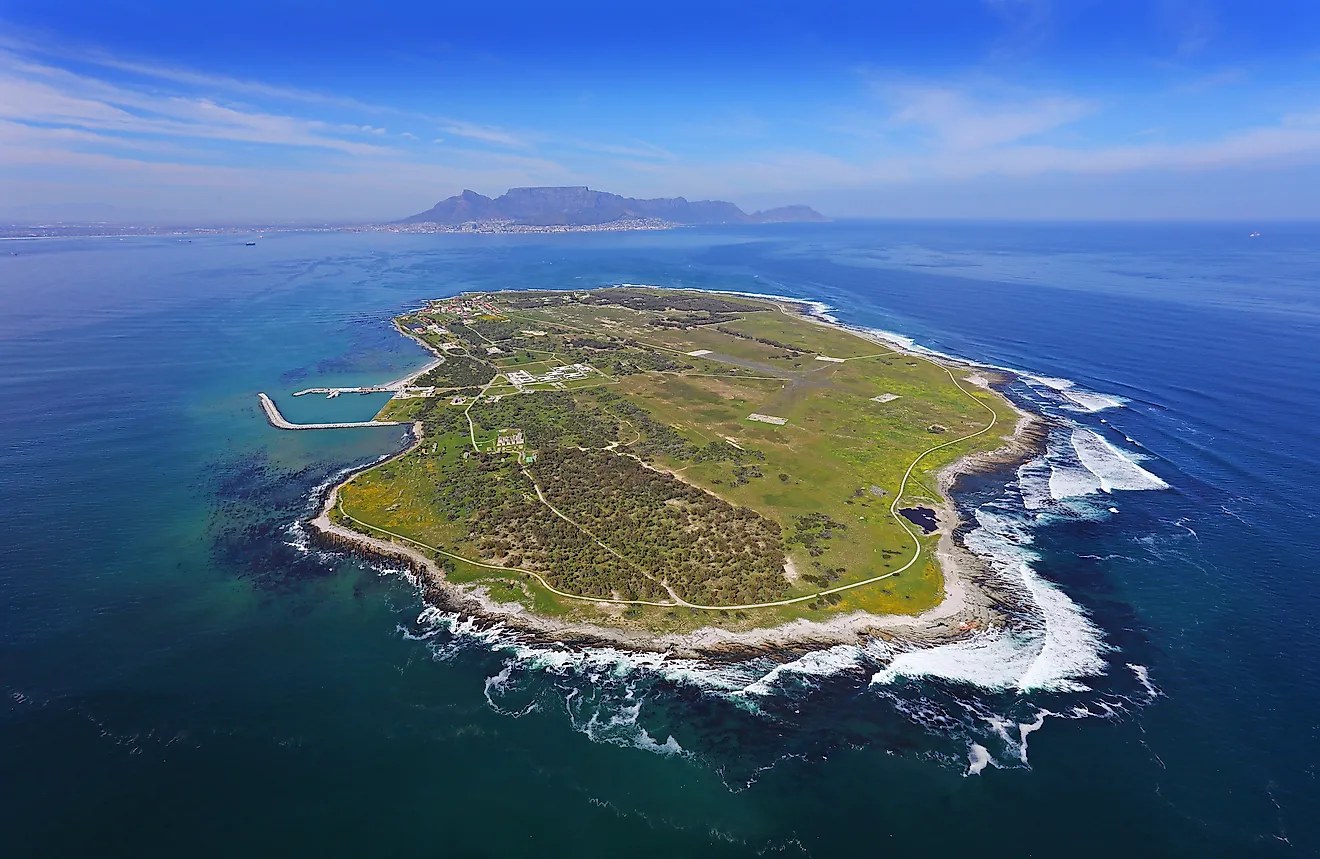 0 mi from Cape TownRobben Island Museum
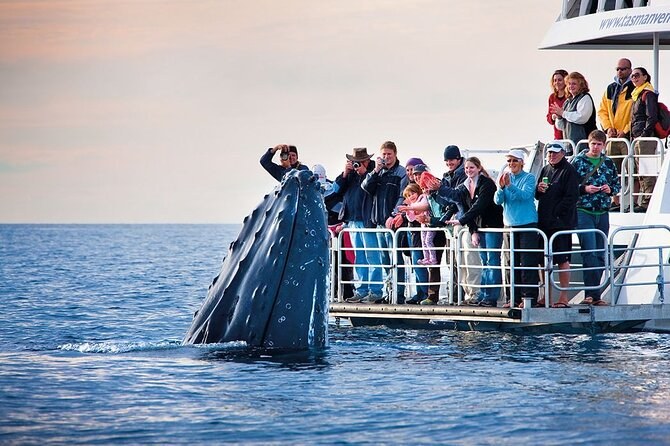 0 mi from Cape TownHermanus Whale Watching Tour
 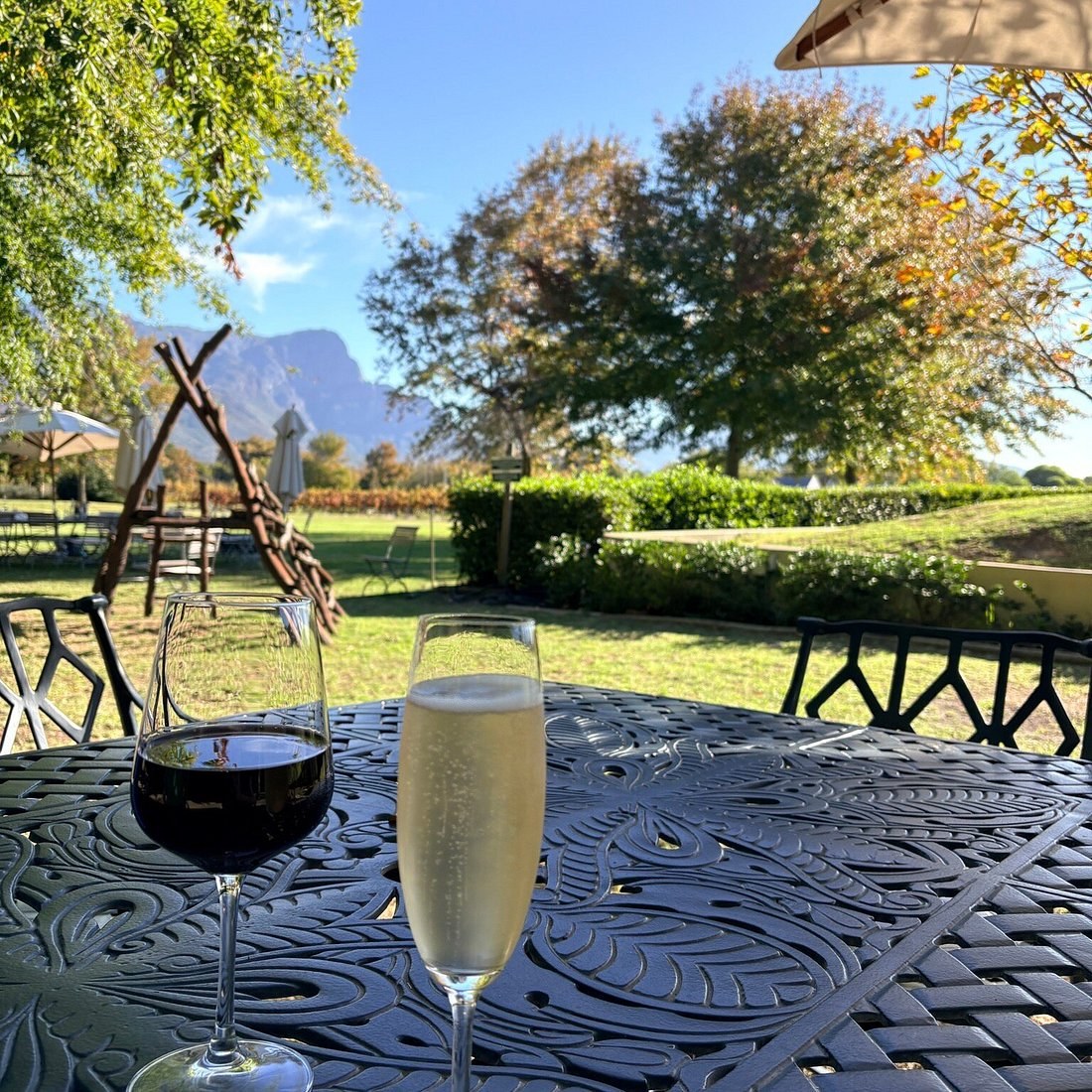 11 mi from Cape Town · land adventureStellenbosch & Beyond: Wine, Wilderness, and the Cape's Best Tables
 After you step off · near Singapore
You end in a different port — stay on, and add what is within reach before you fly home.