Your cruise
Seven Seas Voyager · 13-night Northern Europe cruise, Southampton to Lisbon
Sep 14 – Sep 27 · 13 nights ·
Day 1 Southampton (board) · Day 2 Willis Island · Day 3 Antwerp · Day 4 Dunkirk · Day 5 Le Havre (Paris) · Day 6 Willis Island · Day 7 La Rochelle · Day 8 Bordeaux · Day 9 St. Jean de Luz · Day 10 Santander · Day 11 Gijon · Day 12 La Coruna · Day 13 Porto (Oporto) · Day 14 Lisbon (step off)
What you do Board a rigid inflatable Zodiac for a close-up circumnavigation of one of the Coral Sea's most remote specks of land. Drift alongside vast nesting colonies of red-footed boobies, frigatebirds and brown noddies — a wildlife spectacle almost no traveller on earth ever witnesses.
What to expect Your Zodiac departs the ship's swim platform and skirts the island's entire coastline at water level, giving you eye-to-eye encounters with seabird colonies that number in the tens of thousands. The guide pauses the engine so you can hear the cacophony of calls and photograph birds in undisturbed flight. Shallow coral gardens glow electric beneath the hull as you round each headland. The round trip typically takes 90–120 minutes, leaving ample buffer before all-aboard.
Good to know Pre-book directly via email well in advance — this is a tender-only island and Zodiac capacity is strictly capped. Wear non-marking soles, bring a hat and reef-safe sunscreen. Confirm your ship's all-aboard time and allow 30 minutes' return buffer.
Versus the ship tour An intimate, expert-led small-group Zodiac — never more than 12 guests — means you can idle silently within metres of nesting birds and low reef outcrops that larger vessels simply cannot access, guided by a marine biologist who narrates every species in real time.
What you do Slip beneath the surface of some of the least-dived water on the planet — the Coral Sea surrounding Willis Island, hundreds of kilometres from the nearest coast. Visibility regularly exceeds 30 metres, revealing walls of hard coral, reef sharks, giant trevally and undisturbed sea-turtle feeding grounds.
What to expect Guests kit up in a purpose-equipped dive room and giant-stride into waters of extraordinary clarity. The reef structures here are pristine — no bleaching, no crowds — and the sheer biomass of pelagic life reflects the island's status as a protected marine reserve. Drift snorkelling across shallow coral plateaus, you are likely to encounter hawksbill turtles grazing, schools of chevron barracuda and the flash of a reef whaler in the blue. Safety divers and guides remain in the water throughout.
Good to know Swimming competency is required; full snorkel equipment is provided. Confirm landing and in-water permissions with the Australian Bureau of Meteorology station keeper in advance — access can be subject to weather and conservation protocols. Bring a rash vest for UV protection.
Versus the ship tour Mike Ball operates the definitive liveaboard expeditions to the Coral Sea's outer reefs, with certified dive guides who have logged thousands of hours specifically on these formations. Group size is tightly managed, and every dive brief is site-specific — the antithesis of a mass-market snorkel.
book direct with Mike Ball Dive Expeditions (Townsville/Cairns — Coral Sea specialists) → · the full guide →
What you do Step ashore — one of only a handful of visitors ever permitted — and receive a private briefing inside Australia's most remote operational weather station. The data collected here has guided cyclone warnings across Queensland for over a century; it is a living piece of scientific history.
What to expect After a short Zodiac transfer to the beach, you walk across the coral-rubble islet — the entire thing is barely 400 metres across — to the weatherboard station compound. The duty meteorologist explains the island's role in tracking Coral Sea cyclogenesis, shows you the instrument arrays and balloon launch facilities, and fields questions with refreshing candour. The sense of absolute remoteness — no roads, no shops, just science and sea — is profoundly affecting. Visits are brief (30–45 minutes) out of respect for operations.
Good to know Landing is at the discretion of BOM and sea conditions; it is never guaranteed. Wear closed shoes for the coral-rubble foreshore. Do not touch or enter any instrument enclosures. This is one of cruising's rarest privileges — treat it accordingly.
Versus the ship tour Landing on Willis Island is granted to very few vessels per year and always requires advance coordination with the BOM. The briefing is delivered by the station's resident meteorologist — one of Australia's most isolated postings — lending an authenticity and depth no third-party guide could replicate.
What you do Join a dedicated marine naturalist on a slow, deliberate circuit of Willis Island's offshore waters — prime habitat for dwarf minke whales, spinner dolphins, red-tailed tropicbirds and occasional whale sharks. This is expedition-grade wildlife observation in one of Earth's most intact marine environments.
What to expect The excursion runs in the calm conditions that typically prevail in the lee of the island, with the naturalist briefing the group on cetacean behaviour before departure. Spinner dolphins frequently bow-ride the vessel's wake, while tropicbirds trace lazy arcs overhead trailing their extraordinary white tail streamers. In season (June–September), dwarf minke whales approach curious vessels with remarkable boldness. The naturalist's running identification and ecological commentary transforms an already astonishing scene into a masterclass in Coral Sea ecology.
Good to know Bring image-stabilised binoculars if you own them — loaner binoculars are available but limited. A polarised lens filter dramatically improves underwater wildlife sighting from the deck. Morning cruises yield the best light and the calmest seas.
Versus the ship tour Coral Expeditions' marine naturalists carry years of Coral Sea field experience and use hydrophones and binoculars to locate and interpret marine megafauna well beyond what a casual deck scan achieves. Groups are capped at 20, ensuring every guest has unobstructed sightlines and personalised commentary.
book direct with Coral Expeditions (Australia's premium expedition cruise specialist) → · the full guide →
What you do Combine world-class snorkelling with a dedicated underwater photography tuition session led by a professional marine photographer. The pellucid, undisturbed waters around Willis Island provide a studio backdrop that professionals travel half a year to reach — and you are already here.
What to expect After a 20-minute on-deck briefing covering exposure, buoyancy control for photography and coral-safe positioning, the group enters the water with the lead photographer. Each participant is given real-time feedback via underwater slates and post-dive screen reviews. The reef here hosts nudibranchs, juvenile turtles and extraordinary soft-coral detail that rewards close, patient framing. By the final dive, guests leave with a curated set of images that would pass muster in any travel magazine.
Good to know Bring your own mirrorless or compact camera with an underwater housing if possible; hire housings are limited. Basic snorkel competency required. Maximum group size of 6 is strictly enforced — book your place the moment you board the ship.
Versus the ship tour A professional marine photographer leads groups of no more than six, providing personalised composition coaching in real time — in the water, beside you. The combination of tuition and a location almost nobody else will ever photograph makes every frame genuinely irreplaceable.
What you do Rise before the rest of the ship and join an ornithologist-guide for a dawn landing on Willis Island — arguably the most exclusive birdwatching address in the Southern Hemisphere. The island hosts one of Australia's largest documented seabird colonies, and first light is when it erupts into extraordinary life.
What to expect The Zodiac lands on the coral-rubble beach just as the sky softens to indigo. Within seconds, frigatebirds begin their courtship displays, inflating scarlet throat pouches while brown boobies jostle on nesting scrapes metres from your feet. The ornithologist narrates the scene with infectious expertise, calling species by name as they lift and wheel overhead in their thousands. The island's absolute silence — broken only by wind and wings — produces a meditative quality that experienced travellers consistently describe as one of cruising's most affecting moments.
Good to know Landing is subject to BOM approval and sea-state — pre-register your interest at the expedition desk on day one of the voyage. Wear dark, non-reflective clothing to avoid disturbing nesting birds. Carry a long lens (200mm+ equivalent) for perched-bird shots. Soft-soled shoes protect both the coral-rubble substrate and your footing.
Versus the ship tour A qualified ornithologist leads a structured census-style walk, naming every species, explaining colony dynamics and pointing out nesting behaviours that an untrained eye would miss entirely. The pre-sunrise timing means you experience the island in its rawest, most atmospheric state — long before the day-trippers (there are none) arrive.
book direct with Coral Expeditions (Australia's premium expedition cruise specialist) → · the full guide →
What you do Just over an hour from the ship, walk up to the 5,000-year-old stone circle that is the most iconic prehistoric monument on Earth, then drive to Salisbury to stand before one of only four surviving 1215 originals of Magna Carta beneath Britain's tallest cathedral spire. This is the textbook Southampton port day and the single thing a first-timer would most regret skipping. English Heritage entry is timed-ticket only, so a direct operator who pre-books your slot and paces the day to your all-aboard time is what actually gets you inside.
What to expect You'll depart Southampton and drive just over an hour to Stonehenge, where you walk directly up to the 5,000-year-old stone circle—the most iconic prehistoric monument on Earth—with a guided perspective on this timeless landmark. From there, it's a short drive to Salisbury Cathedral, where you stand beneath Britain's tallest spire to view one of only four surviving original 1215 Magna Carta documents, a moment of profound historical weight. The pace is calibrated throughout to your all-aboard time, and your private vehicle with driver-guide ensures you move at your own rhythm rather than waiting for a 40-person coach to reassemble. You'll return to the ship with both major entries completed, the cultural textbook Southampton port day checked off.
Good to know English Heritage entry to Stonehenge is timed-ticket only; Southampton Tours pre-books your slot as part of the package, which is essential to guarantee access on busy days. The 6-hour tour window fits comfortably within a standard 8-hour port day, with your driver-guide coordinating return timing to your ship's all-aboard. Groups of 4–7 will pay £145–£199 per person (roughly $185–$203) with both entries and air-conditioned transport included; book ahead directly with Southampton Tours rather than through the ship's 40-person coach if your group meets the minimum. The operator offers a formal cruise-return guarantee in writing—they cover next-port travel if you ever miss the ship, providing peace of mind on timing.
Versus the ship tour Direct wins clearly. The ship's Stonehenge & Salisbury coach tour runs $179-$229/pp, and you share a 40-person bus on its schedule. Here a group of 6-7 pays roughly $185-$203/pp for a private vehicle with both entries included and a written get-you-back guarantee. Solo or as a couple the ship coach is actually the better value, so this card is for groups of 4 or more.
What you do An entire UNESCO World Heritage city built around Britain's only natural hot springs, where you walk the same Roman baths still fed by steaming spring water, beneath honey-stone Georgian crescents straight out of Jane Austen and Bridgerton. Many rank it the most beautiful city in England. It is a longer day (~1.5 hrs each way) so an operator who paces the drive to your all-aboard time matters.
What to expect You'll drive roughly 1.5 hours inland to arrive in Bath's honey-stone heart, where you'll walk the Roman Baths—an ancient complex still fed by steaming natural hot springs—before ascending into Georgian crescents and terraces that look lifted from a Jane Austen novel. The city unfolds at a human pace: Roman history underfoot, Regency elegance overhead, and those iconic honey-coloured stone facades that have made Bath consistently ranked as England's most beautiful city. Your driver-guide controls the rhythm of the day, pacing the route and your time away from the pier so you make your all-aboard window without stress.
Good to know Confirm your ship's all-aboard time before booking—the Bath + Stonehenge 8-hour combo is tighter than the Bath + Cotswolds option, and a 1.5-hour return drive means no margin for error. Book the Roman Baths entry (~£28/$36) directly once you've secured your tour, as it's not bundled into the operator fee. Your private driver and vehicle are included in the ~$190–$250/pp cost, making this far cheaper and more flexible than ship-run premium combos at $300–$400+/pp. Factor 3 hours minimum for Bath itself (Roman Baths + walking the crescents), leaving 1.5 hours on each end for driving, ensuring you're back at the pier with a comfortable buffer before all-aboard.
Versus the ship tour Direct wins on access and pacing. Bath is rarely sold as a standalone ship excursion from Southampton and when bundled into premium full-day combos it runs $300-$400+/pp. A private Bath day at ~$190/pp plus your own Roman Baths ticket is both cheaper and far more flexible. Mind the 8-hour length: confirm your ship's all-aboard before booking the Stonehenge combo version.
What you do Southampton IS the Titanic's home port: she sailed from Berth 44 on 10 April 1912, and most of the crew who died were Sotonians. This award-winning guided walk leaves on foot right from Town Quay by the cruise terminals (no coach) and threads the White Star Line offices, the Grapes pub where firemen famously missed the sailing, and the memorials. For anyone who knows the story, walking the actual streets where it happened is moving and almost free on a tight port day.
What to expect You step off the gangway at Town Quay and begin walking immediately—no coach, no waiting—threading through Southampton's historic streets with your guide. You'll stand at the White Star Line offices where the Titanic's fate was managed, visit the Grapes pub where firemen fatefully missed the 10 April 1912 sailing, and pause at memorials dedicated to the local crew who perished. The walking route is intimate and grounded: you're tracing the actual streets where the story unfolded, hearing period details and crew narratives as you move through the port district. Over roughly two hours, the rhythm builds from administrative sites to human moments, ending with a deeper understanding of why this ship's story belongs so deeply to Southampton.
Good to know Book ahead online via Walsh Tours (use code DIRECT for 10% off) and choose either the 10:00am or 2:30pm departure; both fit comfortably within a 6–8 hour port day, leaving a 90-minute buffer before all-aboard. The tour departs directly from Town Quay beside the cruise terminal—no transport needed—and costs £16/pp (~$20), making it easy to return to the ship in time. Bring comfortable walking shoes and a camera; the tour includes photography privileges and offers pub/tavern discounts along the route. At roughly two hours, this excursion is one of the shortest and closest to the ship you can book, ideal if you're timing a tight turnaround or prefer to stay near your gangway.
Versus the ship tour Direct wins overwhelmingly. The ship's Southampton/Winchester city tour runs $80-$130/pp for a coach panoramic. This is the actual Titanic story, on foot, from beside your gangway, for about $20/pp. The only thing the ship adds is a bus seat you do not need here, since the whole walk starts at the terminal.
book direct with Walsh Tours (guide Brian Walsh) → · the full guide →
What you do Southampton's own backyard wilderness: a 1,000-year-old royal hunting forest created by William the Conqueror, where wild ponies, deer and cattle roam free across heath and ancient oak, just minutes from the ship. The most quintessentially English countryside on a short port day, with a stop at Beaulieu on the river. Ideal for travelers who would rather see living landscape and free-roaming animals than monuments.
What to expect Your private coach departs the Southampton pier and within minutes enters the New Forest—William the Conqueror's ancient 1,000-year-old hunting domain—where wild ponies, deer, and cattle move freely across open heath and gnarled oak woodland. You'll spend the heart of the day immersed in this living landscape, observing free-roaming animals in their natural habitat, the rhythms of the English countryside unfolding at ground level rather than behind glass. A stop at Beaulieu on the river gives you a chance to step out and experience the waterside setting before the journey continues. The day winds down with a drive to Salisbury Cathedral (entry included), a chance to view one of England's finest Gothic monuments, before your driver-guide returns you to the ship with time built in for a safe turnaround.
Good to know Departures run on your group's schedule from the Southampton pier, with 6–8 hour tours giving you roughly 4–5 hours in the New Forest itself and 1–2 hours at Salisbury Cathedral; book the Beaulieu Motor Museum or Palace House in advance if those interest you, as they're separate admissions. Your private vehicle picks you up directly from the cruise terminal—no waiting for a coach—so factor in only a 15-minute buffer before the posted return time. Dress in layers and bring waterproof jackets; the New Forest is exposed moorland where weather changes quickly and there's no shelter while spotting wildlife. The cruise-return guarantee means if your ship departs early, the operator covers your transport back, so you can book with confidence even on a tight port schedule.
Versus the ship tour Direct wins for groups. The ship's New Forest & Beaulieu scenic coach runs $130-$200/pp on its own schedule. A private vehicle at ~$134-$152/pp for 6-7 people undercuts that and adds Salisbury. As a solo traveler the per-head private price climbs, so the ship coach is the smarter buy for one or two; this card shines at 4+.
What you do The definitive Titanic museum, opened in 2012 for the disaster's centenary and built around the city's own loss. Its interactive 'Southampton's Titanic Story' uses real passenger and crew records, a vast working model of the ship, and the actual disaster-inquiry courtroom. Walkable from the port and the perfect rainy-day or short-window option that pairs with the Titanic walk to complete the story the city is famous for.
What to expect You walk out of the terminal and head straight into Southampton's city center—a 15–20 minute stroll that itself becomes part of the journey. Once inside SeaCity Museum, you're immersed in interactive stations built around real passenger and crew records, a sprawling working model of the Titanic, and the actual courtroom from the disaster inquiry, each exhibit drawing you deeper into the human story of the ship and the city that built and lost it. The rhythm is unhurried and self-paced; there's no coach departure window or strict schedule, so you move through at your own speed, lingering over the objects and stories that grip you. You exit with the definitive Titanic narrative, especially Southampton's own role—and you're minutes from the port the entire time.
Good to know In a 6–8 hour port day, allocate 2–2.5 hours for the museum itself, plus 30–40 minutes round-trip walking and buffer time, keeping you safely back at the ship 1.5–2 hours before departure. The museum sits at the Civic Centre, a walkable 15–20 minutes from the terminals, or take a short cab (£5–10) if time or mobility is tight. Admission is £14.50/adult (student and senior discounts available) and includes both the main Titanic exhibition and Southampton Stories; no advance booking is typically required, but arrive early in your port window to avoid any midday crowds. Dress for British weather and wear comfortable walking shoes—this is fundamentally a walk-and-explore day with zero risk of missing the ship.
Versus the ship tour Direct wins, and it is your low-risk safety net. The ship's city/panoramic tour is $80-$130/pp; here you self-walk to a world-class Titanic museum for about $18.50. No coach, no schedule, no risk of missing the ship since you are minutes from the port. The one thing the ship buys is transport you do not need for a near-port museum.
book direct with SeaCity Museum (Southampton City Council) → · the full guide →
What you do Board a rigid inflatable Zodiac for a close-up circumnavigation of one of the Coral Sea's most remote specks of land. Drift alongside vast nesting colonies of red-footed boobies, frigatebirds and brown noddies — a wildlife spectacle almost no traveller on earth ever witnesses.
What to expect Your Zodiac departs the ship's swim platform and skirts the island's entire coastline at water level, giving you eye-to-eye encounters with seabird colonies that number in the tens of thousands. The guide pauses the engine so you can hear the cacophony of calls and photograph birds in undisturbed flight. Shallow coral gardens glow electric beneath the hull as you round each headland. The round trip typically takes 90–120 minutes, leaving ample buffer before all-aboard.
Good to know Pre-book directly via email well in advance — this is a tender-only island and Zodiac capacity is strictly capped. Wear non-marking soles, bring a hat and reef-safe sunscreen. Confirm your ship's all-aboard time and allow 30 minutes' return buffer.
Versus the ship tour An intimate, expert-led small-group Zodiac — never more than 12 guests — means you can idle silently within metres of nesting birds and low reef outcrops that larger vessels simply cannot access, guided by a marine biologist who narrates every species in real time.
What you do Slip beneath the surface of some of the least-dived water on the planet — the Coral Sea surrounding Willis Island, hundreds of kilometres from the nearest coast. Visibility regularly exceeds 30 metres, revealing walls of hard coral, reef sharks, giant trevally and undisturbed sea-turtle feeding grounds.
What to expect Guests kit up in a purpose-equipped dive room and giant-stride into waters of extraordinary clarity. The reef structures here are pristine — no bleaching, no crowds — and the sheer biomass of pelagic life reflects the island's status as a protected marine reserve. Drift snorkelling across shallow coral plateaus, you are likely to encounter hawksbill turtles grazing, schools of chevron barracuda and the flash of a reef whaler in the blue. Safety divers and guides remain in the water throughout.
Good to know Swimming competency is required; full snorkel equipment is provided. Confirm landing and in-water permissions with the Australian Bureau of Meteorology station keeper in advance — access can be subject to weather and conservation protocols. Bring a rash vest for UV protection.
Versus the ship tour Mike Ball operates the definitive liveaboard expeditions to the Coral Sea's outer reefs, with certified dive guides who have logged thousands of hours specifically on these formations. Group size is tightly managed, and every dive brief is site-specific — the antithesis of a mass-market snorkel.
book direct with Mike Ball Dive Expeditions (Townsville/Cairns — Coral Sea specialists) → · the full guide →
What you do Step ashore — one of only a handful of visitors ever permitted — and receive a private briefing inside Australia's most remote operational weather station. The data collected here has guided cyclone warnings across Queensland for over a century; it is a living piece of scientific history.
What to expect After a short Zodiac transfer to the beach, you walk across the coral-rubble islet — the entire thing is barely 400 metres across — to the weatherboard station compound. The duty meteorologist explains the island's role in tracking Coral Sea cyclogenesis, shows you the instrument arrays and balloon launch facilities, and fields questions with refreshing candour. The sense of absolute remoteness — no roads, no shops, just science and sea — is profoundly affecting. Visits are brief (30–45 minutes) out of respect for operations.
Good to know Landing is at the discretion of BOM and sea conditions; it is never guaranteed. Wear closed shoes for the coral-rubble foreshore. Do not touch or enter any instrument enclosures. This is one of cruising's rarest privileges — treat it accordingly.
Versus the ship tour Landing on Willis Island is granted to very few vessels per year and always requires advance coordination with the BOM. The briefing is delivered by the station's resident meteorologist — one of Australia's most isolated postings — lending an authenticity and depth no third-party guide could replicate.
What you do Join a dedicated marine naturalist on a slow, deliberate circuit of Willis Island's offshore waters — prime habitat for dwarf minke whales, spinner dolphins, red-tailed tropicbirds and occasional whale sharks. This is expedition-grade wildlife observation in one of Earth's most intact marine environments.
What to expect The excursion runs in the calm conditions that typically prevail in the lee of the island, with the naturalist briefing the group on cetacean behaviour before departure. Spinner dolphins frequently bow-ride the vessel's wake, while tropicbirds trace lazy arcs overhead trailing their extraordinary white tail streamers. In season (June–September), dwarf minke whales approach curious vessels with remarkable boldness. The naturalist's running identification and ecological commentary transforms an already astonishing scene into a masterclass in Coral Sea ecology.
Good to know Bring image-stabilised binoculars if you own them — loaner binoculars are available but limited. A polarised lens filter dramatically improves underwater wildlife sighting from the deck. Morning cruises yield the best light and the calmest seas.
Versus the ship tour Coral Expeditions' marine naturalists carry years of Coral Sea field experience and use hydrophones and binoculars to locate and interpret marine megafauna well beyond what a casual deck scan achieves. Groups are capped at 20, ensuring every guest has unobstructed sightlines and personalised commentary.
book direct with Coral Expeditions (Australia's premium expedition cruise specialist) → · the full guide →
What you do Combine world-class snorkelling with a dedicated underwater photography tuition session led by a professional marine photographer. The pellucid, undisturbed waters around Willis Island provide a studio backdrop that professionals travel half a year to reach — and you are already here.
What to expect After a 20-minute on-deck briefing covering exposure, buoyancy control for photography and coral-safe positioning, the group enters the water with the lead photographer. Each participant is given real-time feedback via underwater slates and post-dive screen reviews. The reef here hosts nudibranchs, juvenile turtles and extraordinary soft-coral detail that rewards close, patient framing. By the final dive, guests leave with a curated set of images that would pass muster in any travel magazine.
Good to know Bring your own mirrorless or compact camera with an underwater housing if possible; hire housings are limited. Basic snorkel competency required. Maximum group size of 6 is strictly enforced — book your place the moment you board the ship.
Versus the ship tour A professional marine photographer leads groups of no more than six, providing personalised composition coaching in real time — in the water, beside you. The combination of tuition and a location almost nobody else will ever photograph makes every frame genuinely irreplaceable.
What you do Rise before the rest of the ship and join an ornithologist-guide for a dawn landing on Willis Island — arguably the most exclusive birdwatching address in the Southern Hemisphere. The island hosts one of Australia's largest documented seabird colonies, and first light is when it erupts into extraordinary life.
What to expect The Zodiac lands on the coral-rubble beach just as the sky softens to indigo. Within seconds, frigatebirds begin their courtship displays, inflating scarlet throat pouches while brown boobies jostle on nesting scrapes metres from your feet. The ornithologist narrates the scene with infectious expertise, calling species by name as they lift and wheel overhead in their thousands. The island's absolute silence — broken only by wind and wings — produces a meditative quality that experienced travellers consistently describe as one of cruising's most affecting moments.
Good to know Landing is subject to BOM approval and sea-state — pre-register your interest at the expedition desk on day one of the voyage. Wear dark, non-reflective clothing to avoid disturbing nesting birds. Carry a long lens (200mm+ equivalent) for perched-bird shots. Soft-soled shoes protect both the coral-rubble substrate and your footing.
Versus the ship tour A qualified ornithologist leads a structured census-style walk, naming every species, explaining colony dynamics and pointing out nesting behaviours that an untrained eye would miss entirely. The pre-sunrise timing means you experience the island in its rawest, most atmospheric state — long before the day-trippers (there are none) arrive.
book direct with Coral Expeditions (Australia's premium expedition cruise specialist) → · the full guide →
What you do Stand on the very beaches where 338,000 Allied soldiers were rescued in history's most dramatic evacuation. A private expert guide decodes the full drama of Operation Dynamo across the real landscapes where it unfolded.
What to expect Your private guide collects you at the port and whisks you by coach to the inner sanctum of the Musée Dunkerque 1940 – Opération Dynamo, a genuine WWII command bunker where Admiral Abrial directed the evacuation. You then stand on the wide sands of Malo-les-Bains and Bray-Dunes — the exact beaches where exhausted soldiers waded into the Channel — before visiting Fort des Dunes, the last French defensive position. The guide weaves eyewitness accounts, maps, and film footage references into every stop, making the scale of the miracle viscerally real.
Good to know Full tour runs approximately 4–5 hours; confirm all-aboard time with your ship and book the morning departure. Pre-book the private VIP option directly via Dunkerque Tourisme. The bunker museum has low ceilings and steps — flat shoes advised.
Versus the ship tour A dedicated private guide — maximum 6 guests — takes you to every key site at your own pace, including the Musée Dunkerque 1940 bunker, the Dynamo beaches, and the Christopher Nolan filming locations most visitors never reach.
book direct with Dunkirk Battlefield Tour (Dunkerque Tourisme Official Partner) → · the full guide →
What you do Descend into the real WWII command bunker beneath Dunkirk's citadel where Admiral Abrial orchestrated the miracle evacuation. An intimate guided visit brings the nine days of Dynamo to life with artefacts, original maps, and live radio chatter.
What to expect You enter the citadel's 16th-century walls and descend into the damp, dimly lit bunker — a genuine nerve centre frozen in 1940, still holding the original furniture, telephones, and situation maps. Your guide narrates the hour-by-hour decisions that saved the BEF. Atmospheric sound design recreates Stuka dives and crackling wireless communications. The small-group format means you can linger in the cipher room and study the original orders for as long as you wish. Emerging back into daylight, the adjacent beach panorama makes the scale of the evacuation suddenly, emotionally real.
Good to know Located steps from Dunkirk's city centre — a short taxi from the cruise terminal. Opens from 10:00; last entry 17:00. Private guide should be pre-booked at least 2 weeks ahead. The bunker is cool (around 14°C) — bring a layer.
Versus the ship tour Booking a private guide through the museum's official programme means you move through the labyrinthine bunker at your own pace — no crowds, no rushing past the chilling dispatch boards and communication rooms that sealed the fate of an army.
What you do Scale Dunkirk's soaring UNESCO-listed Belfry for a 360° panorama stretching from the Channel to the Flemish plain — then explore the historic centre with a local guide who knows every hidden courtyard and Flemish façade.
What to expect Your guide meets you at the port and strolls with you through the animated heart of old Dunkirk, pointing out the ornate Flemish guild houses and the 1662 Belfry that survived both Napoleonic bombardment and WWII air raids. The climb rewards you with a sweeping panorama over the working port, the silver beaches, and — on clear days — the white cliffs of Dover. The walk continues past the Church of Saint-Éloi, the Museum of Fine Arts, and the lively Grand-Place, with time for a coffee at a pavement café. The experience is entirely private and completely flexible.
Good to know The Belfry is a 15-minute walk from the cruise terminal. Comfortable walking shoes essential for the spiral staircase. Half-day format (approx. 3 hours) fits comfortably within most all-aboard windows. Pre-book Emmanuel C. via ToursByLocals at least one week ahead.
Versus the ship tour A genuine local guide — not a coach commentary — walks you through the Flemish Gothic quarter, the covered market, and up the Belfry's 75 spiral steps, tailoring every story to your interests and pausing wherever the view or the history demands.
book direct with ToursByLocals – Emmanuel C. (Private Dunkirk Local Guide) → · the full guide →
What you do Explore the haunting coastal fortress where France's rearguard made their final stand in June 1940, allowing the last Allied soldiers to escape across the Channel. One of WWII's most poignant and least-visited sites.
What to expect Set in the dunes 8 km east of Dunkirk, the fort is a dramatic complex of bunkers, gun batteries, and underground galleries preserved almost exactly as they were in June 1940. A passionate local guide leads you through the casemates where French soldiers held the perimeter for three days after the last British ship departed. Period weapons, helmets, and personal effects are displayed in situ rather than in glass cases, creating an eerie immediacy. The surrounding dunes and the distant Channel horizon complete a landscape that has changed remarkably little in 80 years.
Good to know Combine with the Operation Dynamo museum for the full 1940 narrative arc. Pre-book a guided visit via the fort's official website. Allow 1.5–2 hours on site. A taxi from the cruise terminal takes about 20 minutes (approx. EUR 25 each way). Open daily from Easter to October.
Versus the ship tour This atmospheric coastal battery — still ringed by original German and French artillery — sees a fraction of the tourist footfall of the Dynamo museum, making it the insider's choice for a profoundly moving, uncrowded encounter with 1940.
book direct with Fort des Dunes (Official Site, Leffrinckoucke Commune) → · the full guide →
What you do Board historic vessels and explore Dunkirk's extraordinary port heritage inside a 19th-century tobacco warehouse — then step onto the quayside for a private captain-led tour of the museum's floating fleet.
What to expect The museum occupies a magnificent late-19th-century tobacco warehouse on the old quays, its vast interior filled with figureheads, navigation instruments, ship models, and the atmospheric detritus of a once-great trading port. A bilingual curator leads your private group through the story of Dunkirk as Europe's third-largest port, from the corsairs of Jean Bart to the container age. The unmissable finale is boarding the Sandettié lightship — moored alongside — a working vessel that once warned mariners of the treacherous Channel sandbanks. The quayside views back across the harbour to your cruise ship are superb.
Good to know A 10-minute walk from the cruise terminal along the historic quays. Open Tuesday–Sunday from 10:00. Pre-book the private guided option directly with the museum by email or phone. Allow 2 hours for the full experience including the floating vessels.
Versus the ship tour A private guide takes you aboard the museum's fleet of lightships, tugs, and pilot vessels — actual working ships you can explore from stem to stern — offering a hands-on maritime experience unavailable on any standard visit.
What you do Stroll the grand Art Deco promenade of Dunkirk's elegant seaside quarter, then enter the LAAC — a world-class contemporary art museum set in a sinuous 1970s building — for a private curator-led discovery of its remarkable permanent collection.
What to expect The morning begins with a stroll along the Malo-les-Bains promenade, where grand Belle Époque villas and a sweeping sandy beach create an unexpectedly glamorous backdrop. Your private curator then guides you into the LAAC, whose organic concrete architecture — designed by Jean Willerval — is itself a work of art. Inside, a world-class permanent collection of post-war and contemporary art is displayed in light-filled, intimate galleries without the crowds of Paris. Highlights include monumental sculptures by Niki de Saint Phalle in the sculpture garden and rare pieces by Karel Appel and Asger Jorn. The combination of sea air, Art Deco grandeur, and serious modern art is uniquely Dunkirquois.
Good to know The LAAC is a 20-minute walk or 10-minute taxi from the cruise terminal. Open Wednesday–Monday; closed Tuesday. Pre-book the private curator visit at least one week ahead via the museum's official website. Allow 3 hours total for the promenade walk and the museum visit.
Versus the ship tour A private curator opens up the LAAC's collection of over 3,500 works — Warhol, Dubuffet, Niki de Saint Phalle — at your pace, followed by a leisurely walk along the Art Deco seafront that feels like the French Riviera's quieter, more authentic northern cousin.
What you do A bespoke, fully private full-day journey from Le Havre to Paris — Eiffel Tower, Notre-Dame, and a 1-hour Seine River Cruise gliding past the Louvre. Pure luxury at your own pace, with a dedicated driver-guide.
What to expect Your private vehicle collects you dockside in Le Havre for a scenic 2-hour transfer into the heart of Paris. A dedicated guide steers you through the Eiffel Tower esplanade, the golden spires of Sainte-Chapelle, and onto a private boarding of the Seine for a 1-hour river cruise past the Louvre and Notre-Dame. The afternoon is yours to savour — a long lunch on a terrace, a stroll through the Marais — before a relaxed return transfer to the ship.
Good to know Le Havre to Paris is roughly 2 hours each way — plan for a 10–11 hour excursion day. Book directly with The Real France® well in advance as private departures fill fast. Confirm your ship's all-aboard time and share it with your guide; they are experienced at cruise turnarounds.
Versus the ship tour Completely private — your group only, your itinerary, your pace. A licensed expert driver-guide shapes the day around you, not a busload of strangers. Stop where you want, linger longer at the Eiffel Tower, skip queues with pre-arranged entry.
What you do Walk the hallowed sands of Omaha Beach, stand in silence at the Normandy American Cemetery, and descend into preserved WWII bunkers with a specialist historian guide — all from Le Havre in a private vehicle.
What to expect Departing Le Havre, your private vehicle heads west along the Normandy coast to the D-Day landing beaches. At Pointe du Hoc, your historian narrates the Ranger assault with the original craters and bunkers as backdrop. Omaha Beach delivers a profound, unhurried moment at the waterline before you ascend to the immaculate rows of the Normandy American Cemetery — 9,388 white marble crosses overlooking the sea. The return journey passes through the charming harbour town of Bayeux, optional stop included.
Good to know The D-Day sites are approximately 60–90 minutes from Le Havre port. A full private tour runs 7–8 hours comfortably. The American Cemetery requires free timed entry — your guide handles this. Wear comfortable, respectful footwear for the beach and cemetery grounds.
Versus the ship tour Expert battlefield historians — not generalist guides — lead every tour. Private access means you set the emotional pace at the Cemetery and can spend as long as needed at each site. Intimate storytelling at the actual bunkers and memorials that larger groups rush past.
What you do Stand atop the legendary chalk arches of Étretat — the same cliffs that mesmerised Monet and Courbet — on a private guided coastal walk just 30 minutes from Le Havre port, with time for a seafront lunch.
What to expect The alabaster cliffs of Étretat rise 70 metres above the English Channel in a series of breathtaking natural arches and needles. Your guide leads you along the clifftop Chemin des Douaniers, pausing at the exact vantage points Monet painted en plein air. The Falaise d'Aval arch — its elephant-trunk profile plunging into turquoise water — is the centrepiece photograph of the Normandy coast. Afterwards, settle into a window table at one of Étretat's celebrated seafood restaurants overlooking the shingle beach.
Good to know Étretat is only 30 minutes from Le Havre — ideal if you prefer a half-day option and want time back in port. The clifftop path involves gentle but uneven terrain; sturdy shoes are essential. Can be combined with an afternoon visit to Le Havre's UNESCO-listed Auguste Perret architecture.
Versus the ship tour A rare half-day luxury option that keeps you close to port yet delivers one of Normandy's most dramatic landscapes. Private guiding means you walk at your own pace, learn the Impressionist history in context, and have a reserved table at a clifftop restaurant — not a rushed buffet.
book direct with Normandie Lovers (Local Expert Tours) → · the full guide →
What you do Bypass the public queues and explore the Louvre's greatest masterpieces — Mona Lisa, Venus de Milo, Winged Victory — with a private art historian guide, then linger in the Richelieu Wing at your own tempo.
What to expect Your private guide meets you at the Carrousel du Louvre entrance, tickets in hand, and whisks you past the queues and into the grand Napoleon Hall. The morning unfolds through the Italian Renaissance galleries — the Mona Lisa at an uncrowded moment — before crossing into the Greek antiquities for Venus de Milo and the soaring Winged Victory of Samothrace. Your guide contextualises each masterwork with the kind of scholarship and storytelling that transforms art into living history. Afterwards, a table at the elegant Café Marly, overlooking the illuminated pyramid, is the perfect close.
Good to know Le Havre to Paris by private transfer is 2 hours; plan a minimum 10-hour day. Pre-book Louvre timed entry at louvre.fr immediately — slots sell out weeks ahead. Café Marly reservations are recommended. The Louvre is closed on Tuesdays.
Versus the ship tour A private art historian navigates the world's largest museum with surgical precision — no wasted time in the wrong wing, no shouting over a group. Pre-booked timed entry means you walk straight past the pyramid queues that can stretch 90 minutes.
book direct with Musée du Louvre (Official) + Private Guide via ToursByLocals → · the full guide →
What you do Discover Honfleur — the jewel of the Normandy coast — with its medieval slate-fronted harbour, the birthplace of Impressionism, and a private tasting of Calvados apple brandy at a centuries-old local distillery.
What to expect The Vieux-Bassin (Old Harbour) of Honfleur is one of France's most painted scenes — tall, narrow 17th-century houses reflected in still water, fishing boats rocking gently at anchor. Your guide leads you through cobbled lanes to the timber-framed Sainte-Catherine church, the largest wooden church in France, built by shipwrights using boat-building techniques. A private visit to a local Calvados producer follows — you'll nose and taste aged expressions of this Norman apple brandy from the barrel in the company of the distiller. Lunch at a harbour-front seafood brasserie seals a perfect morning.
Good to know Honfleur is 30–40 minutes from Le Havre port — a superb half-day option, leaving the afternoon free. Parking near the Vieux-Bassin is limited; your private driver handles logistics entirely. Calvados and Normandy cheeses make exceptional gifts to take back aboard.
Versus the ship tour Just 30 minutes from Le Havre, Honfleur delivers extraordinary beauty and flavour in a compact half-day. A private local guide unlocks the stories behind every façade and arranges a distillery tasting that isn't on any public schedule — intimate, unhurried, and authentically Norman.
book direct with Normandie Lovers (Local Expert Tours) → · the full guide →
What you do Experience the Palace of Versailles beyond the public rooms — a private guided tour of the Grand Apartments, the Hall of Mirrors, and the sculpted Gardens of Le Nôtre, timed to arrive before the crowds.
What to expect Your private vehicle departs Le Havre at first light, arriving at Versailles ahead of the main crowds for a 9am opening. A licensed art historian guide ushers you through the King's and Queen's Grand Apartments — room after room of Baroque excess and royal intrigue — before the Hall of Mirrors delivers its full, breathtaking spectacle. The Gardens of Versailles, designed by André Le Nôtre across 800 hectares, offer a refined post-tour stroll among sculpted topiaries and baroque fountains. Champagne in the Orangerie garden café is the civilised finale before your return transfer.
Good to know Versailles is approximately 2.5–3 hours from Le Havre — a long but wholly worthwhile full-day commitment. Pre-book timed palace entry at chateauversailles.fr; the most popular slots sell out weeks in advance. On Musical Fountain Show days (spring/summer Saturdays), the gardens are spectacularly animated — worth timing your visit around.
Versus the ship tour An early private departure from Le Havre means arriving at Versailles as the gates open — the Hall of Mirrors virtually empty, morning light pouring through 357 arched windows, reflections of gilded chandeliers undisturbed. An experience impossible to replicate later in the day.
What you do Unlock La Rochelle's soul with a private local expert — medieval towers, arcaded streets, Huguenot heritage and hidden courtyards at your own pace. Utterly personal and completely unhurried.
What to expect Your private guide meets you at the port or Vieux Port and leads you through La Rochelle's labyrinth of medieval arcades, past the iconic Chain Tower and Tour Saint-Nicolas, and into quiet squares the crowds rarely find. Deep storytelling covers the Wars of Religion, the city's role in New World trade, and the drama of the 1627 siege. The pace is entirely yours — linger over architecture, duck into a fromagerie, or pause for coffee beneath the stone arcades. Duration and focus are agreed in advance so every minute counts.
Good to know Book well in advance for port days as private guides fill fast. A 3–4 hour tour fits comfortably within a typical port call. Confirm your all-aboard time with your guide at the start so they can pace accordingly.
Versus the ship tour A fully bespoke itinerary shaped around YOUR interests — no fixed script, no strangers, no rushing past the details that matter. Your guide adapts in real time, lingering wherever you wish.
book direct with ToursByLocals – La Rochelle Private Guides → · the full guide →
What you do Climb all three medieval sentinel towers that guard La Rochelle's Vieux Port — each with dizzying Atlantic panoramas and centuries of intrigue locked into their stone walls. A trilogy of bucket-list views.
What to expect The Tour de la Chaîne and Tour Saint-Nicolas once held the great iron chain that sealed the harbour mouth against enemy ships — you can stand on the very ramparts where it was anchored. The Tour de la Lanterne, tallest of the three, served as both lighthouse and prison; graffiti carved by English and Dutch sailors in the 17th century covers the upper chamber walls. Views from the top sweep across the Île de Ré bridge, the Île d'Oléron, and the open Atlantic. Allow 2–3 hours to do all three justice.
Good to know Towers are open daily; book online to avoid queues. Wear comfortable shoes — stairs are steep and narrow. Located right on the Vieux Port, a short taxi or water-taxi ride from La Pallice cruise terminal.
Versus the ship tour Access all three iconic towers at your own rhythm — no group herding, no time pressure. The Lantern Tower's 162 steps reward you with the finest rooftop panorama of the Charente-Maritime coast.
book direct with Towers of La Rochelle (official) → · the full guide →
What you do Sail out to the legendary Fort Boyard — the 19th-century mid-ocean fortress rising straight from the Atlantic, immortalised by television and centuries of legend. An utterly unique maritime spectacle.
What to expect You board a purpose-built excursion vessel in La Rochelle's Vieux Port and head out into the open Pertuis d'Antioche — the stretch of Atlantic that separates the mainland from the Île d'Oléron. Fort Boyard looms out of the water like a stone ship, an oval citadel with no harbour, no beach, and no land in sight. Your guide narrates the fort's improbable construction saga (1804–1866), its failed military career, and its cult-TV afterlife. The boat circles the entire structure for 360° photography before returning. A 5-hour version including sailing on a tall ship is also available for an even more immersive experience.
Good to know Departures from Vieux Port La Rochelle; confirm exact departure point when booking. The 2-hour boat trip fits most port-day schedules; the 5-hour sailing version requires an early start — check all-aboard time carefully. Sea conditions can be choppy; not recommended for severe motion-sickness sufferers.
Versus the ship tour A dedicated guided maritime excursion with expert narration on the fort's extraordinary engineering history — built over 20 years, never used as intended, and still uninhabited today. The close-up approach by sea is dramatic beyond words.
book direct with Inter-Îles (official ferry & excursion operator) → · the full guide →
What you do Journey inland to Cognac — the world capital of fine brandy — and the Roman-era city of Saintes, with a small-group of fellow connoisseurs and an expert English-speaking guide. Culture, history, and exceptional tasting in one day.
What to expect Your guide collects you directly at the cruise terminal and heads east through the Charente vineyards, arriving at a storied Cognac maison for a private cellar tour and a curated tasting of VS, VSOP, and XO expressions. Lunch in Cognac's elegant old town follows before you continue to Saintes, one of France's finest Roman cities, to explore the 1st-century amphitheatre and triumphal arch. The return journey winds through sunflower fields and Romanesque villages. Groups are intentionally intimate — expect genuine engagement, not a commentary treadmill.
Good to know Ophorus builds itineraries around your ship's schedule and guarantees port return. Pre-book as small-group places sell out on popular port days. Private departures give full flexibility on pacing and maison choice.
Versus the ship tour Ophorus specialises exclusively in cruise-port departures and guarantees return before all-aboard. Small groups of 8 or fewer mean genuine maison access, unhurried tastings, and real conversation with a Cognac cellar master — a world away from mass tourism.
book direct with Ophorus Shore Excursions → · the full guide →
What you do Cross the Île de Ré bridge to France's most chic Atlantic island — whitewashed villages, salt marshes, oyster beds and 100 km of cycling paths. A private half-day of pure, unhurried island life.
What to expect Your guide leads you from Saint-Martin-de-Ré — the island's fortified capital, a UNESCO Vauban site — along flat coastal paths fringed by wild hollyhocks and Atlantic light. You pass the vineyards that produce Pineau des Charentes, pause at a salt-panner's hut for a tasting of hand-harvested fleur de sel, and cycle into the medieval lanes of Ars-en-Ré for a café stop beneath centuries-old plane trees. The pace is conversational and entirely adjustable. Return to La Rochelle by taxi or pre-arranged transfer with plenty of time to spare.
Good to know The Île de Ré bridge is 3 km from central La Rochelle — arrange a taxi from the cruise terminal. Cycling is flat and easy on dedicated paths; no fitness level concerns. Confirm a return transfer or taxi in advance as buses are infrequent on port days.
Versus the ship tour Île de Ré rewards slow exploration — the salt-panner villages of Loix and Ars-en-Ré, the Fort de la Prée ramparts, the donkeys in striped trousers. A private or small-group guided ride lets you stop, taste, photograph, and simply be — impossible in a coach.
What you do Glide by flat-bottomed boat through the Marais Poitevin — a vast, emerald-canopied wetland of poplar-lined waterways nicknamed 'Green Venice'. One of France's most surreal and beautiful landscapes, virtually unknown to international visitors.
What to expect Ophorus collects you at the terminal and drives north through the Vendée to the village of Coulon — the 'capital' of Green Venice. Here you board a traditional flat-bottomed *plate* for a guided punt through the innermost canals, where the tree canopy meets overhead and the water turns an otherworldly jade green. Your local boatman identifies kingfishers, grey herons, and marsh orchids while explaining how monks first drained this medieval wetland. After the boat ride, explore Coulon's ancient church and sample local *mogettes* (white beans with butter) at a riverside restaurant before your return to port. It is a pastoral, meditative, entirely un-touristy experience.
Good to know Journey time from La Rochelle is approximately 1 hour each way — ideal for a full port day. Ophorus manages all timing against your all-aboard requirement. Wear light layers; the canopy keeps temperatures cool even in summer. Pre-booking essential — private departures guarantee your schedule.
Versus the ship tour The Marais Poitevin lies 60 km north of La Rochelle and is almost never featured in mainstream itineraries — making this a genuinely exclusive discovery. Private punts glide through tunnels of overhanging ash and alder in near-silence; wildlife sightings are virtually guaranteed.
book direct with Ophorus Shore Excursions – Marais Poitevin Private Tour → · the full guide →
What you do Journey into the UNESCO-listed village of Saint-Émilion and taste coveted Grand Cru Classé wines inside private château cellars with an expert sommelier guide — a genuinely bucket-list afternoon in the world's most storied wine country.
What to expect Your small group winds through vine-draped hillsides to arrive at classified Saint-Émilion estates, where the winemaker or estate host walks you through the terroir, barrel room, and their philosophy before pouring four to six exceptional vintages. Lunch is often arranged at a stone-walled château table. The medieval village itself — a labyrinth of golden limestone lanes, underground catacombs, and a monolithic church carved into the rock — deserves an hour of wandering before or after. The entire day feels curated, unhurried, and deeply personal.
Good to know Saint-Émilion is approximately 45 minutes by car from Bordeaux port. Book at least 4–6 weeks ahead for private departures. Confirm your all-aboard time (typically 18:00–19:00) and ensure you depart the estate by 16:30. Pre-booking directly with Bordeaux Wine Trails allows full itinerary flexibility.
Versus the ship tour Bordeaux Wine Trails is led by local expert guides who gain private access to family-owned estates rarely open to large groups — unhurried cellar tours, barrel tastings, and personal conversations with winemakers that no bus tour can replicate.
What you do Drive the legendary D2 'Route des Châteaux' through the Médoc, entering the gates of First and Second Growth estates for private tastings — the definitive Bordeaux wine pilgrimage, and utterly unmissable for any serious wine lover.
What to expect The morning opens with a scenic drive north along the Gironde estuary, the vines of the Médoc rolling past your window in perfectly ordered rows. You'll enter two or three château properties where an estate guide leads you through vine-to-bottle story, underground vat rooms, and an intimate seated tasting of three to five classified wines per château. The names on the labels — Mouton, Latour, Léoville — are ones you've read about for years; standing in the chai breathing in barrel-aged Cabernet brings them fully to life. Return to port with time to spare and a well-curated wine selection to ship home.
Good to know The Médoc is 30–60 minutes north of Bordeaux port depending on the château. Half-day tours typically return by 13:00; full-day by 17:00 — well inside any 18:00 all-aboard. Book directly with À La Française; private minibus rates include hotel or port pickup.
Versus the ship tour À La Française limits groups to a genuine small-group experience in a minibus, granting access to prestigious Classified Growths — Pauillac, Margaux, Saint-Julien — that large coaches simply cannot enter. The pace is yours; tastings are never rushed.
book direct with À La Française – Bordeaux Small-Group Wine Tours → · the full guide →
What you do Explore the world's greatest wine civilisation museum inside Bordeaux's iconic wave-shaped landmark, then ascend to the 8th-floor Belvédère for a panoramic glass of fine Bordeaux — a sensory, architectural, and cultural triple hit.
What to expect The Cité du Vin is a shape-shifting architectural marvel on the Garonne's banks — its gold-and-glass form evoking swirling wine in a glass. Inside, 20 themed interactive stations take you from ancient Egypt's wine jars to the Napa Valley, with multi-sensory displays, documentary films, and a spectacular wine-map room. Allow two hours for the full journey before ascending to the glass-walled Belvédère, where your complimentary tasting of a selected wine frames a 360° view of Bordeaux's skyline and river. The museum café and wine shop are excellent for a refined midday pause.
Good to know La Cité du Vin is a 20-minute walk or short taxi/tram ride from the cruise terminal. Tram line B stops directly outside. Pre-purchase tickets on the official website to guarantee entry and skip queues. Open daily from 10:00; plan 2.5–3 hours total.
Versus the ship tour Book skip-the-line tickets directly through the official site and arrive at opening for a crowd-free, self-paced immersion. The Belvédère panorama over the Garonne at golden hour is one of the most photographed moments in Bordeaux — and entirely at your own leisure.
What you do Step inside a vast wartime submarine base transformed into Europe's largest digital art centre — monumental projections of Klimt, Cézanne, or Monet cascading across 12,000 m² of dark water and concrete for a truly otherworldly experience.
What to expect The former German submarine pens of Bordeaux — vast, brutalist, and eerily beautiful — have been reinvented by Culturespaces as a digital art basilica. The main show projects the complete works of a major artist (past editions: Klimt, Monet, Cézanne, Banksy) across walls, floor, and the black mirror of still water below, with music composed to match. The scale is staggering: projections climb 8 metres above reflections that double them. A second, smaller 'Aquarium Numérique' experience runs concurrently. Budget 90 minutes minimum; many visitors stay for two full cycles of the show.
Good to know Bassins de Lumières is located in the Bacalan district, a 5-minute taxi ride or 25-minute walk from the cruise dock. Book tickets online in advance as peak sessions sell out. Check the current exhibition programme on the official site before you go.
Versus the ship tour This is one of Europe's most extraordinary cultural spaces and demands to be experienced without a group schedule. Arriving independently lets you linger inside the cathedral-like bunker as the immersive soundscape and light show wash over you at a contemplative, personal pace.
book direct with Bassins de Lumières (Official – Culturespaces) → · the full guide →
What you do Walk the golden 18th-century streetscape of UNESCO-listed Bordeaux with a vetted private guide — tracing Place de la Bourse, the Miroir d'Eau, Saint-André Cathedral, and the Golden Triangle at your own pace with real insider commentary.
What to expect Your guide meets you dockside or at a central landmark and leads you through Bordeaux's World Heritage streetscape: the theatrical colonnades of Place de la Bourse mirrored in the 3,450 m² Miroir d'Eau; the soaring Gothic nave of Cathédrale Saint-André; the intimate Place du Parlement with its Baroque mansions; and the elegant boutiques of the Quartier des Chartrons. Stories range from Montaigne and Montesquieu to the wine négociants who built this city's fortune. The pace is entirely yours, with time for a café stop and a glass of Bordeaux blanc at a local bar. A stop at the Marché des Capucins can be included for a sensory morning market experience.
Good to know Tours by Locals vets all guides independently; browse Bordeaux profiles and read reviews before booking. Most tours begin at the cruise dock or Place de la Bourse (5-minute taxi). Book at least 1–2 weeks ahead. 3-hour tours fit comfortably within any port day.
Versus the ship tour Every tour is one-on-one with a vetted Bordelais local — a private conversation about the city's mercantile grandeur, slave-trade history, Belle Époque theatre, and contemporary food scene that no script-reading guide can offer. The itinerary bends entirely to your interests.
book direct with Tours by Locals – Bordeaux Private Guides → · the full guide →
What you do Taste Grand Cru Classé de Graves wines at Château Pape Clément — one of the world's oldest continuously producing wine estates, founded in 1300, just 10 minutes from Bordeaux city — a rare blend of history, architecture, and exceptional viticulture.
What to expect The estate's ornate iron gates open onto manicured gardens and a turreted manor where the tour begins with the extraordinary founding story: these vines were planted by Bertrand de Goth, who became Pope Clement V in 1305. A château guide leads you through the barrel cellars, the sculptural chai, and the sensory room before settling you at an oak table for a structured tasting of Grand Cru Classé de Graves reds and the estate's rare white. The prestige experience adds aged vertical vintages and a private reception room. The estate's epicurean shop allows you to take bottles home, beautifully gift-wrapped.
Good to know Château Pape Clément is in Pessac, approximately 10–12 minutes by taxi from the Bordeaux cruise terminal — the closest Grand Cru to port. Book estate tours directly on the château website; prestige tasting slots are limited. Excellent for half a morning, leaving the afternoon free for the city.
Versus the ship tour Pape Clément is the only Grand Cru Classé estate reachable by taxi in under 15 minutes from the Bordeaux cruise terminal — no long coach ride required. The estate's lavish château gardens, working cooperage, and cellar library of rare back-vintages make this a full sensory luxury experience.
book direct with Château Pape Clément (Official) → · the full guide →
What you do Board a 1924 wooden rack railway to the 905m summit of La Rhune, the sacred peak straddling France and Spain. Panoramic views sweep across the Atlantic, the Pyrenees, and the entire Basque coast — utterly unforgettable.
What to expect The 35-minute ascent on open wooden carriages climbs through heath and bracken, with Pottok ponies grazing beside the tracks. At the summit, the entire Basque coast unfolds before you — on a clear day you can see all the way to the Pyrenees' snow-capped spine. A cluster of artisan vendors and a summit café serve local cheeses and Basque cider. The descent feels almost dreamlike, with the silver Atlantic glittering below as you roll slowly back to the valley station at Col de Saint-Ignace.
Good to know Pre-book tickets online well in advance — the railway fills weeks ahead in summer and the ticket office closes once capacity is reached. Allow ~3.5 hours return from the Col de Saint-Ignace car park, which is a 25-minute taxi/rideshare from St. Jean de Luz port. Check your all-aboard time carefully; trains run every 35 minutes but queues can extend the experience.
Versus the ship tour One of the last century-old wooden rack railways in the world, running on original rolling stock through open moorland roamed by wild Pottok ponies. The summit straddles two nations, offering a 360° panorama no road can match — a living piece of Basque heritage.
What you do Set sail from St. Jean de Luz into the Bay of Biscay on a dedicated cetacean research vessel, guided by marine biologists. Common dolphins, fin whales and even sperm whales frequent these deep Atlantic canyons — one of Europe's richest whale-watching corridors.
What to expect The vessel departs the picturesque harbour past traditional Basque txalupa fishing boats before heading into the deep-water canyons of the Bay of Biscay, where the ocean floor drops precipitously to over 4,000m. Naturalist guides brief passengers on species behaviour and the marine ecology of the Basque coast as you scan the horizon. Common dolphin pods frequently surf the bow wave, while fin whales, striped dolphins and even sperm whales are regularly sighted May–October. Return passage hugs the dramatic coastal cliffs of Socoa for a scenic finale.
Good to know Book directly via the operator's website; departures are weather-dependent and can sell out in peak season. Excursion runs approximately 3 hours, comfortably within a port day. Bring layers — the open Atlantic is noticeably cooler than the town. The harbour is a short walk from the tender pier.
Versus the ship tour A small-vessel departure from the town's own fishing harbour with onboard marine biologists who provide species identification and real-time cetacean research commentary. Access to the deep Bay of Biscay submarine canyon — one of continental Europe's premier whale corridors — is the defining difference.
What you do Explore the gilded Belle Époque jewel of the Basque Coast with a private local guide — from the sea-stack chapel of Rocher de la Vierge to Napoleon III's imperial hunting lodges and the legendary Grand Plage. Biarritz is irresistibly cinematic.
What to expect Your guide meets you in St. Jean de Luz and drives the scenic coastal road north to Biarritz, narrating centuries of Basque maritime history en route. The Rocher de la Vierge — a sea-stack connected to the mainland by an iron bridge designed by Gustave Eiffel — delivers breathtaking Atlantic views. You'll stroll past the opulent villas of the Belle Époque, explore the Marché des Halles for local pintxos and aged Ossau-Iraty cheese, and stop at the museum dedicated to Basque surf culture (Biarritz invented European surfing). The itinerary adapts entirely to your pace and curiosity.
Good to know Book via the operator's website and specify your cruise all-aboard time so the guide builds in comfortable return. Transfer from St. Jean de Luz to Biarritz is 25 minutes by car. Pre-arrange a private vehicle or taxi; your guide can advise. Half-day format fits comfortably within most port-day windows.
Versus the ship tour A private, fully bespoke itinerary with a credentialed local guide who tailors the pace, the stories and the stops entirely to your interests — from the grand Hôtel du Palais to hidden fishermen's coves inaccessible on larger tours. No crowds, no itinerary compromises.
book direct with Guide du Pays Basque (Basque Country Private Guides) → · the full guide →
What you do Step inside the 17th-century merchant mansion where Louis XIV stayed before his 1660 marriage to the Infanta of Spain — a geopolitical watershed that ended decades of Franco-Spanish war. Then enter the Église Saint-Jean-Baptiste, the grandest Basque church in France, where the royal wedding was celebrated.
What to expect A knowledgeable guide ushers you through carved oak doorways into a mansion frozen in 1660: the great salon where Louis XIV received the French court, his private bedchamber with original four-poster, and cabinets displaying royal correspondence. The story of the Treaty of the Pyrenees — engineered in this very building — comes dramatically to life. Crossing the sun-drenched Place Louis XIV, you then enter the Église Saint-Jean-Baptiste, whose tiers of gilded wooden galleries are among the finest Baroque interiors in southwest France; the door through which the newlyweds exited was famously sealed behind them, never to be opened again. The whole experience is deeply atmospheric and refreshingly unhurried.
Good to know Tours of the Maison run at set times (check the operator's website for the English-language schedule, typically June–September). The church is free and open daily; no pre-booking required for entry, though a small donation is appreciated. Both sites are a 5-minute stroll from the tender pier — perfectly self-guided in the afternoon after your mansion tour.
Versus the ship tour Entry is only possible on a guided tour led by a specialist in 17th-century Basque and French royal history — you access private period rooms closed to unguided visitors, including the King's bedchamber and original furnishings. The church visit immediately after completes a narrative no overview bus tour can match.
What you do Cross into Spain's Basque Country on a small-group coastal excursion to Hondarribia — a walled medieval town of painted fishing houses perched above the Bidasoa estuary. History, pintxos and the best fish market on the Basque Coast await.
What to expect Departing from St. Jean de Luz, you cross the Bidasoa River into Spain, arriving in Hondarribia — a town so picturesque it has repeatedly been voted Spain's most beautiful. Your guide leads you through the fortified upper town past the Parador (a royal castle-turned-luxury hotel) and the Gothic church of Santa María de la Asunción. The descent into the colourful La Marina fishermen's quarter brings you to a labyrinth of bar-hopping pintxos culture: bite-sized masterpieces of anchovies, salt cod and Idiazábal cheese washed down with local txakoli white wine. The return journey hugs the scenic Basque corniche road above crashing Atlantic surf.
Good to know Book in advance; small-group tours fill quickly in summer. Bring your passport — you cross the French-Spanish border. The all-aboard time should be confirmed with your guide on booking; the 4-hour format fits comfortably within most port days. Hondarribia pintxos culture begins in earnest from noon, so a late-morning departure is ideal.
Versus the ship tour Small groups of typically 8–12 people with a bilingual local guide who navigates the medieval walled upper town and the colourful fishermen's quarter with insider knowledge. The cross-border experience — two nations, two Basque cultures, one shared identity — is genuinely bucket-list.
book direct with GetYourGuide (local Basque operator via platform) → · the full guide →
What you do Dive deep into the world's most celebrated regional food culture with a hands-on Basque culinary experience: Les Halles market with a local chef, a pintxos-making workshop and a guided txakoli and Izarra liqueur tasting. The Basque Country invented the modern food world — taste the evidence.
What to expect The experience begins at the vibrant Halles de Saint-Jean-de-Luz covered market, where your chef-guide selects seasonal Basque ingredients — Espelette peppers, fresh anchovies, Ossau-Iraty sheep's cheese, Bayonne ham — while explaining the terroir philosophy behind Basque cuisine. Back in a private kitchen space, the group learns to assemble classic pintxos: gilda skewers, anchovies on bread with roasted peppers, and the essential tortilla. A structured tasting of local txakoli (the crisp, slightly sparkling Basque white wine) and Izarra herbal liqueur rounds off the session with notes from the guide on Basque food culture. You leave with recipes, new skills and a deeply satisfied appetite.
Good to know Morning departures are ideal to catch the market at its freshest and liveliest. Book directly via the operator in advance; group sizes are intentionally kept small. The market and kitchen are both within easy walking distance of the tender pier. The 3-hour format leaves ample time for independent exploration of the town before all-aboard.
Versus the ship tour A hands-on, small-group cooking and tasting experience led by a local Basque chef rather than a passive demonstration — you shop, you prepare, you eat. The intimacy (typically 8–10 guests maximum) and access to authentic local producers make this an insider's culinary deep-dive unavailable on any group tour.
book direct with Civitatis (local Basque culinary workshop operator) → · the full guide →
What you do Descend into the Neolithic wonder of Altamira — the 'Sistine Chapel of prehistory' — then wander the cobbled perfection of Santillana del Mar, Spain's most beautiful medieval village. A private half-day that spans 15,000 years of human story.
What to expect Your private guide meets you at the Santander cruise pier and drives 30 minutes west to the Altamira Neocave, where bison, deer and hands painted 15,000 years ago glow overhead in near-perfect replica. You then stroll Santillana del Mar's honey-stone streets, unchanged since the 15th century, ending at a private tasting of Cantabrian cheeses in a local creamery. Back aboard with time to spare.
Good to know Pre-book the Neocave timed entry at culturaydeporte.gob.es well in advance — slots sell out. Santillana del Mar is 30 min from Santander; allow 4–5 hours total. Confirm all-aboard time and build in a 60-min buffer.
Versus the ship tour Access to the official Neocave replica — identical in scale and colour to the sealed original — is timed and limited; a private guide ensures expert paleolithic context no group tour can match, plus unhurried time in medieval Santillana del Mar.
What you do Step inside one of Europe's most breathtaking contemporary art museums — Renzo Piano's disc-shaped Centro Botín — on a private guided visit that unlocks the collection, the architecture and the panoramic bay terrace most visitors never find. A pure luxury cultural moment steps from the port.
What to expect The Centro Botín sits dramatically cantilevered over the harbour, its 270,000 disc-shaped ceramic tiles shimmering in Atlantic light. Inside, your private guide decodes the architecture and the rotating contemporary exhibitions with genuine expertise. Ascend to the open terrace for a postcard panorama of the bay and Magdalena Peninsula — the best single viewpoint in the city. Finish with a coffee at the museum's waterfront café.
Good to know The Centro Botín is a 10-minute walk from the cruise terminal along Paseo de Pereda — no transfer needed. Book private guided slots directly at centrobotin.org. Closed Mondays; verify on arrival date. Allow 2–2.5 hours.
Versus the ship tour An expert local art historian guides you through the Piano-designed building and its curated exhibitions at your own pace — small group, no queues, with exclusive access to the rooftop terrace overlooking the Bay of Santander.
book direct with Centro Botín (official) → · the full guide →
What you do The Peninsula de La Magdalena is Santander's crown jewel — a dramatic headland of clifftop gardens, royal architecture and sweeping Atlantic views. A private expert-led tour reveals the intimate story of the Spanish royal family's summer retreat that shaped modern Santander.
What to expect Your guide leads you through the manicured gardens of the peninsula, pausing at the clifftop mirador where the Cantabrian Sea crashes below on three sides. The Magdalena Palace — built for King Alfonso XIII in 1912 — reveals its Belle Époque interiors and the regal summers that turned Santander into northern Spain's most fashionable resort. A stroll past the resident sea lions and red deer adds an unexpected wildlife flourish before you descend to the bay beach below.
Good to know The peninsula is a 25-minute walk or short taxi from the cruise pier. Official Saturday tours depart at 11am (free contribution); other days EUR 8. Pre-book private slots via turismo.santander.es or tourhq.com. Allow 2.5–3 hours.
Versus the ship tour An official local historian guide brings alive the palace's royal summers, the Alfonso XIII connection and the marine biology station — depth and anecdote that a self-guided walk simply cannot replicate. The peninsula's mini-zoo and clifftop mirador are included at a leisurely private pace.
book direct with Turismo Santander Official Guided Visits → · the full guide →
What you do Santander sits just 90 minutes from Frank Gehry's titanium masterpiece in Bilbao — one of the world's most iconic buildings and home to a world-class modern art collection. A private chauffeured day allows you to experience the Guggenheim and Bilbao's celebrated pintxos scene in full luxury.
What to expect Your personal guide and private vehicle collect you at the pier and head east along the Cantabrian coast to Bilbao. At the Guggenheim, titanium scales ripple in the morning light as you enter one of the world's great contemporary art collections — your guide providing expert art-historical context throughout. Lunch follows in Bilbao's Casco Viejo, where a curated pintxos crawl through the city's best bars showcases the full Basque flavour. A scenic coastal return ensures you're back well before all-aboard.
Good to know Pre-book Guggenheim timed entry at guggenheim-bilbao.eus (EUR 18 adults). Journey is approx 90 min each way. A full day — depart by 8:30am, return by 6pm — is essential. Confirm all-aboard time carefully; this excursion requires an early start.
Versus the ship tour A private, door-to-door chauffeured experience means you set the pace inside the Guggenheim, linger over Basque pintxos in the old town, and return to the pier on your schedule — no waiting for others, no rushed commentary.
book direct with ToursByLocals — Private Santander to Bilbao Guggenheim Day Tour → · the full guide →
What you do Santander's Mercado de la Esperanza is one of northern Spain's great food markets — a cast-iron 1904 cathedral of anchovies, aged cheeses, wild mushrooms and fresh seafood. A private chef-led market tour and hands-on cooking session transforms it into an unforgettable culinary experience.
What to expect You arrive at the Mercado de la Esperanza as the stallholders set up their finest produce — gleaming anchovies from Santoña, Picón Bejes-Tresviso blue cheese, wild-caught seafood. Your chef-guide introduces you to the vendors by name, translating the produce and the passion behind it. A short transfer to a private kitchen follows, where you prepare a classic Cantabrian menu — sobao pasiego, anchoa a la plancha — before sitting down to eat your work. A glass of local white Albariño seals the moment.
Good to know The Mercado de la Esperanza is a 15-minute walk from the cruise pier in the city centre. Markets are liveliest before noon — plan to start by 9:30am. Book private gastronomy experiences in advance via tourhq.com. Allow 3–4 hours for the full experience.
Versus the ship tour A private Cantabrian chef guides you through the market's legendary anchovy stalls and cheese vendors, then leads a hands-on session preparing classic regional dishes — the kind of immersive, flavour-first morning that defines luxury slow travel.
book direct with Turismo Santander / Local Gastronomy Experts via TourHQ Santander → · the full guide →
What you do Follow Santander's grandest coastal promenade from the peninsula to the twin crescents of El Sardinero — the Belle Époque resort beach that once rivalled Biarritz — finishing in the clifftop Jardines de Piquío for panoramic Atlantic views. Best experienced with a private local guide who tells the glamorous story behind the architecture.
What to expect Your guide leads you along the Paseo de Pereda waterfront, past the flower-filled Jardines de Pereda and up through the elegant Ensanche to El Sardinero's twin beaches — wide, golden and backed by century-old villas. The route continues to Jardines de Piquío, a sculpted clifftop garden where the Cantabrian Sea stretches unbroken to the horizon. A pause for Santander's famous ice cream — a local obsession since the 19th century — is non-negotiable. The walk returns via the casino promenade as the city comes to life for lunch.
Good to know This is a 5–6 km walk on good paths — comfortable walking shoes are recommended. Total time: 3–3.5 hours. Official guided walks depart from Turismo Santander at scheduled times; book in advance at turismo.santander.es. Taxis back to the pier from El Sardinero take 10 minutes and cost approx EUR 8–10.
Versus the ship tour This private walking experience is entirely at your pace — your guide weaves the story of Santander's royal resort heyday, its grand casino and the artists it attracted, with time to stop for the city's legendary ice cream (mantecado) and a clifftop aperitivo at the Piquío mirador.
book direct with Turismo Santander Official Guided Visits → · the full guide →
What you do A fully private, tailored journey through Gijón's most compelling landmarks — Cimavilla, Cerro de Santa Catalina, La Laboral — with a handpicked local expert guide who shapes the day entirely around you.
What to expect Your personal expert meets you at the port and steers you through the old fisherman's quarter of Cimavilla, its maze of cobbled lanes and sea-facing miradors, before ascending to Eduardo Chillida's monumental 'Elogio del Horizonte' sculpture for sweeping Cantabrian panoramas. The afternoon pivots to La Laboral City of Culture — a jaw-dropping Francoist-era campus so vast it has its own postcode — where your guide decodes its extraordinary architectural and social history. Stops, detours, and lunch choices are yours to call throughout.
Good to know Pre-book well in advance; private guides in Gijón are limited. Confirm the guide's all-aboard time awareness when booking — most are experienced with cruise schedules. Full-day tours run 6–8 hours comfortably within a standard port call.
Versus the ship tour Completely private — zero strangers, no fixed script. Your guide adapts pace, depth, and itinerary in real time, unlocking local insight impossible in a group setting. This is Gijón on your terms.
book direct with ToursbyLocals – Gijón Private Guides → · the full guide →
What you do Escape into the UNESCO-listed Picos de Europa — the cratered glacial Lakes of Covadonga, the revered basilica, and Spain's most dramatic mountain scenery — on a private chauffeured excursion from Gijón.
What to expect The drive west from Gijón climbs steadily into the Picos de Europa national park, one of Europe's oldest protected wilderness areas. At the sanctuary of Covadonga, your guide brings to life the legendary 8th-century battle that sparked the Christian Reconquista, set against a waterfall-draped gorge and a candy-pink basilica. Higher still, the glacial Lagos de Enol and Ercina sit in an almost supernatural highland stillness at 1,100 metres, reflecting limestone peaks. The return journey can weave through the medieval bridge town of Cangas de Onís for a quick stop.
Good to know The mountain road to the lakes closes to private vehicles in high season (July–Aug) before ~08:30 and after ~20:00 — depart the port early to reach them before crowds. Allow a full day (8–9 hrs). Confirm all-aboard time with the operator upfront.
Versus the ship tour Private vehicle means you linger at the lakes when the light is perfect, skip the coach-park chaos, and have a knowledgeable local narrator for every kilometre of mountain road. A genuinely once-in-a-lifetime Asturian landscape.
book direct with GetYourGuide – Covadonga Lakes Private Day Trip (local operator) → · the full guide →
What you do Step inside a working Asturian cider house to taste the living soul of Asturias — wild-fermented natural cider poured from on high, paired with a full espicha feast of local cheeses, chorizo, and smoked meats.
What to expect You'll visit a working cider mill on the outskirts of Gijón where apple-scented barrels line stone vaults and the air hums with fermentation. The llagarer walks you through the Asturian cider cycle — from wild-apple harvest to the prized natural sidra — before guiding your first attempt at the theatrical 90 cm overhead pour that aerates the cider perfectly. The espicha table groans with DOP-certified Asturian cheeses (Cabrales, Gamonéu), cured meats, and tortilla. A liquid and edible masterclass in one of Europe's most distinctive regional food cultures.
Good to know Best combined with a morning Cimavilla walk to fill a full port day. Most cider houses are a short taxi ride (10–15 min) from the cruise terminal. Confirm gluten/dietary requirements in advance. Midday timing aligns perfectly with the traditional espicha hour.
Versus the ship tour A private guide takes you to a traditional lagar — not a tourist-facing bar — where the llagarer (cider master) explains the ancient fermentation process and teaches you to pour the iconic 'escanciado' high-pour yourself. Utterly authentic and deeply convivial.
book direct with ToursbyLocals – Gijón Private Food & Culture Tours → · the full guide →
What you do Wander the ancient fishermen's barrio of Cimavilla with a private local historian — Roman ruins, Jovellanos' birthplace, the Collegiate Church, and the cliff-edge Chillida sculpture, all at a leisurely, story-rich pace.
What to expect The tour begins at the Campo Valdés Roman Baths — a remarkably preserved 1st-century thermae complex right on the beach — before winding uphill into Cimavilla's cobblestoned web of lanes. Your guide pauses at the Revillagigedo Palace and the Collegiate Church of San Juan Bautista, unpacking six centuries of Asturian noble history. The Museo Casa Natal de Jovellanos — birthplace of Spain's great Enlightenment reformer — reveals a side of Gijón few visitors reach. The walk culminates at the clifftop with Chillida's massive 'Elogio del Horizonte', framing an infinite Atlantic horizon.
Good to know Roman Baths entry is EUR 3 per person (book at the door). Jovellanos Museum entry is low-cost and can be added on. The walk is mostly flat with one modest climb to the headland. Allow 2.5–3 hrs; easily combined with a cider-house lunch after.
Versus the ship tour A private historian-guide means every doorway, every stone, every plaza unlocks a layered story — Roman Gijón, the Enlightenment figure of Jovellanos, the fishing community that shaped the city. Intimate pace, zero commentary overlap with other groups.
book direct with ToursbyLocals – Gijón Private Walking Tours → · the full guide →
What you do Explore one of Spain's most extraordinary 20th-century buildings — the vast, almost fantastical La Laboral campus — with a private architectural guide who decodes its extraordinary history, art, and Francoist grandeur.
What to expect Built in the 1940s as a working-class technical university under Franco, La Laboral is an architectural paradox: oppressive in origin, astonishing in execution. Your guide leads you through the soaring central tower, the extraordinary Baroque church interior, the monumental courtyard (one of Spain's largest enclosed spaces), and the contemporary art galleries now animating the complex. The rooftop and upper terraces deliver panoramic views over Gijón toward the sea. Time permitting, the on-site theatre — still host to major productions — is a gilt-and-stucco revelation.
Good to know La Laboral is a 15-minute taxi ride from the cruise port (approx. EUR 12–15 each way). Allow 2–3 hours minimum to do it justice. Pre-book a private guided tour via the official website or through your ToursbyLocals guide. Combines beautifully with a cider-house lunch nearby.
Versus the ship tour La Laboral is one of the largest buildings in Spain — a Baroque-meets-Modernist colossus with a church, theatre, gardens, and art spaces — yet most visitors only scratch its surface. A private architectural guide unlocks restricted wings, rooftop terraces, and the full visual drama of its scale.
What you do Stroll the golden arc of San Lorenzo — Gijón's iconic 2.8 km urban beach and sculpted promenade — then lose yourself in the extraordinary Atlantic Botanical Garden, a living treasure of rare Cantabrian flora.
What to expect The morning begins at the sweeping Paseo del Muro de San Lorenzo, where the promenade curves elegantly along Gijón's great urban beach — locals swim, surf, and stroll here year-round. A private guide contextualises the city's relationship with the sea and points out the fin-de-siècle architecture lining the seafront. The Jardín Botánico Atlántico, set in a natural valley on the city's edge, is a world-class collection of Atlantic-zone plants across themed gardens — from Macaronesian flora to Asturian mountain meadows — with a sensory tranquillity that feels a world away from port. Late spring and early summer bring spectacular bloom.
Good to know The Botanical Garden is open daily; confirm current hours at botanicoatlantico.com. A taxi from port to the garden is approx. EUR 10–12. Allow 90 minutes in the garden and 45 minutes on the promenade. This is an ideal half-day option, leaving the afternoon free for a cider house or Cimavilla walk.
Versus the ship tour San Lorenzo's promenade is one of the finest in Atlantic Spain — but paired with the Botanical Garden's 25 hectares of curated Cantabrian ecosystems, rare ferns, and oak forests, it becomes something genuinely special. Best absorbed slowly, at a luxury traveller's pace.
What you do Walk the cobblestones of one of Christianity's holiest cities with your own expert local guide. Stand beneath the gilded Baroque altar of the Cathedral, explore the Portico of Glory, and feel the electric atmosphere of the Pilgrim's Square — bucket-list by any measure.
What to expect Your private guide meets you at the pier and whisks you the 75 km inland to Santiago de Compostela in a premium vehicle. You'll enter the Cathedral of Santiago de Compostela ahead of the crowds, witnessing the iconic Botafumeiro incense-burner ritual if timing aligns with the Pilgrim's Mass. Afternoon is yours to explore the Archbishop's Palace, the medieval market squares, and atmospheric tapas bars before a relaxed return to the ship.
Good to know Santiago is ~75 km / 1 hr from the port. Full day runs roughly 8 hrs — confirm all-aboard time and build in 30 min buffer. Pre-book the guide at least 2 weeks ahead; private slots fill fast in summer. Cathedral entry is free; museum access ~EUR 12 extra.
Versus the ship tour Fully private vehicle and licensed guide means you linger where you choose — inside the Cathedral at the Pilgrim's embrace ceremony, down hidden medieval laneways, over a long Galician lunch with local wines — no group queues, no megaphone, no rush.
book direct with ToursByLocals – La Coruña Local Guides → · the full guide →
What you do Climb the world's only functioning Roman lighthouse — a UNESCO World Heritage Site dating to the 2nd century AD — for 360° Atlantic panoramas. The surrounding Celtic sculpture park adds mythic drama to an already extraordinary ascent.
What to expect The 55-metre climb up the restored Roman core reveals successive layers of history: original Roman masonry, 18th-century restoration, and finally the lantern room with sweeping views across the Costa da Morte. The surrounding Monte dos Bicos sculpture park showcases giant Celtic stone carvings, a Viking-ship monument, and a Galician rose of the winds labyrinth — all free to explore. Allow 1.5–2 hrs for the full experience.
Good to know The Tower is a 15-min taxi ride or 25-min walk from the cruise pier along the coastal promenade. It opens at 10:00 (check seasonal hours). Arrive first thing for the best light and fewest visitors. Comfortable walking shoes essential for the cobbled spiral.
Versus the ship tour Walking directly into a 1,900-year-old working lighthouse — still guiding ships through these same Atlantic waters — is a singular, unhurried experience best savoured at your own pace at opening time, before day-tripper crowds arrive.
What you do Discover the Cidade Vella with a licensed local historian — from the Romanesque Church of Santiago to the iconic glass-galleried façades of Avenida da Mariña. Intimate, unhurried, and shaped entirely around your interests.
What to expect Begin at the medieval Puerta de Aires, threading through the labyrinthine lanes of the Old Town past the twin Romanesque churches of Santiago and Santa María del Campo. Your guide decodes the famous glazed white galería balconies — A Coruña's architectural fingerprint — as you emerge onto the sweeping Avenida da Mariña seafront. End with a coffee and a pastry at a historic café the tourists haven't found yet.
Good to know Meeting point is typically at the cruise terminal or Praza de María Pita (confirm with operator on booking). Tour is 2 hours — very manageable well within any all-aboard window. Book at least 48 hrs ahead for private slot. Flat terrain, suitable for most fitness levels.
Versus the ship tour A private licensed historian — not a generic guide — means every story is tailored: Galician independence, the Battle of Elviña, the unique galerías architecture found nowhere else on earth. You stop, linger, and ask questions at will.
book direct with VisitACity – Private La Coruña Walking Tours → · the full guide →
What you do Escape into Galicia's emerald wine country on a bespoke private tour of the Rías Baixas DO — vineyards, coastal fishing villages, and Albariño straight from the estate. A masterclass in Galician terroir matched to the wild Atlantic coast.
What to expect Your private guide drives you south into the heart of the Rías Baixas, stopping at a small family-owned Albariño bodega for a cellar tour and seated tasting of three to four estate wines. A second stop at a coastal village — think whitewashed granite, fishing boats, eucalyptus forests — delivers the sensory poetry of Galicia. Return includes a scenic coastal drive along the ría with commentary on Galician culture and cuisine.
Good to know Journey is approx. 1–1.5 hrs each way from the pier; confirm all-aboard time and plan for a 5-hr excursion minimum. Wine tastings are included; estate-bottle purchases available. Book 2+ weeks in advance — private routes are customised per group.
Versus the ship tour Direct access to boutique estate cellars that don't open to tour groups — small-production Albariño poured by the winemaker, paired with local cheeses and percebes (barnacles), in a setting of granite vineyards terraced above ria estuaries.
book direct with ToursByLocals – La Coruña Local Guides → · the full guide →
What you do Soar above A Coruña on the clifftop gardens of Monte de San Pedro, reached by a dramatic glass-and-steel elevator from sea level. The 360° panorama — coastline, city, harbour, and open Atlantic — is the finest urban viewpoint in Galicia.
What to expect The panoramic elevator ascends through the hillside to manicured clifftop gardens with sculpture installations, a café terrace, and sweeping 360° vistas. On clear days you can see Cape Finisterre — the ancient 'end of the world' — on the horizon. The park is lightly visited on weekday mornings, giving an almost private feel. Pair with a stroll along the Paseo Marítimo back toward the Old Town for a perfect half-day.
Good to know A 10-min taxi from the pier. Park opens from 09:00; elevator hours vary seasonally — check the Concello website. Best visited mid-morning for the clearest light. Combine with the Tower of Hercules (nearby) for a full coastal panorama morning.
Versus the ship tour The sense of floating above the city — ship, harbour, and the endless Costa da Morte unfolding below — is one of those effortless, jaw-dropping moments that costs almost nothing and delivers everything. Combine with a picnic from the local market for a genuinely luxurious slow morning.
What you do Explore A Coruña's 16th-century sea fortress — now the Archaeological and Maritime Museum — then ride a VIP private tuk-tuk along the harbour for a perfectly paced, cinematic introduction to the city. History, water, and Galician character all at once.
What to expect Begin inside the Castelo de San Antón, a star-shaped fortress built by Philip II, whose dungeon walls once held Galician independence heroes. The on-site museum displays Roman gold torques, pre-Celtic treasures, and Armada artefacts. Then your private tuk-tuk collects you for a 2-hour coastal circuit: the glass-galleried Mariña, the fishing quarter of Monte Alto, the Riazor beach esplanade, and Praza de María Pita — Galicia's grandest square — with commentary throughout.
Good to know The Castelo is a flat 15-min walk from the pier along the harbour front. Book the tuk-tuk tour in advance as VIP slots are limited. This combination works beautifully as a half-day (3–4 hrs total), leaving the afternoon free for lunch and independent exploration.
Versus the ship tour The tuk-tuk format means you glide along the seafront, through the Old Town, and past the galleried façades at a speed set by you — stopping for photos, stepping out to explore, with your personal driver-guide narrating Galician history and local secrets.
book direct with Expedia Local Expert A Coruña – VIP Tuk-Tuk Tours → · the full guide →
What you do Climb to the candy-colored Pena Palace, a Romanticist fairytale castle floating on a forested peak above Sintra, then stand at Cabo da Roca, the westernmost cliff of continental Europe, before the seaside polish of Cascais. It's a UNESCO-listed day you physically cannot do from Lisbon's center on foot, and the single experience a first-timer most regrets skipping. The guided van solves Sintra's brutal timed-entry queues and, critically, guarantees you back to the ship.
What to expect You'll ascend into the forested hills above Sintra to explore the candy-colored Pena Palace, a Romanticist fairytale castle perched on a peak with sweeping views across the landscape. From there, the van carries you to Cabo da Roca, the windswept westernmost cliff of continental Europe, where you can stand at the edge and take in the Atlantic. You'll finish in the seaside polish of Cascais before returning to the ship, completing a full arc of Sintra's dramatic geography in a single morning and afternoon—a journey impossible to accomplish on foot from Lisbon's center.
Good to know This 8-hour small-group van tour includes Pena Palace timed-entry tickets and Lisbon pickup/return from the pier, eliminating the brutal entry queues that plague independent visitors. Book this operator specifically because they guarantee return to the ship; the cruise line's own coach options run 5–7 hours at nearly double the price. Depart early enough to be back well before your ship's evening departure, and bring layers and comfortable walking shoes for steep palace grounds and coastal winds.
Versus the ship tour The ship's 5-hr Sintra/Cascais coach is $129.99 and the 7-hr lunch version is $174.99. Direct is ~$88 in a small van vs a full coach, saving roughly $40-$85 per person AND skipping the entry-queue problem. This is a 8-hour mainland item: only book it on a standard call if your ship is in port well past mid-afternoon, and use this operator specifically because it guarantees the return.
What you do Lisbon was built to be seen from its river, and a small boat delivers the money shot: the red 25 de Abril Bridge (the city's Golden Gate twin), the Cristo Rei statue on the far bank, Belem Tower and the pastel hills tumbling to the water. Two relaxed hours with a drink in hand is the perfect bookend before sailaway. Pick the sunset departure if your ship leaves late.
What to expect You'll board a small boat at the riverside dock near the city center and spend two hours on the water, drink in hand, as Lisbon unfolds in front of you. The route showcases the red 25 de Abril Bridge—Lisbon's iconic rival to the Golden Gate—then glides past the historic Belem Tower and the Christ the King statue (Cristo Rei) rising from the far bank. Pastel-colored hills tumble down to the waterline, and the boat's intimate scale delivers the views that made Lisbon built to be seen from its river. If your ship departs in the evening, the sunset tour transforms the same skyline into burnished gold and rose.
Good to know The dock sits right in town, minimizing back-to-ship risk; plan for a 2-hour cruise within a 6–8 hour port window, leaving time to return before sailaway. Book direct with Tagus Cruises (€38–€45 per person, depending on day or sunset slot) rather than through the ship's add-ons (which cost €73–€100), saving €30–€55 per person for the same experience. The tour is fully inclusive—skipper, drinks, and taxes are built in—and runs on fixed daily departures; reserve ahead to secure your preferred time slot, especially if timing a sunset departure with your ship's schedule.
Versus the ship tour This is the single biggest markup gap at Lisbon. Cruise-line river/sunset water add-ons run ~$80-$110 per person; booking direct at ~$41-$49 saves roughly $40-$60 each for the same skyline. Direct wins decisively. The only edge the ship has is a back-to-ship guarantee, but the dock is right in town, so the risk is minimal.
What you do Alfama is the medieval Moorish heart of Lisbon, a tangle of staircases, laundry-strung alleys and miradouro viewpoints far too steep to cover on foot in a port-day window. An open electric tuk-tuk hauls you up to Castelo de Sao Jorge, Portas do Sol and Santa Luzia for the iconic red-roof-and-river panoramas. The cruise dock literally sits at the foot of Alfama, so this is the lowest-risk, walk-off-and-go option of the day.
What to expect You'll board an open electric tuk-tuk at the cruise dock—no shuttle, no fuss—and climb the steep medieval alleys of Alfama as the vehicle winds through a tangle of laundry-strung staircases and narrow cobbled streets. The route hauls you up to three iconic miradouro (viewpoint) stops: Castelo de Sao Jorge, Portas do Sol, and Santa Luzia, each delivering panoramic shots of Lisbon's signature red rooftops spilling down to the river. At each vantage, you'll have time to photo and breathe the sea-salt air before the tuk-tuk descends back through the Moorish quarter to the dock. The whole rhythm unfolds in 1–2 hours depending on which tour you choose, leaving you with hours to explore Belem or the city on foot.
Good to know The cruise dock sits at Alfama's literal foot, so you walk off the ship and onto a tuk-tuk—book direct with Tuk On Me (operator RNAAT 485/2014 registered with Turismo de Portugal) to lock in €15–€30 per person rather than the ship's €104.99 coach. In a 6–8 hour port window, the 1–2 hour tuk-tuk tour leaves ample buffer time; simply confirm your return time with the driver to ensure you're back at the dock with 30+ minutes before all-aboard. Wear comfortable shoes for the few steps between tuk-tuk stops, bring sunscreen and a hat for the open-air exposure at each viewpoint, and have small euro bills or a card ready for the operator if paying on-site rather than pre-booking.
Versus the ship tour The ship's 3.5-hr Panoramic Lisbon & Belem coach is $104.99. A focused Alfama/viewpoints tuk-tuk at $16-$32 covers the most photogenic, hardest-to-walk part of the city for a fraction of that. Direct wins on price and access. Fair caveat: the ship coach also tacks on Belem, so if Belem is a must-see for you, pair this tuk-tuk with a short ride or walk out there yourself.
What you do Portuguese food is a bucket-list draw in its own right, and a small-group walk is the fastest way to taste the canon: bacalhau (salt cod), petiscos (Portuguese tapas), a bifana pork sandwich, regional cheeses and a shot of sour-cherry ginjinha, learning the city through its makers. This operator works real everyday neighborhoods like Campo de Ourique and Mouraria rather than tourist traps, capped at 12 people. Best for travelers who want depth over a checklist.
What to expect You'll join a small group of no more than 12 people for a walking tour through authentic Lisbon neighborhoods—Campo de Ourique and Mouraria—guided by local food experts who know the real makers and spots. The tour flows as a series of tastings and stops: bacalhau (salt cod), petiscos (Portuguese tapas), a bifana pork sandwich, regional cheeses, and a shot of sour-cherry ginjinha, with drinks included throughout. Rather than hitting tourist checkboxes, you're learning the city's food culture through the people who've shaped it, moving at a conversational pace through working neighborhoods. The whole experience runs 3 to 3.5 hours—intimate, depth-focused, and flavored with real Lisbon rhythm.
Good to know This tour costs ~$76 per person and is offered by Taste of Lisboa Food Tours; book directly with the operator rather than through the cruise line to lock in the small-group cap and local-neighborhood routing. Plan for a 3–3.5 hour excursion, leaving you a comfortable 2.5–3 hour buffer to return to the ship within a typical 6–8 hour port window. Wear comfortable walking shoes suitable for navigating neighborhood streets, and bring cash or confirm card acceptance at each stop, as smaller vendors may have payment limitations. No special advance preparation is needed beyond booking, though arriving 10–15 minutes early at the meeting point in central Lisbon helps you settle in before the group departs.
Versus the ship tour Cruise-line tapas/Fado evenings run ~$70-$100 per person. Direct here is ~$76 for a genuinely local, small-capped walk, so it's roughly even on price but you get a max-12 group in real neighborhoods instead of a tour-bus crowd. Honest call: if you only want a quick cheap taste, a $23-$30 highlights snack-and-wine walk on a marketplace site beats both this and the ship on price; this card is the depth pick, not the budget one.
book direct with Taste of Lisboa Food Tours → · the full guide →
Before you sail · near Southampton
Fly in at least a day early — every seasoned cruiser does, so a delay never costs you the ship. This is what is worth that day within reach of the port.
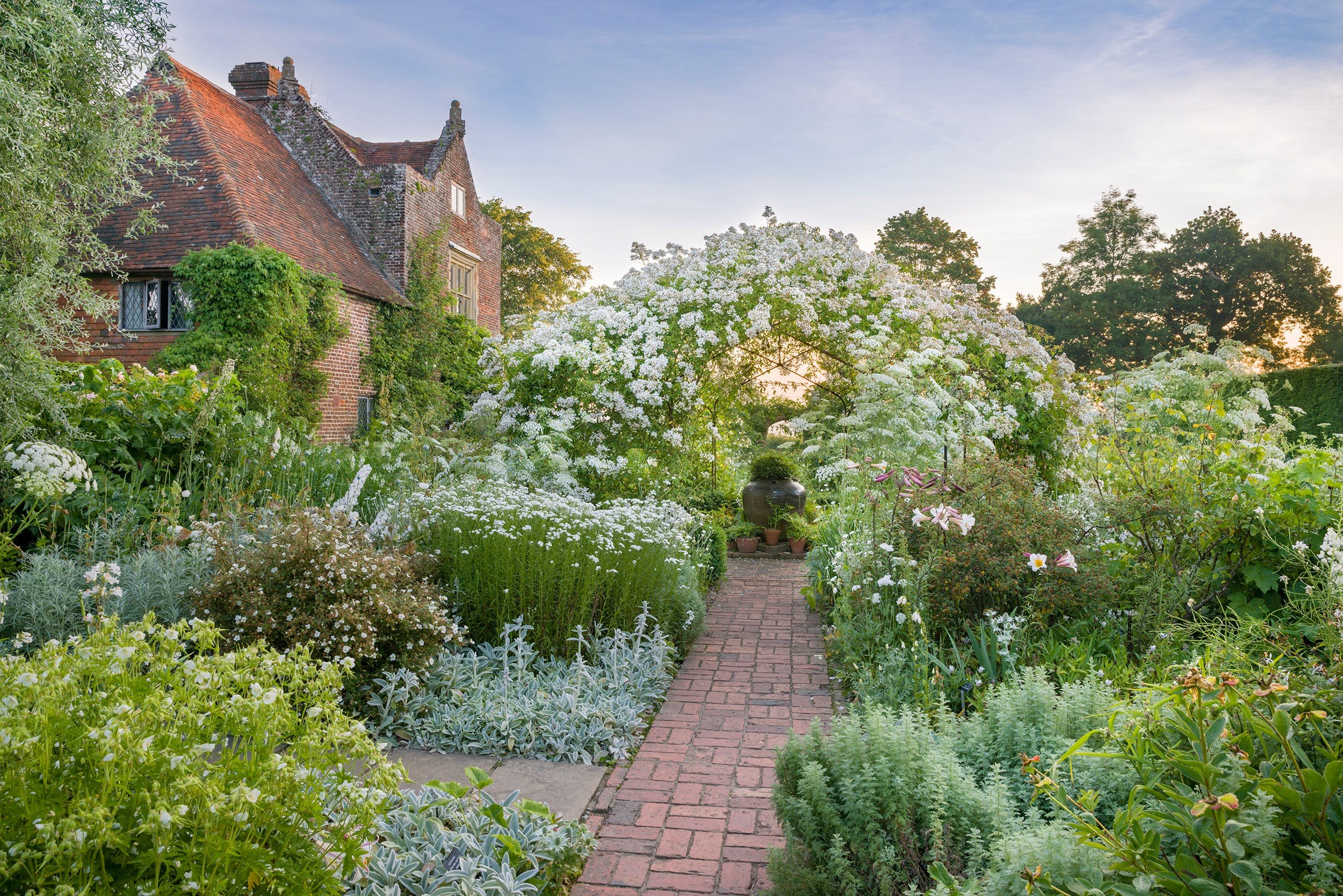 87 mi from SouthamptonSissinghurst Castle Garden: Room-by-Room Garden Design Masterclass
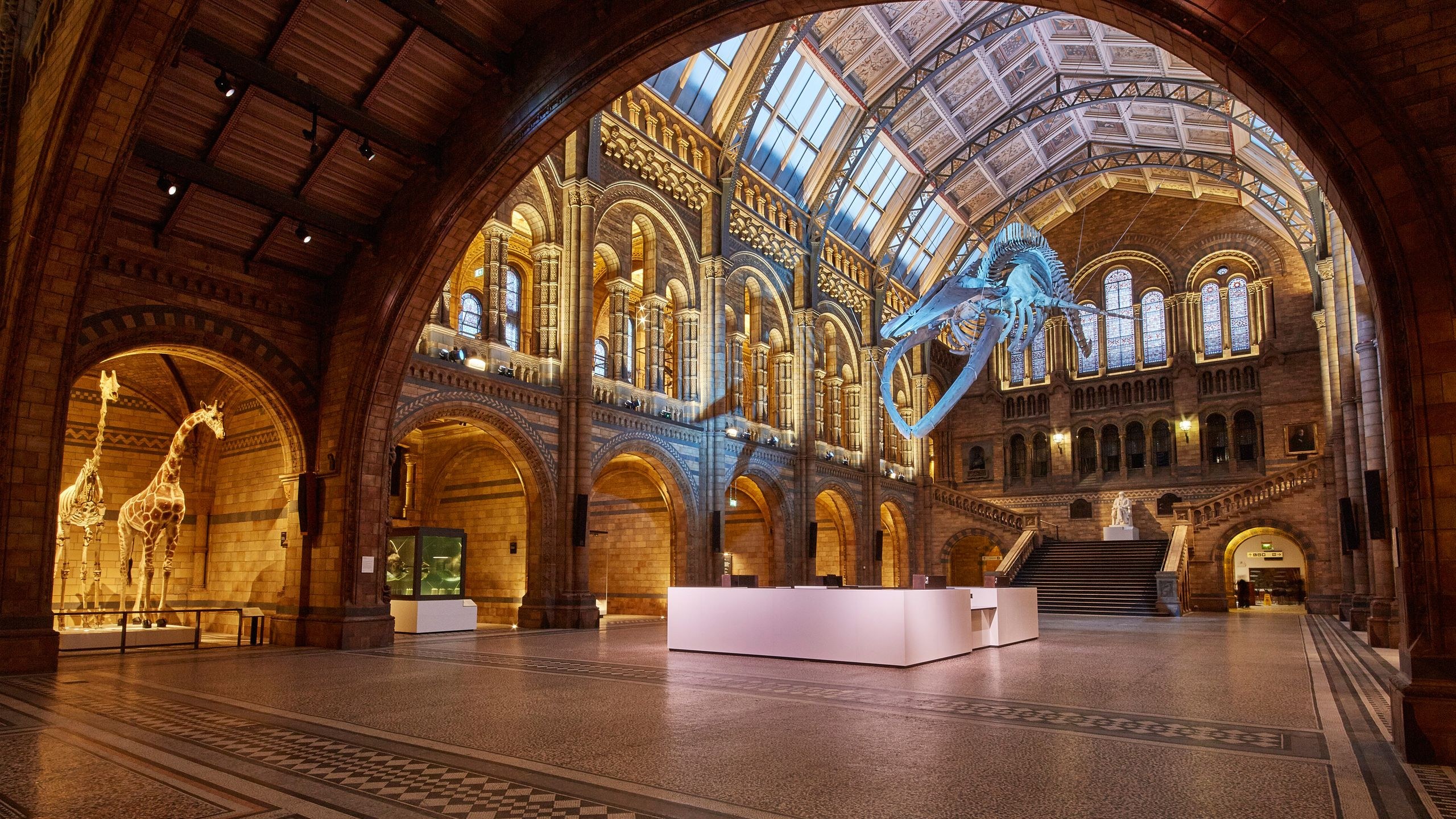 67 mi from SouthamptonNatural History Museum
 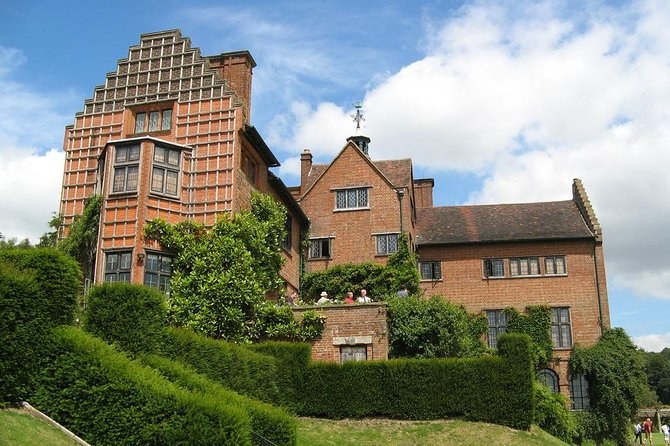 57 mi from Southampton · land adventureChurchill's Kent, Glyndebourne at Dusk & London's Secret Side
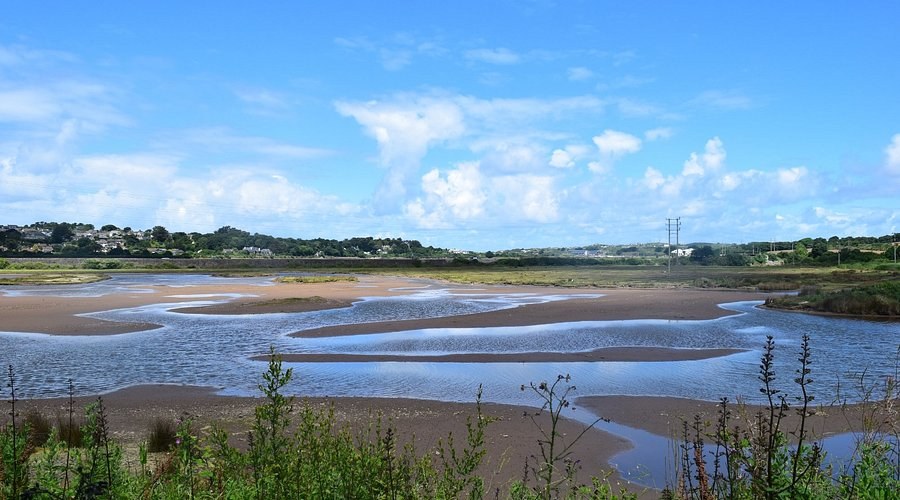 57 mi from Southampton · land adventureCornwall's Wild Coast: Tin Mines, Tidal Castles & Beach Bars
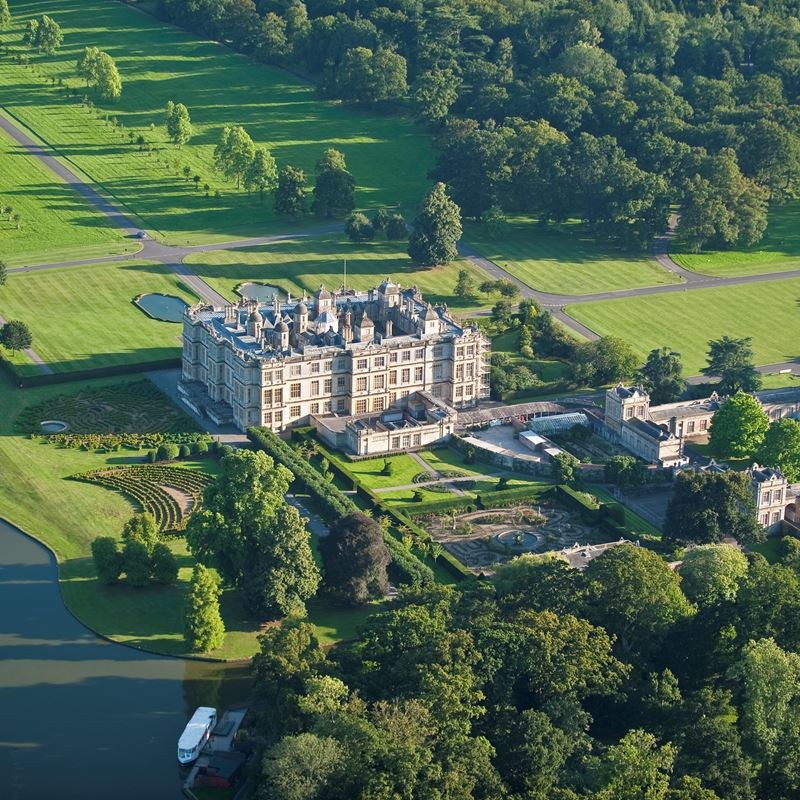 66 mi from Southampton · land adventureGeorgian Bath, Wild Somerset: Limestone, Lions and Lock Flights
 After you step off · near Lisbon
You end in a different port — stay on, and add what is within reach before you fly home.
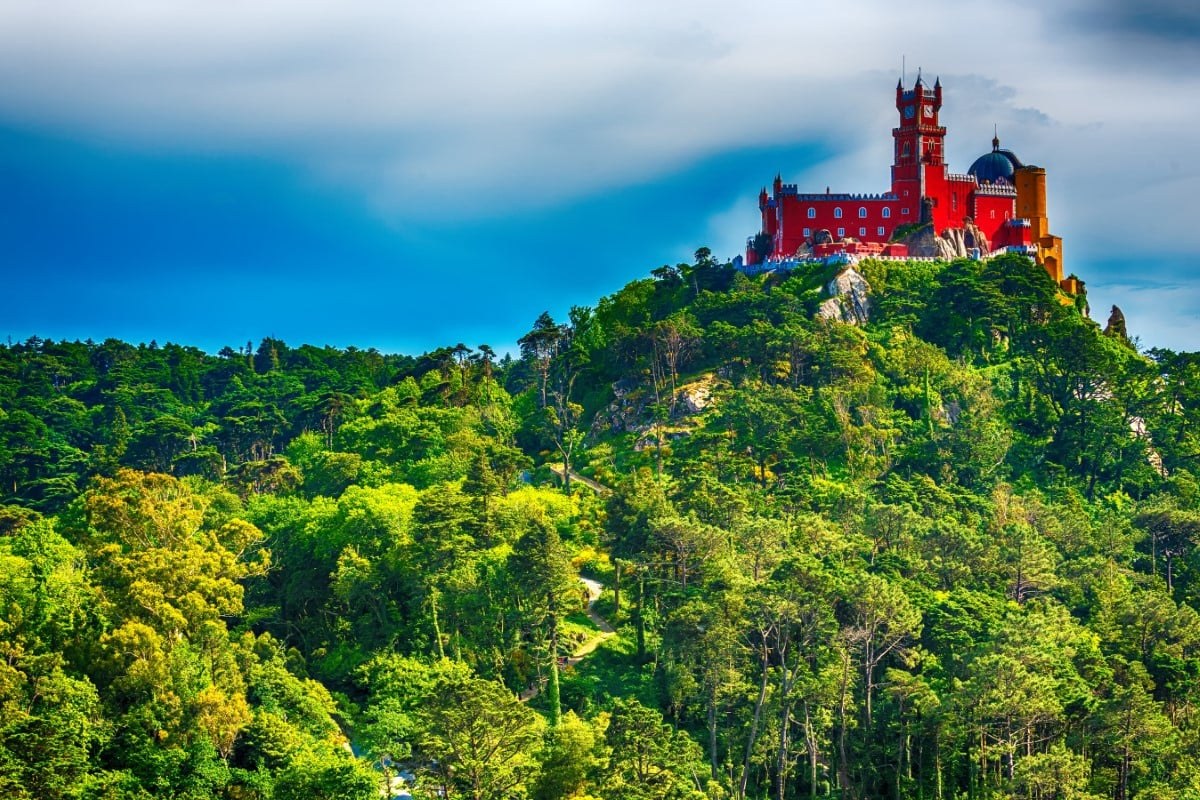 14 mi from LisbonSintra Day Trip - Pena Palace
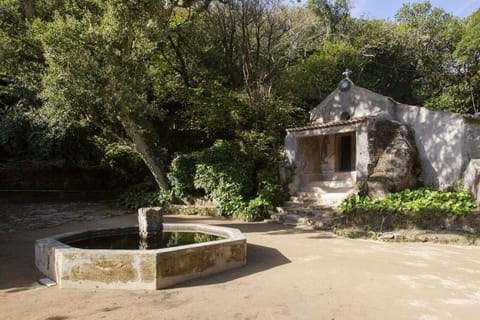 13 mi from LisbonConvent of the Capuchos Cork Lining & Underground Network
 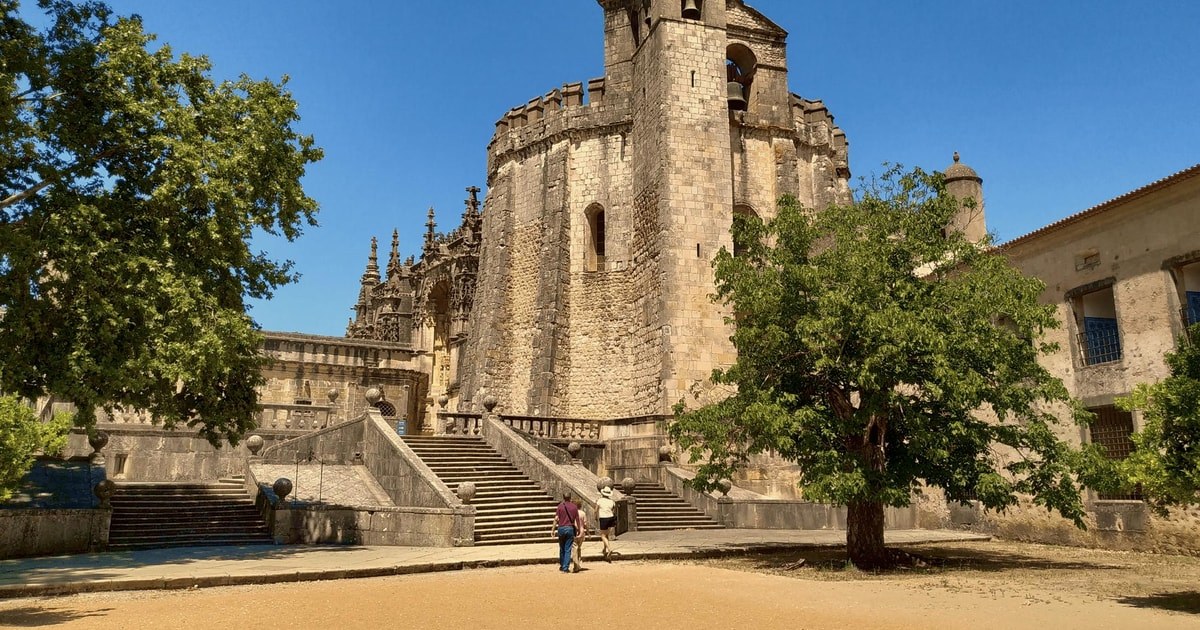 4 mi from Lisbon · land adventureTemplar Stone, Atlantic Cliffs, and Pastel Custard in Lisbon
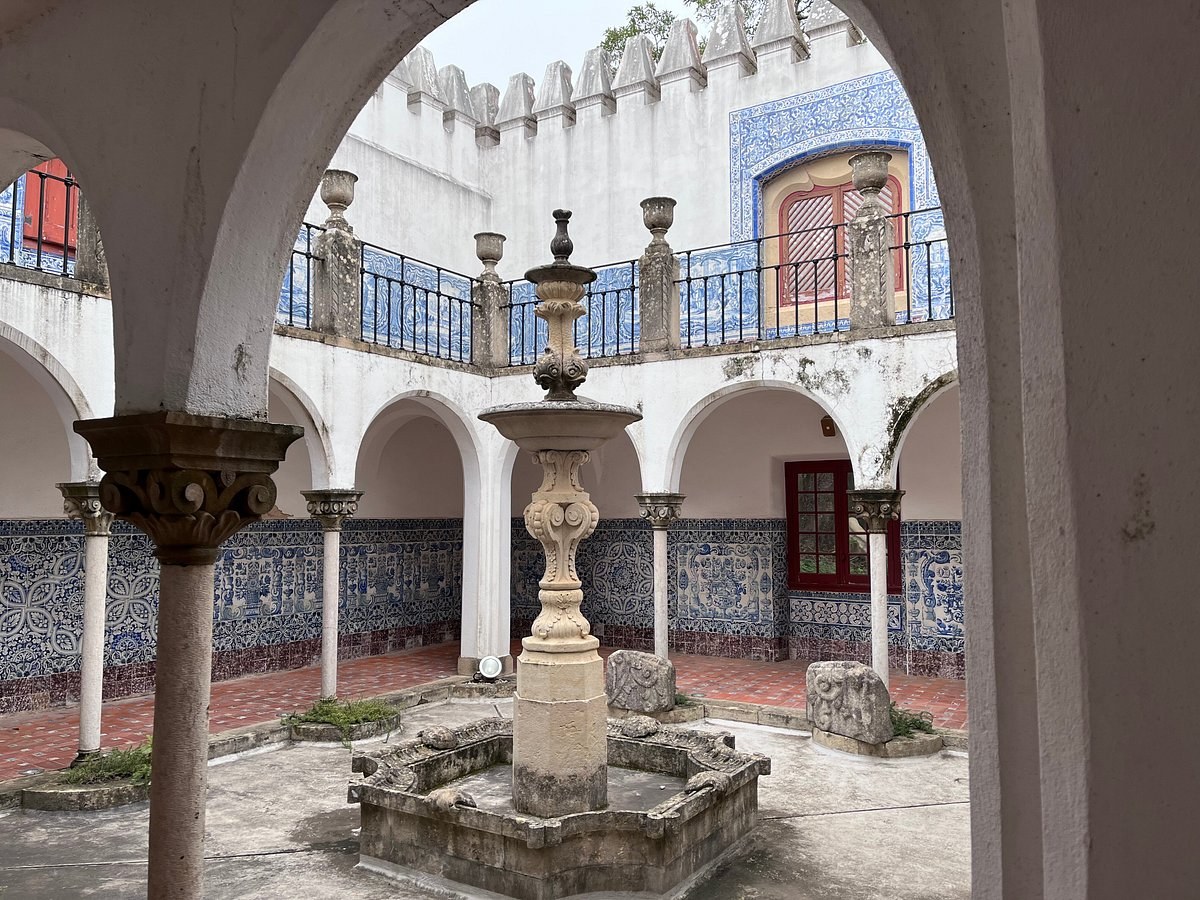 4 mi from Lisbon · land adventureSintra's Forests, Palaces & Coast: A Portuguese Masterpiece