Your cruise
EXPLORA III · 24-night Asia cruise, Tokyo to Vancouver
May 6 – May 30 · 24 nights ·
Day 1 Tokyo (board) · Day 2 at sea · Day 3 Aomori · Day 4 Kushiro · Day 5–8 at sea · Day 9 Dutch Harbor · Day 10 at sea · Day 11 Seward · Day 12 Valdez · Day 13 Yakutat Bay · Day 14 Sitka · Day 15 at sea · Day 16 Victoria · Day 17 Vancouver · Day 18 at sea · Day 19 Wrangell · Day 20 Juneau · Day 21 Lynn Canal · Day 22 Sailing The Tracy Arm Fjord · Day 22 Endicott Arm (dawes Glacier) · Day 23 Port of Kingstown · Day 24 at sea · Day 25 Vancouver (step off)
What you do A private, government-licensed guide whisks you to feudal Hirosaki Castle, the ethereal surrounding park, and the Nebuta Museum — Aomori's crown jewels in one seamless, unhurried day.
What to expect Your guide meets you dockside and transfers you in a private vehicle to Hirosaki, roughly one hour south. Stroll the castle grounds — one of Japan's only original 17th-century keeps — then cross into the manicured Fujita Memorial Garden. Back toward port, you step inside the Nebuta Museum Wa Rasse, where monumental, luminous festival floats fill a dramatic waterfront hall. The guide narrates the spiritual and artistic depth behind each float, something a solo visit cannot replicate.
Good to know Hirosaki is ~60 km from port; allow 8–8.5 hours total. Pre-book well ahead for cherry-blossom season (late April–early May) when the castle park is world-famous. All-aboard must be confirmed with your ship before booking. Hirosaki Castle entry: JPY 320 adults; Nebuta Museum Wa Rasse: JPY 620 adults.
Versus the ship tour Fully private or small-group (max 6) with a nationally licensed English-speaking guide; the pace is entirely yours — linger in the castle keep, photograph the moat reflections, and enter the Nebuta Museum before the crowds arrive.
book direct with Japan Shore Excursions (Aomori Private Tours) → · the full guide →
What you do Walk a primeval forest path beside the crystalline Oirase Stream, then emerge onto the caldera shores of sacred Lake Towada — one of Japan's most breathtaking natural tableaux, best savored in private.
What to expect Your guide collects you at the pier and drives south into the Towada-Hachimantai National Park. You walk a curated 2 km stretch of the Oirase Gorge trail, where 14 named waterfalls tumble through ancient beech forest and the air is thick with negative ions. Arriving at Lake Towada, you cruise along the shoreline road to the Nenokuchi viewpoint, where two rivers appear to meet a volcanic caldera of impossible blue. A seasonal bento lunch can be arranged with local wagyu and Aomori apple cider vinegar dishes.
Good to know Round trip is approximately 3.5 hours driving; budget 7–8 hours total including walking. Autumn foliage (mid-October) is sublime and sells out fast — reserve 3+ months ahead. Flat, well-maintained trail suits most fitness levels; wear comfortable shoes. No entry fee for the gorge trail; Lake Towada cruise optional at JPY 1,400 per person.
Versus the ship tour A private vehicle and licensed naturalist guide means you stop wherever the light is perfect — at cascading waterfalls, mossy boulders, and hidden viewpoints that larger buses simply cannot access.
book direct with Japan Shore Excursions (Aomori Private Tours) → · the full guide →
What you do Before the public arrives, experience the Nebuta Museum's colossal illuminated festival floats in near-silence, then try your hand at the traditional washi-paper and wire craft that creates them — a deeply intimate encounter with Aomori's soul.
What to expect The museum sits steps from the cruise terminal, making it the most time-efficient bucket-list experience in port. Inside, five towering Nebuta floats — some over 5 metres tall, blazing with painted warriors and mythological beasts — fill the darkened hall with a theatrical glow. A cultural interpreter explains the 300-year history of the Nebuta Matsuri, one of Japan's Top 3 festivals. In the workshop area, you shape wire, layer washi paper, and paint a miniature float panel to take home as a one-of-a-kind keepsake.
Good to know The museum is a 5-minute walk from the port — ideal if time is short. Open 9:00–18:00 (May–Aug); 9:00–17:00 (Sep–Apr). Workshop sessions should be booked directly with the museum at least 2 weeks ahead. Allow 2–3 hours for entry + workshop combined.
Versus the ship tour Early-access or pre-opening arrangements and hands-on workshops are only possible with direct coordination with the museum — delivering an atmosphere of exclusive cultural immersion impossible in a standard visit.
book direct with Nebuta Museum Wa Rasse (Official) → · the full guide →
What you do Soar above ancient Hakkoda volcano on Japan's largest gondola-type ropeway to a wild alpine plateau — a landscape of primordial forest, volcanic vents, and 360° panoramas that feels like the edge of the earth.
What to expect A 10-minute gondola ride lifts you from the cedar treeline into a sculpted alpine world of dwarf pines, volcanic rock gardens, and in winter, the famed 'snow monsters' — trees encased in surreal ice sculptures. Summit boardwalks wind through steaming fumaroles and across tundra meadows alive with alpine wildflowers in summer. On clear days, the Tsugaru Strait and Hokkaido shimmer on the horizon. Your private driver waits below, and a detour to the historic Sukayu Onsen hot springs on the descent is easily arranged.
Good to know Hakkoda is ~30 minutes from port by private car. The ropeway runs daily (weather permitting) from approximately 9:00; first gondola is 9:10. Strong winds occasionally suspend operations — check the day before. Sukayu Onsen (konyoku mixed bathing) entry is JPY 1,000; bring or rent a towel. Total excursion: 4–5 hours.
Versus the ship tour Arriving by private vehicle means you ride the first or second gondola of the day — stepping onto the 1,324 m summit plateau before tour groups, with the mountain entirely to yourselves.
book direct with Hakkoda Ropeway (Official) → · the full guide →
What you do Explore Japan's most significant prehistoric settlement — a UNESCO World Heritage Site where 5,500 years of Jōmon civilisation are revealed by a licensed guide who brings the ancient pit dwellings and ritual objects vividly to life.
What to expect Just 20 minutes from port, Sannai-Maruyama is one of the largest Jōmon-period (14,000–300 BCE) sites ever excavated in Japan, declared a UNESCO World Heritage Site in 2021. Your guide leads you through reconstructed longhouses, a ceremonial road flanked by clan burials, and the iconic six-pillar raised tower whose alignment mirrors the summer solstice sunrise. In the superb on-site museum, obsidian trade goods, lacquerware, and haunting clay figurines paint a picture of a sophisticated, peaceful society that challenges every assumption about prehistoric Japan.
Good to know Open 9:00–17:00; closed Tuesdays. The site is a 20-minute taxi or private car ride from the pier. Combine with the nearby Aomori Museum of Art (admission JPY 510) — home to Marc Chagall's monumental Aleko panels — for a rich cultural half-day. Pre-book your licensed guide via GoWithGuide (gowithguide.com/japan/aomori) or JGA (j-g-a.org/aomori).
Versus the ship tour A specialist English-speaking guide — licensed by Aomori Prefecture — decodes the spiritual astronomy of the six-pillar tower and the meaning behind the extraordinary clay figurines in the adjacent museum, context that self-guided visits entirely miss.
What you do Build your own legendary Nokkedon rice bowl — piling Mutsu Bay scallops, uni, and ikura onto steaming rice at Aomori's beloved fish market — then sip artisan Aomori apple cider pressed steps from the ship.
What to expect At Aomori Gyosai Center's famous Nokkedon counter, you purchase a cup of warm rice and a book of tickets, then wander the stalls where fishmongers heap your bowl with the morning's catch — glistening Mutsu Bay scallops, briny sea urchin roe, fat salmon eggs, and silky local tuna. It is interactive, joyful, and deeply local. A short stroll brings you to A-FACTORY, a sleek glass-and-timber building on the waterfront, where Aomori's apple harvest is transformed into nuanced craft ciders. A flight of three regional varieties paired with Aomori cheese is the perfect finale before returning aboard.
Good to know Gyosai Center opens at 9:00; arrive early for the best topping selection. A-FACTORY opens at 9:00 and stays open until 20:00. Both are within easy walking distance of the Aomori Ferry/Cruise Terminal. No pre-booking required; cash and IC cards accepted at the market. Allow 2–3 hours total — a perfect half-morning ashore before a longer afternoon excursion.
Versus the ship tour Both venues are within a 10-minute walk of the pier — no bus, no waiting — and the Nokkedon experience is entirely guest-directed: you choose every topping, creating a bowl that is as personal as it is extraordinary.
What you do Explore Tokyo's most iconic districts — Asakusa, Shibuya, Shinjuku and the Imperial Palace — guided by a nationally licensed, multilingual expert on an entirely private itinerary tailored to you. This is Tokyo at your pace, through a connoisseur's eyes.
What to expect Your guide meets you at the terminal and whisks you into Tokyo's layered world: the incense haze of Sensō-ji, the electric scramble at Shibuya Crossing, the raked gravel calm of Imperial Palace East Gardens. Lunch is arranged at a chef-selected restaurant befitting your taste. The day is a seamless private narrative rather than a checklist, ending with enough time to return comfortably before all-aboard.
Good to know Book well in advance — licensed private guides are in high demand. Confirm your ship's all-aboard time so your guide can plan the return; Tokyo International Cruise Terminal (Ariake) is roughly 30–40 min by taxi or direct Yurikamome rail from central Tokyo.
Versus the ship tour A nationally licensed guide — not a megaphone-and-flag group leader — curates every hour around your interests, from Sensō-ji temple rituals at dawn to an omakase lunch in a hidden alley. The group is yours alone, pace is entirely flexible, and the depth of cultural insight is unmatched.
book direct with Japan Guide Association (JGA) – Official Licensed Guides → · the full guide →
What you do Ascend the world's second-tallest structure to 634 metres for a panorama stretching from Mount Fuji to Tokyo Bay. On a clear day the view is simply one of the great urban spectacles on earth.
What to expect A high-speed elevator whisks you to the Tembo Deck at 350 m in under 60 seconds. A second ascent takes you to the Tembo Galleria, a glass-walled spiral walkway at 450 m where the floor disappears beneath your feet over the Tokyo skyline. The adjacent Solamachi shopping and dining complex adds a refined post-visit option before heading back.
Good to know Pre-purchase timed-entry tickets online — they sell out days ahead, especially on weekends. From Tokyo International Cruise Terminal, take the Yurikamome line to Asakusa, then the Tobu Skytree Line — allow 50 min total. Allow 2 hrs for both decks. Confirm weather forecast: Mount Fuji views require clear skies.
Versus the ship tour Skip the intermediary and book direct on the official site for guaranteed timed-entry tickets — the queue for walk-ups can swallow an hour. Pairing both decks gives you the full 634-metre summit glass-floored walkway, a genuinely vertiginous bucket-list moment inaccessible on a standard visit.
book direct with Tokyo Skytree (Official) → · the full guide →
What you do Step inside teamLab Borderless — the world's most visited single-artist museum — where thousands of laser projections dissolve boundaries between art and visitor. There are no maps; every room is a living, breathing, bucket-list spectacle.
What to expect You wander freely through interconnected rooms where waterfalls, forests, and koi ponds exist entirely as light and projection — and shift when you touch them. The 'Athletic Forest' zone challenges the body as much as the mind. No two visits are identical; the art evolves in real time. Budget at least two hours, though most guests lose track of time entirely.
Good to know The new Azabudai Hills venue is a taxi/subway ride from the cruise terminal — allow 40 min. Wear comfortable shoes (some zones involve steps and uneven surfaces). Timed-entry tickets are date- and time-specific; book the earliest slot to leave the afternoon free for other stops. Avoid white clothing as projections can stain perception.
Versus the ship tour teamLab Borderless is the most talked-about cultural experience in Tokyo and tickets routinely sell out weeks ahead — direct booking guarantees your slot. The experience is entirely self-paced and intimate in scale despite the venue's size; no group itinerary can replicate the personal sense of wonder as the art responds to your movement.
book direct with teamLab Borderless Tokyo (Official) → · the full guide →
What you do Explore the legendary Tsukiji Outer Market with a private chef guide who navigates the stalls, sources the finest morning catch, and explains the art of Edomae sushi — ending at a reserved counter for an unforgettable omakase breakfast.
What to expect The morning begins in the alley labyrinth of Tsukiji Outer Market as vendors arrange glistening tuna, sea urchin, and seasonal shellfish. Your chef-guide explains provenance, seasonality, and the knife traditions behind each cut. A tamagoyaki (rolled omelette) master lets you watch the craft up close. The tour culminates at a reserved sushi counter where the chef orders on your behalf — a succession of impossibly fresh nigiri paired with explanations of each piece.
Good to know Tsukiji Outer Market is most vibrant 7–10 am; an early start is essential and pairs well with an early all-aboard schedule. The market is approximately 30 min by taxi from Tokyo International Cruise Terminal. Confirm any dietary restrictions with Context Travel at booking. Sturdy shoes are advised — the alleys are narrow and sometimes wet.
Versus the ship tour Context Travel pairs you with a culinary scholar or professional chef — not a generic guide — for an intellectually rich deep-dive into Japan's seafood culture. The private format means you linger at the stalls that captivate you, taste what the guide selects, and sit down to sushi chosen that morning, not a set tourist menu.
book direct with Context Travel Tokyo – Expert-Led Food Tours → · the full guide →
What you do Walk the ancient cedar-forested approach to Tokyo's most sacred Shinto shrine, then emerge into Harajuku's kaleidoscopic street culture — a single morning that captures the full spiritual and creative soul of Tokyo.
What to expect The 700-metre forested gravel path to Meiji Jingu feels remote despite being at the heart of 14-million-person Tokyo — a genuine hush descends. Your guide explains the daily rituals, points out the sake-barrel wall offered by French wineries, and arranges a quiet moment at the inner shrine. The short walk to Harajuku delivers the visual shock of kawaii fashion and the understated elegance of Omotesandō boutiques — Dior, Louis Vuitton, and local ateliers alike.
Good to know Shoulders and knees should be covered or a scarf carried for the shrine approach. From the cruise terminal, take the Yurikamome to Shimbashi then JR Yamanote Line to Harajuku — approx. 50 min. The combined experience takes 3–4 hours; pairs perfectly with a lunch reservation on Omotesandō. Book your GoWithGuide guide at least 2 weeks ahead.
Versus the ship tour A private local guide from GoWithGuide provides personal context for Shinto ritual — the purification ceremony, the prayer technique, the symbolism of the torii gate — that transforms a walk through a forest into a deeply moving cultural encounter. The segue into Harajuku's Takeshita Street and Omotesandō's luxury flagship stores is seamlessly curated.
book direct with GoWithGuide – Private Tokyo Local Guides → · the full guide →
What you do Ascend the beloved iron icon of Tokyo at golden hour for the exclusive Diamond Tour — access to both the Main Deck at 150 m and the Top Deck at 250 m, limited to just 70 guests per day. A sunset over the Tokyo skyline from here is a memory for life.
What to expect Tokyo Tower glows tangerine and crimson at dusk — a deliberate nod to the Eiffel Tower's evening palette — and from the glass-floor panels of the Top Deck, the city grid fans out to Tokyo Bay and beyond. The Diamond Tour guide explains the tower's 1958 construction story and its role as Tokyo's emotional heartbeat. The lounge offers premium refreshments as the city lights ignite below you.
Good to know Book online the moment your itinerary is confirmed — the 70-person cap sells out fast, especially on weekends and holidays. Tokyo Tower is in Minato, roughly 40 min by taxi from the cruise terminal. Plan to arrive at least 30 min before your slot. A sunset slot (approximately 5–6 pm) is spectacular but confirm your ship's all-aboard time allows for it.
Versus the ship tour The Diamond Tour's 70-person daily cap makes this one of the most exclusive urban viewpoints in Asia. Unlike the open-access main deck, the Top Deck tour includes a dedicated lounge, unhurried time at each level, and a guide — transforming a landmark tick into a genuinely rarefied experience.
book direct with Tokyo Tower (Official) → · the full guide →
What you do A private, government-licensed guide whisks you to feudal Hirosaki Castle, the ethereal surrounding park, and the Nebuta Museum — Aomori's crown jewels in one seamless, unhurried day.
What to expect Your guide meets you dockside and transfers you in a private vehicle to Hirosaki, roughly one hour south. Stroll the castle grounds — one of Japan's only original 17th-century keeps — then cross into the manicured Fujita Memorial Garden. Back toward port, you step inside the Nebuta Museum Wa Rasse, where monumental, luminous festival floats fill a dramatic waterfront hall. The guide narrates the spiritual and artistic depth behind each float, something a solo visit cannot replicate.
Good to know Hirosaki is ~60 km from port; allow 8–8.5 hours total. Pre-book well ahead for cherry-blossom season (late April–early May) when the castle park is world-famous. All-aboard must be confirmed with your ship before booking. Hirosaki Castle entry: JPY 320 adults; Nebuta Museum Wa Rasse: JPY 620 adults.
Versus the ship tour Fully private or small-group (max 6) with a nationally licensed English-speaking guide; the pace is entirely yours — linger in the castle keep, photograph the moat reflections, and enter the Nebuta Museum before the crowds arrive.
book direct with Japan Shore Excursions (Aomori Private Tours) → · the full guide →
What you do Walk a primeval forest path beside the crystalline Oirase Stream, then emerge onto the caldera shores of sacred Lake Towada — one of Japan's most breathtaking natural tableaux, best savored in private.
What to expect Your guide collects you at the pier and drives south into the Towada-Hachimantai National Park. You walk a curated 2 km stretch of the Oirase Gorge trail, where 14 named waterfalls tumble through ancient beech forest and the air is thick with negative ions. Arriving at Lake Towada, you cruise along the shoreline road to the Nenokuchi viewpoint, where two rivers appear to meet a volcanic caldera of impossible blue. A seasonal bento lunch can be arranged with local wagyu and Aomori apple cider vinegar dishes.
Good to know Round trip is approximately 3.5 hours driving; budget 7–8 hours total including walking. Autumn foliage (mid-October) is sublime and sells out fast — reserve 3+ months ahead. Flat, well-maintained trail suits most fitness levels; wear comfortable shoes. No entry fee for the gorge trail; Lake Towada cruise optional at JPY 1,400 per person.
Versus the ship tour A private vehicle and licensed naturalist guide means you stop wherever the light is perfect — at cascading waterfalls, mossy boulders, and hidden viewpoints that larger buses simply cannot access.
book direct with Japan Shore Excursions (Aomori Private Tours) → · the full guide →
What you do Before the public arrives, experience the Nebuta Museum's colossal illuminated festival floats in near-silence, then try your hand at the traditional washi-paper and wire craft that creates them — a deeply intimate encounter with Aomori's soul.
What to expect The museum sits steps from the cruise terminal, making it the most time-efficient bucket-list experience in port. Inside, five towering Nebuta floats — some over 5 metres tall, blazing with painted warriors and mythological beasts — fill the darkened hall with a theatrical glow. A cultural interpreter explains the 300-year history of the Nebuta Matsuri, one of Japan's Top 3 festivals. In the workshop area, you shape wire, layer washi paper, and paint a miniature float panel to take home as a one-of-a-kind keepsake.
Good to know The museum is a 5-minute walk from the port — ideal if time is short. Open 9:00–18:00 (May–Aug); 9:00–17:00 (Sep–Apr). Workshop sessions should be booked directly with the museum at least 2 weeks ahead. Allow 2–3 hours for entry + workshop combined.
Versus the ship tour Early-access or pre-opening arrangements and hands-on workshops are only possible with direct coordination with the museum — delivering an atmosphere of exclusive cultural immersion impossible in a standard visit.
book direct with Nebuta Museum Wa Rasse (Official) → · the full guide →
What you do Soar above ancient Hakkoda volcano on Japan's largest gondola-type ropeway to a wild alpine plateau — a landscape of primordial forest, volcanic vents, and 360° panoramas that feels like the edge of the earth.
What to expect A 10-minute gondola ride lifts you from the cedar treeline into a sculpted alpine world of dwarf pines, volcanic rock gardens, and in winter, the famed 'snow monsters' — trees encased in surreal ice sculptures. Summit boardwalks wind through steaming fumaroles and across tundra meadows alive with alpine wildflowers in summer. On clear days, the Tsugaru Strait and Hokkaido shimmer on the horizon. Your private driver waits below, and a detour to the historic Sukayu Onsen hot springs on the descent is easily arranged.
Good to know Hakkoda is ~30 minutes from port by private car. The ropeway runs daily (weather permitting) from approximately 9:00; first gondola is 9:10. Strong winds occasionally suspend operations — check the day before. Sukayu Onsen (konyoku mixed bathing) entry is JPY 1,000; bring or rent a towel. Total excursion: 4–5 hours.
Versus the ship tour Arriving by private vehicle means you ride the first or second gondola of the day — stepping onto the 1,324 m summit plateau before tour groups, with the mountain entirely to yourselves.
book direct with Hakkoda Ropeway (Official) → · the full guide →
What you do Explore Japan's most significant prehistoric settlement — a UNESCO World Heritage Site where 5,500 years of Jōmon civilisation are revealed by a licensed guide who brings the ancient pit dwellings and ritual objects vividly to life.
What to expect Just 20 minutes from port, Sannai-Maruyama is one of the largest Jōmon-period (14,000–300 BCE) sites ever excavated in Japan, declared a UNESCO World Heritage Site in 2021. Your guide leads you through reconstructed longhouses, a ceremonial road flanked by clan burials, and the iconic six-pillar raised tower whose alignment mirrors the summer solstice sunrise. In the superb on-site museum, obsidian trade goods, lacquerware, and haunting clay figurines paint a picture of a sophisticated, peaceful society that challenges every assumption about prehistoric Japan.
Good to know Open 9:00–17:00; closed Tuesdays. The site is a 20-minute taxi or private car ride from the pier. Combine with the nearby Aomori Museum of Art (admission JPY 510) — home to Marc Chagall's monumental Aleko panels — for a rich cultural half-day. Pre-book your licensed guide via GoWithGuide (gowithguide.com/japan/aomori) or JGA (j-g-a.org/aomori).
Versus the ship tour A specialist English-speaking guide — licensed by Aomori Prefecture — decodes the spiritual astronomy of the six-pillar tower and the meaning behind the extraordinary clay figurines in the adjacent museum, context that self-guided visits entirely miss.
What you do Build your own legendary Nokkedon rice bowl — piling Mutsu Bay scallops, uni, and ikura onto steaming rice at Aomori's beloved fish market — then sip artisan Aomori apple cider pressed steps from the ship.
What to expect At Aomori Gyosai Center's famous Nokkedon counter, you purchase a cup of warm rice and a book of tickets, then wander the stalls where fishmongers heap your bowl with the morning's catch — glistening Mutsu Bay scallops, briny sea urchin roe, fat salmon eggs, and silky local tuna. It is interactive, joyful, and deeply local. A short stroll brings you to A-FACTORY, a sleek glass-and-timber building on the waterfront, where Aomori's apple harvest is transformed into nuanced craft ciders. A flight of three regional varieties paired with Aomori cheese is the perfect finale before returning aboard.
Good to know Gyosai Center opens at 9:00; arrive early for the best topping selection. A-FACTORY opens at 9:00 and stays open until 20:00. Both are within easy walking distance of the Aomori Ferry/Cruise Terminal. No pre-booking required; cash and IC cards accepted at the market. Allow 2–3 hours total — a perfect half-morning ashore before a longer afternoon excursion.
Versus the ship tour Both venues are within a 10-minute walk of the pier — no bus, no waiting — and the Nokkedon experience is entirely guest-directed: you choose every topping, creating a bowl that is as personal as it is extraordinary.
What you do Glide through Japan's largest wetland in a private vehicle with a dedicated English-speaking naturalist guide, scanning the reeds for the sacred red-crowned tancho crane — a living symbol of longevity and one of the rarest birds on Earth.
What to expect Your private guide collects you at the pier and drives you into the vast, mist-wrapped Kushiro Marshland — 2,700 sq km of protected wetland that feels utterly wild. Pause at the elevated Shitsugen Observatory Boardwalk for panoramic marsh views, then visit the Akan International Crane Centre where wild tancho congregate and researchers track the population. Afternoons can be shaped around your interests — canoe on the marsh channels, visit a local fish market, or simply linger at a crane feeding meadow until that extraordinary red-crowned bird takes flight. No crowds, no rushing; this is the Hokkaido East that most visitors never see.
Good to know Pre-book well in advance — private guides fill fast on cruise-call days. The marsh is most atmospheric in early morning mist; request an early departure to maximise crane sightings. Confirm all-aboard time and share it with your guide at booking.
Versus the ship tour Fully private, 8-hour itinerary tailored to your pace — includes multiple vantage points across the marsh, the Kushiro Shitsugen Observatory Boardwalk, and stops at Akan International Crane Centre, with a dedicated English-speaking guide who knows every sightline for crane encounters.
book direct with Japan Awaits – Kushiro Custom Full Day Tour → · the full guide →
What you do Journey to sacred caldera Lake Akan, a UNESCO-recognised cultural landscape, and immerse yourself in the living traditions of the Ainu — Japan's indigenous people — through an intimate performance at the legendary Icolo Theater and a guided walk through the Ainu Kotan village.
What to expect The drive along the Akan lakeside road is cinematic — forests of silver birch giving way to the vast cobalt surface of the caldera lake, steaming with geothermal vents. At the Ainu Kotan, your guide introduces you to artisans carving intricate woodwork and weaving traditional attukus textile, explaining the spiritual significance of each motif. The Icolo Theater performance is electrifying: firelit, chanted Upopo ceremonial song and the athletic Iyomante bear ritual dance performed by an Ainu troupe in full regalia. Before returning, savour a bowl of Akan's famous chankoro — snow crab noodle soup — at a lakeside restaurant chosen by your guide.
Good to know Lake Akan is approximately 1.5 hours from the pier; plan a minimum 7-hour shore day. Icolo Theater shows run at set times — confirm schedule at booking and align with all-aboard. Reiko's tours start at 8–9 a.m.; coordinate pier pick-up time at reservation.
Versus the ship tour Guided by Reiko, a Kushiro-born local expert with deep Ainu cultural knowledge, this private experience grants unhurried access to the Ainu Kotan village artisan workshops and a reserved-seat performance at Lake Akan Ainu Theater Icolo — rated 4.3 stars as Kushiro's top cultural attraction — without the pace of a group itinerary.
book direct with GoWithGuide – Reiko M. Local Expert, Kushiro & Hokkaido East → · the full guide →
What you do Drift silently through primeval reed corridors on a guided canoe through Kushiro Marsh — Japan's largest wetland — at water level where tancho cranes wade, white-tailed eagles soar, and Hokkaido's raw wilderness surrounds you on every side.
What to expect Launching from a wooden pontoon at the marsh edge, you and your small group glide into channels so still they mirror the sky. Your bilingual guide reads the wetland like a map — pointing to otter tracks in the mud, osprey on snag branches, and the slow wingbeats of a tancho crane lifting from the shallows. The pace is meditative; there is no engine noise, no commentary over a loudspeaker, just the dip of a paddle and the immensity of one of Asia's great wilderness landscapes. After two hours on the water, a riverside rest stop offers hot green tea and a chance to absorb the silence before returning to the pier.
Good to know Half-day canoe tours typically run 3–4 hours including transfer; well within a standard port day. Waterproof layers and non-slip footwear essential — pack in a dry bag. Book directly via the Kushiro tourism portal or confirm with your private guide. Best sightings in early morning — request AM departure.
Versus the ship tour Water-level access to the marsh interior that no observation platform or coach can replicate — small guided groups only, with a certified wilderness guide, paddles in hand, close enough to hear cranes calling in the reeds.
book direct with Kushiro-Lakeakan.com (Official Kushiro Tourism) → · the full guide →
What you do Join a specialist wildlife guide for an intimate, small-group morning dedicated entirely to Kushiro's most iconic resident: the magnificent tancho crane, observed at Kushiro City Tanchozuru Nature Park and the Akan International Crane Centre with expert ecological commentary.
What to expect The red-crowned crane stands 1.5 metres tall, dances with its mate in elaborate courtship displays, and has been venerated in Japanese art for centuries — seeing one wild is genuinely moving. Your guide arrives at the pier and takes you first to Kushiro City Tanchozuru Nature Park, where resident cranes move freely across wetland meadows in view of a discreet observation platform. The second stop at the Akan International Crane Centre deepens the experience with researcher-led insight into the comeback story of a species that recovered from just 33 individuals in the 1950s to over 1,800 today — one of conservation's great triumphs. The return route through the marsh adds a final, unhurried panorama of the wetland at its most majestic.
Good to know This half-day tour fits comfortably within most port schedules. Crane sightings are year-round but most spectacular in winter (dancing displays) and spring (chick-rearing). Bring a 200mm+ telephoto lens if you have one. Confirm group size at booking — maximum 8 guests is the standard for this operator.
Versus the ship tour Small-group format of no more than 8 guests, led by an ornithologist-level local guide who knows the seasonal crane behaviour patterns and positions the group for the closest, least-disturbed sightlines — a world apart from a larger group visit.
book direct with Japan Shore Excursions – Kushiro Wildlife Tours → · the full guide →
What you do Explore Kushiro's layered history — from Ainu origins to Meiji-era fishing empire — inside the acclaimed Kushiro City Museum with a private guide, then stroll the grand Nusamai Bridge for sweeping river and harbour views that have defined this city's soul for over a century.
What to expect Your guide meets you at the pier and walks you into central Kushiro, pausing at the iconic Nusamai Bridge where four bronze goddess statues guard each corner and the Kushiro River fans out toward the Pacific. At the Kushiro City Museum, the exhibits span Jomon-era archaeology, Ainu artefacts of extraordinary craft, and the dramatic story of Meiji settlers who built a fishing industry that once supplied all of Japan with Pacific saury. The museum's natural history wing — featuring a full-scale tancho crane diorama and Hokkaido brown bear specimens — offers context that makes the wider landscape suddenly legible. The walk back through the Washo Market, where fishermen's wives famously pile fresh crab and salmon roe onto your rice bowl, is the perfect finale.
Good to know The museum and bridge are within easy walking distance of central Kushiro — ideal if your port day is shorter. Washo Market is best before noon when the freshest seafood is displayed. Combine with a harbour walk past the fishing fleet for a full immersion in Kushiro's maritime character.
Versus the ship tour A private, curator-level guided experience of Kushiro's museum — rated 4.2 stars and one of the city's finest cultural institutions — paired with insider commentary on the Nusamai Bridge's four allegorical statues and the city's storied fishing heritage, all at a pace no group tour allows.
book direct with GoWithGuide – Reiko M. Local Expert, Kushiro & Hokkaido East → · the full guide →
What you do Dive into the flavours of Hokkaido East at Kushiro's legendary Washo Market and the atmospheric Fisherman's Wharf MOO — sampling the freshest Pacific saury, uni (sea urchin), ikura, and snow crab straight from the boats in Japan's self-proclaimed 'seafood capital of the north.'
What to expect The Washo Market tradition of 'katte-don' is one of Japan's most joyful food rituals: purchase a bowl of steaming rice from one vendor, then wander the stalls as fishmongers pile on mounds of ikura, scallop, crab claw, and whatever the morning catch delivered — building your perfect Hokkaido rice bowl, piece by glorious piece. At Fisherman's Wharf MOO on the harbour edge, the atmosphere shifts to a covered artisan hall where local producers display kelp-cured salmon, aged Hokkaido cheese, and Akan-smoked trout alongside craft sake from regional breweries. A private guide ensures you navigate both spaces with cultural intelligence — knowing what to order, how to eat it, and the story behind each ingredient. End on the MOO terrace watching the Pacific fishing fleet return as the mist rolls in from the harbour.
Good to know Washo Market is most vibrant between 8 a.m. and noon — time your visit early in the port day. Both venues are a short walk or taxi from the pier. Bring cash (yen) — many market vendors do not accept cards. The Kushiro Shitsugen 55 Pass (JPY 1,030) bundles nearby attraction entries if you wish to extend the day.
Versus the ship tour Complete freedom to eat exactly what catches your eye — vendor by vendor, bowl by bowl — in a market that has operated on the same waterfront for generations. No fixed menu, no group pace: just you, a guide who knows which stalls are the finest, and Hokkaido's legendary seafood at its absolute peak of freshness.
book direct with Kushiro-Lakeakan.com – Downtown Kushiro Walking Tour (Official Tourism) → · the full guide →
What you do Explore Dutch Harbor's extraordinary WWII legacy on a private, expert-led tour covering secret bunkers, pill boxes, Fort Schwatka, and the Aleutian World War II National Historic Area — one of the Pacific's most overlooked war theaters.
What to expect Your guide leads you through atmospheric WWII fortifications perched on volcanic cliffs above the Bering Sea, explaining the strategic bombing of Dutch Harbor in 1942 — the only WWII attack on US soil outside Hawaii. You'll descend into preserved concrete bunkers, handle historical context at each site, and absorb sweeping panoramas of the harbor below. The tour is deeply personal, shaped around your interests in history, botany, eagles, archaeology, and native culture.
Good to know Contact Bobbie directly to arrange a private departure timed to your ship's all-aboard. The port is about 2 miles from downtown; your guide can arrange pick-up. Pre-booking well in advance is essential — Bobbie's tours sell out on cruise call days.
Versus the ship tour Bobbie Lekanoff is a deeply knowledgeable local historian who weaves Unangan cultural memory, military strategy, and personal family stories into a single narrative no generic tour can replicate. Private access means you linger in the bunkers and gun emplacements as long as you wish — no crowds, no rush.
book direct with The Extra Mile Tours (Bobbie Lekanoff) → · the full guide →
What you do Ride in a private 4WD through the wild Aleutian terrain to seek bald eagles, sea otters, puffins, murres, and rare seabirds that gather here in staggering numbers — one of the most accessible world-class birding sites in North America.
What to expect You'll set out across the dramatic tundra landscape of Unalaska Island, stopping at known eagle perches where dozens of bald eagles congregate — often within arm's-length striking range of the road. Coastal stops reveal sea otters floating in kelp beds and vast seabird colonies on sea stacks. Your naturalist guide provides binoculars, spotting scopes, and real-time species identification throughout.
Good to know Dress in waterproof, windproof layers — Aleutian weather is famously unpredictable. Mornings offer the best light for photography. Book directly via the City of Unalaska's operator listing well ahead of your port call date.
Versus the ship tour Aleutian Life's guides are local naturalists who know every nesting ledge and feeding ground on the island. Access in a private 4WD means reaching coastal bluffs and tundra viewpoints inaccessible on foot, dramatically increasing the species count and photographic opportunities.
What you do Go behind the velvet rope at the Museum of the Aleutians with a private curator-led session exploring 9,000 years of Unangan (Aleut) culture, Russian colonial history, and WWII artifacts — the intellectual heart of the Aleutian Islands.
What to expect The museum's world-class archaeological collection spans pre-contact Unangan life through the brutal WWII internment of Aleut peoples, all presented with scholarly depth. A private session allows you to handle replica artifacts, ask detailed questions, and access storage areas with pieces not on permanent display. The building itself is architecturally striking, designed to evoke a traditional barabara dwelling.
Good to know The museum is in downtown Unalaska, about 2 miles from the port — arrange a taxi or rental vehicle in advance. Contact the museum directly to schedule a private guided session on your port day. Standard hours are limited; confirm opening times for your specific date.
Versus the ship tour A private arrangement with museum staff transforms a fascinating collection into a curated personal narrative — ancient Unangan tools, Russian Orthodox icons, and Japanese WWII relics interpreted by the very experts who researched them. Unhurried and intimate.
book direct with Museum of the Aleutians → · the full guide →
What you do Cast your line into the legendary Bering Sea and Aleutian waters aboard a private charter — one of the world's premier sport-fishing destinations for giant Pacific halibut, Pacific cod, and colorful rockfish.
What to expect You'll board a well-equipped sport fishing vessel in Dutch Harbor and head into deep Aleutian waters where commercial fishermen have worked for generations. Your captain knows the productive spots — submarine ridges and reef systems where halibut stack up in numbers. All tackle and bait are provided; the crew will clean, vacuum-pack, and arrange shipping of your catch home if desired.
Good to know A fishing license is required and can typically be arranged through the charter operator — confirm when booking. Allow a minimum of 6 hours on the water; check all-aboard time carefully and communicate it to your captain. Book as far in advance as possible — port days attract high demand.
Versus the ship tour A private charter means the boat, the pace, and the fishing spots are entirely yours. The waters off Dutch Harbor yield halibut of legendary size — fish that dwarf anything caught in more touristed Alaskan ports — in a setting of raw, cinematic Aleutian beauty.
book direct with Keepin' It Reel Charters Unlimited → · the full guide →
What you do Step inside the oldest Russian Orthodox cathedral in North America — a National Historic Landmark rising improbably from the Aleutian tundra, its golden domes reflecting centuries of faith, fur trade, and Unangan survival.
What to expect The cathedral, consecrated in 1826, holds priceless Russian Orthodox icons, vestments, and manuscripts — a UNESCO-worthy collection on the edge of the Bering Sea. Your expert guide explains the complex colonial and spiritual history of the Russian-Aleut encounter, the role of St. Innocent of Alaska, and the church's survival through WWII. The surrounding cemetery and the dramatic volcanic backdrop make this one of the most photogenic stops in all of Alaska.
Good to know The church is an active parish; visiting hours are limited and respectful dress is required. Combine this with the Museum of the Aleutians and WWII sites into a full private day with The Extra Mile Tours. Downtown Unalaska is approximately 2 miles from the pier — arrange private transport.
Versus the ship tour Pairing a private expert guide with a visit to this cathedral unlocks its full meaning — the convergence of Russian imperial ambition, Unangan cultural resilience, and Orthodox spirituality in one of the remotest places on Earth. Without context, it is beautiful; with it, it is revelatory.
book direct with The Extra Mile Tours (Bobbie Lekanoff) → · the full guide →
What you do Ascend Ballyhoo Mountain — site of WWII fortifications and one of Dutch Harbor's most dramatic viewpoints — with a private local guide, for sweeping 360° vistas of volcanic peaks, the harbor, and the wild North Pacific.
What to expect The hike to Ballyhoo's summit threads through vivid tundra carpeted with Arctic wildflowers, past crumbling WWII gun emplacements that once defended the harbor below. At the top, a panorama unfolds across the entire Aleutian chain — volcanic peaks, fjord-like bays, and the endless pewter expanse of the North Pacific. Your guide narrates both the ecological and military history of the landscape throughout the ascent and descent.
Good to know The hike is moderate — sturdy waterproof boots and wind/rain layers are essential year-round. Allow 3–4 hours round-trip and calculate back carefully from all-aboard time. Arrange pick-up from the pier with your guide; the trail head requires a short drive. Best attempted on relatively clear days — check local conditions the morning of your port call.
Versus the ship tour A local guide ensures you reach the summit safely via the optimal trail, identifies Aleutian wildflowers, eagle nests, and WWII remnants along the way, and times the ascent so you arrive at the peak in the best possible light — an experience that rewards the adventurous traveler with imagery that simply cannot be purchased.
What you do Sail deep into Kenai Fjords National Park past calving tidewater glaciers, humpback whales, orcas, and puffin colonies — then feast on a salmon & steak BBQ on a remote island. This is Alaska at its most primal and spectacular.
What to expect Depart Seward's small-boat harbor and cruise past the granite walls of Resurrection Bay before entering the national park proper. A Park Service ranger provides expert narration as you drift alongside Holgate or Northwestern Glacier, watching house-sized ice calve into the sea. Wildlife sightings — orca pods, Steller sea lions, horned puffins, mountain goats — are virtually guaranteed. The day ends with a hot salmon and steak barbecue served on a wild Alaskan island.
Good to know Full-day tours run approximately 8–9 hours; confirm all-aboard time before booking. Pre-book well in advance — summer dates sell out weeks ahead. Dress in waterproof layers regardless of forecast; the fjords create their own weather.
Versus the ship tour Major Marine is the definitive Kenai Fjords operator — their vessels are purpose-built for stability and wildlife viewing, with a National Park Service ranger narrating on board. The island BBQ stop is a signature moment that no day-boat rival replicates.
What you do Lift off by helicopter over Resurrection Bay, land on a remote glacier, and mush a team of Iditarod-bred huskies across ancient blue ice. One of the most visceral, once-in-a-lifetime experiences Alaska offers.
What to expect Your pilot banks low over Seward's fjords before setting down on a high-altitude glacier where a working dog camp awaits. Professional mushers introduce you to the team — all rescued or bred Iditarod dogs — before you take the reins and glide across the ice. Time on the glacier also allows for short walks to peer into crevasses and hear the otherworldly silence of the icefield. The return flight offers unobstructed aerial views of the national park.
Good to know Weather-dependent; helicopter tours can be rescheduled or cancelled on short notice — always confirm before heading ashore. Weight limits typically apply (around 250 lbs per passenger). Book as early as possible; this is the fastest-selling experience in Seward.
Versus the ship tour Groups are kept deliberately tiny — you're not sharing a glacier with a crowd. The helicopter transfer alone is a bucket-list flight, framing the Harding Icefield in a way no road or boat can match. Mushing your own sled team on glacial ice is an experience most Alaskans never have.
book direct with Alaska Shore Excursions (Seward Glacier Dog Sledding) → · the full guide →
What you do A boutique 7-hour cruise into Kenai Fjords with an intimate group of no more than a handful of guests, guided by lifelong Alaskan captains who know exactly where the wildlife hides. The private-charter feel, without the private-charter price.
What to expect Departing Seward Small Boat Harbor at 9:00 am or 10:30 am, the vessel threads through Resurrection Bay and into the park's inner fjords. Expect prolonged encounters with Steller sea lion rookeries, tufted and horned puffins, and — with high frequency — humpback whales breaching close to the bow. The intimate setting means every passenger has unobstructed rail access and direct conversation with the captain throughout.
Good to know Tours run mid-May through mid-September, 7 days a week. Depart by 9:00 am for the best all-aboard buffer; confirm your ship's schedule carefully. Bring binoculars, a telephoto lens, and motion-sickness medication if prone — inner-fjord swells can be significant.
Versus the ship tour With a fraction of the passenger count of a large-vessel cruise, Seacor can linger at glacier faces and wildlife hotspots for as long as guests desire — no schedule-driven ten-minute windows. The captains adjust the route in real time based on that morning's sightings reports.
What you do Paddle among cathedral-blue icebergs calved from Bear Glacier, the longest glacier in Kenai Fjords National Park, in a landscape so raw it barely feels like Earth. This is the kayaking experience serious adventurers come to Alaska specifically for.
What to expect A water taxi whisks you along the coast to Bear Glacier Lagoon, where a certified guide fits you with a dry suit and paddles you through a surreal floating gallery of turquoise ice sculptures. Seals lounge on bergs just metres away, and the constant crack and groan of the living glacier forms a haunting soundtrack. Full-day options include a beach lunch and time to explore the moraine on foot.
Good to know Book the earliest available departure to maximise time before all-aboard. No prior kayaking experience required; guides handle safety briefings fully. Dry suits are provided, but bring a warm base layer — water temperatures are near freezing.
Versus the ship tour Bear Glacier's lagoon is only reachable by water taxi — the majority of Seward visitors never get there. Paddling between icebergs at water level, with the glacier's face looming above, is a perspective no boat deck can replicate. Guide ratios are low, ensuring a personal and safe experience.
book direct with Miller's Landing Seward → · the full guide →
What you do Lace up crampons and walk on a living glacier inside Kenai Fjords National Park, tracing the ice's retreat through landscapes shaped over 10,000 years. Intimate, expert-led, and humbling in scale.
What to expect A comfortable vehicle collects you in town and delivers you to the Kenai Fjords National Park visitor area. Your guide leads the group along marked trails past the vivid blue-green meltwater streams and up onto the glacier's accessible lower tongue, crampons gripping the ancient ice. Historic markers along the trail chronicle the glacier's dramatic recession, providing visceral context for the landscape around you. The return leg includes a stop at a viewpoint over the Harding Icefield.
Good to know Round trip from Seward's small-boat harbour is approximately 4–5 hours — manageable within most port-day windows. Sturdy waterproof footwear and layered clothing are essential; crampons and poles are provided. Pre-booking is strongly advised as group sizes are capped.
Versus the ship tour Seward City Tours is locally owned and operated, with guides who have spent years interpreting this glacier's story. Small group sizes mean you spend time on the ice rather than in a queue, and the naturalist commentary transforms a beautiful walk into a genuinely moving environmental encounter.
What you do Go behind the scenes at Alaska's only public aquarium and ocean wildlife rescue centre, coming face-to-face with Steller sea lions, harbour seals, and seabirds in private keeper-led encounters unavailable to general visitors.
What to expect Begin in the main galleries, where floor-to-ceiling tanks showcase Alaska's extraordinary marine biodiversity — from giant Pacific octopus to puffins diving underwater in slow motion. The private encounter then takes you backstage to meet rescued Steller sea lions and harbour seals at close range, with the trainer explaining the rehabilitation science behind each animal's story. A marine biologist Q&A rounds out the experience, making this as intellectually rich as it is emotionally unforgettable.
Good to know The SeaLife Center is a 5-minute walk from the cruise tender dock — no transport required. Book the behind-the-scenes add-on directly on the Alaska SeaLife Center website well in advance; slots are extremely limited. General admission alone makes for an excellent 1.5–2 hour visit if encounter slots are full.
Versus the ship tour The behind-the-scenes encounters are capped at tiny group sizes and led by the actual animal trainers and marine biologists who care for the residents daily. This is rare, genuine access to a world-class research facility — not a theme-park show.
What you do Touch down on the surface of one of North America's most dramatic tidewater glaciers by private helicopter. A 90-minute aerial and on-ice experience that belongs on every serious bucket list.
What to expect Your pilot sweeps low over Prince William Sound's fjords before setting down on Columbia Glacier's surface, where you step out onto centuries-old ice. A certified glacier guide leads a short walk among seracs and meltwater streams, narrating the glacier's geology and ecology. The return flight circles the calving face for jaw-dropping aerial photography. Groups are kept deliberately tiny — typically four to six guests — so the experience feels entirely private.
Good to know Book well in advance; summer slots sell out fast. Flight duration is weather-dependent — Valdez weather can change quickly, so flexibility in your ship's schedule is an asset. Confirm all-aboard time with your ship and allow at least 30 minutes buffer; the heliport is minutes from the cruise dock.
Versus the ship tour An intimate, small-group charter liftoff directly from Valdez — you land ON the glacier, not merely fly past it. Guides walk you across ancient blue ice, point out crevasse fields, and explain the glacier's staggering retreat — a perspective no boat or bus can match.
book direct with Valdez Heli-Camps / Era Alaska (local Valdez heliport operator) → · the full guide →
What you do Board a dedicated small-vessel cruise deep into Prince William Sound to witness Columbia Glacier — North America's fastest-moving tidewater glacier — calving colossal icebergs into the sea. Wildlife sightings of orcas, sea otters, and Steller sea lions are routine.
What to expect The vessel departs Valdez Boat Harbor and threads through iceberg-studded waters toward the Columbia Glacier's towering blue face. Your on-board naturalist identifies marine mammals — sea otters draped on ice floes, Dall's porpoise riding the bow wake, and, if you're fortunate, a pod of orcas. The ship drifts at a respectful distance while the glacier calves thunderously into the sound. A hot lunch and beverages are served on board.
Good to know Cruises run approximately 8–9 hours; confirm departure time at booking to ensure it aligns with your ship's all-aboard. Dress in warm, windproof layers regardless of air temperature — the glacial face creates its own micro-climate. Reserve directly with Stan Stephens well ahead of your port call.
Versus the ship tour Stan Stephens has been the gold-standard Prince William Sound operator for over 50 years, running a small, nimble vessel that maneuvers close to the glacier face — as close as safety allows when bergs calve. The naturalist narration is expert-level, and the vessel never carries the massive crowd loads of larger excursion ships.
What you do Combine a motorboat ride into the remote Shoup Bay State Marine Park with guided sea kayaking among icebergs at the foot of Shoup Glacier — one of Alaska's most pristine and least-visited tidewater glaciers.
What to expect A rigid inflatable tender spirits you across Port Valdez to Shoup Bay before your certified guide fits you into a sea kayak and leads the group into the iceberg-scattered lagoon. You paddle within striking distance of the glacier's calving face, listening to the deep groaning of shifting ice. A picnic lunch is served on a black-sand beach framed by hanging waterfalls. The return motor across the sound often yields sea otter and eagle sightings.
Good to know No kayaking experience required; guides provide thorough instruction. The full-day format (~8 hours) is tight against most ship all-aboard times — confirm at booking. Wear or bring quick-dry base layers; waterproof outer gear is provided. This is a small-group tour; availability is limited.
Versus the ship tour Anadyr Adventures is Valdez's premier sea-kayaking outfitter, leading small groups into Shoup Bay — a protected marine sanctuary with no road access. Paddling silently among calved icebergs, with harbour seals hauled out just metres away, delivers the kind of intimacy with glacial Alaska that a motorized vessel simply cannot provide.
What you do A private, expert-led half-day combining a canoe paddle across the eerie, iceberg-choked Valdez Glacier Lake with a guided hike to the glacier's terminal moraine — all on a custom itinerary paced exactly to your group.
What to expect Your private guide drives you to the Valdez Glacier trailhead, then launches canoes onto the milky, iceberg-drifting surface of Glacier Lake — a scene that feels utterly otherworldly. You paddle among house-sized ice sculptures before landing on the moraine for a guided hike onto the glacier's edge, where your guide explains glacial geology through vivid, hands-on storytelling. Wildlife — moose, eagles, and marmots — frequently appear on the approach. The three-hour format is perfectly calibrated for cruise-day scheduling.
Good to know Private booking is strongly recommended for luxury travelers. The trailhead is a short drive from the cruise dock; Alaska Guide Co. handles all logistics. Pre-book via their website well ahead of your port call — private slots are limited. Waterproof boots or rubber boots are provided if needed.
Versus the ship tour Alaska Guide Co. is a Valdez-based, resident-expert operation specializing in private and small-group glacier adventures. The completely private format means the guide tailors depth, pace, and route to your group — no strangers, no rushed schedule. Their intimate knowledge of the glacier's seasonal changes elevates the experience far beyond a standard tour.
What you do Journey through dramatic Keystone Canyon — a sheer-walled river gorge draped in waterfalls — then walk onto the accessible face of Worthington Glacier, Alaska's most visitor-friendly tidewater glacier, on a guided small-group tour.
What to expect The tour rolls out of Valdez along the Richardson Highway, slowing through Keystone Canyon while your guide narrates the gold-rush history and geological drama of its 800-foot walls and thundering waterfalls. At Worthington Glacier, you walk a short trail to the ice margin and, with your guide's direction, step onto the glacier itself — feel the chill radiating from ancient ice beneath your boots. Thompson Pass, at over 2,600 feet, offers panoramic views of jagged peaks and snowfields even in summer. The return route retraces the canyon for a second look at the falls in different light.
Good to know Sturdy walking shoes or light hikers are sufficient for Worthington Glacier's accessible edge. The tour operates rain or shine — canyon waterfalls are actually more dramatic in overcast conditions. Departs from and returns to the Valdez cruise dock. Book directly with Valdez Alaska Tours to secure small-group availability.
Versus the ship tour A small, locally operated coach keeps group sizes intimate and allows spontaneous stops — at Bridal Veil and Horsetail Falls, at the canyon's dramatic narrows, and at Thompson Pass, where the scenery rivals any in Alaska. Worthington Glacier is a State Recreation Site where you can actually step onto the ice without technical equipment, making this a rare walk-on glacier experience.
book direct with Valdez Trolley & Bus Tours (Valdez Alaska Tours) → · the full guide →
What you do Cruise deep into Unakwik Inlet to Meares Glacier, one of Prince William Sound's rare advancing tidewater glaciers, on a vessel designed for close-approach wildlife and ice viewing in an area visited by far fewer boats than Columbia Glacier.
What to expect Departing Valdez, the vessel crosses Port Valdez and enters the fjord-like Unakwik Inlet, where the walls narrow dramatically and the sense of wilderness deepens. As Meares Glacier comes into view — a broad, advancing blue wall — the captain positions the boat for optimal viewing of its active calving face. On-board naturalists scan the cliff faces for mountain goats and black bears while narrating the sound's ecology. Hot beverages and a hearty lunch are provided. The return run often hugs the shoreline for additional wildlife opportunities.
Good to know This cruise runs approximately 8–9 hours — verify the exact departure time with Stan Stephens when booking to ensure a comfortable return before all-aboard. Layer up: temperatures drop sharply when drifting near the glacier face. A rated 4.9 by recent guests, this is one of the highest-reviewed excursions operating out of Valdez. Reserve early as peak-season dates fill quickly.
Versus the ship tour Meares Glacier sits in a more remote, less-trafficked inlet than Columbia, meaning your vessel often has the glacier face virtually to itself. The relative solitude amplifies every calving event and every wildlife sighting — mountain goats on cliffs above the waterline, harbor seals resting on ice floes, and black bears foraging the shoreline are regularly observed. Stan Stephens' expert naturalists make every sighting a learning moment.
What you do Cruise right up to North America's largest tidewater glacier as it calves into Yakutat Bay, on your own boat, at your own pace.
What to expect You'll leave the small boat harbor and run roughly 30 miles up the bay past Disenchantment Bay, watching for seals hauled out on floating ice. The captain kills the engine near the face and waits, sometimes twenty or thirty minutes, for a genuine calving event. Bring layers; the wind off the ice is sharp even in July.
Good to know Book weeks ahead in summer; weather can push departure times, so build in slack before all-aboard. Full-day, roughly 6-8 hours round trip.
Versus the ship tour A private captain who reads the ice face and idles exactly where the calving is best, not a scheduled loop with a crowd on deck
book direct with Yakutat Charter Boat Company (Alaska Charter & Guide) → · the full guide →
What you do A slow, quiet drift down one of Alaska's richest wild rivers, where bald eagles and brown bears working the salmon runs outnumber other people.
What to expect You'll put in above town in a raft with a local guide, drifting past cottonwood banks where bears fish the shallows and eagles line the trees. The Situk is famous among anglers but the float itself is the real prize: total quiet, punctuated by wings and splashes. Guides carry bear spray and know exactly which bends to hang back from.
Good to know Half-day trips run about 4 hours; confirm pickup timing against your ship's schedule since Yakutat's dock is a short drive from the put-in.
Versus the ship tour A guide who has fished and floated this river for decades, reading water and wildlife sign in a way no brochure trip can replicate
What you do A small-plane flight over the Malaspina and Hubbard icefields, the largest piedmont glacier system in North America, with peaks rising straight from the sea.
What to expect You'll board a small aircraft from the local airstrip and climb over the Yakutat coastline, watching the beach give way to braided rivers and then a wall of white ice stretching to the horizon. The pilot narrates landmarks and will often circle a particularly active calving section of Hubbard Glacier. Seats are limited, so views are unobstructed on both sides.
Good to know Weather-dependent; mornings tend to have calmer air. Book direct and confirm a same-day cancellation policy given Yakutat's coastal fog.
Versus the ship tour A pilot who flies this terrain daily and can bank low over crevasse fields and calving faces that no ship-based excursion can reach
What you do A free, wide-open walk along a wild, driftwood-strewn beach facing the open Pacific, with Mount St. Elias visible on a clear day.
What to expect A short drive from the harbor gets you to Cannon Beach, where you can walk for miles on hard-packed sand with the Gulf of Alaska rolling in. Surfers sometimes work the break, and eagles patrol the tideline for salmon carcasses. On clear days Mount St. Elias appears improbably large on the horizon.
Good to know No facilities, so bring water and sun/wind protection. Renting a car or arranging a short taxi from the dock is the easiest way in; walkable in about 30-40 minutes if you'd rather stretch your legs.
Versus the ship tour No crowds, no infrastructure, just surf, sea otters offshore, and one of the few beaches in Alaska with a real surf break
book direct with Self-guided (Travel Yakutat / US Forest Service Yakutat Ranger District) → · the full guide →
What you do A local-led walk through Yakutat's Tlingit history, from totem carving traditions to the town's subsistence fishing culture, told by people who live it.
What to expect A guide from the Yakutat Tlingit Tribe walks you through town and along the water, pointing out smokehouses, carving work, and sites tied to clan history. Expect real conversation about subsistence fishing rights, seasonal life, and how the community has adapted to a shrinking commercial fishing economy. It's intimate by nature, usually just a handful of guests.
Good to know Arrange in advance by contacting the tribal office directly, as this isn't a standing daily tour. Runs about 2 hours; easy to fit before an afternoon departure.
Versus the ship tour A conversation-paced walk with a tribal member rather than a plaque-reading self-tour, covering stories that aren't written down anywhere
book direct with Yakutat Tlingit Tribe (cultural liaison arranged tours) → · the full guide →
What you do Private fly-fishing on a river regularly ranked among the best steelhead and salmon fisheries in the world, with a guide instead of a crowd.
What to expect Your guide meets you at the dock or lodge, drives you to the river, and works with you rig-by-rig depending on season, whether steelhead, salmon, or Dolly Varden. The Situk's clarity means you can often sight-fish, watching your fly drift right past the target. Even non-anglers in the group tend to end up hooked on the scenery alone.
Good to know Full-day trips run 6-8 hours, so this is best on a longer port call; confirm timing carefully against all-aboard. Book well ahead, as guides fill up in peak salmon season.
Versus the ship tour One-on-one or small-group instruction on water that serious anglers fly in specifically to fish, not a generic dockside cast
book direct with Glacier Bear Lodge Guided Fishing → · the full guide →
What you do Glide through the glittering waters of Sitka Sound in search of humpback whales, sea otters, Steller sea lions, and bald eagles. This small-group expedition with expert naturalist guides is the definitive Alaskan wildlife encounter.
What to expect Board a comfortable, covered small-group vessel and head into Sitka Sound and the surrounding island passages, one of Alaska's richest marine habitats. Expert naturalists narrate every sighting, from the explosive breach of a humpback to the velvet-pawed antics of rafting sea otters. Bald eagles are virtually guaranteed overhead, and Steller sea lions often haul out on nearby rocks. The captain adjusts the route in real time to follow the action, making every trip genuinely unique.
Good to know Tours typically run 3 hours; confirm the departure time against your all-aboard and allow a 30-minute buffer. Pre-book directly — this is Sitka's most popular experience and sells out fast, especially in peak season (June–August). Dress in warm, waterproof layers regardless of forecast.
Versus the ship tour Small-vessel, naturalist-led departures keep group sizes intimate, allowing the captain to linger wherever wildlife appears — no rushed schedules, no crowds. The pace is entirely dictated by the animals.
book direct with Alaska Shore Excursions (Sitka Whale Watching) → · the full guide →
What you do Journey deep into Sitka's layered soul — ancient Tlingit traditions, Russian colonial grandeur, and the birth of American Alaska — guided by indigenous Tlingit storytellers. An unmissable human story set against jaw-dropping scenery.
What to expect Your Tlingit guide opens the door to Sitka's layered history: the ancient clan houses, the Russian Orthodox Cathedral of St. Michael with its priceless icons, the Sitka National Historical Park's totem poles standing sentinel in old-growth forest, and the solemn site of the 1804 Battle of Sitka. At every stop, living oral tradition brings the landscape to life in a way no textbook can. Groups are deliberately small, encouraging genuine conversation and spontaneous storytelling.
Good to know Requires a minimum of 5 participants; book via email (tourism@sitkatribe-nsn.gov) or phone well in advance. The 2.5-hour format fits comfortably within most port windows. Wear comfortable walking shoes — the totem trail through the park is a gentle, beautiful walk.
Versus the ship tour This experience is led by enrolled Tlingit tribal members — people whose ancestors walked these lands for millennia. The insight, the personal stories, and the emotional authenticity are impossible to replicate with a generic guide.
What you do Stand face-to-face with rescued bald eagles mid-flight at the world-class Alaska Raptor Center, then meet Sitka's resident brown bears up close at Fortress of the Bear. A double-wildlife immersion found nowhere else on earth.
What to expect At the Alaska Raptor Center, trained birds of prey — many mid-rehabilitation — are flown just feet from visitors in a breathtaking live demonstration. Staff narrate each bird's rescue story, turning what could be a passive visit into a genuine emotional connection. A short drive away, Fortress of the Bear houses rescued brown bear cubs in spacious, enriched enclosures; you can watch them play, forage, and interact with remarkable closeness. The contrast between razor-sharp talons and bumbling bear cubs makes for an unforgettable morning.
Good to know Both venues sit within 10 minutes of the cruise dock by car or taxi. Pre-book a private vehicle or small-group driver to maximise time at each site. The Raptor Center's live flight demonstrations run on a schedule — check the day's timing on arrival. Allow at least 2.5–3 hours total for both.
Versus the ship tour Combining both sanctuaries in one outing — ideally with a private vehicle — lets you linger at each, watch rehabilitation training flights on the raptor's dedicated 20,000 sq-ft flight center, and spend unhurried time observing brown bears in a naturalistic enclosure. It's intimate, educational, and deeply moving.
What you do Walk a cathedral rainforest path lined with monumental Tlingit totem poles in America's oldest federally designated national park. Where ancient Pacific culture, Russian colonial history, and raw Alaskan wilderness converge in one extraordinary place.
What to expect The park's totem trail winds through towering Sitka spruce and hemlock, with 18 monumental poles — some over a century old — rising dramatically from the forest floor, each carved with clan stories in cedar. The Russian Bishop's House, fully restored to its 1853 splendour, offers a surprisingly intimate window into Russian America. The park sits at the mouth of the Indian River, and the sound of the stream, eagles calling overhead, and the scent of the rainforest make this as sensory as it is cultural.
Good to know A 10-minute walk or short taxi ride from the dock. The trail loop takes approximately 45–60 minutes at a leisurely pace; the Bishop's House adds 30 minutes. Arrive early in the port day for the most peaceful experience before tour buses arrive. Layers recommended — the forest retains cool air even on sunny days.
Versus the ship tour Exploring the park independently — or with a private local guide — allows you to set your own pace along the totem trail, step inside the Russian Bishop's House (one of four surviving Russian-era buildings in North America), and absorb the silence of the old-growth forest on your own terms.
book direct with Sitka National Historical Park (National Park Service) → · the full guide →
What you do Paddle a sea kayak through the island-studded, wildlife-rich waters of Sitka Sound, weaving between islets draped in spruce and kelp forests below. The quietest, most intimate way to read Alaska's wild coastline.
What to expect After a brief on-shore safety and paddling orientation, you launch into the calm, sheltered waters of Sitka Sound, where the volcanic cone of Mt. Edgecumbe frames every horizon. Your guide leads the group through a chain of small islands, pointing out wildlife, tidal ecosystems, and the remarkable geology of this volcanic archipelago. The pace is gentle enough for first-time paddlers yet deeply immersive for experienced kayakers. Encounters with sea otters floating on their backs, cracking shells, are almost guaranteed.
Good to know No prior kayaking experience required — guides provide full instruction. Tours run approximately 3 hours; book early as groups are capped at a small number for the best wildlife experience. Waterproof gear and dry bags provided; dress in warm base layers and bring a change of clothes.
Versus the ship tour A kayak places you at water level — silent, unobtrusive, and perfectly positioned to drift alongside curious sea otters, observe harbour seals hauled out on sun-warmed rocks, and scan the spruce canopy for nesting eagles. No engine noise. No crowds. Just you and the sound.
What you do Hike into the heart of the Tongass — the world's largest temperate rainforest — with a private expert local guide, through old-growth spruce groves, glacier-carved valleys, and along crystal rivers teeming with salmon. Pure, unfiltered Alaska.
What to expect Your private guide meets you dockside and personalises the hike on the spot. Trails through the Tongass reveal an almost mythic landscape: moss-cloaked old-growth trees hundreds of years old, the gurgle of rivers carpeted in spawning pink and sockeye salmon (in season), the flash of a kingfisher, and — if you're fortunate — a brown bear working the riverbank upstream. The guide interprets the ecology, geology, and Tlingit relationship with this land in rich, unhurried detail, making the natural world feel genuinely storied.
Good to know Private pricing (per group, not per person) makes this exceptional value for couples, families, or small parties of friends. Book well in advance — private dates fill quickly. Wear broken-in waterproof hiking boots; trails can be muddy year-round. Confirm the exact meeting point when booking.
Versus the ship tour A fully private, bespoke experience — your guide tailors the route to your fitness level and interests, whether that's salmon-watching on the Indian River, panoramic volcanic views from higher trails, or foraging for wild berries in the understory. No fixed itinerary, no strangers, no compromise.
book direct with Beyond the Dock Tours (Sitka Private Guided) → · the full guide →
What you do Glide through the Salish Sea aboard a zodiac or covered vessel in search of resident orca pods, humpbacks, and Dall's porpoise. Victoria sits at one of the world's premier whale-watching intersections — a genuinely bucket-list encounter with apex marine life.
What to expect Depart directly from the Inner Harbour — steps from the cruise pier — and head into the Salish Sea, guided by real-time marine radio networks that pinpoint active pods. Onboard naturalists narrate every sighting, from breach to fluke dive. Humpbacks, Steller sea lions, bald eagles, and harbour seals frequently join the orcas. Most tours run 2.5–3 hours, comfortably within a typical port call.
Good to know Pre-book well in advance as peak-season tours sell out fast. Covered vessel recommended if guests prefer a drier, more comfortable ride. Departs from 812 Wharf Street, Inner Harbour — a 5-minute walk from the cruise terminal. Check all-aboard time and allow 30 minutes to return to the ship.
Versus the ship tour Small vessels carry fewer than 30 guests, with naturalist guides who provide real-time marine biology commentary. Zodiac options put you mere feet above the waterline for heart-pounding proximity to breaching whales.
book direct with Prince of Whales Whale Watching (official) → · the full guide →
What you do Wander 55 acres of world-renowned gardens as they transform under thousands of twinkling lights on Saturday evenings in summer. The Sunken Garden, Japanese Garden, and Italian Garden glow with a magic impossible to replicate by daylight.
What to expect Begin in the breathtaking Sunken Garden, carved from a former limestone quarry and cascading with roses and begonias. Meander through the formal Italian Garden and serene Japanese Garden before the lights come up at dusk. On Saturday evenings, the celebrated fireworks display bursts directly above the garden, reflected in the central lake. A 35-minute drive from downtown Victoria; private car service is the most elegant option.
Good to know Book tickets online in advance — Saturday evening sessions sell out weeks ahead in July and August. Victoria cruise ships typically dock late afternoon; confirm your all-aboard time carefully if attending the illumination session. Hire a private car or luxury transfer from the Inner Harbour; the journey is approximately 20 km north to Brentwood Bay.
Versus the ship tour Direct booking grants flexible, self-paced access — linger as long as you wish in each garden room without a group itinerary dictating your pace. Saturday fireworks displays over the Sunken Garden are a once-in-a-lifetime spectacle.
book direct with The Butchart Gardens (official) → · the full guide →
What you do Explore Victoria's most iconic landmarks — the Parliament Buildings, Craigdarroch Castle, Beacon Hill Park, and Fairmont Empress — in a bespoke private tour aboard a luxury vehicle with a professional guide tailored entirely to your interests.
What to expect Your private guide meets you at the pier and whisks your group through Victoria's storied streets in a comfortable luxury vehicle. Stop for photo opportunities at the neo-Gothic Parliament Buildings and the ivy-draped Fairmont Empress. Ascend to Craigdarroch Castle for panoramic city views and gilded Victorian interiors. Finish at Beacon Hill Park's dramatic ocean lookout over the Strait of Juan de Fuca. Every detail is adapted in real time to your group's interests.
Good to know Book directly via the Galavant website and discuss your preferred stops and pace in advance. Ideal for families, couples, or small groups who want insider access without any compromises. Allow 3–4 hours and confirm return timing against your all-aboard.
Versus the ship tour This women-owned boutique operator custom-designs every itinerary, adjusting pace, stops, and depth of storytelling to your group alone. No strangers, no rushed schedule — pure luxury mobility.
book direct with Galavant Private Sightseeing Tours → · the full guide →
What you do Step inside the opulent 1890 castle of coal baron Robert Dunsmuir — four floors of stained glass, hand-carved woodwork, and period grandeur that defined the pinnacle of Victorian wealth in Canada. A genuine architectural marvel, steps from downtown.
What to expect Arrive at this turreted sandstone castle perched above downtown Victoria and step straight into the Gilded Age. Each of the 39 rooms is meticulously restored with original Dunsmuir furnishings, Persian carpets, and intricate fretwork. Climb to the tower for sweeping views across the city to the Olympic Mountains. Knowledgeable staff are on hand throughout to narrate the dramatic rise and fall of the Dunsmuir dynasty. The entire experience runs 1–1.5 hours.
Good to know The castle is a 15-minute walk or short taxi ride from the Inner Harbour cruise terminal. No advance booking required for individual entry, but arriving early avoids midday crowds. Combine with afternoon tea at the Fairmont Empress nearby for a perfectly curated Victorian afternoon.
Versus the ship tour Self-guided access lets you dwell in rooms that most visitors rush through — examine the extraordinary stained-glass windows, the original pipe organ, and the rooftop tower views at your own considered pace.
book direct with Craigdarroch Castle Historical Museum Society (official) → · the full guide →
What you do Indulge in the most storied afternoon tea in Canada inside the Fairmont Empress's grand Bengal Room — a ceremony of finger sandwiches, house-blended Empress teas, freshly baked scones, and patisserie that has welcomed royalty since 1908.
What to expect Be seated in the elegantly restored Lobby Lounge or Bengal Room, surrounded by Edwardian columns and a hum of refined conversation. A three-tiered stand arrives laden with house-made finger sandwiches, warm scones with Devonshire cream and house jam, and a selection of handcrafted patisserie. Choose from over 20 loose-leaf tea blends including the proprietary Empress Blend. The service is unhurried, gracious, and exactly what a luxury port day deserves.
Good to know Reservations are absolutely essential — book directly on the Fairmont Empress website at least 2–4 weeks ahead for peak summer sailings. Smart-casual dress is required; jackets for gentlemen are appreciated. The hotel is a 5-minute walk from the cruise terminal on the Inner Harbour. Sittings typically last 1.5 hours; confirm your all-aboard time.
Versus the ship tour The Empress Tea is a living institution — served in the same landmark hotel since 1908, with the harbour and Parliament Buildings as a backdrop. It is, simply, the most quintessentially Victoria experience money can buy.
book direct with Fairmont Empress Hotel (official) → · the full guide →
What you do Spiral 40 metres above the ancient Douglas-fir canopy on the Malahat Skywalk's helical tower, then glide back down on a thrilling open-air slide with panoramic views over Saanich Inlet and the Gulf Islands. A jaw-dropping new icon of Vancouver Island.
What to expect A network of accessible boardwalks winds through a towering second-growth Douglas-fir and Garry oak forest before rising onto the signature spiral tower. At the summit, 360-degree views stretch across Saanich Inlet, the Gulf Islands, and the distant Coast Mountains. Descend via the exhilarating corkscrew slide or take the spiral stairs back down at your leisure. The entire experience takes 1.5–2 hours and is entirely outdoors.
Good to know Book tickets in advance online to secure your preferred time slot. Located approximately 40 km north of Victoria on the Trans-Canada Highway — arrange a private car transfer from the pier for the most seamless experience (approx. 40 minutes each way). Wear comfortable walking shoes; the attraction is open rain or shine.
Versus the ship tour Opened in 2022, the Malahat Skywalk is one of the most dramatic new attractions in British Columbia — immersive, exhilarating, and set within a living old-growth forest. The panoramic summit view across the Saanich Inlet is one of the finest on the island.
book direct with Malahat Skywalk (official) → · the full guide →
What you do Cross the 137m-long footbridge swaying 70m above the Capilano River canyon, then wander the Treetops Adventure walkways strung between old-growth Douglas firs and the cliff-hugging Cliffwalk. Vancouver's oldest and most iconic attraction (since 1889), it's a rainforest-canyon thrill a first-timer would genuinely regret missing. The park runs its own FREE shuttle from Canada Place roughly every 30 minutes, included with admission, making it an easy independent half-day.
What to expect You'll board the park's complimentary shuttle from Canada Place (running every 30 minutes) and arrive at one of Vancouver's most famous landmarks, where the day unfolds as a sequence of escalating thrills: first, you cross the iconic 137-meter suspension bridge swaying 70 meters above the Capilano River canyon, feeling the deck move beneath your feet while forest walls close in. Next, you navigate the Treetops Adventure walkways strung between ancient Douglas firs, offering an elevated canopy perspective few visitors ever experience. Finally, the Cliffwalk hugs the canyon's edge with vertigo-inducing views before you return to gentler rainforest trails, the whole loop a mix of adrenaline and immersion in old-growth wilderness that's felt genuinely rewarding rather than rushed.
Good to know From Canada Place (steps from the pier), catch the park's free shuttle—no need to book ahead, they run every 30 minutes throughout the day. Budget 4–5 hours on-site (bridge + both adventure areas), then 20–30 minutes shuttle time back, giving you a comfortable 6-hour window if you're off the ship by mid-morning. Wear sturdy, grippy footwear since the bridges and walkways can be wet; a light rain jacket is smart even if it's not raining, as the dense forest drips frequently. Buy admission direct at the gate (~$59 USD) rather than through the ship to cut your cost roughly in half and skip the organized-tour markup.
Versus the ship tour Direct wins big. The ship's 'City Highlights + Capilano' combo runs $129-$167; buy admission direct (~$59) and ride the park's own free Canada Place shuttle and you pay roughly half. Even the City-Tour-bundled version booked elsewhere is ~$129 — the bridge itself is the only piece worth paying for, so go direct.
book direct with Capilano Suspension Bridge Park → · the full guide →
What you do Ride the Skyride aerial tram to a 1,100m alpine summit for a sweeping panorama over the city, harbour and your ship in port. Mountain Admission bundles the only-here experiences: resident grizzlies Grinder and Coola in their refuge, the famous lumberjack show, and the Birds in Motion raptor demos. Grouse runs its own free seasonal shuttle from Canada Place (mid-May to early Sept, ~every 30 min), so it's fully doable independently in a port-day window.
What to expect You'll glide up the Skyride aerial tram through the forest canopy to the 1,100-metre alpine summit, where the city, harbour, and your ship materialize below in a sweeping panorama. Once at the peak, you'll move through the mountain's lineup of resident experiences: watch the famous lumberjack show, meet the refuge grizzlies Grinder and Coola, and catch the Birds in Motion raptor demonstrations. The rhythm is unhurried—you control the pacing between attractions, lingering on the summit views as long as you'd like before descending.
Good to know Grouse Mountain runs a free seasonal shuttle (mid-May to early September, roughly every 30 minutes) directly from Canada Place, so you can skip ship tours entirely; plan 3–4 hours on the mountain itself to hit all included attractions without rushing. Aim to depart the pier by late morning to leave a safe 60–90 minute buffer before all-aboard—mountain weather can shift quickly at elevation, and the Skyride occasionally closes briefly in wind. Bring layers and waterproof jacket; the summit is cool even in summer. Book nothing ahead; admission is straightforward at the gate, and independent travel here costs roughly a third of the ship's bundled North Shore package.
Versus the ship tour Direct is dramatically cheaper. The ship's combined 'Capilano & Grouse North Shore Tour' is $335 — one of the worst markups in this port. DIY both landmarks (~$60 Grouse + ~$59 Capilano) on free operator shuttles totals ~$120, about a third of the ship price. Even a fully guided independent North Shore day runs ~$155-$185.
book direct with Grouse Mountain Resort → · the full guide →
What you do Head out onto the Salish Sea, one of the world's premier spots to see wild orcas and humpbacks, aboard a covered catamaran with 3-4 naturalists narrating the hunt. Prince of Whales is a long-established, licensed operator with a 95%+ sighting rate and a sightings guarantee — no whales, free re-trip. A genuine bucket-list wildlife encounter, though at ~3-3.5 hrs you'll want to book the earliest departure and watch all-aboard time.
What to expect You'll depart Granville Island aboard a covered catamaran and head into the Salish Sea, one of the world's premier whale-watching destinations, guided by 3–4 naturalists who narrate the hunt for wild orcas and humpbacks in real time. The 3–3.5 hour tour is built around live sightings: you watch the water, listen to expert commentary on behavior and ecology, and experience the genuine thrill of encountering these massive marine mammals in their natural habitat. With Prince of Whales' 95%+ sighting rate, most departures deliver the moment—though the covered catamaran keeps you sheltered if conditions turn rough. This is a bucket-list wildlife experience that cruise-line partnerships rarely match.
Good to know Book the earliest departure to ensure your ~3.5-hour tour plus return transit clears your ship's all-aboard time; confirm the operator's return time directly against your ship's schedule before booking. Granville Island is a short ride from Canada Place (where your ship docks), but build in a 30–45 minute margin for transit and unexpected delays. The tour includes the naturalist crew and a sightings guarantee—if no whales are spotted, you get a free re-trip—so there's no hidden cost beyond the ~$190 USD ($257 CAD) fare. Dress in layers and bring binoculars; the Salish Sea can be cold and conditions variable, even under the catamaran's cover.
Versus the ship tour The marquee experience cruise lines don't replicate well — book direct. This is a long item: build in margin and pick the morning departure so the ~3.5-hour tour plus transit clears your all-aboard time. Confirm the operator's return time against the ship before you book.
book direct with Prince of Whales Wildlife Tours → · the full guide →
What you do Lift off the water from the Coal Harbour terminal — steps from Canada Place — on a classic Pacific Northwest floatplane. The Panorama tour banks over the downtown skyline, Stanley Park, English Bay, Lions Gate Bridge and the North Shore Mountains before splashing back down. The water takeoff-and-landing is the bucket-list part, and the terminal's walking-distance proximity to the ship makes it ideal for a tight port-day window.
What to expect You walk steps from Canada Place to the Coal Harbour terminal where a classic Pacific Northwest floatplane awaits. The aircraft lifts off directly from the water, banking steeply over downtown Vancouver's skyline, Stanley Park's dense forests, English Bay, the iconic Lions Gate Bridge, and the snow-capped North Shore Mountains in dramatic succession. The water takeoff and landing—splashing down on the harbor—frame the entire experience, making the flight as thrilling on the ground as in the air. From start to finish, you're aloft roughly 30-45 minutes, witnessing the city's geography unfold in real time before taxiing back to the dock.
Good to know The Coal Harbour terminal sits a 5-minute walk from your ship, making this ideal for tight port windows; plan 90 minutes total (15 min walk + check-in, 30-45 min flight, 15 min return to ship). Book directly with Harbour Air—not through the cruise line—to save $30-60 per person on the same operator and same flight. Arrive 20-30 minutes before your departure time for check-in; bring a valid photo ID and dress in layers since cabin temperature varies and water spray during landing is part of the experience. Confirm your flight time the day before to avoid conflicts with your ship's all-aboard time.
Versus the ship tour Direct wins. The ship sells a seaplane scenic flight from $193 CAD (~$143 USD) and up; booking the same Harbour Air flight direct from ~$110 USD skips a ~$30-60/person markup. Same operator, same downtown terminal beside your ship — there's no upside to the cruise-line version.
What you do Rent a bike at the park gate and ride the ~10km Seawall loop — the totem poles at Brockton Point, the harbour, beaches, Lions Gate Bridge and old-growth forest at your own pace. Cycling one of the world's great urban parks is the definitive Vancouver experience and the lowest-cost marquee on this list. Spokes (operating since 1938) sits at Georgia & Denman, an easy short ride or walk from Canada Place, so it doubles as a low-risk near-port option if a longer tour falls through.
What to expect You'll pick up a rental bike at Spokes (just a short walk or ride from Canada Place) and spend 1.5–2.5 hours cycling the iconic ~10km Seawall loop at your own pace, passing Brockton Point's dramatic totem poles, crossing sight lines to the Lions Gate Bridge, and threading through old-growth forest before emerging onto pristine beaches with unobstructed harbour views. The rhythm is entirely yours—there's no guide or group, just you on two wheels moving through one of the world's great urban parks, with the freedom to linger at viewpoints or speed through familiar stretches. You'll return the bike to Spokes, helmet and lock intact, having experienced the definitive Vancouver experience without a single narration.
Good to know Spokes sits at Georgia & Denman, a 20-minute walk or quick ride from your pier at Canada Place, making this a low-risk near-port option even if you have only 4–5 hours ashore; budget 45 minutes total for transit and rental check-in/out, leaving you 2–3 comfortable hours for the loop and a safety margin. Bike rentals run ~CA$14.50/hr (~$11–22 USD), with helmet and lock included, so total cost is roughly $25–45 USD per person for the full loop—no advance booking required, though arriving early (within the first hour after port arrival) avoids peak rental queues. Wear layers and bring sunscreen; the Seawall is fully exposed in places. No skills or fitness hurdle exists; the route is flat, well-maintained, and designed for mixed ability.
Versus the ship tour Honest verdict: the ship's 'Stanley Park & City Highlights Drive' ($107-$188) is essentially free to replicate — park entry is free and the seawall is a 20-min walk or short ride from Canada Place. A self-guided bike loop for ~$25-45 is the strongest value in the port; only pay for the ship's narrated drive if you can't or won't move under your own power.
book direct with Spokes Bicycle Rentals → · the full guide →
What you do Strap into a 4D 'flying' simulator that suspends you before a giant spherical screen and sweeps you coast-to-coast over Canada with wind, mist and scent effects. It's INSIDE the Canada Place cruise terminal — zero transit, weather-proof, and the whole thing runs ~30 minutes. The perfect family pick or fallback when your off-ship window is tight or the marquee outdoor tours get weathered out.
What to expect You'll walk straight from your cruise pier into Canada Place, bypass security queues, and strap into a suspended 4D flight pod facing a giant spherical screen. The ride sweeps you coast-to-coast over Canada's landscapes—mountains, coastlines, cities—with synchronized wind gusts, mist spray, and scent effects creating the illusion of genuine flight. A pre-show and the main ~30-minute experience form one complete package; you emerge back at ground level in the terminal, fully oriented and ready to return to the ship with time to spare.
Good to know With zero transit required, you can depart the ship 30–60 minutes before all-aboard and complete the entire outing in under an hour, making this ideal for tight port windows. Tickets (~CA$35 adult, CA$25 child) are bought directly at the Canada Place box office with no advance booking needed—walk-up pricing is ~CA$40, so buying on-site is standard. The experience is fully indoors and weather-proof, eliminating cancellation risk; simply head back to your pier when finished, giving yourself a 15–20 minute buffer before final boarding to account for any crowds.
Versus the ship tour Cruise lines rarely sell this since it's inside your own terminal — just walk up and buy direct for ~$26-30. The lowest-friction marquee in Vancouver and the best safety-net card on this list: no transit, no weather risk, back to the ship in under an hour.
book direct with FlyOver (Pursuit) at Canada Place → · the full guide →
What you do Witness Alaska's legendary bear viewing at Anan Creek, where brown and black bears congregate to feast on pink salmon in one of the continent's most prolific fishing spots. A true bucket-list wilderness encounter accessible only by floatplane or boat.
What to expect A scenic jet boat ride through the Inside Passage delivers you to the Anan Creek trailhead, where a short old-growth forest walk leads to the U.S. Forest Service observatory platform. Both brown and black bears — a rare co-habitation — are visible fishing and sparring in the creek below. Your naturalist guide narrates behaviour and ecology throughout, and post-viewing you reboard for the return crossing with cold beverages and Alaska stories.
Good to know Anan requires a USFS permit (included by reputable operators); spaces are strictly limited so book as early as possible — months ahead for peak July–August season. All-aboard is typically 5–6 hours after departure; confirm your ship's schedule with the operator at booking. Wear waterproof layers and rubber-soled shoes.
Versus the ship tour Breakaway Adventures is a Wrangell-based, locally owned operator with exclusive knowledge of Anan's tides and bear activity windows — their small groups (often 6–8 guests) mean you're at the observatory platform with genuine intimacy, not in a crowd. The USFS-permitted wildlife platform puts you within metres of bears fishing live in the creek.
What you do Rocket up the mighty Stikine River — one of North America's last undammed wild rivers — deep into the Tongass rainforest to a remote glacier-fed lake ringed by ice and peaks. An adrenaline-laced journey through scenery that very few travellers ever witness.
What to expect Your jet boat surges across the Stikine flats and upriver past towering canyon walls, bald eagle nests, and glimpses of moose on the banks. You'll pause at Chief Shakes Hot Springs, a steaming geothermal pool in the wilderness, before continuing to the ice-blue glacier lake where you can walk the shore among calved bergs. The return skims downriver with the current, framing a final panorama of the Coast Mountains.
Good to know Tours run approximately 5–6 hours; confirm departure time against your ship's all-aboard. Dress in warm, waterproof layers — the river generates its own chill. Closed-toe shoes are required. Book directly with Breakaway Adventures well in advance; small-group capacity fills quickly on cruise-port days.
Versus the ship tour Breakaway's expert guides navigate shallow braided channels and hot spring inlets that larger vessels cannot access, delivering a true expedition feel. The glacier lake stop — where icebergs calve and float in turquoise silence — is a moment that stops conversation dead.
What you do Pedal Wrangell's stunning 5-mile coastal beach trail on a premium e-bike before trading wheels for boots on the trail to Rainbow Falls — a dramatic old-growth Tongass forest cascade that rewards every step. The perfect blend of pace and wilderness immersion.
What to expect You set off along a smooth beachside trail with the Inside Passage glittering to one side and rainforest to the other, passing Nemo Point beach and local fishing harbours. At the Rainbow Falls trailhead, guides lead you up a well-maintained path through cathedral Sitka spruce and hemlock to a 100-foot waterfall framed in mist and forest green. The return e-bike coast back to the pier is a gentle, scenic wind-down.
Good to know The full experience runs around 3 hours, well within most port-day schedules. E-bikes suit all fitness levels; the hike itself is moderate (some elevation gain). Bring a light waterproof jacket — the falls trail is perpetually misty. Book directly with Breakaway Adventures; group size is kept small.
Versus the ship tour Local guides take you off the obvious path to secluded coastal viewpoints and forest niches that a self-guided visitor would walk straight past. The e-bike format means the ride itself is effortless pleasure, saving energy for the rewarding Tongass hike.
What you do Step inside 10,000 years of Tlingit and Stikine culture on an intimate, story-rich walking tour led by Wrangell's most knowledgeable local guides — from the ancient Chief Shakes Tribal House to the town's layered colonial and gold-rush history.
What to expect Your guide meets you dockside and leads you along the waterfront to Chief Shakes Island, where you enter the beautifully restored Tribal House — one of the finest clan houses in Southeast Alaska — and hear the living history of the Shtax'héen Kwáan people. The route continues to Wrangell Museum (admission included in most packages) for artefacts, petroglyphs, and gold-rush relics, then through town to key heritage sites. Expect candid, unhurried storytelling rather than a scripted lecture.
Good to know Tours run approximately 2–2.5 hours and operate comfortably within short port calls. Chief Shakes Tribal House has limited-capacity entry; your guide ensures priority access. Wrangell Museum standalone admission is USD 12 out-of-state if visiting independently. Comfortable walking shoes recommended; the route is mostly flat.
Versus the ship tour Wrangell Tours is founded by and employs local residents with deep personal and ancestral ties to the island — the stories they share about Chief Shakes Island, the clan house, and the totem poles are not available in any guidebook. Groups are kept intentionally small for genuine conversation and unhurried access.
What you do Discover one of Alaska's most remarkable and accessible archaeological treasures — a tidal beach scattered with 3,000-year-old Native petroglyphs carved directly into coastal boulders, framed by old-growth Tongass rainforest. Ancient, atmospheric, and utterly unique.
What to expect The walk begins just 25 minutes from the pier and follows a gentle boardwalk path through dense coastal rainforest before opening onto the dramatic tidal beach. Your guide crouches alongside you to trace the spiral, human, and animal carvings that emerge from the dark basalt, sharing the theories and traditions surrounding their creation. The forest return route passes towering Sitka spruce and nurse logs thick with ferns, concluding with a broader natural history of the Tongass — the world's largest temperate rainforest.
Good to know Petroglyph Beach is a State Historic Site; no rubbings or touching of carvings permitted (replicas are available at the nearby interpretive shelter). Best visited at or near low tide when the most carvings are exposed — your guide will time this perfectly. The walk is easy to moderate, about 1.5–2 hours total. Rubber-soled, waterproof footwear is strongly advised.
Versus the ship tour A specialist local guide decodes the petroglyphs' cultural and spiritual significance in a way no signboard can — pointing out carvings that untrained eyes miss entirely, weaving Tlingit oral tradition into every image. The Tongass forest segment adds a rich botanical layer, identifying medicinal plants and old-growth ecology.
What you do Glide the protected waters of the Inside Passage on a small-vessel wildlife cruise and optional sea kayak, scanning for humpback whales, Steller sea lions, harbour seals, orcas, and eagles against a backdrop of glacier-carved fjords and old-growth coastline.
What to expect You depart Wrangell's small-boat harbour and immediately enter the sheltered channels of the Alexander Archipelago, where bald eagles patrol overhead and sea otters float on their backs in the kelp. The captain positions the vessel with quiet patience near marine mammal activity, and if conditions allow, guests may disembark into stable sea kayaks to paddle silently among the coastal wildlife at water level. A warm cabin, hot drinks, and binoculars are provided throughout.
Good to know Tours run approximately 2.5–3.5 hours; confirm the marine wildlife or kayak tour option at booking to match your available port time. Sea kayaking is optional and suits beginners — guides provide full instruction and stability gear. Dress in warm, waterproof layers regardless of forecast; marine temperatures are significantly colder than on land. Advance booking essential as small-boat capacity is strictly limited.
Versus the ship tour Muddy Water Adventures operates purpose-built small craft that access narrow coves and kelp-bed edges unreachable by larger vessels — the vantage point for marine wildlife is dramatically closer. Expert naturalist guides carry hydrophones to let you listen to whale song in real time, turning a sightseeing trip into a multi-sensory encounter.
book direct with Muddy Water Adventures → · the full guide →
What you do Board a vintage narrow-gauge railway and climb 2,865 ft through the Coast Mountains to White Pass Summit — one of the most dramatic rail journeys in North America. Sheer cliffs, glacial gorges, and Gold Rush ghost towns unfold outside your panoramic window.
What to expect The locomotive departs Skagway's historic depot and immediately begins its vertiginous ascent along cliff ledges blasted by Klondike-era stampeders. Dead Horse Gulch and the ruins of Glacier Station drift by as your on-board host narrates the 1898 Gold Rush saga. At White Pass Summit you cross into British Columbia at 2,865 ft, the landscape opening into a vast subarctic panorama. The return descent — waterfalls on one side, thousand-foot drops on the other — is arguably even more breathtaking.
Good to know Round-trip excursion runs approx. 3 hrs; all-aboard in Skagway is typically early afternoon so timing is comfortable. Book the parlour car well in advance — it sells out months ahead in summer. The depot is a short walk from the cruise pier.
Versus the ship tour A private parlour car charter puts just your group in a restored vintage car with exclusive seating, white-glove service, and unobstructed views — the ultimate way to ride a UNESCO-recognised engineering marvel without sharing a seat.
book direct with White Pass & Yukon Route Railroad (official) → · the full guide →
What you do Skim the glassy upper Lynn Canal — North America's longest and deepest fjord — past tumbling waterfalls, historic shipwrecks, and some of Alaska's most reliable humpback whale and bald eagle territory. A small-group expedition that puts you closer to the wild than any large vessel can.
What to expect Your nimble vessel departs Skagway's small-boat harbour and threads south through the narrowing Lynn Canal, flanked by snowcapped peaks plunging straight into the sea. The guide narrates the wreck sites of the Clara Nevada and the Princess Sophia — ghost stories etched into the fjord floor beneath you. Humpbacks are a near-daily sighting in summer, often surfacing within metres of the boat. The three-hour runtime balances thrilling open-water runs with slow, quiet drifts past seal haul-outs and waterfall curtains.
Good to know Tour runs approximately 3 hours; departures are timed to allow comfortable return before all-aboard. Dress in warm, waterproof layers — the Lynn Canal creates its own chill. Pre-book directly; small capacity fills quickly in July and August.
Versus the ship tour Small-group format (typically 6–12 guests) means the captain can divert for a breaching whale or linger at a waterfall without a schedule to keep — genuine expedition pacing on one of Alaska's most spectacular fjords.
book direct with Alaska Shore Excursions (official local operator, Skagway) → · the full guide →
What you do Blast through the Lynn Canal's hidden coves and sea-cliff galleries aboard a rigid inflatable raft — the fastest, most exhilarating way to experience the fjord's raw coastal drama. Close-quarter wildlife sightings and the sheer adrenaline of open-ocean speed make this unmissable.
What to expect Suited up in flotation gear, your small group boards the raft and accelerates south along Skagway's coastline, the rooster-tail behind you and the Chilkat Range ahead. The captain weaves through kelp-draped rock gardens where Steller sea lions haul out and harbour porpoise race your bow. Sudden stops in silent coves — engine off, mountains reflected perfectly in the water — are as memorable as the fast runs. The two-hour format is perfectly calibrated: enough time to cover serious ground, short enough to leave you wanting more.
Good to know Runs approximately 2 hours; departs from the Skagway small-boat harbour, a short walk from the pier. Minimum age and weight restrictions apply. Waterproof dry suits or splash gear are provided. Book directly via their website — private raft charters for two to six guests are available on request.
Versus the ship tour The rigid inflatable format lets the captain hug cliff lines and dart into sea caves that larger boats physically cannot reach — a genuine explorer's perspective on the Lynn Canal inaccessible any other way.
What you do Follow the legendary Chilkoot Trail — the brutal pass that 100,000 Klondike stampeders climbed in 1898 — with an expert National Park historian-guide. Artefacts still litter the trail; the scenery is otherworldly. One of the most historically charged walks on the continent.
What to expect The trail climbs through old-growth rainforest past the ruins of Canyon City and Sheep Camp, where 1898 relics — rusted stoves, broken sleds, leather boot soles — emerge from the moss exactly where they were abandoned. Your guide brings the human drama to life: the avalanche of 1898, the Mounties at the Canadian border, the desperate arithmetic of a tonne of supplies per person. The lower stretches are accessible and stunning without requiring the full multi-day traverse. Return views over the Taiya River valley are among the most arresting in Southeast Alaska.
Good to know Half-day guided hike is 3–4 hrs; the trailhead is a short drive or taxi from the Skagway pier. Sturdy trail shoes and layers are essential. The NPS visitor centre in Skagway (Broadway & 2nd) is the ideal first stop for maps and ranger advice. Book private guiding in advance for July–August.
Versus the ship tour A licensed local historian-guide connects every artefact and ruin to a specific stampeder's story, transforming a scenic hike into a deeply emotional living museum — the kind of narrative depth a self-guided walk simply cannot replicate.
book direct with Klondike Gold Rush National Historical Park (NPS, Skagway) → · the full guide →
What you do Charter an entire sailboat — just your private group, up to six guests — for a bespoke voyage through the Lynn Canal's cathedral scenery. Hoist the mainsail, pour a glass, and let one of North America's most dramatic fjords unfold around you at your own unhurried pace.
What to expect Your captain and host greet you at the dock and introduce you to the vessel before casting off into the Lynn Canal's glittering expanse. Under sail, the noise of the world disappears and the scale of the surrounding mountains becomes almost incomprehensible — peaks rising 6,000 ft directly from the waterline. Wildlife passes without fanfare: a humpback exhales 50 yards to port, a bald eagle works the thermals above the cliff face. Light refreshments are served as the afternoon sun catches the snowfields above. The return to Skagway harbour feels like surfacing from another world.
Good to know Duration is flexible (typically 3–4 hours); confirm departure time against your ship's all-aboard. Maximum 6 guests makes this genuinely private. Warm, windproof layers are essential even in July. Book well ahead — this is the most limited-capacity offering on the Lynn Canal and it sells out fast.
Versus the ship tour Fully private — the boat is yours, the itinerary bends to your wishes. If you want to drift in silence beneath a glacier-carved peak or chase a pod of orcas down the canal, the captain obliges. The intimacy of a six-person charter is simply unmatched.
book direct with Alaska Shore Excursions – Lynn Canal Sailing Adventure (Skagway) → · the full guide →
What you do Lift off from Juneau — the nearest city on Lynn Canal's southern approach — and land by helicopter on a living glacier, crampons on, ice axe in hand. Walking the surface of a 1,500-year-old icefield is the single most unforgettable hour in Southeast Alaska.
What to expect The helicopter lifts from Juneau's heliport and within minutes you are banking over the Tongass rainforest canopy toward the vast Juneau Icefield — at 1,500 sq miles, the fifth-largest in North America. The landing on blue ice is startlingly quiet; your guide fits crampons and leads you across pressure ridges, into shallow moulins, and to the rim of a turquoise supraglacial lake. The guide explains what the glacier's retreat means in measurable, human terms — a genuinely moving experience. The flight back over the icefield at low altitude is a bucket-list moment in its own right.
Good to know If your ship calls at Skagway and not Juneau, this excursion works for vessels that also port at Juneau (same Lynn Canal corridor); confirm your itinerary. Allow 3–3.5 hrs total including transfers. Helmets, crampons, and poles are provided. Book as far ahead as possible — weather cancellations are real and guides rebook clients fast. Dress in thermal base layers; temperature on the ice is 10–15°C cooler than in town.
Versus the ship tour Small-group guiding (typically 4–8 guests) with a certified glaciologist-guide means real education alongside the spectacle — crevasse navigation, ice-core stories, and a genuine sense of expedition rather than a tourist photo-stop.
book direct with Gastineau Guiding / Step Into Alaska (Juneau private glacier guiding) → · the full guide →
What you do Conquer the active La Soufrière volcano — the Caribbean's most dramatic summit at 4,049 ft — with a specialist guide. Steam vents, a crater lake, and 360° views of the Grenadines reward those who make the climb.
What to expect Your guide collects you dockside and transfers you to the windward trailhead through lush rainforest. The 4-hour return hike weaves through cloud forest draped in bromeliads and tree ferns before emerging at the sulphurous crater rim. On a clear day you see Bequia, Mustique, and even Barbados. Descend via the leeward trail for different micro-landscapes and a refreshing river crossing at the base.
Good to know Allow 7–8 hours port-to-port; confirm all-aboard time before booking. Wear sturdy trail shoes and bring a light rain layer — the summit creates its own weather. Pre-book at least 48 hours ahead; small groups fill fast. Bring cash in USD.
Versus the ship tour Expert-led small-group ascent with a certified volcanologist guide who reads the mountain's moods, personalises the pace, and pauses at the fumarole fields for an immersive geology briefing no large group ever gets.
What you do Sail 9 miles south to Bequia — the jewel of the Grenadines — aboard a private catamaran. Snorkel pristine reefs, stroll the village of Port Elizabeth, and lunch on fresh-grilled lobster at a harbourside terrace.
What to expect Board a sleek catamaran right at Kingstown's deep-water pier and unfurl the sails south through the St. Vincent Channel. Anchor over technicolour coral gardens where hawksbill turtles are a routine sighting. The afternoon is yours in Port Elizabeth — browse artisan model-boat workshops, sip Hairoun beer on the waterfront, and feast on just-caught seafood. Sail back with the trade winds for a golden-hour return.
Good to know Full-day sail is approximately 8 hours; confirm your all-aboard time. Passage can be choppy — take sea-sickness precautions if needed. Snorkel gear, fruit, and rum punch are included; lobster lunch is at a recommended harbourside restaurant (settle the bill directly). Book at least a week in advance — private charters are limited.
Versus the ship tour Private charter means you set the itinerary — longer snorkel at Moonhole if you wish, a detour to the sea-turtle nesting beach, or sundowners off the bow before the return sail. Bequia's unhurried, authentically Caribbean pace is the antidote to resort crowds.
What you do Trek to St. Vincent's showstopper double waterfall — twin curtains of cool mountain water plunging into a jungle pool — then unwind on a dramatic volcanic black-sand beach. Pure, unspoilt Caribbean nature at its finest.
What to expect Your personal guide collects you dockside and winds north along St. Vincent's wild leeward coast — passing fishing villages painted in Caribbean brights — to the Dark View Falls trailhead. A short jungle walk leads to the lower fall, where you can swim in the cool plunge pool beneath towering palms. Continue to the upper fall for the full double cascade experience. Afterwards, the guide takes you to a nearby black-sand beach for a quiet swim before returning via a scenic mountain road.
Good to know Allow 4–5 hours; suitable for most fitness levels — the trail to the falls is short and well-maintained. Wear a swimsuit under light clothing and bring river sandals or water shoes. Falls entry fee is included. Book directly via their Facebook page or WhatsApp.
Versus the ship tour A private driver-guide means you arrive at Dark View Falls before the day-tripper crowd, spend as long as you like beneath the cascades, and take the scenic coastal road home at your own pace with local commentary that brings the landscape alive.
What you do Survey all of Kingstown from the ramparts of 18th-century Fort Charlotte, then wander the Western Hemisphere's oldest botanical garden — where a breadfruit tree descended from Bligh's original 1793 Bounty voyage still grows.
What to expect Your private guide drives you up to Fort Charlotte's clifftop perch, where 34 cannons once guarded against both French attack and enslaved-people uprisings — panoramic harbour views are unbeatable for photography. Descend into Kingstown and enter the St. Vincent Botanic Gardens, established in 1765, where giant mahogany trees shade orchid houses and a living pharmacy of tropical plants. The guide weaves Vincentian history, folklore, and ecology throughout, then allows time to explore the colourful Kingstown market at your own pace.
Good to know Allow 3–4 hours total. The fort and garden are both walkable but involve some inclines — wear comfortable shoes. Fort Charlotte charges a small admission (approx. USD 5); garden entry is free. Book at least 24 hours ahead via WhatsApp or the TripAdvisor listing.
Versus the ship tour A local historian-guide unlocks the stories behind the colonial ramparts, the Carib resistance murals inside the fort, and the garden's extraordinary living collection — context and intimacy that transforms sightseeing into a genuine cultural encounter.
What you do Walk the weathered film set where the original Pirates of the Caribbean was shot at Wallilabou Anchorage — cannons, ship rigging, and colonial façades still intact — then swim in a sheltered bay fringed by jungle.
What to expect The 45-minute coastal drive north is itself spectacular — cliffs plunging to turquoise coves, banana and coconut plantations rolling down to the sea. At Wallilabou you walk among the original Pirates of the Caribbean film props: the jail, the blacksmith's forge, the dockside capstans. The sheltered anchorage is usually dotted with sailing yachts, adding to the swashbuckling atmosphere. After exploring, cool off in the calm, crystal bay before the scenic return to Kingstown.
Good to know Allow 4 hours round-trip. Entry to the heritage park is USD 5 cash. Arrange your private driver-guide directly at the cruise terminal or pre-book via the Wallilabou Anchorage Facebook page. Bring USD cash — card machines can be unreliable on the leeward coast.
Versus the ship tour A private taxi-guide narrates the journey along the remote leeward coast and the film production stories on-site, then gives you unrushed time to swim, snorkel the rocky headlands, and sip a rum punch at the legendary Wallilabou Anchorage bar.
What you do Hike the lush Vermont Nature Trail into the heart of St. Vincent's cloud forest in search of the critically rare St. Vincent Amazon parrot — a flame-and-emerald jewel found nowhere else on earth.
What to expect Your naturalist guide drives you into the Mesopotamia Valley — St. Vincent's most fertile interior — past nutmeg and cocoa estates fragrant in the morning air. The Vermont trail climbs steadily through towering heliconia, wild orchids, and giant ferns into primary rainforest. Listen for the raucous call of the St. Vincent Amazon before you see its vivid flash of colour through the canopy. Your guide identifies medicinal plants, endemic birds, and the astonishing diversity of this UNESCO-recognised biodiversity hotspot throughout.
Good to know Allow 4–5 hours. Early morning departure gives the best parrot activity — aim to leave the ship by 8:00 am. Wear long light trousers and closed shoes; bring insect repellent. The trail is moderately steep in sections — a reasonable level of fitness is advised. Book directly via TripAdvisor or WhatsApp at least 48 hours in advance.
Versus the ship tour Fraser's guides are local naturalists who know exactly where to pause on the trail for the best parrot sightings at first light — the intimate small-group format and deep local knowledge make this a genuine wildlife encounter, not a tick-box walk.
book direct with Fraser's Taxi and Tours SVG → · the full guide →
Before you sail · near Tokyo
Fly in at least a day early — every seasoned cruiser does, so a delay never costs you the ship. This is what is worth that day within reach of the port.
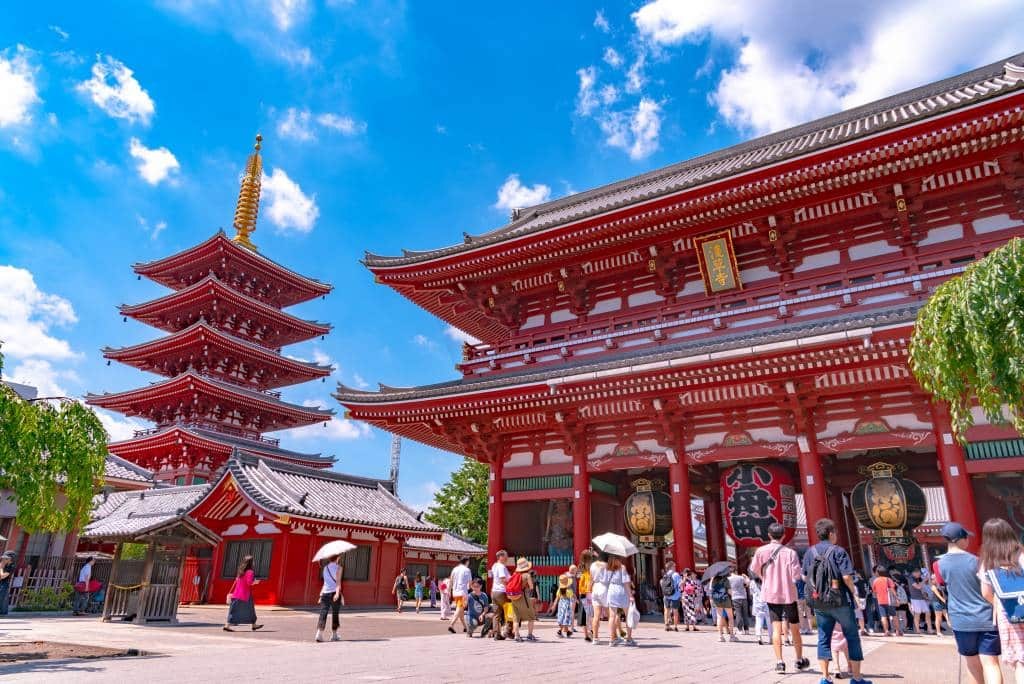 6 mi from TokyoSenso-ji Temple
 0 mi from TokyoteamLab Borderless
 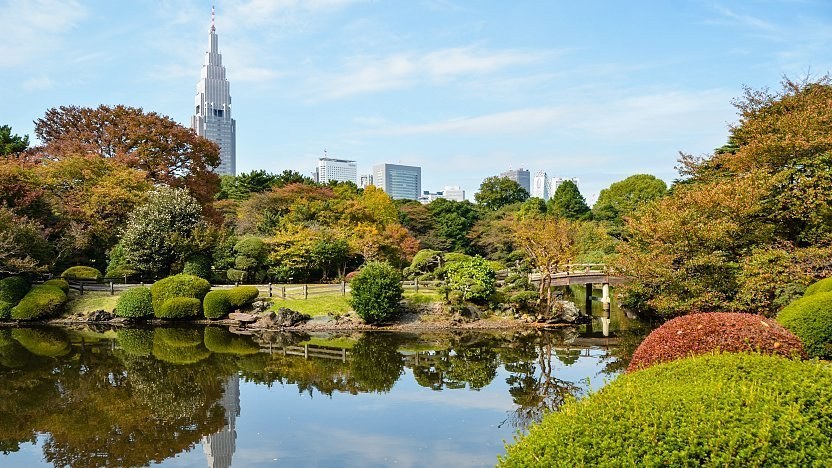 39 mi from Tokyo · land adventureTokyo's Secret Layers: Samurai Houses, Sunrise Crossings & Sake
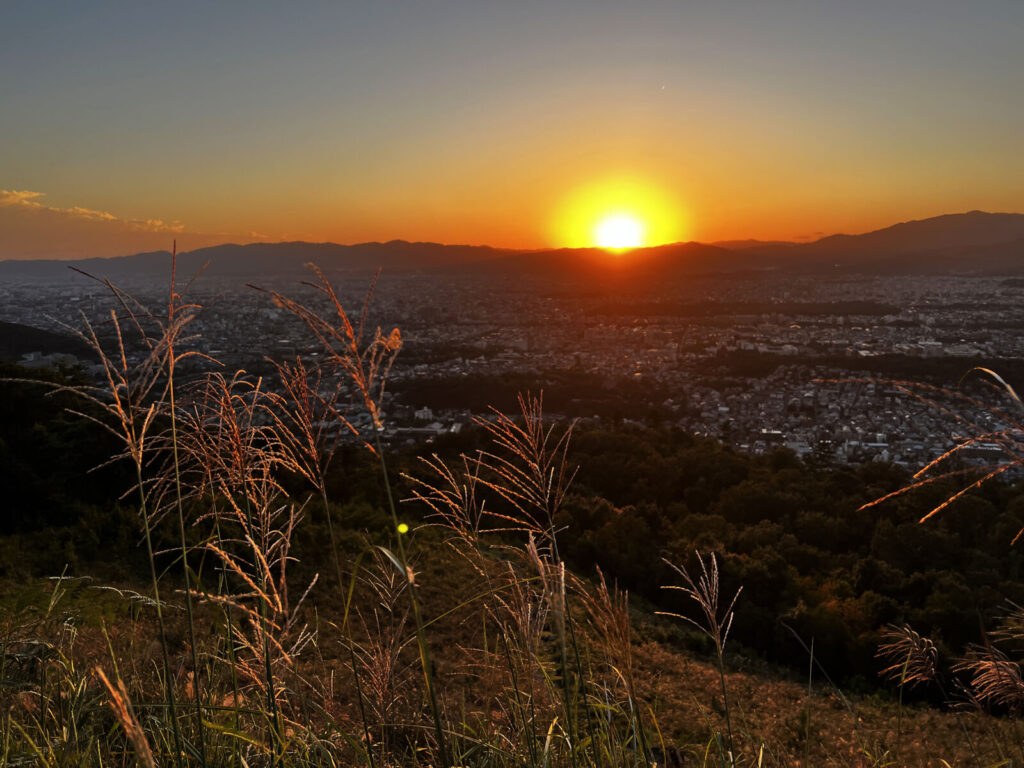 266 mi from Tokyo · land adventureKyoto After Dark: Firelight, Forest Paths & Ancient Craft
 After you step off · near Vancouver
You end in a different port — stay on, and add what is within reach before you fly home.
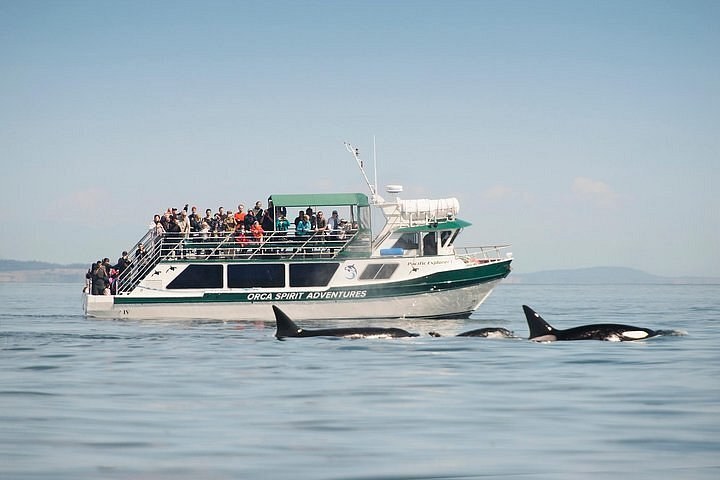 58 mi from VancouverPrivate Whale Watching and Wildlife Tour (Capt. Jim's Whale Watching)
 45 mi from VancouverWestcott Bay Sea Farms & Oyster Shack
  44 mi from Vancouver · land adventureVictoria's Wild Coast: Falconry, Gold Mines, and the Pacific
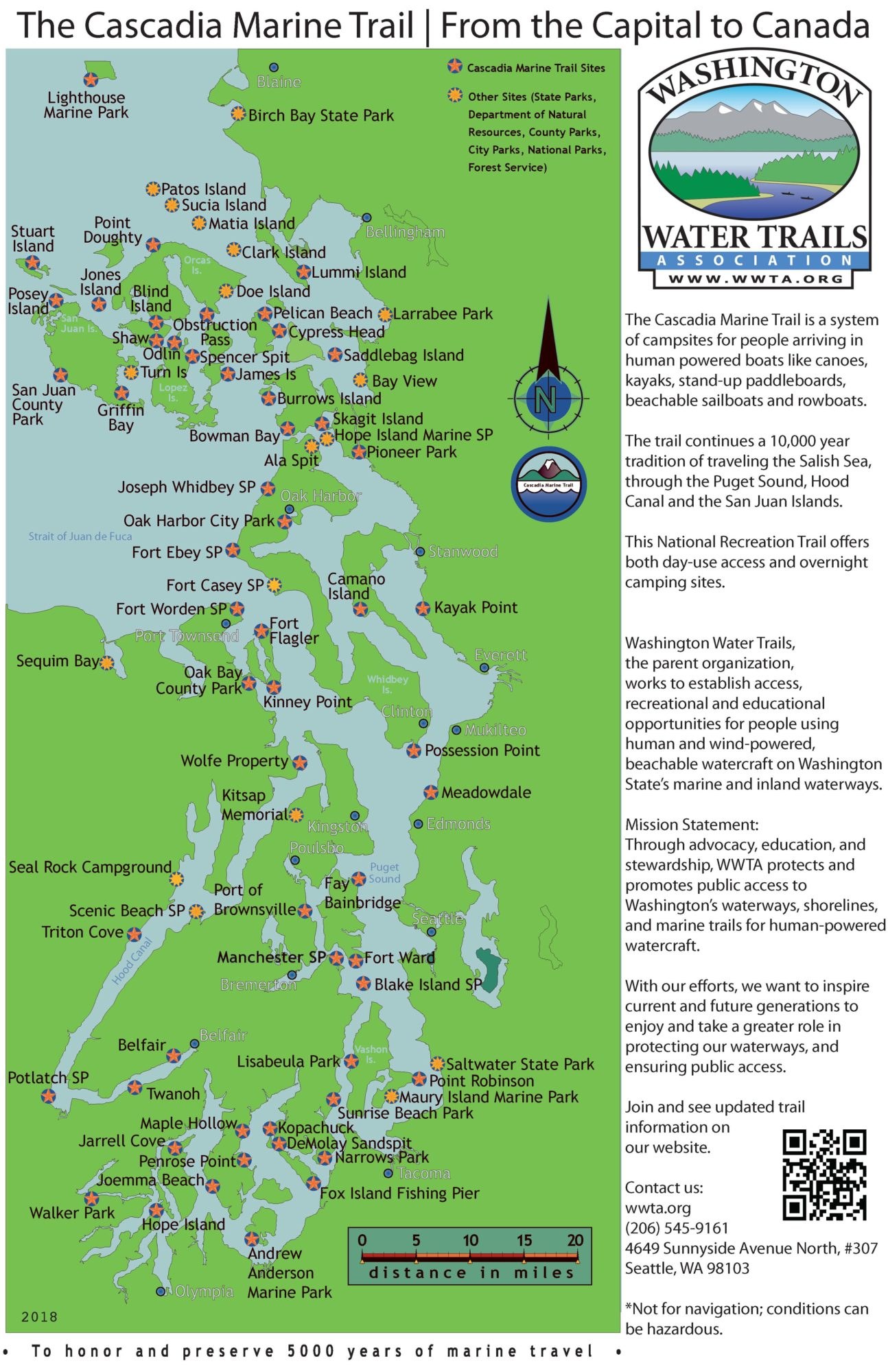 130 mi from Vancouver · land adventureTacoma's Wild Side: Puget Sound, Quarries & a Volcano