Your cruise
Star Legend · 7-night Panama Canal cruise, Puerto Caldera to Colon
Jan 12 – Jan 19 · 7 nights ·
Day 1 Puerto Caldera (board) · Day 2 Quepos · Day 3 Puerto Jimenez · Day 4 Isla Parida · Day 5 at sea · Day 6 Balboa · Day 7 Panama Canal · Day 8 Colon (step off)
What you do Step inside one of the world's most biodiverse national parks with a dedicated naturalist guide. Spot sloths, scarlet macaws, white-faced capuchins, and poison-dart frogs at an unhurried, luxurious pace — then cool off on a postcard-perfect beach inside the park.
What to expect Your SINAC-certified guide meets you at the gate and immediately starts spotting wildlife that most visitors walk straight past — a sloth camouflaged in a cecropia tree, a Jesus lizard sprinting across the trail. You'll traverse shaded jungle paths that open dramatically onto turquoise Playa Manuel Antonio, one of the most beautiful beaches in Central America. The guide explains the park's ecosystems, from tropical dry forest to mangrove fringes, weaving in fascinating ecology and conservation stories. With only 800 daily visitors admitted, the park retains a genuinely wild atmosphere.
Good to know Tickets sell out weeks in advance — book online at sinac.go.cr the moment your itinerary is confirmed. The park is approximately 20 minutes from the Quepos port by taxi or private transfer. Allow 3–4 hours inside. All-aboard times are typically late afternoon, leaving plenty of time.
Versus the ship tour A SINAC-authorized private naturalist gives you undivided attention, a telescopic lens on every hidden creature, and the freedom to linger at each sighting — no waiting for a large group. Pre-booked tickets are mandatory; independent walk-ins are turned away.
book direct with Manuel Antonio Official Tour Guides (SINAC-authorized) → · the full guide →
What you do Ride on horseback through lush coastal rainforest to the awe-inspiring twin-tiered Nauyaca Waterfalls — a 45-metre cascade plunging into a crystalline natural pool. This is the definitive bucket-list adventure in the Quepos region.
What to expect The journey begins at Hacienda Barú, where well-trained horses and an expert local wrangler-guide await. You ride approximately 90 minutes each way through towering rainforest, crossing shallow streams and climbing ridge trails with fleeting Pacific views. Arriving at Nauyaca, the sheer volume and beauty of the twin cascades is breathtaking — guests almost always describe it as the highlight of their entire trip. A generous swim stop in the cold, jade-green pool beneath the falls is included before the scenic ride back.
Good to know Departs early morning — essential for cruise passengers. Confirm your ship's all-aboard time and arrange a private taxi from the port to the Don Lulo meeting point (approx. 20 min). Book well in advance as daily rider numbers are capped. Wear comfortable closed-toe shoes and bring a dry bag for electronics.
Versus the ship tour Don Lulo's family operation is the original and most authentic way to reach these falls — their horses know every root and river crossing by heart. The private or small-group format means the trail and the plunge pool are genuinely yours to savour.
What you do Quepos is one of the world's top three sport-fishing destinations, famed for its extraordinary sailfish concentrations. A private offshore charter puts you in the fighting chair for the Pacific's most spectacular billfish — release-only, sustainable, unforgettable.
What to expect Your IGFA-certified captain and experienced mates have the 32–38 ft sportfisher rigged and ready at the Quepos Marina as you arrive. You head offshore into the warm, deep Pacific blue, trolling lures and live bait through current lines and birds working the surface. Sailfish here are caught at a rate that shocks even seasoned anglers — multiple hookups in a single morning are common between November and April. All fish are tagged and released, preserving this world-class fishery. Cold drinks and snacks are stocked; a light catch-and-cook lunch can be arranged.
Good to know The marina is a 5-minute taxi from the cruise pier. Half-day charters (USD 900–1,100) work perfectly for cruise schedules — confirm all-aboard time with your captain. Book 4–6 weeks ahead for peak season (Dec–Apr). Captain will brief you on any seasickness precautions.
Versus the ship tour A fully private offshore vessel means the captain sets the course to wherever the fish are biting that morning — no shared deck, no compromise on equipment, and a bilingual captain whose sole focus is putting you on trophy fish.
book direct with Costa Rica Dreams Sport Fishing → · the full guide →
What you do Soar above the jungle canopy on a network of suspension bridges inside a 1,500-acre private conservation reserve, then descend into a secret gorge to swim in pristine waterfall pools. Rainmaker offers something Manuel Antonio cannot — true seclusion and elevation.
What to expect The reserve rises sharply from the valley floor into mist-draped primary rainforest, and six hanging bridges — some over 100 metres long and 50 metres above the canopy — provide genuinely heart-pounding views of an unbroken green sea. Your guide navigates you down into a river gorge where a series of crystalline natural pools cascades between moss-covered boulders, perfect for a refreshing swim. Wildlife sightings — toucans, poison-dart frogs, and basilisk lizards — are reliably excellent given the park's pristine status. The whole experience feels like a private jungle kingdom.
Good to know Located approximately 15 minutes north of Quepos port — arrange a private driver for the day. Morning visits (opening at 07:00) offer the best wildlife activity and coolest temperatures. Wear sturdy trail shoes and bring a change of clothes for swimming. Trail is moderately strenuous.
Versus the ship tour With strictly limited daily visitor numbers, you'll share those dramatic hanging bridges with almost no one. The private guided option adds a trained naturalist who reveals medicinal plants, hidden amphibians, and the remarkable story of how local farmers became conservationists.
What you do The Savegre River is arguably Costa Rica's most beautiful — pristine, jungle-lined, and uncrowded — offering exhilarating Class III–IV rapids framed by waterfalls and primary rainforest. This is rafting at its most photogenic and pure.
What to expect After a thorough safety briefing at the put-in, your certified guide leads the raft through a sequence of named rapids — some playful, some genuinely thrilling — interspersed with calm stretches where scarlet macaws cross overhead and troops of squirrel monkeys peer from the riverbank trees. The Savegre's water is notably clear and cold, fed by the Chirripó massif, making it feel worlds away from more touristy rafting rivers. A mid-river fruit break gives you time to absorb the extraordinary jungle scenery. The 3–4 hour experience concludes with a warm Costa Rican snack at the outfitter's base.
Good to know Iguana Tours is headquartered steps from the Quepos port — easiest logistics of any excursion on this list. Run year-round; best levels November through April. Minimum age typically 12; guests must be in reasonable fitness. Book 1–2 weeks ahead. Allow 4–5 hours total for a comfortable return before all-aboard.
Versus the ship tour Iguana Tours is the original specialist rafting outfitter based in Quepos — their guides have paddled the Savegre hundreds of times and know every rapid's character intimately. Small-group departures (max 8) ensure a personal, high-energy experience with maximum guide attention.
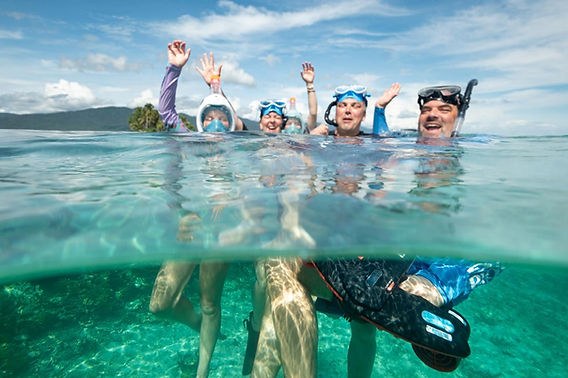
What you do Glide along one of the Pacific's most dramatic coastlines aboard a private catamaran — snorkelling coral gardens teeming with tropical fish, spotting dolphins and possibly humpback whales, and raising a glass as the sun melts into the Pacific horizon.
What to expect You cast off from Quepos Marina into warm Pacific waters flanked by the lush green headlands of Manuel Antonio National Park. The first stop is a sheltered snorkelling cove where parrotfish, angelfish, and sea turtles glide through healthy coral. Back on board, the crew shakes up the first round of rum punches and plates freshly prepared ceviche and tropical fruit as the boat continues south along the wild, uninhabited coastline. As the sun descends, the sky turns gold and pink over the park's forested hills — a scene that never photographs as beautifully as it looks in person. Dolphins are a near-nightly bonus.
Good to know Departures are typically at 14:00, returning by 18:00 — confirm your ship's all-aboard time is 18:30 or later. The marina is 5 minutes from the cruise pier by taxi. Pre-book private charters at least 2 weeks out; shared luxury sailings 3–5 days ahead. Guests with seasickness sensitivity should pre-medicate.
Versus the ship tour Ocean King's boutique catamaran caps groups at just 16 guests on shared sailings — or goes fully private — ensuring an intimate, unhurried experience with premium open bar, freshly made onboard ceviche, and snorkelling stops chosen by the captain based on that day's conditions.
What you do Sail to the legendary white-sand crescent of Isla Tortuga aboard a private catamaran, snorkel crystal Pacific waters, and return through a wildlife-rich jungle safari. A true Costa Rican bucket-list day on the water.
What to expect Depart Jacó Marina (≈40 min from the port) aboard a sleek catamaran as a naturalist guide points out coastal wildlife. Anchor off Tortuga's turquoise shallows for guided snorkelling over vibrant reef fish. Lunch — fresh ceviche, rice, plantains — is served under palms on the beach. On the return, the boat detours up a jungle estuary for a crocodile and monkey safari.
Good to know Book directly and confirm a morning departure (≈8 am) so you return to Jacó by 4 pm — well within a 5 pm all-aboard. Pre-book online; spaces in small-group departures fill weeks ahead. Taxi from Puerto Caldera to Jacó Marina costs ≈USD 20–25.
Versus the ship tour Small-group maximum ensures unhurried beach time and personalised wildlife spotting en route — scarlet macaws, howler monkeys, and crocodiles — with a Tico lunch served on the island itself.
book direct with Zuma Tours (official Isla Tortuga operator, Jacó) → · the full guide →
What you do Walk the primary rainforest trails of Carara — the world's finest accessible scarlet macaw nesting ground — with a certified naturalist guide in a private or exclusive small group. One of the most biodiverse half-days in all of Central America.
What to expect Your SINAC-certified naturalist meets you at the park gate and leads you along the Laguna Meándrica loop — a cathedral of 50-metre ceibo trees draped in bromeliads. Listen for the raucous chatter of scarlet macaws (best 7–9 am) and scan the canopy for white-faced capuchin monkeys, keel-billed toucans, and emerald basilisks. The guide's high-powered scope turns every distant perch into a close encounter. The trail is gentle; waterproof shoes and insect repellent are all you need.
Good to know Purchase SINAC park tickets in advance at sinac.go.cr (USD 10/person); the park can sell out. Depart the ship by 7 am to catch peak macaw activity. A private taxi from the port to the park gate costs ≈ USD 15–20. Allow 3–4 hours total, leaving ample time before a 5 pm all-aboard.
Versus the ship tour A private guide means you move at your own pace, lingering at a macaw roost or a Jesus Christ lizard in the stream — no hurried group. Carara sits just 15 minutes from the port, making it the closest primary rainforest to any Pacific cruise pier in Costa Rica.
What you do Soar above the Monteverde cloud forest in an open gondola, cross 8 suspension bridges at canopy height among orchids and quetzals, then rocket back down on a world-class zip-line. The single most iconic Costa Rican adventure, accessed in one full-day circuit.
What to expect A private shuttle from Puerto Caldera climbs the famously dramatic mountain road to Monteverde (≈2.5 hrs each way). At Selvatura, step into the open-air gondola as mist rolls through epiphyte-laden trees; guides spot resplendent quetzals and emerald toucanets along the bridges. Eight suspension bridges crisscross the canopy at up to 45 metres, offering intimate encounters with cloud-forest wildlife. The 15-platform zip-line finale sends you soaring over a jade-green valley at 70 km/h.
Good to know This is a long full-day excursion (11–12 hours); only suitable for ports with a 6 pm or later all-aboard — confirm your all-aboard time before booking. Book Selvatura tickets directly online. Arrange private round-trip transport through your hotel concierge or a trusted local driver (≈USD 80–100 per vehicle).
Versus the ship tour Selvatura's hanging-bridge circuit is entirely within private primary cloud forest — far more pristine and wildlife-rich than public trails — and the gondola ride alone delivers aerial views across the Nicoya Gulf that few travellers ever witness.
book direct with Selvatura Park (official Monteverde operator) → · the full guide →
What you do Glide silently along the Tempisque River through Palo Verde National Park — Costa Rica's premier wetland — spotting American crocodiles, howler and white-faced monkeys, and over 300 bird species from the water. A serene, expert-led wildlife encounter unlike any land-based tour.
What to expect Transfer north from Puerto Caldera (≈1.5 hrs) through ranchland to the Tempisque river launch. As your flat-bottomed boat slips onto the mirror-calm water, a naturalist guide narrates the astonishing birdlife: bare-throated tiger herons, wood storks, and flocks of white ibis explode from the riverside trees. Crocodiles sun on mudbanks just metres away. Howler monkeys boom from the gallery forest canopy. The return journey often includes a stop at a local hacienda for a traditional Tico lunch.
Good to know Morning departures (7–8 am) are essential for peak wildlife activity and to avoid afternoon heat. Book at least 2 weeks ahead as small-boat spots are limited. Comfortable cotton clothing, a hat, and binoculars are strongly recommended. Allow 7–8 hours total.
Versus the ship tour Silent flat-bottomed boats and an expert ornithologist-naturalist guide allow you to drift within metres of nesting jabiru storks, roseate spoonbills, and basking crocodiles — an intimacy that larger motorised tours simply cannot match.
book direct with OTS (Organization for Tropical Studies) / Palo Verde Biological Station → · the full guide →
What you do Launch across 11 zip-line platforms through primary rainforest canopy at Vista Los Sueños Adventure Park, with breathtaking Pacific Ocean panoramas at every break. The closest world-class canopy tour to Puerto Caldera — no full-day commitment required.
What to expect A short shuttle from the port delivers you to the park entrance, where bilingual expert guides fit your harness and walk you through a thorough safety briefing. Eleven platforms connected by cables up to 400 metres long arc through the jungle canopy; guides spot toucans, scarlet macaws, and monkeys between runs. The final platform offers a panoramic bench overlooking the Pacific — a natural pause for photography. Guides are attentive, unhurried, and passionate about the forest.
Good to know Maximum weight limit: 113 kg (250 lbs). Book directly on the Vista Los Sueños website to secure your preferred time slot. The park is just 20 minutes from Puerto Caldera by taxi (≈USD 10–15), making this the easiest high-impact half-day option. Closed-toe shoes required.
Versus the ship tour Perched directly above the Los Sueños Marina bay, the platforms deliver jaw-dropping Pacific coastline views between runs — a perspective utterly unique to this park. Just 20 minutes from the port, it's perfectly calibrated for a luxurious half-day without rushing back.
What you do Journey to a working cacao plantation to master the ancient Mesoamerican art of chocolate-making — from pod to finished bar — then explore surrounding jungle on a guided wildlife safari spotting sloths, macaws, and monkeys. Utterly unique and deeply Costa Rican.
What to expect Arrive at a lush Central Pacific cacao farm where your host — a third-generation cacao grower — walks you through the grove explaining fermentation, drying, and roasting in vivid sensory detail. You grind, mix, and hand-mould your own chocolate bar to take home. A post-tour nature walk through the farm's jungle buffer zone reveals three-toed sloths hanging in cecropia trees, brilliant-blue morpho butterflies, and calling scarlet macaws. The session ends with a lavish tasting of single-origin truffles paired with local coffee.
Good to know A perfect half-day option, typically 3–4 hours including transfer. Book directly and request a private group for a more exclusive experience. Located approximately 1–1.5 hours from Puerto Caldera. Confirm morning availability to be back at the port comfortably by 4 pm.
Versus the ship tour This is one of the very few farm-to-bar chocolate experiences on Costa Rica's Pacific coast led by the actual producers on their own working plantation — not a staged demonstration — giving guests unscripted access to the full cacao lifecycle alongside real tropical wildlife.
book direct with Rainforest Chocolate Tour (official, Quepos/Central Pacific) → · the full guide →
What you do Step inside one of the world's most biodiverse national parks with a dedicated naturalist guide. Spot sloths, scarlet macaws, white-faced capuchins, and poison-dart frogs at an unhurried, luxurious pace — then cool off on a postcard-perfect beach inside the park.
What to expect Your SINAC-certified guide meets you at the gate and immediately starts spotting wildlife that most visitors walk straight past — a sloth camouflaged in a cecropia tree, a Jesus lizard sprinting across the trail. You'll traverse shaded jungle paths that open dramatically onto turquoise Playa Manuel Antonio, one of the most beautiful beaches in Central America. The guide explains the park's ecosystems, from tropical dry forest to mangrove fringes, weaving in fascinating ecology and conservation stories. With only 800 daily visitors admitted, the park retains a genuinely wild atmosphere.
Good to know Tickets sell out weeks in advance — book online at sinac.go.cr the moment your itinerary is confirmed. The park is approximately 20 minutes from the Quepos port by taxi or private transfer. Allow 3–4 hours inside. All-aboard times are typically late afternoon, leaving plenty of time.
Versus the ship tour A SINAC-authorized private naturalist gives you undivided attention, a telescopic lens on every hidden creature, and the freedom to linger at each sighting — no waiting for a large group. Pre-booked tickets are mandatory; independent walk-ins are turned away.
book direct with Manuel Antonio Official Tour Guides (SINAC-authorized) → · the full guide →
What you do Ride on horseback through lush coastal rainforest to the awe-inspiring twin-tiered Nauyaca Waterfalls — a 45-metre cascade plunging into a crystalline natural pool. This is the definitive bucket-list adventure in the Quepos region.
What to expect The journey begins at Hacienda Barú, where well-trained horses and an expert local wrangler-guide await. You ride approximately 90 minutes each way through towering rainforest, crossing shallow streams and climbing ridge trails with fleeting Pacific views. Arriving at Nauyaca, the sheer volume and beauty of the twin cascades is breathtaking — guests almost always describe it as the highlight of their entire trip. A generous swim stop in the cold, jade-green pool beneath the falls is included before the scenic ride back.
Good to know Departs early morning — essential for cruise passengers. Confirm your ship's all-aboard time and arrange a private taxi from the port to the Don Lulo meeting point (approx. 20 min). Book well in advance as daily rider numbers are capped. Wear comfortable closed-toe shoes and bring a dry bag for electronics.
Versus the ship tour Don Lulo's family operation is the original and most authentic way to reach these falls — their horses know every root and river crossing by heart. The private or small-group format means the trail and the plunge pool are genuinely yours to savour.
What you do Quepos is one of the world's top three sport-fishing destinations, famed for its extraordinary sailfish concentrations. A private offshore charter puts you in the fighting chair for the Pacific's most spectacular billfish — release-only, sustainable, unforgettable.
What to expect Your IGFA-certified captain and experienced mates have the 32–38 ft sportfisher rigged and ready at the Quepos Marina as you arrive. You head offshore into the warm, deep Pacific blue, trolling lures and live bait through current lines and birds working the surface. Sailfish here are caught at a rate that shocks even seasoned anglers — multiple hookups in a single morning are common between November and April. All fish are tagged and released, preserving this world-class fishery. Cold drinks and snacks are stocked; a light catch-and-cook lunch can be arranged.
Good to know The marina is a 5-minute taxi from the cruise pier. Half-day charters (USD 900–1,100) work perfectly for cruise schedules — confirm all-aboard time with your captain. Book 4–6 weeks ahead for peak season (Dec–Apr). Captain will brief you on any seasickness precautions.
Versus the ship tour A fully private offshore vessel means the captain sets the course to wherever the fish are biting that morning — no shared deck, no compromise on equipment, and a bilingual captain whose sole focus is putting you on trophy fish.
book direct with Costa Rica Dreams Sport Fishing → · the full guide →
What you do Soar above the jungle canopy on a network of suspension bridges inside a 1,500-acre private conservation reserve, then descend into a secret gorge to swim in pristine waterfall pools. Rainmaker offers something Manuel Antonio cannot — true seclusion and elevation.
What to expect The reserve rises sharply from the valley floor into mist-draped primary rainforest, and six hanging bridges — some over 100 metres long and 50 metres above the canopy — provide genuinely heart-pounding views of an unbroken green sea. Your guide navigates you down into a river gorge where a series of crystalline natural pools cascades between moss-covered boulders, perfect for a refreshing swim. Wildlife sightings — toucans, poison-dart frogs, and basilisk lizards — are reliably excellent given the park's pristine status. The whole experience feels like a private jungle kingdom.
Good to know Located approximately 15 minutes north of Quepos port — arrange a private driver for the day. Morning visits (opening at 07:00) offer the best wildlife activity and coolest temperatures. Wear sturdy trail shoes and bring a change of clothes for swimming. Trail is moderately strenuous.
Versus the ship tour With strictly limited daily visitor numbers, you'll share those dramatic hanging bridges with almost no one. The private guided option adds a trained naturalist who reveals medicinal plants, hidden amphibians, and the remarkable story of how local farmers became conservationists.
What you do The Savegre River is arguably Costa Rica's most beautiful — pristine, jungle-lined, and uncrowded — offering exhilarating Class III–IV rapids framed by waterfalls and primary rainforest. This is rafting at its most photogenic and pure.
What to expect After a thorough safety briefing at the put-in, your certified guide leads the raft through a sequence of named rapids — some playful, some genuinely thrilling — interspersed with calm stretches where scarlet macaws cross overhead and troops of squirrel monkeys peer from the riverbank trees. The Savegre's water is notably clear and cold, fed by the Chirripó massif, making it feel worlds away from more touristy rafting rivers. A mid-river fruit break gives you time to absorb the extraordinary jungle scenery. The 3–4 hour experience concludes with a warm Costa Rican snack at the outfitter's base.
Good to know Iguana Tours is headquartered steps from the Quepos port — easiest logistics of any excursion on this list. Run year-round; best levels November through April. Minimum age typically 12; guests must be in reasonable fitness. Book 1–2 weeks ahead. Allow 4–5 hours total for a comfortable return before all-aboard.
Versus the ship tour Iguana Tours is the original specialist rafting outfitter based in Quepos — their guides have paddled the Savegre hundreds of times and know every rapid's character intimately. Small-group departures (max 8) ensure a personal, high-energy experience with maximum guide attention.
What you do Glide along one of the Pacific's most dramatic coastlines aboard a private catamaran — snorkelling coral gardens teeming with tropical fish, spotting dolphins and possibly humpback whales, and raising a glass as the sun melts into the Pacific horizon.
What to expect You cast off from Quepos Marina into warm Pacific waters flanked by the lush green headlands of Manuel Antonio National Park. The first stop is a sheltered snorkelling cove where parrotfish, angelfish, and sea turtles glide through healthy coral. Back on board, the crew shakes up the first round of rum punches and plates freshly prepared ceviche and tropical fruit as the boat continues south along the wild, uninhabited coastline. As the sun descends, the sky turns gold and pink over the park's forested hills — a scene that never photographs as beautifully as it looks in person. Dolphins are a near-nightly bonus.
Good to know Departures are typically at 14:00, returning by 18:00 — confirm your ship's all-aboard time is 18:30 or later. The marina is 5 minutes from the cruise pier by taxi. Pre-book private charters at least 2 weeks out; shared luxury sailings 3–5 days ahead. Guests with seasickness sensitivity should pre-medicate.
Versus the ship tour Ocean King's boutique catamaran caps groups at just 16 guests on shared sailings — or goes fully private — ensuring an intimate, unhurried experience with premium open bar, freshly made onboard ceviche, and snorkelling stops chosen by the captain based on that day's conditions.
What you do Boat into the most biologically intense place on Earth (per National Geographic) with a certified naturalist. Tapirs, scarlet macaws, and four monkey species in one walk.
What to expect You'll take an early boat transfer across Golfo Dulce to the Sirena ranger station, the wildest and least-visited sector of Corcovado. Your guide will use a spotting scope to find tapirs at the airstrip clearing and troops of squirrel monkeys overhead. Trails are muddy and humid, but the payoff is genuine primary rainforest with none of the crowd. Lunch is a packed local meal eaten streamside.
Good to know Full-day commitment (8-10 hours) — confirm your ship's all-aboard time before booking, as this is the tightest-margin excursion on the list. Wear closed-toe water shoes; park entry permits must be reserved days ahead.
Versus the ship tour Small-group departure timed to beat the heat and the day-trippers, led by a biologist-trained local guide who reads animal calls and tracks before you see them
What you do Glide out on a shared or private panga into one of the few gulfs on Earth where humpbacks from both hemispheres overlap. Spinner and bottlenose dolphins ride the bow wake.
What to expect Departing from the Puerto Jimenez dock, your captain reads the water for feeding birds and surface disturbance before easing toward pods. Spinner dolphins often show off with full-body leaps beside the boat. Season permitting (Aug-Oct or Dec-Mar), humpbacks surface nearby with calves. The gulf itself, ringed by unbroken rainforest, is worth the trip alone.
Good to know Book the earliest morning slot for calmer water and better sightings; bring reef-safe sunscreen and motion sickness tablets if prone.
Versus the ship tour A local captain who knows the pods personally, not a numbers game — slow, respectful approaches instead of a crowded catamaran chasing a splash
What you do Walk a working organic cacao farm with the family who grows it, then hand-grind roasted beans into your own chocolate bar over an open flame.
What to expect A short walk through cacao, banana, and spice groves precedes the real event: roasting, peeling, and grinding beans by hand on a traditional stone metate. Owners share stories of reviving heirloom cacao varieties after decades of banana monoculture nearby. You'll taste chocolate at every stage, from raw nib to finished bar. Small groups keep it personal and unrushed.
Good to know Runs about 2.5 hours, easy walking, good for all ages; located a short taxi ride from the pier — arrange transport in advance since it's outside town center.
Versus the ship tour An unhurried, hands-on farm-to-bar process taught directly by the growers, not a factory-floor demo — you leave with a bar you made yourself
book direct with Osa Cacao Chocolate Factory → · the full guide →
What you do Paddle silent, glassy mangrove channels at dawn when herons, kingfishers, and howler monkeys are most active and the light is best.
What to expect You'll launch from a quiet put-in near town into a tunnel of red mangrove roots, water mirror-still at that hour. Guides point out roosting kingfishers, caimans along the banks, and troops of howler monkeys moving through the canopy. The channel opens periodically to gulf views before closing back into green shade. It's physically easy — more meditative float than workout.
Good to know Book the 6am departure specifically; later tours lose both the wildlife and the light. Bring a dry bag for phones/cameras and reef shoes.
Versus the ship tour A sunrise launch timed specifically to the tide and wildlife activity window, well before the heat or any other boat traffic disturbs the water
What you do A slow, expert-led forest walk built entirely around finding sloths, poison dart frogs, and other easily-missed rainforest life at eye level.
What to expect The pace is deliberately slow, more scanning than hiking, with frequent stops as your guide glasses the canopy for movement. Two- and three-toed sloths are common finds here, along with strawberry poison dart frogs on the forest floor. You'll also learn about the region's post-logging regeneration and the private reserves protecting it now. It's an easy walk suited to any fitness level.
Good to know About 2-3 hours; morning departures see more active wildlife. Insect repellent and light rain gear recommended year-round.
Versus the ship tour A guide whose whole job is spotting camouflaged animals others walk past — spotting scopes trained on sloths and roosting owls that a casual visitor would never notice
What you do Half-day inshore or offshore fishing for roosterfish, snapper, and mahi-mahi in waters locals consider some of the best light-tackle fishing on the Pacific.
What to expect You'll run out from Puerto Jimenez into Golfo Dulce's deeper channels where roosterfish ambush bait near the surface, a genuine adrenaline sight-fish experience. Captains know the reef structure and current lines that hold snapper and occasionally mahi-mahi further out. Tackle, bait, and licenses are handled by the crew. Catch-and-release is standard practice and encouraged for larger specimens.
Good to know Half-day trips (4 hours) fit easily around all-aboard times; confirm whether your catch can be kept and prepared at a local restaurant same-day if desired.
Versus the ship tour A private boat with a captain who fishes these waters daily, chosen for skill rather than volume — no shared charter, no filler
book direct with Osa Tourism affiliated charter captains → · the full guide →
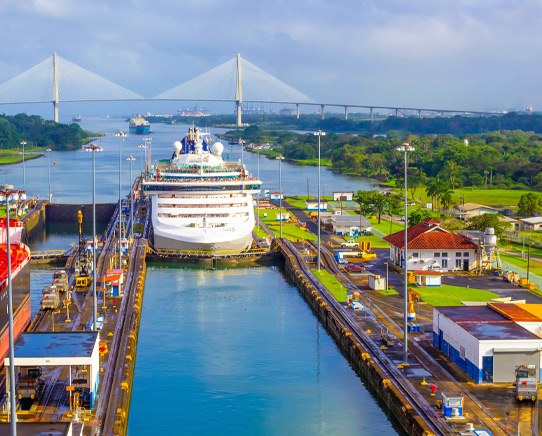
What you do Glide through the engineering marvel of the century on a private partial transit of the Panama Canal — watching colossal lock gates close around your vessel is a moment that stops time. Few experiences on earth rival this up-close communion with one of humanity's greatest feats.
What to expect Board a boutique expedition vessel at Amador Causeway and pass through the Miraflores and Pedro Miguel Locks, rising and falling as 26 million gallons of freshwater do the work. A specialist guide narrates the canal's construction history, the lives lost, and the engineering breakthroughs. A gourmet Panamanian lunch is served as you cruise Gatun Lake, ringed by rainforest. Disembarkation is on the Atlantic side with a scenic road transfer back.
Good to know Transit days sell out months in advance — pre-book the moment your itinerary is confirmed. The full journey runs ~8 hours; confirm all-aboard time with your ship and allow buffer. Transfers back to Balboa are included.
Versus the ship tour Small-vessel transits of under 30 guests mean you're on deck for every lock chamber, with a bilingual canal historian narrating each step — intimate access that large group tours simply cannot replicate.
book direct with Canal & Bay Tours Panama → · the full guide →
What you do Pipeline Road in Soberanía National Park is regularly ranked the world's single best birding road, with over 500 species recorded. A private expert naturalist turns a morning rainforest walk into a living David Attenborough documentary.
What to expect Your guide meets you dockside at Balboa and transfers you 30 minutes to the park entrance. The forest closes in immediately: motmots, toucans, mantled howler monkeys, and Geoffrey's tamarin are routine sightings. Optics — professional Swarovski binoculars and a spotting scope — are provided. Midway through, a cooler of chilled local fruits and sparkling water appears for a trailside pause. The walk runs 3–4 hours at a leisurely, observational pace.
Good to know Morning departures (6–7 am) are essential for peak wildlife activity. Wear neutral-coloured, lightweight long sleeves and closed shoes. Book directly and request a bilingual ornithologist. Allow 5–6 hours total including transfers.
Versus the ship tour A dedicated ornithologist/naturalist guide is assigned exclusively to your group, setting pace entirely around your interests — whether you spend 20 minutes on a single resplendent quetzal or push deeper for a harpy eagle sighting.
What you do Discover two of Panama City's most photogenic worlds — the wind-swept Amador Causeway with its Pacific panoramas, and UNESCO-listed Casco Viejo, a labyrinth of colonial grandeur and vibrant street art. A private guide makes each cobblestone tell a story.
What to expect Begin on the Amador Causeway, built from canal excavation spoil, where the Pacific entrance to the waterway unfolds before you. Transfer to Casco Viejo, where your guide navigates Spanish colonial churches, the ruins of Panama Viejo, and the elegantly restored Plaza de Francia. A curated stop at a specialty coffee roaster introduces you to Geisha beans from the Chiriquí highlands — among the world's most sought-after. The tour concludes with a cold seco-and-tonic at a boutique rooftop bar.
Good to know Casco Viejo is walkable but warm — light linen clothing and comfortable shoes are essential. The district is safe with a guide; book a certified operator. Half-day format (4–5 hours) fits comfortably before all-aboard.
Versus the ship tour Exclusive private vehicle and a certified local historian guide mean you move at your own rhythm, ducking into hidden courtyards, rooftop bars with canal views, and artisan studios that group tours never reach.
What you do Paddle a sea-kayak through the flooded rainforest of Gatun Lake — the world's largest man-made lake at its creation — and glide past Barro Colorado Island, where capuchins and howler monkeys peer down from the canopy.
What to expect Transfer to Gamboa (45 min from Balboa), where kayaks and full safety briefing await on the lakeshore. You paddle through partially submerged trees that now form the lake's skeleton, emerging into open channels dotted with tropical birds. Your naturalist guide identifies species from the kayak with minimal noise. A mid-paddle snack of fresh tropical fruit and coconut water is served on a floating dock. The return paddle is downstream with the gentle current.
Good to know Suitable for all fitness levels — no kayaking experience required. Departures at 7 am capture the coolest part of the day and peak wildlife activity. Total time including transfers: ~5 hours. Book well ahead as group cap is strict.
Versus the ship tour A maximum of 8 paddlers means silence on the water and wildlife that doesn't flee — the stillness of a kayak lets you drift to within metres of iguanas, caiman, and three-toed sloths in a way no motorised tour allows.
book direct with Xtrop Panama Eco Adventures → · the full guide →
What you do The Miraflores Visitor Center's exclusive VIP terrace puts you at eye level with Panamax container ships squeezing through the lock chambers — a visceral, cinematic encounter with the world's greatest shortcut. Pair it with a private curator-led session at the Canal Museum.
What to expect Arrive early for the first lock cycle of the day when light is golden and ships are queued. From the VIP terrace you feel the rumble as lock gates seal and water begins its controlled rush. A resident ACP guide explains the lock mechanics, the 2016 expansion, and the geopolitics that shaped the canal's return to Panamanian sovereignty. Inside, the four-floor museum houses original construction artefacts, historical photography, and interactive lock models. The rooftop restaurant serves excellent Panamanian fare with a lock-side view for a post-tour lunch.
Good to know Miraflores is 10 minutes from Balboa pier by taxi (USD 5–8). Ship transits peak between 8–10 am and 2–4 pm — time your visit accordingly. Advance online tickets recommended to skip queues. Pre-book the private guide via the visitor centre.
Versus the ship tour The VIP terrace is above the crowd level, giving unobstructed sight lines and the full sensory impact of a 300-metre vessel rising 9 metres in minutes — paired with a private guide for context that turns spectacle into understanding.
book direct with Panama Canal Authority (ACP) – Miraflores Visitor Center → · the full guide →
What you do Descend into the sensory riot of the Mercado de Mariscos with a chef-guide, hand-pick Pacific corvina and Caribbean lobster, then cook alongside a Panamanian chef in a private kitchen — culminating in a ceviche ritual with local beers and seco cocktails.
What to expect Your chef-guide meets you at the Mercado de Mariscos, Panama City's legendary seafood market on the Cinta Costera waterfront, and walks you through selecting the day's catch. Back in a beautifully appointed private kitchen, you learn the architecture of Panamanian ceviche — leche de tigre, ají chombo, culantro — before moving to corvina al ajillo and patacones. The meal is eaten together at a communal table, with a rotating flight of local craft beers and a classic seco con pipa cocktail. Recipes are sent digitally after.
Good to know The market is at its best and freshest before 10 am — request a morning session. The class runs ~3.5 hours; combine with a Casco Viejo stroll after for a full day. Allergies and dietary restrictions are accommodated with advance notice.
Versus the ship tour An entirely private kitchen session means the chef tailors the menu to your group, explains Afro-Caribbean and Indigenous flavour traditions in depth, and shares the city's food culture in a way that a restaurant meal or group demonstration never touches.
book direct with Cevicheria La Nueva Paloma (Private Culinary Experiences) → · the full guide →
What you do Board a private yacht and lock through all six chambers of the canal — from the Pacific Miraflores Locks to Gatun on the Atlantic side. Watching 50,000-ton vessels rise and fall beside you is one of the great engineering spectacles on Earth.
What to expect You'll cruise through the Miraflores and Pedro Miguel Locks, across the lush Culebra Cut, and into the vast Gatun Lake before locking down to the Caribbean. Expert English-speaking guides narrate every stage — the engineering triumphs, the human cost, and the geopolitical drama that shaped the canal. Lunch is served on board as you glide through the jungle-flanked waterway. Frigate birds and pelicans escort the boat as Panamax vessels loom just metres away.
Good to know Full transit runs roughly 8–10 hours; departs early morning from Balboa pier. Pre-book well in advance — departures are limited and sell out months ahead. Confirm the all-aboard time with your ship and choose the partial transit if docking time is tight.
Versus the ship tour A full transit places you inside the locks — not watching from a visitor centre — sailing the same route as the world's largest container ships. The intimate scale of a tour vessel next to the Panamax giants is jaw-dropping and simply cannot be replicated from land.
book direct with Canal & Bay Tours (official Panama Canal boat transit operator) → · the full guide →
What you do Soar above the rainforest canopy in an open gondola inside Soberanía National Park — one of the most biodiverse patches of jungle on the planet. Toucans, sloths, howler monkeys, and 400 bird species inhabit the treetops around you.
What to expect The gondola rises through four distinct forest layers, from the leaf-litter floor to the emergent canopy, with sweeping views of the Chagres River and Gatun Lake shimmering below. Your naturalist guide uses binoculars and a scope to pin down toucans, mot-mots, and troops of Geoffrey's tamarins on the wing. After the tram, a guided nature trail leads through orchid-draped trees to a butterfly garden with 40 native species. The resort's open-air restaurant serves a superb jungle-view lunch before you return to port.
Good to know Gamboa is 45 minutes from Fuerte Amador by private transfer. Wear lightweight long sleeves and closed shoes; bring insect repellent and a zoom lens. Tram seats are limited — reserve your slot and private guide directly via the resort's website.
Versus the ship tour The tram glides silently over eight towers of untouched primary forest — you're eye-level with harpy eagle territory. A resident naturalist guide reads the jungle in real time, pointing out camouflaged species most visitors walk straight past.
book direct with Gamboa Rainforest Resort (official aerial tram operator) → · the full guide →
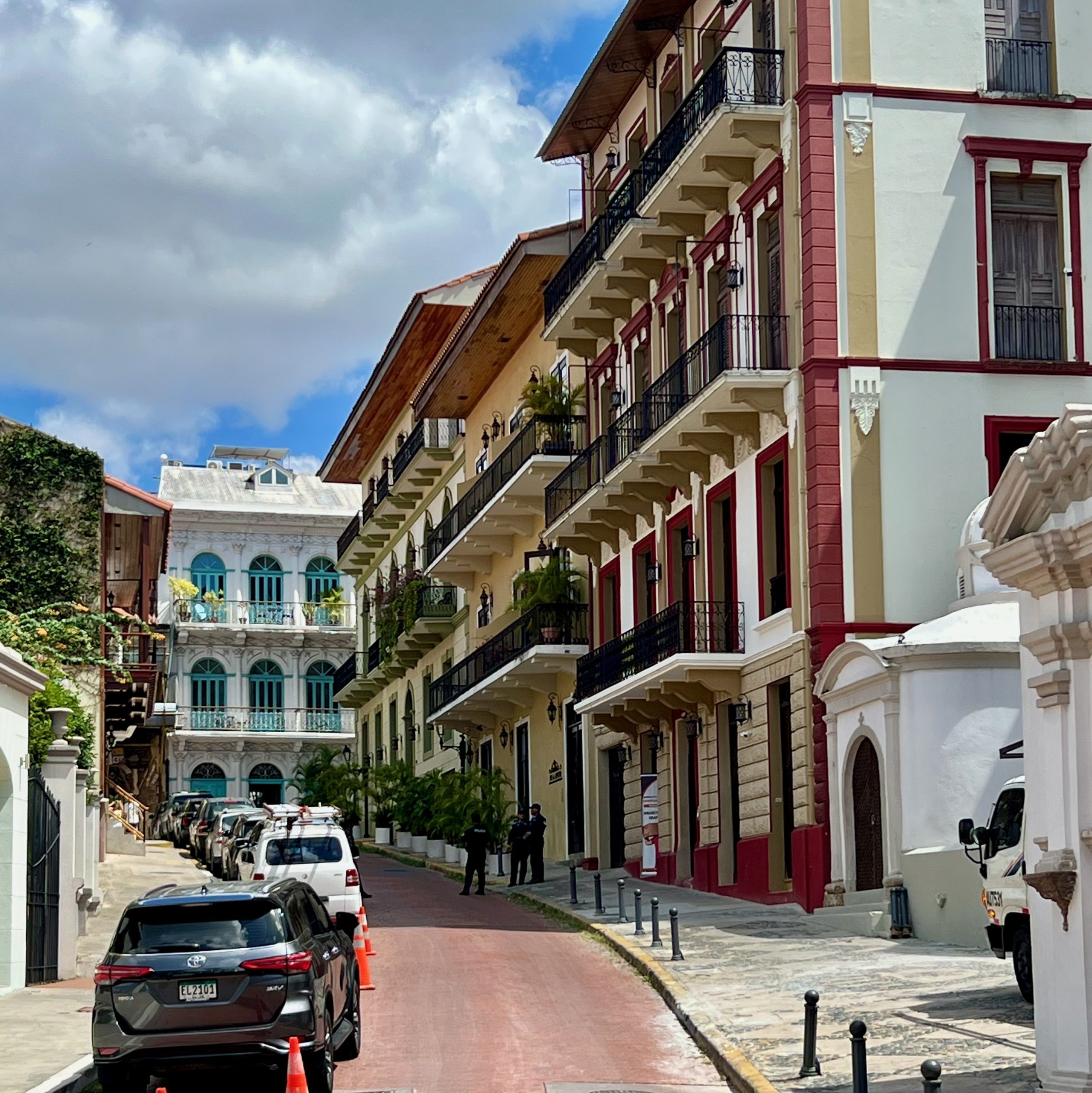
What you do Stroll the cobbled streets of Casco Viejo — Panama City's UNESCO World Heritage old town — with a private local historian. Colonial churches, Art Deco balconies, and rooftop views over the Pacific skyline make this the most photogenic morning in Central America.
What to expect Your guide leads you through the Arco Chato arch, the gold-laden altar of the Iglesia de San José, and the Plaza Bolívar where Simón Bolívar dreamed of a united Latin America. The narrative weaves pirates, canal diplomacy, and the neighbourhood's remarkable modern renaissance. The tour ends with a tasting of Panamanian coffee and fresh ceviche at a chef-owned café tucked behind a 17th-century façade. The contrast of crumbling colonial ruins against gleaming glass towers is endlessly photogenic.
Good to know Casco Viejo is 20 minutes from Fuerte Amador by taxi or private car (approx. USD 15–20 each way). Morning tours are cooler and have better light for photography. Book your private guide directly; allow 3–4 hours including the café stop, well within typical all-aboard windows.
Versus the ship tour A private guide opens doors that group tours never reach — a hidden convent courtyard, a chef's family kitchen, a rooftop terrace above the Plaza de Francia with unobstructed Pacific views. The pace is entirely yours.
What you do Stand at the best vantage point on Earth to watch Panamax and New Panamax ships squeeze through the Miraflores Locks — then explore the world-class four-storey museum that tells the full story of the canal's creation. The definitive land-based canal encounter.
What to expect Four observation platforms overlook the locks at different heights; the top deck is level with a Panamax ship's bridge. The museum traces everything from the French failure of the 1880s to the Panamanian handover of 1999 and the USD 5.4 billion expansion completed in 2016. A scale model of the entire 80 km waterway lets you trace the exact route ships travel. The on-site Miraflores Restaurant serves a buffet lunch with lock views — reserve the window table for a front-row seat to passing vessels.
Good to know Miraflores is 10 minutes from Fuerte Amador by taxi or private car (approx. USD 10 each way). Check the ACP ship schedule at micanaldepanama.com for optimal lock-transit times — aim to arrive when large container ships or LNG tankers are scheduled. Allow 2.5–3 hours total.
Versus the ship tour The upper observation deck puts you just metres from the lock walls as ships lock through — you feel the rumble of 80,000 tonnes of steel and the surge of millions of litres of water. A specialist guide decodes what you're seeing in real time, turning spectacle into deep understanding.
book direct with Autoridad del Canal de Panamá – Miraflores Visitor Center (official) → · the full guide →
What you do Dugout canoe up the Chagres River into Soberanía jungle to visit an authentic Emberá village. This is the Panama that existed long before the canal — a living culture of handwoven baskets, plant medicine, and extraordinary craftsmanship.
What to expect A 4x4 transfer brings you to the Chagres riverbank where carved dugout canoes wait. The 30-minute upriver journey passes kingfishers, herons, and the occasional caiman before the village appears on the bank, adorned with hand-painted faces and traditional dress. Village elders demonstrate the use of jungle plants for medicine and dye; artisans create intricate tagua-nut carvings and woven baskets you can purchase direct. A lunch of fresh fish, plantain, and heart-of-palm is served communally in the open-air meeting house. The return journey at golden hour is quietly magical.
Good to know Transfer to the Chagres trailhead is approx. 45–60 minutes from Fuerte Amador. Wear quick-dry clothing and waterproof sandals; bring sunscreen and a small daypack. The full experience runs 5–6 hours — verify your ship's all-aboard time and book with buffer. Confirm availability directly with the village operator.
Versus the ship tour Community-operated and led exclusively by Emberá hosts — every dollar funds the village directly. The experience is unhurried and genuinely reciprocal: elders share plant knowledge, women teach traditional weaving, and the welcome meal is cooked from the forest itself.
book direct with Emberá Drua Village Tours (official community-operated tourism) → · the full guide →
What you do Ride the historic Panama Canal Railway in a private dome car from Panama City to Colón — 77 km across the isthmus in 60 minutes, flanked by jungle and Gatun Lake. One of the world's great short rail journeys, virtually unchanged since 1855.
What to expect The train departs Panama City's Corozal station and almost immediately plunges into lush rainforest, crossing trestle bridges above Gatun Lake's island-studded expanse. The dome car's 270-degree glass ceiling floods the carriage with soft green light as spider monkeys work the canopy above. A local historian-guide aboard the private car narrates the railway's extraordinary role in both the Gold Rush and the canal construction. In Colón, a waiting private vehicle returns you to Fuerte Amador — you've crossed an entire continent in an hour.
Good to know The train departs Corozal at 07:15 and arrives Colón by 08:15; the return departs Colón at 17:15. For cruise passengers, the one-way dome charter with a private return transfer is ideal. Book the dome car directly with Panama Canal Railway Company at least 4–6 weeks ahead. Private car transfers Fuerte Amador–Corozal approx. USD 25 each way.
Versus the ship tour The private dome car is pure Golden Age of Travel — panoramic glass ceiling, white-glove service, and champagne as jungle gives way to glassy Gatun Lake. It's a journey that predates the canal itself; you're retracing the route that sparked the whole trans-oceanic dream.
What you do Board a small vessel and transit the full Panama Canal — from Caribbean to Pacific — passing through Gatun, Pedro Miguel and Miraflores locks. One of the great engineering wonders of the world, experienced from the water itself.
What to expect Depart Colón's Cristobal Pier and enter the Gatun Locks as water thunders around you, rising 26 metres in three chambers. Glide across the freshwater Gatun Lake — the largest man-made lake of its era — before descending the Pedro Miguel and Miraflores locks toward Panama City. Your guide traces the canal's extraordinary 10-year construction, the yellow-fever crisis and the lives of the 75,000 workers who built it. A transfer back to Colón by road completes the circuit in time for all-aboard.
Good to know Full-transit days operate on select dates — book at least 60 days ahead as capacity is strictly limited. Transfer back to Colón takes ~90 min; confirm all-aboard time before booking. Wear sun protection; open decks throughout.
Versus the ship tour A small, intimate vessel means you are right at the lock walls as 26 million gallons of water lift your boat — not watching from a distant terrace. The full Pacific-to-Caribbean (or reverse) narrative is unrivalled, with expert naturalist/historian commentary throughout.
What you do Kayak the mirror-still waters of Gatun Lake inside the Canal Zone, paddling among submerged Spanish-colonial tree tops while watching Panamax vessels slide silently past. A truly singular juxtaposition of wilderness and megaengineering.
What to expect A 20-minute transfer from the Colón pier delivers you to Gatun Lake, where guides fit you with kit and brief you on the route. You'll paddle through flooded rainforest channels, spotting howler monkeys, toucans and caimans, before emerging into open water to watch a container ship pass within metres. The Gatun Lock visitor platform forms a dramatic backdrop as you return. Cold drinks and tropical fruit await at the put-out point.
Good to know Groups capped at 8 paddlers — book well in advance. No kayaking experience required; guides are trained rescue paddlers. Finishes with ample time for all-aboard. Bring reef-safe sunscreen and a dry bag for valuables.
Versus the ship tour Kayaking the actual waterway of the Canal Zone — rather than observing from a visitor terrace — is an experience almost no traveller achieves. Small groups of 8 or fewer guarantee a wildlife-rich, unhurried paddle with a bilingual naturalist guide.
What you do Explore one of the New World's oldest and best-preserved Spanish fortresses, perched on a clifftop above the Caribbean where the Chagres River meets the sea. A UNESCO World Heritage site wrapped in primary rainforest — history and wildlife in one breath-taking setting.
What to expect Your private driver-guide collects you dockside and transports you 30 km west to the Chagres National Park. At the fort's cannon-crowned ramparts the Caribbean views are staggering — jungle meeting turquoise sea 30 metres below. Your guide animates the 1671 sacking by Henry Morgan, the iron-ring cannonball story and the fort's role in protecting Spain's gold route. On the return, a short forest trail offers near-certain howler monkey sightings and often sloths in the canopy.
Good to know Fort is open daily; entry fee is approximately USD 10 per person (included by most operators — confirm when booking). Half-day format leaves plenty of time before all-aboard. Wear closed-toe shoes and insect repellent; the jungle path can be muddy after rain.
Versus the ship tour Private guiding by Joshua Nathanael Castillo Guerra (a widely recommended Panama specialist) means the fortress is yours without crowds; you learn the strategic story of Drake, Morgan and Nelson's battles here, then walk rainforest trails for sloths, toucans and howler monkeys at your own pace.
book direct with Go Highlands Tours Panama → · the full guide →
What you do A private chauffeured day sweeps you across the isthmus to Panama City: the atmospheric cobblestones of UNESCO-listed Casco Viejo, the glittering skyline of a booming financial capital, and a front-row seat at the Miraflores Locks visitor centre to watch megaships navigate the canal.
What to expect Your guide meets you at the pier and the two-hour highway run to Panama City is itself a journey through Panama's economic story. In Casco Viejo you'll weave through colonial plazas, the ruins of the original cathedral, and the rooftop bar district before reaching the Miraflores Locks. The four-storey observation deck puts you level with the bridge of a Panamax vessel — a perspective you'll never forget. A leisurely lunch at a curated local restaurant follows before the return drive.
Good to know Round trip is approximately 5–6 hours driving; allow 8–9 hours total. Confirm your all-aboard time carefully — depart Colón by 07:30 for comfort. Miraflores Locks visitor centre charges approximately USD 20 per person entry (confirm inclusion with guide when booking).
Versus the ship tour A private vehicle and certified local guide means you set the pace, linger in Casco Viejo's boutique galleries and artisan markets, and choose your own lunch restaurant (ceviche and patacones at a rooftop overlooking the bay) — none of which is possible on a group coach.
book direct with GoWithGuide Panama – Colón Private Guides → · the full guide →
What you do Travel by dugout canoe deep into Chagres National Park to visit the Emberá Drua, an indigenous community that has lived in this rainforest for centuries. Share their cuisine, watch master artisans weave, and learn how a people thrive where a jungle meets a canal.
What to expect After a 45-minute transfer from Colón, you board a hand-carved piragua canoe and glide upriver into the jungle, kingfishers darting overhead. In the village, elders demonstrate medicinal plant knowledge; women weave intricate baskets from chunga palm you can purchase directly. A traditional lunch of fresh tilapia, patacones and heart-of-palm salad is served on banana leaves. An optional traditional body-painting ceremony (using jagua plant ink) is offered before the return journey.
Good to know Advance booking essential — the community limits daily visitors to protect the experience. Wear light, quick-dry clothing and waterproof sandals for the canoe. The visit pairs perfectly with a Fort San Lorenzo stop on the same day if time allows. No valuables in the canoe.
Versus the ship tour Tourism revenue goes directly to the Emberá Drua community, and because visitor numbers are capped by the community itself, this is a genuinely intimate cultural exchange — not a staged performance. The 30-minute dugout canoe journey through primary forest alone is worth the trip.
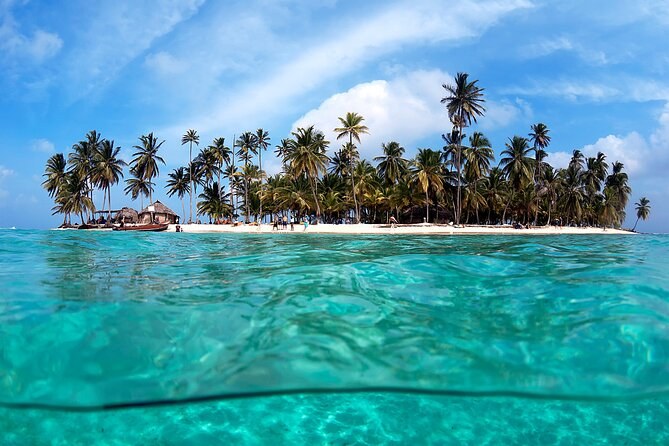
What you do Sail a luxury catamaran along Panama's unspoiled Caribbean coast to the historic harbour of Portobelo, snorkel over coral gardens teeming with tropical fish, and indulge in a gourmet open-air lunch anchored in a UNESCO bay. The ultimate blue-water day.
What to expect Cast off from Colón's marina in the early morning, sails filling as the city skyline recedes. The catamaran reaches Portobelo — where Spanish galleons once loaded silver from Peru — in about an hour; a brief shoreside visit takes in the cannon-studded Spanish forts, another UNESCO World Heritage site. Back aboard, snorkel gear is distributed and the captain anchors over a coral reef: parrotfish, angelfish and the occasional sea turtle are regulars here. Lunch is served at anchor — fresh ceviche, grilled snapper, tropical salad — as the afternoon sun turns the Caribbean jade-green.
Good to know Confirm all-aboard time before booking — most full-day sails return to dock by 16:30–17:00. Sea conditions on the Caribbean coast can be choppy November–February; check with operator. Bring reef-safe sunscreen; it is required on board. Seasickness patches recommended for sensitive travellers.
Versus the ship tour A maximum of 16 guests on a premium catamaran — not a party boat — means silence, space and genuine Caribbean solitude. The snorkel sites are chosen by the captain on the day for visibility and marine life, and the open-bar, freshly prepared lunch is a full gourmet spread, not a packed box.
book direct with Panama Sailing & Charters (Full-Day Catamaran Caribbean Beaches) → · the full guide →
After you step off · near Colon
You end in a different port — stay on, and add what is within reach before you fly home.