Your cruise
Seabourn Quest · 35-night Pacific cruise, Miami to Papeete
Jan 5 – Feb 9 · 35 nights ·
Day 1 Miami (board) · Day 2–5 at sea · Day 5 Exit Panama Canal Balboa · Day 5 Enter Panama Canal Cristobal · Day 6–7 at sea · Day 8 Guayaquil (Quito) · Day 9 at sea · Day 10 Salaverry (Trujillo) · Day 11 at sea · Day 12–13 Callao (Lima) · Day 14 General San Martin · Day 15 at sea · Day 16 Iquique · Day 17–22 at sea · Day 23–24 Easter Island · Day 25–29 at sea · Day 30 Nuku Hiva Marquesas · Day 31 Atuona · Day 32 at sea · Day 33 Fakarava · Day 34 Rangiroa · Day 35–36 Papeete (step off)
What you do Glide out onto Biscayne Bay aboard a double-decker boat for a fully-narrated 90-minute loop past the downtown skyline, Fisher Island and the palm-studded mansions of Star Island, with the captain calling out celebrity-owned homes tied to names like Gloria Estefan and Shaquille O'Neal. It departs from Bayside Marketplace, minutes from PortMiami, so you're on the water almost as soon as you step off the ship. This is the postcard Miami-from-the-water image first-timers come for, and the short run leaves the rest of the day wide open.
What to expect You board a double-decker vessel at Bayside Marketplace and spend 90 minutes gliding across Biscayne Bay while a bilingual narrator points out downtown Miami's skyline, Fisher Island, and the iconic palm-lined mansions of Star Island—including celebrity homes tied to Gloria Estefan and Shaquille O'Neal. The climate-controlled interior and open-air upper deck let you choose your vantage; many guests spend the voyage shifting between both to capture the postcard Miami-from-the-water views. The captain's real-time commentary transforms what could be a passive boat ride into a guided tour of architectural and cultural landmarks. By trip's end, you've absorbed the essential Miami skyline and still have most of your port day free.
Good to know Arrive at Miamarina (401 Biscayne Blvd, Bayside Marketplace) 30–45 minutes early to check in; the site sits only minutes from PortMiami, so budget 10–15 minutes walking from the cruise terminal. The 90-minute cruise fits easily into a 6–8 hour port window, leaving you 4+ hours for lunch or additional exploring. Bring cash if you want onboard drinks from the mojito bar, and wear sunscreen or a hat since the open-air upper deck offers full sun exposure. Book this excursion direct through Miami Skyline Cruises rather than your cruise line to save ~$23 per person versus the bundled ship price.
Versus the ship tour Direct wins big. The cruise line sells the bay sightseeing piece bundled around ~$51 per person (and up to $114 in airboat combos). The exact same Millionaire's Row bay cruise is $28 direct here, roughly $23 per person saved with no aggregator markup.
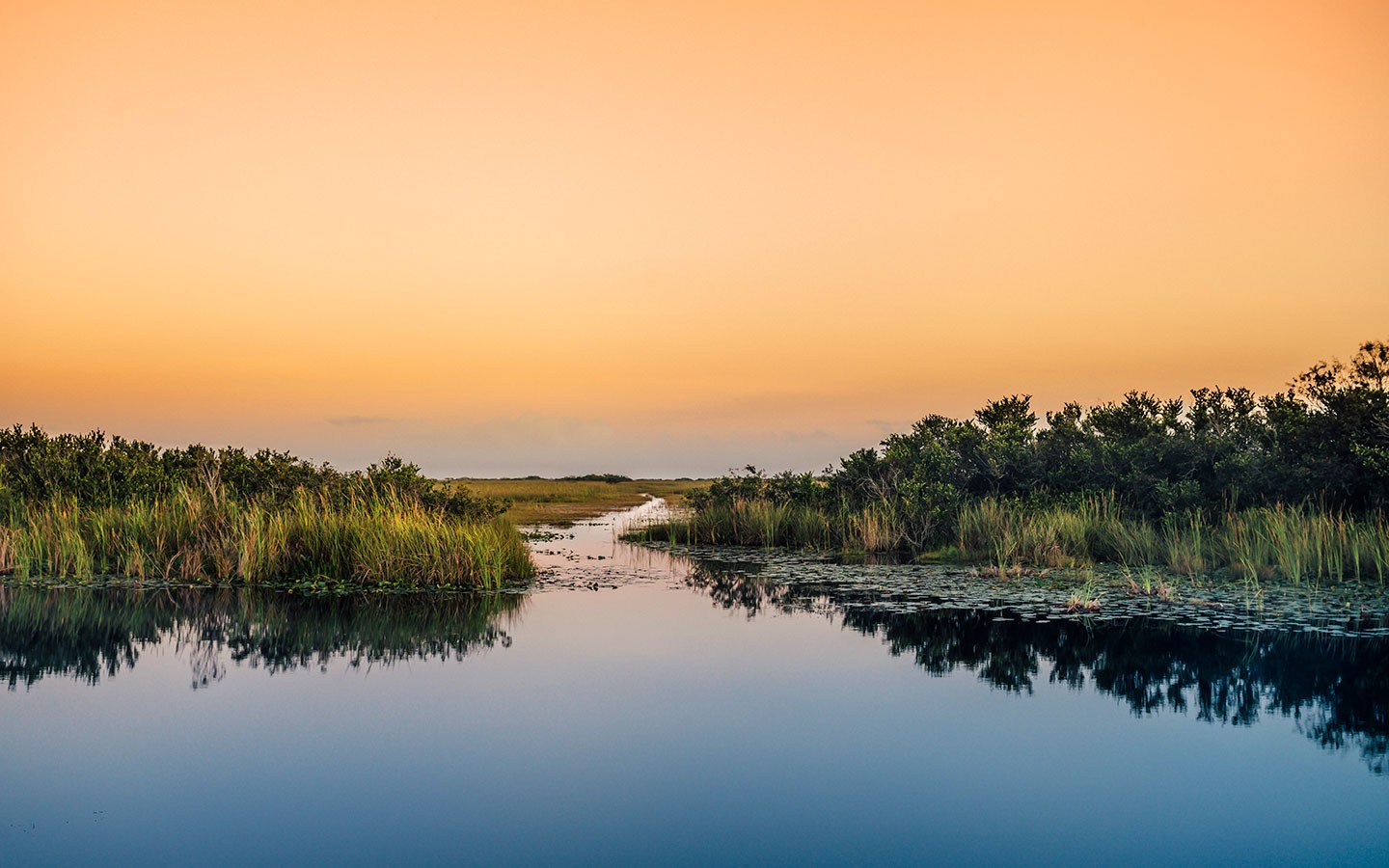
What you do Skim across the open sawgrass on an airboat hunting for wild alligators, herons and egrets in the one truly world-unique landscape on Miami's doorstep. Back on land your ticket adds an alligator/wildlife show, a jungle trail and observation exhibits, so it fills a real chunk of the day. This is the South Florida moment cruisers most regret skipping, run by an authorized Everglades National Park concession operating since 1968.
What to expect You'll skiff across open sawgrass on a 30–40 minute airboat hunt for wild alligators, herons, and egrets in the Everglades' one-of-a-kind landscape. Once back on land, you'll step into a live alligator and wildlife show, then explore a jungle trail and observation exhibits—a full immersion into South Florida's most iconic ecosystem. The day pulses between adrenaline on the water and intimate wildlife encounters on foot, filling a substantial chunk of your port time with the authentic Everglades moment most cruisers regret missing.
Good to know Plan 5–6 hours door-to-door; the park sits 45 minutes west of port with no public transit, so book a private driver or rideshare before you go and budget $60–$90 round-trip (direct booking beats the ship's price only if you split transportation among 3–4 people). Secure a driver who guarantees your return time to avoid missing the ship, and confirm your rideshare pickup well before your airboat slot to avoid delay on the way back. Bring sunscreen, a hat, and closed-toe shoes for the boat and jungle trail; water shoes or sandals that won't fly off in the wind are ideal.
Versus the ship tour Mixed. On the ride alone, direct ($49) beats Carnival's $64.99 airboat. BUT the ship's price includes round-trip transport; book direct and you must add a rideshare/car each way (the park is 45 min out with no transit). Budget about $60-$90 round-trip in rideshare on top, so direct only wins if you split a car among 3-4 people. PORT-DAY FLAG: plan ~5-6 hrs door-to-door; use a private driver who guarantees you back to the ship.
book direct with Everglades Safari Park → · the full guide →
What you do Most visitors never realize there's a national park snorkeling reef right at Miami's edge. Sail out over the northernmost Florida Keys reefs to drift among tropical fish, rays and sea turtles in turquoise shallows, with a guide teaching the park's habitats and history. The Coconut Grove departure keeps you closer to the port than the Homestead trips, making it the port-day-friendly way to get one genuine on-the-water adventure.
What to expect You'll depart from Dinner Key Marina in Coconut Grove and sail out over the northernmost Florida Keys reefs, where you'll drift among tropical fish, rays, and sea turtles in turquoise shallows while a guide interprets the park's habitats and marine life. The 3.5-hour experience includes your choice of reef, shipwreck, or mangrove snorkel sites—each revealing a different slice of Biscayne National Park's ecosystem. Most of the action happens in the water; expect calm instruction-based snorkeling rather than a rushed tour, with time to orient yourself to the underwater landscape before exploring freely. You'll return to Coconut Grove with the salt still on your skin and a genuine national park experience—not a cruise-line bay jaunt—under your belt.
Good to know Book directly with the Biscayne National Park Institute (not through an aggregator) to secure the 3.5-hour Snorkeling from Coconut Grove trip at $115 per person—this duration and departure point are designed to fit a port day, with transfers included. Plan for 3.5 hours on the water plus 1–1.5 hours for transfers from the cruise pier to Dinner Key Marina, leaving you a comfortable buffer for a typical 6–8 hour port window; skip the full-day option unless snorkeling is your only priority. Bring reef-safe sunscreen, a rash guard or lightweight cover-up, a towel, and water shoes or reef booties; the park and operator will provide snorkel gear but confirm ahead if you need prescription mask options. Return timing is tight on a short port day, so confirm the exact departure time when booking and plan to be back at the pier with 30–45 minutes to spare.
Versus the ship tour No true ship equivalent. The cruise lines don't sell an in-park national-park reef snorkel from Miami at all, their water tours top out at bay sightseeing and airboat combos. This is the one signature snorkel here, and the only way to do it is direct with the park's own concessionaire. PORT-DAY FLAG: the 3.5-hr trip plus transfers fits a port day; skip the 6-hr full-day option unless this is your only outing.
book direct with Biscayne National Park Institute → · the full guide →
What you do Eat your way through the cultural heart of Cuban Miami: a real Cuban sandwich, a jolt of cafecito and a mojito, while you watch cigars hand-rolled and dominoes slammed down in Maximo Gomez Park. A guide threads the history of exile, music and food through every stop along Calle Ocho. The tastings add up to a full meal plus drinks, an immersive, distinctly-Miami experience you can't replicate anywhere else, and it's an easy ride from the port.
What to expect Your guide escorts you through the vibrant streets of Calle Ocho, stopping to taste authentic Cuban sandwiches, croquetas, and pastries that build into a full meal—all while live music and the clatter of dominoes frame the scene at Maximo Gomez Park. You'll watch cigar rollers at work, their hands moving with practiced precision, before pausing for shots of cafecito and sipping a mojito at a neighborhood spot where locals gather. The walk threads Miami's Cuban exile history and food culture through each block, turning lunch into an immersive lesson on why this neighborhood is the real heart of Cuban America. Roughly 2.5 to 3 hours of steady walking and tasting, paced to savor both the food and the stories.
Good to know Book directly with Miami Culinary Tours (not the cruise line) to save $60+ per person—tours run roughly $69 versus $132+ through the ship. Calle Ocho is an easy, short ride from the port, so plan to depart within an hour of disembark and return comfortably 30–45 minutes before all-aboard. Bring small cash for tips and incidentals, wear comfortable walking shoes, and eat lightly before departure since the tastings amount to a full meal. Confirm your exact tour time and departure point with the operator when booking, as walking tours run on tight schedules and late arrivals will cost you stops.
Versus the ship tour Direct wins decisively. The cruise line charges $132+ for its Little Havana/mojito outing (and private versions run $162). The same Calle Ocho food-and-culture walk with the original operator is ~$69 direct, well over $60 per person saved.
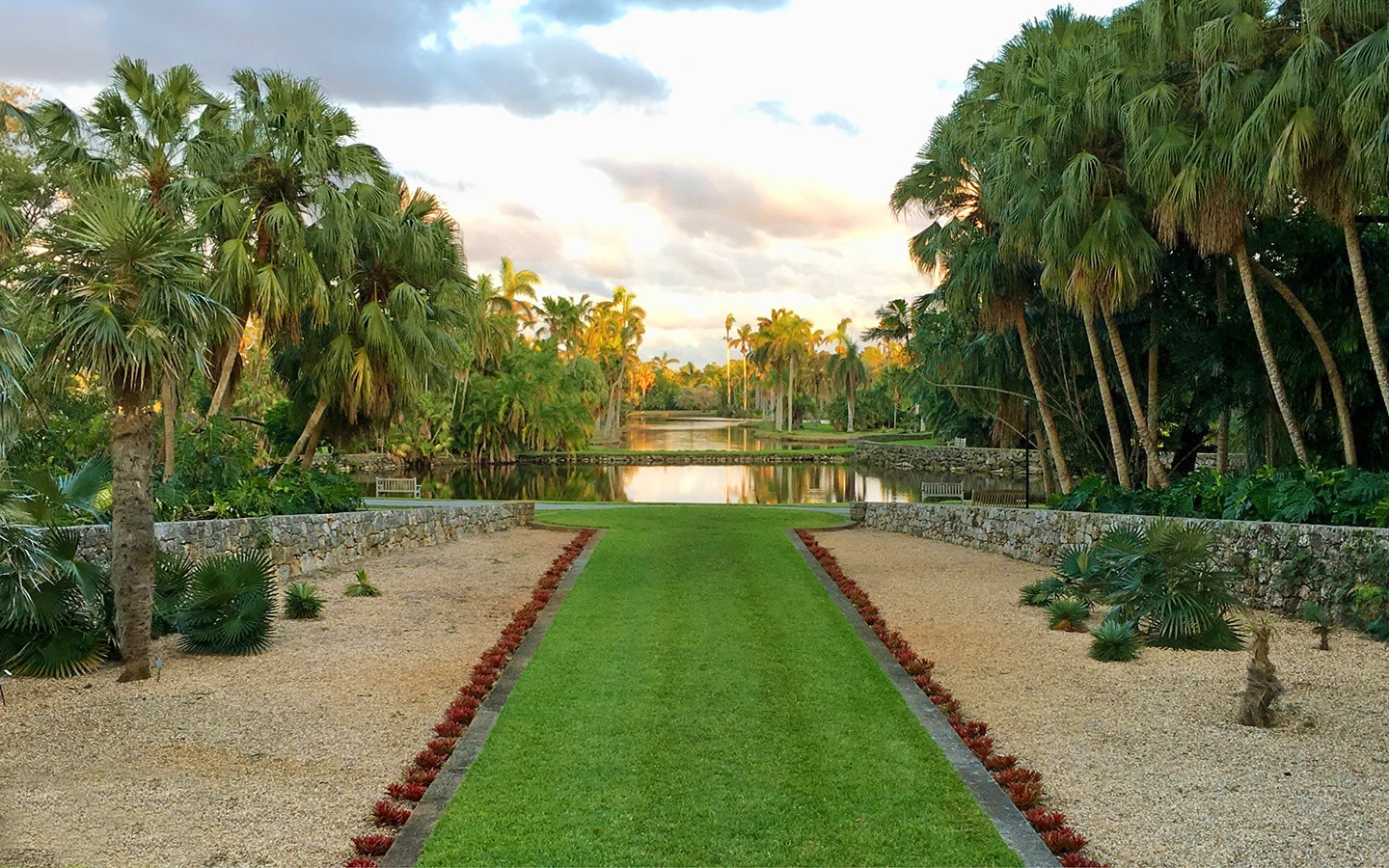
What you do Tour the most opulent historic estate in Miami: an early-20th-century Italian Renaissance-style villa built as industrialist James Deering's winter home, with lavishly furnished rooms opening onto formal European gardens that run down to Biscayne Bay. A National Historic Landmark and one of the city's most photogenic spots, it's self-paced and close to the port near Coconut Grove, so it slots neatly into a half-day on shore.
What to expect You'll arrive at an early-20th-century Italian Renaissance villa—James Deering's former winter palace—where lavishly appointed rooms open directly onto formal European gardens that descend to Biscayne Bay, giving you a tangible sense of early-Miami opulence. The self-paced experience lets you linger in ornate interiors or photograph the manicured grounds at your own tempo. A short walk from Coconut Grove and the port itself, the estate unfolds as a series of intimate spaces rather than a sprawling museum; you'll move between decorated rooms and out onto the bayfront gardens in a natural rhythm. This is a half-day anchor—intimate, photogenic, and complete within 2–3 hours if you're deliberate.
Good to know Book timed-entry tickets direct on Vizcaya's official site before you dock to guarantee your preferred window and avoid queues. The estate sits close to the port near Coconut Grove, making it walkable or a quick taxi ride—buying direct at $25 per adult cuts the cruise-line markup entirely and gives you full control over timing. Plan for 2–3 hours on-site within your 6–8 hour port window, leaving a solid 90-minute buffer before all-aboard. Bring sunscreen and comfortable shoes for the gardens; there's no air conditioning between outdoor rooms, so dress for tropical sun.
Versus the ship tour Direct is the only sensible route. Cruise lines rarely package Vizcaya, and when a city tour drives past it you'd still pay $35-$70 for sightseeing that may not include entry. At $25 booked direct you control your own timing and skip the bus markup entirely.
book direct with Vizcaya Museum and Gardens → · the full guide →
What you do Walk the world's largest concentration of 1920s-40s Art Deco architecture with a guide from the nonprofit that literally saved and landmarked the district. Over two hours along Ocean Drive you learn to actually read the pastel hotels and neon instead of just photographing them, ending right in the heart of South Beach for lunch and beach time. It's the low-risk, easy-to-reach alternate if the bay, Everglades or reef don't fit your day.
What to expect You'll spend two immersive hours walking Ocean Drive with a trained guide from the Miami Design Preservation League—the nonprofit that saved these buildings—learning to decode the geometric patterns, pastel façades, and neon signage of the world's largest Art Deco district instead of just snapping photos. The walk moves at a contemplative pace through 1920s-40s hotels and landmarks, ending at the Art Deco Museum before you're released into the heart of South Beach for lunch, shopping, and beach time. The rhythm feels like a masterclass rather than a tourist blur: you're stationary for observation, walking short blocks for transition, absorbing stories that transform what you see into architecture you actually understand. This is the substance play—manageable distance, genuine expertise, and the flexibility to linger at the beach afterward or grab food on your own terms.
Good to know The 10:30am daily departure from the Art Deco Welcome Center (1001 Ocean Drive) gives you a tight but workable 6–7 hour window: book a rideshare from the port now (15–20 minutes, ~$15–20 each way), arrive by 10:15am, walk until 12:30pm, then own your afternoon. Plan to be back at the pier by 5:30–6pm for a typical evening departure, leaving 3+ hours of buffer for beach/lunch, transit back, and security. Bring sunscreen, comfortable walking shoes, and a light layer—you're outside for two straight hours on exposed Ocean Drive. Book direct through MDPL online ($35 adults, $30 seniors/students/veterans with ID); no need to pre-book the walk itself, but confirming your rideshare timing the morning of prevents last-minute scrambling.
Versus the ship tour Direct wins on substance and price. The ship's Miami city/hop-on tour is $69.99 and just rolls past the district; this definitive 2-hour guided Deco walk from the people who landmarked it is $35 direct, half the cost and far more depth, though you arrange your own ride to South Beach (short rideshare from the port).
book direct with Miami Design Preservation League (MDPL) → · the full guide →
What you do Glide out onto Biscayne Bay aboard a double-decker boat for a fully-narrated 90-minute loop past the downtown skyline, Fisher Island and the palm-studded mansions of Star Island, with the captain calling out celebrity-owned homes tied to names like Gloria Estefan and Shaquille O'Neal. It departs from Bayside Marketplace, minutes from PortMiami, so you're on the water almost as soon as you step off the ship. This is the postcard Miami-from-the-water image first-timers come for, and the short run leaves the rest of the day wide open.
What to expect You board a double-decker vessel at Bayside Marketplace and spend 90 minutes gliding across Biscayne Bay while a bilingual narrator points out downtown Miami's skyline, Fisher Island, and the iconic palm-lined mansions of Star Island—including celebrity homes tied to Gloria Estefan and Shaquille O'Neal. The climate-controlled interior and open-air upper deck let you choose your vantage; many guests spend the voyage shifting between both to capture the postcard Miami-from-the-water views. The captain's real-time commentary transforms what could be a passive boat ride into a guided tour of architectural and cultural landmarks. By trip's end, you've absorbed the essential Miami skyline and still have most of your port day free.
Good to know Arrive at Miamarina (401 Biscayne Blvd, Bayside Marketplace) 30–45 minutes early to check in; the site sits only minutes from PortMiami, so budget 10–15 minutes walking from the cruise terminal. The 90-minute cruise fits easily into a 6–8 hour port window, leaving you 4+ hours for lunch or additional exploring. Bring cash if you want onboard drinks from the mojito bar, and wear sunscreen or a hat since the open-air upper deck offers full sun exposure. Book this excursion direct through Miami Skyline Cruises rather than your cruise line to save ~$23 per person versus the bundled ship price.
Versus the ship tour Direct wins big. The cruise line sells the bay sightseeing piece bundled around ~$51 per person (and up to $114 in airboat combos). The exact same Millionaire's Row bay cruise is $28 direct here, roughly $23 per person saved with no aggregator markup.
What you do Skim across the open sawgrass on an airboat hunting for wild alligators, herons and egrets in the one truly world-unique landscape on Miami's doorstep. Back on land your ticket adds an alligator/wildlife show, a jungle trail and observation exhibits, so it fills a real chunk of the day. This is the South Florida moment cruisers most regret skipping, run by an authorized Everglades National Park concession operating since 1968.
What to expect You'll skiff across open sawgrass on a 30–40 minute airboat hunt for wild alligators, herons, and egrets in the Everglades' one-of-a-kind landscape. Once back on land, you'll step into a live alligator and wildlife show, then explore a jungle trail and observation exhibits—a full immersion into South Florida's most iconic ecosystem. The day pulses between adrenaline on the water and intimate wildlife encounters on foot, filling a substantial chunk of your port time with the authentic Everglades moment most cruisers regret missing.
Good to know Plan 5–6 hours door-to-door; the park sits 45 minutes west of port with no public transit, so book a private driver or rideshare before you go and budget $60–$90 round-trip (direct booking beats the ship's price only if you split transportation among 3–4 people). Secure a driver who guarantees your return time to avoid missing the ship, and confirm your rideshare pickup well before your airboat slot to avoid delay on the way back. Bring sunscreen, a hat, and closed-toe shoes for the boat and jungle trail; water shoes or sandals that won't fly off in the wind are ideal.
Versus the ship tour Mixed. On the ride alone, direct ($49) beats Carnival's $64.99 airboat. BUT the ship's price includes round-trip transport; book direct and you must add a rideshare/car each way (the park is 45 min out with no transit). Budget about $60-$90 round-trip in rideshare on top, so direct only wins if you split a car among 3-4 people. PORT-DAY FLAG: plan ~5-6 hrs door-to-door; use a private driver who guarantees you back to the ship.
book direct with Everglades Safari Park → · the full guide →
What you do Most visitors never realize there's a national park snorkeling reef right at Miami's edge. Sail out over the northernmost Florida Keys reefs to drift among tropical fish, rays and sea turtles in turquoise shallows, with a guide teaching the park's habitats and history. The Coconut Grove departure keeps you closer to the port than the Homestead trips, making it the port-day-friendly way to get one genuine on-the-water adventure.
What to expect You'll depart from Dinner Key Marina in Coconut Grove and sail out over the northernmost Florida Keys reefs, where you'll drift among tropical fish, rays, and sea turtles in turquoise shallows while a guide interprets the park's habitats and marine life. The 3.5-hour experience includes your choice of reef, shipwreck, or mangrove snorkel sites—each revealing a different slice of Biscayne National Park's ecosystem. Most of the action happens in the water; expect calm instruction-based snorkeling rather than a rushed tour, with time to orient yourself to the underwater landscape before exploring freely. You'll return to Coconut Grove with the salt still on your skin and a genuine national park experience—not a cruise-line bay jaunt—under your belt.
Good to know Book directly with the Biscayne National Park Institute (not through an aggregator) to secure the 3.5-hour Snorkeling from Coconut Grove trip at $115 per person—this duration and departure point are designed to fit a port day, with transfers included. Plan for 3.5 hours on the water plus 1–1.5 hours for transfers from the cruise pier to Dinner Key Marina, leaving you a comfortable buffer for a typical 6–8 hour port window; skip the full-day option unless snorkeling is your only priority. Bring reef-safe sunscreen, a rash guard or lightweight cover-up, a towel, and water shoes or reef booties; the park and operator will provide snorkel gear but confirm ahead if you need prescription mask options. Return timing is tight on a short port day, so confirm the exact departure time when booking and plan to be back at the pier with 30–45 minutes to spare.
Versus the ship tour No true ship equivalent. The cruise lines don't sell an in-park national-park reef snorkel from Miami at all, their water tours top out at bay sightseeing and airboat combos. This is the one signature snorkel here, and the only way to do it is direct with the park's own concessionaire. PORT-DAY FLAG: the 3.5-hr trip plus transfers fits a port day; skip the 6-hr full-day option unless this is your only outing.
book direct with Biscayne National Park Institute → · the full guide →
What you do Eat your way through the cultural heart of Cuban Miami: a real Cuban sandwich, a jolt of cafecito and a mojito, while you watch cigars hand-rolled and dominoes slammed down in Maximo Gomez Park. A guide threads the history of exile, music and food through every stop along Calle Ocho. The tastings add up to a full meal plus drinks, an immersive, distinctly-Miami experience you can't replicate anywhere else, and it's an easy ride from the port.
What to expect Your guide escorts you through the vibrant streets of Calle Ocho, stopping to taste authentic Cuban sandwiches, croquetas, and pastries that build into a full meal—all while live music and the clatter of dominoes frame the scene at Maximo Gomez Park. You'll watch cigar rollers at work, their hands moving with practiced precision, before pausing for shots of cafecito and sipping a mojito at a neighborhood spot where locals gather. The walk threads Miami's Cuban exile history and food culture through each block, turning lunch into an immersive lesson on why this neighborhood is the real heart of Cuban America. Roughly 2.5 to 3 hours of steady walking and tasting, paced to savor both the food and the stories.
Good to know Book directly with Miami Culinary Tours (not the cruise line) to save $60+ per person—tours run roughly $69 versus $132+ through the ship. Calle Ocho is an easy, short ride from the port, so plan to depart within an hour of disembark and return comfortably 30–45 minutes before all-aboard. Bring small cash for tips and incidentals, wear comfortable walking shoes, and eat lightly before departure since the tastings amount to a full meal. Confirm your exact tour time and departure point with the operator when booking, as walking tours run on tight schedules and late arrivals will cost you stops.
Versus the ship tour Direct wins decisively. The cruise line charges $132+ for its Little Havana/mojito outing (and private versions run $162). The same Calle Ocho food-and-culture walk with the original operator is ~$69 direct, well over $60 per person saved.
What you do Tour the most opulent historic estate in Miami: an early-20th-century Italian Renaissance-style villa built as industrialist James Deering's winter home, with lavishly furnished rooms opening onto formal European gardens that run down to Biscayne Bay. A National Historic Landmark and one of the city's most photogenic spots, it's self-paced and close to the port near Coconut Grove, so it slots neatly into a half-day on shore.
What to expect You'll arrive at an early-20th-century Italian Renaissance villa—James Deering's former winter palace—where lavishly appointed rooms open directly onto formal European gardens that descend to Biscayne Bay, giving you a tangible sense of early-Miami opulence. The self-paced experience lets you linger in ornate interiors or photograph the manicured grounds at your own tempo. A short walk from Coconut Grove and the port itself, the estate unfolds as a series of intimate spaces rather than a sprawling museum; you'll move between decorated rooms and out onto the bayfront gardens in a natural rhythm. This is a half-day anchor—intimate, photogenic, and complete within 2–3 hours if you're deliberate.
Good to know Book timed-entry tickets direct on Vizcaya's official site before you dock to guarantee your preferred window and avoid queues. The estate sits close to the port near Coconut Grove, making it walkable or a quick taxi ride—buying direct at $25 per adult cuts the cruise-line markup entirely and gives you full control over timing. Plan for 2–3 hours on-site within your 6–8 hour port window, leaving a solid 90-minute buffer before all-aboard. Bring sunscreen and comfortable shoes for the gardens; there's no air conditioning between outdoor rooms, so dress for tropical sun.
Versus the ship tour Direct is the only sensible route. Cruise lines rarely package Vizcaya, and when a city tour drives past it you'd still pay $35-$70 for sightseeing that may not include entry. At $25 booked direct you control your own timing and skip the bus markup entirely.
book direct with Vizcaya Museum and Gardens → · the full guide →
What you do Walk the world's largest concentration of 1920s-40s Art Deco architecture with a guide from the nonprofit that literally saved and landmarked the district. Over two hours along Ocean Drive you learn to actually read the pastel hotels and neon instead of just photographing them, ending right in the heart of South Beach for lunch and beach time. It's the low-risk, easy-to-reach alternate if the bay, Everglades or reef don't fit your day.
What to expect You'll spend two immersive hours walking Ocean Drive with a trained guide from the Miami Design Preservation League—the nonprofit that saved these buildings—learning to decode the geometric patterns, pastel façades, and neon signage of the world's largest Art Deco district instead of just snapping photos. The walk moves at a contemplative pace through 1920s-40s hotels and landmarks, ending at the Art Deco Museum before you're released into the heart of South Beach for lunch, shopping, and beach time. The rhythm feels like a masterclass rather than a tourist blur: you're stationary for observation, walking short blocks for transition, absorbing stories that transform what you see into architecture you actually understand. This is the substance play—manageable distance, genuine expertise, and the flexibility to linger at the beach afterward or grab food on your own terms.
Good to know The 10:30am daily departure from the Art Deco Welcome Center (1001 Ocean Drive) gives you a tight but workable 6–7 hour window: book a rideshare from the port now (15–20 minutes, ~$15–20 each way), arrive by 10:15am, walk until 12:30pm, then own your afternoon. Plan to be back at the pier by 5:30–6pm for a typical evening departure, leaving 3+ hours of buffer for beach/lunch, transit back, and security. Bring sunscreen, comfortable walking shoes, and a light layer—you're outside for two straight hours on exposed Ocean Drive. Book direct through MDPL online ($35 adults, $30 seniors/students/veterans with ID); no need to pre-book the walk itself, but confirming your rideshare timing the morning of prevents last-minute scrambling.
Versus the ship tour Direct wins on substance and price. The ship's Miami city/hop-on tour is $69.99 and just rolls past the district; this definitive 2-hour guided Deco walk from the people who landmarked it is $35 direct, half the cost and far more depth, though you arrange your own ride to South Beach (short rideshare from the port).
book direct with Miami Design Preservation League (MDPL) → · the full guide →
What you do Step into Quito's UNESCO-listed colonial heart, then straddle two hemispheres at the Mitad del Mundo monument. A private expert guide makes every cobblestone and sunlit plaza feel personal and unhurried.
What to expect Your private guide collects you from the port and whisks you up into the Andean highlands to Quito, a UNESCO World Heritage City perched at 2,850 m. You'll drift through the gilded interior of La Compañía de Jesús — arguably South America's most ornate church — and wander the Plaza Grande before a long, leisurely lunch at a colonial mansion restaurant. The afternoon belongs to Mitad del Mundo: stand with one foot in each hemisphere, watch a gyroscope demonstration defy everything you learned in science class, and snap that iconic selfie at 0° latitude.
Good to know Guayaquil to Quito is a ~45-min flight or ~4-hr drive — confirm with your operator which transfer is included. This is a full-day excursion; verify your ship's all-aboard time and build in at least 3 hrs return buffer. Pre-book well in advance — private guides fill quickly in peak season.
Versus the ship tour Fully private — your own certified guide, your own vehicle, your own pace. No coach groups, no rushed photo stops. Access to off-the-beaten-path baroque churches and insider Ecuadorian history that large tours skip entirely.
book direct with Happy Gringo Travel (official Ecuador specialist) → · the full guide →
What you do Soar to 4,050 m on the Teleférico, Quito's iconic urban gondola scaling the flanks of Volcán Pichincha. The panoramic sweep over the entire city and Andean chain is simply unmissable.
What to expect The gondola glides 2,950 m above sea level to the upper station in under 10 minutes, but the landscape transforms dramatically — from bustling city to páramo grasslands dusted with Andean wildflowers. From the top station, hardy walkers continue to Cruz Loma (4,100 m) for a 360° panorama of five snow-capped volcanoes. Your private naturalist guide interprets the unique high-altitude ecosystem and ensures you acclimatise safely, with hot coca tea on hand. The descent back into the warm city feels like re-entering another world.
Good to know Altitude affects everyone differently — a short acclimatisation walk before ascending is wise. Best combined with a Quito Old Town morning for a full-day itinerary. Confirm weather windows: mornings are typically clearest. Pre-book gondola tickets online to skip queues.
Versus the ship tour The highest urban cable car in the world — and a genuine altitude adventure. Pair with a private guide who leads you along the crater-rim trail for views that stretch to Cotopaxi on a clear day; a completely different experience from a standard city bus tour.
What you do Descend into Mindo's legendary cloud forest — a biodiversity hotspot with 500+ bird species and dazzling butterfly houses — on a private naturalist-led day from Quito. One of the most biodiverse places on Earth.
What to expect The road from Quito drops dramatically from cold Andean plateau into a lush, warm world of orchids and mosses. Your expert ornithologist guide leads you along forest trails where toucans and hummingbirds perform overhead. A dedicated butterfly house shelters hundreds of tropical species — monarchs, blue morphos, and owl butterflies land on your arms. You cross the canopy on a traditional tarabita to reach a series of cascading waterfalls, where the mist and birdsong create an almost surreal atmosphere. Lunch is at a local eco-lodge with views over the forest canopy.
Good to know Mindo is ~2 hrs from Quito by private vehicle — best done as a full-day excursion from port. Wear light layers: cloud forest temperatures vary. Binoculars are essential; a quality guide will have a spotting scope. Early morning departures maximise birdwatching.
Versus the ship tour A private naturalist guide unlocks Mindo's secrets that group tours miss — rare tanagers, glass-wing butterflies, and the hypnotic Nambillo waterfalls reached by tarabita (zip-wire cable car over the canopy). Intimate, expert-led, and genuinely wild.
What you do Ride on horseback across the otherworldly páramo at the base of Cotopaxi, the world's highest active volcano. A bucket-list Andean landscape experience with a certified mountain guide and Andean horses.
What to expect Your private transfer winds through the national park to Tierra del Volcán's hacienda, where well-trained criollo horses await. The ride traverses volcanic moorland at 3,800 m, with the symmetrical white cone of Cotopaxi dominating the skyline. Your certified guide shares the volcano's dramatic geology and Andean ranch heritage as wild horses roam in the distance. After 2-3 hours in the saddle, a warming hacienda lunch of Ecuadorian highland cuisine — locro de papa soup, roasted corn — restores every calorie burned in the thin air.
Good to know Cotopaxi National Park is ~1 hr south of Quito by private vehicle. No riding experience necessary — horses are calm and well-matched to ability. Layers essential: temperatures at 3,800 m can drop sharply. Combine with a Quito morning for a full-day itinerary. Confirm national park entry (~USD 5 pp) with your operator.
Versus the ship tour Access to a private working hacienda at the foot of Cotopaxi — the horses are Andean-bred, the guide is a certified mountain expert, and the views of the snow-capped cone are unobstructed. A genuinely exclusive, small-group experience in a national park setting.
What you do Taste Ecuador's legendary fine-aroma cacao at source on a small-group tour combining Guayaquil's vibrant Malecón 2000 waterfront and a working cacao farm. Ecuador grows some of the world's finest chocolate — trace it from pod to bar.
What to expect Your morning begins on the iconic Malecón 2000, a sweeping riverside promenade where Guayaquil's colonial architecture, modern art installations, and the famous iguana-filled Parque Seminario come together in a single stroll. A local guide narrates the city's transformation from colonial port to Ecuador's commercial hub. After lunch, you transfer to a family-owned cacao finca where the farmer walks you through the entire chocolate journey: splitting pods, pressing nibs, roasting beans over wood fire, and finally tasting single-origin chocolate in its rawest, most extraordinary form.
Good to know This is a port-based excursion — ideal when the ship does not proceed to Quito. The Malecón is approximately 15 minutes from the cruise terminal by taxi (approx. USD 5). Cacao farms are typically 45-60 min outside the city; confirm pick-up from port with your operator. Light cotton clothing recommended — Guayaquil is coastal and humid.
Versus the ship tour Hands-on access to a working cacao plantation — you harvest, ferment, and taste single-origin chocolate with the farmer who grows it. The Malecón portion with a knowledgeable local guide reveals the history of South America's most important Pacific port in vivid, personal detail.
What you do Soar on the legendary 'Swing at the End of the World' over a 2,600 m Andean cliff edge, then thunder beside Pailón del Diablo — Ecuador's most spectacular waterfall. Baños is pure adrenaline wrapped in volcanic beauty.
What to expect The drive south from Quito winds through the Avenue of the Volcanoes, passing Tungurahua's brooding cone before descending into the lush, warm valley town of Baños. A private guide leads you first to the Casa del Árbol at 2,600 m — the wooden swing arcs out over a sheer precipice with nothing but clouds and jungle below, and the moment of release is pure exhilaration. The afternoon is spent following the Ruta de las Cascadas: a dramatic series of waterfalls culminating in Pailón del Diablo, where the Pastaza River thunders 80 m into a mist-filled gorge. Optional volcanic hot springs at dusk complete a near-perfect Andean day.
Good to know Baños is ~3.5 hrs south of Quito — this is a long full-day excursion best paired with an overnight in Quito if your itinerary allows. The swing operates in dry conditions only; have a backup plan for rainy days. Wear waterproof layers near Pailón del Diablo — the spray is intense. Pre-book a private vehicle to control the day's pace entirely.
Versus the ship tour The swing itself — a simple wooden seat cantilevered over a 2,600 m drop at the Casa del Árbol treehouse — is one of those rare, heart-stopping travel moments that becomes a story you tell for decades. A private guide ensures you move at your own pace between Baños's volcanic hot springs, the waterfall route, and the swing — no rushing, no queuing.
book direct with KimKim Ecuador (official private travel specialist) → · the full guide →
What you do Step inside Chan Chan, the UNESCO-listed Chimú capital and the largest pre-Columbian city in South America — a vast labyrinth of royal citadels, ceremonial courts, and exquisitely carved adobe friezes. With a private expert guide, you decode 600 years of coastal empire at your own pace.
What to expect Your guide meets you dockside at Salaverry and whisks you 20 minutes north to Chan Chan's desert edge. You enter the Tschudi Royal Citadel through monumental adobe gateways, winding through ceremonial plazas whose walls are alive with repeating pelican, otter, and fish reliefs. Your expert contextualises the Chimú civilisation — their hydraulic genius, their gold craft, their eventual defeat by the Inca — making the site visceral, not just visual. The complex is vast but the private pace ensures you emerge informed and elated rather than rushed.
Good to know Chan Chan is ~20 min drive from Salaverry port; allow 2–2.5 hrs on-site. Port pick-up is standard with Trujillo Turístico — confirm your ship's all-aboard time when booking so the guide tailors the schedule. Sun and wind are fierce; bring a hat, sunscreen, and a light layer. Book at least one week ahead for prime morning slots.
Versus the ship tour A private guide — such as the highly acclaimed Cinthia from Trujillo Turístico — means you linger in the Tschudi Palace's moon-fish friezes as long as you wish, with zero crowd pressure and deeply personalised archaeological storytelling unavailable in any group setting.
book direct with Trujillo Turístico (local expert operator) → · the full guide →
What you do Descend into millennia of Moche civilisation at the Temples of the Sun and Moon — two towering adobe pyramids that conceal layer upon layer of extraordinary polychrome murals. A private archaeologist-led visit here is one of the most remarkable cultural experiences on South America's Pacific coast.
What to expect You arrive at the Huacas de Moche complex, dramatically set at the foot of Cerro Blanco, to find the Huaca de la Luna still yielding its secrets to archaeologists digging just metres from the public walkways. Your guide leads you through exposed ceremonial platforms revealing four successive building phases — each painted over the last like a palimpsest of faith and power. The on-site Museum of the Sacrifice provides grisly and fascinating context on Moche ritual, and from the upper platform the panorama across the coastal desert to the Pacific is extraordinary. The nearby village artisan market makes a worthy five-minute detour on the way back.
Good to know Site is ~30 min from Salaverry port. Combine with Chan Chan in a half-day private itinerary (Trujillo Turístico excels at this). Wear sturdy shoes — walkways are unpaved ramps. Peak light for photography is early morning. Allow 1.5–2 hrs on-site.
Versus the ship tour Active excavation is ongoing — a knowledgeable private guide translates the multi-coloured warrior processions and the terrifying fanged deity Ayapec directly from the mud-brick walls, turning what looks abstract into a vivid narrative of sacrifice, power, and artistic genius.
book direct with Trujillo Turístico (local expert operator) → · the full guide →
What you do El Brujo is Peru's most electrifying active dig — here the tattooed, sacrificed 'Lady of Cao' rewrote history as evidence of South America's first known female ruler. A private expert-led visit to this remote coastal complex, far from tour buses, is as close to an Indiana Jones moment as travel gets.
What to expect The drive north hugs the Peruvian coast past sugar-cane fields and fishing villages before the pyramid complex of Huaca Cao Viejo rises from the desert. Your guide narrates the Moche world as you climb the ceremonial platform, its polychrome murals of warrior prisoners still vivid after 1,700 years. Inside the air-conditioned museum, the Lady of Cao's mummy, gilded war-clubs, and sacrificed attendants lie in museum-quality display — the context your guide provides is spine-tingling. This is a half-day that recalibrates what you think you know about gender and power in the ancient Americas.
Good to know Allow ~1 hr drive each way from Salaverry; plan for a minimum 4.5–5 hr excursion total. Innatur Peru handles full port logistics — confirm your all-aboard time at booking. The site is exposed desert; sunscreen and a hat are essential. Water and snacks are recommended as facilities are limited.
Versus the ship tour El Brujo's remoteness (60 km north of Trujillo) means it is rarely reachable on standard group itineraries. Innatur Peru's specialist guides have intimate knowledge of the excavation and the jaw-dropping reconstructed burial chamber of the Lady of Cao — an experience with profound emotional weight.
What you do Huanchaco is one of Peru's most beguiling fishing villages, where caballito de totora — reed sea-horses ridden by fishermen for 3,000 years — still launch into the surf at dawn. Combine a guided cultural walk with a long, lavish ceviche lunch at one of the village's celebrated seafront restaurants.
What to expect Your guide meets you at Salaverry and drives 25 minutes to Huanchaco's pastel-painted seafront, arriving in time to watch fishermen return on their torpedo-shaped totora reed boats — a UNESCO-recognised intangible heritage tradition unchanged since the Chimu era. You walk the village lanes, visit the 16th-century hilltop sanctuary, and hear the stories behind the craft. Lunch is the centrepiece: a long, unhurried table of Peruvian coastal classics — fresh ceviche, tiradito, jalea de mariscos — paired with a Cusqueña or a chilled pisco sour. The afternoon light on the Pacific from the pier is a photographer's dream.
Good to know Huanchaco is approx. 25 min from Salaverry. Perú Together Travel handles full port logistics; mention your all-aboard time at booking. Best visited on a morning when the fleet returns (typically 7–10 am). This excursion pairs beautifully with a Chan Chan visit en route back to the port — ask your operator to combine.
Versus the ship tour Huanchaco is only 5 km from Chan Chan yet feels like another world — a private cultural walk with a local guide unlocks the village's living fishing tradition, its colonial church, and the right seafood restaurants where locals actually eat, not tourist traps.
What you do Trujillo's Plaza de Armas is ringed by some of the finest colonial mansions in Peru — ocher, ochre-pink, and cobalt-blue facades hiding baroque altarpieces and Moorish-lace balconies. Add a private demonstration of the marinera norteña — Peru's most elegant national dance — and the city comes completely alive.
What to expect The drive from Salaverry takes 30 minutes, depositing you at the edge of Trujillo's perfectly preserved colonial grid. Your guide leads you through the Plaza de Armas, where the cathedral's ivory baroque towers frame a central garden of sculpted topiary. You step inside the Palacio Iturregui — one of South America's finest neoclassical interiors — then walk the covered arcades to the Casa de la Emancipación where Peru's northern independence was declared. The session closes with a private marinera demonstration by a local dance couple: the women's swirling white skirts and the men's hat-and-handkerchief courtship ritual are as visually dazzling as any Andean spectacle.
Good to know Trujillo centre is ~30 min from Salaverry port. The walking tour covers ~2 km of flat colonial streets — comfortable shoes suffice. The Marinera National Festival occurs every January; if your cruise calls then, book months ahead. Confirm church opening hours — the Cathedral closes midday.
Versus the ship tour A private guide opens doors — literally — to the Casa Urquiaga (where Simón Bolívar once slept) and the Casa de la Emancipación, and choreographs your visit around the city's rhythms so you arrive at the Plaza as the cathedral bells ring and avoid the midday crush entirely.
book direct with Trujillo Turístico (local expert operator) → · the full guide →
What you do The towering sand dunes flanking Trujillo's desert coast offer a world-class sandboarding experience — equal parts thrill and surreal beauty. Strap a board to your feet and carve down 100-metre faces of golden sand with the Pacific glittering on the horizon: pure bucket-list adrenaline.
What to expect Your guide collects you at Salaverry and drives you to the coastal dune fields that pile up dramatically between the ocean and the sugar-cane flatlands. After a brief safety and technique session, you ride lying, seated, or standing down faces that would humble a ski slope — with soft landings guaranteed by deep sand. Between runs, the silence and the scale of the desert landscape — broken only by the distant Pacific — is profoundly cinematic. Guides photograph and video your runs throughout, so you leave with evidence to astonish friends at home.
Good to know Approximately 30–40 min from Salaverry port. No sandboarding experience required — all levels welcome. Wear clothes you are happy to get sandy; a change of clothes for the return is highly recommended. Avoid midday heat in December–March; early morning slots are ideal. Innatur Peru handles full port logistics.
Versus the ship tour Innatur Peru's small-group specialist setup means you get properly fitted equipment, one-on-one instruction from an experienced desert guide, and access to the best dune faces — not a crowded, conveyor-belt outing. The combination of Pacific views and Saharan-scale dunes is genuinely otherworldly.
What you do Boat out to the wild Palomino Islands just off Callao and slip into the Pacific alongside a colony of 8,000 sea lions. This intimate, small-group marine encounter is one of the most extraordinary wildlife moments in all of South America.
What to expect A swift motorboat whisks you from Callao harbor out to four rugged Pacific islands, alive with barking sea lions. After briefing, you don a wetsuit and slide into crystal-cold water as curious sea lions spiral around you — bumping, twirling and staring you down. On the crossing you'll also spot Humboldt penguins and seabirds on the guano-white rocks. The entire outing lasts roughly four hours, returning you to port in good time.
Good to know Departs from the Callao fishing dock, less than 10 minutes from the cruise terminal — no transfer needed. Pre-book directly as space on small vessels fills weeks in advance. All-aboard times are typically respected with a 4-hour total run time. Bring a dry bag for your valuables and a warm layer for the boat ride back.
Versus the ship tour Limited to a small vessel so you're genuinely in the water with the animals — not watching from a large boat. Expert naturalist guides provide deep marine context, and the wetsuit swim is an adrenaline-edged, unforgettable bucket-list moment steps from the port.
What you do Journey four hours south of Lima into a landscape of flamingo-fringed bays, prehistoric Nazca-era history and a turquoise desert oasis ringed by towering sand dunes. One of Peru's most visually astonishing day trips, bookable from the port.
What to expect Depart Callao early and drive south through Peru's coastal desert to Paracas, where wind-sculpted red cliffs plunge into an azure bay thick with flamingos and pelicans. Board a speedboat to the Ballestas Islands ('the poor man's Galápagos') to witness sea lions, Peruvian boobies and penguins on volcanic arches. After lunch in Paracas, continue inland to Huacachina — a true desert oasis — where you board a dune buggy for the breathtaking ride up towering dunes before sandboarding back down at sunset.
Good to know This is a 17–18 hour excursion; confirm your ship's all-aboard time carefully — best suited to ships with a late-night or overnight Callao call. Departs 06:00–07:00 from the port. Bring sunscreen, a windbreaker and sea-sickness tablets for the Ballestas boat. Pre-booking essential; spaces extremely limited on private departures.
Versus the ship tour The luxury private-vehicle option means your own bilingual guide, your own pace at the Paracas National Reserve viewpoints and a genuinely personal sandboarding descent into Huacachina — not a rushed group convoy. Sunset over the oasis is the defining image of coastal Peru.
What you do Step inside a Miraflores culinary studio and master Peru's three most iconic dishes under the tutelage of a professional Lima chef. Peruvian cuisine is ranked among the world's best — this is the most direct way to own a piece of it.
What to expect The class opens at a local market where your chef narrates the kaleidoscopic world of Peruvian chillies, purple corn and exotic fruits — then you head to a beautifully equipped kitchen in Miraflores. You'll cure fresh corvina for leche de tigre ceviche, layer causa limeña with avocado and ají amarillo, and shake the city's most celebrated cocktail. The meal you've cooked becomes your lunch, served with Peruvian wine. A recipe booklet and a new passport-stamp skill go home with you.
Good to know Miraflores is approximately 30 minutes from Callao by taxi or Uber (approx. USD 8–12 each way). Classes typically run 3–3.5 hours, leaving comfortable time before all-aboard. Vegetarian adaptations available on request. Book at least two weeks ahead as this is Lima's most reviewed culinary experience.
Versus the ship tour A boutique kitchen, never more than 12 guests, with a chef who sources ingredients that morning from Surquillo market. You don't watch — you cook, plate and eat. Pisco Sours are shaken tableside, and recipes travel home with you.
book direct with Peruvian Cooking Classes Lima (La Floresta Culinary Studio) → · the full guide →
What you do Explore the grandest Spanish colonial fortress in South America, then step into Monumental Callao — a once-derelict neighbourhood reborn as Peru's most extraordinary open-air street-art district. History and living culture, minutes from the pier.
What to expect Begin at the Real Felipe Fortress, whose star-shaped walls once guarded Lima's silver trade against pirate fleets and independence armies. Your historian guide walks you through cannon-lined bastions, the eerie 'room of bones' and sweeping views of the Pacific. From there, enter Monumental Callao's labyrinthine patios splashed with floor-to-ceiling murals by international and Peruvian artists — boutique shops, artisan coffee and a rooftop lookout complete the picture. The tour finishes a short walk from the cruise terminal.
Good to know Real Felipe is open Tuesday–Sunday; confirm your port day falls on an open day. The fortress entry fee (approx. PEN 15 / USD 4) is typically separate. Monumental Callao is walkable from the fortress. Total duration 3–4 hours. Flat, paved surfaces throughout; suitable for all mobility levels.
Versus the ship tour A private guide grants access to Real Felipe's military museum and ramparts at your own pace, with storytelling that brings 18th-century sieges to life. Monumental Callao's muralled courtyards, boutique galleries and rooftop bars are the kind of off-itinerary discovery that defines a genuine luxury journey.
What you do Glide through Lima's most beautiful clifftop neighbourhoods and into the world's finest private collection of pre-Columbian gold, textiles and erotic pottery. A half-day that distils 5,000 years of Andean civilisation into one elegant arc.
What to expect Your private guide collects you from the terminal and drives south to Miraflores, stopping at the clifftop Larcomar complex for Pacific views before descending to bohemian Barranco — its painted bridges, colonial mansions and vibrant café scene feel like a Peruvian Montmartre. The centrepiece is the Larco Museum, a converted 18th-century vice-regal mansion housing the world's most important collection of pre-Columbian gold and ceramics, including the famous 'erotic gallery'. Lunch is optionally taken at the museum's garden restaurant.
Good to know Museo Larco is open daily 09:00–22:00; book timed entry at larcomuseum.org (USD 25 adult). Combined private guide + transport via ToursByLocals from approx. USD 83 pp. Miraflores is 30 min from port. Allow 5–6 hours total. The Larco garden restaurant is one of Lima's most acclaimed — reserve ahead for lunch.
Versus the ship tour A vetted private ToursByLocals guide tailors the itinerary to your interests — whether that is pre-Inca goldwork, Belle Époque Barranco architecture or the cliffside Parque del Amor at sunset. The Larco Museum's storage vaults (open to the public — a world rarity) hold 45,000 artefacts; your guide reads the room, spending time on what captivates you.
book direct with Museo Larco (official entry) + ToursByLocals private guide → · the full guide →
What you do Pedal Lima's dramatic Pacific Rim coastline on a curated small-group cycling tour, weaving from the clifftop promenades of Miraflores past a genuine pre-Inca adobe pyramid to the art-gallery lanes of Barranco. The city's most exhilarating half-day.
What to expect High-quality hybrid bikes are fitted to you in Miraflores before you roll onto the Malecón — Lima's Corniche — with the Pacific glittering hundreds of feet below the cliffs. The route threads past Parque del Amor's mosaic lover sculpture, descends to Barranco's coloured bridges and street-art alleyways, and detours through the grounds of Huaca Pucllana, an archaeological pyramid from 400 AD still being excavated. Guides share neighbourhood stories, stop for freshly squeezed lucuma juice and pace everything to ensure you never feel rushed.
Good to know Departs Miraflores (30 min taxi from port, approx. USD 8–12). Tour runs 3–3.5 hours; comfortable timing before most all-aboard calls. Helmets, locks and safety briefing included. The route is largely flat to gently rolling along the cliff edge — suitable for confident recreational cyclists. Wear comfortable clothing and bring a light layer for the coastal breeze.
Versus the ship tour Small groups of maximum 8 riders mean the guide sets a relaxed, commentary-rich pace — stopping for ceviche tastings, ocean viewpoints and hidden street art rather than rushing past them. The Huaca Pucllana adobe pyramid, rising incongruously from upscale Miraflores, is a moment no larger tour bus can replicate.
What you do Glide through the 'Peruvian Galápagos' on a private boat to witness tens of thousands of sea lions, Humboldt penguins, and seabirds in raw, protected waters. A once-in-a-lifetime wildlife spectacle that rivals any nature reserve on earth.
What to expect Board at El Chaco pier just 20 minutes from port and motor out to three rocky islets teeming with life. Sea lions bark from every ledge, Humboldt penguins shuffle at the waterline, and red-footed boobies wheel overhead. En route, your guide pauses at the enigmatic Candelabro geoglyph etched into the cliff face — a mysterious 180-metre figure visible only from the sea. The round trip takes roughly 2.5 hours, leaving ample time back ashore.
Good to know Book the earliest possible morning departure (8–9 am) for calmest seas and best light. The Candelabro geoglyph is included on the boat route at no extra cost. Bring a light windbreaker — it's breezy on the water year-round. All-aboard is typically early evening, so timing is very comfortable.
Versus the ship tour A dedicated private vessel means you linger at the best rookeries at your own pace — no crowded decks, no rushed turnarounds. Your naturalist guide tailors the narrative to what you're actually seeing in real time.
What you do Sweep through one of South America's most dramatic coastal deserts in a private 4×4 — rust-red cliffs plunging into turquoise Pacific, flamingo lagoons, and lunar landscapes utterly unlike anywhere else in Peru. Paracas is a UNESCO-recognised biosphere of staggering scale.
What to expect Your driver-guide collects you at the port gate and heads straight into the 335,000-hectare reserve. The first stop is the famous La Catedral coastal arch (now a dramatic collapsed sea stack after a 2007 earthquake, still spectacular). You'll scan lagoons for Chilean flamingos and Andean avocets before climbing to the panoramic Red Beach overlook, where crimson volcanic pebbles meet a jade-green sea. The reserve's silence and vast emptiness make it one of the most meditative landscapes on the continent.
Good to know Reserve entry fee is approx. USD 5 per person, paid on arrival. The full circuit runs 3–4 hours, well within port schedules. Sunscreen and sunglasses are essential — the Paracas sun is intense and there is zero shade inside the reserve.
Versus the ship tour A private 4×4 with a dedicated English-speaking naturalist guide stops wherever you want, for as long as you want — at the Cathedral rock arch, the flamingo feeding grounds, and the ochre dune overlooks that group minibuses simply drive past.
book direct with Paracas Explorer (official local operator) → · the full guide →
What you do Board a small charter aircraft and soar over the UNESCO-listed Nazca Lines — gigantic geoglyphs etched into the desert floor by an ancient civilisation, visible only from the air. The Spider, the Hummingbird, the Condor: a profound encounter with one of the world's great unsolved mysteries.
What to expect The overland journey south to Nazca takes roughly 2.5 hours by private vehicle through the dramatic Ica desert, building anticipation beautifully. At the airfield you board a light aircraft with a narrating pilot who banks over the Astronaut, the Monkey, the Hummingbird and a dozen more figures in sequence. The 30-minute flight feels simultaneously too short and too overwhelming. After landing you can visit the Nazca Lines Viewing Tower and the Maria Reiche Museum before the return drive.
Good to know This is a full-day commitment — depart port by 7 am, return by 5–6 pm. Confirm your ship's all-aboard time carefully and add buffer. Avoid a heavy breakfast before the flight (light turbulence is common). Book Aeroica flights directly well in advance, especially Nov–Mar peak season. Motion-sickness tablets recommended.
Versus the ship tour A small Cessna carries just 4–5 passengers, so every seat is a window seat and your pilot banks left and right so both sides see each figure. The intimacy and the scale — figures up to 370 metres long — is simply impossible to convey until you're hovering above them.
What you do Venture into Peru's legendary Ica Valley to tour a historic Pisco estate — walking the sun-drenched vineyards, watching the copper-pot distillation process, and conducting a guided tasting of Peru's national spirit at its source. An intimate, sensory experience you simply cannot replicate elsewhere.
What to expect The drive to Ica through the coastal desert (approx. 60 km from port) is itself scenic, with sand dunes rising alongside irrigated vineyard plots. At the estate, a knowledgeable guide leads you through the Quebranta and Torontel grape varieties before entering the cool, aromatic bodega where traditional clay pots (piscos) still line the walls. The guided tasting includes four to six expressions paired with local dried figs and chocolate. The estate's shop is exceptional for serious bottles to take home.
Good to know Allow 3–4 hours including transfers. The estate is open to private visits Monday–Saturday; pre-arrange your visit by emailing direct. Pair this excursion with a quick stop at the Huacachina oasis sand dunes (15 minutes from the bodega) for a spectacular desert lagoon photo stop en route back to port.
Versus the ship tour Vista Alegre is one of Peru's oldest operating Pisco estates (founded 1857), and a private visit — rather than a group excursion — means a personal guide who walks you through every stage of production, from harvest to bottling, with unhurried tastings of reserve and aged expressions rarely seen outside Peru.
What you do Discover the charming fishing village of El Chaco and the Paracas waterfront boulevard — Peru's most relaxed coastal promenade, lined with ceviche restaurants, artisan markets, and panoramic Pacific views. A living portrait of coastal Peruvian culture at its most authentic.
What to expect Stroll the Paracas malecón at golden-hour light with your guide interpreting the fishing culture that has defined this coast for millennia. Visit the Julio C. Tello Site Museum within the national reserve to see extraordinary Paracas weavings (some of the finest pre-Columbian textiles ever discovered). Then settle into a waterfront table for a freshly prepared ceviche lunch — sea bass, leche de tigre, choclo, and cancha — while pelicans parade along the jetty. A genuinely joyful, culturally rich few hours.
Good to know El Chaco is only 20 minutes by road from the General San Martín port gate — easily the most accessible excursion on offer. Combine with a morning Ballestas boat tour for the perfect full day. The Tello Museum is small but world-class; allow 45 minutes inside.
Versus the ship tour A private local guide opens doors — literally — to family-run cevicherías where the catch came in hours ago, to artisan studios selling hand-woven Paracas textiles, and to the Regional Museum of Paracas where mummies and pre-Columbian textiles are explained in depth. This is unhurried, curated, and entirely personal.
What you do Paddle a sea kayak along the base of the cliffs that bear the mighty Candelabro geoglyph — a 180-metre mystery figure carved into the hillside — as the desert light turns amber and the Pacific glows gold. A rare, active way to encounter one of Peru's most intriguing ancient enigmas.
What to expect Your guide fits you with a buoyancy aid and delivers a 10-minute safety briefing at the El Chaco beach launch point. The paddle to the Candelabro cliff takes around 30–40 minutes on calm, sheltered water inside the bay. You drift beneath the enormous carved figure, dwarfed by its scale, as seabirds swoop overhead and sea lions occasionally surface nearby. The return paddle at dusk, with the Andes silhouetted to the east and the Pacific blazing orange to the west, is a moment that stays with you long after you reboard.
Good to know No kayaking experience necessary — the bay is calm and sheltered. Afternoon departures (3–4 pm) give the best light on the geoglyph face. Wear quick-dry clothing and bring a waterproof bag for camera/phone. All-aboard is typically early evening so confirm exact ship departure; the tour runs approximately 2.5 hours door-to-door from port.
Versus the ship tour Approaching the Candelabro by kayak — just you, a small group of paddlers, and the sheer cliff face — delivers a visceral sense of scale impossible from a motor boat's deck. You're low on the water, close to the rock, with a specialist guide narrating theories about the geoglyph's origins as the afternoon sun rakes across the figure.
What you do Walk the haunted streets of the world's best-preserved saltpeter boom town — a UNESCO World Heritage Site frozen in the 1930s. Private guiding unlocks the human stories behind the nitrate era that once fertilised the world.
What to expect Your private guide meets you at the port and transfers you 45 km inland into the Atacama. At Humberstone you wander the intact company town: the grand theatre, the market square, the workers' housing and the iconic swimming pool. A short walk connects you to Santa Laura's skeletal industrial plant, where original crushing machinery still stands. The return journey includes a stop for panoramic desert photography.
Good to know Allow 4–5 hours return from port; confirm all-aboard time before booking. Pre-book at least 48 hours ahead to secure a private English-speaking guide. UNESCO entry is included in most packaged rates — confirm when booking.
Versus the ship tour A private expert guide gives you the full narrative — the workers' theatre, the swimming pool in the desert, the rusting machinery at Santa Laura — at your own pace, with no mass-tourism crowds diluting the eerie atmosphere.
What you do Ascend from Pacific coast to 4,000 m altiplano in a single day — flamingo lagoons, a living Aymara village, and the smouldering cone of Volcán Isluga await. One of South America's most dramatic vertical journeys.
What to expect Departing early from port in a luxury 4WD, you climb through successive desert ecosystems — coastal fog, cactus scrub, puna grassland — before reaching the volcanic plateau. At Laguna Arabilla, three species of flamingo feed in rose-pink shallows. The intact village of Isluga, with its colonial church and llama herds, offers a rare window into living Aymara culture. Lunch is a picnic among the geysers before a dramatic descent back to the coast.
Good to know This is a long day — up to 14 hours — so only suited to ships with a late all-aboard. Altitude acclimatisation snacks and water are essential; a good operator provides these. Warm layers required even in summer; temperatures drop sharply above 3,500 m.
Versus the ship tour A dedicated private 4WD vehicle and specialist naturalist guide means you stop wherever the landscape demands — at flamingo feeding grounds, Aymara hot springs, and high-altitude bofedales — rather than following a set coach itinerary.
What you do Hurtle down the world's largest urban sand dune on a board, with the Pacific glittering below — an adrenaline set-piece that is utterly unique to Iquique. A bucket-list pairing of desert and ocean in one frame.
What to expect Your guide transports you to the base of Cerro Dragón, a colossal dune that rises directly above the city grid. After a briefing and equipment fitting, you hike to a chosen ridgeline with panoramic ocean views. Multiple descents are included, each more confident than the last. The guide photographs and films your runs, and transfers you back to port with time to spare.
Good to know The activity takes 2–3 hours from port; easily combined with a city tour. Wear sunscreen and bring sunglasses — the desert sun and reflected sand are intense. Closed-toe shoes and a change of clothes recommended (sand gets everywhere).
Versus the ship tour A certified local instructor coaches your technique on a private session, choosing the best face of the dune for conditions on the day — steeper runs for the daring, gentler slopes for first-timers — and carries premium boards so you spend time riding, not hiring.
What you do Launch from the clifftop above the city and soar on world-class thermals above the Atacama coast — one of the planet's premier paragliding corridors — with the ocean, dunes and terracotta rooftops laid out beneath you.
What to expect Transfer to the launch point on the escarpment above the city, where your CIVL-certified pilot harnesses you in and briefs you in minutes. The thermal lifts you effortlessly skyward; on a clear day you can see the curvature of the Atacama coast stretching north into Peru. Flights typically last 15–25 minutes of pure soaring before a smooth beach landing. HD video of the full flight is included.
Good to know Flights are weather-dependent — operators reschedule rather than cancel in poor conditions. Activity takes approximately 2 hours from port. Maximum weight limits apply (typically 100 kg); confirm at booking. Morning flights offer the calmest air; afternoons have stronger thermals for more dynamic rides.
Versus the ship tour Iquique is in the top tier of global paragliding destinations due to its reliable coastal thermals — conditions that allow extended, graceful flights rather than brief hops. A certified tandem pilot with international credentials handles everything; you simply enjoy the view.
What you do Explore Iquique's gilded nitrate-era heritage — Georgian clock towers, pastel Georgiana mansions on Paseo Baquedano, and the legendary ironclad Corbeta Esmeralda — with a scholar-guide who brings the city's golden age vividly alive.
What to expect Begin on the photogenic timber-paved Paseo Baquedano, lined with restored Georgian mansions that once housed nitrate barons. Your guide leads you through Astoreca Palace, the Municipal Theatre (modelled on La Scala), and the Mineralogical Museum before boarding the Corbeta Esmeralda — Chile's most revered warship, now a floating museum in the harbour. The tour concludes at Playa Cavancha with time for a pisco sour at a seafront café.
Good to know Tour runs approximately 3.5 hours from port, well within typical all-aboard windows. The Esmeralda buoy navigation version adds a zodiac approach to the anchored ship for a unique perspective. Book a morning departure for the best light on the Georgian façades of Baquedano.
Versus the ship tour A private expert guide personalises the narrative — tailoring depth on architecture, naval history, or local gastronomy to your interests — and takes you into the Corbeta Esmeralda's below-decks where the hero of the 1879 Battle of Iquique made his last stand.
What you do Journey deep into the Atacama to Pica — a lush, improbable oasis of lime groves, hot springs and colonial plazas hidden in one of Earth's driest landscapes. A sensory contrast that travellers call the most surprising moment of the entire voyage.
What to expect The road inland cuts through a monochrome mineral landscape before Pica appears without warning — an emerald splash of mango trees and bougainvillea. Your guide walks you through the colonial church, the artisan market, and into the hidden thermal spring grotto of La Cocha for a soak. Lunch features cured meats, Pica limes, and the region's legendary chirimoya fruit. The return passes Humberstone for a late-afternoon visit when golden light floods the ghost town.
Good to know Full-day excursion of 8–10 hours; verify all-aboard before booking. The Pica thermal pool is warm year-round — pack a swimsuit. Private 4WD is strongly recommended over shared transport for the unpaved approach roads. Combine with Humberstone for the ultimate Atacama day.
Versus the ship tour A private vehicle allows leisurely stops at roadside altars, pre-Columbian geoglyphs, and the thermal pool of Cocha Resbaladero — experiences that no group tour pauses for — before a long, languid lunch of Piqueño cuisine at a family restaurant in Pica's plaza.
What you do A private, accredited-guide journey through Easter Island's most legendary moai platforms — Ahu Tongariki, Rano Raraku, Anakena & more — at your own pace, with no crowds and deep Rapa Nui context.
What to expect Your accredited guide meets you at the tender pier and whisks you off in a private 4x4 to the 15-moai platform of Ahu Tongariki, then up the volcanic slopes of Rano Raraku where nearly 400 half-carved giants still rise from the earth. Anakena Beach — the island's only white-sand cove backed by swaying palms and a standing ahu — follows, with time to swim if you wish. The guide weaves oral history, Polynesian navigation lore, and Ma'u Henua conservation context throughout, making every stone feel alive.
Good to know The USD 80 Rapa Nui National Park ticket (rising to USD 100 from 1 Oct 2025) is mandatory for all non-Chilean visitors and must be purchased in advance or at the park booth. Confirm tender schedule with your ship; all-aboard times are tight on Easter Island — a private guide is expert at managing this. Pre-book directly via the Green Island Tours website.
Versus the ship tour Fully private vehicle and Ma'u Henua-accredited bilingual guide means you linger at Ahu Tongariki for sunrise light, enter Rano Raraku's moai quarry without bus groups, and set your own pace at every platform — the island the way a serious traveler deserves to see it.
What you do Watch the 15 colossal moai of Ahu Tongariki glow in early-morning gold, then descend into the volcanic quarry where the ancestors were born — a small-group experience that is genuinely once-in-a-lifetime.
What to expect Arriving at Ahu Tongariki as the sun crests the horizon transforms the 15 re-erected moai into towering silhouettes — one of the great photographic moments on Earth. You then walk the crater slopes of Rano Raraku, where nearly 400 moai in various stages of carving rest exactly where the sculptors left them centuries ago. The guide contextualises the catastrophic social collapse that halted all work, making the scene profoundly moving. The volcanic lake shimmering inside the crater adds a surreal, Eden-like counterpoint.
Good to know Cruise passengers tendering ashore should prioritise this as a morning excursion to catch optimal light at Tongariki and avoid the midday heat. The operator specialises in cruise-ship shore excursions and is expert at timing runs back to the tender. National Park ticket purchase in advance is strongly recommended.
Versus the ship tour Small groups are capped to preserve the silence and intimacy of the quarry; your Ma'u Henua-accredited guide explains the unfinished moai still chained to the rock, giving you a forensic understanding of the island's most haunting mystery.
book direct with Easter Island Travel (easterisland.travel) → · the full guide →
What you do Hike the rim of Easter Island's most dramatic volcano to the cliff-edge village of Orongo — birthplace of the Birdman cult — with a private guide who brings the petroglyphs and the sheer 300-metre ocean drop to life.
What to expect The trail climbs steadily from Hanga Roa to the crater rim, where the scale of Rano Kau — arguably the most beautiful volcanic lake in the Pacific — stops every visitor cold. Orongo sits at the very edge: 54 stone houses perched between the crater and a 300-metre cliff plunging into the Pacific, with the sacred islets of Motu Nui just visible below. Your guide decodes the annual Tangata Manu (Birdman) competition petroglyphs — a ritual that replaced the moai era with something equally dramatic. On clear days the views stretch to infinity.
Good to know This is a moderate hike on uneven volcanic terrain; wear sturdy shoes and sun protection. Allow 3–4 hours; well-suited to late-morning departures that allow time for Hanga Roa exploration afterwards. Pre-book directly with Green Island Tours and confirm tender-return logistics.
Versus the ship tour The Rano Kau crater — a freshwater lake three kilometres wide, fringed with totora reeds — and the cliff-top petroglyphs of the Birdman competition are rarely given the depth they deserve; a private guide unlocks the mythology and lets you linger over the carved lava without the crowd.
What you do Sit down to an authentic umu (Polynesian earth oven) feast prepared by a Rapa Nui family, pairing fresh tuna ceviche, taro, and sweet potato with storytelling about the living culture that the moai were built to honour.
What to expect You arrive to the smell of stones heating underground — the umu has been preparing for hours. Dishes of fresh Pacific tuna, sweet potato (kumara), taro, and banana emerge wrapped in leaves, accompanied by homemade passion-fruit drinks. Your hosts narrate the deep Polynesian connections between food, land, and ancestor worship, weaving in the island's remarkable settlement story. The meal closes with a short traditional music performance, giving you a felt sense of living Rapa Nui culture.
Good to know Best scheduled for midday, fitting neatly between morning archaeological sites and an afternoon at Anakena Beach. Dietary requirements can be accommodated with advance notice. Book directly via the Easter Island Travel cruise-ship portal; group sizes are kept intimate.
Versus the ship tour This is a seat at a Rapa Nui family table — not a tourist buffet. The umu cooking method, unchanged for centuries, and the personal storytelling of your hosts reveal an Easter Island that the archaeological circuit alone cannot.
book direct with Easter Island Travel (easterisland.travel) → · the full guide →
What you do Easter Island's only palm-fringed white-sand beach doubles as an elite archaeological site — swim the crystalline Pacific beside restored red-topknotted moai in one of the world's most surreal beach afternoons.
What to expect The drive north along Easter Island's rugged coast is itself a spectacle, culminating in the sudden appearance of turquoise water and white sand framed by towering Ahu Nau Nau — seven moai, six still wearing their red pukao topknots, their detail extraordinarily well preserved by the sand that buried them. Slip into the water and the world goes quiet; the snorkelling reveals colourful reef fish and volcanic rock formations in visibility that regularly exceeds 30 metres. Back on the beach, fresh fruit and cold drinks complete the scene.
Good to know Ideal as an afternoon excursion after morning moai sites; the light is golden and the day-trippers have thinned. Note it is a 45-minute drive from Hanga Roa — factor this into your all-aboard window. Bring reef-safe sunscreen; no single-use plastics are permitted in the National Park.
Versus the ship tour Anakena is best appreciated slowly — snorkelling the coral-dotted shallows, then drying off in the shade of the palms while your guide narrates the legend of King Hotu Matu'a who landed here in ancient times. A private arrangement lets you stay as long as the light and the tide allow.
What you do Easter Island sits among the darkest skies on Earth — a private astronomer-led stargazing session connects the Polynesian star-navigation that found this impossible dot in the Pacific to the Milky Way blazing overhead.
What to expect As the last tender window closes and the island exhales, a local astronomer-guide leads you to a dark-sky plateau with high-powered telescopes already trained on the Southern Cross, Magellanic Clouds, and Saturn's rings. The guide weaves the Rapa Nui ancestral understanding of the stars — used for navigation, planting, and ceremony — into the scientific narrative, so the sky becomes both map and mythology. Hot drinks and local snacks are served under the stars; the silence and the scale are profound.
Good to know This excursion is best suited to passengers on an overnight anchor or late all-aboard; confirm your ship's departure schedule carefully. New moon periods yield the most spectacular skies — worth coordinating with your voyage dates. Pre-book directly via Easter Island Travel's cruise-ship concierge service.
Versus the ship tour Easter Island is one of the most remote inhabited places on the planet, placing it beyond virtually all light pollution — the Milky Way is not a subtle smudge here but a blazing river. The Polynesian celestial navigation tradition, which guided canoes thousands of miles to find this island, makes the experience intellectually as well as visually breathtaking.
book direct with Easter Island Travel (easterisland.travel) → · the full guide →
What you do Trek through the primeval Hakaui Valley to reach Vaipo — one of the world's tallest sea-cliffs waterfalls at 350 m — with expert local guides Ana and Tangy. A raw, magnificent, bucket-list moment deep in untouched Marquesan wilderness.
What to expect The day begins with a boat transfer into the dramatic Hakaui Valley, followed by a guided jungle trek through boulder-strewn river beds alive with wild horses and endemic birds. The trail culminates at the base of Vaipo Waterfall, where a 350-metre cascade thunders into a cool natural pool — one of the most awe-inspiring sights in all of French Polynesia. Guides share legends of the ancient Marquesan warriors who inhabited this valley, and a picnic lunch is enjoyed in total, cathedral-like silence. The return journey offers different perspectives of the cliffs and coastline.
Good to know Full day — typically 7–8 hours; confirm all-aboard time and allow a buffer. Wear quick-dry clothing and sturdy water-friendly shoes. Pre-book well in advance as Ana and Tangy's tours fill quickly with cruise passengers. River crossings require moderate fitness.
Versus the ship tour Ana and Tangy are the island's most celebrated local experts (124 reviews, 5.0 stars) — they navigate the river crossings and forest trails at a pace suited to you, with intimate storytelling about Marquesan mythology. Small-group access means you arrive at the plunge pool in near-solitude, a privilege impossible on larger tours.
book direct with Hakaui Adventure with Ana and Tangy → · the full guide →
What you do Journey by private 4×4 over the spine of Nuku Hiva to the sacred north coast — ancient tiki, ceremonial stone platforms, and the jewel-bay of Hatiheu await. A profound dive into living Marquesan civilisation with a dedicated private guide.
What to expect The 4×4 climbs vertiginous ridges with panoramic views of Taiohae Bay before descending into the lush Taipivai Valley, the very landscape Herman Melville immortalised in 'Typee.' At the Kamuihei archaeological complex, your guide narrates the ritual significance of enormous stone tikis amid a canopy of banyan trees. Lunch is taken in Hatiheu village, a tiny settlement of extraordinary beauty framed by black-sand beaches and soaring sea cliffs. The return crosses the island's volcanic plateau for sunset views over the Pacific.
Good to know Full-day tour of approximately 6 hours. Book directly via email or Tripadvisor message; a PayPal deposit is typically requested to secure the date. Confirm availability before your cruise departs — slots go fast on ship days.
Versus the ship tour Jocelyne's private tours are fully customised — stops, pace, and depth of cultural commentary are all tailored to your group. You reach Kamuihei's restored ceremonial site and the bay of Hatiheu with a genuine local expert who reads the landscape as ancestral memory, not a script.
book direct with Marquises Excursions Private Tours (Jocelyne Henua Enana Tours) → · the full guide →
What you do Plunge into the electric blue of the Marquesas Sea for a small-boat dive among schooling hammerhead sharks, manta rays, and endemic fish at remote pinnacles rarely visited by outsiders. Utterly world-class, utterly wild.
What to expect Divers are collected by rigid inflatable from the tender dock and whisked to offshore pinnacles where upwellings draw extraordinary concentrations of pelagic life. Scalloped hammerheads are a near-certain sighting, along with grey reef sharks, eagle rays, and dense schools of endemic Marquesan fish found nowhere else on earth. The crew maintains very small groups per guide, ensuring unhurried, respectful wildlife encounters. Surface intervals are spent drifting in turquoise water with views of Nuku Hiva's dramatic volcanic cliffs.
Good to know Open-water certification required; advanced certification recommended. Confirm dive times align with your all-aboard. Nuku Dive can often accommodate same-day bookings but pre-booking from the ship's WiFi is strongly advised. Bring your own dive computer if possible.
Versus the ship tour Nuku Dive operates small, expert-led boats that reach sites inaccessible to larger operations. The Marquesas sits on a deep-ocean convergence making it one of French Polynesia's most biodiverse — and least-dived — environments. Their briefings are thorough, bilingual, and calibrated to experienced divers.
What you do Ride sure-footed Marquesan horses along jungle ridges and valley trails past petroglyphs and hidden stone tikis, accompanied by a local equestrian expert with deep ancestral knowledge of the land. Romantic, otherworldly, unforgettable.
What to expect Rides depart from the edge of Taiohae and immediately enter dense tropical forest alive with the sounds of endemic birds. Trails wind along ancient pathways used by Marquesan warriors, passing mossy stone platforms and carved tikis reclaimed by jungle. Horses are calm, well-matched to rider experience, and the pace allows genuine contemplation of the landscape. The ridgeline sections open into sweeping views of the Pacific — a view virtually unchanged since the first Polynesian navigators landed here 2,000 years ago.
Good to know Half-day (approx. 3–4 hours) fits comfortably within a standard port call. Closed-toe shoes essential; long trousers recommended. Riders of all levels welcome — guide the operator to match horse to experience. Pre-book via Tripadvisor message; limited horses mean limited spaces.
Versus the ship tour Tiki Tours Marquises holds a flawless 5.0 rating across 49 reviews and is exclusively equestrian — the only way to reach certain interior sites without a full day of hiking. Horses move silently through the forest, allowing wildlife sightings impossible from a noisy 4×4, and your guide interprets carvings and sacred sites in their living cultural context.
What you do Board a private sailing vessel for a coastal voyage to the shimmering, road-inaccessible Anaho Bay — golden sand, coral gardens, and sea turtles in complete seclusion. The most elegant way to experience Nuku Hiva's hidden coastline.
What to expect The sailing charter departs Taiohae Bay under canvas, rounding dramatic headlands with frigatebirds wheeling overhead and the volcanic spine of Nuku Hiva rising behind. Anaho Bay appears like a secret — a crescent of golden sand backed by swaying palms, its turquoise lagoon alive with coral and sea turtles. Snorkel equipment is provided and the crew guides guests to the richest reef sections. Lunch or a lavish picnic is served on the beach or aboard, and the return sail in the afternoon light turns the cliffs a deep amber. A refined, deeply peaceful experience.
Good to know Confirm exact charter duration against your all-aboard time — the bay is about 45–60 minutes by sea from Taiohae. Sea conditions in the Marquesas can be brisk; a light layer is advisable even in warm months. Ratere takes very small groups, so book as early as possible via Tripadvisor or direct contact.
Versus the ship tour Ratere is a boutique sailing charter with a 5.0 rating — the boat drops anchor in Anaho Bay where no road reaches, giving guests a private beach and reef experience shared by almost no other visitors on the island that day. Freshly prepared Marquesan snacks and chilled drinks are served on deck with the cliffs as a backdrop.
What you do Explore the island's volcanic grand canyon and the legendary Taipivai Valley — Herman Melville country — on an expert-led 4×4 tour that combines jaw-dropping scenery with some of the Pacific's richest pre-European history.
What to expect The 4×4 departs Taiohae and within minutes is climbing into a landscape that feels prehistoric — craggy basalt ridges, cloud forest, and the sudden revelation of Nuku Hiva's own grand canyon: a collapsed caldera of extraordinary scale with colours shifting from rust-red to emerald green. The descent into Taipivai Valley — the setting of Melville's 'Typee' — passes ancient breadfruit groves and the ruins of great stone meae (sacred platforms). Your guide narrates the island's complex history of inter-tribal warfare, European contact, and cultural renaissance with nuance and pride. The tour typically ends at Taiohae's waterfront where local artisans sell exceptional bone and wood carvings.
Good to know Duration approximately 4–6 hours; confirm itinerary details and all-aboard time when booking. The $80 per person price point from reviews reflects shared tours — request a private vehicle for a premium, fully tailored experience. Office is steps from the tender dock in Taiohae.
Versus the ship tour Nuku-Hiva Tours (formerly associated with guide Kevin Ellis) are well-practised at tailoring the pace for curious, discerning travellers — lingering at the canyon rim for photography, descending into Taipivai with genuine historical depth, and visiting sculptors' ateliers in Taiohae that most visitors never find.
What you do Venture deep into the hauntingly beautiful Taaoa Valley to encounter the largest concentration of megalithic stone tikis in the Marquesas — an open-air sanctuary of Polynesian ancestors untouched by mass tourism.
What to expect Your guide collects you at the pier in a 4WD and climbs the dramatic ridge road to Taaoa, where stone ceremonial platforms (tohua) emerge from the jungle. Enormous basalt tikis — some over two metres tall — stand sentinel amid banyan roots and wild orchids. The guide narrates the genealogies and taboos of each site with the intimacy only a local lineage-holder can offer. The return leg passes Atuona's black-sand coastline for a final panoramic stop.
Good to know The round trip is approximately 3h30; well within any all-aboard window. Wear closed shoes — trails are rooted and muddy after rain. Book at least 2 weeks in advance; guides are limited and ships arrive infrequently, so slots fill quickly. Confirm your ship's all-aboard time and share it with the guide when booking.
Versus the ship tour A private or duo vehicle with a Marquesan-born guide who reads the oral history of each tiki and tohua platform aloud — no crowds, no rushing, with access to secondary sites most itineraries skip entirely.
What you do Stand at the graves of Paul Gauguin and Jacques Brel in the hillside cemetery of Calvaire, then tour the painstakingly reconstructed 'Maison du Jouir' and the Espace Jacques Brel — the most emotionally charged cultural double-bill in the Pacific.
What to expect Begin at the Espace Jacques Brel, where the Belgian singer-poet's actual Jojo aircraft is displayed alongside personal letters and vinyl recordings — deeply moving for any music or francophone culture devotee. Cross the road to the Gauguin Museum, a replica of his final studio filled with photographic reproductions of his Marquesan canvases and original carved doorframes. A short uphill walk (10 min) leads to Calvaire Cemetery, where both men lie beneath simple graves overlooking the valley and the sea. A knowledgeable local guide threads the artistic, spiritual and exile narratives together beautifully.
Good to know Both museums are within easy walking distance of the pier — no vehicle needed. Allow 3 hours for a relaxed visit to both sites and the cemetery. Museums are generally open mornings; confirm hours align with your port call. The cemetery walk involves a moderate incline; wear comfortable shoes.
Versus the ship tour Combine both museums with an unhurried walk to Calvaire Cemetery at your own pace — linger over Gauguin's original wood carvings and Brel's Beechcraft Bonanza plane without a group schedule dictating your contemplation.
What you do Cross Hiva Oa's mountainous spine by private 4WD to Puamau, home of Te I'i — the largest restored tiki in all of Polynesia — and pause at enigmatic roadside petroglyphs carved into ancient lava flows along the way.
What to expect The drive from Atuona to Puamau on the north coast is itself a spectacle — cascading valleys, wild horses grazing cliffside ridges, and remote villages of painted wooden churches. At Iipona archaeological site, five enormous restored tikis including the fearsome face-up figure of Maki'i Tau'a Pepe await in a jungle clearing. Your guide explains Marquesan cosmology and the significance of each carved deity. A fresh local lunch (poisson cru, breadfruit, coconut) is typically included before the equally dramatic return route.
Good to know Full day — approximately 7–8 hours; verify your ship's all-aboard time carefully, as Puamau is 2 hours from Atuona. Private hire is strongly recommended over shared transport for this route. Roads are unpaved and vertiginous — the 4WD is not optional. Book well in advance as operator availability on ship days is limited.
Versus the ship tour A dedicated private vehicle means you stop for petroglyphs, roadside fruit stalls and panoramic ridge views at will — arriving at Puamau after most group vehicles have left, giving you near-solitary time with the tikis.
What you do Slip beneath Hiva Oa's cobalt surface on a small-group boat excursion to encounter blacktip reef sharks, leopard rays, and densely coloured coral gardens in one of the least-dived bays in French Polynesia.
What to expect Depart the pier aboard a well-equipped rigid inflatable and motor along Hiva Oa's dramatic volcanic coastline to sheltered bays invisible from shore. Don mask and fins to glide over table corals and through schools of surgeonfish, with blacktip reef sharks cruising nonchalantly below. The guide free-dives to point out hidden creatures — octopus, nudibranch, reef lobster — before returning to the boat for fresh coconut water and local fruit. The Marquesas' remoteness means these waters see a fraction of the snorkel traffic of Bora Bora or Moorea.
Good to know Duration approximately 3 hours; comfortably within most port calls. All snorkel equipment is provided; BYO reef-safe sunscreen (chemical sunscreens are banned in French Polynesia). Non-swimmers can join as observers. Sea conditions in the Marquesas can be lively — those with acute seasickness should take precautions before departure.
Versus the ship tour Maximum 8 guests per boat ensures you are never elbow-to-elbow in the water; the guides are PADI-certified Marquesans who know exactly where the manta rays congregate and which caves shelter moray eels.
What you do Hike a guided jungle trail through Hiva Oa's mist-soaked interior to a hidden cascade, listening for the haunting song of the Marquesan kingfisher — one of the rarest birds on Earth — in forest found nowhere else.
What to expect The trail departs from the outskirts of Atuona and climbs through a cathedral of mango, breadfruit and ironwood trees, the air thick with vanilla and damp earth. Your naturalist guide identifies bird calls — the electric-blue Marquesan kingfisher, the endemic Hiva Oa monarch — and points out medicinal plants used in traditional Marquesan tattooing ceremonies. A 20-metre cascade midway provides a natural swimming pool beneath a canopy of tree ferns. The descent rewards with sweeping views across Taaoa Bay to the open Pacific.
Good to know Moderate fitness required; trail involves approx. 300m elevation gain on rooted paths. Duration 3.5–4 hours; confirm all-aboard time before booking. Wear long trousers (insects), sturdy hiking shoes, and bring 1.5L of water. The Marquesas receive heavy rainfall year-round — trails can be slippery; the guide will advise on conditions day-of.
Versus the ship tour A private guide with ornithological knowledge leads at your pace, pausing at viewpoints over the valley and at endemic plant species — an experience defined by silence, scent, and the extraordinary biodiversity of an island that has never had a terrestrial predator.
What you do Share an authentic umu earth-oven feast prepared by a Marquesan family — goat, breadfruit, fei bananas, coconut — and receive a private demonstration of the sacred art of Marquesan tattooing, the most complex geometric tradition in Polynesia.
What to expect A short transfer from the pier brings you to a hillside fare (traditional house) shaded by taro and hibiscus, where the family has been preparing the underground oven since dawn. Sit cross-legged on pandanus mats for a feast that showcases the true flavours of the Marquesas — smoked goat with coconut milk, poisson cru with lime, roasted breadfruit and fermented ma paste. After eating, the resident tattooist unrolls drawings of ancestral motifs and explains how Marquesan tattoo — now recognised by UNESCO — encodes genealogy, status, and spiritual protection. Guests may request a small commemorative tattoo (additional fee, by prior arrangement).
Good to know Duration approximately 3–3.5 hours; suitable within most port calls. Maximum 8 guests ensures genuine family hospitality rather than a tourist buffet. If a commemorative tattoo is desired, discuss design and placement when booking — the tattooist needs advance notice. Wear modest clothing respectful of a family home.
Versus the ship tour Hosted at a private family property — not a commercial restaurant — where the matriarch cooks the umu herself and a master tattooist (tuhuka ta'a) explains the ancestral meaning of each geometric motif; this is cultural transmission, not performance.
What you do Slip into the legendary Garuae or Tumakohua Pass and drift alongside a wall of 700+ gray reef sharks in one of the world's most extraordinary dives. This UNESCO Biosphere Reserve pass dive is the single most iconic thing you can do in all of French Polynesia.
What to expect You drop into turquoise water and within minutes a living curtain of gray reef sharks appears, flowing effortlessly through the current. Your dive master signals the group to hover neutrally at depth as Napoleon wrasse, grouper, and tuna weave through the spectacle. The drift carries you gently through the pass as blacktip sharks circle below and coral gardens flash past. Surface with your heart pounding and a story you'll tell for the rest of your life.
Good to know Book directly with TopDive at least 2–3 weeks in advance — spaces fill fast when cruise ships call. Certifications required; discover-dive option available for beginners at extra cost. Dives typically run 2–3 hours including boat transfer, comfortably within most port windows. Confirm all-aboard time before booking your slot.
Versus the ship tour TopDive operates in small, certified groups led by PADI/CMAS dive masters with intimate knowledge of the pass currents and shark aggregation timing — the kind of expert, safety-first guidance that turns a world-class dive into a life-defining memory.
What you do Sail across Fakarava's impossibly turquoise lagoon — one of the largest in the Pacific — to the remote Blue Lagoon and Green Lagoon (Teahatea), pristine, crowd-free sandbars where the water runs knee-deep and electric-clear.
What to expect Step aboard a sleek catamaran as the village of Rotoava disappears behind you and nothing but blue stretches ahead. The captain anchors at a sandbar where the lagoon floor is visible 15 metres down and the colour defies description. Snorkel through coral gardens thick with parrotfish and blue tang, then dry off over a fresh Polynesian picnic of poisson cru, grilled fish, and tropical fruit on the sand. The return sail catches the trade winds perfectly.
Good to know Departures typically at 08:00–08:30; return by 15:00–15:30, leaving plenty of buffer for all-aboard. Bring reef-safe sunscreen, a hat, and an underwater camera. Book directly via the website or WhatsApp (+689 87 72 XX XX listed on site) well in advance of your port date.
Versus the ship tour Loïc is a Polynesian-born naturalist guide who keeps groups genuinely small — often under 10 guests — and selects sandbar stops based on tide and light conditions that morning, ensuring you experience the lagoon at its most luminous and least visited.
What you do No scuba cert? No problem. Drift-snorkel the world's widest atoll pass, Garuae, on an incoming tide and glide effortlessly over cathedral coral formations, manta rays, and dense schools of barracuda — absolutely no swimming required.
What to expect Your guide briefs you on the surface, then the current takes you on a weightless, effortless fly-over of Garuae Pass. Lemon sharks cruise beneath your fins, eagle rays glide past at arm's length, and enormous grouper hold station in the coral. The pass opens into the lagoon in a blaze of light and colour. Back on the boat, your guide identifies every species you encountered using illustrated marine-life cards — a satisfying, educational close to an electrifying experience.
Good to know Suitable for confident swimmers; no snorkel experience needed — the current does the work. Morning departures align best with tidal windows. Confirm current tide schedule and all-aboard time before booking. Groups capped at roughly 8–10 snorkellers.
Versus the ship tour Loïc hand-picks the slack-water window each day so currents carry you gently rather than powerfully — a considered, safety-first approach that makes the experience accessible while keeping the wildlife encounter completely wild and unscripted.
What you do Race across the lagoon by private speedboat to Fakarava's famed pink sand beach — a blush-rose shoreline tinted by crushed coral and red algae — for a secluded, castaway afternoon that feels like the end of the world in the best possible way.
What to expect Your captain threads the boat through coral-studded channels and beaches on a sliver of pink-tinged sand fringed by coconut palms. Wade into the shallows — the water is so clear it looks empty despite the tropical fish at your feet. Snorkel the fringing reef, then settle into a beach chair as your guide grills fresh reef fish and prepares coconut-marinated poisson cru. The return trip skims the glassy lagoon at sunset, the light turning everything gold.
Good to know Best visited in the afternoon when the low sun intensifies the pink hue of the sand — discuss timing with the operator when booking. Reef shoes recommended as the shoreline has coral rubble. Advance booking essential; private charters require 48-hour notice minimum.
Versus the ship tour A private speedboat means you arrive before anyone else and the beach is yours — no crowds, no noise, just powdery pink sand, warm shallows, and a Polynesian BBQ lunch prepared fresh on the motu. The intimacy is the luxury.
What you do Explore Fakarava's narrow motu strip by quad bike — the most exhilarating way to discover the coral-paved lanes of Rotoava, the century-old Topaka Lighthouse, and the island's extraordinary church built entirely from coral blocks.
What to expect Helmet on and throttle open, you follow your guide along the atoll's sole road, the lagoon shimmering to one side and the open Pacific to the other. The 19th-century Topaka Lighthouse rises above the palms — climb it for a vertiginous 360° view of the atoll. Duck inside the coral church, its walls hewn entirely from brain coral and staghorn, and feel the cool silence inside. The tour ends at a secluded beach where you park the quads, strip off, and swim.
Good to know No prior quad-riding experience required — a 10-minute briefing covers everything. Half-day tour fits comfortably within a typical port call; confirm all-aboard before booking. Book via the Tahiti Excursions website and specify the Fakarava North departure point.
Versus the ship tour A knowledgeable local guide narrates the island's history, ecology, and Polynesian traditions at each stop — this is a genuine cultural immersion at your own pace, not a timed group march. The quad format means you venture beyond the village to isolated beaches most visitors never reach.
book direct with Tahiti Excursions (Fakarava North Quad Tour) → · the full guide →
What you do Greet sunrise from a stand-up paddleboard on Fakarava's glassy inner lagoon, the water so clear you can see reef sharks and rays gliding beneath your board — a meditative, soul-restoring experience of rare natural stillness.
What to expect You push off the white-sand beach as the sky turns tangerine and the lagoon mirrors every colour perfectly. The water is 28°C and so transparent your shadow falls on the coral 4 metres beneath. Blacktip reef sharks investigate your board from below — beautiful, not alarming. Your guide points out starfish, sea cucumbers, and parrotfish going about their morning routines undisturbed. Finish with a fresh coconut on the beach as the island wakes up around you.
Good to know Dawn sessions (06:30–08:30) offer the calmest water and best light — ideal if your ship arrives early. SUP experience helpful but not required; single kayaks available for beginners. Raimiti is located in South Fakarava; confirm transfer logistics from the Rotoava tender pier when booking, as a short boat ride may be required.
Versus the ship tour Raimiti sits in Fakarava's protected South, away from any crowds — your guide leads a tiny group through glassy channels where the only sounds are paddle strokes and birdsong, with a naturalist commentary on the reef ecosystem below.
What you do Surrender to Rangiroa's legendary Tiputa Pass current and glide past grey reef sharks, manta rays, and spinner dolphins in one of the world's top drift dives. This is the bucket-list underwater experience of the South Pacific.
What to expect You board a small outrigger and time your entry to the incoming tide at Tiputa Pass, where the ocean pours into the lagoon in a rushing river of blue. Grey reef sharks cruise below you in formation, spinner dolphins bow-ride alongside, and eagle rays spiral upward from the deep. After the drift, the boat repositions to Rangiroa's famous Natural Aquarium — a shallow coral garden of clownfish, parrotfish, and Napoleon wrasse — for a leisurely snorkel at your own pace.
Good to know Tiputa Pass diving is tide-dependent; morning departures (around 8–9 am) typically align with the best current. All-aboard times in Rangiroa are usually early afternoon, so a half-day morning session fits perfectly. Pre-book directly with Moana Voyages well in advance; groups are deliberately small. Certified diver? Bring your C-card.
Versus the ship tour Expert local dive guides who know every current shift and resident shark patrol — small groups mean you spend maximum time in the water, not waiting on a boat. The channel is alive with hundreds of sharks on a single pass.
What you do A 'lagoon within a lagoon,' Rangiroa's Blue Lagoon is an impossibly turquoise sanctuary ringed by motus and home to blacktip reef sharks, sea turtles, and pristine coral. A full-day guided boat tour delivers French Polynesia's most photogenic seascape.
What to expect A 45-minute speedboat ride across the lagoon sets the tone — flying fish leap alongside and the water shifts through every shade of cyan. At the Blue Lagoon you wade into waist-deep water among harmless blacktip sharks and bright reef fish. A fresh Polynesian lunch of grilled fish, coconut bread, and tropical fruit is laid out on a palm-shaded motu. The return leg passes coral gardens where the guide free-dives to point out hidden sea life.
Good to know Full-day tours depart around 8–9 am and return by early afternoon — confirm exact return time when booking to align with your ship's all-aboard. Contact Orava Excursions directly via Cruise Critic community references or through local Avatoru contacts. Wear reef-safe sunscreen; the atoll sun is intense.
Versus the ship tour Orava runs intimate, locally guided departures — not a mass-market convoy. You get a genuine Polynesian picnic on a private islet, unhurried snorkel time in the shallows with resident sharks, and a guide who grew up reading these waters.
What you do Île aux Récifs is Rangiroa's most theatrical natural wonder — ancient fossilised coral formations rise from the ocean like sculptures, framing natural seawater pools of jade and turquoise. Pink-tinted sand completes an otherworldly landscape found nowhere else on Earth.
What to expect The boat skirts the ocean-side rim of the atoll — a dramatic edge where Pacific swells detonate against the reef wall — before arriving at Île aux Récifs. You step onto blush-pink coral sand and weave between ancient coral pinnacles worn into arches and cathedrals by centuries of surf. The natural pools glow green and turquoise, perfectly calm despite the ocean crashing just metres away. Your guide narrates the geological history and Polynesian mythology woven into this landscape.
Good to know Reef Island sits on the ocean side of the atoll; sea conditions can affect access — morning departures are calmer. Wear reef shoes or water sandals; the coral rock is sharp. Half-day format makes it easy to combine with a pearl farm visit in the afternoon before all-aboard.
Versus the ship tour A small-boat departure means you reach the reef island before any crowds gather, giving you the eerie coral architecture and crystalline pools entirely to yourself for the golden hour of the morning.
What you do Step into the world of Tahitian black pearls at one of Rangiroa's most celebrated pearl farms, learning how the legendary 'gem of the gods' is cultured from the live Pinctada margaritifera oyster. This is a rare behind-the-scenes encounter with a living art form.
What to expect A short boat transfer brings you to a floating farm where rows of pearl-bearing oysters hang in the clear lagoon. The pearl farmer opens oysters one by one, explaining the two-year grafting process and the role of the atoll's pristine water in producing Rangiroa's unusually lustrous gems. You're invited to hold a freshly harvested pearl — still warm from the oyster — and compare colours from pure black to peacock green and aubergine. The farm boutique sells certified, unresold pearls at authentic prices.
Good to know Best visited in the late morning when the light is ideal for appraising pearl colour. Pairs well with a morning drift snorkel or a Blue Lagoon tour — ask to combine visits. If you intend to purchase, bring a budget: genuine Rangiroa black pearls are an investment piece and excellent value bought direct from the farm.
Versus the ship tour A family-operated, artisanal farm — not a souvenir showroom. The grafting demonstration is live and intimate; you handle the oysters yourself and learn to grade lustre, colour, and surface quality from the farmer directly.
What you do On an atoll where no grapes should grow, a visionary winemaker tends vines in crushed coral soil and crafts wines unlike any in the world. A private tasting at Vin de Tahiti is the most unexpected luxury experience in French Polynesia.
What to expect Vines grow from a bed of crushed white coral, their roots seeking the freshwater lens beneath the atoll — a miracle of viticulture. Your guide walks you through the unique mineral terroir before leading a seated tasting of the estate's white, rosé, and dessert wines, each carrying a salinity and floral brightness that reflects the ocean surrounding the vineyard. Cold local oysters and Polynesian bites pair exquisitely with the estate's signature coral-mineral white.
Good to know The domaine is located on the main island; arrange transport from the cruise tender pier (about 15 minutes by car). Tastings are by appointment — contact the domaine in advance. Bottles make exceptional gifts but note airline liquid restrictions for carry-on; checked luggage or shipping to your ship's next port is the luxury solution.
Versus the ship tour This is a one-of-a-kind terroir that exists nowhere else on the planet. The guided tour is intimate and unhurried, with a sommelier-led tasting of wines you simply cannot find outside Rangiroa.
book direct with Vin de Tahiti (Domaine Dominique Auroy) → · the full guide →
What you do Every evening, pods of spinner dolphins surf the outgoing current through Tiputa Pass in a breathtaking natural spectacle. A private sunset lagoon cruise positions you front-row for this daily ritual — champagne in hand, the last light painting the atoll gold.
What to expect As the sun descends toward the horizon, your private outrigger eases into position at Tiputa Pass where the resident pod of 100+ spinner dolphins begins its evening ritual. They leap, spin, and bow-ride the bow wave of your boat while the sky turns amber and rose over the vast lagoon. The captain cuts the engine so you drift in silence, listening to the clicks and whistles beneath the hull. A chilled bottle of local wine or champagne is served as the stars begin to appear above the Pacific.
Good to know Sunset timing varies by season — confirm exact departure with your operator to align with the natural dolphin activity window (typically 5–6 pm) and your ship's all-aboard time. This excursion works best for cruise passengers with a late all-aboard or an overnight call. Book as a private charter for the most exclusive experience.
Versus the ship tour A private charter means the captain positions the boat precisely where the dolphins perform — not where a crowd has gathered. With only a handful of guests aboard, the silence between dolphin leaps is part of the magic.
What you do Witness the world's most powerful wave at Teahupo'o — the sacred break that defines Polynesian surf culture and hosts the Olympic Games surfing. A bucket-list spectacle whether or not the swell is pumping.
What to expect Board a boat from the southeast coast and glide across the turquoise lagoon toward the legendary Teahupo'o pass, where emerald water funnels into a jaw-dropping barrel. Your guide narrates the history and mythology of this sacred spot, revered by Polynesians long before surfers arrived. On shore, you'll stop at local villages framed by black-sand beaches and volcanic peaks. The return journey offers open-ocean views of Tahiti Iti's rugged southern coastline — utterly untouched.
Good to know Teahupo'o is approximately 1.5 hours by road from Papeete pier — pre-book well in advance, especially if your port call coincides with swell season (May–October). Confirm all-aboard time and allow a 30-minute buffer; the drive back can be slow. Wear reef-safe sunscreen and bring a dry bag for cameras on the boat.
Versus the ship tour Delivered by a bilingual local expert in a private or small-group format, combining a boat ride out to the infamous break with a shore-side perspective — giving you both the roar of the wave and the intimacy of a community that lives by it.
What you do Circumnavigate the full 'island of love' with one of Tahiti's most celebrated private guides — waterfalls, black-sand beaches, sacred marae temples, and the lush Papenoo Valley, all at your pace.
What to expect Your morning begins at the Papeete waterfront before heading clockwise along the coast, stopping at the iconic Vaimahutu (Fautaua) Falls hidden behind a jungle trail. Continue past the Arahoho Blowhole and the sacred Marae Mahaiatea to Taravao plateau for sweeping views across both Tahiti Nui and Tahiti Iti. Lydia weaves Polynesian legend and contemporary life into every stop — you leave feeling you truly know the island, not just photographed it.
Good to know Book directly via TripAdvisor message or email well ahead — Lydia's tours fill quickly on cruise days. The full circle is ~120 km; half-day tours cover either the west or east coast. Wear comfortable walking shoes for waterfall trails. Departure is from the cruise pier — confirm exact pick-up point when booking.
Versus the ship tour Maximum six guests in a air-conditioned van with Lydia herself — a deeply knowledgeable, witty local who tailors every stop to your interests, lingers where you want, and takes you to corners most visitors never see.
book direct with Private Tours of Tahiti by Lydia → · the full guide →
What you do Plunge into Tahiti's volcanic interior on a private 4×4 expedition through the dramatic Papenoo Valley — ancient crater, wild rivers, and cascading falls in the island's untouched highland core.
What to expect Your 4×4 departs Papeete and immediately trades the coast road for a rough jungle track climbing into Tahiti's ancient volcanic caldera. River crossings, towering basalt cliffs, and a series of remote waterfalls punctuate the journey — your driver-guide narrates the geological and mythological story of the island's dramatic interior. A stop at a mountain lake or highland plateau rewards you with silence and a panorama that stretches to the sea. Lunch (often included) features fresh Tahitian produce in a setting of extraordinary natural beauty.
Good to know Allow a full day — the interior circuit takes 5–7 hours. Wear long trousers and sturdy shoes; river crossings can make lower limbs wet. Pre-book and confirm all-aboard time; the valley interior has no phone signal. Best enjoyed during the drier months (May–October) when tracks are more accessible.
Versus the ship tour A genuine off-road adventure led by expert local drivers who know every river crossing and sacred site in the caldera — this is the Tahiti that 99% of cruise passengers never see, delivered in a private vehicle at your own pace.
What you do Dive into Polynesian gastronomy on a guided walking food tour through Papeete's legendary roulottes (food trucks), Marché de Papeete, and hidden eateries — minimum 10 tastings, maximum flavour.
What to expect Start inside the two-storey Marché de Papeete, where flower-crowned women weave tiare garlands and fishmongers display the morning's tuna catch. Sample poisson cru — Tahiti's iconic raw fish marinated in coconut milk and lime — alongside firi firi (coconut doughnuts), breadfruit chips, and house-made vanilla ice cream. The tour winds to the legendary roulottes on the waterfront, where you sit at a plastic stool beside locals and tuck into a full Polynesian plate. Finish with a Hinano beer or fresh coconut at the harbour.
Good to know The Marché de Papeete is a short 10-minute walk from the pier — ideal if your port call is brief. Book directly and confirm the departure time matches your ship's arrival. The market is at its most vibrant on Sunday mornings. Wear comfortable walking shoes; the tour covers 2–3 km over 3 hours.
Versus the ship tour A local culinary insider navigates you past the tourist stalls to the real Papeete — the vendors who supply restaurant chefs, the roulotte dynasty families, and the market stalls piled with vanilla, noni, and Tahitian lime — with cultural commentary that transforms every bite into a story.
What you do Trek through a lush jungle canyon minutes from Papeete to reach the breathtaking 982-foot Fautaua Falls — Tahiti's most dramatic cascade, hidden inside a protected valley reserve.
What to expect The trailhead begins just above Papeete, making this remarkably accessible from the pier. The 4 km trail climbs through dense fern forest, bamboo groves, and past the ruins of a 19th-century French fort before arriving at the base of the thundering Fautaua Falls. Your guide points out wild vanilla, giant ferns, and the bird species unique to Tahiti Nui along the way. At the falls, a natural plunge pool invites a refreshing swim beneath the spray — a genuinely magical moment.
Good to know The round trip takes approximately 3.5–4 hours; a moderate level of fitness is required. An official entry permit (reservation required) must be obtained in advance from the Papeete municipal office or via your guide. Bring water, reef-safe insect repellent, and trail shoes. Perfectly timed for a morning port call with return well before all-aboard.
Versus the ship tour A rare chance to swap the coastal tourist circuit for raw Polynesian wilderness — guided by a local naturalist who identifies medicinal plants, explains Polynesian heritage, and takes you to a waterfall that genuinely rewards the effort.
book direct with Tahiti Tourisme (Official Entry Permit & Trail Info) → · the full guide →
What you do Cast off from Papeete's waterfront aboard a luxury catamaran as the sky ignites over Moorea — French Polynesia's most iconic sunset, enjoyed with champagne and Tahitian canapés on the water.
What to expect Slip your mooring at the Papeete Marina as the trade winds soften and the late afternoon light bathes the harbour in amber. The catamaran glides west across the Sea of the Moon toward the jagged volcanic silhouette of Moorea — arguably the most beautiful island profile on earth. Chilled champagne arrives as the sun begins its descent, and your crew serves traditional Polynesian bites: poisson cru, fresh tuna tartare, and tropical fruit. As darkness falls, the lights of Papeete shimmer across the water on your return — a perfect final memory of Tahiti.
Good to know Sunset sails typically depart 4–5 pm and return by 7 pm — ideal for late-departure port calls; confirm your ship's all-aboard time first. Book the private charter option for the ultimate luxury experience. The Papeete Marina is a 5-minute walk from the cruise pier. Pre-book at least 2 weeks in advance; sunset charters sell out fast on cruise days.
Versus the ship tour A privately arranged sunset sail with a maximum of 12 guests delivers an intimacy and freedom impossible on a large vessel — your captain positions the boat for the perfect Moorea silhouette shot as the light turns gold, then violet, then deep Pacific blue.
book direct with Tahiti Yacht Charter (Moorings & Private Sail specialists) → · the full guide →
Before you sail · near Miami
Fly in at least a day early — every seasoned cruiser does, so a delay never costs you the ship. This is what is worth that day within reach of the port.