Your cruise
Wind Spirit · 16-night Mediterranean cruise, Civitavecchia (Rome) to Dubrovnik
Jun 15 – Jul 1 · 16 nights ·
Day 1 Civitavecchia (Rome) (board) · Day 2 Amasra (Safranbolu) · Day 3 Vibo Valentia · Day 4 Reggio Calabria · Day 5–6 Tarragona · Day 7 Otranto · Day 8 at sea · Day 9 Rabaul · Day 10 Venice · Day 11 Piran · Day 12 Ravenna · Day 13 Rovinj · Day 14 Zadar · Day 15 Trogir · Day 16 Hvar · Day 17 Dubrovnik (step off)
What you do Wander the Ottoman timber mansions, cobbled lanes, and hidden hamams of Safranbolu with a licensed local historian who knows which courtyards to slip into before the coach groups arrive.
What to expect Your guide meets you at the port for the roughly 1.5-hour drive inland, then walks you through the old quarter's saffron shops, historic konaks, and the Cinci Hamam district at a pace set by your own curiosity. You'll step into a preserved Ottoman house interior most bus groups only photograph from outside, and pause for Turkish coffee with a local craftsman. Lunch is at a family-run lokanta, not a tour-bus buffet.
Good to know Round trip is roughly 3 hours of driving each way from Amasra factored into a long day — confirm your ship's all-aboard time before booking; best done only if in port 9+ hours.
book direct with MyTurkeyAdventure (TURSAB-licensed private guides) → · the full guide →
What you do Walk the walled peninsula between Amasra's twin harbours to the Byzantine-Genoese castle and bridge before the day-trippers wake, with a local historian unlocking the town's layered Roman, Byzantine, and Ottoman past.
What to expect You start at Küçük Liman as fishermen mend nets, climb through the old castle gate onto the fortress walls for open Black Sea views, then cross the ancient bridge linking the two harbours. Your guide points out Roman inscriptions built into house walls and the old bazaar's ironwork before it opens for the day. It ends at a cliffside tea garden with a private table reserved ahead of the crowds.
Good to know This is walkable straight from the pier — no transfer needed. Best booked as the very first activity of the day, right at disembarkation.
book direct with Amasra Municipality licensed local guide (via Bartın Tourism Office) → · the full guide →
What you do A private countryside drive along the dramatic Black Sea cliffs and fishing hamlets west of Amasra, well beyond where organized coach tours go.
What to expect You'll wind along coastal roads through pine forest and small Black Sea villages, stopping at overlooks for photos of the rugged coastline far from any tour-bus turnout. A stop in a fishing hamlet brings fresh anchovy or hamsi lunch cooked to order. The pace is entirely yours — linger at a viewpoint, detour to a hidden beach, or simply sit with tea overlooking the sea.
Good to know Arrange pickup directly at the pier; confirm return timing generously as roads are rural and travel time can vary.
What you do A private culinary walk through Amasra's fish market and harbourside grills, ending at a family-run table for the day's catch prepared simply, the way locals actually eat it.
What to expect You'll meet a local guide at the fish market where boats unload directly onto the quay, learning to spot the day's best hamsi, mezgit, or turbot. From there you walk to a small family restaurant that will prepare your selection exactly to order, alongside meze and Black Sea cornbread. The meal unfolds slowly over the harbour view with no set menu or rush.
Good to know Best timed for lunch, after a morning walk of the old town; market activity is liveliest earlier in the day right off the boats.
book direct with Amasra local fisherman-guide network (arranged via harbour cafés) → · the full guide →
What you do A behind-the-scenes visit with a Safranbolu coppersmith and a saffron grower, watching centuries-old crafts made by hand in workshops rarely open to visitors.
What to expect You'll be welcomed into a coppersmith's small workshop in the historic Arasta bazaar to watch hand-hammering techniques passed through generations, then visit a family that grows and processes the region's famed saffron, seeing the delicate hand-harvest process explained firsthand. There's time to try your hand at simple copper work and taste saffron tea. It closes with a private walk through the caravanserai courtyard once used by Silk Road traders.
Good to know Requires the same transfer time as the Safranbolu day trip — best combined with, not added onto, the main old town visit given drive time from Amasra.
book direct with Safranbolu Cultural Heritage Association (arranged locally) → · the full guide →
What you do A quiet, unhurried afternoon at Amasra's own pebble beach and clifftop tea gardens, the kind of simple pleasure that shows how locals actually spend their Black Sea afternoons.
What to expect You'll stroll the flat coastal path from the harbour to Büyük Liman's small beach, where locals swim and fishermen chat on the rocks. Above the water, a cliffside tea garden serves çay and simit with an open Black Sea panorama, a favorite spot for Amasra residents themselves. There is no schedule to keep and no ticket to buy — it's simply where the town exhales.
Good to know Ideal as a closing activity before returning to the ship; flat and easy walking, well-suited to any mobility level.
book direct with Self-guided (public, no operator required) → · the full guide →
What you do This is the definitive Rome bucket-list day: Michelangelo's Sistine Chapel ceiling and Last Judgment, the Vatican Museums, St. Peter's Square, plus the Colosseum and Roman Forum — all in one 9-hour private run from the pier. Your driver collects you ship-side in a Mercedes and the 'privilege' skip-the-line tickets to both the Vatican and Colosseum mean you walk past the 2-hour queues that would otherwise eat your port day. Note this is a private-driver tour, not a guided one: you explore the interiors at your own pace (audio guides sold inside).
What to expect A private Mercedes collects you pier-side at Civitavecchia and you begin a 9-hour immersion in Rome's iconic landmarks, moving at your own pace rather than a group's rhythm. You skip past the 2-hour queues at the Vatican Museums to explore Michelangelo's Sistine Chapel ceiling and Last Judgment, then wander St. Peter's Square (basilica entry is free but has its own queue). After lunch flexibility, you drive to the Colosseum and Roman Forum, again with skip-the-line privilege tickets that let you move straight inside while standard visitors wait. Throughout, your private driver and personal vehicle—not a 50-person bus—keep you on your schedule, though you explore each site's interiors independently with optional audio guides available for purchase.
Good to know The full excursion runs 9 hours; plan to depart the pier by 8:00 AM at the latest to ensure a comfortable return before your ship's evening departure. Your private driver meets you ship-side at Civitavecchia—confirm the exact return-time guarantee and buffer window when booking, as this operator runs cruisers daily but you'll want that back-to-ship safety net in writing. Bring comfortable walking shoes, sunscreen, and cash or cards for lunch and optional audio guides inside the museums (not included in the EUR 187.50 price). Book skip-the-line tickets in advance as part of your package; they're your main time-saver advantage over the cruise line's group tours, which run $220–$320 per person for the same sites.
book direct with Discovery Guided Tours → · the full guide →
What you do The reason cruise lines stop here at all: a private deluxe vehicle whisks you from the pier to the Trevi Fountain, Pantheon, Spanish Steps, Piazza Navona, St. Peter's Square and the Colosseum, dropping you as close as Rome's traffic limits allow at each. It's the maximize-a-tight-window play — a first-timer who sails past Rome without standing at the Trevi would genuinely regret it. Be clear-eyed: this is a driver, not a licensed guide, so it's exterior views, photo stops and walk-up landmarks, no museum interiors.
What to expect Your driver collects you pier-side at 8:00 AM in a private deluxe vehicle and begins threading Rome's narrow streets, stopping at the Trevi Fountain, Pantheon, Spanish Steps, Piazza Navona, St. Peter's Square, and Colosseum views—you step out, snap photos, walk up to the exteriors and iconic squares, then move on. This is drive-and-stroll geography, not museum interiors: you'll see Rome's greatest hits from street level and courtyard vistas, with your driver dropping you as close as traffic allows at each landmark. The rhythm is constant but unhurried—a masterclass in first-timer coverage, punctuated by photo moments and the low hum of rolling between sites. You're back at the pier by 5:00–5:30 PM, having touched eight of Rome's most recognizable monuments without boarding a 50-seat coach.
Good to know Pickup is pier-side at 8:00 AM sharp with return by 5:00–5:30 PM, giving you roughly 8 hours door-to-door; factor in Rome's traffic and the driver will optimize stops, so expect less than 30 minutes at each landmark unless you request longer. No entrance tickets, meals, or guide services are included—this is a driver-only arrangement, so museum and basilica interiors are on your own dime and time; bring cash and book ahead if you want to step inside St. Peter's or the Colosseum. All tolls, parking, and taxes are covered in the quoted price (EUR 650–750 per vehicle for up to 7 guests, ~EUR 107–163 per person), and the driver speaks English. Book directly with RomeCabs in advance; a solo traveler or couple may find the ship's motorcoach tour or Trenitalia train equally priced or cheaper per head, so confirm group size before committing.
What you do For travelers who've already 'done' central Rome, this is the equally unforgettable alternative: Villa d'Este's 51 fountains, 64 waterfalls and 220 basins — all gravity-fed, not a single pump — paired with Emperor Hadrian's sprawling 2nd-century imperial estate. An expert private guide actually walks the gardens and ruins with you, and the crowds are a fraction of the Vatican's. A 9-hour day, pier to pier.
What to expect You'll spend the morning and early afternoon in two staggered acts: first, Villa d'Este's terraced Renaissance gardens, where your expert guide walks you through cascading fountains, 220 basins, and 64 waterfalls—all fed by gravity alone, no pumps needed—then a private car transfer inland to Emperor Hadrian's 2nd-century sprawl, where crumbling villas, temples, and theaters unfold across 30 acres of archaeological theatre. The rhythm is unhurried; you're with a licensed English-speaking expert, not herded through a coach crowd, so you'll actually absorb the history and architecture as you walk. By late afternoon, your driver returns you to the Civitavecchia pier, completing the 9-hour door-to-door arc.
Good to know Pickup from Civitavecchia pier is included; plan for a private car departure roughly 3–4 hours after ship arrival to allow for disembarkation and meet your guide. Both villas are outdoor, terraced sites with significant walking and uneven ground—wear comfortable shoes and bring sun protection and water. Book at least 48–72 hours ahead; the price (EUR 869 minimum, ~$475 per couple) drops per person as group size grows, and slots are limited to preserve the "expert guide + small party" promise. Confirm your ship's all-aboard time with the concierge and allow a 30–45-minute buffer before boarding to account for Civitavecchia pier return traffic.
book direct with Through Eternity Tours → · the full guide →
What you do Walk intact ancient streets, an amphitheater, taverns, bath-house mosaics and three-story Roman apartment blocks at the buried port city of Ostia Antica — the marquee 'lost Roman city' with a fraction of Rome's crowds. It's far closer to Civitavecchia than the actual Pompeii (which is impractical from this port), and this private full-day pairs it with the Etruscan necropolis at Cerveteri. Pier-side Mercedes pickup, full day, back in time for the ship.
What to expect You'll be picked up pier-side in a private deluxe Mercedes and driven to Ostia Antica, where you'll walk intact ancient streets lined with taverns, bath houses, and remarkably preserved three-story Roman apartment blocks, culminating at the amphitheater — a far less crowded alternative to Pompeii. The day then pivots to Cerveteri's Etruscan necropolis, where you explore burial sites and artifacts from Rome's pre-imperial neighbors. Throughout, you're moving at your own pace in private transport rather than herded with a group, though your driver handles logistics rather than narrating the ruins themselves. The rhythm is unhurried full-day immersion: ancient streets in the morning, a site transition at midday, and Etruscan tombs in the afternoon, returning to the pier in time to reboard.
Good to know Book ahead with Stefano Rome Tours and confirm pier pickup timing to ensure you clear the ship's all-aboard (driver will know the buffer). Entrance tickets to both Ostia Antica and Cerveteri are not included in the EUR 590 vehicle fee—budget ~EUR 18 per site and purchase at the gate or ahead online to save time. Bring a robust audio guide app (like the official Ostia Antica app) or printed site guide, since the driver is not a licensed in-site interpreter. With a full day in the field, wear comfortable walking shoes, sunscreen, and a hat; both sites are largely open-air and can be hot, especially in summer months.
What you do Skip the 1.5-hour each-way push to Rome and explore the port town nearly every cruiser blows past: Michelangelo's harbor fortress (Forte Michelangelo), one of Italy's largest open-air markets, fresh Tyrrhenian seafood and the seafront Pirgo promenade. A relaxed small-group walk with local tastings along the way — the low-stress, low-risk safety net when you want to be steps from the ship.
What to expect You'll join a small-group walk that begins steps from the pier and moves at a leisurely pace through Civitavecchia's historic center, anchored by visits to the Renaissance Forte Michelangelo and one of Italy's largest open-air markets alive with local vendors and produce. Along the way, you'll pause for fresh Tyrrhenian seafood tastings and other local bites, absorbing the rhythm of a working port town most cruisers skip. The walk concludes on the waterfront Pirgo promenade, where you'll have absorbed three hours of culture and flavor without the fatigue of a long coach transfer. It's the opposite of the Rome sprint—an immersive, low-pressure exploration of the places locals actually go.
Good to know The entire excursion unfolds within walking distance of your ship, so there's zero transfer time and minimal risk of running late; plan for the three-hour guided walk to fit comfortably in a 6–8 hour port window. Book ahead through DriverInRome to secure your spot in a small group, and wear comfortable walking shoes—you'll be on foot the whole time through cobblestone streets and market areas. Bring cash (EUR) for any additional purchases at the market or for tips, and check departure times with the operator to give yourself at least an hour buffer before all-aboard. The price of approximately EUR 75 per person (€82 USD) includes all tastings, so budget only for optional extras and gratuity.
What you do Wander the Ottoman timber mansions, cobbled lanes, and hidden hamams of Safranbolu with a licensed local historian who knows which courtyards to slip into before the coach groups arrive.
What to expect Your guide meets you at the port for the roughly 1.5-hour drive inland, then walks you through the old quarter's saffron shops, historic konaks, and the Cinci Hamam district at a pace set by your own curiosity. You'll step into a preserved Ottoman house interior most bus groups only photograph from outside, and pause for Turkish coffee with a local craftsman. Lunch is at a family-run lokanta, not a tour-bus buffet.
Good to know Round trip is roughly 3 hours of driving each way from Amasra factored into a long day — confirm your ship's all-aboard time before booking; best done only if in port 9+ hours.
book direct with MyTurkeyAdventure (TURSAB-licensed private guides) → · the full guide →
What you do Walk the walled peninsula between Amasra's twin harbours to the Byzantine-Genoese castle and bridge before the day-trippers wake, with a local historian unlocking the town's layered Roman, Byzantine, and Ottoman past.
What to expect You start at Küçük Liman as fishermen mend nets, climb through the old castle gate onto the fortress walls for open Black Sea views, then cross the ancient bridge linking the two harbours. Your guide points out Roman inscriptions built into house walls and the old bazaar's ironwork before it opens for the day. It ends at a cliffside tea garden with a private table reserved ahead of the crowds.
Good to know This is walkable straight from the pier — no transfer needed. Best booked as the very first activity of the day, right at disembarkation.
book direct with Amasra Municipality licensed local guide (via Bartın Tourism Office) → · the full guide →
What you do A private countryside drive along the dramatic Black Sea cliffs and fishing hamlets west of Amasra, well beyond where organized coach tours go.
What to expect You'll wind along coastal roads through pine forest and small Black Sea villages, stopping at overlooks for photos of the rugged coastline far from any tour-bus turnout. A stop in a fishing hamlet brings fresh anchovy or hamsi lunch cooked to order. The pace is entirely yours — linger at a viewpoint, detour to a hidden beach, or simply sit with tea overlooking the sea.
Good to know Arrange pickup directly at the pier; confirm return timing generously as roads are rural and travel time can vary.
What you do A private culinary walk through Amasra's fish market and harbourside grills, ending at a family-run table for the day's catch prepared simply, the way locals actually eat it.
What to expect You'll meet a local guide at the fish market where boats unload directly onto the quay, learning to spot the day's best hamsi, mezgit, or turbot. From there you walk to a small family restaurant that will prepare your selection exactly to order, alongside meze and Black Sea cornbread. The meal unfolds slowly over the harbour view with no set menu or rush.
Good to know Best timed for lunch, after a morning walk of the old town; market activity is liveliest earlier in the day right off the boats.
book direct with Amasra local fisherman-guide network (arranged via harbour cafés) → · the full guide →
What you do A behind-the-scenes visit with a Safranbolu coppersmith and a saffron grower, watching centuries-old crafts made by hand in workshops rarely open to visitors.
What to expect You'll be welcomed into a coppersmith's small workshop in the historic Arasta bazaar to watch hand-hammering techniques passed through generations, then visit a family that grows and processes the region's famed saffron, seeing the delicate hand-harvest process explained firsthand. There's time to try your hand at simple copper work and taste saffron tea. It closes with a private walk through the caravanserai courtyard once used by Silk Road traders.
Good to know Requires the same transfer time as the Safranbolu day trip — best combined with, not added onto, the main old town visit given drive time from Amasra.
book direct with Safranbolu Cultural Heritage Association (arranged locally) → · the full guide →
What you do A quiet, unhurried afternoon at Amasra's own pebble beach and clifftop tea gardens, the kind of simple pleasure that shows how locals actually spend their Black Sea afternoons.
What to expect You'll stroll the flat coastal path from the harbour to Büyük Liman's small beach, where locals swim and fishermen chat on the rocks. Above the water, a cliffside tea garden serves çay and simit with an open Black Sea panorama, a favorite spot for Amasra residents themselves. There is no schedule to keep and no ticket to buy — it's simply where the town exhales.
Good to know Ideal as a closing activity before returning to the ship; flat and easy walking, well-suited to any mobility level.
book direct with Self-guided (public, no operator required) → · the full guide →
What you do A private, guide-led walk through Tropea's clifftop lanes, the Norman cathedral, and the Santa Maria dell'Isola viewpoint at the hour the light turns the cliffs gold.
What to expect You start in the quieter upper town, work through the historic palazzi and cathedral, then descend to the Santa Maria dell'Isola belvedere as the crowds thin and the cliffs light up. Your guide shares real Calabrian history rather than souvenir-shop trivia. There's time built in for a slow coffee overlooking the sea. It ends with the option of a swim below the cliffs if the season allows.
Good to know Tropea is about 45 minutes from Vibo Marina by taxi or arranged transfer; book the transfer alongside the tour. Confirm return timing generously against all-aboard since coastal roads can be slow in high season.
book direct with Vibo Valentia Private Tour (local licensed guide) → · the full guide →
What you do A private skippered boat along Capo Vaticano's turquoise coves, with stops to snorkel sea caves most beach tourists never reach.
What to expect You leave from the marina and cruise the dramatic white cliffs of Capo Vaticano, considered one of Italy's most beautiful stretches of coast. The skipper anchors in secluded coves for swimming and snorkeling, well away from the day-tripper beaches. A cooler with local wine, fruit and focaccia is typically included on request. It's unhurried — you decide how long to linger in each spot.
Good to know Book the private option in advance directly with the operator; shared boats run set schedules and are the fallback if private charters are full. Allow at least 45 minutes each way by car/taxi to reach the Tropea-area marinas where boats depart.
book direct with Tropea Boat Excursions (local licensed operator) → · the full guide →
What you do An evening boat trip out to Stromboli to watch its active crater erupt against the night sky — one of the few places on Earth you can witness this safely from open water.
What to expect You depart in late afternoon and cruise north as the sun sets over the Tyrrhenian Sea, arriving off Stromboli after dark. The captain positions the boat facing the Sciara del Fuoco, the scar down which lava flows, and cuts the engine to wait for eruptions — usually visible every 10-20 minutes. It's a long day but the payoff, watching molten rock burst over black water, is genuinely rare. Return is late, well after midnight.
Good to know This is a very late return — confirm your ship's overnight or late-departure schedule before booking, as this only works in port days with late all-aboard or overnight stays. Dress warmly; sea nights are cool even in summer.
book direct with Tropea Boat Excursions – Stromboli by Night → · the full guide →
What you do A quiet morning walk through Vibo Valentia's hilltop old town — the Norman-Swabian Castle grounds, the archaeological museum, and backstreets almost no cruise passengers see.
What to expect You climb from the port area up into the old town, arriving at the Norman-Swabian Castle, whose grounds and views over the Gulf of Sant'Eufemia are worth the walk alone. Inside, the small state archaeological museum holds genuinely important Magna Graecia finds, presented without crowds. Your guide threads in local stories about the noble palazzi along the way. It ends near a local café for a coffee among residents rather than tourists.
Good to know Taxi or a 20–25 minute uphill walk from the port; go early morning before midday heat. Museum has limited hours, so confirm opening times before setting out.
book direct with Museo Archeologico Statale Vito Capialbi / local guide → · the full guide →
What you do A visit to the extraordinary rock-hewn Chiesa di Piedigrotta, carved into sandstone cliffs by shipwrecked sailors, followed by a quiet coastal walk near Zambrone.
What to expect Inside a soft sandstone cliff face, generations of local sculptors carved an entire church interior and statuary by hand, giving it an eerie, catacomb-like atmosphere unlike anywhere else on this coast. A local guide can explain the shipwreck legend behind its founding and point out the more unusual carvings. Afterwards, a short walk along the nearby Zambrone coastline gives sweeping views with almost nobody else around. It's an easy half-day that feels genuinely off the map.
Good to know About 20 minutes from Vibo Marina by taxi; pair it with Zambrone beach time if your schedule allows. Cash preferred for the small entry fee.
book direct with Chiesa di Piedigrotta (site custodians) → · the full guide →
What you do A private lunch at a family-run agriturismo in the Vibo Valentia hills, tasting 'nduja, local olive oil, and dishes cooked by the family that has farmed the land for generations.
What to expect You're driven up into olive groves and chili fields above the coast to a working agriturismo, where the family walks you through their production of 'nduja and cold-pressed oil before sitting you down to a long, unhurried multi-course lunch. Expect handmade pasta, cured meats, and wine poured generously by whoever's pouring that day. Conversation runs through a translator or bilingual host if needed. It's the most direct way to understand Calabria's food identity in one sitting.
Good to know Book several days ahead as farms need notice to prepare; confirm transport time (often 30-40 minutes each way) against your ship's departure.
book direct with Italy Vacation Specialists – Calabria food & wine experiences → · the full guide →
What you do Stand face-to-face with two of the ancient world's greatest masterpieces — the Riace Bronzes — guided by a dedicated archaeologist in a private session at Italy's finest Magna Graecia museum. An utterly unmissable encounter with 2,500-year-old Greek genius.
What to expect Your expert guide meets you at Piazza De Nava, steps from the port, and escorts you through the museum's chronological galleries before arriving at the climate-controlled hall housing the Bronzes. You'll examine the warriors' inlaid ivory eyes, copper lips, and silver teeth up close — details invisible in photographs. The guide contextualises the entire Magna Graecia civilisation that produced them, making the encounter genuinely transformative. Allow 2.5–3 hours for a thorough private visit.
Good to know The museum is a 5-minute walk from the port — no transfer needed. Book your private licensed guide in advance via the Reggio Calabria tourist guide association or a local concierge. Museum is open Tue–Sun; confirm all-aboard time and allow 30 minutes' buffer. Admission tickets purchased at door or via CoopCulture online.
book direct with MArRC – Museo Archeologico Nazionale di Reggio Calabria (official) → · the full guide →
What you do Perched between Homer's mythical Scylla and Charybdis, the clifftop castle town of Scilla and its jewel-like fishermen's quarter Chianalea are among the most photogenic sights in all of southern Italy — best savoured privately, without bus-tour crowds.
What to expect The 30-minute coast road drive from Reggio to Scilla is spectacular in itself, hugging the Strait of Messina with Sicily floating in the distance. In Chianalea, your guide leads you through labyrinthine lanes to secret viewpoints above the turquoise water. You'll climb to the Ruffo Castle for sweeping panoramas over the strait and then descend to the beach for a granita di limone at a legendary bar. The intimacy of private access lets you absorb the village's timeless rhythm at leisure.
Good to know Scilla is approx. 30 km north of port — allow 1 hour each way in summer traffic. A half-day (4–5 hrs) is comfortably achievable within most all-aboard windows. Pre-book your private guide; the castle has a small admission fee of approx. EUR 3. Wear comfortable shoes for cobblestones.
book direct with Calabria Escapes (local private tour operator, Reggio Calabria) → · the full guide →
What you do Walk what D'Annunzio called 'the most beautiful kilometre in Italy' — Reggio's flower-lined seafront promenade — then explore the Duomo and Aragonese Castle with a local expert who brings the city's layered Greek, Roman, and Norman past vividly to life.
What to expect Starting at Piazza De Nava (steps from the port), your guide walks you south along the palm and magnolia-lined Lungomare, with its unobstructed views across the Strait to Sicily's volcanic silhouette. You'll visit the Duomo's Romanesque interior and the atmospheric ruins of the Greek walls and Roman thermal baths woven into the city's urban fabric. The Castello Aragonese provides a dramatic finale with rooftop views. The pace is leisurely, the insights deep, and the coffee stop obligatory.
Good to know Meeting point is Piazza De Nava, a 3-minute walk from the cruise terminal. The full loop is easily completed in 2.5–3 hours. Wear flat shoes; Reggio's streets are largely level but some sites have uneven surfaces. Book the private option (not shared) for the true luxury experience.
book direct with GetYourGuide – Reggio Calabria Private Guided City Highlights Walking Tour → · the full guide →
What you do The clifftop town of Tropea — with its Norman cathedral suspended above amber sea-stacks and its famous red onions celebrated across Italy — is one of Calabria's crown jewels. A private car and expert guide make this 90-km coastal drive a seamless, revelatory journey.
What to expect Your air-conditioned private vehicle follows the Tyrrhenian coast north through the 'Coast of the Gods,' with your guide narrating the geology, history, and folklore en route. In Tropea, you'll wander the cliff-edge streets, visit the Santa Maria dell'Isola sanctuary, and take in one of the most photographed seascapes in Italy. Lunch at a recommended local restaurant features the celebrated Tropea red onion in every course — a genuine gastronomic revelation. The return journey hugs a different stretch of coastline for fresh views.
Good to know Allow 8–9 hours for a full Tropea day — verify your all-aboard time carefully and confirm with your operator. Tropea is approx. 90 km north of Reggio (1.5 hrs by car). Pre-book well in advance in summer; this excursion is highly sought after. Bring swimwear if the itinerary includes beach time.
book direct with My Bella Vita Travel (Southern Italy small-group & private specialist) → · the full guide →
What you do Reggio Calabria sits directly across the Strait from Sicily, making it one of the world's most convenient launchpads for a summit ascent of Mount Etna — Europe's largest active volcano. A private volcanologist-guide and 4x4 transfer make this a bucket-list experience of rare intensity.
What to expect A private transfer takes you to the Reggio Calabria ferry terminal for the 20-minute crossing to Messina, then a scenic drive to Etna's northern or southern slopes. Your guide leads you through lunar lava landscapes to the 3,000m+ summit zone, where sulphurous steam vents, cinder cones, and vast craters create a primordial spectacle unlike anything in Europe. The views on a clear day extend to the Aeolian Islands, Calabria, and beyond. This is a physically rewarding, intellectually extraordinary day.
Good to know This is a full-day excursion (9–10 hours) — confirm your ship's all-aboard time is sufficient. Sturdy hiking boots, warm layers, and sun protection are essential regardless of season. Summit access depends on volcanic activity; your guide will have the most current information. Book private to guarantee the guide's full attention and flexibility.
book direct with Etna Experience (official Etna guide specialists, Catania/Etna Nord) → · the full guide →
What you do Calabria's cuisine is one of Italy's most underrated and fiercely local — bergamot liqueurs, 'Nduja, swordfish from the Strait, and Cirò wines demand a guided tasting with a passionate local expert. This intimate food walk is a passport into the soul of the region.
What to expect Your guide leads you through the Mercato Centrale and along the Corso Garibaldi, stopping at a salumeria for 'Nduja tasting on warm bread, a historic bar for bergamot granita, and a enoteca for a structured tasting of Calabrian DOC wines including Cirò Rosso and Greco di Bianco. At each stop, the guide contextualises the ingredient within Calabrian history and culture. The experience concludes with a sit-down antipasto spread at a recommended local restaurant. Portions are generous; arrive hungry.
Good to know The food walk starts near Piazza De Nava, a 3-minute walk from port, and takes 3–3.5 hours. Notify your operator of any dietary restrictions in advance. The bergamot tasting alone — Reggio produces 95% of the world's supply — justifies the excursion. Book the private version for a fully customised pace and stops.
book direct with GetYourGuide – Reggio Calabria City Tour & Riace Bronze Museum with Tasting → · the full guide →
What you do Walk the UNESCO World Heritage ruins of ancient Tarraco — Amphitheatre, Roman Circus, and Forum — with a licensed private guide who brings two millennia of history to vivid life on an exclusive, fully bespoke half-day.
What to expect Your guide meets you near the port and leads you through the Amphitheatre's arena floor, where gladiators once fought with the Mediterranean as a backdrop. You descend into the vaulted passages of the Roman Circus — one of the best-preserved in the world — then cross to the Provincial Forum's monumental plaza. Every site is interpreted with scholarly precision and genuine passion, making the stones speak.
Good to know All three monuments are within walking distance of the cruise pier (10–15 min on foot or a short taxi). Pre-book your private guide directly via the Itinere platform; slots fill fast on port days. Allow 4 hours to do justice to all three sites, leaving comfortable time before all-aboard.
book direct with Itinere Tarragona (Turisme de Tarragona official guided tours) → · the full guide →
What you do Stand beneath the soaring two-tiered arches of the 'Devil's Bridge' — a 2,000-year-old Roman aqueduct rising 27 metres above the gorge — on a private guided visit to one of Spain's most dramatic ancient structures.
What to expect A short private transfer brings you to a forest clearing where the aqueduct suddenly fills the sky — the scale is genuinely jaw-dropping. Your guide explains how Roman engineers carried fresh water 25 km from the River Gaià to supply ancient Tarraco. You walk the shaded path alongside its base, then climb for panoramic views across the pine canopy. The sense of solitude and grandeur here is rare.
Good to know The site is free to enter; cost is in guiding and transfer. Combine with the city ruins for a full Roman day. Wear comfortable walking shoes — the path is uneven. Confirm your return transfer time carefully against the ship's all-aboard.
book direct with Itinere Tarragona (Turisme de Tarragona official guided tours) → · the full guide →
What you do Explore the magnificent 12th-century Catedral de Tarragona — a sublime transition from Romanesque to Gothic — including its serene arcaded cloister and treasure-filled Diocesan Museum, ideally with a private expert guide.
What to expect You enter through a Romanesque portal into a soaring nave where centuries of Catalan history are etched in stone and stained glass. The cloister garden, with its slender columns and carved menagerie of animals, is one of the most peaceful spaces in Spain. The treasury displays gold reliquaries, Gothic tapestries, and a remarkable Roman marble sarcophagus. The hilltop location also offers sweeping views over the city's rooftops toward the sea.
Good to know Book tickets online in advance via the official cathedral website to avoid queues on busy port days. The Cathedral is a 15–20 minute walk uphill from the pier, or a short taxi ride. Allow 90 minutes minimum. Dress modestly — shoulders and knees must be covered.
book direct with Catedral de Tarragona (official) → · the full guide →
What you do Combine a private walking tour of Roman Tarragona with a journey inland to the Priorat or Camp de Tarragona wine country, tasting exceptional local vermouth and DO Tarragona wines with a passionate local expert.
What to expect Your private guide leads you through the Roman quarter before whisking you to a family-run vermouth bar or local bodega where the Camp de Tarragona's celebrated vermouth is poured straight from the barrel. You learn why this region is the birthplace of Spanish vermouth culture, sample local charcuterie and olives alongside, and if time permits, explore the Modernista architecture of nearby Reus, birthplace of Gaudí. The pace is entirely yours.
Good to know Book your private guide in advance via ToursbyLocals; specify your interest in wine and food for a tailored itinerary. This excursion works best as a 4–5 hour experience. Confirm logistics carefully against your ship's all-aboard time, as Reus is 15 km from the port.
book direct with ToursbyLocals Tarragona (vetted private local guides) → · the full guide →
What you do Stroll Tarragona's legendary clifftop Balcony of the Mediterranean — the most dramatic sea-view promenade in Catalonia — then follow the Passatge Arqueològic along the ancient Roman walls for a perfectly paced private walking experience.
What to expect You begin at the Balcó del Mediterrani, where the Mediterranean opens up in a panorama that has stopped travellers in their tracks for centuries — the amphitheatre ruins sit directly below, framed by the glittering sea. Your guide then leads you along the Passatge Arqueològic, a garden walkway threading between two rings of wall — the inner Roman and the outer medieval — lined with sculpture and ancient towers. The experience is simultaneously dramatic and utterly serene.
Good to know Both sites are within easy walking distance of the cruise terminal (15–20 min on foot, mostly uphill). Best experienced in the morning before the midday heat. Combine with the Cathedral for a full cultural half-day. Comfortable walking shoes and sun protection are essential.
book direct with Itinere Tarragona (Turisme de Tarragona official guided tours) → · the full guide →
What you do Escape the port in a private chauffeured vehicle along the wild Cap Roig headland and the golden Costa Daurada coastline — dramatic limestone cliffs, hidden coves, and panoramic sea views on a completely exclusive excursion.
What to expect Your private driver-guide collects you at the pier and heads south along a coastline of extraordinary beauty — rugged limestone headlands plunging into turquoise water, with the scent of pine and salt in the air. At Cap Roig, you step out for clifftop panoramas that stretch to the horizon. The guide points out hidden beaches accessible only on foot, and if the schedule allows, you stop at a clifftop viewpoint bar for a glass of chilled cava with the sea below you. The return trip follows the golden-sand bays of the Costa Daurada.
Good to know Book in advance via ToursbyLocals and specify Cap Roig and coastal scenery as your priority. A 3–4 hour private excursion is ideal. Coordinate pickup and drop-off at the cruise pier, and build in a generous buffer before all-aboard given the driving distances involved.
book direct with ToursbyLocals Tarragona (vetted private local guides) → · the full guide →
What you do Walk the medieval walls and lanes of Otranto before the day-trippers arrive, guided by a Puglia native who unpacks Byzantine, Norman and Ottoman layers.
What to expect You'll meet Paolo at the Aragonese Castle gate as the light is still soft and the shops shuttered. He traces the town's turbulent history — including the 1480 Ottoman siege — through the cathedral's mosaic floor and the quiet backstreets few tour groups reach. Expect real conversation, not a monologue, and time to linger wherever you're drawn.
Good to know Book at least 2 weeks ahead for a fixed morning slot; old town is a 10-minute walk from the cruise tender/port.
book direct with Guides of Italia (Paolo) → · the full guide →
What you do See the 12th-century Tree of Life mosaic — one of Europe's largest and strangest medieval floors — with someone who can actually read its symbolism.
What to expect Inside the cool, dim cathedral, your docent walks you along the mosaic's zodiac, myth and biblical imagery, and into the crypt-like Chapel of the Martyrs where the bones of Otranto's 800 martyrs are kept behind glass. It's a sobering, quietly extraordinary half hour, not a photo stop.
Good to know Modest dress required; go right at opening (7:30am) or after 6pm to avoid tour-bus crowds; free general entry, small donation expected.
book direct with Cattedrale di Otranto (official, via diocesan guide desk) → · the full guide →
What you do Charter a small boat from Otranto's harbor to swim into Grotta della Monaca and hidden coves along a coastline most cruise passengers never see from the water.
What to expect You'll cast off from the main quay and hug limestone cliffs riddled with sea caves, cutting the engine to drift and swim into Grotta della Monaca's turquoise interior. The skipper knows which coves are empty at which hour and adjusts the route on the fly. Bring a mask — the water clarity along this stretch is startling.
Good to know Book the morning slot to avoid afternoon chop; return with buffer before all-aboard as sea conditions can shift the schedule.
book direct with Otranto Boat Charters (local skippers' cooperative, main quay) → · the full guide →
What you do Walk the ramparts and moat of the 15th-century fortress that repelled Ottoman forces, before the general public is let in.
What to expect You'll be let through the drawbridge gate before opening hours, with the sea breeze and no other visitors on the bastions. The custodian or guide points out the star-shaped fortifications built after the 1480 siege and the views stretching to Albania on a clear day. It's a fifteen-minute walk from the old town center.
Good to know Early access must be arranged directly with the castle office in advance; regular hours get busy by 10am with coach groups.
What you do Leave the coast for the olive-grove interior to cook and eat at a working masseria, the real backbone of Puglian food culture.
What to expect A short drive inland brings you to a centuries-old masseria surrounded by ancient olive trees. You'll roll orecchiette pasta with the family cook, taste oil straight from their own press, and sit down to a long table lunch of local vegetables, cured meats and wine that never sees a restaurant menu. It's unhurried, generous, and exactly how Salento eats at home.
Good to know Requires a ~30-minute transfer each way; reserve at least a few days ahead as groups are capped small.
book direct with Masserie del Salento (family-run agriturismo network) → · the full guide →
What you do Cover the dramatic limestone coastline south of Otranto by e-bike, reaching sea stacks and coves that most visitors only glimpse from a bus window.
What to expect You'll ride out of Otranto along a coastal path that alternates pine woods, cliff-top views and sudden descents to rocky coves. The guide times stops at the sea stacks near Torre Sant'Andrea for photos and a swim if you want one, then loops back with a coffee stop in a fishing hamlet. E-assist makes the terrain easy regardless of fitness.
Good to know Wear swimwear under your clothes; helmets and bikes provided; allow buffer time back to port given variable coastal winds.
book direct with Salento Bike Tours (local operator) → · the full guide →
What you do Stand at the smouldering base of one of the Pacific's most active volcanoes — Mount Tavurvur, which famously obliterated Rabaul in 1994. Walk across hardened lava fields with a private expert guide for a truly primal, bucket-list encounter with Earth's raw power.
What to expect Your private guide collects you at the port and drives to Simpson Harbour, where a short boat crossing brings you to the Tavurvur peninsula. You trek across a surreal moonscape of cooled lava and sulphur-crusted rock, steam venting from fissures underfoot. At the base, your guide explains the 1994 cataclysm that buried an entire city in ash. On clear days the views across the harbour and to the Beehives islands are extraordinary.
Good to know Allow at least 4–5 hours. Wear closed-toe shoes and bring a buff or light scarf for sulphur fumes. Pre-book directly via ToursByLocals well before sailing; slots fill fast on port days. Confirm all-aboard time and leave a comfortable 90-minute buffer.
book direct with ToursByLocals – Rabaul Private Guides → · the full guide →
What you do Descend into the vast network of hand-dug Japanese wartime tunnels that honeycomb the Rabaul hills, then visit the Kokopo War Museum's haunting collection of Pacific theatre artefacts. This is one of the great WWII sites of the entire Pacific — raw, authentic, and almost entirely unknown to the wider world.
What to expect You enter tunnel complexes large enough to shelter aircraft, submarines and thousands of troops, torchlight revealing rusting machinery, ammunition caches and Japanese signage still intact. Your guide weaves personal family stories into the military history, bringing the 1942–45 occupation viscerally to life. The Kokopo War Museum follows, with Japanese midget submarines, aircraft wrecks and Allied memorabilia in an open-air setting of quiet dignity. The Rabaul War Cemetery, immaculately kept, provides a contemplative close.
Good to know The War Tour runs 4–6 hours; book Bismarck Tours via the Facebook contact link or phone ahead. Wear comfortable walking shoes and bring a torch (flashlight) if possible. The museum is in Kokopo, approximately 30 minutes from Rabaul port — plan your all-aboard buffer accordingly.
What you do Plunge into Simpson Harbour to explore one of the Pacific's most spectacular wreck-diving graveyards — dozens of Japanese warships, transports and aircraft lying in warm, crystal-clear tropical waters at diveable depths. For certified divers, this is an absolute must-do bucket-list experience.
What to expect A short boat ride from the Kokopo jetty brings you over the ghostly silhouettes of Japanese ships visible even from the surface. Your dive master guides you through holds still packed with wartime cargo — trucks, sake bottles, gas masks — all encrusted with vivid coral and patrolled by reef sharks and barracuda. Between dives, enjoy the surface views of Tavurvur steaming across the harbour. Non-divers can snorkel the shallower wrecks or join the boat for the spectacle.
Good to know Certified divers only for wreck dives; bring your C-card and log book. Book directly with Rabaul Dive Adventures at Kokopo Beach Bungalows Resort in advance. Full-day trips depart early morning — confirm your port schedule carefully. Snorkel-only options may be arranged for non-divers.
book direct with Rabaul Dive Adventures (Kokopo Beach Bungalows Resort) → · the full guide →
What you do Meet the Tolai people — the proud, ancient custodians of the Gazelle Peninsula — in a private cultural immersion featuring traditional song, dance, tambu shell money rituals and the awe-inspiring Duk-Duk ceremonial masks. This is living culture at its most powerful and rarely witnessed by outsiders.
What to expect Your guide — a PNG Tourism-accredited local expert — escorts you to a Tolai village where elders greet you with betel nut and introductions in Kuanua. You witness tambu shell currency exchange, a practice unchanged for centuries, and a vivid performance of traditional bilum weaving and garamut drum rituals. If timing aligns, the extraordinary Duk-Duk masked figures — spiritual emissaries of Tolai law — may appear. A shared village feast of taro, coconut crab and local greens closes the experience.
Good to know Cultural performances should be arranged a minimum of 48 hours in advance through PNG Tour Guide (phone: +675 7000 9316). Dress modestly — covered shoulders and knees are respectful. Allow 3–4 hours. Photography of the Duk-Duk must be agreed with elders beforehand.
book direct with PNG Tour Guide (Papua New Guinea Tourism Promotion Authority Listed) → · the full guide →
What you do The grandest panoramic sweep of Rabaul's astonishing landscape in one seamless private journey — from the ruins of the old town buried under 1994 volcanic ash, to the Observatory, the stunning harbour overlooks and the lush Gazelle Peninsula highlands. Essential context for everything else you will see in port.
What to expect The tour opens with sweeping harbour vistas from the Rabaul Volcano Observatory, where scientists monitor Tavurvur in real time and explain what to watch for. You then wind through the ghost streets of old Rabaul — rooftops peeking through metres of ash — before climbing to plantation ridgelines with views across the entire caldera. Colonial-era architecture, the old Chinese market district and waterfront gardens are woven into a narrative that spans pre-war prosperity, wartime occupation and volcanic rebirth.
Good to know Book Rabaul Scenic Tours directly via TripAdvisor messaging or local contact to secure a private vehicle. Depart as early as possible after docking to maximise the 6-hour window. All-aboard buffer of 60–90 minutes is strongly recommended.
What you do Join a private speedboat charter into the sparkling Bismarck Sea where pods of wild spinner and bottlenose dolphins are regular companions, and slip into the warm water to swim alongside them in their natural habitat. A profoundly joyful, utterly exclusive bucket-list moment in one of the world's least-visited seas.
What to expect Your private skipper — a local with decades of knowledge of dolphin gathering grounds around the harbour mouth and outer islands — navigates to the pods with quiet precision. Once alongside, you ease into the clear, warm water as spinner dolphins spiral and leap around you, apparently as curious about you as you are about them. The outer reefs offer bonus snorkelling over pristine coral gardens untouched by mass tourism. A cooling tropical drink and fresh fruit await on board as you return.
Good to know Best experienced in morning hours when dolphins are most active and sea conditions are calmest. Confirm the charter includes snorkel masks and fins. Combine with a visit to Rapopo Plantation Resort for a sunset sundowner on the way back to port. Book ToursByLocals well in advance of your cruise date.
book direct with ToursByLocals – Rabaul Private Guides → · the full guide →
What you do Step behind the velvet rope into rooms closed to ordinary visitors — the Inquisitors' Chamber, the torture chamber, the Bridge of Sighs from the inside. Venice's power, secrets, and splendour unfold in one extraordinary private tour.
What to expect Your guide leads a small group through the ornate Council of Ten chambers before descending into the infamous Piombi prison beneath the lead roof, where Casanova famously escaped. You cross the Bridge of Sighs from inside — the only visitors who do — looking down onto the canal tourists photograph from below. The tour concludes in the Grand Council Hall, where Tintoretto's Paradise, the world's largest oil painting, fills an entire wall.
Good to know Secret Itineraries tours are capped at ~20 guests and sell out weeks ahead — pre-book online immediately after boarding. The palace is a 15-minute water taxi or vaporetto ride from the cruise terminal (Piazzale Roma or Marittima). All-aboard times vary; confirm with your ship and plan to depart the palace by 90 minutes before all-aboard.
book direct with Palazzo Ducale – Musei Civici Veneziani (official) → · the full guide →
What you do Enter one of the world's most ravishing opera houses — rebuilt three times yet still dripping in gold-leaf and velvet — for a live performance or a privileged guided tour of its storied interior. La Fenice is Venice's soul made audible.
What to expect The gilded, horseshoe-shaped auditorium — destroyed by fire in 1996 and painstakingly restored — seats just 1,000 guests, making every seat intimate. A daytime guided tour reveals the royal box, backstage machinery, and the Archive of Venice's operatic history; an evening performance wraps you in live orchestra, aria, and candlelight reflected off centuries of gold leaf. The house that premiered Verdi's Rigoletto and La Traviata remains one of the most emotionally charged rooms on earth.
Good to know Evening performances are ideal for overnight port calls; daytime tours (approx. 45 min) suit a single-day call — check the schedule at teatrolafenice.it and book tickets directly. La Fenice is a 10-minute water taxi from Piazzale Roma. Smart-casual dress minimum; black tie welcomed for evening performances.
book direct with Fondazione Teatro La Fenice (official) → · the full guide →
What you do Glide across the Venetian Lagoon to Murano's legendary glass furnaces and Burano's riot of candy-coloured fishermen's houses on a fully private boat — no queues, no crowds, your own pace. Two islands, one unforgettable morning on the water.
What to expect Your skipper threads the lagoon past fishing islands and open water before docking at Murano, where a master glassblower at a historic fornace demonstrates the ancient art of Venetian glass — and you may purchase directly from the artisans, bypassing tourist shops entirely. Burano follows: 45 minutes on its wildly photogenic lanes, pastel houses reflected in still canals, perhaps a plate of risotto di gò at a waterfront trattoria. The return journey hugs the northern lagoon, the Venice skyline glittering ahead.
Good to know Book the water taxi directly via motoscafivenezia.it, specifying your cruise terminal (Stazione Marittima or San Basilio). A 4-hour round trip is comfortable; 5 hours gives leisure on both islands. Confirm all-aboard time before booking — lagoon travel is weather-dependent.
What you do The shimmering, Byzantine heart of Venice — 8,000 square metres of gold mosaic ceiling, the Pala d'Oro altarpiece, and the stolen bones of St. Mark himself — seen at your own pace with expert skip-the-line entry. Essential, extraordinary, irreplaceable.
What to expect You step from the chaos of Piazza San Marco into a hushed cavern of candlelight and gold — nearly every surface above you ablaze with mosaic narrative spanning 900 years of Byzantine craftsmanship. The Pala d'Oro, an altarpiece encrusted with 1,927 precious gems and 255 enamel panels, stuns even the most well-travelled guest. Climbing to the Loggia dei Cavalli places you eye-to-eye with the famous gilded bronze horses and rewards you with the most photographed view in Venice: the entire piazza laid out below.
Good to know Shoulders and knees must be covered — carry a scarf. Bags larger than A4 must be checked (free) at the Ateneo San Basso nearby. Timed entry slots sell out days in advance in summer; book the moment your itinerary is confirmed. St. Mark's Square is a 15-min walk or 5-min water taxi from Piazzale Roma.
book direct with Basilica di San Marco (official ticket portal) → · the full guide →
What you do Escape Venice into the rolling UNESCO-listed Conegliano Valdobbiadene hills for a private guided drive through ancient Prosecco estates, cellar tours, and vineyard lunches poured straight from the source. This is Italian la dolce vita at its most authentic.
What to expect A private air-conditioned vehicle collects you at the terminal and ascends into the Valdobbiadene hills, where the vine-draped terraces are so steep they are worked by hand. A family-run producer opens their cantina exclusively for your group — oak-barrel ageing rooms, riddling racks, the cellar cool against the summer heat — before you sit down to a tasting of five or six cuvées alongside local charcuterie and cheese. Lunch at a hilltop agriturismo follows, with panoramic views across the Dolomite foothills. You are back at the terminal well before all-aboard.
Good to know Book via discoveryguidedtours.com specifying your all-aboard time; they specialise in cruise-timed itineraries and monitor ship schedules. The round trip is approximately 2 hrs driving total; allow 5–6 hours door-to-door. Flat, comfortable shoes recommended for cellar floors.
book direct with Discovery Guided Tours Venice → · the full guide →
What you do Peel back the tourist surface of Venice with a private local guide navigating the sestieri most visitors never reach — unmarked campi, Gothic courtyards, the Jewish Ghetto, and bacari where Venetians drink ombra wine at noon. The real Venice, exclusively yours.
What to expect You meet your guide at a quiet campo away from the cruise crowds and immediately step off the map — into Cannaregio's lace-curtained calli, the medieval Jewish Ghetto (the world's oldest, established 1516), and hidden Renaissance courtyards where locals hang laundry above carved stone wellheads. A mid-morning sosta at a standing bacaro introduces you to cicchetti — Venice's answer to tapas — and a glass of local Soave. The tour threads back through Castello and Dorsoduro, revealing architectural details and neighbourhood gossip that no app or audio guide could deliver.
Good to know Private tours are fully customisable — request a focus on art, architecture, food, or history when booking at venicewalksandtours.it. Venice's cobbled calli require comfortable walking shoes; avoid luggage. Tours depart from agreed central meeting points a short vaporetto ride from the cruise terminals.
book direct with Venice Walks & Tours (Lucia – local expert guide) → · the full guide →
What you do Unlock Piran's Venetian soul with a private local expert who weaves history, architecture, and Istrian gastronomy into one seamless morning. Narrow limestone alleys, secret viewpoints, and a curated tasting of local wines and olive oils make this the definitive Piran experience.
What to expect Your licensed guide meets you at Tartini Square and leads you through the town's Venetian-Gothic architecture, stopping at St. George's Cathedral for panoramic Adriatic views. You'll weave through Cevljarska ulica's artisan lanes before settling into a curated tasting of Istrian malvasia wines, truffle-laced cheeses, and hand-pressed olive oils. The intimacy of a private format means lingering as long as you like over each discovery. The session closes with a golden-hour stroll along the promenade.
Good to know Piran is ~30 min from the Koper cruise terminal by taxi or pre-arranged private transfer (EUR 25–35 one way). Book the tour at least 48 hours in advance and confirm your ship's all-aboard time so your guide can tailor the itinerary. Comfortable walking shoes essential — the old town is entirely pedestrianised and hilly.
book direct with Slovenia Private Tours → · the full guide →
What you do Scale the medieval ramparts that ring Piran's dramatic hilltop and ascend the bell tower of St. George's Cathedral for the most breathtaking 360° panorama on the Slovenian Adriatic. A living timeline of Venetian conquest, trade, and architecture spreads below you.
What to expect The medieval walls wind around Piran's entire perimeter, offering ever-changing vistas over terracotta rooftops, the shimmering Adriatic, and the distant Istrian hinterland. At the summit, St. George's Cathedral (16th century) commands the skyline; its freestanding campanile — modelled on Venice's own — rewards climbers with a jaw-dropping seascape. The cathedral interior shelters a beautiful baptistry and Baroque altarpieces worth lingering over. Allow a full 90 minutes to do the walls and tower justice.
Good to know The walls are accessed near the top of the old town; follow signs from Tartini Square (15-min walk uphill). The tower can be narrow and steep — not suitable for those with mobility concerns. Check the Portorož–Piran tourist office website for seasonal opening hours. Factor in travel time from Koper port: ~30 min each way.
book direct with Piran Tourist Information Centre (official) → · the full guide →
What you do Step into one of Europe's last working medieval saltpans — a UNESCO-nominated landscape where salt has been harvested by hand for 700 years. Expert naturalist guides reveal an extraordinary wetland teeming with flamingos, avocets, and over 300 bird species alongside the ancient craft of salt production.
What to expect Your certified naturalist guide leads you along the salt dykes of the Lera section, still worked by traditional salt masters using wooden tools unchanged since the 14th century. Binoculars reveal flamingos, greater spotted eagles, and kingfishers in the shallows just metres away. The park's Museum of Salt Making — housed in original salter cottages — tells the story of families who lived and worked here for generations. You'll taste freshly harvested fleur de sel before leaving with a bag of the mineral-rich crystals as a souvenir.
Good to know The saltpans are 8 km south of Piran (15 min by taxi, EUR 15 one way). Pre-book guided tours directly via the park website — they fill quickly in summer. Wear sun protection and breathable clothing; the dykes are fully exposed. The park opens daily; confirm hours online before your port day.
book direct with Sečovlje Salina Nature Park (official) → · the full guide →
What you do See Piran as the Venetians did — from the water. A private skippered boat reveals the town's dramatic silhouette, secluded sea caves, and crystalline Adriatic coves inaccessible on foot. This is Piran at its most cinematic.
What to expect Your skipper departs from Piran Harbour and immediately reveals the town's most photogenic angle: its medieval towers and terracotta roofline rising from the Adriatic like a Venetian postcard. The route follows the Strunjan Cliffs — the only flysch cliffs on the northern Adriatic — before ducking into sea caves that glow with reflected turquoise light. Anchor in a sheltered cove for a swim in pellucid water, then toast the scenery with chilled Slovenian sparkling wine. The return glide into harbour as the sun drops is unforgettable.
Good to know Arrange your private charter through Istranka Tours in advance — summer slots (June–September) book out weeks ahead. Confirm departure and return times carefully against your all-aboard. The boat departs from Piran Harbour (30 min from Koper port); arrange a private transfer from the ship. Bring a light layer — sea breezes can be cool even in summer.
What you do Journey into the world's most spectacular karst underworld — a 24-km network of cathedral caverns, stalagmite forests, and the endemic blind cave olm — then emerge to a fairytale castle embedded in a sheer 123-metre cliff. Slovenia's two crown jewels, in one extraordinary day.
What to expect Your private driver collects you at Koper port and whisks you to Postojna (45 min) in a premium vehicle. Inside, a miniature train carries you deep into a glittering netherworld of 5-million-year-old formations before a walking tour reveals the legendary human fish (Proteus anguinus) in the cave's vivarium. The drive to Predjama Castle (9 km) takes minutes; the castle — built into a yawning cave mouth in 1570 — is one of Europe's most dramatic fortresses, its rooms hiding secret escape tunnels used by the outlaw knight Erasmus. A private picnic or restaurant lunch is arranged en route. You return to Koper with an hour to spare before all-aboard.
Good to know This is a full-day commitment (~7–8 hrs); confirm your ship's all-aboard time before booking. Postojna Cave maintains a constant 8°C — bring a warm layer regardless of season. Pre-book cave entry (included in private tour price) as timed slots sell out fast in high season. Wear comfortable closed-toe shoes.
book direct with Slovenia Private Tours → · the full guide →
What you do Behind the elegant 19th-century façade on Piran Harbour lies one of the Adriatic's finest maritime collections — model ships, antique nautical charts, and Roman amphorae. A private curator-led session transforms this into an intimate masterclass in the sea's civilising role on this coast.
What to expect Housed in two interconnected 18th-century palaces overlooking the harbour, the museum spans three floors of nautical history from Roman times through the age of Venetian domination to the Habsburg era. A private curator walks you through model ships of extraordinary craftsmanship, original navigational instruments, and a haunting collection of figureheads salvaged from wrecked vessels. The salt-making archive — documenting the Sečovlje families whose trade defined this coast for centuries — is a highlight seldom explored in depth. The harbour views from the upper windows are alone worth the visit.
Good to know The museum is a 5-min walk from Tartini Square at the harbour's edge — easy to combine with a self-guided old-town wander. Contact the museum at least one week in advance to arrange a private curator session in English. Standard opening hours: Tue–Sun, 09:00–17:00 (confirm seasonally). Plan ~90 minutes for a private visit.
book direct with Pomorski muzej 'Sergej Mašera' Piran (official) → · the full guide →
What you do A bespoke 3-hour private walking tour through Ravenna's glittering UNESCO World Heritage mosaics — Basilica di San Vitale, Mausoleum of Galla Placidia, and Sant'Apollinare Nuovo — guided by a vetted local expert at your own pace.
What to expect Your guide meets you at the port or your hotel and leads you on foot through Ravenna's old centre, pausing at the Basilica di San Vitale to decode the imperial court mosaics of Justinian and Theodora. Inside the Mausoleum of Galla Placidia, you experience the oldest surviving intact mosaic cycle in the world — the star-encrusted cobalt ceiling is genuinely jaw-dropping in person. The tour threads through Sant'Apollinare Nuovo's processional nave and, if time allows, the Neonian Baptistery, before finishing at Dante's Tomb. Throughout, your expert contextualises 1,500 years of Byzantine art history with relaxed, unhurried conversation.
Good to know Book well in advance for summer sailings — private guides fill quickly. Confirm your all-aboard time with the ship and allow 30 minutes' return transfer from the old town. Pre-book UNESCO combo admission through your guide to skip ticket queues entirely.
book direct with ToursByLocals – Ravenna Private Guides → · the full guide →
What you do Join a curated small group (max 8) for an expert-led deep-dive into Ravenna's UNESCO mosaics, covering San Vitale, Galla Placidia, Sant'Apollinare Nuovo and Dante's Tomb with full admission included.
What to expect The tour begins at the Basilica di San Vitale, where your guide illuminates the political theatre embedded in Emperor Justinian's mosaic portraits. You then cross to the Mausoleum of Galla Placidia, whose indigo vaulted ceiling — filled with golden stars and a luminous Good Shepherd — stops every visitor in their tracks. Sant'Apollinare Nuovo follows, renowned for its long processional mosaics of martyrs and virgins. The walking tour ends at Dante's Tomb, the quiet resting place of Italy's greatest poet, set in a small garden that rewards reflection.
Good to know Groups depart from a central Ravenna meeting point; arrange a taxi or pre-booked transfer from the cruise terminal (approx. 15 minutes). The tour lasts roughly 3 hours, leaving comfortable time before all-aboard. Confirm availability and pre-book online — last-minute slots are rare in peak season.
book direct with Avventure Bellissime (Tours-Italy) → · the full guide →
What you do Self-pace through Ravenna's two greatest UNESCO basilicas — San Vitale and Sant'Apollinare Nuovo — with a single combo ticket, plus add-on access to Galla Placidia and the Neonian Baptistery at your leisure.
What to expect The official combo ticket grants access to up to five UNESCO sites in a single pass. Begin at the Basilica di San Vitale — sixth-century Byzantine architecture that inspired Charlemagne's Palatine Chapel — before stepping into the jewel-box interior of the Mausoleum of Galla Placidia. Sant'Apollinare Nuovo's 26-metre nave is lined with the world's longest surviving early Christian mosaic frieze. The Neonian Baptistery rounds out the experience with its dazzling baptism-of-Christ ceiling roundel. Printed maps are provided at entry, and audio guides are available to rent.
Good to know Purchase tickets online in advance via ravennamosaici.it to skip the queue — essential in July and August. Galla Placidia requires a timed-entry slot booked separately online (free but mandatory). Sites are within easy walking distance of each other in the compact historic centre.
book direct with Ravenna Mosaici (Official Ticket Office) → · the full guide →
What you do A full-day private excursion into Emilia-Romagna's legendary Motor Valley — birthplace of Ferrari, Lamborghini, and Ducati — combining a VIP factory museum visit with lunch in the food capital of Italy.
What to expect A private luxury vehicle collects you at the cruise terminal and whisks you into the Pianura Padana towards Sant'Agata Bolognese, home of Lamborghini. The museum displays a chronological shrine to the raging bull, from the original 350 GT to modern Urus and Huracán models, with behind-the-scenes factory context from your expert guide. Lunch follows in a celebrated local osteria — perhaps handmade tagliatelle al ragù or tortellini in brodo, the benchmark dishes of Emilia-Romagna. There is scope to include a stop at the Ferrari Museum in Maranello or the Ducati factory depending on group interests.
Good to know Confirm the day's programme with Great Italy Tour at booking to customise your stops (Ferrari/Lamborghini/Ducati). The round trip is approximately 3–4 hours of driving — a full-day commitment, so confirm your all-aboard time carefully. Advance reservation is essential; private day tours book out weeks ahead.
book direct with Great Italy Tour – Shore Excursions from Ravenna Port → · the full guide →
What you do A seamless private transfer from Ravenna port to Venice — arriving by private boat on the Grand Canal — for a half-day of the Serenissima's palaces, Piazza San Marco, and a Michelin-quality cicchetti lunch.
What to expect Your private, air-conditioned vehicle departs the cruise terminal early to maximise time in Venice (approx. 1.5 hours each way). On arrival at the lagoon, a private water taxi transfers you onto the Grand Canal — one of the world's great arrivals. A local guide provides an expert orientation walk through the Sestiere di San Marco, covering the Doge's Palace exterior, the Bridge of Sighs, and the Basilica di San Marco. The afternoon is yours: explore the Rialto market, a gallery, or simply sit at a canal-side table with a Bellini and watch the world float by. Departure is timed precisely to guarantee return before your all-aboard.
Good to know Venice is approximately 1.5 hours by road from Ravenna; factor in the water taxi crossing. Pre-book Doge's Palace and San Marco Basilica timed entry independently (basilicasanmarco.it / palazzoducale.visitmuve.it) to avoid long queues. Confirm all-aboard time with the ship and build in a 45-minute buffer for the return.
book direct with Great Italy Tour – Shore Excursions from Ravenna Port → · the full guide →
What you do An intimate, expert-led tasting journey through Emilia-Romagna's legendary larder — Parmigiano-Reggiano, prosciutto di Parma, local Sangiovese, and fresh pasta — woven around Ravenna's beautiful historic centre.
What to expect Your culinary guide leads you through Ravenna's covered market and surrounding back streets, stopping at a cheese specialist for aged Parmigiano-Reggiano and fresh squacquerone, then a salumeria for paper-thin prosciutto and mortadella sliced to order. A local enoteca provides a seated tasting of Sangiovese di Romagna and Albana DOCG wines, paired with tigelle flatbreads and local honey. Lunch or a concluding sit-down meal can be incorporated at a celebrated local restaurant — perhaps fresh cappelletti in broth or piadina romagnola, the region's beloved flatbread, hot off the stone. The whole experience leaves you with a profound understanding of why Emilia-Romagna is called Italy's food valley.
Good to know Book directly through VisitRavenna's tour desk or enquire via visitravenna.it; private and small-group formats available. The experience takes 3–4 hours and is entirely within walking distance of the historic centre. Ideal to pair with a morning UNESCO mosaics visit for a complete Ravenna day.
book direct with VisitRavenna – Official Ravenna Tourism → · the full guide →
What you do Glide along Rovinj's luminous coastline by night aboard a private luxury speedboat, sipping Croatian wine as the old town's painted facades glow above the Adriatic. An intimate, cinematic experience that simply cannot be replicated by day.
What to expect Your skipper navigates Rovinj's glittering harbour and skirts the silhouettes of the Rovinj archipelago islands by night. Croatian wine and snacks are served on board as you drift beneath the illuminated bell tower of St. Euphemia. The route can be tailored to linger at secret coves or to frame the old town from the best photographic angles. Groups rarely exceed six guests, making conversation and atmosphere effortlessly personal.
Good to know Tours typically run 1.5–2 hours, well within any all-aboard window. Pre-book directly at least 48 hours ahead — private charters fill fast in peak season. Wear a light layer; evenings on the water can be breezy even in summer.
book direct with Rovinj Boat Tours (via GetYourGuide direct operator listing) → · the full guide →
What you do Venture into the ancient oak forests of Motovun hill-town with a truffle master and his hunting dogs, then sit down to a lavish 3-course brunch built entirely around freshly unearthed Istrian truffles. Istria produces some of the world's finest white truffles — this is the definitive way to taste them.
What to expect A truffle expert leads you through dappled oak forest as trained dogs sniff out buried treasure — you may even dig one up yourself. Back at the estate, a 3-course meal showcases truffle-shaved pasta, truffle-cured meats, and local Malvazija wine. Motovun's medieval hilltop setting — with panoramic views of the Mirna River valley — is extraordinary in its own right. Groups are kept intimate so the experience never feels like a bus tour.
Good to know Rovinj to Motovun is about 45 minutes by car; arrange private transfer in advance. Allow at least 4 hours total. Book the truffle hunt directly via Zigante Tartufi's website, particularly essential July–November during peak truffle season.
book direct with Zigante Tartufi (official Istrian truffle house, Motovun region) → · the full guide →
What you do Race into the open Adriatic aboard a sleek speedboat at golden hour, scanning the sea for bottlenose dolphins that frequent Rovinj's waters, all while Croatian prosecco is poured on deck. Sunsets here are legendary — add wild dolphins and it becomes unforgettable.
What to expect Your English-speaking captain heads to the outer islands and open water where resident bottlenose dolphins are regularly spotted year-round. Cold drinks and Croatian sparkling wine are served as the sun descends toward the Lim Channel horizon. The boat's speed means you cover far more coastline — caves, hidden bays, sea arches — than any sailing tour. If dolphins appear, the captain cuts the engine and lets the pod approach on their own terms.
Good to know Tours run approximately 2 hours, typically departing 2–3 hours before sunset — confirm timing against your all-aboard. Book at least a day ahead in high season. Bring a light jacket as speeds create a wind chill even on warm evenings.
book direct with Rovinj Excursions / Local Speedboat Operators (Cruise Critic verified, ~USD 47/person) → · the full guide →
What you do Spend a half-day cruising Rovinj's stunning archipelago — swimming in crystalline coves, exploring uninhabited islands — then anchor for a freshly grilled seafood feast prepared on board or at a secluded konoba. The Adriatic, the islands, the fish: Croatia in one glorious morning.
What to expect You depart Rovinj harbour and thread through the Red Island (Crveni Otok) and St. Andrew's Island archipelago, with two or three swim stops in turquoise water so clear you can see the seabed at five metres. The skipper grills fresh fish over charcoal while you dry off on deck. Lunch is unhurried, served with local bread, olive oil, and chilled white wine. The return leg hugs the old town's waterfront for a photographer's farewell view.
Good to know Tours are typically 4–5 hours; check departure time against your vessel's all-aboard carefully. Bring reef-safe sunscreen, a towel, and water shoes. Pre-booking is essential as boats carry limited guests — fill quickly from June through September.
book direct with Rovinj Boat Tours / Local Konoba Boat Operators (Cruise Critic & CruiseSheet verified) → · the full guide →
What you do Discover two of Istria's most beguiling medieval hill towns in a single half-day: fortified Motovun, draped over vine-terraced hills, and tiny Grožnjan, a living artists' colony of galleries and jazz. This is the Croatia most visitors never see from the coast.
What to expect A knowledgeable local guide drives you through the golden patchwork of Istrian farmland to Motovun, where you walk the intact medieval ramparts with 360-degree views over the Mirna valley truffle forests. Lunch or a wine-and-cheese tasting uses hyper-local Istrian produce. The road then winds to Grožnjan, a hilltop village where Croatian and international artists have studios in every Renaissance palazzo. The guide connects you to ceramicists, painters, and sculptors for impromptu studio visits.
Good to know Duration is approximately 4–5 hours; confirm return time fits your schedule. The drive each way is about 45 minutes on scenic country roads. Wear comfortable walking shoes — both towns have steep cobbled streets. Book Goran C. or equivalent local expert at least 3–5 days in advance.
book direct with Local Istrian Guides / ToursByLocals Rovinj (Cruise Critic verified tour, ~USD 105/person) → · the full guide →
What you do Ascend the 60-metre Venetian bell tower of Rovinj's iconic St. Euphemia Basilica for a panorama that sweeps from the Istrian hinterland to the open Adriatic, then unravel the old town's layered Roman, Venetian, and Habsburg story with a certified local guide.
What to expect The walk begins at the Balbi Arch, the grand 17th-century gateway into the old town, where your guide traces Rovinj's evolution from Roman Ruiginium to a Venetian merchant powerhouse. You weave through candy-coloured alleyways to the hilltop Basilica of St. Euphemia, pausing at the sarcophagus of the city's patron saint inside. The bell tower climb delivers a breathtaking 360° view — sea, islands, red rooftops, and the Istrian plateau. The tour concludes at a harbour-front spot for an optional glass of Istrian Malvazija.
Good to know The old town is entirely walkable from the pier — no transfer needed. Allow 2–2.5 hours. Bell tower stairs are steep and narrow; not recommended for guests with mobility limitations. Book Free Spirit's private tour option for a fully tailored experience and guaranteed small-group setting.
book direct with Free Spirit Walking Tours Rovinj (certified local guides, 500+ tours) → · the full guide →
What you do Sail through 89 otherworldly limestone islands of Kornati National Park and anchor in the dramatic cliffs of Telašćica Nature Park. This is Croatia's most spectacular seascape — raw, silent, and utterly bucket-list.
What to expect Depart Zadar's harbour on a sleek wooden or motor yacht and cruise south into the Kornati archipelago, a UNESCO-recognised chain of bare, sculpted islands rising from electric-blue water. Drop anchor at will in secret coves for swimming and snorkelling over Posidonia meadows. Continue to Telašćica to see the sheer 160-metre cliffs and the famous saltwater lake warmed to near-spa temperature. Return with local wine and grilled fish on deck as the sun drops toward the Adriatic.
Good to know Full-day tours run 8–10 hours; confirm all-aboard time and allow 30 minutes to return to the ship. Pre-book a private charter weeks in advance in peak season (July–August). National Park entrance fee ~EUR 17 pp is usually included — confirm when booking.
book direct with Zadar Tourist Board Licensed Excursion Operators → · the full guide →
What you do Walk the legendary boardwalks above and behind sixteen cascading turquoise lakes deep in Croatia's karst interior. Plitvice is a UNESCO World Heritage site and one of Europe's most breathtaking natural wonders — unmissable from Zadar.
What to expect A comfortable 1.5-hour drive through Dalmatian highlands brings you to the park entrance. Your expert guide leads you across the iconic wooden boardwalks suspended just above milky-turquoise water, past Veliki Slap — Croatia's tallest waterfall at 78 metres — and through beech forest alive with birdsong. A short boat ride crosses the largest lake before looping back through the upper terraces. Lunch at a local restaurant near the park is typically included on full-day private tours.
Good to know Round trip from Zadar is ~3 hrs driving; allow a full day (10–11 hrs total). Park entry is EUR 27 pp in peak season (June–Sept) — confirm inclusion. Book private transfers well in advance; this is Croatia's single most visited site.
book direct with Tour Travel & More (Private Zadar Excursions) → · the full guide →
What you do Unravel 3,000 years of layered history — Roman forum, Romanesque cathedrals, Venetian gates and Hitchcock's 'most beautiful sunset' — on a private walk through Zadar's extraordinary peninsula old town.
What to expect Begin at the magnificent Land Gate — Zadar's Venetian triumphal arch — and weave through marble-paved lanes past the 9th-century Church of St Donat, built directly atop Roman columns still visible inside. Your guide reveals the Forum's 2,000-year-old stones, the soaring bell tower of St Anastasia's Cathedral (climb for Adriatic panoramas), and the hidden squares locals love. End at the waterfront promenade where the Sea Organ plays its hauntingly beautiful wind-powered notes and the solar-powered Greeting to the Sun pulses with light.
Good to know The port is a 10-minute walk from the old town gate; no transfers needed. Cathedral tower climb ~EUR 3 extra. Morning start recommended to avoid midday heat. The tour is entirely flexible — tell your guide your interests in advance.
book direct with Tour Travel & More (Private Zadar Excursions) → · the full guide →
What you do Glide between the unspoiled islands of Ugljan, Osljak, and Pašman on a premium small-group yacht, snorkelling crystalline Adriatic coves and sipping unlimited local Croatian wine. Pure Dalmatian dolce vita.
What to expect Cast off from Zadar's old harbour and skim across the channel to the green island of Ugljan, stopping at a secluded cove for a first snorkel in gin-clear water over sea grass and colourful wrasse. Continue to tiny Osljak — Croatia's smallest inhabited island — for a stroll through its single village. Anchor again at a sheltered bay off Pašman for a long swim and an unhurried spread of local cheese, prosciutto, and as much Croatian white wine as you care to enjoy. Return to Zadar sun-warmed and deeply relaxed.
Good to know Typically 5–6 hours; confirm exact all-aboard time. Bring reef-safe sunscreen, a hat, and a light cover-up. Snorkelling gear is included; fins available on request. Book 2–3 weeks ahead in July and August.
book direct with Zadar Tourist Board Licensed Excursion Operators → · the full guide →
What you do Visit Croatia's oldest royal city — tiny, walled Nin — its miraculous white-sand beach, therapeutic salt pans, and Europe's smallest cathedral, then return through Zadar on an exclusive private tour steeped in early Croatian history.
What to expect Cross the historic stone bridge into walled Nin, a jewel-box island town encircled by glassy lagoons. Your guide walks you through the pre-Romanesque Church of the Holy Cross — 9th century and just 24 metres long, yet precisely aligned with the solstice sun — and the remains of a Roman temple. Wade barefoot through the healing salt-mud of Nin's lagoon, a tradition dating back centuries. Then continue into Zadar's old town for the Roman Forum, St Donat's Church, and the Sea Organ before returning to the ship.
Good to know Nin is 15 km north of Zadar — a 20-minute private transfer. Combine seamlessly with a Zadar old town walk in a single half-day. Bring a swimsuit if you want to try the salt-mud therapy. Allow 5–6 hours total.
book direct with Tour Travel & More (Private Zadar & Nin Tour) → · the full guide →
What you do Raft through the stunning limestone gorge of the Zrmanja River — one of Dalmatia's best-kept secrets — where emerald waterfalls, canyon walls, and total wilderness create a once-in-a-lifetime adrenaline experience.
What to expect A scenic 1-hour drive north of Zadar delivers you to the put-in point on the Zrmanja, where your expert river guide fits you with a wetsuit, helmet, and paddle. The river winds through soaring limestone walls draped in greenery, past the famous Bergud waterfall where you can leap into the pool below. Sections of gentle floating alternate with exhilarating small rapids, and the translucent turquoise water reveals the river bed metres below. A barbecue lunch on the canyon bank caps the experience before the drive back to Zadar.
Good to know Suitable for fit adults and teenagers; no prior rafting experience needed. Transfer + activity is approx. 6–7 hours total — check all-aboard time carefully. All equipment (wetsuit, helmet, paddle, life jacket) is included. Minimum age typically 12.
book direct with Zadar Tourist Board Licensed Excursion Operators → · the full guide →
What you do Walk the UNESCO old town's marble lanes before the tour groups arrive, tracing Romanesque-Gothic layers with someone who grew up here. This is the real Trogir, not the postcard.
What to expect You'll start at the Cathedral of St Lawrence, where the guide explains the famous Radovan portal and the odd mix of saints and centaurs carved into it. From there you wind through narrow residential alleys hung with laundry, past Kamerlengo Fortress, ending at the waterfront Riva. Expect stories about Trogir's Venetian and Hungarian rulers, not just dates.
Good to know Book the early-morning slot if your ship arrives before midday to beat cruise-excursion buses from Split; tours run about 1.5 hours, leaving time for coffee after.
book direct with Daniela's Trogir Walking Tour → · the full guide →
What you do Climb the narrow stone stairs of the 14th-century bell tower for a rooftop panorama over Trogir's terracotta roofs, the Ciovo channel, and the islands beyond.
What to expect Inside, you'll first pass the Radovan portal and a dim, incense-scented nave before finding the tower entrance. The climb is tight and vertiginous in places, three levels of increasingly narrow stairs and ladders. At the top, a small bell platform opens onto full 360-degree views of the old town's terracotta rooftops and the Adriatic.
Good to know Go right at 8am opening before cruise buses arrive from Split; the tower closes in bad weather and has no lift, so wear proper shoes.
What you do A private skipper takes you out to the Blue Lagoon off Drvenik Veli island for swimming in turquoise, shallow water, away from the day-tripper ferries and ski-jets.
What to expect You'll depart from Trogir's marina and cruise past Ciovo and Drvenik Mali before anchoring in the shallow, brilliantly clear lagoon. The skipper usually knows a second, quieter swimming spot for after the crowds arrive at the main lagoon. Lunch or drinks can often be arranged onboard or at a small island konoba.
Good to know Book a few days ahead via WhatsApp; confirm return time against your ship's all-aboard, since this is weather-dependent and skippers will adjust the route.
What you do Wander the 15th-century Venetian fortress walls and then the harbourside Riva promenade, the spot locals actually use for an evening walk and coffee.
What to expect You'll enter through the fortress gate and climb open stone stairways to the ramparts, with sweeping views over the marina and Ciovo bridge. Afterward, the Riva promenade runs along the water, lined with cafes where locals linger over coffee rather than a quick tourist stop. It's an easy, unstructured hour or two.
Good to know Best in late afternoon light; pair with a coffee at one of the Riva's waterfront cafes rather than the busier square cafes.
What you do A local food guide leads you through family-run konobas and a small wine bar for Dalmatian specialties: pasticada, fresh fish, local olive oil, and island wines.
What to expect Expect four or five stops: a small family-run konoba for pasticada or fresh catch, a wine bar pouring Plavac Mali or Posip from nearby islands, and a stop for rozata (Trogir's crème caramel) or local pastries. The guide translates menus and family histories, and adjusts the route around dietary needs.
Good to know Arrange in advance so the guide can book table space in small konobas that don't take walk-ins; best done unhurried over 3-4 hours, so check timing against your ship's departure.
book direct with GoWithGuide Trogir Private Tour Guides → · the full guide →
What you do A quiet self-guided or lightly-guided stroll across the narrow channel bridge to Ciovo island, where fishing boats and small yards show the working side of Trogir life.
What to expect Crossing the small bridge from the old town, you land on Ciovo among working boatyards, quiet residential lanes, and a couple of unpretentious waterfront restaurants. It's a five-minute walk that changes the whole register of the visit, from monument to lived-in town. Good for photos of the old town skyline from across the water.
Good to know Easy walk, no booking needed if going solo; pair with the guided version if you want the fishing-industry history explained.
book direct with Split & Trogir Small Group Tour operator (local guide) → · the full guide →
What you do Race across the open Adriatic aboard a private speedboat to the electric-blue miracle of Biševo's Blue Cave, then anchor off wild Vis Island for lunch and a swim. A jaw-dropping natural wonder and a UNESCO-protected island in one day.
What to expect Your skipper pilots a sleek speedboat south-west from Hvar harbour, the sea turning an impossible shade of turquoise before you slip into the Blue Cave's shimmering silver-and-violet chamber. Next comes Vis — largely car-free and one of the Adriatic's least-spoiled islands — for a long, lazy lunch of fresh grilled fish and local wine at a konoba. The return crossing at speed, wind in your hair and the Dalmatian coast glittering ahead, is the perfect finale. Your captain doubles as a local guide, sharing stories of each island along the way.
Good to know Book directly with Rent a Boat Hvar well in advance in July–August; Blue Cave entry (included in the tour price) sells out early. Full-day tour runs approximately 8–9 hours — confirm all-aboard time with your ship and allow a buffer. Wear a swimsuit under light clothing and bring reef-safe sunscreen.
What you do Sail the emerald Pakleni archipelago — Hvar's private backyard — aboard an exclusive crewed yacht, dropping anchor in secret coves the tourist boats never find. Crystalline water, pine-scented shores, and a fresh seafood lunch on deck.
What to expect Cast off from Hvar's Venetian-era harbour and weave through the 20-island chain of the Pakleni, each islet more pristine than the last. Your crew drops anchor in a sheltered emerald bay where you can snorkel, paddleboard, or simply float in silence. A freshly prepared Croatian lunch — think octopus salad, grilled sea bass, local Plavac Mali wine — is served on deck with the scent of pine and rosemary drifting off the hills. Afternoons often end at the chic beach club on Palmižana islet before a golden-hour sail back to Hvar.
Good to know Charter duration is flexible (half-day or full-day); confirm well ahead in peak season. Water-taxi service to Pakleni also runs from Hvar's Riva if you prefer an independent afternoon swim — EUR 5 each way. Full-day private charter is comfortably back by all-aboard.
What you do Explore Hvar's medieval streets, hidden courtyards, and 16th-century Fortica fortress with a passionate local guide — no script, no crowds, no selfie sticks. An intimate insider's walk through one of the Adriatic's most beautiful towns.
What to expect Begin at Hvar's magnificent Renaissance Pjaca — one of the largest old-town squares in Dalmatia — before ducking into labyrinthine lanes where 15th-century palaces jostle with fragrant lavender stalls. Your guide reveals the surprisingly cosmopolitan history of this once-powerful Venetian stronghold. The climb to Fortica (Tvrđava Španjola) rewards with a 360° panorama over the harbour, the Pakleni Islands, and the open Adriatic — easily the finest view on the Dalmatian coast. Finish with a curated tasting of local prosciutto and wine in a family-run konoba.
Good to know The fortress climb involves uneven stone steps — wear comfortable, closed-toe shoes. The 3–4 hour tour leaves ample time before all-aboard. Pre-book directly with NoSelfie; private slots fill quickly in summer. Fortica entry is a short additional fee payable on site.
What you do Journey into Hvar's sun-drenched interior to visit boutique family estates producing some of Croatia's most celebrated wines and extra-virgin olive oils. Intimate, unhurried, and utterly delicious.
What to expect Your guide collects you from the harbour and drives into the island's dramatic stone-terraced landscape, olive groves tumbling down to hidden bays. At the first estate, a fourth-generation winemaker pours bold Plavac Mali alongside a spread of local cheese and cured meats. The second stop is an organic olive-oil producer where you learn to taste oil with a professional's nose and palate. The landscapes alone — lavender fields, dry-stone walls, the Adriatic glinting below — are worth the journey. You return to Hvar town with a couple of bottles and a genuine connection to the island's culinary soul.
Good to know Tours run morning to early afternoon, well within typical all-aboard windows. Hvar's steep interior roads require a 4WD transfer, which is included. Pre-book to secure a private slot; group size is capped for an intimate experience. Bring a small cool bag if you plan to purchase bottles.
What you do Dine al fresco beneath ancient olive trees as the sun melts into the Adriatic — a farm-to-table feast of Dalmatian specialities prepared with produce grown metres from your table. The most romantic evening in the entire Dalmatian archipelago.
What to expect As the afternoon heat softens, you're escorted to a hilltop grove where long tables are laid beneath silvery olive canopies with the open sea shimmering below. A Dalmatian slow-food menu unfolds course by course — house-cured fish, wild herb risotto, lamb peka slow-cooked under an iron bell, and honey cake with local fig jam. Each course is paired with the estate's own wines, poured by your host who explains every choice. The last light over the Pakleni Islands as you raise a glass is one of those travel moments that simply cannot be manufactured.
Good to know Check with the operator for evening dinner timing relative to your ship's all-aboard — some ships overnight in Hvar or have a late all-aboard, making this ideal. Private transfer to and from the grove is included. Book well ahead; covers are strictly limited. Dietary requirements happily accommodated with advance notice.
What you do Pedal through the Stari Grad Plain — a 2,400-year-old Greek agricultural landscape and one of Croatia's most treasured UNESCO World Heritage Sites — then cool down with a private wine tasting at a heritage estate. History, beauty, and great wine in one unforgettable morning.
What to expect E-bikes whisk you effortlessly through the geometric patchwork of the Stari Grad Plain, where dry-stone walls (gorice) have divided the same family plots for over two millennia — a feat of agricultural continuity that UNESCO recognised in 2008. Your guide brings the Greek, Roman, and Venetian layers to vivid life as you cycle past fig trees, lavender terraces, and ancient cisterns. A stop at a small family winery tucked into the plain rewards with Bogdanuša, a rare white grape found almost nowhere else on Earth. The full sensory experience — scent of wild herbs, sea breeze, the silence of a landscape unchanged for centuries — is deeply moving.
Good to know Stari Grad is approximately 20 km from Hvar town by road; the operator arranges transfer or can begin the tour from Stari Grad if your ship docks there. Half-day format fits comfortably within most all-aboard windows. E-bikes mean no fitness level is a barrier. Wear light layers — mornings can be breezy even in summer.
We don't hold nightly rates for Amasra yet, so the stay and the car are links rather than numbers. The flight is priced live.
Before you sail · near Rome
Fly in at least a day early — every seasoned cruiser does, so a delay never costs you the ship. This is what is worth that day within reach of the port.
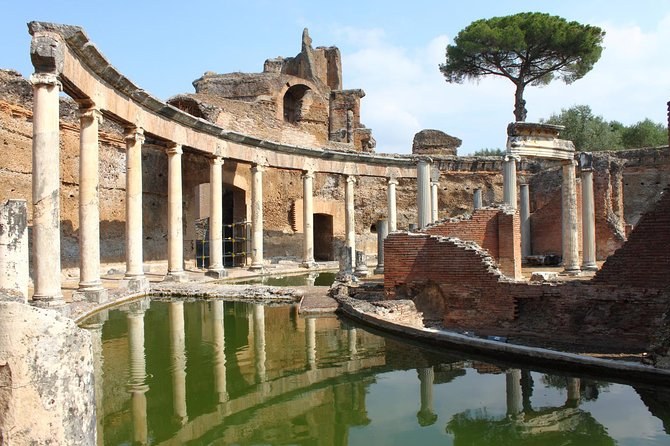
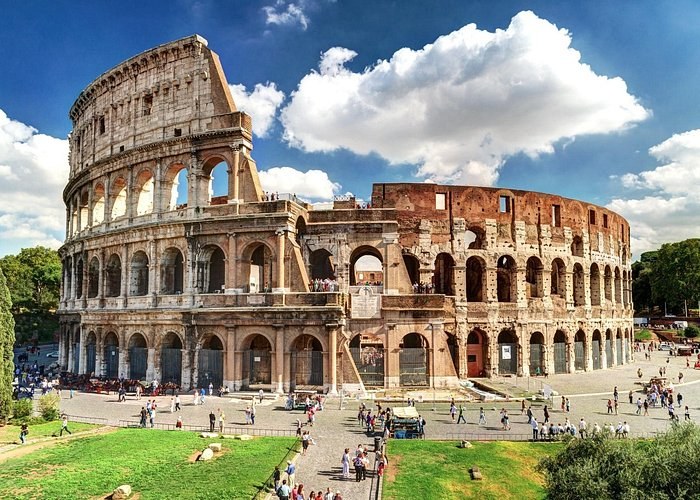
After you step off · near Dubrovnik
You end in a different port — stay on, and add what is within reach before you fly home.