Your cruise
Norwegian Jade · 9-night Asia cruise, Seoul (Inchon) to Yokohama
Mar 14 – Mar 23 · 9 nights ·
Day 1 Seoul (Inchon) (board) · Day 2 Jeju Island South Korea · Day 3 Nagasaki · Day 4 CRUISE KANMON STRAIT · Day 4 Hakata · Day 5 Hiroshima · Day 6 Beppu · Day 7 Kochi · Day 8 Nagoya · Day 9 Shimizu · Day 10 Yokohama (step off)
What you do Ascend the UNESCO-listed volcanic tuff cone of Seongsan Ilchulbong — Jeju's crown jewel — to stand on the rim of a 100,000-year-old crater with panoramic views of the East China Sea. This is Jeju's single most iconic image, and seeing it in person is transformative.
What to expect Your guide leads a manageable 30-minute ascent up 99-metre Seongsan through lush pathways to the vast green crater bowl at the summit — one of nature's great amphitheatres. At the base, watch haenyeo (female free-divers) surface with their catch in a centuries-old tradition unique to Jeju. The surrounding golden coastline and turquoise sea stretch to the horizon in every direction. Descent is equally scenic, with time to explore the charming village at the foot of the peak.
Good to know Seongsan is on Jeju's east coast — approximately 1 hour from Jeju Port by vehicle. The climb takes ~30 min up and down; wear comfortable shoes. The East Course small-group tour departs from port/hotel, runs 8–9 hours, and returns well before typical all-aboard times — confirm your ship's schedule and book directly with Core Travel.
Versus the ship tour Small-group format (max ~10 guests) with a licensed English-speaking local guide who explains the volcanic geology and haenyeo culture at the base — intimate, unhurried, and deeply educational in a way a large coach tour simply cannot replicate.
book direct with Core Travel Jeju (corejeju.com) → · the full guide →
What you do Stand at the summit of South Korea's highest peak — the dormant shield volcano Hallasan (1,950 m) — and gaze down into its emerald crater lake, Baengnokdam. A once-in-a-lifetime ascent through ancient forest and cloud, this is as close to the heart of Jeju as you can get.
What to expect The Seongpanak trail (9.6 km one-way) winds through subalpine forest draped in morning mist, past volcanic rock formations and seasonal wildflowers. The reward is Baengnokdam crater lake shimmering at the summit — a view of extraordinary stillness. Your private guide ensures you are well-paced, well-hydrated, and back at the trailhead on time. The return journey through Hallasan National Park feels like emerging from another world entirely.
Good to know The full Seongpanak trail to the summit and back takes approximately 8–9 hours; a fit pace is required. The park has strict cut-off entry times — your guide manages all timing. Wear proper hiking footwear, pack layers (it is cool and often misty at the summit), and book your private guide well in advance for cruise-day slots.
Versus the ship tour A vetted, private local guide tailors the pace entirely to your group — resting where you wish, explaining the UNESCO-listed ecology, and ensuring you reach the summit with time to savour the view rather than racing a coach schedule.
book direct with ToursByLocals Jeju Private Guides → · the full guide →
What you do Step into the extraordinary world of Jeju's haenyeo — the UNESCO-intangible-heritage female free-divers who have harvested the sea for 1,500 years — at the Haenyeo Museum and a live diving performance. An encounter with one of the world's most remarkable living traditions.
What to expect Begin at the dedicated Haenyeo Museum in Seongsan-eup, where exhibits trace the haenyeo lineage from subsistence divers to UNESCO icons — their suits, tools, and haunting diving songs preserved with care. Step outside for a live diving performance where elderly haenyeo, some in their 70s and 80s, dive to extraordinary depths without tanks. Your guide translates their personal stories and answers every question at an unhurried pace. A genuinely humbling, privilege-of-travel moment.
Good to know The Haenyeo Museum (entry ~KRW 1,100) is in Gujwa-eup on the east coast, approx. 1 hour from Jeju Port. Live diving performances run at set times — your guide coordinates arrival to catch a show. Combined with Seongsan Ilchulbong on the South or East Course day tour for a full UNESCO sweep.
Versus the ship tour A small group of no more than ~10 guests with a locally expert guide who contextualises the haenyeo's matriarchal society, their breath-hold diving techniques, and why their culture is globally unique — far beyond what a signboard or audio guide conveys.
book direct with Core Travel Jeju (corejeju.com) → · the full guide →
What you do Descend into Manjanggul — one of the world's longest and most spectacular lava tubes, stretching 13 km beneath Jeju, and a UNESCO World Natural Heritage site. Walking its cathedral-like chambers, past lava stalactites and a 7.6-metre lava column, is primordially awe-inspiring.
What to expect A 1 km section of the tube is open to visitors, and the scale is extraordinary — ceilings soar to 30 metres, the walls ripple with ancient lava flow marks, and the temperature drops to a refreshing 11°C year-round. Your guide points out the rare lava formations — bridges, shelves, and the iconic lava column at the far end, the world's largest. The dim lighting and cathedral silence make this an almost sacred experience. Combine with nearby Seongsan on the East Course for a full-day UNESCO double.
Good to know Manjanggul is in Gimnyeong-ri, northeast Jeju, ~50 minutes from port. Wear a light jacket (cave is 11°C regardless of season) and flat shoes — the cave floor is uneven. Entry to Manjanggul is KRW 4,000 (~USD 3) independently; included in the Core Travel East Course tour price. Book the tour in advance.
Versus the ship tour With a knowledgeable small-group guide, the geological story of Manjanggul — how flowing lava carved this living underground river channel — comes alive in vivid detail, transforming a walk through a cave into a meditation on deep time and volcanic power.
book direct with Core Travel Jeju (corejeju.com) → · the full guide →
What you do Walk the raw southern coastline past Daepo Jusangjeolli — a breathtaking colonnade of hexagonal basalt columns sculpted by the sea — then witness Jeongbang Waterfall, the only waterfall in Asia that plunges directly into the ocean. Jeju's geological drama at its most theatrical.
What to expect Arriving at Jusangjeolli on Jeju's south coast, you face a jaw-dropping wall of perfectly formed hexagonal basalt columns rising from crashing surf — the result of volcanic lava meeting the sea. Your guide explains the slow geological magic that created them. A short drive brings you to Jeongbang Waterfall, cascading 23 metres directly into the sea below in a spectacle that genuinely has no parallel on earth. The sea mist, the roar, and the sheer cliffside setting make it unforgettable. Add Cheonjiyeon Falls and Seogwipo's coastal Olle trail for a complete south coast afternoon.
Good to know Both sites are near Seogwipo on the south coast, 40–50 minutes from Jeju Port. Jeongbang Waterfall entry is KRW 2,000 (~USD 1.50); Jusangjeolli entry is KRW 2,000 — minimal costs best bundled into a private day itinerary. The coastal paths can be slippery; wear sturdy, non-slip shoes.
Versus the ship tour A private guide allows you to linger at each location at your own pace — to photograph the columns in golden-hour light, to feel the sea spray from Jeongbang up close — without the tyranny of a large group's schedule.
book direct with ToursByLocals Jeju Private Guides → · the full guide →
What you do Wander Jeju's rolling emerald tea fields at the O'Sulloc Tea Estate — the finest green tea farm in Korea — then visit the acclaimed O'Sulloc Tea Museum to master the art of Korean tea ceremony in surroundings of quiet, breathtaking beauty.
What to expect The O'Sulloc estate in Seogwipo's Andeok Valley unfolds as a vast carpet of vivid green tea rows framed by Hallasan's volcanic silhouette — one of Jeju's great photographic vistas. Inside the airy, beautifully designed museum, trace 1,200 years of Korean tea culture through artisan ceramics, historical artefacts, and interactive exhibits. Then settle into a guided tasting — from light, grassy sejak to rich matcha-style malcha — paired with exquisite jeju green-tea confections. The on-site INNISFREE Jeju House adds a luxurious botanical skincare dimension for those inclined.
Good to know O'Sulloc is in Andeok-myeon, western Jeju, approximately 45–60 minutes from Jeju Port. Museum entry is free; allow 1–2 hours. Best combined with nearby Hallim Park (volcanic lava caves and botanical gardens) or Hyeopjae Beach for a full western Jeju private day. No advance booking required for the museum itself — arrange your private transport/guide in advance.
Versus the ship tour A private guide takes you at a genuinely leisurely pace through the tea fields, explains the single-estate cultivation philosophy of Amorepacific's O'Sulloc brand, and curates a tasting of rare teas — a sensory and cultural experience that rewards slow, unhurried attention.
book direct with ToursByLocals Jeju Private Guides → · the full guide →
What you do A bespoke private guided day in Seoul — Gyeongbokgung Palace, Bukchon Hanok Village, and Insadong's artisan lanes — with a certified local expert who tailors every hour to you. The ultimate bucket-list introduction to Korea's 600-year-old capital.
What to expect Your guide meets you dockside at Incheon Port and whisks you to Gyeongbokgung for the Changing of the Royal Guard ceremony before the crowds arrive. You'll stroll the stone-paved alleys of Bukchon, peering over tiled rooftops at a skyline unchanged for centuries. Lunch is a curated royal-court banchan spread at a historic hanok restaurant. The afternoon belongs to Insadong's galleries and Cheonggyecheon Stream before a seamless return to the ship.
Good to know Seoul is roughly 60–90 min from Incheon Port by private car. Confirm all-aboard time with your ship and book a guide who guarantees port drop-off. Pre-book at least 2 weeks in advance; private dates fill quickly on peak cruise days.
Versus the ship tour A fully private itinerary means zero waiting, a guide who speaks your interests, and the freedom to linger inside a candlelit tea house or duck into a hidden calligraphy studio — moments impossible on a coach tour.
book direct with GoWithGuide Korea (certified private local guides) → · the full guide →
What you do Stand inside the Joint Security Area at Panmunjom — one of the world's most charged geopolitical flashpoints — and gaze across the Military Demarcation Line into North Korea. A once-in-a-lifetime encounter with living Cold War history, just 90 minutes from Incheon.
What to expect Departing from Incheon, you pass through checkpoints and into the 4km-wide Demilitarized Zone, visiting the hauntingly quiet 3rd Infiltration Tunnel dug by North Korea in the 1970s. At the JSA, a UN Command soldier escorts you to the iconic blue conference buildings straddling the border — you can literally step across into North Korean territory inside the room. The Dorasan Observatory offers sweeping views of the ghost city of Kijong-dong across the wire. History becomes viscerally, unforgettably real.
Good to know Passport required — no exceptions. Strict dress code enforced (no ripped jeans, sleeveless tops). JSA slots are limited and sell out weeks ahead; book immediately. Must depart Incheon by 07:00 to make JSA entry time; confirm against your ship's all-aboard.
Versus the ship tour The JSA is accessible only via a licensed tour operator with UN Command clearance — there is no independent walk-in access. Small groups (max 45) and expert military historians make this a deeply informed, once-only experience.
What you do Glide along an open-air rail bike track suspended above the Yellow Sea tidal flats of Yeongjong Island — dramatic sea vistas, sea breeze, and a thrillingly unusual way to experience Korea's coastline just minutes from the cruise port.
What to expect You board a four-seat pedal rail car at the station and set off along a dedicated coastal track with unobstructed views of glittering mudflats and distant islands. The 3.5km outbound journey ends at a scenic turnaround with a small observation platform; the return is motor-assisted so no one arrives breathless. Combine with a stop at Eurwangni Beach for a restorative seafood lunch of fresh clams and grilled fish at the waterfront stalls.
Good to know Located on Yeongjong Island — same island as Incheon International Airport, roughly 20 min by taxi from the cruise terminal (approx. KRW 15,000–20,000). Book rail bike slots online in advance as weekend sessions sell out. Ideal as a half-day activity, leaving ample time to return before all-aboard.
Versus the ship tour Yeongjong Island is home port territory — no long transfer needed. The open-air rail bike hugs the coastline at water level, offering sweeping Yellow Sea panoramas and the meditative rhythm of pedalling above the tidal flats: effortlessly memorable.
What you do Explore Korea's only remaining Chinatown — a vivid quarter of painted archways, hand-pulled noodle masters, and century-old treaty-port architecture — then lose yourself in the labyrinthine Sinpo International Market, Korea's oldest indoor market. A sensory feast steps from the pier.
What to expect Stroll through the scarlet and gold Paeiru Gate into a neighbourhood where Chinese and Korean cultures have merged for over 130 years. Lunch at one of the legendary black-bean noodle (jajangmyeon) restaurants whose recipes date to the 1880s. Cross the street into Sinpo Market's covered maze for hotteok (sweet filled pancakes), fresh makgeolli rice wine, and stalls piled with dried seafood. The adjacent Freedom Park and its bronze statues of General MacArthur complete the afternoon with sweeping harbour views.
Good to know Incheon Chinatown is a 10-min taxi ride from the cruise terminal (approx. KRW 8,000–12,000). No advance booking needed for self-guided exploration; for a private food guide, book via GoWithGuide or similar at least one week ahead. Easily achievable in 3–4 hours, ideal for pairing with a morning rail bike or afternoon return.
Versus the ship tour Walking Incheon's Chinatown and Sinpo Market independently — or with a private food guide — puts you in the kitchen doorways, trading stories with 3rd-generation jajangmyeon noodle chefs. This is the authentic, unhurried version of Korean food culture.
book direct with Incheon City Tour (official Incheon Tourism Organisation) → · the full guide →
What you do Escape to Ganghwado, Korea's fifth-largest island and a cradle of civilisation, where prehistoric UNESCO-listed dolmen tombs rise from misty hillsides beside one of Korea's oldest Buddhist temples. A profoundly serene counterpoint to Seoul's electricity.
What to expect Cross the Ganghwa Bridge onto an island where ox-drawn carts once shared roads with royal refugees. The UNESCO Gochang-Hwasun-Ganghwa Dolmen Sites present massive capstone burial monuments framed by rolling green hills — an eerie, atmospheric encounter with Korea's Bronze Age. Jeondeungsa Temple's stone walls and bronze bell, dating to the Goryeo dynasty, invite quiet reflection in a mountain forest. The island's tidal mudflats, visible from the Ganghwa Peace Observatory, offer a final, haunting view toward North Korea across the Han River estuary.
Good to know Ganghwado is approx. 40–50 min by car from Incheon cruise terminal. Pre-book a guided tour to include transport; self-driving is possible but signage is limited in English. Full day recommended — allow 7–8 hours. Confirm all-aboard time and factor in the return transfer.
Versus the ship tour Ganghwado sees a fraction of the tourist traffic of Seoul, yet its Bronze Age dolmen fields (2000 BCE) and the ancient Jeondeungsa Temple — continuously active since 381 AD — offer a depth of Korean history and spirituality that the capital simply cannot replicate.
book direct with Klook Korea – Ganghwa Island Day Tour (local licensed operator) → · the full guide →
What you do Tour Songdo International Business District — one of the world's first purpose-built smart cities, rising from reclaimed land beside Incheon — culminating in a 33rd-floor sky-lounge ascent at G-Tower for dazzling 360° views of the Yellow Sea and Seoul's skyline. The city of the future, today.
What to expect A private guide collects you at the terminal and introduces Songdo's masterplan as the city's canal-laced grid appears on the horizon. Stroll Central Park's waterfront — deliberately modelled on New York's Central Park, with paddle boats and open-air sculpture — before ascending G-Tower's glass-walled observation floor, where floor-to-ceiling windows frame the Incheon Bridge's graceful arc and the Yellow Sea beyond. A curated stop at the Hyundai Premium Outlet Songdo completes the experience for those wishing to take home a piece of Korean luxury design.
Good to know Songdo is only 20–30 min by taxi from the Incheon cruise terminal (approx. KRW 15,000–20,000) — the closest world-class destination to the port. G-Tower is open daily; no ticket required for the observation floor. Ideal as a half-day excursion, easily combined with a morning at Chinatown or Sinpo Market.
Versus the ship tour Songdo is the world's most ambitious urban experiment — a fully sensor-connected, carbon-neutral city built on the sea — and G-Tower's panoramic lounge delivers a perspective on Korea's astonishing 21st-century reinvention that no history tour can match.
What you do Ascend the UNESCO-listed volcanic tuff cone of Seongsan Ilchulbong — Jeju's crown jewel — to stand on the rim of a 100,000-year-old crater with panoramic views of the East China Sea. This is Jeju's single most iconic image, and seeing it in person is transformative.
What to expect Your guide leads a manageable 30-minute ascent up 99-metre Seongsan through lush pathways to the vast green crater bowl at the summit — one of nature's great amphitheatres. At the base, watch haenyeo (female free-divers) surface with their catch in a centuries-old tradition unique to Jeju. The surrounding golden coastline and turquoise sea stretch to the horizon in every direction. Descent is equally scenic, with time to explore the charming village at the foot of the peak.
Good to know Seongsan is on Jeju's east coast — approximately 1 hour from Jeju Port by vehicle. The climb takes ~30 min up and down; wear comfortable shoes. The East Course small-group tour departs from port/hotel, runs 8–9 hours, and returns well before typical all-aboard times — confirm your ship's schedule and book directly with Core Travel.
Versus the ship tour Small-group format (max ~10 guests) with a licensed English-speaking local guide who explains the volcanic geology and haenyeo culture at the base — intimate, unhurried, and deeply educational in a way a large coach tour simply cannot replicate.
book direct with Core Travel Jeju (corejeju.com) → · the full guide →
What you do Stand at the summit of South Korea's highest peak — the dormant shield volcano Hallasan (1,950 m) — and gaze down into its emerald crater lake, Baengnokdam. A once-in-a-lifetime ascent through ancient forest and cloud, this is as close to the heart of Jeju as you can get.
What to expect The Seongpanak trail (9.6 km one-way) winds through subalpine forest draped in morning mist, past volcanic rock formations and seasonal wildflowers. The reward is Baengnokdam crater lake shimmering at the summit — a view of extraordinary stillness. Your private guide ensures you are well-paced, well-hydrated, and back at the trailhead on time. The return journey through Hallasan National Park feels like emerging from another world entirely.
Good to know The full Seongpanak trail to the summit and back takes approximately 8–9 hours; a fit pace is required. The park has strict cut-off entry times — your guide manages all timing. Wear proper hiking footwear, pack layers (it is cool and often misty at the summit), and book your private guide well in advance for cruise-day slots.
Versus the ship tour A vetted, private local guide tailors the pace entirely to your group — resting where you wish, explaining the UNESCO-listed ecology, and ensuring you reach the summit with time to savour the view rather than racing a coach schedule.
book direct with ToursByLocals Jeju Private Guides → · the full guide →
What you do Step into the extraordinary world of Jeju's haenyeo — the UNESCO-intangible-heritage female free-divers who have harvested the sea for 1,500 years — at the Haenyeo Museum and a live diving performance. An encounter with one of the world's most remarkable living traditions.
What to expect Begin at the dedicated Haenyeo Museum in Seongsan-eup, where exhibits trace the haenyeo lineage from subsistence divers to UNESCO icons — their suits, tools, and haunting diving songs preserved with care. Step outside for a live diving performance where elderly haenyeo, some in their 70s and 80s, dive to extraordinary depths without tanks. Your guide translates their personal stories and answers every question at an unhurried pace. A genuinely humbling, privilege-of-travel moment.
Good to know The Haenyeo Museum (entry ~KRW 1,100) is in Gujwa-eup on the east coast, approx. 1 hour from Jeju Port. Live diving performances run at set times — your guide coordinates arrival to catch a show. Combined with Seongsan Ilchulbong on the South or East Course day tour for a full UNESCO sweep.
Versus the ship tour A small group of no more than ~10 guests with a locally expert guide who contextualises the haenyeo's matriarchal society, their breath-hold diving techniques, and why their culture is globally unique — far beyond what a signboard or audio guide conveys.
book direct with Core Travel Jeju (corejeju.com) → · the full guide →
What you do Descend into Manjanggul — one of the world's longest and most spectacular lava tubes, stretching 13 km beneath Jeju, and a UNESCO World Natural Heritage site. Walking its cathedral-like chambers, past lava stalactites and a 7.6-metre lava column, is primordially awe-inspiring.
What to expect A 1 km section of the tube is open to visitors, and the scale is extraordinary — ceilings soar to 30 metres, the walls ripple with ancient lava flow marks, and the temperature drops to a refreshing 11°C year-round. Your guide points out the rare lava formations — bridges, shelves, and the iconic lava column at the far end, the world's largest. The dim lighting and cathedral silence make this an almost sacred experience. Combine with nearby Seongsan on the East Course for a full-day UNESCO double.
Good to know Manjanggul is in Gimnyeong-ri, northeast Jeju, ~50 minutes from port. Wear a light jacket (cave is 11°C regardless of season) and flat shoes — the cave floor is uneven. Entry to Manjanggul is KRW 4,000 (~USD 3) independently; included in the Core Travel East Course tour price. Book the tour in advance.
Versus the ship tour With a knowledgeable small-group guide, the geological story of Manjanggul — how flowing lava carved this living underground river channel — comes alive in vivid detail, transforming a walk through a cave into a meditation on deep time and volcanic power.
book direct with Core Travel Jeju (corejeju.com) → · the full guide →
What you do Walk the raw southern coastline past Daepo Jusangjeolli — a breathtaking colonnade of hexagonal basalt columns sculpted by the sea — then witness Jeongbang Waterfall, the only waterfall in Asia that plunges directly into the ocean. Jeju's geological drama at its most theatrical.
What to expect Arriving at Jusangjeolli on Jeju's south coast, you face a jaw-dropping wall of perfectly formed hexagonal basalt columns rising from crashing surf — the result of volcanic lava meeting the sea. Your guide explains the slow geological magic that created them. A short drive brings you to Jeongbang Waterfall, cascading 23 metres directly into the sea below in a spectacle that genuinely has no parallel on earth. The sea mist, the roar, and the sheer cliffside setting make it unforgettable. Add Cheonjiyeon Falls and Seogwipo's coastal Olle trail for a complete south coast afternoon.
Good to know Both sites are near Seogwipo on the south coast, 40–50 minutes from Jeju Port. Jeongbang Waterfall entry is KRW 2,000 (~USD 1.50); Jusangjeolli entry is KRW 2,000 — minimal costs best bundled into a private day itinerary. The coastal paths can be slippery; wear sturdy, non-slip shoes.
Versus the ship tour A private guide allows you to linger at each location at your own pace — to photograph the columns in golden-hour light, to feel the sea spray from Jeongbang up close — without the tyranny of a large group's schedule.
book direct with ToursByLocals Jeju Private Guides → · the full guide →
What you do Wander Jeju's rolling emerald tea fields at the O'Sulloc Tea Estate — the finest green tea farm in Korea — then visit the acclaimed O'Sulloc Tea Museum to master the art of Korean tea ceremony in surroundings of quiet, breathtaking beauty.
What to expect The O'Sulloc estate in Seogwipo's Andeok Valley unfolds as a vast carpet of vivid green tea rows framed by Hallasan's volcanic silhouette — one of Jeju's great photographic vistas. Inside the airy, beautifully designed museum, trace 1,200 years of Korean tea culture through artisan ceramics, historical artefacts, and interactive exhibits. Then settle into a guided tasting — from light, grassy sejak to rich matcha-style malcha — paired with exquisite jeju green-tea confections. The on-site INNISFREE Jeju House adds a luxurious botanical skincare dimension for those inclined.
Good to know O'Sulloc is in Andeok-myeon, western Jeju, approximately 45–60 minutes from Jeju Port. Museum entry is free; allow 1–2 hours. Best combined with nearby Hallim Park (volcanic lava caves and botanical gardens) or Hyeopjae Beach for a full western Jeju private day. No advance booking required for the museum itself — arrange your private transport/guide in advance.
Versus the ship tour A private guide takes you at a genuinely leisurely pace through the tea fields, explains the single-estate cultivation philosophy of Amorepacific's O'Sulloc brand, and curates a tasting of rare teas — a sensory and cultural experience that rewards slow, unhurried attention.
book direct with ToursByLocals Jeju Private Guides → · the full guide →
What you do Step ashore the hauntingly beautiful Hashima Island — 'Battleship Island' — a UNESCO World Heritage Site abandoned since 1974. Walk through crumbling concrete ruins of Japan's first high-rise apartments, once home to 5,000 coal miners, with an expert guide unlocking every ghostly layer of its industrial past.
What to expect A scenic 45-minute ferry from Nagasaki port carries you past the dramatic silhouette of Hashima rising from the East China Sea. Once ashore, a certified guide leads you along permitted walkways through collapsed apartment blocks, the old schoolyard, and the mining infrastructure, narrating the island's extraordinary social history. The sense of frozen time — desks still in classrooms, staircases leading nowhere — is profoundly cinematic. Return sailing offers spectacular panoramic views of the island against the open sea.
Good to know Landings are weather-dependent and can be cancelled at short notice — confirm on the morning of your port call. Book well in advance as permits are strictly limited. The ferry departs from Nagasaki Port (Tokiwa Terminal), a short taxi ride from the cruise pier. Allow 3–4 hours total. Check all-aboard time carefully.
Versus the ship tour A licensed landing guide provides deep historical and architectural context you simply cannot access on a self-guided visit — the permit system means only a handful of licensed operators can bring you ashore, making this a genuinely exclusive encounter with one of the world's most dramatic abandoned sites.
book direct with Yamasa Kaiun (Official Gunkanjima Landing Operator) → · the full guide →
What you do A government-licensed private guide accompanies you through the deeply moving Atomic Bomb Museum and Peace Park — the ground zero of 9 August 1945. Unfiltered, nuanced, and emotionally resonant, this is one of the most significant historical pilgrimages in all of Asia.
What to expect Your guide meets you dockside and escorts you north to Hypocenter Park, where a simple black monolith marks the exact epicentre of the blast. The adjacent Atomic Bomb Museum is a masterpiece of sober, powerful curation — melted glass, charred garments, and survivor photographs are presented with unflinching honesty. A short walk leads to Peace Park and the iconic 9-metre Peace Statue, arms outstretched skyward. Your guide weaves in personal survivor accounts (hibakusha stories) that transform statistics into deeply human narratives.
Good to know The museum and Peace Park are approximately 4 km north of the cruise pier — a short taxi or tram ride (Nagasaki Electric Tramway, Line 1/3 to Matsuyamamachi stop). Mornings are quieter; aim to arrive by 09:00. Allow 3 hours minimum. This is a reflective experience — dress respectfully.
Versus the ship tour A nationally licensed, English-speaking guide provides intimate historical interpretation — survivor testimonies, artefact context, and the profound symbolism of the Peace Statue — at your own reflective pace, with no crowds or time pressure.
book direct with Japan Guide Association – Nagasaki Licensed Guides (J-G-A) → · the full guide →
What you do Ascend 333 metres to the summit of Mt. Inasa — one of Japan's three great night views — for a breathtaking 360° panorama of Nagasaki harbour glittering below. Pair it with a refined kaiseki dinner at a harbourside restaurant for an evening of pure Japanese luxury.
What to expect A short taxi ride from the port brings you to the ropeway base station, where gondolas glide up through forested slopes to the summit. The observation deck wraps around the peak, offering unobstructed views across Nagasaki Harbour, Hashima Island in the distance, and the surrounding green hills. As dusk settles, the city lights bloom below in extraordinary fashion. Descend and transfer to a curated harbourside kaiseki restaurant for a multi-course seasonal dinner featuring local Nagasaki seafood, wagyu, and sake pairings.
Good to know Mt. Inasa is best experienced at sunset/dusk — ideal for ships with an overnight stay or late all-aboard. The ropeway runs until 22:00. Arrange a pre-booked kaiseki table (Nagasaki Grand Hotel or Sakamoto-ya are superb choices) to avoid disappointment. Taxi from port is approximately 15 minutes.
Versus the ship tour The summit observation deck at dusk delivers one of Japan's most celebrated panoramas — the harbour, the islands, and the city lights of Nagasaki curving around the bay in a view that has no equal in Kyushu. Combining this with a private kaiseki dinner makes it an unmissable evening.
What you do Wander through the Western-Japanese architectural masterpiece of Glover Garden — Japan's oldest surviving Western-style building — then step inside the breathtaking Ōura Cathedral, a National Treasure and the only Gothic cathedral in Japan. A private licensed guide brings the Meiji-era stories of Nagasaki's remarkable openness to the world vividly alive.
What to expect Your guide leads you up the hillside terraces of Glover Garden, where 19th-century Scottish merchant Thomas Glover built a home with sweeping harbour views that remain spectacular today. Stone pathways wind past preserved colonial villas housing period artefacts. A short walk downhill brings you to the luminous Gothic façade of Ōura Cathedral, its stained-glass windows casting jewelled light across its interior — consecrated in 1865 and a UNESCO World Heritage Site. The neighbourhood's cobblestone lanes and Dutch-era Dejima trading post complete a walk through 400 years of cosmopolitan history.
Good to know Glover Garden and Ōura Cathedral are a short tram ride (Line 5 to Oura Tenshudo stop) or 10-minute taxi from the port. Both open from 08:00–18:00. Combination discount tickets are available (JPY 1,580 for three heritage sites). Allow 3–4 hours. Comfortable walking shoes are essential — the garden involves gentle but sustained uphill walking.
Versus the ship tour Nagasaki Crew guides are locals trained to specialist level in the city's unique Edo-period and Meiji-era Western heritage — the only guides who can contextualise why this hillside enclave produced Japan's earliest international business dynasties and inspired Puccini's Madama Butterfly.
book direct with Discover Nagasaki – Nagasaki Crew Private Tours → · the full guide →
What you do Explore Japan's oldest and most atmospheric Chinatown — Shinchi — then sit down to Shippoku, Nagasaki's extraordinary fusion banquet cuisine born from centuries of Chinese, Dutch, and Japanese cultural exchange. This is the most distinctive regional dining experience in all of Kyushu.
What to expect Your guide leads you through the vermillion gates of Shinchi Chinatown, the oldest in Japan, where temple incense mingles with the aroma of freshly steamed kakuni manju (braised pork buns) and sizzling chanpon — Nagasaki's beloved noodle soup. Market stalls display Nagasaki castella sponge cake, a Portuguese legacy dating to the 16th century. You then settle into a curated Shippoku banquet — served on a shared round table in the Chinese tradition — with courses including sashimi, braised fish, seasonal vegetables, and sake, a meal that embodies 400 years of Nagasaki's unique cultural openness.
Good to know Shinchi Chinatown is a flat 10-minute walk or short tram ride from the cruise pier. Pre-book your Shippoku table at least a week ahead — Hamakatsu (長崎卓袱料理 浜勝) and Ichiriki are both acclaimed and require reservations. Allow 3–4 hours for guide, market walk, and full Shippoku lunch. The best Shippoku is lunch service — confirm your ship's all-aboard time.
Versus the ship tour A private local food guide unlocks the vendor stalls, hidden dim sum kitchens, and family-run Shippoku restaurants that have no English signage — including the authentic chanpon noodle birthplace and kakuni pork bun masters whose recipes are unchanged for generations.
book direct with GoWithGuide – Nagasaki Private Food & Culture Guides → · the full guide →
What you do A bespoke full-day private tour with a nationally licensed guide weaving together Nagasaki's most iconic and most overlooked treasures — the One-Pillar Torii of Sanno Shrine, the Confucian Sofukuji Temple, the historic Meganebashi spectacle-stone bridge, and a ride on the beloved Nagasaki Electric Tramway through the city's living neighbourhoods.
What to expect Board the charming Nagasaki Electric Tramway — one of Japan's oldest operating tram networks — for a local's journey through the city's historic districts. Your guide leads you to the haunting One-Pillar Torii of Sanno Shrine, one of the few structures to survive the atomic blast and now a powerful symbol of resilience. The ornate Chinese-baroque Sofukuji Temple, founded in 1629, rewards with its lacquered gates and serene courtyards. The iconic Meganebashi ('Spectacles Bridge') — Japan's oldest stone-arch bridge — reflects perfectly in the Nakashima River below. The day closes with elevated harbour views over green tea at a traditional machiya townhouse teahouse.
Good to know The guide meets you at the cruise pier. A day tram pass (JPY 600) is excellent value and an experience in itself. The full-day itinerary can be adjusted to your pace and interests — request your preferences when booking. Allow 6–7 hours. Confirm all-aboard time with your guide at the outset of the day.
Versus the ship tour A nationally licensed guide tailors every hour to your interests — moving at a discerning traveller's pace, skipping queues at lesser-known sites, and revealing the extraordinary layers of Nagasaki's identity as Japan's sole window to the outside world for over 200 years of isolation.
book direct with Japan Guide Association – Nagasaki Licensed Guides (J-G-A) → · the full guide →
What you do Journey to one of Japan's most sacred Shinto shrines, dedicated to the god of learning, set amid ancient plum groves and vermillion torii gates. A private expert guide unlocks centuries of ritual, legend, and living culture that group tours simply skim past.
What to expect Your private guide meets you at Hakata Port and whisks you 30 minutes south to Dazaifu, once the administrative capital of western Japan. You'll pass beneath towering camphor trees to the main hall, cross the iconic drum-bridge over the treasure pond, and browse the National Treasure Museum's collection of 50,000 artifacts. En route back, the guide can arrange a tasting stop for the famous umegae-mochi (plum rice cakes) at a century-old confectionery.
Good to know Dazaifu is 30–35 minutes from Hakata by private car or express train. Pre-book a private guide well in advance, especially if your ship calls on a weekend. The shrine grounds are free to enter; the National Treasure Museum charges approx. JPY 500. Allow 3–3.5 hours total to be back well before all-aboard.
Versus the ship tour A private certified guide tailors the narrative to your interests — Heian-era poetry, the tragic scholar Sugawara no Michizane, sacred architecture — and moves at your pace through the inner sanctum and forested rear precincts most visitors never find.
book direct with GoWithGuide (Fukuoka Private Tours) → · the full guide →
What you do Come face-to-face with the world's largest bronze reclining Buddha — 41 metres of serene magnificence tucked deep in a forested mountain temple that most visitors never reach. Paired with the atmospheric Dazaifu district, this is Kyushu's most surprising cultural revelation.
What to expect Your guide drives you 30 minutes west of Hakata into the verdant Sasaguri hills to Nanzoin Temple, home to the colossal bronze Shakyamuni reclining in peaceful nirvana. You'll light incense, explore the surrounding stone-lantern paths, and visit the smaller devotional halls before returning via a curated stop at a neighbourhood yatai or local food market. The whole excursion wraps neatly within a half-day, leaving the afternoon free.
Good to know Nanzoin is approx. 30 minutes by private car from Hakata Cruise Port; temple entry is free. Book through Japan Shore Excursions for port-to-port private logistics. Most itineraries are 4–5 hours. Confirm all-aboard time when booking so your guide can plan accordingly.
Versus the ship tour Departing directly from Hakata Cruise Port with a dedicated English-speaking guide who specialises in shore-excursion logistics, this private experience reaches Nanzoin — a temple virtually unknown to casual tourists — and gives you the rare stillness of a sacred forest without the crowds.
book direct with Japan Shore Excursions (Fukuoka) → · the full guide →
What you do Board the legendary 'Forest of Yufuin' emerald-green express train through the misty mountains of Kyushu to the fairy-tale hot-spring village of Yufuin — a bucket-list rail journey ranked among Japan's most beautiful. Arrive into a world of artisan boutiques, lake-mirrored ryokan, and steaming outdoor baths.
What to expect The train glides from Hakata Station through paddy fields and cedar-forested mountains to Yufuin in about 1 hour 45 minutes. In the village, stroll Yufuin Floral Village's thatched lanes, browse gallery-studios, and indulge in a private onsen session at one of the lakeside inns. The return journey offers golden-hour mountain panoramas and a chilled local craft beer from the onboard bar cart.
Good to know Reserve seats in advance at JR Kyushu's website or any JR ticket office — these trains sell out weeks ahead. Hakata Station is a 15-minute taxi from the cruise terminal. Allow yourself at least 2 hours in Yufuin to be back for the return train comfortably. Total excursion time is approx. 6 hours; confirm your all-aboard before booking.
Versus the ship tour The Yufuin no Mori is not a tourist coach — it is a design-led, artisan-crafted train by Japan's greatest railway designer, Eiji Mitooka. The observation lounge, wood-panelled interior, and bento service aboard make the journey itself as memorable as the destination.
What you do Glide through Hakata's storied backstreets aboard a lacquered rickshaw, dressed in an authentic kimono chosen to complement the season. Your jinrikisha puller narrates 1,500 years of merchant culture as you pause at flame-red Kushida Shrine, Hakata's spiritual heart, and the living-history Machiya townhouse museum.
What to expect You begin at a Hakata kimono studio where attendants dress you in a seasonal silk kimono and photograph you before departure. Your rickshaw then carries you through narrow machiya-lined lanes to Kushida Shrine, where your guide explains the sacred Yamakasa festival floats stored within the grounds year-round. The route continues to the Hakata Machiya Furusato-kan, a beautifully preserved Meiji-era merchant townhouse, before a final loop past Canal City's dramatic architecture.
Good to know The experience starts at studios within 15–20 minutes of Hakata Cruise Port by taxi. Allow 2.5–3 hours for the full kimono, rickshaw, and shrine combination. Book private slot in advance — kimono fittings and rickshaw availability are limited. Kushida Shrine is free to enter; Hakata Machiya Museum costs JPY 200.
Versus the ship tour Combining traditional dress, an artisan rickshaw, and an expert local guide creates a fully immersive Hakata street-level experience — intimate, unhurried, and designed exclusively around your group rather than a timed coach circuit.
book direct with GoWithGuide (Fukuoka Private Tours) → · the full guide →
What you do Duck beneath glowing red lanterns and settle onto a wooden stool at Fukuoka's legendary open-air yatai food stalls — the last great street-dining tradition in Japan. A private foodie guide curates the city's best stalls, from silky tonkotsu ramen to grilled mentaiko, turning dinner into a bucket-list cultural ritual.
What to expect Your guide meets you at the port and leads you first to the Nakasu riverside yatai row, where the Naka River reflects neon and steam. Over 2–3 hours you'll taste: a signature bowl of Hakata tonkotsu ramen with ultra-thin noodles, hakata-style gyoza crisped in a cast-iron pan, seared mentaiko (spiced cod roe) with sake, and seasonal small plates chosen by the stall master. Your guide shares the oral history of each stall owner as you eat.
Good to know Yatai typically open from 6 pm; coordinate with your all-aboard time or enjoy at anchor on an evening call. Nakasu is a 15-minute taxi from Hakata Cruise Port. Pre-book the private guide to secure the best stall sequence. Dress layers — yatai are open-air and can be cool in shoulder seasons.
Versus the ship tour A specialist local guide navigates you past the tourist-facing stalls to the city's most authentic, chef-driven yatai, translating menus, ordering off-menu specials, and sitting alongside salaryman regulars — an access and intimacy impossible to replicate on a group excursion.
What you do Drift in a flat-bottomed wooden boat through Yanagawa's 930 kilometres of ancient samurai canals, past weeping willows and whitewashed kura storehouses, guided by a singing boatman in a straw hat. This is the most quietly magnificent landscape in all of Kyushu.
What to expect Your driver-guide collects you from Hakata Cruise Port for the 50-minute journey south to the 'Venice of Japan.' You board a low, lacquered punt and spend 70 minutes gliding beneath arched stone bridges while your boatman's traditional folk songs echo off the old walls. Disembarking, you walk to Ohana estate for its moss-and-pine stroll garden, then take lunch at a riverside restaurant specialising in Yanagawa's prized unagi (eel) steamed over rice — the region's defining dish.
Good to know Yanagawa is 50–60 minutes from Hakata by private car or express train. The full excursion takes 4.5–5 hours; confirm your all-aboard before departure. The punt experience is seasonal (best March–November); in winter the water gardens are still walkable. Pre-book both the private guide and a lunch reservation at a riverside unagi-ya.
Versus the ship tour A private guide accompanies you door-to-door from the port, providing cultural context for the feudal water-town before and after your punt — including access to the Ohana villa garden, the former residence of the Tachibana clan, which casual visitors rarely explore in depth.
What you do A fully private, expert-led day uniting Hiroshima's two UNESCO World Heritage sites — the Peace Memorial Park & Atomic Bomb Dome and the iconic floating Torii Gate of Itsukushima Shrine on Miyajima Island. The ultimate bucket-list pairing in a single shore day.
What to expect Your licensed private guide meets you at the port and whisks you first to the Peace Memorial Park, where you linger at the Cenotaph, Children's Peace Monument and the haunting Atomic Bomb Dome at your own pace. A focused visit to the Peace Memorial Museum follows — your guide provides layered historical context that transforms exhibits from information into lived understanding. You then ferry across to Miyajima Island, walking the ancient cedar-lined path to the vermilion Itsukushima Shrine and its legendary floating Torii at the water's edge. The day ends with a quiet moment on the island before your private transfer back to port.
Good to know Full-day tours run approximately 8–9 hours — confirm your ship's all-aboard time and communicate it to Michi Travel at booking to ensure a tailored return schedule. Pre-book as far in advance as possible; private licensed guides fill quickly on port days. Ferry to Miyajima takes ~10 min from Miyajima-guchi; included in most private tour packages. Book direct via michitravel.com.
Versus the ship tour Completely private and customisable itinerary — your guide adjusts pace, depth and focus to you. No coach, no crowds, no compromise. Licensed government guide with deep contextual knowledge of both World Heritage sites.
book direct with Michi Travel Japan (Private Licensed Guides) → · the full guide →
What you do Walk the epicentre of 6 August 1945 with a Hiroshima Peace Volunteer guide through the Park and Museum, then stand face-to-face with the Atomic Bomb Dome — the only structure left standing at the hypocentre. Profoundly moving and utterly irreplaceable.
What to expect Certified Hiroshima Peace Volunteers lead a 90-minute English walking tour of the Peace Memorial Park, pausing at each monument to explain its significance with striking personal anecdotes and historical precision. Inside the museum, the East Building's timeline and West Building's human-scale testimonies — melted watches stopped at 8:15 a.m., a child's scorched tricycle — are given meaning far beyond what signage alone conveys. The reconstructed Atomic Bomb Dome, designated a UNESCO World Heritage Site, is approached last, its skeletal iron dome reflected in the Motoyasu River — a moment of absolute stillness. Allow a minimum of three to four hours for the full experience.
Good to know Peace Volunteer tours depart from the museum front at set times (typically 10:00 & 14:00); no advance booking required but arrive early. Museum opens 08:30 (Mar–Jul & Sep–Nov), 08:00 (Aug). Closed the last Mon of Dec. From the cruise port, take the Hiroshima Electric Railway (tram) to Genbaku-dome-mae — approx. 30–40 min, JPY 190. Allow ample buffer before all-aboard.
Versus the ship tour The Peace Volunteers are local citizens — many with direct family connections to the bombing — who give deeply personal, nuanced tours unavailable anywhere else. The combination of expert human storytelling and unhurried time in the museum's most powerful galleries is what makes this genuinely unmissable.
book direct with Hiroshima Peace Memorial Museum (Official) → · the full guide →
What you do Ride the ropeway to the summit of sacred Mt. Misen (535 m) for panoramic Seto Inland Sea views, then descend to the water-lapped Itsukushima Shrine and its legendary floating Torii Gate — a single excursion that delivers both spiritual grandeur and breathtaking natural beauty.
What to expect A short JR ferry crossing (included in JR Pass or JPY 180 one-way) brings you to the island, where free-roaming sika deer greet you on the stone-paved lanes. The ropeway whisks you up through dense forest to獅子岩 (Shishi-iwa) Station and a short trail leads to Misen's summit — commanding views across the island-studded Seto Sea reward every step. Back at sea level, Itsukushima Shrine's vermilion corridors appear to float on the tidal flats, and at high tide the great Torii Gate rises from open water in one of Japan's most iconic vistas. Oysters grilled on the waterfront and freshly made momiji-manju (maple-leaf cakes) make the perfect island farewell.
Good to know Check tide tables before departure — the floating Torii effect is best at high tide (check visit-miyajima.com). The ropeway can have queues on busy port days; arrive by 09:00–09:30 to beat the midday rush. From Hiroshima port, take a taxi or tram to Hiroden-Miyajima-guchi and board the JR Ferry (~50 min total travel). Allow at least 5–6 hours on the island. Pre-purchase ropeway tickets online to save time.
Versus the ship tour Going independently by JR ferry and ropeway lets you linger on the summit at sunrise or golden hour — timing that mass groups never achieve. The combination of the World Heritage shrine at water level and the 360° panorama from Misen is the kind of double reward that defines a bucket-list day.
book direct with Miyajima Ropeway (Hiroshima Prefecture Official) → · the full guide →
What you do Explore the beautifully restored 16th-century 'Carp Castle' — Hiroshima's feudal centrepiece — with its five-storey keep housing immersive samurai-era exhibits, then ascend to the top floor for sweeping views over the city and distant Inland Sea.
What to expect Originally built in 1589 by feudal lord Mori Terumoto and faithfully reconstructed after 1945, the castle keep contains five floors of absorbing exhibits tracing Hiroshima's samurai heritage — armour, swords, maps and scale models bring the Edo period vividly to life. The top floor observation deck frames the Peace Memorial Park and Chugoku mountains in a single vista that is surprisingly affecting given the city's history. Immediately adjacent, the 400-year-old Shukkei-en strolling garden offers tea-pavilion tranquillity beside a miniature lake — a moment of calm between landmarks. Local volunteers occasionally offer free English commentary at the garden.
Good to know Hiroshima Castle is a 15-minute tram ride (Hiroden Line 9) from Hiroshima Station, or a short taxi from the Peace Park area. Opening hours 09:00–18:00 (Mar–Nov), 09:00–17:00 (Dec–Feb). Combine with Peace Memorial Park for an efficient cultural full morning — they are just 1.5 km apart. No advance booking required; buy tickets at the gate.
Versus the ship tour Pairing the castle with the serene Shukkei-en Garden next door creates an elegantly paced cultural half-day that is self-guided yet deeply rewarding — no bus, no group, just Hiroshima's feudal soul at your own rhythm.
book direct with Hiroshima Castle (Official City Museum) → · the full guide →
What you do Learn to make Hiroshima-style okonomiyaki — the city's beloved layered savoury pancake, wildly different from Osaka's version — in a hands-on class at Okonomi-mura, the legendary three-storey 'village' of 25 competing family stalls that has fed locals since 1945.
What to expect Your class begins with a briefing on how Hiroshima-style okonomiyaki differs from all others — the layers of cabbage, pork belly, yakisoba noodles and egg are built on a flat teppan griddle with the precision of a craft. Under a local chef's guidance, you master the technique yourself, flipping and layering until your own perfect version is ready to eat. The class wraps with sake or Japanese craft beer pairing and recommendations for the city's best street-food. Afterwards, Okonomi-mura's atmospheric stalls — each a tiny, smoky theatre of cast-iron — beckon for a second course or a Hiroshima lemon chuhai.
Good to know Classes are small-group (typically 6–10 people) and run in English; book at least 2 weeks ahead as they sell out on port days. Okonomi-mura is in central Hiroshima — a 10-min tram ride from the Peace Park area. The experience takes 2–2.5 hours, making it an ideal complement to a morning at the Peace Memorial. Vegetarian and gluten-free adaptations available on request.
Versus the ship tour A small-group cooking class with a local instructor who explains the dish's post-war origins — okonomiyaki stalls were some of the first businesses to reopen after the bombing — gives this humble pancake extraordinary cultural weight. You eat what you make, then explore the stalls of Okonomi-mura independently.
What you do Step inside the beating heart of Hiroshima's greatest industrial legacy on an exclusive factory floor tour at the MAZDA Museum — tracing the brand's rise from near-atomic-bomb destruction to global automotive icon, with live assembly-line access unavailable to the general public.
What to expect Your guided tour (approximately 90 minutes, English available) opens in the heritage showroom where the original three-wheeled Mazda-Go of 1931 stands alongside rotary-engine legends and concept vehicles. You then step onto the Ujina Plant assembly floor — robots and humans working in choreographed precision building the latest models in real time, a spectacle of engineering that even non-car enthusiasts find mesmerising. The tour concludes with the brand's powerful post-war narrative: MAZDA's Ujina plant was one of only a handful of Hiroshima buildings to survive the blast, and the company became a cornerstone of the city's remarkable reconstruction. A visit to the showroom boutique rounds out the experience.
Good to know Reservations are mandatory and must be made in advance via the MAZDA Museum website (mazda.com/en/about/museum/). English tours are offered on select days — check the calendar carefully. The factory is in Fuchu-cho, approximately 20–25 min by taxi from the city centre or Hiroshima port. Photography is restricted on the factory floor. Tours fill weeks in advance on cruise port days; book the moment your itinerary is confirmed.
Versus the ship tour Access to a live automobile assembly line inside a world-class factory is extraordinarily rare — and the MAZDA Museum's bilingual guided tour includes it. Combine that with the brand's deeply personal story of rebuilding Hiroshima after 1945, and this is a genuinely unique industrial and human story told from the inside.
book direct with MAZDA Motor Corporation (Official Museum Tours) → · the full guide →
What you do Journey through all eight of Beppu's legendary geothermal 'Hells' — cobalt-blue Umi Jigoku, blood-red Chinoike, and roaring geyser Tatsumaki — with a nationally-licensed multilingual guide. A surreal, bucket-list immersion into Japan's most dramatic volcanic landscape.
What to expect Your guide meets you portside and whisks you in a private vehicle to the Kannawa district, where eight distinctly different hotspring spectacles await. Stand at the edge of the vivid cobalt pool of Umi Jigoku, watch the geyser at Tatsumaki erupt on its precise schedule, and feel the eerie stillness over Shiraike's milky-white waters. At the celebrated Chinoike Jigoku — the 'Blood Pond Hell' — your guide explains the 1,300-year mythology behind its vermillion hue. The full circuit runs approximately three hours at a civilised, luxury pace with photography stops built in.
Good to know Pre-book directly via the J-G-A website specifying your all-aboard time; a half-day tour fits comfortably within a standard port day. The Hells are spread across two clusters, ~2 km apart — private vehicle is essential. Wear comfortable walking shoes; some paths are uneven. A combined entry pass covering all hells costs approx. JPY 2,000–2,400 per adult and is purchased on-site.
Versus the ship tour A nationally-licensed, multilingual private guide means unhurried access to all eight hells with deep geological and cultural context — no mass-group queuing, no rushed photo stops. The guide choreographs timing so you arrive at each hell before the crowds.
book direct with Japan Guide Association – Beppu Licensed Guides (J-G-A) → · the full guide →
What you do Surrender to the ancient art of sunamushi — a therapeutic geothermally-heated sand bath — inside Beppu's most storied bathhouse, a Meiji-era wooden masterpiece built in 1879. Attendants bury you in warm volcanic sand as the springs' minerals melt away the tension of a sea voyage.
What to expect Step beneath the ornate wooden façade into a fragrant, steam-warmed hall where kimono-clad attendants guide you through the sunamushi ritual. You change into a yukata robe, lie in a shallow trough, and are gently blanketed in naturally-heated volcanic sand that rises to around 50°C. After approximately 10–15 blissful minutes you emerge deeply relaxed, rinse in the indoor hot-spring bath, and emerge onto the old-town street refreshed. The combination of architecture, ritual, and therapeutic heat is entirely singular.
Good to know Takegawara is a five-minute taxi from the port; taxis are plentiful at the terminal. The sand bath section opens at 08:00 and closes at 22:30 (last entry 22:00); mornings are quieter. Bring a small towel or purchase one on-site. Remove jewellery and avoid eating a heavy meal immediately beforehand. The entire experience takes about 45–60 minutes, leaving ample time for other excursions.
Versus the ship tour This is authentic Beppu bathing heritage at its purest — the same timber-and-tile hall where locals have soaked since the Meiji era. There is no luxury-resort approximation of this experience; it is the real thing, operating exactly as it has for nearly 150 years.
book direct with Takegawara Onsen (Official) → · the full guide →
What you do Escape into the mist-shrouded Yufu valley to the beloved hot-spring resort town of Yufuin, framed by the twin peaks of Mount Yufu, on a private small-group tour from Beppu. Willow-lined Kinrinko Lake, artisan galleries, and a kaiseki lunch make this one of Kyushu's most complete luxury day escapes.
What to expect Your private guide collects you at the pier and drives the scenic mountain road to Yufuin in under an hour. Walk the willow-bordered path to Kinrinko Lake, reflecting Mount Yufu on still mornings, then explore the charming Yufuin Floral Village and independent boutiques selling local lacquerware, Oita pottery, and yuzu confections. A recommended reservation at a local kaiseki restaurant provides a refined multi-course lunch using Oita-prefecture ingredients. The return journey can incorporate the Mount Tsurumi Ropeway for panoramic views over Beppu Bay and the Kuju range.
Good to know Confirm your all-aboard time with the guide at booking — the Beppu–Yufuin round-trip is typically 5–7 hours. Tours by Locals allows full itinerary customisation in advance; specify lunch preferences and any mobility requirements. Yufuin's main street becomes busy midday in peak season (July–August, October); guides typically time arrival for the morning calm.
Versus the ship tour Groups of up to five travel at a bespoke pace set entirely by your guide — lingering at Kinrinko Lake as morning mist rises off the water, browsing Yufuin's independent artisan shops, and timing your return scenically via the Beppu Ropeway if desired. No fixed itinerary, no coach.
book direct with Tours by Locals – Beppu Private Guides → · the full guide →
What you do Ascend 1,375 metres above sea level on the Beppu Ropeway for a breathtaking panorama stretching from the geothermal steam plumes of the city below to the shimmering expanse of Beppu Bay and the peaks of the Kuju range. On clear days, Shikoku Island is visible across the Bungo Channel.
What to expect The gondola departs from a station in the Tsurumi highlands, climbing steadily through pine and cedar forest before breaking into open sky near the summit. At the top, walking trails fan out across volcanic meadows and, in season, wild flowers carpet the hillside. On the observation deck, interpretive panels identify the volcanic peaks of Kyushu's interior. Staff at the summit café serve locally-sourced Oita tea and light refreshments with the panorama as backdrop. The descent, particularly at dusk, illuminates Beppu's steam-scape in golden light.
Good to know The ropeway operates from approximately 09:00–17:00 (last ascent 16:30); check the official site for seasonal adjustments. A taxi or pre-arranged private vehicle (approx. 20 minutes from the port) is the most convenient option — parking at the base station is available. Summit temperatures are approximately 5°C cooler than the city; bring a light layer. Combine efficiently with the Jigoku Meguri hells in the lower city for a full-day itinerary.
Versus the ship tour The view from the summit is the single most spectacular vantage point in the Beppu region — the sight of dozens of geothermal steam columns rising simultaneously from the city is genuinely otherworldly and utterly unique to this destination. The cable car ride itself, threading through cedar forest, is a scenic highlight in its own right.
What you do Cook — and devour — a masterful Japanese meal using the same volcanic steam vents the people of Beppu have used for centuries in a hands-on jigoku-mushi (hell-steam) cooking experience. Seasonal vegetables, fresh seafood, and local Oita wagyu are steamed to perfection in natural geothermal heat.
What to expect At the Kannawa steam workshop, staff guide you through selecting seasonal ingredients from the market-style counter — plump Beppu shrimp, local tofu, sweet potato, corn, and the prized Bungo wagyu beef. You load your bamboo steamer, lower it over a natural vent, and within minutes the volcanic steam works its alchemy. The result is intensely flavoured, mineral-kissed food eaten al fresco in the misty Kannawa streetscape. It is a sensory experience as much as a meal — the hiss of the vents, the rising steam, the volcanic perfume of the air.
Good to know The workshop is located in Kannawa, the same district as the northern Hells — combine both in a single half-day. No reservation required for walk-ins, but arriving before 11:00 avoids any wait. The experience lasts approximately 45–60 minutes. Pair with a private guide (see J-G-A listing) for contextual storytelling about the jigoku-mushi tradition.
Versus the ship tour Jigoku-mushi is a cooking technique found nowhere else on Earth — using the Earth's own heat to prepare food is simultaneously one of the world's most ancient and most extraordinary culinary experiences. This workshop, in the atmospheric Kannawa hot-spring district, keeps the tradition alive in an authentic, unhurried setting.
book direct with Jigoku-mushi Kobo Kannawa (Official Steam Cooking Workshop) → · the full guide →
What you do Come face-to-face with over 1,500 wild Japanese macaques on the forested slopes of Mount Takasaki, just minutes from Beppu port — one of the largest free-roaming macaque colonies on Earth, managed with zero enclosures. A genuinely wild, deeply Japanese wildlife spectacle.
What to expect A short monorail ride from the base station delivers you into the heart of the macaque territory on the wooded hillside. Hundreds of monkeys go about their daily social rituals within touching distance (though guests are asked not to touch) — alpha males asserting dominance, mothers nursing infants, juveniles play-fighting in the undergrowth. Expert park rangers provide feeding demonstrations and narrate troop dynamics. The forest setting, with Beppu Bay glinting below through the trees, adds a scenic dimension that elevates this well beyond a standard zoo visit.
Good to know Takasakiyama is approximately 10 minutes by taxi from Beppu port — an easy and inexpensive transfer. The park opens at 08:30; mornings see the most active troop behaviour. The full visit, including the monorail, takes approximately 60–90 minutes — ideal as a standalone experience or paired with the Oita Marine Palace Aquarium next door. Do not bring food visibly; macaques are opportunistic and rangers advise keeping bags closed.
Versus the ship tour The macaques are entirely free and uncaged — troop hierarchies, infant-carrying, and social grooming all play out naturally before your eyes in a forested mountain setting. This is legitimate wildlife observation, not a performance, and the proximity of wild animals in their own habitat is startling and memorable.
book direct with Takasakiyama Natural Zoological Garden (Official) → · the full guide →
What you do A bespoke, fully private full-day journey through Kochi's greatest highlights — Fort Kochi, Mattancherry Palace, spice markets and more — guided by a government-licensed expert who brings the city's layered history to vivid life.
What to expect Your government-licensed guide meets you at the port and whisks you through the atmospheric streets of Fort Kochi, pausing at the iconic Chinese Fishing Nets at their most photogenic hour. You'll explore Mattancherry Palace's stunning Kerala murals, wander the lanes of Jew Town, and browse fragrant spice warehouses that have perfumed this coast for centuries. The pace is entirely yours — linger where you choose, skip what you don't, and enjoy a curated lunch at a heritage restaurant.
Good to know Book directly through Japan Shore Excursions with cruise port pickup included. Confirm all-aboard time with your ship and build in 30 min buffer. Pre-book at least 2 weeks ahead for private guide availability.
Versus the ship tour Entirely private, self-paced, and tailored to your interests — a licensed local expert navigates you beyond the tourist circuit to hidden laneways, authentic tea stalls, and stories no group tour has time to tell.
book direct with Japan Shore Excursions → · the full guide →
What you do Paddle through the impossibly turquoise waters of Japan's Niyodo River on a small-group stand-up paddleboarding adventure — arguably the most pristine and beautiful river in all of Japan, rated a bucket-list natural wonder.
What to expect Kochi Prefecture, Japan's Shikoku island, is home to the Niyodo River — consistently rated Japan's clearest river, its waters an ethereal shade of aquamarine fed by pristine mountain springs. Your certified guide equips you with a paddle board and leads the small group downstream through forested gorges, past mossy boulders and under cedar canopies. Calm stretches invite you to peer through the glass-clear water to the riverbed below; gentle rapids add a pulse of excitement. A riverside bento lunch and post-paddle onsen option complete the experience.
Good to know The Niyodo River is approximately 60–90 minutes from Kochi Port by private car or taxi — factor in travel time and book an early-morning slot to return comfortably before all-aboard. Book directly via Visit Kochi Japan's official tour portal. Suitable for all fitness levels; no prior SUP experience necessary.
Versus the ship tour The Niyodo's water clarity is legendary — a vivid, mineral-rich blue-green that must be seen to be believed — and a small-group SUP tour lets you float through ancient cedar forests and limestone gorges in near-perfect solitude.
book direct with Visit Kochi Japan – Official Tours → · the full guide →
What you do Step inside one of Japan's most storied fortresses and its painstakingly restored Honmaru Palace — a gilded masterpiece unseen by most visitors. Gold tiger-fish finials glint above you as expert guides reveal four centuries of samurai power.
What to expect Your guide leads you through the outer moat and into the castle grounds, pausing at the towering stone ramparts built by Tokugawa Ieyasu's allied lords in 1610. Inside Honmaru Palace, you walk shoeless across gleaming cypress floors beneath ceiling paintings of tigers and leopards by Kano school masters. The castle tower's top floor delivers a panoramic sweep over greater Nagoya, and your guide contextualises the entire Owari Tokugawa dynasty with stories unavailable in any guidebook.
Good to know Nagoya Castle is approximately 30–40 min by taxi or subway from Nagoya Port. Pre-arrange a licensed guide through JNTO or GoWithGuide. Allow 2.5–3 hrs. Check all-aboard time and depart the castle no later than 90 min before sailing.
Versus the ship tour A private licensed guide grants intimate, unhurried access to the Honmaru Palace tatami chambers and painted fusuma screens — areas that group tours rush past. The free official guided tour at 12:30 from the Main Gate is a hidden gem for independent visitors.
book direct with Nagoya Castle Official (City of Nagoya) → · the full guide →
What you do Walk the ancient cryptomeria forest paths of Japan's second most sacred Shinto shrine, home to the legendary Kusanagi sword — one of the three Imperial Treasures. A private guide unlocks ceremonies and symbolism invisible to the uninitiated eye.
What to expect You enter beneath a towering stone torii and immediately the city noise fades into a canopy of 1,000-year-old camphor trees. Your guide explains the shrine's 1,900-year history and walks you past the Treasure Museum housing over 4,000 artefacts. If timing aligns, you may witness a morning Shinto ritual procession in full ceremonial dress — a genuinely rare privilege. The tranquil Kakugyoen garden within the grounds is a perfect final pause.
Good to know Atsuta Jingu is about 20 min by taxi from Nagoya Port or direct on the Meijo subway line. Dress modestly. An early arrival (before 9 am) ensures the serenest atmosphere. Half-day tour fits comfortably within most port calls.
Versus the ship tour A dedicated private guide — many of whom specialise in Shinto tradition — leads you through lesser-visited inner precincts, explains purification rituals at the temizuya, and interprets the deeply layered symbolism of one of Japan's oldest power centres, all at a contemplative, unhurried pace.
book direct with GoWithGuide – Nagoya Private Guides → · the full guide →
What you do Explore the birthplace of Toyota in a private expert-led tour of the world's finest automotive manufacturing museum — from hand-loom textile machines to the robots that build today's Lexus. An unmissable pilgrimage for anyone who appreciates precision and design.
What to expect Your private guide meets you dockside and whisks you to the brick-clad 1911 factory where Sakichi Toyoda's automatic loom quietly launched a global empire. Working looms clatter magnificently in the textile hall before you cross into the automotive wing, tracing prototype engines, concept vehicles, and the kanban production philosophy that changed manufacturing forever. The guide's insider commentary transforms exhibits from displays into a living industrial epic.
Good to know The museum is in Nishi Ward, about 30–40 min from Nagoya Port. Book the private shore excursion package directly with Japan Shore Excursions to include door-to-door transfer. Allow 3–4 hrs at the museum alone; pair with the Railway Park if your port call exceeds 8 hrs.
Versus the ship tour The 'Nagoya Gearhead Dream Tour' is a private automotive adventure (6–7 hours) that pairs the Toyota Commemorative Museum with the SCMaglev & Railway Park — curated for discerning enthusiasts who want depth, context, and zero rushing.
book direct with Japan Shore Excursions → · the full guide →
What you do Experience Japan's most electrifying sport from premium reserved seats at the Nagoya Tournament — held each July at IG Arena — with an expert guide decoding centuries of ritual, rank, and raw power happening just metres away.
What to expect You arrive at IG Arena to the hypnotic sounds of the yobidashi announcer calling wrestlers by name. Your guide explains the significance of the shimenawa rope, the salt-throwing purification, and why certain wrestlers command reverential silence. Bouts escalate in prestige through the afternoon, culminating in the yokozuna grand champions' matches under deafening applause. The atmosphere — part religious ceremony, part primal combat — is unlike anything else in world sport.
Good to know The Nagoya Grand Sumo Tournament runs annually in July (approx. July 12–26). Verify your cruise port date aligns with tournament dates before booking. Book directly with Sunrise Tours well in advance — premium seats sell out quickly. IG Arena is approximately 20–25 min from Nagoya Port by taxi.
Versus the ship tour Sunrise Tours' official package includes premium reserved seating and a dedicated English-speaking guide who decodes the pre-bout rituals, the gyoji referee's calls, and the hierarchy of the dohyo — context that transforms watching into genuinely understanding one of Japan's oldest living traditions.
What you do Discover the century-old Noritake factory estate — a lush urban park housing elegant museums, a working craft centre, and a shop of museum-grade porcelain. A private guide and hands-on painting session make this a truly refined, one-of-a-kind luxury keepsake experience.
What to expect You enter the handsome red-brick former factory campus, now a verdant garden estate in the heart of Nagoya. The Craft Center lets you watch master painters apply gold and enamel to bone-china blanks with extraordinary delicacy. Your own painting session — guided by a studio artisan — yields a personalised piece fired and ready to collect or shipped to your cabin. The museum galleries display rare Noritake pieces dating to 1904, rivalling the finest European porcelain collections.
Good to know Noritake Garden is 35–45 min by taxi from Nagoya Port, or accessible via Sakurayama subway line. Pre-book the craft experience online or via your guide as slots are limited. Allow 2.5–3 hrs total. Shop purchases can be beautifully gift-boxed for travel.
Versus the ship tour Unlike any standard city tour, this is an immersive encounter with one of Japan's most prestigious luxury craft traditions. A private guide contextualises Noritake's 120-year story — supplying the Imperial Household and the world's finest hotels — while you paint your own piece to take home.
book direct with Noritake Garden (Official) → · the full guide →
What you do Plunge into Nagoya's most vibrant neighbourhood — a dazzling collision of a 700-year-old Buddhist temple, 1,200 covered-arcade shops, and the city's most adventurous street food — guided by a private local expert who knows every hidden stall.
What to expect Your guide opens with incense and temple bells at Osu Kannon, one of Japan's three great Kannon temples, before plunging you into the covered shotengai arcades. Stalls burst with vintage kimono, handmade ceramics, retro electronics, and cosplay boutiques. Food stops are expertly chosen: a legendary miso-nikomi udon shop, a tebasaki stand that has been frying Nagoya-style wings for 50 years, and a kissaten (old-school coffee shop) for the city's iconic ogura cream toast. The energy is infectious, the flavours unforgettable.
Good to know Osu is approximately 25–35 min from Nagoya Port by taxi or via Tsuruma subway line to Osu Kannon Station. Best experienced mid-morning when stalls are fully open. Wear comfortable shoes for cobblestones and arcade walking. Allow 3 hrs minimum.
Versus the ship tour A private local guide curates a personalised route through the arcades — sourcing Nagoya's famed miso-katsu, tebasaki chicken wings, and ogura toast from the actual vendors the city loves, not tourist traps. This is Nagoya off-script, at your own pace.
book direct with Japan Shore Excursions → · the full guide →
What you do A bespoke private full-day journey to Japan's most iconic landscape — Mt. Fuji and the volcanic wonders of Hakone. Your licensed guide collects you dockside for an unhurried, deeply personal encounter with Japan's sacred peak.
What to expect Your guide meets you directly at Shimizu Port and escorts you in a private vehicle through the Fuji Five Lakes region, stopping at the most photogenic viewpoints of the sacred volcano. You'll visit the torii gate of Hakone Shrine rising from Lake Ashi before exploring the sulphurous steam vents of Owakudani. The pace is entirely yours — a genuine luxury rarely available on group excursions. Every detail, from entry tickets to insider commentary on Shinto traditions, is handled for you.
Good to know Book well in advance — private guides fill quickly on cruise call days. Confirm your ship's all-aboard time with your guide (typically 17:00–18:00); the tour is designed to return you with ample time. Fuji visibility is weather-dependent; a morning departure maximises clear views before afternoon cloud build-up.
Versus the ship tour Fully private vehicle and nationally-licensed multilingual guide tailored entirely to your group — no fixed itinerary, no shared coach, and the flexibility to linger at Fuji viewpoints or Hakone Shrine as long as you wish.
book direct with Japan Guide Agency (J-G-A) → · the full guide →
What you do Glide across mirror-calm Lake Ashi with Mt. Fuji as your backdrop, pass beneath Hakone Shrine's iconic water torii, then feel the earth's raw power at Owakudani's steaming volcanic vents. A quintessential Japan bucket-list day.
What to expect Depart Shimizu Port and ascend into the Hakone caldera, where the air cools and the landscape shifts to cedar forests and steaming vents. At Owakudani, try the legendary black eggs (kuro-tamago) said to add seven years to your life, cooked in the sulphurous springs. A scenic ropeway or sightseeing cruise on Lake Ashi brings you face-to-face with Hakone Shrine's red torii rising from the water — one of Japan's most photographed moments. Your guide ensures you understand the deep spiritual significance of this UNESCO-recognised landscape.
Good to know Owakudani access can be restricted during elevated volcanic activity — your operator will have an alternative plan. Lake Ashi cruises and ropeway tickets are typically included; confirm at booking. Allow a 2–2.5 hour return transfer from Hakone to Shimizu Port.
Versus the ship tour Small-group atmosphere with an expert local guide who weaves Shinto spirituality, volcanic geology, and samurai history into every stop — giving profound context that transforms sightseeing into genuine understanding.
book direct with Japan Shore Excursions → · the full guide →
What you do Ascend to Japan's most ornate Toshogu Shrine — a National Treasure perched atop Mt. Kunozan overlooking Suruga Bay — via a dramatic 1,159-step staircase or scenic ropeway. This is Ieyasu Tokugawa's first resting place, and it is breathtaking.
What to expect The ropeway glides up over forested slopes to reveal sweeping panoramas of Suruga Bay and, on clear days, the full cone of Mt. Fuji beyond. The shrine complex itself is a masterpiece of Momoyama-era architecture — vivid vermilion lacquer, intricate wood carvings, and gilded gates that rival Nikko's famous Toshogu. Inside the treasure museum, Ieyasu's personal armour and artefacts offer a direct line to the samurai age. The descent by stairs through towering cryptomeria forest is a meditative, unforgettable finale.
Good to know Shimizu Station is the nearest hub; combine with a private guide for context. The ropeway closes periodically for maintenance — check ahead. The shrine is just 20–30 minutes from the port by taxi, making it ideal even on a tighter schedule. Wear comfortable shoes for the steps.
Versus the ship tour Arriving independently or with a private guide means you experience the shrine at your own pace — pausing in the incense-hazed silence of its gilded halls, far removed from the rush of timed group visits.
book direct with Kunozan Toshogu Shrine (Official) → · the full guide →
What you do Walk Japan's longest pedestrian suspension bridge — 400 metres of heart-stopping views over Mt. Fuji — then decompress in Shuzenji, Izu's most elegant ancient hot-spring town. Drama and serenity in one extraordinary day.
What to expect The Mishima Skywalk bridge sways gently 70 metres above a river gorge, with Fuji's perfect cone framed ahead of you on clear days — a photograph you will show for the rest of your life. From there, your journey continues to Shuzenji, a hot-spring town that has drawn Zen monks, poets, and nobility for over 1,200 years. Stroll the willow-lined Katsura River, visit the ancient Shuzenji Temple, and enjoy a private kaiseki lunch or onsen footbath at a traditional ryokan. The bamboo grove path is a serene, Instagram-worthy finale.
Good to know Shuzenji is approximately 60–70 minutes from Shimizu Port by private vehicle. Book a private guide to connect both experiences seamlessly and ensure you return to port comfortably. Mishima Skywalk can be busy on weekends — a morning start is strongly advised.
Versus the ship tour The pairing of Mishima Skywalk's adrenaline-laced bridge walk with the refined tranquility of Shuzenji's bamboo groves and ryokan culture is a contrast no standard itinerary offers — curated specifically for discerning travellers.
book direct with Japan Shore Excursions → · the full guide →
What you do Trace the journey of Mt. Fuji's ancient snowmelt from the ethereal curtain of Shiraito Falls — a UNESCO World Heritage site — to the crystal-clear sacred springs of Oshino Hakkai. Nature at its most transcendent, just beyond Fuji's skirts.
What to expect Shiraito Falls cascades in a 150-metre-wide lace curtain of crystalline water — not from a river above, but directly from Fuji's volcanic rock, filtered over centuries through the mountain's ancient lava layers. The sound and sight are otherworldly. From there, Oshino Hakkai's eight ponds each shimmer with impossibly clear Fuji snowmelt, the mountain reflected in their glassy surfaces. Local artisans and food stalls offer Fuji-region delicacies, and your guide provides deep cultural context about Japan's reverence for this living volcano.
Good to know Both sites are approximately 75–90 minutes from Shimizu Port by private vehicle. Shiraito Falls is a short walk from the car park; Oshino Hakkai is flat and easy. Book early morning departures to coincide with the clearest Fuji views. Confirm your all-aboard time when booking — guides here are accustomed to cruise schedules.
Versus the ship tour Small-group or private expert-led access to two of Fuji's most spiritually significant natural sites, with a guide who articulates the profound cultural relationship between Japan and its sacred mountain.
book direct with GetYourGuide (local licensed operator) → · the full guide →
What you do Stand atop Nihondaira — the summit voted Japan's most beautiful viewpoint — and look out over Suruga Bay, Mt. Fuji, and the Izu Peninsula, then walk the ancient pine grove of Miho-no-Matsubara, a UNESCO World Heritage shore of ethereal beauty.
What to expect The Nihondaira Yume Terrace's dramatic cantilevered observation deck delivers a 360-degree panorama that stops even seasoned travellers in their tracks — Fuji to the north, the Pacific to the south, and Shimizu's bay sparkling below. A short ropeway descends to Kunozan Toshogu Shrine if time allows. Then your driver takes you to Miho-no-Matsubara, where 30,000 ancient pine trees line a curved white-sand shore, the air scented with salt and resin. Mt. Fuji rises above the blue bay beyond the pines — the scene immortalised in countless woodblock prints by Hokusai and Hiroshige.
Good to know Both sites are within 20–40 minutes of Shimizu Port, making this ideal for half-day or flexible itineraries. Miho-no-Matsubara is a UNESCO World Heritage component of the 'Fujisan' inscription — bring a camera and allow time to walk its full length. The Yume Terrace is best visited early morning before haze develops.
Versus the ship tour Combining two UNESCO and nationally treasured sites within easy reach of the port — with a guide who brings to life the legend of the celestial maiden (tennyo) said to have danced beneath Miho's pines — makes this a culturally rich, uniquely local experience.
book direct with Japan Shore Excursions → · the full guide →
What you do A bespoke, private guided day through Tokyo's most iconic districts — Shibuya, Asakusa, Shinjuku, and Tsukiji — at your own pace, with a vetted local expert anticipating your every interest. This is Tokyo unscripted and unhurried.
What to expect Your guide meets you dockside at Yokohama and whisks you to Tokyo by express train or private vehicle. Stroll through the lantern-lit Nakamise shopping street leading to Senso-ji Temple in Asakusa, then contrast it with the electric pulse of Shibuya Crossing. Lunch is arranged at a chef-selected restaurant — perhaps a standing sushi counter at Tsukiji Outer Market. The afternoon is yours: Shinjuku's golden-hour skyline, a Harajuku detour, or a sake tasting in a centuries-old izakaya.
Good to know Tokyo is roughly 30–40 minutes from Yokohama by train or 60–75 minutes by car. Confirm your all-aboard time before booking and build in a 90-minute buffer for the return journey. Pre-book well in advance — popular guides fill quickly, especially on weekends and holidays.
Versus the ship tour Completely private — just your group and a government-licensed, English-speaking local guide. Itinerary is shaped around your interests, with no waiting for a group of 40 and no rushed photo stops. You arrive at each landmark when the crowds are thinnest.
book direct with ToursByLocals – Yokohama/Tokyo Private Guides → · the full guide →
What you do Stand before the 13th-century Great Buddha of Kamakura — a 13-metre bronze colossus meditating serenely in the open air — then lose yourself in the moss-draped Zen gardens of Engaku-ji and Hase-dera. Ancient Japan, perfectly preserved, just 45 minutes from port.
What to expect Depart Yokohama for Kamakura along the coast, arriving at the serene Kotoku-in temple complex before the mid-morning crowds. Your guide narrates the Great Buddha's storied past as you circle its vast bronze form and, optionally, step inside. Move on to Hase-dera, where a hillside terrace reveals sweeping Pacific views above thousands of small Jizo statues. The afternoon brings a quiet walk through Engaku-ji's forested grounds, where monks have trained since 1282. Return with time to spare for a stroll along Kamakura's Komachi Street.
Good to know Kamakura is approximately 45–60 minutes from Yokohama by car or direct train. Allow a full 6–7 hours for a comfortable, unhurried visit. Wear comfortable walking shoes — temple grounds involve uneven stone paths and moderate inclines.
Versus the ship tour Private, expert-led experience with a government-licensed guide who contextualises 800 years of samurai history, Buddhist philosophy, and Zen culture with genuine depth — not a rehearsed commentary delivered to a bus full of strangers.
book direct with Japan Shore Excursions (Local Expert-Led Private Tours) → · the full guide →
What you do Ride a traditional wooden pirate ship across the ethereal caldera lake of Hakone with Mt. Fuji as your backdrop, then ascend via ropeway above sulphurous volcanic vents. Japan's most iconic landscape, experienced in complete luxury and privacy.
What to expect A private, air-conditioned vehicle collects you at the cruise terminal for the scenic 90-minute drive into the Hakone volcanic zone. Your first stop is the Owakudani geothermal valley — steam billowing from black-egg vendors against a lunar landscape. A ropeway glide brings you above the caldera as Fuji emerges (cloud-willing) on the horizon. Board the vintage lake steamer across Ashi, disembarking at a traditional ryokan terrace for a kaiseki-inspired lunch with a mountain backdrop. The Hakone Open-Air Museum rounds out the afternoon with Picassos and Rodins set against cedar-clad hillsides.
Good to know Mt. Fuji is clearest in autumn and winter — plan accordingly. Build in at least 8 hours for this excursion, with a firm return buffer for all-aboard. Ropeway can close in high winds; your guide will have contingency routes. Book as early as possible.
Versus the ship tour Private vehicle and guide throughout, meaning you leave when you want and linger where the view is most breathtaking. On clear days, your guide knows exactly which vantage point — Owakudani, Lake Ashi, Hakone Open-Air Museum — offers the most dramatic Fuji reveal.
book direct with Japan Shore Excursions (Local Expert-Led Private Tours) → · the full guide →
What you do Soar to the 69th floor of Yokohama Landmark Tower — Japan's second-tallest building — for a 360° panorama stretching from the Bay to Mt. Fuji on a clear day. Then explore the architecturally stunning Minato Mirai waterfront at your own glamorous pace.
What to expect Step into the soaring atrium of Landmark Tower and board the wind-whispering express elevator to the Sky Garden. The 69th-floor wraparound deck delivers utterly clear views of Tokyo Bay, the Yokohama port skyline, and — on crystalline autumn days — the snow-capped cone of Mt. Fuji. Descend and stroll along the Minato Mirai promenade: the glittering Cosmo Clock 21 Ferris wheel, the Red Brick Warehouse (converted into upscale boutiques and dining), and Osanbashi Pier, where you can look back at your very own cruise ship framed by the harbour. Lunch at one of the many fine waterfront restaurants completes the scene.
Good to know Landmark Tower is a 15–20 minute walk or a 5-minute taxi from the Osanbashi cruise terminal. The Sky Garden opens at 10:00am (11:00am Mondays). No pre-booking required, but arrive early to beat midday queues. Perfect half-day excursion; pair with Chinatown for a full day.
Versus the ship tour The Sky Garden is the highest observation deck in the Kanto region and one of Japan's fastest elevators (750m/min) delivers you to the top in 40 seconds flat. Walk from the cruise terminal in under 20 minutes — no transfers, no group tours needed for this one.
book direct with Yokohama Landmark Tower Sky Garden (Official) → · the full guide →
What you do Plunge into Japan's largest and most vibrant Chinatown — 600+ restaurants and shops packed into 10 atmospheric blocks — then retreat to the sublime Meiji-era Sankeien Garden, where historic pagodas and tea pavilions mirror in still ornamental ponds.
What to expect Your guide leads you through the iconic Zeniarai Benten torii gate arch into Chinatown's labyrinth of red lanterns, bakeries perfumed with char siu, and century-old apothecaries. Lunch is a guided feast — steamed XO dumplings, Peking duck, and hand-pulled noodles across a curated sequence of the neighbourhood's most respected kitchens. A short taxi ride delivers you to Sankeien, Yokohama's hidden masterpiece: 17.5 hectares of pond gardens, bamboo groves, and six National Treasures in transplanted historic buildings. End with a matcha ceremony in the garden's teahouse.
Good to know Chinatown is 15 minutes by taxi or 25 minutes on foot from Osanbashi Pier. Sankeien Garden (10 min taxi from Chinatown) is open 9:00am–5:00pm daily. Pre-book your guide via GoWithGuide to secure a specialist in culinary or cultural history. Comfortable flat shoes strongly recommended.
Versus the ship tour A private local guide navigates you past the tourist-facing dim sum facades and into the authentic back-lane kitchens and specialist tea merchants that most visitors never find. At Sankeien, your guide contextualises each relocated Edo-period structure with the story of the silk merchant who built this private paradise.
book direct with GoWithGuide – Yokohama Private Local Guides → · the full guide →
What you do Create your own bespoke cup of instant noodles — choosing broth, toppings, and custom-illustrated packaging — at the world's most delicious museum, a love letter to the invention that changed how the world eats. Quirky, interactive, and quintessentially Japanese.
What to expect Enter the spaceship-like museum designed to honour Momofuku Ando's 1958 invention of instant noodles — a moment that genuinely altered culinary history. The centrepiece is the My Cup Noodles Factory, where you decorate a blank cup, choose from four soup bases (chicken, seafood, soy sauce, or tonkotsu), and customise with four toppings from 12 options — then watch it sealed and shrink-wrapped before your eyes. The Noodles Bazaar food hall offers ramen from eight Asian countries. The Chicken Ramen Factory allows you to hand-make noodles from wheat flour, just as Ando did in his backyard shed.
Good to know The museum is a 7-minute walk from Minato Mirai station or 20 minutes on foot from Osanbashi terminal. Open 10:00am–6:00pm; closed Tuesdays. The My Cup Noodles Factory workshop can sell out — reserve your slot online or arrive right at opening. Allow 2–3 hours total; ideal as part of a Minato Mirai half-day.
Versus the ship tour This is one of Yokohama's most uniquely Japanese experiences — participatory, playful, and utterly unlike anything else. It pairs beautifully with Landmark Tower or Chinatown as part of a curated Minato Mirai afternoon, and the workshop gives you a genuine made-in-Japan souvenir to carry aboard.
book direct with Cup Noodles Museum Yokohama (Official – Nissin Food Products) → · the full guide →
After you step off · near Yokohama
You end in a different port — stay on, and add what is within reach before you fly home.
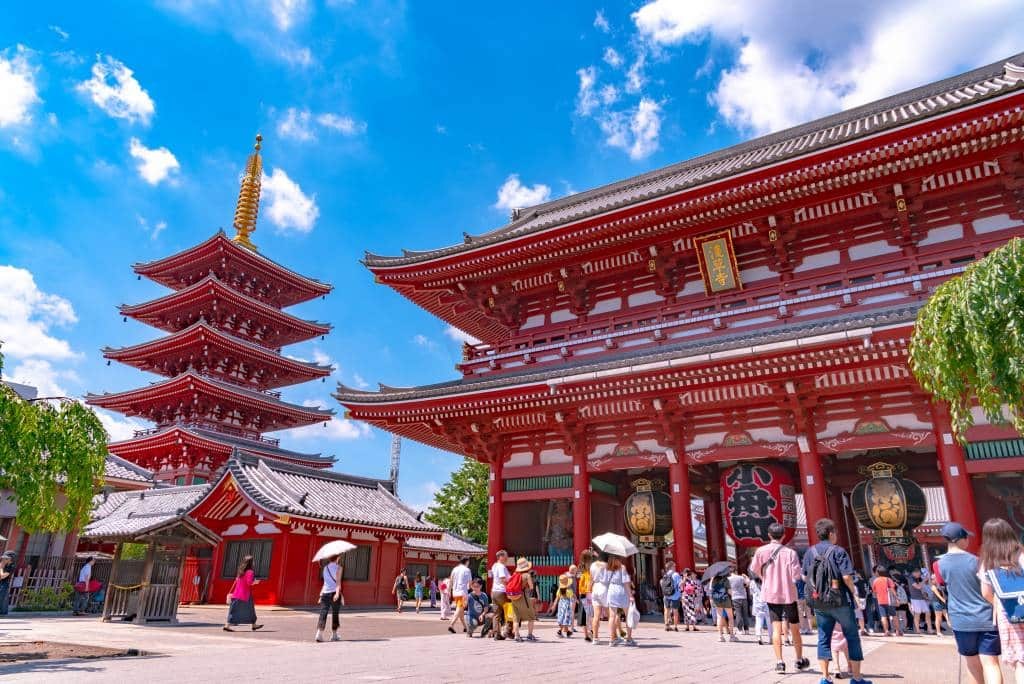 21 mi from YokohamaSenso-ji Temple
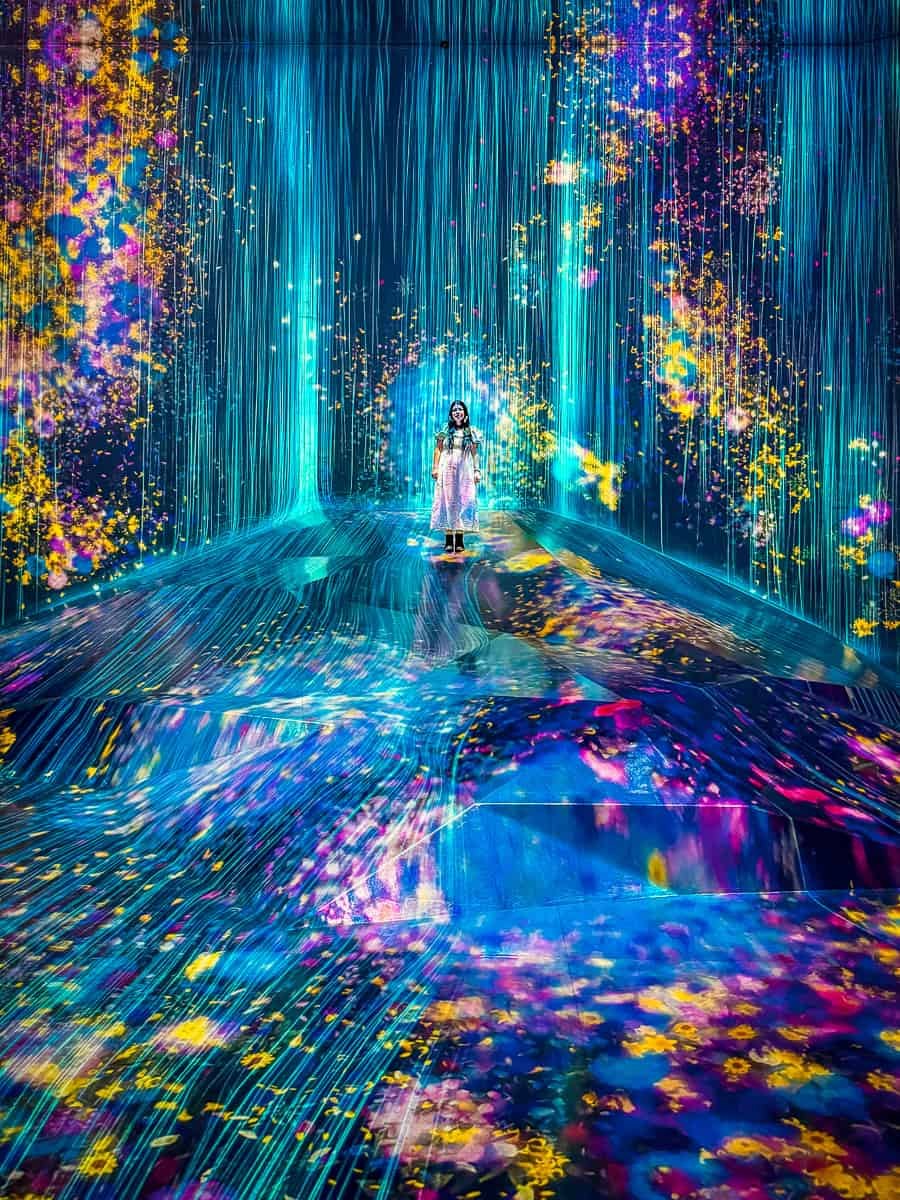 18 mi from YokohamateamLab Borderless
 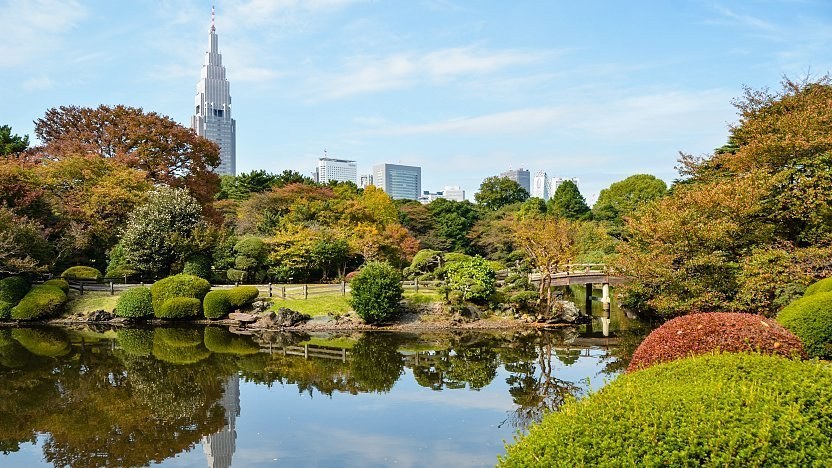 48 mi from Yokohama · land adventureTokyo's Secret Layers: Samurai Houses, Sunrise Crossings & Sake
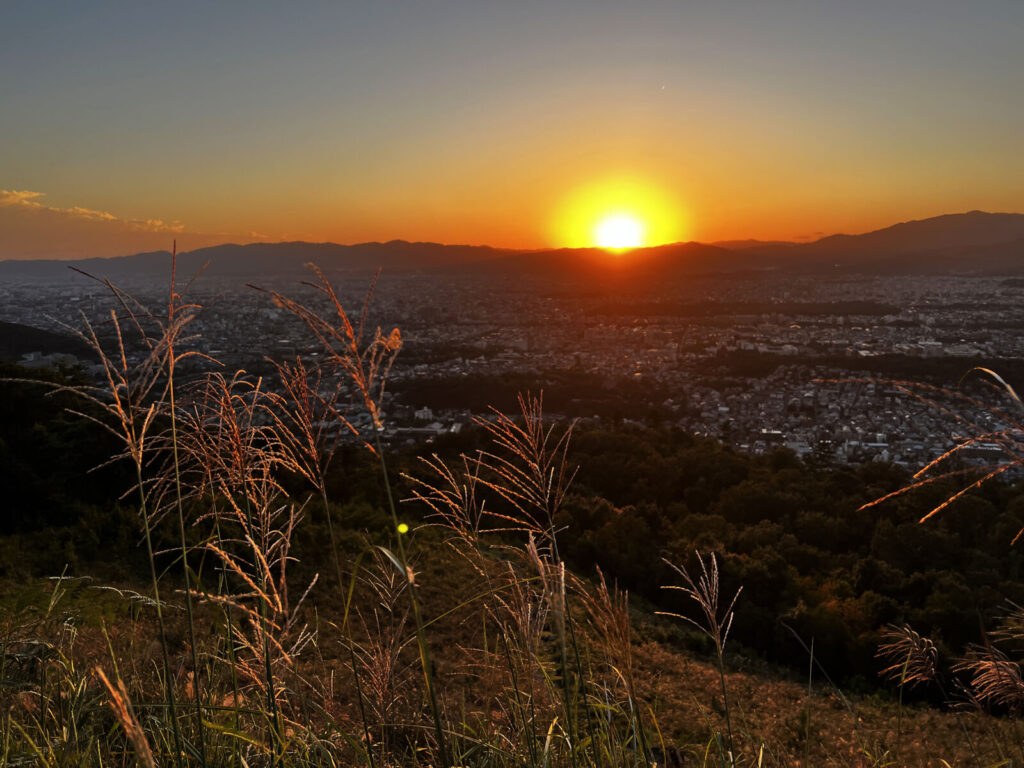 259 mi from Yokohama · land adventureKyoto After Dark: Firelight, Forest Paths & Ancient Craft
 The same trip, elevated
The same gateway on a more luxurious line — lead-in fare per person, same fare as booking direct.