Your cruise
Queen Elizabeth · 51-night Asia cruise, Southampton to Yokohama
Jan 18 – Mar 9 · 51 nights ·
Day 1 Southampton (board) · Day 2–3 at sea · Day 4 Lisbon · Day 5 at sea · Day 6 Santa Cruz de Tenerife · Day 7–8 at sea · Day 9 St. Vincent (Sao Vicente) · Day 10–17 at sea · Day 18–19 Cape Town · Day 20 at sea · Day 21–22 Port Elizabeth · Day 23 at sea · Day 24 Durban · Day 25–27 at sea · Day 28 Reunion · Day 29 Port Louis · Day 30–36 at sea · Day 37 Penang · Day 38 Port Klang (Kuala Lumpur) · Day 39 Singapore · Day 40–42 at sea · Day 43–44 Hong Kong · Day 45–46 at sea · Day 47 Busan (Kyongju) · Day 48 Nagasaki · Day 49 Kagoshima · Day 50 at sea · Day 51–52 Yokohama (step off)
What you do Climb to the candy-colored Pena Palace, a Romanticist fairytale castle floating on a forested peak above Sintra, then stand at Cabo da Roca, the westernmost cliff of continental Europe, before the seaside polish of Cascais. It's a UNESCO-listed day you physically cannot do from Lisbon's center on foot, and the single experience a first-timer most regrets skipping. The guided van solves Sintra's brutal timed-entry queues and, critically, guarantees you back to the ship.
What to expect You'll ascend into the forested hills above Sintra to explore the candy-colored Pena Palace, a Romanticist fairytale castle perched on a peak with sweeping views across the landscape. From there, the van carries you to Cabo da Roca, the windswept westernmost cliff of continental Europe, where you can stand at the edge and take in the Atlantic. You'll finish in the seaside polish of Cascais before returning to the ship, completing a full arc of Sintra's dramatic geography in a single morning and afternoon—a journey impossible to accomplish on foot from Lisbon's center.
Good to know This 8-hour small-group van tour includes Pena Palace timed-entry tickets and Lisbon pickup/return from the pier, eliminating the brutal entry queues that plague independent visitors. Book this operator specifically because they guarantee return to the ship; the cruise line's own coach options run 5–7 hours at nearly double the price. Depart early enough to be back well before your ship's evening departure, and bring layers and comfortable walking shoes for steep palace grounds and coastal winds.
Versus the ship tour The ship's 5-hr Sintra/Cascais coach is $129.99 and the 7-hr lunch version is $174.99. Direct is ~$88 in a small van vs a full coach, saving roughly $40-$85 per person AND skipping the entry-queue problem. This is a 8-hour mainland item: only book it on a standard call if your ship is in port well past mid-afternoon, and use this operator specifically because it guarantees the return.
What you do Lisbon was built to be seen from its river, and a small boat delivers the money shot: the red 25 de Abril Bridge (the city's Golden Gate twin), the Cristo Rei statue on the far bank, Belem Tower and the pastel hills tumbling to the water. Two relaxed hours with a drink in hand is the perfect bookend before sailaway. Pick the sunset departure if your ship leaves late.
What to expect You'll board a small boat at the riverside dock near the city center and spend two hours on the water, drink in hand, as Lisbon unfolds in front of you. The route showcases the red 25 de Abril Bridge—Lisbon's iconic rival to the Golden Gate—then glides past the historic Belem Tower and the Christ the King statue (Cristo Rei) rising from the far bank. Pastel-colored hills tumble down to the waterline, and the boat's intimate scale delivers the views that made Lisbon built to be seen from its river. If your ship departs in the evening, the sunset tour transforms the same skyline into burnished gold and rose.
Good to know The dock sits right in town, minimizing back-to-ship risk; plan for a 2-hour cruise within a 6–8 hour port window, leaving time to return before sailaway. Book direct with Tagus Cruises (€38–€45 per person, depending on day or sunset slot) rather than through the ship's add-ons (which cost €73–€100), saving €30–€55 per person for the same experience. The tour is fully inclusive—skipper, drinks, and taxes are built in—and runs on fixed daily departures; reserve ahead to secure your preferred time slot, especially if timing a sunset departure with your ship's schedule.
Versus the ship tour This is the single biggest markup gap at Lisbon. Cruise-line river/sunset water add-ons run ~$80-$110 per person; booking direct at ~$41-$49 saves roughly $40-$60 each for the same skyline. Direct wins decisively. The only edge the ship has is a back-to-ship guarantee, but the dock is right in town, so the risk is minimal.
What you do Alfama is the medieval Moorish heart of Lisbon, a tangle of staircases, laundry-strung alleys and miradouro viewpoints far too steep to cover on foot in a port-day window. An open electric tuk-tuk hauls you up to Castelo de Sao Jorge, Portas do Sol and Santa Luzia for the iconic red-roof-and-river panoramas. The cruise dock literally sits at the foot of Alfama, so this is the lowest-risk, walk-off-and-go option of the day.
What to expect You'll board an open electric tuk-tuk at the cruise dock—no shuttle, no fuss—and climb the steep medieval alleys of Alfama as the vehicle winds through a tangle of laundry-strung staircases and narrow cobbled streets. The route hauls you up to three iconic miradouro (viewpoint) stops: Castelo de Sao Jorge, Portas do Sol, and Santa Luzia, each delivering panoramic shots of Lisbon's signature red rooftops spilling down to the river. At each vantage, you'll have time to photo and breathe the sea-salt air before the tuk-tuk descends back through the Moorish quarter to the dock. The whole rhythm unfolds in 1–2 hours depending on which tour you choose, leaving you with hours to explore Belem or the city on foot.
Good to know The cruise dock sits at Alfama's literal foot, so you walk off the ship and onto a tuk-tuk—book direct with Tuk On Me (operator RNAAT 485/2014 registered with Turismo de Portugal) to lock in €15–€30 per person rather than the ship's €104.99 coach. In a 6–8 hour port window, the 1–2 hour tuk-tuk tour leaves ample buffer time; simply confirm your return time with the driver to ensure you're back at the dock with 30+ minutes before all-aboard. Wear comfortable shoes for the few steps between tuk-tuk stops, bring sunscreen and a hat for the open-air exposure at each viewpoint, and have small euro bills or a card ready for the operator if paying on-site rather than pre-booking.
Versus the ship tour The ship's 3.5-hr Panoramic Lisbon & Belem coach is $104.99. A focused Alfama/viewpoints tuk-tuk at $16-$32 covers the most photogenic, hardest-to-walk part of the city for a fraction of that. Direct wins on price and access. Fair caveat: the ship coach also tacks on Belem, so if Belem is a must-see for you, pair this tuk-tuk with a short ride or walk out there yourself.
What you do Portuguese food is a bucket-list draw in its own right, and a small-group walk is the fastest way to taste the canon: bacalhau (salt cod), petiscos (Portuguese tapas), a bifana pork sandwich, regional cheeses and a shot of sour-cherry ginjinha, learning the city through its makers. This operator works real everyday neighborhoods like Campo de Ourique and Mouraria rather than tourist traps, capped at 12 people. Best for travelers who want depth over a checklist.
What to expect You'll join a small group of no more than 12 people for a walking tour through authentic Lisbon neighborhoods—Campo de Ourique and Mouraria—guided by local food experts who know the real makers and spots. The tour flows as a series of tastings and stops: bacalhau (salt cod), petiscos (Portuguese tapas), a bifana pork sandwich, regional cheeses, and a shot of sour-cherry ginjinha, with drinks included throughout. Rather than hitting tourist checkboxes, you're learning the city's food culture through the people who've shaped it, moving at a conversational pace through working neighborhoods. The whole experience runs 3 to 3.5 hours—intimate, depth-focused, and flavored with real Lisbon rhythm.
Good to know This tour costs ~$76 per person and is offered by Taste of Lisboa Food Tours; book directly with the operator rather than through the cruise line to lock in the small-group cap and local-neighborhood routing. Plan for a 3–3.5 hour excursion, leaving you a comfortable 2.5–3 hour buffer to return to the ship within a typical 6–8 hour port window. Wear comfortable walking shoes suitable for navigating neighborhood streets, and bring cash or confirm card acceptance at each stop, as smaller vendors may have payment limitations. No special advance preparation is needed beyond booking, though arriving 10–15 minutes early at the meeting point in central Lisbon helps you settle in before the group departs.
Versus the ship tour Cruise-line tapas/Fado evenings run ~$70-$100 per person. Direct here is ~$76 for a genuinely local, small-capped walk, so it's roughly even on price but you get a max-12 group in real neighborhoods instead of a tour-bus crowd. Honest call: if you only want a quick cheap taste, a $23-$30 highlights snack-and-wine walk on a marketplace site beats both this and the ship on price; this card is the depth pick, not the budget one.
book direct with Taste of Lisboa Food Tours → · the full guide →
What you do Just over an hour from the ship, walk up to the 5,000-year-old stone circle that is the most iconic prehistoric monument on Earth, then drive to Salisbury to stand before one of only four surviving 1215 originals of Magna Carta beneath Britain's tallest cathedral spire. This is the textbook Southampton port day and the single thing a first-timer would most regret skipping. English Heritage entry is timed-ticket only, so a direct operator who pre-books your slot and paces the day to your all-aboard time is what actually gets you inside.
What to expect You'll depart Southampton and drive just over an hour to Stonehenge, where you walk directly up to the 5,000-year-old stone circle—the most iconic prehistoric monument on Earth—with a guided perspective on this timeless landmark. From there, it's a short drive to Salisbury Cathedral, where you stand beneath Britain's tallest spire to view one of only four surviving original 1215 Magna Carta documents, a moment of profound historical weight. The pace is calibrated throughout to your all-aboard time, and your private vehicle with driver-guide ensures you move at your own rhythm rather than waiting for a 40-person coach to reassemble. You'll return to the ship with both major entries completed, the cultural textbook Southampton port day checked off.
Good to know English Heritage entry to Stonehenge is timed-ticket only; Southampton Tours pre-books your slot as part of the package, which is essential to guarantee access on busy days. The 6-hour tour window fits comfortably within a standard 8-hour port day, with your driver-guide coordinating return timing to your ship's all-aboard. Groups of 4–7 will pay £145–£199 per person (roughly $185–$203) with both entries and air-conditioned transport included; book ahead directly with Southampton Tours rather than through the ship's 40-person coach if your group meets the minimum. The operator offers a formal cruise-return guarantee in writing—they cover next-port travel if you ever miss the ship, providing peace of mind on timing.
Versus the ship tour Direct wins clearly. The ship's Stonehenge & Salisbury coach tour runs $179-$229/pp, and you share a 40-person bus on its schedule. Here a group of 6-7 pays roughly $185-$203/pp for a private vehicle with both entries included and a written get-you-back guarantee. Solo or as a couple the ship coach is actually the better value, so this card is for groups of 4 or more.
What you do An entire UNESCO World Heritage city built around Britain's only natural hot springs, where you walk the same Roman baths still fed by steaming spring water, beneath honey-stone Georgian crescents straight out of Jane Austen and Bridgerton. Many rank it the most beautiful city in England. It is a longer day (~1.5 hrs each way) so an operator who paces the drive to your all-aboard time matters.
What to expect You'll drive roughly 1.5 hours inland to arrive in Bath's honey-stone heart, where you'll walk the Roman Baths—an ancient complex still fed by steaming natural hot springs—before ascending into Georgian crescents and terraces that look lifted from a Jane Austen novel. The city unfolds at a human pace: Roman history underfoot, Regency elegance overhead, and those iconic honey-coloured stone facades that have made Bath consistently ranked as England's most beautiful city. Your driver-guide controls the rhythm of the day, pacing the route and your time away from the pier so you make your all-aboard window without stress.
Good to know Confirm your ship's all-aboard time before booking—the Bath + Stonehenge 8-hour combo is tighter than the Bath + Cotswolds option, and a 1.5-hour return drive means no margin for error. Book the Roman Baths entry (~£28/$36) directly once you've secured your tour, as it's not bundled into the operator fee. Your private driver and vehicle are included in the ~$190–$250/pp cost, making this far cheaper and more flexible than ship-run premium combos at $300–$400+/pp. Factor 3 hours minimum for Bath itself (Roman Baths + walking the crescents), leaving 1.5 hours on each end for driving, ensuring you're back at the pier with a comfortable buffer before all-aboard.
Versus the ship tour Direct wins on access and pacing. Bath is rarely sold as a standalone ship excursion from Southampton and when bundled into premium full-day combos it runs $300-$400+/pp. A private Bath day at ~$190/pp plus your own Roman Baths ticket is both cheaper and far more flexible. Mind the 8-hour length: confirm your ship's all-aboard before booking the Stonehenge combo version.
What you do Southampton IS the Titanic's home port: she sailed from Berth 44 on 10 April 1912, and most of the crew who died were Sotonians. This award-winning guided walk leaves on foot right from Town Quay by the cruise terminals (no coach) and threads the White Star Line offices, the Grapes pub where firemen famously missed the sailing, and the memorials. For anyone who knows the story, walking the actual streets where it happened is moving and almost free on a tight port day.
What to expect You step off the gangway at Town Quay and begin walking immediately—no coach, no waiting—threading through Southampton's historic streets with your guide. You'll stand at the White Star Line offices where the Titanic's fate was managed, visit the Grapes pub where firemen fatefully missed the 10 April 1912 sailing, and pause at memorials dedicated to the local crew who perished. The walking route is intimate and grounded: you're tracing the actual streets where the story unfolded, hearing period details and crew narratives as you move through the port district. Over roughly two hours, the rhythm builds from administrative sites to human moments, ending with a deeper understanding of why this ship's story belongs so deeply to Southampton.
Good to know Book ahead online via Walsh Tours (use code DIRECT for 10% off) and choose either the 10:00am or 2:30pm departure; both fit comfortably within a 6–8 hour port day, leaving a 90-minute buffer before all-aboard. The tour departs directly from Town Quay beside the cruise terminal—no transport needed—and costs £16/pp (~$20), making it easy to return to the ship in time. Bring comfortable walking shoes and a camera; the tour includes photography privileges and offers pub/tavern discounts along the route. At roughly two hours, this excursion is one of the shortest and closest to the ship you can book, ideal if you're timing a tight turnaround or prefer to stay near your gangway.
Versus the ship tour Direct wins overwhelmingly. The ship's Southampton/Winchester city tour runs $80-$130/pp for a coach panoramic. This is the actual Titanic story, on foot, from beside your gangway, for about $20/pp. The only thing the ship adds is a bus seat you do not need here, since the whole walk starts at the terminal.
book direct with Walsh Tours (guide Brian Walsh) → · the full guide →
What you do Southampton's own backyard wilderness: a 1,000-year-old royal hunting forest created by William the Conqueror, where wild ponies, deer and cattle roam free across heath and ancient oak, just minutes from the ship. The most quintessentially English countryside on a short port day, with a stop at Beaulieu on the river. Ideal for travelers who would rather see living landscape and free-roaming animals than monuments.
What to expect Your private coach departs the Southampton pier and within minutes enters the New Forest—William the Conqueror's ancient 1,000-year-old hunting domain—where wild ponies, deer, and cattle move freely across open heath and gnarled oak woodland. You'll spend the heart of the day immersed in this living landscape, observing free-roaming animals in their natural habitat, the rhythms of the English countryside unfolding at ground level rather than behind glass. A stop at Beaulieu on the river gives you a chance to step out and experience the waterside setting before the journey continues. The day winds down with a drive to Salisbury Cathedral (entry included), a chance to view one of England's finest Gothic monuments, before your driver-guide returns you to the ship with time built in for a safe turnaround.
Good to know Departures run on your group's schedule from the Southampton pier, with 6–8 hour tours giving you roughly 4–5 hours in the New Forest itself and 1–2 hours at Salisbury Cathedral; book the Beaulieu Motor Museum or Palace House in advance if those interest you, as they're separate admissions. Your private vehicle picks you up directly from the cruise terminal—no waiting for a coach—so factor in only a 15-minute buffer before the posted return time. Dress in layers and bring waterproof jackets; the New Forest is exposed moorland where weather changes quickly and there's no shelter while spotting wildlife. The cruise-return guarantee means if your ship departs early, the operator covers your transport back, so you can book with confidence even on a tight port schedule.
Versus the ship tour Direct wins for groups. The ship's New Forest & Beaulieu scenic coach runs $130-$200/pp on its own schedule. A private vehicle at ~$134-$152/pp for 6-7 people undercuts that and adds Salisbury. As a solo traveler the per-head private price climbs, so the ship coach is the smarter buy for one or two; this card shines at 4+.
What you do The definitive Titanic museum, opened in 2012 for the disaster's centenary and built around the city's own loss. Its interactive 'Southampton's Titanic Story' uses real passenger and crew records, a vast working model of the ship, and the actual disaster-inquiry courtroom. Walkable from the port and the perfect rainy-day or short-window option that pairs with the Titanic walk to complete the story the city is famous for.
What to expect You walk out of the terminal and head straight into Southampton's city center—a 15–20 minute stroll that itself becomes part of the journey. Once inside SeaCity Museum, you're immersed in interactive stations built around real passenger and crew records, a sprawling working model of the Titanic, and the actual courtroom from the disaster inquiry, each exhibit drawing you deeper into the human story of the ship and the city that built and lost it. The rhythm is unhurried and self-paced; there's no coach departure window or strict schedule, so you move through at your own speed, lingering over the objects and stories that grip you. You exit with the definitive Titanic narrative, especially Southampton's own role—and you're minutes from the port the entire time.
Good to know In a 6–8 hour port day, allocate 2–2.5 hours for the museum itself, plus 30–40 minutes round-trip walking and buffer time, keeping you safely back at the ship 1.5–2 hours before departure. The museum sits at the Civic Centre, a walkable 15–20 minutes from the terminals, or take a short cab (£5–10) if time or mobility is tight. Admission is £14.50/adult (student and senior discounts available) and includes both the main Titanic exhibition and Southampton Stories; no advance booking is typically required, but arrive early in your port window to avoid any midday crowds. Dress for British weather and wear comfortable walking shoes—this is fundamentally a walk-and-explore day with zero risk of missing the ship.
Versus the ship tour Direct wins, and it is your low-risk safety net. The ship's city/panoramic tour is $80-$130/pp; here you self-walk to a world-class Titanic museum for about $18.50. No coach, no schedule, no risk of missing the ship since you are minutes from the port. The one thing the ship buys is transport you do not need for a near-port museum.
book direct with SeaCity Museum (Southampton City Council) → · the full guide →
What you do Climb to the candy-colored Pena Palace, a Romanticist fairytale castle floating on a forested peak above Sintra, then stand at Cabo da Roca, the westernmost cliff of continental Europe, before the seaside polish of Cascais. It's a UNESCO-listed day you physically cannot do from Lisbon's center on foot, and the single experience a first-timer most regrets skipping. The guided van solves Sintra's brutal timed-entry queues and, critically, guarantees you back to the ship.
What to expect You'll ascend into the forested hills above Sintra to explore the candy-colored Pena Palace, a Romanticist fairytale castle perched on a peak with sweeping views across the landscape. From there, the van carries you to Cabo da Roca, the windswept westernmost cliff of continental Europe, where you can stand at the edge and take in the Atlantic. You'll finish in the seaside polish of Cascais before returning to the ship, completing a full arc of Sintra's dramatic geography in a single morning and afternoon—a journey impossible to accomplish on foot from Lisbon's center.
Good to know This 8-hour small-group van tour includes Pena Palace timed-entry tickets and Lisbon pickup/return from the pier, eliminating the brutal entry queues that plague independent visitors. Book this operator specifically because they guarantee return to the ship; the cruise line's own coach options run 5–7 hours at nearly double the price. Depart early enough to be back well before your ship's evening departure, and bring layers and comfortable walking shoes for steep palace grounds and coastal winds.
Versus the ship tour The ship's 5-hr Sintra/Cascais coach is $129.99 and the 7-hr lunch version is $174.99. Direct is ~$88 in a small van vs a full coach, saving roughly $40-$85 per person AND skipping the entry-queue problem. This is a 8-hour mainland item: only book it on a standard call if your ship is in port well past mid-afternoon, and use this operator specifically because it guarantees the return.
What you do Lisbon was built to be seen from its river, and a small boat delivers the money shot: the red 25 de Abril Bridge (the city's Golden Gate twin), the Cristo Rei statue on the far bank, Belem Tower and the pastel hills tumbling to the water. Two relaxed hours with a drink in hand is the perfect bookend before sailaway. Pick the sunset departure if your ship leaves late.
What to expect You'll board a small boat at the riverside dock near the city center and spend two hours on the water, drink in hand, as Lisbon unfolds in front of you. The route showcases the red 25 de Abril Bridge—Lisbon's iconic rival to the Golden Gate—then glides past the historic Belem Tower and the Christ the King statue (Cristo Rei) rising from the far bank. Pastel-colored hills tumble down to the waterline, and the boat's intimate scale delivers the views that made Lisbon built to be seen from its river. If your ship departs in the evening, the sunset tour transforms the same skyline into burnished gold and rose.
Good to know The dock sits right in town, minimizing back-to-ship risk; plan for a 2-hour cruise within a 6–8 hour port window, leaving time to return before sailaway. Book direct with Tagus Cruises (€38–€45 per person, depending on day or sunset slot) rather than through the ship's add-ons (which cost €73–€100), saving €30–€55 per person for the same experience. The tour is fully inclusive—skipper, drinks, and taxes are built in—and runs on fixed daily departures; reserve ahead to secure your preferred time slot, especially if timing a sunset departure with your ship's schedule.
Versus the ship tour This is the single biggest markup gap at Lisbon. Cruise-line river/sunset water add-ons run ~$80-$110 per person; booking direct at ~$41-$49 saves roughly $40-$60 each for the same skyline. Direct wins decisively. The only edge the ship has is a back-to-ship guarantee, but the dock is right in town, so the risk is minimal.
What you do Alfama is the medieval Moorish heart of Lisbon, a tangle of staircases, laundry-strung alleys and miradouro viewpoints far too steep to cover on foot in a port-day window. An open electric tuk-tuk hauls you up to Castelo de Sao Jorge, Portas do Sol and Santa Luzia for the iconic red-roof-and-river panoramas. The cruise dock literally sits at the foot of Alfama, so this is the lowest-risk, walk-off-and-go option of the day.
What to expect You'll board an open electric tuk-tuk at the cruise dock—no shuttle, no fuss—and climb the steep medieval alleys of Alfama as the vehicle winds through a tangle of laundry-strung staircases and narrow cobbled streets. The route hauls you up to three iconic miradouro (viewpoint) stops: Castelo de Sao Jorge, Portas do Sol, and Santa Luzia, each delivering panoramic shots of Lisbon's signature red rooftops spilling down to the river. At each vantage, you'll have time to photo and breathe the sea-salt air before the tuk-tuk descends back through the Moorish quarter to the dock. The whole rhythm unfolds in 1–2 hours depending on which tour you choose, leaving you with hours to explore Belem or the city on foot.
Good to know The cruise dock sits at Alfama's literal foot, so you walk off the ship and onto a tuk-tuk—book direct with Tuk On Me (operator RNAAT 485/2014 registered with Turismo de Portugal) to lock in €15–€30 per person rather than the ship's €104.99 coach. In a 6–8 hour port window, the 1–2 hour tuk-tuk tour leaves ample buffer time; simply confirm your return time with the driver to ensure you're back at the dock with 30+ minutes before all-aboard. Wear comfortable shoes for the few steps between tuk-tuk stops, bring sunscreen and a hat for the open-air exposure at each viewpoint, and have small euro bills or a card ready for the operator if paying on-site rather than pre-booking.
Versus the ship tour The ship's 3.5-hr Panoramic Lisbon & Belem coach is $104.99. A focused Alfama/viewpoints tuk-tuk at $16-$32 covers the most photogenic, hardest-to-walk part of the city for a fraction of that. Direct wins on price and access. Fair caveat: the ship coach also tacks on Belem, so if Belem is a must-see for you, pair this tuk-tuk with a short ride or walk out there yourself.
What you do Portuguese food is a bucket-list draw in its own right, and a small-group walk is the fastest way to taste the canon: bacalhau (salt cod), petiscos (Portuguese tapas), a bifana pork sandwich, regional cheeses and a shot of sour-cherry ginjinha, learning the city through its makers. This operator works real everyday neighborhoods like Campo de Ourique and Mouraria rather than tourist traps, capped at 12 people. Best for travelers who want depth over a checklist.
What to expect You'll join a small group of no more than 12 people for a walking tour through authentic Lisbon neighborhoods—Campo de Ourique and Mouraria—guided by local food experts who know the real makers and spots. The tour flows as a series of tastings and stops: bacalhau (salt cod), petiscos (Portuguese tapas), a bifana pork sandwich, regional cheeses, and a shot of sour-cherry ginjinha, with drinks included throughout. Rather than hitting tourist checkboxes, you're learning the city's food culture through the people who've shaped it, moving at a conversational pace through working neighborhoods. The whole experience runs 3 to 3.5 hours—intimate, depth-focused, and flavored with real Lisbon rhythm.
Good to know This tour costs ~$76 per person and is offered by Taste of Lisboa Food Tours; book directly with the operator rather than through the cruise line to lock in the small-group cap and local-neighborhood routing. Plan for a 3–3.5 hour excursion, leaving you a comfortable 2.5–3 hour buffer to return to the ship within a typical 6–8 hour port window. Wear comfortable walking shoes suitable for navigating neighborhood streets, and bring cash or confirm card acceptance at each stop, as smaller vendors may have payment limitations. No special advance preparation is needed beyond booking, though arriving 10–15 minutes early at the meeting point in central Lisbon helps you settle in before the group departs.
Versus the ship tour Cruise-line tapas/Fado evenings run ~$70-$100 per person. Direct here is ~$76 for a genuinely local, small-capped walk, so it's roughly even on price but you get a max-12 group in real neighborhoods instead of a tour-bus crowd. Honest call: if you only want a quick cheap taste, a $23-$30 highlights snack-and-wine walk on a marketplace site beats both this and the ship on price; this card is the depth pick, not the budget one.
book direct with Taste of Lisboa Food Tours → · the full guide →
What you do Ascend Spain's highest peak through a UNESCO World Heritage volcanic landscape, riding the Teide cable car to 3,555 m for panoramic views across all seven Canary Islands. An absolute bucket-list spectacle of raw, otherworldly beauty.
What to expect The ascent winds through pine forests and stark lava fields before reaching the Cañadas caldera — an alien plateau of red and ochre rock. The cable car lifts you above the clouds to the crater rim at 3,555 m, where the views on a clear day stretch to Morocco. With a summit permit you walk the final 200 m to the true peak — a moment few visitors ever reach. Allow a full morning; altitude can be felt, so take it slowly.
Good to know Cable car tickets and summit permits MUST be pre-booked online — they sell out days/weeks ahead. The drive from Santa Cruz port is ~1 h each way. All-aboard times typically allow a full day; confirm yours and hire a private driver or taxi for flexibility. Wear layers — it is cold and windy at altitude even in summer.
Versus the ship tour Book the cable car + optional summit permit directly with the official park operator for guaranteed timed access — slots sell out weeks in advance. A private vehicle transfer from the port lets you linger at the Roques de García formations and La Tarta viewpoint at your own pace, with no group to rush you.
What you do Plunge into one of Europe's last primeval laurisilva forests — a UNESCO Biosphere Reserve of mist-draped ravines and Guanche-era trails just 30 minutes from the port. An intimate, expert-led private hike through living prehistory.
What to expect Your guide drives you up into the Macizo de Anaga massif, where ancient dragon trees and tree-heathers drip with mossy silence. Trails wind between hamlets of whitewashed houses that appear unchanged for centuries. Dramatic mirador viewpoints open onto jagged ridgelines plunging into the Atlantic. The return journey passes through the charming fishing village of San Andrés, with time to admire Playa de las Teresitas if you wish.
Good to know Book well in advance to secure your preferred date. The park is only ~30 min from the cruise terminal — ideal even on shorter port calls. Wear sturdy walking shoes and bring a light waterproof layer; the forest canopy can be damp. Confirm all-aboard time with your guide so they build in a buffer.
Versus the ship tour A certified private local guide collects you directly from the port, tailors the route to your fitness level, and narrates the park's geology, endemic flora, and Guanche heritage — knowledge impossible to replicate in a large coach group. No fixed pace, no strangers.
book direct with ToursByLocals — John R. (Santa Cruz de Tenerife private guide) → · the full guide →
What you do The channel between Tenerife and La Gomera is one of the world's premier cetacean corridors — home to resident pilot whales and bottlenose dolphins year-round. A private luxury catamaran delivers an intimate encounter that feels like the ocean belongs to you.
What to expect You depart from the sheltered marina, heading into the deep blue channel where pilot whales are spotted on the vast majority of trips. The crew are marine-biology trained and maintain respectful distances in line with Canarian law. Dolphins frequently bow-ride alongside the hull. Between sightings there is time to snorkel over volcanic rock gardens or simply recline on the deck with a chilled glass of wine as Teide rises behind you.
Good to know Los Cristianos is approximately 1 h from Santa Cruz port by taxi or car — factor this into your day. Half-day charters (3–4 h on the water) comfortably fit most port schedules. Book the charter at least 2–3 weeks ahead. Confirm all-aboard time with your charter captain before departure.
Versus the ship tour Fully private charter means the captain adjusts the itinerary to wherever the cetaceans are — no crowd, no timetable. Snorkelling gear, paddleboards, and a catered lunch or tapas spread are typically included, turning a wildlife excursion into a full luxury sea day.
What you do The aristocratic town of La Orotava is Tenerife's most beautiful colonial gem — cobbled streets, baroque mansions and breath-taking views of the Orotava Valley and Teide. A private guided journey through the island's golden interior and north coast.
What to expect The drive north from Santa Cruz sweeps through the Esperanza forest and then descends into the lush Orotava Valley, where the scale of the banana and flower plantations is staggering. In town, a local guide leads you through the Casa de los Balcones, its carved wooden balconies an icon of Canarian architecture. The Hijuela del Botánico garden offers a moment of shaded tranquility. The journey back via the Mirador Humboldt offers arguably the finest vista on the island.
Good to know La Orotava is approximately 45 min–1 h from the Santa Cruz terminal. A full-day private tour comfortably covers the town, the viewpoints, and a leisurely lunch in a local restaurant. Confirm return timing with your guide to ensure you are back at the terminal with ample time before all-aboard.
Versus the ship tour Your private local guide unlocks the hidden courtyards of La Orotava's noble houses — interiors rarely seen on group tours — and adapts every stop to your interests, from artisan lace-making workshops to the 16th-century Church of the Conception.
book direct with Withlocals — Private Tour Guides Santa Cruz de Tenerife → · the full guide →
What you do Explore three of Santa Cruz's finest architectural and cultural landmarks on foot — Santiago Calatrava's swooping Auditorio, the vibrant colonial Mercado de Nuestra Señora de África, and the extraordinary Palmetum botanical garden. A sophisticated half-day in a city often overlooked.
What to expect Begin at the Auditorio — its white concrete shell is most dramatic in morning light and it is less than 10 minutes' walk from the cruise terminal. Head north to the Mercado de África, a covered colonial market buzzing with islanders buying tropical fruit, fresh fish, and artisan cheeses; the flower hall below is a riot of colour and scent. Finish at the Palmetum, a landscaped garden on reclaimed land housing one of the world's most complete palm collections, with lagoon views and shaded benches.
Good to know All three sites are within easy walking distance of each other and the cruise terminal — this excursion requires no transport. The market is most lively on Saturday mornings. Palmetum opens daily; arrive early to avoid midday heat. Allow 3–4 h total. A private city guide can be hired through Withlocals or ToursByLocals for added depth.
Versus the ship tour Walking these three landmarks independently — or with a private guide from the port — gives you a genuinely unhurried morning: lingering over exotic palms from five continents, bargaining for saffron and Mojo Rojo at the market's spice stalls, and photographing the Auditorio's wave-like silhouette against the Atlantic light.
book direct with Jardín Botánico del Palmetum (official) & Mercado de Nuestra Señora de África → · the full guide →
What you do Step inside the finest museum in the Canary Islands, housed in a stunning 18th-century former civil hospital, to encounter the island's pre-Hispanic Guanche culture through remarkable mummies, ceramics and astronomical artefacts. A deeply moving and scholarly experience.
What to expect The permanent galleries trace Tenerife's natural history from its volcanic origins through its pre-Hispanic Guanche civilisation, displaying naturally mummified bodies, painted skulls, and finely incised pottery that speak to a sophisticated people erased by the Spanish conquest. The natural history wing showcases the extraordinary biodiversity of the Canary Islands — endemic species found nowhere else on Earth. The courtyard of the 18th-century building is a serene, photogenic retreat from the city.
Good to know MUNA is a 15-minute walk from the cruise terminal or a short taxi ride. Open Tue–Sun; confirm hours before your visit. Tickets can be purchased online via the official Volcano Teide ticketing platform. Allow 2–3 h for a thorough visit. Pair with the nearby Plaza de España and a coffee on the terrace for a perfect late-morning ashore.
Versus the ship tour MUNA holds the most important collection of Guanche mummies and funerary objects in the world — artefacts you simply cannot encounter anywhere else. The museum's scale and scholarship reward a slow, self-guided visit; the colonial building itself is a listed treasure. Pre-booking a private guide through the museum or ToursByLocals elevates this into a genuinely profound cultural encounter.
book direct with Museo de Naturaleza y Arqueología (MUNA) — official → · the full guide →
What you do Cross to the neighbouring island of Santo Antão and plunge into one of the most dramatic landscapes in the Atlantic — emerald valleys, cliff-face villages, and the jaw-dropping Fontainhas ledge path. An expert local guide unlocks what no map can.
What to expect Board the morning ferry from Mindelo's Porto Grande — the short crossing reveals São Vicente's silhouette at its most cinematic. On Santo Antão your guide leads you through terraced valleys and along the legendary coastal cliffside trail into Fontainhas village, where houses cling to the rock face above the Atlantic. Lunch is a long, unhurried affair featuring grogue (local sugarcane spirit) and freshly grilled fish at a family table. The return ferry puts you back in Mindelo well before all-aboard.
Good to know Ferry departs Mindelo Porto Grande terminal approx. 08:00; return ferry arrives ~17:30 — confirm all-aboard time is 19:00 or later before booking. Pre-book the guide at least 48 hours in advance as capacity is very limited. Wear sturdy walking shoes; the Fontainhas path involves uneven stone steps.
Versus the ship tour A private guide means the itinerary bends to your pace — linger at Fontainhas, eat catxupa with a local family, hike Ribeira Grande at your own rhythm. Small-group intimacy and genuine insider knowledge of São Antão's hidden corners set this apart completely.
What you do Slip into crystal-clear Cape Verdean waters alongside resident green sea turtles on a small-group guided snorkel off São Vicente's volcanic coastline. Utterly wild, utterly unforgettable — this is the island's single most bucket-list marine encounter.
What to expect A 4x4 transfer whisks you along São Vicente's volcanic southern shore to the calm bay at São Pedro, where resident green turtles feed on sea grass year-round. Your PADI-aware guide enters the water with you, positioning the group at a respectful distance before the turtles glide in of their own accord. After the snorkel you sun-dry on a near-deserted black-sand beach with chilled local beer from the cooler. The transfer returns you to the port with time to explore Mindelo's waterfront.
Good to know Best visibility: mornings before wind picks up. Snorkel equipment provided; bring reef-safe sunscreen only (required). Duration approx. 3.5 hours. Suitable for confident swimmers; the bay is sheltered. Book directly through the operator link above.
Versus the ship tour Strictly small-group (maximum 8 snorkelers) so the turtles are not disturbed and every guest gets face-to-face time. A certified marine guide briefs you on respectful wildlife interaction — the kind of responsible luxury encounter that leaves a conservation legacy.
book direct with Project Expedition (local operator, Mindelo) → · the full guide →
What you do Ascend to the 774 m volcanic summit of Monte Verde in a private 4x4 for a 360° panorama that sweeps across São Vicente, Santo Antão and — on a clear day — three further islands. The finest viewpoint in all Cape Verde.
What to expect Your private 4x4 departs Mindelo's waterfront and climbs through the Parque Natural Monte Verde, passing cloud-forest patches that seem impossibly lush against the island's arid flanks. At the summit, mist rolls in and out theatrically, framing the bay of Porto Grande far below like a postcard. The guide sets up a small picnic with local cheeses, papaya and Cape Verdean coffee at the top. The return route dips down through traditional villages and past Laginha Beach, São Vicente's most beautiful urban shore.
Good to know Morning departures recommended for best visibility — cloud cover thickens by midday. Duration: approx. 3–4 hours. Light jacket recommended at the summit (temperature drops significantly). Can be combined with a Mindelo city walk on return.
Versus the ship tour A private vehicle means you summit at dawn or golden hour — not on a coach timetable — and linger as long as the light deserves. Your guide identifies every island on the horizon and recounts the volcanic geology that shaped this otherworldly landscape.
What you do Explore the soul of Mindelo — Cape Verde's cultural capital and birthplace of the late, great Cesária Évora — with a private guide who threads together colonial architecture, live morna music, and the Núcleo Museológico Cesária Évora.
What to expect Your guide meets you dockside at Porto Grande and leads you through Mindelo's handsome Portuguese-era streetscape — wrought-iron balconies, azulejo tiles, and the elegant People's Palace (Palácio do Povo). A visit to the Núcleo Museológico Cesária Évora honours the barefoot diva with personal artefacts, recordings and photographs. Mid-tour you pause at the Mercado Municipal for a tasting of catchupa (Cape Verde's beloved corn-and-bean stew), local cheeses and grogue. The walk concludes at the waterfront where fishing boats and luxury yachts share the same beautiful anchorage.
Good to know Mindelo is very walkable from the pier — this tour requires no vehicle. Museum closed Sundays; confirm before sailing day. Duration 3–4 hours. Wear comfortable shoes; cobblestone streets are uneven. Afternoon departure also works well, finishing at sunset on the esplanade.
Versus the ship tour Private pace means you spend an hour in the Cesária Évora museum if the music moves you, or detour into a working musician's studio — a possibility your guide can arrange. The cultural depth here is simply not replicable in a group setting.
What you do Circle the entire island of São Vicente in a single immersive day — volcanic beaches, hilltop villages, colonial Mindelo and a long local lunch — with a knowledgeable guide who makes the island's contrasts feel like a single, seamless story.
What to expect Departing the cruise pier in a comfortable air-conditioned vehicle, you trace the island's coastal ring road to the wild beaches of Praia Grande and Calhau — volcanic black-and-ochre sands that feel like the edge of the world. The route loops inland through the hamlet of São Pedro before ascending toward Monte Verde's cloud-kissed flanks. Lunch is an unhurried spread of fresh grilled wahoo, rice with feijão and local wine at a clifftop restaurant. The afternoon brings the charming colonial waterfront of Mindelo, with free time to browse the African Market for artisan crafts before returning to the ship.
Good to know Duration: 6–7 hours. Departs 09:00 from the cruise terminal. All meals and transfers included. Confirm all-aboard time; operator designs the itinerary around your ship's schedule. Bring cash (CVE or EUR) for personal shopping at the market.
Versus the ship tour Small-group maximum (8 guests) ensures real conversation with the guide, unscheduled stops at fishing villages that catch your eye, and a lunch table at a family restaurant rather than a tourist canteen — a completely different register of experience.
book direct with Project Expedition (local operator, Mindelo) → · the full guide →
What you do Unwind at Laginha — São Vicente's most beautiful city beach, a sheltered crescent of golden sand minutes from the pier — then promenade the colonial esplanade as the sun sets spectacularly over Porto Grande bay.
What to expect A short transfer from the cruise pier delivers you to Laginha Beach, where your reserved sunloungers, parasol and welcome drinks await. The calm, sheltered bay is ideal for swimming; the water is warm, turquoise and traffic-free. Mid-afternoon your guide walks you along Mindelo's elegant Avenida Marginal esplanade, past Art Deco facades and the fish market, to a waterfront café for Cape Verdean pastries and a final poncha (local spirit cocktail). You stroll back to the pier in golden-hour light, completely refreshed.
Good to know Best combined with a late all-aboard (19:00 or later). Duration: 4 hours. Laginha is an easy 15-minute walk from the pier if you prefer to go independently, but the guided option handles sunlounger reservations in advance — essential on busy ship days. Bring reef-safe sunscreen and a cover-up.
Versus the ship tour A private beach set-up — reserved sunloungers, chilled drinks, and a guide on hand to arrange anything from a massage to a kayak — transforms a free afternoon into a genuinely curated luxury experience at São Vicente's finest urban beach.
book direct with Project Expedition (local operator, Mindelo) → · the full guide →
What you do Ascend one of the Seven Natural Wonders of the World with a private guide, ride the revolving cable car, and survey 1,000 km of coastline from the summit plateau. This is Cape Town's defining bucket-list moment.
What to expect Your guide collects you portside and drives via the scenic lower cable station approach. At the top, spend up to 90 minutes exploring the plateau's lunar rock formations and indigenous proteas, with Table Bay and Robben Island spread below. The revolving cable car provides 360° views on the descent. The whole experience is unhurried and entirely at your own pace.
Good to know Cable car operates weather-permitting — confirm on the morning. Book cable car tickets at tablemountain.net to avoid queues. Allow 3–4 hours total. The V&A Waterfront is a short drive back to port.
Versus the ship tour A private guide tailors the summit walk to your pace, shares the geology, fynbos ecology, and panoramic lore that a group tour rushes past — and knows exactly when to position you for the iconic Atlantic-and-City shot.
book direct with Cape Town Tour Guide (official private guide service) → · the full guide →
What you do Cross Table Bay to the island where Nelson Mandela was imprisoned for 18 years. A former political prisoner leads you through the maximum-security cellblock — one of the most profoundly moving experiences on the planet.
What to expect The 30-minute ferry departs the V&A Waterfront (a 10-minute walk from the cruise terminal) and crosses to the island. A bus tour covers the island's lime quarry and political exile sites before an ex-prisoner leads the cellblock tour, pausing at Nelson Mandela's actual cell. The emotional resonance is unlike anywhere else in Africa. The return ferry gives views of the full Cape Town mountain backdrop.
Good to know Ferries depart at set times (09:00, 11:00, 13:00); pre-book well in advance as tours sell out weeks ahead, especially on cruise days. Total duration is approximately 3.5 hours. Confirm your ship's all-aboard time — the 09:00 departure is safest.
Versus the ship tour The guides here are survivors, not historians — their personal testimony in Mandela's cell block transforms a museum visit into a living, breathing witness to the triumph of the human spirit.
book direct with Robben Island Museum (official operator) → · the full guide →
What you do A full-day private odyssey along one of the world's great coastal drives — Chapman's Peak, the Cape of Good Hope, and a penguin colony at Boulders Beach. This is the definitive Cape Town bucket-list route.
What to expect Depart the V&A Waterfront and wind south along the Atlantic Seaboard past Clifton's white-sand coves. Chapman's Peak Drive — a cliff-carved corniche — delivers jaw-dropping ocean panoramas. At Cape Point, hike to the lighthouse perch where two oceans meet. Then on to Simon's Town's Boulders Beach, where 3,000 African penguins waddle within arm's reach. The return leg traces the False Bay coastline through charming fishing villages.
Good to know Full-day tour — allow 8–9 hours. Cape Point entry is additional. Pre-book Boulders Beach (SANParks) online. Depart by 08:00 to make the most of the light and return comfortably before all-aboard.
Versus the ship tour Private vehicle means you linger at Chapman's Peak as long as the light is golden, skip the crowds at Boulders Beach, and stop spontaneously at Kalk Bay Harbour for a freshly grilled fish lunch — a pace no group coach can match.
book direct with Cape Town Tour Guide (official private guide service) → · the full guide →
What you do Journey 45 minutes into the Cape Winelands' UNESCO-listed landscape of oak-lined streets, Cape Dutch manor houses, and world-class Chenin Blanc and Pinotage estates — a sensory masterpiece for the discerning palate.
What to expect Your driver-guide whisks you through the Helshoogte Pass into Stellenbosch, where whitewashed Cape Dutch gables frame centuries of viticulture. Visit two to three handpicked estates — perhaps Meerlust, Rust en Vrede, or Delaire Graff — for tutored tastings of benchmark South African wines. Pair with artisan cheeseboards or a light estate lunch. The drive through vine-quilted valleys is as intoxicating as the wine itself.
Good to know A half-day tour (5 hours) fits comfortably within a port call. Pre-book estate tastings directly to secure a slot — Delaire Graff and Rust en Vrede are particularly sought-after. Stellenbosch is 50 km from the cruise terminal.
Versus the ship tour A private guide accesses first-growth estates not open to bus groups — think cellar-door tastings with the winemaker present, shaded terraces overlooking the Drakenstein Mountains, and itineraries built entirely around your wine preferences.
book direct with Cape Town Tour Guide (official private guide service) → · the full guide →
What you do The smartest independent way to see Cape Town's iconic landmarks — from the V&A Waterfront and Bo-Kaap to Kirstenbosch Gardens — with a premium combo ticket that includes the Table Mountain cable car ascent.
What to expect Buses depart the V&A Waterfront (a 10-minute walk from the cruise terminal) every 20 minutes on two routes covering 26 stops. The premium open-top double-decker comes with audio commentary in 16 languages. Hop off at the lower cable station for the Table Mountain ascent included in your combo ticket, then reboard for the Camps Bay and Sea Point route back. The Bo-Kaap stop delivers some of Cape Town's most photogenic streetscapes.
Good to know Buy tickets online in advance at citysightseeing.co.za to skip the queue. Cable car is weather-dependent — check the morning of. A full loop without stopping takes 2.5 hours; plan 5–6 hours for 4–5 hop-offs. Buses run until approximately 17:00.
Versus the ship tour Complete freedom to set your own agenda — step off at Bo-Kaap's cobblestoned rainbow houses for as long as you wish, linger over the Company's Garden's squirrels and roses, or spend an extra hour at Kirstenbosch. No fixed itinerary, no waiting for others.
book direct with City Sightseeing Cape Town (official operator) → · the full guide →
What you do Face the ocean's apex predator from inside a submerged cage off the world's most celebrated Great White hotspot, Dyer Island — a raw, adrenaline-charged bucket-list encounter that redefines your relationship with the sea.
What to expect A 2-hour transfer from Cape Town brings you to the small fishing harbour of Gansbaai. After a marine biologist briefing aboard a purpose-built shark vessel, you anchor at Shark Alley — a narrow channel between Dyer Island and Geyser Rock, home to 60,000 Cape fur seals. Wetsuits on, the cage is lowered, and Great Whites glide past within metres. Even observers on deck experience extraordinary close encounters. A warm lunch and debrief complete the expedition.
Good to know Full-day commitment: depart port by 06:00, return by 17:00 — verify against your ship's all-aboard time. Transfer from Cape Town adds ~2 hours each way. Pre-book directly with Marine Dynamics as capacity is strictly limited. No diving experience required; cage diving is surface-level.
Versus the ship tour Marine Dynamics is the scientific and conservation leader in Gansbaai — a team of researchers and marine biologists who turn the boat briefing into a masterclass on Great White behaviour, shark ID, and ocean ecology. The 45-person maximum boat keeps the experience intimate.
book direct with Marine Dynamics Shark Tours (official operator) → · the full guide →
What you do Track the Big Five on a ranger-led 4x4 safari through Schotia — the Eastern Cape's most celebrated private reserve — then dine under the African stars. This is the rare Big Five experience within easy reach of the port, delivered in intimate small-group style.
What to expect Board an open Land Rover at the reserve gate and spend two game drives tracking lion prides, white rhino and tower-ing giraffe across 1,200 hectares of pristine bushveld. Between drives, a traditional bush dinner is served around a fire under a canopy of stars — a moment of genuine wilderness immersion. Rangers share deep ecological knowledge, making this as educational as it is thrilling. The reserve is just 72 km from the port, ensuring comfortable timing around your all-aboard.
Good to know Pre-book directly on the Schotia Safaris website. The drive from the port is approximately 70 minutes; arrange a private transfer for comfort. Full-day and half-day options exist — confirm the half-day for cruise itineraries. Closed footwear and neutral-coloured clothing recommended.
Versus the ship tour Schotia is a fully private, malaria-free reserve with resident lion, elephant, rhino, buffalo and leopard. Game drives are in open 4x4 vehicles with expert field rangers, limited to small groups — giving guests true predator sightings without the crowds of a national park.
What you do South Africa's third-largest national park and the only place on Earth where you can see the Big Seven in one region. A private guided safari puts you face-to-trunk with the world's densest elephant population plus lion, buffalo, rhino and leopard — a bucket-list wildlife encounter an hour from the ship.
What to expect Depart the port in a comfortable, air-conditioned safari vehicle for the scenic 70 km drive to Addo. Once inside the park, your dedicated naturalist guide navigates known elephant corridors and watering holes where mega-herds congregate. Lion, black rhino, spotted hyena and over 400 bird species round out a full morning of extraordinary wildlife theatre. A gourmet picnic lunch is included before a leisurely afternoon return, leaving ample time before all-aboard.
Good to know Book via Calabash Tours' website; private departures should be reserved at least 2–4 weeks in advance. The park entrance fee (~ZAR 392 per person) is additional. Wear light layers — mornings are cool, afternoons warm. Request the earliest possible departure to maximise game viewing in prime morning light.
Versus the ship tour Calabash is a long-established, award-winning Eastern Cape specialist offering fully private and small-group departures with expert naturalist guides. Their intimate approach — maximum 6 guests per vehicle — guarantees unhurried time at every sighting and personalised commentary that transforms a game drive into a masterclass.
What you do Algoa Bay is one of the world's premier marine wildlife spectacles — home to Southern right and humpback whales, vast superpods of bottlenose dolphins and the world's largest colony of African penguins on Bird Island. A zodiac-assisted landing on the island seals it as a true bucket-list moment.
What to expect Step aboard a sturdy yet comfortable rigid inflatable and head out into the shimmering bay where common and bottlenose dolphins regularly bow-ride alongside the vessel. Between October and January, humpback and Southern right whales breach spectacularly. Bird Island — a protected sanctuary — hosts up to 75,000 Cape gannets and thousands of endangered African penguins waddling the shoreline. An on-board marine biologist narrates every sighting with infectious expertise. The port is walkable from the quay, making logistics effortlessly simple.
Good to know Departs from the Shark Rock Pier, walking distance from the cruise terminal. Mornings typically offer the calmest seas — book the earliest available departure. Whales are seasonal (Oct–Jan peak); dolphins and penguins are year-round. Dress in windproof layers and apply sunscreen. Book directly via Raggy Charters' website.
Versus the ship tour Raggy Charters is the undisputed authority on Algoa Bay marine wildlife, operating for over two decades with marine biologists on board. Their small, purpose-built vessels allow intimate, low-impact encounters — guests often find themselves surrounded by hundreds of dolphins or just metres from breaching whales.
What you do A beautifully manicured, Big Five-stocked private reserve just 20 minutes from the port — ideal for guests seeking luxury wildlife encounters without a long drive. White rhino, giraffe, cheetah and over 400 species roam the park's lush terrain alongside prolific birdlife.
What to expect Your private ranger collects you at the gate and heads directly to the areas most active that morning — cheetah on open grassland, white rhino browsing in thicket, or a tower of giraffe against the blue sky. The reserve's compact size means sightings are virtually guaranteed within the first 30 minutes. A sumptuous bush breakfast is served in a scenic clearing, making this a sensory experience as much as a wildlife one. The relaxed pace means there is always time to step out and photograph before heading back to port with hours to spare.
Good to know Just 20 km from the cruise terminal; a taxi or Uber ride is under 20 minutes. Book the private guided safari (not the self-drive option) for the full luxury experience. Morning departures (7:30–8:00 am) coincide with peak animal activity. Book directly via the Kragga Kamma website.
Versus the ship tour Kragga Kamma's proximity to the port (20 minutes) combined with its well-maintained luxury safari infrastructure makes it the most time-efficient wildlife experience available — yet it never feels rushed. Private game drives with resident rangers offer front-row encounters with cheetah, white rhino and prolific plains game at close range.
book direct with Kragga Kamma Game Park → · the full guide →
What you do Port Elizabeth's Route 67 is one of South Africa's great public art trails — 67 monumental works celebrating Mandela's 67 years of service, winding through the city's historic heart to the iconic Donkin Reserve lighthouse and pyramid. A knowledgeable private guide transforms it into a profound cultural and historical journey.
What to expect Begin at the foot of the hill and ascend through 67 extraordinary artworks — mosaics, sculptures, weavings and murals — each narrating a chapter of South Africa's path to freedom. At the summit, the Donkin Reserve rewards you with panoramic views over Algoa Bay and the rust-red rooftops of the Victorian city. Your guide weaves personal stories, local legends and political history into every stop. The route concludes near the historic Port Elizabeth Opera House — one of Africa's oldest surviving theatres — and the colourful Victorian terraces of Donkin Street, perfect for a final photograph.
Good to know The Donkin Reserve is a short 10-minute taxi or Uber ride from the cruise terminal, or walkable (20 minutes) for energetic guests. Wear comfortable walking shoes — the route involves a steady uphill climb. Morning tours are cooler and the light is superb for photography. Book directly through Blue Pebbles Tours.
Versus the ship tour Blue Pebbles Tours specialises in authentic, small-group and private cultural tours of the Eastern Cape led by deeply passionate local guides. This is not a whistle-stop city overview — the guide connects each artwork, monument and street corner to the living history of South Africa's democratic journey, creating emotional resonance that lingers long after departure.
What you do The Eastern Cape coastline around Port Elizabeth is a sweep of pristine golden beaches, dramatic surf breaks and rich marine heritage. A private guided coastal tour takes in Hobie Beach, King's Beach, the iconic Campanile bell tower and the legends of the sardine run — a liquid spectacle unlike anywhere else on earth.
What to expect Your guide whisks you along the beachfront boulevard, pausing at Hobie Beach — famous for its calm, warm waters and vibrant kitesurfing scene — before continuing to the windswept drama of King's Beach with its sweeping views of Algoa Bay. A stop at the historic Campanile tower, built to commemorate the 1820 British Settlers, provides context for the city's colonial and multicultural heritage. The guide then reveals the extraordinary story of the annual sardine run — the greatest marine migration on the planet — which sees billions of sardines, followed by sharks, dolphins and whales, pass these very shores each June and July. The tour finishes with a walk along the famous Boardwalk promenade, ideal for a final espresso or sundowner.
Good to know The tour departs from and returns to the cruise terminal. Half-day format (3–4 hours) fits comfortably within a typical port call. For June–July arrivals, ask Calabash about sardine run viewing packages — they are extraordinary. Book directly via the Calabash Tours website.
Versus the ship tour Calabash's private coastal tours are personalised entirely around guest interests — whether that is lingering at a surf break, exploring the Victorian harbour precinct or hearing the jaw-dropping science behind the annual sardine run that turns the ocean silver. The small-group format and expert local guide elevate this far beyond a standard city drive.
What you do Conquer the legendary Sani Pass in a private 4x4, climbing to the highest pub in Africa at 2,874m on the Lesotho border. Breathtaking switchbacks, cascading mountain streams, and Basotho culture at the summit make this an unforgettable bucket-list ascent.
What to expect Depart Durban early for the 3-hour drive south to the base of the pass, then tackle 9km of legendary unpaved switchbacks in a high-clearance 4x4. At the top, visit the iconic Sani Mountain Lodge — the highest pub in Africa — for warming Basotho sorghum beer and panoramic Drakensberg views. A Basotho cultural encounter with local villagers adds rare authenticity before you wind back down the escarpment. Allow a full day; the drive alone rewards every minute.
Good to know This is a full-day excursion (approx. 12–14 hours); confirm your ship's all-aboard time carefully and book well in advance for port days. South African and Lesotho border crossings require your passport — carry it. Pre-book directly with Sani Pass Tours to secure a private vehicle.
Versus the ship tour Private 4x4 vehicle with an expert mountain guide means you stop where you want — for photography, wildlife, or Basotho village encounters — at a pace no large group can match. The summit moment, standing on the Lesotho plateau in thin mountain air, is genuinely once-in-a-lifetime.
book direct with Sani Pass Tours & Transfers → · the full guide →
What you do Explore South Africa's first UNESCO World Heritage Site — iSimangaliso Wetland Park — on a private guided safari blending big game, hippo-filled lakes, leatherback turtle shores, and the Indian Ocean in one spectacular landscape.
What to expect Head north from Durban through sugar-cane country to the park entrance at St Lucia, where the world's largest estuarine system unfolds. Open-vehicle game drives reveal elephant, buffalo, leopard, rhino, crocodile, and hundreds of bird species in a mosaic of wetland, forest, and savanna. An optional boat cruise on Lake St Lucia brings you nose-to-nose with hippos and Nile crocodiles. The return journey skirts the KwaZulu-Natal coast with views of the warm Indian Ocean all the way back to port.
Good to know Allow 10–12 hours for the full experience; confirm your all-aboard time before booking. The park entry fee (ZAR 232 per person) is typically included — confirm with the operator. Book the private vehicle option for maximum flexibility and quality guiding.
Versus the ship tour A private expert naturalist guide tailors every game drive to your interests — birding, big game, or the surreal sight of hippos wallowing metres from the Indian Ocean surf. Small groups mean unhurried stops and deeply informed wildlife commentary that transforms sightings into stories.
What you do Journey into the Valley of a Thousand Hills for an intimate Zulu cultural experience at PheZulu Safari Park — traditional dancing, village life, and a game drive through KwaZulu-Natal's rolling green heartland, all within easy reach of the port.
What to expect A scenic 45-minute drive from the port delivers you to a dramatic ridge overlooking the Valley of a Thousand Hills. The Zulu cultural village experience includes a high-energy traditional dance performance, a guided walk through a living homestead, and explanations of customs from beadwork to ancestor veneration. The reptile park introduces Africa's most iconic snakes and lizards up close, followed by an open-vehicle game drive alongside white rhino, zebra, and giraffe. The whole excursion runs 4–5 hours, making it perfect for port days.
Good to know Only 45 minutes from Durban's cruise terminal — ideal if you have a shorter port window. Book directly through PheZulu's website to confirm availability on your ship's port date. Combine with a Victoria Street Market stop en route back to the port for a perfect half-day.
Versus the ship tour PheZulu is run by a Zulu family with deep roots in the valley — the cultural presentations are genuine, not staged for mass tourism. The dramatic hilltop setting above the Valley of a Thousand Hills is one of the most visually arresting landscapes in KwaZulu-Natal.
What you do Soar above Durban's iconic arch at Moses Mabhida Stadium on the SkyRide gondola, then take the ultimate plunge — an abseil or Big Swing drop from 106m above the pitch for the most dramatic city panorama in South Africa.
What to expect The SkyRide gondola glides up the iconic white arch of the stadium, cresting at 106m above the pitch with 360-degree views of the city, harbour, and Indian Ocean coastline. Thrill-seekers can then strap in for the Big Swing — a 220m pendulum arc through the interior of the stadium arch — or opt for a controlled abseil down the outer curve. The stadium precinct itself is architecturally stunning, and a stroll through the People's Park alongside offers café stops and local artisan stalls.
Good to know Located just 2.5km from the cruise terminal — a short taxi or rideshare ride. Book the Big Swing or abseil directly on the stadium website well in advance, as slots fill on port days. Allow 2–3 hours for the full experience, easily combined with a Golden Mile beach walk.
Versus the ship tour Moses Mabhida's arch is Durban's defining landmark — a 2010 FIFA World Cup icon. The combination of the gondola's sweeping panorama of the Golden Mile, the Indian Ocean, and the Berea ridge, plus the optional adrenaline of the Big Swing, delivers a uniquely layered Durban experience unavailable anywhere else.
What you do Descend into the largest aquarium in the Southern Hemisphere and dive with ragged-tooth sharks, turtles, and rays in a 1.2-million-litre open-ocean tank — the most thrilling marine encounter in Durban, steps from the beach.
What to expect Check in at the spectacular shipwreck-themed entrance and descend through recreated hull sections to the open-ocean tank. Certified divers enter the 1.2-million-litre tank alongside ragged-tooth (sand tiger) sharks, green turtles, giant rays, and thousands of reef fish with expert Marine World divemasters at your side. Non-divers enjoy spectacular shark-tunnel walkways and the adjacent Wet 'n Wild water park — a full resort experience on Durban's Golden Mile beachfront. The dolphin and seal shows round out the day for families.
Good to know uShaka is 2km from the cruise terminal along the Golden Mile — walkable or a quick rideshare. Pre-book the Shark Dive experience directly on the uShaka website (PADI Open Water certification required); general admission is walk-up. Allow 4–6 hours for the full complex.
Versus the ship tour The chance to dive with ragged-tooth sharks in a controlled, expert-led environment — inside a shipwreck-themed aquarium built into a Bali Hai-style Durban beachfront complex — is genuinely unique to this destination. The scale and theatrical design of the venue elevate this far beyond a standard aquarium visit.
What you do Hop aboard Durban Tourism's iconic open-top Ricksha Bus to sweep through the city's most vivid neighbourhoods, then plunge into the aromatic labyrinth of Victoria Street Market — the greatest Indian spice bazaar in sub-Saharan Africa.
What to expect Board the distinctive open-top Ricksha Bus at the beachfront terminus for a hop-on, hop-off circuit of Durban's highlights — the Golden Mile, City Hall, the Indian Quarter, and the Botanic Gardens. Disembark at Victoria Street Market to wander a dazzling maze of 180 stalls piled with Durban curry spices, saffron, basmati, tropical fruits, and hand-carved curios. Lunch on a legendary Durban bunny chow — a hollowed-out loaf of bread filled with fragrant mutton or bean curry — at one of the market's original eateries. The bus returns you to the beachfront in time for a sunset stroll along the Golden Mile.
Good to know Tickets effective 1 July 2025–30 June 2026 at ZAR 110 adult / ZAR 56 child; book at visitdurban.travel or pay on board. The market is a 5-minute walk from the City Hall bus stop. This is a relaxed half-day excursion — ideal if your port window is shorter. Keep cash (Rands) handy for market purchases.
Versus the ship tour The Ricksha Bus is Durban Tourism's own curated circuit — it covers the Golden Mile, the Indian Quarter, the Berea, and the beachfront in a single elegant loop. Combining it with a self-guided deep-dive into Victoria Street Market, where third-generation spice merchants compete for your attention, delivers the authentic, layered soul of Durban that no coach tour can replicate.
book direct with Durban Tourism (Ricksha Bus) → · the full guide →
What you do Stand on the rim of one of the world's most active volcanoes — a raw, lunar landscape of ancient lava fields and steaming craters that exists nowhere else on Earth. A private driver-guide takes you deep into the Enclos Fouqué caldera for an unforgettable volcanic encounter.
What to expect Your private guide collects you at the port and winds up the Route du Volcan through cloud forest to the Pas de Bellecombe trailhead at 2,311 m. You descend into the vast Enclos Fouqué caldera on foot, crossing hardened lava flows in an otherworldly silence broken only by the wind. At active fumaroles your guide explains the island's shield-volcano geology with expert clarity. The return journey traces the Plaine des Sables — a rust-red Martian desert that never fails to stun.
Good to know Full-day excursion: approximately 9–10 hours. Allow 3–4 hours round-trip from the port to the volcano. Confirm all-aboard time carefully and build in buffer. Sturdy closed-toe shoes, sunscreen, and a windproof layer are essential. Pre-book at least 2–3 weeks ahead; eruption-season spots fill fast.
Versus the ship tour Private vehicle and certified volcanologist-trained guide means you linger at summit viewpoints at your own pace, descend into the caldera on foot, and receive deep geological storytelling — a world away from a coached group rushed past barriers.
book direct with Réunion Private Tours (local driver-guide specialists) → · the full guide →
What you do The roadless Cirque de Mafate is accessible only by foot or helicopter — a cathedral of 1,000-metre basalt ramparts sheltering Creole hamlets untouched by the modern world. A private helicopter sets you down inside this UNESCO World Heritage wilderness for a view that stops time.
What to expect Your helicopter lifts from Saint-Paul and banks immediately over the emerald ridgelines of the Cirque de Cilaos before sweeping into Mafate's hidden bowl. The pilot traces every rampart and waterfall at low altitude as your guide narrates the geology and Maroon history below. On premium charters you land in the hamlet of La Nouvelle, share a Creole coffee with residents, and explore the terraced gardens before the return flight skims Piton des Neiges — at 3,070 m the highest peak in the Indian Ocean.
Good to know Flights depart from Saint-Paul helipad, approximately 15 minutes from the port. Scenic flights run 20–45 minutes; landing charters are 2–3 hours. Weight limits apply (advised at booking). Book private charters at least 3–4 weeks ahead. Weather windows are best in the morning.
Versus the ship tour A private charter with an interior landing grants access that is simply impossible any other way — you touch down in a hamlet where mules are still the only transport, walk among locals, and lift off with a perspective of the Pitons that no road ever delivers.
What you do The Trou de Fer ('Iron Hole') is Réunion's most spectacular canyon — a sheer 300-metre abyss plunging into the rainforest interior, fed by a thundering multi-tiered waterfall. Combine a private helicopter overflight with a guided rainforest hike to the canyon rim for a double hit of drama.
What to expect The helicopter departs Saint-Paul and crosses the volcanic plateau before the canyon suddenly opens beneath you — a vertiginous green-walled gorge cloaked in permanent mist. After landing, your private nature guide leads you through dense tamarind and tree-fern forest on the Grand Étang trail to the official viewpoint, where the waterfall cascade drops nearly 200 m in a single plunge. The air is cool, perfumed with jungle, and the sound is elemental. Return drive passes the vanilla-and-rum scenery of the east coast.
Good to know Combined helicopter + hike is a full-day excursion (7–8 hours). The rainforest trail is moderately demanding — wear grippy hiking shoes and bring rain gear. Book helicopter and guide separately in advance. Trou de Fer is best visited April–November when rainfall is lower.
Versus the ship tour Seeing Trou de Fer from the air AND from the rainforest rim on the same excursion is the island's ultimate one-two: the helicopter reveals the canyon's scale, the hike delivers the primal roar of the falls at close range — an experience few visitors combine.
What you do At 2,205 metres, the Piton Maïdo belvedere delivers the island's most theatrical panorama: the entire Cirque de Mafate laid out 1,600 m below, framed by ocean on three horizons. A private pre-dawn drive times your arrival to catch the Indian Ocean sunrise ignite the ramparts in gold.
What to expect Your guide collects you at Pointe des Galets in darkness and winds up through sugar-cane lowlands and then cloud forest, arriving at the summit as the first light bleeds across the horizon. The caldera of Mafate materialises slowly from the mist below — a living topographic map of impossibly steep ridges and tiny hamlet lights. You walk the short summit trail, photograph at leisure, and descend via the Forêt de Bébour — a primeval cloud forest threaded with giant tree ferns. Back at the port by mid-morning.
Good to know Half-day (4–5 hours). Depart port by 5:00–5:30 am for optimal sunrise. Temperatures at the summit can be 10–12°C — bring a warm layer. The road is serpentine; those prone to motion sickness should take precautions. Pre-book 1–2 weeks ahead.
Versus the ship tour Departing before the crowds — and before the harbour traffic — your private guide times the ascent perfectly for sunrise, lingering as long as you wish above the clouds, with altitude commentary and Creole breakfast provisions included on premium bookings.
book direct with Réunion Private Tours (local driver-guide specialists) → · the full guide →
What you do The Rivière Langevin valley culminates in one of Réunion's most beautiful natural pools — turquoise water beneath a 30-metre waterfall draped in tropical vegetation. A private canyoning guide takes you down the canyon's cascades and natural water slides for pure, visceral joy.
What to expect Equipped with wetsuit, helmet, and harness, you enter the canyon above the main cascade and work your way through a series of natural toboggan chutes, short abseils, and crystal-clear plunge pools. The walls close in overhead, blocking out the sky, and the water is cool and achingly clear. At the Grand Galet pool you swim beneath the main falls — the force of the water on your shoulders is something you'll feel for days. The drive through the Langevin valley past vanilla plantations and lychee groves is itself a scenic bonus.
Good to know Half-day (approximately 4 hours including transfers). The canyon is on the south coast — about 1 hour from the port. Moderate fitness required; no prior canyoning experience needed. Minimum age typically 12 years. Wetsuit and all safety equipment provided. Book at least 1 week ahead.
Versus the ship tour A specialist canyoning guide reads the water and the rock with the precision of a local who has descended this canyon hundreds of times — placing you on natural slides and abseil lines that deliver a genuine adrenaline arc, not a staged tourist experience.
What you do Réunion's Dravidian Hindu temples are among the most ornate outside of India — riot of colour, deity sculpture, and incense that tells the story of the island's Tamil indentured-labourer heritage. Pair a private temple visit with a curated walk through Saint-Denis's Creole colonial architecture and spice market.
What to expect Your guide meets you at the port and drives to the Temple Tamoul Shri Maha Badra Karli in Saint-André, one of the island's most spectacular Tamil temples, its gopuram tower ablaze with painted deities. Inside, an officiating priest explains the festival calendar and the Tamil migration story with quiet authority. The route then sweeps into Saint-Denis — the island's elegant capital — where you walk the Rue de Paris beneath its double row of frangipanis, duck into the Marché du Champ Fleuri for vanilla, turmeric, and Bourbon spices, and close with a Creole lunch at a family-run table d'hôte. The convergence of African, Indian, French, and Chinese cultures on one small island is genuinely unlike anywhere else on Earth.
Good to know Half-day (4–5 hours). Dress modestly for the temple (shoulders and knees covered; scarves provided). Saint-Denis is approximately 20 minutes from the port. Best combined with a morning arrival. Pre-book 1 week ahead; confirm the guide speaks your preferred language.
Versus the ship tour A specialist cultural guide — often of Tamil or Creole descent themselves — opens doors and conversations that a standard itinerary never reaches: a priest's commentary inside the inner sanctum, a Creole grandmother's kitchen tour, or a market vendor who has spiced rougail for decades.
What you do Sail a private catamaran to Mauritius's most breathtaking coral-fringed island, snorkelling turquoise lagoons and lunching on the beach. Bucket-list because the Indian Ocean light and emerald water here are simply incomparable.
What to expect Depart Port Louis harbour on a sleek catamaran, cocktail in hand, as the coastline unfolds toward the lagoon of Île aux Cerfs. Your crew drops anchor over a technicolour reef where sea turtles and parrotfish are frequent companions. After snorkelling, a beach barbecue of freshly caught fish, grilled lobster, and tropical fruit is served in the shade of casuarina trees. The return sail at golden hour, with rum punches flowing, is the definition of a perfect Indian Ocean day.
Good to know Full-day excursions typically run 8–9 hours; confirm all-aboard time and allow 30 minutes to return to the cruise terminal from the harbour. Pre-book the private charter well in advance — these fill quickly on port days. Snorkel equipment, towels, and lunch are included.
Versus the ship tour A fully private charter means your group owns the deck, the itinerary, and the pace — no crowds, a dedicated crew, and a freshly grilled Creole lunch served at anchor in an otherwise undisturbed lagoon.
What you do Journey into Mauritius's volcanic interior to witness the surreal multicoloured dunes of Chamarel Geopark and the island's grandest national park. A once-in-a-lifetime landscape found nowhere else on Earth.
What to expect Your private vehicle collects you at the terminal and winds up through sugar-cane plateaus into the lush highlands. At Chamarel, you stand before undulating dunes of rust, violet, green, and ochre — volcanic soils that refuse to mix even after rainfall. The adjacent Chamarel Waterfall, one of Mauritius's tallest, plunges into a jungle gorge below. A detour into Black River Gorges National Park offers macaque sightings, rare Mauritian fruit bats, and panoramic valley views. Lunch at a boutique Chamarel restaurant (Creole tasting menu, additional cost) completes the experience.
Good to know Allow 7–8 hours for a comfortable pace; ideal for a morning departure. Pre-book the Geopark entry online to avoid queues. The drive from Port Louis is approximately 1.5 hours each way — confirm your return time allows a 45-minute buffer before all-aboard.
Versus the ship tour A private driver-guide means you linger as long as you wish over the otherworldly dunes — no group herding, no rushed photo stops. Your guide weaves in the geology, Creole history, and hidden rum-distillery visits that a standard coach simply skips.
What you do Take to the skies with Mauritius's premier helicopter operator for a panoramic flight over turquoise lagoons, volcanic peaks, and sugar-cane plains. The island's beauty from 1,000 feet is genuinely life-changing.
What to expect Transfers from the cruise terminal to Corail's helipad take under 20 minutes. Aboard a modern helicopter with panoramic windows, you trace the electric-blue fringe of the barrier reef before banking over the volcanic spine of the island. Le Morne Brabant — a UNESCO World Heritage mountain — rises dramatically from the sea, and the pilot narrates each landmark with expert local knowledge. Private charters for couples or small groups are available, ensuring an intimate, unhurried flight.
Good to know Strict weight and luggage limits apply — confirm at booking. Flights are weather-dependent; early morning slots offer the clearest skies. Book directly with Corail well ahead of your port day as capacity is limited. Allow 2–3 hours total including transfers.
Versus the ship tour Rated a perfect 5.0 by guests, Corail operates the island's only dedicated helicopter touring fleet. The 45-minute Grand Tour covers the lagoon, Île aux Cerfs, Le Morne, Chamarel, and the northern islets in one sweep — a perspective no ground tour can replicate.
What you do Mauritius's most celebrated wildlife and adventure park offers walking with lions, rhino safaris on open 4x4s, and the island's longest zip-line circuit. Absolutely unmissable for those craving both wildlife and adrenaline.
What to expect Set against the dramatic backdrop of the Rempart mountain range, Casela spans 25 hectares of savanna-style parkland. The lion walk — led by expert handlers — sees you stroll alongside magnificent sub-adult lions at arm's length, an experience that never fails to stop the heart. The rhino safari aboard open 4x4s brings you face-to-face with white rhinos in a vast enclosure. Thrill-seekers can add the zip-line circuit soaring over gorges, or the Giant Swings above the canyon for an extra charge.
Good to know Book lion walk and rhino safari slots online in advance — they are strictly limited daily. Allow a minimum of 4–5 hours; a full day is better. Casela is approximately 45 minutes by private taxi from Port Louis (MUR 800–1,200 return, approx. USD 18–26). Bring sun protection and closed-toe shoes for the lion walk.
Versus the ship tour Casela is Mauritius's only venue for guided lion encounters and open-vehicle African safari — experiences utterly unique to this Indian Ocean island. Booking premium activity bundles directly unlocks combination pricing and guarantees your lion walk slot, which sells out fast on cruise days.
What you do Explore the vibrant markets, colonial architecture, and multi-ethnic flavours of Port Louis with a private local guide. From Aapravasi Ghat's UNESCO courtyards to the Central Market's sizzling Dholl Puri stalls — this is the city's real soul.
What to expect Your guide meets you steps from the cruise terminal and leads you through the Caudan Waterfront before plunging into the Central Market's extraordinary colour — fresh tropical fruits, hand-ground spices, and street vendors pressing sugar cane juice at hand-cranked mills. Aapravasi Ghat, the UNESCO-listed 19th-century immigration depot, delivers a deeply moving account of Mauritius's indentured-labour history. The food trail weaves through Chinatown and Little India, sampling Dholl Puri flatbreads, mine frite noodles, and gato piment chilli fritters. The tour closes at the Blue Penny Museum, home to the world's two rarest stamps.
Good to know The terminal is virtually in the city centre — no transfer needed. Tours run 3–4 hours, fitting comfortably within any port day. Pre-book your specific guide and confirm the exact meeting point. Wear light, breathable clothing and comfortable walking shoes; the market is partially uncovered.
Versus the ship tour A vetted, English- and French-speaking private local guide sets the pace entirely to your curiosity — lingering over a freshly made Alouda milk drink, ducking into a Tamil temple on a side street, or pausing for the story behind a crumbling colonial mansion that most visitors walk past without a glance.
book direct with ToursByLocals – Mauritius Private Guides → · the full guide →
What you do Wander one of the oldest and most celebrated botanical gardens in the Southern Hemisphere, a living treasury of giant Amazonian water lilies, towering palms, and endemic Mauritian species — best explored with a private horticultural guide.
What to expect Founded in 1770 under French colonial rule, the Pamplemousses Botanical Garden spans 37 hectares of meticulously curated parkland just 30 minutes north of Port Louis. Your guide opens with the talipot palm — which flowers once in a century — before leading you to the iconic Victoria amazonica pond, where enormous floating lily pads span over a metre wide. Ancient giant Aldabra tortoises amble freely through the grounds, utterly unperturbed by visitors. The spice garden reveals cinnamon, vanilla, and nutmeg in their living form, and your guide's stories of the French botanists who first catalogued them are both scholarly and captivating.
Good to know A private taxi from Port Louis to Pamplemousses costs approximately MUR 600–800 (USD 13–18) each way; round trip takes about 1.5 hours including transfers plus 2 hours in the garden. Visit in the morning when the Victoria lily pads are at their most photogenic. Combine with a stop at the nearby L'Aventure du Sucre sugar heritage museum for a full cultural half-day.
Versus the ship tour A specialist private guide transforms what can feel like a pleasant stroll into a deeply informed narrative about Mauritian natural history, colonial botany, and the sacred giant tortoises that still roam the garden — context that makes every specimen unforgettable.
book direct with Private-Guides.com – Port Louis Expert Guides → · the full guide →
What you do Step inside the most magnificent Straits Chinese mansion in Southeast Asia — a UNESCO-awarded indigo-blue masterpiece built by Penang's 19th-century 'Rockefeller of the East.' Expert-guided, intimate, and utterly irreplaceable.
What to expect A resident guide leads you through 38 rooms, five granite-paved courtyards, and seven staircases of this meticulously restored 1880s mansion. Stained-glass skylights, blue-glazed ceramic floors, and intricate cast-iron fittings tell the story of Thio Thiaw Siat, who rose from Chinese coolie to global trading magnate. The blue exterior — an iconic Penang photographic landmark — is even more arresting up close.
Good to know Tours depart daily at 11:00 am, 1:30 pm, and 3:00 pm; each lasts approx. 45–55 min. Book directly at the mansion gate or via the official website. George Town cruise terminal is 10–15 min by taxi/Grab. Mansion closes on Tuesdays. Arrive at least 15 min before your chosen slot.
Versus the ship tour Access is exclusively guided in small groups — no self-guided entry — meaning you move through hidden courtyards, original Cantonese lattice screens, and personal family chambers at a pace that honours every detail. The resident guides have an almost scholarly command of the Hakka-Chinese heritage, making this a masterclass, not a walkthrough.
book direct with Cheong Fatt Tze – The Blue Mansion (official) → · the full guide →
What you do Ascend Penang Hill by funicular to 833 m above the Strait of Malacca, then lose yourself in The Habitat — a pristine primary rainforest reserve with a treetop walkway and 360° panoramic tower. Bucket-list views, world-class biodiversity.
What to expect Board the steep-gradient funicular railway at the foot of Penang Hill — a 5-minute ride through jungle-clad slopes. At the summit, a naturalist guide leads you along elevated boardwalks through 130-million-year-old rainforest. The Curtis Crest tower emerges above the canopy with a 360° sweep: George Town's colonial skyline, the Penang Bridge, and the Andaman Sea on clear days. Birdlife is extraordinary at altitude.
Good to know The Habitat opens at 9:00 am; pre-book entry online to avoid peak queues. Allow 3–4 hours for the full experience including funicular. The funicular queue can extend — use the Fast Lane ticket option. Penang Hill base station is 25 min by Grab from the cruise terminal. Last funicular down is around 9:00–10:00 pm.
Versus the ship tour The Habitat's naturalist-led guided walk is capped at very small groups, ensuring a genuinely immersive rainforest encounter — rare hornbills, flying lemurs, and pitcher plants identified by name. The Curtis Crest Treetop Walk extends 230 m through the forest canopy, and the panoramic tower delivers what is simply the finest view in all of Penang.
book direct with The Habitat Penang Hill (official) → · the full guide →
What you do Enter Penang's grandest Peranakan palace — 1,001 antiques, hand-painted tiles, and gilded furniture across 38 show-rooms — guided by a Baba-Nyonya cultural specialist who brings the Straits Chinese story to vivid, personal life.
What to expect A short walk from Armenian Street in the UNESCO Heritage core, the mansion dazzles from the moment you pass the ornate carved-wood screen doors. Room after room reveals bridal palanquins inlaid with mother-of-pearl, ancestral portraits in European oils, hand-painted Cantonese furniture, and a labyrinth of blue-and-white Delft tiles. The guide contextualises how the Peranakan identity — Chinese traders who adopted Malay customs — forged a unique civilisation still alive in Penang today.
Good to know Open daily 9:30 am–5:00 pm (last entry 4:30 pm). Walk 5 min from the mansion to Armenian Street for Penang's famous street art murals. George Town cruise terminal is approx. 10–12 min by Grab. Combine this with Khoo Kongsi clan temple (5 min walk) for a full heritage morning.
Versus the ship tour The guided tour is conducted by a knowledgeable docent who decodes the extraordinary clash of cultures — Chinese, Malay, Thai, European, and British colonial — embedded in every ceremonial object, bridal chamber, and Victorian chandelier. This is authentic cultural archaeology, not a museum browse.
What you do Explore George Town's UNESCO-listed streets with a private licensed heritage guide — from Ernest Zacharevic's legendary iron-rod murals to the Clan Jetties, Kapitan Keling Mosque, and Little India — at an unhurried, bespoke pace.
What to expect Beginning in the colonial core at Fort Cornwallis, your guide weaves through the Street of Harmony — where a mosque, temple, and church stand within metres of each other — and into the dense back lanes of Armenian Street, where Zacharevic's boy-on-bicycle mural has become one of Asia's most photographed images. The Clan Jetties reveal a living water village of Chinese clan communities on stilts over the strait. Every turn holds a story that maps 200 years of mercantile empire.
Good to know PHT walks depart at 9:00 am; contact phtwalks@gmail.com or call +604-264-2631 to book. Private group walks require advance notice. The cruise terminal is within walking distance of the heritage core (approx. 15–20 min on foot) or 5 min by Grab. Wear light, breathable clothing and good walking shoes — George Town is compact but the heat is real.
Versus the ship tour The Penang Heritage Trust's guides are accredited historians and conservationists — not general tourist escorts — who walk you through layers of Hokkien, Tamil, Arab, and British colonial history that most visitors walk straight past. Private engagement means the itinerary bends entirely to your curiosity, from hidden clan association houses to pre-war shophouse interiors.
book direct with Penang Heritage Trust (official) → · the full guide →
What you do Visit Southeast Asia's largest Buddhist temple at its most serene — Kek Lok Si's seven-tier pagoda and 30.2-metre bronze Goddess of Mercy statue at dawn — then ascend Penang Hill in a private guided vehicle for an unhurried half-day of wonder.
What to expect The approach through the market street of stalls is itself a spectacle of colour and scent. The Turtle Liberation Pond, the Ban Po Thar pagoda — its three tiers representing Chinese, Thai, and Burmese architectural traditions — and the ethereal Goddess of Mercy statue veiled in morning mist create an otherworldly atmosphere. From Kek Lok Si, the short drive to Penang Hill's funicular base completes a perfect cultural-to-natural arc.
Good to know Kek Lok Si opens from 8:30 am; aim to arrive by 9:00 am before large groups. Modest dress is required — shoulders and knees covered. The temple and Penang Hill are within 10 min of each other by car. George Town cruise terminal is approx. 25–30 min by Grab. Pre-book a private guide via ToursByLocals (toursbylocals.com) for the smoothest experience.
Versus the ship tour Arriving at Kek Lok Si before the tour-bus crowds fill its 25 acres of terraced pavilions transforms the experience entirely — the incense drifts, the monks are in prayer, and the panoramic outlook over George Town glitters undisturbed. A private guide contextualises the temple's unique architectural blend of Chinese, Thai, and Burmese Buddhism in ways a solo visit cannot.
book direct with Kek Lok Si Temple (official) + Penang Hill Corporation (official funicular) → · the full guide →
What you do Penang is Asia's undisputed street food capital — char kway teow, assam laksa, cendol, and Hokkien mee from hawker stalls with decades of provenance. A private food guide navigates you to the city's legendary but hard-to-find stallholders.
What to expect Your guide begins in the Gurney Drive Hawker Centre — a waterfront institution — before threading through the back lanes of George Town to cult-status hawker stalls that rarely feature on tourist maps. Expect six to eight carefully sequenced tastings: the smoky depth of wok-kissed Penang char kway teow, the fierce tamarind bite of assam laksa (ranked among the world's top 10 foods by CNN Travel), Nyonya kuih pastries, and the icy redemption of a proper Penang cendol under a heritage shophouse. The guide pairs food history with personal producer stories throughout.
Good to know Tours typically run 3–4 hours; morning departures (9:00–10:00 am) hit the best hawker stalls before they sell out. Inform the operator of any dietary restrictions in advance. Wear loose, comfortable clothing — the humidity is part of the experience. George Town cruise terminal is 10–15 min by Grab from Gurney Drive. All-aboard times in Penang are typically late afternoon, leaving ample time.
Versus the ship tour Eatinerary's expert guides are food journalists and culinary historians who know which hawker has been perfecting his wok-hei technique for 40 years, and which char kway teow stall requires you to queue before 11:00 am. This is curated access to Penang's authentic culinary soul — not a hotel buffet interpretation.
What you do Ascend the world's most iconic twin towers — once the tallest buildings on earth — for panoramic views from the Sky Bridge on Level 41 and the Observation Deck on Level 86. A defining KL bucket-list moment that rewards every minute of the journey from Port Klang.
What to expect A glass-enclosed Sky Bridge connects the two towers at Level 41 with vertiginous views down to KLCC Park below. The Observation Deck on Level 86 delivers an unobstructed 360° panorama stretching to the jungle-clad hills beyond the city. Informative displays trace the towers' engineering story. An elegant retail podium and the KLCC aquarium sit at the base for post-visit exploration.
Good to know Port Klang is approximately 1 hour from KL city centre by taxi or private car. Pre-book timed tickets online — walk-up slots are rarely available. Allow 3–4 hours for the towers plus travel. Confirm your ship's all-aboard time before you depart; budget at least 90 minutes for the return journey.
Versus the ship tour Timed entry tickets sell out weeks in advance; booking direct through the official tower ensures guaranteed access to both the Sky Bridge and the Observation Deck — no queue scrambles on arrival. The 360° panorama of KL's skyline from Level 86 is one of Southeast Asia's great urban views.
What you do Climb 272 vividly painted rainbow steps to one of Hinduism's most spectacular cave shrines, presided over by a towering 42.7-metre golden Lord Murugan statue. Ancient limestone caverns, living temples, and swirling incense make this one of Asia's most arresting sacred sites.
What to expect The golden statue gleams against the jungle backdrop as you approach; resident long-tailed macaques patrol the staircase with theatrical confidence. At the summit, Cathedral Cave opens into a vast limestone chamber filled with shrines, flower offerings, and the sound of temple bells. The adjoining art and museum caves display diorama scenes from Hindu mythology with vivid drama. Descent reveals the full scale of the cliff face towering over the road below.
Good to know Batu Caves is free to enter; the cost above covers private transport, a guide, and pickup from port. Dress modestly — shoulders and knees covered — or rent a sarong at the entrance. Arrive early (pre-10 am) to beat both the heat and the crowds. Combine with the Petronas Towers for a full-day private itinerary.
Versus the ship tour A private, dedicated vehicle departs directly from the cruise terminal so there is zero dead time on a coach. Your licensed guide explains the Thaipusam festival, the cave's geological formation, and the living Hindu community — context that transforms a sightseeing stop into a genuine cultural encounter.
book direct with Shore Excursions Asia (local specialist, Port Klang) → · the full guide →
What you do A fully private, chauffeur-driven full-day tour threading together Kuala Lumpur's regal, colonial, and multicultural layers — the Istana Negara royal palace, the Moorish grandeur of Merdeka Square, the sensory overload of Central Market, and the gilded Thean Hou Temple.
What to expect The day opens at Merdeka Square, where the colonial-era Selangor Club and the soaring Sultan Abdul Samad Building frame the spot where independence was declared in 1957. A short drive brings you to the imposing Istana Negara gates for ceremonial guard photography. The vivid Thean Hou Temple — a six-tiered Chinese masterpiece — offers a contemplative contrast before you lose an hour in the artisan stalls and antique dealers of Central Market. Your guide weaves Malay, Chinese, and Indian stories into one cohesive KL narrative.
Good to know Withlocals matches you with a vetted, English-speaking local expert. Pickup directly from Port Klang Cruise Terminal can be arranged at booking. Allow a full 7–8 hours and confirm your all-aboard deadline. Light, breathable clothing and comfortable walking shoes are essential.
Versus the ship tour Your personally matched local expert crafts the itinerary around your pace and passions — no fixed group, no rushed photo stops. Insider access to neighbourhood food stalls, batik workshops, and traders at Central Market that large-group tours simply bypass.
book direct with Withlocals (private local expert guides, KL) → · the full guide →
What you do Glide silently through the mangrove waterways of Kuala Selangor at nightfall as thousands of synchronised fireflies blink in the riverside trees — one of Southeast Asia's most magical and little-known natural spectacles, just 45 minutes from Port Klang.
What to expect Small, silent wooden sampans push off from the jetty as the light drains from the sky, punting slowly along creek channels lined with berembang trees. As darkness falls, the riverbanks erupt with thousands of Pteroptyx tener fireflies pulsing in perfect synchrony — a natural phenomenon so surreal it's been compared to a living Christmas tree. A knowledgeable guide explains the beetles' ecology and the mangrove's importance to coastal Selangor. On the return journey, silver river reflections and the sound of night insects complete the experience.
Good to know Tours depart after 7:30 pm, so this works best on late all-aboard evenings (check with guest services). Book private charters directly with the resort for a more intimate experience. Insect repellent and a light layer are recommended. The reserve is approximately 45 minutes from Port Klang by private taxi or car.
Versus the ship tour Kuala Selangor is the closest world-class firefly habitat to Port Klang — closer than Langkawi — and the synchronised display here rivals the famous Borneo sightings. An early-evening departure fits neatly between port arrival and all-aboard, making it uniquely port-convenient for cruise guests.
book direct with Firefly Park Resort Kuala Selangor (official) → · the full guide →
What you do Discover Putrajaya — Malaysia's stunning planned federal capital — anchored by the blush-pink domes of Putra Mosque rising from a man-made lake. A serene, architecturally breathtaking alternative to the city rush, closer to port than central KL.
What to expect Putra Mosque's 116-metre rose-granite minaret and Persian-inspired dome reflect in the glassy 650-hectare lake — a photographer's dream in morning or golden light. Robed guides escort non-Muslim visitors inside the vast, hushed prayer hall. A leisurely cruise on the Putrajaya Lake passes the palatial Istana Melawati and the dramatic Seri Saujana Bridge. The nearby Perdana Putra (Prime Minister's complex) and the futuristic Putrajaya Botanical Gardens round out a composed, unhurried afternoon.
Good to know Women must cover hair and shoulders inside the mosque; robes are provided free at the entrance. Putrajaya is approximately 40–45 minutes from the cruise terminal — notably closer than KL. This tour is ideal for guests who prefer elegance and architecture over the urban intensity of the capital. Combine with a Batu Caves stop en route for a longer full-day itinerary.
Versus the ship tour Putrajaya sits only 40 minutes from Port Klang — significantly closer than KL city centre — making this the most time-efficient luxury excursion available. The lake cruises, the rose-granite Prime Minister's Office, and the quiet grandeur of Putra Mosque reward the discerning traveller who seeks atmosphere over tick-box sightseeing.
book direct with Shore Excursions Asia (local specialist, Port Klang) → · the full guide →
What you do Eat your way through Kuala Lumpur with a private culinary guide navigating the steam-filled lanes of Chinatown's Jalan Alor, century-old kopitiam coffee houses, and the fragrant stalls of Chow Kit Market — one of Asia's most electrifying food cities distilled into a single morning.
What to expect The morning begins in a pre-war kopitiam where thick, sock-filtered kopi-o and buttered kaya toast have been served since the 1930s. Your guide then threads through the charismatic chaos of Chinatown's Petaling Street, pausing for char siu bao and freshly pressed cane juice. Chow Kit Market — KL's most atmospheric wet market — delivers a sensory crescendo of spice, tropical fruit, and whole-fish ice displays. The tour closes with a sit-down spread of Malaysia's national dish, nasi lemak, at a neighbourhood warung beloved by locals rather than guide books.
Good to know Tour is best conducted in the morning when markets and kopitiams are at their liveliest; depart from port by 8 am to make the most of it. Inform your guide in advance of any dietary restrictions — halal and vegetarian routing is easily accommodated. Wear comfortable shoes suitable for wet market floors. Total food spend is included in the tour price.
Versus the ship tour A private food-focused local expert takes you to the stalls, kopitiams, and wet markets that define authentic KL eating — not the tourist-facing restaurants. Tastings of nasi lemak, char kway teow, roti canai, and teh tarik are woven into neighbourhood walks through Chinese, Malay, and Indian KL, offering a cultural depth no standard city tour provides.
book direct with Withlocals (private local expert guides, KL) → · the full guide →
What you do Step into the surreal world of Gardens by the Bay — marvel at the towering Supertrees, walk the aerial OCBC Skyway, and lose yourself in the Cloud Forest's misty 35m indoor waterfall. As dusk falls, the Supertrees ignite in a breathtaking light-and-music spectacular.
What to expect Enter the Cloud Forest and be engulfed by a wall of tropical mist cascading down the world's tallest indoor waterfall. Wind your way up walkways draped in exotic orchids and carnivorous plants with jaw-dropping views of Marina Bay. As evening arrives, settle on the lawn below the 50-metre Supertrees and watch the grove erupt in choreographed colour and music. The juxtaposition of futuristic architecture and lush biodiversity is unlike anything else on earth.
Good to know Gardens by the Bay is a 10-min taxi from Marina Bay Cruise Centre (approx SGD 12–15). Pre-book timed-entry tickets online to avoid queues. Last Cloud Forest entry is 8 pm; Garden Rhapsody shows at 7:45 pm & 8:45 pm. Check ship's all-aboard time — most evening departures allow this comfortably.
Versus the ship tour Booking direct gives you the flexibility to time your Cloud Forest visit in the cool of morning and linger for the famous Garden Rhapsody light show at 7:45 pm — a magical payoff that pre-packaged tours routinely miss. The Supertree Observatory at sunset is a bucket-list moment in itself.
What you do Ascend to the iconic SkyPark atop Marina Bay Sands — 200 metres above the city — for the most photographed panorama in Asia. Hotel guests can take a dip in the infinity pool seemingly suspended over the skyline; non-guests access the observation deck for equally staggering views.
What to expect Ride the express lift to the 57th floor and step out onto the ship-shaped SkyPark. The city unfurls in every direction — the glittering bay, the green lung of Gardens by the Bay, the colonial CBD, and the Strait of Malacca beyond. Sunset here turns the skyline amber and gold. Hotel guests can slip into the infinity pool at the sky's edge and float above one of the world's great city panoramas. The attached bar serves Singapore Slings 200 metres in the air.
Good to know Observation deck is open daily 11 am–9 pm (last entry 8:30 pm). Marina Bay Sands is a 10-min taxi from Marina Bay Cruise Centre. Book observation deck tickets online at marinabaysands.com. If overnighting, book well in advance — rooms sell out fast on cruise-call dates.
Versus the ship tour There is no other vantage point in Singapore — or arguably Asia — quite like this. The 360-degree cantilevered deck stretches 340 metres across three towers, framing the entire Marina Bay skyline, Sentosa Island, and on a clear day, the Indonesian islands. For those who book a room, the world-famous infinity pool is simply one of travel's great bucket-list swims.
What you do Guided by a passionate local expert, eat your way through Singapore's legendary hawker culture — UNESCO-listed and utterly irreplaceable. Taste laksa, char kway teow, Hainanese chicken rice and chilli crab across Maxwell Food Centre and the lanes of Chinatown and Tanjong Pagar.
What to expect Begin at Maxwell Food Centre, one of Singapore's most storied hawker complexes, where Tian Tian Chicken Rice has a legendary queue. Your guide explains the fascinating immigrant heritage behind each dish — Hokkien, Teochew, Malay, Tamil. Wind through the shophouse lanes of Chinatown, stop for a traditional kopi (coffee) in a century-old kopitiam, and finish with Singapore's greatest controversy: which laksa is best. Every bite is backed by a story.
Good to know Tours depart from central Singapore and can be customised by Hello! Singapore Tours. Book directly via their website and mention your cruise all-aboard time so the guide tailors the pace. Most food tours run 3–4 hours. Maxwell Food Centre is a short taxi ride from Marina Bay Cruise Centre.
Versus the ship tour Hello! Singapore Tours is an award-winning, guide-led specialist — not a bus-tour operator. Your expert knows exactly which hawker stall has the 30-year-old wok hei technique and which kopitiam has been serving the same Hainanese breakfast since 1965. Group sizes are kept small so you eat like a local, not a tourist.
book direct with Hello! Singapore Tours → · the full guide →
What you do Plunge into the riot of marigolds, incense, and vibrant street art of Little India, then cross to the bougainvillea-draped lanes of Arab Street and Kampong Glam. A private local guide unlocks the spiritual, artistic, and culinary soul of Singapore's most colourful precincts.
What to expect Arrive in Little India and immediately sense the sensory shift — jasmine garlands, Tamil film music, and the copper glow of temple gopurams. Enter Sri Veeramakaliamman Temple, one of Singapore's holiest Hindu shrines, and hear its 19th-century founding story. Stroll the candy-coloured shophouses of Haji Lane, where indie boutiques and striking murals fill every wall. At the Sultan Mosque, your guide contextualises Singapore's extraordinary multicultural governance. A short detour to a family-run spice merchant completes the portrait.
Good to know Culture Curious tours are fully private and customisable — email directly to tailor the itinerary to your interests and ship schedule. Dress modestly for temple and mosque visits (covered shoulders and knees). Little India is 15–20 minutes by taxi from Marina Bay Cruise Centre.
Versus the ship tour Culture Curious specialises exclusively in private, expert-led cultural tours with deep knowledge of Singapore's ethnic enclaves, urban planning, and living heritage. You set the pace — linger at Sri Veeramakaliamman Temple, browse the perfumeries of Arab Street, or step inside the Sultan Mosque at the guide's invitation. This is not a highlight reel; it is genuine cultural access.
book direct with Culture Curious Singapore Tours → · the full guide →
What you do Wander 160 years of living botanical history at the Singapore Botanic Gardens — a UNESCO World Heritage Site — culminating in the National Orchid Garden, home to over 1,000 species including the rare black orchid and hybrid orchids named for visiting royalty.
What to expect Enter through the grand Tanglin Gate and immediately shed the city's pace. Heritage rain trees form a cathedral canopy over meandering paths through themed gardens — the Swan Lake, the Evolution Garden, the fragrant Ginger Garden. In the National Orchid Garden, colour saturates every sightline: cascading purple Dendrobiums, blazing orange Arantheras, and the pale, ethereal Vanda Miss Joaquim, Singapore's national flower. Benches, birdsong, and cool shade make this a rare moment of genuine tranquillity.
Good to know Gardens open daily 5 am–midnight (free); National Orchid Garden 8:30 am–7 pm (last entry 6 pm). Roughly 20 minutes by taxi from Marina Bay Cruise Centre (SGD 18–22). Pre-purchase Orchid Garden tickets at the gates or online via nparks.gov.sg. Allow 2–3 hours minimum.
Versus the ship tour The National Orchid Garden is the world's largest tropical orchid collection and one of the few places on earth where you can see VIP Orchids — rare hybrid blooms created to honour heads of state, from Queen Elizabeth II to Nelson Mandela. The heritage Ginger Garden and Swan Lake add layers of beauty found nowhere else. This is botanical luxury at its finest.
What you do Board a converted WWII-style DUKW amphibious craft for Singapore's only land-and-water city tour — rolling past the colonial CBD, Esplanade, and Marina Bay before dramatically splashing into the Singapore River for a unique skyline perspective from the water.
What to expect Your guide narrates Singapore's dramatic transformation from colonial trading port to futuristic metropolis as you roll past the Padang, St Andrew's Cathedral, and the glittering towers of Marina Bay. Then — with a roar and a splash — the DUCK powers into the Singapore River, and the skyline rearranges itself into a postcard. From the water you drift past the Merlion statue, under the Cavenagh Bridge, and along the rejuvenated banks of Boat Quay. The combination of history, humour, and spectacle makes this a genuinely joyful 60 minutes.
Good to know DUCKtours depart from Suntec City (central Singapore), approx 15-min taxi from Marina Bay Cruise Centre. Tours run daily; book direct at bigducktours.com to secure your preferred time slot. Duration approx 60 minutes. Ideal as a morning orientation before exploring on your own.
Versus the ship tour No other city tour in Singapore offers the double perspective of both street level and the waterway — in the same vehicle, with no transfers. The dramatic water entry beside Suntec City draws gasps every time, and the river approach to the Merlion and Esplanade Theatres (the 'Durians') is a genuinely unique photo angle. It's theatrical, expert-narrated, and accessible to all ages.
book direct with Singapore DUCKtours (official) → · the full guide →
What you do Ride the legendary Peak Tram to Hong Kong's most iconic viewpoint and stand on Sky Terrace 428 as the city's skyline ignites at dusk — a panorama that defines the word 'bucket-list.'
What to expect The 125-year-old funicular climbs at a thrilling 27-degree angle through the Mid-Levels jungle before delivering you to Sky Terrace 428 — the highest viewing platform on the Peak at 428 metres. Victoria Harbour stretches below you in every direction, skyscrapers glinting gold and then neon. Linger for the full colour change from sunset to city-glow before descending to Central for dinner. The Peak Tower complex also houses upscale dining for a post-view sundowner.
Good to know Trams run daily 07:00–23:00; the last return tram is 23:30. Book online in advance to skip the physical ticket queue — walk-up waits can exceed 45 min at peak times. Central Star Ferry pier is a 10-min taxi from the Ocean Terminal (Harbour City), giving you maximum time ashore. Factor ~3 hours return.
Versus the ship tour Booking the priority online ticket lets you bypass queues and time your ascent for the golden hour, so you're on the terrace the moment the harbour lights flicker on — an unhurried, magazine-cover moment impossible on a group coach.
book direct with The Peak Tram (Hong Kong & Shanghai Hotels, official) → · the full guide →
What you do Board a traditional Chinese junk decked in teak and lanterns for a private sunset-to-nightfall voyage across Victoria Harbour, watching the world's largest permanent light show paint 44 skyscrapers in laser and neon.
What to expect Step aboard one of Aqua Luna's iconic red-sailed wooden junks at Tsim Sha Tsui for a private voyage timed to the 20-minute Symphony of Lights show (nightly 20:00). The crew serves Champagne and canapés as the Kowloon and Hong Kong Island skylines synchronise in coloured lights and lasers to a soundtrack. After the show, your junk glides close to the Star Ferry crossing for a final iconic photo. The harbour breeze and zero light pollution at water level make the spectacle vastly more immersive than any shoreside vantage.
Good to know Charter departs from Central Pier 9 or Tsim Sha Tsui Pier; confirm your pickup point at booking. All-aboard times at Hong Kong cruise terminals vary — Symphony of Lights starts at 20:00 sharp, so confirm your ship's overnight schedule before booking an evening charter. Minimum 2 hrs ashore after 19:30 recommended.
Versus the ship tour A private charter means your own deck, your own timeline, and Champagne chilling on the bow — no sharing with 200 strangers. Aqua Luna's scarlet-sailed junks are themselves a living piece of Hong Kong heritage.
What you do Journey to Lantau Island by ferry or cable car, climb 268 steps to the world's largest outdoor seated bronze Buddha, then glide through Tai O — Hong Kong's last stilt-house fishing village — on a sampan boat.
What to expect The Ngong Ping 360 gondola soars above emerald ridges before depositing you at the monastery village. At 34 metres, Tian Tan Buddha commands the hilltop with quiet authority — your guide shares the Buddhist symbolism while the incense smoke curls below. The drive to Tai O feels like stepping back a century: weathered stilts over tidal channels, dried seafood hung like garlands, and pink dolphins sometimes spotted on the sampan. A private seafood lunch in the village rounds out an extraordinary day.
Good to know Lantau is ~45 min by ferry from Central Pier 6 or via MTR to Tung Chung for the cable car. Book the Ngong Ping 360 cable car separately in advance at np360.com.hk (HKD 235 standard return adult). The full circuit takes 7–8 hours; confirm all-aboard time before booking. Closed-toe shoes recommended for the 268 Buddha steps.
Versus the ship tour A private English-speaking guide calibrates every stop to your pace — meditating at Po Lin Monastery without a crowd, tasting fresh shrimp paste at a family stall in Tai O, and riding the cable car with panoramic pods rather than rushing to catch a coach.
book direct with Hello! Hong Kong Private Tours (official) → · the full guide →
What you do Let a private expert guide lead you through Kowloon's layered soul — incense-wreathed Wong Tai Sin Temple, the Jade Market, and hidden dai pai dong alleyways for a chef-curated dim sum and roast goose tasting.
What to expect Begin at the ornate Wong Tai Sin Temple, where fortune-tellers have practised their craft for generations and the air is thick with incense sticks. Wind through the Jade Market's covered stalls where connoisseurs tap rings to test quality. Descend into a Sham Shui Po wet market for a sensory awakening of live seafood and exotic spices. The tour climaxes at a neighbourhood roast-goose specialist and a century-old yum cha teahouse where bamboo steamers arrive in towers — dishes chosen by your guide for genuine authenticity.
Good to know Tsim Sha Tsui (Kowloon) is a 5-min walk or free shuttle from Ocean Terminal — ideal for half-day forays. The tour operates rain or shine; bring a compact umbrella. Confirm dietary restrictions in advance. A half-day tour (4 hrs) leaves ample time for independent exploration of Harbour City or a Star Ferry crossing before all-aboard.
Versus the ship tour Stephen's tours are famously intimate — never more than a private group — and he customises the route around your interests, unlocking local history and flavours that a bus simply cannot access. His decades of local knowledge turn a street corner into a story.
book direct with Hong Kong With Stephen Private Tours (official) → · the full guide →
What you do Cross Victoria Harbour on the legendary Star Ferry, then walk the layered colonial heart of Central — the Court of Final Appeal, Pottinger Street, and Man Mo Temple — guided by a private expert historian.
What to expect The Star Ferry crossing itself is a rite of passage — the 7-minute ride with the skyline bearing down is one of travel's great theatrical moments. On Hong Kong Island, your guide leads you through the granite neo-classical buildings of Central, up the steep stone steps of Pottinger Street to Sheung Wan, and into the incense-blackened interior of Man Mo Temple (1847), one of Hong Kong's oldest. Stories of British governors, Chinese merchant dynasties, and wartime resistance unfold at every corner. The walk ends with a glass of chilled Champagne at a rooftop bar overlooking the harbour.
Good to know Star Ferry departs from Tsim Sha Tsui Pier every 6–10 minutes (HKD 3.40 lower deck — collector's experience). The heritage walk covers ~4 km on gentle gradients with rest stops. Allow 4–5 hours total. Wear comfortable walking shoes. This tour can pair beautifully with a Victoria Peak visit in the same day if you have an overnight call.
Versus the ship tour A private historian-guide unlocks layers invisible to the casual visitor — the bullet holes still visible from WWII, the opium merchants who built Man Mo Temple, the neo-classical facades hiding 21st-century courts. The pace is entirely yours.
book direct with Hello! Hong Kong Private Tours (official) → · the full guide →
What you do Glide across two iconic routes on an open-top double-decker — past the neon-lit temples of Wan Chai, the waterfront of Kowloon, and up through Victoria Peak Road — with hop-on, hop-off freedom and a live commentary.
What to expect The red double-deckers cover both Hong Kong Island and Kowloon on colour-coded routes, with 24 stops including the Star Ferry, Man Mo Temple, the Peak, and the Temple Street Night Market. Live English commentary brings context to every neighbourhood. The optional harbour junk cruise can be added for a water-level contrast. The night route (departs ~18:00) transforms the city into a neon dreamscape viewed from above — one of the most photogenic ways to experience Hong Kong after dark.
Good to know Tickets bought online (bigbustours.com) save ~15% vs. at the kiosk. The nearest stop to the Ocean Terminal cruise port is Tsim Sha Tsui (Star Ferry), a 5-min walk. Day tours start ~09:00; night tours ~18:00. A 1-day pass covers both; ideal if your ship has an evening departure. Download the Big Bus app for live bus tracking and stop audio guides.
Versus the ship tour Big Bus is the city's premium hop-on hop-off operator with air-conditioned lower decks and open-top upper decks — choose your pace and linger at any stop. The night route is the showpiece: neon-drenched streets seen from an open roof are pure cinematic Hong Kong.
book direct with Big Bus Tours Hong Kong (official) → · the full guide →
What you do Journey to Korea's ancient capital — the 'museum without walls' — exploring royal Silla tombs, Bulguksa Temple, and the Seokguram Grotto in total privacy. A bucket-list immersion into 1,000 years of dynasty, art, and spiritual wonder.
What to expect Your guide collects you from the port and drives through rolling hills to Gyeongju, once the radiant capital of the Silla Kingdom. Stand inside Bulguksa Temple's stone pagodas — a masterwork of Buddhist architecture — then ascend to the Seokguram Grotto, where a granite Buddha gazes serenely over the East Sea. Stroll the Daereungwon Royal Tomb Park, a dreamlike landscape of grassy burial mounds, before visiting Cheomseongdae, Asia's oldest surviving observatory. The pace is unhurried, the storytelling rich, and every stop feels genuinely discovered.
Good to know Gyeongju is 1.5 hours from Busan port — confirm your all-aboard time and choose the earliest departure. Pre-book directly; the tour departs daily and sells out in peak season. Allow a full 8–9 hours for the complete itinerary.
Versus the ship tour Small-group departures capped for an intimate experience, led by expert English-speaking local guides who go deep into dynastic history — with unhurried time at each UNESCO site rather than a rushed group sweep.
What you do Visit Busan's most dramatic coastal temple — Haedong Yonggungsa — built directly on seaside cliffs above crashing waves, then unwind on legendary Haeundae Beach. A singular fusion of spiritual grandeur and Korea's most glamorous shoreline.
What to expect Step through stone dragon gates as Haedong Yonggungsa Temple reveals itself perched on wave-lashed granite — one of Korea's only coastal Buddhist temples, and breathtakingly photogenic at any hour. Your guide explains the 600-year-old history and the rituals still practised here daily. Continue to Haeundae Beach, Busan's iconic 1.5 km crescent of white sand framed by a glittering high-rise skyline, for a leisurely stroll, fresh seafood at the nearby market, and a panoramic coffee stop. The afternoon is yours to savour at whatever pace feels right.
Good to know The temple is busiest mid-morning; aim to arrive before 10 am for the best light and fewer visitors. Haeundae is 30 minutes from port by private car. Comfortable walking shoes essential — temple steps are steep and uneven.
Versus the ship tour A licensed local expert curates the pacing — sunrise light at the temple, private transport between sites, and genuine insider commentary on Korean Buddhist tradition that no large-group format can replicate.
What you do Wander Busan's 'Machu Picchu of Korea' — the pastel-painted hillside labyrinth of Gamcheon Culture Village — then dive into the raw theatre of Jagalchi Fish Market, Korea's largest. Colour, creativity, and culinary adventure in one unforgettable morning.
What to expect Gamcheon was born from a 1950s refugee settlement that artists and community groups transformed into a warren of vivid murals, sculpture, and tiny galleries spilling down a hillside above the harbour — it rewards slow, curious wandering. Your guide leads you to the best viewpoints and quieter corners before the day-trip crowds arrive. Then it's down to Jagalchi, a vast covered market buzzing with halmeoni (grandmothers) in rubber aprons, tanks of live octopus, and the salty perfume of the sea. Sample freshly shucked oysters, watch the expert filleting, and choose your own catch for a same-table lunch upstairs.
Good to know Gamcheon is a 15-minute taxi ride from port; arrive early (before 9:30 am) for the best light and quiet lanes. The market is open from 5 am daily — a morning visit is ideal. Wear comfortable shoes; the village involves significant uphill walking.
Versus the ship tour A private local guide navigates the village's hidden alleys and rooftop murals that no map reveals, then negotiates the market's vendors on your behalf — ensuring genuine tastings and zero tourist-trap moments.
book direct with GoWithGuide – Local Busan Expert → · the full guide →
What you do Glide above the East Sea in a sky-blue glass capsule on the Haeundae Blueline Park — the most Instagrammable 4.8 km coastal rail in Korea. Transparent cabins float over cliffs and turquoise water for views that stop time.
What to expect Board your glass Sky Capsule at Mipo Station and glide south along a clifftop rail line, hovering above dramatic rocky coastline and brilliant blue water with the city skyline dissolving behind you. The 30-minute ride passes hidden coves, fishing villages, and pine-forested bluffs inaccessible by road. Disembark at Cheongsapo — a charming traditional fishing port with twin lighthouses — for coffee and fresh donut-shaped hotteok from a harbourside stall. Return via the vintage-style Beach Train for a completely different coastal perspective. Tickets book out weeks ahead in peak season.
Good to know Pre-book Sky Capsule tickets online well in advance — they sell out fast, especially on weekends. The park is 30 minutes from port by taxi. Allow 2–3 hours for the full experience including time at Cheongsapo. Last capsule is early evening.
Versus the ship tour The Sky Capsule is a private four-seat glass pod — no guides, no crowds, just your group suspended above the sea. An utterly unique Korean experience that exists nowhere else on earth.
book direct with Haeundae Blueline Park (Official) → · the full guide →
What you do Ascend Mount Toham to Bulguksa — Korea's most revered Buddhist temple complex and a UNESCO World Heritage Site — then discover the Seokguram Grotto's sublime stone Buddha above the clouds. The spiritual and artistic pinnacle of Korean civilisation.
What to expect Bulguksa's stone staircases — the Cheongungyo and Baegungyo bridges — have been photographed a million times, yet nothing prepares you for the hush of the inner courtyard at first light, where two treasured pagodas face each other across polished granite. Your licensed guide unpacks eight centuries of Silla-era symbolism encoded in every carved lotus and bronze bell. Then wind up through birch forest to Seokguram, where a perfectly proportioned granite Buddha sits inside a domed grotto — positioned to greet the first rays of the rising sun over the East Sea. It is one of the most quietly moving sights in all of Asia.
Good to know Bulguksa is 1.5 hours from Busan port — essential to confirm your all-aboard time. A private guide is strongly recommended to decode the UNESCO significance. Combine with a Gyeongju half-day for maximum depth. Temple open daily from 7 am.
Versus the ship tour Arriving independently with a private guide means lingering in the Blue Bridge courtyard at dawn, before tour groups arrive — a moment of genuinely rare serenity at one of Asia's most iconic sacred sites.
What you do The definitive Busan day in a maximum six-person group — Gamcheon, the coastal temples, Gwangalli Beach, and a panoramic sky-high finale — led by an expert local who treats every stop as a genuine discovery. The perfect introduction to Korea's second city.
What to expect Begin in the colourful alleys of Gamcheon Culture Village before the crowds arrive, your guide narrating its remarkable community art story. Continue to the cliff-top Haedong Yonggungsa Sea Temple, then sweep along the coast to the shimmering arc of Gwangalli Beach with its steel-cable bridge views. A fresh seafood lunch at a locally loved restaurant follows, then ascend to BUSAN X the SKY — one of Korea's highest observation decks — for a 360° panorama across the harbour, mountains, and coastline. Your guide is available throughout for questions, restaurant recommendations, and spontaneous detours.
Good to know Maximum 6 guests ensures a genuinely private feel — book well ahead as these spots go fast. Full-day tours run 8–9 hours; confirm your all-aboard time before booking. Pickup directly from the cruise terminal available on request.
Versus the ship tour Capped at six guests — genuinely small-group — with a licensed local guide who adapts the itinerary to your pace and interests, pausing at viewpoints and markets that larger groups simply bypass.
book direct with GoWithGuide – Local Busan Expert → · the full guide →
What you do Step ashore the hauntingly beautiful Hashima Island — 'Battleship Island' — a UNESCO World Heritage Site abandoned since 1974. Walk through crumbling concrete ruins of Japan's first high-rise apartments, once home to 5,000 coal miners, with an expert guide unlocking every ghostly layer of its industrial past.
What to expect A scenic 45-minute ferry from Nagasaki port carries you past the dramatic silhouette of Hashima rising from the East China Sea. Once ashore, a certified guide leads you along permitted walkways through collapsed apartment blocks, the old schoolyard, and the mining infrastructure, narrating the island's extraordinary social history. The sense of frozen time — desks still in classrooms, staircases leading nowhere — is profoundly cinematic. Return sailing offers spectacular panoramic views of the island against the open sea.
Good to know Landings are weather-dependent and can be cancelled at short notice — confirm on the morning of your port call. Book well in advance as permits are strictly limited. The ferry departs from Nagasaki Port (Tokiwa Terminal), a short taxi ride from the cruise pier. Allow 3–4 hours total. Check all-aboard time carefully.
Versus the ship tour A licensed landing guide provides deep historical and architectural context you simply cannot access on a self-guided visit — the permit system means only a handful of licensed operators can bring you ashore, making this a genuinely exclusive encounter with one of the world's most dramatic abandoned sites.
book direct with Yamasa Kaiun (Official Gunkanjima Landing Operator) → · the full guide →
What you do A government-licensed private guide accompanies you through the deeply moving Atomic Bomb Museum and Peace Park — the ground zero of 9 August 1945. Unfiltered, nuanced, and emotionally resonant, this is one of the most significant historical pilgrimages in all of Asia.
What to expect Your guide meets you dockside and escorts you north to Hypocenter Park, where a simple black monolith marks the exact epicentre of the blast. The adjacent Atomic Bomb Museum is a masterpiece of sober, powerful curation — melted glass, charred garments, and survivor photographs are presented with unflinching honesty. A short walk leads to Peace Park and the iconic 9-metre Peace Statue, arms outstretched skyward. Your guide weaves in personal survivor accounts (hibakusha stories) that transform statistics into deeply human narratives.
Good to know The museum and Peace Park are approximately 4 km north of the cruise pier — a short taxi or tram ride (Nagasaki Electric Tramway, Line 1/3 to Matsuyamamachi stop). Mornings are quieter; aim to arrive by 09:00. Allow 3 hours minimum. This is a reflective experience — dress respectfully.
Versus the ship tour A nationally licensed, English-speaking guide provides intimate historical interpretation — survivor testimonies, artefact context, and the profound symbolism of the Peace Statue — at your own reflective pace, with no crowds or time pressure.
book direct with Japan Guide Association – Nagasaki Licensed Guides (J-G-A) → · the full guide →
What you do Ascend 333 metres to the summit of Mt. Inasa — one of Japan's three great night views — for a breathtaking 360° panorama of Nagasaki harbour glittering below. Pair it with a refined kaiseki dinner at a harbourside restaurant for an evening of pure Japanese luxury.
What to expect A short taxi ride from the port brings you to the ropeway base station, where gondolas glide up through forested slopes to the summit. The observation deck wraps around the peak, offering unobstructed views across Nagasaki Harbour, Hashima Island in the distance, and the surrounding green hills. As dusk settles, the city lights bloom below in extraordinary fashion. Descend and transfer to a curated harbourside kaiseki restaurant for a multi-course seasonal dinner featuring local Nagasaki seafood, wagyu, and sake pairings.
Good to know Mt. Inasa is best experienced at sunset/dusk — ideal for ships with an overnight stay or late all-aboard. The ropeway runs until 22:00. Arrange a pre-booked kaiseki table (Nagasaki Grand Hotel or Sakamoto-ya are superb choices) to avoid disappointment. Taxi from port is approximately 15 minutes.
Versus the ship tour The summit observation deck at dusk delivers one of Japan's most celebrated panoramas — the harbour, the islands, and the city lights of Nagasaki curving around the bay in a view that has no equal in Kyushu. Combining this with a private kaiseki dinner makes it an unmissable evening.
What you do Wander through the Western-Japanese architectural masterpiece of Glover Garden — Japan's oldest surviving Western-style building — then step inside the breathtaking Ōura Cathedral, a National Treasure and the only Gothic cathedral in Japan. A private licensed guide brings the Meiji-era stories of Nagasaki's remarkable openness to the world vividly alive.
What to expect Your guide leads you up the hillside terraces of Glover Garden, where 19th-century Scottish merchant Thomas Glover built a home with sweeping harbour views that remain spectacular today. Stone pathways wind past preserved colonial villas housing period artefacts. A short walk downhill brings you to the luminous Gothic façade of Ōura Cathedral, its stained-glass windows casting jewelled light across its interior — consecrated in 1865 and a UNESCO World Heritage Site. The neighbourhood's cobblestone lanes and Dutch-era Dejima trading post complete a walk through 400 years of cosmopolitan history.
Good to know Glover Garden and Ōura Cathedral are a short tram ride (Line 5 to Oura Tenshudo stop) or 10-minute taxi from the port. Both open from 08:00–18:00. Combination discount tickets are available (JPY 1,580 for three heritage sites). Allow 3–4 hours. Comfortable walking shoes are essential — the garden involves gentle but sustained uphill walking.
Versus the ship tour Nagasaki Crew guides are locals trained to specialist level in the city's unique Edo-period and Meiji-era Western heritage — the only guides who can contextualise why this hillside enclave produced Japan's earliest international business dynasties and inspired Puccini's Madama Butterfly.
book direct with Discover Nagasaki – Nagasaki Crew Private Tours → · the full guide →
What you do Explore Japan's oldest and most atmospheric Chinatown — Shinchi — then sit down to Shippoku, Nagasaki's extraordinary fusion banquet cuisine born from centuries of Chinese, Dutch, and Japanese cultural exchange. This is the most distinctive regional dining experience in all of Kyushu.
What to expect Your guide leads you through the vermillion gates of Shinchi Chinatown, the oldest in Japan, where temple incense mingles with the aroma of freshly steamed kakuni manju (braised pork buns) and sizzling chanpon — Nagasaki's beloved noodle soup. Market stalls display Nagasaki castella sponge cake, a Portuguese legacy dating to the 16th century. You then settle into a curated Shippoku banquet — served on a shared round table in the Chinese tradition — with courses including sashimi, braised fish, seasonal vegetables, and sake, a meal that embodies 400 years of Nagasaki's unique cultural openness.
Good to know Shinchi Chinatown is a flat 10-minute walk or short tram ride from the cruise pier. Pre-book your Shippoku table at least a week ahead — Hamakatsu (長崎卓袱料理 浜勝) and Ichiriki are both acclaimed and require reservations. Allow 3–4 hours for guide, market walk, and full Shippoku lunch. The best Shippoku is lunch service — confirm your ship's all-aboard time.
Versus the ship tour A private local food guide unlocks the vendor stalls, hidden dim sum kitchens, and family-run Shippoku restaurants that have no English signage — including the authentic chanpon noodle birthplace and kakuni pork bun masters whose recipes are unchanged for generations.
book direct with GoWithGuide – Nagasaki Private Food & Culture Guides → · the full guide →
What you do A bespoke full-day private tour with a nationally licensed guide weaving together Nagasaki's most iconic and most overlooked treasures — the One-Pillar Torii of Sanno Shrine, the Confucian Sofukuji Temple, the historic Meganebashi spectacle-stone bridge, and a ride on the beloved Nagasaki Electric Tramway through the city's living neighbourhoods.
What to expect Board the charming Nagasaki Electric Tramway — one of Japan's oldest operating tram networks — for a local's journey through the city's historic districts. Your guide leads you to the haunting One-Pillar Torii of Sanno Shrine, one of the few structures to survive the atomic blast and now a powerful symbol of resilience. The ornate Chinese-baroque Sofukuji Temple, founded in 1629, rewards with its lacquered gates and serene courtyards. The iconic Meganebashi ('Spectacles Bridge') — Japan's oldest stone-arch bridge — reflects perfectly in the Nakashima River below. The day closes with elevated harbour views over green tea at a traditional machiya townhouse teahouse.
Good to know The guide meets you at the cruise pier. A day tram pass (JPY 600) is excellent value and an experience in itself. The full-day itinerary can be adjusted to your pace and interests — request your preferences when booking. Allow 6–7 hours. Confirm all-aboard time with your guide at the outset of the day.
Versus the ship tour A nationally licensed guide tailors every hour to your interests — moving at a discerning traveller's pace, skipping queues at lesser-known sites, and revealing the extraordinary layers of Nagasaki's identity as Japan's sole window to the outside world for over 200 years of isolation.
book direct with Japan Guide Association – Nagasaki Licensed Guides (J-G-A) → · the full guide →
What you do Cross Kagoshima Bay by private ferry to Japan's most active volcano, Sakurajima. Walk the ancient lava fields, stand at the Arimura Lava Observatory, and witness raw volcanic power up close — a bucket-list encounter with living geology.
What to expect The 15-minute ferry crossing delivers your first jaw-dropping view: Sakurajima's cone looming over the bay, often trailing a plume of ash. Your guide leads you through the eerie, obsidian-black lava fields that buried an entire village in 1914. At the Arimura Lava Observatory, panoramic views stretch back across the water to Kagoshima city. End at one of the rim viewpoints for an intimate encounter with an actively rumbling crater.
Good to know Ferries run every 15 minutes from Kagoshima Port (5-min walk from the cruise pier); first departure ~06:30. Pre-book your private guide well in advance for port days. Allow 4–5 hours; confirm your all-aboard time and build in a 45-minute buffer for the return ferry.
Versus the ship tour A licensed private guide tailors every stop — from hidden lava trails to the best ash-cloud viewpoints — at a pace no group tour can match, with a vehicle waiting dockside the moment you disembark.
book direct with GoWithGuide Kagoshima Private Tours → · the full guide →
What you do Explore the stunning 17th-century seaside estate of the Shimadzu clan — feudal lords of Satsuma — with Sakurajima as your dramatic garden backdrop. A masterpiece of Japanese landscape design and aristocratic history.
What to expect Enter through the ancient stone torii and step into a landscape unchanged for 350 years, with Sakurajima's volcanic cone perfectly framed across the bay — the garden was deliberately designed to 'borrow' the volcano as a scenic element. Wander moss-covered paths past koi-filled streams, plum orchards and a 19th-century Shoko Shuseikan industrial complex (a UNESCO World Heritage site). The villa interior reveals lacquerwork, ceramics and personal artefacts of the Shimadzu lords. Your guide brings alive the dramatic Satsuma role in Japan's Meiji Restoration.
Good to know Sengan-en is 5 km north of the cruise pier; a taxi takes ~10 minutes (approx. JPY 1,200). Book timed villa entry online in advance. Allow 2–3 hours; easily combined with a Sakurajima morning for a full-day itinerary.
Versus the ship tour An expert private guide decodes the Shimadzu clan's extraordinary legacy — from Satsuma porcelain to secret 19th-century Westernisation — weaving history into every stone lantern and sculpted pine, far beyond a self-guided stroll.
What you do Journey south through the Satsuma countryside to Chiran — Japan's finest intact samurai town — then pay solemn respects at the Chiran Peace Museum, home to the world's most significant collection of kamikaze pilot artefacts and letters.
What to expect Seven centuries of samurai culture are preserved along Chiran's 700-metre main street, where seven immaculate clan gardens (all registered Special Places of Scenic Beauty) cascade behind white-walled residences. Your guide interprets the dry-stone garden compositions — each a microcosm of Japanese aesthetics. At the Peace Museum, personal letters, photographs and flight suits of the young tokko (special attack) pilots create a profoundly affecting experience; your guide provides essential historical context. The drive through tea fields and cedar forests is scenic in its own right.
Good to know Approximately 50–60 minutes each way from the cruise pier by private vehicle. Chiran gardens open at 09:00; Peace Museum at 09:00. Allow 4–5 hours total. Pre-arrange pickup at the pier and confirm return timing against your all-aboard.
Versus the ship tour Chiran is 40 km from port — a private vehicle is the only dignified way to arrive. A knowledgeable guide contextualises the samurai gardens and the museum's deeply moving exhibits with nuance that a group setting cannot provide.
book direct with GoWithGuide Kagoshima Private Tours → · the full guide →
What you do Surrender to one of Japan's most extraordinary wellness rituals — being buried to the neck in naturally geothermally heated black volcanic sand on the shores of Ibusuki, followed by a refined kaiseki lunch showcasing Kagoshima's black pork and local seafood.
What to expect Ibusuki sits at the southern tip of the Satsuma Peninsula, 50 km from Kagoshima, where geothermal heat warms the beach sand to a perfect 50–55°C. Attendants in traditional dress shovel the fine black sand over your prone body; the warmth penetrates deep into muscles and joints within minutes. The sensation is extraordinarily restorative — a natural onsen unlike any other. Afterwards, a light outdoor shower and the ryokan baths refresh you completely before a beautifully presented kaiseki meal showcasing Kagoshima kurobuta (black Berkshire pork) and locally caught sea bream.
Good to know Approximately 60–70 minutes from the cruise pier by private car. Saraku opens at 08:30; arrive early to avoid midday queues. Bring a change of undergarments; sand gets everywhere. Allow 4–5 hours including lunch. Book the kaiseki restaurant and private vehicle well in advance.
Versus the ship tour Arriving by private car at your chosen time means you bypass crowds and move directly to the beachside bath house. Pairing it with a genuine kaiseki lunch — not a tourist set meal — elevates the day into a full sensory immersion in Satsuma culture.
What you do Discover why Kagoshima's Satsuma warriors were the hidden engine of modern Japan at this world-class, theatrical museum — featuring life-size dioramas, a dramatic wax-figure show and rare Meiji-era artefacts, guided in depth by a licensed local expert.
What to expect Set inside a lovingly restored castle complex in central Kagoshima, the Reimeikan traces the Satsuma domain's extraordinary role in overthrowing the Tokugawa shogunate and launching Japan's modernisation. Life-size wax recreations of the key Meiji figures — Saigo Takamori, Okubo Toshimichi and Kuroda Kiyotaka — are staged in immersive, theatrically lit scenes. The robotic diorama show is surprisingly moving. Your private guide layers context onto every exhibit, from Satsuma's secret overseas student missions to the blood-soaked Seinan War of 1877.
Good to know Located in central Kagoshima, 10 minutes by tram from the port (JPY 170 single, or JPY 1,300 for the CUTE all-day pass). Open Tue–Sun 09:00–18:00. Allow 2–2.5 hours. An ideal half-day option that pairs beautifully with a Sengan-en visit in the afternoon.
Versus the ship tour The museum's centrepiece — a fully staged, dramatically lit theatrical recreation of Saigo Takamori's final stand — is incomprehensible without a guide who can name every figure and explain why Satsuma's rebellion reshaped Japan. A private expert turns spectacle into story.
book direct with Reimeikan / Kagoshima Prefectural Museum of Culture (official) → · the full guide →
What you do Ascend the forested hill of Shiroyama — site of Saigo Takamori's last stand — for the finest panorama in Kagoshima: city, bay, and the smoking cone of Sakurajima at dawn. Follow with an intimate private Satsuma tea ceremony in a hillside garden.
What to expect The forested trail to Shiroyama's 107-metre summit takes just 20 minutes and passes the cave where the Meiji rebel hero Saigo Takamori made his final stand in 1877 — your guide narrates this poignant story as you climb. At the top, the observation deck reveals a sweeping 270-degree panorama: Kagoshima's terracotta rooftops, the glittering arc of the bay, and Sakurajima dramatically punctuating the horizon, often releasing lazy plumes of ash at first light. Descend to a private hillside garden where a practitioner of Urasenke-style tea ceremony prepares matcha with locally grown Satsuma leaves, served with seasonal wagashi confections.
Good to know Shiroyama is a 20-minute walk or 5-minute taxi from the cruise pier. The observation deck is accessible 24/7. Aim for a 07:00–08:00 arrival for the best light and minimal crowds. Pre-book the tea ceremony host with your guide at the time of reservation. Best as a morning excursion before the day warms up.
Versus the ship tour Dawn on Shiroyama — before tour buses and day-trippers arrive — offers an utterly serene, crowd-free encounter with one of Japan's most photogenic volcano-and-city panoramas. The private tea ceremony is conducted by a local practitioner, not a tourist-facing stage performance.
book direct with GoWithGuide Kagoshima Private Tours → · the full guide →
What you do A bespoke, private guided day through Tokyo's most iconic districts — Shibuya, Asakusa, Shinjuku, and Tsukiji — at your own pace, with a vetted local expert anticipating your every interest. This is Tokyo unscripted and unhurried.
What to expect Your guide meets you dockside at Yokohama and whisks you to Tokyo by express train or private vehicle. Stroll through the lantern-lit Nakamise shopping street leading to Senso-ji Temple in Asakusa, then contrast it with the electric pulse of Shibuya Crossing. Lunch is arranged at a chef-selected restaurant — perhaps a standing sushi counter at Tsukiji Outer Market. The afternoon is yours: Shinjuku's golden-hour skyline, a Harajuku detour, or a sake tasting in a centuries-old izakaya.
Good to know Tokyo is roughly 30–40 minutes from Yokohama by train or 60–75 minutes by car. Confirm your all-aboard time before booking and build in a 90-minute buffer for the return journey. Pre-book well in advance — popular guides fill quickly, especially on weekends and holidays.
Versus the ship tour Completely private — just your group and a government-licensed, English-speaking local guide. Itinerary is shaped around your interests, with no waiting for a group of 40 and no rushed photo stops. You arrive at each landmark when the crowds are thinnest.
book direct with ToursByLocals – Yokohama/Tokyo Private Guides → · the full guide →
What you do Stand before the 13th-century Great Buddha of Kamakura — a 13-metre bronze colossus meditating serenely in the open air — then lose yourself in the moss-draped Zen gardens of Engaku-ji and Hase-dera. Ancient Japan, perfectly preserved, just 45 minutes from port.
What to expect Depart Yokohama for Kamakura along the coast, arriving at the serene Kotoku-in temple complex before the mid-morning crowds. Your guide narrates the Great Buddha's storied past as you circle its vast bronze form and, optionally, step inside. Move on to Hase-dera, where a hillside terrace reveals sweeping Pacific views above thousands of small Jizo statues. The afternoon brings a quiet walk through Engaku-ji's forested grounds, where monks have trained since 1282. Return with time to spare for a stroll along Kamakura's Komachi Street.
Good to know Kamakura is approximately 45–60 minutes from Yokohama by car or direct train. Allow a full 6–7 hours for a comfortable, unhurried visit. Wear comfortable walking shoes — temple grounds involve uneven stone paths and moderate inclines.
Versus the ship tour Private, expert-led experience with a government-licensed guide who contextualises 800 years of samurai history, Buddhist philosophy, and Zen culture with genuine depth — not a rehearsed commentary delivered to a bus full of strangers.
book direct with Japan Shore Excursions (Local Expert-Led Private Tours) → · the full guide →
What you do Ride a traditional wooden pirate ship across the ethereal caldera lake of Hakone with Mt. Fuji as your backdrop, then ascend via ropeway above sulphurous volcanic vents. Japan's most iconic landscape, experienced in complete luxury and privacy.
What to expect A private, air-conditioned vehicle collects you at the cruise terminal for the scenic 90-minute drive into the Hakone volcanic zone. Your first stop is the Owakudani geothermal valley — steam billowing from black-egg vendors against a lunar landscape. A ropeway glide brings you above the caldera as Fuji emerges (cloud-willing) on the horizon. Board the vintage lake steamer across Ashi, disembarking at a traditional ryokan terrace for a kaiseki-inspired lunch with a mountain backdrop. The Hakone Open-Air Museum rounds out the afternoon with Picassos and Rodins set against cedar-clad hillsides.
Good to know Mt. Fuji is clearest in autumn and winter — plan accordingly. Build in at least 8 hours for this excursion, with a firm return buffer for all-aboard. Ropeway can close in high winds; your guide will have contingency routes. Book as early as possible.
Versus the ship tour Private vehicle and guide throughout, meaning you leave when you want and linger where the view is most breathtaking. On clear days, your guide knows exactly which vantage point — Owakudani, Lake Ashi, Hakone Open-Air Museum — offers the most dramatic Fuji reveal.
book direct with Japan Shore Excursions (Local Expert-Led Private Tours) → · the full guide →
What you do Soar to the 69th floor of Yokohama Landmark Tower — Japan's second-tallest building — for a 360° panorama stretching from the Bay to Mt. Fuji on a clear day. Then explore the architecturally stunning Minato Mirai waterfront at your own glamorous pace.
What to expect Step into the soaring atrium of Landmark Tower and board the wind-whispering express elevator to the Sky Garden. The 69th-floor wraparound deck delivers utterly clear views of Tokyo Bay, the Yokohama port skyline, and — on crystalline autumn days — the snow-capped cone of Mt. Fuji. Descend and stroll along the Minato Mirai promenade: the glittering Cosmo Clock 21 Ferris wheel, the Red Brick Warehouse (converted into upscale boutiques and dining), and Osanbashi Pier, where you can look back at your very own cruise ship framed by the harbour. Lunch at one of the many fine waterfront restaurants completes the scene.
Good to know Landmark Tower is a 15–20 minute walk or a 5-minute taxi from the Osanbashi cruise terminal. The Sky Garden opens at 10:00am (11:00am Mondays). No pre-booking required, but arrive early to beat midday queues. Perfect half-day excursion; pair with Chinatown for a full day.
Versus the ship tour The Sky Garden is the highest observation deck in the Kanto region and one of Japan's fastest elevators (750m/min) delivers you to the top in 40 seconds flat. Walk from the cruise terminal in under 20 minutes — no transfers, no group tours needed for this one.
book direct with Yokohama Landmark Tower Sky Garden (Official) → · the full guide →
What you do Plunge into Japan's largest and most vibrant Chinatown — 600+ restaurants and shops packed into 10 atmospheric blocks — then retreat to the sublime Meiji-era Sankeien Garden, where historic pagodas and tea pavilions mirror in still ornamental ponds.
What to expect Your guide leads you through the iconic Zeniarai Benten torii gate arch into Chinatown's labyrinth of red lanterns, bakeries perfumed with char siu, and century-old apothecaries. Lunch is a guided feast — steamed XO dumplings, Peking duck, and hand-pulled noodles across a curated sequence of the neighbourhood's most respected kitchens. A short taxi ride delivers you to Sankeien, Yokohama's hidden masterpiece: 17.5 hectares of pond gardens, bamboo groves, and six National Treasures in transplanted historic buildings. End with a matcha ceremony in the garden's teahouse.
Good to know Chinatown is 15 minutes by taxi or 25 minutes on foot from Osanbashi Pier. Sankeien Garden (10 min taxi from Chinatown) is open 9:00am–5:00pm daily. Pre-book your guide via GoWithGuide to secure a specialist in culinary or cultural history. Comfortable flat shoes strongly recommended.
Versus the ship tour A private local guide navigates you past the tourist-facing dim sum facades and into the authentic back-lane kitchens and specialist tea merchants that most visitors never find. At Sankeien, your guide contextualises each relocated Edo-period structure with the story of the silk merchant who built this private paradise.
book direct with GoWithGuide – Yokohama Private Local Guides → · the full guide →
What you do Create your own bespoke cup of instant noodles — choosing broth, toppings, and custom-illustrated packaging — at the world's most delicious museum, a love letter to the invention that changed how the world eats. Quirky, interactive, and quintessentially Japanese.
What to expect Enter the spaceship-like museum designed to honour Momofuku Ando's 1958 invention of instant noodles — a moment that genuinely altered culinary history. The centrepiece is the My Cup Noodles Factory, where you decorate a blank cup, choose from four soup bases (chicken, seafood, soy sauce, or tonkotsu), and customise with four toppings from 12 options — then watch it sealed and shrink-wrapped before your eyes. The Noodles Bazaar food hall offers ramen from eight Asian countries. The Chicken Ramen Factory allows you to hand-make noodles from wheat flour, just as Ando did in his backyard shed.
Good to know The museum is a 7-minute walk from Minato Mirai station or 20 minutes on foot from Osanbashi terminal. Open 10:00am–6:00pm; closed Tuesdays. The My Cup Noodles Factory workshop can sell out — reserve your slot online or arrive right at opening. Allow 2–3 hours total; ideal as part of a Minato Mirai half-day.
Versus the ship tour This is one of Yokohama's most uniquely Japanese experiences — participatory, playful, and utterly unlike anything else. It pairs beautifully with Landmark Tower or Chinatown as part of a curated Minato Mirai afternoon, and the workshop gives you a genuine made-in-Japan souvenir to carry aboard.
book direct with Cup Noodles Museum Yokohama (Official – Nissin Food Products) → · the full guide →
Before you sail · near Southampton
Fly in at least a day early — every seasoned cruiser does, so a delay never costs you the ship. This is what is worth that day within reach of the port.
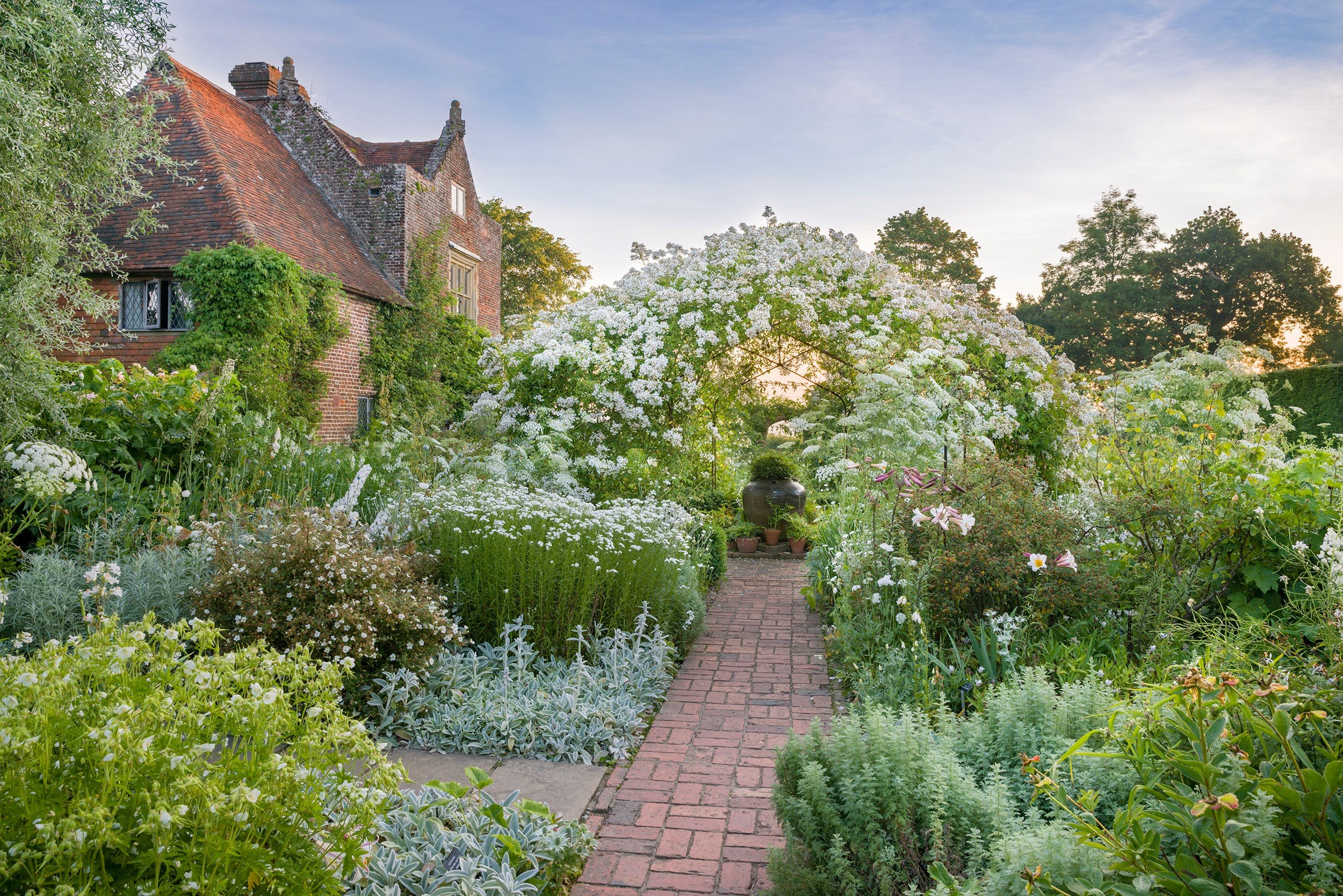 87 mi from SouthamptonSissinghurst Castle Garden: Room-by-Room Garden Design Masterclass
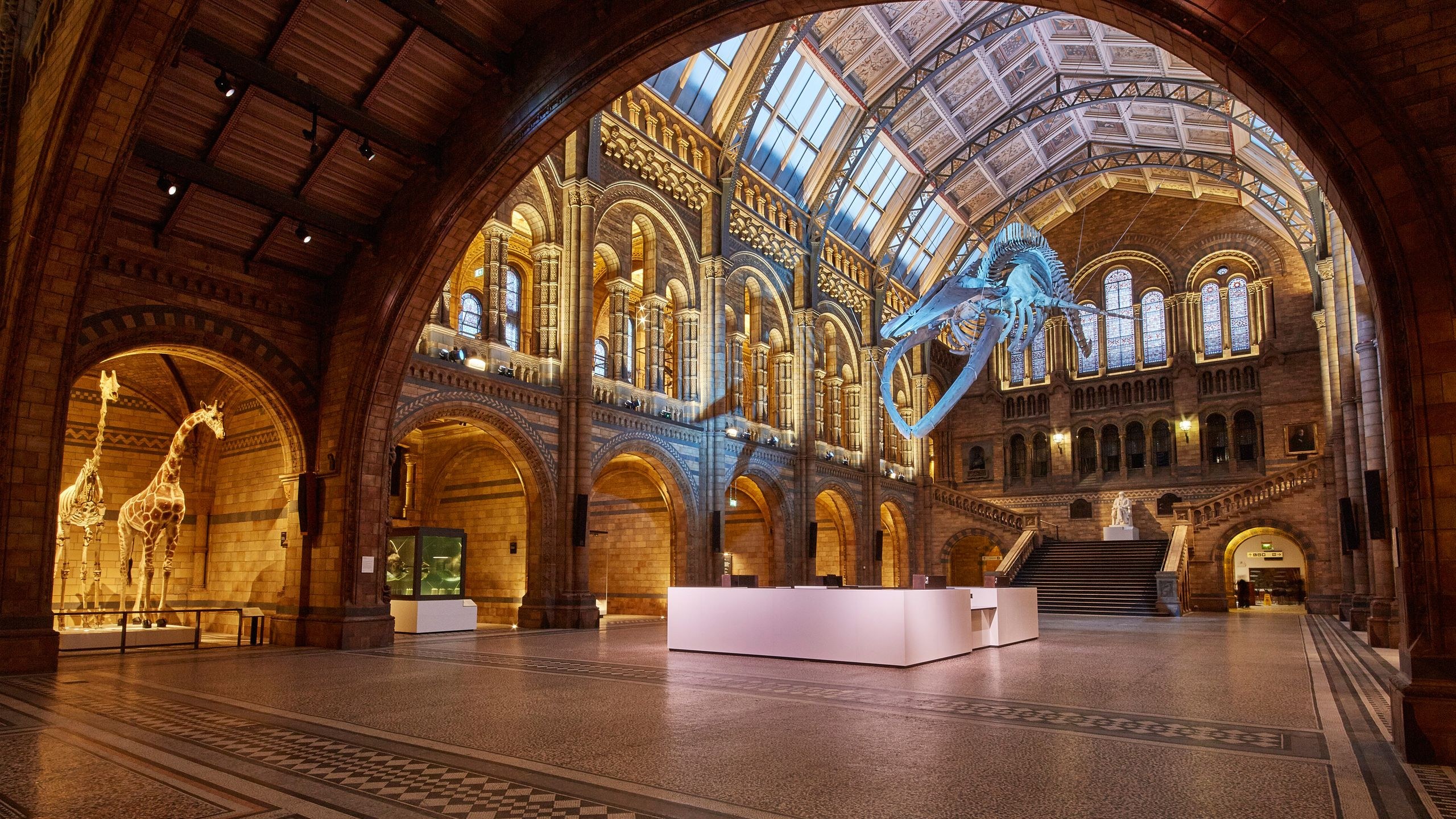 67 mi from SouthamptonNatural History Museum
 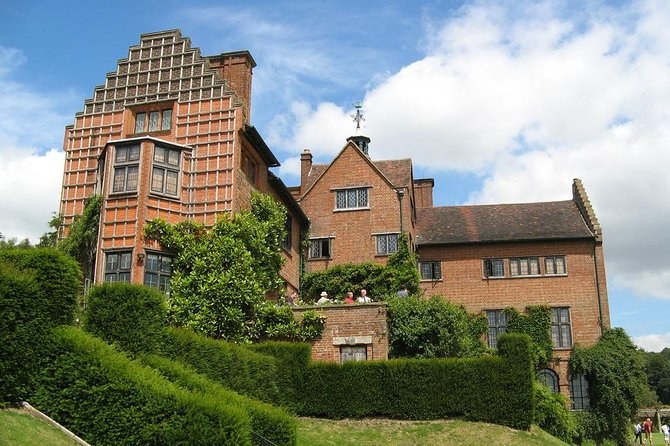 57 mi from Southampton · land adventureChurchill's Kent, Glyndebourne at Dusk & London's Secret Side
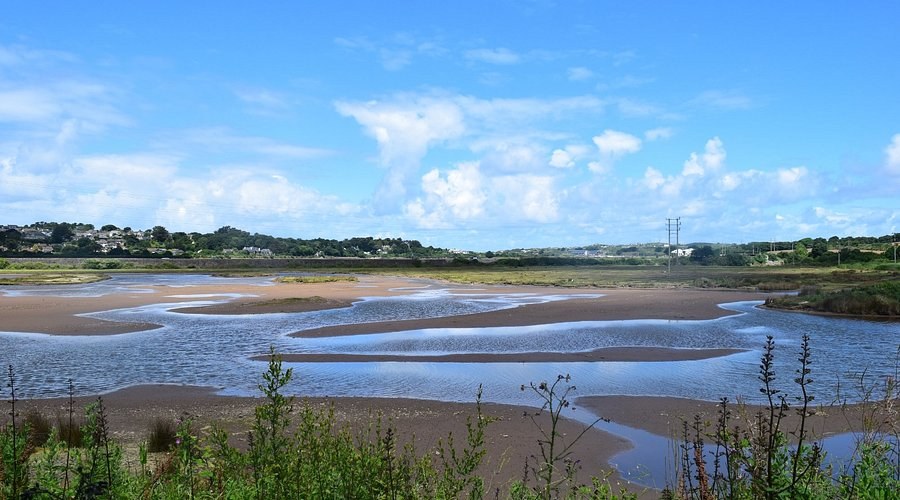 57 mi from Southampton · land adventureCornwall's Wild Coast: Tin Mines, Tidal Castles & Beach Bars
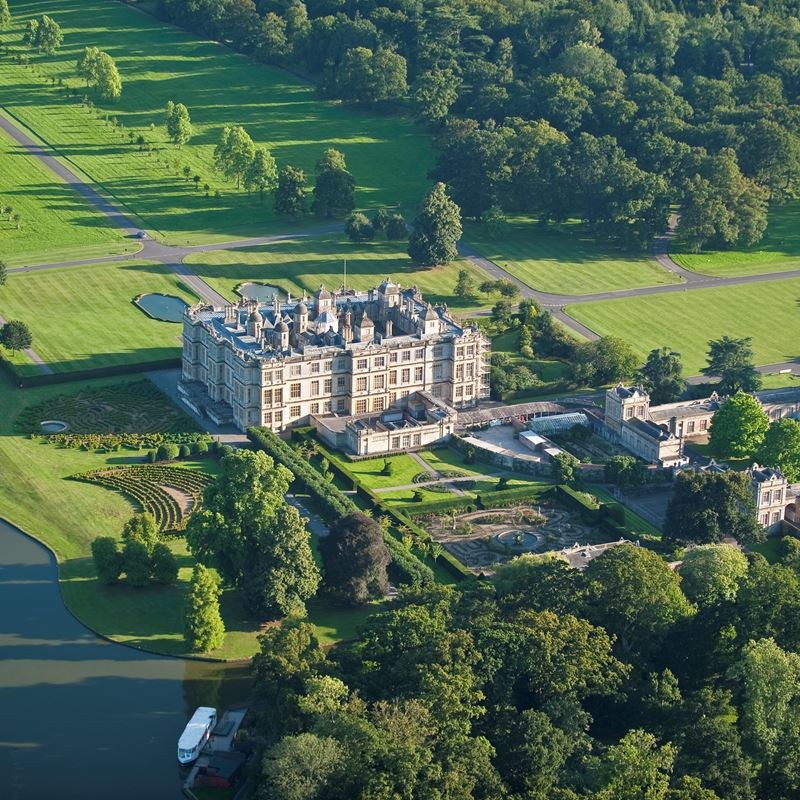 66 mi from Southampton · land adventureGeorgian Bath, Wild Somerset: Limestone, Lions and Lock Flights
 After you step off · near Yokohama
You end in a different port — stay on, and add what is within reach before you fly home.
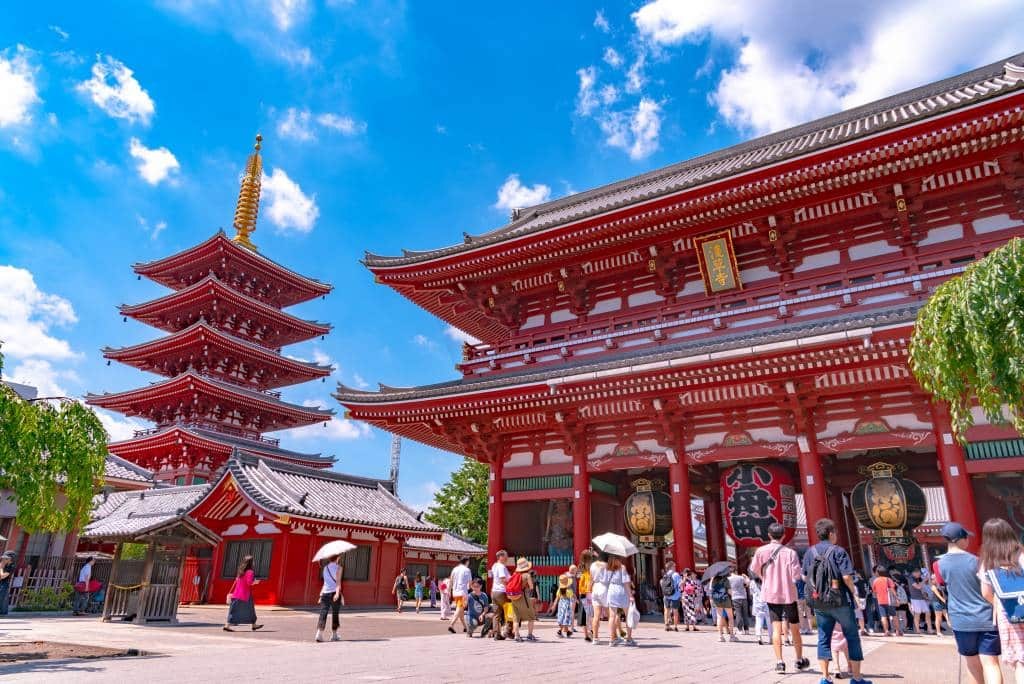 21 mi from YokohamaSenso-ji Temple
 18 mi from YokohamateamLab Borderless
 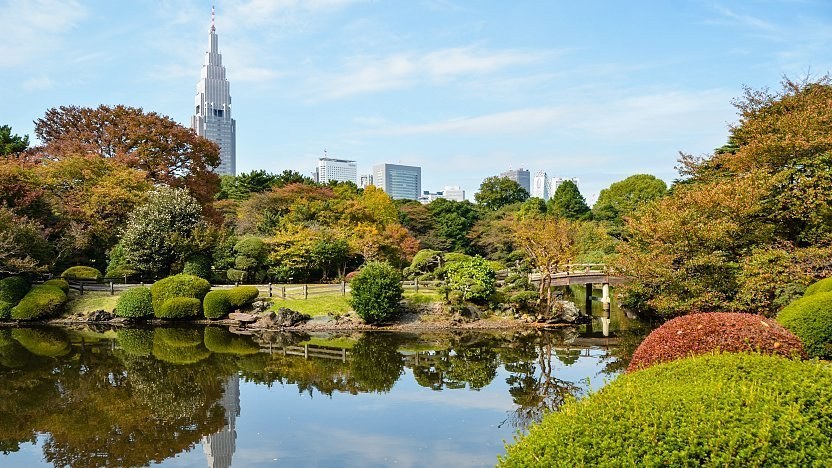 48 mi from Yokohama · land adventureTokyo's Secret Layers: Samurai Houses, Sunrise Crossings & Sake
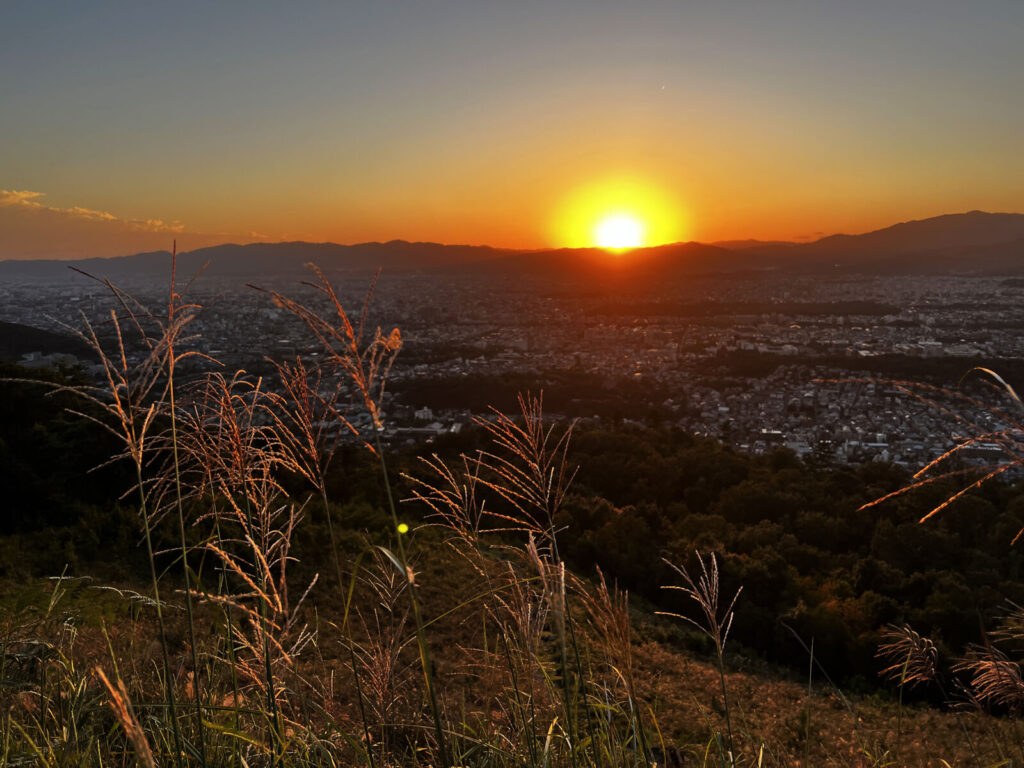 259 mi from Yokohama · land adventureKyoto After Dark: Firelight, Forest Paths & Ancient Craft
 The same trip, elevated
The same gateway on a more luxurious line — lead-in fare per person, same fare as booking direct.