Your cruise
Seabourn Encore · 28-night Asia round trip from Tokyo
Sep 29 – Oct 27 · 28 nights ·
Day 1 Tokyo (board) · Day 2 at sea · Day 3 Miyako · Day 4 Muroran · Day 5 Hakodate · Day 6–7 Otaru · Day 8–9 at sea · Day 10 Sokcho · Day 11 Busan (Kyongju) · Day 12 Cheju City · Day 13–14 at sea · Day 15 Tokyo · Day 16 at sea · Day 17 Osaka (Kyoto and Nara) · Day 18 at sea · Day 19 Busan (Kyongju) · Day 20 Sakai Ko · Day 21 Tsuruga · Day 22 Toyama · Day 23 Sakata · Day 24 Aomori · Day 25–26 Hakodate · Day 27 Miyako · Day 28 at sea · Day 29 Tokyo (step off)
What you do Glide across one of Japan's three most celebrated views — Matsushima Bay — aboard a private chartered vessel weaving between 260 pine-cloaked islands. A bucket-list tableau of mist, sea, and sculpted rock that no photograph fully captures.
What to expect Board your private vessel at Matsushima Pier, just 45 minutes from the cruise port, and spend roughly 60–90 minutes drifting through the bay's iconic silhouettes. Your expert local guide narrates the Zen Buddhist heritage of Zuiganji Temple visible from the water. After the cruise, step ashore to stroll Fukuurajima island's garden trails at your leisure. Fresh oysters — the bay's prized produce — await at a harbourside restaurant reserved for your group.
Good to know Matsushima is 45 min by road from the port; factor ~4 hrs total. Pre-book the private charter well in advance — capacity is limited to 6–8 guests. Confirm all-aboard time and allow a 30-min buffer for the return drive.
book direct with Japan Shore Excursions (Ishinomaki Private Charters) → · the full guide →
What you do Reach the holy island of Kinkasan by private ferry, home to the gilded Koganeyama Shrine and hundreds of wild deer and monkeys that roam its ancient cedar forests. One of Japan's most spiritually charged and scenically dramatic landscapes.
What to expect A 25-minute private transfer takes you to Ayukawa Port on the Oshika Peninsula; a 40-minute ferry carries you across to Kinkasan. Walk the stone-lantern-lined approach to the resplendent Koganeyama Shrine, said to guarantee prosperity to all who visit three years running. Your guide leads you along cedar-canopied trails where deer graze at arm's reach and Japanese macaques peer through the branches. Time permitting, a brief purification ritual at the inner shrine is a profoundly moving close to the visit.
Good to know Allow a full 6–7 hours from the cruise port. Ferry schedule is tide-dependent — your guide will plan around it. Wear comfortable walking shoes; forest paths are uneven. Confirm all-aboard time is no earlier than 6 pm.
book direct with Ayukawa Port Ferry / Oshika Peninsula Tours → · the full guide →
What you do Journey along the dramatic Oshika Peninsula to discover monumental contemporary artworks embedded in tsunami-recovery landscapes — a living gallery where art, resilience, and wild Pacific coastline converge in an utterly unique experience.
What to expect Your guide collects you from the port and drives the Oshika coast, stopping at site-specific installations by internationally acclaimed artists commissioned as part of the Reborn-Art Festival's permanent legacy. Each site carries both aesthetic and deeply human significance — a sculpture garden overlooking a rebuilt fishing village, a luminous installation inside a repurposed storehouse. A freshly prepared local seafood lunch (optional upgrade) is served at a participating community kitchen, where you meet the cooks who rebuilt their lives through the project. The finale is a panoramic clifftop viewpoint above the Pacific.
Good to know Advance reservation essential — group sizes are kept to 6–10 guests. The full tour runs ~5 hours; pair with the 11 am ferry window to be back before all-aboard. Flat walking shoes recommended; some sites involve short coastal paths.
book direct with Activity Japan (Reborn-Art TOUR official operator) → · the full guide →
What you do Step inside the futuristic ship-shaped museum dedicated to Shotaro Ishinomori — creator of Kamen Rider and Cyborg 009 — for a private curator-guided tour that unlocks the archive rooms and concept-art vaults rarely open to the public.
What to expect The museum's iconic UFO-shaped exterior — rising beside the Kitakami River — signals an experience unlike any other cultural institution in Japan. Inside, 50,000 original manga pages are displayed across floors themed by Ishinomori's works. Your private guide walks you through the evolution of manga artistry, the political subtext of Kamen Rider, and into the reproduction studio where the master's original drawing desk is preserved. Manga Road outside the museum is a 2.5 km stretch of bronze character sculptures ideal for a leisurely stroll before returning to port.
Good to know Museum is a short 10-min taxi from the cruise pier. Allow 2–3 hours including Manga Road. Open daily; pre-book the private guide tier to guarantee the archive room visit. No large bags permitted inside — use the coin lockers at the entrance.
book direct with Ishinomori Manga Museum (Official) → · the full guide →
What you do Sail to Tashirojima — Japan's legendary Cat Island — where free-roaming cats outnumber residents and the pace of life is unchanged for generations. Combine feline charm with a private fresh-seafood lunch and a walk to the island's hidden cat shrine.
What to expect Board the Ajishima Line ferry from Ishinomaki's Maabuchi Port for a 40-minute crossing to Tashirojima, where cats first arrived centuries ago to protect fishing nets from mice. Today over 100 cats roam freely through the lanes, fishing huts, and terraced hillsides. Your private guide navigates you to the secluded Neko Jinja (Cat Shrine) at the island's heart, past hand-painted cat-themed bungalows and sun-warmed stone walls draped in sleeping tabbies. Lunch is freshly caught fish grilled over charcoal at a tiny harbourside spot — a meal that epitomises Tohoku's coastal soul.
Good to know Allow 5–6 hours total from the cruise pier. Ferries run twice daily — confirm the morning departure aligns with your ship's arrival time. The island has no cars, minimal facilities, and no ATMs — carry yen in cash. Flat, easy walking throughout.
book direct with Ajishima Line (Official Ferry Operator, Ishinomaki) → · the full guide →
What you do Bear witness to Tohoku's 2011 tsunami through a deeply moving private guided journey — from the Minamihama Tsunami Memorial Park to the preserved ruins of Kadonowaki Elementary School — guided by a local survivor-storyteller who lived through it.
What to expect Begin at the Ishinomaki Minamihama Tsunami Memorial Park, where a sweeping coastal installation and archive document the wave's catastrophic reach. Your guide — who was present in 2011 — speaks candidly about survival, grief, and the collective decision to rebuild rather than abandon the coast. The preserved shell of Kadonowaki Elementary School, its roof a testament to the height the water reached, is a profoundly silent moment in the tour. The journey closes with a visit to the rebuilt Hiyoriyama Park hilltop, where survivors watched the disaster unfold, now returned to cherry blossoms and hope.
Good to know This is an emotionally significant experience — approach with appropriate sensitivity. Full-day format; book well in advance as the survivor-guide has limited availability. Comfortable walking shoes essential; some outdoor sites are exposed to coastal wind. Confirm your ship's all-aboard time when booking.
book direct with Japan Travel & Tours (Ishinomaki 1-Day Tsunami Memorials Tour) → · the full guide →
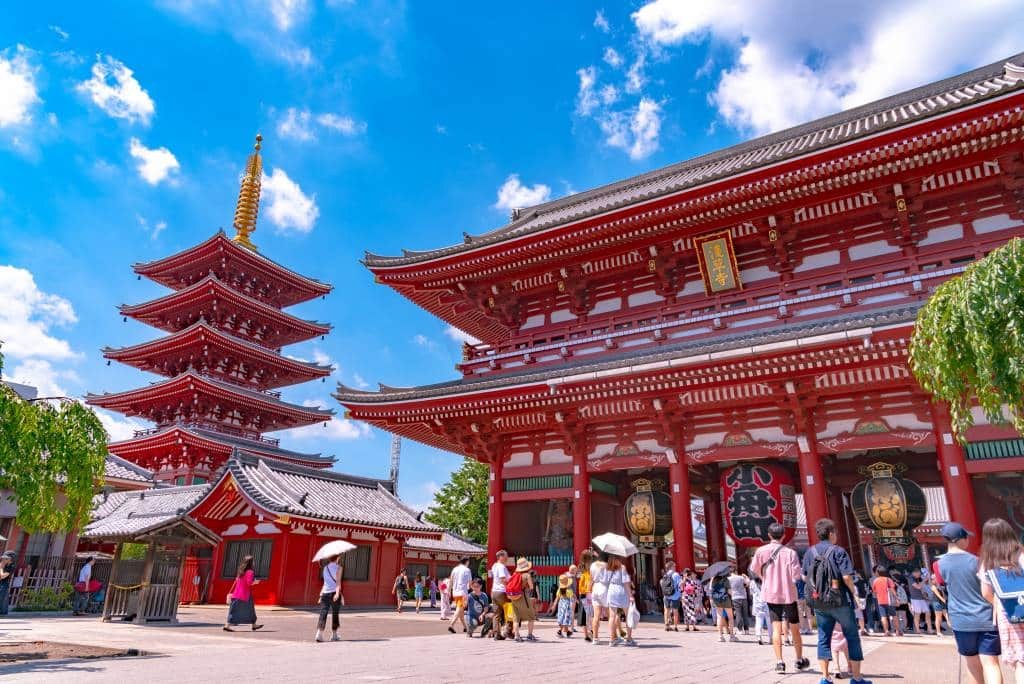
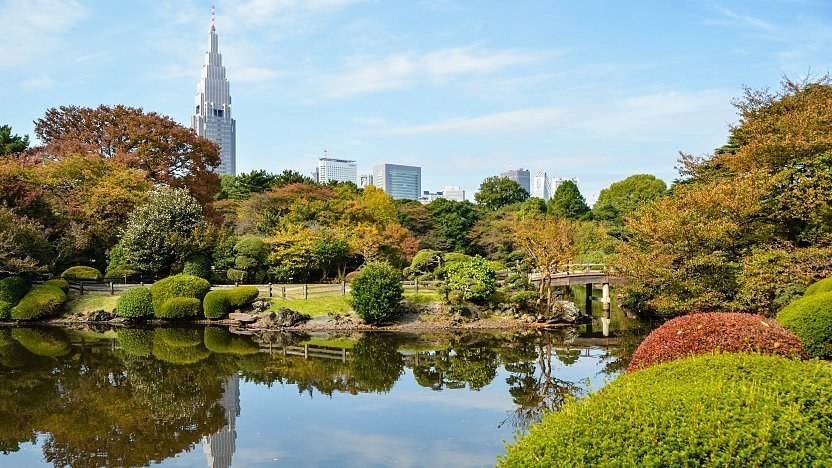
What you do Explore Tokyo's most iconic districts — Asakusa, Shibuya, Shinjuku and the Imperial Palace — guided by a nationally licensed, multilingual expert on an entirely private itinerary tailored to you. This is Tokyo at your pace, through a connoisseur's eyes.
What to expect Your guide meets you at the terminal and whisks you into Tokyo's layered world: the incense haze of Sensō-ji, the electric scramble at Shibuya Crossing, the raked gravel calm of Imperial Palace East Gardens. Lunch is arranged at a chef-selected restaurant befitting your taste. The day is a seamless private narrative rather than a checklist, ending with enough time to return comfortably before all-aboard.
Good to know Book well in advance — licensed private guides are in high demand. Confirm your ship's all-aboard time so your guide can plan the return; Tokyo International Cruise Terminal (Ariake) is roughly 30–40 min by taxi or direct Yurikamome rail from central Tokyo.
book direct with Japan Guide Association (JGA) – Official Licensed Guides → · the full guide →
What you do Ascend the world's second-tallest structure to 634 metres for a panorama stretching from Mount Fuji to Tokyo Bay. On a clear day the view is simply one of the great urban spectacles on earth.
What to expect A high-speed elevator whisks you to the Tembo Deck at 350 m in under 60 seconds. A second ascent takes you to the Tembo Galleria, a glass-walled spiral walkway at 450 m where the floor disappears beneath your feet over the Tokyo skyline. The adjacent Solamachi shopping and dining complex adds a refined post-visit option before heading back.
Good to know Pre-purchase timed-entry tickets online — they sell out days ahead, especially on weekends. From Tokyo International Cruise Terminal, take the Yurikamome line to Asakusa, then the Tobu Skytree Line — allow 50 min total. Allow 2 hrs for both decks. Confirm weather forecast: Mount Fuji views require clear skies.
book direct with Tokyo Skytree (Official) → · the full guide →
What you do Step inside teamLab Borderless — the world's most visited single-artist museum — where thousands of laser projections dissolve boundaries between art and visitor. There are no maps; every room is a living, breathing, bucket-list spectacle.
What to expect You wander freely through interconnected rooms where waterfalls, forests, and koi ponds exist entirely as light and projection — and shift when you touch them. The 'Athletic Forest' zone challenges the body as much as the mind. No two visits are identical; the art evolves in real time. Budget at least two hours, though most guests lose track of time entirely.
Good to know The new Azabudai Hills venue is a taxi/subway ride from the cruise terminal — allow 40 min. Wear comfortable shoes (some zones involve steps and uneven surfaces). Timed-entry tickets are date- and time-specific; book the earliest slot to leave the afternoon free for other stops. Avoid white clothing as projections can stain perception.
book direct with teamLab Borderless Tokyo (Official) → · the full guide →
What you do Explore the legendary Tsukiji Outer Market with a private chef guide who navigates the stalls, sources the finest morning catch, and explains the art of Edomae sushi — ending at a reserved counter for an unforgettable omakase breakfast.
What to expect The morning begins in the alley labyrinth of Tsukiji Outer Market as vendors arrange glistening tuna, sea urchin, and seasonal shellfish. Your chef-guide explains provenance, seasonality, and the knife traditions behind each cut. A tamagoyaki (rolled omelette) master lets you watch the craft up close. The tour culminates at a reserved sushi counter where the chef orders on your behalf — a succession of impossibly fresh nigiri paired with explanations of each piece.
Good to know Tsukiji Outer Market is most vibrant 7–10 am; an early start is essential and pairs well with an early all-aboard schedule. The market is approximately 30 min by taxi from Tokyo International Cruise Terminal. Confirm any dietary restrictions with Context Travel at booking. Sturdy shoes are advised — the alleys are narrow and sometimes wet.
book direct with Context Travel Tokyo – Expert-Led Food Tours → · the full guide →
What you do Walk the ancient cedar-forested approach to Tokyo's most sacred Shinto shrine, then emerge into Harajuku's kaleidoscopic street culture — a single morning that captures the full spiritual and creative soul of Tokyo.
What to expect The 700-metre forested gravel path to Meiji Jingu feels remote despite being at the heart of 14-million-person Tokyo — a genuine hush descends. Your guide explains the daily rituals, points out the sake-barrel wall offered by French wineries, and arranges a quiet moment at the inner shrine. The short walk to Harajuku delivers the visual shock of kawaii fashion and the understated elegance of Omotesandō boutiques — Dior, Louis Vuitton, and local ateliers alike.
Good to know Shoulders and knees should be covered or a scarf carried for the shrine approach. From the cruise terminal, take the Yurikamome to Shimbashi then JR Yamanote Line to Harajuku — approx. 50 min. The combined experience takes 3–4 hours; pairs perfectly with a lunch reservation on Omotesandō. Book your GoWithGuide guide at least 2 weeks ahead.
book direct with GoWithGuide – Private Tokyo Local Guides → · the full guide →
What you do Ascend the beloved iron icon of Tokyo at golden hour for the exclusive Diamond Tour — access to both the Main Deck at 150 m and the Top Deck at 250 m, limited to just 70 guests per day. A sunset over the Tokyo skyline from here is a memory for life.
What to expect Tokyo Tower glows tangerine and crimson at dusk — a deliberate nod to the Eiffel Tower's evening palette — and from the glass-floor panels of the Top Deck, the city grid fans out to Tokyo Bay and beyond. The Diamond Tour guide explains the tower's 1958 construction story and its role as Tokyo's emotional heartbeat. The lounge offers premium refreshments as the city lights ignite below you.
Good to know Book online the moment your itinerary is confirmed — the 70-person cap sells out fast, especially on weekends and holidays. Tokyo Tower is in Minato, roughly 40 min by taxi from the cruise terminal. Plan to arrive at least 30 min before your slot. A sunset slot (approximately 5–6 pm) is spectacular but confirm your ship's all-aboard time allows for it.
book direct with Tokyo Tower (Official) → · the full guide →
What you do Stand at the very tip of Cape Chikyu — 'Earth Cape' — where 100-metre sea-cliffs plunge into the Pacific and Hokkaido's wild coastline stretches to the horizon. The iconic white lighthouse and jaw-dropping panoramas make this Muroran's single greatest bucket-list moment.
What to expect Your private vehicle collects you directly at the port and whisks you south along Hokkaido's rugged Iburi coastline to the cape. The final approach on foot follows a dramatic headland trail to the lighthouse perch, where the Pacific rolls hundreds of metres below. Your guide shares the geological and cultural story of the cape — formed by ancient volcanic activity — and positions you for the best photography angles. The return journey can be routed via Tokkarisho Lookout for a second coastal panorama.
Good to know Cape Chikyu is approximately 20 minutes from the port by private car. Allow 2–3 hours total. Pre-book well in advance for peak summer sailings. Check all-aboard time carefully and build in a 30-minute buffer — your private guide will monitor this.
book direct with Japan Shore Excursions (Private Muroran Cape Chikyu Tour) → · the full guide →
What you do Descend into Jigokudani — 'Hell Valley' — where sulphurous steam vents, boiling pools, and crimson rock formations create an otherworldly volcanic landscape. Cap it with a private soak in Noboribetsu's legendary onsen, some of Hokkaido's finest mineral waters.
What to expect Noboribetsu is roughly 40 minutes northeast of Muroran port — an easy, scenic drive through Hokkaido's forested interior. The Jigokudani boardwalk loops past roaring steam vents, vivid mineral pools, and the demon-guarded 'Oni' statuary that has made this valley famous across Japan. After the volcanic drama, your guide escorts you to a premium onsen ryokan for a therapeutic mineral soak in Hokkaido's most celebrated waters. Time permitting, a stroll through the traditional onsen town of Noboribetsu Onsen completes the picture.
Good to know Budget at least 4 hours for Jigokudani plus onsen. Bring a small towel (or rent one at the onsen, approx. JPY 200). Tattoos may restrict access to some communal baths — ask your guide to pre-select a tattoo-friendly facility. Book private transfers via Japan Shore Excursions or CAB Station to guarantee port return timing.
What you do Witness the raw, living power of Hokkaido's volcanic heartland at Lake Toya — a vast caldera lake of luminous blue — and the crater scarred flanks of Mount Usu, which last erupted as recently as 2000. One of Japan's most dramatic natural spectacles, all yours by private car.
What to expect The drive west from Muroran climbs through cedar forests before revealing the stunning caldera panorama of Lake Toya — 11 kilometres across, its volcanic island centrepiece perfectly reflected in the water. Your guide drives the lakeside circuit, stopping at the Usu Zan Ropeway for a cable-car ascent to the scarred summit area where lava domes and volcanic craters tell the story of Japan's dynamic geology. The town of Toya Onsen on the lake's southern shore offers world-class lakefront resort restaurants for a refined lunch.
Good to know Lake Toya is approximately 60–75 minutes from Muroran port. This is a full-day excursion — plan for 6–7 hours minimum. Usu Zan Ropeway tickets are approx. JPY 1,800 per person return. Pre-book with your operator and confirm all-aboard time the evening before sailing.
book direct with Japan Shore Excursions (Private Lake Toya & Usu Tour from Muroran) → · the full guide →
What you do Take in two of Muroran's most celebrated vistas in one seamless private tour: the wild coastal drama of Tokkarisho Lookout and the soaring elegance of the illuminated Hakucho ('Swan') suspension bridge — Hokkaido's longest. A perfect introduction to Muroran's surprising scenic wealth.
What to expect Tokkarisho Lookout delivers vertiginous clifftop views over the Pacific, where sea stacks and surf-battered rock formations create a scene of raw Hokkaido drama — one of the port's highest-rated viewpoints. From there your driver crosses to the Hakucho Bridge observation area, where the white suspension towers rise like swans' wings above the Muroran Strait. The bridge's engineering story and the panorama of industrial port juxtaposed with natural beauty is surprisingly compelling. Your guide narrates the history of Muroran as Hokkaido's great steel and shipping city.
Good to know This half-day loop runs 3–4 hours, ideal for ships with an early all-aboard. Both sights are within 15–20 minutes of the port. Tokkarisho can be breezy — bring a light jacket. Ideal paired with a stop at Muroran Hachimangu Shrine if time permits.
book direct with CAB Station (Charter Bus & Limousine — Hokkaido Shore Excursions from Muroran Port) → · the full guide →
What you do Explore Muroran Hachimangu, a serene Shinto shrine nestled in forested grounds above the port city, where ancient ritual, seasonal festivals, and striking vermilion architecture offer an intimate window into Hokkaido's spiritual life — without the tourist crowds of Kyoto.
What to expect The approach to Muroran Hachimangu follows a forested stone stairway lined with lanterns, building a mood of quiet reverence before you reach the main hall. Your guide walks you through the etiquette of purification at the temizuya water basin, the significance of the ema wooden wish plaques, and the architecture of the honden (inner shrine). The surrounding wooded grounds are peaceful and photogenic in every season — cherry blossoms in spring, crimson maples in autumn. A short cultural detour to Itanki Beach or the Sokuryozan Observatory Deck can be added for a fuller half-day.
Good to know The shrine is approximately 10–15 minutes from the port. Combine with Itanki Beach or the Observatory Deck for a 3-hour half-day cultural and scenic loop. Dress modestly for shrine visits. No formal booking required for entry, but pre-book your private guide.
book direct with Japan Shore Excursions (Private Muroran Cultural Tour) → · the full guide →
What you do Make the most of Hokkaido's extraordinary port location with a full-day private journey to Sapporo — Hokkaido's dazzling capital city. Devour fresh Hokkaido seafood at dawn at Nijo Market, immerse yourself in the iconic Sapporo Beer Museum, and stroll the grand axis of Odori Park.
What to expect The expressway from Muroran to Sapporo takes approximately 90 minutes, arriving in time for a lavish late-morning spread at Nijo Market — Sapporo's famed open-air seafood bazaar, where Hokkaido king crab, sea urchin, and fresh salmon roe are eaten standing at the counter. Your guide then leads you through the Sapporo Beer Museum (entry approx. JPY 200 for premium tasting), where Japan's oldest beer brand tells its story amid Victorian red-brick grandeur. Odori Park's sweeping boulevard, the historic Clock Tower, and the rooftop panorama from JR Tower Observatory complete the afternoon before a relaxed drive back to port.
Good to know Sapporo is approximately 90 minutes by private car from Muroran port. This is a full-day commitment — depart by 08:00 to allow 6–7 hours in the city. JR Tower Observatory entry is approx. JPY 740 per person. Confirm your all-aboard time before booking and build in a 90-minute return buffer. Pre-book for summer sailings, which fill quickly.
book direct with Japan Shore Excursions (Private Sapporo Day Tour from Muroran Port) → · the full guide →
What you do Ride the Hakodate Ropeway to the summit of Mt. Hakodate for one of Japan's three great night views — a glittering hourglass of city lights between two bays. At 334 m, the 360° panorama is simply breathtaking and utterly bucket-list.
What to expect The gondola whisks you up 334 metres in just three minutes, arriving at a glass-walled observatory perched above the forested peak. As daylight fades, Hakodate's unique hourglass peninsula blazes gold and amber between Tsugaru Strait and Uchiura Bay. The summit also has a café and gift shop should you wish to linger. In autumn, the hillside maples frame the ascent in fiery crimson.
Good to know Ropeway runs daily; last gondola is around 22:00 (seasonal). Allow 90 min round-trip. It's 15 min by taxi from the pier. Pre-book a licensed guide via Japan Guide Association (j-g-a.org) to ensure a private summit experience matched to your ship's all-aboard time.
book direct with Hakodate Ropeway (Official) → · the full guide →
What you do Plunge into the legendary Hakodate Asaichi — one of Japan's great morning markets — guided by a local expert who unlocks the finest stalls for live uni, ikura, and hairy crab before the crowds arrive. End with a private omakase bowl that rivals any Michelin table.
What to expect The market opens at 05:00 and by 07:00 the stalls are at peak drama: crab claws waving from iced tanks, fishmongers calling their catch, vendors pressing samples of smoked scallop into your hands. Your guide curates a tasting circuit — squid ink, sea urchin, Hokkaido milk soft-serve — before settling you at a counter for a bespoke seafood rice bowl. Markets wind down by midday so a morning start is essential.
Good to know Market is a 5-min walk or short taxi from most Hakodate berths. Best experienced 07:00–10:00. Book a licensed English-speaking guide in advance; the Japan Shore Excursions team specialises in cruise-ready timing with guaranteed all-aboard returns.
book direct with Japan Shore Excursions (Licensed Local Guide) → · the full guide →
What you do Survey Japan's only Western-style star-shaped fortress — scene of the Boshin War's final battle — from the glass-floored Goryokaku Tower, then walk its cherry-blossom-lined moats with a licensed historian guide. A defining chapter of Japanese history made vivid.
What to expect Ascend Goryokaku Tower for a bird's-eye view of the perfect five-pointed star, its geometry still razor-sharp from above. Below, the moated grounds are a masterclass in 19th-century European military architecture transplanted to Japan. Sara leads you across the drawbridge and through the restored magistrate's office, narrating the tragic last stand of the Shinsengumi. In spring the fort's 1,600 cherry trees make this one of Hokkaido's most spectacular hanami sites.
Good to know Tower open daily 09:00–18:00 (to 19:00 in peak season). A 15-min tram ride from the pier on the City Tram (1-Day Pass JPY 800 — worth buying). Combine with nearby Kanemori Red Brick Warehouses for a full half-day. Pre-book your guide at least 2 weeks ahead.
book direct with Hakodate Guide Sara (Local Licensed Expert) → · the full guide →
What you do Escape the city entirely on a private guided foray to Onuma Quasi-National Park — a volcanic lake landscape where Mt. Komagatake's reflection shimmers on mirror-still water. Glide by kayak among forested islets in one of Japan's most serene national parks.
What to expect A 50-minute drive north of Hakodate deposits you in a landscape of extraordinary calm: 126 islets scattered across three interconnected lakes, all cast in the shadow of the still-active Mt. Komagatake. Your guide leads a lakeside boardwalk through ancient pines before you board a two-person kayak to explore the quieter western channels, rich with kingfishers and grey herons. Autumn turns the maples copper-gold; spring carpets the banks in cherry blossom.
Good to know Allow a full day: 50 min each way plus 3–4 hrs in the park. Confirm kayak availability seasonally (best May–Oct). Your guide ensures cruise-compatible return timing. Dress in layers — lake temperatures are significantly cooler than the city, especially in the morning.
book direct with Japan Shore Excursions (Licensed Local Guide) → · the full guide →
What you do Wander Hakodate's 19th-century foreign concession quarter — Orthodox churches, Gothic consulates, and wooden merchant mansions clinging to Mt. Hakodate's slopes — with a licensed guide who unlocks interiors closed to independent visitors.
What to expect The Motomachi hillside is a rare surviving pocket of Meiji-era cosmopolitanism: you'll peer inside the Old British Consulate's rose garden, climb to the vermilion Chinezan Josenji temple with its harbour panorama, and stand inside the onion-domed Hakodate Orthodox Church. Your guide contextualises the mid-19th-century treaty port history that made Hakodate Japan's gateway to the world. The cobblestone slopes and pastel clapboard facades are endlessly photogenic.
Good to know The quarter is walkable in 2–3 hrs with a guide; most sites open 09:00–17:00. Old Public Hall closed Mondays. A 10-min tram ride from the pier. Book a 4- or 6-hour guide slot to combine Motomachi with Goryokaku in a single seamless day.
book direct with Japan Guide Association — Hakodate Licensed Guides → · the full guide →
What you do Let a traditional rickshaw (jinrikisha) carry you through Hakodate's most photogenic streets — past red-brick warehouses, tram lines, and seaside promenades — while your puller doubles as an expert local storyteller. A uniquely intimate, beautifully paced way to see the city.
What to expect You recline on a lacquered seat beneath a fringed canopy as your jinrikisha runner navigates the Kanemori Warehouse waterfront, the Motomachi slopes, and the old tram boulevard. The pullers are remarkably well-informed, pointing out architectural curiosities and delivering anecdotes about the Meiji-era merchants who built this city. It's theatrical, intimate, and entirely unlike anything else in Japan's port cities.
Good to know Rickshaws depart from the Kanemori Red Brick Warehouse area, a 5-min walk from the main pier. No advance booking required for short rides, but reserve a 90-min private course ahead for a bespoke itinerary. Operates year-round (weather permitting); best in the golden hour before sunset.
book direct with Ebisuya Rickshaw Hakodate (えびすや) → · the full guide →
What you do Journey to Hokkaido's legendary Nikka Whisky Yoichi Distillery — Japan's most storied single-malt producer — for an expert-guided tour and rare barrel-aged tastings amid stone distillery buildings that feel like a Scottish village transplanted to Japan.
What to expect Your guide meets you at the port and transfers you by private vehicle the 40 minutes to Yoichi. You'll walk the immaculate distillery grounds, inspect the direct-coal-fired pot stills (unique in the world), and tour the founder's original home. The tasting session includes aged expressions and limited releases not available outside Japan. The return journey follows Hokkaido's dramatic coastal road.
Good to know Yoichi is ~40 km from Otaru port — allow 5.5–6 hours total. Book the private guide well in advance; all-aboard times in Otaru are typically 17:00–18:00. Distillery entry is free; premium tastings are pay-per-glass on site. Designate a non-drinking companion or use the guide as driver.
book direct with Japan Guide Association – Otaru Private Licensed Guides → · the full guide →
What you do Drift along the gaslit Otaru Canal by private cruise at dusk as century-old stone warehouses glow amber in the water, then retire to a private kaiseki dinner showcasing Hokkaido's finest seafood — the quintessential Hokkaido evening.
What to expect Board the low wooden canal boat directly from the Chuo-bashi quay. As twilight falls, the historic 1923 warehouses are bathed in warm lamp-light and reflected perfectly in the still water. After disembarking, a short walk leads to a reserved kaiseki counter where the chef presents Hokkaido snow crab, uni, and Yoichi apple desserts course by course. The pace is entirely unhurried.
Good to know The canal is a 20-minute walk or 5-minute taxi from the cruise pier. Night cruises depart on the hour from approximately 19:00 — check all-aboard time carefully; this excursion suits ships with a late departure or overnight stay. Pre-book the kaiseki restaurant directly; walk-ins are rarely accepted.
book direct with Otaru Canal Cruise (小樽運河クルーズ – Official) → · the full guide →
What you do Soar above Otaru on the Tenguyama Ropeway for a 360° panorama of the Japan Sea, the Ishikari Plain, and the city's silver rooftops — Hokkaido's most dramatic viewpoint, best savoured with a private guide who reveals the full sweep of history below.
What to expect The gondola rises steeply from the base station to 532 m in just a few minutes, the city unfurling beneath you. At the summit, wide observation decks give unobstructed views across Otaru Bay to the Sea of Japan. Your guide shares stories of Otaru's boom years as Hokkaido's wealthiest port city. In autumn the surrounding maple forest turns scarlet; in summer, wildflowers carpet the ridge trails.
Good to know Tenguyama is a 15-minute taxi from the port. Allow 2.5–3 hours including travel. Combine with a stop at Kitaichi Glass or Sakaimachi Street on the return for a full cultural morning. Ropeway tickets are purchased on arrival; no advance booking needed.
book direct with Japan Guide Association – Otaru Private Licensed Guides → · the full guide →
What you do Wander Otaru's atmospheric Sakaimachi-dori with a private guide unlocking the stories behind its Meiji-era merchant houses, before stepping inside Kitaichi Glass's legendary flagship to watch master craftsmen blow intricate Venetian-inspired pieces in real time.
What to expect You'll stroll past rows of late 19th-century stone bank buildings repurposed as artisan boutiques, your guide narrating Otaru's role as Hokkaido's financial and trading capital. At Kitaichi Glass No.1 Hall, 167 lamps glow inside a heritage warehouse turned gallery. A reserved session at the glassblowing studio lets you watch — or try — the ancient craft yourself. The street's gourmet shops offer Hokkaido cheese, smoked salmon, and fresh-pulled soft-serve to enjoy along the way.
Good to know Sakaimachi Street is a 25-minute walk or 8-minute taxi from the port — highly walkable. Allow 3–4 hours. The glassblowing experience must be pre-arranged through your guide. Visit on weekday mornings for the lightest crowds. Carry cash for artisan purchases.
book direct with GoWithGuide – Otaru Local Experts → · the full guide →
What you do Explore the world-famous Otaru Orgel (Music Box Museum), home to thousands of hand-crafted mechanical music boxes, then tour the grand Nishin Goten Herring Mansion — a window into the extraordinary wealth of Hokkaido's 19th-century herring boom.
What to expect The Orgel main hall is a three-storey Victorian-style building filled with the delicate tinkling of hundreds of mechanical music boxes, from pocket-sized antiques to elaborate concert-hall instruments. Upstairs, skilled craftsmen assemble custom pieces to order. A short drive along the coast brings you to the Nishin Goten, a vast wooden estate that once housed the tycoons of Hokkaido's herring industry, its rooms still furnished with lacquerwork, sliding screens, and sea-facing gardens.
Good to know The Music Box Museum is a 10-minute walk from the cruise pier; Nishin Goten is a 10-minute taxi or 30-minute walk further along the coastal road. Budget 3–4 hours for both. Commission a custom music box at the start of the tour so it's ready for collection before you return to ship.
book direct with Otaru Orgel (Music Box Museum – Official) → · the full guide →
What you do Otaru Aquarium's resident penguins famously parade along a seaside walkway every day — one of Japan's most charming wildlife moments — while its open-air pools feature performing sea lions and walruses against a backdrop of the Japan Sea.
What to expect The outdoor sea-lion stadium delivers theatrical performances against crashing waves. Then, at the appointed hour, a keeper leads a waddling procession of penguins along the seaside path — endlessly photogenic and joyfully unhurried. Inside, tanks showcase the extraordinary marine life of the Sea of Okhotsk, including giant king crabs, giant Pacific octopuses, and Steller sea lions. A café serves fresh Hokkaido soft-serve overlooking the sea.
Good to know The aquarium is approximately 4 km (15 min by taxi) north of the cruise pier. Allow 2.5–3 hours. Penguin parade and show times vary seasonally — check the official site before visiting and plan your arrival around the parade time. Combine with a stop at Sankaku Market for fresh Hokkaido uni and crab on the way back.
book direct with Otaru Aquarium (小樽水族館 – Official) → · the full guide →
What you do Explore South Korea's most dramatic alpine landscape on a private guided journey through Seoraksan — ancient granite peaks, Sinheungsa Temple, and Korea's finest mountain air. A true bucket-list encounter with raw, UNESCO-recognised wilderness.
What to expect Your private bilingual guide meets you dockside and whisks you straight into Seoraksan National Park, bypassing the day-tripper chaos. You'll trek to Sinheungsa Temple — a stunning 7th-century Buddhist sanctuary ringed by towering peaks — then push toward the dramatic granite columns of Ulsanbawi Rock if fitness allows. Lunch is taken at a mountain restaurant favoured by locals, featuring the region's celebrated dakgalbi (spicy chicken) or mountain herbs. The return journey offers scenic coastal views as Sokcho's dramatic skyline comes into view from the mountain road.
Good to know Book directly through Shore Excursions Group well in advance — this is the port's most in-demand private experience. Wear sturdy walking shoes; the trails are well-maintained but uneven. Allow at least 6–7 hours. The operator coordinates timing with your vessel's all-aboard.
book direct with Shore Excursions Group → · the full guide →
What you do Conquer the legendary six-pinnacle granite crown of Seoraksan on a private guided trek to Ulsanbawi Rock — one of Korea's most iconic and visually spectacular hikes. The panoramic views over the East Sea are simply unforgettable.
What to expect Starting from the national park entrance, your private guide leads you up the well-marked but exhilarating trail to Ulsanbawi's six towering granite spires, rising 873 m above sea level. The ascent winds through fragrant pine forest and past ancient Buddhist shrines etched into the rock face. At the summit platform, 360° views of Seoraksan's ridgelines and the glittering East Sea coast leave even seasoned travellers speechless. After descending, you'll restore with a steaming bowl of samgyetang — whole chicken slow-braised in ginseng broth — a restorative Korean classic served at a traditional restaurant.
Good to know Allow 5–6 hours for the round-trip hike (approx. 4 km each way). Best suited to travellers with a moderate-to-good fitness level. Pre-book as private slots fill quickly. Confirm your vessel's all-aboard time with the operator at booking — they are experienced with cruise port logistics.
book direct with Viator (Private Mt. Seorak National Park Tour) → · the full guide →
What you do Step onto the tensest frontier on earth — the Demilitarized Zone dividing North and South Korea — on a private guided tour designed specifically for cruise travellers docking at Sokcho. Rare, sobering, and utterly unmissable.
What to expect Departing directly from Sokcho port, your private vehicle heads north toward the DMZ — the heavily fortified 4 km-wide buffer zone that has divided the Korean peninsula since 1953. Your expert guide provides rich historical and geopolitical context as you approach the restricted zone. At the front-line observation post, binoculars reveal North Korean villages, guard posts, and the utterly still landscape beyond the wire — a sight that never loses its power. The visit typically includes the Unification Observatory and related museum exhibits, offering a nuanced, human portrait of a divided nation.
Good to know Passport required for DMZ entry — do not forget it. The DMZ is approximately 50 km from Sokcho port. Allow 5–6 hours total. This tour is specifically offered for cruise travellers from Sokcho and is timed to all-aboard. Book well ahead; capacity is controlled by military permit.
book direct with Visit A City / Local Sokcho DMZ Tour Operator → · the full guide →
What you do Glide above the ancient peaks of Seoraksan on the iconic Seorak Cable Car, then find Korea's legendary 'rocking stone' — a 5-tonne boulder that wobbles at a touch yet has never fallen. Dramatic scenery, zero strenuous hiking required.
What to expect The eight-minute cable car ascent lifts you 1,100 m above sea level, the valley floor dropping away beneath you to reveal a sea of jagged granite ridgelines stretching to the horizon. At the upper station, a short rocky walk leads to Heundeulbawi — a 5-tonne boulder perched impossibly on a cliff edge that has been 'rocking' for centuries. Nearby, a Buddhist hermitage clings to the cliff face, offering a meditative moment amid the drama. On clear days, the East Sea shimmers on one side and the park's interior peaks layer endlessly on the other.
Good to know Cable car operates daily; queues build quickly after 10 am — arrive early. Sokcho port is approximately 12 km from the cable car base; taxis and private transfers are readily available (approx. KRW 15,000–20,000 one-way). Combined with a market visit, this is an excellent half-day itinerary. Allow 2.5–3 hours total.
What you do Plunge into Sokcho's legendary Jungang Market — the beating culinary heart of Korea's East Sea coast — on a private guided tasting tour led by a local food expert. Graze on live squid, odeng fish cake, and freshly grilled flatfish steps from the boats that caught them.
What to expect Sokcho's Jungang (Central) Market is one of Korea's most vibrant coastal food markets, its lanes piled with the freshest haul from the East Sea — live abalone, king crab, snow crab, and the famed Sokcho flatfish (gajami). Your guide introduces you to odeng (fish cake skewers) simmering in fragrant broth, freshly grilled hairtail fish, and the local speciality of Abai sausage — a smoky, chewy delicacy brought to Sokcho by North Korean refugees. You'll also cross on the hand-pulled Gaetbae cable ferry to nearby Abai Village, a poignant community with a remarkable culinary story. The market is a 10-minute taxi ride from the cruise terminal.
Good to know The market is most alive in the morning — aim to arrive by 9–10 am for the freshest produce and most authentic atmosphere. Wear comfortable shoes; the lanes are narrow and lively. Cash (Korean Won) is useful for smaller vendors. The Gaetbae ferry costs approximately KRW 500 and is a charming experience in itself.
book direct with Shore Excursions Group → · the full guide →
What you do Greet dawn from Yeonggeumjeong Pavilion — a jewel-box traditional gazebo perched directly above the East Sea — then walk the pine-shaded coastal trail to the historic Sokcho Lighthouse. One of Korea's most quietly spectacular morning rituals.
What to expect Yeonggeumjeong Pavilion sits on a rocky promontory at Sokcho Beach, its elegant curved eaves framing the horizon like a painted scroll — at sunrise, the sky turns molten gold and pink behind fishing boats returning from their night haul. Your private guide explains the Joseon-era tradition of poets and scholars gathering here to compose verse at dawn. From the pavilion, a pine-lined coastal path leads uphill to Sokcho Lighthouse, a century-old white beacon perched above dramatic sea cliffs where the views extend north toward the DMZ coastline. The return stroll along Sokcho Beach — with fresh Americano in hand from a cliffside café — is the perfect way to ease into a port day.
Good to know Best experienced on arrival morning if your vessel docks early; the pavilion is a 15-minute taxi ride from the cruise terminal. Showaround connects you directly with vetted local guides — message your preferred guide in advance to confirm availability and tailor the itinerary. Dress in layers; the East Sea coast can be breezy at dawn even in summer.
book direct with Showaround (Local Private Sokcho Guide) → · the full guide →
What you do Journey to Korea's ancient capital — the 'museum without walls' — exploring royal Silla tombs, Bulguksa Temple, and the Seokguram Grotto in total privacy. A bucket-list immersion into 1,000 years of dynasty, art, and spiritual wonder.
What to expect Your guide collects you from the port and drives through rolling hills to Gyeongju, once the radiant capital of the Silla Kingdom. Stand inside Bulguksa Temple's stone pagodas — a masterwork of Buddhist architecture — then ascend to the Seokguram Grotto, where a granite Buddha gazes serenely over the East Sea. Stroll the Daereungwon Royal Tomb Park, a dreamlike landscape of grassy burial mounds, before visiting Cheomseongdae, Asia's oldest surviving observatory. The pace is unhurried, the storytelling rich, and every stop feels genuinely discovered.
Good to know Gyeongju is 1.5 hours from Busan port — confirm your all-aboard time and choose the earliest departure. Pre-book directly; the tour departs daily and sells out in peak season. Allow a full 8–9 hours for the complete itinerary.
What you do Visit Busan's most dramatic coastal temple — Haedong Yonggungsa — built directly on seaside cliffs above crashing waves, then unwind on legendary Haeundae Beach. A singular fusion of spiritual grandeur and Korea's most glamorous shoreline.
What to expect Step through stone dragon gates as Haedong Yonggungsa Temple reveals itself perched on wave-lashed granite — one of Korea's only coastal Buddhist temples, and breathtakingly photogenic at any hour. Your guide explains the 600-year-old history and the rituals still practised here daily. Continue to Haeundae Beach, Busan's iconic 1.5 km crescent of white sand framed by a glittering high-rise skyline, for a leisurely stroll, fresh seafood at the nearby market, and a panoramic coffee stop. The afternoon is yours to savour at whatever pace feels right.
Good to know The temple is busiest mid-morning; aim to arrive before 10 am for the best light and fewer visitors. Haeundae is 30 minutes from port by private car. Comfortable walking shoes essential — temple steps are steep and uneven.
What you do Wander Busan's 'Machu Picchu of Korea' — the pastel-painted hillside labyrinth of Gamcheon Culture Village — then dive into the raw theatre of Jagalchi Fish Market, Korea's largest. Colour, creativity, and culinary adventure in one unforgettable morning.
What to expect Gamcheon was born from a 1950s refugee settlement that artists and community groups transformed into a warren of vivid murals, sculpture, and tiny galleries spilling down a hillside above the harbour — it rewards slow, curious wandering. Your guide leads you to the best viewpoints and quieter corners before the day-trip crowds arrive. Then it's down to Jagalchi, a vast covered market buzzing with halmeoni (grandmothers) in rubber aprons, tanks of live octopus, and the salty perfume of the sea. Sample freshly shucked oysters, watch the expert filleting, and choose your own catch for a same-table lunch upstairs.
Good to know Gamcheon is a 15-minute taxi ride from port; arrive early (before 9:30 am) for the best light and quiet lanes. The market is open from 5 am daily — a morning visit is ideal. Wear comfortable shoes; the village involves significant uphill walking.
book direct with GoWithGuide – Local Busan Expert → · the full guide →
What you do Glide above the East Sea in a sky-blue glass capsule on the Haeundae Blueline Park — the most Instagrammable 4.8 km coastal rail in Korea. Transparent cabins float over cliffs and turquoise water for views that stop time.
What to expect Board your glass Sky Capsule at Mipo Station and glide south along a clifftop rail line, hovering above dramatic rocky coastline and brilliant blue water with the city skyline dissolving behind you. The 30-minute ride passes hidden coves, fishing villages, and pine-forested bluffs inaccessible by road. Disembark at Cheongsapo — a charming traditional fishing port with twin lighthouses — for coffee and fresh donut-shaped hotteok from a harbourside stall. Return via the vintage-style Beach Train for a completely different coastal perspective. Tickets book out weeks ahead in peak season.
Good to know Pre-book Sky Capsule tickets online well in advance — they sell out fast, especially on weekends. The park is 30 minutes from port by taxi. Allow 2–3 hours for the full experience including time at Cheongsapo. Last capsule is early evening.
book direct with Haeundae Blueline Park (Official) → · the full guide →
What you do Ascend Mount Toham to Bulguksa — Korea's most revered Buddhist temple complex and a UNESCO World Heritage Site — then discover the Seokguram Grotto's sublime stone Buddha above the clouds. The spiritual and artistic pinnacle of Korean civilisation.
What to expect Bulguksa's stone staircases — the Cheongungyo and Baegungyo bridges — have been photographed a million times, yet nothing prepares you for the hush of the inner courtyard at first light, where two treasured pagodas face each other across polished granite. Your licensed guide unpacks eight centuries of Silla-era symbolism encoded in every carved lotus and bronze bell. Then wind up through birch forest to Seokguram, where a perfectly proportioned granite Buddha sits inside a domed grotto — positioned to greet the first rays of the rising sun over the East Sea. It is one of the most quietly moving sights in all of Asia.
Good to know Bulguksa is 1.5 hours from Busan port — essential to confirm your all-aboard time. A private guide is strongly recommended to decode the UNESCO significance. Combine with a Gyeongju half-day for maximum depth. Temple open daily from 7 am.
What you do The definitive Busan day in a maximum six-person group — Gamcheon, the coastal temples, Gwangalli Beach, and a panoramic sky-high finale — led by an expert local who treats every stop as a genuine discovery. The perfect introduction to Korea's second city.
What to expect Begin in the colourful alleys of Gamcheon Culture Village before the crowds arrive, your guide narrating its remarkable community art story. Continue to the cliff-top Haedong Yonggungsa Sea Temple, then sweep along the coast to the shimmering arc of Gwangalli Beach with its steel-cable bridge views. A fresh seafood lunch at a locally loved restaurant follows, then ascend to BUSAN X the SKY — one of Korea's highest observation decks — for a 360° panorama across the harbour, mountains, and coastline. Your guide is available throughout for questions, restaurant recommendations, and spontaneous detours.
Good to know Maximum 6 guests ensures a genuinely private feel — book well ahead as these spots go fast. Full-day tours run 8–9 hours; confirm your all-aboard time before booking. Pickup directly from the cruise terminal available on request.
book direct with GoWithGuide – Local Busan Expert → · the full guide →
What you do Stand inside the vast crater of a 100,000-year-old tuff volcano as the sun ignites the East China Sea below. This UNESCO World Heritage tidal cone is Jeju's single most dramatic natural icon — bucket-list from the first step up.
What to expect A 30-minute switchback trail leads through subtropical scrub to the rim of the 600 m-wide crater, encircled by 99 jagged basalt columns. Your guide explains the volcanic geology and haenyeo (female free-diver) culture visible in the cove below. On clear mornings the shadows of the crater walls create a painter's palette of colour. The descent passes traditional fishing villages where haenyeo still work the shore.
Good to know Seongsan is 70 km east of Jeju City port — allow 90 min each way by private car. Pre-book your licensed guide at least 48 hours ahead. Summit closes in high winds; check conditions morning of. Factor a 4–5 hour round-trip to stay comfortably ahead of all-aboard.
What you do Hike to the summit of South Korea's highest peak — a dormant shield volcano whose crater cradles the ethereal Baengnokdam Lake. A UNESCO Natural World Heritage Site and the island's supreme physical achievement.
What to expect The 9.6 km Seongpanak trail winds through ancient cedar and silver fir forest before breaking above the treeline into an otherworldly alpine meadow. The 1,950 m summit rewards with the jade-green crater lake and sweeping views stretching to the mainland on clear days. Wildflowers bloom in spring; the beech forest turns copper-gold in autumn. Your guide shares Jeju shamanic lore tied to the mountain's spiritual significance.
Good to know Summit access requires a timed-entry start no later than 09:00 on Seongpanak; check current NPS regulations before departure. Allow a full port day — plan 8–9 hours total. Wear layered hiking attire and trail shoes; temperatures drop 6–8 °C at the summit. Pre-arrange private vehicle transfer from port.
What you do Descend into the world's largest lava-tube system — a 7.4 km basalt corridor sculpted 300,000 years ago — to marvel at a 7.6 m lava column, the planet's tallest. Eerie, magnificent, and wholly unlike any cave on Earth.
What to expect The cave maintains a constant 11–21 °C with high humidity, creating a cathedral-like chill the moment you descend. Dramatic uplighting reveals lava-flow marks on the walls, rainbow-mineral streaks, and the iconic lava column pedestal. The silence is profound. Your guide points out rare cave pearls and explains how the tube formed in a single continuous lava flow. Exit into lush subtropical forest for a sensory contrast.
Good to know Located in Gujwa-eup, ~30 km northeast of Jeju City — around 40 min by private car. Wear non-slip shoes and a light jacket; the cave is slippery. Photography is permitted. Combined well with Seongsan Ilchulbong for a full UNESCO East Jeju day. Allow 3–4 hours including transfer and exploration.
book direct with Manjanggul Cave (Jeju World Natural Heritage Center) → · the full guide →
What you do Walk the sweeping emerald terraces of Jeju's legendary green-tea estate, blending and tasting single-origin teas with an in-house tea master. Serene, sensory, and deeply Korean — a living art form in a cinematic landscape.
What to expect Rolling rows of hand-pruned tea bushes stretch across a volcanic plateau, framed by Hallasan's silhouette on clear days. The master walks you through harvest and processing before leading a structured tasting of ujeon (pre-rain first-flush), sejak, and matcha-style powders. You blend a personalised tea to take home in an elegant tin. The adjacent Innisfree Jeju House showcases island botanicals used in Korea's celebrated skincare tradition.
Good to know O'Sulloc is ~35 km west of Jeju City port, about 45 min by private car. Combine with the nearby Hyeopjae Beach (turquoise volcanic-sand shoreline) for a perfect half-day pairing. Book the blending experience directly via the museum website at least a week in advance. Museum hours: 09:00–18:00.
What you do Walk the wind-sculpted lava headland of Seopjikoji — canola-yellow in spring, silver-pampas in autumn — then stand at Asia's only waterfall that plunges directly into the ocean. Two iconic tableaux in one breathtaking half-day.
What to expect Seopjikoji's 2 km coastal trail hugs jet-black lava cliffs above a turquoise sea, passing the white lighthouse made famous by a beloved Korean film. Wind-bent hawthorn and volcanic rock garden aesthetics make every frame effortlessly composed. At Jeongbang, the falls thunder off the basalt rim directly into the Pacific surf — a genuinely world-unique natural phenomenon. Your guide explains the island's volcanic story connecting both sites.
Good to know Seopjikoji is 75 km from Jeju City port (~90 min); plan the Jeongbang stop (~50 km from port) on the return leg. Best visited in April–May (canola bloom) or September–October (silver grass). Wear walking shoes and a windproof layer on the headland. Allow 5–6 hours total for both sites plus transfer.
book direct with ToursByLocals — Jeju Private Guides → · the full guide →
What you do Plunge into Jeju's oldest and most storied market with a local food expert, tasting haenyeo-harvested abalone, spicy galchi-jorim (hairtail fish stew), hallabong citrus and black-pork skewers straight from the grill. The island's soul on a plate.
What to expect The 1945-era market sprawls across indoor and outdoor lanes packed with Jeju's volcanic-soil produce, live seafood tanks, and hawkers grilling black-pig belly over charcoal. Your guide introduces you to a haenyeo who sells her morning catch, explains the medicinal use of Jeju's unique herbs, and steers you to the legendary grandmother making fresh tteok (rice cakes). Finish with a glass of hallabong fresh-squeezed juice at the fruit hall. The market is also a 10-minute walk from the cruise terminal — perfectly port-efficient.
Good to know Dongmun Market is within easy walking distance (~1 km) of Jeju International Cruise Terminal — ideal as a first or last stop on your port day. Market is liveliest 09:00–13:00. Book your Withlocals guide at least 48 hours in advance. Bring a small insulated bag if you wish to carry fresh produce or seafood back to the ship.
book direct with Withlocals — Jeju City Private Guides → · the full guide →
What you do Walk the sacred mountain of 10,000 vermilion torii gates before the crowds arrive. A private licensed guide leads you through misty forest shrines at the most ethereal hour of the day — a truly bucket-list Kyoto moment.
What to expect Your private, government-licensed guide meets you dockside and transfers you by private vehicle to Fushimi Inari Taisha, arriving as lanterns still glow in the pre-dawn light. You ascend the Senbon Torii tunnels at your own pace, pausing at hidden sub-shrines and fox deity altars draped in offerings. The guide weaves Shinto cosmology and personal storytelling into every step. You descend refreshed with time to spare for the rest of Kyoto.
Good to know Pre-book well in advance for early-morning slots. Allow 3–4 hours for Fushimi Inari alone. Confirm your all-aboard time and request a return window when booking — the operator is experienced with cruise schedules.
book direct with Japan Shore Excursions → · the full guide →
What you do Glide through Kyoto's iconic bamboo cathedral and stroll the UNESCO-listed Zen garden of Tenryu-ji on a fully private tour. The rustling canopy, koi ponds and mountain-framed raked gravel make this one of Japan's most sublime sensory experiences.
What to expect Door-to-door private transfer from Osaka cruise port delivers you to Arashiyama as the morning mist clings to the bamboo. You weave through the grove's emerald tunnels, then enter Tenryu-ji — a 14th-century Zen masterpiece whose 'borrowed scenery' garden frames the Arashiyama mountains. Your guide explains the garden's dry-landscape symbolism before you stroll along the Oi River at leisure. Optional rickshaw ride can be arranged for an extra layer of indulgence.
Good to know Rickshaw rides fill quickly; ask your operator to pre-arrange. The grove is a 75-minute drive from Osaka port — plan departure by 8:00 am for a relaxed morning. Tenryu-ji opens at 8:30 am.
book direct with Japan Shore Excursions → · the full guide →
What you do Command the full sweep of Japan's ancient capitals in a single day: Golden Pavilion, Bamboo Grove, Nara's sacred deer park, and Todai-ji's colossal Buddha — all on your own private itinerary with a licensed expert guide.
What to expect Your guide meets you at the port and whisks you north to Kyoto, where Kinkakuji's gold-leaf reflection shimmers on the mirror pond. The bamboo grove and Fushimi Inari are woven in based on your priorities, before the route sweeps east to Nara. In Nara Park, wild Sika deer bow for rice crackers against the backdrop of Todai-ji, home to Japan's largest bronze Buddha. The guide narrates 1,300 years of capital history with the ease of a storyteller, not a lecturer.
Good to know Confirm all-aboard time upfront — the operator is cruise-savvy and will build a return buffer. All major entry tickets (Kinkakuji, Tenryu-ji, Todai-ji) are typically included; verify at booking. Group size capped at 6 for genuine privacy.
book direct with GetYourGuide (Kyoto/Osaka: Kyoto and Nara Customized Private Guided Tour) → · the full guide →
What you do Spend an immersive half-day in Japan's first permanent capital — feeding sacred free-roaming deer, entering the world's largest wooden building, and uncovering 8th-century imperial history with a government-licensed expert guide.
What to expect A licensed guide meets you with private transport and introduces you to Nara's 1,200 wild Sika deer — designated national treasures — who roam freely through parkland and even bow for shika senbei crackers. Inside Todai-ji's Great Buddha Hall, you stand beneath the 15-metre bronze Daibutsu, one of the most awe-inspiring interiors in Asia. The guide contextualises Nara as Japan's first Buddhist capital, tracing the political intrigue behind each monument. A walk through lantern-hung Kasuga Taisha shrine closes the experience in quiet reverence.
Good to know Osaka to Nara is approx. 45 minutes by private car. Book 6-hour window to allow unhurried exploration. Deer crackers sold at park entrances (approx. JPY 200). Wear comfortable shoes — the park path from gate to Todai-ji is 1 km of gentle gravel.
book direct with Viator (Nara 6hr Private Tour with Government-Licensed Guide) → · the full guide →
What you do Two of Kyoto's most transcendent UNESCO sites back-to-back on a private tour: the gold-leafed temple floating on its mirror lake, and the world's most contemplated Zen rock garden — 15 stones, infinite interpretation.
What to expect Your private driver delivers you to Kinkakuji as morning light ignites the gold-leaf exterior above its still pond — one of the world's great visual moments. Your guide explains how Shogun Ashikaga Yoshimitsu commissioned this paradise as a retirement villa in 1397. The journey continues to Ryoan-ji, where you sit before 15 rocks arranged in raked white gravel, and your guide invites you to find all 15 from any single vantage point (you cannot). The profound silence of the karesansui garden is deeply restorative before returning to port.
Good to know Kinkakuji opens at 9:00 am — arrive early to beat school groups. Both sites are in northwest Kyoto and pair efficiently. Total time from Osaka port: allow 6–7 hours. Request a bilingual guide specialising in Zen Buddhism for maximum depth.
What you do Explore Kyoto's 400-year-old 'Kitchen of Japan' food market with a culinary guide, tasting tofu, pickles, wagashi sweets and dashi broths stall by stall — then sit down to a refined seasonal kaiseki lunch in a Gion machiya townhouse.
What to expect Your private culinary guide meets you in central Kyoto and leads you into the covered lanes of Nishiki Ichiba, where 100+ vendors have traded since the 1600s. You sample house-made yudofu, brine-cured Kyoto-style tsukemono pickles, freshly pounded mochi, and aged Nishiki miso straight from the barrel. The guide weaves food history and Buddhist dietary philosophy throughout. The morning culminates in a quietly spectacular kaiseki lunch — Japan's most refined culinary tradition — served course by seasonal course in a restored Gion machiya.
Good to know Nishiki Market is busiest after 11:00 am; an early start is ideal. Confirm kaiseki restaurant reservation at time of booking — tables in top Gion establishments require advance notice. Wear comfortable walking shoes; the market is pedestrianised. Allow 5–6 hours total from Osaka port.
book direct with Japan Shore Excursions → · the full guide →
What you do Step inside a working Sakai forge where fifth-generation bladesmiths shape steel by hand — the same tradition behind 90% of Japan's professional chef knives. A private, intimate encounter with living craft heritage that no museum can replicate.
What to expect Your English-speaking guide leads you through Sakai's historic blade district, stopping at an active forge where sparks still fly over hand-hammered hagane steel. Watch a master sharpener finish a blade on a water-wheel whetstone, then browse a curated atelier to select — and personalise — a knife as a heirloom souvenir. The pace is leisurely; questions are welcomed and answered with pride. Finish with matcha and wagashi in a centuries-old machiya townhouse.
Good to know Tours run 3–4 hours; Sakai-Higashi Station is a 12-min local train from Sakai-ko port area. Pre-book well in advance — capacity is strictly 10. Confirm all-aboard time and allow 30-min buffer for the return train.
book direct with Sakai Knife Factory and Craft Walking Tour (via GetYourGuide direct operator) → · the full guide →
What you do Ascend above the world's largest burial mound — bigger by area than the Great Pyramid — in a tethered balloon for a perspective that ground visitors can never access. The moat-encircled keyhole silhouette of Emperor Nintoku's tomb is a UNESCO sight unlike any other on Earth.
What to expect A specialist guide walks you through the World Heritage Mozu-Furuichi Kofun cluster, explaining the rituals, clay haniwa figures, and courtly power of the Kofun period. At the appointed time you board the tethered balloon gondola and rise 100m for a breathtaking bird's-eye view of the keyhole-shaped mound and its triple moats shimmering below. The flight lasts approximately 10 minutes and photographs are extraordinary. Afterwards, visit the adjacent Sakai City Museum for artefacts recovered from the mounds.
Good to know Balloon flights are weather-dependent — check conditions on the morning of your port call. The Daisen Park area is ~15 min by taxi from Sakai-ko. Book the guided combo in advance; balloon-only tickets can sometimes be purchased on-site but sell out on clear days.
book direct with Sakai City Ancient Tomb & Culture with Balloon Experience (via GetYourGuide direct operator) → · the full guide →
What you do Sakai is the birthplace of Sen no Rikyu, the grandmaster who codified the Japanese tea ceremony — making a formal chado experience here more authentic than anywhere else on the planet. Sit in hushed reverence as a licensed tea master performs the full Urasenke ritual.
What to expect The Sakai Plaza of Rikyu and Akiko (dedicated to both the tea master and the celebrated poet Yosano Akiko) houses a faithful reconstruction of Rikyu's birthplace and a serene tatami tea room. A kimono-clad tea master guides you through each gesture — the bowl's turn, the whisk's rhythm, the bow of gratitude — explaining the philosophy of wabi and ichi-go ichi-e (this moment, only once). Seasonal wagashi sweets are served before the frothy matcha. The museum gallery contextualises Rikyu's extraordinary influence on Japanese aesthetics.
Good to know The Plaza is a 10-min walk from Sakai-Higashi Station (Kintetsu line, ~15 min from port area). Wear or bring socks for tatami rooms. Combine with the knife-forge walk for a perfect full-day Sakai cultural immersion. Arrive early — formal ceremony slots are limited.
What you do A private English-speaking guide whisks you to Osaka's two most iconic icons — the gold-crowned castle that united feudal Japan and the neon-blazing canal district that is the soul of Osaka's legendary food culture. Curated pace, zero crowds, maximum depth.
What to expect Your expert guide meets you at a convenient Osaka station (30 min from Sakai-ko by Nankai or JR line) and leads you first to Osaka Castle, ascending the renovated keep for panoramic city views and a museum tracing Toyotomi Hideyoshi's dramatic rise and fall. From there, a private car or riverside walk delivers you to Dotonbori, where the Glico running man glows and every alley reveals a new obsession — kushikatsu, fugu, matcha soft-serve. The guide narrates Osaka's merchant spirit, its dialect, and its irreverent humour with genuine insider warmth.
Good to know Sakai-ko to Namba: ~30 min by Nankai Line (direct). Allow 4–5 hours for a relaxed visit; build in 45 min transit buffer before all-aboard. Pre-book your guide at least 2 weeks ahead — top-rated local guides book out quickly, especially on cruise days.
book direct with GoWithGuide Japan Private Tour Guides → · the full guide →
What you do Kaiyukan is consistently ranked among the world's top five aquariums — its centrepiece is a 5,400-tonne Pacific Ocean tank housing whale sharks alongside manta rays, creating an awe-inspiring underwater world that stops adults cold.
What to expect Sixteen interconnected tanks trace the ecosystems of the Pacific Rim — from Alaskan kelp forests to the Tasman Sea — each occupying a separate floor of the spiralling building. The central Pacific Ocean tank is the crown jewel: descend past whale sharks, schooling yellowfin tuna, and graceful rays as ambient light shifts. Seasonal exhibits feature jellyfish galleries and penguin feeding sessions. Tempozan Harbour Village alongside offers excellent artisan dining.
Good to know Sakai-ko to Osaka-ko (aquarium): ~35 min via Nankai Line to Namba, then Chuo Subway Line to Osakako Station. Buy e-tickets in advance to skip the entrance queue — especially important on days when cruise ships are in port. Allow 2.5–3 hours inside. Combine with Dotonbori for a full day in Osaka.
book direct with Osaka Aquarium Kaiyukan (official) → · the full guide →
What you do A fully customizable private day with a knowledgeable local guide weaving together Tsuruga's sacred shrines, historic port district, and cultural gems — at your own pace, with insider commentary no group tour can match.
What to expect Your private guide meets you portside and crafts the day around your group's passions — shrine visits, market tastings, railway heritage, or coastal scenery. Expect honest cultural context delivered in fluent English, not scripted commentary. Private transport is included, meaning no waiting at stops or being herded through crowds. The guide's local relationships open doors — sake cellars, temple inner sanctuaries, artisan workshops — that are invisible to standard tours.
Good to know Book directly through GetYourGuide and confirm your custom itinerary in advance. Allow at least 6–8 hours for a full-day experience. Confirm all-aboard time with your ship and share it with your guide so return logistics are planned with buffer.
book direct with GetYourGuide – Tsuruga/Fukui Private Customizable Tour with Local Guide → · the full guide →
What you do Stand beneath one of Japan's three great wooden torii gates at Kehi Jingu, a shrine of profound spiritual power dedicated to Emperor Chuai — a transcendent Shinto encounter just minutes from the port.
What to expect The approach along the forested stone-paved path, with lanterns lining the route, sets an atmosphere of quiet reverence even before the great torii comes into view. Your guide explains the shrine's 1,800-year history and the legend of the missing torii lantern recovered from Matsushima Bay. The inner sanctum, dedicated to a deity of food and prosperity, rewards those who pause rather than rush. Dawn and early-morning visits — perfectly timed for cruise passengers — offer the shrine in near-solitude.
Good to know Kehi Jingu is approximately 1 km from Tsuruga Port — a short taxi or guided transfer. Morning visits before tour buses arrive are significantly more atmospheric. Modest dress (covered shoulders and knees) is respectful.
book direct with Kehi Jingu Shrine (Official) / Japan Shore Excursions (Tsuruga local operator) → · the full guide →
What you do Witness Japan's most dramatic sea cliffs — sheer columns of basalt sculpted by volcanic fury stretching over a kilometre along the Sea of Japan coast — one of the country's most visually arresting natural spectacles.
What to expect Approximately 60–70 minutes by road from Tsuruga, the Tojinbo cliffs rise up to 25 metres directly from the sea in jagged basalt organ-pipe formations — a UNESCO-recognised geological wonder. Walk the cliff-top promenade as waves thunder against the rock face below. On clear days the Oki Islands are visible on the horizon. Small fishing boats ply the water far below, giving dramatic scale to the columns. Optional boat tours from the base offer a breathtaking perspective looking back up at the cliffs.
Good to know This excursion requires approximately 4–5 hours return from port, so confirm it fits your ship's schedule. Wear sturdy shoes — cliff-edge paths are uneven. Wind can be fierce; bring a layer. Pre-book through Asia Shore Excursions to secure transport and guiding.
What you do Fukui Prefecture is Japan's dinosaur capital, and its landmark museum houses one of Asia's finest fossil collections — including species found only here — housed in a striking futuristic dome in the Katsuyama highlands.
What to expect The silver dome emerges from the forested hills like something from another era — a fitting home for creatures 66 million years old. Inside, the permanent collection spans three floors: life-size animatronic dinosaurs, real fossil preparation labs viewable through glass, and an extraordinary collection of Fukuiraptor and Fukuisaurus specimens found right in this prefecture. The outdoor Dinosaur Valley fossil park allows you to walk replica dig sites. The experience is genuinely world-class, rivalling the great natural history museums of London and New York.
Good to know Allow approximately 90 minutes each way from Tsuruga port by private car. The museum is approx. 70 km inland. Book your private transfer in advance and share your all-aboard time. Pre-purchase museum tickets online at dinosaur.pref.fukui.jp to avoid queues.
book direct with Fukui Prefectural Dinosaur Museum (Official) → · the full guide →
What you do One of Japan's most quietly powerful museums, this waterfront memorial tells the extraordinary true story of Jewish refugees and Polish orphans who found safe harbour in Tsuruga — a story of extraordinary human compassion on the Sea of Japan.
What to expect Set in a beautifully restored red-brick building metres from the historic quayside, the museum documents how thousands of Jewish refugees fleeing Nazi Europe — many holding the Curacao visas arranged by Chiune Sugihara, Japan's 'Japanese Schindler' — landed here in 1940 and 1941. Personal artefacts, survivor testimonies, and period photography fill the galleries. The adjacent historic port precinct, with its original stone piers and red brick warehouses, provides a living backdrop. A visit here is as moving as any Holocaust memorial in Europe — and far lesser known.
Good to know The museum is within easy walking distance (approx. 10–15 min) of the cruise terminal — ideal as a half-day independent excursion. Combine with the Tsuruga Red Brick Warehouse next door for a seamless port-district cultural morning. No pre-booking required for individual entry.
What you do Glide across the mirror-calm waters of Tsuruga Bay on a scenic boat excursion to the pine-fringed islet of Mizushima — a serene, classically Japanese coastal tableau that has inspired poets and artists for centuries.
What to expect Departing from Tsuruga's historic harbour, the boat moves through the calm inner bay past traditional fishing skiffs and cedar-clad hills descending to the waterline. Mizushima's small forested mass rises ahead — pine trees fringing white pebble shores in a scene that feels unchanged for centuries. Stops allow for shoreline walks and photography in extraordinary natural quiet. The return journey at a different angle catches the light differently on the Wakasa Bay backdrop — a memory that lingers long after the voyage ends.
Good to know Weather and sea conditions can affect boat departures; confirm with your operator the morning of. The excursion typically runs 2–3 hours, making it ideal for a half-day before or after a port-side museum visit. Book in advance through Asia Shore Excursions to secure your place on a small boat.
book direct with Asia Shore Excursions / Tsuruga local boat operators → · the full guide →
What you do Traverse one of the world's great mountain journeys — a chain of cable cars, trolley buses, and ropeways through the snow-corridor peaks of the Northern Japan Alps. Standing atop Murodo (2,450 m) with walls of snow towering overhead is genuinely once-in-a-lifetime.
What to expect Board the Toyama Chihō Railway from Toyama Station before 8 a.m., then ascend through seven distinct modes of mountain transport including a glass-walled ropeway above a volcanic plateau. At Murodo, walk the Mikurigaike Pond loop surrounded by steaming fumaroles and, in spring, the legendary 20-metre snow corridor. Return to Toyama with time to spare for a late-afternoon kaiseki dinner.
Good to know Reserve web tickets at least 10 days in advance — this route sells out weeks ahead in spring cherry-blossom and early-summer snow-corridor season. All-aboard is typically 17:00–18:00; factor a full 8–9 hours. Pair with a GoWithGuide licensed private guide (separate booking) for door-to-door logistics.
book direct with Tateyama Kurobe Alpine Route (Official) → · the full guide →
What you do A bespoke, government-licensed guide leads you through Toyama Castle's samurai experience, the shimmering Fugan Canal at Kansui Park, and a private tasting at a centuries-old local sake brewery — the city's finest highlights curated entirely around your pace.
What to expect Begin at Toyama Castle Ruin Park, don samurai armour for photos in the keep, then stroll the canal promenade at Kansui Park where the Tateyama Range reflects in glassy water. Your guide steers you to a neighbourhood sake brewery for a seated tasting of junmai daiginjo, then finishes at the soaring Toyama City Hall observation tower for a panoramic send-off. The guide manages all transport and reservations end-to-end.
Good to know Book at least 2–3 weeks ahead; the most sought-after licensed guides fill quickly on cruise-call days. The itinerary is pier-to-pier so all-aboard timing is built in from the start.
book direct with TourHQ / TripAdvisor Experiences – Licensed Toyama Private Guide → · the full guide →
What you do Japan's tallest dam — 186 metres of sheer concrete arching across an emerald gorge — is reached by a dramatic combination of mountain railway and electric trolley bus deep inside the Alps. The discharged water arcs 60 metres into the void below; the scale is staggering.
What to expect Your guide-driver collects you at the pier and heads east into the mountains. At Ogizawa you board the Kanden Tunnel Electric Bus — zero-emissions through solid granite — emerging to the thunderous sight of the dam. Walk the crown, descend to the lookout deck directly beneath the discharge arc, and take the Kurobe Lake pleasure boat for an alpine panorama before the return journey. Arrange a riverside river-trout bento for lunch.
Good to know The dam's famous water discharge runs mid-June to mid-October — confirm dates when booking. Full-day commitment of 9–10 hours; coordinate all-aboard time precisely with your guide from the outset.
book direct with GoWithGuide – Toyama Private Tours → · the full guide →
What you do Designed by Kengo Kuma, Toyama's crystalline glass museum is one of Japan's great contemporary buildings — and its collection of international glass art is world-class. Pair it with the adjacent Starbucks (Japan's only one with a direct mountain-canal panorama) and the KITOKITO food hall for the city's finest local produce.
What to expect Enter through Kuma's signature latticed timber façade and ascend through galleries showcasing luminous blown-glass sculptures by Dale Chihuly and leading Japanese artists. Spend time on each floor as the mountain light shifts through the glass walls. Afterwards, walk two minutes to the Fugan Canal for the iconic mountain-reflected-in-canal view from the Kansui Park promenade, then descend to the KITOKITO market for premium Toyama kombu, white shrimp crackers, and craft confections to take aboard.
Good to know The museum is a 15-minute tram ride from the pier on Toyama's scenic City Tram — itself a pleasure. Open 09:30–18:00 (closed Wednesdays). No advance booking needed for general admission; special exhibitions may require timed entry reserved online.
What you do Toyama is one of Japan's great lacquerware and woodcraft prefectures. In this intimate, hands-on workshop you hand-plane and lacquer a pair of personal hashi (chopsticks) under a master craftsperson — a quietly beautiful souvenir and a window into centuries of Hokuriku craft tradition.
What to expect Work alongside a local craftsperson at a dedicated workshop studio in central Toyama. Select your wood, shape the chopstick profile with a hand plane, sand through progressively finer grades, and apply a base lacquer coat. Your guide translates and provides cultural commentary throughout. The session lasts approximately 60–90 minutes, leaving ample time for the canal and castle.
Good to know Book at minimum 1 week ahead; the workshop fills on cruise-call days. Lacquer needs to cure — the operator wraps finished sticks safely for travel. Suitable for all ages; comfortable indoor setting.
book direct with Japan Shore Excursions – Toyama Chopstick Making → · the full guide →
What you do The Amaharashi Coast is one of Japan's celebrated '100 Landscapes' — granite islets, crashing Sea of Japan surf, and the snow-capped Tateyama Range rising directly from the water. Combine it with a private omakase lunch of Toyama's famed white shrimp, firefly squid, and yellowtail at the historic Iwase port district.
What to expect Drive 30 minutes southwest of Toyama to the Amaharashi coast, where you stand on the famous rock-shelf for the definitive photograph of mountains rising from the sea — one of Japan's most iconic vistas. Your guide narrates the Noh drama and Heike legend tied to this shoreline. Return via the Iwase merchant quarter, a beautifully preserved Edo-period port street, and settle at the counter of a recommended kappo restaurant for a seasonal omakase showcasing Toyama Bay's extraordinary seafood bounty.
Good to know The view is best on clear mornings — spring and autumn offer the highest chance of a snow-capped Tateyama backdrop. Reserve the restaurant at least one week ahead through your guide. Half-day itinerary fits comfortably within a standard all-aboard window.
book direct with GoWithGuide – Toyama Private Tours → · the full guide →
What you do Ascend sacred Mount Haguro with a government-licensed English-speaking guide, walk the ancient 2,446-stone steps beneath towering cryptomeria cedars, and explore the spiritual heart of Yamagata's Three Holy Mountains — a living pilgrimage site unchanged for 1,400 years.
What to expect Your guide meets you portside and transfers you to Tsuruoka, gateway to Dewa-Sanzan. You climb the moss-draped stone stairway to Sanjin Gosaiden, one of Japan's largest thatched-roof shrines, pausing at the 600-year-old five-storey pagoda. Lunch features Shojin ryori — the meditative Buddhist cuisine of the mountain monks. The afternoon sweeps through Tsuruoka's samurai districts and cultural museums before a relaxed return to port.
Good to know Tour runs approximately 10 hours — confirm your ship's all-aboard time before booking. Private pickup is available directly from Sakata port. Book well in advance as licensed English-speaking guides in this region are limited.
book direct with GetYourGuide (Tsuruoka & Dewa-Sanzan Private Tour with Licensed Guide) → · the full guide →
What you do Spend a full day with a government-licensed local guide unravelling Sakata's extraordinary mercantile past — from the iconic Sankyo-Soko rice storehouses to the palatial Homma family estate — in a completely private, unhurried itinerary shaped around your interests.
What to expect Begin at the atmospheric Sankyo-Soko, three hulking 300-year-old rice storehouses draped in snow-white plaster that once made Sakata the richest port in Edo-era Japan. Move on to the Homma Museum of Art and its immaculate garden, a testament to the merchant family whose wealth rivalled the shogunate's. Stroll Hiyoriyama Park above the Sea of Japan, then visit the lively Sakata Port Market for a celebrated maguro-don tuna rice bowl. Your guide weaves historical narrative through every stop, making the city's golden age vivid and personal.
Good to know Have Japanese Yen on hand for local transportation; exact costs are agreed with your guide after booking. Request confirmation of all-aboard compatibility when enquiring. Pre-booking is essential — private licensed guides fill quickly on cruise days.
book direct with Tripadvisor Experiences (Sakata Full-Day Private Trip with Government-Licensed Guide) → · the full guide →
What you do Sakata's most celebrated landmarks — the Sankyo-Soko storehouses, Homma Museum gardens, Somaro geisha house, and the harbour market — curated into a polished six-hour small-group tour that captures the city's merchant grandeur and living cultural traditions.
What to expect The tour opens at the iconic Sankyo-Soko, where a knowledgeable local guide brings to life the era when Sakata's rice merchants outshone feudal lords. The Homma family residence and its scroll-garden reveal a level of private wealth almost unimaginable in Edo Japan. At Somaro, the city's last active ochaya (geisha teahouse), you may catch a live Maiko dance performance — a fleeting, exquisite privilege. The tour closes at the bustling port market, where a fresh tuna bowl makes the perfect farewell to the city.
Good to know Duration is 6 hours — fits comfortably within most Sakata port calls. Pickup and drop-off at the cruise pier is included. Secure your spot with a USD 100 deposit; flexible booking options are available. Book at least 2–3 weeks ahead for port-day availability.
book direct with Japan Shore Excursions → · the full guide →
What you do Glide through the ancient cryptomeria forests and rice-paddy valleys of Yamagata's sacred Dewa-Sanzan region on an electric bike, reaching viewpoints and hidden shrines that buses never reach — a thrilling, eco-luxe way to experience Japan's most atmospheric pilgrimage landscape.
What to expect Fitted with a high-quality electric bike and a detailed route briefing, you set off into the forested approach to Mount Haguro along quiet rural lanes. The e-assist lets you climb effortlessly to elevated viewpoints over the Shonai Plain and Sea of Japan. Your guide pauses at key torii gates and moss-carpeted stone markers, narrating the centuries of mountain worship that shaped this landscape. The return leg drops through terraced rice fields, golden or vivid green depending on season, for an unforgettable final approach to Sakata.
Good to know Confirm current availability and pricing directly via Cruisesheet's Sakata port page. Suitable for moderate fitness; e-assist makes it accessible for most guests. Allow at least 4–5 hours. Bring layers — the forested mountain trails are cool even in summer.
book direct with Cruisesheet / Local Yamagata E-Bike Operator → · the full guide →
What you do Don a hand-selected yukata and explore Sakata's Meiji-era splendour with a private English-speaking interpreter — an immersive collaboration with the Homma Museum of Art that lets you experience the city exactly as its cultured merchant class once did.
What to expect Your interpreter-guide meets you at Sakata Station or port and escorts you to be dressed in a seasonal yukata selected to complement your colouring and the day's weather. You walk the grounds of the Homma Museum of Art and its celebrated garden in full traditional dress — a genuinely moving aesthetic experience. The guide narrates the Homma family's astonishing rise: merchant patrons who hosted daimyo, collected national treasures, and shaped the city's identity. The afternoon extends to the Sankyo-Soko storehouses and a private sake tasting, rounding off with a moment of pure Sakata atmosphere at Hiyoriyama Park.
Good to know Pre-booking is essential — this experience requires coordination with the Homma Museum and yukata preparation. Confirm all-aboard time with The Hidden Japan team; they are experienced in cruise-day scheduling. Comfortable walking shoes recommended under the yukata.
What you do A fully bespoke four-hour private tour with a multilingual guide who handles every reservation and logistics on your behalf — the ultimate flexible, luxury way to experience Sakata's storehouses, sake, seafood market, and geisha culture on your own terms.
What to expect After a pre-tour consultation, your guide meets you portside and steers you through whichever combination of Sakata's highlights resonates most — perhaps the sake cellars beneath the Sankyo-Soko, a private table at a celebrated local kappo restaurant for a maguro-don, or a quiet viewing of the Maiko performance at Somaro. Restaurant and venue reservations made within the tour window are handled entirely by your guide. Every hour is optimised so you return to port relaxed, satisfied, and with no logistics stress whatsoever.
Good to know Four hours fits neatly into afternoon or morning port calls; discuss your ship's schedule with Japan Awaits at enquiry. Venue reservations must fall within tour hours. Book at least one week ahead for custom itinerary preparation; further ahead for special requests such as Maiko viewings or brewery private access.
What you do A private, government-licensed guide whisks you to feudal Hirosaki Castle, the ethereal surrounding park, and the Nebuta Museum — Aomori's crown jewels in one seamless, unhurried day.
What to expect Your guide meets you dockside and transfers you in a private vehicle to Hirosaki, roughly one hour south. Stroll the castle grounds — one of Japan's only original 17th-century keeps — then cross into the manicured Fujita Memorial Garden. Back toward port, you step inside the Nebuta Museum Wa Rasse, where monumental, luminous festival floats fill a dramatic waterfront hall. The guide narrates the spiritual and artistic depth behind each float, something a solo visit cannot replicate.
Good to know Hirosaki is ~60 km from port; allow 8–8.5 hours total. Pre-book well ahead for cherry-blossom season (late April–early May) when the castle park is world-famous. All-aboard must be confirmed with your ship before booking. Hirosaki Castle entry: JPY 320 adults; Nebuta Museum Wa Rasse: JPY 620 adults.
book direct with Japan Shore Excursions (Aomori Private Tours) → · the full guide →
What you do Walk a primeval forest path beside the crystalline Oirase Stream, then emerge onto the caldera shores of sacred Lake Towada — one of Japan's most breathtaking natural tableaux, best savored in private.
What to expect Your guide collects you at the pier and drives south into the Towada-Hachimantai National Park. You walk a curated 2 km stretch of the Oirase Gorge trail, where 14 named waterfalls tumble through ancient beech forest and the air is thick with negative ions. Arriving at Lake Towada, you cruise along the shoreline road to the Nenokuchi viewpoint, where two rivers appear to meet a volcanic caldera of impossible blue. A seasonal bento lunch can be arranged with local wagyu and Aomori apple cider vinegar dishes.
Good to know Round trip is approximately 3.5 hours driving; budget 7–8 hours total including walking. Autumn foliage (mid-October) is sublime and sells out fast — reserve 3+ months ahead. Flat, well-maintained trail suits most fitness levels; wear comfortable shoes. No entry fee for the gorge trail; Lake Towada cruise optional at JPY 1,400 per person.
book direct with Japan Shore Excursions (Aomori Private Tours) → · the full guide →
What you do Before the public arrives, experience the Nebuta Museum's colossal illuminated festival floats in near-silence, then try your hand at the traditional washi-paper and wire craft that creates them — a deeply intimate encounter with Aomori's soul.
What to expect The museum sits steps from the cruise terminal, making it the most time-efficient bucket-list experience in port. Inside, five towering Nebuta floats — some over 5 metres tall, blazing with painted warriors and mythological beasts — fill the darkened hall with a theatrical glow. A cultural interpreter explains the 300-year history of the Nebuta Matsuri, one of Japan's Top 3 festivals. In the workshop area, you shape wire, layer washi paper, and paint a miniature float panel to take home as a one-of-a-kind keepsake.
Good to know The museum is a 5-minute walk from the port — ideal if time is short. Open 9:00–18:00 (May–Aug); 9:00–17:00 (Sep–Apr). Workshop sessions should be booked directly with the museum at least 2 weeks ahead. Allow 2–3 hours for entry + workshop combined.
book direct with Nebuta Museum Wa Rasse (Official) → · the full guide →
What you do Soar above ancient Hakkoda volcano on Japan's largest gondola-type ropeway to a wild alpine plateau — a landscape of primordial forest, volcanic vents, and 360° panoramas that feels like the edge of the earth.
What to expect A 10-minute gondola ride lifts you from the cedar treeline into a sculpted alpine world of dwarf pines, volcanic rock gardens, and in winter, the famed 'snow monsters' — trees encased in surreal ice sculptures. Summit boardwalks wind through steaming fumaroles and across tundra meadows alive with alpine wildflowers in summer. On clear days, the Tsugaru Strait and Hokkaido shimmer on the horizon. Your private driver waits below, and a detour to the historic Sukayu Onsen hot springs on the descent is easily arranged.
Good to know Hakkoda is ~30 minutes from port by private car. The ropeway runs daily (weather permitting) from approximately 9:00; first gondola is 9:10. Strong winds occasionally suspend operations — check the day before. Sukayu Onsen (konyoku mixed bathing) entry is JPY 1,000; bring or rent a towel. Total excursion: 4–5 hours.
book direct with Hakkoda Ropeway (Official) → · the full guide →
What you do Explore Japan's most significant prehistoric settlement — a UNESCO World Heritage Site where 5,500 years of Jōmon civilisation are revealed by a licensed guide who brings the ancient pit dwellings and ritual objects vividly to life.
What to expect Just 20 minutes from port, Sannai-Maruyama is one of the largest Jōmon-period (14,000–300 BCE) sites ever excavated in Japan, declared a UNESCO World Heritage Site in 2021. Your guide leads you through reconstructed longhouses, a ceremonial road flanked by clan burials, and the iconic six-pillar raised tower whose alignment mirrors the summer solstice sunrise. In the superb on-site museum, obsidian trade goods, lacquerware, and haunting clay figurines paint a picture of a sophisticated, peaceful society that challenges every assumption about prehistoric Japan.
Good to know Open 9:00–17:00; closed Tuesdays. The site is a 20-minute taxi or private car ride from the pier. Combine with the nearby Aomori Museum of Art (admission JPY 510) — home to Marc Chagall's monumental Aleko panels — for a rich cultural half-day. Pre-book your licensed guide via GoWithGuide (gowithguide.com/japan/aomori) or JGA (j-g-a.org/aomori).
What you do Build your own legendary Nokkedon rice bowl — piling Mutsu Bay scallops, uni, and ikura onto steaming rice at Aomori's beloved fish market — then sip artisan Aomori apple cider pressed steps from the ship.
What to expect At Aomori Gyosai Center's famous Nokkedon counter, you purchase a cup of warm rice and a book of tickets, then wander the stalls where fishmongers heap your bowl with the morning's catch — glistening Mutsu Bay scallops, briny sea urchin roe, fat salmon eggs, and silky local tuna. It is interactive, joyful, and deeply local. A short stroll brings you to A-FACTORY, a sleek glass-and-timber building on the waterfront, where Aomori's apple harvest is transformed into nuanced craft ciders. A flight of three regional varieties paired with Aomori cheese is the perfect finale before returning aboard.
Good to know Gyosai Center opens at 9:00; arrive early for the best topping selection. A-FACTORY opens at 9:00 and stays open until 20:00. Both are within easy walking distance of the Aomori Ferry/Cruise Terminal. No pre-booking required; cash and IC cards accepted at the market. Allow 2–3 hours total — a perfect half-morning ashore before a longer afternoon excursion.
Before you sail · near Tokyo
Fly in at least a day early — every seasoned cruiser does, so a delay never costs you the ship. This is what is worth that day within reach of the port.