Your cruise
Seven Seas Mariner · 14-night Northern Europe cruise, Le Havre (Paris) to Copenhagen
May 27 – Jun 10 · 14 nights ·
Day 1 Le Havre (Paris) (board) · Day 2 Dunkirk · Day 3 Tilbury (London) · Day 4 Willis Island · Day 5 Zeebrugge (Bruges) · Day 6–7 Ijmuiden · Day 8 Bremerhaven · Day 9 Willis Island · Day 10 Kristiansand · Day 11 Oslo · Day 12 LYSEKIL · Day 13 Skagen · Day 14 Gothenburg · Day 15 Copenhagen (step off)
What you do Stand on the very beaches where 338,000 Allied soldiers were rescued in history's most dramatic evacuation. A private expert guide decodes the full drama of Operation Dynamo across the real landscapes where it unfolded.
What to expect Your private guide collects you at the port and whisks you by coach to the inner sanctum of the Musée Dunkerque 1940 – Opération Dynamo, a genuine WWII command bunker where Admiral Abrial directed the evacuation. You then stand on the wide sands of Malo-les-Bains and Bray-Dunes — the exact beaches where exhausted soldiers waded into the Channel — before visiting Fort des Dunes, the last French defensive position. The guide weaves eyewitness accounts, maps, and film footage references into every stop, making the scale of the miracle viscerally real.
Good to know Full tour runs approximately 4–5 hours; confirm all-aboard time with your ship and book the morning departure. Pre-book the private VIP option directly via Dunkerque Tourisme. The bunker museum has low ceilings and steps — flat shoes advised.
Versus the ship tour A dedicated private guide — maximum 6 guests — takes you to every key site at your own pace, including the Musée Dunkerque 1940 bunker, the Dynamo beaches, and the Christopher Nolan filming locations most visitors never reach.
book direct with Dunkirk Battlefield Tour (Dunkerque Tourisme Official Partner) → · the full guide →
What you do Descend into the real WWII command bunker beneath Dunkirk's citadel where Admiral Abrial orchestrated the miracle evacuation. An intimate guided visit brings the nine days of Dynamo to life with artefacts, original maps, and live radio chatter.
What to expect You enter the citadel's 16th-century walls and descend into the damp, dimly lit bunker — a genuine nerve centre frozen in 1940, still holding the original furniture, telephones, and situation maps. Your guide narrates the hour-by-hour decisions that saved the BEF. Atmospheric sound design recreates Stuka dives and crackling wireless communications. The small-group format means you can linger in the cipher room and study the original orders for as long as you wish. Emerging back into daylight, the adjacent beach panorama makes the scale of the evacuation suddenly, emotionally real.
Good to know Located steps from Dunkirk's city centre — a short taxi from the cruise terminal. Opens from 10:00; last entry 17:00. Private guide should be pre-booked at least 2 weeks ahead. The bunker is cool (around 14°C) — bring a layer.
Versus the ship tour Booking a private guide through the museum's official programme means you move through the labyrinthine bunker at your own pace — no crowds, no rushing past the chilling dispatch boards and communication rooms that sealed the fate of an army.
What you do Scale Dunkirk's soaring UNESCO-listed Belfry for a 360° panorama stretching from the Channel to the Flemish plain — then explore the historic centre with a local guide who knows every hidden courtyard and Flemish façade.
What to expect Your guide meets you at the port and strolls with you through the animated heart of old Dunkirk, pointing out the ornate Flemish guild houses and the 1662 Belfry that survived both Napoleonic bombardment and WWII air raids. The climb rewards you with a sweeping panorama over the working port, the silver beaches, and — on clear days — the white cliffs of Dover. The walk continues past the Church of Saint-Éloi, the Museum of Fine Arts, and the lively Grand-Place, with time for a coffee at a pavement café. The experience is entirely private and completely flexible.
Good to know The Belfry is a 15-minute walk from the cruise terminal. Comfortable walking shoes essential for the spiral staircase. Half-day format (approx. 3 hours) fits comfortably within most all-aboard windows. Pre-book Emmanuel C. via ToursByLocals at least one week ahead.
Versus the ship tour A genuine local guide — not a coach commentary — walks you through the Flemish Gothic quarter, the covered market, and up the Belfry's 75 spiral steps, tailoring every story to your interests and pausing wherever the view or the history demands.
book direct with ToursByLocals – Emmanuel C. (Private Dunkirk Local Guide) → · the full guide →
What you do Explore the haunting coastal fortress where France's rearguard made their final stand in June 1940, allowing the last Allied soldiers to escape across the Channel. One of WWII's most poignant and least-visited sites.
What to expect Set in the dunes 8 km east of Dunkirk, the fort is a dramatic complex of bunkers, gun batteries, and underground galleries preserved almost exactly as they were in June 1940. A passionate local guide leads you through the casemates where French soldiers held the perimeter for three days after the last British ship departed. Period weapons, helmets, and personal effects are displayed in situ rather than in glass cases, creating an eerie immediacy. The surrounding dunes and the distant Channel horizon complete a landscape that has changed remarkably little in 80 years.
Good to know Combine with the Operation Dynamo museum for the full 1940 narrative arc. Pre-book a guided visit via the fort's official website. Allow 1.5–2 hours on site. A taxi from the cruise terminal takes about 20 minutes (approx. EUR 25 each way). Open daily from Easter to October.
Versus the ship tour This atmospheric coastal battery — still ringed by original German and French artillery — sees a fraction of the tourist footfall of the Dynamo museum, making it the insider's choice for a profoundly moving, uncrowded encounter with 1940.
book direct with Fort des Dunes (Official Site, Leffrinckoucke Commune) → · the full guide →
What you do Board historic vessels and explore Dunkirk's extraordinary port heritage inside a 19th-century tobacco warehouse — then step onto the quayside for a private captain-led tour of the museum's floating fleet.
What to expect The museum occupies a magnificent late-19th-century tobacco warehouse on the old quays, its vast interior filled with figureheads, navigation instruments, ship models, and the atmospheric detritus of a once-great trading port. A bilingual curator leads your private group through the story of Dunkirk as Europe's third-largest port, from the corsairs of Jean Bart to the container age. The unmissable finale is boarding the Sandettié lightship — moored alongside — a working vessel that once warned mariners of the treacherous Channel sandbanks. The quayside views back across the harbour to your cruise ship are superb.
Good to know A 10-minute walk from the cruise terminal along the historic quays. Open Tuesday–Sunday from 10:00. Pre-book the private guided option directly with the museum by email or phone. Allow 2 hours for the full experience including the floating vessels.
Versus the ship tour A private guide takes you aboard the museum's fleet of lightships, tugs, and pilot vessels — actual working ships you can explore from stem to stern — offering a hands-on maritime experience unavailable on any standard visit.
What you do Stroll the grand Art Deco promenade of Dunkirk's elegant seaside quarter, then enter the LAAC — a world-class contemporary art museum set in a sinuous 1970s building — for a private curator-led discovery of its remarkable permanent collection.
What to expect The morning begins with a stroll along the Malo-les-Bains promenade, where grand Belle Époque villas and a sweeping sandy beach create an unexpectedly glamorous backdrop. Your private curator then guides you into the LAAC, whose organic concrete architecture — designed by Jean Willerval — is itself a work of art. Inside, a world-class permanent collection of post-war and contemporary art is displayed in light-filled, intimate galleries without the crowds of Paris. Highlights include monumental sculptures by Niki de Saint Phalle in the sculpture garden and rare pieces by Karel Appel and Asger Jorn. The combination of sea air, Art Deco grandeur, and serious modern art is uniquely Dunkirquois.
Good to know The LAAC is a 20-minute walk or 10-minute taxi from the cruise terminal. Open Wednesday–Monday; closed Tuesday. Pre-book the private curator visit at least one week ahead via the museum's official website. Allow 3 hours total for the promenade walk and the museum visit.
Versus the ship tour A private curator opens up the LAAC's collection of over 3,500 works — Warhol, Dubuffet, Niki de Saint Phalle — at your pace, followed by a leisurely walk along the Art Deco seafront that feels like the French Riviera's quieter, more authentic northern cousin.
What you do A bespoke, fully private full-day journey from Le Havre to Paris — Eiffel Tower, Notre-Dame, and a 1-hour Seine River Cruise gliding past the Louvre. Pure luxury at your own pace, with a dedicated driver-guide.
What to expect Your private vehicle collects you dockside in Le Havre for a scenic 2-hour transfer into the heart of Paris. A dedicated guide steers you through the Eiffel Tower esplanade, the golden spires of Sainte-Chapelle, and onto a private boarding of the Seine for a 1-hour river cruise past the Louvre and Notre-Dame. The afternoon is yours to savour — a long lunch on a terrace, a stroll through the Marais — before a relaxed return transfer to the ship.
Good to know Le Havre to Paris is roughly 2 hours each way — plan for a 10–11 hour excursion day. Book directly with The Real France® well in advance as private departures fill fast. Confirm your ship's all-aboard time and share it with your guide; they are experienced at cruise turnarounds.
Versus the ship tour Completely private — your group only, your itinerary, your pace. A licensed expert driver-guide shapes the day around you, not a busload of strangers. Stop where you want, linger longer at the Eiffel Tower, skip queues with pre-arranged entry.
What you do Walk the hallowed sands of Omaha Beach, stand in silence at the Normandy American Cemetery, and descend into preserved WWII bunkers with a specialist historian guide — all from Le Havre in a private vehicle.
What to expect Departing Le Havre, your private vehicle heads west along the Normandy coast to the D-Day landing beaches. At Pointe du Hoc, your historian narrates the Ranger assault with the original craters and bunkers as backdrop. Omaha Beach delivers a profound, unhurried moment at the waterline before you ascend to the immaculate rows of the Normandy American Cemetery — 9,388 white marble crosses overlooking the sea. The return journey passes through the charming harbour town of Bayeux, optional stop included.
Good to know The D-Day sites are approximately 60–90 minutes from Le Havre port. A full private tour runs 7–8 hours comfortably. The American Cemetery requires free timed entry — your guide handles this. Wear comfortable, respectful footwear for the beach and cemetery grounds.
Versus the ship tour Expert battlefield historians — not generalist guides — lead every tour. Private access means you set the emotional pace at the Cemetery and can spend as long as needed at each site. Intimate storytelling at the actual bunkers and memorials that larger groups rush past.
What you do Stand atop the legendary chalk arches of Étretat — the same cliffs that mesmerised Monet and Courbet — on a private guided coastal walk just 30 minutes from Le Havre port, with time for a seafront lunch.
What to expect The alabaster cliffs of Étretat rise 70 metres above the English Channel in a series of breathtaking natural arches and needles. Your guide leads you along the clifftop Chemin des Douaniers, pausing at the exact vantage points Monet painted en plein air. The Falaise d'Aval arch — its elephant-trunk profile plunging into turquoise water — is the centrepiece photograph of the Normandy coast. Afterwards, settle into a window table at one of Étretat's celebrated seafood restaurants overlooking the shingle beach.
Good to know Étretat is only 30 minutes from Le Havre — ideal if you prefer a half-day option and want time back in port. The clifftop path involves gentle but uneven terrain; sturdy shoes are essential. Can be combined with an afternoon visit to Le Havre's UNESCO-listed Auguste Perret architecture.
Versus the ship tour A rare half-day luxury option that keeps you close to port yet delivers one of Normandy's most dramatic landscapes. Private guiding means you walk at your own pace, learn the Impressionist history in context, and have a reserved table at a clifftop restaurant — not a rushed buffet.
book direct with Normandie Lovers (Local Expert Tours) → · the full guide →
What you do Bypass the public queues and explore the Louvre's greatest masterpieces — Mona Lisa, Venus de Milo, Winged Victory — with a private art historian guide, then linger in the Richelieu Wing at your own tempo.
What to expect Your private guide meets you at the Carrousel du Louvre entrance, tickets in hand, and whisks you past the queues and into the grand Napoleon Hall. The morning unfolds through the Italian Renaissance galleries — the Mona Lisa at an uncrowded moment — before crossing into the Greek antiquities for Venus de Milo and the soaring Winged Victory of Samothrace. Your guide contextualises each masterwork with the kind of scholarship and storytelling that transforms art into living history. Afterwards, a table at the elegant Café Marly, overlooking the illuminated pyramid, is the perfect close.
Good to know Le Havre to Paris by private transfer is 2 hours; plan a minimum 10-hour day. Pre-book Louvre timed entry at louvre.fr immediately — slots sell out weeks ahead. Café Marly reservations are recommended. The Louvre is closed on Tuesdays.
Versus the ship tour A private art historian navigates the world's largest museum with surgical precision — no wasted time in the wrong wing, no shouting over a group. Pre-booked timed entry means you walk straight past the pyramid queues that can stretch 90 minutes.
book direct with Musée du Louvre (Official) + Private Guide via ToursByLocals → · the full guide →
What you do Discover Honfleur — the jewel of the Normandy coast — with its medieval slate-fronted harbour, the birthplace of Impressionism, and a private tasting of Calvados apple brandy at a centuries-old local distillery.
What to expect The Vieux-Bassin (Old Harbour) of Honfleur is one of France's most painted scenes — tall, narrow 17th-century houses reflected in still water, fishing boats rocking gently at anchor. Your guide leads you through cobbled lanes to the timber-framed Sainte-Catherine church, the largest wooden church in France, built by shipwrights using boat-building techniques. A private visit to a local Calvados producer follows — you'll nose and taste aged expressions of this Norman apple brandy from the barrel in the company of the distiller. Lunch at a harbour-front seafood brasserie seals a perfect morning.
Good to know Honfleur is 30–40 minutes from Le Havre port — a superb half-day option, leaving the afternoon free. Parking near the Vieux-Bassin is limited; your private driver handles logistics entirely. Calvados and Normandy cheeses make exceptional gifts to take back aboard.
Versus the ship tour Just 30 minutes from Le Havre, Honfleur delivers extraordinary beauty and flavour in a compact half-day. A private local guide unlocks the stories behind every façade and arranges a distillery tasting that isn't on any public schedule — intimate, unhurried, and authentically Norman.
book direct with Normandie Lovers (Local Expert Tours) → · the full guide →
What you do Experience the Palace of Versailles beyond the public rooms — a private guided tour of the Grand Apartments, the Hall of Mirrors, and the sculpted Gardens of Le Nôtre, timed to arrive before the crowds.
What to expect Your private vehicle departs Le Havre at first light, arriving at Versailles ahead of the main crowds for a 9am opening. A licensed art historian guide ushers you through the King's and Queen's Grand Apartments — room after room of Baroque excess and royal intrigue — before the Hall of Mirrors delivers its full, breathtaking spectacle. The Gardens of Versailles, designed by André Le Nôtre across 800 hectares, offer a refined post-tour stroll among sculpted topiaries and baroque fountains. Champagne in the Orangerie garden café is the civilised finale before your return transfer.
Good to know Versailles is approximately 2.5–3 hours from Le Havre — a long but wholly worthwhile full-day commitment. Pre-book timed palace entry at chateauversailles.fr; the most popular slots sell out weeks in advance. On Musical Fountain Show days (spring/summer Saturdays), the gardens are spectacularly animated — worth timing your visit around.
Versus the ship tour An early private departure from Le Havre means arriving at Versailles as the gates open — the Hall of Mirrors virtually empty, morning light pouring through 357 arched windows, reflections of gilded chandeliers undisturbed. An experience impossible to replicate later in the day.
What you do Stand on the very beaches where 338,000 Allied soldiers were rescued in history's most dramatic evacuation. A private expert guide decodes the full drama of Operation Dynamo across the real landscapes where it unfolded.
What to expect Your private guide collects you at the port and whisks you by coach to the inner sanctum of the Musée Dunkerque 1940 – Opération Dynamo, a genuine WWII command bunker where Admiral Abrial directed the evacuation. You then stand on the wide sands of Malo-les-Bains and Bray-Dunes — the exact beaches where exhausted soldiers waded into the Channel — before visiting Fort des Dunes, the last French defensive position. The guide weaves eyewitness accounts, maps, and film footage references into every stop, making the scale of the miracle viscerally real.
Good to know Full tour runs approximately 4–5 hours; confirm all-aboard time with your ship and book the morning departure. Pre-book the private VIP option directly via Dunkerque Tourisme. The bunker museum has low ceilings and steps — flat shoes advised.
Versus the ship tour A dedicated private guide — maximum 6 guests — takes you to every key site at your own pace, including the Musée Dunkerque 1940 bunker, the Dynamo beaches, and the Christopher Nolan filming locations most visitors never reach.
book direct with Dunkirk Battlefield Tour (Dunkerque Tourisme Official Partner) → · the full guide →
What you do Descend into the real WWII command bunker beneath Dunkirk's citadel where Admiral Abrial orchestrated the miracle evacuation. An intimate guided visit brings the nine days of Dynamo to life with artefacts, original maps, and live radio chatter.
What to expect You enter the citadel's 16th-century walls and descend into the damp, dimly lit bunker — a genuine nerve centre frozen in 1940, still holding the original furniture, telephones, and situation maps. Your guide narrates the hour-by-hour decisions that saved the BEF. Atmospheric sound design recreates Stuka dives and crackling wireless communications. The small-group format means you can linger in the cipher room and study the original orders for as long as you wish. Emerging back into daylight, the adjacent beach panorama makes the scale of the evacuation suddenly, emotionally real.
Good to know Located steps from Dunkirk's city centre — a short taxi from the cruise terminal. Opens from 10:00; last entry 17:00. Private guide should be pre-booked at least 2 weeks ahead. The bunker is cool (around 14°C) — bring a layer.
Versus the ship tour Booking a private guide through the museum's official programme means you move through the labyrinthine bunker at your own pace — no crowds, no rushing past the chilling dispatch boards and communication rooms that sealed the fate of an army.
What you do Scale Dunkirk's soaring UNESCO-listed Belfry for a 360° panorama stretching from the Channel to the Flemish plain — then explore the historic centre with a local guide who knows every hidden courtyard and Flemish façade.
What to expect Your guide meets you at the port and strolls with you through the animated heart of old Dunkirk, pointing out the ornate Flemish guild houses and the 1662 Belfry that survived both Napoleonic bombardment and WWII air raids. The climb rewards you with a sweeping panorama over the working port, the silver beaches, and — on clear days — the white cliffs of Dover. The walk continues past the Church of Saint-Éloi, the Museum of Fine Arts, and the lively Grand-Place, with time for a coffee at a pavement café. The experience is entirely private and completely flexible.
Good to know The Belfry is a 15-minute walk from the cruise terminal. Comfortable walking shoes essential for the spiral staircase. Half-day format (approx. 3 hours) fits comfortably within most all-aboard windows. Pre-book Emmanuel C. via ToursByLocals at least one week ahead.
Versus the ship tour A genuine local guide — not a coach commentary — walks you through the Flemish Gothic quarter, the covered market, and up the Belfry's 75 spiral steps, tailoring every story to your interests and pausing wherever the view or the history demands.
book direct with ToursByLocals – Emmanuel C. (Private Dunkirk Local Guide) → · the full guide →
What you do Explore the haunting coastal fortress where France's rearguard made their final stand in June 1940, allowing the last Allied soldiers to escape across the Channel. One of WWII's most poignant and least-visited sites.
What to expect Set in the dunes 8 km east of Dunkirk, the fort is a dramatic complex of bunkers, gun batteries, and underground galleries preserved almost exactly as they were in June 1940. A passionate local guide leads you through the casemates where French soldiers held the perimeter for three days after the last British ship departed. Period weapons, helmets, and personal effects are displayed in situ rather than in glass cases, creating an eerie immediacy. The surrounding dunes and the distant Channel horizon complete a landscape that has changed remarkably little in 80 years.
Good to know Combine with the Operation Dynamo museum for the full 1940 narrative arc. Pre-book a guided visit via the fort's official website. Allow 1.5–2 hours on site. A taxi from the cruise terminal takes about 20 minutes (approx. EUR 25 each way). Open daily from Easter to October.
Versus the ship tour This atmospheric coastal battery — still ringed by original German and French artillery — sees a fraction of the tourist footfall of the Dynamo museum, making it the insider's choice for a profoundly moving, uncrowded encounter with 1940.
book direct with Fort des Dunes (Official Site, Leffrinckoucke Commune) → · the full guide →
What you do Board historic vessels and explore Dunkirk's extraordinary port heritage inside a 19th-century tobacco warehouse — then step onto the quayside for a private captain-led tour of the museum's floating fleet.
What to expect The museum occupies a magnificent late-19th-century tobacco warehouse on the old quays, its vast interior filled with figureheads, navigation instruments, ship models, and the atmospheric detritus of a once-great trading port. A bilingual curator leads your private group through the story of Dunkirk as Europe's third-largest port, from the corsairs of Jean Bart to the container age. The unmissable finale is boarding the Sandettié lightship — moored alongside — a working vessel that once warned mariners of the treacherous Channel sandbanks. The quayside views back across the harbour to your cruise ship are superb.
Good to know A 10-minute walk from the cruise terminal along the historic quays. Open Tuesday–Sunday from 10:00. Pre-book the private guided option directly with the museum by email or phone. Allow 2 hours for the full experience including the floating vessels.
Versus the ship tour A private guide takes you aboard the museum's fleet of lightships, tugs, and pilot vessels — actual working ships you can explore from stem to stern — offering a hands-on maritime experience unavailable on any standard visit.
What you do Stroll the grand Art Deco promenade of Dunkirk's elegant seaside quarter, then enter the LAAC — a world-class contemporary art museum set in a sinuous 1970s building — for a private curator-led discovery of its remarkable permanent collection.
What to expect The morning begins with a stroll along the Malo-les-Bains promenade, where grand Belle Époque villas and a sweeping sandy beach create an unexpectedly glamorous backdrop. Your private curator then guides you into the LAAC, whose organic concrete architecture — designed by Jean Willerval — is itself a work of art. Inside, a world-class permanent collection of post-war and contemporary art is displayed in light-filled, intimate galleries without the crowds of Paris. Highlights include monumental sculptures by Niki de Saint Phalle in the sculpture garden and rare pieces by Karel Appel and Asger Jorn. The combination of sea air, Art Deco grandeur, and serious modern art is uniquely Dunkirquois.
Good to know The LAAC is a 20-minute walk or 10-minute taxi from the cruise terminal. Open Wednesday–Monday; closed Tuesday. Pre-book the private curator visit at least one week ahead via the museum's official website. Allow 3 hours total for the promenade walk and the museum visit.
Versus the ship tour A private curator opens up the LAAC's collection of over 3,500 works — Warhol, Dubuffet, Niki de Saint Phalle — at your pace, followed by a leisurely walk along the Art Deco seafront that feels like the French Riviera's quieter, more authentic northern cousin.
What you do A chauffeured private Black Cab whisks you from the port gates straight into the heart of London — Westminster, Buckingham Palace, St Paul's and beyond — at your own pace with an expert Westminster-licensed guide at the wheel.
What to expect Shane — a licensed Westminster Guide and veteran black-cab driver — greets you at Tilbury and drives you via the Thames Embankment into the city. You'll stop for photos at Big Ben and the Houses of Parliament, cruise past Buckingham Palace, and weave through the City to St Paul's Cathedral and Tower Bridge. The cab doubles as a rolling commentary booth: windows wide, stories flowing, no microphone needed.
Good to know Pick-up is right at the port gates — no onward travel required. A typical full-day run is 7–8 hours, comfortable for a 6 pm all-aboard. Pre-book directly and confirm your ship's all-aboard time so the itinerary is timed precisely. Gratuity is customary.
Versus the ship tour Your guide-driver meets you port-side and the itinerary bends entirely to your wishes — no fixed stops, no crowds, no waiting for a group. The iconic black cab is London's most stylish way to travel, and this is its most private expression.
book direct with Private London Tours (Shane's Black Cab Tours) → · the full guide →
What you do Enter one of the world's most storied fortresses with a private expert guide, stand inches from the actual Crown Jewels, and hear a Yeoman Warder's (Beefeater's) tales of execution and intrigue on the very ground they happened.
What to expect You arrive via the Traitors' Gate approach for maximum drama, then move through the Medieval Palace, the Bloody Tower, and the Jewel House with your guide narrating 1,000 years of royal history. The guide choreographs your visit to reach the Crown Jewels before the main crowds. A stop on the ramparts delivers an unobstructed view of Tower Bridge over the Thames. Factor in an espresso at the Tower's own café before heading back to the pier.
Good to know The Tower of London is approx. 40 minutes by road from Tilbury (traffic permitting). Pre-book timed entry online — queues for walk-ins can be 45+ minutes. Allow 3 hours on-site minimum. Tower Bridge is a short walk away and worth the quick detour.
Versus the ship tour A private or small-group expert guide grants you the context that transforms a busy tourist site into a genuine revelation: the politics behind the Koh-i-Noor diamond, the real story of the Princes in the Tower, and after-hours or early-access options unavailable to general walk-ins.
book direct with Historic Royal Palaces – Tower of London (official) → · the full guide →
What you do Walk the aisle where every English monarch since 1066 has been crowned, stand at the tomb of Elizabeth I, and step into the medieval Chapter House — one of the finest Gothic interiors in Europe.
What to expect Enter through the Great North Door into a soaring Gothic nave flanked by the tombs of kings, scientists, and poets. The Coronation Chair — used at every coronation since 1308 — sits in St George's Chapel. Poets' Corner clusters the memorials of Chaucer, Shakespeare, Dickens, and Darwin. The 13th-century Chapter House retains its original tiled floor and breathtaking vaulted ceiling. The audio guide (included) is exceptionally well produced and self-paces the experience beautifully.
Good to know Westminster Abbey is about 45 minutes by road from Tilbury. It is closed on Sundays to general visitors (services only) — confirm the day of your call. Pre-book a timed-entry ticket online; walk-up queues regularly exceed one hour. Combine naturally with a stroll to Big Ben and the Houses of Parliament, both a 3-minute walk.
Versus the ship tour Westminster Abbey is a living working church, not a museum — services, music, and atmosphere change daily. Visiting independently (or with a private London guide who pairs it with a walking circuit of Parliament Square) lets you linger in the Poets' Corner and the Quire without a group schedule.
book direct with Westminster Abbey (official) → · the full guide →
What you do The world's greatest collection of human civilisation under one roof — ancient Egypt, Greece, Rome, and beyond — best experienced with a private guide who unlocks the stories behind the icons and steers you past the crowds.
What to expect You begin in the spectacular Great Court under Norman Foster's glass-and-steel roof — one of London's great architectural moments. Your guide leads you through the Egyptian Galleries to the Rosetta Stone and the mummies, then into the Elgin Marbles (Parthenon Sculptures) hall for an unhurried look at fifth-century Greek artistry. The Sutton Hoo Anglo-Saxon hoard brings English history vividly to life. The museum's café serves proper coffee; the gift shop is exceptional for art-book lovers.
Good to know The museum is in Bloomsbury, approximately 55 minutes by road from Tilbury. No pre-booking required for general entry, but private guide sessions should be reserved at least 2 weeks ahead. Allow a minimum of 2.5–3 hours. The museum is free to enter regardless of guide status — you pay only for the private guide.
Versus the ship tour The British Museum is free to enter, but without expert curation the 80,000 on-display objects overwhelm. A private expert guide structures a 2-hour highlights circuit — the Rosetta Stone, the Lewis Chessmen, the Sutton Hoo helmet — that is paced for genuine wonder, not a checkbox sprint.
book direct with The British Museum (official general admission) + Top Private Tours for guided experience → · the full guide →
What you do Sail up the Thames by fast clipper to Greenwich — the birthplace of Greenwich Mean Time — then stand astride the Prime Meridian at the Royal Observatory and explore the tea clipper Cutty Sark, the finest surviving Victorian sailing ship in the world.
What to expect Transfer to central London, then board a Thames Clipper from Westminster or Embankment Pier for a 45-minute river journey with views of the City skyline and Canary Wharf. At Greenwich, the tea clipper Cutty Sark sits in dry dock — board her and stand beneath her hull for a sense of Victorian maritime ambition. Climb through Greenwich Park to the Royal Observatory for the Prime Meridian and spectacular views over the Queen's House and the Thames. The covered Greenwich Market offers artisan lunch before the return journey.
Good to know Allow 5–6 hours total from Tilbury. Drive or taxi to central London first (approx. 45 mins), then take the Thames Clipper. Pre-book Royal Observatory and Cutty Sark tickets online — both sell out on busy days. Greenwich Market is open Wednesday–Sunday. Check all-aboard time carefully: a 5 pm all-aboard is comfortable; a 4 pm would be tight.
Versus the ship tour Greenwich is one of the rare UNESCO World Heritage Sites that rewards a slow, self-directed morning: the park climb to the Observatory, the view Canaletto painted, the meridian line underfoot. Arriving by river rather than coach frames the entire World Heritage Site as it was always meant to be seen.
What you do Step inside the best-preserved 17th-century artillery fort in England — right at the port gates — where Queen Elizabeth I delivered her most famous speech as the Spanish Armada bore down on England in 1588.
What to expect Enter through the magnificent Water Gate, designed to impress enemies arriving by river, and walk the ramparts for broad Thames Estuary views — the same panorama Elizabeth I surveyed. The powder magazines, guardrooms, and officers' quarters are beautifully preserved; the audio tour brings the 1588 speech and the Napoleonic-era garrison to vivid life. Occasional living-history events feature cannon firings and Tudor-costumed interpreters. The site is never crowded and rewards a genuinely peaceful 2-hour visit.
Good to know Tilbury Fort is less than 10 minutes' walk from the cruise terminal — no taxi or transfer required. Open Wednesday–Sunday (check seasonal hours). A wonderful half-day option that pairs perfectly with an afternoon transfer into London, or stands alone for travellers who prefer a more contemplative, uncrowded experience. Pre-booking is recommended in peak summer months.
Versus the ship tour This is the only bucket-list attraction walkable from the ship itself — no transfer required. The fort's star-shaped earthworks, river battery, and atmospheric magazines are largely unchanged since the 1670s, and the Elizabeth I connection gives it a theatrical history that few fortifications anywhere can match.
book direct with English Heritage – Tilbury Fort (official) → · the full guide →
What you do Board a rigid inflatable Zodiac for a close-up circumnavigation of one of the Coral Sea's most remote specks of land. Drift alongside vast nesting colonies of red-footed boobies, frigatebirds and brown noddies — a wildlife spectacle almost no traveller on earth ever witnesses.
What to expect Your Zodiac departs the ship's swim platform and skirts the island's entire coastline at water level, giving you eye-to-eye encounters with seabird colonies that number in the tens of thousands. The guide pauses the engine so you can hear the cacophony of calls and photograph birds in undisturbed flight. Shallow coral gardens glow electric beneath the hull as you round each headland. The round trip typically takes 90–120 minutes, leaving ample buffer before all-aboard.
Good to know Pre-book directly via email well in advance — this is a tender-only island and Zodiac capacity is strictly capped. Wear non-marking soles, bring a hat and reef-safe sunscreen. Confirm your ship's all-aboard time and allow 30 minutes' return buffer.
Versus the ship tour An intimate, expert-led small-group Zodiac — never more than 12 guests — means you can idle silently within metres of nesting birds and low reef outcrops that larger vessels simply cannot access, guided by a marine biologist who narrates every species in real time.
What you do Slip beneath the surface of some of the least-dived water on the planet — the Coral Sea surrounding Willis Island, hundreds of kilometres from the nearest coast. Visibility regularly exceeds 30 metres, revealing walls of hard coral, reef sharks, giant trevally and undisturbed sea-turtle feeding grounds.
What to expect Guests kit up in a purpose-equipped dive room and giant-stride into waters of extraordinary clarity. The reef structures here are pristine — no bleaching, no crowds — and the sheer biomass of pelagic life reflects the island's status as a protected marine reserve. Drift snorkelling across shallow coral plateaus, you are likely to encounter hawksbill turtles grazing, schools of chevron barracuda and the flash of a reef whaler in the blue. Safety divers and guides remain in the water throughout.
Good to know Swimming competency is required; full snorkel equipment is provided. Confirm landing and in-water permissions with the Australian Bureau of Meteorology station keeper in advance — access can be subject to weather and conservation protocols. Bring a rash vest for UV protection.
Versus the ship tour Mike Ball operates the definitive liveaboard expeditions to the Coral Sea's outer reefs, with certified dive guides who have logged thousands of hours specifically on these formations. Group size is tightly managed, and every dive brief is site-specific — the antithesis of a mass-market snorkel.
book direct with Mike Ball Dive Expeditions (Townsville/Cairns — Coral Sea specialists) → · the full guide →
What you do Step ashore — one of only a handful of visitors ever permitted — and receive a private briefing inside Australia's most remote operational weather station. The data collected here has guided cyclone warnings across Queensland for over a century; it is a living piece of scientific history.
What to expect After a short Zodiac transfer to the beach, you walk across the coral-rubble islet — the entire thing is barely 400 metres across — to the weatherboard station compound. The duty meteorologist explains the island's role in tracking Coral Sea cyclogenesis, shows you the instrument arrays and balloon launch facilities, and fields questions with refreshing candour. The sense of absolute remoteness — no roads, no shops, just science and sea — is profoundly affecting. Visits are brief (30–45 minutes) out of respect for operations.
Good to know Landing is at the discretion of BOM and sea conditions; it is never guaranteed. Wear closed shoes for the coral-rubble foreshore. Do not touch or enter any instrument enclosures. This is one of cruising's rarest privileges — treat it accordingly.
Versus the ship tour Landing on Willis Island is granted to very few vessels per year and always requires advance coordination with the BOM. The briefing is delivered by the station's resident meteorologist — one of Australia's most isolated postings — lending an authenticity and depth no third-party guide could replicate.
What you do Join a dedicated marine naturalist on a slow, deliberate circuit of Willis Island's offshore waters — prime habitat for dwarf minke whales, spinner dolphins, red-tailed tropicbirds and occasional whale sharks. This is expedition-grade wildlife observation in one of Earth's most intact marine environments.
What to expect The excursion runs in the calm conditions that typically prevail in the lee of the island, with the naturalist briefing the group on cetacean behaviour before departure. Spinner dolphins frequently bow-ride the vessel's wake, while tropicbirds trace lazy arcs overhead trailing their extraordinary white tail streamers. In season (June–September), dwarf minke whales approach curious vessels with remarkable boldness. The naturalist's running identification and ecological commentary transforms an already astonishing scene into a masterclass in Coral Sea ecology.
Good to know Bring image-stabilised binoculars if you own them — loaner binoculars are available but limited. A polarised lens filter dramatically improves underwater wildlife sighting from the deck. Morning cruises yield the best light and the calmest seas.
Versus the ship tour Coral Expeditions' marine naturalists carry years of Coral Sea field experience and use hydrophones and binoculars to locate and interpret marine megafauna well beyond what a casual deck scan achieves. Groups are capped at 20, ensuring every guest has unobstructed sightlines and personalised commentary.
book direct with Coral Expeditions (Australia's premium expedition cruise specialist) → · the full guide →
What you do Combine world-class snorkelling with a dedicated underwater photography tuition session led by a professional marine photographer. The pellucid, undisturbed waters around Willis Island provide a studio backdrop that professionals travel half a year to reach — and you are already here.
What to expect After a 20-minute on-deck briefing covering exposure, buoyancy control for photography and coral-safe positioning, the group enters the water with the lead photographer. Each participant is given real-time feedback via underwater slates and post-dive screen reviews. The reef here hosts nudibranchs, juvenile turtles and extraordinary soft-coral detail that rewards close, patient framing. By the final dive, guests leave with a curated set of images that would pass muster in any travel magazine.
Good to know Bring your own mirrorless or compact camera with an underwater housing if possible; hire housings are limited. Basic snorkel competency required. Maximum group size of 6 is strictly enforced — book your place the moment you board the ship.
Versus the ship tour A professional marine photographer leads groups of no more than six, providing personalised composition coaching in real time — in the water, beside you. The combination of tuition and a location almost nobody else will ever photograph makes every frame genuinely irreplaceable.
What you do Rise before the rest of the ship and join an ornithologist-guide for a dawn landing on Willis Island — arguably the most exclusive birdwatching address in the Southern Hemisphere. The island hosts one of Australia's largest documented seabird colonies, and first light is when it erupts into extraordinary life.
What to expect The Zodiac lands on the coral-rubble beach just as the sky softens to indigo. Within seconds, frigatebirds begin their courtship displays, inflating scarlet throat pouches while brown boobies jostle on nesting scrapes metres from your feet. The ornithologist narrates the scene with infectious expertise, calling species by name as they lift and wheel overhead in their thousands. The island's absolute silence — broken only by wind and wings — produces a meditative quality that experienced travellers consistently describe as one of cruising's most affecting moments.
Good to know Landing is subject to BOM approval and sea-state — pre-register your interest at the expedition desk on day one of the voyage. Wear dark, non-reflective clothing to avoid disturbing nesting birds. Carry a long lens (200mm+ equivalent) for perched-bird shots. Soft-soled shoes protect both the coral-rubble substrate and your footing.
Versus the ship tour A qualified ornithologist leads a structured census-style walk, naming every species, explaining colony dynamics and pointing out nesting behaviours that an untrained eye would miss entirely. The pre-sunrise timing means you experience the island in its rawest, most atmospheric state — long before the day-trippers (there are none) arrive.
book direct with Coral Expeditions (Australia's premium expedition cruise specialist) → · the full guide →
What you do A bespoke, fully private day in medieval Bruges with a vetted local guide, gliding along the mirror-still canals before exploring cobbled lanes, hidden almshouses and grand squares at your own pace.
What to expect Your private, English-speaking guide meets you dockside and whisks your group directly into Bruges in a premium vehicle. Morning is spent wandering the Markt, Burg Square and the Begijnhof before a leisurely open-top canal boat glides beneath weeping willows and medieval bridges. Afternoons can be shaped around chocolate ateliers, a Belfry Tower climb or a quiet terrace tasting local Trappist ales — entirely on your terms. Your guide manages every minute against your ship's all-aboard time so you never feel rushed.
Good to know Book direct via Vexperio's website and specify your ship's all-aboard time at checkout. Bruges is roughly 15–20 minutes from the port by private car. Pre-book the canal cruise add-on when reserving, as afternoon slots fill fast in summer.
Versus the ship tour Completely private — your guide, your itinerary, your pace. No timed-entry queues, no coach crowds. Vexperio specialises exclusively in cruise port departures, so logistics from the ship to the city are seamless and all-aboard timing is guaranteed.
book direct with Vexperio Private Shore Excursions → · the full guide →
What you do Ascend 366 worn medieval steps inside Bruges' iconic 13th-century Belfry for a panoramic sweep over the entire city's Flemish skyline — one of the most dramatic viewpoints in Northern Europe.
What to expect The climb begins in the medieval treasury rooms where ancient guild chests and civic silver are displayed, before the stairs spiral up through the carillon chamber — you can peer at the enormous bronze bells at close range. At the summit, the full panorama of Bruges unfolds: a sea of orange rooftops, winding canals and the distant flat Flemish countryside stretching to the horizon. Allow 45–60 minutes for the full experience, ideally timed for late morning light.
Good to know Pre-book timed-entry online — walk-up tickets are rarely available in summer. The climb is steep and narrow; not suitable for those with limited mobility. Bruges is 15–20 min from Zeebrugge port by taxi or private transfer.
Versus the ship tour Timed-entry tickets sell out weeks ahead in peak season; booking direct guarantees your slot and means you step straight past any queue. The Belfry's 47-bell carillon, ringing out over medieval rooftops, is a sound that stays with you long after the ship has sailed.
What you do Float through the 'Venice of the North' on a guided open-top canal boat, drifting beneath willow-draped stone bridges with a knowledgeable local skipper narrating eight centuries of Flemish history.
What to expect You board at one of several historic quayside landings — Rozenhoedkaai is the most photogenic — and immediately slip into a quieter, watery version of Bruges invisible from the streets above. The skipper points out the Hospital of St John's medieval watergate, the former Hanseatic trading houses and the swans that have graced these canals by royal decree since the 15th century. The 30-minute route feels far longer, each bend revealing a new postcard view.
Good to know Boat landings open from approximately 10:00–17:00; queues peak between 11:00–14:00 so aim for an early or late slot. Private charter bookings (highly recommended for groups of 4+) can be arranged directly via the Visit Bruges concierge service. Zeebrugge to Bruges is 15–20 minutes by taxi.
Versus the ship tour The low, open boats pass beneath arches too tight for larger vessels, revealing intimate courtyard gardens, private medieval façades and reflections that no walking tour can match. A private charter means the skipper pauses at your chosen spots and tells stories on request.
book direct with Bruges Canal Cruises – Rederij Brugge (Official Bruges Boat Operators) → · the full guide →
What you do Go behind the marble counter at a celebrated Bruges chocolatier for a private hands-on masterclass, crafting and tasting pralines made to 19th-century Belgian recipes — the sweetest two hours in Northern Europe.
What to expect A master chocolatier leads your private group through tempering, moulding and hand-decorating ganache-filled pralines using single-origin cacao and unexpected Belgian flavour pairings — think yuzu, aged Genever or smoked sea salt. The workshop culminates in a curated tasting flight paired with Belgian craft beer or champagne. You leave with a beautifully packaged box of your own creations. The atelier is in the heart of Bruges' historic centre, a short walk from the Markt.
Good to know Private workshops must be pre-booked directly via The Chocolate Line website well in advance — they sell out quickly, especially May–September. Confirm your ship's all-aboard time when booking; the 2-hour workshop comfortably fits within a half-day visit to Bruges. Transfer from Zeebrugge by taxi takes 15–20 minutes.
Versus the ship tour The Chocolate Line is the creation of Bruges' most acclaimed chocolatier, Dominique Persoone — the man who made a chocolate-sniffing device for the Rolling Stones. A private session here is not a tourist demo; it is craft, theatre and gastronomy in one.
book direct with The Chocolate Line (Official Bruges Chocolatier) → · the full guide →
What you do Spend a privileged morning inside Bruges' world-renowned Groeningemuseum, home to the greatest concentration of Flemish Primitive paintings on earth, guided by an art historian who brings Van Eyck and Memling to life.
What to expect Your private guide meets you at the museum entrance and leads you directly to the Flemish Primitives galleries, pausing at Jan van Eyck's 'Madonna with Canon van der Paele' — arguably the most technically perfect painting of the 15th century — and Hans Memling's luminous triptychs. The guide contextualises each work within Bruges' extraordinary medieval wealth as Europe's foremost trading city. After the collection, you can continue the conversation over coffee in a quiet Bruges café, or extend the tour to the nearby St John's Hospital Memling Museum.
Good to know Book your museum entry online via Musea Brugge to guarantee timed entry; book your private guide separately via Tours by Locals, specifying 'Groeningemuseum focus'. The museum is a 20-minute walk or short taxi from the Markt. All-aboard from Zeebrugge is easily met with a 14:00 departure from Bruges.
Versus the ship tour A vetted art-historian guide from Tours by Locals delivers a deeply personal narrative — the court intrigue behind Van Eyck's portraits, the symbolic language hidden in altarpieces — that standard audio guides simply cannot replicate. Small-group or fully private means no interruptions.
book direct with Musea Brugge + Tours by Locals (Private Art Historian Guides) → · the full guide →
What you do Descend into the cellars of one of Bruges' working breweries for an expert-led tasting of rare Belgian ales — including the city's celebrated Zot — paired with artisan bar snacks in a medieval setting.
What to expect The 45-minute guided tour descends through the copper brew kettles and fermentation caves, with your guide explaining centuries of Bruges brewing tradition and the audacious 3.2 km underground beer pipeline, completed in 2016. The tour culminates on the rooftop terrace with a glass of Bruges Zot blond or dubbel, and sweeping 360° views over the city's spires and canals. A curated tasting of seasonal and reserve ales can be arranged for private groups. The brewery is a short stroll from the Begijnhof.
Good to know Tours run throughout the day; pre-book online directly via De Halve Maan to secure your preferred time and avoid the queue at the door. Combine with a morning canal cruise or Belfry visit for a perfect full day. Zeebrugge to Bruges by taxi is 15–20 minutes; all-aboard timing is comfortably managed with a 14:30 Bruges departure.
Versus the ship tour De Halve Maan is Bruges' only remaining family brewery, operating since 1564 and pumping its beer via a unique underground pipeline directly to the bottling plant — a feat of engineering as remarkable as any medieval monument. The rooftop panorama over Bruges rivals the Belfry.
book direct with Brouwerij De Halve Maan (Half Moon Brewery – Official) → · the full guide →
What you do Step inside the Netherlands' greatest treasure house with a private expert guide, then drift Amsterdam's UNESCO canals on an exclusive boat. A once-in-a-lifetime immersion in Dutch Golden Age genius — Rembrandt, Vermeer, Delft porcelain — at your own pace.
What to expect Your private driver collects you dockside at IJmuiden and whisks you to the Rijksmuseum, where a licensed art historian guide leads you past the Night Watch and masterworks most visitors rush by. After the museum, a private canal boat glides you along the Herengracht's 17th-century merchant mansions. The afternoon is yours to explore Amsterdam's atmospheric streets before a comfortable return transfer in time for all-aboard.
Good to know Pre-book Rijksmuseum timed entry (rijksmuseum.nl) well in advance — slots sell out weeks ahead. Allow 30–40 min transfer each way from IJmuiden port. Confirm all-aboard time with your operator at booking.
Versus the ship tour Entirely private — your own guide, your own itinerary, zero queuing with a crowd. The guide tailors depth of commentary to your interests, from art history to Dutch merchant history, and the private canal cruise caps the day in style.
book direct with Private Shore Trips – Ijmuiden Amsterdam Shore Excursions → · the full guide →
What you do Stand inside the secret annex where Anne Frank wrote her diary, then walk Amsterdam's Jewish Quarter and canal belt with a private historian. Profoundly moving, deeply human — one of Europe's most important sites of remembrance.
What to expect Your private guide meets you at the port and frames the context of WWII Amsterdam throughout the transfer. Inside the Anne Frank House, you move through the hidden rooms with space and quiet dignity. The guide then leads you through the Jordaan neighbourhood, revealing layers of Dutch history on cobbled streets. The afternoon includes free time in the canal belt before a relaxed return to IJmuiden.
Good to know Anne Frank House timed tickets (annefrank.org) must be secured well in advance — they release 2 months out and sell within hours. The house is closed on Yom Kippur. Confirm cruise all-aboard time so your operator can schedule the return.
Versus the ship tour A private guide crafts the narrative around you — your questions, your pace — transforming the Anne Frank House from a sight into a story. Small-group access means intimate, reflective moments that large groups simply cannot replicate.
book direct with Private Shore Trips – Ijmuiden Amsterdam Shore Excursions → · the full guide →
What you do Marvel at seven million blooms across 32 hectares at Keukenhof — the world's greatest flower garden — then cruise past the patchwork tulip fields of the Bollenstreek in a private vehicle. A sensory explosion unique to the Dutch spring.
What to expect Your private chauffeur collects you at the IJmuiden cruise terminal and drives you south through the flower-bulb district, stopping at the most vibrant roadside fields for photographs before arriving at Keukenhof's grand entrance. Inside, wander winding paths through themed gardens of tulips, hyacinths, and daffodils at your own unhurried pace. The glasshouses showcase rare varieties and extraordinary floral art installations. On the return, your driver routes through the open fields for golden-hour views.
Good to know Keukenhof is open late March to mid-May only — confirm your cruise dates align. Pre-book Keukenhof entry at keukenhof.nl to skip the entrance queue. Total excursion fits comfortably within a standard port day.
Versus the ship tour A dedicated private vehicle means you depart and return on your schedule, with a driver who knows the back roads past the most photogenic striped tulip fields — the kind of access that turns a garden visit into a full Dutch landscape experience.
book direct with Top Private Tours – Ijmuiden Keukenhof Shore Excursion → · the full guide →
What you do Glide the medieval waterways of Haarlem aboard a private luxury canal boat with your own captain, then explore the city's 15th-century Great Market square and the world's oldest surviving museum. Haarlem's grandeur without the Amsterdam crowds.
What to expect Your captain navigates Haarlem's historic canals past almshouses, hidden gardens, and merchant facades unchanged since the Golden Age, offering expert commentary on the city's art and trade history. After the cruise, your private walking guide leads you through the Grote Markt to the magnificent St. Bavo Church, where the young Mozart once played the organ. The Teylers Museum — the Netherlands' oldest, founded 1778 — houses an extraordinary collection of fossils, minerals, and Old Master drawings. Lunch at a canal-side terrace rounds off a perfectly civilised morning.
Good to know Haarlem is reachable from IJmuiden port by taxi (approx. 15 min) or bus 74 + bus 385. Teylers Museum entry is EUR 17.50 (teylers.nl). Pre-book your private guide and boat to guarantee availability on port days.
Versus the ship tour Haarlem is just 15 minutes from IJmuiden — closer than Amsterdam — yet far fewer cruise passengers discover it. A private boat and guide means you set the pace, linger where you wish, and experience a perfectly preserved Dutch city in cultivated intimacy.
book direct with Guided Tour Holland – Haarlem Private Tours → · the full guide →
What you do Walk into a living 18th-century Dutch village of working windmills, artisan clog-makers, and traditional cheese farms at Zaanse Schans — then taste aged Gouda where it's made. The quintessential Netherlands landscape, experienced privately.
What to expect Your private driver departs IJmuiden and arrives at Zaanse Schans in under 20 minutes, well ahead of day-trip crowds. Your guide walks you across the green dike-top paths between six operational windmills, climbing inside one to watch the ancient wooden gears in motion. A visit to the De Catharina Hoeve working cheese farm follows, with a guided tasting of young, aged, and flavoured Dutch cheeses paired with local mustard. A clog-carving demonstration at the traditional workshop completes the artisan circuit before your comfortable return.
Good to know Zaanse Schans is only 20 min from IJmuiden — one of the easiest and most rewarding half-day options from this port. The site gets busy from 10 am; arrange an early departure to enjoy it quietly. Cheese farm and clog workshop are free to enter.
Versus the ship tour A private guide gives you the real story behind the working mills — how they drained a nation from the sea — and takes you to the artisan cheese producer rather than the tourist shop, with tastings that feel like a private invitation rather than a commercial stop.
book direct with Top Private Tours – Ijmuiden Old Holland Tour → · the full guide →
What you do Enter Vincent van Gogh's world with a private art-specialist guide in Amsterdam's most beloved museum — from his tentative early sketches to the blazing Sunflowers and Starry Night on the Rhône. Intimate, revelatory, unforgettable.
What to expect After a swift, comfortable private transfer from IJmuiden, your guide meets you at the Van Gogh Museum entrance with pre-booked timed tickets, bypassing all queues. The two-hour private tour moves chronologically through Van Gogh's 900-painting legacy — his dark Dutch period, the revelation of Japanese prints in Paris, and the electric colour and emotion of Arles. Your guide draws connections between the letters Vincent wrote and the paintings that surround you, making the experience deeply personal. Time is built in post-tour for the museum shop and a coffee on the Museumplein.
Good to know Van Gogh Museum timed tickets must be pre-booked at vangoghmuseum.nl — walk-up entry is rarely available. Allow 35–40 min transfer each way from IJmuiden. This pairs beautifully with the Rijksmuseum (adjacent) for a full culture day.
Versus the ship tour Your private specialist — not a generalist guide — knows the chronology, the psychology, and the brushwork technique that transforms viewing into understanding. You move through the collection at your pace, pausing as long as you wish before each canvas, without the shuffle of a group tour.
book direct with Private Shore Trips – Ijmuiden Amsterdam Shore Excursions → · the full guide →
What you do Step into Europe's largest emigration museum and live the visceral journey of 7 million souls who left the Old World from this very quayside. A profoundly moving, multi-sensory bucket-list experience unlike any other museum on earth.
What to expect You are handed a personalised 'emigrant passport' at entry, then follow the path of a real historical emigrant from their village all the way to a new-world arrival hall. Reconstructed ship interiors, haunting personal artefacts and first-person audio diaries make this viscerally real. The rooftop terrace overlooks the same harbour waters the ships once sailed — a goosebump moment. Budget a generous two to three hours; the experience rewards slow exploration.
Good to know The museum is a 30-40 min walk or a short taxi from the cruise terminal — taxis queue at the port gate. Pre-book timed-entry tickets online to guarantee your slot, especially in summer. All-aboard times are typically early evening; the museum closes at 18:00, leaving ample buffer.
Versus the ship tour The museum sits on the exact dock where emigrants boarded — the emotional geography is irreplaceable. Self-paced immersion means you linger in the reconstructed steerage cabin or the Ellis Island arrival hall as long as you wish, with no group rush.
book direct with Deutsches Auswandererhaus Bremerhaven (Official) → · the full guide →
What you do Follow the 8th meridian east from the Arctic to the tropics inside one breathtaking building — from Bremerhaven to Cameroon, Uzbekistan, Antarctica and beyond. A world-class sensory journey that is genuinely one-of-a-kind on the planet.
What to expect The journey begins in a Norwegian fishing village under a simulated midnight sun and sweeps through nine climate zones across five continents, each recreated with authentic flora, fauna soundscapes and temperature changes. A dedicated 'Visions' gallery confronts climate futures with striking installations that provoke genuine reflection. The waterfront Havenwelten setting means you emerge onto a stunning harbour promenade. Allow a minimum of three hours to do it justice.
Good to know Book timed-entry tickets in advance at the official website, especially July–August. Located in the Havenwelten district, a 35-min walk or 10-min taxi from the cruise terminal. The café inside is a civilised spot for lunch. Afternoon tickets offer the same full experience at a convenient post-lunch start time.
Versus the ship tour This is not a science exhibit — it is full-body climate immersion. You physically feel the Saharan heat, Samoan humidity and Antarctic cold in succession. The architecture alone, designed by Nickl & Partner, is a landmark; the content is award-winning and impossible to replicate anywhere else.
book direct with Klimahaus Bremerhaven 8° Ost (Official) → · the full guide →
What you do Glide past giant container ships, offshore wind-energy vessels and historic quaysides on a two-hour expert-narrated harbour cruise — the only way to truly grasp the vast, thundering scale of one of Europe's great deep-water ports.
What to expect The boat weaves through active container and car-carrier berths where hundreds of brand-new vehicles sit gleaming under the sky, ready for global export. Expert commentary (German; English commentary available on private charters) explains the port's staggering logistics and history as you pass the historic fishing harbour and modern offshore wind staging areas. The fresh North Sea air and ever-changing maritime backdrop make this an invigorating two hours on the water. Departs from the Havenwelten quay, steps from the museum quarter.
Good to know Departures run multiple times daily in season; check the current schedule and pre-book for private groups. Combine with the Klimahaus or Emigration Center on the same Havenwelten visit for a full day. Warm, windproof layers strongly recommended even in summer — it is the North Sea.
Versus the ship tour A working deep-sea port of this scale — handling automobiles, containers and offshore wind turbines simultaneously — is a spectacle money cannot buy from the quayside. The water-level perspective beside supertankers and car carriers is genuinely jaw-dropping and entirely inaccessible on foot.
book direct with Dicke Pötte Tour Bremerhaven (Official) → · the full guide →
What you do Germany's national maritime museum houses a breathtaking fleet of historic vessels — including a 14th-century Hanseatic cog raised from the seabed — in a spectacular waterfront setting at the old harbour. Pure maritime magnificence.
What to expect The centrepiece is the astonishing Bremer Cog, a 14th-century merchant vessel painstakingly preserved after its discovery in the Weser riverbed — a true archaeological marvel. Outside, the historic ship harbour lets you board a decommissioned U-boat, explore a traditional lightship and clamber over a Baltic steam icebreaker. The newly renovated exhibition galleries contextualise German seafaring from Viking longships to modern container logistics. A café overlooks the old harbour basin for a restorative break.
Good to know Located directly on the Old Harbour (Alter Hafen), a 35–40 min walk or 10-min taxi from the cruise terminal. No advance booking required, but timed-entry for special exhibitions is advisable in peak season. Comfortable footwear essential — the ship decks involve steep ladders. Allow 2.5–3 hours.
Versus the ship tour The open-air harbour basin contains genuine historic ships you can board — a WWII U-boat, a lightship, a steam icebreaker and more. Nowhere else in Germany can you walk the decks of this many real vessels in a single visit. The pace is entirely your own.
book direct with Deutsches Schifffahrtsmuseum – Leibniz Institute (Official) → · the full guide →
What you do One of Europe's most beautifully sited small zoos, perched right on the North Sea waterfront, specialises in polar and Arctic species — polar bears, walruses, Arctic foxes and playful seals — with a privileged, intimate viewing experience.
What to expect The star residents are the polar bears, housed in a state-of-the-art naturalistic enclosure where they swim, dive and play at remarkably close range. Walruses loll on rocky outcrops while playful harbour seals perform their acrobatics in clear-water tanks. Arctic foxes, snowy owls and a host of Nordic species complete the Arctic theme. The promenade location means you can combine the zoo with a leisurely stroll along the harbourfront before or after. Plan one and a half to two hours.
Good to know Located in the Havenwelten area, walkable from the Klimahaus and Emigration Center — ideal for combining into a full Havenwelten day. Approx. 35-min walk or 10-min taxi from the cruise terminal. No advance booking required; arrive at opening (09:00) for the quietest experience. Feeding times are posted at the entrance.
Versus the ship tour The zoo's compact, beautifully landscaped layout means you are never more than a few metres from the animals — polar bear enclosures offer extraordinary close-up viewing that large zoo complexes cannot match. The setting directly on the Weser estuary, with sea breezes and harbour views, is uniquely atmospheric.
book direct with Zoo am Meer Bremerhaven (Official) → · the full guide →
What you do Ride the official Bremerhaven HarborBus into the restricted heart of the world's third-largest vehicle-export port — massive car-carrier berths, container terminals and offshore wind staging areas that no private vehicle can access.
What to expect The specially permitted bus rolls through the vast BLG AutoTerminal, where seas of gleaming new vehicles — Porsches, BMWs, Volkswagens — stretch to the horizon awaiting loading onto car-carrier vessels the size of apartment blocks. Expert guides explain the port's logistics, its offshore wind energy role and its economic significance as commentary rolls through the tour. Stopping points allow photography of the colossal container cranes and vessels up close. The entire experience lasts approximately 90 minutes and departs from the Havenwelten area.
Good to know Tours run on set departure times; check and pre-book on the official Bremerhaven.de site as capacity is limited. Comfortable walking shoes recommended for any stop-and-walk segments. Departures are from the Havenwelten quay — combine with the Klimahaus or Maritime Museum for a full day. Confirm the current season schedule before your port call.
Versus the ship tour This is the only authorised public tour that penetrates the active, security-fenced port terminals where hundreds of thousands of new automobiles await export and supertankers dwarf the horizon. The exclusive access is simply not replicable any other way — it is a privilege normally reserved for port workers.
book direct with Bremerhaven.de – Official HarborBus (Official) → · the full guide →
What you do Skim across the glittering Skagerrak at speed on a private RIB, threading through the granite skerries of the southern Norwegian archipelago. Sea spray, jaw-dropping island scenery, and a skipper who knows every hidden cove — this is Norway at its most viscerally alive.
What to expect Board a rigid inflatable boat just a 5-minute walk from the cruise terminal and rocket out into the archipelago at exhilarating speed. Your expert skipper navigates between hundreds of small islands, pointing out wildlife, lighthouses, and centuries-old fishing hamlets. Depending on season, expect to spot cormorants, seals, and the occasional porpoise. The return run into Kristiansand harbour, with the city skyline opening up before you, is a perfect finale.
Good to know Tours depart 5 minutes from the port — ideal for tight all-aboard windows. A typical express tour runs 1.5–2 hours, leaving plenty of time to explore the city. Book a private charter well in advance in summer (June–August). Bring a windproof layer regardless of air temperature.
Versus the ship tour Fully private charter means the skipper adapts the route to your group — no fixed itinerary, no strangers. You reach island inlets and coastal rock formations that larger vessels simply cannot access, at a pace that feels genuinely thrilling.
book direct with Kristiansand RIB (local operator via GetYourGuide/Tripadvisor-listed) → · the full guide →
What you do Head inland to the wild Otra River in the Setesdal Valley for class III–IV white-water rafting through some of southern Norway's most dramatic highland scenery. An adrenaline-soaked half-day that takes you far beyond the typical port-side experience.
What to expect A scenic 1-hour drive from Kristiansand leads you into the Setesdal Valley, where the Otra River carves through ancient granite. After a professional safety briefing and full kit-up (wetsuit, helmet, paddle jacket), your guide leads your small group through exhilarating rapids interspersed with calm stretches where the valley scenery truly sinks in. Post-run, warm up with hot drinks at the base camp before the return transfer to port.
Good to know Total time from port is approximately 5–6 hours; confirm the all-aboard time with your ship before booking. The season runs May through September, with July–August offering the warmest water. Minimum age typically 14+; no prior rafting experience required. Waterproof camera recommended.
Versus the ship tour Small-group, expert-guided runs ensure personalised safety briefings and the freedom to choose your intensity level. The Setesdal Valley scenery — steep gorges, pine forests, crystal-clear water — is utterly inaccessible by bus tour and represents a completely different face of Norway.
What you do Descend into one of Nazi Germany's most formidable coastal fortresses — the Kristiansand Cannon Museum — where a 337-tonne Krupp gun still dominates the headland. A private guided visit turns this extraordinary WWII site into a deeply immersive history lesson.
What to expect Perched on the Møvik headland 10 km west of Kristiansand, the museum preserves an entire German battery in near-original condition — bunkers, rangefinders, barracks and the colossal 38 cm Krupp SK C/34 naval gun intact. Your private guide leads you through labyrinthine underground corridors, the fire-control tower, and the gun emplacement itself, painting a vivid picture of Norway under occupation. The headland views across the Skagerrak to Denmark add a powerful geographic context to the history.
Good to know A taxi or hire car from the port takes around 20 minutes each way; allow 2.5–3 hours on site for a private guided experience. Pre-arrange private guiding directly with the museum. Wear comfortable shoes — underground passages can be uneven and cool even in summer.
Versus the ship tour A private guide unlocks restricted underground bunker networks and command rooms not accessible on self-guided visits, and contextualises the occupation of Norway with stories that standard audio guides never reach.
What you do Sail the glittering southern archipelago to Lillesand, Norway's most perfectly preserved 18th-century coastal town, arriving as wealthy merchants once did — by sea. White clapboard houses, a picturesque harbour, and a leisurely private pace make this utterly magical.
What to expect The 45-minute boat journey from Kristiansand threads through hundreds of tiny skerries, past summer cabins, lobster pot buoys, and the occasional seal. Lillesand's harbour is one of the most photogenic on the Norwegian coast — tightly packed white wooden houses tumbling to the water's edge, unchanged in silhouette for centuries. Stroll the main street, linger over fresh shrimp at a harbourside restaurant, and explore the chandlery-turned-boutique lanes before the return sail. The light in the archipelago on a clear afternoon is extraordinary.
Good to know The scheduled M/S Øya service typically runs in summer (June–August); outside this window, arrange a private charter. Total return journey is approximately 4–5 hours — check sailing times carefully against your all-aboard. Pre-book a harbourside lunch table in Lillesand in peak season.
Versus the ship tour Arriving in Lillesand by private boat rather than coach preserves the romance of this storied town completely — the approach through the islands is itself the experience. You control the pace ashore, choosing your own café terrace and wandering the lanes without a group in tow.
What you do Wander the immaculately preserved 17th-century wooden streets of Posebyen with a local food guide, then feast on just-landed Norwegian seafood at the celebrated Fiskebrygga fish market. The freshest shrimp you will ever eat, in a setting that belongs on a postcard.
What to expect Posebyen — Norway's best-preserved wooden town quarter — is a UNESCO-recognised neighbourhood of low white houses, cobbled alleys, and rose gardens where time appears to have stopped in 1750. Your guide brings it to life with stories of Kristiansand's seafaring past before leading you to Fiskebrygga, the city's vibrant fish quay. Here you'll taste freshly boiled Skagerrak shrimp peeled at the stall, sample Norwegian fish cakes, and perhaps try the local speciality of 'sursild' (pickled herring). The whole experience is deeply local and genuinely unhurried.
Good to know Posebyen is a 10-minute walk from the cruise terminal. A private food walk typically runs 2.5–3 hours — highly manageable on any port call. Book your private guide at least 48 hours in advance. Fiskebrygga is busiest at lunchtime; arrive by 11:30 for the best selection of fresh catch.
Versus the ship tour A private local guide navigates you through Posebyen's hidden courtyards and explains the merchant history behind each painted facade, then escorts you to the market stalls the locals actually use at Fiskebrygga — not the tourist-facing counters. Tastings are chosen by the guide for quality, not footfall.
book direct with Visit Kristiansand / Local Guide Network (via TourHQ Kristiansand) → · the full guide →
What you do Visit Dyreparken — Norway's most-visited attraction — home to wolves, snow leopards, giraffes, and the legendary Cardamom Town storybook village. An extraordinary blend of world-class zoo and immersive Nordic storytelling that captivates adults as thoroughly as children.
What to expect Set in 750 acres of pine forest just 15 minutes from the port, Dyreparken is a genuinely world-class zoological park with a distinct Nordic character. Wander through the African savannah area where giraffes loom over your path, then into the Nordic Wolf Forest where a pack roams in a vast natural enclosure. The park's centrepiece, Cardamom Town, recreates the beloved Norwegian children's story in full-scale architecture — charming even for those unfamiliar with the tale. The Kaptein Sabeltann pirate show is a spectacular live production worth timing your visit around.
Good to know Dyreparken is approximately 15 minutes by taxi or the Hop-On Hop-Off bus from the port. Pre-book online for a discount and to guarantee entry during summer peak dates. Allow a full 5–6 hours to do the park justice. Check the all-aboard time carefully — this is a full-day commitment best suited to ships with a late departure.
Versus the ship tour Dyreparken's conservation credentials are exceptional — the zoo is a leading European breeding centre for endangered species. Pre-booking the 'Wild Encounter' keeper experience (available direct) grants behind-the-scenes access to animal care that standard visitors never see.
book direct with Dyreparken Kristiansand (official) → · the full guide →
What you do A 100% personalised private walking tour of Oslo's iconic landmarks and secret corners, guided by a licensed local expert who tailors every step to your interests. The city reveals itself at a pace — and depth — no group tour can match.
What to expect Your guide meets you at the pier and sets the day around your wishlist — grand architecture at the Oslo Opera House, the futuristic Deichman Library, the medieval Akershus Fortress, or whatever moves you. Conversations are candid, pace is leisurely, and detours are encouraged. Expect spontaneous stops at a bakery, a viewpoint, or a local market that only a resident would know about. You leave feeling like a temporary local, not a tourist.
Good to know Book at least 2–3 weeks ahead to secure your preferred guide and date. The tour departs from a central Oslo meeting point, roughly a 15-minute taxi or tram ride from the cruise terminal at Akershus Wharf (Revierkaia). Confirm all-aboard time before booking and allow 45 minutes' return buffer.
Versus the ship tour Fully private, just your group and a licensed Oslo guide — the itinerary bends to your curiosity, not a fixed script. Access to hidden courtyards, insider food stops, and real neighbourhood stories that no coach tour touches.
What you do Step aboard the Fram — the world's strongest wooden ship and the vessel that carried Nansen and Amundsen to the poles. A private guided visit transforms this extraordinary museum from a self-tour into an immersive polar adventure story.
What to expect You board the real Fram, walk her decks, duck into the cramped crew quarters, and feel the scale of what it meant to sail into the unknown pack ice. The museum's immersive polar panoramas and Gjøa (Amundsen's Northwest Passage ship) complete the picture. A knowledgeable guide contextualises every artefact — Nansen's skis, the ship's logbooks, the survival rations. The setting on the Bygdøy Peninsula is serene, a world away from the city bustle.
Good to know Bygdøy is a 20-minute ferry ride from Aker Brygge (City Hall Pier) — the ferry itself is a scenic mini-cruise. The Oslo Pass (NOK 580 / EUR 49 for 24 hrs) covers entry to multiple Bygdøy museums including the Kon-Tiki Museum and Norwegian Museum of Cultural History — excellent value for a full Bygdøy day. Confirm timings for the last return ferry.
Versus the ship tour Standing on the actual deck of the Fram — the ship that reached the furthest north AND furthest south any vessel had sailed — is a genuine once-in-a-lifetime moment. A private or small-group guide brings the heroic age of polar exploration to vivid life in a way audio guides simply cannot.
book direct with Fram Museum (Frammuseet) – Official → · the full guide →
What you do Glide through the stunning Oslofjord on a private or small-group boat charter, taking in the archipelago islands, forested shoreline, and the Oslo skyline from the water — the most cinematic perspective of the Norwegian capital.
What to expect Cast off from the quay just steps from the cruise terminal and within minutes you are weaving between the green islands of the inner Oslofjord — Hovedøya with its medieval monastery ruins, the beaches of Gressholmen, and the dramatic Oscarsborg Fortress where Norway sank the German cruiser Blücher in 1940. Seabirds escort the boat and the air is bracingly fresh. A knowledgeable skipper narrates the history and ecology while you relax on deck with a glass of something Norwegian.
Good to know Båtservice departs from Aker Brygge, a short walk or water-taxi ride from the main cruise quays. Book the private charter well in advance in summer (June–August). For scheduled cruises, the 2-hour fjord tour is the sweet spot — long enough to reach the outer islands, short enough to clear all-aboard comfortably.
Versus the ship tour A private charter puts you on an intimate, unhurried vessel where you set the pace — anchor for a swim, linger at a lighthouse island, or raise a glass as the city skyline turns gold at dusk. The fjord's island archipelago is simply inaccessible without a boat.
What you do Explore the world's largest sculpture park made by a single artist — 212 bronze, granite and cast-iron figures by Gustav Vigeland set in a 80-acre park — with a private art historian guide who unlocks the symbolism and stories behind every piece.
What to expect Walk the grand ceremonial axis from the main gate bridge — lined with 58 bronze figures of intertwined human forms — past the Fountain, up to the towering Monolith of 121 writhing figures, and on to the mesmerising Wheel of Life. Your guide weaves Vigeland's biography, his tumultuous relationship with Oslo city council, and the universal themes of the human life cycle into each stop. The surrounding Frogner neighbourhood, with its elegant early-20th-century apartment buildings and café terraces, makes the perfect conclusion.
Good to know The park is about a 20-minute tram ride (Tram 12) from the city centre, or a 25-minute taxi from the pier. It is open 24 hours year-round and most spectacular in morning light when crowds are thin. Combine with the nearby Oslo City Museum inside Frogner Manor for a deeper dive.
Versus the ship tour Vigeland Park is free and open to all, but the sculptures' layered symbolism — the Monolith, the Angry Boy, the Wheel of Life — demands expert interpretation to become truly moving. A private art-historian guide transforms a pleasant park stroll into a profound, bucket-list encounter with one of Europe's most original artistic visions.
What you do Wander a vast open-air museum of 160 historic Norwegian buildings — including a 12th-century stave church — and experience living demonstrations of Viking-age crafts, traditional costumes, and folk culture, guided by a private specialist.
What to expect Set on the lush Bygdøy Peninsula, the museum's 14-hectare open-air site unfolds across meadows and forest paths. Costumed interpreters demonstrate butter-churning, folk dancing and traditional weaving in period farmsteads. The indoor gallery houses Norway's finest collection of Sami culture, folk art, and the apartment of playwright Henrik Ibsen, reconstructed to the last detail. In summer, a festive atmosphere fills the site with music and craft markets — it feels genuinely alive.
Good to know Reach Bygdøy by the seasonal ferry from Aker Brygge (15 mins) — far more scenic than the bus. Combine with the Fram Museum and Kon-Tiki Museum on the same peninsula for a full Bygdøy cultural day. The Oslo Pass (NOK 580 / EUR 49) covers entry to all three museums and the ferry.
Versus the ship tour The Gol Stave Church alone — a magnificently preserved wooden church from c. 1200 CE, transported plank by plank to the museum — justifies the visit. A private guide brings the context that turns a walk through old buildings into a genuine encounter with a thousand years of Norwegian daily life.
book direct with Norsk Folkemuseum – Official → · the full guide →
What you do Gain rare access to the interior of the Norwegian Royal Palace on an official guided tour, then stroll the ramparts of the medieval Akershus Fortress overlooking the fjord — two of Oslo's most regal and historically charged experiences in one elegant half-day.
What to expect Inside the Palace, official guides lead you through the Council Chamber, the Bird Room, and the mirrored Banquet Hall — all still in active royal use. Stories of King Harald, Queen Sonja, and Norway's constitutional monarchy bring the ceremonial rooms to life. The walk to Akershus Fortress takes you along Karl Johans Gate, Oslo's grand boulevard, past the Storting (Parliament) and the National Theatre. At Akershus, medieval stone towers frame sweeping fjord panoramas — the same view that have guarded Oslo for 700 years.
Good to know Palace tours run late June to mid-August only — check the exact season each year and pre-book on the Royal Court website well in advance as allocations sell out fast. Akershus Fortress is a 10-minute walk from the cruise pier at Revierkaia and makes a perfect warm-up while waiting for a later Palace tour slot. Smart-casual attire is appropriate for the Palace.
Versus the ship tour The Palace opens its doors to guided tours for only a few weeks each summer — a rare, time-limited privilege. Rooms of state draped in silk, royal portraits, and the throne room make this unlike any other Scandinavian palace access. Paired with the medieval Akershus on the waterfront, it is an unbroken narrative of Norwegian power across eight centuries.
book direct with The Royal House of Norway – Official Palace Tours → · the full guide →
What you do Paddle through the raw, glacier-sculpted archipelago of Bohuslän — seal colonies, hidden coves, and barnacled skerries untouched by motor traffic. This is Sweden's coastline at its most elemental and intimate.
What to expect Your certified guide launches from Lysekil harbour and leads you through a maze of polished granite islands, pointing out grey seals hauled out on sun-warmed rocks. Strokes are gentle — this is about immersion, not exertion — and rest stops on private skerries allow you to swim in crystal-clear Kattegat water. All equipment, wetsuit, and safety briefing are included; no prior paddling experience is required.
Good to know Half-day sessions (3–4 hours) fit comfortably within a typical port call. Pre-book at least 48 hours ahead; wetsuits mean cold water is never a barrier. Return to the main quay is straightforward — allow 20 minutes before all-aboard.
Versus the ship tour A private or maximum 6-person guided sea kayak gives you silent, low-to-the-water access to skerry channels impossible to reach by any larger vessel — you are IN the landscape, not observing it.
What you do Walk the crown jewel of Sweden's West Coast — a headland of billion-year-old pink gneiss sculpted by the last ice age, with panoramic views stretching to the open Skagerrak. A naturalist guide decodes the dramatic landscape at every turn.
What to expect The trail winds over smooth, wave-polished granite slabs, through heather and wind-bent pines, to the reserve's highest viewpoint where seabirds wheel below you. Your guide narrates 1.6 billion years of Earth history written in the rock underfoot, and identifies the guillemots, razorbills, and eider ducks nesting on the cliffs. The final stretch descends to a sheltered cove perfect for a wild swim. Round-trip from the harbour is under 30 minutes on foot.
Good to know Wear sturdy shoes with grip — the granite is smooth. The hike is 5–7 km with moderate elevation. Lysekil harbour is a 25-minute walk or 5-minute taxi from the trailhead. Book the private option for a fully bespoke pace.
Versus the ship tour A specialist local naturalist keeps the group tiny (max 8), moving at a contemplative pace with deep geological and ecological storytelling — this is a living museum, not a march.
book direct with Strandflickorna (Lysekil-based experience outfitter) → · the full guide →
What you do Lysekil's world-class marine research aquarium, set in the Gullmarn Fjord — Sweden's only true fjord — opens its labs and holding tanks exclusively to small groups for an intimate dive into Nordic marine science.
What to expect A marine biologist leads you through tanks showcasing the full Gullmarn ecosystem: spiny lobsters, wolf-fish, electric rays, and vast shoals of Atlantic herring that pulse like living silver curtains. The researcher explains the fjord's unique halocline — a sharp boundary between saltwater layers — and ongoing conservation projects. Children and adults alike are transfixed by the touch pools and the tunnel walkway beneath the main tank. The facility sits directly on the waterfront, a pleasant 10-minute stroll from the cruise quay.
Good to know Pre-book the private guided tour directly via the Havets Hus website; standard entry alone does not include the guide or lab access. Allow 2 hours. Opens 10:00; confirm seasonal hours when booking.
Versus the ship tour The private guided format (max 10 guests) unlocks behind-the-scenes research areas and a 30-minute expert presentation in Gullmarssalen — access simply not available on a standard visit.
book direct with Havets Hus i Lysekil (official) → · the full guide →
What you do Cruise by private boat to Smögen — Sweden's most photographed fishing village — and join a curated food walk along the legendary 600-metre Smögenbryggan boardwalk, sampling fresh prawns, gravlax, and west-coast oysters.
What to expect Your skipper departs Lysekil marina and navigates through a classic Bohuslän skerry passage — a 45-minute journey that is itself a highlight. In Smögen, a local food guide walks you along the ochre, red, and white boat-house boardwalk, stopping at quayside smokehouses and fish stalls that have operated for generations. The showpiece is a seated tasting of freshly boiled Smögen prawns with bread and butter — a Swedish ritual best enjoyed with a measure of aquavit. Return by boat in time for all-aboard.
Good to know Book the private charter at least one week in advance through Lysekil harbour authority or a local skipper. Journey time to Smögen is approximately 45 minutes each way; a 4-hour port call is the minimum needed. Confirm all-aboard time and build in a 30-minute buffer.
Versus the ship tour A private charter gives you the freedom to time the Smögen visit perfectly — arriving early before the summer crowds, lingering over a seafood platter at the end of the colourful pier, and returning on your own schedule.
book direct with Bohuslän Boat Charter & Lysekil Harbour (private charter, departs Lysekil quay) → · the full guide →
What you do Sweden's premier wildlife sanctuary for endangered Nordic and Arctic species — lynx, wolverine, snow leopard, and Arctic fox — offers a keeper-for-a-day experience that is utterly unlike any zoo visit you have ever made.
What to expect Set in 62 hectares of Bohuslän coastal forest, Nordic Ark is designed around the animals' welfare, meaning enclosures are vast and sightings feel genuinely wild. The keeper experience includes preparing food, learning about individual animals' personalities and conservation backstories, and entering holding areas with a certified keeper. The wolverine and lynx encounters are particularly spine-tingling. The park's coastal café serves excellent locally sourced lunch.
Good to know Nordic Ark is located at Åby Säteri, approximately 25 km south of Lysekil — a 30-minute taxi or pre-arranged private car. Allow 3–4 hours minimum. Keeper Experiences must be pre-booked directly on the Nordic Ark website well in advance; slots are strictly limited.
Versus the ship tour The Keeper Experience places you inside the habitats alongside the sanctuary's animal care team — a perspective of extraordinary intimacy with critically endangered predators that cannot be replicated from any viewing path.
What you do Explore Lysekil's 19th-century Neo-Gothic church — carved from the same local red granite that defines the town — and uncover the layered story of a fishing-and-quarrying community that shaped an entire coastline.
What to expect Your guide begins at the harbour, where 19th-century herring-boom architecture lines the quay, and walks you uphill through streets of painted wooden summer houses to Lysekil Church, consecrated in 1901. Inside, the soaring granite nave and hand-crafted wooden furnishings are an exercise in Nordic restraint and beauty. The walk continues to the old bath house — Lysekil was Sweden's first designated sea-bathing resort — and to a hilltop viewpoint framing the entire fjord. Stories of artists, fishermen, and Swedish royalty who summered here bring the granite streets vividly to life.
Good to know The entire walk is within easy distance of the cruise quay — no transport needed. Duration 2 hours; entirely on foot with some gentle inclines. Book the private guide through the Lysekil tourist office website. Confirm church opening hours seasonally.
Versus the ship tour A private local heritage guide contextualises Lysekil's unique granite vernacular — the quarrymen's cottages, the royal bathing traditions, the artist colonies — turning a stroll into a deeply personal narrative of Swedish coastal life.
book direct with Visit Lysekil (Official Tourist Board) → · the full guide →
What you do Walk to the very tip of Denmark where the Skagerrak and Kattegat seas visibly clash in swirling currents. One of Scandinavia's most dramatic natural phenomena — you can literally stand with one foot in each sea.
What to expect Your private guide escorts you from the port to Grenen Point, where the two seas visibly collide in turbulent, swirling ridges of water — a sight that photographs cannot fully capture. Board the beloved Sandormen tractor-bus through protected dunes to reach the very tip, then walk the final stretch of golden sand to the point itself. On a clear day, the sea shimmer and the distant silhouette of the Grey Lighthouse behind you create an unforgettable panorama. Your guide shares the geology, folklore, and maritime history that make this corner of Europe genuinely legendary.
Good to know Full refund guaranteed if your ship cannot dock. The walk on the sandbar is flat but sandy — wear comfortable shoes. Allow at least 2.5 hours return from port. Pre-book to secure a private vehicle; slots fill quickly on busy port days.
Versus the ship tour A private guide collects you directly at the cruise pier and takes you at your own pace, lingering at the sandbar's tip and riding the iconic Sandormen tractor-bus through the dunes — no queuing, no fixed group schedule.
book direct with Top Private Tours – Skagen Private Half Day Tour → · the full guide →
What you do Immerse yourself in Denmark's most celebrated artistic movement — the Skagen Painters — inside the museum purpose-built to honour P.S. Krøyer, Anna Ancher, and their circle. The luminous coastal canvases here are bucket-list Scandinavian culture.
What to expect Step into sun-drenched galleries where the Skagen Painters' obsession with Denmark's extraordinary northern light leaps from every canvas — bonfires on the beach, fishermen hauling nets, long midsummer evenings rendered in shimmering gold and blue. The collection spans over 1,800 works and includes the studios of Anna and Michael Ancher. The museum's beautifully landscaped garden contains the graves of several Skagen masters, adding a poignant, personal dimension to the visit. An on-site café with garden terrace makes for a civilised mid-morning pause.
Good to know The museum is a 10-minute taxi or 20-minute walk from the cruise port. Open daily; pre-booking a timed entry or private guided tour is recommended in summer. Allow 1.5–2 hours. Combined visits with Anchers Hus next door are popular — both managed by the same foundation.
Versus the ship tour Visiting independently or with a private guide allows you to spend as long as you wish in front of masterpieces, join an expert curator-led tour, and discover the on-site garden graves of Krøyer and Ancher — intimacy impossible in a large group.
book direct with Skagens Museum (official) → · the full guide →
What you do Explore Scandinavia's largest migrating sand dune — a vast, wind-sculpted desert landscape shifting 15 metres per year across North Jutland. Arriving by private vehicle makes it feel like a private expedition to another world.
What to expect Råbjerg Mile rises some 40 metres and stretches nearly a kilometre wide — a living, breathing desert of pale sand that has been migrating eastward for centuries, swallowing forests and farmsteads in its path. Climbing to the summit rewards you with a 360-degree panorama of heath, forest, and distant sea in every direction. The sheer solitude and otherworldly beauty of the place is profound; on a windy day, the sand streams in golden ribbons across the crests. Your private guide provides the geological and historical context that transforms a beautiful view into a genuinely memorable encounter.
Good to know Wear sturdy, closed shoes — the sand is deep on the climb. Wind can be strong; a light layer is wise. The dune is about 20 km from Skagen port — allow 1 hour minimum at the site. Combine efficiently with a Grenen visit in a half-day private tour.
Versus the ship tour A private door-to-door transfer from the cruise pier (approx. 20 km south) means no coach stops, no waiting — just your group dropped at the dune's base for unhurried exploration of this extraordinary, alien-feeling landscape.
book direct with Top Private Tours – Skagen Private Half Day Tour → · the full guide →
What you do Enter the perfectly preserved home and studio of Anna and Michael Ancher, Denmark's most iconic artistic couple, left almost exactly as it was in their Golden Age heyday. An intimate, deeply moving cultural pilgrimage.
What to expect The butter-yellow house on Markvej is a time capsule: Anna Ancher's studio still holds her easel and pigments; the parlour retains the hand-painted furniture and bohemian clutter of a 19th-century artistic salon. The Anchers were at the heart of the Skagen artist colony that drew painters from across Scandinavia and beyond, and the house breathes that creative energy still. Guided audio tours are excellent, and the garden — where the couple entertained Krøyer, Johansen, and Tuxen — is a lovely place to linger. The combination ticket with Skagens Museum a short walk away makes for a complete, deeply satisfying cultural half-day.
Good to know A 15-minute walk or short taxi from the port. Open May–October; check seasonal hours on the museum website. The house is small — arrive early or late in the port day to avoid any overlap with other visitors. Pre-book combined tickets online.
Versus the ship tour The house receives small numbers at a time, making it an inherently intimate experience — you stand in Anna Ancher's actual studio, surrounded by her brushes, palette, and unfinished canvases, in a way a large-group visit could never replicate.
book direct with Anchers Hus (official – Skagens Museum Foundation) → · the full guide →
What you do Visit the hauntingly beautiful 'Buried Church' — a 14th-century tower rising from the dunes, all that remains of a church swallowed by encroaching sand over centuries. One of Denmark's most surreal and evocative landmarks.
What to expect The lone white tower emerges from rolling dunes like something from a dream — or a cautionary tale. In the 18th century, sand began invading the church so relentlessly that worshippers had to dig their way in; today only the tower survives, and climbing it delivers a sweeping view over dune and sea. The interior displays artefacts from the buried nave and tells the remarkable story of a community's centuries-long battle against the advancing desert. The surrounding dune landscape is hauntingly quiet and photogenic, particularly in the low golden light of a Danish summer afternoon.
Good to know Located about 2 km south of central Skagen — a pleasant 25-minute walk through dune paths, or a short taxi ride. Open daily May–September; the tower climb involves a narrow staircase. Combine naturally with a Råbjerg Mile excursion as both lie south of town.
Versus the ship tour Pairing the church with a knowledgeable private guide transforms what could be a brief photo stop into a rich story of human struggle against nature — the parish that fought the dunes for 200 years before the congregation finally abandoned the nave in 1795.
book direct with Den Tilsandede Kirke – Nationalmuseet (official site) → · the full guide →
What you do Ascend the 46-metre Grey Lighthouse — Denmark's tallest — for a panoramic summit view over the sandscapes of Grenen, the twin seas, and the colourful rooftops of Skagen. A classic, bucket-list Scandinavian coastal moment.
What to expect Built in 1858 and standing 46 metres tall, the Grey Lighthouse is the sentinel of Denmark's northernmost tip, its beam once guiding thousands of vessels through the treacherous meeting point of two seas. The 196-step climb winds through the original cast-iron staircase to an open gallery where the panorama is simply breathtaking — Grenen's curving sand spit below, the two seas streaked with different colours, and on clear days the Swedish coast shimmering on the horizon. The lighthouse keeper's cottage at the base houses a small, well-curated exhibition on the history of North Jutland's seafarers and wreckers. A civilised way to end a port day before returning to the ship.
Good to know Located a 20-minute walk or short taxi ride from port, close to Grenen — combine both in a morning for maximum efficiency. Open daily May–October; the climb requires reasonable fitness (no lift). Wear layers — the gallery at the top is fully exposed to North Sea winds.
Versus the ship tour Visiting under your own steam — or with a private guide — means you choose your moment at the top, staying as long as the view demands, without the time pressure of a large group. On a clear day, Sweden is visible across the Kattegat.
book direct with Skagen Graa Fyr (Fyr og Fyrtårne / official lighthouse site) → · the full guide →
What you do Glide through a labyrinth of wild granite islands, fishing villages, and glittering sea channels on a private guided boat tour of the Southern Gothenburg Archipelago — Sweden's most breathtaking coastal escape.
What to expect Your skipper navigates a mosaic of over 20 islands southeast of the city, pausing at charming harbours where lobster boats bob in the swell. On Donsö or Styrsö, stroll cobbled lanes between painted timber cottages and sample shrimp bought directly from the quay. The return sail at golden hour, with the sun low over the Kattegat, is pure Scandinavia at its finest.
Good to know Public ferry departs from Saltholmen terminal (~25 min by tram from city centre). Private charters depart from the cruise port area — confirm exact pickup with Strömma. Allow a minimum 4 hours; a full day is ideal. Book private charters well in advance. All-aboard time is typically 17:00–18:00, so confirm your ship's schedule.
Versus the ship tour Private or small-group charter allows you to linger on car-free islands like Styrsö and Vrångö at your own pace — swimming off smooth rocks, lunching on the freshest west-coast seafood, and experiencing island life completely untouched by mass tourism.
book direct with Strömma Gothenburg (official archipelago operator) → · the full guide →
What you do Duck under 20 low bridges aboard Gothenburg's iconic open-top Paddan canal boat, weaving through the historic moat, canals, and harbour of a city best understood from the water.
What to expect Departing from Kungsportsplatsen in the heart of the city, you glide past the 17th-century Dutch-designed canals, the dramatic Feskekôrka fish market, and into the grand harbour. A knowledgeable English-speaking guide narrates the city's seafaring heritage with wit and warmth. The moment the boat squeezes under the infamous low-clearance bridges — requiring passengers to duck — is a quintessential Gothenburg memory.
Good to know Departs regularly from Kungsportsplatsen, approximately 20 minutes by taxi from the cruise terminal. Tours run May–September. No advance booking strictly required but recommended in peak summer. Easily combined with a stroll through nearby Haga district afterward.
Versus the ship tour The flat-bottomed Paddan is the only vessel that fits beneath Gothenburg's famously low bridges, including the legendary 'Cheese Slicer' — a perspective on the city's architecture, history, and engineering that no land tour can replicate.
What you do Wander Gothenburg's atmospheric 17th-century Haga neighbourhood with a private local expert, then visit the iconic Feskekôrka fish market for a tasting of the finest west-coast seafood Sweden has to offer.
What to expect Your guide leads you down Haga Nygata's cobblestoned lanes, past beautifully preserved wooden hus (houses) housing artisan boutiques and vintage coffee houses. The giant Haga cinnamon bun at Café Husaren is a non-negotiable stop. A short walk brings you to the Feskekôrka — the 'Fish Church' — a stunning 1874 Gothic market hall where vendors display langoustines, whole salmon, and smoked eel with fishmonger's pride. Finish with a tasting plate and a glass of local craft beer.
Good to know Haga is approximately 20 minutes by taxi from the cruise terminal. Book your private guide at least 48 hours in advance via Withlocals. The Feskekôrka is closed Sundays and Mondays — verify your port day. Tour typically 2.5–3 hours, leaving ample time before all-aboard.
Versus the ship tour A dedicated private local guide means the itinerary bends entirely to your curiosity — lingering over a kanelbulle (cinnamon bun) the size of your fist in a century-old bakery, hearing untold stories of the Dutch merchants who designed these streets, and selecting your own seafood tasting at the market.
book direct with Withlocals Gothenburg (private local guides) → · the full guide →
What you do Experience Liseberg, consistently voted Europe's best amusement park, with its world-class roller coasters, meticulously manicured gardens, and joyful Scandinavian atmosphere — a bucket-list thrill for guests of all ages.
What to expect From the moment you pass through the grand entrance, Liseberg enchants: flower-lined promenades, live entertainment stages, and the roar of Helix overhead. Thrill-seekers will want to conquer Helix (a world-class multi-launch coaster), Balder (a legendary wooden coaster), and AtmosFear (116-metre free-fall). Families will adore the immaculate gardens and gentler rides. Quality Swedish food and craft beer are available throughout — this is Gothenburg's living room, and it shows.
Good to know Liseberg is a 25-minute taxi ride from the cruise terminal, or reachable by tram. Buy entry tickets online in advance at liseberg.com to skip queues. Rides wristband is well worth it for a full day. Liseberg is open May–September and over Christmas. Allocate a minimum 4 hours; a full day is ideal. Check closing time against your all-aboard.
Versus the ship tour Liseberg is an immaculate, world-class park operating at a sophistication level far above ordinary amusement parks — its rides include the legendary Helix coaster (a global top-10) and the terrifying Atmophere drop tower. The park's floral displays and design set it apart as much as the adrenaline.
What you do Explore one of Scandinavia's finest art museums — the Gothenburg Museum of Art — on a private guided tour focusing on its extraordinary Nordic and international collections, housed in a stunning neoclassical landmark.
What to expect Your expert guide leads you through the grand galleries of this 1923 neoclassical palace at Götaplatsen, opening with the museum's celebrated Scandinavian collection — canvases that defined Nordic identity. Then into the international wing for French Impressionists and Old Masters. The rooftop terrace offers a sweeping view down the Avenyn boulevard — Gothenburg's Champs-Élysées. The pace is leisurely, the commentary exceptional, and the experience deeply civilised.
Good to know The museum is located at Götaplatsen, approximately 20 minutes by taxi from the cruise terminal — at the top of the famous Avenyn boulevard. Book private guided tours by contacting the museum directly via the website. General admission requires no booking. Open Tuesday–Sunday. Allow 2–3 hours for a private tour. Combine with a stroll down Avenyn to a harbour-side lunch.
Versus the ship tour A private museum educator unlocks the stories behind Gothenburg's crown jewels — Rembrandt, Rubens, Monet — alongside Scandinavia's greatest painters: Carl Larsson, Anders Zorn, and the radical 'Gothenburg Colourists.' This is an intimate, unhurried encounter with world-class art that a group tour cannot replicate.
book direct with Göteborgs Konstmuseum (Gothenburg Museum of Art, official) → · the full guide →
What you do Wander 175 hectares of one of Europe's most celebrated botanical gardens — ranked #2 on TripAdvisor's Gothenburg attractions — on a private expert-guided tour through ancient woodland, rock gardens, and rare global plant collections.
What to expect Your specialist guide leads you along winding paths through the spectacular rock garden — a cascade of alpine plants over sculpted granite — before entering the tranquil Japanese glade, serene and perfectly composed. The greenhouses shelter rare tropical and Mediterranean collections. In late spring and summer, the rhododendron valley erupts in extraordinary colour. The sense of space, beauty, and calm is profound — a world away from the city, yet just minutes from it.
Good to know Located in the Änggården district, approximately 30 minutes by taxi from the cruise terminal. Book private guided tours in advance directly via the garden's website or by phone. Outdoor areas are free to enter and open daily year-round; greenhouses have a separate admission fee. Best in May–June for peak blooms. Allow 2–3 hours. Wear comfortable walking shoes.
Versus the ship tour With 16,000 plant species and sweeping naturalistic landscapes designed to feel like a wilderness, this is no ordinary public park. A private botanist-guide reveals the garden's world-renowned Japanese glade, the ancient Swedish beech forest, and the sensational rock garden — one of Europe's finest — providing context that transforms a walk into an unforgettable, meditative experience.
What you do Explore Copenhagen's soul — Nyhavn, Christiansborg, hidden courtyards — with a passionate private guide who tailors every step to you. This is the city as only locals know it: unscripted, unhurried, unforgettable.
What to expect Your guide meets you at the pier and leads you through Nyhavn's candy-coloured townhouses, across the cobbled courtyards of Christiansborg Palace, and into the hidden backstreets of the Latin Quarter. Expect rich storytelling drawn from genuine local knowledge — architecture, royal history, Danish design philosophy, and the best smørrebrød spots. The tour adapts in real time to what captivates you most, making every minute count before all-aboard.
Good to know Book the private tour directly via copenhagenbymie.com well in advance — these slots fill fast in summer. The port (Langelinie or Nordhavn) is a short taxi or rideshare ride to Nyhavn. Tours typically run 2–3 hours, leaving ample time to return to ship.
Versus the ship tour A fully private, bespoke experience led by a deeply knowledgeable local — your pace, your interests, your Copenhagen. No crowds, no scripts, no compromises.
What you do Tour the most magnificent Renaissance castle in Scandinavia, set on three islands in a lake outside Copenhagen. Home to the Museum of National History, its gilded Great Hall and Chapel are utterly breathtaking.
What to expect A 45-minute S-train or private car ride north of Copenhagen delivers you to Hillerød, where Frederiksborg Castle rises from its lake like a fairy tale made stone. Wander through dozens of historically furnished rooms — from the opulent Knights' Hall to the intimate royal chambers — each hung with portraits of Danish monarchs spanning 500 years. The castle's baroque garden, restored to its 1725 layout, is one of Northern Europe's finest formal gardens. The neighbouring town of Hillerød adds a charming lunch stop.
Good to know Allow 4–5 hours round-trip from port. Take the S-train line A from Copenhagen Central Station to Hillerød (approx. 1 hour), or book a private car for comfort. Open daily; booking ahead is recommended in peak season. Check all-aboard time carefully.
Versus the ship tour Arrive at your own pace, linger in the rooms that move you, and explore the formal baroque garden without a group itinerary — this is a genuine royal palace with centuries of Danish history layered into every portrait and tapestry.
What you do See Copenhagen from the water on a private guided harbour cruise past Nyhavn's iconic coloured facades, the Opera House, and the Little Mermaid. The city's architecture is simply stunning from the canals.
What to expect Board at Nyhavn or Gammel Strand and slip beneath the city's iconic low bridges, weaving through canals lined with 17th-century merchants' houses. Your guide narrates the stories behind the Royal Library's 'Black Diamond', the sweeping curves of the Copenhagen Opera House, and the quiet story of the Little Mermaid perched on her harbour rock. On the private charter, you set the agenda — pause for photos, extend a stretch, or request a detour into the inner harbour. It's Copenhagen's best perspective, full stop.
Good to know Canal Tours Copenhagen departs from Nyhavn, a 20-minute walk or short taxi from Langelinie cruise pier. Pre-book the private charter directly via Stromma's website. The Grand Tour runs approx. 1 hour; allow 2.5 hours total including transit.
Versus the ship tour The private charter option delivers an intimate, commentary-rich experience — just your group, gliding beneath low bridges, into hidden canals, and around the harbour at your chosen pace with a knowledgeable skipper.
book direct with Canal Tours Copenhagen (official) → · the full guide →
What you do The seat of Danish democracy and the Royal Family, Christiansborg is one palace where you can climb the free tower, tour the opulent Throne Room, and descend to Viking-age ruins beneath your feet — all in one visit.
What to expect Enter beneath the equestrian statue and take the lift to the free tower for a 360-degree panorama over Copenhagen's copper spires, canals, and the Øresund strait. Descend through the medieval ruins revealing the 12th-century fortress foundations. The Royal Reception Rooms dazzle with monumental tapestries depicting 1,000 years of Danish history, commissioned for the Queen's silver jubilee. A guided tour of the kitchens and stables rounds out a genuinely layered royal visit.
Good to know Book guided tours of the Reception Rooms in advance at denkongeligesamling.dk — slots go quickly in summer. The palace is a 30-minute walk or short taxi from Langelinie pier. Allow 3 hours minimum. The tower is open daily and FREE — never skip it.
Versus the ship tour Christiansborg is the only building in the world housing all three branches of a nation's government, the royal family, AND a supreme court — a living, layered palace with a depth no guided group tour can match. The tower panorama over Copenhagen is unmissable.
book direct with Den Kongelige Samling – Christiansborg Palace (official) → · the full guide →
What you do The garden that inspired Walt Disney, open since 1843 — Tivoli is a living fairytale of illuminated pavilions, world-class restaurants, live music, and just enough theatrical thrill to remind you joy is ageless.
What to expect Step through the wrought-iron gates into a world of manicured gardens, Moorish pavilions, and the scent of roasting almonds. By day, the vintage wooden roller coaster and tranquil lake delight; by evening, 100,000 twinkling lights transform the gardens into pure magic. Dine at one of the park's renowned restaurants — from the legendary Nimb Hotel's brasserie to casual open-air smørrebrød — before catching a free concert at the open-air stage. The atmosphere, whether you're sipping champagne on a terrace or watching the fountain show, is ineffably romantic and sophisticated.
Good to know Tivoli is a 5-minute walk from Copenhagen Central Station, easily reached by taxi or S-train from any cruise pier. Opening hours vary by season — evening sessions (from 18:00) offer the most magical atmosphere. Pre-purchase entry tickets online at tivoli.dk to skip the queue. Check seasonal closure dates (closed Jan–Mar).
Versus the ship tour Tivoli is not a theme park — it's a 180-year-old cultural institution, a garden of lanterns and pantomime, Michelin-starred dining and brass bands, where the city comes to celebrate life. There is nothing else like it on earth.
book direct with Tivoli Gardens (official) → · the full guide →
What you do Dive into the city that rewrote the global food rulebook — from Torvehallerne's artisan stalls to smørrebrød masters and natural wine bars — guided by a local food expert who knows every chef by name.
What to expect Your private guide leads you into Torvehallerne — Copenhagen's stunning covered market — for tastings of smoked fish, seasonal open-faced sandwiches, and Danish craft coffee that will recalibrate your standards. The tour moves through the Meatpacking District (Kødbyen), where butcher-turned-restaurants serve the finest New Nordic small plates, and into a historic smørrebrød restaurant where the craft of the traditional Danish lunch has been elevated to an art form. Expect candid conversations about Danish food philosophy, foraging culture, and why Copenhagen became the world's most exciting culinary capital in barely a decade.
Good to know Book directly with Nordic Insite well in advance — private tours are limited and in high demand from May–September. Torvehallerne is a 20-minute taxi from Langelinie pier. The tour runs approximately 3 hours; build in time for a longer lunch if your all-aboard allows. Communicate any dietary restrictions when booking.
Versus the ship tour A private, expert-led deep-dive into the food culture that produced Noma and a dozen Michelin-starred successors — tasting, learning, and eating like a well-connected local rather than a tourist.
book direct with Nordic Insite – Private Guided Tours Copenhagen → · the full guide →
Before you sail · near Paris
Fly in at least a day early — every seasoned cruiser does, so a delay never costs you the ship. This is what is worth that day within reach of the port.
 0 mi from ParisLouvre Museum
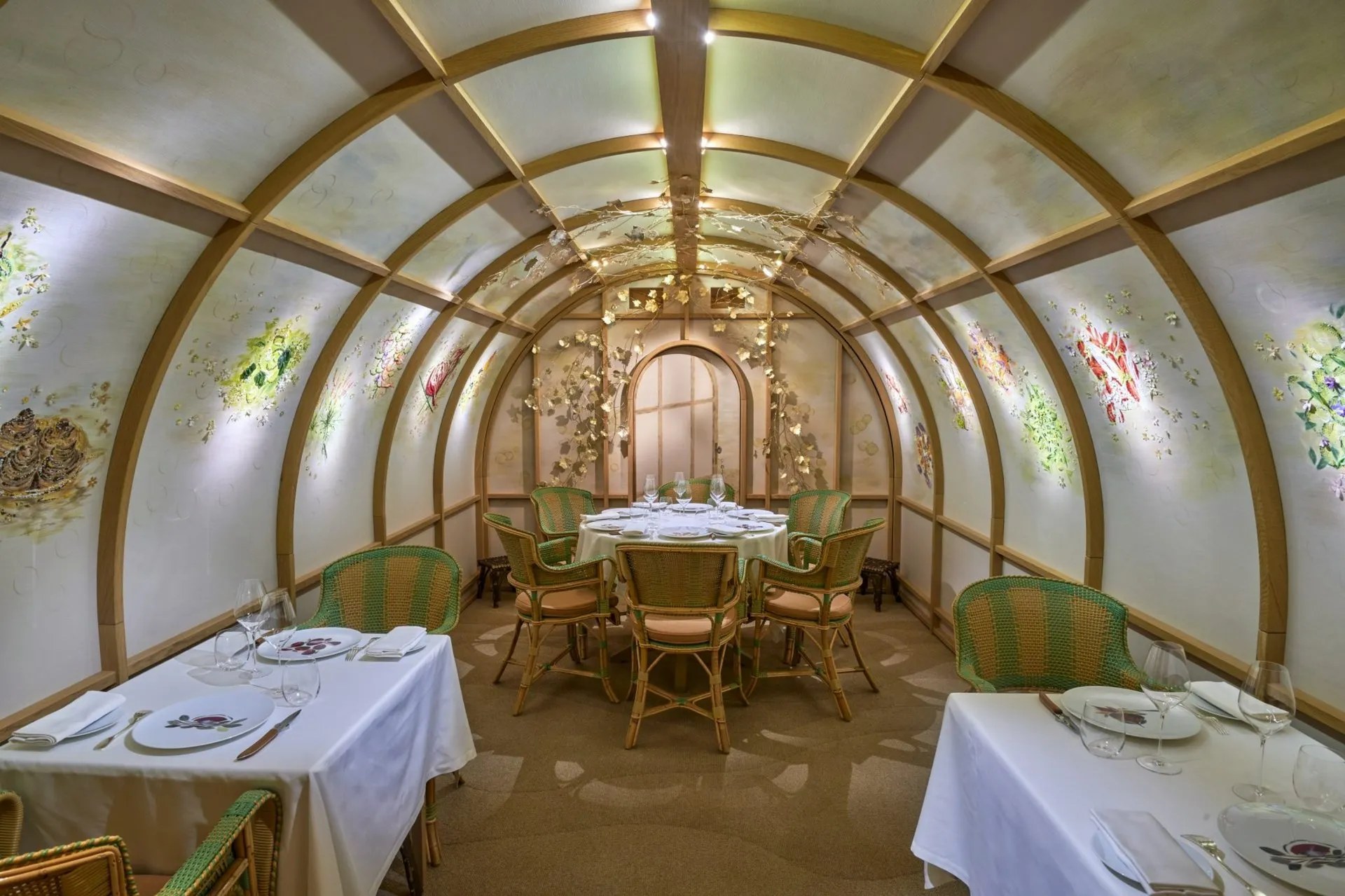 1 mi from ParisL'Arpège
 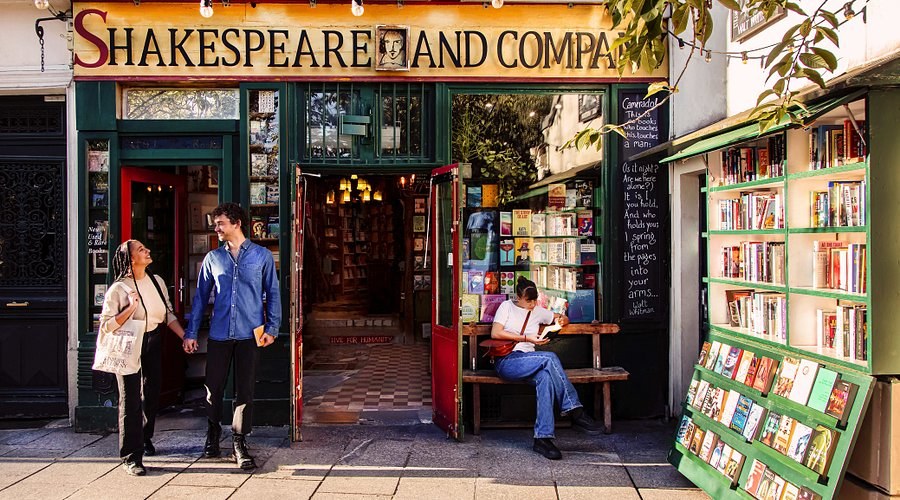 14 mi from Paris · land adventureParis Beyond the Postcard: A Perfume-and-Palace Itinerary
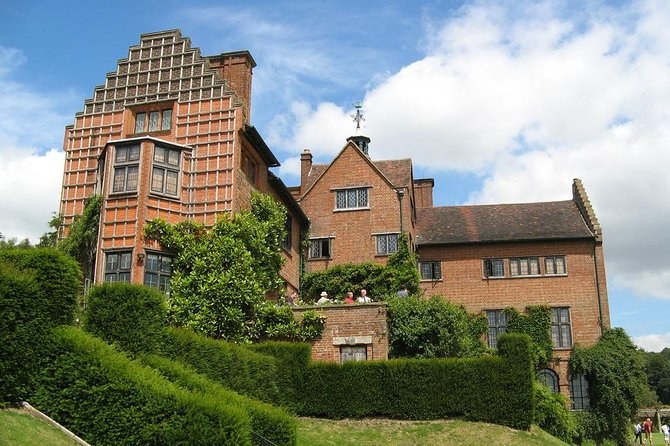 219 mi from Paris · land adventureChurchill's Kent, Glyndebourne at Dusk & London's Secret Side
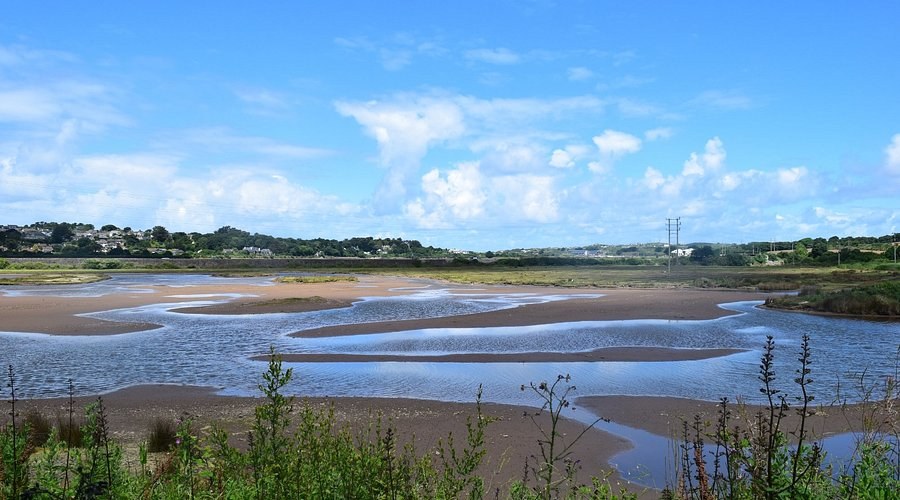 219 mi from Paris · land adventureCornwall's Wild Coast: Tin Mines, Tidal Castles & Beach Bars
 After you step off · near Copenhagen
You end in a different port — stay on, and add what is within reach before you fly home.
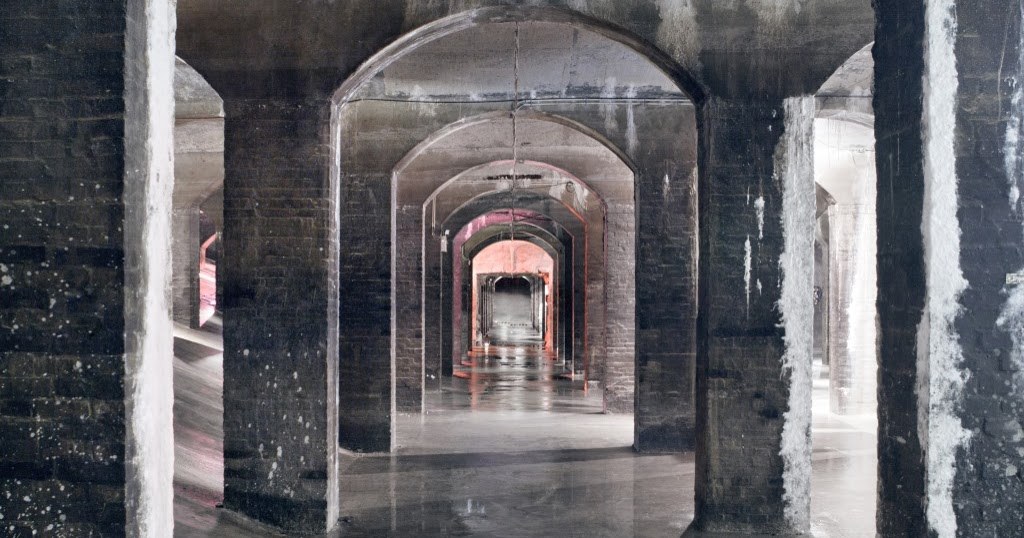 0 mi from CopenhagenCisternerne (The Cisterns) — Underground Art Space
 1 mi from CopenhagenFreetown Christiania Guided Tour
 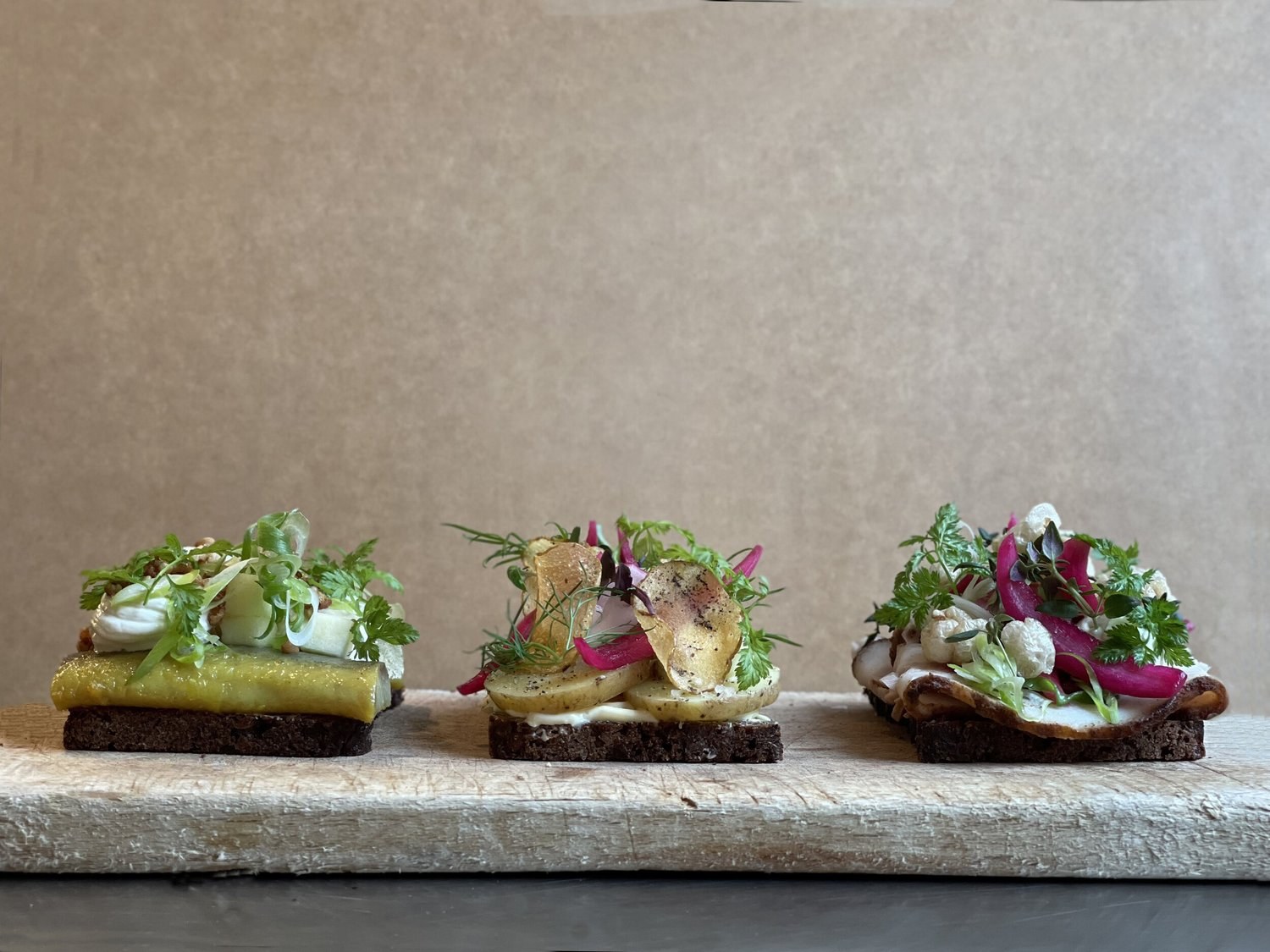 5 mi from Copenhagen · land adventureCopenhagen's Royal Canals, Underground Art & Nordic Feasts
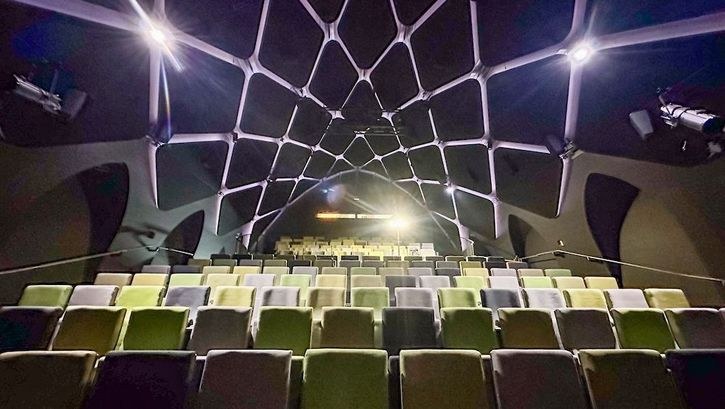 232 mi from Copenhagen · land adventureBerlin's Underground, Untold, and Unforgettable: An Adventure Guide