Your cruise
Silver Endeavour · 12-night Mediterranean cruise, Lisbon to Dublin
May 1 – May 13 · 12 nights ·
Day 1 Lisbon (board) · Day 2–3 at sea · Day 4 Tresco · Day 5 Pembrokeshire National Park · Day 6 Belfast · Day 7 Iona · Day 7 Treshnish Isles · Day 8 Shiant Islands · Day 8 Loch Ewe · Day 9 at sea · Day 9 St. Kilda · Day 10 Duart Castle · Day 10 Tobermory · Day 11 Fort William · Day 12 Douglas · Day 13 Dublin (step off)
What you do Cologne's two-spired UNESCO Gothic cathedral is the first thing you see from the dock and the one sight no first-timer should skip. The interior (with the gilded Shrine of the Three Kings, the largest reliquary in the Western world) is free; the rite-of-passage is the 533-step spiral climb up the South Tower, squeezing past the colossal St. Peter's Bell — the largest free-swinging church bell on earth — to a platform staring straight down the Rhine. The Dom and the cruise landing stage are a ~5-minute walk apart, so it slots into any port window.
What to expect Walk five minutes from the cruise landing stage and you're at the base of Cologne Cathedral—a UNESCO Gothic landmark with twin spires that dominate the Rhine skyline. Pay EUR 8 at the south tower entrance and begin the 533-step spiral climb, squeezing past St. Peter's Bell, the largest free-swinging church bell on earth, as the stairwell tightens around you. Emerge onto the observation platform to stand directly above the Rhine with a panoramic view that justifies every step. Before or after the climb, explore the cathedral's soaring interior for free—the gilded Shrine of the Three Kings, the largest reliquary in the Western world, is the centerpiece that has drawn pilgrims for centuries.
Good to know The cathedral and pier are only ~5 minutes apart on foot, making this excursion flexible within any 6–8 hour port window; allow 1.5–2 hours total (15 min walk each way, 30–45 min for the tower climb, 30 min for the interior). Tickets for the South Tower climb (EUR 8 adult, EUR 4 child) are purchased on-site at the south tower entrance with no advance booking required. Build in at least 30–45 minutes of buffer before all-aboard to account for queuing at the tower entrance and the walk back to the ship. Wear comfortable shoes—the spiral climb is tight and demanding, and the five-minute walk from the pier crosses cobblestone streets.
Versus the ship tour Direct wins overwhelmingly. Viking's guided 'Top of Cologne' tower tour runs ~$75 pp; doing it yourself for EUR 8 saves ~$66 pp and you skip nothing essential. The free included river-cruise walking tour only shows the cathedral exterior — pay the EUR 8 yourself for the climb the ship charges $75 to escort.
book direct with Hohe Domkirche zu Köln (Cologne Cathedral / Dombauhütte) → · the full guide →
What you do The postcard view of Cologne — the cathedral, the pastel Old Town facades and the lock-draped Hohenzollern Bridge — only assembles itself from the water. KD (Köln-Düsseldorfer) is the 200-year-old local operator whose landing stage sits right in the Old Town, with up to six one-hour departures a day. It's the low-effort, high-reward scenic hit for a port day: a unique river-city silhouette you simply can't get on foot.
What to expect You board at the KD landing stage in the heart of the Old Town and settle in for a one-hour circular panorama cruise along the Rhine. As the boat pushes off, Cologne's iconic cathedral, pastel-hued medieval facades, and the lock-draped Hohenzollern Bridge assemble themselves into the postcard skyline that's impossible to capture from street level—this is the view the city was made for. The rhythm is pure leisure: you glide past the river's full architectural drama, with the boat returning you to the same Old Town quay where you started, leaving the afternoon open for further exploration or a riverside café.
Good to know Departures run up to six times daily, so a one-hour cruise fits easily into a 6–8 hour port window; arrive 10–15 minutes early to secure tickets directly at the KD quay (€18–20 adults, €10 children). The landing stage sits in the Old Town itself, so if your ship is docked at the nearby cruise terminal, it's a 10–15 minute walk—build in 20 minutes buffer before your ship's all-aboard. No advance booking is necessary; tickets are sold on-site and move quickly, though midday departures in peak season may fill. Bring sunscreen and a light layer, as you'll be on the open deck for the full hour with minimal shelter.
Versus the ship tour Direct wins on ocean itineraries: sold as an ocean-line shore excursion this runs ~$38-49 pp, so booking KD directly saves ~$18-29 pp for the identical boat. NOTE FOR RIVER-CRUISE GUESTS: your own ship already sails the Rhine, so this is redundant for you — skip it unless you want the in-town circular loop on a port afternoon.
book direct with Köln-Düsseldorfer (KD) Deutsche Rheinschiffahrt → · the full guide →
What you do Kölsch is a protected designation brewed only in Cologne and served in slim 0.2L 'stange' glasses by blue-aproned Köbes waiters who keep swapping full for empty until you cap your glass with a coaster. The Kölsch Crew's public tour walks you through 3-5 historic Old Town brewhouses (the Früh am Dom / Päffgen / Gaffel orbit) — the city's living culture in a glass, entirely walkable from the dock. This is the most talk-worthy, social port-day experience here.
What to expect You'll walk through Cologne's Old Town brewhouses—typically Früh am Dom, Päffgen, and Gaffel—sampling the city's signature Kölsch beer served in slim 0.2L glasses by blue-aproned Köbes waiters who swap full for empty until you cap your glass with a coaster. The tour moves at a social pace across the historic riverfront quarter, entirely walkable from the dock, with your guide explaining the protected brewing culture behind each stop. You'll taste the same Kölsch in multiple settings, each with its own character—a living masterclass in how one beer defines a city's identity. The rhythm alternates between short walks and brewery stops, with one Kölsch included and the option to order more at your own expense.
Good to know The public tour runs ~2.5 hours and departs from the Old Town near the dock; confirm exact meeting time when booking, as this leaves plenty of buffer within a 6–8 hour port window. The EUR 20 price (~$22 pp) includes one Kölsch, so bring additional cash or a card if you want to sample at other brewhouses—drinks beyond the first are on you. Book directly with The Kölsch Crew rather than through the ship's EUR 95 culinary tour or $96 dinner option unless you specifically want a sit-down meal; the walking public tour delivers the same brewhouse circuit for a fraction of the cost and stays well clear of tight ship-return deadlines. Wear comfortable walking shoes and dress for Cologne's weather—you'll be on your feet moving between venues in the compact Old Town.
Versus the ship tour Direct wins big. Viking's 'Beer Culture & Dinner' version is ~$96 pp (a shorter tasting-only ship option ~$31 pp); the EUR 20 Kölsch Crew public tour delivers the same brewhouse circuit for a fraction, saving ~$74 vs the dinner tour. If you specifically want the guided sit-down dinner, the ship's $96 and the Crew's EUR 95 culinary tour are a wash — pick on schedule.
What you do Fifteen minutes by regional train from Köln Hbf sits Augustusburg, Germany's most lavish Rococo palace and a UNESCO site, famous for Balthasar Neumann's dizzying ceremonial staircase, set in formal French gardens with the intimate Falkenlust hunting lodge a stroll away. It's the one genuine 'bucket-list day-trip' beyond the cathedral skyline. Augustusburg interior is guided-tour only (60 min); Falkenlust you roam yourself.
What to expect You'll board a regional train for a relaxed 15-minute journey from Köln Hbf to Brühl, arriving at Augustusburg—Germany's most opulent Rococo palace, now a UNESCO site. A 60-minute guided tour leads you through the palace interior, crowned by Balthasar Neumann's famed ceremonial staircase with its dizzying trompe-l'oeil ceiling, before you wander the formal French gardens at your own pace. A short stroll brings you to the intimate Falkenlust hunting lodge, where you roam freely through its intimate rooms and manicured grounds. The return train journey lets the experience settle as the Rhine Valley unfolds outside your window.
Good to know Plan for 4 hours door-to-door including the timed 60-minute guided tour at Augustusburg, which may have a wait during peak times—book your visit slot ahead via Schlösser Brühl if possible. Regional trains depart regularly from Köln Hbf (12–16 minutes walk or tram from the cruise pier); round-trip fares run €12–16 and a combined ticket to both palaces costs €17 adult (under-25s free). Unlike the ship's escorted option, you carry your own back-to-ship risk: if your port window is 6–8 hours or tighter, build in a 30–45 minute buffer before departure to account for train delays or tour queues. Bring a printed or screenshot copy of your ticket and wear comfortable shoes for the palace stairs and garden paths.
Versus the ship tour Direct wins ~$30+ pp: Viking's escorted Brühl excursion is ~$64 pp vs ~$33 DIY. PORT-DAY CLOCK: budget ~4 hrs door-to-door (train + the timed 60-min guided tour at Augustusburg can have a wait). With no escort you carry the back-to-ship risk yourself — if your margin is tight, this is the one case where paying the ship for the guaranteed-return coach is the safer call.
book direct with Schlösser Brühl (Augustusburg & Falkenlust / UNESCO Welterbe) → · the full guide →
What you do Set in a glass ship-prow of a building jutting into the Rhine in the Rheinauhafen, the Schokoladenmuseum runs you past a working production line to a 3m golden chocolate fountain where staff hand out fresh-dipped waffle samples. It's a short, scenic riverside walk from the Old Town — Cologne's most beloved family-friendly anchor and the obvious rain-day fallback steps from the dock.
What to expect You'll walk the short scenic riverside path from the dock into the Old Town, then enter the striking glass ship-prow building jutting into the Rhine. Inside, the flow moves you past a working chocolate production line where you see the craft in real time, then culminates at the iconic 3-meter golden chocolate fountain where staff hand you fresh-dipped waffle samples—a sensory climax that justifies the visit. The whole experience runs 1 to 1.5 hours, designed to be tight, focused, and deeply satisfying without the risk of a longer all-day excursion.
Good to know Book directly online or at the gate (EUR 15.50 adult weekday, EUR 17 weekend; EUR 9–10.50 child); the museum is a 10–15 minute walk from the pier, fully weatherproof, and impossible to miss your all-aboard. With a 6–8 hour window, budget 2 hours door-to-door (walk + visit) and return comfortably 2 hours before sailing. Bring comfortable walking shoes for the riverside path; the museum itself is entirely indoors and climate-controlled, making it the ideal rain-day backstop when tighter schedules or weather knock out longer regional day-trips.
Versus the ship tour Not a ship excursion — no comparison needed; book direct. This is the low-risk near-port alternate: fully walkable, weatherproof, and impossible to miss your sailing over. Use it as the backstop if weather or a tight all-aboard kills the Brühl day-trip.
book direct with Schokoladenmuseum Köln (Imhoff Foundation) → · the full guide →
What you do Climb to the candy-colored Pena Palace, a Romanticist fairytale castle floating on a forested peak above Sintra, then stand at Cabo da Roca, the westernmost cliff of continental Europe, before the seaside polish of Cascais. It's a UNESCO-listed day you physically cannot do from Lisbon's center on foot, and the single experience a first-timer most regrets skipping. The guided van solves Sintra's brutal timed-entry queues and, critically, guarantees you back to the ship.
What to expect You'll ascend into the forested hills above Sintra to explore the candy-colored Pena Palace, a Romanticist fairytale castle perched on a peak with sweeping views across the landscape. From there, the van carries you to Cabo da Roca, the windswept westernmost cliff of continental Europe, where you can stand at the edge and take in the Atlantic. You'll finish in the seaside polish of Cascais before returning to the ship, completing a full arc of Sintra's dramatic geography in a single morning and afternoon—a journey impossible to accomplish on foot from Lisbon's center.
Good to know This 8-hour small-group van tour includes Pena Palace timed-entry tickets and Lisbon pickup/return from the pier, eliminating the brutal entry queues that plague independent visitors. Book this operator specifically because they guarantee return to the ship; the cruise line's own coach options run 5–7 hours at nearly double the price. Depart early enough to be back well before your ship's evening departure, and bring layers and comfortable walking shoes for steep palace grounds and coastal winds.
Versus the ship tour The ship's 5-hr Sintra/Cascais coach is $129.99 and the 7-hr lunch version is $174.99. Direct is ~$88 in a small van vs a full coach, saving roughly $40-$85 per person AND skipping the entry-queue problem. This is a 8-hour mainland item: only book it on a standard call if your ship is in port well past mid-afternoon, and use this operator specifically because it guarantees the return.
What you do Lisbon was built to be seen from its river, and a small boat delivers the money shot: the red 25 de Abril Bridge (the city's Golden Gate twin), the Cristo Rei statue on the far bank, Belem Tower and the pastel hills tumbling to the water. Two relaxed hours with a drink in hand is the perfect bookend before sailaway. Pick the sunset departure if your ship leaves late.
What to expect You'll board a small boat at the riverside dock near the city center and spend two hours on the water, drink in hand, as Lisbon unfolds in front of you. The route showcases the red 25 de Abril Bridge—Lisbon's iconic rival to the Golden Gate—then glides past the historic Belem Tower and the Christ the King statue (Cristo Rei) rising from the far bank. Pastel-colored hills tumble down to the waterline, and the boat's intimate scale delivers the views that made Lisbon built to be seen from its river. If your ship departs in the evening, the sunset tour transforms the same skyline into burnished gold and rose.
Good to know The dock sits right in town, minimizing back-to-ship risk; plan for a 2-hour cruise within a 6–8 hour port window, leaving time to return before sailaway. Book direct with Tagus Cruises (€38–€45 per person, depending on day or sunset slot) rather than through the ship's add-ons (which cost €73–€100), saving €30–€55 per person for the same experience. The tour is fully inclusive—skipper, drinks, and taxes are built in—and runs on fixed daily departures; reserve ahead to secure your preferred time slot, especially if timing a sunset departure with your ship's schedule.
Versus the ship tour This is the single biggest markup gap at Lisbon. Cruise-line river/sunset water add-ons run ~$80-$110 per person; booking direct at ~$41-$49 saves roughly $40-$60 each for the same skyline. Direct wins decisively. The only edge the ship has is a back-to-ship guarantee, but the dock is right in town, so the risk is minimal.
What you do Alfama is the medieval Moorish heart of Lisbon, a tangle of staircases, laundry-strung alleys and miradouro viewpoints far too steep to cover on foot in a port-day window. An open electric tuk-tuk hauls you up to Castelo de Sao Jorge, Portas do Sol and Santa Luzia for the iconic red-roof-and-river panoramas. The cruise dock literally sits at the foot of Alfama, so this is the lowest-risk, walk-off-and-go option of the day.
What to expect You'll board an open electric tuk-tuk at the cruise dock—no shuttle, no fuss—and climb the steep medieval alleys of Alfama as the vehicle winds through a tangle of laundry-strung staircases and narrow cobbled streets. The route hauls you up to three iconic miradouro (viewpoint) stops: Castelo de Sao Jorge, Portas do Sol, and Santa Luzia, each delivering panoramic shots of Lisbon's signature red rooftops spilling down to the river. At each vantage, you'll have time to photo and breathe the sea-salt air before the tuk-tuk descends back through the Moorish quarter to the dock. The whole rhythm unfolds in 1–2 hours depending on which tour you choose, leaving you with hours to explore Belem or the city on foot.
Good to know The cruise dock sits at Alfama's literal foot, so you walk off the ship and onto a tuk-tuk—book direct with Tuk On Me (operator RNAAT 485/2014 registered with Turismo de Portugal) to lock in €15–€30 per person rather than the ship's €104.99 coach. In a 6–8 hour port window, the 1–2 hour tuk-tuk tour leaves ample buffer time; simply confirm your return time with the driver to ensure you're back at the dock with 30+ minutes before all-aboard. Wear comfortable shoes for the few steps between tuk-tuk stops, bring sunscreen and a hat for the open-air exposure at each viewpoint, and have small euro bills or a card ready for the operator if paying on-site rather than pre-booking.
Versus the ship tour The ship's 3.5-hr Panoramic Lisbon & Belem coach is $104.99. A focused Alfama/viewpoints tuk-tuk at $16-$32 covers the most photogenic, hardest-to-walk part of the city for a fraction of that. Direct wins on price and access. Fair caveat: the ship coach also tacks on Belem, so if Belem is a must-see for you, pair this tuk-tuk with a short ride or walk out there yourself.
What you do Portuguese food is a bucket-list draw in its own right, and a small-group walk is the fastest way to taste the canon: bacalhau (salt cod), petiscos (Portuguese tapas), a bifana pork sandwich, regional cheeses and a shot of sour-cherry ginjinha, learning the city through its makers. This operator works real everyday neighborhoods like Campo de Ourique and Mouraria rather than tourist traps, capped at 12 people. Best for travelers who want depth over a checklist.
What to expect You'll join a small group of no more than 12 people for a walking tour through authentic Lisbon neighborhoods—Campo de Ourique and Mouraria—guided by local food experts who know the real makers and spots. The tour flows as a series of tastings and stops: bacalhau (salt cod), petiscos (Portuguese tapas), a bifana pork sandwich, regional cheeses, and a shot of sour-cherry ginjinha, with drinks included throughout. Rather than hitting tourist checkboxes, you're learning the city's food culture through the people who've shaped it, moving at a conversational pace through working neighborhoods. The whole experience runs 3 to 3.5 hours—intimate, depth-focused, and flavored with real Lisbon rhythm.
Good to know This tour costs ~$76 per person and is offered by Taste of Lisboa Food Tours; book directly with the operator rather than through the cruise line to lock in the small-group cap and local-neighborhood routing. Plan for a 3–3.5 hour excursion, leaving you a comfortable 2.5–3 hour buffer to return to the ship within a typical 6–8 hour port window. Wear comfortable walking shoes suitable for navigating neighborhood streets, and bring cash or confirm card acceptance at each stop, as smaller vendors may have payment limitations. No special advance preparation is needed beyond booking, though arriving 10–15 minutes early at the meeting point in central Lisbon helps you settle in before the group departs.
Versus the ship tour Cruise-line tapas/Fado evenings run ~$70-$100 per person. Direct here is ~$76 for a genuinely local, small-capped walk, so it's roughly even on price but you get a max-12 group in real neighborhoods instead of a tour-bus crowd. Honest call: if you only want a quick cheap taste, a $23-$30 highlights snack-and-wine walk on a marketplace site beats both this and the ship on price; this card is the depth pick, not the budget one.
book direct with Taste of Lisboa Food Tours → · the full guide →
What you do Walk the subtropical Abbey Garden's terraces with the very person who shapes it, hearing the plant-hunting stories behind rare specimens from 80 countries.
What to expect You meet at the garden gate and spend around two hours moving through the Mediterranean, South African and Australian terraces with the gardener narrating what's flowering and why it survives here. Expect stops at the Valhalla figurehead collection and quiet corners most day-trippers rush past. The pace is unhurried and conversational, with time for questions on horticulture and island history.
Good to know Book several weeks ahead as group size is capped; garden is a short walk or golf-buggy ride from the New Grimsby quay where tenders land. Wear flat shoes for uneven garden paths.
Versus the ship tour A small group led by the head gardener himself, not a leaflet or a general admission ticket — you get the plant-hunting history and the seasonal detail nobody else can give.
book direct with GeoCultura Small Group Tours → · the full guide →
What you do A late-opening, gin-in-hand wander through the Abbey Garden after the day-trippers have gone, when the light and scent are at their best.
What to expect You arrive as regular garden hours end and are welcomed with a locally distilled gin and tonic before a relaxed guided stroll through the terraces as they empty out. Guides point out the palms, aeoniums and agaves that thrive in this quirky microclimate, with the sea and sky changing colour as the tour goes on. It closes with more drinks near the Abbey ruins.
Good to know Only runs on specific summer evenings — check the calendar against your ship's call, as timing after all-aboard can be tight; this is best if your ship has a late departure or overnight.
Versus the ship tour This is an after-hours, low-footfall experience of the garden — golden light, no coach parties — built around a single evening slot rather than open all-day admission.
book direct with Tresco Abbey Garden (official) → · the full guide →
What you do A privately guided, full-day walk from the quay to Cromwell's Castle and King Charles's Castle, tracing the island's Civil War history along dramatic coastal paths.
What to expect Starting near New Grimsby, your guide leads you along the west coast path to the 17th-century Cromwell's Castle, still standing sentinel over the channel to Bryher, then up to the ruined King Charles's Castle above it for sweeping archipelago views. Along the way you'll hear about smuggling, shipwrecks and the island's private ownership history. The walk finishes with time in the Abbey Garden or a beach stop, guide's discretion.
Good to know Confirm meeting point at the quay in advance; paths are unpaved with some climbing, so bring proper shoes. Fully flexible on timing to suit your ship's departure.
Versus the ship tour A guide-paced private walk rather than a fixed-stop coach tour — you can linger at the castle ruins, detour to empty beaches, and set your own rhythm entirely.
book direct with Brookland Travel (Isles of Scilly private guiding) → · the full guide →
What you do Charter a local boat to slip between Tresco, Bryher and the uninhabited outer islands, landing on beaches that see almost no visitors.
What to expect You board at New Grimsby quay and the skipper takes you out around Tresco's northern coast, across to Bryher's dramatic Hell Bay, and often on to Samson, an abandoned island with white sand and Bronze Age ruins. Seals and seabirds are common sightings. You can request a beach landing and swim stop if the weather's right.
Good to know Weather-dependent; skipper will advise on best route the morning of. Book directly by phone the day before or on arrival at the quay — good to reconfirm timing against your ship's tender schedule.
Versus the ship tour Your own skipper and boat means you choose which islands and coves to see, rather than a scheduled inter-island ferry route — total flexibility and no fixed timetable.
What you do A self-guided but expertly mapped coastal walk to the crumbling Old Blockhouse fort, Tresco's quietest and most overlooked headland.
What to expect From Old Grimsby quay, a gentle coastal path climbs past heather and gorse to the low Tudor-era Blockhouse ruin, built to guard the channel between Tresco and Tean. From the top you get a genuinely spectacular, uncrowded panorama over the other islands and out to the Atlantic. Few day-trippers make it this far, so it's usually just you, the birds and the wind.
Good to know Pick up a free island map at the quay information point; the walk takes about 45 minutes each way at an easy pace, well within a half-day call.
Versus the ship tour This is the walk a Scilly local actually takes — a working headland with no ticket booth, no gift shop, and views of the whole archipelago to yourself.
book direct with Tresco Estate Rangers (visitor information) → · the full guide →
What you do Take the helm yourself — hire a dinghy or dayboat and sail the sheltered, turquoise waters around Tresco under your own steam.
What to expect After a short briefing at the Sailing Centre on New Grimsby beach, you head out into the channel between Tresco and Bryher, weaving past sandbanks that shift with the tide and turn the water a startling Caribbean blue. Confident sailors can go it alone; less experienced guests can book an instructor for an hour's coaching before setting off. It's a physical, wind-in-your-hair way to see the island from the water.
Good to know Tide and wind dependent — centre staff will advise best window around your ship's call; life jackets and instruction included in hire.
Versus the ship tour Hands-on and self-directed rather than a passenger seat on a group excursion — you choose the course and pace across some of the clearest inshore water in Britain.
book direct with Tresco Sailing Centre (official) → · the full guide →
What you do Stand on 40,000 interlocking basalt columns plunging into the North Atlantic — Northern Ireland's only UNESCO World Heritage Site. A private chauffeured tour along the breathtaking Antrim Coast Road makes this the definitive bucket-list day from Belfast.
What to expect Your private guide collects you directly from Belfast Port in a premium vehicle and whisks you up the stunning Antrim Coastal Road, pausing at Dark Hedges and Carrick-a-Rede Rope Bridge before arriving at the Giant's Causeway. With no group itinerary to follow, you can linger on the colonnade rocks at low tide, walk the cliff-top path for panoramic Atlantic views, and dive deep into the volcanic mythology with your guide. The return journey winds through the Glens of Antrim, with stops tailored entirely to your interests.
Good to know Full day: typically 8–9 hours. Pre-book well in advance — private vehicles fill up fast on port days. Confirm your all-aboard time and share it with your driver; Belfast Causeway Tours are experienced with cruise schedules and guarantee port returns.
Versus the ship tour Fully private, chauffeured in a luxury vehicle with a dedicated local expert guide — your pace, your stops, no group waiting. Includes hidden coastal viewpoints and Carrick-a-Rede Rope Bridge at your leisure.
book direct with Belfast Causeway Tours → · the full guide →
What you do Walk the very slipways where RMS Titanic was built and step inside the world's largest Titanic museum for an immersive, nine-gallery journey through her design, launch, and fateful maiden voyage. With a private guide, every exhibit comes alive.
What to expect Titanic Belfast sits on the exact footprint of the shipyard where she was constructed, and the building itself — its four prow-shaped facades echoing the hull — is architectural theatre before you've even entered. Inside, you descend through nine world-class galleries spanning the Belfast industrial boom, the ship's construction via a dramatic 'ride' through the slipways, the opulent interiors, and the haunting wreck footage. A private guide weaves personal stories of the 3,000 Belfast workers who built her, making this far more than a museum visit — it becomes a story of a city.
Good to know Titanic Belfast is roughly 10–15 minutes from Belfast Port by taxi. Allow 2.5–3 hours minimum. Book entry tickets directly on the official website to avoid sold-out dates; arrange your private guide separately through the museum's group bookings team. Located right in the Titanic Quarter.
Versus the ship tour Combine official priority-entry tickets with a pre-booked private expert guide for a deeply personal experience — no queues, no crowds, and the freedom to dwell in the galleries that move you most.
book direct with Titanic Belfast (official) → · the full guide →
What you do Northern Ireland was the primary filming location for Game of Thrones, and this landmark studio experience — housed in the original Linen Mill Studios in Banbridge — holds the world's largest collection of original costumes, sets, and props from the series.
What to expect Set in the actual studios where HBO filmed for a decade, the tour takes you through vast, atmospheric set recreations — the smoke-filled Great Hall, the chilling Night's Watch headquarters, and the towering Iron Throne room. Original costumes for Daenerys, Cersei, and Jon Snow are displayed in forensic detail, and interactive stations let you try a crossbow, sit the Iron Throne, and handle authentic props. The depth of craft on display is staggering; this is as much about the artistry of storytelling as it is fan service.
Good to know Banbridge is approximately 30 miles south of Belfast Port — allow 45 minutes each way by private transfer. Timed entry tickets MUST be pre-booked on the official website; walk-ups are not accepted. A half-day excursion: 3–4 hours on site. Factor travel time carefully against your all-aboard.
Versus the ship tour Timed entry keeps crowd density genuinely low — you walk through Iron Throne rooms, the Great Hall of Dragonstone, and original costume vaults without the crush of a theme park. An unmissable pilgrimage for any fan of the series.
book direct with Game of Thrones Studio Tour (official) → · the full guide →
What you do Explore the Falls Road and Shankill Road murals with a local guide who lived through The Troubles — an intimate, frank, and deeply human exploration of Belfast's divided past and remarkable present-day peace. Utterly unique to this city.
What to expect Your guide leads you on foot through the working-class neighbourhoods of West Belfast, past towering painted murals that serve as open-air political manifestos, memorials, and peace declarations. You'll cross through the Peace Gates in the 'Peace Wall' — the still-standing barrier dividing communities — and hear unfiltered perspectives from both the Nationalist and Unionist traditions. The conversation is candid, nuanced, and deeply respectful; you leave with a far richer understanding of modern Ireland and the fragile, hard-won peace that underpins it.
Good to know The Falls and Shankill Roads are roughly 15–20 minutes from Belfast Port by taxi. Tours typically run 2–3 hours — highly manageable within a port day. Private tours can be arranged to match your exact schedule. No prior knowledge of Irish history required — guides pitch the narrative to your group.
Versus the ship tour Guides are locals with first-hand connection to the communities on both sides of the Peace Wall — their personal testimony transforms a walk among murals into one of the most emotionally powerful experiences in Europe.
What you do Step inside Belfast's magnificent Baroque Revival City Hall for an expert-guided tour of its grand marble chambers, then lose yourself in the vibrant Victorian iron-and-glass St George's Market — one of the finest covered markets in Europe.
What to expect The guided tour of City Hall takes you through ornate council chambers, the Great Hall with its soaring stained-glass windows, and the poignant Titanic memorial garden — your guide bringing to life Belfast's transformation from industrial powerhouse to vibrant European capital. A short stroll away, St George's Market (operating since 1604 and a listed building itself) delivers a symphony of local artisan produce, fresh seafood, handcrafted goods, and live traditional music on Saturdays and Sundays. It is the city's true social heartbeat and an unmissable sensory experience.
Good to know City Hall is a 20-minute walk or 10-minute taxi from Belfast Port — perfectly central. Guided City Hall tours run at set times; check belfastcity.gov.uk and pre-book to guarantee your slot. St George's Market operates Fri–Sun (best on Saturday and Sunday mornings). A superb half-day combination leaving the afternoon free.
Versus the ship tour A beautifully curated half-day in the heart of Belfast's city centre — superb architecture, compelling civic history, and the sensory pleasure of a world-class artisan market, all walkable and entirely at your own luxury pace.
book direct with Belfast City Council – City Hall Tours (official) → · the full guide →
What you do Hike to the volcanic basalt summit of Cave Hill — the dramatic natural crown above Belfast — for a sweeping panorama over the city, Belfast Lough, and the Antrim Hills. The profile that inspired Jonathan Swift's Gulliver's Travels lies beneath your feet.
What to expect The trail from Belfast Castle (a fine Neo-Norman landmark worth a brief stop en route) climbs steadily through ancient woodland before opening onto open basalt moorland with increasingly dramatic views. At the summit — McArt's Fort, an Iron Age promontory fort — Belfast Lough stretches to the Irish Sea, the city grid lies below, and on clear days Scotland's Mull of Kintyre is visible across the water. The hike takes 2–3 hours return and requires comfortable walking shoes; the reward is a perspective on Belfast that few visitors ever earn.
Good to know Belfast Castle (the trailhead) is approximately 15–20 minutes by taxi from Belfast Port. The round trip is roughly 5–6 km with 200m elevation gain — moderate fitness required. Go early to beat midday visitors and maximise clear-sky views. Check weather forecasts the morning of your port call; the summit can be misty in low cloud.
Versus the ship tour Raw, wild, and completely free of tourist infrastructure — Cave Hill offers the rare gift of genuine solitude above a European capital. The view from McArt's Fort (Napoleon's Nose) is one of the most spectacular urban panoramas in the British Isles.
book direct with Visit Belfast (official destination guide & self-guided trails) → · the full guide →
What you do Step onto the island that changed Western civilisation — Iona Abbey, founded by St Columba in 563 AD. A private expert guide unlocks the spiritual and historical depth of this sacred site in a way no self-guided visit can match.
What to expect Your personal guide meets you at the Fionnphort ferry point on Mull and accompanies you across on the five-minute crossing to Iona. At the Abbey, you explore the restored Norman nave, the exquisite Romanesque cloister garden, and the ancient burial ground of Scottish kings including Macbeth. The guide weaves together Columban monasticism, the Viking raids, and the island's extraordinary influence on European Christianity. Quiet corners of the Abbey — the infirmary chapel, the medieval high crosses — are brought to life with scholarship and passion.
Good to know Pre-book the private guide well in advance, especially in summer. Historic Environment Scotland charges a separate abbey entry fee (approx. GBP 9 adult). The Fionnphort–Iona ferry is a short hop. Confirm all-aboard time and allow 30 minutes' buffer for the ferry return and transfer back to the ship.
Versus the ship tour A fully private guide dedicated solely to your party, moving at your own pace through the cloisters, the Street of the Dead, and the medieval tomb slabs — no queues, no crowds, and a depth of storytelling unavailable on any group tour.
book direct with Experienced Tours Scotland → · the full guide →
What you do Walk the sacred landscape of Iona with a local resident guide who knows every standing stone, white-sand bay, and hidden corner of this tiny but mythically resonant island. A pilgrimage walk designed around your pace and passions.
What to expect Jana crafts each walk to the group's interests — spiritual pilgrimage, Hebridean wildlife, geology, or Celtic history. You may traverse the spine of Dùn Ì, Iona's modest but panoramic hill summit, for views across to Staffa and the Treshnish Isles. The famous white-marble beach on the south coast, the Hermit's Cell ruins, and the ancient Augustinian Nunnery each reveal a layer of the island's 1,500-year story. Jana's storytelling is warm, deeply informed, and genuinely moving.
Good to know Contact Jana directly via the welcometoiona.com listing to discuss your group size, abilities, and interests. Wear sturdy footwear — Iona's terrain ranges from machair grassland to rocky headlands. Allow a full 3–4 hours on the island to do the walk justice. The Fionnphort ferry runs regularly; factor in transfer time from the ship's tender port on Mull.
Versus the ship tour Jana is a Iona resident — she lives and breathes the island's rhythms, folklore, and ecology. Her tailor-made walks take you beyond the Abbey to sites most visitors never find, with an intimacy and authenticity that only a true local can provide.
book direct with Iona Guided Tours (Jana McLellan) → · the full guide →
What you do Cruise by private or small charter boat to the uninhabited isle of Staffa and step inside Fingal's Cave — a cathedral of hexagonal basalt columns rising from the Atlantic that inspired Mendelssohn's famous Hebrides Overture. One of Scotland's most jaw-dropping natural wonders.
What to expect The crossing from Fionnphort takes roughly 30 minutes through the open Hebridean sea, with grey seals often hauled out on the rocks as you approach. Landing on Staffa (weather permitting), you walk along the lower colonnade path to the mouth of Fingal's Cave, where the booming resonance of waves in the volcanic chamber is genuinely otherworldly. The clifftop above hosts one of Scotland's most accessible Atlantic puffin colonies in summer (May–July). The return journey skirts the dramatic sea-stack coastline of Mull.
Good to know Sailings are weather-dependent — the Atlantic can be unpredictable. Book directly with Staffa Tours/Gordon Grant Marine well in advance for summer departures. Wear warm, windproof layers even in July. Cave landing is not always possible in heavy swell; the boat circles the island as an alternative. Confirm all-aboard time carefully — allow generous buffer.
Versus the ship tour A small, specialist wildlife and nature boat that approaches Staffa from the sea, giving you time to explore the cave interior and the clifftop puffin colony at your own pace — an experience defined by the raw power of the Atlantic and the unearthly geometry of the basalt pillars.
book direct with Staffa Tours (Gordon Grant Marine) → · the full guide →
What you do For the discerning traveller who wants Iona woven into the grand arc of the Scottish Highlands and Islands — Discover Scotland Tours offers expertly guided small-group journeys from Edinburgh or Glasgow that include Iona as their spiritual centrepiece.
What to expect The 4- or 6-day tour winds through the dramatic landscapes of Argyll and the Inner Hebrides, crossing to Mull via Oban and onwards to Iona by ferry. Your guide contextualises each destination within Scottish history — from the Jacobite risings to the Clearances — before the quiet sanctity of Iona brings the journey to an emotional crescendo. Accommodation is in characterful Highland hotels and island guesthouses. Group sizes are intentionally small to preserve the quality of experience.
Good to know Ideal for cruise passengers with a pre- or post-cruise land extension; not a same-day shore excursion. Contact Discover Scotland Tours directly to discuss scheduling around your cruise dates. Advance booking is strongly recommended. All tours depart from Edinburgh or Glasgow.
Versus the ship tour These are premium small-group tours with expert guide-drivers who have spent careers interpreting Scottish history, landscape, and culture. The unhurried pace and curated itinerary allow for a depth of engagement — at Iona, at Glencoe, at Eilean Donan — that transforms a scenic drive into a genuine education.
book direct with Discover Scotland Tours → · the full guide →
What you do Commission a fully bespoke private day tour with Macleod Heilan Tours — a local expert operation celebrated on TripAdvisor — combining the drama of Mull's mountain and coastal roads with the transcendent calm of Iona in one extraordinary private itinerary.
What to expect Your guide collects you at the port and immediately the drama begins: the single-track road across Mull passes through Ross of Mull moorland, with red deer, golden eagles, and white-tailed sea eagles all plausible sightings. At Fionnphort, you cross to Iona on the small passenger ferry and explore at your chosen depth — Abbey, nunnery, beaches, hilltop, or all of the above. Your guide's local knowledge and flexibility make this a genuinely personal experience rather than a fixed itinerary.
Good to know Pre-arrange a precise pick-up point and time relative to your tender schedule. Full-day private tours should be booked weeks in advance in peak season. Confirm all-aboard time with the guide at the start of the day — they are experienced with cruise passengers and plan accordingly. Bring layers; Hebridean weather is famously changeable.
Versus the ship tour Entirely private — your vehicle, your guide, your schedule. Macleod Heilan Tours is run by a local with deep knowledge of Mull and Iona; the itinerary is shaped around your interests on the day, from wildlife spotting to whisky, geology to photography.
What you do Paddle the translucent turquoise waters surrounding Iona by sea kayak — exploring sea caves, spotting seals and otters, and experiencing the island's magical coastline from a perspective that walkers and ferry passengers never see.
What to expect Full safety briefing, wetsuit, and equipment are provided by your certified guide at the Iona or Fionnphort launch point. Beginners are warmly welcomed — the sheltered bays around Iona make it an ideal introduction to sea kayaking. You paddle the western shore past the iconic white-sand beaches, dip into sculpted sea caves in the pink granite cliffs, and drift alongside curious Atlantic grey seals. The guide narrates the coastal geology and wildlife throughout. On a calm summer day, the water colour is Caribbean-clear.
Good to know Book directly with Clearwater Paddling and confirm availability for your port day well in advance. Half-day tours fit comfortably within a standard ship call, but confirm all-aboard time with the operator. No prior kayaking experience needed. Minimum age typically 12+. Wetsuit and buoyancy aid provided; bring a change of clothes and a dry bag for valuables.
Versus the ship tour A small-group, expert-guided water experience that transforms Iona's coastline into an intimate adventure — gliding past the marble quarry beach, into sea caves, and around the headlands where grey seals lounge on sun-warmed rocks. The pace is unhurried, the access unique.
book direct with Clearwater Paddling (Mull & Iona) → · the full guide →
What you do Land on Lunga and sit at arm's length from thousands of nesting puffins who show no fear of people. It's the single most magical wildlife encounter in Scotland.
What to expect You transfer from the tour boat to a small inflatable to land on Lunga's shingle beach. A short walk up the headland puts you right beside puffin burrows, with guillemots, razorbills and kittiwakes wheeling below on the sea stacks. Guides linger to help you get the classic low-angle puffin shot and explain the colony's breeding cycle. Weather and swell permitting, this is the highlight most passengers remember years later.
Good to know Runs April–July only, when puffins are ashore; landing depends on sea conditions and is never guaranteed. Wear sturdy shoes and waterproofs, and confirm return timing against your ship's all-aboard well in advance.
Versus the ship tour Small-boat landing craft, expert skipper-naturalists who know the colony's rhythms, and two unhurried hours on the clifftop rather than a fleeting photo pass
What you do Sail into the cove of Staffa to walk the hexagonal basalt causeway into Fingal's Cave, the natural cathedral that inspired Mendelssohn and Turner.
What to expect The boat noses into a sheltered bay beneath towering columnar basalt cliffs. You disembark onto a rock platform and walk along a walkway of naturally hexagonal columns into the cave mouth, where the sea booms and echoes exactly as the Romantic composers described. Above, a short clifftop path gives views back over Mull and the Treshnish chain. It's combined in one outing with the Lunga puffin landing for a full day on the water.
Good to know The causeway walk is uneven and can be slippery with spray; not ideal for limited mobility. Departures are weather-dependent, so build in slack before your ship's departure.
Versus the ship tour A small open boat gets close enough to feel the cave's acoustics and swell before you even step ashore, and the hour on the island is enough to walk the causeway without a crowd crush
What you do Charter a private skippered boat from Oban to explore the Treshnish Isles and Staffa on your own schedule, with no fixed group or fixed itinerary.
What to expect Your own boat and driver-guide depart Oban directly for the isles, timed around tides and wildlife rather than a shared sailing schedule. You can request extra time ashore, a slower pass along the sea-cliffs for eagles and seals, or a detour to Iona. The intimacy of a private charter means no jostling for the gunwale rail when the puffins appear.
Good to know Book well ahead in summer — small operators have limited private-charter capacity. Confirm pickup logistics from the port to Oban if your ship doesn't call there directly.
Versus the ship tour A dedicated skipper-guide, a private vessel, and the freedom to linger longer at Lunga or skip Staffa entirely if the puffins are the point
book direct with Little Scottish Treasures → · the full guide →
What you do Join a small-group live-aboard style day sail through the Treshnish Isles, Staffa and Iona, tailored on the day to sea eagles, seals or whatever wildlife is showing.
What to expect Aboard a comfortable small vessel, you cruise at a relaxed pace between the isles, with the skipper narrating geology, folklore and wildlife as they appear. Requests are genuinely accommodated — asking for extra time watching a sea eagle nest or a whisky tasting on deck is normal here. The scale of the boat means you're never more than a few steps from the rail.
Good to know Best requested in advance if you have a specific wildlife or whisky interest, as the skipper builds the day around passenger requests. Check exact departure point relative to your cruise port.
Versus the ship tour A skipper who genuinely adjusts course for sea eagles or a passing minke whale, and a boat small enough to nose right up to the cliffs rather than follow a scripted stop list
book direct with St Hilda Sea Adventures → · the full guide →
What you do Walk the ancient abbey and burial ground on Iona, founded by St Columba in 563 AD, still one of Scotland's most contemplative places.
What to expect A short ferry hop from Fionnphort lands you on Iona, where a five-minute walk brings you to the restored abbey church and cloisters. Inside, early medieval carved stones and the reconstructed St John's Cross sit largely unbothered by crowds outside peak midday hours. The island's single-track road and machair coastline reward a slow wander beyond the abbey walls.
Good to know Best combined with an early Staffa/Treshnish sailing that stops at Iona, or visited separately via the Fionnphort ferry; time it for morning before day-trippers arrive from Oban.
Versus the ship tour Off the main wildlife-boat circuit, so a short detour here buys near-solitude among 1,400-year-old carved crosses and the graves of Scottish kings
book direct with Iona Abbey (Historic Environment Scotland) → · the full guide →
What you do A fast, small-group RIB run along the wilder Treshnish coastline focused on white-tailed sea eagles, grey seals and dramatic sea caves, away from the main puffin-tour crowds.
What to expect The RIB threads close to sea cliffs and skerries where grey seals haul out and Britain's largest bird of prey, the reintroduced white-tailed sea eagle, is regularly spotted overhead. The pace is brisk and the group small, so the skipper can divert quickly when eagles are sighted. It's a rawer, more adrenaline-driven alternative to the standard puffin-and-cave circuit.
Good to know Wear warm waterproof layers — RIBs are exposed and fast. Not recommended for those with back issues; check trip length against your ship's departure time.
Versus the ship tour An open RIB with a wildlife-focused skipper who chases sightings rather than a fixed stop list, giving genuine eagle and seal encounters most day-trippers miss
book direct with Staffa Tours (RIB wildlife option) → · the full guide →
What you do A small-boat, expert-led wildlife safari on Loch Ewe itself — sea eagles, otters, seals and porpoises with a naturalist who knows every skerry.
What to expect You board a small open boat directly from the shore near Poolewe with a local skipper-naturalist who has spent a lifetime on this loch. Expect slow, quiet drifting past seal colonies and sea eagle nesting cliffs, with running commentary on the wartime convoy history visible in the landscape. Groups are capped small so everyone gets binoculars-in-hand access, not a distant view over other passengers' heads.
Good to know Book the private slot in advance — weather-dependent, so morning departures are held for the best light and calmest water; allow 2.5-3 hours including transfer time back to the pier.
Versus the ship tour This is a working social enterprise using tiny boats that can nose into inlets a coach tour never reaches, timed to the tide and light rather than a fixed bus schedule.
What you do An exotic sub-tropical garden thriving on this Highland latitude thanks to the Gulf Stream — walked at opening hour with a National Trust head gardener before the coach parties arrive.
What to expect You walk the woodland and walled garden paths with a horticulturist who can explain exactly how Osgood Mackenzie coaxed Himalayan and Chilean plants to flourish on this exposed Highland shore. The dawn light over Loch Ewe through the palms is genuinely startling. You finish at the walled garden's kitchen beds, tasting whatever is in season.
Good to know Call NTS ahead of the visit to arrange the private early-access slot; standard opening is 10am and the car park fills quickly in season.
Versus the ship tour Arranged early access before general opening means empty paths through palms and rhododendrons that are normally thick with day-trippers by mid-morning.
book direct with National Trust for Scotland - Inverewe Garden → · the full guide →
What you do The little museum at Aultbea telling the extraordinary story of the WWII Arctic convoys that assembled in this loch — visited with a guide steeped in the archive, not a plaque-reading crowd.
What to expect You sit with photographs, ship logs and personal letters in a modest building that punches far above its size, hearing firsthand accounts of the brutal Arctic run to Murmansk. The guide can point out from the window exactly where the convoys anchored in Loch Ewe before departure. It's quiet, moving, and unlike anywhere else on this coast.
Good to know Museum has limited opening days — confirm ahead and request the private session; combine with a walk to the wartime gun emplacements nearby.
Versus the ship tour A volunteer historian gives you the unfiltered, personal version of events — men who sailed from this exact water into Arctic convoys few people have heard of — rather than a rushed group pass-through.
book direct with Russian Arctic Convoy Museum → · the full guide →
What you do The only distillery in Scotland still making whisky by an older, near-vanished traditional method — a small, informative tour and tasting with the people who run it.
What to expect You walk through a working, unglamorous still house where the process is explained hands-on by whoever is running it that day, often the owner. The tasting afterward covers cask samples you won't find bottled elsewhere. It's intimate by necessity — the place is small — which is exactly its appeal.
Good to know Call ahead to request the private tasting add-on and confirm tour times, as staff numbers are limited and it can close for production days.
Versus the ship tour This is a genuinely rare production method explained by the actual distillers, not a polished visitor-centre script — the kind of thing whisky people specifically travel here for.
What you do A private driver-guide takes you along the wild coast road past Gruinard Bay's pink sands and out to the lighthouse at Rubha Reidh, the real Wester Ross most passengers never see.
What to expect You drive at your own pace along cliff-hugging roads with stops at empty beaches, the Gruinard headland, and finally the lighthouse at Rubha Reidh looking toward Skye. Your guide narrates geology, clan history and the landscape's role in the war effort. There is no queue, no script, and no other coach in sight most of the day.
Good to know Book well ahead of your call date — single-track roads mean this needs a full day, so time it against your all-aboard carefully with the operator.
Versus the ship tour A private vehicle and guide let you stop wherever the light or the geology demands, on single-track roads a coach physically cannot take.
What you do A dramatic mile-deep gorge and waterfall roughly 45 minutes from the loch, walked with a Trust ranger who knows its geology and folklore rather than rushed across the suspension bridge alone.
What to expect You walk boardwalk trails through birch woodland to viewpoints over a 60-metre waterfall plunging into a mile-long gorge, with your guide pointing out geological detail and local stories along the way. The suspension bridge crossing is genuinely vertigo-inducing in the best way. It's short enough to pair easily with another stop on the way back to the ship.
Good to know Arrange the ranger walk ahead of time; the free car park is small and fills fast, so an early or late-morning slot works best against ship timing.
Versus the ship tour A ranger walk gets you the safe viewpoints away from the crowded bridge selfie spot and explains the gorge's formation and the Falls of Measach properly.
book direct with National Trust for Scotland - Corrieshalloch Gorge → · the full guide →
What you do Set sail for the most remote inhabited archipelago in Britain — a dual UNESCO World Heritage Site abandoned in 1930. Land on Hirta, explore the ghostly Village Street, and stand inside a blackhouse unchanged for centuries. Profoundly moving and utterly unrepeatable.
What to expect The RIB or small vessel crosses the open Atlantic to Hirta, the main island of the archipelago, in around 2–3 hours from Harris or North Uist. On landing you walk the haunting Village Street, peer into 1,000-year-old stone cleits, and visit the small museum in the factor's house. A licenced NTS ranger accompanies every group, capping numbers so the experience never feels crowded. The return crossing often rewards with Atlantic puffins, gannets, and if fortune smiles, dolphins riding your bow-wave.
Good to know Voyages depart from Leverburgh (Harris) or Uig (Skye) — check which departure point aligns with your port call. The crossing is weather-dependent; the operator will advise. Book 6–12 months ahead as permits and berths sell out fast. Confirm your ship's all-aboard time against the voyage duration (typically 12–14 hours round-trip) before booking.
Versus the ship tour Kilda Cruises holds a National Trust for Scotland landing licence — without it, you cannot step ashore. Their expert naturalist guides give you intimate, unhurried access to the cleits, the Factor's House, and the SSSI seabird cliffs that few humans on earth will ever stand on.
book direct with Kilda Cruises (NTS Licensed Operator) → · the full guide →
What you do Charter a crewed sailing or motor yacht to anchor overnight in Village Bay — the only way to experience St. Kilda after the day-trip boats have gone. As dusk falls and the Soay sheep wander the deserted village, you have the world's edge to yourselves.
What to expect Your crewed charter departs from a Hebridean port and sails west into open Atlantic waters, arriving in the dramatic bowl of Village Bay as day-trippers depart. The evening belongs entirely to you: walk the Village Street in golden light, watch thousands of puffins wheel overhead, and dine aboard with fresh Scottish seafood as the stars emerge over Conachair — the highest sea-cliff in the UK. The following morning allows an unhurried second landing before the sail back through the Western Isles.
Good to know Requires coordination with your cruise itinerary — best suited to passengers with a full free day or two in the Outer Hebrides. Weather windows to St. Kilda are narrow; your skipper monitors conditions and may adjust routing. NTS landing permits are required and must be arranged by the operator in advance. Enquire 9–12 months ahead for peak summer availability.
Versus the ship tour A private crewed charter is the only mechanism that allows an overnight anchorage in Village Bay, giving you sunset and sunrise on Hirta — a perspective granted to almost nobody. Your skipper and NTS-permitted guide tailor the pace entirely to your group.
What you do Board a high-powered RIB and circumnavigate the sea-stacks of St. Kilda at water level, eye-to-eye with the world's largest Atlantic gannet colony and over a million puffins in breeding season. An unrivalled wildlife spectacle on the edge of Europe.
What to expect Kitted out in a dry suit and safety gear, you rocket westward across the Minch and Atlantic approaches, the RIB skimming swells as the extraordinary outline of Hirta rises from the ocean. The skipper and wildlife guide bring you close to sheer 400-metre cliffs alive with fulmars, razorbills, guillemots, and the unforgettable theatre of 60,000 gannet pairs on Stac Lee. Depending on weather and permit, you may land on Hirta before the exhilarating return crossing.
Good to know Departures from Leverburgh, Harris — confirm travel time from your port of call. Dry suits are provided; wear warm base layers. The RIB ride is exhilarating but physically active — not suited to those with significant mobility limitations. Book well in advance for July–August puffin peak season. Always confirm all-aboard time with a 1-hour buffer for weather delays.
Versus the ship tour Sea Harris specialises in St. Kilda RIB expeditions from Harris, bringing you within metres of Stac Lee and Stac an Armin — the volcanic sea-stacks that host the gannet colonies — in a small, fast, nimble craft that larger vessels simply cannot access.
book direct with Sea Harris (RIB Wildlife Tours) → · the full guide →
What you do Visit an authentic Harris Tweed weaver at their home loom shed in the Outer Hebrides — still the only place on earth where genuine Harris Tweed can legally be made. Witness the extraordinary craft up close, then commission a bespoke length of cloth to be woven in your chosen colours.
What to expect Your private guide collects you and drives through the dramatic Harris landscape to a crofter-weaver's home, where the rhythmic clack of a Hattersley loom fills a small shed attached to the house. The weaver walks you through the entire process — from dyed Hebridean wool skeins to the finished, orb-stamped cloth — and invites you to try the treadle yourself. You may select a colour palette and pattern for a bespoke metre or two of cloth to be posted to you once woven. The experience closes at the Harris Tweed Hebrides mill in Shawbost for a behind-the-scenes tour.
Good to know Best paired with a port call at Stornoway or Tarbert, Harris — both within easy driving distance of working weavers. Allow 3–4 hours. Bespoke commissions take 4–8 weeks to complete and can be shipped internationally. Contact Harris Tweed Hebrides directly to arrange a private weaver visit, as these are not listed as standard retail experiences.
Versus the ship tour Access is arranged directly with the mill and an independent weaver, placing you inside a working croft loom shed — an intimate, one-family encounter rather than a group demonstration. The weaver's knowledge of dyeing, warping, and orb-certification is encyclopaedic and entirely personal.
book direct with Harris Tweed Hebrides (Weaver Experience) → · the full guide →
What you do Stand at the centre of Callanish — the Outer Hebrides' answer to Stonehenge, yet 1,000 years older and far less visited. A private archaeologist guide unlocks the lunar alignment secrets and Neolithic ritual landscape of one of Europe's most extraordinary prehistoric monuments.
What to expect Your private guide meets you at the stones — ideally in the early morning before coach parties arrive — and begins with the astonishing fact that these 13-metre-tall gneiss monoliths were erected around 2900 BCE, older than the pyramids. You walk the cruciform avenue, enter the central burial cairn, and hear the still-debated theory that the monument tracks the 18.6-year lunar cycle as the moon 'dances' along the horizon. The guide then drives you to the overlooked satellite circles of Callanish II and III, where you often stand utterly alone in a landscape unchanged for five millennia.
Good to know Callanish is on the Isle of Lewis, approximately 25 km from Stornoway — easily reached by private taxi or hire car from the port. The standing stones themselves are freely accessible at all times; the visitor centre (with exhibition and café) charges a small entry fee. Arrange your private archaeologist guide in advance through Archaeology Scotland or a specialist Hebridean guiding service. Allow 4–5 hours including travel.
Versus the ship tour A privately commissioned archaeologist guide — rather than a generalist driver-guide — transforms Callanish from a photo stop into a profound experience. The lunar major standstill alignment, the chambered cairn at the centre, and the surrounding satellite sites (Callanish II, III, and XIII) are all covered at a pace dictated by your curiosity alone.
What you do Climb Conachair — the highest point of St. Kilda and the tallest sea-cliff face in the UK — with a licensed NTS ranger on Hirta. The panorama from the summit encompasses the entire archipelago, the open Atlantic, and on clear days, the distant smudge of the Outer Hebrides 65 km east.
What to expect From the Village Bay landing, your NTS ranger leads a steady 2-hour ascent over Ruabhal and up to the Conachair plateau, the path passing through enormous colonies of fulmar and puffin as the island falls away below you. At the summit, the 430-metre northern cliffs plunge vertically into the churning Atlantic — a visceral, wind-scoured moment of pure wilderness. The ranger narrates both the geological drama and the extraordinary human story of the community that survived here for 4,000 years until its evacuation in 1930. Descent returns via the Gleann Mòr valley, passing ancient cleits and the remains of the Amazon's house.
Good to know The ascent is moderate — approximately 430 m of elevation gain on clear paths — but weather on St. Kilda can change rapidly; layered waterproofs and sturdy footwear are essential. The hike is included within a licensed landing day voyage (book via Kilda Cruises or Sea Harris). Confirm fitness requirements with your operator. All-aboard timing is critical — build in a 2-hour buffer for any weather-related vessel delays on the return crossing.
Versus the ship tour Access to Conachair is only possible via a licenced NTS landing — and the ranger-guided ascent is offered to small groups only, ensuring you experience the summit in near-solitude. This is one of the genuinely hardest-to-reach summit views in the entire British Isles.
book direct with National Trust for Scotland (St. Kilda Ranger Service) → · the full guide →
What you do Board the legendary Jacobite Steam Train — immortalised as the Hogwarts Express — and thunder across the iconic Glenfinnan Viaduct above the Highland glens. A cinematic, once-in-a-lifetime journey through the soul of the Scottish Highlands.
What to expect Depart Fort William station in a beautifully restored steam carriage, the locomotive exhaling great plumes of white smoke as you climb into the Highlands. The Glenfinnan Viaduct crossing — 21 arches above a shimmering loch — is the defining moment: pause, photograph, absorb. The train terminates at the fishing village of Mallaig on the 'Road to the Isles', where seafood awaits before the return journey. First-class seats include complimentary refreshments and the finest window views.
Good to know Departs Fort William at 10:15 am; returns approximately 4:00 pm — check your all-aboard time carefully. Book first-class well in advance as these sell out months ahead; standard class also books up rapidly in peak season. The station is a short walk from the cruise tender pier.
Versus the ship tour First-class carriages offer a period-elegant, unhurried journey with panoramic windows framing Ben Nevis, sea lochs, and the Glenfinnan Viaduct — a private world of Highland grandeur that no coach tour can replicate.
book direct with West Coast Railways (Jacobite Steam Train – Official) → · the full guide →
What you do Journey deep into the breathtaking majesty of Glencoe — Scotland's most dramatic glen — with a private expert guide who unlocks its haunting history, geology, and folklore. An immersive, unhurried encounter with one of Europe's great wild landscapes.
What to expect Your private guide collects you dockside and winds south along Loch Linnhe before the mountains close in around you at Glencoe. Stop at the haunting Three Sisters viewpoint, hear the story of the 1692 Massacre, and walk to the foot of the valley where waterfalls spill off ancient ridgelines. A detour into Glen Etive — the wild side glen used in Skyfall — rewards you with utter Highland solitude. The guide tailors every stop to your interests, whether geology, photography, or clan history.
Good to know Half-day tours (3–4 hours) are ideal for cruise callers; full-day options are available if your ship's schedule allows. Confirm exact pick-up point at the pier when booking. Waterproof walking shoes recommended even for short stops.
Versus the ship tour A fully private vehicle and dedicated guide means your group sets the pace, chooses the stops — including the remote, James Bond–famous Glen Etive — and absorbs the silence of the glen without a crowd in sight.
book direct with Bespoke Caledonia Experience (Private Highlands Tours) → · the full guide →
What you do Ascend 650 metres above Fort William in the only mountain gondola in Scotland, arriving at a spectacular alpine plateau with jaw-dropping views across Ben Nevis, the Great Glen, and the Western Isles. The Highland high-altitude experience without the full summit climb.
What to expect The enclosed eight-person cabins sweep smoothly up through pine forest before emerging above the treeline onto open mountain. At the top, Snowgoose Restaurant serves locally sourced Highland lunches with floor-to-ceiling mountain views — the perfect elevated lunch setting. Guided summit walks are available from the top station with Nevis Range's own mountain guides, exploring the Aonach Mòr plateau. In winter the area is a ski resort; in summer, mountain bikers share the slopes with walkers — the energy is exhilarating.
Good to know Located just 7 km from Fort William town centre; a taxi takes approximately 10 minutes. Gondola runs year-round (weather permitting); pre-book at the busy summer peak. Allow 2–3 hours including lunch. Bring a warm layer — summit temperatures are significantly cooler than the town.
Versus the ship tour A gondola ride to a genuine mountain plateau at 650 m delivers panoramic 360° Highland views in under 15 minutes — effortlessly and in comfort — with optional guided walks from the top station for those who want to go further.
book direct with Nevis Range Mountain Experience (Official) → · the full guide →
What you do Glide out onto the silver waters of Loch Linnhe aboard a small, expert-skippered vessel, drifting past seal colonies, seabirds, and the wild shores of the Great Glen. A serene, intimate wildlife encounter from the water, with the mountains of Ardgour as your backdrop.
What to expect Departing from the town pier, the boat threads through the narrows of Loch Linnhe toward Seal Island, where Atlantic grey and common seals haul out on rocky outcrops just metres from the hull. Herons, cormorants, oystercatchers, and occasionally red kites circle overhead. The skipper provides expert commentary on local wildlife, the history of the loch, and the distant peaks of Ardnamurchan. Return across open water with Ben Nevis dominating the skyline — one of the finest views in Scotland.
Good to know Cruises depart from the Town Pier, a short walk from the cruise tender landing. Multiple daily departures in summer; book in advance as the small vessel fills quickly. Bring a windproof layer — loch breezes can be brisk even in summer. Duration: 1.5 hours.
Versus the ship tour Small boat departures mean you're close to the waterline and close to the wildlife — no crowds, no distance. The skipper's naturalist knowledge turns each sighting into a story, and the loch's reflected mountains make every moment camera-worthy.
What you do Visit one of Scotland's oldest licensed distilleries, sitting in the shadow of Ben Nevis itself, for an expert-led tour and an exclusive tutored tasting of rare, aged Highland single malts. Whisky pilgrimage meets mountain grandeur in one unforgettable hour.
What to expect The tour begins in the original Victorian still house, where a guide explains the unique mineral-rich water drawn directly from the River Nevis and the distillery's signature heavily peated style. The premium tasting session then moves to a private room where you work through four to six expressions, including rare cask-strength and aged releases poured straight from bonded stock. The setting — with Ben Nevis looming outside the window — is impossibly atmospheric. A well-stocked shop offers bottles to take aboard.
Good to know Located less than 1.5 km from the town centre; walkable or a short taxi ride. Pre-book premium tasting sessions directly with the distillery to secure your preferred time slot. Allow 1.5–2 hours. Designated drivers and non-drinkers are warmly accommodated with non-alcoholic alternatives.
Versus the ship tour Ben Nevis Distillery has been producing single malt since 1825 and holds rare aged expressions unavailable elsewhere. The premium tasting sessions are led by the distillery's own whisky ambassador — a depth of knowledge and access to exclusive casks that no retail experience can match.
What you do Explore Britain's longest staircase lock — the spectacular Neptune's Staircase at Banavie — with a private guide who brings Thomas Telford's engineering masterpiece and the Caledonian Canal's 200-year history vividly to life. An underrated Highland gem steps from the ship.
What to expect Your guide meets you dockside and transfers you the short distance to Banavie, where eight interconnected locks rise 20 metres in a breathtaking staircase of stone and water. Watch narrowboats and yachts navigate each chamber as lock-keepers operate the ancient mechanisms. The guide weaves in the story of Telford's audacious 1803 commission, the canal's role in the Highland Clearances, and the Great Glen geology that makes this feat of engineering possible. The walk along the towpath offers magnificent views back toward Ben Nevis.
Good to know Neptune's Staircase is approximately 3 km from the Fort William cruise pier; a taxi or pre-arranged private transfer is recommended. The site itself has no admission charge; arrange a private guide through local operators at the time of booking. Allow 1.5–2 hours. Entirely accessible and suitable for all fitness levels.
Versus the ship tour While most visitors glance at Neptune's Staircase from the roadside, a private guide leads you along the canal towpath, aboard a lock-keeper's platform, and into the operational heart of these working locks — timing your visit to watch a yacht ascend all eight chambers in real time.
book direct with Scottish Canals (Caledonian Canal – Official Visitor Experience) → · the full guide →
What you do A bespoke private guided tour of the Isle of Man's most dramatic landscapes and ancient sites — from Viking strongholds to rugged coastal headlands — in the hands of a deeply knowledgeable local expert. Pure, unhurried discovery on one of Europe's most overlooked islands.
What to expect Your expert guide collects you at the port and navigates the island's most scenic routes, weaving together Norse mythology, Manx folklore, and spectacular coastal scenery. Stops are flexible: ancient keeills (Celtic chapels), dramatic cliff faces, the Viking settlement at Peel, and hidden inland valleys. The guide's commentary brings 1,000 years of history vividly to life. Every itinerary is shaped around you, so no two tours are alike.
Good to know Book well in advance — private guides on the island are limited. Confirm your all-aboard time with your guide so the day is structured accordingly. Transfers depart from the Sea Terminal in Douglas.
Versus the ship tour Entirely private, maximum four guests, with a fully qualified local guide who tailors every stop to your interests — no coach, no crowds, no compromise on pace. Access to viewpoints and heritage sites that larger groups simply cannot reach.
book direct with ToursByLocals – Isle of Man Private Guides → · the full guide →
What you do Ride the only mountain railway in the British Isles to the 621-metre summit of Snaefell, where — on a clear day — you can see England, Scotland, Ireland, and Wales simultaneously. A Victorian engineering marvel and a truly once-in-a-lifetime panorama.
What to expect Board the Manx Electric Railway at Derby Castle in Douglas and travel along the dramatic eastern coastline to the village of Laxey, home of the world-famous Great Laxey Wheel. There you transfer to the century-old Snaefell Mountain Railway tram, which climbs through open heather moorland to the cloud-kissed summit. The mountaintop café and viewing platform are yours to enjoy before the gentle descent. The entire journey from Douglas and back takes approximately three to four hours.
Good to know Operates seasonally (typically May–September); check the timetable and pre-purchase tickets online to avoid queues at Laxey. Allow at least 3.5 hours from Douglas. Wear layers — the summit can be 10°C cooler than the town.
Versus the ship tour The original 1895 electric cars — still in authentic Victorian condition — make this a living heritage experience, not a tourist replica. The summit affords a 360-degree panorama across four kingdoms that no other vantage point on the island can match.
What you do Explore the atmospheric ruins of Peel Castle on St Patrick's Isle — a tidal islet fortress with Viking roots, a Romanesque cathedral, and a legendary sea-monster myth. One of the most evocative and photogenic heritage sites in the British Isles.
What to expect Cross the causeway to St Patrick's Isle and step inside curtain walls that have stood since the 11th century. Wander through the roofless St German's Cathedral, descend into the crypt, and stand at the round tower — one of the finest in the British Isles. Interpretive panels and audio guides bring the Norse and Celtic layers of history to life. The views back across Peel Harbour and out to the Irish Sea are breathtaking at any hour.
Good to know Peel is 12 miles west of Douglas; pre-arrange a private taxi or hire car — the drive along the mountain road (A1) is itself spectacular. Allow 1.5 hours at the castle. Pair with the House of Manannan museum on the quayside (included in the heritage passport) for full context.
Versus the ship tour Peel Castle sits on a genuine tidal island and requires crossing a causeway — the drama of arrival is unscripted and visceral. The site contains the only Viking-age ship burial excavation in the British Isles, and the sheer scale of the ruins, often with very few other visitors, makes for a profoundly immersive experience.
book direct with Manx National Heritage (Peel Castle) → · the full guide →
What you do Travel the length of the Isle of Man aboard one of the world's oldest operating narrow-gauge steam railways — Victorian locomotives, original teak carriages, and a line that winds through unspoiled countryside to the medieval market town of Castletown. A bucket-list ride for lovers of golden-age travel.
What to expect Steam out of Douglas Station aboard a locomotive that has been pulling this very route since the Victorian era, the whistle echoing across the Southern Uplands. The line passes through Port Soderick's wooded glen, agricultural heartland, and arrives at Castletown — the island's ancient capital — where Castle Rushen, one of the best-preserved medieval castles in Europe, awaits. Disembark, explore, and return at leisure on the next service. The experience is as much about the journey as the destination.
Good to know Douglas Station is a five-minute walk from the Sea Terminal. Pre-purchase tickets online or at the station. Services run roughly every 90 minutes; plan the return leg carefully against your all-aboard time. Castle Rushen entry (Manx National Heritage) is an additional GBP 7.50.
Versus the ship tour These are not preserved-railway replicas — they are the original 1874 locomotives and carriages, still in scheduled daily service. The route passes through habitats and farmscapes untouched by mass tourism, and the pace is gloriously, unapologetically unhurried.
What you do A curated small-group island tour that combines the finest Manx food producers, coastal scenery, and cultural highlights — from hand-dived queenie scallops to artisan Manx cheese, guided by a passionate local expert. The most delicious way to understand this remarkable island.
What to expect Your local guide leads the group across the island's most scenic routes, stopping at food producers, coastal villages, and cultural landmarks that reveal the true Manx way of life. Expect a sampling of the island's famous Manx queenie scallops, Manx Loaghtan lamb, and locally-produced cheese and ale. Conversation flows freely in the small group, and stops are adjusted to suit the weather and the tide. A half-day format fits neatly within a port call.
Good to know Departures are from central Douglas; confirm the exact meeting point on booking. This is a half-day tour (approx. 4 hours), making it easy to pair with an independent afternoon stroll along the promenade. Book early — small group sizes sell out quickly on port days.
Versus the ship tour A maximum of 16 guests in a comfortable minibus with a driver-guide who is a genuine local — not a script-reader. The food focus is entirely authentic: this is the Isle of Man's real larder, from harbour-fresh seafood to farmhouse dairy, tasted at source.
book direct with GetYourGuide / Local Manx Operator – A Taste of the Isle of Man → · the full guide →
What you do Glide along Douglas's sweeping Victorian promenade aboard the world's oldest surviving horse-drawn tram service, then immerse yourself in 10,000 years of Manx history at the award-winning Manx Museum — a perfect pairing of living heritage and world-class storytelling.
What to expect Step aboard a beautifully restored Victorian horse tram at the Sea Terminal and clip-clop the full length of Douglas Bay's grand crescent promenade, the horses immaculately groomed and the conductors dressed in period uniform. Disembark near the Manx Museum, which houses the island's definitive collection: Viking treasures, Celtic crosses, Manx wildlife, and a National Art Gallery of surprising depth. Allow 90 minutes to explore the museum fully — the Archaeology Gallery's Viking silver hoard alone is worth the visit. The town's café-lined quayside is steps away for a leisurely lunch before returning to port.
Good to know Horse trams operate seasonally (typically May–September, daily). The Manx Museum is a short walk from the tram terminus and opens at 10:00am. Both the tram stop and museum are within easy walking distance of the Sea Terminal, making this ideal as a first or last experience of the day.
Versus the ship tour The Douglas Horse Trams have operated continuously since 1876 — the oldest surviving horse tram service in the world — and the promenade route they trace is unchanged. Combined with the Manx Museum's National Art Gallery and its extraordinary Viking silver hoard, this is effortless luxury: world-class culture with no queues, no admission charge, and a front-row seat on a rolling piece of history.
book direct with Manx National Heritage (Manx Museum) & Isle of Man Government (Horse Trams) → · the full guide →
What you do Stand inches from the world's most celebrated illuminated manuscript — the 9th-century Book of Kells — then wander the Long Room, one of the world's most magnificent baroque libraries. A true once-in-a-lifetime encounter with Irish civilisation.
What to expect You enter the darkened Treasury where the Book of Kells lies open under glass — each page an explosion of interlaced Celtic knotwork and vivid pigment. Ascending to the Long Room, a cathedral of knowledge 65 metres long, you encounter ancient Irish harps and Brian Boru's harp (Ireland's national symbol). The pace is entirely yours, so you can linger at the cases that captivate you most. Emerging into the cobblestoned Fellows Square, the full weight of 430 years of Trinity history settles around you.
Good to know Pre-book timed-entry tickets online — walk-up availability is unreliable in peak season. Trinity is a 25-minute walk or short taxi from the Dublin cruise terminal at the North Wall Quay. Allow at least 90 minutes. Dublin Port's all-aboard time is typically 17:00–18:00; morning departures suit best.
Versus the ship tour Timed-entry tickets guarantee you bypass queues and experience the manuscript in intimate conditions — the Long Room's 200,000 leather-bound volumes and barrel-vaulted ceiling reward unhurried, self-paced exploration that a rushed group visit simply cannot deliver.
book direct with Trinity College Dublin (official) → · the full guide →
What you do Ascend seven floors through the world's largest pint glass at the iconic Guinness Storehouse, then pour your own perfect pint at the Guinness Academy before savouring it with 360° panoramic views of Dublin from the Gravity Bar. Ireland in a glass.
What to expect The journey through St James's Gate traces 265 years of brewing heritage across seven floors of immersive, beautifully curated exhibition space. The Academy session is led by a Guinness brand ambassador who coaches your pour technique — the tilt, the rest, the top-up — until the creamy head sits perfectly domed. The Gravity Bar is ringed entirely in glass, giving sweeping views from the Wicklow Mountains to Dublin Bay. The experience ends in the tasting room where food-and-stout pairings round out the afternoon.
Good to know Book timed Academy tickets in advance at guinness-storehouse.com — they sell out days ahead in summer. St James's Gate is a 25-minute taxi ride from the cruise terminal. Allow 2–2.5 hours for the Academy tier. Keep an eye on your all-aboard time; aim for a morning start.
Versus the ship tour The Guinness Academy tier gives you a hands-on, instructor-led pint-pour masterclass — a genuinely interactive craft experience that elevates this far beyond a standard attraction visit, culminating in the Gravity Bar's unmatched city panorama with your own perfectly poured pint in hand.
What you do Walk the corridors where the leaders of the 1916 Easter Rising spent their final hours before execution. Kilmainham Gaol is Ireland's most emotionally charged historic site — a pilgrimage for anyone who wants to truly understand the Irish soul.
What to expect Your guide leads you through the 19th-century west wing with its panopticon-style landings, past the cramped cells where Robert Emmet, Charles Stewart Parnell and the 1916 leaders were held. The stone-floored chapel where Joseph Plunkett married Grace Gifford hours before his execution stops every visitor in their tracks. In the execution yard, a simple cross marks where fourteen men were shot in May 1916 — the moment that irrevocably turned Irish public opinion toward independence. The visit closes in the museum wing with original documents and personal artefacts.
Good to know Book timed guided-tour tickets online at kilmainhamgaolmuseum.ie well in advance — tours sell out weeks ahead in summer. The gaol is a 20-minute taxi from the cruise terminal. Tours last approximately 60–75 minutes. Pair with a Guinness Storehouse visit nearby for a full day.
Versus the ship tour Every visit is conducted as an expert-guided tour by OPW heritage guides — there is no self-guided option — meaning you receive a deeply personal, narrative-led experience of cells, execution yard and chapel that connects you directly to the events of 1916 and 150 years of Irish political history.
book direct with Kilmainham Gaol Museum (OPW — official) → · the full guide →
What you do Journey west across Ireland to stand at the edge of the Cliffs of Moher — 214-metre sea cliffs plunging into the Atlantic, stretching 14 km along the Clare coast. One of Europe's most dramatic landscapes, experienced in the comfort of a private chauffeured vehicle.
What to expect Departing from the cruise terminal, your driver-guide heads west through the limestone wilderness of The Burren — a UNESCO-listed karst landscape of grey pavements, rare wildflowers and ancient dolmens. Arriving at the Cliffs, the scale is staggering: the Atlantic roars 214 metres below as puffins and razorbills wheel on the updrafts. Your guide knows the quieter cliff-walk sections away from the main platform, offering views toward the Aran Islands and Galway Bay. The return leg winds through charming Clare villages, with a stop for seafood chowder at a local restaurant.
Good to know This is a full-day excursion (approx. 10–11 hours round trip from Dublin). Confirm your ship's all-aboard time with your concierge before booking — this tour suits ports with a 20:00 or later departure. Book Little Gem Tours directly via littlegemtours.com. Layers and waterproofs essential regardless of season.
Versus the ship tour A fully private vehicle with a knowledgeable local driver-guide means you travel at your own pace, stop at hidden viewpoints along the Burren, and arrive at the Cliffs without the pressure of a large group — the O'Brien's Tower viewpoint at golden hour (weather permitting) is yours to savour on your own terms.
book direct with Little Gem Tours (private driver-guide Ireland) → · the full guide →
What you do Step inside the original Jameson Distillery in the heart of Smithfield for an immersive, hands-on journey through Irish whiskey craftsmanship. The premium Whiskey Makers' Experience offers small-group, expert-led tastings that go far beyond a standard tour.
What to expect You enter the restored 1780s distillery, where the copper pot stills gleam under Victorian ironwork. The masterclass guide walks you through the triple-distillation process that distinguishes Irish whiskey from Scotch, pausing at the heritage grain lofts and bonded warehouses. The tasting session opens with a comparative flight — Irish, Scotch and Bourbon — before moving to the premium Jameson Rarest Vintages range. In the blending workshop you compose your own small-batch expression, sealed and labelled to take home. The experience closes in the Bow St. bar with a perfectly mixed Jameson cocktail.
Good to know Book the Whiskey Makers' Experience directly at jamesonwhiskey.com — availability is limited and it sells out quickly. Bow St. is a 25-minute walk or 10-minute taxi from the cruise terminal. Allow 2–2.5 hours. Smithfield Square has excellent restaurants for a post-tour lunch before returning to port.
Versus the ship tour The premium Whiskey Makers' Experience is capped at a small group and led by a master distiller's representative — you blend your own whiskey, explore cask maturation in depth, and taste premium single-pot-still expressions unavailable in shops, an insider's encounter with Irish distilling that stands apart from any standard attraction.
book direct with Jameson Distillery Bow St. (official) → · the full guide →
What you do Explore the gilded State Apartments where British viceroys once ruled Ireland and descend into the medieval Viking undercroft beneath Dublin Castle — the beating political heart of Ireland for 800 years, experienced on an expert-guided tour with unhurried access.
What to expect Your guide begins in the Upper Castle Yard, explaining how this site has been continuously occupied since the Vikings in 900 AD. The State Apartments dazzle with Waterford crystal chandeliers, Irish Donegal carpets and priceless furniture — these are working rooms still used for presidential inaugurations. Descending to the undercroft, you walk on authentic Viking and Norman stonework 10 metres below street level, beside the original dark pool (Dubh Linn) that gave the city its name. The Record Tower, the oldest intact medieval structure in Dublin, provides a dramatic finale. The adjoining Chester Beatty Library — free, and ranked among Europe's finest — is an ideal companion visit.
Good to know Tickets can be purchased on-site or online at dublincastle.ie. Dublin Castle is 30 minutes' walk or a short taxi from the cruise terminal. Guided tours depart regularly throughout the day; allow 60–75 minutes for the full tour. The Chester Beatty Library in the Castle gardens is free and world-class — build in an extra hour.
Versus the ship tour The official guided tour is led by OPW heritage experts who bring the Castle's layered history — Viking settlement, Norman fortress, British viceregal court and Irish Free State handover — to vivid life, including access to the subterranean excavations of the original Viking and Norman defences that most visitors never discover.
book direct with Dublin Castle (OPW — official) → · the full guide →
We don't hold nightly rates for Trescore Balneario yet, so the stay and the car are links rather than numbers. The flight is priced live.
Before you sail · near Lisbon
Fly in at least a day early — every seasoned cruiser does, so a delay never costs you the ship. This is what is worth that day within reach of the port.
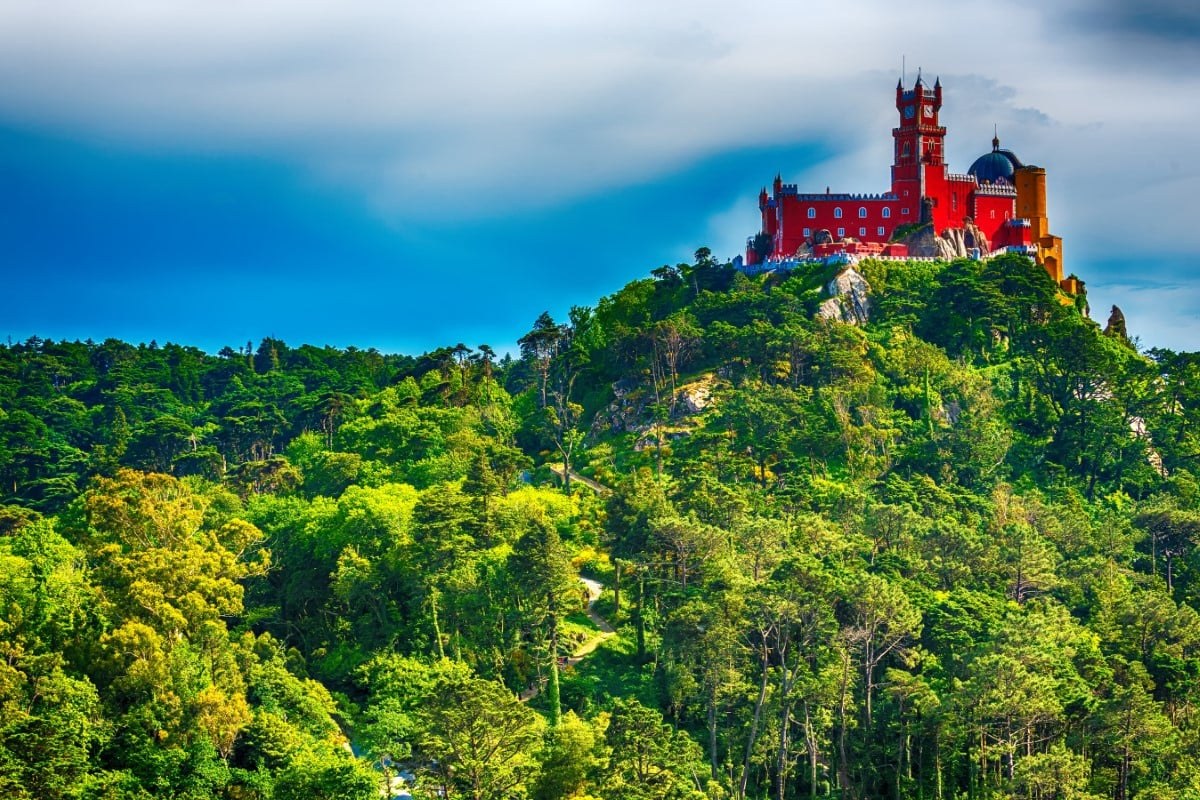 14 mi from LisbonSintra Day Trip - Pena Palace
 13 mi from LisbonConvent of the Capuchos Cork Lining & Underground Network
 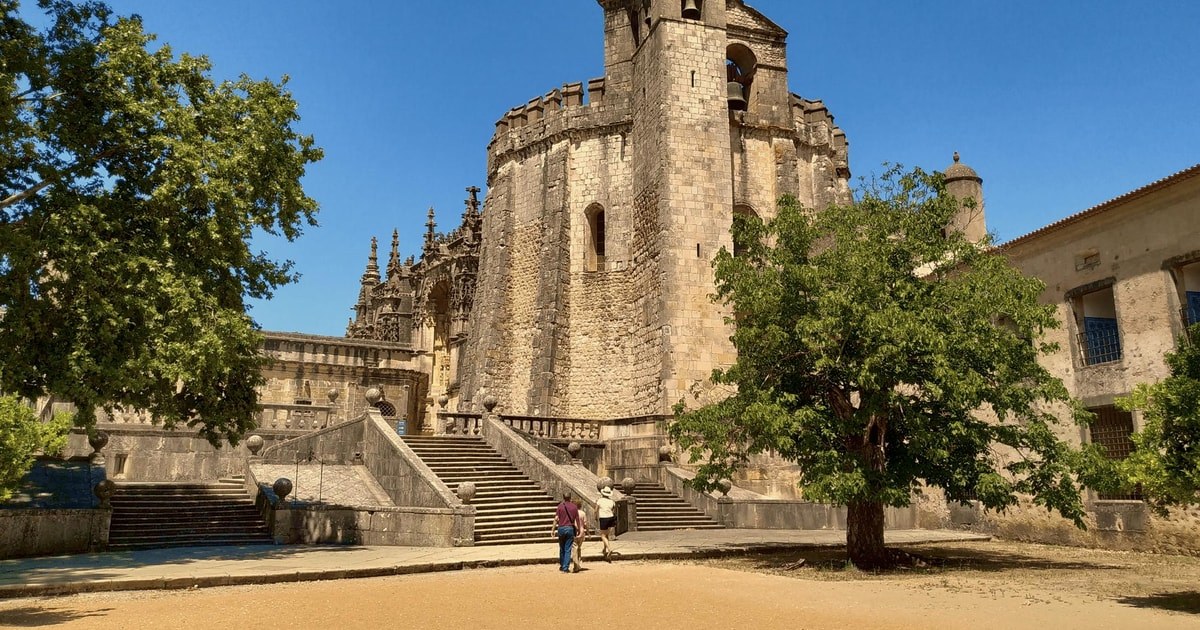 4 mi from Lisbon · land adventureTemplar Stone, Atlantic Cliffs, and Pastel Custard in Lisbon
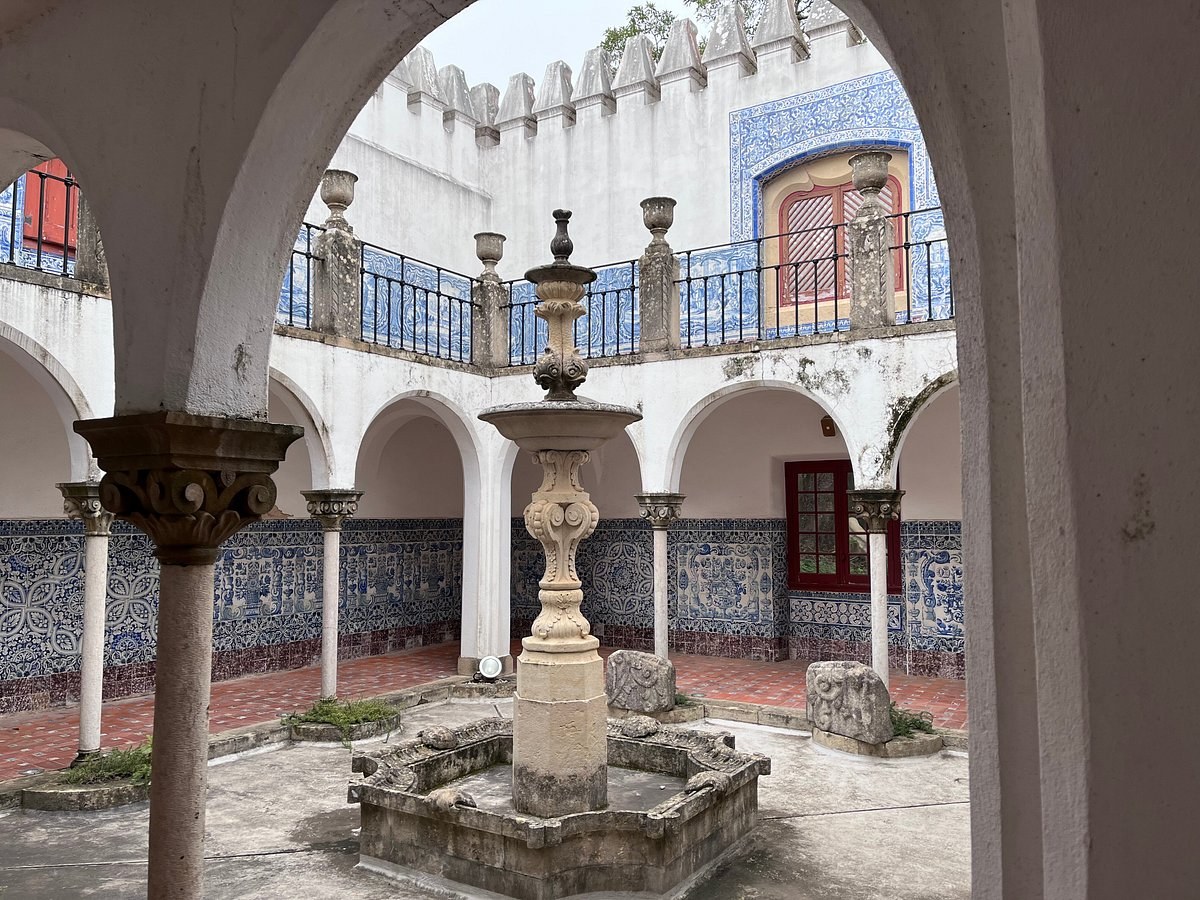 4 mi from Lisbon · land adventureSintra's Forests, Palaces & Coast: A Portuguese Masterpiece
 176 mi from Lisbon · land adventureSalt, Sand and Natural Wine: The Aveiro Coast Done Right
 After you step off · near Dublin
You end in a different port — stay on, and add what is within reach before you fly home.