Your cruise
Azamara Journey · 40-night Northern Europe cruise, Portsmouth to Piraeus (Athens)
Sep 9 – Oct 19 · 40 nights ·
Day 1 Portsmouth (board) · Day 2 Honfleur · Day 3 Saint Malo · Day 4 at sea · Day 5–7 Bordeaux · Day 8 Bilbao · Day 9 Gijon · Day 10 Vigo · Day 11 Leixoes (Oporto) · Day 12 Lisbon · Day 13 Portimao · Day 14–15 Seville · Day 16 Gibraltar · Day 17 Malaga · Day 18 Motril · Day 19 Cartagena · Day 20 Valencia · Day 21 Barcelona · Day 22 Marseille · Day 23 Monte Carlo · Day 24–25 Florence · Day 26 Civitavecchia (Rome) · Day 27 Sorrento · Day 28 at sea · Day 29 Kotor · Day 30 Dubrovnik · Day 31 Zadar · Day 32 Fusina (Venice) · Day 33 Koper · Day 34 Opatija · Day 35 Zadar · Day 36 Split · Day 37 Sibenik · Day 38 Dubrovnik · Day 39 Kotor · Day 40 at sea · Day 41 Piraeus (Athens) (step off)
What you do A bespoke, fully private full-day journey from Le Havre to Paris — Eiffel Tower, Notre-Dame, and a 1-hour Seine River Cruise gliding past the Louvre. Pure luxury at your own pace, with a dedicated driver-guide.
What to expect Your private vehicle collects you dockside in Le Havre for a scenic 2-hour transfer into the heart of Paris. A dedicated guide steers you through the Eiffel Tower esplanade, the golden spires of Sainte-Chapelle, and onto a private boarding of the Seine for a 1-hour river cruise past the Louvre and Notre-Dame. The afternoon is yours to savour — a long lunch on a terrace, a stroll through the Marais — before a relaxed return transfer to the ship.
Good to know Le Havre to Paris is roughly 2 hours each way — plan for a 10–11 hour excursion day. Book directly with The Real France® well in advance as private departures fill fast. Confirm your ship's all-aboard time and share it with your guide; they are experienced at cruise turnarounds.
Versus the ship tour Completely private — your group only, your itinerary, your pace. A licensed expert driver-guide shapes the day around you, not a busload of strangers. Stop where you want, linger longer at the Eiffel Tower, skip queues with pre-arranged entry.
What you do Walk the hallowed sands of Omaha Beach, stand in silence at the Normandy American Cemetery, and descend into preserved WWII bunkers with a specialist historian guide — all from Le Havre in a private vehicle.
What to expect Departing Le Havre, your private vehicle heads west along the Normandy coast to the D-Day landing beaches. At Pointe du Hoc, your historian narrates the Ranger assault with the original craters and bunkers as backdrop. Omaha Beach delivers a profound, unhurried moment at the waterline before you ascend to the immaculate rows of the Normandy American Cemetery — 9,388 white marble crosses overlooking the sea. The return journey passes through the charming harbour town of Bayeux, optional stop included.
Good to know The D-Day sites are approximately 60–90 minutes from Le Havre port. A full private tour runs 7–8 hours comfortably. The American Cemetery requires free timed entry — your guide handles this. Wear comfortable, respectful footwear for the beach and cemetery grounds.
Versus the ship tour Expert battlefield historians — not generalist guides — lead every tour. Private access means you set the emotional pace at the Cemetery and can spend as long as needed at each site. Intimate storytelling at the actual bunkers and memorials that larger groups rush past.
What you do Stand atop the legendary chalk arches of Étretat — the same cliffs that mesmerised Monet and Courbet — on a private guided coastal walk just 30 minutes from Le Havre port, with time for a seafront lunch.
What to expect The alabaster cliffs of Étretat rise 70 metres above the English Channel in a series of breathtaking natural arches and needles. Your guide leads you along the clifftop Chemin des Douaniers, pausing at the exact vantage points Monet painted en plein air. The Falaise d'Aval arch — its elephant-trunk profile plunging into turquoise water — is the centrepiece photograph of the Normandy coast. Afterwards, settle into a window table at one of Étretat's celebrated seafood restaurants overlooking the shingle beach.
Good to know Étretat is only 30 minutes from Le Havre — ideal if you prefer a half-day option and want time back in port. The clifftop path involves gentle but uneven terrain; sturdy shoes are essential. Can be combined with an afternoon visit to Le Havre's UNESCO-listed Auguste Perret architecture.
Versus the ship tour A rare half-day luxury option that keeps you close to port yet delivers one of Normandy's most dramatic landscapes. Private guiding means you walk at your own pace, learn the Impressionist history in context, and have a reserved table at a clifftop restaurant — not a rushed buffet.
book direct with Normandie Lovers (Local Expert Tours) → · the full guide →
What you do Bypass the public queues and explore the Louvre's greatest masterpieces — Mona Lisa, Venus de Milo, Winged Victory — with a private art historian guide, then linger in the Richelieu Wing at your own tempo.
What to expect Your private guide meets you at the Carrousel du Louvre entrance, tickets in hand, and whisks you past the queues and into the grand Napoleon Hall. The morning unfolds through the Italian Renaissance galleries — the Mona Lisa at an uncrowded moment — before crossing into the Greek antiquities for Venus de Milo and the soaring Winged Victory of Samothrace. Your guide contextualises each masterwork with the kind of scholarship and storytelling that transforms art into living history. Afterwards, a table at the elegant Café Marly, overlooking the illuminated pyramid, is the perfect close.
Good to know Le Havre to Paris by private transfer is 2 hours; plan a minimum 10-hour day. Pre-book Louvre timed entry at louvre.fr immediately — slots sell out weeks ahead. Café Marly reservations are recommended. The Louvre is closed on Tuesdays.
Versus the ship tour A private art historian navigates the world's largest museum with surgical precision — no wasted time in the wrong wing, no shouting over a group. Pre-booked timed entry means you walk straight past the pyramid queues that can stretch 90 minutes.
book direct with Musée du Louvre (Official) + Private Guide via ToursByLocals → · the full guide →
What you do Discover Honfleur — the jewel of the Normandy coast — with its medieval slate-fronted harbour, the birthplace of Impressionism, and a private tasting of Calvados apple brandy at a centuries-old local distillery.
What to expect The Vieux-Bassin (Old Harbour) of Honfleur is one of France's most painted scenes — tall, narrow 17th-century houses reflected in still water, fishing boats rocking gently at anchor. Your guide leads you through cobbled lanes to the timber-framed Sainte-Catherine church, the largest wooden church in France, built by shipwrights using boat-building techniques. A private visit to a local Calvados producer follows — you'll nose and taste aged expressions of this Norman apple brandy from the barrel in the company of the distiller. Lunch at a harbour-front seafood brasserie seals a perfect morning.
Good to know Honfleur is 30–40 minutes from Le Havre port — a superb half-day option, leaving the afternoon free. Parking near the Vieux-Bassin is limited; your private driver handles logistics entirely. Calvados and Normandy cheeses make exceptional gifts to take back aboard.
Versus the ship tour Just 30 minutes from Le Havre, Honfleur delivers extraordinary beauty and flavour in a compact half-day. A private local guide unlocks the stories behind every façade and arranges a distillery tasting that isn't on any public schedule — intimate, unhurried, and authentically Norman.
book direct with Normandie Lovers (Local Expert Tours) → · the full guide →
What you do Experience the Palace of Versailles beyond the public rooms — a private guided tour of the Grand Apartments, the Hall of Mirrors, and the sculpted Gardens of Le Nôtre, timed to arrive before the crowds.
What to expect Your private vehicle departs Le Havre at first light, arriving at Versailles ahead of the main crowds for a 9am opening. A licensed art historian guide ushers you through the King's and Queen's Grand Apartments — room after room of Baroque excess and royal intrigue — before the Hall of Mirrors delivers its full, breathtaking spectacle. The Gardens of Versailles, designed by André Le Nôtre across 800 hectares, offer a refined post-tour stroll among sculpted topiaries and baroque fountains. Champagne in the Orangerie garden café is the civilised finale before your return transfer.
Good to know Versailles is approximately 2.5–3 hours from Le Havre — a long but wholly worthwhile full-day commitment. Pre-book timed palace entry at chateauversailles.fr; the most popular slots sell out weeks in advance. On Musical Fountain Show days (spring/summer Saturdays), the gardens are spectacularly animated — worth timing your visit around.
Versus the ship tour An early private departure from Le Havre means arriving at Versailles as the gates open — the Hall of Mirrors virtually empty, morning light pouring through 357 arched windows, reflections of gilded chandeliers undisturbed. An experience impossible to replicate later in the day.
What you do Step inside one of the world's greatest prehistoric mysteries on a chauffeured private tour from the port. Combine the awe-inspiring stone circle with Salisbury Cathedral — home to the finest surviving Magna Carta — for an unrivalled day of English heritage.
What to expect Your private guide collects you dockside and whisks you west through the Wiltshire countryside. At Stonehenge you walk the inner perimeter as your guide brings the 5,000-year-old monument vividly to life. In Salisbury you explore the soaring medieval cathedral and hold your breath before one of only four original 1215 Magna Carta documents. The return journey is timed precisely to your all-aboard.
Good to know Stonehenge is approximately 1 hr 30 min from Portsmouth. Pre-book timed entry tickets for Stonehenge directly via English Heritage (from GBP 23.50 adult) as numbers are capped — your operator can advise. All-aboard times are strictly respected; confirm your ship's schedule at booking.
Versus the ship tour Fully private, air-conditioned vehicle departing directly from the cruise terminal — your own driver-guide, your own pace, with no group waiting or rushed schedules. The combination of Stonehenge AND Salisbury Cathedral in a single day is the definitive bucket-list pairing.
book direct with Stonehenge Tour (Portsmouth Port Private Shore Excursions) → · the full guide →
What you do Walk Nelson's own quarterdeck aboard HMS Victory, marvel at the perfectly preserved Tudor warship Mary Rose, and tour the iron-hulled HMS Warrior in the world's most extraordinary collection of historic naval vessels — all within Portsmouth Historic Dockyard.
What to expect Begin on the gun decks of HMS Victory — still a commissioned Royal Navy warship — where Nelson fell at the Battle of Trafalgar in 1805. The Mary Rose Museum immerses you in Tudor seafaring life with thousands of artefacts recovered from Henry VIII's flagship. HMS Warrior, the world's first iron-hulled armoured battleship, rounds out a trilogy of naval history spanning five centuries. The dockyard's café and shops offer a civilised pause between ships.
Good to know The dockyard entrance is a 5-minute walk from the cruise terminal — ideal for a self-paced morning. Allow at least 4–5 hours for all three ships. Pre-book online to save GBP 3 per ticket and guarantee timed entry for the Mary Rose. Check all-aboard time and work backwards.
Versus the ship tour The Historic Dockyard sits just steps from the cruise terminal — no coach required. With an All Ships Pass you can linger as long as you wish, exploring at your own pace rather than being funnelled through on a fixed group schedule. The access to Nelson's own flagship is simply unmatched anywhere in the world.
book direct with Portsmouth Historic Dockyard (National Museum of the Royal Navy) → · the full guide →
What you do Glide through one of the world's busiest naval harbours on a guided boat tour, passing Royal Navy warships, submarines, and the iconic Spinnaker Tower from the water — a perspective no shoreside visit can replicate.
What to expect A knowledgeable guide narrates as your vessel weaves past Type 45 destroyers, aircraft carriers, and centuries-old fortifications. You'll pass the mouth of the harbour where countless historic fleets have sailed, and circle back for sweeping views of the Spinnaker Tower and the Gunwharf Quays waterfront. Departures run regularly throughout the day, so you can slot it neatly around dockyard time.
Good to know Tours depart from the Historic Dockyard jetty — no pre-booking required, but arrive early in peak season. The tour lasts approximately 45 minutes. Check the board at the jetty for listed warships currently in port — the roster changes daily and adds a wonderful element of surprise.
Versus the ship tour The harbour tour departs from the Historic Dockyard jetty, letting you combine it seamlessly with a dockyard visit. The on-water vantage point — framing the fleet against the Portsmouth skyline — is the kind of photograph that defines the port call.
book direct with Portsmouth Harbour Tours → · the full guide →
What you do Ascend Portsmouth's iconic 170-metre Spinnaker Tower for panoramic 360° views stretching across the Solent to the Isle of Wight — on a clear day, you can see for 37 miles. Step onto the glass floor for a breathtaking moment above the harbour.
What to expect A high-speed lift whisks you to Deck 2 for uninterrupted Solent panoramas. Brave the glass floor panels of the Sky Walk on Deck 1 for a vertiginous thrill, then sip a coffee in the tower's café while watching ferries and naval vessels thread through the harbour below. The Gunwharf Quays waterfront at the base offers excellent waterside dining for a post-tower lunch.
Good to know The tower is a very short walk from the cruise terminal through Gunwharf Quays — combine with harbour shopping or a waterfront lunch. Pre-book online to avoid queues, especially on busy port days. Allow 1–1.5 hours. Visibility information is posted on the tower's website and social channels.
Versus the ship tour The tower is a 10-minute walk from the cruise terminal through Gunwharf Quays — no transport needed. The Sky Walk glass floor, suspended 100 metres above the harbour, is a genuine bucket-list moment: you look straight down at the warships and the Solent below your feet.
book direct with Spinnaker Tower (Portsmouth) → · the full guide →
What you do Portsmouth was the launch point for the greatest seaborne invasion in history. Immerse yourself in the epic story of D-Day at the award-winning D-Day Story Museum, then explore the Tudor Southsea Castle where Henry VIII watched his flagship Mary Rose sink.
What to expect The D-Day Story's world-class displays bring Operation Overlord to life through personal testimonies, original equipment, vehicles, and the extraordinary 34-panel Overlord Embroidery. A short walk away, Southsea Castle's ramparts offer sweeping views across the Solent — the very waters through which the D-Day armada sailed in June 1944. The seafront setting, with its broad promenade, provides a reflective and beautiful conclusion to the morning.
Good to know A taxi from the cruise terminal to Southsea seafront takes approximately 10–15 minutes (GBP 8–12). Pre-book D-Day Story tickets online for a small saving and to guarantee entry. Allow 2–2.5 hours for the museum plus 45 minutes for the castle. Southsea has excellent waterfront cafés for a light lunch before returning to the ship.
Versus the ship tour These two sites sit side-by-side on Southsea seafront, just a short taxi ride from the terminal, offering a profoundly moving half-day that most itineraries overlook. The centrepiece Overlord Embroidery — a 272-foot masterpiece depicting the D-Day landings — is one of the most remarkable artefacts in British history.
book direct with The D-Day Story (Portsmouth City Council Museums) → · the full guide →
What you do Glide through Honfleur's cobbled lanes and hilltop heights aboard a polished vintage sidecar with a private expert guide. An utterly cinematic, deeply personal way to absorb the town's Norman soul — from the Vieux Bassin to the Chapelle Notre-Dame de Grâce — at your own pace.
What to expect Your guide picks you up at the quayside and whisks you through Honfleur's medieval quarter, past the towering slate-fronted houses of the Vieux Bassin and up to the sweeping Côte de Grâce viewpoint. The sidecar's open cockpit puts the sea breeze, the scent of salt and the Norman light right on your face. Stops are entirely flexible — linger at the panoramic Panorama Mont-Joli or duck into a hidden courtyard on a whim. The experience typically runs 1.5 to 2 hours, leaving ample time to explore independently.
Good to know Departs from central Honfleur near the Vieux Bassin — a short walk from the tender pier. Pre-book directly and confirm your all-aboard time with the operator so the route can be adjusted. Wear a light layer; open sidecars can be breezy even in summer.
Versus the ship tour A one-of-a-kind, fully private adventure — just your group and your guide — weaving through streets no coach can reach, with commentary tailored entirely to you. The vintage sidecar turns every corner into a photograph.
book direct with GetYourGuide (Honfleur Vintage Sidecar Experience) → · the full guide →
What you do Stand on Omaha Beach, descend into the Pointe du Hoc craters, and move through the American Cemetery at Colleville-sur-Mer with a dedicated private historian-guide. One of the most profoundly moving days Europe can offer — and Honfleur is the ideal launching point.
What to expect Your private guide collects you at the port and heads west along the Normandy coast, narrating the strategic build-up before a single beach is in sight. At Pointe du Hoc, you walk the actual clifftop craters where US Rangers scaled the bluffs on 6 June 1944. Omaha Beach and the immaculate Colleville-sur-Mer American Cemetery follow — 9,387 marble crosses and Stars of David that never fail to silence even seasoned travellers. The return journey passes through Bayeux, with time for the famous Tapestry if desired. Full day runs approximately 8 hours.
Good to know Ophorus offers pick-up directly from Honfleur port. Book well in advance — private full-day slots fill months ahead in summer. Confirm the exact all-aboard time with the operator so your return is guaranteed. Comfortable walking shoes are essential; cemetery and cliff paths involve uneven ground.
Versus the ship tour A fully private, door-to-door experience in a premium vehicle with a specialist guide whose sole focus is your group. The narrative goes far beyond the standard battlefield briefing — personal stories, artefacts in context, and unhurried time at each site.
book direct with Ophorus Private Normandy Tours → · the full guide →
What you do Explore the UNESCO-lauded Vieux Bassin, the extraordinary timber-built Église Sainte-Catherine, and the Impressionist legacy of Boudin and Monet with a private local guide who knows every story behind every façade. The definitive way to understand Honfleur in a morning.
What to expect Begin at the Quai Sainte-Catherine where the famous slate-faced houses rise in perfect reflection off the harbour water — a scene that has drawn painters for two centuries. Your guide brings the Lieutenance gate, the Greniers à Sel (salt stores), and the extraordinary Église Sainte-Catherine to life: it is the largest timber-frame church in France, built by shipwrights using boat-building techniques. The tour weaves into the artistic quarter, touching on the Eugène Boudin Museum and the eccentric genius of Erik Satie at the Maisons Satie. Approximately 2 hours.
Good to know Meets at the Vieux Bassin — 5 minutes on foot from the tender landing. The Tourist Office runs official departures; contact them directly to arrange a private session. Morning departures avoid the day-tripper crowds that arrive after midday.
Versus the ship tour Led by an official local guide with deep roots in the town, this private walk moves at a contemplative pace through narrow lanes inaccessible to groups — revealing hidden courtyards, artisan ateliers, and the precise viewpoints Boudin painted. Entirely tailored to your interests.
book direct with Honfleur Tourist Office – Guided Tours → · the full guide →
What you do Walk the water-lily garden and the iconic Japanese bridge that Monet painted obsessively for 30 years — visiting the artist's actual home and studio in the village of Giverny. Among the most beautiful gardens in the world, made even richer with an expert art-history guide.
What to expect The journey south through the Seine valley sets the Impressionist scene before you arrive at the iconic green-shuttered Maison de Monet. Your guide walks you through the Norman flower garden and beneath the wisteria-draped Japanese bridge, explaining the obsessive decades Monet spent adjusting light, colour and reflection. Inside the house, Monet's Japanese print collection and the butter-yellow dining room are vivid and personal. The round trip from Honfleur is approximately 4.5 hours driving, leaving time in port afterwards. Garden visit runs 1.5–2 hours.
Good to know Giverny is open late March to early November; peak bloom is May–June. Pre-book garden tickets (Fondation Claude Monet, fondation-monet.com, approx. EUR 12) to avoid queues. Ophorus collects from Honfleur port. Allow a full day; confirm all-aboard time at booking.
Versus the ship tour A fully private vehicle and guide means you arrive at Giverny as early as the gates open — before the independent day-trippers — and linger in the water-lily garden at a genuinely unhurried pace. Expert art-historical context transforms flowers into masterpieces.
book direct with Ophorus Private Tours – Giverny & Honfleur → · the full guide →
What you do Step behind the scenes at a family-run Calvados estate and a working Camembert and Livarot fromagerie in the Pays d'Auge hills above Honfleur. This is the taste of Normandy in its purest, most honest form — cider orchards, copper pot stills, and wheels of aged cheese.
What to expect Your driver-guide heads into the rolling bocage of the Pays d'Auge, an AOC-protected landscape of apple orchards and half-timbered manor farms. At the Calvados estate, the owner walks you through the harvest, pressing and double-distillation process before guiding a tasting across vintages — from young, fiery Calvados to silky 15-year reserves. The fromagerie visit that follows is equally immersive: watch the hand-ladling of Camembert, understand the affinage (ageing) of Livarot, and taste with accompaniment. You return to Honfleur with a short afternoon to browse the port's fishmongers and crêperies. Half-day, approx. 4 hours.
Good to know Request producers in the Pays d'Auge AOC when booking for the most prestigious addresses. Ophorus picks up at port. Check the season — some smaller fromageries close mid-summer for production cycles; the operator will advise on the best available estate. Bring a cool bag for purchases.
Versus the ship tour Access to working family domaines that do not open to coach tours — private cellars, orchard walks, and the rare opportunity to taste straight from the barrel with the producer. Small-group or fully private format ensures genuine producer engagement, not a retail tasting room performance.
book direct with Ophorus Private Food & Drink Tours – Normandy from Honfleur → · the full guide →
What you do Cross the breathtaking Pont de Normandie — one of the world's great cable-stayed bridges, spanning the Seine estuary in a single elegant arc — then ascend to the Panorama Mont-Joli for an unbroken view over Honfleur's rooftops, the estuary and the open Channel. Pure Norman grandeur.
What to expect Depart the quayside and drive the dramatic approach to the Pont de Normandie, whose twin towers rise 215 metres above the Seine — pausing at the dedicated viewpoint for photographs before crossing the bridge's 856-metre main span. The estuary below is a vast, silver-grey theatre of container ships, river barges and wheeling gulls. From the bridge, the route winds up through beech forest to the Chapelle Notre-Dame de Grâce, a place of active pilgrimage since 1600, before reaching the Panorama Mont-Joli viewpoint where the entire port of Honfleur lies below you. Return to town via the Naturospace tropical butterfly house if time allows. Approximately 3 hours.
Good to know Best done in the morning when the light falls across the estuary from the east. The Chapelle Notre-Dame de Grâce is free to enter and deeply atmospheric. Arrange private transport via the Honfleur Tourist Office or a local taxi (approx. EUR 30–40 for the loop). All sites are within 20 minutes of the port, making this ideal if your all-aboard is early.
Versus the ship tour The freedom of a private car and guide means you can stop precisely where the light is perfect — mid-bridge for the full estuarine panorama, then up through the Côte de Grâce to the Chapelle Notre-Dame de Grâce, a sailors' pilgrimage chapel with terracotta ex-votos lining the walls. No schedule, no group, no rushing.
book direct with Honfleur Tourist Office – Private Guided Excursions → · the full guide →
What you do Step onto the tidal island of Mont Saint-Michel — a UNESCO World Heritage marvel rising from the bay — on a fully private transfer and guided visit from the Saint-Malo cruise port. This is the single most iconic day trip in all of Brittany, and doing it privately is the only way to do it justice.
What to expect Your private driver-guide collects you directly at the cruise pier and whisks you across the Breton countryside to the bay. As the tide-sculpted silhouette of the abbey grows on the horizon, the anticipation is electric. You wind through the cobbled Grande Rue, past medieval merchants' houses, before ascending to the soaring Gothic abbey church at the summit. The return is timed carefully so you arrive back at the port with comfortable margin before all-aboard.
Good to know Mont Saint-Michel is approximately 55 km (about 55–60 min) from Saint-Malo port. The full excursion runs 5–6 hours — pre-book well in advance as private slots fill fast in summer. Abbey entry is included with Ophorus; confirm this at booking. Wear comfortable shoes — the cobbled ascent is steep.
Versus the ship tour A fully private vehicle and dedicated English-speaking guide means you move at your own pace through the medieval village lanes and the abbey itself — no herding, no waiting, no crowds you can't escape. Your guide's local knowledge unlocks stories and vantage points that a group bus simply cannot offer.
What you do Glide along the wild Breton coastline in a gleaming vintage sidecar, your helmeted driver navigating clifftop roads from the walled city of Saint-Malo to the oyster capital of Cancale. It is the most cinematic, utterly unique way to experience this stretch of the Emerald Coast.
What to expect Kitted out in a leather helmet and goggles, you settle into the sidecar as your expert driver-guide pulls away from intra-muros Saint-Malo. The Emerald Coast unfolds — rugged headlands, sweeping sandy bays, the smell of salt and iodine in the air. In Cancale, you park harborside and taste freshly-opened oysters with a glass of Muscadet, watching the fishing boats bob. The return run along the coastal road at golden hour is pure magic.
Good to know Cancale is approximately 15 km east of Saint-Malo — close enough for a relaxed half-day with all-aboard time to spare. Book your sidecar slot directly and specify the Cancale itinerary. Dress in layers; coastal Brittany is breezy even in summer. Not suitable for passengers with significant mobility limitations.
Versus the ship tour You ride in your own private vintage sidecar — an intimate, wind-in-your-hair experience shared with just one companion — stopping wherever the mood takes you: a granite lookout, a harbour wall, an oyster shack in Cancale where the farmer pulls the shells straight from the sea. It is spontaneous, stylish, and completely personal.
book direct with France Private Guided Tours → · the full guide →
What you do Sail the legendary waters that spawned history's greatest corsairs — Francis Drake's nemesis, the privateers of Saint-Malo — with a passionate local captain who brings every fort, island, and tidal rock to vivid life from the water. The perspective from the sea is the one most visitors never see.
What to expect You board at the Saint-Malo marina and set out into the bay, the granite ramparts rising magnificently behind you. Your captain narrates the corsair history — the audacious raids, the fortified islets of Fort National and Grand Bé — as guillemots wheel overhead. At low tide, the surrounding rock formations and hidden reefs emerge from the sea like a natural fortress. Back ashore with time to explore the old town on foot.
Good to know Trips depart from the Saint-Malo marina, a short walk from the cruise terminal. The excursion is 1h30, leaving plenty of time for the old town afterward. Pre-book online; summer slots sell out. Check weather conditions — trips may be cancelled in strong winds. Comfortable flat shoes and a windproof layer are recommended.
Versus the ship tour A small, intimate vessel with a knowledgeable local captain — not a large tourist ferry — means you get genuine conversation, spontaneous stops, and the rare thrill of sailing close to the fortified islands and sea walls that ring this extraordinary city. Commentary is in both French and English.
book direct with GetYourGuide (local captain operator via Saint-Malo) → · the full guide →
What you do An entirely private, expertly guided 5-hour journey from your cruise berth to the spellbinding tidal island of Mont Saint-Michel, led by an official local guide — the most seamlessly curated way to experience France's most-visited monument outside Paris.
What to expect Your guide meets you at the gangway and you depart immediately in a comfortable private vehicle. En route, your guide sets the scene — the legend of the Archangel Michael, the medieval pilgrimage routes, the engineering marvel of the abbey's construction on a tidal rock. Inside, you visit the Romanesque nave, the Gothic choir, the cloister, and the refectory, lingering in spaces that bus tours race through. Lunch on the ramparts with bay views is a possibility if your all-aboard time allows.
Good to know This tour is designed specifically for cruise passengers — your guide monitors all-aboard times and builds in a safe buffer. Group size of 1–7 is typical for private bookings; larger groups can be accommodated on request. Abbey entry fees (approx. EUR 13 adult) are payable on-site unless pre-arranged. Book as early as possible — summer dates are extremely limited.
Versus the ship tour Your group alone — no strangers, no schedule compromises. Your official local guide accompanies you on-site for a full 3 hours inside the abbey and village, providing art-historical and architectural depth that transforms a sightseeing stop into a genuine cultural revelation. The private vehicle ensures a stress-free, punctual return to port.
book direct with France Private Guided Tours → · the full guide →
What you do Walk the entire circuit of Saint-Malo's 12th-century granite ramparts with a private local expert, commanding sweeping views over the English Channel, the corsair islands, and the rooftops of intra-muros — then descend into the labyrinthine old town for its hidden squares, corsair mansions, and artisan food producers.
What to expect You set off from the old city gate and ascend to the rampart walk, the vast panorama of the bay and the Île de Grand Bé unfolding before you. Your guide recounts the swaggering lives of the city's famous sons — privateer René Duguay-Trouin, writer Chateaubriand — as you pace the ancient walls. Descending into intra-muros, you duck into a Breton crêperie, a chocolatier famed for salted caramel, and the hush of Saint-Vincent Cathedral. The whole experience is leisurely, immersive, and entirely on your terms.
Good to know The cruise terminal is a short walk or taxi ride to the old city walls. A 2-hour private walk fits comfortably within most port calls, leaving time for independent exploration or lunch afterward. Flat, comfortable walking shoes are a must — the rampart stones are uneven. Pre-book at least a week ahead in peak season (June–September).
Versus the ship tour Entirely private — just your party and your expert local guide — with the pace, the route, and the stories tailored to your interests. Your guide's insider knowledge of the corsair history, the wartime reconstruction, and the secret viewpoints elevates this far beyond a self-guided rampart stroll.
book direct with GetYourGuide (local guide via Saint-Malo) → · the full guide →
What you do Trade the tourist trail for the hidden Brittany: ride in a polished vintage sidecar from the walled city of Saint-Malo to the impossibly pretty medieval village of Saint-Suliac, one of France's designated 'Plus Beaux Villages,' perched on the tidal Rance estuary. Authentic, unhurried, and utterly unforgettable.
What to expect Helmeted and goggled, you purr out of Saint-Malo on country lanes that wind through bocage and coastal heath. Saint-Suliac appears like a film set: granite houses tumbling to the Rance, fishing boats tilted on the mud, a granite calvary on the hill above. Your driver-guide shares the village's history — Viking raids, Breton fishing traditions, the wartime years — before a leisurely return via scenic coast roads in time for all-aboard.
Good to know Saint-Suliac is approximately 12 km south of Saint-Malo — a quick and scenic sidecar run. The village itself has very limited tourist infrastructure, which is entirely the point: bring cash for any small purchases. The half-day format is cruise-friendly; discuss your all-aboard time with the operator when booking so they can plan the return accordingly.
Versus the ship tour Saint-Suliac is the Brittany that mass tourism has not yet found — a granite fishing village of flower-draped cottages, a Romanesque church, and a harbour that silts dry at low tide. Arriving in a vintage sidecar is a spectacle in itself; locals wave, children stare, and you feel like a character in a French film rather than a passenger on a port call.
book direct with France Private Guided Tours → · the full guide →
What you do Journey into the UNESCO-listed village of Saint-Émilion and taste coveted Grand Cru Classé wines inside private château cellars with an expert sommelier guide — a genuinely bucket-list afternoon in the world's most storied wine country.
What to expect Your small group winds through vine-draped hillsides to arrive at classified Saint-Émilion estates, where the winemaker or estate host walks you through the terroir, barrel room, and their philosophy before pouring four to six exceptional vintages. Lunch is often arranged at a stone-walled château table. The medieval village itself — a labyrinth of golden limestone lanes, underground catacombs, and a monolithic church carved into the rock — deserves an hour of wandering before or after. The entire day feels curated, unhurried, and deeply personal.
Good to know Saint-Émilion is approximately 45 minutes by car from Bordeaux port. Book at least 4–6 weeks ahead for private departures. Confirm your all-aboard time (typically 18:00–19:00) and ensure you depart the estate by 16:30. Pre-booking directly with Bordeaux Wine Trails allows full itinerary flexibility.
Versus the ship tour Bordeaux Wine Trails is led by local expert guides who gain private access to family-owned estates rarely open to large groups — unhurried cellar tours, barrel tastings, and personal conversations with winemakers that no bus tour can replicate.
What you do Drive the legendary D2 'Route des Châteaux' through the Médoc, entering the gates of First and Second Growth estates for private tastings — the definitive Bordeaux wine pilgrimage, and utterly unmissable for any serious wine lover.
What to expect The morning opens with a scenic drive north along the Gironde estuary, the vines of the Médoc rolling past your window in perfectly ordered rows. You'll enter two or three château properties where an estate guide leads you through vine-to-bottle story, underground vat rooms, and an intimate seated tasting of three to five classified wines per château. The names on the labels — Mouton, Latour, Léoville — are ones you've read about for years; standing in the chai breathing in barrel-aged Cabernet brings them fully to life. Return to port with time to spare and a well-curated wine selection to ship home.
Good to know The Médoc is 30–60 minutes north of Bordeaux port depending on the château. Half-day tours typically return by 13:00; full-day by 17:00 — well inside any 18:00 all-aboard. Book directly with À La Française; private minibus rates include hotel or port pickup.
Versus the ship tour À La Française limits groups to a genuine small-group experience in a minibus, granting access to prestigious Classified Growths — Pauillac, Margaux, Saint-Julien — that large coaches simply cannot enter. The pace is yours; tastings are never rushed.
book direct with À La Française – Bordeaux Small-Group Wine Tours → · the full guide →
What you do Explore the world's greatest wine civilisation museum inside Bordeaux's iconic wave-shaped landmark, then ascend to the 8th-floor Belvédère for a panoramic glass of fine Bordeaux — a sensory, architectural, and cultural triple hit.
What to expect The Cité du Vin is a shape-shifting architectural marvel on the Garonne's banks — its gold-and-glass form evoking swirling wine in a glass. Inside, 20 themed interactive stations take you from ancient Egypt's wine jars to the Napa Valley, with multi-sensory displays, documentary films, and a spectacular wine-map room. Allow two hours for the full journey before ascending to the glass-walled Belvédère, where your complimentary tasting of a selected wine frames a 360° view of Bordeaux's skyline and river. The museum café and wine shop are excellent for a refined midday pause.
Good to know La Cité du Vin is a 20-minute walk or short taxi/tram ride from the cruise terminal. Tram line B stops directly outside. Pre-purchase tickets on the official website to guarantee entry and skip queues. Open daily from 10:00; plan 2.5–3 hours total.
Versus the ship tour Book skip-the-line tickets directly through the official site and arrive at opening for a crowd-free, self-paced immersion. The Belvédère panorama over the Garonne at golden hour is one of the most photographed moments in Bordeaux — and entirely at your own leisure.
What you do Step inside a vast wartime submarine base transformed into Europe's largest digital art centre — monumental projections of Klimt, Cézanne, or Monet cascading across 12,000 m² of dark water and concrete for a truly otherworldly experience.
What to expect The former German submarine pens of Bordeaux — vast, brutalist, and eerily beautiful — have been reinvented by Culturespaces as a digital art basilica. The main show projects the complete works of a major artist (past editions: Klimt, Monet, Cézanne, Banksy) across walls, floor, and the black mirror of still water below, with music composed to match. The scale is staggering: projections climb 8 metres above reflections that double them. A second, smaller 'Aquarium Numérique' experience runs concurrently. Budget 90 minutes minimum; many visitors stay for two full cycles of the show.
Good to know Bassins de Lumières is located in the Bacalan district, a 5-minute taxi ride or 25-minute walk from the cruise dock. Book tickets online in advance as peak sessions sell out. Check the current exhibition programme on the official site before you go.
Versus the ship tour This is one of Europe's most extraordinary cultural spaces and demands to be experienced without a group schedule. Arriving independently lets you linger inside the cathedral-like bunker as the immersive soundscape and light show wash over you at a contemplative, personal pace.
book direct with Bassins de Lumières (Official – Culturespaces) → · the full guide →
What you do Walk the golden 18th-century streetscape of UNESCO-listed Bordeaux with a vetted private guide — tracing Place de la Bourse, the Miroir d'Eau, Saint-André Cathedral, and the Golden Triangle at your own pace with real insider commentary.
What to expect Your guide meets you dockside or at a central landmark and leads you through Bordeaux's World Heritage streetscape: the theatrical colonnades of Place de la Bourse mirrored in the 3,450 m² Miroir d'Eau; the soaring Gothic nave of Cathédrale Saint-André; the intimate Place du Parlement with its Baroque mansions; and the elegant boutiques of the Quartier des Chartrons. Stories range from Montaigne and Montesquieu to the wine négociants who built this city's fortune. The pace is entirely yours, with time for a café stop and a glass of Bordeaux blanc at a local bar. A stop at the Marché des Capucins can be included for a sensory morning market experience.
Good to know Tours by Locals vets all guides independently; browse Bordeaux profiles and read reviews before booking. Most tours begin at the cruise dock or Place de la Bourse (5-minute taxi). Book at least 1–2 weeks ahead. 3-hour tours fit comfortably within any port day.
Versus the ship tour Every tour is one-on-one with a vetted Bordelais local — a private conversation about the city's mercantile grandeur, slave-trade history, Belle Époque theatre, and contemporary food scene that no script-reading guide can offer. The itinerary bends entirely to your interests.
book direct with Tours by Locals – Bordeaux Private Guides → · the full guide →
What you do Taste Grand Cru Classé de Graves wines at Château Pape Clément — one of the world's oldest continuously producing wine estates, founded in 1300, just 10 minutes from Bordeaux city — a rare blend of history, architecture, and exceptional viticulture.
What to expect The estate's ornate iron gates open onto manicured gardens and a turreted manor where the tour begins with the extraordinary founding story: these vines were planted by Bertrand de Goth, who became Pope Clement V in 1305. A château guide leads you through the barrel cellars, the sculptural chai, and the sensory room before settling you at an oak table for a structured tasting of Grand Cru Classé de Graves reds and the estate's rare white. The prestige experience adds aged vertical vintages and a private reception room. The estate's epicurean shop allows you to take bottles home, beautifully gift-wrapped.
Good to know Château Pape Clément is in Pessac, approximately 10–12 minutes by taxi from the Bordeaux cruise terminal — the closest Grand Cru to port. Book estate tours directly on the château website; prestige tasting slots are limited. Excellent for half a morning, leaving the afternoon free for the city.
Versus the ship tour Pape Clément is the only Grand Cru Classé estate reachable by taxi in under 15 minutes from the Bordeaux cruise terminal — no long coach ride required. The estate's lavish château gardens, working cooperage, and cellar library of rare back-vintages make this a full sensory luxury experience.
book direct with Château Pape Clément (Official) → · the full guide →
What you do Step inside Frank Gehry's titanium masterpiece with a private expert guide who unlocks the stories behind the world's most celebrated contemporary art museum. The outdoor sculptures — Koons' 'Puppy' and Bourgeois' 'Maman' — are as unmissable as the galleries within.
What to expect Your guide meets you at the titanium curves of the riverfront facade and leads you through the permanent collection's crown jewels — Richard Serra's immersive 'The Matter of Time' steel corridors, Rothko's colour fields, and rotating blockbuster temporary exhibitions. Outside, you circle the building to experience it as sculpture: the floral 'Puppy', the brooding spider 'Maman', and the fire-breathing 'Tulips'. Allow at least two hours inside; the museum café overlooking the Nervión is perfect for a post-tour coffee.
Good to know The Guggenheim is a 10-min taxi from the Getxo/Bilbao port tender point. Pre-book timed entry online — weekends and summer sell out. Museum closed Mondays (except July–Aug & holidays). All-aboard is typically early evening, giving ample time for a 3–4 hr visit.
Versus the ship tour A private certified art historian guide means you move at your own pace, linger on the works that move you, and gain context no audio guide can replicate — from Gehry's architectural genius to the Basque identity woven through the collection.
book direct with Guggenheim Museum Bilbao (official) → · the full guide →
What you do Follow the rugged Basque coastline to the sea stack of Gaztelugatxe — 'Dragonstone' from Game of Thrones — then on to the sacred estuary town of Mundaka and Pablo Picasso's immortalised town of Guernica. This is the Basque soul in a single day.
What to expect The morning begins with the serpentine coastal road to Gaztelugatxe, where 241 stone steps wind to a Romanesque hermitage perched above crashing Atlantic waves — the view is simply jaw-dropping and unmistakably Game of Thrones. From there, the fishing village of Mundaka sits at the mouth of Europe's finest left-hand surf break, a natural UNESCO Biosphere. The afternoon is devoted to Guernica: the Basque parliament's 'sacred oak', the moving Peace Museum, and the reproduction of Picasso's mural that makes the horrors of 1937 viscerally real. Your guide contextualises Basque identity and history throughout.
Good to know Gaztelugatxe requires a pre-booked free access permit in peak season (Jun–Sep) — your guide arranges this. Full day runs 8–9 hrs; comfortable walking shoes essential for 241 steps. This is the single most-reviewed Bilbao shore excursion on Cruise Critic.
Versus the ship tour A private chauffeur-guide means you set the pace: linger on the hermitage steps at Gaztelugatxe as the crowds thin, walk Mundaka's harbour at your leisure, and spend real time in Guernica's Peace Museum — not just a photo stop.
book direct with Food Tours Bilbao (Private Guide & Chauffeur) → · the full guide →
What you do Cross into the sun-drenched La Rioja Alavesa wine country — just 90 minutes from Bilbao — for a private tour of a celebrated bodega, barrel-room tastings of Reserva and Gran Reserva Riojas, and a leisurely wander through the walled medieval village of Laguardia.
What to expect Your private chauffeur-guide whisks you south through the Basque hills into the ochre vineyards of Rioja Alavesa, arriving at a family-owned bodega where the winemaker walks you through the estate, fermentation vats, and age-darkened barriquerias. A seated tasting of three to five wines — paired with local cheeses and charcuterie — follows. After lunch, the medieval walled town of Laguardia reveals its secrets: a 12th-century church, underground bodega tunnels carved beneath the houses, and panoramic views over the vine-striped plains to the Sierra Cantabria. The return drive follows the scenic river gorge.
Good to know Bodega visits are appointment-only and must be reserved in advance — your guide handles all logistics. The round trip is approx. 3 hrs driving; allow 6–7 hrs total. Ideal for wine lovers who want depth over breadth. Check all-aboard time and confirm departure by mid-afternoon.
Versus the ship tour Access to boutique, appointment-only bodegas — not the mass-tourism wineries — means you taste with the winemaker, not a tour group. Laguardia's underground wine caves and rooftop views of the Ebro plain are a world apart from a standard wine-and-coach excursion.
book direct with Food Tours Bilbao (Private Guide & Chauffeur) → · the full guide →
What you do Ride the world's oldest transporter bridge — a UNESCO World Heritage Site — across the Nervión estuary, then retreat to a hillside Txakoli bodega for a private tasting of the Basque Country's electric, mineral white wine poured with theatrical flair.
What to expect Built in 1893, the Vizcaya Bridge at Portugalete is an engineering marvel: a gondola suspended from a high iron lattice carries cars and pedestrians across the estuary in 90 seconds. You can also walk the soaring high catwalk for extraordinary views of the Basque coastline and Bilbao's industrial heritage. From there, a short drive into the green hills of Getxo brings you to a boutique Txakoli estate, where the winemaker demonstrates the traditional high-pour technique that aerates the wine into a sparkling, tangy sip — the definitive Basque aperitif. Pair with pintxos on the estate terrace.
Good to know The Vizcaya Bridge is in Portugalete, 12 km from central Bilbao — take a taxi or the Metro Line 1 to Areeta (20 min). Combine both stops in a relaxed half-day (3–4 hrs), leaving time for the Guggenheim or Casco Viejo in the afternoon. The catwalk is not suitable for guests with vertigo.
Versus the ship tour The combination of the gondola crossing and the vertiginous high-level catwalk walk — plus a genuine estate Txakoli tasting poured from a height to oxygenate the wine — is an authentic, unhurried Basque experience you can only do independently.
What you do Travel the spectacular Basque coast east to San Sebastián — arguably Spain's most beautiful city — then on to the fortified fishing village of Hondarribia and the birthplace of Juan Sebastián Elcano, who completed the first circumnavigation of the globe.
What to expect The day opens with San Sebastián's theatrical La Concha bay — one of Europe's great urban beaches — before diving into the tangle of the Parte Vieja old town, where Michelin-starred chefs started their careers at hole-in-the-wall pintxos bars. Your guide steers you past the neo-Gothic cathedral, the Belle Époque Kursaal, and the fish auction house on the harbour. After a leisurely lunch, the drive continues to Hondarribia: a colour-washed fishing port with a 10th-century castle and a Basque-French border atmosphere. The final stop, Getaria, is a tiny clifftop village with the Cristóbal Balenciaga Museum and outstanding grilled fish over open coals.
Good to know San Sebastián is 100 km east of Bilbao (approx. 1 hr 15 min each way). This is a full-day excursion — plan 9–10 hrs. Pre-check your vessel's all-aboard time carefully. The Balenciaga Museum in Getaria (EUR 10) should be pre-booked. Comfortable flat shoes strongly recommended for cobblestone old towns.
Versus the ship tour A private guide means you can linger on La Concha beach, duck into whichever pintxos bar catches your eye in the Parte Vieja, or slow down in Hondarribia's medieval quarter — entirely on your schedule, not a group's.
book direct with Food Tours Bilbao (Private Guide & Chauffeur) → · the full guide →
What you do Plunge into Bilbao's atmospheric medieval quarter with a private expert food guide, bar-hopping through the Siete Calles (Seven Streets) for the city's finest pintxos — the Basque answer to tapas — paired with local Txakoli, cider, and aged Rioja.
What to expect The tour begins at the ornate iron-and-glass La Ribera Market, the largest covered market in Europe, where your guide introduces you to the ingredients that define Basque cuisine: salt cod, Idiazabal cheese, Gernika peppers, and anchovies from the Cantabrian Sea. You then weave through the Casco Viejo's medieval lanes, stopping at four to six hand-picked bars for a pintxo and a glass at each — the variety is extraordinary, from classic tortilla to avant-garde foie with Pedro Ximénez reduction. The guide contextualises every bite with Basque cultural history, finishing at a terrace on Plaza Nueva for a final Txakoli toast.
Good to know The Casco Viejo is a 15-min taxi from the port. Tours run late morning or at midday to coincide with the Basque pintxos culture (bars are at their best 12:00–15:00). Confirm dietary requirements when booking. Allow 3 hrs; easily combined with a Guggenheim visit in the afternoon before all-aboard.
Versus the ship tour Your private guide has personal relationships with the best pintxos bars — the family-run counters heaped with gilda skewers, salt-cod croquetas, and foie pintxos — meaning you skip the tourist traps and eat exactly where Bilbaínos eat.
What you do A fully private, tailored journey through Gijón's most compelling landmarks — Cimavilla, Cerro de Santa Catalina, La Laboral — with a handpicked local expert guide who shapes the day entirely around you.
What to expect Your personal expert meets you at the port and steers you through the old fisherman's quarter of Cimavilla, its maze of cobbled lanes and sea-facing miradors, before ascending to Eduardo Chillida's monumental 'Elogio del Horizonte' sculpture for sweeping Cantabrian panoramas. The afternoon pivots to La Laboral City of Culture — a jaw-dropping Francoist-era campus so vast it has its own postcode — where your guide decodes its extraordinary architectural and social history. Stops, detours, and lunch choices are yours to call throughout.
Good to know Pre-book well in advance; private guides in Gijón are limited. Confirm the guide's all-aboard time awareness when booking — most are experienced with cruise schedules. Full-day tours run 6–8 hours comfortably within a standard port call.
Versus the ship tour Completely private — zero strangers, no fixed script. Your guide adapts pace, depth, and itinerary in real time, unlocking local insight impossible in a group setting. This is Gijón on your terms.
book direct with ToursbyLocals – Gijón Private Guides → · the full guide →
What you do Escape into the UNESCO-listed Picos de Europa — the cratered glacial Lakes of Covadonga, the revered basilica, and Spain's most dramatic mountain scenery — on a private chauffeured excursion from Gijón.
What to expect The drive west from Gijón climbs steadily into the Picos de Europa national park, one of Europe's oldest protected wilderness areas. At the sanctuary of Covadonga, your guide brings to life the legendary 8th-century battle that sparked the Christian Reconquista, set against a waterfall-draped gorge and a candy-pink basilica. Higher still, the glacial Lagos de Enol and Ercina sit in an almost supernatural highland stillness at 1,100 metres, reflecting limestone peaks. The return journey can weave through the medieval bridge town of Cangas de Onís for a quick stop.
Good to know The mountain road to the lakes closes to private vehicles in high season (July–Aug) before ~08:30 and after ~20:00 — depart the port early to reach them before crowds. Allow a full day (8–9 hrs). Confirm all-aboard time with the operator upfront.
Versus the ship tour Private vehicle means you linger at the lakes when the light is perfect, skip the coach-park chaos, and have a knowledgeable local narrator for every kilometre of mountain road. A genuinely once-in-a-lifetime Asturian landscape.
book direct with GetYourGuide – Covadonga Lakes Private Day Trip (local operator) → · the full guide →
What you do Step inside a working Asturian cider house to taste the living soul of Asturias — wild-fermented natural cider poured from on high, paired with a full espicha feast of local cheeses, chorizo, and smoked meats.
What to expect You'll visit a working cider mill on the outskirts of Gijón where apple-scented barrels line stone vaults and the air hums with fermentation. The llagarer walks you through the Asturian cider cycle — from wild-apple harvest to the prized natural sidra — before guiding your first attempt at the theatrical 90 cm overhead pour that aerates the cider perfectly. The espicha table groans with DOP-certified Asturian cheeses (Cabrales, Gamonéu), cured meats, and tortilla. A liquid and edible masterclass in one of Europe's most distinctive regional food cultures.
Good to know Best combined with a morning Cimavilla walk to fill a full port day. Most cider houses are a short taxi ride (10–15 min) from the cruise terminal. Confirm gluten/dietary requirements in advance. Midday timing aligns perfectly with the traditional espicha hour.
Versus the ship tour A private guide takes you to a traditional lagar — not a tourist-facing bar — where the llagarer (cider master) explains the ancient fermentation process and teaches you to pour the iconic 'escanciado' high-pour yourself. Utterly authentic and deeply convivial.
book direct with ToursbyLocals – Gijón Private Food & Culture Tours → · the full guide →
What you do Wander the ancient fishermen's barrio of Cimavilla with a private local historian — Roman ruins, Jovellanos' birthplace, the Collegiate Church, and the cliff-edge Chillida sculpture, all at a leisurely, story-rich pace.
What to expect The tour begins at the Campo Valdés Roman Baths — a remarkably preserved 1st-century thermae complex right on the beach — before winding uphill into Cimavilla's cobblestoned web of lanes. Your guide pauses at the Revillagigedo Palace and the Collegiate Church of San Juan Bautista, unpacking six centuries of Asturian noble history. The Museo Casa Natal de Jovellanos — birthplace of Spain's great Enlightenment reformer — reveals a side of Gijón few visitors reach. The walk culminates at the clifftop with Chillida's massive 'Elogio del Horizonte', framing an infinite Atlantic horizon.
Good to know Roman Baths entry is EUR 3 per person (book at the door). Jovellanos Museum entry is low-cost and can be added on. The walk is mostly flat with one modest climb to the headland. Allow 2.5–3 hrs; easily combined with a cider-house lunch after.
Versus the ship tour A private historian-guide means every doorway, every stone, every plaza unlocks a layered story — Roman Gijón, the Enlightenment figure of Jovellanos, the fishing community that shaped the city. Intimate pace, zero commentary overlap with other groups.
book direct with ToursbyLocals – Gijón Private Walking Tours → · the full guide →
What you do Explore one of Spain's most extraordinary 20th-century buildings — the vast, almost fantastical La Laboral campus — with a private architectural guide who decodes its extraordinary history, art, and Francoist grandeur.
What to expect Built in the 1940s as a working-class technical university under Franco, La Laboral is an architectural paradox: oppressive in origin, astonishing in execution. Your guide leads you through the soaring central tower, the extraordinary Baroque church interior, the monumental courtyard (one of Spain's largest enclosed spaces), and the contemporary art galleries now animating the complex. The rooftop and upper terraces deliver panoramic views over Gijón toward the sea. Time permitting, the on-site theatre — still host to major productions — is a gilt-and-stucco revelation.
Good to know La Laboral is a 15-minute taxi ride from the cruise port (approx. EUR 12–15 each way). Allow 2–3 hours minimum to do it justice. Pre-book a private guided tour via the official website or through your ToursbyLocals guide. Combines beautifully with a cider-house lunch nearby.
Versus the ship tour La Laboral is one of the largest buildings in Spain — a Baroque-meets-Modernist colossus with a church, theatre, gardens, and art spaces — yet most visitors only scratch its surface. A private architectural guide unlocks restricted wings, rooftop terraces, and the full visual drama of its scale.
What you do Stroll the golden arc of San Lorenzo — Gijón's iconic 2.8 km urban beach and sculpted promenade — then lose yourself in the extraordinary Atlantic Botanical Garden, a living treasure of rare Cantabrian flora.
What to expect The morning begins at the sweeping Paseo del Muro de San Lorenzo, where the promenade curves elegantly along Gijón's great urban beach — locals swim, surf, and stroll here year-round. A private guide contextualises the city's relationship with the sea and points out the fin-de-siècle architecture lining the seafront. The Jardín Botánico Atlántico, set in a natural valley on the city's edge, is a world-class collection of Atlantic-zone plants across themed gardens — from Macaronesian flora to Asturian mountain meadows — with a sensory tranquillity that feels a world away from port. Late spring and early summer bring spectacular bloom.
Good to know The Botanical Garden is open daily; confirm current hours at botanicoatlantico.com. A taxi from port to the garden is approx. EUR 10–12. Allow 90 minutes in the garden and 45 minutes on the promenade. This is an ideal half-day option, leaving the afternoon free for a cider house or Cimavilla walk.
Versus the ship tour San Lorenzo's promenade is one of the finest in Atlantic Spain — but paired with the Botanical Garden's 25 hectares of curated Cantabrian ecosystems, rare ferns, and oak forests, it becomes something genuinely special. Best absorbed slowly, at a luxury traveller's pace.
What you do Sail to the Cíes Islands — a UNESCO-protected Atlantic paradise of dazzling white sand and turquoise water — aboard a private yacht with an expert skipper. This is Galicia's most coveted natural treasure, and sailing in is the only way to arrive in true luxury.
What to expect Depart Vigo's harbour under sail, gliding past the estuary's mussel platforms before the emerald silhouette of the Cíes rises from the Atlantic. Your skipper narrates the islands' ecology as you anchor off Rodas Beach — consistently ranked among the world's best. Swim in crystalline water, hike the lighthouse trail for panoramic views of the Galician coast, and enjoy a glass of Albariño on deck before the leisurely sail back to port.
Good to know Cíes access requires a permit (limited daily visitors); book well in advance as permits sell out fast in summer. The sailboat departs from Vigo's commercial port — a short walk from the cruise terminal. Typical round trip is 5–6 hours, leaving comfortable time before all-aboard.
Versus the ship tour A private-skippered sailboat keeps you away from the ferry crowds, lets you linger in secluded coves, and delivers a genuinely intimate arrival to one of Europe's most protected and pristine island reserves.
book direct with Civitatis Vigo (Cíes Islands Sailboat with Skipper) → · the full guide →
What you do Journey 90 minutes inland to one of Christendom's holiest cities, with a private expert guide who unlocks the Cathedral, the Pilgrim's Museum, and the baroque old town — all timed precisely to your ship's schedule.
What to expect Your private driver-guide collects you directly at the cruise pier and heads northeast through the lush Galician countryside. In Santiago, step into the magnificent Romanesque cathedral and stand before the golden Altar Mayor, then descend to the crypt housing the tomb of Saint James. Wander the arcaded Rúa do Franco for a leisurely lunch of Galician octopus and local Ribeiro wine before your guide whisks you back to Vigo with time to spare.
Good to know The drive is approximately 90 minutes each way. Book a tour explicitly marketed to cruise passengers so the operator guarantees port return. Pre-book Cathedral tickets online to skip queues. Full day runs 8–9 hours — confirm your ship's all-aboard time when booking.
Versus the ship tour A dedicated private guide and vehicle means you set the pace — linger in the Cathedral crypt, join the Pilgrim Mass if timing allows, and explore hidden plazas the larger groups never reach, all with guaranteed return to port on time.
book direct with Spain Day Tours (Vigo to Santiago de Compostela) → · the full guide →
What you do Ride the official ferry to the Cíes Islands National Park — Galicia's wildest Atlantic sanctuary — and spend a golden day on Rodas Beach, the iconic causeway, and the seabird colony trails above sea-carved cliffs.
What to expect The 45-minute ferry crossing from Vigo's passenger terminal delivers you to a landscape so pristine it inspired Julio Verne. Rodas Beach's bar of white sand separates the Atlantic from a glassy lagoon — wade in, snorkel, or simply marvel. Follow the Mirador de los Príncipes trail for sweeping Atlantic views, and watch the resident yellow-legged gull colony nesting on the cliffs above. A small island café serves fresh seafood and cold Estrella Galicia for a barefoot lunch.
Good to know A daily visitor cap means permits sell out weeks ahead in July and August — secure yours at mardeons.es immediately upon booking your cruise. Ferries run multiple times daily; the 09:00 departure maximises island time. The ferry pier is a 5-minute walk from the cruise terminal.
Versus the ship tour The official operator's ferry is the only licensed public service to the islands, guaranteeing you access to this strictly protected UNESCO reserve. Arriving independently means spending the maximum time on the islands, not rushing with a group.
book direct with Mar de Ons (official Cíes Islands ferry operator) → · the full guide →
What you do Explore Vigo's sun-drenched Casco Vello with an official local guide who reveals the city's Celtic roots, its legendary oyster stalls, and the baroque Co-Cathedral — all within easy walking distance of the port.
What to expect Your guide meets you steps from the gangway and leads you uphill into the medieval old quarter, past the Co-Cathedral of Santa María with its ornate Galician baroque façade, and along the battlements of Castelo de San Sebastián for sweeping views over the Ría de Vigo. Duck into the covered Mercado da Pedra where legendary oysterwomen have been shucking since the 19th century — a glass of Albariño in hand is obligatory. The tour concludes at Praza da Constitución, where café terraces invite you to linger at your own pace.
Good to know Tours typically run 2–2.5 hours, making them ideal as a morning warm-up before departing for the Cíes. Private tours can be booked for a bespoke, flexible pace. No sturdy shoes needed — but do wear comfortable footwear as the old town has cobblestones.
Versus the ship tour A local, licensed guide leads you through lanes and plazas no bus can reach, sharing the intimate street-level stories of a working Galician port city — including the famous Rúa das Ostras oyster stands where locals slurp freshly shucked bivalves for breakfast.
book direct with Civitatis Vigo (Historical & Cultural Walking Tour) → · the full guide →
What you do Cruise the Ría de Vigo aboard a traditional wooden boat, visiting working mussel platforms (bateas) and tasting freshly steamed mejillones paired with crisp Galician Albariño — one of Spain's most authentic and delicious seafood rituals.
What to expect Depart Vigo's harbour on a small traditional vessel and glide into the heart of the Ría, where dozens of floating mussel platforms rise from the water like timber rafts. Your guide explains the centuries-old cultivation method as deckhands haul up a rope of living mussels for you to inspect. Back aboard, the mussels are steamed open in seawater and served with wedges of crusty bread and a generous pour of cold, mineral Albariño. The return journey offers postcard views of Vigo's skyline and the Cíes on the horizon.
Good to know Tours run approximately 2–2.5 hours and depart from Vigo's commercial port, steps from the cruise terminal. Bring a light layer — sea breezes can be cool even in summer. This pairs beautifully as a morning excursion before an afternoon walking tour of the old town.
Versus the ship tour This is Galicia's most intimate food experience: a small-boat journey to the very source of Spain's finest mussels, tasted fresh from the sea with the Galician wine that was made to accompany them — an entirely different world from any restaurant.
book direct with Civitatis Vigo (Ría de Vigo Boat Trip with Mussel Tasting) → · the full guide →
What you do Glide through Vigo's seafront promenades, historic gardens, and hidden viewpoints on a premium e-bike, with a local guide who blends effortless cycling with deep Galician storytelling — the most exhilarating way to read a city.
What to expect After a quick e-bike fitting and safety briefing at the port, your expert local guide leads you along Vigo's scenic Atlantic seafront, past the famous El Sireno mermaid sculpture and the elegant García Barbón Theatre. Pedal up to Parque Monte del Castro — the city's hilltop fortress park — for panoramic views over the ría without breaking a sweat, thanks to the electric assist. The route weaves through the Casco Vello's cobbled lanes and ends at a local tapas bar for a celebratory Albariño and pincho de tortilla.
Good to know Tours typically run 3–4 hours — ideal for a half-day that leaves the afternoon free. E-bikes are suitable for all fitness levels; no cycling experience beyond basic balance required. Book directly with the operator and confirm your cruise pier as the pick-up point. Helmets are provided.
Versus the ship tour E-bikes let you cover ground a walking tour never could — from the waterfront and Parque Monte del Castro to the Casco Vello — at a relaxed pace that feels spontaneous and local, not like a sightseeing circuit.
book direct with Shore Excursions Group – Galician Heritage & Vigo by E-Bike → · the full guide →
What you do A fully private, chauffeur-guided exploration of Porto's UNESCO World Heritage Centre — from the gilded São Bento azulejo panels to a tutored tasting in a historic port wine lodge. The ultimate curated introduction to Portugal's second city.
What to expect Your guide meets you dockside at Leixões and whisks you into Porto's medieval core, pausing at Ribeira's colourful waterfront, the baroque Torre dos Clérigos, and the jaw-dropping azulejo murals of São Bento station. The grand finale is a private tasting room in a historic Vila Nova de Gaia lodge where a sommelier walks you through aged tawny and vintage ports with local charcuterie. With a private vehicle, you're back aboard with time to spare — stress-free and unhurried.
Good to know Book well in advance as private slots fill quickly on peak-season port days. Journey from Leixões to Porto centre is roughly 20–25 minutes by private car. Confirm your ship's all-aboard time with the operator so they can plan the return buffer.
Versus the ship tour Your own licensed guide and private vehicle wait at the pier — no queuing, no group compromise. The itinerary bends to your interests, and the port wine lodge session is led by a specialist, not a generic guide.
What you do Journey into the UNESCO-listed Douro Valley — Europe's oldest demarcated wine region — for a guided quinta tour, terraced-vineyard walk, and a long, leisurely lunch paired with estate wines. A once-in-a-lifetime landscape best seen from inside it.
What to expect The drive east from Porto takes you through olive groves and into the dramatic schist terraces of the Douro gorge — one of the world's great wine landscapes. At a family-owned quinta you tour the adega (wine cellar), walk the vines with an estate guide, and sit down to a four-course regional lunch — bacalhau, roast kid, local cheeses — paired with whites, reds, and a late-harvest dessert wine. The return journey hugs the Douro riverside road as the afternoon light turns the terraces gold.
Good to know This is a full-day excursion — typically 8–9 hours. Confirm the operator's guaranteed return time relative to your all-aboard. The drive is approximately 1.5 hours each way; motion-sickness tablets are advisable for those sensitive on winding mountain roads. Pre-booking is essential.
Versus the ship tour Small groups of eight or fewer mean you're dining with the winemaker, not a crowd. The quinta is selected for quality rather than volume, and lunch is a true farm-to-table affair with wines you can't buy in a shop.
What you do Step inside the world's most beautiful bookshop — Livraria Lello, the neo-Gothic 1906 masterpiece said to have inspired J.K. Rowling — then climb the baroque Torre dos Clérigos for a 360° panorama over Porto's terracotta rooftops and the Douro.
What to expect Livraria Lello's stained-glass ceiling and sweeping double staircase are as breathtaking in person as in every photograph — and the curated selection of Portuguese literature makes the EUR 8 voucher genuinely useful. A ten-minute stroll brings you to the Torre dos Clérigos, Porto's most recognisable silhouette; the 225-step climb rewards you with an unobstructed panorama stretching to the Atlantic on clear days. Together, these two icons make for a perfect self-guided half-morning in the Bairro das Artes.
Good to know Pre-book Lello timed-entry online — walk-up queues can exceed 45 minutes in high season. Both landmarks are within a 5-minute walk of each other in central Porto. Leixões to central Porto by taxi or Uber takes 20–25 minutes (approx. EUR 15–20 one way). Allow 3–4 hours total and return in good time for all-aboard.
Versus the ship tour Pre-booked timed-entry tickets let you walk straight in, bypassing the queues that regularly stretch around the block. You move at your own pace — lingering on that famous red staircase for the photograph you came for.
book direct with Livraria Lello (official) → · the full guide →
What you do Board a sleek private or small-group yacht and sail beneath all six of Porto's iconic bridges on the Douro — sipping chilled Vinho Verde as the city's World Heritage hillsides unfold on both banks. The most elegant way to read Porto's skyline.
What to expect Departing from the Cais da Ribeira pontoon in Porto's historic waterfront, you glide beneath the iconic Dom Luís I iron bridge and onward through the dramatic gorge framed by port wine lodges on the Vila Nova de Gaia side. Your host provides a narrative of each bridge's engineering and history as you sip crisp local wine. The roundtrip cruise takes approximately 50 minutes, leaving ample time to explore Ribeira before returning to Leixões.
Good to know Douro Azul departures run throughout the day from Cais da Ribeira; the six-bridges route takes 50 minutes. Ribeira is 20–25 minutes from Leixões by taxi (approx. EUR 15–20). Book the morning departure to allow time for lunch and exploration before heading back to the port. Check seasonal schedules as winter timetables vary.
Versus the ship tour A private or premium small-group charter means unhurried passage with a knowledgeable host, chilled local wines, and unobstructed sight lines — no jostling for the bow rail. The perspective from the water is one that land-based visitors simply never see.
book direct with Douro Azul (official river cruises) → · the full guide →
What you do Follow a local food expert through Porto's Bolhão Market and hidden tascas, tasting the city's soul — from freshly baked pastéis de nata and presunto to petiscos and vintage port in a backstreet adega that tourists rarely find.
What to expect Your guide leads you through the beautifully restored Mercado do Bolhão — a 19th-century iron market hall reopened after a meticulous restoration — where you meet fishmongers, cheese vendors, and bakers. From there, a series of curated stops in the Baixa and Cedofeita neighbourhoods introduce you to bifanas (spiced pork rolls), bacalhau com natas, local cheeses, and a poured-to-order vintage port. The tour covers roughly 2 km on foot and finishes with a toast in a century-old adega.
Good to know Tours typically run 3–3.5 hours; check departure time to ensure comfortable return to Leixões before all-aboard. The tour starts in central Porto — approx. 20–25 min from Leixões by taxi. Dietary restrictions can usually be accommodated with advance notice. Pre-booking essential as the small-group format sells out days ahead.
Versus the ship tour Groups are capped at a maximum of 12, and the guide is a genuine local food obsessive — the stops are neighbourhood institutions chosen for quality, not footfall, meaning you eat where Portuenses actually eat.
book direct with Secret Food Tours Porto → · the full guide →
What you do A rare, private full-day journey south to fairy-tale Sintra — a UNESCO World Heritage mountain village of Romantic palaces, ancient Moorish ramparts, and wild Atlantic-facing gardens. The Pena Palace alone is worth crossing Portugal for.
What to expect Your private car collects you at Leixões and heads south, arriving in Sintra in approximately three hours. The morning is spent climbing to the wildly colourful Pena Palace — a 19th-century Romanticist confection of Moorish arches, Gothic towers, and Manueline portals perched above the clouds — with your guide providing rich historical context at every turn. The afternoon takes you to the ruined Moorish Castle for sweeping views, then through Sintra village for a pastel de Sintra (almond tart) at Piriquita before the scenic return. This excursion suits a port day of 10+ hours.
Good to know This is a very long day — plan only if your ship is in port for 10–12 hours. Confirm exact all-aboard time with the operator before booking so they can build in a safe return buffer. Pre-book Pena Palace timed-entry online (from EUR 20 per adult) to avoid the ticket queue. Wear comfortable shoes — the palace grounds involve significant uphill walking.
Versus the ship tour A private vehicle and dedicated guide means a door-to-door experience with zero waiting — you arrive at Pena Palace as it opens, ahead of day-trippers, for golden-hour photographs on the battlements with the mist still in the valley below.
What you do Climb to the candy-colored Pena Palace, a Romanticist fairytale castle floating on a forested peak above Sintra, then stand at Cabo da Roca, the westernmost cliff of continental Europe, before the seaside polish of Cascais. It's a UNESCO-listed day you physically cannot do from Lisbon's center on foot, and the single experience a first-timer most regrets skipping. The guided van solves Sintra's brutal timed-entry queues and, critically, guarantees you back to the ship.
What to expect You'll ascend into the forested hills above Sintra to explore the candy-colored Pena Palace, a Romanticist fairytale castle perched on a peak with sweeping views across the landscape. From there, the van carries you to Cabo da Roca, the windswept westernmost cliff of continental Europe, where you can stand at the edge and take in the Atlantic. You'll finish in the seaside polish of Cascais before returning to the ship, completing a full arc of Sintra's dramatic geography in a single morning and afternoon—a journey impossible to accomplish on foot from Lisbon's center.
Good to know This 8-hour small-group van tour includes Pena Palace timed-entry tickets and Lisbon pickup/return from the pier, eliminating the brutal entry queues that plague independent visitors. Book this operator specifically because they guarantee return to the ship; the cruise line's own coach options run 5–7 hours at nearly double the price. Depart early enough to be back well before your ship's evening departure, and bring layers and comfortable walking shoes for steep palace grounds and coastal winds.
Versus the ship tour The ship's 5-hr Sintra/Cascais coach is $129.99 and the 7-hr lunch version is $174.99. Direct is ~$88 in a small van vs a full coach, saving roughly $40-$85 per person AND skipping the entry-queue problem. This is a 8-hour mainland item: only book it on a standard call if your ship is in port well past mid-afternoon, and use this operator specifically because it guarantees the return.
What you do Lisbon was built to be seen from its river, and a small boat delivers the money shot: the red 25 de Abril Bridge (the city's Golden Gate twin), the Cristo Rei statue on the far bank, Belem Tower and the pastel hills tumbling to the water. Two relaxed hours with a drink in hand is the perfect bookend before sailaway. Pick the sunset departure if your ship leaves late.
What to expect You'll board a small boat at the riverside dock near the city center and spend two hours on the water, drink in hand, as Lisbon unfolds in front of you. The route showcases the red 25 de Abril Bridge—Lisbon's iconic rival to the Golden Gate—then glides past the historic Belem Tower and the Christ the King statue (Cristo Rei) rising from the far bank. Pastel-colored hills tumble down to the waterline, and the boat's intimate scale delivers the views that made Lisbon built to be seen from its river. If your ship departs in the evening, the sunset tour transforms the same skyline into burnished gold and rose.
Good to know The dock sits right in town, minimizing back-to-ship risk; plan for a 2-hour cruise within a 6–8 hour port window, leaving time to return before sailaway. Book direct with Tagus Cruises (€38–€45 per person, depending on day or sunset slot) rather than through the ship's add-ons (which cost €73–€100), saving €30–€55 per person for the same experience. The tour is fully inclusive—skipper, drinks, and taxes are built in—and runs on fixed daily departures; reserve ahead to secure your preferred time slot, especially if timing a sunset departure with your ship's schedule.
Versus the ship tour This is the single biggest markup gap at Lisbon. Cruise-line river/sunset water add-ons run ~$80-$110 per person; booking direct at ~$41-$49 saves roughly $40-$60 each for the same skyline. Direct wins decisively. The only edge the ship has is a back-to-ship guarantee, but the dock is right in town, so the risk is minimal.
What you do Alfama is the medieval Moorish heart of Lisbon, a tangle of staircases, laundry-strung alleys and miradouro viewpoints far too steep to cover on foot in a port-day window. An open electric tuk-tuk hauls you up to Castelo de Sao Jorge, Portas do Sol and Santa Luzia for the iconic red-roof-and-river panoramas. The cruise dock literally sits at the foot of Alfama, so this is the lowest-risk, walk-off-and-go option of the day.
What to expect You'll board an open electric tuk-tuk at the cruise dock—no shuttle, no fuss—and climb the steep medieval alleys of Alfama as the vehicle winds through a tangle of laundry-strung staircases and narrow cobbled streets. The route hauls you up to three iconic miradouro (viewpoint) stops: Castelo de Sao Jorge, Portas do Sol, and Santa Luzia, each delivering panoramic shots of Lisbon's signature red rooftops spilling down to the river. At each vantage, you'll have time to photo and breathe the sea-salt air before the tuk-tuk descends back through the Moorish quarter to the dock. The whole rhythm unfolds in 1–2 hours depending on which tour you choose, leaving you with hours to explore Belem or the city on foot.
Good to know The cruise dock sits at Alfama's literal foot, so you walk off the ship and onto a tuk-tuk—book direct with Tuk On Me (operator RNAAT 485/2014 registered with Turismo de Portugal) to lock in €15–€30 per person rather than the ship's €104.99 coach. In a 6–8 hour port window, the 1–2 hour tuk-tuk tour leaves ample buffer time; simply confirm your return time with the driver to ensure you're back at the dock with 30+ minutes before all-aboard. Wear comfortable shoes for the few steps between tuk-tuk stops, bring sunscreen and a hat for the open-air exposure at each viewpoint, and have small euro bills or a card ready for the operator if paying on-site rather than pre-booking.
Versus the ship tour The ship's 3.5-hr Panoramic Lisbon & Belem coach is $104.99. A focused Alfama/viewpoints tuk-tuk at $16-$32 covers the most photogenic, hardest-to-walk part of the city for a fraction of that. Direct wins on price and access. Fair caveat: the ship coach also tacks on Belem, so if Belem is a must-see for you, pair this tuk-tuk with a short ride or walk out there yourself.
What you do Portuguese food is a bucket-list draw in its own right, and a small-group walk is the fastest way to taste the canon: bacalhau (salt cod), petiscos (Portuguese tapas), a bifana pork sandwich, regional cheeses and a shot of sour-cherry ginjinha, learning the city through its makers. This operator works real everyday neighborhoods like Campo de Ourique and Mouraria rather than tourist traps, capped at 12 people. Best for travelers who want depth over a checklist.
What to expect You'll join a small group of no more than 12 people for a walking tour through authentic Lisbon neighborhoods—Campo de Ourique and Mouraria—guided by local food experts who know the real makers and spots. The tour flows as a series of tastings and stops: bacalhau (salt cod), petiscos (Portuguese tapas), a bifana pork sandwich, regional cheeses, and a shot of sour-cherry ginjinha, with drinks included throughout. Rather than hitting tourist checkboxes, you're learning the city's food culture through the people who've shaped it, moving at a conversational pace through working neighborhoods. The whole experience runs 3 to 3.5 hours—intimate, depth-focused, and flavored with real Lisbon rhythm.
Good to know This tour costs ~$76 per person and is offered by Taste of Lisboa Food Tours; book directly with the operator rather than through the cruise line to lock in the small-group cap and local-neighborhood routing. Plan for a 3–3.5 hour excursion, leaving you a comfortable 2.5–3 hour buffer to return to the ship within a typical 6–8 hour port window. Wear comfortable walking shoes suitable for navigating neighborhood streets, and bring cash or confirm card acceptance at each stop, as smaller vendors may have payment limitations. No special advance preparation is needed beyond booking, though arriving 10–15 minutes early at the meeting point in central Lisbon helps you settle in before the group departs.
Versus the ship tour Cruise-line tapas/Fado evenings run ~$70-$100 per person. Direct here is ~$76 for a genuinely local, small-capped walk, so it's roughly even on price but you get a max-12 group in real neighborhoods instead of a tour-bus crowd. Honest call: if you only want a quick cheap taste, a $23-$30 highlights snack-and-wine walk on a marketplace site beats both this and the ship on price; this card is the depth pick, not the budget one.
book direct with Taste of Lisboa Food Tours → · the full guide →
What you do Slip inside the Algarve's most iconic sea cathedral — Benagil Cave — by private boat, with just your group and a knowledgeable skipper. Golden light pours through the domed skylight onto a secret sand beach: a once-in-a-lifetime tableau.
What to expect Depart Portimão marina by sleek private speedboat, weaving past dramatic ochre cliffs and hidden grottos en route to Benagil. The skipper enters the cave at the optimum tidal moment, positioning you beneath the famous 'eye' opening for maximum golden light. Secondary sea caves, arches and the turquoise waters of Marinha Beach are included on the circuit. The return journey is at your own pace — linger wherever the scenery demands.
Good to know Departs from Portimão marina, a 10-minute walk from the cruise terminal. Morning slots (9–11 am) offer the best interior light. Book well in advance in peak season (June–September). All-aboard times for most Portimão calls are early evening, leaving ample time.
Versus the ship tour Entirely private boat — your group only, no jostling crowds. The skipper anchors inside the cave for an unhurried, photographer's dream moment that large-group tours simply cannot replicate.
book direct with Algarve Cave Captain (private charter specialist) → · the full guide →
What you do Explore the Algarve's most breathtaking coastal sculpture — the golden limestone stacks, arches and grottoes of Ponta da Piedade near Lagos — by private speedboat. Inaccessible on foot, these sea-level wonders glow an extraordinary amber at mid-morning.
What to expect Transfer by private vehicle from Portimão to Lagos marina (approx. 25 minutes), then board a nimble private motorboat skippered by a local who has navigated these waters for years. The boat threads through cathedral-like arches, beneath towering pinnacles and into emerald-lit sea caves that open dramatically to the sky. Photo stops are unlimited — your skipper knows exactly where the light falls best. The return transfer delivers you back to the port relaxed and unhurried.
Good to know Lagos is 25 km / ~25 min by taxi or private transfer from Portimão cruise terminal. Pre-book a return transfer to ensure timely arrival back to port. Avoid choppy-sea days (operator will advise); the experience is weather-dependent. Wear non-slip shoes and bring a light layer for the boat.
Versus the ship tour A private boat means the skipper can duck into every hidden grotto and sea arch at leisure — the kind of slow, intimate coastal exploration that sets this apart as a true luxury moment.
book direct with Lagos Grotto Tours (local direct operator, Lagos marina) → · the full guide →
What you do Step inside the finest Moorish castle in Portugal, set above the orange-grove valleys of Silves. Walk 800-year-old red sandstone ramparts, explore the vaulted cistern, and hear the stories of a city that was once more powerful than Lisbon.
What to expect Your private guide collects you at the cruise terminal and drives inland through the citrus-scented Arade valley to Silves, arriving before the day-tripper crowds. Inside the Moorish castle walls you explore the excavated Almohad cistern, the Moorish gate and the panoramic battlements. Your guide weaves the history of Silves as the Algarve's Moorish capital — al-Gharb — into a vivid narrative. Time permitting, a stop in the cobbled old town for a local medronho or espresso rounds off the experience.
Good to know Silves is approximately 20 km / 30 min from the cruise pier. Allow 3 hours for the full experience. Pre-book the private guide directly to secure the vehicle. The castle is open daily; mid-morning visits avoid peak heat and crowds.
Versus the ship tour A licensed local historian-guide in a private, air-conditioned vehicle means you move at your own pace, skip queues, and get storytelling depth — the human context behind the stones — that transforms a castle visit into genuine immersion.
book direct with ToursByLocals – Rosa D. (Private Portimão Guide) → · the full guide →
What you do Discover that the Algarve is one of Portugal's most exciting emerging wine regions on a private tour of two inland estate wineries, with cellar tours, barrel tastings and a curated regional lunch paired to local vintages.
What to expect A private vehicle collects you dockside and heads into the rolling hills behind Portimão to two distinct Algarve estates — each offering a distinct terroir story, from indigenous Negra Mole and Alicante Bouschet reds to crisp Arinto whites. Cellar tours reveal traditional lagares alongside modern vinification, and the winemaker joins for at least one estate's tasting. Lunch is served under the vine canopy: artisan cheeses, presunto, fresh bread and a three-course meal paired to estate wines. Return in time for your all-aboard with a curated wine selection to take aboard.
Good to know Estates are typically 30–45 min from Portimão by private vehicle. Confirm all-aboard time with the operator at booking — they specialise in cruise-day logistics. Dress smartly casual; light layers for cellar visits. Book 4–6 weeks ahead in summer.
Versus the ship tour A fully private, chauffeur-driven itinerary visiting estates not on any mass-market circuit — with unhurried cellar access, a winemaker meet, and a long, leisurely lunch that lets the afternoon unfold exactly as it should.
book direct with Algarve Wine Tour (direct operator) → · the full guide →
What you do Time your Benagil experience for the magic hour — a sunset cruise along the sculpted Algarve coastline when the cliffs blaze amber and rose, and the cave interior glows in extraordinary warm light. A bucket-list moment for photographers and romantics alike.
What to expect Departing Portimão marina in the early evening, the boat cruises the dramatic coastline as the sun descends — cliffs shifting from white to gold to deep ochre with each passing minute. Entry into Benagil at golden hour floods the domed interior with warm directional light through the skylight, casting extraordinary shadows and reflections on the sand beach below. The skipper pauses for photography and quiet contemplation before returning as the coast turns pink. Complimentary local wine or sparkling water is served on the return leg.
Good to know Check your specific cruise call date: sunset times vary from around 19:30 (winter) to 21:00 (summer). Confirm your all-aboard time is compatible — most Portimão calls allow a late-afternoon sunset departure. Book this one first; it sells out weeks ahead in high season.
Versus the ship tour The sunset timing is everything — this is not a standard daytime run. The low golden light transforms the cave's interior and the cliff faces into something genuinely painterly, and small group sizes mean you experience it in near-silence.
book direct with Algarve Cave Captain (sunset cruise specialist) → · the full guide →
What you do Take the wheel of a high-performance supercar on one of Europe's most celebrated race circuits — the Autodromo Internacional do Algarve, home to MotoGP and Formula racing. A pure adrenaline bucket-list moment, just 15 minutes from the dock.
What to expect A short private transfer from the cruise terminal delivers you to the Portimacão circuit's pit lane, where a briefing and helmet fitting set the scene. Choose from a curated fleet ranging from Porsche GT3s to Ferrari or Lamborghini (availability by season), then take instruction laps before driving solo at speed across the circuit's dramatic hillside layout. The view from the highest point — sweeping Algarve hills in every direction — is as breathtaking as the G-forces. A professional video of your laps is included as a keepsake.
Good to know The circuit is approximately 15 km / 15 min from Portimão port by taxi or private transfer. Pre-book directly on the official site to choose your vehicle and session time. A valid driving licence is required. Allow 2–3 hours for the full experience including transfers.
Versus the ship tour Direct access to the official circuit — no intermediary, no reseller. A professional instructor rides with you, and the track's sweeping elevation changes and FIA-grade tarmac make this an experience reserved for those who demand the very best.
book direct with Autodromo Internacional do Algarve (official operator) → · the full guide →
What you do Step inside one of the world's greatest royal palaces — still an official royal residence — with a private official guide who unlocks its labyrinthine Mudéjar halls, hidden gardens, and seven centuries of royal intrigue. An absolute bucket-list crown jewel of Andalusia.
What to expect Your private guide meets you at the Puerta del León and leads you through the Patio de las Doncellas, the opulent Salón de Embajadores, and the terraced gardens where peacocks roam freely. Hidden corners — the Baños de Doña María de Padilla, the secret garden pavilions — are revealed at your own rhythm. The guide contextualises centuries of conquests, dynasties, and architectural layering that self-guided visitors simply miss. Finish in the sun-drenched upper royal apartments for views over the orange-tree courtyards below.
Good to know Pre-book the guide AND timed-entry tickets well in advance — Alcázar slots sell out weeks ahead, especially on port days. Cadiz port is ~1.5 hrs each way to Seville; aim for a 08:00 departure to clear the morning crowds. Confirm your ship's all-aboard time before booking a return slot.
Versus the ship tour A licensed, expert private guide — fluent in the palace's layered Islamic, Gothic, and Renaissance stories — gives you unhurried, personalised access to rooms and gardens that large groups race past. The pace is entirely yours.
book direct with The Magic of Seville – Private Tours → · the full guide →
What you do Climb the mighty Giralda — a former 12th-century Moorish minaret — to gaze over Seville's golden roofscape, then descend into the world's largest Gothic cathedral to stand before Columbus's tomb. Utterly unmissable and visually staggering.
What to expect You ascend the Giralda's 35 brick ramps — no steps, by Moorish design — emerging onto the bell-tower terrace for a 360° panorama over the Alcázar, the River Guadalquivir, and the city's terracotta sea. Inside the cathedral, gilded altarpieces of staggering scale dwarf the faithful. The Treasury and Sacristy house Zurbarán and Murillo masterworks rarely highlighted on standard visits. The guide concludes at the tomb of Christopher Columbus, carried aloft by four royal heralds — a deeply moving finale.
Good to know Timed slots disappear fast on peak port days; book the earliest morning slot available. The cathedral is a 10-min walk from the Alcázar — combine both in a single morning. Dress code enforced: shoulders and knees covered.
Versus the ship tour Booking direct through the cathedral's official platform guarantees your timed-entry slot and the lowest available price — no intermediary markup. Opt for the official guided tour for expert art-historical commentary inside the sacristy and royal chapels.
book direct with Catedraldesevilla Official Tickets (Servitickets) → · the full guide →
What you do Cross the Guadalquivir into Triana — the gritty, soulful neighbourhood that gave flamenco to the world — and witness an intimate tablao performance by professional artists in a venue holding fewer than 50 guests. Raw, spine-tingling, and deeply authentic.
What to expect Your guide walks you across the Isabel II bridge into Triana, narrating the quarter's Romani heritage and its role in forging flamenco from Moorish, Jewish, and Andalusian roots. The performance seats you so close you see the dancer's expression shift with each compás. A guitarist, singer, and two dancers take turns leading — the duende (untranslatable 'spirit') rises as the show builds. Post-show, the guide points you toward Triana's famous ceramic tile workshops and a glass of manzanilla at a local bar.
Good to know Evening tablao shows are most atmospheric but may conflict with all-aboard times — confirm a matinée or late-afternoon performance. Book early as small venues fill quickly. Triana is a 20-min walk or short taxi from Santa Justa station.
Versus the ship tour A small, private-feeling tablao in Triana — the artform's historic birthplace — offers a profoundly different emotional register to hotel-stage shows. The proximity to the performers (feet stamping inches away, guitar resonating in your chest) is simply irreplaceable.
book direct with Sevilla Official Tours (local official guides network) → · the full guide →
What you do Glide across the sweeping azulejo-tiled canals of Plaza de España by rowboat, then wind through the jasmine-scented lanes of the old Jewish Quarter with a private official guide who brings the neighbourhood's layered history vividly to life.
What to expect The tour opens at the semicircular Plaza de España, a jaw-dropping 1929 Exposition masterpiece of brick, azulejo tile alcoves, and bridged canals — each alcove representing a Spanish province. Your guide rows you gently across the moat as morning light turns the tilework gold. The itinerary then threads through the Santa Cruz labyrinth: whitewashed walls dripping with bougainvillea, hidden courtyards, the 14th-century Callejón del Agua. The guide reveals the neighbourhood's transformation from a medieval Jewish aljama, through expulsion, to today's most coveted address. Orange trees line every lane and the scent is extraordinary.
Good to know Plaza de España is a 15-min taxi from Santa Justa station. Combine this tour as a relaxed afternoon complement to a morning Alcázar/Cathedral visit. Wear comfortable walking shoes — cobblestones throughout.
Versus the ship tour A private guide shapes the narrative entirely around your interests — whether Renaissance architecture, Moorish urban planning, or the filming locations of Star Wars and Game of Thrones — at a civilised, unhurried pace.
book direct with The Magic of Seville – Private Tours → · the full guide →
What you do Board a boutique river cruiser on the Guadalquivir — the river that made Seville the gateway to the New World — and drift past the Torre del Oro, the Triana waterfront, and the historic bullfighting arena for a cinematic, feet-up perspective of the city.
What to expect Boarding at the Paseo de Cristóbal Colón quayside, the cruiser slips past the 13th-century Torre del Oro (Tower of Gold), named for the gilded azulejos that once covered it. Commentary traces Seville's role as monopoly port for all Spanish trade with the Americas. The Triana waterfront slides by — ceramic workshops, fishermen's bars, the bridge where gypsies once camped. Rounding the bend, the cathedral's Gothic mass and the Giralda dominate the skyline. Sunset departures turn the river copper-pink and are particularly magnificent.
Good to know Cruises depart regularly throughout the day; check the timetable against your all-aboard time — a 60-min cruise is easily slotted before or after a morning monuments visit. The quay is walkable from the Alcázar and cathedral. Book online in advance to guarantee a spot.
Versus the ship tour The Guadalquivir framed Seville's golden age of exploration — every galleon loaded with New World silver departed from this very quay. Seeing the skyline from the water, with the Torre del Oro glowing at dusk, is the most evocative view the city offers.
What you do Trail an official Seville food guide through the tapas bars of El Arenal and Triana, sampling jamón ibérico, Moorish-spiced cazuelas, and chilled fino sherry at bars where tourists rarely tread. The most delicious two hours Seville can offer.
What to expect The walk begins in El Arenal with a glass of chilled manzanilla and a plate of jamón cortado to order at a marble-topped bar established in the 1930s. The guide leads you to a tile-faced neighbourhood bodega for montaditos (small open sandwiches) topped with Iberian pork loin and roasted peppers. A mid-point stop at a back-street freiduría delivers crispy pescaíto frito — the city's beloved fried fish tradition — straight from the pan. The finale is a tableside tasting of three Jerez sherries, from bone-dry fino to rich, nutty oloroso, paired with aged Manchego. You will leave unable to look at an airport tapas bar the same way again.
Good to know Tours run at lunchtime (13:00) and are perfectly timed for a post-monuments afternoon slot. Group sizes are capped at 10 — book well ahead on port-call days. Inform the operator of any dietary requirements at booking; they accommodate with grace. Bodeguita Romero (Harinas 10, Seville) is also a celebrated standalone stop worth building time for.
Versus the ship tour Devour Tours' guides are trained food journalists and culinary historians — they explain the Moorish spice routes, the sherry DO classifications, and the social ritual of the tapeo with genuine depth, pairing every bite with context that transforms eating into understanding.
book direct with Devour Seville Food Tours → · the full guide →
What you do A private licensed-guide taxi whisks you to every iconic summit stop — St. Michael's Cave, the Ape's Den, the Great Siege Tunnels, and a sweeping panorama spanning two continents. Gibraltar's legendary Rock, explored in total comfort at your own pace.
What to expect Your driver-guide collects you at the port and pilots you in a private air-conditioned taxi to the Upper Rock's headline attractions. At St. Michael's Cave you descend into a cathedral of stalactites lit in spectral colours; at the Ape's Den you come face-to-face with Europe's only wild primates. The Great Siege Tunnels reveal 18th-century military ingenuity carved into living rock. Every viewpoint — Africa visible across just 14 kilometres of shimmering Strait — feels personal rather than packaged.
Good to know Pre-book directly via toursofgibraltar.com to secure your preferred departure time. The Upper Rock opens at 09:00; aim for an early slot to beat the midday heat. Nature Reserve entry is included in the taxi-tour rate. The full circuit takes roughly 2.5–3 hours, leaving ample time before all-aboard.
Versus the ship tour A fully private, licensed local driver-guide means zero crowds, spontaneous stops, and insider commentary you simply cannot get on a group coach. The taxi pauses exactly where you want — for the perfect photograph of the Strait or an unhurried conversation with a Barbary macaque.
book direct with Tours of Gibraltar (official licensed operators) → · the full guide →
What you do Glide 412 metres above sea level in a modern cable car, then stand on the Rock's summit with Spain behind you and Morocco ahead — a perspective that has awed explorers for centuries. Europe and Africa, framed in one extraordinary viewpoint.
What to expect The sleek gondola lifts you from the town centre terminus in just six minutes, trading the bustle of Main Street for 360-degree silence at the summit. On a clear day the Atlas Mountains of Morocco hang on the horizon and the Costa del Sol curves away to the north-east. Barbary macaques roam freely near the top station — calm, curious, and utterly memorable. Descend on foot via the Nature Reserve paths or ride back down and explore the cable car's mid-station Ape's Den.
Good to know The cable car operates from approximately 09:30; first cars fill quickly on cruise days, so arrive early. Buy tickets in advance at naturereserve.gi to skip the queue. The summit can be breezy — bring a light layer. Allow at least 1.5–2 hours for the full experience.
Versus the ship tour Riding the cable car independently gives you as long as you wish at the summit — no timed group departure, no waiting. Pair it with a walk through the wild Upper Rock trails for a sensory experience that is genuinely unrepeatable.
book direct with Gibraltar Cable Car (official operator) → · the full guide →
What you do Venture deep into 50+ km of tunnels blasted through the Rock — used in both the Great Siege of Gibraltar (1779–83) and WWII — with a private expert guide illuminating stories of strategy, courage, and engineering genius.
What to expect You enter the Upper Rock's military network through passages that feel unchanged since 1782, the cool darkness broken only by period artillery still trained on phantom siege lines. Your guide connects the 18th-century Great Siege galleries to the vast WWII extension — 50 km of secret infrastructure that housed an entire underground garrison. The infamous WWII 'Fortress Gibraltar' command rooms, bakeries, and hospitals carved into solid limestone make this one of the most astonishing subterranean sites in Europe. Emerge blinking into sunlight with a profoundly different sense of why this tiny territory has been contested for three centuries.
Good to know Wear comfortable, enclosed shoes — the rock floor is uneven. The tunnels maintain a constant cool temperature (~18°C), so a light jacket is worthwhile. Book a morning slot to beat tour groups; toursofgibraltar.com allows customisation of the full itinerary around the tunnels.
Versus the ship tour A private licensed historian-guide turns the tunnels from a self-guided walk into a gripping narrative — identifying original cannon emplacements, explaining the wartime ops rooms, and sharing the little-known WWII role that historians argue helped turn the tide in the Mediterranean.
book direct with Tours of Gibraltar (official licensed operators) → · the full guide →
What you do The Strait of Gibraltar is home to three resident dolphin species year-round — join a small-boat safari into the Bay of Algeciras for intimate, unhurried encounters with common, bottlenose, and striped dolphins in their open-water habitat.
What to expect Departing from Gibraltar's marina, the boat crosses into the protected waters of the Strait — one of the world's most reliable dolphin corridors. Common and bottlenose dolphins regularly bow-ride and leap alongside; on lucky days striped and pilot whales are also spotted. The naturalist on board provides live commentary on dolphin behaviour, feeding strategies, and the extraordinary oceanography of the Strait. The return journey offers superb sea-level views of the Rock's southern face, rarely seen from land.
Good to know Departure times vary by cruise call; pre-book via naturereserve.gi as soon as your itinerary is confirmed — these small-boat safaris sell out quickly on busy port days. Bring sunscreen and a windproof layer; the Strait can be brisk even in summer. Duration approximately 1.5 hours.
Versus the ship tour Small specialist vessels carry far fewer passengers than the large whale-watching catamarans, meaning every guest has unobstructed rail access and the captain can position the boat precisely where the dolphins are active — not where the schedule dictates.
book direct with Gibraltar Nature Reserve (official dolphin safari partner) → · the full guide →
What you do Conquer Gibraltar's legendary terrain on a premium electric bike — sweeping from sea-level fortifications to Upper Rock viewpoints, through the Nature Reserve and down to Europa Point, Africa shimmering just across the water.
What to expect Premium Bosch-motor e-bikes are fitted and briefed at the start point before your small group sets off with a knowledgeable local guide. The route threads through Gibraltar's historic fortifications, climbs into the Nature Reserve past Barbary macaque territory, and rolls out to Europa Point — the southernmost tip of Europe — with its red-and-white lighthouse and mesmerising strait panorama. The electric assist means even the steep rock roads feel effortless, leaving energy to absorb every detail of this extraordinary microstate. The three-hour circuit covers the island's greatest hits without the crowds.
Good to know Tours operate in small groups; book directly at buytickets.gi to secure your slot. Wear comfortable clothing and closed-toe shoes. Helmets are provided. A reasonable level of fitness is helpful but the e-assist makes this accessible for most travellers. Departs from the town centre — a short walk or taxi from the port.
Versus the ship tour The e-bike format gives active, discerning travellers access to corners of the Rock that coaches can never reach — hidden sea-battery ramparts, the fragrant upper scrubland, and the dramatic southern face — all at a pace that allows genuine discovery rather than a tickbox circuit.
book direct with Gibraltar EBike Tours (official operator) → · the full guide →
What you do From the ancient Moorish Castle — a Berber watchtower guarding Gibraltar since the 8th century — to Europa Point's lighthouse at the edge of the known world, this private guided journey weaves 1,400 years of Phoenician, Moorish, Spanish, and British history into one unforgettable afternoon.
What to expect The tour opens at the Moorish Castle, whose Tower of Homage has dominated Gibraltar's skyline since 711 AD — your guide unpacks the Reconquista sieges, the Ottoman threat, and the remarkable preservation story. The route continues south through the winding streets of the Upper Town before arriving at Europa Point, where the Ibrahim-al-Ibrahim Mosque (a gift from King Fahd of Saudi Arabia) and the striped Trinity Lighthouse stand side by side — an extraordinary tableau of faith and navigation. Your guide closes with the view: on a clear day Morocco is close enough to feel touchable across the cobalt Strait. Few experiences in the Mediterranean deliver this density of living history in under three hours.
Good to know Request a morning departure to enjoy Europa Point before the southerly wind picks up. The Moorish Castle exterior is always accessible; interior access is subject to opening hours — your guide will confirm. Tours of Gibraltar can combine this cultural circuit with the Great Siege Tunnels or St. Michael's Cave for a full-day private programme.
Versus the ship tour A private licensed guide — not a coach narrator — walks with you inside the Moorish Castle's Tower of Homage, interprets the Arabic inscriptions, and then drives you to Europa Point to stand at the precise spot where the Mediterranean meets the Atlantic. The pace, the depth, and the access are yours alone.
book direct with Tours of Gibraltar (official licensed operators) → · the full guide →
What you do Drive ~2 hours inland to the Alhambra, the UNESCO-listed Moorish palace-city that is the single most famous monument in Spain: the honeycombed Nasrid Palaces, the Court of the Lions, and the water-gardens of the Generalife terraced above Granada. A licensed guide walks you through the skip-the-line Nasrid entry (the tickets that sell out weeks ahead and are capacity-controlled by the half-hour), then you get free time in Granada's old town. This is the regret-if-you-miss-it day trip from Malaga.
What to expect You'll spend roughly two hours in an air-conditioned coach traveling inland from Málaga to Granada, then enter the Alhambra with a skip-the-line guide who navigates you through the honeycombed Nasrid Palaces and the iconic Court of the Lions before you explore the terraced water-gardens of the Generalife at your own pace. After the guided palace tour, you'll have free time to wander Granada's atmospheric old town—wandering narrow streets, browsing local shops, or grabbing tapas—before the coach returns you to the port. The rhythm is structured (guided palace tour in the morning, unstructured afternoon) with a full 10–11 hours allocated, giving you real breathing room to absorb both the monument and the city.
Good to know The skip-the-line Nasrid Palaces entry ticket (EUR 23 extra, ~$25) must be pre-booked weeks ahead and is capacity-controlled by half-hour time slots—don't assume walk-up availability. Port pickup and drop-off are included, and the operator guarantees 100% on-time return with no charge if the ship doesn't dock, so you're protected on timing. Bring comfortable walking shoes, sunscreen, and a hat: the palace interiors are cool but the Generalife gardens and Granada's old town are open-air and can be hot. Book your excursion directly with Spain Day Tours rather than through the cruise line to save $90–150 per person compared to ship-sold Alhambra tours.
Versus the ship tour Direct wins big. Cruise lines sell the full guided Alhambra + Generalife day at $180-250 pp with entry and guide included; booking direct lands at ~$122 pp all-in (EUR 89 + EUR 23 entry), saving roughly $90-150 per person -- the largest dollar gap at this port. One caveat: the ship's bare 'Granada On Your Own' coach transfer ($84.99, NO ticket or guide) is fair value ONLY if you can self-secure an Alhambra slot and just want guaranteed sail-away return; for almost everyone the guided direct booking is the better deal.
book direct with Spain Day Tours (Malaga shore-excursion specialist, port pickup/drop-off) → · the full guide →
What you do Walk the boardwalk bolted to a vertical cliff face 100 meters above the Guadalhorce gorge -- once dubbed the most dangerous path in the world, now safely rebuilt into a one-way, ~3-hour, 7.7km clifftop traverse through the El Chorro canyon. It is the marquee adrenaline experience of Andalusia and the photo a thrill-seeker pictures when they think of inland Malaga. Children under 8 cannot enter; bring ID.
What to expect You'll depart the Malaga port and travel 58km inland through Andalusian countryside (roughly 1.5 hours each way) to arrive at El Chorro canyon. Once there, you'll join the one-way boardwalk bolted directly to a near-vertical cliff face 100 meters above the Guadalhorce gorge, traversing 7.7km of clifftop switchbacks through narrowing canyon walls over approximately 3 hours. The walkway—once infamously branded the world's most dangerous path—now feels secure and rebuilt, yet the exposure and soaring views remain visceral and unforgettable. By day's end you'll reverse the journey back to port, consuming your entire port day but delivering the singular adrenaline landmark of inland Malaga.
Good to know Book a guaranteed round-trip shuttle package (EUR 60–80) from a cruise operator or the official ticket office to lock in your on-time return to ship; the 1.5-hour each-way commute leaves zero margin for missing sail-away. Reserve entry tickets (EUR 10–18) weeks ahead, as they sell out regularly. Bring your passport or ID (required for entry), wear sturdy hiking shoes and sun protection, and confirm your shuttle departure time before boarding the tender—treat the return buffer as sacred, since missing the ship carries infinitely more risk than the reconstructed cliff itself. A full-day independent package (guides + transport) costs ~€77–81 per person versus ~€190 via cruise line.
Versus the ship tour Direct wins. Cruise lines fold El Chorro into a scenic '4x4 Andalusia Adventure' type day at ~$189.99 pp; an independent full-day Caminito del Rey guided package runs ~$77-81 pp, saving roughly $60-110 per person. If you only book the bare EUR 10 entry you save even more, but you take on the transport-and-timing risk yourself -- worth it only if you arrange a guaranteed-return shuttle, since missing sail-away is the real danger here, not the cliff.
book direct with Caminito del Rey official ticket office (UTE Caminito del Rey) → · the full guide →
What you do Climb Malaga's signature sight: a hilltop fortress-palace of horseshoe arches, courtyards, fountains and terraced gardens, crowned by the Gibralfaro castle ramparts with a 360-degree panorama over the city, the port and the Mediterranean. It is the one image a first-timer pictures when they think of Malaga, and it is a flat ~15-20 minute walk from the cruise terminal -- the perfect low-risk anchor for a port day. Buy at the gate, the ticket machines, or the official site on arrival.
What to expect From the cruise terminal, a flat 15–20 minute walk brings you to the Alcazaba's gates, where you'll climb through a fortress-palace of horseshoe arches, fountains, and terraced gardens layered up the hillside. If you continue to the Gibralfaro castle ramparts at the summit, you'll stand under 360-degree views of Malaga's city, port, and Mediterranean shoreline—the iconic image that defines the destination. The rhythm is self-paced: wander the courtyards and gardens, rest on terraces, take time at the top, then walk back down; budget 2–3 hours total, all on foot, with no guides or fixed schedules to follow.
Good to know Buy tickets on arrival at the gate, ticket machines, or the official website (EUR 7 for Alcazaba alone, EUR 10 for both Alcazaba + Gibralfaro); free entry every Sunday from 14:00 onward if your port day lands there. Summer hours are 9:00–20:00 (last entry 19:00), winter 9:00–18:00, so plan your walk to leave the ship by mid-morning in an 8-hour port window, giving you 2–3 hours inside, 45 minutes for transit to and from the terminal, and a safe 2-hour buffer to return before all-aboard. Bring water and comfortable walking shoes, as the climb to Gibralfaro is steady uphill terrain; no advance booking is needed for self-guided entry.
Versus the ship tour Direct wins overwhelmingly, and this is also your safety-net card. The ship's 'Malaga Overview' walking tour ($89.99 pp) only shows you the Alcazaba EXTERIOR plus a guided promenade stroll -- the old town is a 10-15 minute flat walk from the pier, so you are paying 2-4x for a guide to point at a fortress you can enter yourself for ~$11. Skip the ship tour and walk in. The only thing the ship adds is narration; an audio guide or a self-led visit gives you the same monument for a tenth of the price.
book direct with Alcazaba y Castillo de Gibralfaro (official municipal ticket office, Ayuntamiento de Malaga) → · the full guide →
What you do Andalusia is the cradle of flamenco, and Kelipe -- a working flamenco school and arts center open since 2001 -- is Malaga's most respected room for the genuine article: an intimate 90-minute show of live cante, guitar and improvised dance (full soleá and bulerías), not a tourist 'greatest hits' revue. Seeing flamenco performed in its homeland, steps from the Alcazaba, is a bucket-list cultural moment. Best for ships with a late departure or an overnight in port, since shows start at 20:00.
What to expect You'll have the afternoon and early evening free to explore Malaga's center on foot—wander the historic streets, visit the nearby Alcazaba, or grab a leisurely coffee before heading to Kelipe Centro de Arte Flamenco. At 19:30, you'll take your seat in an intimate 90-minute room where live cante (singing), guitar, and improvised dance unfold without artifice—full soleá and bulerías performed by working artists in their own school, not a polished tourist revue. The show runs 20:00–21:30, and one drink is included; the energy is concentrated and authentic, a cultural moment grounded in Andalusian tradition steps from the ancient Alcazaba.
Good to know Book your ticket directly on Kelipe's website ahead of time (€35 adults, €25 ages 13–18, €15 ages 4–12, one drink included); shows run Wednesday–Sunday, doors at 19:30. The venue is walkable from Malaga's city center and port—allow 15–20 minutes on foot from the pier. This excursion only works if your ship has a late departure or stays overnight; if you disembark at your scheduled time in the late afternoon or early evening, you'll miss the 20:00 start. Bring comfortable walking shoes for the afternoon and dress as you would for an evening cultural event; the venue is casual but genuine.
Versus the ship tour Direct wins, modestly. Cruise lines bundle a city tour + flamenco show ('Charming Malaga & Flamenco') at ~$129.99 pp; the standalone Kelipe ticket is ~$38 and the city walk is free on foot, so booking direct saves roughly $60-80 per person AND gets you into a serious flamenco room rather than a high-capacity tourist tablao. The only reason to take the ship version is the guaranteed return -- and since this is an evening show, it only works if your ship departs late or stays overnight; otherwise skip it.
book direct with Kelipe Centro de Arte Flamenco (independent venue/school, book direct) → · the full guide →
What you do A guided 3.5-hour crawl through the walkable old town and the historic Atarazanas market, eating Malaga's regional signatures with a local insider -- fried pescaito, hand-cut Iberian ham, and the syrupy DO Malaga sweet Moscatel and Pedro Ximenez wines poured in family-run bars. It is the most efficient way to actually taste Andalusia on a tight port day instead of guessing at a menu, all within easy walking distance of the ship.
What to expect Your guide leads you on foot through Malaga's walkable old town and the historic Atarazanas market, stopping at family-run bars and bodegas for regional Andalusian tastings: fried pescaito, hand-cut Iberian ham, and the syrupy DO Malaga sweet wines (Moscatel and Pedro Ximenez) poured by locals. The 3.5-hour rhythm alternates between market exploration and intimate stops where you taste rather than order, letting you absorb the rhythm of how Malagueños actually eat and drink without the guesswork of a menu. This is the most efficient way to genuinely taste Andalusia on a port day while staying within easy walking distance of your ship.
Good to know Book direct on Spain Food Sherpas' site (no cruise-line aggregator) to save $45–50 per person versus ship-sold equivalents; the tour runs daily most days at 3.5 hours (EUR 73, ~$80 pp) and departs from the operator's meeting point near the old town, walkable from the pier. Plan for a 6–7 hour window shore-side to account for transit, the full tour, and a safety buffer back to the ship; bring comfortable walking shoes and small cash for any additional drinks, and note that this is a guided crawl where you taste at curated stops rather than a self-guided wander where drinks cost just a couple of euros.
Versus the ship tour Direct wins. Cruise lines sell a market + tapas + wine culinary experience at $120-130 pp; this licensed local operator's equivalent is ~$80 pp with more and better stops, saving roughly $45-50 per person. Honest counterpoint: if you only want a quick, cheap taste rather than a full guided crawl, you do NOT need any tour at all -- Malaga's center is dense with bodegas you can walk into for a couple of euros a glass, so book this tour for the local guide and the curated stops, not because the food is otherwise out of reach.
book direct with Spain Food Sherpas (Malaga local operator since 2014, book direct) → · the full guide →
What you do Step inside one of the world's greatest palaces on a fully private tour — your own expert guide, skip-the-line entry to the Nasrid Palaces, Alcazaba fortress & Generalife gardens. The Alhambra from Motril is an unrivalled bucket-list moment, just one hour from port.
What to expect Your guide collects you dockside and whisks you along the Costa Tropical into Granada, rising above the city to the Alhambra's red-stone ramparts. Inside the Nasrid Palaces, you'll pause in rooms whose honeycomb vaulting and tile work have dazzled visitors for 700 years. The Alcazaba fortress rewards you with panoramic views over the Albaicín quarter and the Sierra Nevada. The Generalife's ascending water-garden terraces provide a serene, almost meditative finale before your return drive to port.
Good to know Tour is 6–7 hours; confirm your ship's all-aboard time so the operator can schedule accordingly. Nasrid Palace tickets sell out weeks in advance — this operator includes pre-booked timed entry. Pickup is directly from Motril port gates. Book as early as possible, especially in summer.
Versus the ship tour A dedicated local expert guide keeps your group intimate and your pace entirely your own — unhurried in the carved stucco of the Nasrid Palaces, lingering in the Generalife's fountained terraces, never swept along by a crowd. Port pick-up and drop-off are included, timed precisely to your all-aboard.
What you do An exclusive private tour pairing Alhambra's monumental highlights with a deep-dive into Granada's Moorish legacy — guided by a certified heritage interpreter for a truly scholarly yet sensory experience from your port door.
What to expect Your private guide meets you at Motril port and travels with you throughout the day, providing rich historical context on the 45-minute coastal drive. At the Alhambra, you enter on a pre-reserved timed slot, moving fluidly from the Alcazaba watchtower to the legendary Court of the Lions in the Nasrid Palaces. The Generalife's summer-palace gardens, fragrant with roses and murmuring with water channels, close the visit on a tranquil high. The guide ensures you are back at port comfortably ahead of departure.
Good to know Private for your party only — ideal for couples or families seeking a bespoke experience. Confirm Alhambra ticket inclusion at booking. Allow 6–7 hours total. Book well ahead; Nasrid Palace timed slots are strictly limited.
Versus the ship tour A single private local guide — a certified official Alhambra interpreter — means the narrative is tailored entirely to your interests, whether architectural, dynastic or artistic. There are no strangers in your group; the pacing is entirely yours.
book direct with ToursByLocals (local guide direct) → · the full guide →
What you do Descend into Nerja's cathedral-scale prehistoric caverns — among Europe's finest — then wind up into Frigiliana, the Costa del Sol's most photogenic Moorish white village, on a seamless private excursion from port.
What to expect The drive east along the Costa Tropical delivers its own theatre — sugar-cane plantations, cliffside roads and glimpses of the deep blue sea. Inside the Caves of Nerja, vast chambers known as the 'Cathedral' and 'Christmas Hall' reveal stalactites of extraordinary scale alongside Palaeolithic paintings discovered in 1959. Lunch in Nerja's old quarter sets you up for the ascent to Frigiliana, a labyrinth of cobbled lanes, blue-and-white ceramics and jasmine-draped archways. Your guide returns you to Motril port in good time for all-aboard.
Good to know Nerja is approximately 45 minutes east of Motril. Cave entry must be pre-booked; confirm inclusion when reserving your tour. Wear comfortable shoes — cave paths and Frigiliana's cobbles are uneven. Total excursion time approx. 6 hours.
Versus the ship tour The combination of prehistoric cave art, soaring stalagmite chambers and the immaculate hilltop village of Frigiliana — all at a private, unhurried pace — makes this the definitive alternative to the Alhambra. Your private guide animates 25,000 years of human story in two utterly different but complementary settings.
book direct with GetYourGuide (Nerja Caves official partner tours) → · the full guide →
What you do Glide along the unspoilt Tropical Coast aboard a luxury catamaran, snorkelling crystalline Mediterranean coves and sipping cava as the Sierra Nevada shimmers on the horizon — the most glamorous way to spend a port day without leaving the water.
What to expect You board at the marina adjacent to Playa Granada — minutes from port — and set sail along a coastline of dramatic cliffs and glassy turquoise water that most visitors never see from the land. Snorkel stops reveal sea-grass meadows, colourful reef fish and the kind of underwater clarity that makes you linger long past your intention. Back on deck, the crew serves cold drinks and local snacks while the sail home delivers golden-hour views of the coast. You're back at the marina with time to spare before all-aboard.
Good to know Ideal for those who prefer a relaxed, scenic half-day rather than a full day inland. Departure is from Playa Granada marina, a short taxi from port. Book in advance in summer — capacity is strictly limited. Snorkel equipment is provided; bring reef-safe sunscreen.
Versus the ship tour A small-group sailing experience with a maximum of 12 guests ensures the deck never feels crowded and the snorkel stops are chosen for their secluded beauty rather than convenience. Cold cava, fresh fruit and a knowledgeable skipper who knows every hidden cove complete the picture.
book direct with Expedia Experiences / Local Catamaran Operator (Playa Granada) → · the full guide →
What you do Trace the dramatic mountain road into the Alpujarras — the last stronghold of Moorish Andalucía — visiting silk-road whitewashed villages perched above terraced valleys, then descend to Salobreña's sugar-cane crowned castle for tapas and sea views.
What to expect Your private vehicle climbs from the subtropical coast into the Sierra Nevada foothills, where the air cools and the scenery shifts dramatically to deep gorges and terraced chestnut forests. The Alpujarra villages are a living museum of Andalusian Moorish heritage — flat-roofed stone houses, hand-woven textiles and family-run bodegas pouring vino de pitarra (home-pressed mountain wine). Lunch in Pampaneira at a terrace restaurant with views across the barranco is an unhurried highlight. The descent brings you through Salobreña, whose Moorish castle crowns a volcanic rock above fields of avocado and mango — a final stunning vignette before returning to port.
Good to know Mountain roads are winding; not recommended for those with severe motion sickness. Allow 6–7 hours. Confirm port pick-up and all-aboard timing with your operator. A light jacket is advised — Alpujarra villages can be significantly cooler than the coast.
Versus the ship tour This itinerary takes you into a landscape and culture that few cruise visitors ever reach — the Alpujarras villages of Lanjarón, Pampaneira and Bubión, where Moorish irrigation channels still run and artisan silk workshops operate as they have for centuries. A private vehicle and local guide means the day shapes itself entirely around your curiosity.
What you do Motril is Spain's only commercial sugar-cane coast — Ron Montero its celebrated rum distillery. A guided tasting tour of the historic distillery and a private tropical-fruit finca (mango, avocado, cherimoya) is the most uniquely local experience the port offers.
What to expect The distillery sits close to port, making this an effortlessly manageable half-day. A knowledgeable guide walks you through the pressing, fermentation and barrel-ageing process in a beautifully preserved industrial space that doubles as the town's industrial heritage museum. The tasting session showcases Ron Montero's range from light blanco to rich añejo, paired with local sweets made from cane sugar. Combine with a short drive to a private tropical-fruit finca where the estate owner introduces you to cherimoyas, medlars and avocados at the peak of their season — a sensory finale utterly unlike anything else on the Costa.
Good to know The distillery is walkable or a short taxi from the port. Official guided tours run most mornings — book directly with the distillery or arrange a combined private excursion through a local guide. The Museo Preindustrial de la Caña de Azúcar (Sugar Cane Pre-Industrial Museum) is adjacent and complements the visit beautifully. Allow 2.5–3 hours for the combined experience, leaving ample time to explore Motril itself.
Versus the ship tour This is the one experience you simply cannot have anywhere else on a Mediterranean itinerary. Motril's micro-climate sustains the only sugar-cane fields in continental Europe, and Ron Montero's aged rums — barrel-finished and locally distilled — are never exported in meaningful quantities. Pair the distillery visit with a private estate tour for a sensory afternoon of rare tropical flavours.
What you do Cartagena's first-century-BC Roman theatre lay hidden under the old town until 1988, and the only way in is a brilliant architectural sequence designed by Pritzker laureate Rafael Moneo: you pass through the Palacio Pascual de Riquelme, descend past Carthaginian and Roman strata, then emerge into the vast tiered cavea that once seated 6,000. It is the single most unmissable thing in the city and a five-minute walk from the pier. Few Roman theatres in the world are entered through a museum that tells the full layered story of the stone before you stand in it.
What to expect Allow 60-90 minutes for the full route through the museum's two buildings, the connecting tunnel under Calle Comedias, and out into the theatre itself. Interpretation is excellent and bilingual, with recovered marble, statuary and the reconstructed scaenae frons columns. The cavea is open-air and the pale stone throws heat, so morning light is kinder and better for photos. Wear proper shoes for the worn steps.
Good to know From the cruise terminal walk to Plaza del Ayuntamiento at the foot of Calle Mayor; the museum entrance is right there, about 400 m. Buy online or at the desk; queues are short outside July-August. Easily done independently with hours to spare against any all-aboard. Official tourist guides enter free, so a private guide adds no ticket cost.
Versus the ship tour Cruise lines fold the theatre into a guided 'Roman Cartagena' walking tour at roughly EUR 50-80 per person. The site itself is EUR 7 and a five-minute stroll from the ship, so booking direct is the clear winner; the only thing the ship adds is a guide's narration, which a EUR 7 audio guide or a private guide (below) replaces for a fraction of the group-tour price.
book direct with Museo del Teatro Romano de Cartagena (official) → · the full guide →
What you do Beyond the theatre, Cartagena hides one of Europe's largest urban Roman archaeological parks at Cerro del Molinete, 26,000 sq m where you walk original Roman streets past the Forum, the thermal baths, the banqueting Atrium with surviving wall paintings, and a rare Sanctuary of Isis. Paired with the Punic Wall, this is the only place in Spain telling the Carthaginian-to-Roman story on its own ground. A licensed local guide turns scattered ruins into the living capital of Hannibal's Iberia and Augustus's Carthago Nova.
What to expect The Molinete museum's three floors of 300-plus artefacts set up the open-air park, where elevated walkways let you look down on streets, mosaics and the baths. It is genuinely atmospheric and far quieter than the theatre. A good guide ties Molinete, the Punic Wall and the Decumanus together into one walk of about two hours, mostly flat with some ramps. Shade is limited, so carry water in summer.
Good to know All sites are within the compact old town, 5-10 minutes on foot from the pier. Pre-book a licensed guide in advance (Cartagena's official guide association or a reputable operator such as Mediterranean Cartagena Tours); confirm they hold the regional guide licence so they enter the monuments free. Comfortably finished within a half-day port call.
Versus the ship tour The ship's archaeology-focused walking tours run about EUR 60-80 per person. For a couple or a family a privately hired licensed guide at ~EUR 130 plus EUR 10 of tickets each often costs less per head and is infinitely more flexible on pace and depth; book direct. The ship only earns its markup here for solo travellers who want company.
book direct with Cartagena Puerto de Culturas (official site & ticketing) + a licensed private guide → · the full guide →
What you do Cartagena is one of the Mediterranean's great natural war harbours, ringed by coastal batteries, and the most evocative way to feel that is the official harbour boat out to the Fuerte de Navidad, a beautifully restored 1860s casemated fort guarding the harbour mouth. You cruise past the Spanish Navy arsenal and the gun batteries on the headlands, then disembark to walk the bunkers, handle a period cannon and stand on the terrace where the whole bay opens beneath you. It is the city's military soul, reachable only by water.
What to expect The boat moves at an easy 2.5 knots with multilingual narration, passing castles, lighthouses, the Navy arsenal and the cruise terminal itself from the water. At the fort you get roughly 45 minutes to explore casemates, an interactive artillery display and the panoramic terrace before the return leg. The whole round trip with the fort visit runs about 1.5-2 hours. Sea conditions inside the sheltered bay are usually calm.
Good to know The departure quay on Gisbert Street is a 3-4 minute walk from the cruise terminal. Sailings are roughly hourly in summer (11:00-19:30) and reduced off-season, so check the day's timetable on arrival and reserve via reservas@puertoculturas.com or +34 968 500 093 if your call is short. Confirm a return slot that clears your all-aboard with margin.
Versus the ship tour Cruise-line 'panoramic harbour cruise' excursions are typically EUR 50-70 per person for essentially this same bay loop with commentary. The official boat at EUR 10 including fort entry is one of the best-value bucket-list experiences in any Spanish port; book direct without hesitation.
book direct with Cartagena Puerto de Culturas - Barco Turístico (official) → · the full guide →
What you do When Cartagena's mining wealth peaked around 1900, architect Víctor Beltrí lined Calle Mayor with riotous Art Nouveau facades, and walking it is like strolling a small Barcelona: the Gran Hotel, the Casino, Casa Cervantes, Casa Maestre and the Palacio Aguirre. Pair the architecture with a guided tapas crawl through the historic bars for the region's catch and the famed huerta de Europa produce, and you have the city's living present rather than only its Roman past. This is the elegant, sensory side of Cartagena most cruisers miss.
What to expect Calle Mayor is pedestrianised and flat, an easy 1-2 hour amble past the showpiece facades, with the Gran Hotel's corner dome the standout. A good tapas tour threads emblematic bars near San Francisco square for things like local prawns, marinated fish and the Murcian michirones, paired with Jumilla or Bullas wines. Pace is leisurely and social. Midday is liveliest; some bars rest mid-afternoon.
Good to know Everything is within the old town, a few minutes from the pier; no transport needed. Pick up the free modernista route map at the City Hall tourist office on arrival. Pre-book the tapas tour as small-group slots sell out on cruise days, and confirm the finish time against all-aboard. Cartagena lunches start late by northern standards, so an early-afternoon slot suits a port call best.
Versus the ship tour The ship's 'Taste of Tapas' style tours run roughly EUR 70-90 per person. A direct-booked local gastronomy walk at EUR 45-60 covers the same modernista landmarks with better food stops and smaller groups; book direct. If you only want the architecture, do it free and self-guided and spend the savings on a long lunch.
book direct with Local licensed gastronomy operator (e.g. the Cartagena guided tapas & modernista walk) - book the official tour direct → · the full guide →
What you do The hill above the old town has been fortified since Roman times, and the medieval Castillo de la Concepción crowns it inside the green Parque Torres. A glass-fronted panoramic lift saves the 45-metre climb and delivers you to the single best viewpoint in Cartagena: the Roman theatre below, the modernista rooftops, the Navy arsenal and the whole amphitheatre of the bay laid out at once. It is the photograph that explains why every empire wanted this harbour.
What to expect The panoramic lift rises in a minute from Gisbert Street to a footbridge into Parque Torres, where peacocks roam the gardens. The castle keep houses a compact Interpretation Centre on the city's 13-century military story, with preserved Roman cisterns and capitals. Most visitors spend 45-60 minutes including time on the ramparts for the views. The terraces are open and breezy, ideal near sunset if your ship sails late.
Good to know The lift's lower station on Gisbert Street is a few minutes from the cruise terminal and sits right beside the harbour-boat quay, so the two pair perfectly in one outing. Buy the combined lift-plus-castle ticket. The walk down through the park back to the old town is pleasant and downhill if you'd rather not lift both ways.
Versus the ship tour This is rarely sold as a standalone ship excursion; when bundled into a city tour the lift and castle are a minor add-on to a EUR 50-80 package. Independently it is EUR 6 and a short walk, so there is no reason not to do it direct. No remote-access or timing argument favours the ship here.
book direct with Cartagena Puerto de Culturas - Castillo de la Concepción & Ascensor Panorámico (official) → · the full guide →
What you do Forty minutes north-east of the port lies the Mar Menor, the largest saltwater lagoon in Europe, a warm shallow inland sea fringed by the La Manga sandbar and the wetlands of San Pedro del Pinatar, where for centuries people have coated themselves in the mineral-rich mud said to ease aches and skin. Floating in water so dense and calm it feels otherworldly, with flamingos in the nearby salt pans, is a genuinely different Spanish coast from the cruise-port bustle. It is the one bucket-list experience here that the distance makes worth a ship excursion.
What to expect Expect about 40 minutes each way by road, then time at La Manga's twin seafronts or at the Lo Pagán / San Pedro del Pinatar salt-marsh boardwalks for the mud baths and birdlife. The lagoon water is bath-warm, very shallow and extraordinarily buoyant; the grey mud is smeared on, dried in the sun, then rinsed in the sea. Bring a swimsuit you don't mind staining and water shoes for the muddy shallows. Note the lagoon has faced ecological stress in recent years, so conditions vary by season.
Good to know Because of the drive and tight cruise timing, this is the one excursion to pre-book rather than improvise. If going independent, arrange a private driver-guide in advance and build in a generous return buffer; do not attempt it by taxi-and-hope on a short call. Pack a towel, sun protection and a change of clothes, and combine with the Roman theatre on the way back as the ship itinerary does.
Versus the ship tour This is the honest exception to the book-direct rule. The Mar Menor is 40 minutes out with no quick public-transport link from the pier, so the ship's coach handles the distance and, crucially, guarantees you are back before all-aboard. Take the ship tour for peace of mind, or hire a private licensed driver-guide direct if you want flexibility and there are 3-4 of you to share the car. Either way the transport markup is genuinely earned here.
book direct with Norwegian Cruise Line (and most lines) - 'La Manga & Roman Theatre' shore excursion, or a private licensed driver-guide → · the full guide →
What you do Step inside Santiago Calatrava's blinding-white, sci-fi City of Arts and Sciences and into the Oceanografic, the biggest aquarium in Europe, where a glass tunnel puts sharks and rays gliding over your head and beluga whales, sea lions and a dolphin lagoon fill nine themed marine worlds. It is the single most photographed image of Valencia and the closest marquee sight to the cruise terminal, about 12-20 minutes by bus line 95 or a ~12-15 euro taxi. For a first-timer with one port day, this is the regret-if-you-miss-it stop.
What to expect You arrive at Santiago Calatrava's gleaming City of Arts and Sciences and step into the Oceanografic, Europe's largest aquarium, where a glass tunnel frames sharks and rays gliding silently overhead. From there you move through nine themed marine worlds—beluga whales, sea lions, and a dolphin lagoon punctuate the journey—each zone a deeper plunge into underwater spectacle. The dolphin and sea-lion shows provide the natural rhythm breaks and peak photo moments. It's an immersive, self-paced flow from zone to zone, capped by the single most photographed image Valencia offers.
Good to know Book your ticket direct online (EUR 35.90–43.05 adult; combo packages with Hemisferic IMAX and Science Museum run EUR 44–51.25) and allow 2.5–4 hours inside the aquarium to cover all zones and catch both shows comfortably. From the cruise terminal, take line 95 bus (12–20 minutes) or a taxi (~EUR 12–15) directly to the City of Arts and Sciences; the walk from either drop-off to Oceanografic is short and self-evident. Plan to be back at the pier 90 minutes before all-aboard, and bring a camera—the underwater glass tunnels and Calatrava architecture demand it.
Versus the ship tour DIRECT WINS BIG. Lines like Celebrity and Royal Caribbean sell a city-visit-plus-Oceanografic tour at $95-130 pp; the aquarium ticket booked direct is only ~$39-46, so even with a taxi you save roughly $50-80 pp and skip the bus-herd pacing. The only thing the ship adds is guided transfer, which the line-95 bus or a short cab replaces for a few euros.
book direct with Oceanografic Valencia (Ciutat de les Arts i les Ciencies) → · the full guide →
What you do Glide out across the mirror-still freshwater lagoon in a traditional flat-bottomed albuferenc wooden boat, poled and motored past herons, reed beds and the rice paddies that actually gave the world paella, best at the golden-hour light Valencia is famous for. This is the postcard the cathedral and aquarium can't replicate, and at roughly 25 minutes from the port it pairs perfectly with an authentic paella lunch in the El Palmar village beside the dock.
What to expect You'll travel roughly 25 minutes from the port to El Palmar village and board a traditional flat-bottomed wooden boat, poled and motored across the mirror-still freshwater Albufera Lagoon. As you glide past herons, reed beds, and the rice paddies that gave paella to the world, golden-hour light transforms the landscape into postcard perfection—a natural experience the cathedral and aquarium cannot match. The shared lagoon ride lasts about 45 minutes, immersing you in the serene working wetlands that define this region. Pair it seamlessly with an authentic paella lunch at a village restaurant beside the dock, creating a complete sensory journey of Valencia's most authentic culinary and natural heritage.
Good to know Book directly with Paseos en Barca El Besso (WhatsApp/phone +34 678 336 181 or their website) for a standard ~45-minute ride at EUR 5 adult/EUR 3 child, or opt for a sunset/longer ride at EUR 7—a fraction of cruise-line bundled tour pricing. From the pier, take a taxi to El Palmar dock (roughly 25 minutes); consider hiring the same taxi to wait, or arrange round-trip transport through an independent port-gate operator for ~€75–85 to include boat and paella. Book your boat slot and paella restaurant reservation in advance to secure timing, and budget 4–5 hours total (transport, boat, meal, return) to maintain a safe buffer before all-aboard. Bring sun protection and a camera for golden-hour shots, and note that the boat is weather-dependent; confirm departures the morning of your port day.
Versus the ship tour DIRECT IS A FRACTION OF THE PRICE. The boat ride itself is ~5 euros booked directly with the barquero; cruise lines bundle it into 'Old Quarter and Albufera with paella' tours at $90-130 pp. If you want the whole package handled, an independent port-gate operator does boat + paella + round-trip transport for ~$82-92 pp and still beats the ship by $20-50. But the boat alone, self-driven by taxi, is the budget bucket-list steal of the port.
book direct with Paseos en Barca El Besso → · the full guide →
What you do Shop for ingredients at the 1928 Modernista Central Market with a Valencian chef, then learn to build the genuine article over fire, rice, chicken, rabbit and garrofo beans, never chorizo, and eat your own creation with regional wine and tapas. It is a hands-on, take-home-a-skill experience run by a real local operator, and the ~3.5-hour morning format slots cleanly inside a 6-8 hour port day for foodies who want to do more than sightsee.
What to expect You'll start with a guided walk through the soaring Modernista halls of the 1928 Central Market, learning to spot authentic paella ingredients alongside your Valencian chef before heading to the cooking space. There you'll work hands-on—building genuine paella over fire with rice, chicken, rabbit, and garrofo beans (never the tourist shortcut of chorizo). As the dish comes together, you'll taste regional wine and tapas, then sit down to eat the paella you've just made. The morning format flows as a natural arc from market discovery to skill-building to meal, completing in roughly 3.5 hours.
Good to know The ~3.5-hour morning class fits neatly into a 6–8 hour port day, leaving buffer time for tender queues and the walk back to the pier. Book directly with Sea Saffron (not the cruise line) to confirm pickup logistics from the Valencia port and confirm whether transportation is included. Wear closed-toe shoes suitable for standing in a market and near an open fire, and bring an appetite—you'll finish with your own cooked paella plus wine service. Reserve ahead, especially for weekend calls, since local operators fill faster than ship-sponsored alternatives.
Versus the ship tour DIRECT WINS. Cruise-line culinary excursions run $130-225 pp (tapas-and-wine city tours up to $221-226, cooking classes ~$139); Sea Saffron's hands-on class with market tour is ~$80 booked direct, saving $50-145 pp, and you deal with a genuinely Valencian operator instead of a contracted group bus.
What you do In its own Gothic side chapel the cathedral guards the agate cup the Vatican recognizes as the most credible candidate for the Holy Grail of the Last Supper, the spiritual heart of the Old Town. Then climb the 207 spiraling steps of the Miguelete bell tower for the definitive 360-degree panorama over Valencia's terracotta rooftops and domes. Compact, walkable and self-paced, it anchors any Old Town port-day plan.
What to expect You'll start in Valencia's compact Old Town, entering the Gothic cathedral to view the agate Holy Grail cup in its own chapel—a profound, quieter moment amid the architectural grandeur—before moving through the Treasury and museum at your own pace with an audioguide. Then you'll face the decision: take the 207 spiraling steps of the Miguelete bell tower for an unobstructed 360-degree panorama of terracotta rooftops and domes, or linger in the historic center's walkable streets. The rhythm is entirely self-directed; you move when you want, rest when you want, and the compact geography keeps you anchored without feeling rushed.
Good to know The cathedral and tower entry (~$12–14 total) should be booked direct at the official site or purchased at the door to avoid ship markups. Budget 2.5–3 hours for the full cathedral experience plus the tower climb; the Old Town is a flat, easy 10–15 minute walk from the cruise pier, leaving you 2–3 hours for additional wandering or a cafe stop. Build in a 30-minute buffer to return to the ship; bring comfortable walking shoes, sunscreen, and a small day bag, as the tower climb is tight and steep. Book ahead online only if you're visiting during peak season (May–September) to guarantee entry slots.
Versus the ship tour DIRECT WINS, AND IT'S SELF-GUIDED. Lines sell a Valencia City Highlights / panoramic Old Town tour at $70-95 pp; the cathedral and tower booked direct total ~$12-14 pp, and the historic center is an easy self-guided walk. The ship only adds a guide and coach transfer, worth it solely if you want zero logistics, otherwise you're paying $60+ extra for narration.
book direct with Catedral de Valencia (Basilica Metropolitana) → · the full guide →
What you do After a 1957 flood Valencia rerouted its river and turned the 9 km dry riverbed into one of Europe's great urban parks, a green ribbon winding under the city's historic stone bridges from the Old Town all the way to the City of Arts and Sciences. Rent a bike and ride the traffic-free corridor to string nearly every major sight together, the smartest, most local way to cover a lot of Valencia on a short port day.
What to expect You'll rent a bike at Valencia Bikes and pedal the 9 km traffic-free ribbon of the Turia Gardens, a green corridor that winds under historic stone bridges from the Old Town through the city's lush heart straight to the City of Arts and Sciences. Along the way you'll string together nearly every major sight—medieval plazas, arched architecture, and Calatrava's futuristic complex—without fighting traffic or crowds. The route flows as a seamless scenic loop, each landmark appearing naturally as you glide beneath centuries-old bridges and through sun-dappled parks. It's the closest thing to a personal-guided tour you'll get without paying for one, but entirely at your own pace and on your own discovery.
Good to know Rent your bike early to maximize daylight and give yourself 4–5 hours to ride the gardens, explore the Old Town, and visit the City of Arts and Sciences without rushing. The rental fee (~$13–16 including helmet and lock) is non-negotiable, so budget that upfront; guided tours are available at higher rates if you prefer narration. Allow at least 90 minutes buffer to return the bike, walk back to the pier, and clear security before all-aboard. Bring water, sunscreen, and check that the bike's brakes and tires work before leaving the rental shop—the route is flat and safe, but you'll be exposed to Valencia's sun for hours.
Versus the ship tour DIRECT WINS for the self-reliant. The ship's panoramic city tours run $70-110 pp; a half-day bike for ~$15 lets you self-connect the Old Town, Turia park and the Calatrava complex in one scenic loop, saving $55+ pp. Choose the ship only if you can't ride or want a guided narrative; otherwise the bike is the better-value, more memorable way to see the city.
What you do When you want an easy, low-stress port day, Malvarrosa and Las Arenas beaches sit minutes from the cruise terminal: a wide golden-sand strip backed by a palm-lined promenade of paella-and-seafood chiringuitos, with the America's Cup marina alongside. It is the closest open-water relaxation to the ship, no operator or booking needed, and you can be back aboard fast if the clock gets tight.
What to expect You arrive at a wide, palm-lined golden-sand beach moments from the cruise terminal, where the shoreline stretches lazily between the chiringuitos (casual seafood bars) lining the promenade and the sleek white yachts of the America's Cup marina. The rhythm is unhurried: claim a spot on the sand or rent a sunbed, order fresh paella or grilled fish from one of the beachfront shacks, and drift between the water and a cold horchata as the Mediterranean wind dries your shoulders. The Malvarrosa and Las Arenas beaches feel both Mediterranean-postcard authentic and entirely low-key—no crowds, no tours, just sand, salt water, and the gentle hum of port-city life just behind you.
Good to know A taxi from the terminal costs $12–15 each way, or take the city tram for a few euros—both get you beachside in minutes, leaving a full 5–6 hours to swim, eat, and lounge within a 6–8 hour port window. Sunbed and parasol rentals (around $5–10) are available on-site and require no advance booking. Build in a 30–45 minute buffer before all-aboard to account for a taxi queue or tram wait on the return trip, and bring cash or a card accepted at the chiringuitos if you plan to eat; sunscreen and a light cover-up are essential, as the beach offers limited shade beyond parasol rentals.
Versus the ship tour SKIP THE SHIP HERE. Cruise lines sell a Valencia Beaches / scenic coastal drive at $70-110 pp, but Malvarrosa is essentially in the port's backyard and free to enjoy; a taxi or tram gets you there for under $20 round trip. This is the no-regret fallback if a marquee tour sells out or you simply want sand and a cold horchata without spending a cent on an excursion.
What you do Step inside the most famous unfinished building on earth, where Gaudi's stone forest of columns explodes into a kaleidoscope of stained-glass light that moves across the floor through the day. Add the tower ticket to ride the lift up a spire and walk back down the dizzying spiral stair with the city at your feet. Buy a strict timed entry slot, go early in your port window, and you'll beat both the queue and the midday glare.
What to expect You'll enter Gaudí's masterpiece and encounter a forest of soaring stone columns that dissolve into kaleidoscopic stained-glass light, shifting across the basilica floor as the sun moves through the day. If you book tower access, you'll ride the lift up a spire and descend the dizzying spiral staircase with Barcelona spreading below you. The unfinished vastness—both earthbound and dreamlike—fills the space in a way photographs cannot capture, and the audioguide walks you through every sculptural detail as you move through the nave.
Good to know Book a strict timed entry slot directly from the official Basilica de la Sagrada Familia site before your port day and go early in your window to beat both queues and harsh midday glare. Basic entry (EUR 26) includes the audioguide app; add EUR 10 for tower access (EUR 36 total) if you want the climb. Get there by taxi, metro, or ship-organized transport—the official tickets skip the reseller markup and save you $40–130 per person versus ship packages. Allow 2–3 hours inside the basilica itself, plus buffer time for entry and return, leaving at least 30–45 minutes to get back to the pier before all-aboard.
Versus the ship tour Direct wins overwhelmingly. The ship charges $75-170pp for guided/skip-line Sagrada Familia + Park Guell combos; the official tower ticket is ~$40pp and the basic ~$28pp. Same building, same skip-the-queue timed entry, for a fraction of the price. You save roughly $40-130pp and keep the audioguide. The only thing the ship adds is a bus and a guide reciting what the EUR 26 audioguide already tells you.
book direct with Basilica de la Sagrada Familia (official) → · the full guide →
What you do Ride out of the city to the serrated, otherworldly rock massif of Montserrat, ride the rack railway up the cliff face, and stand before the Black Madonna in the Benedictine basilica. If your day lands on a weekday you may catch the Escolania boys' choir, one of Europe's oldest. A guided coach handles the logistics and the timing so you are not gambling your ship's all-aboard on Spanish regional rail.
What to expect You'll depart Barcelona Nord by guided coach around 9:00am and ride into the otherworldly rock massif of Montserrat, where jagged peaks rise like a serrated fortress. At the foot of the cliffs, you'll board the rack railway that climbs the steep face, delivering you to the Benedictine basilica where the Black Madonna awaits in her shrine. A guide walks you through the sacred basilica, and if your excursion lands on a weekday, you may catch the Escolania boys' choir—one of Europe's oldest—singing in the morning service. The return coach departs mid-afternoon, arriving back at the port by around 4:15pm, giving you time to decompress before all-aboard.
Good to know Book the EUR 68.40 online rate with Catalunya Bus Turistic (Barcelona Turisme) well ahead to lock savings over cruise-line pricing ($25–185 cheaper per person). Confirm your ship's all-aboard time before booking—this ~7.25-hour excursion ends mid-afternoon, and the guided coach is your guaranteed return to port, so no gambling on Spanish regional rail. Wear sturdy walking shoes and bring layers, as the monastery sits at altitude and morning temperatures vary; the rack railway is steep but brief. Meet at Barcelona Nord bus station; your operator handles all transport and timing from city to mountain and back to the pier.
Versus the ship tour Direct wins clearly. Cruise-line Montserrat tours run $98-149pp and one premium-line passenger reported $259pp; this licensed multi-year operator delivers the same mountain, basilica and museum for ~$74pp, saving $25-185pp. PORT-DAY FLAG: this is a half-day, ~7.25hr round trip ending mid-afternoon, so confirm it lands inside your all-aboard. If you want the absolute floor and can self-navigate, the official Tot Montserrat ticket (EUR 71.50, adds the cable-car/lunch buffet and all funiculars) does it DIY by train, but you lose the guide and the guaranteed coach back to the port.
book direct with Catalunya Bus Turistic (Barcelona Turisme) → · the full guide →
What you do Climb to Gaudi's fairytale hillside park where the famous serpentine bench snakes in broken-tile mosaic around a terrace with the whole city and the sea spread below. The gingerbread gatehouses, the mosaic lizard fountain and the columned Hypostyle Hall make this the most photographed open-air Gaudi work in Barcelona. Book a timed slot for the Monumental Zone and arrive within your 30-minute entry grace window.
What to expect You'll arrive at Park Güell's Monumental Zone within a timed 30-minute entry window and climb the hillside into Gaudí's dreamlike landscape of gingerbread gatehouses and winding mosaic pathways. The iconic serpentine bench—snaking in broken-tile mosaics—curves around a terrace with sweeping views of Barcelona and the sea below, a photographer's paradise at every turn. You'll wander through the columned Hypostyle Hall and encounter the whimsical mosaic lizard fountain, experiencing the most photographed open-air Gaudí work in the city. The rhythm builds from initial climb to breathless overlook moment, then the slower, meditative wandering among the ceramic-clad structures and panoramic terraces.
Good to know Book your timed slot for the Monumental Zone well ahead (€18pp includes all Gaudí works and terraces, VAT included). Budget a taxi or bus both ways from the pier—the site is uphill and slightly off the metro—and plan to spend 1.5–2 hours at the park itself, leaving 2–3 hours total for transport buffers in a 6–8 hour port window. Arrive at the pier-side transport with at least 90 minutes before your ship departure to clear the security buffer. Bring sun protection and comfortable climbing shoes; if Sagrada Familia is also on your list, prioritize that cathedral over this one due to time constraints.
Versus the ship tour Direct wins big. The ship folds Park Guell into Gaudi tours priced $75-170pp; the official monument ticket is ~$20pp. Even adding a EUR 13 taxi up the hill you are far under the ship rate, saving $50-150pp. Honest caveat: it's uphill and a bit off the metro, so budget a taxi/bus each way and a firm timed slot. If you only have time for one Gaudi stop, prioritize Sagrada Familia over this one.
book direct with Park Guell (official, Barcelona City Council) → · the full guide →
What you do Slip out of the old harbor under sail on a real catamaran and see Barcelona's skyline, the Barceloneta beaches and the working port from the water, with a full bar aboard if you want a vermouth in hand. It is the rare port-day activity that starts steps from where most ships dock, so there is almost no travel time eating into your clock. Quiet, scenic, and an easy reset between the heavier Gaudi and mountain days.
What to expect You slip out of Port Vell under sail on a real catamaran, watching Barcelona's skyline recede as you glide past the Barceloneta beaches and the working harbor—all from the water, in the rare quiet that comes when most port-goers are queuing for cable cars. The 1.5-hour sail (or longer for Jazz options) unfolds at the pace of the breeze, with an onboard bar letting you nurse a vermouth while the city rises behind you. This is atmosphere and scenery: the kind of reset day that earns its place *between* the heavier Gaudi museum runs and mountain climbs, not as a standalone centerpiece.
Good to know The catamaran departs directly from Colon/Port Vell—steps from where most cruise ships dock—so there is almost no travel time; you can be aboard within 10–15 minutes of leaving the ship. Book the 1.5-hour Catamaran Sail & Skyline (EUR 18.50pp) or upgrade to Jazz & Chill Out (EUR 22.50pp) or Sunset Jazz (EUR 28pp) directly with Catamaran Orsom to save 50–80% versus ship-sold harbor alternatives. Plan to return well within a 6–8 hour port window, leaving ample buffer for any delays; bring sunscreen, sunglasses, and a light layer for wind on the water, and confirm departure times when booking to align with your ship's all-aboard.
Versus the ship tour Direct wins, roughly half price. Ship-sold harbor sails run $60-80pp and multi-element 'land/sea/air' packages hit $214pp; ORSOM's direct sail is ~$20-31pp, a $40-180pp saving. It departs right at Port Vell so you skip the bus shuffle. Honest note: this is scenery and atmosphere, not a bucket-list 'must,' so slot it only after you've locked the marquee sights.
What you do Drive into the Penedes vineyards, taste across varieties at the Torreblanca winery, then get hands-on at ArtCava to riddle and cork your own bottle of cava to take home as the rare souvenir you actually made. It is Spain's sparkling-wine heartland and a genuine craft experience rather than a pour-and-go tasting. A real port-day alternative to another church or museum.
What to expect You'll board a coach at Barcelona Nord around 9:00am and drive into the Penedes vineyards, Spain's sparkling-wine heartland, for a vineyard walk and guided tasting across varieties at Torreblanca winery. From there, you'll move to ArtCava for a hands-on workshop where you'll ridge and cork your own bottle of cava—a genuine craft experience, not a pour-and-go tasting—before heading back to the pier by approximately 2:15pm with a bottle you've made yourself as your souvenir.
Good to know The entire excursion runs ~5.25 hours round-trip, departing Barcelona Nord and returning early afternoon, which fits comfortably within most all-aboard windows—but confirm your sailing time and treat the coach's return as your hard deadline. Price is EUR 104pp online (EUR 116 regular) and includes round-trip coach, vineyard walk, tastings at two wineries, the guided ArtCava tour, your make-your-own-cava workshop, and the bottle to take home. Book online in advance to lock in the EUR 104 rate rather than pay the regular price at the port. Bring comfortable walking shoes for the vineyard and ArtCava, stay hydrated between tastings, and allow 15–20 minutes buffer time to clear the coach and return to your ship.
Versus the ship tour Direct wins, ~$75-80pp. The cruise line's Cava + tapas + vineyard and Familia Torres winery tours run $186-195pp; this is ~$113pp for two wineries plus a hands-on workshop and a bottle, a saving of about $75pp. PORT-DAY FLAG: ~5.25hr round trip returning early afternoon, comfortably inside most all-aboards, but confirm against your sailing time and treat the coach's return as your hard deadline.
book direct with Catalunya Bus Turistic (Barcelona Turisme) → · the full guide →
What you do Walk the famous La Boqueria market with a chef, then cook a real Catalan paella and a couple of tapas by hand before sitting down to eat what you made with sangria in hand. It's three hours, minutes off La Rambla, and a low-stress way to take Barcelona home in your hands rather than your camera roll. The near-port safety net if a long mountain or vineyard run feels too tight against your all-aboard.
What to expect You'll start at La Boqueria market with a chef guide introducing the vibrant produce and Catalan ingredients, then move to the kitchen to roll up your sleeves and cook a real paella and two tapas by hand under instruction. The rhythm flows from market sensory overload—color, noise, vendors—to focused, measured cooking where you learn technique in a small group. After three hours of chopping, stirring, and tasting, you sit down to eat what you've made with sangria in hand, transforming the morning's market finds into your own meal.
Good to know Sessions run at 10:30, 13:00, 16:00, and 18:45; a 10:30 start gives you a full 6+ hours back on ship before evening all-aboard, while the 13:00 slot works if your port window is shorter. The venue is central, just minutes off La Rambla near Liceu metro—walkable from the pier or a quick taxi, with minimal coach risk. Book ahead through Cook & Taste to secure your time slot and session; the EUR 72 price includes all instruction, equipment, recipes, and beverages, so there are no surprise costs. Plan to return to the ship by your all-aboard time with a 30–45 minute buffer built in; the class ends by its scheduled time (e.g., 13:45 for the 10:30 session), leaving you a safe window to walk or cab back to the pier.
Versus the ship tour Direct wins, $50-115pp. The ship's tapas/food/wine tours run $128-195pp; this hands-on class is ~$79pp, a $50-115pp saving, and you actually cook rather than just follow a guide between bars. As a safety-net it is unbeatable for the clock: it's central, short, and books in fixed time slots, so you can pick the session that fits your remaining port hours with zero coach risk.
book direct with Cook & Taste (Barcelona Cooking Classes) → · the full guide →
What you do Walk off the ship to Quai des Belges and board a National-Park-authorized boat that threads the 12-mile wall of blinding-white limestone cliffs plunging into fjord-like turquoise inlets: Sormiou, Morgiou, Sugiton, En-Vau, Port-Pin and Port-Miou. This is the one signature landscape Marseille is built around, and the boat departs the Vieux-Port itself, so there is no need to bus over to Cassis first. On a warm port day, pick the version with a swim stop and float in a cove no road reaches.
What to expect You walk straight off the ship to Quai des Belges and board a National-Park-authorized boat that launches directly from the Vieux-Port into one of Europe's most stunning seascapes. For the next three to three-and-a-half hours, you glide beneath a 12-mile chain of blinding-white limestone cliffs plunging into fjord-like turquoise inlets—Sormiou, Morgiou, Sugiton, En-Vau, Port-Pin, and Port-Miou—with panoramic deck commentary unfolding the geology and history. On warm days, the summer "Calanques & Baignade" version anchors in a pristine cove reachable only by water, where you float in crystalline turquoise that no road can touch.
Good to know Book Icard Maritime directly at the pier rather than through the cruise line—you'll pay €33–40 ($36–44) instead of $130–170, saving $90+ per person while skipping a Cassis coach transfer. The 3h15 and 3h30 cruises depart Quai des Belges (a five-minute walk from most ships) multiple times daily; confirm the final return slot leaves at least 90 minutes before your ship's all-aboard time. Bring sunscreen, a hat, and a swimsuit if opting for the baignade version; no need to book ahead—just show up at the departure quay and purchase tickets on-site.
Versus the ship tour Biggest markup of the day, direct wins decisively. The cruise line's Cassis/Calanques boat excursion runs $130-170 pp (RCI's was reported at $133) for essentially this same boat ride after a coach transfer to Cassis. Booking Icard direct from the Old Port is ~$36-44 pp: you save roughly $90-130 per person AND skip the Cassis bus. Just confirm the last return slot leaves you 90+ min of margin before all-aboard.
book direct with Icard Maritime (Croisieres Marseille Calanques) → · the full guide →
What you do The gold-crowned Neo-Byzantine basilica 'La Bonne Mere' crowns the city's highest point at 162m, its Virgin statue the very symbol of Marseille you see from the sea sailing in. The open tourist train leaves the Vieux-Port, runs the seafront corniche past Vallon des Auffes and the Palais du Pharo, then grinds up to the summit for the definitive 360 panorama over the Old Port, the islands and Chateau d'If, with a ~20-min stop at the top. The steep climb on foot would eat half your port-day energy; the train is the smart cruiser move and the basilica itself is free to enter.
What to expect You board the open-air tourist train at Vieux-Port near Quai des Belges and glide past the seafront corniche, with views of Vallon des Auffes and the Palais du Pharo unfolding as you travel. The train then climbs steeply to the 162-meter summit where Notre-Dame de la Garde—the gold-crowned Neo-Byzantine basilica and Marseille's iconic symbol—crowns the highest point of the city. You'll have roughly 20 minutes at the summit to explore the basilica (free entry) and soak in the definitive 360-degree panorama: the Old Port, the islands, and Château d'If spread below you. The entire loop takes the physical toll out of what would otherwise be an exhausting uphill walk, letting you conserve energy for other port activities.
Good to know The €10 Circuit 1 ticket ($11 pp) departs directly from Vieux-Port near Quai des Belges—no need to book ahead, just walk over from the pier and queue; the journey and summit stop total roughly 45 minutes to 1 hour. Plan this excursion early in your port day (aim for the first 2–3 hours) to avoid afternoon crowds and ensure a comfortable buffer back to the ship. Bring water and sunscreen; the open train offers no shade and the summit stop is fully exposed. If you want historical context the train won't provide, pair this with a quick read on Notre-Dame's backstory beforehand, or combine it with a guided e-bike tour for deeper narrative.
Versus the ship tour Direct wins big. The ship's 'Marseille & Notre-Dame de la Garde' coach excursion is $90-120 pp, and it is mostly charging you for a bus to a free church. The Euro 10 tourist train (or local bus 60 for a couple euros) gets you the same basilica and the corniche drive for a fraction of the price, saving ~$80-110 pp. Only downside vs the ship: no live guide narration, so read up first or pair it with the e-bike tour.
book direct with Le Petit Train de Marseille → · the full guide →
What you do A 20-minute ferry from the Old Port lands you on the 16th-century island fortress made immortal as the inescapable prison in Dumas's 'The Count of Monte Cristo.' Walk the cells, the ramparts and the dungeon, then turn around for the one view you get nowhere else: Marseille and Notre-Dame seen from the open water. The fast, frequent ferry leaves straight from the Vieux-Port, making this a tidy half-day even on a short call.
What to expect You board the Frioul If Express ferry directly from the Vieux-Port—a brisk 20-minute crossing—and step onto a 16th-century island fortress that Dumas immortalized as the inescapable prison in *The Count of Monte Cristo*. Once ashore, you move at your own pace through the stark cells, walk the ramparts, and descend into the dungeon, each space thick with literary and historical weight. The payoff arrives when you turn toward the water: a view of Marseille and Notre-Dame receding across the open Mediterranean that you cannot get from anywhere else. The ferry rhythm is tight and frequent, making this a cleanly contained half-day even if your ship's call is short.
Good to know Depart the pier directly to Quai des Belges at the Vieux-Port (walk-on, no pre-booking required); confirm you board the Frioul If Express, as two competing ferry operators dock there with different timetables. Factor in €10.80–16.20 for the round-trip ferry plus €6 fortress entry (~$19–25 total pp), and note that the fortress closes mid-afternoon—check the last return departure and build in a 30-minute buffer before that boat to avoid being stranded. Bring sun protection and wear sturdy shoes for uneven rampart surfaces; the island has minimal facilities, so eat or drink before you go.
Versus the ship tour Direct is the only sane way, the cruise lines rarely package this well and a guided version isn't worth it for a self-explanatory island. All-in you're at ~$19-25 pp. Heads-up: two competing ferry companies dock at the Old Port with different boats and timetables, so confirm you're on the Frioul If Express vessel and note the last return time, the fortress closes mid-afternoon and you do not want to miss the boat back.
What you do For a single 6-8 hour port day this is the best 'see everything' move: one electric-bike loop strings together the Vieux-Port fish market, the lace-concrete MuCEM and Fort Saint-Jean, the Major cathedral, the ochre lanes of Le Panier, the Palais du Pharo, the seafront corniche and Vallon des Auffes, and the hard climb to Notre-Dame de la Garde, which the e-bike motor flattens to nothing. A local guide gives the context a self-guided wander misses, and the group caps at eight. It is the most efficient way to compress the whole bucket list into one very Marseillais experience.
What to expect Your morning departs from the Fada Bike Cafe near the Old Port on a guided e-bike loop through Marseille's essential sights: you'll glide through the Vieux-Port fish market and ochre lanes of Le Panier, visit the striking concrete MuCEM and Fort Saint-Jean, explore the Major cathedral, ride the seafront corniche and intimate Vallon des Auffes, then cruise up to Notre-Dame de la Garde—where the e-bike motor flattens what would be a brutal climb into an effortless ascent. A licensed local guide strings these landmarks together with context and stories, keeping your group intimate at just eight riders, so you absorb far more than a self-guided wander or a 40-person coach tour ever could.
Good to know The 3.5-hour, 23 km tour fits comfortably into a 6–8 hour port day; book directly with Fada Bike Cafe to secure your spot and confirm departure time from the cafe, a short walk from the Old Port pier. The ~€49 price includes the e-bike, helmet, and guide, so budget only for lunch or café stops. Allow a 90-minute buffer before all-aboard to account for the ride back to port and any unforeseen delays; the e-bike and guided pace are leisurely enough that you won't feel rushed, but maritime schedules demand respect.
Versus the ship tour Direct wins on both price and quality. The ship's half-day 'Marseille City Highlights' walking tour is $80-110 pp and covers far less ground on foot. Fada's ~$53 e-bike loop is cheaper, reaches Notre-Dame and the corniche the walking tour can't, and keeps you in a group of 8 instead of a coach of 40, saving ~$30-55 pp for a markedly better experience.
book direct with Fada Bike Cafe, Tours & Rentals → · the full guide →
What you do If the Old Port boats are sold out or you'd rather pair the cliffs with the pastel fishing town of Cassis, take the bus or train out and buy a walk-up Calanques boat ticket at the harbor. The local boatmen's cooperative runs short circuits past 3 to 9 calanques (En-Vau, Port-Pin, Port-Miou and more) from 45 minutes to 2+ hours, and you can wander Cassis's quay before or after. It's a flexible, no-reservation fallback that still delivers the signature turquoise-cove scenery.
What to expect You'll take the M8 bus or train from central Marseille out to the pastel-painted fishing village of Cassis, where you walk directly to the harbor and join a walk-up boat tour. From there, a local boatman steers you through a circuit of 3–9 crystalline turquoise calanques—narrow limestone coves with names like En-Vau and Port-Pin—the boat cutting past dramatic cliff faces and rocky inlets for 45 minutes to 2+ hours depending on your ticket. Between or after the boat ride, you wander Cassis's waterfront quay, browsing the shuttered houses and harborside cafés before making the return journey back to the ship.
Good to know Plan for a 6–8 hour window: budget 30–45 minutes each way for the M8 bus (~€6) or train plus connection, 45 minutes to 2+ hours on the water, and 30–60 minutes to explore Cassis village. Walk-up boat tickets (€19–33 per person) are sold directly at the Cassis harbor by the local cooperative—no advance booking required, but availability is not guaranteed during peak hours. Plan a generous 90–120 minute return buffer to get back to the ship, as this DIY route involves two transfers with no guarantee of quick connections; on a tight port call, the ship-organized Cassis excursion or direct Old Port boats are lower-risk options. Bring euros for the bus, boat ticket, and harbor cafés, and wear slip-on shoes and a hat for sun exposure on the water.
Versus the ship tour Direct wins on price; the ship's Cassis/Calanques excursion is $130-170 pp. Buying the ~$21-36 boat ticket at the dock plus a ~$6 bus saves ~$90-130 pp. BUT be honest about the trade-off: this is the DIY route with two transfers and no guaranteed return, so on a tight port call the ship-organized version (or the direct Old-Port boat above) is the lower-risk choice. Use this as your backup, not your first pick, and leave generous margin to get back to the ship.
What you do Step inside the gilded heart of the Belle Époque, where European royalty and screen legends have staked fortunes. The Casino de Monte-Carlo is the definitive Monte Carlo icon — opulent, theatrical, and utterly bucket-list.
What to expect The ornate atrium sets the tone immediately: gilded ceiling mosaics, sculpted nymphs, and the faint click of chips. The Grands Salons Européens open for daytime tours, revealing neoclassical interiors unchanged since Charles Garnier's era. From 2 PM the roulette wheels spin, and the Salons Privés — reserved for serious players — provide an atmosphere of hushed, high-stakes theatre. Dress code is strictly smart-elegant; jackets are the norm after dusk.
Good to know The Casino is a short walk from Port Hercule up the hill via Casino Square. Daytime visits require a passport (no Monaco residents admitted). Pre-book private salon access via SBM concierge. All-aboard times in Monaco are typically early evening, giving ample time for a pre-dinner session.
Versus the ship tour Entering through the same bronze doors as Grace Kelly and James Bond, then lingering in the jewel-box Salle Médecin with a private croupier, is something no group coach tour can replicate — here you set the pace entirely.
book direct with Casino de Monte-Carlo (Société des Bains de Mer — official) → · the full guide →
What you do Ascend the Rock of Monaco to the Grimaldi family's fortress-palace, inhabited for seven centuries. Tour the gilded State Apartments, gaze across the harbour, and witness the daily Changing of the Guard — a living piece of royal pageantry.
What to expect A cobbled lane leads you through the medieval fortifications to the sun-drenched Palace Square, where the principality's flag snaps above cannon mounts and a panorama of terracotta rooftops meets the glittering Mediterranean. At 11:55 AM sharp, the Carabiniers du Prince perform the colour-change in full dress uniform — a genuinely moving ceremony. Inside, the Grand Apartments reveal Flemish tapestries, Louis XV furniture, and the ornate throne canopied in crimson velvet used by Prince Albert II today. The Napoleon Museum wing displays personal relics of the Emperor, donated by Prince Louis II.
Good to know Arrive by 11:30 AM to secure a good vantage point for the guard change. The Rock is a short taxi or shuttle ride from port — roughly 10 minutes. State Apartments are open April–October only; book timed entry online to avoid queues. Allow 2 hours total for palace + museum.
Versus the ship tour Access to the actual throne room, the frescoed Hall of Mirrors, and the gallery of Grimaldi portraits — combined with the drama of the guard ceremony on the palace square — gives you an intimate encounter with 700 years of living monarchy.
book direct with Palais Princier de Monaco (official) → · the full guide →
What you do Prince Albert I built this cliff-edge citadel of marine science in 1910, and Jacques Cousteau once directed it. Spectacular aquariums, a shark lagoon, and a rooftop terrace commanding the entire Riviera make this a world-class, bucket-list institution.
What to expect You enter through monumental bronze doors engraved with marine motifs into halls where real deep-sea submersibles hang from the rafters beside whale skeletons. Below, the basement aquarium holds 6,000 specimens — including a purpose-built shark lagoon circled by black-tip reef sharks. Restored historic galleries upstairs showcase Prince Albert I's original oceanographic instruments and rare specimens from his pioneering expeditions. The rooftop terrace rewards visitors with a 360-degree panorama: the Rock of Monaco below, Cap Ferrat in the distance, and the Alps still snow-capped on the horizon in spring.
Good to know Located at the foot of the Palace on the Rock — combine with a palace visit for a perfect morning on the Rock. Allow 2.5 to 3 hours. Timed tickets bookable online; weekends fill quickly in summer. The museum's clifftop café is perfect for a mid-visit espresso with a sea view.
Versus the ship tour The sheer scale — a 100-metre clifftop façade plunging straight into the sea — is breathtaking, and the rooftop terrace offers arguably the finest panoramic view in all of Monaco. The living coral lagoon and touch pools bring rare intimacy with marine life.
What you do Perched 430 metres above the Med on a near-vertical crag, Èze is the most dramatically beautiful medieval village on the entire Côte d'Azur. Combine cobblestone lanes, a cacti garden with panoramic views, and an artisan perfume creation at the legendary Fragonard distillery.
What to expect The drive up the Moyenne Corniche alone is cinematic — hairpin bends, limestone cliffs, and sudden flashes of cobalt sea. In the village, your private guide leads you through vaulted passageways lined with honey-coloured stone, past art galleries and artisan workshops, to the summit Jardin Exotique where towering cacti frame a view that stretches from Corsica to the Italian Alps on a clear day. At Fragonard's Èze distillery, a guided tour reveals the ancient art of Grasse-style perfumery, and a personalised 'nose test' lets you identify the floral and citrus notes in the house's signature Riviera scents.
Good to know Èze is approximately 15 km from Monaco port — around 25 minutes by private car. The village is pedestrian only and involves steep cobblestone climbs; flat shoes essential. Book the private guide well in advance in high season. Half-day tour easily returns before a 6 PM all-aboard.
Versus the ship tour A private vehicle means you linger where you like — at the château garden belvedere as the light turns golden, inside the perfumer's laboratory where a master 'nose' explains how Riviera botanicals become fragrance — rather than being shepherded to a photo stop.
book direct with Provence Private Tour (official local guide, Monaco-based) → · the full guide →
What you do One of the world's finest private automobile collections, amassed by Prince Rainier III — over 100 vehicles from an 1896 De Dion-Bouton to Grace Kelly's personal Rolls-Royce. For any automotive enthusiast, this is a pilgrimage site unlike any other.
What to expect The collection unfolds chronologically across a purpose-built gallery just below the palace, beginning with spindly Edwardian motor-cars that look closer to bicycles than automobiles. Mid-century highlights include a 1929 Bugatti Type 35 and a 1955 Lancia D24 — the very model Fangio raced on these very streets during the Monaco Grand Prix. Grace Kelly's 1963 Rolls-Royce Silver Cloud occupies its own glass case, complete with the royal family's monogram on the doors. Racing cars used in the Monaco Grand Prix itself — including a 1984 McLaren MP4/2 — are displayed alongside the grandstand photographs from the race, adding extraordinary context.
Good to know Located at Terrasses de Fontvieille, a short taxi ride from port. Rarely crowded — even in peak season, most visitors head straight to the casino. Allow 1.5 hours. Buy the combined ticket for the Palace State Apartments for outstanding value. Audio guides available in 8 languages.
Versus the ship tour This is not a curated 'best of' selection — it is the entire, obsessive, deeply personal royal collection: Formula 1 cars that raced the streets outside, early horseless carriages, and Hollywood glamour all under one roof, with almost no crowds.
book direct with Collection de Voitures Anciennes de S.A.S. le Prince de Monaco (official) → · the full guide →
What you do See Monaco as billionaires see it — from the water. A private half-day motor yacht charter reveals the principality's extraordinary cliff-hugging skyline, the Grand Prix circuit from the harbour, and the hidden sea caves and beaches of Cap Martin and Cap Ferrat.
What to expect Your charter departs from Port Hercule itself, meaning zero transfer time. The captain navigates east along the coastline toward Roquebrune and Cap Martin, revealing secluded limestone coves inaccessible from land, before swinging west past Nice's Belle Époque promenade and the lighthouse at Cap Ferrat. On the return, the captain circles Monaco's harbour so you can appreciate the full, improbable drama of the principality — 2 km² of skyscrapers, gardens, and royal palace crammed onto a cliff face. A chilled bottle of Provençal rosé, a cheese and charcuterie platter, and the warm Riviera sun complete the picture.
Good to know Book well in advance — particularly during the Monaco Grand Prix week (May) and Monaco Yacht Show (September) when charter slots are extremely scarce. Confirm your ship's all-aboard time carefully; plan to return to port 90 minutes before departure. All charters include a licensed captain; no sailing experience required.
Versus the ship tour Arriving back into Monaco's port on a private yacht — passing the Grand Prix circuit's harbourside barriers, the superyacht quays, and the Palace Rock in golden afternoon light — is a perspective that is simply unavailable any other way.
book direct with Monaco Yacht Charter (Yacht Club de Monaco partner operators) → · the full guide →
What you do Step inside the world's greatest Renaissance art collection with a private expert guide who unlocks the stories behind Botticelli, Leonardo, and Michelangelo. Skip every queue and experience the Uffizi at a discerning, unhurried pace.
What to expect Your guide meets you at the Uffizi's private entrance and leads you through masterpieces including Botticelli's Birth of Venus and Primavera, Caravaggio's shadowy dramas, and Raphael's luminous portraits. The narrative goes deep into Renaissance patronage, politics, and technique — context that transforms paintings into stories. With a small private group, you choose the pace and can ask anything. The exit drops you onto the Piazzale degli Uffizi steps for a perfect Arno view.
Good to know Florence is about 80 km from Livorno cruise port — allow 1.5 hrs each way by private transfer. Pre-book the private transfer and museum entry simultaneously; last entry must be at least 2.5 hrs before your all-aboard time. The Uffizi is closed on Mondays.
Versus the ship tour A licensed art historian leads a fully private group — no strangers, no rushing — with pre-booked priority access that bypasses queues entirely, and the flexibility to linger in front of the works that move you most.
book direct with Avventure Bellissime (Tours Italy) → · the full guide →
What you do Ascend Brunelleschi's impossible dome — the engineering marvel that defined the Renaissance — and emerge 463 steps later above the Florence skyline. One of the most visceral, bucket-list moments in all of Italy.
What to expect Begin at the Baptistery's gilded bronze doors — Michelangelo called them the 'Gates of Paradise' — before stepping inside the cathedral to tilt your head back at the Last Judgment fresco ringing the dome's interior. The climb winds through narrow double-shell passages Brunelleschi designed in 1420, with jaw-dropping close-up views of the frescoes before you emerge onto the lantern balcony. The 360° panorama of Florence's terracotta rooftops, the Arno, and the Tuscan hills is utterly unforgettable.
Good to know Timed-entry slots for the Dome sell out weeks in advance — book the moment your itinerary is confirmed. The PassePartout ticket covers the Baptistery, Museum, and Santa Reparata as well. Wear comfortable shoes; the spiral staircase is narrow. The Baptistery is a short walk from the Dome.
Versus the ship tour Booking direct with the official Opera di Santa Maria del Fiore secures a timed entry slot to the Dome — the single most in-demand ticket in Florence — ensuring you ascend at the exact window that fits your port day, with no wasted waiting time.
book direct with Opera di Santa Maria del Fiore (Official Duomo) → · the full guide →
What you do Stand before Michelangelo's David — the most celebrated sculpture in Western art — with a private guide who reveals what tourist crowds miss entirely. An intimate, deeply moving experience that justifies the voyage.
What to expect Pre-booked timed entry means you walk straight past the queue into the Accademia's barrel-vaulted Tribune, where David presides at the far end — the theatre of the approach is intentional and breathtaking. Your guide walks you around the full 360°, explaining the impossible technical feat of carving a 5-metre figure from a single 'ruined' block, and points to the details — the oversized hands, the taut neck veins — that signal imminent action. The unfinished 'Prisoners' lining the corridor provide unforgettable context: figures struggling to emerge from marble, as if Michelangelo left them as a philosophical statement.
Good to know The Accademia is closed on Mondays. Entry tickets must be pre-booked separately at tickets.uffizi.it; timed slots go fast in high season. Combine with Uffizi or the Duomo for a full Florence art day — the two are a 10-minute walk apart.
Versus the ship tour Silvia Segoni is a licensed Florentine guide whose deep specialism in Renaissance sculpture transforms a visit to the David from a photo stop into a life-changing encounter. Completely private, at your own pace, with intellectual depth that group tours cannot match.
book direct with Silvia Segoni — Unconventional Florence Private Guide → · the full guide →
What you do The ultimate Tuscany port day: a private chauffeured tour that takes in Florence's Renaissance heart and Pisa's miraculous Campo dei Miracoli — two UNESCO World Heritage Sites in one extraordinary day.
What to expect Your private driver collects you dockside at Livorno and heads first to Pisa, arriving before the day-tripper crowds to see the Leaning Tower, the Duomo, and the ethereally beautiful Baptistery on the emerald lawn of the Campo dei Miracoli. Then it's on to Florence for a curated walk: Piazza della Signoria, Ponte Vecchio's medieval goldsmith shops, and the Duomo's façade, with time to enter a gallery of your choice. A stop for a proper Florentine lunch — ribollita, bistecca, Chianti Classico — is woven into the day at your guide's trusted local trattoria.
Good to know This is a full-day excursion — depart Livorno by 8:00 am and return by 6:00 pm. Confirm your all-aboard time before booking. All transfers are door-to-port, so there is zero risk of missing the ship. Pre-book Leaning Tower of Pisa entry (opapisa.it) if you wish to climb it.
Versus the ship tour A fully private vehicle and licensed local expert means your group sets the pace, chooses the stops, and is never absorbed into a large coach. The itinerary is tailored to your interests on the day — a luxury impossible in any group setting.
book direct with Avventure Bellissime (Tours Italy) → · the full guide →
What you do Explore Florence's fortress-palace with a private guide through its secret corridors, then climb the medieval tower for a rooftop panorama that rivals the Duomo. The insider Medici experience that most visitors never discover.
What to expect Your licensed guide opens the door to Palazzo Vecchio's lesser-known story: the secret studiolo of Francesco I, the hidden staircase behind a painted wall panel, and the Medici's private apartments that were deliberately concealed from public view. The Salone dei Cinquecento — the vast hall decorated with Vasari's battle frescoes — is among the grandest interior spaces in Italy. The tower climb (200 steps) delivers a sensational close-up view over Piazza della Signoria and across the Florentine roofline, all the way to Fiesole's hills. Descend into the Piazza to admire the outdoor sculpture gallery — including a copy of David — at your leisure.
Good to know Palazzo Vecchio is open daily; the tower has restricted capacity so pre-book. Located in Piazza della Signoria, it is perfectly positioned as part of a broader Florence walking day. Combine with a Uffizi visit just steps away.
Versus the ship tour The 'Secret Passages' route — through hidden staircases and concealed rooms used by the Medici — is only accessible with a pre-booked private guide, making this an experience entirely unavailable to independent walk-in visitors.
What you do Escape Florence for the vine-covered hills of Chianti Classico — a private estate visit with barrel-cellar tour, extra-virgin olive oil tasting, and a long Tuscan lunch paired with outstanding estate-bottled wines.
What to expect Your private vehicle glides through the postcard scenery of the Chianti Classico DOCG zone — cypress avenues, golden wheat fields, ancient stone farmhouses — to arrive at a storied estate where Sangiovese vines have been cultivated for generations. A guided cellar walk reveals the craft behind Chianti Classico, Riserva, and Gran Selezione designations, with comparative tastings straight from the barrel and bottle. The estate's olive press produces some of Tuscany's finest DOP extra-virgin oil, tasted alongside house-made bruschetta. Lunch is a leisurely, convivial affair: house-cured salumi, fresh pici pasta, and slow-roasted meats, paired with three or four estate wines. You leave with a very different understanding of — and palate for — Tuscany.
Good to know Half-day from Florence or full-day from Livorno port. If departing from Livorno, combine with a morning in Florence and head to Chianti for the afternoon. Confirm return timing against your all-aboard. Guests should advise dietary restrictions at booking; the estate accommodates gracefully.
Versus the ship tour Access to a working family-owned Chianti Classico estate — not a tourist facility — where the winemaker or estate owner personally hosts the tasting. Small private groups only, with a sit-down multi-course Tuscan lunch and wines chosen to match each dish.
book direct with Avventure Bellissime (Tours Italy) → · the full guide →
What you do This is the definitive Rome bucket-list day: Michelangelo's Sistine Chapel ceiling and Last Judgment, the Vatican Museums, St. Peter's Square, plus the Colosseum and Roman Forum — all in one 9-hour private run from the pier. Your driver collects you ship-side in a Mercedes and the 'privilege' skip-the-line tickets to both the Vatican and Colosseum mean you walk past the 2-hour queues that would otherwise eat your port day. Note this is a private-driver tour, not a guided one: you explore the interiors at your own pace (audio guides sold inside).
What to expect A private Mercedes collects you pier-side at Civitavecchia and you begin a 9-hour immersion in Rome's iconic landmarks, moving at your own pace rather than a group's rhythm. You skip past the 2-hour queues at the Vatican Museums to explore Michelangelo's Sistine Chapel ceiling and Last Judgment, then wander St. Peter's Square (basilica entry is free but has its own queue). After lunch flexibility, you drive to the Colosseum and Roman Forum, again with skip-the-line privilege tickets that let you move straight inside while standard visitors wait. Throughout, your private driver and personal vehicle—not a 50-person bus—keep you on your schedule, though you explore each site's interiors independently with optional audio guides available for purchase.
Good to know The full excursion runs 9 hours; plan to depart the pier by 8:00 AM at the latest to ensure a comfortable return before your ship's evening departure. Your private driver meets you ship-side at Civitavecchia—confirm the exact return-time guarantee and buffer window when booking, as this operator runs cruisers daily but you'll want that back-to-ship safety net in writing. Bring comfortable walking shoes, sunscreen, and cash or cards for lunch and optional audio guides inside the museums (not included in the EUR 187.50 price). Book skip-the-line tickets in advance as part of your package; they're your main time-saver advantage over the cruise line's group tours, which run $220–$320 per person for the same sites.
Versus the ship tour Direct wins decisively. The cruise lines' marquee 'Best of Rome / Ultimate Rome' Vatican+Colosseum day runs $220-$320 pp, and on premium lines higher — this private, skip-the-line equivalent is ~$205 pp with your own vehicle and no 50-person bus. You save roughly $50-$120 per person and skip the group-pace bottleneck. The one thing the ship guarantees that you're trading away: a step-on licensed guide inside the sites and a back-to-ship promise (this operator runs cruisers daily but confirm the return-time guarantee when booking).
book direct with Discovery Guided Tours → · the full guide →
What you do The reason cruise lines stop here at all: a private deluxe vehicle whisks you from the pier to the Trevi Fountain, Pantheon, Spanish Steps, Piazza Navona, St. Peter's Square and the Colosseum, dropping you as close as Rome's traffic limits allow at each. It's the maximize-a-tight-window play — a first-timer who sails past Rome without standing at the Trevi would genuinely regret it. Be clear-eyed: this is a driver, not a licensed guide, so it's exterior views, photo stops and walk-up landmarks, no museum interiors.
What to expect Your driver collects you pier-side at 8:00 AM in a private deluxe vehicle and begins threading Rome's narrow streets, stopping at the Trevi Fountain, Pantheon, Spanish Steps, Piazza Navona, St. Peter's Square, and Colosseum views—you step out, snap photos, walk up to the exteriors and iconic squares, then move on. This is drive-and-stroll geography, not museum interiors: you'll see Rome's greatest hits from street level and courtyard vistas, with your driver dropping you as close as traffic allows at each landmark. The rhythm is constant but unhurried—a masterclass in first-timer coverage, punctuated by photo moments and the low hum of rolling between sites. You're back at the pier by 5:00–5:30 PM, having touched eight of Rome's most recognizable monuments without boarding a 50-seat coach.
Good to know Pickup is pier-side at 8:00 AM sharp with return by 5:00–5:30 PM, giving you roughly 8 hours door-to-door; factor in Rome's traffic and the driver will optimize stops, so expect less than 30 minutes at each landmark unless you request longer. No entrance tickets, meals, or guide services are included—this is a driver-only arrangement, so museum and basilica interiors are on your own dime and time; bring cash and book ahead if you want to step inside St. Peter's or the Colosseum. All tolls, parking, and taxes are covered in the quoted price (EUR 650–750 per vehicle for up to 7 guests, ~EUR 107–163 per person), and the driver speaks English. Book directly with RomeCabs in advance; a solo traveler or couple may find the ship's motorcoach tour or Trenitalia train equally priced or cheaper per head, so confirm group size before committing.
Versus the ship tour Direct wins on access, ties or beats on price depending on group size. The ship's guided 'City in a Day / Panoramic Rome' coach tour is $110-$170 pp; split a EUR 650-750 car across 4-7 people and you land around $115-$175 pp with door-to-landmark drops a 50-seat bus can't do. For a solo or couple it's a wash on price — but you get a private car and your own timing. If you only want a cheap motorcoach drop-and-roam, the ship's 'Rome On Your Own' transfer ($60-100 pp) or the Trenitalia train (~$11 RT) is far cheaper than any private car — say so and don't overpay for a driver you don't need.
What you do For travelers who've already 'done' central Rome, this is the equally unforgettable alternative: Villa d'Este's 51 fountains, 64 waterfalls and 220 basins — all gravity-fed, not a single pump — paired with Emperor Hadrian's sprawling 2nd-century imperial estate. An expert private guide actually walks the gardens and ruins with you, and the crowds are a fraction of the Vatican's. A 9-hour day, pier to pier.
What to expect You'll spend the morning and early afternoon in two staggered acts: first, Villa d'Este's terraced Renaissance gardens, where your expert guide walks you through cascading fountains, 220 basins, and 64 waterfalls—all fed by gravity alone, no pumps needed—then a private car transfer inland to Emperor Hadrian's 2nd-century sprawl, where crumbling villas, temples, and theaters unfold across 30 acres of archaeological theatre. The rhythm is unhurried; you're with a licensed English-speaking expert, not herded through a coach crowd, so you'll actually absorb the history and architecture as you walk. By late afternoon, your driver returns you to the Civitavecchia pier, completing the 9-hour door-to-door arc.
Good to know Pickup from Civitavecchia pier is included; plan for a private car departure roughly 3–4 hours after ship arrival to allow for disembarkation and meet your guide. Both villas are outdoor, terraced sites with significant walking and uneven ground—wear comfortable shoes and bring sun protection and water. Book at least 48–72 hours ahead; the price (EUR 869 minimum, ~$475 per couple) drops per person as group size grows, and slots are limited to preserve the "expert guide + small party" promise. Confirm your ship's all-aboard time with the concierge and allow a 30–45-minute buffer before boarding to account for Civitavecchia pier return traffic.
Versus the ship tour Mixed verdict, lean ship for small parties. The cruise lines' 'Beauty of Tivoli / Villa d'Este' countryside tour runs $150-$260 pp and other independents (Discovery Guided Tours) sell a Tivoli day from ~$115 pp — so this premium private option is meaningfully pricier per head for a couple (~$475 pp). What you're buying is a genuine licensed guide actually leading you through both UNESCO sites and a private car, versus a coach. If budget is the driver, the ship tour or a cheaper shared independent is the honest call; book this only if private + expert-guided is the point.
book direct with Through Eternity Tours → · the full guide →
What you do Walk intact ancient streets, an amphitheater, taverns, bath-house mosaics and three-story Roman apartment blocks at the buried port city of Ostia Antica — the marquee 'lost Roman city' with a fraction of Rome's crowds. It's far closer to Civitavecchia than the actual Pompeii (which is impractical from this port), and this private full-day pairs it with the Etruscan necropolis at Cerveteri. Pier-side Mercedes pickup, full day, back in time for the ship.
What to expect You'll be picked up pier-side in a private deluxe Mercedes and driven to Ostia Antica, where you'll walk intact ancient streets lined with taverns, bath houses, and remarkably preserved three-story Roman apartment blocks, culminating at the amphitheater — a far less crowded alternative to Pompeii. The day then pivots to Cerveteri's Etruscan necropolis, where you explore burial sites and artifacts from Rome's pre-imperial neighbors. Throughout, you're moving at your own pace in private transport rather than herded with a group, though your driver handles logistics rather than narrating the ruins themselves. The rhythm is unhurried full-day immersion: ancient streets in the morning, a site transition at midday, and Etruscan tombs in the afternoon, returning to the pier in time to reboard.
Good to know Book ahead with Stefano Rome Tours and confirm pier pickup timing to ensure you clear the ship's all-aboard (driver will know the buffer). Entrance tickets to both Ostia Antica and Cerveteri are not included in the EUR 590 vehicle fee—budget ~EUR 18 per site and purchase at the gate or ahead online to save time. Bring a robust audio guide app (like the official Ostia Antica app) or printed site guide, since the driver is not a licensed in-site interpreter. With a full day in the field, wear comfortable walking shoes, sunscreen, and a hat; both sites are largely open-air and can be hot, especially in summer months.
Versus the ship tour Direct wins, with a caveat. Most ships barely offer Ostia Antica, and comparable 'scenic/ruins' ship days run $150-$260 pp — splitting EUR 590 across 4-7 people lands at ~$90-$160 pp plus ~EUR 18 site tickets. You get a near-empty Roman city and a private car well under the ship's countryside price. Trade-off: it's a driver, not a step-on guide inside the ruins, so bring a good audio guide or app if you want the narration the ship's guided tour would include.
What you do Skip the 1.5-hour each-way push to Rome and explore the port town nearly every cruiser blows past: Michelangelo's harbor fortress (Forte Michelangelo), one of Italy's largest open-air markets, fresh Tyrrhenian seafood and the seafront Pirgo promenade. A relaxed small-group walk with local tastings along the way — the low-stress, low-risk safety net when you want to be steps from the ship.
What to expect You'll join a small-group walk that begins steps from the pier and moves at a leisurely pace through Civitavecchia's historic center, anchored by visits to the Renaissance Forte Michelangelo and one of Italy's largest open-air markets alive with local vendors and produce. Along the way, you'll pause for fresh Tyrrhenian seafood tastings and other local bites, absorbing the rhythm of a working port town most cruisers skip. The walk concludes on the waterfront Pirgo promenade, where you'll have absorbed three hours of culture and flavor without the fatigue of a long coach transfer. It's the opposite of the Rome sprint—an immersive, low-pressure exploration of the places locals actually go.
Good to know The entire excursion unfolds within walking distance of your ship, so there's zero transfer time and minimal risk of running late; plan for the three-hour guided walk to fit comfortably in a 6–8 hour port window. Book ahead through DriverInRome to secure your spot in a small group, and wear comfortable walking shoes—you'll be on foot the whole time through cobblestone streets and market areas. Bring cash (EUR) for any additional purchases at the market or for tips, and check departure times with the operator to give yourself at least an hour buffer before all-aboard. The price of approximately EUR 75 per person (€82 USD) includes all tastings, so budget only for optional extras and gratuity.
Versus the ship tour No real ship equivalent, and that's the point. Cruise lines don't sell a Civitavecchia-town tour because they want you on the $60-320 Rome excursions — so this isn't a price-beat, it's a different (and far cheaper) day for travelers who don't want a 3-hour round-trip. At ~$82 pp with food included and zero risk of missing the ship, it's the honest pick for repeat Italy visitors, slow-pace travelers, or anyone who'd rather not gamble a tight Rome turnaround. If it's your first time in Italy, though, do Rome — this is the alternate, not the headline.
What you do Walk the ghost streets of a city frozen in 79 AD with a private archaeologist as your guide. This is one of the most viscerally moving archaeological sites on earth — and private access transforms it from a crowd-filled ruin into a deeply personal encounter with antiquity.
What to expect Your expert archaeologist meets you at Sorrento port and transfers you by private vehicle to Pompeii's Porta Marina entrance. Inside, you move fluidly through the forum, the lupanar, the baths and the haunting plaster-cast victims, with scholarly context that makes the tragedy breathtakingly real. The private format means you can ask questions freely and dwell wherever moves you most. Return transfer to Sorrento is included, leaving you time to explore the town before all-aboard.
Good to know Pompeii is approximately 30 minutes from Sorrento by private car. Pre-book at least 2–3 weeks ahead — private archaeologist slots are limited. Wear comfortable walking shoes and bring sun protection; the site is largely unshaded. Allow 4–5 hours total including transfers.
Versus the ship tour A private archaeologist guide — not a generalist — leads a small, exclusive group through areas and stories that mass tours never reach. You set the pace, linger in the Villa of the Mysteries, and avoid the bottleneck crowds that swallow larger parties.
What you do Charter a private wooden gozzo or sleek motorboat from Sorrento's Marina Piccola, glide to Capri, slip inside the electric-blue sea cave, and anchor beside the iconic Faraglioni sea stacks for a private swim. This is the Amalfi Coast at its most glamorous.
What to expect Depart Marina Piccola aboard your private vessel as the morning light turns the sea gold. Your skipper navigates the spectacular coastline to Capri, where a rowboat tender ferries you inside the Blue Grotto as bioluminescent blue light floods the cave walls. Back on board, you anchor in a secluded cove beneath the Faraglioni for swimming and snorkelling. A cooler stocked with local wine, limoncello and Campanian snacks is typically included. The skipper brings you home with time to spare before all-aboard.
Good to know Capri is roughly 50 minutes by boat from Sorrento. Blue Grotto entry depends on sea conditions and tidal height — your skipper will advise on the day. Book at least 3–4 weeks in advance in high season (May–September). Departure from Marina Piccola, a short taxi ride from the port tender landing.
Versus the ship tour A fully private boat means you arrive at the Blue Grotto early — before the tour-boat queues form — maximising your chance of entry. You choose your anchorages, your swim stops, and your lunch cove. No schedules, no strangers.
What you do Ride the world's most spectacular coastal road in a private luxury Mercedes, stopping for espresso in pastel-stacked Positano, hilltop garden concerts in Ravello, and an ancient cathedral in Amalfi. The views alone justify the journey.
What to expect Your private Mercedes departs Sorrento and immediately joins the SS163 — a ribbon of tarmac cut into vertical cliffs above a turquoise sea. In Positano you descend to the beach-front piazza for coffee and boutique browsing among the bougainvillea-draped lanes. Ravello rewards you with the Villa Cimbrone's 'Terrace of Infinity', an impossibly beautiful clifftop garden. In Amalfi town, the gilded Duomo di Sant'Andrea commands the main piazza. Your driver waits throughout and returns you to Sorrento port in time for all-aboard.
Good to know The coastal road is narrow and sometimes congested in peak summer — start early (by 8:00–8:30am) to beat traffic. Pre-book a restaurant in Positano or Ravello for lunch: Ristorante Max in Positano is a reliable luxury choice. The full circuit takes 7–8 hours; confirm your all-aboard time with the operator when booking.
Versus the ship tour Benvenuto's English-speaking driver-guides travel in immaculate Mercedes E- or V-Class vehicles and are briefed on luxury traveller expectations — unhurried photo stops, restaurant reservations, and flexible itineraries tailored to your party on the day.
What you do Plunge into the sun-warmed cobblestone lanes of Sorrento's centro storico with a local food guide, tasting gnocchi alla sorrentina, buffalo mozzarella, and hand-pressed olive oil before mastering limoncello from grove to glass. Southern Italy's flavours at their most authentic.
What to expect Begin in the vivid Mercato di Sorrento, where your guide navigates the stalls with the ease of a local, explaining seasonal produce and regional cured meats. Wind through Via San Cesareo's aromatic alleyways, pausing at a centuries-old pastificio for a freshly made gnocchi tasting with rich, slow-simmered tomato and fior di latte. A family-run limoncello distillery reveals the entire process — Sorrento's legendary sfusato lemons, cold-pressed zest, grain spirit — before you mix your own bottle to take home. Finish with a gelato from the old town's most revered gelateria.
Good to know The tour operates entirely on foot within Sorrento's centro storico — no transport needed from the port tender pier. The full experience runs 3–4 hours, leaving plenty of time for independent exploration or a second outing. Book the private format for the most flexible pacing. Comfortable walking shoes are essential on the cobblestones.
Versus the ship tour Your Withlocals expert is a Sorrento native who curates stops at family-run delis and trattorias invisible to passing tourists — not souvenir-friendly tourist traps — and the private format means the itinerary flexes entirely around your appetite and curiosity.
What you do Combine a guided walk through Pompeii's ruins with a summit ascent of the volcano that destroyed it — standing on the crater rim of Vesuvius is a primal, once-in-a-lifetime experience that perfectly bookends the ancient city below.
What to expect Your small-group departs Sorrento port by private minibus and reaches Pompeii for a 2-hour guided tour emphasising the most evocative stories — the gladiators, the bakeries, the heartbreaking casts. After a traditional Neapolitan lunch, you ascend the volcano's southern flank on a well-marked path through lava fields and sparse Mediterranean scrub. At the crater's edge — 1,281 metres above sea level — the view sweeps across the Bay of Naples and, on clear days, to Capri and Ischia. Your guide explains Vesuvius's geological history and its still-active status. Return to Sorrento allows a late-afternoon stroll before all-aboard.
Good to know The Vesuvius summit path is approximately 860 metres of well-maintained gravel track (30–40 minutes each way); sturdy shoes are essential and layers are recommended — the summit is significantly cooler and windier than the coast. The full day runs approximately 9 hours; confirm your all-aboard time is no earlier than 7:00pm. Book online with instant confirmation.
Versus the ship tour A licensed archaeologist-level guide covers Pompeii in genuine depth before a dedicated Vesuvius naturalist leads the crater walk — two specialist guides in one day, with all tickets, transfers and a Neapolitan lunch included so nothing is left to chance.
book direct with Viator (local operator: City Wonders / licensed Campania guides) → · the full guide →
What you do Follow a dramatic coastal path from Sorrento's cliffs to a natural sea pool set within the crumbling ruins of a Roman villa — the former pleasure baths of Queen Giovanna. Swim in translucent green water surrounded by 2,000-year-old stonework for an experience that feels entirely your own.
What to expect Your guide leads you westward along Sorrento's clifftop, past fragrant lemon groves and prickly pear hedges, with panoramic views opening across the Bay of Naples towards Vesuvius. The path descends to the Punta del Capo headland where the skeletal arches of the Villa di Pollio Felice frame the sea. A natural rock channel connects the open sea to the sheltered pool: the water here is strikingly clear, protected from swell, and perfect for snorkelling among the ancient foundations. A local expert provides historical context for both the Roman villa and the medieval legend of Queen Giovanna herself. Return on the same scenic path in roughly 2 hours total.
Good to know The trail is 3–4 km return with some uneven terrain and a stepped descent to the water — wear grippy shoes and bring a swimsuit, towel and water. There is no entry fee to the site itself; you pay for the guided walk. Best visited in the morning before the summer heat peaks. Departs directly from Sorrento town centre, a short walk from the port tender landing — no transport needed.
Versus the ship tour SorrentoHiking's small-group expert guides use paths and viewpoints that independent walkers miss, and they time arrivals at the Queen's Baths for the quietest, clearest water — a world away from the busy port and beach clubs closer to town.
book direct with Sorrento Hiking (SorrentoHiking) → · the full guide →
What you do Hike the ~1,350 ancient stone steps that zig-zag up the mountainside to the fortress at roughly 1,200 ft, where the whole red-roofed UNESCO Old Town and the fjord-like bay open up beneath you. This is THE iconic Kotor image and the single thing first-timers most regret skipping. The trailhead is inside the walled town a few minutes from the ship, so it's fully independent of the cruise line; allow 1.5-2.5 hrs round trip and go early to beat the heat and crowds.
What to expect You'll walk straight out of the pier through the UNESCO Old Town's cobbled streets toward the North Gate, where the ancient stone staircase suddenly reveals itself—1,350 steps zig-zagging steeply up the mountainside. As you climb, the red-roofed town shrinks beneath you and the fjord-like bay opens wider with each switchback, the final push rewarding you with the San Giovanni Fortress at roughly 1,200 feet, where the entire Kotor landscape spreads below in one breathtaking vista. The descent mirrors the ascent in reverse, and the whole circuit—climb, rest at the fortress, descent—flows naturally over 1.5 to 2.5 hours depending on your pace and photography stops.
Good to know Start within the first 90 minutes of docking to beat the heat and crowds on the exposed staircase; the trailhead sits just 5 minutes from the ship inside the walled town, with no booking needed—simply pay 8–15 EUR at the official municipal booths near the North Gate or behind St. Mary's church when you arrive. Bring plenty of water, sunscreen, and sturdy shoes with good grip for the stone steps, and plan to be back at the pier with a comfortable 30-minute buffer before all-aboard. Skip the cruise line's Old Town walking tours ($72–74, which don't even include the walls) and handle this entirely on your own for $9–17 total, walking directly from the ship with no intermediaries.
Versus the ship tour The ship's Old Town walking tours run $72-74 and DON'T even include the wall climb. The walls are a pay-at-the-gate $9-17 do-it-yourself climb 5 minutes from the pier, so there's nothing to book and nothing the cruise line can sell you here. Direct wins outright: save the full $72+ and just walk over.
book direct with Kotor City Walls / San Giovanni Fortress (official municipal ticket booths in the Old Town) → · the full guide →
What you do A fast open-boat run down Boka Bay to swim inside the Blue Cave (Plava Spilja), where sunlight refracts up through the water into an electric glow, with a stop at the islet church of Our Lady of the Rocks. It's the marquee on-water experience of the bay and fits a port-day window easily. Book the early slot to leave buffer before all-aboard.
What to expect You'll board a speedboat at the Central Park dock and make a fast, open-air run down Boka Bay toward the Blue Cave (Plava Spilja), where you'll slip into the grotto and swim in water that glows with an electric blue refracted light from the sun—the signature moment of the bay. From there, the boat carries you to the islet church of Our Lady of the Rocks for a second stop, then completes the circuit with a pass-by of the submarine base. The full loop runs 3 hours, with the rhythm of transit punctuated by two distinct water stops and the maritime scenery of the bay as your constant backdrop.
Good to know Book the early excursion slot to give yourself a comfortable buffer before all-aboard; the 3-hour duration fits easily into a 6–8-hour port day. The dock is a 5-minute walk from the cruise terminal, so you can time your departure independently without waiting for a ship shuttle. Bring swimwear under your clothes, reef shoes or water sandals, sunscreen, and a towel; safety gear is provided. Book directly with Montenegro Submarine ($49 per person) rather than through the ship ($89–100) to save $40–50 per person while controlling your own schedule.
Versus the ship tour The ship sells the identical Blue Cave run for $89-100. This Kotor-based operator does the same route, 3 min from the terminal, for $49 -- you save roughly $40-50 per person and depart on your own schedule.
What you do Cruise up the bay to Perast, the most beautiful Baroque village on Boka -- a car-free waterfront of Venetian palazzos -- then hop the short boat out to Our Lady of the Rocks, a man-made island church built by sailors over centuries and lined with votive silver tablets. It's the bay's signature culture-over-swimming outing and a gentler, lower-risk alternative to the full Blue Cave run, with a short, near-port itinerary that's easy to fit before all-aboard.
What to expect You depart from Njegoseva 34 in the Old Town and cruise up the Bay of Kotor to Perast, a car-free waterfront village of honey-colored Venetian palazzos rising from the Adriatic. Once there, you have time to wander the narrow streets and absorb the Baroque architecture before a short boat hop takes you out to Our Lady of the Rocks, a man-made island church where centuries of seafaring tradition manifest in glimmering votive silver tablets lining the walls. The rhythm is unhurried—boat, village stroll, island visit, boat back—making it feel less like a checklist and more like a local's afternoon discovery.
Good to know The entire excursion runs ~3 hours, easily fitting into a 6–8 hour port day; depart early to avoid a tight turnaround. The departure point is walking distance from the Old Town pier, but confirm exact directions with Sea Stars when you book (small groups up to 12 mean you can call ahead). Budget ~3 EUR in cash for island-church entry, paid on-site. Book direct with Sea Stars rather than through the ship—you'll pay $22–35 per person instead of $100–112, saving $70–90 and gaining flexibility with a local licensed skipper.
Versus the ship tour The ship charges $100 (by land) or $112 (by sea) for this same Perast / Our Lady of the Rocks visit. Booked direct it's a ~$22-35 boat trip -- you save roughly $70-90 per person for an experience that's a short hop from the pier.
What you do Paddle the glassy, mountain-walled bay at water level -- past the village of Muo, hidden swim coves and old stone churches -- the most active, low-key-adventurous way to feel the fjord-like setting Kotor is famous for. No experience needed, launches minutes from the Old Town, and easily fits a half-day port window for travelers who'd rather be on the water under their own power than packed into a tour boat.
What to expect You'll launch from the Kotor waterfront minutes from the Old Town and paddle at water level through the glassy, mountain-walled bay—the fjord-like setting Kotor is famous for—passing the village of Muo, hidden swim coves, and old stone churches. The rhythm is deliberate and active: you control the pace under your own power, spotting details and choosing where to linger that a motorboat simply won't allow. No experience is needed; a local guide can lead the way for the full immersion, or go self-guided if you prefer total freedom. It's a low-key adventure that feels intimate with the landscape rather than rushed through it.
Good to know The $44 guided trip or ~$11 self-guided rental fits easily into a half-day port window (6–8 hours); plan 2–3 hours on the water and account for a buffer to return to the pier well before all-aboard. Both options include kayak, paddle, and safety gear provided at launch. Book the guided tour ahead if possible to secure a local guide and avoid wait times during peak cruise arrivals. Wear water shoes or sandals you can paddle in, bring sun protection and a light layer, and expect to get wet—though the protected bay conditions are calm and forgiving for beginners.
Versus the ship tour Cruise lines rarely offer a true small-group kayak here -- their water excursions are the $89-100 motorboat runs. At $44 direct this is a different, more active experience the ship doesn't really replicate, and it's cheaper than the ship's boat tours to boot.
What you do The definitive 'see the real Montenegro in one day' loop: up the famous 25-hairpin serpentine for the most dramatic bay panorama in the country, into Lovcen National Park, the old royal capital Cetinje, and the birthplace village of Njegusi for farm-smoked prsut, cheese and rakija. Best for travelers who want mountains, history and a culinary stop over the water -- but it's a long inland day, so this is for ports with a late all-aboard only.
What to expect You'll ascend the famous 25-hairpin serpentine road with jaw-dropping views of Kotor Bay unfolding beneath you, then enter Lovcen National Park to explore Montenegro's dramatic mountain landscape. From there, the tour routes through Cetinje, the old royal capital, before descending into Njegusi—a birthplace village where you'll taste farm-smoked prsut, local cheese, and rakija in their source. The rhythm is mountains-to-history-to-table: a full sensory loop through inland Montenegro that brings the country's geography, heritage, and culinary tradition into sharp focus in a single day.
Good to know Departs Kotor Old Town at 9:00 AM and returns around 7:30 PM (roughly 13 hours total), so book only if your ship's all-aboard is significantly later and the operator guarantees return timing to the pier. Budget ~$18 cash for park and mausoleum entries plus ~€20 for lunch, which are not included in the $76 per-person tour price. Mini-bus transport and English guide are included, as is a Lake Skadar boat ride. This is an inland mountain day—not a casual excursion—so wear sturdy shoes, bring sun protection, and confirm your ship's evening schedule before committing.
Versus the ship tour TIME WARNING: this tour returns ~7:30 PM (up to 13 hrs) -- only book it if your ship's all-aboard is well after that, and use an operator that guarantees you back to the ship. On price the ship charges $59 for a partial version and $120+ for the full day; this direct full-day is ~$76, saving $40+ on the comparable flagship tour while covering more ground.
book direct with 360 Monte (Gray Line Montenegro) → · the full guide →
What you do Sail through 89 otherworldly limestone islands of Kornati National Park and anchor in the dramatic cliffs of Telašćica Nature Park. This is Croatia's most spectacular seascape — raw, silent, and utterly bucket-list.
What to expect Depart Zadar's harbour on a sleek wooden or motor yacht and cruise south into the Kornati archipelago, a UNESCO-recognised chain of bare, sculpted islands rising from electric-blue water. Drop anchor at will in secret coves for swimming and snorkelling over Posidonia meadows. Continue to Telašćica to see the sheer 160-metre cliffs and the famous saltwater lake warmed to near-spa temperature. Return with local wine and grilled fish on deck as the sun drops toward the Adriatic.
Good to know Full-day tours run 8–10 hours; confirm all-aboard time and allow 30 minutes to return to the ship. Pre-book a private charter weeks in advance in peak season (July–August). National Park entrance fee ~EUR 17 pp is usually included — confirm when booking.
Versus the ship tour Small-group or fully private charter means you anchor where you choose, swim in turquoise coves in total silence, and spend as long as you like in the salt lake at Telašćica — with no crowds and a skipper who knows every hidden bay.
book direct with Zadar Tourist Board Licensed Excursion Operators → · the full guide →
What you do Walk the legendary boardwalks above and behind sixteen cascading turquoise lakes deep in Croatia's karst interior. Plitvice is a UNESCO World Heritage site and one of Europe's most breathtaking natural wonders — unmissable from Zadar.
What to expect A comfortable 1.5-hour drive through Dalmatian highlands brings you to the park entrance. Your expert guide leads you across the iconic wooden boardwalks suspended just above milky-turquoise water, past Veliki Slap — Croatia's tallest waterfall at 78 metres — and through beech forest alive with birdsong. A short boat ride crosses the largest lake before looping back through the upper terraces. Lunch at a local restaurant near the park is typically included on full-day private tours.
Good to know Round trip from Zadar is ~3 hrs driving; allow a full day (10–11 hrs total). Park entry is EUR 27 pp in peak season (June–Sept) — confirm inclusion. Book private transfers well in advance; this is Croatia's single most visited site.
Versus the ship tour A private or small-group transfer (max 8 guests) means a licensed naturalist guide walks every boardwalk with you, explains the living travertine formations, and keeps you away from the massed tour-bus crowds that flood the site midday.
book direct with Tour Travel & More (Private Zadar Excursions) → · the full guide →
What you do Unravel 3,000 years of layered history — Roman forum, Romanesque cathedrals, Venetian gates and Hitchcock's 'most beautiful sunset' — on a private walk through Zadar's extraordinary peninsula old town.
What to expect Begin at the magnificent Land Gate — Zadar's Venetian triumphal arch — and weave through marble-paved lanes past the 9th-century Church of St Donat, built directly atop Roman columns still visible inside. Your guide reveals the Forum's 2,000-year-old stones, the soaring bell tower of St Anastasia's Cathedral (climb for Adriatic panoramas), and the hidden squares locals love. End at the waterfront promenade where the Sea Organ plays its hauntingly beautiful wind-powered notes and the solar-powered Greeting to the Sun pulses with light.
Good to know The port is a 10-minute walk from the old town gate; no transfers needed. Cathedral tower climb ~EUR 3 extra. Morning start recommended to avoid midday heat. The tour is entirely flexible — tell your guide your interests in advance.
Versus the ship tour A fully private licensed guide tailors the pace, depth, and stories to you — ducking into the medieval church of St Donat, lingering at the Roman Forum, and timing the Sea Organ and Greeting to the Sun at the golden hour that Alfred Hitchcock famously called the world's finest sunset.
book direct with Tour Travel & More (Private Zadar Excursions) → · the full guide →
What you do Glide between the unspoiled islands of Ugljan, Osljak, and Pašman on a premium small-group yacht, snorkelling crystalline Adriatic coves and sipping unlimited local Croatian wine. Pure Dalmatian dolce vita.
What to expect Cast off from Zadar's old harbour and skim across the channel to the green island of Ugljan, stopping at a secluded cove for a first snorkel in gin-clear water over sea grass and colourful wrasse. Continue to tiny Osljak — Croatia's smallest inhabited island — for a stroll through its single village. Anchor again at a sheltered bay off Pašman for a long swim and an unhurried spread of local cheese, prosciutto, and as much Croatian white wine as you care to enjoy. Return to Zadar sun-warmed and deeply relaxed.
Good to know Typically 5–6 hours; confirm exact all-aboard time. Bring reef-safe sunscreen, a hat, and a light cover-up. Snorkelling gear is included; fins available on request. Book 2–3 weeks ahead in July and August.
Versus the ship tour With a maximum of 12 guests on a sleek private-style vessel, you get the intimate pace of a private charter: hidden coves the big boats can't reach, gear provided, and a skipper-guide who pours the local wine and tells you which underwater spot has the clearest vis.
book direct with Zadar Tourist Board Licensed Excursion Operators → · the full guide →
What you do Visit Croatia's oldest royal city — tiny, walled Nin — its miraculous white-sand beach, therapeutic salt pans, and Europe's smallest cathedral, then return through Zadar on an exclusive private tour steeped in early Croatian history.
What to expect Cross the historic stone bridge into walled Nin, a jewel-box island town encircled by glassy lagoons. Your guide walks you through the pre-Romanesque Church of the Holy Cross — 9th century and just 24 metres long, yet precisely aligned with the solstice sun — and the remains of a Roman temple. Wade barefoot through the healing salt-mud of Nin's lagoon, a tradition dating back centuries. Then continue into Zadar's old town for the Roman Forum, St Donat's Church, and the Sea Organ before returning to the ship.
Good to know Nin is 15 km north of Zadar — a 20-minute private transfer. Combine seamlessly with a Zadar old town walk in a single half-day. Bring a swimsuit if you want to try the salt-mud therapy. Allow 5–6 hours total.
Versus the ship tour A private expert guide connects Nin's status as Croatia's first royal city with the Zadar story — context and depth impossible in a group setting — and includes the therapeutic salt-mud lagoon, a stop that larger tours skip entirely.
book direct with Tour Travel & More (Private Zadar & Nin Tour) → · the full guide →
What you do Raft through the stunning limestone gorge of the Zrmanja River — one of Dalmatia's best-kept secrets — where emerald waterfalls, canyon walls, and total wilderness create a once-in-a-lifetime adrenaline experience.
What to expect A scenic 1-hour drive north of Zadar delivers you to the put-in point on the Zrmanja, where your expert river guide fits you with a wetsuit, helmet, and paddle. The river winds through soaring limestone walls draped in greenery, past the famous Bergud waterfall where you can leap into the pool below. Sections of gentle floating alternate with exhilarating small rapids, and the translucent turquoise water reveals the river bed metres below. A barbecue lunch on the canyon bank caps the experience before the drive back to Zadar.
Good to know Suitable for fit adults and teenagers; no prior rafting experience needed. Transfer + activity is approx. 6–7 hours total — check all-aboard time carefully. All equipment (wetsuit, helmet, paddle, life jacket) is included. Minimum age typically 12.
Versus the ship tour A small-group adventure with certified guides means you navigate wild canyon sections and hidden waterfalls entirely off the mass-tourism trail — Zrmanja is consistently rated Croatia's most dramatic river landscape and rarely visited by cruise passengers.
book direct with Zadar Tourist Board Licensed Excursion Operators → · the full guide →
What you do Glide through Venice's labyrinthine backwater canals in your own private gondola — the single most iconic, romantic, and irreplaceable way to experience La Serenissima. Your gondolier serenades you through passages no vaporetto can reach.
What to expect Your gondolier, trained for years in the ancient craft, steers you through narrow canals draped in wisteria and washing lines, past gothic palazzos and secret garden walls. You'll drift beneath low stone bridges with barely an inch to spare — a thrill no road or water bus replicates. Depending on your route, you may glide past the back façade of the Rialto market or through the achingly quiet Cannaregio neighbourhood. The 40-minute private experience feels completely unhurried and utterly cinematic.
Good to know Fusina to Venice by ferry is ~20 minutes (Line 16 vaporetto). Book your gondola slot directly via the official association website; golden-hour and evening slots sell out weeks ahead. Allow 2.5–3 hours total from the port, well within most all-aboard windows. Gondolas depart from multiple traghetto stations across the city.
Versus the ship tour A fully private gondola — just your group and your gondolier — navigating hidden rio altane (rooftop canals) and sotto-portego passages that large-group boats cannot enter. The pace is entirely yours; linger, photograph, savour.
What you do Slip beyond the velvet rope into the Doge's Palace's hidden chambers — the torture rooms, the Council of Ten's secret offices, and the infamous Piombi prison where Casanova made his legendary escape. Reserved for small groups only.
What to expect A specialist museum guide leads your intimate group through a concealed door behind the main hall and into the administrative nerve-centre of the Venetian Republic — rooms dripping with political intrigue. You'll climb into the lead-roofed Piombi prison, where Casanova was held in 1755 before his audacious escape through the roof. The guide narrates trials, torture, and statecraft with theatrical expertise. The perspective from the attic over the Doge's Courtyard is breathtaking and completely private.
Good to know Tours depart at 09:55, 10:45 and 11:35 daily — the 09:55 slot is ideal for Fusina passengers. Ferry from Fusina (Line 16) drops at Zattere; walk or take vaporetto Line 1 to San Zaccaria. Book the Secret Itineraries tour months in advance — it routinely sells out. All-aboard permitting, plan for a 5–6 hour excursion in total.
Versus the ship tour Limited to just 25 guests per tour, this is the only way to access the Piombi attic prison, the Inquisitors' Chamber, and the hidden stairways that weave through the walls of power. Standard visitors never see these spaces.
What you do Enter the golden Basilica di San Marco before the public crowds arrive, guided by a licensed art historian through 8,000 sq metres of Byzantine mosaics, the Pala d'Oro altarpiece, and the Treasury — a privilege unavailable to ordinary visitors.
What to expect You arrive at a private entrance as the morning light catches the gold tessera mosaics above the narthex, igniting them in amber and ochre. Your expert guide narrates Venice's Byzantine obsession, from the theft of St. Mark's relics from Alexandria in 828 AD to the 500-year mosaic project. You'll access the Museo Marciano upstairs for the original bronze horses and a jaw-dropping terrace view over Piazza San Marco — empty and luminous. The Pala d'Oro, encrusted with 1,927 gemstones, is examined up close without the usual scrum.
Good to know Early-access tours typically begin at 07:45–08:15. Fusina ferry (Line 16) reaches Venice in ~20 minutes; a short vaporetto or water-taxi hop to San Marco completes the transfer. Shoulders and knees must be covered — scarves are provided. Book at least 4–6 weeks ahead; private group options available by request directly with the operator.
Versus the ship tour Early-access entry — before the Basilica opens to the general public — means you stand beneath the golden vaults in near silence. Your art historian guide decodes iconographic programmes that most visitors walk past without a second glance.
What you do Board a private water taxi directly from Fusina and spend a bespoke day with a fifth-generation glassblowing maestro on Murano, then cross the lagoon to colour-soaked Burano for handmade lace and the finest seafood risotto of your life.
What to expect Your private launch skims the northern lagoon, arriving at Murano's legendary glassblowing district. Inside the furnace room, a maestro works at 1,400°C, pulling and shaping a molten gather into a swan or vase before your eyes — the heat on your face is visceral. You'll browse the atelier's signed collection at leisure and may commission a personalised piece shipped to your home. Crossing to Burano, the island's improbably vivid houses — cobalt, vermilion, canary yellow — line the fondamenta. Lunch at a lagoon trattoria on seafood straight from the morning catch is an unmissable coda.
Good to know Arrange your private water taxi directly from Terminal Fusina pier; reputable private launch operators include Venezia Taxi Boat (veneziataxiboat.com). Confirm Nason Moretti furnace hours (typically 09:00–17:00, Mon–Fri) and book the maestro demonstration by email in advance. Allow a full day — 7–8 hours — for both islands comfortably. Murano glass purchases can be shipped internationally.
Versus the ship tour A private water taxi departs on your schedule, taking you directly from the cruise pier to the furnace floor of a real Murano atelier — not a tourist showroom. You watch a maestro shape molten glass with bare hands, then commission a bespoke piece. Burano is explored at your own pace, not a timed group march.
book direct with Vetreria Nason Moretti (Murano — Official Furnace & Atelier) → · the full guide →
What you do Commission a sleek wooden water taxi for an exclusive private cruise the length of the Grand Canal — Venice's liquid main street — past 200 palazzos, beneath the Rialto Bridge, and out to the glittering open lagoon at sunset with Prosecco in hand.
What to expect Your polished wooden launch collects you directly from the Fusina pier and sweeps into the Grand Canal, the driver narrating palazzos — Ca' Rezzonico, Ca' d'Oro, the Peggy Guggenheim — as you wish. You pass beneath the Rialto Bridge with barely a metre to spare on each side, the market stalls vivid above. At sunset, the boat idles in the lagoon basin facing the Salute church as the sky turns rose-gold; a bottle of chilled Prosecco appears. The return to Fusina is timed precisely to your all-aboard.
Good to know Book the private charter directly by email or phone with Consorzio Motoscafi Venezia. Specify your Fusina pier number and all-aboard time so the skipper plans the return precisely. A 2-hour charter covers the full Grand Canal round trip with stops; 3 hours allows island detours. Venetian water taxi fares are metered and regulated — confirm the hourly charter rate in writing before departure.
Versus the ship tour A fully private, licensed mahogany taxi — just your party, your driver-guide, and the canal. You set the pace, choose your stops, and sip chilled Prosecco on the open stern as gothic, baroque, and Renaissance façades glide past. No shared boats, no narrated commentary for 40 strangers.
What you do Step inside Teatro La Fenice — the gilded jewel of European opera, rebuilt twice from ashes — on an expert-guided private tour of its rococo auditorium, royal boxes, and backstage world. If your call aligns with a performance, attend an evening of world-class opera.
What to expect Your art historian guide leads you through the opulent gold-and-crimson horseshoe auditorium, rebuilt in meticulous 18th-century style after the catastrophic 1996 arson fire. You'll see the royal boxes draped in silk, the painted ceiling allegories, and the backstage machinery that raises entire sets from below stage. The guide narrates the house's dramatic history — the fires, the feuds, the world premieres — with the passion of someone who loves opera as much as Venice. If you hold evening performance tickets, nothing rivals the experience of hearing a soprano hit a top C in this intimate, perfectly resonant hall.
Good to know Teatro La Fenice is a 15-minute walk from the San Marco vaporetto stop — easy from the Fusina ferry. Guided tours run throughout the day; book online in advance. For evening performances, check the season schedule on the official website well before your cruise date and book tickets directly — premium seats sell out quickly. Formal or smart attire is expected for performances. Confirm your all-aboard time before booking an evening show.
Versus the ship tour La Fenice is one of the most storied opera houses on earth — where Verdi's La Traviata and Rigoletto premiered. A guided tour or live performance here is a once-in-a-lifetime cultural encounter available only to those who seek it out independently.
What you do Descend into Europe's most dramatic underground world — 24km of cathedral-like caverns — then stand before Predjama, a medieval castle impossibly built into a clifftop cave. A once-in-a-lifetime double act that defines Slovenia.
What to expect A scenic 45-minute drive through the Karst plateau delivers you to Postojna, where an electric train whisks you deep underground into a glittering labyrinth of galleries. Your expert guide points out the resident olm — the pale, cave-dwelling 'human fish' — before you surface for lunch. The afternoon is spent at Predjama Castle, a 16th-century fortress wedged into a 123-metre cliff face, with secret tunnels and bandit-lord legends at every turn.
Good to know Caves are a constant 8°C — bring a layer. Allow 5–6 hours total; most ships offer an all-aboard of 18:00–19:00, giving comfortable return time. Pre-book your private guide slot well in advance in peak summer.
Versus the ship tour Private or small-group departure means your own pace inside the caves, your own guide narrating the stalactite formations, and no jostling with mass-market crowds at one of Europe's most-visited underground wonders.
book direct with Koper Tours (kopertours.eu) → · the full guide →
What you do Iconic emerald-green lake with a fairytale island church, then a stroll through Ljubljana's baroque riverside — Slovenia's two crown jewels in one sweeping private day. Genuinely among the most photogenic landscapes in Europe.
What to expect The two-hour drive northwest into the Julian Alps is a destination in itself, revealing karst gorges and alpine meadows. At Bled, a traditional wooden pletna boat rows you to the island church where you ring the wishing bell. In Ljubljana, your guide navigates the car-free Old Town — dragon bridges, open-air market, and castle funicular — before a leisurely lunch on the Ljubljanica riverbank.
Good to know Ljubljana is approx. 120km from Koper; allow a full 9–10 hours. Traffic through Ljubljana can be heavy in summer afternoons — a private driver allows route flexibility. Confirm all-aboard time with your ship before booking.
Versus the ship tour A private vehicle and dedicated local guide means you arrive at Bled before the tour-bus surge, take a gondola (pletna) to the island at your leisure, and linger over Ljubljana's Triple Bridge as long as you wish — no fixed group timings.
book direct with Koper Tours (kopertours.eu) → · the full guide →
What you do Walk suspended bridges over an underground canyon so vast it dwarfs any cathedral — Škocjan's Silent Cave and Murmuring Cave are a UNESCO World Heritage marvel and, for many, the more breathtaking of Slovenia's two great cave systems.
What to expect A knowledgeable park ranger leads you through the Dry Cave's extraordinary stalactite chambers before the path descends dramatically into the Murmuring Cave — a 2km underground canyon with the Reka River roaring 150 metres below. The swinging Hanke Bridge above the gorge is genuinely vertiginous and utterly exhilarating. The tour ends in sunlight via a natural collapsed doline, a finale as theatrical as the caves themselves.
Good to know Tours depart at fixed times (check official site for schedule); cave temperature is 12°C — bring a light jacket. The park is a 45-minute drive from Koper port; combine with a Lipica Stud Farm visit for a full Karst day. Book official entry tickets in advance in July–August.
Versus the ship tour Škocjan admits visitors only in small guided groups, ensuring an intimate, almost sacred atmosphere inside the caverns. At just 45 minutes from Koper's port, it is also the most time-efficient world-class experience available from this port.
book direct with Škocjan Caves Park (Official) → · the full guide →
What you do The birthplace of the legendary white Lipizzaner horses — the same bloodline that performs in Vienna — set on a 300-year-old estate in the stony Karst plateau, just 25 minutes from Koper port. An equestrian bucket-list experience with deep Habsburg soul.
What to expect Step into a world of Habsburg splendour as pure-white horses train in an open-air arena framed by ancient oak forest. The guided stable tour reveals the meticulous breeding records dating to 1580 and introduces you to foals at various training stages. If timed with a Classical Riding Show, you witness the choreographed haute école movements — pirouettes, levades, and caprioles — that made Vienna's Spanish Riding School world-famous.
Good to know Check the official website for the Classical Riding Show calendar (shows are not daily). The farm is 25km from Koper — easily paired with Škocjan Caves for a full Karst region day. Book show tickets in advance online; the farm sells out on cruise-port days.
Versus the ship tour The official stud farm offers private riding lessons and behind-the-scenes stable access that goes far beyond the standard visitor circuit — you can arrange a personal introduction to trainers and the horses in their stalls, a truly exclusive equestrian encounter.
book direct with Kobilarna Lipica (Official Stud Farm) → · the full guide →
What you do Venetian-Gothic architecture spilling down a perfect Adriatic promontory — Piran is arguably the most beautiful small town on the entire northern Adriatic. A private expert-led walk through its labyrinthine medieval streets is the finest way to experience it.
What to expect The 30-minute coastal drive south from Koper already charms, arriving at the tip of Piran's slim peninsula. Your guide leads you through impossibly narrow alleys — impossibly narrow, yet lined with ochre-washed Renaissance facades — to the clifftop Church of St George for panoramic Adriatic views. Tartini Square, one of the most elegant piazzas in Central Europe, is the centrepiece, before a tasting of local Malvazija wine and Piranese prosciutto at a family-run konoba.
Good to know Piran is 30km from Koper port (approx. 30–35 min). Combine with Portorož's salt pans for a full coastal half-day. All-aboard allows a comfortable morning departure. Parking in Piran is restricted — a guided transfer is strongly advisable.
Versus the ship tour A private guide unlocks the stories behind the lion-carved palazzi, the Tartini Square fountains, and the ancient salt-pans of Sečovlje — context that transforms a pretty town into a living chapter of Venetian maritime history.
book direct with Koper Tours (kopertours.eu) → · the full guide →
What you do Taste award-winning Refošk and Malvazija wines at Vinakoper's cellars — the finest winery on the Slovenian coast — then walk five minutes to Koper's magnificent Venetian Praetorian Palace and medieval Tito Square. The ultimate port-day luxury for the time-conscious.
What to expect Vinakoper's sommelier-guided tasting showcases the distinctive mineral terroir of Istrian Refošk (a bold, earthy red) alongside the coastal Malvazija — both produced from vines grown on the sun-baked red Karst soil just kilometres away. The premium reserve flight includes aged expressions rarely seen outside Slovenia. After the tasting, your guide walks you through Koper's Old Town — the Byzantine Cathedral of the Assumption, the arcade-lined Praetorian Palace, and the Renaissance Loggia — all within a self-contained UNESCO-worthy quarter.
Good to know Vinakoper is walkable from the port terminal. Book the cellar tour in advance, especially on summer cruise days. Pairing this with a Piran afternoon makes an excellent full-day itinerary. The Koper Old Town walk adds just 1–1.5 hours and requires no transfer.
Versus the ship tour Vinakoper sits within a 10-minute walk of the cruise pier, making this a rare opportunity to enjoy an unhurried, expert-led wine tasting in a working cooperative cellar without burning a single hour of your port day on transfers.
What you do Walk the crown jewel of the Kvarner Riviera — a 12 km Habsburg-era coastal promenade linking Opatija to Lovran, past belle époque villas, fragrant gardens and crystalline Adriatic coves. With a private local guide, this iconic walk becomes a deeply personal story of Croatia's most glamorous resort town.
What to expect Your guide meets you at the port and leads you along the Lungomare's most scenic stretch, pausing at the iconic Maiden with the Seagull sculpture — Opatija's beloved symbol. You'll discover the layered history of Habsburg aristocracy who built their winter palaces here, with champagne-clear sea views at every turn. Hidden beaches and fragrant Mediterranean gardens reveal themselves along the route, with your guide pointing out the architectural details most visitors walk straight past. The tour ends at a waterfront café in Volosko, Opatija's charming fishing village, at your leisure.
Good to know The full Lungomare is 12 km but private tours cover the most scenic 4–6 km section; duration is 1–2 hours. Pre-book online to secure your preferred morning slot well before all-aboard. Flat coastal path — suitable for all fitness levels. Wear comfortable shoes and bring sun protection.
Versus the ship tour A fully private experience with a licensed local guide who tailors the pace, the stories and the stops entirely to you — no group, no rushing, no missed nuances of the villas' imperial history.
book direct with Opatija Private Walking Tour – Local Expert via TripAdvisor Experiences → · the full guide →
What you do Board a private sailing vessel from the Opatija Riviera and glide across the Kvarner Gulf to the wild, unspoiled island of Cres — ancient villages, griffin vulture territory and electric-blue hidden coves accessible only by sea. A quintessential Adriatic bucket-list day.
What to expect You set sail from Opatija's marina, the Učka mountain range rising dramatically behind you as Cres appears on the horizon. The skipper navigates to secluded anchorages where the water shifts from turquoise to deep cobalt — you swim directly off the stern into some of the Adriatic's cleanest seas. Lunch is served aboard with local wine, prosciutto and cheese as you drift between hidden bays. On the return, the sun descends over the Istrian peninsula in a blaze of gold, a moment that defines the Kvarner Riviera.
Good to know Full-day sailing typically departs 09:00 and returns by 17:30, comfortably within port hours. Book the private charter directly for the most flexibility. Bring a swimsuit, reef shoes and a light layer for the open water. Sea conditions are generally calm in summer but confirm with the operator the morning of departure.
Versus the ship tour A private or intimate small-group sail — no crowds, no fixed itinerary — anchoring in secret coves that larger vessels cannot reach, with time to swim, snorkel and savour the silence of the open Kvarner Gulf.
book direct with Draga Sailing – Sailing Trip to Cres Island (via Expedia Activities / local operator) → · the full guide →
What you do Journey inland to UNESCO-listed Plitvice Lakes — Croatia's greatest natural wonder — with a private expert guide who unlocks the park's 16 terraced emerald lakes, cascading travertine waterfalls and ancient beech forests in a way no group tour can. Absolutely bucket-list.
What to expect Your private guide and luxury vehicle collect you directly from the port, making the 1.5-hour scenic drive through the Kvarner hinterland a pleasure in itself. At Plitvice, your guide leads you along the park's most spectacular upper and lower lake circuits, narrating the geology and ecology of this ancient travertine landscape. Wooden boardwalks skim inches above waterfalls that plunge into jade pools teeming with trout. A private picnic lunch or a reserved table at the park's restaurant can be arranged, followed by a leisurely return to Opatija before all-aboard.
Good to know Depart port by 08:00 to maximise time at the park; return by 18:00 is very achievable. Pre-book national park entry tickets (Upper Lakes Program B or Lower Lakes Program A) in advance — EUR 23–46 per adult depending on season. Wear sturdy walking shoes; the boardwalks can be slippery. ToursByLocals allows direct booking with your chosen guide.
Versus the ship tour A fully private vehicle and guide from port to park and back — your schedule, your pace. Your guide chooses the quieter trails and the golden-light viewpoints that mass-market groups never reach.
book direct with ToursByLocals – Opatija Shore Excursion Private Guide → · the full guide →
What you do Opatija's secret culinary jewel is Volosko — a tiny fishing village with a disproportionate concentration of award-winning restaurants. A private food expert leads you through market stalls, family cellars and harbour-front tables for an indulgent tasting of Istrian truffles, indigenous wines and just-caught Adriatic seafood.
What to expect Your guide walks you along the Lungomare to Volosko in under 15 minutes, pausing at the morning fish market where local fishermen unload their catch. You'll taste briny oysters, air-dried prosciutto and shaved black and white Istrian truffles before settling into a harbour-front konoba for a paired wine tasting of Malvazija, Teran and Prošek. Your guide narrates the history of Austro-Hungarian culinary influence on Kvarner cuisine throughout. The experience is unhurried, generous and utterly memorable.
Good to know Schedule the walk for mid-morning (09:30–12:30) to catch the freshest market produce. The route is flat and entirely walkable from the cruise terminal. Inform your guide of any dietary restrictions when booking. All tastings and pairings are included in the quoted price.
Versus the ship tour Intimate access to producers, chefs and family cellars that are closed to group tours — truffle shavings at the source, wine poured by the maker, and a table at a Michelin-recommended konoba reserved just for your party.
book direct with Private Opatija & Volosko Food Tour – Local Expert via TripAdvisor Experiences → · the full guide →
What you do Paddle through the dramatic sea-cliff coastline below the medieval hilltop village of Brsec — a stretch of wild Kvarner shore reachable only by kayak, with caves, arches and pebble coves hidden from the road above. One of the most exhilarating half-days on the entire Adriatic.
What to expect A qualified sea-kayak guide briefs you at the launch point near Moscenicka Draga and fits you with a comfortable touring kayak. You paddle south beneath towering limestone cliffs, ducking into sea caves where the light turns cathedral-green and the water glows aquamarine. A swim stop at a secret pebble beach is the natural halfway point before you round the headland and paddle back with the Istrian mountains as your backdrop. The total paddle is 8–12 km depending on pace — challenging but deeply rewarding for moderately fit adventurers.
Good to know Transfer from Opatija port to the launch point is approximately 20 minutes by taxi; arrange this in advance. Tours typically run 09:00–13:00 — well within port hours. No prior kayaking experience required; guides provide full instruction. Bring a rash guard, reef shoes and sunscreen; all kayaking equipment is provided.
Versus the ship tour A small-group or private guided paddle into sea caves and cliff-base coves that are inaccessible on foot and invisible from any boat tour — the kind of raw Adriatic wilderness that defines the Kvarner Riviera.
book direct with Brsec Guided Sea Kayak Tour (via Expedia / local Opatija kayak operators) → · the full guide →
What you do Explore the compelling, oft-overlooked city of Rijeka — just 15 minutes from Opatija — with a private guide who unlocks its layered Austro-Hungarian, Italian and Yugoslav history, then ascend to Trsat Castle for panoramic views over the Kvarner Gulf that stop you in your tracks.
What to expect Your private guide meets you at the port and drives you the short distance to Rijeka, beginning in the extraordinary Korzo promenade — Rijeka's answer to Vienna's Ringstrasse, lined with ornate Habsburg facades. The tour winds through the medieval city core, the Baroque Trsat pilgrimage stairs (561 steps, or a short drive) and up to Trsat Castle, where a 360-degree panorama of the Adriatic, the Kvarner islands and the Učka massif unfolds. Your guide narrates the city's unique status as the birthplace of 20th-century fascism and the setting for D'Annunzio's extraordinary proto-fascist regency — history that is gripping, nuanced and little known. The half-day format leaves ample time to return to Opatija for lunch on the Lungomare.
Good to know Trsat Castle entry: approx. HRK 10 (EUR 1.30) — essentially free. The 561-step Trsat staircase is optional; your guide can arrange a vehicle to the castle top if preferred. The tour fits comfortably into a half-day (09:00–13:00). Book directly through ToursByLocals to communicate your interests to your guide in advance.
Versus the ship tour A private guide with deep local knowledge of Rijeka's contested 20th-century identity — a city claimed by both Italy and Yugoslavia — bringing genuine intellectual depth to a destination most visitors overlook entirely.
book direct with ToursByLocals – Amazing Rijeka & Opatija Full Day Private Shore Excursion → · the full guide →
What you do Ride in a private vehicle to Croatia's most spectacular river canyon, where terraced travertine waterfalls cascade through emerald pools. A local expert guides you through ancient mills, Byzantine churches, and the thundering Skradinski Buk falls — utterly unforgettable.
What to expect Your guide meets you at the pier and whisks you by private car the 30 minutes to Krka. You walk the boardwalk trails at your own pace, pausing at the multi-tiered Skradinski Buk falls for photos without the crowds. The guide shares the ecology, folklore, and monastic history of the Visovac island monastery visible from the bank. Return to Šibenik in time for all-aboard with ease.
Good to know Krka is 30 minutes from the port by car. Book well in advance in peak season (June–August). Wear comfortable walking shoes and bring swimwear — swimming near the falls was recently restricted, but conditions change seasonally. Confirm all-aboard time and build in a 90-minute buffer for the return.
Versus the ship tour Fully private, door-to-dock service means you set the pace at the park — lingering at the waterfalls rather than being swept along a tour group timetable. Your guide's deep local knowledge transforms the landscape into a living story of Dalmatian ecology and history.
book direct with Guided Tours by Ivana (Private Guide, Šibenik) → · the full guide →
What you do Stand inside the only Renaissance cathedral in the world built entirely of stone — no wood, no brick — a UNESCO World Heritage marvel crafted by Juraj Dalmatinac. A semi-private expert guide unlocks the old town's layered medieval, Venetian, and Ottoman stories.
What to expect The tour begins near the Krešimir IV monument and threads through cobblestoned lanes to St. James Cathedral, where your guide decodes the astonishing stonework and the building's 105-year construction saga. From there you ascend to St. Michael's Fortress for panoramic views over the channel and islands. The guide reveals the hidden courtyards, plague stories, and Venetian-era fortifications that most visitors walk past entirely.
Good to know The pier is a 5-minute walk to the old town — no transport needed. Book the historical walking tour via sibeniktour.com. The Cathedral can have queues mid-morning; a guide with priority knowledge of quieter entry windows is a real advantage. Fortress entry is EUR 15 per adult, payable on-site.
Versus the ship tour Groups capped at just six people guarantee an intimate, conversational experience — your guide talks with you, not at you. You access the Cathedral's sublime barrel-vaulted interior and the frieze of 71 sculpted faces at a pace that lets you truly absorb the genius of 15th-century stone masonry.
book direct with Sibenik Tour (sibeniktour.com) → · the full guide →
What you do Climb Šibenik's crown jewel fortresses as the Adriatic turns gold — St. Michael's perches dramatically above the old town rooftops and the sea channel beyond. The cultural venue hosts theatrical evenings and offers a bar experience with one of Dalmatia's most cinematic backdrops.
What to expect From the pier it is a short, steep walk through the old town lanes to the fortress gates. Inside, restored ramparts and open-air stages wrap around the hilltop with 360° views. The bar within the fortress walls serves local wines and craft cocktails — a supremely civilised spot to watch the light shift over the islands. Evening programmes feature live music and atmospheric light installations.
Good to know On evenings with cultural events, the fortress stays open until 7 PM — check the programme calendar on tvrdjava-kulture.hr before your call date. The walk from the pier takes about 15 minutes uphill; wear comfortable shoes. Combine with the Cathedral walk below for a full half-day in the old town.
Versus the ship tour Self-guided entry gives you complete freedom to linger on the ramparts at golden hour — the view of the old town, the cathedral dome, and the open Adriatic is one of the definitive images of Croatia's Dalmatian coast. Evening cultural programme tickets add a theatrical dimension unavailable on group itineraries.
book direct with Tvrđava Kulture (Šibenik Fortresses – Official) → · the full guide →
What you do Spend a full sun-drenched day aboard a traditional Dalmatian boat, hopping between the remote pine-fringed islands of the Šibenik archipelago — crystal-clear bays, hidden coves, and leisurely 90-minute swimming stops at each island.
What to expect The boat departs from Šibenik harbour and sets a course through the outer islands of the archipelago, calling at three distinct island stops where you can swim, snorkel, explore on foot, or simply bask on sun-warmed rocks. The skipper provides local knowledge on the islands' histories and ecology. Fresh catch and local wine are typically available on board; confirm catering options when booking.
Good to know Boat Tours Celić are highly recommended by recent travellers in the Croatia Travel Group (Facebook). Book directly via their Facebook page or by phone. Confirm departure time vs. your ship's all-aboard — full-day tours run 6–8 hours so confirm the timeline carefully. Bring reef-safe sunscreen, a hat, and a light layer for the boat.
Versus the ship tour A small-group boat with a local skipper means genuine freedom — you anchor in bays the larger vessels simply cannot reach. Three generous swimming stops of 90 minutes each give you time to truly disconnect and float in some of the Adriatic's clearest water, not just photograph it from a distance.
What you do Escape to the sun-scorched Dalmatian hinterland for a private tasting at Rak Winery, one of Šibenik County's most celebrated small producers. Indigenous grape varieties, local olive oils, and seasonal bites make this a definitive taste of Croatia's viticultural soul.
What to expect A short drive from the port brings you to Rak's stone-walled estate, where the winemaker walks you through the vineyard and explains the unique terroir of the Dalmatian karst landscape. In the cool cellar, you taste through a curated flight of whites, rosés, and reds alongside traditional pairings. The unhurried, personal format means genuine conversation about Croatian viticulture rather than a conveyor-belt tasting.
Good to know Pre-arrange a private tasting by contacting the winery directly before your cruise — they accommodate private groups warmly but appreciate advance notice. Factor in 20–30 minutes travel each way from the port. Combine with the Old Town walk for a perfect half-day: cultural heritage in the morning, wine and gastronomy in the afternoon.
Versus the ship tour A private appointment at the estate — rated one of Šibenik's top wine experiences with over 240 five-star reviews — puts you face-to-face with the winemaker in their cellar. You taste rare indigenous varieties like Debit and Babić that never appear on cruise ship menus, paired with Dalmatian prosciutto, cheese, and olive oil.
book direct with Rak Winery (Vinarija Rak) → · the full guide →
What you do Step into a living medieval world at the Sokolarski Raptor Centre — rated 4.9 stars and one of the most extraordinary wildlife encounters in Dalmatia. Handle eagles, falcons, and owls with master falconers and discover the ancient art of Croatian falconry.
What to expect The centre is set in a dramatic outdoor setting in the Šibenik hinterland where trained raptors — golden eagles, peregrine falcons, eagle owls — are flown in free flight demonstrations. Expert falconers explain the history of falconry in Croatian medieval courts while encouraging you to hold and interact with the birds. The experience is educational, emotional, and deeply memorable, especially for families or nature lovers.
Good to know Book a private group slot directly with the centre for the most immersive experience. Allow 20–30 minutes transport from the pier. The centre has exceptional reviews from families, couples, and solo travellers alike. Wear closed-toe shoes and bring a camera with a zoom lens for the free-flight sequences.
Versus the ship tour Nearly perfect 4.9-star ratings reflect an experience that consistently exceeds expectations: close, hands-on interaction with magnificent birds of prey guided by expert falconers. This is rare, personal, and utterly unique to the Dalmatian region — a bucket-list wildlife encounter that goes far beyond a zoo visit.
book direct with Sokolarski Raptor Centre Šibenik → · the full guide →
What you do Climb the Sacred Rock with a licensed Athens guide and stand beneath the Parthenon, the single most iconic monument of Western civilization, while the marble turns into the living story of Pericles, Athena and the birth of democracy. Skip-the-line entry is the whole game on a port day, sparing you the brutal midday ticket queue. Pair it with the Bernard Tschumi-designed Acropolis Museum at the foot of the hill, where the original Caryatids and Parthenon frieze sit under glass with the temple in view.
What to expect You arrive at the Acropolis via a 30–45 minute metro or taxi ride from Piraeus and walk straight past the ticket queues with your skip-the-line pass—a critical edge on a port day. Your licensed guide leads you up the Sacred Rock, the marble facades shifting beneath your feet as the Parthenon rises above you, the physical anchor of Western democracy. You stand beneath the temple while its architects, Athena's priests, and Pericles become tangible; the tour typically runs 2–2.5 hours on the hill. If time permits, descend to the Bernard Tschumi-designed Acropolis Museum at the foot, where the original Caryatids and Parthenon frieze rest under glass with the temple framed in the window behind them—the monument visible from the artifact's own display case.
Good to know Book your skip-the-line guided tour (EUR 110–119 all-in) or self-guided entry (EUR 30 site pass only) in advance to lock pace and avoid midday queues. From Piraeus, allow 45 minutes each way by taxi (EUR ~30) or metro; budget 2.5–3 hours on the Acropolis itself, plus museum time if included, leaving a 1.5–2 hour safety buffer before all-aboard. Wear sun protection and comfortable shoes on marble stone; bring water and consider a light jacket if museum time is planned. Confirm your tour operator's meeting point and boarding time the evening before to eliminate port-day confusion.
Versus the ship tour DIRECT WINS. The ship's 'Acropolis & Plaka' half-day runs ~$159.99 pp (Carnival; RCI/Celebrity $150-180). A guided skip-the-line tour books direct at ~$110-119 all-in, and a self-guided half-day (taxi ~EUR 30 each way + EUR 30 entry) lands under $70. Savings of roughly $40-50 pp guided, ~$90 if you DIY the entry and just want the rock.
What you do Drive the turquoise Athens Riviera south to the very tip of Attica, where a gleaming white 5th-century-BC Doric temple stands on a cliff dropping straight into the Aegean. Lord Byron carved his name into a column here; the columns framing the open sea are one of Greece's signature images and the best 'escape the city crowds' move that still fits a half-day. About 4 hours door to door.
What to expect You drive south along the turquoise Athens Riviera, the coastal sprawl gradually giving way to open sea views as you approach the tip of Attica. At Cape Sounion, a gleaming white 5th-century-BC Doric temple materializes on a cliff edge, its columns framing a sheer drop into the Aegean—the view that inspired Lord Byron to carve his name into the stone. You'll have time to walk among those iconic columns, absorb the wind and the signature Greek light, and understand why this is the escape-the-city move that doesn't require a full day. The whole experience moves door-to-door in approximately 4 hours, with the bulk of time at the temple itself.
Good to know Book transfers direct with Athens Walking Tours (~EUR 46 pp) and add temple entry separately (~EUR 10) to avoid cruise-line bundling that inflates the cost to $209–240 for a half-day outing. Aim for a departure within the first 2 hours of your port window to secure the 4-hour round trip plus buffer time before all-aboard. Temple entry is not included in transfer pricing, so bring cash or be prepared to purchase on-site. The coastal drive means no special gear required, but bring sunscreen and a hat—you'll be exposed on the cliff top, with few shade options at the temple itself.
Versus the ship tour DIRECT WINS BIG. Cruise lines almost never sell Sounion standalone, burying it inside a $209-240 full-day package. Booked direct the coastal half-day is ~$61 all-in (group versions elsewhere ~$77). If your ship only offers it bundled, you're paying a $130+ premium for the convenience of one bus.
What you do Trade marble and crowds for the Aegean blue: a half-day catamaran along the Athens Riviera and Saronic coast with swim-and-snorkel stops, a meal and wine aboard. Boats leave from Alimos and Flisvos marinas close to Piraeus, making this the rare genuinely premium on-the-water experience that comfortably fits a port-day clock. Pick an operator that guarantees you back before all-aboard.
What to expect You'll board a semi-private catamaran at Alimos or Flisvos marina—a short ride from Piraeus—and spend your half-day gliding along the Aegean's brilliant blue coastline, pausing at protected swim-and-snorkel spots where the water is clear and calm. Between swims, you'll lounge on deck with wine and a meal included, absorbing the Athens Riviera and Saronic coast views at a pace only a small catamaran allows. Unlike the ship's mega-boat island circuit, this is genuinely intimate: no crowds, no forced itinerary, just the rhythm of the sea. You'll be back at the pier with time to spare before all-aboard.
Good to know Departures are half-day sails (check your operator's exact schedule to confirm return time fits your ship's all-aboard). Alimos and Flisvos marinas are close to Piraeus but you'll need a quick taxi or arranged transfer from the port—factor 15–20 minutes each way. Book semi-private slots ahead, especially June–August, as they fill quickly and pricing rises (EUR 125–135 pp depending on season). Bring reef-safe sunscreen, water shoes, and a light layer; snorkel gear is provided, and meal + wine are aboard.
Versus the ship tour DIRECT-ONLY niche. Cruise lines rarely offer a small-catamaran sail here; their on-water option is the big Saronic island bus-boat. At ~$135 pp semi-private this is a premium experience, not a savings play, but it's the only way to get the relaxed Aegean-blue day, and it beats the ship's ~$180-200 mega-boat island cruise on quality if not headline price.
What you do Thread the historic Plaka backstreets into the roaring Varvakios Agora meat-and-fish market, stopping for spanakopita, loukoumades, Greek coffee, cheeses, olive oil, honey and wine. Repeatedly rated among Europe's best culinary experiences, it delivers the flavors-and-neighborhood immersion a first-timer remembers as vividly as the ruins, all on foot in the old town. ~4 hrs, small group, tastings included.
What to expect You'll spend roughly 4 hours threading through the narrow, winding backstreets of historic Plaka on foot, pausing at local favorites for spanakopita, loukoumades, Greek coffee, and tastings of cheeses, olive oil, honey, and wine. The real anchor is the Varvakios Agora—the roaring central meat-and-fish market—where vendors call out their wares and you'll sample directly in the chaos of neighborhood commerce. Rather than stand-and-listen, you move continuously through old-town streets, tasting as you go, absorbing the rhythm of daily Athenian life in a small group setting. It's the kind of immersive, on-foot culinary walk that stays vivid in memory alongside the ruins.
Good to know Book directly with Athens Walks before the port day to secure your spot in the small group and confirm start time—all tastings are included in the ~$75 pp price, so no hidden costs. Plan on a 4-hour window starting within 1–2 hours of disembark to leave a comfortable buffer (the Plaka walk is entirely walkable from Piraeus pier, though confirm exact meeting point when you book). Wear comfortable walking shoes and bring a small daypack or crossbody bag for any purchases or water; the market and Plaka streets are pedestrian-only and shaded, but summer heat can build. Return to the pier with at least 90 minutes before all-aboard to account for the walk back and any lingering in the market.
Versus the ship tour DIRECT WINS. The ship's food/wine tour runs ~$134.99 pp (Carnival) and independent group food walks elsewhere run $135-183. This direct small-group market-and-Plaka walk at ~$75 pp undercuts the ship by roughly $60 for a far more authentic, on-foot experience. (If you only want a quick pour, a basic Piraeus wine tasting is ~$30-35 and beats everything on price alone.)
What you do Three classic Saronic Gulf islands in one day, including car-free, donkey-and-cobblestone Hydra, one of the most photogenic harbors in Greece. Swimming, Greek music and a buffet lunch aboard deliver the 'Greek islands' taste without flying to the Cyclades. CLOCK WARNING: this is an ~11-hour day departing ~08:15 from Piraeus, so it only works if your ship has a very long call or overnights, and only with an operator that guarantees you back to the ship.
What to expect You'll depart Piraeus around 08:15 on a full-day voyage across the Saronic Gulf, visiting three islands in succession: first the car-free, donkey-cobbled harbor of Hydra, one of Greece's most photogenic ports, where narrow whitewashed streets climb steeply from the waterfront; then Poros, where you'll have time to explore; and finally Aegina. The day anchors around a leisurely Greek buffet lunch served aboard the boat, punctuated by swimming stops and live Greek music that delivers the classic island experience without the flight to the Cyclades. You'll return to Piraeus in late afternoon, having absorbed the full sensory rhythm of island life—water, light, local flavor, and Greek hospitality—all from a single excursion boat.
Good to know This is an ~11-hour commitment departing ~08:15, so it only works if your ship has a very long port call or overnight stay; on a standard 8-hour call, the risk of missing the ship outweighs the ~$40–70 savings versus booking through your cruise line. Book ahead with Athens One Day Cruise (direct ~EUR 131/$142 pp with lunch, versus ship ~$179–199) or confirm your operator guarantees return to the pier with time to spare. Bring sun protection, swimwear, and cash for any extras; wear comfortable walking shoes for Hydra's steep cobblestones. The departure point is directly from Piraeus; allow buffer time to clear the pier and reach the boat dock, and verify exact embarkation details with your chosen operator 24 hours before.
Versus the ship tour DIRECT WINS on price, SHIP WINS on safety. Booked direct this is ~$142 pp with lunch (some local operators ~$99-130) versus the ship's ~$179-199 for the identical boat and islands - a ~$40-70 saving. BUT on a standard port call the 11-hour runtime risks missing the ship; if you're not overnighting, the cruise line's version (or skipping it) is the safer call despite the markup.
What you do The low-risk fallback if a long excursion feels too tight: a fixed-fare taxi or the metro straight to the Acropolis, self-guided entry to the Parthenon, then an easy downhill wander through Plaka's old-town lanes. No tour commitment, no fixed return time, and you control exactly when you head back to Piraeus, which is the safest play for a short port call.
What to expect You'll take a fixed-fare taxi or the metro from Piraeus straight to the Acropolis, where you'll climb through the ancient Parthenon and surrounding monuments at your own pace with a self-guided audio tool or printed map. From the summit, you'll head downhill into Plaka's narrow, winding old-town lanes—a maze of tavernas, neoclassical townhouses, and small shops—wandering for as long as you'd like before strolling back to the port on your own timeline. The whole rhythm is yours: no group delays, no narrated patter, just you, 2,500-year-old stone, and the freedom to linger or move on whenever you choose.
Good to know For a 6–8 hour port call, budget ~45 minutes each way for transit (taxi or metro), 2–2.5 hours at the Acropolis, and 1.5–2 hours wandering Plaka, leaving a 60–90 minute buffer to return to Piraeus before all-aboard. Book your taxi in advance or use the metro (€4 round trip); Acropolis entry is €30 (expect a queue, especially mid-morning). Wear comfortable walking shoes, bring water, and download a self-guided audio app or grab a printed site map beforehand. Plan to be back at the pier at least an hour before your ship's departure time—this is not a ship-sponsored excursion, so you alone are responsible for making the sailing.
Versus the ship tour DIRECT WINS on price and flexibility. The ship's escorted Acropolis & Plaka half-day is ~$159.99 pp; doing it yourself is ~$50-70 pp and you keep full control of your return time. Trade-off: no guide narration and you carry your own clock - acceptable for the Acropolis, which is straightforward to navigate solo.
book direct with Athens Half-Day Sightseeing (Athens Walking Tours - audio/self-guided) → · the full guide →
We don't hold nightly rates for Le Havre (Paris), France yet, so the stay and the car are links rather than numbers. The flight is priced live.
Before you sail · near Portsmouth
Fly in at least a day early — every seasoned cruiser does, so a delay never costs you the ship. This is what is worth that day within reach of the port.
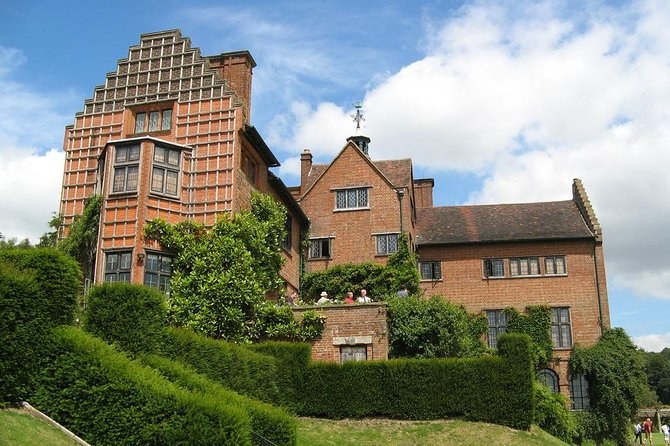 54 mi from Portsmouth · land adventureChurchill's Kent, Glyndebourne at Dusk & London's Secret Side
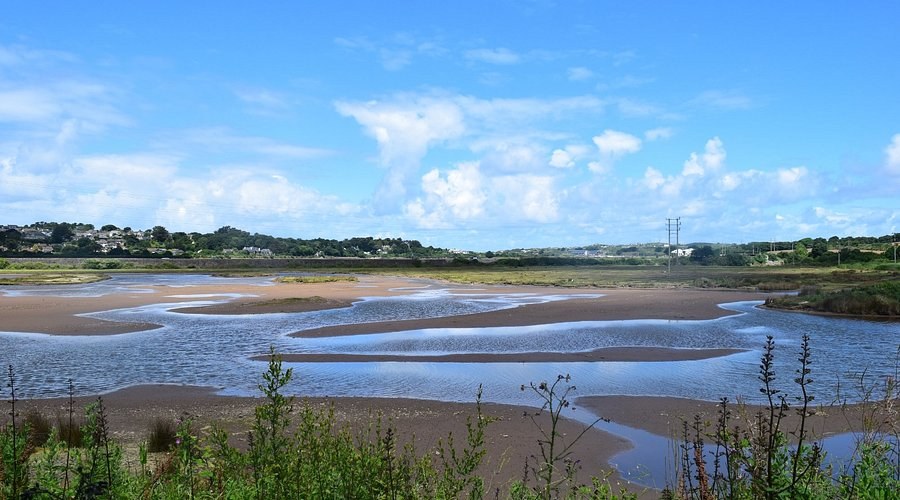 54 mi from Portsmouth · land adventureCornwall's Wild Coast: Tin Mines, Tidal Castles & Beach Bars
 81 mi from Portsmouth · land adventureGeorgian Bath, Wild Somerset: Limestone, Lions and Lock Flights
 After you step off · near Athens
You end in a different port — stay on, and add what is within reach before you fly home.