Your cruise
Seven Seas Splendor · 28-night Pacific cruise, Panama City to Papeete
Jan 26 – Feb 23 · 28 nights ·
Day 1 Panama City (board) · Day 2 Willis Island · Day 3 Puntarenas · Day 4 Willis Island · Day 5 Acajutla · Day 6 Puerto Quetzal · Day 7–8 Willis Island · Day 9 Puerto Vallarta · Day 10 Cabo San Lucas · Day 11 Willis Island · Day 12–13 Los Angeles · Day 14–18 Willis Island · Day 19 Honolulu · Day 20 Kahului · Day 21 Hilo · Day 22–26 Willis Island · Day 27 Bora Bora · Day 28 Moorea · Day 28–29 Papeete (step off)
What you do Board a rigid inflatable Zodiac for a close-up circumnavigation of one of the Coral Sea's most remote specks of land. Drift alongside vast nesting colonies of red-footed boobies, frigatebirds and brown noddies — a wildlife spectacle almost no traveller on earth ever witnesses.
What to expect Your Zodiac departs the ship's swim platform and skirts the island's entire coastline at water level, giving you eye-to-eye encounters with seabird colonies that number in the tens of thousands. The guide pauses the engine so you can hear the cacophony of calls and photograph birds in undisturbed flight. Shallow coral gardens glow electric beneath the hull as you round each headland. The round trip typically takes 90–120 minutes, leaving ample buffer before all-aboard.
Good to know Pre-book directly via email well in advance — this is a tender-only island and Zodiac capacity is strictly capped. Wear non-marking soles, bring a hat and reef-safe sunscreen. Confirm your ship's all-aboard time and allow 30 minutes' return buffer.
Versus the ship tour An intimate, expert-led small-group Zodiac — never more than 12 guests — means you can idle silently within metres of nesting birds and low reef outcrops that larger vessels simply cannot access, guided by a marine biologist who narrates every species in real time.
What you do Slip beneath the surface of some of the least-dived water on the planet — the Coral Sea surrounding Willis Island, hundreds of kilometres from the nearest coast. Visibility regularly exceeds 30 metres, revealing walls of hard coral, reef sharks, giant trevally and undisturbed sea-turtle feeding grounds.
What to expect Guests kit up in a purpose-equipped dive room and giant-stride into waters of extraordinary clarity. The reef structures here are pristine — no bleaching, no crowds — and the sheer biomass of pelagic life reflects the island's status as a protected marine reserve. Drift snorkelling across shallow coral plateaus, you are likely to encounter hawksbill turtles grazing, schools of chevron barracuda and the flash of a reef whaler in the blue. Safety divers and guides remain in the water throughout.
Good to know Swimming competency is required; full snorkel equipment is provided. Confirm landing and in-water permissions with the Australian Bureau of Meteorology station keeper in advance — access can be subject to weather and conservation protocols. Bring a rash vest for UV protection.
Versus the ship tour Mike Ball operates the definitive liveaboard expeditions to the Coral Sea's outer reefs, with certified dive guides who have logged thousands of hours specifically on these formations. Group size is tightly managed, and every dive brief is site-specific — the antithesis of a mass-market snorkel.
book direct with Mike Ball Dive Expeditions (Townsville/Cairns — Coral Sea specialists) → · the full guide →
What you do Step ashore — one of only a handful of visitors ever permitted — and receive a private briefing inside Australia's most remote operational weather station. The data collected here has guided cyclone warnings across Queensland for over a century; it is a living piece of scientific history.
What to expect After a short Zodiac transfer to the beach, you walk across the coral-rubble islet — the entire thing is barely 400 metres across — to the weatherboard station compound. The duty meteorologist explains the island's role in tracking Coral Sea cyclogenesis, shows you the instrument arrays and balloon launch facilities, and fields questions with refreshing candour. The sense of absolute remoteness — no roads, no shops, just science and sea — is profoundly affecting. Visits are brief (30–45 minutes) out of respect for operations.
Good to know Landing is at the discretion of BOM and sea conditions; it is never guaranteed. Wear closed shoes for the coral-rubble foreshore. Do not touch or enter any instrument enclosures. This is one of cruising's rarest privileges — treat it accordingly.
Versus the ship tour Landing on Willis Island is granted to very few vessels per year and always requires advance coordination with the BOM. The briefing is delivered by the station's resident meteorologist — one of Australia's most isolated postings — lending an authenticity and depth no third-party guide could replicate.
What you do Join a dedicated marine naturalist on a slow, deliberate circuit of Willis Island's offshore waters — prime habitat for dwarf minke whales, spinner dolphins, red-tailed tropicbirds and occasional whale sharks. This is expedition-grade wildlife observation in one of Earth's most intact marine environments.
What to expect The excursion runs in the calm conditions that typically prevail in the lee of the island, with the naturalist briefing the group on cetacean behaviour before departure. Spinner dolphins frequently bow-ride the vessel's wake, while tropicbirds trace lazy arcs overhead trailing their extraordinary white tail streamers. In season (June–September), dwarf minke whales approach curious vessels with remarkable boldness. The naturalist's running identification and ecological commentary transforms an already astonishing scene into a masterclass in Coral Sea ecology.
Good to know Bring image-stabilised binoculars if you own them — loaner binoculars are available but limited. A polarised lens filter dramatically improves underwater wildlife sighting from the deck. Morning cruises yield the best light and the calmest seas.
Versus the ship tour Coral Expeditions' marine naturalists carry years of Coral Sea field experience and use hydrophones and binoculars to locate and interpret marine megafauna well beyond what a casual deck scan achieves. Groups are capped at 20, ensuring every guest has unobstructed sightlines and personalised commentary.
book direct with Coral Expeditions (Australia's premium expedition cruise specialist) → · the full guide →
What you do Combine world-class snorkelling with a dedicated underwater photography tuition session led by a professional marine photographer. The pellucid, undisturbed waters around Willis Island provide a studio backdrop that professionals travel half a year to reach — and you are already here.
What to expect After a 20-minute on-deck briefing covering exposure, buoyancy control for photography and coral-safe positioning, the group enters the water with the lead photographer. Each participant is given real-time feedback via underwater slates and post-dive screen reviews. The reef here hosts nudibranchs, juvenile turtles and extraordinary soft-coral detail that rewards close, patient framing. By the final dive, guests leave with a curated set of images that would pass muster in any travel magazine.
Good to know Bring your own mirrorless or compact camera with an underwater housing if possible; hire housings are limited. Basic snorkel competency required. Maximum group size of 6 is strictly enforced — book your place the moment you board the ship.
Versus the ship tour A professional marine photographer leads groups of no more than six, providing personalised composition coaching in real time — in the water, beside you. The combination of tuition and a location almost nobody else will ever photograph makes every frame genuinely irreplaceable.
What you do Rise before the rest of the ship and join an ornithologist-guide for a dawn landing on Willis Island — arguably the most exclusive birdwatching address in the Southern Hemisphere. The island hosts one of Australia's largest documented seabird colonies, and first light is when it erupts into extraordinary life.
What to expect The Zodiac lands on the coral-rubble beach just as the sky softens to indigo. Within seconds, frigatebirds begin their courtship displays, inflating scarlet throat pouches while brown boobies jostle on nesting scrapes metres from your feet. The ornithologist narrates the scene with infectious expertise, calling species by name as they lift and wheel overhead in their thousands. The island's absolute silence — broken only by wind and wings — produces a meditative quality that experienced travellers consistently describe as one of cruising's most affecting moments.
Good to know Landing is subject to BOM approval and sea-state — pre-register your interest at the expedition desk on day one of the voyage. Wear dark, non-reflective clothing to avoid disturbing nesting birds. Carry a long lens (200mm+ equivalent) for perched-bird shots. Soft-soled shoes protect both the coral-rubble substrate and your footing.
Versus the ship tour A qualified ornithologist leads a structured census-style walk, naming every species, explaining colony dynamics and pointing out nesting behaviours that an untrained eye would miss entirely. The pre-sunrise timing means you experience the island in its rawest, most atmospheric state — long before the day-trippers (there are none) arrive.
book direct with Coral Expeditions (Australia's premium expedition cruise specialist) → · the full guide →
What you do Watch colossal ships navigate the engineering marvel of the 20th century from the Miraflores Locks Visitor Centre — up close, with a private expert guide decoding every moment. This is the definitive Panama bucket-list experience.
What to expect Stand metres from the lock gates as Panamax and New Panamax vessels — some longer than three football fields — glide silently through. Your guide explains the lock's water-recycling chambers, the history of the canal's construction, and the geopolitical impact it still carries today. The four-level visitor centre includes an IMAX-style film, scale models, and a rooftop terrace that delivers the most visceral perspective of all. Time your visit for a scheduled transit and the spectacle is unforgettable.
Good to know Transit schedules are published by the ACP and peak lockings often happen mid-morning — ideal for a port day. Pre-book a private guide via the official visitor centre or a vetted local operator to avoid queues. Allow 2.5–3 hours; Miraflores is 10 km from the cruise terminal, approx. 20 min by private transfer.
Versus the ship tour A private bilingual guide means you understand exactly what you're watching — the lock mechanics, the engineering history, the tonnage of each vessel — rather than absorbing it from a distance. Small-group access to the upper observation deck gives unobstructed, photography-perfect sightlines.
book direct with Miraflores Visitor's Center (Panama Canal Authority – ACP) → · the full guide →
What you do Wander the cobbled lanes of Panama City's UNESCO-listed old quarter — baroque churches, French colonial mansions, rooftop bars overlooking the Pacific — with a private cultural historian who brings every crumbling façade to life.
What to expect Begin at Plaza de la Independencia, the heart of Panama's 1821 independence proclamation, before weaving through plazas framed by restored French and Spanish colonial buildings. Your guide leads you to hidden viewpoints where the glittering skyscrapers of the banking district rise behind colonial rooftops — one of the most photogenic juxtapositions in all of Latin America. Seek out the hauntingly beautiful ruins of the old Santo Domingo Church, where a flat arch has stood without a keystone for over 300 years. End with a private tasting of ceviche and patacones at a curated local spot.
Good to know Casco Viejo is approx. 8 km from the Balboa cruise terminal — 15 min by private car. Morning light is ideal for photography and temperatures are cooler; aim to finish by noon. Book a private guide directly through a certified local operator to ensure access to interior landmark sites.
Versus the ship tour Moving at your own pace through this intimate neighbourhood — pausing for a cortado at a boutique café, stepping inside the gilded Metropolitan Cathedral, lingering on a terrace above the skyline — is a world away from a coach tour. A private guide offers the political and cultural backstory that transforms a pretty stroll into genuine understanding.
book direct with Panama Tour Site – Casco Viejo Private Tour → · the full guide →
What you do Glide deep into Gatún Lake — the vast artificial reservoir at the heart of the Panama Canal — on a private boat, spotting howler monkeys, sloths, toucans and caimans in one of the most biodiverse jungles on Earth.
What to expect Board a sleek, private launch from the shores of Gatún Lake and motor into jungle-fringed channels created when the canal was flooded in 1913. Howler monkeys crash through the canopy overhead while white-faced capuchins eye you curiously from the branches. Your naturalist guide scans the waterline for caimans and freshwater turtles while toucans and kingfishers flash between the trees. On Monkey Island — a forest fragment surrounded by the lake — three species of primate have created one of the most accessible wildlife-watching sites in Central America.
Good to know Gatún Lake is on the Atlantic side of the canal — best suited for ships transiting or docking at Cristóbal/Colón, though reachable by private transfer (approx. 1.5 hrs from Panama City). Bring binoculars, reef-safe sunscreen, and light rain gear. Book a private naturalist boat in advance; morning departures see the most wildlife activity.
Versus the ship tour A private naturalist-guided boat — not a crowded pontoon — means you drift silently into channels where wildlife is undisturbed. Your guide identifies species by sound before you see them, and the itinerary flexes around each sighting rather than a rigid schedule.
book direct with AdventureSmith Explorations – Panama Private Tours → · the full guide →
What you do Explore the hauntingly beautiful ruins of the original Panama City — founded in 1519, it was the oldest continuously inhabited European settlement on the Pacific coast of the Americas, destroyed by Henry Morgan in 1671.
What to expect Stand inside the crumbling stone cathedral tower that still dominates the skyline, the same tower from which fleeing residents watched Henry Morgan's buccaneers set fire to the city in 1671. Your private guide traces the city's street plan through the excavated foundations, revealing the King's Bridge — once the departure point for gold-laden mule trains heading to the Atlantic — and the remnants of convents, slave quarters, and merchant houses. The adjacent museum provides exquisite context with artefacts, maps, and colonial-era art. The Pacific Bay backdrop and dramatic ruins make this one of the most photogenic sites in all of the Americas.
Good to know Panamá Viejo is 7 km east of the city centre — 15 min by private transfer from the Balboa terminal. The site is open from 8:00 AM; visit early before heat builds. Pre-book a certified guide through the official site foundation for the deepest historical expertise. Allow 2–2.5 hours.
Versus the ship tour A private archaeologist-led tour of these UNESCO World Heritage ruins transforms weathered stone towers into vivid storytelling — the pirate raid, the gold convoys, the birth of a transcontinental trade route — in a way that self-guided visits simply cannot match.
book direct with Panama Interoceanic Canal Museum / Panama Viejo Archaeological Site → · the full guide →
What you do Trek the forested trails of Ancon Hill — rising directly above Panama City — with a private naturalist guide at golden hour, emerging above the canopy to a panorama of the canal, the Pacific, and the glittering skyline below.
What to expect Begin your ascent through dense tropical forest alive with the calls of toucans and parakeets, your guide pausing to spotlight a sloth camouflaged in the cecropia trees or a troupe of tamarins threading the understorey. The trail rises steeply but rewards you within 45 minutes with a summit panorama that defies belief: the full sweep of the Panama Canal entrance, the Bridge of the Americas arcing over the Pacific approach, and the glass towers of Panama City glittering in the morning light. Ancon Hill is also a site of political significance — it was the last piece of the former Canal Zone returned to Panamanian sovereignty in 1999.
Good to know The hill is 2 km from the Balboa cruise terminal — walkable or a very short transfer. Start by 6:30 AM for sunrise and wildlife at peak activity, and to be back aboard with time to spare. Wear trail shoes and light breathable layers. Entrance is free; a private guide fee applies.
Versus the ship tour Ancon Hill is a protected reserve that rewards those who go with a naturalist — harpy eagles, Geoffrey's tamarins, and three-toed sloths inhabit this urban jungle, and knowing where to look is everything. The sunrise panorama — canal, Pacific, skyline, rainforest — is one of the most layered and extraordinary views in all of Central America.
book direct with AdventureSmith Explorations – Panama Private Tours → · the full guide →
What you do The complete Panama City private immersion: Miraflores Locks, Casco Viejo's colonial streets, Panamá Viejo's ruins, and a curated lunch — crafted as a bespoke, unhurried journey for discerning travelers who want the full picture in a single day.
What to expect Your private air-conditioned vehicle and expert guide collect you dockside and deliver a perfectly paced arc through Panama City's greatest hits. Watch a Panamax freighter squeeze through the Miraflores Locks with inches to spare, then step back five centuries amid the stone ruins of Panamá Viejo. Lunch at a handpicked Casco Viejo restaurant — perhaps a terrace overlooking the Pacific — before a golden-hour stroll through the quarter's restored plazas, boutique art galleries, and baroque churches. Your guide threads the political, architectural, and human stories into a single compelling narrative that spans 500 years of history.
Good to know Ideal for first-time visitors who want depth rather than breadth on a single port day. Private format means the pace is entirely yours — linger where you love it, move on when you're ready. Book well in advance as private vehicles fill quickly on busy port days. Confirm all-aboard time with your guide and build in a 90-minute buffer.
Versus the ship tour This is Panama City distilled into one seamless, private narrative — a bilingual expert guide, a dedicated vehicle, and an itinerary that bends to your interests rather than a preset timetable. Three of the city's defining UNESCO and heritage sites in one elegant arc.
book direct with The Panama Tour Site – Private City & Canal Tour → · the full guide →
What you do Board a rigid inflatable Zodiac for a close-up circumnavigation of one of the Coral Sea's most remote specks of land. Drift alongside vast nesting colonies of red-footed boobies, frigatebirds and brown noddies — a wildlife spectacle almost no traveller on earth ever witnesses.
What to expect Your Zodiac departs the ship's swim platform and skirts the island's entire coastline at water level, giving you eye-to-eye encounters with seabird colonies that number in the tens of thousands. The guide pauses the engine so you can hear the cacophony of calls and photograph birds in undisturbed flight. Shallow coral gardens glow electric beneath the hull as you round each headland. The round trip typically takes 90–120 minutes, leaving ample buffer before all-aboard.
Good to know Pre-book directly via email well in advance — this is a tender-only island and Zodiac capacity is strictly capped. Wear non-marking soles, bring a hat and reef-safe sunscreen. Confirm your ship's all-aboard time and allow 30 minutes' return buffer.
Versus the ship tour An intimate, expert-led small-group Zodiac — never more than 12 guests — means you can idle silently within metres of nesting birds and low reef outcrops that larger vessels simply cannot access, guided by a marine biologist who narrates every species in real time.
What you do Slip beneath the surface of some of the least-dived water on the planet — the Coral Sea surrounding Willis Island, hundreds of kilometres from the nearest coast. Visibility regularly exceeds 30 metres, revealing walls of hard coral, reef sharks, giant trevally and undisturbed sea-turtle feeding grounds.
What to expect Guests kit up in a purpose-equipped dive room and giant-stride into waters of extraordinary clarity. The reef structures here are pristine — no bleaching, no crowds — and the sheer biomass of pelagic life reflects the island's status as a protected marine reserve. Drift snorkelling across shallow coral plateaus, you are likely to encounter hawksbill turtles grazing, schools of chevron barracuda and the flash of a reef whaler in the blue. Safety divers and guides remain in the water throughout.
Good to know Swimming competency is required; full snorkel equipment is provided. Confirm landing and in-water permissions with the Australian Bureau of Meteorology station keeper in advance — access can be subject to weather and conservation protocols. Bring a rash vest for UV protection.
Versus the ship tour Mike Ball operates the definitive liveaboard expeditions to the Coral Sea's outer reefs, with certified dive guides who have logged thousands of hours specifically on these formations. Group size is tightly managed, and every dive brief is site-specific — the antithesis of a mass-market snorkel.
book direct with Mike Ball Dive Expeditions (Townsville/Cairns — Coral Sea specialists) → · the full guide →
What you do Step ashore — one of only a handful of visitors ever permitted — and receive a private briefing inside Australia's most remote operational weather station. The data collected here has guided cyclone warnings across Queensland for over a century; it is a living piece of scientific history.
What to expect After a short Zodiac transfer to the beach, you walk across the coral-rubble islet — the entire thing is barely 400 metres across — to the weatherboard station compound. The duty meteorologist explains the island's role in tracking Coral Sea cyclogenesis, shows you the instrument arrays and balloon launch facilities, and fields questions with refreshing candour. The sense of absolute remoteness — no roads, no shops, just science and sea — is profoundly affecting. Visits are brief (30–45 minutes) out of respect for operations.
Good to know Landing is at the discretion of BOM and sea conditions; it is never guaranteed. Wear closed shoes for the coral-rubble foreshore. Do not touch or enter any instrument enclosures. This is one of cruising's rarest privileges — treat it accordingly.
Versus the ship tour Landing on Willis Island is granted to very few vessels per year and always requires advance coordination with the BOM. The briefing is delivered by the station's resident meteorologist — one of Australia's most isolated postings — lending an authenticity and depth no third-party guide could replicate.
What you do Join a dedicated marine naturalist on a slow, deliberate circuit of Willis Island's offshore waters — prime habitat for dwarf minke whales, spinner dolphins, red-tailed tropicbirds and occasional whale sharks. This is expedition-grade wildlife observation in one of Earth's most intact marine environments.
What to expect The excursion runs in the calm conditions that typically prevail in the lee of the island, with the naturalist briefing the group on cetacean behaviour before departure. Spinner dolphins frequently bow-ride the vessel's wake, while tropicbirds trace lazy arcs overhead trailing their extraordinary white tail streamers. In season (June–September), dwarf minke whales approach curious vessels with remarkable boldness. The naturalist's running identification and ecological commentary transforms an already astonishing scene into a masterclass in Coral Sea ecology.
Good to know Bring image-stabilised binoculars if you own them — loaner binoculars are available but limited. A polarised lens filter dramatically improves underwater wildlife sighting from the deck. Morning cruises yield the best light and the calmest seas.
Versus the ship tour Coral Expeditions' marine naturalists carry years of Coral Sea field experience and use hydrophones and binoculars to locate and interpret marine megafauna well beyond what a casual deck scan achieves. Groups are capped at 20, ensuring every guest has unobstructed sightlines and personalised commentary.
book direct with Coral Expeditions (Australia's premium expedition cruise specialist) → · the full guide →
What you do Combine world-class snorkelling with a dedicated underwater photography tuition session led by a professional marine photographer. The pellucid, undisturbed waters around Willis Island provide a studio backdrop that professionals travel half a year to reach — and you are already here.
What to expect After a 20-minute on-deck briefing covering exposure, buoyancy control for photography and coral-safe positioning, the group enters the water with the lead photographer. Each participant is given real-time feedback via underwater slates and post-dive screen reviews. The reef here hosts nudibranchs, juvenile turtles and extraordinary soft-coral detail that rewards close, patient framing. By the final dive, guests leave with a curated set of images that would pass muster in any travel magazine.
Good to know Bring your own mirrorless or compact camera with an underwater housing if possible; hire housings are limited. Basic snorkel competency required. Maximum group size of 6 is strictly enforced — book your place the moment you board the ship.
Versus the ship tour A professional marine photographer leads groups of no more than six, providing personalised composition coaching in real time — in the water, beside you. The combination of tuition and a location almost nobody else will ever photograph makes every frame genuinely irreplaceable.
What you do Rise before the rest of the ship and join an ornithologist-guide for a dawn landing on Willis Island — arguably the most exclusive birdwatching address in the Southern Hemisphere. The island hosts one of Australia's largest documented seabird colonies, and first light is when it erupts into extraordinary life.
What to expect The Zodiac lands on the coral-rubble beach just as the sky softens to indigo. Within seconds, frigatebirds begin their courtship displays, inflating scarlet throat pouches while brown boobies jostle on nesting scrapes metres from your feet. The ornithologist narrates the scene with infectious expertise, calling species by name as they lift and wheel overhead in their thousands. The island's absolute silence — broken only by wind and wings — produces a meditative quality that experienced travellers consistently describe as one of cruising's most affecting moments.
Good to know Landing is subject to BOM approval and sea-state — pre-register your interest at the expedition desk on day one of the voyage. Wear dark, non-reflective clothing to avoid disturbing nesting birds. Carry a long lens (200mm+ equivalent) for perched-bird shots. Soft-soled shoes protect both the coral-rubble substrate and your footing.
Versus the ship tour A qualified ornithologist leads a structured census-style walk, naming every species, explaining colony dynamics and pointing out nesting behaviours that an untrained eye would miss entirely. The pre-sunrise timing means you experience the island in its rawest, most atmospheric state — long before the day-trippers (there are none) arrive.
book direct with Coral Expeditions (Australia's premium expedition cruise specialist) → · the full guide →
What you do Disappear into one of the world's most biodiverse ecosystems — Monteverde Cloud Forest — on a private guided walk through hanging bridges draped in mist. Spot resplendent quetzals, howler monkeys, and thousands of orchid species with an expert naturalist at your side.
What to expect Your guide meets you dockside and the journey into the Tilaran Mountains begins. Arrive at Selvatura's network of eight hanging bridges (1.6 km total) strung between ancient ceiba and fig trees, with mist swirling beneath your feet. A two-hour immersive walk surfaces tapirs, emerald toucanets, and glass frogs. Finish with a visit to Selvatura's hummingbird garden and butterfly observatory before the scenic return.
Good to know Round trip from Puntarenas is approx. 2.5 hrs each way — depart by 07:00 to return comfortably before all-aboard. Pre-book private guide well in advance; Selvatura fills fast. Bring a light waterproof layer — the cloud forest lives up to its name.
Versus the ship tour A private certified naturalist guide moves at your pace — not a group's — pausing to hand you binoculars at every canopy sighting and explaining the forest's micro-ecosystems in depth. Small-group access means silence, not a crowd, inside one of the planet's rarest cloud forests.
book direct with Selvatura Park (official) → · the full guide →
What you do Sail in absolute style aboard a private catamaran to Tortuga Island's impossibly turquoise waters in the Gulf of Nicoya. Snorkel kaleidoscopic reefs, kayak hidden coves, and feast on a gourmet beachside lunch — all within a two-hour sail of the port.
What to expect Step aboard your gleaming catamaran at Puntarenas pier and glide south through the Gulf of Nicoya as flying pelicans race alongside. Tortuga's white-sand arc appears like a mirage; the snorkeling directly off the beach reveals pufferfish, rays, and sea turtles. Kayaks and paddleboards are included. A full gourmet lunch with tropical cocktails is served under a palm canopy before the sunset sail home.
Good to know Tortuga is approx. 1.5–2 hrs from Puntarenas by boat. Depart by 08:00 to enjoy 4–5 hours on the island and return well before all-aboard. Confirm your private charter directly with Bay Island Cruises; bring reef-safe sunscreen and a dry bag for valuables.
Versus the ship tour A private charter means the captain sets the itinerary to your rhythm — longer at the reef, quieter anchorages, chilled champagne on demand. The island sees far fewer visitors on a private vessel, and your onboard crew handles everything from snorkel gear to freshly prepared ceviche.
book direct with Bay Island Cruises (official) → · the full guide →
What you do Glide along the legendary Tárcoles River — home to one of the world's densest populations of American crocodiles — on a private, expert-led boat safari. Massive reptiles bask metres away while scarlet macaws and roseate spoonbills burst from the riverine jungle overhead.
What to expect The open-sided river boat launches from the banks of the Tárcoles, just 45 minutes from port. Within minutes, your guide is pointing out a two-tonne crocodile barely a boat-length away, completely unbothered. The river corridor is equally spectacular for birds — 350+ species use this estuary. The 1.5-hour safari ends with a stop at the famous Crocodile Bridge viewpoint for dramatic overhead photos.
Good to know Tárcoles is approx. 45 minutes from Puntarenas port — easy half-day with ample time before all-aboard. Morning departures (07:00–08:00) offer the best light and most active crocodiles. Book the private boat option directly for a bespoke experience; no need to pre-book entry tickets separately.
Versus the ship tour A private boat means your naturalist guide lingers at every sighting — no rushed group schedule. The Tárcoles holds crocodiles measuring over five metres; seen from six feet away on a private skiff, this is the raw, unfiltered wildlife encounter that defines Costa Rica.
book direct with Jungle Crocodile Safari (official) → · the full guide →
What you do Walk the transition zone between dry and humid Pacific rainforest in Carara National Park — the only place in Costa Rica where scarlet macaws nest so close to the coast. A private ornithologist-led walk transforms every rustle and flash of color into an unforgettable story.
What to expect Your ornithologist meets you outside the park gate, binoculars and spotting scope in hand. The main trail loops through towering strangler figs and cecropia groves alive with toucans, trogons, and the unmistakable blaze of macaws in flight. The guide's intimate knowledge of nest locations and feeding patterns puts you in the right place at the right moment every time. The two-hour walk feels effortless; the species list you leave with is extraordinary.
Good to know Carara is approx. 30 minutes from Puntarenas — one of the closest national parks to the port, ideal for maximising time. Arrive at opening (08:00) for the quietest trails and most active birdlife. Bring a good zoom camera. Pay the USD 10 park fee in cash at the gate; pre-book the guide well in advance.
Versus the ship tour A private ornithologist rather than a generalist guide makes an enormous difference — expert ears identify species before your eyes find them, and the pace adapts entirely to what the forest reveals. Scarlet macaw sightings here are near-guaranteed, an experience that is genuinely bucket-list.
book direct with Costa Rica Birding (official) → · the full guide →
What you do Fly between ancient cloudforest giants on Costa Rica's most celebrated canopy zip-line circuit above Monteverde, culminating in a freefall Tarzan swing that delivers a pure adrenaline snapshot of the forest floor far below. The views — and the rush — are utterly unforgettable.
What to expect Geared up at Extremo's professional launch station, your group of maximum eight ascends to the first platform canopy-level with a panoramic sweep of the Nicoya Gulf in the distance. Thirteen cables of increasing length and speed follow, with guides at every station. The Tarzan swing — a 15-metre freefall before the rope catches you above the forest canopy — is optional but almost everyone takes the leap. The entire circuit takes 2.5 hours.
Good to know Extremo is a full day from Puntarenas (Monteverde is 2.5 hrs away) — plan an early 06:30 departure and confirm all-aboard time before booking. Weight limit applies (max 120 kg). Book directly with Extremo to lock in your preferred morning time slot; circuits sell out weeks ahead in high season (Dec–Apr).
Versus the ship tour Extremo operates a maximum of eight guests per group, ensuring the platforms aren't congested and every cable launch feels genuinely thrilling. Expert bilingual guides offer full safety briefings and candid forest commentary between runs — this is adventure with luxury-grade professionalism.
What you do Step inside a working Costa Rican hacienda to discover how coffee, cacao, and sugar cane are grown, harvested, and transformed — then taste the results in a guided tasting led by the farmers themselves. This is farm-to-palate storytelling at its most authentic and delicious.
What to expect A comfortable vehicle collects you from the pier and drives 45 minutes into the lush hinterland behind Puntarenas. At the hacienda, the morning unfolds across three stations: the coffee nursery and roasting room (with a proper cupping), the cacao grove where you crack pods and grind your own chocolate, and the traditional trapiche (sugar cane press) where raw cane is pressed into fresh guarapo juice before your eyes. A generous tasting spread — including house-made bonbons — rounds out the experience.
Good to know Duration is approx. 3–4 hours including transfer, making it ideal for a half-day with time to explore the port town afterward. Confirm private departure time to align with your ship's all-aboard. Wear comfortable shoes for light walking on farm paths; no special fitness required.
Versus the ship tour A private hacienda tour slows everything down — the farmer guides you personally through the process, shares the family history behind every harvest, and the tasting is unhurried. You leave not just with extraordinary flavors on your palate but a genuine understanding of the land that produces them.
book direct with Tour Operadora el Silencio (official) → · the full guide →
What you do Step inside one of Mesoamerica's best-preserved Mayan ceremonial complexes on a private, expert-guided tour. Tazumal's towering 14-step pyramid and ancient ritual platform reveal 1,200 years of civilisation — an unmissable bucket-list encounter with El Salvador's pre-Columbian soul.
What to expect Your private guide meets you dockside and whisks you inland to Chalchuapa, where Tazumal's imposing 24-metre pyramid dominates the skyline. Wander the ceremonial platforms, inspect intricately carved stelae, and explore the on-site Museo Stanley H. Boggs, whose jade artefacts and ceramic burial offerings are genuinely world-class. Your guide weaves mythology, astronomy and pre-Columbian trade routes into a vivid narrative. The return drive passes cloud-forest coffee fincas and colonial towns for a full sensory picture of the Salvadoran highlands.
Good to know Tazumal is roughly 75 km from Acajutla — allow 1.5 hrs each way; a 4–5 hr excursion total fits comfortably within a typical all-aboard window. Pre-book directly with EC Tours; confirm your ship's all-aboard time when booking. Wear comfortable walking shoes and bring sun protection.
Versus the ship tour A dedicated private archaeologist-guide ensures unhurried access — no crowds, no time limits at the pyramid. You linger at each structure for in-depth context, a depth of storytelling simply not possible in a large group.
What you do Conquer the highest active volcano in El Salvador and peer into a turquoise acid-lake crater that feels like another planet. The summit ridge delivers panoramic views of three volcanoes, two crater lakes and the Pacific — a true once-in-a-lifetime Salvadoran highlight.
What to expect Drive from Acajutla into the cool highlands of Cerro Verde National Park, where cloud forest gives way to otherworldly volcanic scrub. The 3-hour round hike ascends 2,381 metres through shifting micro-climates; your guide interprets the geology, flora and indigenous legends of Ilamatepec along the way. At the crater rim, the vivid turquoise lake — its colour the result of dissolved sulphur minerals — is jaw-dropping. On clear days, nearby Izalco (the 'Lighthouse of the Pacific') and Lake Coatepeque shimmer below.
Good to know This is a moderate-to-strenuous hike (3–4 hrs round trip on the mountain); overall excursion is 7–8 hrs. Best for fit travellers comfortable on uneven volcanic terrain. Park entry required (approx. USD 3); national park rangers must accompany all groups. Depart by 07:00 from port to be safe for all-aboard. Bring layers — the summit can be 10°C cooler than the coast.
Versus the ship tour A private certified mountain guide sets the pace entirely around your group — rest stops, photography pauses and summit time are all yours. Smaller parties access the trail earlier, beating tour-group congestion at the crater rim.
What you do Slip beneath the surface of the Pacific at Los Cóbanos, home to El Salvador's sole living coral reef and protected marine reserve. Hawksbill sea turtles, moray eels, parrotfish and technicolour corals await — a snorkelling experience almost no visitor to the country ever has.
What to expect Los Cóbanos is just 20 minutes north of Acajutla — a beautifully convenient escape. Your private panga (motorboat) motors out over crystalline Pacific waters to the reef's most biodiverse zones, including volcanic rock formations draped in sea fans and brain coral. The shallows are calm and ideal for all skill levels; your guide is in the water with you throughout. After snorkelling, dry off on the boat with cold drinks and fresh fruit while your captain cruises the dramatic rocky coastline back to shore.
Good to know Los Cóbanos is a protected marine reserve; all visitors must snorkel with a registered guide. Reef conditions are best in the morning — ideally in the water by 09:00. Total excursion is 3–4 hrs, very manageable for all-aboard. Bring reef-safe sunscreen (required in the marine reserve) and a rash guard. Best marine visibility Dec–Apr.
Versus the ship tour A private boat for your group means you choose the reef sections you explore and spend as long as you like underwater — no whistle-blowing to herd you back. Expert local marine guides know exactly where the hawksbill turtles and eagle rays cruise.
What you do Walk through the only preserved pre-Columbian Maya farming village on Earth — buried and frozen in time by a volcanic eruption in 600 AD. Declared a UNESCO World Heritage Site, Joya de Cerén is a profoundly intimate window into everyday ancient Mayan life that rivals Pompeii for sheer emotional impact.
What to expect Your private archaeologist-guide takes you to Joya de Cerén's excavated village structures — kitchens, sweat baths, community buildings and milpa fields all preserved under volcanic ash with extraordinary completeness. The on-site museum displays recovered ceramic vessels, food remains and personal objects that make the ancient inhabitants feel startlingly real. From there, continue to the San Andrés archaeological park, an elite Maya administrative centre with a grand acropolis and indigo production ruins. Your guide's narrative bridges the two sites into one coherent story of ancient Salvadoran civilisation.
Good to know Both sites are approximately 60–70 km from Acajutla (1.25 hrs each way). Combined visit takes 5–6 hrs total — confirm all-aboard time when booking to tailor the schedule. Joya de Cerén charges approx. USD 3 entry; San Andrés approx. USD 3. Covered walkways protect the ruins; visit is manageable even in light rain. Pre-book private guide well in advance during peak season (Dec–Mar).
Versus the ship tour Combining Joya de Cerén with the nearby San Andrés ceremonial centre in one seamless private journey gives you unparalleled depth — two UNESCO-level sites, one expert guide, zero compromise on time or access.
What you do Journey into El Salvador's legendary coffee highlands on a small-group sensory odyssey — from flowering fincas draped in bougainvillea to a cupping session with the master roaster of one of Central America's finest estates. El Salvador's specialty coffee is world-class, and tasting it at source is transformative.
What to expect Wind up into the lush volcanic slopes above Sonsonate, where shade-grown Bourbon and Pacamara varietals thrive in rich volcanic soil. Your host walks you through flowering coffee plants, wet-processing mills and solar drying beds while explaining how El Salvador's micro-climates produce beans coveted by Third Wave roasters worldwide. The guided cupping session — tasting three or four single-origin lots side by side — is a genuine revelation. A farm-to-table lunch using local produce, served in the finca's open-air terrace with Pacific views, completes an unforgettable morning.
Good to know The coffee highlands are 45–60 minutes from Acajutla. Total excursion runs approximately 4–5 hours — comfortably within all-aboard windows. The Tripadvisor-reviewed 'Shore Excursion from Acajutla: Coffee and Flowers Route' (small-group) is a highly rated variant bookable independently. Wear comfortable shoes suitable for unpaved finca paths. Ideal Nov–Feb during harvest season for the full cherry-picking experience.
Versus the ship tour This is an intimate, behind-the-scenes private finca experience — not a commercially staged demo. The estate owner or head roaster personally walks your group through the entire journey from cherry to cup, sharing a passion and expertise that no scripted tour can replicate.
What you do Gaze into the smouldering cone of Izalco — the 'Lighthouse of the Pacific' — from the forested mirador of Cerro Verde National Park, with Lake Coatepeque's electric-blue waters shimmering below. This cinematic highland panorama is the definitive visual memory of El Salvador.
What to expect The scenic drive from Acajutla up to Cerro Verde National Park (2,030 m) is itself a spectacle — coffee fincas, colonial villages and increasingly dramatic volcanic peaks frame every turn. At the park, the Izalco Mirador delivers one of Central America's most iconic views: the stark, ash-grey cone of Izalco rising dramatically against the sky, with the sapphire expanse of Lake Coatepeque far below. Your guide identifies the native cloud-forest birds (trogons, motmots and emerald toucanets are regulars) and explains the volcanic geology. A short walk to the Santa Ana viewpoint adds the crater lake perspective before a relaxed descent.
Good to know Cerro Verde is approximately 80 km from Acajutla (1.5 hrs). Allow 4–5 hrs for the full excursion. Park entry is approx. USD 3 per person. Morning visits offer the clearest visibility — afternoon cloud can roll in quickly at altitude. Bring a light jacket; the mirador sits above 2,000 m. Confirm all-aboard time; this excursion fits most standard port-day schedules if you depart by 08:00.
Versus the ship tour A private driver-guide means the vehicle stops whenever you want — for photos, for cloud-forest birding, for a moment of pure silence above the clouds. The mirador viewpoint and lakeside terrace are savoured at your own unhurried pace.
What you do Step inside the UNESCO World Heritage city of Antigua on a fully private tour — cobblestone streets, baroque cathedrals, and master jade artisans. This is Guatemala's crown jewel, experienced at your own pace with a dedicated local expert.
What to expect Your private guide collects you dockside and whisks you through Guatemala's dramatic volcanic highlands to Antigua. Wander the Parque Central, peer into the hauntingly beautiful ruins of La Merced and the Capuchinas Convent, then watch master craftsmen at a jade factory — jade is sacred here, and this is the real thing. Lunch is taken at one of Antigua's finest restaurants, chosen to your taste. The return journey traces the same jaw-dropping volcanic panorama as the highlands glow at golden hour.
Good to know Antigua is approximately 1.5–2 hours from the port. With a 12:00–19:00 port window, pre-book departure for 07:00–08:00 if your ship allows, or negotiate the latest all-aboard time with your guide. Private bookings can be arranged up to 24 hours in advance; earlier is better for peak season (Nov–Apr).
Versus the ship tour A fully private experience with a vetted local guide who tailors the itinerary to your interests — no crowds, no fixed group pace. You linger where you wish, skip what you don't, and enjoy genuine insider access to artisan workshops and hidden courtyards that group tours never reach.
book direct with Tours by Locals — Guatemala Private Guides → · the full guide →
What you do Ride on horseback through cloud-forest trails to the active Pacaya Volcano, where molten lava fields heat your pizza from below — one of the most extraordinary dining moments in Central America. An adventure that is equal parts thrill and spectacle.
What to expect Horses carry you along forested switchback trails as Pacaya's summit looms above, occasionally exhaling plumes of smoke. As you reach the lava fields, the heat underfoot is palpable and the landscape turns otherworldly — black rock, red glowing fissures, and a 360° view of the Guatemalan highlands. Your guide prepares the pizza dough; you roast it on the volcano itself, then eat with a cold cerveza in hand at altitude. The descent is timed perfectly to return you to the port with ease.
Good to know Pacaya is about 1 hour from the port. Wear closed-toe shoes or hiking boots — the lava rock is uneven. Bring a light layer; temperature drops with altitude. Pre-book at least several days ahead as small-group slots fill fast. Confirm your all-aboard time before booking departure windows.
Versus the ship tour A small-group format with certified local volcano guides who know Pacaya's moods intimately. The lava-pizza moment is a genuine bucket-list ritual — you press your dough onto volcanic rock and watch it cook over geothermal heat. No large convoy, no rushed timeline.
book direct with Shore Excursions Group — Puerto Quetzal → · the full guide →
What you do Visit a working highland coffee and cacao plantation for a true bean-to-cup (and bean-to-bar) journey — Guatemala produces some of the world's most celebrated coffees and chocolate. A sensory experience that belongs on every luxury traveller's list.
What to expect A knowledgeable finca guide meets you at the farm gates and walks you through the entire lifecycle of Guatemalan Arabica coffee — from shaded nursery seedlings to hand-picking, wet-milling, and sun-drying on raised beds. The cacao demonstration is equally captivating: crack open pods, ferment, roast, and grind, before tasting freshly made chocolate still warm from the stone grinder. The experience closes with a curated tasting flight of estate coffees, paired with small chocolate bites on a terrace overlooking the volcano-framed valley.
Good to know Located in the highlands near Antigua — approximately 1.5–2 hours from port. The tour typically runs 5–6 hours round trip, well within a standard port window. Wear comfortable walking shoes for farm paths. Pre-booking is essential; group sizes are small and fill quickly during cruise season.
Versus the ship tour An intimate, expert-led farm immersion where you walk the rows, pick coffee cherries, process cacao pods by hand, and sit down to a guided tasting of single-origin coffees and artisan chocolates — the kind of provenance-to-palate experience that puts a face and a place to every cup you'll ever drink afterwards.
book direct with Shore Excursions Group — Puerto Quetzal → · the full guide →
What you do Thunder across the moon-like lava fields of active Pacaya Volcano on a private ATV — one of the most adrenaline-charged, visually surreal experiences in all of Central America. Bucket-list adventure at an active volcano, no hiking required.
What to expect After a scenic transfer to the base of Pacaya, you're briefed and helmeted before mounting your ATV for a guided assault of the volcano's flanks. The terrain shifts from pine forest to surreal black lava moonscape as you climb — steam vents hiss beside the track and the smell of sulphur sharpens the air. At the summit viewpoint, the panorama stretches across the Pacific lowlands and neighbouring volcanoes. Your guide narrates the geology and Mayan cultural significance of the volcano throughout, making this as educational as it is viscerally thrilling.
Good to know Pacaya is approximately 1 hour from the port, making it very manageable within a port-day window. No prior ATV experience is necessary. Closed-toe shoes and long trousers are recommended. Book in advance — ATV slots are limited and this is one of the port's most popular experiences. Check volcanic activity status on the morning of your visit.
Versus the ship tour A private or small-group ATV format guided by volcano specialists who choose the safest yet most dramatic routes across hardened lava flows — you reach vantage points inaccessible on foot and experience the raw power of an active volcano up close, on your own timeline.
book direct with Shore Excursions Group — Puerto Quetzal → · the full guide →
What you do Spend a private half-day at San Cayetano, a historic working coffee estate above the Pacific coast — tour the plantation, learn about Guatemala's prized Arabica heritage, then sit down to a farm-to-table lunch with valley views. Quiet, beautiful, and utterly authentic.
What to expect A short scenic drive from the port delivers you to the gates of San Cayetano, where the estate manager or head guide greets you. The walking tour weaves through shaded coffee rows, fruit orchards, and processing buildings, revealing the extraordinary care behind Guatemala's specialty-grade beans. After the tour, you settle onto the hacienda terrace for a beautifully prepared lunch — traditional Guatemalan recipes made with estate-grown ingredients, accompanied by freshly brewed estate coffee and fresh juices. The views across the volcanic highlands are among the finest in the region.
Good to know San Cayetano is very close to Puerto Quetzal — under 30 minutes — making it one of the most time-efficient premium experiences available. Ideal for travellers who prefer a relaxed, cultural half-day over a full-day excursion. Pre-book directly through Shore Excursions Group to secure a private or small-group slot.
Versus the ship tour San Cayetano is a privately operated historic estate — you are a guest, not a tourist attraction visitor. The pace is unhurried, the setting is spectacularly lush, and the farm-to-table lunch uses produce grown on the property, paired with estate coffee. It's a genuine hacienda experience rarely found on group itineraries.
book direct with Shore Excursions Group — Puerto Quetzal → · the full guide →
What you do Soak in geothermally heated natural pools at Santa Teresita — a beautifully maintained thermal springs resort set in lush volcanic highlands. The perfect blend of relaxation and natural wonder for the luxury traveller seeking restoration at sea.
What to expect After a scenic 1-hour transfer through Guatemala's lush Pacific-slope landscape, you arrive at the Santa Teresita resort, where several tiers of geothermally heated pools of varying temperatures await. The water is clean, mineral-rich, and utterly restorative — sore muscles and sea legs dissolve within minutes. The property is beautifully kept, with shaded loungers, towel service, and a restaurant serving excellent traditional Guatemalan food. Post-soak, a leisurely lunch is included before your private transfer returns you to the port with time to spare.
Good to know Santa Teresita is approximately 1 hour from Puerto Quetzal. Bring a swimsuit and flip-flops; towels are provided on-site. This is one of the most relaxed and time-safe excursions for an afternoon port call. Highly recommended for sea-day recovery. Pre-book to secure private transfer — shared minibus options are also available but private is strongly preferred for the luxury experience.
Versus the ship tour Santa Teresita is celebrated for its pristine, well-maintained pools fed by natural volcanic springs — warm, mineral-rich water in a genuinely beautiful highland setting. The private-transfer option means you arrive refreshed, settle in at your own pace, and have the pools largely to yourselves during cruise port hours.
book direct with Shore Excursions Group — Puerto Quetzal → · the full guide →
What you do Slip through a sea tunnel to reach the legendary hidden beach — a collapsed volcanic crater with its own private sky. Snorkel pristine reefs teeming with tropical fish and rays in a UNESCO-protected biosphere.
What to expect A 45-minute catamaran crossing to the Marietas Islands sets the scene before guides lead you through the sea cave tunnel at low tide into the jaw-dropping hidden beach crater. You'll snorkel the crystal-clear biosphere waters among parrotfish, sea turtles, and rays. A gourmet open bar and fresh ceviche lunch on deck round out the journey back.
Good to know Entry permits are government-regulated and sell out days in advance — book well before your cruise date. Departs early morning from the Marina Vallarta pier, roughly 10 minutes from the cruise terminal by taxi. All-aboard is typically 10 pm; this full-day excursion returns by 5 pm.
Versus the ship tour Access to the hidden beach is permit-controlled and strictly capped — small-group boats mean you actually enter the crater and swim the secret cove rather than viewing it from a distance. Expert naturalist guides narrate the marine-park ecology the entire way.
What you do Fly across eight heart-pounding zip lines — including a 450-metre mega-line — above a roaring Sierra Madre river canyon. Rappel a waterfall and hike through primary jungle with an expert naturalist guide.
What to expect After a scenic 40-minute truck ride into the Sierra Madre foothills, certified guides harness you into premium equipment before you launch across eight increasingly spectacular zip lines over the Cuale River. A dramatic rappel descent down a live waterfall is followed by a refreshing river swim in a natural pool. The return journey includes a stop at a traditional rancho for agua fresca and local snacks.
Good to know Closed-toe shoes and light activewear essential; GoPro mounts available for hire. Departs from the cruise port area; private van transfers can be arranged directly. Tours run morning and early-afternoon departures, finishing well before a standard all-aboard.
Versus the ship tour Canopy River's private canyon concession means no overcrowded platforms — groups are capped and the guides are certified arborists who double as wildlife spotters, turning every line into a natural-history revelation above one of Mexico's most dramatic gorges.
What you do Reach John Huston's legendary private jungle beach — accessible only by boat — for a full day of kayaking, snorkelling, paddleboarding and hammock time at an immaculate eco-retreat. The lush setting was the backdrop to 'The Night of the Iguana.'
What to expect The catamaran sails 45 minutes south through Banderas Bay to a secluded cove framed by jungle and crystalline water. Spend the day as you please — snorkelling the rocky reef, paddling kayaks, swinging in beachside hammocks, or exploring jungle paths with a naturalist. A gourmet buffet lunch, premium open bar and live music fill the midday hours before the scenic sail back to Marina Vallarta.
Good to know Departs Marina Vallarta at 9:30 am and returns by 4:30 pm — comfortably inside most all-aboard windows. Sunscreen (reef-safe), light layers for the return sail, and a dry bag are strongly recommended. Book at least a week ahead; capacity is deliberately limited.
Versus the ship tour Las Caletas is a private concession — the only way in is Vallarta Adventures' own catamaran. The beach is never crowded, the jungle trails are guided by resident naturalists, and the open bar pours proper margaritas, not mixers.
What you do Explore the cobbled streets of El Centro with a private licensed guide — from the iconic Church of Our Lady of Guadalupe to the Malecón's world-class sculpture walk and the Zona Romántica's buzzing local markets and mezcal bars.
What to expect Your expert local guide leads you through the Zona Romántica's labyrinths of bougainvillea-draped lanes, pausing at hand-painted talavera-tile staircases and artisan workshops. You'll taste your way through stops — birria tacos, elote, hand-pressed tortillas, and, on the Mex-ology tour, flights of premium raicilla and mezcal with a spirits educator. The Malecón's sculpture walk ends with the perfect golden-hour view of the bay.
Good to know Morning tours depart at 10:30 am and run 3–4 hours, leaving ample time before all-aboard. The cruise pier is a 10-minute taxi ride to El Centro; taxis are metered and abundant. Wear comfortable walking shoes; cobblestones are charming but uneven.
Versus the ship tour These are intimate, locally-run walking experiences led by born-and-raised Vallartenses who know the family-run fondas, the hidden murals, and the mezcaleros behind the bar — a genuine insider lens on a city that most visitors only skim.
What you do Ride sure-footed mountain horses through the Sierra Madre jungle to a thundering freshwater waterfall and natural swimming pool hidden deep in the canopy. One of Puerto Vallarta's most magical and memorable half-day adventures.
What to expect After a scenic 30-minute truck transfer into the foothills, experienced wranglers match you to your horse and lead the group along jungle trails alive with parrots and howler monkeys. The highlight is arriving at a cascade of cool, clear mountain water — perfect for a swim before the leisurely ride back. Cold agua fresca and fresh tropical fruit await at the rancho on your return.
Good to know Closed-toe shoes or boots required; long trousers highly recommended. Tours run morning departures and finish in approximately 4 hours total — very comfortable for most all-aboard times. Weight limit of 240 lbs (109 kg) applies. Book in advance as horse numbers are limited.
Versus the ship tour Vallarta Adventures' rancho sits deeper in the sierra than most operators venture — the trail winds through genuine primary jungle rather than resort land, and the waterfall swimming hole is refreshingly uncrowded. Bilingual wranglers with 20+ years on these trails guide every step.
What you do Set sail across the golden waters of Banderas Bay as the Sierra Madre glows at dusk — one of Mexico's most spectacular sunsets, best witnessed from the deck of a premium catamaran with dolphins riding the bow wave.
What to expect Step aboard a sleek catamaran at Marina Vallarta as the afternoon heat softens and the bay shimmers copper and rose. Crew actively scan for dolphin pods and, in season, humpback whales breaching against the mountain backdrop. The premium open bar serves craft cocktails and cold cerveza while a live guitarist sets the mood. The city lights of Puerto Vallarta glitter as you glide back into the marina at nightfall.
Good to know Sunset departures are typically 5:30–6 pm, returning around 8–9 pm — confirm your ship's all-aboard time before booking, as late-night sailings suit ships overnighting in port. Marina Vallarta is 10 minutes by taxi from the cruise terminal. Light layers for the evening breeze are advised.
Versus the ship tour Banderas Bay is one of the Pacific coast's great wildlife corridors — humpback whales November through March, spinner dolphins year-round. Vallarta Adventures' naturalist-staffed departures actively seek them out, turning a sunset sail into a genuine wildlife expedition with premium drinks in hand.
What you do Glide by private yacht to Cabo's crown jewel — the soaring granite Arch of Cabo San Lucas — then anchor at the legendary Lover's Beach, accessible only by sea. A defining, utterly unmissable Cabo moment.
What to expect Your private captain navigates the dramatic sea stack formations at Land's End, pausing for photos at the Arch as the Pacific meets the Sea of Cortez beneath it. You wade ashore onto the powder-white sands of Playa de los Amantes (Lover's Beach), with snorkeling gear and chilled beverages on deck. The return journey hugs the rugged coastline, revealing hidden sea caves and the famous sea lion colony at Pelican Rock. The pace is entirely yours — unhurried, intimate, and spectacular.
Good to know Book directly via High Tide Los Cabos before your cruise date. The Arch tour departs from Marina Cabo San Lucas — a short water taxi from the tender pier. Allow 2–3 hours; easily back well before all-aboard. Mornings offer the calmest seas and best light for photography.
Versus the ship tour Fully private vessel means you linger as long as you wish at the Arch and Lover's Beach, with no crowds and a dedicated captain — your own floating front-row seat to Cabo's most iconic landmark.
What you do Between November and April, humpback whales migrate through Cabo's waters in extraordinary numbers. A small-group expedition with a marine naturalist guide puts you alongside breaching giants in their element — profoundly bucket-list.
What to expect Aboard a nimble, small-group boat, you head into the rich waters where the Pacific and Sea of Cortez converge — one of the world's most productive marine corridors. Your naturalist guide reads whale behaviour, positioning the vessel for breath-taking surface displays: tail flukes, breaches, and pec-slaps just metres away. On clear days, dolphins and mobula rays often join the journey. Hot beverages and binoculars are provided. Note: seasonal November–April only — a genuinely rare, time-sensitive privilege.
Good to know Strictly seasonal: November through April only. Tours depart Marina Cabo San Lucas — a short water taxi from the tender pier. Duration is approx. 2.5 hours; book the earliest morning departure for the calmest seas and most active whale behaviour. Pre-book online; this is one of Cabo's fastest-selling seasonal experiences.
Versus the ship tour Small-group vessels hold far fewer passengers, allowing you to move freely, get closer to wildlife, and receive genuine narration from a knowledgeable marine naturalist — an intimate encounter rather than a crowded spectacle.
book direct with Cabo San Lucas Tours (cabosanlucastours.net) → · the full guide →
What you do Two of Baja's most pristine, protected marine reserves — Santa Maria Bay and Chileno Bay — teem with sea turtles, tropical fish, and manta rays. A PADI-guided private charter delivers world-class snorkeling in crystalline, sheltered waters.
What to expect Your private charter motors east along the Corridor toward two federally protected marine reserves. At Santa Maria, a secluded crescent bay, your PADI guide leads you over thriving coral heads alive with parrotfish, sergeant majors, and hawksbill sea turtles. At Chileno Bay — consistently rated among Mexico's best snorkel sites — visibility stretches to 15 metres. Premium gear (mask, fin, wetsuit) is included, as are fresh fruit, ceviche, and cold drinks on deck between dives. The pace is leisurely and deeply immersive.
Good to know Operates year-round; best visibility May–November. The charter departs Marina Cabo San Lucas. Allow approximately 4 hours total; confirm all-aboard time before booking. Full snorkel equipment provided — no need to bring your own. Pre-booking essential for private charter allocation.
Versus the ship tour A PADI-certified instructor leads the underwater experience, ensuring safety and pointing out marine life most snorkelers swim right past. The private format means no jostling for fins or rushing through the reef.
What you do Soar over a dramatic desert canyon on one of Baja's most thrilling zip-line circuits, then ride a camel through the surreal Sonoran desert landscape — a one-of-a-kind Cabo adventure that is equal parts exhilarating and extraordinary.
What to expect A scenic transfer delivers you to Wild Canyon's clifftop complex, perched above a sweeping desert gorge with panoramic views of the Pacific. The zip-line circuit sends you flying across multiple canyon crossings at speed, with a heart-stopping finale over the canyon floor. The camel safari then winds through authentic Baja desert terrain — a genuinely surreal, photogenic experience found almost nowhere else in North America. The park maintains impeccable safety standards, bilingual guides, and luxury-tier guest facilities including a restaurant and observation decks.
Good to know Wild Canyon is approximately 20–25 minutes by taxi from Marina Cabo San Lucas — arrange a return transfer at the park. Allow 3–4 hours for a combo experience. Book the zip-line and camel combo directly on the Wild Canyon website to secure timed entry slots. Closed-toe shoes required; not suitable for guests with mobility limitations.
Versus the ship tour Wild Canyon is Cabo's premium adventure park, purpose-built on a spectacular canyon rim with professional safety staff and exclusive equipment — delivering genuinely world-class thrills in a setting most visitors never reach.
book direct with Wild Canyon Adventures → · the full guide →
What you do As the Baja sun melts into the Pacific, sail a luxury catamaran along Cabo's golden coastline with a premium open bar, fresh seafood bites, and the Arch silhouetted against a fiery sky — the most glamorous way to end a Cabo day.
What to expect You board a sleek, well-appointed catamaran at the marina as the afternoon light begins to warm. The vessel glides past the dramatic rock formations at Land's End, pausing near the Arch as the sun descends. The open bar features premium tequila, mezcal, craft cocktails, and fine wines — complemented by fresh guacamole, shrimp, and local small bites. The crew is professional and genuinely welcoming, the music carefully curated, and the conversation flows easily as the sky turns amber, rose, and violet. An achingly beautiful two hours.
Good to know Departs Marina Cabo San Lucas approximately 5:00–5:30 PM depending on season; confirm sunset time when booking. Duration is 2 hours — perfectly timed to return to the marina well before most all-aboard times. Book in advance as sunset sails consistently sell out. Open bar includes premium spirits — drink responsibly for the tender ride back.
Versus the ship tour A curated, adult-atmosphere sail with premium spirits, attentive crew, and the unbeatable vantage of watching Cabo's iconic coastline glow at golden hour from the water — a sensory experience no land-based activity can replicate.
book direct with Cabo San Lucas Tours (cabosanlucastours.net) → · the full guide →
What you do Venture beyond the marina into the real Cabo — street tacos at legendary local taquerías, artisan mezcal at a boutique distillery, and handcrafted tequila flights guided by a local gastronomy expert. The most delicious two hours in port.
What to expect Your local guide navigates Cabo's colourful downtown streets, stopping at Taquería El Paisa and other beloved neighbourhood institutions for handmade tacos, fresh salsas, and agua frescas. A visit to a boutique mezcal and tequila producer reveals the artisanal craft behind Baja's most celebrated spirits — guided tastings cover blanco, reposado, and añejo expressions with expert commentary. The walk concludes at the vibrant Cabo market, where a final round of elote, churros, and cold Pacíficos seals the experience. Intimate, lively, and wonderfully off the beaten path.
Good to know Operates year-round; departs from the Marina Cabo San Lucas area. Duration approx. 2–2.5 hours — ideal for mid-morning or early-afternoon port calls. Suitable for most dietary needs (advise guide of restrictions at booking). Comfortable walking shoes recommended — Cabo's streets are uneven cobblestone in places. Book directly to secure small-group allocation.
Versus the ship tour A local gastronomy guide leads you to family-run spots, market stalls, and a boutique tequila producer that no itinerary tourist ever finds — authentic, convivial, and genuinely delicious, with stories behind every bite and sip.
book direct with Cabo San Lucas Tours (cabosanlucastours.net) → · the full guide →
What you do Walk the real backlots, soundstages, and prop archives where cinematic legends were made. This is the world's most iconic working studio tour — Hollywood access doesn't get more authentic than this.
What to expect Your guide leads you through the actual working backlot streets used in films from Casablanca to Barbie, stopping at legendary sets still used in production today. You'll visit prop and costume archives, step inside real soundstages, and linger in the jaw-dropping DC Universe exhibit. The VIP format caps group size strictly, ensuring genuine access and zero crowds. End with a visit to the iconic Central Perk café replica — a bucket-list photo moment for any fan of the screen.
Good to know The studio is approximately 30–35 miles from San Pedro (about 45–60 min by car/rideshare). Book your preferred tour time well in advance — popular slots sell out weeks ahead. Allow a minimum of 3–4 hours on-site; confirm your all-aboard time and depart the studio no later than 2 hours before.
Versus the ship tour Direct access to active soundstages and the legendary backlot — including the Friends Central Perk set, the Batmobile vault, and original costumes. Small-group and private VIP formats mean an unhurried, immersive experience guided by passionate insiders who go far beyond the standard tour.
book direct with Warner Bros. Studio Tour Hollywood (official) → · the full guide →
What you do A private, chauffeur-guided sweep of LA's most cinematic icons — the Hollywood Sign view from Griffith Observatory, the Walk of Fame, and Grauman's Chinese Theatre — all at your own pace. The quintessential LA bucket list, perfected.
What to expect Your private guide collects you from the port and whisks you up into the Hollywood Hills, pausing at the Griffith Observatory terrace for the most celebrated panorama in Los Angeles — the Hollywood Sign, the city basin, and the Pacific glittering to the west. Inside the Observatory, a guided tour of the Zeiss telescope and planetarium reveals LA's love affair with the cosmos. The tour continues to the Hollywood Walk of Fame where your guide pinpoints the most storied stars, then to Grauman's Chinese Theatre to press your hands into the cement of legends. Completely private, completely flexible.
Good to know Griffith Observatory is free to enter; parking can be tight on weekends so a private vehicle is a major advantage. Arrange a 7–8 AM departure from San Pedro to beat midday traffic. Confirm all-aboard time and build in at least 90 minutes of travel buffer for the return to port.
Versus the ship tour A fully private, customisable itinerary with a dedicated local guide — no waiting for a group, no rushed photo stops. Your guide hand-picks the best vantage points for the Hollywood Sign, gets you inside Griffith Observatory at the ideal time, and shares the real stories behind the stars on the Walk of Fame.
book direct with The Real Los Angeles Tours → · the full guide →
What you do Glide through the gilded streets of Beverly Hills, shop (or window-shop) on Rodeo Drive, and cruise the legendary Sunset Strip — LA's most glamorous corridor, savoured in a private luxury vehicle with a local expert guide.
What to expect Your driver-guide navigates the leafy avenues of Beverly Hills, pausing for photos at the most photogenic mansions — many belonging to household names. Rodeo Drive is yours to explore on foot: couture flagships, the iconic fountain intersection, and the Beverly Wilshire Hotel façade (as seen in Pretty Woman). The route then sweeps west along Sunset Boulevard, past the legendary Chateau Marmont and the storied music venues of the Strip. Pure, unadulterated LA glamour.
Good to know Beverly Hills is approximately 25–30 miles from San Pedro (45–60 min). For serious shoppers, Rodeo Drive boutiques open at 10 AM. Pre-book a private charter to guarantee your preferred departure time. Leave Beverly Hills no later than 3 PM to ensure a comfortable return to port.
Versus the ship tour Starline's private charters offer a bespoke, unhurried experience in a luxury vehicle — stopping precisely where you want, for as long as you want. The guide's insider knowledge of current celebrity residences, hidden courtyards off Rodeo Drive, and the storied history of the Sunset Strip elevates this far beyond any open-bus tour.
What you do Board a private charter vessel from Long Beach — minutes from San Pedro — for an awe-inspiring offshore expedition to witness blue whales, fin whales, and acrobatic dolphins in the wild Pacific. A genuinely rare encounter on your own doorstep.
What to expect Departing Long Beach (a 10-minute transfer from San Pedro), your vessel heads into the Santa Barbara Channel, guided by a credentialed naturalist who provides live commentary on every sighting. Bottlenose and common dolphins frequently bow-ride the hull within minutes of departure. Fin whales and, in season, blue whales breach and surface with breathtaking regularity. The private format means the captain can slow, circle, and linger at every sighting for as long as you wish — no herding, no rushing.
Good to know Season runs year-round; blue and fin whales peak May–October, grey whales December–April. Book the earliest available departure (typically 9–10 AM) to maximise time and ensure a relaxed return to port. Bring layers — it's cool on the water even on warm days. Sightings are virtually guaranteed on every trip.
Versus the ship tour On a private charter, the vessel heads exactly where the marine biologist naturalist guide directs — tracking real-time whale sightings with no fixed route and no crowds. Long Beach is home to one of the most productive whale-watching corridors on the Pacific Coast, with blue whales — the largest animals on Earth — a genuine possibility.
book direct with Harbor Breeze Cruises (Long Beach Whale Watching) → · the full guide →
What you do The Getty Center is one of the great museums of the world — perched above Los Angeles with masterworks by Rembrandt, Van Gogh, and Monet, and gardens of extraordinary beauty. A private docent experience makes it utterly bucket-list.
What to expect The electric tram ride from the base terminal to the hilltop campus is itself a cinematic introduction to one of the world's great cultural institutions. Your private docent guides you through the permanent collection — European paintings, antiquities, illuminated manuscripts, and decorative arts — with scholarly depth and personal warmth. The Central Garden, designed by artist Robert Irwin, is a living work of art that rewards a long, contemplative stroll. On clear days, the terrace panorama stretches from the Santa Monica Mountains to the Pacific — an unforgettable visual full stop.
Good to know The Getty Center is approximately 25–30 miles from San Pedro (45–60 min, longer in traffic). Museum admission is free but parking is USD 25; arrange private transport for a seamless experience. Book group docent tours well in advance via the Getty's Group Visits team. Allow 3–4 hours on-site.
Versus the ship tour The Getty's private group docent tours are led by specialists with deep expertise in the collection — offering access to curatorial insight unavailable on any general admission visit. The combination of world-class art, Richard Meier's breathtaking architecture, and 360-degree views of the Los Angeles basin and Pacific makes this one of the most beautiful settings for art anywhere on earth.
book direct with The J. Paul Getty Museum (official) → · the full guide →
What you do Taste the soul of modern Los Angeles at Grand Central Market — a century-old culinary landmark reborn as the city's most exciting food hall — then explore the murals and galleries of the adjacent Arts District with a local cultural guide.
What to expect Your guide meets you at Grand Central Market — operating continuously since 1917 — and leads a curated progressive feast through its most celebrated stalls, pairing each bite with the cultural and culinary story behind it. The market's vendors represent over a dozen cuisines, and your guide knows every one personally. The tour then moves into the Arts District, where an ever-changing landscape of world-class street murals and independent galleries reveals the creative energy powering 21st-century Los Angeles. Small groups mean genuine conversation, genuine access, and a genuine taste of the city.
Good to know Grand Central Market is in Downtown LA, approximately 25–30 miles from San Pedro (30–45 min). Arrive hungry — this is a proper progressive feast. Tours typically run 2–3 hours; easy to combine with a visit to The Broad contemporary art museum nearby (tickets from USD 18, pre-book at thebroad.org). Confirm all-aboard time and allow 60–90 minutes for the return journey.
Versus the ship tour A Day In LA Tours operates exclusively small-group experiences led by deeply knowledgeable local guides — this is not a bus tour. The combination of a curated Grand Central Market tasting itinerary (think: house-made pupusas, single-origin coffee, legendary pastrami from Egg Slut and Wexler's) with a guided Arts District mural walk offers a genuinely local, sensory portrait of contemporary LA that no landmark-hopping tour can match.
What you do Stand above the sunken USS Arizona at America's most hallowed WWII site. A guided Pearl Harbor tour with reserved memorial access delivers an emotionally profound, deeply expert experience no independent visit can match.
What to expect Board the National Park Service ferry across the harbor to float directly above the sunken battleship, oil still seeping to the surface as a living memorial. Your guide weaves personal survivor accounts and archival detail into every stop — the Visitor Center, the Battleship Missouri, and the Pacific Aviation Museum if included. The emotional weight of the site is impossible to overstate; allow time to absorb it in silence. A city-tour add-on sweeps through Punchbowl Cemetery, Pali Lookout, and Chinatown afterward.
Good to know Book memorial tickets the moment you know your port date — they sell out weeks ahead. The full Pearl Harbor & City Tour runs roughly 5–6 hours; confirm all-aboard time before selecting your departure slot. Wear comfortable walking shoes and bring sun protection for outdoor queues.
Versus the ship tour Reserved, guaranteed USS Arizona Memorial boat tickets — the one access point that routinely sells out weeks in advance — plus a knowledgeable local guide who brings the human stories behind the attack to life. Small-group pacing means no crowded shuffle-through.
book direct with Pearl Harbor Historic Sites (official) → · the full guide →
What you do Slip into the crystal-clear waters of Hanauma Bay Nature Preserve, a protected volcanic crater teeming with Hawaiian green sea turtles, parrotfish, and kaleidoscopic reef. Daily entry is strictly capped — arrive early or miss it entirely.
What to expect Descend the lush crater rim to a bay so turquoise it looks painted, then wade in among hundreds of tropical fish that show no fear of snorkelers — the entire bay is a protected refuge. Your guide points out resident Hawaiian green sea turtles gliding along the sandy bottom and signals when a hawksbill makes a rare appearance. After 90 minutes in the water, relax on the crescent beach before the crowds peak. The drive back via the scenic Koko Head coastline adds a gorgeous visual finale.
Good to know Hanauma Bay is closed on Tuesdays and caps daily visitors; early morning (doors open at 6:45 am) is essential. An online reservation and mandatory marine education video are required — your operator handles both. Reef-safe sunscreen only is enforced; the operator will supply it.
Versus the ship tour A small-group, expert-led format means your guide secures priority morning entry before the gates reach capacity, orients you to the safest and most rewarding snorkel zones, and provides top-grade reef-safe gear. You spend more time in the water, less time in queues.
What you do Journey to the North Shore to experience six living Polynesian island villages — Samoa, Aotearoa, Fiji, Hawaii, Tahiti, Tonga — culminating in a spectacular ali'i luau and the acclaimed 'Ha: Breath of Life' evening spectacular.
What to expect Arrive in the early afternoon to drift between island villages by canoe on a lagoon lined with palms, pausing to try poi-pounding, spear-throwing, and lei-making under the tutelage of practitioners who grew up with these traditions. The ali'i luau delivers an imu-roasted whole pig, poi, lomi salmon, and haupia beneath a torch-lit sky. As darkness falls, 100 performers take the stage for 'Ha: Breath of Life,' a sweeping Polynesian journey of love, loss, and triumph. The production values rival any Las Vegas show, but every beat is rooted in real Pacific heritage.
Good to know The center is roughly 35 miles north of Honolulu (about 1 hour each way) — book the Circle Island Tour transfer for a scenic, narrated ride through Waikiki, Pali Lookout, and the North Shore. The evening show ends around 9:30 pm; confirm all-aboard allows for this. Book the Ambassador package well in advance for reserved luau and show seating.
Versus the ship tour The only place on earth where authentic master cultural practitioners from across Polynesia demonstrate their living traditions — fire-making, haka, Tahitian ori, outrigger canoe paddling — all on a single, beautifully landscaped campus. The evening show is Broadway-level production with genuine cultural soul.
book direct with Polynesian Cultural Center (official) → · the full guide →
What you do Conquer the iconic Diamond Head volcanic crater for a panoramic sweep of Waikiki, the Ko'olau Mountains, and the sapphire Pacific — then glide through Waikiki's storied beachfront with a private local guide revealing its storied royal past.
What to expect The 0.8-mile crater trail winds through a World War II fire-control station and up a series of steep switchbacks, emerging at a 360-degree summit panorama that stops every first-timer cold — Waikiki's tower-lined shore curving into the distance below. Your guide explains how the volcanic tuff cone was a secret military fortress and shares the Hawaiian name Lēʻahi (brow of the tuna). Back at sea level, a leisurely Waikiki walk covers the Royal Hawaiian Hotel, the Duke Kahanamoku statue, and the best shave ice on the island. The private format means the day bends entirely to you.
Good to know Diamond Head State Monument requires advance online reservations (book as soon as your port date is confirmed; parking and walk-in slots both sell out). The summit hike involves roughly 560 steps and is moderately strenuous — sturdy footwear and water are essential. A private tour's flexibility is ideal for managing all-aboard time precisely.
Versus the ship tour A single private guide devoted entirely to your group — your pace, your questions, your interests. The guide secures pre-booked Diamond Head entry (required; timed slots sell out) and weaves in lesser-known lookouts, royal Hawaiian history, and a stop at a beloved local poke spot tourists never find on their own.
book direct with Tours by Locals — Honolulu → · the full guide →
What you do Step inside ʻIolani Palace — the only official royal residence on American soil — for a docent-led journey through the throne room, royal chambers, and the cell where Queen Liliʻuokalani was imprisoned after the 1893 overthrow of the Hawaiian Kingdom.
What to expect Enter a palace that was the most technologically advanced royal residence in the world when it opened in 1882 — electricity, telephone, and indoor plumbing before the White House had any of them. Docents lead you through the Blue Room, the grand stateroom, and the gleaming throne room draped in crimson and gold, then upstairs to the private royal bedchambers. The queen's second-floor room, where she was held under house arrest, is quietly devastating. The gallery downstairs displays the royal crown jewels, royal feather capes, and centuries of Hawaiian regalia.
Good to know Guided tours depart on a fixed schedule — pre-book directly on the palace website as tour spaces are limited and sell out. The palace is a 5-minute walk from Honolulu Hale and easily combined with the nearby Hawaii State Art Museum for a half-day downtown cultural immersion. Photography inside the palace is restricted; respectful dress is requested.
Versus the ship tour The guided docent experience goes far beyond dates and architecture: Palace docents are deeply versed in the personal lives, heartbreak, and defiant dignity of King Kalākaua and Queen Liliʻuokalani, making this one of the most emotionally resonant cultural encounters in Hawaii. Visitor numbers are strictly limited inside the palace.
book direct with ʻIolani Palace (official) → · the full guide →
What you do Sail the golden Pacific aboard the Star of Honolulu as the sun melts into the horizon behind Diamond Head. A five-course steak and lobster dinner, live Hawaiian music, and hula dancing make this Honolulu's most celebrated evening on the water.
What to expect Board Pier 6 in downtown Honolulu as late-afternoon light softens over the Ko'olau Range and cruise west along the iconic Waikiki shoreline. Top-deck guests enjoy a five-course dinner — from fresh Pacific catch to prime steak — paired with cocktails and unobstructed 270-degree sunset views. A dedicated hula performer and Hawaiian slack-key guitarist provide the soundtrack as the sky ignites in shades of amber, rose, and violet. As darkness falls, the lights of Honolulu sparkle against the black velvet of the Pacific — a perfect finale to the island.
Good to know The sunset cruise departs around 5:15–5:30 pm and returns approximately 7:30 pm — verify departure and return times against your ship's all-aboard schedule before booking, especially if the ship departs in the early evening. Reserve top-deck 5-Star seating well in advance as it is the most limited tier. Smart-casual dress is appropriate for the top deck.
Versus the ship tour The top-deck 5-Star experience is intimate fine dining at sea — white-tablecloth service, a curated Pacific menu, and live Hawaiian entertainment under open skies, with Diamond Head and the Honolulu skyline glowing pink and gold as the sun sets. It is an unambiguously luxurious send-off to a day in paradise.
book direct with Star of Honolulu Cruises & Events (official) → · the full guide →
What you do Watch the sun rise above the clouds from Haleakalā's 10,023-ft summit — a sacred, otherworldly moment — then descend 23 miles through upcountry Maui on a guided bike ride. Bucket-list Hawaii at its most elemental.
What to expect Your expert local guide collects you pre-dawn from the pier and ascends through shifting cloud layers to the summit. As the sky ignites in golds and crimsons above a sea of clouds, you stand inside one of the world's largest dormant volcanic craters. After the sunrise, you swap the van for a bike and glide effortlessly downhill through fragrant eucalyptus forests and upcountry ranch land. Breakfast is included en route, and you're back at the pier with hours to spare.
Good to know Departs well before dawn — confirm your ship's all-aboard time before booking. Entrance fees and breakfast are included in the price. Book well in advance; sunrise slots at Haleakalā National Park are reservation-controlled and sell out weeks ahead.
Versus the ship tour Pickup is arranged directly from the Kahului cruise terminal, the group size is intimate, and the guide provides rich cultural and geological context that transforms a sunrise into a profound, once-in-a-lifetime ceremony.
What you do Travel the legendary 64-mile Road to Hana with a knowledgeable local guide — cascading waterfalls, black-sand beaches, bamboo forests, and sacred pools, all at a pace that lets you actually savour them. Lunch is included.
What to expect You're collected directly from the Kahului pier and immediately begin winding along coastal cliffs and through lush rainforest on one of the world's most celebrated drives. Stops include the thundering Wailua Falls, the otherworldly black-sand Waianapanapa State Park, fragrant tropical gardens, and a sit-down lunch that showcases local Hawaiian flavours. The return loop completes Maui's full eastern circle, revealing a completely different landscape on the way back. You arrive at the pier relaxed, full, and genuinely transformed.
Good to know Full-day tour — confirm your all-aboard time before booking and allow buffer time. Direct pickup and drop-off at the cruise terminal. Book as far in advance as possible; this is Maui's most sought-after day experience.
Versus the ship tour A dedicated local guide narrates the cultural, ecological, and historical layers of each stop — from sacred Hawaiian heiau to rare native flora — with the flexibility to linger at the moments that move you most.
What you do Soar above Maui's most inaccessible wonders — plunging waterfalls, razor-edged valleys, and the wild coastline — in a doors-off helicopter for unobstructed, 180-degree aerial panoramas that no road can reach.
What to expect You lift off from Kahului Airport — moments from the pier — and almost immediately the island's dramatic topography unfolds beneath you. The pilot narrates as you glide over the West Maui Mountains, descend into Iao Valley's emerald folds, sweep above hidden waterfalls that cascade into the Pacific, and trace the wild east Maui coastline. The flight lasts 45–65 minutes depending on route. The sensation of open air at altitude, with no glass between you and Maui's glory, is completely irreplaceable.
Good to know Kahului Heliport is under 10 minutes from the cruise pier by taxi or rideshare. Weight limits apply; confirm when booking. Morning flights offer the clearest skies and smoothest air. Book your slot the moment your itinerary is confirmed.
Versus the ship tour Blue Hawaiian is Maui's premier helicopter operator, flying state-of-the-art Eco-Star aircraft with floor-to-ceiling glass and whisper-quiet cabins. Every seat is a window seat, and the doors-off experience makes aerial photography utterly effortless.
book direct with Blue Hawaiian Helicopters → · the full guide →
What you do Sail aboard a premium catamaran to Molokini — a crescent-shaped volcanic crater teeming with 250+ fish species in glass-clear water — then drift alongside Hawaiian green sea turtles at Turtle Town. Maui's finest snorkel experience.
What to expect You board an elegant, purpose-built catamaran in Maalaea Harbor — a short drive from Kahului — and sail south to Molokini's protected marine sanctuary. Visibility in the crater commonly exceeds 100 feet, revealing parrotfish, moorish idols, and reef sharks below. After snorkelling the crater, the boat repositions to Turtle Town, where Hawaiian green sea turtles (honu) graze gracefully in the shallows. A continental breakfast and a generous deli lunch are served on board, alongside open-bar beverages on the return. Gear, wetsuits, and instruction are included.
Good to know Maalaea Harbor is approximately 15 minutes by taxi from Kahului pier. Morning departures (typically 7:00 AM) offer the calmest water and best visibility. Confirm your all-aboard time and allow 30 minutes' travel buffer each way.
Versus the ship tour Trilogy has sailed these waters for over 50 years and is the gold standard for Maui ocean experiences — family-owned, expert crew, and strict group-size limits that keep the experience personal and unhurried.
What you do Commission an entirely bespoke day with a private expert guide — your itinerary, your pace, your curiosity. From sacred valley hikes and upcountry farm visits to hidden beaches and artisan food stops, this is Maui on your terms.
What to expect Your private guide meets you at the Kahului pier and the day is sculpted entirely around your wishes. History lovers can explore the Baldwin Home, the Iao Valley State Monument, and the stories of ancient Hawaiian royalty. Foodies can visit upcountry farms, taste rare Maui Gold pineapple, and stop at artisan producers. Nature seekers can hike into dripping rainforest or traverse coastal lava fields. There are no other guests, no fixed stops, and no rushing — just Maui distilled to its very finest, curated exclusively for you.
Good to know Book well ahead and communicate your wish list at enquiry stage so the guide can prepare personalised route notes. Direct pier pickup included. Flexible enough to wrap up with time to spare before your all-aboard.
Versus the ship tour Awapuhi Adventures builds every itinerary around you — your interests, fitness level, and bucket list — with a guide whose deep knowledge of Hawaiian ecology, history, and culture turns every stop into a genuine revelation.
book direct with Awapuhi Adventures Maui Tours → · the full guide →
What you do Witness North Pacific humpback whales breach, sing, and nurse their calves in the warm waters of the Maui Channel — one of the world's premier whale-watching grounds — aboard a premium small-group vessel with a marine naturalist.
What to expect You board in Maalaea Harbor and within minutes are surrounded by the sounds and spectacle of humpback whales — December through April, Maui's channel hosts the highest concentration of these magnificent creatures on Earth. A resident marine naturalist identifies individual whales by fluke markings, explains their complex songs, and contextualises the conservation story of the species. Breaches, tail slaps, and mother-calf pairs are common sightings. The boats are equipped with hydrophones so you can actually listen to the whales singing beneath the hull — an experience that stays with you forever.
Good to know Seasonal: humpback whales are present in Maui waters December through mid-April. Maalaea Harbor is a 15-minute taxi ride from Kahului pier. Tours run 2–2.5 hours; book the morning departure to maximise activity. Reserve in advance during peak season (January–March).
Versus the ship tour Pacific Whale Foundation is a genuine non-profit marine conservation organisation — their naturalists are active researchers, meaning your narration goes far beyond what any standard commentary can offer. The encounter is scientific, personal, and deeply moving.
book direct with Pacific Whale Foundation → · the full guide →
What you do Descend into the living geology of Kīlauea with a certified private guide — craters, lava tubes, steam vents, and glowing lava fields that shift with every eruption. Hawaii Volcanoes National Park is the undisputed crown jewel of the Big Island.
What to expect Your private guide picks you up steps from the pier and drives you deep into Hawaii Volcanoes National Park, stopping at the Kīlauea Overlook, Thurston Lava Tube, and the eerie Devastation Trail. Steam vents billow around you as your guide interprets millions of years of volcanic creation. Depending on current activity, you may witness glowing lava — one of the rarest sights on Earth. The return journey traces the dramatic Chain of Craters Road for panoramic Pacific coastline views.
Good to know The park is roughly 30 miles (45 min) from the pier — allow a full day (7–8 hours). Book well in advance as private slots fill fast. Closed-toe shoes and a light layer are essential — the caldera is noticeably cooler. All-aboard is typically 5–6 PM; confirm your return window with the operator at booking.
Versus the ship tour A fully private, customisable experience in a comfortable vehicle with a certified local guide who adjusts the itinerary in real time — visiting active vents and viewpoints that only insiders know, at your own pace with zero crowds.
book direct with Volcano Tours Hawaii (VolcanoTours.com) → · the full guide →
What you do Plunge 442 feet straight down — Akaka Falls is one of the most breathtaking single-drop waterfalls on the planet, framed by prehistoric tree ferns and ginger-scented jungle. Combine it with a scenic drive along the lush Hāmākua cliffside coast for a truly cinematic half-day.
What to expect Your guide leads you through the lush half-mile loop trail at Akaka Falls State Park, where the thundering cascade drops into a jade gorge wreathed in heliconia and bamboo. The drive north along the Hāmākua Coast reveals dramatic sea cliffs, historic sugar-plantation towns, and sweeping Pacific vistas. Knowledgeable commentary on Hawaiian history and native flora brings the landscape to life. Optional stops at a macadamia nut farm or artisan chocolate producer can be woven into the itinerary on request.
Good to know Akaka Falls is approximately 14 miles north of the pier (about 25 minutes). The loop trail is paved but includes steps — comfortable walking shoes recommended. A half-day itinerary (4–5 hours) leaves ample buffer for all-aboard. Pre-book private vehicle to avoid the state park parking scramble.
Versus the ship tour A personalised, unhurried private tour with a local guide who weaves in the history, mythology, and ecology of the Hāmākua Coast — stopping at hidden overlooks and local farms that group buses simply pass by.
book direct with Destination Hilo Private Tours → · the full guide →
What you do Walk through one of the world's most biodiverse private botanical collections — 2,000+ species of tropical plants cascading down a valley to a wild Pacific shoreline. This hidden gem on the Onomea Bay scenic drive is pure sensory magic.
What to expect The garden unfolds down a lush valley carved by waterfalls, with over a mile of winding pathways connecting themed collections — from the Bromeliad Garden to the dramatic Onomea Bay ocean overlook. Giant birds-of-paradise, fragrant plumeria, and towering bamboo groves create a layered, jungle-like atmosphere. A private guide tailors the walk to your interests, whether rare orchids, native Hawaiian plants, or the garden's conservation mission. The sound of cascading streams accompanies you throughout — it is deeply, genuinely peaceful.
Good to know Located 4 miles north of Hilo on the Onomea Scenic Route — about 10–15 minutes from the pier. Open daily; general admission is self-guided, private guided walks require advance booking by phone or email. Wear non-slip shoes as paths can be damp. Allow 1.5–2 hours; easy to combine with Akaka Falls for a full scenic morning.
Versus the ship tour A rare, intimate walk through a working conservation garden — not a manicured resort landscape — guided by a resident naturalist who reveals the medicinal, cultural, and ecological stories behind rare palms, orchids, and heliconias that exist nowhere else.
book direct with Hawai'i Tropical Botanical Garden (Official) → · the full guide →
What you do Ascend to 13,796 feet — the summit of Mauna Kea, Earth's tallest mountain measured from its ocean base — for a sunset above the clouds and a night sky so saturated with stars it redefines what stargazing means. A once-in-a-lifetime, genuinely bucket-list ascent.
What to expect Your private guide drives you from the pier up through the dramatic elevation zones of Mauna Kea — from tropical rainforest to alpine desert — pausing at the Visitor Information Station (9,200 ft) to acclimatise and take in the alien landscape. At the summit, you stand above 40% of Earth's atmosphere as the sun dissolves into a sea of clouds far below. As darkness falls, the Milky Way materialises in extraordinary clarity — home to the world's largest astronomical observatory complex, Mauna Kea is the finest stargazing site on the planet. Warm parkas are provided; your guide narrates Hawaiian star lore alongside modern astrophysics.
Good to know This is a late-afternoon and evening excursion — the return to port will be after dark, so confirm your ship's overnight docking status before booking (Hilo occasionally has overnight calls). Not recommended for guests with heart or respiratory conditions due to altitude. Advance booking essential — this tour is in extremely high demand. Minimum age typically 16+.
Versus the ship tour A fully private ascent with a certified high-altitude guide and a purpose-equipped 4WD vehicle — including warm summit parkas, thermos of hot drinks, and a telescope for the post-sunset stargazing session above the clouds, at your own schedule.
book direct with Leaʻlea Tours (Big Island Private Tours) → · the full guide →
What you do Explore the intersection of ancient Hawaiian celestial navigation and modern astrophysics at ʻImiloa — one of the Pacific's most extraordinary science-and-culture centres — then walk through Japanese-style Liliuokalani Gardens to Coconut Island. A rare, intellectually rich morning in Hilo's soul.
What to expect Begin in ʻImiloa's galleries, where full-scale traditional voyaging canoes sit beneath a planetarium dome and interactive exhibits trace the Polynesian art of wayfinding by stars — the same stars now studied by the observatories atop Mauna Kea. A planetarium show delivers a immersive journey across the cosmos. From there, stroll five minutes to Liliuokalani Gardens — 24 acres of Japanese-style ponds, stone lanterns, and arching bridges donated to Hilo's Japanese immigrant community — before crossing the footbridge to Coconut Island for views back across Hilo Bay to Mauna Kea. End at the Hilo Farmers Market for locally grown coffee, tropical fruit, and artisan goods.
Good to know ʻImiloa is 1 mile from the pier — easily walkable or a short taxi ride. Open Tuesday–Sunday from 9 AM; book the private group experience in advance. Liliuokalani Gardens and Coconut Island are free and open daily. Farmers Market is busiest (and best) on Wednesday and Saturday mornings. The entire morning fits comfortably in 4 hours with plenty of all-aboard buffer.
Versus the ship tour An experience that goes far beyond the typical waterfall-and-volcano circuit — ʻImiloa's expert educators unlock the profound connection between Hawaiian voyaging culture and the world's most advanced telescopes, in a setting that is architecturally stunning and emotionally moving.
book direct with ʻImiloa Astronomy Center of Hawaiʻi (Official) → · the full guide →
What you do Slip into the warm, protected waters of Richardson Ocean Park — Hilo's finest snorkelling cove — where Hawaiian green sea turtles (honu) glide beneath you over volcanic coral. A jet-black sand beach, crystalline water, and virtually no crowds make this a genuinely magical Big Island moment.
What to expect Your small group is transferred to Richardson Ocean Park, a sheltered lava-rock cove just minutes from the pier where the contrast of jet-black volcanic sand and vivid turquoise water is immediately striking. Your certified ocean guide briefs you on Hawaiian marine etiquette and turtle behaviour before you enter the water. Below the surface, vibrant reef fish dart through lava formations and, almost invariably, a Hawaiian green sea turtle drifts serenely past — a protected, awe-inspiring encounter. Post-snorkel, the black sand beach and swaying palms make for an idyllic, unhurried finale.
Good to know Richardson Ocean Park is approximately 2 miles from the Hilo pier — a short drive. All snorkel equipment (mask, fins, wetsuit if desired) is included. The cove is naturally sheltered, making it suitable for most ability levels. Morning departures offer the calmest water and best turtle sightings. Allow 3 hours total, leaving a comfortable all-aboard buffer. Federal law prohibits touching or approaching turtles within 10 feet — your guide enforces this for everyone's safety.
Versus the ship tour A small-group, expert-guided snorkel at a locals-only black sand cove — complete with premium equipment, a certified ocean guide for safety, and the near-certainty of encountering honu turtles in their natural habitat at one of the Big Island's most photogenic and uncrowded beaches.
book direct with Shore Excursions Group – Hilo Snorkel & Turtle Excursion → · the full guide →
What you do Glide across Bora Bora's impossibly turquoise lagoon on a private boat, snorkeling alongside blacktip reef sharks and graceful stingrays in living coral gardens. The rarest, most iconic encounter the South Pacific offers — completely on your own terms.
What to expect Board a pristine, renovated vessel at the Vaitape dock and head straight for the Coral Garden, where iridescent fish dart through staghorn coral. Next, the legendary Stingray City sandbank — wade in shallow water as rays glide around your ankles. The guide then leads you to a blacktip shark feeding zone, one of the few places on Earth where this is considered a casual, joyful ritual. Finish with a drift snorkel over the "aquarium" reef before returning sun-kissed and exhilarated.
Good to know Full-day tours depart around 9 AM and return by 3–4 PM — well within any all-aboard window. Book directly via rohivaitours.com; private-boat slots fill weeks in advance during peak season. Bring reef-safe sunscreen and an underwater camera or GoPro — the visibility here regularly exceeds 30 metres.
Versus the ship tour A fully private boat — just your group, a passionate local Polynesian guide, and a hand-picked itinerary. No crowds, no rushed stops; your guide reads the lagoon and adapts in real time so you're in the water when and where the marine life is most spectacular.
What you do A private speedboat whisks you to a secluded motu (coral islet) on Bora Bora's outer reef, where a Polynesian picnic is laid out beneath swaying palms on powder-white sand. Just your group, the lagoon, and absolute silence — the ultimate luxury.
What to expect A sleek private speedboat collects you from the cruise tender pier and skims across the lagoon in minutes, arriving at a reef islet framed by the towering silhouette of Mount Otemanu. Your guide sets up a traditional Polynesian picnic — fresh papaya, poisson cru (raw fish marinated in coconut milk), grilled mahi-mahi — while you snorkel the reef edge or simply float in the glassy shallows. The afternoon light turns the lagoon twenty shades of blue. As you leave, the motu is as pristine as you found it.
Good to know Half-day motu picnic experiences typically run 9 AM–1 PM or 12 PM–4 PM, making them ideal for cruise schedules. Pre-book at least 3–4 weeks ahead; private motu slots are limited. Confirm your ship's tender schedule before departure time.
Versus the ship tour Access to a private, uncrowded motu reserved exclusively for your group — no shared beach, no strangers, and a personally curated Polynesian spread of fresh tropical fruit, grilled fish, and local delicacies prepared on-site by your guide.
book direct with Tahiti Tourism — Bora Bora Local Operators (book via Tahiti.com) → · the full guide →
What you do Conquer Bora Bora's rugged interior in a private 4WD, reaching WWII clifftop cannons and ridge-top panoramas that reveal the full emerald geometry of the lagoon far below. Pure adventure with serious history — inaccessible by any other means.
What to expect Your private 4WD departs Vaitape and immediately climbs into the lush interior, the driver-guide narrating the island's layered history as jungle closes in on both sides. At the Faanui Bay American WWII cannons — still perfectly preserved on clifftop lookouts — the panorama of the lagoon and Raiatea beyond is astonishing. The route then pushes to high ridge viewpoints where the full geometry of the atoll — emerald lagoon ringed by pearl-white reef — spreads below you. Stops at a vanilla plantation and a local marae (sacred stone temple) add cultural depth before a final descent to Matira Beach.
Good to know Tours last approximately 3 hours; a morning departure fits neatly before midday all-aboard. Wear closed-toe shoes — the terrain is rough. Pre-book directly through the Viator listing; confirm the local operator name at checkout to arrange pier pickup.
Versus the ship tour Entirely private vehicle — your pace, your stops, your guide's full attention. The 4WD goes far beyond the paved road to ridge-top lookouts and hidden WWII sites that minibus tours can't reach, giving you Bora Bora from angles almost no visitor ever sees.
book direct with Viator — Private Tour: Bora Bora by 4WD (local operator via Viator) → · the full guide →
What you do The definitive Bora Bora day: a guided cultural journey through ancient marae temples and Polynesian traditions, then out onto the lagoon for snorkeling and a traditional motu lunch. Rated 5.0 on TripAdvisor with 43 reviews — and it shows.
What to expect Morning begins at ancient marae — sacred ceremonial platforms — where your guide brings Polynesian cosmology to life with storytelling that sends a genuine chill down your spine. A traditional outrigger canoe lesson follows before the boat heads out to the lagoon's finest snorkel sites. Lunch is served on a private motu: a proper Polynesian spread of poisson cru, breadfruit, and fresh coconut. The afternoon is a leisurely drift back through the coral gardens as the light turns golden.
Good to know Full-day tours run approximately 8:30 AM–4:30 PM; confirm the all-aboard time with your ship's daily programme before booking. Groups are kept small (typically 8–12 people). Book 3–4 weeks in advance via TripAdvisor Experiences, which connects directly to the operating local guide company.
Versus the ship tour A small-group experience led by a local cultural expert who weaves oral history, Polynesian mythology, and marine ecology into a single seamless day — layers of meaning that elevate every snorkel stop and every stone temple beyond a photo opportunity.
book direct with Bora Bora Cultural Lagoon Tour (via TripAdvisor Experiences) → · the full guide →
What you do Drift across Bora Bora's lagoon on a private catamaran as Mount Otemanu blazes orange and violet at sunset, champagne in hand. The most romantic, cinematically perfect hour the South Pacific produces — reserved entirely for your group.
What to expect Board a sleek sailing catamaran from the Vaitape waterfront in the late afternoon, when the trade winds are warm and gentle. The crew sets the sails and the boat glides silently toward the western lagoon as the sky begins to shift. Chilled champagne and tropical canapés are served on the deck as the sun touches the reef horizon. Mount Otemanu goes from green to gold to deep indigo behind you — one of the most celebrated sunset views on the planet. The sail back under the first stars is equally magical.
Good to know Departures typically 4:30–5 PM and last 2 hours; most ships have a late all-aboard for sunset ports — confirm with your ship's programme. Book directly via projectexpedition.com well in advance, as private sunset slots are the first to sell out. Light layers recommended; the breeze picks up after dark.
Versus the ship tour A private boat exclusively for your group — no strangers, no schedule pressure, and a crew whose only job is to position you perfectly as the light falls. The catamaran anchors in the lagoon's heart so Mount Otemanu frames every photograph and every memory.
book direct with Project Expedition — Bora Bora Private Sunset Cruise → · the full guide →
What you do Blast around the entire perimeter of Bora Bora on a guided jet ski convoy, hugging the reef pass, skimming past overwater bungalows, and stopping at hidden snorkel spots — a thrilling, high-speed perspective on paradise.
What to expect After a brief safety briefing at the marina, your guide leads a small convoy of jet skis out of the lagoon and around the island's outer ring. The pace is energetic but the guide pauses at the most spectacular vantage points: the narrow reef pass where the ocean swells in electric blue, the stretch of overwater bungalows reflected in glassy green shallows, and a remote motu beach for a quick snorkel. Circumnavigating the entire island takes 2–3 hours and covers perspectives — speed, wind, salt spray, volcanic panorama — that no other excursion combines.
Good to know Tours typically run 2.5–3 hours; morning slots keep you well inside all-aboard windows. A valid driving licence is generally required to operate your own jet ski; confirm at booking. Book directly via projectexpedition.com. Waterproof your phone or bring a waterproof case — the spray is real and the photo opportunities are extraordinary.
Versus the ship tour A guided small-group convoy with a local expert leading the way means you hit every photogenic angle of the island — reef passes, hidden beaches, the luxury resort coastline — at exhilarating speed, with insider stops no independent traveller would find.
book direct with Project Expedition — Bora Bora Jet Ski Tour → · the full guide →
What you do Glide across Moorea's impossibly turquoise lagoon on a private boat, feeding wild stingrays and blacktip reef sharks in their natural habitat before snorkelling over technicolour coral gardens. This is French Polynesia at its most iconic — and utterly bucket-list.
What to expect Your private outrigger or motorised pirogue departs from the lagoon-side dock and cuts through channels of electric blue water to the stingray station, where guides coax dozens of silky rays to the surface. Next, blacktip reef sharks circle your knees in knee-deep water — thrilling but perfectly safe with expert guides. The final stop is a pristine coral garden where parrotfish, moray eels, and Moorea's signature coral bommies dazzle beneath your snorkel mask. Cold Hinano beer and fresh pineapple are served on the boat on the way back.
Good to know Half-day tours run 3–4 hours; confirm departure time leaves at least 2 hours before all-aboard. Pre-book directly via the operator's Facebook/website as slots fill fast on port days. Water shoes recommended; reef-safe sunscreen essential. Tender port — allow 20 min each way.
Versus the ship tour Run by a local Polynesian family with deep knowledge of the lagoon's secret spots, the small-group, private-boat format means you linger where the magic is — no herding, no rush. The guides wade in alongside you, hand-feeding rays that glide around your legs.
What you do Conquer Moorea's most celebrated viewpoint — a breathtaking ridgeline perch overlooking both Cook's Bay and Opunohu Bay, the twin jewels of the island. The 360° panorama at the top is one of the South Pacific's great vistas, best savoured in the golden morning light.
What to expect The ascent begins in lush tropical forest, with your guide pointing out wild hibiscus, vanilla vines, and ancient Polynesian agricultural terraces en route. The final scramble up the volcanic ridge demands hands and feet on rock, rewarded by a summit panorama that stops every first-timer cold. Both Cook's Bay and Opunohu Bay fan out below in shades of jade and sapphire, ringed by reef and open ocean. Guides carry water and fresh local fruit for a summit picnic.
Good to know Allow 3–4 hours round trip; depart no later than 8 am to beat heat and return comfortably before all-aboard. Wear closed-toe trail shoes — flip-flops are dangerous on this trail. Pre-book a guide; the trail is not well-signed for solo hikers. Tender port — factor in 20-min water transfer each way.
Versus the ship tour A private or small-group guide navigates the steep, unmarked trail safely and shares deep ecological and cultural knowledge of the valley below. The early-morning slot — timed for cruise arrivals — ensures you reach the summit before heat and crowds, with the lagoon glittering below you in crystalline light.
book direct with Tahiti Tourisme – Moorea Private Tours → · the full guide →
What you do Ride through Moorea's lush interior in a private 4×4, climbing to the iconic Belvedere Lookout for spine-tingling views over twin bays, then descending into the sacred Opunohu Valley's ancient marae temples and pineapple plantations. The island's soul, all in one morning.
What to expect Your open-sided 4×4 winds up into Moorea's volcanic interior, passing vanilla and coffee plantations before cresting at Belvedere, where Cook's Bay and Opunohu Bay stretch out in a panorama unchanged since Captain Cook himself anchored below. In the valley, a guide leads you around Marae Titiroa, one of French Polynesia's best-preserved sacred stone platforms, explaining the chiefly rites once performed here. A pineapple plantation stop yields the island's signature snack — freshly cut Moorea pineapple, the sweetest you'll ever taste — before a scenic coastal return. The whole loop is typically 3–4 hours.
Good to know Morning departures (8–9 am) hit the lookout in the best light and before tour coaches arrive. Confirm the tour returns at least 90 minutes before all-aboard. Book the private vehicle option for the most flexible experience. Tender port — arrive at the pier early on busy port days.
Versus the ship tour The privately chartered 4×4 format lets your group set the pace — linger at the lookout, descend to the valley floor to walk among Polynesian stone temples, and stop at a working pineapple farm for a tasting. The local guide weaves oral history and legend into every stop.
What you do Slip into the open ocean alongside humpback whales as they nurse their calves in Moorea's warm waters — a once-in-a-lifetime encounter available only between July and October. This is arguably the most extraordinary wildlife experience in all of French Polynesia.
What to expect A rigid inflatable research vessel departs the lagoon and heads into open water where humpbacks congregate to breed and calve each austral winter. When a whale is located, the guide enters the water first to assess behaviour, then signals guests to slip in quietly. You may find yourself floating 10 metres from a 40-tonne mother and calf, the whale's song vibrating through your chest. Encounters average 45–90 minutes of active in-water time across multiple whales. The captain and biologist narrate behaviour in real time from the boat. Hot drinks and a full briefing are included.
Good to know Strictly seasonal: July–October only — confirm your cruise dates align. Group sizes are capped at 4–6 for minimum whale disturbance. Pre-book weeks in advance; this sells out fast on port days. Not suitable for non-swimmers. Full-day tour — verify all-aboard time before booking and discuss with operator.
Versus the ship tour Led by marine biologists and cetacean researchers who have spent decades studying Moorea's humpback population, this is not a passive whale-watch — guests enter the water (snorkel only, no scuba) with expert safety briefings and strict approach protocols that protect the whales and maximise your time in the water with them.
What you do Graze your way through Moorea's vibrant roadside food culture with a local guide — tasting poisson cru, grilled mahi-mahi, Tahitian vanilla ice cream, and fresh-pressed coconut alongside storytelling about Polynesian food traditions. The island's flavours are as vivid as its colours.
What to expect The tour winds through Moorea's village market and roadside roulottes, where cast-iron griddles sizzle with fresh catches and coconut cream bubbles in pots. Your guide narrates each dish's cultural lineage — the French influence on Tahitian baking, the ancient Polynesian reverence for the coconut palm, the ceremony behind a proper poisson cru preparation. Standout stops include a Tahitian vanilla grower who lets you slice open a cured pod and inhale the world's finest vanilla at source. The finale is a fresh coconut opened tableside on the beach. Tour runs approximately 3 hours.
Good to know Morning departure recommended to catch the market at its busiest and return before afternoon all-aboard. Inform the operator of any dietary restrictions at booking — the menu is very fish-forward. Comfortable walking shoes required; distances are gentle. Tender port — allow time for the water transfer.
Versus the ship tour Rated 5.0 from 302 reviews, this intimate walking tour is led by a passionate local who knows every roulotte (food truck) owner by name. The pace is conversational and the tastings are generous — this is genuine immersion in daily Polynesian life, not a staged cultural show.
book direct with Moorea Street Food Tour (via Tripadvisor Experiences) → · the full guide →
What you do Trek through Moorea's verdant eastern interior to the stunning Afareaitu Waterfall, a hidden cascade tumbling into a cool jungle pool, guided by a local expert who reveals the valley's ancient marae sites and Polynesian mythology. The road less taken on this very well-trodden island.
What to expect The trail begins in a taro plantation at the valley floor, climbing gently through dense tropical foliage draped in mosses and giant ferns, with the guide identifying edible and medicinal plants at every turn. At the Afareaitu Waterfall — a double-tiered cascade roughly 20 metres high — guests swim in a natural jungle pool beneath the falls, one of Moorea's most serene moments. On the descent, the guide leads a short detour to a little-visited marae, explaining the sacred significance of the coral-stone platforms in pre-European Polynesian society. Fresh tropical fruit is served streamside. Total hiking time is approximately 2–3 hours.
Good to know Moderate difficulty; suitable for most fitness levels — no technical climbing required. Wear swimwear under hiking clothes and bring a dry bag for valuables. Depart by 8 am to complete comfortably before all-aboard. Insect repellent and reef-safe sunscreen essential. Tender port — allow 20 min water transfer each way.
Versus the ship tour The Afareaitu Valley is off the standard sightseeing circuit, meaning you arrive to near-total solitude. A specialist guide introduces you to medicinal plants, ancient stone platforms, and oral histories passed down through Moorea's families — knowledge that no printed guide can replicate.
book direct with Tahiti Tourisme – Moorea Private Tours → · the full guide →
What you do Witness the world's most powerful wave at Teahupo'o — the sacred break that defines Polynesian surf culture and hosts the Olympic Games surfing. A bucket-list spectacle whether or not the swell is pumping.
What to expect Board a boat from the southeast coast and glide across the turquoise lagoon toward the legendary Teahupo'o pass, where emerald water funnels into a jaw-dropping barrel. Your guide narrates the history and mythology of this sacred spot, revered by Polynesians long before surfers arrived. On shore, you'll stop at local villages framed by black-sand beaches and volcanic peaks. The return journey offers open-ocean views of Tahiti Iti's rugged southern coastline — utterly untouched.
Good to know Teahupo'o is approximately 1.5 hours by road from Papeete pier — pre-book well in advance, especially if your port call coincides with swell season (May–October). Confirm all-aboard time and allow a 30-minute buffer; the drive back can be slow. Wear reef-safe sunscreen and bring a dry bag for cameras on the boat.
Versus the ship tour Delivered by a bilingual local expert in a private or small-group format, combining a boat ride out to the infamous break with a shore-side perspective — giving you both the roar of the wave and the intimacy of a community that lives by it.
What you do Circumnavigate the full 'island of love' with one of Tahiti's most celebrated private guides — waterfalls, black-sand beaches, sacred marae temples, and the lush Papenoo Valley, all at your pace.
What to expect Your morning begins at the Papeete waterfront before heading clockwise along the coast, stopping at the iconic Vaimahutu (Fautaua) Falls hidden behind a jungle trail. Continue past the Arahoho Blowhole and the sacred Marae Mahaiatea to Taravao plateau for sweeping views across both Tahiti Nui and Tahiti Iti. Lydia weaves Polynesian legend and contemporary life into every stop — you leave feeling you truly know the island, not just photographed it.
Good to know Book directly via TripAdvisor message or email well ahead — Lydia's tours fill quickly on cruise days. The full circle is ~120 km; half-day tours cover either the west or east coast. Wear comfortable walking shoes for waterfall trails. Departure is from the cruise pier — confirm exact pick-up point when booking.
Versus the ship tour Maximum six guests in a air-conditioned van with Lydia herself — a deeply knowledgeable, witty local who tailors every stop to your interests, lingers where you want, and takes you to corners most visitors never see.
book direct with Private Tours of Tahiti by Lydia → · the full guide →
What you do Plunge into Tahiti's volcanic interior on a private 4×4 expedition through the dramatic Papenoo Valley — ancient crater, wild rivers, and cascading falls in the island's untouched highland core.
What to expect Your 4×4 departs Papeete and immediately trades the coast road for a rough jungle track climbing into Tahiti's ancient volcanic caldera. River crossings, towering basalt cliffs, and a series of remote waterfalls punctuate the journey — your driver-guide narrates the geological and mythological story of the island's dramatic interior. A stop at a mountain lake or highland plateau rewards you with silence and a panorama that stretches to the sea. Lunch (often included) features fresh Tahitian produce in a setting of extraordinary natural beauty.
Good to know Allow a full day — the interior circuit takes 5–7 hours. Wear long trousers and sturdy shoes; river crossings can make lower limbs wet. Pre-book and confirm all-aboard time; the valley interior has no phone signal. Best enjoyed during the drier months (May–October) when tracks are more accessible.
Versus the ship tour A genuine off-road adventure led by expert local drivers who know every river crossing and sacred site in the caldera — this is the Tahiti that 99% of cruise passengers never see, delivered in a private vehicle at your own pace.
What you do Dive into Polynesian gastronomy on a guided walking food tour through Papeete's legendary roulottes (food trucks), Marché de Papeete, and hidden eateries — minimum 10 tastings, maximum flavour.
What to expect Start inside the two-storey Marché de Papeete, where flower-crowned women weave tiare garlands and fishmongers display the morning's tuna catch. Sample poisson cru — Tahiti's iconic raw fish marinated in coconut milk and lime — alongside firi firi (coconut doughnuts), breadfruit chips, and house-made vanilla ice cream. The tour winds to the legendary roulottes on the waterfront, where you sit at a plastic stool beside locals and tuck into a full Polynesian plate. Finish with a Hinano beer or fresh coconut at the harbour.
Good to know The Marché de Papeete is a short 10-minute walk from the pier — ideal if your port call is brief. Book directly and confirm the departure time matches your ship's arrival. The market is at its most vibrant on Sunday mornings. Wear comfortable walking shoes; the tour covers 2–3 km over 3 hours.
Versus the ship tour A local culinary insider navigates you past the tourist stalls to the real Papeete — the vendors who supply restaurant chefs, the roulotte dynasty families, and the market stalls piled with vanilla, noni, and Tahitian lime — with cultural commentary that transforms every bite into a story.
What you do Trek through a lush jungle canyon minutes from Papeete to reach the breathtaking 982-foot Fautaua Falls — Tahiti's most dramatic cascade, hidden inside a protected valley reserve.
What to expect The trailhead begins just above Papeete, making this remarkably accessible from the pier. The 4 km trail climbs through dense fern forest, bamboo groves, and past the ruins of a 19th-century French fort before arriving at the base of the thundering Fautaua Falls. Your guide points out wild vanilla, giant ferns, and the bird species unique to Tahiti Nui along the way. At the falls, a natural plunge pool invites a refreshing swim beneath the spray — a genuinely magical moment.
Good to know The round trip takes approximately 3.5–4 hours; a moderate level of fitness is required. An official entry permit (reservation required) must be obtained in advance from the Papeete municipal office or via your guide. Bring water, reef-safe insect repellent, and trail shoes. Perfectly timed for a morning port call with return well before all-aboard.
Versus the ship tour A rare chance to swap the coastal tourist circuit for raw Polynesian wilderness — guided by a local naturalist who identifies medicinal plants, explains Polynesian heritage, and takes you to a waterfall that genuinely rewards the effort.
book direct with Tahiti Tourisme (Official Entry Permit & Trail Info) → · the full guide →
What you do Cast off from Papeete's waterfront aboard a luxury catamaran as the sky ignites over Moorea — French Polynesia's most iconic sunset, enjoyed with champagne and Tahitian canapés on the water.
What to expect Slip your mooring at the Papeete Marina as the trade winds soften and the late afternoon light bathes the harbour in amber. The catamaran glides west across the Sea of the Moon toward the jagged volcanic silhouette of Moorea — arguably the most beautiful island profile on earth. Chilled champagne arrives as the sun begins its descent, and your crew serves traditional Polynesian bites: poisson cru, fresh tuna tartare, and tropical fruit. As darkness falls, the lights of Papeete shimmer across the water on your return — a perfect final memory of Tahiti.
Good to know Sunset sails typically depart 4–5 pm and return by 7 pm — ideal for late-departure port calls; confirm your ship's all-aboard time first. Book the private charter option for the ultimate luxury experience. The Papeete Marina is a 5-minute walk from the cruise pier. Pre-book at least 2 weeks in advance; sunset charters sell out fast on cruise days.
Versus the ship tour A privately arranged sunset sail with a maximum of 12 guests delivers an intimacy and freedom impossible on a large vessel — your captain positions the boat for the perfect Moorea silhouette shot as the light turns gold, then violet, then deep Pacific blue.
book direct with Tahiti Yacht Charter (Moorings & Private Sail specialists) → · the full guide →
Before you sail · near Panama City
Fly in at least a day early — every seasoned cruiser does, so a delay never costs you the ship. This is what is worth that day within reach of the port.
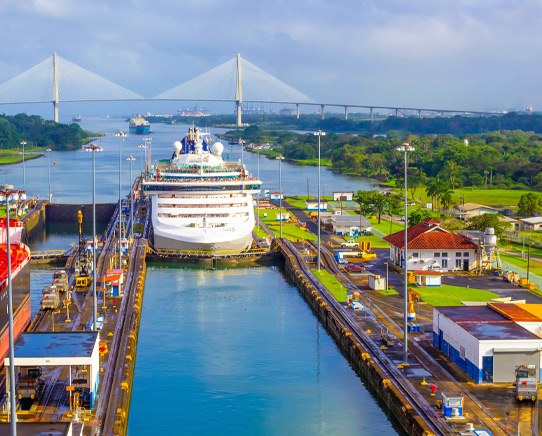 0 mi from Panama CityPanama Canal Tour
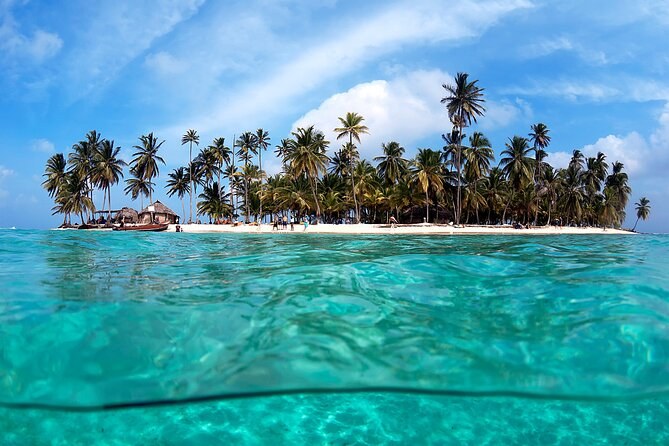 0 mi from Panama CitySan Blas Islands Day Trip
 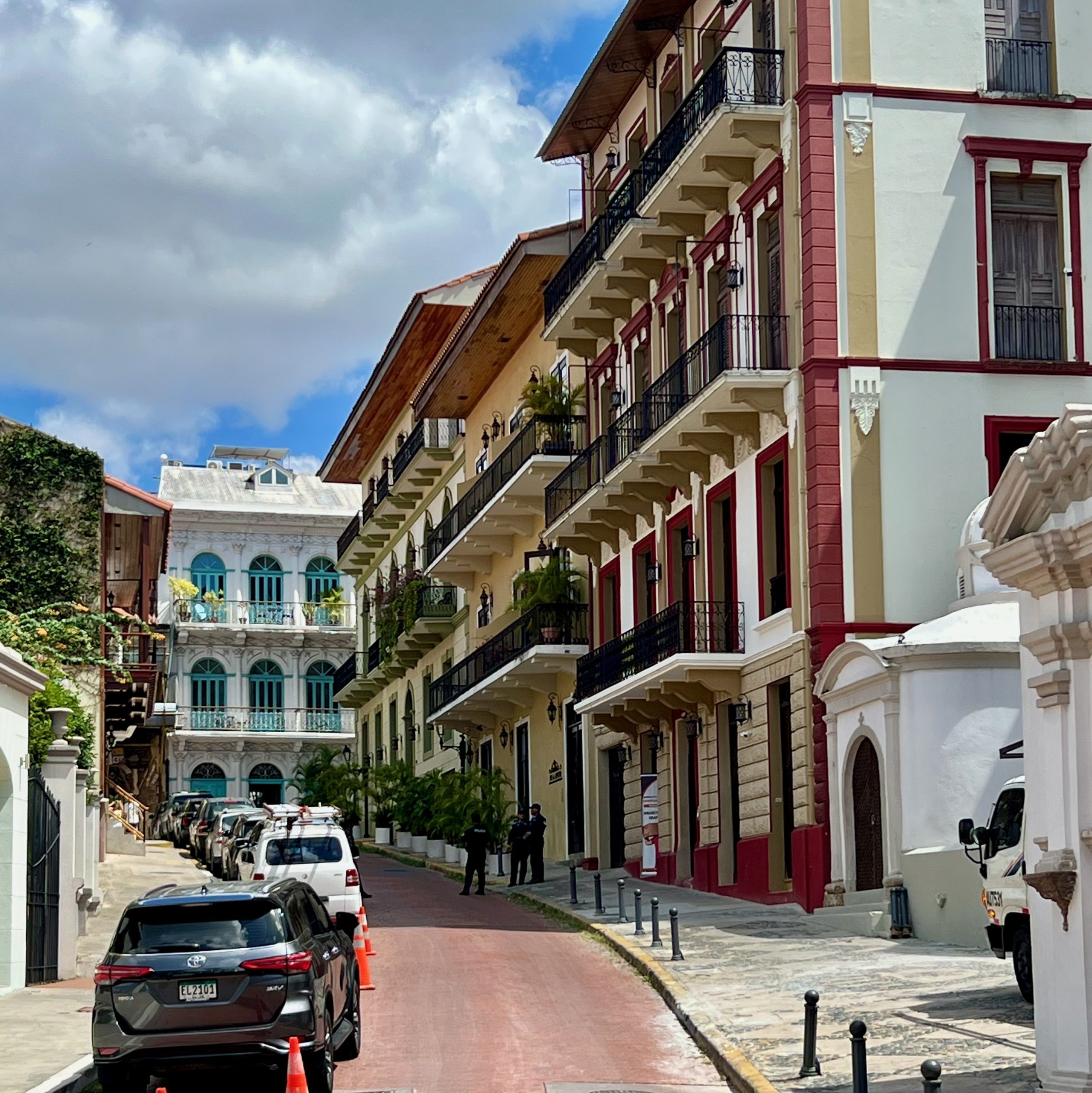 11 mi from Panama City · land adventureBalboa & Beyond: Panama's Wild, Cultured Other Side
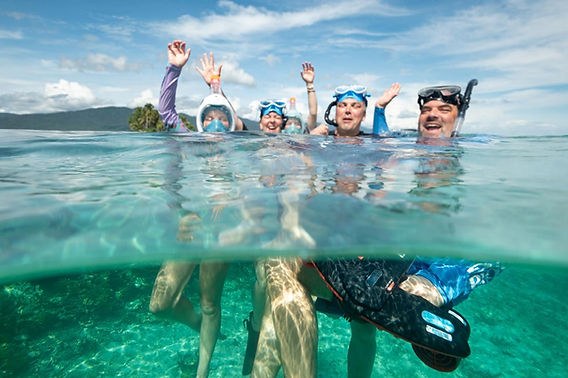 11 mi from Panama City · land adventureSan Blas Islands: Molas, Medicine Men & Midnight Snorkels
 291 mi from Panama City · land adventureCartagena's Caribbean Edge: Mud Volcanoes, Maroon Villages & Market Chaos