Your cruise
EXPLORA III · 25-night Caribbean cruise, Vancouver to Tokyo
Sep 11 – Sep 27 · 16 nights ·
Day 1 Vancouver (board) · Day 2 at sea · Day 3 Port of Kingstown · Day 4 Sitka · Day 5 Yakutat Bay · Day 6 Seward · Day 7–13 at sea · Day 14 Kushiro · Day 15 Aomori · Day 16 at sea · Day 17 Tokyo · Day 18 Shimizu · Day 19 Kobe · Day 20 Kochi · Day 21 at sea · Day 22 Busan (Kyongju) · Day 23 Nagasaki · Day 24 Kagoshima · Day 25 at sea · Day 26 Tokyo (step off)
What you do Conquer the active La Soufrière volcano — the Caribbean's most dramatic summit at 4,049 ft — with a specialist guide. Steam vents, a crater lake, and 360° views of the Grenadines reward those who make the climb.
What to expect Your guide collects you dockside and transfers you to the windward trailhead through lush rainforest. The 4-hour return hike weaves through cloud forest draped in bromeliads and tree ferns before emerging at the sulphurous crater rim. On a clear day you see Bequia, Mustique, and even Barbados. Descend via the leeward trail for different micro-landscapes and a refreshing river crossing at the base.
Good to know Allow 7–8 hours port-to-port; confirm all-aboard time before booking. Wear sturdy trail shoes and bring a light rain layer — the summit creates its own weather. Pre-book at least 48 hours ahead; small groups fill fast. Bring cash in USD.
What you do Sail 9 miles south to Bequia — the jewel of the Grenadines — aboard a private catamaran. Snorkel pristine reefs, stroll the village of Port Elizabeth, and lunch on fresh-grilled lobster at a harbourside terrace.
What to expect Board a sleek catamaran right at Kingstown's deep-water pier and unfurl the sails south through the St. Vincent Channel. Anchor over technicolour coral gardens where hawksbill turtles are a routine sighting. The afternoon is yours in Port Elizabeth — browse artisan model-boat workshops, sip Hairoun beer on the waterfront, and feast on just-caught seafood. Sail back with the trade winds for a golden-hour return.
Good to know Full-day sail is approximately 8 hours; confirm your all-aboard time. Passage can be choppy — take sea-sickness precautions if needed. Snorkel gear, fruit, and rum punch are included; lobster lunch is at a recommended harbourside restaurant (settle the bill directly). Book at least a week in advance — private charters are limited.
What you do Trek to St. Vincent's showstopper double waterfall — twin curtains of cool mountain water plunging into a jungle pool — then unwind on a dramatic volcanic black-sand beach. Pure, unspoilt Caribbean nature at its finest.
What to expect Your personal guide collects you dockside and winds north along St. Vincent's wild leeward coast — passing fishing villages painted in Caribbean brights — to the Dark View Falls trailhead. A short jungle walk leads to the lower fall, where you can swim in the cool plunge pool beneath towering palms. Continue to the upper fall for the full double cascade experience. Afterwards, the guide takes you to a nearby black-sand beach for a quiet swim before returning via a scenic mountain road.
Good to know Allow 4–5 hours; suitable for most fitness levels — the trail to the falls is short and well-maintained. Wear a swimsuit under light clothing and bring river sandals or water shoes. Falls entry fee is included. Book directly via their Facebook page or WhatsApp.
What you do Survey all of Kingstown from the ramparts of 18th-century Fort Charlotte, then wander the Western Hemisphere's oldest botanical garden — where a breadfruit tree descended from Bligh's original 1793 Bounty voyage still grows.
What to expect Your private guide drives you up to Fort Charlotte's clifftop perch, where 34 cannons once guarded against both French attack and enslaved-people uprisings — panoramic harbour views are unbeatable for photography. Descend into Kingstown and enter the St. Vincent Botanic Gardens, established in 1765, where giant mahogany trees shade orchid houses and a living pharmacy of tropical plants. The guide weaves Vincentian history, folklore, and ecology throughout, then allows time to explore the colourful Kingstown market at your own pace.
Good to know Allow 3–4 hours total. The fort and garden are both walkable but involve some inclines — wear comfortable shoes. Fort Charlotte charges a small admission (approx. USD 5); garden entry is free. Book at least 24 hours ahead via WhatsApp or the TripAdvisor listing.
What you do Walk the weathered film set where the original Pirates of the Caribbean was shot at Wallilabou Anchorage — cannons, ship rigging, and colonial façades still intact — then swim in a sheltered bay fringed by jungle.
What to expect The 45-minute coastal drive north is itself spectacular — cliffs plunging to turquoise coves, banana and coconut plantations rolling down to the sea. At Wallilabou you walk among the original Pirates of the Caribbean film props: the jail, the blacksmith's forge, the dockside capstans. The sheltered anchorage is usually dotted with sailing yachts, adding to the swashbuckling atmosphere. After exploring, cool off in the calm, crystal bay before the scenic return to Kingstown.
Good to know Allow 4 hours round-trip. Entry to the heritage park is USD 5 cash. Arrange your private driver-guide directly at the cruise terminal or pre-book via the Wallilabou Anchorage Facebook page. Bring USD cash — card machines can be unreliable on the leeward coast.
What you do Hike the lush Vermont Nature Trail into the heart of St. Vincent's cloud forest in search of the critically rare St. Vincent Amazon parrot — a flame-and-emerald jewel found nowhere else on earth.
What to expect Your naturalist guide drives you into the Mesopotamia Valley — St. Vincent's most fertile interior — past nutmeg and cocoa estates fragrant in the morning air. The Vermont trail climbs steadily through towering heliconia, wild orchids, and giant ferns into primary rainforest. Listen for the raucous call of the St. Vincent Amazon before you see its vivid flash of colour through the canopy. Your guide identifies medicinal plants, endemic birds, and the astonishing diversity of this UNESCO-recognised biodiversity hotspot throughout.
Good to know Allow 4–5 hours. Early morning departure gives the best parrot activity — aim to leave the ship by 8:00 am. Wear long light trousers and closed shoes; bring insect repellent. The trail is moderately steep in sections — a reasonable level of fitness is advised. Book directly via TripAdvisor or WhatsApp at least 48 hours in advance.
book direct with Fraser's Taxi and Tours SVG → · the full guide →
What you do Cross the 137m-long footbridge swaying 70m above the Capilano River canyon, then wander the Treetops Adventure walkways strung between old-growth Douglas firs and the cliff-hugging Cliffwalk. Vancouver's oldest and most iconic attraction (since 1889), it's a rainforest-canyon thrill a first-timer would genuinely regret missing. The park runs its own FREE shuttle from Canada Place roughly every 30 minutes, included with admission, making it an easy independent half-day.
What to expect You'll board the park's complimentary shuttle from Canada Place (running every 30 minutes) and arrive at one of Vancouver's most famous landmarks, where the day unfolds as a sequence of escalating thrills: first, you cross the iconic 137-meter suspension bridge swaying 70 meters above the Capilano River canyon, feeling the deck move beneath your feet while forest walls close in. Next, you navigate the Treetops Adventure walkways strung between ancient Douglas firs, offering an elevated canopy perspective few visitors ever experience. Finally, the Cliffwalk hugs the canyon's edge with vertigo-inducing views before you return to gentler rainforest trails, the whole loop a mix of adrenaline and immersion in old-growth wilderness that's felt genuinely rewarding rather than rushed.
Good to know From Canada Place (steps from the pier), catch the park's free shuttle—no need to book ahead, they run every 30 minutes throughout the day. Budget 4–5 hours on-site (bridge + both adventure areas), then 20–30 minutes shuttle time back, giving you a comfortable 6-hour window if you're off the ship by mid-morning. Wear sturdy, grippy footwear since the bridges and walkways can be wet; a light rain jacket is smart even if it's not raining, as the dense forest drips frequently. Buy admission direct at the gate (~$59 USD) rather than through the ship to cut your cost roughly in half and skip the organized-tour markup.
book direct with Capilano Suspension Bridge Park → · the full guide →
What you do Ride the Skyride aerial tram to a 1,100m alpine summit for a sweeping panorama over the city, harbour and your ship in port. Mountain Admission bundles the only-here experiences: resident grizzlies Grinder and Coola in their refuge, the famous lumberjack show, and the Birds in Motion raptor demos. Grouse runs its own free seasonal shuttle from Canada Place (mid-May to early Sept, ~every 30 min), so it's fully doable independently in a port-day window.
What to expect You'll glide up the Skyride aerial tram through the forest canopy to the 1,100-metre alpine summit, where the city, harbour, and your ship materialize below in a sweeping panorama. Once at the peak, you'll move through the mountain's lineup of resident experiences: watch the famous lumberjack show, meet the refuge grizzlies Grinder and Coola, and catch the Birds in Motion raptor demonstrations. The rhythm is unhurried—you control the pacing between attractions, lingering on the summit views as long as you'd like before descending.
Good to know Grouse Mountain runs a free seasonal shuttle (mid-May to early September, roughly every 30 minutes) directly from Canada Place, so you can skip ship tours entirely; plan 3–4 hours on the mountain itself to hit all included attractions without rushing. Aim to depart the pier by late morning to leave a safe 60–90 minute buffer before all-aboard—mountain weather can shift quickly at elevation, and the Skyride occasionally closes briefly in wind. Bring layers and waterproof jacket; the summit is cool even in summer. Book nothing ahead; admission is straightforward at the gate, and independent travel here costs roughly a third of the ship's bundled North Shore package.
book direct with Grouse Mountain Resort → · the full guide →
What you do Head out onto the Salish Sea, one of the world's premier spots to see wild orcas and humpbacks, aboard a covered catamaran with 3-4 naturalists narrating the hunt. Prince of Whales is a long-established, licensed operator with a 95%+ sighting rate and a sightings guarantee — no whales, free re-trip. A genuine bucket-list wildlife encounter, though at ~3-3.5 hrs you'll want to book the earliest departure and watch all-aboard time.
What to expect You'll depart Granville Island aboard a covered catamaran and head into the Salish Sea, one of the world's premier whale-watching destinations, guided by 3–4 naturalists who narrate the hunt for wild orcas and humpbacks in real time. The 3–3.5 hour tour is built around live sightings: you watch the water, listen to expert commentary on behavior and ecology, and experience the genuine thrill of encountering these massive marine mammals in their natural habitat. With Prince of Whales' 95%+ sighting rate, most departures deliver the moment—though the covered catamaran keeps you sheltered if conditions turn rough. This is a bucket-list wildlife experience that cruise-line partnerships rarely match.
Good to know Book the earliest departure to ensure your ~3.5-hour tour plus return transit clears your ship's all-aboard time; confirm the operator's return time directly against your ship's schedule before booking. Granville Island is a short ride from Canada Place (where your ship docks), but build in a 30–45 minute margin for transit and unexpected delays. The tour includes the naturalist crew and a sightings guarantee—if no whales are spotted, you get a free re-trip—so there's no hidden cost beyond the ~$190 USD ($257 CAD) fare. Dress in layers and bring binoculars; the Salish Sea can be cold and conditions variable, even under the catamaran's cover.
book direct with Prince of Whales Wildlife Tours → · the full guide →
What you do Lift off the water from the Coal Harbour terminal — steps from Canada Place — on a classic Pacific Northwest floatplane. The Panorama tour banks over the downtown skyline, Stanley Park, English Bay, Lions Gate Bridge and the North Shore Mountains before splashing back down. The water takeoff-and-landing is the bucket-list part, and the terminal's walking-distance proximity to the ship makes it ideal for a tight port-day window.
What to expect You walk steps from Canada Place to the Coal Harbour terminal where a classic Pacific Northwest floatplane awaits. The aircraft lifts off directly from the water, banking steeply over downtown Vancouver's skyline, Stanley Park's dense forests, English Bay, the iconic Lions Gate Bridge, and the snow-capped North Shore Mountains in dramatic succession. The water takeoff and landing—splashing down on the harbor—frame the entire experience, making the flight as thrilling on the ground as in the air. From start to finish, you're aloft roughly 30-45 minutes, witnessing the city's geography unfold in real time before taxiing back to the dock.
Good to know The Coal Harbour terminal sits a 5-minute walk from your ship, making this ideal for tight port windows; plan 90 minutes total (15 min walk + check-in, 30-45 min flight, 15 min return to ship). Book directly with Harbour Air—not through the cruise line—to save $30-60 per person on the same operator and same flight. Arrive 20-30 minutes before your departure time for check-in; bring a valid photo ID and dress in layers since cabin temperature varies and water spray during landing is part of the experience. Confirm your flight time the day before to avoid conflicts with your ship's all-aboard time.
What you do Rent a bike at the park gate and ride the ~10km Seawall loop — the totem poles at Brockton Point, the harbour, beaches, Lions Gate Bridge and old-growth forest at your own pace. Cycling one of the world's great urban parks is the definitive Vancouver experience and the lowest-cost marquee on this list. Spokes (operating since 1938) sits at Georgia & Denman, an easy short ride or walk from Canada Place, so it doubles as a low-risk near-port option if a longer tour falls through.
What to expect You'll pick up a rental bike at Spokes (just a short walk or ride from Canada Place) and spend 1.5–2.5 hours cycling the iconic ~10km Seawall loop at your own pace, passing Brockton Point's dramatic totem poles, crossing sight lines to the Lions Gate Bridge, and threading through old-growth forest before emerging onto pristine beaches with unobstructed harbour views. The rhythm is entirely yours—there's no guide or group, just you on two wheels moving through one of the world's great urban parks, with the freedom to linger at viewpoints or speed through familiar stretches. You'll return the bike to Spokes, helmet and lock intact, having experienced the definitive Vancouver experience without a single narration.
Good to know Spokes sits at Georgia & Denman, a 20-minute walk or quick ride from your pier at Canada Place, making this a low-risk near-port option even if you have only 4–5 hours ashore; budget 45 minutes total for transit and rental check-in/out, leaving you 2–3 comfortable hours for the loop and a safety margin. Bike rentals run ~CA$14.50/hr (~$11–22 USD), with helmet and lock included, so total cost is roughly $25–45 USD per person for the full loop—no advance booking required, though arriving early (within the first hour after port arrival) avoids peak rental queues. Wear layers and bring sunscreen; the Seawall is fully exposed in places. No skills or fitness hurdle exists; the route is flat, well-maintained, and designed for mixed ability.
book direct with Spokes Bicycle Rentals → · the full guide →
What you do Strap into a 4D 'flying' simulator that suspends you before a giant spherical screen and sweeps you coast-to-coast over Canada with wind, mist and scent effects. It's INSIDE the Canada Place cruise terminal — zero transit, weather-proof, and the whole thing runs ~30 minutes. The perfect family pick or fallback when your off-ship window is tight or the marquee outdoor tours get weathered out.
What to expect You'll walk straight from your cruise pier into Canada Place, bypass security queues, and strap into a suspended 4D flight pod facing a giant spherical screen. The ride sweeps you coast-to-coast over Canada's landscapes—mountains, coastlines, cities—with synchronized wind gusts, mist spray, and scent effects creating the illusion of genuine flight. A pre-show and the main ~30-minute experience form one complete package; you emerge back at ground level in the terminal, fully oriented and ready to return to the ship with time to spare.
Good to know With zero transit required, you can depart the ship 30–60 minutes before all-aboard and complete the entire outing in under an hour, making this ideal for tight port windows. Tickets (~CA$35 adult, CA$25 child) are bought directly at the Canada Place box office with no advance booking needed—walk-up pricing is ~CA$40, so buying on-site is standard. The experience is fully indoors and weather-proof, eliminating cancellation risk; simply head back to your pier when finished, giving yourself a 15–20 minute buffer before final boarding to account for any crowds.
book direct with FlyOver (Pursuit) at Canada Place → · the full guide →
What you do Conquer the active La Soufrière volcano — the Caribbean's most dramatic summit at 4,049 ft — with a specialist guide. Steam vents, a crater lake, and 360° views of the Grenadines reward those who make the climb.
What to expect Your guide collects you dockside and transfers you to the windward trailhead through lush rainforest. The 4-hour return hike weaves through cloud forest draped in bromeliads and tree ferns before emerging at the sulphurous crater rim. On a clear day you see Bequia, Mustique, and even Barbados. Descend via the leeward trail for different micro-landscapes and a refreshing river crossing at the base.
Good to know Allow 7–8 hours port-to-port; confirm all-aboard time before booking. Wear sturdy trail shoes and bring a light rain layer — the summit creates its own weather. Pre-book at least 48 hours ahead; small groups fill fast. Bring cash in USD.
What you do Sail 9 miles south to Bequia — the jewel of the Grenadines — aboard a private catamaran. Snorkel pristine reefs, stroll the village of Port Elizabeth, and lunch on fresh-grilled lobster at a harbourside terrace.
What to expect Board a sleek catamaran right at Kingstown's deep-water pier and unfurl the sails south through the St. Vincent Channel. Anchor over technicolour coral gardens where hawksbill turtles are a routine sighting. The afternoon is yours in Port Elizabeth — browse artisan model-boat workshops, sip Hairoun beer on the waterfront, and feast on just-caught seafood. Sail back with the trade winds for a golden-hour return.
Good to know Full-day sail is approximately 8 hours; confirm your all-aboard time. Passage can be choppy — take sea-sickness precautions if needed. Snorkel gear, fruit, and rum punch are included; lobster lunch is at a recommended harbourside restaurant (settle the bill directly). Book at least a week in advance — private charters are limited.
What you do Trek to St. Vincent's showstopper double waterfall — twin curtains of cool mountain water plunging into a jungle pool — then unwind on a dramatic volcanic black-sand beach. Pure, unspoilt Caribbean nature at its finest.
What to expect Your personal guide collects you dockside and winds north along St. Vincent's wild leeward coast — passing fishing villages painted in Caribbean brights — to the Dark View Falls trailhead. A short jungle walk leads to the lower fall, where you can swim in the cool plunge pool beneath towering palms. Continue to the upper fall for the full double cascade experience. Afterwards, the guide takes you to a nearby black-sand beach for a quiet swim before returning via a scenic mountain road.
Good to know Allow 4–5 hours; suitable for most fitness levels — the trail to the falls is short and well-maintained. Wear a swimsuit under light clothing and bring river sandals or water shoes. Falls entry fee is included. Book directly via their Facebook page or WhatsApp.
What you do Survey all of Kingstown from the ramparts of 18th-century Fort Charlotte, then wander the Western Hemisphere's oldest botanical garden — where a breadfruit tree descended from Bligh's original 1793 Bounty voyage still grows.
What to expect Your private guide drives you up to Fort Charlotte's clifftop perch, where 34 cannons once guarded against both French attack and enslaved-people uprisings — panoramic harbour views are unbeatable for photography. Descend into Kingstown and enter the St. Vincent Botanic Gardens, established in 1765, where giant mahogany trees shade orchid houses and a living pharmacy of tropical plants. The guide weaves Vincentian history, folklore, and ecology throughout, then allows time to explore the colourful Kingstown market at your own pace.
Good to know Allow 3–4 hours total. The fort and garden are both walkable but involve some inclines — wear comfortable shoes. Fort Charlotte charges a small admission (approx. USD 5); garden entry is free. Book at least 24 hours ahead via WhatsApp or the TripAdvisor listing.
What you do Walk the weathered film set where the original Pirates of the Caribbean was shot at Wallilabou Anchorage — cannons, ship rigging, and colonial façades still intact — then swim in a sheltered bay fringed by jungle.
What to expect The 45-minute coastal drive north is itself spectacular — cliffs plunging to turquoise coves, banana and coconut plantations rolling down to the sea. At Wallilabou you walk among the original Pirates of the Caribbean film props: the jail, the blacksmith's forge, the dockside capstans. The sheltered anchorage is usually dotted with sailing yachts, adding to the swashbuckling atmosphere. After exploring, cool off in the calm, crystal bay before the scenic return to Kingstown.
Good to know Allow 4 hours round-trip. Entry to the heritage park is USD 5 cash. Arrange your private driver-guide directly at the cruise terminal or pre-book via the Wallilabou Anchorage Facebook page. Bring USD cash — card machines can be unreliable on the leeward coast.
What you do Hike the lush Vermont Nature Trail into the heart of St. Vincent's cloud forest in search of the critically rare St. Vincent Amazon parrot — a flame-and-emerald jewel found nowhere else on earth.
What to expect Your naturalist guide drives you into the Mesopotamia Valley — St. Vincent's most fertile interior — past nutmeg and cocoa estates fragrant in the morning air. The Vermont trail climbs steadily through towering heliconia, wild orchids, and giant ferns into primary rainforest. Listen for the raucous call of the St. Vincent Amazon before you see its vivid flash of colour through the canopy. Your guide identifies medicinal plants, endemic birds, and the astonishing diversity of this UNESCO-recognised biodiversity hotspot throughout.
Good to know Allow 4–5 hours. Early morning departure gives the best parrot activity — aim to leave the ship by 8:00 am. Wear long light trousers and closed shoes; bring insect repellent. The trail is moderately steep in sections — a reasonable level of fitness is advised. Book directly via TripAdvisor or WhatsApp at least 48 hours in advance.
book direct with Fraser's Taxi and Tours SVG → · the full guide →
What you do Glide through the glittering waters of Sitka Sound in search of humpback whales, sea otters, Steller sea lions, and bald eagles. This small-group expedition with expert naturalist guides is the definitive Alaskan wildlife encounter.
What to expect Board a comfortable, covered small-group vessel and head into Sitka Sound and the surrounding island passages, one of Alaska's richest marine habitats. Expert naturalists narrate every sighting, from the explosive breach of a humpback to the velvet-pawed antics of rafting sea otters. Bald eagles are virtually guaranteed overhead, and Steller sea lions often haul out on nearby rocks. The captain adjusts the route in real time to follow the action, making every trip genuinely unique.
Good to know Tours typically run 3 hours; confirm the departure time against your all-aboard and allow a 30-minute buffer. Pre-book directly — this is Sitka's most popular experience and sells out fast, especially in peak season (June–August). Dress in warm, waterproof layers regardless of forecast.
book direct with Alaska Shore Excursions (Sitka Whale Watching) → · the full guide →
What you do Journey deep into Sitka's layered soul — ancient Tlingit traditions, Russian colonial grandeur, and the birth of American Alaska — guided by indigenous Tlingit storytellers. An unmissable human story set against jaw-dropping scenery.
What to expect Your Tlingit guide opens the door to Sitka's layered history: the ancient clan houses, the Russian Orthodox Cathedral of St. Michael with its priceless icons, the Sitka National Historical Park's totem poles standing sentinel in old-growth forest, and the solemn site of the 1804 Battle of Sitka. At every stop, living oral tradition brings the landscape to life in a way no textbook can. Groups are deliberately small, encouraging genuine conversation and spontaneous storytelling.
Good to know Requires a minimum of 5 participants; book via email (tourism@sitkatribe-nsn.gov) or phone well in advance. The 2.5-hour format fits comfortably within most port windows. Wear comfortable walking shoes — the totem trail through the park is a gentle, beautiful walk.
What you do Stand face-to-face with rescued bald eagles mid-flight at the world-class Alaska Raptor Center, then meet Sitka's resident brown bears up close at Fortress of the Bear. A double-wildlife immersion found nowhere else on earth.
What to expect At the Alaska Raptor Center, trained birds of prey — many mid-rehabilitation — are flown just feet from visitors in a breathtaking live demonstration. Staff narrate each bird's rescue story, turning what could be a passive visit into a genuine emotional connection. A short drive away, Fortress of the Bear houses rescued brown bear cubs in spacious, enriched enclosures; you can watch them play, forage, and interact with remarkable closeness. The contrast between razor-sharp talons and bumbling bear cubs makes for an unforgettable morning.
Good to know Both venues sit within 10 minutes of the cruise dock by car or taxi. Pre-book a private vehicle or small-group driver to maximise time at each site. The Raptor Center's live flight demonstrations run on a schedule — check the day's timing on arrival. Allow at least 2.5–3 hours total for both.
What you do Walk a cathedral rainforest path lined with monumental Tlingit totem poles in America's oldest federally designated national park. Where ancient Pacific culture, Russian colonial history, and raw Alaskan wilderness converge in one extraordinary place.
What to expect The park's totem trail winds through towering Sitka spruce and hemlock, with 18 monumental poles — some over a century old — rising dramatically from the forest floor, each carved with clan stories in cedar. The Russian Bishop's House, fully restored to its 1853 splendour, offers a surprisingly intimate window into Russian America. The park sits at the mouth of the Indian River, and the sound of the stream, eagles calling overhead, and the scent of the rainforest make this as sensory as it is cultural.
Good to know A 10-minute walk or short taxi ride from the dock. The trail loop takes approximately 45–60 minutes at a leisurely pace; the Bishop's House adds 30 minutes. Arrive early in the port day for the most peaceful experience before tour buses arrive. Layers recommended — the forest retains cool air even on sunny days.
book direct with Sitka National Historical Park (National Park Service) → · the full guide →
What you do Paddle a sea kayak through the island-studded, wildlife-rich waters of Sitka Sound, weaving between islets draped in spruce and kelp forests below. The quietest, most intimate way to read Alaska's wild coastline.
What to expect After a brief on-shore safety and paddling orientation, you launch into the calm, sheltered waters of Sitka Sound, where the volcanic cone of Mt. Edgecumbe frames every horizon. Your guide leads the group through a chain of small islands, pointing out wildlife, tidal ecosystems, and the remarkable geology of this volcanic archipelago. The pace is gentle enough for first-time paddlers yet deeply immersive for experienced kayakers. Encounters with sea otters floating on their backs, cracking shells, are almost guaranteed.
Good to know No prior kayaking experience required — guides provide full instruction. Tours run approximately 3 hours; book early as groups are capped at a small number for the best wildlife experience. Waterproof gear and dry bags provided; dress in warm base layers and bring a change of clothes.
What you do Hike into the heart of the Tongass — the world's largest temperate rainforest — with a private expert local guide, through old-growth spruce groves, glacier-carved valleys, and along crystal rivers teeming with salmon. Pure, unfiltered Alaska.
What to expect Your private guide meets you dockside and personalises the hike on the spot. Trails through the Tongass reveal an almost mythic landscape: moss-cloaked old-growth trees hundreds of years old, the gurgle of rivers carpeted in spawning pink and sockeye salmon (in season), the flash of a kingfisher, and — if you're fortunate — a brown bear working the riverbank upstream. The guide interprets the ecology, geology, and Tlingit relationship with this land in rich, unhurried detail, making the natural world feel genuinely storied.
Good to know Private pricing (per group, not per person) makes this exceptional value for couples, families, or small parties of friends. Book well in advance — private dates fill quickly. Wear broken-in waterproof hiking boots; trails can be muddy year-round. Confirm the exact meeting point when booking.
book direct with Beyond the Dock Tours (Sitka Private Guided) → · the full guide →
What you do Cruise right up to North America's largest tidewater glacier as it calves into Yakutat Bay, on your own boat, at your own pace.
What to expect You'll leave the small boat harbor and run roughly 30 miles up the bay past Disenchantment Bay, watching for seals hauled out on floating ice. The captain kills the engine near the face and waits, sometimes twenty or thirty minutes, for a genuine calving event. Bring layers; the wind off the ice is sharp even in July.
Good to know Book weeks ahead in summer; weather can push departure times, so build in slack before all-aboard. Full-day, roughly 6-8 hours round trip.
book direct with Yakutat Charter Boat Company (Alaska Charter & Guide) → · the full guide →
What you do A slow, quiet drift down one of Alaska's richest wild rivers, where bald eagles and brown bears working the salmon runs outnumber other people.
What to expect You'll put in above town in a raft with a local guide, drifting past cottonwood banks where bears fish the shallows and eagles line the trees. The Situk is famous among anglers but the float itself is the real prize: total quiet, punctuated by wings and splashes. Guides carry bear spray and know exactly which bends to hang back from.
Good to know Half-day trips run about 4 hours; confirm pickup timing against your ship's schedule since Yakutat's dock is a short drive from the put-in.
What you do A small-plane flight over the Malaspina and Hubbard icefields, the largest piedmont glacier system in North America, with peaks rising straight from the sea.
What to expect You'll board a small aircraft from the local airstrip and climb over the Yakutat coastline, watching the beach give way to braided rivers and then a wall of white ice stretching to the horizon. The pilot narrates landmarks and will often circle a particularly active calving section of Hubbard Glacier. Seats are limited, so views are unobstructed on both sides.
Good to know Weather-dependent; mornings tend to have calmer air. Book direct and confirm a same-day cancellation policy given Yakutat's coastal fog.
What you do A free, wide-open walk along a wild, driftwood-strewn beach facing the open Pacific, with Mount St. Elias visible on a clear day.
What to expect A short drive from the harbor gets you to Cannon Beach, where you can walk for miles on hard-packed sand with the Gulf of Alaska rolling in. Surfers sometimes work the break, and eagles patrol the tideline for salmon carcasses. On clear days Mount St. Elias appears improbably large on the horizon.
Good to know No facilities, so bring water and sun/wind protection. Renting a car or arranging a short taxi from the dock is the easiest way in; walkable in about 30-40 minutes if you'd rather stretch your legs.
book direct with Self-guided (Travel Yakutat / US Forest Service Yakutat Ranger District) → · the full guide →
What you do A local-led walk through Yakutat's Tlingit history, from totem carving traditions to the town's subsistence fishing culture, told by people who live it.
What to expect A guide from the Yakutat Tlingit Tribe walks you through town and along the water, pointing out smokehouses, carving work, and sites tied to clan history. Expect real conversation about subsistence fishing rights, seasonal life, and how the community has adapted to a shrinking commercial fishing economy. It's intimate by nature, usually just a handful of guests.
Good to know Arrange in advance by contacting the tribal office directly, as this isn't a standing daily tour. Runs about 2 hours; easy to fit before an afternoon departure.
book direct with Yakutat Tlingit Tribe (cultural liaison arranged tours) → · the full guide →
What you do Private fly-fishing on a river regularly ranked among the best steelhead and salmon fisheries in the world, with a guide instead of a crowd.
What to expect Your guide meets you at the dock or lodge, drives you to the river, and works with you rig-by-rig depending on season, whether steelhead, salmon, or Dolly Varden. The Situk's clarity means you can often sight-fish, watching your fly drift right past the target. Even non-anglers in the group tend to end up hooked on the scenery alone.
Good to know Full-day trips run 6-8 hours, so this is best on a longer port call; confirm timing carefully against all-aboard. Book well ahead, as guides fill up in peak salmon season.
book direct with Glacier Bear Lodge Guided Fishing → · the full guide →
What you do Sail deep into Kenai Fjords National Park past calving tidewater glaciers, humpback whales, orcas, and puffin colonies — then feast on a salmon & steak BBQ on a remote island. This is Alaska at its most primal and spectacular.
What to expect Depart Seward's small-boat harbor and cruise past the granite walls of Resurrection Bay before entering the national park proper. A Park Service ranger provides expert narration as you drift alongside Holgate or Northwestern Glacier, watching house-sized ice calve into the sea. Wildlife sightings — orca pods, Steller sea lions, horned puffins, mountain goats — are virtually guaranteed. The day ends with a hot salmon and steak barbecue served on a wild Alaskan island.
Good to know Full-day tours run approximately 8–9 hours; confirm all-aboard time before booking. Pre-book well in advance — summer dates sell out weeks ahead. Dress in waterproof layers regardless of forecast; the fjords create their own weather.
What you do Lift off by helicopter over Resurrection Bay, land on a remote glacier, and mush a team of Iditarod-bred huskies across ancient blue ice. One of the most visceral, once-in-a-lifetime experiences Alaska offers.
What to expect Your pilot banks low over Seward's fjords before setting down on a high-altitude glacier where a working dog camp awaits. Professional mushers introduce you to the team — all rescued or bred Iditarod dogs — before you take the reins and glide across the ice. Time on the glacier also allows for short walks to peer into crevasses and hear the otherworldly silence of the icefield. The return flight offers unobstructed aerial views of the national park.
Good to know Weather-dependent; helicopter tours can be rescheduled or cancelled on short notice — always confirm before heading ashore. Weight limits typically apply (around 250 lbs per passenger). Book as early as possible; this is the fastest-selling experience in Seward.
book direct with Alaska Shore Excursions (Seward Glacier Dog Sledding) → · the full guide →
What you do A boutique 7-hour cruise into Kenai Fjords with an intimate group of no more than a handful of guests, guided by lifelong Alaskan captains who know exactly where the wildlife hides. The private-charter feel, without the private-charter price.
What to expect Departing Seward Small Boat Harbor at 9:00 am or 10:30 am, the vessel threads through Resurrection Bay and into the park's inner fjords. Expect prolonged encounters with Steller sea lion rookeries, tufted and horned puffins, and — with high frequency — humpback whales breaching close to the bow. The intimate setting means every passenger has unobstructed rail access and direct conversation with the captain throughout.
Good to know Tours run mid-May through mid-September, 7 days a week. Depart by 9:00 am for the best all-aboard buffer; confirm your ship's schedule carefully. Bring binoculars, a telephoto lens, and motion-sickness medication if prone — inner-fjord swells can be significant.
What you do Paddle among cathedral-blue icebergs calved from Bear Glacier, the longest glacier in Kenai Fjords National Park, in a landscape so raw it barely feels like Earth. This is the kayaking experience serious adventurers come to Alaska specifically for.
What to expect A water taxi whisks you along the coast to Bear Glacier Lagoon, where a certified guide fits you with a dry suit and paddles you through a surreal floating gallery of turquoise ice sculptures. Seals lounge on bergs just metres away, and the constant crack and groan of the living glacier forms a haunting soundtrack. Full-day options include a beach lunch and time to explore the moraine on foot.
Good to know Book the earliest available departure to maximise time before all-aboard. No prior kayaking experience required; guides handle safety briefings fully. Dry suits are provided, but bring a warm base layer — water temperatures are near freezing.
book direct with Miller's Landing Seward → · the full guide →
What you do Lace up crampons and walk on a living glacier inside Kenai Fjords National Park, tracing the ice's retreat through landscapes shaped over 10,000 years. Intimate, expert-led, and humbling in scale.
What to expect A comfortable vehicle collects you in town and delivers you to the Kenai Fjords National Park visitor area. Your guide leads the group along marked trails past the vivid blue-green meltwater streams and up onto the glacier's accessible lower tongue, crampons gripping the ancient ice. Historic markers along the trail chronicle the glacier's dramatic recession, providing visceral context for the landscape around you. The return leg includes a stop at a viewpoint over the Harding Icefield.
Good to know Round trip from Seward's small-boat harbour is approximately 4–5 hours — manageable within most port-day windows. Sturdy waterproof footwear and layered clothing are essential; crampons and poles are provided. Pre-booking is strongly advised as group sizes are capped.
What you do Go behind the scenes at Alaska's only public aquarium and ocean wildlife rescue centre, coming face-to-face with Steller sea lions, harbour seals, and seabirds in private keeper-led encounters unavailable to general visitors.
What to expect Begin in the main galleries, where floor-to-ceiling tanks showcase Alaska's extraordinary marine biodiversity — from giant Pacific octopus to puffins diving underwater in slow motion. The private encounter then takes you backstage to meet rescued Steller sea lions and harbour seals at close range, with the trainer explaining the rehabilitation science behind each animal's story. A marine biologist Q&A rounds out the experience, making this as intellectually rich as it is emotionally unforgettable.
Good to know The SeaLife Center is a 5-minute walk from the cruise tender dock — no transport required. Book the behind-the-scenes add-on directly on the Alaska SeaLife Center website well in advance; slots are extremely limited. General admission alone makes for an excellent 1.5–2 hour visit if encounter slots are full.
What you do Glide through Japan's largest wetland in a private vehicle with a dedicated English-speaking naturalist guide, scanning the reeds for the sacred red-crowned tancho crane — a living symbol of longevity and one of the rarest birds on Earth.
What to expect Your private guide collects you at the pier and drives you into the vast, mist-wrapped Kushiro Marshland — 2,700 sq km of protected wetland that feels utterly wild. Pause at the elevated Shitsugen Observatory Boardwalk for panoramic marsh views, then visit the Akan International Crane Centre where wild tancho congregate and researchers track the population. Afternoons can be shaped around your interests — canoe on the marsh channels, visit a local fish market, or simply linger at a crane feeding meadow until that extraordinary red-crowned bird takes flight. No crowds, no rushing; this is the Hokkaido East that most visitors never see.
Good to know Pre-book well in advance — private guides fill fast on cruise-call days. The marsh is most atmospheric in early morning mist; request an early departure to maximise crane sightings. Confirm all-aboard time and share it with your guide at booking.
What you do Journey to sacred caldera Lake Akan, a UNESCO-recognised cultural landscape, and immerse yourself in the living traditions of the Ainu — Japan's indigenous people — through an intimate performance at the legendary Icolo Theater and a guided walk through the Ainu Kotan village.
What to expect The drive along the Akan lakeside road is cinematic — forests of silver birch giving way to the vast cobalt surface of the caldera lake, steaming with geothermal vents. At the Ainu Kotan, your guide introduces you to artisans carving intricate woodwork and weaving traditional attukus textile, explaining the spiritual significance of each motif. The Icolo Theater performance is electrifying: firelit, chanted Upopo ceremonial song and the athletic Iyomante bear ritual dance performed by an Ainu troupe in full regalia. Before returning, savour a bowl of Akan's famous chankoro — snow crab noodle soup — at a lakeside restaurant chosen by your guide.
Good to know Lake Akan is approximately 1.5 hours from the pier; plan a minimum 7-hour shore day. Icolo Theater shows run at set times — confirm schedule at booking and align with all-aboard. Reiko's tours start at 8–9 a.m.; coordinate pier pick-up time at reservation.
book direct with GoWithGuide – Reiko M. Local Expert, Kushiro & Hokkaido East → · the full guide →
What you do Drift silently through primeval reed corridors on a guided canoe through Kushiro Marsh — Japan's largest wetland — at water level where tancho cranes wade, white-tailed eagles soar, and Hokkaido's raw wilderness surrounds you on every side.
What to expect Launching from a wooden pontoon at the marsh edge, you and your small group glide into channels so still they mirror the sky. Your bilingual guide reads the wetland like a map — pointing to otter tracks in the mud, osprey on snag branches, and the slow wingbeats of a tancho crane lifting from the shallows. The pace is meditative; there is no engine noise, no commentary over a loudspeaker, just the dip of a paddle and the immensity of one of Asia's great wilderness landscapes. After two hours on the water, a riverside rest stop offers hot green tea and a chance to absorb the silence before returning to the pier.
Good to know Half-day canoe tours typically run 3–4 hours including transfer; well within a standard port day. Waterproof layers and non-slip footwear essential — pack in a dry bag. Book directly via the Kushiro tourism portal or confirm with your private guide. Best sightings in early morning — request AM departure.
book direct with Kushiro-Lakeakan.com (Official Kushiro Tourism) → · the full guide →
What you do Join a specialist wildlife guide for an intimate, small-group morning dedicated entirely to Kushiro's most iconic resident: the magnificent tancho crane, observed at Kushiro City Tanchozuru Nature Park and the Akan International Crane Centre with expert ecological commentary.
What to expect The red-crowned crane stands 1.5 metres tall, dances with its mate in elaborate courtship displays, and has been venerated in Japanese art for centuries — seeing one wild is genuinely moving. Your guide arrives at the pier and takes you first to Kushiro City Tanchozuru Nature Park, where resident cranes move freely across wetland meadows in view of a discreet observation platform. The second stop at the Akan International Crane Centre deepens the experience with researcher-led insight into the comeback story of a species that recovered from just 33 individuals in the 1950s to over 1,800 today — one of conservation's great triumphs. The return route through the marsh adds a final, unhurried panorama of the wetland at its most majestic.
Good to know This half-day tour fits comfortably within most port schedules. Crane sightings are year-round but most spectacular in winter (dancing displays) and spring (chick-rearing). Bring a 200mm+ telephoto lens if you have one. Confirm group size at booking — maximum 8 guests is the standard for this operator.
book direct with Japan Shore Excursions – Kushiro Wildlife Tours → · the full guide →
What you do Explore Kushiro's layered history — from Ainu origins to Meiji-era fishing empire — inside the acclaimed Kushiro City Museum with a private guide, then stroll the grand Nusamai Bridge for sweeping river and harbour views that have defined this city's soul for over a century.
What to expect Your guide meets you at the pier and walks you into central Kushiro, pausing at the iconic Nusamai Bridge where four bronze goddess statues guard each corner and the Kushiro River fans out toward the Pacific. At the Kushiro City Museum, the exhibits span Jomon-era archaeology, Ainu artefacts of extraordinary craft, and the dramatic story of Meiji settlers who built a fishing industry that once supplied all of Japan with Pacific saury. The museum's natural history wing — featuring a full-scale tancho crane diorama and Hokkaido brown bear specimens — offers context that makes the wider landscape suddenly legible. The walk back through the Washo Market, where fishermen's wives famously pile fresh crab and salmon roe onto your rice bowl, is the perfect finale.
Good to know The museum and bridge are within easy walking distance of central Kushiro — ideal if your port day is shorter. Washo Market is best before noon when the freshest seafood is displayed. Combine with a harbour walk past the fishing fleet for a full immersion in Kushiro's maritime character.
book direct with GoWithGuide – Reiko M. Local Expert, Kushiro & Hokkaido East → · the full guide →
What you do Dive into the flavours of Hokkaido East at Kushiro's legendary Washo Market and the atmospheric Fisherman's Wharf MOO — sampling the freshest Pacific saury, uni (sea urchin), ikura, and snow crab straight from the boats in Japan's self-proclaimed 'seafood capital of the north.'
What to expect The Washo Market tradition of 'katte-don' is one of Japan's most joyful food rituals: purchase a bowl of steaming rice from one vendor, then wander the stalls as fishmongers pile on mounds of ikura, scallop, crab claw, and whatever the morning catch delivered — building your perfect Hokkaido rice bowl, piece by glorious piece. At Fisherman's Wharf MOO on the harbour edge, the atmosphere shifts to a covered artisan hall where local producers display kelp-cured salmon, aged Hokkaido cheese, and Akan-smoked trout alongside craft sake from regional breweries. A private guide ensures you navigate both spaces with cultural intelligence — knowing what to order, how to eat it, and the story behind each ingredient. End on the MOO terrace watching the Pacific fishing fleet return as the mist rolls in from the harbour.
Good to know Washo Market is most vibrant between 8 a.m. and noon — time your visit early in the port day. Both venues are a short walk or taxi from the pier. Bring cash (yen) — many market vendors do not accept cards. The Kushiro Shitsugen 55 Pass (JPY 1,030) bundles nearby attraction entries if you wish to extend the day.
book direct with Kushiro-Lakeakan.com – Downtown Kushiro Walking Tour (Official Tourism) → · the full guide →
What you do A private, government-licensed guide whisks you to feudal Hirosaki Castle, the ethereal surrounding park, and the Nebuta Museum — Aomori's crown jewels in one seamless, unhurried day.
What to expect Your guide meets you dockside and transfers you in a private vehicle to Hirosaki, roughly one hour south. Stroll the castle grounds — one of Japan's only original 17th-century keeps — then cross into the manicured Fujita Memorial Garden. Back toward port, you step inside the Nebuta Museum Wa Rasse, where monumental, luminous festival floats fill a dramatic waterfront hall. The guide narrates the spiritual and artistic depth behind each float, something a solo visit cannot replicate.
Good to know Hirosaki is ~60 km from port; allow 8–8.5 hours total. Pre-book well ahead for cherry-blossom season (late April–early May) when the castle park is world-famous. All-aboard must be confirmed with your ship before booking. Hirosaki Castle entry: JPY 320 adults; Nebuta Museum Wa Rasse: JPY 620 adults.
book direct with Japan Shore Excursions (Aomori Private Tours) → · the full guide →
What you do Walk a primeval forest path beside the crystalline Oirase Stream, then emerge onto the caldera shores of sacred Lake Towada — one of Japan's most breathtaking natural tableaux, best savored in private.
What to expect Your guide collects you at the pier and drives south into the Towada-Hachimantai National Park. You walk a curated 2 km stretch of the Oirase Gorge trail, where 14 named waterfalls tumble through ancient beech forest and the air is thick with negative ions. Arriving at Lake Towada, you cruise along the shoreline road to the Nenokuchi viewpoint, where two rivers appear to meet a volcanic caldera of impossible blue. A seasonal bento lunch can be arranged with local wagyu and Aomori apple cider vinegar dishes.
Good to know Round trip is approximately 3.5 hours driving; budget 7–8 hours total including walking. Autumn foliage (mid-October) is sublime and sells out fast — reserve 3+ months ahead. Flat, well-maintained trail suits most fitness levels; wear comfortable shoes. No entry fee for the gorge trail; Lake Towada cruise optional at JPY 1,400 per person.
book direct with Japan Shore Excursions (Aomori Private Tours) → · the full guide →
What you do Before the public arrives, experience the Nebuta Museum's colossal illuminated festival floats in near-silence, then try your hand at the traditional washi-paper and wire craft that creates them — a deeply intimate encounter with Aomori's soul.
What to expect The museum sits steps from the cruise terminal, making it the most time-efficient bucket-list experience in port. Inside, five towering Nebuta floats — some over 5 metres tall, blazing with painted warriors and mythological beasts — fill the darkened hall with a theatrical glow. A cultural interpreter explains the 300-year history of the Nebuta Matsuri, one of Japan's Top 3 festivals. In the workshop area, you shape wire, layer washi paper, and paint a miniature float panel to take home as a one-of-a-kind keepsake.
Good to know The museum is a 5-minute walk from the port — ideal if time is short. Open 9:00–18:00 (May–Aug); 9:00–17:00 (Sep–Apr). Workshop sessions should be booked directly with the museum at least 2 weeks ahead. Allow 2–3 hours for entry + workshop combined.
book direct with Nebuta Museum Wa Rasse (Official) → · the full guide →
What you do Soar above ancient Hakkoda volcano on Japan's largest gondola-type ropeway to a wild alpine plateau — a landscape of primordial forest, volcanic vents, and 360° panoramas that feels like the edge of the earth.
What to expect A 10-minute gondola ride lifts you from the cedar treeline into a sculpted alpine world of dwarf pines, volcanic rock gardens, and in winter, the famed 'snow monsters' — trees encased in surreal ice sculptures. Summit boardwalks wind through steaming fumaroles and across tundra meadows alive with alpine wildflowers in summer. On clear days, the Tsugaru Strait and Hokkaido shimmer on the horizon. Your private driver waits below, and a detour to the historic Sukayu Onsen hot springs on the descent is easily arranged.
Good to know Hakkoda is ~30 minutes from port by private car. The ropeway runs daily (weather permitting) from approximately 9:00; first gondola is 9:10. Strong winds occasionally suspend operations — check the day before. Sukayu Onsen (konyoku mixed bathing) entry is JPY 1,000; bring or rent a towel. Total excursion: 4–5 hours.
book direct with Hakkoda Ropeway (Official) → · the full guide →
What you do Explore Japan's most significant prehistoric settlement — a UNESCO World Heritage Site where 5,500 years of Jōmon civilisation are revealed by a licensed guide who brings the ancient pit dwellings and ritual objects vividly to life.
What to expect Just 20 minutes from port, Sannai-Maruyama is one of the largest Jōmon-period (14,000–300 BCE) sites ever excavated in Japan, declared a UNESCO World Heritage Site in 2021. Your guide leads you through reconstructed longhouses, a ceremonial road flanked by clan burials, and the iconic six-pillar raised tower whose alignment mirrors the summer solstice sunrise. In the superb on-site museum, obsidian trade goods, lacquerware, and haunting clay figurines paint a picture of a sophisticated, peaceful society that challenges every assumption about prehistoric Japan.
Good to know Open 9:00–17:00; closed Tuesdays. The site is a 20-minute taxi or private car ride from the pier. Combine with the nearby Aomori Museum of Art (admission JPY 510) — home to Marc Chagall's monumental Aleko panels — for a rich cultural half-day. Pre-book your licensed guide via GoWithGuide (gowithguide.com/japan/aomori) or JGA (j-g-a.org/aomori).
What you do Build your own legendary Nokkedon rice bowl — piling Mutsu Bay scallops, uni, and ikura onto steaming rice at Aomori's beloved fish market — then sip artisan Aomori apple cider pressed steps from the ship.
What to expect At Aomori Gyosai Center's famous Nokkedon counter, you purchase a cup of warm rice and a book of tickets, then wander the stalls where fishmongers heap your bowl with the morning's catch — glistening Mutsu Bay scallops, briny sea urchin roe, fat salmon eggs, and silky local tuna. It is interactive, joyful, and deeply local. A short stroll brings you to A-FACTORY, a sleek glass-and-timber building on the waterfront, where Aomori's apple harvest is transformed into nuanced craft ciders. A flight of three regional varieties paired with Aomori cheese is the perfect finale before returning aboard.
Good to know Gyosai Center opens at 9:00; arrive early for the best topping selection. A-FACTORY opens at 9:00 and stays open until 20:00. Both are within easy walking distance of the Aomori Ferry/Cruise Terminal. No pre-booking required; cash and IC cards accepted at the market. Allow 2–3 hours total — a perfect half-morning ashore before a longer afternoon excursion.
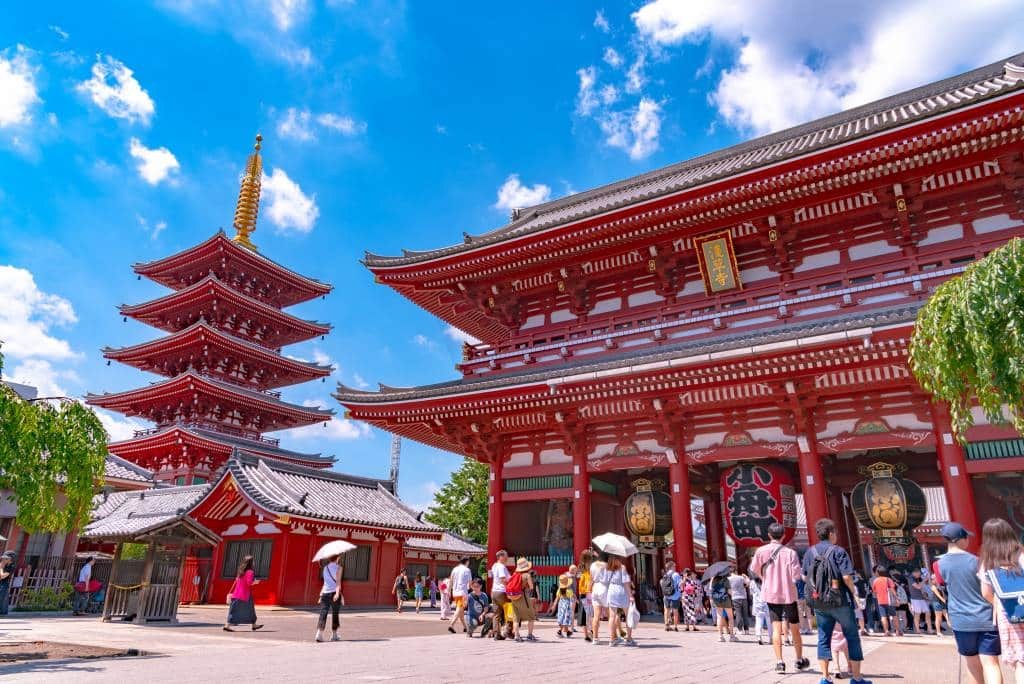
What you do Explore Tokyo's most iconic districts — Asakusa, Shibuya, Shinjuku and the Imperial Palace — guided by a nationally licensed, multilingual expert on an entirely private itinerary tailored to you. This is Tokyo at your pace, through a connoisseur's eyes.
What to expect Your guide meets you at the terminal and whisks you into Tokyo's layered world: the incense haze of Sensō-ji, the electric scramble at Shibuya Crossing, the raked gravel calm of Imperial Palace East Gardens. Lunch is arranged at a chef-selected restaurant befitting your taste. The day is a seamless private narrative rather than a checklist, ending with enough time to return comfortably before all-aboard.
Good to know Book well in advance — licensed private guides are in high demand. Confirm your ship's all-aboard time so your guide can plan the return; Tokyo International Cruise Terminal (Ariake) is roughly 30–40 min by taxi or direct Yurikamome rail from central Tokyo.
book direct with Japan Guide Association (JGA) – Official Licensed Guides → · the full guide →
What you do Ascend the world's second-tallest structure to 634 metres for a panorama stretching from Mount Fuji to Tokyo Bay. On a clear day the view is simply one of the great urban spectacles on earth.
What to expect A high-speed elevator whisks you to the Tembo Deck at 350 m in under 60 seconds. A second ascent takes you to the Tembo Galleria, a glass-walled spiral walkway at 450 m where the floor disappears beneath your feet over the Tokyo skyline. The adjacent Solamachi shopping and dining complex adds a refined post-visit option before heading back.
Good to know Pre-purchase timed-entry tickets online — they sell out days ahead, especially on weekends. From Tokyo International Cruise Terminal, take the Yurikamome line to Asakusa, then the Tobu Skytree Line — allow 50 min total. Allow 2 hrs for both decks. Confirm weather forecast: Mount Fuji views require clear skies.
book direct with Tokyo Skytree (Official) → · the full guide →
What you do Step inside teamLab Borderless — the world's most visited single-artist museum — where thousands of laser projections dissolve boundaries between art and visitor. There are no maps; every room is a living, breathing, bucket-list spectacle.
What to expect You wander freely through interconnected rooms where waterfalls, forests, and koi ponds exist entirely as light and projection — and shift when you touch them. The 'Athletic Forest' zone challenges the body as much as the mind. No two visits are identical; the art evolves in real time. Budget at least two hours, though most guests lose track of time entirely.
Good to know The new Azabudai Hills venue is a taxi/subway ride from the cruise terminal — allow 40 min. Wear comfortable shoes (some zones involve steps and uneven surfaces). Timed-entry tickets are date- and time-specific; book the earliest slot to leave the afternoon free for other stops. Avoid white clothing as projections can stain perception.
book direct with teamLab Borderless Tokyo (Official) → · the full guide →
What you do Explore the legendary Tsukiji Outer Market with a private chef guide who navigates the stalls, sources the finest morning catch, and explains the art of Edomae sushi — ending at a reserved counter for an unforgettable omakase breakfast.
What to expect The morning begins in the alley labyrinth of Tsukiji Outer Market as vendors arrange glistening tuna, sea urchin, and seasonal shellfish. Your chef-guide explains provenance, seasonality, and the knife traditions behind each cut. A tamagoyaki (rolled omelette) master lets you watch the craft up close. The tour culminates at a reserved sushi counter where the chef orders on your behalf — a succession of impossibly fresh nigiri paired with explanations of each piece.
Good to know Tsukiji Outer Market is most vibrant 7–10 am; an early start is essential and pairs well with an early all-aboard schedule. The market is approximately 30 min by taxi from Tokyo International Cruise Terminal. Confirm any dietary restrictions with Context Travel at booking. Sturdy shoes are advised — the alleys are narrow and sometimes wet.
book direct with Context Travel Tokyo – Expert-Led Food Tours → · the full guide →
What you do Walk the ancient cedar-forested approach to Tokyo's most sacred Shinto shrine, then emerge into Harajuku's kaleidoscopic street culture — a single morning that captures the full spiritual and creative soul of Tokyo.
What to expect The 700-metre forested gravel path to Meiji Jingu feels remote despite being at the heart of 14-million-person Tokyo — a genuine hush descends. Your guide explains the daily rituals, points out the sake-barrel wall offered by French wineries, and arranges a quiet moment at the inner shrine. The short walk to Harajuku delivers the visual shock of kawaii fashion and the understated elegance of Omotesandō boutiques — Dior, Louis Vuitton, and local ateliers alike.
Good to know Shoulders and knees should be covered or a scarf carried for the shrine approach. From the cruise terminal, take the Yurikamome to Shimbashi then JR Yamanote Line to Harajuku — approx. 50 min. The combined experience takes 3–4 hours; pairs perfectly with a lunch reservation on Omotesandō. Book your GoWithGuide guide at least 2 weeks ahead.
book direct with GoWithGuide – Private Tokyo Local Guides → · the full guide →
What you do Ascend the beloved iron icon of Tokyo at golden hour for the exclusive Diamond Tour — access to both the Main Deck at 150 m and the Top Deck at 250 m, limited to just 70 guests per day. A sunset over the Tokyo skyline from here is a memory for life.
What to expect Tokyo Tower glows tangerine and crimson at dusk — a deliberate nod to the Eiffel Tower's evening palette — and from the glass-floor panels of the Top Deck, the city grid fans out to Tokyo Bay and beyond. The Diamond Tour guide explains the tower's 1958 construction story and its role as Tokyo's emotional heartbeat. The lounge offers premium refreshments as the city lights ignite below you.
Good to know Book online the moment your itinerary is confirmed — the 70-person cap sells out fast, especially on weekends and holidays. Tokyo Tower is in Minato, roughly 40 min by taxi from the cruise terminal. Plan to arrive at least 30 min before your slot. A sunset slot (approximately 5–6 pm) is spectacular but confirm your ship's all-aboard time allows for it.
book direct with Tokyo Tower (Official) → · the full guide →
What you do A bespoke private full-day journey to Japan's most iconic landscape — Mt. Fuji and the volcanic wonders of Hakone. Your licensed guide collects you dockside for an unhurried, deeply personal encounter with Japan's sacred peak.
What to expect Your guide meets you directly at Shimizu Port and escorts you in a private vehicle through the Fuji Five Lakes region, stopping at the most photogenic viewpoints of the sacred volcano. You'll visit the torii gate of Hakone Shrine rising from Lake Ashi before exploring the sulphurous steam vents of Owakudani. The pace is entirely yours — a genuine luxury rarely available on group excursions. Every detail, from entry tickets to insider commentary on Shinto traditions, is handled for you.
Good to know Book well in advance — private guides fill quickly on cruise call days. Confirm your ship's all-aboard time with your guide (typically 17:00–18:00); the tour is designed to return you with ample time. Fuji visibility is weather-dependent; a morning departure maximises clear views before afternoon cloud build-up.
book direct with Japan Guide Agency (J-G-A) → · the full guide →
What you do Glide across mirror-calm Lake Ashi with Mt. Fuji as your backdrop, pass beneath Hakone Shrine's iconic water torii, then feel the earth's raw power at Owakudani's steaming volcanic vents. A quintessential Japan bucket-list day.
What to expect Depart Shimizu Port and ascend into the Hakone caldera, where the air cools and the landscape shifts to cedar forests and steaming vents. At Owakudani, try the legendary black eggs (kuro-tamago) said to add seven years to your life, cooked in the sulphurous springs. A scenic ropeway or sightseeing cruise on Lake Ashi brings you face-to-face with Hakone Shrine's red torii rising from the water — one of Japan's most photographed moments. Your guide ensures you understand the deep spiritual significance of this UNESCO-recognised landscape.
Good to know Owakudani access can be restricted during elevated volcanic activity — your operator will have an alternative plan. Lake Ashi cruises and ropeway tickets are typically included; confirm at booking. Allow a 2–2.5 hour return transfer from Hakone to Shimizu Port.
book direct with Japan Shore Excursions → · the full guide →
What you do Ascend to Japan's most ornate Toshogu Shrine — a National Treasure perched atop Mt. Kunozan overlooking Suruga Bay — via a dramatic 1,159-step staircase or scenic ropeway. This is Ieyasu Tokugawa's first resting place, and it is breathtaking.
What to expect The ropeway glides up over forested slopes to reveal sweeping panoramas of Suruga Bay and, on clear days, the full cone of Mt. Fuji beyond. The shrine complex itself is a masterpiece of Momoyama-era architecture — vivid vermilion lacquer, intricate wood carvings, and gilded gates that rival Nikko's famous Toshogu. Inside the treasure museum, Ieyasu's personal armour and artefacts offer a direct line to the samurai age. The descent by stairs through towering cryptomeria forest is a meditative, unforgettable finale.
Good to know Shimizu Station is the nearest hub; combine with a private guide for context. The ropeway closes periodically for maintenance — check ahead. The shrine is just 20–30 minutes from the port by taxi, making it ideal even on a tighter schedule. Wear comfortable shoes for the steps.
book direct with Kunozan Toshogu Shrine (Official) → · the full guide →
What you do Walk Japan's longest pedestrian suspension bridge — 400 metres of heart-stopping views over Mt. Fuji — then decompress in Shuzenji, Izu's most elegant ancient hot-spring town. Drama and serenity in one extraordinary day.
What to expect The Mishima Skywalk bridge sways gently 70 metres above a river gorge, with Fuji's perfect cone framed ahead of you on clear days — a photograph you will show for the rest of your life. From there, your journey continues to Shuzenji, a hot-spring town that has drawn Zen monks, poets, and nobility for over 1,200 years. Stroll the willow-lined Katsura River, visit the ancient Shuzenji Temple, and enjoy a private kaiseki lunch or onsen footbath at a traditional ryokan. The bamboo grove path is a serene, Instagram-worthy finale.
Good to know Shuzenji is approximately 60–70 minutes from Shimizu Port by private vehicle. Book a private guide to connect both experiences seamlessly and ensure you return to port comfortably. Mishima Skywalk can be busy on weekends — a morning start is strongly advised.
book direct with Japan Shore Excursions → · the full guide →
What you do Trace the journey of Mt. Fuji's ancient snowmelt from the ethereal curtain of Shiraito Falls — a UNESCO World Heritage site — to the crystal-clear sacred springs of Oshino Hakkai. Nature at its most transcendent, just beyond Fuji's skirts.
What to expect Shiraito Falls cascades in a 150-metre-wide lace curtain of crystalline water — not from a river above, but directly from Fuji's volcanic rock, filtered over centuries through the mountain's ancient lava layers. The sound and sight are otherworldly. From there, Oshino Hakkai's eight ponds each shimmer with impossibly clear Fuji snowmelt, the mountain reflected in their glassy surfaces. Local artisans and food stalls offer Fuji-region delicacies, and your guide provides deep cultural context about Japan's reverence for this living volcano.
Good to know Both sites are approximately 75–90 minutes from Shimizu Port by private vehicle. Shiraito Falls is a short walk from the car park; Oshino Hakkai is flat and easy. Book early morning departures to coincide with the clearest Fuji views. Confirm your all-aboard time when booking — guides here are accustomed to cruise schedules.
book direct with GetYourGuide (local licensed operator) → · the full guide →
What you do Stand atop Nihondaira — the summit voted Japan's most beautiful viewpoint — and look out over Suruga Bay, Mt. Fuji, and the Izu Peninsula, then walk the ancient pine grove of Miho-no-Matsubara, a UNESCO World Heritage shore of ethereal beauty.
What to expect The Nihondaira Yume Terrace's dramatic cantilevered observation deck delivers a 360-degree panorama that stops even seasoned travellers in their tracks — Fuji to the north, the Pacific to the south, and Shimizu's bay sparkling below. A short ropeway descends to Kunozan Toshogu Shrine if time allows. Then your driver takes you to Miho-no-Matsubara, where 30,000 ancient pine trees line a curved white-sand shore, the air scented with salt and resin. Mt. Fuji rises above the blue bay beyond the pines — the scene immortalised in countless woodblock prints by Hokusai and Hiroshige.
Good to know Both sites are within 20–40 minutes of Shimizu Port, making this ideal for half-day or flexible itineraries. Miho-no-Matsubara is a UNESCO World Heritage component of the 'Fujisan' inscription — bring a camera and allow time to walk its full length. The Yume Terrace is best visited early morning before haze develops.
book direct with Japan Shore Excursions → · the full guide →
What you do Soar above the city on a glass gondola to Japan's largest herb garden, 400 m above Kobe. Wander scented terraces with sweeping bay views — a sensory masterpiece that is genuinely bucket-list.
What to expect Board the Shin-Kobe Ropeway just minutes from the city centre and glide up through forested hillsides to the Sky Terrace. The garden unfolds across 14 themed zones — lavender, rose, chamomile — with open-air cafés and a fountain plaza. On clear days the view encompasses Osaka Bay, the Akashi Bridge, and the Kii Peninsula. Descend at your own pace, stopping at Nunobiki Falls, one of Japan's three great waterfalls, on the short forest walk below.
Good to know Shin-Kobe Station (ropeway base) is a 10-min taxi from the cruise pier — budget JPY 1,500–2,000. First gondola departs 09:30; last descent is typically 17:00. No pre-booking required, but weekday mornings are quietest. Allow 2–3 hours total; easily back well before all-aboard.
What you do Sit counter-side at Kobe's legendary Mouriya Honten as a white-gloved chef sears certified Kobe beef A5 Tajima Wagyu on an iron plate before you. This is the single most iconic culinary rite in Japan's gourmet capital.
What to expect Mouriya Honten sits in the heart of the Kitano district, a 15-minute taxi from the pier. The teppanyaki counter accommodates small parties, creating an almost private dining atmosphere at lunch. Your chef presents the certified Tajima Wagyu certificate before preparing courses of sashimi, Wagyu sirloin and fillet, seasonal vegetables, rice and miso — a slow, reverent ritual. The marbling, the sizzle, the first melt-on-the-tongue bite: unmistakably bucket-list.
Good to know Reserve a minimum 48 hours in advance via the website's reservation form — lunch seatings at 11:30 and 13:00. Lunch courses are more cruise-friendly than dinner. Taxi from pier approximately JPY 1,500–2,000 each way; allow 90 min for the full teppanyaki experience. Smart-casual dress appropriate.
book direct with Mouriya Honten Kobe (Official) → · the full guide →
What you do Explore Kitano Hill's preserved 19th-century foreign merchant villas — Dutch, British, Danish, French — with a government-licensed private guide who unlocks the stories behind Japan's most cosmopolitan neighbourhood.
What to expect Stroll Kitano-cho's leafy cobbled lanes, pausing at the iconic Weathercock House (Kazamidori-no-Yakata) and the Ben-the-House for rare interior views of original Meiji-era furnishings. Your guide weaves the story of Kobe's Open Port era — the silk traders, the sake barons, the foreign concession. A short detour to Ikuta Shrine, one of Japan's oldest, caps the cultural immersion before a gentle downhill walk back toward the harbour.
Good to know Arrange the guide in advance via the J-G-A website — specify 'Kitano & Harbour' 4-hour itinerary. Meeting point flexible: pier or Kitano-cho. Allow time for the uphill walk (15 min) or take a taxi to Kitano (JPY 1,200). Combination tickets for multiple ijinkan available at the first house.
book direct with Japan Guide Association – Kobe Licensed Guides (Official) → · the full guide →
What you do Step inside Kobe's celebrated Nada sake district at Hakutsuru's 270-year-old brewery museum, dressed as a traditional kura. Taste premium junmai daiginjo in a tasting room where clarity of craft meets centuries of heritage.
What to expect The museum occupies a beautifully preserved Edo-period kura in the Sumiyoshi Honmachi district of Nada — Japan's most celebrated sake-producing region. Life-size dioramas and original equipment tell the story of Nada's 'miyamizu' spring water, the secret behind its world-class sake. The tasting salon pours current premium expressions alongside classic labels. The surrounding Nada streets are quiet and photogenic — a world away from the tourist strip.
Good to know A 15-min taxi or 20-min train from the cruise pier (Hanshin line, Sumiyoshi Station). Museum hours 09:30–16:30, closed Mondays. No pre-booking required for the general visit; free entry makes it one of Kobe's finest-value cultural stops. Pair with the Kobe Port Tower for a full-day itinerary.
book direct with Hakutsuru Sake Brewery Museum (Official) → · the full guide →
What you do Ascend Kobe's beloved lattice-red Port Tower for a 360° panorama over the harbour, then stroll the waterfront garden of Meriken Park — the defining postcard view of this elegant city, steps from the pier.
What to expect The newly renovated Kobe Port Tower reopened in 2023 with a dramatically upgraded interior — a spiralling promenade of observation floors culminating in an open rooftop deck at 108 m. The views sweep across the harbour to Awaji Island and inland to the Rokko Mountains. Descend to Meriken Park's waterfront promenade, where the preserved earthquake-damaged quay offers a poignant and beautifully framed memorial. The adjacent Kobe Maritime Museum rounds out an elegant, walkable morning.
Good to know Literally a 5-minute walk from the cruise terminal at Port Island — the most convenient bucket-list stop of the entire call. Open 09:00–21:00. No advance booking required; tickets purchased at the tower. Allow 1.5–2 hours for tower + park stroll. An ideal first or last stop around your other excursions.
book direct with Kobe Port Tower (Official) → · the full guide →
What you do Trek through a forested gorge just minutes from the city centre to reach Nunobiki Falls — one of Japan's three great historical waterfalls — on a peaceful, crowd-free trail that feels worlds away from urban Japan.
What to expect The trail begins at Shin-Kobe Station (a 10-min taxi from the pier) and ascends gently through a lush gorge to the four-tiered Nunobiki Falls. The largest drop — Onodaki — thunders 43 m into a clear pool and was revered by the imperial court for over 1,000 years. Continue uphill through the Nunobiki reservoir forest to the ropeway mid-station and ascend to the Herb Gardens for panoramic harbour views, creating a natural loop. The entire circuit takes 2–3 hours at a leisurely luxury pace.
Good to know Start early — the forest is coolest and most magical before 10:00. Trail is well-marked and accessible for moderately fit walkers; wear comfortable walking shoes. Take the ropeway down from the Herb Garden station (JPY 900) to save your knees and add a scenic gondola descent. Taxi from pier to Shin-Kobe approx JPY 1,500.
book direct with Kobe City Tourism (Nunobiki Falls Self-Guided Trail – Official) → · the full guide →
What you do A bespoke, fully private full-day journey through Kochi's greatest highlights — Fort Kochi, Mattancherry Palace, spice markets and more — guided by a government-licensed expert who brings the city's layered history to vivid life.
What to expect Your government-licensed guide meets you at the port and whisks you through the atmospheric streets of Fort Kochi, pausing at the iconic Chinese Fishing Nets at their most photogenic hour. You'll explore Mattancherry Palace's stunning Kerala murals, wander the lanes of Jew Town, and browse fragrant spice warehouses that have perfumed this coast for centuries. The pace is entirely yours — linger where you choose, skip what you don't, and enjoy a curated lunch at a heritage restaurant.
Good to know Book directly through Japan Shore Excursions with cruise port pickup included. Confirm all-aboard time with your ship and build in 30 min buffer. Pre-book at least 2 weeks ahead for private guide availability.
book direct with Japan Shore Excursions → · the full guide →
What you do Paddle through the impossibly turquoise waters of Japan's Niyodo River on a small-group stand-up paddleboarding adventure — arguably the most pristine and beautiful river in all of Japan, rated a bucket-list natural wonder.
What to expect Kochi Prefecture, Japan's Shikoku island, is home to the Niyodo River — consistently rated Japan's clearest river, its waters an ethereal shade of aquamarine fed by pristine mountain springs. Your certified guide equips you with a paddle board and leads the small group downstream through forested gorges, past mossy boulders and under cedar canopies. Calm stretches invite you to peer through the glass-clear water to the riverbed below; gentle rapids add a pulse of excitement. A riverside bento lunch and post-paddle onsen option complete the experience.
Good to know The Niyodo River is approximately 60–90 minutes from Kochi Port by private car or taxi — factor in travel time and book an early-morning slot to return comfortably before all-aboard. Book directly via Visit Kochi Japan's official tour portal. Suitable for all fitness levels; no prior SUP experience necessary.
book direct with Visit Kochi Japan – Official Tours → · the full guide →
What you do Journey to Korea's ancient capital — the 'museum without walls' — exploring royal Silla tombs, Bulguksa Temple, and the Seokguram Grotto in total privacy. A bucket-list immersion into 1,000 years of dynasty, art, and spiritual wonder.
What to expect Your guide collects you from the port and drives through rolling hills to Gyeongju, once the radiant capital of the Silla Kingdom. Stand inside Bulguksa Temple's stone pagodas — a masterwork of Buddhist architecture — then ascend to the Seokguram Grotto, where a granite Buddha gazes serenely over the East Sea. Stroll the Daereungwon Royal Tomb Park, a dreamlike landscape of grassy burial mounds, before visiting Cheomseongdae, Asia's oldest surviving observatory. The pace is unhurried, the storytelling rich, and every stop feels genuinely discovered.
Good to know Gyeongju is 1.5 hours from Busan port — confirm your all-aboard time and choose the earliest departure. Pre-book directly; the tour departs daily and sells out in peak season. Allow a full 8–9 hours for the complete itinerary.
What you do Visit Busan's most dramatic coastal temple — Haedong Yonggungsa — built directly on seaside cliffs above crashing waves, then unwind on legendary Haeundae Beach. A singular fusion of spiritual grandeur and Korea's most glamorous shoreline.
What to expect Step through stone dragon gates as Haedong Yonggungsa Temple reveals itself perched on wave-lashed granite — one of Korea's only coastal Buddhist temples, and breathtakingly photogenic at any hour. Your guide explains the 600-year-old history and the rituals still practised here daily. Continue to Haeundae Beach, Busan's iconic 1.5 km crescent of white sand framed by a glittering high-rise skyline, for a leisurely stroll, fresh seafood at the nearby market, and a panoramic coffee stop. The afternoon is yours to savour at whatever pace feels right.
Good to know The temple is busiest mid-morning; aim to arrive before 10 am for the best light and fewer visitors. Haeundae is 30 minutes from port by private car. Comfortable walking shoes essential — temple steps are steep and uneven.
What you do Wander Busan's 'Machu Picchu of Korea' — the pastel-painted hillside labyrinth of Gamcheon Culture Village — then dive into the raw theatre of Jagalchi Fish Market, Korea's largest. Colour, creativity, and culinary adventure in one unforgettable morning.
What to expect Gamcheon was born from a 1950s refugee settlement that artists and community groups transformed into a warren of vivid murals, sculpture, and tiny galleries spilling down a hillside above the harbour — it rewards slow, curious wandering. Your guide leads you to the best viewpoints and quieter corners before the day-trip crowds arrive. Then it's down to Jagalchi, a vast covered market buzzing with halmeoni (grandmothers) in rubber aprons, tanks of live octopus, and the salty perfume of the sea. Sample freshly shucked oysters, watch the expert filleting, and choose your own catch for a same-table lunch upstairs.
Good to know Gamcheon is a 15-minute taxi ride from port; arrive early (before 9:30 am) for the best light and quiet lanes. The market is open from 5 am daily — a morning visit is ideal. Wear comfortable shoes; the village involves significant uphill walking.
book direct with GoWithGuide – Local Busan Expert → · the full guide →
What you do Glide above the East Sea in a sky-blue glass capsule on the Haeundae Blueline Park — the most Instagrammable 4.8 km coastal rail in Korea. Transparent cabins float over cliffs and turquoise water for views that stop time.
What to expect Board your glass Sky Capsule at Mipo Station and glide south along a clifftop rail line, hovering above dramatic rocky coastline and brilliant blue water with the city skyline dissolving behind you. The 30-minute ride passes hidden coves, fishing villages, and pine-forested bluffs inaccessible by road. Disembark at Cheongsapo — a charming traditional fishing port with twin lighthouses — for coffee and fresh donut-shaped hotteok from a harbourside stall. Return via the vintage-style Beach Train for a completely different coastal perspective. Tickets book out weeks ahead in peak season.
Good to know Pre-book Sky Capsule tickets online well in advance — they sell out fast, especially on weekends. The park is 30 minutes from port by taxi. Allow 2–3 hours for the full experience including time at Cheongsapo. Last capsule is early evening.
book direct with Haeundae Blueline Park (Official) → · the full guide →
What you do Ascend Mount Toham to Bulguksa — Korea's most revered Buddhist temple complex and a UNESCO World Heritage Site — then discover the Seokguram Grotto's sublime stone Buddha above the clouds. The spiritual and artistic pinnacle of Korean civilisation.
What to expect Bulguksa's stone staircases — the Cheongungyo and Baegungyo bridges — have been photographed a million times, yet nothing prepares you for the hush of the inner courtyard at first light, where two treasured pagodas face each other across polished granite. Your licensed guide unpacks eight centuries of Silla-era symbolism encoded in every carved lotus and bronze bell. Then wind up through birch forest to Seokguram, where a perfectly proportioned granite Buddha sits inside a domed grotto — positioned to greet the first rays of the rising sun over the East Sea. It is one of the most quietly moving sights in all of Asia.
Good to know Bulguksa is 1.5 hours from Busan port — essential to confirm your all-aboard time. A private guide is strongly recommended to decode the UNESCO significance. Combine with a Gyeongju half-day for maximum depth. Temple open daily from 7 am.
What you do The definitive Busan day in a maximum six-person group — Gamcheon, the coastal temples, Gwangalli Beach, and a panoramic sky-high finale — led by an expert local who treats every stop as a genuine discovery. The perfect introduction to Korea's second city.
What to expect Begin in the colourful alleys of Gamcheon Culture Village before the crowds arrive, your guide narrating its remarkable community art story. Continue to the cliff-top Haedong Yonggungsa Sea Temple, then sweep along the coast to the shimmering arc of Gwangalli Beach with its steel-cable bridge views. A fresh seafood lunch at a locally loved restaurant follows, then ascend to BUSAN X the SKY — one of Korea's highest observation decks — for a 360° panorama across the harbour, mountains, and coastline. Your guide is available throughout for questions, restaurant recommendations, and spontaneous detours.
Good to know Maximum 6 guests ensures a genuinely private feel — book well ahead as these spots go fast. Full-day tours run 8–9 hours; confirm your all-aboard time before booking. Pickup directly from the cruise terminal available on request.
book direct with GoWithGuide – Local Busan Expert → · the full guide →
What you do Step ashore the hauntingly beautiful Hashima Island — 'Battleship Island' — a UNESCO World Heritage Site abandoned since 1974. Walk through crumbling concrete ruins of Japan's first high-rise apartments, once home to 5,000 coal miners, with an expert guide unlocking every ghostly layer of its industrial past.
What to expect A scenic 45-minute ferry from Nagasaki port carries you past the dramatic silhouette of Hashima rising from the East China Sea. Once ashore, a certified guide leads you along permitted walkways through collapsed apartment blocks, the old schoolyard, and the mining infrastructure, narrating the island's extraordinary social history. The sense of frozen time — desks still in classrooms, staircases leading nowhere — is profoundly cinematic. Return sailing offers spectacular panoramic views of the island against the open sea.
Good to know Landings are weather-dependent and can be cancelled at short notice — confirm on the morning of your port call. Book well in advance as permits are strictly limited. The ferry departs from Nagasaki Port (Tokiwa Terminal), a short taxi ride from the cruise pier. Allow 3–4 hours total. Check all-aboard time carefully.
book direct with Yamasa Kaiun (Official Gunkanjima Landing Operator) → · the full guide →
What you do A government-licensed private guide accompanies you through the deeply moving Atomic Bomb Museum and Peace Park — the ground zero of 9 August 1945. Unfiltered, nuanced, and emotionally resonant, this is one of the most significant historical pilgrimages in all of Asia.
What to expect Your guide meets you dockside and escorts you north to Hypocenter Park, where a simple black monolith marks the exact epicentre of the blast. The adjacent Atomic Bomb Museum is a masterpiece of sober, powerful curation — melted glass, charred garments, and survivor photographs are presented with unflinching honesty. A short walk leads to Peace Park and the iconic 9-metre Peace Statue, arms outstretched skyward. Your guide weaves in personal survivor accounts (hibakusha stories) that transform statistics into deeply human narratives.
Good to know The museum and Peace Park are approximately 4 km north of the cruise pier — a short taxi or tram ride (Nagasaki Electric Tramway, Line 1/3 to Matsuyamamachi stop). Mornings are quieter; aim to arrive by 09:00. Allow 3 hours minimum. This is a reflective experience — dress respectfully.
book direct with Japan Guide Association – Nagasaki Licensed Guides (J-G-A) → · the full guide →
What you do Ascend 333 metres to the summit of Mt. Inasa — one of Japan's three great night views — for a breathtaking 360° panorama of Nagasaki harbour glittering below. Pair it with a refined kaiseki dinner at a harbourside restaurant for an evening of pure Japanese luxury.
What to expect A short taxi ride from the port brings you to the ropeway base station, where gondolas glide up through forested slopes to the summit. The observation deck wraps around the peak, offering unobstructed views across Nagasaki Harbour, Hashima Island in the distance, and the surrounding green hills. As dusk settles, the city lights bloom below in extraordinary fashion. Descend and transfer to a curated harbourside kaiseki restaurant for a multi-course seasonal dinner featuring local Nagasaki seafood, wagyu, and sake pairings.
Good to know Mt. Inasa is best experienced at sunset/dusk — ideal for ships with an overnight stay or late all-aboard. The ropeway runs until 22:00. Arrange a pre-booked kaiseki table (Nagasaki Grand Hotel or Sakamoto-ya are superb choices) to avoid disappointment. Taxi from port is approximately 15 minutes.
What you do Wander through the Western-Japanese architectural masterpiece of Glover Garden — Japan's oldest surviving Western-style building — then step inside the breathtaking Ōura Cathedral, a National Treasure and the only Gothic cathedral in Japan. A private licensed guide brings the Meiji-era stories of Nagasaki's remarkable openness to the world vividly alive.
What to expect Your guide leads you up the hillside terraces of Glover Garden, where 19th-century Scottish merchant Thomas Glover built a home with sweeping harbour views that remain spectacular today. Stone pathways wind past preserved colonial villas housing period artefacts. A short walk downhill brings you to the luminous Gothic façade of Ōura Cathedral, its stained-glass windows casting jewelled light across its interior — consecrated in 1865 and a UNESCO World Heritage Site. The neighbourhood's cobblestone lanes and Dutch-era Dejima trading post complete a walk through 400 years of cosmopolitan history.
Good to know Glover Garden and Ōura Cathedral are a short tram ride (Line 5 to Oura Tenshudo stop) or 10-minute taxi from the port. Both open from 08:00–18:00. Combination discount tickets are available (JPY 1,580 for three heritage sites). Allow 3–4 hours. Comfortable walking shoes are essential — the garden involves gentle but sustained uphill walking.
book direct with Discover Nagasaki – Nagasaki Crew Private Tours → · the full guide →
What you do Explore Japan's oldest and most atmospheric Chinatown — Shinchi — then sit down to Shippoku, Nagasaki's extraordinary fusion banquet cuisine born from centuries of Chinese, Dutch, and Japanese cultural exchange. This is the most distinctive regional dining experience in all of Kyushu.
What to expect Your guide leads you through the vermillion gates of Shinchi Chinatown, the oldest in Japan, where temple incense mingles with the aroma of freshly steamed kakuni manju (braised pork buns) and sizzling chanpon — Nagasaki's beloved noodle soup. Market stalls display Nagasaki castella sponge cake, a Portuguese legacy dating to the 16th century. You then settle into a curated Shippoku banquet — served on a shared round table in the Chinese tradition — with courses including sashimi, braised fish, seasonal vegetables, and sake, a meal that embodies 400 years of Nagasaki's unique cultural openness.
Good to know Shinchi Chinatown is a flat 10-minute walk or short tram ride from the cruise pier. Pre-book your Shippoku table at least a week ahead — Hamakatsu (長崎卓袱料理 浜勝) and Ichiriki are both acclaimed and require reservations. Allow 3–4 hours for guide, market walk, and full Shippoku lunch. The best Shippoku is lunch service — confirm your ship's all-aboard time.
book direct with GoWithGuide – Nagasaki Private Food & Culture Guides → · the full guide →
What you do A bespoke full-day private tour with a nationally licensed guide weaving together Nagasaki's most iconic and most overlooked treasures — the One-Pillar Torii of Sanno Shrine, the Confucian Sofukuji Temple, the historic Meganebashi spectacle-stone bridge, and a ride on the beloved Nagasaki Electric Tramway through the city's living neighbourhoods.
What to expect Board the charming Nagasaki Electric Tramway — one of Japan's oldest operating tram networks — for a local's journey through the city's historic districts. Your guide leads you to the haunting One-Pillar Torii of Sanno Shrine, one of the few structures to survive the atomic blast and now a powerful symbol of resilience. The ornate Chinese-baroque Sofukuji Temple, founded in 1629, rewards with its lacquered gates and serene courtyards. The iconic Meganebashi ('Spectacles Bridge') — Japan's oldest stone-arch bridge — reflects perfectly in the Nakashima River below. The day closes with elevated harbour views over green tea at a traditional machiya townhouse teahouse.
Good to know The guide meets you at the cruise pier. A day tram pass (JPY 600) is excellent value and an experience in itself. The full-day itinerary can be adjusted to your pace and interests — request your preferences when booking. Allow 6–7 hours. Confirm all-aboard time with your guide at the outset of the day.
book direct with Japan Guide Association – Nagasaki Licensed Guides (J-G-A) → · the full guide →
What you do Cross Kagoshima Bay by private ferry to Japan's most active volcano, Sakurajima. Walk the ancient lava fields, stand at the Arimura Lava Observatory, and witness raw volcanic power up close — a bucket-list encounter with living geology.
What to expect The 15-minute ferry crossing delivers your first jaw-dropping view: Sakurajima's cone looming over the bay, often trailing a plume of ash. Your guide leads you through the eerie, obsidian-black lava fields that buried an entire village in 1914. At the Arimura Lava Observatory, panoramic views stretch back across the water to Kagoshima city. End at one of the rim viewpoints for an intimate encounter with an actively rumbling crater.
Good to know Ferries run every 15 minutes from Kagoshima Port (5-min walk from the cruise pier); first departure ~06:30. Pre-book your private guide well in advance for port days. Allow 4–5 hours; confirm your all-aboard time and build in a 45-minute buffer for the return ferry.
book direct with GoWithGuide Kagoshima Private Tours → · the full guide →
What you do Explore the stunning 17th-century seaside estate of the Shimadzu clan — feudal lords of Satsuma — with Sakurajima as your dramatic garden backdrop. A masterpiece of Japanese landscape design and aristocratic history.
What to expect Enter through the ancient stone torii and step into a landscape unchanged for 350 years, with Sakurajima's volcanic cone perfectly framed across the bay — the garden was deliberately designed to 'borrow' the volcano as a scenic element. Wander moss-covered paths past koi-filled streams, plum orchards and a 19th-century Shoko Shuseikan industrial complex (a UNESCO World Heritage site). The villa interior reveals lacquerwork, ceramics and personal artefacts of the Shimadzu lords. Your guide brings alive the dramatic Satsuma role in Japan's Meiji Restoration.
Good to know Sengan-en is 5 km north of the cruise pier; a taxi takes ~10 minutes (approx. JPY 1,200). Book timed villa entry online in advance. Allow 2–3 hours; easily combined with a Sakurajima morning for a full-day itinerary.
What you do Journey south through the Satsuma countryside to Chiran — Japan's finest intact samurai town — then pay solemn respects at the Chiran Peace Museum, home to the world's most significant collection of kamikaze pilot artefacts and letters.
What to expect Seven centuries of samurai culture are preserved along Chiran's 700-metre main street, where seven immaculate clan gardens (all registered Special Places of Scenic Beauty) cascade behind white-walled residences. Your guide interprets the dry-stone garden compositions — each a microcosm of Japanese aesthetics. At the Peace Museum, personal letters, photographs and flight suits of the young tokko (special attack) pilots create a profoundly affecting experience; your guide provides essential historical context. The drive through tea fields and cedar forests is scenic in its own right.
Good to know Approximately 50–60 minutes each way from the cruise pier by private vehicle. Chiran gardens open at 09:00; Peace Museum at 09:00. Allow 4–5 hours total. Pre-arrange pickup at the pier and confirm return timing against your all-aboard.
book direct with GoWithGuide Kagoshima Private Tours → · the full guide →
What you do Surrender to one of Japan's most extraordinary wellness rituals — being buried to the neck in naturally geothermally heated black volcanic sand on the shores of Ibusuki, followed by a refined kaiseki lunch showcasing Kagoshima's black pork and local seafood.
What to expect Ibusuki sits at the southern tip of the Satsuma Peninsula, 50 km from Kagoshima, where geothermal heat warms the beach sand to a perfect 50–55°C. Attendants in traditional dress shovel the fine black sand over your prone body; the warmth penetrates deep into muscles and joints within minutes. The sensation is extraordinarily restorative — a natural onsen unlike any other. Afterwards, a light outdoor shower and the ryokan baths refresh you completely before a beautifully presented kaiseki meal showcasing Kagoshima kurobuta (black Berkshire pork) and locally caught sea bream.
Good to know Approximately 60–70 minutes from the cruise pier by private car. Saraku opens at 08:30; arrive early to avoid midday queues. Bring a change of undergarments; sand gets everywhere. Allow 4–5 hours including lunch. Book the kaiseki restaurant and private vehicle well in advance.
What you do Discover why Kagoshima's Satsuma warriors were the hidden engine of modern Japan at this world-class, theatrical museum — featuring life-size dioramas, a dramatic wax-figure show and rare Meiji-era artefacts, guided in depth by a licensed local expert.
What to expect Set inside a lovingly restored castle complex in central Kagoshima, the Reimeikan traces the Satsuma domain's extraordinary role in overthrowing the Tokugawa shogunate and launching Japan's modernisation. Life-size wax recreations of the key Meiji figures — Saigo Takamori, Okubo Toshimichi and Kuroda Kiyotaka — are staged in immersive, theatrically lit scenes. The robotic diorama show is surprisingly moving. Your private guide layers context onto every exhibit, from Satsuma's secret overseas student missions to the blood-soaked Seinan War of 1877.
Good to know Located in central Kagoshima, 10 minutes by tram from the port (JPY 170 single, or JPY 1,300 for the CUTE all-day pass). Open Tue–Sun 09:00–18:00. Allow 2–2.5 hours. An ideal half-day option that pairs beautifully with a Sengan-en visit in the afternoon.
book direct with Reimeikan / Kagoshima Prefectural Museum of Culture (official) → · the full guide →
What you do Ascend the forested hill of Shiroyama — site of Saigo Takamori's last stand — for the finest panorama in Kagoshima: city, bay, and the smoking cone of Sakurajima at dawn. Follow with an intimate private Satsuma tea ceremony in a hillside garden.
What to expect The forested trail to Shiroyama's 107-metre summit takes just 20 minutes and passes the cave where the Meiji rebel hero Saigo Takamori made his final stand in 1877 — your guide narrates this poignant story as you climb. At the top, the observation deck reveals a sweeping 270-degree panorama: Kagoshima's terracotta rooftops, the glittering arc of the bay, and Sakurajima dramatically punctuating the horizon, often releasing lazy plumes of ash at first light. Descend to a private hillside garden where a practitioner of Urasenke-style tea ceremony prepares matcha with locally grown Satsuma leaves, served with seasonal wagashi confections.
Good to know Shiroyama is a 20-minute walk or 5-minute taxi from the cruise pier. The observation deck is accessible 24/7. Aim for a 07:00–08:00 arrival for the best light and minimal crowds. Pre-book the tea ceremony host with your guide at the time of reservation. Best as a morning excursion before the day warms up.
book direct with GoWithGuide Kagoshima Private Tours → · the full guide →
Before you sail · near Vancouver
Fly in at least a day early — every seasoned cruiser does, so a delay never costs you the ship. This is what is worth that day within reach of the port.
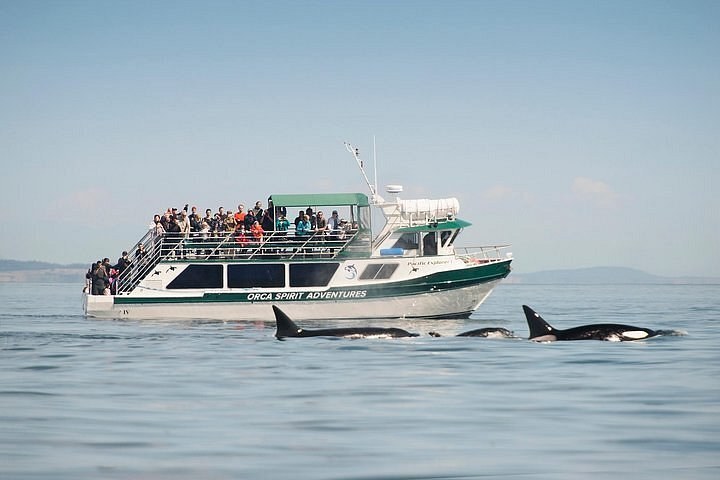 58 mi from VancouverPrivate Whale Watching and Wildlife Tour (Capt. Jim's Whale Watching)
 45 mi from VancouverWestcott Bay Sea Farms & Oyster Shack
 44 mi from Vancouver · land adventureVictoria's Wild Coast: Falconry, Gold Mines, and the Pacific
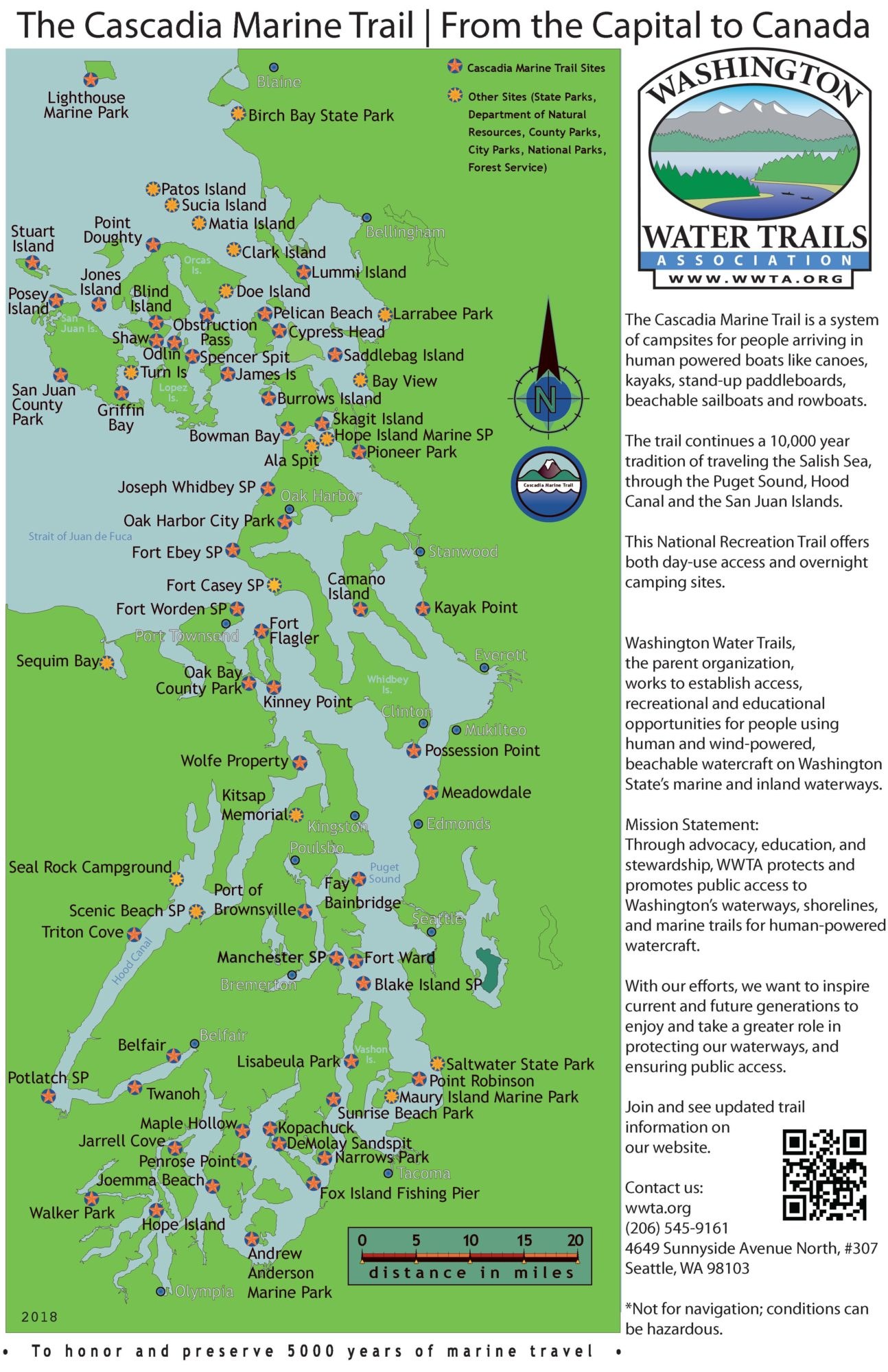 130 mi from Vancouver · land adventureTacoma's Wild Side: Puget Sound, Quarries & a Volcano
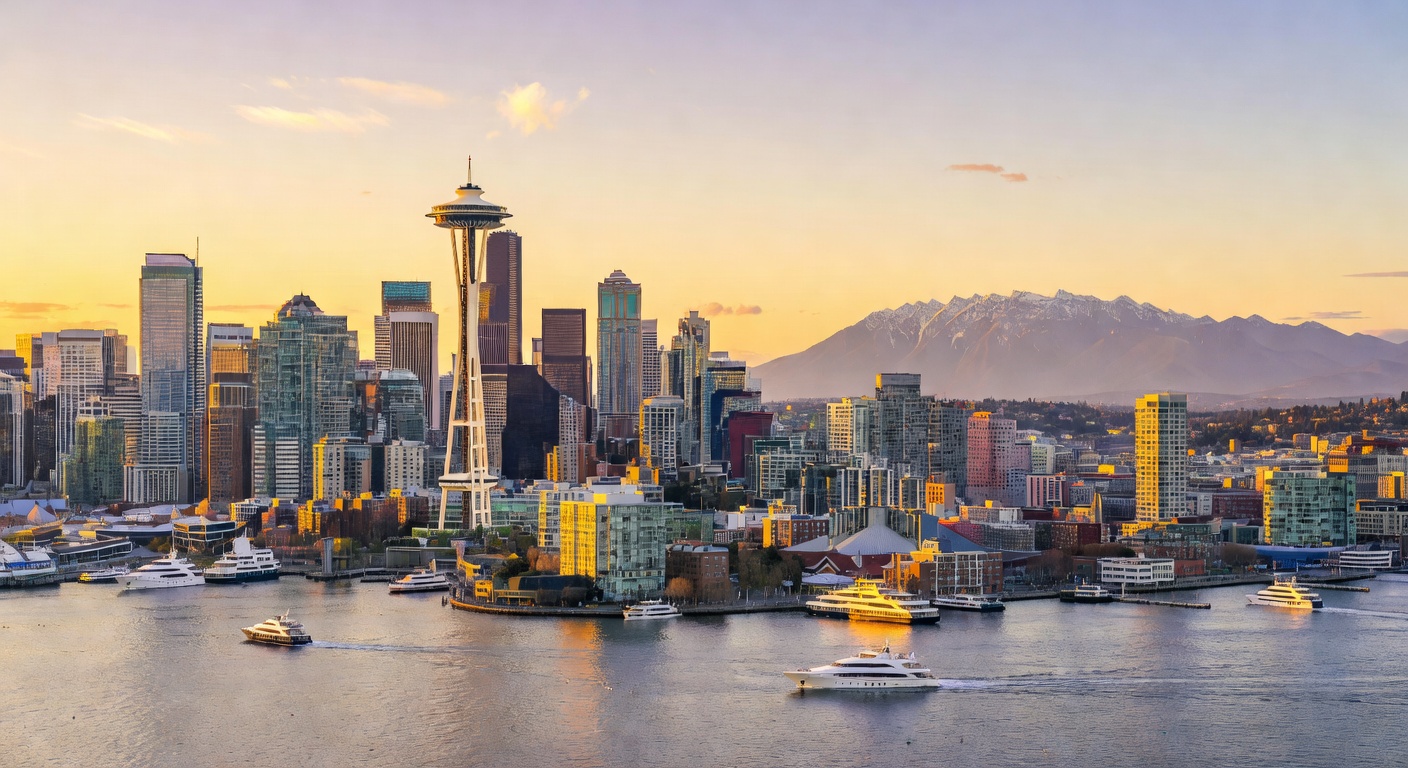 130 mi from Vancouver · land adventureSalt Air and Oyster Shells: A San Juan Islands Sailing Guide
After you step off · near Tokyo
You end in a different port — stay on, and add what is within reach before you fly home.