Your cruise
Nieuw Statendam · 28-night Mediterranean round trip from Dover (London)
Sep 17 – Oct 15 · 28 nights ·
Day 1 Dover (London) (board) · Day 2 Rotterdam · Day 3 at sea · Day 4 Oslo · Day 5 Aarhus · Day 6 Kiel · Day 7 Warnemunde · Day 8 Ronne · Day 9 Gdynia · Day 10 Klaipeda · Day 11 Riga · Day 12 at sea · Day 13 Copenhagen · Day 14 at sea · Day 15 Dover (London) · Day 16 Rotterdam · Day 17–19 at sea · Day 20 Casablanca · Day 21 Agadir · Day 22 Lanzarote · Day 23 Santa Cruz de Tenerife · Day 24 Las Palmas · Day 25 at sea · Day 26 Lisbon · Day 27–28 at sea · Day 29 Dover (London) (step off)
What you do Glide through the Dutch polder landscape to Kinderdijk's 19 UNESCO-listed windmills on a fully private, all-inclusive tour. Stand among icons that have turned since the 18th century — with not a tour-bus crowd in sight.
What to expect Your private guide collects you at the cruise terminal and whisks you through the green polder countryside to Kinderdijk, where 19 original 18th-century windmills line the canals in perfect formation. Step inside a working mill to meet the miller and understand how these giants held back the North Sea for centuries. The return journey is timed precisely to your ship's all-aboard, with zero stress. Every admission, water taxi ride, and refreshment is covered.
Good to know Pre-book directly well in advance — private slots fill quickly on port days. Kinderdijk is roughly 30 minutes from Rotterdam's cruise terminal by private car. Confirm all-aboard time with your ship and share it with the operator at booking.
Versus the ship tour Fully private vehicle and guide, zero shared-coach experience; all entrance fees and transfers included so you arrive unhurried and linger as long as you wish among the mills.
What you do Walk Rotterdam's jaw-dropping post-war cityscape — Cube Houses, Markthal, Erasmus Bridge and beyond — with a born-and-bred local guide who has spent 20+ years revealing the city's soul to small groups.
What to expect Eddy leads you from the iconic tilted Cube Houses (Kijk-Kubus) through the soaring Markthal food arcade, then down to the waterfront for the full drama of the Erasmus Bridge. Stories of wartime destruction and visionary reconstruction give Rotterdam's futuristic skyline an emotional weight that architecture photographs alone can never convey. The route adapts to your interests — maritime history, brutalist design, street food — nothing is off-limits.
Good to know Book your tour start time to leave at least 90 minutes before all-aboard — the terminal is central and easily walkable or a short taxi ride. Sensible walking shoes recommended; Markthal is a superb spot for a luxury lunch mid-tour.
Versus the ship tour One-on-one time with a certified Rotterdam specialist who has guided here for over two decades; completely private, your pace, your questions — no anonymous group headsets.
book direct with ToursByLocals – Eddy L. (Rotterdam Expert Guide) → · the full guide →
What you do Journey from Rotterdam's port to two of the Netherlands' most regal destinations in a single private day: cobblestoned Delft — birthplace of Vermeer and Delftware — and The Hague, seat of Dutch royalty and home to the Mauritshuis masterpieces.
What to expect Your expert guide escorts you first to Delft's tranquil medieval centre, where canal reflections and Gothic church spires create the very scene Vermeer painted. A visit to a Royal Delft atelier reveals how the iconic blue-and-white porcelain is hand-crafted to this day. After lunch in Delft, you proceed to The Hague's Mauritshuis — an intimate 17th-century mansion housing Vermeer's Girl with a Pearl Earring and Rembrandt's The Anatomy Lesson — for a deeply personal encounter with Dutch Golden Age art. The day ends with a scenic return to the cruise terminal in time for departure.
Good to know Both cities are within 30–45 minutes of Rotterdam by private car. Pre-book Mauritshuis timed entry (mauritshuis.nl) to guarantee access; this can be arranged through your guide. A full-day tour; confirm your all-aboard time with the operator at booking.
Versus the ship tour Private vehicle throughout, a local specialist guide for both cities, and a fully flexible itinerary — linger over a Vermeer in the Mauritshuis or pause for Delftware shopping without a group dictating your clock.
What you do Board the glorious SS Rotterdam — the 'Grande Dame' of the Holland America Line — for an immersive guided tour of her lavish Art Deco and modernist interiors, engine room, and storied decks. A once-in-a-lifetime step back into the golden age of ocean travel.
What to expect Step aboard the 1959-built flagship that carried millions across the Atlantic and feel the elegance of mid-century ocean travel restored to perfection. The guided tour weaves through the grand ballroom, the intimate smoking lounge, original officer quarters, and deep into the thundering engine room — a cathedral of pistons and polished brass. Coffee, tea, and a Dutch pastry are served in the original first-class dining room. The presentation beforehand, complete with archival footage, sets the scene magnificently.
Good to know Tours run only on the last Sunday of each month, 10:30 AM–2 PM — check your cruise itinerary carefully. The SS Rotterdam is berthed in Rotterdam's Lloyd Pier, approximately 10 minutes from the main cruise terminal by taxi. Book via the official SS Rotterdam website.
Versus the ship tour Access to private crew quarters, the original bridge, and the engine room — spaces never open to the general public — led by expert historians who bring the ship's transatlantic glory days vividly to life.
book direct with SS Rotterdam by WestCord (Official) → · the full guide →
What you do Thunder through Europe's largest and most dramatic working port aboard a rigid inflatable speedboat, skimming past supertankers, container giants, and the city's extraordinary waterfront skyline at exhilarating speed.
What to expect Your captain pilots the powerful RIB out into the Maas river and into the working heart of Rotterdam's vast port complex — the world's busiest outside Asia. Towering alongside vessels ten stories high, you gain an almost surreal sense of scale before the boat opens up to full throttle past the futuristic Erasmus Bridge. The Euromast tower, the Hotel New York, and the glittering new city skyline form a spectacular panorama from the water. Waterproof jackets are provided; expect to get windswept and energised.
Good to know Departures run from the Erasmus Bridge landing stage, a short taxi or water taxi ride from the cruise terminal. Tours operate in most weather — dress in layers. Book in advance as capacity is limited to small groups; mornings offer the best light for photography.
Versus the ship tour Wind-in-your-hair, open-boat intimacy with the world's most industrial waterscape — a visceral, adrenaline-charged perspective on the port that no leisurely harbour cruise or coach window can replicate.
book direct with GetYourGuide (Port of Rotterdam RIB Experience – local operator Watertaxi Rotterdam) → · the full guide →
What you do Ascend Rotterdam's iconic 185-metre Euromast for a 360° panorama stretching from the North Sea to the windmill horizon, then celebrate with a glass of Dutch champagne in the sky restaurant — the most glamorous vantage point in the city.
What to expect The glass elevator whisks you up the slender concrete needle to the observation deck at 100 metres, where floor-to-ceiling windows frame Rotterdam's extraordinary patchwork of bold modern architecture, the silver ribbon of the Maas, and the seemingly infinite port. Upgrade to the rotating Space Cabin for the full 185-metre summit — the views on a clear day extend to Delft and The Hague. The Euromast's sky restaurant serves refined Dutch cuisine with theatrical views; a mid-morning champagne stop is the perfect way to begin your Rotterdam day in style.
Good to know The Euromast is set in a green park approximately 15 minutes by taxi from the cruise terminal — an easy and affordable ride. Pre-book tickets online (euromast.nl) to bypass queues. A restaurant reservation is essential if dining; combine with a walking tour of the adjacent Museumpark for a full morning ashore.
Versus the ship tour Skip-the-line access with pre-purchased timed tickets, and the option to reserve a window table in the sky restaurant for a champagne toast above the entire port — an experience entirely on your own schedule.
book direct with Euromast Rotterdam (Official) → · the full guide →
What you do Stand atop England's most iconic natural landmark — 300-foot chalk cliffs plunging into the Channel. A private expert guide brings the geology, wartime history, and literary legend to life on a walk that belongs on every bucket list.
What to expect Your private guide collects you directly from Dover port and drives to the National Trust clifftop. You walk the South Foreland path with sweeping views across to France on a clear day. The guide narrates everything from Shakespeare's King Lear to the RAF's Battle of Britain radar stations hidden in the chalk. You finish with time to photograph the iconic lighthouse before returning comfortably to the ship.
Good to know Allow 3–4 hours including travel. Pre-book well in advance as private guides fill up on busy port days. The clifftop path is mostly flat but can be windswept — layers recommended. Confirm your ship's all-aboard time when booking so the guide can plan accordingly.
Versus the ship tour A dedicated private driver-guide collected from the port, your own pace on the clifftop, and deep storytelling about the cliffs' role in wartime Britain — no crowds, no rushing.
What you do Descend into the clandestine WWII tunnels buried beneath Dover Castle — command HQ for the Dunkirk evacuation — then climb the Norman keep for panoramic Channel views. One of England's most dramatic historic sites, right on the port's doorstep.
What to expect The Secret Wartime Tunnels tour takes you deep into chalk-carved galleries where Vice-Admiral Ramsay masterminded Operation Dynamo in 1940, complete with period rooms and dramatic sound effects. Above ground, the Great Tower — built by Henry II — offers jaw-dropping views across the Channel to France. The medieval hall, Roman lighthouse, and Church of St Mary in Castro fill out an extraordinary layered history. Allow a full half-day to do it justice.
Good to know Dover Castle is a 10-minute taxi ride from the cruise terminal. Book advance online tickets to guarantee entry and skip any queue. Timed tunnel entries are limited — book as soon as your port date is confirmed. Wear comfortable shoes; the site covers significant ground. Last admission is typically 5 PM in summer.
Versus the ship tour Book your timed tunnel entry direct with English Heritage so you secure the first morning slot — the tunnels are the centrepiece and sell out fast. No group coach; you explore at your own luxury pace with full access to the keep, tunnels, and medieval hall.
book direct with English Heritage (Dover Castle official) → · the full guide →
What you do Walk in the footsteps of Chaucer's pilgrims to the UNESCO-listed Canterbury Cathedral — England's most sacred site, where Thomas Becket was martyred in 1170. A private guide unlocks the nave, crypt, and stained-glass stories the casual visitor misses entirely.
What to expect Your private guide meets you on arrival and leads you through the Westgate — the largest surviving medieval gateway in England — into the cathedral precincts. Inside, you stand at the exact spot of Becket's murder and descend into one of England's oldest crypts, still fragrant with centuries of candlelight. The guide weaves together Chaucer, the Plantagenets, and the Reformation into a seamless narrative. Post-cathedral, explore the Roman walls, the Beaney museum, and the charming medieval lanes at your leisure.
Good to know Canterbury is approximately 18 miles from Dover port — 25–35 minutes by private car. Allow 4–5 hours minimum. Cathedral admission is separate (approx. GBP 18 adult); book tickets on the cathedral website in advance during peak season. Confirm your ship's all-aboard time with the guide so travel back is timed correctly.
Versus the ship tour A Cambridge or Oxford-educated local guide — expert in medieval ecclesiastical history — meets you privately, tailors the pace to your interests, and reveals the hidden corners (the Black Prince's tomb, the ancient crypt) that group tours rush past.
book direct with ToursByLocals (Canterbury local experts) → · the full guide →
What you do Float across a mirror moat to a castle that rises from a lake like an Arthurian dream. Leeds Castle — 'the loveliest castle in the world' — rewards a private visit with timeless interiors, immaculate gardens, and the rare quiet of a weekday morning.
What to expect Approach across the causeway to a castle that has hosted six medieval queens, including Catherine of Aragon. Inside, the state rooms blend Tudor and Art Deco furnishings in an unexpectedly intimate way. The formal English gardens — including the famous maze and grotto — are immaculate in any season. A leisurely lunch in the Fairfax Hall restaurant (book in advance) or a garden picnic rounds out a quintessentially English afternoon. The falconry display, running daily, is a remarkable bonus.
Good to know Leeds Castle is approximately 30 miles from Dover port (40–50 minutes by private car). Pre-book online entry to save queuing. Falconry displays run at set times — check the schedule on the official website when planning your visit. Allow 4–5 hours on site. Arrange private car transfers back to the ship in advance.
Versus the ship tour Arriving by private car before the day-coach crowds means you have the moat walk, the Gloriette (the castle's oldest wing), and the formal gardens essentially to yourself in the golden morning light — a completely different experience from a group visit.
book direct with Leeds Castle (official) → · the full guide →
What you do When the ship docks in Dover, London is 90 minutes away — and a private chauffeur-guide can deliver Big Ben, Tower Bridge, Buckingham Palace, and the Thames in a single polished day. The ultimate port-to-capital bucket-list excursion.
What to expect Your driver-guide collects you dockside and takes the motorway to London, narrating the Kent countryside en route. In the capital, the pace is yours: linger at Westminster Abbey's Gothic nave, photograph the Palace of Westminster from Westminster Bridge, and walk the South Bank. The Tower of London's Crown Jewels and Traitors' Gate are non-negotiable highlights. Late afternoon, a scenic drive past St Paul's and through the City before the return journey to Dover — timing calibrated precisely to your all-aboard.
Good to know Allow 10–12 hours total — book the earliest possible disembarkation. Pre-book Tower of London tickets online (GBP 34.80 adult) to avoid queues. London congestion charge applies (absorbed by reputable operators). Confirm all-aboard time with your guide before departure — Dover to London is 75–90 minutes in light traffic but can extend. London visits require full-day port calls only.
Versus the ship tour A private chauffeur-guide in a premium vehicle means you set the itinerary — Westminster at dawn before the crowds, a Michelin-recommended lunch, the Crown Jewels at the Tower, and a golden-hour walk across Tower Bridge — all at your own pace.
What you do See the White Cliffs of Dover as every arriving sailor has for centuries — from the water. This 40-minute boat tour departs from the Marina Clock Tower and delivers the most iconic view in England, up close and unhurried.
What to expect Departing from the Marina Clock Tower, the small vessel heads along the base of the chalk cliffs, giving unobstructed views of the white face and its dark flint bands that have guided mariners home for millennia. The commentary covers the geology, the wartime significance, and the cross-Channel swimming tradition. On a clear day, the French coast shimmers in the distance. The short duration makes it ideal as an add-on to a Dover Castle morning or a standalone bucket-list moment.
Good to know Departures run throughout the day from the Marina Clock Tower — check the current season schedule and book ahead during peak summer months. The boat tour is a 10–15 minute walk from the cruise terminal along the seafront. Tours run weather-dependent — confirm on the morning of your call. Dress in windproof layers; it is always cooler on the water.
Versus the ship tour Compact, open-boat intimacy right on Dover's doorstep — no coach journey required. The perspective from sea level, watching the chalk face tower above you, is completely different from any clifftop walk and produces the defining photograph of any Dover port call.
What you do Glide through the Dutch polder landscape to Kinderdijk's 19 UNESCO-listed windmills on a fully private, all-inclusive tour. Stand among icons that have turned since the 18th century — with not a tour-bus crowd in sight.
What to expect Your private guide collects you at the cruise terminal and whisks you through the green polder countryside to Kinderdijk, where 19 original 18th-century windmills line the canals in perfect formation. Step inside a working mill to meet the miller and understand how these giants held back the North Sea for centuries. The return journey is timed precisely to your ship's all-aboard, with zero stress. Every admission, water taxi ride, and refreshment is covered.
Good to know Pre-book directly well in advance — private slots fill quickly on port days. Kinderdijk is roughly 30 minutes from Rotterdam's cruise terminal by private car. Confirm all-aboard time with your ship and share it with the operator at booking.
Versus the ship tour Fully private vehicle and guide, zero shared-coach experience; all entrance fees and transfers included so you arrive unhurried and linger as long as you wish among the mills.
What you do Walk Rotterdam's jaw-dropping post-war cityscape — Cube Houses, Markthal, Erasmus Bridge and beyond — with a born-and-bred local guide who has spent 20+ years revealing the city's soul to small groups.
What to expect Eddy leads you from the iconic tilted Cube Houses (Kijk-Kubus) through the soaring Markthal food arcade, then down to the waterfront for the full drama of the Erasmus Bridge. Stories of wartime destruction and visionary reconstruction give Rotterdam's futuristic skyline an emotional weight that architecture photographs alone can never convey. The route adapts to your interests — maritime history, brutalist design, street food — nothing is off-limits.
Good to know Book your tour start time to leave at least 90 minutes before all-aboard — the terminal is central and easily walkable or a short taxi ride. Sensible walking shoes recommended; Markthal is a superb spot for a luxury lunch mid-tour.
Versus the ship tour One-on-one time with a certified Rotterdam specialist who has guided here for over two decades; completely private, your pace, your questions — no anonymous group headsets.
book direct with ToursByLocals – Eddy L. (Rotterdam Expert Guide) → · the full guide →
What you do Journey from Rotterdam's port to two of the Netherlands' most regal destinations in a single private day: cobblestoned Delft — birthplace of Vermeer and Delftware — and The Hague, seat of Dutch royalty and home to the Mauritshuis masterpieces.
What to expect Your expert guide escorts you first to Delft's tranquil medieval centre, where canal reflections and Gothic church spires create the very scene Vermeer painted. A visit to a Royal Delft atelier reveals how the iconic blue-and-white porcelain is hand-crafted to this day. After lunch in Delft, you proceed to The Hague's Mauritshuis — an intimate 17th-century mansion housing Vermeer's Girl with a Pearl Earring and Rembrandt's The Anatomy Lesson — for a deeply personal encounter with Dutch Golden Age art. The day ends with a scenic return to the cruise terminal in time for departure.
Good to know Both cities are within 30–45 minutes of Rotterdam by private car. Pre-book Mauritshuis timed entry (mauritshuis.nl) to guarantee access; this can be arranged through your guide. A full-day tour; confirm your all-aboard time with the operator at booking.
Versus the ship tour Private vehicle throughout, a local specialist guide for both cities, and a fully flexible itinerary — linger over a Vermeer in the Mauritshuis or pause for Delftware shopping without a group dictating your clock.
What you do Board the glorious SS Rotterdam — the 'Grande Dame' of the Holland America Line — for an immersive guided tour of her lavish Art Deco and modernist interiors, engine room, and storied decks. A once-in-a-lifetime step back into the golden age of ocean travel.
What to expect Step aboard the 1959-built flagship that carried millions across the Atlantic and feel the elegance of mid-century ocean travel restored to perfection. The guided tour weaves through the grand ballroom, the intimate smoking lounge, original officer quarters, and deep into the thundering engine room — a cathedral of pistons and polished brass. Coffee, tea, and a Dutch pastry are served in the original first-class dining room. The presentation beforehand, complete with archival footage, sets the scene magnificently.
Good to know Tours run only on the last Sunday of each month, 10:30 AM–2 PM — check your cruise itinerary carefully. The SS Rotterdam is berthed in Rotterdam's Lloyd Pier, approximately 10 minutes from the main cruise terminal by taxi. Book via the official SS Rotterdam website.
Versus the ship tour Access to private crew quarters, the original bridge, and the engine room — spaces never open to the general public — led by expert historians who bring the ship's transatlantic glory days vividly to life.
book direct with SS Rotterdam by WestCord (Official) → · the full guide →
What you do Thunder through Europe's largest and most dramatic working port aboard a rigid inflatable speedboat, skimming past supertankers, container giants, and the city's extraordinary waterfront skyline at exhilarating speed.
What to expect Your captain pilots the powerful RIB out into the Maas river and into the working heart of Rotterdam's vast port complex — the world's busiest outside Asia. Towering alongside vessels ten stories high, you gain an almost surreal sense of scale before the boat opens up to full throttle past the futuristic Erasmus Bridge. The Euromast tower, the Hotel New York, and the glittering new city skyline form a spectacular panorama from the water. Waterproof jackets are provided; expect to get windswept and energised.
Good to know Departures run from the Erasmus Bridge landing stage, a short taxi or water taxi ride from the cruise terminal. Tours operate in most weather — dress in layers. Book in advance as capacity is limited to small groups; mornings offer the best light for photography.
Versus the ship tour Wind-in-your-hair, open-boat intimacy with the world's most industrial waterscape — a visceral, adrenaline-charged perspective on the port that no leisurely harbour cruise or coach window can replicate.
book direct with GetYourGuide (Port of Rotterdam RIB Experience – local operator Watertaxi Rotterdam) → · the full guide →
What you do Ascend Rotterdam's iconic 185-metre Euromast for a 360° panorama stretching from the North Sea to the windmill horizon, then celebrate with a glass of Dutch champagne in the sky restaurant — the most glamorous vantage point in the city.
What to expect The glass elevator whisks you up the slender concrete needle to the observation deck at 100 metres, where floor-to-ceiling windows frame Rotterdam's extraordinary patchwork of bold modern architecture, the silver ribbon of the Maas, and the seemingly infinite port. Upgrade to the rotating Space Cabin for the full 185-metre summit — the views on a clear day extend to Delft and The Hague. The Euromast's sky restaurant serves refined Dutch cuisine with theatrical views; a mid-morning champagne stop is the perfect way to begin your Rotterdam day in style.
Good to know The Euromast is set in a green park approximately 15 minutes by taxi from the cruise terminal — an easy and affordable ride. Pre-book tickets online (euromast.nl) to bypass queues. A restaurant reservation is essential if dining; combine with a walking tour of the adjacent Museumpark for a full morning ashore.
Versus the ship tour Skip-the-line access with pre-purchased timed tickets, and the option to reserve a window table in the sky restaurant for a champagne toast above the entire port — an experience entirely on your own schedule.
book direct with Euromast Rotterdam (Official) → · the full guide →
What you do A 100% personalised private walking tour of Oslo's iconic landmarks and secret corners, guided by a licensed local expert who tailors every step to your interests. The city reveals itself at a pace — and depth — no group tour can match.
What to expect Your guide meets you at the pier and sets the day around your wishlist — grand architecture at the Oslo Opera House, the futuristic Deichman Library, the medieval Akershus Fortress, or whatever moves you. Conversations are candid, pace is leisurely, and detours are encouraged. Expect spontaneous stops at a bakery, a viewpoint, or a local market that only a resident would know about. You leave feeling like a temporary local, not a tourist.
Good to know Book at least 2–3 weeks ahead to secure your preferred guide and date. The tour departs from a central Oslo meeting point, roughly a 15-minute taxi or tram ride from the cruise terminal at Akershus Wharf (Revierkaia). Confirm all-aboard time before booking and allow 45 minutes' return buffer.
Versus the ship tour Fully private, just your group and a licensed Oslo guide — the itinerary bends to your curiosity, not a fixed script. Access to hidden courtyards, insider food stops, and real neighbourhood stories that no coach tour touches.
What you do Step aboard the Fram — the world's strongest wooden ship and the vessel that carried Nansen and Amundsen to the poles. A private guided visit transforms this extraordinary museum from a self-tour into an immersive polar adventure story.
What to expect You board the real Fram, walk her decks, duck into the cramped crew quarters, and feel the scale of what it meant to sail into the unknown pack ice. The museum's immersive polar panoramas and Gjøa (Amundsen's Northwest Passage ship) complete the picture. A knowledgeable guide contextualises every artefact — Nansen's skis, the ship's logbooks, the survival rations. The setting on the Bygdøy Peninsula is serene, a world away from the city bustle.
Good to know Bygdøy is a 20-minute ferry ride from Aker Brygge (City Hall Pier) — the ferry itself is a scenic mini-cruise. The Oslo Pass (NOK 580 / EUR 49 for 24 hrs) covers entry to multiple Bygdøy museums including the Kon-Tiki Museum and Norwegian Museum of Cultural History — excellent value for a full Bygdøy day. Confirm timings for the last return ferry.
Versus the ship tour Standing on the actual deck of the Fram — the ship that reached the furthest north AND furthest south any vessel had sailed — is a genuine once-in-a-lifetime moment. A private or small-group guide brings the heroic age of polar exploration to vivid life in a way audio guides simply cannot.
book direct with Fram Museum (Frammuseet) – Official → · the full guide →
What you do Glide through the stunning Oslofjord on a private or small-group boat charter, taking in the archipelago islands, forested shoreline, and the Oslo skyline from the water — the most cinematic perspective of the Norwegian capital.
What to expect Cast off from the quay just steps from the cruise terminal and within minutes you are weaving between the green islands of the inner Oslofjord — Hovedøya with its medieval monastery ruins, the beaches of Gressholmen, and the dramatic Oscarsborg Fortress where Norway sank the German cruiser Blücher in 1940. Seabirds escort the boat and the air is bracingly fresh. A knowledgeable skipper narrates the history and ecology while you relax on deck with a glass of something Norwegian.
Good to know Båtservice departs from Aker Brygge, a short walk or water-taxi ride from the main cruise quays. Book the private charter well in advance in summer (June–August). For scheduled cruises, the 2-hour fjord tour is the sweet spot — long enough to reach the outer islands, short enough to clear all-aboard comfortably.
Versus the ship tour A private charter puts you on an intimate, unhurried vessel where you set the pace — anchor for a swim, linger at a lighthouse island, or raise a glass as the city skyline turns gold at dusk. The fjord's island archipelago is simply inaccessible without a boat.
What you do Explore the world's largest sculpture park made by a single artist — 212 bronze, granite and cast-iron figures by Gustav Vigeland set in a 80-acre park — with a private art historian guide who unlocks the symbolism and stories behind every piece.
What to expect Walk the grand ceremonial axis from the main gate bridge — lined with 58 bronze figures of intertwined human forms — past the Fountain, up to the towering Monolith of 121 writhing figures, and on to the mesmerising Wheel of Life. Your guide weaves Vigeland's biography, his tumultuous relationship with Oslo city council, and the universal themes of the human life cycle into each stop. The surrounding Frogner neighbourhood, with its elegant early-20th-century apartment buildings and café terraces, makes the perfect conclusion.
Good to know The park is about a 20-minute tram ride (Tram 12) from the city centre, or a 25-minute taxi from the pier. It is open 24 hours year-round and most spectacular in morning light when crowds are thin. Combine with the nearby Oslo City Museum inside Frogner Manor for a deeper dive.
Versus the ship tour Vigeland Park is free and open to all, but the sculptures' layered symbolism — the Monolith, the Angry Boy, the Wheel of Life — demands expert interpretation to become truly moving. A private art-historian guide transforms a pleasant park stroll into a profound, bucket-list encounter with one of Europe's most original artistic visions.
What you do Wander a vast open-air museum of 160 historic Norwegian buildings — including a 12th-century stave church — and experience living demonstrations of Viking-age crafts, traditional costumes, and folk culture, guided by a private specialist.
What to expect Set on the lush Bygdøy Peninsula, the museum's 14-hectare open-air site unfolds across meadows and forest paths. Costumed interpreters demonstrate butter-churning, folk dancing and traditional weaving in period farmsteads. The indoor gallery houses Norway's finest collection of Sami culture, folk art, and the apartment of playwright Henrik Ibsen, reconstructed to the last detail. In summer, a festive atmosphere fills the site with music and craft markets — it feels genuinely alive.
Good to know Reach Bygdøy by the seasonal ferry from Aker Brygge (15 mins) — far more scenic than the bus. Combine with the Fram Museum and Kon-Tiki Museum on the same peninsula for a full Bygdøy cultural day. The Oslo Pass (NOK 580 / EUR 49) covers entry to all three museums and the ferry.
Versus the ship tour The Gol Stave Church alone — a magnificently preserved wooden church from c. 1200 CE, transported plank by plank to the museum — justifies the visit. A private guide brings the context that turns a walk through old buildings into a genuine encounter with a thousand years of Norwegian daily life.
book direct with Norsk Folkemuseum – Official → · the full guide →
What you do Gain rare access to the interior of the Norwegian Royal Palace on an official guided tour, then stroll the ramparts of the medieval Akershus Fortress overlooking the fjord — two of Oslo's most regal and historically charged experiences in one elegant half-day.
What to expect Inside the Palace, official guides lead you through the Council Chamber, the Bird Room, and the mirrored Banquet Hall — all still in active royal use. Stories of King Harald, Queen Sonja, and Norway's constitutional monarchy bring the ceremonial rooms to life. The walk to Akershus Fortress takes you along Karl Johans Gate, Oslo's grand boulevard, past the Storting (Parliament) and the National Theatre. At Akershus, medieval stone towers frame sweeping fjord panoramas — the same view that have guarded Oslo for 700 years.
Good to know Palace tours run late June to mid-August only — check the exact season each year and pre-book on the Royal Court website well in advance as allocations sell out fast. Akershus Fortress is a 10-minute walk from the cruise pier at Revierkaia and makes a perfect warm-up while waiting for a later Palace tour slot. Smart-casual attire is appropriate for the Palace.
Versus the ship tour The Palace opens its doors to guided tours for only a few weeks each summer — a rare, time-limited privilege. Rooms of state draped in silk, royal portraits, and the throne room make this unlike any other Scandinavian palace access. Paired with the medieval Akershus on the waterfront, it is an unbroken narrative of Norwegian power across eight centuries.
book direct with The Royal House of Norway – Official Palace Tours → · the full guide →
What you do Step inside one of Scandinavia's greatest art museums and walk through Olafur Eliasson's iconic rainbow panorama skywalk — a bucket-list moment above the Aarhus skyline. A private expert guide unlocks the masterworks floor by floor.
What to expect Your guide meets you at the striking cube-shaped building and leads you through nine levels of Danish and international art, from the haunting 'Boy' sculpture to immersive contemporary installations. The crescendo is the rooftop Your Rainbow Panorama — a 150-metre circular walkway of coloured glass where Aarhus dissolves into spectrum light around you. Afterwards, the museum café serves excellent open-faced smørrebrød with harbour views. Allow a minimum of two hours to do the collection justice.
Good to know ARoS is a 15-minute walk or a short taxi ride from the cruise terminal. Book timed entry online in advance — the rainbow walkway sells out on summer days. The museum closes on Mondays; confirm your port day aligns. All-aboard is typically late afternoon, leaving comfortable time.
Versus the ship tour A private, curator-quality guide means you linger only at what moves you — no group herding — and the rainbow walkway at your own pace at golden hour is simply unforgettable.
book direct with ARoS Aarhus Art Museum (official) → · the full guide →
What you do Walk through 75 authentically relocated historic buildings spanning four centuries of Danish life in the world's finest open-air urban history museum. A private guide brings every cobblestone and craftsman's workshop to vivid life.
What to expect You enter a living Danish town frozen across different eras: half-timbered merchant houses from the 1600s, a Victorian apothecary, a mid-century radio shop complete with period broadcasts. Costumed artisans demonstrate silversmithing, baking, and printing in real workshops. Your expert guide connects the human stories behind each building, making Danish social history feel deeply personal. The bakery sells freshly made pastries — allow yourself one (or three).
Good to know Den Gamle By is a 20-minute walk or 10-minute taxi from the port. Book admission online to skip queues. The site spans 10 acres — wear comfortable shoes. Open daily; mornings are quietest. Allow at least 2.5 hours.
Versus the ship tour A private guide tailors the journey to your passions — whether it's the 1927 Art Deco pharmacy, the 1970s radio shop, or the 18th-century merchant's manor — at a pace no group tour ever allows.
book direct with Den Gamle By – The Old Town Museum (official) → · the full guide →
What you do Journey 10 km south of Aarhus to Denmark's most architecturally stunning museum, where the 2,000-year-old Grauballe Man — Europe's best-preserved bog body — lies alongside immersive Viking Age reconstructions.
What to expect The drive south through forested hills is a pleasure in itself before you approach the museum's extraordinary turf-covered roof, which visitors walk across for panoramic views to the sea. Inside, come face to face with the eerily serene Grauballe Man, a perfectly preserved Iron Age sacrifice. Full-scale Viking longhouses and weaponry recreate the Norse world with cinematic flair. The surrounding Moesgaard Forest offers woodland trails down to a private beach — a perfect post-museum stroll.
Good to know Take a pre-arranged private transfer or Bus 31A from Aarhus city centre (~30 min). Book admission online. Allow 3–3.5 hours including the forest walk. Confirm return time well ahead of all-aboard.
Versus the ship tour The museum's grass-roofed building, designed by Henning Larsen, is itself a work of art — and the depth of the prehistoric and Viking collections surpasses almost any museum in Scandinavia for sheer emotional impact.
book direct with Moesgaard Museum (official) → · the full guide →
What you do A bespoke private walking tour with a passionate local expert weaves through the medieval Latin Quarter, the rainbow-hued Møllestien lane, the Viking Museum underground, and the soaring Aarhus Cathedral — Denmark's longest church.
What to expect Begin in the photogenic Latin Quarter where independent boutiques and bakeries spill onto cobblestone lanes unchanged since medieval times. Duck into the underground Viking Museum beneath Nordea Bank — actual 1,000-year-old street foundations and artefacts discovered during construction. Stroll the legendary Møllestien, Aarhus's most colourful alley of candy-hued cottages draped in roses. End at the magnificent Gothic cathedral, Denmark's longest, whose frescoes span five centuries of Scandinavian faith and art.
Good to know Tours depart from the cruise terminal or any central landmark — confirm start point when booking. The Viking Museum has limited opening hours; your guide will coordinate entry. Flat walking on cobblestones; comfortable shoes essential. Latin Quarter boutiques open from 10:00.
Versus the ship tour Entirely bespoke — your guide shapes the itinerary around your interests, moving at your pace through hidden courtyards and colour-washed alleys that group tours never find time to explore.
book direct with VisitAarhus Official Guide Service → · the full guide →
What you do A private chauffeured drive to the fairy-tale medieval town of Ebeltoft, where a perfectly preserved old town, Denmark's most storied warship, and world-class glass artisans await — a complete Danish coastal idyll in one outing.
What to expect Wind through the Jutland countryside to arrive in Ebeltoft's enchanting medieval centre: crooked half-timbered houses, a working windmill, and one of Denmark's best-preserved old town halls. Board the Frigate Jylland — a magnificent 19th-century wooden warship and veteran of the 1864 naval battle — for a privileged step into Danish maritime history. Visit the Danish Museum of Glass, where master artisans blow extraordinary pieces before your eyes. A harbourfront lunch of fresh Kattegat seafood rounds out a perfect day.
Good to know Ebeltoft is 45 minutes by car from Aarhus port — private transfer is strongly recommended for comfort and timing. The Frigate Jylland (frigatenjylland.dk) charges a separate DKK 130 entry. Book your guide and driver in advance; summer dates fill quickly. Allow 5–6 hours total.
Versus the ship tour A private chauffeur-guide means you linger in Ebeltoft's glassblowing studios and aboard the 19th-century frigate Jylland at your own rhythm — no waiting, no rushing — with a scenic coastal return route through Jutland's rolling hills.
book direct with VisitAarhus Official Guide Service → · the full guide →
What you do Walk freely among hundreds of wild deer in the ancient forest surrounding the Danish Royal Family's summer residence — a serene, utterly unique encounter with nature and monarchy just minutes from the city centre.
What to expect Stroll through ancient beech woodland where red and fallow deer roam freely, grazing calmly beside the footpaths — an almost surreal intimacy with wildlife in a royal setting. On summer days, the Danish flag flies over Marselisborg Palace when the royal family is in residence. After the forest, return to the harbour for a one-hour guided cruise past Aarhus's sleek waterfront architecture, sandy beaches, and the cruise terminal itself — the city looks entirely different from the water. It's a perfect, unhurried half-day that balances nature, history, and beauty.
Good to know The deer park is a 20-minute taxi ride south of port; entry is always free. AROS Cruises departs from the harbour — book in advance at expedia.com or direct via the harbour kiosk. Combine both experiences into a 3–4 hour afternoon loop. Flat, easy terrain in the park; suitable for all fitness levels.
Versus the ship tour The combination of a tranquil royal deer forest — where stags wander within arm's reach — followed by a scenic harbour cruise with a local guide gives you two completely different, genuinely magical perspectives on Aarhus in one unhurried afternoon.
What you do A chauffeured, private full-day journey from Kiel to Hamburg — Germany's grandest port city. Explore the legendary Speicherstadt warehouse district, Elbphilharmonie, and Reeperbahn with a dedicated local expert at your own unhurried pace.
What to expect Your guide meets you directly at the cruise terminal and whisks you to Hamburg in a private vehicle. Wander the UNESCO-listed Speicherstadt canals, ascend the Elbphilharmonie Plaza for panoramic harbour views, and savour a leisurely lunch in the Portugiesenviertel. The return is timed precisely to your vessel's all-aboard, so there is never any stress.
Good to know Hamburg is approx. 90 minutes from Kiel port by car. Depart no later than 08:30 to maximise time; confirm all-aboard time and allow a 30-min buffer. Pre-book the private vehicle and guide at least 2 weeks ahead. The Elbphilharmonie Plaza is free but timed-entry tickets should be reserved online in advance.
Versus the ship tour Fully private, door-to-door chauffeured experience with a fluent English-speaking local expert who tailors every stop to your interests — no fixed itinerary, no waiting for a group, and intimate access to Hamburg's iconic neighbourhoods.
book direct with Kiel Walking Tours (private guiding) → · the full guide →
What you do Step inside a UNESCO World Heritage medieval city just 60 minutes from Kiel. A passionate private guide unlocks the secrets of Lübeck's Hanseatic merchant palaces, Gothic brick cathedrals, and the legendary Niederegger Marzipan shop.
What to expect Stroll beneath the iconic twin-towered Holstentor gate, then thread through cobblestone lanes past the seven-spired skyline to the cathedral quarter. Your guide narrates the rise of the Hanseatic League with vivid detail, pausing at the Buddenbrookhaus (Thomas Mann's family home). End at Café Niederegger for a guided tasting of hand-crafted marzipan — a Lübeck art form since 1806.
Good to know Lübeck is approx. 60 km south of Kiel (about 55–60 min by car or train). Trains run regularly from Kiel Hbf; allow 15 min to reach the station from the cruise terminal. A half-day tour (5–6 hrs) fits comfortably within a typical port call. Book the private guide via Kiel Walking Tours in advance; reserve Niederegger café table separately.
Versus the ship tour A bespoke private tour led by a local storyteller who brings Lübeck's Hanseatic golden age to life — including hidden courtyards and almshouses most visitors never find — combined with an indulgent marzipan tasting at the historic Niederegger flagship salon.
book direct with Kiel Walking Tours (private guiding) → · the full guide →
What you do Glide across the shimmering Kiel Fjord aboard a classic harbour vessel, watching tall ships, naval yards, and the engineering marvel of the Kiel Canal locks unfold from the water. The definitive Kiel experience, seen from its natural vantage point.
What to expect Depart from Kiel's historic Bahnhofsbrücke quay and cruise northward along the fjord, passing the graceful Kiellinie promenade, the German Naval base, and working container ships. The commentary (in German, with signage) explains the strategic importance of the Kiel Canal — the world's busiest artificial waterway. Arrive back at the quay refreshed and wonderfully oriented to the city.
Good to know Departures run multiple times daily from Bahnhofsbrücke, a 5–10 min taxi or walk from the cruise terminal. The 90-minute round trip fits easily into any port call. No pre-booking required but arrive 15 min early in peak season. Bring a light layer — the fjord breeze is brisk even in summer.
Versus the ship tour Sailing the fjord yourself — aboard a local passenger vessel from the very quay where tall ships have departed for centuries — delivers an authentic maritime perspective and a front-row view of the Kiel-Holtenau canal locks that no land excursion can replicate.
What you do Board a real WWII Type VIIC U-boat and climb the soaring Laboe Naval Memorial tower for a panoramic sweep over the Baltic Sea. One of Europe's most poignant — and most immersive — maritime history experiences.
What to expect Travel 18 km north along the fjord to the small resort village of Laboe, where the dramatic 72-metre tower rises above the Baltic shoreline. Ascend to the observation deck for sweeping sea views, then descend into the adjacent U-995 submarine, preserved exactly as it was in wartime service. The audio guide (available in English) narrates harrowing patrol stories and explains every piece of equipment in the cramped interior.
Good to know Laboe is roughly 30 min by ferry from Kiel's Bahnhofsbrücke (Förde Reederei Seetouristik), or 25 min by taxi/rideshare — the ferry journey itself is a scenic bonus. The site is open daily; combined tickets (memorial + submarine) purchased at the entrance. Allow 2.5–3 hours on site. Easy to combine with a fjord ferry ride for a full half-day.
Versus the ship tour Crawling through the authentic, claustrophobic interior of U-995 — one of only a handful of surviving WWII U-boats in the world — is a visceral, unforgettable history lesson that goes far beyond any museum display or guided bus tour.
What you do A relaxed, story-rich private walking tour of Kiel's Old Town with a passionate local guide — uncovering the wartime history, Hanseatic heritage, and hidden courtyards of this spirited Baltic port city.
What to expect Your guide meets you dockside and leads you through the pedestrian heart of Kiel: the ornate Rathaus (City Hall), the haunting bronze 'Swimmer' monument inside St. Nikolai Church, the Fischhalle maritime museum, and the elegant Kiellinie waterfront promenade. Anecdotes about the devastating WWII bombing that reshaped the city make the modern skyline suddenly deeply meaningful. The pace is yours — linger, photograph, or divert wherever curiosity leads.
Good to know Guide meets you at the cruise terminal gate — no transfer needed. Ideal for those who want depth in port without travelling far afield. 2–3 hour duration leaves ample time to explore independently afterward. Book directly via Kiel Walking Tours website well in advance as private slots fill quickly on port-call days.
Versus the ship tour An exclusive private tour led by a fluent, humorous local guide who meets you directly at the cruise terminal — designed entirely around your pace and curiosity, with access to off-the-beaten-path lanes, the St. Nikolai Church, and the Rathaus that mass groups simply rush past.
What you do Kiel's only hop-on hop-off sightseeing bus loops past the Baltic fjord, the Kiel-Holtenau canal locks, the Botanic Garden, and the historic city centre — the perfect luxury-paced way to curate your own afternoon in port.
What to expect Board at the stop nearest the cruise terminal and settle onto the open-top deck as the bilingual audio guide narrates the city's story. The route sweeps along the glittering Kiellinie promenade, past the grand Kiel Opera House, up to the spectacular Kiel-Holtenau canal locks (where vast ocean-going ships squeeze through a narrow waterway), and into the leafy Schlossgarten park. Hop off, explore, and rejoin the next bus at leisure.
Good to know Buses depart approximately every 30–45 minutes; the full loop takes about 75 minutes without hopping off. Tickets can be purchased at the bus stop or online. The Kiel-Holtenau locks stop is the most spectacular — allow at least 30 minutes there if a large vessel is transiting. Check the seasonal schedule as frequency varies; confirm the last return time relative to your all-aboard.
Versus the ship tour The open-top double-decker format gives unobstructed panoramic views of the fjord and canal that simply cannot be replicated from street level, and the freedom to hop off at Schlossgarten, the Botanic Garden, or Kiel-Holtenau locks means you set the rhythm of your own discovery.
book direct with City Sightseeing Kiel (Hop-On Hop-Off) → · the full guide →
What you do A chauffeured private day in Berlin — Brandenburg Gate, the Reichstag, Checkpoint Charlie, and the Holocaust Memorial — with a local expert guiding every step. This is the definitive bucket-list reason Warnemünde exists as a cruise port.
What to expect Your private driver collects you dockside and whisks you 2.5 hours to the German capital in comfort. On arrival, a specialist guide walks you through the Brandenburg Gate, the sobering Holocaust Memorial, Checkpoint Charlie, and Museum Island at your own tempo. Lunch is taken at a restaurant of your guide's local choosing — no tourist traps. The return transfer is timed precisely so you're aboard well before all-aboard.
Good to know Berlin is ~2.5 hrs each way; budget 10–11 hours total. Pre-book well in advance — private vehicles fill up fast on busy port days. Confirm your ship's all-aboard time with the operator at booking so the return is built into your itinerary.
Versus the ship tour Fully private vehicle and dedicated local expert mean you set the pace, linger where you choose, and avoid the choreographed herding of large groups. Your guide tailors the narrative — Cold War, WWII, reunification — to your interests.
What you do Fairy-tale Schwerin Castle — Germany's most photogenic palace, set on its own island — paired with the cobbled grandeur of Schwerin's Old Town, all in a private chauffeured tour just 90 minutes from port.
What to expect A private vehicle meets you at the pier and drives you south through the Mecklenburg lake district to Schwerin, arriving at the neo-Gothic palace that inspired a thousand fairy tales. Inside, gilded state rooms and priceless tapestries unfold with your expert guide. The afternoon takes you into Schwerin's charming marketplace and cathedral before a relaxed return to the ship.
Good to know Schwerin Palace entry is approximately EUR 8.50 per adult (payable on site). Allow 6–7 hours total. A much more relaxed pace than the Berlin run — ideal for travelers who prefer atmosphere over distance.
Versus the ship tour Far closer to port than Berlin, Schwerin delivers storybook imagery — turrets, lake reflections, formal gardens — without the marathon travel day. A private guide gives you the full dynastic and artistic context of this UNESCO-nominated palace.
What you do Discover the Hanseatic queen of the Baltic — Lübeck's UNESCO World Heritage brick-gothic skyline, the iconic Holstentor gate, marzipan heritage, and labyrinthine merchant alleyways — on a private expert-led day from the port.
What to expect Your driver collects you at the pier for the scenic hour-and-a-half drive west to Lübeck. A local guide leads you through the Holstentor, across the seven-spired skyline, and into the atmospheric Gänge — the ancient merchants' alleyways. A tasting stop at Niederegger, the city's legendary 200-year-old marzipan house, is a highlight before you browse the St. Mary's Church and Thomas Mann quarter. The return is timed comfortably for all-aboard.
Good to know Lübeck is approx. 1.5 hrs from Warnemünde. Niederegger café is open daily; no reservation needed for a tasting visit. Combined with Schwerin, this can be a dual-destination private day — confirm with the operator.
Versus the ship tour Lübeck rewards slow exploration — hidden courtyards, Buddenbrooks' house, artisan marzipan shops — that only a private, unhurried guide can deliver. You're not shuffled past; you're immersed.
What you do Scale the 1898 red-brick lighthouse for panoramic Baltic views, then wander the flower-decked Alter Strom canal — fishermen's cottages, seafood shacks, and swaying trawlers — in the prettiest port village on the German Baltic coast.
What to expect The lighthouse stands at the tip of the promenade where the Warnow meets the open Baltic — 31 metres of red brick with a tight spiral staircase rewarded by sweeping 360° views over sea and shoreline. Descending, you fold into the Alter Strom: a narrow canal lined with pastel fishing houses converted into oyster bars, smoked-fish stalls, and artisan boutiques. Afternoon light on the water here is extraordinary. The white-sand Strand Warnemünde beach stretches just beyond — bring a towel.
Good to know The lighthouse is a 10-minute walk from the cruise terminal. It opens seasonally (typically 10:00–17:00); check opening times on arrival. This self-guided experience pairs perfectly with a morning before a shore excursion departs or an afternoon return.
Versus the ship tour This is Warnemünde at its most authentic — no coach, no itinerary, just the salt air, the creak of wooden boats, and one of the best lighthouse panoramas on the Baltic. Supremely elegant in its simplicity.
What you do Glide the Warnow River on a private harbour cruise past Rostock's Hanseatic waterfront, then delve into the 13th-century Old Town on foot — St. Mary's Church, the Neuer Markt, and hidden university quarter included.
What to expect A scenic 20-minute S-Bahn ride connects Warnemünde to central Rostock, making this entirely self-sufficient. Board a Weisse Flotte vessel at the Stadthafen quay for a 30-minute cruise along the river, camera ready for tugboats, tall ships, and the old crane skyline. Ashore, the medieval Kröpeliner Strasse pedestrian boulevard leads you to the soaring 14th-century Marienkirche, home to a working astronomical clock with a 100-year calendar. Café stops in the university quarter round out a leisurely morning.
Good to know S-Bahn (S1) runs every 30 mins between Warnemünde and Rostock Hbf; journey ~20 mins, tickets approx. EUR 2.10 each way. Allow 5–6 hours. Marienkirche is open daily; no entry fee for self-guided visits. Harbour cruises run hourly from the Stadthafen quay.
Versus the ship tour The Warnow cruise gives you the industrial and maritime scale of the port from the water — a perspective no walking tour can match — before a human-scale wander through one of Germany's best-preserved Brick Gothic city centres.
What you do The legendary local full-day shore tour — Baltic seaside villages, Mecklenburg countryside, a working farm, smoked fish, and craft schnapps — led by a guide whose intimate regional knowledge is unmatched. The insider's Warnemünde day.
What to expect This curated full-day tour threads through the underexplored Mecklenburg countryside — thatched fishing villages, oak-lined country lanes, and salt-meadow landscapes that most visitors never reach. Your guide weaves together local history, Baltic ecology, and cultural curiosities with a warmth and depth that rewards curious, discerning travellers. A smoked-fish lunch at a traditional Räucherei (smokehouse) and a tasting of regional Kräuterlikör (herbal schnapps) anchor the experience in genuine local flavour. Groups are kept small — intimate, never impersonal.
Good to know Book well ahead — this tour is consistently the first to sell out on busy port days. Departure is from the cruise terminal. Confirm your exact all-aboard time at booking so the guide can guarantee a timely return. Flat, comfortable footwear recommended; no strenuous walking involved.
Versus the ship tour Championed by Rick Steves travellers and seasoned cruise veterans as the single best tour available from this port — small group, deep local knowledge, authentic food stops, and a pace that feels like travelling with a well-connected friend rather than a tourist operation.
What you do A fully tailored private island circuit — round churches, sea-carved cliffs, smoked herring villages — curated around your ship's schedule. The definitive Bornholm day, without compromise.
What to expect Your local expert guide meets you dockside in a private vehicle and leads you through Bornholm's greatest hits — and hidden corners — in a single seamless day. Expect stops at the iconic round churches at Østerlars, the dramatic clifftop fortress ruin of Hammershus, the pastel fishing village of Gudhjem, and the white-sand beach at Dueodde. Pace is entirely yours: linger over a smoked herring lunch at a harbour smokehouse, or push on to squeeze in one more viewpoint. The guide's deep local knowledge elevates every stop from sightseeing to genuine storytelling.
Good to know Book directly via the Visit Bornholm link well in advance — cruise-season slots fill quickly. The tour is structured around your ship's all-aboard time, so share that detail at booking. Groups of up to 8 share the private vehicle.
Versus the ship tour Completely private group of up to 8, pick-up and drop-off at Rønne port, itinerary shaped entirely around your interests and all-aboard time — a rare level of flexibility and personalisation.
book direct with Visit Bornholm (official tourism authority) → · the full guide →
What you do Clamber through northern Europe's largest medieval castle ruin, perched on sheer Baltic cliffs. Hammershus is a jaw-dropping time-capsule of 13th-century power — utterly bucket-list.
What to expect Rising from a 74-metre basalt cliff above crashing Baltic surf, Hammershus is the largest castle ruin in Scandinavia — and one of the most dramatically sited in all of Europe. A private historian guide leads you through the great gate tower, the residential keep, and the curtain walls, painting a vivid picture of medieval sieges, royal exiles, and Hanseatic trade wars. The clifftop trail around the headland rewards with sweeping sea views back toward Sweden on a clear day. The on-site visitor centre offers further context through archaeological finds.
Good to know Hammershus is approx. 35 km north of Rønne — arrange private transfer or combine with a full-island tour. The ruins involve uneven medieval stonework; wear sturdy shoes. Open year-round, no timed entry required. Allow 2–3 hours on site.
Versus the ship tour Walking the windswept ramparts of Hammershus with a specialist historian guide, in a small private group, gives you the freedom to spend as long as you like inside the towers and to hear the stories the standard signage never tells.
What you do Step inside the largest and most spectacular of Bornholm's legendary round churches — a 12th-century whitewashed fortress-church unlike anything else in Scandinavia. Pure cultural magic.
What to expect Bornholm's four round churches are its most iconic symbol, and Østerlars, built around 1150 AD, is the crown jewel. The soaring whitewashed rotunda with its massive central pillar, secret vaulted chambers, and vivid medieval frescoes is both architecturally extraordinary and deeply atmospheric. Your guide explains how local parishioners once stored livestock and provisions — and took armed shelter — inside these very walls during Baltic pirate raids. The surrounding churchyard, dotted with Viking-era rune stones, adds another layer of discovery.
Good to know Located approx. 20 km northeast of Rønne; combine with a private island tour for maximum efficiency. Open May–October, generally 09:00–17:00. The site is compact — allow 45–60 minutes here. Pre-arrange a private guide via Visit Bornholm or a local tour operator.
Versus the ship tour Arriving with a private expert guide who reads the rare Romanesque frescoes and explains the church's dual role as place of worship and military refuge gives you a depth of understanding impossible in a larger group.
book direct with Østerlars Rundkirke (official church) → · the full guide →
What you do Watch centuries-old smoking traditions at a working Bornholm smokehouse, then sit down to a legendary 'Sol over Gudhjem' — a smoked herring dish that is pure Baltic soul on a plate.
What to expect Gudhjem is arguably the most beautiful village on Bornholm: pastel half-timbered houses tumble down a volcanic hillside to a miniature harbour. The Gudhjem Røgeri smokehouse has been curing Baltic herring over alder-wood fires for generations. A guided tour of the smoking chambers reveals the exact art — the timing, the wood, the fish — before you sit down to the house speciality: 'Sol over Gudhjem' (Sun over Gudhjem), a dish of smoked herring, a raw egg yolk, radishes, and chives on rye that has become a national Danish icon. Pair it with a local Bornholmer craft beer or schnapps.
Good to know Gudhjem is approx. 25 km north of Rønne — arrange private transfer or combine with a round-church and Hammershus circuit. The smokehouse is busiest at midday; aim for a late-morning visit. Confirm smokehouse tour availability in advance by email or phone.
Versus the ship tour A private, behind-the-scenes tour of an authentic, multigenerational smokehouse in one of Denmark's most beautiful harbour villages — then eating the freshest smoked herring in the world at a harbourside table is an experience no group excursion can replicate.
What you do Walk barefoot on the finest, whitest sand in the Baltic — Dueodde's legendary beach — then climb Denmark's tallest lighthouse for a panorama stretching to Poland. Breathtaking simplicity.
What to expect Dueodde sits at Bornholm's southernmost tip, where the Baltic's winds have deposited millennia of quartz grains so fine they were historically exported for use in hourglasses. The beach stretches for kilometres, backed by whispering pine forest, with translucent water in shades of Baltic blue. After a barefoot stroll, the red-brick lighthouse rewards the 196-step climb with a 360-degree panorama across the sea. On a clear day Sweden's coast is visible to the north and the German island of Rügen to the south. Simple, glorious, unforgettable.
Good to know Dueodde is approx. 40 km southeast of Rønne — the furthest point on the island, so factor in transfer time. Arrange a private vehicle with driver to manage timing comfortably. The lighthouse is open seasonally (May–October); confirm opening hours in advance. Bring a towel — the swimming is excellent.
Versus the ship tour The combination of a private chauffeured transfer to the island's southern tip and unlimited time on the most extraordinary stretch of sand in the Baltic — with a lighthouse tower to yourself — is the definition of understated luxury.
book direct with Dueodde Fyr (Dueodde Lighthouse — Danish Coastal Authority) → · the full guide →
What you do Bornholm is Denmark's art island, and its glass-blowing ateliers are world-class. A private master class with a resident glass artist — blowing your own Baltic-inspired piece — is a truly unique keepsake.
What to expect Bornholm has been a magnet for Scandinavian artists and craftspeople for over a century, and its glass-blowing tradition is internationally renowned. At Pernille Bülow's sun-drenched studio, you are welcomed into a working atelier rather than a tourist attraction. The master artist guides you — hands-on — through gathering molten glass on the blowpipe, shaping, colouring, and finishing your own piece inspired by the island's sea and light. The studio's gallery of finished works is a feast of colour and form, and your own creation is carefully packed for the journey home.
Good to know The studio is located in Melsted, approx. 25 km from Rønne — combine with the Gudhjem smokehouse lunch for a perfect art-and-food day. Book the private master class well in advance by contacting the studio directly; they are in high demand during cruise season. Closed glass-blowing area is warm — dress in light layers.
Versus the ship tour A private session with one of Bornholm's most celebrated glass artists, working molten glass at a 1,100 °C furnace, is an intimate creative encounter that produces a one-of-a-kind piece you designed yourself — the ultimate luxury souvenir.
book direct with Pernille Bülow Glas (Bornholm glass art studio) → · the full guide →
What you do Step inside Malbork Castle — the largest medieval fortress on Earth and a UNESCO World Heritage Site — on a private, expert-led journey through 700 years of Teutonic Knight history. Towering red-brick ramparts, gilded chambers, and a private guide who brings the legends to life: this is Poland's single most unmissable day out.
What to expect Your private car or minivan transfers you ~60 km south from Gdynia to Malbork in comfort. Inside the fortress your guide navigates the High, Middle, and Lower Castles with storytelling that textbooks cannot match. The amber museum within the castle walls — holding one of Poland's finest collections — is a highlight not to be rushed. Allow at least 3–4 hours inside before a scenic return.
Good to know Malbork is ~1 hr from Gdynia; depart by 08:30 to enjoy a full visit and return well ahead of all-aboard. Pre-book your private guide and castle tickets together — timed-entry slots sell out in high season. Wear comfortable shoes; cobblestones are uneven throughout.
Versus the ship tour A dedicated private guide — expert in Teutonic history — means you set the pace, linger in the Grand Master's Palace, and skip the coach-group bottlenecks. Agnieszka Syroka (TripAdvisor-rated private guide) is available to lead this route with rare depth and theatre.
book direct with Poland Travel Tours (Gdynia-based private operator) → · the full guide →
What you do Gdańsk's Long Market, the Neptune Fountain, the crane-lined Motława waterfront, and St. Mary's Church — the largest brick Gothic church in the world — are yours to explore at a civilised pace with a private licensed guide. This is the Polish city that changed the world, revealed in full.
What to expect Begin at the Golden Gate and stroll the Royal Way before ducking into St. Mary's — climb the tower for panoramic views over the terracotta rooftops. Your guide steers you to the Artus Court, the medieval crane (Żuraw), and the waterfront for fresh zapiekanka and local craft beer if desired. Afternoons can be tailored: Solidarity Monument and the European Solidarity Centre, or simply more time in the amber workshops of Mariacka Street.
Good to know Gdańsk is 25–30 min from Gdynia port by taxi or SKM commuter train (PLN 5–7). A full-day tour fits comfortably within a typical port call; confirm your all-aboard time and build in 45 min for the return journey. Book the guide at least 2 weeks ahead in summer.
Versus the ship tour Entirely private — just your party and a guide whose knowledge of the Hanseatic League, Solidarity movement, and WWII destruction (and rebirth) of Gdańsk is encyclopaedic. You choose which churches, courtyards, and amber boutiques to linger in; no herding, no headsets.
book direct with Private Tour Guide Agnieszka Syroka – Day Tours (Gdynia/Gdańsk) → · the full guide →
What you do Board two extraordinary ships that survived the Second World War and sailed into legend — the destroyer ORP Błyskawica, the oldest preserved destroyer in the world, and the magnificent tall ship Dar Pomorza, once a globe-circling sail-training vessel. This is maritime history you can touch.
What to expect Step aboard ORP Błyskawica — which famously defended the Isle of Wight during the Blitz — and explore her gun decks, torpedo tubes, and officers' quarters largely intact. Directly alongside, Dar Pomorza's soaring three-masted rigging and gleaming teak decks evoke the golden age of sail. A knowledgeable guide (available to book privately through the museum) turns a self-guided wander into a rich, moving narrative.
Good to know Both ships are a 10–15 min walk from the cruise terminal along the waterfront promenade — no transport needed. Opening times are typically 10:00–17:00; verify before your port day. Combine with the nearby Emigration Museum in Gdynia (rated 4.7 on TripAdvisor) for a full, walk-only cultural morning.
Versus the ship tour Both ships sit right in Gdynia's South Pier, a short walk from the cruise terminal — making this one of the most rewarding port-day experiences that requires no transport at all. The scale and authenticity of these vessels — polished brass, cramped gun turrets, original navigation charts — is something no replica or exhibit can replicate.
What you do Housed in the beautifully restored Art Deco Maritime Station from which millions of Poles emigrated to America and beyond, this is one of the most emotionally powerful museums in all of Poland. Rated 4.7 on TripAdvisor, it reframes the entire 20th century through the prism of a single extraordinary port.
What to expect The building itself is a masterpiece of interwar Modernism — all curved white stucco and nautical lines — and the exhibits inside match it: immersive reconstructions of emigrant ship cabins, thousands of personal letters, photographs, and documents, and a deeply moving narrative that connects the Polish diaspora in Chicago, Buenos Aires, and Sydney back to this single quayside in Gdynia. Allow 90 minutes minimum to do it justice.
Good to know The museum is within easy walking distance (approx. 15 min) of the cruise terminal along the harbour promenade. Combine with the ORP Błyskawica and Dar Pomorza for a full cultural morning without needing a car. Book a private group guide in advance; English-speaking guides are available.
Versus the ship tour This is a world-class museum that most visitors to the region entirely overlook, making it an insider discovery for culturally curious travellers. Private guided visits — bookable through the museum — add extraordinary personal testimonies and archival material not covered by the standard audio guide.
What you do Follow the dramatic forested clifftops of Kępa Redłowska — a nature reserve rated 4.8 on TripAdvisor — down to the historic wooden Orłowo Pier, where fishermen still sell their morning catch and the Baltic stretches silver to the horizon. This is Gdynia's most breathtaking and least-known secret.
What to expect The clifftop reserve rises to 60 metres above the sea, with beech and oak forest threading between the Baltic overlooks — in autumn the foliage and sea light are extraordinary. The descent to Orłowo beach reveals a quieter, more intimate stretch of Baltic coast than the busy Gdynia city beach. At the pier, local fishermen sell smoked fish directly from their boats — a sensory highlight that is entirely authentic and unhurried.
Good to know Orłowo is 4 km south of Gdynia centre; reach it by taxi (10 min, approx. PLN 20–25) or the local commuter rail (SKM, one stop). Wear sturdy walking shoes — the cliff paths can be uneven and occasionally steep. Allow 2.5–3 hours for the full walk and pier visit; easily back to port for all-aboard with time to spare.
Versus the ship tour A private local guide takes you through hidden forest paths above the sea cliffs — trails that no group tour visits — before descending to Orłowo's charming Belle Époque-era wooden pier. The guide knows exactly where to stand for the most cinematic views of the Klif Orłowski and can arrange a fresh-fish lunch at the harbour's best local restaurant.
book direct with Withlocals – Private Local Guides (Gdynia/Tricity) → · the full guide →
What you do Journey across the ferry to the Curonian Spit — a razor-thin UNESCO World Heritage peninsula of towering amber sand dunes, ancient fishing villages, and primeval pine forests. Stand atop the Great Dune at Nida and watch two worlds collide: the Curonian Lagoon on one side, the Baltic Sea on the other.
What to expect Your guide meets you dockside and boards the short ferry with you to the Spit. The drive south hugs the lagoon edge, stopping at the Parnidis Dune in Nida — a 52-metre wall of living sand with a monumental sundial at its crest. You'll explore the Thomas Mann Memorial House, stroll cobbled Nida fishing lanes, and taste local smoked fish before returning with time to spare. The light on the lagoon in the afternoon is extraordinary.
Good to know Ferry crossing from Klaipeda to Smiltynė takes ~8 minutes. Allow 6–7 hours for the full Nida run; confirm all-aboard time with your guide upfront. Pre-book well in advance — private vehicles on the Spit require a permit and availability fills fast in season.
Versus the ship tour A fully private vehicle and a vetted local guide mean you linger at the dunes exactly as long as you wish, access quieter viewpoints, and have the story of the Spit told to you personally — no queues, no coach commentary, no compromises on pace.
book direct with ToursByLocals – Klaipeda Private Guides → · the full guide →
What you do Deep in the Lithuanian forest lies a perfectly preserved Soviet-era nuclear missile base — launch pads, bunkers, silos and all — that once held warheads capable of reaching Western Europe. A chilling, utterly unforgettable half-day that exists nowhere else on a Baltic itinerary.
What to expect The drive takes roughly 30 minutes from Klaipeda port into dense forest, where the site emerges without warning — all concrete and camouflage. Your guide walks you through the missile storage tunnels, the command centre, and the eerie open launch pads still pointed skyward. The site is dramatically authentic; nothing has been sanitised for tourists. Decommissioned warhead casings, Soviet-era maps, and declassified briefing documents complete the picture.
Good to know The site is approximately 35 km from Klaipeda; allow 4–5 hours including transfer. Wear comfortable walking shoes — ground is uneven. Confirm availability directly with Nordic Experience and specify your all-aboard time so they can tailor timing accordingly.
Versus the ship tour Access is via private transfer with an expert Cold War historian-guide who brings the bunkers to life with first-hand geopolitical context — far beyond a standard audio tour. Small groups mean you can descend into the actual launch control room and handle period artefacts.
book direct with Nordic Experience Klaipeda Tours → · the full guide →
What you do On the forested dunes of Juodkrantė stands one of the Baltic's most enchanting open-air galleries: over 80 hand-carved wooden sculptures of Lithuanian mythological figures — witches, devils, fairies and giants — hidden among the pines above the lagoon. Surreal, atmospheric, and completely unique.
What to expect After the ferry crossing, you enter the Curonian Spit National Park and wind through Juodkrantė village — famous for its heron and cormorant colony — before ascending the forested Hill of Witches. Each sculpture is a masterwork of chainsaw artistry referencing a specific legend; your guide narrates them with the same drama the stories deserve. The lagoon glitters below through the tree canopy — bring a camera. The pace is leisurely, reflective, and deeply memorable.
Good to know Juodkrantė is 25 km north of Nida, easily combined with a Nida visit for a full-day itinerary. The trail is mostly shaded but the ground is sandy — flat shoes or light trainers are ideal. Morning departures are best to avoid afternoon crowds on the ferry.
Versus the ship tour A small-group or private format with a local guide who knows the folklore behind every carving transforms this from a pleasant woodland walk into a genuine immersion in Lithuanian mythology and Baltic animist tradition — stories that most visitors never hear.
book direct with GetYourGuide – Curonian Spit Day Group Tour (EN) → · the full guide →
What you do Explore the only German-heritage old town in Lithuania — a maze of half-timbered courtyards, Baroque facades, and hidden sculptural treasures like the famous Black Ghost — with a private expert guide, culminating in an intimate amber connoisseur experience at the Amber Queen Museum.
What to expect Your guide begins at Theatre Square, framed by its dramatic statue of Ännchen von Tharau, then weaves through Pilies gatvė's ornate townhouses and the brooding sculpture of the Black Ghost — Klaipeda's beloved mythical protector of sailors. The Castle Museum ruins are visited en route before you step inside the Amber Queen Museum for a curated tasting session of inclusions, jewellery-grade pieces, and cognac-coloured rarities. There is time to purchase direct from the artisans at museum prices.
Good to know Old Town is a 10-minute walk from the cruise terminal — no transfer needed. Allow 3–4 hours for a relaxed private tour. The Amber Queen Museum is best visited on weekdays when the master craftspeople are working. Pre-book your private guide to guarantee English fluency and local expertise.
Versus the ship tour Private pace means you spend as long as you wish in the atmospheric courtyards, hear the full story of Memel (Klaipeda's German past), and receive a personal amber consultation — how to authenticate it, the finest Baltic grades, and the history of the 'Baltic gold' trade — rather than a rushed group walkthrough.
book direct with ToursByLocals – Klaipeda Private Guides → · the full guide →
What you do Lithuania's finest museum lives inside a 19th-century sea fortress on the Curonian Spit — home to dolphins, seals, penguins, and a world-class aquarium. An unmissable spectacle in a jaw-dropping historic setting.
What to expect Set inside a magnificently restored 19th-century sea fortress on the tip of the Curonian Spit, the Lithuanian Sea Museum is the country's most visited attraction — and for excellent reason. Penguins, Baltic seals, a spectacular dolphinarium with resident bottlenose dolphins, and a vast aquarium housing Baltic and tropical species all inhabit the fortress ramparts and moat. The dolphins perform in the open-air pool within the fortress walls — a theatrical setting unlike any standard aquarium. Children and adults alike leave genuinely moved by the closeness of the encounters. Allow at least 2.5 hours to do it justice.
Good to know Take the Smiltynė ferry from the Old Ferry Terminal (5 min, runs every 30 min; passenger ferry is free southbound). The museum is a 10-min walk from the ferry landing. Dolphin shows run at set times — check juru-muziejus.lt for the schedule and pre-book online in peak season. Allow 3 hours total including ferry and walk.
Versus the ship tour Arriving independently gives you the freedom to time the dolphin show, linger at the seal feeding pools, and explore at your own pace — without the choreographed rush of a large coach group. The fortress architecture alone is worth the crossing.
What you do In a palatial 19th-century Neo-Gothic manor set within a vast landscaped botanical park on the Baltic coast, Palanga's Amber Museum houses over 28,000 amber specimens — including extraordinary pieces with 40-million-year-old inclusions. This is amber as high art, housed in surroundings of aristocratic grandeur.
What to expect The 30-minute drive north from Klaipeda delivers you to Palanga, Lithuania's most elegant coastal resort. The Tiškevičiai Palace sits at the end of an avenue of ancient linden trees; inside, amber glows in museum-lit cases — some pieces holding perfectly preserved prehistoric insects, leaves, and even lizards. Your guide interprets the finest specimens and then leads you through the 100-hectare botanical park toward the Baltic shore. Palanga's famous amber beach offers a final, bracing Baltic moment before the return drive.
Good to know Palanga is 28 km north of Klaipeda — approximately 35 minutes by private vehicle. Combine with a Klaipeda Old Town stop on the return for a full-day itinerary. Book your private guide via Nordic Experience and confirm all-aboard time; most cruise calls allow enough time for a 5-hour Palanga excursion.
Versus the ship tour A private guide provides deep curatorial context — the geological story of Baltic amber, the royal courts that prized it, and the science behind the extraordinary insect and plant inclusions — turning a museum visit into a masterclass. The botanical park walk afterwards, with its seafront rose gardens, is a serene luxury conclusion.
book direct with Nordic Experience Klaipeda Tours → · the full guide →
What you do Sweep through Latvia's 'Switzerland' — medieval castle ruins, the legendary Turaida Rose tomb, and the primeval Gauja River valley — in a private vehicle with a local expert. One of the Baltic's most cinematic landscapes, all to yourself.
What to expect Your private guide collects you at the port and whisks you 50 km east into the Gauja National Park. You explore the red-brick Turaida Castle complex and its museum reserve, descend into the valley for the iconic Gutmanis Cave (Latvia's largest), and take in sweeping views of the meandering Gauja. The return journey passes the charming spa town of Sigulda before you arrive back dockside with time to spare.
Good to know Book well in advance for summer calls; confirm all-aboard time with the guide so the itinerary is tailored accordingly. Full-day trip runs approx. 6–7 hours. Pre-book directly via riga-sightseeing.com. Turaida Museum Reserve open daily 10:00–18:00.
Versus the ship tour A fully private itinerary paced entirely to you — linger at the 13th-century Turaida Castle, walk the valley trails, and hear the folklore of the Turaida Rose from a guide who knows these legends intimately. No commentary-in-a-box, no convoy of coaches.
book direct with Riga-Sightseeing.com (Santa Ogrina, vetted local guide) → · the full guide →
What you do Unlock the world's densest Art Nouveau district and a UNESCO-listed medieval core with a private architectural historian. Riga's staggering 800-plus Jugendstil façades — sphinxes, screaming masks, goddesses — demand an expert eye to truly see.
What to expect Beginning in the Alberta Street corridor, your guide narrates Mikhail Eisenstein's flamboyant masterpieces and explains how Riga became Europe's Art Nouveau capital virtually overnight in the early 1900s. You continue into the medieval core, ducking through guild-hall alleyways and pausing at St. Peter's Church for context on the Hanseatic legacy. The tour concludes at Freedom Monument, leaving you well-oriented for independent exploration before all-aboard.
Good to know Request an architect or art historian guide at booking. Three hours covers both districts comfortably; add a House of the Blackheads entry (approx. USD 12 pp) if desired. Wear comfortable shoes — cobblestones throughout. Port is a short taxi ride to the Old Town start point.
Versus the ship tour Your vetted local guide — an architectural specialist — hand-picks the finest Jugendstil façades on Alberta iela, then leads you through cobblestoned Old Town to the House of the Blackheads and the soaring medieval skyline. The pace is yours; the depth is unmatched.
book direct with ToursByLocals – Private Riga Guides → · the full guide →
What you do Cross into Lithuania to witness the Hill of Crosses — 200,000+ crucifixes on a single mound, one of the world's most otherworldly sacred sites — then return via baroque Jelgava Palace. A day that genuinely defies description.
What to expect Departing the port by private or small-group vehicle, you cross the Latvian–Lithuanian border and arrive at the Hill of Crosses near Šiauliai — where generations of pilgrims have placed crucifixes as acts of faith and political resistance. Your guide shares the site's remarkable history of Soviet bulldozers and nocturnal restoration. On the return, you pause at the grandly baroque Jelgava Palace, now the Latvia University of Agriculture but hauntingly beautiful. The route along the Latvian countryside is scenic and relaxed.
Good to know Ensure your passport is accessible — border crossing required. Round trip is approx. 6–7 hours; confirm departure time against your all-aboard. Hill of Crosses entry is free. Best booked as a private tour for a truly unhurried experience; request via Project Expedition's private tour enquiry.
Versus the ship tour The Hill of Crosses is one of Catholic Europe's most visceral, spiritually charged landscapes, and seeing it with a knowledgeable guide who contextualises its defiant Soviet-era history transforms it from curiosity into a profound, once-in-a-lifetime moment.
book direct with Project Expedition – Deluxe Riga Shore Excursions → · the full guide →
What you do Walk a floating boardwalk above a primeval raised bog — a mirror-still, cloud-reflected wilderness — then promenade through Jūrmala's legendary 19th-century wooden villa resort strip. Latvia's wild and cultured sides in a single, unforgettable day.
What to expect A scenic 45-minute drive west brings you to Kemeri National Park, where a 3.4 km wooden boardwalk winds through the Great Kemeri Bog. The raised bog's eerie beauty — sphagnum moss, amber pools, bog pines — is extraordinary in any season. Afterwards, you descend to the Baltic shore at Jūrmala, a 33 km crescent of white-sand beach fringed by elaborately carved wooden villas and fin-de-siècle sanatoria. A stroll along the pedestrian Jomas iela rounds out the afternoon.
Good to know Wear sturdy, waterproof footwear for the boardwalk. The bog walk is approximately 1.5 hours at a gentle pace. Jūrmala is only 25 km from the port, making return logistics simple. Book private transport for the most flexible day; confirm timing against all-aboard.
Versus the ship tour The Kemeri National Park bog boardwalk is one of Latvia's true natural wonders — a surreal, silent landscape of open-water pools and twisted pines — experienced at a leisurely, contemplative pace far removed from city tourism.
book direct with Project Expedition – Riga Shore Excursions → · the full guide →
What you do Descend into the world's largest market under five repurposed Zeppelin hangars with a private food guide — sampling smoked fish, artisan rye bread, forest honey, and amber-coloured Latvian beer. A UNESCO-heritage foodie experience with serious depth.
What to expect Your private guide meets you and leads you through the five pavilions — fish, meat, dairy, vegetables, and the bazaar — explaining how this Soviet-era institution became a living culinary archive. You taste wild-caught smoked sprats, aged Latvian cheese, forest mushroom pickles, dense Rupjmaize rye bread with butter, and sample local Kvass or a well-chosen Latvian beer. The guide contextualises Latvia's food heritage, from its peasant roots to its modern Slow Food revival.
Good to know Market open daily from 07:00; arrive early for peak atmosphere and the freshest fish. Located a 10-minute taxi from the port. Alert your guide to any dietary restrictions at booking. Combine with a brief Old Town stroll — they are adjacent. Allow 2.5–3 hours total.
Versus the ship tour A private guide who knows every vendor — the elderly woman with the best smoked eel, the bakery with 100-year-old rye recipes — turns Riga Central Market from a sightseeing tick into a genuine, flavour-led immersion in Latvian food culture.
book direct with ToursByLocals – Private Riga Guides → · the full guide →
What you do Glide through Riga's historic canal and along the broad Daugava River aboard a private boat, reading the city's medieval skyline, Art Nouveau rooftops, and 19th-century parks from the water — the only vantage point that ties it all together.
What to expect Boarding near the Old Town, your boat traces the elegant arc of the Riga Canal through the verdant Bastion Hill park — beloved by locals — before emerging onto the wide, muscular Daugava. The guide narrates the city's Hanseatic merchant past and points out key landmarks: the Dome Cathedral, the Swedish Gate, the National Library. The 45–60 minute cruise is supremely relaxed, with the Old Town skyline reflected in the water on a clear Baltic day.
Good to know Standard departures run throughout the day; private charters require advance arrangement directly with the operator. The boarding point is a short walk or taxi from the port. Ideal as a first-hour orientation upon arrival, or a golden-hour finale before returning to ship. Layer up — the river breeze is cool even in summer.
Versus the ship tour Seeing Riga from the water is the city's best-kept secret — the Three Brothers medieval ensemble, the Dome Cathedral towers, and the sweeping riverside promenade reveal an entirely different grandeur. A private charter means your own pace, your own commentary, champagne if you wish.
What you do Explore Copenhagen's soul — Nyhavn, Christiansborg, hidden courtyards — with a passionate private guide who tailors every step to you. This is the city as only locals know it: unscripted, unhurried, unforgettable.
What to expect Your guide meets you at the pier and leads you through Nyhavn's candy-coloured townhouses, across the cobbled courtyards of Christiansborg Palace, and into the hidden backstreets of the Latin Quarter. Expect rich storytelling drawn from genuine local knowledge — architecture, royal history, Danish design philosophy, and the best smørrebrød spots. The tour adapts in real time to what captivates you most, making every minute count before all-aboard.
Good to know Book the private tour directly via copenhagenbymie.com well in advance — these slots fill fast in summer. The port (Langelinie or Nordhavn) is a short taxi or rideshare ride to Nyhavn. Tours typically run 2–3 hours, leaving ample time to return to ship.
Versus the ship tour A fully private, bespoke experience led by a deeply knowledgeable local — your pace, your interests, your Copenhagen. No crowds, no scripts, no compromises.
What you do Tour the most magnificent Renaissance castle in Scandinavia, set on three islands in a lake outside Copenhagen. Home to the Museum of National History, its gilded Great Hall and Chapel are utterly breathtaking.
What to expect A 45-minute S-train or private car ride north of Copenhagen delivers you to Hillerød, where Frederiksborg Castle rises from its lake like a fairy tale made stone. Wander through dozens of historically furnished rooms — from the opulent Knights' Hall to the intimate royal chambers — each hung with portraits of Danish monarchs spanning 500 years. The castle's baroque garden, restored to its 1725 layout, is one of Northern Europe's finest formal gardens. The neighbouring town of Hillerød adds a charming lunch stop.
Good to know Allow 4–5 hours round-trip from port. Take the S-train line A from Copenhagen Central Station to Hillerød (approx. 1 hour), or book a private car for comfort. Open daily; booking ahead is recommended in peak season. Check all-aboard time carefully.
Versus the ship tour Arrive at your own pace, linger in the rooms that move you, and explore the formal baroque garden without a group itinerary — this is a genuine royal palace with centuries of Danish history layered into every portrait and tapestry.
What you do See Copenhagen from the water on a private guided harbour cruise past Nyhavn's iconic coloured facades, the Opera House, and the Little Mermaid. The city's architecture is simply stunning from the canals.
What to expect Board at Nyhavn or Gammel Strand and slip beneath the city's iconic low bridges, weaving through canals lined with 17th-century merchants' houses. Your guide narrates the stories behind the Royal Library's 'Black Diamond', the sweeping curves of the Copenhagen Opera House, and the quiet story of the Little Mermaid perched on her harbour rock. On the private charter, you set the agenda — pause for photos, extend a stretch, or request a detour into the inner harbour. It's Copenhagen's best perspective, full stop.
Good to know Canal Tours Copenhagen departs from Nyhavn, a 20-minute walk or short taxi from Langelinie cruise pier. Pre-book the private charter directly via Stromma's website. The Grand Tour runs approx. 1 hour; allow 2.5 hours total including transit.
Versus the ship tour The private charter option delivers an intimate, commentary-rich experience — just your group, gliding beneath low bridges, into hidden canals, and around the harbour at your chosen pace with a knowledgeable skipper.
book direct with Canal Tours Copenhagen (official) → · the full guide →
What you do The seat of Danish democracy and the Royal Family, Christiansborg is one palace where you can climb the free tower, tour the opulent Throne Room, and descend to Viking-age ruins beneath your feet — all in one visit.
What to expect Enter beneath the equestrian statue and take the lift to the free tower for a 360-degree panorama over Copenhagen's copper spires, canals, and the Øresund strait. Descend through the medieval ruins revealing the 12th-century fortress foundations. The Royal Reception Rooms dazzle with monumental tapestries depicting 1,000 years of Danish history, commissioned for the Queen's silver jubilee. A guided tour of the kitchens and stables rounds out a genuinely layered royal visit.
Good to know Book guided tours of the Reception Rooms in advance at denkongeligesamling.dk — slots go quickly in summer. The palace is a 30-minute walk or short taxi from Langelinie pier. Allow 3 hours minimum. The tower is open daily and FREE — never skip it.
Versus the ship tour Christiansborg is the only building in the world housing all three branches of a nation's government, the royal family, AND a supreme court — a living, layered palace with a depth no guided group tour can match. The tower panorama over Copenhagen is unmissable.
book direct with Den Kongelige Samling – Christiansborg Palace (official) → · the full guide →
What you do The garden that inspired Walt Disney, open since 1843 — Tivoli is a living fairytale of illuminated pavilions, world-class restaurants, live music, and just enough theatrical thrill to remind you joy is ageless.
What to expect Step through the wrought-iron gates into a world of manicured gardens, Moorish pavilions, and the scent of roasting almonds. By day, the vintage wooden roller coaster and tranquil lake delight; by evening, 100,000 twinkling lights transform the gardens into pure magic. Dine at one of the park's renowned restaurants — from the legendary Nimb Hotel's brasserie to casual open-air smørrebrød — before catching a free concert at the open-air stage. The atmosphere, whether you're sipping champagne on a terrace or watching the fountain show, is ineffably romantic and sophisticated.
Good to know Tivoli is a 5-minute walk from Copenhagen Central Station, easily reached by taxi or S-train from any cruise pier. Opening hours vary by season — evening sessions (from 18:00) offer the most magical atmosphere. Pre-purchase entry tickets online at tivoli.dk to skip the queue. Check seasonal closure dates (closed Jan–Mar).
Versus the ship tour Tivoli is not a theme park — it's a 180-year-old cultural institution, a garden of lanterns and pantomime, Michelin-starred dining and brass bands, where the city comes to celebrate life. There is nothing else like it on earth.
book direct with Tivoli Gardens (official) → · the full guide →
What you do Dive into the city that rewrote the global food rulebook — from Torvehallerne's artisan stalls to smørrebrød masters and natural wine bars — guided by a local food expert who knows every chef by name.
What to expect Your private guide leads you into Torvehallerne — Copenhagen's stunning covered market — for tastings of smoked fish, seasonal open-faced sandwiches, and Danish craft coffee that will recalibrate your standards. The tour moves through the Meatpacking District (Kødbyen), where butcher-turned-restaurants serve the finest New Nordic small plates, and into a historic smørrebrød restaurant where the craft of the traditional Danish lunch has been elevated to an art form. Expect candid conversations about Danish food philosophy, foraging culture, and why Copenhagen became the world's most exciting culinary capital in barely a decade.
Good to know Book directly with Nordic Insite well in advance — private tours are limited and in high demand from May–September. Torvehallerne is a 20-minute taxi from Langelinie pier. The tour runs approximately 3 hours; build in time for a longer lunch if your all-aboard allows. Communicate any dietary restrictions when booking.
Versus the ship tour A private, expert-led deep-dive into the food culture that produced Noma and a dozen Michelin-starred successors — tasting, learning, and eating like a well-connected local rather than a tourist.
book direct with Nordic Insite – Private Guided Tours Copenhagen → · the full guide →
What you do Step inside one of the world's great religious monuments with a private licensed guide — then explore the Art Deco boulevards, Royal Palace, and Quartier Habous at your own pace. An intimate, unhurried encounter with Casablanca's layered identity.
What to expect Your private guide meets you portside and whisks you first to the Hassan II Mosque, where official guided access takes you into the breathtaking prayer hall — the world's largest with an ocean-opening floor. From there, wind through the Quartier Habous, a 1930s Moroccan-French new medina of honey-coloured arches and artisan stalls, then sweep past the neo-Moorish facades of Mohammed V Square. The tour wraps in the Corniche, where the Atlantic horizon closes the story perfectly.
Good to know Hassan II Mosque is closed to non-Muslims on Fridays — plan accordingly. Mosque guided tours run roughly 09:00–10:30 and 14:00–15:30; book ahead on the official mosque site (fmh2.ma) to secure your slot. Allow ~5–6 hours total; well within typical all-aboard windows.
Versus the ship tour A vetted local expert shapes the itinerary entirely around your group — no fixed coach stops, no waiting for 40 strangers. You move at a discerning traveller's pace through every neighbourhood, with stories that go far beyond the guidebook.
book direct with Tours By Locals – Casablanca Private Guides → · the full guide →
What you do The Hassan II Mosque rises over the Atlantic on a promontory built for eternity — its 210-metre minaret the tallest on earth. The official guided interior tour is the only way non-Muslims may enter, and it is genuinely unmissable.
What to expect An official foundation guide leads a small group through the vast prayer hall, its retractable roof open to the sky above 25,000 worshippers. Zellige tilework, hand-carved cedarwood, and Italian marble stretch in every direction; the glass floor panels reveal the Atlantic beneath your feet. The tour continues through the hammams, the ablution halls, and the museum-quality lower level. The experience closes with unobstructed views of the sea terrace — the most photogenic spot in Casablanca.
Good to know Tours depart at set times (typically 09:00, 10:00, 11:00, 14:00 & 15:00). Closed Fridays and during prayer times. Modest dress mandatory — shoulders and knees covered; scarves available at the entrance. Book your slot on fmh2.ma well in advance as timed entries sell out. Port to mosque is a ~15-minute taxi ride (approx. MAD 40).
Versus the ship tour Booking direct through the mosque foundation guarantees your timed slot inside the genuine monument, guided by the foundation's own certified historians — the deepest, most authoritative interpretation of this architectural wonder available.
book direct with Fondation de la Mosquée Hassan II (fmh2.ma — Official) → · the full guide →
What you do A private guided culinary walk through the Marché Central, the Habous souks, and hidden neighbourhood kitchens — tasting pastilla, msemen, argan-drizzled dishes, and Moroccan pastries at addresses only locals know. Casablanca on a plate.
What to expect The tour opens at Marché Central, Casablanca's beautiful 1930s covered market, where the guide introduces you to the spice merchants, fishmongers, and olive vendors who set the city's culinary tempo. You then thread through the Quartier Habous — stopping for hot harira soup, almond-stuffed briouat, and honeyed chebakia from family bakeries. A street corner serves the city's best msemen (griddle-fried flatbread) with argan oil and amlou paste. The finale is a glass of Moroccan mint tea with a pastry-maker who learned the craft from his grandfather.
Good to know Best undertaken in the morning when the market is at its freshest. Allow 3–4 hours. Inform your guide of any dietary restrictions at booking. The Marché Central is a short taxi ride from the port (MAD 30–40). The tour ends within easy reach of the port for all-aboard compliance.
Versus the ship tour A private local food guide with deep neighbourhood knowledge — not a set menu at a tourist restaurant, but a curated sequence of stops chosen for quality and authenticity. You eat where Casablancais eat, at a pace that allows conversation with the cooks.
book direct with GoWithGuide – Casablanca Local Food Guides → · the full guide →
What you do Casablanca holds one of the world's finest intact collections of 1920s–1940s Art Deco architecture — a secret rival to Miami's South Beach. A licensed architectural guide decodes this extraordinary streetscape alongside the neo-Moorish Habous quarter.
What to expect Beginning at Mohammed V Square, your guide unveils the neoclassical post office, the Mauresque courthouse, and the sweeping colonnaded facades that have earned Casablanca UNESCO recognition discussions. You move into the Quartier Habous — designed in the 1930s to blend French urban planning with traditional medina architecture — discovering a royal patisserie, a cedar-carved bookbinder, and the Royal Palace's ceremonial gates. The tour closes with an aperitif stop at one of the district's historic café terraces, surveying the cityscape over a glass of freshly squeezed orange juice.
Good to know A morning start (08:30–09:00) avoids midday heat and catches the best light on the pale stone facades. Allow 3–4 hours. Comfortable walking shoes essential — the route covers roughly 4 km on foot. Taxis from the port to Mohammed V Square cost approx. MAD 35–45.
Versus the ship tour A specialist guide with architectural expertise and a genuine passion for Casablanca's Belle Époque and Mauresque layers — the kind of interpretation that turns a walk down a boulevard into a masterclass in colonial history, modernism, and Moroccan identity.
book direct with Typically Morocco Tours (Tripadvisor-verified, official) → · the full guide →
What you do Cruise the sweeping Atlantic Corniche by private car with a local expert — past the sea-facing terraces of Ain Diab, the rock pools of the coastline, and the iconic silhouette of Hassan II Mosque reflected in the ocean. Casablanca's most cinematic vista.
What to expect Your driver-guide collects you from the port and heads straight for the Corniche de Casablanca — a palm-lined seafront boulevard that unfolds like a Moroccan Riviera. You pause at the best vantage point for the Hassan II Mosque framed by ocean spray, then continue to the Ain Diab beach clubs, where Casablanca's stylish set spend their weekends. A stop at a sea-terrace café for fresh seafood brochettes and Moroccan mint tea rounds out the coastal experience before a leisurely return to port.
Good to know Ideal in the afternoon when the western light catches the Atlantic. Allow 3–4 hours. The Corniche is roughly 5 km from the cruise terminal — easily combined with a morning mosque visit. Inform your guide of any café or restaurant preferences and they will pre-arrange a preferred table.
Versus the ship tour A private car and guide means you stop where the light is perfect, linger at your favourite terrace café, and absorb the Atlantic panorama at your own rhythm — with none of the time pressure of a group coach.
book direct with GoWithGuide – Casablanca Private Drivers & Guides → · the full guide →
What you do When Casablanca is your port but Marrakech is on your bucket list — this private full-day transfer makes it possible. The Pink City's labyrinthine medina, intoxicating souks, and the cobalt-blue Majorelle Garden await, just 2.5 hours away by train or private car.
What to expect Depart at dawn by private car for the Atlas foothills road to Marrakech, arriving in time to explore Djemaa el-Fna as the square awakens. Your guide navigates the souk labyrinth — spice stalls, lantern-makers, leatherworkers — then leads you to the cobalt serenity of the Majorelle Garden (entry ~MAD 150). A private rooftop riad lunch follows before a late-afternoon wander through the mellah (Jewish quarter) and the Ben Youssef Medersa. Return to Casablanca in comfortable time for all-aboard.
Good to know Majorelle Garden should be pre-booked online (jardinmajorelle.com) to guarantee entry — it sells out. Depart by 07:00 to maximise time in Marrakech. Return journey is approximately 2.5 hours; verify your all-aboard time and build in a 2-hour buffer. This is a full-day commitment — best for longer port calls (8+ hours in port).
Versus the ship tour A private vehicle and expert guide means no group transfers, no rushed schedules — you decide how long you linger in a souk alley or over a rooftop lunch. This is the unhurried, immersive Marrakech experience that a day-tripper deserves.
book direct with Typically Morocco Tours (Tripadvisor-verified, official) → · the full guide →
What you do Venture into the emerald gorges and natural rock pools of Paradise Valley, a hidden Berber oasis carved into the Anti-Atlas Mountains. Swim under towering palms, meet Amazigh villagers, and lunch on a traditional tagine — Morocco's most breathtaking inland secret.
What to expect A licensed guide collects you at the port and drives through argan-tree groves and Berber villages before the valley reveals itself in a sweep of turquoise pools and pink granite. You swim, hike the terraced banks, and share mint tea with locals. A generous home-cooked lunch of slow-cooked lamb tagine and fresh salads is served under palm canopy. The return journey traces the Atlantic coastline for golden-hour views.
Good to know Full-day tour runs 8–9 hrs; confirm your ship's all-aboard time and request a port-departure pickup. Bring a swimsuit, reef shoes, and sun protection. Pre-book at least 48 hrs ahead — private slots fill fast on port days.
Versus the ship tour Private vehicle and licensed Amazigh guide means you linger at the most photogenic rock pools, eat at a family-run mountain table, and take the scenic back route home — entirely at your own pace with no crowd pressure.
What you do Climb the floodlit ramparts of the 16th-century Kasbah of Agadir Oufella as the Atlantic catches fire below. Walk haunted lanes destroyed by the 1960 earthquake and hear the city's layered story — Berber, Portuguese, and Moroccan — from a licensed local historian.
What to expect Your guide meets you at the Kasbah gate and leads you through the reconstructed medina interior, pausing at the Arabic inscription above the original gate — 'Fear God and honour the King.' The terrace unveils a 180° panorama: the Atlantic, the port, and 10 km of crescent beach. At dusk the ramparts glow amber and the city lights begin to pulse below. The descent winds through argan scrub alive with birdsong.
Good to know The Kasbah is a 15-min taxi or private-car ride from the port (approx. MAD 30–50 each way). Sunset timing varies by season — check civil-twilight time vs your all-aboard. Wear flat, closed shoes; the cobblestones are uneven.
Versus the ship tour A private licensed historian rather than a group leader gives you unhurried access to the earthquake memorial and the panoramic ramparts — most visitors rush past both — plus the story of Agadir's remarkable post-1960 rebirth told by someone whose family lived it.
book direct with Agadir Oufella (official site) → · the full guide →
What you do Race a quad across coastal dunes north of Taghazout as the Saharan light turns gold, then swap wheels for a sandboard and carve the same slopes at speed. The evening closes around a candle-lit Moroccan dinner with live Gnawa music under the stars.
What to expect A 4x4 transfer whisks you north along the coast to the Taghazout dune belt, arriving as the afternoon light goes amber. A certified guide fits your quad helmet and walks you through handling before you set off across the ridgelines. Sandboards are waxed and ready on the steepest face. After the final run, lanterns mark the path to a low Berber tent where harira soup, b'stilla, slow lamb, and pastilla au lait are served course by course. Gnawa musicians close the evening.
Good to know Evening tour typically departs port at 4 pm and returns by 10 pm — verify against your ship's overnight schedule. Closed-toe shoes and long trousers recommended for quad riding. Book at least 3 days ahead; operators confirm port-pickup logistics on booking.
Versus the ship tour Small groups of max 8 guarantee genuine dune space, a personal safety briefing, and the freedom to attempt multiple sandboard runs — plus a sit-down dinner that's a real Moroccan feast, not a buffet.
What you do Surrender to Morocco's oldest wellness ritual: a full black-soap kessa scrub, rose-water steam, and a 60-minute argan-oil massage performed by trained therapists in a marble-tiled hammam setting. Pure, unhurried luxury — the perfect counterpoint to a sea day.
What to expect Your driver collects you dockside and delivers you to a spa where cool zellij tiles and cedar woodwork set the mood immediately. A therapist guides you through the hammam sequence: warm room to open pores, a vigorous kessa exfoliation with savon beldi, a rhassoul clay mask, and finally the argan oil massage on a heated marble slab. Mint tea and Moroccan pastries are served in the relaxation lounge before the return transfer. You leave the port again feeling three years younger.
Good to know The full experience lasts approx. 2.5 hrs including transfers. Bring a swimsuit or hammam shorts (provided if forgotten). Avoid heavy eating immediately before. Book at least 48 hrs ahead so the spa can hold a private slot on port-call day.
Versus the ship tour Private transfer, a dedicated therapist per guest, and a curated menu of argan-based treatments sourced from a women's Amazigh cooperative — an experience that honours Moroccan craft rather than replicate it.
book direct with Pure Morocco Tours (Agadir Luxury Hammam with Transfer) → · the full guide →
What you do Spend a luxurious half-day watching world-class surfers ride Atlantic swells from a cliffside café in Taghazout, then return to Agadir's vast Souk El Had for hand-ground spices, Amazigh jewellery, and argan oil direct from a cooperative.
What to expect Your private guide drives the spectacular coastal road north to Taghazout, stopping at the headland where a small café serves fresh-pressed orange juice and argan amlou (almond-honey dip) while surfers carve the famous Anchor Point break below. After a leisurely lunch of grilled fish at a harbourside restaurant, the afternoon is spent in Souk El Had — 6,000 stalls condensed into a labyrinth of colour, scent, and craft. Your guide negotiates fair prices and translates the stories behind each artisan's work.
Good to know Half-day tour (4–5 hrs) easily fits most port schedules; confirm your all-aboard and the guide will plan backward from it. The souk is busiest and most atmospheric on Sundays. Bring MAD cash for market purchases — most artisan stalls don't take cards.
Versus the ship tour A vetted, English-speaking local guide curates the souk experience — navigating you past tourist traps to the spice merchants and argan cooperatives where producers speak directly to you about their craft.
book direct with ToursByLocals — Agadir Private Guides → · the full guide →
What you do Walk through a lush Andalusian garden where 300 Nile crocodiles bask alongside flamingos and exotic birds, then step into the Medina Polizzi — a hand-built artisan village that is itself a living work of art. Two of Morocco's most unexpected treasures, side by side.
What to expect Your guide opens with the Crocoparc, a surprisingly lush botanical garden where Nile crocodiles lounge on sun-warmed banks and a suspension bridge crosses directly above them — hearts will race. Flamingos, tortoises, and parrots fill the surrounding gardens. The Medina Polizzi next door was built entirely by Moroccan craftsmen using traditional techniques; its painted riads, mosaic fountains, and arched souks feel like a film set, except everything is real and for sale. A mint-tea tasting closes the loop before your return to port.
Good to know Both sites are in northern Agadir, approx. 20 min from the port by private car. Allow 3–4 hrs for a relaxed visit of both. Crocoparc feeding times (usually mid-morning) are the most spectacular — ask your guide to time the visit accordingly. Book the private guide 48 hrs ahead.
Versus the ship tour A private local guide contextualises both sites — the ecological story of sub-Saharan crocodiles in Morocco and the decade-long human labour behind every mosaic tile in the Medina — elevating what could be a tick-box visit into genuine cultural immersion.
book direct with Withlocals — Private Agadir Tours → · the full guide →
What you do Walk the surface of a sleeping giant — Timanfaya's 300 volcanic cones erupt with colour and raw power. Witness live geothermal demonstrations where the earth boils just inches below your feet. Utterly otherworldly and unmissable.
What to expect Your guide picks you up dockside and drives through the otherworldly 'Fire Mountains', stopping at geothermal pits where water poured into the earth erupts as a geyser within seconds. You'll feel the heat radiating through the ground at the famous restaurant grill demonstration. The coach-only 'Ruta de los Volcanes' is followed on foot where permitted, with time to absorb the lunar silence. The return route takes in Los Hervideros sea caves and the haunting green lagoon at El Golfo.
Good to know Arrecife port is roughly 25–30 minutes from Timanfaya. Pre-book the small-group tour directly with Lanzarote Experience Tours; spaces are strictly limited. Allow a full 5–6 hours; check your ship's all-aboard time and confirm departure no later than 4 hours before.
Versus the ship tour Small, intimate groups (max ~8) with a local expert who narrates the volcanic geology and César Manrique's design philosophy inside the park — a completely different pace and depth than a packed coach tour.
book direct with Lanzarote Experience Tours → · the full guide →
What you do Descend into a lava tube that stretches 1.5 km beneath the Atlantic, transformed by visionary artist César Manrique into a concert hall, lagoon garden, and art space. The only place on Earth home to the blind albino cave crab — a true bucket-list encounter.
What to expect At Jameos del Agua, follow Manrique's hand-crafted pathway down into an illuminated volcanic grotto where a saltwater lagoon harbours the tiny, translucent jameitos crabs found nowhere else on Earth. The auditorium carved into raw lava — used for world-class concerts — is breathtaking even in silence. At nearby Cueva de los Verdes, your guide leads you through 2 km of iridescent lava tunnels formed by a single eruption 3,000 years ago, culminating in a legendary optical illusion that startles even the most seasoned traveller.
Good to know Both sites are in the north of the island, approximately 30 minutes from Arrecife port. Book timed tickets in advance at entradaslanzarote.com — they sell out on busy cruise days. A private taxi or hire car is the most time-efficient way to combine both in one morning.
Versus the ship tour Booking direct with the official CACT operator guarantees timed entry — avoiding queues entirely — and access to the full guided experience in the lava tube, including the acoustic concert chamber rarely explained in depth on group transfers.
book direct with Centros de Arte, Cultura y Turismo de Lanzarote (CACT Lanzarote) — Official → · the full guide →
What you do Lanzarote's volcanic wine region is a UNESCO-protected landscape unlike anything in the wine world — individual vines cradled in black lapilli craters, hand-dug by generations of farmers. Taste the island's celebrated Malvasía in the place it was born.
What to expect You arrive at El Grifo's 18th-century estate surrounded by thousands of crater-vine hollows stretching across black volcanic soil — a sight so dramatic it has UNESCO landscape protection. A sommelier-led tour takes you through the historic bodega and underground barrel cellar before settling into a guided tasting of four to six wines, including the prized aged Malvasía. The on-site wine museum traces 250 years of island viticulture. Pair the tasting with a platter of local cheeses and Canarian mojo sauces for the full sensory experience.
Good to know La Geria is about 20 minutes from Arrecife port — easily reached by private taxi or hire car. Book the premium tasting directly at elgrifo.com to secure your slot. Combine with a stop at the green lagoon of El Golfo en route back to port for a perfect half-day.
Versus the ship tour El Grifo is the oldest winery in the Canary Islands, offering cellar access, a private wine museum, and barrel-aged reserve tastings that are exclusive to direct visitors — a genuinely intimate, unhurried experience in a landscape that looks like nothing else on Earth.
book direct with Bodega El Grifo (oldest winery in the Canary Islands, est. 1775) → · the full guide →
What you do César Manrique built his home inside five connected volcanic lava bubbles — the result is one of the most extraordinary private houses ever created. Now a foundation and gallery, it perfectly fuses art, architecture, and the raw geology of Lanzarote.
What to expect Manrique's home unfolds as a series of white-walled galleries connected by ladders and tunnels to five volcanic bubbles below ground, each decorated in a different vivid colour and furnished with volcanic rock. Original paintings, sculptures, and mobiles are displayed exactly as Manrique intended. The rooftop terrace overlooks a surreal cactus garden and the entire volcanic north of the island. The adjacent studio holds rotating exhibitions of major Canarian artists rarely seen outside the archipelago.
Good to know The Foundation is in Tahíche, just 10 minutes from Arrecife port — making it one of the most time-efficient luxury stops on the island. Book timed entry online at fcmanrique.org to guarantee your slot on busy cruise days. Allow 90 minutes minimum.
Versus the ship tour The Foundation offers guided visits in English led by art specialists who reveal the symbolism behind every space — the white rooms, the volcanic caves, the rooftop pool — context that transforms a visit from beautiful to genuinely moving.
book direct with Fundación César Manrique (Official) → · the full guide →
What you do The Papagayo peninsula shelters five pristine, golden-sand coves of impossible turquoise — accessible only by boat or a dusty track. Arrive by private catamaran, anchor in the bay, snorkel volcanic reefs, and swim in total seclusion.
What to expect You sail south along Lanzarote's volcanic coastline, watching the lunar landscape give way to the protected natural reserve of Los Ajaches. The catamaran anchors in a crystalline cove framed by golden cliffs where you snorkel over volcanic rock formations teeming with parrotfish, wrasse, and the occasional ray. A freshly prepared Canarian lunch — papas arrugadas, mojo, fresh fish — is served on deck as you drift in the bay. The return sail catches the afternoon breeze with optional paddleboarding off the stern.
Good to know Feeling Lanzarote Tours is cruise-specialist and departs from Arrecife port — no transfer required. Book directly via their website and specify your ship's all-aboard time; they design the itinerary around it. Confirm availability at least 48 hours in advance in high season.
Versus the ship tour Departing directly from the cruise dock area, Feeling Lanzarote Tours specialises in cruise-passenger timing and small-group departures — meaning your catamaran anchors in the most secluded coves before the beach crowds arrive, with a fresh Canarian lunch and open bar on board.
book direct with Feeling Lanzarote Tours → · the full guide →
What you do César Manrique's crown jewel viewpoint sits 479 metres above a sheer cliff, revealing a panoramic sweep over the turquoise strait to the unspoilt island of La Graciosa below. Combine with a drive through the lush, palm-filled valley of Haría for a portrait of Lanzarote's secret, gentler side.
What to expect Your driver-guide winds north through dramatic volcanic terrain before arriving at Manrique's Mirador del Río — a curved, camouflaged observatory built into the cliff face. The 180-degree view over the Chinijo Archipelago, with La Graciosa shimmering in the strait below, is one of the great vistas of the Atlantic. The route continues to Haría, the 'Valley of a Thousand Palms', where a weekly artisan market and whitewashed village square invite a slow, authentic Canarian lunch. Return via the Famara escarpment for golden-hour cliffs above the wild northwestern coast.
Good to know The northern route is 40–50 minutes from Arrecife port. Book Mirador del Río entry in advance at entradaslanzarote.com (it's fast and cheap but worth pre-booking on busy days). Allow 5 hours for the full loop. Confirm all-aboard time with your private guide before departure.
Versus the ship tour A private guide curates the entire northern route at your pace — stopping at the Río viewpoint without time limits, descending into Haría's artisan market square for coffee and local crafts, and detour-ing to the Famara cliffs for a perspective on Lanzarote that most visitors never reach.
book direct with Lanzarote Experience Tours → · the full guide →
What you do Ascend Spain's highest peak through a UNESCO World Heritage volcanic landscape, riding the Teide cable car to 3,555 m for panoramic views across all seven Canary Islands. An absolute bucket-list spectacle of raw, otherworldly beauty.
What to expect The ascent winds through pine forests and stark lava fields before reaching the Cañadas caldera — an alien plateau of red and ochre rock. The cable car lifts you above the clouds to the crater rim at 3,555 m, where the views on a clear day stretch to Morocco. With a summit permit you walk the final 200 m to the true peak — a moment few visitors ever reach. Allow a full morning; altitude can be felt, so take it slowly.
Good to know Cable car tickets and summit permits MUST be pre-booked online — they sell out days/weeks ahead. The drive from Santa Cruz port is ~1 h each way. All-aboard times typically allow a full day; confirm yours and hire a private driver or taxi for flexibility. Wear layers — it is cold and windy at altitude even in summer.
Versus the ship tour Book the cable car + optional summit permit directly with the official park operator for guaranteed timed access — slots sell out weeks in advance. A private vehicle transfer from the port lets you linger at the Roques de García formations and La Tarta viewpoint at your own pace, with no group to rush you.
What you do Plunge into one of Europe's last primeval laurisilva forests — a UNESCO Biosphere Reserve of mist-draped ravines and Guanche-era trails just 30 minutes from the port. An intimate, expert-led private hike through living prehistory.
What to expect Your guide drives you up into the Macizo de Anaga massif, where ancient dragon trees and tree-heathers drip with mossy silence. Trails wind between hamlets of whitewashed houses that appear unchanged for centuries. Dramatic mirador viewpoints open onto jagged ridgelines plunging into the Atlantic. The return journey passes through the charming fishing village of San Andrés, with time to admire Playa de las Teresitas if you wish.
Good to know Book well in advance to secure your preferred date. The park is only ~30 min from the cruise terminal — ideal even on shorter port calls. Wear sturdy walking shoes and bring a light waterproof layer; the forest canopy can be damp. Confirm all-aboard time with your guide so they build in a buffer.
Versus the ship tour A certified private local guide collects you directly from the port, tailors the route to your fitness level, and narrates the park's geology, endemic flora, and Guanche heritage — knowledge impossible to replicate in a large coach group. No fixed pace, no strangers.
book direct with ToursByLocals — John R. (Santa Cruz de Tenerife private guide) → · the full guide →
What you do The channel between Tenerife and La Gomera is one of the world's premier cetacean corridors — home to resident pilot whales and bottlenose dolphins year-round. A private luxury catamaran delivers an intimate encounter that feels like the ocean belongs to you.
What to expect You depart from the sheltered marina, heading into the deep blue channel where pilot whales are spotted on the vast majority of trips. The crew are marine-biology trained and maintain respectful distances in line with Canarian law. Dolphins frequently bow-ride alongside the hull. Between sightings there is time to snorkel over volcanic rock gardens or simply recline on the deck with a chilled glass of wine as Teide rises behind you.
Good to know Los Cristianos is approximately 1 h from Santa Cruz port by taxi or car — factor this into your day. Half-day charters (3–4 h on the water) comfortably fit most port schedules. Book the charter at least 2–3 weeks ahead. Confirm all-aboard time with your charter captain before departure.
Versus the ship tour Fully private charter means the captain adjusts the itinerary to wherever the cetaceans are — no crowd, no timetable. Snorkelling gear, paddleboards, and a catered lunch or tapas spread are typically included, turning a wildlife excursion into a full luxury sea day.
What you do The aristocratic town of La Orotava is Tenerife's most beautiful colonial gem — cobbled streets, baroque mansions and breath-taking views of the Orotava Valley and Teide. A private guided journey through the island's golden interior and north coast.
What to expect The drive north from Santa Cruz sweeps through the Esperanza forest and then descends into the lush Orotava Valley, where the scale of the banana and flower plantations is staggering. In town, a local guide leads you through the Casa de los Balcones, its carved wooden balconies an icon of Canarian architecture. The Hijuela del Botánico garden offers a moment of shaded tranquility. The journey back via the Mirador Humboldt offers arguably the finest vista on the island.
Good to know La Orotava is approximately 45 min–1 h from the Santa Cruz terminal. A full-day private tour comfortably covers the town, the viewpoints, and a leisurely lunch in a local restaurant. Confirm return timing with your guide to ensure you are back at the terminal with ample time before all-aboard.
Versus the ship tour Your private local guide unlocks the hidden courtyards of La Orotava's noble houses — interiors rarely seen on group tours — and adapts every stop to your interests, from artisan lace-making workshops to the 16th-century Church of the Conception.
book direct with Withlocals — Private Tour Guides Santa Cruz de Tenerife → · the full guide →
What you do Explore three of Santa Cruz's finest architectural and cultural landmarks on foot — Santiago Calatrava's swooping Auditorio, the vibrant colonial Mercado de Nuestra Señora de África, and the extraordinary Palmetum botanical garden. A sophisticated half-day in a city often overlooked.
What to expect Begin at the Auditorio — its white concrete shell is most dramatic in morning light and it is less than 10 minutes' walk from the cruise terminal. Head north to the Mercado de África, a covered colonial market buzzing with islanders buying tropical fruit, fresh fish, and artisan cheeses; the flower hall below is a riot of colour and scent. Finish at the Palmetum, a landscaped garden on reclaimed land housing one of the world's most complete palm collections, with lagoon views and shaded benches.
Good to know All three sites are within easy walking distance of each other and the cruise terminal — this excursion requires no transport. The market is most lively on Saturday mornings. Palmetum opens daily; arrive early to avoid midday heat. Allow 3–4 h total. A private city guide can be hired through Withlocals or ToursByLocals for added depth.
Versus the ship tour Walking these three landmarks independently — or with a private guide from the port — gives you a genuinely unhurried morning: lingering over exotic palms from five continents, bargaining for saffron and Mojo Rojo at the market's spice stalls, and photographing the Auditorio's wave-like silhouette against the Atlantic light.
book direct with Jardín Botánico del Palmetum (official) & Mercado de Nuestra Señora de África → · the full guide →
What you do Step inside the finest museum in the Canary Islands, housed in a stunning 18th-century former civil hospital, to encounter the island's pre-Hispanic Guanche culture through remarkable mummies, ceramics and astronomical artefacts. A deeply moving and scholarly experience.
What to expect The permanent galleries trace Tenerife's natural history from its volcanic origins through its pre-Hispanic Guanche civilisation, displaying naturally mummified bodies, painted skulls, and finely incised pottery that speak to a sophisticated people erased by the Spanish conquest. The natural history wing showcases the extraordinary biodiversity of the Canary Islands — endemic species found nowhere else on Earth. The courtyard of the 18th-century building is a serene, photogenic retreat from the city.
Good to know MUNA is a 15-minute walk from the cruise terminal or a short taxi ride. Open Tue–Sun; confirm hours before your visit. Tickets can be purchased online via the official Volcano Teide ticketing platform. Allow 2–3 h for a thorough visit. Pair with the nearby Plaza de España and a coffee on the terrace for a perfect late-morning ashore.
Versus the ship tour MUNA holds the most important collection of Guanche mummies and funerary objects in the world — artefacts you simply cannot encounter anywhere else. The museum's scale and scholarship reward a slow, self-guided visit; the colonial building itself is a listed treasure. Pre-booking a private guide through the museum or ToursByLocals elevates this into a genuinely profound cultural encounter.
book direct with Museo de Naturaleza y Arqueología (MUNA) — official → · the full guide →
What you do Ascend to Gran Canaria's iconic volcanic monolith — a 65-metre basalt needle at 1,813 m — through cloud-forest trails and the achingly pretty village of Tejeda. This is the island's single most dramatic landscape, full stop.
What to expect Your private driver-guide collects you portside and winds south through the dramatic caldera interior, stopping at panoramic miradors before the short hike to Roque Nublo's base. The views sweep from the Atlantic to Teide on a clear day. You return via Tejeda for local wine and almond sweets before a scenic descent back to Las Palmas.
Good to know Pre-book directly with Shore Emotion to secure a private vehicle. The round trip takes 5–6 hours; confirm your ship's all-aboard time and request an adjusted itinerary if needed. Wear sturdy walking shoes and a windproof layer — the summit is brisk even in summer.
Versus the ship tour A private 4×4 expedition means you reach the trailhead before day-trippers arrive, linger as long as you wish at the summit viewpoint, and drop into Tejeda's artisan honey and marzipan shops at your own pace — unhurried, unscripted, and utterly unforgettable.
book direct with Shore Emotion (Private 4×4 Tour) → · the full guide →
What you do Ranked among Europe's finest aquariums, Poema del Mar is an architectural and marine marvel just steps from the port — its centrepiece a 33-million-litre deep-ocean tank inspired by an underwater volcano. A private guide transforms it into an intimate marine biology masterclass.
What to expect Move through immersive biotopes replicating the Canarian coastline, tropical reefs, and open ocean, culminating in the spectacular 8-metre-deep tunnel beneath the main tank. The private guide narrates the conservation mission behind each habitat. Conclude with a coffee at the aquarium's sky-view terrace overlooking the harbour.
Good to know The aquarium is a 5-minute walk from the cruise terminal — ideal if time ashore is limited. Book private guided slots directly via the official website. Open daily; morning slots offer the quietest experience. Allow 2–2.5 hours.
Versus the ship tour Early-access or private-guided entry means you experience the cathedral-like deep-ocean atrium before crowds gather, with a marine biologist on hand to explain the ecosystems — a level of intimacy impossible in a general admission queue.
book direct with Poema del Mar (Official) → · the full guide →
What you do The largest botanical garden in Spain and the finest in the Macaronesian islands — 27 hectares of dragon trees, giant Canarian palms, endemic laurel forest, and cliff-face cactus gardens carved into a ravine. With a private botanist-guide, it becomes a living encyclopedia of island evolution.
What to expect Your guide leads you through the Dragon Tree Forest, the Macaronesian laurel collection, and the spectacular cliff gardens, pausing to explain the unique adaptations of each species. The garden's upper terraces reveal sweeping views across the Guiniguada ravine. The experience is as much philosophy as botany — an intimate meditation on isolation and evolution.
Good to know Located 20 minutes by taxi from the port (approx. EUR 15 each way). Arrange private guided tours via the official website's contact form well in advance. Best visited in the morning before the heat peaks. Wear comfortable walking shoes; the terrain includes steps and slopes.
Versus the ship tour A specialist botanist guide reveals the garden's endemic secrets — plants found nowhere else on Earth — and narrates the 10,000-year story of island colonisation by seed, wind, and wave. The ravine setting is dramatic in any season and virtually unknown to most visitors.
book direct with Jardín Botánico Canario Viera y Clavijo (Official) → · the full guide →
What you do The smartest, most flexible way to cover Las Palmas's greatest hits — from the golden arc of Las Canteras beach and the art nouveau Santa Catalina Park to the UNESCO-listed Vegueta quarter — on a panoramic open-top double-decker with live or audio commentary in multiple languages.
What to expect Board steps from the cruise terminal and ascend to the open-top deck for unobstructed panoramas as you loop through the city's 14 key stops. Hop off at Playa de las Canteras — one of Europe's great urban beaches — for a swim or a seafood lunch, then re-board to continue to Vegueta. The live English-speaking guide on select departures adds rich local colour.
Good to know Book online directly with City Sightseeing for e-ticket access and to guarantee a morning departure. The full loop takes approximately 75 minutes non-stop. The cruise terminal stop is the logical starting and ending point, making it effortless to return for all-aboard.
Versus the ship tour The freedom to hop off at Las Canteras for a swim, linger over lunch at a harbour-front terrace, and re-board at will is the luxury of time — a complete, self-directed exploration of the city's full sweep, from colonial quarter to Atlantic beachfront, on your own schedule.
book direct with City Sightseeing Las Palmas (Official) → · the full guide →
What you do Gran Canaria's wine culture is one of the Atlantic's best-kept secrets — volcanic soils, ancient listán negro vines, and trade-wind-cooled microclimates produce wines of extraordinary character. A private visit to Bodega San Juan, one of the island's most respected producers, is a connoisseur's revelation.
What to expect Your host walks you through the estate's volcanic vineyards before descending into the cellar to explore fermentation and ageing techniques unique to the Canary Islands' appellation. The tasting table features five to seven estate wines, each paired with local Canarian specialities — Flor de Guía cheese, sobrasada, and mojo-dressed bread. The session closes with an exclusive bottle selection for purchase.
Good to know Located approximately 30 minutes from the port; arrange private taxi transfer in advance (approx. EUR 30–40 each way). Contact Bodega San Juan directly to reserve a private session — group sizes are intentionally small. Allow 2.5–3 hours. Confirm all-aboard time before booking and build in comfortable transfer time.
Versus the ship tour An intimate, private cellar tour with the winemaker or estate guide — exploring volcanic terroir, pre-phylloxera vine stocks, and traditional Canarian winemaking — followed by a curated tasting of estate wines paired with local charcuterie and cheeses. This is the island's most authentic sensory experience.
What you do Climb to the candy-colored Pena Palace, a Romanticist fairytale castle floating on a forested peak above Sintra, then stand at Cabo da Roca, the westernmost cliff of continental Europe, before the seaside polish of Cascais. It's a UNESCO-listed day you physically cannot do from Lisbon's center on foot, and the single experience a first-timer most regrets skipping. The guided van solves Sintra's brutal timed-entry queues and, critically, guarantees you back to the ship.
What to expect You'll ascend into the forested hills above Sintra to explore the candy-colored Pena Palace, a Romanticist fairytale castle perched on a peak with sweeping views across the landscape. From there, the van carries you to Cabo da Roca, the windswept westernmost cliff of continental Europe, where you can stand at the edge and take in the Atlantic. You'll finish in the seaside polish of Cascais before returning to the ship, completing a full arc of Sintra's dramatic geography in a single morning and afternoon—a journey impossible to accomplish on foot from Lisbon's center.
Good to know This 8-hour small-group van tour includes Pena Palace timed-entry tickets and Lisbon pickup/return from the pier, eliminating the brutal entry queues that plague independent visitors. Book this operator specifically because they guarantee return to the ship; the cruise line's own coach options run 5–7 hours at nearly double the price. Depart early enough to be back well before your ship's evening departure, and bring layers and comfortable walking shoes for steep palace grounds and coastal winds.
Versus the ship tour The ship's 5-hr Sintra/Cascais coach is $129.99 and the 7-hr lunch version is $174.99. Direct is ~$88 in a small van vs a full coach, saving roughly $40-$85 per person AND skipping the entry-queue problem. This is a 8-hour mainland item: only book it on a standard call if your ship is in port well past mid-afternoon, and use this operator specifically because it guarantees the return.
What you do Lisbon was built to be seen from its river, and a small boat delivers the money shot: the red 25 de Abril Bridge (the city's Golden Gate twin), the Cristo Rei statue on the far bank, Belem Tower and the pastel hills tumbling to the water. Two relaxed hours with a drink in hand is the perfect bookend before sailaway. Pick the sunset departure if your ship leaves late.
What to expect You'll board a small boat at the riverside dock near the city center and spend two hours on the water, drink in hand, as Lisbon unfolds in front of you. The route showcases the red 25 de Abril Bridge—Lisbon's iconic rival to the Golden Gate—then glides past the historic Belem Tower and the Christ the King statue (Cristo Rei) rising from the far bank. Pastel-colored hills tumble down to the waterline, and the boat's intimate scale delivers the views that made Lisbon built to be seen from its river. If your ship departs in the evening, the sunset tour transforms the same skyline into burnished gold and rose.
Good to know The dock sits right in town, minimizing back-to-ship risk; plan for a 2-hour cruise within a 6–8 hour port window, leaving time to return before sailaway. Book direct with Tagus Cruises (€38–€45 per person, depending on day or sunset slot) rather than through the ship's add-ons (which cost €73–€100), saving €30–€55 per person for the same experience. The tour is fully inclusive—skipper, drinks, and taxes are built in—and runs on fixed daily departures; reserve ahead to secure your preferred time slot, especially if timing a sunset departure with your ship's schedule.
Versus the ship tour This is the single biggest markup gap at Lisbon. Cruise-line river/sunset water add-ons run ~$80-$110 per person; booking direct at ~$41-$49 saves roughly $40-$60 each for the same skyline. Direct wins decisively. The only edge the ship has is a back-to-ship guarantee, but the dock is right in town, so the risk is minimal.
What you do Alfama is the medieval Moorish heart of Lisbon, a tangle of staircases, laundry-strung alleys and miradouro viewpoints far too steep to cover on foot in a port-day window. An open electric tuk-tuk hauls you up to Castelo de Sao Jorge, Portas do Sol and Santa Luzia for the iconic red-roof-and-river panoramas. The cruise dock literally sits at the foot of Alfama, so this is the lowest-risk, walk-off-and-go option of the day.
What to expect You'll board an open electric tuk-tuk at the cruise dock—no shuttle, no fuss—and climb the steep medieval alleys of Alfama as the vehicle winds through a tangle of laundry-strung staircases and narrow cobbled streets. The route hauls you up to three iconic miradouro (viewpoint) stops: Castelo de Sao Jorge, Portas do Sol, and Santa Luzia, each delivering panoramic shots of Lisbon's signature red rooftops spilling down to the river. At each vantage, you'll have time to photo and breathe the sea-salt air before the tuk-tuk descends back through the Moorish quarter to the dock. The whole rhythm unfolds in 1–2 hours depending on which tour you choose, leaving you with hours to explore Belem or the city on foot.
Good to know The cruise dock sits at Alfama's literal foot, so you walk off the ship and onto a tuk-tuk—book direct with Tuk On Me (operator RNAAT 485/2014 registered with Turismo de Portugal) to lock in €15–€30 per person rather than the ship's €104.99 coach. In a 6–8 hour port window, the 1–2 hour tuk-tuk tour leaves ample buffer time; simply confirm your return time with the driver to ensure you're back at the dock with 30+ minutes before all-aboard. Wear comfortable shoes for the few steps between tuk-tuk stops, bring sunscreen and a hat for the open-air exposure at each viewpoint, and have small euro bills or a card ready for the operator if paying on-site rather than pre-booking.
Versus the ship tour The ship's 3.5-hr Panoramic Lisbon & Belem coach is $104.99. A focused Alfama/viewpoints tuk-tuk at $16-$32 covers the most photogenic, hardest-to-walk part of the city for a fraction of that. Direct wins on price and access. Fair caveat: the ship coach also tacks on Belem, so if Belem is a must-see for you, pair this tuk-tuk with a short ride or walk out there yourself.
What you do Portuguese food is a bucket-list draw in its own right, and a small-group walk is the fastest way to taste the canon: bacalhau (salt cod), petiscos (Portuguese tapas), a bifana pork sandwich, regional cheeses and a shot of sour-cherry ginjinha, learning the city through its makers. This operator works real everyday neighborhoods like Campo de Ourique and Mouraria rather than tourist traps, capped at 12 people. Best for travelers who want depth over a checklist.
What to expect You'll join a small group of no more than 12 people for a walking tour through authentic Lisbon neighborhoods—Campo de Ourique and Mouraria—guided by local food experts who know the real makers and spots. The tour flows as a series of tastings and stops: bacalhau (salt cod), petiscos (Portuguese tapas), a bifana pork sandwich, regional cheeses, and a shot of sour-cherry ginjinha, with drinks included throughout. Rather than hitting tourist checkboxes, you're learning the city's food culture through the people who've shaped it, moving at a conversational pace through working neighborhoods. The whole experience runs 3 to 3.5 hours—intimate, depth-focused, and flavored with real Lisbon rhythm.
Good to know This tour costs ~$76 per person and is offered by Taste of Lisboa Food Tours; book directly with the operator rather than through the cruise line to lock in the small-group cap and local-neighborhood routing. Plan for a 3–3.5 hour excursion, leaving you a comfortable 2.5–3 hour buffer to return to the ship within a typical 6–8 hour port window. Wear comfortable walking shoes suitable for navigating neighborhood streets, and bring cash or confirm card acceptance at each stop, as smaller vendors may have payment limitations. No special advance preparation is needed beyond booking, though arriving 10–15 minutes early at the meeting point in central Lisbon helps you settle in before the group departs.
Versus the ship tour Cruise-line tapas/Fado evenings run ~$70-$100 per person. Direct here is ~$76 for a genuinely local, small-capped walk, so it's roughly even on price but you get a max-12 group in real neighborhoods instead of a tour-bus crowd. Honest call: if you only want a quick cheap taste, a $23-$30 highlights snack-and-wine walk on a marketplace site beats both this and the ship on price; this card is the depth pick, not the budget one.
book direct with Taste of Lisboa Food Tours → · the full guide →
Before you sail · near London
Fly in at least a day early — every seasoned cruiser does, so a delay never costs you the ship. This is what is worth that day within reach of the port.
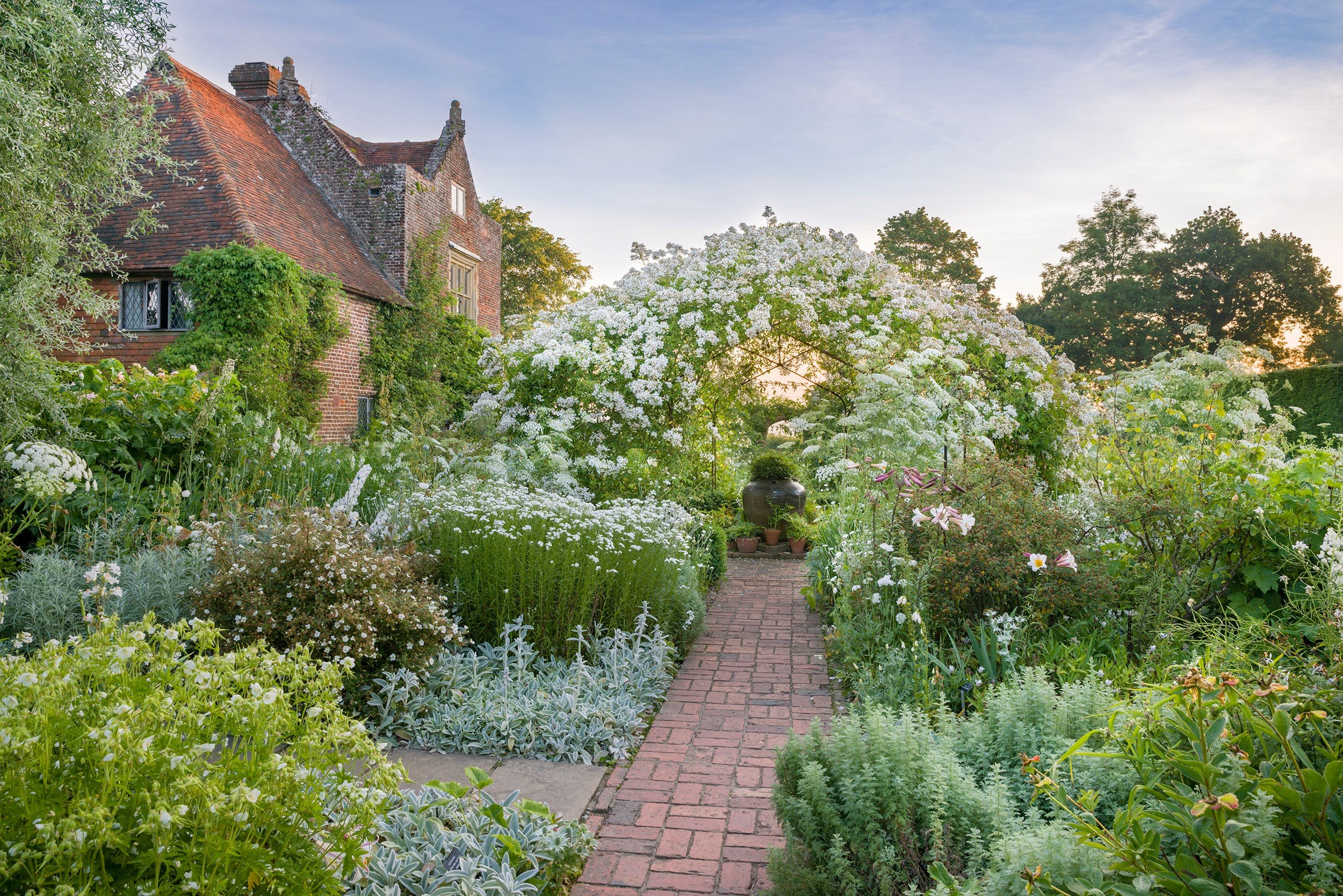 41 mi from LondonSissinghurst Castle Garden: Room-by-Room Garden Design Masterclass
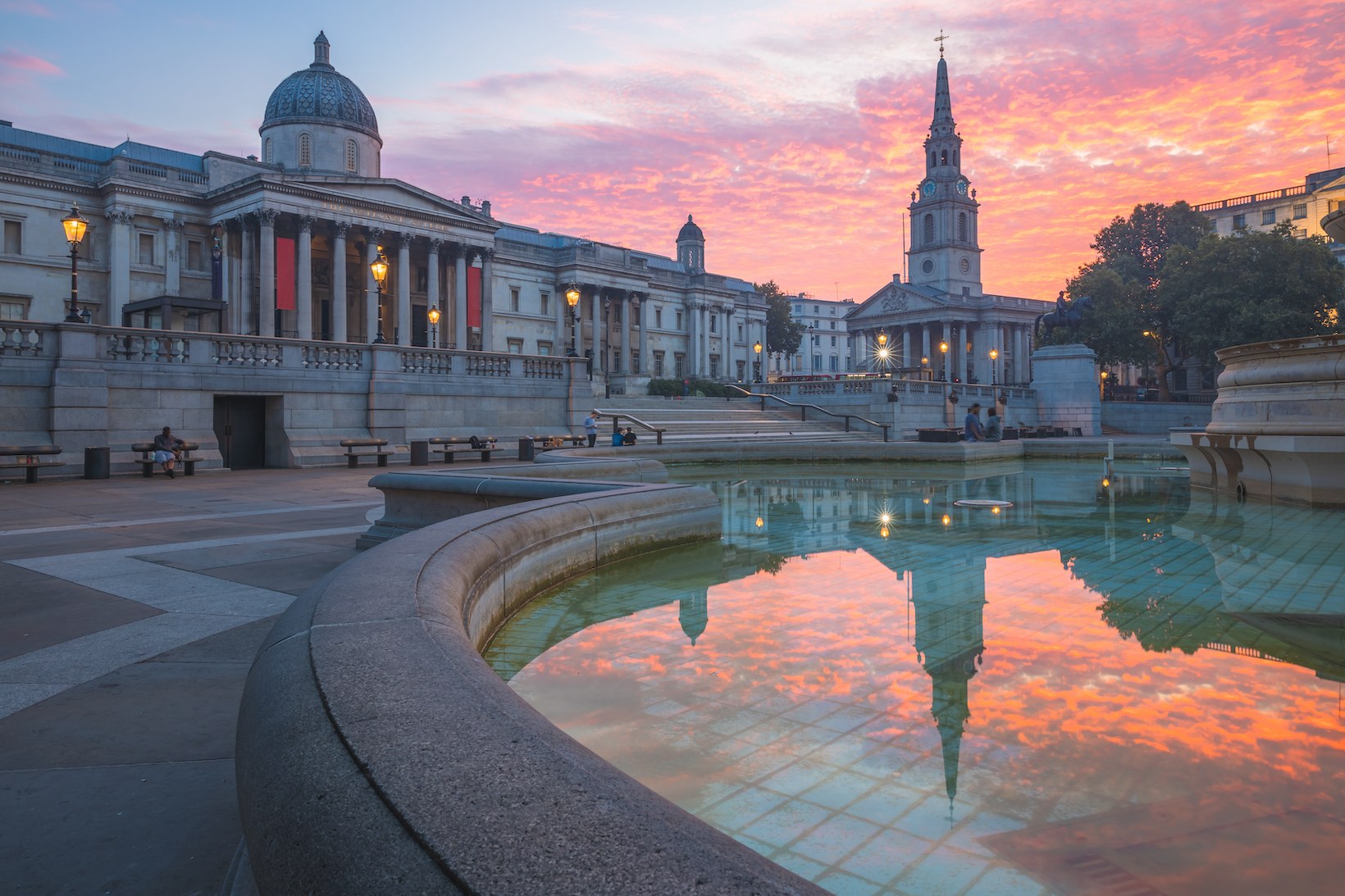 0 mi from LondonThe National Gallery
 After you step off · near London
You end in a different port — stay on, and add what is within reach before you fly home.
41 mi from LondonSissinghurst Castle Garden: Room-by-Room Garden Design Masterclass0 mi from LondonThe National Gallery The same trip, elevated
The same gateway on a more luxurious line — lead-in fare per person, same fare as booking direct.