Your cruise
Seven Seas Splendor · 18-night Asia cruise, Sydney to Singapore
Mar 16 – Apr 3 · 18 nights ·
Day 1 Sydney (board) · Day 2–3 Willis Island · Day 4 Townsville · Day 5–6 Cairns · Day 7 Cooktown · Day 8–9 Willis Island · Day 10 Darwin · Day 11 Willis Island · Day 12 Komodo Island · Day 13–14 Bali · Day 15 Surabaya · Day 16 Semarang · Day 17 Willis Island · Day 18–19 Singapore (step off)
What you do Board a rigid inflatable Zodiac for a close-up circumnavigation of one of the Coral Sea's most remote specks of land. Drift alongside vast nesting colonies of red-footed boobies, frigatebirds and brown noddies — a wildlife spectacle almost no traveller on earth ever witnesses.
What to expect Your Zodiac departs the ship's swim platform and skirts the island's entire coastline at water level, giving you eye-to-eye encounters with seabird colonies that number in the tens of thousands. The guide pauses the engine so you can hear the cacophony of calls and photograph birds in undisturbed flight. Shallow coral gardens glow electric beneath the hull as you round each headland. The round trip typically takes 90–120 minutes, leaving ample buffer before all-aboard.
Good to know Pre-book directly via email well in advance — this is a tender-only island and Zodiac capacity is strictly capped. Wear non-marking soles, bring a hat and reef-safe sunscreen. Confirm your ship's all-aboard time and allow 30 minutes' return buffer.
Versus the ship tour An intimate, expert-led small-group Zodiac — never more than 12 guests — means you can idle silently within metres of nesting birds and low reef outcrops that larger vessels simply cannot access, guided by a marine biologist who narrates every species in real time.
What you do Slip beneath the surface of some of the least-dived water on the planet — the Coral Sea surrounding Willis Island, hundreds of kilometres from the nearest coast. Visibility regularly exceeds 30 metres, revealing walls of hard coral, reef sharks, giant trevally and undisturbed sea-turtle feeding grounds.
What to expect Guests kit up in a purpose-equipped dive room and giant-stride into waters of extraordinary clarity. The reef structures here are pristine — no bleaching, no crowds — and the sheer biomass of pelagic life reflects the island's status as a protected marine reserve. Drift snorkelling across shallow coral plateaus, you are likely to encounter hawksbill turtles grazing, schools of chevron barracuda and the flash of a reef whaler in the blue. Safety divers and guides remain in the water throughout.
Good to know Swimming competency is required; full snorkel equipment is provided. Confirm landing and in-water permissions with the Australian Bureau of Meteorology station keeper in advance — access can be subject to weather and conservation protocols. Bring a rash vest for UV protection.
Versus the ship tour Mike Ball operates the definitive liveaboard expeditions to the Coral Sea's outer reefs, with certified dive guides who have logged thousands of hours specifically on these formations. Group size is tightly managed, and every dive brief is site-specific — the antithesis of a mass-market snorkel.
book direct with Mike Ball Dive Expeditions (Townsville/Cairns — Coral Sea specialists) → · the full guide →
What you do Step ashore — one of only a handful of visitors ever permitted — and receive a private briefing inside Australia's most remote operational weather station. The data collected here has guided cyclone warnings across Queensland for over a century; it is a living piece of scientific history.
What to expect After a short Zodiac transfer to the beach, you walk across the coral-rubble islet — the entire thing is barely 400 metres across — to the weatherboard station compound. The duty meteorologist explains the island's role in tracking Coral Sea cyclogenesis, shows you the instrument arrays and balloon launch facilities, and fields questions with refreshing candour. The sense of absolute remoteness — no roads, no shops, just science and sea — is profoundly affecting. Visits are brief (30–45 minutes) out of respect for operations.
Good to know Landing is at the discretion of BOM and sea conditions; it is never guaranteed. Wear closed shoes for the coral-rubble foreshore. Do not touch or enter any instrument enclosures. This is one of cruising's rarest privileges — treat it accordingly.
Versus the ship tour Landing on Willis Island is granted to very few vessels per year and always requires advance coordination with the BOM. The briefing is delivered by the station's resident meteorologist — one of Australia's most isolated postings — lending an authenticity and depth no third-party guide could replicate.
What you do Join a dedicated marine naturalist on a slow, deliberate circuit of Willis Island's offshore waters — prime habitat for dwarf minke whales, spinner dolphins, red-tailed tropicbirds and occasional whale sharks. This is expedition-grade wildlife observation in one of Earth's most intact marine environments.
What to expect The excursion runs in the calm conditions that typically prevail in the lee of the island, with the naturalist briefing the group on cetacean behaviour before departure. Spinner dolphins frequently bow-ride the vessel's wake, while tropicbirds trace lazy arcs overhead trailing their extraordinary white tail streamers. In season (June–September), dwarf minke whales approach curious vessels with remarkable boldness. The naturalist's running identification and ecological commentary transforms an already astonishing scene into a masterclass in Coral Sea ecology.
Good to know Bring image-stabilised binoculars if you own them — loaner binoculars are available but limited. A polarised lens filter dramatically improves underwater wildlife sighting from the deck. Morning cruises yield the best light and the calmest seas.
Versus the ship tour Coral Expeditions' marine naturalists carry years of Coral Sea field experience and use hydrophones and binoculars to locate and interpret marine megafauna well beyond what a casual deck scan achieves. Groups are capped at 20, ensuring every guest has unobstructed sightlines and personalised commentary.
book direct with Coral Expeditions (Australia's premium expedition cruise specialist) → · the full guide →
What you do Combine world-class snorkelling with a dedicated underwater photography tuition session led by a professional marine photographer. The pellucid, undisturbed waters around Willis Island provide a studio backdrop that professionals travel half a year to reach — and you are already here.
What to expect After a 20-minute on-deck briefing covering exposure, buoyancy control for photography and coral-safe positioning, the group enters the water with the lead photographer. Each participant is given real-time feedback via underwater slates and post-dive screen reviews. The reef here hosts nudibranchs, juvenile turtles and extraordinary soft-coral detail that rewards close, patient framing. By the final dive, guests leave with a curated set of images that would pass muster in any travel magazine.
Good to know Bring your own mirrorless or compact camera with an underwater housing if possible; hire housings are limited. Basic snorkel competency required. Maximum group size of 6 is strictly enforced — book your place the moment you board the ship.
Versus the ship tour A professional marine photographer leads groups of no more than six, providing personalised composition coaching in real time — in the water, beside you. The combination of tuition and a location almost nobody else will ever photograph makes every frame genuinely irreplaceable.
What you do Rise before the rest of the ship and join an ornithologist-guide for a dawn landing on Willis Island — arguably the most exclusive birdwatching address in the Southern Hemisphere. The island hosts one of Australia's largest documented seabird colonies, and first light is when it erupts into extraordinary life.
What to expect The Zodiac lands on the coral-rubble beach just as the sky softens to indigo. Within seconds, frigatebirds begin their courtship displays, inflating scarlet throat pouches while brown boobies jostle on nesting scrapes metres from your feet. The ornithologist narrates the scene with infectious expertise, calling species by name as they lift and wheel overhead in their thousands. The island's absolute silence — broken only by wind and wings — produces a meditative quality that experienced travellers consistently describe as one of cruising's most affecting moments.
Good to know Landing is subject to BOM approval and sea-state — pre-register your interest at the expedition desk on day one of the voyage. Wear dark, non-reflective clothing to avoid disturbing nesting birds. Carry a long lens (200mm+ equivalent) for perched-bird shots. Soft-soled shoes protect both the coral-rubble substrate and your footing.
Versus the ship tour A qualified ornithologist leads a structured census-style walk, naming every species, explaining colony dynamics and pointing out nesting behaviours that an untrained eye would miss entirely. The pre-sunrise timing means you experience the island in its rawest, most atmospheric state — long before the day-trippers (there are none) arrive.
book direct with Coral Expeditions (Australia's premium expedition cruise specialist) → · the full guide →
What you do Scale the iconic steel arches of Sydney Harbour Bridge on foot and stand atop one of the world's greatest structures. At dawn or dusk, the harbour, Opera House, and city skyline ignite in extraordinary colour — a once-in-a-lifetime panorama.
What to expect After a thorough induction and suiting-up in the BridgeClimb boiler suit, you ascend through the inner arch, across the upper chord, and onto the very summit 134 metres above Sydney Harbour. Your guide weaves stories of the bridge's construction and the city's history throughout the 2–3.5 hour climb. At the summit, panoramic views stretch from the Blue Mountains to the Pacific Ocean. Twilight and Dawn climbs reward you with the sky transforming from gold to deep purple over the Opera House sails.
Good to know Departs from 3 Cumberland Street, The Rocks — a short 10-minute walk or 5-minute taxi from the Overseas Passenger Terminal (OPT). Pre-book well in advance (at least 2–3 weeks); popular climb times sell out fast. All-aboard times are tight; choose a morning summit climb to allow ample buffer. Alcohol restrictions apply 8 hours before climbing. Lockers provided for belongings.
Versus the ship tour Small groups of just 12 climbers per guide mean you move at a considered pace with expert commentary, and the exclusive Summit and BridgeClimb Express options give private or semi-private experiences unavailable anywhere else on earth.
book direct with BridgeClimb Sydney (official) → · the full guide →
What you do Go beyond the sails and into the beating heart of Jørn Utzon's masterpiece. The premium backstage experience reveals grand concert halls, hidden green rooms, and the engineering genius behind the world's most recognisable building.
What to expect Your expert guide escorts you through the stage door and behind the velvet curtains, tracing the building's turbulent conception and Utzon's revolutionary geometric tile system. You'll stand on the Concert Hall stage gazing out into 2,700 empty seats, explore the intimate Joan Sutherland Theatre, and hear tales of the world's greatest performers who have graced these boards. The tour culminates with champagne and harbour views from the exclusive Green Room terrace. Even the standard guided tour, with its superb docents, far exceeds a self-guided walk.
Good to know The Opera House is a 5-minute walk from the OPT at Circular Quay. Backstage Tours depart at 7:00 am daily (before public opening) — ideal for early port arrivals. Standard guided tours run throughout the day; book the 10:00 am slot to maintain an all-aboard buffer. Pre-booking is essential; backstage slots are extremely limited. Smart-casual attire encouraged.
Versus the ship tour The Backstage Tour is strictly limited to 10 guests and grants access to rehearsal studios, the stars' dressing rooms, and the Concert Hall stage itself — spaces closed to the general public entirely.
book direct with Sydney Opera House (official) → · the full guide →
What you do Trade the megaship for a sleek private yacht and sail Sydney Harbour at your own pace, threading between the Opera House, Harbour Bridge, and hidden coves. This is Sydney as only a privileged few experience it — from the water, in silence.
What to expect You board from the National Maritime Museum at Darling Harbour and glide onto one of the world's great natural harbours. Under full sail (when winds allow) or motor, the skipper navigates past Fort Denison, Double Bay, Watsons Bay, and the dramatic Heads where the Pacific meets the harbour. Onboard, locally sourced antipasto, chilled wines, and Champagne are served on the sundeck. The perspective from the water onto the city's skyline — with the Bridge and Opera House framed together — is simply unmatched.
Good to know Darling Harbour is approximately 15 minutes by taxi or a scenic 20-minute walk from the OPT. Private charters can be tailored to depart from and return to Circular Quay, directly adjacent to the OPT — confirm at booking. Request a morning or mid-morning departure to allow a generous all-aboard buffer. Book 2–4 weeks ahead for private charters, especially on weekends.
Versus the ship tour A private charter means the skipper shapes the itinerary entirely around you — a longer linger beneath the Bridge, a swim stop in a secluded bay, or a chilled Champagne moment framed perfectly by the Opera House.
What you do Venture 90 minutes west into a UNESCO World Heritage wilderness of sheer sandstone cliffs, eucalyptus forest, and cascading waterfalls. The iconic Three Sisters rock formation and valley views from Echo Point are genuinely awe-inspiring.
What to expect Your guide collects you in a luxury vehicle from the OPT and narrates the drive through western Sydney suburbs as the landscape transforms dramatically into rugged wilderness. At Katoomba, you're rewarded with the Three Sisters and the vast 1,000-metre-deep Jamison Valley. A guided forest walk reveals ancient Aboriginal rock art and extraordinary birdlife. Lunch is taken at a renowned Blue Mountains restaurant or the grand Hydro Majestic Hotel, with sweeping valley panoramas. The scenic railway (the world's steepest) or Scenic Skyway glass-floored cable car are optional thrills.
Good to know Allow a full day — departure by 8:00 am and return by 5:00 pm is typical, so confirm your all-aboard time before booking; this excursion is best suited to ports with a late afternoon or evening departure. Your Sydney Guide offers guaranteed on-time return. Layers are essential — the mountains run 5–8°C cooler than Sydney city. Book at least 2 weeks ahead for private vehicles.
Versus the ship tour A private or small-group local expert crafts the day around your interests — whether that means a guided bush walk to secluded lookouts, a heritage lunch at Hydro Majestic, or time in the charming village of Leura — with the flexibility no large coach tour can offer.
book direct with Your Sydney Guide (official) → · the full guide →
What you do Walk Australia's most celebrated coastal trail — six kilometres of dramatic cliff tops, secret coves, and ocean pools between Bondi and Coogee — then settle into a private chef-curated picnic overlooking the Pacific. Iconic, elemental, unforgettable.
What to expect Your guide accompanies you from Bondi Beach — with its famous sweep of white sand and the bronzed surf culture that defines Sydney — south along cliff-top paths that reveal jaw-dropping views at every turn. Rest at the serene Gordons Bay and the historic Clovelly Beach ocean pool before descending to Coogee's broad bay. En route, a cliff-top picnic is laid out: locally smoked salmon, artisan cheeses, seasonal fruit, and chilled Hunter Valley whites or sparkling water, with nothing but ocean horizon before you. The guide shares stories of the Gadigal and Bidjigal peoples whose land this has always been.
Good to know Transfer from the OPT to Bondi takes approximately 25–30 minutes by taxi or private car. The full walk takes 3–4 hours at a relaxed pace; plan for a 9:00 am departure to allow an easy return by 3:00 pm. Wear comfortable walking shoes and sunscreen; the exposed headlands offer no shade. Daily Sydney Tours can arrange private transport for the return journey from Coogee.
Versus the ship tour A private guide calibrates the pace and depth of the experience — sharing the history of the ocean baths, the Aboriginal heritage of the headlands, and the living culture of Bondi — while a local chef picnic elevates it far beyond a simple walk.
book direct with Daily Sydney Tours (official) → · the full guide →
What you do Sydney's world-class zoo sits on a harbourside escarpment with views that rival the city's finest restaurants. Go beyond the gates with a VIP Wildlife Retreat experience for intimate, expert-led encounters with koalas, wombats, and iconic Australian fauna.
What to expect A short, scenic 12-minute Taronga Ferry from Circular Quay delivers you directly to the lower wharf, already with stunning harbour views. The VIP keeper-led experience takes you into animal areas closed to the public — hand-feeding a koala, walking among free-range kangaroos, and learning the rehabilitation stories of each resident. The zoo's elevated setting means the Harbour Bridge and Opera House form a backdrop to almost every enclosure. Afterwards, lunch at the Harbourview Café — with arguably the finest unobstructed harbour panorama in Sydney — is the perfect finale.
Good to know The Taronga Ferry departs Circular Quay (Wharf 2), a 5-minute walk from the OPT — ferry journey is 12 minutes and is itself a scenic delight. Book VIP experiences directly with Taronga well in advance (2–3 weeks minimum); these sell out quickly. General admission is available on the day but VIP experiences are not. Allow at least 4 hours; last ferry back to Circular Quay runs early evening.
Versus the ship tour The VIP 'Wild Australia' and 'Keeper for a Day' experiences are strictly limited to 6–8 guests and place you inside enclosures with koalas and nocturnal animals under the guidance of specialist keepers — access simply not available on any standard visit.
book direct with Taronga Zoo Sydney (official) → · the full guide →
What you do Board a rigid inflatable Zodiac for a close-up circumnavigation of one of the Coral Sea's most remote specks of land. Drift alongside vast nesting colonies of red-footed boobies, frigatebirds and brown noddies — a wildlife spectacle almost no traveller on earth ever witnesses.
What to expect Your Zodiac departs the ship's swim platform and skirts the island's entire coastline at water level, giving you eye-to-eye encounters with seabird colonies that number in the tens of thousands. The guide pauses the engine so you can hear the cacophony of calls and photograph birds in undisturbed flight. Shallow coral gardens glow electric beneath the hull as you round each headland. The round trip typically takes 90–120 minutes, leaving ample buffer before all-aboard.
Good to know Pre-book directly via email well in advance — this is a tender-only island and Zodiac capacity is strictly capped. Wear non-marking soles, bring a hat and reef-safe sunscreen. Confirm your ship's all-aboard time and allow 30 minutes' return buffer.
Versus the ship tour An intimate, expert-led small-group Zodiac — never more than 12 guests — means you can idle silently within metres of nesting birds and low reef outcrops that larger vessels simply cannot access, guided by a marine biologist who narrates every species in real time.
What you do Slip beneath the surface of some of the least-dived water on the planet — the Coral Sea surrounding Willis Island, hundreds of kilometres from the nearest coast. Visibility regularly exceeds 30 metres, revealing walls of hard coral, reef sharks, giant trevally and undisturbed sea-turtle feeding grounds.
What to expect Guests kit up in a purpose-equipped dive room and giant-stride into waters of extraordinary clarity. The reef structures here are pristine — no bleaching, no crowds — and the sheer biomass of pelagic life reflects the island's status as a protected marine reserve. Drift snorkelling across shallow coral plateaus, you are likely to encounter hawksbill turtles grazing, schools of chevron barracuda and the flash of a reef whaler in the blue. Safety divers and guides remain in the water throughout.
Good to know Swimming competency is required; full snorkel equipment is provided. Confirm landing and in-water permissions with the Australian Bureau of Meteorology station keeper in advance — access can be subject to weather and conservation protocols. Bring a rash vest for UV protection.
Versus the ship tour Mike Ball operates the definitive liveaboard expeditions to the Coral Sea's outer reefs, with certified dive guides who have logged thousands of hours specifically on these formations. Group size is tightly managed, and every dive brief is site-specific — the antithesis of a mass-market snorkel.
book direct with Mike Ball Dive Expeditions (Townsville/Cairns — Coral Sea specialists) → · the full guide →
What you do Step ashore — one of only a handful of visitors ever permitted — and receive a private briefing inside Australia's most remote operational weather station. The data collected here has guided cyclone warnings across Queensland for over a century; it is a living piece of scientific history.
What to expect After a short Zodiac transfer to the beach, you walk across the coral-rubble islet — the entire thing is barely 400 metres across — to the weatherboard station compound. The duty meteorologist explains the island's role in tracking Coral Sea cyclogenesis, shows you the instrument arrays and balloon launch facilities, and fields questions with refreshing candour. The sense of absolute remoteness — no roads, no shops, just science and sea — is profoundly affecting. Visits are brief (30–45 minutes) out of respect for operations.
Good to know Landing is at the discretion of BOM and sea conditions; it is never guaranteed. Wear closed shoes for the coral-rubble foreshore. Do not touch or enter any instrument enclosures. This is one of cruising's rarest privileges — treat it accordingly.
Versus the ship tour Landing on Willis Island is granted to very few vessels per year and always requires advance coordination with the BOM. The briefing is delivered by the station's resident meteorologist — one of Australia's most isolated postings — lending an authenticity and depth no third-party guide could replicate.
What you do Join a dedicated marine naturalist on a slow, deliberate circuit of Willis Island's offshore waters — prime habitat for dwarf minke whales, spinner dolphins, red-tailed tropicbirds and occasional whale sharks. This is expedition-grade wildlife observation in one of Earth's most intact marine environments.
What to expect The excursion runs in the calm conditions that typically prevail in the lee of the island, with the naturalist briefing the group on cetacean behaviour before departure. Spinner dolphins frequently bow-ride the vessel's wake, while tropicbirds trace lazy arcs overhead trailing their extraordinary white tail streamers. In season (June–September), dwarf minke whales approach curious vessels with remarkable boldness. The naturalist's running identification and ecological commentary transforms an already astonishing scene into a masterclass in Coral Sea ecology.
Good to know Bring image-stabilised binoculars if you own them — loaner binoculars are available but limited. A polarised lens filter dramatically improves underwater wildlife sighting from the deck. Morning cruises yield the best light and the calmest seas.
Versus the ship tour Coral Expeditions' marine naturalists carry years of Coral Sea field experience and use hydrophones and binoculars to locate and interpret marine megafauna well beyond what a casual deck scan achieves. Groups are capped at 20, ensuring every guest has unobstructed sightlines and personalised commentary.
book direct with Coral Expeditions (Australia's premium expedition cruise specialist) → · the full guide →
What you do Combine world-class snorkelling with a dedicated underwater photography tuition session led by a professional marine photographer. The pellucid, undisturbed waters around Willis Island provide a studio backdrop that professionals travel half a year to reach — and you are already here.
What to expect After a 20-minute on-deck briefing covering exposure, buoyancy control for photography and coral-safe positioning, the group enters the water with the lead photographer. Each participant is given real-time feedback via underwater slates and post-dive screen reviews. The reef here hosts nudibranchs, juvenile turtles and extraordinary soft-coral detail that rewards close, patient framing. By the final dive, guests leave with a curated set of images that would pass muster in any travel magazine.
Good to know Bring your own mirrorless or compact camera with an underwater housing if possible; hire housings are limited. Basic snorkel competency required. Maximum group size of 6 is strictly enforced — book your place the moment you board the ship.
Versus the ship tour A professional marine photographer leads groups of no more than six, providing personalised composition coaching in real time — in the water, beside you. The combination of tuition and a location almost nobody else will ever photograph makes every frame genuinely irreplaceable.
What you do Rise before the rest of the ship and join an ornithologist-guide for a dawn landing on Willis Island — arguably the most exclusive birdwatching address in the Southern Hemisphere. The island hosts one of Australia's largest documented seabird colonies, and first light is when it erupts into extraordinary life.
What to expect The Zodiac lands on the coral-rubble beach just as the sky softens to indigo. Within seconds, frigatebirds begin their courtship displays, inflating scarlet throat pouches while brown boobies jostle on nesting scrapes metres from your feet. The ornithologist narrates the scene with infectious expertise, calling species by name as they lift and wheel overhead in their thousands. The island's absolute silence — broken only by wind and wings — produces a meditative quality that experienced travellers consistently describe as one of cruising's most affecting moments.
Good to know Landing is subject to BOM approval and sea-state — pre-register your interest at the expedition desk on day one of the voyage. Wear dark, non-reflective clothing to avoid disturbing nesting birds. Carry a long lens (200mm+ equivalent) for perched-bird shots. Soft-soled shoes protect both the coral-rubble substrate and your footing.
Versus the ship tour A qualified ornithologist leads a structured census-style walk, naming every species, explaining colony dynamics and pointing out nesting behaviours that an untrained eye would miss entirely. The pre-sunrise timing means you experience the island in its rawest, most atmospheric state — long before the day-trippers (there are none) arrive.
book direct with Coral Expeditions (Australia's premium expedition cruise specialist) → · the full guide →
What you do Explore the jewel of the Coral Sea on a passionate local expert-led small-group tour of Magnetic Island — spotting wild koalas, rock wallabies and sea eagles while uncovering WWII history. The ultimate bucket-list day from Townsville.
What to expect Board the SeaLink ferry from the Townsville terminal and meet your guide on Magnetic Island — a place where 70% of the land is protected National Park. Wind through eucalypt-scented trails spotting wild koalas dozing overhead, wallabies bounding across rocky headlands, and vivid sea eagles soaring above Horseshoe Bay. Your guide weaves in the island's fascinating WWII naval history, pointing out submerged relics and forgotten bunkers. The tour wraps with time to swim in gin-clear water before the return ferry.
Good to know SeaLink ferry departs Townsville terminal (5 min from cruise wharf); round-trip ferry ticket ~AUD 36 purchased separately at sealinkqld.com.au. Tour duration approx 4–5 hrs. Book the guided tour direct at magneticislandtours.net.au. Confirm all-aboard time and allow 30 min buffer for ferry return.
Versus the ship tour Intimate small-group size with a passionate local guide who knows every koala haunt and secret bay — you move at a discerning traveller's pace, not a crowd's. Access to hidden spots and spontaneous wildlife encounters most visitors never find.
What you do Descend on the SS Yongala — a 110-metre ocean liner lost in 1911 and now rated among the world's top ten wreck dives. Massive bull sharks, giant grouper, sea turtles and manta rays make this a once-in-a-lifetime underwater pilgrimage.
What to expect Transfer by purpose-built dive vessel from Townsville's harbour, cruising ~90 minutes south to the protected wreck site. A thorough dive briefing covers the Yongala's tragic history and the extraordinary marine life that has colonised every surface. Two dives explore the full length of the wreck — bull sharks circle languidly, enormous Queensland grouper hover at the bow, and hawksbill turtles glide past encrusted portholes. Surface intervals are spent under the tropical sun with lunch on deck before the leisurely return to port.
Good to know Certified divers only (PADI Open Water minimum); must present dive certification. Departs Townsville Breakwater Marina — approx 10 min by taxi from cruise terminal. Full day: depart ~7:30 am, return ~5 pm. Book direct well in advance as space is strictly limited. Check all-aboard time carefully; request an early slot.
Versus the ship tour Expert dive guides with intimate knowledge of the wreck's most dramatic swim-throughs and the timing of apex predator sightings — this is an uncrowded, expertly managed dive with maximum bottom time and briefings that go far beyond the basics.
What you do Australia's best interactive wildlife experience, just 20 minutes from the cruise terminal. Hand-feed kangaroos, hold a koala, and watch expert rangers handle massive saltwater crocodiles in a lush tropical sanctuary — deeply personal and expertly narrated.
What to expect Set among 11 acres of tropical rainforest, the sanctuary houses 60+ native species in meticulously natural habitats. Stroll boardwalks past sleepy koalas, then join a ranger for an intimate feeding session where kangaroos press their velvet muzzles into your hand. The saltwater crocodile show is equal parts thrilling science lecture and jaw-dropping spectacle — rangers explain ancient predator behaviour while a 4-metre croc surges from the waterhole. VIP encounters allow close-contact moments with wombats, snakes and freshwater crocodiles for those wanting the full tactile experience.
Good to know Located 17 km south of Townsville on Bruce Highway — taxi or pre-booked transfer approx 20 min, AUD 45–55 each way. Open daily 8 am–4 pm. Crocodile shows run at set times; check schedule on arrival. Pre-book VIP encounters online at billabongsanctuary.com.au. Allow 2.5–3 hrs on site.
Versus the ship tour Unhurried, self-paced immersion in genuine Australian wildlife — with optional VIP encounters that put you nose-to-beak with wombats, cassowaries and freshwater crocs. Ranger presentations are world-class, not theatrical.
What you do Glide across the glittering Coral Sea aboard a private sailing charter as the sun melts behind Magnetic Island in a blaze of gold and crimson. Champagne, canapés, and an unobstructed Townsville skyline — this is the quintessential tropical luxury moment.
What to expect Step aboard a beautifully maintained sailing vessel at Townsville's marina as the afternoon heat softens into golden hour. Your skipper navigates past the Cleveland Bay seagrass beds — often accompanied by dolphins bow-riding alongside — before settling at anchor for the sunset panorama. Magnetic Island silhouettes dramatically against the amber sky while chilled sparkling wine and fresh local nibbles are served on deck. As stars begin to emerge over the Coral Sea, the gentle sail back to the marina delivers one of tropical Queensland's most serene, memorable evenings.
Good to know Marina is a 5–10 min taxi from the cruise terminal. Sunset sails typically depart 5 pm and return by 7:30 pm — confirm your all-aboard time before booking. Private charters can be tailored to timing. Book direct at townsvillesailing.com.au. Bring a light layer for the return sail.
Versus the ship tour A true private charter option means your group sets the pace — anchor where you wish, sip champagne as the sun drops behind Magnetic Island, and experience the Coral Sea on your terms with an experienced local skipper as your host.
book direct with Townsville Sailing & Charters → · the full guide →
What you do Ascend Townsville's iconic red granite monolith with a knowledgeable local guide and be rewarded with sweeping 360° views across the Coral Sea, Magnetic Island and the tropical coastline — a defining Townsville experience, entirely on foot.
What to expect The trail winds up 286 metres of ancient pink granite through dry tropical scrub alive with rock wallabies and vivid butterfly species. Your guide narrates the Wulgurukaba people's deep connection to the rock, the wartime significance of the hill as a lookout, and the unique geology that makes Castle Hill glow blood-red at dusk. The summit view is simply spectacular — Magnetic Island floats on a turquoise sea, Ross Creek threads through the city below, and on clear days the Great Barrier Reef shimmers on the horizon. The descent offers a different perspective, cooling into shaded sections perfect for spotting native birds.
Good to know Castle Hill is 1.5 km from the cruise terminal — walkable or a short taxi ride. Free public access at all hours; guided tours must be pre-booked. Allow 1.5–2 hrs total. Wear supportive shoes and bring water and sunscreen. Morning departure recommended for cooler temperatures and best light.
Versus the ship tour A local guide transforms this granite monolith into a story — the geology, the Aboriginal heritage, the colonial history and the ecological quirks of the rock wallabies that call it home. The summit view at this altitude with no crowds is extraordinary.
book direct with Townsville North Queensland (Tourism & Guide Network) → · the full guide →
What you do Step inside Townsville's world-class Museum of Tropical Queensland to encounter the actual artefacts recovered from HMS Pandora — the ship sent to capture the Bounty mutineers — alongside breathtaking Great Barrier Reef natural history. Unmissable, and 5 minutes from the pier.
What to expect Enter through the dramatic Pandora gallery where original bronze cannons, navigational instruments and personal effects retrieved from the seabed tell the extraordinary story of the ship tasked with hunting the Bounty mutineers — and her fatal end on the Great Barrier Reef. The Reef gallery immerses visitors in a spectacular recreation of coral ecosystems, explaining the science behind one of Earth's greatest natural wonders with the clarity only Queensland Museum's reef specialists can deliver. Indigenous Wulgurukaba and Bindal cultural galleries offer a profoundly moving account of North Queensland's First Nations heritage through art, artefact and oral history. The entire experience is air-conditioned, beautifully curated, and perfectly paced for a two-hour cultural immersion.
Good to know Located on Flinders Street, a 5-minute walk from the cruise terminal. Open daily 9:30 am–5 pm. No pre-booking required for general admission; check site for guided tours and special exhibitions. Excellent museum café on site for a post-visit lunch. Ideal for a morning visit combined with an afternoon excursion.
Versus the ship tour The only museum in the world housing actual artefacts from HMS Pandora, presented in gallery spaces with curatorial depth that rewards slow, contemplative exploration — a rare intellectual and cultural luxury steps from the cruise wharf.
What you do Race 90 minutes to three pristine outer reef sites aboard Silverswift — the fastest, most exclusive vessel to the ribbon reefs. Dive or snorkel alongside giant clams, sea turtles and coral gardens untouched by crowds. A once-in-a-lifetime immersion in the world's greatest living structure.
What to expect Depart Cairns marina at 8 am and reach the vivid outer ribbon reefs by mid-morning. Three reef sites — each selected for clarity and marine diversity — offer multiple guided dives or unlimited snorkel time. A hot buffet lunch is served on deck between dives, with a marine biologist narrating the ecosystem throughout. Back in port by 5 pm, well before any all-aboard.
Good to know Pre-book dives and wetsuit hire directly on the Quicksilver website to secure space — introductory dive spots fill weeks ahead. Bring only reef-safe sunscreen; regular sunscreen is prohibited on board. Port departs from Cairns Marlin Marina, approximately 10 minutes from the cruise terminal.
Versus the ship tour Silverswift carries a maximum of 44 passengers to outer ribbon reef sites rarely visited by larger vessels — the uncrowded, high-visibility water and expert marine biologist guides set this apart as the true bucket-list reef experience.
book direct with Silversonic / Quicksilver Group (official) → · the full guide →
What you do Glide silently above the ancient Wet Tropics rainforest canopy in a gondola, then thunder back through mountain tunnels on a heritage steam train. This iconic dual journey between Cairns and the rainforest village of Kuranda is the defining tropical Queensland experience.
What to expect The 7.5 km Skyrail ascent pauses at two rainforest stations with elevated boardwalks through World Heritage jungle — listen for cassowaries below. In Kuranda village, explore the original markets and the butterfly sanctuary before boarding the heritage Kuranda Scenic Railway. The train winds through 15 hand-cut tunnels and past Barron Gorge Falls on a 34 km descent back to Cairns, a journey unchanged since 1891.
Good to know The Smithfield Skyrail terminal is 15 km north of the Cairns cruise terminal — pre-arrange a taxi or shuttle. Allow a full day (6–7 hours). Pre-purchase combo tickets online to avoid queues; gondola departure times can be reserved in advance.
Versus the ship tour Booking direct means you travel at your own pace — linger as long as you wish in the mid-station rainforest boardwalks, choose your own gondola, and spend unhurried time in Kuranda village before the scenic railway descent.
book direct with Skyrail Rainforest Cableway (official) → · the full guide →
What you do Come face-to-face with massive saltwater crocodiles, koalas, cassowaries and tree kangaroos at the iconic Hartley's Crocodile Adventures, set in a stunning lagoon habitat 40 minutes north of Cairns. This world-class wildlife park offers encounters simply not found anywhere else on earth.
What to expect Board a flat-bottomed boat and cruise through a natural lagoon as enormous saltwater crocodiles surface alongside you — your guide narrates 25 years of crocodile research with vivid expertise. Back on land, scheduled feeding demonstrations reveal the explosive power of these prehistoric predators. Koala and cassowary encounters are included, and the property's lush tropical gardens make for spectacular wildlife photography.
Good to know Hartley's is 40 km north of Cairns on the Captain Cook Highway — a 40-minute taxi or hire car drive. The park opens at 8:30 am; arrive early to catch the 9 am crocodile show. Allow 3–4 hours, leaving plenty of time before all-aboard.
Versus the ship tour Hartley's is owner-operated by passionate wildlife specialists — the crocodile boat cruise into the lagoon is an intimate, expert-narrated encounter with apex predators in naturalistic surrounds that no zoo in the world can replicate.
book direct with Hartley's Crocodile Adventures (official) → · the full guide →
What you do Journey deep into the oldest rainforest on earth — older than the Amazon — where the reef meets the rainforest at Cape Tribulation. A small-group 4WD day into the Daintree is Cairns' most extraordinary land-based adventure, accessible only to those who venture 1.5 hours north.
What to expect A 4WD vehicle collects you from the Cairns marina and heads north through Port Douglas to the Daintree River ferry crossing. Guided rainforest walks reveal 135-million-year-old ecosystems — your naturalist identifies medicinal plants used by the Eastern Kuku Yalanji people for millennia. The journey culminates at Cape Tribulation beach, where World Heritage reef and rainforest collide in one breathtaking panorama. A tropical lunch is included.
Good to know This is a full-day excursion (approx. 10–11 hours) — confirm your cruise all-aboard time is no earlier than 6 pm before booking. The Daintree River ferry runs daily. Small group sizes mean dates sell out quickly; book at least 4–6 weeks ahead.
Versus the ship tour Groups are capped at small numbers, giving each guest genuine time with an expert naturalist guide — spotting Boyd's forest dragons, rare orchids and ancient fan palms at a leisurely pace that large-group tours simply cannot offer.
What you do Join a Kuku Yalanji Elder-led ceremony and guided walk through sacred Mossman Gorge, gaining rare intimate insight into the world's oldest living culture on its own ancestral country.
What to expect A Welcome to Country smoking ceremony opens the walk, cleansing guests and setting a tone of profound respect. Your Kuku Yalanji guide leads you through emerald rainforest to the sacred gorge, explaining plant medicines, Dreamtime stories, and traditional hunting techniques with quiet authority. Swimming in the crystal-clear rock pools of the Mossman River is included. A traditional damper and tea ceremony concludes the experience at the Gorge Centre.
Good to know Dreamtime Walks depart at 08:00, 10:00, 11:30, 13:00, and 14:30 — multiple slots fit around any all-aboard time. Shuttle from Mossman Gorge Centre car park is mandatory (AUD 8.60 return). Pre-book online; private group bookings available. Wear comfortable walking shoes and insect repellent.
Versus the ship tour This experience is guided exclusively by Kuku Yalanji Traditional Owners — not outside operators — meaning the cultural knowledge shared is direct, authoritative, and deeply personal. Small group sizes (max 10) allow genuine Elder–guest dialogue impossible on larger tours.
book direct with Mossman Gorge Centre (official — Kuku Yalanji owned & operated) → · the full guide →
What you do A 45-minute high-speed catamaran ride whisks you to Fitzroy Island — a pristine National Park island ringed by fringing coral reef and blanketed in tropical rainforest. Snorkel directly from the beach, hike to a lighthouse with sweeping Coral Sea views, or simply unwind in paradise.
What to expect Step off the catamaran onto a beach of golden sand fringed by coral just metres from shore. Snorkel among sea turtles and reef fish in calm, crystal-clear water, or take the lighthouse hike for 360° views over the Coral Sea. The resort's beachfront restaurant serves fresh coral trout for lunch. Afternoon catamarans return to Cairns marina with time to spare before all-aboard.
Good to know The Fitzroy Island ferry departs daily from Cairns Reef Fleet Terminal (adjacent to the cruise terminal). Last return ferry is typically 4:30 pm — check the current schedule when booking. Pre-book snorkel gear online to avoid the desk queue on arrival.
Versus the ship tour Fitzroy's fringing reef is snorkelled directly from the beach — no tender, no large pontoon, no crowds. The island's National Park status protects extraordinary coral health, and the Fitzroy Island Resort's beach facilities ensure a genuinely luxurious, unhurried day.
book direct with Fitzroy Island Resort / Raging Thunder (official ferry) → · the full guide →
What you do Discover two of Tropical North Queensland's most spectacular natural secrets — the thundering cascades of Josephine Falls and the sacred, emerald gorge of Babinda Boulders. Lush, crowd-free and purely wild, this is the rainforest experience that most visitors to Cairns never find.
What to expect Head south from Cairns through cane fields and jungle to Josephine Falls, where a short rainforest walk leads to a multi-tiered cascade pouring into a natural rock slide pool — swim in one of Queensland's most spectacular freshwater settings. Continue to the Babinda Boulders, a sacred gorge carved from ancient granite where the emerald creek winds between towering boulders draped in ferns. Your guide provides cultural context, picnic provisions, and full commentary throughout.
Good to know Total journey is approximately 5–6 hours, making it ideal for ships with an all-aboard of 5 pm or later. Wear quick-dry swimwear and water shoes. Water levels at both sites vary seasonally — the operator will advise on swimming conditions at the time of booking.
Versus the ship tour A private or small-group departure means you have the natural swimming holes almost entirely to yourselves — your local guide shares the cultural significance of the Babinda Boulders to the Yirrganydji people and knows the exact spots for the best photographs and the calmest swimming.
book direct with Cairns Discovery Tours (official) → · the full guide →
What you do Ride shotgun through ancient rainforest, river crossings, and red-dirt Cape York tracks in a purpose-built 4WD — one of Australia's great wilderness drives. A bucket-list journey through landscapes unchanged since Captain Cook's era.
What to expect Depart along the legendary Bloomfield Track, navigating creek crossings and dense Daintree rainforest before emerging onto the raw, red coastal range above Cooktown. Your guide delivers deep ecological and cultural commentary throughout. Stop at panoramic lookouts, significant historical sites, and riverside lunch spots that feel a world away from civilisation. The return route reveals a completely different face of the Cape — savanna woodland, wetland corridors, and dramatic mountain silhouettes.
Good to know Full-day; confirm exact return time with operator to ensure you are back before all-aboard. Pre-book well in advance — May–October peak season sells out fast. Departs Cairns 6:30am; if overnighting in Cooktown via ship, arrange local pickup directly with the operator.
Versus the ship tour Small-group, expert-guided 4WD in a purpose-built air-conditioned vehicle through terrain most visitors never reach — remote river crossings, rainforest canopy, and sacred Aboriginal landscapes with a naturalist guide who reads every layer of the country.
book direct with Cairns Discovery Tours → · the full guide →
What you do Stand before the original anchor and cannon lost by HMB Endeavour in 1770 and recovered centuries later — artefacts that literally changed the course of history. The finest museum in Tropical North Queensland, housed in a magnificent 1889 convent.
What to expect The museum occupies the grand stone Sisters of Mercy convent, its high-ceilinged rooms displaying the original anchor and two cannons Cook's crew jettisoned to refloat the stricken Endeavour on Cooktown's reef. Galleries weave together maritime exploration, the gold rush that turned Cooktown into Queensland's second-largest city, and the living culture of the region's First Nations peoples. Expert staff are on hand to contextualise the collection. The shaded colonial courtyard is a serene spot to reflect before moving on.
Good to know A 10–15 minute walk or short taxi ride from the wharf. Typically open 9am–4pm daily (check seasonal hours). Allow 90 minutes minimum. Combine with Grassy Hill, which is walkable from here, for an efficient half-day.
Versus the ship tour Self-paced exploration of an internationally significant collection in a breathtaking heritage building — you set the tempo, lingering over the Endeavour relics, the natural history galleries, and the richly documented stories of the Guugu Yimithirr people at your leisure.
book direct with Cooktown Museum (National Trust of Australia, Queensland) → · the full guide →
What you do Climb to the very hilltop where Captain Cook scanned the reef for a safe passage in 1770 and absorb a 360-degree panorama of the Coral Sea, Endeavour River, and the untouched Cape York hinterland. One of Australia's most storied viewpoints.
What to expect Your guide leads you up the gentle, well-maintained path to the lighthouse-crowned summit, where the panorama opens dramatically — aquamarine Coral Sea to the east, sinuous Endeavour River below, and the raw green spine of Cape York stretching to the horizon. The guide places Cook's 1770 perspective in vivid relief, describing how he read the reef from this exact point. Sunrise and morning light are exceptional here. The return route passes Reconciliation Rocks, a quietly powerful site of First Nations cultural significance.
Good to know Easily combined with the James Cook Museum. The ascent is gentle (suitable for most fitness levels). Morning departure strongly recommended for best light and heat avoidance. Confirm current tour schedule and pricing directly with Riverbend Tours.
Versus the ship tour Riverbend Tours is Cooktown's most-lauded local specialist — small groups only, with a guide who weaves Guugu Yimithirr lore, colonial history, and reef ecology into what lesser visits treat as a simple photo stop.
book direct with Riverbend Tours Cooktown → · the full guide →
What you do Glide the tannin-dark waters of the Endeavour River — one of Australia's most accessible wild crocodile habitats — spotting saltwater crocs, sea eagles, and rare birdlife with an expert river guide. Primal, up-close, and utterly unforgettable.
What to expect Board a small, purpose-fitted river craft at the Cooktown wharf and slip upstream into a wilderness corridor of pandanus, mangrove, and paperbark. Saltwater crocodiles — some exceeding four metres — are a near-certain sighting, basking on banks or cruising alongside the hull. Your guide narrates the river's ecology, its role in Cook's 1770 repair layover, and the Guugu Yimithirr people's deep relationship with this waterway. Sea eagles, kingfishers, and Torres Strait pigeons add colour between croc encounters.
Good to know Operates morning and sometimes afternoon; morning sessions offer calmer water and better wildlife activity. Book ahead — small vessel capacity fills quickly. The wharf is steps from where cruise tenders land, making logistics straightforward.
Versus the ship tour Small-vessel intimacy means you ease into mangrove channels that larger boats cannot enter — guides know individual crocodiles by sight and can read animal behaviour in real time, turning every sighting into a genuine wildlife encounter rather than a distant glimpse.
book direct with Riverbend Tours Cooktown → · the full guide →
What you do Walk the sacred foreshore boulders where the Guugu Yimithirr people and Cook's crew made first contact in 1770 — a place of profound living cultural significance, experienced with a knowledgeable local guide. Moving, rare, and deeply respectful.
What to expect The Reconciliation Rocks site sits on the Endeavour River foreshore, its ancient boulders etched with contemporary and traditional motifs honouring the moment of contact between the Guugu Yimithirr and European explorers. Your guide contextualises the extraordinary nature of that peaceful encounter — one of the few in Australian colonial history — and shares oral traditions that have kept this place meaningful for more than 250 years. The surrounding foreshore is beautiful in its own right, with river views and shaded fig trees. The experience fosters a genuine, unhurried sense of connection.
Good to know Often combined with Grassy Hill Lookout and the James Cook Museum in a half-day guided town circuit. Accessible on foot from the wharf for independent visitors, but the cultural depth is only unlocked with a knowledgeable guide. Wear comfortable walking shoes.
Versus the ship tour Access to genuine First Nations cultural interpretation — stories, protocols, and the layered meaning of this site — that no self-guided visit can replicate. Riverbend's guides bring the human dimension of this meeting between two civilisations to vivid, respectful life.
book direct with Riverbend Tours Cooktown → · the full guide →
What you do Wander one of Australia's oldest and most beautiful tropical botanic gardens, established in 1878, alive with rare palms, cycads, and a dazzling chorus of resident birdlife. A lush, cooling counterpoint to Cooktown's rugged frontier character.
What to expect The gardens occupy a lush 16-hectare reserve on the edge of town, their paths winding beneath towering palms, ancient cycads, and canopied fig trees. Early morning visits reward with an extraordinary avian soundtrack — rainbow lorikeets, Torres Strait pigeons, blue-winged kookaburras, and honeyeaters move through the canopy in abundance. The historical plantings reflect Cooktown's role as a 19th-century scientific outpost, with specimens collected from across the Indo-Pacific. The gardens are tranquil, unhurried, and genuinely beautiful — a world apart from the tourist trail.
Good to know A 15-minute walk or short taxi ride from the wharf. Best visited in the morning before 10am for birdlife and comfortable temperatures. Self-guided maps available at the entrance. Wear light clothing, a hat, and insect repellent. Combine with a stroll along the Cooktown foreshore on the return to the wharf.
Versus the ship tour A rare chance to experience a 19th-century tropical garden at its most intimate — early morning, when the heat is gentle and the bird activity is at its peak. A restorative, unhurried contrast to Cooktown's history-heavy sites, and one of the most photogenic spots on the Cape.
book direct with Cooktown & Cape York Visitor Information Centre (Cooktown Botanic Gardens) → · the full guide →
What you do Descend into a perspex cylinder and come face-to-face with a 5-metre saltwater crocodile — the apex predator of the Top End. Nothing on Earth replicates this heart-stopping, bucket-list plunge into croc territory.
What to expect You'll suit up in a full wetsuit before being lowered in a transparent acrylic cylinder into the enclosure alongside a massive saltwater crocodile. The croc investigates, lunges and circles inches from your face — separated only by a few centimetres of crystal-clear perspex. Sessions last 15 minutes and include a professional underwater photo package. The facility also houses giant crocs, fish tanks, and a reptile house worth exploring before or after.
Good to know Crocosaurus Cove is located in the Darwin CBD on Mitchell Street — a 10-minute taxi from the cruise terminal. Pre-book well in advance; sessions sell out. All-aboard is typically 5–6 pm; a morning session leaves ample time. Minimum age 15; no heart conditions.
Versus the ship tour This is one of the world's most audacious wildlife encounters — a private perspex cage lowered directly into a live croc enclosure. No zoo fence, no glass wall; pure adrenaline with world-class safety, right in Darwin's CBD.
book direct with Crocosaurus Cove (official) → · the full guide →
What you do Board a purpose-built river cruise on the Adelaide River and watch wild saltwater crocodiles launch their full bodies from the water to snatch bait. This iconic Top End spectacle is one of Australia's most photographed wildlife moments.
What to expect The purpose-built vessel drifts along the mangrove-lined Adelaide River, roughly 60 km from Darwin. Guides use suspended bait to coax enormous wild saltwater crocs — some over 4 metres — to leap clear of the water alongside the boat. Each crocodile has a name and history told by guides who know every animal individually. The surrounding wetlands teem with birdlife, including jabiru storks and sea eagles, making the cruise a superb wildlife experience beyond just the crocs.
Good to know The Adelaide River is approximately 60 km from the cruise terminal — arrange a private transfer or join a small-group tour that includes transport (The Croc Bus is a popular option). Cruises depart multiple times daily; the 9 am session suits cruise schedules perfectly. Book direct on the operator's website. Allow 3.5–4 hours return including transit.
Versus the ship tour Wild crocodiles, not a theme park — the Adelaide River hosts the world's highest density of saltwater crocs in their natural habitat. The intimate, flat-bottomed vessel gets extraordinarily close, and knowledgeable local guides narrate each croc by name.
book direct with Adelaide River Queen Jumping Crocodile Cruises (official) → · the full guide →
What you do Swim beneath thundering cascades at Wangi Falls and Florence Falls, and marvel at towering magnetic termite mounds in one of the Northern Territory's most spectacular — yet intimate — national parks, just 90 minutes from Darwin.
What to expect Depart Darwin in a comfortable 4WD vehicle and wind through savannah woodland to Litchfield's legendary magnetic termite mounds — eerie, cathedral-like structures aligned perfectly north–south. Continue to Buley Rockhole, a series of natural rock pools perfect for a cool soak, then on to the majestic Wangi Falls with its jade-green plunge pool framed by monsoon forest. A gourmet picnic lunch is served amid the bush before returning via Florence Falls for one final swim. Expert naturalist commentary transforms every stop into a genuine discovery.
Good to know Full-day tours depart around 7–7:30 am from Darwin CBD and return by 5:30 pm — confirm all-aboard timing with your ship. No national park entry fee required. Bring a swimsuit, sunscreen and sturdy footwear. Private full-day charters are available for an exclusive experience — enquire directly with Ethical Adventures.
Versus the ship tour Ethical Adventures runs genuinely small groups — typically no more than 10 guests — with qualified naturalist guides who go beyond the highlights to explain the geology, Indigenous history and unique ecology. The pace is unhurried and thoroughly immersive.
book direct with Ethical Adventures (official small-group eco tours) → · the full guide →
What you do Darwin's harbour sunsets are legendary — vivid oranges, pinks and purples igniting one of the world's most dramatic tropical skies. Toast them from the deck of a luxury catamaran with a buffet dinner and live entertainment.
What to expect Step aboard the spacious three-deck catamaran at Stokes Hill Wharf — a short stroll from the cruise terminal — and secure a prime position on the open upper deck as the vessel glides into the harbour. As the sun melts into the Timor Sea in an explosion of colour, waitstaff bring around Territory-inspired canapés before the buffet is declared open. Fresh barramundi, tropical salads and Northern Territory specialities feature prominently. Live music sets the mood as darkness falls and the city lights reflect across the glassy water.
Good to know Departures are typically at 6:30 pm — verify your ship's all-aboard time before booking, as this works best on late all-aboard nights. Boarding is at Stokes Hill Wharf, a 5–10 minute walk from the cruise terminal. Book in advance, especially during peak season (May–October). Smart-casual dress recommended.
Versus the ship tour Darwin's harbour is best experienced from the water — the city's skyline, mangroves and vast open bay converge into something truly cinematic at golden hour. This three-deck catamaran offers open-air upper deck seating, a generous Territory-inspired buffet and a genuinely festive local atmosphere.
book direct with Darwin Harbour Cruises (official) → · the full guide →
What you do Journey by ferry to the Tiwi Islands — home to one of Australia's most vibrant and distinctive Indigenous cultures — and spend a full day with Tiwi artists, elders and guides in a rare, respectful and deeply moving cultural exchange.
What to expect Board the high-speed ferry at Darwin's Cullen Bay Marina for the 2.5-hour crossing to Bathurst Island. On arrival, Tiwi guides lead you through workshops in the celebrated pukumani pole carving tradition and introduction to Tiwi painting — vivid, geometric art that commands prices at leading Australian galleries. Lunch is a relaxed, communal affair with local flavours before visiting the historic Catholic mission buildings and the island's remarkable arts centre. The guides' warmth and storytelling offer a window into a living culture that has flourished in isolation for thousands of years.
Good to know This is a full-day experience; the ferry departs Cullen Bay Marina (15 min from the cruise terminal by taxi) early morning and returns mid-to-late afternoon — confirm all-aboard clearance with the operator at time of booking. Numbers are limited; book well in advance. Culturally respectful attire (covered shoulders and knees) is appreciated.
Versus the ship tour Access to the Tiwi Islands requires a permit — this operator is Tiwi-owned and operated, giving guests an authentic, insider experience that is simply not available to independent travellers. It is one of Australia's most exclusive and meaningful cultural encounters.
What you do Cruise between towering 1.8-billion-year-old sandstone gorge walls on the Katherine River, swim in a freshwater oasis at Edith Falls, and be humbled by Jawoyn rock art in one of Australia's most awe-inspiring ancient landscapes.
What to expect Depart Darwin before dawn in a comfortable vehicle, driving south through the savannah to Nitmiluk (Katherine Gorge) National Park — a UNESCO-recognised landscape of extraordinary beauty. A flat-bottomed boat glides you between the sheer ochre-red gorge walls as your guide recounts Jawoyn Dreaming stories embedded in the rock. After a gourmet bush lunch, the tour heads north to Edith Falls — a series of pristine rock pools and cascades where you can swim in crystalline freshwater surrounded by monsoon forest. The return journey under a vast Territory sunset sky is a fitting close to an epic day.
Good to know Katherine Gorge is approximately 3 hours from Darwin — this is a long full-day tour (departs ~6:30 am, returns ~7 pm). Confirm your ship's all-aboard time before booking; it suits itineraries with a 8–9 pm all-aboard. Comfortable walking shoes, swimwear, sunscreen and a hat are essential. Small-group departures fill quickly in peak season.
Versus the ship tour Gecko Canoeing's guides are specialists in the Katherine region — many have decades of experience and deep relationships with the Jawoyn Traditional Owners. Their small groups (max 10–12) allow for personalised storytelling, unhurried swimming stops and access to gorge sections that larger groups never reach.
book direct with Gecko Canoeing & Trekking (official) → · the full guide →
What you do A full-day private speedboat charter through Komodo National Park — face-to-face with Komodo dragons on the island, a summit hike on Padar, and a sunset dip at the legendary Pink Beach. The ultimate bucket-list trifecta in one day.
What to expect Your licensed ranger-guide leads you deep into Komodo Island's dry savannah trails, where ancient dragons bask in the open — close enough to feel the primal thrill. The boat then cuts across to Padar Island, where a 30-minute ridge hike delivers one of Southeast Asia's most photographed panoramas: three bays in contrasting colours spread below you. Pink Beach follows — a rare stretch of blush-pink sand fringed by crystalline water, perfect for snorkelling over vivid coral. The private speedboat returns you to the port with time to spare before all-aboard.
Good to know Pre-book directly at least 2 weeks ahead as private charters fill fast. The full circuit runs 7–8 hours; confirm your ship's all-aboard time when booking. Bring reef-safe sunscreen, a hat, and sturdy shoes for the Padar hike. Park entry fees are sometimes charged separately — clarify at booking.
Versus the ship tour A fully private speedboat means you set the pace, linger where you wish, and share the iconic dragon encounters and Padar summit with only your own party — no queues, no crowds, no compromise on the moments that matter.
What you do Glide alongside oceanic manta rays in the nutrient-rich currents of Manta Point, then step ashore on Komodo Island for a ranger-led close encounter with the world's largest living lizard. Two once-in-a-lifetime moments in a single day.
What to expect The speedboat races out to Manta Point in the Komodo Strait, where giant oceanic mantas — wingspans of up to 5 metres — wheel lazily through the blue. You slip in with a snorkel and hover above these impossibly graceful creatures for up to an hour. After a freshly prepared on-board lunch, the boat heads to Komodo Island for a medium trek with a licensed park ranger. Dragons are regularly spotted within minutes of entering the park — resting in the shade, patrolling the scrub, or gathering at the feeding ground. The return journey skirts the golden coastline as the afternoon light turns the water jade and turquoise.
Good to know Manta sightings are near-guaranteed April–November; still likely but slightly less predictable December–March. Confirm manta season timing at booking. Snorkel gear is provided; bring your own fins if you prefer a perfect fit. Allow 8 hours total — confirm against your all-aboard.
Versus the ship tour Manta Point is tidal and time-sensitive — a private boat departs on the optimal tide window, maximising your time in the water with the mantas rather than waiting in a queue. Your marine naturalist guide reads the current and positions you perfectly.
What you do Rise before dawn and reach Padar Island's iconic ridgeline just as the sun ignites three differently coloured bays below. A short but steep hike rewards you with what many call Indonesia's most breathtaking viewpoint — and one of the world's great sunrise photographs.
What to expect A sleek speedboat whisks you across the dark, glassy strait at 5 a.m., arriving at Padar's white-sand beach as the sky begins to blush. The 30–40 minute hike climbs stepped stone paths and rocky ridgelines, each switchback revealing a bigger slice of sky. At the summit, the view is staggering: a panorama of three curved bays — turquoise, black-sand, and the blush of Pink Beach — framed by dragon-spine ridges. Your guide shares the island's geology and ecology while you photograph freely. Breakfast is served on the boat on the return, as dolphins often race the bow.
Good to know This excursion requires an early off-ship departure — coordinate with the ship's gangway team the night before. Wear trail shoes; the path is rocky. Bring a light layer for the boat ride and a fully charged camera. Book 2–3 weeks ahead for sunrise departure slots.
Versus the ship tour Departure is timed to the exact sunrise — a private or small-group speedboat ensures you arrive on Padar's beach in pre-dawn darkness so you summit before the crowds. The silence at the top, broken only by birdsong and wind, is a luxury in itself.
What you do Rinca Island is the insider's choice for dragon encounters — a wilder, less-visited landscape where Komodo dragons roam freely around the ranger station and along forest trails. Expert-led, unhurried, and dramatically close to nature.
What to expect The boat docks at Loh Buaya, where dragons are known to congregate around the ranger station — your first sighting often comes within moments of stepping ashore. Your ranger leads you on the medium 'long trek' through open savannah and coastal forest, passing wild buffalo, deer, and Timor horses that form part of the dragons' natural prey. The island's dramatic landscape — golden grass, twisted trees, and sweeping sea views — makes every photograph compelling. After the trek, the boat pauses at a pristine snorkel site on the return to port.
Good to know Rinca is closer to Labuan Bajo than Komodo Island, making it particularly practical for cruise itineraries with tight turnaround times. Allow 5–6 hours total. The 'long trek' (approx. 3 km) is recommended for the best wildlife encounters — confirm fitness level at booking.
Versus the ship tour Rinca sees far fewer visitors than Komodo Island, meaning your safari feels genuinely wild. Licensed park rangers — not general guides — lead you on trails where dragons have priority of passage, offering real naturalist expertise and unscripted wildlife moments.
book direct with Shore Excursions Asia — Komodo Tours → · the full guide →
What you do Komodo National Park is one of the planet's top ten dive sites — strong currents push nutrient-rich cold water up from the deep, creating extraordinary marine biodiversity. A private 2-tank dive visits Castle Rock or Batu Bolong, where reef sharks, Napoleon wrasse, and walls of anthias await.
What to expect Your PADI-certified dive master briefs you on board while the boat reads the current and selects the optimal site — Castle Rock for pelagic drama (white-tip reef sharks, schooling barracuda, giant trevally) or Batu Bolong for its near-vertical coral wall plunging 70 metres into the blue. Between dives, lunch is served on deck as the boat moves to the second site. Surface intervals offer views of flying foxes and sea eagles over the islands. The biodiversity here is staggering — more fish species per square kilometre than almost anywhere on Earth.
Good to know Open Water certification (minimum) required; Advanced recommended for Castle Rock due to currents. Bring your logbook and certification card. A 24-hour no-fly/no-tender rule applies post-dive — note this against helicopter transfers or tender departures. Allow 6–7 hours total.
Versus the ship tour A private dive guide adjusts the itinerary to your certification level and the day's current — positioning you at the right depth on Batu Bolong's legendary wall or in the gentle shallows of Siaba Bay for a relaxed manta ray encounter. No resort course groups, no waiting.
What you do As dusk falls over Komodo National Park, millions of giant flying foxes pour from the mangroves of Kalong Island in a living, swirling river of wings against a fiery sky. Watch this astonishing spectacle from the teak deck of a private traditional Phinisi sailing vessel.
What to expect The Phinisi glides out of Labuan Bajo harbour in the golden late afternoon, its carved teak hull cutting through water that turns molten at sunset. As the boat anchors off Kalong Island's mangrove shore, the sky begins to fill — first dozens, then thousands, then hundreds of thousands of Pteropus vampyrus (giant fruit bats, wingspan up to 1.5 metres) spiralling upward in a tornado of wings. Your naturalist guide explains their ecological role while staff serve Indonesian canapés and chilled Bintang or sparkling wine on deck. The return journey under a rising moon, with bioluminescent plankton flickering in the wake, is a fittingly magical end.
Good to know This excursion times perfectly as a late-afternoon addition after morning dragon or diving activities — check your ship's all-aboard time, as the bat emergence peaks 30–60 minutes after local sunset. The Phinisi departs Labuan Bajo marina — short transfer from the cruise tender dock. Book the full private charter for the most intimate experience.
Versus the ship tour A private Phinisi — Indonesia's iconic wooden sailing vessel — positions you at the perfect distance from the roosting trees as the bats emerge, with no other boats crowding the view. Cold drinks in hand, the whole scene feels like a David Attenborough film set built for your eyes only.
What you do Perch on a 70-metre sea cliff as the Indian Ocean blazes gold, then watch Bali's most hypnotic ritual — the Kecak fire dance — unfold at the ancient Pura Luhur Uluwatu. This is the single most cinematic evening Bali offers any visitor.
What to expect Your private driver collects you at Benoa and whisks you south along the Bukit Peninsula. Arriving before dusk, your guide escorts you through the temple compound — draped in a traditional sarong — pointing out centuries-old carvings and the resident long-tailed macaques. As the sun sinks, 70 bare-chested Balinese men form a circle and unleash the chanting, percussion-free Kecak: the epic Ramayana told entirely through voice and firelight. The drive back to the port takes roughly 45 minutes, well within any all-aboard.
Good to know Kecak performances begin at approximately 18:00 and last one hour; check your ship's all-aboard time carefully. The temple is 45–50 min from Benoa by car. Pre-book the private vehicle; temple entry sarong is mandatory (provided). Bring a light layer — clifftop breezes can be cool after sunset.
Versus the ship tour A dedicated private driver-guide means you arrive before the crowds claim the best cliff-edge vantage points, linger through the full performance, and depart on your own schedule — no herding, no rush.
book direct with Agus Bali Private Tours → · the full guide →
What you do Journey into Bali's cultural heartland for a private full-day immersion: the Sacred Monkey Forest Sanctuary, Tirta Empul holy spring temple, and the UNESCO-listed Tegallalang rice terraces — the trifecta every first-timer must experience.
What to expect Leaving Benoa early, you wind through Bali's lush interior to the Ubud area. At Tirta Empul, your guide explains the purification rituals performed by pilgrims in the sacred spring pools before you explore the 10th-century temple compound. The Tegallalang terraces unfold in jaw-dropping green staircases — your guide knows the quieter southern paths away from the Instagram throngs. The Sacred Monkey Forest delivers genuine wildlife drama: 1,200 long-tailed macaques roaming ancient banyan-shaded shrines. A comfortable private return reaches Benoa in roughly 90 minutes.
Good to know Ubud is 1.5–2 hrs from Benoa; this excursion needs at least 8 hrs ashore — confirm your ship's schedule. Modest dress (shoulders and knees covered) is required at all temples; sarongs are provided. The Bali tourism levy of IDR 150,000 (USD 10) is payable online before arrival at lovebali.com. Book well in advance for school-holiday periods.
Versus the ship tour A private vehicle and a single expert guide means the itinerary bends to you — linger longer at Tegallalang, skip the souvenir gauntlet, and receive nuanced, personal commentary on Balinese Hinduism that group coaches simply cannot replicate.
book direct with Agus Bali Private Tours → · the full guide →
What you do Tackle Bali's most iconic volcano before dawn and reach the 1,717 m rim just as sunrise ignites the caldera lake and distant Mount Agung. A primal, once-in-a-lifetime high that no beach club can replicate.
What to expect Departure from Benoa is around 01:00–02:00 to make the pre-dawn start at Toya Bungkah village. Your certified guide leads a moderate 2-hour trail through hardened lava flows and forest to the crater rim, arriving in darkness moments before the sky cracks open with colour. Breakfast — eggs and bananas steam-heated in volcanic vents — is a surreal summit ritual. On descent, enjoy sweeping views over Lake Batur and the valley before a comfortable private transfer back to port, typically arriving by 12:00–13:00.
Good to know This excursion requires an overnight port call or a very early departure — verify your ship's arrival time (ideally docked by midnight). The hike is moderate fitness; no technical climbing required. Temperatures at the summit can be 10–15°C — pack layers and sturdy trainers. All crater guide fees and PHRI trekking permits are included. Book at least two weeks ahead.
Versus the ship tour A private certified guide — not a shared-group convoy — sets your own pace on the 2-hour ascent, offers geological and spiritual context at every lava field, and reserves the summit moment entirely for your party.
book direct with Agus Bali Private Tours → · the full guide →
What you do Escape to Bali's most pristine offshore island for a private boat charter, world-class snorkelling above vivid coral gardens, and a humbling drift-swim alongside oceanic manta rays at Manta Point — arguably the best marine encounter in Southeast Asia.
What to expect A 45-minute fast-boat transfer from Sanur (private transfer from Benoa included) brings you to Lembongan's crystalline waters. Your marine biologist-trained guide leads you first to Crystal Bay and its coral bommies teeming with reef fish, then to the open-water channel at Manta Point, where oceanic mantas cruise effortlessly through nutrient-rich currents. After the snorkel, enjoy lunch at a clifftop warung before the return boat to Sanur and private transfer back to Benoa.
Good to know Manta sightings are highly reliable year-round but peak May–October. Allow 8–9 hrs from Benoa. Strong currents at Manta Point mean this is best suited to confident swimmers; your guide provides full safety briefing. Book the private charter for parties of 4+ for the most luxurious experience. Confirm all-aboard time with your ship — the port is approximately 30 min from Sanur.
Versus the ship tour Small-boat departures of no more than 8 guests give each snorkeller genuine space in the water and a safety-briefed guide who positions you perfectly for manta encounters — the difference between glimpsing a wing-tip and floating eye-to-eye with a 3-metre manta.
book direct with World Diving Lembongan → · the full guide →
What you do Step inside a working Balinese compound belonging to a noble family in Ubud, forage for spices at a morning market, then craft a 10-dish feast under the guidance of a master cook — the most intimate cultural handshake Bali offers.
What to expect Your morning begins at a local Ubud market where your host — a member of the Balinese noble Suarsa family — guides you through fragrant stalls of galangal, turmeric, kaffir lime and pandan, explaining their medicinal and ceremonial uses. Back at the open-air compound kitchen, you grind your own spice pastes (base genep) by hand, then cook dishes including sate lilit, lawar, and black rice pudding. The class culminates in a communal feast at a long table in the family garden. Recipes and a spice kit to take home are included.
Good to know Paon Bali runs morning sessions starting at 08:30 — perfectly timed for a cruise day call. The compound is in central Ubud, approx. 90 min from Benoa by private car. Book your private transfer separately (Agus Bali or similar). Classes fill weeks in advance; book online at paon-bali.com. Vegetarian options fully accommodated.
Versus the ship tour Classes are capped at 12 participants maximum and held in an authentic family compound — not a hotel demonstration kitchen — giving you real hands-on time with a real Balinese cook in a setting that has hosted generations of the same family rituals.
book direct with Paon Bali Cooking Class → · the full guide →
What you do Walk among white lions, Komodo dragons, Sumatran elephants and 60+ other species at one of Asia's finest wildlife parks — then witness a spectacular traditional Balinese cultural performance inside the park grounds.
What to expect Located in Gianyar, about 60 minutes from Benoa, the park spans 40 hectares of naturalistic habitat housing Sumatran tigers, Indian rhinos, pygmy hippos and rare Balinese mynas. The open-air Safari Journey tram drifts through African Savanna and Asian jungle zones while expert guides share conservation insights. The highlight for many is the Bali Agung Show — a 25-minute theatrical performance blending Kecak, Barong dance and Legong in a 1,200-seat open-air theatre — rivalling anything you'll see independently in Ubud. Factor in time at the Marine Park zone for an optional animal encounter upgrade.
Good to know The park opens at 09:00; plan to arrive by 09:30 for the best animal activity before midday heat. Allow 4–5 hours minimum; a private car from Benoa takes 50–60 min. The Bali Agung Show runs at 13:00 and 15:30 — check schedule on the official site. Pre-book tickets online at balisafarimarinepark.com to skip queues. Comfortable walking shoes essential; light cotton clothing recommended.
Versus the ship tour Booking direct with the official park ensures the most current package inclusions and allows you to pre-select the premium open-air safari tram experience, where guides narrate animal behaviours at close range with no barriers between you and the wildlife.
What you do Watch dawn ignite the smoking caldera of Mount Bromo from the legendary viewpoint at Penanjakan — one of the most arresting natural spectacles on Earth. A private photographer captures every frame, so you live the moment rather than chase it.
What to expect A pre-dawn departure by private 4WD takes you up to the Penanjakan ridge in time for the spectacular sunrise over the Sea of Sand and the smouldering Bromo crater. Your personal photographer positions you perfectly for images that will define the trip. After sunrise, descend to the crater rim for a close encounter with the sulphur-wreathed caldera. Return transfer delivers you comfortably back to the port.
Good to know This is a long day — depart by 2–3 AM and return by 3–5 PM; confirm all-aboard time carefully. Pre-book well in advance as private slots at sunrise fill fast. Bromo entrance fees are included; dress in warm layers for the cold summit.
Versus the ship tour Fully private vehicle, a dedicated English-speaking guide, and an on-site photographer — no crowds, no rush, just you and one of Java's most iconic volcanic landscapes at the precise golden moment.
book direct with Klook (local operator: Bromo Sunrise Private Tour with Photographer) → · the full guide →
What you do Witness the electric-blue sulphuric flames of Kawah Ijen — a phenomenon found almost nowhere else on Earth — before dawn reveals the world's largest acidic crater lake, shimmering in impossible turquoise. A bucket-list spectacle for the senses.
What to expect Your private guide leads a night hike up the volcano under a canopy of stars, timing arrival at the rim for the pre-dawn blue-fire phenomenon — a surreal vision of neon-cobalt flames licking the darkness. At first light, the lake materialises below in vivid turquoise, framed by sulphur-dusted cliffs. Porters carrying sulphur baskets on their backs add a deeply human dimension to the landscape. A private vehicle and driver handle all transfers in air-conditioned comfort.
Good to know Requires an overnight stay; coordinate carefully with your ship's schedule — best suited for itineraries with a late departure or overnight stay in Surabaya. Proper gas masks are provided; sturdy hiking shoes and warm layers essential. Book via Melampa for the combined multi-day itinerary.
Versus the ship tour Private guide, private vehicle, and a pace set entirely by your group — the blue fire window is narrow, and having a local expert time the hike precisely means you won't miss it.
book direct with Melampa Tour (Tumpak Sewu, Bromo & Ijen from Surabaya) → · the full guide →
What you do Descend into a jungle gorge to stand before Tumpak Sewu — Java's most breathtaking waterfall, its 120-metre curtain of white water encircling a lush amphitheatre of emerald cliff. Few landscapes in Southeast Asia rival this raw, cinematic grandeur.
What to expect Your private vehicle departs early for the scenic drive through East Java's volcanic highlands. A guided trek descends via rope-assisted pathways into the gorge, where Tumpak Sewu unfolds in full panoramic glory — mist, thunder, and shafts of jungle light. You'll wade through shallow streams to reach the base of the falls for the defining photograph. A picnic-style lunch is taken with the roar of the falls as your soundtrack.
Good to know The descent is moderately challenging — comfortable trail shoes and a change of clothes are strongly recommended. Depart very early from port (by 5 AM) to make the most of daylight; confirm all-aboard time. Can be combined with Bromo as part of Melampa's multi-day private package.
Versus the ship tour A private guide navigates the steep, sometimes slippery descent to the base at your own pace — there is no substitute for having a local expert lead the way safely to the most dramatic vantage points.
book direct with Melampa Tour (Tumpak Sewu Waterfall tour from Surabaya) → · the full guide →
What you do Peel back 700 years of Surabaya in a single private day — from the grand Al Akbar National Mosque to the Arab Quarter of Ampel, the Dutch colonial facades of Kota Lama, and the emotive Heroes Monument, Tugu Pahlawan. Indonesia's second city, unfiltered.
What to expect Begin at the soaring Masjid Nasional Al Akbar, one of Indonesia's largest mosques, before weaving through the fragrant alleyways of the Ampel Arab Quarter. The route continues to the candy-coloured shophouses of Chinatown and then to Kota Lama's grand Dutch colonial boulevards. The day culminates at Tugu Pahlawan — the towering obelisk marking the 1945 Battle of Surabaya — where your guide brings the independence story vividly to life.
Good to know Tours run approximately 6–8 hours; factor travel time to/from port (15–25 mins by private car). Modest dress required for mosque entry — long trousers and a head scarf for women, provided on arrival. The submarine monument Monkasel can be added en route; confirm with your guide.
Versus the ship tour An expert local guide crafts the narrative across all three of Surabaya's distinct historic quarters — Arab, Chinese, and Dutch — with private transport and a pace that allows genuine immersion rather than a photo-stop conveyor belt.
book direct with Tripadvisor-verified local operator (Private Day Tour Surabaya Historiculture) → · the full guide →
What you do Step inside a Dutch colonial mansion turned living museum, where hand-rolling kretek cigarettes has been a craft for a century. Then join the legendary Surabaya Heritage Track tram through the city's most storied streets — culture, craft, and colonial grandeur in one elegant morning.
What to expect The elegant Sampoerna mansion houses a beautifully curated collection of Indonesian tobacco history, colonial artefacts, and a live kretek-rolling floor where workers hand-craft cigarettes at extraordinary speed. The museum café — set in the original courtyard — serves premium Javanese coffee worth lingering over. Board the vintage-style Heritage Track bus/tram for a narrated loop through Old Surabaya's most atmospheric corners, from Dutch warehouses to the old port quarter.
Good to know The museum is free to enter and open daily; the Heritage Track departs on a fixed schedule (check houseofsampoerna.museum for current timings). Located in central Surabaya, approximately 20 minutes by private car from the port. Pair with a riverside lunch at a colonial-era café nearby for a full half-day.
Versus the ship tour The Heritage Track tram is operated exclusively by the House of Sampoerna — a one-of-a-kind cultural institution — offering stops at colonial landmarks, Chinese temples, and Art Deco buildings unavailable to standard city tours.
What you do Board a real Cold War-era Soviet submarine beached on the Surabaya waterfront — the only such monument in Southeast Asia — then sweep along Surabaya Bay to the sweeping cables of the Suramadu National Bridge, Indonesia's longest. History, engineering, and seafaring drama in one elegant afternoon.
What to expect Your private guide walks you through the KRI Pasopati 410, a Whiskey-class Soviet submarine decommissioned in 1989 and now resting on the Kalimas riverbank as a monument to Indonesia's naval history. Climb through narrow hatches, inspect torpedo tubes, periscopes, and the crew quarters, while your guide narrates the vessel's dramatic service life. The afternoon continues along the waterfront to the Suramadu Bridge viewpoint — its 5.4 km span connecting Java to Madura island in one spectacular arc.
Good to know The submarine interior can be tight — not recommended for guests with severe claustrophobia. Monkasel is approximately 20 minutes from the cruise terminal by private car. The Suroboyo Monument and nearby New Kenjeran Beach can be added to the afternoon for a fuller waterfront itinerary. Comfortable flat shoes recommended.
Versus the ship tour A private, English-speaking guide provides detailed historical context inside the submarine's cramped but fascinating compartments — making this far more than a walk-through, but a genuine window into Cold War naval history in Indonesian waters.
book direct with Shore Excursions Asia (Surabaya Shore Excursion for Cruise Passengers) → · the full guide →
What you do Ascend the world's greatest Buddhist monument with exclusive upper-level access — standing among the iconic bell stupas at sunrise is a once-in-a-lifetime moment that very few visitors ever experience.
What to expect Your guide collects you at the port and whisks you south through Central Java's emerald rice-terrace landscape to Borobudur, a UNESCO World Heritage site dating to the 9th century. With your pre-booked upper-level ticket you climb all the way to the highest circular terraces, where 72 latticed stupas — each concealing a serene Buddha — surround the great central dome. Your guide decodes the 2,672 relief panels carved into the gallery walls, bringing the Mahayana Buddhist cosmology vividly to life. The private format means you can spend as long as you wish on the summit before a leisurely lunch in the surrounding countryside.
Good to know Borobudur is roughly 2.5–3 hours from Semarang port; allow a full day (10–11 hours). Upper-level tickets sell out fast — pre-book as far in advance as possible. Check your all-aboard time carefully and communicate it clearly to your guide before departure.
Versus the ship tour Fully private — your own certified local guide and air-conditioned vehicle for the full day, with pre-booked upper-level (Zone 1) access tickets that grant you the summit terraces most visitors never reach. Small-group pace means you linger where you like, with no crowd-herding.
book direct with Tours by Locals – Semarang Private Guides → · the full guide →
What you do Conquer both of Java's supreme UNESCO temples in a single legendary day — Buddhist Borobudur at dawn and the soaring Hindu spires of Prambanan by afternoon — an itinerary that ranks among Asia's great cultural journeys.
What to expect Depart Semarang port early and head directly to Borobudur to catch the quieter morning light on its nine stacked platforms of stone reliefs, guided up through the four levels of Buddhist cosmology to the bell stupas at the summit. After a local lunch, you continue east to Prambanan, where eight towering Trimurti shrines rise dramatically from the Javanese plain — the tallest Hindu temple compound in Southeast Asia. Your guide illuminates the Ramayana epic carved into the inner galleries before you return in time for all-aboard. The contrast between the two sites — one meditative and rounded, one explosive and vertical — makes the day intellectually and visually unforgettable.
Good to know This is a very long day — depart port by 07:00 to be comfortable. Confirm your all-aboard time with your guide and build in a 30-minute buffer. Modest dress (shoulders and knees covered) is required at both temples; sarongs are available on-site. Borobudur upper-level tickets must be booked separately in advance.
Versus the ship tour A rare dual-UNESCO itinerary led by a local expert who contextualises both the Mahayana Buddhist and Shaivite Hindu traditions with equal depth. Private vehicle means you depart the moment you're ready and adjust timing on the fly — essential when juggling two major sites in one port day.
What you do Unravel three centuries of Semarang's layered soul in a single private morning — Dutch colonial grandeur, a hauntingly beautiful art-deco railway HQ, and a blazing Chinese-Javanese temple all within the city itself.
What to expect Begin in Kota Lama (Old Town), Semarang's remarkably intact Dutch colonial quarter, where 18th-century trading houses, warehouses and the iconic Blenduk Church line cobblestone streets that feel lifted from Amsterdam. Your guide walks you into Lawang Sewu ('Thousand Doors'), the magnificent 1907 Dutch East Indies Railway Company headquarters — its vaulted stained-glass corridors and underground chambers are genuinely dramatic. The tour then swings to Sam Poo Kong Temple, a vivid red-and-gold Chinese-Javanese shrine built to honour the legendary Admiral Zheng He, alive with incense and ritual. Finish with a tasting of Semarang's signature lunpia (spring rolls) at a respected local spot before returning to the port.
Good to know All three sites are within 20 minutes of the cruise port — ideal if you prefer a relaxed pace or are combining a morning in the city with an afternoon on the ship. Lawang Sewu entry: approx. IDR 10,000–20,000 (under USD 2). Sam Poo Kong entry: approx. IDR 10,000. Pre-book your guide at least one week ahead.
Versus the ship tour Your own handpicked local guide — a Semarang native — sets the pace entirely around you, allowing you to photograph and explore each site without the constraints of a large coach group. Hidden laneways, local coffee stops, and personal stories that no group itinerary captures.
book direct with Tours by Locals – Semarang Private Guides → · the full guide →
What you do Trek between nine ancient Hindu temples scattered across the volcanic slopes of Mount Ungaran — steaming geothermal vents, mountain panoramas and thousand-year-old stone shrines make this Java's most atmospheric secret.
What to expect The drive from Semarang into the Ungaran highlands takes just over an hour, climbing through tea plantations and cool mountain air. At Gedong Songo ('Nine Buildings' in Javanese) you follow a scenic trekking path that links the temple clusters across the hillside, with Mount Ungaran looming above and a bubbling sulphur spring steaming dramatically beside one of the shrines. Your private guide explains the Shaivite iconography carved into each cella while you take in views stretching across Central Java. Horses are available for those who prefer to ride between temples. The site is rarely crowded, giving it a genuinely sacred, exploratory atmosphere.
Good to know Comfortable walking shoes and a light layer are essential — it is noticeably cooler at altitude. Entry fee: approx. IDR 10,000–15,000 per person. Allow 5–6 hours round-trip from the port. A good option to pair with a brief Semarang city stop on the return leg.
Versus the ship tour Gedong Songo is consistently overlooked in favour of Borobudur, making it one of Java's true insider discoveries. A private guide takes you along the inter-temple trail at elevation (approx. 1,200 m), pointing out the sulphuric hot springs and framing the 9th-century Shiva temples against the volcanic skyline — an experience requiring local expertise to fully appreciate.
What you do A beautifully curated private 5–7-hour immersion into Semarang's cultural mosaic — colonial, Javanese and Chinese heritage woven together with a sit-down local lunch — perfectly calibrated for discerning cruise passengers.
What to expect Your private English-speaking guide meets you at the pier and takes you through Semarang's greatest hits with the unhurried pace of a personal host. Kota Lama's colonial streetscapes, the art-deco grandeur of Lawang Sewu, the spiritual colour of Sam Poo Kong Temple and the soaring dome of the Central Java Grand Mosque each receive proper time and explanation. Lunch is taken at a well-regarded local restaurant where you try Semarang's distinctive cuisine — from the savoury-sweet lunpia to garang asem chicken — before a comfortable return to port. The guide's personal anecdotes and local knowledge elevate every stop.
Good to know Departure is flexible from the cruise terminal. Duration is 5–7 hours, comfortably within most Semarang port windows. Modest dress is advisable for the mosque and temple visits. Book directly through the Viator listing to lock in the operator; free cancellation policies typically apply.
Versus the ship tour All-inclusive pricing with zero hidden costs — entrance fees, a sit-down local lunch, and private air-conditioned transport are bundled in. The private format means a guide-to-guest ratio that simply cannot be matched in a group setting, and the itinerary adapts in real time to your interests.
book direct with Semarang Private City Tour (via Viator direct operator listing) → · the full guide →
What you do Plunge into Semarang's legendary Semawis (Gang Lombok) Night Market — the aromatic, lantern-lit epicentre of the city's Peranakan Chinese-Javanese food culture — guided by a local culinary expert on a private tasting journey.
What to expect Gang Lombok — the heart of Semarang's Chinatown — transforms at dusk into a sensory spectacle of red lanterns, sizzling woks and decades-old family recipes. Your guide leads you through the stalls explaining the Peranakan heritage that fuses Hokkien Chinese and Javanese cooking traditions, steering you toward the definitive lunpia basah (fresh spring rolls), soto semarang (aromatic chicken broth), and es campur (shaved ice dessert) that have made this market famous. Between tastings you explore the surrounding Gang Lombok streetscape — ornate clan houses, a working Chinese temple, and the textures of a neighbourhood unchanged for generations. A digestive stroll through Simpang Lima square and its illuminated fountain rounds off the evening perfectly.
Good to know Best suited to ships with an evening all-aboard (20:00 or later) or an overnight Semarang call. The market is busiest and most atmospheric from 18:00 onwards. Cash in IDR is essential — no card facilities at market stalls. Your guide can arrange a return taxi or private car to the port.
Versus the ship tour A private food-focused guide ensures you taste the right stalls — the ones locals queue at — rather than tourist-facing options. This is an evening experience that requires a ship with a late all-aboard or overnight stay in Semarang, and it unlocks a side of Java that daytime itineraries simply cannot touch.
book direct with TourHQ Semarang Local Guides → · the full guide →
What you do Step into the surreal world of Gardens by the Bay — marvel at the towering Supertrees, walk the aerial OCBC Skyway, and lose yourself in the Cloud Forest's misty 35m indoor waterfall. As dusk falls, the Supertrees ignite in a breathtaking light-and-music spectacular.
What to expect Enter the Cloud Forest and be engulfed by a wall of tropical mist cascading down the world's tallest indoor waterfall. Wind your way up walkways draped in exotic orchids and carnivorous plants with jaw-dropping views of Marina Bay. As evening arrives, settle on the lawn below the 50-metre Supertrees and watch the grove erupt in choreographed colour and music. The juxtaposition of futuristic architecture and lush biodiversity is unlike anything else on earth.
Good to know Gardens by the Bay is a 10-min taxi from Marina Bay Cruise Centre (approx SGD 12–15). Pre-book timed-entry tickets online to avoid queues. Last Cloud Forest entry is 8 pm; Garden Rhapsody shows at 7:45 pm & 8:45 pm. Check ship's all-aboard time — most evening departures allow this comfortably.
Versus the ship tour Booking direct gives you the flexibility to time your Cloud Forest visit in the cool of morning and linger for the famous Garden Rhapsody light show at 7:45 pm — a magical payoff that pre-packaged tours routinely miss. The Supertree Observatory at sunset is a bucket-list moment in itself.
What you do Ascend to the iconic SkyPark atop Marina Bay Sands — 200 metres above the city — for the most photographed panorama in Asia. Hotel guests can take a dip in the infinity pool seemingly suspended over the skyline; non-guests access the observation deck for equally staggering views.
What to expect Ride the express lift to the 57th floor and step out onto the ship-shaped SkyPark. The city unfurls in every direction — the glittering bay, the green lung of Gardens by the Bay, the colonial CBD, and the Strait of Malacca beyond. Sunset here turns the skyline amber and gold. Hotel guests can slip into the infinity pool at the sky's edge and float above one of the world's great city panoramas. The attached bar serves Singapore Slings 200 metres in the air.
Good to know Observation deck is open daily 11 am–9 pm (last entry 8:30 pm). Marina Bay Sands is a 10-min taxi from Marina Bay Cruise Centre. Book observation deck tickets online at marinabaysands.com. If overnighting, book well in advance — rooms sell out fast on cruise-call dates.
Versus the ship tour There is no other vantage point in Singapore — or arguably Asia — quite like this. The 360-degree cantilevered deck stretches 340 metres across three towers, framing the entire Marina Bay skyline, Sentosa Island, and on a clear day, the Indonesian islands. For those who book a room, the world-famous infinity pool is simply one of travel's great bucket-list swims.
What you do Guided by a passionate local expert, eat your way through Singapore's legendary hawker culture — UNESCO-listed and utterly irreplaceable. Taste laksa, char kway teow, Hainanese chicken rice and chilli crab across Maxwell Food Centre and the lanes of Chinatown and Tanjong Pagar.
What to expect Begin at Maxwell Food Centre, one of Singapore's most storied hawker complexes, where Tian Tian Chicken Rice has a legendary queue. Your guide explains the fascinating immigrant heritage behind each dish — Hokkien, Teochew, Malay, Tamil. Wind through the shophouse lanes of Chinatown, stop for a traditional kopi (coffee) in a century-old kopitiam, and finish with Singapore's greatest controversy: which laksa is best. Every bite is backed by a story.
Good to know Tours depart from central Singapore and can be customised by Hello! Singapore Tours. Book directly via their website and mention your cruise all-aboard time so the guide tailors the pace. Most food tours run 3–4 hours. Maxwell Food Centre is a short taxi ride from Marina Bay Cruise Centre.
Versus the ship tour Hello! Singapore Tours is an award-winning, guide-led specialist — not a bus-tour operator. Your expert knows exactly which hawker stall has the 30-year-old wok hei technique and which kopitiam has been serving the same Hainanese breakfast since 1965. Group sizes are kept small so you eat like a local, not a tourist.
book direct with Hello! Singapore Tours → · the full guide →
What you do Plunge into the riot of marigolds, incense, and vibrant street art of Little India, then cross to the bougainvillea-draped lanes of Arab Street and Kampong Glam. A private local guide unlocks the spiritual, artistic, and culinary soul of Singapore's most colourful precincts.
What to expect Arrive in Little India and immediately sense the sensory shift — jasmine garlands, Tamil film music, and the copper glow of temple gopurams. Enter Sri Veeramakaliamman Temple, one of Singapore's holiest Hindu shrines, and hear its 19th-century founding story. Stroll the candy-coloured shophouses of Haji Lane, where indie boutiques and striking murals fill every wall. At the Sultan Mosque, your guide contextualises Singapore's extraordinary multicultural governance. A short detour to a family-run spice merchant completes the portrait.
Good to know Culture Curious tours are fully private and customisable — email directly to tailor the itinerary to your interests and ship schedule. Dress modestly for temple and mosque visits (covered shoulders and knees). Little India is 15–20 minutes by taxi from Marina Bay Cruise Centre.
Versus the ship tour Culture Curious specialises exclusively in private, expert-led cultural tours with deep knowledge of Singapore's ethnic enclaves, urban planning, and living heritage. You set the pace — linger at Sri Veeramakaliamman Temple, browse the perfumeries of Arab Street, or step inside the Sultan Mosque at the guide's invitation. This is not a highlight reel; it is genuine cultural access.
book direct with Culture Curious Singapore Tours → · the full guide →
What you do Wander 160 years of living botanical history at the Singapore Botanic Gardens — a UNESCO World Heritage Site — culminating in the National Orchid Garden, home to over 1,000 species including the rare black orchid and hybrid orchids named for visiting royalty.
What to expect Enter through the grand Tanglin Gate and immediately shed the city's pace. Heritage rain trees form a cathedral canopy over meandering paths through themed gardens — the Swan Lake, the Evolution Garden, the fragrant Ginger Garden. In the National Orchid Garden, colour saturates every sightline: cascading purple Dendrobiums, blazing orange Arantheras, and the pale, ethereal Vanda Miss Joaquim, Singapore's national flower. Benches, birdsong, and cool shade make this a rare moment of genuine tranquillity.
Good to know Gardens open daily 5 am–midnight (free); National Orchid Garden 8:30 am–7 pm (last entry 6 pm). Roughly 20 minutes by taxi from Marina Bay Cruise Centre (SGD 18–22). Pre-purchase Orchid Garden tickets at the gates or online via nparks.gov.sg. Allow 2–3 hours minimum.
Versus the ship tour The National Orchid Garden is the world's largest tropical orchid collection and one of the few places on earth where you can see VIP Orchids — rare hybrid blooms created to honour heads of state, from Queen Elizabeth II to Nelson Mandela. The heritage Ginger Garden and Swan Lake add layers of beauty found nowhere else. This is botanical luxury at its finest.
What you do Board a converted WWII-style DUKW amphibious craft for Singapore's only land-and-water city tour — rolling past the colonial CBD, Esplanade, and Marina Bay before dramatically splashing into the Singapore River for a unique skyline perspective from the water.
What to expect Your guide narrates Singapore's dramatic transformation from colonial trading port to futuristic metropolis as you roll past the Padang, St Andrew's Cathedral, and the glittering towers of Marina Bay. Then — with a roar and a splash — the DUCK powers into the Singapore River, and the skyline rearranges itself into a postcard. From the water you drift past the Merlion statue, under the Cavenagh Bridge, and along the rejuvenated banks of Boat Quay. The combination of history, humour, and spectacle makes this a genuinely joyful 60 minutes.
Good to know DUCKtours depart from Suntec City (central Singapore), approx 15-min taxi from Marina Bay Cruise Centre. Tours run daily; book direct at bigducktours.com to secure your preferred time slot. Duration approx 60 minutes. Ideal as a morning orientation before exploring on your own.
Versus the ship tour No other city tour in Singapore offers the double perspective of both street level and the waterway — in the same vehicle, with no transfers. The dramatic water entry beside Suntec City draws gasps every time, and the river approach to the Merlion and Esplanade Theatres (the 'Durians') is a genuinely unique photo angle. It's theatrical, expert-narrated, and accessible to all ages.
book direct with Singapore DUCKtours (official) → · the full guide →
Before you sail · near Sydney
Fly in at least a day early — every seasoned cruiser does, so a delay never costs you the ship. This is what is worth that day within reach of the port.
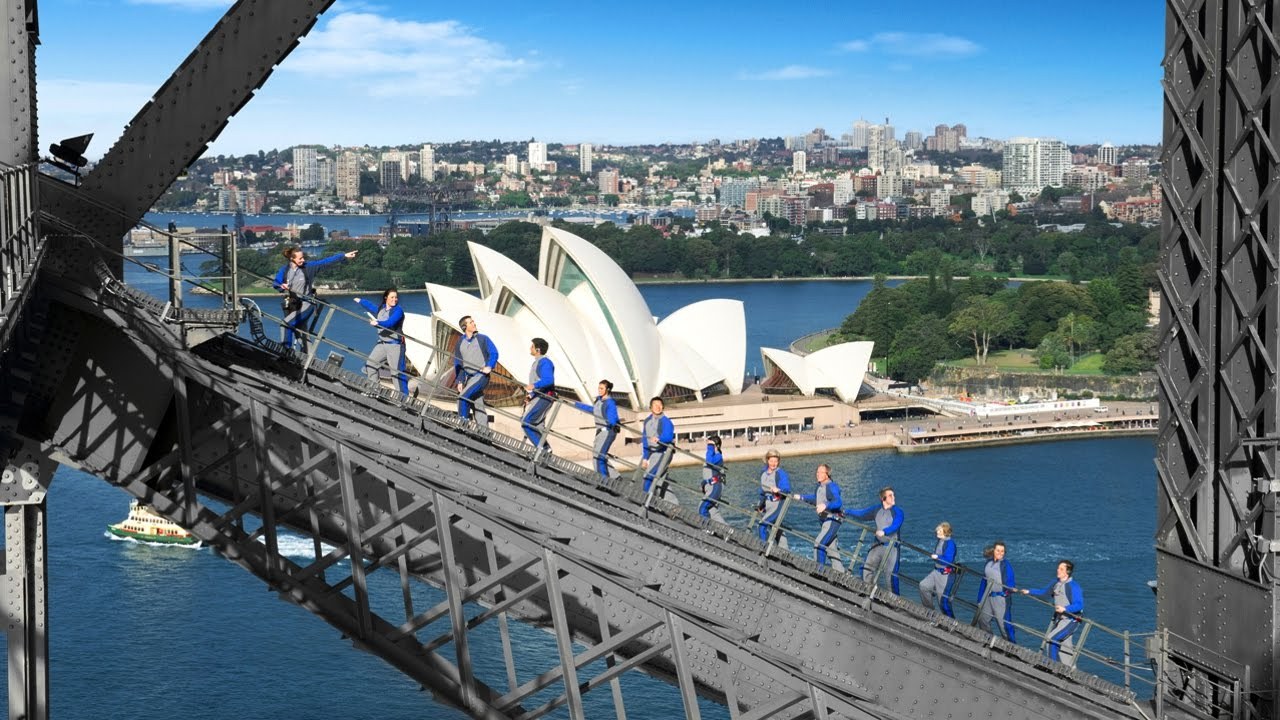
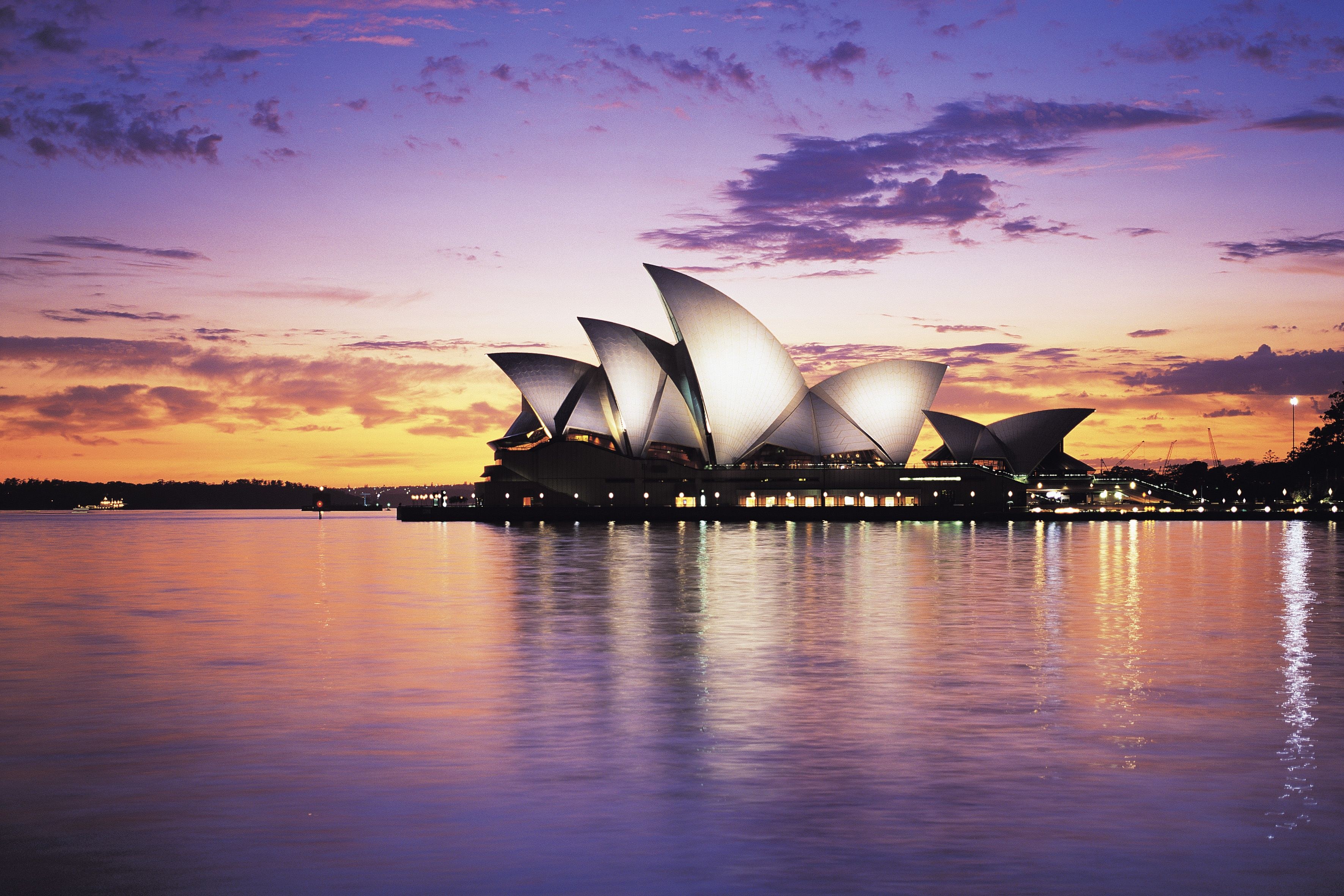
After you step off · near Singapore
You end in a different port — stay on, and add what is within reach before you fly home.