Your cruise
Seven Seas Mariner · 21-night Northern Europe cruise, Southampton to Stockholm
Jul 17 – Aug 7 · 21 nights ·
Day 1 Southampton (board) · Day 2 at sea · Day 3 Stavanger · Day 4 Bergen · Day 5 Alesund · Day 6 Trondheim · Day 7 Maloy · Day 8 at sea · Day 9 Ulvik · Day 10 Kristiansand · Day 11 Oslo · Day 12 Skagen · Day 13 LYSEKIL · Day 14–15 Copenhagen · Day 16 Berlin · Day 17 at sea · Day 18 Gdansk · Day 19 Klaipeda · Day 20 Liepaja · Day 21 at sea · Day 22 Stockholm (step off)
What you do Roar into the dramatic Lysefjord aboard a powerful RIB and look straight up at Preikestolen — the iconic 604 m cliff-face that drops sheer into glassy water. Waterfalls, sea caves, basking seals and the world's most photographed rock ledge, all without the hiking crowds.
What to expect After suiting up in a thermal dry-suit at the Stavanger harbour quay, you accelerate into Lysefjord past mirrored cliff-walls that rise over 1,000 metres. The skipper cuts the engine below Preikestolen for a silent drift — an unforgettable perspective most visitors never see. Seal colonies, thundering waterfalls and optional cave entries punctuate the two-hour return. Hot drinks are served on board as the fjord narrows around you.
Good to know Departs directly from Stavanger cruise quay — no transfer needed. Tours run 2–3 hrs; confirm departure against your all-aboard time. Pre-book well in advance for summer sailings; dry-suits provided. Minimum age/weight restrictions apply for RIB seats.
Versus the ship tour Small RIB carries fewer than 12 guests in full dry-suits, reaching angles and sea caves that larger vessels cannot. A qualified skipper-guide narrates throughout, and the intimate scale means you linger wherever the light or wildlife demands — zero rushing.
What you do Stand on the most dramatic viewpoint in Norway: Preikestolen's flat summit, 604 m sheer above Lysefjord, guided every step of the way by a certified Norwegian mountain expert. Raw granite, Arctic light and pure vertical drama.
What to expect A certified mountain guide leads a small group (typically 8–12) on the 3.8 km trail each way through ancient Norwegian landscape — heathland, lake-shores and granite scrambles — with geological and cultural storytelling throughout. The payoff is standing on the 25 × 25 m flat summit platform, 604 m above the fjord, with Lysefjord shimmering beneath you. The guide controls pace, keeps you off the worst crowds and points out the best photography positions. Return transfer from Stavanger is included.
Good to know Total round-trip time is approx. 5–6 hrs including 45-min transfers each way. Wear sturdy hiking boots; trail can be wet. Book the earliest morning departure to maximise time before all-aboard. Pre-booking essential — this sells out weeks ahead in summer.
Versus the ship tour Dedicated expert mountain guide with a genuine small group — the guide adapts pace and route to conditions on the day, shares deep local knowledge and ensures you summit at a time calculated to avoid peak crowds.
What you do Glide silently into the majestic Lysefjord aboard a premium electric sightseeing vessel — no engine noise, no fumes, just you and 1,000-metre cliff walls mirrored in still water. Gaze up at Preikestolen from sea level: an entirely different and utterly humbling perspective.
What to expect Boarding at Stavanger's Skagenkaien quay, the vessel slips silently out to sea before entering Lysefjord's cathedral-like walls. The captain anchors below Preikestolen long enough to spot tiny figures on the summit ledge above. Sights include Flørlifossen waterfall, the Hengjanefossen cascade and several basalt formations. The return journey catches different light on the same cliffs, making the whole experience feel continuously new. Commentary is available in multiple languages.
Good to know Departs Skagenkaien, approx. 10-min walk from the cruise terminal. Full cruise is 3 hrs; check schedule against all-aboard — Rødne operates multiple daily departures. Sheltered deck seating available; café on board. Book direct on rodne.no for best availability.
Versus the ship tour Modern electric vessel creates an almost meditative silence inside the fjord — wildlife is undisturbed, cliff acoustics carry the sound of waterfalls, and commentary is delivered at a relaxed pace that lets you absorb the scenery rather than rush through it.
What you do Explore 173 immaculately preserved 18th-century whitewashed timber houses in Gamle Stavanger — Norway's largest wooden urban heritage quarter — then taste your way through the legendary fish market with a private local guide who makes the city feel like home.
What to expect Your guide meets you dockside and leads you uphill into Gamle Stavanger's web of gas-lit lanes, where rose gardens tumble over picket fences and each painted cottage has a story. Stavanger Cathedral — Scandinavia's oldest — is visited en route, its Romanesque nave utterly serene. At Fisketorget you sample local shrimp, cured salmon and perhaps a brunost waffle before a stop at Fargegaten, the pastel-painted 'colour street' beloved by street photographers. The guide weaves oil-age history with Viking saga throughout.
Good to know Fully walkable from the cruise terminal (under 15 mins). Two-hour format comfortably fits a morning call. Book via Visit Norway's operator link; confirm private vs. small-group format when reserving. Market is most vibrant before noon.
Versus the ship tour A fully private guide tailors every step to your curiosity — linger in cobbled alleyways, unlock stories about Stavanger's sardine-canning past and oil boom, and arrive at the fish market precisely when the morning catch is freshest, at a pace dictated entirely by you.
book direct with Visit Norway Private Guided Tour Stavanger → · the full guide →
What you do Dive into the story of how Norway transformed from fishing nation to global energy powerhouse at one of Scandinavia's most architecturally striking museums — a building designed to resemble an oil platform rising from the fjord. Fascinating, provocative and surprisingly thrilling.
What to expect The museum's architecture alone is worth the visit — cylindrical concrete 'storage cells' rise from Stavanger's waterfront like a sculptural rig. Inside, full-scale drilling modules, deep-sea diving simulators and archival films bring the 1969 Ekofisk discovery to life in visceral detail. A guided session unpacks the geopolitics, the engineering feats and the environmental debates with nuance and expertise. The rooftop terrace offers one of the finest panoramas over the harbour.
Good to know Located on Kjeringholmen, a flat 15-min waterfront walk from the cruise quay. Open daily; guided group tours usually depart at set times — check norskolje.museum.no and pre-book a guide slot. Allow 1.5–2 hrs. Excellent café and gift shop on site.
Versus the ship tour The museum offers a rare, honest and immersive account of North Sea oil discovery — simulators, real drilling equipment, and a guided narrative that connects Norway's extraordinary wealth to the sea floor beneath you. The guide experience is reserved and intimate.
book direct with Norwegian Petroleum Museum (Norsk Oljemuseum) → · the full guide →
What you do Head out with a local skipper into the North Sea skerries to fish for mackerel, pollack and cod, then return to a harbourside kitchen where a Norwegian chef transforms your catch into a beautiful coastal meal. From sea to plate in under four hours — utterly memorable.
What to expect A compact wooden fishing vessel departs from Stavanger harbour and navigates the islands and skerries of the Ryfylke coast where local families have fished for centuries. Rods, bait and technique coaching are all provided — beginners land fish within minutes in these prolific waters. Back ashore, a chef guides you in filleting, curing and cooking your haul: pan-fried catch with local butter, fresh herbs and bread, paired with Norwegian aquavit or craft beer. The meal is eaten together at a long table with the harbour as your backdrop.
Good to know Total duration approx. 3.5–4 hrs; confirm exact timing against all-aboard. Departs from the main harbour close to the cruise terminal. Dress in warm, windproof layers — the open sea is brisk even in summer. Pre-booking essential; group sizes are strictly capped for exclusivity.
Versus the ship tour Maximum eight guests per boat keeps the experience genuinely personal — the skipper shares generational fishing knowledge, the chef adapts the menu to exactly what you catch, and the table is set just for your group. It is farm-to-table, but from the sea.
What you do Just over an hour from the ship, walk up to the 5,000-year-old stone circle that is the most iconic prehistoric monument on Earth, then drive to Salisbury to stand before one of only four surviving 1215 originals of Magna Carta beneath Britain's tallest cathedral spire. This is the textbook Southampton port day and the single thing a first-timer would most regret skipping. English Heritage entry is timed-ticket only, so a direct operator who pre-books your slot and paces the day to your all-aboard time is what actually gets you inside.
What to expect You'll depart Southampton and drive just over an hour to Stonehenge, where you walk directly up to the 5,000-year-old stone circle—the most iconic prehistoric monument on Earth—with a guided perspective on this timeless landmark. From there, it's a short drive to Salisbury Cathedral, where you stand beneath Britain's tallest spire to view one of only four surviving original 1215 Magna Carta documents, a moment of profound historical weight. The pace is calibrated throughout to your all-aboard time, and your private vehicle with driver-guide ensures you move at your own rhythm rather than waiting for a 40-person coach to reassemble. You'll return to the ship with both major entries completed, the cultural textbook Southampton port day checked off.
Good to know English Heritage entry to Stonehenge is timed-ticket only; Southampton Tours pre-books your slot as part of the package, which is essential to guarantee access on busy days. The 6-hour tour window fits comfortably within a standard 8-hour port day, with your driver-guide coordinating return timing to your ship's all-aboard. Groups of 4–7 will pay £145–£199 per person (roughly $185–$203) with both entries and air-conditioned transport included; book ahead directly with Southampton Tours rather than through the ship's 40-person coach if your group meets the minimum. The operator offers a formal cruise-return guarantee in writing—they cover next-port travel if you ever miss the ship, providing peace of mind on timing.
Versus the ship tour Direct wins clearly. The ship's Stonehenge & Salisbury coach tour runs $179-$229/pp, and you share a 40-person bus on its schedule. Here a group of 6-7 pays roughly $185-$203/pp for a private vehicle with both entries included and a written get-you-back guarantee. Solo or as a couple the ship coach is actually the better value, so this card is for groups of 4 or more.
What you do An entire UNESCO World Heritage city built around Britain's only natural hot springs, where you walk the same Roman baths still fed by steaming spring water, beneath honey-stone Georgian crescents straight out of Jane Austen and Bridgerton. Many rank it the most beautiful city in England. It is a longer day (~1.5 hrs each way) so an operator who paces the drive to your all-aboard time matters.
What to expect You'll drive roughly 1.5 hours inland to arrive in Bath's honey-stone heart, where you'll walk the Roman Baths—an ancient complex still fed by steaming natural hot springs—before ascending into Georgian crescents and terraces that look lifted from a Jane Austen novel. The city unfolds at a human pace: Roman history underfoot, Regency elegance overhead, and those iconic honey-coloured stone facades that have made Bath consistently ranked as England's most beautiful city. Your driver-guide controls the rhythm of the day, pacing the route and your time away from the pier so you make your all-aboard window without stress.
Good to know Confirm your ship's all-aboard time before booking—the Bath + Stonehenge 8-hour combo is tighter than the Bath + Cotswolds option, and a 1.5-hour return drive means no margin for error. Book the Roman Baths entry (~£28/$36) directly once you've secured your tour, as it's not bundled into the operator fee. Your private driver and vehicle are included in the ~$190–$250/pp cost, making this far cheaper and more flexible than ship-run premium combos at $300–$400+/pp. Factor 3 hours minimum for Bath itself (Roman Baths + walking the crescents), leaving 1.5 hours on each end for driving, ensuring you're back at the pier with a comfortable buffer before all-aboard.
Versus the ship tour Direct wins on access and pacing. Bath is rarely sold as a standalone ship excursion from Southampton and when bundled into premium full-day combos it runs $300-$400+/pp. A private Bath day at ~$190/pp plus your own Roman Baths ticket is both cheaper and far more flexible. Mind the 8-hour length: confirm your ship's all-aboard before booking the Stonehenge combo version.
What you do Southampton IS the Titanic's home port: she sailed from Berth 44 on 10 April 1912, and most of the crew who died were Sotonians. This award-winning guided walk leaves on foot right from Town Quay by the cruise terminals (no coach) and threads the White Star Line offices, the Grapes pub where firemen famously missed the sailing, and the memorials. For anyone who knows the story, walking the actual streets where it happened is moving and almost free on a tight port day.
What to expect You step off the gangway at Town Quay and begin walking immediately—no coach, no waiting—threading through Southampton's historic streets with your guide. You'll stand at the White Star Line offices where the Titanic's fate was managed, visit the Grapes pub where firemen fatefully missed the 10 April 1912 sailing, and pause at memorials dedicated to the local crew who perished. The walking route is intimate and grounded: you're tracing the actual streets where the story unfolded, hearing period details and crew narratives as you move through the port district. Over roughly two hours, the rhythm builds from administrative sites to human moments, ending with a deeper understanding of why this ship's story belongs so deeply to Southampton.
Good to know Book ahead online via Walsh Tours (use code DIRECT for 10% off) and choose either the 10:00am or 2:30pm departure; both fit comfortably within a 6–8 hour port day, leaving a 90-minute buffer before all-aboard. The tour departs directly from Town Quay beside the cruise terminal—no transport needed—and costs £16/pp (~$20), making it easy to return to the ship in time. Bring comfortable walking shoes and a camera; the tour includes photography privileges and offers pub/tavern discounts along the route. At roughly two hours, this excursion is one of the shortest and closest to the ship you can book, ideal if you're timing a tight turnaround or prefer to stay near your gangway.
Versus the ship tour Direct wins overwhelmingly. The ship's Southampton/Winchester city tour runs $80-$130/pp for a coach panoramic. This is the actual Titanic story, on foot, from beside your gangway, for about $20/pp. The only thing the ship adds is a bus seat you do not need here, since the whole walk starts at the terminal.
book direct with Walsh Tours (guide Brian Walsh) → · the full guide →
What you do Southampton's own backyard wilderness: a 1,000-year-old royal hunting forest created by William the Conqueror, where wild ponies, deer and cattle roam free across heath and ancient oak, just minutes from the ship. The most quintessentially English countryside on a short port day, with a stop at Beaulieu on the river. Ideal for travelers who would rather see living landscape and free-roaming animals than monuments.
What to expect Your private coach departs the Southampton pier and within minutes enters the New Forest—William the Conqueror's ancient 1,000-year-old hunting domain—where wild ponies, deer, and cattle move freely across open heath and gnarled oak woodland. You'll spend the heart of the day immersed in this living landscape, observing free-roaming animals in their natural habitat, the rhythms of the English countryside unfolding at ground level rather than behind glass. A stop at Beaulieu on the river gives you a chance to step out and experience the waterside setting before the journey continues. The day winds down with a drive to Salisbury Cathedral (entry included), a chance to view one of England's finest Gothic monuments, before your driver-guide returns you to the ship with time built in for a safe turnaround.
Good to know Departures run on your group's schedule from the Southampton pier, with 6–8 hour tours giving you roughly 4–5 hours in the New Forest itself and 1–2 hours at Salisbury Cathedral; book the Beaulieu Motor Museum or Palace House in advance if those interest you, as they're separate admissions. Your private vehicle picks you up directly from the cruise terminal—no waiting for a coach—so factor in only a 15-minute buffer before the posted return time. Dress in layers and bring waterproof jackets; the New Forest is exposed moorland where weather changes quickly and there's no shelter while spotting wildlife. The cruise-return guarantee means if your ship departs early, the operator covers your transport back, so you can book with confidence even on a tight port schedule.
Versus the ship tour Direct wins for groups. The ship's New Forest & Beaulieu scenic coach runs $130-$200/pp on its own schedule. A private vehicle at ~$134-$152/pp for 6-7 people undercuts that and adds Salisbury. As a solo traveler the per-head private price climbs, so the ship coach is the smarter buy for one or two; this card shines at 4+.
What you do The definitive Titanic museum, opened in 2012 for the disaster's centenary and built around the city's own loss. Its interactive 'Southampton's Titanic Story' uses real passenger and crew records, a vast working model of the ship, and the actual disaster-inquiry courtroom. Walkable from the port and the perfect rainy-day or short-window option that pairs with the Titanic walk to complete the story the city is famous for.
What to expect You walk out of the terminal and head straight into Southampton's city center—a 15–20 minute stroll that itself becomes part of the journey. Once inside SeaCity Museum, you're immersed in interactive stations built around real passenger and crew records, a sprawling working model of the Titanic, and the actual courtroom from the disaster inquiry, each exhibit drawing you deeper into the human story of the ship and the city that built and lost it. The rhythm is unhurried and self-paced; there's no coach departure window or strict schedule, so you move through at your own speed, lingering over the objects and stories that grip you. You exit with the definitive Titanic narrative, especially Southampton's own role—and you're minutes from the port the entire time.
Good to know In a 6–8 hour port day, allocate 2–2.5 hours for the museum itself, plus 30–40 minutes round-trip walking and buffer time, keeping you safely back at the ship 1.5–2 hours before departure. The museum sits at the Civic Centre, a walkable 15–20 minutes from the terminals, or take a short cab (£5–10) if time or mobility is tight. Admission is £14.50/adult (student and senior discounts available) and includes both the main Titanic exhibition and Southampton Stories; no advance booking is typically required, but arrive early in your port window to avoid any midday crowds. Dress for British weather and wear comfortable walking shoes—this is fundamentally a walk-and-explore day with zero risk of missing the ship.
Versus the ship tour Direct wins, and it is your low-risk safety net. The ship's city/panoramic tour is $80-$130/pp; here you self-walk to a world-class Titanic museum for about $18.50. No coach, no schedule, no risk of missing the ship since you are minutes from the port. The one thing the ship buys is transport you do not need for a near-port museum.
book direct with SeaCity Museum (Southampton City Council) → · the full guide →
What you do Roar into the dramatic Lysefjord aboard a powerful RIB and look straight up at Preikestolen — the iconic 604 m cliff-face that drops sheer into glassy water. Waterfalls, sea caves, basking seals and the world's most photographed rock ledge, all without the hiking crowds.
What to expect After suiting up in a thermal dry-suit at the Stavanger harbour quay, you accelerate into Lysefjord past mirrored cliff-walls that rise over 1,000 metres. The skipper cuts the engine below Preikestolen for a silent drift — an unforgettable perspective most visitors never see. Seal colonies, thundering waterfalls and optional cave entries punctuate the two-hour return. Hot drinks are served on board as the fjord narrows around you.
Good to know Departs directly from Stavanger cruise quay — no transfer needed. Tours run 2–3 hrs; confirm departure against your all-aboard time. Pre-book well in advance for summer sailings; dry-suits provided. Minimum age/weight restrictions apply for RIB seats.
Versus the ship tour Small RIB carries fewer than 12 guests in full dry-suits, reaching angles and sea caves that larger vessels cannot. A qualified skipper-guide narrates throughout, and the intimate scale means you linger wherever the light or wildlife demands — zero rushing.
What you do Stand on the most dramatic viewpoint in Norway: Preikestolen's flat summit, 604 m sheer above Lysefjord, guided every step of the way by a certified Norwegian mountain expert. Raw granite, Arctic light and pure vertical drama.
What to expect A certified mountain guide leads a small group (typically 8–12) on the 3.8 km trail each way through ancient Norwegian landscape — heathland, lake-shores and granite scrambles — with geological and cultural storytelling throughout. The payoff is standing on the 25 × 25 m flat summit platform, 604 m above the fjord, with Lysefjord shimmering beneath you. The guide controls pace, keeps you off the worst crowds and points out the best photography positions. Return transfer from Stavanger is included.
Good to know Total round-trip time is approx. 5–6 hrs including 45-min transfers each way. Wear sturdy hiking boots; trail can be wet. Book the earliest morning departure to maximise time before all-aboard. Pre-booking essential — this sells out weeks ahead in summer.
Versus the ship tour Dedicated expert mountain guide with a genuine small group — the guide adapts pace and route to conditions on the day, shares deep local knowledge and ensures you summit at a time calculated to avoid peak crowds.
What you do Glide silently into the majestic Lysefjord aboard a premium electric sightseeing vessel — no engine noise, no fumes, just you and 1,000-metre cliff walls mirrored in still water. Gaze up at Preikestolen from sea level: an entirely different and utterly humbling perspective.
What to expect Boarding at Stavanger's Skagenkaien quay, the vessel slips silently out to sea before entering Lysefjord's cathedral-like walls. The captain anchors below Preikestolen long enough to spot tiny figures on the summit ledge above. Sights include Flørlifossen waterfall, the Hengjanefossen cascade and several basalt formations. The return journey catches different light on the same cliffs, making the whole experience feel continuously new. Commentary is available in multiple languages.
Good to know Departs Skagenkaien, approx. 10-min walk from the cruise terminal. Full cruise is 3 hrs; check schedule against all-aboard — Rødne operates multiple daily departures. Sheltered deck seating available; café on board. Book direct on rodne.no for best availability.
Versus the ship tour Modern electric vessel creates an almost meditative silence inside the fjord — wildlife is undisturbed, cliff acoustics carry the sound of waterfalls, and commentary is delivered at a relaxed pace that lets you absorb the scenery rather than rush through it.
What you do Explore 173 immaculately preserved 18th-century whitewashed timber houses in Gamle Stavanger — Norway's largest wooden urban heritage quarter — then taste your way through the legendary fish market with a private local guide who makes the city feel like home.
What to expect Your guide meets you dockside and leads you uphill into Gamle Stavanger's web of gas-lit lanes, where rose gardens tumble over picket fences and each painted cottage has a story. Stavanger Cathedral — Scandinavia's oldest — is visited en route, its Romanesque nave utterly serene. At Fisketorget you sample local shrimp, cured salmon and perhaps a brunost waffle before a stop at Fargegaten, the pastel-painted 'colour street' beloved by street photographers. The guide weaves oil-age history with Viking saga throughout.
Good to know Fully walkable from the cruise terminal (under 15 mins). Two-hour format comfortably fits a morning call. Book via Visit Norway's operator link; confirm private vs. small-group format when reserving. Market is most vibrant before noon.
Versus the ship tour A fully private guide tailors every step to your curiosity — linger in cobbled alleyways, unlock stories about Stavanger's sardine-canning past and oil boom, and arrive at the fish market precisely when the morning catch is freshest, at a pace dictated entirely by you.
book direct with Visit Norway Private Guided Tour Stavanger → · the full guide →
What you do Dive into the story of how Norway transformed from fishing nation to global energy powerhouse at one of Scandinavia's most architecturally striking museums — a building designed to resemble an oil platform rising from the fjord. Fascinating, provocative and surprisingly thrilling.
What to expect The museum's architecture alone is worth the visit — cylindrical concrete 'storage cells' rise from Stavanger's waterfront like a sculptural rig. Inside, full-scale drilling modules, deep-sea diving simulators and archival films bring the 1969 Ekofisk discovery to life in visceral detail. A guided session unpacks the geopolitics, the engineering feats and the environmental debates with nuance and expertise. The rooftop terrace offers one of the finest panoramas over the harbour.
Good to know Located on Kjeringholmen, a flat 15-min waterfront walk from the cruise quay. Open daily; guided group tours usually depart at set times — check norskolje.museum.no and pre-book a guide slot. Allow 1.5–2 hrs. Excellent café and gift shop on site.
Versus the ship tour The museum offers a rare, honest and immersive account of North Sea oil discovery — simulators, real drilling equipment, and a guided narrative that connects Norway's extraordinary wealth to the sea floor beneath you. The guide experience is reserved and intimate.
book direct with Norwegian Petroleum Museum (Norsk Oljemuseum) → · the full guide →
What you do Head out with a local skipper into the North Sea skerries to fish for mackerel, pollack and cod, then return to a harbourside kitchen where a Norwegian chef transforms your catch into a beautiful coastal meal. From sea to plate in under four hours — utterly memorable.
What to expect A compact wooden fishing vessel departs from Stavanger harbour and navigates the islands and skerries of the Ryfylke coast where local families have fished for centuries. Rods, bait and technique coaching are all provided — beginners land fish within minutes in these prolific waters. Back ashore, a chef guides you in filleting, curing and cooking your haul: pan-fried catch with local butter, fresh herbs and bread, paired with Norwegian aquavit or craft beer. The meal is eaten together at a long table with the harbour as your backdrop.
Good to know Total duration approx. 3.5–4 hrs; confirm exact timing against all-aboard. Departs from the main harbour close to the cruise terminal. Dress in warm, windproof layers — the open sea is brisk even in summer. Pre-booking essential; group sizes are strictly capped for exclusivity.
Versus the ship tour Maximum eight guests per boat keeps the experience genuinely personal — the skipper shares generational fishing knowledge, the chef adapts the menu to exactly what you catch, and the table is set just for your group. It is farm-to-table, but from the sea.
What you do Glide deep into the Osterfjord and the dramatic Mostraumen strait — one of Bergen's most iconic natural spectacles. Thundering waterfalls, soaring eagle nests, and mirror-still fjord waters make this the single most unmissable excursion from Bergen.
What to expect You board at the Fisketorget (Fish Market) and sail out through Byfjorden before threading into the Osterfjord's jaw-dropping scenery. The narrows at Mostraumen are dramatic — steep granite walls plunge into dark water while cascades drop from above. Wildlife spotting (white-tailed eagles, seals) is a highlight. The pace is unhurried, allowing long lingering views and photography without the crowds of larger boats.
Good to know Daily departures at 10 am, May through September; the half-day tour runs approximately 4 hours, returning well before typical all-aboard times. Pre-book directly online as departures fill quickly in high season. Warm, waterproof layers essential even in summer.
Versus the ship tour Departing directly from the Bergen Fish Market aboard the classic White Lady, this is a small, intimate vessel — not a mass-market ferry — letting you stand at the bow as you enter the narrow Mostraumen channel, spray on your face, eagles overhead. The naturalist commentary is deeply personal.
What you do Ascend Bergen's beloved mountain by the iconic Fløibanen funicular, then explore the summit trails with a private local expert who reveals the peaks, city panoramas, and forested paths that most visitors never find. Bergen laid entirely at your feet — bucket-list by definition.
What to expect The Fløibanen funicular whisks you 320 metres above sea level in under eight minutes, emerging into a world of spruce forest, rocky outcrops, and sweeping panoramas over the fjord and harbour below. Your private guide leads you beyond the main viewpoint into quieter trails, pointing out local flora, the city's medieval layout from above, and the best photography angles. A stop at the summit café for Norwegian waffles and hot coffee is customary.
Good to know Book the funicular directly at fløibanen.no (NOK 190 adult return); engage Norwegian Guide Service separately for a private guide. Allow a minimum of 3 hours for the full experience. The funicular lower station is a 10-minute walk from the cruise terminal at Skolten or Jekteviken.
Versus the ship tour A private authorized guide transforms this iconic ascent into a genuinely personal experience — hidden viewpoints, forested trails to Skomakerdiket lake, and storytelling about Bergen's seven mountains that a group tour simply cannot match. Your pace, your summit, your morning.
book direct with Norwegian Guide Service (visitBergen official guide partner) → · the full guide →
What you do Step inside Bergen's UNESCO-listed Bryggen wharf with a specialist private guide and the Hanseatic Museum, where 700 years of merchant history comes alive in one of Europe's most atmospheric timber-built streetscapes. Intimate access, scholarly depth, unforgettable.
What to expect Your guide leads you through the creaking, lantern-lit passages of Bryggen's wooden alleyways before entering the museum's extraordinarily preserved merchant quarters — sleeping bunks stacked to the ceiling, counting rooms with original ledgers, and smoky assembly halls. The adjacent Schøtstuene guild rooms reveal the social world of the Hanseatic traders. The contrast between the living city outside and the perfectly frozen interior is genuinely eerie and moving.
Good to know Pre-book directly with the museum for private or guided tours, especially in peak summer months. The museum is a 15-minute walk from the main cruise berths. Allow 2–3 hours for the full Bryggen and museum experience. Combine with a lunch reservation at a Bryggen-side restaurant for a complete cultural immersion.
Versus the ship tour The Hanseatic Museum is the only institution in the world preserving an intact Hanseatic merchant's house in situ, with original 18th-century interiors. A private booking secures exclusive after-hours or small-group access, and a museum specialist — not a generalist guide — narrates the lives of the German merchants who slept, traded, and died within these very walls.
book direct with The Hanseatic Museum and Schøtstuene (MuseumVest official) → · the full guide →
What you do Journey from Bergen into the heart of the Hardangerfjord region aboard the legendary Flåmsbana — consistently ranked among the world's most beautiful rail journeys — descending through cascading waterfalls, wild gorges, and snow-capped peaks to the tiny village of Flåm. Utterly unforgettable.
What to expect The train winds through 20 tunnels and past the thundering Kjosfossen waterfall — where the train pauses for a photography stop and, in summer, a theatrical nøkken folk performance. Descending into the Flåm valley, the scenery shifts from alpine tundra to lush green riverbanks. In Flåm, the tiny Æ waterfront, the Flåm Railway Museum, and the fjordside Ægir Bryggeri (a spectacular Viking-longhouse brewery) reward leisurely exploration.
Good to know Pre-book Flåmsbana tickets well in advance at visitflam.com — the train sells out weeks ahead in summer. A full day is required: Bergen–Myrdal by Bergensbanen (approx. 2 hrs), Myrdal–Flåm by Flåmsbana (1 hr), return same route. Confirm your ship's all-aboard time and allow 30–45 minutes' buffer back to the Bergen terminal.
Versus the ship tour This is one of those journeys that belongs on every serious traveller's lifetime list — 20 km of rack railway descending 863 metres through scenery that simply does not exist anywhere else on Earth. Booked independently, you control your time in Flåm village, choosing a private fjord kayak session, a restaurant lunch, or a quiet walk to the Brekke waterfall on your own terms.
book direct with Vy (Norwegian State Railway) — Flåmsbana official → · the full guide →
What you do Discover two of Bergen's most overlooked treasures on a private half-day: the hauntingly beautiful Fantoft Stave Church — a 12th-century Norse masterpiece — followed by Gamlehaugen, the Norwegian Royal Family's official Bergen residence, surrounded by parkland and fjord views. Rare, refined, and deeply Norwegian.
What to expect Your guide collects you at the pier and drives south to the Fantoft hillside, where the black-tarred stave church rises dramatically from the pine forest — its dragon-head roof finials and carved portals an authentic echo of Viking-age Norway. Next, Gamlehaugen's neo-Gothic manor and its sweeping Nordåsvatnet fjord gardens offer a glimpse of royal Norway at its most graceful. The park is open to the public and the setting is one of the most photogenic in the Bergen region.
Good to know Fantoft Stave Church is open May–September; confirm opening hours directly before visiting. A private vehicle is strongly recommended as public transport is time-consuming. The half-day circuit (3–4 hours) returns to the cruise terminal comfortably before all-aboard. Gamlehaugen's interior is open on selected dates — check visitbergen.com for the current season's schedule.
Versus the ship tour With a private English-speaking driver-guide, you skip all logistics — Fantoft is 6 km from the city centre and impractical without private transport — and gain insider access to the stories behind the church's dramatic 1992 arson and faithful reconstruction, and the royal history of Gamlehaugen's Belle Époque interiors. Intimate, unhurried, and completely tailored.
book direct with Bergen Driver Guide (Romain — authorized private guide & driver) → · the full guide →
What you do Walk inside one of Norway's oldest and best-preserved medieval fortresses — Bergenhus — and the country's oldest church, St. Mary's (Mariakirken), with a specialist private guide at the golden hour when the crowds have gone. Seven centuries of Norwegian power condensed into two hours of pure atmosphere.
What to expect Your guide meets you at the fortress gate and leads you first into Håkon's Hall, whose soaring Gothic interior has witnessed royal banquets from the 1260s to the present day. The adjacent Rosenkrantz Tower climbs through three eras of Norwegian architecture in a single building, emerging at rooftop battlements with sweeping harbour views. A short walk brings you to 12th-century St. Mary's Church — Bergen's oldest building — where Romanesque stone carving, a baroque altarpiece, and extraordinary silence create an experience worlds away from the busy quayside.
Good to know This excursion is ideal for late-afternoon port calls when cruise passengers have largely re-embarked, leaving the fortress peaceful. Håkon's Hall and Rosenkrantz Tower are open May–August (check Bymuseet Bergen for winter hours). Book your private guide at least 2 weeks ahead through Norwegian Guide Service. The fortress is walkable from all Bergen cruise berths.
Versus the ship tour Bergenhus sits at the entrance to Bergen harbour — literally a 5-minute walk from the Skolten cruise terminal — yet most visitors simply photograph it from outside. A private guide unlocks Håkon's Hall (a 13th-century royal banquet hall still used by Norway's royal family) and the Rosenkrantz Tower's rooftop battlements, with expert medieval and WWII history delivered with genuine passion.
book direct with Norwegian Guide Service (visitBergen official guide partner) → · the full guide →
What you do A private chauffeured day along Norway's most dramatic mountain road — 11 hairpin bends, cascading waterfalls, and a UNESCO fjord at the end. Pure Norwegian wilderness, no crowds, all yours.
What to expect Your private driver-guide collects you at the port gate and heads inland through the Sunnmøre Alps to Trollstigen, where 11 gravity-defying hairpin turns wind up a sheer cliff face past the thundering Stigfoss Waterfall. At the summit viewpoint you stand eye-level with peaks and plunging valleys that feel entirely untouched. The route then sweeps toward the UNESCO-listed Geirangerfjord for breathtaking views before a comfortable return to Ålesund well ahead of all-aboard.
Good to know Book directly with Royal Tur Reiser as early as possible — private vehicles fill up months before the cruise season peaks (May–September). Confirm your ship's all-aboard time so the guide can tailor the pace. The road has seasonal closures; the operator will advise on dates.
Versus the ship tour Fully private vehicle and guide exclusively for your group — no waiting, no fixed itinerary, and the ability to stop exactly where you want for photographs. The guide's deep local knowledge turns the landscape into a living story.
book direct with Royal Tur Reiser (local expert, Ålesund) → · the full guide →
What you do Glide silently into the world's most celebrated fjord aboard a hybrid-electric vessel, drifting beneath the Seven Sisters and Bridal Veil waterfalls in near-total quiet. A UNESCO World Heritage masterpiece seen from the water.
What to expect The 90-minute drive from Ålesund port through mountain passes already delivers extraordinary scenery before you even board. Once on the fjord, the boat slips beneath sheer 1,400-metre granite walls draped in ribbons of white water — the Seven Sisters on one side, the Suitor's solitary fall answering from the other. Farm hamlets cling impossibly to ledges above you, accessible only by rope in past centuries. The return journey is equally scenic, arriving back in Ålesund with time to spare.
Good to know The full Ålesund–Geiranger round trip takes approximately 7–8 hours; confirm against your ship's all-aboard time. Book the boat segment in advance for peak summer (June–August). Layers are essential — fjord air is cool even in midsummer.
Versus the ship tour A hybrid-electric boat means almost no engine noise — just water, waterfalls and silence. Small vessel capacity keeps the experience intimate, and the electric motor allows closer approaches to the cliff-face cascades than larger boats can manage.
What you do Climb 418 steps to Ålesund's iconic panoramic viewpoint, then descend into Europe's finest Art Nouveau streetscape with a specialist guide who knows every spire, dragon head and turret. The city from above and from within.
What to expect The guide meets you at the port and leads you through cobbled lanes where every façade is a fin-de-siècle fantasy of towers, ornamental ironwork and maritime motifs. At Fjellstua — reached via 418 stone steps through the hillside park — the reward is a 360-degree panorama over the archipelago, the open Atlantic and the snow-capped Sunnmøre Alps. Back at sea level the guide reveals hidden courtyards, the story of Norway's most dramatic urban renaissance, and the best spots for a coffee break in a beautifully restored Art Nouveau interior.
Good to know The walking tour departs from or near the cruise terminal; confirm the exact meeting point when booking. Wear comfortable, flat-soled shoes for the Fjellstua steps. Allow 3–4 hours total. The Jugendstil (Art Nouveau) Centre museum entry is a worthwhile add-on at approx. NOK 120 (~USD 11).
Versus the ship tour A small-group format (capped numbers) with an architectural specialist means you hear the extraordinary story of the 1904 fire that burned Ålesund to the ground and the Kaiser Wilhelm-funded Art Nouveau rebuild — in precisely the detail a discerning traveller deserves.
book direct with GetYourGuide – Small Group Walking Tour Ålesund (local expert guide) → · the full guide →
What you do Cross to the wild Atlantic island of Godøya for Ålesund's most photogenic lighthouse, dramatic cliff-top scenery and the chance to eat a traditional Norwegian svele pancake with the locals. Utterly untouristy and timelessly beautiful.
What to expect Your private guide collects you dockside and heads through the subsea tunnel to Godøya, a wind-sculpted island where sheep graze above Atlantic surf. The 1876 Alnes Lighthouse stands on a headland of jagged rock with sweeping views out to open ocean — utterly dramatic in any weather. The lighthouse keeper's café serves svele (thick Norwegian pancakes with butter and brown cheese), a local ritual worth savouring. On the return, the guide weaves through Ålesund's island bridges for a final view of the Art Nouveau skyline from the water's edge.
Good to know The round trip from port takes approximately 3–4 hours, making it ideal for pairing with an afternoon in the town centre. The lighthouse café can be busy on summer weekends — your guide will time the visit to avoid the rush. Book private guide in advance for cruise-season dates.
Versus the ship tour Godøya is bypassed by most large-group itineraries, making it genuinely off the beaten path. A private guide drives you across the underwater tunnel to the island, stops wherever the light is best, and introduces you to a Norway that feels entirely authentic.
book direct with ToursByLocals – Private Ålesund Local Guide → · the full guide →
What you do One of Europe's largest saltwater aquariums, set dramatically on the Atlantic shore — home to massive halibut, wolf fish, seals and the wild Norwegian coast in miniature. A world-class marine encounter for curious, unhurried travellers.
What to expect The park's centrepiece is a vast open tank where local Atlantic species — some of extraordinary size — swim at eye level through floor-to-ceiling glass. Seals bask on outdoor rocks with the real Atlantic horizon behind them, blurring the line between exhibit and wilderness. A private naturalist guide explains the fragile ecosystems of the Norwegian Sea with genuine passion. The coastal walking path surrounding the park adds a bracing, scenic bonus that few visitors take the time to explore.
Good to know The park is a 15-minute taxi or 30-minute walk from the cruise pier. Book private guided access directly through the park's website or by email well ahead of your port call. Open daily; feeding shows are timetabled — confirm times when booking. Pair with the Alnes Lighthouse excursion for a full island-and-sea day.
Versus the ship tour The park sits right on the open ocean, architecturally integrated into the rocky coastline — as much a landscape experience as an aquarium. A pre-arranged private guide gives behind-the-scenes access to feeding sessions and ecological context that standard entry does not include.
What you do Explore Ålesund's Art Nouveau highlights, waterfront and the extraordinary open-air Sunnmøre Museum at your own unhurried pace on the city's premium sightseeing bus — the perfect self-curated day for the independent luxury traveller.
What to expect The bus loops through the Art Nouveau town centre, up toward the Fjellstua viewpoint area, along the dramatic waterfront and out to the Sunnmøre Museum — Norway's finest open-air maritime and folk museum. Alight at the museum to walk among Viking-age boat replicas and stave-built farmhouses, then re-board for the coastal stretch back toward the port. The audio guide narrates the 1904 fire, the Art Nouveau rebuild and the city's deep seafaring heritage in seamless detail. The whole loop takes 80 minutes non-stop, but a full day of hopping delivers something far richer.
Good to know The service operates only during cruise ship port calls (April–September) and the first bus typically departs close to the pier. Validate your all-aboard time: the last return bus is timed to ship departures but always allow a buffer. Pre-purchase tickets online via Gray Line to skip any quayside queue.
Versus the ship tour Eight stops, multilingual audio commentary and the freedom to linger exactly where you choose — the Sunnmøre Museum stop rewards those who alight, with 55 historic wooden boats and 40 reconstructed medieval buildings on an open-air waterfront site that most visitors rush past.
book direct with Gray Line Norway / City Sightseeing Ålesund (official) → · the full guide →
What you do Step inside Scandinavia's greatest Gothic cathedral — the ancient coronation church of Norway's kings — with a private guide unlocking its 900-year story. Descend into the Royal Regalia vault, where Norway's crown jewels are displayed in dramatic silence.
What to expect Your expert guide meets you beneath the cathedral's soaring west facade, carved with biblical saints in honey-coloured soapstone. Inside, you trace the pilgrimage route to the silver shrine of St Olav, patron saint of Norway, as afternoon light fractures through restored rose windows. The Regalia vault presents the full Norwegian Crown Jewels — still used for royal ceremonies — in hushed, cathedral-cool chambers. You leave through the archbishop's palace courtyard, with the whole medieval complex to reflect on.
Good to know Nidaros Cathedral is a 15-minute walk from the cruise pier or a 5-minute taxi. Pre-book a licensed private guide through Trondheim For You (trondheimforyou.no) to layer expert narration onto the official ticket. Allow 2–2.5 hours. Cathedral closes by 18:00 in summer — check all-aboard time carefully.
Versus the ship tour A private or small-group guide unlocks hidden iconography, the medieval pilgrimage route and the crypt — layers entirely missed on a self-guided visit. The Regalia vault, housing Norway's actual crown, sceptre and orb, is one of the most emotionally resonant rooms in Scandinavia.
book direct with Nidaros Cathedral (official) → · the full guide →
What you do Explore Trondheim's enchanting old quarter with a hand-picked local guide — cobbled Bakklandet lanes, the iconic Old Town Bridge and the candy-coloured wharfhouses of Nedre Elvehavn. This is the soul of the city, intimate and unhurried.
What to expect You begin at the photogenic Gamle Bybro (Old Town Bridge), its red painted gate towers framing a postcard view of the medieval wharfhouses. Your guide weaves you through Bakklandet's sloping cobblestone streets — one of Norway's best-preserved 18th-century neighbourhoods — stopping at a tiny riverside café for Norwegian pastry and coffee. The route continues past the Nidelva River embankment and the ochre and terracotta merchants' warehouses that once stored goods from across Europe. The final stretch takes in Trondheim's lively market square and the baroque-fronted Royal Residence.
Good to know Meeting point is agreed directly with your guide — typically the Old Town Bridge, a 20-minute walk or 7-minute taxi from the pier. Book well ahead in summer; this boutique operator fills fast. A 2-hour tour is ideal; 3 hours if you want to include Kristiansten Fortress.
Versus the ship tour A genuinely private guide means the pace, the stories and the detours are entirely yours — into the courtyard café your guide has loved for 20 years, across the bridge at the precise golden-hour angle, or lingering in the artisan workshops tucked behind the painted facades.
What you do Walk through 80 authentic historic buildings transplanted from across Trøndelag, spread across a hillside beside a medieval royal fortress. Norway's largest open-air museum brings the Viking age, stave-church era and 19th-century farmsteads vividly to life.
What to expect The hilltop setting alone is spectacular — King Sverre's ruined fortress commands views over Trondheim and the fjord beyond. You wander between original farmhouses, fishing cottages, a rural post office and a dentist's surgery, each period-furnished and many staffed by knowledgeable interpreters in traditional dress. The relocated stave church interior is breathtaking: dark timber, flickering candlelight and medieval carvings. In summer, craftspeople demonstrate blacksmithing, weaving and boat-building in the open courtyards.
Good to know Located 3 km west of the city centre — take a taxi (10 min, approx. NOK 150) or the Gråkallbanen tram from St Olavs gate. Allow 2.5–3 hours minimum. The museum restaurant serves excellent traditional Norwegian lunches — book a table in advance. Open daily in summer from 11:00.
Versus the ship tour The combination of King Sverre's 12th-century stone fortress ruins, a fully furnished stave church and costumed living-history demonstrations creates a multi-sensory Norwegian experience impossible to replicate indoors. A private or small-group guide brings the characters who lived here back to life.
book direct with Sverresborg Trøndelag Folk Museum → · the full guide →
What you do Discover Norway's national museum of musical history inside a Baroque manor house, its collection spanning 2,000 instruments from across five centuries and every corner of the globe. Guided tours end with a live recital performed on the historic instruments — utterly unique.
What to expect The manor sits in landscaped botanical gardens on a peninsula above the Nidelva estuary — one of Trondheim's most beautiful settings. Your guide escorts a small group through chronologically arranged rooms, each showcasing extraordinary instruments: glass harmonicas, enormous barrel organs, Norwegian folk instruments and a concert grand once owned by a 19th-century virtuoso. At each stop, the guide plays — the music filling rooms whose acoustics have changed little in 300 years. The rose garden outside is perfect for a post-tour stroll.
Good to know Guided tours depart at fixed times (check schedule at ringve.no); the 11:00 and 13:00 tours work best for cruise visitors. Allow 2 hours including the gardens. Located 4 km from the pier — taxi recommended (approx. NOK 180, 12 minutes). Book tickets online to guarantee a spot on the guided tour.
Versus the ship tour The guided tour format is mandatory and intimate by design — small groups only, led by a music specialist who plays each instrument as they present it. Hearing a 17th-century harpsichord or a Norwegian Hardanger fiddle performed live in a period manor room is a genuinely rare privilege.
What you do Climb to the 17th-century hilltop fortress that saved Trondheim from Swedish invasion, now perfectly preserved and commanding the finest panoramic views in the city. A private military historian guide unlocks the siege, the cannon batteries and the extraordinary wartime stories.
What to expect The cobbled path up to Kristiansten rewards immediately: from the outer ramparts, the entire city unfolds below — the cathedral spire, the river delta, the fjord and, on clear days, the mountains beyond. Your guide positions you at each cannon tower to narrate the 1718 battle in forensic detail, then leads you inside the round tower keep, unchanged since the 1680s. The eastern bastion offers the single best photograph in Trondheim — city, fjord and fortress wall in one frame. Mornings are best; the light is extraordinary.
Good to know A 25-minute walk from the cruise pier uphill through Bakklandet — the walk itself is scenic. Alternatively, taxi to the base (NOK 120, 8 minutes) and walk the final 10 minutes up. The fortress grounds are always open; interiors open May–September. Combine with a Bakklandet coffee stop on the way back down.
Versus the ship tour The fortress is free and open — but arriving with a specialist guide who brings the 1718 Swedish siege, the WWII German occupation and the execution grounds to vivid life transforms a scenic hilltop into one of the most dramatic historical encounters in Norway.
What you do Board a private vessel and sail the Trondheimsfjord to Munkholmen — an island that has served as monastery, fortress and prison across 1,000 years of Norwegian history. Return with the city skyline and cathedral spire as your backdrop from the water.
What to expect Your private vessel departs from Ravnkloa fish market pier, threading past the colourful harbour and out into the shimmering Trondheimsfjord. On Munkholmen, your guide walks you through the Benedictine monastery foundations (c. 1100), the circular Dutch-built fortress (1658) and the island's 20th-century use as a WWII prisoner camp. The island café serves coffee and open-faced shrimp sandwiches on the terrace facing the mainland. The return crossing at golden hour, with the cathedral and rooftops glowing, is a memory that lingers long after the voyage ends.
Good to know Public ferry departs Ravnkloa (10-minute walk from pier) May–September; first departure 10:00, last return 18:00 — confirm times against all-aboard. For a private charter, contact local operators through Visit Trondheim's recommendations or Trondheim For You. Allow 3 hours total including crossing time. Bring a windproof layer even in summer.
Versus the ship tour Arriving by private charter — rather than the public ferry — means you set your own timetable, linger on the island as long as you wish, and have a skipper who knows the fjord's history intimately. The approach to Munkholmen by water, with Nidaros Cathedral rising behind the city, is among the most cinematic views in Norway.
book direct with Visit Trondheim – Official Tourism (Munkholmen Ferry & Island) → · the full guide →
What you do Glide by private boat to the wind-swept island of Selja, home to Norway's oldest monastery ruins and the cave-shrine of St. Sunniva. A bucket-list blend of Norse spirituality, dramatic coastal scenery, and medieval history.
What to expect Board a small vessel from Måløy harbour and sail across the open sound to Selja Island, passing dramatic sea stacks along the way. Your guide leads you up through ancient stone ruins to the clifftop monastery, one of Norway's most atmospheric medieval sites. The cave of St. Sunniva, hidden behind the ruins, is a genuinely spine-tingling moment. Return sailing offers sweeping views of the Norwegian coastline at its most elemental.
Good to know This excursion books out fast — pre-book directly with Måløy Adventure well in advance. The island landing requires a short, moderate uphill walk; wear sturdy shoes. Allow 3–4 hours; check all-aboard time carefully as crossings depend on sea conditions.
Versus the ship tour Small-group boat access lands you directly on Selja Island with a knowledgeable local guide — intimate, unhurried, and the only way to stand inside the 11th-century monastery ruins and the sea-cave shrine of Norway's patron saint.
What you do Thunder across open fjord waters in a high-speed RIB to stand beneath Hornelen, Europe's tallest sea cliff at 860 metres of sheer vertical rock plunging into the sea. Raw, exhilarating, and utterly unforgettable.
What to expect Kitted out in a full-body survival suit, you'll race across glittering fjord water before the cliff wall rears up ahead of you in truly jaw-dropping scale. The guide cuts the engine so you can float in silence beneath 860 metres of rock, listening to waterfalls cascade down the face. On the return leg, the skipper navigates sea caves and hidden skerries that only locals know. Wildlife sightings — white-tailed eagles, seals, porpoise — are common.
Good to know Warm underlayers are essential even in summer — the RIB suit goes over your clothes. Book directly well ahead; groups are intentionally kept small. The full round-trip runs approximately 3 hours; confirm departure against your all-aboard time.
Versus the ship tour A small-group, expert-skippered RIB puts you right at the base of Hornelen — a perspective impossible from any land route — with a specialist guide narrating Viking legends and the extraordinary geology of this record-breaking cliff face.
What you do Soar 1,011 metres above the Nordfjord in Scandinavia's steepest cable car, then explore the ridge-top panorama of Mount Hoven with a local guide. One of Norway's most breathtaking viewpoints — and the cable car is an engineering marvel in itself.
What to expect A comfortable minibus winds through pastoral Nordfjord scenery before arriving at the base station at Loen. The cable car rises at an almost vertical angle, depositing you on a ridge with 360-degree views across Innvikfjorden, the Jostedal glacier plateau, and snow-dusted peaks stretching into infinity. Your guide leads a relaxed walk along the summit ridge, pointing out landmarks and sharing stories of the catastrophic 1936 rockslide that reshaped the valley below. The Hoven restaurant at the top offers an exceptional lunch stop with perhaps the best view of any dining table in Norway.
Good to know Pre-book the Skylift directly at loen-skylift.no to guarantee your gondola slot — it sells out, especially in summer. The summit can be cool and windy; bring a windproof layer. Allow a full 5–6 hours for the complete experience including the drive.
Versus the ship tour A knowledgeable local guide accompanies you on the scenic drive through the Nordfjord valley and narrates the dramatic landscape context — so when the Skylift delivers you above the clouds, you understand exactly what you're looking at across the glaciers, fjords, and peaks.
What you do Discover Kannesteinen — the iconic mushroom-shaped rock sculpted by 10,000 years of Atlantic surf — then journey to the remote Kråkenes Lighthouse perched at Norway's westernmost headland. Wild, elemental, and hauntingly beautiful.
What to expect Your guide collects you from the port and drives along spectacular coastal road scenery to the beach at Kannesteinen, where the perfectly balanced, wave-carved boulder sits just metres from crashing surf. The guide explains the geological processes — and the Viking legends — attached to the stone. The route then continues to Kråkenes Lighthouse, an isolated 1906 beacon at land's end where the North Sea meets the Norwegian Sea; the headland walk here, with its crashing waves and vast horizon, is one of the great wild moments on the Norwegian coast. Binoculars are provided for seabird spotting.
Good to know Tours depart from the Måløy quayside; book directly via maloytours.no. Coastal weather at Kråkenes can be dramatic — waterproof outer layers are strongly recommended. Total duration approximately 3.5–4 hours, well within typical port call windows.
Versus the ship tour Måløy Tours runs this in a small, sustainable minibus with a passionate local guide whose family has lived on Vågsøy for generations — giving you rich personal insight into the coastal culture, folklore of the lighthouse keepers, and the geology behind Kannesteinen's extraordinary shape.
What you do Drift through the serene southern fjords of Vågsøy aboard a small guided vessel, weaving between mirror-still inlets, fishing hamlets, and cloud-draped peaks. The definitive Norwegian fjord immersion — intimate, slow, and visually stunning.
What to expect Departing directly from Måløy harbour, your skipper-guide navigates south into the fjord system, narrating the human and natural history of each landmark as it unfolds around you. The boat pauses beneath a thundering waterfall where you can reach out and touch the spray, then glides into a glassy inlet flanked by farms that have barely changed in a century. Binoculars on board make the eagle-spotting feel almost guaranteed. The return journey times the golden-hour light perfectly on the surrounding peaks.
Good to know Dress warmly in layers — even midsummer, the water cools the air noticeably on the open sections. Book directly with Måløy Adventure ahead of your port call; small group size means availability is limited. Allow approximately 2.5–3 hours.
Versus the ship tour The small vessel size — strictly limited group — means the guide can divert into narrow sidearms and pull close to cliff faces and waterfalls that larger craft cannot access. The unhurried pace allows for genuine wildlife spotting: white-tailed eagles nest in these fjords, and porpoise are frequently sighted.
What you do A sweeping guided tour to the dramatic West Cape headland and the historic village of Selje, combining Norway's most cinematic coastal panoramas with genuine cultural depth. The perfect introduction to the wild character of this stretch of coastline.
What to expect Your guide leads a comfortable minibus journey through Vågsøy's varied scenery — rolling farmland giving way to dramatic coastal bluffs — before arriving at Vestkapp (West Cape), where a short walk delivers you to vertiginous cliff-top views over the open Norwegian Sea. On a clear day, the horizon stretches unbroken to Iceland. The route then descends to the medieval village of Selje, where the guide narrates the area's Viking-age and early Christian heritage. Photo stops are generous and well-chosen throughout.
Good to know Book via maloytours.no ahead of your port call. The West Cape clifftop walk is short but exposed; a windproof layer and sensible footwear are essential. Full tour duration is approximately 3.5 hours — comfortably within a standard port call window.
Versus the ship tour Måløy Tours' local guides bring the landscape alive with personal stories and deep regional knowledge — from the wartime history of the 1941 Måløy Raid to the Norse myths attached to the West Cape cliffs — adding a layer of meaning that transforms sightseeing into genuine discovery.
What you do Thunder across the Hardangerfjord and deep into its wildest branches aboard a powerful RIB, guided by a local expert. Soaring cliff walls, cascading waterfalls, and an almost total absence of other vessels make this the definitive fjord encounter.
What to expect Don a weatherproof suit and lifejacket before your expert local skipper rockets you out onto the deep blue Hardangerfjord. The RIB weaves between dramatic cliff faces that plunge vertically into the water, pausing at roaring waterfalls where spray drifts over the bow. Remote coves and mirror-still branches reveal landscapes untouched by mass tourism. The entire journey is narrated with insider knowledge of the geology, folklore, and wildlife of Hardanger.
Good to know Departs directly from Ulvik pier — no transfers needed. Full-body dry suits are provided; bring layers underneath. Book well ahead in summer as small-group departures fill quickly. Allow at least 30 minutes after the tour before all-aboard.
Versus the ship tour A small-group, high-speed RIB delivers the kind of intimate, adrenaline-charged fjord immersion impossible in a larger vessel — you stop at waterfalls, duck into narrow inlets, and feel the raw scale of the Hardangerfjord at water level.
book direct with RIB Ulvik / Hardangerfjord RIB Adventures → · the full guide →
What you do Venture into the remote Osafjord — a hidden branch of the Hardangerfjord — on a guided RIB safari from Ulvik pier. Sheer mountains, hidden waterfalls, and near-total wilderness define this extraordinary water-level expedition.
What to expect Your skipper-guide steers the RIB away from Ulvik and into the Osafjord's narrow embrace, where waterfalls tumble directly into the fjord and mountain reflections shimmer on glassy water. The group is deliberately small, allowing the boat to glide close to cliff faces and linger wherever the scenery demands it. Wildlife sightings — eagles, seals, and porpoises — are common. Commentary weaves together Norse history, local farming traditions, and the ecology of the Hardangerfjord.
Good to know Departs from Ulvik cruise pier. Thermal suits provided. Morning departures recommended to catch the calmest water and best light. Pre-book directly to secure your spot in this small-group format.
Versus the ship tour This excursion explores the Osafjord branch specifically — one of the most secluded and seldom-visited arms of the Hardangerfjord — giving guests landscapes and silence that larger boats simply cannot reach.
book direct with RIB Ulvik / Hardangerfjord RIB Adventures → · the full guide →
What you do Journey to Vøringsfossen — one of Norway's most spectacular waterfalls, plunging 182 m into a cathedral-like gorge — and across the vast Hardangervidda plateau. An expert guide unlocks the natural and cultural drama at every stop.
What to expect A scenic drive from the fjord ascends through apple orchards and birch forest onto the Hardangervidda, Europe's largest mountain plateau and a national park roamed by wild reindeer. At Vøringsfossen, you stand at the gorge's edge as 182 metres of glacial meltwater explodes below — the mist and roar are genuinely awe-inspiring. Your guide shares the geology of the plateau, the Sami and Norse traditions of the high country, and the conservation story of Norway's largest national park. The return journey reveals sweeping panoramas of the Hardangerfjord far below.
Good to know Transfer from Ulvik to Eidfjord is straightforward by taxi or pre-arranged minibus (approx. 20–25 min). Confirm pick-up logistics when booking. Wear sturdy footwear and windproof layers — the plateau is exposed. Check the all-aboard time carefully and factor in travel back to Ulvik.
Versus the ship tour A knowledgeable local naturalist guide — not a coach commentary track — brings the Hardangervidda's reindeer herds, ice-age geology, and the thunderous Vøringsfossen gorge to life with stories and science you won't hear anywhere else.
book direct with Eidfjord Natur & Guiding (local licensed operator, Eidfjord) → · the full guide →
What you do Commission a fully private guided boat charter on the Hardangerfjord for your group — your own skipper-guide, your own itinerary, and the undivided attention of a local expert on one of the world's greatest fjords.
What to expect Your private skipper meets you at the Ulvik pier and the day unfolds entirely on your terms — dramatic cliff passages, spray-drenched waterfall approaches, and quiet coves where the only sound is water. The guide tailors commentary to your interests, whether that is geology, Norse mythology, or local food culture. Luxury provisions can be arranged on request. With up to 12 guests aboard, it suits families, couples travelling together, or anyone who values exclusivity on the water.
Good to know Book as far in advance as possible — private charters are limited and in high demand through July and August. Confirm catering or special requests at booking. Departs directly from Ulvik pier; all-aboard coordination with your skipper is recommended.
Versus the ship tour A fully private charter is the ultimate luxury fjord experience: no fixed itinerary, no shared deck, and total flexibility to linger at a waterfall, anchor for a scenic picnic, or explore whichever branch of the Hardangerfjord calls you.
book direct with Hardangerfjord RIB Adventures / Local Charter Operators, Ulvik → · the full guide →
What you do Follow the famous Hardanger Fruit and Cider Route through blossoming orchards set against fjord and glacier, tasting world-class Norwegian apple ciders and fruit spirits at the region's finest producers. A deeply sensory, utterly distinctive Norwegian experience.
What to expect Stroll through terraced orchards of apple, pear, plum, and cherry trees — in summer laden with fruit, in spring a riot of blossom — overlooking the shimmering Hardangerfjord. Local producers guide you through the craft of Norwegian cider-making, from pressing to barrel-ageing, and pour a curated flight of their finest expressions. The pace is leisurely, the setting breathtaking, and the conversation genuine. Many producers are family operations spanning generations, giving tastings an intimacy and authenticity no restaurant can replicate.
Good to know Several producers are within easy walking or cycling distance of Ulvik pier. Ask the Ulvik tourist office (centrally located) for the current route map and producer opening hours. Best visited in late morning to allow time before all-aboard. Purchases can be made to take aboard — check customs allowances.
Versus the ship tour Ulvik sits at the heart of Norway's most celebrated fruit-growing region — the combination of fjord microclimate and long summer days produces ciders and juices of extraordinary quality. Tasting them on-site, in the orchards, with a producer telling their story, is irreplaceable.
What you do Explore the intimate Olav H. Hauge Centre — dedicated to Norway's most celebrated modern poet — then walk through Ulvik's historic village and medieval church with a local guide who makes this small community's outsized cultural story vivid.
What to expect Your guide begins at the Olav H. Hauge Centre, where the life and work of Norway's beloved poet-farmer unfolds through manuscripts, photographs, and his famous orchard garden on the fjordside. Hauge wrote some of the most luminous nature poetry in the Norwegian language from this very spot, and standing in his garden above the Hardangerfjord makes the verse resonate deeply. The walk continues to the 12th-century Ulvik Church, through the village's wooden architecture, and along the fjord promenade where locals fish and orchards meet the water. A knowledgeable guide weaves together Norse heritage, the importance of Hardanger to Norwegian national identity, and village life today.
Good to know The Hauge Centre and church are both within easy walking distance of the cruise pier — no transfers required. Check opening hours in advance, as the centre may have seasonal hours. This excursion pairs beautifully with the Fruit & Cider Route for a full day ashore. Ideal for guests who prefer a cultural, unhurried pace.
Versus the ship tour Ulvik is an intimate, deeply Norwegian village — not a tourist set-piece — and understanding it through poetry, local history, and the eyes of a resident guide reveals a cultural richness that a scenic drive entirely misses.
What you do Skim across the glittering Skagerrak at speed on a private RIB, threading through the granite skerries of the southern Norwegian archipelago. Sea spray, jaw-dropping island scenery, and a skipper who knows every hidden cove — this is Norway at its most viscerally alive.
What to expect Board a rigid inflatable boat just a 5-minute walk from the cruise terminal and rocket out into the archipelago at exhilarating speed. Your expert skipper navigates between hundreds of small islands, pointing out wildlife, lighthouses, and centuries-old fishing hamlets. Depending on season, expect to spot cormorants, seals, and the occasional porpoise. The return run into Kristiansand harbour, with the city skyline opening up before you, is a perfect finale.
Good to know Tours depart 5 minutes from the port — ideal for tight all-aboard windows. A typical express tour runs 1.5–2 hours, leaving plenty of time to explore the city. Book a private charter well in advance in summer (June–August). Bring a windproof layer regardless of air temperature.
Versus the ship tour Fully private charter means the skipper adapts the route to your group — no fixed itinerary, no strangers. You reach island inlets and coastal rock formations that larger vessels simply cannot access, at a pace that feels genuinely thrilling.
book direct with Kristiansand RIB (local operator via GetYourGuide/Tripadvisor-listed) → · the full guide →
What you do Head inland to the wild Otra River in the Setesdal Valley for class III–IV white-water rafting through some of southern Norway's most dramatic highland scenery. An adrenaline-soaked half-day that takes you far beyond the typical port-side experience.
What to expect A scenic 1-hour drive from Kristiansand leads you into the Setesdal Valley, where the Otra River carves through ancient granite. After a professional safety briefing and full kit-up (wetsuit, helmet, paddle jacket), your guide leads your small group through exhilarating rapids interspersed with calm stretches where the valley scenery truly sinks in. Post-run, warm up with hot drinks at the base camp before the return transfer to port.
Good to know Total time from port is approximately 5–6 hours; confirm the all-aboard time with your ship before booking. The season runs May through September, with July–August offering the warmest water. Minimum age typically 14+; no prior rafting experience required. Waterproof camera recommended.
Versus the ship tour Small-group, expert-guided runs ensure personalised safety briefings and the freedom to choose your intensity level. The Setesdal Valley scenery — steep gorges, pine forests, crystal-clear water — is utterly inaccessible by bus tour and represents a completely different face of Norway.
What you do Descend into one of Nazi Germany's most formidable coastal fortresses — the Kristiansand Cannon Museum — where a 337-tonne Krupp gun still dominates the headland. A private guided visit turns this extraordinary WWII site into a deeply immersive history lesson.
What to expect Perched on the Møvik headland 10 km west of Kristiansand, the museum preserves an entire German battery in near-original condition — bunkers, rangefinders, barracks and the colossal 38 cm Krupp SK C/34 naval gun intact. Your private guide leads you through labyrinthine underground corridors, the fire-control tower, and the gun emplacement itself, painting a vivid picture of Norway under occupation. The headland views across the Skagerrak to Denmark add a powerful geographic context to the history.
Good to know A taxi or hire car from the port takes around 20 minutes each way; allow 2.5–3 hours on site for a private guided experience. Pre-arrange private guiding directly with the museum. Wear comfortable shoes — underground passages can be uneven and cool even in summer.
Versus the ship tour A private guide unlocks restricted underground bunker networks and command rooms not accessible on self-guided visits, and contextualises the occupation of Norway with stories that standard audio guides never reach.
What you do Sail the glittering southern archipelago to Lillesand, Norway's most perfectly preserved 18th-century coastal town, arriving as wealthy merchants once did — by sea. White clapboard houses, a picturesque harbour, and a leisurely private pace make this utterly magical.
What to expect The 45-minute boat journey from Kristiansand threads through hundreds of tiny skerries, past summer cabins, lobster pot buoys, and the occasional seal. Lillesand's harbour is one of the most photogenic on the Norwegian coast — tightly packed white wooden houses tumbling to the water's edge, unchanged in silhouette for centuries. Stroll the main street, linger over fresh shrimp at a harbourside restaurant, and explore the chandlery-turned-boutique lanes before the return sail. The light in the archipelago on a clear afternoon is extraordinary.
Good to know The scheduled M/S Øya service typically runs in summer (June–August); outside this window, arrange a private charter. Total return journey is approximately 4–5 hours — check sailing times carefully against your all-aboard. Pre-book a harbourside lunch table in Lillesand in peak season.
Versus the ship tour Arriving in Lillesand by private boat rather than coach preserves the romance of this storied town completely — the approach through the islands is itself the experience. You control the pace ashore, choosing your own café terrace and wandering the lanes without a group in tow.
What you do Wander the immaculately preserved 17th-century wooden streets of Posebyen with a local food guide, then feast on just-landed Norwegian seafood at the celebrated Fiskebrygga fish market. The freshest shrimp you will ever eat, in a setting that belongs on a postcard.
What to expect Posebyen — Norway's best-preserved wooden town quarter — is a UNESCO-recognised neighbourhood of low white houses, cobbled alleys, and rose gardens where time appears to have stopped in 1750. Your guide brings it to life with stories of Kristiansand's seafaring past before leading you to Fiskebrygga, the city's vibrant fish quay. Here you'll taste freshly boiled Skagerrak shrimp peeled at the stall, sample Norwegian fish cakes, and perhaps try the local speciality of 'sursild' (pickled herring). The whole experience is deeply local and genuinely unhurried.
Good to know Posebyen is a 10-minute walk from the cruise terminal. A private food walk typically runs 2.5–3 hours — highly manageable on any port call. Book your private guide at least 48 hours in advance. Fiskebrygga is busiest at lunchtime; arrive by 11:30 for the best selection of fresh catch.
Versus the ship tour A private local guide navigates you through Posebyen's hidden courtyards and explains the merchant history behind each painted facade, then escorts you to the market stalls the locals actually use at Fiskebrygga — not the tourist-facing counters. Tastings are chosen by the guide for quality, not footfall.
book direct with Visit Kristiansand / Local Guide Network (via TourHQ Kristiansand) → · the full guide →
What you do Visit Dyreparken — Norway's most-visited attraction — home to wolves, snow leopards, giraffes, and the legendary Cardamom Town storybook village. An extraordinary blend of world-class zoo and immersive Nordic storytelling that captivates adults as thoroughly as children.
What to expect Set in 750 acres of pine forest just 15 minutes from the port, Dyreparken is a genuinely world-class zoological park with a distinct Nordic character. Wander through the African savannah area where giraffes loom over your path, then into the Nordic Wolf Forest where a pack roams in a vast natural enclosure. The park's centrepiece, Cardamom Town, recreates the beloved Norwegian children's story in full-scale architecture — charming even for those unfamiliar with the tale. The Kaptein Sabeltann pirate show is a spectacular live production worth timing your visit around.
Good to know Dyreparken is approximately 15 minutes by taxi or the Hop-On Hop-Off bus from the port. Pre-book online for a discount and to guarantee entry during summer peak dates. Allow a full 5–6 hours to do the park justice. Check the all-aboard time carefully — this is a full-day commitment best suited to ships with a late departure.
Versus the ship tour Dyreparken's conservation credentials are exceptional — the zoo is a leading European breeding centre for endangered species. Pre-booking the 'Wild Encounter' keeper experience (available direct) grants behind-the-scenes access to animal care that standard visitors never see.
book direct with Dyreparken Kristiansand (official) → · the full guide →
What you do A 100% personalised private walking tour of Oslo's iconic landmarks and secret corners, guided by a licensed local expert who tailors every step to your interests. The city reveals itself at a pace — and depth — no group tour can match.
What to expect Your guide meets you at the pier and sets the day around your wishlist — grand architecture at the Oslo Opera House, the futuristic Deichman Library, the medieval Akershus Fortress, or whatever moves you. Conversations are candid, pace is leisurely, and detours are encouraged. Expect spontaneous stops at a bakery, a viewpoint, or a local market that only a resident would know about. You leave feeling like a temporary local, not a tourist.
Good to know Book at least 2–3 weeks ahead to secure your preferred guide and date. The tour departs from a central Oslo meeting point, roughly a 15-minute taxi or tram ride from the cruise terminal at Akershus Wharf (Revierkaia). Confirm all-aboard time before booking and allow 45 minutes' return buffer.
Versus the ship tour Fully private, just your group and a licensed Oslo guide — the itinerary bends to your curiosity, not a fixed script. Access to hidden courtyards, insider food stops, and real neighbourhood stories that no coach tour touches.
What you do Step aboard the Fram — the world's strongest wooden ship and the vessel that carried Nansen and Amundsen to the poles. A private guided visit transforms this extraordinary museum from a self-tour into an immersive polar adventure story.
What to expect You board the real Fram, walk her decks, duck into the cramped crew quarters, and feel the scale of what it meant to sail into the unknown pack ice. The museum's immersive polar panoramas and Gjøa (Amundsen's Northwest Passage ship) complete the picture. A knowledgeable guide contextualises every artefact — Nansen's skis, the ship's logbooks, the survival rations. The setting on the Bygdøy Peninsula is serene, a world away from the city bustle.
Good to know Bygdøy is a 20-minute ferry ride from Aker Brygge (City Hall Pier) — the ferry itself is a scenic mini-cruise. The Oslo Pass (NOK 580 / EUR 49 for 24 hrs) covers entry to multiple Bygdøy museums including the Kon-Tiki Museum and Norwegian Museum of Cultural History — excellent value for a full Bygdøy day. Confirm timings for the last return ferry.
Versus the ship tour Standing on the actual deck of the Fram — the ship that reached the furthest north AND furthest south any vessel had sailed — is a genuine once-in-a-lifetime moment. A private or small-group guide brings the heroic age of polar exploration to vivid life in a way audio guides simply cannot.
book direct with Fram Museum (Frammuseet) – Official → · the full guide →
What you do Glide through the stunning Oslofjord on a private or small-group boat charter, taking in the archipelago islands, forested shoreline, and the Oslo skyline from the water — the most cinematic perspective of the Norwegian capital.
What to expect Cast off from the quay just steps from the cruise terminal and within minutes you are weaving between the green islands of the inner Oslofjord — Hovedøya with its medieval monastery ruins, the beaches of Gressholmen, and the dramatic Oscarsborg Fortress where Norway sank the German cruiser Blücher in 1940. Seabirds escort the boat and the air is bracingly fresh. A knowledgeable skipper narrates the history and ecology while you relax on deck with a glass of something Norwegian.
Good to know Båtservice departs from Aker Brygge, a short walk or water-taxi ride from the main cruise quays. Book the private charter well in advance in summer (June–August). For scheduled cruises, the 2-hour fjord tour is the sweet spot — long enough to reach the outer islands, short enough to clear all-aboard comfortably.
Versus the ship tour A private charter puts you on an intimate, unhurried vessel where you set the pace — anchor for a swim, linger at a lighthouse island, or raise a glass as the city skyline turns gold at dusk. The fjord's island archipelago is simply inaccessible without a boat.
What you do Explore the world's largest sculpture park made by a single artist — 212 bronze, granite and cast-iron figures by Gustav Vigeland set in a 80-acre park — with a private art historian guide who unlocks the symbolism and stories behind every piece.
What to expect Walk the grand ceremonial axis from the main gate bridge — lined with 58 bronze figures of intertwined human forms — past the Fountain, up to the towering Monolith of 121 writhing figures, and on to the mesmerising Wheel of Life. Your guide weaves Vigeland's biography, his tumultuous relationship with Oslo city council, and the universal themes of the human life cycle into each stop. The surrounding Frogner neighbourhood, with its elegant early-20th-century apartment buildings and café terraces, makes the perfect conclusion.
Good to know The park is about a 20-minute tram ride (Tram 12) from the city centre, or a 25-minute taxi from the pier. It is open 24 hours year-round and most spectacular in morning light when crowds are thin. Combine with the nearby Oslo City Museum inside Frogner Manor for a deeper dive.
Versus the ship tour Vigeland Park is free and open to all, but the sculptures' layered symbolism — the Monolith, the Angry Boy, the Wheel of Life — demands expert interpretation to become truly moving. A private art-historian guide transforms a pleasant park stroll into a profound, bucket-list encounter with one of Europe's most original artistic visions.
What you do Wander a vast open-air museum of 160 historic Norwegian buildings — including a 12th-century stave church — and experience living demonstrations of Viking-age crafts, traditional costumes, and folk culture, guided by a private specialist.
What to expect Set on the lush Bygdøy Peninsula, the museum's 14-hectare open-air site unfolds across meadows and forest paths. Costumed interpreters demonstrate butter-churning, folk dancing and traditional weaving in period farmsteads. The indoor gallery houses Norway's finest collection of Sami culture, folk art, and the apartment of playwright Henrik Ibsen, reconstructed to the last detail. In summer, a festive atmosphere fills the site with music and craft markets — it feels genuinely alive.
Good to know Reach Bygdøy by the seasonal ferry from Aker Brygge (15 mins) — far more scenic than the bus. Combine with the Fram Museum and Kon-Tiki Museum on the same peninsula for a full Bygdøy cultural day. The Oslo Pass (NOK 580 / EUR 49) covers entry to all three museums and the ferry.
Versus the ship tour The Gol Stave Church alone — a magnificently preserved wooden church from c. 1200 CE, transported plank by plank to the museum — justifies the visit. A private guide brings the context that turns a walk through old buildings into a genuine encounter with a thousand years of Norwegian daily life.
book direct with Norsk Folkemuseum – Official → · the full guide →
What you do Gain rare access to the interior of the Norwegian Royal Palace on an official guided tour, then stroll the ramparts of the medieval Akershus Fortress overlooking the fjord — two of Oslo's most regal and historically charged experiences in one elegant half-day.
What to expect Inside the Palace, official guides lead you through the Council Chamber, the Bird Room, and the mirrored Banquet Hall — all still in active royal use. Stories of King Harald, Queen Sonja, and Norway's constitutional monarchy bring the ceremonial rooms to life. The walk to Akershus Fortress takes you along Karl Johans Gate, Oslo's grand boulevard, past the Storting (Parliament) and the National Theatre. At Akershus, medieval stone towers frame sweeping fjord panoramas — the same view that have guarded Oslo for 700 years.
Good to know Palace tours run late June to mid-August only — check the exact season each year and pre-book on the Royal Court website well in advance as allocations sell out fast. Akershus Fortress is a 10-minute walk from the cruise pier at Revierkaia and makes a perfect warm-up while waiting for a later Palace tour slot. Smart-casual attire is appropriate for the Palace.
Versus the ship tour The Palace opens its doors to guided tours for only a few weeks each summer — a rare, time-limited privilege. Rooms of state draped in silk, royal portraits, and the throne room make this unlike any other Scandinavian palace access. Paired with the medieval Akershus on the waterfront, it is an unbroken narrative of Norwegian power across eight centuries.
book direct with The Royal House of Norway – Official Palace Tours → · the full guide →
What you do Walk to the very tip of Denmark where the Skagerrak and Kattegat seas visibly clash in swirling currents. One of Scandinavia's most dramatic natural phenomena — you can literally stand with one foot in each sea.
What to expect Your private guide escorts you from the port to Grenen Point, where the two seas visibly collide in turbulent, swirling ridges of water — a sight that photographs cannot fully capture. Board the beloved Sandormen tractor-bus through protected dunes to reach the very tip, then walk the final stretch of golden sand to the point itself. On a clear day, the sea shimmer and the distant silhouette of the Grey Lighthouse behind you create an unforgettable panorama. Your guide shares the geology, folklore, and maritime history that make this corner of Europe genuinely legendary.
Good to know Full refund guaranteed if your ship cannot dock. The walk on the sandbar is flat but sandy — wear comfortable shoes. Allow at least 2.5 hours return from port. Pre-book to secure a private vehicle; slots fill quickly on busy port days.
Versus the ship tour A private guide collects you directly at the cruise pier and takes you at your own pace, lingering at the sandbar's tip and riding the iconic Sandormen tractor-bus through the dunes — no queuing, no fixed group schedule.
book direct with Top Private Tours – Skagen Private Half Day Tour → · the full guide →
What you do Immerse yourself in Denmark's most celebrated artistic movement — the Skagen Painters — inside the museum purpose-built to honour P.S. Krøyer, Anna Ancher, and their circle. The luminous coastal canvases here are bucket-list Scandinavian culture.
What to expect Step into sun-drenched galleries where the Skagen Painters' obsession with Denmark's extraordinary northern light leaps from every canvas — bonfires on the beach, fishermen hauling nets, long midsummer evenings rendered in shimmering gold and blue. The collection spans over 1,800 works and includes the studios of Anna and Michael Ancher. The museum's beautifully landscaped garden contains the graves of several Skagen masters, adding a poignant, personal dimension to the visit. An on-site café with garden terrace makes for a civilised mid-morning pause.
Good to know The museum is a 10-minute taxi or 20-minute walk from the cruise port. Open daily; pre-booking a timed entry or private guided tour is recommended in summer. Allow 1.5–2 hours. Combined visits with Anchers Hus next door are popular — both managed by the same foundation.
Versus the ship tour Visiting independently or with a private guide allows you to spend as long as you wish in front of masterpieces, join an expert curator-led tour, and discover the on-site garden graves of Krøyer and Ancher — intimacy impossible in a large group.
book direct with Skagens Museum (official) → · the full guide →
What you do Explore Scandinavia's largest migrating sand dune — a vast, wind-sculpted desert landscape shifting 15 metres per year across North Jutland. Arriving by private vehicle makes it feel like a private expedition to another world.
What to expect Råbjerg Mile rises some 40 metres and stretches nearly a kilometre wide — a living, breathing desert of pale sand that has been migrating eastward for centuries, swallowing forests and farmsteads in its path. Climbing to the summit rewards you with a 360-degree panorama of heath, forest, and distant sea in every direction. The sheer solitude and otherworldly beauty of the place is profound; on a windy day, the sand streams in golden ribbons across the crests. Your private guide provides the geological and historical context that transforms a beautiful view into a genuinely memorable encounter.
Good to know Wear sturdy, closed shoes — the sand is deep on the climb. Wind can be strong; a light layer is wise. The dune is about 20 km from Skagen port — allow 1 hour minimum at the site. Combine efficiently with a Grenen visit in a half-day private tour.
Versus the ship tour A private door-to-door transfer from the cruise pier (approx. 20 km south) means no coach stops, no waiting — just your group dropped at the dune's base for unhurried exploration of this extraordinary, alien-feeling landscape.
book direct with Top Private Tours – Skagen Private Half Day Tour → · the full guide →
What you do Enter the perfectly preserved home and studio of Anna and Michael Ancher, Denmark's most iconic artistic couple, left almost exactly as it was in their Golden Age heyday. An intimate, deeply moving cultural pilgrimage.
What to expect The butter-yellow house on Markvej is a time capsule: Anna Ancher's studio still holds her easel and pigments; the parlour retains the hand-painted furniture and bohemian clutter of a 19th-century artistic salon. The Anchers were at the heart of the Skagen artist colony that drew painters from across Scandinavia and beyond, and the house breathes that creative energy still. Guided audio tours are excellent, and the garden — where the couple entertained Krøyer, Johansen, and Tuxen — is a lovely place to linger. The combination ticket with Skagens Museum a short walk away makes for a complete, deeply satisfying cultural half-day.
Good to know A 15-minute walk or short taxi from the port. Open May–October; check seasonal hours on the museum website. The house is small — arrive early or late in the port day to avoid any overlap with other visitors. Pre-book combined tickets online.
Versus the ship tour The house receives small numbers at a time, making it an inherently intimate experience — you stand in Anna Ancher's actual studio, surrounded by her brushes, palette, and unfinished canvases, in a way a large-group visit could never replicate.
book direct with Anchers Hus (official – Skagens Museum Foundation) → · the full guide →
What you do Visit the hauntingly beautiful 'Buried Church' — a 14th-century tower rising from the dunes, all that remains of a church swallowed by encroaching sand over centuries. One of Denmark's most surreal and evocative landmarks.
What to expect The lone white tower emerges from rolling dunes like something from a dream — or a cautionary tale. In the 18th century, sand began invading the church so relentlessly that worshippers had to dig their way in; today only the tower survives, and climbing it delivers a sweeping view over dune and sea. The interior displays artefacts from the buried nave and tells the remarkable story of a community's centuries-long battle against the advancing desert. The surrounding dune landscape is hauntingly quiet and photogenic, particularly in the low golden light of a Danish summer afternoon.
Good to know Located about 2 km south of central Skagen — a pleasant 25-minute walk through dune paths, or a short taxi ride. Open daily May–September; the tower climb involves a narrow staircase. Combine naturally with a Råbjerg Mile excursion as both lie south of town.
Versus the ship tour Pairing the church with a knowledgeable private guide transforms what could be a brief photo stop into a rich story of human struggle against nature — the parish that fought the dunes for 200 years before the congregation finally abandoned the nave in 1795.
book direct with Den Tilsandede Kirke – Nationalmuseet (official site) → · the full guide →
What you do Ascend the 46-metre Grey Lighthouse — Denmark's tallest — for a panoramic summit view over the sandscapes of Grenen, the twin seas, and the colourful rooftops of Skagen. A classic, bucket-list Scandinavian coastal moment.
What to expect Built in 1858 and standing 46 metres tall, the Grey Lighthouse is the sentinel of Denmark's northernmost tip, its beam once guiding thousands of vessels through the treacherous meeting point of two seas. The 196-step climb winds through the original cast-iron staircase to an open gallery where the panorama is simply breathtaking — Grenen's curving sand spit below, the two seas streaked with different colours, and on clear days the Swedish coast shimmering on the horizon. The lighthouse keeper's cottage at the base houses a small, well-curated exhibition on the history of North Jutland's seafarers and wreckers. A civilised way to end a port day before returning to the ship.
Good to know Located a 20-minute walk or short taxi ride from port, close to Grenen — combine both in a morning for maximum efficiency. Open daily May–October; the climb requires reasonable fitness (no lift). Wear layers — the gallery at the top is fully exposed to North Sea winds.
Versus the ship tour Visiting under your own steam — or with a private guide — means you choose your moment at the top, staying as long as the view demands, without the time pressure of a large group. On a clear day, Sweden is visible across the Kattegat.
book direct with Skagen Graa Fyr (Fyr og Fyrtårne / official lighthouse site) → · the full guide →
What you do Paddle through the raw, glacier-sculpted archipelago of Bohuslän — seal colonies, hidden coves, and barnacled skerries untouched by motor traffic. This is Sweden's coastline at its most elemental and intimate.
What to expect Your certified guide launches from Lysekil harbour and leads you through a maze of polished granite islands, pointing out grey seals hauled out on sun-warmed rocks. Strokes are gentle — this is about immersion, not exertion — and rest stops on private skerries allow you to swim in crystal-clear Kattegat water. All equipment, wetsuit, and safety briefing are included; no prior paddling experience is required.
Good to know Half-day sessions (3–4 hours) fit comfortably within a typical port call. Pre-book at least 48 hours ahead; wetsuits mean cold water is never a barrier. Return to the main quay is straightforward — allow 20 minutes before all-aboard.
Versus the ship tour A private or maximum 6-person guided sea kayak gives you silent, low-to-the-water access to skerry channels impossible to reach by any larger vessel — you are IN the landscape, not observing it.
What you do Walk the crown jewel of Sweden's West Coast — a headland of billion-year-old pink gneiss sculpted by the last ice age, with panoramic views stretching to the open Skagerrak. A naturalist guide decodes the dramatic landscape at every turn.
What to expect The trail winds over smooth, wave-polished granite slabs, through heather and wind-bent pines, to the reserve's highest viewpoint where seabirds wheel below you. Your guide narrates 1.6 billion years of Earth history written in the rock underfoot, and identifies the guillemots, razorbills, and eider ducks nesting on the cliffs. The final stretch descends to a sheltered cove perfect for a wild swim. Round-trip from the harbour is under 30 minutes on foot.
Good to know Wear sturdy shoes with grip — the granite is smooth. The hike is 5–7 km with moderate elevation. Lysekil harbour is a 25-minute walk or 5-minute taxi from the trailhead. Book the private option for a fully bespoke pace.
Versus the ship tour A specialist local naturalist keeps the group tiny (max 8), moving at a contemplative pace with deep geological and ecological storytelling — this is a living museum, not a march.
book direct with Strandflickorna (Lysekil-based experience outfitter) → · the full guide →
What you do Lysekil's world-class marine research aquarium, set in the Gullmarn Fjord — Sweden's only true fjord — opens its labs and holding tanks exclusively to small groups for an intimate dive into Nordic marine science.
What to expect A marine biologist leads you through tanks showcasing the full Gullmarn ecosystem: spiny lobsters, wolf-fish, electric rays, and vast shoals of Atlantic herring that pulse like living silver curtains. The researcher explains the fjord's unique halocline — a sharp boundary between saltwater layers — and ongoing conservation projects. Children and adults alike are transfixed by the touch pools and the tunnel walkway beneath the main tank. The facility sits directly on the waterfront, a pleasant 10-minute stroll from the cruise quay.
Good to know Pre-book the private guided tour directly via the Havets Hus website; standard entry alone does not include the guide or lab access. Allow 2 hours. Opens 10:00; confirm seasonal hours when booking.
Versus the ship tour The private guided format (max 10 guests) unlocks behind-the-scenes research areas and a 30-minute expert presentation in Gullmarssalen — access simply not available on a standard visit.
book direct with Havets Hus i Lysekil (official) → · the full guide →
What you do Cruise by private boat to Smögen — Sweden's most photographed fishing village — and join a curated food walk along the legendary 600-metre Smögenbryggan boardwalk, sampling fresh prawns, gravlax, and west-coast oysters.
What to expect Your skipper departs Lysekil marina and navigates through a classic Bohuslän skerry passage — a 45-minute journey that is itself a highlight. In Smögen, a local food guide walks you along the ochre, red, and white boat-house boardwalk, stopping at quayside smokehouses and fish stalls that have operated for generations. The showpiece is a seated tasting of freshly boiled Smögen prawns with bread and butter — a Swedish ritual best enjoyed with a measure of aquavit. Return by boat in time for all-aboard.
Good to know Book the private charter at least one week in advance through Lysekil harbour authority or a local skipper. Journey time to Smögen is approximately 45 minutes each way; a 4-hour port call is the minimum needed. Confirm all-aboard time and build in a 30-minute buffer.
Versus the ship tour A private charter gives you the freedom to time the Smögen visit perfectly — arriving early before the summer crowds, lingering over a seafood platter at the end of the colourful pier, and returning on your own schedule.
book direct with Bohuslän Boat Charter & Lysekil Harbour (private charter, departs Lysekil quay) → · the full guide →
What you do Sweden's premier wildlife sanctuary for endangered Nordic and Arctic species — lynx, wolverine, snow leopard, and Arctic fox — offers a keeper-for-a-day experience that is utterly unlike any zoo visit you have ever made.
What to expect Set in 62 hectares of Bohuslän coastal forest, Nordic Ark is designed around the animals' welfare, meaning enclosures are vast and sightings feel genuinely wild. The keeper experience includes preparing food, learning about individual animals' personalities and conservation backstories, and entering holding areas with a certified keeper. The wolverine and lynx encounters are particularly spine-tingling. The park's coastal café serves excellent locally sourced lunch.
Good to know Nordic Ark is located at Åby Säteri, approximately 25 km south of Lysekil — a 30-minute taxi or pre-arranged private car. Allow 3–4 hours minimum. Keeper Experiences must be pre-booked directly on the Nordic Ark website well in advance; slots are strictly limited.
Versus the ship tour The Keeper Experience places you inside the habitats alongside the sanctuary's animal care team — a perspective of extraordinary intimacy with critically endangered predators that cannot be replicated from any viewing path.
What you do Explore Lysekil's 19th-century Neo-Gothic church — carved from the same local red granite that defines the town — and uncover the layered story of a fishing-and-quarrying community that shaped an entire coastline.
What to expect Your guide begins at the harbour, where 19th-century herring-boom architecture lines the quay, and walks you uphill through streets of painted wooden summer houses to Lysekil Church, consecrated in 1901. Inside, the soaring granite nave and hand-crafted wooden furnishings are an exercise in Nordic restraint and beauty. The walk continues to the old bath house — Lysekil was Sweden's first designated sea-bathing resort — and to a hilltop viewpoint framing the entire fjord. Stories of artists, fishermen, and Swedish royalty who summered here bring the granite streets vividly to life.
Good to know The entire walk is within easy distance of the cruise quay — no transport needed. Duration 2 hours; entirely on foot with some gentle inclines. Book the private guide through the Lysekil tourist office website. Confirm church opening hours seasonally.
Versus the ship tour A private local heritage guide contextualises Lysekil's unique granite vernacular — the quarrymen's cottages, the royal bathing traditions, the artist colonies — turning a stroll into a deeply personal narrative of Swedish coastal life.
book direct with Visit Lysekil (Official Tourist Board) → · the full guide →
What you do Explore Copenhagen's soul — Nyhavn, Christiansborg, hidden courtyards — with a passionate private guide who tailors every step to you. This is the city as only locals know it: unscripted, unhurried, unforgettable.
What to expect Your guide meets you at the pier and leads you through Nyhavn's candy-coloured townhouses, across the cobbled courtyards of Christiansborg Palace, and into the hidden backstreets of the Latin Quarter. Expect rich storytelling drawn from genuine local knowledge — architecture, royal history, Danish design philosophy, and the best smørrebrød spots. The tour adapts in real time to what captivates you most, making every minute count before all-aboard.
Good to know Book the private tour directly via copenhagenbymie.com well in advance — these slots fill fast in summer. The port (Langelinie or Nordhavn) is a short taxi or rideshare ride to Nyhavn. Tours typically run 2–3 hours, leaving ample time to return to ship.
Versus the ship tour A fully private, bespoke experience led by a deeply knowledgeable local — your pace, your interests, your Copenhagen. No crowds, no scripts, no compromises.
What you do Tour the most magnificent Renaissance castle in Scandinavia, set on three islands in a lake outside Copenhagen. Home to the Museum of National History, its gilded Great Hall and Chapel are utterly breathtaking.
What to expect A 45-minute S-train or private car ride north of Copenhagen delivers you to Hillerød, where Frederiksborg Castle rises from its lake like a fairy tale made stone. Wander through dozens of historically furnished rooms — from the opulent Knights' Hall to the intimate royal chambers — each hung with portraits of Danish monarchs spanning 500 years. The castle's baroque garden, restored to its 1725 layout, is one of Northern Europe's finest formal gardens. The neighbouring town of Hillerød adds a charming lunch stop.
Good to know Allow 4–5 hours round-trip from port. Take the S-train line A from Copenhagen Central Station to Hillerød (approx. 1 hour), or book a private car for comfort. Open daily; booking ahead is recommended in peak season. Check all-aboard time carefully.
Versus the ship tour Arrive at your own pace, linger in the rooms that move you, and explore the formal baroque garden without a group itinerary — this is a genuine royal palace with centuries of Danish history layered into every portrait and tapestry.
What you do See Copenhagen from the water on a private guided harbour cruise past Nyhavn's iconic coloured facades, the Opera House, and the Little Mermaid. The city's architecture is simply stunning from the canals.
What to expect Board at Nyhavn or Gammel Strand and slip beneath the city's iconic low bridges, weaving through canals lined with 17th-century merchants' houses. Your guide narrates the stories behind the Royal Library's 'Black Diamond', the sweeping curves of the Copenhagen Opera House, and the quiet story of the Little Mermaid perched on her harbour rock. On the private charter, you set the agenda — pause for photos, extend a stretch, or request a detour into the inner harbour. It's Copenhagen's best perspective, full stop.
Good to know Canal Tours Copenhagen departs from Nyhavn, a 20-minute walk or short taxi from Langelinie cruise pier. Pre-book the private charter directly via Stromma's website. The Grand Tour runs approx. 1 hour; allow 2.5 hours total including transit.
Versus the ship tour The private charter option delivers an intimate, commentary-rich experience — just your group, gliding beneath low bridges, into hidden canals, and around the harbour at your chosen pace with a knowledgeable skipper.
book direct with Canal Tours Copenhagen (official) → · the full guide →
What you do The seat of Danish democracy and the Royal Family, Christiansborg is one palace where you can climb the free tower, tour the opulent Throne Room, and descend to Viking-age ruins beneath your feet — all in one visit.
What to expect Enter beneath the equestrian statue and take the lift to the free tower for a 360-degree panorama over Copenhagen's copper spires, canals, and the Øresund strait. Descend through the medieval ruins revealing the 12th-century fortress foundations. The Royal Reception Rooms dazzle with monumental tapestries depicting 1,000 years of Danish history, commissioned for the Queen's silver jubilee. A guided tour of the kitchens and stables rounds out a genuinely layered royal visit.
Good to know Book guided tours of the Reception Rooms in advance at denkongeligesamling.dk — slots go quickly in summer. The palace is a 30-minute walk or short taxi from Langelinie pier. Allow 3 hours minimum. The tower is open daily and FREE — never skip it.
Versus the ship tour Christiansborg is the only building in the world housing all three branches of a nation's government, the royal family, AND a supreme court — a living, layered palace with a depth no guided group tour can match. The tower panorama over Copenhagen is unmissable.
book direct with Den Kongelige Samling – Christiansborg Palace (official) → · the full guide →
What you do The garden that inspired Walt Disney, open since 1843 — Tivoli is a living fairytale of illuminated pavilions, world-class restaurants, live music, and just enough theatrical thrill to remind you joy is ageless.
What to expect Step through the wrought-iron gates into a world of manicured gardens, Moorish pavilions, and the scent of roasting almonds. By day, the vintage wooden roller coaster and tranquil lake delight; by evening, 100,000 twinkling lights transform the gardens into pure magic. Dine at one of the park's renowned restaurants — from the legendary Nimb Hotel's brasserie to casual open-air smørrebrød — before catching a free concert at the open-air stage. The atmosphere, whether you're sipping champagne on a terrace or watching the fountain show, is ineffably romantic and sophisticated.
Good to know Tivoli is a 5-minute walk from Copenhagen Central Station, easily reached by taxi or S-train from any cruise pier. Opening hours vary by season — evening sessions (from 18:00) offer the most magical atmosphere. Pre-purchase entry tickets online at tivoli.dk to skip the queue. Check seasonal closure dates (closed Jan–Mar).
Versus the ship tour Tivoli is not a theme park — it's a 180-year-old cultural institution, a garden of lanterns and pantomime, Michelin-starred dining and brass bands, where the city comes to celebrate life. There is nothing else like it on earth.
book direct with Tivoli Gardens (official) → · the full guide →
What you do Dive into the city that rewrote the global food rulebook — from Torvehallerne's artisan stalls to smørrebrød masters and natural wine bars — guided by a local food expert who knows every chef by name.
What to expect Your private guide leads you into Torvehallerne — Copenhagen's stunning covered market — for tastings of smoked fish, seasonal open-faced sandwiches, and Danish craft coffee that will recalibrate your standards. The tour moves through the Meatpacking District (Kødbyen), where butcher-turned-restaurants serve the finest New Nordic small plates, and into a historic smørrebrød restaurant where the craft of the traditional Danish lunch has been elevated to an art form. Expect candid conversations about Danish food philosophy, foraging culture, and why Copenhagen became the world's most exciting culinary capital in barely a decade.
Good to know Book directly with Nordic Insite well in advance — private tours are limited and in high demand from May–September. Torvehallerne is a 20-minute taxi from Langelinie pier. The tour runs approximately 3 hours; build in time for a longer lunch if your all-aboard allows. Communicate any dietary restrictions when booking.
Versus the ship tour A private, expert-led deep-dive into the food culture that produced Noma and a dozen Michelin-starred successors — tasting, learning, and eating like a well-connected local rather than a tourist.
book direct with Nordic Insite – Private Guided Tours Copenhagen → · the full guide →
What you do A bespoke, private full-day tour of Berlin's most iconic historic sites — Brandenburg Gate, Reichstag, Holocaust Memorial, Checkpoint Charlie — led by a PhD-level local expert. The ultimate bucket-list deep-dive into the city that shaped the 20th century.
What to expect Your expert guide meets you at a central Berlin landmark and leads you through the city's defining chapters: the fall of the Wall, the Third Reich, the Cold War divide, and reunification. You'll stand at the Brandenburg Gate as your guide brings its layered history to life, descend into the sobering landscape of the Holocaust Memorial, and cross into the former East at Checkpoint Charlie. The day unfolds at your pace, with private access to the stories behind the stones.
Good to know Berlin is approximately 2.5–3 hours by train from Warnemünde port. Pre-book the tour well in advance and confirm your all-aboard time with your ship. Allow at least 9–10 hours in the city. The guide can meet you directly at Berlin Hauptbahnhof.
Versus the ship tour A fully private experience with a credentialed local expert — no crowds, no fixed script, and a pace set entirely by you. Your guide tailors every stop to your interests, offering historian-grade context unavailable on any group tour.
book direct with Original Berlin Tours – Private Group Tours → · the full guide →
What you do Ascend the iconic glass dome of the Reichstag — Germany's seat of parliament — for a breathtaking 360° panorama of Berlin, with an expert-guided rooftop experience. One of Europe's most architecturally stunning buildings, and a symbol of democracy reborn.
What to expect After pre-registration, you'll pass through security and ride the lift to the spectacular Norman Foster–designed glass dome, where a mirrored cone floods the plenary chamber below with natural light. A free audio guide (available in multiple languages) leads you on a spiralling walk to the roof terrace, where Berlin unfolds in every direction — the Tiergarten, the TV Tower, the Brandenburg Gate. The experience is both architecturally thrilling and profoundly symbolic.
Good to know Registration must be completed online weeks in advance at bundestag.de — slots fill extremely fast. Bring your passport for security checks. Combine with a stroll through the Regierungsviertel (Government Quarter) along the Spree riverbank. Allow 1.5–2 hours on site.
Versus the ship tour Access to the Reichstag Dome is strictly by pre-registration only — walk-ins are not permitted. Securing your slot in advance puts you inside one of the world's most famous parliamentary buildings, a privilege many visitors miss entirely.
book direct with Deutscher Bundestag (Official Reichstag) → · the full guide →
What you do Step onto UNESCO-listed Museum Island for a private expert-led journey through the Pergamon, Neues Museum, and Berlin Cathedral — some of the world's greatest collections of antiquity under one dramatic skyline. An unmissable cultural landmark of global stature.
What to expect Your private guide leads you across the bridge to the island where five world-class museums cluster on a single strip of the Spree. Inside the Neues Museum, you'll come face to face with the 3,300-year-old bust of Nefertiti — one of the most iconic objects in human history. The Pergamon's monumental Greek altar and Babylonian Ishtar Gate are awe-inspiring in scale. Conclude at the magnificent Berlin Cathedral (Berliner Dom) and climb its dome for sweeping city views.
Good to know Book the Museumsinsel-Ticket online in advance at smb.museum to avoid queues. The Pergamon main hall is under partial renovation until 2027 — confirm current access before visiting. Museum Island is a 10-minute taxi or U-Bahn ride from Berlin Hauptbahnhof.
Versus the ship tour A private, small-group experience led by an art historian or cultural expert who grants you privileged context — the stories of Nefertiti, the Ishtar Gate, and the Pergamon Altar told with academic depth in an intimate setting, not a lecture hall.
What you do Walk the most powerful stretch of the Berlin Wall — the East Side Gallery, the Wall Memorial on Bernauer Strasse, and the haunting death strip — with an expert local guide in a small group. The story of the Cold War's most defining symbol, told on the very ground where history was made.
What to expect Your guide leads you from the longest surviving stretch of the Wall — the East Side Gallery, vivid with murals and political art — to the sobering Berlin Wall Memorial on Bernauer Strasse, where the full anatomy of the border regime is preserved: the death strip, the guard tower, and the Wall itself. Hear first-hand accounts of daring escapes, tragic losses, and the extraordinary night of 9 November 1989. The tour concludes with time to reflect at the Chapel of Reconciliation, built on the footprint of a church demolished by the East German regime.
Good to know Tours depart from central Berlin meeting points — confirm the exact location when booking. Wear comfortable walking shoes; the route covers 2–3 km. An excellent complement to the Reichstag visit. Allow 3–4 hours for the full experience.
Versus the ship tour Insider Tour's guides are celebrated for their storytelling depth and passion — small groups of rarely more than 15 ensure genuine engagement. The Bernauer Strasse memorial, with its preserved guard tower and open-air exhibition, delivers an emotional resonance no bus tour can replicate.
What you do Rocket 203 metres above Berlin in the iconic Fernsehturm TV Tower — the GDR's greatest monument and the tallest structure in Germany — then dine in the revolving restaurant at the top for a 360° panorama over the entire city. Unmissably theatrical, unmissably Berlin.
What to expect A high-speed lift whisks you to the observation deck in just 40 seconds, where floor-to-ceiling glass frames the full sweep of Berlin — from the green lung of the Tiergarten to the glittering sprawl of the former East. In the revolving Sphere Restaurant one floor above, the room completes a full rotation every 30 minutes while you dine on elevated German and continental cuisine. At 368 metres, the Fernsehturm remains a Cold War icon with extraordinary contemporary theatre.
Good to know Book Fast-View tickets and restaurant reservations well in advance at tv-turm.de — both sell out, especially in summer. The tower is at Alexanderplatz, one of Berlin's great central squares. Allow 1.5–2 hours total. Pair with a walk around Alexanderplatz and the historic Neptune Fountain.
Versus the ship tour A pre-booked Fast-View ticket lets you bypass the often long public queues entirely — arriving at the summit on your own schedule. Reserve a window table at the revolving restaurant in advance and the entire city rotates past you over a leisurely lunch.
book direct with TV Tower Berlin (Berliner Fernsehturm – Official) → · the full guide →
What you do A profoundly moving private day combining the Sachsenhausen Concentration Camp Memorial — just north of Berlin — with a panoramic sweep of the capital's greatest landmarks. Among the most historically significant and emotionally powerful experiences in all of Europe.
What to expect Your private guide and vehicle collect you in central Berlin and drive the 35 km north to Sachsenhausen, established in 1936 as one of the first Nazi concentration camps. Walking the vast roll-call ground, the surviving barracks, and the eerily calm execution trench with a knowledgeable guide turns historical facts into deeply personal understanding. The afternoon pivots to Berlin itself — Brandenburg Gate, the Holocaust Memorial, and the Topography of Terror — weaving Sachsenhausen's story into the broader arc of the 20th century.
Good to know Sachsenhausen is a place of immense solemnity — dress respectfully and allow at least 2.5–3 hours on site alone. The full day runs 9–10 hours, so confirm your ship's all-aboard time carefully. Pre-book the private tour well ahead; this is consistently one of the most sought-after Berlin day experiences.
Versus the ship tour A private vehicle and dedicated expert guide means you move at a human pace through Sachsenhausen — never rushed, never anonymous in a crowd. Your guide provides historical framing that transforms a visit into a genuine act of witness and remembrance.
book direct with Original Berlin Tours – Private Group Tours → · the full guide →
What you do Step inside Malbork Castle — the largest Gothic fortress on Earth and a UNESCO World Heritage Site — on a private guided tour. Vast halls, amber collections, and 700 years of Teutonic Knights history make this unmissable.
What to expect Your private driver and expert guide collect you at the port in Gdynia and whisk you 60 km south to Malbork. Walk the three tiers of the fortress — the Lower, Middle, and Upper Castles — with a licensed historian at your side. Marvel at the medieval amber collection, the Great Refectory, and the dramatic drawbridge views. The return journey is timed precisely to your ship's all-aboard time.
Good to know Pre-book well in advance as private dates fill fast in summer. Full day; allow 5–6 hours including travel. Castle entry is included in most private packages — confirm when booking. Wear comfortable shoes; cobblestones throughout.
Versus the ship tour A dedicated private guide tailors the pace entirely to your group — linger in the Grand Master's Palace, access quieter courtyards before the crowds, and hear stories no audio-guide can tell. No rushed group corridors.
book direct with Tours in Gdansk (toursingdansk.pl) → · the full guide →
What you do Walk Gdańsk's glorious Royal Route with a private licensed guide, climb St. Mary's Basilica tower for panoramic rooftop views, and explore the world's finest Amber Museum. An intimate deep-dive into Baltic Gold and Gothic grandeur.
What to expect Begin on Długa Street (Long Market), tracing the route Polish kings once processed. Duck into the soaring Gothic nave of St. Mary's Basilica — one of the world's largest brick churches — before climbing its 400-year-old tower for sweeping city views. The nearby Amber Museum inside the historic Torture House holds extraordinary carved amber pieces spanning millennia. Your guide weaves in Gdańsk's role as the Hanseatic League's amber capital throughout.
Good to know Port is in Gdynia (~30 min by taxi or train to Gdańsk Old Town; factor into timing). St. Mary's tower has 409 steps — no lift. Book guide at least 1 week ahead. A 3-hour tour comfortably covers all three highlights.
Versus the ship tour A one-on-one certified expert — fluent in English, French, German, and Russian — sets every beat of the itinerary around your interests. Spend longer anywhere you love; skip anything you don't.
book direct with Private-Guides.com — Andrew, Private Guide Gdańsk → · the full guide →
What you do Descend into one of Europe's most powerful WWII museums — underground, immersive, and deeply moving — with a private historian guide. Admission is free; the experience is priceless. Where the war began, told without flinching.
What to expect The museum's dramatic underground galleries unfold chronologically: pre-war Europe, the blitzkrieg, occupation, the Holocaust, resistance movements, and liberation. Authentic artefacts — tanks, aircraft, diaries, personal objects — are exhibited with cinematic staging. Your private guide connects each chapter to Gdańsk specifically, giving the global story a visceral local heartbeat. Allow 2.5–3 hours to do it justice.
Good to know Free timed-entry tickets MUST be booked online in advance at muzeum1939.pl — they sell out weeks ahead in peak season. The museum is a 15-minute walk from the Old Town. Combine with a Westerplatte visit (site of the war's first shots, 20 min by boat) for a full history day.
Versus the ship tour A private expert contextualises exhibits — from the opening shots fired at Westerplatte to the fall of the Iron Curtain — with personal, nuanced narrative. You move at your own pace through the 5,000 sq m underground exhibition without a group.
book direct with Museum of the Second World War (official) + Tours in Gdansk (private guide add-on) → · the full guide →
What you do Discover Sopot — Poland's glamorous Art Nouveau seaside resort — with a private guide: walk Europe's longest wooden pier, stroll the elegant Monte Cassino promenade, and soak up the Baltic Riviera's belle-époque grandeur.
What to expect Your private vehicle sweeps you to Sopot, where the 511-metre timber pier — the longest in the Baltic — stretches dramatically into the sea. Stroll the famous Monte Cassino pedestrian boulevard, lined with Art Nouveau villas, boutique hotels, and pavement restaurants. Your guide shares the resort's colourful history from its Prussian spa heyday through its Jazz Age glamour. Time permitting, enjoy a seaside lunch or a thermal spa stop at one of Sopot's celebrated wellness hotels.
Good to know Sopot is 20 minutes by car from Gdynia port. Pier entry ~PLN 10. Best combined with Gdynia's Modernist Kamienica Quarter for a polished 'Three Cities' half-day. Confirm all-aboard time and leave a 45-min buffer — Nordic Experience specialises in cruise logistics.
Versus the ship tour Nordic Experience crafts the itinerary around your party — combining Sopot's architectural highlights with time to savour the beach, browse amber boutiques, or linger over coffee at a sea-view café. Completely private, completely unhurried.
book direct with Nordic Experience — Gdańsk Private Shore Excursions → · the full guide →
What you do Follow the trail of Solidarity — the movement that ended communism — through the legendary Lenin Shipyard, the European Solidarity Centre, and the iconic Monument to Fallen Shipyard Workers. Profoundly moving and utterly unique to Gdańsk.
What to expect Stand at Gate No. 2 of the Gdańsk Shipyard, where Lech Wałęsa climbed the fence and ignited a revolution in 1980. Enter the European Solidarity Centre (ECS) — a stunning rust-steel museum built on the shipyard grounds — whose exhibits trace the movement from its first strikes to the fall of the Berlin Wall. Your guide personalises each moment, connecting the global political upheaval to the individuals who lived it. The towering Monument to Fallen Shipyard Workers, with its three steel crosses, is deeply affecting up close.
Good to know The ECS is a 20-minute walk or short taxi from Gdańsk Old Town. Combine with the Old Town Royal Route for a full-day private experience. Book ahead in summer; ECS is popular and timed-entry advisable. Wear comfortable walking shoes.
Versus the ship tour A specialist local guide — many of whom have personal or family connections to the Solidarity movement — brings the story alive with first-hand context impossible to replicate in any exhibit. Intimate, emotional, unforgettable.
book direct with Tours in Gdansk (toursingdansk.pl) → · the full guide →
What you do Cruise the extraordinary 19th-century Elbląg Canal — a UNESCO-listed engineering marvel where boats are hauled overland on rail slipways between lakes. One of the world's most astonishing waterway experiences, rarely seen by Western travellers.
What to expect Board a classic canal boat and drift through serene Masurian lakes, forest-fringed channels, and pastoral Polish countryside. The climax is the inclined plane system: your vessel is floated onto a wheeled cradle and pulled — ship and all — up and over a forested hillside on 19th-century rail tracks. It defies belief every time. Expert commentary explains the 1844 engineering genius behind the system. The return journey by private road transfer makes for a perfectly crafted full day.
Good to know Elbląg is approximately 70 km from Gdańsk/Gdynia — allow a full day. The canal cruise itself takes 4–5 hours; book in advance as sailings are seasonal (May–September only). Pair with a private driver for flexible port-to-port logistics. Żegluga Gdańska operate the official scheduled service; private charters can be arranged for exclusive groups.
Versus the ship tour This is one of Europe's great hidden engineering spectacles — five unique inclined planes where entire vessels are physically lifted and lowered over hills. Almost no mainstream itinerary includes it, making it an extraordinary privilege for the curious luxury traveller.
What you do Journey across the ferry to the Curonian Spit — a razor-thin UNESCO World Heritage peninsula of towering amber sand dunes, ancient fishing villages, and primeval pine forests. Stand atop the Great Dune at Nida and watch two worlds collide: the Curonian Lagoon on one side, the Baltic Sea on the other.
What to expect Your guide meets you dockside and boards the short ferry with you to the Spit. The drive south hugs the lagoon edge, stopping at the Parnidis Dune in Nida — a 52-metre wall of living sand with a monumental sundial at its crest. You'll explore the Thomas Mann Memorial House, stroll cobbled Nida fishing lanes, and taste local smoked fish before returning with time to spare. The light on the lagoon in the afternoon is extraordinary.
Good to know Ferry crossing from Klaipeda to Smiltynė takes ~8 minutes. Allow 6–7 hours for the full Nida run; confirm all-aboard time with your guide upfront. Pre-book well in advance — private vehicles on the Spit require a permit and availability fills fast in season.
Versus the ship tour A fully private vehicle and a vetted local guide mean you linger at the dunes exactly as long as you wish, access quieter viewpoints, and have the story of the Spit told to you personally — no queues, no coach commentary, no compromises on pace.
book direct with ToursByLocals – Klaipeda Private Guides → · the full guide →
What you do Deep in the Lithuanian forest lies a perfectly preserved Soviet-era nuclear missile base — launch pads, bunkers, silos and all — that once held warheads capable of reaching Western Europe. A chilling, utterly unforgettable half-day that exists nowhere else on a Baltic itinerary.
What to expect The drive takes roughly 30 minutes from Klaipeda port into dense forest, where the site emerges without warning — all concrete and camouflage. Your guide walks you through the missile storage tunnels, the command centre, and the eerie open launch pads still pointed skyward. The site is dramatically authentic; nothing has been sanitised for tourists. Decommissioned warhead casings, Soviet-era maps, and declassified briefing documents complete the picture.
Good to know The site is approximately 35 km from Klaipeda; allow 4–5 hours including transfer. Wear comfortable walking shoes — ground is uneven. Confirm availability directly with Nordic Experience and specify your all-aboard time so they can tailor timing accordingly.
Versus the ship tour Access is via private transfer with an expert Cold War historian-guide who brings the bunkers to life with first-hand geopolitical context — far beyond a standard audio tour. Small groups mean you can descend into the actual launch control room and handle period artefacts.
book direct with Nordic Experience Klaipeda Tours → · the full guide →
What you do On the forested dunes of Juodkrantė stands one of the Baltic's most enchanting open-air galleries: over 80 hand-carved wooden sculptures of Lithuanian mythological figures — witches, devils, fairies and giants — hidden among the pines above the lagoon. Surreal, atmospheric, and completely unique.
What to expect After the ferry crossing, you enter the Curonian Spit National Park and wind through Juodkrantė village — famous for its heron and cormorant colony — before ascending the forested Hill of Witches. Each sculpture is a masterwork of chainsaw artistry referencing a specific legend; your guide narrates them with the same drama the stories deserve. The lagoon glitters below through the tree canopy — bring a camera. The pace is leisurely, reflective, and deeply memorable.
Good to know Juodkrantė is 25 km north of Nida, easily combined with a Nida visit for a full-day itinerary. The trail is mostly shaded but the ground is sandy — flat shoes or light trainers are ideal. Morning departures are best to avoid afternoon crowds on the ferry.
Versus the ship tour A small-group or private format with a local guide who knows the folklore behind every carving transforms this from a pleasant woodland walk into a genuine immersion in Lithuanian mythology and Baltic animist tradition — stories that most visitors never hear.
book direct with GetYourGuide – Curonian Spit Day Group Tour (EN) → · the full guide →
What you do Explore the only German-heritage old town in Lithuania — a maze of half-timbered courtyards, Baroque facades, and hidden sculptural treasures like the famous Black Ghost — with a private expert guide, culminating in an intimate amber connoisseur experience at the Amber Queen Museum.
What to expect Your guide begins at Theatre Square, framed by its dramatic statue of Ännchen von Tharau, then weaves through Pilies gatvė's ornate townhouses and the brooding sculpture of the Black Ghost — Klaipeda's beloved mythical protector of sailors. The Castle Museum ruins are visited en route before you step inside the Amber Queen Museum for a curated tasting session of inclusions, jewellery-grade pieces, and cognac-coloured rarities. There is time to purchase direct from the artisans at museum prices.
Good to know Old Town is a 10-minute walk from the cruise terminal — no transfer needed. Allow 3–4 hours for a relaxed private tour. The Amber Queen Museum is best visited on weekdays when the master craftspeople are working. Pre-book your private guide to guarantee English fluency and local expertise.
Versus the ship tour Private pace means you spend as long as you wish in the atmospheric courtyards, hear the full story of Memel (Klaipeda's German past), and receive a personal amber consultation — how to authenticate it, the finest Baltic grades, and the history of the 'Baltic gold' trade — rather than a rushed group walkthrough.
book direct with ToursByLocals – Klaipeda Private Guides → · the full guide →
What you do Lithuania's finest museum lives inside a 19th-century sea fortress on the Curonian Spit — home to dolphins, seals, penguins, and a world-class aquarium. An unmissable spectacle in a jaw-dropping historic setting.
What to expect Set inside a magnificently restored 19th-century sea fortress on the tip of the Curonian Spit, the Lithuanian Sea Museum is the country's most visited attraction — and for excellent reason. Penguins, Baltic seals, a spectacular dolphinarium with resident bottlenose dolphins, and a vast aquarium housing Baltic and tropical species all inhabit the fortress ramparts and moat. The dolphins perform in the open-air pool within the fortress walls — a theatrical setting unlike any standard aquarium. Children and adults alike leave genuinely moved by the closeness of the encounters. Allow at least 2.5 hours to do it justice.
Good to know Take the Smiltynė ferry from the Old Ferry Terminal (5 min, runs every 30 min; passenger ferry is free southbound). The museum is a 10-min walk from the ferry landing. Dolphin shows run at set times — check juru-muziejus.lt for the schedule and pre-book online in peak season. Allow 3 hours total including ferry and walk.
Versus the ship tour Arriving independently gives you the freedom to time the dolphin show, linger at the seal feeding pools, and explore at your own pace — without the choreographed rush of a large coach group. The fortress architecture alone is worth the crossing.
What you do In a palatial 19th-century Neo-Gothic manor set within a vast landscaped botanical park on the Baltic coast, Palanga's Amber Museum houses over 28,000 amber specimens — including extraordinary pieces with 40-million-year-old inclusions. This is amber as high art, housed in surroundings of aristocratic grandeur.
What to expect The 30-minute drive north from Klaipeda delivers you to Palanga, Lithuania's most elegant coastal resort. The Tiškevičiai Palace sits at the end of an avenue of ancient linden trees; inside, amber glows in museum-lit cases — some pieces holding perfectly preserved prehistoric insects, leaves, and even lizards. Your guide interprets the finest specimens and then leads you through the 100-hectare botanical park toward the Baltic shore. Palanga's famous amber beach offers a final, bracing Baltic moment before the return drive.
Good to know Palanga is 28 km north of Klaipeda — approximately 35 minutes by private vehicle. Combine with a Klaipeda Old Town stop on the return for a full-day itinerary. Book your private guide via Nordic Experience and confirm all-aboard time; most cruise calls allow enough time for a 5-hour Palanga excursion.
Versus the ship tour A private guide provides deep curatorial context — the geological story of Baltic amber, the royal courts that prized it, and the science behind the extraordinary insect and plant inclusions — turning a museum visit into a masterclass. The botanical park walk afterwards, with its seafront rose gardens, is a serene luxury conclusion.
book direct with Nordic Experience Klaipeda Tours → · the full guide →
What you do Step inside Latvia's most atmospheric district — a crumbling czarist naval city frozen in time. A private local expert guides you through ghost streets, Soviet-era bunkers, the Orthodox Naval Cathedral, and the infamous Karosta Prison.
What to expect Your guide collects you at the port and immerses you in Karosta's eerie, cinematic streets — rows of Art Nouveau officer villas standing alongside derelict Soviet barracks. You enter the imposing St. Nicholas Orthodox Naval Cathedral, one of the finest in the Baltics, before reaching Karosta Prison, where Cold War detainees were held. The guide weaves military intelligence, human stories, and architectural detail into every stop, making this feel less like a tour and more like a private history documentary.
Good to know Book well in advance — this is a private, fully bespoke day; the guide shapes the itinerary around your interests. Karosta is 4 km from the city centre; your guide arranges all transfers. Confirm all-aboard time and build in a 90-minute buffer.
Versus the ship tour A private, fully customisable experience with a deeply knowledgeable local guide who unlocks layers of history — czarist, Soviet, and post-independence — at your own pace, including access to corners most visitors never find.
book direct with Honest Tours (Liepāja Day Trip) → · the full guide →
What you do Spend the afternoon inside the only functioning Soviet military prison in the Baltics — a raw, unrestored cell block where real interrogations took place. Guards in period uniform, original cells, and haunting stories make this unmissable.
What to expect Actors in Red Army uniforms meet you at the gates and process you as a detainee — fingerprints, roll-call, the works. You move through original holding cells, solitary confinement, and the interrogation room, with your 'guards' delivering historically accurate accounts with theatrical flair. The atmosphere is cinematic and chilling, yet informative. The site has appeared in major European film productions, and it shows in every detail.
Good to know Located in Karosta, approximately 4 km from the cruise terminal — a short taxi ride. Tours run at set times; book in advance online. Allow 1.5 hours for the standard experience. The prison is indoors and suitable for overcast days.
Versus the ship tour The experience is deliberately unglamorous and visceral — unheated corridors, original iron bunks, authentic props — delivering a genuinely rare encounter with Soviet military history that no polished museum can replicate.
What you do Walk one of the most spectacular urban beaches in Northern Europe — kilometres of powder-white sand backed by ancient pine forest, entirely wild and uncrowded. A private guide reveals the park's hidden stories and the city's unique wind-sculpted character.
What to expect The Seaside Park (Jūrmalas parks) stretches for several kilometres alongside the Baltic, its ancient pines filtering golden light onto white sand dunes. Your guide walks you along the shore, through the fragrant forest paths, and past the legendary 'Ghost Tree' — a wind-tortured pine that has become an icon of Liepāja. The Musicians' Walk of Fame, honouring Latvia's rock royalty (Liepāja is famously Latvia's 'rock capital'), runs along the park's edge. The Baltic breeze, the silence, and the sheer scale are genuinely restorative.
Good to know The beach is a 15-minute walk or short taxi from the city centre and about 2 km from the cruise pier. Wear comfortable shoes; the sand is soft and deep. Early morning light is magical for photography. Pre-book a private guide via the tourism office for a tailored experience.
Versus the ship tour The scale and seclusion of this beach — stretching far beyond what most visitors see — is staggering. A private guide calibrates the walk to your pace, points out the Ghost Tree, the Musicians' Walk of Fame, and the dunes, and can arrange a beach-side table at a local café.
book direct with Liepāja Region Tourism Information (guided walking tours) → · the full guide →
What you do Tour Liepāja's architectural crown — the Great Amber Concert Hall (Lielais dzintars), designed by Volker Giencke and clad in shimmering amber-tinted glass. If a concert aligns with your call, this is one of the finest acoustic halls in the Baltics.
What to expect The exterior is best seen from across the canal, where the amber-glass panels glow in any light. Inside, the main auditorium's warm wood panelling and sculpted ceiling create an intimacy that belies the hall's 960-seat capacity. The Liepāja Symphony Orchestra, founded in 1881, has performed here since the hall opened in 2015. Even a daytime architectural visit — walking the lobby, the terraces, and the canal-side promenade — is deeply satisfying. If a matinée or early evening concert is scheduled on your port day, this should be your evening anchor.
Good to know Check the concert calendar on the official website well before your cruise date and book tickets directly. The hall is a 10-minute walk from the city centre along the canal. No formal dress code, but smart-casual is appropriate. Allow 45 minutes for a self-guided architectural visit, or 2–3 hours for a concert.
Versus the ship tour The building is a work of art in itself — a striking amber-glass lantern on the canal — and the interior acoustic design is world-class. Attending a live performance of the Liepāja Symphony Orchestra (Latvia's oldest) inside this hall is a singular Baltic cultural moment.
What you do Witness one of the world's greatest Baroque pipe organs — the 1779 Grüneberg instrument inside Holy Trinity Cathedral — in a live recital. With over 7,000 pipes and a breathtaking gilded case, hearing it in full voice is a profoundly moving bucket-list moment.
What to expect Holy Trinity is Liepāja's oldest church, its pale Baroque facade anchoring the old town. Inside, the Grüneberg organ — restored to full magnificence — dominates the west end with tiers of gilded pipes rising to the vaulted ceiling. Recitals are typically 30–45 minutes and played by the cathedral's own organists, who have an intimate mastery of this specific instrument's voice. The reverb is extraordinary; certain bass notes are felt physically as well as heard. After the recital, take time to walk the nave and examine the 18th-century craftsmanship at close range.
Good to know Recital schedules vary by season — check the cathedral website before your cruise or contact the Liepāja tourism office to confirm times. The cathedral is in the heart of the old town, easily walkable from the canal. Entry fee collected at the door; recital tickets may be paid separately. Dress modestly as a sign of respect.
Versus the ship tour Regular organ recitals are held specifically for visitors in this intimate Baroque setting — not a concert hall, but the actual cathedral where this instrument has been played for 245 years. The acoustic envelope of a Baroque church adds a layer no modern venue can offer.
What you do Uncover Liepāja's layered architectural soul — Art Nouveau mansions, Baroque churches, wooden merchant houses, and the elegant Rose Square — on a private walk with a local expert who brings the city's Hanseatic and imperial past vividly to life.
What to expect The walk begins at the Roses Square (Rožu laukums), Liepāja's gracious central plaza, ringed by 19th-century architecture and anchored by the landmark Liva Hotel. Your guide navigates the canal-laced streets to Art Nouveau gems on Kungu iela and Graudu iela, explaining how German merchants, Baltic barons, and Soviet planners all left their mark on a single streetscape. The Liepāja Museum offers a natural mid-walk pause for those who want to dive deeper into the city's Hanseatic trading history. The walk ends near the canal promenade — perfectly placed for a leisurely lunch at one of the waterside restaurants.
Good to know Scheduled guided walks depart from the Tourism Information Office — arrive a few minutes early to pay. For a fully private walk, book directly with the tourism office or via a local guide platform. The entire route is flat and comfortable in smart walking shoes. Allow 2–2.5 hours for the full walk plus time for coffee and photography.
Versus the ship tour A private or small-group walk means the guide can tailor depth to your interests — lingering on the extraordinary Art Nouveau facades, explaining the Jewish merchant heritage, or ducking into a courtyard workshop — without the pace of a large group.
book direct with Liepāja Region Tourism Information Centre (official guided walks) → · the full guide →
What you do Stand face-to-face with the world's best-preserved 17th-century warship — 98% original timber — aboard an expert-led private tour. An utterly unmissable, jaw-dropping encounter with Swedish imperial history.
What to expect You enter a cathedral-like hall where the 69-metre warship towers six storeys above you, cannons still in their ports. Your private guide decodes every gilded figurehead and forensic reconstruction. Smaller rooms display the sailors' personal belongings — dice, combs, a leather shoe — making the 1628 sinking achingly human. Finish on the upper gallery walkway for a panoramic view of the entire hull.
Good to know The museum is on Djurgården island — a short taxi or ferry from the Stockholm Frihamnen cruise terminal. Pre-book your private guide directly on the museum site; slots fill quickly in summer. Allow 90–120 min inside; well within a typical all-aboard window.
Versus the ship tour A private certified guide means unlimited depth — the ship's carved stern galleries, the haunting human skeletons, and the story of Gustav II Adolf's fatal ambition unfold at your pace with no crowd pressure.
book direct with Vasa Museum (official) → · the full guide →
What you do Glide through 30,000 islands of pine-clad skerries on a private charter, toasting with champagne as seals bask and painted wooden cottages drift past. The definitive Stockholm experience — utterly impossible to replicate on land.
What to expect Your chartered boat departs from the heart of Stockholm, passing under historic bridges and out into the open archipelago water. The skipper navigates to lesser-known outer islands where tourist crowds vanish entirely. Lunch can be arranged aboard using seasonal Swedish ingredients — gravlax, crispbread, västerbotten cheese. The return journey offers golden-hour views of the city skyline rising from the water.
Good to know Strömma operates from Strandvägen quay — about 20 min by taxi from Frihamnen terminal. Arrange your charter directly by phone or email well in advance; private charters require at least 48 hours' notice. Confirm your all-aboard time and build in a 90-min buffer for the return transfer.
Versus the ship tour A fully private vessel — your schedule, your pace, your anchorage. Stop to swim off the stern in a secret bay, step ashore on an uninhabited skerry, or simply drift with a glass of Swedish sparkling wine as the skipper shares local lore.
What you do Wander Stockholm's impossibly photogenic medieval island with a local expert guide who unlocks hidden courtyards, royal secrets, and Viking-era street plans invisible to the casual visitor.
What to expect Begin at the Nobel Prize Museum on Stortorget square, where your scholar-guide frames Stockholm's rise as a Baltic power. Wind through Mårten Trotzigs Gränd — Sweden's narrowest alley at just 90 cm — and into quiet inner courtyards where time stands still. Hear the story of the Stockholm Bloodbath of 1520 on the very cobblestones where it unfolded. End at the Royal Palace's outer courtyard in time for the Changing of the Guard.
Good to know Gamla Stan is a 15-min taxi or metro ride from Frihamnen port. Tours run 2–2.5 hours; book the private option for full flexibility. Nobel Prize Museum adult admission is SEK 160, payable separately on arrival.
Versus the ship tour Context scholars are credentialed historians and architects — not tour-script readers. You explore on foot at an intimate pace, ducking into alleys, handling history, and asking every question you've ever wanted answered about Scandinavian medieval life.
book direct with Context Travel (Stockholm expert-led walks) → · the full guide →
What you do Ascend the iconic Blue Tower for a 360° panorama of Stockholm's waterways, then step inside the Gold Hall where Nobel Prize banquets dazzle with 18 million mosaic tiles — a once-in-a-lifetime civic spectacle.
What to expect Your expert municipal guide leads you through the ceremonial Blue Hall — an open-air courtyard of Venetian-inspired brick — where the Nobel Banquet is held each December. The Golden Hall's Byzantine mosaics depict Swedish history floor to ceiling in shimmering gold leaf. Then climb 106 metres up the tower spiral staircase to emerge onto the open terrace with panoramic views across Lake Mälaren and the Old Town rooftops. On a clear day, the archipelago islands shimmer on the horizon.
Good to know City Hall is on Kungsholmen island — a 10-min taxi from the cruise terminal. Tower tours run only in summer (June–August, 9:00–17:15); the interior guided tour runs year-round. Buy tickets at the City Hall Shop on arrival or book ahead online. Allow 90 min in total.
Versus the ship tour Only guided tours access the frescoed interiors — the Blue Hall, the Gold Hall, and the private council chambers. Tower access is separately ticketed and strictly limited by capacity, rewarding those who pre-book with utterly crowd-free rooftop views.
book direct with Stockholm City Hall (Stadshuset) — official → · the full guide →
What you do Step inside the world's most interactive music museum and live out your ABBA fantasy — record with the band, sit in their original costumes, and understand why this small Nordic nation rewired global pop culture.
What to expect Immersive rooms recreate the Polar Music Studios where Waterloo was born, complete with original mixing desks and handwritten lyrics under glass. A hologram stage lets you perform alongside Agnetha, Björn, Benny, and Anni-Frid in real time. The Costume Hall displays 60+ sequinned stage outfits; the attention to Swedish craftsmanship is extraordinary. The adjacent Swedish Music Hall of Fame places ABBA in the broader story of Swedish pop genius.
Good to know Located on Djurgården, a short taxi or hop-on hop-off boat from Frihamnen terminal. Standard tickets can be purchased at the door, but private evening experiences require advance enquiry via the museum's event team. Allow 2 hours for a thorough visit.
Versus the ship tour The museum's private after-hours booking transforms a world-class exhibition into an exclusive personal concert: the dancefloor and hologram stage are yours alone, with a curator guide unlocking behind-the-scenes archives and original stage costumes.
book direct with ABBA The Museum (official) → · the full guide →
What you do Explore one of the world's premier photography museums in a converted art nouveau harbour building, then indulge in a celebrated Nordic brunch — a sensory pairing of visual art and sustainable gastronomy.
What to expect The neoclassical customs house on Södermalm's waterfront opens onto four floors of changing major exhibitions — past shows have featured Annie Leibovitz, Helmut Newton, and Sebastião Salgado. The curation is fearless and emotionally charged; plan to be moved. The rooftop bistro serves a lavish weekend brunch using hyper-local ingredients with sweeping views over Saltsjön bay. The building's design itself — exposed brick, steel staircases, harbour light pouring in — is a masterpiece.
Good to know Fotografiska is on Södermalm's Stadsgårdshamnen quay — roughly 20 min by taxi from Frihamnen terminal. Pre-book the restaurant, especially on weekends; it fills fast. Admission to the gallery can be purchased at the door. Allow 2–3 hours for gallery plus dining.
Versus the ship tour Fotografiska pairs gallery-grade rotating exhibitions by the world's most provocative photographers with a rooftop restaurant that has earned a cult following for its plant-forward Nordic cuisine — an effortlessly sophisticated half-day for the discerning traveller.
book direct with Fotografiska Stockholm (official) → · the full guide →
Before you sail · near Southampton
Fly in at least a day early — every seasoned cruiser does, so a delay never costs you the ship. This is what is worth that day within reach of the port.
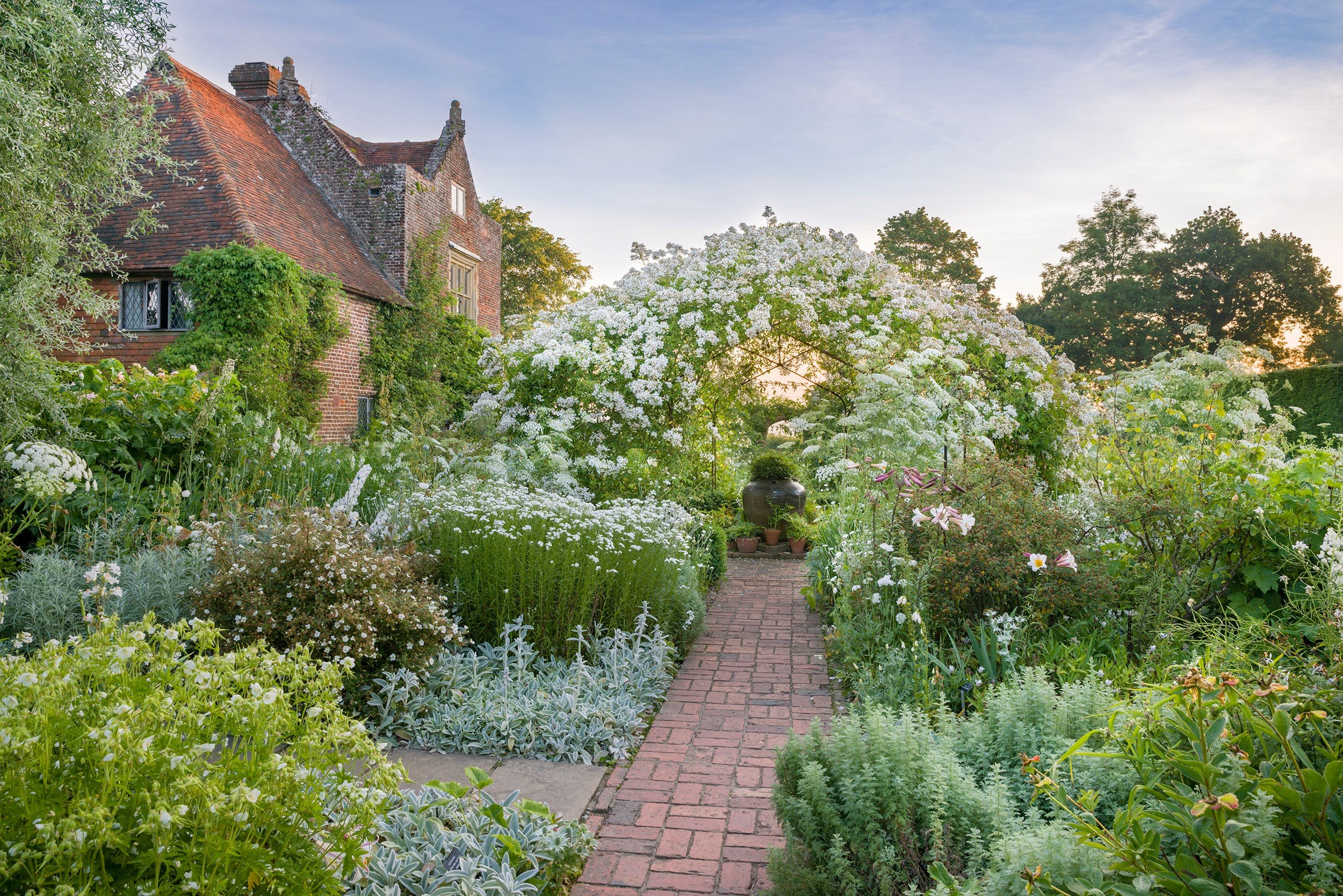 87 mi from SouthamptonSissinghurst Castle Garden: Room-by-Room Garden Design Masterclass
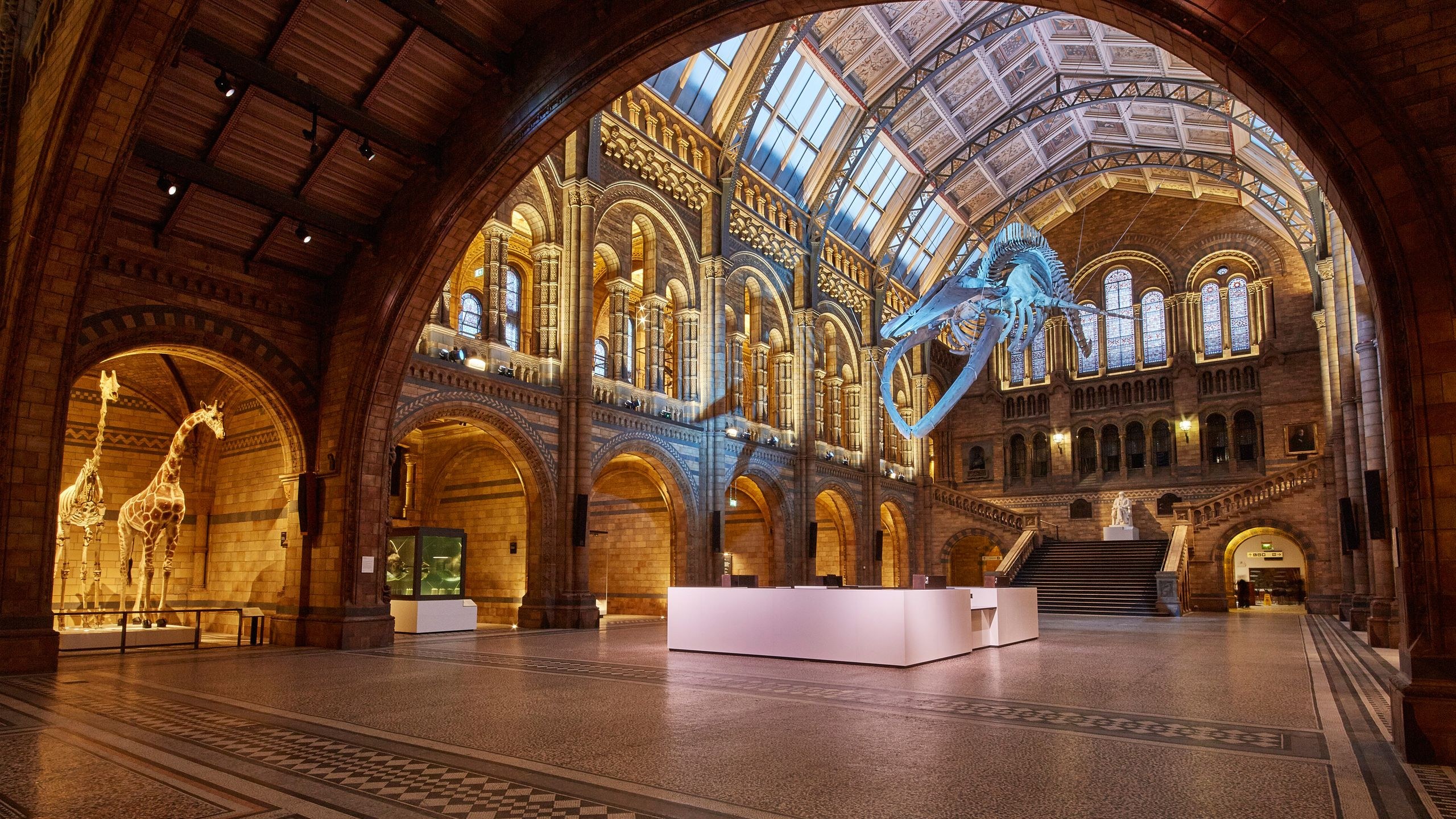 67 mi from SouthamptonNatural History Museum
 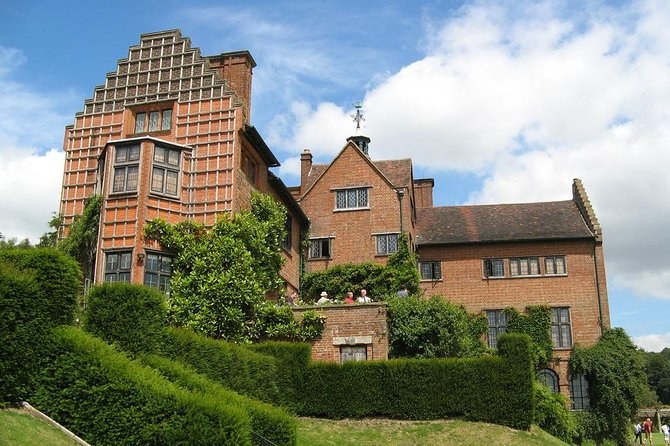 57 mi from Southampton · land adventureChurchill's Kent, Glyndebourne at Dusk & London's Secret Side
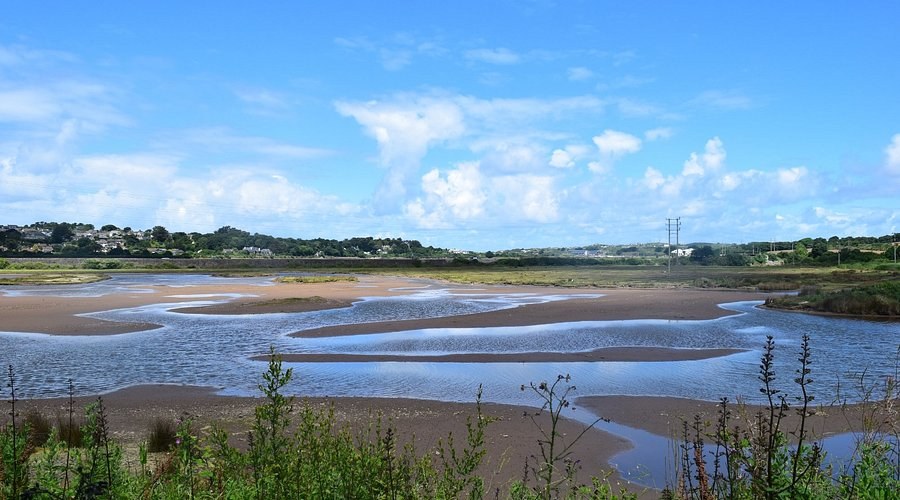 57 mi from Southampton · land adventureCornwall's Wild Coast: Tin Mines, Tidal Castles & Beach Bars
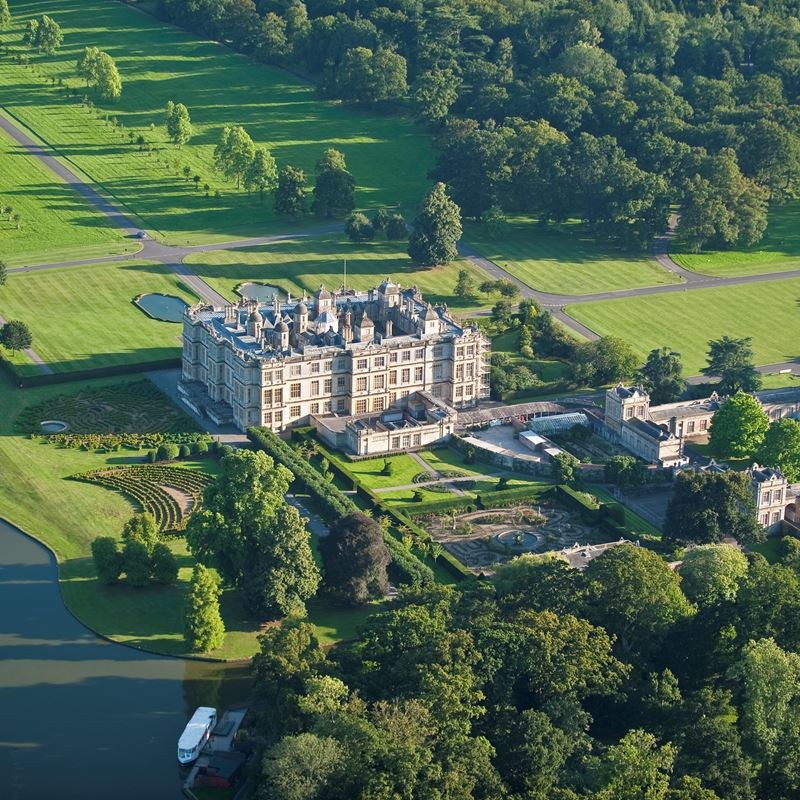 66 mi from Southampton · land adventureGeorgian Bath, Wild Somerset: Limestone, Lions and Lock Flights
 After you step off · near Stockholm
You end in a different port — stay on, and add what is within reach before you fly home.