Your cruise
Seabourn Ovation · 23-night Mediterranean cruise, Istanbul to Civitavecchia (Rome)
May 29 – Jun 21 · 23 nights ·
Day 1 Istanbul (board) · Day 2 Canakkale · Day 3 Volos · Day 4 at sea · Day 5 Patmos · Day 6 Rhodes · Day 7 Santorini (Thira) · Day 8 Piraeus (Athens) · Day 9 Nafplion · Day 10 at sea · Day 11 Kotor · Day 12 Korcula · Day 13 Hvar · Day 14 Sibenik · Day 15 Piran · Day 16 Fusina (Venice) · Day 17 Rovinj · Day 18 Vis · Day 19 at sea · Day 20 Valletta · Day 21 Giardini Naxos · Day 22 Lipari · Day 23 Sorrento · Day 24 Civitavecchia (Rome) (step off)
What you do Walk the hallowed ground of Anzac Cove, Chunuk Bair, and Lone Pine Cemetery with a dedicated expert guide. This is one of the most emotionally powerful historical sites on earth — a bucket-list pilgrimage for anyone who values courage and sacrifice.
What to expect A short ferry crossing over the Dardanelles delivers you to the Gallipoli Peninsula, where rolling green hills belie the ferocity of the 1915 battles. Your expert historian-guide walks you through Anzac Cove's pebbled shore, the moving rows of Lone Pine Cemetery, and panoramic Chunuk Bair. Kabatepe Museum's vivid dioramas set the campaign in unforgettable context before you return to port.
Good to know The ferry crossing takes about 25 minutes each way; allow a full day (6–8 hours) for justice to the site. Pre-book your private guide to secure availability, as this is the most in-demand excursion from Canakkale. All-aboard times in Canakkale are typically early evening — confirm with your ship and communicate this to your guide when booking.
Versus the ship tour A private guide means you linger at the memorials that move you most, hear deeply personal stories of the 1915 campaign, and avoid the crowds entirely — a contemplative, unhurried pace impossible in a large group.
book direct with Fez Travel – Private Shore Excursion → · the full guide →
What you do Stand inside the legendary walls of Homer's Troy — nine layered cities spanning 4,000 years of civilization. With a private archaeologist-guide, myth and history fuse into one unforgettable encounter at one of the ancient world's most storied sites.
What to expect Just 30 km south of the cruise port, Troy (Truva) sits on a commanding ridge above the Troad plain. Your guide navigates the site's complex excavations, revealing walls, temples, and the legendary Scaean Gate while weaving in the Iliad's dramatic narrative. The on-site museum houses stunning finds — gold jewellery, ceramics and weaponry — that bring Schliemann's excavations to vivid life. The half-day format pairs perfectly with an afternoon in Canakkale's waterfront bazaar.
Good to know Site entry is approximately TRY 500–600 (around USD 15–18); confirm current rate at booking. Troy is a 30-minute drive from the cruise pier — your private guide arranges transfers. Combine with the Canakkale Archaeological Museum for a full-day Troy immersion if time allows.
Versus the ship tour Your private local expert decodes the stratigraphic layers — from Bronze Age Troy II to Hellenistic Troy VIII — in a way no group tour can, pausing at the famous wooden horse replica and the ancient ramp for unhurried photography and genuine discovery.
book direct with Tours by Locals – Private Ancient Troy Half-Day Tour, Canakkale → · the full guide →
What you do The ultimate Canakkale day: ancient Troy in the morning, Gallipoli's ANZAC battlefields in the afternoon — two of the world's most significant historical sites, back to back, with a single expert private guide threading the entire narrative together.
What to expect The day opens at the layered ruins of ancient Troy, where your historian-guide deciphers myth from archaeology among 4,000-year-old walls. After a traditional Turkish lunch, a scenic ferry crossing over the Dardanelles takes you to Gallipoli, where Anzac Cove, Chunuk Bair, and Lone Pine Cemetery deliver profound emotional resonance. The return journey to port as the sun descends over the strait is an image you will carry forever.
Good to know This is a long, full day (10–11 hours); wear comfortable shoes and bring sun protection. Pre-book well in advance — private full-day itineraries sell out fast in port-call season (April–October). Confirm your ship's all-aboard time when booking to ensure a comfortable return buffer.
Versus the ship tour Combining both sites in one private journey — with a guide who links Homer's Bronze Age world to 20th-century warfare across the same legendary strait — creates a depth of understanding that is genuinely transformative.
book direct with Fez Travel – Private Shore Excursion (Troy & Gallipoli) → · the full guide →
What you do Cross the narrowest point of the Dardanelles by private ferry to the Ottoman fortress of Kilitbahir — 'Lock of the Sea' — whose star-shaped towers have guarded the strait since 1463. A dramatic, crowd-free alternative to the region's headline sites.
What to expect The ferry crossing from Canakkale takes just 10 minutes and is a scenic thrill in itself, with warships and tankers threading the legendary strait. Kilitbahir's triple-towered keep and outer walls date to Sultan Mehmed II and were strengthened for WWI — your guide layers Ottoman, Byzantine, and 20th-century history into an absorbing narrative. The village below the fortress is charmingly unhurried, with a handful of waterfront cafés for a perfect çay (tea) break after your exploration.
Good to know Entry to Kilitbahir Castle is approximately TRY 100–150 (around USD 3–5). The ferry departs regularly from Canakkale's central dock and takes 10–15 minutes. This half-day excursion pairs beautifully with a waterfront lunch and bazaar stroll in Canakkale city centre — ideal if you have an early all-aboard.
Versus the ship tour The castle sees a fraction of the visitors of Troy or Gallipoli, meaning your private guide has the battlements entirely to yourself — panoramic views of the Dardanelles, the Canakkale waterfront, and the Aegean beyond are yours in total serenity.
book direct with TourHQ – Private Local Guides, Canakkale → · the full guide →
What you do Discover the story of how a single Ottoman minelayer changed the course of WWI. The Nusret replica and the Canakkale Naval Museum's extraordinary collection reveal the naval campaign of 1915 with museum-quality depth — and near-zero queues.
What to expect The museum's centrepiece is the full-scale replica of the Nusret minelayer, restored to its 1915 configuration and open for boarding — a hauntingly atmospheric experience. Inside, original naval artillery, submarine models, and detailed tactical maps narrate the Allied fleet's catastrophic attempt to force the Dardanelles. The adjacent Çimenlik Castle adds a medieval Ottoman layer to the visit, with cannon emplacements overlooking the strait where history was made.
Good to know The museum is a 10-minute walk from the cruise pier along the waterfront promenade — no transfer required. Open daily; check for seasonal hours. Combine with a stroll to the iconic Trojan Horse statue on the waterfront and a coffee in the charming city centre for a leisurely, culturally rich half-day.
Versus the ship tour The museum sits just minutes from the cruise pier, making it effortlessly port-friendly, yet it is frequently overlooked — a private historian-guide unlocks the full drama of how Nusret's 26 mines sank three Allied battleships on 18 March 1915 and halted the naval assault on Constantinople.
What you do Plunge into the aromas and flavours of Canakkale's ancient bazaar with a private culinary guide — sampling hand-rolled gözleme, local Ezine white cheese, Dardanelles sardines, and freshly brewed Turkish tea in the hidden lanes of the city's most authentic quarter.
What to expect Your guide leads you through the cobbled streets of the old bazaar quarter, introducing you to fourth-generation tradespeople whose families have worked the same stalls for decades. Tastings are generous and genuine — think freshly pressed pomegranate juice, local olive oils, and slow-cooked breakfast pastries. The tour culminates at a waterfront lokanta (tavern) for a traditional Turkish lunch with Dardanelles views, sealing the experience with a glass of raki if desired.
Good to know This is a half-day excursion (3–4 hours) perfectly timed for a late-morning start after arrival, leaving the afternoon free for Troy or the Naval Museum. The bazaar is a short walk from the cruise pier. Inform your guide of any dietary requirements when booking — Turkish cuisine is naturally abundant in vegetarian and seafood options.
Versus the ship tour A private food-and-culture specialist opens doors to family-run stalls and purveyors that tourists never find alone — Ezine's world-class aged sheep's cheese, the waterfront fish market, spice merchants, and the city's beloved künefe pastry shop — all woven into a vivid, spontaneous narrative of daily Aegean-Turkish life.
book direct with Tours by Locals – Private Canakkale Food & Culture Tour → · the full guide →
What you do Stand beneath the largest free-standing dome of the ancient world inside a building that served as the planet's grandest cathedral for 900 years and its grandest mosque for 500 more. A licensed guide unlocks what the average visitor walks past: the 9th-century apse mosaics, the marble Omphalion where Byzantine emperors were crowned, and the layered Christian-and-Islamic iconography that exists nowhere else on earth. This is the single most consequential building in Istanbul and arguably in the eastern Mediterranean.
What to expect Foreign visitors use a dedicated tourist entrance separate from worshippers and pass through mandatory security screening. The main prayer floor is carpeted and partly screened for prayer; tourists are routed to the upper gallery for the famous Deesis and imperial mosaics. Shoulders and knees must be covered and women need a headscarf (free scarves are available at the door). Allow 60-90 minutes inside.
Good to know From Galataport the T1 tram from Tophane reaches Sultanahmet in ~15-20 minutes; Hagia Sophia is a 3-minute walk from the Sultanahmet stop. Buy the timed entry online in advance to avoid the queue. Closed to tourists during the five daily prayer windows and Friday midday prayer, so a licensed guide who times your visit around them is worth it. Comfortably back aboard for any all-aboard after ~16:00.
Versus the ship tour Cruise lines bundle Hagia Sophia into a full-day 'Classic Istanbul' tour at roughly USD 150-200 per person. Booking direct is dramatically cheaper: the EUR 25 entry plus a shared private guide for your party costs a fraction of that, and you skip the 40-person coach. Book direct here unless your ship's tender timing is unusually tight.
book direct with Hagia Sophia Grand Mosque (official ticketing, muze.gen.tr) → · the full guide →
What you do Cruise the only strait on earth that splits a city across two continents, gliding past the marble Dolmabahce Palace, the Ottoman waterfront mansions (yali), the fortress of Rumeli Hisari, and beneath two intercontinental bridges. On a private yacht you set the pace, the route and the soundtrack, with tea or champagne in hand as the minarets of the skyline drift by. Doing this on your own chartered boat rather than a packed 200-seat tour ferry is the difference between a postcard and a memory.
What to expect You board at a marina near the European shore; the captain runs the classic strait route and can pause for photos at the bridges and palaces. Crew serve refreshments; many operators allow you to bring your own champagne or arrange catering. Sunset departures are the prized slot and book out first. Two hours is enough to reach Rumeli Hisari and back at an unhurried pace.
Good to know Confirm the boarding marina relative to Galataport when you book; some launch points are a short taxi from the cruise terminal. Pre-book the exact departure time and request a sunset slot if your ship overnights. Bring layers, the strait is breezy even in summer. Galataport itself sits right at the mouth of the Bosphorus, so transfer times are short.
Versus the ship tour Cruise lines sell a shared Bosphorus 'cruise' as part of a coach tour, typically USD 80-120 per person on a large group boat. For a couple or a family, a private charter direct is a clear luxury upgrade and, split across your party, competitive per head while giving you the whole boat. Book direct.
book direct with Bosphorus Yacht (Zoe Yacht, official) → · the full guide →
What you do Walk the ceremonial spine of imperial Istanbul: the Sultanahmet (Blue) Mosque with its cascade of domes and 20,000 hand-painted Iznik tiles, the ancient Hippodrome where Byzantine chariots once raced around a 3,500-year-old Egyptian obelisk, and then descend into the Basilica Cistern, a sunken sixth-century forest of 336 columns lit like an underground cathedral with two enigmatic Medusa heads at its feet. Three civilizations, Roman, Byzantine and Ottoman, layered within a 10-minute walk.
What to expect The Blue Mosque is an active place of worship: shoes off, modest dress, headscarf for women, and it closes to tourists during the five daily prayers, so timing matters. The Basilica Cistern's atmospheric Night Shift (after 19:30) is the connoisseur's slot, quieter and more theatrically lit, but tickets are sold only same-day at the door. The Hippodrome is open public space between the two.
Good to know All three sit within a few minutes of each other in Sultanahmet, a 15-20 minute tram ride from Galataport via the Tophane T1 stop. Cistern accepts card or Istanbulkart only, no cash. Carry a scarf for the mosque. If your ship overnights, the Cistern Night Shift is a standout; otherwise do the cluster mid-morning before the mosque's midday prayer closure.
Versus the ship tour These exact sites form the backbone of the ship's USD 150-200 'Highlights of Istanbul' coach day. On your own the hard costs are tiny (the mosque is free, the cistern under EUR 40) and the walking distances are minimal, so book direct and pocket the difference. The ship tour only earns its markup if you have a very short port call and want the door-to-door coach.
What you do Walk the seat of Ottoman power for nearly 400 years, set on the point where the Bosphorus meets the Golden Horn. Beyond the four courtyards lie the two rooms that make it bucket-list: the Harem, the labyrinth of tiled private chambers where the sultan, his mother and his concubines lived, and the Imperial Treasury, home to the 86-carat Spoonmaker's Diamond and the emerald-studded Topkapi Dagger. The terrace views over the strait are the finest in the old city.
What to expect The palace is large and the Harem and Treasury draw the longest lines, so go early. Crucially, Topkapi is closed on Tuesdays, a frequent trap for cruise passengers, so check your port day. The Harem requires the combined ticket; don't assume your Museum Pass covers it (it doesn't). Budget 2-3 hours to do it justice.
Good to know Topkapi sits beside Hagia Sophia in Sultanahmet, so pair them in one morning, 15-20 minutes from Galataport by T1 tram. Pre-book the timed combined ticket online to skip the queue. Wear comfortable shoes; the courtyards are cobbled and spread out. Be back at the tram with a buffer for all-aboard.
Versus the ship tour Topkapi is the costliest single entry of the Sultanahmet sites, and ship tours fold it into the same USD 150-200 day. Buying direct at ~EUR 54 with the Harem included is far better value, and a private guide for the palace helps you prioritize in the limited port window. Book direct; only default to the ship tour in a very tight call.
book direct with Topkapi Palace Museum (official ticketing, muze.gen.tr) → · the full guide →
What you do Take the full hammam ritual in a 1556 bathhouse designed by the great Ottoman architect Mimar Sinan and commissioned by Suleiman the Magnificent's queen, Hurrem Sultan, on the ancient site of the Baths of Zeuxippus, steps from Hagia Sophia. You are scrubbed on a heated marble platform (gobektasi) beneath a star-pierced dome, foam-washed, and massaged in a 470-year-old monument. It is the single most sensory, most distinctly Ottoman experience in the city, and a sublime antidote to a day on your feet.
What to expect You're given a pestemal (cotton wrap) and slippers; the ritual moves from the warm dome to the heated marble slab where an attendant performs the kese exfoliation and an olive-oil-soap foam massage, finishing with a rinse and tea in the cool room. Separate men's and women's sections, same-sex attendants. The experience runs roughly 60-90 minutes depending on package. It is touristy but the building and the ritual are genuinely historic.
Good to know Located in Sultanahmet directly between Hagia Sophia and the Blue Mosque, easy to slot after morning sightseeing, 15-20 minutes from Galataport by tram. Book your time slot online in advance, especially on overnight port days. Bring nothing; towels, wrap and slippers are provided. Allow drying/relaxing time before heading back to the ship.
Versus the ship tour Cruise lines rarely offer a historic hammam as a standalone excursion, and when bundled it carries a steep per-person markup over the spa's own rates. Book direct with the bathhouse: you choose your ritual tier and time, and the heritage of this specific Sinan-built hamam is the whole point. There is no equivalent the ship can sell you better.
book direct with Ayasofya Hurrem Sultan Hamami (official) → · the full guide →
What you do Eat your way through Istanbul with the company that wrote the book on its food, tracing the Grand Bazaar and Spice Bazaar and then ferrying across the Bosphorus to the Asian-side market streets of Kadikoy. You meet the masters behind the counters, the kokorec grillers, the pickle makers, the borek bakers, and eat roughly a dozen specialties most cruise passengers never find. Crossing between continents for lunch is a bucket-list flourish only Istanbul can offer.
What to expect Expect a 6-hour-plus walk with a serious eater's pace, plenty of standing and walking, and a small group of fellow food travelers. The route weaves through the Grand Bazaar's 4,000 shops and the Spice Bazaar before a public-ferry hop to Kadikoy's market lanes. You will eat a lot; come hungry and wear walking shoes. Tours sell out, so book well ahead.
Good to know Confirm the meeting point relative to Galataport; the Grand Bazaar end is a short tram ride away. This is a full-day commitment, so it suits an overnight call or a long port day; check it fits inside your all-aboard before booking. Cancel up to 24 hours ahead for a full refund. The Grand Bazaar is closed Sundays, which affects scheduling.
Versus the ship tour Ship 'taste of Istanbul' excursions are large-group, lighter on access, and typically priced USD 120-180 per person. Culinary Backstreets caps groups at seven and delivers genuine local access, so booking direct buys you a smaller, deeper, better experience for a similar or lower price. Book direct.
book direct with Culinary Backstreets (official) → · the full guide →
What you do Walk the hallowed ground of Anzac Cove, Chunuk Bair, and Lone Pine Cemetery with a dedicated expert guide. This is one of the most emotionally powerful historical sites on earth — a bucket-list pilgrimage for anyone who values courage and sacrifice.
What to expect A short ferry crossing over the Dardanelles delivers you to the Gallipoli Peninsula, where rolling green hills belie the ferocity of the 1915 battles. Your expert historian-guide walks you through Anzac Cove's pebbled shore, the moving rows of Lone Pine Cemetery, and panoramic Chunuk Bair. Kabatepe Museum's vivid dioramas set the campaign in unforgettable context before you return to port.
Good to know The ferry crossing takes about 25 minutes each way; allow a full day (6–8 hours) for justice to the site. Pre-book your private guide to secure availability, as this is the most in-demand excursion from Canakkale. All-aboard times in Canakkale are typically early evening — confirm with your ship and communicate this to your guide when booking.
Versus the ship tour A private guide means you linger at the memorials that move you most, hear deeply personal stories of the 1915 campaign, and avoid the crowds entirely — a contemplative, unhurried pace impossible in a large group.
book direct with Fez Travel – Private Shore Excursion → · the full guide →
What you do Stand inside the legendary walls of Homer's Troy — nine layered cities spanning 4,000 years of civilization. With a private archaeologist-guide, myth and history fuse into one unforgettable encounter at one of the ancient world's most storied sites.
What to expect Just 30 km south of the cruise port, Troy (Truva) sits on a commanding ridge above the Troad plain. Your guide navigates the site's complex excavations, revealing walls, temples, and the legendary Scaean Gate while weaving in the Iliad's dramatic narrative. The on-site museum houses stunning finds — gold jewellery, ceramics and weaponry — that bring Schliemann's excavations to vivid life. The half-day format pairs perfectly with an afternoon in Canakkale's waterfront bazaar.
Good to know Site entry is approximately TRY 500–600 (around USD 15–18); confirm current rate at booking. Troy is a 30-minute drive from the cruise pier — your private guide arranges transfers. Combine with the Canakkale Archaeological Museum for a full-day Troy immersion if time allows.
Versus the ship tour Your private local expert decodes the stratigraphic layers — from Bronze Age Troy II to Hellenistic Troy VIII — in a way no group tour can, pausing at the famous wooden horse replica and the ancient ramp for unhurried photography and genuine discovery.
book direct with Tours by Locals – Private Ancient Troy Half-Day Tour, Canakkale → · the full guide →
What you do The ultimate Canakkale day: ancient Troy in the morning, Gallipoli's ANZAC battlefields in the afternoon — two of the world's most significant historical sites, back to back, with a single expert private guide threading the entire narrative together.
What to expect The day opens at the layered ruins of ancient Troy, where your historian-guide deciphers myth from archaeology among 4,000-year-old walls. After a traditional Turkish lunch, a scenic ferry crossing over the Dardanelles takes you to Gallipoli, where Anzac Cove, Chunuk Bair, and Lone Pine Cemetery deliver profound emotional resonance. The return journey to port as the sun descends over the strait is an image you will carry forever.
Good to know This is a long, full day (10–11 hours); wear comfortable shoes and bring sun protection. Pre-book well in advance — private full-day itineraries sell out fast in port-call season (April–October). Confirm your ship's all-aboard time when booking to ensure a comfortable return buffer.
Versus the ship tour Combining both sites in one private journey — with a guide who links Homer's Bronze Age world to 20th-century warfare across the same legendary strait — creates a depth of understanding that is genuinely transformative.
book direct with Fez Travel – Private Shore Excursion (Troy & Gallipoli) → · the full guide →
What you do Cross the narrowest point of the Dardanelles by private ferry to the Ottoman fortress of Kilitbahir — 'Lock of the Sea' — whose star-shaped towers have guarded the strait since 1463. A dramatic, crowd-free alternative to the region's headline sites.
What to expect The ferry crossing from Canakkale takes just 10 minutes and is a scenic thrill in itself, with warships and tankers threading the legendary strait. Kilitbahir's triple-towered keep and outer walls date to Sultan Mehmed II and were strengthened for WWI — your guide layers Ottoman, Byzantine, and 20th-century history into an absorbing narrative. The village below the fortress is charmingly unhurried, with a handful of waterfront cafés for a perfect çay (tea) break after your exploration.
Good to know Entry to Kilitbahir Castle is approximately TRY 100–150 (around USD 3–5). The ferry departs regularly from Canakkale's central dock and takes 10–15 minutes. This half-day excursion pairs beautifully with a waterfront lunch and bazaar stroll in Canakkale city centre — ideal if you have an early all-aboard.
Versus the ship tour The castle sees a fraction of the visitors of Troy or Gallipoli, meaning your private guide has the battlements entirely to yourself — panoramic views of the Dardanelles, the Canakkale waterfront, and the Aegean beyond are yours in total serenity.
book direct with TourHQ – Private Local Guides, Canakkale → · the full guide →
What you do Discover the story of how a single Ottoman minelayer changed the course of WWI. The Nusret replica and the Canakkale Naval Museum's extraordinary collection reveal the naval campaign of 1915 with museum-quality depth — and near-zero queues.
What to expect The museum's centrepiece is the full-scale replica of the Nusret minelayer, restored to its 1915 configuration and open for boarding — a hauntingly atmospheric experience. Inside, original naval artillery, submarine models, and detailed tactical maps narrate the Allied fleet's catastrophic attempt to force the Dardanelles. The adjacent Çimenlik Castle adds a medieval Ottoman layer to the visit, with cannon emplacements overlooking the strait where history was made.
Good to know The museum is a 10-minute walk from the cruise pier along the waterfront promenade — no transfer required. Open daily; check for seasonal hours. Combine with a stroll to the iconic Trojan Horse statue on the waterfront and a coffee in the charming city centre for a leisurely, culturally rich half-day.
Versus the ship tour The museum sits just minutes from the cruise pier, making it effortlessly port-friendly, yet it is frequently overlooked — a private historian-guide unlocks the full drama of how Nusret's 26 mines sank three Allied battleships on 18 March 1915 and halted the naval assault on Constantinople.
What you do Plunge into the aromas and flavours of Canakkale's ancient bazaar with a private culinary guide — sampling hand-rolled gözleme, local Ezine white cheese, Dardanelles sardines, and freshly brewed Turkish tea in the hidden lanes of the city's most authentic quarter.
What to expect Your guide leads you through the cobbled streets of the old bazaar quarter, introducing you to fourth-generation tradespeople whose families have worked the same stalls for decades. Tastings are generous and genuine — think freshly pressed pomegranate juice, local olive oils, and slow-cooked breakfast pastries. The tour culminates at a waterfront lokanta (tavern) for a traditional Turkish lunch with Dardanelles views, sealing the experience with a glass of raki if desired.
Good to know This is a half-day excursion (3–4 hours) perfectly timed for a late-morning start after arrival, leaving the afternoon free for Troy or the Naval Museum. The bazaar is a short walk from the cruise pier. Inform your guide of any dietary requirements when booking — Turkish cuisine is naturally abundant in vegetarian and seafood options.
Versus the ship tour A private food-and-culture specialist opens doors to family-run stalls and purveyors that tourists never find alone — Ezine's world-class aged sheep's cheese, the waterfront fish market, spice merchants, and the city's beloved künefe pastry shop — all woven into a vivid, spontaneous narrative of daily Aegean-Turkish life.
book direct with Tours by Locals – Private Canakkale Food & Culture Tour → · the full guide →
What you do Soar into one of the world's most surreal landscapes — colossal rock pillars crowned by medieval monasteries suspended between earth and sky. A UNESCO World Heritage marvel, Meteora is the single most jaw-dropping day trip from Volos, best savoured privately at your own pace.
What to expect A comfortable private transfer winds through the Thessalian plain before the rock pillars of Meteora rise impossibly from the flatlands. You'll enter two or three monasteries still inhabited by monks and nuns, ascending ancient stone stairways to frescoed interiors and terrace views that stretch to the horizon. Your guide contextualises six centuries of monastic life, hermit caves and the audacious original rope-and-net ascents. Return to port with the late-afternoon light gilding the pinnacles — an image you will never forget.
Good to know Round trip from Volos port is approximately 3.5 hours driving; total excursion 7–9 hours. Pre-book well in advance — private slots fill quickly in summer. Dress code: covered shoulders and knees required inside monasteries (wraps often provided). Confirm your all-aboard time with the guide to ensure a comfortable return.
Versus the ship tour A private vehicle and dedicated local expert means monastery selection, pacing and stops are entirely yours — no coach crowds, no fixed itinerary. Your guide weaves in the Byzantine spiritual history and the jaw-dropping geology in equal measure, turning a sightseeing day into a profound personal encounter.
book direct with Tours by Locals – Volos Local Guide → · the full guide →
What you do Ride through Pelion's mythic centaur country — chestnut-forested mountain paths descending to turquoise Aegean coves, and stone-cobbled villages dripping in wisteria. This is the landscape that inspired Jason and the Argonauts, explored privately at a privileged pace.
What to expect Your driver-guide collects you dockside and ascends into the cool, shaded forests of Mount Pelion, arriving at the UNESCO-listed village of Makrinitsa perched above the Pagasetic Gulf with views that rivals any Greek island panorama. Stone mansions, Byzantine churches and honey-amber shops line the cobbled lanes. The route then crosses to the wilder Aegean side of the peninsula, dropping to the crystalline waters of Mylopotamos Beach — one of Greece's most photogenic coves, accessible only on foot through a short forested path. Tsagkarada village and its ancient plane tree round out an incomparably varied day.
Good to know Full day runs approximately 7–8 hours from port. Mylopotamos requires a 10-minute walk down a stepped path — wear comfortable shoes. Pack swimwear and a light layer for the mountain villages, which sit at altitude and can be breezy. Book directly to lock in your preferred itinerary sequence.
Versus the ship tour A private vehicle with a knowledgeable local guide means you stop wherever the view or the taverna calls — no timed crowds. The itinerary flexes around your interests, whether that is Tsagkarada's thousand-year-old plane tree, a dip at Mylopotamos Beach, or lingering over tsipouro and mezedes in Makrinitsa.
book direct with Shore Excursions Group – Volos Pelion Full Day Private Tour → · the full guide →
What you do Set sail from Volos into the mythic waters of the Pagasetic Gulf — the very sea that carried the Argo — to discover sea caves, secret coves and the dramatic coastal caverns locals call Poseidon's Caves. An aquatic adventure that is utterly unlike anything accessible by road.
What to expect Departing from Volos harbour, your wooden caïque or RIB hugs the dramatic Pelion coastline, the captain threading into low-ceilinged sea caves where turquoise light ripples across ancient rock. Multiple swimming stops in bottle-green coves allow snorkelling over Posidonia meadows. A simple spread of local cheeses, olives, and chilled white wine is served on deck as you drift between grottos. The return across the open Gulf frames Mount Pelion's forested spine in golden hour light.
Good to know Departures typically from Volos Old Port (Palios Stathmos pier); confirm exact meet point at booking. Morning departures recommended to avoid afternoon wind. Bring reef-safe sunscreen, a towel and light footwear. Check duration against your all-aboard time — typical tours run 4–5 hours.
Versus the ship tour A small, nimble vessel slips into sea grottos and hidden beaches that no road reaches, offering swimming stops in coves of impossible clarity. The intimate group size — never more than a dozen guests — creates a convivial, unhurried atmosphere that feels more like a private yacht charter.
book direct with GetYourGuide – Volos Pelion Boat Experience → · the full guide →
What you do Unlock one of Greece's richest but least-visited archaeological collections in the company of a specialist guide who brings Neolithic settlers, Mycenaean warriors and Jason's mythic Argonaut quest to vivid life — all within 15 minutes' walk of the pier.
What to expect Your private guide meets you at the museum's neoclassical entrance and steers you past the ochre-and-crimson painted stelae — uniquely preserved grave markers whose colours have survived two millennia — explaining the everyday lives, beliefs and deaths of Magnesia's ancient inhabitants. Mycenaean gold jewellery, Bronze Age figurines and artefacts from ancient Pagasae (Volos's ancient predecessor, from which the Argonauts allegedly sailed) fill the rooms. The guide concludes with a vivid retelling of the Argonaut myth rooted in real geography and archaeology, sending you back to port with an entirely new understanding of the landscape around you.
Good to know The museum is an easy 10-minute walk or 5-minute taxi from the cruise pier. Pre-book your private guide directly through TourHQ to secure a specialist (not a general city guide). Tour runs approximately 1 hour; combine with a waterfront tsipouro tasting lunch afterward for a perfect half-day. Museum closed Mondays.
Versus the ship tour A one-on-one storytelling session with an expert archaeologist-guide transforms display cases into living theatre. The pacing is entirely yours — linger over the world's finest collection of painted ancient Greek grave stelae or dive deep into the Neolithic settlements of Sesklo and Dimini with no group to hurry you along.
book direct with TourHQ – Volos Local Expert Private Guide → · the full guide →
What you do The 'Balcony of Pelion' — the stone-paved mountain village of Makrinitsa — rewards with staggering views over Volos and the Pagasetic Gulf, followed by a leisurely introduction to the city's legendary tsipouro culture along the lively paralia waterfront.
What to expect A short 30-minute private drive from the port spirals up into the verdant Pelion foothills, depositing you at the cobbled entrance of Makrinitsa, where mule tracks and Byzantine fountains give the village a perfectly preserved medieval character. From the main plateia the entire Gulf of Volos unfolds below you — arguably the finest viewpoint in Thessaly. Your guide leads you through honey and herb shops, the Church of Agios Ioannis Prodromos with its folklore museum, and a coffee or loukoumades stop at a village kafeneion. The afternoon descends to the Volos paralia for a civilised tsipouro-and-mezedes session overlooking the water.
Good to know Makrinitsa is approximately 15 km (30 min) from the port; a private taxi costs around EUR 35–50 return. The village lanes are uneven stone — wear supportive flat shoes. This excursion works beautifully as a morning half-day, leaving the afternoon free for independent waterfront exploration. Pre-book your guide via TourHQ to confirm availability.
Versus the ship tour A private car and local guide lets you bypass the village square crowds, slipping into artisan workshops, honey producers and the less-visited Byzantine church interiors that coach groups race past. The waterfront tsipouro session is guided by a local who knows exactly which tsipouradiko pours the finest barrel-aged spirit.
book direct with TourHQ – Volos Local Expert Private Guide → · the full guide →
What you do Trek the ancient kalderimi stone-paved mule paths of Mount Pelion — the mythological home of the wise centaur Chiron who tutored Achilles — through chestnut forest, cascading streams and traditional villages, guided by a local mountain expert.
What to expect A private transfer from the port drops you at the trailhead above Portaria or Tsagkarada, where the air cools immediately under the canopy of centuries-old chestnut and plane trees. Your guide navigates the beautifully preserved kalderimi — flat-stone mule trails engineered by the Ottomans — through steep forested gorges punctuated by the sound of running water and birdsong. The path opens onto a traditional village square in time for a restorative lunch of local pies and mountain greens at a family-run taverna. The descent threads through terraced orchards of apple, pear and olive before your transfer returns you to port refreshed and slightly awed.
Good to know Suitable for guests with a moderate fitness level; trails are well-maintained but involve elevation gain of 300–500 m. Wear proper walking shoes — not sandals. Transfer from port to trailhead is approximately 40 minutes. Route and distance are tailored to your group on the day; confirm the itinerary with your guide at booking. Carry a light layer — mountain temperatures can be 6–8°C cooler than the port.
Versus the ship tour A small private group with a certified mountain guide means an unhurried, deeply personal immersion in the ancient footpaths that have connected Pelion's villages for centuries — a world away from coach tours. The pace, the route and the narrative are calibrated entirely for you.
book direct with GetYourGuide – Volos Pelion Hiking & Nature Tour → · the full guide →
What you do Step inside the sacred grotto where St. John dictated the Book of Revelation, then ascend to the fortress-monastery that crowns Patmos — all in a private vehicle with a licensed scholar-guide. The ultimate pilgrimage on the holiest island in the Aegean.
What to expect Your guide meets you at the cruise pier in Skala and whisks you by private a/c vehicle up to the UNESCO-listed Cave of the Apocalypse, where a fissure in the rock is said to be where the voice of God spoke to St. John. From there you climb to the 11th-century Monastery of St. John the Theologian, whose medieval ramparts command a panoramic sweep of the entire Dodecanese. The monastery's treasury — illuminated manuscripts, jewelled vestments, and rare icons — is revealed in full by your guide. The return drive back to Skala gives you time to browse the port before all-aboard.
Good to know Book directly via patmostours.com well in advance of your port call — private slots fill fast on busy cruise days. The cave and monastery are uphill from Skala; the private vehicle handles all transfers. Modest dress (shoulders and knees covered) is mandatory inside both sacred sites. Allow 3–4 hours total.
Versus the ship tour Fully private — your group only, your pace. Your expert guide unlocks the theological and Byzantine history layer by layer, lingering as long as you wish in the cave's candlelit interior before the crowds arrive.
book direct with Patmos Tours (patmostours.com) → · the full guide →
What you do Explore the medieval whitewashed labyrinth of Chora, Patmos's hilltop capital, alongside the island's two great monasteries — a rare combination that reveals the full spiritual and architectural soul of this UNESCO World Heritage island.
What to expect After collecting you from the cruise terminal, your guide leads the group through the UNESCO-protected hilltop village of Chora: a dazzling maze of sugar-cube mansions, bougainvillea-draped archways and over 40 miniature chapels. You then visit the Cave of the Apocalypse and the Monastery of St. John, whose 900-year-old walls enclose priceless Byzantine art. The pace is unhurried — time is built in for a coffee at a traditional kafeneion overlooking the Aegean before the drive back to Skala. Duration is 3–4 hours, comfortably within most port schedules.
Good to know Pre-book directly via tours-greece.gr; they specialise in cruise-timed shore excursions and will track your ship's all-aboard time. Wear comfortable walking shoes — Chora's cobbles are uneven. Shoulder-covering layers required at religious sites.
Versus the ship tour Small private groups mean you slip through Chora's narrow kalderimi alleys at your own rhythm — pausing at hidden Byzantine chapels and grand captain's mansions invisible to larger tours — with an expert local guide who knows every doorstep.
book direct with Tours Greece (tours-greece.gr) → · the full guide →
What you do A bespoke full-island private tour combining Patmos's spiritual crown jewels with its astonishing coastline — turquoise coves, volcanic rock formations, and the serene bay of Grikos — crafted entirely around your group's interests and pace.
What to expect Your private guide and air-conditioned vehicle are entirely at your disposal for a half or full day. Beyond the monastery and cave, the tour ventures down to the photogenic bay of Grikos, the tranquil Convent of Evangelismos (home to silk-embroidering nuns), and hidden coastal viewpoints that few visitors ever reach. Stops are flexible — linger over a swim at a secluded cove, or seek out a family-run taverna for a spontaneous Aegean lunch. Every moment is tailored to your group, never shared with strangers.
Good to know Contact Meander Travel directly to build your custom itinerary before embarkation. Confirm your ship's all-aboard time so the guide can plan accordingly. Full-day options available for ships with extended port stays. Entrance fees and transfers included.
Versus the ship tour Completely bespoke itinerary — go where you want, stop as long as you like. Meander's licensed local guides carry deep knowledge of Patmos's geography, mythology and sacred history, transforming a scenic drive into a masterclass.
book direct with Meander Travel – Patmos Private Tours → · the full guide →
What you do A small-group guided journey through every layer of Patmos's extraordinary sacred heritage — the living monastery, the mystical cave, and the Byzantine streets of Chora — with a specialist guide who brings 2,000 years of theology to vivid life.
What to expect The experience opens at the Cave of the Apocalypse, where your guide narrates the extraordinary story of St. John's divine visions in the flickering lamplight of the sacred grotto. You then ascend on foot or by vehicle to the Monastery of St. John, exploring its medieval courtyard, frescoed chapel and treasure-filled museum. The final act is a guided stroll through Chora: whitewashed walls, flowering archways, and rooftop Aegean vistas that feel entirely removed from the modern world. The group size is kept intimate throughout, ensuring a genuine connection with every site.
Good to know Bookable via GetYourGuide with free cancellation. Confirm shore-excursion timing filter when booking to ensure the tour aligns with your ship's port schedule. Duration: approximately 3 hours. Modest dress required; layers provided at site entrances if needed.
Versus the ship tour Strictly small-group format means personal attention from a certified guide — you ask questions, revisit highlights, and experience the cave's ethereal atmosphere without the anonymity of a large coach group.
book direct with GetYourGuide (local licensed Patmos guide via platform) → · the full guide →
What you do Escape the port entirely on a private crewed boat charter, gliding to Patmos's most inaccessible sea caves, luminous blue coves and deserted islets — a luxury Aegean escape that simply cannot be reached by foot or road.
What to expect Your private crewed vessel departs directly from Skala harbour, heading for the sapphire waters surrounding Patmos and its neighbouring islets. The captain anchors in hidden coves — Vagia, Livadi Geranou, Lambi — where the water shifts from turquoise to deep cobalt and the only sound is the sea. Snorkelling equipment is on board, and a spread of local cheeses, olives, and chilled white wine is served on deck. The pace is entirely yours: the boat returns to Skala in ample time for all-aboard.
Good to know Book directly via patmostours.com and specify your ship's all-aboard time. Morning departures offer the calmest seas and best light for photography. Maximum 8 guests per charter — ideal for families or small groups of friends. Bring reef-safe sunscreen, a hat, and a light cover-up.
Versus the ship tour Entirely private — no shared decks, no fixed itinerary. Your captain navigates to whichever coves and anchorages your group desires, dropping anchor for swimming, snorkelling and sundowners in absolute seclusion.
book direct with Patmos Tours – Boat Excursions (patmostours.com) → · the full guide →
What you do Discover Patmos beyond the monasteries — a guided tasting walk through the port village of Skala, sampling artisan honey, local cheese, octopus meze and Aegean wines at family producers who have supplied the island for generations.
What to expect Starting at Skala's pretty harbour, your local guide leads a leisurely walk through the port's backstreets, stopping at a traditional bakery for warm bread drizzled in Patmian thyme honey, then to a local deli for aged graviera cheese and marinated olives. A harborside kafeneion provides a masterclass in Greek coffee culture before you reach a family taverna for a tasting of slow-grilled octopus and chilled Dodecanese white wine. The walk weaves in the human story of the island — fishing dynasties, monastic influence on local cuisine, and the rhythms of island life — leaving you with as vivid a sense of Patmos as any monastery visit.
Good to know Book via tours-greece.gr and advise of any dietary requirements in advance. The walk covers flat harbour terrain and gentle backstreets — comfortable sandals are fine. Duration: approximately 2.5–3 hours, easily fitting within a standard port call. Skala is walkable from the cruise tender/pier.
Versus the ship tour A deeply local, ground-level experience — visiting producers and family-run spots that receive no coach groups. Your guide's personal relationships open doors (and kitchens) that independent visitors simply cannot access.
book direct with Tours Greece – Private Patmos Cultural Tours → · the full guide →
What you do A fully private, custom-paced journey to Rhodes' crown jewels — the whitewashed village of Lindos, its soaring Acropolis, and the medieval splendours of the Old Town — with a vetted local expert at your side all day.
What to expect Your private guide meets you at the port and whisks you south along the coastline to the stunning clifftop village of Lindos. You'll climb to the Acropolis of Lindos for panoramic Aegean views before wandering the labyrinthine whitewashed alleyways at leisure. The afternoon brings you back to Rhodes Old Town — a UNESCO World Heritage Site — for a deep-dive through the Street of the Knights and the Palace of the Grand Master. The experience finishes with time to explore medieval lanes and sip wine at a hand-picked taverna.
Good to know Book directly and confirm your all-aboard time so the guide builds the day around it. Lindos involves a donkey-path or a 15-min uphill walk to the Acropolis — wear comfortable shoes. Pre-booking essential; spaces are limited by design.
Versus the ship tour Fully bespoke itinerary set around your interests and pace — no fixed coach schedule, no shared commentary. Your licensed guide unlocks hidden corners and personal stories that group tours simply cannot offer.
book direct with Rhodes Islander (Licensed Private Guides) → · the full guide →
What you do Ascend to one of the ancient world's most dramatically sited acropolises — perched 116 m above a sapphire bay — with a specialist archaeologist guide bringing 2,400 years of history vividly to life.
What to expect The half-day begins with a scenic coastal drive south to Lindos. Your guide leads you up to the Acropolis — past the 4th-century BC Temple of Athena Lindia — pausing at every terrace for sweeping views over St Paul's Bay below. You'll then descend into the village itself: a maze of sea-captain mansions adorned with pebble-mosaic courtyards, bougainvillea, and artisan boutiques. Time is allowed for a Greek coffee or a fresh seafood meze in the village square before returning to port.
Good to know The Acropolis site is open from 08:30; arriving early (before coach parties) means cooler temperatures and empty columns. Wear sunscreen and sturdy shoes. Entry to the Acropolis of Lindos is approximately EUR 12 per adult and can be purchased on-site.
Versus the ship tour Small, intimate groups with a certified guide who weaves together Hellenistic, Byzantine and Crusader layers of the site — a depth of expertise and personal attention impossible in a large coach party.
book direct with Rhodes Shore Excursions → · the full guide →
What you do Step inside the most formidable medieval fortress in the eastern Mediterranean — the Palace of the Grand Master of the Knights of Rhodes — then lose yourself in the UNESCO-listed walled city surrounding it.
What to expect The Palace of the Grand Master is a 14th-century Hospitaller masterpiece — its towers, moat and colonnaded courtyards commanding the entire medieval city. Inside, ancient Hellenistic mosaics (relocated from Kos by the Italians) adorn the floors of state rooms that once hosted Crusader Grand Masters. Beyond the palace, the Street of the Knights — one of the best-preserved medieval thoroughfares in Europe — leads to the Archaeological Museum housed in a 15th-century hospital. The Old Town's 4 km of intact walls can also be walked at sunset for extraordinary views.
Good to know The palace is a short, easy 15-min walk from the Rhodes cruise port — no transport needed. Arrive at opening (08:30) to beat crowds. The site closes at 15:30 and is shut on Tuesdays; check your port day before booking. Comfortable, closed-toe shoes recommended for cobblestones.
Versus the ship tour Direct entry gives you unhurried access to the palace's extraordinary mosaic floors and vaulted halls at your own rhythm, with no group itinerary dictating your time. Pair with a private walking guide from Rhodes Shore Excursions for expert commentary.
book direct with Palace of the Grand Master of the Knights of Rhodes (Official) → · the full guide →
What you do A private boat charter along Rhodes' most celebrated coastline — crystal-clear bays immortalised by Hollywood, turquoise sea caves, and a sun-drenched BBQ lunch on the water. Pure Aegean luxury.
What to expect Your luxury catamaran or motor-sailer departs the marina and heads south along a coastline that has barely changed since Anthony Quinn filmed 'The Guns of Navarone' here in 1961. Swim stops include the dramatic Traganou Caves — shimmering turquoise grottoes accessible only by sea — then the legendary Antony Quinn Bay, sheltered and impossibly clear, and the quieter coves of Ladiko and Afantou. A freshly grilled BBQ lunch with local mezedes and chilled Greek wine is served on deck. Your captain and crew handle everything; you simply dive, swim and soak up the sun.
Good to know Full-day trips run approximately 5 hours; confirm departure and return times against your all-aboard. Bring reef-safe sunscreen, a hat and a cover-up. Snorkelling gear is typically provided. Pre-book well in advance — private charters fill months ahead in peak season (June–September).
Versus the ship tour A small, private or semi-private boat means you linger at each bay as long as you wish — snorkelling the Traganou sea caves, floating in Antony Quinn Bay, and toasting with chilled white wine while the coast drifts by at your pace.
book direct with Rhodes Shore Excursions → · the full guide →
What you do Discover the hauntingly beautiful Art Deco-Moorish spa complex at Kallithea Springs — used by Hippocrates himself — then unwind on the golden sands of Tsambika, one of the Aegean's most photogenic beaches.
What to expect Kallithea Springs (Thermes Kallithea) is a masterpiece of 1920s Italian Rationalist and Moorish architecture set directly on the sea — its domed pavilions, mosaic floors and carved arches reflected in tidal pools. Your guide explains its history as the ancient healing springs of Hippocrates before you explore independently and swim from the private rocky coves below. The tour then continues north to Tsambika Beach — a sweeping arc of fine golden sand backed by a hilltop monastery — for swimming and sunbathing with stunning panoramic views.
Good to know Kallithea entry is approximately EUR 4 per adult, payable on-site. Bring swimwear and a towel for both Kallithea's sea coves and Tsambika. The half-day returns to port with comfortable time before all-aboard. Tsambika gets busy at midday — earlier visits are quieter and more atmospheric.
Versus the ship tour A specialist-led small group gives you time to truly absorb the architecture and history of Kallithea — a site regularly skipped or rushed — before a genuinely relaxed, unhurried beach interlude at Tsambika.
book direct with Rhodes Shore Excursions → · the full guide →
What you do Venture into the sun-drenched interior of Rhodes to visit a family estate winery, taste indigenous Athiri and Mandilaria wines, and feast on a homemade meze lunch in a village taverna — the authentic Rhodes few cruise passengers ever find.
What to expect Your private driver-guide heads inland past ancient Kameiros and through fragrant valleys of olive groves and wildflowers to a family-owned estate in the island's wine country. The winemaker leads a personal tour of the vineyards and cellar, explaining the island's 2,500-year-old viticultural heritage, before guiding a seated tasting of estate whites, rosés and reds paired with local cheeses and honey. Lunch follows at a hand-picked traditional taverna — expect slow-cooked lamb, dolmades, fresh-caught fish and a procession of mezedes — before a scenic return through the hilltop ruins of Kritinia Castle with sweeping sea views across to Turkey.
Good to know This tour suits travelers who prefer culture and cuisine over beaches. Notify the operator of any dietary requirements at booking. Morning departure recommended to return comfortably before all-aboard. Rhodes Private Tours can tailor the itinerary to include additional stops such as Butterfly Valley (Petaloudes) or the ancient city of Kameiros.
Versus the ship tour Intimate access to a working Rhodian winery and a family-run village taverna — the kind of personal welcome, local knowledge and table-to-farm storytelling that only a small, expert-led private group experience can provide.
What you do Sail the volcanic caldera on a 5-hour semi-private catamaran, the single most iconic way to see Santorini, gliding past the multicolored Red and White beaches before anchoring to swim in the warm sulfur hot springs off Palea Kameni. A fresh BBQ lunch with local Assyrtiko wine is served on deck while the whitewashed cliff-top villages tower 300m above you. This is the angle the island is famous for and the experience first-timers most regret skipping.
What to expect You'll board a semi-private catamaran and sail directly into Santorini's volcanic caldera, gliding past the striking Red and White beaches before anchoring in the warm sulfur hot springs off Palea Kameni for a refreshing swim. As you float in the mineral-rich waters, the whitewashed cliff-top villages loom 300 meters above, framing the iconic postcard view the island is famous for. A fresh BBQ lunch is served on deck with local Assyrtiko wine and drinks, allowing you to experience this dramatic landscape from the water—the angle most first-timers regret missing. The full experience unfolds over 5 hours, combining sailing, swimming, and dining into a seamless rhythm of discovery.
Good to know Book directly with Spiridakos Sailing Cruises (family-run since 1986) to secure the EUR 100–140 per-person rate and semi-private boat; the cruise line's equivalent offering costs $148–$297 per person. The 5-hour excursion fits comfortably within a standard 6–8 hour port window, though you'll need transportation from the pier to the boat departure point—confirm logistics with the operator when booking. Bring swimwear, sun protection, and a towel; the hot springs are swimmable year-round. Book ahead directly rather than through the ship to lock in savings of $40–$145 per person and ensure a smaller group experience.
Versus the ship tour Direct wins big. The cruise line's half-day catamaran runs $148-$297 per person (the premium 'Delightful Half Day Sail' is ~$297) for the same product. Booking Spiridakos direct saves roughly $40-$145 per person, and you get a semi-private boat instead of the ship's larger group.
book direct with Spiridakos Sailing Cruises → · the full guide →
What you do Santorini IS a volcano, and this is the only way to stand on it. A traditional wooden caique departs the Old Port (right below the tender pier) for the still-active crater island of Nea Kameni, where you hike about 90 minutes across steaming red-black lava fields to the summit craters, then sail to Palea Kameni to swim in the iron-rich warm hot springs. It is the lowest-cost, highest-payoff marquee experience on the island and the easiest to slot into a port day.
What to expect You'll board a traditional wooden caique from the Old Port—just steps below the tender pier—and sail to the still-active volcano island of Nea Kameni. There, you'll hike roughly 90 minutes across steaming red-black lava fields to reach the summit craters, walking on the volcano itself and witnessing its raw, otherworldly geology up close. After descending, the boat sails to Palea Kameni, where you'll swim in warm, iron-rich hot springs that feel almost medicinal, turning the excursion from a geological marvel into a complete sensory experience. The entire outing takes about 3 hours, leaving plenty of daylight and margin to return to the ship.
Good to know The caiques depart directly from Fira's Old Port, eliminating the need for a tender or long transfer—critical on a 6–8 hour port day—and Caldera's Boats has been running this route since 1968, so timing is reliable. Book the tour in advance online or grab a spot at the pier if you want to avoid ship-tour markup (~$20–40 per person saved). Wear sturdy, closed-toe hiking boots for the lava-field walk, bring reef-safe sunscreen and a towel for the springs, and plan to be back aboard at least 45 minutes before all-aboard; the low price and proximity to the port make this the safest high-payoff volcano experience if you're wary of committing to a longer inland adventure.
Versus the ship tour This is the closest-priced category, so be honest: the ship's volcano-and-hot-springs boat tour is ~$70-$82 per person, only modestly above the ~$40-$60 all-in you'll pay direct. You still save ~$20-$40 per person booking direct, and because it leaves from the Old Port directly under the tender pier it doubles as the safe, near-port option if you don't want to commit to a long inland tour.
book direct with Caldera's Boats (Santorini Sea Excursions) → · the full guide →
What you do Widely called the best single thing to do on Santorini: a clifftop path tracing the caldera rim from Fira through Imerovigli to Oia, with nonstop postcard views of the blue water 300m below and the white, blue-domed villages. Take the official cable car up from the Old Port, then hike 2.5-4 hours to Oia and finish at the Venetian castle ruins overlooking Ammoudi Bay, the marquee village a first-timer would most regret missing. Best for ships arriving early, to beat the heat and crowds; catch the KTEL public bus back to Fira.
What to expect You'll ascend the caldera via the official cable car from the Old Port—a scenic 4-minute ride gaining 300 meters—then step onto the clifftop path that becomes your view corridor for the next 2.5 to 4 hours. The trail traces the rim from Fira through Imerovigli to Oia, delivering nonstop panoramas of brilliant blue water plunging below white and blue-domed villages that look lifted from a postcard. You'll finish at Oia's Venetian castle ruins overlooking Ammoudi Bay, the marquee village most first-timers regret missing, before catching the KTEL public bus back down to Fira and the port.
Good to know Board early if your ship allows and take the cable car up by mid-morning to beat the crowds and heat; budget 2.5 to 4 hours for the hike itself plus 30–45 minutes for the cable car and bus transit each way. The KTEL bus from Oia back to Fira runs regularly and costs ~EUR 2.20 each way; confirm the schedule at the Oia terminal and allow a 90-minute buffer before all-aboard. Bring sun protection, a hat, sturdy walking shoes for the uneven rim path, and enough water for a mountain hike—there are few facilities on the trail itself.
Versus the ship tour Direct wins overwhelmingly. The cruise line's 'Oia & Fira on your own' transfer is $60-$80 per person to deliver you to the same villages. Riding the cable car and KTEL bus yourself does it for ~$15, saving ~$45-$65 per person, and the rim hike itself, the real attraction, is something no ship tour includes.
book direct with Santorini Cable Car (Municipality of Thera, official operator) → · the full guide →
What you do Walk through a Bronze Age Minoan town buried and preserved under volcanic ash by the cataclysmic ~1600 BC eruption that carved the caldera, often called the 'Greek Pompeii' and tied to the Atlantis legend. Elevated ramps take you over three-story buildings, paved streets, and an ancient drainage system beneath a vast protective roof. This is the deep-history counterpart to the island's scenery and the strongest choice for first-timers who want substance beyond the viewpoints.
What to expect You enter the Bronze Age Minoan town of Akrotiri through a vast protective roof, then walk elevated ramps over three-story buildings, paved streets, and an ancient drainage system—all preserved under volcanic ash from the ~1600 BC eruption that carved Santorini's caldera. The rhythm is unhurried: you move at your own pace through rooms and courtyards, reading the physicality of domestic and commercial life from 3,600 years ago, then ascend to street level to grasp the town's urban layout. The scale is intimate compared to classical Greek sites, and the preservation is startling—frescoes, pottery shards, and architectural detail emerge from the pumice as if the eruption happened yesterday. This is archaeology as visceral experience, not just viewpoints.
Good to know From the pier, take the KTEL bus from Fira (you'll need to change buses at Fira town center; budget 45–60 minutes total for the journey and under €5 cost). Admission is ~€12 per person; hire a licensed guide at the gate for ~€10 if you want context, or self-guide with a site map. Plan 2–3 hours on-site to move through the excavation thoughtfully, and allow 90 minutes to return to the ship (bus journey plus buffer). Bring comfortable walking shoes, sun protection, and water—there is minimal shade under the protective roof structure, and the site involves steady climbing and descending of ramps.
Versus the ship tour Direct wins massively. The cruise line's guided Akrotiri + Oia coach tour runs $130-$185 per person; the actual gate ticket is $13 and a licensed guide at the entrance adds ~$11. Self-guiding the entry plus bus saves roughly $100-$160 per person. If you want a guide and seamless transport, weigh that the ship's all-in convenience may be worth it for the group that doesn't want to navigate the bus change at Fira.
book direct with Hellenic Ministry of Culture (official archaeological site) → · the full guide →
What you do Santorini is one of the world's most distinctive wine regions: ungrafted Assyrtiko vines coiled into ground-level baskets in volcanic ash, yielding a mineral, salt-edged white found nowhere else. Santo Wines, the island's largest co-operative (est. 1911), sits on the caldera rim near Pyrgos with arguably the best view-with-a-glass on Santorini. Book a tasting flight or short guided cellar tour online and you have the definitive Santorini food-and-drink experience, easily inside a port window.
What to expect You'll arrive at Santo Wines perched on the caldera rim with one of Santorini's most commanding views—volcanic cliffs dropping to the Aegean stretched across your tasting table. A guided cellar tour walks you through the island's legendary ungrafted Assyrtiko vines, coiled into ground-level baskets in volcanic ash, before you settle into a flight of 2–6 mineral, salt-edged whites that taste of nowhere else on earth. The rhythm is unhurried: 45–90 minutes on the terrace or in the cool cellar, wine in hand, the Caldera filling the horizon as you taste and linger over the only Santorini experience that matters.
Good to know Book your tasting flight or guided tour directly online at Santo Wines (€18–55 per person) rather than through the ship ($120–175 for the identical experience plus Oia). From the pier, take a taxi or local bus to Santo Wines near Pyrgos—budget 15–20 minutes and a handful of euros, or join a shared 3-winery tour (~$75–110) if you want transport bundled. Plan to spend 2–3 hours total (including transit), leaving a 90-minute buffer before all-aboard; bring sunscreen, a light layer for the cellar, and book ahead in high season to secure your preferred time slot.
Versus the ship tour Direct wins clearly. The cruise line's winery-plus-Oia combo runs $120-$175 per person; the identical winery costs ~EUR 18-55 walk-in/online. Even adding a taxi or bus, you save $60-$100 per person booking direct. (If you specifically want transport plus multiple wineries bundled, a shared independent 3-winery tour at ~$75-$110 still beats the ship.)
What you do Only for ships that overnight or stay late, this is the bucket-list finale: an evening sail from Ammoudi, the harbor below Oia, cruising the caldera as the cliffs glow gold, anchoring at the hot springs and Red/White beaches, then watching Santorini's legendary sunset from the water over a fresh-fish and meat BBQ, Greek mezze, and local wine. Departing from Oia rather than the main port gives the best sunset vantage of any cruise option.
What to expect You'll descend to Ammoudi harbor below Oia and board a semi-private sailing vessel for a 5-hour evening voyage across Santorini's caldera. The sail unfolds in stages: anchoring at the hot springs and Red/White beaches for swimming and exploration, then positioning on the water as the towering cliffs shift from white to burnished gold. As the sun dips toward the horizon, you'll gather on deck with fresh-grilled fish and meat, Greek mezze, and local wine flowing freely—the legendary Santorini sunset framed by your vantage point on the water, unobstructed and intimate.
Good to know This excursion requires your ship to remain in port through sunset; book only if your itinerary confirms a late departure or overnight stay—early-morning departures will cost you the entire payoff. Ammoudi lies below Oia, so factor 15–20 minutes for descent from the pier and transport; arrange this detail with the operator or your concierge beforehand to avoid last-minute confusion. Allow a 90-minute buffer before all-aboard to account for the return journey uphill and any tender delays. Bring sunscreen, a light layer for evening sea breezes, and swimwear for the beach stops; the open bar is included, so plan accordingly for the evening sail.
Versus the ship tour Direct wins, but only book this if your ship is in port past sunset, otherwise you'll miss the gold. The cruise line's evening 'Beautiful Santorini Sunset Cruise' is ~$148 per person; Sunset Oia delivers a longer semi-private sail with dinner and open bar from ~$105, saving up to ~$40 per person, and from the superior Oia sunset side. For an early-departure ship this is the wrong card, take the daytime catamaran instead.
book direct with Sunset Oia Sailing Cruises → · the full guide →
What you do Climb the Sacred Rock with a licensed Athens guide and stand beneath the Parthenon, the single most iconic monument of Western civilization, while the marble turns into the living story of Pericles, Athena and the birth of democracy. Skip-the-line entry is the whole game on a port day, sparing you the brutal midday ticket queue. Pair it with the Bernard Tschumi-designed Acropolis Museum at the foot of the hill, where the original Caryatids and Parthenon frieze sit under glass with the temple in view.
What to expect You arrive at the Acropolis via a 30–45 minute metro or taxi ride from Piraeus and walk straight past the ticket queues with your skip-the-line pass—a critical edge on a port day. Your licensed guide leads you up the Sacred Rock, the marble facades shifting beneath your feet as the Parthenon rises above you, the physical anchor of Western democracy. You stand beneath the temple while its architects, Athena's priests, and Pericles become tangible; the tour typically runs 2–2.5 hours on the hill. If time permits, descend to the Bernard Tschumi-designed Acropolis Museum at the foot, where the original Caryatids and Parthenon frieze rest under glass with the temple framed in the window behind them—the monument visible from the artifact's own display case.
Good to know Book your skip-the-line guided tour (EUR 110–119 all-in) or self-guided entry (EUR 30 site pass only) in advance to lock pace and avoid midday queues. From Piraeus, allow 45 minutes each way by taxi (EUR ~30) or metro; budget 2.5–3 hours on the Acropolis itself, plus museum time if included, leaving a 1.5–2 hour safety buffer before all-aboard. Wear sun protection and comfortable shoes on marble stone; bring water and consider a light jacket if museum time is planned. Confirm your tour operator's meeting point and boarding time the evening before to eliminate port-day confusion.
Versus the ship tour DIRECT WINS. The ship's 'Acropolis & Plaka' half-day runs ~$159.99 pp (Carnival; RCI/Celebrity $150-180). A guided skip-the-line tour books direct at ~$110-119 all-in, and a self-guided half-day (taxi ~EUR 30 each way + EUR 30 entry) lands under $70. Savings of roughly $40-50 pp guided, ~$90 if you DIY the entry and just want the rock.
What you do Drive the turquoise Athens Riviera south to the very tip of Attica, where a gleaming white 5th-century-BC Doric temple stands on a cliff dropping straight into the Aegean. Lord Byron carved his name into a column here; the columns framing the open sea are one of Greece's signature images and the best 'escape the city crowds' move that still fits a half-day. About 4 hours door to door.
What to expect You drive south along the turquoise Athens Riviera, the coastal sprawl gradually giving way to open sea views as you approach the tip of Attica. At Cape Sounion, a gleaming white 5th-century-BC Doric temple materializes on a cliff edge, its columns framing a sheer drop into the Aegean—the view that inspired Lord Byron to carve his name into the stone. You'll have time to walk among those iconic columns, absorb the wind and the signature Greek light, and understand why this is the escape-the-city move that doesn't require a full day. The whole experience moves door-to-door in approximately 4 hours, with the bulk of time at the temple itself.
Good to know Book transfers direct with Athens Walking Tours (~EUR 46 pp) and add temple entry separately (~EUR 10) to avoid cruise-line bundling that inflates the cost to $209–240 for a half-day outing. Aim for a departure within the first 2 hours of your port window to secure the 4-hour round trip plus buffer time before all-aboard. Temple entry is not included in transfer pricing, so bring cash or be prepared to purchase on-site. The coastal drive means no special gear required, but bring sunscreen and a hat—you'll be exposed on the cliff top, with few shade options at the temple itself.
Versus the ship tour DIRECT WINS BIG. Cruise lines almost never sell Sounion standalone, burying it inside a $209-240 full-day package. Booked direct the coastal half-day is ~$61 all-in (group versions elsewhere ~$77). If your ship only offers it bundled, you're paying a $130+ premium for the convenience of one bus.
What you do Trade marble and crowds for the Aegean blue: a half-day catamaran along the Athens Riviera and Saronic coast with swim-and-snorkel stops, a meal and wine aboard. Boats leave from Alimos and Flisvos marinas close to Piraeus, making this the rare genuinely premium on-the-water experience that comfortably fits a port-day clock. Pick an operator that guarantees you back before all-aboard.
What to expect You'll board a semi-private catamaran at Alimos or Flisvos marina—a short ride from Piraeus—and spend your half-day gliding along the Aegean's brilliant blue coastline, pausing at protected swim-and-snorkel spots where the water is clear and calm. Between swims, you'll lounge on deck with wine and a meal included, absorbing the Athens Riviera and Saronic coast views at a pace only a small catamaran allows. Unlike the ship's mega-boat island circuit, this is genuinely intimate: no crowds, no forced itinerary, just the rhythm of the sea. You'll be back at the pier with time to spare before all-aboard.
Good to know Departures are half-day sails (check your operator's exact schedule to confirm return time fits your ship's all-aboard). Alimos and Flisvos marinas are close to Piraeus but you'll need a quick taxi or arranged transfer from the port—factor 15–20 minutes each way. Book semi-private slots ahead, especially June–August, as they fill quickly and pricing rises (EUR 125–135 pp depending on season). Bring reef-safe sunscreen, water shoes, and a light layer; snorkel gear is provided, and meal + wine are aboard.
Versus the ship tour DIRECT-ONLY niche. Cruise lines rarely offer a small-catamaran sail here; their on-water option is the big Saronic island bus-boat. At ~$135 pp semi-private this is a premium experience, not a savings play, but it's the only way to get the relaxed Aegean-blue day, and it beats the ship's ~$180-200 mega-boat island cruise on quality if not headline price.
What you do Thread the historic Plaka backstreets into the roaring Varvakios Agora meat-and-fish market, stopping for spanakopita, loukoumades, Greek coffee, cheeses, olive oil, honey and wine. Repeatedly rated among Europe's best culinary experiences, it delivers the flavors-and-neighborhood immersion a first-timer remembers as vividly as the ruins, all on foot in the old town. ~4 hrs, small group, tastings included.
What to expect You'll spend roughly 4 hours threading through the narrow, winding backstreets of historic Plaka on foot, pausing at local favorites for spanakopita, loukoumades, Greek coffee, and tastings of cheeses, olive oil, honey, and wine. The real anchor is the Varvakios Agora—the roaring central meat-and-fish market—where vendors call out their wares and you'll sample directly in the chaos of neighborhood commerce. Rather than stand-and-listen, you move continuously through old-town streets, tasting as you go, absorbing the rhythm of daily Athenian life in a small group setting. It's the kind of immersive, on-foot culinary walk that stays vivid in memory alongside the ruins.
Good to know Book directly with Athens Walks before the port day to secure your spot in the small group and confirm start time—all tastings are included in the ~$75 pp price, so no hidden costs. Plan on a 4-hour window starting within 1–2 hours of disembark to leave a comfortable buffer (the Plaka walk is entirely walkable from Piraeus pier, though confirm exact meeting point when you book). Wear comfortable walking shoes and bring a small daypack or crossbody bag for any purchases or water; the market and Plaka streets are pedestrian-only and shaded, but summer heat can build. Return to the pier with at least 90 minutes before all-aboard to account for the walk back and any lingering in the market.
Versus the ship tour DIRECT WINS. The ship's food/wine tour runs ~$134.99 pp (Carnival) and independent group food walks elsewhere run $135-183. This direct small-group market-and-Plaka walk at ~$75 pp undercuts the ship by roughly $60 for a far more authentic, on-foot experience. (If you only want a quick pour, a basic Piraeus wine tasting is ~$30-35 and beats everything on price alone.)
What you do Three classic Saronic Gulf islands in one day, including car-free, donkey-and-cobblestone Hydra, one of the most photogenic harbors in Greece. Swimming, Greek music and a buffet lunch aboard deliver the 'Greek islands' taste without flying to the Cyclades. CLOCK WARNING: this is an ~11-hour day departing ~08:15 from Piraeus, so it only works if your ship has a very long call or overnights, and only with an operator that guarantees you back to the ship.
What to expect You'll depart Piraeus around 08:15 on a full-day voyage across the Saronic Gulf, visiting three islands in succession: first the car-free, donkey-cobbled harbor of Hydra, one of Greece's most photogenic ports, where narrow whitewashed streets climb steeply from the waterfront; then Poros, where you'll have time to explore; and finally Aegina. The day anchors around a leisurely Greek buffet lunch served aboard the boat, punctuated by swimming stops and live Greek music that delivers the classic island experience without the flight to the Cyclades. You'll return to Piraeus in late afternoon, having absorbed the full sensory rhythm of island life—water, light, local flavor, and Greek hospitality—all from a single excursion boat.
Good to know This is an ~11-hour commitment departing ~08:15, so it only works if your ship has a very long port call or overnight stay; on a standard 8-hour call, the risk of missing the ship outweighs the ~$40–70 savings versus booking through your cruise line. Book ahead with Athens One Day Cruise (direct ~EUR 131/$142 pp with lunch, versus ship ~$179–199) or confirm your operator guarantees return to the pier with time to spare. Bring sun protection, swimwear, and cash for any extras; wear comfortable walking shoes for Hydra's steep cobblestones. The departure point is directly from Piraeus; allow buffer time to clear the pier and reach the boat dock, and verify exact embarkation details with your chosen operator 24 hours before.
Versus the ship tour DIRECT WINS on price, SHIP WINS on safety. Booked direct this is ~$142 pp with lunch (some local operators ~$99-130) versus the ship's ~$179-199 for the identical boat and islands - a ~$40-70 saving. BUT on a standard port call the 11-hour runtime risks missing the ship; if you're not overnighting, the cruise line's version (or skipping it) is the safer call despite the markup.
What you do The low-risk fallback if a long excursion feels too tight: a fixed-fare taxi or the metro straight to the Acropolis, self-guided entry to the Parthenon, then an easy downhill wander through Plaka's old-town lanes. No tour commitment, no fixed return time, and you control exactly when you head back to Piraeus, which is the safest play for a short port call.
What to expect You'll take a fixed-fare taxi or the metro from Piraeus straight to the Acropolis, where you'll climb through the ancient Parthenon and surrounding monuments at your own pace with a self-guided audio tool or printed map. From the summit, you'll head downhill into Plaka's narrow, winding old-town lanes—a maze of tavernas, neoclassical townhouses, and small shops—wandering for as long as you'd like before strolling back to the port on your own timeline. The whole rhythm is yours: no group delays, no narrated patter, just you, 2,500-year-old stone, and the freedom to linger or move on whenever you choose.
Good to know For a 6–8 hour port call, budget ~45 minutes each way for transit (taxi or metro), 2–2.5 hours at the Acropolis, and 1.5–2 hours wandering Plaka, leaving a 60–90 minute buffer to return to Piraeus before all-aboard. Book your taxi in advance or use the metro (€4 round trip); Acropolis entry is €30 (expect a queue, especially mid-morning). Wear comfortable walking shoes, bring water, and download a self-guided audio app or grab a printed site map beforehand. Plan to be back at the pier at least an hour before your ship's departure time—this is not a ship-sponsored excursion, so you alone are responsible for making the sailing.
Versus the ship tour DIRECT WINS on price and flexibility. The ship's escorted Acropolis & Plaka half-day is ~$159.99 pp; doing it yourself is ~$50-70 pp and you keep full control of your return time. Trade-off: no guide narration and you carry your own clock - acceptable for the Acropolis, which is straightforward to navigate solo.
book direct with Athens Half-Day Sightseeing (Athens Walking Tours - audio/self-guided) → · the full guide →
What you do Walk the sacred ground of Agamemnon's citadel with a licensed archaeologist-guide. The Bronze Age walls, the Lion Gate, and the Treasury of Atreus are among the most stirring ancient sites on earth — and a private tour lets you linger without the crowds.
What to expect Your expert guide collects you at the port and drives you 30 minutes to Mycenae, narrating the Argolid landscape en route. Inside the citadel, you descend into the beehive-domed Treasury of Atreus — a feat of engineering that predates the Parthenon by 500 years. The guide brings the Iliad to life at every turn, from the royal grave circles to the secret cistern. Back in Nafplio with time to spare for an espresso on Syntagma Square.
Good to know Mycenae is 30 min from the port. Book private transport through the operator to control your return time. Wear sturdy shoes — the citadel paths are uneven. Site opens 08:00; aim for an early departure to beat midday heat and tour buses.
Versus the ship tour A fully private itinerary with a local licensed guide means you set the pace, ask every question, and stand alone at the Lion Gate while larger groups queue elsewhere.
book direct with Tours Greece – Private Shore Excursions Nafplio → · the full guide →
What you do Climb — or drive — to the Venetian fortress that crowns Nafplio's skyline at 216 m, with sweeping views over the gulf, the old town, and the sea castle of Bourtzi. An icon of the Greek War of Independence and one of the finest baroque military complexes in the Mediterranean.
What to expect The legendary 999 steps (a stiff 20-minute climb) reward you with a fortress sprawling across eight linked bastions, each with its own courtyard and cannon embrasures. Photography is extraordinary — the sweep from the highest bastion takes in the entire Argolic Gulf, the old town's terracotta rooftops, and Bourtzi sitting jewel-like in the water below. The fortress itself held a pivotal role in the 1821 revolution, and the solitary cell of the hero Kolokotronis is still intact. Sunset visit in summer is particularly magical.
Good to know The fortress is a 10-minute walk from the port, or take a taxi to the top gate to save your knees for the interior. Allow 1.5–2 hours. Open daily from 08:00. Purchase tickets on-site or through the official Hellenic Ministry portal.
Versus the ship tour Go independently, on your own timetable, and enjoy the summit with a glass of chilled water and total freedom — no flag to follow, no headcount.
book direct with Hellenic Ministry of Culture – Fortress of Palamidi (official tickets) → · the full guide →
What you do Float across the harbour to the 15th-century Venetian sea castle perched on its own tiny island — one of Greece's most photographed fortresses and a near-mythical silhouette against the Argolic Gulf. Few experiences in the Peloponnese are as romantic or as exclusive.
What to expect The short, scenic crossing takes just five minutes, and the approach to the three-towered castle rising straight from the sea is breathtaking. Once ashore, you explore the Venetian battlements, the inner courtyard, and the cannon terraces that once controlled the entire harbour. The blue-green water surrounding the island invites a quick swim from the rocks on a warm day. Return boats run to your schedule, leaving the rest of your port day free.
Good to know Boat transfers depart from the main harbour quay, a 5-minute walk from the cruise tender/dock. Most boats run 09:00–18:00 in season. The island itself is compact — allow 45–60 min. Combine with a Syntagma Square coffee before or after.
Versus the ship tour Arriving by private or small-group caïque rather than a crowded ferry means you step off the boat to a virtually empty island fortress — the Instagram moment is entirely yours.
book direct with Nafplio Sun Sail Cruises → · the full guide →
What you do Glide over crystal Saronic waters and peer down through the surface at the submerged ruins of the ancient city of Epidaurus — a truly rare, off-the-beaten-track encounter with antiquity that no land tour can replicate.
What to expect After a brief paddle lesson, you launch from a quiet cove and follow your expert guide along the coastline, reading the landscape for the submerged harbour walls and building foundations just beneath the surface. Snorkelling stops let you hover above mosaic floors and column bases in gin-clear water. The guide narrates the history of ancient Epidaurus — not to be confused with the famous theatre — as a once-thriving harbour city swallowed by seismic activity. The return paddle hugs dramatic limestone cliffs dotted with sea caves.
Good to know A 30-minute transfer from Nafplio port is required — arrange a taxi or rental car. Tours typically run in the morning (ideal for calm seas). Moderate fitness required; no kayaking experience necessary. Confirm tour departure time vs. your all-aboard time carefully.
Versus the ship tour A small group of maximum 8 paddlers means genuinely personal guiding, undisturbed snorkelling above submerged ruins, and a sense of discovery that a coach tour simply cannot offer.
book direct with Sea Kayak Epidavros (official operator) → · the full guide →
What you do Stand in the 4th-century BC theatre where a whispered word carries to the very last of its 14,000 seats — widely considered the most perfect ancient theatre in the world. The surrounding Sanctuary of Asklepios is a UNESCO World Heritage Site of rare, unhurried beauty.
What to expect Your guide meets you at the port and accompanies you to Epidaurus (45 min drive), setting the scene with stories of ancient pilgrims who came here to be healed by the god Asklepios. Inside the theatre, the acoustics demonstration is a genuine jaw-dropper — a coin dropped at the orchestra pit is heard clearly at the top tier. You then explore the sanctuary ruins: the abaton (healing dormitory), the tholos rotunda, and the fascinating museum housing original surgical instruments. The pace is entirely yours, with time to sit in the cavea and simply absorb the silence.
Good to know Epidaurus is 45 min from Nafplio port by car. Pre-book your private guide well in advance — licensed Argolid specialists fill quickly. Allow 2.5–3 hours on site. Check your all-aboard time: a morning departure is recommended.
Versus the ship tour A private licensed guide who specialises in the Argolid means you hear the mythology, medicine, and drama of Epidaurus in depth, with the freedom to linger in the *cavea* and try the acoustics yourself — not possible in a timed group.
book direct with Elias Papadopoulos – Licensed Tour Guide, Argolis → · the full guide →
What you do Journey into the Nemea valley — Greece's most celebrated red-wine appellation — for an intimate tasting of the noble Agiorgitiko grape guided by a local oenologist, paired with regional mezedes at an estate winery. Ancient ruins and world-class wine in a single, sun-soaked morning.
What to expect A 40-minute drive through olive groves and orange orchards brings you to the rolling vineyards of Nemea, framed by Mount Kyllini. Your oenologist traces the Agiorgitiko grape from vine to glass, then leads a structured tasting of four to five estate wines, from young rosé to aged single-vineyard reds. Each wine is matched with local charcuterie, olives, and cheese — a true Peloponnesian table. A brief detour to the Temple of Nemean Zeus adds a glorious ancient counterpoint before the drive back to port.
Good to know Nemea is approximately 40–50 min from Nafplio port. Book early: small-group oenologist tours sell out in peak season (May–Oct). Confirm the tour returns with at least 1 hour before all-aboard. A light jacket is wise for cellar visits even in summer.
Versus the ship tour Led by a qualified oenologist — not a generalist driver-guide — this is a proper deep-dive into Nemea's terroir, with access to cellar and barrel room usually reserved for trade visitors, and a convivial table of no more than 8 guests.
book direct with Cruisesheet / Nemea Wine Tour (oenologist-led, from Nafplio) → · the full guide →
What you do Hike the ~1,350 ancient stone steps that zig-zag up the mountainside to the fortress at roughly 1,200 ft, where the whole red-roofed UNESCO Old Town and the fjord-like bay open up beneath you. This is THE iconic Kotor image and the single thing first-timers most regret skipping. The trailhead is inside the walled town a few minutes from the ship, so it's fully independent of the cruise line; allow 1.5-2.5 hrs round trip and go early to beat the heat and crowds.
What to expect You'll walk straight out of the pier through the UNESCO Old Town's cobbled streets toward the North Gate, where the ancient stone staircase suddenly reveals itself—1,350 steps zig-zagging steeply up the mountainside. As you climb, the red-roofed town shrinks beneath you and the fjord-like bay opens wider with each switchback, the final push rewarding you with the San Giovanni Fortress at roughly 1,200 feet, where the entire Kotor landscape spreads below in one breathtaking vista. The descent mirrors the ascent in reverse, and the whole circuit—climb, rest at the fortress, descent—flows naturally over 1.5 to 2.5 hours depending on your pace and photography stops.
Good to know Start within the first 90 minutes of docking to beat the heat and crowds on the exposed staircase; the trailhead sits just 5 minutes from the ship inside the walled town, with no booking needed—simply pay 8–15 EUR at the official municipal booths near the North Gate or behind St. Mary's church when you arrive. Bring plenty of water, sunscreen, and sturdy shoes with good grip for the stone steps, and plan to be back at the pier with a comfortable 30-minute buffer before all-aboard. Skip the cruise line's Old Town walking tours ($72–74, which don't even include the walls) and handle this entirely on your own for $9–17 total, walking directly from the ship with no intermediaries.
Versus the ship tour The ship's Old Town walking tours run $72-74 and DON'T even include the wall climb. The walls are a pay-at-the-gate $9-17 do-it-yourself climb 5 minutes from the pier, so there's nothing to book and nothing the cruise line can sell you here. Direct wins outright: save the full $72+ and just walk over.
book direct with Kotor City Walls / San Giovanni Fortress (official municipal ticket booths in the Old Town) → · the full guide →
What you do A fast open-boat run down Boka Bay to swim inside the Blue Cave (Plava Spilja), where sunlight refracts up through the water into an electric glow, with a stop at the islet church of Our Lady of the Rocks. It's the marquee on-water experience of the bay and fits a port-day window easily. Book the early slot to leave buffer before all-aboard.
What to expect You'll board a speedboat at the Central Park dock and make a fast, open-air run down Boka Bay toward the Blue Cave (Plava Spilja), where you'll slip into the grotto and swim in water that glows with an electric blue refracted light from the sun—the signature moment of the bay. From there, the boat carries you to the islet church of Our Lady of the Rocks for a second stop, then completes the circuit with a pass-by of the submarine base. The full loop runs 3 hours, with the rhythm of transit punctuated by two distinct water stops and the maritime scenery of the bay as your constant backdrop.
Good to know Book the early excursion slot to give yourself a comfortable buffer before all-aboard; the 3-hour duration fits easily into a 6–8-hour port day. The dock is a 5-minute walk from the cruise terminal, so you can time your departure independently without waiting for a ship shuttle. Bring swimwear under your clothes, reef shoes or water sandals, sunscreen, and a towel; safety gear is provided. Book directly with Montenegro Submarine ($49 per person) rather than through the ship ($89–100) to save $40–50 per person while controlling your own schedule.
Versus the ship tour The ship sells the identical Blue Cave run for $89-100. This Kotor-based operator does the same route, 3 min from the terminal, for $49 -- you save roughly $40-50 per person and depart on your own schedule.
What you do Cruise up the bay to Perast, the most beautiful Baroque village on Boka -- a car-free waterfront of Venetian palazzos -- then hop the short boat out to Our Lady of the Rocks, a man-made island church built by sailors over centuries and lined with votive silver tablets. It's the bay's signature culture-over-swimming outing and a gentler, lower-risk alternative to the full Blue Cave run, with a short, near-port itinerary that's easy to fit before all-aboard.
What to expect You depart from Njegoseva 34 in the Old Town and cruise up the Bay of Kotor to Perast, a car-free waterfront village of honey-colored Venetian palazzos rising from the Adriatic. Once there, you have time to wander the narrow streets and absorb the Baroque architecture before a short boat hop takes you out to Our Lady of the Rocks, a man-made island church where centuries of seafaring tradition manifest in glimmering votive silver tablets lining the walls. The rhythm is unhurried—boat, village stroll, island visit, boat back—making it feel less like a checklist and more like a local's afternoon discovery.
Good to know The entire excursion runs ~3 hours, easily fitting into a 6–8 hour port day; depart early to avoid a tight turnaround. The departure point is walking distance from the Old Town pier, but confirm exact directions with Sea Stars when you book (small groups up to 12 mean you can call ahead). Budget ~3 EUR in cash for island-church entry, paid on-site. Book direct with Sea Stars rather than through the ship—you'll pay $22–35 per person instead of $100–112, saving $70–90 and gaining flexibility with a local licensed skipper.
Versus the ship tour The ship charges $100 (by land) or $112 (by sea) for this same Perast / Our Lady of the Rocks visit. Booked direct it's a ~$22-35 boat trip -- you save roughly $70-90 per person for an experience that's a short hop from the pier.
What you do Paddle the glassy, mountain-walled bay at water level -- past the village of Muo, hidden swim coves and old stone churches -- the most active, low-key-adventurous way to feel the fjord-like setting Kotor is famous for. No experience needed, launches minutes from the Old Town, and easily fits a half-day port window for travelers who'd rather be on the water under their own power than packed into a tour boat.
What to expect You'll launch from the Kotor waterfront minutes from the Old Town and paddle at water level through the glassy, mountain-walled bay—the fjord-like setting Kotor is famous for—passing the village of Muo, hidden swim coves, and old stone churches. The rhythm is deliberate and active: you control the pace under your own power, spotting details and choosing where to linger that a motorboat simply won't allow. No experience is needed; a local guide can lead the way for the full immersion, or go self-guided if you prefer total freedom. It's a low-key adventure that feels intimate with the landscape rather than rushed through it.
Good to know The $44 guided trip or ~$11 self-guided rental fits easily into a half-day port window (6–8 hours); plan 2–3 hours on the water and account for a buffer to return to the pier well before all-aboard. Both options include kayak, paddle, and safety gear provided at launch. Book the guided tour ahead if possible to secure a local guide and avoid wait times during peak cruise arrivals. Wear water shoes or sandals you can paddle in, bring sun protection and a light layer, and expect to get wet—though the protected bay conditions are calm and forgiving for beginners.
Versus the ship tour Cruise lines rarely offer a true small-group kayak here -- their water excursions are the $89-100 motorboat runs. At $44 direct this is a different, more active experience the ship doesn't really replicate, and it's cheaper than the ship's boat tours to boot.
What you do The definitive 'see the real Montenegro in one day' loop: up the famous 25-hairpin serpentine for the most dramatic bay panorama in the country, into Lovcen National Park, the old royal capital Cetinje, and the birthplace village of Njegusi for farm-smoked prsut, cheese and rakija. Best for travelers who want mountains, history and a culinary stop over the water -- but it's a long inland day, so this is for ports with a late all-aboard only.
What to expect You'll ascend the famous 25-hairpin serpentine road with jaw-dropping views of Kotor Bay unfolding beneath you, then enter Lovcen National Park to explore Montenegro's dramatic mountain landscape. From there, the tour routes through Cetinje, the old royal capital, before descending into Njegusi—a birthplace village where you'll taste farm-smoked prsut, local cheese, and rakija in their source. The rhythm is mountains-to-history-to-table: a full sensory loop through inland Montenegro that brings the country's geography, heritage, and culinary tradition into sharp focus in a single day.
Good to know Departs Kotor Old Town at 9:00 AM and returns around 7:30 PM (roughly 13 hours total), so book only if your ship's all-aboard is significantly later and the operator guarantees return timing to the pier. Budget ~$18 cash for park and mausoleum entries plus ~€20 for lunch, which are not included in the $76 per-person tour price. Mini-bus transport and English guide are included, as is a Lake Skadar boat ride. This is an inland mountain day—not a casual excursion—so wear sturdy shoes, bring sun protection, and confirm your ship's evening schedule before committing.
Versus the ship tour TIME WARNING: this tour returns ~7:30 PM (up to 13 hrs) -- only book it if your ship's all-aboard is well after that, and use an operator that guarantees you back to the ship. On price the ship charges $59 for a partial version and $120+ for the full day; this direct full-day is ~$76, saving $40+ on the comparable flagship tour while covering more ground.
book direct with 360 Monte (Gray Line Montenegro) → · the full guide →
What you do Step inside Croatia's most perfectly preserved medieval walled town with a licensed local expert. Narrow herringbone-patterned lanes, Gothic palaces, and Marco Polo's alleged birthplace await — unhurried, in private.
What to expect Saša meets you at the town gate and threads you through the famous herringbone street grid — a medieval design to slow sea-borne invaders. You'll stand inside St. Mark's Cathedral with its Tintoretto altarpiece, peer into the Marco Polo House courtyard, and pause on the city walls above the Adriatic for views that have barely changed in 600 years. The tour adapts entirely to your curiosity — linger where you wish, duck into a local konoba for a glass of Pošip white wine, and leave with a genuine understanding of why Korčula is called the 'Little Dubrovnik'.
Good to know Old Town is a 5-minute walk from the main cruise tender/ferry pier — no transport needed. Book directly via TripAdvisor or email in advance as Saša's private slots fill quickly. All-aboard times are typically early evening; a 3-hour private tour fits comfortably.
Versus the ship tour A licensed, multilingual local guide — fluent in English, Spanish & Portuguese — leads you through Stari Grad at a genuinely unhurried pace, unlocking stories of the Venetian fortifications, the Marco Polo legend, and the living fabric of island life that a group tour simply cannot offer.
book direct with Korčula Tours with Saša (Licensed Local Guide) → · the full guide →
What you do Watch the Moreška — a centuries-old battle sword dance unique to Korčula — performed by costumed warriors in a thunderous outdoor spectacle. This living UNESCO-listed tradition is performed nowhere else on Earth.
What to expect Held in the open-air theatre just outside the Old Town walls, the Moreška tells the story of two kings fighting for the hand of a princess — and the full-contact choreography of clashing real swords is electrifying. Dancers in red and black costumes perform seven rounds of escalating intensity, accompanied by a live brass band. The atmosphere — warm Adriatic evening, stone walls glowing amber — is cinematic. Performances run on specific evenings (traditionally Thursdays in summer, with additional dates in peak season); your guide can confirm the schedule for your port day.
Good to know Check the exact performance date for your call date before sailing — performances are confirmed weekly. The theatre is a 5-minute walk from the pier. Arrive 20 minutes early for front-row seats even with a pre-booked ticket. Duration approximately 45 minutes.
Versus the ship tour Tickets booked direct give you priority front-row seating — the difference between watching clashing steel a metre from your face versus straining from the back. The Moreška is performed by the same families who have danced it for generations; this is living heritage, not a tourist show.
book direct with Moreška Cultural Society Korčula (Official) → · the full guide →
What you do Journey 6 km east to Lumbarda — the only place on Earth where the rare indigenous Grk white grape grows — for a private cellar tour and guided tasting of Korčula's celebrated Pošip and Grk wines amid centuries-old stone terraces.
What to expect A short taxi or private transfer drops you in Lumbarda's sun-drenched village, where Bire's fourth-generation family welcomes you into a working stone winery. You'll taste through four to six wines — crisp, mineral Pošip; the rare, full-bodied Grk (a grape that exists only here); and possibly a limited-release reserve. Paired with local prosciutto, sheep's cheese, and olive oil, the tasting is as much a lesson in Dalmatian terroir as it is a pleasure. The vineyard terrace looks back across the bay to Korčula's medieval skyline.
Good to know Arrange a private transfer from the pier (approx. EUR 20 return by taxi) or rent a bicycle for a scenic 30-minute ride. Pre-book the tasting directly via the Bire website to ensure the winemaker is present. Allow 2–2.5 hours; leaves ample time before all-aboard.
Versus the ship tour Bire is one of the island's most respected family estates, producing award-winning Pošip and Grk on sandy soils unlike anything in the Adriatic. A private tasting here — in the family cellar, with the winemaker present — is a genuine oenophile's privilege, not a coach-tour pit stop.
book direct with Bire Winery Lumbarda (Official) → · the full guide →
What you do Tear through Korčula's fragrant pine forests, hidden coves, and hilltop olive groves in a private off-road buggy — stopping for a swim at a secluded beach and a feast of local cheeses, prosciutto, and island wine.
What to expect Your guide hands you the keys to a two-seat off-road buggy and leads a convoy of no more than eight vehicles through the island's lush interior — past ancient dry-stone walls, through olive and fig groves, and up to panoramic hilltop viewpoints over the Pelješac Channel. A stop at a deserted pebble cove for a 30-minute swim is followed by a shaded terrace tasting of local Pošip wine, island prosciutto, and sheep's cheese. The finale is a descent through fragrant macchia scrubland back to the harbour. No off-road experience needed — the guides brief you thoroughly.
Good to know Meeting point is a short walk from the pier; the operator will confirm exact logistics on booking. Wear light, enclosed shoes and bring a swimsuit and towel. Morning departures are cooler and recommended. Duration: approximately 3–3.5 hours.
Versus the ship tour Small-group and fully private departures mean you're navigating pine-scented dirt tracks and cliff-top viewpoints that are simply inaccessible by coach — with a local guide who knows every hidden swimming cove and shepherd's track on the island.
What you do Paddle the crystal-clear Adriatic along Korčula's wild southern coastline in a private or small-group sea kayak, slipping into sea caves and hidden bays that no boat can reach — finishing with wine in a waterfront konoba.
What to expect Launching from the bay just outside the Old Town walls, your guide paddles you south along a coastline of sheer limestone cliffs draped in wild rosemary and sage. You duck into a cathedral-like sea cave, float over turquoise shallows above ancient posidonia meadows, and pull up on a private pebble beach for a swim and snorkel. The guide narrates the island's ecology and history as you glide — pointing out nesting falcons and the distant outline of Hvar on the horizon. The half-day tour ends back at the pier with a cold glass of Pošip at a waterfront table.
Good to know No kayaking experience required — all equipment and a safety briefing are provided. Morning slots (departing 08:00–09:00) offer glass-calm water and softer light for photography. Book private slots well in advance in July–August. Duration: 3.5–4 hours.
Versus the ship tour A certified sea-kayak guide takes you to sea caves, submerged rock arches, and secret swimming beaches that are physically unreachable by motorboat — the coastline from the water is a completely different island. The Cruise Critic community rates this one of Korčula's top shore experiences.
What you do Cross to the Pelješac Peninsula for the ultimate Dalmatian indulgence: plucking live oysters from the Renaissance saltpan waters of Ston, then touring the Dingač wine region — home of Croatia's most celebrated red — with a private sommelier guide.
What to expect A private transfer (arranged by Toni) whisks you across by ferry to the Pelješac Peninsula in under 20 minutes. In Mali Ston — Europe's oldest oyster-farming town — you wade to the wooden racks with the farming family and eat oysters plucked seconds from the sea, chased with chilled Pošip and local mussels. The afternoon pivots to the steep Dingač slopes, where Croatia's only geographically protected red wine grape grows on near-vertical terraces above the sea. A small-estate tasting of Plavac Mali completes a day that is entirely about the flavour of this coastline. Toni calibrates pace and stops entirely to your group.
Good to know The ferry to Orebic departs from the main Korčula pier (foot passengers; approx. EUR 2 each way). Toni handles all logistics including winery access. Confirm all-aboard time before departure — most itineraries allow a 7–8 hour port day, which is ideal for this full experience. Pre-book at least 2 weeks ahead in peak season.
Versus the ship tour Toni is a licensed private guide specialising in gourmet and cultural slow travel — his expertise means you taste oysters directly from the farmer at the Mali Ston estuary, not from a buffet line, and you access small-estate Dingač producers who don't advertise to walk-in visitors.
book direct with Explore Korcula with Toni — Private Tour Guide (ToursByLocals) → · the full guide →
What you do Race across the open Adriatic aboard a private speedboat to the electric-blue miracle of Biševo's Blue Cave, then anchor off wild Vis Island for lunch and a swim. A jaw-dropping natural wonder and a UNESCO-protected island in one day.
What to expect Your skipper pilots a sleek speedboat south-west from Hvar harbour, the sea turning an impossible shade of turquoise before you slip into the Blue Cave's shimmering silver-and-violet chamber. Next comes Vis — largely car-free and one of the Adriatic's least-spoiled islands — for a long, lazy lunch of fresh grilled fish and local wine at a konoba. The return crossing at speed, wind in your hair and the Dalmatian coast glittering ahead, is the perfect finale. Your captain doubles as a local guide, sharing stories of each island along the way.
Good to know Book directly with Rent a Boat Hvar well in advance in July–August; Blue Cave entry (included in the tour price) sells out early. Full-day tour runs approximately 8–9 hours — confirm all-aboard time with your ship and allow a buffer. Wear a swimsuit under light clothing and bring reef-safe sunscreen.
Versus the ship tour Private or very small-group speedboat means you reach the Blue Cave before the main flotilla crowds arrive, linger as long as you like inside the grotto, and choose your own swimming coves on Vis — a level of freedom and intimacy no large-vessel excursion can match.
What you do Sail the emerald Pakleni archipelago — Hvar's private backyard — aboard an exclusive crewed yacht, dropping anchor in secret coves the tourist boats never find. Crystalline water, pine-scented shores, and a fresh seafood lunch on deck.
What to expect Cast off from Hvar's Venetian-era harbour and weave through the 20-island chain of the Pakleni, each islet more pristine than the last. Your crew drops anchor in a sheltered emerald bay where you can snorkel, paddleboard, or simply float in silence. A freshly prepared Croatian lunch — think octopus salad, grilled sea bass, local Plavac Mali wine — is served on deck with the scent of pine and rosemary drifting off the hills. Afternoons often end at the chic beach club on Palmižana islet before a golden-hour sail back to Hvar.
Good to know Charter duration is flexible (half-day or full-day); confirm well ahead in peak season. Water-taxi service to Pakleni also runs from Hvar's Riva if you prefer an independent afternoon swim — EUR 5 each way. Full-day private charter is comfortably back by all-aboard.
Versus the ship tour A fully private crewed yacht means the captain tailors the itinerary entirely to your group — your preferred pace, your chosen cove, your lunch timing. No set route, no strangers sharing the swim ladder.
What you do Explore Hvar's medieval streets, hidden courtyards, and 16th-century Fortica fortress with a passionate local guide — no script, no crowds, no selfie sticks. An intimate insider's walk through one of the Adriatic's most beautiful towns.
What to expect Begin at Hvar's magnificent Renaissance Pjaca — one of the largest old-town squares in Dalmatia — before ducking into labyrinthine lanes where 15th-century palaces jostle with fragrant lavender stalls. Your guide reveals the surprisingly cosmopolitan history of this once-powerful Venetian stronghold. The climb to Fortica (Tvrđava Španjola) rewards with a 360° panorama over the harbour, the Pakleni Islands, and the open Adriatic — easily the finest view on the Dalmatian coast. Finish with a curated tasting of local prosciutto and wine in a family-run konoba.
Good to know The fortress climb involves uneven stone steps — wear comfortable, closed-toe shoes. The 3–4 hour tour leaves ample time before all-aboard. Pre-book directly with NoSelfie; private slots fill quickly in summer. Fortica entry is a short additional fee payable on site.
Versus the ship tour NoSelfie specialises exclusively in private and very small-group experiences for curious, discerning travellers. Your guide curates hidden alleys, unlocks local stories, and adjusts entirely to your pace — a world apart from any roped-off group tour.
What you do Journey into Hvar's sun-drenched interior to visit boutique family estates producing some of Croatia's most celebrated wines and extra-virgin olive oils. Intimate, unhurried, and utterly delicious.
What to expect Your guide collects you from the harbour and drives into the island's dramatic stone-terraced landscape, olive groves tumbling down to hidden bays. At the first estate, a fourth-generation winemaker pours bold Plavac Mali alongside a spread of local cheese and cured meats. The second stop is an organic olive-oil producer where you learn to taste oil with a professional's nose and palate. The landscapes alone — lavender fields, dry-stone walls, the Adriatic glinting below — are worth the journey. You return to Hvar town with a couple of bottles and a genuine connection to the island's culinary soul.
Good to know Tours run morning to early afternoon, well within typical all-aboard windows. Hvar's steep interior roads require a 4WD transfer, which is included. Pre-book to secure a private slot; group size is capped for an intimate experience. Bring a small cool bag if you plan to purchase bottles.
Versus the ship tour Access to genuine family producers — not commercial tasting rooms — means you meet the winemaker, walk the vine rows, and taste unreleased vintages that never reach export markets. This is Hvar's wine culture as insiders know it.
What you do Dine al fresco beneath ancient olive trees as the sun melts into the Adriatic — a farm-to-table feast of Dalmatian specialities prepared with produce grown metres from your table. The most romantic evening in the entire Dalmatian archipelago.
What to expect As the afternoon heat softens, you're escorted to a hilltop grove where long tables are laid beneath silvery olive canopies with the open sea shimmering below. A Dalmatian slow-food menu unfolds course by course — house-cured fish, wild herb risotto, lamb peka slow-cooked under an iron bell, and honey cake with local fig jam. Each course is paired with the estate's own wines, poured by your host who explains every choice. The last light over the Pakleni Islands as you raise a glass is one of those travel moments that simply cannot be manufactured.
Good to know Check with the operator for evening dinner timing relative to your ship's all-aboard — some ships overnight in Hvar or have a late all-aboard, making this ideal. Private transfer to and from the grove is included. Book well ahead; covers are strictly limited. Dietary requirements happily accommodated with advance notice.
Versus the ship tour This is an exclusive evening experience hosted on a private estate — strictly limited covers, candlelit tables between centuries-old olives, and a menu that changes with what the garden and sea yield that day. The setting and intimacy are simply unlike anything available elsewhere.
What you do Pedal through the Stari Grad Plain — a 2,400-year-old Greek agricultural landscape and one of Croatia's most treasured UNESCO World Heritage Sites — then cool down with a private wine tasting at a heritage estate. History, beauty, and great wine in one unforgettable morning.
What to expect E-bikes whisk you effortlessly through the geometric patchwork of the Stari Grad Plain, where dry-stone walls (gorice) have divided the same family plots for over two millennia — a feat of agricultural continuity that UNESCO recognised in 2008. Your guide brings the Greek, Roman, and Venetian layers to vivid life as you cycle past fig trees, lavender terraces, and ancient cisterns. A stop at a small family winery tucked into the plain rewards with Bogdanuša, a rare white grape found almost nowhere else on Earth. The full sensory experience — scent of wild herbs, sea breeze, the silence of a landscape unchanged for centuries — is deeply moving.
Good to know Stari Grad is approximately 20 km from Hvar town by road; the operator arranges transfer or can begin the tour from Stari Grad if your ship docks there. Half-day format fits comfortably within most all-aboard windows. E-bikes mean no fitness level is a barrier. Wear light layers — mornings can be breezy even in summer.
Versus the ship tour With e-bikes and a private expert guide, you glide through a living ancient landscape that has barely changed since Greek colonists laid out these exact plots in 384 BC — a depth of history you can feel underfoot, explored entirely at your own pace.
What you do Ride in a private vehicle to Croatia's most spectacular river canyon, where terraced travertine waterfalls cascade through emerald pools. A local expert guides you through ancient mills, Byzantine churches, and the thundering Skradinski Buk falls — utterly unforgettable.
What to expect Your guide meets you at the pier and whisks you by private car the 30 minutes to Krka. You walk the boardwalk trails at your own pace, pausing at the multi-tiered Skradinski Buk falls for photos without the crowds. The guide shares the ecology, folklore, and monastic history of the Visovac island monastery visible from the bank. Return to Šibenik in time for all-aboard with ease.
Good to know Krka is 30 minutes from the port by car. Book well in advance in peak season (June–August). Wear comfortable walking shoes and bring swimwear — swimming near the falls was recently restricted, but conditions change seasonally. Confirm all-aboard time and build in a 90-minute buffer for the return.
Versus the ship tour Fully private, door-to-dock service means you set the pace at the park — lingering at the waterfalls rather than being swept along a tour group timetable. Your guide's deep local knowledge transforms the landscape into a living story of Dalmatian ecology and history.
book direct with Guided Tours by Ivana (Private Guide, Šibenik) → · the full guide →
What you do Stand inside the only Renaissance cathedral in the world built entirely of stone — no wood, no brick — a UNESCO World Heritage marvel crafted by Juraj Dalmatinac. A semi-private expert guide unlocks the old town's layered medieval, Venetian, and Ottoman stories.
What to expect The tour begins near the Krešimir IV monument and threads through cobblestoned lanes to St. James Cathedral, where your guide decodes the astonishing stonework and the building's 105-year construction saga. From there you ascend to St. Michael's Fortress for panoramic views over the channel and islands. The guide reveals the hidden courtyards, plague stories, and Venetian-era fortifications that most visitors walk past entirely.
Good to know The pier is a 5-minute walk to the old town — no transport needed. Book the historical walking tour via sibeniktour.com. The Cathedral can have queues mid-morning; a guide with priority knowledge of quieter entry windows is a real advantage. Fortress entry is EUR 15 per adult, payable on-site.
Versus the ship tour Groups capped at just six people guarantee an intimate, conversational experience — your guide talks with you, not at you. You access the Cathedral's sublime barrel-vaulted interior and the frieze of 71 sculpted faces at a pace that lets you truly absorb the genius of 15th-century stone masonry.
book direct with Sibenik Tour (sibeniktour.com) → · the full guide →
What you do Climb Šibenik's crown jewel fortresses as the Adriatic turns gold — St. Michael's perches dramatically above the old town rooftops and the sea channel beyond. The cultural venue hosts theatrical evenings and offers a bar experience with one of Dalmatia's most cinematic backdrops.
What to expect From the pier it is a short, steep walk through the old town lanes to the fortress gates. Inside, restored ramparts and open-air stages wrap around the hilltop with 360° views. The bar within the fortress walls serves local wines and craft cocktails — a supremely civilised spot to watch the light shift over the islands. Evening programmes feature live music and atmospheric light installations.
Good to know On evenings with cultural events, the fortress stays open until 7 PM — check the programme calendar on tvrdjava-kulture.hr before your call date. The walk from the pier takes about 15 minutes uphill; wear comfortable shoes. Combine with the Cathedral walk below for a full half-day in the old town.
Versus the ship tour Self-guided entry gives you complete freedom to linger on the ramparts at golden hour — the view of the old town, the cathedral dome, and the open Adriatic is one of the definitive images of Croatia's Dalmatian coast. Evening cultural programme tickets add a theatrical dimension unavailable on group itineraries.
book direct with Tvrđava Kulture (Šibenik Fortresses – Official) → · the full guide →
What you do Spend a full sun-drenched day aboard a traditional Dalmatian boat, hopping between the remote pine-fringed islands of the Šibenik archipelago — crystal-clear bays, hidden coves, and leisurely 90-minute swimming stops at each island.
What to expect The boat departs from Šibenik harbour and sets a course through the outer islands of the archipelago, calling at three distinct island stops where you can swim, snorkel, explore on foot, or simply bask on sun-warmed rocks. The skipper provides local knowledge on the islands' histories and ecology. Fresh catch and local wine are typically available on board; confirm catering options when booking.
Good to know Boat Tours Celić are highly recommended by recent travellers in the Croatia Travel Group (Facebook). Book directly via their Facebook page or by phone. Confirm departure time vs. your ship's all-aboard — full-day tours run 6–8 hours so confirm the timeline carefully. Bring reef-safe sunscreen, a hat, and a light layer for the boat.
Versus the ship tour A small-group boat with a local skipper means genuine freedom — you anchor in bays the larger vessels simply cannot reach. Three generous swimming stops of 90 minutes each give you time to truly disconnect and float in some of the Adriatic's clearest water, not just photograph it from a distance.
What you do Escape to the sun-scorched Dalmatian hinterland for a private tasting at Rak Winery, one of Šibenik County's most celebrated small producers. Indigenous grape varieties, local olive oils, and seasonal bites make this a definitive taste of Croatia's viticultural soul.
What to expect A short drive from the port brings you to Rak's stone-walled estate, where the winemaker walks you through the vineyard and explains the unique terroir of the Dalmatian karst landscape. In the cool cellar, you taste through a curated flight of whites, rosés, and reds alongside traditional pairings. The unhurried, personal format means genuine conversation about Croatian viticulture rather than a conveyor-belt tasting.
Good to know Pre-arrange a private tasting by contacting the winery directly before your cruise — they accommodate private groups warmly but appreciate advance notice. Factor in 20–30 minutes travel each way from the port. Combine with the Old Town walk for a perfect half-day: cultural heritage in the morning, wine and gastronomy in the afternoon.
Versus the ship tour A private appointment at the estate — rated one of Šibenik's top wine experiences with over 240 five-star reviews — puts you face-to-face with the winemaker in their cellar. You taste rare indigenous varieties like Debit and Babić that never appear on cruise ship menus, paired with Dalmatian prosciutto, cheese, and olive oil.
book direct with Rak Winery (Vinarija Rak) → · the full guide →
What you do Step into a living medieval world at the Sokolarski Raptor Centre — rated 4.9 stars and one of the most extraordinary wildlife encounters in Dalmatia. Handle eagles, falcons, and owls with master falconers and discover the ancient art of Croatian falconry.
What to expect The centre is set in a dramatic outdoor setting in the Šibenik hinterland where trained raptors — golden eagles, peregrine falcons, eagle owls — are flown in free flight demonstrations. Expert falconers explain the history of falconry in Croatian medieval courts while encouraging you to hold and interact with the birds. The experience is educational, emotional, and deeply memorable, especially for families or nature lovers.
Good to know Book a private group slot directly with the centre for the most immersive experience. Allow 20–30 minutes transport from the pier. The centre has exceptional reviews from families, couples, and solo travellers alike. Wear closed-toe shoes and bring a camera with a zoom lens for the free-flight sequences.
Versus the ship tour Nearly perfect 4.9-star ratings reflect an experience that consistently exceeds expectations: close, hands-on interaction with magnificent birds of prey guided by expert falconers. This is rare, personal, and utterly unique to the Dalmatian region — a bucket-list wildlife encounter that goes far beyond a zoo visit.
book direct with Sokolarski Raptor Centre Šibenik → · the full guide →
What you do Unlock Piran's Venetian soul with a private local expert who weaves history, architecture, and Istrian gastronomy into one seamless morning. Narrow limestone alleys, secret viewpoints, and a curated tasting of local wines and olive oils make this the definitive Piran experience.
What to expect Your licensed guide meets you at Tartini Square and leads you through the town's Venetian-Gothic architecture, stopping at St. George's Cathedral for panoramic Adriatic views. You'll weave through Cevljarska ulica's artisan lanes before settling into a curated tasting of Istrian malvasia wines, truffle-laced cheeses, and hand-pressed olive oils. The intimacy of a private format means lingering as long as you like over each discovery. The session closes with a golden-hour stroll along the promenade.
Good to know Piran is ~30 min from the Koper cruise terminal by taxi or pre-arranged private transfer (EUR 25–35 one way). Book the tour at least 48 hours in advance and confirm your ship's all-aboard time so your guide can tailor the itinerary. Comfortable walking shoes essential — the old town is entirely pedestrianised and hilly.
Versus the ship tour Fully private — your guide, your pace. Access to local wine cellars and family-run food producers that group tours never reach, with stops tailored to your interests.
book direct with Slovenia Private Tours → · the full guide →
What you do Scale the medieval ramparts that ring Piran's dramatic hilltop and ascend the bell tower of St. George's Cathedral for the most breathtaking 360° panorama on the Slovenian Adriatic. A living timeline of Venetian conquest, trade, and architecture spreads below you.
What to expect The medieval walls wind around Piran's entire perimeter, offering ever-changing vistas over terracotta rooftops, the shimmering Adriatic, and the distant Istrian hinterland. At the summit, St. George's Cathedral (16th century) commands the skyline; its freestanding campanile — modelled on Venice's own — rewards climbers with a jaw-dropping seascape. The cathedral interior shelters a beautiful baptistry and Baroque altarpieces worth lingering over. Allow a full 90 minutes to do the walls and tower justice.
Good to know The walls are accessed near the top of the old town; follow signs from Tartini Square (15-min walk uphill). The tower can be narrow and steep — not suitable for those with mobility concerns. Check the Portorož–Piran tourist office website for seasonal opening hours. Factor in travel time from Koper port: ~30 min each way.
Versus the ship tour At these prices, go at your own rhythm — arrive at dawn or dusk when the light is extraordinary and the crowds have vanished. No coach, no headset, no rush.
book direct with Piran Tourist Information Centre (official) → · the full guide →
What you do Step into one of Europe's last working medieval saltpans — a UNESCO-nominated landscape where salt has been harvested by hand for 700 years. Expert naturalist guides reveal an extraordinary wetland teeming with flamingos, avocets, and over 300 bird species alongside the ancient craft of salt production.
What to expect Your certified naturalist guide leads you along the salt dykes of the Lera section, still worked by traditional salt masters using wooden tools unchanged since the 14th century. Binoculars reveal flamingos, greater spotted eagles, and kingfishers in the shallows just metres away. The park's Museum of Salt Making — housed in original salter cottages — tells the story of families who lived and worked here for generations. You'll taste freshly harvested fleur de sel before leaving with a bag of the mineral-rich crystals as a souvenir.
Good to know The saltpans are 8 km south of Piran (15 min by taxi, EUR 15 one way). Pre-book guided tours directly via the park website — they fill quickly in summer. Wear sun protection and breathable clothing; the dykes are fully exposed. The park opens daily; confirm hours online before your port day.
Versus the ship tour A small-group, expert-naturalist-led experience inside a protected nature park — you walk the dykes where salt masters still harvest by hand, something no bus-window view can replicate.
book direct with Sečovlje Salina Nature Park (official) → · the full guide →
What you do See Piran as the Venetians did — from the water. A private skippered boat reveals the town's dramatic silhouette, secluded sea caves, and crystalline Adriatic coves inaccessible on foot. This is Piran at its most cinematic.
What to expect Your skipper departs from Piran Harbour and immediately reveals the town's most photogenic angle: its medieval towers and terracotta roofline rising from the Adriatic like a Venetian postcard. The route follows the Strunjan Cliffs — the only flysch cliffs on the northern Adriatic — before ducking into sea caves that glow with reflected turquoise light. Anchor in a sheltered cove for a swim in pellucid water, then toast the scenery with chilled Slovenian sparkling wine. The return glide into harbour as the sun drops is unforgettable.
Good to know Arrange your private charter through Istranka Tours in advance — summer slots (June–September) book out weeks ahead. Confirm departure and return times carefully against your all-aboard. The boat departs from Piran Harbour (30 min from Koper port); arrange a private transfer from the ship. Bring a light layer — sea breezes can be cool even in summer.
Versus the ship tour Entirely private charter — a skippered vessel exclusively for your group, with the flexibility to anchor in a hidden cove for a swim, linger at a sea cave, or simply drift with an aperitivo in hand.
What you do Journey into the world's most spectacular karst underworld — a 24-km network of cathedral caverns, stalagmite forests, and the endemic blind cave olm — then emerge to a fairytale castle embedded in a sheer 123-metre cliff. Slovenia's two crown jewels, in one extraordinary day.
What to expect Your private driver collects you at Koper port and whisks you to Postojna (45 min) in a premium vehicle. Inside, a miniature train carries you deep into a glittering netherworld of 5-million-year-old formations before a walking tour reveals the legendary human fish (Proteus anguinus) in the cave's vivarium. The drive to Predjama Castle (9 km) takes minutes; the castle — built into a yawning cave mouth in 1570 — is one of Europe's most dramatic fortresses, its rooms hiding secret escape tunnels used by the outlaw knight Erasmus. A private picnic or restaurant lunch is arranged en route. You return to Koper with an hour to spare before all-aboard.
Good to know This is a full-day commitment (~7–8 hrs); confirm your ship's all-aboard time before booking. Postojna Cave maintains a constant 8°C — bring a warm layer regardless of season. Pre-book cave entry (included in private tour price) as timed slots sell out fast in high season. Wear comfortable closed-toe shoes.
Versus the ship tour A fully private vehicle and licensed guide means you travel in comfort, skip the coach-park chaos, and arrive at Postojna before the day-tour crowds. Your guide contextualises the geology and history in ways a self-guided visit cannot.
book direct with Slovenia Private Tours → · the full guide →
What you do Behind the elegant 19th-century façade on Piran Harbour lies one of the Adriatic's finest maritime collections — model ships, antique nautical charts, and Roman amphorae. A private curator-led session transforms this into an intimate masterclass in the sea's civilising role on this coast.
What to expect Housed in two interconnected 18th-century palaces overlooking the harbour, the museum spans three floors of nautical history from Roman times through the age of Venetian domination to the Habsburg era. A private curator walks you through model ships of extraordinary craftsmanship, original navigational instruments, and a haunting collection of figureheads salvaged from wrecked vessels. The salt-making archive — documenting the Sečovlje families whose trade defined this coast for centuries — is a highlight seldom explored in depth. The harbour views from the upper windows are alone worth the visit.
Good to know The museum is a 5-min walk from Tartini Square at the harbour's edge — easy to combine with a self-guided old-town wander. Contact the museum at least one week in advance to arrange a private curator session in English. Standard opening hours: Tue–Sun, 09:00–17:00 (confirm seasonally). Plan ~90 minutes for a private visit.
Versus the ship tour A private curator session unlocks the museum's reserve collection and behind-the-scenes spaces — Roman amphorae recovered from the seabed, centuries-old salt-trade ledgers, and stories the standard audio guide never tells.
book direct with Pomorski muzej 'Sergej Mašera' Piran (official) → · the full guide →
What you do Glide through Venice's labyrinthine backwater canals in your own private gondola — the single most iconic, romantic, and irreplaceable way to experience La Serenissima. Your gondolier serenades you through passages no vaporetto can reach.
What to expect Your gondolier, trained for years in the ancient craft, steers you through narrow canals draped in wisteria and washing lines, past gothic palazzos and secret garden walls. You'll drift beneath low stone bridges with barely an inch to spare — a thrill no road or water bus replicates. Depending on your route, you may glide past the back façade of the Rialto market or through the achingly quiet Cannaregio neighbourhood. The 40-minute private experience feels completely unhurried and utterly cinematic.
Good to know Fusina to Venice by ferry is ~20 minutes (Line 16 vaporetto). Book your gondola slot directly via the official association website; golden-hour and evening slots sell out weeks ahead. Allow 2.5–3 hours total from the port, well within most all-aboard windows. Gondolas depart from multiple traghetto stations across the city.
Versus the ship tour A fully private gondola — just your group and your gondolier — navigating hidden rio altane (rooftop canals) and sotto-portego passages that large-group boats cannot enter. The pace is entirely yours; linger, photograph, savour.
What you do Slip beyond the velvet rope into the Doge's Palace's hidden chambers — the torture rooms, the Council of Ten's secret offices, and the infamous Piombi prison where Casanova made his legendary escape. Reserved for small groups only.
What to expect A specialist museum guide leads your intimate group through a concealed door behind the main hall and into the administrative nerve-centre of the Venetian Republic — rooms dripping with political intrigue. You'll climb into the lead-roofed Piombi prison, where Casanova was held in 1755 before his audacious escape through the roof. The guide narrates trials, torture, and statecraft with theatrical expertise. The perspective from the attic over the Doge's Courtyard is breathtaking and completely private.
Good to know Tours depart at 09:55, 10:45 and 11:35 daily — the 09:55 slot is ideal for Fusina passengers. Ferry from Fusina (Line 16) drops at Zattere; walk or take vaporetto Line 1 to San Zaccaria. Book the Secret Itineraries tour months in advance — it routinely sells out. All-aboard permitting, plan for a 5–6 hour excursion in total.
Versus the ship tour Limited to just 25 guests per tour, this is the only way to access the Piombi attic prison, the Inquisitors' Chamber, and the hidden stairways that weave through the walls of power. Standard visitors never see these spaces.
What you do Enter the golden Basilica di San Marco before the public crowds arrive, guided by a licensed art historian through 8,000 sq metres of Byzantine mosaics, the Pala d'Oro altarpiece, and the Treasury — a privilege unavailable to ordinary visitors.
What to expect You arrive at a private entrance as the morning light catches the gold tessera mosaics above the narthex, igniting them in amber and ochre. Your expert guide narrates Venice's Byzantine obsession, from the theft of St. Mark's relics from Alexandria in 828 AD to the 500-year mosaic project. You'll access the Museo Marciano upstairs for the original bronze horses and a jaw-dropping terrace view over Piazza San Marco — empty and luminous. The Pala d'Oro, encrusted with 1,927 gemstones, is examined up close without the usual scrum.
Good to know Early-access tours typically begin at 07:45–08:15. Fusina ferry (Line 16) reaches Venice in ~20 minutes; a short vaporetto or water-taxi hop to San Marco completes the transfer. Shoulders and knees must be covered — scarves are provided. Book at least 4–6 weeks ahead; private group options available by request directly with the operator.
Versus the ship tour Early-access entry — before the Basilica opens to the general public — means you stand beneath the golden vaults in near silence. Your art historian guide decodes iconographic programmes that most visitors walk past without a second glance.
What you do Board a private water taxi directly from Fusina and spend a bespoke day with a fifth-generation glassblowing maestro on Murano, then cross the lagoon to colour-soaked Burano for handmade lace and the finest seafood risotto of your life.
What to expect Your private launch skims the northern lagoon, arriving at Murano's legendary glassblowing district. Inside the furnace room, a maestro works at 1,400°C, pulling and shaping a molten gather into a swan or vase before your eyes — the heat on your face is visceral. You'll browse the atelier's signed collection at leisure and may commission a personalised piece shipped to your home. Crossing to Burano, the island's improbably vivid houses — cobalt, vermilion, canary yellow — line the fondamenta. Lunch at a lagoon trattoria on seafood straight from the morning catch is an unmissable coda.
Good to know Arrange your private water taxi directly from Terminal Fusina pier; reputable private launch operators include Venezia Taxi Boat (veneziataxiboat.com). Confirm Nason Moretti furnace hours (typically 09:00–17:00, Mon–Fri) and book the maestro demonstration by email in advance. Allow a full day — 7–8 hours — for both islands comfortably. Murano glass purchases can be shipped internationally.
Versus the ship tour A private water taxi departs on your schedule, taking you directly from the cruise pier to the furnace floor of a real Murano atelier — not a tourist showroom. You watch a maestro shape molten glass with bare hands, then commission a bespoke piece. Burano is explored at your own pace, not a timed group march.
book direct with Vetreria Nason Moretti (Murano — Official Furnace & Atelier) → · the full guide →
What you do Commission a sleek wooden water taxi for an exclusive private cruise the length of the Grand Canal — Venice's liquid main street — past 200 palazzos, beneath the Rialto Bridge, and out to the glittering open lagoon at sunset with Prosecco in hand.
What to expect Your polished wooden launch collects you directly from the Fusina pier and sweeps into the Grand Canal, the driver narrating palazzos — Ca' Rezzonico, Ca' d'Oro, the Peggy Guggenheim — as you wish. You pass beneath the Rialto Bridge with barely a metre to spare on each side, the market stalls vivid above. At sunset, the boat idles in the lagoon basin facing the Salute church as the sky turns rose-gold; a bottle of chilled Prosecco appears. The return to Fusina is timed precisely to your all-aboard.
Good to know Book the private charter directly by email or phone with Consorzio Motoscafi Venezia. Specify your Fusina pier number and all-aboard time so the skipper plans the return precisely. A 2-hour charter covers the full Grand Canal round trip with stops; 3 hours allows island detours. Venetian water taxi fares are metered and regulated — confirm the hourly charter rate in writing before departure.
Versus the ship tour A fully private, licensed mahogany taxi — just your party, your driver-guide, and the canal. You set the pace, choose your stops, and sip chilled Prosecco on the open stern as gothic, baroque, and Renaissance façades glide past. No shared boats, no narrated commentary for 40 strangers.
What you do Step inside Teatro La Fenice — the gilded jewel of European opera, rebuilt twice from ashes — on an expert-guided private tour of its rococo auditorium, royal boxes, and backstage world. If your call aligns with a performance, attend an evening of world-class opera.
What to expect Your art historian guide leads you through the opulent gold-and-crimson horseshoe auditorium, rebuilt in meticulous 18th-century style after the catastrophic 1996 arson fire. You'll see the royal boxes draped in silk, the painted ceiling allegories, and the backstage machinery that raises entire sets from below stage. The guide narrates the house's dramatic history — the fires, the feuds, the world premieres — with the passion of someone who loves opera as much as Venice. If you hold evening performance tickets, nothing rivals the experience of hearing a soprano hit a top C in this intimate, perfectly resonant hall.
Good to know Teatro La Fenice is a 15-minute walk from the San Marco vaporetto stop — easy from the Fusina ferry. Guided tours run throughout the day; book online in advance. For evening performances, check the season schedule on the official website well before your cruise date and book tickets directly — premium seats sell out quickly. Formal or smart attire is expected for performances. Confirm your all-aboard time before booking an evening show.
Versus the ship tour La Fenice is one of the most storied opera houses on earth — where Verdi's La Traviata and Rigoletto premiered. A guided tour or live performance here is a once-in-a-lifetime cultural encounter available only to those who seek it out independently.
What you do Glide along Rovinj's luminous coastline by night aboard a private luxury speedboat, sipping Croatian wine as the old town's painted facades glow above the Adriatic. An intimate, cinematic experience that simply cannot be replicated by day.
What to expect Your skipper navigates Rovinj's glittering harbour and skirts the silhouettes of the Rovinj archipelago islands by night. Croatian wine and snacks are served on board as you drift beneath the illuminated bell tower of St. Euphemia. The route can be tailored to linger at secret coves or to frame the old town from the best photographic angles. Groups rarely exceed six guests, making conversation and atmosphere effortlessly personal.
Good to know Tours typically run 1.5–2 hours, well within any all-aboard window. Pre-book directly at least 48 hours ahead — private charters fill fast in peak season. Wear a light layer; evenings on the water can be breezy even in summer.
Versus the ship tour Fully private charter — your group, your pace, your itinerary. Chilled wine, the city lights reflected on the water, and zero crowds. This is the Rovinj moment everyone talks about for years afterward.
book direct with Rovinj Boat Tours (via GetYourGuide direct operator listing) → · the full guide →
What you do Venture into the ancient oak forests of Motovun hill-town with a truffle master and his hunting dogs, then sit down to a lavish 3-course brunch built entirely around freshly unearthed Istrian truffles. Istria produces some of the world's finest white truffles — this is the definitive way to taste them.
What to expect A truffle expert leads you through dappled oak forest as trained dogs sniff out buried treasure — you may even dig one up yourself. Back at the estate, a 3-course meal showcases truffle-shaved pasta, truffle-cured meats, and local Malvazija wine. Motovun's medieval hilltop setting — with panoramic views of the Mirna River valley — is extraordinary in its own right. Groups are kept intimate so the experience never feels like a bus tour.
Good to know Rovinj to Motovun is about 45 minutes by car; arrange private transfer in advance. Allow at least 4 hours total. Book the truffle hunt directly via Zigante Tartufi's website, particularly essential July–November during peak truffle season.
Versus the ship tour Access to a working truffle estate with the family who literally holds the Guinness World Record for the largest white truffle ever found. The hunt is real, the dogs are extraordinary, and the brunch is prepared with truffles harvested that morning.
book direct with Zigante Tartufi (official Istrian truffle house, Motovun region) → · the full guide →
What you do Race into the open Adriatic aboard a sleek speedboat at golden hour, scanning the sea for bottlenose dolphins that frequent Rovinj's waters, all while Croatian prosecco is poured on deck. Sunsets here are legendary — add wild dolphins and it becomes unforgettable.
What to expect Your English-speaking captain heads to the outer islands and open water where resident bottlenose dolphins are regularly spotted year-round. Cold drinks and Croatian sparkling wine are served as the sun descends toward the Lim Channel horizon. The boat's speed means you cover far more coastline — caves, hidden bays, sea arches — than any sailing tour. If dolphins appear, the captain cuts the engine and lets the pod approach on their own terms.
Good to know Tours run approximately 2 hours, typically departing 2–3 hours before sunset — confirm timing against your all-aboard. Book at least a day ahead in high season. Bring a light jacket as speeds create a wind chill even on warm evenings.
Versus the ship tour Small, nimble speedboat means you can chase dolphin pods wherever they surface — something larger vessels simply cannot do. The combination of wildlife encounter, sunset light, and open Adriatic is genuinely bucket-list.
book direct with Rovinj Excursions / Local Speedboat Operators (Cruise Critic verified, ~USD 47/person) → · the full guide →
What you do Spend a half-day cruising Rovinj's stunning archipelago — swimming in crystalline coves, exploring uninhabited islands — then anchor for a freshly grilled seafood feast prepared on board or at a secluded konoba. The Adriatic, the islands, the fish: Croatia in one glorious morning.
What to expect You depart Rovinj harbour and thread through the Red Island (Crveni Otok) and St. Andrew's Island archipelago, with two or three swim stops in turquoise water so clear you can see the seabed at five metres. The skipper grills fresh fish over charcoal while you dry off on deck. Lunch is unhurried, served with local bread, olive oil, and chilled white wine. The return leg hugs the old town's waterfront for a photographer's farewell view.
Good to know Tours are typically 4–5 hours; check departure time against your vessel's all-aboard carefully. Bring reef-safe sunscreen, a towel, and water shoes. Pre-booking is essential as boats carry limited guests — fill quickly from June through September.
Versus the ship tour The grilled lunch is prepared with the morning's catch — sea bass, sea bream, and Adriatic squid — paired with local Istrian wine. Stops are chosen by the captain for quality of water and scenery, not for crowds.
book direct with Rovinj Boat Tours / Local Konoba Boat Operators (Cruise Critic & CruiseSheet verified) → · the full guide →
What you do Discover two of Istria's most beguiling medieval hill towns in a single half-day: fortified Motovun, draped over vine-terraced hills, and tiny Grožnjan, a living artists' colony of galleries and jazz. This is the Croatia most visitors never see from the coast.
What to expect A knowledgeable local guide drives you through the golden patchwork of Istrian farmland to Motovun, where you walk the intact medieval ramparts with 360-degree views over the Mirna valley truffle forests. Lunch or a wine-and-cheese tasting uses hyper-local Istrian produce. The road then winds to Grožnjan, a hilltop village where Croatian and international artists have studios in every Renaissance palazzo. The guide connects you to ceramicists, painters, and sculptors for impromptu studio visits.
Good to know Duration is approximately 4–5 hours; confirm return time fits your schedule. The drive each way is about 45 minutes on scenic country roads. Wear comfortable walking shoes — both towns have steep cobbled streets. Book Goran C. or equivalent local expert at least 3–5 days in advance.
Versus the ship tour Expert local guide narrates 2,000 years of Istrian history as you walk streets that haven't changed since the Venetians left. Grožnjan's working artists welcome visitors into their studios — a level of access no bus tour can replicate.
book direct with Local Istrian Guides / ToursByLocals Rovinj (Cruise Critic verified tour, ~USD 105/person) → · the full guide →
What you do Ascend the 60-metre Venetian bell tower of Rovinj's iconic St. Euphemia Basilica for a panorama that sweeps from the Istrian hinterland to the open Adriatic, then unravel the old town's layered Roman, Venetian, and Habsburg story with a certified local guide.
What to expect The walk begins at the Balbi Arch, the grand 17th-century gateway into the old town, where your guide traces Rovinj's evolution from Roman Ruiginium to a Venetian merchant powerhouse. You weave through candy-coloured alleyways to the hilltop Basilica of St. Euphemia, pausing at the sarcophagus of the city's patron saint inside. The bell tower climb delivers a breathtaking 360° view — sea, islands, red rooftops, and the Istrian plateau. The tour concludes at a harbour-front spot for an optional glass of Istrian Malvazija.
Good to know The old town is entirely walkable from the pier — no transfer needed. Allow 2–2.5 hours. Bell tower stairs are steep and narrow; not recommended for guests with mobility limitations. Book Free Spirit's private tour option for a fully tailored experience and guaranteed small-group setting.
Versus the ship tour Your guide was born and raised in Rovinj — they unlock stories of the sarcophagus of St. Euphemia, the Balbi Arch's Ottoman-Venetian symbolism, and family legends etched into the alley walls that no printed guide captures.
book direct with Free Spirit Walking Tours Rovinj (certified local guides, 500+ tours) → · the full guide →
What you do A 5-10 minute walk from the cruise terminal opens onto the most gob-smacking high-Baroque interior in the Mediterranean: every surface drips carved gold, the floor is a carpet of 400 inlaid-marble knight tombs, and the Oratory holds the only painting Caravaggio ever signed -- the monumental 'Beheading of Saint John the Baptist.' Skipping this is effectively skipping Valletta. Buy the timed ticket online to skip the line; closed Sundays, last admission ~16:15, no flip-flops or sleeveless tops.
What to expect A 5–10 minute walk from the cruise terminal deposits you directly into the Mediterranean's most opulent high-Baroque interior, where every wall surface glows with carved gilt and the floor unfolds as a 400-tomb marble knight cemetery beneath your feet. The Oratory—the cathedral's crown jewel—holds Caravaggio's only signed painting, the monumental 'Beheading of Saint John the Baptist,' a work of such scale and darkness it stops visitors mid-breath. You'll move through the museum galleries and side chapels at your own pace (audio guide included), absorbing gold, frescoed vaults, and religious devotion rendered in stone and paint. Total immersion time is typically 90 minutes to 2.5 hours, depending on your appetite for the collections and crowds.
Good to know Buy your timed-entry ticket online via showshappening.com before the ship docks to skip queues; the cathedral closes Sundays and stops admissions around 16:15, so morning visits are safest. Allow 3–4 hours round-trip including the walk and 90–150 minutes inside; you'll be back aboard with a comfortable buffer in a standard 6–8 hour port window. Dress code: no flip-flops or sleeveless tops (bring a light cover-up). At EUR 15 (~USD 16) per adult with audio guide and Oratory entry included, this self-guided option saves USD 45–75 per person versus the ship's bundled walking tour.
Versus the ship tour The ship sells a 3-4 hr 'Best of Malta'/Valletta walking tour at $60-$90pp that bundles this EUR 15 entry with the free Upper Barrakka Gardens. Buy the cathedral ticket yourself for ~$16 and walk the rest free -- you save roughly $45-$75pp. This is also the low-risk safety net: minutes from the gangway, no transfer risk, back aboard easily.
book direct with St John's Co-Cathedral Foundation (official, books direct via its showshappening.com ticketing) → · the full guide →
What you do Glide beneath the colossal honey-coloured bastions of Valletta and the Three Cities in a brightly painted, gondola-like dghajsa -- a boat design tracing to Phoenician times. The Grand Harbour is one of the world's great natural deep-water harbours and the stage of the 1565 Great Siege; seeing it from the water at the foot of the fortifications, with the Three Cities marina and Fort St Angelo sliding past, is the single image the port is famous for.
What to expect You board a brightly painted dghajsa—a traditional gondola-like boat whose design traces back to Phoenician times—and glide slowly beneath the colossal honey-coloured bastions of Valletta and the Three Cities. The Grand Harbour unfolds around you: Fort St Angelo and the Three Cities marina slide past as you see the very stage of the 1565 Great Siege from the water, at the foot of the fortifications. The ~35-minute private tour captures the single image the port is famous for—the world's great natural deep-water harbour seen from the intimate vantage of a traditional wooden boat, not a modern tour launch. If you extend with the EUR 8 water-taxi crossing, you can drift across to Birgu or Senglea and wander the quieter Three Cities on your own pace.
Good to know Book the dghajsa direct with Grand Harbour Tours Malta (family-run operator based in Senglea) to save ~$20–$50pp versus the ship's 'Two Harbours' cruise, and budget ~EUR 25–28 (~USD 28–31pp) for the full private 35-minute tour, or ~EUR 8pp for the heritage water-taxi crossing alone. The operator is walkable from the cruise pier; confirm exact meeting point and departure time when booking to ensure a 30–45 minute buffer before all-aboard. Wear sun protection and bring cash (EUR preferred) as the family-run operator may not accept cards; the boat is open-air and the harbour crossing takes 35 minutes, so plan accordingly for your 6–8 hour port window.
Versus the ship tour The ship's 'Two Harbours' scenic boat cruise runs $50-$80pp. Booking the same authentic dghajsa direct is ~$28-$31pp -- you save roughly $20-$50pp, get a more iconic traditional boat (not a tour launch), and can tack on the cheap EUR 8 water-taxi to wander the quieter Three Cities on your own.
book direct with Grand Harbour Tours Malta (family-run dghajsa operator, Senglea) → · the full guide →
What you do A small traditional fishing boat threads into a string of natural sea caves on the south coast where sunlight refracts off the white sandy seabed and turns the water an electric, almost luminous blue. It's one of Malta's signature natural wonders; pair the ~20-25 min ride with the clifftop Blue Grotto viewpoint for the classic photo. Go in the morning for the best light and calmest sea -- about 25-30 min from the port, easy to combine with Hagar Qim temples or Marsaxlokk.
What to expect You'll board a small traditional fishing boat and thread into a succession of natural sea caves along Malta's south coast, where sunlight refracts off the white sandy seabed and transforms the water into an almost luminous electric blue—one of Malta's signature sights. The boat ride lasts 20–25 minutes and moves at a gentle pace that lets you absorb the strange, otherworldly light show as it bounces off the cave walls. After returning to the harbor, climb to the clifftop Blue Grotto viewpoint for the classic postcard perspective of the same caves from above. The whole experience unfolds in roughly an hour, leaving time to either relax at the harbor kiosk or combine it with nearby Hagar Qim temples or the Marsaxlokk fishing village.
Good to know Depart the pier early in the morning for the best sunlight and calmest sea conditions; the boat ride takes about 25–30 minutes to reach from the port. Buy tickets on-site at the Wied iz-Zurrieq harbor kiosk in cash only (€10 per adult, €5–6 for children)—do not pre-book, as weather can cancel departures without refund. Allow 2–2.50 euros for a public bus return to the port if doing this independently, and factor in a comfortable 90-minute buffer before ship departure to account for buses and harbor congestion. Bring cash, sunscreen, and a light waterproof layer if sensitive to spray; the boat has no canopy.
Versus the ship tour The ship's 'Blue Grotto & Marsaxlokk' scenic tour is $90-$130pp -- and the heart of it is this exact EUR 10 boat ride reached by a public bus. A $70pp independent group tour exists, but if you're comfortable on the bus (~EUR 2-2.50) the DIY version costs about $13 all-in. Honest flag: weather can cancel the boats, so don't book a no-refund private transfer around it; the ship tour's one merit is it guarantees you back aboard.
book direct with Licensed fishermen's boat co-operative at Wied iz-Zurrieq (tickets at the harbour kiosk) → · the full guide →
What you do Malta's spell-binding former capital is a walled, car-free medieval-and-Baroque hilltown of golden limestone, hushed alleys, and a dramatic bastion belvedere looking out over half the island (the Game of Thrones gate is here too). About 30 min from the port; a local guide unlocks the Knights' history, the cathedral, and neighbouring Rabat with St Paul's Catacombs. Unforgettable in the early evening once the coach crowds clear -- which suits a cruise day perfectly.
What to expect You'll ascend into Malta's former capital through narrow, hushed alleyways of golden limestone, passing the iconic Game of Thrones gate as your guide unlocks centuries of Knights' history within cathedral walls. The rhythm builds toward the dramatic bastion belvedere—a sudden opening where half the island spreads beneath you. You'll drift into neighbouring Rabat to explore St Paul's Catacombs, then drift back through medieval streets that empty of coach crowds by evening, giving you that magical "Silent City" moment the tour is named for. The whole flow is unhurried walking and history, ideally timed for late afternoon when day-trippers thin out.
Good to know From the port, a EUR 2–2.50 public bus reaches Mdina in about 30 minutes; book a local guide like Colour my Travel (€25–35pp) ahead to guarantee unlocked sites and context, or navigate free. Cathedral entry runs about €10, St Paul's Catacombs costs extra, but the walled town itself is free to roam. Plan for 4–5 hours in Mdina and Rabat to avoid rushing the experience, leaving 90 minutes to return to the ship. Wear comfortable walking shoes (medieval streets are cobbled and hilly) and bring water; the ship's guided tour costs nearly triple the DIY approach but includes door-to-door transport if schedule is tight.
Versus the ship tour The ship's 'Silent City'/Mdina & Rabat tour is $79.99-$110pp. A direct local guided walk is ~$27-$38pp (save ~$45-$75pp), or go fully DIY by the EUR 2-2.50 public bus for under $20 since the old town is free to wander. Verdict: clear direct win unless you specifically want door-to-door coach transfer.
book direct with Colour my Travel (award-winning local walking-tour operator) → · the full guide →
What you do Descend into a 5,000-year-old underground temple and necropolis carved out of solid rock -- a UNESCO World Heritage site and one of the rarest things you can do on Earth, including the eerie acoustic 'Oracle Room.' Just outside Valletta in Paola; flat closed shoes required. Only 80 visitors are admitted per day to protect the microclimate, so it is genuinely once-in-a-lifetime.
What to expect You descend into a 5,000-year-old underground temple carved from solid rock, moving through passages and chambers of a UNESCO World Heritage site while the acoustic properties of the "Oracle Room" envelope you in an eerie, almost sacred silence. The Hypogeum functions as both temple and necropolis, and the layered stone walls, shaped entirely by hand millennia ago, create an intimate sense of stepping directly into Neolithic history. With only 80 visitors admitted daily, the experience avoids the crush of mass tourism—you move at a measured pace with a small group, absorbing the raw power of one of Earth's rarest archaeological spaces. Paola lies just outside Valletta, making the journey short, but the psychological weight of standing underground in a 5,000-year-old chamber lingers long after you ascend back into daylight.
Good to know Book immediately once your itinerary is confirmed through Heritage Malta directly (the sole authorised seller); standard admission is EUR 35 per adult, but same-day last-minute tickets (EUR 50) are sold from Fort St Elmo on arrival if advance slots are sold out. Wear flat, closed shoes with good grip, as the carved stone floors can be uneven and damp; the site is climate-controlled to preserve the microclimate, so layers are useful despite the Mediterranean setting. Allow 2–2.5 hours at the site itself, but factor in 30–45 minutes each way for transport from the cruise pier to Paola, plus 30 minutes arrival buffer—aim to depart the ship no more than 5–6 hours before your return time. Do not rely on cruise-line excursions; no ship operator can secure tickets due to the 80-per-day cap, making this a direct-book-only experience.
Versus the ship tour No ship excursion offers the Hypogeum -- the 80-per-day cap makes it impossible to block-book, so this is a direct-only experience with no cruise-line equivalent. The catch is scarcity, not price: tours sell out weeks to months ahead, so reserve the instant your itinerary is fixed, or chase the few same-day last-minute tickets (EUR 50) sold from Fort St Elmo on arrival.
book direct with Heritage Malta (national agency; the ONLY authorised seller -- book direct, never via resellers) → · the full guide →
What you do The Caribbean-in-the-Med: a sheltered cove off tiny Comino with blindingly white sand and surreal turquoise shallows -- the most photographed swim spot in the Maltese islands and the bucket-list snorkel for anyone who wants beach-paradise scenery. A full-fleet day cruise sails you out, anchors for swimming, and brings you back.
What to expect You'll join Captain Morgan Cruises' full-fleet day boat for a scenic sail to tiny Comino, where the ship anchors in the sheltered cove of the Blue Lagoon—a postcard-perfect swim spot with blindingly white sand and surreal turquoise shallows that look more Caribbean than Mediterranean. The rhythm is unhurried: board in Valletta, sail out (long transfer), anchor and swim or snorkel among the most photographed waters in the Maltese islands, then sail back. Bring an underwater camera; this is the bucket-list snorkel stop, and the clarity and color are surreal. Lunch and bar service are available onboard depending on your package tier.
Good to know This excursion requires a long in-port window (8+ hours minimum) because Comino is a lengthy transfer and the lagoon becomes crushingly crowded by midday. Book direct with Captain Morgan (roughly EUR 30–50 / USD 33–55 per person) rather than through the ship's organized tour (USD 120–180pp) for significant savings, but confirm return timing to ensure you're back well before all-aboard. Bring reef-safe sunscreen, a rash guard or wetsuit, and secure any valuables in your cabin; the boat has an onboard bar but limited shade. If your ship's port window is under 8 hours or tight for timing, consider the Grand Harbour dghajsa or Blue Grotto instead, with an operator that guarantees your return before departure.
Versus the ship tour The ship's full-day Gozo/Comino tour is $120-$180pp; a direct Comino day cruise is ~$33-$55pp -- a large saving. But be honest about the clock: Comino is a long transfer and gets crushed at midday, so this only fits ships with a long in-port window (8+ hrs). If your day is tight, take the Grand Harbour dghajsa or Blue Grotto instead, and use an operator that guarantees you back before all-aboard.
What you do Stand inside one of the ancient world's most dramatically sited theatres — a 3rd-century BC Greek stage framing live views of Etna and the Ionian Sea. A private expert guide unlocks the full story, from Greek origins to Roman conversion, with no crowds and no rush.
What to expect Your guide meets you dockside in Giardini Naxos and transfers you the short 5-minute drive up to Taormina. Inside the theatre you move at your own pace, pausing at the best photo vantage points while your guide narrates 2,300 years of history. After the theatre, a leisurely stroll along the Corso Umberto and a stop at Piazza IX Aprile round out the experience. You're back aboard with time to spare.
Good to know Book the private option directly on sicilyactive.com. The theatre opens at 09:00; arrive early to beat tour buses. Giardini Naxos port to Taormina is under 10 minutes by car. Confirm all-aboard time with the port agent and allow 30 minutes' buffer.
Versus the ship tour A dedicated private guide means unhurried, in-depth storytelling at each stone tier — plus freedom to linger at the panoramic stage backdrop of Etna at the exact moment the light turns golden.
book direct with Sicily Active (Private Shore Excursions) → · the full guide →
What you do Ride a private 4x4 to Europe's highest active volcano, trekking the lunar craterscape at 2,900 m with a licensed volcanologist guide. The sheer scale of Etna's lava fields and the sulphurous summit craters makes this the most viscerally unforgettable experience in all of Sicily.
What to expect Transfer from the port takes around 40 minutes through the dramatic lava-field landscapes of the Etna DOC wine belt. At the mountain, you board a dedicated 4x4 and ascend to the 2,900 m authorised trekking zone. Your volcanologist narrates the geology, recent eruption history, and ecological curiosities of the summit. On the descent, an optional stop at a family-run Etna winery adds a sensory counterpoint to the raw volcanic drama above.
Good to know Excursion runs 6–7 hours total — check your all-aboard time carefully. Bring a warm layer (summit temperatures can be 10–15°C cooler than the port). Closed-toe shoes are mandatory. Book the private 4x4 version directly via etnaexperience.com well in advance in peak season.
Versus the ship tour A licensed volcanologist — not a generalist guide — leads you. Private 4x4 access takes you well beyond the cable-car tourist zone to craters most visitors never reach, at a pace suited entirely to your group.
book direct with Etna Experience (official volcanological guide service) → · the full guide →
What you do Descend into the jet-black basalt columns of the Alcantara Gorges — a cathedral of volcanic rock carved by the clearest glacial river in Sicily. Combine it with the Etna foothills' terraced vineyards for a half-day of extraordinary geological theatre.
What to expect A private driver-guide collects you dockside and whisks you inland through citrus and olive groves to the gorge entrance. Descend by lift or stairway to the river-level canyon, where hexagonal basalt columns tower overhead and the ice-cold water swirls in deep blue pools. Your guide explains how ancient Etna lava flows sculpted this landscape over millennia. The return route passes Etna-side farms where wild pistachios and Nerello Mascalese vines grow in volcanic soil.
Good to know Bring a swimsuit if you want to wade into the rock pools (water is cold even in summer). Waterproof sandals are available for hire at the park. Round-trip from port is under 3 hours, making this perfect if you also want time in Taormina. Book the private transfer in advance through a local operator or directly with sicilyactive.com.
Versus the ship tour The gorges are only 25 minutes from port, yet most visitors skip them entirely. A private guide contextualises the extraordinary geology and ensures you arrive at opening time, before day-trippers crowd the canyon floor.
book direct with Gole Alcantara Botanical and Geological Park (official) → · the full guide →
What you do Glide along the Ionian coastline on a private skippered boat, looking up at Taormina's cliff-top theatre from the sea — the perspective no land-based visitor ever gets. Anchor at Isola Bella's crystalline reserve for snorkelling above posidonia meadows.
What to expect Depart from Giardini Naxos marina on a sleek motorboat, rounding the headland to reveal the full Taormina cliff face with the ancient theatre silhouetted above. The skipper anchors off Isola Bella's protected lagoon, where you snorkel over extraordinary rock formations and schools of Mediterranean fish. A chilled Sicilian wine and arancini are served on deck before the return. The whole excursion takes 2.5–3 hours, leaving ample time ashore.
Good to know Private charter: book as far in advance as possible via GetYourGuide's local Naxos operators. Snorkelling equipment is provided. Isola Bella is a nature reserve — swimming is restricted to designated zones; the skipper knows exactly where. Departures from the main Giardini Naxos harbour, steps from the cruise tender/pier.
Versus the ship tour A private skippered charter means the itinerary bends entirely to your group — longer at Isola Bella's marine reserve, a prosecco stop in a sea-cave, or simply drifting with Etna on the horizon. No timetable, no strangers.
book direct with Naxos Boat Tours (local private charter) → · the full guide →
What you do Taste Etna's most celebrated volcanic wines — Nerello Mascalese and Carricante — at Gambino, a fourth-generation estate rated 4.8/5 on Tripadvisor with over 1,000 reviews. A private sommelier-led tasting in the cellar, paired with local cheeses and antipasti, is pure Sicilian luxury.
What to expect A private transfer (40 minutes) carries you into the vine-quilted slopes of Etna Nord, arriving at the estate's elegant stone cantina. Your sommelier walks the terraced vineyards, explaining how altitude, volcanic minerals, and the scirocco wind shape each vintage. Back in the barrel cellar, four to six wines are poured — from the bright mineral Carricante white to a structured aged Nerello Mascalese — paired with local charcuterie, caciocavallo cheese, and Sicilian olives. You depart with a curated bottle selection, packed for travel.
Good to know Book the private tasting directly at gambinowinery.com, requesting the 'private reserve experience'. Allow 3–3.5 hours including transfers. Combine perfectly with an Alcantara Gorges visit on the same day. Confirm the winery's current seasonal opening hours when booking.
Versus the ship tour Gambino is one of only a handful of Etna estates with centuries-old pre-phylloxera vines at altitude. A private reserve tasting unlocks library vintages and direct conversation with the winemaking family — an access level simply unavailable on group excursions.
book direct with Gambino Vini (official winery) → · the full guide →
What you do Ascend beyond Taormina to the medieval eagle's-nest village of Castelmola, perched at 550 m with the most breathtaking panorama in all of eastern Sicily. Sip the legendary almond wine at Caffè San Giorgio before descending through Taormina's Baroque streets with a private historian guide.
What to expect Your private guide and driver collect you at the port and ascend by private car to Castelmola, bypassing the tourist coach queues entirely. At the summit castle ruins, the guide narrates the strategic history of this Arab-Norman stronghold while you take in the panoramic sweep from Etna to the Calabrian coast. Descend to Caffè San Giorgio for the unmissable ritual glass of almond wine. The afternoon is spent weaving through Taormina's Corso Umberto, pausing at the ancient theatre exterior, the Duomo, and the cliffside gardens of the Villa Comunale. You're returned to the port with stories and a bag of almond confections.
Good to know Book directly with italyvacationspecialists.com, specifying the Castelmola + Taormina private itinerary. The full experience runs 5–6 hours. Castelmola's lanes are steep cobblestones — wear comfortable shoes. The Villa Comunale gardens are free to enter and a perfect final stop before the drive back.
Versus the ship tour A private historian guide reveals the Norman, Arab, and Byzantine layers woven into every cobblestone — context that transforms a pretty hilltop village into a living millennium of Sicilian civilisation. The pace is entirely yours.
book direct with Italy Vacation Specialists (private Sicily specialist) → · the full guide →
What you do Trek to the summit crater of Europe's most active volcano as darkness amplifies every fiery eruption. Watch rivers of molten lava cascade down the Sciara del Fuoco — a once-in-a-lifetime spectacle only the brave earn.
What to expect After a safety briefing and equipment check, your licensed guide leads the group up the volcanic flanks as the sun sets, helmets and headlamps on. At the summit viewpoint, timed to nightfall, Stromboli's explosions light up the sky every 15–20 minutes and molten rock streams down the Sciara del Fuoco below you. The descent by torchlight is dramatic and memorable. Total trek duration is approximately 5–6 hours round-trip from the port.
Good to know Stromboli is reached by hydrofoil from Lipari (approx. EUR 25–35 return). Night treks must be pre-booked directly with Magmatrek as permits are strictly limited. Confirm your ship's all-aboard time and plan for a full-day excursion (depart Lipari by midday). Sturdy hiking boots and long trousers are mandatory.
Versus the ship tour Magmatrek holds the official Stromboli Guides Association licence — their volcanologist-led small groups (max 20) reach the 400 m crater-rim viewpoint, where you stand metres from live lava flows pouring into the sea. This is raw, expert-curated access to one of the planet's great natural spectacles.
book direct with Magmatrek (official Stromboli trekking operator) → · the full guide →
What you do Glide the electric-blue waters of the Aeolian archipelago aboard a gleaming private wooden gozzo or mahogany cruiser. Drift through sea caves, anchor off snow-white pumice beaches, and island-hop to glamorous Panarea — all at your own pace.
What to expect Your skipper collects you directly from Lipari's Marina Corta and whisks you along the coastline at leisure. The pumice-dusted white cliffs near Cave di Pomice are photographed from the water, then you slip into a jade-green sea cave for a swim. En route to Panarea, prosecco and local Aeolian antipasti appear on deck. Arriving at Panarea by private boat lets you anchor in prime position and explore the Prehistoric Village on foot before heading back in golden-hour light.
Good to know Book at least 2–4 weeks in advance in peak summer (June–September). Half-day (4h) options from approx. EUR 400 if a full day doesn't suit your port schedule. Confirm all-aboard time with your skipper at booking — most operators are expert at working around cruise schedules.
Versus the ship tour A fully private vessel means you set the itinerary — linger at the Grotta del Bue Marino sea cave, snorkel the pumice walls of Acquacalda, and moor off Panarea's jet-set harbour for a long Sicilian lunch. No fixed route, no strangers, no crowds.
book direct with Aeolian Luxury Boat Charter Lipari (local private charter) → · the full guide →
What you do With a vetted local expert as your sole guide, unlock the layered 3,000-year history of Lipari — from the Norman castle ramparts to the finest Aeolian archaeological collection in the world, plus secret belvederes the tour buses never reach.
What to expect Beginning at Marina Corta, you ascend into the medieval Lipari Castle complex through ancient Greek and Roman layers still visible in the rampart walls. Inside the Luigi Bernabò Brea Archaeological Museum, your guide narrates the island's role as the prehistoric obsidian-trade hub of the Mediterranean, bringing remarkable artefacts to life. From the Belvedere Quattrocchi viewpoint, four volcanic sea stacks frame one of the most photographed vistas in Italy. The pace is entirely yours — pause, linger, ask anything.
Good to know The Archaeological Museum entry is approx. EUR 6 per person (paid locally). First Sundays of the month are free. The full tour fits comfortably within a 3–4 hour port call. Pre-book your private guide as Lipari's licensed guides are limited in number.
Versus the ship tour Every tour is entirely private — just you and your personal expert guide, adapting pace and depth to your interests. Your guide has access to specialist knowledge of the Bernabò Brea Museum's Hellenistic vases and Neolithic obsidian that a group tour simply cannot provide.
book direct with Tours by Locals – Lipari Private Guides → · the full guide →
What you do Conquer the steaming rim of Vulcano's Gran Cratere, then plunge into the island's famous sulphur mud pools — a surreal, skin-renewing ritual that has drawn travellers since antiquity. Two utterly contrasting Aeolian experiences in one extraordinary day.
What to expect A private speedboat from Marina Corta delivers you to Vulcano Porto in under 30 minutes. Your guide leads the 45-minute crater ascent through lunar sulphur-yellow terrain, rewarding you at the top with panoramic views across the entire Aeolian archipelago and billowing fumarole vents. Back at the waterfront, you immerse in the famous Pozze di Fanghi sulphur mud pools — volcanic geothermal at its most indulgent — before rinsing off in the warm, naturally carbonated sea. Lunch at a harbourfront restaurant before the boat returns to Lipari.
Good to know Wear clothes and swimwear you don't mind staining — sulphur mud is permanent on fabric. Crater hiking shoes essential. The round trip to Vulcano and back fits well into a half-day (4h), making it ideal for ships with afternoon all-aboard times. Hydrofoils also run regularly from Lipari to Vulcano (approx. EUR 10–15 return).
Versus the ship tour Vulcano sits just 30 minutes from Lipari by boat and is best explored with a private guide who can time the crater climb for the magical golden hour, keeping you well away from the midday heat and tour-group rush. The mud baths are a primal, therapeutic experience unlike anything else in the Mediterranean.
book direct with Volcano Island Private Boat Tour (via Lipari local operators / Aeolian Boat Experience) → · the full guide →
What you do Journey to the lush sister island of Salina — the green jewel of the Aeolians — to taste its legendary Malvasia delle Lipari DOC, one of Italy's most prized and ancient amber dessert wines, poured by the family producers who make it.
What to expect The hydrofoil from Lipari to Santa Marina Salina takes just 20 minutes, and a short taxi ride brings you to Capofaro's sun-drenched terraced vineyards overlooking the sea. Your host pours three to four expressions of Malvasia delle Lipari alongside Aeolian capers, local cheeses, and sun-dried tomatoes. The estate's sommelier explains why volcanic soil and sea winds create this wine's uniquely aromatic, golden character. Time permitting, stroll the vine rows and enjoy the jaw-dropping view over Panarea and Stromboli.
Good to know Salina is served by regular hydrofoil from Lipari (approx. EUR 10–15 return; journey 20–40 min). Book estate tastings directly with Capofaro well in advance — this is a boutique property with limited daily slots. Allow at least 3.5–4 hours for the round-trip island visit. Pairs beautifully with a pre-booked lunch at the estate's restaurant.
Versus the ship tour Capofaro is a Tasca d'Almerita estate — one of Sicily's most acclaimed wine dynasties — set dramatically among lighthouse-flanked Malvasia vines above the sea. A private tasting here is an intimate, world-class wine experience on an island that feels entirely removed from ordinary tourism.
book direct with Capofaro Malvasia & Resort (official estate) → · the full guide →
What you do Slip beneath the glittering surface of the Aeolian Marine Reserve to explore sea caves, ancient obsidian outcrops and thriving Posidonia meadows teeming with Mediterranean marine life — guided by a local marine naturalist on a private small-group boat.
What to expect Departing from Marina Corta on a private rigid inflatable, your marine guide navigates to the Grotta del Bue Marino — a cathedral-like sea cave glowing cobalt from within — where you snorkel through kaleidoscopic rock formations. Next, the boat moves to the obsidian coastline where ancient black volcanic glass forms the seabed, a surreal and uniquely Aeolian experience. The guide identifies sea bream, octopus, star coral and Posidonia sea grass throughout. High-quality mask, fin and snorkel sets are provided; wetsuits available.
Good to know No scuba certification required — strong swimmers of any age can participate. Book directly with Da Massimo in advance, especially July–August. Half-day excursions (3–4 hours) work perfectly for cruise schedules. All equipment is top-quality; personal underwater cameras are welcome. Check sea conditions the day before — excursions may be rescheduled in high winds.
Versus the ship tour Da Massimo is Lipari's longest-established and most respected water-sports centre, run by local marine experts who know every submerged cave, obsidian reef and hidden sea arch around the island. A private guided snorkel with their naturalist is the only way to access the more remote grottoes safely and with authoritative ecological context.
book direct with Da Massimo Diving Centre Lipari (official local dive & snorkel operator) → · the full guide →
What you do Walk the ghost streets of a city frozen in 79 AD with a private archaeologist as your guide. This is one of the most viscerally moving archaeological sites on earth — and private access transforms it from a crowd-filled ruin into a deeply personal encounter with antiquity.
What to expect Your expert archaeologist meets you at Sorrento port and transfers you by private vehicle to Pompeii's Porta Marina entrance. Inside, you move fluidly through the forum, the lupanar, the baths and the haunting plaster-cast victims, with scholarly context that makes the tragedy breathtakingly real. The private format means you can ask questions freely and dwell wherever moves you most. Return transfer to Sorrento is included, leaving you time to explore the town before all-aboard.
Good to know Pompeii is approximately 30 minutes from Sorrento by private car. Pre-book at least 2–3 weeks ahead — private archaeologist slots are limited. Wear comfortable walking shoes and bring sun protection; the site is largely unshaded. Allow 4–5 hours total including transfers.
Versus the ship tour A private archaeologist guide — not a generalist — leads a small, exclusive group through areas and stories that mass tours never reach. You set the pace, linger in the Villa of the Mysteries, and avoid the bottleneck crowds that swallow larger parties.
What you do Charter a private wooden gozzo or sleek motorboat from Sorrento's Marina Piccola, glide to Capri, slip inside the electric-blue sea cave, and anchor beside the iconic Faraglioni sea stacks for a private swim. This is the Amalfi Coast at its most glamorous.
What to expect Depart Marina Piccola aboard your private vessel as the morning light turns the sea gold. Your skipper navigates the spectacular coastline to Capri, where a rowboat tender ferries you inside the Blue Grotto as bioluminescent blue light floods the cave walls. Back on board, you anchor in a secluded cove beneath the Faraglioni for swimming and snorkelling. A cooler stocked with local wine, limoncello and Campanian snacks is typically included. The skipper brings you home with time to spare before all-aboard.
Good to know Capri is roughly 50 minutes by boat from Sorrento. Blue Grotto entry depends on sea conditions and tidal height — your skipper will advise on the day. Book at least 3–4 weeks in advance in high season (May–September). Departure from Marina Piccola, a short taxi ride from the port tender landing.
Versus the ship tour A fully private boat means you arrive at the Blue Grotto early — before the tour-boat queues form — maximising your chance of entry. You choose your anchorages, your swim stops, and your lunch cove. No schedules, no strangers.
What you do Ride the world's most spectacular coastal road in a private luxury Mercedes, stopping for espresso in pastel-stacked Positano, hilltop garden concerts in Ravello, and an ancient cathedral in Amalfi. The views alone justify the journey.
What to expect Your private Mercedes departs Sorrento and immediately joins the SS163 — a ribbon of tarmac cut into vertical cliffs above a turquoise sea. In Positano you descend to the beach-front piazza for coffee and boutique browsing among the bougainvillea-draped lanes. Ravello rewards you with the Villa Cimbrone's 'Terrace of Infinity', an impossibly beautiful clifftop garden. In Amalfi town, the gilded Duomo di Sant'Andrea commands the main piazza. Your driver waits throughout and returns you to Sorrento port in time for all-aboard.
Good to know The coastal road is narrow and sometimes congested in peak summer — start early (by 8:00–8:30am) to beat traffic. Pre-book a restaurant in Positano or Ravello for lunch: Ristorante Max in Positano is a reliable luxury choice. The full circuit takes 7–8 hours; confirm your all-aboard time with the operator when booking.
Versus the ship tour Benvenuto's English-speaking driver-guides travel in immaculate Mercedes E- or V-Class vehicles and are briefed on luxury traveller expectations — unhurried photo stops, restaurant reservations, and flexible itineraries tailored to your party on the day.
What you do Plunge into the sun-warmed cobblestone lanes of Sorrento's centro storico with a local food guide, tasting gnocchi alla sorrentina, buffalo mozzarella, and hand-pressed olive oil before mastering limoncello from grove to glass. Southern Italy's flavours at their most authentic.
What to expect Begin in the vivid Mercato di Sorrento, where your guide navigates the stalls with the ease of a local, explaining seasonal produce and regional cured meats. Wind through Via San Cesareo's aromatic alleyways, pausing at a centuries-old pastificio for a freshly made gnocchi tasting with rich, slow-simmered tomato and fior di latte. A family-run limoncello distillery reveals the entire process — Sorrento's legendary sfusato lemons, cold-pressed zest, grain spirit — before you mix your own bottle to take home. Finish with a gelato from the old town's most revered gelateria.
Good to know The tour operates entirely on foot within Sorrento's centro storico — no transport needed from the port tender pier. The full experience runs 3–4 hours, leaving plenty of time for independent exploration or a second outing. Book the private format for the most flexible pacing. Comfortable walking shoes are essential on the cobblestones.
Versus the ship tour Your Withlocals expert is a Sorrento native who curates stops at family-run delis and trattorias invisible to passing tourists — not souvenir-friendly tourist traps — and the private format means the itinerary flexes entirely around your appetite and curiosity.
What you do Combine a guided walk through Pompeii's ruins with a summit ascent of the volcano that destroyed it — standing on the crater rim of Vesuvius is a primal, once-in-a-lifetime experience that perfectly bookends the ancient city below.
What to expect Your small-group departs Sorrento port by private minibus and reaches Pompeii for a 2-hour guided tour emphasising the most evocative stories — the gladiators, the bakeries, the heartbreaking casts. After a traditional Neapolitan lunch, you ascend the volcano's southern flank on a well-marked path through lava fields and sparse Mediterranean scrub. At the crater's edge — 1,281 metres above sea level — the view sweeps across the Bay of Naples and, on clear days, to Capri and Ischia. Your guide explains Vesuvius's geological history and its still-active status. Return to Sorrento allows a late-afternoon stroll before all-aboard.
Good to know The Vesuvius summit path is approximately 860 metres of well-maintained gravel track (30–40 minutes each way); sturdy shoes are essential and layers are recommended — the summit is significantly cooler and windier than the coast. The full day runs approximately 9 hours; confirm your all-aboard time is no earlier than 7:00pm. Book online with instant confirmation.
Versus the ship tour A licensed archaeologist-level guide covers Pompeii in genuine depth before a dedicated Vesuvius naturalist leads the crater walk — two specialist guides in one day, with all tickets, transfers and a Neapolitan lunch included so nothing is left to chance.
book direct with Viator (local operator: City Wonders / licensed Campania guides) → · the full guide →
What you do Follow a dramatic coastal path from Sorrento's cliffs to a natural sea pool set within the crumbling ruins of a Roman villa — the former pleasure baths of Queen Giovanna. Swim in translucent green water surrounded by 2,000-year-old stonework for an experience that feels entirely your own.
What to expect Your guide leads you westward along Sorrento's clifftop, past fragrant lemon groves and prickly pear hedges, with panoramic views opening across the Bay of Naples towards Vesuvius. The path descends to the Punta del Capo headland where the skeletal arches of the Villa di Pollio Felice frame the sea. A natural rock channel connects the open sea to the sheltered pool: the water here is strikingly clear, protected from swell, and perfect for snorkelling among the ancient foundations. A local expert provides historical context for both the Roman villa and the medieval legend of Queen Giovanna herself. Return on the same scenic path in roughly 2 hours total.
Good to know The trail is 3–4 km return with some uneven terrain and a stepped descent to the water — wear grippy shoes and bring a swimsuit, towel and water. There is no entry fee to the site itself; you pay for the guided walk. Best visited in the morning before the summer heat peaks. Departs directly from Sorrento town centre, a short walk from the port tender landing — no transport needed.
Versus the ship tour SorrentoHiking's small-group expert guides use paths and viewpoints that independent walkers miss, and they time arrivals at the Queen's Baths for the quietest, clearest water — a world away from the busy port and beach clubs closer to town.
book direct with Sorrento Hiking (SorrentoHiking) → · the full guide →
What you do This is the definitive Rome bucket-list day: Michelangelo's Sistine Chapel ceiling and Last Judgment, the Vatican Museums, St. Peter's Square, plus the Colosseum and Roman Forum — all in one 9-hour private run from the pier. Your driver collects you ship-side in a Mercedes and the 'privilege' skip-the-line tickets to both the Vatican and Colosseum mean you walk past the 2-hour queues that would otherwise eat your port day. Note this is a private-driver tour, not a guided one: you explore the interiors at your own pace (audio guides sold inside).
What to expect A private Mercedes collects you pier-side at Civitavecchia and you begin a 9-hour immersion in Rome's iconic landmarks, moving at your own pace rather than a group's rhythm. You skip past the 2-hour queues at the Vatican Museums to explore Michelangelo's Sistine Chapel ceiling and Last Judgment, then wander St. Peter's Square (basilica entry is free but has its own queue). After lunch flexibility, you drive to the Colosseum and Roman Forum, again with skip-the-line privilege tickets that let you move straight inside while standard visitors wait. Throughout, your private driver and personal vehicle—not a 50-person bus—keep you on your schedule, though you explore each site's interiors independently with optional audio guides available for purchase.
Good to know The full excursion runs 9 hours; plan to depart the pier by 8:00 AM at the latest to ensure a comfortable return before your ship's evening departure. Your private driver meets you ship-side at Civitavecchia—confirm the exact return-time guarantee and buffer window when booking, as this operator runs cruisers daily but you'll want that back-to-ship safety net in writing. Bring comfortable walking shoes, sunscreen, and cash or cards for lunch and optional audio guides inside the museums (not included in the EUR 187.50 price). Book skip-the-line tickets in advance as part of your package; they're your main time-saver advantage over the cruise line's group tours, which run $220–$320 per person for the same sites.
Versus the ship tour Direct wins decisively. The cruise lines' marquee 'Best of Rome / Ultimate Rome' Vatican+Colosseum day runs $220-$320 pp, and on premium lines higher — this private, skip-the-line equivalent is ~$205 pp with your own vehicle and no 50-person bus. You save roughly $50-$120 per person and skip the group-pace bottleneck. The one thing the ship guarantees that you're trading away: a step-on licensed guide inside the sites and a back-to-ship promise (this operator runs cruisers daily but confirm the return-time guarantee when booking).
book direct with Discovery Guided Tours → · the full guide →
What you do The reason cruise lines stop here at all: a private deluxe vehicle whisks you from the pier to the Trevi Fountain, Pantheon, Spanish Steps, Piazza Navona, St. Peter's Square and the Colosseum, dropping you as close as Rome's traffic limits allow at each. It's the maximize-a-tight-window play — a first-timer who sails past Rome without standing at the Trevi would genuinely regret it. Be clear-eyed: this is a driver, not a licensed guide, so it's exterior views, photo stops and walk-up landmarks, no museum interiors.
What to expect Your driver collects you pier-side at 8:00 AM in a private deluxe vehicle and begins threading Rome's narrow streets, stopping at the Trevi Fountain, Pantheon, Spanish Steps, Piazza Navona, St. Peter's Square, and Colosseum views—you step out, snap photos, walk up to the exteriors and iconic squares, then move on. This is drive-and-stroll geography, not museum interiors: you'll see Rome's greatest hits from street level and courtyard vistas, with your driver dropping you as close as traffic allows at each landmark. The rhythm is constant but unhurried—a masterclass in first-timer coverage, punctuated by photo moments and the low hum of rolling between sites. You're back at the pier by 5:00–5:30 PM, having touched eight of Rome's most recognizable monuments without boarding a 50-seat coach.
Good to know Pickup is pier-side at 8:00 AM sharp with return by 5:00–5:30 PM, giving you roughly 8 hours door-to-door; factor in Rome's traffic and the driver will optimize stops, so expect less than 30 minutes at each landmark unless you request longer. No entrance tickets, meals, or guide services are included—this is a driver-only arrangement, so museum and basilica interiors are on your own dime and time; bring cash and book ahead if you want to step inside St. Peter's or the Colosseum. All tolls, parking, and taxes are covered in the quoted price (EUR 650–750 per vehicle for up to 7 guests, ~EUR 107–163 per person), and the driver speaks English. Book directly with RomeCabs in advance; a solo traveler or couple may find the ship's motorcoach tour or Trenitalia train equally priced or cheaper per head, so confirm group size before committing.
Versus the ship tour Direct wins on access, ties or beats on price depending on group size. The ship's guided 'City in a Day / Panoramic Rome' coach tour is $110-$170 pp; split a EUR 650-750 car across 4-7 people and you land around $115-$175 pp with door-to-landmark drops a 50-seat bus can't do. For a solo or couple it's a wash on price — but you get a private car and your own timing. If you only want a cheap motorcoach drop-and-roam, the ship's 'Rome On Your Own' transfer ($60-100 pp) or the Trenitalia train (~$11 RT) is far cheaper than any private car — say so and don't overpay for a driver you don't need.
What you do For travelers who've already 'done' central Rome, this is the equally unforgettable alternative: Villa d'Este's 51 fountains, 64 waterfalls and 220 basins — all gravity-fed, not a single pump — paired with Emperor Hadrian's sprawling 2nd-century imperial estate. An expert private guide actually walks the gardens and ruins with you, and the crowds are a fraction of the Vatican's. A 9-hour day, pier to pier.
What to expect You'll spend the morning and early afternoon in two staggered acts: first, Villa d'Este's terraced Renaissance gardens, where your expert guide walks you through cascading fountains, 220 basins, and 64 waterfalls—all fed by gravity alone, no pumps needed—then a private car transfer inland to Emperor Hadrian's 2nd-century sprawl, where crumbling villas, temples, and theaters unfold across 30 acres of archaeological theatre. The rhythm is unhurried; you're with a licensed English-speaking expert, not herded through a coach crowd, so you'll actually absorb the history and architecture as you walk. By late afternoon, your driver returns you to the Civitavecchia pier, completing the 9-hour door-to-door arc.
Good to know Pickup from Civitavecchia pier is included; plan for a private car departure roughly 3–4 hours after ship arrival to allow for disembarkation and meet your guide. Both villas are outdoor, terraced sites with significant walking and uneven ground—wear comfortable shoes and bring sun protection and water. Book at least 48–72 hours ahead; the price (EUR 869 minimum, ~$475 per couple) drops per person as group size grows, and slots are limited to preserve the "expert guide + small party" promise. Confirm your ship's all-aboard time with the concierge and allow a 30–45-minute buffer before boarding to account for Civitavecchia pier return traffic.
Versus the ship tour Mixed verdict, lean ship for small parties. The cruise lines' 'Beauty of Tivoli / Villa d'Este' countryside tour runs $150-$260 pp and other independents (Discovery Guided Tours) sell a Tivoli day from ~$115 pp — so this premium private option is meaningfully pricier per head for a couple (~$475 pp). What you're buying is a genuine licensed guide actually leading you through both UNESCO sites and a private car, versus a coach. If budget is the driver, the ship tour or a cheaper shared independent is the honest call; book this only if private + expert-guided is the point.
book direct with Through Eternity Tours → · the full guide →
What you do Walk intact ancient streets, an amphitheater, taverns, bath-house mosaics and three-story Roman apartment blocks at the buried port city of Ostia Antica — the marquee 'lost Roman city' with a fraction of Rome's crowds. It's far closer to Civitavecchia than the actual Pompeii (which is impractical from this port), and this private full-day pairs it with the Etruscan necropolis at Cerveteri. Pier-side Mercedes pickup, full day, back in time for the ship.
What to expect You'll be picked up pier-side in a private deluxe Mercedes and driven to Ostia Antica, where you'll walk intact ancient streets lined with taverns, bath houses, and remarkably preserved three-story Roman apartment blocks, culminating at the amphitheater — a far less crowded alternative to Pompeii. The day then pivots to Cerveteri's Etruscan necropolis, where you explore burial sites and artifacts from Rome's pre-imperial neighbors. Throughout, you're moving at your own pace in private transport rather than herded with a group, though your driver handles logistics rather than narrating the ruins themselves. The rhythm is unhurried full-day immersion: ancient streets in the morning, a site transition at midday, and Etruscan tombs in the afternoon, returning to the pier in time to reboard.
Good to know Book ahead with Stefano Rome Tours and confirm pier pickup timing to ensure you clear the ship's all-aboard (driver will know the buffer). Entrance tickets to both Ostia Antica and Cerveteri are not included in the EUR 590 vehicle fee—budget ~EUR 18 per site and purchase at the gate or ahead online to save time. Bring a robust audio guide app (like the official Ostia Antica app) or printed site guide, since the driver is not a licensed in-site interpreter. With a full day in the field, wear comfortable walking shoes, sunscreen, and a hat; both sites are largely open-air and can be hot, especially in summer months.
Versus the ship tour Direct wins, with a caveat. Most ships barely offer Ostia Antica, and comparable 'scenic/ruins' ship days run $150-$260 pp — splitting EUR 590 across 4-7 people lands at ~$90-$160 pp plus ~EUR 18 site tickets. You get a near-empty Roman city and a private car well under the ship's countryside price. Trade-off: it's a driver, not a step-on guide inside the ruins, so bring a good audio guide or app if you want the narration the ship's guided tour would include.
What you do Skip the 1.5-hour each-way push to Rome and explore the port town nearly every cruiser blows past: Michelangelo's harbor fortress (Forte Michelangelo), one of Italy's largest open-air markets, fresh Tyrrhenian seafood and the seafront Pirgo promenade. A relaxed small-group walk with local tastings along the way — the low-stress, low-risk safety net when you want to be steps from the ship.
What to expect You'll join a small-group walk that begins steps from the pier and moves at a leisurely pace through Civitavecchia's historic center, anchored by visits to the Renaissance Forte Michelangelo and one of Italy's largest open-air markets alive with local vendors and produce. Along the way, you'll pause for fresh Tyrrhenian seafood tastings and other local bites, absorbing the rhythm of a working port town most cruisers skip. The walk concludes on the waterfront Pirgo promenade, where you'll have absorbed three hours of culture and flavor without the fatigue of a long coach transfer. It's the opposite of the Rome sprint—an immersive, low-pressure exploration of the places locals actually go.
Good to know The entire excursion unfolds within walking distance of your ship, so there's zero transfer time and minimal risk of running late; plan for the three-hour guided walk to fit comfortably in a 6–8 hour port window. Book ahead through DriverInRome to secure your spot in a small group, and wear comfortable walking shoes—you'll be on foot the whole time through cobblestone streets and market areas. Bring cash (EUR) for any additional purchases at the market or for tips, and check departure times with the operator to give yourself at least an hour buffer before all-aboard. The price of approximately EUR 75 per person (€82 USD) includes all tastings, so budget only for optional extras and gratuity.
Versus the ship tour No real ship equivalent, and that's the point. Cruise lines don't sell a Civitavecchia-town tour because they want you on the $60-320 Rome excursions — so this isn't a price-beat, it's a different (and far cheaper) day for travelers who don't want a 3-hour round-trip. At ~$82 pp with food included and zero risk of missing the ship, it's the honest pick for repeat Italy visitors, slow-pace travelers, or anyone who'd rather not gamble a tight Rome turnaround. If it's your first time in Italy, though, do Rome — this is the alternate, not the headline.
Before you sail · near Istanbul
Fly in at least a day early — every seasoned cruiser does, so a delay never costs you the ship. This is what is worth that day within reach of the port.
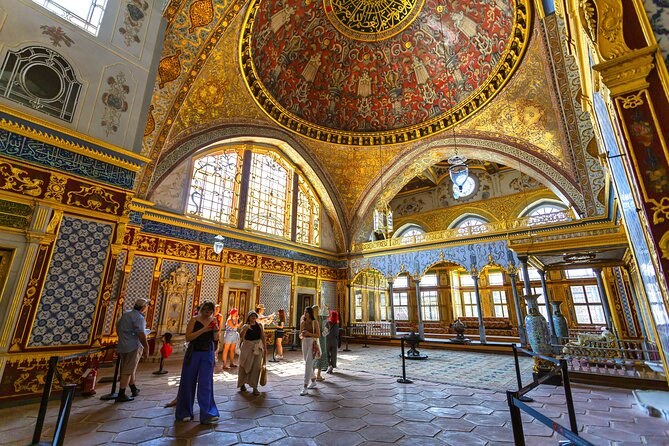 2 mi from IstanbulTopkapi Palace Secret Rooms + Palace Historian Guide
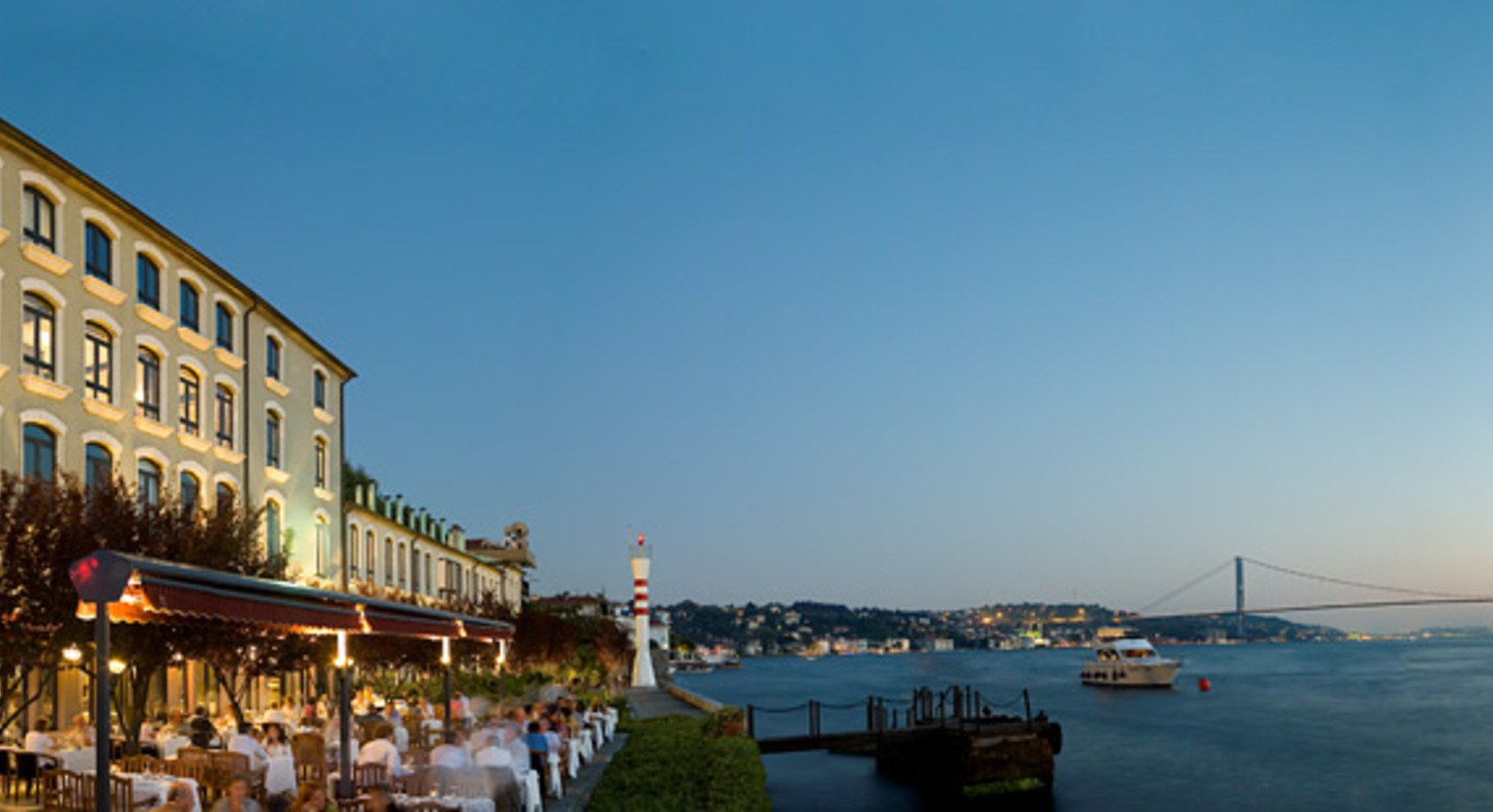 6 mi from IstanbulSumahan on the Water - Architectural Residency & Dinner
 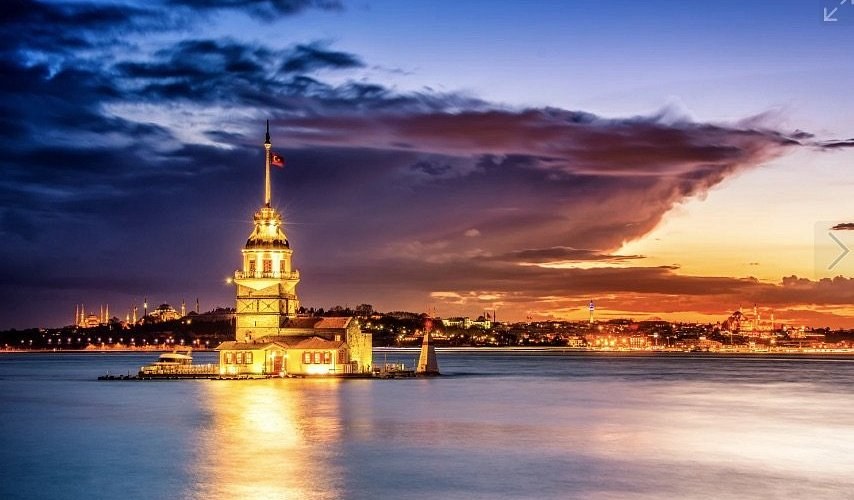 21 mi from Istanbul · land adventureBosphorus Currents: Fortresses, Kebab Masters and Island Ferries
 After you step off · near Rome
You end in a different port — stay on, and add what is within reach before you fly home.