Your cruise
Diamond Princess · 28-night Asia round trip from Tokyo
Oct 30 – Nov 27 · 28 nights ·
Day 1 Tokyo (board) · Day 2 Hitachinaka · Day 3 at sea · Day 4 Hakodate · Day 5 Akita · Day 6 Niigata · Day 7 Kanazawa · Day 8 Sakaiminato · Day 9 Busan (Kyongju) · Day 10 Nagasaki · Day 11 Miyazaki (Aburatsu) - Japan · Day 12 Kochi · Day 13 at sea · Day 14 Shimizu · Day 15 Tokyo · Day 16 at sea · Day 17 Miyako · Day 18 Aomori · Day 19 Sakata · Day 20 Tsuruga · Day 21 at sea · Day 22 Jeju Island South Korea · Day 23 Yatsushiro · Day 24 Kagoshima · Day 25 Beppu · Day 26 Osaka (Kyoto and Nara) · Day 27 Wakayama · Day 28 Omaezaki · Day 29 Tokyo (step off)
What you do Walk through Japan's most breathtaking seasonal garden — a rolling landscape of nemophila, kochia, and daffodils that shifts with the season. A private guide unlocks the park's hidden corners and best photography moments, making this a true bucket-list bloom experience.
What to expect Arrive at the 215-acre coastal park to find seas of blue nemophila in spring or fiery red kochia in autumn rolling down to the Pacific. Your private guide leads you to the finest vantage points and explains the horticultural artistry behind each seasonal display. Stroll the Miharashi Hill at sunrise or golden hour for a panorama that belongs on a screen-saver. The guide arranges timing to ensure you experience the park at its absolute quietest and most luminous.
Good to know The park is approximately 10 minutes from Hitachinaka Port by car. Pre-book well in advance for spring (late April–May nemophila) and autumn (mid-October kochia) as these windows are extremely popular. Park entry is JPY 450 (approx. USD 3) and is included in most private tour packages — confirm at booking. Allow 2.5–3 hours inside; the tour can be paired with Nakaminato Fish Market for a full-day experience.
Versus the ship tour A private, expert-led experience with a local guide who tailors the route to peak bloom conditions and the season, moving at your own pace with no crowds — the antithesis of a group bus tour.
book direct with Japan Shore Excursions (local expert, private guided) → · the full guide →
What you do Stroll the legendary Kairakuen, one of Japan's three greatest gardens, where over 3,000 plum trees create a fragrant, painterly landscape steeped in Edo-period elegance. A private expert guide brings the history of Lord Nariaki's vision to life in intimate detail.
What to expect Enter through the bamboo groves that frame the garden's historic gateway and step into a landscape unchanged since 1842. Your guide narrates the philosophy of Lord Tokugawa Nariaki, who designed Kairakuen to be open to all — a radical idea in feudal Japan. In plum blossom season (late February–March), the air is intoxicating; in other seasons, the ancient cedars and curated groves offer serene beauty. A short walk leads to the adjacent Senba Lake for panoramic reflections.
Good to know Kairakuen is approximately 30 minutes from Hitachinaka Port by private car. Garden entry is JPY 300 (approx. USD 2) during plum blossom festival; free at other times. The Kodokan school, a UNESCO candidate site, is adjacent and highly recommended as an add-on. Confirm all-aboard time with your ship and plan for a 4–5 hour excursion total.
Versus the ship tour With a dedicated private guide who is a specialist in Ibaraki's cultural heritage, you move through the garden on your own schedule — pausing for tea, photography, and deep storytelling that a timed group tour cannot offer.
book direct with GoWithGuide (private local guide, Ibaraki specialist) → · the full guide →
What you do Plunge into one of Ibaraki's most vibrant morning fish markets, where the catch of the day — anko (monkfish), hirame (flounder), and Pacific saury — is auctioned, grilled, and devoured dockside. This is Japan's seafood culture at its most raw and authentic.
What to expect The market buzzes from early morning as fishing boats unload their haul directly onto the quayside. Your guide explains the grading and auctioning process for Ibaraki's prized anko (monkfish), celebrated as the 'foie gras of the sea' in winter months. Sample grilled scallops, sea urchin, and fresh sashimi at the market's open-air stalls, with your guide curating the best vendors. The adjacent Minato Machi shopping street offers artisan ceramics and local produce to round out the experience.
Good to know Nakaminato Market is approximately 5–10 minutes from the cruise port — the most port-proximate excursion on this list. The market is most active before 10:00 am; aim for an early start. Winter visits (December–February) are best for monkfish season. Wear comfortable shoes and be prepared for a lively, aromatic environment. Pairs beautifully with Hitachi Seaside Park for a full-day itinerary.
Versus the ship tour A private guide with deep local connections navigates the market's inner lanes, introduces you to the vendors, and arranges a fresh seafood breakfast or brunch at the harbourside stalls — an immersive access that a coach tour simply cannot replicate.
book direct with Japan Shore Excursions (local expert, private guided) → · the full guide →
What you do Stand before one of Japan's most dramatic coastal shrines — Oarai Isosaki Jinja — where a vermilion torii gate rises from a jagged rock shelf jutting into the Pacific. This sacred site, dating to the 9th century, is a profound encounter with Shinto spirituality and oceanic power.
What to expect Walk down to the rocky shoreline at Kamiiso-no-Torii, where the iconic orange torii stands sentinel against the crashing Pacific surf — a scene that has drawn pilgrims and artists for over a millennium. Your guide recounts the legend of the deities Onamuchi-no-Mikoto and Sukunahikona-no-Mikoto, said to have appeared here on a boulder. Climb the stone steps through ancient cedar groves to the main shrine hall for a moment of quiet contemplation. At low tide, the rocks create tide pools teeming with life, adding a natural wonder dimension to the spiritual.
Good to know Oarai Isosaki Shrine is approximately 20 minutes from Hitachinaka Port by private car. Entry to the shrine grounds is free. The torii rock formation is best photographed at sunrise or against an incoming tide — confirm conditions with your guide in advance. This excursion pairs naturally with Aqua World Oarai Aquarium, which is a 5-minute drive away, for a half-day coastal circuit.
Versus the ship tour A knowledgeable local guide explains the 1,200-year-old Shinto rituals and mythology of the twin deities enshrined here — context that transforms a photo stop into a genuinely moving spiritual encounter.
book direct with Japan Shore Excursions (local expert, private guided) → · the full guide →
What you do Explore Japan's largest shark aquarium, home to over 580 species of sea life including the awe-inspiring whale shark tank. Aqua World Oarai is a world-class facility — dramatic, educational, and utterly mesmerising for discerning travellers of any age.
What to expect Enter through the dramatic ocean-blue entrance hall and descend into a world of 68 tanks showcasing sharks, rays, sea turtles, and the centrepiece whale shark gliding in a colossal 1,500-tonne main tank. The otter and dolphin shows are polished and genuinely joyful, while the jellyfish gallery offers an almost meditative beauty. The facility's bilingual English signage and excellent café make for a seamless, unhurried visit. Arrive at opening (10:00 am) for the quietest, most luxurious experience.
Good to know Aqua World Oarai is approximately 20 minutes from Hitachinaka Port by taxi or private car. Open daily 10:00 am–6:00 pm (last entry 5:00 pm). Book tickets online in advance at aquaworld-oarai.com to avoid queues. Allow 2.5–3 hours for a full visit. Combines perfectly with Oarai Isosaki Shrine next door for a seamless morning ashore.
Versus the ship tour Booking direct ensures you arrive at opening time for the first shark feeding of the day and access to the facility's immersive deep-sea tunnel and 4D theatre — moments most group visits rush past.
book direct with Aqua World Oarai (official) → · the full guide →
What you do Step inside a working century-old soy sauce brewery in rural Ibaraki for an extraordinary private immersion into the craft that underpins all Japanese cuisine. A rare, sensory journey through fermentation halls, aged cedar barrels, and a tasting that will permanently change how you appreciate Japanese food.
What to expect Your private guide leads you through the koji fermentation rooms, where the air is warm and heady with centuries of umami culture, and explains the painstaking 18-month natural brewing process. The master brewer (tōji) may be on hand to demonstrate traditional stirring techniques using long wooden paddles. A structured tasting session follows, comparing grades of shoyu from light and delicate to rich and complex, paired with local rice crackers and pickles. You leave with a hand-labelled bottle of premium single-barrel soy sauce — the finest possible souvenir.
Good to know The brewery is located within the greater Hitachinaka–Ibaraki region; your private guide handles all logistics and transport from the port. Pre-booking is essential as private access must be arranged in advance with the brewery. Allow 3–4 hours including travel. This excursion suits a morning or early-afternoon departure and pairs well with a Nakaminato Fish Market visit, using your premium soy sauce as seasoning context.
Versus the ship tour This is an entirely private, expert-led experience inside a working artisan brewery that has operated for over 100 years — access that is genuinely exclusive and cannot be replicated in a group setting.
book direct with TripAdvisor Experiences / local Ibaraki brewery specialist (private guided) → · the full guide →
What you do Explore Tokyo's most iconic districts — Asakusa, Shibuya, Shinjuku and the Imperial Palace — guided by a nationally licensed, multilingual expert on an entirely private itinerary tailored to you. This is Tokyo at your pace, through a connoisseur's eyes.
What to expect Your guide meets you at the terminal and whisks you into Tokyo's layered world: the incense haze of Sensō-ji, the electric scramble at Shibuya Crossing, the raked gravel calm of Imperial Palace East Gardens. Lunch is arranged at a chef-selected restaurant befitting your taste. The day is a seamless private narrative rather than a checklist, ending with enough time to return comfortably before all-aboard.
Good to know Book well in advance — licensed private guides are in high demand. Confirm your ship's all-aboard time so your guide can plan the return; Tokyo International Cruise Terminal (Ariake) is roughly 30–40 min by taxi or direct Yurikamome rail from central Tokyo.
Versus the ship tour A nationally licensed guide — not a megaphone-and-flag group leader — curates every hour around your interests, from Sensō-ji temple rituals at dawn to an omakase lunch in a hidden alley. The group is yours alone, pace is entirely flexible, and the depth of cultural insight is unmatched.
book direct with Japan Guide Association (JGA) – Official Licensed Guides → · the full guide →
What you do Ascend the world's second-tallest structure to 634 metres for a panorama stretching from Mount Fuji to Tokyo Bay. On a clear day the view is simply one of the great urban spectacles on earth.
What to expect A high-speed elevator whisks you to the Tembo Deck at 350 m in under 60 seconds. A second ascent takes you to the Tembo Galleria, a glass-walled spiral walkway at 450 m where the floor disappears beneath your feet over the Tokyo skyline. The adjacent Solamachi shopping and dining complex adds a refined post-visit option before heading back.
Good to know Pre-purchase timed-entry tickets online — they sell out days ahead, especially on weekends. From Tokyo International Cruise Terminal, take the Yurikamome line to Asakusa, then the Tobu Skytree Line — allow 50 min total. Allow 2 hrs for both decks. Confirm weather forecast: Mount Fuji views require clear skies.
Versus the ship tour Skip the intermediary and book direct on the official site for guaranteed timed-entry tickets — the queue for walk-ups can swallow an hour. Pairing both decks gives you the full 634-metre summit glass-floored walkway, a genuinely vertiginous bucket-list moment inaccessible on a standard visit.
book direct with Tokyo Skytree (Official) → · the full guide →
What you do Step inside teamLab Borderless — the world's most visited single-artist museum — where thousands of laser projections dissolve boundaries between art and visitor. There are no maps; every room is a living, breathing, bucket-list spectacle.
What to expect You wander freely through interconnected rooms where waterfalls, forests, and koi ponds exist entirely as light and projection — and shift when you touch them. The 'Athletic Forest' zone challenges the body as much as the mind. No two visits are identical; the art evolves in real time. Budget at least two hours, though most guests lose track of time entirely.
Good to know The new Azabudai Hills venue is a taxi/subway ride from the cruise terminal — allow 40 min. Wear comfortable shoes (some zones involve steps and uneven surfaces). Timed-entry tickets are date- and time-specific; book the earliest slot to leave the afternoon free for other stops. Avoid white clothing as projections can stain perception.
Versus the ship tour teamLab Borderless is the most talked-about cultural experience in Tokyo and tickets routinely sell out weeks ahead — direct booking guarantees your slot. The experience is entirely self-paced and intimate in scale despite the venue's size; no group itinerary can replicate the personal sense of wonder as the art responds to your movement.
book direct with teamLab Borderless Tokyo (Official) → · the full guide →
What you do Explore the legendary Tsukiji Outer Market with a private chef guide who navigates the stalls, sources the finest morning catch, and explains the art of Edomae sushi — ending at a reserved counter for an unforgettable omakase breakfast.
What to expect The morning begins in the alley labyrinth of Tsukiji Outer Market as vendors arrange glistening tuna, sea urchin, and seasonal shellfish. Your chef-guide explains provenance, seasonality, and the knife traditions behind each cut. A tamagoyaki (rolled omelette) master lets you watch the craft up close. The tour culminates at a reserved sushi counter where the chef orders on your behalf — a succession of impossibly fresh nigiri paired with explanations of each piece.
Good to know Tsukiji Outer Market is most vibrant 7–10 am; an early start is essential and pairs well with an early all-aboard schedule. The market is approximately 30 min by taxi from Tokyo International Cruise Terminal. Confirm any dietary restrictions with Context Travel at booking. Sturdy shoes are advised — the alleys are narrow and sometimes wet.
Versus the ship tour Context Travel pairs you with a culinary scholar or professional chef — not a generic guide — for an intellectually rich deep-dive into Japan's seafood culture. The private format means you linger at the stalls that captivate you, taste what the guide selects, and sit down to sushi chosen that morning, not a set tourist menu.
book direct with Context Travel Tokyo – Expert-Led Food Tours → · the full guide →
What you do Walk the ancient cedar-forested approach to Tokyo's most sacred Shinto shrine, then emerge into Harajuku's kaleidoscopic street culture — a single morning that captures the full spiritual and creative soul of Tokyo.
What to expect The 700-metre forested gravel path to Meiji Jingu feels remote despite being at the heart of 14-million-person Tokyo — a genuine hush descends. Your guide explains the daily rituals, points out the sake-barrel wall offered by French wineries, and arranges a quiet moment at the inner shrine. The short walk to Harajuku delivers the visual shock of kawaii fashion and the understated elegance of Omotesandō boutiques — Dior, Louis Vuitton, and local ateliers alike.
Good to know Shoulders and knees should be covered or a scarf carried for the shrine approach. From the cruise terminal, take the Yurikamome to Shimbashi then JR Yamanote Line to Harajuku — approx. 50 min. The combined experience takes 3–4 hours; pairs perfectly with a lunch reservation on Omotesandō. Book your GoWithGuide guide at least 2 weeks ahead.
Versus the ship tour A private local guide from GoWithGuide provides personal context for Shinto ritual — the purification ceremony, the prayer technique, the symbolism of the torii gate — that transforms a walk through a forest into a deeply moving cultural encounter. The segue into Harajuku's Takeshita Street and Omotesandō's luxury flagship stores is seamlessly curated.
book direct with GoWithGuide – Private Tokyo Local Guides → · the full guide →
What you do Ascend the beloved iron icon of Tokyo at golden hour for the exclusive Diamond Tour — access to both the Main Deck at 150 m and the Top Deck at 250 m, limited to just 70 guests per day. A sunset over the Tokyo skyline from here is a memory for life.
What to expect Tokyo Tower glows tangerine and crimson at dusk — a deliberate nod to the Eiffel Tower's evening palette — and from the glass-floor panels of the Top Deck, the city grid fans out to Tokyo Bay and beyond. The Diamond Tour guide explains the tower's 1958 construction story and its role as Tokyo's emotional heartbeat. The lounge offers premium refreshments as the city lights ignite below you.
Good to know Book online the moment your itinerary is confirmed — the 70-person cap sells out fast, especially on weekends and holidays. Tokyo Tower is in Minato, roughly 40 min by taxi from the cruise terminal. Plan to arrive at least 30 min before your slot. A sunset slot (approximately 5–6 pm) is spectacular but confirm your ship's all-aboard time allows for it.
Versus the ship tour The Diamond Tour's 70-person daily cap makes this one of the most exclusive urban viewpoints in Asia. Unlike the open-access main deck, the Top Deck tour includes a dedicated lounge, unhurried time at each level, and a guide — transforming a landmark tick into a genuinely rarefied experience.
book direct with Tokyo Tower (Official) → · the full guide →
What you do Walk through Japan's most breathtaking seasonal garden — a rolling landscape of nemophila, kochia, and daffodils that shifts with the season. A private guide unlocks the park's hidden corners and best photography moments, making this a true bucket-list bloom experience.
What to expect Arrive at the 215-acre coastal park to find seas of blue nemophila in spring or fiery red kochia in autumn rolling down to the Pacific. Your private guide leads you to the finest vantage points and explains the horticultural artistry behind each seasonal display. Stroll the Miharashi Hill at sunrise or golden hour for a panorama that belongs on a screen-saver. The guide arranges timing to ensure you experience the park at its absolute quietest and most luminous.
Good to know The park is approximately 10 minutes from Hitachinaka Port by car. Pre-book well in advance for spring (late April–May nemophila) and autumn (mid-October kochia) as these windows are extremely popular. Park entry is JPY 450 (approx. USD 3) and is included in most private tour packages — confirm at booking. Allow 2.5–3 hours inside; the tour can be paired with Nakaminato Fish Market for a full-day experience.
Versus the ship tour A private, expert-led experience with a local guide who tailors the route to peak bloom conditions and the season, moving at your own pace with no crowds — the antithesis of a group bus tour.
book direct with Japan Shore Excursions (local expert, private guided) → · the full guide →
What you do Stroll the legendary Kairakuen, one of Japan's three greatest gardens, where over 3,000 plum trees create a fragrant, painterly landscape steeped in Edo-period elegance. A private expert guide brings the history of Lord Nariaki's vision to life in intimate detail.
What to expect Enter through the bamboo groves that frame the garden's historic gateway and step into a landscape unchanged since 1842. Your guide narrates the philosophy of Lord Tokugawa Nariaki, who designed Kairakuen to be open to all — a radical idea in feudal Japan. In plum blossom season (late February–March), the air is intoxicating; in other seasons, the ancient cedars and curated groves offer serene beauty. A short walk leads to the adjacent Senba Lake for panoramic reflections.
Good to know Kairakuen is approximately 30 minutes from Hitachinaka Port by private car. Garden entry is JPY 300 (approx. USD 2) during plum blossom festival; free at other times. The Kodokan school, a UNESCO candidate site, is adjacent and highly recommended as an add-on. Confirm all-aboard time with your ship and plan for a 4–5 hour excursion total.
Versus the ship tour With a dedicated private guide who is a specialist in Ibaraki's cultural heritage, you move through the garden on your own schedule — pausing for tea, photography, and deep storytelling that a timed group tour cannot offer.
book direct with GoWithGuide (private local guide, Ibaraki specialist) → · the full guide →
What you do Plunge into one of Ibaraki's most vibrant morning fish markets, where the catch of the day — anko (monkfish), hirame (flounder), and Pacific saury — is auctioned, grilled, and devoured dockside. This is Japan's seafood culture at its most raw and authentic.
What to expect The market buzzes from early morning as fishing boats unload their haul directly onto the quayside. Your guide explains the grading and auctioning process for Ibaraki's prized anko (monkfish), celebrated as the 'foie gras of the sea' in winter months. Sample grilled scallops, sea urchin, and fresh sashimi at the market's open-air stalls, with your guide curating the best vendors. The adjacent Minato Machi shopping street offers artisan ceramics and local produce to round out the experience.
Good to know Nakaminato Market is approximately 5–10 minutes from the cruise port — the most port-proximate excursion on this list. The market is most active before 10:00 am; aim for an early start. Winter visits (December–February) are best for monkfish season. Wear comfortable shoes and be prepared for a lively, aromatic environment. Pairs beautifully with Hitachi Seaside Park for a full-day itinerary.
Versus the ship tour A private guide with deep local connections navigates the market's inner lanes, introduces you to the vendors, and arranges a fresh seafood breakfast or brunch at the harbourside stalls — an immersive access that a coach tour simply cannot replicate.
book direct with Japan Shore Excursions (local expert, private guided) → · the full guide →
What you do Stand before one of Japan's most dramatic coastal shrines — Oarai Isosaki Jinja — where a vermilion torii gate rises from a jagged rock shelf jutting into the Pacific. This sacred site, dating to the 9th century, is a profound encounter with Shinto spirituality and oceanic power.
What to expect Walk down to the rocky shoreline at Kamiiso-no-Torii, where the iconic orange torii stands sentinel against the crashing Pacific surf — a scene that has drawn pilgrims and artists for over a millennium. Your guide recounts the legend of the deities Onamuchi-no-Mikoto and Sukunahikona-no-Mikoto, said to have appeared here on a boulder. Climb the stone steps through ancient cedar groves to the main shrine hall for a moment of quiet contemplation. At low tide, the rocks create tide pools teeming with life, adding a natural wonder dimension to the spiritual.
Good to know Oarai Isosaki Shrine is approximately 20 minutes from Hitachinaka Port by private car. Entry to the shrine grounds is free. The torii rock formation is best photographed at sunrise or against an incoming tide — confirm conditions with your guide in advance. This excursion pairs naturally with Aqua World Oarai Aquarium, which is a 5-minute drive away, for a half-day coastal circuit.
Versus the ship tour A knowledgeable local guide explains the 1,200-year-old Shinto rituals and mythology of the twin deities enshrined here — context that transforms a photo stop into a genuinely moving spiritual encounter.
book direct with Japan Shore Excursions (local expert, private guided) → · the full guide →
What you do Explore Japan's largest shark aquarium, home to over 580 species of sea life including the awe-inspiring whale shark tank. Aqua World Oarai is a world-class facility — dramatic, educational, and utterly mesmerising for discerning travellers of any age.
What to expect Enter through the dramatic ocean-blue entrance hall and descend into a world of 68 tanks showcasing sharks, rays, sea turtles, and the centrepiece whale shark gliding in a colossal 1,500-tonne main tank. The otter and dolphin shows are polished and genuinely joyful, while the jellyfish gallery offers an almost meditative beauty. The facility's bilingual English signage and excellent café make for a seamless, unhurried visit. Arrive at opening (10:00 am) for the quietest, most luxurious experience.
Good to know Aqua World Oarai is approximately 20 minutes from Hitachinaka Port by taxi or private car. Open daily 10:00 am–6:00 pm (last entry 5:00 pm). Book tickets online in advance at aquaworld-oarai.com to avoid queues. Allow 2.5–3 hours for a full visit. Combines perfectly with Oarai Isosaki Shrine next door for a seamless morning ashore.
Versus the ship tour Booking direct ensures you arrive at opening time for the first shark feeding of the day and access to the facility's immersive deep-sea tunnel and 4D theatre — moments most group visits rush past.
book direct with Aqua World Oarai (official) → · the full guide →
What you do Step inside a working century-old soy sauce brewery in rural Ibaraki for an extraordinary private immersion into the craft that underpins all Japanese cuisine. A rare, sensory journey through fermentation halls, aged cedar barrels, and a tasting that will permanently change how you appreciate Japanese food.
What to expect Your private guide leads you through the koji fermentation rooms, where the air is warm and heady with centuries of umami culture, and explains the painstaking 18-month natural brewing process. The master brewer (tōji) may be on hand to demonstrate traditional stirring techniques using long wooden paddles. A structured tasting session follows, comparing grades of shoyu from light and delicate to rich and complex, paired with local rice crackers and pickles. You leave with a hand-labelled bottle of premium single-barrel soy sauce — the finest possible souvenir.
Good to know The brewery is located within the greater Hitachinaka–Ibaraki region; your private guide handles all logistics and transport from the port. Pre-booking is essential as private access must be arranged in advance with the brewery. Allow 3–4 hours including travel. This excursion suits a morning or early-afternoon departure and pairs well with a Nakaminato Fish Market visit, using your premium soy sauce as seasoning context.
Versus the ship tour This is an entirely private, expert-led experience inside a working artisan brewery that has operated for over 100 years — access that is genuinely exclusive and cannot be replicated in a group setting.
book direct with TripAdvisor Experiences / local Ibaraki brewery specialist (private guided) → · the full guide →
What you do Ride the Hakodate Ropeway to the summit of Mt. Hakodate for one of Japan's three great night views — a glittering hourglass of city lights between two bays. At 334 m, the 360° panorama is simply breathtaking and utterly bucket-list.
What to expect The gondola whisks you up 334 metres in just three minutes, arriving at a glass-walled observatory perched above the forested peak. As daylight fades, Hakodate's unique hourglass peninsula blazes gold and amber between Tsugaru Strait and Uchiura Bay. The summit also has a café and gift shop should you wish to linger. In autumn, the hillside maples frame the ascent in fiery crimson.
Good to know Ropeway runs daily; last gondola is around 22:00 (seasonal). Allow 90 min round-trip. It's 15 min by taxi from the pier. Pre-book a licensed guide via Japan Guide Association (j-g-a.org) to ensure a private summit experience matched to your ship's all-aboard time.
Versus the ship tour The magic here is timing: a licensed private guide can tailor your ascent to catch the exact moment the city lights ignite at dusk, while the small-group format means no jostling at the observatory rail — just you, the mountain, and one of Japan's most legendary views.
book direct with Hakodate Ropeway (Official) → · the full guide →
What you do Plunge into the legendary Hakodate Asaichi — one of Japan's great morning markets — guided by a local expert who unlocks the finest stalls for live uni, ikura, and hairy crab before the crowds arrive. End with a private omakase bowl that rivals any Michelin table.
What to expect The market opens at 05:00 and by 07:00 the stalls are at peak drama: crab claws waving from iced tanks, fishmongers calling their catch, vendors pressing samples of smoked scallop into your hands. Your guide curates a tasting circuit — squid ink, sea urchin, Hokkaido milk soft-serve — before settling you at a counter for a bespoke seafood rice bowl. Markets wind down by midday so a morning start is essential.
Good to know Market is a 5-min walk or short taxi from most Hakodate berths. Best experienced 07:00–10:00. Book a licensed English-speaking guide in advance; the Japan Shore Excursions team specialises in cruise-ready timing with guaranteed all-aboard returns.
Versus the ship tour A licensed local guide takes you behind the tourist façade to the wholesale-side vendors, introduces you to market elders by name, and steers you to the single best donburi counter — knowledge that only years of local relationships can buy.
book direct with Japan Shore Excursions (Licensed Local Guide) → · the full guide →
What you do Survey Japan's only Western-style star-shaped fortress — scene of the Boshin War's final battle — from the glass-floored Goryokaku Tower, then walk its cherry-blossom-lined moats with a licensed historian guide. A defining chapter of Japanese history made vivid.
What to expect Ascend Goryokaku Tower for a bird's-eye view of the perfect five-pointed star, its geometry still razor-sharp from above. Below, the moated grounds are a masterclass in 19th-century European military architecture transplanted to Japan. Sara leads you across the drawbridge and through the restored magistrate's office, narrating the tragic last stand of the Shinsengumi. In spring the fort's 1,600 cherry trees make this one of Hokkaido's most spectacular hanami sites.
Good to know Tower open daily 09:00–18:00 (to 19:00 in peak season). A 15-min tram ride from the pier on the City Tram (1-Day Pass JPY 800 — worth buying). Combine with nearby Kanemori Red Brick Warehouses for a full half-day. Pre-book your guide at least 2 weeks ahead.
Versus the ship tour Sara, a certified Hakodate Proficiency-tested guide who lived abroad six years, brings the 1869 Battle of Hakodate alive with personal storytelling — pinpointing Hijikata Toshizo's last stand and walking you through the pentagonal ramparts at your own unhurried pace.
book direct with Hakodate Guide Sara (Local Licensed Expert) → · the full guide →
What you do Escape the city entirely on a private guided foray to Onuma Quasi-National Park — a volcanic lake landscape where Mt. Komagatake's reflection shimmers on mirror-still water. Glide by kayak among forested islets in one of Japan's most serene national parks.
What to expect A 50-minute drive north of Hakodate deposits you in a landscape of extraordinary calm: 126 islets scattered across three interconnected lakes, all cast in the shadow of the still-active Mt. Komagatake. Your guide leads a lakeside boardwalk through ancient pines before you board a two-person kayak to explore the quieter western channels, rich with kingfishers and grey herons. Autumn turns the maples copper-gold; spring carpets the banks in cherry blossom.
Good to know Allow a full day: 50 min each way plus 3–4 hrs in the park. Confirm kayak availability seasonally (best May–Oct). Your guide ensures cruise-compatible return timing. Dress in layers — lake temperatures are significantly cooler than the city, especially in the morning.
Versus the ship tour The private format means you set the pace — lingering on a misty lake at sunrise, paddling to a hidden islet for a private picnic, or photographing the volcano's reflection without a single tour bus in sight. This is Hokkaido's raw nature at its most elemental.
book direct with Japan Shore Excursions (Licensed Local Guide) → · the full guide →
What you do Wander Hakodate's 19th-century foreign concession quarter — Orthodox churches, Gothic consulates, and wooden merchant mansions clinging to Mt. Hakodate's slopes — with a licensed guide who unlocks interiors closed to independent visitors.
What to expect The Motomachi hillside is a rare surviving pocket of Meiji-era cosmopolitanism: you'll peer inside the Old British Consulate's rose garden, climb to the vermilion Chinezan Josenji temple with its harbour panorama, and stand inside the onion-domed Hakodate Orthodox Church. Your guide contextualises the mid-19th-century treaty port history that made Hakodate Japan's gateway to the world. The cobblestone slopes and pastel clapboard facades are endlessly photogenic.
Good to know The quarter is walkable in 2–3 hrs with a guide; most sites open 09:00–17:00. Old Public Hall closed Mondays. A 10-min tram ride from the pier. Book a 4- or 6-hour guide slot to combine Motomachi with Goryokaku in a single seamless day.
Versus the ship tour The Japan Guide Association's nationally licensed guides gain access to privately managed interiors — the gilded altar of the Russian Orthodox Church, the restored banquet hall of the Old Public Hall — and can read the kanji plaques and original ledgers that tell the real story of Japan's first open port.
book direct with Japan Guide Association — Hakodate Licensed Guides → · the full guide →
What you do Let a traditional rickshaw (jinrikisha) carry you through Hakodate's most photogenic streets — past red-brick warehouses, tram lines, and seaside promenades — while your puller doubles as an expert local storyteller. A uniquely intimate, beautifully paced way to see the city.
What to expect You recline on a lacquered seat beneath a fringed canopy as your jinrikisha runner navigates the Kanemori Warehouse waterfront, the Motomachi slopes, and the old tram boulevard. The pullers are remarkably well-informed, pointing out architectural curiosities and delivering anecdotes about the Meiji-era merchants who built this city. It's theatrical, intimate, and entirely unlike anything else in Japan's port cities.
Good to know Rickshaws depart from the Kanemori Red Brick Warehouse area, a 5-min walk from the main pier. No advance booking required for short rides, but reserve a 90-min private course ahead for a bespoke itinerary. Operates year-round (weather permitting); best in the golden hour before sunset.
Versus the ship tour Ebisuya's trained rickshaw pullers are passionate local historians who narrate each landmark in English as they run — pausing spontaneously for a harbour shot here, a hidden shrine gate there. The unhurried, street-level perspective reveals details no bus window ever could.
book direct with Ebisuya Rickshaw Hakodate (えびすや) → · the full guide →
What you do Step inside Japan's most perfectly preserved samurai quarter — blackened cedar fences, centuries-old bukeyashiki mansions — then toast the day at a historic sake brewery. This is feudal Japan at its most tangible.
What to expect Your guide meets you at the port and whisks you 90 minutes inland to Kakunodate, often called 'Little Kyoto of the Tohoku.' Stroll the Uchimachi samurai district past weeping cherry trees and step inside the Aoyagi and Ishiguro bukeyashiki residences, whose family heirlooms have been preserved for 300 years. Afterwards, a fifth-generation brewer at one of Akita's acclaimed sake kuras walks you through the craft of nihonshu, from polished Akita Komachi rice to barrel-aged treasures, with a seated tasting paired with local accompaniments. The drive back via countryside rice paddies gives you a sense of the vastness and quiet beauty of the Tohoku.
Good to know Kakunodate is approximately 85 km from Akita port — allow 3 hours at the district plus 1 hour at the brewery; depart by 09:00 to be back comfortably before all-aboard. Pre-book the private guide at least 2 weeks ahead; sake breweries may require advance reservation.
Versus the ship tour Fully private, licensed English-speaking guide curates your pace — linger inside a samurai residence, join a brewery master for a guided tasting of junmai daiginjo, and avoid every group bus completely.
book direct with Japan Shore Excursions (Private Guide) → · the full guide →
What you do Encounter the fearsome Namahage demons — Akita's most iconic UNESCO-listed folk tradition — at their sacred mountain stronghold on the dramatic Oga Peninsula, with sea-carved cliffs as your backdrop.
What to expect The Oga Peninsula juts into the Sea of Japan just 50 km from port — a landscape of pine-forested ridges plunging into volcanic sea stacks. At the Namahage Museum and adjacent Oga Shinzan Folklore Museum, a theatrical performance brings to life the midwinter demon ritual where oni-masked villagers visit homes to discipline idle children and bless households — a tradition now inscribed on UNESCO's Intangible Cultural Heritage list. Your guide then leads you along the Kannonyama coastal promenade to the Godzilla Rock formation and the panoramic Mt. Kanpuzan summit, where the Sea of Japan stretches to the horizon. A lunch of freshwater crab and Akita-style kiritanpo hot pot at a local inn can be arranged on request.
Good to know Oga Peninsula is 50–60 km from Akita port; allow roughly 4–5 hours total. Namahage Museum entry is approximately JPY 550 per person on top of the guide fee. Confirm all-aboard time and factor in a 60-minute return drive.
Versus the ship tour A private guide unlocks the Namahage Museum's costumed ritual performance and takes you to the clifftop Godzilla Rock and Kanpuzan Observatory viewpoints that group buses simply don't have time to reach — all at your own deliberate pace.
book direct with Japan Shore Excursions (Private Guide) → · the full guide →
What you do Slip into a centuries-old outdoor hot spring deep in a beech forest at Nyuto Onsen, one of Japan's most revered onsen villages, where milky, mineral-rich waters have healed pilgrims since the Edo period.
What to expect Hidden in the mountains above Lake Tazawa, Nyuto Onsen village is a cluster of eight historic bathhouses accessible only by a forest road — arrival itself feels like entering another century. Tsuru-no-yu's celebrated konyoku (mixed outdoor bath) is a milky white sulfurous pool beneath ancient cryptomeria trees, steam rising against forest silence. The inn's thatched farmhouse buildings and paper-screened rooms are National Registered Tangible Cultural Properties. If booked in advance, a private rotenburo gives your party an exclusive woodland bath with a dedicated attendant. Combine with a stop at nearby Lake Tazawa — Japan's deepest lake, a cobalt sapphire ringed by mountains — to complete the scenery.
Good to know Nyuto Onsen is approximately 100 km from Akita port (about 1 hr 30 min drive); pair with a private car and guide booked via Japan Shore Excursions or GoWithGuide. Depart port by 08:00 to allow 2+ hours soaking time and a comfortable return. Bring or purchase a small onsen towel. Private rotenburo bookings must be made well in advance — call the inn directly.
Versus the ship tour Tsuru-no-yu is the oldest inn in Nyuto Onsen — its mixed-gender outdoor bath surrounded by steam and snow-capped pines is one of the most photographed onsen scenes in all Japan. Direct entry or a private-bath reservation secures a serene, uncrowded experience.
book direct with Tsuru-no-yu Onsen (Official Ryokan) → · the full guide →
What you do Gaze into the impossible cobalt depths of Lake Tazawa — Japan's deepest lake at 423 metres — and stroll its forest shoreline beside the golden statue of Princess Tatsuko, a scene of rare, mythic beauty.
What to expect Lake Tazawa's colour is so saturated it verges on surreal — a deep caldera lake that never freezes, its shores fringed with birch and cherry. Your guide takes you to the gilded bronze statue of Princess Tatsuko, a Tohoku legend who drank from a sacred spring and transformed into a dragon goddess to keep the lake from freezing. An optional pleasure-boat cruise circles the deepest reaches of the lake with narrated local lore in English. In autumn, the hillsides blaze with foliage that doubles in the still water; in spring, the cherry trees on the eastern shore are among Akita's finest. The area's fresh mountain air and profound quiet are the antithesis of big-city Japan.
Good to know Lake Tazawa is approximately 80 km (1 hr 15 min) from Akita port. Boat cruises are seasonal (April–November) and tickets are approx. JPY 800 per person. Combine with Nyuto Onsen on a full-day itinerary — depart port no later than 08:30. Book private transport in advance via Japan Awaits or Japan Shore Excursions.
Versus the ship tour A fully customisable private tour means you set the itinerary — combine Tazawa with Nyuto Onsen or Kakunodate, linger at the golden Tatsuko statue at golden hour, and ride a scenic pleasure boat across the caldera lake without a crowd.
book direct with Japan Awaits (Private Custom Tour) → · the full guide →
What you do Spend a curated half-day in Akita city itself — the cherry-blossom moat of Kubota Castle ruins, the gravity-defying Kanto lantern festival performance, and a Hiroshi Sugimoto–designed art museum in a single elegant circuit.
What to expect Senshu Park, built on the ruins of Kubota Castle, is Akita's green heart — its moat, earthworks, and reconstruction turret set against cedar groves have the quiet gravitas of a place that shaped 270 years of Satake domain history. A short walk brings you to the Neburi Nagashi Hall (Kanto Festival Museum), where you can try balancing a towering bamboo pole hung with 46 paper lanterns on your forehead — the very feat that defines Akita's famous August festival. The afternoon culminates at the Akita Museum of Art, a building designed by Tadao Ando collaborator Tadashi Kajima, housing Fujita Tsuguharu's monumental panoramic painting 'Akita Customs' in a purpose-built gallery of hushed grandeur. Finish with coffee or Akita craft sake at the museum's café overlooking the park.
Good to know All three sites are within 10–15 minutes of Akita port by car — ideal if time ashore is limited or sea conditions affect the schedule. Book a private guide via GoWithGuide at least one week in advance. Museum closed Mondays. Kanto Museum entry approx. JPY 100 extra for the hands-on balancing experience.
Versus the ship tour A government-licensed local guide brings the city's layered history to life — from Satake clan samurai lore at Senshu Park to a hands-on Kanto balancing experience at the Neburi Nagashi Hall — with none of the time pressure of a group itinerary.
book direct with GoWithGuide – Akita Local Private Guides → · the full guide →
What you do Wander the extraordinarily preserved homes of Akita's Meiji-era merchant elite in Yokote — three grand mansions open exclusively to visitors who know to seek them out, each a time capsule of wealth and Japanese craft.
What to expect The Masuda district of Yokote, south of Akita city, harbours three extraordinary early-20th-century merchant mansions — the Mochizuki, Yamamoto, and Ando residences — whose owners grew wealthy on Akita's silk and rice trades. Your guide narrates the social and economic history of Meiji Japan through the architecture itself: ornate ranma carved transoms, lacquered tokonoma alcoves, secret storage rooms, and private tea ceremony gardens designed to impress visiting dignitaries. The human scale of the walking tour — never more than a handful of guests — means you can ask questions freely, photograph at leisure, and absorb the silence of spaces most visitors never find. Combine with a stroll through Yokote's castle town streets and a stop for Yokote yakisoba, a regional noodle dish that locals are fiercely proud of.
Good to know Yokote is approximately 55 km south of Akita port (about 50 minutes by private car). Allow 2 hours for the walking tour plus transit time; ideal as a half-day excursion paired with a port-side sake experience on your return. Book the small-group tour directly via GetYourGuide well in advance as spaces are very limited.
Versus the ship tour Rated 5 stars with only small groups admitted, this intimate walking tour grants access to private merchant residences rarely featured on mainstream itineraries — a genuine insider experience led by a knowledgeable local guide.
book direct with GetYourGuide – Masuda Walking Tour (Small Group) → · the full guide →
What you do Explore Niigata's most iconic sites — sake breweries, samurai residences, and hidden shrines — guided by an officially licensed expert who tailors every hour to you. A deeply personal, unhurried immersion into Japan's rice-and-sake heartland.
What to expect Your licensed guide meets you portside and whisks you through a day shaped entirely around your passions — be it historic sake breweries, elegant Meiji-era merchant houses, or serene Shinto shrines. Expect thoughtful commentary, seamless logistics, and an insider's perspective on Niigata's layered identity as Japan's sake and rice capital. Every stop is chosen with care, every moment unhurried. This is Japan at its most authentic and personal.
Good to know Book well in advance — private licensed guides fill fast on cruise call days. The tour is flexible enough to respect all-aboard times; confirm your ship's schedule when booking. Pickup directly from the cruise pier is standard.
Versus the ship tour A fully private, bespoke itinerary with a government-licensed guide — no fixed group, no set script. Your guide curates the day around your interests, granting access and insight that no standard group tour can replicate.
book direct with Japan Shore Excursions (Government-Licensed Guide Private Tour) → · the full guide →
What you do Step inside one of Niigata's most storied sake breweries, founded in 1767, for an expert-led cellar walk and curated tasting of award-winning junmai daiginjo. The finest expression of Japan's sake capital in a single, exquisite experience.
What to expect Imayo Tsukasa sits a short taxi ride from the port in the heart of Niigata city. Guides lead you through centuries-old fermentation rooms, explaining how Niigata's pristine snowmelt water and locally grown Gohyakumangoku rice create Japan's most refined sake style. The tasting culminates in a flight of their finest junmai daiginjo, sipped slowly in a beautifully preserved Meiji-era storehouse. A boutique shop offers exclusive bottlings to take home.
Good to know Tours run throughout the day; no advance booking strictly required but recommended for private sessions. A 10-minute taxi from Niigata port. Allow 60–90 minutes. Purchase exclusive bottles before returning to ship — they wrap them beautifully for travel.
Versus the ship tour Access to the working kura (brewery) with English-speaking staff, tasting of rare limited-release sake not available outside the brewery, and the chance to bottle your own — an intimate ritual impossible to replicate at scale.
book direct with Imayo Tsukasa Sake Brewery (今代司酒造) → · the full guide →
What you do Walk through the magnificent estate of Niigata's most powerful Meiji-era merchant family — a sublime fusion of Japanese and Western architecture, set in a manicured garden. One of Japan's finest preserved merchant residences, virtually unknown to international visitors.
What to expect The Saito family built their fortune trading rice and petroleum, and their residence — completed in 1920 — is a testament to Meiji Japan's gilded ambitions. Your guide leads you through tatami reception rooms, an ornate Western-style parlour, and a tranquil stroll garden that changes beautifully with the seasons. The level of architectural detail is breathtaking: hand-carved transoms, lacquered corridors, and a garden composed with near-mathematical precision. This is Niigata's most under-the-radar cultural jewel.
Good to know Located about 20 minutes by taxi from the cruise pier. Admission to the residence itself is JPY 300; guide fees are separate. Book Edge of Niigata in advance for a private expert-guided session. Allow 1.5–2 hours on site.
Versus the ship tour Access with a knowledgeable local guide who unlocks the stories behind each room — the family's extraordinary influence, the artisan craftsmanship, the hidden garden details — far beyond what self-guided entry reveals.
book direct with Edge of Niigata (Local Expert Guided Tours) → · the full guide →
What you do Discover the breathtaking Northern Culture Museum — a vast feudal landlord's estate with 65 rooms, priceless art, and a celebrated moss garden — on a private guided experience deep in Niigata's countryside. One of Japan's most atmospheric historic homes.
What to expect Set 30 minutes from the port, the Ito family's estate was once the heart of a rice-farming empire covering hundreds of hectares. Its 65 rooms are filled with hanging scrolls, ceramics, lacquerware, and samurai artefacts, displayed exactly as they were in the family's heyday. The inner garden — with its centuries-old mossy stones and koi-filled pond — is one of the most peaceful, beautiful spaces in all of Niigata. A private guide transforms a museum visit into a story of power, culture, and impermanence.
Good to know Arrange private guide through Edge of Niigata or GoWithGuide in advance. The museum is about 30 minutes by taxi from the cruise pier. Allow 2 hours minimum. The estate is particularly beautiful in autumn (October–November) and during cherry blossom season.
Versus the ship tour The sheer scale and grandeur of this estate — the largest landlord residence in the Niigata region — combined with private guiding, delivers an encounter with feudal Japan's elite that is genuinely jaw-dropping and impossibly rare for a cruise day call.
What you do Ascend to Niigata's most iconic viewpoint atop the Befco Bakauke building for sweeping 360° views across the city, the Shinano River delta, and the shimmering Sea of Japan. A sublime, effortless moment of perspective over Japan's rice coast.
What to expect Located in the heart of Niigata's Bandai City district, the Bakauke Observatory sits atop the city's beloved rice-cracker emporium and offers an entirely unobstructed panorama. On clear days, the distant outline of Sado Island floats on the Sea of Japan — hauntingly beautiful. The Shinano River snakes through the city below, and the port where your ship lies is perfectly visible. Pair it with a tasting of Niigata's celebrated senbei (rice crackers) in the shop below — a genuine local ritual.
Good to know A 15-minute taxi from the cruise pier. Combine with Pia Bandai market and the Imayo Tsukasa Brewery for a perfect half-day in the city centre. No booking required — simply arrive and ascend. Best visited in morning light for views toward Sado Island.
Versus the ship tour An unhurried, crowd-free perch above the city at your own pace — on a clear day, the views stretch to Sado Island on the horizon, making it one of the most panoramic and emotionally resonant vantage points in northern Japan.
book direct with Befco Bakauke Observatory (万代シテイバスセンタービル展望台) — Direct → · the full guide →
What you do Plunge into Pia Bandai, Niigata's legendary fresh market, on an expert-led culinary walk sampling the finest local seafood, rice, and sake — the full flavour of Japan's most fertile prefecture in one gloriously indulgent morning.
What to expect Pia Bandai sprawls along the Shinano River waterfront and is the beating heart of Niigata's food identity — fish direct from the Sea of Japan, the finest Koshihikari rice, artisan tofu, and locally pressed sake fill stall after stall. Your guide navigates it all with precision, arranging tastings at handpicked vendors and sitting you down for a market-fresh seafood breakfast or lunch of extraordinary quality. Niigata's snow crab, salmon, and yellowtail are legendary; eating them here, steps from where they were landed, is a memory that endures.
Good to know Book Edge of Niigata in advance for a guided session; the market itself is open daily from early morning. Located 10 minutes by taxi from the cruise pier. Morning visits offer the freshest produce and the most atmospheric atmosphere. Allow 2–2.5 hours. Confirm all-aboard time when booking.
Versus the ship tour A local guide fluent in Niigata's food culture unlocks the stories behind each stall — which fishmonger to trust for crab, which rice varietal is this season's finest, and where to find sake that never leaves the prefecture — knowledge no map or app can provide.
book direct with Edge of Niigata (Local Expert Guided Tours) → · the full guide →
What you do A bespoke, private full-day immersion into Kanazawa's feudal soul — Kenrokuen Garden, the Nagamachi Samurai District, and the golden lantern-lit Higashi Chaya geisha quarter — guided by an award-winning local expert at your own pace.
What to expect Your guide meets you directly at the port or your chosen start point and tailors the route to your interests from the first step. Kenrokuen unfolds at a meditative pace — moss, stone lanterns, and seasonal colour — before the tour winds through the earthen-walled lanes of the Nagamachi Samurai District. The afternoon takes you into the preserved wooden machiya teahouses of Higashi Chaya, where your guide unlocks context no signboard can offer. Transfers, commentary, and honest local recommendations for lunch are all woven in seamlessly.
Good to know Pre-book well in advance — private slots fill quickly. Kanazawa Port (Kanazawa Futo) is approximately 30–40 minutes by taxi or arranged transfer from the city centre. Confirm all-aboard time with the ship and build in a 90-minute buffer for the return journey to port.
Versus the ship tour Entirely private — your guide, your pace, your curiosity. No queues, no compromises, and deeply personalised storytelling from an award-winning operator with over a decade guiding discerning visitors through Kanazawa's layers.
book direct with Kanazawa Tours (Private Guided Tours) → · the full guide →
What you do Step into one of Japan's three great gardens at its most magical — dawn light, near-empty paths, and a licensed guide to reveal 300 years of Maeda clan artistry across six landscape principles of perfection.
What to expect Kenrokuen's six defining attributes — spaciousness, seclusion, artifice, antiquity, abundant water, and panoramic views — reveal themselves in sequence as your guide narrates the garden's 300-year evolution. You'll linger at the iconic Kotoji stone lantern reflected in Kasumiga-ike Pond, trace the centuries-old irrigation channel, and discover corners most visitors rush past. In spring, cherry blossoms crown the paths; in winter, yukitsuri rope sculptures protect the pine trees in a visual that defines Japan. The pace is entirely yours.
Good to know Garden opens at 07:00 (early morning hours operate seasonally — confirm dates). Arrive by 07:30 to beat group arrivals. Pre-book your licensed guide via GoWithGuide; Kenrokuen entry is pay-at-gate. Taxi from port to garden takes approx. 35 minutes.
Versus the ship tour A Government-Licensed Guide provides scholarly depth on the Maeda lords, seasonal plantings, and hidden symbolism that transforms a garden walk into a profound cultural encounter — intimate, unhurried, and entirely private.
book direct with Kenrokuen Garden (Official) via GoWithGuide private licensed guides → · the full guide →
What you do Work alongside a master artisan in Kanazawa's centuries-old Kaga Yuzen silk-dyeing tradition — one of Japan's most refined textile arts — in a private atelier session reserved for a handful of guests at most.
What to expect Your private guide escorts you into a working Kaga Yuzen atelier in the heart of Kanazawa, where a master dyer explains the five characteristic hues and meticulous resist-dyeing technique that have defined the art for over 300 years. You'll try your hand at painting a silk handkerchief under direct instruction — a focused, unhurried creative ritual. The session is bookended by context from your guide on how the Maeda clan's patronage made Kanazawa Japan's greatest craft city outside Kyoto. Your finished piece is wrapped and ready to travel home.
Good to know Wear clothes you don't mind staining lightly. Session duration approx. 1.5–2 hours within a full private day tour. Pre-book the full private tour package through Michi Travel Japan well ahead of your port call. Port to city centre by taxi approx. 30–40 minutes.
Versus the ship tour Exclusive atelier access to a living craft practised by fewer and fewer masters — your guide facilitates authentic, hands-on participation rather than observation, producing a keepsake piece that money cannot buy in any shop.
book direct with Michi Travel Japan (Private Guided Tours, Kanazawa) → · the full guide →
What you do Kanazawa is Japan's undisputed seafood capital outside Hokkaido — this small-group gourmet walk through the historic Omicho Market and Higashi Chaya geisha district lets you eat, sip, and discover exactly why locals are so proud of their city.
What to expect Your guide leads you through the labyrinthine stalls of Omicho — Kanazawa's 'kitchen' since the Edo period — introducing the vendors behind the day's sea bream, snow crab, and gold-leaf-dusted wagashi sweets. You'll taste as you walk: fresh oysters, steamed crab claw, local sake, and hand-rolled sushi at a counter that hasn't changed in decades. The walk then transitions into Higashi Chaya's atmospheric wooden streetscape, where your guide decodes the world of the geiko (geisha) and steers you into a tea-ceremony room for a ceremonial matcha and sweet pairing. The entire experience moves at a convivial, unhurried rhythm.
Good to know Tour duration approx. 3–4 hours. Confirm departure point — most operators meet at or near Kanazawa Station, a 35-minute taxi from port. Dietary requirements (shellfish allergies in particular) must be flagged at booking. Book at least 2 weeks ahead; morning departures recommended to catch the market at its freshest.
Versus the ship tour Small-group maximum of 8 means genuine conversation with market vendors, spontaneous tastings of seasonal catches, and the freedom to linger over a cup of Kanazawa's prized Kaga-bocha roasted tea in a centuries-old teahouse lane.
book direct with Japan Shore Excursions (Kanazawa Cultural Food Tour) → · the full guide →
What you do Escape the city on this private full-day drive up the wild Noto Peninsula — UNESCO-recognised satoyama farmscapes, crashing Sea of Japan cliffs, and a visit to Wajima's legendary morning market and lacquerware workshops.
What to expect A private, English-speaking guide-driver collects you from port and heads north along the rugged Noto coastline, pausing at the extraordinary Senmaida — over a thousand tiny rice paddies cascading to the sea, listed among Japan's most beautiful rural landscapes. Wajima's 1,000-year-old morning market fills a street with local farmers and artisans; your guide introduces you to a Wajima-nuri lacquer workshop where the 124-stage production process is still carried out by hand. The return journey traces the peninsula's inner coast through thatched-roof hamlets and roadside oyster shacks. This is Japan entirely off the tourist trail.
Good to know Full day: approx. 9–10 hours. This excursion requires an early start — confirm all-aboard time carefully and build in 60–90 minutes return buffer. Private vehicle departs from port directly. Pre-book weeks in advance; this is the most popular private excursion from Kanazawa and availability is limited.
Versus the ship tour Entirely private vehicle and guide, stopping wherever the landscape demands — the Senmaida terraced rice paddies at the cliff's edge, a family lacquer atelier in Wajima, and viewpoints no coach tour ever reaches.
book direct with Kanazawa Tours – Noto Peninsula Private Day Tour → · the full guide →
What you do Kanazawa's architectural icon — a perfectly circular, glass-walled museum — houses some of the most playful and profound contemporary art in Japan, best experienced with a private guide who unlocks the conceptual depth behind its landmark installations.
What to expect The museum's SANAA-designed circular building is itself a work of art — no front, no back, every wall transparent, the city and gallery in constant dialogue. Your guide navigates you through Leandro Erlich's celebrated 'The Swimming Pool' (the installation you can look up through from below), James Turrell's light rooms, and the rotating contemporary collection with fluent curatorial commentary. The surrounding free-access zones — outdoor installations, reflecting pools, the rooftop — are woven into the tour. It is an experience that rewards curiosity and rewards it handsomely.
Good to know Museum opens at 10:00; weekday morning visits are quietest. Pre-book timed-entry tickets for the collection online via the official museum site. Private guide booked separately via GoWithGuide. Museum is a 10-minute walk from Kanazawa Station (35 minutes by taxi from port). Allow 2–3 hours minimum.
Versus the ship tour A private, English-speaking art specialist guides you beyond the famous 'swimming pool' installation into the museum's rotating collection with the context, anecdotes, and conceptual framing that transforms it from impressive to unforgettable.
book direct with 21st Century Museum of Contemporary Art, Kanazawa (Official) / GoWithGuide private guide → · the full guide →
What you do Step inside the Adachi Museum of Art, whose living garden has been ranked Japan's finest for 20+ consecutive years. Rotating masterworks of Yokoyama Taikan hang alongside a garden so immaculate it is itself considered a painting.
What to expect The museum is a 60-minute private-transfer drive from port through the San'in countryside. Inside, floor-to-ceiling glass frames each garden vista like a living kakejiku scroll painting — a deliberately engineered perfection. Six distinct garden zones surround a warm-toned main hall filled with works by Yokoyama Taikan, the titan of modern Japanese painting. Allow at least two hours; the tearoom offers matcha with a garden view as a serene finale.
Good to know Book a private transfer from port in advance (Japan Awaits or similar). Museum opens 09:00; aim to arrive by 09:30 for the quietest experience. Last entry is typically 17:00 — confirm all-aboard time before planning return. Pre-purchase entry tickets online to skip any queue.
Versus the ship tour Arrive early — ideally at opening — for near-solitary viewing of Japan's most awarded stroll garden and its priceless Nihonga collection, at your own contemplative pace with no group rush.
book direct with Adachi Museum of Art (official) → · the full guide →
What you do Walk the legendary 800-metre bronze-monster boulevard that inspired Studio Ghibli's aesthetic, then enter the immersive Mizuki Shigeru Memorial Hall — the life story of manga's great supernatural master told in vivid original art.
What to expect Over 177 bronze yokai statues line the seafront promenade, each a character from Shigeru Mizuki's GeGeGe no Kitarō manga series. The Memorial Hall at the far end unfolds his extraordinary life — wartime loss, poverty, obsessive artistry — through original manuscripts, dioramas, and an enormous recreation of his studio. Souvenir shops, yokai-themed cafés and the adjacent Yokai Shrine create a full sensory world. The whole experience rewards 2–3 unhurried hours.
Good to know The Memorial Hall is a 5-minute walk from the cruise pier — no transfer needed. Opens 09:30. Arrive early to beat tour-group volumes mid-morning. The free Yokai Train (JR Sakaiminato Line) runs decorated carriages between the port area and Yonago if you wish to extend the day.
Versus the ship tour Sakaiminato's most iconic experience and the reason the town exists on the cultural map. The Road is free to stroll; the Memorial Hall offers curator-quality storytelling of a beloved national artist — impossible to replicate anywhere else on earth.
book direct with Mizuki Shigeru Memorial Hall (official) → · the full guide →
What you do Cross to Daikonshima island and enter Yuushien, an exquisitely composed Japanese garden famed for 35,000 peonies and rare Ginshu camellia. A private transfer makes this serene masterpiece entirely yours to discover.
What to expect A short drive from port leads to the bridge crossing Lake Nakaumi to Daikonshima. The garden unfolds in a classical Japanese layout around a central pond, with seasonal blooms — peonies from April–May, lotus in summer, brilliant maples in autumn — reflected in still water. The indoor peony hall showcases rare varieties year-round in a jewel-box greenhouse. A traditional teahouse within the garden serves Shimane-grown matcha. Budget a relaxed 90 minutes.
Good to know Arrange a private vehicle from port (approx. 25 minutes each way). Pairs beautifully with a stop at Matsue Castle en route back to port. Opens 09:00. Book your private guide/transfer through Japan Awaits (japanawaits.com) to tailor timing to your all-aboard.
Versus the ship tour Set on a volcanic island in Lake Nakaumi, Yuushien's layered ponds, stone lanterns, and greenhouse of 250 peony varieties deliver a refined, crowd-light garden experience that rewards slow, independent exploration.
book direct with Yuushien Garden (official) → · the full guide →
What you do Climb one of Japan's only surviving original feudal castles — a brooding 1611 black-lacquered fortress — then withdraw to a riverside teahouse for a private, unhurried omoteashi matcha ceremony with a licensed tea master.
What to expect A 45-minute scenic drive through the San'in coast brings you to Matsue, a castle town set between Lake Shinji and Lake Nakaumi. The five-storey tenshu (keep) displays original armour, maps, and samurai weaponry — and the panoramic top floor reveals the entire lake district. Descend to the moat-side Meimei-an, a 250-year-old thatched teahouse, where a tea practitioner guides you through the full ritual with wagashi sweets. The return journey follows the lakeside promenade.
Good to know Allow 7 hours total. Castle entry JPY 680 pp; Meimei-an tea ceremony JPY 510 pp — confirm bundled pricing with your operator. Pre-book private guide transfer to control pace. Castle closes 17:00; confirm all-aboard alignment before booking.
Versus the ship tour Matsue-jo is one of only 12 original castles remaining in Japan — a living artifact. Combining it with an authentic chado ceremony in the castle's own Meimei-an teahouse turns sightseeing into genuine cultural immersion.
book direct with Japan Shore Excursions (official operator, Matsue Castle + Tea Ceremony tour) → · the full guide →
What you do Sakaiminato is Japan's largest matsuba snow-crab port. A guided market tour with a local expert followed by a premium crab lunch at the Fish Center is the most authentic — and delicious — expression of what this port is truly famous for.
What to expect The morning auction at Nakaura Fish Market is a spectacle of glistening hauls — squid, bream, and the prized matsuba crab unloaded straight from the fleet. The adjacent Sakaiminato Fish Center hosts a market hall of vendors selling live and cooked seafood; the restaurant level serves whole steamed matsuba crab with local Shimane sake. Crab season peaks October–March; summer brings fresh ika (squid) in abundance. Budget 2–3 hours for browsing and a leisurely lunch.
Good to know A 5–10-minute walk from the cruise pier. The wholesale auction is typically early morning (06:00–08:00) — worth an early departure from ship. For a guided interpretation of the market with a local expert, add a private guide through GoWithGuide (gowithguide.com). No reservation needed for the retail hall; restaurant lunch may require advance booking in crab season.
Versus the ship tour The wholesale fish market and adjacent retail fish center sit minutes from the pier. This is a walk-in, eat-in, buy-direct engagement with Japan's seafood culture at its most raw and theatrical — no coach, no commentary script.
book direct with Sakaiminato Fish Center (official) → · the full guide →
What you do Journey to the Tottori Sand Dunes — Japan's only vast dune system, rolling 16 km along the Sea of Japan — and visit the world's only permanent sand-sculpture museum, where master sculptors carve entire civilisations from grains.
What to expect The 90-minute drive east along the San'in coast is itself scenic — rugged cliffs, fishing villages, and sea views. At the dunes, wind-carved ridgelines rise 50 metres above the Sea of Japan; you can opt to ride a camel, take a paragliding taster, or simply climb to the highest crest for a panorama that feels nothing like Japan. The adjacent Sand Museum (in season, Nov–Jan closed for re-sculpting) showcases room-sized sand bas-reliefs of world heritage themes by international sculptors. Return via a roadside crab or seafood stop.
Good to know Full day required — confirm all-aboard time carefully; 8 hours is tight but achievable. Sand Museum admission JPY 600–800 pp; camel ride approx. JPY 1,500. Arrange entirely through Japan Awaits for seamless port pickup and guaranteed return timing. Best in spring and autumn for comfortable dune walking.
Versus the ship tour The dunes and Sand Museum together form an utterly unexpected Japan — vast, surreal, and humbling. A private tour allows camel-ride stops, dune climbs at your own pace, and unhurried time in the Sand Museum's colossal sculpted galleries.
book direct with Japan Awaits (private full-day tour operator) → · the full guide →
What you do Journey to Korea's ancient capital — the 'museum without walls' — exploring royal Silla tombs, Bulguksa Temple, and the Seokguram Grotto in total privacy. A bucket-list immersion into 1,000 years of dynasty, art, and spiritual wonder.
What to expect Your guide collects you from the port and drives through rolling hills to Gyeongju, once the radiant capital of the Silla Kingdom. Stand inside Bulguksa Temple's stone pagodas — a masterwork of Buddhist architecture — then ascend to the Seokguram Grotto, where a granite Buddha gazes serenely over the East Sea. Stroll the Daereungwon Royal Tomb Park, a dreamlike landscape of grassy burial mounds, before visiting Cheomseongdae, Asia's oldest surviving observatory. The pace is unhurried, the storytelling rich, and every stop feels genuinely discovered.
Good to know Gyeongju is 1.5 hours from Busan port — confirm your all-aboard time and choose the earliest departure. Pre-book directly; the tour departs daily and sells out in peak season. Allow a full 8–9 hours for the complete itinerary.
Versus the ship tour Small-group departures capped for an intimate experience, led by expert English-speaking local guides who go deep into dynastic history — with unhurried time at each UNESCO site rather than a rushed group sweep.
What you do Visit Busan's most dramatic coastal temple — Haedong Yonggungsa — built directly on seaside cliffs above crashing waves, then unwind on legendary Haeundae Beach. A singular fusion of spiritual grandeur and Korea's most glamorous shoreline.
What to expect Step through stone dragon gates as Haedong Yonggungsa Temple reveals itself perched on wave-lashed granite — one of Korea's only coastal Buddhist temples, and breathtakingly photogenic at any hour. Your guide explains the 600-year-old history and the rituals still practised here daily. Continue to Haeundae Beach, Busan's iconic 1.5 km crescent of white sand framed by a glittering high-rise skyline, for a leisurely stroll, fresh seafood at the nearby market, and a panoramic coffee stop. The afternoon is yours to savour at whatever pace feels right.
Good to know The temple is busiest mid-morning; aim to arrive before 10 am for the best light and fewer visitors. Haeundae is 30 minutes from port by private car. Comfortable walking shoes essential — temple steps are steep and uneven.
Versus the ship tour A licensed local expert curates the pacing — sunrise light at the temple, private transport between sites, and genuine insider commentary on Korean Buddhist tradition that no large-group format can replicate.
What you do Wander Busan's 'Machu Picchu of Korea' — the pastel-painted hillside labyrinth of Gamcheon Culture Village — then dive into the raw theatre of Jagalchi Fish Market, Korea's largest. Colour, creativity, and culinary adventure in one unforgettable morning.
What to expect Gamcheon was born from a 1950s refugee settlement that artists and community groups transformed into a warren of vivid murals, sculpture, and tiny galleries spilling down a hillside above the harbour — it rewards slow, curious wandering. Your guide leads you to the best viewpoints and quieter corners before the day-trip crowds arrive. Then it's down to Jagalchi, a vast covered market buzzing with halmeoni (grandmothers) in rubber aprons, tanks of live octopus, and the salty perfume of the sea. Sample freshly shucked oysters, watch the expert filleting, and choose your own catch for a same-table lunch upstairs.
Good to know Gamcheon is a 15-minute taxi ride from port; arrive early (before 9:30 am) for the best light and quiet lanes. The market is open from 5 am daily — a morning visit is ideal. Wear comfortable shoes; the village involves significant uphill walking.
Versus the ship tour A private local guide navigates the village's hidden alleys and rooftop murals that no map reveals, then negotiates the market's vendors on your behalf — ensuring genuine tastings and zero tourist-trap moments.
book direct with GoWithGuide – Local Busan Expert → · the full guide →
What you do Glide above the East Sea in a sky-blue glass capsule on the Haeundae Blueline Park — the most Instagrammable 4.8 km coastal rail in Korea. Transparent cabins float over cliffs and turquoise water for views that stop time.
What to expect Board your glass Sky Capsule at Mipo Station and glide south along a clifftop rail line, hovering above dramatic rocky coastline and brilliant blue water with the city skyline dissolving behind you. The 30-minute ride passes hidden coves, fishing villages, and pine-forested bluffs inaccessible by road. Disembark at Cheongsapo — a charming traditional fishing port with twin lighthouses — for coffee and fresh donut-shaped hotteok from a harbourside stall. Return via the vintage-style Beach Train for a completely different coastal perspective. Tickets book out weeks ahead in peak season.
Good to know Pre-book Sky Capsule tickets online well in advance — they sell out fast, especially on weekends. The park is 30 minutes from port by taxi. Allow 2–3 hours for the full experience including time at Cheongsapo. Last capsule is early evening.
Versus the ship tour The Sky Capsule is a private four-seat glass pod — no guides, no crowds, just your group suspended above the sea. An utterly unique Korean experience that exists nowhere else on earth.
book direct with Haeundae Blueline Park (Official) → · the full guide →
What you do Ascend Mount Toham to Bulguksa — Korea's most revered Buddhist temple complex and a UNESCO World Heritage Site — then discover the Seokguram Grotto's sublime stone Buddha above the clouds. The spiritual and artistic pinnacle of Korean civilisation.
What to expect Bulguksa's stone staircases — the Cheongungyo and Baegungyo bridges — have been photographed a million times, yet nothing prepares you for the hush of the inner courtyard at first light, where two treasured pagodas face each other across polished granite. Your licensed guide unpacks eight centuries of Silla-era symbolism encoded in every carved lotus and bronze bell. Then wind up through birch forest to Seokguram, where a perfectly proportioned granite Buddha sits inside a domed grotto — positioned to greet the first rays of the rising sun over the East Sea. It is one of the most quietly moving sights in all of Asia.
Good to know Bulguksa is 1.5 hours from Busan port — essential to confirm your all-aboard time. A private guide is strongly recommended to decode the UNESCO significance. Combine with a Gyeongju half-day for maximum depth. Temple open daily from 7 am.
Versus the ship tour Arriving independently with a private guide means lingering in the Blue Bridge courtyard at dawn, before tour groups arrive — a moment of genuinely rare serenity at one of Asia's most iconic sacred sites.
What you do The definitive Busan day in a maximum six-person group — Gamcheon, the coastal temples, Gwangalli Beach, and a panoramic sky-high finale — led by an expert local who treats every stop as a genuine discovery. The perfect introduction to Korea's second city.
What to expect Begin in the colourful alleys of Gamcheon Culture Village before the crowds arrive, your guide narrating its remarkable community art story. Continue to the cliff-top Haedong Yonggungsa Sea Temple, then sweep along the coast to the shimmering arc of Gwangalli Beach with its steel-cable bridge views. A fresh seafood lunch at a locally loved restaurant follows, then ascend to BUSAN X the SKY — one of Korea's highest observation decks — for a 360° panorama across the harbour, mountains, and coastline. Your guide is available throughout for questions, restaurant recommendations, and spontaneous detours.
Good to know Maximum 6 guests ensures a genuinely private feel — book well ahead as these spots go fast. Full-day tours run 8–9 hours; confirm your all-aboard time before booking. Pickup directly from the cruise terminal available on request.
Versus the ship tour Capped at six guests — genuinely small-group — with a licensed local guide who adapts the itinerary to your pace and interests, pausing at viewpoints and markets that larger groups simply bypass.
book direct with GoWithGuide – Local Busan Expert → · the full guide →
What you do Step ashore the hauntingly beautiful Hashima Island — 'Battleship Island' — a UNESCO World Heritage Site abandoned since 1974. Walk through crumbling concrete ruins of Japan's first high-rise apartments, once home to 5,000 coal miners, with an expert guide unlocking every ghostly layer of its industrial past.
What to expect A scenic 45-minute ferry from Nagasaki port carries you past the dramatic silhouette of Hashima rising from the East China Sea. Once ashore, a certified guide leads you along permitted walkways through collapsed apartment blocks, the old schoolyard, and the mining infrastructure, narrating the island's extraordinary social history. The sense of frozen time — desks still in classrooms, staircases leading nowhere — is profoundly cinematic. Return sailing offers spectacular panoramic views of the island against the open sea.
Good to know Landings are weather-dependent and can be cancelled at short notice — confirm on the morning of your port call. Book well in advance as permits are strictly limited. The ferry departs from Nagasaki Port (Tokiwa Terminal), a short taxi ride from the cruise pier. Allow 3–4 hours total. Check all-aboard time carefully.
Versus the ship tour A licensed landing guide provides deep historical and architectural context you simply cannot access on a self-guided visit — the permit system means only a handful of licensed operators can bring you ashore, making this a genuinely exclusive encounter with one of the world's most dramatic abandoned sites.
book direct with Yamasa Kaiun (Official Gunkanjima Landing Operator) → · the full guide →
What you do A government-licensed private guide accompanies you through the deeply moving Atomic Bomb Museum and Peace Park — the ground zero of 9 August 1945. Unfiltered, nuanced, and emotionally resonant, this is one of the most significant historical pilgrimages in all of Asia.
What to expect Your guide meets you dockside and escorts you north to Hypocenter Park, where a simple black monolith marks the exact epicentre of the blast. The adjacent Atomic Bomb Museum is a masterpiece of sober, powerful curation — melted glass, charred garments, and survivor photographs are presented with unflinching honesty. A short walk leads to Peace Park and the iconic 9-metre Peace Statue, arms outstretched skyward. Your guide weaves in personal survivor accounts (hibakusha stories) that transform statistics into deeply human narratives.
Good to know The museum and Peace Park are approximately 4 km north of the cruise pier — a short taxi or tram ride (Nagasaki Electric Tramway, Line 1/3 to Matsuyamamachi stop). Mornings are quieter; aim to arrive by 09:00. Allow 3 hours minimum. This is a reflective experience — dress respectfully.
Versus the ship tour A nationally licensed, English-speaking guide provides intimate historical interpretation — survivor testimonies, artefact context, and the profound symbolism of the Peace Statue — at your own reflective pace, with no crowds or time pressure.
book direct with Japan Guide Association – Nagasaki Licensed Guides (J-G-A) → · the full guide →
What you do Ascend 333 metres to the summit of Mt. Inasa — one of Japan's three great night views — for a breathtaking 360° panorama of Nagasaki harbour glittering below. Pair it with a refined kaiseki dinner at a harbourside restaurant for an evening of pure Japanese luxury.
What to expect A short taxi ride from the port brings you to the ropeway base station, where gondolas glide up through forested slopes to the summit. The observation deck wraps around the peak, offering unobstructed views across Nagasaki Harbour, Hashima Island in the distance, and the surrounding green hills. As dusk settles, the city lights bloom below in extraordinary fashion. Descend and transfer to a curated harbourside kaiseki restaurant for a multi-course seasonal dinner featuring local Nagasaki seafood, wagyu, and sake pairings.
Good to know Mt. Inasa is best experienced at sunset/dusk — ideal for ships with an overnight stay or late all-aboard. The ropeway runs until 22:00. Arrange a pre-booked kaiseki table (Nagasaki Grand Hotel or Sakamoto-ya are superb choices) to avoid disappointment. Taxi from port is approximately 15 minutes.
Versus the ship tour The summit observation deck at dusk delivers one of Japan's most celebrated panoramas — the harbour, the islands, and the city lights of Nagasaki curving around the bay in a view that has no equal in Kyushu. Combining this with a private kaiseki dinner makes it an unmissable evening.
What you do Wander through the Western-Japanese architectural masterpiece of Glover Garden — Japan's oldest surviving Western-style building — then step inside the breathtaking Ōura Cathedral, a National Treasure and the only Gothic cathedral in Japan. A private licensed guide brings the Meiji-era stories of Nagasaki's remarkable openness to the world vividly alive.
What to expect Your guide leads you up the hillside terraces of Glover Garden, where 19th-century Scottish merchant Thomas Glover built a home with sweeping harbour views that remain spectacular today. Stone pathways wind past preserved colonial villas housing period artefacts. A short walk downhill brings you to the luminous Gothic façade of Ōura Cathedral, its stained-glass windows casting jewelled light across its interior — consecrated in 1865 and a UNESCO World Heritage Site. The neighbourhood's cobblestone lanes and Dutch-era Dejima trading post complete a walk through 400 years of cosmopolitan history.
Good to know Glover Garden and Ōura Cathedral are a short tram ride (Line 5 to Oura Tenshudo stop) or 10-minute taxi from the port. Both open from 08:00–18:00. Combination discount tickets are available (JPY 1,580 for three heritage sites). Allow 3–4 hours. Comfortable walking shoes are essential — the garden involves gentle but sustained uphill walking.
Versus the ship tour Nagasaki Crew guides are locals trained to specialist level in the city's unique Edo-period and Meiji-era Western heritage — the only guides who can contextualise why this hillside enclave produced Japan's earliest international business dynasties and inspired Puccini's Madama Butterfly.
book direct with Discover Nagasaki – Nagasaki Crew Private Tours → · the full guide →
What you do Explore Japan's oldest and most atmospheric Chinatown — Shinchi — then sit down to Shippoku, Nagasaki's extraordinary fusion banquet cuisine born from centuries of Chinese, Dutch, and Japanese cultural exchange. This is the most distinctive regional dining experience in all of Kyushu.
What to expect Your guide leads you through the vermillion gates of Shinchi Chinatown, the oldest in Japan, where temple incense mingles with the aroma of freshly steamed kakuni manju (braised pork buns) and sizzling chanpon — Nagasaki's beloved noodle soup. Market stalls display Nagasaki castella sponge cake, a Portuguese legacy dating to the 16th century. You then settle into a curated Shippoku banquet — served on a shared round table in the Chinese tradition — with courses including sashimi, braised fish, seasonal vegetables, and sake, a meal that embodies 400 years of Nagasaki's unique cultural openness.
Good to know Shinchi Chinatown is a flat 10-minute walk or short tram ride from the cruise pier. Pre-book your Shippoku table at least a week ahead — Hamakatsu (長崎卓袱料理 浜勝) and Ichiriki are both acclaimed and require reservations. Allow 3–4 hours for guide, market walk, and full Shippoku lunch. The best Shippoku is lunch service — confirm your ship's all-aboard time.
Versus the ship tour A private local food guide unlocks the vendor stalls, hidden dim sum kitchens, and family-run Shippoku restaurants that have no English signage — including the authentic chanpon noodle birthplace and kakuni pork bun masters whose recipes are unchanged for generations.
book direct with GoWithGuide – Nagasaki Private Food & Culture Guides → · the full guide →
What you do A bespoke full-day private tour with a nationally licensed guide weaving together Nagasaki's most iconic and most overlooked treasures — the One-Pillar Torii of Sanno Shrine, the Confucian Sofukuji Temple, the historic Meganebashi spectacle-stone bridge, and a ride on the beloved Nagasaki Electric Tramway through the city's living neighbourhoods.
What to expect Board the charming Nagasaki Electric Tramway — one of Japan's oldest operating tram networks — for a local's journey through the city's historic districts. Your guide leads you to the haunting One-Pillar Torii of Sanno Shrine, one of the few structures to survive the atomic blast and now a powerful symbol of resilience. The ornate Chinese-baroque Sofukuji Temple, founded in 1629, rewards with its lacquered gates and serene courtyards. The iconic Meganebashi ('Spectacles Bridge') — Japan's oldest stone-arch bridge — reflects perfectly in the Nakashima River below. The day closes with elevated harbour views over green tea at a traditional machiya townhouse teahouse.
Good to know The guide meets you at the cruise pier. A day tram pass (JPY 600) is excellent value and an experience in itself. The full-day itinerary can be adjusted to your pace and interests — request your preferences when booking. Allow 6–7 hours. Confirm all-aboard time with your guide at the outset of the day.
Versus the ship tour A nationally licensed guide tailors every hour to your interests — moving at a discerning traveller's pace, skipping queues at lesser-known sites, and revealing the extraordinary layers of Nagasaki's identity as Japan's sole window to the outside world for over 200 years of isolation.
book direct with Japan Guide Association – Nagasaki Licensed Guides (J-G-A) → · the full guide →
What you do Descend into a dramatic Pacific-facing sea cave to reach one of Japan's most extraordinary Shinto shrines. Udo Jingu is literally built inside a cliff grotto — ochre-red lacquer against dripping stalactites — and is considered a power spot for fertility, safe childbirth, and good fortune. An utterly bucket-list encounter with living Japanese spirituality in a breathtaking natural setting.
What to expect Your private English-speaking guide collects you dockside and drives south along the stunning Nichinan Coast to Udo Jingu. You descend a dramatic clifftop staircase to the cave entrance, where the shrine's crimson halls emerge from the rock face above the crashing Pacific. Your guide explains the ritual of throwing 'undama' clay balls — balancing them on a rock for luck — and leads you through the proper Shinto approach before returning along the scenic Oni-no-Washboard coastline.
Good to know Udo Jingu is approximately 40 minutes from Aburatsu Port. Pre-book your private guide well in advance (at least 2–4 weeks). The stairway descent involves around 200 steps — sturdy shoes are essential. Allows comfortable return to ship by all-aboard with a private driver.
Versus the ship tour A private guide meets you directly at Aburatsu Port, sets the pace entirely around your group, and provides deep cultural and spiritual context that transforms a sightseeing stop into a true pilgrimage. Small group means no queuing, no rushing — just the shrine, the sea and your guide's expert storytelling.
book direct with Tours by Locals – Miyazaki Local Guides → · the full guide →
What you do Step inside Japan's 'Little Kyoto of Kyushu' — the exquisitely preserved castle town of Obi, where samurai streets, moss-draped castle ruins and merchant quarters survive almost entirely intact. A living, breathing Edo-period townscape just an hour from the port, almost entirely undiscovered by international tourism.
What to expect Explore the atmospheric ruins of Obi Castle and its sweeping grounds before threading through the preserved samurai and merchant quarters on foot with your guide. Visit the elegant Yoshokan samurai residence — still furnished as it was centuries ago — and pause at local crafts workshops. Your guide contextualises the Ito clan's rule and the town's remarkable survival through the Meiji era, making history viscerally real. The visit concludes with a tasting of Obi's signature flavours: thick sweet atsuyaki tamago and golden tempura.
Good to know Obi is approximately 60 minutes by road from Aburatsu Port. Castle grounds open 9:00 AM–5:00 PM. Pre-book a private guide for flexible timing. Comfortable flat walking shoes recommended; the town is very walkable. Plan to depart Obi by early afternoon to ensure relaxed return to ship.
Versus the ship tour Expert local guides keep the group intimate and move at a pace that allows genuine discovery — pausing inside the samurai residence gardens, tasting 'Obi Tempura' at an authentic local shop, and taking lanes that larger group tours bypass entirely.
book direct with Japan Shore Excursions → · the full guide →
What you do Walk the extraordinary 'Oni-no-Sentakuita' — the Devil's Washboard — a vast rippled plateau of ancient wave-cut rock encircling a palm-fringed island shrine. Aoshima Jinja rises from a jungle island accessible only by footbridge, a collision of tropical lushness and Shinto ceremony utterly unlike anywhere else in Japan.
What to expect Your guide drives you north along the Nichinan Coast to Aoshima, timing the visit to catch the washboard rock formations at their most dramatic exposure. You cross the footbridge onto the island, circumnavigate it through tropical garden paths, and enter the ancient shrine precincts. Your guide explains the mythology of Yamasachi-hiko, the deity enshrined here, and points out the sacred 'meoto' rock pair in the inner garden. Afterwards, browse the charming beachside market stalls for Miyazaki mango confections.
Good to know Aoshima is approximately 25 minutes from Aburatsu Port — the closest major attraction. Tidal exposure of the rock formations is best at low tide; a good guide will plan timing accordingly. Shrine grounds open daily. The island walk is flat and easy. Very manageable as part of a half-day excursion.
Versus the ship tour A private expert guide provides geological and spiritual commentary that transforms the washboard rocks and shrine precincts from a photo stop into a genuinely memorable experience — including lesser-visited inner sanctum areas and optimal tide-timing for the rock formations.
book direct with Japan Expo Tours – Miyazaki Shore Excursion → · the full guide →
What you do Row a wooden boat beneath a shimmering curtain waterfall in the gorge where Japanese mythology was born. Takachiho is where the Sun Goddess Amaterasu is said to have hidden in a cave, plunging the world into darkness — the primordial story of Japan, told in a landscape of impossible beauty: hexagonal basalt columns, emerald water and mist.
What to expect Your private driver-guide collects you at the port for the scenic two-hour inland drive through the Kyushu highlands to Takachiho. At the gorge, you board a flat-bottomed wooden rowboat and drift beneath the 17-metre Manai Falls as it spills directly into the jade-coloured river — one of the most iconic views in all of Japan. Afterwards, visit Takachiho Shrine, where ancient 'Yokagura' sacred dances were performed, and your guide illuminates the Kojiki creation myths that make every stone here resonate. Lunch at a local highland restaurant is included.
Good to know Takachiho is approximately 2 hours inland from Aburatsu — plan for a full-day excursion. Rowboat slots must be pre-booked online through Takachiho Town and fill extremely quickly; confirm your guide will secure these in advance. Best visibility on clear days. Depart port by 8:00 AM to ensure comfortable all-aboard return.
Versus the ship tour This is a full-day, private luxury deep-dive — your guide handles all logistics, secures your rowboat slot (often sold out without advance reservation), and narrates the profound mythology of the site with academic depth. No coach tours, no crowds, just you and one of Japan's most sacred landscapes.
book direct with GoWithGuide – Miyazaki Private Tours → · the full guide →
What you do Ride in private comfort along one of Japan's most spectacular Pacific coastlines — the Nichinan Kaigan — a UNESCO-recognised geopark of volcanic sea cliffs, wave-sculpted platforms and emerald coves. Stop at panoramic clifftop viewpoints found on no standard itinerary, then descend to the thunderous Kadokawa coast for intimate encounters with raw, untouched Japan.
What to expect Your local guide takes you south from Aburatsu along Route 220, one of Japan's great coastal roads, with the Pacific glittering to the east. Stops include the sweeping panorama from Cape Toi — wild horses still roam the headland here — plus the geological wonder of the wave-cut basalt platforms near Koshikibana. Your guide explains the volcanic origins of the landscape and shares stories of the fishing communities clinging to these spectacular shores. Photography opportunities are exceptional throughout.
Good to know Cape Toi (Toi Misaki) is approximately 75 minutes south of Aburatsu. The wild Misaki horse herd is free-roaming — sightings are not guaranteed but likely in morning hours. This excursion works as a half or full day depending on stops chosen. Confirm all-aboard time with your guide and build in a buffer.
Versus the ship tour The itinerary is crafted around viewpoints and timing inaccessible to large coaches — hidden pull-offs, a clifftop picnic setup, and a guide who knows exactly where the light is best in the morning. Unhurried, unscripted and visually extraordinary.
book direct with Japan Shore Excursions → · the full guide →
What you do Taste the extraordinary hyper-local food culture of southern Miyazaki — from the famously thick, sweet 'Obi Atsuyaki' egg pastry and golden fried 'Obi Tempura' to wagyu skewers and cold Hyuga Natsudaidai citrus sorbet. A private, guided culinary walk through Obi's merchant quarter pairs each bite with centuries of castle-town history.
What to expect Begin at the historic Obi merchant quarter, where your guide introduces the town's culinary heritage over freshly fried Obi Tempura at a local stall that has served the recipe for over 150 years. Move to a confectionery workshop for atsuyaki tamago — the thick, golden, custard-rich egg cake unique to this town — followed by a tasting of cold Miyazaki mango desserts at a specialist producer. The walk weaves between the samurai residence and castle grounds, pausing for a soy-glazed chicken skewer (Miyazaki's beloved 'jidori') before returning to port.
Good to know Obi is approximately 60 minutes from Aburatsu Port. Notify the operator of any dietary restrictions when booking. Food portions at each stop are tasting-sized — arrive with a healthy appetite. This experience pairs beautifully as a morning excursion before an afternoon coastal drive. Book at least 2 weeks in advance for private configuration.
Versus the ship tour Food stops are curated at family-run establishments that have traded in Obi's streets for generations — not tourist restaurants. Your guide translates menus, explains ingredients and connects you with the artisans producing these dishes using techniques unchanged since the Edo period. Entirely private, entirely personal.
book direct with Japan Shore Excursions → · the full guide →
What you do A bespoke, fully private full-day journey through Kochi's greatest highlights — Fort Kochi, Mattancherry Palace, spice markets and more — guided by a government-licensed expert who brings the city's layered history to vivid life.
What to expect Your government-licensed guide meets you at the port and whisks you through the atmospheric streets of Fort Kochi, pausing at the iconic Chinese Fishing Nets at their most photogenic hour. You'll explore Mattancherry Palace's stunning Kerala murals, wander the lanes of Jew Town, and browse fragrant spice warehouses that have perfumed this coast for centuries. The pace is entirely yours — linger where you choose, skip what you don't, and enjoy a curated lunch at a heritage restaurant.
Good to know Book directly through Japan Shore Excursions with cruise port pickup included. Confirm all-aboard time with your ship and build in 30 min buffer. Pre-book at least 2 weeks ahead for private guide availability.
Versus the ship tour Entirely private, self-paced, and tailored to your interests — a licensed local expert navigates you beyond the tourist circuit to hidden laneways, authentic tea stalls, and stories no group tour has time to tell.
book direct with Japan Shore Excursions → · the full guide →
What you do Paddle through the impossibly turquoise waters of Japan's Niyodo River on a small-group stand-up paddleboarding adventure — arguably the most pristine and beautiful river in all of Japan, rated a bucket-list natural wonder.
What to expect Kochi Prefecture, Japan's Shikoku island, is home to the Niyodo River — consistently rated Japan's clearest river, its waters an ethereal shade of aquamarine fed by pristine mountain springs. Your certified guide equips you with a paddle board and leads the small group downstream through forested gorges, past mossy boulders and under cedar canopies. Calm stretches invite you to peer through the glass-clear water to the riverbed below; gentle rapids add a pulse of excitement. A riverside bento lunch and post-paddle onsen option complete the experience.
Good to know The Niyodo River is approximately 60–90 minutes from Kochi Port by private car or taxi — factor in travel time and book an early-morning slot to return comfortably before all-aboard. Book directly via Visit Kochi Japan's official tour portal. Suitable for all fitness levels; no prior SUP experience necessary.
Versus the ship tour The Niyodo's water clarity is legendary — a vivid, mineral-rich blue-green that must be seen to be believed — and a small-group SUP tour lets you float through ancient cedar forests and limestone gorges in near-perfect solitude.
book direct with Visit Kochi Japan – Official Tours → · the full guide →
What you do A bespoke private full-day journey to Japan's most iconic landscape — Mt. Fuji and the volcanic wonders of Hakone. Your licensed guide collects you dockside for an unhurried, deeply personal encounter with Japan's sacred peak.
What to expect Your guide meets you directly at Shimizu Port and escorts you in a private vehicle through the Fuji Five Lakes region, stopping at the most photogenic viewpoints of the sacred volcano. You'll visit the torii gate of Hakone Shrine rising from Lake Ashi before exploring the sulphurous steam vents of Owakudani. The pace is entirely yours — a genuine luxury rarely available on group excursions. Every detail, from entry tickets to insider commentary on Shinto traditions, is handled for you.
Good to know Book well in advance — private guides fill quickly on cruise call days. Confirm your ship's all-aboard time with your guide (typically 17:00–18:00); the tour is designed to return you with ample time. Fuji visibility is weather-dependent; a morning departure maximises clear views before afternoon cloud build-up.
Versus the ship tour Fully private vehicle and nationally-licensed multilingual guide tailored entirely to your group — no fixed itinerary, no shared coach, and the flexibility to linger at Fuji viewpoints or Hakone Shrine as long as you wish.
book direct with Japan Guide Agency (J-G-A) → · the full guide →
What you do Glide across mirror-calm Lake Ashi with Mt. Fuji as your backdrop, pass beneath Hakone Shrine's iconic water torii, then feel the earth's raw power at Owakudani's steaming volcanic vents. A quintessential Japan bucket-list day.
What to expect Depart Shimizu Port and ascend into the Hakone caldera, where the air cools and the landscape shifts to cedar forests and steaming vents. At Owakudani, try the legendary black eggs (kuro-tamago) said to add seven years to your life, cooked in the sulphurous springs. A scenic ropeway or sightseeing cruise on Lake Ashi brings you face-to-face with Hakone Shrine's red torii rising from the water — one of Japan's most photographed moments. Your guide ensures you understand the deep spiritual significance of this UNESCO-recognised landscape.
Good to know Owakudani access can be restricted during elevated volcanic activity — your operator will have an alternative plan. Lake Ashi cruises and ropeway tickets are typically included; confirm at booking. Allow a 2–2.5 hour return transfer from Hakone to Shimizu Port.
Versus the ship tour Small-group atmosphere with an expert local guide who weaves Shinto spirituality, volcanic geology, and samurai history into every stop — giving profound context that transforms sightseeing into genuine understanding.
book direct with Japan Shore Excursions → · the full guide →
What you do Ascend to Japan's most ornate Toshogu Shrine — a National Treasure perched atop Mt. Kunozan overlooking Suruga Bay — via a dramatic 1,159-step staircase or scenic ropeway. This is Ieyasu Tokugawa's first resting place, and it is breathtaking.
What to expect The ropeway glides up over forested slopes to reveal sweeping panoramas of Suruga Bay and, on clear days, the full cone of Mt. Fuji beyond. The shrine complex itself is a masterpiece of Momoyama-era architecture — vivid vermilion lacquer, intricate wood carvings, and gilded gates that rival Nikko's famous Toshogu. Inside the treasure museum, Ieyasu's personal armour and artefacts offer a direct line to the samurai age. The descent by stairs through towering cryptomeria forest is a meditative, unforgettable finale.
Good to know Shimizu Station is the nearest hub; combine with a private guide for context. The ropeway closes periodically for maintenance — check ahead. The shrine is just 20–30 minutes from the port by taxi, making it ideal even on a tighter schedule. Wear comfortable shoes for the steps.
Versus the ship tour Arriving independently or with a private guide means you experience the shrine at your own pace — pausing in the incense-hazed silence of its gilded halls, far removed from the rush of timed group visits.
book direct with Kunozan Toshogu Shrine (Official) → · the full guide →
What you do Walk Japan's longest pedestrian suspension bridge — 400 metres of heart-stopping views over Mt. Fuji — then decompress in Shuzenji, Izu's most elegant ancient hot-spring town. Drama and serenity in one extraordinary day.
What to expect The Mishima Skywalk bridge sways gently 70 metres above a river gorge, with Fuji's perfect cone framed ahead of you on clear days — a photograph you will show for the rest of your life. From there, your journey continues to Shuzenji, a hot-spring town that has drawn Zen monks, poets, and nobility for over 1,200 years. Stroll the willow-lined Katsura River, visit the ancient Shuzenji Temple, and enjoy a private kaiseki lunch or onsen footbath at a traditional ryokan. The bamboo grove path is a serene, Instagram-worthy finale.
Good to know Shuzenji is approximately 60–70 minutes from Shimizu Port by private vehicle. Book a private guide to connect both experiences seamlessly and ensure you return to port comfortably. Mishima Skywalk can be busy on weekends — a morning start is strongly advised.
Versus the ship tour The pairing of Mishima Skywalk's adrenaline-laced bridge walk with the refined tranquility of Shuzenji's bamboo groves and ryokan culture is a contrast no standard itinerary offers — curated specifically for discerning travellers.
book direct with Japan Shore Excursions → · the full guide →
What you do Trace the journey of Mt. Fuji's ancient snowmelt from the ethereal curtain of Shiraito Falls — a UNESCO World Heritage site — to the crystal-clear sacred springs of Oshino Hakkai. Nature at its most transcendent, just beyond Fuji's skirts.
What to expect Shiraito Falls cascades in a 150-metre-wide lace curtain of crystalline water — not from a river above, but directly from Fuji's volcanic rock, filtered over centuries through the mountain's ancient lava layers. The sound and sight are otherworldly. From there, Oshino Hakkai's eight ponds each shimmer with impossibly clear Fuji snowmelt, the mountain reflected in their glassy surfaces. Local artisans and food stalls offer Fuji-region delicacies, and your guide provides deep cultural context about Japan's reverence for this living volcano.
Good to know Both sites are approximately 75–90 minutes from Shimizu Port by private vehicle. Shiraito Falls is a short walk from the car park; Oshino Hakkai is flat and easy. Book early morning departures to coincide with the clearest Fuji views. Confirm your all-aboard time when booking — guides here are accustomed to cruise schedules.
Versus the ship tour Small-group or private expert-led access to two of Fuji's most spiritually significant natural sites, with a guide who articulates the profound cultural relationship between Japan and its sacred mountain.
book direct with GetYourGuide (local licensed operator) → · the full guide →
What you do Stand atop Nihondaira — the summit voted Japan's most beautiful viewpoint — and look out over Suruga Bay, Mt. Fuji, and the Izu Peninsula, then walk the ancient pine grove of Miho-no-Matsubara, a UNESCO World Heritage shore of ethereal beauty.
What to expect The Nihondaira Yume Terrace's dramatic cantilevered observation deck delivers a 360-degree panorama that stops even seasoned travellers in their tracks — Fuji to the north, the Pacific to the south, and Shimizu's bay sparkling below. A short ropeway descends to Kunozan Toshogu Shrine if time allows. Then your driver takes you to Miho-no-Matsubara, where 30,000 ancient pine trees line a curved white-sand shore, the air scented with salt and resin. Mt. Fuji rises above the blue bay beyond the pines — the scene immortalised in countless woodblock prints by Hokusai and Hiroshige.
Good to know Both sites are within 20–40 minutes of Shimizu Port, making this ideal for half-day or flexible itineraries. Miho-no-Matsubara is a UNESCO World Heritage component of the 'Fujisan' inscription — bring a camera and allow time to walk its full length. The Yume Terrace is best visited early morning before haze develops.
Versus the ship tour Combining two UNESCO and nationally treasured sites within easy reach of the port — with a guide who brings to life the legend of the celestial maiden (tennyo) said to have danced beneath Miho's pines — makes this a culturally rich, uniquely local experience.
book direct with Japan Shore Excursions → · the full guide →
What you do A private, government-licensed guide whisks you to feudal Hirosaki Castle, the ethereal surrounding park, and the Nebuta Museum — Aomori's crown jewels in one seamless, unhurried day.
What to expect Your guide meets you dockside and transfers you in a private vehicle to Hirosaki, roughly one hour south. Stroll the castle grounds — one of Japan's only original 17th-century keeps — then cross into the manicured Fujita Memorial Garden. Back toward port, you step inside the Nebuta Museum Wa Rasse, where monumental, luminous festival floats fill a dramatic waterfront hall. The guide narrates the spiritual and artistic depth behind each float, something a solo visit cannot replicate.
Good to know Hirosaki is ~60 km from port; allow 8–8.5 hours total. Pre-book well ahead for cherry-blossom season (late April–early May) when the castle park is world-famous. All-aboard must be confirmed with your ship before booking. Hirosaki Castle entry: JPY 320 adults; Nebuta Museum Wa Rasse: JPY 620 adults.
Versus the ship tour Fully private or small-group (max 6) with a nationally licensed English-speaking guide; the pace is entirely yours — linger in the castle keep, photograph the moat reflections, and enter the Nebuta Museum before the crowds arrive.
book direct with Japan Shore Excursions (Aomori Private Tours) → · the full guide →
What you do Walk a primeval forest path beside the crystalline Oirase Stream, then emerge onto the caldera shores of sacred Lake Towada — one of Japan's most breathtaking natural tableaux, best savored in private.
What to expect Your guide collects you at the pier and drives south into the Towada-Hachimantai National Park. You walk a curated 2 km stretch of the Oirase Gorge trail, where 14 named waterfalls tumble through ancient beech forest and the air is thick with negative ions. Arriving at Lake Towada, you cruise along the shoreline road to the Nenokuchi viewpoint, where two rivers appear to meet a volcanic caldera of impossible blue. A seasonal bento lunch can be arranged with local wagyu and Aomori apple cider vinegar dishes.
Good to know Round trip is approximately 3.5 hours driving; budget 7–8 hours total including walking. Autumn foliage (mid-October) is sublime and sells out fast — reserve 3+ months ahead. Flat, well-maintained trail suits most fitness levels; wear comfortable shoes. No entry fee for the gorge trail; Lake Towada cruise optional at JPY 1,400 per person.
Versus the ship tour A private vehicle and licensed naturalist guide means you stop wherever the light is perfect — at cascading waterfalls, mossy boulders, and hidden viewpoints that larger buses simply cannot access.
book direct with Japan Shore Excursions (Aomori Private Tours) → · the full guide →
What you do Before the public arrives, experience the Nebuta Museum's colossal illuminated festival floats in near-silence, then try your hand at the traditional washi-paper and wire craft that creates them — a deeply intimate encounter with Aomori's soul.
What to expect The museum sits steps from the cruise terminal, making it the most time-efficient bucket-list experience in port. Inside, five towering Nebuta floats — some over 5 metres tall, blazing with painted warriors and mythological beasts — fill the darkened hall with a theatrical glow. A cultural interpreter explains the 300-year history of the Nebuta Matsuri, one of Japan's Top 3 festivals. In the workshop area, you shape wire, layer washi paper, and paint a miniature float panel to take home as a one-of-a-kind keepsake.
Good to know The museum is a 5-minute walk from the port — ideal if time is short. Open 9:00–18:00 (May–Aug); 9:00–17:00 (Sep–Apr). Workshop sessions should be booked directly with the museum at least 2 weeks ahead. Allow 2–3 hours for entry + workshop combined.
Versus the ship tour Early-access or pre-opening arrangements and hands-on workshops are only possible with direct coordination with the museum — delivering an atmosphere of exclusive cultural immersion impossible in a standard visit.
book direct with Nebuta Museum Wa Rasse (Official) → · the full guide →
What you do Soar above ancient Hakkoda volcano on Japan's largest gondola-type ropeway to a wild alpine plateau — a landscape of primordial forest, volcanic vents, and 360° panoramas that feels like the edge of the earth.
What to expect A 10-minute gondola ride lifts you from the cedar treeline into a sculpted alpine world of dwarf pines, volcanic rock gardens, and in winter, the famed 'snow monsters' — trees encased in surreal ice sculptures. Summit boardwalks wind through steaming fumaroles and across tundra meadows alive with alpine wildflowers in summer. On clear days, the Tsugaru Strait and Hokkaido shimmer on the horizon. Your private driver waits below, and a detour to the historic Sukayu Onsen hot springs on the descent is easily arranged.
Good to know Hakkoda is ~30 minutes from port by private car. The ropeway runs daily (weather permitting) from approximately 9:00; first gondola is 9:10. Strong winds occasionally suspend operations — check the day before. Sukayu Onsen (konyoku mixed bathing) entry is JPY 1,000; bring or rent a towel. Total excursion: 4–5 hours.
Versus the ship tour Arriving by private vehicle means you ride the first or second gondola of the day — stepping onto the 1,324 m summit plateau before tour groups, with the mountain entirely to yourselves.
book direct with Hakkoda Ropeway (Official) → · the full guide →
What you do Explore Japan's most significant prehistoric settlement — a UNESCO World Heritage Site where 5,500 years of Jōmon civilisation are revealed by a licensed guide who brings the ancient pit dwellings and ritual objects vividly to life.
What to expect Just 20 minutes from port, Sannai-Maruyama is one of the largest Jōmon-period (14,000–300 BCE) sites ever excavated in Japan, declared a UNESCO World Heritage Site in 2021. Your guide leads you through reconstructed longhouses, a ceremonial road flanked by clan burials, and the iconic six-pillar raised tower whose alignment mirrors the summer solstice sunrise. In the superb on-site museum, obsidian trade goods, lacquerware, and haunting clay figurines paint a picture of a sophisticated, peaceful society that challenges every assumption about prehistoric Japan.
Good to know Open 9:00–17:00; closed Tuesdays. The site is a 20-minute taxi or private car ride from the pier. Combine with the nearby Aomori Museum of Art (admission JPY 510) — home to Marc Chagall's monumental Aleko panels — for a rich cultural half-day. Pre-book your licensed guide via GoWithGuide (gowithguide.com/japan/aomori) or JGA (j-g-a.org/aomori).
Versus the ship tour A specialist English-speaking guide — licensed by Aomori Prefecture — decodes the spiritual astronomy of the six-pillar tower and the meaning behind the extraordinary clay figurines in the adjacent museum, context that self-guided visits entirely miss.
What you do Build your own legendary Nokkedon rice bowl — piling Mutsu Bay scallops, uni, and ikura onto steaming rice at Aomori's beloved fish market — then sip artisan Aomori apple cider pressed steps from the ship.
What to expect At Aomori Gyosai Center's famous Nokkedon counter, you purchase a cup of warm rice and a book of tickets, then wander the stalls where fishmongers heap your bowl with the morning's catch — glistening Mutsu Bay scallops, briny sea urchin roe, fat salmon eggs, and silky local tuna. It is interactive, joyful, and deeply local. A short stroll brings you to A-FACTORY, a sleek glass-and-timber building on the waterfront, where Aomori's apple harvest is transformed into nuanced craft ciders. A flight of three regional varieties paired with Aomori cheese is the perfect finale before returning aboard.
Good to know Gyosai Center opens at 9:00; arrive early for the best topping selection. A-FACTORY opens at 9:00 and stays open until 20:00. Both are within easy walking distance of the Aomori Ferry/Cruise Terminal. No pre-booking required; cash and IC cards accepted at the market. Allow 2–3 hours total — a perfect half-morning ashore before a longer afternoon excursion.
Versus the ship tour Both venues are within a 10-minute walk of the pier — no bus, no waiting — and the Nokkedon experience is entirely guest-directed: you choose every topping, creating a bowl that is as personal as it is extraordinary.
What you do Ascend sacred Mount Haguro with a government-licensed English-speaking guide, walk the ancient 2,446-stone steps beneath towering cryptomeria cedars, and explore the spiritual heart of Yamagata's Three Holy Mountains — a living pilgrimage site unchanged for 1,400 years.
What to expect Your guide meets you portside and transfers you to Tsuruoka, gateway to Dewa-Sanzan. You climb the moss-draped stone stairway to Sanjin Gosaiden, one of Japan's largest thatched-roof shrines, pausing at the 600-year-old five-storey pagoda. Lunch features Shojin ryori — the meditative Buddhist cuisine of the mountain monks. The afternoon sweeps through Tsuruoka's samurai districts and cultural museums before a relaxed return to port.
Good to know Tour runs approximately 10 hours — confirm your ship's all-aboard time before booking. Private pickup is available directly from Sakata port. Book well in advance as licensed English-speaking guides in this region are limited.
Versus the ship tour A private, licensed local guide calibrates every stop to your pace — no crowds, no script. The credential matters: government-licensed guides unlock context and access that transforms a hike into a genuine pilgrimage encounter.
book direct with GetYourGuide (Tsuruoka & Dewa-Sanzan Private Tour with Licensed Guide) → · the full guide →
What you do Spend a full day with a government-licensed local guide unravelling Sakata's extraordinary mercantile past — from the iconic Sankyo-Soko rice storehouses to the palatial Homma family estate — in a completely private, unhurried itinerary shaped around your interests.
What to expect Begin at the atmospheric Sankyo-Soko, three hulking 300-year-old rice storehouses draped in snow-white plaster that once made Sakata the richest port in Edo-era Japan. Move on to the Homma Museum of Art and its immaculate garden, a testament to the merchant family whose wealth rivalled the shogunate's. Stroll Hiyoriyama Park above the Sea of Japan, then visit the lively Sakata Port Market for a celebrated maguro-don tuna rice bowl. Your guide weaves historical narrative through every stop, making the city's golden age vivid and personal.
Good to know Have Japanese Yen on hand for local transportation; exact costs are agreed with your guide after booking. Request confirmation of all-aboard compatibility when enquiring. Pre-booking is essential — private licensed guides fill quickly on cruise days.
Versus the ship tour Fully private — your guide, your pace, your questions answered in depth. A government license guarantees authoritative historical and cultural knowledge that transforms every site from a photo stop into a genuine discovery.
book direct with Tripadvisor Experiences (Sakata Full-Day Private Trip with Government-Licensed Guide) → · the full guide →
What you do Sakata's most celebrated landmarks — the Sankyo-Soko storehouses, Homma Museum gardens, Somaro geisha house, and the harbour market — curated into a polished six-hour small-group tour that captures the city's merchant grandeur and living cultural traditions.
What to expect The tour opens at the iconic Sankyo-Soko, where a knowledgeable local guide brings to life the era when Sakata's rice merchants outshone feudal lords. The Homma family residence and its scroll-garden reveal a level of private wealth almost unimaginable in Edo Japan. At Somaro, the city's last active ochaya (geisha teahouse), you may catch a live Maiko dance performance — a fleeting, exquisite privilege. The tour closes at the bustling port market, where a fresh tuna bowl makes the perfect farewell to the city.
Good to know Duration is 6 hours — fits comfortably within most Sakata port calls. Pickup and drop-off at the cruise pier is included. Secure your spot with a USD 100 deposit; flexible booking options are available. Book at least 2–3 weeks ahead for port-day availability.
Versus the ship tour Small-group intimacy means genuine interaction at each site rather than a convoy experience. Japan Shore Excursions specialises exclusively in cruise-port itineraries, so every minute is calibrated to your ship's schedule.
book direct with Japan Shore Excursions → · the full guide →
What you do Glide through the ancient cryptomeria forests and rice-paddy valleys of Yamagata's sacred Dewa-Sanzan region on an electric bike, reaching viewpoints and hidden shrines that buses never reach — a thrilling, eco-luxe way to experience Japan's most atmospheric pilgrimage landscape.
What to expect Fitted with a high-quality electric bike and a detailed route briefing, you set off into the forested approach to Mount Haguro along quiet rural lanes. The e-assist lets you climb effortlessly to elevated viewpoints over the Shonai Plain and Sea of Japan. Your guide pauses at key torii gates and moss-carpeted stone markers, narrating the centuries of mountain worship that shaped this landscape. The return leg drops through terraced rice fields, golden or vivid green depending on season, for an unforgettable final approach to Sakata.
Good to know Confirm current availability and pricing directly via Cruisesheet's Sakata port page. Suitable for moderate fitness; e-assist makes it accessible for most guests. Allow at least 4–5 hours. Bring layers — the forested mountain trails are cool even in summer.
Versus the ship tour Two wheels open the landscape in a way no coach ever can — spontaneous stops at moss-covered stone lanterns, paddy-field panoramas, and roadside shrine gates that larger groups pass by. The e-bike format makes the terrain effortless, keeping the focus on wonder rather than exertion.
book direct with Cruisesheet / Local Yamagata E-Bike Operator → · the full guide →
What you do Don a hand-selected yukata and explore Sakata's Meiji-era splendour with a private English-speaking interpreter — an immersive collaboration with the Homma Museum of Art that lets you experience the city exactly as its cultured merchant class once did.
What to expect Your interpreter-guide meets you at Sakata Station or port and escorts you to be dressed in a seasonal yukata selected to complement your colouring and the day's weather. You walk the grounds of the Homma Museum of Art and its celebrated garden in full traditional dress — a genuinely moving aesthetic experience. The guide narrates the Homma family's astonishing rise: merchant patrons who hosted daimyo, collected national treasures, and shaped the city's identity. The afternoon extends to the Sankyo-Soko storehouses and a private sake tasting, rounding off with a moment of pure Sakata atmosphere at Hiyoriyama Park.
Good to know Pre-booking is essential — this experience requires coordination with the Homma Museum and yukata preparation. Confirm all-aboard time with The Hidden Japan team; they are experienced in cruise-day scheduling. Comfortable walking shoes recommended under the yukata.
Versus the ship tour This is the only Sakata experience built around a private collaboration with the Homma Museum itself — giving you behind-the-scenes context, yukata dressing by local experts, and the singular pleasure of strolling a Meiji merchant garden dressed as its original patrons.
What you do A fully bespoke four-hour private tour with a multilingual guide who handles every reservation and logistics on your behalf — the ultimate flexible, luxury way to experience Sakata's storehouses, sake, seafood market, and geisha culture on your own terms.
What to expect After a pre-tour consultation, your guide meets you portside and steers you through whichever combination of Sakata's highlights resonates most — perhaps the sake cellars beneath the Sankyo-Soko, a private table at a celebrated local kappo restaurant for a maguro-don, or a quiet viewing of the Maiko performance at Somaro. Restaurant and venue reservations made within the tour window are handled entirely by your guide. Every hour is optimised so you return to port relaxed, satisfied, and with no logistics stress whatsoever.
Good to know Four hours fits neatly into afternoon or morning port calls; discuss your ship's schedule with Japan Awaits at enquiry. Venue reservations must fall within tour hours. Book at least one week ahead for custom itinerary preparation; further ahead for special requests such as Maiko viewings or brewery private access.
Versus the ship tour Complete itinerary freedom: you choose the sites, Japan Awaits handles the bookings, reservations, and on-the-ground logistics. For discerning travellers who know what they want — a specific sake brewery, an audience with a Maiko, a particular restaurant — this is the only option that truly delivers.
What you do A fully customizable private day with a knowledgeable local guide weaving together Tsuruga's sacred shrines, historic port district, and cultural gems — at your own pace, with insider commentary no group tour can match.
What to expect Your private guide meets you portside and crafts the day around your group's passions — shrine visits, market tastings, railway heritage, or coastal scenery. Expect honest cultural context delivered in fluent English, not scripted commentary. Private transport is included, meaning no waiting at stops or being herded through crowds. The guide's local relationships open doors — sake cellars, temple inner sanctuaries, artisan workshops — that are invisible to standard tours.
Good to know Book directly through GetYourGuide and confirm your custom itinerary in advance. Allow at least 6–8 hours for a full-day experience. Confirm all-aboard time with your ship and share it with your guide so return logistics are planned with buffer.
Versus the ship tour Entirely private — your guide, your itinerary, your rhythm. Stops are tailored to your interests, from deep Shinto rituals at Kehi Jingu to hidden laneway architecture, with zero crowd compromise.
book direct with GetYourGuide – Tsuruga/Fukui Private Customizable Tour with Local Guide → · the full guide →
What you do Stand beneath one of Japan's three great wooden torii gates at Kehi Jingu, a shrine of profound spiritual power dedicated to Emperor Chuai — a transcendent Shinto encounter just minutes from the port.
What to expect The approach along the forested stone-paved path, with lanterns lining the route, sets an atmosphere of quiet reverence even before the great torii comes into view. Your guide explains the shrine's 1,800-year history and the legend of the missing torii lantern recovered from Matsushima Bay. The inner sanctum, dedicated to a deity of food and prosperity, rewards those who pause rather than rush. Dawn and early-morning visits — perfectly timed for cruise passengers — offer the shrine in near-solitude.
Good to know Kehi Jingu is approximately 1 km from Tsuruga Port — a short taxi or guided transfer. Morning visits before tour buses arrive are significantly more atmospheric. Modest dress (covered shoulders and knees) is respectful.
Versus the ship tour Small-group expert guiding ensures you understand the layered Shinto symbolism, the significance of the 11-metre cypress torii, and the seasonal rituals — transforming a sightseeing stop into a genuine spiritual encounter.
book direct with Kehi Jingu Shrine (Official) / Japan Shore Excursions (Tsuruga local operator) → · the full guide →
What you do Witness Japan's most dramatic sea cliffs — sheer columns of basalt sculpted by volcanic fury stretching over a kilometre along the Sea of Japan coast — one of the country's most visually arresting natural spectacles.
What to expect Approximately 60–70 minutes by road from Tsuruga, the Tojinbo cliffs rise up to 25 metres directly from the sea in jagged basalt organ-pipe formations — a UNESCO-recognised geological wonder. Walk the cliff-top promenade as waves thunder against the rock face below. On clear days the Oki Islands are visible on the horizon. Small fishing boats ply the water far below, giving dramatic scale to the columns. Optional boat tours from the base offer a breathtaking perspective looking back up at the cliffs.
Good to know This excursion requires approximately 4–5 hours return from port, so confirm it fits your ship's schedule. Wear sturdy shoes — cliff-edge paths are uneven. Wind can be fierce; bring a layer. Pre-book through Asia Shore Excursions to secure transport and guiding.
Versus the ship tour The cliffs are best experienced at the edge, on foot, with time to linger — not from a coach window. Small-group format allows you to walk the full cliff-top trail and choose your own viewing point over the crashing Sea of Japan below.
What you do Fukui Prefecture is Japan's dinosaur capital, and its landmark museum houses one of Asia's finest fossil collections — including species found only here — housed in a striking futuristic dome in the Katsuyama highlands.
What to expect The silver dome emerges from the forested hills like something from another era — a fitting home for creatures 66 million years old. Inside, the permanent collection spans three floors: life-size animatronic dinosaurs, real fossil preparation labs viewable through glass, and an extraordinary collection of Fukuiraptor and Fukuisaurus specimens found right in this prefecture. The outdoor Dinosaur Valley fossil park allows you to walk replica dig sites. The experience is genuinely world-class, rivalling the great natural history museums of London and New York.
Good to know Allow approximately 90 minutes each way from Tsuruga port by private car. The museum is approx. 70 km inland. Book your private transfer in advance and share your all-aboard time. Pre-purchase museum tickets online at dinosaur.pref.fukui.jp to avoid queues.
Versus the ship tour The museum's scale — 44 mounted skeletons, 1,000+ fossil specimens — demands at least 2 hours to absorb properly. A private transfer lets you set your own pace, linger in the real fossil excavation lab viewing gallery, and avoid the scramble of large group arrivals.
book direct with Fukui Prefectural Dinosaur Museum (Official) → · the full guide →
What you do One of Japan's most quietly powerful museums, this waterfront memorial tells the extraordinary true story of Jewish refugees and Polish orphans who found safe harbour in Tsuruga — a story of extraordinary human compassion on the Sea of Japan.
What to expect Set in a beautifully restored red-brick building metres from the historic quayside, the museum documents how thousands of Jewish refugees fleeing Nazi Europe — many holding the Curacao visas arranged by Chiune Sugihara, Japan's 'Japanese Schindler' — landed here in 1940 and 1941. Personal artefacts, survivor testimonies, and period photography fill the galleries. The adjacent historic port precinct, with its original stone piers and red brick warehouses, provides a living backdrop. A visit here is as moving as any Holocaust memorial in Europe — and far lesser known.
Good to know The museum is within easy walking distance (approx. 10–15 min) of the cruise terminal — ideal as a half-day independent excursion. Combine with the Tsuruga Red Brick Warehouse next door for a seamless port-district cultural morning. No pre-booking required for individual entry.
Versus the ship tour The museum's intimate scale and deeply personal testimonies — letters, photographs, passenger lists — reward a considered, unhurried visit. Being steps from the actual quay where refugees disembarked makes the experience viscerally real in a way no exhibit elsewhere can replicate.
What you do Glide across the mirror-calm waters of Tsuruga Bay on a scenic boat excursion to the pine-fringed islet of Mizushima — a serene, classically Japanese coastal tableau that has inspired poets and artists for centuries.
What to expect Departing from Tsuruga's historic harbour, the boat moves through the calm inner bay past traditional fishing skiffs and cedar-clad hills descending to the waterline. Mizushima's small forested mass rises ahead — pine trees fringing white pebble shores in a scene that feels unchanged for centuries. Stops allow for shoreline walks and photography in extraordinary natural quiet. The return journey at a different angle catches the light differently on the Wakasa Bay backdrop — a memory that lingers long after the voyage ends.
Good to know Weather and sea conditions can affect boat departures; confirm with your operator the morning of. The excursion typically runs 2–3 hours, making it ideal for a half-day before or after a port-side museum visit. Book in advance through Asia Shore Excursions to secure your place on a small boat.
Versus the ship tour A small private or semi-private vessel means the bay reveals itself quietly — no PA system, no crowds. Your guide points out the Kehi Pine Grove shoreline, the distant Tsuruga Peninsula, and the inlet's remarkable clarity, with time to simply absorb the serenity.
book direct with Asia Shore Excursions / Tsuruga local boat operators → · the full guide →
What you do Ascend the UNESCO-listed volcanic tuff cone of Seongsan Ilchulbong — Jeju's crown jewel — to stand on the rim of a 100,000-year-old crater with panoramic views of the East China Sea. This is Jeju's single most iconic image, and seeing it in person is transformative.
What to expect Your guide leads a manageable 30-minute ascent up 99-metre Seongsan through lush pathways to the vast green crater bowl at the summit — one of nature's great amphitheatres. At the base, watch haenyeo (female free-divers) surface with their catch in a centuries-old tradition unique to Jeju. The surrounding golden coastline and turquoise sea stretch to the horizon in every direction. Descent is equally scenic, with time to explore the charming village at the foot of the peak.
Good to know Seongsan is on Jeju's east coast — approximately 1 hour from Jeju Port by vehicle. The climb takes ~30 min up and down; wear comfortable shoes. The East Course small-group tour departs from port/hotel, runs 8–9 hours, and returns well before typical all-aboard times — confirm your ship's schedule and book directly with Core Travel.
Versus the ship tour Small-group format (max ~10 guests) with a licensed English-speaking local guide who explains the volcanic geology and haenyeo culture at the base — intimate, unhurried, and deeply educational in a way a large coach tour simply cannot replicate.
book direct with Core Travel Jeju (corejeju.com) → · the full guide →
What you do Stand at the summit of South Korea's highest peak — the dormant shield volcano Hallasan (1,950 m) — and gaze down into its emerald crater lake, Baengnokdam. A once-in-a-lifetime ascent through ancient forest and cloud, this is as close to the heart of Jeju as you can get.
What to expect The Seongpanak trail (9.6 km one-way) winds through subalpine forest draped in morning mist, past volcanic rock formations and seasonal wildflowers. The reward is Baengnokdam crater lake shimmering at the summit — a view of extraordinary stillness. Your private guide ensures you are well-paced, well-hydrated, and back at the trailhead on time. The return journey through Hallasan National Park feels like emerging from another world entirely.
Good to know The full Seongpanak trail to the summit and back takes approximately 8–9 hours; a fit pace is required. The park has strict cut-off entry times — your guide manages all timing. Wear proper hiking footwear, pack layers (it is cool and often misty at the summit), and book your private guide well in advance for cruise-day slots.
Versus the ship tour A vetted, private local guide tailors the pace entirely to your group — resting where you wish, explaining the UNESCO-listed ecology, and ensuring you reach the summit with time to savour the view rather than racing a coach schedule.
book direct with ToursByLocals Jeju Private Guides → · the full guide →
What you do Step into the extraordinary world of Jeju's haenyeo — the UNESCO-intangible-heritage female free-divers who have harvested the sea for 1,500 years — at the Haenyeo Museum and a live diving performance. An encounter with one of the world's most remarkable living traditions.
What to expect Begin at the dedicated Haenyeo Museum in Seongsan-eup, where exhibits trace the haenyeo lineage from subsistence divers to UNESCO icons — their suits, tools, and haunting diving songs preserved with care. Step outside for a live diving performance where elderly haenyeo, some in their 70s and 80s, dive to extraordinary depths without tanks. Your guide translates their personal stories and answers every question at an unhurried pace. A genuinely humbling, privilege-of-travel moment.
Good to know The Haenyeo Museum (entry ~KRW 1,100) is in Gujwa-eup on the east coast, approx. 1 hour from Jeju Port. Live diving performances run at set times — your guide coordinates arrival to catch a show. Combined with Seongsan Ilchulbong on the South or East Course day tour for a full UNESCO sweep.
Versus the ship tour A small group of no more than ~10 guests with a locally expert guide who contextualises the haenyeo's matriarchal society, their breath-hold diving techniques, and why their culture is globally unique — far beyond what a signboard or audio guide conveys.
book direct with Core Travel Jeju (corejeju.com) → · the full guide →
What you do Descend into Manjanggul — one of the world's longest and most spectacular lava tubes, stretching 13 km beneath Jeju, and a UNESCO World Natural Heritage site. Walking its cathedral-like chambers, past lava stalactites and a 7.6-metre lava column, is primordially awe-inspiring.
What to expect A 1 km section of the tube is open to visitors, and the scale is extraordinary — ceilings soar to 30 metres, the walls ripple with ancient lava flow marks, and the temperature drops to a refreshing 11°C year-round. Your guide points out the rare lava formations — bridges, shelves, and the iconic lava column at the far end, the world's largest. The dim lighting and cathedral silence make this an almost sacred experience. Combine with nearby Seongsan on the East Course for a full-day UNESCO double.
Good to know Manjanggul is in Gimnyeong-ri, northeast Jeju, ~50 minutes from port. Wear a light jacket (cave is 11°C regardless of season) and flat shoes — the cave floor is uneven. Entry to Manjanggul is KRW 4,000 (~USD 3) independently; included in the Core Travel East Course tour price. Book the tour in advance.
Versus the ship tour With a knowledgeable small-group guide, the geological story of Manjanggul — how flowing lava carved this living underground river channel — comes alive in vivid detail, transforming a walk through a cave into a meditation on deep time and volcanic power.
book direct with Core Travel Jeju (corejeju.com) → · the full guide →
What you do Walk the raw southern coastline past Daepo Jusangjeolli — a breathtaking colonnade of hexagonal basalt columns sculpted by the sea — then witness Jeongbang Waterfall, the only waterfall in Asia that plunges directly into the ocean. Jeju's geological drama at its most theatrical.
What to expect Arriving at Jusangjeolli on Jeju's south coast, you face a jaw-dropping wall of perfectly formed hexagonal basalt columns rising from crashing surf — the result of volcanic lava meeting the sea. Your guide explains the slow geological magic that created them. A short drive brings you to Jeongbang Waterfall, cascading 23 metres directly into the sea below in a spectacle that genuinely has no parallel on earth. The sea mist, the roar, and the sheer cliffside setting make it unforgettable. Add Cheonjiyeon Falls and Seogwipo's coastal Olle trail for a complete south coast afternoon.
Good to know Both sites are near Seogwipo on the south coast, 40–50 minutes from Jeju Port. Jeongbang Waterfall entry is KRW 2,000 (~USD 1.50); Jusangjeolli entry is KRW 2,000 — minimal costs best bundled into a private day itinerary. The coastal paths can be slippery; wear sturdy, non-slip shoes.
Versus the ship tour A private guide allows you to linger at each location at your own pace — to photograph the columns in golden-hour light, to feel the sea spray from Jeongbang up close — without the tyranny of a large group's schedule.
book direct with ToursByLocals Jeju Private Guides → · the full guide →
What you do Wander Jeju's rolling emerald tea fields at the O'Sulloc Tea Estate — the finest green tea farm in Korea — then visit the acclaimed O'Sulloc Tea Museum to master the art of Korean tea ceremony in surroundings of quiet, breathtaking beauty.
What to expect The O'Sulloc estate in Seogwipo's Andeok Valley unfolds as a vast carpet of vivid green tea rows framed by Hallasan's volcanic silhouette — one of Jeju's great photographic vistas. Inside the airy, beautifully designed museum, trace 1,200 years of Korean tea culture through artisan ceramics, historical artefacts, and interactive exhibits. Then settle into a guided tasting — from light, grassy sejak to rich matcha-style malcha — paired with exquisite jeju green-tea confections. The on-site INNISFREE Jeju House adds a luxurious botanical skincare dimension for those inclined.
Good to know O'Sulloc is in Andeok-myeon, western Jeju, approximately 45–60 minutes from Jeju Port. Museum entry is free; allow 1–2 hours. Best combined with nearby Hallim Park (volcanic lava caves and botanical gardens) or Hyeopjae Beach for a full western Jeju private day. No advance booking required for the museum itself — arrange your private transport/guide in advance.
Versus the ship tour A private guide takes you at a genuinely leisurely pace through the tea fields, explains the single-estate cultivation philosophy of Amorepacific's O'Sulloc brand, and curates a tasting of rare teas — a sensory and cultural experience that rewards slow, unhurried attention.
book direct with ToursByLocals Jeju Private Guides → · the full guide →
What you do Journey deep into Gokanosho, Japan's most remote hidden valley, where descendants of the defeated Heike clan took refuge 800 years ago. Ancient thatched farmhouses, sacred shrines, and a landscape frozen in time make this one of Kyushu's most extraordinary cultural secrets.
What to expect Wind through dramatic mountain roads to arrive at Gokanosho, a valley so isolated it preserved Heike clan culture for centuries. Explore ancient thatched-roof homesteads, hear your guide recount the legendary Battle of Dan-no-ura, and visit the Otohime Shrine, said to enshrine a Heike princess. The sheer stillness of the valley — waterfall mist, cedar forest, no crowds — feels like stepping into another era entirely.
Good to know Full-day excursion; pickup directly from Kumamon Port Yatsushiro. Journey takes roughly 1.5 hrs each way — plan for an early start. Pre-book well in advance as private vehicles are limited. Guaranteed on-time return to port.
Versus the ship tour A private, expert-guided deep dive into a UNESCO-listed cultural landscape that most visitors never discover — your guide brings the 12th-century Genpei War legends alive on-site, and the itinerary is timed precisely to your ship's all-aboard.
book direct with Japan Adventure Club (japanexpotours.com) → · the full guide →
What you do Cross Japan's longest and highest pedestrian suspension bridge, suspended 173 m above a roaring twin-waterfall gorge in the Kuju Highlands. The 390-metre span delivers a heart-stopping bird's-eye panorama of ancient cedar forest and volcanic peaks — one of Kyushu's most exhilarating vistas.
What to expect A private vehicle whisks you north through the volcanic Kuju landscape to the Kokonoe 'Yume' Otsurihashi Bridge. Step onto the glass-floored observation panels above the gorge for an almost surreal perspective over the twin waterfalls below. Crisp highland air and sweeping views of the Kuju mountain range surround you. Afterwards, stroll the forested boardwalks fringing the gorge before returning at your own unhurried pace.
Good to know Bridge entry is included in the private excursion package. Wear comfortable walking shoes — there are steps at both bridge approaches. The highland altitude means temperatures can be cooler than the port; bring a light layer. Approximately 1 hr 40 min drive from port.
Versus the ship tour Private vehicle and guide throughout, with flexible pacing so you can linger for photographs and take in the twin Shindome and Nanatsuganemata waterfalls without a group rush. The bridge is spectacular at any time of day — your guide times arrival to avoid peak tourist congestion.
book direct with Japan Adventure Club (japanexpotours.com) → · the full guide →
What you do Board the legendary Hisatsu Orange Railway — one of Japan's most scenic rural lines — hugging the Yatsushiro Sea coast through fishing villages and citrus groves. The slow-travel experience offers unforgettable panoramas of turquoise water and green hillsides that no road journey can replicate.
What to expect Your private guide accompanies you to the station and sets context as you board the charming Hisatsu Orange Railway. As the train winds along the Yatsushiro Sea shoreline, waves break just metres from the tracks and rice paddies give way to citrus orchards — a classically Japanese pastoral panorama. At a carefully chosen stop your guide leads you into a local seaside community for a taste of daily life rarely seen by foreign visitors. The return is by private vehicle, ensuring a stress-free connection back to the ship.
Good to know Part of a combined full-day itinerary — confirm the rail segment timing with the operator at booking. Train carriages are compact; travel light. Ideal in any season but especially scenic in spring blossom and autumn golden light. Guaranteed all-aboard return.
Versus the ship tour This is an authentic, off-the-beaten-path Japanese rail experience — not a tourist train but a real local line beloved by Japanese travellers for its coastal scenery. Combined with private expert guiding before and after, it delivers a layered, insider perspective on rural Kyushu.
book direct with Japan Adventure Club (japanexpotours.com) → · the full guide →
What you do Explore the magnificent, partially-restored Kumamoto Castle — one of Japan's three great castles — then dive into the city's vibrant street-food culture with a private guide who knows every hidden lane. This is samurai heritage and modern Japanese gastronomy in one deeply satisfying day.
What to expect A private vehicle collects you from the port for the 40-minute run to Kumamoto City. Inside the dramatic reconstructed castle complex, your guide traces the 2016 earthquake's impact and the ongoing restoration — a compelling story of cultural resilience. Afterwards, wander the stone-walled Ninomaru gardens before your guide leads you into the covered Shimotori shopping arcades and their backstreet izakayas for a curated tasting of Kumamoto's finest local dishes. Every stop is chosen for quality and authenticity, not tourist footfall.
Good to know Book the private option specifically — it allows fully flexible timing. Castle grounds: open daily; main keep approx ¥800 adult entry. Allow 5–6 hours total. The drive from Yatsushiro is approx 40 min each way; confirm pick-up logistics with operator at booking.
Versus the ship tour A private, customisable itinerary led by a local Kumamoto expert — you set the pace through the castle grounds, and your guide personally selects the hidden eateries for seasonal specialities like horse sashimi (basashi) and Kumamoto ramen that no tourist map lists.
book direct with GetYourGuide (local private operator via platform) → · the full guide →
What you do Wander the hauntingly beautiful stone ramparts of Yatsushiro Castle — once one of Kyushu's most formidable strongholds — on a private walking tour that also uncovers the city's Meiji-era merchant quarter, sacred shrines, and the literary trail of haiku master Taneda Santoka.
What to expect Your expert guide meets you steps from the gangway and leads you on foot into Yatsushiro's historic core. The castle ruins — all sweeping stone walls and centuries-old moats — sit at the city's quiet heart alongside a Shinto shrine that has occupied the grounds since the Meiji era. Your guide weaves together the castle's feudal lords, the city's silk-trade past, and the wandering poet Santoka, whose celebrated haiku were composed on these very streets. The walk concludes with matcha and wagashi (Japanese sweets) at a traditional tearoom.
Good to know Castle ruins are free to enter; tearoom experience is included in the private tour price. Wear comfortable walking shoes — cobblestone and uneven stone paths throughout. Tour departs from port and returns with ample time before all-aboard. Ideal as a half-day option if combining with Hinagu Onsen in the afternoon.
Versus the ship tour An intimate, unhurried walking experience led by a local historian — far fewer than ten guests means you hear every story, ask every question, and photograph every moss-covered stone without jostling. The castle ruins remain profoundly atmospheric and almost entirely crowd-free.
book direct with Japan Shore Excursions (japanshoreexcursions.com) → · the full guide →
What you do Slip into the silky alkaline waters of Hinagu Onsen, a beloved hot spring village perched beside the Yatsushiro Sea — immortalised by wandering haiku poet Taneda Santoka. A private day-use reservation at a riverside ryokan delivers pure, unhurried Japanese restorative luxury.
What to expect Just 20 minutes south of the port, Hinagu's cluster of traditional inns lines the banks of a clear river where it meets the sea. Your ryokan host greets you in yukata (cotton kimono) before guiding you to a cedar-scented indoor or open-air rotenburo bath. The sodium-bicarbonate waters are famously gentle on the skin and deeply relaxing. A seasonal kaiseki lunch — small, exquisite courses of local seafood and mountain vegetables — follows before a gentle stroll along the onsen promenade past the stone monuments to Santoka.
Good to know Book the day-use (higaeri) ryokan package in advance — availability is limited and the finest rooms are reserved quickly. Towels and yukata provided. Tattoo policies vary by ryokan; confirm at booking if relevant. A comfortable, relaxed half-day — pair with the Yatsushiro Castle walk for a full and beautifully balanced day ashore.
Versus the ship tour A pre-arranged private ryokan reservation means you arrive to a prepared private or semi-private bath, seasonal kaiseki lunch, and the rare chance to live — if only for a morning — exactly as a discerning Japanese traveller would. No queues, no groups, no rush.
book direct with Japan Shore Excursions (japanshoreexcursions.com) → · the full guide →
What you do Cross Kagoshima Bay by private ferry to Japan's most active volcano, Sakurajima. Walk the ancient lava fields, stand at the Arimura Lava Observatory, and witness raw volcanic power up close — a bucket-list encounter with living geology.
What to expect The 15-minute ferry crossing delivers your first jaw-dropping view: Sakurajima's cone looming over the bay, often trailing a plume of ash. Your guide leads you through the eerie, obsidian-black lava fields that buried an entire village in 1914. At the Arimura Lava Observatory, panoramic views stretch back across the water to Kagoshima city. End at one of the rim viewpoints for an intimate encounter with an actively rumbling crater.
Good to know Ferries run every 15 minutes from Kagoshima Port (5-min walk from the cruise pier); first departure ~06:30. Pre-book your private guide well in advance for port days. Allow 4–5 hours; confirm your all-aboard time and build in a 45-minute buffer for the return ferry.
Versus the ship tour A licensed private guide tailors every stop — from hidden lava trails to the best ash-cloud viewpoints — at a pace no group tour can match, with a vehicle waiting dockside the moment you disembark.
book direct with GoWithGuide Kagoshima Private Tours → · the full guide →
What you do Explore the stunning 17th-century seaside estate of the Shimadzu clan — feudal lords of Satsuma — with Sakurajima as your dramatic garden backdrop. A masterpiece of Japanese landscape design and aristocratic history.
What to expect Enter through the ancient stone torii and step into a landscape unchanged for 350 years, with Sakurajima's volcanic cone perfectly framed across the bay — the garden was deliberately designed to 'borrow' the volcano as a scenic element. Wander moss-covered paths past koi-filled streams, plum orchards and a 19th-century Shoko Shuseikan industrial complex (a UNESCO World Heritage site). The villa interior reveals lacquerwork, ceramics and personal artefacts of the Shimadzu lords. Your guide brings alive the dramatic Satsuma role in Japan's Meiji Restoration.
Good to know Sengan-en is 5 km north of the cruise pier; a taxi takes ~10 minutes (approx. JPY 1,200). Book timed villa entry online in advance. Allow 2–3 hours; easily combined with a Sakurajima morning for a full-day itinerary.
Versus the ship tour An expert private guide decodes the Shimadzu clan's extraordinary legacy — from Satsuma porcelain to secret 19th-century Westernisation — weaving history into every stone lantern and sculpted pine, far beyond a self-guided stroll.
What you do Journey south through the Satsuma countryside to Chiran — Japan's finest intact samurai town — then pay solemn respects at the Chiran Peace Museum, home to the world's most significant collection of kamikaze pilot artefacts and letters.
What to expect Seven centuries of samurai culture are preserved along Chiran's 700-metre main street, where seven immaculate clan gardens (all registered Special Places of Scenic Beauty) cascade behind white-walled residences. Your guide interprets the dry-stone garden compositions — each a microcosm of Japanese aesthetics. At the Peace Museum, personal letters, photographs and flight suits of the young tokko (special attack) pilots create a profoundly affecting experience; your guide provides essential historical context. The drive through tea fields and cedar forests is scenic in its own right.
Good to know Approximately 50–60 minutes each way from the cruise pier by private vehicle. Chiran gardens open at 09:00; Peace Museum at 09:00. Allow 4–5 hours total. Pre-arrange pickup at the pier and confirm return timing against your all-aboard.
Versus the ship tour Chiran is 40 km from port — a private vehicle is the only dignified way to arrive. A knowledgeable guide contextualises the samurai gardens and the museum's deeply moving exhibits with nuance that a group setting cannot provide.
book direct with GoWithGuide Kagoshima Private Tours → · the full guide →
What you do Surrender to one of Japan's most extraordinary wellness rituals — being buried to the neck in naturally geothermally heated black volcanic sand on the shores of Ibusuki, followed by a refined kaiseki lunch showcasing Kagoshima's black pork and local seafood.
What to expect Ibusuki sits at the southern tip of the Satsuma Peninsula, 50 km from Kagoshima, where geothermal heat warms the beach sand to a perfect 50–55°C. Attendants in traditional dress shovel the fine black sand over your prone body; the warmth penetrates deep into muscles and joints within minutes. The sensation is extraordinarily restorative — a natural onsen unlike any other. Afterwards, a light outdoor shower and the ryokan baths refresh you completely before a beautifully presented kaiseki meal showcasing Kagoshima kurobuta (black Berkshire pork) and locally caught sea bream.
Good to know Approximately 60–70 minutes from the cruise pier by private car. Saraku opens at 08:30; arrive early to avoid midday queues. Bring a change of undergarments; sand gets everywhere. Allow 4–5 hours including lunch. Book the kaiseki restaurant and private vehicle well in advance.
Versus the ship tour Arriving by private car at your chosen time means you bypass crowds and move directly to the beachside bath house. Pairing it with a genuine kaiseki lunch — not a tourist set meal — elevates the day into a full sensory immersion in Satsuma culture.
What you do Discover why Kagoshima's Satsuma warriors were the hidden engine of modern Japan at this world-class, theatrical museum — featuring life-size dioramas, a dramatic wax-figure show and rare Meiji-era artefacts, guided in depth by a licensed local expert.
What to expect Set inside a lovingly restored castle complex in central Kagoshima, the Reimeikan traces the Satsuma domain's extraordinary role in overthrowing the Tokugawa shogunate and launching Japan's modernisation. Life-size wax recreations of the key Meiji figures — Saigo Takamori, Okubo Toshimichi and Kuroda Kiyotaka — are staged in immersive, theatrically lit scenes. The robotic diorama show is surprisingly moving. Your private guide layers context onto every exhibit, from Satsuma's secret overseas student missions to the blood-soaked Seinan War of 1877.
Good to know Located in central Kagoshima, 10 minutes by tram from the port (JPY 170 single, or JPY 1,300 for the CUTE all-day pass). Open Tue–Sun 09:00–18:00. Allow 2–2.5 hours. An ideal half-day option that pairs beautifully with a Sengan-en visit in the afternoon.
Versus the ship tour The museum's centrepiece — a fully staged, dramatically lit theatrical recreation of Saigo Takamori's final stand — is incomprehensible without a guide who can name every figure and explain why Satsuma's rebellion reshaped Japan. A private expert turns spectacle into story.
book direct with Reimeikan / Kagoshima Prefectural Museum of Culture (official) → · the full guide →
What you do Ascend the forested hill of Shiroyama — site of Saigo Takamori's last stand — for the finest panorama in Kagoshima: city, bay, and the smoking cone of Sakurajima at dawn. Follow with an intimate private Satsuma tea ceremony in a hillside garden.
What to expect The forested trail to Shiroyama's 107-metre summit takes just 20 minutes and passes the cave where the Meiji rebel hero Saigo Takamori made his final stand in 1877 — your guide narrates this poignant story as you climb. At the top, the observation deck reveals a sweeping 270-degree panorama: Kagoshima's terracotta rooftops, the glittering arc of the bay, and Sakurajima dramatically punctuating the horizon, often releasing lazy plumes of ash at first light. Descend to a private hillside garden where a practitioner of Urasenke-style tea ceremony prepares matcha with locally grown Satsuma leaves, served with seasonal wagashi confections.
Good to know Shiroyama is a 20-minute walk or 5-minute taxi from the cruise pier. The observation deck is accessible 24/7. Aim for a 07:00–08:00 arrival for the best light and minimal crowds. Pre-book the tea ceremony host with your guide at the time of reservation. Best as a morning excursion before the day warms up.
Versus the ship tour Dawn on Shiroyama — before tour buses and day-trippers arrive — offers an utterly serene, crowd-free encounter with one of Japan's most photogenic volcano-and-city panoramas. The private tea ceremony is conducted by a local practitioner, not a tourist-facing stage performance.
book direct with GoWithGuide Kagoshima Private Tours → · the full guide →
What you do Journey through all eight of Beppu's legendary geothermal 'Hells' — cobalt-blue Umi Jigoku, blood-red Chinoike, and roaring geyser Tatsumaki — with a nationally-licensed multilingual guide. A surreal, bucket-list immersion into Japan's most dramatic volcanic landscape.
What to expect Your guide meets you portside and whisks you in a private vehicle to the Kannawa district, where eight distinctly different hotspring spectacles await. Stand at the edge of the vivid cobalt pool of Umi Jigoku, watch the geyser at Tatsumaki erupt on its precise schedule, and feel the eerie stillness over Shiraike's milky-white waters. At the celebrated Chinoike Jigoku — the 'Blood Pond Hell' — your guide explains the 1,300-year mythology behind its vermillion hue. The full circuit runs approximately three hours at a civilised, luxury pace with photography stops built in.
Good to know Pre-book directly via the J-G-A website specifying your all-aboard time; a half-day tour fits comfortably within a standard port day. The Hells are spread across two clusters, ~2 km apart — private vehicle is essential. Wear comfortable walking shoes; some paths are uneven. A combined entry pass covering all hells costs approx. JPY 2,000–2,400 per adult and is purchased on-site.
Versus the ship tour A nationally-licensed, multilingual private guide means unhurried access to all eight hells with deep geological and cultural context — no mass-group queuing, no rushed photo stops. The guide choreographs timing so you arrive at each hell before the crowds.
book direct with Japan Guide Association – Beppu Licensed Guides (J-G-A) → · the full guide →
What you do Surrender to the ancient art of sunamushi — a therapeutic geothermally-heated sand bath — inside Beppu's most storied bathhouse, a Meiji-era wooden masterpiece built in 1879. Attendants bury you in warm volcanic sand as the springs' minerals melt away the tension of a sea voyage.
What to expect Step beneath the ornate wooden façade into a fragrant, steam-warmed hall where kimono-clad attendants guide you through the sunamushi ritual. You change into a yukata robe, lie in a shallow trough, and are gently blanketed in naturally-heated volcanic sand that rises to around 50°C. After approximately 10–15 blissful minutes you emerge deeply relaxed, rinse in the indoor hot-spring bath, and emerge onto the old-town street refreshed. The combination of architecture, ritual, and therapeutic heat is entirely singular.
Good to know Takegawara is a five-minute taxi from the port; taxis are plentiful at the terminal. The sand bath section opens at 08:00 and closes at 22:30 (last entry 22:00); mornings are quieter. Bring a small towel or purchase one on-site. Remove jewellery and avoid eating a heavy meal immediately beforehand. The entire experience takes about 45–60 minutes, leaving ample time for other excursions.
Versus the ship tour This is authentic Beppu bathing heritage at its purest — the same timber-and-tile hall where locals have soaked since the Meiji era. There is no luxury-resort approximation of this experience; it is the real thing, operating exactly as it has for nearly 150 years.
book direct with Takegawara Onsen (Official) → · the full guide →
What you do Escape into the mist-shrouded Yufu valley to the beloved hot-spring resort town of Yufuin, framed by the twin peaks of Mount Yufu, on a private small-group tour from Beppu. Willow-lined Kinrinko Lake, artisan galleries, and a kaiseki lunch make this one of Kyushu's most complete luxury day escapes.
What to expect Your private guide collects you at the pier and drives the scenic mountain road to Yufuin in under an hour. Walk the willow-bordered path to Kinrinko Lake, reflecting Mount Yufu on still mornings, then explore the charming Yufuin Floral Village and independent boutiques selling local lacquerware, Oita pottery, and yuzu confections. A recommended reservation at a local kaiseki restaurant provides a refined multi-course lunch using Oita-prefecture ingredients. The return journey can incorporate the Mount Tsurumi Ropeway for panoramic views over Beppu Bay and the Kuju range.
Good to know Confirm your all-aboard time with the guide at booking — the Beppu–Yufuin round-trip is typically 5–7 hours. Tours by Locals allows full itinerary customisation in advance; specify lunch preferences and any mobility requirements. Yufuin's main street becomes busy midday in peak season (July–August, October); guides typically time arrival for the morning calm.
Versus the ship tour Groups of up to five travel at a bespoke pace set entirely by your guide — lingering at Kinrinko Lake as morning mist rises off the water, browsing Yufuin's independent artisan shops, and timing your return scenically via the Beppu Ropeway if desired. No fixed itinerary, no coach.
book direct with Tours by Locals – Beppu Private Guides → · the full guide →
What you do Ascend 1,375 metres above sea level on the Beppu Ropeway for a breathtaking panorama stretching from the geothermal steam plumes of the city below to the shimmering expanse of Beppu Bay and the peaks of the Kuju range. On clear days, Shikoku Island is visible across the Bungo Channel.
What to expect The gondola departs from a station in the Tsurumi highlands, climbing steadily through pine and cedar forest before breaking into open sky near the summit. At the top, walking trails fan out across volcanic meadows and, in season, wild flowers carpet the hillside. On the observation deck, interpretive panels identify the volcanic peaks of Kyushu's interior. Staff at the summit café serve locally-sourced Oita tea and light refreshments with the panorama as backdrop. The descent, particularly at dusk, illuminates Beppu's steam-scape in golden light.
Good to know The ropeway operates from approximately 09:00–17:00 (last ascent 16:30); check the official site for seasonal adjustments. A taxi or pre-arranged private vehicle (approx. 20 minutes from the port) is the most convenient option — parking at the base station is available. Summit temperatures are approximately 5°C cooler than the city; bring a light layer. Combine efficiently with the Jigoku Meguri hells in the lower city for a full-day itinerary.
Versus the ship tour The view from the summit is the single most spectacular vantage point in the Beppu region — the sight of dozens of geothermal steam columns rising simultaneously from the city is genuinely otherworldly and utterly unique to this destination. The cable car ride itself, threading through cedar forest, is a scenic highlight in its own right.
What you do Cook — and devour — a masterful Japanese meal using the same volcanic steam vents the people of Beppu have used for centuries in a hands-on jigoku-mushi (hell-steam) cooking experience. Seasonal vegetables, fresh seafood, and local Oita wagyu are steamed to perfection in natural geothermal heat.
What to expect At the Kannawa steam workshop, staff guide you through selecting seasonal ingredients from the market-style counter — plump Beppu shrimp, local tofu, sweet potato, corn, and the prized Bungo wagyu beef. You load your bamboo steamer, lower it over a natural vent, and within minutes the volcanic steam works its alchemy. The result is intensely flavoured, mineral-kissed food eaten al fresco in the misty Kannawa streetscape. It is a sensory experience as much as a meal — the hiss of the vents, the rising steam, the volcanic perfume of the air.
Good to know The workshop is located in Kannawa, the same district as the northern Hells — combine both in a single half-day. No reservation required for walk-ins, but arriving before 11:00 avoids any wait. The experience lasts approximately 45–60 minutes. Pair with a private guide (see J-G-A listing) for contextual storytelling about the jigoku-mushi tradition.
Versus the ship tour Jigoku-mushi is a cooking technique found nowhere else on Earth — using the Earth's own heat to prepare food is simultaneously one of the world's most ancient and most extraordinary culinary experiences. This workshop, in the atmospheric Kannawa hot-spring district, keeps the tradition alive in an authentic, unhurried setting.
book direct with Jigoku-mushi Kobo Kannawa (Official Steam Cooking Workshop) → · the full guide →
What you do Come face-to-face with over 1,500 wild Japanese macaques on the forested slopes of Mount Takasaki, just minutes from Beppu port — one of the largest free-roaming macaque colonies on Earth, managed with zero enclosures. A genuinely wild, deeply Japanese wildlife spectacle.
What to expect A short monorail ride from the base station delivers you into the heart of the macaque territory on the wooded hillside. Hundreds of monkeys go about their daily social rituals within touching distance (though guests are asked not to touch) — alpha males asserting dominance, mothers nursing infants, juveniles play-fighting in the undergrowth. Expert park rangers provide feeding demonstrations and narrate troop dynamics. The forest setting, with Beppu Bay glinting below through the trees, adds a scenic dimension that elevates this well beyond a standard zoo visit.
Good to know Takasakiyama is approximately 10 minutes by taxi from Beppu port — an easy and inexpensive transfer. The park opens at 08:30; mornings see the most active troop behaviour. The full visit, including the monorail, takes approximately 60–90 minutes — ideal as a standalone experience or paired with the Oita Marine Palace Aquarium next door. Do not bring food visibly; macaques are opportunistic and rangers advise keeping bags closed.
Versus the ship tour The macaques are entirely free and uncaged — troop hierarchies, infant-carrying, and social grooming all play out naturally before your eyes in a forested mountain setting. This is legitimate wildlife observation, not a performance, and the proximity of wild animals in their own habitat is startling and memorable.
book direct with Takasakiyama Natural Zoological Garden (Official) → · the full guide →
What you do Walk the sacred mountain of 10,000 vermilion torii gates before the crowds arrive. A private licensed guide leads you through misty forest shrines at the most ethereal hour of the day — a truly bucket-list Kyoto moment.
What to expect Your private, government-licensed guide meets you dockside and transfers you by private vehicle to Fushimi Inari Taisha, arriving as lanterns still glow in the pre-dawn light. You ascend the Senbon Torii tunnels at your own pace, pausing at hidden sub-shrines and fox deity altars draped in offerings. The guide weaves Shinto cosmology and personal storytelling into every step. You descend refreshed with time to spare for the rest of Kyoto.
Good to know Pre-book well in advance for early-morning slots. Allow 3–4 hours for Fushimi Inari alone. Confirm your all-aboard time and request a return window when booking — the operator is experienced with cruise schedules.
Versus the ship tour A private guide tailors the pace entirely to your group, departing early enough from Osaka port to reach Fushimi Inari before mass tourism descends — an access and atmosphere that a large coach simply cannot replicate.
book direct with Japan Shore Excursions → · the full guide →
What you do Glide through Kyoto's iconic bamboo cathedral and stroll the UNESCO-listed Zen garden of Tenryu-ji on a fully private tour. The rustling canopy, koi ponds and mountain-framed raked gravel make this one of Japan's most sublime sensory experiences.
What to expect Door-to-door private transfer from Osaka cruise port delivers you to Arashiyama as the morning mist clings to the bamboo. You weave through the grove's emerald tunnels, then enter Tenryu-ji — a 14th-century Zen masterpiece whose 'borrowed scenery' garden frames the Arashiyama mountains. Your guide explains the garden's dry-landscape symbolism before you stroll along the Oi River at leisure. Optional rickshaw ride can be arranged for an extra layer of indulgence.
Good to know Rickshaw rides fill quickly; ask your operator to pre-arrange. The grove is a 75-minute drive from Osaka port — plan departure by 8:00 am for a relaxed morning. Tenryu-ji opens at 8:30 am.
Versus the ship tour A private vehicle and guide mean you arrive at the grove before tour buses, walk at a contemplative pace, and linger in Tenryu-ji's garden without a schedule. The guide's knowledge of Rinzai Zen philosophy transforms a walk into a meditation.
book direct with Japan Shore Excursions → · the full guide →
What you do Command the full sweep of Japan's ancient capitals in a single day: Golden Pavilion, Bamboo Grove, Nara's sacred deer park, and Todai-ji's colossal Buddha — all on your own private itinerary with a licensed expert guide.
What to expect Your guide meets you at the port and whisks you north to Kyoto, where Kinkakuji's gold-leaf reflection shimmers on the mirror pond. The bamboo grove and Fushimi Inari are woven in based on your priorities, before the route sweeps east to Nara. In Nara Park, wild Sika deer bow for rice crackers against the backdrop of Todai-ji, home to Japan's largest bronze Buddha. The guide narrates 1,300 years of capital history with the ease of a storyteller, not a lecturer.
Good to know Confirm all-aboard time upfront — the operator is cruise-savvy and will build a return buffer. All major entry tickets (Kinkakuji, Tenryu-ji, Todai-ji) are typically included; verify at booking. Group size capped at 6 for genuine privacy.
Versus the ship tour Fully customisable itinerary, private vehicle, and a single expert guide who knows your preferences before you step ashore. You choose the sites, the sequence, and the pace — no fixed stops, no strangers, no rush.
book direct with GetYourGuide (Kyoto/Osaka: Kyoto and Nara Customized Private Guided Tour) → · the full guide →
What you do Spend an immersive half-day in Japan's first permanent capital — feeding sacred free-roaming deer, entering the world's largest wooden building, and uncovering 8th-century imperial history with a government-licensed expert guide.
What to expect A licensed guide meets you with private transport and introduces you to Nara's 1,200 wild Sika deer — designated national treasures — who roam freely through parkland and even bow for shika senbei crackers. Inside Todai-ji's Great Buddha Hall, you stand beneath the 15-metre bronze Daibutsu, one of the most awe-inspiring interiors in Asia. The guide contextualises Nara as Japan's first Buddhist capital, tracing the political intrigue behind each monument. A walk through lantern-hung Kasuga Taisha shrine closes the experience in quiet reverence.
Good to know Osaka to Nara is approx. 45 minutes by private car. Book 6-hour window to allow unhurried exploration. Deer crackers sold at park entrances (approx. JPY 200). Wear comfortable shoes — the park path from gate to Todai-ji is 1 km of gentle gravel.
Versus the ship tour Government-licensed guides carry the deepest accreditation in Japan's tourism system. This private format lets you linger at Kasuga Taisha's lantern-lined pathways or Isuien Garden without a clock ticking — a depth of access large groups simply cannot achieve.
book direct with Viator (Nara 6hr Private Tour with Government-Licensed Guide) → · the full guide →
What you do Two of Kyoto's most transcendent UNESCO sites back-to-back on a private tour: the gold-leafed temple floating on its mirror lake, and the world's most contemplated Zen rock garden — 15 stones, infinite interpretation.
What to expect Your private driver delivers you to Kinkakuji as morning light ignites the gold-leaf exterior above its still pond — one of the world's great visual moments. Your guide explains how Shogun Ashikaga Yoshimitsu commissioned this paradise as a retirement villa in 1397. The journey continues to Ryoan-ji, where you sit before 15 rocks arranged in raked white gravel, and your guide invites you to find all 15 from any single vantage point (you cannot). The profound silence of the karesansui garden is deeply restorative before returning to port.
Good to know Kinkakuji opens at 9:00 am — arrive early to beat school groups. Both sites are in northwest Kyoto and pair efficiently. Total time from Osaka port: allow 6–7 hours. Request a bilingual guide specialising in Zen Buddhism for maximum depth.
Versus the ship tour A private expert guide gives each site the dedicated time it deserves, explaining the Muromachi-era shogun's vision for Kinkakuji and the unresolved mystery of Ryoan-ji's rock arrangement — conversations impossible in a 40-person coach.
What you do Explore Kyoto's 400-year-old 'Kitchen of Japan' food market with a culinary guide, tasting tofu, pickles, wagashi sweets and dashi broths stall by stall — then sit down to a refined seasonal kaiseki lunch in a Gion machiya townhouse.
What to expect Your private culinary guide meets you in central Kyoto and leads you into the covered lanes of Nishiki Ichiba, where 100+ vendors have traded since the 1600s. You sample house-made yudofu, brine-cured Kyoto-style tsukemono pickles, freshly pounded mochi, and aged Nishiki miso straight from the barrel. The guide weaves food history and Buddhist dietary philosophy throughout. The morning culminates in a quietly spectacular kaiseki lunch — Japan's most refined culinary tradition — served course by seasonal course in a restored Gion machiya.
Good to know Nishiki Market is busiest after 11:00 am; an early start is ideal. Confirm kaiseki restaurant reservation at time of booking — tables in top Gion establishments require advance notice. Wear comfortable walking shoes; the market is pedestrianised. Allow 5–6 hours total from Osaka port.
Versus the ship tour A food-specialist guide unlocks vendors who don't speak English, translates centuries-old preservation techniques, and has a reserved table at a Gion kaiseki restaurant that requires introduction — a genuine insider experience unavailable to independent visitors.
book direct with Japan Shore Excursions → · the full guide →
What you do Ascend to Japan's most sacred mountain — a UNESCO World Heritage site — where 1,200 years of esoteric Buddhism breathe through moss-draped lanterns, towering cryptomeria and the eternal flame at Okunoin's inner sanctum. Utterly bucket-list.
What to expect A scenic cable-car ride crests the mountain as cedar forests part to reveal a monastery town frozen in the Heian era. Your guide leads you through Okunoin's 200,000-tomb cemetery at dawn-quiet pace, past the tombs of samurai lords and warlords, to the flickering inner sanctum where Kobo Daishi is said to remain in eternal meditation. Kongobuji's rock garden — Japan's largest — provides a moment of pure Zen stillness. Shojin-ryori (Buddhist vegetarian cuisine) can be arranged at a temple lodge for a supremely refined finish.
Good to know Koyasan is roughly 2 hours from Wakayama port by private car or Nankai Railway. Book well in advance — private guide slots fill quickly. Confirm your ship's all-aboard time and allow a 30-min buffer; a 6–7 hour excursion comfortably fits a standard port call.
Versus the ship tour Private, licensed local guide who is a practising Koyasan Buddhist community member — you move at your own pace, linger inside Kongobuji's sand garden, and enter Okunoin's lantern hall at a contemplative moment most groups rush past.
What you do Walk a UNESCO-listed stone-paved pilgrimage route through ancient cedar forest — one of only two World Heritage trails on earth — alongside a scholarly local guide who illuminates 1,000 years of imperial and spiritual history. Profoundly moving.
What to expect Mossy stone paths, the scent of ancient cedar and the distant sound of temple bells define this legendary trail once walked by emperors and samurai seeking spiritual cleansing. Your guide decodes the centuries of ritual meaning encoded in every carved stone and shrine torii. The route culminates at one of the Grand Kumano Taisha shrines, where you receive a traditional pilgrim's stamp in your nōkyōchō. The intimacy of a private walk turns a hike into a genuine rite of passage.
Good to know The Nakahechi route is most accessible from Wakayama port (approx. 1.5–2 hrs by private transfer). Wear comfortable walking shoes and layer up — forest trails are cool and occasionally steep. Pre-book private guide and return transfer together for seamless logistics.
Versus the ship tour A private, certified Kumano Kodo specialist guide means the experience is tailored entirely to your fitness and interest — you choose which section of the trail to walk, with no crowds and no fixed schedule, stopping at wayside oji shrines and teahouses at will.
What you do Stand before Japan's tallest single-drop waterfall — 133 metres of thundering silver — framed by a vermilion pagoda and backed by primeval forest. The adjacent Kumano Nachi Taisha is among Japan's most venerated Shinto shrines. Jaw-dropping.
What to expect The approach up stone-lantern-lined steps through ancient cedar sets an atmosphere of reverence before the falls even come into view. The moment the 133-metre cascade appears alongside the three-storey orange pagoda is among the most photographed — and most genuinely breathtaking — scenes in all Japan. Your guide narrates the mythology of Nachi-no-Hi Matsuri, the fire festival, as you explore the main shrine complex and the quieter Hirou Jinja perched above the falls. A tasting of local Kumano specialities rounds out the experience.
Good to know Nachi is approximately 2.5 hrs from Wakayama port; best suited to a full-day port call. Comfortable walking shoes essential — the approach involves 400+ stone steps. Pre-arrange a private vehicle for the full day to maximise time at the site.
Versus the ship tour A private licensed guide ensures you arrive at the falls and shrine before the tour-bus crowds, with deep context on the Kumano faith that turns an iconic photograph into a genuine cultural epiphany.
book direct with GoWithGuide – Wakayama Private Tours → · the full guide →
What you do Explore one of Japan's finest hilltop castles — built by the mighty Tokugawa clan — then stroll the exquisite Nishi-no-Maru Garden, where a wisteria-draped tea arbour overlooks sculpted pines and koi-filled ponds. Quintessential feudal Japan.
What to expect Wakayama Castle crowns a forested hill in the city's heart, its white-walled tenshu gleaming against the sky. Inside, armour, swords and lacquerware trace the Kishu-Tokugawa domain's three centuries of rule. The Nishi-no-Maru Garden, once the domain lord's private pleasure ground, unfolds in manicured layers of maple, pine and seasonal bloom, with a 17th-century tea arbour offering the option of a formal matcha ceremony. The pace is entirely yours — linger over any detail that captivates you.
Good to know The castle is 15 minutes by taxi from Wakayama port — the most port-convenient excursion on this list. Ideal for a half-day with time remaining for local ramen or seafood. Book your private guide directly through GoWithGuide to confirm an English-speaking expert.
Versus the ship tour A private licensed guide reveals the Tokugawa family's political genius encoded in the castle's architecture and the garden's designed viewpoints — depth of storytelling that transforms a sightseeing stop into a living history lesson.
book direct with GoWithGuide – Wakayama Private Tours → · the full guide →
What you do Dive into one of the Kansai coast's most exhilarating seafood spectacles — live tuna auctions, grilled whole fish on the quayside, and the theatrical Kuroshio Market show — then explore the fantastical Porto Europa waterfront. Pure coastal indulgence.
What to expect The moment you step into Kuroshio Market, vendors are already grilling whole lobster, scallops and spiny lobster over open charcoal — the salt-and-smoke aromas are intoxicating. The tuna-cutting ceremony draws a theatrical crowd as a swordsman breaks down a whole bluefin with swift, ceremonial strokes. Porto Europa's faux-European architecture provides a whimsical backdrop for a post-feast stroll. The adjacent sea-fishing park is available for those who want to try catching their own lunch — a delightful option for adventurous palates.
Good to know Marina City is 20 minutes by taxi from Wakayama port — very manageable independently. The tuna-cutting show runs at set times (check the website before you go). Go hungry and eat immediately — freshness is the whole point. Arrive by 11:00 for the best produce selection.
Versus the ship tour Arriving independently gives you the freedom to linger at the live-fire grilling stalls, bid on market produce, and dine at the waterside counter of your choice — a spontaneous, sensory-rich experience impossible to replicate on a fixed group tour.
book direct with Wakayama Marina City (Kuroshio Market – Official) → · the full guide →
What you do Board the whimsical Strawberry or Toy Train on one of Japan's most charming rural railways — made world-famous by Tama, the cat stationmaster — on a private guided experience celebrating Japanese 'kawaii' culture at its most authentic and heartwarming.
What to expect The Kishigawa Line winds through rice paddies and tangerine orchards aboard one of four artistically designed trains — each a rolling gallery of Japanese craft. At Kishi Station, the shrine to the original Tama (now a 'Meowing God') draws pilgrims from across Japan, and her successor Nitama continues the tradition as resident stationmaster. The surrounding village of Kinokawa is pastoral and peaceful, a world away from Osaka's crowds. Your guide narrates the line's unlikely revival story — a masterclass in Japanese community spirit.
Good to know Kishi Station is approximately 30 minutes from central Wakayama by train. Combine with Wakayama Castle for a perfectly paced full half-day. The themed trains run on a set timetable — check the official website and plan around a Strawberry or Toy Train departure for the most memorable carriage. Pre-book your guide for the best experience.
Versus the ship tour A private guide who knows the line's lore — from Tama's remarkable impact on rural Japan's economy to the artisanal design of each themed train carriage — turns a novelty ride into a genuinely moving cultural story about a community's ingenuity and pride.
book direct with Wakayama Electric Railway (Kishigawa Line – Official) → · the full guide →
What you do Chase Japan's most iconic silhouette from the lush tea terraces of Shizuoka — with Fuji framed between rows of vivid green bushes, it's one of the country's most breathtaking panoramas. A private car and English-speaking local guide keep the pace entirely yours.
What to expect Your guide meets you portside and whisks you inland into the rolling tea-covered hills of Shizuoka, where fog clings to terraced rows at dawn and the air smells of fresh-cut green tea. You'll pause at a family-run tea farm for a private picking and tasting session, then continue toward a Fuji viewpoint chosen by your guide for the best angle of the day. The return journey can include a stop at a local sake brewery or roadside seafood market — your call. You're back at the ship with time to spare, relaxed and unhurried.
Good to know Book at least 3–4 weeks ahead as private cars fill quickly on port days. Confirm your ship's all-aboard time with your guide so the return is stress-free. Best visibility for Fuji is on clear mornings — ask your guide about seasonal conditions.
Versus the ship tour Fully private vehicle and handpicked local guide; itinerary shaped around your interests, with stops at working tea estates for a guided tasting session unavailable on group tours.
What you do Ascend the spiral staircase of Omaezaki's 19th-century lighthouse — one of Japan's original Western-style beacons — to a 360° panorama where the Pacific stretches to infinity and Fuji floats on the horizon. The dramatic cape walk below is equally unforgettable.
What to expect The Omaezaki Lighthouse, built in 1874, is one of Japan's 16 'Registered Heritage Lighthouses' and sits on a dramatic volcanic headland where the Pacific and Enshunada seas converge. Your guide leads you up the original cast-iron spiral staircase to the lantern room, where the view on a clear day takes in the sweep of Suruga Bay and, to the north, the snow-capped cone of Fuji. Below, the cape's grassy bluffs are laced with walking paths past wildflowers and seabirds. The whole experience feels remote and exclusive, even though the port is just minutes away.
Good to know The lighthouse is a 10-minute drive or a 30-minute scenic walk from the port. It opens at 9:00 AM. Wear comfortable shoes for the cape trail. Combine this with a fresh seafood lunch at the nearby Minato Park market for a perfect half-day.
Versus the ship tour A private expert guide narrates the lighthouse's Meiji-era history and navigates the hidden cape trails — perspectives and stories you simply won't get on a crowded coach transfer.
book direct with Japan Shore Excursions → · the full guide →
What you do Step inside one of Japan's few authentic reconstructed feudal castles, then wander the immaculate Zen garden of a 700-year-old temple — Kakegawa is a living samurai town just 30 minutes from port and utterly unhurried by mass tourism.
What to expect Kakegawa Castle looms over its old castle town much as it did in the Edo period — a striking three-story keep with original-style wooden interiors, samurai armour displays, and panoramic views from the top floor. Your guide brings the Tokugawa-era history to life as you explore at leisure. From there, a short walk leads to Saionji Temple's immaculate moss garden, where raked gravel and sculpted pines create a scene of pure contemplative beauty. A stroll through the preserved castle-town streets — with their lacquerware shops and matcha cafés — rounds out the morning before a relaxed return to port.
Good to know Kakegawa is 30–40 minutes by car from Omaezaki port. Allow 3–4 hours for the full town experience. The castle and garden are at their most photogenic in late March (cherry blossom) and November (autumn foliage) — confirm seasonal highlights with your guide.
Versus the ship tour Private car and specialist cultural guide means you move at your own pace through the castle keep, tea-ceremony rooms, and garden — no queue, no crowd, just Japan as it was meant to be experienced.
What you do Immerse yourself in Shizuoka's living Zen culture with a private guide — chanting sutras in a centuries-old temple, practicing the meditative art of the Japanese tea ceremony, and exploring the markets that feed the local fishing community.
What to expect Your morning begins at a local Zen temple where a resident monk guides you through a brief seated meditation and sutra chant — the resonance of wooden floors and incense smoke makes this profoundly moving. Next, a tea master leads you through the full choreography of the Japanese tea ceremony in a traditional tatami room, explaining each gesture's meaning before you prepare and drink your own bowl of ceremonial matcha. The guide then walks you through Omaezaki's lively fishing market, where the morning's catch is laid out and local fishermen are happy to chat (with translation). You leave with a deeper understanding of how spirituality and daily life intertwine in coastal Japan.
Good to know Wear socks without holes for the tatami tea room. The temple visit works best early morning — confirm your port arrival time so the guide can schedule accordingly. This tour pairs beautifully with the Omaezaki Lighthouse walk as a full-day combination.
Versus the ship tour Access to a working temple not open to general tour groups, and a tea ceremony hosted by a practising master — intimate, unhurried, and deeply authentic in a way that a coach-group visit cannot replicate.
book direct with Japan Shore Excursions → · the full guide →
What you do Suruga Bay is the source of Japan's most prized seafood — tiny sakura shrimp fished nowhere else on earth, and mountains of fresh shirasu (whitebait). A private foodie tour unlocks the dockside market and a chef-curated lunch that cruise passengers rarely discover.
What to expect Begin at Omaezaki Minato Park's bustling fish market, where your guide introduces you to vendors hauling in the morning's sakura shrimp — a delicate, translucent pink crustacean found only in Suruga Bay's deep, cold waters and eaten raw or lightly dried. You'll taste as you tour, sampling fresh shirasu on warm rice, grilled mackerel fresh off the boat, and the famous dried sakura shrimp that locals scatter over almost everything. Lunch is a private omakase meal at a dockside restaurant chosen by your guide, where the chef builds courses around whatever was pulled from the water that morning, paired with a local Shizuoka sake. Pure, seasonal, unforgettable.
Good to know Sakura shrimp season peaks in spring (March–June) and autumn (Oct–Dec) — ask your guide about availability. The market is most vibrant in the morning; schedule this tour early in your port day. Advise your guide of any shellfish allergies well in advance.
Versus the ship tour Your private guide has relationships with the market vendors and a local chef who sources directly from the boats — the omakase-style lunch features seasonal catches that no fixed-menu group tour can match.
book direct with Japan Shore Excursions → · the full guide →
What you do Paddle the wild volcanic coastline of Cape Omaezaki — one of Japan's most important loggerhead sea turtle nesting sites — with an expert naturalist guide who reads the water and the wildlife with equal skill. Japan's Pacific coast, without the crowds.
What to expect Suited up and briefed at the water's edge, you'll launch your sea kayak into the clear Pacific swells of Suruga Bay and begin tracing the rugged volcanic sea cliffs of the Omaezaki cape. Your naturalist guide points out nesting beach sites used by loggerhead turtles — one of the densest nesting populations in the North Pacific — and, if the season is right, you may spot juveniles surfacing to breathe just metres from your kayak. The cliffs are alive with seabirds, the water is gin-clear over kelp beds, and the lighthouse watches over you from the headland above. A truly wild, meditative experience.
Good to know Turtle sightings are most likely May–August (nesting season) and September (hatchlings). The tour requires moderate fitness — no kayaking experience needed, but participants should be comfortable on the water. Allow 3 hours including briefing and gear-up. Confirm all-aboard time with your guide before departure.
Versus the ship tour A small group of just six paddlers with a marine naturalist who knows exactly where turtles surface and feed along the cape — an intimate wildlife encounter from sea level that no coach or walking tour can replicate.
Before you sail · near Tokyo
Fly in at least a day early — every seasoned cruiser does, so a delay never costs you the ship. This is what is worth that day within reach of the port.
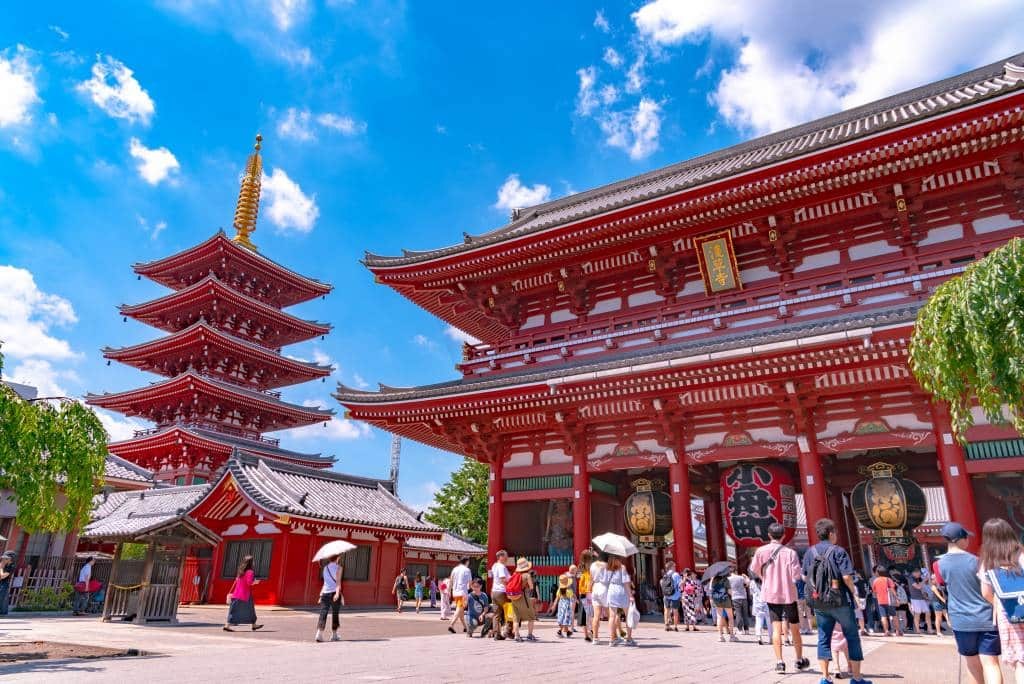 6 mi from TokyoSenso-ji Temple
 0 mi from TokyoteamLab Borderless
 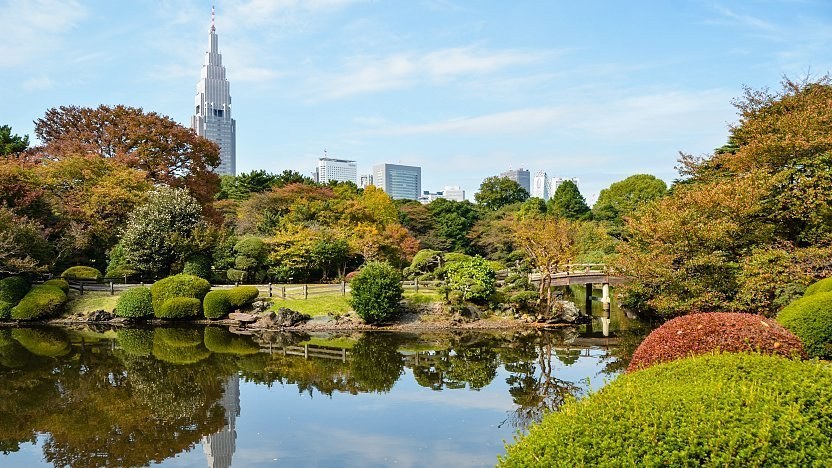 39 mi from Tokyo · land adventureTokyo's Secret Layers: Samurai Houses, Sunrise Crossings & Sake
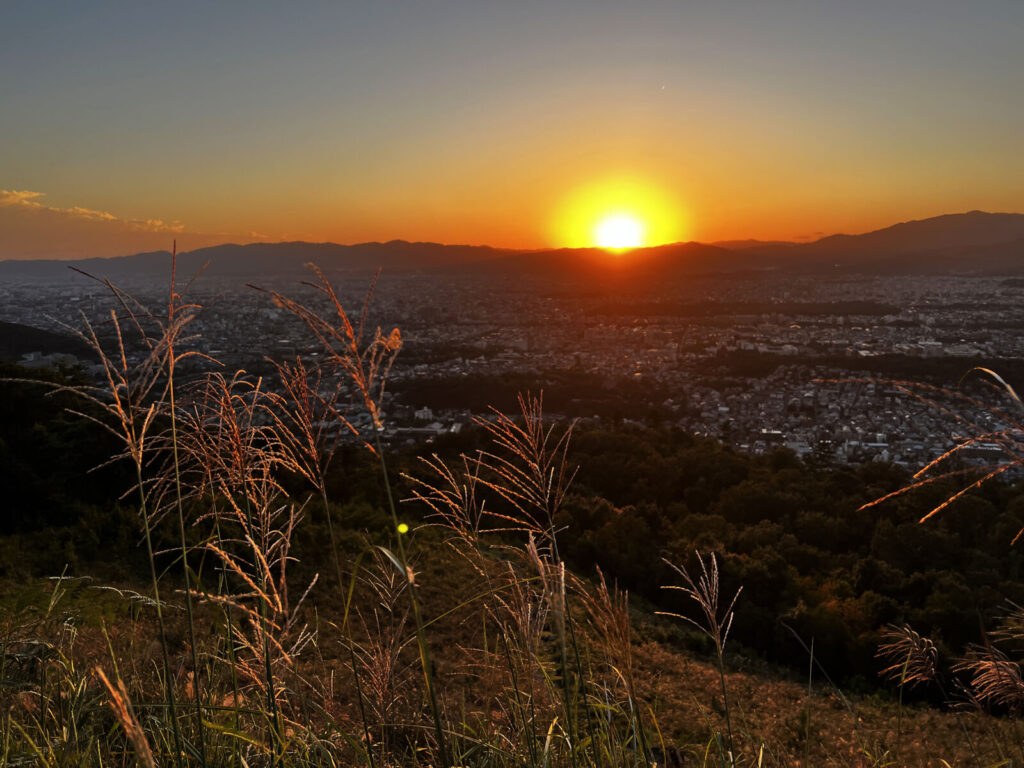 266 mi from Tokyo · land adventureKyoto After Dark: Firelight, Forest Paths & Ancient Craft
 The same trip, elevated
The same gateway on a more luxurious line — lead-in fare per person, same fare as booking direct.