Your cruise
Oceania Riviera · 38-night Asia cruise, Singapore to Vancouver
Apr 5 – May 14 · 39 nights ·
Day 1–2 Singapore (board) · Day 3 at sea · Day 4 Muara · Day 5 Kota Kinabalu · Day 6 Puerto Princesa · Day 7 Boracay · Day 8 Manila · Day 9 at sea · Day 10 Kaohsiung · Day 11–12 Hong Kong · Day 13 at sea · Day 14 Keelung (Taipei) · Day 15 at sea · Day 16 Busan (Kyongju) · Day 17 Nagasaki · Day 18 Beppu · Day 19–20 Kobe · Day 21 Nagoya · Day 22–23 Yokohama · Day 24 at sea · Day 25 Sendai · Day 26 Miyako · Day 27 Muroran · Day 28–32 at sea · Day 33 Kodiak · Day 34 Homer · Day 35 Whittier · Day 36–38 at sea · Day 39 Vancouver (step off)
What you do Step into the surreal world of Gardens by the Bay — marvel at the towering Supertrees, walk the aerial OCBC Skyway, and lose yourself in the Cloud Forest's misty 35m indoor waterfall. As dusk falls, the Supertrees ignite in a breathtaking light-and-music spectacular.
What to expect Enter the Cloud Forest and be engulfed by a wall of tropical mist cascading down the world's tallest indoor waterfall. Wind your way up walkways draped in exotic orchids and carnivorous plants with jaw-dropping views of Marina Bay. As evening arrives, settle on the lawn below the 50-metre Supertrees and watch the grove erupt in choreographed colour and music. The juxtaposition of futuristic architecture and lush biodiversity is unlike anything else on earth.
Good to know Gardens by the Bay is a 10-min taxi from Marina Bay Cruise Centre (approx SGD 12–15). Pre-book timed-entry tickets online to avoid queues. Last Cloud Forest entry is 8 pm; Garden Rhapsody shows at 7:45 pm & 8:45 pm. Check ship's all-aboard time — most evening departures allow this comfortably.
Versus the ship tour Booking direct gives you the flexibility to time your Cloud Forest visit in the cool of morning and linger for the famous Garden Rhapsody light show at 7:45 pm — a magical payoff that pre-packaged tours routinely miss. The Supertree Observatory at sunset is a bucket-list moment in itself.
What you do Ascend to the iconic SkyPark atop Marina Bay Sands — 200 metres above the city — for the most photographed panorama in Asia. Hotel guests can take a dip in the infinity pool seemingly suspended over the skyline; non-guests access the observation deck for equally staggering views.
What to expect Ride the express lift to the 57th floor and step out onto the ship-shaped SkyPark. The city unfurls in every direction — the glittering bay, the green lung of Gardens by the Bay, the colonial CBD, and the Strait of Malacca beyond. Sunset here turns the skyline amber and gold. Hotel guests can slip into the infinity pool at the sky's edge and float above one of the world's great city panoramas. The attached bar serves Singapore Slings 200 metres in the air.
Good to know Observation deck is open daily 11 am–9 pm (last entry 8:30 pm). Marina Bay Sands is a 10-min taxi from Marina Bay Cruise Centre. Book observation deck tickets online at marinabaysands.com. If overnighting, book well in advance — rooms sell out fast on cruise-call dates.
Versus the ship tour There is no other vantage point in Singapore — or arguably Asia — quite like this. The 360-degree cantilevered deck stretches 340 metres across three towers, framing the entire Marina Bay skyline, Sentosa Island, and on a clear day, the Indonesian islands. For those who book a room, the world-famous infinity pool is simply one of travel's great bucket-list swims.
What you do Guided by a passionate local expert, eat your way through Singapore's legendary hawker culture — UNESCO-listed and utterly irreplaceable. Taste laksa, char kway teow, Hainanese chicken rice and chilli crab across Maxwell Food Centre and the lanes of Chinatown and Tanjong Pagar.
What to expect Begin at Maxwell Food Centre, one of Singapore's most storied hawker complexes, where Tian Tian Chicken Rice has a legendary queue. Your guide explains the fascinating immigrant heritage behind each dish — Hokkien, Teochew, Malay, Tamil. Wind through the shophouse lanes of Chinatown, stop for a traditional kopi (coffee) in a century-old kopitiam, and finish with Singapore's greatest controversy: which laksa is best. Every bite is backed by a story.
Good to know Tours depart from central Singapore and can be customised by Hello! Singapore Tours. Book directly via their website and mention your cruise all-aboard time so the guide tailors the pace. Most food tours run 3–4 hours. Maxwell Food Centre is a short taxi ride from Marina Bay Cruise Centre.
Versus the ship tour Hello! Singapore Tours is an award-winning, guide-led specialist — not a bus-tour operator. Your expert knows exactly which hawker stall has the 30-year-old wok hei technique and which kopitiam has been serving the same Hainanese breakfast since 1965. Group sizes are kept small so you eat like a local, not a tourist.
book direct with Hello! Singapore Tours → · the full guide →
What you do Plunge into the riot of marigolds, incense, and vibrant street art of Little India, then cross to the bougainvillea-draped lanes of Arab Street and Kampong Glam. A private local guide unlocks the spiritual, artistic, and culinary soul of Singapore's most colourful precincts.
What to expect Arrive in Little India and immediately sense the sensory shift — jasmine garlands, Tamil film music, and the copper glow of temple gopurams. Enter Sri Veeramakaliamman Temple, one of Singapore's holiest Hindu shrines, and hear its 19th-century founding story. Stroll the candy-coloured shophouses of Haji Lane, where indie boutiques and striking murals fill every wall. At the Sultan Mosque, your guide contextualises Singapore's extraordinary multicultural governance. A short detour to a family-run spice merchant completes the portrait.
Good to know Culture Curious tours are fully private and customisable — email directly to tailor the itinerary to your interests and ship schedule. Dress modestly for temple and mosque visits (covered shoulders and knees). Little India is 15–20 minutes by taxi from Marina Bay Cruise Centre.
Versus the ship tour Culture Curious specialises exclusively in private, expert-led cultural tours with deep knowledge of Singapore's ethnic enclaves, urban planning, and living heritage. You set the pace — linger at Sri Veeramakaliamman Temple, browse the perfumeries of Arab Street, or step inside the Sultan Mosque at the guide's invitation. This is not a highlight reel; it is genuine cultural access.
book direct with Culture Curious Singapore Tours → · the full guide →
What you do Wander 160 years of living botanical history at the Singapore Botanic Gardens — a UNESCO World Heritage Site — culminating in the National Orchid Garden, home to over 1,000 species including the rare black orchid and hybrid orchids named for visiting royalty.
What to expect Enter through the grand Tanglin Gate and immediately shed the city's pace. Heritage rain trees form a cathedral canopy over meandering paths through themed gardens — the Swan Lake, the Evolution Garden, the fragrant Ginger Garden. In the National Orchid Garden, colour saturates every sightline: cascading purple Dendrobiums, blazing orange Arantheras, and the pale, ethereal Vanda Miss Joaquim, Singapore's national flower. Benches, birdsong, and cool shade make this a rare moment of genuine tranquillity.
Good to know Gardens open daily 5 am–midnight (free); National Orchid Garden 8:30 am–7 pm (last entry 6 pm). Roughly 20 minutes by taxi from Marina Bay Cruise Centre (SGD 18–22). Pre-purchase Orchid Garden tickets at the gates or online via nparks.gov.sg. Allow 2–3 hours minimum.
Versus the ship tour The National Orchid Garden is the world's largest tropical orchid collection and one of the few places on earth where you can see VIP Orchids — rare hybrid blooms created to honour heads of state, from Queen Elizabeth II to Nelson Mandela. The heritage Ginger Garden and Swan Lake add layers of beauty found nowhere else. This is botanical luxury at its finest.
What you do Board a converted WWII-style DUKW amphibious craft for Singapore's only land-and-water city tour — rolling past the colonial CBD, Esplanade, and Marina Bay before dramatically splashing into the Singapore River for a unique skyline perspective from the water.
What to expect Your guide narrates Singapore's dramatic transformation from colonial trading port to futuristic metropolis as you roll past the Padang, St Andrew's Cathedral, and the glittering towers of Marina Bay. Then — with a roar and a splash — the DUCK powers into the Singapore River, and the skyline rearranges itself into a postcard. From the water you drift past the Merlion statue, under the Cavenagh Bridge, and along the rejuvenated banks of Boat Quay. The combination of history, humour, and spectacle makes this a genuinely joyful 60 minutes.
Good to know DUCKtours depart from Suntec City (central Singapore), approx 15-min taxi from Marina Bay Cruise Centre. Tours run daily; book direct at bigducktours.com to secure your preferred time slot. Duration approx 60 minutes. Ideal as a morning orientation before exploring on your own.
Versus the ship tour No other city tour in Singapore offers the double perspective of both street level and the waterway — in the same vehicle, with no transfers. The dramatic water entry beside Suntec City draws gasps every time, and the river approach to the Merlion and Esplanade Theatres (the 'Durians') is a genuinely unique photo angle. It's theatrical, expert-narrated, and accessible to all ages.
book direct with Singapore DUCKtours (official) → · the full guide →
What you do Step inside one of Southeast Asia's most breathtaking mosques — a gold-domed masterpiece rising from a lagoon in Bandar Seri Begawan. A private expert guide unlocks the spiritual and architectural story of this iconic landmark.
What to expect Arrive to the gilded spectacle of pure gold domes reflected in the artificial lagoon surrounding the mosque. Your private guide explains the architectural fusion of Mughal, Italian, and Malay styles as you explore the ornate interior, the 44-metre minaret, and the famous stone boat replica. Dress modestly (robes are provided at the entrance). Visit in the soft morning or late-afternoon light for extraordinary photography.
Good to know Muara Port to Bandar Seri Begawan city centre is approximately 25–30 minutes by private car or taxi. The mosque is open to non-Muslim visitors outside prayer times; close Friday midday. Pre-book your guide in advance via Showaround. Allow 2–3 hours including transport.
Versus the ship tour A private local guide grants unhurried, personalised access and insider context — no crowds, no rushed commentary, and full flexibility to linger at the marble courtyards and shimmering lagoon at your own pace.
book direct with Showaround Muara Private Guides → · the full guide →
What you do Glide by private boat through Kampong Ayer — the world's largest water village — where 30,000 people live across 42 stilted communities on the Brunei River. An intimate, living portrait of a civilisation unchanged for centuries.
What to expect Board your private traditional boat at the Bandar Seri Begawan waterfront and weave through the labyrinthine canals of wooden houses, mosques, schools, and clinics all perched on stilts. Your guide narrates 1,300 years of history as you pass colourfully painted homes and bustling waterway traffic. Disembark to walk the boardwalks and visit the Kampong Ayer Cultural & Tourism Gallery. End with a riverside view at golden hour.
Good to know Port to Bandar Seri Begawan waterfront is ~25–30 minutes by car. Morning departures beat the midday heat. Pre-book your guide and confirm boat inclusion via Showaround. Allow 3–4 hours including transit. Wear light, breathable clothing and sun protection.
Versus the ship tour A private local host arranges a traditional wooden boat with a knowledgeable guide who can navigate the inner waterways, introduce you to residents, and take you inside community mosques and homes — an intimacy that group tours cannot replicate.
book direct with Showaround Muara Private Guides → · the full guide →
What you do Venture deep into one of Borneo's last pristine rainforests — accessible only by longboat — and ascend a soaring aluminium canopy walkway 50 metres above the jungle floor for views that define bucket-list. Brunei's crown jewel of conservation.
What to expect The adventure begins with a thrilling 45-minute longboat ride up the Temburong River to the park entrance. Guided trails through primary dipterocarp rainforest lead you past rope bridges and cascading streams before you ascend the iconic canopy walkway. At the summit, you're level with the treetops — gibbons call, hornbills glide, and the unbroken emerald canopy stretches to the horizon. Swim in crystal-clear river pools on the way back.
Good to know Full-day excursion; depart port by 8:00 AM and return by 4:30–5:00 PM — confirm all-aboard time carefully. The journey requires a water taxi from Bandar Seri Begawan to Bangar, then longboats. Pre-booking with Freme Travel is essential; park entry permits are limited. Moderate fitness required for trail sections.
Versus the ship tour Freme Travel is Brunei's foremost inbound specialist, running small private groups with certified naturalist guides who are deeply versed in Borneo's extraordinary biodiversity — delivering an experience far beyond the ordinary jungle tour.
book direct with Freme Travel Services (official Brunei inbound operator) → · the full guide →
What you do Explore the spectacular Royal Regalia Museum, home to the Sultan of Brunei's coronation chariot, ceremonial armour, and priceless crown jewels — a dazzling, unique window into one of the world's wealthiest monarchies. Guided privately for full depth.
What to expect The museum's centrepiece is the gilded royal chariot used in the Sultan's 1992 Silver Jubilee — surrounded by bejewelled regalia, ceremonial weapons, and gifts from world leaders. Your guide weaves the story of Brunei's 600-year-old sultanate, its Islamic traditions, and its remarkable transformation into one of the world's wealthiest nations per capita. Photography is restricted inside, keeping the experience contemplative and absorbing. Pair with a visit to the adjacent Lapau (Royal Ceremonial Hall) for the full regal picture.
Good to know Located in central Bandar Seri Begawan, ~25–30 minutes from the port. Museum is closed on Fridays and public holidays — verify dates before sailing. Dress modestly: covered shoulders and knees required. Allow 2–3 hours with guide. Combine with the mosque or Kampong Ayer for a full-day Bandar cultural circuit.
Versus the ship tour A private local guide contextualises the astonishing display of royal wealth and Brunei's political history with nuance and personal anecdote — transforming what might seem like a museum visit into a compelling story of power, faith, and oil-fuelled modernity.
book direct with Showaround Muara Private Guides → · the full guide →
What you do Unwind on Muara Beach — just 10 minutes from the cruise pier — where soft white sand and clear turquoise water offer a serene, crowd-free retreat. A rare luxury: a beautiful, safe beach within minutes of the ship.
What to expect A short, scenic drive from the pier delivers you to the well-maintained shores of Muara Beach, framed by casuarina trees and lapped by calm, clear South China Sea waters. The beach is clean, safe, and rarely crowded — ideal for swimming, strolling, and simply absorbing the tranquillity of Brunei's coast. Your private guide can arrange chilled drinks and local snacks. The relaxed Brunei atmosphere makes this a wonderfully unhurried counterpoint to a packed city itinerary.
Good to know Only ~10 minutes from the cruise terminal by car — the closest and easiest excursion of the day. Best visited in the morning before heat peaks. Combine with a quick stop at the Muara War Memorial nearby. Bring your own sun lounger/mat as facilities are basic — part of the charm. Return on your own schedule, leaving maximum buffer before all-aboard.
Versus the ship tour With a private driver and guide at your disposal, you travel on your own schedule, can request a curated local picnic spread, and have someone on hand to explore the beach's quieter stretches — a personal beach day rather than a group transfer.
book direct with Showaround Muara Private Guides → · the full guide →
What you do Cruise the mangrove-fringed Brunei River at dusk on a private wildlife boat, spotting the endemic proboscis monkey — one of Borneo's most extraordinary and endangered primates — as they gather in the treetops before nightfall. Utterly unforgettable.
What to expect As the sun dips toward the mangroves, your private river boat slips silently through channels alive with kingfishers, silver-leaf monkeys, and water monitors. The star of the show arrives at dusk: troops of proboscis monkeys — the world's largest arboreal primates, found only in Borneo — descend to riverside trees to sleep. Your naturalist guide narrates their remarkable biology and conservation story. The river glows amber and crimson as you toast the spectacle with a chilled local drink on the water.
Good to know Afternoon departure (around 4:00–4:30 PM) is ideal for the best wildlife activity and light. Confirm all-aboard time carefully — this is a late-afternoon excursion. Approximately 30–40 minutes from the port to the river embarkation point. Pre-book with Freme Travel to secure a private boat. Bring insect repellent and a light jacket for the return in the evening breeze.
Versus the ship tour Freme's expert naturalist guides know exactly where and when the proboscis monkeys congregate — maximising sightings. The private boat means you set the pace, linger at the best viewpoints, and enjoy a curated sundowner as the jungle turns gold.
book direct with Freme Travel Services (official Brunei inbound operator) → · the full guide →
What you do Stand atop Low's Peak at 4,095 m — the highest point between the Himalayas and New Guinea. This UNESCO World Heritage ascent through cloud forest is the single greatest bucket-list achievement in all of Borneo.
What to expect The climb winds through five distinct vegetation zones — from lush montane forest to surreal granite moonscape near the summit. Sunrise from Low's Peak at 4,095 m, with cloud seas rolling below and Borneo stretching to the horizon, is one of the most transcendent sights on Earth. Guides are expert naturalists who reveal the park's astonishing biodiversity — over 600 orchid species and the world's largest rafflesia — along the way. Note: this is a 2D1N adventure requiring an overnight at Laban Rata; best suited to guests with a two-day port call or an overnight stay pre/post-cruise.
Good to know Book 6 months in advance — daily climber quotas sell out fast. Kinabalu Park is ~2 hours from Kota Kinabalu; private transfers recommended. All-aboard times must be confirmed with your cruise before booking. A fitness assessment is advised; the descent is harder than the ascent.
Versus the ship tour Officially regulated small groups, certified mountain guides, and the only legitimate gateway to Low's Peak — a once-in-a-lifetime ascent capped at strictly limited daily climber numbers to preserve the experience.
book direct with Sutera Sanctuary Lodges (official Mount Kinabalu climb operator) → · the full guide →
What you do Glide through the ink-black Klias wetlands as Borneo's endemic proboscis monkeys settle into the mangroves at dusk, then watch thousands of fireflies illuminate the riverbanks like living constellations — one of Southeast Asia's most magical wildlife spectacles.
What to expect The journey begins in late afternoon with a scenic 2-hour drive through palm plantations to the Klias River delta. At sunset, flat-bottomed boats slip silently into the mangrove labyrinth while guides spotlight proboscis monkeys, silver langurs, and monitor lizards roosting overhead. As darkness falls, entire trees pulse with synchronised fireflies in a display that defies description. A traditional dinner is served riverside before the return transfer. Back in Kota Kinabalu by approximately 10–11 pm.
Good to know All-aboard is typically late evening for KK port calls — confirm your ship's schedule. Private transfers from the cruise terminal included with reputable operators. Bring insect repellent and a light layer for the river breeze. Pre-booking is essential in peak season (Jul–Aug).
Versus the ship tour Small wooden river boats carry a handful of guests, ensuring intimate sightings of proboscis monkeys — found nowhere outside Borneo — and a front-row view of the firefly display without crowds or noise.
What you do Step inside the living longhouses of five indigenous Sabahan tribes — Kadazan-Dusun, Bajau, Murut, Lundayeh, and Rungus — for an immersive afternoon of fire-making, traditional tattooing, blowpipe demonstrations, and rice wine ceremonies.
What to expect A dedicated guide leads your group through five authentically reconstructed longhouses, each representing a distinct Sabahan ethnic tradition. Watch a warrior demonstrate the blowpipe with startling accuracy, observe the ancient art of fire-making by friction, and participate in a rice wine (tapai) ceremony. The experience culminates in a beautifully presented traditional Sabahan feast served inside the longhouse. The village sits in a lush jungle valley just 25 minutes from the cruise terminal.
Good to know Private afternoon sessions can be scheduled to align with your all-aboard time — confirm when booking. Comfortable walking shoes recommended as the village is set on uneven jungle terrain. Photography is warmly welcomed throughout. Book direct via the official website for priority private session slots.
Versus the ship tour Private bookings grant exclusive use of the village with a dedicated cultural host — no shared crowds — allowing genuine conversation with tribal custodians who are descendants of the communities they represent.
book direct with Mari Mari Cultural Village (official) → · the full guide →
What you do Charter a private catamaran to the five coral-fringed islands of Tunku Abdul Rahman Marine Park — just 15 minutes offshore — for world-class snorkelling over technicolour reefs, paddleboarding in gin-clear water, and a sundowner sail back to Jesselton Point.
What to expect Board your private catamaran at Jesselton Point Ferry Terminal, a 10-minute taxi from the cruise pier. The skipper navigates to the marine park's prime snorkel sites — where blacktip reef sharks, sea turtles, and parrotfish are routine sightings in 10–15 m visibility. Between dives, kayak the island's jungle fringe or paddleboard in the turquoise lagoon. A freshly prepared lunch of local seafood is served on deck. The return sail at golden hour, with Mount Kinabalu visible on the horizon, is a photographer's dream.
Good to know Departure from Jesselton Point Ferry Terminal — allow 15 minutes transit from the cruise terminal. Charter schedules can be tailored to your all-aboard time. Marine park entry fee (RM 15–RM 20 per person) is payable locally. Advance booking strongly advised; private charters fill quickly on port days.
Versus the ship tour A private charter means you dictate the islands, the pace, and the anchorage — lingering at the best reef on Manukan or the secret shallows of Sapi without a crowd, with a skipper and guide entirely at your service.
book direct with Kota Kinabalu Watersports (official local operator) → · the full guide →
What you do Soak in Japanese-style jungle hot springs deep inside a UNESCO World Heritage rainforest, then walk the 40-metre-high canopy walkway suspended between ancient dipterocarp trees — a sublime double act at the foot of Mount Kinabalu.
What to expect Poring sits at 550 m altitude within Kinabalu Park, a 90-minute private drive from the cruise terminal. On arrival, reserve a private outdoor hot-spring pavilion framed by jungle — the hot sulphurous water is a genuine restorative after a morning of exploration. The adjacent canopy walkway — suspended up to 40 m above the forest floor — offers eye-level encounters with hornbills, gibbons, and rare orchids. Naturalist-guided forest walks to the Kipungit waterfall round out the experience.
Good to know An early 07:00–08:00 departure from the cruise terminal allows a full morning and comfortable return by 14:00–15:00 for most all-aboard times. Arrange a private driver/guide through your hotel or a reputable local operator. Pavilion bookings can be made on arrival; weekends are busier. Light, moisture-wicking clothing and trail shoes recommended.
Versus the ship tour With a private vehicle and early departure, you arrive before the day-trippers and have the steaming outdoor tubs and the canopy walkway virtually to yourself — an otherworldly morning in one of the world's great rainforests.
book direct with Sabah Parks – Poring Hot Springs (official) → · the full guide →
What you do Explore the colonial waterfront, Atkinson Clock Tower, and vibrant Filipino Market with a private local expert, then sit down to a curated tasting journey through Sabahan cuisine — where Malay, Chinese, Kadazan, and Bajau Sea Gypsy flavours collide.
What to expect Your guide meets you at the cruise terminal and leads a leisurely walk through KK's layered heritage — the colonial-era Atkinson Clock Tower (Sabah's oldest surviving structure), the neon-lit Filipino Market on the waterfront, and the city's Chinese shophouse quarter. Tastings are woven throughout: fresh sashimi-grade fish at the market, beef rendang from a Kadazan hawker stall, and the legendary 'kopi susu' at a 1950s coffeehouse. The tour concludes at Signal Hill Tower, where the entire Tunku Abdul Rahman archipelago stretches before you.
Good to know The entire tour operates within 10–15 minutes of the cruise terminal — no long transfers required, making this ideal if your all-aboard time is early. Guides are vetted locals with deep knowledge of Sabahan history and food culture. Confirm your exact all-aboard time at booking so the guide can tailor the pace accordingly.
Versus the ship tour A single, dedicated private guide means the itinerary bends entirely to your curiosity — lingering at a century-old coffee shop, negotiating the Filipino Market for pearls and dried seafood, or detour to Signal Hill Observatory for the city panorama, all at your pace.
book direct with ToursbyLocals – Kota Kinabalu Private Guides → · the full guide →
What you do Glide by kayak into one of the world's longest navigable underground rivers — a UNESCO World Heritage Site and New7Wonders of Nature. Cathedral-scale caverns dripping with stalactites, bats swirling overhead, and near-silence make this utterly otherworldly.
What to expect A 90-minute van transfer through lush Palawan jungle brings you to Sabang Wharf, where a private pump boat whisks you to the park entrance. Helmeted and life-vested, you board a paddle kayak and drift into the darkness as your licensed guide illuminates towering limestone formations with a torch. The river stretches 8.2 km underground; the navigable tourist section takes roughly 45 minutes and passes the breathtaking Cathedral and Italian's Room chambers. A buffet lunch at Sabang Wharf is included before the scenic return.
Good to know Permits sell out — book at least 2–3 weeks ahead. The park is ~2 hours from Puerto Princesa port; plan for a full day (8 AM–5 PM) to be comfortable before all-aboard. Wear clothes you don't mind getting splashed. Bring insect repellent for the Sabang beachfront.
Versus the ship tour A fully private boat to Sabang means no group queues at the cave entry — your guide paces the kayak journey entirely around you, lingering in the cathedral chambers and narrating the formations with expert depth.
What you do Escape to the shimmering coral gardens of Honda Bay on a fully chartered private pump boat, stopping at postcard-perfect Cowrie Island and shallow Starfish Island. Crystal-clear water, live coral snorkeling, and powdery white sand — this is quintessential Palawan luxury.
What to expect Honda Bay is a 20-minute drive from the cruise pier, making it one of the most time-efficient island experiences in Palawan. Your private pump boat departs Santa Lourdes Wharf and island-hops across jewel-colored shallows. Cowrie Island offers a pristine beach with swaying palms and a floating cottage for relaxing between snorkel sessions. Starfish Island lives up to its name — wade through ankle-deep water to find enormous starfish resting on the seabed. Equipment, environmental fees, and a light lunch are included.
Good to know Honda Bay is only 30–40 minutes from port — ideal if your ship has a shorter call. Bring reef-safe sunscreen and water shoes; the coral is very close to the surface. Book direct to secure the private vessel and not share with other groups.
Versus the ship tour A chartered private boat means you set the pace — linger at the reef that captivates you, skip the crowds at busier islands, and choose your own snorkel spots with a guide who knows exactly where the sea turtles feed.
What you do Climb through the eerie limestone passages of Ugong Rock, then launch off a 420-metre zipline above an untouched rainforest canopy. This rare combo of cave adventure and aerial thrill is run entirely by the indigenous Tagbanua community — raw, authentic, and unforgettable.
What to expect Located in Barangay Salvacion, roughly 45 minutes from the city centre, Ugong Rock rises dramatically from the jungle floor. Your Tagbanua guide leads you through a series of tight, lamp-lit chambers — squeezing, climbing, and marvelling at glittering formations — before you emerge blinking into sunlight at the summit. The reward is a 420-metre dual zipline that sends you soaring above the forest canopy with a jungle-framed horizon stretching to the bay. The whole experience takes 2–3 hours and is exhilarating without being extreme.
Good to know Wear sturdy closed-toe shoes and clothes that can get dirty. Combine with the Underground River on the same day if your ship has a late all-aboard — Ugong Rock is on the Sabang road. Not suitable for those with severe claustrophobia.
Versus the ship tour This is community-owned and operated by the indigenous Tagbanua people — your fee goes directly to conservation and local livelihoods. No other operator offers this exact combination of living limestone cave and rainforest zipline with such authentic cultural context.
book direct with Ugong Rock Adventures (Tagbanua Community Enterprise) → · the full guide →
What you do Drift silently down a Palawan mangrove river as thousands of synchronised fireflies transform the trees into living constellations. This once-in-a-lifetime twilight spectacle is one of Southeast Asia's greatest natural light shows.
What to expect After a traditional Filipino dinner at a riverside pavilion, you board a narrow wooden bangka boat as dusk deepens over the mangroves. The forest falls quiet, then the trees begin to pulse — first one, then hundreds, then thousands of Pteroptyx fireflies flashing in perfect synchrony. Your guide cuts the engine and lets you drift in near-silence, the only light a green-gold shimmer reflected on the water. The return journey along the illuminated riverbank feels like floating through a dream. Total experience: approximately 3–4 hours.
Good to know Tours depart at approximately 6 PM — ideal for ships with a late afternoon or evening all-aboard. Bring mosquito repellent. This tour runs year-round but is most vivid during the dry season (November–May). Book at least a week in advance as group sizes are capped for environmental reasons.
Versus the ship tour A small, silent boat on the Iwahig or Santa Lourdes river puts you inside the firefly display, not watching from a distance. Expert naturalist guides explain the bioluminescent behaviour and help you spot river wildlife — this is genuine eco-luxury.
book direct with Corazon Travel and Tours → · the full guide →
What you do Go behind the scenes at the Philippines' premier crocodile rescue facility, home to the legendary 6-metre saltwater crocodile Lolong's legacy and over 900 endemic Palawan species. A private naturalist guide unlocks access far beyond the standard visitor experience.
What to expect The Palawan Wildlife Rescue and Conservation Center sits just minutes from the city centre, making it perfect for a morning excursion. Your private guide narrates the remarkable conservation history as you walk through enclosures housing Philippine crocodiles, Palawan bearcat, sea turtles, and exotic birds — many rescued from illegal wildlife trade. The highlight is the breeding lagoon, where massive saltwater crocodiles glide under the boardwalk beneath your feet. A visit to the on-site butterfly garden and medicinal plant nursery rounds out a surprisingly rich two-hour experience.
Good to know Located only 15 minutes from the cruise pier — excellent as a standalone morning visit or combined with the Honda Bay island hop. The centre opens at 8 AM. Photography is encouraged. Wear light, breathable clothing as the outdoor enclosures have little shade.
Versus the ship tour A private expert guide transforms this from a zoo visit into a conservation masterclass — you'll learn the rescue stories behind individual crocodiles, handle endemic Palawan species under supervision, and understand why this centre is critical to saving the world's most endangered reptile.
book direct with Corazon Travel and Tours → · the full guide →
What you do Discover the soul of Palawan's capital through its Spanish-era cathedral, living heritage markets, panoramic Mitra's Ranch viewpoint, and a private tasting of Palawan's freshest seafood. A bespoke half-day that reveals the city's beauty far beyond the port gates.
What to expect Your air-conditioned private vehicle and knowledgeable local guide collect you at the pier and begin at the Immaculate Conception Cathedral, whose Spanish colonial facade frames the city's history perfectly. The Palawan Public Market overflows with dried mango, cashews, and the freshest tuna sashimi you'll find anywhere in the Philippines. Mitra's Ranch, a working farm-turned-viewpoint on the city outskirts, rewards with sweeping 360° vistas over Honda Bay and the Sulu Sea. The tour closes with a private lunch at a top local restaurant featuring fresh Palawan seafood. Total: approximately 4–5 hours.
Good to know This tour is entirely close to the port — all stops are within 30 minutes of the pier, making it the safest choice for ships with an early all-aboard. Ideal as a complement to an early-morning wildlife visit. Confirm private vehicle (not shared) when booking for the full luxury experience.
Versus the ship tour A private vehicle and local expert guide means you set every stop's length — spending longer at Mitra's Ranch for the sweeping bay panorama, diving deeper into the heritage market for hand-picked Palawan specialities, and avoiding every tourist-bus bottleneck.
book direct with Corazon Travel and Tours → · the full guide →
What you do Venture beyond the famous strip to secret coves, local fishing villages, and a lavish Filipino feast on the sand. This intimate, expert-led half-day is the most authentic Boracay experience available — and utterly bucket-list.
What to expect Your local guide leads you by outrigger banca boat to secluded coves inaccessible by road, where fishermen still dry their nets at dawn. A traditional Filipino spread — kinilaw, grilled seafood, sinangag — is laid out on a private stretch of sand. The afternoon weaves in heritage stops: ancestral homes, a visit to a local weaver, and the stories behind Boracay before the tourists arrived. Groups are kept deliberately intimate so you feel like a privileged guest, not a sightseer.
Good to know Half-day format fits comfortably within a typical all-aboard window. Book directly via Shore Excursions Asia and confirm your all-aboard time so the guide tailors the return. Wear reef-safe sunscreen and bring a light sarong for cultural stops.
Versus the ship tour A rare small-group format guided by a local cultural expert who reveals hidden beaches, heritage fishing communities, and traditional cooking — places that mass tourism never reaches. The feast is prepared fresh on-site, not at a resort buffet.
book direct with Shore Excursions Asia (Boracay specialists) → · the full guide →
What you do A fully private outrigger boat, your own crew, and a curated route through Boracay's finest snorkel reefs and deserted beaches — with a freshly prepared lunch served on board. The definitive Boracay sea day, entirely on your terms.
What to expect Step aboard a gleaming traditional banca and set off across the brilliant turquoise waters of the Sibuyan Sea. Your first stop is a vibrant coral garden where the snorkelling rivals anything in the Visayas — hawksbill turtles are a regular sighting. The captain then anchors at a sandbar that appears only at low tide, where you wade in knee-deep warm water with the island all to yourselves. A freshly grilled seafood lunch — lapu-lapu, prawns, mango salad — is served on deck with cold drinks before a leisurely return.
Good to know Departs from Boat Station 1 or 2 on White Beach; arrange exact pick-up point when booking. A 4–5 hour tour fits most all-aboard schedules — confirm yours at booking. Request dietary preferences (vegetarian, shellfish-free) in advance.
Versus the ship tour The entire vessel is yours — no strangers, no fixed itinerary, no rush. Your captain adjusts stops in real time based on conditions and your wishes, including off-map reefs that larger boats can't reach. Lunch is cooked fresh on the boat using market-bought seafood.
book direct with Shore Excursions Asia (Boracay specialists) → · the full guide →
What you do Glide across Boracay's famed sunset waters aboard a hand-crafted paraw — the iconic double-outrigger sailboat of the Visayas. Watching the sky ignite over White Beach from the water is one of the Philippines' most sublime travel moments.
What to expect The paraw's hand-sewn sail catches the afternoon breeze as you push off from White Beach into open water. Within minutes the shore recedes and you're surrounded by nothing but sea and sky — Mount Luho rising in silhouette behind you. As the sun dips, the sky cycles through peach, amber, and deep crimson, perfectly reflected in the flat-calm water. Your helmsman shares stories of the paraw's centuries-old seafaring heritage while you sip chilled coconut water and watch the lights of White Beach flicker on.
Good to know Sails depart roughly 90 minutes before sunset — check the exact time at booking as it shifts seasonally. A private paraw (4 pax max) is strongly recommended for the full luxury experience. Transfers from the port to White Beach take 15–20 minutes by tricycle.
Versus the ship tour A private paraw means just your group, a skilled local helmsman, and total silence save for the wind in the sail. You set your own pace, choose your position on the hull, and toast the sunset without a crowd. This is the living seafaring tradition of the Visayan people — not a tourist gimmick.
book direct with My Boracay Guide (official activity hub) → · the full guide →
What you do Soar above Boracay's iconic white crescent, jade-green shallows, and surrounding island chain in a private helicopter — the single most dramatic perspective the island offers and a memory that lasts a lifetime.
What to expect You're met at the helipad by your pilot for a thorough safety briefing before lifting off over the rooftops of D'Mall and climbing above the palm canopy. The classic flight path sweeps north along White Beach, banking over Diniwid and Balinghai before arcing east to reveal the wild, reef-fringed Bulabog Beach. The pilot can circle above Crocodile Island for a dramatic reef flyover before returning. Flights run 8–15 minutes depending on the package — short enough to feel exhilarating, long enough to fill your camera roll completely.
Good to know Helipad is located on the island — ground transfer from the port (~20 min) should be factored in. Book well in advance as slots fill quickly, especially in peak season (Nov–May). Weight limits apply; confirm at booking. Mornings offer the calmest conditions and best light.
Versus the ship tour An aerial vantage point that reveals what no boat or beach ever can: the full arc of White Beach, the secret coves of the island's eastern coast, and the emerald geometry of the reef below — all in one sweeping, private panorama.
book direct with My Boracay Guide (official activity hub) → · the full guide →
What you do Paddle a fully transparent kayak directly over Boracay's pristine coral gardens — every stroke reveals the reef life beneath you in vivid, living colour. A uniquely intimate, non-motorised way to experience the island's extraordinary marine world.
What to expect Your guide leads you from a quiet beach launch point to a series of shallow reef patches where the water is gin-clear and the coral cover is exceptional. Peering through the hull, you'll spot parrotfish grazing, sea stars resting on sand between coral heads, and the occasional sea turtle drifting below. The pace is entirely yours — glide, pause, photograph, repeat. Sessions are kept to very small groups to protect the reef and preserve the serenity of the experience.
Good to know Best timed for mid-morning when light penetrates the water most dramatically. Reef-safe sunscreen is mandatory — standard sunscreen damages the coral and will not be permitted. Guides provide reef identification cards. Allow 1.5–2 hours including briefing and return paddle.
Versus the ship tour The crystal hull removes every barrier between you and the reef — no snorkel, no dive gear, no crowds. This silent, self-paced experience lets you linger above a coral bommie or a school of reef fish for as long as you like, on your own schedule, with zero noise pollution.
book direct with My Boracay Guide (official activity hub) → · the full guide →
What you do Leap from dramatic sea cliffs into crystal-blue water, then snorkel the wild reefs of Boracay's less-visited eastern coast — all in a fully private experience with a dedicated safety guide. Thrilling, beautiful, and completely unforgettable.
What to expect A private banca takes you around the island's rugged limestone coastline to a series of cliff platforms ranging from 3 to 8 metres — your guide assesses conditions and recommends the right height for each guest. The leap into the impossibly clear water below is pure, primal joy. Afterwards, you drop anchor at a remote reef wall where nudibranch, lionfish, and giant clams share the coral with darting anthias. Your guide provides full snorkel equipment and narrates the marine life throughout. A cooler of cold water and local snacks is on board for the return journey.
Good to know Not suitable for guests with heart conditions, recent surgery, or limited mobility — confirm fitness at booking. Life vests and safety lines are always on board. This excursion runs on Boracay's eastern (Bulabog) side where conditions are calmer in the afternoon. Allow 3–4 hours total.
Versus the ship tour The private format means your certified safety guide sets the pace entirely around you — coaching first-timers gently or showing seasoned jumpers the highest ledges. The snorkel sites visited are off the standard tourist circuit, with dramatically richer reef life and no day-tripper crowds.
book direct with Shore Excursions Asia (Boracay specialists) → · the full guide →
What you do Glide through Asia's best-preserved colonial walled city on a bamboo bicycle, weaving past 16th-century ramparts, cobblestone lanes, and the haunting Fort Santiago dungeon where national hero José Rizal awaited execution.
What to expect Your bamboo bicycle — handcrafted by Manila artisans — carries you along the 4.5 km perimeter walls of Intramuros, past Baluarte de San Diego and through the grand gates of Fort Santiago. Inside the fort, you walk the very corridors where Rizal was imprisoned, then stand in the garden where his footprints are cast in brass marking his final walk to execution. The tour concludes at San Agustín Church, a UNESCO World Heritage Site and the oldest stone church in the Philippines, where the baroque interior glows in the afternoon light.
Good to know Tours run in the morning (8 am) and early afternoon (1 pm); allow 2.5–3 hours total. Intramuros is 10–15 minutes by taxi or ride-share from the Manila cruise terminal. Pre-book directly via the Bambike website to secure a private slot. All-aboard times at Manila port are typically 5–6 pm, so a morning tour is ideal.
Versus the ship tour Bambike's expert heritage guides weave living Filipino history into every pedal stroke — small groups only, at a pace that lets you duck into hidden courtyards, hear Rizal's last poems read aloud at Fort Santiago, and photograph the stone gates without a crowd.
book direct with Carlos Celdran's Intramuros Walking Tours / Bambike Ecotours → · the full guide →
What you do Binondo has fed Manila since 1594 — this expert-led food walk through the world's oldest Chinatown is a sensory pilgrimage of siopao, tikoy, fresh lumpia, and century-old dim sum parlours that no restaurant reservation can replicate.
What to expect The walk begins at the Binondo Church, one of the oldest in the world, before threading into the labyrinthine lanes where every doorway reveals a culinary secret. You'll taste fresh hand-rolled pork asado siopao still warm from the steamer, slurp wonton noodle soup at a 90-year-old eatery, nibble on sesame-studded tikoy, and sample calamansi juice pressed to order. Ivan's storytelling connects each dish to waves of Chinese migration, the Spanish colonial era, and Manila's modern identity — a living history you eat your way through.
Good to know Tours start at 9 am and last approximately 3 hours. Binondo is a 10-minute taxi ride from the cruise terminal. Private bookings are strongly recommended — contact Old Manila Walks directly via the website. Come hungry and wear comfortable walking shoes; streets can be uneven.
Versus the ship tour Ivan Man Dy — the Philippines' most celebrated food-culture guide and a Chinatown native — leads this in intimate groups, opening doors to family-run stalls and heritage shophouses that have traded for generations, sharing stories of the Sino-Filipino identity you simply won't find on a bus tour.
book direct with Ivan Man Dy / Old Manila Walks → · the full guide →
What you do Corregidor — the 'Rock' that guarded Manila Bay — is among the Pacific War's most hallowed battlegrounds. Traverse its haunting gun batteries, the legendary Malinta Tunnel, and the Pacific War Memorial on a guided day voyage that reads like living history.
What to expect The Sun Cruises catamaran departs CCP Complex (a 15-minute ride from the cruise port) and crosses Manila Bay in about 1.5 hours, with sweeping views of the bay at dawn. On the island, an open-air tram ferries you past the bombed-out Mile-Long Barracks, the Spanish Lighthouse, and the Pacific War Memorial, where the eternal flame burns for Filipino and American soldiers. Inside Malinta Tunnel, a dramatic sound-and-light show recreates General MacArthur's final hours before his famous escape. The return sail offers sundowners with the Manila skyline silhouetted against the bay.
Good to know Ferries depart at 7:30 am from CCP Complex; the full-day tour returns by approximately 4–4:30 pm, comfortably before typical all-aboard times. Book ferry tickets directly on the Corregidor Philippines website well in advance — weekend departures sell out. Wear sun protection and comfortable shoes; the island terrain is uneven.
Versus the ship tour Access to Corregidor is exclusively by the official ferry — meaning your entire day unfolds on this storied island with expert WWII historian-guides, the eerie silence of mile-long Malinta Tunnel, and panoramic Manila Bay views that bookend one of the most moving days possible at sea.
book direct with Sun Cruises / Corregidor Island (Official Ferry & Tour Operator) → · the full guide →
What you do Step inside the Philippines' only UNESCO World Heritage baroque church — San Agustín — then cross the cobblestones to Casa Manila, a jaw-dropping recreation of a 19th-century ilustrado mansion, on a private expert-led tour of Manila's golden colonial age.
What to expect Your private guide meets you at the Intramuros gates and leads you first into San Agustín Church, whose interior is a masterclass in baroque excess: trompe-l'œil ceilings, 17th-century frescoes, and the tombs of Spanish conquistadors. The adjacent Augustinian Museum holds one of the finest collections of religious art and vestments in Southeast Asia. Crossing the plaza, Casa Manila's three floors of antique Filipino furniture, Chinese porcelain, and capiz-shell windows transport you into the world of Manila's 19th-century elite — the very ilustrados who inspired the Philippine Revolution.
Good to know Tours can be customised for a half-day (3–4 hours) or combined with a Binondo food walk for a full-day experience. Both sites are within Intramuros — 10–15 minutes by taxi from the pier. Book via the Don't Skip Manila website; private slots fill quickly on port days. San Agustín Church may be closed for Mass from 8–9 am.
Versus the ship tour Don't Skip Manila's specialists are passionate local historians who illuminate the layers of Spanish, American, and Filipino identity embedded in every gilded altarpiece and capiz-shell window — providing an intimate, unhurried experience in spaces that reward slow looking.
book direct with Don't Skip Manila Tours → · the full guide →
What you do The Philippines' national shrine and its world-class museum complex sit side by side along Manila Bay — a profound pairing of outdoor monument and extraordinary collection that frames the entire Filipino story in a single luminous morning.
What to expect Begin at Rizal Park, where the monument to Dr. José Rizal — the polymath martyr whose writings ignited Philippine independence — commands the grand Luneta esplanade. Stroll the landscaped grounds past the relief maps of the archipelago and the serene Japanese garden before crossing to the National Museum complex. Inside the Fine Arts building, the rotunda soars above you as you approach Luna's 4.22 × 7.675-metre 'Spoliarium', a canvas of such scale and emotion it stops visitors in their tracks. The Natural History Museum's Tree of Life atrium — a sculptural centrepiece rising five floors — is an architectural wonder in its own right.
Good to know Both sites are easily walkable from each other and 10–15 minutes by taxi from the pier. Arrive at opening (10 am) for the coolest temperatures and fewest visitors. Engage a private licensed guide through Don't Skip Manila or ToursbyLocals for context that transforms the visit. Allow 3–4 hours for both sites comfortably.
Versus the ship tour The National Museum of Fine Arts occupies the former Congress building — a neoclassical palace — and houses Juan Luna's monumental 'Spoliarium', one of Southeast Asia's greatest paintings. Paired with Rizal Park's monument, Japanese garden, and bayside promenade, this is Manila at its most majestic and most moving.
book direct with National Museum of the Philippines (Official) → · the full guide →
What you do Shoot the legendary Pagsanjan Gorge rapids by dugout canoe — bankero paddlers steering you through 14 thundering cascades to the foot of a 91-metre waterfall — a raw, cinematic adventure filmed in 'Apocalypse Now' and utterly unlike anything else in the region.
What to expect Your private vehicle departs Manila early morning, arriving at Pagsanjan (Laguna province) by 9–9:30 am when the gorge light is magical. Two barefoot bankero (boatmen) — masters of the rapids, whose families have paddled this gorge for generations — power your narrow dugout upstream through swirling green water, ducking under rock overhangs and riding white-water chutes. At the base of Pagsanjan Falls, a bamboo raft is lashed together on the spot; your bankero guide you through the mist and spray to stand directly beneath the 91-metre cascade. The downstream return is an exhilarating half-hour ride as the rapids work in your favour.
Good to know Allow a full day: depart by 6:30–7 am from Manila to return comfortably by 4–4:30 pm. The boating portion takes 2–3 hours round-trip on the river. Book a private round-trip transfer in advance (ToursbyLocals or a Manila-based private driver) and pre-register at the official tourism office upon arrival. Wear clothes you don't mind getting wet; waterproof bags for cameras are essential. Not suitable on days of heavy rain/flooding.
Versus the ship tour This is the Philippines' most legendary waterfall journey — 2.5 hours from Manila, through a gorge of cathedral-tall volcanic rock walls draped in ferns. Two expert bankero paddlers propel your dugout through the rapids; at the falls, a bamboo raft takes you beneath the curtain of water itself for a drenching, exhilarating finale.
book direct with Pagsanjan Falls Tourism Office (Official Boating Concession) → · the full guide →
What you do Taiwan's most awe-inspiring Buddhist complex — 252 acres of golden pavilions, an 108-metre main Buddha, and priceless relics. A private expert-led visit lets you absorb the sacred atmosphere at your own unhurried pace.
What to expect Arrive as the morning incense smoke rises and the resident monks begin chanting. Your guide leads you through eight pagodas, the Hall of 10,000 Buddhas, and the serene memorial garden housing a Buddha relic. The scale is genuinely cathedral-like — the main stupa alone is taller than the Statue of Liberty. End with a complimentary vegetarian lunch at the museum's renowned cafeteria, a ritual in itself.
Good to know Fo Guang Shan is roughly 45 minutes by private car from Kaohsiung Cruise Terminal. Pre-book your guide via TourHQ or ToursByLocals well in advance; temple is open daily 09:00–18:00. Allow at least 3.5 hours on-site. Dress modestly (covered shoulders and knees).
Versus the ship tour A private local guide unlocks the monastery's inner courtyards, explains esoteric Buddhist iconography, and navigates the vast grounds so nothing is rushed or missed — the kind of unhurried, insider-paced visit that large coach groups can never replicate.
book direct with Fo Guang Shan Buddha Museum (Official) → · the full guide →
What you do A short ferry hop from the cruise pier delivers you to Cijin Island — a traffic-free spit of golden beaches, century-old temples, and Taiwan's finest freshly grilled seafood. Utterly removed from the mainland bustle.
What to expect Step off the ferry into a car-free island village where the pace drops immediately. Rent a four-seat electric cart and trace the coastal path past the 19th-century lighthouse and coral-stone Tianhou Temple. The Cijin Seafood Street is a sensory feast — oyster omelettes, grilled tiger prawns, and sea urchin rice, all prepared in front of you. End the afternoon at the black volcanic sand beach with views of container ships gliding past the harbour mouth.
Good to know Cijin Ferry departs from Gushan Ferry Pier, about 15 minutes by Kaohsiung MRT (Orange Line, Sizihwan Station) from the cruise terminal. Ferries run every 10–15 minutes, 06:00–24:00. All-aboard timing is very manageable given the short crossing. Pre-book nothing — the island rewards spontaneity.
Versus the ship tour Arriving independently by the iconic orange public ferry — a two-minute crossing — grants total freedom to linger at the secret Cijin Black Sand Beach, explore Tianhou Temple on your own terms, and pick your own seafood straight off the grill at the beachfront stalls.
book direct with Cijin Ferry Service (Kaohsiung City Government Waterfront Authority) → · the full guide →
What you do Walk inside the mouth of a dragon and emerge through a tiger at Kaohsiung's most photographed landmark — an ancient Taoist complex rising from a mist-laced lake at sunrise. Iconic, surreal, and deeply spiritual.
What to expect Your guide meets you at the MRT station and leads you along the misty lakeside promenade as the pagodas light up in the early sun. You enter through the dragon's open jaws — symbolically cleansing past sins — traverse its painted belly, and exit through the tiger to gain good fortune. The surrounding temples are alive with morning worshippers burning incense and casting divination blocks. The entire scene is one of the most visually extraordinary in Taiwan.
Good to know Lotus Pond is a 20-minute MRT ride from the cruise pier (Orange Line to Zuoying, then short taxi). Sunrise visits (06:30–07:30) are magical and crowd-free; the area gets busy by 09:30. Book your private guide in advance via ToursByLocals (www.toursbylocals.com); no pre-booking needed for entry.
Versus the ship tour Arriving at dawn with a private cultural guide means you have the painted causeway entirely to yourself before tour coaches appear. Your guide decodes the Taoist cosmology — the Five Lords Temple, the Spring and Autumn Pavilions — turning a photo-stop into a profound cultural immersion.
book direct with Zuoying District Lotus Pond Scenic Area (Kaohsiung City) → · the full guide →
What you do Asia's largest performing arts centre — an undulating titanium shell sheltering concert halls, a grand theatre, and a public park — is a masterpiece by Mecanoo Architects and Kaohsiung's proudest cultural jewel.
What to expect Your official guide introduces the building's concept — a single continuous roof sheltering four performance venues and a kilometre-long outdoor park — then escorts you into the jaw-dropping Grand Theatre with its 98-tonne stage fly tower. The surrounding Weiwuying Metropolitan Park, shaded by 100-year-old banyans, invites a peaceful post-tour wander. If your ship's schedule aligns with a matinée, world-class orchestral or opera performances run regularly.
Good to know Weiwuying is served directly by MRT (Weiwuying Station, Red Line), about 25 minutes from the cruise pier. Daytime tours run Tuesday–Sunday; book online via the official website. Check the performance calendar at npac-weiwuying.org well ahead for matinée options. Smart-casual attire appropriate for theatre.
Versus the ship tour The official daytime guided tour — bookable directly — takes you backstage into the 2,236-seat Grand Theatre and the intimate Recital Hall, spaces normally off-limits. The architecture alone, draped over a subtropical banyan forest, is worth the visit even without a performance.
What you do Kaohsiung's creative soul poured into repurposed Japanese-era warehouses on the waterfront — giant street murals, indie galleries, and design boutiques, with the shimmering Love River as your backdrop.
What to expect The Pier-2 district spans three interconnected warehouse clusters along the harbour; your guide threads the narrative together — from the 1940s sugar-shipping heritage to the street-art commissions by Taiwan's leading contemporary artists. The miniature railway running through the district is a charming detail. A short walk along the Love River promenade leads to riverside cafés and Kaohsiung's coolest independent bookshops, making for a beautifully curated half-day.
Good to know Pier-2 is walkable from the cruise terminal (approx. 15–20 minutes on foot) or one stop on the Circular Line MRT. Open daily; Saturday morning sees a small design market. Book your private guide ahead via TourHQ (www.tourhq.com/taiwan/kaohsiung). Wear comfortable shoes — the district covers significant ground.
Versus the ship tour A private local art guide connects you with resident artists, explains the urban regeneration story behind each warehouse, and can arrange access to working studios not open to casual visitors — turning a stroll into a genuine insider cultural encounter.
What you do Taiwan's night markets are legendary, and Liuhe — Kaohsiung's grandest — is a 350-stall gauntlet of papaya milk, grilled squid, stinky tofu, and mango shaved ice. A private food guide transforms it from bewildering to revelatory.
What to expect As Kaohsiung's neon signs flicker on at dusk, your guide leads you into the aromatic chaos of Liuhe. Begin with a fresh sugarcane juice to cool down, then work through signature dishes: grilled oysters with garlic butter, braised pork rice, crispy scallion pancakes, and the iconic papaya milk that made this market famous. Your guide shares the social history behind street-food culture and steers you toward the stalls with the longest local queues — always the surest sign of quality.
Good to know Liuhe Night Market is a 20-minute walk or 10-minute taxi from the cruise pier; it opens at 17:00 and peaks 19:00–22:00. Evening timing works perfectly for ships with late all-aboard. Pre-book your guide at least 48 hours in advance via ToursByLocals. Arrive hungry — this is a serious eating commitment.
Versus the ship tour A private local food expert knows exactly which stalls have operated for three generations, which papaya milk vendor scoops the freshest fruit, and how to navigate the market's unwritten etiquette — translating menus, ordering with authority, and ensuring every bite is peak quality rather than tourist-tier.
book direct with Kaohsiung Private Food Tours via ToursByLocals → · the full guide →
What you do Ride the legendary Peak Tram to Hong Kong's most iconic viewpoint and stand on Sky Terrace 428 as the city's skyline ignites at dusk — a panorama that defines the word 'bucket-list.'
What to expect The 125-year-old funicular climbs at a thrilling 27-degree angle through the Mid-Levels jungle before delivering you to Sky Terrace 428 — the highest viewing platform on the Peak at 428 metres. Victoria Harbour stretches below you in every direction, skyscrapers glinting gold and then neon. Linger for the full colour change from sunset to city-glow before descending to Central for dinner. The Peak Tower complex also houses upscale dining for a post-view sundowner.
Good to know Trams run daily 07:00–23:00; the last return tram is 23:30. Book online in advance to skip the physical ticket queue — walk-up waits can exceed 45 min at peak times. Central Star Ferry pier is a 10-min taxi from the Ocean Terminal (Harbour City), giving you maximum time ashore. Factor ~3 hours return.
Versus the ship tour Booking the priority online ticket lets you bypass queues and time your ascent for the golden hour, so you're on the terrace the moment the harbour lights flicker on — an unhurried, magazine-cover moment impossible on a group coach.
book direct with The Peak Tram (Hong Kong & Shanghai Hotels, official) → · the full guide →
What you do Board a traditional Chinese junk decked in teak and lanterns for a private sunset-to-nightfall voyage across Victoria Harbour, watching the world's largest permanent light show paint 44 skyscrapers in laser and neon.
What to expect Step aboard one of Aqua Luna's iconic red-sailed wooden junks at Tsim Sha Tsui for a private voyage timed to the 20-minute Symphony of Lights show (nightly 20:00). The crew serves Champagne and canapés as the Kowloon and Hong Kong Island skylines synchronise in coloured lights and lasers to a soundtrack. After the show, your junk glides close to the Star Ferry crossing for a final iconic photo. The harbour breeze and zero light pollution at water level make the spectacle vastly more immersive than any shoreside vantage.
Good to know Charter departs from Central Pier 9 or Tsim Sha Tsui Pier; confirm your pickup point at booking. All-aboard times at Hong Kong cruise terminals vary — Symphony of Lights starts at 20:00 sharp, so confirm your ship's overnight schedule before booking an evening charter. Minimum 2 hrs ashore after 19:30 recommended.
Versus the ship tour A private charter means your own deck, your own timeline, and Champagne chilling on the bow — no sharing with 200 strangers. Aqua Luna's scarlet-sailed junks are themselves a living piece of Hong Kong heritage.
What you do Journey to Lantau Island by ferry or cable car, climb 268 steps to the world's largest outdoor seated bronze Buddha, then glide through Tai O — Hong Kong's last stilt-house fishing village — on a sampan boat.
What to expect The Ngong Ping 360 gondola soars above emerald ridges before depositing you at the monastery village. At 34 metres, Tian Tan Buddha commands the hilltop with quiet authority — your guide shares the Buddhist symbolism while the incense smoke curls below. The drive to Tai O feels like stepping back a century: weathered stilts over tidal channels, dried seafood hung like garlands, and pink dolphins sometimes spotted on the sampan. A private seafood lunch in the village rounds out an extraordinary day.
Good to know Lantau is ~45 min by ferry from Central Pier 6 or via MTR to Tung Chung for the cable car. Book the Ngong Ping 360 cable car separately in advance at np360.com.hk (HKD 235 standard return adult). The full circuit takes 7–8 hours; confirm all-aboard time before booking. Closed-toe shoes recommended for the 268 Buddha steps.
Versus the ship tour A private English-speaking guide calibrates every stop to your pace — meditating at Po Lin Monastery without a crowd, tasting fresh shrimp paste at a family stall in Tai O, and riding the cable car with panoramic pods rather than rushing to catch a coach.
book direct with Hello! Hong Kong Private Tours (official) → · the full guide →
What you do Let a private expert guide lead you through Kowloon's layered soul — incense-wreathed Wong Tai Sin Temple, the Jade Market, and hidden dai pai dong alleyways for a chef-curated dim sum and roast goose tasting.
What to expect Begin at the ornate Wong Tai Sin Temple, where fortune-tellers have practised their craft for generations and the air is thick with incense sticks. Wind through the Jade Market's covered stalls where connoisseurs tap rings to test quality. Descend into a Sham Shui Po wet market for a sensory awakening of live seafood and exotic spices. The tour climaxes at a neighbourhood roast-goose specialist and a century-old yum cha teahouse where bamboo steamers arrive in towers — dishes chosen by your guide for genuine authenticity.
Good to know Tsim Sha Tsui (Kowloon) is a 5-min walk or free shuttle from Ocean Terminal — ideal for half-day forays. The tour operates rain or shine; bring a compact umbrella. Confirm dietary restrictions in advance. A half-day tour (4 hrs) leaves ample time for independent exploration of Harbour City or a Star Ferry crossing before all-aboard.
Versus the ship tour Stephen's tours are famously intimate — never more than a private group — and he customises the route around your interests, unlocking local history and flavours that a bus simply cannot access. His decades of local knowledge turn a street corner into a story.
book direct with Hong Kong With Stephen Private Tours (official) → · the full guide →
What you do Cross Victoria Harbour on the legendary Star Ferry, then walk the layered colonial heart of Central — the Court of Final Appeal, Pottinger Street, and Man Mo Temple — guided by a private expert historian.
What to expect The Star Ferry crossing itself is a rite of passage — the 7-minute ride with the skyline bearing down is one of travel's great theatrical moments. On Hong Kong Island, your guide leads you through the granite neo-classical buildings of Central, up the steep stone steps of Pottinger Street to Sheung Wan, and into the incense-blackened interior of Man Mo Temple (1847), one of Hong Kong's oldest. Stories of British governors, Chinese merchant dynasties, and wartime resistance unfold at every corner. The walk ends with a glass of chilled Champagne at a rooftop bar overlooking the harbour.
Good to know Star Ferry departs from Tsim Sha Tsui Pier every 6–10 minutes (HKD 3.40 lower deck — collector's experience). The heritage walk covers ~4 km on gentle gradients with rest stops. Allow 4–5 hours total. Wear comfortable walking shoes. This tour can pair beautifully with a Victoria Peak visit in the same day if you have an overnight call.
Versus the ship tour A private historian-guide unlocks layers invisible to the casual visitor — the bullet holes still visible from WWII, the opium merchants who built Man Mo Temple, the neo-classical facades hiding 21st-century courts. The pace is entirely yours.
book direct with Hello! Hong Kong Private Tours (official) → · the full guide →
What you do Glide across two iconic routes on an open-top double-decker — past the neon-lit temples of Wan Chai, the waterfront of Kowloon, and up through Victoria Peak Road — with hop-on, hop-off freedom and a live commentary.
What to expect The red double-deckers cover both Hong Kong Island and Kowloon on colour-coded routes, with 24 stops including the Star Ferry, Man Mo Temple, the Peak, and the Temple Street Night Market. Live English commentary brings context to every neighbourhood. The optional harbour junk cruise can be added for a water-level contrast. The night route (departs ~18:00) transforms the city into a neon dreamscape viewed from above — one of the most photogenic ways to experience Hong Kong after dark.
Good to know Tickets bought online (bigbustours.com) save ~15% vs. at the kiosk. The nearest stop to the Ocean Terminal cruise port is Tsim Sha Tsui (Star Ferry), a 5-min walk. Day tours start ~09:00; night tours ~18:00. A 1-day pass covers both; ideal if your ship has an evening departure. Download the Big Bus app for live bus tracking and stop audio guides.
Versus the ship tour Big Bus is the city's premium hop-on hop-off operator with air-conditioned lower decks and open-top upper decks — choose your pace and linger at any stop. The night route is the showpiece: neon-drenched streets seen from an open roof are pure cinematic Hong Kong.
book direct with Big Bus Tours Hong Kong (official) → · the full guide →
What you do Wander the lantern-lit stone alleyways of Jiufen — the hillside village that inspired Studio Ghibli's aesthetic — then descend to the surreal golden cascade of the Gold Waterfall. A private car and guide mean your pace, your photos, your Taiwan.
What to expect Your driver meets you dockside at Keelung and whisks you 45 minutes into the mountains to Jiufen, arriving before the midday crowds. Explore the cascading red lantern-strewn alleyways and sip oolong in a clifftop teahouse with panoramic sea views. From there, continue to the ethereal Gold Waterfall at Jinguashi, where mineral-rich waters stain the rocks vivid amber. Finish with a stroll around the haunting ruins of the Crown Prince Chalet before returning to port.
Good to know Allow 6–7 hours; Jiufen is 45 min from Keelung port. Book the teahouse (A-MEI Tea House) in advance on weekends. Confirm all-aboard time with your ship and ask your guide to track it — most private drivers are expert at port timings.
Versus the ship tour Private car and English-speaking guide means you linger at the teahouses, skip the crowds with strategic timing, and reach the Gold Waterfall — a site most group tours skip — for a near-exclusive experience.
book direct with Taiwan Private Tours (local licensed guide service) → · the full guide →
What you do Home to the world's greatest collection of Chinese imperial art — over 700,000 artifacts — the National Palace Museum is one of Asia's true cultural crown jewels. A private expert guide transforms it from overwhelming to utterly absorbing.
What to expect Your private guide meets you at the museum entrance in Shilin and immediately navigates you past the queues to the Northern Court's most treasured galleries. You'll spend unhurried time with the famous Jadeite Cabbage and marvel at the astronomical precision of Qing-dynasty enamelware. The guide weaves stories of imperial intrigue, wartime evacuation from Beijing, and the cultural stakes of these objects that no audio guide can match. End with a refined lunch at the museum's Palace Café overlooking the classical gardens.
Good to know Keelung to NPM is about 50 min by taxi or private car (approx. TWD 800 one-way). Museum opens at 09:00; book guide at least 1 week ahead. Allow 4.5–5 hours door-to-door. Online ticket booking at npm.gov.tw reduces queuing.
Versus the ship tour A private art historian-level guide focuses your 3 hours on the 20 masterpieces that matter — the Jadeite Cabbage, the Meat-Shaped Stone, Song dynasty ceramics — rather than rushing a vast floor plan. Access to the rarely-visited Southern Branch galleries on request.
What you do Combine a spectacular helicopter flight over the marble-walled Taroko Gorge with a private guided walk through its jade-green river canyons — one of Asia's most dramatic natural wonders, seen from above and within on the same day.
What to expect An early-morning high-speed train or private car (2.5 hrs) delivers you to Hualien, gateway to Taroko. A short helicopter transfer lifts you above the sheer 1,000-metre marble cliffs and turquoise Liwu River — a jaw-dropping 15-minute panorama. On the valley floor, your naturalist guide leads you through the Shakadang Trail and Swallow Grotto, pointing out marble formations millions of years in the making and sharing the heritage of the Truku aboriginal people. Return by train to Keelung in the late afternoon.
Good to know This is a FULL-DAY commitment — depart port by 07:00, return by 19:00; confirm ship's all-aboard carefully. Book helicopter well in advance (weather cancellations possible; have a backup plan). Taroko Park entry is free. Train: Keelung→Hualien approx. TWD 340.
Versus the ship tour Virtually no group tour offers the helicopter-plus-gorge-walk combination. The aerial perspective of the 19-km marble canyon is transformative — and the valley floor walk with a licensed park naturalist delivers expert geological and indigenous Truku cultural context.
book direct with Formosa Airlines Helicopter Tours / Taroko National Park licensed guide → · the full guide →
What you do Taiwan is Asia's undisputed street-food capital AND a Michelin destination. This private evening food journey pairs a reservation at a starred or Bib Gourmand restaurant with an insider's tour of Ningxia or Shilin Night Market, guided by a passionate local food expert.
What to expect Your guide meets you in central Taipei and begins with an orientation over freshly brewed oolong at a century-old tea merchant. You're escorted to a pre-booked lunch — perhaps the legendary Din Tai Fung on Xinyi Road for its benchmark xiao long bao, or the innovative tasting menu at RAW by chef André Chiang. As dusk falls, Ningxia Night Market comes alive: oyster vermicelli, pineapple cake sampling, bubble tea at its birthplace, and stinky tofu for the brave. The guide curates every bite with cultural context, history, and perfect Mandarin ordering.
Good to know Keelung to central Taipei is 40 min by Taiwan Railways (TRA) from Keelung Station — very convenient. Evening tours suit ships with late all-aboard; confirm timing. Book Din Tai Fung (Xinyi) or RAW well in advance — weeks ahead in peak season. Tasting Taiwan recommends groups of 2–8.
Versus the ship tour A dedicated food guide with pre-booked tables at sought-after spots (Din Tai Fung flagship, Michelin-starred RAW, or Bib Gourmand beef noodle institutions) — impossible to replicate independently in a single port day.
What you do Soak in the world-renowned radium-rich hot springs of Beitou in a private onsen suite at a Japanese-era luxury ryokan — a rare geothermal phenomenon found in only two places on earth, right on Taipei's doorstep.
What to expect A 40-minute taxi or MRT ride from Keelung delivers you to Beitou, a leafy thermal valley where Japanese colonial spa culture survives beautifully intact. Check into a private tatami-floored suite at Spring City Resort, where milky jade-green spring water flows directly into your stone soaking tub. Between soaks, stroll to the stunning 1913 Beitou Hot Spring Museum — a Hokkaido-style wooden library built over a stream — and browse the preserved Japanese-era Bathhouse District. Emerge glowing for an unhurried lunch of Taiwanese bento at a valley teahouse before returning to port.
Good to know Private suite bookings at Spring City Resort fill fast on weekends — book at least 1–2 weeks ahead online. Keelung to Beitou: ~40 min by taxi (TWD 500–600) or TRA + MRT (TWD 50). Allow 4–5 hours. Bring a swimsuit for public areas; private suites require no swimwear.
Versus the ship tour Spring City Resort's private spring-fed suites use the rare green-sulphur 'Radium Spring' water (pH 1.2–1.6) — one of only three such springs globally. The setting, in a forested valley with Japanese Meiji-era architecture, is deeply serene and entirely exclusive.
What you do Stand amid the alien moonscape of Yehliu Geopark's wind-sculpted sandstone 'mushroom rocks' and Queen's Head formation, then sail the golden-hour waterfront of historic Tamsui — Taiwan's two most photogenic coastal icons in one elegant half-day.
What to expect Departing Keelung port, your private driver heads 30 minutes up the rugged Northeast Coast to Yehliu, where millennia of sea erosion have carved sandstone into extraordinary organic forms. Your guide navigates the restricted inner zone where the Queen's Head and Fairy's Shoe await — dramatic formations most visitors photograph from afar. After Yehliu, the scenic coastal road leads 45 minutes to Tamsui's colonial waterfront: Fort San Domingo (1629), the Customs Officer's House, and the legendary 'a-gei' fish cake at old street vendors. Watch the sun dip behind the mountains over the Tamsui River estuary before your 30-minute return to port.
Good to know Yehliu is just 30 min from Keelung port — the closest bucket-list site to the ship. Arrive at Yehliu before 09:30 to beat crowds. Tamsui Fort entry TWD 80. Easy half-day (4–5 hrs total); suitable for guests who prefer a lighter pace. Pre-book the private car to avoid taxi queues at port.
Versus the ship tour A private guide explains the 4,000-year geological story of these formations — information missing from every sign — and times your visit to reach the famous Queen's Head before the coach groups arrive. Tamsui's sunset waterfront, with its Dutch-era Fort and night market, is a perfect finale at your own pace.
What you do Journey to Korea's ancient capital — the 'museum without walls' — exploring royal Silla tombs, Bulguksa Temple, and the Seokguram Grotto in total privacy. A bucket-list immersion into 1,000 years of dynasty, art, and spiritual wonder.
What to expect Your guide collects you from the port and drives through rolling hills to Gyeongju, once the radiant capital of the Silla Kingdom. Stand inside Bulguksa Temple's stone pagodas — a masterwork of Buddhist architecture — then ascend to the Seokguram Grotto, where a granite Buddha gazes serenely over the East Sea. Stroll the Daereungwon Royal Tomb Park, a dreamlike landscape of grassy burial mounds, before visiting Cheomseongdae, Asia's oldest surviving observatory. The pace is unhurried, the storytelling rich, and every stop feels genuinely discovered.
Good to know Gyeongju is 1.5 hours from Busan port — confirm your all-aboard time and choose the earliest departure. Pre-book directly; the tour departs daily and sells out in peak season. Allow a full 8–9 hours for the complete itinerary.
Versus the ship tour Small-group departures capped for an intimate experience, led by expert English-speaking local guides who go deep into dynastic history — with unhurried time at each UNESCO site rather than a rushed group sweep.
What you do Visit Busan's most dramatic coastal temple — Haedong Yonggungsa — built directly on seaside cliffs above crashing waves, then unwind on legendary Haeundae Beach. A singular fusion of spiritual grandeur and Korea's most glamorous shoreline.
What to expect Step through stone dragon gates as Haedong Yonggungsa Temple reveals itself perched on wave-lashed granite — one of Korea's only coastal Buddhist temples, and breathtakingly photogenic at any hour. Your guide explains the 600-year-old history and the rituals still practised here daily. Continue to Haeundae Beach, Busan's iconic 1.5 km crescent of white sand framed by a glittering high-rise skyline, for a leisurely stroll, fresh seafood at the nearby market, and a panoramic coffee stop. The afternoon is yours to savour at whatever pace feels right.
Good to know The temple is busiest mid-morning; aim to arrive before 10 am for the best light and fewer visitors. Haeundae is 30 minutes from port by private car. Comfortable walking shoes essential — temple steps are steep and uneven.
Versus the ship tour A licensed local expert curates the pacing — sunrise light at the temple, private transport between sites, and genuine insider commentary on Korean Buddhist tradition that no large-group format can replicate.
What you do Wander Busan's 'Machu Picchu of Korea' — the pastel-painted hillside labyrinth of Gamcheon Culture Village — then dive into the raw theatre of Jagalchi Fish Market, Korea's largest. Colour, creativity, and culinary adventure in one unforgettable morning.
What to expect Gamcheon was born from a 1950s refugee settlement that artists and community groups transformed into a warren of vivid murals, sculpture, and tiny galleries spilling down a hillside above the harbour — it rewards slow, curious wandering. Your guide leads you to the best viewpoints and quieter corners before the day-trip crowds arrive. Then it's down to Jagalchi, a vast covered market buzzing with halmeoni (grandmothers) in rubber aprons, tanks of live octopus, and the salty perfume of the sea. Sample freshly shucked oysters, watch the expert filleting, and choose your own catch for a same-table lunch upstairs.
Good to know Gamcheon is a 15-minute taxi ride from port; arrive early (before 9:30 am) for the best light and quiet lanes. The market is open from 5 am daily — a morning visit is ideal. Wear comfortable shoes; the village involves significant uphill walking.
Versus the ship tour A private local guide navigates the village's hidden alleys and rooftop murals that no map reveals, then negotiates the market's vendors on your behalf — ensuring genuine tastings and zero tourist-trap moments.
book direct with GoWithGuide – Local Busan Expert → · the full guide →
What you do Glide above the East Sea in a sky-blue glass capsule on the Haeundae Blueline Park — the most Instagrammable 4.8 km coastal rail in Korea. Transparent cabins float over cliffs and turquoise water for views that stop time.
What to expect Board your glass Sky Capsule at Mipo Station and glide south along a clifftop rail line, hovering above dramatic rocky coastline and brilliant blue water with the city skyline dissolving behind you. The 30-minute ride passes hidden coves, fishing villages, and pine-forested bluffs inaccessible by road. Disembark at Cheongsapo — a charming traditional fishing port with twin lighthouses — for coffee and fresh donut-shaped hotteok from a harbourside stall. Return via the vintage-style Beach Train for a completely different coastal perspective. Tickets book out weeks ahead in peak season.
Good to know Pre-book Sky Capsule tickets online well in advance — they sell out fast, especially on weekends. The park is 30 minutes from port by taxi. Allow 2–3 hours for the full experience including time at Cheongsapo. Last capsule is early evening.
Versus the ship tour The Sky Capsule is a private four-seat glass pod — no guides, no crowds, just your group suspended above the sea. An utterly unique Korean experience that exists nowhere else on earth.
book direct with Haeundae Blueline Park (Official) → · the full guide →
What you do Ascend Mount Toham to Bulguksa — Korea's most revered Buddhist temple complex and a UNESCO World Heritage Site — then discover the Seokguram Grotto's sublime stone Buddha above the clouds. The spiritual and artistic pinnacle of Korean civilisation.
What to expect Bulguksa's stone staircases — the Cheongungyo and Baegungyo bridges — have been photographed a million times, yet nothing prepares you for the hush of the inner courtyard at first light, where two treasured pagodas face each other across polished granite. Your licensed guide unpacks eight centuries of Silla-era symbolism encoded in every carved lotus and bronze bell. Then wind up through birch forest to Seokguram, where a perfectly proportioned granite Buddha sits inside a domed grotto — positioned to greet the first rays of the rising sun over the East Sea. It is one of the most quietly moving sights in all of Asia.
Good to know Bulguksa is 1.5 hours from Busan port — essential to confirm your all-aboard time. A private guide is strongly recommended to decode the UNESCO significance. Combine with a Gyeongju half-day for maximum depth. Temple open daily from 7 am.
Versus the ship tour Arriving independently with a private guide means lingering in the Blue Bridge courtyard at dawn, before tour groups arrive — a moment of genuinely rare serenity at one of Asia's most iconic sacred sites.
What you do The definitive Busan day in a maximum six-person group — Gamcheon, the coastal temples, Gwangalli Beach, and a panoramic sky-high finale — led by an expert local who treats every stop as a genuine discovery. The perfect introduction to Korea's second city.
What to expect Begin in the colourful alleys of Gamcheon Culture Village before the crowds arrive, your guide narrating its remarkable community art story. Continue to the cliff-top Haedong Yonggungsa Sea Temple, then sweep along the coast to the shimmering arc of Gwangalli Beach with its steel-cable bridge views. A fresh seafood lunch at a locally loved restaurant follows, then ascend to BUSAN X the SKY — one of Korea's highest observation decks — for a 360° panorama across the harbour, mountains, and coastline. Your guide is available throughout for questions, restaurant recommendations, and spontaneous detours.
Good to know Maximum 6 guests ensures a genuinely private feel — book well ahead as these spots go fast. Full-day tours run 8–9 hours; confirm your all-aboard time before booking. Pickup directly from the cruise terminal available on request.
Versus the ship tour Capped at six guests — genuinely small-group — with a licensed local guide who adapts the itinerary to your pace and interests, pausing at viewpoints and markets that larger groups simply bypass.
book direct with GoWithGuide – Local Busan Expert → · the full guide →
What you do Step ashore the hauntingly beautiful Hashima Island — 'Battleship Island' — a UNESCO World Heritage Site abandoned since 1974. Walk through crumbling concrete ruins of Japan's first high-rise apartments, once home to 5,000 coal miners, with an expert guide unlocking every ghostly layer of its industrial past.
What to expect A scenic 45-minute ferry from Nagasaki port carries you past the dramatic silhouette of Hashima rising from the East China Sea. Once ashore, a certified guide leads you along permitted walkways through collapsed apartment blocks, the old schoolyard, and the mining infrastructure, narrating the island's extraordinary social history. The sense of frozen time — desks still in classrooms, staircases leading nowhere — is profoundly cinematic. Return sailing offers spectacular panoramic views of the island against the open sea.
Good to know Landings are weather-dependent and can be cancelled at short notice — confirm on the morning of your port call. Book well in advance as permits are strictly limited. The ferry departs from Nagasaki Port (Tokiwa Terminal), a short taxi ride from the cruise pier. Allow 3–4 hours total. Check all-aboard time carefully.
Versus the ship tour A licensed landing guide provides deep historical and architectural context you simply cannot access on a self-guided visit — the permit system means only a handful of licensed operators can bring you ashore, making this a genuinely exclusive encounter with one of the world's most dramatic abandoned sites.
book direct with Yamasa Kaiun (Official Gunkanjima Landing Operator) → · the full guide →
What you do A government-licensed private guide accompanies you through the deeply moving Atomic Bomb Museum and Peace Park — the ground zero of 9 August 1945. Unfiltered, nuanced, and emotionally resonant, this is one of the most significant historical pilgrimages in all of Asia.
What to expect Your guide meets you dockside and escorts you north to Hypocenter Park, where a simple black monolith marks the exact epicentre of the blast. The adjacent Atomic Bomb Museum is a masterpiece of sober, powerful curation — melted glass, charred garments, and survivor photographs are presented with unflinching honesty. A short walk leads to Peace Park and the iconic 9-metre Peace Statue, arms outstretched skyward. Your guide weaves in personal survivor accounts (hibakusha stories) that transform statistics into deeply human narratives.
Good to know The museum and Peace Park are approximately 4 km north of the cruise pier — a short taxi or tram ride (Nagasaki Electric Tramway, Line 1/3 to Matsuyamamachi stop). Mornings are quieter; aim to arrive by 09:00. Allow 3 hours minimum. This is a reflective experience — dress respectfully.
Versus the ship tour A nationally licensed, English-speaking guide provides intimate historical interpretation — survivor testimonies, artefact context, and the profound symbolism of the Peace Statue — at your own reflective pace, with no crowds or time pressure.
book direct with Japan Guide Association – Nagasaki Licensed Guides (J-G-A) → · the full guide →
What you do Ascend 333 metres to the summit of Mt. Inasa — one of Japan's three great night views — for a breathtaking 360° panorama of Nagasaki harbour glittering below. Pair it with a refined kaiseki dinner at a harbourside restaurant for an evening of pure Japanese luxury.
What to expect A short taxi ride from the port brings you to the ropeway base station, where gondolas glide up through forested slopes to the summit. The observation deck wraps around the peak, offering unobstructed views across Nagasaki Harbour, Hashima Island in the distance, and the surrounding green hills. As dusk settles, the city lights bloom below in extraordinary fashion. Descend and transfer to a curated harbourside kaiseki restaurant for a multi-course seasonal dinner featuring local Nagasaki seafood, wagyu, and sake pairings.
Good to know Mt. Inasa is best experienced at sunset/dusk — ideal for ships with an overnight stay or late all-aboard. The ropeway runs until 22:00. Arrange a pre-booked kaiseki table (Nagasaki Grand Hotel or Sakamoto-ya are superb choices) to avoid disappointment. Taxi from port is approximately 15 minutes.
Versus the ship tour The summit observation deck at dusk delivers one of Japan's most celebrated panoramas — the harbour, the islands, and the city lights of Nagasaki curving around the bay in a view that has no equal in Kyushu. Combining this with a private kaiseki dinner makes it an unmissable evening.
What you do Wander through the Western-Japanese architectural masterpiece of Glover Garden — Japan's oldest surviving Western-style building — then step inside the breathtaking Ōura Cathedral, a National Treasure and the only Gothic cathedral in Japan. A private licensed guide brings the Meiji-era stories of Nagasaki's remarkable openness to the world vividly alive.
What to expect Your guide leads you up the hillside terraces of Glover Garden, where 19th-century Scottish merchant Thomas Glover built a home with sweeping harbour views that remain spectacular today. Stone pathways wind past preserved colonial villas housing period artefacts. A short walk downhill brings you to the luminous Gothic façade of Ōura Cathedral, its stained-glass windows casting jewelled light across its interior — consecrated in 1865 and a UNESCO World Heritage Site. The neighbourhood's cobblestone lanes and Dutch-era Dejima trading post complete a walk through 400 years of cosmopolitan history.
Good to know Glover Garden and Ōura Cathedral are a short tram ride (Line 5 to Oura Tenshudo stop) or 10-minute taxi from the port. Both open from 08:00–18:00. Combination discount tickets are available (JPY 1,580 for three heritage sites). Allow 3–4 hours. Comfortable walking shoes are essential — the garden involves gentle but sustained uphill walking.
Versus the ship tour Nagasaki Crew guides are locals trained to specialist level in the city's unique Edo-period and Meiji-era Western heritage — the only guides who can contextualise why this hillside enclave produced Japan's earliest international business dynasties and inspired Puccini's Madama Butterfly.
book direct with Discover Nagasaki – Nagasaki Crew Private Tours → · the full guide →
What you do Explore Japan's oldest and most atmospheric Chinatown — Shinchi — then sit down to Shippoku, Nagasaki's extraordinary fusion banquet cuisine born from centuries of Chinese, Dutch, and Japanese cultural exchange. This is the most distinctive regional dining experience in all of Kyushu.
What to expect Your guide leads you through the vermillion gates of Shinchi Chinatown, the oldest in Japan, where temple incense mingles with the aroma of freshly steamed kakuni manju (braised pork buns) and sizzling chanpon — Nagasaki's beloved noodle soup. Market stalls display Nagasaki castella sponge cake, a Portuguese legacy dating to the 16th century. You then settle into a curated Shippoku banquet — served on a shared round table in the Chinese tradition — with courses including sashimi, braised fish, seasonal vegetables, and sake, a meal that embodies 400 years of Nagasaki's unique cultural openness.
Good to know Shinchi Chinatown is a flat 10-minute walk or short tram ride from the cruise pier. Pre-book your Shippoku table at least a week ahead — Hamakatsu (長崎卓袱料理 浜勝) and Ichiriki are both acclaimed and require reservations. Allow 3–4 hours for guide, market walk, and full Shippoku lunch. The best Shippoku is lunch service — confirm your ship's all-aboard time.
Versus the ship tour A private local food guide unlocks the vendor stalls, hidden dim sum kitchens, and family-run Shippoku restaurants that have no English signage — including the authentic chanpon noodle birthplace and kakuni pork bun masters whose recipes are unchanged for generations.
book direct with GoWithGuide – Nagasaki Private Food & Culture Guides → · the full guide →
What you do A bespoke full-day private tour with a nationally licensed guide weaving together Nagasaki's most iconic and most overlooked treasures — the One-Pillar Torii of Sanno Shrine, the Confucian Sofukuji Temple, the historic Meganebashi spectacle-stone bridge, and a ride on the beloved Nagasaki Electric Tramway through the city's living neighbourhoods.
What to expect Board the charming Nagasaki Electric Tramway — one of Japan's oldest operating tram networks — for a local's journey through the city's historic districts. Your guide leads you to the haunting One-Pillar Torii of Sanno Shrine, one of the few structures to survive the atomic blast and now a powerful symbol of resilience. The ornate Chinese-baroque Sofukuji Temple, founded in 1629, rewards with its lacquered gates and serene courtyards. The iconic Meganebashi ('Spectacles Bridge') — Japan's oldest stone-arch bridge — reflects perfectly in the Nakashima River below. The day closes with elevated harbour views over green tea at a traditional machiya townhouse teahouse.
Good to know The guide meets you at the cruise pier. A day tram pass (JPY 600) is excellent value and an experience in itself. The full-day itinerary can be adjusted to your pace and interests — request your preferences when booking. Allow 6–7 hours. Confirm all-aboard time with your guide at the outset of the day.
Versus the ship tour A nationally licensed guide tailors every hour to your interests — moving at a discerning traveller's pace, skipping queues at lesser-known sites, and revealing the extraordinary layers of Nagasaki's identity as Japan's sole window to the outside world for over 200 years of isolation.
book direct with Japan Guide Association – Nagasaki Licensed Guides (J-G-A) → · the full guide →
What you do Journey through all eight of Beppu's legendary geothermal 'Hells' — cobalt-blue Umi Jigoku, blood-red Chinoike, and roaring geyser Tatsumaki — with a nationally-licensed multilingual guide. A surreal, bucket-list immersion into Japan's most dramatic volcanic landscape.
What to expect Your guide meets you portside and whisks you in a private vehicle to the Kannawa district, where eight distinctly different hotspring spectacles await. Stand at the edge of the vivid cobalt pool of Umi Jigoku, watch the geyser at Tatsumaki erupt on its precise schedule, and feel the eerie stillness over Shiraike's milky-white waters. At the celebrated Chinoike Jigoku — the 'Blood Pond Hell' — your guide explains the 1,300-year mythology behind its vermillion hue. The full circuit runs approximately three hours at a civilised, luxury pace with photography stops built in.
Good to know Pre-book directly via the J-G-A website specifying your all-aboard time; a half-day tour fits comfortably within a standard port day. The Hells are spread across two clusters, ~2 km apart — private vehicle is essential. Wear comfortable walking shoes; some paths are uneven. A combined entry pass covering all hells costs approx. JPY 2,000–2,400 per adult and is purchased on-site.
Versus the ship tour A nationally-licensed, multilingual private guide means unhurried access to all eight hells with deep geological and cultural context — no mass-group queuing, no rushed photo stops. The guide choreographs timing so you arrive at each hell before the crowds.
book direct with Japan Guide Association – Beppu Licensed Guides (J-G-A) → · the full guide →
What you do Surrender to the ancient art of sunamushi — a therapeutic geothermally-heated sand bath — inside Beppu's most storied bathhouse, a Meiji-era wooden masterpiece built in 1879. Attendants bury you in warm volcanic sand as the springs' minerals melt away the tension of a sea voyage.
What to expect Step beneath the ornate wooden façade into a fragrant, steam-warmed hall where kimono-clad attendants guide you through the sunamushi ritual. You change into a yukata robe, lie in a shallow trough, and are gently blanketed in naturally-heated volcanic sand that rises to around 50°C. After approximately 10–15 blissful minutes you emerge deeply relaxed, rinse in the indoor hot-spring bath, and emerge onto the old-town street refreshed. The combination of architecture, ritual, and therapeutic heat is entirely singular.
Good to know Takegawara is a five-minute taxi from the port; taxis are plentiful at the terminal. The sand bath section opens at 08:00 and closes at 22:30 (last entry 22:00); mornings are quieter. Bring a small towel or purchase one on-site. Remove jewellery and avoid eating a heavy meal immediately beforehand. The entire experience takes about 45–60 minutes, leaving ample time for other excursions.
Versus the ship tour This is authentic Beppu bathing heritage at its purest — the same timber-and-tile hall where locals have soaked since the Meiji era. There is no luxury-resort approximation of this experience; it is the real thing, operating exactly as it has for nearly 150 years.
book direct with Takegawara Onsen (Official) → · the full guide →
What you do Escape into the mist-shrouded Yufu valley to the beloved hot-spring resort town of Yufuin, framed by the twin peaks of Mount Yufu, on a private small-group tour from Beppu. Willow-lined Kinrinko Lake, artisan galleries, and a kaiseki lunch make this one of Kyushu's most complete luxury day escapes.
What to expect Your private guide collects you at the pier and drives the scenic mountain road to Yufuin in under an hour. Walk the willow-bordered path to Kinrinko Lake, reflecting Mount Yufu on still mornings, then explore the charming Yufuin Floral Village and independent boutiques selling local lacquerware, Oita pottery, and yuzu confections. A recommended reservation at a local kaiseki restaurant provides a refined multi-course lunch using Oita-prefecture ingredients. The return journey can incorporate the Mount Tsurumi Ropeway for panoramic views over Beppu Bay and the Kuju range.
Good to know Confirm your all-aboard time with the guide at booking — the Beppu–Yufuin round-trip is typically 5–7 hours. Tours by Locals allows full itinerary customisation in advance; specify lunch preferences and any mobility requirements. Yufuin's main street becomes busy midday in peak season (July–August, October); guides typically time arrival for the morning calm.
Versus the ship tour Groups of up to five travel at a bespoke pace set entirely by your guide — lingering at Kinrinko Lake as morning mist rises off the water, browsing Yufuin's independent artisan shops, and timing your return scenically via the Beppu Ropeway if desired. No fixed itinerary, no coach.
book direct with Tours by Locals – Beppu Private Guides → · the full guide →
What you do Ascend 1,375 metres above sea level on the Beppu Ropeway for a breathtaking panorama stretching from the geothermal steam plumes of the city below to the shimmering expanse of Beppu Bay and the peaks of the Kuju range. On clear days, Shikoku Island is visible across the Bungo Channel.
What to expect The gondola departs from a station in the Tsurumi highlands, climbing steadily through pine and cedar forest before breaking into open sky near the summit. At the top, walking trails fan out across volcanic meadows and, in season, wild flowers carpet the hillside. On the observation deck, interpretive panels identify the volcanic peaks of Kyushu's interior. Staff at the summit café serve locally-sourced Oita tea and light refreshments with the panorama as backdrop. The descent, particularly at dusk, illuminates Beppu's steam-scape in golden light.
Good to know The ropeway operates from approximately 09:00–17:00 (last ascent 16:30); check the official site for seasonal adjustments. A taxi or pre-arranged private vehicle (approx. 20 minutes from the port) is the most convenient option — parking at the base station is available. Summit temperatures are approximately 5°C cooler than the city; bring a light layer. Combine efficiently with the Jigoku Meguri hells in the lower city for a full-day itinerary.
Versus the ship tour The view from the summit is the single most spectacular vantage point in the Beppu region — the sight of dozens of geothermal steam columns rising simultaneously from the city is genuinely otherworldly and utterly unique to this destination. The cable car ride itself, threading through cedar forest, is a scenic highlight in its own right.
What you do Cook — and devour — a masterful Japanese meal using the same volcanic steam vents the people of Beppu have used for centuries in a hands-on jigoku-mushi (hell-steam) cooking experience. Seasonal vegetables, fresh seafood, and local Oita wagyu are steamed to perfection in natural geothermal heat.
What to expect At the Kannawa steam workshop, staff guide you through selecting seasonal ingredients from the market-style counter — plump Beppu shrimp, local tofu, sweet potato, corn, and the prized Bungo wagyu beef. You load your bamboo steamer, lower it over a natural vent, and within minutes the volcanic steam works its alchemy. The result is intensely flavoured, mineral-kissed food eaten al fresco in the misty Kannawa streetscape. It is a sensory experience as much as a meal — the hiss of the vents, the rising steam, the volcanic perfume of the air.
Good to know The workshop is located in Kannawa, the same district as the northern Hells — combine both in a single half-day. No reservation required for walk-ins, but arriving before 11:00 avoids any wait. The experience lasts approximately 45–60 minutes. Pair with a private guide (see J-G-A listing) for contextual storytelling about the jigoku-mushi tradition.
Versus the ship tour Jigoku-mushi is a cooking technique found nowhere else on Earth — using the Earth's own heat to prepare food is simultaneously one of the world's most ancient and most extraordinary culinary experiences. This workshop, in the atmospheric Kannawa hot-spring district, keeps the tradition alive in an authentic, unhurried setting.
book direct with Jigoku-mushi Kobo Kannawa (Official Steam Cooking Workshop) → · the full guide →
What you do Come face-to-face with over 1,500 wild Japanese macaques on the forested slopes of Mount Takasaki, just minutes from Beppu port — one of the largest free-roaming macaque colonies on Earth, managed with zero enclosures. A genuinely wild, deeply Japanese wildlife spectacle.
What to expect A short monorail ride from the base station delivers you into the heart of the macaque territory on the wooded hillside. Hundreds of monkeys go about their daily social rituals within touching distance (though guests are asked not to touch) — alpha males asserting dominance, mothers nursing infants, juveniles play-fighting in the undergrowth. Expert park rangers provide feeding demonstrations and narrate troop dynamics. The forest setting, with Beppu Bay glinting below through the trees, adds a scenic dimension that elevates this well beyond a standard zoo visit.
Good to know Takasakiyama is approximately 10 minutes by taxi from Beppu port — an easy and inexpensive transfer. The park opens at 08:30; mornings see the most active troop behaviour. The full visit, including the monorail, takes approximately 60–90 minutes — ideal as a standalone experience or paired with the Oita Marine Palace Aquarium next door. Do not bring food visibly; macaques are opportunistic and rangers advise keeping bags closed.
Versus the ship tour The macaques are entirely free and uncaged — troop hierarchies, infant-carrying, and social grooming all play out naturally before your eyes in a forested mountain setting. This is legitimate wildlife observation, not a performance, and the proximity of wild animals in their own habitat is startling and memorable.
book direct with Takasakiyama Natural Zoological Garden (Official) → · the full guide →
What you do Soar above the city on a glass gondola to Japan's largest herb garden, 400 m above Kobe. Wander scented terraces with sweeping bay views — a sensory masterpiece that is genuinely bucket-list.
What to expect Board the Shin-Kobe Ropeway just minutes from the city centre and glide up through forested hillsides to the Sky Terrace. The garden unfolds across 14 themed zones — lavender, rose, chamomile — with open-air cafés and a fountain plaza. On clear days the view encompasses Osaka Bay, the Akashi Bridge, and the Kii Peninsula. Descend at your own pace, stopping at Nunobiki Falls, one of Japan's three great waterfalls, on the short forest walk below.
Good to know Shin-Kobe Station (ropeway base) is a 10-min taxi from the cruise pier — budget JPY 1,500–2,000. First gondola departs 09:30; last descent is typically 17:00. No pre-booking required, but weekday mornings are quietest. Allow 2–3 hours total; easily back well before all-aboard.
Versus the ship tour Self-paced exploration at Japan's largest rooftop herb garden — no group herding, just you, the perfumed terraces, and a panoramic bay view that stretches to Awaji Island. The glass gondola ascent alone is a photographer's dream.
What you do Sit counter-side at Kobe's legendary Mouriya Honten as a white-gloved chef sears certified Kobe beef A5 Tajima Wagyu on an iron plate before you. This is the single most iconic culinary rite in Japan's gourmet capital.
What to expect Mouriya Honten sits in the heart of the Kitano district, a 15-minute taxi from the pier. The teppanyaki counter accommodates small parties, creating an almost private dining atmosphere at lunch. Your chef presents the certified Tajima Wagyu certificate before preparing courses of sashimi, Wagyu sirloin and fillet, seasonal vegetables, rice and miso — a slow, reverent ritual. The marbling, the sizzle, the first melt-on-the-tongue bite: unmistakably bucket-list.
Good to know Reserve a minimum 48 hours in advance via the website's reservation form — lunch seatings at 11:30 and 13:00. Lunch courses are more cruise-friendly than dinner. Taxi from pier approximately JPY 1,500–2,000 each way; allow 90 min for the full teppanyaki experience. Smart-casual dress appropriate.
Versus the ship tour Counter seating means an intimate, theatre-like performance by a master chef — each cut of certified Kobe beef is seared to order, not pre-plated for a crowd. The lineage of this restaurant stretches back to 1885, making it the authority on authentic Kobe beef.
book direct with Mouriya Honten Kobe (Official) → · the full guide →
What you do Explore Kitano Hill's preserved 19th-century foreign merchant villas — Dutch, British, Danish, French — with a government-licensed private guide who unlocks the stories behind Japan's most cosmopolitan neighbourhood.
What to expect Stroll Kitano-cho's leafy cobbled lanes, pausing at the iconic Weathercock House (Kazamidori-no-Yakata) and the Ben-the-House for rare interior views of original Meiji-era furnishings. Your guide weaves the story of Kobe's Open Port era — the silk traders, the sake barons, the foreign concession. A short detour to Ikuta Shrine, one of Japan's oldest, caps the cultural immersion before a gentle downhill walk back toward the harbour.
Good to know Arrange the guide in advance via the J-G-A website — specify 'Kitano & Harbour' 4-hour itinerary. Meeting point flexible: pier or Kitano-cho. Allow time for the uphill walk (15 min) or take a taxi to Kitano (JPY 1,200). Combination tickets for multiple ijinkan available at the first house.
Versus the ship tour A nationally licensed, multilingual guide tailors the pace entirely to your party — no fixed group or rushing. Private access to interiors means unhurried time in rooms where 19th-century diplomats once lived, with historical context unavailable from a placard.
book direct with Japan Guide Association – Kobe Licensed Guides (Official) → · the full guide →
What you do Step inside Kobe's celebrated Nada sake district at Hakutsuru's 270-year-old brewery museum, dressed as a traditional kura. Taste premium junmai daiginjo in a tasting room where clarity of craft meets centuries of heritage.
What to expect The museum occupies a beautifully preserved Edo-period kura in the Sumiyoshi Honmachi district of Nada — Japan's most celebrated sake-producing region. Life-size dioramas and original equipment tell the story of Nada's 'miyamizu' spring water, the secret behind its world-class sake. The tasting salon pours current premium expressions alongside classic labels. The surrounding Nada streets are quiet and photogenic — a world away from the tourist strip.
Good to know A 15-min taxi or 20-min train from the cruise pier (Hanshin line, Sumiyoshi Station). Museum hours 09:30–16:30, closed Mondays. No pre-booking required for the general visit; free entry makes it one of Kobe's finest-value cultural stops. Pair with the Kobe Port Tower for a full-day itinerary.
Versus the ship tour A rare walk through an authentic, still-operating historic kura — genuine wooden vats, koji rooms, and brewing tools unchanged for centuries. The guided interior tour and complimentary tastings of award-winning Hakutsuru junmai daiginjo make this a connoisseur's destination, not a tourist box-tick.
book direct with Hakutsuru Sake Brewery Museum (Official) → · the full guide →
What you do Ascend Kobe's beloved lattice-red Port Tower for a 360° panorama over the harbour, then stroll the waterfront garden of Meriken Park — the defining postcard view of this elegant city, steps from the pier.
What to expect The newly renovated Kobe Port Tower reopened in 2023 with a dramatically upgraded interior — a spiralling promenade of observation floors culminating in an open rooftop deck at 108 m. The views sweep across the harbour to Awaji Island and inland to the Rokko Mountains. Descend to Meriken Park's waterfront promenade, where the preserved earthquake-damaged quay offers a poignant and beautifully framed memorial. The adjacent Kobe Maritime Museum rounds out an elegant, walkable morning.
Good to know Literally a 5-minute walk from the cruise terminal at Port Island — the most convenient bucket-list stop of the entire call. Open 09:00–21:00. No advance booking required; tickets purchased at the tower. Allow 1.5–2 hours for tower + park stroll. An ideal first or last stop around your other excursions.
Versus the ship tour Post-renovation, the tower now features a rooftop open-air deck and a premium sky lounge — an elevated, unhurried vantage point that transforms the familiar harbour view into something genuinely special. Meriken Park surrounds it with sculptural art and the evocative Great Hanshin Earthquake Memorial.
book direct with Kobe Port Tower (Official) → · the full guide →
What you do Trek through a forested gorge just minutes from the city centre to reach Nunobiki Falls — one of Japan's three great historical waterfalls — on a peaceful, crowd-free trail that feels worlds away from urban Japan.
What to expect The trail begins at Shin-Kobe Station (a 10-min taxi from the pier) and ascends gently through a lush gorge to the four-tiered Nunobiki Falls. The largest drop — Onodaki — thunders 43 m into a clear pool and was revered by the imperial court for over 1,000 years. Continue uphill through the Nunobiki reservoir forest to the ropeway mid-station and ascend to the Herb Gardens for panoramic harbour views, creating a natural loop. The entire circuit takes 2–3 hours at a leisurely luxury pace.
Good to know Start early — the forest is coolest and most magical before 10:00. Trail is well-marked and accessible for moderately fit walkers; wear comfortable walking shoes. Take the ropeway down from the Herb Garden station (JPY 900) to save your knees and add a scenic gondola descent. Taxi from pier to Shin-Kobe approx JPY 1,500.
Versus the ship tour No admission gates, no tour coach, no timed entry — just a moss-draped stone path rising through ancient cedar to a cascade immortalised in Heian-era poetry. The contrast of raw nature against a glittering harbour city below is uniquely Kobe and entirely off the beaten tourist track.
book direct with Kobe City Tourism (Nunobiki Falls Self-Guided Trail – Official) → · the full guide →
What you do Step inside one of Japan's most storied fortresses and its painstakingly restored Honmaru Palace — a gilded masterpiece unseen by most visitors. Gold tiger-fish finials glint above you as expert guides reveal four centuries of samurai power.
What to expect Your guide leads you through the outer moat and into the castle grounds, pausing at the towering stone ramparts built by Tokugawa Ieyasu's allied lords in 1610. Inside Honmaru Palace, you walk shoeless across gleaming cypress floors beneath ceiling paintings of tigers and leopards by Kano school masters. The castle tower's top floor delivers a panoramic sweep over greater Nagoya, and your guide contextualises the entire Owari Tokugawa dynasty with stories unavailable in any guidebook.
Good to know Nagoya Castle is approximately 30–40 min by taxi or subway from Nagoya Port. Pre-arrange a licensed guide through JNTO or GoWithGuide. Allow 2.5–3 hrs. Check all-aboard time and depart the castle no later than 90 min before sailing.
Versus the ship tour A private licensed guide grants intimate, unhurried access to the Honmaru Palace tatami chambers and painted fusuma screens — areas that group tours rush past. The free official guided tour at 12:30 from the Main Gate is a hidden gem for independent visitors.
book direct with Nagoya Castle Official (City of Nagoya) → · the full guide →
What you do Walk the ancient cryptomeria forest paths of Japan's second most sacred Shinto shrine, home to the legendary Kusanagi sword — one of the three Imperial Treasures. A private guide unlocks ceremonies and symbolism invisible to the uninitiated eye.
What to expect You enter beneath a towering stone torii and immediately the city noise fades into a canopy of 1,000-year-old camphor trees. Your guide explains the shrine's 1,900-year history and walks you past the Treasure Museum housing over 4,000 artefacts. If timing aligns, you may witness a morning Shinto ritual procession in full ceremonial dress — a genuinely rare privilege. The tranquil Kakugyoen garden within the grounds is a perfect final pause.
Good to know Atsuta Jingu is about 20 min by taxi from Nagoya Port or direct on the Meijo subway line. Dress modestly. An early arrival (before 9 am) ensures the serenest atmosphere. Half-day tour fits comfortably within most port calls.
Versus the ship tour A dedicated private guide — many of whom specialise in Shinto tradition — leads you through lesser-visited inner precincts, explains purification rituals at the temizuya, and interprets the deeply layered symbolism of one of Japan's oldest power centres, all at a contemplative, unhurried pace.
book direct with GoWithGuide – Nagoya Private Guides → · the full guide →
What you do Explore the birthplace of Toyota in a private expert-led tour of the world's finest automotive manufacturing museum — from hand-loom textile machines to the robots that build today's Lexus. An unmissable pilgrimage for anyone who appreciates precision and design.
What to expect Your private guide meets you dockside and whisks you to the brick-clad 1911 factory where Sakichi Toyoda's automatic loom quietly launched a global empire. Working looms clatter magnificently in the textile hall before you cross into the automotive wing, tracing prototype engines, concept vehicles, and the kanban production philosophy that changed manufacturing forever. The guide's insider commentary transforms exhibits from displays into a living industrial epic.
Good to know The museum is in Nishi Ward, about 30–40 min from Nagoya Port. Book the private shore excursion package directly with Japan Shore Excursions to include door-to-door transfer. Allow 3–4 hrs at the museum alone; pair with the Railway Park if your port call exceeds 8 hrs.
Versus the ship tour The 'Nagoya Gearhead Dream Tour' is a private automotive adventure (6–7 hours) that pairs the Toyota Commemorative Museum with the SCMaglev & Railway Park — curated for discerning enthusiasts who want depth, context, and zero rushing.
book direct with Japan Shore Excursions → · the full guide →
What you do Experience Japan's most electrifying sport from premium reserved seats at the Nagoya Tournament — held each July at IG Arena — with an expert guide decoding centuries of ritual, rank, and raw power happening just metres away.
What to expect You arrive at IG Arena to the hypnotic sounds of the yobidashi announcer calling wrestlers by name. Your guide explains the significance of the shimenawa rope, the salt-throwing purification, and why certain wrestlers command reverential silence. Bouts escalate in prestige through the afternoon, culminating in the yokozuna grand champions' matches under deafening applause. The atmosphere — part religious ceremony, part primal combat — is unlike anything else in world sport.
Good to know The Nagoya Grand Sumo Tournament runs annually in July (approx. July 12–26). Verify your cruise port date aligns with tournament dates before booking. Book directly with Sunrise Tours well in advance — premium seats sell out quickly. IG Arena is approximately 20–25 min from Nagoya Port by taxi.
Versus the ship tour Sunrise Tours' official package includes premium reserved seating and a dedicated English-speaking guide who decodes the pre-bout rituals, the gyoji referee's calls, and the hierarchy of the dohyo — context that transforms watching into genuinely understanding one of Japan's oldest living traditions.
What you do Discover the century-old Noritake factory estate — a lush urban park housing elegant museums, a working craft centre, and a shop of museum-grade porcelain. A private guide and hands-on painting session make this a truly refined, one-of-a-kind luxury keepsake experience.
What to expect You enter the handsome red-brick former factory campus, now a verdant garden estate in the heart of Nagoya. The Craft Center lets you watch master painters apply gold and enamel to bone-china blanks with extraordinary delicacy. Your own painting session — guided by a studio artisan — yields a personalised piece fired and ready to collect or shipped to your cabin. The museum galleries display rare Noritake pieces dating to 1904, rivalling the finest European porcelain collections.
Good to know Noritake Garden is 35–45 min by taxi from Nagoya Port, or accessible via Sakurayama subway line. Pre-book the craft experience online or via your guide as slots are limited. Allow 2.5–3 hrs total. Shop purchases can be beautifully gift-boxed for travel.
Versus the ship tour Unlike any standard city tour, this is an immersive encounter with one of Japan's most prestigious luxury craft traditions. A private guide contextualises Noritake's 120-year story — supplying the Imperial Household and the world's finest hotels — while you paint your own piece to take home.
book direct with Noritake Garden (Official) → · the full guide →
What you do Plunge into Nagoya's most vibrant neighbourhood — a dazzling collision of a 700-year-old Buddhist temple, 1,200 covered-arcade shops, and the city's most adventurous street food — guided by a private local expert who knows every hidden stall.
What to expect Your guide opens with incense and temple bells at Osu Kannon, one of Japan's three great Kannon temples, before plunging you into the covered shotengai arcades. Stalls burst with vintage kimono, handmade ceramics, retro electronics, and cosplay boutiques. Food stops are expertly chosen: a legendary miso-nikomi udon shop, a tebasaki stand that has been frying Nagoya-style wings for 50 years, and a kissaten (old-school coffee shop) for the city's iconic ogura cream toast. The energy is infectious, the flavours unforgettable.
Good to know Osu is approximately 25–35 min from Nagoya Port by taxi or via Tsuruma subway line to Osu Kannon Station. Best experienced mid-morning when stalls are fully open. Wear comfortable shoes for cobblestones and arcade walking. Allow 3 hrs minimum.
Versus the ship tour A private local guide curates a personalised route through the arcades — sourcing Nagoya's famed miso-katsu, tebasaki chicken wings, and ogura toast from the actual vendors the city loves, not tourist traps. This is Nagoya off-script, at your own pace.
book direct with Japan Shore Excursions → · the full guide →
What you do A bespoke, private guided day through Tokyo's most iconic districts — Shibuya, Asakusa, Shinjuku, and Tsukiji — at your own pace, with a vetted local expert anticipating your every interest. This is Tokyo unscripted and unhurried.
What to expect Your guide meets you dockside at Yokohama and whisks you to Tokyo by express train or private vehicle. Stroll through the lantern-lit Nakamise shopping street leading to Senso-ji Temple in Asakusa, then contrast it with the electric pulse of Shibuya Crossing. Lunch is arranged at a chef-selected restaurant — perhaps a standing sushi counter at Tsukiji Outer Market. The afternoon is yours: Shinjuku's golden-hour skyline, a Harajuku detour, or a sake tasting in a centuries-old izakaya.
Good to know Tokyo is roughly 30–40 minutes from Yokohama by train or 60–75 minutes by car. Confirm your all-aboard time before booking and build in a 90-minute buffer for the return journey. Pre-book well in advance — popular guides fill quickly, especially on weekends and holidays.
Versus the ship tour Completely private — just your group and a government-licensed, English-speaking local guide. Itinerary is shaped around your interests, with no waiting for a group of 40 and no rushed photo stops. You arrive at each landmark when the crowds are thinnest.
book direct with ToursByLocals – Yokohama/Tokyo Private Guides → · the full guide →
What you do Stand before the 13th-century Great Buddha of Kamakura — a 13-metre bronze colossus meditating serenely in the open air — then lose yourself in the moss-draped Zen gardens of Engaku-ji and Hase-dera. Ancient Japan, perfectly preserved, just 45 minutes from port.
What to expect Depart Yokohama for Kamakura along the coast, arriving at the serene Kotoku-in temple complex before the mid-morning crowds. Your guide narrates the Great Buddha's storied past as you circle its vast bronze form and, optionally, step inside. Move on to Hase-dera, where a hillside terrace reveals sweeping Pacific views above thousands of small Jizo statues. The afternoon brings a quiet walk through Engaku-ji's forested grounds, where monks have trained since 1282. Return with time to spare for a stroll along Kamakura's Komachi Street.
Good to know Kamakura is approximately 45–60 minutes from Yokohama by car or direct train. Allow a full 6–7 hours for a comfortable, unhurried visit. Wear comfortable walking shoes — temple grounds involve uneven stone paths and moderate inclines.
Versus the ship tour Private, expert-led experience with a government-licensed guide who contextualises 800 years of samurai history, Buddhist philosophy, and Zen culture with genuine depth — not a rehearsed commentary delivered to a bus full of strangers.
book direct with Japan Shore Excursions (Local Expert-Led Private Tours) → · the full guide →
What you do Ride a traditional wooden pirate ship across the ethereal caldera lake of Hakone with Mt. Fuji as your backdrop, then ascend via ropeway above sulphurous volcanic vents. Japan's most iconic landscape, experienced in complete luxury and privacy.
What to expect A private, air-conditioned vehicle collects you at the cruise terminal for the scenic 90-minute drive into the Hakone volcanic zone. Your first stop is the Owakudani geothermal valley — steam billowing from black-egg vendors against a lunar landscape. A ropeway glide brings you above the caldera as Fuji emerges (cloud-willing) on the horizon. Board the vintage lake steamer across Ashi, disembarking at a traditional ryokan terrace for a kaiseki-inspired lunch with a mountain backdrop. The Hakone Open-Air Museum rounds out the afternoon with Picassos and Rodins set against cedar-clad hillsides.
Good to know Mt. Fuji is clearest in autumn and winter — plan accordingly. Build in at least 8 hours for this excursion, with a firm return buffer for all-aboard. Ropeway can close in high winds; your guide will have contingency routes. Book as early as possible.
Versus the ship tour Private vehicle and guide throughout, meaning you leave when you want and linger where the view is most breathtaking. On clear days, your guide knows exactly which vantage point — Owakudani, Lake Ashi, Hakone Open-Air Museum — offers the most dramatic Fuji reveal.
book direct with Japan Shore Excursions (Local Expert-Led Private Tours) → · the full guide →
What you do Soar to the 69th floor of Yokohama Landmark Tower — Japan's second-tallest building — for a 360° panorama stretching from the Bay to Mt. Fuji on a clear day. Then explore the architecturally stunning Minato Mirai waterfront at your own glamorous pace.
What to expect Step into the soaring atrium of Landmark Tower and board the wind-whispering express elevator to the Sky Garden. The 69th-floor wraparound deck delivers utterly clear views of Tokyo Bay, the Yokohama port skyline, and — on crystalline autumn days — the snow-capped cone of Mt. Fuji. Descend and stroll along the Minato Mirai promenade: the glittering Cosmo Clock 21 Ferris wheel, the Red Brick Warehouse (converted into upscale boutiques and dining), and Osanbashi Pier, where you can look back at your very own cruise ship framed by the harbour. Lunch at one of the many fine waterfront restaurants completes the scene.
Good to know Landmark Tower is a 15–20 minute walk or a 5-minute taxi from the Osanbashi cruise terminal. The Sky Garden opens at 10:00am (11:00am Mondays). No pre-booking required, but arrive early to beat midday queues. Perfect half-day excursion; pair with Chinatown for a full day.
Versus the ship tour The Sky Garden is the highest observation deck in the Kanto region and one of Japan's fastest elevators (750m/min) delivers you to the top in 40 seconds flat. Walk from the cruise terminal in under 20 minutes — no transfers, no group tours needed for this one.
book direct with Yokohama Landmark Tower Sky Garden (Official) → · the full guide →
What you do Plunge into Japan's largest and most vibrant Chinatown — 600+ restaurants and shops packed into 10 atmospheric blocks — then retreat to the sublime Meiji-era Sankeien Garden, where historic pagodas and tea pavilions mirror in still ornamental ponds.
What to expect Your guide leads you through the iconic Zeniarai Benten torii gate arch into Chinatown's labyrinth of red lanterns, bakeries perfumed with char siu, and century-old apothecaries. Lunch is a guided feast — steamed XO dumplings, Peking duck, and hand-pulled noodles across a curated sequence of the neighbourhood's most respected kitchens. A short taxi ride delivers you to Sankeien, Yokohama's hidden masterpiece: 17.5 hectares of pond gardens, bamboo groves, and six National Treasures in transplanted historic buildings. End with a matcha ceremony in the garden's teahouse.
Good to know Chinatown is 15 minutes by taxi or 25 minutes on foot from Osanbashi Pier. Sankeien Garden (10 min taxi from Chinatown) is open 9:00am–5:00pm daily. Pre-book your guide via GoWithGuide to secure a specialist in culinary or cultural history. Comfortable flat shoes strongly recommended.
Versus the ship tour A private local guide navigates you past the tourist-facing dim sum facades and into the authentic back-lane kitchens and specialist tea merchants that most visitors never find. At Sankeien, your guide contextualises each relocated Edo-period structure with the story of the silk merchant who built this private paradise.
book direct with GoWithGuide – Yokohama Private Local Guides → · the full guide →
What you do Create your own bespoke cup of instant noodles — choosing broth, toppings, and custom-illustrated packaging — at the world's most delicious museum, a love letter to the invention that changed how the world eats. Quirky, interactive, and quintessentially Japanese.
What to expect Enter the spaceship-like museum designed to honour Momofuku Ando's 1958 invention of instant noodles — a moment that genuinely altered culinary history. The centrepiece is the My Cup Noodles Factory, where you decorate a blank cup, choose from four soup bases (chicken, seafood, soy sauce, or tonkotsu), and customise with four toppings from 12 options — then watch it sealed and shrink-wrapped before your eyes. The Noodles Bazaar food hall offers ramen from eight Asian countries. The Chicken Ramen Factory allows you to hand-make noodles from wheat flour, just as Ando did in his backyard shed.
Good to know The museum is a 7-minute walk from Minato Mirai station or 20 minutes on foot from Osanbashi terminal. Open 10:00am–6:00pm; closed Tuesdays. The My Cup Noodles Factory workshop can sell out — reserve your slot online or arrive right at opening. Allow 2–3 hours total; ideal as part of a Minato Mirai half-day.
Versus the ship tour This is one of Yokohama's most uniquely Japanese experiences — participatory, playful, and utterly unlike anything else. It pairs beautifully with Landmark Tower or Chinatown as part of a curated Minato Mirai afternoon, and the workshop gives you a genuine made-in-Japan souvenir to carry aboard.
book direct with Cup Noodles Museum Yokohama (Official – Nissin Food Products) → · the full guide →
What you do Glide across one of Japan's Three Scenic Views — 260 pine-clad islands rising from Matsushima Bay — aboard a private sightseeing vessel, then step inside a 17th-century tea pavilion for a moment of pure stillness.
What to expect Your government-licensed guide meets you at the port and transfers you to Matsushima, just 40 minutes away. A private or small sightseeing boat weaves between the 260 forested islets as your guide narrates centuries of poetry and painting inspired by this bay. Ashore, you enter Kanrantei ('Wind-in-Pines Pavilion'), a teahouse gifted by warlord Date Masamune, and take matcha overlooking the water. The return journey leaves generous buffer time before all-aboard.
Good to know Matsushima is ~40 min by road from Ishinomaki port or ~60 min from Sendai port. Book a private guide at least 2 weeks ahead. Kanrantei entry is JPY 200; tea ceremony is extra. Confirm all-aboard time and build in 90-min return buffer.
Versus the ship tour A private licensed guide means the boat pier, the best island vantage points, and the Kanrantei tea house are all timed around you — no herded groups, your own pace through one of Japan's most painted landscapes.
book direct with GoWithGuide Sendai Private Tour → · the full guide →
What you do Ascend a cedar-lined stairway to the ornate lacquered mausoleum of Date Masamune — the 'One-Eyed Dragon' warlord who shaped Tohoku. This is samurai Japan at its most theatrical and most intimate.
What to expect Cedar forest paths lead to three mausoleums — Date Masamune's, his son's, and his grandson's — each a riot of vermillion lacquer, gold leaf, and intricate carving. A licensed guide decodes the iconography and recounts Masamune's audacious bid to trade directly with Spain and the Vatican. The hilltop setting offers a sweeping view over Sendai's 'City of Trees' canopy. The atmosphere is contemplative and largely crowd-free in the mornings.
Good to know Located 20 min by taxi from Sendai city centre. Pair with Aoba Castle (5 min away) for an efficient morning. Open daily 09:00–16:30 (shorter hours Dec–Jan). No advance booking needed for entry; pre-book your private guide via GoWithGuide or TourHQ.
Versus the ship tour Arriving with a private expert guide unlocks the symbolism carved into every gilded panel — the Buddhist iconography, the Momoyama-era craftsmanship, the story of the bones discovered during WWII — context that transforms a beautiful building into a profound encounter.
book direct with Zuihoden Mausoleum (Official) → · the full guide →
What you do Stand on the volcanic bluff where Sendai Castle once commanded all of Tohoku, don a replica of Date Masamune's iconic crescent-moon armour, and survey the city skyline from the ramparts of one of feudal Japan's most storied strongholds.
What to expect The hilltop park preserves stone walls, a shrine, and a bronze equestrian statue of Masamune gazing east toward the sea. Inside the small museum, artefacts and a digital reconstruction reveal the castle at its 16th-century peak. Staff at the adjacent experience corner help you into a full replica armour set for photographs. On clear days, the Pacific Ocean is visible on the horizon — the same sea Masamune dreamed of controlling.
Good to know Reachable by the Loople Sendai sightseeing bus (one-day pass JPY 650) or by taxi (10 min from city centre). Combine with Zuihoden Mausoleum nearby. Open year-round; museum 09:00–17:00. No advance booking for entry; private guide recommended.
Versus the ship tour The armour fitting experience — recreating the exact regalia of the warlord who built this fortress — is a tactile, personal encounter with history that no overview tour replicates. A private guide adds the military strategy and family drama that turn ruins into a living story.
book direct with Sendai City Tourism & Convention Association (Aoba Castle Ruins) → · the full guide →
What you do Pull up a counter seat at one of Sendai's revered gyutan specialist restaurants — birthplace of Japan's grilled beef tongue tradition since 1948 — for an omakase progression of cuts, preparations, and house-made barley rice.
What to expect Counter seating puts you inches from the charcoal grill as chefs work through multiple tongue cuts — some marinated, some salted, some thin-sliced. Each set arrives with麦ご飯 (mugi-gohan, barley rice), oxtail soup, and pickled cabbage — the canonical triad. The smoky, savoury perfume of the grill fills the intimate dining room. Staff are accustomed to international guests and will guide you through the menu warmly.
Good to know Multiple Tasuki branches in Sendai; the Kokubuncho flagship is 15 min by taxi from port transfer point. Lunch service typically 11:00–15:00 — ideal for a port-day midday stop. Queue can form; arrive at opening. No reservation required for lunch counter seats.
Versus the ship tour This is the city's defining culinary invention — thick-cut, charcoal-grilled beef tongue developed by Sendai chef Keishiro Sano — eaten at the source, in a restaurant where the craft has been refined for over 75 years. No tourist menu, no rush.
What you do Journey 30 minutes into the forested Natori River gorge to Akiu — one of Tohoku's three great hot spring towns — then walk the cedar trail to the thundering 55-metre Akiu Otaki Falls, one of Japan's Top 100 Waterfalls.
What to expect A 30-minute scenic drive deposits you at the trailhead above the Natori River gorge. A 20-minute cedar-shaded walk leads to the base of Akiu Otaki Falls, where 55 metres of white water crash into a mist-filled pool. Back in the onsen village, several ryokan welcome day visitors for ashiyu (open-air footbaths) — a restorative pause before the return drive. The surrounding valley blazes with maple colour in autumn and fresh green in spring.
Good to know About 30 km southwest of Sendai city centre; 30–40 min by private car. Best combined with a morning city stop (Zuihoden or Aoba Castle) for a full day. Footwear with grip recommended for the falls trail. Confirm your all-aboard time and allow 75 min return buffer.
Versus the ship tour Few visitors make it to Akiu in a single port day — a private driver-guide makes it effortless. The combination of a sacred waterfall walk through old-growth cedar and a riverside ryokan footbath is the quintessence of Tohoku — wild, serene, and utterly unrushed.
book direct with Japan Shore Excursions → · the full guide →
What you do Duck beneath a tunnel of centuries-old cedars to reach Sendai's most dazzling shrine — a National Treasure of Momoyama-era architecture, its main hall cloaked in black lacquer and burnished gold, commissioned by Date Masamune himself in 1607.
What to expect A long, cedar-flanked stone stairway builds anticipation before the main gate reveals the hall's jaw-dropping façade: black lacquer pillars, gilded transoms alive with phoenixes and peonies, and sweeping cypress-bark roofs. The site is a living place of worship — you may witness a Shinto ceremony, adding an unrehearsed layer of authenticity. The forested precinct is supremely peaceful, birdsong replacing city noise. A knowledgeable private guide decodes every carved deity and heraldic Date crest.
Good to know 10 min by taxi from central Sendai; also on the Loople sightseeing bus route. Open daily; free to enter the grounds. Combine with Zuihoden Mausoleum (nearby) for a seamless Date clan heritage morning. No advance booking required for entry; pre-book a private guide for depth.
Versus the ship tour This National Treasure-designated shrine sees only a fraction of the visitors that flood Kyoto's temples, yet its craftsmanship rivals them — giving you an almost private audience with one of Japan's finest surviving examples of Momoyama decorative art.
What you do Stand at the very tip of Cape Chikyu — 'Earth Cape' — where 100-metre sea-cliffs plunge into the Pacific and Hokkaido's wild coastline stretches to the horizon. The iconic white lighthouse and jaw-dropping panoramas make this Muroran's single greatest bucket-list moment.
What to expect Your private vehicle collects you directly at the port and whisks you south along Hokkaido's rugged Iburi coastline to the cape. The final approach on foot follows a dramatic headland trail to the lighthouse perch, where the Pacific rolls hundreds of metres below. Your guide shares the geological and cultural story of the cape — formed by ancient volcanic activity — and positions you for the best photography angles. The return journey can be routed via Tokkarisho Lookout for a second coastal panorama.
Good to know Cape Chikyu is approximately 20 minutes from the port by private car. Allow 2–3 hours total. Pre-book well in advance for peak summer sailings. Check all-aboard time carefully and build in a 30-minute buffer — your private guide will monitor this.
Versus the ship tour Fully private, door-to-dock service with a dedicated English-speaking guide who sets the pace entirely around you — no waiting at bus stops, no queues, and unhurried time on the clifftops for photography and contemplation.
book direct with Japan Shore Excursions (Private Muroran Cape Chikyu Tour) → · the full guide →
What you do Descend into Jigokudani — 'Hell Valley' — where sulphurous steam vents, boiling pools, and crimson rock formations create an otherworldly volcanic landscape. Cap it with a private soak in Noboribetsu's legendary onsen, some of Hokkaido's finest mineral waters.
What to expect Noboribetsu is roughly 40 minutes northeast of Muroran port — an easy, scenic drive through Hokkaido's forested interior. The Jigokudani boardwalk loops past roaring steam vents, vivid mineral pools, and the demon-guarded 'Oni' statuary that has made this valley famous across Japan. After the volcanic drama, your guide escorts you to a premium onsen ryokan for a therapeutic mineral soak in Hokkaido's most celebrated waters. Time permitting, a stroll through the traditional onsen town of Noboribetsu Onsen completes the picture.
Good to know Budget at least 4 hours for Jigokudani plus onsen. Bring a small towel (or rent one at the onsen, approx. JPY 200). Tattoos may restrict access to some communal baths — ask your guide to pre-select a tattoo-friendly facility. Book private transfers via Japan Shore Excursions or CAB Station to guarantee port return timing.
Versus the ship tour Arriving by private car outside peak coach hours means you walk the valley boardwalks in near-solitude, with a knowledgeable local guide narrating the volcanic geology. You choose your own onsen house and soak at your own leisurely pace — a deeply personal, restorative luxury.
book direct with Noboribetsu Date Jidaimura / Noboribetsu Onsen (direct entry) → · the full guide →
What you do Witness the raw, living power of Hokkaido's volcanic heartland at Lake Toya — a vast caldera lake of luminous blue — and the crater scarred flanks of Mount Usu, which last erupted as recently as 2000. One of Japan's most dramatic natural spectacles, all yours by private car.
What to expect The drive west from Muroran climbs through cedar forests before revealing the stunning caldera panorama of Lake Toya — 11 kilometres across, its volcanic island centrepiece perfectly reflected in the water. Your guide drives the lakeside circuit, stopping at the Usu Zan Ropeway for a cable-car ascent to the scarred summit area where lava domes and volcanic craters tell the story of Japan's dynamic geology. The town of Toya Onsen on the lake's southern shore offers world-class lakefront resort restaurants for a refined lunch.
Good to know Lake Toya is approximately 60–75 minutes from Muroran port. This is a full-day excursion — plan for 6–7 hours minimum. Usu Zan Ropeway tickets are approx. JPY 1,800 per person return. Pre-book with your operator and confirm all-aboard time the evening before sailing.
Versus the ship tour A fully tailored private itinerary — stop at every viewpoint that captures your eye, spend as long as you wish at the caldera rim, and enjoy a lakeside kaiseki lunch at your guide's recommended local restaurant, all without a schedule dictated by anyone else.
book direct with Japan Shore Excursions (Private Lake Toya & Usu Tour from Muroran) → · the full guide →
What you do Take in two of Muroran's most celebrated vistas in one seamless private tour: the wild coastal drama of Tokkarisho Lookout and the soaring elegance of the illuminated Hakucho ('Swan') suspension bridge — Hokkaido's longest. A perfect introduction to Muroran's surprising scenic wealth.
What to expect Tokkarisho Lookout delivers vertiginous clifftop views over the Pacific, where sea stacks and surf-battered rock formations create a scene of raw Hokkaido drama — one of the port's highest-rated viewpoints. From there your driver crosses to the Hakucho Bridge observation area, where the white suspension towers rise like swans' wings above the Muroran Strait. The bridge's engineering story and the panorama of industrial port juxtaposed with natural beauty is surprisingly compelling. Your guide narrates the history of Muroran as Hokkaido's great steel and shipping city.
Good to know This half-day loop runs 3–4 hours, ideal for ships with an early all-aboard. Both sights are within 15–20 minutes of the port. Tokkarisho can be breezy — bring a light jacket. Ideal paired with a stop at Muroran Hachimangu Shrine if time permits.
Versus the ship tour An exclusive, chauffeured private experience — no fixed group schedule, no strangers on your tour. CAB Station specialises in cruise-ship shore excursions and builds the itinerary around your all-aboard time, with a professional driver-guide who knows every angle and viewpoint.
book direct with CAB Station (Charter Bus & Limousine — Hokkaido Shore Excursions from Muroran Port) → · the full guide →
What you do Explore Muroran Hachimangu, a serene Shinto shrine nestled in forested grounds above the port city, where ancient ritual, seasonal festivals, and striking vermilion architecture offer an intimate window into Hokkaido's spiritual life — without the tourist crowds of Kyoto.
What to expect The approach to Muroran Hachimangu follows a forested stone stairway lined with lanterns, building a mood of quiet reverence before you reach the main hall. Your guide walks you through the etiquette of purification at the temizuya water basin, the significance of the ema wooden wish plaques, and the architecture of the honden (inner shrine). The surrounding wooded grounds are peaceful and photogenic in every season — cherry blossoms in spring, crimson maples in autumn. A short cultural detour to Itanki Beach or the Sokuryozan Observatory Deck can be added for a fuller half-day.
Good to know The shrine is approximately 10–15 minutes from the port. Combine with Itanki Beach or the Observatory Deck for a 3-hour half-day cultural and scenic loop. Dress modestly for shrine visits. No formal booking required for entry, but pre-book your private guide.
Versus the ship tour Your private English-speaking guide provides deep cultural context — the meaning of purification rituals, how to pray at a Shinto shrine, and the significance of the festival calendar — creating a genuinely educational and contemplative experience rather than a photo stop.
book direct with Japan Shore Excursions (Private Muroran Cultural Tour) → · the full guide →
What you do Make the most of Hokkaido's extraordinary port location with a full-day private journey to Sapporo — Hokkaido's dazzling capital city. Devour fresh Hokkaido seafood at dawn at Nijo Market, immerse yourself in the iconic Sapporo Beer Museum, and stroll the grand axis of Odori Park.
What to expect The expressway from Muroran to Sapporo takes approximately 90 minutes, arriving in time for a lavish late-morning spread at Nijo Market — Sapporo's famed open-air seafood bazaar, where Hokkaido king crab, sea urchin, and fresh salmon roe are eaten standing at the counter. Your guide then leads you through the Sapporo Beer Museum (entry approx. JPY 200 for premium tasting), where Japan's oldest beer brand tells its story amid Victorian red-brick grandeur. Odori Park's sweeping boulevard, the historic Clock Tower, and the rooftop panorama from JR Tower Observatory complete the afternoon before a relaxed drive back to port.
Good to know Sapporo is approximately 90 minutes by private car from Muroran port. This is a full-day commitment — depart by 08:00 to allow 6–7 hours in the city. JR Tower Observatory entry is approx. JPY 740 per person. Confirm your all-aboard time before booking and build in a 90-minute return buffer. Pre-book for summer sailings, which fill quickly.
Versus the ship tour Travelling by private vehicle with a dedicated guide means you choose your restaurants, control your pace, and access the real Sapporo that group tours skip — the neighbourhood izakayas, the craft sake shops of Tanukikoji, the street-level energy of Japan's fifth-largest city at your own tempo.
book direct with Japan Shore Excursions (Private Sapporo Day Tour from Muroran Port) → · the full guide →
What you do Soar by floatplane into the remote wilderness of Kodiak Island for an intimate, up-close encounter with the world's largest brown bears in their natural habitat. A true once-in-a-lifetime Arctic wildlife moment.
What to expect Board a floatplane at the Kodiak waterfront and sweep over emerald valleys and glacial rivers to prime bear habitat far from any road. You'll spend approximately two full hours on location watching Kodiak brown bears — the world's largest terrestrial carnivore — fish, graze, and interact at breathtakingly close range. Your guide provides expert natural history narration throughout. The return flight offers sweeping aerial views of the island's rugged coastline and mountain spine.
Good to know Book well in advance — these tours sell out months ahead. Total duration is 3–4 hours; confirm departure time against your ship's all-aboard. Dress in waterproof layers; the remote sites can be wet and cool even in summer. Book directly at kingfisheraviation.com.
Versus the ship tour Access to remote, roadless bear habitat reachable only by floatplane — with a fully guided, small-group experience that puts you in the bears' world, not at a viewpoint. Two hours on location with expert naturalist guides is extraordinarily rare.
What you do Paddle Kodiak's glassy protected bays on a private, expert-led kayak expedition, discovering sea otters, eagles, and harbour seals from the waterline. An immersive wilderness encounter for up to eight guests.
What to expect Your experienced local guide selects the ideal launch site based on tides, weather, and wildlife activity — ensuring you're paddling the best water Kodiak has to offer that morning. You'll glide silently past kelp forests and rocky outcrops where sea otters float on their backs and bald eagles survey the scene from above. The small-group format means you can linger, photograph, and absorb the silence of a landscape that feels entirely yours. All equipment, safety briefing, and guiding is included.
Good to know Duration is 3 hours; plan to confirm it fits your all-aboard window. No prior kayak experience needed — guides handle all instruction. Waterproof clothing and layers essential; guides supply dry bags. Book via kayakingkodiak.com and request your preferred time slot.
Versus the ship tour A fully private charter — your group, your guide, your pace. No strangers, no waiting. Local expert guides choose the best location on the day for wildlife and conditions, delivering a completely bespoke wilderness paddle.
What you do Explore Kodiak Island's most spectacular scenery, wildlife corridors, and historic landmarks on a private, custom-routed van tour with one of the island's most knowledgeable local guides. The most versatile and personal way to experience Kodiak.
What to expect Your guide meets you at the pier and shapes the entire experience around what you want to see — from the sweeping ocean panoramas of Pillar Mountain to the wildlife-rich margins of the Kodiak National Wildlife Refuge and the island's storied Russian colonial landmarks. Expect spontaneous stops for roadside bear sightings, eagle perches, and wildflower meadows. The conversational, unhurried pace means you leave with genuine insight into island life, not just photographs. Custom itineraries can blend hiking, culture, and scenic drives seamlessly.
Good to know Contact Kodiak Connections directly at 907-539-6772 or via kodiakwalkingtours.com to design your itinerary and confirm timing against your all-aboard. Half-day format typically runs 3–4 hours. Layers and waterproof footwear recommended. Book well ahead — this guide's private slots fill quickly on cruise-call days.
Versus the ship tour Fully private and custom-built around your group's interests — whether wildlife, history, photography, or scenery. Your guide, Elaan Ani Thomas, is a celebrated local expert who adapts the route in real time, stopping wherever the light, the wildlife, or the story demands.
book direct with Kodiak Connections (Kodiak Walking Tours) → · the full guide →
What you do Cast into some of the most productive fishing grounds on earth aboard a private charter out of Kodiak, targeting trophy halibut, Pacific salmon, and lingcod in wild Alaskan waters. Legendary angling for discerning anglers.
What to expect Depart the historic Kodiak boat harbor aboard a fully equipped private charter vessel with a professional captain and first mate. Kodiak's nutrient-rich, cold-water channels are among Alaska's most productive fisheries — expect serious action targeting Pacific halibut (some exceeding 100 lbs), silver or king salmon, and hard-fighting lingcod. Your captain's local knowledge puts you on fish other anglers never find. Rod rental, bait, tackle, and fish processing/vacuum-packing arrangements are typically included or available.
Good to know A sport fishing licence is required — your charter captain can arrange this. Confirm fish processing and shipping logistics if you want to bring your catch home. Half-day charters run approximately 4–5 hours; verify timing against your all-aboard carefully. Book through the Kodiak Visitors Bureau charter directory at kodiak.org well in advance of your cruise date.
Versus the ship tour A private vessel means your group fishes at your own pace, keeps your own catch, and works prime spots chosen by a captain who fishes these waters year-round. The intimacy and expertise of a dedicated local skipper is unmatched.
book direct with Discover Kodiak (Kodiak Visitors Bureau Charter Network) → · the full guide →
What you do Trace 7,500 years of Alutiiq Indigenous civilisation at the world-class Alutiiq Museum, then step inside the iconic Holy Resurrection Russian Orthodox Cathedral — the oldest Orthodox parish in North America. Kodiak's history is extraordinary.
What to expect Begin at the Alutiiq Museum, where masterfully curated galleries tell the story of one of the world's most resilient Indigenous cultures — from ancient stone tools and gut-skin parkas to contemporary Native art. Knowledgeable staff (often Alutiiq community members) bring the collection to life with personal narratives. From there, walk to the Holy Resurrection Russian Orthodox Cathedral, whose onion domes have presided over Kodiak since 1794 — the first Orthodox parish on American soil — and admire its remarkable interior of icons and ecclesiastical artefacts. Together, these two sites offer the most layered cultural experience on the island.
Good to know Both sites are within easy walking distance of the cruise pier — no transport required. The museum is open on most cruise-call days; verify hours at alutiiqmuseum.org before your visit. Allow 1.5–2 hours for both combined. Combine with the adjacent Baranov Museum (Erskine House) for a deeper Russian colonial layer.
Versus the ship tour The Alutiiq Museum holds one of the largest collections of Indigenous Alaskan artefacts in existence and offers deeply personal cultural programming led by Alutiiq community members — a level of Indigenous authenticity and intimacy impossible to replicate in a group setting.
book direct with Alutiiq Museum & Archaeological Repository → · the full guide →
What you do Explore a dramatic WWII coastal fortification perched above thundering Pacific surf, surrounded by old-growth Sitka spruce forest teeming with wildlife. Fort Abercrombie is history, scenery, and nature fused into one unforgettable experience.
What to expect Your guide drives you to Miller Point, where massive WWII-era gun emplacements and concrete bunkers cling to clifftops above the crashing North Pacific — part of the network built to defend Alaska from Japanese invasion in 1942. The surrounding park is a cathedral of ancient Sitka spruce draped in lichen, with trails weaving past tidal pools, whale-watching overlooks, and berry-laden meadows. Bald eagles are virtually guaranteed; Sitka black-tailed deer are frequently spotted in the forest margins. The combination of raw history and raw wilderness is uniquely Kodiak.
Good to know Fort Abercrombie is approximately 4 miles from the cruise pier — a guided tour is the most efficient way to visit and return comfortably within your port window. Tours typically run 2–3 hours. Wear sturdy, waterproof footwear for the trails and layer up for coastal wind. Book directly at headshakerskodiak.com, specifying your ship's all-aboard time.
Versus the ship tour Headshakers Kodiak specialises exclusively in cruise-passenger shore experiences — their guides know exactly how to maximise your time ashore, combining the fort's WWII drama with wildlife spotting, coastal scenery, and Kodiak's key landmarks in a single expertly paced outing.
book direct with Headshakers Kodiak (Cruise Shore Excursions & Island Tours) → · the full guide →
What you do Board a sleek three-deck catamaran and count glaciers — 26 of them — as you glide deep into Prince William Sound. Thundering calving ice, harbor seals hauled out on floes, and Kittiwake colonies make this the defining Alaskan day on water.
What to expect You depart directly from Whittier's small-boat harbor and within minutes Prince William Sound opens around you — a labyrinth of fjords, hanging glaciers, and snow-capped peaks. The catamaran pushes deep into College Fjord and Blackstone Bay, pausing for close approaches to tidewater glacier faces where you witness house-sized seracs crash into the sea. A narrated glacier count builds delicious anticipation, and a hot lunch is served on board as bald eagles patrol overhead. The return journey feels almost contemplative — the scale of what you've witnessed slowly sinking in.
Good to know The cruise runs approximately 4.5 hours; confirm departure time against your ship's all-aboard. Book directly via phillipscruises.com well in advance — this sells out in peak summer. Upper-deck reserved seating is strongly recommended for unobstructed glacier views.
Versus the ship tour Phillips runs their own purpose-built Klondike Express catamaran — fast, stable, and purpose-designed for glacier viewing with panoramic wraparound windows and open observation decks. The narrated count of all 26 glaciers, with expert on-board naturalists, turns a cruise into a living geography lesson that very few places on earth can rival.
book direct with Phillips Cruises & Tours → · the full guide →
What you do Charter an intimate private vessel exclusively for your group and venture into the wild heart of Prince William Sound — glaciers, sea otters, orcas, mountain goats, and black bears on your own unhurried schedule. This is Prince William Sound the way it should be experienced: yours alone.
What to expect Your captain and guide meets you dockside in Whittier for a quick pre-departure brief, then you slip out past the harbour breakwater into the Sound's glassy waters. Routes are chosen on the day based on recent wildlife activity and ice conditions — expect close drifts past the face of Blackstone or Beloit Glacier, scanning rocky shores for black bear and mountain goat, and lingering over sea otter rafts. The pace is entirely yours: stop for photographs, drop a kayak, or simply anchor in a deserted cove for a picnic. The captain's local knowledge makes every moment feel discovered rather than toured.
Good to know Charters depart directly from Whittier harbour — a two-minute walk from the cruise terminal. Book as far ahead as possible; private dates go quickly in July and August. Confirm charter duration carefully against your all-aboard time and build in a buffer.
Versus the ship tour A fully private charter means your captain goes where you want, stays as long as you like at the glacier face, and tailors the route to wildlife sightings in real time. No crowds, no schedule, no compromises — just your group, an expert local captain, and one of the most spectacular marine wilderness areas on the planet.
What you do Journey through the legendary Anton Anderson Memorial Tunnel — the longest highway tunnel in North America — and emerge into the Portage Valley, where the lake-blue face of Portage Glacier commands the horizon. A profound Alaskan landscape just minutes from port.
What to expect The moment the tunnel opens and Portage Valley's snow-ringed peaks appear is genuinely cinematic. You arrive at Portage Lake with the glacier reflected in milky-blue water and mountains rising sheer on every side. The Begich Boggs Visitor Center provides excellent context on glacial dynamics with ranger-led exhibits, and the short lakeside trail offers extraordinary photographic compositions. If a cruise vessel is running on the lake that day, an optional glacier boat adds another dimension. The drive back through the tunnel — this time knowing what lies on either side — feels like crossing between worlds.
Good to know The tunnel operates on a timed alternating-direction schedule; your guide manages timing. Allow at least 2.5–3 hours for a meaningful visit. Pre-book with Alaska Shore Excursions to secure a confirmed departure slot aligned with your ship's schedule.
Versus the ship tour This tour moves at a pace that allows genuine exploration of the Begich Boggs Visitor Center, including the USGS glacier retreat exhibits — a sobering, beautiful record of one of Alaska's most photographed glaciers. The Portage Valley stop is unhurried, with time for lakeside walks and the tunnel crossing itself — a bucket-list engineering marvel — savoured rather than rushed.
book direct with Alaska Shore Excursions → · the full guide →
What you do Paddle a stable sea kayak through the mirror-calm inlets of Prince William Sound, ghosting past iceberg fragments and otter-draped kelp beds to the face of a tidewater glacier. One of the most viscerally immersive ways to inhabit the Alaskan wilderness.
What to expect After a brief dry-land paddle instruction, you're fitted with a dry suit and launched from Whittier's protected waters. Your guide leads you through a sequence of sheltered bays, pointing out tidal zones, identifying bird species, and reading the ice. Paddling toward a glacier on your own power creates an intimacy with the landscape that no motor vessel can replicate — the creak of ice, the drip of meltwater, the occasional boom of calving are your soundtrack. The return paddle offers a gentle cool-down as you process the scale of what you've seen.
Good to know No kayaking experience is required; the Sound's inner bays are well-sheltered. Dry suits are provided. The tour runs approximately 3–3.5 hours, leaving comfortable time before all-aboard. Layers are essential — temperatures in the Sound feel markedly colder on the water.
Versus the ship tour Small groups — typically 6 to 10 paddlers — ensure your guide can give individual attention and tailor the pace to your group's comfort. The silence of a kayak approach means wildlife is undisturbed: you'll drift within metres of harbour seals and seabirds with no engine noise to scatter them. It is an entirely different scale of encounter with the Sound.
book direct with Alaska Shore Excursions → · the full guide →
What you do Travel the storied Seward Highway — a National Scenic Byway — from Whittier to Anchorage, skirting Turnagain Arm's bore tides, Dall sheep cliffs, and bald eagle perches. A rolling gallery of Alaskan grandeur that doubles as a seamless disembarkation transfer.
What to expect The journey begins by threading the Anton Anderson Tunnel before the road opens onto the tidal flats of Turnagain Arm, where the world's second-largest bore tide can rear up to 10 feet. Dall sheep are frequently spotted on the roadside cliffs at Windy Corner, and bald eagles perch along the cottonwoods near Indian Creek. The Alaska Wildlife Conservation Center stop allows close encounters with brown bear, bison, and moose in a conservation setting. The tour concludes in downtown Anchorage, with guides offering restaurant and hotel recommendations for those continuing their Alaska adventure.
Good to know This is a one-way transfer — ideal for passengers ending their cruise in Whittier and flying home from Anchorage. The full journey takes 5–6 hours. Book directly through Alaska Shore Excursions to align pickup time with disembarkation. The AWCC stop adds approximately 45 minutes and is well worth it.
Versus the ship tour The Seward Highway is ranked among the most spectacular drives in North America, and this guided version transforms it from a transfer into an experience — with stops at Beluga Point for Turnagain Arm wildlife, a visit to the Alaska Wildlife Conservation Center, and a narrated journey through the region's gold-rush and WWII history. It is simultaneously the smartest and most scenic way to travel onward.
book direct with Alaska Shore Excursions → · the full guide →
What you do Peel back the extraordinary, slightly surreal history of Whittier — a former top-secret WWII and Cold War military port where nearly the entire population still lives in a single building. An offbeat, utterly unique slice of American history hiding in plain sight.
What to expect Your guide meets you dockside and immediately begins unpacking the layers of Whittier's bizarre, fascinating past — from its construction as a secret WWII supply port to its Cold War heyday when it housed thousands of soldiers and their families in total isolation. The walk passes the haunting hulk of the Buckner Building, once dubbed 'the city under one roof,' before moving to the still-inhabited Begich Towers where most of Whittier's residents live, work, go to school, and shop without ever needing to go outside. The Whittier Museum adds personal artefacts and photographs that bring the story to life. The scale of the Cold War infrastructure, slowly being reclaimed by the Alaskan forest, is unexpectedly moving.
Good to know This tour runs 1.5–2 hours and is easily completed before all-aboard — ideal as a complement to a morning on the water. Wear waterproof shoes; Whittier receives significant rainfall. The Buckner Building exterior can be viewed but the interior is not publicly accessible for safety reasons.
Versus the ship tour Whittier's story — a secret military installation, a tunnel sealed for decades, and a town where 200 residents share one skyscraper — is one of America's strangest and most compelling hidden histories. A knowledgeable local guide unlocks the Begich Towers, the derelict Buckner Building (the largest building constructed in Alaska), and the tunnel's Cold War engineering, turning an otherwise overlooked port town into a genuinely fascinating destination.
book direct with Alaska Shore Excursions → · the full guide →
What you do Cross the 137m-long footbridge swaying 70m above the Capilano River canyon, then wander the Treetops Adventure walkways strung between old-growth Douglas firs and the cliff-hugging Cliffwalk. Vancouver's oldest and most iconic attraction (since 1889), it's a rainforest-canyon thrill a first-timer would genuinely regret missing. The park runs its own FREE shuttle from Canada Place roughly every 30 minutes, included with admission, making it an easy independent half-day.
What to expect You'll board the park's complimentary shuttle from Canada Place (running every 30 minutes) and arrive at one of Vancouver's most famous landmarks, where the day unfolds as a sequence of escalating thrills: first, you cross the iconic 137-meter suspension bridge swaying 70 meters above the Capilano River canyon, feeling the deck move beneath your feet while forest walls close in. Next, you navigate the Treetops Adventure walkways strung between ancient Douglas firs, offering an elevated canopy perspective few visitors ever experience. Finally, the Cliffwalk hugs the canyon's edge with vertigo-inducing views before you return to gentler rainforest trails, the whole loop a mix of adrenaline and immersion in old-growth wilderness that's felt genuinely rewarding rather than rushed.
Good to know From Canada Place (steps from the pier), catch the park's free shuttle—no need to book ahead, they run every 30 minutes throughout the day. Budget 4–5 hours on-site (bridge + both adventure areas), then 20–30 minutes shuttle time back, giving you a comfortable 6-hour window if you're off the ship by mid-morning. Wear sturdy, grippy footwear since the bridges and walkways can be wet; a light rain jacket is smart even if it's not raining, as the dense forest drips frequently. Buy admission direct at the gate (~$59 USD) rather than through the ship to cut your cost roughly in half and skip the organized-tour markup.
Versus the ship tour Direct wins big. The ship's 'City Highlights + Capilano' combo runs $129-$167; buy admission direct (~$59) and ride the park's own free Canada Place shuttle and you pay roughly half. Even the City-Tour-bundled version booked elsewhere is ~$129 — the bridge itself is the only piece worth paying for, so go direct.
book direct with Capilano Suspension Bridge Park → · the full guide →
What you do Ride the Skyride aerial tram to a 1,100m alpine summit for a sweeping panorama over the city, harbour and your ship in port. Mountain Admission bundles the only-here experiences: resident grizzlies Grinder and Coola in their refuge, the famous lumberjack show, and the Birds in Motion raptor demos. Grouse runs its own free seasonal shuttle from Canada Place (mid-May to early Sept, ~every 30 min), so it's fully doable independently in a port-day window.
What to expect You'll glide up the Skyride aerial tram through the forest canopy to the 1,100-metre alpine summit, where the city, harbour, and your ship materialize below in a sweeping panorama. Once at the peak, you'll move through the mountain's lineup of resident experiences: watch the famous lumberjack show, meet the refuge grizzlies Grinder and Coola, and catch the Birds in Motion raptor demonstrations. The rhythm is unhurried—you control the pacing between attractions, lingering on the summit views as long as you'd like before descending.
Good to know Grouse Mountain runs a free seasonal shuttle (mid-May to early September, roughly every 30 minutes) directly from Canada Place, so you can skip ship tours entirely; plan 3–4 hours on the mountain itself to hit all included attractions without rushing. Aim to depart the pier by late morning to leave a safe 60–90 minute buffer before all-aboard—mountain weather can shift quickly at elevation, and the Skyride occasionally closes briefly in wind. Bring layers and waterproof jacket; the summit is cool even in summer. Book nothing ahead; admission is straightforward at the gate, and independent travel here costs roughly a third of the ship's bundled North Shore package.
Versus the ship tour Direct is dramatically cheaper. The ship's combined 'Capilano & Grouse North Shore Tour' is $335 — one of the worst markups in this port. DIY both landmarks (~$60 Grouse + ~$59 Capilano) on free operator shuttles totals ~$120, about a third of the ship price. Even a fully guided independent North Shore day runs ~$155-$185.
book direct with Grouse Mountain Resort → · the full guide →
What you do Head out onto the Salish Sea, one of the world's premier spots to see wild orcas and humpbacks, aboard a covered catamaran with 3-4 naturalists narrating the hunt. Prince of Whales is a long-established, licensed operator with a 95%+ sighting rate and a sightings guarantee — no whales, free re-trip. A genuine bucket-list wildlife encounter, though at ~3-3.5 hrs you'll want to book the earliest departure and watch all-aboard time.
What to expect You'll depart Granville Island aboard a covered catamaran and head into the Salish Sea, one of the world's premier whale-watching destinations, guided by 3–4 naturalists who narrate the hunt for wild orcas and humpbacks in real time. The 3–3.5 hour tour is built around live sightings: you watch the water, listen to expert commentary on behavior and ecology, and experience the genuine thrill of encountering these massive marine mammals in their natural habitat. With Prince of Whales' 95%+ sighting rate, most departures deliver the moment—though the covered catamaran keeps you sheltered if conditions turn rough. This is a bucket-list wildlife experience that cruise-line partnerships rarely match.
Good to know Book the earliest departure to ensure your ~3.5-hour tour plus return transit clears your ship's all-aboard time; confirm the operator's return time directly against your ship's schedule before booking. Granville Island is a short ride from Canada Place (where your ship docks), but build in a 30–45 minute margin for transit and unexpected delays. The tour includes the naturalist crew and a sightings guarantee—if no whales are spotted, you get a free re-trip—so there's no hidden cost beyond the ~$190 USD ($257 CAD) fare. Dress in layers and bring binoculars; the Salish Sea can be cold and conditions variable, even under the catamaran's cover.
Versus the ship tour The marquee experience cruise lines don't replicate well — book direct. This is a long item: build in margin and pick the morning departure so the ~3.5-hour tour plus transit clears your all-aboard time. Confirm the operator's return time against the ship before you book.
book direct with Prince of Whales Wildlife Tours → · the full guide →
What you do Lift off the water from the Coal Harbour terminal — steps from Canada Place — on a classic Pacific Northwest floatplane. The Panorama tour banks over the downtown skyline, Stanley Park, English Bay, Lions Gate Bridge and the North Shore Mountains before splashing back down. The water takeoff-and-landing is the bucket-list part, and the terminal's walking-distance proximity to the ship makes it ideal for a tight port-day window.
What to expect You walk steps from Canada Place to the Coal Harbour terminal where a classic Pacific Northwest floatplane awaits. The aircraft lifts off directly from the water, banking steeply over downtown Vancouver's skyline, Stanley Park's dense forests, English Bay, the iconic Lions Gate Bridge, and the snow-capped North Shore Mountains in dramatic succession. The water takeoff and landing—splashing down on the harbor—frame the entire experience, making the flight as thrilling on the ground as in the air. From start to finish, you're aloft roughly 30-45 minutes, witnessing the city's geography unfold in real time before taxiing back to the dock.
Good to know The Coal Harbour terminal sits a 5-minute walk from your ship, making this ideal for tight port windows; plan 90 minutes total (15 min walk + check-in, 30-45 min flight, 15 min return to ship). Book directly with Harbour Air—not through the cruise line—to save $30-60 per person on the same operator and same flight. Arrive 20-30 minutes before your departure time for check-in; bring a valid photo ID and dress in layers since cabin temperature varies and water spray during landing is part of the experience. Confirm your flight time the day before to avoid conflicts with your ship's all-aboard time.
Versus the ship tour Direct wins. The ship sells a seaplane scenic flight from $193 CAD (~$143 USD) and up; booking the same Harbour Air flight direct from ~$110 USD skips a ~$30-60/person markup. Same operator, same downtown terminal beside your ship — there's no upside to the cruise-line version.
What you do Rent a bike at the park gate and ride the ~10km Seawall loop — the totem poles at Brockton Point, the harbour, beaches, Lions Gate Bridge and old-growth forest at your own pace. Cycling one of the world's great urban parks is the definitive Vancouver experience and the lowest-cost marquee on this list. Spokes (operating since 1938) sits at Georgia & Denman, an easy short ride or walk from Canada Place, so it doubles as a low-risk near-port option if a longer tour falls through.
What to expect You'll pick up a rental bike at Spokes (just a short walk or ride from Canada Place) and spend 1.5–2.5 hours cycling the iconic ~10km Seawall loop at your own pace, passing Brockton Point's dramatic totem poles, crossing sight lines to the Lions Gate Bridge, and threading through old-growth forest before emerging onto pristine beaches with unobstructed harbour views. The rhythm is entirely yours—there's no guide or group, just you on two wheels moving through one of the world's great urban parks, with the freedom to linger at viewpoints or speed through familiar stretches. You'll return the bike to Spokes, helmet and lock intact, having experienced the definitive Vancouver experience without a single narration.
Good to know Spokes sits at Georgia & Denman, a 20-minute walk or quick ride from your pier at Canada Place, making this a low-risk near-port option even if you have only 4–5 hours ashore; budget 45 minutes total for transit and rental check-in/out, leaving you 2–3 comfortable hours for the loop and a safety margin. Bike rentals run ~CA$14.50/hr (~$11–22 USD), with helmet and lock included, so total cost is roughly $25–45 USD per person for the full loop—no advance booking required, though arriving early (within the first hour after port arrival) avoids peak rental queues. Wear layers and bring sunscreen; the Seawall is fully exposed in places. No skills or fitness hurdle exists; the route is flat, well-maintained, and designed for mixed ability.
Versus the ship tour Honest verdict: the ship's 'Stanley Park & City Highlights Drive' ($107-$188) is essentially free to replicate — park entry is free and the seawall is a 20-min walk or short ride from Canada Place. A self-guided bike loop for ~$25-45 is the strongest value in the port; only pay for the ship's narrated drive if you can't or won't move under your own power.
book direct with Spokes Bicycle Rentals → · the full guide →
What you do Strap into a 4D 'flying' simulator that suspends you before a giant spherical screen and sweeps you coast-to-coast over Canada with wind, mist and scent effects. It's INSIDE the Canada Place cruise terminal — zero transit, weather-proof, and the whole thing runs ~30 minutes. The perfect family pick or fallback when your off-ship window is tight or the marquee outdoor tours get weathered out.
What to expect You'll walk straight from your cruise pier into Canada Place, bypass security queues, and strap into a suspended 4D flight pod facing a giant spherical screen. The ride sweeps you coast-to-coast over Canada's landscapes—mountains, coastlines, cities—with synchronized wind gusts, mist spray, and scent effects creating the illusion of genuine flight. A pre-show and the main ~30-minute experience form one complete package; you emerge back at ground level in the terminal, fully oriented and ready to return to the ship with time to spare.
Good to know With zero transit required, you can depart the ship 30–60 minutes before all-aboard and complete the entire outing in under an hour, making this ideal for tight port windows. Tickets (~CA$35 adult, CA$25 child) are bought directly at the Canada Place box office with no advance booking needed—walk-up pricing is ~CA$40, so buying on-site is standard. The experience is fully indoors and weather-proof, eliminating cancellation risk; simply head back to your pier when finished, giving yourself a 15–20 minute buffer before final boarding to account for any crowds.
Versus the ship tour Cruise lines rarely sell this since it's inside your own terminal — just walk up and buy direct for ~$26-30. The lowest-friction marquee in Vancouver and the best safety-net card on this list: no transit, no weather risk, back to the ship in under an hour.
book direct with FlyOver (Pursuit) at Canada Place → · the full guide →
We don't hold nightly rates for Muara Teweh yet, so the stay and the car are links rather than numbers. The flight is priced live.
Before you sail · near Singapore
Fly in at least a day early — every seasoned cruiser does, so a delay never costs you the ship. This is what is worth that day within reach of the port.
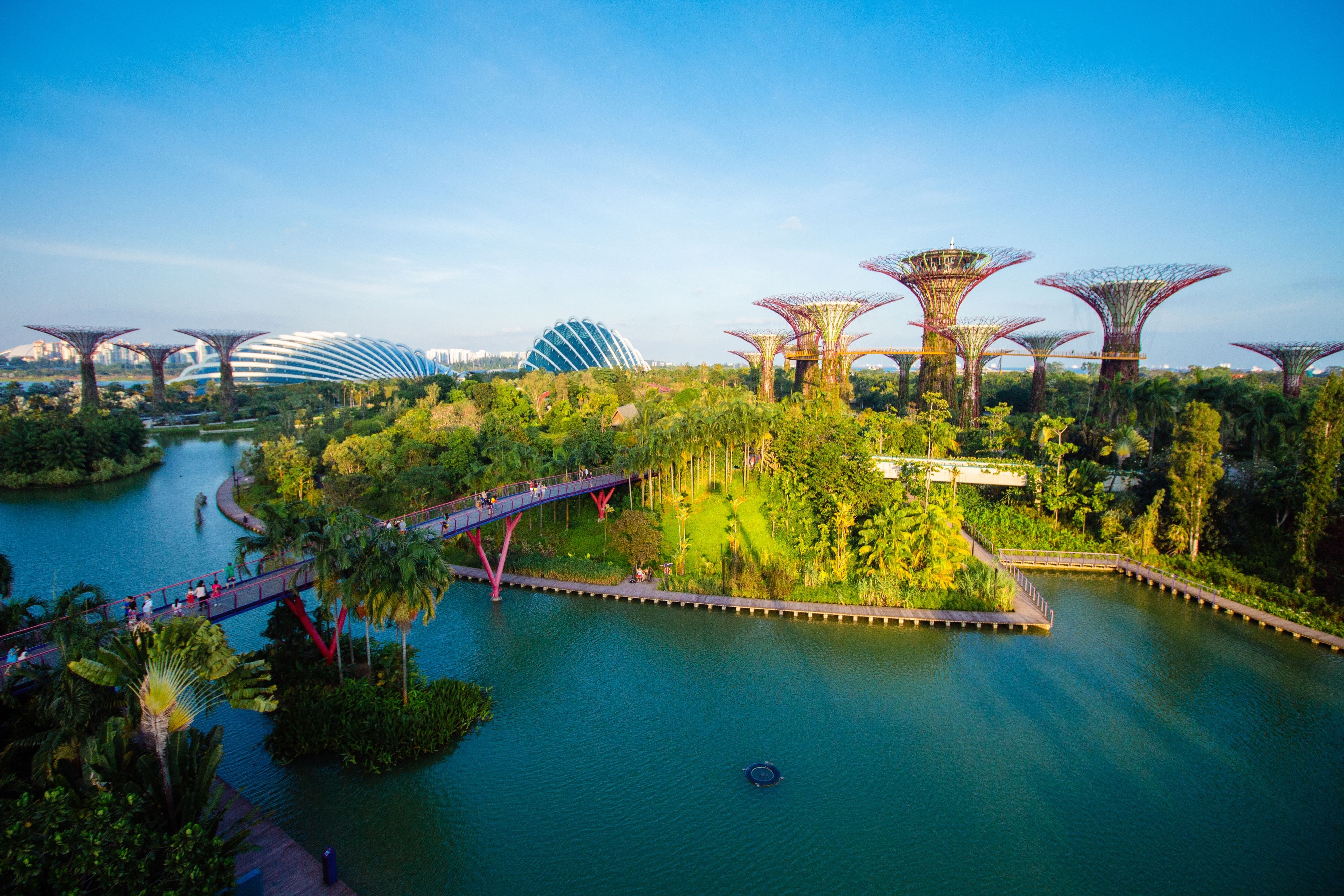
After you step off · near Vancouver
You end in a different port — stay on, and add what is within reach before you fly home.
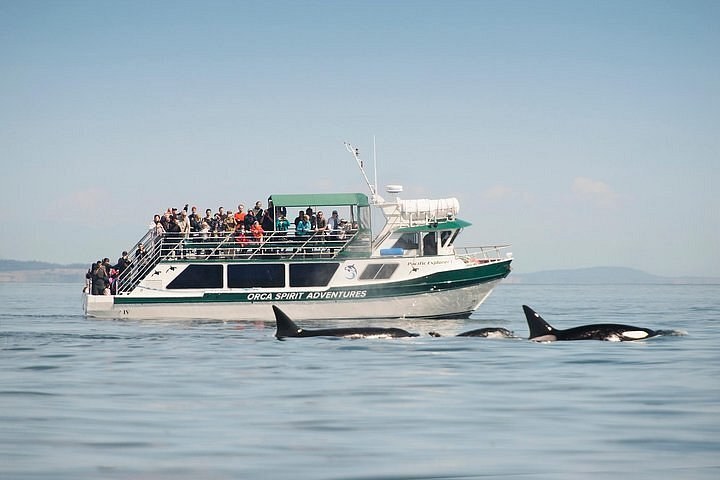 58 mi from VancouverPrivate Whale Watching and Wildlife Tour (Capt. Jim's Whale Watching)
 45 mi from VancouverWestcott Bay Sea Farms & Oyster Shack
  44 mi from Vancouver · land adventureVictoria's Wild Coast: Falconry, Gold Mines, and the Pacific
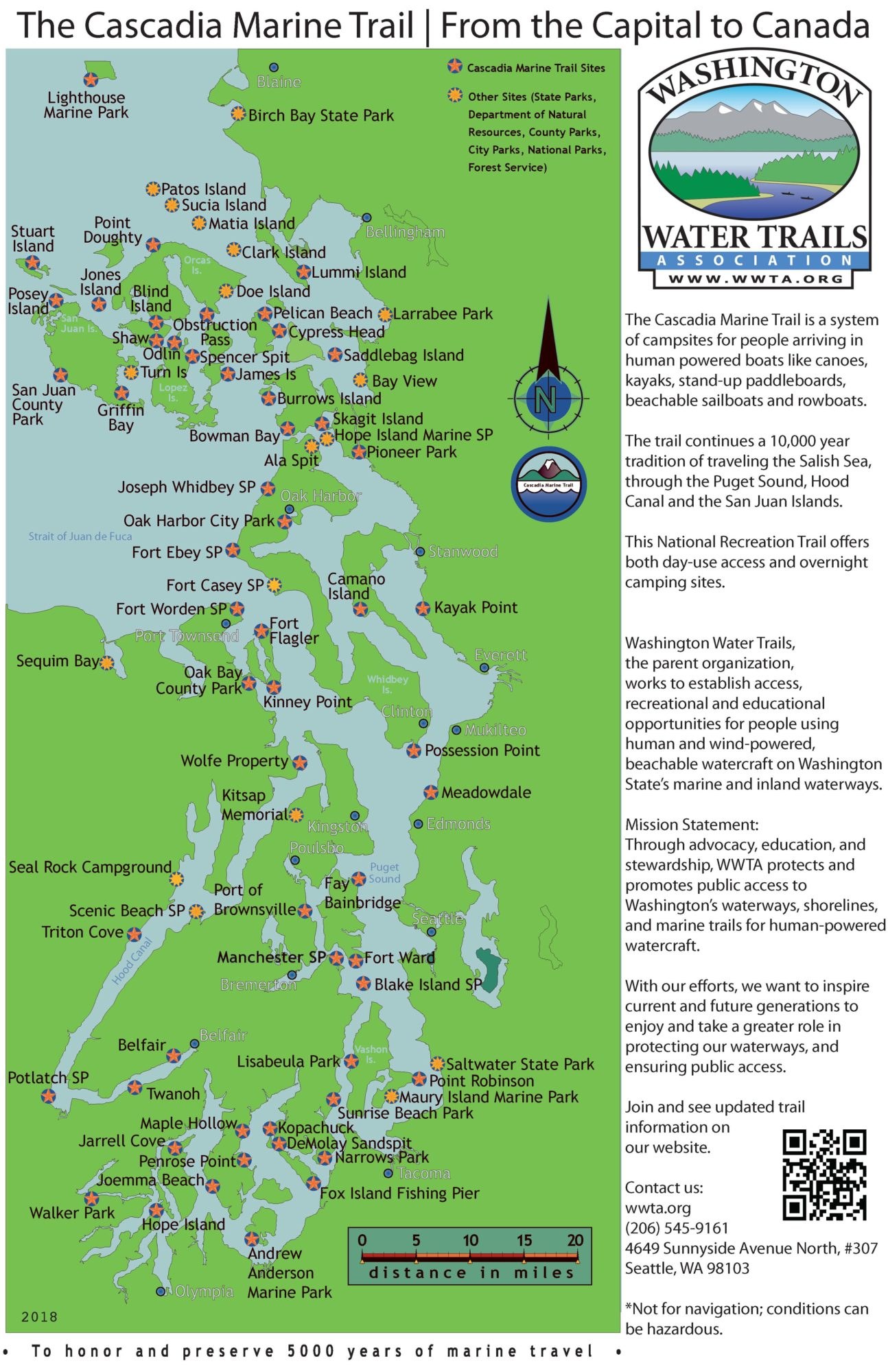 130 mi from Vancouver · land adventureTacoma's Wild Side: Puget Sound, Quarries & a Volcano