Your cruise
Azamara Pursuit · 29-night Australia & South Pacific round trip from Tokyo
Aug 6 – Sep 3 · 28 nights ·
Day 1–2 Tokyo (board) · Day 3 Sendai · Day 4 Miyako · Day 5 Hakodate · Day 6 Otaru · Day 7 at sea · Day 8 Toyama · Day 9 Tauranga · Day 10 Sakaiminato · Day 11 Busan (Kyongju) · Day 12 Kitakyushu · Day 13 Hiroshima · Day 14–17 Kobe · Day 18 at sea · Day 19 Kagoshima · Day 20 Nagasaki · Day 21 Yeosu · Day 22 Busan (Kyongju) · Day 23 Sokcho · Day 24 at sea · Day 25 Niigata · Day 26 Akita · Day 27 at sea · Day 28 Oarai · Day 29–30 Tokyo (step off)
What you do Glide across one of Japan's Three Scenic Views — 260 pine-clad islands rising from Matsushima Bay — aboard a private sightseeing vessel, then step inside a 17th-century tea pavilion for a moment of pure stillness.
What to expect Your government-licensed guide meets you at the port and transfers you to Matsushima, just 40 minutes away. A private or small sightseeing boat weaves between the 260 forested islets as your guide narrates centuries of poetry and painting inspired by this bay. Ashore, you enter Kanrantei ('Wind-in-Pines Pavilion'), a teahouse gifted by warlord Date Masamune, and take matcha overlooking the water. The return journey leaves generous buffer time before all-aboard.
Good to know Matsushima is ~40 min by road from Ishinomaki port or ~60 min from Sendai port. Book a private guide at least 2 weeks ahead. Kanrantei entry is JPY 200; tea ceremony is extra. Confirm all-aboard time and build in 90-min return buffer.
Versus the ship tour A private licensed guide means the boat pier, the best island vantage points, and the Kanrantei tea house are all timed around you — no herded groups, your own pace through one of Japan's most painted landscapes.
book direct with GoWithGuide Sendai Private Tour → · the full guide →
What you do Ascend a cedar-lined stairway to the ornate lacquered mausoleum of Date Masamune — the 'One-Eyed Dragon' warlord who shaped Tohoku. This is samurai Japan at its most theatrical and most intimate.
What to expect Cedar forest paths lead to three mausoleums — Date Masamune's, his son's, and his grandson's — each a riot of vermillion lacquer, gold leaf, and intricate carving. A licensed guide decodes the iconography and recounts Masamune's audacious bid to trade directly with Spain and the Vatican. The hilltop setting offers a sweeping view over Sendai's 'City of Trees' canopy. The atmosphere is contemplative and largely crowd-free in the mornings.
Good to know Located 20 min by taxi from Sendai city centre. Pair with Aoba Castle (5 min away) for an efficient morning. Open daily 09:00–16:30 (shorter hours Dec–Jan). No advance booking needed for entry; pre-book your private guide via GoWithGuide or TourHQ.
Versus the ship tour Arriving with a private expert guide unlocks the symbolism carved into every gilded panel — the Buddhist iconography, the Momoyama-era craftsmanship, the story of the bones discovered during WWII — context that transforms a beautiful building into a profound encounter.
book direct with Zuihoden Mausoleum (Official) → · the full guide →
What you do Stand on the volcanic bluff where Sendai Castle once commanded all of Tohoku, don a replica of Date Masamune's iconic crescent-moon armour, and survey the city skyline from the ramparts of one of feudal Japan's most storied strongholds.
What to expect The hilltop park preserves stone walls, a shrine, and a bronze equestrian statue of Masamune gazing east toward the sea. Inside the small museum, artefacts and a digital reconstruction reveal the castle at its 16th-century peak. Staff at the adjacent experience corner help you into a full replica armour set for photographs. On clear days, the Pacific Ocean is visible on the horizon — the same sea Masamune dreamed of controlling.
Good to know Reachable by the Loople Sendai sightseeing bus (one-day pass JPY 650) or by taxi (10 min from city centre). Combine with Zuihoden Mausoleum nearby. Open year-round; museum 09:00–17:00. No advance booking for entry; private guide recommended.
Versus the ship tour The armour fitting experience — recreating the exact regalia of the warlord who built this fortress — is a tactile, personal encounter with history that no overview tour replicates. A private guide adds the military strategy and family drama that turn ruins into a living story.
book direct with Sendai City Tourism & Convention Association (Aoba Castle Ruins) → · the full guide →
What you do Pull up a counter seat at one of Sendai's revered gyutan specialist restaurants — birthplace of Japan's grilled beef tongue tradition since 1948 — for an omakase progression of cuts, preparations, and house-made barley rice.
What to expect Counter seating puts you inches from the charcoal grill as chefs work through multiple tongue cuts — some marinated, some salted, some thin-sliced. Each set arrives with麦ご飯 (mugi-gohan, barley rice), oxtail soup, and pickled cabbage — the canonical triad. The smoky, savoury perfume of the grill fills the intimate dining room. Staff are accustomed to international guests and will guide you through the menu warmly.
Good to know Multiple Tasuki branches in Sendai; the Kokubuncho flagship is 15 min by taxi from port transfer point. Lunch service typically 11:00–15:00 — ideal for a port-day midday stop. Queue can form; arrive at opening. No reservation required for lunch counter seats.
Versus the ship tour This is the city's defining culinary invention — thick-cut, charcoal-grilled beef tongue developed by Sendai chef Keishiro Sano — eaten at the source, in a restaurant where the craft has been refined for over 75 years. No tourist menu, no rush.
What you do Journey 30 minutes into the forested Natori River gorge to Akiu — one of Tohoku's three great hot spring towns — then walk the cedar trail to the thundering 55-metre Akiu Otaki Falls, one of Japan's Top 100 Waterfalls.
What to expect A 30-minute scenic drive deposits you at the trailhead above the Natori River gorge. A 20-minute cedar-shaded walk leads to the base of Akiu Otaki Falls, where 55 metres of white water crash into a mist-filled pool. Back in the onsen village, several ryokan welcome day visitors for ashiyu (open-air footbaths) — a restorative pause before the return drive. The surrounding valley blazes with maple colour in autumn and fresh green in spring.
Good to know About 30 km southwest of Sendai city centre; 30–40 min by private car. Best combined with a morning city stop (Zuihoden or Aoba Castle) for a full day. Footwear with grip recommended for the falls trail. Confirm your all-aboard time and allow 75 min return buffer.
Versus the ship tour Few visitors make it to Akiu in a single port day — a private driver-guide makes it effortless. The combination of a sacred waterfall walk through old-growth cedar and a riverside ryokan footbath is the quintessence of Tohoku — wild, serene, and utterly unrushed.
book direct with Japan Shore Excursions → · the full guide →
What you do Duck beneath a tunnel of centuries-old cedars to reach Sendai's most dazzling shrine — a National Treasure of Momoyama-era architecture, its main hall cloaked in black lacquer and burnished gold, commissioned by Date Masamune himself in 1607.
What to expect A long, cedar-flanked stone stairway builds anticipation before the main gate reveals the hall's jaw-dropping façade: black lacquer pillars, gilded transoms alive with phoenixes and peonies, and sweeping cypress-bark roofs. The site is a living place of worship — you may witness a Shinto ceremony, adding an unrehearsed layer of authenticity. The forested precinct is supremely peaceful, birdsong replacing city noise. A knowledgeable private guide decodes every carved deity and heraldic Date crest.
Good to know 10 min by taxi from central Sendai; also on the Loople sightseeing bus route. Open daily; free to enter the grounds. Combine with Zuihoden Mausoleum (nearby) for a seamless Date clan heritage morning. No advance booking required for entry; pre-book a private guide for depth.
Versus the ship tour This National Treasure-designated shrine sees only a fraction of the visitors that flood Kyoto's temples, yet its craftsmanship rivals them — giving you an almost private audience with one of Japan's finest surviving examples of Momoyama decorative art.
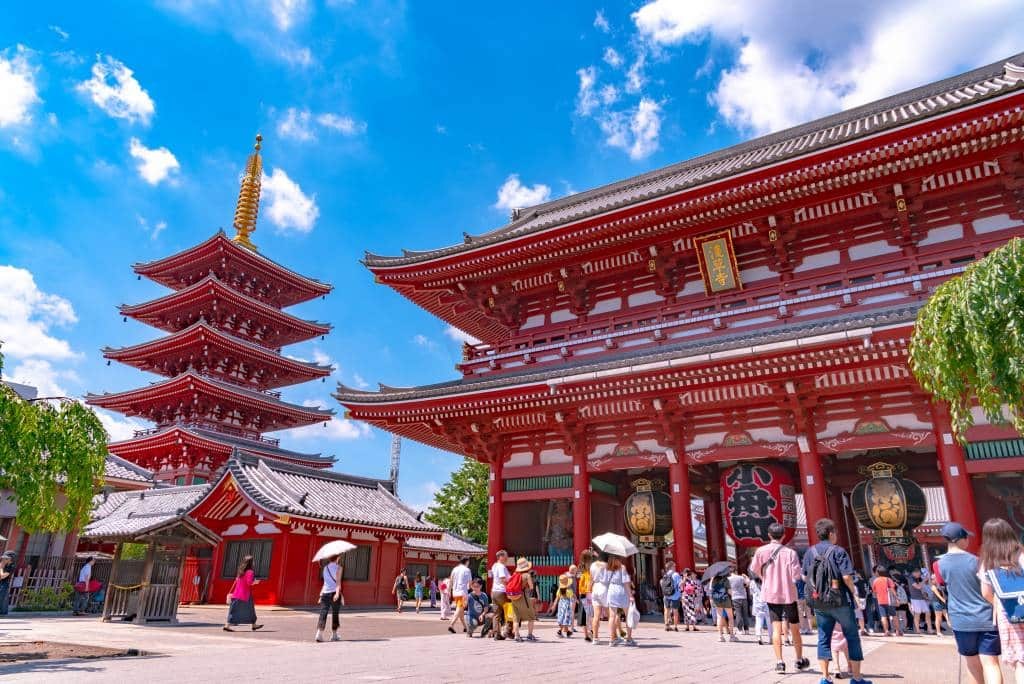
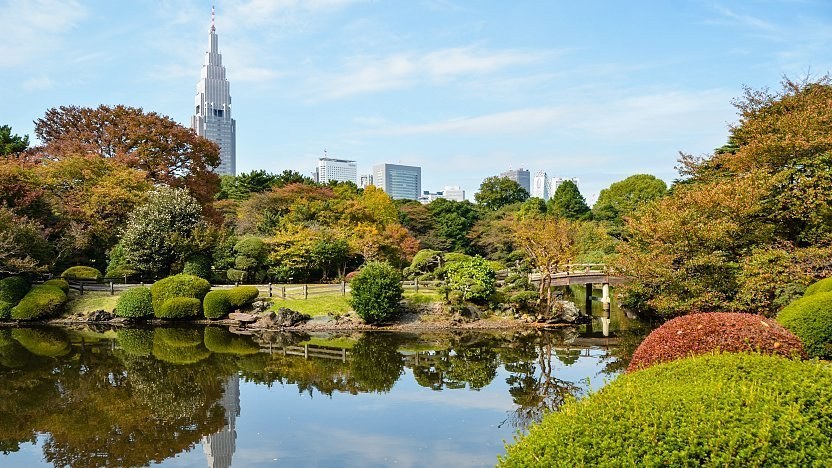
What you do Explore Tokyo's most iconic districts — Asakusa, Shibuya, Shinjuku and the Imperial Palace — guided by a nationally licensed, multilingual expert on an entirely private itinerary tailored to you. This is Tokyo at your pace, through a connoisseur's eyes.
What to expect Your guide meets you at the terminal and whisks you into Tokyo's layered world: the incense haze of Sensō-ji, the electric scramble at Shibuya Crossing, the raked gravel calm of Imperial Palace East Gardens. Lunch is arranged at a chef-selected restaurant befitting your taste. The day is a seamless private narrative rather than a checklist, ending with enough time to return comfortably before all-aboard.
Good to know Book well in advance — licensed private guides are in high demand. Confirm your ship's all-aboard time so your guide can plan the return; Tokyo International Cruise Terminal (Ariake) is roughly 30–40 min by taxi or direct Yurikamome rail from central Tokyo.
Versus the ship tour A nationally licensed guide — not a megaphone-and-flag group leader — curates every hour around your interests, from Sensō-ji temple rituals at dawn to an omakase lunch in a hidden alley. The group is yours alone, pace is entirely flexible, and the depth of cultural insight is unmatched.
book direct with Japan Guide Association (JGA) – Official Licensed Guides → · the full guide →
What you do Ascend the world's second-tallest structure to 634 metres for a panorama stretching from Mount Fuji to Tokyo Bay. On a clear day the view is simply one of the great urban spectacles on earth.
What to expect A high-speed elevator whisks you to the Tembo Deck at 350 m in under 60 seconds. A second ascent takes you to the Tembo Galleria, a glass-walled spiral walkway at 450 m where the floor disappears beneath your feet over the Tokyo skyline. The adjacent Solamachi shopping and dining complex adds a refined post-visit option before heading back.
Good to know Pre-purchase timed-entry tickets online — they sell out days ahead, especially on weekends. From Tokyo International Cruise Terminal, take the Yurikamome line to Asakusa, then the Tobu Skytree Line — allow 50 min total. Allow 2 hrs for both decks. Confirm weather forecast: Mount Fuji views require clear skies.
Versus the ship tour Skip the intermediary and book direct on the official site for guaranteed timed-entry tickets — the queue for walk-ups can swallow an hour. Pairing both decks gives you the full 634-metre summit glass-floored walkway, a genuinely vertiginous bucket-list moment inaccessible on a standard visit.
book direct with Tokyo Skytree (Official) → · the full guide →
What you do Step inside teamLab Borderless — the world's most visited single-artist museum — where thousands of laser projections dissolve boundaries between art and visitor. There are no maps; every room is a living, breathing, bucket-list spectacle.
What to expect You wander freely through interconnected rooms where waterfalls, forests, and koi ponds exist entirely as light and projection — and shift when you touch them. The 'Athletic Forest' zone challenges the body as much as the mind. No two visits are identical; the art evolves in real time. Budget at least two hours, though most guests lose track of time entirely.
Good to know The new Azabudai Hills venue is a taxi/subway ride from the cruise terminal — allow 40 min. Wear comfortable shoes (some zones involve steps and uneven surfaces). Timed-entry tickets are date- and time-specific; book the earliest slot to leave the afternoon free for other stops. Avoid white clothing as projections can stain perception.
Versus the ship tour teamLab Borderless is the most talked-about cultural experience in Tokyo and tickets routinely sell out weeks ahead — direct booking guarantees your slot. The experience is entirely self-paced and intimate in scale despite the venue's size; no group itinerary can replicate the personal sense of wonder as the art responds to your movement.
book direct with teamLab Borderless Tokyo (Official) → · the full guide →
What you do Explore the legendary Tsukiji Outer Market with a private chef guide who navigates the stalls, sources the finest morning catch, and explains the art of Edomae sushi — ending at a reserved counter for an unforgettable omakase breakfast.
What to expect The morning begins in the alley labyrinth of Tsukiji Outer Market as vendors arrange glistening tuna, sea urchin, and seasonal shellfish. Your chef-guide explains provenance, seasonality, and the knife traditions behind each cut. A tamagoyaki (rolled omelette) master lets you watch the craft up close. The tour culminates at a reserved sushi counter where the chef orders on your behalf — a succession of impossibly fresh nigiri paired with explanations of each piece.
Good to know Tsukiji Outer Market is most vibrant 7–10 am; an early start is essential and pairs well with an early all-aboard schedule. The market is approximately 30 min by taxi from Tokyo International Cruise Terminal. Confirm any dietary restrictions with Context Travel at booking. Sturdy shoes are advised — the alleys are narrow and sometimes wet.
Versus the ship tour Context Travel pairs you with a culinary scholar or professional chef — not a generic guide — for an intellectually rich deep-dive into Japan's seafood culture. The private format means you linger at the stalls that captivate you, taste what the guide selects, and sit down to sushi chosen that morning, not a set tourist menu.
book direct with Context Travel Tokyo – Expert-Led Food Tours → · the full guide →
What you do Walk the ancient cedar-forested approach to Tokyo's most sacred Shinto shrine, then emerge into Harajuku's kaleidoscopic street culture — a single morning that captures the full spiritual and creative soul of Tokyo.
What to expect The 700-metre forested gravel path to Meiji Jingu feels remote despite being at the heart of 14-million-person Tokyo — a genuine hush descends. Your guide explains the daily rituals, points out the sake-barrel wall offered by French wineries, and arranges a quiet moment at the inner shrine. The short walk to Harajuku delivers the visual shock of kawaii fashion and the understated elegance of Omotesandō boutiques — Dior, Louis Vuitton, and local ateliers alike.
Good to know Shoulders and knees should be covered or a scarf carried for the shrine approach. From the cruise terminal, take the Yurikamome to Shimbashi then JR Yamanote Line to Harajuku — approx. 50 min. The combined experience takes 3–4 hours; pairs perfectly with a lunch reservation on Omotesandō. Book your GoWithGuide guide at least 2 weeks ahead.
Versus the ship tour A private local guide from GoWithGuide provides personal context for Shinto ritual — the purification ceremony, the prayer technique, the symbolism of the torii gate — that transforms a walk through a forest into a deeply moving cultural encounter. The segue into Harajuku's Takeshita Street and Omotesandō's luxury flagship stores is seamlessly curated.
book direct with GoWithGuide – Private Tokyo Local Guides → · the full guide →
What you do Ascend the beloved iron icon of Tokyo at golden hour for the exclusive Diamond Tour — access to both the Main Deck at 150 m and the Top Deck at 250 m, limited to just 70 guests per day. A sunset over the Tokyo skyline from here is a memory for life.
What to expect Tokyo Tower glows tangerine and crimson at dusk — a deliberate nod to the Eiffel Tower's evening palette — and from the glass-floor panels of the Top Deck, the city grid fans out to Tokyo Bay and beyond. The Diamond Tour guide explains the tower's 1958 construction story and its role as Tokyo's emotional heartbeat. The lounge offers premium refreshments as the city lights ignite below you.
Good to know Book online the moment your itinerary is confirmed — the 70-person cap sells out fast, especially on weekends and holidays. Tokyo Tower is in Minato, roughly 40 min by taxi from the cruise terminal. Plan to arrive at least 30 min before your slot. A sunset slot (approximately 5–6 pm) is spectacular but confirm your ship's all-aboard time allows for it.
Versus the ship tour The Diamond Tour's 70-person daily cap makes this one of the most exclusive urban viewpoints in Asia. Unlike the open-access main deck, the Top Deck tour includes a dedicated lounge, unhurried time at each level, and a guide — transforming a landmark tick into a genuinely rarefied experience.
book direct with Tokyo Tower (Official) → · the full guide →
What you do Glide across one of Japan's Three Scenic Views — 260 pine-clad islands rising from Matsushima Bay — aboard a private sightseeing vessel, then step inside a 17th-century tea pavilion for a moment of pure stillness.
What to expect Your government-licensed guide meets you at the port and transfers you to Matsushima, just 40 minutes away. A private or small sightseeing boat weaves between the 260 forested islets as your guide narrates centuries of poetry and painting inspired by this bay. Ashore, you enter Kanrantei ('Wind-in-Pines Pavilion'), a teahouse gifted by warlord Date Masamune, and take matcha overlooking the water. The return journey leaves generous buffer time before all-aboard.
Good to know Matsushima is ~40 min by road from Ishinomaki port or ~60 min from Sendai port. Book a private guide at least 2 weeks ahead. Kanrantei entry is JPY 200; tea ceremony is extra. Confirm all-aboard time and build in 90-min return buffer.
Versus the ship tour A private licensed guide means the boat pier, the best island vantage points, and the Kanrantei tea house are all timed around you — no herded groups, your own pace through one of Japan's most painted landscapes.
book direct with GoWithGuide Sendai Private Tour → · the full guide →
What you do Ascend a cedar-lined stairway to the ornate lacquered mausoleum of Date Masamune — the 'One-Eyed Dragon' warlord who shaped Tohoku. This is samurai Japan at its most theatrical and most intimate.
What to expect Cedar forest paths lead to three mausoleums — Date Masamune's, his son's, and his grandson's — each a riot of vermillion lacquer, gold leaf, and intricate carving. A licensed guide decodes the iconography and recounts Masamune's audacious bid to trade directly with Spain and the Vatican. The hilltop setting offers a sweeping view over Sendai's 'City of Trees' canopy. The atmosphere is contemplative and largely crowd-free in the mornings.
Good to know Located 20 min by taxi from Sendai city centre. Pair with Aoba Castle (5 min away) for an efficient morning. Open daily 09:00–16:30 (shorter hours Dec–Jan). No advance booking needed for entry; pre-book your private guide via GoWithGuide or TourHQ.
Versus the ship tour Arriving with a private expert guide unlocks the symbolism carved into every gilded panel — the Buddhist iconography, the Momoyama-era craftsmanship, the story of the bones discovered during WWII — context that transforms a beautiful building into a profound encounter.
book direct with Zuihoden Mausoleum (Official) → · the full guide →
What you do Stand on the volcanic bluff where Sendai Castle once commanded all of Tohoku, don a replica of Date Masamune's iconic crescent-moon armour, and survey the city skyline from the ramparts of one of feudal Japan's most storied strongholds.
What to expect The hilltop park preserves stone walls, a shrine, and a bronze equestrian statue of Masamune gazing east toward the sea. Inside the small museum, artefacts and a digital reconstruction reveal the castle at its 16th-century peak. Staff at the adjacent experience corner help you into a full replica armour set for photographs. On clear days, the Pacific Ocean is visible on the horizon — the same sea Masamune dreamed of controlling.
Good to know Reachable by the Loople Sendai sightseeing bus (one-day pass JPY 650) or by taxi (10 min from city centre). Combine with Zuihoden Mausoleum nearby. Open year-round; museum 09:00–17:00. No advance booking for entry; private guide recommended.
Versus the ship tour The armour fitting experience — recreating the exact regalia of the warlord who built this fortress — is a tactile, personal encounter with history that no overview tour replicates. A private guide adds the military strategy and family drama that turn ruins into a living story.
book direct with Sendai City Tourism & Convention Association (Aoba Castle Ruins) → · the full guide →
What you do Pull up a counter seat at one of Sendai's revered gyutan specialist restaurants — birthplace of Japan's grilled beef tongue tradition since 1948 — for an omakase progression of cuts, preparations, and house-made barley rice.
What to expect Counter seating puts you inches from the charcoal grill as chefs work through multiple tongue cuts — some marinated, some salted, some thin-sliced. Each set arrives with麦ご飯 (mugi-gohan, barley rice), oxtail soup, and pickled cabbage — the canonical triad. The smoky, savoury perfume of the grill fills the intimate dining room. Staff are accustomed to international guests and will guide you through the menu warmly.
Good to know Multiple Tasuki branches in Sendai; the Kokubuncho flagship is 15 min by taxi from port transfer point. Lunch service typically 11:00–15:00 — ideal for a port-day midday stop. Queue can form; arrive at opening. No reservation required for lunch counter seats.
Versus the ship tour This is the city's defining culinary invention — thick-cut, charcoal-grilled beef tongue developed by Sendai chef Keishiro Sano — eaten at the source, in a restaurant where the craft has been refined for over 75 years. No tourist menu, no rush.
What you do Journey 30 minutes into the forested Natori River gorge to Akiu — one of Tohoku's three great hot spring towns — then walk the cedar trail to the thundering 55-metre Akiu Otaki Falls, one of Japan's Top 100 Waterfalls.
What to expect A 30-minute scenic drive deposits you at the trailhead above the Natori River gorge. A 20-minute cedar-shaded walk leads to the base of Akiu Otaki Falls, where 55 metres of white water crash into a mist-filled pool. Back in the onsen village, several ryokan welcome day visitors for ashiyu (open-air footbaths) — a restorative pause before the return drive. The surrounding valley blazes with maple colour in autumn and fresh green in spring.
Good to know About 30 km southwest of Sendai city centre; 30–40 min by private car. Best combined with a morning city stop (Zuihoden or Aoba Castle) for a full day. Footwear with grip recommended for the falls trail. Confirm your all-aboard time and allow 75 min return buffer.
Versus the ship tour Few visitors make it to Akiu in a single port day — a private driver-guide makes it effortless. The combination of a sacred waterfall walk through old-growth cedar and a riverside ryokan footbath is the quintessence of Tohoku — wild, serene, and utterly unrushed.
book direct with Japan Shore Excursions → · the full guide →
What you do Duck beneath a tunnel of centuries-old cedars to reach Sendai's most dazzling shrine — a National Treasure of Momoyama-era architecture, its main hall cloaked in black lacquer and burnished gold, commissioned by Date Masamune himself in 1607.
What to expect A long, cedar-flanked stone stairway builds anticipation before the main gate reveals the hall's jaw-dropping façade: black lacquer pillars, gilded transoms alive with phoenixes and peonies, and sweeping cypress-bark roofs. The site is a living place of worship — you may witness a Shinto ceremony, adding an unrehearsed layer of authenticity. The forested precinct is supremely peaceful, birdsong replacing city noise. A knowledgeable private guide decodes every carved deity and heraldic Date crest.
Good to know 10 min by taxi from central Sendai; also on the Loople sightseeing bus route. Open daily; free to enter the grounds. Combine with Zuihoden Mausoleum (nearby) for a seamless Date clan heritage morning. No advance booking required for entry; pre-book a private guide for depth.
Versus the ship tour This National Treasure-designated shrine sees only a fraction of the visitors that flood Kyoto's temples, yet its craftsmanship rivals them — giving you an almost private audience with one of Japan's finest surviving examples of Momoyama decorative art.
What you do Ride the Hakodate Ropeway to the summit of Mt. Hakodate for one of Japan's three great night views — a glittering hourglass of city lights between two bays. At 334 m, the 360° panorama is simply breathtaking and utterly bucket-list.
What to expect The gondola whisks you up 334 metres in just three minutes, arriving at a glass-walled observatory perched above the forested peak. As daylight fades, Hakodate's unique hourglass peninsula blazes gold and amber between Tsugaru Strait and Uchiura Bay. The summit also has a café and gift shop should you wish to linger. In autumn, the hillside maples frame the ascent in fiery crimson.
Good to know Ropeway runs daily; last gondola is around 22:00 (seasonal). Allow 90 min round-trip. It's 15 min by taxi from the pier. Pre-book a licensed guide via Japan Guide Association (j-g-a.org) to ensure a private summit experience matched to your ship's all-aboard time.
Versus the ship tour The magic here is timing: a licensed private guide can tailor your ascent to catch the exact moment the city lights ignite at dusk, while the small-group format means no jostling at the observatory rail — just you, the mountain, and one of Japan's most legendary views.
book direct with Hakodate Ropeway (Official) → · the full guide →
What you do Plunge into the legendary Hakodate Asaichi — one of Japan's great morning markets — guided by a local expert who unlocks the finest stalls for live uni, ikura, and hairy crab before the crowds arrive. End with a private omakase bowl that rivals any Michelin table.
What to expect The market opens at 05:00 and by 07:00 the stalls are at peak drama: crab claws waving from iced tanks, fishmongers calling their catch, vendors pressing samples of smoked scallop into your hands. Your guide curates a tasting circuit — squid ink, sea urchin, Hokkaido milk soft-serve — before settling you at a counter for a bespoke seafood rice bowl. Markets wind down by midday so a morning start is essential.
Good to know Market is a 5-min walk or short taxi from most Hakodate berths. Best experienced 07:00–10:00. Book a licensed English-speaking guide in advance; the Japan Shore Excursions team specialises in cruise-ready timing with guaranteed all-aboard returns.
Versus the ship tour A licensed local guide takes you behind the tourist façade to the wholesale-side vendors, introduces you to market elders by name, and steers you to the single best donburi counter — knowledge that only years of local relationships can buy.
book direct with Japan Shore Excursions (Licensed Local Guide) → · the full guide →
What you do Survey Japan's only Western-style star-shaped fortress — scene of the Boshin War's final battle — from the glass-floored Goryokaku Tower, then walk its cherry-blossom-lined moats with a licensed historian guide. A defining chapter of Japanese history made vivid.
What to expect Ascend Goryokaku Tower for a bird's-eye view of the perfect five-pointed star, its geometry still razor-sharp from above. Below, the moated grounds are a masterclass in 19th-century European military architecture transplanted to Japan. Sara leads you across the drawbridge and through the restored magistrate's office, narrating the tragic last stand of the Shinsengumi. In spring the fort's 1,600 cherry trees make this one of Hokkaido's most spectacular hanami sites.
Good to know Tower open daily 09:00–18:00 (to 19:00 in peak season). A 15-min tram ride from the pier on the City Tram (1-Day Pass JPY 800 — worth buying). Combine with nearby Kanemori Red Brick Warehouses for a full half-day. Pre-book your guide at least 2 weeks ahead.
Versus the ship tour Sara, a certified Hakodate Proficiency-tested guide who lived abroad six years, brings the 1869 Battle of Hakodate alive with personal storytelling — pinpointing Hijikata Toshizo's last stand and walking you through the pentagonal ramparts at your own unhurried pace.
book direct with Hakodate Guide Sara (Local Licensed Expert) → · the full guide →
What you do Escape the city entirely on a private guided foray to Onuma Quasi-National Park — a volcanic lake landscape where Mt. Komagatake's reflection shimmers on mirror-still water. Glide by kayak among forested islets in one of Japan's most serene national parks.
What to expect A 50-minute drive north of Hakodate deposits you in a landscape of extraordinary calm: 126 islets scattered across three interconnected lakes, all cast in the shadow of the still-active Mt. Komagatake. Your guide leads a lakeside boardwalk through ancient pines before you board a two-person kayak to explore the quieter western channels, rich with kingfishers and grey herons. Autumn turns the maples copper-gold; spring carpets the banks in cherry blossom.
Good to know Allow a full day: 50 min each way plus 3–4 hrs in the park. Confirm kayak availability seasonally (best May–Oct). Your guide ensures cruise-compatible return timing. Dress in layers — lake temperatures are significantly cooler than the city, especially in the morning.
Versus the ship tour The private format means you set the pace — lingering on a misty lake at sunrise, paddling to a hidden islet for a private picnic, or photographing the volcano's reflection without a single tour bus in sight. This is Hokkaido's raw nature at its most elemental.
book direct with Japan Shore Excursions (Licensed Local Guide) → · the full guide →
What you do Wander Hakodate's 19th-century foreign concession quarter — Orthodox churches, Gothic consulates, and wooden merchant mansions clinging to Mt. Hakodate's slopes — with a licensed guide who unlocks interiors closed to independent visitors.
What to expect The Motomachi hillside is a rare surviving pocket of Meiji-era cosmopolitanism: you'll peer inside the Old British Consulate's rose garden, climb to the vermilion Chinezan Josenji temple with its harbour panorama, and stand inside the onion-domed Hakodate Orthodox Church. Your guide contextualises the mid-19th-century treaty port history that made Hakodate Japan's gateway to the world. The cobblestone slopes and pastel clapboard facades are endlessly photogenic.
Good to know The quarter is walkable in 2–3 hrs with a guide; most sites open 09:00–17:00. Old Public Hall closed Mondays. A 10-min tram ride from the pier. Book a 4- or 6-hour guide slot to combine Motomachi with Goryokaku in a single seamless day.
Versus the ship tour The Japan Guide Association's nationally licensed guides gain access to privately managed interiors — the gilded altar of the Russian Orthodox Church, the restored banquet hall of the Old Public Hall — and can read the kanji plaques and original ledgers that tell the real story of Japan's first open port.
book direct with Japan Guide Association — Hakodate Licensed Guides → · the full guide →
What you do Let a traditional rickshaw (jinrikisha) carry you through Hakodate's most photogenic streets — past red-brick warehouses, tram lines, and seaside promenades — while your puller doubles as an expert local storyteller. A uniquely intimate, beautifully paced way to see the city.
What to expect You recline on a lacquered seat beneath a fringed canopy as your jinrikisha runner navigates the Kanemori Warehouse waterfront, the Motomachi slopes, and the old tram boulevard. The pullers are remarkably well-informed, pointing out architectural curiosities and delivering anecdotes about the Meiji-era merchants who built this city. It's theatrical, intimate, and entirely unlike anything else in Japan's port cities.
Good to know Rickshaws depart from the Kanemori Red Brick Warehouse area, a 5-min walk from the main pier. No advance booking required for short rides, but reserve a 90-min private course ahead for a bespoke itinerary. Operates year-round (weather permitting); best in the golden hour before sunset.
Versus the ship tour Ebisuya's trained rickshaw pullers are passionate local historians who narrate each landmark in English as they run — pausing spontaneously for a harbour shot here, a hidden shrine gate there. The unhurried, street-level perspective reveals details no bus window ever could.
book direct with Ebisuya Rickshaw Hakodate (えびすや) → · the full guide →
What you do Journey to Hokkaido's legendary Nikka Whisky Yoichi Distillery — Japan's most storied single-malt producer — for an expert-guided tour and rare barrel-aged tastings amid stone distillery buildings that feel like a Scottish village transplanted to Japan.
What to expect Your guide meets you at the port and transfers you by private vehicle the 40 minutes to Yoichi. You'll walk the immaculate distillery grounds, inspect the direct-coal-fired pot stills (unique in the world), and tour the founder's original home. The tasting session includes aged expressions and limited releases not available outside Japan. The return journey follows Hokkaido's dramatic coastal road.
Good to know Yoichi is ~40 km from Otaru port — allow 5.5–6 hours total. Book the private guide well in advance; all-aboard times in Otaru are typically 17:00–18:00. Distillery entry is free; premium tastings are pay-per-glass on site. Designate a non-drinking companion or use the guide as driver.
Versus the ship tour A nationally-licensed private guide escorts you at your own pace, bypassing group queues. You gain access to the distillery's heritage stone buildings, pot stills, and the Masataka Taketsuru museum — then linger over rare single-cask pours that group tours skip entirely.
book direct with Japan Guide Association – Otaru Private Licensed Guides → · the full guide →
What you do Drift along the gaslit Otaru Canal by private cruise at dusk as century-old stone warehouses glow amber in the water, then retire to a private kaiseki dinner showcasing Hokkaido's finest seafood — the quintessential Hokkaido evening.
What to expect Board the low wooden canal boat directly from the Chuo-bashi quay. As twilight falls, the historic 1923 warehouses are bathed in warm lamp-light and reflected perfectly in the still water. After disembarking, a short walk leads to a reserved kaiseki counter where the chef presents Hokkaido snow crab, uni, and Yoichi apple desserts course by course. The pace is entirely unhurried.
Good to know The canal is a 20-minute walk or 5-minute taxi from the cruise pier. Night cruises depart on the hour from approximately 19:00 — check all-aboard time carefully; this excursion suits ships with a late departure or overnight stay. Pre-book the kaiseki restaurant directly; walk-ins are rarely accepted.
Versus the ship tour The night illumination cruise runs just 40 minutes but delivers the most photographed scene in Hokkaido — lantern reflections shimmering on black water. Pairing it with a canal-side private kaiseki dinner turns a sightseeing tick into a full sensory memory.
book direct with Otaru Canal Cruise (小樽運河クルーズ – Official) → · the full guide →
What you do Soar above Otaru on the Tenguyama Ropeway for a 360° panorama of the Japan Sea, the Ishikari Plain, and the city's silver rooftops — Hokkaido's most dramatic viewpoint, best savoured with a private guide who reveals the full sweep of history below.
What to expect The gondola rises steeply from the base station to 532 m in just a few minutes, the city unfurling beneath you. At the summit, wide observation decks give unobstructed views across Otaru Bay to the Sea of Japan. Your guide shares stories of Otaru's boom years as Hokkaido's wealthiest port city. In autumn the surrounding maple forest turns scarlet; in summer, wildflowers carpet the ridge trails.
Good to know Tenguyama is a 15-minute taxi from the port. Allow 2.5–3 hours including travel. Combine with a stop at Kitaichi Glass or Sakaimachi Street on the return for a full cultural morning. Ropeway tickets are purchased on arrival; no advance booking needed.
Versus the ship tour A private guide contextualises what you see — pointing out the historic port district, the former Herring Mansion coastline, and on clear days, the distant volcanoes of the Shakotan Peninsula. No commentary script, no crowd pressure; the summit is yours.
book direct with Japan Guide Association – Otaru Private Licensed Guides → · the full guide →
What you do Wander Otaru's atmospheric Sakaimachi-dori with a private guide unlocking the stories behind its Meiji-era merchant houses, before stepping inside Kitaichi Glass's legendary flagship to watch master craftsmen blow intricate Venetian-inspired pieces in real time.
What to expect You'll stroll past rows of late 19th-century stone bank buildings repurposed as artisan boutiques, your guide narrating Otaru's role as Hokkaido's financial and trading capital. At Kitaichi Glass No.1 Hall, 167 lamps glow inside a heritage warehouse turned gallery. A reserved session at the glassblowing studio lets you watch — or try — the ancient craft yourself. The street's gourmet shops offer Hokkaido cheese, smoked salmon, and fresh-pulled soft-serve to enjoy along the way.
Good to know Sakaimachi Street is a 25-minute walk or 8-minute taxi from the port — highly walkable. Allow 3–4 hours. The glassblowing experience must be pre-arranged through your guide. Visit on weekday mornings for the lightest crowds. Carry cash for artisan purchases.
Versus the ship tour Your local guide opens doors well beyond the surface — introducing the sakura-scented sake rooms, the family-run music-box ateliers, and the hidden glassblowing studio where appointments secure a private demonstration not available on general admission.
book direct with GoWithGuide – Otaru Local Experts → · the full guide →
What you do Explore the world-famous Otaru Orgel (Music Box Museum), home to thousands of hand-crafted mechanical music boxes, then tour the grand Nishin Goten Herring Mansion — a window into the extraordinary wealth of Hokkaido's 19th-century herring boom.
What to expect The Orgel main hall is a three-storey Victorian-style building filled with the delicate tinkling of hundreds of mechanical music boxes, from pocket-sized antiques to elaborate concert-hall instruments. Upstairs, skilled craftsmen assemble custom pieces to order. A short drive along the coast brings you to the Nishin Goten, a vast wooden estate that once housed the tycoons of Hokkaido's herring industry, its rooms still furnished with lacquerwork, sliding screens, and sea-facing gardens.
Good to know The Music Box Museum is a 10-minute walk from the cruise pier; Nishin Goten is a 10-minute taxi or 30-minute walk further along the coastal road. Budget 3–4 hours for both. Commission a custom music box at the start of the tour so it's ready for collection before you return to ship.
Versus the ship tour The museum's upper floors house a bespoke music-box atelier where you commission a one-of-a-kind keepsake — an experience unavailable without advance arrangement. Combined with the Herring Mansion's extraordinary preserved tatami halls and ocean views, this pairing is a genuine luxury cultural journey.
book direct with Otaru Orgel (Music Box Museum – Official) → · the full guide →
What you do Otaru Aquarium's resident penguins famously parade along a seaside walkway every day — one of Japan's most charming wildlife moments — while its open-air pools feature performing sea lions and walruses against a backdrop of the Japan Sea.
What to expect The outdoor sea-lion stadium delivers theatrical performances against crashing waves. Then, at the appointed hour, a keeper leads a waddling procession of penguins along the seaside path — endlessly photogenic and joyfully unhurried. Inside, tanks showcase the extraordinary marine life of the Sea of Okhotsk, including giant king crabs, giant Pacific octopuses, and Steller sea lions. A café serves fresh Hokkaido soft-serve overlooking the sea.
Good to know The aquarium is approximately 4 km (15 min by taxi) north of the cruise pier. Allow 2.5–3 hours. Penguin parade and show times vary seasonally — check the official site before visiting and plan your arrival around the parade time. Combine with a stop at Sankaku Market for fresh Hokkaido uni and crab on the way back.
Versus the ship tour The aquarium sits right on the rocky coast north of the city, giving every tank and outdoor pool a spectacular Japan Sea backdrop. The penguin parade and sea lion shows run on a fixed daily schedule — knowing the precise timings means arriving ahead of the crowds for the best viewing positions.
book direct with Otaru Aquarium (小樽水族館 – Official) → · the full guide →
What you do Traverse one of the world's great mountain journeys — a chain of cable cars, trolley buses, and ropeways through the snow-corridor peaks of the Northern Japan Alps. Standing atop Murodo (2,450 m) with walls of snow towering overhead is genuinely once-in-a-lifetime.
What to expect Board the Toyama Chihō Railway from Toyama Station before 8 a.m., then ascend through seven distinct modes of mountain transport including a glass-walled ropeway above a volcanic plateau. At Murodo, walk the Mikurigaike Pond loop surrounded by steaming fumaroles and, in spring, the legendary 20-metre snow corridor. Return to Toyama with time to spare for a late-afternoon kaiseki dinner.
Good to know Reserve web tickets at least 10 days in advance — this route sells out weeks ahead in spring cherry-blossom and early-summer snow-corridor season. All-aboard is typically 17:00–18:00; factor a full 8–9 hours. Pair with a GoWithGuide licensed private guide (separate booking) for door-to-door logistics.
Versus the ship tour Pre-booking the web ticket secures priority boarding at peak season and eliminates queues — the difference between a serene alpine experience and a crowded scramble. A licensed private guide adds geological and cultural depth no group coach can match.
book direct with Tateyama Kurobe Alpine Route (Official) → · the full guide →
What you do A bespoke, government-licensed guide leads you through Toyama Castle's samurai experience, the shimmering Fugan Canal at Kansui Park, and a private tasting at a centuries-old local sake brewery — the city's finest highlights curated entirely around your pace.
What to expect Begin at Toyama Castle Ruin Park, don samurai armour for photos in the keep, then stroll the canal promenade at Kansui Park where the Tateyama Range reflects in glassy water. Your guide steers you to a neighbourhood sake brewery for a seated tasting of junmai daiginjo, then finishes at the soaring Toyama City Hall observation tower for a panoramic send-off. The guide manages all transport and reservations end-to-end.
Good to know Book at least 2–3 weeks ahead; the most sought-after licensed guides fill quickly on cruise-call days. The itinerary is pier-to-pier so all-aboard timing is built in from the start.
Versus the ship tour A government-licensed English-speaking guide tailors every stop to your interests — no fixed script, no hurrying past exhibits. Access to a private sake tasting and a hands-on samurai costume session at the castle is arranged in advance, impossible to replicate on a large-group itinerary.
book direct with TourHQ / TripAdvisor Experiences – Licensed Toyama Private Guide → · the full guide →
What you do Japan's tallest dam — 186 metres of sheer concrete arching across an emerald gorge — is reached by a dramatic combination of mountain railway and electric trolley bus deep inside the Alps. The discharged water arcs 60 metres into the void below; the scale is staggering.
What to expect Your guide-driver collects you at the pier and heads east into the mountains. At Ogizawa you board the Kanden Tunnel Electric Bus — zero-emissions through solid granite — emerging to the thunderous sight of the dam. Walk the crown, descend to the lookout deck directly beneath the discharge arc, and take the Kurobe Lake pleasure boat for an alpine panorama before the return journey. Arrange a riverside river-trout bento for lunch.
Good to know The dam's famous water discharge runs mid-June to mid-October — confirm dates when booking. Full-day commitment of 9–10 hours; coordinate all-aboard time precisely with your guide from the outset.
Versus the ship tour A private car and dedicated guide mean you depart at first light, beating tour-bus crowds to the dam's spectacular discharge (mid-June to mid-October). Your guide narrates the engineering marvel and the wartime construction history in intimate detail, with unhurried time on the observation deck.
book direct with GoWithGuide – Toyama Private Tours → · the full guide →
What you do Designed by Kengo Kuma, Toyama's crystalline glass museum is one of Japan's great contemporary buildings — and its collection of international glass art is world-class. Pair it with the adjacent Starbucks (Japan's only one with a direct mountain-canal panorama) and the KITOKITO food hall for the city's finest local produce.
What to expect Enter through Kuma's signature latticed timber façade and ascend through galleries showcasing luminous blown-glass sculptures by Dale Chihuly and leading Japanese artists. Spend time on each floor as the mountain light shifts through the glass walls. Afterwards, walk two minutes to the Fugan Canal for the iconic mountain-reflected-in-canal view from the Kansui Park promenade, then descend to the KITOKITO market for premium Toyama kombu, white shrimp crackers, and craft confections to take aboard.
Good to know The museum is a 15-minute tram ride from the pier on Toyama's scenic City Tram — itself a pleasure. Open 09:30–18:00 (closed Wednesdays). No advance booking needed for general admission; special exhibitions may require timed entry reserved online.
Versus the ship tour Kengo Kuma's stacked glass atrium is an architectural masterpiece in its own right — six floors of laminated timber and glass that flood each gallery with refracted Toyama light. The curation is intimate and never crowded on a weekday cruise call.
What you do Toyama is one of Japan's great lacquerware and woodcraft prefectures. In this intimate, hands-on workshop you hand-plane and lacquer a pair of personal hashi (chopsticks) under a master craftsperson — a quietly beautiful souvenir and a window into centuries of Hokuriku craft tradition.
What to expect Work alongside a local craftsperson at a dedicated workshop studio in central Toyama. Select your wood, shape the chopstick profile with a hand plane, sand through progressively finer grades, and apply a base lacquer coat. Your guide translates and provides cultural commentary throughout. The session lasts approximately 60–90 minutes, leaving ample time for the canal and castle.
Good to know Book at minimum 1 week ahead; the workshop fills on cruise-call days. Lacquer needs to cure — the operator wraps finished sticks safely for travel. Suitable for all ages; comfortable indoor setting.
Versus the ship tour Strictly small-group (typically 6 or fewer), with an English-speaking guide who contextualises the craft within Toyama's broader lacquerware heritage. You take home a finished, personalised item — not a souvenir bought, but one made.
book direct with Japan Shore Excursions – Toyama Chopstick Making → · the full guide →
What you do The Amaharashi Coast is one of Japan's celebrated '100 Landscapes' — granite islets, crashing Sea of Japan surf, and the snow-capped Tateyama Range rising directly from the water. Combine it with a private omakase lunch of Toyama's famed white shrimp, firefly squid, and yellowtail at the historic Iwase port district.
What to expect Drive 30 minutes southwest of Toyama to the Amaharashi coast, where you stand on the famous rock-shelf for the definitive photograph of mountains rising from the sea — one of Japan's most iconic vistas. Your guide narrates the Noh drama and Heike legend tied to this shoreline. Return via the Iwase merchant quarter, a beautifully preserved Edo-period port street, and settle at the counter of a recommended kappo restaurant for a seasonal omakase showcasing Toyama Bay's extraordinary seafood bounty.
Good to know The view is best on clear mornings — spring and autumn offer the highest chance of a snow-capped Tateyama backdrop. Reserve the restaurant at least one week ahead through your guide. Half-day itinerary fits comfortably within a standard all-aboard window.
Versus the ship tour A private car and local guide means you arrive at Amaharashi at the golden morning light before any coach tour, and your guide pre-reserves a counter seat at a port-side sushi-omakase restaurant where the chef selects entirely to the morning's catch — hyper-local, unhurried, and exceptional.
book direct with GoWithGuide – Toyama Private Tours → · the full guide →
What you do Step inside the world's most beloved film set — the Shire from The Lord of the Rings and The Hobbit — on a private guided tour from Tauranga. Walk the rolling green hills of Matamata, peer into Hobbit holes, and raise a toast at the Green Dragon Inn. Utterly bucket-list.
What to expect Your guide walks you through all 12 acres of the working farm-turned-film-set, past 44 Hobbit holes of varying scale, the Party Tree, and the mill pond. The 2-hour guided tour culminates at the Green Dragon Inn, where an included beverage — ale, cider, or ginger beer — is served. Private transport from Tauranga cruise terminal takes approximately 75–80 minutes each way, so plan your timing carefully relative to all-aboard.
Good to know All-aboard is typically 5–6 pm; allow 5–6 hours total. Book the movie set entry directly at hobbitontours.com well in advance — tours sell out weeks ahead. Pair with a pre-booked private driver from Independent Tours Tauranga or Tours by Locals (toursbylocals.com) for seamless port-to-port logistics.
Versus the ship tour A private transfer means you set your own pace and avoid the bus-tour crowds — arrive as the morning light hits the Shire for truly cinematic photos, and linger at the Green Dragon for a second ale.
book direct with Hobbiton Movie Set Tours (official) → · the full guide →
What you do Witness Pohutu — the Southern Hemisphere's most powerful active geyser — erupting up to 30 metres skyward in Rotorua's Te Puia geothermal valley. Combine razor-sharp geysers, boiling mud pools, and New Zealand's living Māori arts academy in one breathtaking half-day.
What to expect Walk the steaming boardwalks of Whakarewarewa Thermal Valley, pausing at bubbling silica terraces and the thunderous Pohutu geyser. The New Zealand Māori Arts & Crafts Institute — housed within the grounds — allows you to watch tohunga whakairo (master carvers) and weavers at work in their studio. Evening packages include a traditional hāngi feast and kapa haka performance, though the daytime experience is ideal for cruise schedules.
Good to know Rotorua is approximately 60–75 minutes from Tauranga port by road. Book entry tickets directly at tepuia.com; arrive early to catch Pohutu at its most active in the morning. Combine with a private driver for flexibility and ensure you're back at port with at least 90 minutes to spare before all-aboard.
Versus the ship tour Te Puia is the only place in the world where you can watch master carvers and weavers practise their ancestral crafts inside a living geothermal landscape — a combination of culture and raw Earth power that is entirely unrepeatable anywhere else.
What you do Glide through lush native bush on the glassy Wairoa River aboard a kayak at the award-winning Waimarino Adventure Park — just 20 minutes from the Tauranga cruise terminal. A perfect blend of serenity and gentle adventure in one of New Zealand's most scenic waterways.
What to expect Paddling on the calm, spring-fed Wairoa River, you'll drift past towering native trees draped in ferns, listening for tūī and kererū overhead. The park's experienced guides set a leisurely pace, pointing out local flora, fauna, and Māori cultural history along the river banks. Sessions range from 1.5 to 3 hours, making it one of the most time-efficient yet deeply immersive options from the port. The park also offers giant water slides and SUP for those wanting extra thrills.
Good to know Waimarino is approximately 20 minutes from the Tauranga cruise terminal — easily reached by taxi or Uber. Book directly at waimarino.com and request a morning slot to maximise time before all-aboard. Wear quick-dry clothing and bring sunscreen; lockers are available on site.
Versus the ship tour Waimarino keeps groups deliberately small and the atmosphere relaxed — no conveyor-belt tourism here. The riverside setting, native birdlife, and expert local guides create an experience that feels genuinely exploratory rather than orchestrated.
book direct with Waimarino Adventure Park → · the full guide →
What you do Conquer the sacred volcanic peak of Mauao (Mount Maunganui) for jaw-dropping 360° views of the Bay of Plenty, then descend to one of New Zealand's most beautiful surf beaches for a swim or a soak in the famous Mount Hot Pools. A perfect pairing of panorama and indulgence.
What to expect The summit loop track (approximately 45 minutes at a comfortable pace) winds through pohutukawa trees with ever-expanding ocean views unfolding at every switchback. At the top, your guide shares the legend of Mauao — the mountain that ran to the sea — against a backdrop of island-studded bay. Descend to the famous golden beach for a swim in the Pacific, then unwind in the outdoor Mount Hot Pools, fed by natural geothermal water, before your private vehicle whisks you back to the terminal.
Good to know The Tauranga cruise terminal is approximately 5–10 minutes from the Mount by car. The summit hike involves moderate incline — wear comfortable walking shoes. Book Independent Tours Tauranga via TripAdvisor or direct enquiry; add the Mount Hot Pools (mounthotpools.co.nz) as a ticketed add-on. Hot Pools are open from 6 am daily.
Versus the ship tour A private minivan guide narrates the cultural and geological story of Mauao — a peak of deep significance to the local Māori iwi — then gives you the freedom to linger at the beach or hot pools rather than watching the clock for a bus departure.
book direct with Independent Tours Tauranga → · the full guide →
What you do Surrender to the ancient healing power of Rotorua's world-famous geothermal waters at the iconic Polynesian Spa — perched on the edge of Lake Rotorua with private lake-view pools unique in all of New Zealand. A deeply restorative, genuinely luxurious half-day for discerning travellers.
What to expect Choose from the private Deluxe Lake Spa (the pinnacle — your own pool cantilevered over the lake with waiter service) or the exclusive adults-only lake pools with their extraordinary open-water setting. The mineral-rich waters range from 36°C to 42°C, and the backdrop of steaming Lake Rotorua with the Māori village of Ohinemutu across the water is simply surreal. A range of massage and beauty therapies can be added to extend the luxury.
Good to know Rotorua is 60–75 minutes from Tauranga port. Book spa pools and treatments well in advance directly at polynesianspa.co.nz — private Deluxe Lake Spa slots are limited. Combine with Te Puia for a full Rotorua cultural-and-thermal day. Bring a towel (or rent one on site) and allow 2–3 hours at the spa itself.
Versus the ship tour The adults-only lake pools sit directly over the lake shore, fed by two distinct mineral springs — acidic alum for skin, alkaline priest for muscles — delivering a therapeutic experience backed by over 150 years of history that no other spa on Earth can replicate.
book direct with Polynesian Spa (official) → · the full guide →
What you do Float in silence through an ancient underground cave system lit by thousands of luminescent glowworms — one of New Zealand's most otherworldly spectacles — on the legendary Black Labyrinth blackwater rafting experience at Waitomo. A once-in-a-lifetime underground odyssey.
What to expect Kitted out in wetsuits, helmets, and rubber tubes, you and a small group follow expert guides through the cave system's underground streams — including a thrilling leap-of-faith waterfall jump. The centrepiece is the silent float: lights off, tubes linked, drifting beneath a ceiling ablaze with thousands of glowworms in absolute, reverential quiet. After surfacing, a hot soup and bagel await. The full experience runs approximately 3 hours underground.
Good to know Waitomo is approximately 2 hours from Tauranga port — this is a full-day excursion and requires an early departure from the ship. Confirm all-aboard time carefully and arrange private return transport. Book directly at waitomo.com well in advance; the Black Labyrinth operates in small groups and sells out quickly. Minimum age 12; must be comfortable in water.
Versus the ship tour The Black Labyrinth is the original and definitive glowworm cave adventure — tubing down a subterranean river, leaping waterfalls, and drifting beneath a living constellation of Arachnocampa luminosa bioluminescence that exists nowhere else on the planet at this scale.
book direct with Waitomo Adventures (official) → · the full guide →
What you do Step inside the Adachi Museum of Art, whose living garden has been ranked Japan's finest for 20+ consecutive years. Rotating masterworks of Yokoyama Taikan hang alongside a garden so immaculate it is itself considered a painting.
What to expect The museum is a 60-minute private-transfer drive from port through the San'in countryside. Inside, floor-to-ceiling glass frames each garden vista like a living kakejiku scroll painting — a deliberately engineered perfection. Six distinct garden zones surround a warm-toned main hall filled with works by Yokoyama Taikan, the titan of modern Japanese painting. Allow at least two hours; the tearoom offers matcha with a garden view as a serene finale.
Good to know Book a private transfer from port in advance (Japan Awaits or similar). Museum opens 09:00; aim to arrive by 09:30 for the quietest experience. Last entry is typically 17:00 — confirm all-aboard time before planning return. Pre-purchase entry tickets online to skip any queue.
Versus the ship tour Arrive early — ideally at opening — for near-solitary viewing of Japan's most awarded stroll garden and its priceless Nihonga collection, at your own contemplative pace with no group rush.
book direct with Adachi Museum of Art (official) → · the full guide →
What you do Walk the legendary 800-metre bronze-monster boulevard that inspired Studio Ghibli's aesthetic, then enter the immersive Mizuki Shigeru Memorial Hall — the life story of manga's great supernatural master told in vivid original art.
What to expect Over 177 bronze yokai statues line the seafront promenade, each a character from Shigeru Mizuki's GeGeGe no Kitarō manga series. The Memorial Hall at the far end unfolds his extraordinary life — wartime loss, poverty, obsessive artistry — through original manuscripts, dioramas, and an enormous recreation of his studio. Souvenir shops, yokai-themed cafés and the adjacent Yokai Shrine create a full sensory world. The whole experience rewards 2–3 unhurried hours.
Good to know The Memorial Hall is a 5-minute walk from the cruise pier — no transfer needed. Opens 09:30. Arrive early to beat tour-group volumes mid-morning. The free Yokai Train (JR Sakaiminato Line) runs decorated carriages between the port area and Yonago if you wish to extend the day.
Versus the ship tour Sakaiminato's most iconic experience and the reason the town exists on the cultural map. The Road is free to stroll; the Memorial Hall offers curator-quality storytelling of a beloved national artist — impossible to replicate anywhere else on earth.
book direct with Mizuki Shigeru Memorial Hall (official) → · the full guide →
What you do Cross to Daikonshima island and enter Yuushien, an exquisitely composed Japanese garden famed for 35,000 peonies and rare Ginshu camellia. A private transfer makes this serene masterpiece entirely yours to discover.
What to expect A short drive from port leads to the bridge crossing Lake Nakaumi to Daikonshima. The garden unfolds in a classical Japanese layout around a central pond, with seasonal blooms — peonies from April–May, lotus in summer, brilliant maples in autumn — reflected in still water. The indoor peony hall showcases rare varieties year-round in a jewel-box greenhouse. A traditional teahouse within the garden serves Shimane-grown matcha. Budget a relaxed 90 minutes.
Good to know Arrange a private vehicle from port (approx. 25 minutes each way). Pairs beautifully with a stop at Matsue Castle en route back to port. Opens 09:00. Book your private guide/transfer through Japan Awaits (japanawaits.com) to tailor timing to your all-aboard.
Versus the ship tour Set on a volcanic island in Lake Nakaumi, Yuushien's layered ponds, stone lanterns, and greenhouse of 250 peony varieties deliver a refined, crowd-light garden experience that rewards slow, independent exploration.
book direct with Yuushien Garden (official) → · the full guide →
What you do Climb one of Japan's only surviving original feudal castles — a brooding 1611 black-lacquered fortress — then withdraw to a riverside teahouse for a private, unhurried omoteashi matcha ceremony with a licensed tea master.
What to expect A 45-minute scenic drive through the San'in coast brings you to Matsue, a castle town set between Lake Shinji and Lake Nakaumi. The five-storey tenshu (keep) displays original armour, maps, and samurai weaponry — and the panoramic top floor reveals the entire lake district. Descend to the moat-side Meimei-an, a 250-year-old thatched teahouse, where a tea practitioner guides you through the full ritual with wagashi sweets. The return journey follows the lakeside promenade.
Good to know Allow 7 hours total. Castle entry JPY 680 pp; Meimei-an tea ceremony JPY 510 pp — confirm bundled pricing with your operator. Pre-book private guide transfer to control pace. Castle closes 17:00; confirm all-aboard alignment before booking.
Versus the ship tour Matsue-jo is one of only 12 original castles remaining in Japan — a living artifact. Combining it with an authentic chado ceremony in the castle's own Meimei-an teahouse turns sightseeing into genuine cultural immersion.
book direct with Japan Shore Excursions (official operator, Matsue Castle + Tea Ceremony tour) → · the full guide →
What you do Sakaiminato is Japan's largest matsuba snow-crab port. A guided market tour with a local expert followed by a premium crab lunch at the Fish Center is the most authentic — and delicious — expression of what this port is truly famous for.
What to expect The morning auction at Nakaura Fish Market is a spectacle of glistening hauls — squid, bream, and the prized matsuba crab unloaded straight from the fleet. The adjacent Sakaiminato Fish Center hosts a market hall of vendors selling live and cooked seafood; the restaurant level serves whole steamed matsuba crab with local Shimane sake. Crab season peaks October–March; summer brings fresh ika (squid) in abundance. Budget 2–3 hours for browsing and a leisurely lunch.
Good to know A 5–10-minute walk from the cruise pier. The wholesale auction is typically early morning (06:00–08:00) — worth an early departure from ship. For a guided interpretation of the market with a local expert, add a private guide through GoWithGuide (gowithguide.com). No reservation needed for the retail hall; restaurant lunch may require advance booking in crab season.
Versus the ship tour The wholesale fish market and adjacent retail fish center sit minutes from the pier. This is a walk-in, eat-in, buy-direct engagement with Japan's seafood culture at its most raw and theatrical — no coach, no commentary script.
book direct with Sakaiminato Fish Center (official) → · the full guide →
What you do Journey to the Tottori Sand Dunes — Japan's only vast dune system, rolling 16 km along the Sea of Japan — and visit the world's only permanent sand-sculpture museum, where master sculptors carve entire civilisations from grains.
What to expect The 90-minute drive east along the San'in coast is itself scenic — rugged cliffs, fishing villages, and sea views. At the dunes, wind-carved ridgelines rise 50 metres above the Sea of Japan; you can opt to ride a camel, take a paragliding taster, or simply climb to the highest crest for a panorama that feels nothing like Japan. The adjacent Sand Museum (in season, Nov–Jan closed for re-sculpting) showcases room-sized sand bas-reliefs of world heritage themes by international sculptors. Return via a roadside crab or seafood stop.
Good to know Full day required — confirm all-aboard time carefully; 8 hours is tight but achievable. Sand Museum admission JPY 600–800 pp; camel ride approx. JPY 1,500. Arrange entirely through Japan Awaits for seamless port pickup and guaranteed return timing. Best in spring and autumn for comfortable dune walking.
Versus the ship tour The dunes and Sand Museum together form an utterly unexpected Japan — vast, surreal, and humbling. A private tour allows camel-ride stops, dune climbs at your own pace, and unhurried time in the Sand Museum's colossal sculpted galleries.
book direct with Japan Awaits (private full-day tour operator) → · the full guide →
What you do Journey to Korea's ancient capital — the 'museum without walls' — exploring royal Silla tombs, Bulguksa Temple, and the Seokguram Grotto in total privacy. A bucket-list immersion into 1,000 years of dynasty, art, and spiritual wonder.
What to expect Your guide collects you from the port and drives through rolling hills to Gyeongju, once the radiant capital of the Silla Kingdom. Stand inside Bulguksa Temple's stone pagodas — a masterwork of Buddhist architecture — then ascend to the Seokguram Grotto, where a granite Buddha gazes serenely over the East Sea. Stroll the Daereungwon Royal Tomb Park, a dreamlike landscape of grassy burial mounds, before visiting Cheomseongdae, Asia's oldest surviving observatory. The pace is unhurried, the storytelling rich, and every stop feels genuinely discovered.
Good to know Gyeongju is 1.5 hours from Busan port — confirm your all-aboard time and choose the earliest departure. Pre-book directly; the tour departs daily and sells out in peak season. Allow a full 8–9 hours for the complete itinerary.
Versus the ship tour Small-group departures capped for an intimate experience, led by expert English-speaking local guides who go deep into dynastic history — with unhurried time at each UNESCO site rather than a rushed group sweep.
What you do Visit Busan's most dramatic coastal temple — Haedong Yonggungsa — built directly on seaside cliffs above crashing waves, then unwind on legendary Haeundae Beach. A singular fusion of spiritual grandeur and Korea's most glamorous shoreline.
What to expect Step through stone dragon gates as Haedong Yonggungsa Temple reveals itself perched on wave-lashed granite — one of Korea's only coastal Buddhist temples, and breathtakingly photogenic at any hour. Your guide explains the 600-year-old history and the rituals still practised here daily. Continue to Haeundae Beach, Busan's iconic 1.5 km crescent of white sand framed by a glittering high-rise skyline, for a leisurely stroll, fresh seafood at the nearby market, and a panoramic coffee stop. The afternoon is yours to savour at whatever pace feels right.
Good to know The temple is busiest mid-morning; aim to arrive before 10 am for the best light and fewer visitors. Haeundae is 30 minutes from port by private car. Comfortable walking shoes essential — temple steps are steep and uneven.
Versus the ship tour A licensed local expert curates the pacing — sunrise light at the temple, private transport between sites, and genuine insider commentary on Korean Buddhist tradition that no large-group format can replicate.
What you do Wander Busan's 'Machu Picchu of Korea' — the pastel-painted hillside labyrinth of Gamcheon Culture Village — then dive into the raw theatre of Jagalchi Fish Market, Korea's largest. Colour, creativity, and culinary adventure in one unforgettable morning.
What to expect Gamcheon was born from a 1950s refugee settlement that artists and community groups transformed into a warren of vivid murals, sculpture, and tiny galleries spilling down a hillside above the harbour — it rewards slow, curious wandering. Your guide leads you to the best viewpoints and quieter corners before the day-trip crowds arrive. Then it's down to Jagalchi, a vast covered market buzzing with halmeoni (grandmothers) in rubber aprons, tanks of live octopus, and the salty perfume of the sea. Sample freshly shucked oysters, watch the expert filleting, and choose your own catch for a same-table lunch upstairs.
Good to know Gamcheon is a 15-minute taxi ride from port; arrive early (before 9:30 am) for the best light and quiet lanes. The market is open from 5 am daily — a morning visit is ideal. Wear comfortable shoes; the village involves significant uphill walking.
Versus the ship tour A private local guide navigates the village's hidden alleys and rooftop murals that no map reveals, then negotiates the market's vendors on your behalf — ensuring genuine tastings and zero tourist-trap moments.
book direct with GoWithGuide – Local Busan Expert → · the full guide →
What you do Glide above the East Sea in a sky-blue glass capsule on the Haeundae Blueline Park — the most Instagrammable 4.8 km coastal rail in Korea. Transparent cabins float over cliffs and turquoise water for views that stop time.
What to expect Board your glass Sky Capsule at Mipo Station and glide south along a clifftop rail line, hovering above dramatic rocky coastline and brilliant blue water with the city skyline dissolving behind you. The 30-minute ride passes hidden coves, fishing villages, and pine-forested bluffs inaccessible by road. Disembark at Cheongsapo — a charming traditional fishing port with twin lighthouses — for coffee and fresh donut-shaped hotteok from a harbourside stall. Return via the vintage-style Beach Train for a completely different coastal perspective. Tickets book out weeks ahead in peak season.
Good to know Pre-book Sky Capsule tickets online well in advance — they sell out fast, especially on weekends. The park is 30 minutes from port by taxi. Allow 2–3 hours for the full experience including time at Cheongsapo. Last capsule is early evening.
Versus the ship tour The Sky Capsule is a private four-seat glass pod — no guides, no crowds, just your group suspended above the sea. An utterly unique Korean experience that exists nowhere else on earth.
book direct with Haeundae Blueline Park (Official) → · the full guide →
What you do Ascend Mount Toham to Bulguksa — Korea's most revered Buddhist temple complex and a UNESCO World Heritage Site — then discover the Seokguram Grotto's sublime stone Buddha above the clouds. The spiritual and artistic pinnacle of Korean civilisation.
What to expect Bulguksa's stone staircases — the Cheongungyo and Baegungyo bridges — have been photographed a million times, yet nothing prepares you for the hush of the inner courtyard at first light, where two treasured pagodas face each other across polished granite. Your licensed guide unpacks eight centuries of Silla-era symbolism encoded in every carved lotus and bronze bell. Then wind up through birch forest to Seokguram, where a perfectly proportioned granite Buddha sits inside a domed grotto — positioned to greet the first rays of the rising sun over the East Sea. It is one of the most quietly moving sights in all of Asia.
Good to know Bulguksa is 1.5 hours from Busan port — essential to confirm your all-aboard time. A private guide is strongly recommended to decode the UNESCO significance. Combine with a Gyeongju half-day for maximum depth. Temple open daily from 7 am.
Versus the ship tour Arriving independently with a private guide means lingering in the Blue Bridge courtyard at dawn, before tour groups arrive — a moment of genuinely rare serenity at one of Asia's most iconic sacred sites.
What you do The definitive Busan day in a maximum six-person group — Gamcheon, the coastal temples, Gwangalli Beach, and a panoramic sky-high finale — led by an expert local who treats every stop as a genuine discovery. The perfect introduction to Korea's second city.
What to expect Begin in the colourful alleys of Gamcheon Culture Village before the crowds arrive, your guide narrating its remarkable community art story. Continue to the cliff-top Haedong Yonggungsa Sea Temple, then sweep along the coast to the shimmering arc of Gwangalli Beach with its steel-cable bridge views. A fresh seafood lunch at a locally loved restaurant follows, then ascend to BUSAN X the SKY — one of Korea's highest observation decks — for a 360° panorama across the harbour, mountains, and coastline. Your guide is available throughout for questions, restaurant recommendations, and spontaneous detours.
Good to know Maximum 6 guests ensures a genuinely private feel — book well ahead as these spots go fast. Full-day tours run 8–9 hours; confirm your all-aboard time before booking. Pickup directly from the cruise terminal available on request.
Versus the ship tour Capped at six guests — genuinely small-group — with a licensed local guide who adapts the itinerary to your pace and interests, pausing at viewpoints and markets that larger groups simply bypass.
book direct with GoWithGuide – Local Busan Expert → · the full guide →
What you do A bespoke, private full-day journey through Kitakyushu's greatest highlights — Kokura Castle, Mojiko Retro, and beyond — guided by a government-licensed English-speaking expert at your own pace.
What to expect Your licensed guide meets you dockside and whisks you into Kitakyushu's layered history and culture. Stroll the feudal grandeur of Kokura Castle, wander the Meiji-era European architecture of Mojiko Retro, and discover hidden neighbourhood gems at your own unhurried pace. The guide's deep expertise transforms every stop into a living story — from samurai politics to Japan's industrial renaissance. With a private vehicle, nothing is rushed and nothing is missed.
Good to know Pre-book directly well in advance; private licensed guides fill quickly for cruise days. The 6-hour window comfortably covers the port's top highlights with time to spare before all-aboard. Confirm your ship's docking pier when booking so the guide can plan the pick-up point precisely.
Versus the ship tour Completely private and tailored — your guide focuses solely on your group, adapts the itinerary to your interests, and delivers deep local insight that no group coach tour can match. Air-conditioned private transport and guaranteed all-aboard return included.
book direct with Kitakyushu Government-Licensed Guide (via Japan Shore Excursions) → · the full guide →
What you do Step into Japan's Meiji and Taisho golden age at Moji Port's immaculately preserved retro district — elegant customs houses, former consulates, and atmospheric waterfront promenades that feel utterly cinematic.
What to expect The Mojiko Retro district is one of Japan's finest Meiji-era townscapes, where red-brick customs buildings, an elegant 1914 railway station, and art-nouveau consulates cluster along a cinematic harbour promenade. Your volunteer expert guide brings the architecture to life with stories of foreign merchants, treaty ports, and the industrial ambitions of明治 Japan. Hop aboard the retro-styled sightseeing train, sip coffee in a century-old warehouse café, and photograph the Kanmon Strait with Honshu shimmering in the distance. The atmosphere is utterly unlike anything else in Kyushu.
Good to know Guides operate 10:00 AM – 3:00 PM; arrive early for the best availability. Mojiko Station is easily reached by JR Kagoshima Line from Kokura (approx. 30 min). Factor in the return journey to be safely aboard before all-aboard time.
Versus the ship tour Guides are available exclusively in the Mojiko Retro Area from 10:00 AM to 3:00 PM daily, offering intimate, expert-led walks that reveal the diplomatic and merchant history of this UNESCO-nominated zone in granular, fascinating detail.
book direct with Kitakyushu City Volunteer Guide Service (Mojiko Retro Area) → · the full guide →
What you do Walk beneath cascading tunnels of 150-year-old wisteria in one of Japan's most photographed gardens — a living, fragrant cathedral of violet, pink, and white blooms found nowhere else on earth.
What to expect The Kawachi Wisteria Garden is a privately owned masterpiece featuring over 150 varieties of wisteria, including ancient vines that have been coaxed into soaring archways and tunnels for more than a century. At peak bloom (late April to mid-May), the air is heavy with fragrance and the light filters through layers of violet and white in a scene that defies description. The garden is set into a wooded hillside, lending it a mystical, secluded quality even on busy days. Autumn visits reveal a quieter, moss-and-foliage beauty that many find equally moving.
Good to know Peak season (late April – mid-May) is extremely popular; pre-purchase timed-entry tickets via the official site as soon as they open. The garden is approximately 40 minutes from the cruise port by taxi or private car. Allow at least 1.5–2 hours on site and plan your return carefully against all-aboard time.
Versus the ship tour Entry tickets are strictly limited and timed to prevent overcrowding — securing yours in advance is the only way to guarantee access to the vine tunnels at their peak. The intimacy of the timed entry system means you experience a genuinely serene, uncrowded garden.
book direct with Kitakyushu City Kawachi Fuji Garden (Official) → · the full guide →
What you do Explore the majestic five-story keep of Kokura Castle — one of Kyushu's great samurai fortresses — and its adjoining Zen-style garden, a refined contrast of military power and contemplative beauty.
What to expect Rebuilt in 1959 on original foundations, Kokura Castle's elegant five-story tenshu presides over the city with quiet authority. Inside, beautifully curated exhibits trace the castle's history from its 1602 founding through feudal battles and modern restoration, with panoramic views from the top floor over Kitakyushu and the Kanmon Strait. The adjoining Kokura Castle Japanese Garden is an exquisitely composed Edo-period landscape of koi ponds, stone lanterns, and sculpted pines that rewards slow, meditative exploration. Together, the two sites offer a complete portrait of samurai-era culture and aesthetics.
Good to know Kokura Castle is within walking distance of Kokura Station, approximately 15–20 minutes from the cruise port by taxi. The castle opens at 9:00 AM; arrive early for the quietest experience. Combined ticket is best value; budget 2–3 hours for castle and garden together.
Versus the ship tour Pair the castle with a private licensed guide for a genuinely expert experience — the castle's fascinating history as the seat of the Ogasawara clan and its role in the Meiji Restoration comes alive with context that self-guided visits simply cannot deliver.
book direct with Kokura Castle (Official) → · the full guide →
What you do Descend beneath the Kanmon Strait and walk the only pedestrian tunnel in Japan that crosses under the sea, crossing the legendary border between the islands of Kyushu and Honshu on foot.
What to expect An elevator descends to the tunnel entrance where a clear line on the floor marks the exact boundary between Kyushu and Honshu — a photograph at this spot is obligatory. The tunnel stretches 780 metres beneath the swift-flowing Kanmon Strait, connecting Kitakyushu's Moji district with Shimonoseki in Yamaguchi Prefecture. The walk takes roughly 15–20 minutes one way, with the gentle hum of the strait above you and excellent signage charting the history of this remarkable feat of engineering. Pair it with a stroll along the Shimonoseki waterfront or the famous Karato fish market before returning.
Good to know Pedestrian access is available 6:00 AM – 10:00 PM daily. The Moji entrance is a short taxi ride from the cruise port (combine with a Mojiko Retro visit for maximum efficiency). Wear comfortable shoes; the tunnel is flat but 780 metres each way adds up. Factor in time on the Shimonoseki side if you cross.
Versus the ship tour There is simply no other experience like this in Japan — a 780-metre walk 58 metres beneath the open sea, crossing the boundary between two of Japan's great islands. It is a genuine bucket-list feat that combines history, geography, and the quiet thrill of the extraordinary.
book direct with Kanmon Tunnel Pedestrian Passage (Official) → · the full guide →
What you do Immerse yourself in Japan's extraordinary railway heritage at this world-class museum in Mojiko, home to gleaming historic locomotives, a miniature railway, and a cab-simulator experience unlike anything in the world.
What to expect Housed in the historic 1891 Kyushu Railway head office — a glorious red-brick Meiji building that is itself a national treasure — this museum displays nine magnificently restored locomotives including the iconic D51 steam engine and classic Tsubame express cars once reserved for Japanese royalty. Interactive exhibits allow you to take the driver's seat in a full cab simulator and experience the sensation of piloting a shinkansen. The outdoor miniature railway delights guests of all ages, while scale models and rare archival photography document Japan's astonishing rail ambitions. It sits at the heart of the Mojiko Retro district, making it a natural pairing with a waterfront stroll.
Good to know Open 9:00 AM – 5:00 PM (closed Wednesdays). Located in Mojiko, a 30-minute JR train ride from Kokura Station or a short taxi from the port. Combine with the Mojiko Retro district and Kanmon Tunnel for a full, rich Moji half-day. Pre-book the cab simulator slot on arrival as it fills quickly.
Versus the ship tour This is not a dusty regional museum — it is a beautifully curated, hands-on celebration of the railways that built modern Japan, sited in the original Kyushu Railway headquarters building, a Meiji-era red-brick landmark in its own right. The collection of lovingly restored locomotives is exceptional.
book direct with Kyushu Railway History Museum (Official) → · the full guide →
What you do A fully private, expert-led day uniting Hiroshima's two UNESCO World Heritage sites — the Peace Memorial Park & Atomic Bomb Dome and the iconic floating Torii Gate of Itsukushima Shrine on Miyajima Island. The ultimate bucket-list pairing in a single shore day.
What to expect Your licensed private guide meets you at the port and whisks you first to the Peace Memorial Park, where you linger at the Cenotaph, Children's Peace Monument and the haunting Atomic Bomb Dome at your own pace. A focused visit to the Peace Memorial Museum follows — your guide provides layered historical context that transforms exhibits from information into lived understanding. You then ferry across to Miyajima Island, walking the ancient cedar-lined path to the vermilion Itsukushima Shrine and its legendary floating Torii at the water's edge. The day ends with a quiet moment on the island before your private transfer back to port.
Good to know Full-day tours run approximately 8–9 hours — confirm your ship's all-aboard time and communicate it to Michi Travel at booking to ensure a tailored return schedule. Pre-book as far in advance as possible; private licensed guides fill quickly on port days. Ferry to Miyajima takes ~10 min from Miyajima-guchi; included in most private tour packages. Book direct via michitravel.com.
Versus the ship tour Completely private and customisable itinerary — your guide adjusts pace, depth and focus to you. No coach, no crowds, no compromise. Licensed government guide with deep contextual knowledge of both World Heritage sites.
book direct with Michi Travel Japan (Private Licensed Guides) → · the full guide →
What you do Walk the epicentre of 6 August 1945 with a Hiroshima Peace Volunteer guide through the Park and Museum, then stand face-to-face with the Atomic Bomb Dome — the only structure left standing at the hypocentre. Profoundly moving and utterly irreplaceable.
What to expect Certified Hiroshima Peace Volunteers lead a 90-minute English walking tour of the Peace Memorial Park, pausing at each monument to explain its significance with striking personal anecdotes and historical precision. Inside the museum, the East Building's timeline and West Building's human-scale testimonies — melted watches stopped at 8:15 a.m., a child's scorched tricycle — are given meaning far beyond what signage alone conveys. The reconstructed Atomic Bomb Dome, designated a UNESCO World Heritage Site, is approached last, its skeletal iron dome reflected in the Motoyasu River — a moment of absolute stillness. Allow a minimum of three to four hours for the full experience.
Good to know Peace Volunteer tours depart from the museum front at set times (typically 10:00 & 14:00); no advance booking required but arrive early. Museum opens 08:30 (Mar–Jul & Sep–Nov), 08:00 (Aug). Closed the last Mon of Dec. From the cruise port, take the Hiroshima Electric Railway (tram) to Genbaku-dome-mae — approx. 30–40 min, JPY 190. Allow ample buffer before all-aboard.
Versus the ship tour The Peace Volunteers are local citizens — many with direct family connections to the bombing — who give deeply personal, nuanced tours unavailable anywhere else. The combination of expert human storytelling and unhurried time in the museum's most powerful galleries is what makes this genuinely unmissable.
book direct with Hiroshima Peace Memorial Museum (Official) → · the full guide →
What you do Ride the ropeway to the summit of sacred Mt. Misen (535 m) for panoramic Seto Inland Sea views, then descend to the water-lapped Itsukushima Shrine and its legendary floating Torii Gate — a single excursion that delivers both spiritual grandeur and breathtaking natural beauty.
What to expect A short JR ferry crossing (included in JR Pass or JPY 180 one-way) brings you to the island, where free-roaming sika deer greet you on the stone-paved lanes. The ropeway whisks you up through dense forest to獅子岩 (Shishi-iwa) Station and a short trail leads to Misen's summit — commanding views across the island-studded Seto Sea reward every step. Back at sea level, Itsukushima Shrine's vermilion corridors appear to float on the tidal flats, and at high tide the great Torii Gate rises from open water in one of Japan's most iconic vistas. Oysters grilled on the waterfront and freshly made momiji-manju (maple-leaf cakes) make the perfect island farewell.
Good to know Check tide tables before departure — the floating Torii effect is best at high tide (check visit-miyajima.com). The ropeway can have queues on busy port days; arrive by 09:00–09:30 to beat the midday rush. From Hiroshima port, take a taxi or tram to Hiroden-Miyajima-guchi and board the JR Ferry (~50 min total travel). Allow at least 5–6 hours on the island. Pre-purchase ropeway tickets online to save time.
Versus the ship tour Going independently by JR ferry and ropeway lets you linger on the summit at sunrise or golden hour — timing that mass groups never achieve. The combination of the World Heritage shrine at water level and the 360° panorama from Misen is the kind of double reward that defines a bucket-list day.
book direct with Miyajima Ropeway (Hiroshima Prefecture Official) → · the full guide →
What you do Explore the beautifully restored 16th-century 'Carp Castle' — Hiroshima's feudal centrepiece — with its five-storey keep housing immersive samurai-era exhibits, then ascend to the top floor for sweeping views over the city and distant Inland Sea.
What to expect Originally built in 1589 by feudal lord Mori Terumoto and faithfully reconstructed after 1945, the castle keep contains five floors of absorbing exhibits tracing Hiroshima's samurai heritage — armour, swords, maps and scale models bring the Edo period vividly to life. The top floor observation deck frames the Peace Memorial Park and Chugoku mountains in a single vista that is surprisingly affecting given the city's history. Immediately adjacent, the 400-year-old Shukkei-en strolling garden offers tea-pavilion tranquillity beside a miniature lake — a moment of calm between landmarks. Local volunteers occasionally offer free English commentary at the garden.
Good to know Hiroshima Castle is a 15-minute tram ride (Hiroden Line 9) from Hiroshima Station, or a short taxi from the Peace Park area. Opening hours 09:00–18:00 (Mar–Nov), 09:00–17:00 (Dec–Feb). Combine with Peace Memorial Park for an efficient cultural full morning — they are just 1.5 km apart. No advance booking required; buy tickets at the gate.
Versus the ship tour Pairing the castle with the serene Shukkei-en Garden next door creates an elegantly paced cultural half-day that is self-guided yet deeply rewarding — no bus, no group, just Hiroshima's feudal soul at your own rhythm.
book direct with Hiroshima Castle (Official City Museum) → · the full guide →
What you do Learn to make Hiroshima-style okonomiyaki — the city's beloved layered savoury pancake, wildly different from Osaka's version — in a hands-on class at Okonomi-mura, the legendary three-storey 'village' of 25 competing family stalls that has fed locals since 1945.
What to expect Your class begins with a briefing on how Hiroshima-style okonomiyaki differs from all others — the layers of cabbage, pork belly, yakisoba noodles and egg are built on a flat teppan griddle with the precision of a craft. Under a local chef's guidance, you master the technique yourself, flipping and layering until your own perfect version is ready to eat. The class wraps with sake or Japanese craft beer pairing and recommendations for the city's best street-food. Afterwards, Okonomi-mura's atmospheric stalls — each a tiny, smoky theatre of cast-iron — beckon for a second course or a Hiroshima lemon chuhai.
Good to know Classes are small-group (typically 6–10 people) and run in English; book at least 2 weeks ahead as they sell out on port days. Okonomi-mura is in central Hiroshima — a 10-min tram ride from the Peace Park area. The experience takes 2–2.5 hours, making it an ideal complement to a morning at the Peace Memorial. Vegetarian and gluten-free adaptations available on request.
Versus the ship tour A small-group cooking class with a local instructor who explains the dish's post-war origins — okonomiyaki stalls were some of the first businesses to reopen after the bombing — gives this humble pancake extraordinary cultural weight. You eat what you make, then explore the stalls of Okonomi-mura independently.
What you do Step inside the beating heart of Hiroshima's greatest industrial legacy on an exclusive factory floor tour at the MAZDA Museum — tracing the brand's rise from near-atomic-bomb destruction to global automotive icon, with live assembly-line access unavailable to the general public.
What to expect Your guided tour (approximately 90 minutes, English available) opens in the heritage showroom where the original three-wheeled Mazda-Go of 1931 stands alongside rotary-engine legends and concept vehicles. You then step onto the Ujina Plant assembly floor — robots and humans working in choreographed precision building the latest models in real time, a spectacle of engineering that even non-car enthusiasts find mesmerising. The tour concludes with the brand's powerful post-war narrative: MAZDA's Ujina plant was one of only a handful of Hiroshima buildings to survive the blast, and the company became a cornerstone of the city's remarkable reconstruction. A visit to the showroom boutique rounds out the experience.
Good to know Reservations are mandatory and must be made in advance via the MAZDA Museum website (mazda.com/en/about/museum/). English tours are offered on select days — check the calendar carefully. The factory is in Fuchu-cho, approximately 20–25 min by taxi from the city centre or Hiroshima port. Photography is restricted on the factory floor. Tours fill weeks in advance on cruise port days; book the moment your itinerary is confirmed.
Versus the ship tour Access to a live automobile assembly line inside a world-class factory is extraordinarily rare — and the MAZDA Museum's bilingual guided tour includes it. Combine that with the brand's deeply personal story of rebuilding Hiroshima after 1945, and this is a genuinely unique industrial and human story told from the inside.
book direct with MAZDA Motor Corporation (Official Museum Tours) → · the full guide →
What you do Soar above the city on a glass gondola to Japan's largest herb garden, 400 m above Kobe. Wander scented terraces with sweeping bay views — a sensory masterpiece that is genuinely bucket-list.
What to expect Board the Shin-Kobe Ropeway just minutes from the city centre and glide up through forested hillsides to the Sky Terrace. The garden unfolds across 14 themed zones — lavender, rose, chamomile — with open-air cafés and a fountain plaza. On clear days the view encompasses Osaka Bay, the Akashi Bridge, and the Kii Peninsula. Descend at your own pace, stopping at Nunobiki Falls, one of Japan's three great waterfalls, on the short forest walk below.
Good to know Shin-Kobe Station (ropeway base) is a 10-min taxi from the cruise pier — budget JPY 1,500–2,000. First gondola departs 09:30; last descent is typically 17:00. No pre-booking required, but weekday mornings are quietest. Allow 2–3 hours total; easily back well before all-aboard.
Versus the ship tour Self-paced exploration at Japan's largest rooftop herb garden — no group herding, just you, the perfumed terraces, and a panoramic bay view that stretches to Awaji Island. The glass gondola ascent alone is a photographer's dream.
What you do Sit counter-side at Kobe's legendary Mouriya Honten as a white-gloved chef sears certified Kobe beef A5 Tajima Wagyu on an iron plate before you. This is the single most iconic culinary rite in Japan's gourmet capital.
What to expect Mouriya Honten sits in the heart of the Kitano district, a 15-minute taxi from the pier. The teppanyaki counter accommodates small parties, creating an almost private dining atmosphere at lunch. Your chef presents the certified Tajima Wagyu certificate before preparing courses of sashimi, Wagyu sirloin and fillet, seasonal vegetables, rice and miso — a slow, reverent ritual. The marbling, the sizzle, the first melt-on-the-tongue bite: unmistakably bucket-list.
Good to know Reserve a minimum 48 hours in advance via the website's reservation form — lunch seatings at 11:30 and 13:00. Lunch courses are more cruise-friendly than dinner. Taxi from pier approximately JPY 1,500–2,000 each way; allow 90 min for the full teppanyaki experience. Smart-casual dress appropriate.
Versus the ship tour Counter seating means an intimate, theatre-like performance by a master chef — each cut of certified Kobe beef is seared to order, not pre-plated for a crowd. The lineage of this restaurant stretches back to 1885, making it the authority on authentic Kobe beef.
book direct with Mouriya Honten Kobe (Official) → · the full guide →
What you do Explore Kitano Hill's preserved 19th-century foreign merchant villas — Dutch, British, Danish, French — with a government-licensed private guide who unlocks the stories behind Japan's most cosmopolitan neighbourhood.
What to expect Stroll Kitano-cho's leafy cobbled lanes, pausing at the iconic Weathercock House (Kazamidori-no-Yakata) and the Ben-the-House for rare interior views of original Meiji-era furnishings. Your guide weaves the story of Kobe's Open Port era — the silk traders, the sake barons, the foreign concession. A short detour to Ikuta Shrine, one of Japan's oldest, caps the cultural immersion before a gentle downhill walk back toward the harbour.
Good to know Arrange the guide in advance via the J-G-A website — specify 'Kitano & Harbour' 4-hour itinerary. Meeting point flexible: pier or Kitano-cho. Allow time for the uphill walk (15 min) or take a taxi to Kitano (JPY 1,200). Combination tickets for multiple ijinkan available at the first house.
Versus the ship tour A nationally licensed, multilingual guide tailors the pace entirely to your party — no fixed group or rushing. Private access to interiors means unhurried time in rooms where 19th-century diplomats once lived, with historical context unavailable from a placard.
book direct with Japan Guide Association – Kobe Licensed Guides (Official) → · the full guide →
What you do Step inside Kobe's celebrated Nada sake district at Hakutsuru's 270-year-old brewery museum, dressed as a traditional kura. Taste premium junmai daiginjo in a tasting room where clarity of craft meets centuries of heritage.
What to expect The museum occupies a beautifully preserved Edo-period kura in the Sumiyoshi Honmachi district of Nada — Japan's most celebrated sake-producing region. Life-size dioramas and original equipment tell the story of Nada's 'miyamizu' spring water, the secret behind its world-class sake. The tasting salon pours current premium expressions alongside classic labels. The surrounding Nada streets are quiet and photogenic — a world away from the tourist strip.
Good to know A 15-min taxi or 20-min train from the cruise pier (Hanshin line, Sumiyoshi Station). Museum hours 09:30–16:30, closed Mondays. No pre-booking required for the general visit; free entry makes it one of Kobe's finest-value cultural stops. Pair with the Kobe Port Tower for a full-day itinerary.
Versus the ship tour A rare walk through an authentic, still-operating historic kura — genuine wooden vats, koji rooms, and brewing tools unchanged for centuries. The guided interior tour and complimentary tastings of award-winning Hakutsuru junmai daiginjo make this a connoisseur's destination, not a tourist box-tick.
book direct with Hakutsuru Sake Brewery Museum (Official) → · the full guide →
What you do Ascend Kobe's beloved lattice-red Port Tower for a 360° panorama over the harbour, then stroll the waterfront garden of Meriken Park — the defining postcard view of this elegant city, steps from the pier.
What to expect The newly renovated Kobe Port Tower reopened in 2023 with a dramatically upgraded interior — a spiralling promenade of observation floors culminating in an open rooftop deck at 108 m. The views sweep across the harbour to Awaji Island and inland to the Rokko Mountains. Descend to Meriken Park's waterfront promenade, where the preserved earthquake-damaged quay offers a poignant and beautifully framed memorial. The adjacent Kobe Maritime Museum rounds out an elegant, walkable morning.
Good to know Literally a 5-minute walk from the cruise terminal at Port Island — the most convenient bucket-list stop of the entire call. Open 09:00–21:00. No advance booking required; tickets purchased at the tower. Allow 1.5–2 hours for tower + park stroll. An ideal first or last stop around your other excursions.
Versus the ship tour Post-renovation, the tower now features a rooftop open-air deck and a premium sky lounge — an elevated, unhurried vantage point that transforms the familiar harbour view into something genuinely special. Meriken Park surrounds it with sculptural art and the evocative Great Hanshin Earthquake Memorial.
book direct with Kobe Port Tower (Official) → · the full guide →
What you do Trek through a forested gorge just minutes from the city centre to reach Nunobiki Falls — one of Japan's three great historical waterfalls — on a peaceful, crowd-free trail that feels worlds away from urban Japan.
What to expect The trail begins at Shin-Kobe Station (a 10-min taxi from the pier) and ascends gently through a lush gorge to the four-tiered Nunobiki Falls. The largest drop — Onodaki — thunders 43 m into a clear pool and was revered by the imperial court for over 1,000 years. Continue uphill through the Nunobiki reservoir forest to the ropeway mid-station and ascend to the Herb Gardens for panoramic harbour views, creating a natural loop. The entire circuit takes 2–3 hours at a leisurely luxury pace.
Good to know Start early — the forest is coolest and most magical before 10:00. Trail is well-marked and accessible for moderately fit walkers; wear comfortable walking shoes. Take the ropeway down from the Herb Garden station (JPY 900) to save your knees and add a scenic gondola descent. Taxi from pier to Shin-Kobe approx JPY 1,500.
Versus the ship tour No admission gates, no tour coach, no timed entry — just a moss-draped stone path rising through ancient cedar to a cascade immortalised in Heian-era poetry. The contrast of raw nature against a glittering harbour city below is uniquely Kobe and entirely off the beaten tourist track.
book direct with Kobe City Tourism (Nunobiki Falls Self-Guided Trail – Official) → · the full guide →
What you do Cross Kagoshima Bay by private ferry to Japan's most active volcano, Sakurajima. Walk the ancient lava fields, stand at the Arimura Lava Observatory, and witness raw volcanic power up close — a bucket-list encounter with living geology.
What to expect The 15-minute ferry crossing delivers your first jaw-dropping view: Sakurajima's cone looming over the bay, often trailing a plume of ash. Your guide leads you through the eerie, obsidian-black lava fields that buried an entire village in 1914. At the Arimura Lava Observatory, panoramic views stretch back across the water to Kagoshima city. End at one of the rim viewpoints for an intimate encounter with an actively rumbling crater.
Good to know Ferries run every 15 minutes from Kagoshima Port (5-min walk from the cruise pier); first departure ~06:30. Pre-book your private guide well in advance for port days. Allow 4–5 hours; confirm your all-aboard time and build in a 45-minute buffer for the return ferry.
Versus the ship tour A licensed private guide tailors every stop — from hidden lava trails to the best ash-cloud viewpoints — at a pace no group tour can match, with a vehicle waiting dockside the moment you disembark.
book direct with GoWithGuide Kagoshima Private Tours → · the full guide →
What you do Explore the stunning 17th-century seaside estate of the Shimadzu clan — feudal lords of Satsuma — with Sakurajima as your dramatic garden backdrop. A masterpiece of Japanese landscape design and aristocratic history.
What to expect Enter through the ancient stone torii and step into a landscape unchanged for 350 years, with Sakurajima's volcanic cone perfectly framed across the bay — the garden was deliberately designed to 'borrow' the volcano as a scenic element. Wander moss-covered paths past koi-filled streams, plum orchards and a 19th-century Shoko Shuseikan industrial complex (a UNESCO World Heritage site). The villa interior reveals lacquerwork, ceramics and personal artefacts of the Shimadzu lords. Your guide brings alive the dramatic Satsuma role in Japan's Meiji Restoration.
Good to know Sengan-en is 5 km north of the cruise pier; a taxi takes ~10 minutes (approx. JPY 1,200). Book timed villa entry online in advance. Allow 2–3 hours; easily combined with a Sakurajima morning for a full-day itinerary.
Versus the ship tour An expert private guide decodes the Shimadzu clan's extraordinary legacy — from Satsuma porcelain to secret 19th-century Westernisation — weaving history into every stone lantern and sculpted pine, far beyond a self-guided stroll.
What you do Journey south through the Satsuma countryside to Chiran — Japan's finest intact samurai town — then pay solemn respects at the Chiran Peace Museum, home to the world's most significant collection of kamikaze pilot artefacts and letters.
What to expect Seven centuries of samurai culture are preserved along Chiran's 700-metre main street, where seven immaculate clan gardens (all registered Special Places of Scenic Beauty) cascade behind white-walled residences. Your guide interprets the dry-stone garden compositions — each a microcosm of Japanese aesthetics. At the Peace Museum, personal letters, photographs and flight suits of the young tokko (special attack) pilots create a profoundly affecting experience; your guide provides essential historical context. The drive through tea fields and cedar forests is scenic in its own right.
Good to know Approximately 50–60 minutes each way from the cruise pier by private vehicle. Chiran gardens open at 09:00; Peace Museum at 09:00. Allow 4–5 hours total. Pre-arrange pickup at the pier and confirm return timing against your all-aboard.
Versus the ship tour Chiran is 40 km from port — a private vehicle is the only dignified way to arrive. A knowledgeable guide contextualises the samurai gardens and the museum's deeply moving exhibits with nuance that a group setting cannot provide.
book direct with GoWithGuide Kagoshima Private Tours → · the full guide →
What you do Surrender to one of Japan's most extraordinary wellness rituals — being buried to the neck in naturally geothermally heated black volcanic sand on the shores of Ibusuki, followed by a refined kaiseki lunch showcasing Kagoshima's black pork and local seafood.
What to expect Ibusuki sits at the southern tip of the Satsuma Peninsula, 50 km from Kagoshima, where geothermal heat warms the beach sand to a perfect 50–55°C. Attendants in traditional dress shovel the fine black sand over your prone body; the warmth penetrates deep into muscles and joints within minutes. The sensation is extraordinarily restorative — a natural onsen unlike any other. Afterwards, a light outdoor shower and the ryokan baths refresh you completely before a beautifully presented kaiseki meal showcasing Kagoshima kurobuta (black Berkshire pork) and locally caught sea bream.
Good to know Approximately 60–70 minutes from the cruise pier by private car. Saraku opens at 08:30; arrive early to avoid midday queues. Bring a change of undergarments; sand gets everywhere. Allow 4–5 hours including lunch. Book the kaiseki restaurant and private vehicle well in advance.
Versus the ship tour Arriving by private car at your chosen time means you bypass crowds and move directly to the beachside bath house. Pairing it with a genuine kaiseki lunch — not a tourist set meal — elevates the day into a full sensory immersion in Satsuma culture.
What you do Discover why Kagoshima's Satsuma warriors were the hidden engine of modern Japan at this world-class, theatrical museum — featuring life-size dioramas, a dramatic wax-figure show and rare Meiji-era artefacts, guided in depth by a licensed local expert.
What to expect Set inside a lovingly restored castle complex in central Kagoshima, the Reimeikan traces the Satsuma domain's extraordinary role in overthrowing the Tokugawa shogunate and launching Japan's modernisation. Life-size wax recreations of the key Meiji figures — Saigo Takamori, Okubo Toshimichi and Kuroda Kiyotaka — are staged in immersive, theatrically lit scenes. The robotic diorama show is surprisingly moving. Your private guide layers context onto every exhibit, from Satsuma's secret overseas student missions to the blood-soaked Seinan War of 1877.
Good to know Located in central Kagoshima, 10 minutes by tram from the port (JPY 170 single, or JPY 1,300 for the CUTE all-day pass). Open Tue–Sun 09:00–18:00. Allow 2–2.5 hours. An ideal half-day option that pairs beautifully with a Sengan-en visit in the afternoon.
Versus the ship tour The museum's centrepiece — a fully staged, dramatically lit theatrical recreation of Saigo Takamori's final stand — is incomprehensible without a guide who can name every figure and explain why Satsuma's rebellion reshaped Japan. A private expert turns spectacle into story.
book direct with Reimeikan / Kagoshima Prefectural Museum of Culture (official) → · the full guide →
What you do Ascend the forested hill of Shiroyama — site of Saigo Takamori's last stand — for the finest panorama in Kagoshima: city, bay, and the smoking cone of Sakurajima at dawn. Follow with an intimate private Satsuma tea ceremony in a hillside garden.
What to expect The forested trail to Shiroyama's 107-metre summit takes just 20 minutes and passes the cave where the Meiji rebel hero Saigo Takamori made his final stand in 1877 — your guide narrates this poignant story as you climb. At the top, the observation deck reveals a sweeping 270-degree panorama: Kagoshima's terracotta rooftops, the glittering arc of the bay, and Sakurajima dramatically punctuating the horizon, often releasing lazy plumes of ash at first light. Descend to a private hillside garden where a practitioner of Urasenke-style tea ceremony prepares matcha with locally grown Satsuma leaves, served with seasonal wagashi confections.
Good to know Shiroyama is a 20-minute walk or 5-minute taxi from the cruise pier. The observation deck is accessible 24/7. Aim for a 07:00–08:00 arrival for the best light and minimal crowds. Pre-book the tea ceremony host with your guide at the time of reservation. Best as a morning excursion before the day warms up.
Versus the ship tour Dawn on Shiroyama — before tour buses and day-trippers arrive — offers an utterly serene, crowd-free encounter with one of Japan's most photogenic volcano-and-city panoramas. The private tea ceremony is conducted by a local practitioner, not a tourist-facing stage performance.
book direct with GoWithGuide Kagoshima Private Tours → · the full guide →
What you do Step ashore the hauntingly beautiful Hashima Island — 'Battleship Island' — a UNESCO World Heritage Site abandoned since 1974. Walk through crumbling concrete ruins of Japan's first high-rise apartments, once home to 5,000 coal miners, with an expert guide unlocking every ghostly layer of its industrial past.
What to expect A scenic 45-minute ferry from Nagasaki port carries you past the dramatic silhouette of Hashima rising from the East China Sea. Once ashore, a certified guide leads you along permitted walkways through collapsed apartment blocks, the old schoolyard, and the mining infrastructure, narrating the island's extraordinary social history. The sense of frozen time — desks still in classrooms, staircases leading nowhere — is profoundly cinematic. Return sailing offers spectacular panoramic views of the island against the open sea.
Good to know Landings are weather-dependent and can be cancelled at short notice — confirm on the morning of your port call. Book well in advance as permits are strictly limited. The ferry departs from Nagasaki Port (Tokiwa Terminal), a short taxi ride from the cruise pier. Allow 3–4 hours total. Check all-aboard time carefully.
Versus the ship tour A licensed landing guide provides deep historical and architectural context you simply cannot access on a self-guided visit — the permit system means only a handful of licensed operators can bring you ashore, making this a genuinely exclusive encounter with one of the world's most dramatic abandoned sites.
book direct with Yamasa Kaiun (Official Gunkanjima Landing Operator) → · the full guide →
What you do A government-licensed private guide accompanies you through the deeply moving Atomic Bomb Museum and Peace Park — the ground zero of 9 August 1945. Unfiltered, nuanced, and emotionally resonant, this is one of the most significant historical pilgrimages in all of Asia.
What to expect Your guide meets you dockside and escorts you north to Hypocenter Park, where a simple black monolith marks the exact epicentre of the blast. The adjacent Atomic Bomb Museum is a masterpiece of sober, powerful curation — melted glass, charred garments, and survivor photographs are presented with unflinching honesty. A short walk leads to Peace Park and the iconic 9-metre Peace Statue, arms outstretched skyward. Your guide weaves in personal survivor accounts (hibakusha stories) that transform statistics into deeply human narratives.
Good to know The museum and Peace Park are approximately 4 km north of the cruise pier — a short taxi or tram ride (Nagasaki Electric Tramway, Line 1/3 to Matsuyamamachi stop). Mornings are quieter; aim to arrive by 09:00. Allow 3 hours minimum. This is a reflective experience — dress respectfully.
Versus the ship tour A nationally licensed, English-speaking guide provides intimate historical interpretation — survivor testimonies, artefact context, and the profound symbolism of the Peace Statue — at your own reflective pace, with no crowds or time pressure.
book direct with Japan Guide Association – Nagasaki Licensed Guides (J-G-A) → · the full guide →
What you do Ascend 333 metres to the summit of Mt. Inasa — one of Japan's three great night views — for a breathtaking 360° panorama of Nagasaki harbour glittering below. Pair it with a refined kaiseki dinner at a harbourside restaurant for an evening of pure Japanese luxury.
What to expect A short taxi ride from the port brings you to the ropeway base station, where gondolas glide up through forested slopes to the summit. The observation deck wraps around the peak, offering unobstructed views across Nagasaki Harbour, Hashima Island in the distance, and the surrounding green hills. As dusk settles, the city lights bloom below in extraordinary fashion. Descend and transfer to a curated harbourside kaiseki restaurant for a multi-course seasonal dinner featuring local Nagasaki seafood, wagyu, and sake pairings.
Good to know Mt. Inasa is best experienced at sunset/dusk — ideal for ships with an overnight stay or late all-aboard. The ropeway runs until 22:00. Arrange a pre-booked kaiseki table (Nagasaki Grand Hotel or Sakamoto-ya are superb choices) to avoid disappointment. Taxi from port is approximately 15 minutes.
Versus the ship tour The summit observation deck at dusk delivers one of Japan's most celebrated panoramas — the harbour, the islands, and the city lights of Nagasaki curving around the bay in a view that has no equal in Kyushu. Combining this with a private kaiseki dinner makes it an unmissable evening.
What you do Wander through the Western-Japanese architectural masterpiece of Glover Garden — Japan's oldest surviving Western-style building — then step inside the breathtaking Ōura Cathedral, a National Treasure and the only Gothic cathedral in Japan. A private licensed guide brings the Meiji-era stories of Nagasaki's remarkable openness to the world vividly alive.
What to expect Your guide leads you up the hillside terraces of Glover Garden, where 19th-century Scottish merchant Thomas Glover built a home with sweeping harbour views that remain spectacular today. Stone pathways wind past preserved colonial villas housing period artefacts. A short walk downhill brings you to the luminous Gothic façade of Ōura Cathedral, its stained-glass windows casting jewelled light across its interior — consecrated in 1865 and a UNESCO World Heritage Site. The neighbourhood's cobblestone lanes and Dutch-era Dejima trading post complete a walk through 400 years of cosmopolitan history.
Good to know Glover Garden and Ōura Cathedral are a short tram ride (Line 5 to Oura Tenshudo stop) or 10-minute taxi from the port. Both open from 08:00–18:00. Combination discount tickets are available (JPY 1,580 for three heritage sites). Allow 3–4 hours. Comfortable walking shoes are essential — the garden involves gentle but sustained uphill walking.
Versus the ship tour Nagasaki Crew guides are locals trained to specialist level in the city's unique Edo-period and Meiji-era Western heritage — the only guides who can contextualise why this hillside enclave produced Japan's earliest international business dynasties and inspired Puccini's Madama Butterfly.
book direct with Discover Nagasaki – Nagasaki Crew Private Tours → · the full guide →
What you do Explore Japan's oldest and most atmospheric Chinatown — Shinchi — then sit down to Shippoku, Nagasaki's extraordinary fusion banquet cuisine born from centuries of Chinese, Dutch, and Japanese cultural exchange. This is the most distinctive regional dining experience in all of Kyushu.
What to expect Your guide leads you through the vermillion gates of Shinchi Chinatown, the oldest in Japan, where temple incense mingles with the aroma of freshly steamed kakuni manju (braised pork buns) and sizzling chanpon — Nagasaki's beloved noodle soup. Market stalls display Nagasaki castella sponge cake, a Portuguese legacy dating to the 16th century. You then settle into a curated Shippoku banquet — served on a shared round table in the Chinese tradition — with courses including sashimi, braised fish, seasonal vegetables, and sake, a meal that embodies 400 years of Nagasaki's unique cultural openness.
Good to know Shinchi Chinatown is a flat 10-minute walk or short tram ride from the cruise pier. Pre-book your Shippoku table at least a week ahead — Hamakatsu (長崎卓袱料理 浜勝) and Ichiriki are both acclaimed and require reservations. Allow 3–4 hours for guide, market walk, and full Shippoku lunch. The best Shippoku is lunch service — confirm your ship's all-aboard time.
Versus the ship tour A private local food guide unlocks the vendor stalls, hidden dim sum kitchens, and family-run Shippoku restaurants that have no English signage — including the authentic chanpon noodle birthplace and kakuni pork bun masters whose recipes are unchanged for generations.
book direct with GoWithGuide – Nagasaki Private Food & Culture Guides → · the full guide →
What you do A bespoke full-day private tour with a nationally licensed guide weaving together Nagasaki's most iconic and most overlooked treasures — the One-Pillar Torii of Sanno Shrine, the Confucian Sofukuji Temple, the historic Meganebashi spectacle-stone bridge, and a ride on the beloved Nagasaki Electric Tramway through the city's living neighbourhoods.
What to expect Board the charming Nagasaki Electric Tramway — one of Japan's oldest operating tram networks — for a local's journey through the city's historic districts. Your guide leads you to the haunting One-Pillar Torii of Sanno Shrine, one of the few structures to survive the atomic blast and now a powerful symbol of resilience. The ornate Chinese-baroque Sofukuji Temple, founded in 1629, rewards with its lacquered gates and serene courtyards. The iconic Meganebashi ('Spectacles Bridge') — Japan's oldest stone-arch bridge — reflects perfectly in the Nakashima River below. The day closes with elevated harbour views over green tea at a traditional machiya townhouse teahouse.
Good to know The guide meets you at the cruise pier. A day tram pass (JPY 600) is excellent value and an experience in itself. The full-day itinerary can be adjusted to your pace and interests — request your preferences when booking. Allow 6–7 hours. Confirm all-aboard time with your guide at the outset of the day.
Versus the ship tour A nationally licensed guide tailors every hour to your interests — moving at a discerning traveller's pace, skipping queues at lesser-known sites, and revealing the extraordinary layers of Nagasaki's identity as Japan's sole window to the outside world for over 200 years of isolation.
book direct with Japan Guide Association – Nagasaki Licensed Guides (J-G-A) → · the full guide →
What you do Perched on dramatic sea cliffs at the tip of Dolsan Island, Hyangiram is one of Korea's four sacred Buddhist hermitages. Carved into rock faces above crashing waves, it delivers a spiritual and visual experience unlike anywhere else in Asia.
What to expect Your guide meets you at port and transfers you to the southern tip of Dolsan Island, where a short forest path leads to the hermitage carved directly into sea-facing granite boulders. Stone pavilions jut over the ocean, incense drifts through salt air, and resident monks go about their rituals around you. The panoramic views of the Korea Strait islands are simply breathtaking. On the return, stop at Dolsan Park's observation deck for the full sweep of Yeosu's coastline.
Good to know Allow 3.5–4 hours round-trip from port. Dolsan Bridge is 10–15 minutes by car. Book your private guide at least 48 hours in advance via GoWithGuide. Wear comfortable shoes — the final approach involves uneven stone steps. Check all-aboard time carefully; a 5-hour port window is ideal.
Versus the ship tour A private licensed guide unlocks the hermitage's deep Buddhist history, legends of the dragon king, and the best coastal viewpoints at your own unhurried pace — no crowds, no rushed group.
book direct with GoWithGuide – Yeosu Private Licensed Guide → · the full guide →
What you do Soar 324 metres above glittering sea in a crystal-floor gondola connecting Dolsan Island to the mainland — the only maritime cable car in Korea. The views of the island-studded Korea Strait and Yeosu's harbour are genuinely world-class.
What to expect Step into a sleek gondola at the Dolsan terminal and glide out over open ocean, sea-lanes busy with cargo ships and fishing boats far below you. The crossing takes roughly 15 minutes each way, and on clear days you can count dozens of islands stretching to the horizon. At the Dolsan Landing you can descend to a cliffside observation terrace before riding back. Sunrise and golden-hour crossings are particularly magical.
Good to know The cable car is about 15 minutes from the cruise pier by taxi or private car. Book crystal-floor cabins in advance during weekends and Korean public holidays — queues can be long. Open daily from 09:00; last gondola varies by season. A 2-hour round-trip window is sufficient.
Versus the ship tour The crystal-floor cabin is an upsell worth every won: glass beneath your feet as the sea glitters 324m below is a pure bucket-list moment. Combine with a private car so you arrive before peak queues and stay as long as you like.
book direct with Yeosu Maritime Cable Car (Official) → · the full guide →
What you do Connected to the mainland by a 768m causeway, Odongdo is a jewel of the Korean coast — dense with 3,000 wild camellias, bamboo groves, sea caves, and a storied lighthouse. In full bloom (Feb–March) it is one of the most photographed islands in Korea.
What to expect Stroll or ride the charming Dongbaek Train along the causeway with the sea on both sides, arriving at an island draped in subtropical foliage. Winding paths lead past dramatic sea cliffs, blowhole caves that spray mist in rough weather, and a traditional lighthouse with panoramic views. The camellia trees, which can exceed 100 years old, form a cathedral-like canopy. Birdsong and the sound of waves make this one of the most serene spots in Yeosu.
Good to know Odongdo is walkable (1–1.5 hrs for the full loop) and just 20 minutes by taxi from the cruise pier. No vehicle access beyond the causeway. Ideal in late afternoon light. Combine with Yi Sun-sin Square nearby for a full morning. Suitable for all fitness levels.
Versus the ship tour Hire a private English-speaking guide (via GoWithGuide, from USD 80/hr) to decode the island's mythology — the Dragon King legend, the meaning of the camellia to Korean culture — turning a beautiful walk into a genuinely immersive story.
What you do A UNESCO-recognised coastal wetland and one of the world's last pristine tidal estuaries, Suncheon Bay protects rare black-faced spoonbills and red-crowned cranes. An expertly guided private visit reveals a Korea most tourists never see.
What to expect Your private car whisks you 40 minutes north of Yeosu to where a vast reed marsh meets a tidal mudflat of international ecological importance. Walk elevated boardwalks through two-metre-high reeds alive with herons, egrets, and migratory shorebirds. A steady climb to the Yongsan Observatory rewards you with a sweeping aerial view of the estuary's famous S-bend river meeting the sea. The adjacent Suncheon Bay Garden — developed for the 2023 International Garden Expo — adds a stunning botanical dimension.
Good to know Best visited October–March for migratory birds; June–July for reed flowers. Transfer is approximately 40 minutes each way from Yeosu port. Allow 3–4 hours total. Wear flat, comfortable shoes; boardwalks can be slippery. Book guide 48+ hours in advance.
Versus the ship tour A private naturalist guide pinpoints the best reed-bed viewpoints, reed-sea walking paths, and the hilltop observatory deck that gives the iconic S-curve estuary view — all at optimal times for birdwatching and photography.
book direct with GoWithGuide – South Jeolla Private Licensed Guide → · the full guide →
What you do Stand before the towering bronze statue of Admiral Yi Sun-sin — the Korean naval genius who defeated Japan's vast armada with a handful of iron-clad 'Turtle Ships' — and board a life-size replica of his legendary vessel. This is where Korean pride runs deepest.
What to expect The waterfront square is centred on a dramatic multi-storey statue of the admiral, flanked by a fully reconstructed Geobukseon (Turtle Ship) you can board and explore below decks. Your private guide explains the revolutionary iron-plated design that made the ships virtually impenetrable, and the tactical genius of Yi Sun-sin who never lost a battle. The surrounding promenade overlooks the very harbour from which the admiral launched his campaigns, making the history feel immediate and real.
Good to know The square is an easy 10–15 minute walk or 5-minute taxi ride from the cruise pier — ideal as a morning opener or a final stop before re-boarding. Allow 1–1.5 hours with a guide. Combine with Odongdo Island (15-minute walk along the waterfront) for a seamless half-day.
Versus the ship tour Pair the square with a private licensed historian guide (from USD 80/hr via GoWithGuide) who brings the 1592 Battle of Hansando to life on the very waters where it was fought — context that transforms bronze statues into a visceral history lesson.
book direct with Yeosu City Tourism – Yi Sun-sin Square (Official) → · the full guide →
What you do Pedal a four-wheel rail bike along a decommissioned coastal railway with the Korea Strait glittering directly beside you. One of the most unique and photogenic experiences in South Korea, and a genuinely fun, active alternative to sightseeing on foot.
What to expect Board your open-sided rail bike at the Iyatang Station terminal and set off along a converted railway line that hugs the rocky coastline above the sea. The 5km route weaves through two tunnels (one lit with a dazzling LED art installation) and around headlands where the ocean fills your entire view. The pace is entirely yours — stop for photos, pause at sea-view platforms, or power through for the exhilaration. The return journey is by electric assist, making it entirely accessible.
Good to know Advance booking is strongly recommended — slots sell out, especially on weekends and Korean holidays. The rail bike terminal is approximately 20–25 minutes by taxi from the cruise pier. Allow 2–2.5 hours including transfer. Suitable for most fitness levels; electric assist on the return. Wear sunscreen — the route is largely exposed.
Versus the ship tour This is a small-group, self-paced experience on a scenic route carved directly above the shoreline — open ocean one side, pine-forested cliffs the other. Timed early in the day, you'll have the track nearly to yourselves before day-trippers arrive.
What you do Explore South Korea's most dramatic alpine landscape on a private guided journey through Seoraksan — ancient granite peaks, Sinheungsa Temple, and Korea's finest mountain air. A true bucket-list encounter with raw, UNESCO-recognised wilderness.
What to expect Your private bilingual guide meets you dockside and whisks you straight into Seoraksan National Park, bypassing the day-tripper chaos. You'll trek to Sinheungsa Temple — a stunning 7th-century Buddhist sanctuary ringed by towering peaks — then push toward the dramatic granite columns of Ulsanbawi Rock if fitness allows. Lunch is taken at a mountain restaurant favoured by locals, featuring the region's celebrated dakgalbi (spicy chicken) or mountain herbs. The return journey offers scenic coastal views as Sokcho's dramatic skyline comes into view from the mountain road.
Good to know Book directly through Shore Excursions Group well in advance — this is the port's most in-demand private experience. Wear sturdy walking shoes; the trails are well-maintained but uneven. Allow at least 6–7 hours. The operator coordinates timing with your vessel's all-aboard.
Versus the ship tour Fully private vehicle and guide dedicated entirely to your group — your pace, your trail choices, your lunch spot. No crowded motor-coach. Your guide tailors the hike to your fitness, maximising every minute in the park before all-aboard.
book direct with Shore Excursions Group → · the full guide →
What you do Conquer the legendary six-pinnacle granite crown of Seoraksan on a private guided trek to Ulsanbawi Rock — one of Korea's most iconic and visually spectacular hikes. The panoramic views over the East Sea are simply unforgettable.
What to expect Starting from the national park entrance, your private guide leads you up the well-marked but exhilarating trail to Ulsanbawi's six towering granite spires, rising 873 m above sea level. The ascent winds through fragrant pine forest and past ancient Buddhist shrines etched into the rock face. At the summit platform, 360° views of Seoraksan's ridgelines and the glittering East Sea coast leave even seasoned travellers speechless. After descending, you'll restore with a steaming bowl of samgyetang — whole chicken slow-braised in ginseng broth — a restorative Korean classic served at a traditional restaurant.
Good to know Allow 5–6 hours for the round-trip hike (approx. 4 km each way). Best suited to travellers with a moderate-to-good fitness level. Pre-book as private slots fill quickly. Confirm your vessel's all-aboard time with the operator at booking — they are experienced with cruise port logistics.
Versus the ship tour An expert private mountain guide leads you at your own rhythm — no group waiting, no rushed turnarounds. The inclusion of an authentic post-hike Korean chicken soup (samgyetang) lunch is a deeply local touch that elevates this beyond sightseeing into genuine cultural immersion.
book direct with Viator (Private Mt. Seorak National Park Tour) → · the full guide →
What you do Step onto the tensest frontier on earth — the Demilitarized Zone dividing North and South Korea — on a private guided tour designed specifically for cruise travellers docking at Sokcho. Rare, sobering, and utterly unmissable.
What to expect Departing directly from Sokcho port, your private vehicle heads north toward the DMZ — the heavily fortified 4 km-wide buffer zone that has divided the Korean peninsula since 1953. Your expert guide provides rich historical and geopolitical context as you approach the restricted zone. At the front-line observation post, binoculars reveal North Korean villages, guard posts, and the utterly still landscape beyond the wire — a sight that never loses its power. The visit typically includes the Unification Observatory and related museum exhibits, offering a nuanced, human portrait of a divided nation.
Good to know Passport required for DMZ entry — do not forget it. The DMZ is approximately 50 km from Sokcho port. Allow 5–6 hours total. This tour is specifically offered for cruise travellers from Sokcho and is timed to all-aboard. Book well ahead; capacity is controlled by military permit.
Versus the ship tour This itinerary is engineered around your cruise schedule — the operator tracks your vessel's all-aboard and guarantees return. A private vehicle and specialist guide means you spend maximum time at the observation post and unification park, not in a motor-coach queue.
book direct with Visit A City / Local Sokcho DMZ Tour Operator → · the full guide →
What you do Glide above the ancient peaks of Seoraksan on the iconic Seorak Cable Car, then find Korea's legendary 'rocking stone' — a 5-tonne boulder that wobbles at a touch yet has never fallen. Dramatic scenery, zero strenuous hiking required.
What to expect The eight-minute cable car ascent lifts you 1,100 m above sea level, the valley floor dropping away beneath you to reveal a sea of jagged granite ridgelines stretching to the horizon. At the upper station, a short rocky walk leads to Heundeulbawi — a 5-tonne boulder perched impossibly on a cliff edge that has been 'rocking' for centuries. Nearby, a Buddhist hermitage clings to the cliff face, offering a meditative moment amid the drama. On clear days, the East Sea shimmers on one side and the park's interior peaks layer endlessly on the other.
Good to know Cable car operates daily; queues build quickly after 10 am — arrive early. Sokcho port is approximately 12 km from the cable car base; taxis and private transfers are readily available (approx. KRW 15,000–20,000 one-way). Combined with a market visit, this is an excellent half-day itinerary. Allow 2.5–3 hours total.
Versus the ship tour The cable car ascent is accessible to all fitness levels yet delivers the same breathtaking alpine panorama as a full-day hike — making it an exceptional choice for those who want Seoraksan's grandeur without the exertion. Pair with a private guide for full context on the geology and Buddhist heritage.
What you do Plunge into Sokcho's legendary Jungang Market — the beating culinary heart of Korea's East Sea coast — on a private guided tasting tour led by a local food expert. Graze on live squid, odeng fish cake, and freshly grilled flatfish steps from the boats that caught them.
What to expect Sokcho's Jungang (Central) Market is one of Korea's most vibrant coastal food markets, its lanes piled with the freshest haul from the East Sea — live abalone, king crab, snow crab, and the famed Sokcho flatfish (gajami). Your guide introduces you to odeng (fish cake skewers) simmering in fragrant broth, freshly grilled hairtail fish, and the local speciality of Abai sausage — a smoky, chewy delicacy brought to Sokcho by North Korean refugees. You'll also cross on the hand-pulled Gaetbae cable ferry to nearby Abai Village, a poignant community with a remarkable culinary story. The market is a 10-minute taxi ride from the cruise terminal.
Good to know The market is most alive in the morning — aim to arrive by 9–10 am for the freshest produce and most authentic atmosphere. Wear comfortable shoes; the lanes are narrow and lively. Cash (Korean Won) is useful for smaller vendors. The Gaetbae ferry costs approximately KRW 500 and is a charming experience in itself.
Versus the ship tour A local food guide navigates you past the tourist stalls to the vendors that Sokcho residents actually use — the raw squid stalls, the grandmothers pressing sundae (Korean blood sausage), the auntie ladling out naengmyeon. No script, pure discovery.
book direct with Shore Excursions Group → · the full guide →
What you do Greet dawn from Yeonggeumjeong Pavilion — a jewel-box traditional gazebo perched directly above the East Sea — then walk the pine-shaded coastal trail to the historic Sokcho Lighthouse. One of Korea's most quietly spectacular morning rituals.
What to expect Yeonggeumjeong Pavilion sits on a rocky promontory at Sokcho Beach, its elegant curved eaves framing the horizon like a painted scroll — at sunrise, the sky turns molten gold and pink behind fishing boats returning from their night haul. Your private guide explains the Joseon-era tradition of poets and scholars gathering here to compose verse at dawn. From the pavilion, a pine-lined coastal path leads uphill to Sokcho Lighthouse, a century-old white beacon perched above dramatic sea cliffs where the views extend north toward the DMZ coastline. The return stroll along Sokcho Beach — with fresh Americano in hand from a cliffside café — is the perfect way to ease into a port day.
Good to know Best experienced on arrival morning if your vessel docks early; the pavilion is a 15-minute taxi ride from the cruise terminal. Showaround connects you directly with vetted local guides — message your preferred guide in advance to confirm availability and tailor the itinerary. Dress in layers; the East Sea coast can be breezy at dawn even in summer.
Versus the ship tour A private local guide brings the cultural and historical depth that transforms a pretty morning walk into a meaningful encounter — stories of the Korean War, the fishing families of Sokcho, and the Buddhist tradition of greeting the first light. Intimate, unhurried, and genuinely local.
book direct with Showaround (Local Private Sokcho Guide) → · the full guide →
What you do Explore Niigata's most iconic sites — sake breweries, samurai residences, and hidden shrines — guided by an officially licensed expert who tailors every hour to you. A deeply personal, unhurried immersion into Japan's rice-and-sake heartland.
What to expect Your licensed guide meets you portside and whisks you through a day shaped entirely around your passions — be it historic sake breweries, elegant Meiji-era merchant houses, or serene Shinto shrines. Expect thoughtful commentary, seamless logistics, and an insider's perspective on Niigata's layered identity as Japan's sake and rice capital. Every stop is chosen with care, every moment unhurried. This is Japan at its most authentic and personal.
Good to know Book well in advance — private licensed guides fill fast on cruise call days. The tour is flexible enough to respect all-aboard times; confirm your ship's schedule when booking. Pickup directly from the cruise pier is standard.
Versus the ship tour A fully private, bespoke itinerary with a government-licensed guide — no fixed group, no set script. Your guide curates the day around your interests, granting access and insight that no standard group tour can replicate.
book direct with Japan Shore Excursions (Government-Licensed Guide Private Tour) → · the full guide →
What you do Step inside one of Niigata's most storied sake breweries, founded in 1767, for an expert-led cellar walk and curated tasting of award-winning junmai daiginjo. The finest expression of Japan's sake capital in a single, exquisite experience.
What to expect Imayo Tsukasa sits a short taxi ride from the port in the heart of Niigata city. Guides lead you through centuries-old fermentation rooms, explaining how Niigata's pristine snowmelt water and locally grown Gohyakumangoku rice create Japan's most refined sake style. The tasting culminates in a flight of their finest junmai daiginjo, sipped slowly in a beautifully preserved Meiji-era storehouse. A boutique shop offers exclusive bottlings to take home.
Good to know Tours run throughout the day; no advance booking strictly required but recommended for private sessions. A 10-minute taxi from Niigata port. Allow 60–90 minutes. Purchase exclusive bottles before returning to ship — they wrap them beautifully for travel.
Versus the ship tour Access to the working kura (brewery) with English-speaking staff, tasting of rare limited-release sake not available outside the brewery, and the chance to bottle your own — an intimate ritual impossible to replicate at scale.
book direct with Imayo Tsukasa Sake Brewery (今代司酒造) → · the full guide →
What you do Walk through the magnificent estate of Niigata's most powerful Meiji-era merchant family — a sublime fusion of Japanese and Western architecture, set in a manicured garden. One of Japan's finest preserved merchant residences, virtually unknown to international visitors.
What to expect The Saito family built their fortune trading rice and petroleum, and their residence — completed in 1920 — is a testament to Meiji Japan's gilded ambitions. Your guide leads you through tatami reception rooms, an ornate Western-style parlour, and a tranquil stroll garden that changes beautifully with the seasons. The level of architectural detail is breathtaking: hand-carved transoms, lacquered corridors, and a garden composed with near-mathematical precision. This is Niigata's most under-the-radar cultural jewel.
Good to know Located about 20 minutes by taxi from the cruise pier. Admission to the residence itself is JPY 300; guide fees are separate. Book Edge of Niigata in advance for a private expert-guided session. Allow 1.5–2 hours on site.
Versus the ship tour Access with a knowledgeable local guide who unlocks the stories behind each room — the family's extraordinary influence, the artisan craftsmanship, the hidden garden details — far beyond what self-guided entry reveals.
book direct with Edge of Niigata (Local Expert Guided Tours) → · the full guide →
What you do Discover the breathtaking Northern Culture Museum — a vast feudal landlord's estate with 65 rooms, priceless art, and a celebrated moss garden — on a private guided experience deep in Niigata's countryside. One of Japan's most atmospheric historic homes.
What to expect Set 30 minutes from the port, the Ito family's estate was once the heart of a rice-farming empire covering hundreds of hectares. Its 65 rooms are filled with hanging scrolls, ceramics, lacquerware, and samurai artefacts, displayed exactly as they were in the family's heyday. The inner garden — with its centuries-old mossy stones and koi-filled pond — is one of the most peaceful, beautiful spaces in all of Niigata. A private guide transforms a museum visit into a story of power, culture, and impermanence.
Good to know Arrange private guide through Edge of Niigata or GoWithGuide in advance. The museum is about 30 minutes by taxi from the cruise pier. Allow 2 hours minimum. The estate is particularly beautiful in autumn (October–November) and during cherry blossom season.
Versus the ship tour The sheer scale and grandeur of this estate — the largest landlord residence in the Niigata region — combined with private guiding, delivers an encounter with feudal Japan's elite that is genuinely jaw-dropping and impossibly rare for a cruise day call.
What you do Ascend to Niigata's most iconic viewpoint atop the Befco Bakauke building for sweeping 360° views across the city, the Shinano River delta, and the shimmering Sea of Japan. A sublime, effortless moment of perspective over Japan's rice coast.
What to expect Located in the heart of Niigata's Bandai City district, the Bakauke Observatory sits atop the city's beloved rice-cracker emporium and offers an entirely unobstructed panorama. On clear days, the distant outline of Sado Island floats on the Sea of Japan — hauntingly beautiful. The Shinano River snakes through the city below, and the port where your ship lies is perfectly visible. Pair it with a tasting of Niigata's celebrated senbei (rice crackers) in the shop below — a genuine local ritual.
Good to know A 15-minute taxi from the cruise pier. Combine with Pia Bandai market and the Imayo Tsukasa Brewery for a perfect half-day in the city centre. No booking required — simply arrive and ascend. Best visited in morning light for views toward Sado Island.
Versus the ship tour An unhurried, crowd-free perch above the city at your own pace — on a clear day, the views stretch to Sado Island on the horizon, making it one of the most panoramic and emotionally resonant vantage points in northern Japan.
book direct with Befco Bakauke Observatory (万代シテイバスセンタービル展望台) — Direct → · the full guide →
What you do Plunge into Pia Bandai, Niigata's legendary fresh market, on an expert-led culinary walk sampling the finest local seafood, rice, and sake — the full flavour of Japan's most fertile prefecture in one gloriously indulgent morning.
What to expect Pia Bandai sprawls along the Shinano River waterfront and is the beating heart of Niigata's food identity — fish direct from the Sea of Japan, the finest Koshihikari rice, artisan tofu, and locally pressed sake fill stall after stall. Your guide navigates it all with precision, arranging tastings at handpicked vendors and sitting you down for a market-fresh seafood breakfast or lunch of extraordinary quality. Niigata's snow crab, salmon, and yellowtail are legendary; eating them here, steps from where they were landed, is a memory that endures.
Good to know Book Edge of Niigata in advance for a guided session; the market itself is open daily from early morning. Located 10 minutes by taxi from the cruise pier. Morning visits offer the freshest produce and the most atmospheric atmosphere. Allow 2–2.5 hours. Confirm all-aboard time when booking.
Versus the ship tour A local guide fluent in Niigata's food culture unlocks the stories behind each stall — which fishmonger to trust for crab, which rice varietal is this season's finest, and where to find sake that never leaves the prefecture — knowledge no map or app can provide.
book direct with Edge of Niigata (Local Expert Guided Tours) → · the full guide →
What you do Step inside Japan's most perfectly preserved samurai quarter — blackened cedar fences, centuries-old bukeyashiki mansions — then toast the day at a historic sake brewery. This is feudal Japan at its most tangible.
What to expect Your guide meets you at the port and whisks you 90 minutes inland to Kakunodate, often called 'Little Kyoto of the Tohoku.' Stroll the Uchimachi samurai district past weeping cherry trees and step inside the Aoyagi and Ishiguro bukeyashiki residences, whose family heirlooms have been preserved for 300 years. Afterwards, a fifth-generation brewer at one of Akita's acclaimed sake kuras walks you through the craft of nihonshu, from polished Akita Komachi rice to barrel-aged treasures, with a seated tasting paired with local accompaniments. The drive back via countryside rice paddies gives you a sense of the vastness and quiet beauty of the Tohoku.
Good to know Kakunodate is approximately 85 km from Akita port — allow 3 hours at the district plus 1 hour at the brewery; depart by 09:00 to be back comfortably before all-aboard. Pre-book the private guide at least 2 weeks ahead; sake breweries may require advance reservation.
Versus the ship tour Fully private, licensed English-speaking guide curates your pace — linger inside a samurai residence, join a brewery master for a guided tasting of junmai daiginjo, and avoid every group bus completely.
book direct with Japan Shore Excursions (Private Guide) → · the full guide →
What you do Encounter the fearsome Namahage demons — Akita's most iconic UNESCO-listed folk tradition — at their sacred mountain stronghold on the dramatic Oga Peninsula, with sea-carved cliffs as your backdrop.
What to expect The Oga Peninsula juts into the Sea of Japan just 50 km from port — a landscape of pine-forested ridges plunging into volcanic sea stacks. At the Namahage Museum and adjacent Oga Shinzan Folklore Museum, a theatrical performance brings to life the midwinter demon ritual where oni-masked villagers visit homes to discipline idle children and bless households — a tradition now inscribed on UNESCO's Intangible Cultural Heritage list. Your guide then leads you along the Kannonyama coastal promenade to the Godzilla Rock formation and the panoramic Mt. Kanpuzan summit, where the Sea of Japan stretches to the horizon. A lunch of freshwater crab and Akita-style kiritanpo hot pot at a local inn can be arranged on request.
Good to know Oga Peninsula is 50–60 km from Akita port; allow roughly 4–5 hours total. Namahage Museum entry is approximately JPY 550 per person on top of the guide fee. Confirm all-aboard time and factor in a 60-minute return drive.
Versus the ship tour A private guide unlocks the Namahage Museum's costumed ritual performance and takes you to the clifftop Godzilla Rock and Kanpuzan Observatory viewpoints that group buses simply don't have time to reach — all at your own deliberate pace.
book direct with Japan Shore Excursions (Private Guide) → · the full guide →
What you do Slip into a centuries-old outdoor hot spring deep in a beech forest at Nyuto Onsen, one of Japan's most revered onsen villages, where milky, mineral-rich waters have healed pilgrims since the Edo period.
What to expect Hidden in the mountains above Lake Tazawa, Nyuto Onsen village is a cluster of eight historic bathhouses accessible only by a forest road — arrival itself feels like entering another century. Tsuru-no-yu's celebrated konyoku (mixed outdoor bath) is a milky white sulfurous pool beneath ancient cryptomeria trees, steam rising against forest silence. The inn's thatched farmhouse buildings and paper-screened rooms are National Registered Tangible Cultural Properties. If booked in advance, a private rotenburo gives your party an exclusive woodland bath with a dedicated attendant. Combine with a stop at nearby Lake Tazawa — Japan's deepest lake, a cobalt sapphire ringed by mountains — to complete the scenery.
Good to know Nyuto Onsen is approximately 100 km from Akita port (about 1 hr 30 min drive); pair with a private car and guide booked via Japan Shore Excursions or GoWithGuide. Depart port by 08:00 to allow 2+ hours soaking time and a comfortable return. Bring or purchase a small onsen towel. Private rotenburo bookings must be made well in advance — call the inn directly.
Versus the ship tour Tsuru-no-yu is the oldest inn in Nyuto Onsen — its mixed-gender outdoor bath surrounded by steam and snow-capped pines is one of the most photographed onsen scenes in all Japan. Direct entry or a private-bath reservation secures a serene, uncrowded experience.
book direct with Tsuru-no-yu Onsen (Official Ryokan) → · the full guide →
What you do Gaze into the impossible cobalt depths of Lake Tazawa — Japan's deepest lake at 423 metres — and stroll its forest shoreline beside the golden statue of Princess Tatsuko, a scene of rare, mythic beauty.
What to expect Lake Tazawa's colour is so saturated it verges on surreal — a deep caldera lake that never freezes, its shores fringed with birch and cherry. Your guide takes you to the gilded bronze statue of Princess Tatsuko, a Tohoku legend who drank from a sacred spring and transformed into a dragon goddess to keep the lake from freezing. An optional pleasure-boat cruise circles the deepest reaches of the lake with narrated local lore in English. In autumn, the hillsides blaze with foliage that doubles in the still water; in spring, the cherry trees on the eastern shore are among Akita's finest. The area's fresh mountain air and profound quiet are the antithesis of big-city Japan.
Good to know Lake Tazawa is approximately 80 km (1 hr 15 min) from Akita port. Boat cruises are seasonal (April–November) and tickets are approx. JPY 800 per person. Combine with Nyuto Onsen on a full-day itinerary — depart port no later than 08:30. Book private transport in advance via Japan Awaits or Japan Shore Excursions.
Versus the ship tour A fully customisable private tour means you set the itinerary — combine Tazawa with Nyuto Onsen or Kakunodate, linger at the golden Tatsuko statue at golden hour, and ride a scenic pleasure boat across the caldera lake without a crowd.
book direct with Japan Awaits (Private Custom Tour) → · the full guide →
What you do Spend a curated half-day in Akita city itself — the cherry-blossom moat of Kubota Castle ruins, the gravity-defying Kanto lantern festival performance, and a Hiroshi Sugimoto–designed art museum in a single elegant circuit.
What to expect Senshu Park, built on the ruins of Kubota Castle, is Akita's green heart — its moat, earthworks, and reconstruction turret set against cedar groves have the quiet gravitas of a place that shaped 270 years of Satake domain history. A short walk brings you to the Neburi Nagashi Hall (Kanto Festival Museum), where you can try balancing a towering bamboo pole hung with 46 paper lanterns on your forehead — the very feat that defines Akita's famous August festival. The afternoon culminates at the Akita Museum of Art, a building designed by Tadao Ando collaborator Tadashi Kajima, housing Fujita Tsuguharu's monumental panoramic painting 'Akita Customs' in a purpose-built gallery of hushed grandeur. Finish with coffee or Akita craft sake at the museum's café overlooking the park.
Good to know All three sites are within 10–15 minutes of Akita port by car — ideal if time ashore is limited or sea conditions affect the schedule. Book a private guide via GoWithGuide at least one week in advance. Museum closed Mondays. Kanto Museum entry approx. JPY 100 extra for the hands-on balancing experience.
Versus the ship tour A government-licensed local guide brings the city's layered history to life — from Satake clan samurai lore at Senshu Park to a hands-on Kanto balancing experience at the Neburi Nagashi Hall — with none of the time pressure of a group itinerary.
book direct with GoWithGuide – Akita Local Private Guides → · the full guide →
What you do Wander the extraordinarily preserved homes of Akita's Meiji-era merchant elite in Yokote — three grand mansions open exclusively to visitors who know to seek them out, each a time capsule of wealth and Japanese craft.
What to expect The Masuda district of Yokote, south of Akita city, harbours three extraordinary early-20th-century merchant mansions — the Mochizuki, Yamamoto, and Ando residences — whose owners grew wealthy on Akita's silk and rice trades. Your guide narrates the social and economic history of Meiji Japan through the architecture itself: ornate ranma carved transoms, lacquered tokonoma alcoves, secret storage rooms, and private tea ceremony gardens designed to impress visiting dignitaries. The human scale of the walking tour — never more than a handful of guests — means you can ask questions freely, photograph at leisure, and absorb the silence of spaces most visitors never find. Combine with a stroll through Yokote's castle town streets and a stop for Yokote yakisoba, a regional noodle dish that locals are fiercely proud of.
Good to know Yokote is approximately 55 km south of Akita port (about 50 minutes by private car). Allow 2 hours for the walking tour plus transit time; ideal as a half-day excursion paired with a port-side sake experience on your return. Book the small-group tour directly via GetYourGuide well in advance as spaces are very limited.
Versus the ship tour Rated 5 stars with only small groups admitted, this intimate walking tour grants access to private merchant residences rarely featured on mainstream itineraries — a genuine insider experience led by a knowledgeable local guide.
book direct with GetYourGuide – Masuda Walking Tour (Small Group) → · the full guide →
What you do Stand before one of Japan's most photographed torii gates — planted not in forest or hillside, but erupting dramatically from wave-lashed black volcanic rocks at the Pacific's edge. Oarai Isosaki-jinja is a Shinto shrine of profound spiritual and visual power.
What to expect The approach through ancient cedar-lined stone steps sets a meditative tone before the main hall comes into view. The real spectacle is the Kamiiso-no-torii, a twin torii gate perched on sea-swept rocks just offshore — one of Japan's most iconic Shinto images. Visit at low tide to walk the rock shelf as close as possible to the gate while waves crash around you. The shrine itself, said to have been established in the 8th century, is dedicated to the deity of the sea, making it deeply fitting for any ocean voyager. Collect a goshuin (red-ink shrine stamp) as a keepsake.
Good to know The shrine is a short taxi or local bus ride from the port — taxis take roughly 10 minutes. Low tide timings vary; check tide tables for your port day for the most dramatic rock-walk experience. No pre-booking required; early morning visits are least crowded.
Versus the ship tour Access is direct and independent — no group herding, no time limit. Arrive early when the rocks are yours alone and the low tide reveals the full drama of the Kamiiso-no-torii gate against the open Pacific.
book direct with Oarai Isosaki-jinja (Official Shrine) → · the full guide →
What you do Vast, sweeping meadows of nemophila (baby-blue-eyes) in spring and vivid red kochia in autumn make Hitachi Seaside Park one of Japan's most breathtaking natural spectacles — and it's just 20 minutes from Oarai port.
What to expect Rent a bicycle at the park entrance and glide through seemingly endless fields of blue nemophila (peak: mid-April to early May) or the fiery red kochia hills (peak: mid-October) — both have become internationally famous and genuinely earn the title 'bucket-list.' Beyond the flower fields, the park offers rose gardens, a seaside zone with ocean views, and quiet forested walking paths. The scale and colour saturation on a clear day is unlike anything in Europe or the Americas. A visit here rewards at least two to three hours of leisurely exploration.
Good to know Located in Hitachinaka, approx. 20 min by taxi from Oarai port (approx. JPY 2,500–3,500 one way). Seasonal blooms are the draw — confirm the peak period for your specific sailing month. No pre-booking needed for park entry, but arrive early on weekends. Budget 3–4 hrs round-trip minimum.
Versus the ship tour At 350 hectares, the park rewards those who linger and wander freely — cycling through flower fields, pausing for matcha in the rest house, and watching the landscape shift from crest to crest. No group schedule can do it justice.
book direct with Hitachi Seaside Park (National Government Park, Official) → · the full guide →
What you do Aqua World Ibaraki Prefectural Oarai Aquarium is Japan's largest aquarium and home to the greatest variety of shark species in the country — a stunning, world-class facility that rivals any marine attraction in Asia.
What to expect Enter through a vast open-ocean tank where silhouetted sharks, rays, and schooling fish create a cinematic underwater panorama overhead. The shark zone — featuring over 20 species — is the centrepiece and the rarest such collection in Japan. Don't miss the sunfish (mola mola) tank, one of only a handful in the world, where these bizarre, disc-shaped giants drift slowly past the glass. Dolphin and seal performances add theatrical flair, while quieter jellyfish galleries offer meditative beauty. The gift shop offers exceptional marine-themed Japanese craft items.
Good to know Located walking distance or a short taxi ride from the port. Allow 2.5–3 hours for a thorough visit. Check the daily show schedule online before visiting — dolphin performances and sunfish feedings run at set times. No pre-booking required but tickets can be purchased online. English signage is excellent throughout.
Versus the ship tour With 580 species and 68,000 creatures, the scale and quality here is genuinely world-class. The shark tunnel, open-ocean tank, and twice-daily sunfish feeding are experiences found nowhere else in Japan — and the facility is just minutes from the pier.
book direct with Aqua World Oarai (Official Aquarium) → · the full guide →
What you do Nakaminato Fish Market (Minatomachi Uoichiba) is Ibaraki's finest wholesale seafood market, where local fishermen offload the morning's haul of ankou (monkfish), flounder, and Pacific shellfish — and the freshest sashimi breakfast of your life awaits.
What to expect Arrive by 9am to catch the market at its liveliest — stalls laden with glistening whole fish, live shellfish, and the region's prized ankou, a monkfish considered Japan's finest winter delicacy. Market-side restaurants serve impossibly fresh sashimi sets and grilled seafood directly from the morning's catch, best washed down with miso soup made from the day's scraps. Wander the outer stalls for premium dried seafood and local condiments — exceptional edible souvenirs impossible to find in Tokyo. The atmosphere is bustling but welcoming, and vendors are accustomed to curious visitors.
Good to know Located in Hitachinaka, approx. 15 min by taxi from Oarai port. Best visited between 8–11am — the market winds down by midday. No reservations needed; simply walk in, point, and eat. Bring cash (yen) as many stalls are cash-only. Pair with a visit to Hitachi Seaside Park for a perfect half-day.
Versus the ship tour This is not a curated 'food tour' — it is the real working market where local chefs, restaurants, and fishing families shop. The experience is visceral, authentic, and completely unhurried when you arrive independently.
What you do Oarai's landmark Marine Tower rises 60 metres above the Pacific coastline, delivering unobstructed 360-degree views stretching from the Kanto plains to the open ocean — the finest single vantage point in Ibaraki Prefecture.
What to expect The sleek white tower stands directly on Oarai's beachfront promenade, making it the area's most recognisable landmark and a natural centrepiece for a coastal walk. The glass-enclosed observation deck at 55 metres delivers panoramic views of the Pacific to the east, the Oarai fishing harbour and your ship to the south, and on clear days the distant peaks of the Nikkō mountains to the northwest. The tower visit takes 30–45 minutes and pairs naturally with a stroll along Oarai Sun Beach's black volcanic sand — dramatic, moody, and utterly Japanese in atmosphere. A small café at the base serves seasonal soft-serve ice cream made with local Ibaraki milk.
Good to know Walking distance from the port area — roughly 10–15 min on foot along the coastal promenade, or a very short taxi ride. No pre-booking required; simply pay at the door. Best combined with the Isosaki-jinja shrine visit and a beach walk for a leisurely half-day on foot. Open daily; hours approx. 9am–5pm (confirm seasonally).
Versus the ship tour As a rare, unobstructed coastal observation tower with views in every direction — ocean, port, coastline, and mountains — this is the one place to truly appreciate the geography of where your ship has brought you. Best at golden hour.
book direct with Oarai Marine Tower (Official) → · the full guide →
Before you sail · near Tokyo
Fly in at least a day early — every seasoned cruiser does, so a delay never costs you the ship. This is what is worth that day within reach of the port.