Your cruise
MSC Magnifica · 71-night Pacific cruise, Civitavecchia (Rome) to Sydney
Jan 4 – Mar 16 · 71 nights ·
Day 1 Civitavecchia (Rome) (board) · Day 2 Genoa · Day 3 Marseille · Day 4 Barcelona · Day 5 at sea · Day 6 Gibraltar · Day 7 Casablanca · Day 8–10 at sea · Day 11 Mindelo · Day 12–15 at sea · Day 16 Bahia de Salvador · Day 17 at sea · Day 18–19 Rio de Janeiro · Day 20–21 at sea · Day 22–23 Buenos Aires · Day 24–25 at sea · Day 26 Puerto Madryn · Day 27 at sea · Day 28 Port Stanley · Day 29–30 at sea · Day 31–32 Ushuaia · Day 33–34 at sea · Day 35 Puerto Montt · Day 36 at sea · Day 37–38 Valparaiso (Santiago) · Day 39–42 at sea · Day 43 Easter Island · Day 44–45 at sea · Day 46 Pitcairn Island · Day 47–48 at sea · Day 49–50 Papeete · Day 51 Moorea · Day 52 at sea · Day 53 Aitutaki · Day 54 Rarotonga · Day 55–59 at sea · Day 60 Bay of Islands (Paihia) · Day 61 Auckland · Day 62 Tauranga · Day 63 at sea · Day 64 Bluff · Day 65 Dunedin · Day 66–67 at sea · Day 68–69 Hobart · Day 70 at sea · Day 71–72 Sydney (step off)
What you do Walk 10-15 minutes from your berth to the Porto Antico ferry kiosk by Renzo Piano's Biosfera and board a real Genoese ferry line that glides 70 minutes down the Riviera past Camogli and San Fruttuoso to Portofino's pastel, superyacht-studded harbor -- the postcard image of coastal Italy. Arriving by sea is the most beautiful possible approach, and you can add the boat-or-hike-only San Fruttuoso abbey on the same route. Last return boats leave Portofino around 4:50pm, so it fits a port day with margin -- but confirm your ship's all-aboard against that schedule before you commit.
What to expect A 10–15 minute walk from your berth leads to the Porto Antico ferry kiosk beside Renzo Piano's Biosfera, where you board a genuine Genoese ferry line for a 70-minute glide down the Riviera. The boat drifts past the picturesque villages of Camogli and San Fruttuoso, offering unfolding coastal views before arriving in Portofino's iconic harbor—pastel-painted buildings, superyachts, and the Mediterranean in postcard perfection. Arriving by sea gives you the most beautiful possible approach to this legendary destination. The return journey reverses the scenic route, with the last boat departing Portofino around 4:50pm.
Good to know Depart Porto Antico around 9:00am (seasonal, March–October) and plan your full port day against a 4:50pm last return boat—confirm your ship's all-aboard time before committing, and build in at least 30–45 minutes buffer to make it back safely. The round-trip ferry costs roughly €26–28pp ($28–30) to Portofino, a fraction of the ship's €130–180pp coach excursion, giving you full control of your schedule. You can combine the ferry with a hike or boat-only visit to the San Fruttuoso abbey (€24 round-trip to that stop; abbey entry is a separate small ticket). Wear comfortable walking shoes, bring sun protection and a light layer for the sea breeze, and have euros or a card ready at the kiosk—no advance booking required, but arriving by 8:45am secures a spot on the 9:00am departure.
Versus the ship tour DIRECT WINS BIG. The ship's Portofino & Santa Margherita coach excursion runs $130-180pp; the direct ferry is ~$28pp round-trip -- you save roughly $100-150 per person AND arrive the scenic way by water instead of by bus. The only thing the ship buys you is a guaranteed-back-to-the-vessel guarantee; here YOU own the clock, so build in buffer against that ~4:50pm last boat.
What you do Pesto alla Genovese was invented in this city in the 1500s, and hand-grinding Ligurian basil, pine nuts and olive oil in a marble mortar is Genoa's defining edible ritual. In Enrica Monzani's home kitchen -- a licensed Ligurian culinary leader and cookbook author -- you make fresh pasta and pesto by hand (focaccia and focaccia di Recco on the baking class), then sit down to eat exactly what you cooked on the terrace. You leave knowing the genuine recipe, not a tourist approximation.
What to expect You arrive at Enrica Monzani's home kitchen in Genoa and roll up your sleeves to hand-grind Ligurian basil, pine nuts, and olive oil in a marble mortar—the authentic ritual that birthed pesto alla Genovese in the 1500s. Over 3.5 hours, you shape fresh pasta by hand, craft pesto from scratch, and optionally browse the local market for ingredients. The class culminates on the terrace where you sit down to eat exactly what you cooked, tasting genuine recipes rather than tourist approximations. You leave with both a full meal and the knowledge to recreate it at home.
Good to know Book direct by email with A Small Kitchen in Genoa (Enrica Monzani) well ahead—spaces are small and private. The 3.5-hour class fits comfortably into a 6–8 hour port window if you depart the ship within the first hour; allow 30–45 minutes buffer to return by tender before all-aboard. Wear casual, kitchen-ready clothes you don't mind getting flour on, and bring comfortable walking shoes if you opt for the market visit. Pricing ranges from EUR 160–200 (~$172–215) depending on the menu chosen; confirm exact timing and directions from the pier when you book.
Versus the ship tour ROUGHLY EVEN ON PRICE -- BUT DIRECT WINS ON QUALITY. The ship's 'Taste of Genoa' cooking/tasting runs $100-140pp, modestly cheaper on the sticker. For the extra ~$30-70 you get a tiny private class in a real local's kitchen instead of a 30-person demo, and the flexibility to book direct. If you only want a cheap nibble, the ship or a few-euro DIY focaccia tasting beats both -- this card is for someone who wants to actually cook.
book direct with A Small Kitchen in Genoa (Enrica Monzani) → · the full guide →
What you do Italy's largest aquarium and one of Europe's biggest -- 12,000+ animals across ~600 species, housed in Renzo Piano's iconic ship-shaped pavilion right on the Porto Antico waterfront. It's the single attraction Genoa is most famous for, it's self-guided and pace-flexible, and it sits a flat 10-15 minute walk from the cruise berth. This is your low-risk, near-port safety net: no transfers, fixed price, and you're never far from the ship.
What to expect You'll walk 10–15 minutes flat through Porto Antico to reach Renzo Piano's striking ship-shaped pavilion, where a self-guided path unfolds through 12,000+ animals across roughly 600 species—schools of rays gliding overhead, massive tanks of Mediterranean fish, and intimate chambers of seahorses and jellyfish. The pacing is entirely yours: linger in front of a tank for five minutes or twenty, circle back to favorites, and spend as long as you want absorbing the scale and detail that make this Italy's flagship aquarium. The indoor, climate-controlled environment means you move at leisure without time pressure, and the iconic architecture itself—Piano's ship design reflected in the waterfront setting—frames each viewing moment. You'll typically spend 90 minutes to 3 hours inside, then reverse the 15-minute walk back to your berth, never far from the ship.
Good to know Book entry online in advance (EUR 26–33 at gate, EUR 36 for flexible annual pass) and save $30–55 per person versus the ship's $60–90 markup. Depart the pier within the first 2–3 hours of your port window to allow a comfortable 90-minute to 2-hour aquarium visit plus return buffer; the walk is straightforward and flat, with no transfers needed. Bring only light clothing and perhaps a camera—the aquarium is indoors and climate-controlled, and there's no complex logistics or guides to coordinate. No advance booking is strictly required if you're willing to pay gate price, but online purchase guarantees entry and locks in the lowest rate.
Versus the ship tour DIRECT WINS. The ship sells aquarium entry as a $60-90pp excursion; a gate ticket booked direct is ~$28-36pp -- you save roughly $30-55 per person for the identical experience, on a 10-minute walk you'd make anyway. The ship adds nothing but a markup and a guided escort you don't need for a self-paced indoor attraction.
book direct with Acquario di Genova (Costa Edutainment) → · the full guide →
What you do The Galata is the largest maritime museum in the Mediterranean -- fitting for the birthplace of Columbus and a once-mighty seafaring republic -- but the unmissable hook is outside on the water: the Nazario Sauro S-518, an actual decommissioned submarine moored as the museum's waterfront. You climb down inside and walk the real boat compartment by compartment, not a model. It's deeply on-theme for a cruise traveler and sits right on the Porto Antico, steps from the ship.
What to expect You walk straight from the pier into the Porto Antico and enter the Galata Maritime Museum, where you move at your own pace through galleries celebrating Mediterranean seafaring history. The real experience waits outside: you descend a gangway into the Nazario Sauro S-518, a decommissioned WWII submarine, and walk the actual cramped compartments—torpedo room, control center, crew quarters—for roughly 20-25 minutes, imagining the lives of submariners in a vessel that feels authentically confined. After surfacing, you can spend as long as you'd like in the museum's indoor exhibits, which pair perfectly with the submarine context. It's a self-contained, walkable loop that never feels rushed and keeps you steps from your ship the entire time.
Good to know Book your combined ticket (€19 adults, ~$21) directly online at Galata Museo del Mare before arrival to skip queues; add the €1 smartphone audio guide for deeper context as you move through the museum. The walk from your berth to the Porto Antico is 5–10 minutes on flat ground with clear signage, so you can leave the ship 4–5 hours into port and still have 2–3 hours to explore comfortably. Plan to be back aboard 30 minutes before all-aboard time; the submarine is outdoors and weather-dependent (no cover while boarding), so check conditions and dress accordingly. Bring comfortable shoes for uneven decking around the waterfront, and note that the submarine's interior is genuinely narrow—not recommended if you have mobility limitations or claustrophobia.
Versus the ship tour DIRECT WINS, AND SHIPS RARELY OFFER IT. Cruise lines seldom sell this specific submarine experience, so booking direct is usually your only route -- and at ~$21pp all-in it's one of the best-value marquee things you can do in Genoa. Walkable from the berth, fixed price, no transfer risk.
book direct with Galata Museo del Mare (Mu.MA) → · the full guide →
What you do The five rainbow fishing villages of Monterosso, Vernazza, Corniglia, Manarola and Riomaggiore -- stacked on UNESCO cliffs above the sea -- are arguably the most photographed coastline in Italy and a textbook bucket-list item. On a tight port day you do NOT want to gamble on DIY regional trains: a licensed local guide-driver (Enrica's A Small Kitchen team runs small-group/private Cinque Terre days) builds the whole day around your ship's all-aboard time and gets you back. This is the ambitious 'spend your one big day here' option.
What to expect You'll spend the day island-hopping across five UNESCO-cliffside villages—Monterosso, Vernazzo, Corniglia, Manarola, and Riomaggiore—each stacked vertically above the sea with the kind of pastel architecture that dominates Italy's most-photographed coastlines. Your licensed local guide-driver (Enrica's A Small Kitchen team) choreographs the whole rhythm around your ship's all-aboard time, steering you through the villages, arranging train or boat passes between them, and managing entries so you're not left guessing at station queues. Expect a mix of walking the steep village streets, pausing at viewpoints for the postcard shots, and moving between towns by regional train or coastal boats—the day has real momentum built in. You're back at the pier with guaranteed buffer time; there's no gambling on regional train schedules.
Good to know Book by email directly with A Small Kitchen before sailing to confirm your per-person rate, group size, and exact pickup time from the Genoa port; confirm which train/boat passes and village entries are included vs. extra. Your guide-driver picks you up at the pier (timing locked to your ship's schedule) and typically returns you 90–120 minutes before all-aboard to give you a real safety margin. Bring comfortable walking shoes, sun protection, and small cash for any village vendors or meals not covered in the package; the villages have limited ATMs. Train and boat passes between the five villages are often not included in the ~€140–200 base price, so clarify what's covered and budget an extra €15–30pp for transport within Cinque Terre.
Versus the ship tour MIXED -- READ THE TRADE. The ship's Cinque Terre excursion is $180-250pp; a private licensed guide-driver at ~$150-220pp is similar-to-cheaper with a far smaller group and a guaranteed-return promise tied to your ship. Pure DIY by train is only ~$30-40pp but carries real all-aboard risk on a long mainland day -- if you're confident and budget-driven, DIY wins on price; if you want the safety net for the same money as the ship, go direct private.
book direct with A Small Kitchen in Genoa (licensed guide-driver day) → · the full guide →
What you do This is the definitive Rome bucket-list day: Michelangelo's Sistine Chapel ceiling and Last Judgment, the Vatican Museums, St. Peter's Square, plus the Colosseum and Roman Forum — all in one 9-hour private run from the pier. Your driver collects you ship-side in a Mercedes and the 'privilege' skip-the-line tickets to both the Vatican and Colosseum mean you walk past the 2-hour queues that would otherwise eat your port day. Note this is a private-driver tour, not a guided one: you explore the interiors at your own pace (audio guides sold inside).
What to expect A private Mercedes collects you pier-side at Civitavecchia and you begin a 9-hour immersion in Rome's iconic landmarks, moving at your own pace rather than a group's rhythm. You skip past the 2-hour queues at the Vatican Museums to explore Michelangelo's Sistine Chapel ceiling and Last Judgment, then wander St. Peter's Square (basilica entry is free but has its own queue). After lunch flexibility, you drive to the Colosseum and Roman Forum, again with skip-the-line privilege tickets that let you move straight inside while standard visitors wait. Throughout, your private driver and personal vehicle—not a 50-person bus—keep you on your schedule, though you explore each site's interiors independently with optional audio guides available for purchase.
Good to know The full excursion runs 9 hours; plan to depart the pier by 8:00 AM at the latest to ensure a comfortable return before your ship's evening departure. Your private driver meets you ship-side at Civitavecchia—confirm the exact return-time guarantee and buffer window when booking, as this operator runs cruisers daily but you'll want that back-to-ship safety net in writing. Bring comfortable walking shoes, sunscreen, and cash or cards for lunch and optional audio guides inside the museums (not included in the EUR 187.50 price). Book skip-the-line tickets in advance as part of your package; they're your main time-saver advantage over the cruise line's group tours, which run $220–$320 per person for the same sites.
Versus the ship tour Direct wins decisively. The cruise lines' marquee 'Best of Rome / Ultimate Rome' Vatican+Colosseum day runs $220-$320 pp, and on premium lines higher — this private, skip-the-line equivalent is ~$205 pp with your own vehicle and no 50-person bus. You save roughly $50-$120 per person and skip the group-pace bottleneck. The one thing the ship guarantees that you're trading away: a step-on licensed guide inside the sites and a back-to-ship promise (this operator runs cruisers daily but confirm the return-time guarantee when booking).
book direct with Discovery Guided Tours → · the full guide →
What you do The reason cruise lines stop here at all: a private deluxe vehicle whisks you from the pier to the Trevi Fountain, Pantheon, Spanish Steps, Piazza Navona, St. Peter's Square and the Colosseum, dropping you as close as Rome's traffic limits allow at each. It's the maximize-a-tight-window play — a first-timer who sails past Rome without standing at the Trevi would genuinely regret it. Be clear-eyed: this is a driver, not a licensed guide, so it's exterior views, photo stops and walk-up landmarks, no museum interiors.
What to expect Your driver collects you pier-side at 8:00 AM in a private deluxe vehicle and begins threading Rome's narrow streets, stopping at the Trevi Fountain, Pantheon, Spanish Steps, Piazza Navona, St. Peter's Square, and Colosseum views—you step out, snap photos, walk up to the exteriors and iconic squares, then move on. This is drive-and-stroll geography, not museum interiors: you'll see Rome's greatest hits from street level and courtyard vistas, with your driver dropping you as close as traffic allows at each landmark. The rhythm is constant but unhurried—a masterclass in first-timer coverage, punctuated by photo moments and the low hum of rolling between sites. You're back at the pier by 5:00–5:30 PM, having touched eight of Rome's most recognizable monuments without boarding a 50-seat coach.
Good to know Pickup is pier-side at 8:00 AM sharp with return by 5:00–5:30 PM, giving you roughly 8 hours door-to-door; factor in Rome's traffic and the driver will optimize stops, so expect less than 30 minutes at each landmark unless you request longer. No entrance tickets, meals, or guide services are included—this is a driver-only arrangement, so museum and basilica interiors are on your own dime and time; bring cash and book ahead if you want to step inside St. Peter's or the Colosseum. All tolls, parking, and taxes are covered in the quoted price (EUR 650–750 per vehicle for up to 7 guests, ~EUR 107–163 per person), and the driver speaks English. Book directly with RomeCabs in advance; a solo traveler or couple may find the ship's motorcoach tour or Trenitalia train equally priced or cheaper per head, so confirm group size before committing.
Versus the ship tour Direct wins on access, ties or beats on price depending on group size. The ship's guided 'City in a Day / Panoramic Rome' coach tour is $110-$170 pp; split a EUR 650-750 car across 4-7 people and you land around $115-$175 pp with door-to-landmark drops a 50-seat bus can't do. For a solo or couple it's a wash on price — but you get a private car and your own timing. If you only want a cheap motorcoach drop-and-roam, the ship's 'Rome On Your Own' transfer ($60-100 pp) or the Trenitalia train (~$11 RT) is far cheaper than any private car — say so and don't overpay for a driver you don't need.
What you do For travelers who've already 'done' central Rome, this is the equally unforgettable alternative: Villa d'Este's 51 fountains, 64 waterfalls and 220 basins — all gravity-fed, not a single pump — paired with Emperor Hadrian's sprawling 2nd-century imperial estate. An expert private guide actually walks the gardens and ruins with you, and the crowds are a fraction of the Vatican's. A 9-hour day, pier to pier.
What to expect You'll spend the morning and early afternoon in two staggered acts: first, Villa d'Este's terraced Renaissance gardens, where your expert guide walks you through cascading fountains, 220 basins, and 64 waterfalls—all fed by gravity alone, no pumps needed—then a private car transfer inland to Emperor Hadrian's 2nd-century sprawl, where crumbling villas, temples, and theaters unfold across 30 acres of archaeological theatre. The rhythm is unhurried; you're with a licensed English-speaking expert, not herded through a coach crowd, so you'll actually absorb the history and architecture as you walk. By late afternoon, your driver returns you to the Civitavecchia pier, completing the 9-hour door-to-door arc.
Good to know Pickup from Civitavecchia pier is included; plan for a private car departure roughly 3–4 hours after ship arrival to allow for disembarkation and meet your guide. Both villas are outdoor, terraced sites with significant walking and uneven ground—wear comfortable shoes and bring sun protection and water. Book at least 48–72 hours ahead; the price (EUR 869 minimum, ~$475 per couple) drops per person as group size grows, and slots are limited to preserve the "expert guide + small party" promise. Confirm your ship's all-aboard time with the concierge and allow a 30–45-minute buffer before boarding to account for Civitavecchia pier return traffic.
Versus the ship tour Mixed verdict, lean ship for small parties. The cruise lines' 'Beauty of Tivoli / Villa d'Este' countryside tour runs $150-$260 pp and other independents (Discovery Guided Tours) sell a Tivoli day from ~$115 pp — so this premium private option is meaningfully pricier per head for a couple (~$475 pp). What you're buying is a genuine licensed guide actually leading you through both UNESCO sites and a private car, versus a coach. If budget is the driver, the ship tour or a cheaper shared independent is the honest call; book this only if private + expert-guided is the point.
book direct with Through Eternity Tours → · the full guide →
What you do Walk intact ancient streets, an amphitheater, taverns, bath-house mosaics and three-story Roman apartment blocks at the buried port city of Ostia Antica — the marquee 'lost Roman city' with a fraction of Rome's crowds. It's far closer to Civitavecchia than the actual Pompeii (which is impractical from this port), and this private full-day pairs it with the Etruscan necropolis at Cerveteri. Pier-side Mercedes pickup, full day, back in time for the ship.
What to expect You'll be picked up pier-side in a private deluxe Mercedes and driven to Ostia Antica, where you'll walk intact ancient streets lined with taverns, bath houses, and remarkably preserved three-story Roman apartment blocks, culminating at the amphitheater — a far less crowded alternative to Pompeii. The day then pivots to Cerveteri's Etruscan necropolis, where you explore burial sites and artifacts from Rome's pre-imperial neighbors. Throughout, you're moving at your own pace in private transport rather than herded with a group, though your driver handles logistics rather than narrating the ruins themselves. The rhythm is unhurried full-day immersion: ancient streets in the morning, a site transition at midday, and Etruscan tombs in the afternoon, returning to the pier in time to reboard.
Good to know Book ahead with Stefano Rome Tours and confirm pier pickup timing to ensure you clear the ship's all-aboard (driver will know the buffer). Entrance tickets to both Ostia Antica and Cerveteri are not included in the EUR 590 vehicle fee—budget ~EUR 18 per site and purchase at the gate or ahead online to save time. Bring a robust audio guide app (like the official Ostia Antica app) or printed site guide, since the driver is not a licensed in-site interpreter. With a full day in the field, wear comfortable walking shoes, sunscreen, and a hat; both sites are largely open-air and can be hot, especially in summer months.
Versus the ship tour Direct wins, with a caveat. Most ships barely offer Ostia Antica, and comparable 'scenic/ruins' ship days run $150-$260 pp — splitting EUR 590 across 4-7 people lands at ~$90-$160 pp plus ~EUR 18 site tickets. You get a near-empty Roman city and a private car well under the ship's countryside price. Trade-off: it's a driver, not a step-on guide inside the ruins, so bring a good audio guide or app if you want the narration the ship's guided tour would include.
What you do Skip the 1.5-hour each-way push to Rome and explore the port town nearly every cruiser blows past: Michelangelo's harbor fortress (Forte Michelangelo), one of Italy's largest open-air markets, fresh Tyrrhenian seafood and the seafront Pirgo promenade. A relaxed small-group walk with local tastings along the way — the low-stress, low-risk safety net when you want to be steps from the ship.
What to expect You'll join a small-group walk that begins steps from the pier and moves at a leisurely pace through Civitavecchia's historic center, anchored by visits to the Renaissance Forte Michelangelo and one of Italy's largest open-air markets alive with local vendors and produce. Along the way, you'll pause for fresh Tyrrhenian seafood tastings and other local bites, absorbing the rhythm of a working port town most cruisers skip. The walk concludes on the waterfront Pirgo promenade, where you'll have absorbed three hours of culture and flavor without the fatigue of a long coach transfer. It's the opposite of the Rome sprint—an immersive, low-pressure exploration of the places locals actually go.
Good to know The entire excursion unfolds within walking distance of your ship, so there's zero transfer time and minimal risk of running late; plan for the three-hour guided walk to fit comfortably in a 6–8 hour port window. Book ahead through DriverInRome to secure your spot in a small group, and wear comfortable walking shoes—you'll be on foot the whole time through cobblestone streets and market areas. Bring cash (EUR) for any additional purchases at the market or for tips, and check departure times with the operator to give yourself at least an hour buffer before all-aboard. The price of approximately EUR 75 per person (€82 USD) includes all tastings, so budget only for optional extras and gratuity.
Versus the ship tour No real ship equivalent, and that's the point. Cruise lines don't sell a Civitavecchia-town tour because they want you on the $60-320 Rome excursions — so this isn't a price-beat, it's a different (and far cheaper) day for travelers who don't want a 3-hour round-trip. At ~$82 pp with food included and zero risk of missing the ship, it's the honest pick for repeat Italy visitors, slow-pace travelers, or anyone who'd rather not gamble a tight Rome turnaround. If it's your first time in Italy, though, do Rome — this is the alternate, not the headline.
What you do Walk 10-15 minutes from your berth to the Porto Antico ferry kiosk by Renzo Piano's Biosfera and board a real Genoese ferry line that glides 70 minutes down the Riviera past Camogli and San Fruttuoso to Portofino's pastel, superyacht-studded harbor -- the postcard image of coastal Italy. Arriving by sea is the most beautiful possible approach, and you can add the boat-or-hike-only San Fruttuoso abbey on the same route. Last return boats leave Portofino around 4:50pm, so it fits a port day with margin -- but confirm your ship's all-aboard against that schedule before you commit.
What to expect A 10–15 minute walk from your berth leads to the Porto Antico ferry kiosk beside Renzo Piano's Biosfera, where you board a genuine Genoese ferry line for a 70-minute glide down the Riviera. The boat drifts past the picturesque villages of Camogli and San Fruttuoso, offering unfolding coastal views before arriving in Portofino's iconic harbor—pastel-painted buildings, superyachts, and the Mediterranean in postcard perfection. Arriving by sea gives you the most beautiful possible approach to this legendary destination. The return journey reverses the scenic route, with the last boat departing Portofino around 4:50pm.
Good to know Depart Porto Antico around 9:00am (seasonal, March–October) and plan your full port day against a 4:50pm last return boat—confirm your ship's all-aboard time before committing, and build in at least 30–45 minutes buffer to make it back safely. The round-trip ferry costs roughly €26–28pp ($28–30) to Portofino, a fraction of the ship's €130–180pp coach excursion, giving you full control of your schedule. You can combine the ferry with a hike or boat-only visit to the San Fruttuoso abbey (€24 round-trip to that stop; abbey entry is a separate small ticket). Wear comfortable walking shoes, bring sun protection and a light layer for the sea breeze, and have euros or a card ready at the kiosk—no advance booking required, but arriving by 8:45am secures a spot on the 9:00am departure.
Versus the ship tour DIRECT WINS BIG. The ship's Portofino & Santa Margherita coach excursion runs $130-180pp; the direct ferry is ~$28pp round-trip -- you save roughly $100-150 per person AND arrive the scenic way by water instead of by bus. The only thing the ship buys you is a guaranteed-back-to-the-vessel guarantee; here YOU own the clock, so build in buffer against that ~4:50pm last boat.
What you do Pesto alla Genovese was invented in this city in the 1500s, and hand-grinding Ligurian basil, pine nuts and olive oil in a marble mortar is Genoa's defining edible ritual. In Enrica Monzani's home kitchen -- a licensed Ligurian culinary leader and cookbook author -- you make fresh pasta and pesto by hand (focaccia and focaccia di Recco on the baking class), then sit down to eat exactly what you cooked on the terrace. You leave knowing the genuine recipe, not a tourist approximation.
What to expect You arrive at Enrica Monzani's home kitchen in Genoa and roll up your sleeves to hand-grind Ligurian basil, pine nuts, and olive oil in a marble mortar—the authentic ritual that birthed pesto alla Genovese in the 1500s. Over 3.5 hours, you shape fresh pasta by hand, craft pesto from scratch, and optionally browse the local market for ingredients. The class culminates on the terrace where you sit down to eat exactly what you cooked, tasting genuine recipes rather than tourist approximations. You leave with both a full meal and the knowledge to recreate it at home.
Good to know Book direct by email with A Small Kitchen in Genoa (Enrica Monzani) well ahead—spaces are small and private. The 3.5-hour class fits comfortably into a 6–8 hour port window if you depart the ship within the first hour; allow 30–45 minutes buffer to return by tender before all-aboard. Wear casual, kitchen-ready clothes you don't mind getting flour on, and bring comfortable walking shoes if you opt for the market visit. Pricing ranges from EUR 160–200 (~$172–215) depending on the menu chosen; confirm exact timing and directions from the pier when you book.
Versus the ship tour ROUGHLY EVEN ON PRICE -- BUT DIRECT WINS ON QUALITY. The ship's 'Taste of Genoa' cooking/tasting runs $100-140pp, modestly cheaper on the sticker. For the extra ~$30-70 you get a tiny private class in a real local's kitchen instead of a 30-person demo, and the flexibility to book direct. If you only want a cheap nibble, the ship or a few-euro DIY focaccia tasting beats both -- this card is for someone who wants to actually cook.
book direct with A Small Kitchen in Genoa (Enrica Monzani) → · the full guide →
What you do Italy's largest aquarium and one of Europe's biggest -- 12,000+ animals across ~600 species, housed in Renzo Piano's iconic ship-shaped pavilion right on the Porto Antico waterfront. It's the single attraction Genoa is most famous for, it's self-guided and pace-flexible, and it sits a flat 10-15 minute walk from the cruise berth. This is your low-risk, near-port safety net: no transfers, fixed price, and you're never far from the ship.
What to expect You'll walk 10–15 minutes flat through Porto Antico to reach Renzo Piano's striking ship-shaped pavilion, where a self-guided path unfolds through 12,000+ animals across roughly 600 species—schools of rays gliding overhead, massive tanks of Mediterranean fish, and intimate chambers of seahorses and jellyfish. The pacing is entirely yours: linger in front of a tank for five minutes or twenty, circle back to favorites, and spend as long as you want absorbing the scale and detail that make this Italy's flagship aquarium. The indoor, climate-controlled environment means you move at leisure without time pressure, and the iconic architecture itself—Piano's ship design reflected in the waterfront setting—frames each viewing moment. You'll typically spend 90 minutes to 3 hours inside, then reverse the 15-minute walk back to your berth, never far from the ship.
Good to know Book entry online in advance (EUR 26–33 at gate, EUR 36 for flexible annual pass) and save $30–55 per person versus the ship's $60–90 markup. Depart the pier within the first 2–3 hours of your port window to allow a comfortable 90-minute to 2-hour aquarium visit plus return buffer; the walk is straightforward and flat, with no transfers needed. Bring only light clothing and perhaps a camera—the aquarium is indoors and climate-controlled, and there's no complex logistics or guides to coordinate. No advance booking is strictly required if you're willing to pay gate price, but online purchase guarantees entry and locks in the lowest rate.
Versus the ship tour DIRECT WINS. The ship sells aquarium entry as a $60-90pp excursion; a gate ticket booked direct is ~$28-36pp -- you save roughly $30-55 per person for the identical experience, on a 10-minute walk you'd make anyway. The ship adds nothing but a markup and a guided escort you don't need for a self-paced indoor attraction.
book direct with Acquario di Genova (Costa Edutainment) → · the full guide →
What you do The Galata is the largest maritime museum in the Mediterranean -- fitting for the birthplace of Columbus and a once-mighty seafaring republic -- but the unmissable hook is outside on the water: the Nazario Sauro S-518, an actual decommissioned submarine moored as the museum's waterfront. You climb down inside and walk the real boat compartment by compartment, not a model. It's deeply on-theme for a cruise traveler and sits right on the Porto Antico, steps from the ship.
What to expect You walk straight from the pier into the Porto Antico and enter the Galata Maritime Museum, where you move at your own pace through galleries celebrating Mediterranean seafaring history. The real experience waits outside: you descend a gangway into the Nazario Sauro S-518, a decommissioned WWII submarine, and walk the actual cramped compartments—torpedo room, control center, crew quarters—for roughly 20-25 minutes, imagining the lives of submariners in a vessel that feels authentically confined. After surfacing, you can spend as long as you'd like in the museum's indoor exhibits, which pair perfectly with the submarine context. It's a self-contained, walkable loop that never feels rushed and keeps you steps from your ship the entire time.
Good to know Book your combined ticket (€19 adults, ~$21) directly online at Galata Museo del Mare before arrival to skip queues; add the €1 smartphone audio guide for deeper context as you move through the museum. The walk from your berth to the Porto Antico is 5–10 minutes on flat ground with clear signage, so you can leave the ship 4–5 hours into port and still have 2–3 hours to explore comfortably. Plan to be back aboard 30 minutes before all-aboard time; the submarine is outdoors and weather-dependent (no cover while boarding), so check conditions and dress accordingly. Bring comfortable shoes for uneven decking around the waterfront, and note that the submarine's interior is genuinely narrow—not recommended if you have mobility limitations or claustrophobia.
Versus the ship tour DIRECT WINS, AND SHIPS RARELY OFFER IT. Cruise lines seldom sell this specific submarine experience, so booking direct is usually your only route -- and at ~$21pp all-in it's one of the best-value marquee things you can do in Genoa. Walkable from the berth, fixed price, no transfer risk.
book direct with Galata Museo del Mare (Mu.MA) → · the full guide →
What you do The five rainbow fishing villages of Monterosso, Vernazza, Corniglia, Manarola and Riomaggiore -- stacked on UNESCO cliffs above the sea -- are arguably the most photographed coastline in Italy and a textbook bucket-list item. On a tight port day you do NOT want to gamble on DIY regional trains: a licensed local guide-driver (Enrica's A Small Kitchen team runs small-group/private Cinque Terre days) builds the whole day around your ship's all-aboard time and gets you back. This is the ambitious 'spend your one big day here' option.
What to expect You'll spend the day island-hopping across five UNESCO-cliffside villages—Monterosso, Vernazzo, Corniglia, Manarola, and Riomaggiore—each stacked vertically above the sea with the kind of pastel architecture that dominates Italy's most-photographed coastlines. Your licensed local guide-driver (Enrica's A Small Kitchen team) choreographs the whole rhythm around your ship's all-aboard time, steering you through the villages, arranging train or boat passes between them, and managing entries so you're not left guessing at station queues. Expect a mix of walking the steep village streets, pausing at viewpoints for the postcard shots, and moving between towns by regional train or coastal boats—the day has real momentum built in. You're back at the pier with guaranteed buffer time; there's no gambling on regional train schedules.
Good to know Book by email directly with A Small Kitchen before sailing to confirm your per-person rate, group size, and exact pickup time from the Genoa port; confirm which train/boat passes and village entries are included vs. extra. Your guide-driver picks you up at the pier (timing locked to your ship's schedule) and typically returns you 90–120 minutes before all-aboard to give you a real safety margin. Bring comfortable walking shoes, sun protection, and small cash for any village vendors or meals not covered in the package; the villages have limited ATMs. Train and boat passes between the five villages are often not included in the ~€140–200 base price, so clarify what's covered and budget an extra €15–30pp for transport within Cinque Terre.
Versus the ship tour MIXED -- READ THE TRADE. The ship's Cinque Terre excursion is $180-250pp; a private licensed guide-driver at ~$150-220pp is similar-to-cheaper with a far smaller group and a guaranteed-return promise tied to your ship. Pure DIY by train is only ~$30-40pp but carries real all-aboard risk on a long mainland day -- if you're confident and budget-driven, DIY wins on price; if you want the safety net for the same money as the ship, go direct private.
book direct with A Small Kitchen in Genoa (licensed guide-driver day) → · the full guide →
What you do Walk off the ship to Quai des Belges and board a National-Park-authorized boat that threads the 12-mile wall of blinding-white limestone cliffs plunging into fjord-like turquoise inlets: Sormiou, Morgiou, Sugiton, En-Vau, Port-Pin and Port-Miou. This is the one signature landscape Marseille is built around, and the boat departs the Vieux-Port itself, so there is no need to bus over to Cassis first. On a warm port day, pick the version with a swim stop and float in a cove no road reaches.
What to expect You walk straight off the ship to Quai des Belges and board a National-Park-authorized boat that launches directly from the Vieux-Port into one of Europe's most stunning seascapes. For the next three to three-and-a-half hours, you glide beneath a 12-mile chain of blinding-white limestone cliffs plunging into fjord-like turquoise inlets—Sormiou, Morgiou, Sugiton, En-Vau, Port-Pin, and Port-Miou—with panoramic deck commentary unfolding the geology and history. On warm days, the summer "Calanques & Baignade" version anchors in a pristine cove reachable only by water, where you float in crystalline turquoise that no road can touch.
Good to know Book Icard Maritime directly at the pier rather than through the cruise line—you'll pay €33–40 ($36–44) instead of $130–170, saving $90+ per person while skipping a Cassis coach transfer. The 3h15 and 3h30 cruises depart Quai des Belges (a five-minute walk from most ships) multiple times daily; confirm the final return slot leaves at least 90 minutes before your ship's all-aboard time. Bring sunscreen, a hat, and a swimsuit if opting for the baignade version; no need to book ahead—just show up at the departure quay and purchase tickets on-site.
Versus the ship tour Biggest markup of the day, direct wins decisively. The cruise line's Cassis/Calanques boat excursion runs $130-170 pp (RCI's was reported at $133) for essentially this same boat ride after a coach transfer to Cassis. Booking Icard direct from the Old Port is ~$36-44 pp: you save roughly $90-130 per person AND skip the Cassis bus. Just confirm the last return slot leaves you 90+ min of margin before all-aboard.
book direct with Icard Maritime (Croisieres Marseille Calanques) → · the full guide →
What you do The gold-crowned Neo-Byzantine basilica 'La Bonne Mere' crowns the city's highest point at 162m, its Virgin statue the very symbol of Marseille you see from the sea sailing in. The open tourist train leaves the Vieux-Port, runs the seafront corniche past Vallon des Auffes and the Palais du Pharo, then grinds up to the summit for the definitive 360 panorama over the Old Port, the islands and Chateau d'If, with a ~20-min stop at the top. The steep climb on foot would eat half your port-day energy; the train is the smart cruiser move and the basilica itself is free to enter.
What to expect You board the open-air tourist train at Vieux-Port near Quai des Belges and glide past the seafront corniche, with views of Vallon des Auffes and the Palais du Pharo unfolding as you travel. The train then climbs steeply to the 162-meter summit where Notre-Dame de la Garde—the gold-crowned Neo-Byzantine basilica and Marseille's iconic symbol—crowns the highest point of the city. You'll have roughly 20 minutes at the summit to explore the basilica (free entry) and soak in the definitive 360-degree panorama: the Old Port, the islands, and Château d'If spread below you. The entire loop takes the physical toll out of what would otherwise be an exhausting uphill walk, letting you conserve energy for other port activities.
Good to know The €10 Circuit 1 ticket ($11 pp) departs directly from Vieux-Port near Quai des Belges—no need to book ahead, just walk over from the pier and queue; the journey and summit stop total roughly 45 minutes to 1 hour. Plan this excursion early in your port day (aim for the first 2–3 hours) to avoid afternoon crowds and ensure a comfortable buffer back to the ship. Bring water and sunscreen; the open train offers no shade and the summit stop is fully exposed. If you want historical context the train won't provide, pair this with a quick read on Notre-Dame's backstory beforehand, or combine it with a guided e-bike tour for deeper narrative.
Versus the ship tour Direct wins big. The ship's 'Marseille & Notre-Dame de la Garde' coach excursion is $90-120 pp, and it is mostly charging you for a bus to a free church. The Euro 10 tourist train (or local bus 60 for a couple euros) gets you the same basilica and the corniche drive for a fraction of the price, saving ~$80-110 pp. Only downside vs the ship: no live guide narration, so read up first or pair it with the e-bike tour.
book direct with Le Petit Train de Marseille → · the full guide →
What you do A 20-minute ferry from the Old Port lands you on the 16th-century island fortress made immortal as the inescapable prison in Dumas's 'The Count of Monte Cristo.' Walk the cells, the ramparts and the dungeon, then turn around for the one view you get nowhere else: Marseille and Notre-Dame seen from the open water. The fast, frequent ferry leaves straight from the Vieux-Port, making this a tidy half-day even on a short call.
What to expect You board the Frioul If Express ferry directly from the Vieux-Port—a brisk 20-minute crossing—and step onto a 16th-century island fortress that Dumas immortalized as the inescapable prison in *The Count of Monte Cristo*. Once ashore, you move at your own pace through the stark cells, walk the ramparts, and descend into the dungeon, each space thick with literary and historical weight. The payoff arrives when you turn toward the water: a view of Marseille and Notre-Dame receding across the open Mediterranean that you cannot get from anywhere else. The ferry rhythm is tight and frequent, making this a cleanly contained half-day even if your ship's call is short.
Good to know Depart the pier directly to Quai des Belges at the Vieux-Port (walk-on, no pre-booking required); confirm you board the Frioul If Express, as two competing ferry operators dock there with different timetables. Factor in €10.80–16.20 for the round-trip ferry plus €6 fortress entry (~$19–25 total pp), and note that the fortress closes mid-afternoon—check the last return departure and build in a 30-minute buffer before that boat to avoid being stranded. Bring sun protection and wear sturdy shoes for uneven rampart surfaces; the island has minimal facilities, so eat or drink before you go.
Versus the ship tour Direct is the only sane way, the cruise lines rarely package this well and a guided version isn't worth it for a self-explanatory island. All-in you're at ~$19-25 pp. Heads-up: two competing ferry companies dock at the Old Port with different boats and timetables, so confirm you're on the Frioul If Express vessel and note the last return time, the fortress closes mid-afternoon and you do not want to miss the boat back.
What you do For a single 6-8 hour port day this is the best 'see everything' move: one electric-bike loop strings together the Vieux-Port fish market, the lace-concrete MuCEM and Fort Saint-Jean, the Major cathedral, the ochre lanes of Le Panier, the Palais du Pharo, the seafront corniche and Vallon des Auffes, and the hard climb to Notre-Dame de la Garde, which the e-bike motor flattens to nothing. A local guide gives the context a self-guided wander misses, and the group caps at eight. It is the most efficient way to compress the whole bucket list into one very Marseillais experience.
What to expect Your morning departs from the Fada Bike Cafe near the Old Port on a guided e-bike loop through Marseille's essential sights: you'll glide through the Vieux-Port fish market and ochre lanes of Le Panier, visit the striking concrete MuCEM and Fort Saint-Jean, explore the Major cathedral, ride the seafront corniche and intimate Vallon des Auffes, then cruise up to Notre-Dame de la Garde—where the e-bike motor flattens what would be a brutal climb into an effortless ascent. A licensed local guide strings these landmarks together with context and stories, keeping your group intimate at just eight riders, so you absorb far more than a self-guided wander or a 40-person coach tour ever could.
Good to know The 3.5-hour, 23 km tour fits comfortably into a 6–8 hour port day; book directly with Fada Bike Cafe to secure your spot and confirm departure time from the cafe, a short walk from the Old Port pier. The ~€49 price includes the e-bike, helmet, and guide, so budget only for lunch or café stops. Allow a 90-minute buffer before all-aboard to account for the ride back to port and any unforeseen delays; the e-bike and guided pace are leisurely enough that you won't feel rushed, but maritime schedules demand respect.
Versus the ship tour Direct wins on both price and quality. The ship's half-day 'Marseille City Highlights' walking tour is $80-110 pp and covers far less ground on foot. Fada's ~$53 e-bike loop is cheaper, reaches Notre-Dame and the corniche the walking tour can't, and keeps you in a group of 8 instead of a coach of 40, saving ~$30-55 pp for a markedly better experience.
book direct with Fada Bike Cafe, Tours & Rentals → · the full guide →
What you do If the Old Port boats are sold out or you'd rather pair the cliffs with the pastel fishing town of Cassis, take the bus or train out and buy a walk-up Calanques boat ticket at the harbor. The local boatmen's cooperative runs short circuits past 3 to 9 calanques (En-Vau, Port-Pin, Port-Miou and more) from 45 minutes to 2+ hours, and you can wander Cassis's quay before or after. It's a flexible, no-reservation fallback that still delivers the signature turquoise-cove scenery.
What to expect You'll take the M8 bus or train from central Marseille out to the pastel-painted fishing village of Cassis, where you walk directly to the harbor and join a walk-up boat tour. From there, a local boatman steers you through a circuit of 3–9 crystalline turquoise calanques—narrow limestone coves with names like En-Vau and Port-Pin—the boat cutting past dramatic cliff faces and rocky inlets for 45 minutes to 2+ hours depending on your ticket. Between or after the boat ride, you wander Cassis's waterfront quay, browsing the shuttered houses and harborside cafés before making the return journey back to the ship.
Good to know Plan for a 6–8 hour window: budget 30–45 minutes each way for the M8 bus (~€6) or train plus connection, 45 minutes to 2+ hours on the water, and 30–60 minutes to explore Cassis village. Walk-up boat tickets (€19–33 per person) are sold directly at the Cassis harbor by the local cooperative—no advance booking required, but availability is not guaranteed during peak hours. Plan a generous 90–120 minute return buffer to get back to the ship, as this DIY route involves two transfers with no guarantee of quick connections; on a tight port call, the ship-organized Cassis excursion or direct Old Port boats are lower-risk options. Bring euros for the bus, boat ticket, and harbor cafés, and wear slip-on shoes and a hat for sun exposure on the water.
Versus the ship tour Direct wins on price; the ship's Cassis/Calanques excursion is $130-170 pp. Buying the ~$21-36 boat ticket at the dock plus a ~$6 bus saves ~$90-130 pp. BUT be honest about the trade-off: this is the DIY route with two transfers and no guaranteed return, so on a tight port call the ship-organized version (or the direct Old-Port boat above) is the lower-risk choice. Use this as your backup, not your first pick, and leave generous margin to get back to the ship.
What you do Step inside the most famous unfinished building on earth, where Gaudi's stone forest of columns explodes into a kaleidoscope of stained-glass light that moves across the floor through the day. Add the tower ticket to ride the lift up a spire and walk back down the dizzying spiral stair with the city at your feet. Buy a strict timed entry slot, go early in your port window, and you'll beat both the queue and the midday glare.
What to expect You'll enter Gaudí's masterpiece and encounter a forest of soaring stone columns that dissolve into kaleidoscopic stained-glass light, shifting across the basilica floor as the sun moves through the day. If you book tower access, you'll ride the lift up a spire and descend the dizzying spiral staircase with Barcelona spreading below you. The unfinished vastness—both earthbound and dreamlike—fills the space in a way photographs cannot capture, and the audioguide walks you through every sculptural detail as you move through the nave.
Good to know Book a strict timed entry slot directly from the official Basilica de la Sagrada Familia site before your port day and go early in your window to beat both queues and harsh midday glare. Basic entry (EUR 26) includes the audioguide app; add EUR 10 for tower access (EUR 36 total) if you want the climb. Get there by taxi, metro, or ship-organized transport—the official tickets skip the reseller markup and save you $40–130 per person versus ship packages. Allow 2–3 hours inside the basilica itself, plus buffer time for entry and return, leaving at least 30–45 minutes to get back to the pier before all-aboard.
Versus the ship tour Direct wins overwhelmingly. The ship charges $75-170pp for guided/skip-line Sagrada Familia + Park Guell combos; the official tower ticket is ~$40pp and the basic ~$28pp. Same building, same skip-the-queue timed entry, for a fraction of the price. You save roughly $40-130pp and keep the audioguide. The only thing the ship adds is a bus and a guide reciting what the EUR 26 audioguide already tells you.
book direct with Basilica de la Sagrada Familia (official) → · the full guide →
What you do Ride out of the city to the serrated, otherworldly rock massif of Montserrat, ride the rack railway up the cliff face, and stand before the Black Madonna in the Benedictine basilica. If your day lands on a weekday you may catch the Escolania boys' choir, one of Europe's oldest. A guided coach handles the logistics and the timing so you are not gambling your ship's all-aboard on Spanish regional rail.
What to expect You'll depart Barcelona Nord by guided coach around 9:00am and ride into the otherworldly rock massif of Montserrat, where jagged peaks rise like a serrated fortress. At the foot of the cliffs, you'll board the rack railway that climbs the steep face, delivering you to the Benedictine basilica where the Black Madonna awaits in her shrine. A guide walks you through the sacred basilica, and if your excursion lands on a weekday, you may catch the Escolania boys' choir—one of Europe's oldest—singing in the morning service. The return coach departs mid-afternoon, arriving back at the port by around 4:15pm, giving you time to decompress before all-aboard.
Good to know Book the EUR 68.40 online rate with Catalunya Bus Turistic (Barcelona Turisme) well ahead to lock savings over cruise-line pricing ($25–185 cheaper per person). Confirm your ship's all-aboard time before booking—this ~7.25-hour excursion ends mid-afternoon, and the guided coach is your guaranteed return to port, so no gambling on Spanish regional rail. Wear sturdy walking shoes and bring layers, as the monastery sits at altitude and morning temperatures vary; the rack railway is steep but brief. Meet at Barcelona Nord bus station; your operator handles all transport and timing from city to mountain and back to the pier.
Versus the ship tour Direct wins clearly. Cruise-line Montserrat tours run $98-149pp and one premium-line passenger reported $259pp; this licensed multi-year operator delivers the same mountain, basilica and museum for ~$74pp, saving $25-185pp. PORT-DAY FLAG: this is a half-day, ~7.25hr round trip ending mid-afternoon, so confirm it lands inside your all-aboard. If you want the absolute floor and can self-navigate, the official Tot Montserrat ticket (EUR 71.50, adds the cable-car/lunch buffet and all funiculars) does it DIY by train, but you lose the guide and the guaranteed coach back to the port.
book direct with Catalunya Bus Turistic (Barcelona Turisme) → · the full guide →
What you do Climb to Gaudi's fairytale hillside park where the famous serpentine bench snakes in broken-tile mosaic around a terrace with the whole city and the sea spread below. The gingerbread gatehouses, the mosaic lizard fountain and the columned Hypostyle Hall make this the most photographed open-air Gaudi work in Barcelona. Book a timed slot for the Monumental Zone and arrive within your 30-minute entry grace window.
What to expect You'll arrive at Park Güell's Monumental Zone within a timed 30-minute entry window and climb the hillside into Gaudí's dreamlike landscape of gingerbread gatehouses and winding mosaic pathways. The iconic serpentine bench—snaking in broken-tile mosaics—curves around a terrace with sweeping views of Barcelona and the sea below, a photographer's paradise at every turn. You'll wander through the columned Hypostyle Hall and encounter the whimsical mosaic lizard fountain, experiencing the most photographed open-air Gaudí work in the city. The rhythm builds from initial climb to breathless overlook moment, then the slower, meditative wandering among the ceramic-clad structures and panoramic terraces.
Good to know Book your timed slot for the Monumental Zone well ahead (€18pp includes all Gaudí works and terraces, VAT included). Budget a taxi or bus both ways from the pier—the site is uphill and slightly off the metro—and plan to spend 1.5–2 hours at the park itself, leaving 2–3 hours total for transport buffers in a 6–8 hour port window. Arrive at the pier-side transport with at least 90 minutes before your ship departure to clear the security buffer. Bring sun protection and comfortable climbing shoes; if Sagrada Familia is also on your list, prioritize that cathedral over this one due to time constraints.
Versus the ship tour Direct wins big. The ship folds Park Guell into Gaudi tours priced $75-170pp; the official monument ticket is ~$20pp. Even adding a EUR 13 taxi up the hill you are far under the ship rate, saving $50-150pp. Honest caveat: it's uphill and a bit off the metro, so budget a taxi/bus each way and a firm timed slot. If you only have time for one Gaudi stop, prioritize Sagrada Familia over this one.
book direct with Park Guell (official, Barcelona City Council) → · the full guide →
What you do Slip out of the old harbor under sail on a real catamaran and see Barcelona's skyline, the Barceloneta beaches and the working port from the water, with a full bar aboard if you want a vermouth in hand. It is the rare port-day activity that starts steps from where most ships dock, so there is almost no travel time eating into your clock. Quiet, scenic, and an easy reset between the heavier Gaudi and mountain days.
What to expect You slip out of Port Vell under sail on a real catamaran, watching Barcelona's skyline recede as you glide past the Barceloneta beaches and the working harbor—all from the water, in the rare quiet that comes when most port-goers are queuing for cable cars. The 1.5-hour sail (or longer for Jazz options) unfolds at the pace of the breeze, with an onboard bar letting you nurse a vermouth while the city rises behind you. This is atmosphere and scenery: the kind of reset day that earns its place *between* the heavier Gaudi museum runs and mountain climbs, not as a standalone centerpiece.
Good to know The catamaran departs directly from Colon/Port Vell—steps from where most cruise ships dock—so there is almost no travel time; you can be aboard within 10–15 minutes of leaving the ship. Book the 1.5-hour Catamaran Sail & Skyline (EUR 18.50pp) or upgrade to Jazz & Chill Out (EUR 22.50pp) or Sunset Jazz (EUR 28pp) directly with Catamaran Orsom to save 50–80% versus ship-sold harbor alternatives. Plan to return well within a 6–8 hour port window, leaving ample buffer for any delays; bring sunscreen, sunglasses, and a light layer for wind on the water, and confirm departure times when booking to align with your ship's all-aboard.
Versus the ship tour Direct wins, roughly half price. Ship-sold harbor sails run $60-80pp and multi-element 'land/sea/air' packages hit $214pp; ORSOM's direct sail is ~$20-31pp, a $40-180pp saving. It departs right at Port Vell so you skip the bus shuffle. Honest note: this is scenery and atmosphere, not a bucket-list 'must,' so slot it only after you've locked the marquee sights.
What you do Drive into the Penedes vineyards, taste across varieties at the Torreblanca winery, then get hands-on at ArtCava to riddle and cork your own bottle of cava to take home as the rare souvenir you actually made. It is Spain's sparkling-wine heartland and a genuine craft experience rather than a pour-and-go tasting. A real port-day alternative to another church or museum.
What to expect You'll board a coach at Barcelona Nord around 9:00am and drive into the Penedes vineyards, Spain's sparkling-wine heartland, for a vineyard walk and guided tasting across varieties at Torreblanca winery. From there, you'll move to ArtCava for a hands-on workshop where you'll ridge and cork your own bottle of cava—a genuine craft experience, not a pour-and-go tasting—before heading back to the pier by approximately 2:15pm with a bottle you've made yourself as your souvenir.
Good to know The entire excursion runs ~5.25 hours round-trip, departing Barcelona Nord and returning early afternoon, which fits comfortably within most all-aboard windows—but confirm your sailing time and treat the coach's return as your hard deadline. Price is EUR 104pp online (EUR 116 regular) and includes round-trip coach, vineyard walk, tastings at two wineries, the guided ArtCava tour, your make-your-own-cava workshop, and the bottle to take home. Book online in advance to lock in the EUR 104 rate rather than pay the regular price at the port. Bring comfortable walking shoes for the vineyard and ArtCava, stay hydrated between tastings, and allow 15–20 minutes buffer time to clear the coach and return to your ship.
Versus the ship tour Direct wins, ~$75-80pp. The cruise line's Cava + tapas + vineyard and Familia Torres winery tours run $186-195pp; this is ~$113pp for two wineries plus a hands-on workshop and a bottle, a saving of about $75pp. PORT-DAY FLAG: ~5.25hr round trip returning early afternoon, comfortably inside most all-aboards, but confirm against your sailing time and treat the coach's return as your hard deadline.
book direct with Catalunya Bus Turistic (Barcelona Turisme) → · the full guide →
What you do Walk the famous La Boqueria market with a chef, then cook a real Catalan paella and a couple of tapas by hand before sitting down to eat what you made with sangria in hand. It's three hours, minutes off La Rambla, and a low-stress way to take Barcelona home in your hands rather than your camera roll. The near-port safety net if a long mountain or vineyard run feels too tight against your all-aboard.
What to expect You'll start at La Boqueria market with a chef guide introducing the vibrant produce and Catalan ingredients, then move to the kitchen to roll up your sleeves and cook a real paella and two tapas by hand under instruction. The rhythm flows from market sensory overload—color, noise, vendors—to focused, measured cooking where you learn technique in a small group. After three hours of chopping, stirring, and tasting, you sit down to eat what you've made with sangria in hand, transforming the morning's market finds into your own meal.
Good to know Sessions run at 10:30, 13:00, 16:00, and 18:45; a 10:30 start gives you a full 6+ hours back on ship before evening all-aboard, while the 13:00 slot works if your port window is shorter. The venue is central, just minutes off La Rambla near Liceu metro—walkable from the pier or a quick taxi, with minimal coach risk. Book ahead through Cook & Taste to secure your time slot and session; the EUR 72 price includes all instruction, equipment, recipes, and beverages, so there are no surprise costs. Plan to return to the ship by your all-aboard time with a 30–45 minute buffer built in; the class ends by its scheduled time (e.g., 13:45 for the 10:30 session), leaving you a safe window to walk or cab back to the pier.
Versus the ship tour Direct wins, $50-115pp. The ship's tapas/food/wine tours run $128-195pp; this hands-on class is ~$79pp, a $50-115pp saving, and you actually cook rather than just follow a guide between bars. As a safety-net it is unbeatable for the clock: it's central, short, and books in fixed time slots, so you can pick the session that fits your remaining port hours with zero coach risk.
book direct with Cook & Taste (Barcelona Cooking Classes) → · the full guide →
What you do A private licensed-guide taxi whisks you to every iconic summit stop — St. Michael's Cave, the Ape's Den, the Great Siege Tunnels, and a sweeping panorama spanning two continents. Gibraltar's legendary Rock, explored in total comfort at your own pace.
What to expect Your driver-guide collects you at the port and pilots you in a private air-conditioned taxi to the Upper Rock's headline attractions. At St. Michael's Cave you descend into a cathedral of stalactites lit in spectral colours; at the Ape's Den you come face-to-face with Europe's only wild primates. The Great Siege Tunnels reveal 18th-century military ingenuity carved into living rock. Every viewpoint — Africa visible across just 14 kilometres of shimmering Strait — feels personal rather than packaged.
Good to know Pre-book directly via toursofgibraltar.com to secure your preferred departure time. The Upper Rock opens at 09:00; aim for an early slot to beat the midday heat. Nature Reserve entry is included in the taxi-tour rate. The full circuit takes roughly 2.5–3 hours, leaving ample time before all-aboard.
Versus the ship tour A fully private, licensed local driver-guide means zero crowds, spontaneous stops, and insider commentary you simply cannot get on a group coach. The taxi pauses exactly where you want — for the perfect photograph of the Strait or an unhurried conversation with a Barbary macaque.
book direct with Tours of Gibraltar (official licensed operators) → · the full guide →
What you do Glide 412 metres above sea level in a modern cable car, then stand on the Rock's summit with Spain behind you and Morocco ahead — a perspective that has awed explorers for centuries. Europe and Africa, framed in one extraordinary viewpoint.
What to expect The sleek gondola lifts you from the town centre terminus in just six minutes, trading the bustle of Main Street for 360-degree silence at the summit. On a clear day the Atlas Mountains of Morocco hang on the horizon and the Costa del Sol curves away to the north-east. Barbary macaques roam freely near the top station — calm, curious, and utterly memorable. Descend on foot via the Nature Reserve paths or ride back down and explore the cable car's mid-station Ape's Den.
Good to know The cable car operates from approximately 09:30; first cars fill quickly on cruise days, so arrive early. Buy tickets in advance at naturereserve.gi to skip the queue. The summit can be breezy — bring a light layer. Allow at least 1.5–2 hours for the full experience.
Versus the ship tour Riding the cable car independently gives you as long as you wish at the summit — no timed group departure, no waiting. Pair it with a walk through the wild Upper Rock trails for a sensory experience that is genuinely unrepeatable.
book direct with Gibraltar Cable Car (official operator) → · the full guide →
What you do Venture deep into 50+ km of tunnels blasted through the Rock — used in both the Great Siege of Gibraltar (1779–83) and WWII — with a private expert guide illuminating stories of strategy, courage, and engineering genius.
What to expect You enter the Upper Rock's military network through passages that feel unchanged since 1782, the cool darkness broken only by period artillery still trained on phantom siege lines. Your guide connects the 18th-century Great Siege galleries to the vast WWII extension — 50 km of secret infrastructure that housed an entire underground garrison. The infamous WWII 'Fortress Gibraltar' command rooms, bakeries, and hospitals carved into solid limestone make this one of the most astonishing subterranean sites in Europe. Emerge blinking into sunlight with a profoundly different sense of why this tiny territory has been contested for three centuries.
Good to know Wear comfortable, enclosed shoes — the rock floor is uneven. The tunnels maintain a constant cool temperature (~18°C), so a light jacket is worthwhile. Book a morning slot to beat tour groups; toursofgibraltar.com allows customisation of the full itinerary around the tunnels.
Versus the ship tour A private licensed historian-guide turns the tunnels from a self-guided walk into a gripping narrative — identifying original cannon emplacements, explaining the wartime ops rooms, and sharing the little-known WWII role that historians argue helped turn the tide in the Mediterranean.
book direct with Tours of Gibraltar (official licensed operators) → · the full guide →
What you do The Strait of Gibraltar is home to three resident dolphin species year-round — join a small-boat safari into the Bay of Algeciras for intimate, unhurried encounters with common, bottlenose, and striped dolphins in their open-water habitat.
What to expect Departing from Gibraltar's marina, the boat crosses into the protected waters of the Strait — one of the world's most reliable dolphin corridors. Common and bottlenose dolphins regularly bow-ride and leap alongside; on lucky days striped and pilot whales are also spotted. The naturalist on board provides live commentary on dolphin behaviour, feeding strategies, and the extraordinary oceanography of the Strait. The return journey offers superb sea-level views of the Rock's southern face, rarely seen from land.
Good to know Departure times vary by cruise call; pre-book via naturereserve.gi as soon as your itinerary is confirmed — these small-boat safaris sell out quickly on busy port days. Bring sunscreen and a windproof layer; the Strait can be brisk even in summer. Duration approximately 1.5 hours.
Versus the ship tour Small specialist vessels carry far fewer passengers than the large whale-watching catamarans, meaning every guest has unobstructed rail access and the captain can position the boat precisely where the dolphins are active — not where the schedule dictates.
book direct with Gibraltar Nature Reserve (official dolphin safari partner) → · the full guide →
What you do Conquer Gibraltar's legendary terrain on a premium electric bike — sweeping from sea-level fortifications to Upper Rock viewpoints, through the Nature Reserve and down to Europa Point, Africa shimmering just across the water.
What to expect Premium Bosch-motor e-bikes are fitted and briefed at the start point before your small group sets off with a knowledgeable local guide. The route threads through Gibraltar's historic fortifications, climbs into the Nature Reserve past Barbary macaque territory, and rolls out to Europa Point — the southernmost tip of Europe — with its red-and-white lighthouse and mesmerising strait panorama. The electric assist means even the steep rock roads feel effortless, leaving energy to absorb every detail of this extraordinary microstate. The three-hour circuit covers the island's greatest hits without the crowds.
Good to know Tours operate in small groups; book directly at buytickets.gi to secure your slot. Wear comfortable clothing and closed-toe shoes. Helmets are provided. A reasonable level of fitness is helpful but the e-assist makes this accessible for most travellers. Departs from the town centre — a short walk or taxi from the port.
Versus the ship tour The e-bike format gives active, discerning travellers access to corners of the Rock that coaches can never reach — hidden sea-battery ramparts, the fragrant upper scrubland, and the dramatic southern face — all at a pace that allows genuine discovery rather than a tickbox circuit.
book direct with Gibraltar EBike Tours (official operator) → · the full guide →
What you do From the ancient Moorish Castle — a Berber watchtower guarding Gibraltar since the 8th century — to Europa Point's lighthouse at the edge of the known world, this private guided journey weaves 1,400 years of Phoenician, Moorish, Spanish, and British history into one unforgettable afternoon.
What to expect The tour opens at the Moorish Castle, whose Tower of Homage has dominated Gibraltar's skyline since 711 AD — your guide unpacks the Reconquista sieges, the Ottoman threat, and the remarkable preservation story. The route continues south through the winding streets of the Upper Town before arriving at Europa Point, where the Ibrahim-al-Ibrahim Mosque (a gift from King Fahd of Saudi Arabia) and the striped Trinity Lighthouse stand side by side — an extraordinary tableau of faith and navigation. Your guide closes with the view: on a clear day Morocco is close enough to feel touchable across the cobalt Strait. Few experiences in the Mediterranean deliver this density of living history in under three hours.
Good to know Request a morning departure to enjoy Europa Point before the southerly wind picks up. The Moorish Castle exterior is always accessible; interior access is subject to opening hours — your guide will confirm. Tours of Gibraltar can combine this cultural circuit with the Great Siege Tunnels or St. Michael's Cave for a full-day private programme.
Versus the ship tour A private licensed guide — not a coach narrator — walks with you inside the Moorish Castle's Tower of Homage, interprets the Arabic inscriptions, and then drives you to Europa Point to stand at the precise spot where the Mediterranean meets the Atlantic. The pace, the depth, and the access are yours alone.
book direct with Tours of Gibraltar (official licensed operators) → · the full guide →
What you do Step inside one of the world's great religious monuments with a private licensed guide — then explore the Art Deco boulevards, Royal Palace, and Quartier Habous at your own pace. An intimate, unhurried encounter with Casablanca's layered identity.
What to expect Your private guide meets you portside and whisks you first to the Hassan II Mosque, where official guided access takes you into the breathtaking prayer hall — the world's largest with an ocean-opening floor. From there, wind through the Quartier Habous, a 1930s Moroccan-French new medina of honey-coloured arches and artisan stalls, then sweep past the neo-Moorish facades of Mohammed V Square. The tour wraps in the Corniche, where the Atlantic horizon closes the story perfectly.
Good to know Hassan II Mosque is closed to non-Muslims on Fridays — plan accordingly. Mosque guided tours run roughly 09:00–10:30 and 14:00–15:30; book ahead on the official mosque site (fmh2.ma) to secure your slot. Allow ~5–6 hours total; well within typical all-aboard windows.
Versus the ship tour A vetted local expert shapes the itinerary entirely around your group — no fixed coach stops, no waiting for 40 strangers. You move at a discerning traveller's pace through every neighbourhood, with stories that go far beyond the guidebook.
book direct with Tours By Locals – Casablanca Private Guides → · the full guide →
What you do The Hassan II Mosque rises over the Atlantic on a promontory built for eternity — its 210-metre minaret the tallest on earth. The official guided interior tour is the only way non-Muslims may enter, and it is genuinely unmissable.
What to expect An official foundation guide leads a small group through the vast prayer hall, its retractable roof open to the sky above 25,000 worshippers. Zellige tilework, hand-carved cedarwood, and Italian marble stretch in every direction; the glass floor panels reveal the Atlantic beneath your feet. The tour continues through the hammams, the ablution halls, and the museum-quality lower level. The experience closes with unobstructed views of the sea terrace — the most photogenic spot in Casablanca.
Good to know Tours depart at set times (typically 09:00, 10:00, 11:00, 14:00 & 15:00). Closed Fridays and during prayer times. Modest dress mandatory — shoulders and knees covered; scarves available at the entrance. Book your slot on fmh2.ma well in advance as timed entries sell out. Port to mosque is a ~15-minute taxi ride (approx. MAD 40).
Versus the ship tour Booking direct through the mosque foundation guarantees your timed slot inside the genuine monument, guided by the foundation's own certified historians — the deepest, most authoritative interpretation of this architectural wonder available.
book direct with Fondation de la Mosquée Hassan II (fmh2.ma — Official) → · the full guide →
What you do A private guided culinary walk through the Marché Central, the Habous souks, and hidden neighbourhood kitchens — tasting pastilla, msemen, argan-drizzled dishes, and Moroccan pastries at addresses only locals know. Casablanca on a plate.
What to expect The tour opens at Marché Central, Casablanca's beautiful 1930s covered market, where the guide introduces you to the spice merchants, fishmongers, and olive vendors who set the city's culinary tempo. You then thread through the Quartier Habous — stopping for hot harira soup, almond-stuffed briouat, and honeyed chebakia from family bakeries. A street corner serves the city's best msemen (griddle-fried flatbread) with argan oil and amlou paste. The finale is a glass of Moroccan mint tea with a pastry-maker who learned the craft from his grandfather.
Good to know Best undertaken in the morning when the market is at its freshest. Allow 3–4 hours. Inform your guide of any dietary restrictions at booking. The Marché Central is a short taxi ride from the port (MAD 30–40). The tour ends within easy reach of the port for all-aboard compliance.
Versus the ship tour A private local food guide with deep neighbourhood knowledge — not a set menu at a tourist restaurant, but a curated sequence of stops chosen for quality and authenticity. You eat where Casablancais eat, at a pace that allows conversation with the cooks.
book direct with GoWithGuide – Casablanca Local Food Guides → · the full guide →
What you do Casablanca holds one of the world's finest intact collections of 1920s–1940s Art Deco architecture — a secret rival to Miami's South Beach. A licensed architectural guide decodes this extraordinary streetscape alongside the neo-Moorish Habous quarter.
What to expect Beginning at Mohammed V Square, your guide unveils the neoclassical post office, the Mauresque courthouse, and the sweeping colonnaded facades that have earned Casablanca UNESCO recognition discussions. You move into the Quartier Habous — designed in the 1930s to blend French urban planning with traditional medina architecture — discovering a royal patisserie, a cedar-carved bookbinder, and the Royal Palace's ceremonial gates. The tour closes with an aperitif stop at one of the district's historic café terraces, surveying the cityscape over a glass of freshly squeezed orange juice.
Good to know A morning start (08:30–09:00) avoids midday heat and catches the best light on the pale stone facades. Allow 3–4 hours. Comfortable walking shoes essential — the route covers roughly 4 km on foot. Taxis from the port to Mohammed V Square cost approx. MAD 35–45.
Versus the ship tour A specialist guide with architectural expertise and a genuine passion for Casablanca's Belle Époque and Mauresque layers — the kind of interpretation that turns a walk down a boulevard into a masterclass in colonial history, modernism, and Moroccan identity.
book direct with Typically Morocco Tours (Tripadvisor-verified, official) → · the full guide →
What you do Cruise the sweeping Atlantic Corniche by private car with a local expert — past the sea-facing terraces of Ain Diab, the rock pools of the coastline, and the iconic silhouette of Hassan II Mosque reflected in the ocean. Casablanca's most cinematic vista.
What to expect Your driver-guide collects you from the port and heads straight for the Corniche de Casablanca — a palm-lined seafront boulevard that unfolds like a Moroccan Riviera. You pause at the best vantage point for the Hassan II Mosque framed by ocean spray, then continue to the Ain Diab beach clubs, where Casablanca's stylish set spend their weekends. A stop at a sea-terrace café for fresh seafood brochettes and Moroccan mint tea rounds out the coastal experience before a leisurely return to port.
Good to know Ideal in the afternoon when the western light catches the Atlantic. Allow 3–4 hours. The Corniche is roughly 5 km from the cruise terminal — easily combined with a morning mosque visit. Inform your guide of any café or restaurant preferences and they will pre-arrange a preferred table.
Versus the ship tour A private car and guide means you stop where the light is perfect, linger at your favourite terrace café, and absorb the Atlantic panorama at your own rhythm — with none of the time pressure of a group coach.
book direct with GoWithGuide – Casablanca Private Drivers & Guides → · the full guide →
What you do When Casablanca is your port but Marrakech is on your bucket list — this private full-day transfer makes it possible. The Pink City's labyrinthine medina, intoxicating souks, and the cobalt-blue Majorelle Garden await, just 2.5 hours away by train or private car.
What to expect Depart at dawn by private car for the Atlas foothills road to Marrakech, arriving in time to explore Djemaa el-Fna as the square awakens. Your guide navigates the souk labyrinth — spice stalls, lantern-makers, leatherworkers — then leads you to the cobalt serenity of the Majorelle Garden (entry ~MAD 150). A private rooftop riad lunch follows before a late-afternoon wander through the mellah (Jewish quarter) and the Ben Youssef Medersa. Return to Casablanca in comfortable time for all-aboard.
Good to know Majorelle Garden should be pre-booked online (jardinmajorelle.com) to guarantee entry — it sells out. Depart by 07:00 to maximise time in Marrakech. Return journey is approximately 2.5 hours; verify your all-aboard time and build in a 2-hour buffer. This is a full-day commitment — best for longer port calls (8+ hours in port).
Versus the ship tour A private vehicle and expert guide means no group transfers, no rushed schedules — you decide how long you linger in a souk alley or over a rooftop lunch. This is the unhurried, immersive Marrakech experience that a day-tripper deserves.
book direct with Typically Morocco Tours (Tripadvisor-verified, official) → · the full guide →
What you do A private, chauffeur-guided full-day journey across São Vicente's dramatic contrasts — colonial Mindelo streetscapes, the lunar moonscape of Calhau, Monte Verde's summit, and hidden fishing villages. The island's soul, distilled into one extraordinary day.
What to expect Your private guide collects you at the pier and sweeps you through Mindelo's pastel-hued centre before climbing the switchbacks to Monte Verde, the island's highest point at 750 m, where the Atlantic sprawls in every direction. You descend into the raw, volcanic badlands framing Calhau beach — otherworldly and almost entirely untouched. A visit to the tiny fishing hamlet of São Pedro, where sea turtles patrol shallow turquoise waters, rounds out a genuinely cinematic day. Lunch is taken at a locally loved restaurant chosen by your guide.
Good to know Full-day tours run approximately 6–8 hours, comfortably within the typical all-aboard window. Pre-book directly via the Facebook page or WhatsApp contact listed. Confirm your ship's departure time when booking so the guide calibrates the return.
Versus the ship tour An intimate private vehicle and local guide means the itinerary bends entirely to you — linger at Monte Verde's panorama, detour to a fisherman's cove, or stop for grogue at a village distillery. No crowds, no fixed pace, just pure São Vicente.
What you do Trek to the windswept 750 m summit of Monte Verde — São Vicente's volcanic crown — for a 360° panorama spanning ocean, desert plains, and distant Santo Antão island. One of the Atlantic's most dramatic viewpoints, earned on foot.
What to expect The trail begins in the cooler morning air, winding through scrubby vegetation and exposed lava ridges as the city of Mindelo shrinks below. At the summit, on clear days, the silhouette of Santo Antão rises from the sea like a mirage — a shot that defines any Cape Verde visit. Your guide shares the legend of Monte Verde as a navigation landmark for trans-Atlantic sailors for centuries. The descent follows an alternate ridge trail, offering entirely new perspectives on the island's patchwork of green valleys and golden desert.
Good to know Allow approximately 3–4 hours round-trip including transfer. Wear sturdy walking shoes and bring sun protection — the ridge is fully exposed. Book directly and confirm the morning slot to allow a comfortable return to port. Light layers recommended as summit winds can be brisk even in summer.
Versus the ship tour A small-group ascent with a knowledgeable local naturalist who narrates the island's volcanic geology, endemic flora, and the cultural significance of the mountain to Mindelenses — layers a large coach transfer simply cannot offer.
What you do Walk in the footsteps of the 'Barefoot Diva' — a deeply personal journey through the streets, haunts, and museum of Cape Verde's most celebrated soul, Cesária Évora, brought alive by a guide steeped in morna music tradition.
What to expect The tour opens at the Núcleo Museológico Cesária Évora, a lovingly curated museum inside her former family home, filled with personal photographs, costumes, gold records, and instruments. Your guide — often a morna musician themselves — recounts her rise from Mindelo's backstreet taverns to the concert halls of Paris. You then walk to the People's Palace (Palácio do Povo), the colonial landmark that anchors the city's cultural identity, and through the atmospheric backstreets where Cesária performed as a young woman. The tour closes with a live morna performance at a local venue over a glass of Cape Verdean punch.
Good to know Duration approximately 4 hours. The museum is a short walk from the cruise pier. Book in advance as small-group slots fill quickly on port days. Afternoon departures allow the live music finale — confirm scheduling when booking.
Versus the ship tour Morna — Cape Verde's melancholic, UNESCO-listed musical soul — is not background noise here; it is the entire story. A local music-specialist guide connects Cesária's biography to the living culture of Mindelo's bars and plazas in a way that is genuinely moving.
book direct with Nucleo Museologico Cesaria Evora (Official Museum) → · the full guide →
What you do Slip into the crystalline shallows of São Pedro bay and share the water with graceful sea turtles in one of the Atlantic's most reliable turtle-encounter sites. A rare, intimate wildlife moment just minutes from Mindelo.
What to expect A short transfer south along São Vicente's coast brings you to the sheltered arc of São Pedro, a village beach beloved by windsurfers and, more importantly, resident loggerhead and green sea turtles that feed in the bay year-round. Your guide briefs the group on respectful wildlife interaction before you wade in — within minutes, turtles glide past with serene indifference to your presence. The water is warm, calm, and brilliantly clear, making this accessible even for novice snorkellers. After the swim, the bay's palms and soft sand invite a leisurely dry-off before the return to port.
Good to know Duration approximately 3 hours including transfer. All snorkel equipment provided. No experience necessary. Book early on port call days — this is the island's most sought-after water experience. Transfer departs from Mindelo port; confirm exact meeting point at booking.
Versus the ship tour Small groups of no more than 8 guests per session ensure minimal disturbance to the turtles and maximum personal time in the water — a conservation-conscious experience that feels genuinely wild rather than performative.
book direct with Atlantur Viagens e Turismo → · the full guide →
What you do As the heat softens and Mindelo's lantern-lit plazas fill with music, join a curated evening walk through the city's finest cachupa kitchens, rum bars, and live morna venues — a sensory immersion into Cape Verde's vibrant nocturnal soul.
What to expect The tour begins at Praça Nova as the square fills with locals, and your guide leads you through the illuminated colonial streetscape past the Torre de Belém replica and the African Market's evening traders. First stop is a family kitchen renowned for cachupa rica — the slow-cooked corn and bean stew that is Cape Verde's culinary heartbeat — paired with local Strela beer. A grogue (sugar-cane rum) tasting at a specialist bar follows, before the evening peaks at a live morna session in a candlelit venue where the music physically aches with saudade. A perfect, unhurried finale to any port day.
Good to know Evening departure — confirm your ship's all-aboard time carefully; this tour suits later departure ships. Duration approximately 3–3.5 hours. Group size strictly limited. Comfortable walking shoes and a light layer for the evening breeze recommended. Book directly well in advance of your port call date.
Versus the ship tour An evening ashore in Mindelo is one of the great hidden gifts of a Cape Verde port call. This small-group walk — led by a local food and culture specialist — unlocks restaurants and bars that most visitors never find, with tastings pre-arranged and tables secured.
book direct with Atlantur Viagens e Turismo → · the full guide →
What you do Board the inter-island ferry from Mindelo to Cape Verde's most breathtaking island, Santo Antão, and hike the legendary Ribeira Grande valley — a UNESCO-recognised landscape of cathedral gorges, lush terraces, and ancient stone paths.
What to expect The 35-minute ferry crossing from Porto Novo delivers you to an island that feels geographically and emotionally worlds apart from São Vicente — fertile, mountainous, and jaw-dropping. Your private guide navigates the winding road to Paul Valley, where ancient cobbled levada trails thread between banana groves, papaya trees, and terraced plots cultivated for centuries. The trek descends through Ribeira Grande's gorge walls, which rise hundreds of metres on both sides, to the Atlantic coast, where fishermen haul in their morning catch. A local lunch of fresh fish, grilled octopus, and catchupa at a hillside restaurant is the perfect punctuation before the return ferry.
Good to know This is a full-day excursion of approximately 8 hours — essential to confirm your ship's departure time is late enough (typically 18:00 or later). Ferry schedules are twice daily; your operator books the appropriate crossings. Moderate fitness required for the trail. Pre-book well in advance as ferry capacity is limited on port call days.
Versus the ship tour Santo Antão's interior is one of the Atlantic islands' last great wild landscapes — dramatic beyond expectation and almost entirely unvisited by cruise passengers. A private guided crossing and expert local trekking guide transforms this into a bucket-list expedition rather than a simple day trip.
book direct with Atlantur Viagens e Turismo → · the full guide →
What you do Wander Salvador's golden UNESCO World Heritage heart with a master local storyteller. Cobblestone squares, gilded baroque churches, and living Afro-Brazilian culture — all at your own pace, with zero crowds and total depth.
What to expect Ivan leads you through the labyrinthine cobblestone alleys of Pelourinho, the 17th-century colonial district that is the soul of Afro-Brazilian civilisation. You'll step inside the dazzling Church and Convent of São Francisco, said to hold the largest quantity of gold of any church in the Americas. Expect impromptu encounters: a mestre playing berimbau on a sunny square, a candomblé percussion circle, a local artist with a studio door ajar. The narrative covers the brutal history of slavery alongside the extraordinary cultural resilience that made Salvador what it is today.
Good to know Half-day tours fit comfortably within a port call; confirm your ship's all-aboard time and request a morning start to beat the midday heat. Ivan operates exclusively private and small-group experiences — book at least 2 weeks in advance. The Pelourinho district is a 10-minute taxi ride from the cruise terminal.
Versus the ship tour A fully private, pace-your-own experience with one of Salvador's most celebrated cultural interpreters — intimate access to hidden courtyards, local artists' studios, and capoeira circles that large groups never see.
What you do Step inside what many call the most opulent church in the Americas — walls and ceilings smothered in over 800 kg of hand-carved, gilded jacaranda wood. A private guided visit unlocks every gilded detail and the story behind it.
What to expect The moment the heavy wooden door swings open, the interior hits you like a fever dream of gold — every surface carved with angels, vines, and saints, all leaf-gilded by enslaved artisans in the 18th century. Your guide contextualises the brutal paradox: this breathtaking beauty was financed entirely by colonial wealth and enslaved labour. The adjoining cloister features stunning azulejo tile panels depicting the life of São Francisco. Spend as long as you wish in the sacristy, where precious reliquaries and vestments are displayed.
Good to know Arrive at opening (07:00) for the fewest visitors and the best light streaming through the nave. Smart attire required — shoulders and knees covered. Located in the Pelourinho, 10 minutes by taxi from the port. Book your private guide via Ivan Bahia Guide or ToursByLocals in advance.
Versus the ship tour Entry is limited and timed; a pre-arranged private guide means you move at your own contemplative pace inside the nave — no rushing through in a line, and no competing audio guides drowning out the silence.
What you do The definitive private panoramic of Brazil's first colonial capital — from the clifftop Cidade Alta to the waterfront Cidade Baixa, riding the iconic Elevador Lacerda, visiting Bonfim Church and the Mercado Modelo.
What to expect Your day begins at the cruise terminal, where your guide collects you in a private air-conditioned vehicle. You ride the legendary Elevador Lacerda — the Art Deco cliff elevator linking the upper and lower cities — with your guide narrating 500 years of history from its panoramic platform. Stops include the Basílica do Senhor do Bonfim (Salvador's most beloved pilgrimage church), the Dique do Tororó lake with its towering orixá sculptures, and the Mercado Modelo, where you can taste acarajé — the famous black-eyed pea fritters declared Intangible Cultural Heritage by UNESCO. The afternoon is flexible: Rio Vermelho neighbourhood, Porto da Barra beach, or a final sundowner over the bay.
Good to know Full-day format works for calls of 8+ hours; confirm your all-aboard time so your guide can plan accordingly. Request a morning pickup directly from the cruise pier. Book at least 1–2 weeks ahead as Sayuri's calendar fills quickly.
Versus the ship tour A deeply personal, fully private day with a vetted local expert who tailors every stop to your interests — no fixed group timeline, no unnecessary stops, and insider access to neighbourhood details most visitors never encounter.
book direct with ToursByLocals – Sayuri K. Private Salvador Guide → · the full guide →
What you do Sail the vast, turquoise Baía de Todos os Santos aboard a private catamaran to the emerald islands of Frades and Itaparica — crystalline natural pools, pristine beaches, and fresh seafood, all with live Bahian music on deck.
What to expect Cast off from the historic waterfront of Salvador's lower city and sail into the Baía de Todos os Santos, the largest bay in Brazil and one of the most beautiful in the world. As the city skyline fades, the crew pours caipirinha cocktails while a musician plays samba and forró on deck. On Ilha dos Frades, you'll swim in clear, warm natural pools with colourful fish below your feet. Itaparica offers a charming colonial village, hammock beaches, and a legendary riverside restaurant serving moqueca de peixe — Bahian fish stew — made with fresh catch and coconut milk. The return sail at golden hour, city silhouetted against a burning sky, is unforgettable.
Good to know The full island tour takes 7–8 hours; confirm with Saveiros that it aligns with your all-aboard time. A boarding fee of BRL 20 in Salvador plus a BRL 35 Ilha dos Frades entrance fee applies. The Saveiros dock is a 5-minute taxi from the cruise terminal at the Comércio waterfront.
Versus the ship tour A private charter means your own pace, your own anchorage, and a crew dedicated entirely to your group — you choose when to swim, snorkel, and feast on grilled fish, rather than following a mass-tour schedule.
book direct with Saveiros Tour Salvador (Official Boat Operator) → · the full guide →
What you do Drive the stunning Coconut Coast 80 km north of Salvador to Praia do Forte — a pristine village beach with the TAMAR Project's legendary sea-turtle conservation sanctuary and reef snorkelling in gin-clear water.
What to expect A private air-conditioned vehicle whisks you north along the Estrada do Coco — the Coconut Road — flanked by Atlantic rainforest and palm groves. Arriving in the car-free village of Praia do Forte, you'll visit the TAMAR base, where researchers share the work protecting five endangered sea-turtle species along 1,100 km of Brazilian coastline. Watch hatchlings in nursery pools and, seasonally (November–March), witness nesting or releases on the beach at dusk. After TAMAR, snorkel the natural reef pools, then settle into one of the village's open-air seafood restaurants for a long, languid lunch of grilled lobster and cold Brahma.
Good to know Allow at least 7–8 hours for the round trip; best for port calls with a late all-aboard (19:00 or later). Book your private vehicle via a certified local operator (tourHQ Salvador) to pair with the TAMAR visit. TAMAR is open daily 09:00–17:30; arrive before noon to avoid day-tripper crowds.
Versus the ship tour TAMAR is the world's most important sea-turtle conservation project; seeing nesting tanks, juvenile pools, and rescued loggerhead turtles with a specialist naturalist guide gives you context and access that a generic beach excursion simply cannot.
book direct with Projeto TAMAR (Official Sea Turtle Conservation Centre) → · the full guide →
What you do Learn the sacred Bahian kitchen — acarajé, moqueca, and vatapá — in the home of a Bahian culinary master, paired with an intimate introduction to the living rhythms and ritual of Candomblé, the heartbeat of Afro-Brazilian spirituality.
What to expect Your morning begins at the Mercado São Miguel, selecting fresh ingredients with your host — malagueta chillies, dried shrimp, fresh coconut, and dende palm oil — while she explains their Yoruba origins and ritual significance in Candomblé offerings. Back in her beautifully tiled kitchen, you cook from scratch: crispy acarajé stuffed with vatapá and caruru, a rich moqueca de camarão simmered in coconut milk and tomatoes, and a quindim egg-yolk coconut dessert. The class concludes with a long, convivial lunch at her table, accompanied by stories of the terreiros (Candomblé houses) and the extraordinary survival of West African spiritual traditions in Brazil. Optional afternoon: a respectful, invited visit to a local terreiro to hear the drums.
Good to know Classes run 09:00–13:30 and fit neatly into a standard port call. The market and kitchen are in the Barra/Rio Vermelho area, a 15-minute taxi from the cruise pier. Book at least 1 week ahead as groups are kept intentionally small (max 8 guests). Inform your host of any dietary restrictions at booking.
Versus the ship tour You're not a tourist watching a demonstration — you're at the stove, grinding dendê palm oil, frying acarajé beside the cook, and sitting down to eat what you made. This is as close as a visitor gets to the intimate domestic heart of Bahian culture.
book direct with Cursos de Culinária Bahiana – Casa de Tereza (Official) → · the full guide →
What you do Rio's three crown jewels — Christ the Redeemer, Sugarloaf Mountain, and the Selarón Steps — in a single, seamlessly paced private day. A licensed local expert curates every moment, from sunrise crowds to golden-hour cable car rides.
What to expect Your private air-conditioned vehicle collects you at the cruise terminal and whisks you to the iconic Selarón Steps, where the artist Jorge Selarón's 215 mosaic-tiled risers cascade down Lapa in a blaze of colour. From there, ascend Corcovado by rack railway to stand at the feet of the 38-metre Cristo Redentor as the city unfolds 710 metres below. The afternoon belongs to Sugarloaf, riding two consecutive gondolas to the 396-metre summit for a panorama that takes in Guanabara Bay, Copacabana, and the Atlantic horizon. Lunch at a curated local restaurant is included, and your guide personally adjusts the itinerary around your all-aboard time.
Good to know Pre-book well in advance — private days fill up fast in peak season (Dec–Mar). Confirm your all-aboard time with the guide at booking so the schedule is built around it. Christ the Redeemer tickets should be pre-purchased online to skip the booth queue. Comfortable walking shoes essential; the steps at Corcovado are steep.
Versus the ship tour Entirely private — your guide, your pace, zero queuing with strangers. A licensed cultural expert weaves the history, politics, and art of each site into an unhurried narrative you simply cannot get in a crowd.
What you do Trade the tourist rack railway for a lush 90-minute jungle trail through Tijuca Forest, arriving at Cristo Redentor breathless and triumphant — before the day-trippers arrive. One of Rio's great bucket-list physical experiences.
What to expect Your expert naturalist guide meets you at the port and transfers you to Parque Lage, a neo-romantic 19th-century estate at the forest's edge. The trail climbs steadily through dense canopy — strangler figs, bromeliads, and the calls of toucans accompany your ascent. At the summit, the outstretched arms of Cristo Redentor frame a 360-degree panorama: Guanabara Bay glittering to the east, Ipanema and Copacabana arcing south, and the Tijuca massif rolling away to the west. The descent is by rack railway, so your legs get the reward without the repeat effort.
Good to know Moderate fitness required — ~4 km uphill on uneven forest paths. Departs early morning (07:00 recommended) to beat both heat and crowds; confirm timing against your all-aboard. Wear trail shoes, bring a light rain layer, water, and sunscreen. Trail can be muddy after rain.
Versus the ship tour This is the insider approach — starting from the fairytale Parque Lage mansion and ascending through Atlantic rainforest with capuchin monkeys overhead. Arriving on foot before the cable cars start running means you often have the terrace nearly to yourself.
book direct with Do Brazil Right – Shore Excursions → · the full guide →
What you do Ascend Sugarloaf by gondola as the sun melts into the Atlantic and Rio's lights begin to glitter below — with a private guide, reserved cable car access, and chilled champagne on the summit. Simply one of the most spectacular sunsets on Earth.
What to expect Your private vehicle collects you from the pier and drives the scenic bayside road to Praia Vermelha, where the cable car base station sits against a dramatic granite wall. The first gondola glides to Morro da Urca (215 m) for cocktails on an open-air terrace with views of Botafogo Bay. The second gondola carries you to the Sugarloaf summit itself, where your guide points out every landmark — the twin humps of the Two Brothers, the long sweep of Ipanema beach, and the Cristo Redentor glowing on Corcovado opposite. As darkness falls, Rio transforms into a carpet of lights stretching to the horizon.
Good to know Sunset timing shifts seasonally — confirm exact departure time with your guide against your all-aboard (typically 17:30–18:30 ascent works for most ships). Pre-purchase cable car tickets online at bondinho.com.br to skip queues. Light jacket recommended at the summit — the Atlantic breeze picks up after dark.
Versus the ship tour A private guide secures your gondola timing to land on the 396-metre summit precisely at golden hour — the moment when the bay turns copper and the city's mosaic of favelas, beaches, and skyscrapers is lit from below. Champagne is waiting.
book direct with Rio Private Guide – Alan Denis → · the full guide →
What you do Plunge into the world's largest urban rainforest on an open-top 4×4 Jeep, hunting hidden waterfalls, rare orchids, and monkeys in the canopy above Rio's skyline. Thrilling, beautiful, and utterly unlike any city tour.
What to expect The Jeep departs the port and within 20 minutes you're deep in Tijuca National Park — 32 square kilometres of restored Atlantic rainforest that once covered the entire city. Your naturalist driver-guide navigates steep cobbled tracks to the Cascatinha Taunay waterfall, where you can swim in a cool natural pool. The trail continues to the Vista Chinesa pagoda, an incongruous 1920s belvedere perched above the south zone with jaw-dropping views of Lagoa Rodrigo de Freitas and the beaches beyond. Look up: squirrel monkeys and toucans are reliable sightings year-round.
Good to know Half-day format (4 hrs) makes it very manageable against an all-aboard. Bring insect repellent, swimwear if you want to dip at the waterfall, and a light layer. Jeep seats are open-air — sunscreen essential. Available year-round but forest is most dramatic and green after rain.
Versus the ship tour An open-sided Jeep lets you lean into the forest rather than observe it through glass — guides stop at unmarked trails, hidden cascades, and viewpoints that only locals know. Small groups of 6 maximum mean the guide is always within earshot.
book direct with Do Brazil Right – Shore Excursions → · the full guide →
What you do Explore the birthplace of samba and the heart of Afro-Brazilian heritage — the Saúde docklands 'Pequena África', the Valongo Wharf UNESCO site, and the bohemian arches of Lapa — with a cultural historian as your guide.
What to expect Your expert cultural guide leads you from the port through the revitalised Saúde neighbourhood — Rio's 'Little Africa' — where the Valongo Wharf, the largest disembarkation point for enslaved Africans in the Americas, is now a haunting and essential UNESCO World Heritage Site. The route winds through Gamboa to the Praça Mauá waterfront plaza, past the Museum of Tomorrow, then south into the Lapa arches district, where the Selarón Steps cascade down in their famous mosaic splendour. At every turn your guide connects architecture, music, and history — from candomblé to capoeira — with the living culture of modern Rio.
Good to know Entirely walkable — flat terrain, approximately 5 km total. Wear comfortable shoes and light, breathable clothing. Best done in the morning before heat peaks. The Selarón Steps are at the end of the route — a natural finale. Confirm all-aboard time with guide; the 4-hour format leaves a comfortable buffer.
Versus the ship tour This is the Rio that doesn't make the postcard — the cobbled alleyways where samba was born, the 19th-century wharf where millions of enslaved Africans arrived, and the street-art-covered neighbourhood of Lapa, all interpreted by a guide with deep academic and community roots.
What you do Walk the hallowed turf, dressing rooms, and players' tunnel of Maracanã — South America's most iconic football cathedral — with a private guide who unlocks areas closed to the public, and a lifetime of stories about the Maracanazo, Pelé, and the 2014 World Cup.
What to expect Your guide meets you at the port and transfers you directly to the Zona Norte neighbourhood where Maracanã rises like a concrete colosseum. Inside, the private route takes you through the players' dressing rooms (still bearing the scent of decades of drama), the athletes' tunnel where legends have walked, and out onto the pitch itself — 78,000 seats surrounding you in silence. Your guide narrates defining moments: the 1950 World Cup 'Maracanazo' defeat, Pelé's 1,000th goal, and the stadium's reinvention for 2014. A visit to the onsite Hall of Fame and the club merchandise boutique rounds out a deeply Rio experience.
Good to know Tours run most mornings when no match is scheduled — verify match schedule before booking as stadium access changes on game days. Allow 2.5–3 hours including transfer from port. The stadium is a 20-minute drive from the cruise terminal. Combine with a lunch stop in the Santa Teresa neighbourhood on the return for a perfect half-day.
Versus the ship tour A private local guide who lives and breathes football takes you beyond the standard visitor path — into the press box, the VIP areas, and pitch-side — bringing the stadium's seismic moments to life with personal storytelling that no group tour can match.
book direct with Tours by Locals – Rio de Janeiro Private Guides → · the full guide →
What you do Step inside one of the world's top five opera houses, where gilded tiers, a sky-blue ceiling and acoustics second to none have awed audiences since 1908. A private guided tour reveals backstage secrets before you take your seat for a world-class performance.
What to expect Your bilingual expert guide leads you through the ornate foyers, the seven-tier auditorium dripping in red velvet and gold leaf, and the vast underground workshops where set designers and seamstresses craft every production by hand. You'll hear fascinating stories of the divas, scandals and triumphant premieres that shaped Argentina's cultural identity. In the evening, take your premium seat and let a world-class company perform beneath the magnificent painted dome. The standing ovation will give you goosebumps.
Good to know Book guided tours and performance tickets directly on the official website well in advance — top performances sell out months ahead. The theatre is a 20-minute taxi or Uber from the Puerto Madero cruise terminal. Check all-aboard time carefully; a daytime tour works easily for a port day, while an evening performance suits overnight calls.
Versus the ship tour Exclusive behind-the-scenes access to rehearsal halls, costume workshops and the main stage — a perspective almost no visitor secures — followed by a live ballet, opera or orchestral concert in one of the planet's most breathtaking acoustic spaces.
book direct with Teatro Colón (official) → · the full guide →
What you do Learn the languid drama of the tango with a private maestro before a gourmet Argentine dinner and a world-class milonga show at Buenos Aires' most storied venue. This is tango as a living art form, not a tourist spectacle.
What to expect Arrive early for a private or semi-private tango lesson in a mirrored studio, where a professional dancer breaks down the embrace, the pause, the pivoting drama of each step. The colonial-stone main hall fills with candlelight as a full orchestra of bandoneons, violins and piano strikes up the first compás. Six to eight elite dancers command the floor in a two-hour show of classic and contemporary tango, followed by a three-course asado-inspired dinner with premium Malbec. The intimacy of the venue means every table has a front-row feel.
Good to know Book dinner + show directly on the website; request a private lesson by emailing the venue. The San Telmo location is a 15-minute taxi from the cruise terminal. Evening shows suit overnight or late-departure port calls — confirm all-aboard time before booking.
Versus the ship tour El Viejo Almacén is the authentic 1860s colonial warehouse where tango was born — one of the very few venues where dancers, bandoneonists and singers are career artists, not performers on a circuit. A private lesson with an in-house maestro before the show transforms you from spectator to participant.
book direct with El Viejo Almacén (official) → · the full guide →
What you do Wander the marble city of the dead alongside a local historian who unlocks the stories of Argentina's oligarchs, generals and one legendary First Lady. Continue into elegant Palermo for boutique-lined streets and a table at a celebrated wine bar.
What to expect Your guide meets you at the ornate entrance to Recoleta Cemetery and navigates its labyrinthine avenues of mausoleums — grand neo-Gothic chapels and Art Deco tombs jostling for eternity. You'll pause at Evita Perón's understated tomb and hear the full, complex story that Hollywood simplified. Strolling into Palermo, the city transforms: jacaranda-shaded streets, independent design boutiques, and a curated stop at a wine bar for an Argentine varietal tasting paired with local charcuterie. The pace is entirely yours — nothing is rushed.
Good to know Book directly on the BuenosTours website and specify private if you prefer a solo-group experience. Wear comfortable walking shoes; the cemetery's cobblestone lanes are uneven. The route is roughly 4–5 hours and easily completed before a late-afternoon all-aboard.
Versus the ship tour BuenosTours' expert-led small-group and private walks are conversational and unhurried — guides are historians and cultural insiders who read the city's architecture, social tensions and politics with the fluency of a native novel. This is Buenos Aires understood, not just seen.
What you do Lose yourself in the kaleidoscopic corrugated-iron streetscape of Caminito before weaving through the cobblestoned artisan stalls and tango buskers of San Telmo's legendary Sunday fair — curated with a private guide who knows every back alley.
What to expect You arrive at Caminito as the morning light floods the vivid zigzag of zinc facades — Maria positions you for the photographs that don't appear on postcards. She introduces you to local artists selling in the street-level galleries and explains how this working-class barrio became Argentina's most painted neighbourhood. In San Telmo, the Sunday fair's hundreds of stalls overflow with silverwork, Art Deco porcelain and vintage leather; Maria steers you away from tourist trinkets to the antique dealers serious collectors frequent. The tour ends with a cortado and medialunas at a corner café that has served the neighbourhood for decades.
Good to know The Sunday San Telmo Fair operates 10:00–17:00 — this excursion is best on Sundays. Book directly via the Go Ask a Local website. La Boca has a concentrated tourist zone; staying with a local guide is both the safest and richest way to explore. Allow 4–5 hours; taxis back to the cruise terminal take approximately 15 minutes.
Versus the ship tour Maria is a lifelong Porteña whose insider knowledge transforms a walk through La Boca and San Telmo into a layered cultural narrative — from immigrant Italian dock workers painting their houses in leftover ship paint, to the milongas where tango evolved in tenement courtyards. You move at your own pace, off the tourist current.
book direct with Go Ask a Local – Maria's Private Buenos Aires Tours → · the full guide →
What you do Escape the city entirely on a private launch into the Paraná Delta — an Amazonian labyrinth of willow-shaded waterways, weekend villas and rowing clubs just 30 km from the capital. Lunch aboard or at a delta restaurant as the current does the work.
What to expect A private transfer north from Puerto Madero delivers you to the Tigre waterfront in under an hour. Your boat glides into channels shaded by ceibo trees and trailing willows, past brightly painted weekend houses accessible only by water. The captain points out native birds — kingfishers, herons, monk parakeets — as you drift deeper into the labyrinth. Lunch at a riverside restaurant means grilled river fish, provoleta and cold Torrontés as speedboats and kayakers pass in the dappled light. The return journey offers a completely different perspective of the channels as the afternoon light turns amber.
Good to know The Tigre Delta excursion takes approximately 6–7 hours return including transfer; confirm all-aboard time before booking. Apply sunscreen and bring a light layer — the delta breeze on the water can be cool even in summer. Book the private boat option directly by contacting Shore Excursions Group or a local Tigre operator for the most exclusive experience.
Versus the ship tour A private launch gives you total control of pace and itinerary — your captain navigates narrow channels the larger excursion boats cannot reach, and you stop where you choose: a riverside fruit vendor, a 19th-century rowing club, a vine-covered restaurant on stilts. The delta reveals an Argentina almost no cruise passenger sees.
book direct with Shore Excursions Group – Tigre Delta & River Cruise → · the full guide →
What you do Ride out to a working Pampas estancia for a full-day immersion in gaucho culture: watch expert horsemen perform, try a polo lesson, and feast on a traditional wood-fired asado with unlimited Malbec beneath an open sky.
What to expect A private transfer (approx. 90 minutes) delivers you through the flat, endless horizon of the Pampas to La Mimosa's white-painted colonial ranch house. Gauchos in traditional bombachas and berets demonstrate horsemanship with staggering precision, and guests are warmly invited to ride alongside. A polo introduction on gentle horses is led by an estancia instructor. The centrepiece is the asado: whole ribs, chorizo, morcilla and sweetbreads char-grilled over quebracho embers, served with chimichurri, salads and flowing Malbec at long communal tables. The afternoon slows to the rhythm of the Pampas — folk music, mate, and the longest horizon you've ever seen.
Good to know Transfer to La Mimosa takes approximately 90 minutes each way — this is a full-day excursion best suited to port days with a late-evening all-aboard. Book directly on the La Mimosa website and arrange private transfers through your concierge for maximum comfort. Wear closed-toe shoes for riding; bring sunscreen and a hat.
Versus the ship tour La Mimosa is a genuine working estancia — not a theatrical set piece — where third-generation gauchos demonstrate real skills honed over lifetimes: lazo work, doma (horse-breaking), and the intricate footwork of malambo. The wood-fired asado served in the open air under ombú trees is the finest meal most guests eat in Argentina.
book direct with Estancia La Mimosa (official) → · the full guide →
What you do A private full-day deep dive into Península Valdés UNESCO reserve — elephant seals, Magellanic penguins, sea lions, and the legendary orca strandings beach. Patagonia's greatest wildlife spectacle, entirely at your own pace.
What to expect Your private guide collects you at the port and drives you deep into the UNESCO biosphere reserve, stopping first at Punta Norte — the gravel beach where orcas intentionally strand to ambush sea lions (seasonal, Apr–May). You then wind south to the dramatic Caleta Valdés lagoon to watch elephant seals spar in the surf. The afternoon is spent at Puerto Pirámide for a whale-watching boat ride, before a sunset return along the empty steppe road with rheas and guanacos alongside you.
Good to know Full-day tour runs approximately 10 hours — confirm all-aboard time with the ship and book the earliest departure. Orcas are most active April–May; southern right whales June–December; elephant seals and penguins year-round. Reserve entrance fee (approx. USD 20 pp) is additional. Pre-book directly — Sentir Patagonia is a well-regarded Puerto Madryn specialist confirmed by cruise travellers.
Versus the ship tour Fully private vehicle and dedicated bilingual naturalist guide means you linger where the wildlife is — no herding, no waiting. Access to Caleta Valdés lagoon and Punta Cantor orca beach that small-group tours skip entirely.
What you do Punta Tombo hosts the largest Magellanic penguin colony in South America — half a million birds. A private guided excursion places you on the boardwalk trails at the colony's quietest hours, walking shoulder-to-shoulder with penguins in their nesting burrows.
What to expect The 180 km drive south from Puerto Madryn crosses open Patagonian steppe — guanacos, maras (Patagonian hares) and Darwin's rheas dot the roadside. At the reserve, marked paths wind directly through the nesting colony: penguins waddle past your feet, completely unafraid. Your guide narrates breeding cycles and points out chick-feeding moments. A box lunch on the coast with Atlantic views rounds off the morning before the return drive.
Good to know Allow 7–8 hours door-to-door — verify against your all-aboard time carefully. Penguin colony is active September through March (breeding season at its peak October–November). Park entrance is included in the quoted price. Direct booking via Madryn Travel locks in the guide and vehicle; walk-ins are not accepted at the reserve gate without pre-payment.
Versus the ship tour Private or small-group departure means you arrive before the crowds peak and stay as long as the birds demand. Your naturalist guide reads penguin behaviour and takes you off the main tourist trail to quieter colony sections for genuine wildlife photography.
What you do Slip beneath the surface of the Golfo Nuevo and come face-to-face with playful South American sea lions at their natural rookery. Madryn Buceo's expert dive guides lead small groups to the sea lions' favourite underwater ledges for an encounter that will redefine wildlife swimming.
What to expect A short transfer brings you to Punta Loma, where a briefing covers sea lion behaviour and snorkel technique. You enter calm, crystalline Golfo Nuevo water (wetsuits provided) and within minutes a colony of 600+ sea lions is spiralling around you — barrel-rolling, blowing bubbles, and staring you down with enormous eyes. Certified divers can opt for the full scuba experience at 8–15 metres depth, where the sea lions perform acrobatics around kelp columns. The whole in-water session lasts 45–60 minutes.
Good to know Morning slots (departing ~09:00) have the best sea lion activity and visibility. The excursion takes approximately 3.5 hours total — very manageable against most all-aboard times. Wetsuits, masks, fins, and tanks (for divers) are all included. No prior dive certification needed for snorkelling. Book directly via madrynbuceo.com well in advance — slots sell out when multiple ships are in port.
Versus the ship tour Groups are capped at 6–8 participants maximum, ensuring every guest gets genuine one-on-one time with the sea lions — not a crowded pool scenario. PADI-certified dive masters with 15+ years of Punta Loma experience know exactly which ledges the sea lions favour.
What you do Puerto Madryn sits at the edge of one of the world's great whale nurseries. Board a Zodiac inflatable with a marine biologist guide for an intimate encounter with 40-tonne southern right whale mothers and calves just metres from the boat — bucket-list Patagonia.
What to expect Departing from Puerto Madryn's protected bay, the Zodiac heads to known aggregation zones within Golfo Nuevo where southern right whales (June–December) come to breed and calve in warm, sheltered water. The guide cuts the engine as whales approach and you watch breaching, lob-tailing, and spy-hopping from metres away. On the return, look out for Commerson's dolphins riding the bow wave — a bonus spectacle unique to Patagonian waters.
Good to know Season is June through December; peak activity July–October for calves. Morning departures offer calmer sea conditions. Transfer from the port is just 5 minutes on foot. Allow 2.5 hours total. Life jackets and waterproof ponchos provided — bring a layer as Golfo Nuevo can be brisk. Book directly with Hydrosport as they are the longest-established operator on the bay.
Versus the ship tour Zodiac inflatables sit at water level — whales surface alongside you at eye height, not from a tall-sided vessel. The marine biologist on board provides real scientific context and uses hydrophones to pick up whale song in real time.
What you do The Fundación Ecocentro is Patagonia's most architecturally striking marine interpretive centre — cliffside, whitewashed, with floor-to-ceiling Atlantic views. An intimate, unhurried deep-dive into the science and poetry of the Patagonian Sea.
What to expect Set on a rocky promontory south of the town centre, the Ecocentro's galleries trace the full ecological story of the Patagonian Sea — from microscopic krill to blue whales — through immersive displays, specimen collections, and artist-in-residence installations. The cylindrical reading tower is stocked with marine biology texts and offers 360° panoramas over the Golfo Nuevo; during whale season (June–December) southern rights are visible from the windows. The café serves locally roasted coffee and Patagonian pastries. Allow 90 minutes.
Good to know A 20-minute walk south along the coastal promenade from the port, or a 5-minute taxi. No advance booking required but check seasonal opening hours at ecocentro.org.ar before your call. An ideal complement to a morning whale-watching or sea lion excursion — pair the two for a full, unhurried Patagonian day. Closed Tuesdays.
Versus the ship tour A rare blend of world-class marine science, contemporary art and coastal architecture — the reading tower alone, overlooking the open Atlantic with whale-watching telescopes, is worth the visit. Self-paced and beautifully curated for curious, discerning travellers.
What you do Playa El Doradillo is one of the only places on Earth where southern right whales come within metres of the beach to play in the shallows. Stand on the gravel shore and watch 40-tonne giants surface, breach, and spy-hop in waist-deep water — no boat required.
What to expect The drive north from Puerto Madryn to Doradillo takes just 15 minutes, arriving at a wild gravel beach facing the open gulf. Between June and December, southern right whale mothers bring their calves into the shallows to rest and socialise — at times you can hear them exhaling before you see them. Your guide walks the beach with you, identifying individual whales by their callosities (the rough skin patches unique to each animal) and narrating their biology. The panoramic Patagonian steppe backdrop — vast skies, ochre cliffs, zero crowds — makes for an elemental, utterly memorable experience.
Good to know Strictly seasonal: June through December, with July–October being the prime window. Allow 3 hours total including transfer. Combine with the Ecocentro (just 10 minutes south) for a perfect half-day pairing. Wear layers and wind-resistant clothing — the beach is exposed. No park fee required. Book the guided transfer via Madryn Travel to ensure the guide knows current whale positions along the beach.
Versus the ship tour No vessel, no seasickness, no barriers — just open Patagonian sky and whales at arm's length in the surf. A knowledgeable guide reads whale behaviour and positions you for the best sightlines along the 4 km beach. The photography opportunities are extraordinary.
What you do Ride deep into the Falklands' wild coastline in a private 4×4 to reach Bertha's Beach — a pristine arc of white sand hosting the Falklands' most accessible, photogenic Gentoo penguin colony. A bucket-list wildlife encounter at the end of the world.
What to expect Your guide collects you at the port in a dedicated 4×4 and navigates a mix of tarmac and rugged off-road tracks to reach Bertha's Beach, named for a historic shipwreck visible at low tide. On the wide, wind-sculpted strand you'll walk among hundreds of Gentoo penguins — curious, fearless, and utterly unhurried. Your guide provides naturalist commentary on behaviour, breeding cycles, and Falklands ecology. Snacks and water are included; the return journey follows the scenic coastline back to Stanley in time for all-aboard.
Good to know Pre-book directly before your ship arrives — private slots sell out fast on busy port days. Allow 4–5 hours. Wear waterproof layers and sturdy footwear; the beach can be boggy. Snack and water provided; port pick-up and drop-off included.
Versus the ship tour Fully private 4×4 vehicle with a professional English-speaking local guide means you set the pace — linger with the penguins as long as you wish, with no coach group crowding the beach around you.
book direct with Top Private Tours Falklands (Local Expert) → · the full guide →
What you do Walk a legendary minefield-turned-wildlife-sanctuary to encounter Magellanic penguins burrowing in the dunes at Gypsy Cove, then continue to Yorke Bay's bone-white beach for close-up encounters with Gentoo colonies — two species, one extraordinary morning.
What to expect You depart Stanley in a private van and reach Gypsy Cove within minutes — a sheltered bay where Magellanic penguins nest in grass-covered burrows just metres from the path, indifferent to onlookers. Your guide explains how the surrounding beach, still off-limits due to Argentine mines from 1982, has accidentally become a perfect wildlife sanctuary. The convoy then rolls on to Yorke Bay for Gentoos on a spectacular white-sand beach, with the chance to spot upland geese, steamer ducks, and black-crowned night herons en route. The return offers panoramic views across Stanley Harbour and the rusting hulks of historic sailing ships.
Good to know Book well ahead via Tripadvisor message or email — Lucky Private Tour operates in small groups only and fills quickly on ship-call days. Tours typically run 3–4 hours. Minefield perimeter fencing is clearly marked and safe; stay on designated paths. Dress in windproof layers.
Versus the ship tour Small private group with Glenn and team — veteran local guides who share intimate knowledge of Falklands wildlife, history, and landscape, moving at your pace rather than a timed group itinerary.
book direct with Lucky Private Tour Falklands → · the full guide →
What you do Journey across the dramatic moorland battlefields of Goose Green, Mount Longdon, and Tumbledown with a specialist local guide whose family lived through the 1982 conflict — a deeply moving, once-in-a-lifetime immersion into modern military history.
What to expect Leaving Stanley by 4×4, you cross rolling Camp landscape to Goose Green and Darwin, site of the first major land battle of the war. Your guide shares first-hand community accounts of the Argentine occupation and the British Task Force's advance, standing on the very ridgelines where paratroopers fought. Memorial crosses, rusting materiel, and Argentine cemeteries provide sombre, powerful context. You return via the outskirts of Stanley to view the Liberation Monument and 1982 Mine Clearance memorial before arriving back at the pier. A full-day commitment, but the most historically resonant experience in the South Atlantic.
Good to know Full-day tours (7–8 hours) require an early departure — confirm all-aboard time with your ship and communicate it to your operator. Some tracks are rough; 4×4 essential. Book via the official Falkland Islands Tourism operator directory at falklandislands.com well in advance.
Versus the ship tour Access to Darwin and Goose Green — well beyond Stanley town — is only possible by private vehicle. A guide with personal and family ties to the conflict brings history alive in a way no standard group tour can replicate.
book direct with Falkland Islands Tour Guides (Official Local Operators) → · the full guide →
What you do Explore the remarkably intact Victorian capital of the Falklands on foot with a local historian — a colourful mile of painted iron-clad houses, the world's most southerly Anglican cathedral, and the iconic rusting iron sailing ships rotting majestically in the harbour.
What to expect Beginning at the historic Government Pier, your guide leads you along Ross Road — the heart of Stanley — past colourful corrugated-iron homes and the landmark Whalebone Arch (formed from two blue whale jawbones). You step inside Christ Church Cathedral, the world's southernmost Anglican cathedral, before reaching the museum where Falklands War artefacts and natural history exhibits provide rich context. The walk ends at the harbour's edge where the iron hulks of 19th-century sailing ships — including SS Great Britain's sister vessels — list in the shallows, slowly becoming part of the landscape. Allow time for Stanley's independent boutiques and a warming cup of tea.
Good to know Walking tours typically run 2–3 hours and operate in nearly all weather — dress in windproof, waterproof layers regardless of forecasts. The route is mostly flat and paved. Book via falklandislands.com's local operator directory before your port call.
Versus the ship tour An intimate, on-foot exploration led by a local resident who can unlock the stories behind every facade — the whaling era, the wool trade, and the quiet daily life of one of the world's most remote communities.
book direct with Falkland Islands Tour Guides (Official Local Operators) → · the full guide →
What you do Fly by light aircraft to Sea Lion Island — the Falklands' premier wildlife destination — to witness Southern elephant seals, sea lions, five penguin species, and nesting black-browed albatross on a single pristine island. The ultimate Falklands wildlife day.
What to expect A short transfer takes you to Stanley Airport where you board a FIGAS Islander aircraft for the flight south over tussac grass islands and sapphire channels. Landing on the grass airstrip, a lodge guide meets you for a full circuit of the island — elephant seals hauled out by the hundred on kelp-strewn beaches, Rockhopper, Magellanic, Gentoo, King, and Macaroni penguins within walking distance of each other, and black-browed albatross gliding on permanent six-foot wingspans overhead. Lunch at the Sea Lion Island Lodge is included. The return flight completes an utterly extraordinary day at the southern edge of the world.
Good to know This excursion requires early coordination with FIGAS (falklandislands.com) and Sea Lion Island Lodge well before your cruise departs — flight seats are very limited. Weather can delay small aircraft; confirm all-aboard time with your ship and allow a generous buffer. Not suitable for guests with severe mobility limitations.
Versus the ship tour Sea Lion Island is unreachable overland — the 20-minute flight in a small Islander aircraft is itself a bucket-list experience, offering aerial views of the archipelago. Visitor numbers are strictly limited, ensuring utterly crowd-free encounters with mega-fauna.
book direct with FIGAS – Falkland Islands Government Air Service → · the full guide →
What you do Drive to the wind-scoured eastern tip of East Falkland to stand at Cape Pembroke Lighthouse — the most easterly point of the Falklands, with the Atlantic stretching unbroken to South Georgia — and explore dramatic coastal scenery teeming with birds and marine wildlife.
What to expect Your private van departs Stanley and rolls east along a mix of sealed and gravel tracks through open moorland carpeted in white grass and cushion plant. Arriving at Cape Pembroke, the 1855 lighthouse stands sentinel above dramatic quartzite ridges tumbling into a cold, green sea. Your guide explains the lighthouse's role in guiding vessels around the treacherous eastern approaches to Stanley, and the extraordinary ornithology of the headland — giant petrels, rock shags, and Falkland thrushes are common sightings. On clear days, views extend south along the coastline past Yorke Bay to distant hills still marked on maps by the names of 1982 battles. A shorter half-day option that pairs beautifully with an afternoon in Stanley town.
Good to know A 2–3 hour half-day excursion — ideal as a morning or afternoon addition alongside a Stanley town walk. Tracks to the lighthouse can be muddy; wear waterproof footwear. Wind at the cape is often fierce — bring a windproof jacket regardless of sunshine in the harbour. Book via Lucky Private Tour on Tripadvisor.
Versus the ship tour The drive out to Cape Pembroke is through open Camp — the vast, treeless Falklands interior — with knowledgeable local guides pointing out upland geese, Falklands skuas, and peregrine falcons that most visitors never notice from a coach window.
book direct with Lucky Private Tour Falklands → · the full guide →
What you do Wade ashore on a wild island inhabited by thousands of Magellanic and Gentoo penguins — one of the rarest wildlife landings in the Southern Hemisphere. A private catamaran transfer and expert naturalist guide make this utterly bucket-list.
What to expect A private catamaran glides through the Beagle Channel past sea-lion colonies and cormorant rookeries before anchoring off Isla Martillo. Guests don waterproof boots and wade the shallows onto the beach, where Magellanic and Gentoo penguins are utterly unbothered by visitors. Your naturalist explains breeding behaviour, conservation challenges and the island's ecology. The return journey takes in the iconic Les Eclaireurs Lighthouse, perfectly golden in the afternoon light.
Good to know Landings are permit-controlled and close out weeks in advance — book the moment your itinerary is confirmed. Waterproof boots and splash pants are provided; bring layers. Typical duration is 4–5 hours; check your ship's all-aboard time and allow 30 minutes to return to the pier from the dock.
Versus the ship tour Martillo Island landings are strictly limited by permit — only small groups may wade ashore rather than view from a boat. A specialist naturalist guide narrates every step among the colony, giving you an intimate, unhurried encounter that large-group operators simply cannot provide.
What you do Sail the legendary Beagle Channel on a private or small-group catamaran, drifting past sea-lion haul-outs and the flame-red Les Eclaireurs Lighthouse — the iconic 'Lighthouse at the End of the World'. Raw Patagonian scenery at its most cinematic.
What to expect You board a sleek, well-appointed catamaran at the Ushuaia pier and ease into the steel-blue waters of the Beagle Channel, framed by snow-capped Fuegian peaks on both shores. The boat idles beside a vast sea-lion colony on a rocky islet where bulls bellow and pups play in the kelp. Rounding toward Les Eclaireurs, the red-and-white lighthouse emerges from mist — a genuinely spine-tingling moment. Steaming cormorant colonies and Imperial shags round out the wildlife count before you glide back to port.
Good to know The full navigation lasts approximately 2.5–3 hours, making it ideal for calls with a tighter schedule. Book private charter well in advance for peak season (November–March). Dress in serious windproof and waterproof layers — conditions on the Channel can change in minutes.
Versus the ship tour Tres Marias runs intimate vessels with a maximum of 12 passengers, allowing you to move freely on deck, linger at each wildlife stop, and enjoy unhurried commentary from a bilingual naturalist — a world away from crowded catamaran decks.
book direct with Tres Marias Excursiones → · the full guide →
What you do Explore the southernmost national park on Earth — ancient lenga-beech forests, beaver-dammed rivers and the raw shore of Lapataia Bay — in total privacy with a dedicated Fuegian naturalist. Darwin walked these same trails in 1833.
What to expect Your private guide collects you dockside and drives the 12 km into the park, stopping first at Laguna Verde where flamingos occasionally feed in season. Ancient southern-beech forest closes over the trail as you hike to the río Lapataia delta, carpeted in wildflowers. Lunch is taken overlooking Lago Roca — still, mirror-calm and ringed by mountains. The afternoon leads to Lapataia Bay, where the famous 'Fin del Mundo' sign marks the absolute southern end of the Pan-American Highway — a photograph worth crossing an ocean for.
Good to know Park entry (approx. ARS 5,000 / USD 5–7) is typically included in guided rates — confirm with operator. Full day runs 6–7 hours; verify your all-aboard time and book a private transfer for flexibility. November–March is peak season; book at least 4–6 weeks ahead.
Versus the ship tour A private vehicle and expert naturalist means you set the pace — lingering on a beaver dam, watching a Magellanic woodpecker, or simply standing in silence at Lapataia Bay where Route 3, the longest road in Argentina, ends at the edge of the ocean.
What you do Board the Tren del Fin del Mundo, the world's southernmost steam railway, chugging through pristine sub-Antarctic wilderness along the same route once used by Fuegian prisoners to haul timber. History, steam and scenery in one unforgettable ride.
What to expect The vintage steam locomotive departs from the station at the park entrance and winds 7 km through lenga-beech forests and over the Río Pipo gorge, with a bilingual on-board commentary narrating the haunting history of the Presidio prisoners who built this line. Stops include a reproduction of the original prisoner camp, where guides explain the brutal penal colony era. The final arrival inside Tierra del Fuego National Park drops you at the trailhead for Lapataia Bay — combine with a park exploration for a perfect full day.
Good to know First Class and private carriages sell out weeks ahead in high season — book directly via the official site. Round-trip journey is approximately 1 hour 30 minutes; one-way ticket (ending inside the park) saves time if combining with a park hike. Transfer from the Ushuaia pier to the station is approximately 20 minutes by private car.
Versus the ship tour Booking First Class or a private carriage directly with the railway grants access to a dedicated panoramic coach with wider seats, waiter service for hot drinks, and priority boarding — a markedly different experience from a crowded tourist wagon.
book direct with Tren del Fin del Mundo (Official) → · the full guide →
What you do Hike through peat bogs and wind-sculpted lenga-beech forest to a breathtaking emerald-green glacial lake — one of Patagonia's most photogenic hidden gems, virtually unknown to mass tourism. A private guide turns every step into a lesson in Fuegian ecology.
What to expect Your guide leads you across a wooden boardwalk over quaking peat bogs before the trail climbs gently into primeval beech forest draped in old-man's-beard lichen. After roughly 90 minutes of moderate hiking the trees part to reveal Laguna Esmeralda — a glacier-fed lake of impossible turquoise set against a wall of hanging ice and granite. You'll pause here for a hot Thermos of mate and medialunas as the glacier calves quietly overhead. The return through forest feels entirely different in the afternoon light.
Good to know The round-trip hike is approximately 9 km (5.5 miles) with 200 m elevation gain — suitable for moderately active travellers. Allow 4–5 hours total including transfers. Waterproof hiking boots are essential; operator provides trekking poles. Depart port early to maximise time and beat any afternoon weather.
Versus the ship tour Laguna Esmeralda sits outside the National Park and is rarely offered by large group operators — a private guide keeps the group small (2–6 people), moving at your own pace and stopping to examine native flora, peat formations and Andean condor sightings.
What you do Venture deep into the Fuegian Andes aboard a luxury 4×4, tracing a dramatic off-road pass to two remote glacial lakes invisible from any public road — Lago Escondido (Hidden Lake) and vast Lago Fagnano, straddling the Argentine-Chilean border.
What to expect Your private 4×4 leaves Ushuaia and climbs immediately onto a rough mountain track through dense southern-beech forest, cresting a rocky ridge for a jaw-dropping panorama of Lago Escondido shimmering 400 metres below. The descent brings you to a private lakeside lodge for a long, indulgent lunch of king crab, lamb asado and Patagonian wine. The afternoon continues east to the vast blue expanse of Lago Fagnano — 100 km long and flanked by Andean peaks — where condors soar on thermals above the shore. The return at dusk, with the Beagle Channel glittering below Ushuaia, is simply unforgettable.
Good to know Allow a full day — this excursion runs 7–8 hours. Confirm your ship's all-aboard time before booking; private 4×4 gives maximum flexibility to adjust timing. Roads can be muddy post-rain; the 4×4 handles it but wear sturdy shoes. Book 4–6 weeks ahead in peak season (December–February).
Versus the ship tour The unpaved off-road pass to Lago Escondido is inaccessible to standard coaches — only high-clearance 4×4 vehicles make the climb. A private vehicle means your group alone reaches the secret overlook above the Hidden Lake, one of the most dramatic viewpoints in all of Patagonia.
What you do Ascend the flanks of the iconic snow-capped Osorno Volcano and stand beside the thundering turquoise cascades of Petrohué Falls inside Vicente Pérez Rosales National Park — Chile's oldest. A private guided day that distills the raw Andean drama of the Lake District into one unforgettable journey.
What to expect Your private guide collects you dockside and whisks you along the shores of Lake Llanquihue with Osorno's perfect cone as your constant companion. At the national park, you hike the short trail to Petrohué Falls where the Petrohué River churns through ancient black-lava channels into brilliant aquamarine pools. The ascent toward the Osorno ski station rewards you with vertiginous views across multiple Andean lakes. Midday, pause for a lakeside picnic or artisan lunch before returning in time for all-aboard.
Good to know Pre-book well in advance for port days — this is the single most sought-after private excursion in Puerto Montt. The drive is ~1.5 hrs each way; all-aboard is typically 18:00. Wear waterproof layers — the falls generate considerable mist and the volcano elevation can be cool even in summer.
Versus the ship tour Fully private vehicle and guide — your timetable, your pace. You linger at the falls or the volcano viewpoint as long as you wish, with no coach crowds obscuring the glacial blue water and volcanic cones that define this landscape.
book direct with Ports of Call Tours (Puerto Montt local specialist) → · the full guide →
What you do Cross to the mythical Chiloé Archipelago — a UNESCO-studded world of stilted palafito houses, painted wooden churches, and shamanic folklore unlike anywhere else in South America. A full-day immersion into one of Chile's most distinctive living cultures.
What to expect A short ferry crossing to Chiloé sets the adventurous tone before you reach Castro, the island's colourful capital, where palafito stilt-houses glow in ochre, indigo, and coral above the tidal flats. The Jesuit church of San Francisco — one of 16 UNESCO World Heritage wooden churches — rises dramatically over the central plaza. In Dalcahue's artisan market, browse intricate Chiloé wool weavings directly from the makers. Lunch features the legendary curanto, a slow-cooked feast of shellfish, smoked meats, and potato bread unique to the island.
Good to know Departs from Puerto Montt pier; the ferry crossing at Pargua takes ~30 min. Full-day tour runs ~10–11 hours — confirm all-aboard time with your ship and choose a morning-departure option. Bring Chilean pesos for the market.
Versus the ship tour Small-group format keeps the experience intimate — you explore Castro's famous waterfront palafitos and the polychrome UNESCO church at human scale, with a knowledgeable guide who weaves Huilliche mythology and island gastronomy into every stop.
book direct with GetYourGuide (local Chiloé operator via direct platform) → · the full guide →
What you do Trace the emerald shore of Lake Llanquihue through two of Chile's most beautiful lakeside towns — the Germanic rose-garden village of Frutillar and the sophisticated 'City of Roses,' Puerto Varas — with Osorno and Calbuco volcanoes perfectly mirrored in the water. A refined circuit through Chile's Lake District at its most photogenic.
What to expect The journey hugs the western shore of Lake Llanquihue, where 19th-century German colonists built timber houses that still stand beneath permanent Andean snow caps. In Frutillar, the open-air German Colonial Museum and lakeside promenade command unobstructed views of Osorno Volcano. Puerto Varas's casas alemanas, artisan chocolate shops, and café culture give the tour a deliciously unhurried afternoon rhythm. Your guide curates the route to your pace, ensuring you're back dockside with time to spare.
Good to know Puerto Varas is just 20 km from Puerto Montt — the drive is easy and direct. The tour runs ~5–6 hours comfortably. Ask your guide to include the Plaza de Armas rose gardens and a stop at a local craft chocolatier for a memorable souvenir.
Versus the ship tour Private vehicle and vetted local guide means spontaneous detours — a lakefront café in Puerto Varas, a hidden volcanic-ash beach, or extended time at Frutillar's Teatro del Lago — without the rigidity of a group coach. Pricing is per tour, not per person, making it exceptional value for couples and small families.
book direct with ToursByLocals – Puerto Montt Private Guides → · the full guide →
What you do Trek deep into a primeval rainforest of alerce trees — the 'redwoods of the Andes' — some living for over 3,000 years and among the oldest living organisms on Earth, protected inside a CONAF national park just 45 minutes from port. For the discerning traveller who wants a genuine wilderness encounter, not a viewpoint.
What to expect The park's trail network winds through dense Valdivian temperate rainforest where the humidity is palpable and silence is broken only by rushing streams and birdcall. Ancient alerce trunks — some over 4 metres in diameter — tower overhead in cathedral-like groves; your guide reveals their growth rings and the conservation battles that saved them. Emerald lagoons and suspension bridges add drama to the trail, and the cloud-forest light makes for extraordinary photography. This is one of the least-visited gems near Puerto Montt, delivering genuine solitude.
Good to know Park is ~45 km from the port (~45-min drive). Wear proper waterproof hiking boots and layers — the Valdivian rainforest is lush because it is wet. A half-day option (4–5 hrs total) fits comfortably within most all-aboard windows. CONAF park entry fee is payable at the gate in cash.
Versus the ship tour A private naturalist guide brings the forest alive — pointing out the moss-draped millennia-old alerce trunks, Andean kingfishers, and endemic Valdivian flora that a standard group tour walks past. You set the hiking pace and depth.
book direct with ToursByLocals – Puerto Montt Private Guides → · the full guide →
What you do Combine the waterfall spectacle of Petrohué with a curated tasting of southern Chilean wines and smoked regional delicacies in the lakeside towns of Puerto Varas and Frutillar — a gourmet and scenic fusion that is the definitive Lake District experience for the food-forward traveller.
What to expect The morning begins at Petrohué Falls, where you walk the lava-rock trail to the rushing turquoise cascades inside Vicente Pérez Rosales National Park. The afternoon shifts to the cultured lakeside world of Puerto Varas, where German-heritage architecture and a thriving artisan food scene intersect. A hosted tasting introduces you to the under-the-radar wines of the Los Lagos region alongside house-smoked meats, artisan cheeses, and freshly baked küchen. The guide's bilingual narrative weaves together geology, immigration history, and terroir seamlessly.
Good to know Available as a small-group shared tour or private upgrade — choose private for the most immersive experience. Tour duration is approximately 8 hours; confirm your ship's all-aboard before booking. Dietary requirements can usually be accommodated with advance notice.
Versus the ship tour The wine-and-gastronomy layer elevates this beyond a standard falls trip — tastings are hosted at a lakeside venue with Osorno Volcano framed in the window, pairing Patagonian pinot noir and cold-smoked salmon with the dramatic scenery outside.
book direct with Viator – Local Puerto Montt Operator (Shore Excursion: Petrohué Falls, German Cities & Wine) → · the full guide →
What you do Dive into the sensory theatre of Angelmo — Puerto Montt's legendary waterfront fish market and artisan stall quarter — on a guided walking immersion that reveals the smoked meats, giant barnacles, sea urchin ceviche, and handwoven crafts that define southern Chilean coastal culture. The port's most authentic half-day experience.
What to expect Angelmo's wooden pier is lined with boats unloading the morning catch as vendors lay out centolla king crab, locos (abalone), and baskets of sea urchin — a photographer's and gastronome's paradise in equal measure. Your guide leads you through the covered market's smoky interior, explaining preparations and introducing you to the women who have run stalls for generations. A short walk inland reveals the Av. Angelmó handicraft corridor, where Mapuche weavings, lapis lazuli jewellery, and Chiloé wooden sculptures make for meaningful, locally-made souvenirs. The half-day format leaves the afternoon free for a longer excursion or leisurely exploration.
Good to know Angelmo is within walking distance (~2 km) of the cruise pier — no transfer needed. The market is liveliest before midday; aim for a 09:00 start. Bring small bills in Chilean pesos for tastings and craft purchases. This pairs beautifully as a morning warm-up before an afternoon excursion to Petrohué or Chiloé.
Versus the ship tour A private local guide navigates you past the tourist-facing stalls to the fishermen's own tables, introducing you by name to vendors and ensuring you taste the real thing — picorocos (giant barnacles), curanto, and milcao — rather than the sanitised version.
book direct with GoWithGuide – Local Puerto Montt Private Guides → · the full guide →
What you do Explore Valparaíso's UNESCO-listed hillside barrios with a private local expert — riding century-old funiculars, decoding world-class murals, and drinking in panoramic Pacific views from secret miradores that groups never reach.
What to expect Your guide meets you at the port and leads you through Cerro Alegre and Cerro Concepción on foot, boarding the original Ascensor Reina Victoria and Ascensor El Peral funiculars. You'll pause at Mirador Paseo Gervasoni for sweeping harbour views before weaving through painted alleyways where internationally renowned muralists have turned retaining walls into open-air galleries. The tour finishes with a glass of local craft beer or pisco sour at a hilltop bar of your choosing.
Good to know Pre-book at least two weeks ahead — private guides fill quickly on port days. The port is in Valparaíso itself so transfer is minimal. All-aboard times are typically 18:00; a 4–5 hour tour is comfortable. Wear grippy shoes — the cerro cobblestones are steep and uneven.
Versus the ship tour Entirely private — just your group and a hand-picked local historian-guide. The itinerary bends to your curiosity: linger in a cerro café, detour to a lesser-known viewpoint, or duck into an artisan workshop. No queues, no megaphone, no strangers.
book direct with ToursByLocals – Private Valparaíso Guide → · the full guide →
What you do Chile's coolest coastal wine valley sits just 30 minutes from the port, producing world-class Sauvignon Blanc and Pinot Noir. A private, chauffeured half-day visits two boutique wineries unavailable on group itineraries, with barrel-room access and a seated, paired tasting.
What to expect You're collected dockside in a luxury vehicle and driven south through rolling vineyard landscapes to Casablanca Valley — one of South America's most celebrated cool-climate wine regions. At the first estate you descend into the barrel room for a vertical tasting with the winemaker or cellar manager. The second stop is a boutique family winery with an organic vineyard walk before a paired lunch or afternoon tasting spread on a shaded terrace. Your guide contextualises each varietal against Chile's geography and the valley's Pacific-cooled terroir.
Good to know The valley is approximately 30–40 minutes from Valparaíso port by private car. Pre-book direct and confirm your port arrival time so pick-up can be timed precisely. Allow 5–6 hours total; well within a standard port day. Designated driver included — no self-driving required.
Versus the ship tour Small-group, private vehicle with a sommelier-trained guide who sources access to family-owned boutique bodegas — properties that do not appear on mass-market itineraries. Tastings are seated, unhurried, and paired with local charcuterie and artisan cheeses.
book direct with GoWithGuide – Private Casablanca Valley Wine Tour → · the full guide →
What you do Visit the most theatrical of Pablo Neruda's three houses — a soaring, ship-inspired home clinging to a Valparaíso hillside — then explore the bohemian neighbourhood around it with a literary-focused private guide.
What to expect Enter Neruda's wildly personal five-story tower home, where each floor reveals another obsession: vintage maps, hand-painted glassware, a carousel horse, and a writing desk aimed at the harbour. Your guide reads passages from his poems in the very rooms that inspired them. After the house, you walk through Cerro Florida's painted laneways and visit a local ceramic atelier where artisans craft Neruda-inspired pottery. The panorama from Neruda's living room window — the entire bay of Valparaíso spread below — is one of the great views in South America.
Good to know La Sebastiana is open Tue–Sun 10:00–18:00. Timed-entry tickets sell out on busy port days — book the official entry online in advance at fundacionneruda.org. Pair with a private guide booked through GoWithGuide or ToursByLocals for the full literary experience. A 15-minute taxi from the port costs approx. CLP 4,000.
Versus the ship tour La Sebastiana is a genuine bucket-list literary landmark — Neruda designed every eccentric room himself, filling it with ship figureheads, a miniature bar-car, and kaleidoscopic Pacific views. A private literary guide layers in the poetry and the man behind the myth, turning a museum visit into a profound cultural encounter.
book direct with Fundación Pablo Neruda – La Sebastiana (Official) → · the full guide →
What you do The definitive coastal sweep of Chile's Riviera: UNESCO-listed Valparaíso's painted hills, Viña del Mar's belle époque boulevards and casino, and the glamorous beach resort of Reñaca — all in a private, chauffeured vehicle with a local expert at your side.
What to expect Starting from the port, your guide leads you first through Valparaíso's historic quarter — Plaza Sotomayor, the naval monument, and a funicular ascent to Cerro Alegre. You then drive north along the coastal road to Viña del Mar, passing the iconic flower clock and Wulff Castle before walking the palm-lined Avenida Libertad. The tour continues to Reñaca, one of Chile's most fashionable beach resorts, where a reserved table at a terrace restaurant overlooking Playa de Reñaca awaits. The return journey follows the Pacific cliffs as the afternoon light turns the ocean gold.
Good to know Full-day tour runs approximately 8–10 hours — confirm all-aboard time with the ship and plan for a 17:00 return at the latest. Book Nomades directly at nomades.com for the guided group version, or request a private vehicle upgrade when booking. Port is in Valparaíso city centre — no transfer needed to start.
Versus the ship tour This privately arranged version moves at a leisurely luxury pace: long stops at Mirador 21 de Mayo, a stroll through Viña's rose garden, a seafood lunch on the Reñaca esplanade, and time to browse Valparaíso's artisan fairs without being hurried. The guide curates the stops to your interests.
book direct with Nomades Chile – Valparaíso & Viña del Mar Day Tour → · the full guide →
What you do Valparaíso is the gateway to one of South America's most vibrant capitals. A private full-day with a handpicked local guide unlocks Santiago's Mercado Central, the bohemian Barrio Lastarria, Cerro San Cristóbal, and a pisco sour masterclass — a world away from the standard bus tour.
What to expect A private transfer (90 minutes) from Valparaíso port brings you to the capital in time for a morning market immersion at Mercado Central, where your guide navigates the freshest shellfish counters and arranges a chef's table lunch. The afternoon moves through Barrio Bellavista for street art and Pablo Neruda's La Chascona house, then up Cerro San Cristóbal by funicular for panoramic Andes views. The day closes with a tutored pisco sour session at a craft distillery before a private transfer back to the ship.
Good to know This is a long day — depart port by 08:00 and plan to return by 18:30. Confirm all-aboard time carefully and share it with your guide. Santiago is 130 km (80 miles) from Valparaíso port; private transfer is essential. Pre-book at least 3 weeks in advance as private Santiago guides are in high demand on port days.
Versus the ship tour Entirely private with a local guide who lives and breathes Santiago — expect access to the wholesale side of Mercado Central, a craft pisco bodega in Barrio Italia, and a rooftop vista that most visitors never find. The pace is yours: linger over a long lunch of fresh sea bass ceviche, or browse independent bookshops in Lastarria.
book direct with ToursByLocals – Private Santiago City Tour → · the full guide →
What you do Slip out onto the jade-green Pacific and see Valparaíso's iconic painted hillsides from the water — the perspective that inspired every sailor who ever anchored here. Watch wild sea lions lounge on the breakwater and glide past the historic fleet of warships in the naval port.
What to expect Small launches depart from Muelle Prat, just steps from the port gates, gliding out into Valparaíso Bay with an English-speaking skipper who narrates the city's history as a 19th-century maritime powerhouse. You circle the naval base where Chilean frigates and the heritage tall ship Esmeralda are moored, before drifting to the rocky breakwater colonies where dozens of South American sea lions bask in the sun. On the return, the full panorama of Cerros Alegre, Concepción, Panteón, and Florida unfolds like a living postcard.
Good to know Launches depart from Muelle Prat continuously through the day — no advance booking needed for standard tours, but private charters should be arranged 24–48 hours ahead. The pier is a 5-minute walk from the cruise terminal. Tours last 45–60 minutes, making this an ideal first or last activity of the port day. Bring a light layer — the bay breeze can be cool even in summer.
Versus the ship tour The bay boat tour offers a perspective of Valparaíso's UNESCO cerros that no hilltop walk can match — the entire amphitheatre of colour-washed houses cascading to the waterfront, seen from the very sea that made the city legendary. It's intimate, unhurried, and genuinely photogenic in a way that stops you mid-breath.
book direct with Puerto de Valparaíso – Official Port Boat Tours → · the full guide →
What you do A private, accredited-guide journey through Easter Island's most legendary moai platforms — Ahu Tongariki, Rano Raraku, Anakena & more — at your own pace, with no crowds and deep Rapa Nui context.
What to expect Your accredited guide meets you at the tender pier and whisks you off in a private 4x4 to the 15-moai platform of Ahu Tongariki, then up the volcanic slopes of Rano Raraku where nearly 400 half-carved giants still rise from the earth. Anakena Beach — the island's only white-sand cove backed by swaying palms and a standing ahu — follows, with time to swim if you wish. The guide weaves oral history, Polynesian navigation lore, and Ma'u Henua conservation context throughout, making every stone feel alive.
Good to know The USD 80 Rapa Nui National Park ticket (rising to USD 100 from 1 Oct 2025) is mandatory for all non-Chilean visitors and must be purchased in advance or at the park booth. Confirm tender schedule with your ship; all-aboard times are tight on Easter Island — a private guide is expert at managing this. Pre-book directly via the Green Island Tours website.
Versus the ship tour Fully private vehicle and Ma'u Henua-accredited bilingual guide means you linger at Ahu Tongariki for sunrise light, enter Rano Raraku's moai quarry without bus groups, and set your own pace at every platform — the island the way a serious traveler deserves to see it.
What you do Watch the 15 colossal moai of Ahu Tongariki glow in early-morning gold, then descend into the volcanic quarry where the ancestors were born — a small-group experience that is genuinely once-in-a-lifetime.
What to expect Arriving at Ahu Tongariki as the sun crests the horizon transforms the 15 re-erected moai into towering silhouettes — one of the great photographic moments on Earth. You then walk the crater slopes of Rano Raraku, where nearly 400 moai in various stages of carving rest exactly where the sculptors left them centuries ago. The guide contextualises the catastrophic social collapse that halted all work, making the scene profoundly moving. The volcanic lake shimmering inside the crater adds a surreal, Eden-like counterpoint.
Good to know Cruise passengers tendering ashore should prioritise this as a morning excursion to catch optimal light at Tongariki and avoid the midday heat. The operator specialises in cruise-ship shore excursions and is expert at timing runs back to the tender. National Park ticket purchase in advance is strongly recommended.
Versus the ship tour Small groups are capped to preserve the silence and intimacy of the quarry; your Ma'u Henua-accredited guide explains the unfinished moai still chained to the rock, giving you a forensic understanding of the island's most haunting mystery.
book direct with Easter Island Travel (easterisland.travel) → · the full guide →
What you do Hike the rim of Easter Island's most dramatic volcano to the cliff-edge village of Orongo — birthplace of the Birdman cult — with a private guide who brings the petroglyphs and the sheer 300-metre ocean drop to life.
What to expect The trail climbs steadily from Hanga Roa to the crater rim, where the scale of Rano Kau — arguably the most beautiful volcanic lake in the Pacific — stops every visitor cold. Orongo sits at the very edge: 54 stone houses perched between the crater and a 300-metre cliff plunging into the Pacific, with the sacred islets of Motu Nui just visible below. Your guide decodes the annual Tangata Manu (Birdman) competition petroglyphs — a ritual that replaced the moai era with something equally dramatic. On clear days the views stretch to infinity.
Good to know This is a moderate hike on uneven volcanic terrain; wear sturdy shoes and sun protection. Allow 3–4 hours; well-suited to late-morning departures that allow time for Hanga Roa exploration afterwards. Pre-book directly with Green Island Tours and confirm tender-return logistics.
Versus the ship tour The Rano Kau crater — a freshwater lake three kilometres wide, fringed with totora reeds — and the cliff-top petroglyphs of the Birdman competition are rarely given the depth they deserve; a private guide unlocks the mythology and lets you linger over the carved lava without the crowd.
What you do Sit down to an authentic umu (Polynesian earth oven) feast prepared by a Rapa Nui family, pairing fresh tuna ceviche, taro, and sweet potato with storytelling about the living culture that the moai were built to honour.
What to expect You arrive to the smell of stones heating underground — the umu has been preparing for hours. Dishes of fresh Pacific tuna, sweet potato (kumara), taro, and banana emerge wrapped in leaves, accompanied by homemade passion-fruit drinks. Your hosts narrate the deep Polynesian connections between food, land, and ancestor worship, weaving in the island's remarkable settlement story. The meal closes with a short traditional music performance, giving you a felt sense of living Rapa Nui culture.
Good to know Best scheduled for midday, fitting neatly between morning archaeological sites and an afternoon at Anakena Beach. Dietary requirements can be accommodated with advance notice. Book directly via the Easter Island Travel cruise-ship portal; group sizes are kept intimate.
Versus the ship tour This is a seat at a Rapa Nui family table — not a tourist buffet. The umu cooking method, unchanged for centuries, and the personal storytelling of your hosts reveal an Easter Island that the archaeological circuit alone cannot.
book direct with Easter Island Travel (easterisland.travel) → · the full guide →
What you do Easter Island's only palm-fringed white-sand beach doubles as an elite archaeological site — swim the crystalline Pacific beside restored red-topknotted moai in one of the world's most surreal beach afternoons.
What to expect The drive north along Easter Island's rugged coast is itself a spectacle, culminating in the sudden appearance of turquoise water and white sand framed by towering Ahu Nau Nau — seven moai, six still wearing their red pukao topknots, their detail extraordinarily well preserved by the sand that buried them. Slip into the water and the world goes quiet; the snorkelling reveals colourful reef fish and volcanic rock formations in visibility that regularly exceeds 30 metres. Back on the beach, fresh fruit and cold drinks complete the scene.
Good to know Ideal as an afternoon excursion after morning moai sites; the light is golden and the day-trippers have thinned. Note it is a 45-minute drive from Hanga Roa — factor this into your all-aboard window. Bring reef-safe sunscreen; no single-use plastics are permitted in the National Park.
Versus the ship tour Anakena is best appreciated slowly — snorkelling the coral-dotted shallows, then drying off in the shade of the palms while your guide narrates the legend of King Hotu Matu'a who landed here in ancient times. A private arrangement lets you stay as long as the light and the tide allow.
What you do Easter Island sits among the darkest skies on Earth — a private astronomer-led stargazing session connects the Polynesian star-navigation that found this impossible dot in the Pacific to the Milky Way blazing overhead.
What to expect As the last tender window closes and the island exhales, a local astronomer-guide leads you to a dark-sky plateau with high-powered telescopes already trained on the Southern Cross, Magellanic Clouds, and Saturn's rings. The guide weaves the Rapa Nui ancestral understanding of the stars — used for navigation, planting, and ceremony — into the scientific narrative, so the sky becomes both map and mythology. Hot drinks and local snacks are served under the stars; the silence and the scale are profound.
Good to know This excursion is best suited to passengers on an overnight anchor or late all-aboard; confirm your ship's departure schedule carefully. New moon periods yield the most spectacular skies — worth coordinating with your voyage dates. Pre-book directly via Easter Island Travel's cruise-ship concierge service.
Versus the ship tour Easter Island is one of the most remote inhabited places on the planet, placing it beyond virtually all light pollution — the Milky Way is not a subtle smudge here but a blazing river. The Polynesian celestial navigation tradition, which guided canoes thousands of miles to find this island, makes the experience intellectually as well as visually breathtaking.
book direct with Easter Island Travel (easterisland.travel) → · the full guide →
What you do Step ashore at one of the world's most remote inhabited islands via longboat at Bounty Bay, then climb The Hill to Adamstown — a living village descended from HMS Bounty's mutineers. Fewer than 50 people on Earth call this home, making every moment here profoundly rare.
What to expect A traditional longboat ferries you through the dramatic surf at Bounty Bay — the same waters where Fletcher Christian scuttled the Bounty in 1790. The steep, unpaved Hill Road leads up to Adamstown, where islanders greet you by first name. Wander the tiny square, see the church, the courthouse, and the communal bell that still governs daily life. Your local guide weaves the unfiltered, sometimes dark, always extraordinary story of the island's founding.
Good to know Pitcairn landings are weather- and swell-dependent; the island's own longboat crew makes the final call on safety. All-aboard times are strict — confirm your window the night before with the ship's port lecturer. Wear sturdy shoes for the steep hill climb. No ATM exists on island; carry NZD or USD cash.
Versus the ship tour With fewer than 50 residents, every interaction in Adamstown is intimate and unscripted — islanders lead you personally through their village, their homes, and their ancestral story. No crowd, no script, no velvet rope: just you and the last descendants of the Bounty mutineers.
book direct with Visit Pitcairn – Pitcairn Island Tourism → · the full guide →
What you do Enter the Pitcairn Museum in the heart of Adamstown and come face-to-face with authentic artefacts salvaged from HMS Bounty — the world's most storied mutiny ship. Original Bounty timbers, navigational instruments, and the personal effects of Fletcher Christian's descendants make this a one-of-a-kind archive.
What to expect The modest but meticulously curated museum holds genuine Bounty artefacts: the ship's anchor (raised from Bounty Bay), a Bible carried ashore in 1790, hand-forged tools, and genealogical records spanning over 230 years. Your guide contextualises each piece with family memory rather than academic distance. You're invited to ask questions freely — conversations routinely run long because the stories are simply astonishing. Expect to leave with a profound sense of historical weight.
Good to know The museum is a short walk from the longboat landing at Bounty Bay — combine with the Adamstown village walk for an efficient half-day. Opening hours align with cruise ship calls; confirm the day's schedule with island authorities via visitpitcairn.pn before arrival. Photography is generally permitted but ask your guide.
Versus the ship tour A resident descendant — often a Christian or Young, surnames traced directly to the mutineers — personally guides you through the collection, sharing oral history passed down through seven generations. This is living provenance you simply cannot access anywhere else on the planet.
book direct with Visit Pitcairn – Pitcairn Island Tourism → · the full guide →
What you do Pay respects at the grave of John Adams — the sole surviving mutineer of the Bounty, patriarch of Pitcairn, and one of history's most unlikely founding fathers. His hillside tomb, shaded by centuries-old trees just outside Adamstown, is a profoundly moving and utterly remote pilgrimage.
What to expect A short walk from Adamstown through dense tropical vegetation leads to the modest but dignified tomb. Your island guide recounts Adams' extraordinary arc: mutineer, fugitive, and ultimately the beloved 'father' who taught the island's children to read using only a Bible. The surrounding cemetery holds generations of Pitcairners — Quintals, Christians, Youngs — each headstone a chapter of an improbable dynasty. The site is quiet, shaded, and deeply contemplative.
Good to know Wear comfortable walking shoes; the path can be uneven and muddy after rain. Best combined with the Pitcairn Museum and Adamstown village walk as part of a full morning ashore. Bring water — the tropical humidity is significant. The site is always open and requires no advance booking beyond your island landing.
Versus the ship tour Standing at Adams' grave with a direct descendant as your guide — someone who carries his bloodline — transforms a historical footnote into something deeply personal. The location, the silence, and the genealogical connection make this a moment of rare emotional resonance impossible to replicate elsewhere.
book direct with Visit Pitcairn – Pitcairn Island Tourism → · the full guide →
What you do Hike to St. Paul's Pool, a breathtaking natural tidal pool carved into Pitcairn's volcanic coastline, filled with crystal-clear Pacific water and ringed by dramatic black lava rock. One of the South Pacific's most beautiful natural formations — and almost no one has ever seen it.
What to expect The hike traverses rugged coastal terrain past ancient rock formations and native flora found nowhere else on Earth. Arriving at St. Paul's Pool, you're greeted by a luminous basin of turquoise Pacific water, perfectly still when the tide permits. The surrounding lava shelves make extraordinary natural seating for taking it all in. Snorkelling within the pool (at low tide, with guide approval) reveals vibrant marine life in gin-clear water. The scene is genuinely otherworldly.
Good to know Tide timing is critical — visit only at low to mid tide; incoming tides make the pool dangerous. Your island guide will advise on the day's safe window. Sturdy, closed-toe shoes with grip are essential. The hike is moderately challenging; allow 90 minutes return from Adamstown. Bring sun protection and water.
Versus the ship tour The trail to St. Paul's Pool winds through pristine, untouched volcanic landscape — no infrastructure, no signage, no other tourists. Your local guide knows every safe footing and the precise tide windows. This is wild, raw Pitcairn at its most spectacular, and the pool itself is one of those places that simply stops you in your tracks.
book direct with Visit Pitcairn – Pitcairn Island Tourism → · the full guide →
What you do Trek Pitcairn's legendary Eco Trail through lush subtropical forest to Christian's Cave — the clifftop lookout where Fletcher Christian himself retreated to watch for Royal Navy ships — and Sailors' Hide, a dramatic vantage point used by the mutineers as a secret refuge. History and wilderness in one extraordinary walk.
What to expect The trail plunges into Pitcairn's interior forest — dense, green, and alive with endemic birdlife and botanical rarities. Your guide names every plant by its Pitcairn-English name and explains its historical use by the original settlers. Reaching Christian's Cave, the clifftop opens to a sweeping 270-degree view of the Pacific — utterly vast and humbling. Sailors' Hide, nearby, is a natural rock shelter used as a concealed lookout. The silence up here is total.
Good to know The Eco Trail requires a local guide — do not attempt independently. Wear long trousers (vegetation can scratch), sturdy hiking shoes, and bring at least 1.5 litres of water per person. Allow 2–3 hours for the full trail. Factor this against your all-aboard time carefully — it is the most time-intensive excursion on island. Best undertaken in the morning before midday heat.
Versus the ship tour Fletcher Christian's cave is not a recreation or a replica — it is the actual shelf of rock where the most wanted man in the British Navy once scanned the horizon for his pursuers. Standing there, in the footsteps of history's most famous mutineer, with panoramic Pacific views and no other visitors in sight, is as close to time travel as travel gets.
book direct with Visit Pitcairn – Pitcairn Island Tourism → · the full guide →
What you do Pitcairn holds certification as one of the world's finest International Dark Sky Sanctuaries — with zero light pollution across its 47 sq km and 5,000 km of open ocean in every direction, the night sky here is a sight most humans will never witness. An evening stargazing experience here is genuinely life-altering.
What to expect As darkness falls over Pitcairn — swiftly and completely — the sky ignites with a density of stars that overwhelms the senses. The Milky Way arcs from horizon to horizon; the Magellanic Clouds hang like luminous companions; the Southern Cross burns with clarity. An island guide with astronomy knowledge points out navigational stars the Polynesian settlers and the Bounty crew would have used. The utter silence, the warm Pacific air, and the immensity of the cosmos above this tiny speck of land is an experience that permanently recalibrates your sense of scale.
Good to know Stargazing is best suited for passengers with an overnight island permit or for ships with a late-evening all-aboard. Confirm your ship's schedule carefully — most cruise calls are daytime only. New moon phases offer optimal conditions; check lunar calendar when booking. No artificial light sources; bring a red-light torch only. Mosquito repellent recommended.
Versus the ship tour This is one of only a handful of certified International Dark Sky Sanctuaries on Earth, positioned mid-Pacific with the longest fetch of light-free ocean on the planet. The Milky Way here is not a smudge — it is a structural feature of the sky, so bright it casts soft shadows. No telescope required; the naked-eye experience alone is transformative.
book direct with Visit Pitcairn – Pitcairn Island Tourism → · the full guide →
What you do Witness the world's most powerful wave at Teahupo'o — the sacred break that defines Polynesian surf culture and hosts the Olympic Games surfing. A bucket-list spectacle whether or not the swell is pumping.
What to expect Board a boat from the southeast coast and glide across the turquoise lagoon toward the legendary Teahupo'o pass, where emerald water funnels into a jaw-dropping barrel. Your guide narrates the history and mythology of this sacred spot, revered by Polynesians long before surfers arrived. On shore, you'll stop at local villages framed by black-sand beaches and volcanic peaks. The return journey offers open-ocean views of Tahiti Iti's rugged southern coastline — utterly untouched.
Good to know Teahupo'o is approximately 1.5 hours by road from Papeete pier — pre-book well in advance, especially if your port call coincides with swell season (May–October). Confirm all-aboard time and allow a 30-minute buffer; the drive back can be slow. Wear reef-safe sunscreen and bring a dry bag for cameras on the boat.
Versus the ship tour Delivered by a bilingual local expert in a private or small-group format, combining a boat ride out to the infamous break with a shore-side perspective — giving you both the roar of the wave and the intimacy of a community that lives by it.
What you do Circumnavigate the full 'island of love' with one of Tahiti's most celebrated private guides — waterfalls, black-sand beaches, sacred marae temples, and the lush Papenoo Valley, all at your pace.
What to expect Your morning begins at the Papeete waterfront before heading clockwise along the coast, stopping at the iconic Vaimahutu (Fautaua) Falls hidden behind a jungle trail. Continue past the Arahoho Blowhole and the sacred Marae Mahaiatea to Taravao plateau for sweeping views across both Tahiti Nui and Tahiti Iti. Lydia weaves Polynesian legend and contemporary life into every stop — you leave feeling you truly know the island, not just photographed it.
Good to know Book directly via TripAdvisor message or email well ahead — Lydia's tours fill quickly on cruise days. The full circle is ~120 km; half-day tours cover either the west or east coast. Wear comfortable walking shoes for waterfall trails. Departure is from the cruise pier — confirm exact pick-up point when booking.
Versus the ship tour Maximum six guests in a air-conditioned van with Lydia herself — a deeply knowledgeable, witty local who tailors every stop to your interests, lingers where you want, and takes you to corners most visitors never see.
book direct with Private Tours of Tahiti by Lydia → · the full guide →
What you do Plunge into Tahiti's volcanic interior on a private 4×4 expedition through the dramatic Papenoo Valley — ancient crater, wild rivers, and cascading falls in the island's untouched highland core.
What to expect Your 4×4 departs Papeete and immediately trades the coast road for a rough jungle track climbing into Tahiti's ancient volcanic caldera. River crossings, towering basalt cliffs, and a series of remote waterfalls punctuate the journey — your driver-guide narrates the geological and mythological story of the island's dramatic interior. A stop at a mountain lake or highland plateau rewards you with silence and a panorama that stretches to the sea. Lunch (often included) features fresh Tahitian produce in a setting of extraordinary natural beauty.
Good to know Allow a full day — the interior circuit takes 5–7 hours. Wear long trousers and sturdy shoes; river crossings can make lower limbs wet. Pre-book and confirm all-aboard time; the valley interior has no phone signal. Best enjoyed during the drier months (May–October) when tracks are more accessible.
Versus the ship tour A genuine off-road adventure led by expert local drivers who know every river crossing and sacred site in the caldera — this is the Tahiti that 99% of cruise passengers never see, delivered in a private vehicle at your own pace.
What you do Dive into Polynesian gastronomy on a guided walking food tour through Papeete's legendary roulottes (food trucks), Marché de Papeete, and hidden eateries — minimum 10 tastings, maximum flavour.
What to expect Start inside the two-storey Marché de Papeete, where flower-crowned women weave tiare garlands and fishmongers display the morning's tuna catch. Sample poisson cru — Tahiti's iconic raw fish marinated in coconut milk and lime — alongside firi firi (coconut doughnuts), breadfruit chips, and house-made vanilla ice cream. The tour winds to the legendary roulottes on the waterfront, where you sit at a plastic stool beside locals and tuck into a full Polynesian plate. Finish with a Hinano beer or fresh coconut at the harbour.
Good to know The Marché de Papeete is a short 10-minute walk from the pier — ideal if your port call is brief. Book directly and confirm the departure time matches your ship's arrival. The market is at its most vibrant on Sunday mornings. Wear comfortable walking shoes; the tour covers 2–3 km over 3 hours.
Versus the ship tour A local culinary insider navigates you past the tourist stalls to the real Papeete — the vendors who supply restaurant chefs, the roulotte dynasty families, and the market stalls piled with vanilla, noni, and Tahitian lime — with cultural commentary that transforms every bite into a story.
What you do Trek through a lush jungle canyon minutes from Papeete to reach the breathtaking 982-foot Fautaua Falls — Tahiti's most dramatic cascade, hidden inside a protected valley reserve.
What to expect The trailhead begins just above Papeete, making this remarkably accessible from the pier. The 4 km trail climbs through dense fern forest, bamboo groves, and past the ruins of a 19th-century French fort before arriving at the base of the thundering Fautaua Falls. Your guide points out wild vanilla, giant ferns, and the bird species unique to Tahiti Nui along the way. At the falls, a natural plunge pool invites a refreshing swim beneath the spray — a genuinely magical moment.
Good to know The round trip takes approximately 3.5–4 hours; a moderate level of fitness is required. An official entry permit (reservation required) must be obtained in advance from the Papeete municipal office or via your guide. Bring water, reef-safe insect repellent, and trail shoes. Perfectly timed for a morning port call with return well before all-aboard.
Versus the ship tour A rare chance to swap the coastal tourist circuit for raw Polynesian wilderness — guided by a local naturalist who identifies medicinal plants, explains Polynesian heritage, and takes you to a waterfall that genuinely rewards the effort.
book direct with Tahiti Tourisme (Official Entry Permit & Trail Info) → · the full guide →
What you do Cast off from Papeete's waterfront aboard a luxury catamaran as the sky ignites over Moorea — French Polynesia's most iconic sunset, enjoyed with champagne and Tahitian canapés on the water.
What to expect Slip your mooring at the Papeete Marina as the trade winds soften and the late afternoon light bathes the harbour in amber. The catamaran glides west across the Sea of the Moon toward the jagged volcanic silhouette of Moorea — arguably the most beautiful island profile on earth. Chilled champagne arrives as the sun begins its descent, and your crew serves traditional Polynesian bites: poisson cru, fresh tuna tartare, and tropical fruit. As darkness falls, the lights of Papeete shimmer across the water on your return — a perfect final memory of Tahiti.
Good to know Sunset sails typically depart 4–5 pm and return by 7 pm — ideal for late-departure port calls; confirm your ship's all-aboard time first. Book the private charter option for the ultimate luxury experience. The Papeete Marina is a 5-minute walk from the cruise pier. Pre-book at least 2 weeks in advance; sunset charters sell out fast on cruise days.
Versus the ship tour A privately arranged sunset sail with a maximum of 12 guests delivers an intimacy and freedom impossible on a large vessel — your captain positions the boat for the perfect Moorea silhouette shot as the light turns gold, then violet, then deep Pacific blue.
book direct with Tahiti Yacht Charter (Moorings & Private Sail specialists) → · the full guide →
What you do Glide across Moorea's impossibly turquoise lagoon on a private boat, feeding wild stingrays and blacktip reef sharks in their natural habitat before snorkelling over technicolour coral gardens. This is French Polynesia at its most iconic — and utterly bucket-list.
What to expect Your private outrigger or motorised pirogue departs from the lagoon-side dock and cuts through channels of electric blue water to the stingray station, where guides coax dozens of silky rays to the surface. Next, blacktip reef sharks circle your knees in knee-deep water — thrilling but perfectly safe with expert guides. The final stop is a pristine coral garden where parrotfish, moray eels, and Moorea's signature coral bommies dazzle beneath your snorkel mask. Cold Hinano beer and fresh pineapple are served on the boat on the way back.
Good to know Half-day tours run 3–4 hours; confirm departure time leaves at least 2 hours before all-aboard. Pre-book directly via the operator's Facebook/website as slots fill fast on port days. Water shoes recommended; reef-safe sunscreen essential. Tender port — allow 20 min each way.
Versus the ship tour Run by a local Polynesian family with deep knowledge of the lagoon's secret spots, the small-group, private-boat format means you linger where the magic is — no herding, no rush. The guides wade in alongside you, hand-feeding rays that glide around your legs.
What you do Conquer Moorea's most celebrated viewpoint — a breathtaking ridgeline perch overlooking both Cook's Bay and Opunohu Bay, the twin jewels of the island. The 360° panorama at the top is one of the South Pacific's great vistas, best savoured in the golden morning light.
What to expect The ascent begins in lush tropical forest, with your guide pointing out wild hibiscus, vanilla vines, and ancient Polynesian agricultural terraces en route. The final scramble up the volcanic ridge demands hands and feet on rock, rewarded by a summit panorama that stops every first-timer cold. Both Cook's Bay and Opunohu Bay fan out below in shades of jade and sapphire, ringed by reef and open ocean. Guides carry water and fresh local fruit for a summit picnic.
Good to know Allow 3–4 hours round trip; depart no later than 8 am to beat heat and return comfortably before all-aboard. Wear closed-toe trail shoes — flip-flops are dangerous on this trail. Pre-book a guide; the trail is not well-signed for solo hikers. Tender port — factor in 20-min water transfer each way.
Versus the ship tour A private or small-group guide navigates the steep, unmarked trail safely and shares deep ecological and cultural knowledge of the valley below. The early-morning slot — timed for cruise arrivals — ensures you reach the summit before heat and crowds, with the lagoon glittering below you in crystalline light.
book direct with Tahiti Tourisme – Moorea Private Tours → · the full guide →
What you do Ride through Moorea's lush interior in a private 4×4, climbing to the iconic Belvedere Lookout for spine-tingling views over twin bays, then descending into the sacred Opunohu Valley's ancient marae temples and pineapple plantations. The island's soul, all in one morning.
What to expect Your open-sided 4×4 winds up into Moorea's volcanic interior, passing vanilla and coffee plantations before cresting at Belvedere, where Cook's Bay and Opunohu Bay stretch out in a panorama unchanged since Captain Cook himself anchored below. In the valley, a guide leads you around Marae Titiroa, one of French Polynesia's best-preserved sacred stone platforms, explaining the chiefly rites once performed here. A pineapple plantation stop yields the island's signature snack — freshly cut Moorea pineapple, the sweetest you'll ever taste — before a scenic coastal return. The whole loop is typically 3–4 hours.
Good to know Morning departures (8–9 am) hit the lookout in the best light and before tour coaches arrive. Confirm the tour returns at least 90 minutes before all-aboard. Book the private vehicle option for the most flexible experience. Tender port — arrive at the pier early on busy port days.
Versus the ship tour The privately chartered 4×4 format lets your group set the pace — linger at the lookout, descend to the valley floor to walk among Polynesian stone temples, and stop at a working pineapple farm for a tasting. The local guide weaves oral history and legend into every stop.
What you do Slip into the open ocean alongside humpback whales as they nurse their calves in Moorea's warm waters — a once-in-a-lifetime encounter available only between July and October. This is arguably the most extraordinary wildlife experience in all of French Polynesia.
What to expect A rigid inflatable research vessel departs the lagoon and heads into open water where humpbacks congregate to breed and calve each austral winter. When a whale is located, the guide enters the water first to assess behaviour, then signals guests to slip in quietly. You may find yourself floating 10 metres from a 40-tonne mother and calf, the whale's song vibrating through your chest. Encounters average 45–90 minutes of active in-water time across multiple whales. The captain and biologist narrate behaviour in real time from the boat. Hot drinks and a full briefing are included.
Good to know Strictly seasonal: July–October only — confirm your cruise dates align. Group sizes are capped at 4–6 for minimum whale disturbance. Pre-book weeks in advance; this sells out fast on port days. Not suitable for non-swimmers. Full-day tour — verify all-aboard time before booking and discuss with operator.
Versus the ship tour Led by marine biologists and cetacean researchers who have spent decades studying Moorea's humpback population, this is not a passive whale-watch — guests enter the water (snorkel only, no scuba) with expert safety briefings and strict approach protocols that protect the whales and maximise your time in the water with them.
What you do Graze your way through Moorea's vibrant roadside food culture with a local guide — tasting poisson cru, grilled mahi-mahi, Tahitian vanilla ice cream, and fresh-pressed coconut alongside storytelling about Polynesian food traditions. The island's flavours are as vivid as its colours.
What to expect The tour winds through Moorea's village market and roadside roulottes, where cast-iron griddles sizzle with fresh catches and coconut cream bubbles in pots. Your guide narrates each dish's cultural lineage — the French influence on Tahitian baking, the ancient Polynesian reverence for the coconut palm, the ceremony behind a proper poisson cru preparation. Standout stops include a Tahitian vanilla grower who lets you slice open a cured pod and inhale the world's finest vanilla at source. The finale is a fresh coconut opened tableside on the beach. Tour runs approximately 3 hours.
Good to know Morning departure recommended to catch the market at its busiest and return before afternoon all-aboard. Inform the operator of any dietary restrictions at booking — the menu is very fish-forward. Comfortable walking shoes required; distances are gentle. Tender port — allow time for the water transfer.
Versus the ship tour Rated 5.0 from 302 reviews, this intimate walking tour is led by a passionate local who knows every roulotte (food truck) owner by name. The pace is conversational and the tastings are generous — this is genuine immersion in daily Polynesian life, not a staged cultural show.
book direct with Moorea Street Food Tour (via Tripadvisor Experiences) → · the full guide →
What you do Trek through Moorea's verdant eastern interior to the stunning Afareaitu Waterfall, a hidden cascade tumbling into a cool jungle pool, guided by a local expert who reveals the valley's ancient marae sites and Polynesian mythology. The road less taken on this very well-trodden island.
What to expect The trail begins in a taro plantation at the valley floor, climbing gently through dense tropical foliage draped in mosses and giant ferns, with the guide identifying edible and medicinal plants at every turn. At the Afareaitu Waterfall — a double-tiered cascade roughly 20 metres high — guests swim in a natural jungle pool beneath the falls, one of Moorea's most serene moments. On the descent, the guide leads a short detour to a little-visited marae, explaining the sacred significance of the coral-stone platforms in pre-European Polynesian society. Fresh tropical fruit is served streamside. Total hiking time is approximately 2–3 hours.
Good to know Moderate difficulty; suitable for most fitness levels — no technical climbing required. Wear swimwear under hiking clothes and bring a dry bag for valuables. Depart by 8 am to complete comfortably before all-aboard. Insect repellent and reef-safe sunscreen essential. Tender port — allow 20 min water transfer each way.
Versus the ship tour The Afareaitu Valley is off the standard sightseeing circuit, meaning you arrive to near-total solitude. A specialist guide introduces you to medicinal plants, ancient stone platforms, and oral histories passed down through Moorea's families — knowledge that no printed guide can replicate.
book direct with Tahiti Tourisme – Moorea Private Tours → · the full guide →
What you do A private vessel whisks you across the world's most beautiful lagoon — turquoise, warm, and impossibly clear — stopping at One Foot Island, Moturakau, and Akaiami at your own pace. This is Aitutaki as it was meant to be seen: unhurried, exclusive, and breathtaking.
What to expect Board a traditional vaka-style boat at the main wharf and skim across glittering shallows to One Foot Island, where you can collect a coveted passport stamp at the world's most remote post office. Snorkel vivid coral gardens alive with parrotfish and giant clams before a fresh BBQ lunch on the beach. The pace is yours — your guide knows every hidden sandbar and will position you for the perfect shot of that otherworldly turquoise water. On the return leg, a stop at secluded Moturakau rewards with near-private beach bliss.
Good to know Pre-book directly via tekingtours.com well in advance — departures fill quickly on cruise days. Confirm all-aboard time with your ship and allow a 15-minute wharf transfer. Snorkel gear, fins, and towels are included. Bring reef-safe sunscreen, cash for the One Foot Island post office stamp (a legendary souvenir), and a dry bag for electronics.
Versus the ship tour Teking Tours runs intimate small-group experiences — not the large commercial vessels — meaning you linger longer at each motu, snorkel undisturbed coral gardens, and have the white-sand beach of One Foot Island almost to yourself before the crowds arrive.
What you do Bishop's Tours is the name locals trust for the definitive full-day Aitutaki lagoon experience: snorkelling pristine coral heads, beaching on three motu islands, and a legendary fresh-fish BBQ lunch on One Foot Island. Rated among the top experiences in the entire Cook Islands.
What to expect Depart the wharf on a comfortable catamaran, stopping first to snorkel a coral garden teeming with reef fish, sea turtles, and giant clams in water so clear you feel suspended in air. Step onto the powdery white sands of One Foot Island for a legendary BBQ lunch of freshly grilled fish and local dishes. A Cook Islands passport stamp at the tiny motu post office is a must. Drift across to Akaiami — the TEAL runway island — and hear the fascinating history of the old Trans-Pacific flying boat terminal.
Good to know Book directly by email or phone listed on their site — this operator does not list on OTAs. Confirm your ship's all-aboard time; full-day tours run approximately 9 am–4 pm. Reef-safe sunscreen, a hat, and cash for the passport stamp (approx. NZD 5) are essential. Snorkel gear and fresh towels are provided.
Versus the ship tour Bishop's has operated this lagoon for decades — the guides' encyclopaedic knowledge of reef ecology, island lore, and Cook Islands culture elevates every stop from a beach visit into a genuine story. The family-run ethos means personal attention that no large vessel can match.
What you do Aitutaki's lagoon flats are among the finest bonefish grounds on the planet, and E2's Way is the resident expert. Pole silently across mirror-flat shallows, sight-casting to silver torpedoes in crystal water — an elite fly-fishing and light-tackle experience with a world-rated local guide.
What to expect Meet E2 at the marina for a dawn or mid-morning push-pole session across the shallow lagoon flats, where bonefish and trevally ghost across white sand in water barely knee-deep. The visual element — spotting fish, presenting a fly, watching the take — is electrifying even for non-anglers accompanying as observers. E2 provides all tackle and instruction, making this accessible to first-timers and deeply rewarding for seasoned fly fishers. Catch-and-release ethics are strictly observed, respecting the pristine ecosystem.
Good to know Contact E2 directly via Facebook or phone well ahead of your port call — private charters book out weeks in advance. Half-day (approx. 3–4 hours) fits neatly within a typical cruise port window. Wear lightweight, light-coloured clothing (dark clothes spook fish on the flats). No fishing licence required for visitors. Polarised sunglasses are essential — bring your own.
Versus the ship tour E2 (Eliu) is Aitutaki's legendary flats guide — his intimate knowledge of tidal movements, fish holding spots, and casting technique means a dramatically higher hook-up rate than any general tour. Rated 4.9 stars with 84 reviews, this is a bucket-list fishing experience, not a casual excursion.
What you do Climb Aitutaki's highest peak for a jaw-dropping bird's-eye view of the entire lagoon — fifteen shades of blue, scattered motus, and the Pacific stretching to the horizon. A guided hike to a viewpoint that photographers and adventurers rank as unmissable.
What to expect The trail ascends through dense tropical vegetation — wild hibiscus, pandanus, and mango — to the 123-metre summit, a moderate 30–45 minute climb on a well-maintained path. At the top, the entire Aitutaki lagoon unfolds below you: the largest lagoon in the Cook Islands, ringed by a dozen green motus and enclosed by a coral reef, glowing in impossible shades of turquoise. Your guide points out One Foot Island, Akaiami, and the distant reef channel while sharing legends of the island's Polynesian settlement. Descent takes roughly 20 minutes, leaving ample time to combine with a beach stop.
Good to know Wear closed-toe shoes with grip — the trail has some rocky sections. Bring water (at least 1L), sunscreen, and insect repellent. Best light for photography is morning; aim for a 9 am start. Combines well with an afternoon lagoon cruise. Arrange a local guide through your accommodation or via Cook Islands Tourism's listed operators.
Versus the ship tour A private local guide contextualises the volcanic geology, ancient Polynesian navigation, and the island's unique flora — transforming what is a 30-minute trail into a rich cultural and natural history lesson. The summit panorama at the top is the single most photographed view in Aitutaki.
book direct with Cook Islands Tourism – Aitutaki Land Tours → · the full guide →
What you do O'otu Beach sits on Aitutaki's north tip — a long, reef-fringed arc of white sand with some of the island's best shore snorkelling and virtually no crowds. Arrange a private transfer and a hamper of local delicacies for an utterly serene few hours at one of the Pacific's most beautiful beaches.
What to expect A short island transfer delivers you to O'otu Beach, where the lagoon-side reef begins just metres from shore. Slip into water the temperature of a warm bath and drift over staghorn coral gardens where reef sharks, hawksbill turtles, and brilliant parrotfish are frequent companions. Back on the beach, a curated picnic hamper of fresh tropical fruits, ika mata (Cook Islands raw fish salad in coconut cream), and chilled juices arrives — all sourced locally. Your guide shares stories of Polynesian voyaging culture beneath the shade of a towering ironwood tree. The pace is entirely your own.
Good to know Book through the resort's experiences team directly — they also offer this for non-staying guests. Pre-arrange snorkel gear if preferred (often provided). Combine with an early-morning Mount Maungapu hike for a perfect full port day. Confirm transport back to the wharf with at least 45 minutes buffer before all-aboard.
Versus the ship tour The Aitutaki Lagoon Resort's guides know every coral head along this stretch of reef and can position you at the precise moment the tide is right for effortless drift snorkelling. The combination of a private picnic, expert naturalist commentary, and exclusivity makes this a genuinely rare afternoon.
book direct with Aitutaki Lagoon Private Island Resort → · the full guide →
What you do Step inside Arutanga's Cook Islands Christian Church — a perfect 1828 coral-stone chapel rated a flawless 5.0 on Tripadvisor — and walk the main village with a local historian. This intimate cultural immersion reveals the soul of Aitutaki beyond its famous lagoon.
What to expect Begin at the Arutanga waterfront — Aitutaki's tiny, charming village — and walk to the CICC church, whose thick coral-limestone walls have stood since 1828. Your guide explains how the church was built entirely from materials found on the island, and how Sunday services are still celebrated in full Cook Islands Māori. The adjacent graveyard holds the tombs of island chiefs and early missionaries, each with its own story. Continue through the village market, tasting local treats — coconut bread, palusami — and meeting artisans weaving rito (pandanus leaf) hats, one of the island's finest handicrafts. End at the wharf-side for a fresh coconut and a final view of the lagoon.
Good to know Schedule for morning when the village is most alive and the church is open to visitors. Dress modestly — shoulders and knees covered — out of respect for this active place of worship. No photography inside the church without permission (ask your guide). Runs approximately 2–2.5 hours, leaving ample time for an afternoon lagoon activity. Arrange via Cook Islands Tourism's Aitutaki land tour operators listed on their site.
Versus the ship tour A private local guide — often a community elder or church member — unlocks stories of early Polynesian settlement, the arrival of missionaries, and living Cook Islands traditions that no signboard conveys. The church's coral-stone architecture, ancient graveyard, and still-active congregation make this one of the most atmospheric cultural sites in the South Pacific.
book direct with Cook Islands Tourism – Aitutaki Cultural Land Tours → · the full guide →
What you do Fly 45 minutes to Aitutaki — the lagoon consistently rated the world's most beautiful — for a full day on turquoise waters, coral motus, and powdery white sand. This is the Cook Islands' single most iconic bucket-list experience.
What to expect After a scenic 45-minute prop-plane flight over the Cook Islands, you board a guided lagoon cruise weaving between coral-fringed islets. Snorkel over vivid bommies alive with tropical fish, then step ashore on a shimmering sandbar for a feast of freshly grilled fish and tropical fruit. The afternoon light on the lagoon — an impossible palette of aquamarine, jade and sapphire — is unlike anywhere else on earth.
Good to know Book directly with Air Rarotonga well in advance — flight seats are very limited on cruise-ship days. Confirm your ship's all-aboard time and allow a 90-minute buffer; flights can run slightly late. Bring reef shoes, sunscreen, and a dry bag. Minimum age typically 2 years.
Versus the ship tour A full lagoon cruise aboard a traditional wooden vessel visits multiple motus, snorkelling spots, and culminates in a fresh seafood BBQ lunch on a deserted sandbar — giving you hours of private, unhurried access to one of the world's great natural wonders.
What you do Wade into Rarotonga's crystal lagoon with a expert local marine guide for an intimate, small-group swim alongside wild green and hawksbill sea turtles. One of the most moving wildlife encounters in the South Pacific.
What to expect Your boutique guide leads you into the calm, shallow lagoon to known turtle resting and feeding zones — some turtles have been tracked here for years and are known by name. You'll learn each animal's history and conservation status while floating just metres away. Safety and animal welfare are paramount: the operator follows strict no-touch protocols that ensure turtles behave completely naturally. The water clarity in Rarotonga's lagoon is extraordinary, making even a two-metre depth feel like flying.
Good to know Tours depart from Muri Beach, a short taxi ride from the cruise tender pier. Book well ahead as private slots fill fast on cruise days. Bring your own mask if you prefer; equipment is provided. Suitable for all swimming levels — the lagoon is sheltered and calm.
Versus the ship tour Groups are deliberately kept tiny — often just 2–6 guests — so you drift alongside turtles at their own pace, without the crowds that larger tours bring. Your guide's deep knowledge of individual turtles and their habits transforms a snorkel into a genuine wildlife story.
What you do Dine on a lavish Polynesian buffet above a floodlit lagoon while world-class Cook Islands dancers perform the island's greatest legends in a breathtaking over-water stage show. An evening that defines the spirit of the Cook Islands.
What to expect Arrive at dusk to a torchlit waterway and be welcomed with a fresh coconut and cultural orientation of the village. The buffet spans traditional umu-cooked meats, fresh reef fish, taro and tropical desserts — all produced locally. As darkness falls, costumed performers take to the over-water stage, enacting Cook Islands mythology through fire, drumming, and intensely athletic dance. The lagoon reflections and jungle backdrop make every scene visually stunning.
Good to know The show runs on Wednesday and Friday evenings — check your ship's port day carefully. Transfers from the port are available to book through the venue. Smart-casual dress is appropriate; bring a light layer for the evening breeze. Book directly on the Te Vara Nui website to guarantee preferred seating.
Versus the ship tour Te Vara Nui is Cook Islands' only over-water cultural village — a purpose-built, award-winning venue where the performance, the food, and the setting have been crafted over decades into something genuinely theatrical and moving, not a generic 'island night.'
What you do Hike through Rarotonga's primeval rainforest interior to the base of The Needle — a dramatic 413-metre volcanic pinnacle rising from the jungle — with an expert local guide who decodes every plant, legend, and birdcall along the way.
What to expect The trail winds up through dense, humid jungle alive with the calls of the Rarotonga flycatcher and Kakerori — some of the Pacific's rarest birds. Your guide narrates the legend of The Needle and the ancestral stories tied to the valley below. At the base of the towering basalt pinnacle, the view opens across the entire island to both the lagoon and the open ocean simultaneously. The descent passes cool freshwater streams and ancient terraced gardens. Total trek time is approximately 3–4 hours — suitably challenging, never gruelling.
Good to know Wear proper trail shoes — no sandals. Bring 1.5L of water, sunscreen, and insect repellent. The trailhead is a short drive from the port; Raro Tours arranges pickup. Ideal fitness level: moderate. Allow 4–5 hours total including transfers to be comfortably back for all-aboard.
Versus the ship tour A knowledgeable local guide transforms this trek from a physical challenge into a living lesson in Cook Islands ecology, mythology, and navigation — pointing out medicinal plants, ancient marae sites, and the birds found nowhere else on earth. The summit views across both coasts are genuinely breathtaking.
What you do Spend a leisurely half-day cruising Rarotonga's dazzling reef lagoon, snorkelling over coral gardens teeming with tropical fish, then feasting on a freshly grilled catch under a palm-fringed sky. The quintessential Rarotonga afternoon.
What to expect You glide from Muri Beach aboard a traditional outrigger-style vessel, the lagoon shifting from turquoise to deep cobalt as you move over coral heads. Snorkel stops are chosen on the day for current conditions — expect parrotfish, surgeonfish, and the occasional turtle. Back aboard, the crew fires up the grill and serves freshly caught fish with tropical salads and cold drinks as you drift in the afternoon sun. The mood is joyful and unhurried — very much the Cook Islands at their finest.
Good to know Departs from Muri Beach, a 10–15 minute taxi from the pier. Morning departure (approx 9am) gives the best light and sea conditions — book this slot. Snorkel equipment provided. Confirm all-aboard time with your ship; the 4-hour tour is well within a typical port day window.
Versus the ship tour Koka Lagoon Cruises is a family-run Cook Islands institution — the skipper grew up on this reef and reads the water like a map, taking you to snorkel spots and feeding grounds that only locals know. The BBQ lunch is cooked from the day's actual catch, not pre-packaged.
What you do Circle the entire island with a master local storyteller, visiting ancient marae temples, the CICC colonial-era church, Avarua township, and hidden cultural landmarks most visitors never find. The essential foundation for understanding this extraordinary island.
What to expect Your air-conditioned vehicle circuits Rarotonga's 32km coastal road, but the real journey is cultural: your guide brings the ancient marae stones alive with oral history, explains the island's complex colonial past at the 1853 CICC church, and leads you to viewpoints where the interplay of lagoon, reef, and volcanic peaks is jaw-dropping. Stops at local craft stalls and a traditional cooking demonstration add sensory depth. The tour is typically 3 hours — perfectly paced for a morning port call.
Good to know Departs from Avarua, steps from the cruise tender pier — no transfer needed. Tours run most mornings; confirm your preferred departure time when booking directly with Cook Islands Tours. Ideal as a first activity to orientate yourself before a more active afternoon excursion. Fully air-conditioned; suitable for all ages and mobility levels.
Versus the ship tour Cook Islands Tours uses deeply knowledgeable local guides — many with genealogical connections to the sites they interpret — giving you layered, personal storytelling about Cook Islands history, mythology, and contemporary island life that no guidebook can replicate.
What you do Sail through 144 subtropical islands to the iconic Piercy Island sea arch, pass the historic Cape Brett Lighthouse, and encounter wild dolphins en route. The definitive Bay of Islands experience — dramatic geology, wildlife, and open Pacific in a single voyage.
What to expect Board at Paihia Wharf and spend the day weaving between lush green islands at a leisurely pace. As you round Cape Brett, Piercy Island's sea arch — the Hole in the Rock — emerges dramatically from the Pacific swell; conditions permitting, the vessel passes right through. Bottlenose and common dolphins frequently bow-ride alongside. A stop at Otehei Bay on Urupukapuka Island allows you to swim, snorkel, or simply absorb the silence of a near-deserted island beach. Return around 4 pm, rested and sunlit.
Good to know Departs Paihia Wharf daily at 10:00 am; returns ~4:00 pm — comfortably within any all-aboard window. Pre-book online; peak season fills fast. Russell passengers can join via a short ferry transfer included in the ticket.
Versus the ship tour Expert local crew with deep knowledge of every island, rock stack, and marine mammal hotspot; the vessel is purpose-built for these waters and unscheduled dolphin encounters are the norm, not the exception.
book direct with Fullers GreatSights Bay of Islands → · the full guide →
What you do Walk the birthplace of the New Zealand nation — the very site where the Treaty of Waitangi was signed in 1840. A world-class cultural centre with a living Māori marae, war canoe, and museum narrated by expert Māori guides.
What to expect Your Māori guide leads you through the Treaty House, the whare rūnanga (carved meeting house), and onto the sweeping lawns overlooking the bay where the signing took place. The 35-metre waka taua (war canoe) — the largest in the world — sits in its own purpose-built boathouse and commands complete awe. A cultural performance of haka, waiata, and poi anchors the history in living tradition. The museum's interactive displays and original treaty documents bring the story of Aotearoa's founding to vivid life.
Good to know A 10-minute walk or short taxi ride from Paihia Wharf. Allow 2–3 hours minimum. The cultural performance schedule aligns well with morning arrivals. Book tickets online to secure the guided session of your choice.
Versus the ship tour Entry includes a Māori cultural performance and an immersive guided narrative you simply cannot replicate independently — living history told by those who lived it, on the exact ground where it happened.
book direct with Waitangi Treaty Grounds (official) → · the full guide →
What you do Journey to the sacred northern tip of New Zealand where the Tasman Sea and Pacific Ocean collide in a visible rip — a place Māori believe is where souls depart to the afterlife. Traverse the legendary Ninety Mile Beach on the return.
What to expect Your air-conditioned coach heads north through Northland's rolling hills and kauri forests, stopping at roadside stalls for fresh produce and local commentary along the way. At Cape Reinga, stand beside the ancient pōhutukawa tree at the lighthouse and watch the two oceans wrestle at the horizon — a genuinely spiritual moment. The return leg runs along the hard sand of Ninety Mile Beach; your guide narrates Māori legend and points out toheroa clams beneath the surf. Lunch is included mid-journey at a local café.
Good to know Full-day tour — departs Paihia at approximately 7:30 am, returns ~6:30 pm. Confirm your ship's all-aboard time carefully; this tour is best suited to ships with a late departure or overnight call. Book well in advance during summer.
Versus the ship tour A knowledgeable local guide delivers rich Māori and colonial history en route; small-group departures mean you linger as long as the moment deserves — at the lighthouse, in the dunes, and on the vast open beach.
book direct with Awesome NZ (Bay of Islands Tours) → · the full guide →
What you do Descend into an ancient limestone cave system illuminated by thousands of native Arachnocampa luminosa glowworms — a surreal, otherworldly experience unique to New Zealand found just 45 minutes from the port.
What to expect A short scenic drive through Northland countryside brings you to the cave entrance, where a local expert guide sets the scene on the geology and the extraordinary bioluminescent worms overhead. Inside the cave, the ceiling transforms into a galaxy of cool blue-green light — thousands of glowworms no bigger than a match head, each spinning silk threads to catch prey. The silence and the spectacle are genuinely humbling. Above ground, native bush surrounds the property; look and listen for tūī and kererū in the canopy.
Good to know The shore excursion package price of NZD 245 includes return transfers from Paihia — essential as the caves are inland. Tours run at set times; pre-booking is mandatory. Comfortable walking shoes and a light layer recommended inside the cave.
Versus the ship tour Access is strictly limited to small guided groups to protect the ecosystem — meaning intimate, unhurried time beneath a living constellation of blue-green light that photography barely captures. A private-feeling experience by design.
What you do Cross the glittering bay to Russell — New Zealand's first European settlement, sometimes called the 'hell-hole of the Pacific' — for a self-guided ramble through colonial streets, flagstaff hill, and the country's oldest stone building.
What to expect The ferry takes just 15 minutes and docks right on the Russell waterfront, steps from Pompallier Mission (1842), Christ Church (1836, New Zealand's oldest surviving church), and the charming main street of Victorian-era buildings. Climb to Flagstaff Hill, where Hone Heke famously felled the British flagstaff four times, for sweeping panoramic views of the bay. Lunch at the Duke of Marlborough Hotel — New Zealand's oldest licensed premises — on the sun-drenched waterfront terrace is an effortless indulgence. Return ferries run every 30 minutes.
Good to know Ferries run frequently from Paihia Wharf; no advance booking needed for the ferry itself. The crossing is 15 minutes each way. Allow at least 3 hours in Russell. The Duke of Marlborough restaurant is popular — reserve a lunch table online before your port day.
Versus the ship tour The short ferry crossing delivers you directly into Russell's historic waterfront — unhurried, independent, and deeply authentic. No group schedule, no coach: just you and a genuinely preserved 19th-century township at your own pace.
book direct with Fullers GreatSights Bay of Islands (Russell Ferry) → · the full guide →
What you do Lift off over Paihia for a breathtaking aerial perspective of all 144 islands, the Hole in the Rock, Cape Brett Lighthouse, and the jade-green coastline — the single most dramatic view the Bay of Islands offers, reserved for those who seek it.
What to expect Your pilot-guide lifts off from Paihia's waterfront helipad and banks south over the shimmer of the inner bay, narrating each landmark below. Piercy Island's Hole in the Rock is sensational from the air — the sea arch framed by open Pacific on all sides. On the extended flight, Cape Brett Lighthouse perches impossibly on its narrow headland, and the outer islands glow emerald against sapphire water. Landings on remote beaches or island hilltops can be arranged on private charters for the ultimate private moment. Every seat is a window seat.
Good to know Helipad is a short walk from Paihia Wharf — minimal transfer time. Flights run weather-permitting; Salt Air has excellent availability flexibility. Book the 45-minute option for the full coastal arc. Pre-book directly as seats are strictly limited and demand is high in summer.
Versus the ship tour Strictly limited to 3–5 passengers per flight, this is as private and intimate as scenic aviation gets — a bespoke, door-open window on a coastline that reveals its full magnificence only from altitude.
What you do Glide by ferry to Waiheke — Auckland's sun-drenched 'Island of Wine' — for an intimate private tour through four world-class vineyards, paired with a long, leisurely beachfront lunch. This is the definitive New Zealand wine experience, just 35 minutes from the city.
What to expect Your private guide meets you off the Fullers ferry and whisks you across Waiheke's rolling olive groves and vine-draped hills in a comfortable vehicle. At each of the four boutique estates — think Cable Bay, Mudbrick, Man O' War and Tantalus — you receive personalised tastings guided by the winemakers themselves. A long, sun-drenched lunch on the waterfront with matched wines is the centrepiece of the day. Your guide ensures you're back at the ferry with time to spare for all-aboard.
Good to know Book well in advance — Waiheke private tours fill fast in high season. The Fullers ferry departs from the downtown Ferry Building (5 min walk from cruise terminal). Confirm all-aboard time and share it with your guide; the ferry ride is 35 min each way. Private departures can be timed precisely around your ship's schedule.
Versus the ship tour A strictly private, small-group format with a passionate local wine guide means you linger at each cellar door as long as you like — no coach, no crowds, no rush. The beachfront lunch pairing is curated specifically for the group, something no mass tour can replicate.
What you do Step inside the most beloved film set on earth — the Shire from The Lord of the Rings — then descend into the otherworldly Waitomo Caves, where thousands of glowworms illuminate an underground cathedral. A true once-in-a-lifetime New Zealand double-header.
What to expect A private vehicle collects you from the port and heads south through the lush Waikato countryside to the Alexander family farm. Your official Hobbiton guide leads you through all 44 Hobbit Holes, the Green Dragon Inn and the Party Tree, with an included ale or cider at the bar. After lunch, you continue to Waitomo where a guided boat glides silently beneath a galaxy of native glowworms (Arachnocampa luminosa). Your driver monitors the all-aboard time throughout, ensuring a relaxed and punctual return to Auckland.
Good to know Hobbiton sells out months ahead — book the official tour directly at hobbitontours.com immediately after confirming your cruise port day. Waitomo tickets at waitomo.com. Journey from Auckland is approx 2 hrs each way; this excursion requires a full port day (8–9 hrs ashore). Pre-book both attractions and arrange private transport as a package for seamless logistics.
Versus the ship tour Combining both icons in a single private day — with a dedicated driver-guide who manages every transfer — delivers an immersive, unhurried experience. The official Hobbiton tour is the only authorised entry to the working farm set, and pairing it with Waitomo on the same day is achievable only with expert private logistics.
book direct with Hobbiton Movie Set Tours (official) + Waitomo Glowworm Caves (official) → · the full guide →
What you do Leap from 192 metres above Auckland in a controlled base-jump style descent from the iconic Sky Tower — the tallest freestanding structure in the Southern Hemisphere — then ascend to the open-air observation deck for 360° panoramic views across the city, harbour and volcanic cones.
What to expect Arrive at the base of the 328-metre Sky Tower in the heart of the CBD and take the express lift to the jump platform. Fully trained AJ Hackett instructors brief you with calm precision before you step to the edge of Auckland's skyline. The 11-second freefall descent at 85 km/h is followed by a graceful slow-down — knees never buckle, heart never forgets. Afterwards, ride up to the open glass-floor observation deck for a celebratory drink and sweeping 80-km views across the Hauraki Gulf, Rangitoto Island and the city spread below.
Good to know Weight limit 35–150 kg; minimum age 10 years. Book the SkyJump directly at skyjump.co.nz — slots are timed and limited. The Sky Tower is a 10-minute walk from the cruise terminal at Princes Wharf. Allow 2–3 hours total; ideal as a morning excursion before exploring the waterfront. Closed in severe weather.
Versus the ship tour The SkyJump is the world's highest urban wire-controlled descent — an AJ Hackett signature experience that is entirely exclusive to this tower. Combining it with a champagne summit visit makes for an exhilarating, story-worthy morning that is quintessentially Auckland.
What you do Hike the perfectly symmetrical cone of Rangitoto — Auckland's youngest and most iconic volcano, rising straight from the Hauraki Gulf — with a private guide who brings the geology, Māori history and unique lava-field ecology to life. The 360° summit view is unforgettable.
What to expect Board the Fullers ferry from the downtown terminal for the scenic 25-minute crossing to Rangitoto Wharf. Your guide meets you on the island and leads you through ancient lava fields carpeted in the world's largest wild pohutukawa forest. The 2.5-hour return trail to the 259-metre summit is moderately challenging — lava rock underfoot, open skies above. At the top, a jaw-dropping panorama takes in Auckland's 53 volcanic cones, the Waitemata and Manukau harbours, and on clear days, the Coromandel Peninsula. Your guide shares the island's Māori significance and its 600-year geological story.
Good to know Wear sturdy walking shoes — lava rock is uneven. Bring sun protection and water; the island has no shops. Fullers ferries depart from the Ferry Building (5 min from cruise terminal); check the timetable at fullers.co.nz and match the return crossing to your all-aboard time. The hike takes approx 2.5–3 hrs return from the wharf.
Versus the ship tour A private guide transforms what would be a solo walk into a rich, interpretive journey through lava tubes, rare pohutukawa forest and the volcanic history of Tāmaki Makaurau. You set the pace, linger at the summit, and explore the hidden lava caves that most visitors walk straight past.
What you do Step inside the world of the All Blacks — New Zealand's legendary national rugby team — at this world-class, technology-driven attraction in the heart of Auckland's Viaduct Harbour. Perform the haka, feel the weight of a black jersey, and understand why rugby is New Zealand's soul.
What to expect Your expert guide leads you through a series of cinematic, technology-rich galleries that trace the All Blacks' history from the 1905 'Originals' tour to World Cup glory. You stand in a full-scale replica changing room, listen to spine-tingling pre-match speeches, and attempt your own haka in the performance studio — a surprisingly moving and joyful experience. The final gallery, dedicated to Māori culture and its inseparability from the team's identity, provides genuine cultural depth. The attraction is just a 10-minute stroll from Princes Wharf.
Good to know Pre-book timed entry tickets at allblacksexperience.com to guarantee your slot — peak cruise season sells out. Allow 1.5–2 hours; perfectly paired with a waterfront lunch at the adjacent Viaduct Harbour before returning to the ship. Open daily; located at 102 Quay Street, a flat 10-min walk from the cruise terminal.
Versus the ship tour The All Blacks Experience is the only place in the world where you receive a guided, immersive walk-through of the entire All Blacks legacy — from Māori warrior culture and the origins of the haka to behind-the-scenes coaching simulations and the emotion of match-day dressing rooms. It is deeply cultural, not merely a sports museum.
What you do Explore New Zealand's finest museum — a magnificent neoclassical landmark in the Auckland Domain — with a private expert guide who unlocks the world's greatest collection of Māori taonga (treasures) and Polynesian artefacts, plus the nation's most moving military memorial galleries.
What to expect Your private guide meets you at the grand portico of this 1929 heritage building, set above the Domain's sweeping parklands with views back to the harbour. The tour opens in the Māori Court, home to Te Ao Hou — a magnificent carved wharenui — and a 21-metre war canoe (waka taua), with your guide interpreting the carvings and oral histories that most visitors pass without understanding. The Pacific galleries, the largest such collection in the world, and the deeply affecting Hall of Memories war memorial follow. The experience is intimate, slow-paced and intellectually rich.
Good to know Request a private guided tour when booking at aucklandmuseum.com — or contact the museum directly by phone/email for bespoke arrangements. The museum is a 20-minute taxi or 30-minute walk from the cruise terminal, set in the Auckland Domain parklands. Allow 2–3 hours. A Māori cultural performance (additional cost) can be added. Open daily.
Versus the ship tour The museum's official private guides are curators and cultural specialists — Māori and Pākehā scholars who provide access to stories and artefacts not covered in any self-guided visit. The depth of cultural context they provide for the wharenui (carved meeting house) and war galleries is profound and exclusive to this format.
book direct with Auckland War Memorial Museum (official) → · the full guide →
What you do Step inside the world's most beloved film set — the Shire from The Lord of the Rings and The Hobbit — on a private guided tour from Tauranga. Walk the rolling green hills of Matamata, peer into Hobbit holes, and raise a toast at the Green Dragon Inn. Utterly bucket-list.
What to expect Your guide walks you through all 12 acres of the working farm-turned-film-set, past 44 Hobbit holes of varying scale, the Party Tree, and the mill pond. The 2-hour guided tour culminates at the Green Dragon Inn, where an included beverage — ale, cider, or ginger beer — is served. Private transport from Tauranga cruise terminal takes approximately 75–80 minutes each way, so plan your timing carefully relative to all-aboard.
Good to know All-aboard is typically 5–6 pm; allow 5–6 hours total. Book the movie set entry directly at hobbitontours.com well in advance — tours sell out weeks ahead. Pair with a pre-booked private driver from Independent Tours Tauranga or Tours by Locals (toursbylocals.com) for seamless port-to-port logistics.
Versus the ship tour A private transfer means you set your own pace and avoid the bus-tour crowds — arrive as the morning light hits the Shire for truly cinematic photos, and linger at the Green Dragon for a second ale.
book direct with Hobbiton Movie Set Tours (official) → · the full guide →
What you do Witness Pohutu — the Southern Hemisphere's most powerful active geyser — erupting up to 30 metres skyward in Rotorua's Te Puia geothermal valley. Combine razor-sharp geysers, boiling mud pools, and New Zealand's living Māori arts academy in one breathtaking half-day.
What to expect Walk the steaming boardwalks of Whakarewarewa Thermal Valley, pausing at bubbling silica terraces and the thunderous Pohutu geyser. The New Zealand Māori Arts & Crafts Institute — housed within the grounds — allows you to watch tohunga whakairo (master carvers) and weavers at work in their studio. Evening packages include a traditional hāngi feast and kapa haka performance, though the daytime experience is ideal for cruise schedules.
Good to know Rotorua is approximately 60–75 minutes from Tauranga port by road. Book entry tickets directly at tepuia.com; arrive early to catch Pohutu at its most active in the morning. Combine with a private driver for flexibility and ensure you're back at port with at least 90 minutes to spare before all-aboard.
Versus the ship tour Te Puia is the only place in the world where you can watch master carvers and weavers practise their ancestral crafts inside a living geothermal landscape — a combination of culture and raw Earth power that is entirely unrepeatable anywhere else.
What you do Glide through lush native bush on the glassy Wairoa River aboard a kayak at the award-winning Waimarino Adventure Park — just 20 minutes from the Tauranga cruise terminal. A perfect blend of serenity and gentle adventure in one of New Zealand's most scenic waterways.
What to expect Paddling on the calm, spring-fed Wairoa River, you'll drift past towering native trees draped in ferns, listening for tūī and kererū overhead. The park's experienced guides set a leisurely pace, pointing out local flora, fauna, and Māori cultural history along the river banks. Sessions range from 1.5 to 3 hours, making it one of the most time-efficient yet deeply immersive options from the port. The park also offers giant water slides and SUP for those wanting extra thrills.
Good to know Waimarino is approximately 20 minutes from the Tauranga cruise terminal — easily reached by taxi or Uber. Book directly at waimarino.com and request a morning slot to maximise time before all-aboard. Wear quick-dry clothing and bring sunscreen; lockers are available on site.
Versus the ship tour Waimarino keeps groups deliberately small and the atmosphere relaxed — no conveyor-belt tourism here. The riverside setting, native birdlife, and expert local guides create an experience that feels genuinely exploratory rather than orchestrated.
book direct with Waimarino Adventure Park → · the full guide →
What you do Conquer the sacred volcanic peak of Mauao (Mount Maunganui) for jaw-dropping 360° views of the Bay of Plenty, then descend to one of New Zealand's most beautiful surf beaches for a swim or a soak in the famous Mount Hot Pools. A perfect pairing of panorama and indulgence.
What to expect The summit loop track (approximately 45 minutes at a comfortable pace) winds through pohutukawa trees with ever-expanding ocean views unfolding at every switchback. At the top, your guide shares the legend of Mauao — the mountain that ran to the sea — against a backdrop of island-studded bay. Descend to the famous golden beach for a swim in the Pacific, then unwind in the outdoor Mount Hot Pools, fed by natural geothermal water, before your private vehicle whisks you back to the terminal.
Good to know The Tauranga cruise terminal is approximately 5–10 minutes from the Mount by car. The summit hike involves moderate incline — wear comfortable walking shoes. Book Independent Tours Tauranga via TripAdvisor or direct enquiry; add the Mount Hot Pools (mounthotpools.co.nz) as a ticketed add-on. Hot Pools are open from 6 am daily.
Versus the ship tour A private minivan guide narrates the cultural and geological story of Mauao — a peak of deep significance to the local Māori iwi — then gives you the freedom to linger at the beach or hot pools rather than watching the clock for a bus departure.
book direct with Independent Tours Tauranga → · the full guide →
What you do Surrender to the ancient healing power of Rotorua's world-famous geothermal waters at the iconic Polynesian Spa — perched on the edge of Lake Rotorua with private lake-view pools unique in all of New Zealand. A deeply restorative, genuinely luxurious half-day for discerning travellers.
What to expect Choose from the private Deluxe Lake Spa (the pinnacle — your own pool cantilevered over the lake with waiter service) or the exclusive adults-only lake pools with their extraordinary open-water setting. The mineral-rich waters range from 36°C to 42°C, and the backdrop of steaming Lake Rotorua with the Māori village of Ohinemutu across the water is simply surreal. A range of massage and beauty therapies can be added to extend the luxury.
Good to know Rotorua is 60–75 minutes from Tauranga port. Book spa pools and treatments well in advance directly at polynesianspa.co.nz — private Deluxe Lake Spa slots are limited. Combine with Te Puia for a full Rotorua cultural-and-thermal day. Bring a towel (or rent one on site) and allow 2–3 hours at the spa itself.
Versus the ship tour The adults-only lake pools sit directly over the lake shore, fed by two distinct mineral springs — acidic alum for skin, alkaline priest for muscles — delivering a therapeutic experience backed by over 150 years of history that no other spa on Earth can replicate.
book direct with Polynesian Spa (official) → · the full guide →
What you do Float in silence through an ancient underground cave system lit by thousands of luminescent glowworms — one of New Zealand's most otherworldly spectacles — on the legendary Black Labyrinth blackwater rafting experience at Waitomo. A once-in-a-lifetime underground odyssey.
What to expect Kitted out in wetsuits, helmets, and rubber tubes, you and a small group follow expert guides through the cave system's underground streams — including a thrilling leap-of-faith waterfall jump. The centrepiece is the silent float: lights off, tubes linked, drifting beneath a ceiling ablaze with thousands of glowworms in absolute, reverential quiet. After surfacing, a hot soup and bagel await. The full experience runs approximately 3 hours underground.
Good to know Waitomo is approximately 2 hours from Tauranga port — this is a full-day excursion and requires an early departure from the ship. Confirm all-aboard time carefully and arrange private return transport. Book directly at waitomo.com well in advance; the Black Labyrinth operates in small groups and sells out quickly. Minimum age 12; must be comfortable in water.
Versus the ship tour The Black Labyrinth is the original and definitive glowworm cave adventure — tubing down a subterranean river, leaping waterfalls, and drifting beneath a living constellation of Arachnocampa luminosa bioluminescence that exists nowhere else on the planet at this scale.
book direct with Waitomo Adventures (official) → · the full guide →
What you do Cross Foveaux Strait to Stewart Island — one of the world's last places to spot wild kiwi in daylight. A guided small-group twilight walk into Rakiura National Park is an utterly unforgettable bucket-list wildlife moment.
What to expect A 20-minute ferry from Bluff Wharf whisks you to Oban, the island's only settlement, before your guide leads you into ancient podocarp forest as dusk falls. You will hear — and very likely see — wild kiwi foraging at close range, an experience possible almost nowhere else on earth. The return crossing under a southern sky blazing with stars caps an extraordinary evening. Expert commentary on Rakiura's ecology, Māori history and conservation makes every step meaningful.
Good to know Ferry departs Bluff Wharf; crossing ~20 min each way. Allow 4–5 hrs total. Pre-book the guided walk well in advance — places are strictly limited. Confirm all-aboard time before booking evening departures; afternoon walks are safer for tight port schedules.
Versus the ship tour Small groups of 6–10 with a specialist naturalist guide who knows exactly where kiwi roam; intimate, torchlit forest encounters that feel like a true expedition into New Zealand's wild soul.
book direct with Ruggedy Range Wilderness Experience → · the full guide →
What you do Explore the primeval forest and deserted bays of Stewart Island's Rakiura National Park on a private, expert-guided day walk — New Zealand wilderness at its most untouched and magnificent.
What to expect Your guide picks you up from the Oban ferry terminal and leads you along coastal tracks carpeted in ferns, past sooty shearwater colonies and through stands of rimu and kahikatea that have never been logged. Pristine beaches framed by granite boulders appear around every bend, with nothing but birdsong and surf for company. A gourmet packed lunch is enjoyed at a remote bay inaccessible by road. The whole experience feels genuinely other-worldly — a reminder of what New Zealand looked like before humans arrived.
Good to know Requires the Bluff–Oban ferry (Real Journeys or Stewart Island Experience); book both the ferry and walk together. Wear sturdy walking shoes and bring a light waterproof layer. Full day: depart Bluff ~8 am, return ~6 pm — verify your port's all-aboard time.
Versus the ship tour Entirely private or semi-private guiding with a passionate local naturalist who tailors the pace and route to your group, revealing hidden beaches, ancient trees and birdlife unknown to mass tourism.
What you do Bluff's world-famous flat oysters are the pinnacle of Southern Ocean seafood. Board a private charter to tour the harbour and arrive at source for a guided tasting paired with New Zealand's finest Marlborough Sauvignon Blanc.
What to expect A small private vessel glides across Bluff Harbour past the historic pilot station and working fishing fleet while your host explains the fascinating tidal science behind Foveaux Strait's uniquely mineral-rich waters. You'll shuck and taste freshly harvested flat oysters on deck, comparing them with complementary local seafood and crisp New Zealand white wine. The experience is unhurried, convivial and deeply connected to the place — this is provenance dining at its most authentic.
Good to know Departures from Bluff Wharf — just steps from the cruise terminal. Allow 2–3 hrs. Availability is seasonal; oyster season runs March–August, aligning perfectly with most cruise itineraries. Pre-book to secure private charter rather than shared departure.
Versus the ship tour An intimate, hosted tasting directly in Bluff — the oyster capital of the world — guided by local aquaculture experts who explain what makes Foveaux Strait oysters the most prized in the Southern Hemisphere.
book direct with Bluff Oyster & Food Festival / Stewart Island Experience → · the full guide →
What you do Journey east along the wild Catlins coastline — a hidden gem of thundering waterfalls, petrified forest, and fur seal colonies that most travellers never discover. A luxury private day tour from Bluff into one of New Zealand's most dramatic landscapes.
What to expect Your guide collects you dockside and heads east through rolling farmland before the landscape suddenly turns wild — towering Purakaunui Falls, the 160-million-year-old petrified forest at Curio Bay, and a teeming fur seal colony at Nugget Point await. Yellow-eyed penguins (one of the world's rarest) can sometimes be spotted returning to their nests in the late afternoon. Commentary covers Māori lore, local geology and conservation with genuine expertise. The scenery throughout is jaw-dropping and almost entirely crowd-free.
Good to know Full day — approximately 8–9 hrs. Depart Bluff Wharf by 8 am. Curio Bay to Nugget Point is a long loop; confirm the itinerary covers what matters most to you. Sturdy footwear recommended; coastal paths can be uneven.
Versus the ship tour A dedicated naturalist-guide navigates back-country roads and private farmland access to viewpoints and wildlife hides completely off the tourist trail, in a premium private vehicle with just your group.
book direct with Catlins Wildlife Trackers Ecotours → · the full guide →
What you do Discover Invercargill's superbly preserved Edwardian streetscapes and world-class Southland Museum before settling into a private tutored tasting at New Zealand's most southerly craft brewery — a cultural immersion into the proud 'deep south' identity.
What to expect The 30-minute drive from Bluff to Invercargill unfolds through dairy farmland with the Takitimu Mountains on the horizon. In the city, a passionate local guide walks you through Edwardian architectural gems and the remarkable living tuatara colony at Southland Museum — Henry the tuatara is estimated to be over 100 years old. The afternoon moves to the New Invercargill Brewery (or Seriously Good Brewing Co.) for a tutored tasting flight of bold southern ales alongside local charcuterie and cheese. The warmth of the people here is as memorable as anything you'll see.
Good to know 30 min drive from Bluff Wharf; guide will collect and return you dockside. Allow 4–5 hrs. Southland Museum tuatara house is free to enter independently but the private guided context is transformative. Half-day format fits comfortably within most port calls.
Versus the ship tour A private vehicle and local guide who grew up in Southland unlocks stories and access well beyond a standard city tour — including the tuatara sanctuary inside Southland Museum, home to Henry, one of the oldest living reptiles on earth.
book direct with Trips & Tramps Southland → · the full guide →
What you do Cast into the legendary Foveaux Strait aboard a premium private fishing charter for the prized blue cod — the finest eating fish in New Zealand's southern waters. A thrilling, hands-on encounter with the Southern Ocean on the doorstep of Bluff.
What to expect You step directly onto your chartered vessel from Bluff Wharf — the country's southernmost commercial port — and head out into the famously productive, kelp-rich waters of Foveaux Strait within minutes. The skipper positions you over known reef systems where blue cod, groper and trumpeter thrive, providing hands-on instruction and expert local knowledge throughout. The dramatic scenery of Stewart Island rising from the strait and the exhilarating Southern Ocean air make every moment feel alive. Your catch is cleaned, filleted and packed on board — ready to hand to your ship's galley for a private dinner.
Good to know Departs Bluff Wharf — no transfer needed. Half-day format (~4 hrs) fits well within a standard port call. Bring warm, windproof layers; Foveaux Strait can be brisk even in summer. Pre-book as private charters fill quickly when cruise ships are in port. Motion sickness precautions advisable.
Versus the ship tour A fully private charter on a purpose-built offshore vessel — just your group and an expert skipper/guide who has fished these waters for decades, with all premium gear, filleting and vacuum-packing of your catch included.
What you do Watch wild royal albatross soar at Taiaroa Head, then descend into a purpose-built underground hide at dusk to watch the world's smallest penguins waddle ashore. This is New Zealand wildlife at its most intimate and utterly irreplaceable.
What to expect Your naturalist guide drives the peninsula's single dramatic road, pausing at every viewpoint as royal albatross ride thermals overhead. At Taiaroa Head you watch the world's only mainland albatross colony from a purpose-built observatory. As evening falls, you move to the Pukekura hide — set flush with the beach — and watch little blue penguins emerge silently from the surf just metres away. The setting is hushed, almost sacred, and no flash photography or crowds intrude.
Good to know The evening penguin session typically ends around 9–10 pm; confirm your ship's all-aboard time before booking. Pre-book as far in advance as possible — hide capacity is strictly limited. Transport from the Port Chalmers cruise terminal can be arranged directly with Elm Wildlife Tours.
Versus the ship tour Small groups of no more than 10 guests per guide mean genuine one-on-one time with expert naturalists, unhurried stops at every headland, and a guaranteed seat in the private underground viewing hide — an experience that simply cannot be replicated at scale.
book direct with Pukekura / Elm Wildlife Tours → · the full guide →
What you do Board a restored heritage train from Dunedin Railway Station and ride through one of the most dramatic gorges in the Southern Hemisphere — sheer schist cliffs, Victorian viaducts, and wild tussock high country. A bucket-list rail journey by any measure.
What to expect The journey begins at Dunedin's magnificent 1906 Flemish Renaissance railway station — itself a listed landmark. The train winds through 22 tunnels and across four viaducts, the most spectacular being the Wingatui and Flat Stream spans suspended high above the gorge floor. Attentive on-board staff serve New Zealand wine and local snacks as the high-country scenery unfolds. The return journey offers a completely different play of light across the schist and tussock.
Good to know The Partial Gorge return (approx. 3.5 hrs) suits most cruise schedules; the full Middlemarch trip (6 hrs) is only viable with a late all-aboard. Dunedin Station is a 25-minute taxi or shuttle from Port Chalmers. Book the open-air observation car seats at time of reservation — they sell out first.
Versus the ship tour Booking directly with Dunedin Railways secures the best available carriage, including the open-air observation car — the only way to fully feel the gorge air and photograph the viaducts without glass between you and the landscape.
book direct with Dunedin Railways (official) → · the full guide →
What you do Explore New Zealand's only castle — a Victorian Gothic masterpiece crowning the Otago Peninsula — with access to the private family rooms, the battlement turret, and the award-winning 35-acre garden. Romance, history, and staggering harbour panoramas combine in one estate.
What to expect The castle was built in 1871 by merchant-banker William Larnach, and its interior brims with Victorian opulence — Italian marble fireplaces, hand-crafted kauri ceilings, and a jaw-dropping three-storey staircase. The turret climb rewards with a 360-degree panorama that stretches from the Pacific to the Southern Alps on clear days. The gardens, awarded New Zealand's Garden of International Significance, unfold across terraced slopes with rare southern-hemisphere plantings. The castle café serves excellent cabinet food and local wines for a leisurely post-tour pause.
Good to know Larnach Castle is 20 km from Port Chalmers (approx. 30 min by taxi or private hire). Pre-book turret access online as it sells out on cruise days. Combine with the Otago Peninsula wildlife loop for a full-day itinerary.
Versus the ship tour Arriving by private car rather than coach means you reach the estate before the main crowds, giving you the castle's grand staircase, hand-carved ceilings, and turret balcony almost entirely to yourself — the view across Otago Harbour from the battlements is the definitive Dunedin panorama.
book direct with Larnach Castle & Gardens (official) → · the full guide →
What you do Stand at the windswept tip of Taiaroa Head and watch royal albatross — the world's largest seabirds — launch and land just metres away at the only mainland breeding colony on earth. A wildlife encounter that exists nowhere else on the planet.
What to expect A dedicated naturalist guide leads you through the purpose-built observatory, where floor-to-ceiling windows frame nesting and soaring albatross at remarkably close range. The guide narrates in real time — identifying individual birds by name, explaining their extraordinary 11,000 km migration circuits, and pointing out courtship displays if the season allows. The headland itself is wildly dramatic: raw Pacific wind, crashing surf below, and gannet colonies on the cliffs. The optional penguin add-on includes a sheltered viewing area above a known little-blue-penguin burrow field.
Good to know Taiaroa Head is 30 km from Port Chalmers (approx. 35 min). Book the combined albatross + penguin experience for maximum value. Morning sessions offer the best light for photography. Pre-booking is essential on cruise-ship days as observatory numbers are capped.
Versus the ship tour The Centre's own expert guides deliver a depth of knowledge about albatross behaviour, breeding cycles, and conservation that transforms a wildlife sighting into a genuinely moving encounter — these birds have a wingspan of up to 3.3 metres and live over 60 years.
book direct with Royal Albatross Centre (official) → · the full guide →
What you do Join a maximum of 8 guests for a curated full-day journey through Dunedin's Victorian architecture, Baldwin Street, the Botanic Garden, and the Otago Peninsula's wild southern coast — guided by a passionate local expert who reveals the city's hidden character.
What to expect The day opens with a walk through Dunedin's remarkable Victorian and Edwardian streetscapes, pausing at the 1906 railway station's mosaic floors, the Gothic-revival University of Otago campus, and the Octagon civic heart. Your guide then drives south to the Otago Peninsula's less-visited southern coast — Sandfly Bay's wild dunes, Lovers Leap's cliff-edge panorama, and Sandymount's tussock ridge. The return sweep through Tunnel Beach, with its dramatic hand-carved sea arch and sandstone stacks, provides a cinematic finale. Local artisan coffee and produce stops are woven throughout.
Good to know Pickup available from Port Chalmers cruise terminal. Full-day tours run approximately 7–8 hours; confirm timing against your all-aboard. Booking via the Fantail Tours website is direct; small group sizes mean dates sell out weeks in advance on cruise-call days.
Versus the ship tour Groups capped at 8 guarantee a genuinely personal rhythm — you stop where you want, linger at what captivates you, and receive the kind of local insight and candid story-telling that a larger coach tour simply cannot offer.
book direct with Fantail Tours New Zealand → · the full guide →
What you do Step inside the 1876 Speight's stone brewery — a Dunedin institution and a masterpiece of Victorian industrial heritage — for a guided tour of the working brew-house followed by a tutored tasting of the full range, including limited-release and seasonal ales.
What to expect The 90-minute tour begins in the 1876 Grade I-listed brewhouse, where your guide walks you through 150 years of uninterrupted brewing history and explains the cold-water geology that made Dunedin perfect for lager fermentation. You move through the working malt store, fermenting cellars, and cooperage before arriving in the Alehouse for a tutored tasting flight of 8 beers, with food-pairing notes provided. The heritage taproom — all kauri timber, brass fittings, and stained glass — is an experience in itself and an ideal setting to purchase bottles to take aboard.
Good to know The brewery is on Rattray Street in central Dunedin, a 25-minute taxi from Port Chalmers. Tours run at set times; book the first morning session to maximise your day. The premium tasting experience includes food pairings and is worth the upgrade. Minimum age 18 for tasting sessions.
Versus the ship tour The guided tour format — limited groups led by a head-brewer or senior guide — goes deep behind the copper kettles and mash tuns into the heritage fabric of the building itself, with genuine brewing expertise and a generous pour of beers unavailable outside the tap room.
What you do Skim past towering sea cliffs, sea caves, and colonies of seabirds and seals aboard a high-speed Zodiac on one of the world's great wildlife cruises. Bruny Island's wild southern coastline is as raw and remote as anywhere on Earth.
What to expect Board a purpose-built adventure vessel from Bruny Island's Adventure Bay and spend three hours threading through sea caves, beneath 300-metre dolerite cliffs, and around colonies of Australian fur seals and little penguins. Your guide narrates the ecology, geology, and Aboriginal history with genuine authority. Spot white-bellied sea eagles wheeling overhead and dolphins surfing the bow wake. The pace is exhilarating but the stops are generous — cameras out for every dramatic formation.
Good to know Bruny Island is a 35-minute drive from Hobart then a short ferry crossing — allow 30 minutes each way for transfers. The cruise itself runs approximately 3 hours. Pre-book well in advance as this tour sells out quickly. Confirm your all-aboard time and build in buffer for the ferry; departures are timed for morning sailings.
Versus the ship tour Small-group Zodiac with a maximum of 22 guests and a specialist naturalist guide — an intimate, expert-led encounter with the Roaring Forties coastline that large vessels simply cannot access.
book direct with Pennicott Wilderness Journeys → · the full guide →
What you do Glide through the pristine waters of Freycinet National Park aboard a luxury vessel, landing on the powder-white crescent of Wineglass Bay — one of the world's top ten beaches. Untouched wilderness, turquoise water, and absolute silence await.
What to expect Board a sleek, small expedition vessel and cruise past dramatic pink granite headlands draped in native bush. Your naturalist guide shares the ecology and geology of Freycinet as dolphins frequently bow-ride alongside. Step ashore onto the impossibly white sand of Wineglass Bay for a private beach landing, swimming, and unhurried exploration. Return journey includes sparkling Tasmanian wine and local produce on deck.
Good to know Freshwater Cove is the gateway port for Freycinet Peninsula — allow 15 minutes transfer to the Freycinet Adventure wharf. Half-day tours run approximately 3.5 hours; pre-book directly as small-group spaces sell out weeks in advance. All-aboard is typically generous from this port.
Versus the ship tour Small-vessel access lands you directly on Wineglass Bay's sand — a perspective only possible by sea. Intimate group sizes (max 12) mean you experience one of Australia's most iconic beaches in near-solitude, guided by a Freycinet naturalist.
What you do Descend into David Walsh's subterranean masterpiece — the southern hemisphere's most provocative private art museum, carved into a Triassic sandstone cliff above the Derwent River. A world-class cultural encounter unlike any other museum on Earth.
What to expect Arrive by the MONA ROMA ferry — a sleek catamaran departing from Brooke Street Pier — and spend at least three hours navigating three floors of subterranean galleries via the 'O' app, your personalised digital guide that lets you love or 'art wank' each piece. The permanent collection alone spans ancient Egyptian mummies, provocative contemporary installations, and a machine that produces and eats its own faeces. Book a private guided experience for curatorial insight and behind-the-scenes access. End with lunch at The Source restaurant, where seasonal Tasmanian produce meets the drama of the riverside setting.
Good to know Brooke Street Pier is a 15-minute walk from the cruise terminal — very manageable. Allow a minimum of 4 hours total including the ferry (25 mins each way). Ferries run regularly; the last return is mid-afternoon so confirm timing against your all-aboard. Book private guided sessions directly through the MONA website well ahead.
Versus the ship tour MONA is entirely unique — a billionaire's personal collection of art about sex and death, staged in jaw-dropping underground galleries. There is no comparable museum experience in the Southern Hemisphere, and the ferry journey up the Derwent is itself part of the spectacle.
book direct with Museum of Old and New Art (MONA) → · the full guide →
What you do A private guided walk through Freycinet National Park along the Hazards Beach Circuit — ancient pink granite peaks, hidden coves, and wallabies grazing at your feet. This is Tasmania's most spectacular coastal wilderness, walked at your own pace.
What to expect Your guide leads you through heath and coastal eucalypt forest to the summit lookout over Wineglass Bay — the postcard panorama every photographer chases. Descend to Hazards Beach, a remote shoreline where Australian fur seals and shorebirds share the white sand. A lavish Tasmanian picnic — local cheeses, smoked salmon, Pinot Noir — is served at a clifftop perch. The return loop reveals ever-changing granite scenery and abundant wildlife.
Good to know Moderate fitness required; approximately 5–6 km on well-maintained National Park trails. Wear sturdy walking shoes and sun protection. Pre-book at least 2–3 weeks ahead; private departures leave from the park's main car park, a short taxi ride from the pier.
Versus the ship tour Exclusively private or micro-group (2–4 guests) with a certified Tasmanian wilderness guide, granting unhurried access to viewpoints and secluded beaches that large walking groups never reach. Gourmet Tasmanian picnic included at a clifftop location selected for the best views.
book direct with Freycinet Experience Walk (official) → · the full guide →
What you do Step inside the most intact convict settlement in the world — a UNESCO World Heritage site of breathtaking beauty and haunting history set on the wild Tasman Peninsula. One of the world's great heritage experiences.
What to expect Your private vehicle departs Hobart and winds along the dramatic Tasman Peninsula, stopping at the tessellated pavement and the blowhole for a taste of the wild coastline before arriving at Port Arthur. Your expert guide brings the convict era to life in vivid, unfiltered detail — the discipline, the despair, and the extraordinary architecture. Explore the Penitentiary, the church ruins, and the haunting Separate Prison at your own pace. A harbour cruise to the Isle of the Dead is included in site admission. The return journey via the Coal Mines Historic Site adds a rarely visited layer.
Good to know Port Arthur is a 1.5-hour drive from Hobart. Plan for a full day — 8 to 9 hours from the cruise terminal. Confirm your all-aboard time carefully; most itineraries allow for this on full port days. Book Tasmanian Private Tours directly; groups are capped at 8 for genuine exclusivity.
Versus the ship tour A fully accredited private guide of up to 8 guests means you move at your own pace through the ruins, chapel, and solitary confinement cells without a crowd — a genuinely contemplative encounter with one of history's most compelling stories.
book direct with Tasmanian Private Tours → · the full guide →
What you do Drift across the glittering Great Oyster Bay on a private charter, tasting freshly harvested Freycinet Peninsula oysters paired with award-winning Tasmanian cool-climate wines — a floating feast in one of Australia's most breathtaking settings.
What to expect Board a private vessel directly from the farm's jetty on the shores of Great Oyster Bay, framed by the Hazards Mountains. Your host dives down to pull fresh Pacific oysters from the leases as you watch, then teaches you to shuck at the rail. A guided tasting follows — matched with Tasmanian Riesling, Pinot Gris, and Sparkling — as you drift over mirror-flat water. Platters of smoked salmon, local cheeses, and sourdough round out the experience.
Good to know The farm is approximately 20 minutes' drive from Freshwater Cove; a private transfer can be arranged directly with the operator. Confirm your all-aboard time and allow 3 hours for the full experience. Book well in advance for cruise-day availability.
Versus the ship tour Direct access to a working oyster farm run by the same family for two generations — you shuck and taste oysters minutes from harvest. Paired with curated Tasmanian wines by a dedicated sommelier guide, this is a provenance-to-palate luxury that no group tour replicates.
book direct with Freycinet Marine Farm (official) → · the full guide →
What you do Ride to the summit of the 1,270-metre peak that watches over Hobart like a guardian — the panorama from the top spans the Derwent estuary, the patchwork of the city, and on a clear day, the distant peaks of the Tasmanian wilderness. Utterly unforgettable.
What to expect Your guide collects you from the pier in a premium vehicle and winds up the 22-kilometre mountain road through eucalyptus forest and alpine scrub, narrating the cultural and geological story of 'kunanyi' as you climb. At the summit the view is staggering — the entire Derwent Valley unfolds below while Antarctic winds race across the dolerite plateau. Descend into the Battery Point precinct for a walk through Hobart's Georgian streetscapes, then finish at Salamanca Place for a perfectly timed coffee or a glass of Tasmanian sparkling. The mountain can wear cloud at the summit — your guide will advise in real time on conditions.
Good to know The summit can be 10–15°C cooler than Hobart's waterfront; bring a warm layer even in summer. Half-day tours run approximately 4 hours from the pier — ideal for ships with a lunchtime all-aboard. Book directly with Tours Around Tasmania and specify your all-aboard time so the itinerary is planned around it.
Versus the ship tour A private luxury vehicle with a knowledgeable local guide allows you to linger at the summit lookout, stop at the Organ Pipes rock formation, and tailor the pace entirely to you — no group schedule, no rushed turnaround.
What you do Paddle a two-person sea kayak through glassy, gin-clear bays at the base of the Hazards — Freycinet's signature pink granite range — at the magical golden hour when the park belongs entirely to you and the wildlife.
What to expect Glide silently through Coles Bay at first light as the Hazards blush pink and gold above you. Your guide leads you through sheltered coves and around granite headlands, pointing out wildlife and geological features that hikers above never see. You land on a secluded pocket beach for a Tasmanian breakfast spread — local honey, smoked meats, fruit, and coffee from a thermos — then paddle back through warming morning light. The experience is as meditative as it is spectacular.
Good to know No kayaking experience needed; full safety briefing and gear provided. Sunrise tours depart early — confirm timing with the operator to align with port arrival. A short transfer from Freshwater Cove pier to the launch point takes approximately 15 minutes.
Versus the ship tour A fully private, expert-guided kayak from the park's most scenic launch point, with no other groups on the water. Your guide — a certified sea-kayak leader with deep marine ecology knowledge — positions you for encounters with little penguins, dolphins, and sea eagles from water level.
What you do Explore Hobart's Georgian sandstone waterfront, the vibrant Salamanca arts precinct, and the intimate laneways of Battery Point with a private expert guide who has lived and breathed this city for decades. Stylish, unhurried, and deeply local.
What to expect Begin at the waterfront where your guide sets the scene: Hobart is Australia's second-oldest city, and its compact streets are layered with Indigenous, convict, and maritime history. Stroll through Salamanca Place — arguably Australia's finest row of colonial sandstone warehouses — now alive with galleries, distilleries, and artisan food producers. Weave into Battery Point's crooked Georgian lanes, pausing at Arthur's Circus and the village green. Sample Tasmanian cheeses, whisky, or fresh oysters at a hand-picked local producer. End at a rooftop bar with harbour views for a glass of Tassie pinot — the perfect finale.
Good to know The cruise terminal at Macquarie Wharf is a 10-minute walk from Salamanca Place — this tour is perfectly calibrated for a port day. Half-day format (3–4 hours) suits most port schedules comfortably. If your ship is in on a Saturday, Salamanca Market (one of Australia's finest) coincides beautifully — mention this when booking.
Versus the ship tour A fully private tour with a passionate local expert — not a scripted group walk — meaning you discover the hidden laneways, the best artisan producers, and the real stories behind Hobart's convict-built sandstone that no standard tour reveals.
What you do A bespoke private vehicle tour combining Freycinet National Park's wildlife — kangaroos, wallabies, wombats, and sea eagles — with a curated tasting at one of Tasmania's acclaimed cool-climate East Coast wineries.
What to expect Your private vehicle collects you dockside and sweeps along the stunning Tasman Highway toward the Freycinet Peninsula, pausing at known wildlife clearings where Bennett's wallabies and wombats are regularly spotted in daylight hours. A stop at a lookout above the Great Oyster Bay is followed by an intimate hosted tasting at a boutique East Coast winery, where the winemaker often pours personally. The return journey includes commentary on Tasmania's remarkable geological and convict history.
Good to know Fully flexible — the itinerary adapts to your all-aboard time. Ideal for guests who want comfort, air-conditioned transport, and no walking commitment. Book as a private group (up to 6) for best value and exclusive access. Pre-booking essential.
Versus the ship tour A bespoke itinerary crafted around your schedule, with a private driver-guide who has spent decades navigating this stretch of the East Coast. Access to wildlife hotspots off the public trail and a hosted tasting at a boutique winery — not open to walk-ins — sets this apart entirely.
book direct with East Coast Wine Tours Tasmania (official) → · the full guide →
What you do Come face-to-face with the Tasmanian Devil — the world's largest surviving carnivorous marsupial — at the island's leading wildlife rescue sanctuary, just 25 minutes from the pier. A genuine conservation encounter that no zoo in the world can replicate.
What to expect A guided walking tour of this 30-hectare sanctuary introduces you to Tasmania's iconic fauna — Tasmanian Devils snarling and wrestling over food, free-roaming eastern grey kangaroos that approach for a scratch, echidnas snuffling through leaf litter, and rare eastern quolls. Opt for the private keeper experience and you'll enter the Devil enclosure for a one-on-one briefing from a wildlife carer who knows each animal by name. The sanctuary's conservation mission is front and centre — this is storytelling about survival as much as it is wildlife watching. Wombat cuddle sessions (subject to availability) are a highlight for many guests.
Good to know Bonorong is 25 km north of Hobart — approximately a 25-minute drive. Take a taxi or pre-book a private transfer from the pier. The general guided tour runs 1.5 hours; the keeper experience adds additional time. Allow 3.5 hours return for the full experience including travel, leaving ample buffer for most port schedules. Book the keeper experience directly on the Bonorong website well in advance — places are very limited.
Versus the ship tour Bonorong is a genuine working rescue centre for injured and orphaned native wildlife — not a performance venue. The private keeper experience gives you personal, unhurried time with Tasmanian Devils, wombats, and eastern quolls guided by the sanctuary's own wildlife specialists.
book direct with Bonorong Wildlife Sanctuary → · the full guide →
What you do Walk the ancient country of the Oyster Bay Tribespeople with a culturally informed guide, uncovering 40,000 years of Indigenous connection to the Freycinet Peninsula — middens, ochre sites, and Dreamtime stories woven into the granite and sea.
What to expect Your culturally trained guide leads a small group (max 8) through coastal heath and shoreline, pausing at ancient shell middens that mark thousands of years of habitation. Stories of the Oyster Bay people — their seasonal movements, their intimate knowledge of this coastline — bring the landscape to life in ways that no geology or wildlife tour can. The walk concludes at a sheltered bay with Tasmanian bush tea and local damper bread, shared in contemplative quiet.
Good to know Approximately 2.5–3 hours duration on easy, flat terrain. A short transfer from Freshwater Cove pier is required. This experience operates in small groups only — pre-booking several weeks ahead is strongly advised. Respectful attire and listening are encouraged; photography at certain sites may be restricted out of cultural respect.
Versus the ship tour Guided by a specialist with deep knowledge of Palawa (Tasmanian Aboriginal) heritage, this walk reframes the landscape entirely — you see it not as a postcard but as living Country. Access to interpretation sites and storytelling unavailable on any standard nature tour makes this profoundly moving.
book direct with Freycinet National Park — Parks & Wildlife Tasmania (official) → · the full guide →
What you do Scale the iconic steel arches of Sydney Harbour Bridge on foot and stand atop one of the world's greatest structures. At dawn or dusk, the harbour, Opera House, and city skyline ignite in extraordinary colour — a once-in-a-lifetime panorama.
What to expect After a thorough induction and suiting-up in the BridgeClimb boiler suit, you ascend through the inner arch, across the upper chord, and onto the very summit 134 metres above Sydney Harbour. Your guide weaves stories of the bridge's construction and the city's history throughout the 2–3.5 hour climb. At the summit, panoramic views stretch from the Blue Mountains to the Pacific Ocean. Twilight and Dawn climbs reward you with the sky transforming from gold to deep purple over the Opera House sails.
Good to know Departs from 3 Cumberland Street, The Rocks — a short 10-minute walk or 5-minute taxi from the Overseas Passenger Terminal (OPT). Pre-book well in advance (at least 2–3 weeks); popular climb times sell out fast. All-aboard times are tight; choose a morning summit climb to allow ample buffer. Alcohol restrictions apply 8 hours before climbing. Lockers provided for belongings.
Versus the ship tour Small groups of just 12 climbers per guide mean you move at a considered pace with expert commentary, and the exclusive Summit and BridgeClimb Express options give private or semi-private experiences unavailable anywhere else on earth.
book direct with BridgeClimb Sydney (official) → · the full guide →
What you do Go beyond the sails and into the beating heart of Jørn Utzon's masterpiece. The premium backstage experience reveals grand concert halls, hidden green rooms, and the engineering genius behind the world's most recognisable building.
What to expect Your expert guide escorts you through the stage door and behind the velvet curtains, tracing the building's turbulent conception and Utzon's revolutionary geometric tile system. You'll stand on the Concert Hall stage gazing out into 2,700 empty seats, explore the intimate Joan Sutherland Theatre, and hear tales of the world's greatest performers who have graced these boards. The tour culminates with champagne and harbour views from the exclusive Green Room terrace. Even the standard guided tour, with its superb docents, far exceeds a self-guided walk.
Good to know The Opera House is a 5-minute walk from the OPT at Circular Quay. Backstage Tours depart at 7:00 am daily (before public opening) — ideal for early port arrivals. Standard guided tours run throughout the day; book the 10:00 am slot to maintain an all-aboard buffer. Pre-booking is essential; backstage slots are extremely limited. Smart-casual attire encouraged.
Versus the ship tour The Backstage Tour is strictly limited to 10 guests and grants access to rehearsal studios, the stars' dressing rooms, and the Concert Hall stage itself — spaces closed to the general public entirely.
book direct with Sydney Opera House (official) → · the full guide →
What you do Trade the megaship for a sleek private yacht and sail Sydney Harbour at your own pace, threading between the Opera House, Harbour Bridge, and hidden coves. This is Sydney as only a privileged few experience it — from the water, in silence.
What to expect You board from the National Maritime Museum at Darling Harbour and glide onto one of the world's great natural harbours. Under full sail (when winds allow) or motor, the skipper navigates past Fort Denison, Double Bay, Watsons Bay, and the dramatic Heads where the Pacific meets the harbour. Onboard, locally sourced antipasto, chilled wines, and Champagne are served on the sundeck. The perspective from the water onto the city's skyline — with the Bridge and Opera House framed together — is simply unmatched.
Good to know Darling Harbour is approximately 15 minutes by taxi or a scenic 20-minute walk from the OPT. Private charters can be tailored to depart from and return to Circular Quay, directly adjacent to the OPT — confirm at booking. Request a morning or mid-morning departure to allow a generous all-aboard buffer. Book 2–4 weeks ahead for private charters, especially on weekends.
Versus the ship tour A private charter means the skipper shapes the itinerary entirely around you — a longer linger beneath the Bridge, a swim stop in a secluded bay, or a chilled Champagne moment framed perfectly by the Opera House.
What you do Venture 90 minutes west into a UNESCO World Heritage wilderness of sheer sandstone cliffs, eucalyptus forest, and cascading waterfalls. The iconic Three Sisters rock formation and valley views from Echo Point are genuinely awe-inspiring.
What to expect Your guide collects you in a luxury vehicle from the OPT and narrates the drive through western Sydney suburbs as the landscape transforms dramatically into rugged wilderness. At Katoomba, you're rewarded with the Three Sisters and the vast 1,000-metre-deep Jamison Valley. A guided forest walk reveals ancient Aboriginal rock art and extraordinary birdlife. Lunch is taken at a renowned Blue Mountains restaurant or the grand Hydro Majestic Hotel, with sweeping valley panoramas. The scenic railway (the world's steepest) or Scenic Skyway glass-floored cable car are optional thrills.
Good to know Allow a full day — departure by 8:00 am and return by 5:00 pm is typical, so confirm your all-aboard time before booking; this excursion is best suited to ports with a late afternoon or evening departure. Your Sydney Guide offers guaranteed on-time return. Layers are essential — the mountains run 5–8°C cooler than Sydney city. Book at least 2 weeks ahead for private vehicles.
Versus the ship tour A private or small-group local expert crafts the day around your interests — whether that means a guided bush walk to secluded lookouts, a heritage lunch at Hydro Majestic, or time in the charming village of Leura — with the flexibility no large coach tour can offer.
book direct with Your Sydney Guide (official) → · the full guide →
What you do Walk Australia's most celebrated coastal trail — six kilometres of dramatic cliff tops, secret coves, and ocean pools between Bondi and Coogee — then settle into a private chef-curated picnic overlooking the Pacific. Iconic, elemental, unforgettable.
What to expect Your guide accompanies you from Bondi Beach — with its famous sweep of white sand and the bronzed surf culture that defines Sydney — south along cliff-top paths that reveal jaw-dropping views at every turn. Rest at the serene Gordons Bay and the historic Clovelly Beach ocean pool before descending to Coogee's broad bay. En route, a cliff-top picnic is laid out: locally smoked salmon, artisan cheeses, seasonal fruit, and chilled Hunter Valley whites or sparkling water, with nothing but ocean horizon before you. The guide shares stories of the Gadigal and Bidjigal peoples whose land this has always been.
Good to know Transfer from the OPT to Bondi takes approximately 25–30 minutes by taxi or private car. The full walk takes 3–4 hours at a relaxed pace; plan for a 9:00 am departure to allow an easy return by 3:00 pm. Wear comfortable walking shoes and sunscreen; the exposed headlands offer no shade. Daily Sydney Tours can arrange private transport for the return journey from Coogee.
Versus the ship tour A private guide calibrates the pace and depth of the experience — sharing the history of the ocean baths, the Aboriginal heritage of the headlands, and the living culture of Bondi — while a local chef picnic elevates it far beyond a simple walk.
book direct with Daily Sydney Tours (official) → · the full guide →
What you do Sydney's world-class zoo sits on a harbourside escarpment with views that rival the city's finest restaurants. Go beyond the gates with a VIP Wildlife Retreat experience for intimate, expert-led encounters with koalas, wombats, and iconic Australian fauna.
What to expect A short, scenic 12-minute Taronga Ferry from Circular Quay delivers you directly to the lower wharf, already with stunning harbour views. The VIP keeper-led experience takes you into animal areas closed to the public — hand-feeding a koala, walking among free-range kangaroos, and learning the rehabilitation stories of each resident. The zoo's elevated setting means the Harbour Bridge and Opera House form a backdrop to almost every enclosure. Afterwards, lunch at the Harbourview Café — with arguably the finest unobstructed harbour panorama in Sydney — is the perfect finale.
Good to know The Taronga Ferry departs Circular Quay (Wharf 2), a 5-minute walk from the OPT — ferry journey is 12 minutes and is itself a scenic delight. Book VIP experiences directly with Taronga well in advance (2–3 weeks minimum); these sell out quickly. General admission is available on the day but VIP experiences are not. Allow at least 4 hours; last ferry back to Circular Quay runs early evening.
Versus the ship tour The VIP 'Wild Australia' and 'Keeper for a Day' experiences are strictly limited to 6–8 guests and place you inside enclosures with koalas and nocturnal animals under the guidance of specialist keepers — access simply not available on any standard visit.
book direct with Taronga Zoo Sydney (official) → · the full guide →
Before you sail · near Rome
Fly in at least a day early — every seasoned cruiser does, so a delay never costs you the ship. This is what is worth that day within reach of the port.
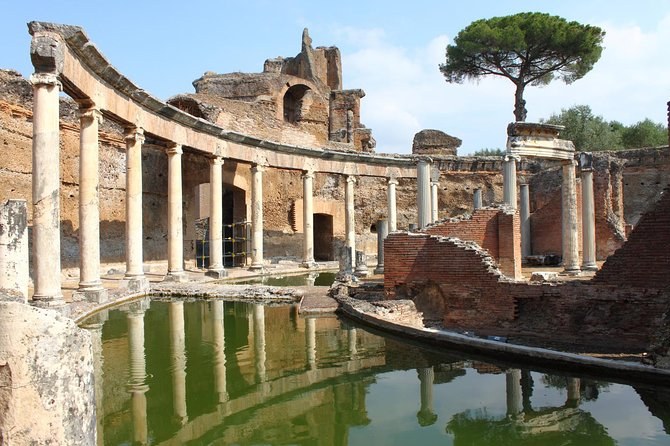

After you step off · near Sydney
You end in a different port — stay on, and add what is within reach before you fly home.
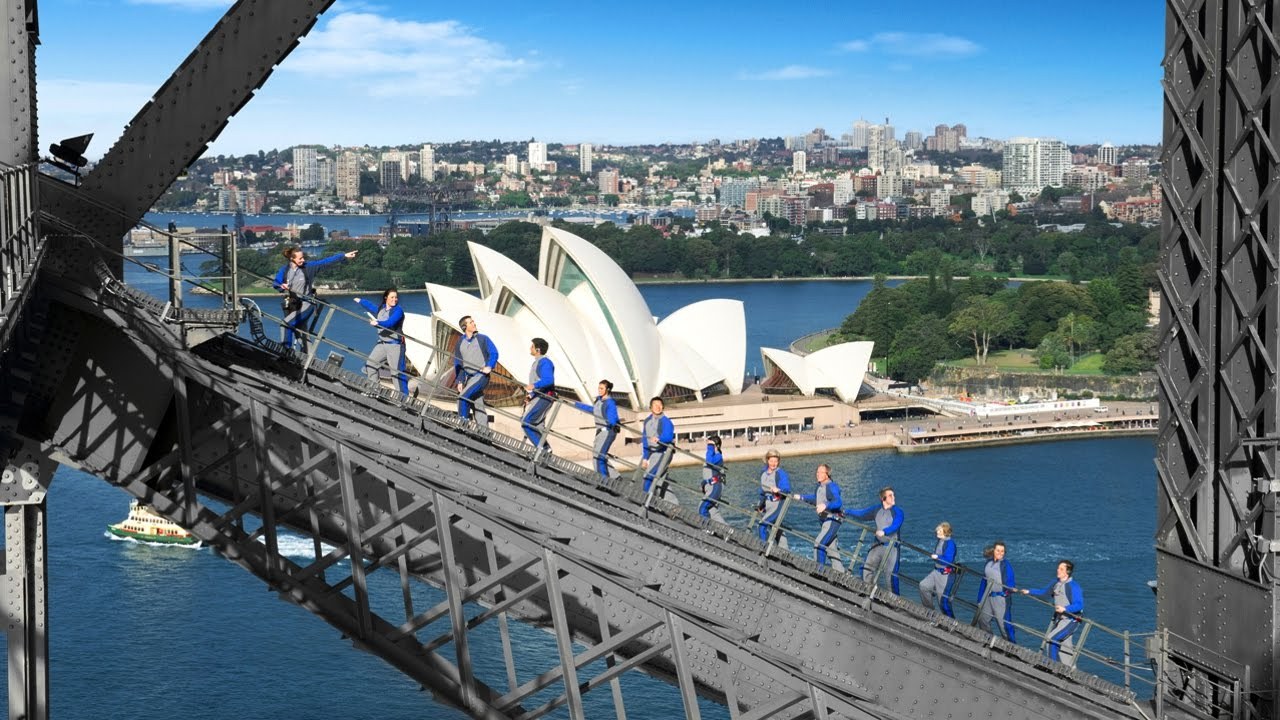
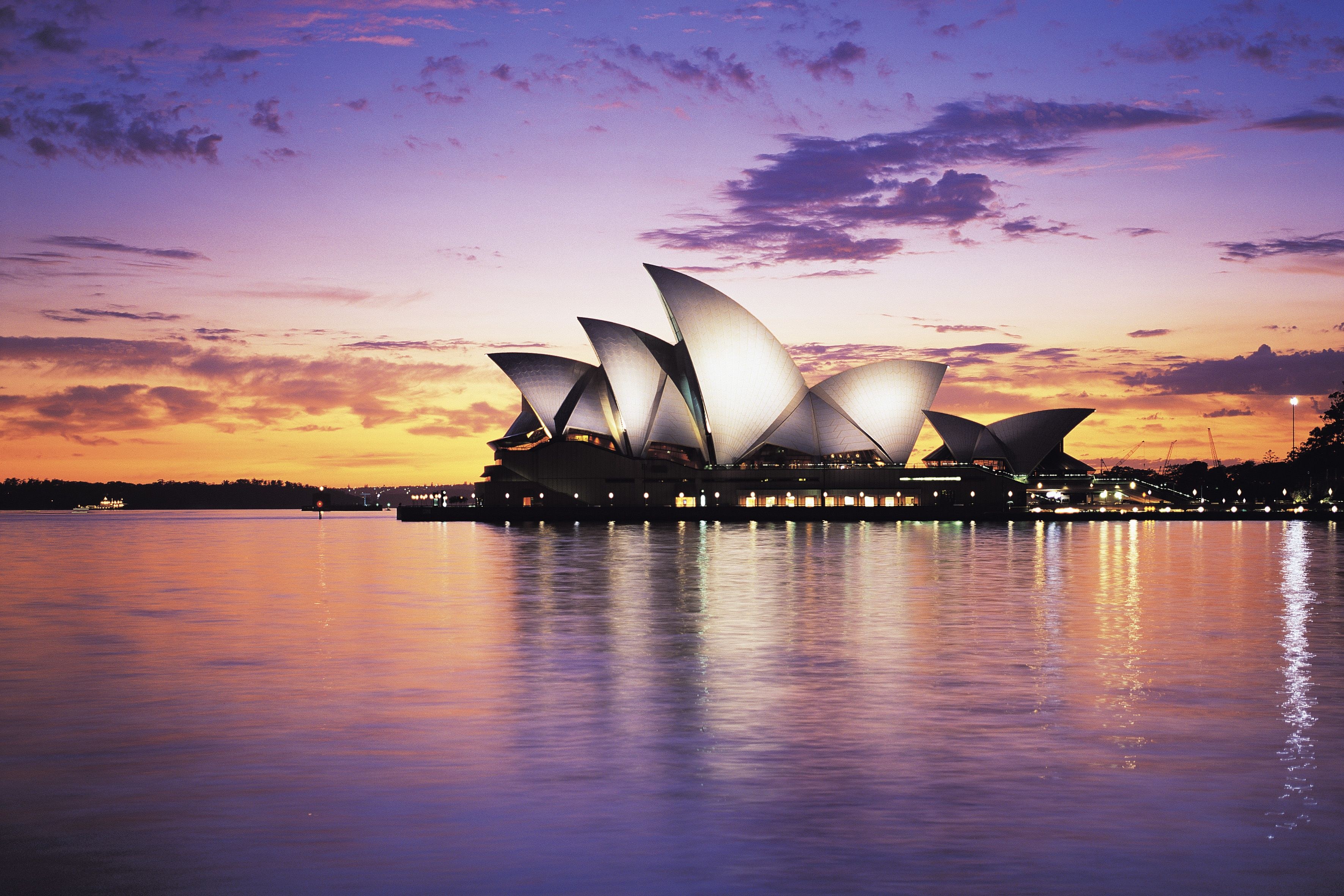
The same trip, elevated
The same gateway on a more luxurious line — lead-in fare per person, same fare as booking direct.