Your cruise
Seabourn Venture · 45-night Europe round trip from Reykjavik
May 31 – Jul 15 · 45 nights ·
Day 1 Reykjavik (board) · Day 2 Exploring The Outer Islands Of Heimaey · Day 2 Heimaey · Day 3–4 at sea · Day 5 Prince Christian Sund · Day 5 Kangikitsok · Day 6 Qaqortoq · Day 6 Hvalsey · Day 7 Brattahlid · Day 8 at sea · Day 9 Nain · Day 10 Nachvak Fiord · Day 11 Saglek Fjord · Day 12 Hopedale · Day 13 Indian Harbour · Day 14 LAnse Aux Meadows · Day 15 at sea · Day 16 St. Johns · Day 17 at sea · Day 18 Red Bay · Day 19 Battle Harbour · Day 20 Indian Harbour · Day 21 Nain · Day 22 Saglek Fjord · Day 23 Eclipse Channel · Day 24 Resolution Island · Day 24 Lower Savage Islands · Day 25 Monumental Island · Day 25 Lady Franklin Island · Day 26 at sea · Day 27 Isabella Bay (ninginganiq) · Day 28 Qikiqtarjuaq · Day 29 at sea · Day 30 Sisimiut Holsteinsborg · Day 31 Kangerlussuaq · Day 32 Sisimiut Holsteinsborg · Day 33 Evighedsfjorden · Day 34 Nuuk · Day 35 Ivittuut · Day 36 Brattahlid · Day 37 Qaqortoq · Day 37 Hvalsey · Day 38 Nanortalik · Day 39 Kangikitsok · Day 39–40 Prince Christian Sund · Day 41 Umivik Bay · Day 42 Tasiilaq · Day 43 East Greenland Experience · Day 44 at sea · Day 45 Grundarfjordur · Day 46 Reykjavik (step off)
What you do Descend 120 metres into a dormant volcano's magma chamber — one of the only places on Earth where you can stand inside a volcano. A raw, otherworldly bucket-list moment found nowhere else on the planet.
What to expect A guided hike across a lava field leads to the cable lift platform at the volcano's lip. You descend slowly into a chamber vast enough to fit the Statue of Liberty, its walls streaked with mineral colours left by cooling magma millennia ago. Expert volcanologist guides explain the geological story surrounding you. The ascent back to the surface feels like returning from another world.
Good to know The tour operates May through October only — confirm your port date falls within this window. Pre-booking is essential as daily capacity is strictly limited. The hike to the lift is approximately 3 km each way over uneven lava fields; sturdy walking shoes are required. Allow a full day: total experience runs 6–7 hours from Reykjavik.
Versus the ship tour Only a handful of visitors are permitted inside the volcano each day, making this an extraordinarily rare and intimate encounter with Iceland's volcanic soul. The open cable lift descent into a cathedral-sized magma chamber — painted in vivid reds, purples and golds — is a moment no photograph fully captures.
book direct with Reykjavik Excursions (RE) → · the full guide →
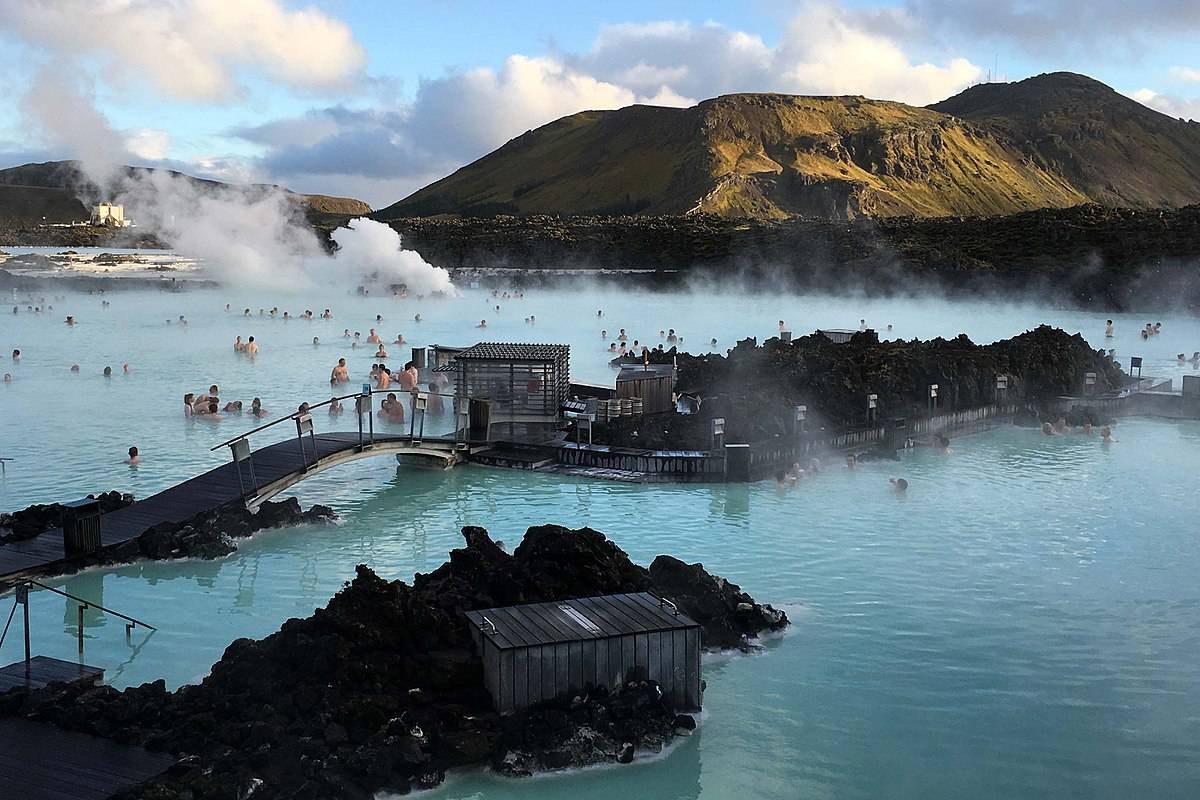
What you do Soak in Iceland's iconic milky-blue geothermal waters surrounded by black lava fields, with silica mud masks and mineral-rich steam — a sensory ritual unlike any other on Earth.
What to expect You arrive to find steam rising from vivid turquoise water set against a stark black lava landscape — the contrast is visually arresting and deeply calming. Premium packages include a silica mud mask, algae mask, and a SKJÓL ritual wrap delivered poolside by attendants. The Lava Restaurant, perched on the lagoon's edge, serves refined New Nordic cuisine mid-soak. The thermal waters stay at a constant 37–39°C year-round.
Good to know The Blue Lagoon is located 45 minutes from Reykjavik near Keflavik — confirm your all-aboard time allows at least 5 hours ashore. Pre-booking a specific timed entry is mandatory; walk-ins are not accepted. Direct booking online at bluelagoon.com secures the best time slots. Pack a hair tie, as the silica minerals can tangle hair.
Versus the ship tour Booking the Premium or Signature entry — with private in-water massage add-ons, algae face masks, and Lava Restaurant dining — transforms the Blue Lagoon from a tourist tick into a genuine luxury wellness ritual. Early-morning time slots, bookable direct, offer near-solitude in the waters before the day crowds arrive.
book direct with Blue Lagoon Iceland (official) → · the full guide →
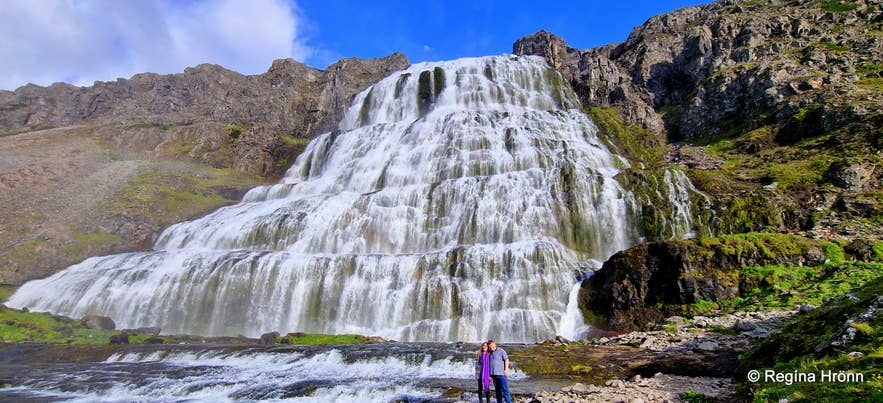
What you do Iceland's legendary Golden Circle links tectonic plate rift valleys, a thundering waterfall, and a geyser that erupts every 5 minutes — the country's single most iconic route, all within reach of Reykjavik.
What to expect Þingvellir National Park reveals a dramatic rift valley that is also the birthplace of the world's oldest parliament. At the Geysir geothermal area, Strokkur erupts with a satisfying roar every 5–8 minutes, shooting boiling water 20–30 metres skyward. Gullfoss waterfall thunders down two cascading tiers into a glacial canyon, often wreathed in rainbow mist. A knowledgeable local guide weaves geology, Norse mythology, and Icelandic history through every stop.
Good to know The full circuit is approximately 8–9 hours — verify your port's all-aboard allows sufficient time. Private tours should be pre-booked through icelandpersonaltours.is for full flexibility. Layers are essential regardless of season; Gullfoss is notoriously windswept. The Silfra snorkelling add-on requires a dry-suit briefing and minimum comfort in water.
Versus the ship tour Opt for a private guided Golden Circle with Iceland Personal Tours for a fully bespoke pace — lingering at Þingvellir's tectonic rift where you can walk between the North American and Eurasian plates, or snorkelling the crystal-clear Silfra fissure as an add-on. No fixed-schedule coach stops; your guide shapes the day around your interests.
book direct with Reykjavik Excursions (RE) → · the full guide →
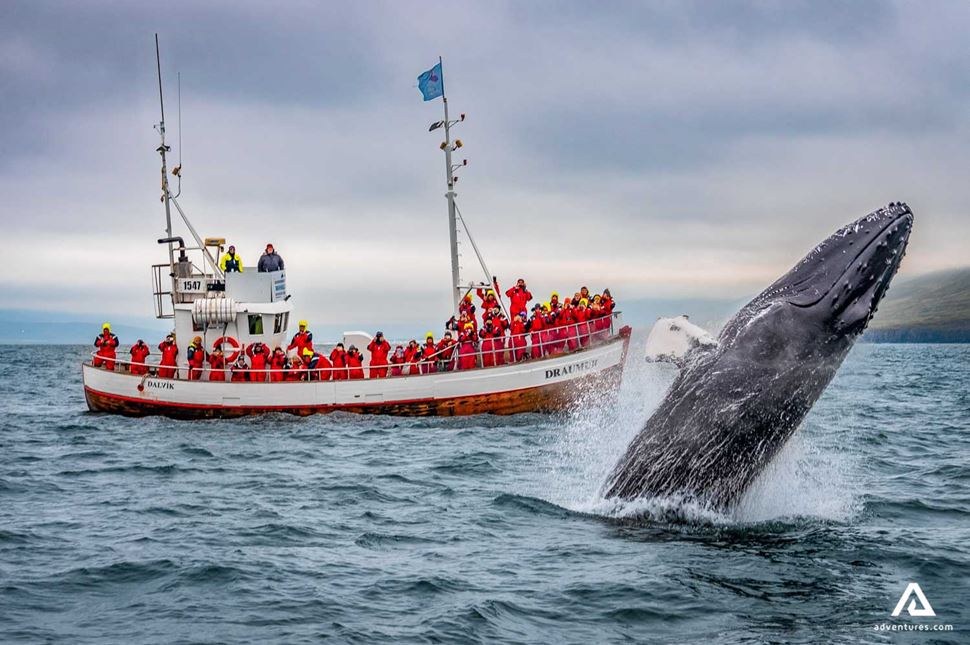
What you do Skim Faxaflói Bay at speed on a rigid inflatable Zodiac for an exhilarating close-encounter whale-watching safari — minke whales, humpbacks, and white-beaked dolphins are the prize.
What to expect Kitted out in a full flotation survival suit, you board the sleek Zodiac at the Old Harbour and race out into Faxaflói Bay. The guide — a marine biologist or trained naturalist — scans for blows and dorsal fins, positioning the boat for intimate observations without disturbing the animals. Minke whales are sighted on roughly 90% of summer sailings; humpbacks appear with increasing frequency. The return sprint back across the bay in the Arctic wind is a genuine adrenaline finale.
Good to know Tours depart multiple times daily and last approximately 2.5 hours — ideal for cruise schedules. The Old Harbour departure point is a 10-minute walk from the main cruise terminal. Pre-book online at specialtours.is to secure a Zodiac slot, which fills quickly in summer. The survival suits make this comfortable even in cold or wet weather.
Versus the ship tour The Express Zodiac departures carry a maximum of 12 passengers and depart from Reykjavik's Old Harbour — minutes from the cruise pier. The small vessel gets close to wildlife in ways a large whale-watching boat simply cannot, and the sheer speed and spray of the Zodiac between sightings is a thrill in itself. All guests receive full survival-suit outfitting.
book direct with Special Tours Iceland (official) → · the full guide →
What you do Soak in a dramatic infinity-edge geothermal lagoon where the water appears to merge with the North Atlantic horizon — then complete the seven-step Skjól ritual for a full Icelandic wellness experience.
What to expect The centrepiece is a vast 70-metre infinity pool where 38–40°C geothermal water flows over a dramatic edge toward the open ocean. The Skjól ritual guides you through a cold freshwater plunge pool, a dry Finnish sauna, a fog steam room, and a mineral body scrub applied in the cave-like mist chamber. The on-site Smakk Bar serves Icelandic craft beers, small plates, and aquavit — perfect post-ritual. The entire experience is calm, curated, and deeply restorative.
Good to know Sky Lagoon is located in Kársnes Harbour, approximately 7 km (15 minutes) from the Reykjavik cruise pier by taxi or rideshare. Pre-book a timed entry at skylagoon.com — the Sky package includes the full Skjól ritual and is strongly recommended over basic entry. Allow 2–3 hours minimum; 4 hours is ideal. Towels and robes are provided with all packages.
Versus the ship tour Sky Lagoon is newer, more architecturally refined, and deliberately less crowded than older geothermal facilities. The seven-step ritual — geothermal pool, cold plunge, sauna, steam, body scrub, and the iconic infinity edge — is a complete sensory journey. The location, perched on a rocky oceanfront promontory, delivers panoramic views of the Atlantic and, on clear days, the Snæfellsjökull glacier across the water.
What you do Explore Reykjavik's colourful Old Town, soaring Hallgrímskirkja church, and the glass-faceted Harpa Concert Hall with a private local guide — punctuated by stops for iconic Icelandic hot dogs, skyr, and New Nordic bites.
What to expect The walk threads through Reykjavik's painted corrugated-iron old town, past the Sun Voyager sculpture on the waterfront, up the sloping spine of Skólavörðustígur street to the soaring rocket-like silhouette of Hallgrímskirkja. The church tower offers a panoramic view over the city's colourful rooftops and out to the mountains and sea. Harpa Concert Hall's shimmering honeycomb glass facade — designed by Henning Larsen and Olafur Eliasson — is a jaw-dropping finale. Food stops are woven throughout at the guide's personally vetted spots.
Good to know The cruise pier is within easy walking distance of the Old Town — no transfers needed. Half-day tours run 3–4 hours, comfortably fitting most port schedules. Pre-book through yourfriendinreykjavik.com with your port date; the team is highly responsive and can customise around dietary preferences or specific interests. Hallgrímskirkja tower access costs approximately ISK 1,000 (~USD 7) extra, paid on site — well worth it.
Versus the ship tour Your Friend in Reykjavik pairs you with a passionate local expert — not a script-reading guide — who tailors the route to your interests, whether that's architecture, street art, Viking history, or the city's booming food scene. The unhurried, private format means you linger over a lamb soup at Matur og Drykkur, pick up a cinnamon bun still warm from Brauð & Co, and have genuine conversations about modern Icelandic life.
book direct with Your Friend in Reykjavik (official) → · the full guide →
What you do Descend 120 metres into a dormant volcano's magma chamber — one of the only places on Earth where you can stand inside a volcano. A raw, otherworldly bucket-list moment found nowhere else on the planet.
What to expect A guided hike across a lava field leads to the cable lift platform at the volcano's lip. You descend slowly into a chamber vast enough to fit the Statue of Liberty, its walls streaked with mineral colours left by cooling magma millennia ago. Expert volcanologist guides explain the geological story surrounding you. The ascent back to the surface feels like returning from another world.
Good to know The tour operates May through October only — confirm your port date falls within this window. Pre-booking is essential as daily capacity is strictly limited. The hike to the lift is approximately 3 km each way over uneven lava fields; sturdy walking shoes are required. Allow a full day: total experience runs 6–7 hours from Reykjavik.
Versus the ship tour Only a handful of visitors are permitted inside the volcano each day, making this an extraordinarily rare and intimate encounter with Iceland's volcanic soul. The open cable lift descent into a cathedral-sized magma chamber — painted in vivid reds, purples and golds — is a moment no photograph fully captures.
book direct with Reykjavik Excursions (RE) → · the full guide →
What you do Soak in Iceland's iconic milky-blue geothermal waters surrounded by black lava fields, with silica mud masks and mineral-rich steam — a sensory ritual unlike any other on Earth.
What to expect You arrive to find steam rising from vivid turquoise water set against a stark black lava landscape — the contrast is visually arresting and deeply calming. Premium packages include a silica mud mask, algae mask, and a SKJÓL ritual wrap delivered poolside by attendants. The Lava Restaurant, perched on the lagoon's edge, serves refined New Nordic cuisine mid-soak. The thermal waters stay at a constant 37–39°C year-round.
Good to know The Blue Lagoon is located 45 minutes from Reykjavik near Keflavik — confirm your all-aboard time allows at least 5 hours ashore. Pre-booking a specific timed entry is mandatory; walk-ins are not accepted. Direct booking online at bluelagoon.com secures the best time slots. Pack a hair tie, as the silica minerals can tangle hair.
Versus the ship tour Booking the Premium or Signature entry — with private in-water massage add-ons, algae face masks, and Lava Restaurant dining — transforms the Blue Lagoon from a tourist tick into a genuine luxury wellness ritual. Early-morning time slots, bookable direct, offer near-solitude in the waters before the day crowds arrive.
book direct with Blue Lagoon Iceland (official) → · the full guide →
What you do Iceland's legendary Golden Circle links tectonic plate rift valleys, a thundering waterfall, and a geyser that erupts every 5 minutes — the country's single most iconic route, all within reach of Reykjavik.
What to expect Þingvellir National Park reveals a dramatic rift valley that is also the birthplace of the world's oldest parliament. At the Geysir geothermal area, Strokkur erupts with a satisfying roar every 5–8 minutes, shooting boiling water 20–30 metres skyward. Gullfoss waterfall thunders down two cascading tiers into a glacial canyon, often wreathed in rainbow mist. A knowledgeable local guide weaves geology, Norse mythology, and Icelandic history through every stop.
Good to know The full circuit is approximately 8–9 hours — verify your port's all-aboard allows sufficient time. Private tours should be pre-booked through icelandpersonaltours.is for full flexibility. Layers are essential regardless of season; Gullfoss is notoriously windswept. The Silfra snorkelling add-on requires a dry-suit briefing and minimum comfort in water.
Versus the ship tour Opt for a private guided Golden Circle with Iceland Personal Tours for a fully bespoke pace — lingering at Þingvellir's tectonic rift where you can walk between the North American and Eurasian plates, or snorkelling the crystal-clear Silfra fissure as an add-on. No fixed-schedule coach stops; your guide shapes the day around your interests.
book direct with Reykjavik Excursions (RE) → · the full guide →
What you do Skim Faxaflói Bay at speed on a rigid inflatable Zodiac for an exhilarating close-encounter whale-watching safari — minke whales, humpbacks, and white-beaked dolphins are the prize.
What to expect Kitted out in a full flotation survival suit, you board the sleek Zodiac at the Old Harbour and race out into Faxaflói Bay. The guide — a marine biologist or trained naturalist — scans for blows and dorsal fins, positioning the boat for intimate observations without disturbing the animals. Minke whales are sighted on roughly 90% of summer sailings; humpbacks appear with increasing frequency. The return sprint back across the bay in the Arctic wind is a genuine adrenaline finale.
Good to know Tours depart multiple times daily and last approximately 2.5 hours — ideal for cruise schedules. The Old Harbour departure point is a 10-minute walk from the main cruise terminal. Pre-book online at specialtours.is to secure a Zodiac slot, which fills quickly in summer. The survival suits make this comfortable even in cold or wet weather.
Versus the ship tour The Express Zodiac departures carry a maximum of 12 passengers and depart from Reykjavik's Old Harbour — minutes from the cruise pier. The small vessel gets close to wildlife in ways a large whale-watching boat simply cannot, and the sheer speed and spray of the Zodiac between sightings is a thrill in itself. All guests receive full survival-suit outfitting.
book direct with Special Tours Iceland (official) → · the full guide →
What you do Soak in a dramatic infinity-edge geothermal lagoon where the water appears to merge with the North Atlantic horizon — then complete the seven-step Skjól ritual for a full Icelandic wellness experience.
What to expect The centrepiece is a vast 70-metre infinity pool where 38–40°C geothermal water flows over a dramatic edge toward the open ocean. The Skjól ritual guides you through a cold freshwater plunge pool, a dry Finnish sauna, a fog steam room, and a mineral body scrub applied in the cave-like mist chamber. The on-site Smakk Bar serves Icelandic craft beers, small plates, and aquavit — perfect post-ritual. The entire experience is calm, curated, and deeply restorative.
Good to know Sky Lagoon is located in Kársnes Harbour, approximately 7 km (15 minutes) from the Reykjavik cruise pier by taxi or rideshare. Pre-book a timed entry at skylagoon.com — the Sky package includes the full Skjól ritual and is strongly recommended over basic entry. Allow 2–3 hours minimum; 4 hours is ideal. Towels and robes are provided with all packages.
Versus the ship tour Sky Lagoon is newer, more architecturally refined, and deliberately less crowded than older geothermal facilities. The seven-step ritual — geothermal pool, cold plunge, sauna, steam, body scrub, and the iconic infinity edge — is a complete sensory journey. The location, perched on a rocky oceanfront promontory, delivers panoramic views of the Atlantic and, on clear days, the Snæfellsjökull glacier across the water.
What you do Explore Reykjavik's colourful Old Town, soaring Hallgrímskirkja church, and the glass-faceted Harpa Concert Hall with a private local guide — punctuated by stops for iconic Icelandic hot dogs, skyr, and New Nordic bites.
What to expect The walk threads through Reykjavik's painted corrugated-iron old town, past the Sun Voyager sculpture on the waterfront, up the sloping spine of Skólavörðustígur street to the soaring rocket-like silhouette of Hallgrímskirkja. The church tower offers a panoramic view over the city's colourful rooftops and out to the mountains and sea. Harpa Concert Hall's shimmering honeycomb glass facade — designed by Henning Larsen and Olafur Eliasson — is a jaw-dropping finale. Food stops are woven throughout at the guide's personally vetted spots.
Good to know The cruise pier is within easy walking distance of the Old Town — no transfers needed. Half-day tours run 3–4 hours, comfortably fitting most port schedules. Pre-book through yourfriendinreykjavik.com with your port date; the team is highly responsive and can customise around dietary preferences or specific interests. Hallgrímskirkja tower access costs approximately ISK 1,000 (~USD 7) extra, paid on site — well worth it.
Versus the ship tour Your Friend in Reykjavik pairs you with a passionate local expert — not a script-reading guide — who tailors the route to your interests, whether that's architecture, street art, Viking history, or the city's booming food scene. The unhurried, private format means you linger over a lamb soup at Matur og Drykkur, pick up a cinnamon bun still warm from Brauð & Co, and have genuine conversations about modern Icelandic life.
book direct with Your Friend in Reykjavik (official) → · the full guide →
What you do See all of Heimaey's volcanic drama, puffin colonies, and lava fields in a private Mercedes V-class with a guide who grew up here. Unhurried, fully tailored, and deeply personal — the ultimate way to absorb the island.
What to expect Your local expert picks you up dockside and crafts the day around your interests — whether that's lingering at the steaming flanks of Eldfell volcano, watching puffins wheel over the sea cliffs at Stórhöfði, or pausing in the lava-buried neighbourhood of the 1973 eruption. The pace is entirely yours; nothing is rushed. Expect candid, emotionally resonant storytelling about the night the island was evacuated — told by someone whose family lived it.
Good to know Book well in advance as private slots fill fast on cruise-call days. The Mercedes V-class accommodates 1–5 passengers, ideal for couples or small family groups. Confirm all-aboard time with your ship and communicate it to your guide — they will have you back at the pier with time to spare.
Versus the ship tour Your guide was born and raised on Westman Islands, giving you insider access to stories, off-the-beaten-path viewpoints, and spontaneous stops that no fixed itinerary can match. A Mercedes V-class for up to five means true privacy and total flexibility.
book direct with Visit Westman Islands – Private Local Guide Tour → · the full guide →
What you do Stand on the still-warm summit of Eldfell, the volcano that erupted without warning in 1973, then descend into Eldheimar — the world's only museum built over a home swallowed by lava. Raw, moving, and utterly unforgettable.
What to expect The hike to Eldfell's 226 m summit is steep but short, rewarding you with panoramic views across the archipelago and the sensation of heat rising through the volcanic soil beneath your boots. The crater rim offers a silence that feels almost sacred. At Eldheimar, multi-layered exhibitions recount how 5,300 islanders were evacuated in a single night in January 1973; the centrepiece is an actual lava-engulfed house, glass walls revealing rooms frozen in time. Allow at least 90 minutes for the museum alone.
Good to know Eldheimar is a 10-minute walk from the pier. Wear sturdy footwear for the Eldfell trail — the volcanic scree is loose. The museum gift shop is excellent for high-quality Icelandic design souvenirs. Combined, plan for half a day. Check opening hours at eldheimar.is before your visit.
Versus the ship tour Eldheimar is one of the most viscerally affecting museums in the world — a real family home frozen mid-meal beneath the lava, excavated in situ. Combined with the 20-minute self-guided hike to Eldfell's fuming summit, this double bill is the emotional core of any Heimaey visit.
book direct with Eldheimar Museum (official) → · the full guide →
What you do Join Ebbi, Heimaey's celebrated local guide, for a small-group immersion in puffin colonies, volcanic landscapes, and island life — including feeding sheep and tasting local treats. Rated one of Iceland's most charming experiences.
What to expect Ebbi leads you through the island's volcanic highlights, stopping at puffin burrow fields where the birds waddle past at arm's length during nesting season (May–August). You'll visit Eldfell's lava fields, meet local livestock, and sample Icelandic flavours along the way. His storytelling — part comedy, part living history — makes the island feel deeply human. Groups are intentionally small to keep the energy personal and unhurried.
Good to know Puffins are most abundant May through mid-August; confirm seasonal availability when booking. Tours are timed to cruise-ship schedules — mention your all-aboard time when reserving. Book directly via iceland-highlights.com well ahead of your port call as this tour sells out quickly on cruise days.
Versus the ship tour Ebbi is a local institution — warm, hilarious, and encyclopaedically knowledgeable about the island's birdlife and history. His small-group format means genuine interaction, spontaneous detours, and the kind of on-the-ground intimacy that defines a truly memorable travel moment.
book direct with Puffin and Volcano Tour with Ebbi – Eyja Tours → · the full guide →
What you do Strap into a high-speed RIB and roar around the dramatic sea stacks and volcanic archipelago of Vestmannaeyjar — spotting puffins, seals, and the iconic Elephant Rock from the water. The most exhilarating perspective of the islands.
What to expect Your skipper navigates the network of islets and sea stacks surrounding Heimaey, pulling close to wave-carved caves and dramatic cliff faces where thousands of seabirds nest. Elephant Rock — a basalt stack uncannily shaped like a drinking elephant — is the signature moment. On calmer days, the RIB glides into sea caves; expect spray, sea air, and sightings of Atlantic puffins, gannets, and possibly grey seals hauled out on the rocks. Safety gear is provided.
Good to know Tours depart from Heimaey harbour, a short walk from the pier. Dress in warm, windproof layers — it is significantly colder on the water. Tours run approximately 60–90 minutes, leaving ample time before all-aboard. Seas can be lively; not suitable for guests with severe motion sickness.
Versus the ship tour The sea-level viewpoint reveals geological drama that is simply invisible from land — towering basalt sea stacks, arched lava caves, and the famous Elephant Rock formation that can only be properly appreciated from the water. The speed and intimacy of a RIB puts you inside the landscape rather than looking at it.
book direct with Heimaey Circle Boat Tour – Visit Westman Islands → · the full guide →
What you do Walk the wind-raked headland of Stórhöfði — the windiest point in Iceland and the finest puffin-watching site in the North Atlantic, where Atlantic puffins nest by the hundreds of thousands just feet from the path.
What to expect The headland juts into the open North Atlantic at Heimaey's southern tip, and the approach walk through coastal heath rewards with sweeping views back over the volcanic archipelago. From late April through August, the grassy slopes are riddled with puffin burrows — birds come and go constantly overhead, and the chatter and wing-beat of the colony is extraordinary. A lighthouse caps the cape, and on clear days you can see across to the Icelandic mainland. The guided option adds ornithological context and birding expertise.
Good to know Peak puffin season is May to mid-August; outside this window birds have departed. Stórhöfði is approximately 3 km from the town centre — a taxi or local bus is advisable. Wear windproof clothing regardless of the season; the cape earns its meteorological reputation. Book a guided visit through VikingTours for expert commentary and reliable transport timing.
Versus the ship tour Stórhöfði hosts one of the largest Atlantic puffin colonies on earth — during nesting season the birds are so numerous and so unbothered by visitors that you can observe them landing, preening, and carrying beakfuls of sand eels at close range. This is a world-class wildlife encounter, not a crowded viewpoint.
book direct with Self-guided / VikingTours Westman Islands (guided option) → · the full guide →
What you do Tour Iceland's most remote and characterful craft brewery, where geothermal water and volcanic island spirit produce award-winning ales. With a 4.8-star rating, this is Heimaey's most beloved hidden gem — and an utterly unique tasting experience.
What to expect The brewery is a relaxed, welcoming space where the brothers (or their team) guide you through a curated flight of their beers — from crisp lagers to robust dark ales — explaining how island life, volcanic geology, and Icelandic ingredients inform each recipe. The setting is wonderfully unpretentious, yet the product is seriously crafted. Pair your tasting with locally sourced snacks and leave with a bottle or two to remember the island by.
Good to know The brewery is within easy walking distance of the harbour. For a private or reserved group experience, contact the brewery directly well in advance of your port call — walk-in availability on cruise days can be limited. An ideal mid-afternoon stop between a morning volcano hike and returning to the ship. Minimum age for tasting is 20 (Icelandic law).
Versus the ship tour Voted the top food-and-drink experience on Heimaey Island, The Brothers Brewery is a passion project by two island-born brothers who brew with Vestmannaeyjar's pristine geothermal water. A private group tasting here is a convivial, deeply local experience — the kind of authentic encounter that luxury travel is really about.
What you do Slip away from the main channel on a private Zodiac into the narrowest arms of Prins Christian Sund, drifting silently beside cathedral-wall glaciers and luminous icebergs. Twelve guests maximum ensures intimate silence and total access — this is the sound as almost no one sees it.
What to expect Your expert polar guide positions the rigid inflatable within metres of calving glacier fronts where larger vessels simply cannot go. The scale only reveals itself up close: blue-green ice towers, meltwater cascades threading down 900-metre granite walls, and the occasional growler bumping gently against the hull. In the stillness between engine stops, you may hear — or feel — the deep percussion of distant ice calving. Photography conditions are extraordinary; your guide helps you read the light and anticipate the moments.
Good to know This is an expedition segment of a multi-day voyage departing Kulusuk or Narsarsuaq — confirm embarkation aligns with your cruise all-aboard. Pre-book at least 6–8 months ahead as MV Togo fills quickly. Dress in expedition-grade waterproofs; the operator provides dry-suit liners on request. Always verify ice conditions for the season; Prins Christian Sund can be impacted by pack ice.
Versus the ship tour Maximum 12 passengers aboard MV Togo means your Zodiac launch is immediate and unhurried — you hover at the glacier face, cut the engine, and listen to the ice crack. No crowds, no timetable pressure, just raw Arctic silence.
book direct with Guide to Greenland / MV Togo Expeditions → · the full guide →
What you do Board a purpose-built polar expedition vessel with just 12 fellow explorers for a deep-dive through South and East Greenland's fjord labyrinth, Viking-era Norse ruins, and Inuit heritage sites. A rare chance to connect ancient history with Arctic wilderness in one seamless journey.
What to expect The expedition threads through fjords only accessible to shallow-draft vessels, putting you ashore at sites that have seen barely a handful of outsiders. Your bilingual historian-guide breathes life into the crumbled stone walls of 10th-century Norse settlements, explaining how Erik the Red's colonists endured — and ultimately vanished — in this landscape. Zodiac landings onto black-sand beaches framed by iceberg-studded bays are a daily occurrence. Evenings aboard bring expert briefings on the following day's geology, wildlife, and culture over a candlelit dinner.
Good to know This is a standalone expedition cruise, not a day excursion — plan to join it as a pre- or post-cruise extension. Narsarsuaq airport (UAK) is the logical joining point for transatlantic cruise passengers. Book well in advance; the 12-passenger limit makes this one of Greenland's fastest-selling expeditions. Polar-appropriate layering is essential; the operator provides a full kit list.
Versus the ship tour With only 12 passengers, every landing is a private affair — no queues, no rush. Polar Quest's historian and naturalist guides tailor each stop to the group's curiosity, lingering at Norse farmstead ruins or a hidden hot spring whenever the moment calls for it.
book direct with Polar Quest Expeditions → · the full guide →
What you do Step ashore at Nanortalik — Greenland's southernmost town and gateway to some of its most dramatic granite spires — for a private guided journey through Inuit open-air museum, working kayak workshops, and knife-edge mountain trails overlooking iceberg-filled fjords.
What to expect Nanortalik's open-air museum preserves turf houses, a trading post, and a church in near-original condition, and your guide — a local with deep family roots in the region — interprets them with personal stories that no guidebook holds. From the museum, a scenic coastal walk delivers you to viewpoints over Tasermiut Fjord, where icebergs the size of office blocks drift in absolute silence. If timing allows, a visit to the town's kayak-building workshop reveals the living craft tradition that kept generations alive in this landscape. The pace is entirely yours — a proper luxury.
Good to know Nanortalik is a tender port for most cruise ships; confirm your ship calls here alongside Prins Christian Sund transit. Arrange your private guide booking at least 2–3 months ahead. Wear sturdy trail shoes and wind-proof layers; weather can shift within the hour. All-aboard times in this region are typically strict — build in a 90-minute buffer.
Versus the ship tour Your private Greenlandic guide tailors every hour to your interests — longer at the open-air museum if history captivates you, earlier on the trail if the mountain panorama beckons. No fixed group pace, no generic script.
book direct with Greenland Private Tours → · the full guide →
What you do Qaqortoq is Greenland's most charming town, home to the celebrated Stone & Man sculpture trail carved into living rock across the hillside, and the country's only Nordic geothermal wellness facility. A private tour weaves both into one luminous afternoon.
What to expect The Stone & Man trail is one of the most original public-art installations in the Arctic: two dozen sculptures, from intimate faces to mythological creatures, carved directly into the granite boulders scattered across Qaqortoq's colourful hillside. Your guide contextualises each work within the broader story of Greenlandic identity. Afterwards, the Nordic spa — fed by natural spring water and framed by fjord views — offers hot pools, a sauna, and a cold plunge that crystallises the entire Arctic experience into a single sensory moment. The town's coloured houses, reflecting in the harbour, provide a final, painterly send-off.
Good to know Qaqortoq is approximately 45 minutes by tender or fast boat from Prins Christian Sund's eastern entrance — confirm your ship's schedule. The spa can be pre-booked via the town's tourist office; your private guide can arrange this. Bring a swimsuit and a dry bag. Qaqortoq's weather is mercurial; a packable down layer is invaluable.
Versus the ship tour A private local guide decodes the 24 Stone & Man sculptures — works by Inuit, Faroese, Icelandic, and Greenlandic artists — with art-historical depth, then escorts you directly to the spa, bypassing any queues and ensuring you make all-aboard with ease.
book direct with Greenland Private Tours → · the full guide →
What you do Ascend above the sound in a private helicopter charter for a bird's-eye perspective of Prins Christian Sund's 100-kilometre fjord corridor, the Greenland Ice Sheet's serrated southern edge, and iceberg nurseries invisible from sea level. A once-in-a-lifetime aerial Arctic panorama.
What to expect From the moment the helicopter clears the granite ridgeline, the world reorders itself: the fjord you've been sailing through becomes a silver thread stitched between black mountains, and the ice cap beyond it stretches to the horizon like a white continent. Your pilot — experienced in Arctic conditions and used to positioning for photography — traces the glacier tongues down to the sound and, weather permitting, hovers over an active meltwater lake of impossible turquoise. The return leg follows the coastline low, giving you intimate views of icebergs from above — their underwater geometry suddenly visible through gin-clear Arctic water. Duration is typically 60–90 minutes.
Good to know Departures are from Narsarsuaq (UAK) or Narsaq heliport — both accessible via tender from ships anchored in the Narsarsuaq area adjacent to the sound. Charter must be arranged in advance directly with Air Greenland's charter division; weather windows are limited and rebooking flexibility is essential. Minimum group of 2 recommended for cost efficiency. Warm, non-bulky layers are required; the cabin is heated but door-off photography requests require gloves.
Versus the ship tour The Greenland Ice Sheet's true scale — 1.7 million square kilometres of ancient frozen time — only reveals itself from altitude. This private charter puts your group alone in the sky, with the pilot free to hover over calving fronts and meltwater rivers on your schedule.
book direct with Air Greenland (charter) → · the full guide →
What you do Sea kayak in hushed single file through iceberg gardens at the mouth of Prins Christian Sund, where harbour seals haul out on ice floes and Arctic terns dive-bomb the glassy surface. A guide-led small-group paddle that puts you at water level with Greenland's wild heart.
What to expect Your ACMG- or equivalent-certified Arctic guide leads a group of no more than eight paddlers out into the iceberg field at a meditative pace. The first sensation is thermal — the air above the ice is measurably cooler, scented with brine and ancient frozen time. Harbour seals regard you with frank curiosity from their floe perches, occasionally slipping into the dark water and surfacing metres away. The guide identifies calving risk zones and keeps the group to the safe perimeter, while pointing out the geological striations in the cliff faces that tell 500-million-year stories. Return to the shore landing in time for a thermos of hot lingonberry tea and a debrief on what you just witnessed.
Good to know Kayak excursions in this region are typically based out of Nanortalik or Narsaq and must be pre-arranged — confirm availability with Guide to Greenland's South Greenland partners at least 6 weeks ahead. No prior kayak experience is required; guides conduct a 20-minute water-skills check before departure. Dry suits are provided. Weather and ice conditions can cancel departures at short notice; build flexibility into your plan. All-aboard compliance is your responsibility — guides will pace the tour accordingly if briefed in advance.
Versus the ship tour Sea kayaking shrinks the scale to the human: you feel the cold radiating off a ten-metre berg, hear the hiss of meltwater, and approach resting seals to within metres — encounters impossible from any vessel with an engine running.
book direct with Guide to Greenland (local kayak operators, South Greenland) → · the full guide →
What you do Glide by private RIB through South Greenland's fjords to Hvalsey — the best-preserved Norse ruin in Greenland and site of the last recorded Viking event in 1408. A genuinely haunting, bucket-list encounter with the edge of the medieval world.
What to expect You board a sturdy RIB at Qaqortoq's pier and carve through glassy fjord waters flanked by immense granite cliffs. Landing at Hvalsey, you walk through lush meadows to the roofless but remarkably intact stone nave — where a Viking wedding was celebrated in 1408, and then silence fell forever. Your guide layers the Norse sagas, the Inuit encounters, and the mystery of the disappearance, standing among the very stones those settlers laid. The return journey often yields seal sightings and drifting bergy bits.
Good to know Round trip is approximately 3–4 hours; confirm departure time against your ship's all-aboard. Book directly with Tasermiut Camp well in advance — summer slots fill fast. Dress in windproof layers; the RIB ride can be brisk even in July.
Versus the ship tour Tasermiut Camp runs small, intimate groups with expert local guides who unlock the Norse and Inuit history of the site in depth — a pace and closeness to the ruins impossible in a large convoy.
What you do Board a private boat deep into the fjords of South Greenland to reach Uunartoq Island's open-air geothermal pools — some of the world's most dramatic hot springs, framed by icebergs and Arctic peaks. This is bucket-list bathing at its most primal and beautiful.
What to expect The boat journey itself is a spectacle — navigating between drifting icebergs of every shade of blue and white, with seabirds wheeling overhead and the occasional humpback surfacing. Arriving at Uunartoq, you change at a simple wooden hut and slip into 37°C natural pools set in an open rocky landscape. The contrast of warm mineral water against frigid Arctic air, with glaciers visible on the horizon, is genuinely otherworldly. Your guide shares the geology and the deep Greenlandic connection to this sacred landscape.
Good to know This is a full-day excursion (approx. 6–8 hours); verify carefully against your ship's all-aboard time before booking. Bring a towel and swimwear; waterproof drybag provided by most operators. Pre-book as far ahead as possible — Uunartoq tours are the most sought-after in South Greenland.
Versus the ship tour This full-day journey reaches a hot spring so remote it is accessible only by boat — a private or very small-group setting means you may have the pools entirely to yourselves, surrounded by nothing but icebergs and silence.
What you do Skim across Qaqortoq Fjord in a nimble open RIB, threading between cathedral-scale icebergs calved from the Greenland Ice Sheet. An hour of pure Arctic theatre, intimate and exhilarating, unlike anything else on earth.
What to expect Departing directly from Qaqortoq pier, the RIB accelerates into a fjord studded with icebergs ranging from floating bergy bits to five-storey monoliths. Your skipper — an experienced local — manoeuvres close enough to feel the cold radiating from the ice and hear it sing. Seals pop up curiously alongside; seabirds nest in crevasses. The light in South Greenland is extraordinary, painting the bergs in turquoise, ivory, and shadow-navy. At one hour, it is perfectly timed for a port-day add-on.
Good to know Duration is 1 hour — easily combined with town exploration or a second excursion. Boat is approved by Danish Maritime Authority; life jackets and float suits provided. Book direct on Tasermiut Camp's website; departs from Qaqortoq pier.
Versus the ship tour A small open RIB gets within metres of towering ice formations — their crackling, groaning surfaces and impossible blues visible up close — in a group small enough that every passenger has an unobstructed, photographer's view.
What you do Follow a knowledgeable local guide through Qaqortoq's colourful streets to discover over 30 carvings etched directly into the town's natural rock faces — the Arctic world's only open-air rock-art project, blending Greenlandic myth, Inuit tradition, and contemporary sculpture.
What to expect Beginning at the town square near the iconic Inuit woman fountain, your guide leads you through winding lanes where granite boulders have been transformed into canvases by Greenlandic and international artists since 1993. Each carving is a story: Norse mythology, Inuit legends, Arctic wildlife, and the layered identity of modern Greenland. The route also reveals the Church of Our Saviour, the sweeping Panoramic Stairs, and the best viewpoints over the fjord. The pace is unhurried, allowing time to photograph and absorb each work.
Good to know Entirely walkable from the pier — no transfers needed. Allow 1.5–2 hours. Sagalands also offers a 'Taste of Greenland' and Kaffemik experience that pairs beautifully as an add-on. Book direct via sagalands.gl.
Versus the ship tour Sagalands' expert guides are deeply rooted in Greenlandic culture and Norse heritage, offering narrative and context — the stories behind each carving, the artists, the mythology — that transforms a pleasant walk into a profound cultural encounter.
What you do Step inside the world's only large-scale sealskin and sheepskin tannery, based right in Qaqortoq — the beating heart of Greenlandic luxury fashion. A rare, exclusive peek behind the scenes of an industry that has clothed Arctic peoples for millennia.
What to expect Your guide escorts you through the production floors of Great Greenland, where traditional and modern techniques combine to produce the sealskin garments worn by Greenlandic hunters and sold to haute-couture designers worldwide. You learn about sustainable hunting practices, the economic and cultural importance of the seal to Greenlandic identity, and the extraordinary craftsmanship that goes into each skin. The tannery's showroom offers the opportunity to purchase certified, ethically produced sealskin goods — gloves, bags, and garments — directly from the source. It is a powerful, nuanced, and entirely unique luxury experience.
Good to know The tannery is a short walk from the pier. Tours are typically 45–60 minutes. Combine with the Stone & Man sculpture walk for a full cultural half-day. Book via Sagalands well ahead of your port call.
Versus the ship tour Sagalands facilitates guided access inside the Great Greenland Tannery itself — a working facility that is not publicly open — offering a genuinely exclusive, behind-the-scenes experience unavailable to independent visitors.
What you do Paddle a sea kayak through the ice-flecked, mirror-calm waters of Qaqortoq Fjord, gliding past icebergs, seal colonies, and dramatic Arctic coastline. An expert-guided small-group adventure that places you at water level in one of the planet's last great wildernesses.
What to expect After a brief, thorough safety and paddling briefing, you launch from the harbour and settle into the rhythm of the fjord. The silence is extraordinary — just paddle strokes, distant ice groans, and the occasional splash of a surfacing seal. Guides position the group to drift close to bergy bits and small bergs, their reflections doubling in the glassy water. Seabirds, Arctic terns, and the odd circling white-tailed eagle punctuate the sky. The surrounding mountains descend steeply to the water, making every stroke feel like paddling through a painting. It is meditative, thrilling, and deeply memorable.
Good to know Suitable for beginners — no prior kayak experience required. Duration approximately 2–3 hours; confirm against all-aboard time. Dry suits or splash gear provided; dress in moisture-wicking base layers. Book directly with Tasermiut Camp; group sizes are deliberately kept small.
Versus the ship tour Tasermiut Camp's guided kayak departures are small-group by design, with certified guides who read the fjord's moods, identify wildlife, and lead you safely alongside icebergs — offering a silent, intimate communion with the Arctic that no motorised vessel can replicate.
What you do Glide by private boat across Hvalsey Fjord to the finest preserved Norse ruins in Greenland — the very church where the last recorded Norse wedding was held in 1408. Stand inside walls that have endured 600 years of Arctic silence.
What to expect A scenic 45-minute boat crossing through glassy fjord waters framed by dramatic hillsides brings you to a deserted shoreline. You step ashore and walk directly into the roofless but hauntingly intact granite walls of Hvalsey Church — the jewel of Norse Greenland. Your guide narrates the arc of the Norse settlement: arrival, flourishing, and the mysterious disappearance. On the return, scan the water for harbour seals and seabirds riding the thermals above the cliffs.
Good to know Pre-book directly with Tasermiut Camp well in advance — capacity is very limited and demand from expedition ship passengers is high. The boat departs from Qaqortoq harbour (Hvalsey is a tender port; your ship will anchor off Qaqortoq). Allow 3–4 hours total. Wear layered, windproof clothing and sturdy shoes for the shoreside walk.
Versus the ship tour Small-group or fully private charter means you arrive at the ruins with breathing room — no crowds, no rush. The local guides from Tasermiut Camp bring deep Norse-Greenlandic expertise and linger as long as you wish.
book direct with Tasermiut Camp (Qaqortoq Day Tours) → · the full guide →
What you do Soar above the UNESCO Kujataa World Heritage landscape by helicopter, tracing the entire Norse and Inuit farming arc from altitude before dropping to Hvalsey itself. The bird's-eye view of fjords, iceberg-laced waters, and green valley floors is simply unrepeatable.
What to expect Lift off from the Qaqortoq helipad and within minutes the entire Hvalsey Fjord unfolds beneath you — emerald hillsides, mirror-flat water threading between granite peaks, and the unmistakable rectangular outline of the church ruins far below. The pilot follows the UNESCO Kujataa corridor, which encompasses the earliest evidence of Arctic farming. You land near the ruins for a guided ground visit before lifting back to Qaqortoq in a sweeping scenic arc.
Good to know Sermeq Helicopters operates from Qaqortoq; book the specific Hvalsey tour directly via their website and use the currency selector for real-time pricing. Strictly limited seats per flight — book as early as possible, ideally months ahead of your cruise date. Minimum weight requirements may apply; confirm at booking.
Versus the ship tour Only a handful of seats exist per flight, making this one of the most exclusive perspectives in all of Greenland. The sweeping aerial panorama of fjord, ruins, and ice — impossible on foot or by boat — transforms Hvalsey from a landmark into an immersive landscape experience.
What you do Paddle a sea kayak through the mirror-still waters of Hvalsey Fjord, approaching the Norse ruins as the Viking settlers once approached — silently, from the sea. This is the most intimate, immersive way to experience one of the Arctic's most storied coastlines.
What to expect After a quick paddling briefing at the Qaqortoq waterfront, you launch into the fjord in a stable sit-on or touring kayak guided by a certified local instructor. The route hugs the shoreline, passing weathered cliffs and curious seals before rounding into the bay where Hvalsey's stone gable ends rise above the grass. You beach the kayaks and explore the ruins on foot with your guide. The paddle back offers golden-hour light on the hillsides.
Good to know No prior kayaking experience is necessary; guides tailor pace to the group. Dry-bag storage provided for cameras and valuables. Wetsuit or drysuit layer and PFD supplied. Confirm availability and exact pricing with the local operator via Guide to Greenland's platform. Allow approximately 4–5 hours including transfers.
Versus the ship tour A sea-kayak approach to the ruins is profoundly different from any motorised journey — the silence, the scale, and the sensation of gliding past 800-year-old stone walls from the waterline are genuinely bucket-list. Small-group maximum ensures personal guiding.
book direct with Guide to Greenland (Qaqortoq-based local operators) → · the full guide →
What you do Hike the ridge above Hvalsey Church ruins for panoramic views that sweep from Norse stonework to open fjord and floating icebergs. This is the perspective that photographs simply cannot prepare you for — raw, vast, and completely untouched.
What to expect After the boat crossing to Hvalsey, rather than stopping only at the church, your guide leads you up a clear, well-graded trail through low Arctic scrub and bilberry heath to the ridge crest above the ruins. The ruins shrink below while the entire fjord system opens up. Your guide identifies the outlines of associated farmstead structures visible only from elevation. The descent brings you back through lush valley floor to the shoreline for the return boat.
Good to know Moderate fitness required — the ascent is approximately 150–200 metres. Sturdy hiking boots essential; trekking poles recommended. Combine with the standard Tasermiut Camp boat tour to Hvalsey; request the ridge hike extension when booking. Weather in southern Greenland can change rapidly — layers and a waterproof shell are mandatory.
Versus the ship tour The ridgeline hike above the ruins is the local insider move — most visitors see the church walls at ground level, but the elevated trail reveals the full Norse farmstead layout, the fjord geometry, and on clear days distant ice caps. Expert local guides narrate Norse settlement strategy from above.
book direct with Tasermiut Camp (Qaqortoq Day Tours) → · the full guide →
What you do Cruise Hvalsey Fjord in a nimble Zodiac with a naturalist guide, searching for harbour seals hauled out on sun-warmed rocks, white-tailed eagles overhead, and Arctic terns diving into the glassy shallows — with the Norse ruins as your dramatic backdrop.
What to expect Your naturalist guide pilots the Zodiac from Qaqortoq harbour into the broader fjord system, cutting the engine whenever seals, eagles, or seabird colonies are spotted. The flat-bottomed craft can navigate shallow coastal ledges where harbour seals bask in clusters. Binoculars and a wildlife checklist are provided. The route loops past the Hvalsey shoreline, giving a stunning wildlife-framed perspective of the ruins. Watch for the occasional minke whale in the outer fjord.
Good to know Dress in full windproof and waterproof layers — Zodiac travel at speed is cold even on sunny days. Immersion suits provided if required by conditions. Maximum 8 guests per Zodiac ensures intimacy. Book directly through the Qaqortoq local operator network via Guide to Greenland; confirm availability for your ship call date well in advance.
Versus the ship tour A Zodiac's low profile and quiet approach allow you to drift within metres of seal haul-out rocks without disturbance — something larger vessels cannot do. A dedicated naturalist narrates every sighting, turning what could be a scenic boat ride into a genuine wildlife encounter.
book direct with Guide to Greenland (Qaqortoq-based local operators) → · the full guide →
What you do Spend a private guided afternoon in Qaqortoq — southern Greenland's most charming town — exploring open-air stone sculptures, the 1804 Greenlandic fountain, Inuit cultural heritage, and local artisan workshops, with an expert who connects the Norse-to-Inuit thread of history.
What to expect Your guide meets you at the Qaqortoq tender pier and leads you through the town's famous Stone & Man open-air sculpture project — 26 carvings integrated into natural rock faces across the hillside. The route includes the oldest fountain in Greenland, the local museum's Norse artefact collection, and a visit to a workshop selling hand-crafted tupilak figurines. The hilltop panorama over the red-and-yellow clapboard houses with icebergs drifting in the bay below is the defining image of South Greenland.
Good to know Perfectly suited as a complement to a morning Hvalsey boat excursion — return from the ruins and transition directly to the town walk in the afternoon. Confirm all-aboard time before finalising timing. Qaqortoq is walkable but hilly; comfortable shoes required. Book Tasermiut Camp directly via their website or email for private arrangements.
Versus the ship tour A private guide moves entirely at your pace — lingering in an Inuit artisan studio, climbing to the hilltop viewpoint over the colourful harbour, or sitting over local coffee to discuss the complex Norse-Inuit co-existence that defines this region. No group waiting, no rushing.
book direct with Tasermiut Camp (Qaqortoq Day Tours) → · the full guide →
What you do Stand on the very ground where Erik the Red built his Norse longhouse in 985 AD. Walk the turf ruins, enter the reconstructed Viking church, and let a specialist archaeologist-guide bring the sagas to life in the fjord silence.
What to expect Your guide meets you at the landing site and leads you through the excavated longhouse foundations, pausing at each stone wall to recount the Vinland sagas firsthand. The tiny reconstructed church — reputedly the first Christian church in the Americas — is hauntingly evocative at close quarters. Sheep graze between the ruins exactly as they did a thousand years ago. The fjord panorama from the ridge above the farm is a photographic highlight.
Good to know Brattahlid (Qassiarsuk) is a tender port; confirm your tender time and allow 30 min buffer before all-aboard. The half-day excursion fits comfortably within a standard port call. Book directly with Tasermiut Greenland ahead of sailing — slots are very limited in peak season (June–September).
Versus the ship tour A specialist local guide gives intimate, unhurried access to the Norse foundations, replica church, and surrounding meadows — the kind of slow, story-rich immersion impossible in a large group.
What you do Drift silently among cathedral-scale icebergs calved from the Greenland Ice Sheet, just minutes from Qassiarsuk. A private Zodiac gives you the freedom to linger, photograph, and witness the electric-blue architecture of ancient ice up close.
What to expect You board a rigid-inflatable crewed by an ice-qualified skipper-guide and push into Tunulliarfik Fjord within minutes of the landing site. Towering bergs — some the size of apartment blocks — glow in shades of jade, cobalt and white. The guide reads ice movement for safety and positions you within metres of arching grottos and melt-pool mirrors. On calm days the reflections double every berg into a perfect abstract sculpture.
Good to know Dress in warm, windproof layers; the fjord feels significantly colder on the water. Waterproof trousers recommended. Confirm departure time to allow a comfortable return before all-aboard. Pre-book well in advance — private Zodiacs fill quickly in the short Arctic summer window.
Versus the ship tour Exclusive private Zodiac means the guide manoeuvres to your exact composition, cutting the engine so you hear only the pops and groans of living ice — an utterly silent, unhurried encounter impossible on larger vessels.
book direct with Greenland Private Tours → · the full guide →
What you do Ascend the lush highland above Brattahlid with an expert local mountain guide to a panoramic ridgeline where the Greenland Ice Sheet, glittering fjords, and Viking farmsteads converge in one breathtaking arc.
What to expect The trail climbs steeply through wildflower meadows — angelica, arctic thyme, and willow scrub — before opening onto a broad ridge with unobstructed views over the Eriksfjord system. On clear days the distant white wall of the Ice Sheet shimmers on the horizon. Your guide points out Norse field systems below, explains the micro-climate that made this the warmest, most fertile corner of Greenland, and identifies seabird species riding thermals above the cliffs. The descent follows a different route through birch scrub back to the village.
Good to know Moderate fitness required; boots with ankle support essential. Allow 3–4 hours return. Depart immediately after tender to maximise time on the ridge and return with ease before all-aboard.
Versus the ship tour A certified local mountain guide takes you off the beaten path to a vantage point few visitors ever reach, reading landscape, flora, and Norse history as one seamless story.
What you do Paddle a sea kayak at water level through a maze of drifting icebergs in one of South Greenland's most dramatic fjords — an elemental, meditative encounter with the Arctic that stays with you for life.
What to expect After a shoreside safety and paddle briefing, you launch into the calm inner fjord with a qualified Arctic sea-kayak guide. The silence is total except for the occasional thunderclap of a calving event in the distance. Your guide leads you around berg clusters, identifying safe channels and pointing out the vivid stratigraphy of 100,000-year-old ice. Lunch breaks can be taken on a gravel beach with a thermos of hot Arctic berry tea. The two-hour paddle is suitable for beginners in calm conditions.
Good to know Dry suits provided; no prior kayaking experience required in calm weather. Check fjord conditions on the morning of arrival — guides will advise. Book well ahead; dry-suit inventory is limited.
Versus the ship tour Water-level perspective is everything — your paddle blade nearly touches ice, and you hear every creak and drip of a berg from a foot away. Small-group guiding ensures safety briefings are thorough and the pace is entirely yours.
book direct with Greenland Private Tours → · the full guide →
What you do Combine a guided tour of the Viking settlement with a curated tasting of traditional South Greenlandic foods — smoked lamb, dried fish, crowberries, and more — prepared by a local host family in the spirit of Norse hospitality.
What to expect After a walk through the Viking ruins, you are welcomed into a local farmhouse where the hosts have laid out traditional dishes: slow-roasted lamb raised on the very hillside you just hiked, dried Arctic char, hand-picked crowberry preserves, and flatbread baked on an iron griddle. The host explains the unbroken pastoral tradition linking Norse settlers to today's Greenlandic farmers. Stories are shared in a mix of Danish, Greenlandic, and English, creating an intimate cross-cultural exchange. It is as much a living history lesson as a meal.
Good to know This is a rare private arrangement; confirm with Tasermiut Greenland well in advance and specify dietary requirements. Allow 2.5–3 hours total. Pairs beautifully with the Viking Estate Walk as a back-to-back half-day.
Versus the ship tour Sitting inside a working South Greenlandic farmstead sharing food prepared by residents whose ancestors have farmed this land for generations is an authentically rare cultural encounter.
What you do Cruise the sheltered skerries and island fringes of Tunulliarfik and neighbouring fjords in search of humpback whales, minke whales, white-tailed eagles, and vast Arctic seabird colonies on a private, naturalist-led vessel.
What to expect Departing from the Qassiarsuk landing, your skipper-naturalist heads south toward the outer skerries and island bird stacks, scanning for the tell-tale blow of humpback whales that feed on the rich krill blooms here each summer. Guillemots, razorbills, kittiwakes, and occasionally white-tailed eagles nest in the cliff faces you drift below. If whales are sighted, the engine is cut and you drift quietly as they surface repeatedly. The guide provides a running commentary on Arctic ecology, sea-ice dynamics, and the nutrient chain that makes this corner of South Greenland so productive.
Good to know Wildlife sightings are never guaranteed; the naturalist guide will always re-route to maximise your chances. Binoculars recommended (some are provided). Warm, windproof layers essential. A 4-hour trip sits comfortably within most Brattahlid port windows; confirm all-aboard time before booking.
Versus the ship tour A dedicated naturalist aboard a private, manoeuvrable vessel means you follow wildlife sightings in real time — lingering as long as humpbacks surface, repositioning instantly for the perfect sighting — no fixed route, no crowds.
book direct with Greenland Private Tours → · the full guide →
What you do Skim the wild Labrador Sea in a private Zodiac, threading between colossal icebergs calved from Greenland's glaciers. This is raw Arctic wilderness at arm's reach — a genuinely once-in-a-lifetime encounter few travellers ever experience.
What to expect Board a rigid-hull inflatable crewed by an Inuit guide who names the bays, reads the currents, and can approach icebergs from angles impossible in a larger vessel. The cold spray, the thunderous creak of shifting ice, and the milky turquoise meltwater pools create a sensory experience that photographs can barely capture. Seals, humpbacks, and Arctic seabirds routinely join the route. The guide shares Inuit relationships with the sea ice, giving cultural depth to every nautical mile.
Good to know Book well ahead — departures are tide- and ice-condition dependent. All-aboard times in Nain are tight; confirm the guide will monitor the ship's schedule. Dress in full waterproofs over warm layers; the operator provides immersion-grade float suits. Pre-trip health declaration required.
Versus the ship tour Fully private or small-group of 6 or fewer, so the Zodiac can idle alongside a 10-storey berg and linger as long as you wish. Expert Inuit guides read ice and sea conditions with generational knowledge no mass tour can replicate.
book direct with Torngat Mountains Base Camp & Research Station → · the full guide →
What you do Hike the tundra fringe of Torngat Mountains National Park with an Inuit cultural guide — one of the last true wilderness frontiers on Earth, ancestral home of the Labrador Inuit and roaming ground of the Ungava polar bear.
What to expect The trail begins on the edge of Nain and climbs into a landscape of billion-year-old granite, braided rivers, and cloud-shrouded peaks. Polar and black bears are genuinely possible; your guide carries a rifle and the expertise to read wildlife behaviour calmly. Wildflowers, ptarmigan, and Arctic fox often appear without warning. At a riverside halt, the guide prepares traditional tea and shares stories of the Torngat spirits the mountains are named after.
Good to know A Inuit guide escort is non-negotiable for safety in bear habitat — book through the Base Camp or a licensed Inuit outfitter ahead of arrival. Wear layered merino wool and waterproof boots; weather shifts quickly at this latitude. Allow a minimum 5–6 hours; confirm all-aboard time with your ship.
Versus the ship tour An armed Inuit Innu or Labrador Inuit guide leads every step, narrating the spiritual and ecological meaning of each landform. Group size is kept to eight or fewer — you move at the pace of curiosity, not a clock.
What you do Charter a private floatplane for a bird's-eye sweep of the fjords, islands, and ice-strewn Labrador coast — the only way to grasp the sheer scale of this subarctic wilderness in the hours a port call allows.
What to expect You step directly from Nain's harbour onto the floatplane dock and lift off over a mosaic of islands and open Atlantic in minutes. At 500 feet, icebergs look like scattered sculpture, and the fjords of the Torngat coast reveal their true, cathedral scale. The pilot — often a local who has flown this coast for decades — narrates geological highlights and points out beluga pods and polar bear tracks in the snow. Touchdown is smooth on the inner harbour, leaving ample time to explore Nain on foot.
Good to know Charter must be confirmed 3–4 weeks in advance; weather can cause same-day changes. Weight limits apply — the operator will advise. Plan the flight for the first hours of the port call so a rebooking window exists if fog rolls in.
Versus the ship tour An entirely private aircraft means the pilot flies your preferred routing — linger over a particular iceberg field or fjord mouth on request. The intimacy of a small floatplane at low altitude reveals coastline inaccessible by any other means.
What you do Sit with Labrador Inuit elders and artists for an intimate ceremony of katajjaq throat singing and traditional drum dance — a living tradition shared with fewer than a handful of visitors at a time, inside the Nain community.
What to expect You enter a community space decorated with Inuit art and are welcomed in Inuttitut before the session switches to English. Elders demonstrate and explain katajjaq, the hypnotic call-and-response throat singing traditionally shared between women, then invite guests to try. Drum dancing follows — the qilaut frame drum is passed around. Freshly made bannock and muktuk (country food) are offered alongside. The session closes with an open Q&A with the elders, a rare, unhurried conversation across cultures.
Good to know Photography is at the discretion of the elders — ask respectfully and accept their answer graciously. Maximum 10 guests per session. Confirm scheduling directly with the Cultural Institute at least 4 weeks before arrival; Nunatsiavut offices are in Nain.
Versus the ship tour Access is arranged directly through the Nunatsiavut Government's cultural arm, meaning participants meet the actual knowledge-keepers — elders, not performers hired for tourism. The session is conversational and reciprocal, not staged.
What you do Paddle a private-guided sea kayak through the sheltered archipelago around Nain — a labyrinth of granite islands, hidden coves, and mirror-calm channels alive with seabirds and seals at every stroke.
What to expect After a 20-minute safety and technique briefing at the put-in, you glide into waters where the only sounds are paddles and the distant calls of Arctic terns. The guide leads through kelp-fringed channels where harbour seals haul out on warm rock slabs within metres of your bow. A mid-paddle landing on an uninhabited island reveals lichen-covered boulders, crowberry carpets, and sweeping views back toward the Torngat peaks. The return paddle often coincides with afternoon light that turns the water gold and the icebergs rose.
Good to know No prior kayaking experience required; the guide adjusts technique coaching to each guest. Dry suits are provided. Depart within the first 2 hours of arriving in port to leave buffer time before all-aboard. Weather-dependent — the operator will advise on sea state on the morning of arrival.
Versus the ship tour A private guide ratio of 1:4 means the route bends entirely around your pace and curiosity. The guide identifies species, reads tidal flows, and navigates to secluded island landings inaccessible by any motorised vessel.
book direct with Torngat Mountains Base Camp & Research Station → · the full guide →
What you do Explore 250 years of Moravian missionary history and Labrador Inuit resilience on a private guided walk through Nain's heritage district, culminating in an exclusive after-hours session in the Nain Museum's collection.
What to expect Your guide begins at the 18th-century Moravian church — one of the oldest European structures on this coast — narrating the complex encounter between German missionaries and Labrador Inuit with remarkable nuance and no whitewashing. The walk takes in the original cemetery, the mission store buildings, and the harbour where supply ships once unloaded hymnals and iron pots. Inside the museum, artefacts ranging from soapstone carvings to hand-written Inuttitut bibles are explained in their full cultural context. The guide's family stories, woven throughout, make history tangible rather than academic.
Good to know The walk covers uneven ground; sturdy footwear is recommended. Arrange through the Nunatsiavut Cultural Institute at least 3 weeks ahead. The full experience runs approximately 2.5–3 hours — well within a typical Nain port call, but confirm all-aboard time before booking.
Versus the ship tour The guide is a Nunatsiavut community historian who can unlock archival photographs and artefacts not on general display, offering context no generic tour script could provide.
What you do Venture into one of Canada's most remote and spectacular national parks — Torngat Mountains — with a private Inuit guide for a raw Arctic wilderness experience unlike anywhere else on Earth.
What to expect Board a chartered floatplane or helicopter from Hopedale into the dramatic fjordlands of Torngat Mountains National Park, accompanied by a licensed Inuit Ranger. Your guide reads the land as his ancestors did — pointing out polar bear tracks, ancient tent rings, and peregrine falcon nesting cliffs. Hike along glacially carved valleys framed by 1,500-metre peaks plunging straight into the Labrador Sea. Return with images and memories that are, quite literally, inaccessible to the general public.
Good to know Advance booking essential — charter aircraft must be arranged well before port call. Allow a full day; confirm all-aboard time carefully. The park operates July–August; Inuit Rangers are mandatory escorts. Contact Parks Canada Torngat base camp for private charter coordination.
Versus the ship tour Exclusive private Inuit-guided access into a UNESCO-nominated Arctic landscape that virtually no traveller ever reaches — polar bears, fjords, and ancient Labrador Inuit heritage in one untouched sweep.
What you do Sit with a Labrador Inuit elder in Hopedale for a deeply personal, private storytelling and traditional knowledge session inside one of North America's oldest surviving Moravian mission settlements.
What to expect Walk into the living heart of Hopedale with a Nunatsiavut cultural host who introduces you to a respected community elder. Listen as stories of the land, sea ice, and spirit world are shared in the intimate setting of a community hall or private home. Watch — and try — traditional drum-dancing and throat-singing passed down through generations. Leave with handcrafted Inuit art purchased directly from the artisan, with every dollar supporting the community.
Good to know Must be coordinated with Nunatsiavut Government well in advance; availability depends on elder scheduling. Group size kept to 2–6 guests for genuine intimacy. The village centre is a short walk from the Hopedale dock.
Versus the ship tour Arranged directly with Nunatsiavut's cultural office, this is an intimate, community-sanctioned encounter — not a staged performance — with an Inuit elder sharing oral history, drum-dancing, and traditional crafts in their own home community.
What you do Explore the 18th-century Moravian mission complex — a National Historic Site of Canada — with a private local historian revealing 250 years of Inuit-European contact, faith, and resilience on the Labrador coast.
What to expect Step inside the 1782 Moravian mission complex, whose white-painted wooden buildings have survived two and a half centuries of Arctic winters in near-perfect condition. Your private guide — a local historian with deep roots in the community — unlocks rooms not open to general visitors and walks you through the mission church, the store, and the dwelling house. Hear how Moravian missionaries and Labrador Inuit forged an extraordinary partnership that shaped an entire coastal culture. The adjacent Avertok landscape offers sweeping views of Hopedale Bay.
Good to know Site is steps from the Hopedale dock — no transport needed. Pre-arrange private historian through Parks Canada's Labrador office. Allow 2–3 hours. The wooden structures are fragile; visitor numbers are intentionally limited.
Versus the ship tour A private historian-led session inside one of the oldest intact wooden structures in sub-Arctic Canada, where you are handed original mission ledgers and artefacts — impossible in a large-group context.
What you do Paddle a private sea-kayaking expedition through the spectacular island-studded Hopedale Archipelago, scanning for humpback whales, bald eagles, and Atlantic puffins in a sublime sub-Arctic seascape.
What to expect Launch from Hopedale harbour in a stable, high-quality sea kayak with a certified local guide who has paddled these waters for decades. Weave between spruce-tufted islands, reading the tides and wildlife signs as you go. Humpback and minke whales regularly surface within metres of the kayaks in summer; grey seals haul out on the outer rocks. Your guide shares the Inuit names for each island and their historical significance. A flask of hot tea and local bannock awaits at your island rest stop.
Good to know Departs from Hopedale dock — no transfer needed. Half-day tours run ~4 hours; confirm all-aboard time. Dry suits and all paddling equipment provided. Book as a private charter for your group of 2–6 for full exclusivity. Best July–August.
Versus the ship tour A private, expert-guided paddle through an archipelago of more than 700 islands that rewards slow, silent travel — the only way to get genuinely close to whales surfacing and eagles fishing from the rocks.
book direct with Labrador Coastal Adventures (local Hopedale-based outfitter) → · the full guide →
What you do Soar over the raw, glacier-carved coastline of Labrador on a private helicopter flight, taking in the sweeping fjords, sea-ice remnants, and tundra wilderness that stretch endlessly from Hopedale.
What to expect Lift off from the Hopedale airstrip into a sky so vast it redefines your sense of scale. The pilot sweeps out over the Labrador Sea, revealing a coastline of shattered fjords, hidden coves, and boreal taiga that has barely changed since the last Ice Age. Icebergs drifting south from Greenland are a near-constant presence in early summer; in July and August, beluga whales are frequently visible in the shallows from altitude. Every window is a painting.
Good to know Coordinate directly with Air Labrador well before your voyage — schedules are weather-dependent. Weight limits apply per aircraft. The airstrip is a short drive from the dock; arrange a local taxi or community vehicle in advance. Morning flights offer the sharpest light.
Versus the ship tour A private charter means the pilot follows your interests — linger over a whale pod, bank toward a crumbling iceberg, or circle a waterfall — rather than following a fixed route.
What you do Trek the wild Hopedale Barrens tundra plateau with a Labrador naturalist guide, spotting Arctic-breeding birds, caribou, and wildflowers in a pristine sub-Arctic landscape reached by almost no other traveller.
What to expect Set off into the open tundra plateau above Hopedale village where dwarf birch, cloudberry, and Labrador tea carpet the ground in a mosaic of Arctic colour. Your expert naturalist guide identifies breeding Arctic terns, rough-legged hawks, and, in peak season, migrating shorebirds by the thousand. Woodland caribou are frequently encountered on the barrens; black bears appear in the berry patches. The 360-degree panorama from the high ground — sea, tundra, and sky — is one of the most dramatic vistas on the entire Labrador coast.
Good to know Trailhead is accessible by short drive or walk from Hopedale dock. Wear layered, waterproof clothing; tundra terrain is boggy in places. Private groups of 2–6 ensure an unhurried, naturalist-focused experience. Half-day allows comfortable return before all-aboard. Best July–August for bird breeding season.
Versus the ship tour A private naturalist guide calibrates the pace and route entirely to your group — meaning you stop as long as you like to photograph a Lapland longspur nest or track a woodland caribou across the barrens.
What you do Walk the only authenticated Viking settlement in North America — a UNESCO World Heritage Site — with a dedicated local expert. Stand inside reconstructed Norse sod longhouses and touch 1,000 years of history at the edge of the known world.
What to expect Your expert guide brings the Vinland sagas to life at the very turf walls where Leif Ericson's crew sheltered circa 1000 AD. You enter the meticulously reconstructed sod longhouses, smell the peat smoke, and handle replica Norse artefacts. The guide traces the painstaking excavations led by Helge and Anne Ingstad and points out the original iron-smithing forge pit — the oldest in the Americas. The pace is entirely yours, allowing lingering at the most evocative viewpoints over Épaves Bay.
Good to know The site is a tender port — allow 20 minutes each way from the tender pier. Pre-book the private guided option by contacting Parks Canada directly. The site opens at 9 am; aim to be first ashore to avoid any group overlap. Comfortable waterproof walking shoes essential — the bog paths can be damp.
Versus the ship tour A dedicated Parks Canada interpreter — many of them lifelong locals — leads a fully private, unhurried walk through the archaeological remains and reconstructed longhouses, revealing the Norse sagas in granular detail and pausing wherever your curiosity leads, something a large group simply cannot offer.
book direct with Parks Canada – L'Anse aux Meadows National Historic Site → · the full guide →
What you do After day-trippers depart, costumed Norse interpreters conjure Vinland's founding stories in a spine-tingling dusk performance set among the ancient turf remains. This is experiential history at its most atmospheric.
What to expect As golden-hour light rakes across the ancient earthworks, costumed interpreters — drawn from a deep pool of local storytelling tradition — perform dramatic readings from the Vinland and Greenlanders' Sagas at the very locations they describe. The flickering torch-light, crashing Atlantic surf, and the smell of peat create an atmosphere no museum can replicate. Small enough that every guest can ask questions and engage one-on-one with the performers.
Good to know This is a seasonal evening programme (typically July–August); confirm exact dates and times directly with Parks Canada before your cruise. Only viable if your ship has a late all-aboard or overnights in the area. Dress warmly — the tip of the Northern Peninsula is exposed and temperatures drop sharply at dusk.
Versus the ship tour This after-hours interpretive programme runs with extremely limited capacity at dusk when the site empties — an intimate gathering of perhaps 20 guests max, guided by passionate actor-historians in full Norse dress. The low amber light and the silence of the headland make it genuinely otherworldly.
book direct with Parks Canada – L'Anse aux Meadows National Historic Site → · the full guide →
What you do Just 2 km from the UNESCO site, Norstead is a fully operational replica Viking port-of-trade where master craftspeople demonstrate ironworking, weaving, and navigation aboard a full-scale replica knarr. Utterly unique in North America.
What to expect You walk through a reconstructed Viking port complete with a chieftain's hall, a church, and artisan workshops staffed by interpreters in period dress. The highlight is boarding the Snorri — a full-scale replica knarr that actually sailed the Atlantic — and learning navigation by stars from a Norse "steersman." Blacksmiths demonstrate the same bog-iron smelting techniques used at the original Vinland settlement. The ratio of interpreters to visitors is remarkably low, ensuring genuine personal interaction.
Good to know Norstead is a 5-minute drive or 25-minute walk from the NHS site — combine both for a full-day immersion. Norstead is typically open mid-June through early October. Pre-arrange a private group experience by emailing the site directly via norstead.com. Check seasonal hours against your all-aboard time.
Versus the ship tour Norstead is a living, breathing Viking settlement — not a museum — where you step aboard a full-scale replica Norse knarr longship and watch blacksmiths, weavers, and woodworkers ply authentic 10th-century crafts. The intimacy is exceptional: artisans invite you to try your hand at skills lost for a millennium.
book direct with Norstead Viking Village → · the full guide →
What you do Board a Zodiac rigid inflatable and power out into Iceberg Alley — the world's most accessible parade of 10,000-year-old Greenland icebergs — while humpback and minke whales breach and feed alongside. Pure, visceral wilderness.
What to expect Your experienced skipper threads the Zodiac through a seascape of drifting blue-white bergs, some five storeys high, some tabular and luminous green at the waterline. Humpbacks routinely surface within boat-lengths, and fin and minke whales are common throughout summer. The skipper narrates the science of iceberg formation, calving, and drift from Greenland — a 10,000-year journey. Expect salt spray, binoculars, and the kind of silence that only the open North Atlantic delivers.
Good to know St. Anthony Harbour is approximately 30–40 minutes by road from the tender pier — arrange a private transfer or hire a local driver in advance. Tours run June–August (peak iceberg season is May–June; whales peak July–August). Wear layers and a waterproof outer shell — it is cold on the water even in summer. Book directly with Northland Discovery as early as possible; spaces are limited.
Versus the ship tour Northland Discovery operates nimble, small-capacity vessels that position guests within metres of cathedral-sized icebergs and surfacing whales — offering a proximity and intimacy impossible from larger vessels. Their skippers have decades of local knowledge reading iceberg drift and whale feeding patterns.
book direct with Northland Discovery Boat Tours → · the full guide →
What you do Strike out on the legendary Viking Trail coastal path — a sequence of headland and bog hikes revealing the most spectacular seascapes in Atlantic Canada, framed by wild orchids, caribou tracks, and the same horizon the Norse navigators first glimpsed.
What to expect From the NHS trailhead, a network of well-maintained paths fans out across coastal headlands and sphagnum bogs, delivering panoramic views of Épaves Bay and the Strait of Belle Isle — the same waters Leif Ericson crossed circa 1000 AD. The Boney Shore Trail winds along dramatic sea cliffs where bald eagles and gannets ride thermals overhead. In season, the bogs blaze with rare bog orchids, pitcher plants (Newfoundland's provincial flower), and Labrador tea. Trails range from 1 km to 8 km return — choose your own adventure.
Good to know Waterproof, ankle-supporting footwear is essential — bog sections are perpetually wet. For a guided naturalist experience, contact Valhalla Lodge (valhalla-lodge.com) in advance, as they arrange local expert hikes in the area. Trails are accessible directly from the NHS site, so no extra transport is needed. Allow 2–3 hours for the full coastal loop.
Versus the ship tour With a knowledgeable local naturalist guide (arrangeable through the site or Valhalla Lodge), the bogs and headlands transform into a living field guide: rare carnivorous plants, nesting seabirds, and caribou all within steps of a UNESCO World Heritage Site. The pace, the silence, and the scale are yours alone.
book direct with Parks Canada – L'Anse aux Meadows National Historic Site → · the full guide →
What you do A private chauffeured foray into the Viking Peninsula's fishing culture: freshly caught crab and cod at a heritage restaurant, a visit to a local artisan studio, and the wild coastal scenery of the Great Northern Peninsula — Newfoundland at its most authentic.
What to expect Your private local guide collects you from the tender pier and drives the spectacular Route 430 shoreline to St. Anthony, narrating the history of the Grenfell Mission, the French Shore fisheries, and the Norse legacy along the way. Lunch at the Norseman Restaurant delivers the finest local seafood — snow crab, pan-fried cod tongues, and bakeapple (cloudberry) dessert. A stop at a local artisan — perhaps the Gaia Art Gallery or a heritage craft studio — rounds out an afternoon that feels entirely insider.
Good to know Contact Valhalla Lodge well in advance (ideally 4–6 weeks before your cruise) to build your bespoke itinerary. St. Anthony is approximately 30–40 minutes from the tender pier; confirm your all-aboard time with your guide so the day is engineered around it. This experience is ideal for guests who want cultural depth alongside the UNESCO site visit.
Versus the ship tour Valhalla Lodge's team are embedded in the local community and can unlock tables at the iconic Norseman Restaurant, arrange private studio visits with local artists, and route you through fishing harbour communities that see almost no independent visitors — all at a pace calibrated to your all-aboard time.
book direct with Valhalla Lodge (local concierge & curated experiences) → · the full guide →
What you do Stand metres from 60,000 nesting gannets, murres, and kittiwakes on a dramatic sea stack — one of the most accessible seabird colonies on Earth. A raw, thunderous, utterly unforgettable natural spectacle.
What to expect Your expert guide collects you dockside and drives the scenic Avalon Peninsula, pausing at barrens and coastal viewpoints en route. At the Reserve, a short coastal walk delivers you to Bird Rock — a towering sea stack literally white with nesting northern gannets at arm's reach. The sound, the smell, the sheer density of life is overwhelming in the best possible way. Return journey includes a stop at a local seafood shack for fresh-caught crab.
Good to know Cape St. Mary's is roughly 2.5 hours each way from St. John's — allow a full day; confirm all-aboard time before booking. Best May–August. Pre-book your guide weeks in advance; slots fill fast.
Versus the ship tour A private naturalist guide narrates the ecology and bird behaviour up close; small vehicle, your own pace, none of the herding that large groups require on the narrow clifftop trail.
book direct with Destination St. John's – Guided Tours → · the full guide →
What you do Climb the windswept hill where Marconi received the first transatlantic wireless signal in 1901, with a private historian at your side and panoramic views of the narrows below. A genuinely world-changing spot, charged with atmosphere.
What to expect Your guide meets you at the base of Signal Hill and leads you up past 18th-century battery fortifications to Cabot Tower, unpacking 500 years of colonial, military, and technological history with storytelling flair. At the summit, the view over the Narrows — one of the most dramatic harbour entrances in the world — is breathtaking in any weather. Quirky Newfoundland lore and genuine wit keep even the most well-travelled guests thoroughly entertained. The descent winds through the historic Battery neighbourhood, a riot of colourful clapboard houses clinging to the cliff.
Good to know Signal Hill is a 15-minute taxi ride from the cruise terminal. Wear layers — it's reliably windy at the summit. Book private group slots directly via the website; public tour times also available daily.
Versus the ship tour Award-winning local guides deliver quirky facts and hidden stories you simply won't find in a guidebook — the Signal Hill chapter alone reframes the entire history of global communication.
book direct with St. John's Walking Tours → · the full guide →
What you do Newfoundland's flagship cultural institution houses world-class natural history, indigenous heritage, and contemporary art under one soaring roof — a sophisticated, unhurried immersion into the soul of the island.
What to expect Set on a commanding hill above downtown, The Rooms is architecturally striking — its form echoes the 'rooms' where fishermen once processed their catch. Inside, three floors range from Ice Age fauna to Inuit and Mi'kmaq artefacts, rare cartographic treasures, and bold contemporary Newfoundland art. A private curator opens restricted collections and contextualises the province's often-overlooked place in North Atlantic history. The panoramic terrace view over St. John's harbour is a quiet, unexpected highlight. The on-site café serves locally sourced lunch worth lingering over.
Good to know The Rooms is a 10-minute walk or 5-minute taxi from the cruise pier. Open Tuesday–Sunday. Book private curator sessions well in advance via therooms.ca. Allow 2–3 hours minimum.
Versus the ship tour A private curator-led session unlocks stories behind the collections that general admission visitors never hear — including the province's Norse, Beothuk, and Grand Banks fishing heritage told with genuine depth.
What you do Board a small, expert-crewed vessel to seek out drifting icebergs calved from Greenland glaciers and humpback whales feeding in Iceberg Alley — one of the planet's great wildlife spectacles, right off St. John's harbour.
What to expect Departing from the historic St. John's harbour, your captain — a seasoned marine naturalist — reads the sea for humpbacks, minke whales, and the ghostly blue-white towers of icebergs drifting south on the Labrador Current. In peak season (May–July) it's common to drift alongside 10,000-year-old ice the size of a townhouse while humpbacks breach just metres away. Puffins and gannets wheel overhead, adding to the sense of otherworldly abundance. Hot beverages and local expertise are on board throughout.
Good to know Iceberg season peaks May–early July; whales are most active June–September. Departure is from Harbour Drive, walking distance from the cruise pier. Dress in serious warm layers regardless of air temperature — the Labrador Current makes it cold at sea. Book private charters well ahead.
Versus the ship tour A small, manoeuvrable vessel gets dramatically closer to ice and wildlife than larger boats allow, and a private charter means the captain adapts the entire route to what's active that day — no fixed itinerary, just pure expedition energy.
book direct with Iceberg Quest Ocean Tours → · the full guide →
What you do Hike dramatic sea-cliff trails above crashing North Atlantic surf with a specialist guide — towering headlands, hidden sea stacks, and the raw, ancient beauty of the Avalon coastline, all within minutes of the ship.
What to expect Sections such as the Sugarloaf Path or the Deadman's Bay Path deliver vertiginous sea-cliff panoramas, fossil-rich rock faces, and views of Cape St. Francis that stretch to the horizon on clear days. Your guide shares the ecology, folklore, and geology of this ancient Precambrian coastline with genuine passion. Icebergs are frequently visible offshore in spring. Trailheads are accessible by taxi from the pier in under 20 minutes, making this a perfectly timed half-day adventure. Difficulty is adjustable — your guide will match the route to the group.
Good to know Wear sturdy walking shoes and waterproof layers. Confirm trail section and difficulty with the guide when booking. Half-day options (3–4 hours) fit comfortably within a typical port call. Book private guided hikes directly via eastcoasttrail.com.
Versus the ship tour The ECT guides are genuine trail experts who know every geological feature, wildflower, and seabird nesting site — this is not a scenic stroll but an immersive, expert-narrated encounter with one of Canada's most spectacular coastlines.
book direct with East Coast Trail Association → · the full guide →
What you do Wander the famously vivid 'Jellybean Row' Victorian streetscapes with a local guide, then settle into St. John's most celebrated tables for a curated tasting journey through wild Newfoundland ingredients — cod, seal, bakeapple, and beyond.
What to expect The walk begins on the iconic slope of Gower Street, where rows of candy-coloured Victorian townhouses have made St. John's one of Canada's most photogenic cities. Your guide explains the social history behind every facade — merchant families, fish barons, and the great fire of 1892 — with wit and warmth. Lunch or a curated tasting at a top-rated downtown restaurant follows, showcasing NL classics: pan-fried cod tongues, toutons with partridgeberry jam, and locally distilled Iceberg vodka. The whole experience feels like having a brilliant local friend show you their city. Water Street and Duckworth Street boutiques are nearby for browsing.
Good to know The walking tour departs from downtown, a 10-minute taxi from the pier. Combine the heritage walk (morning) with a restaurant reservation (lunch) for the ideal half-day. Book restaurant tables in advance — top spots like Raymond's and Raymonds fill quickly in summer.
Versus the ship tour An award-winning local guide unlocks the architectural history, neighbourhood gossip, and cultural quirks of downtown St. John's, then connects you with the chefs and producers behind Newfoundland's quietly brilliant food scene — impossible to replicate independently.
book direct with St. John's Walking Tours → · the full guide →
What you do Step aboard a Parks Canada guided tour to the world's best-preserved 16th-century Basque whaling station — a UNESCO World Heritage Site. Cross by ferry to Saddle Island to walk among skeletal chalupa boats, a sunken galleon, and centuries-old tryworks.
What to expect A knowledgeable Parks Canada interpreter leads your small group on a 1-hour guided walk and ferry crossing to Saddle Island, where the remains of the San Juan galleon lie preserved in the icy harbour shallows. You'll examine the excavated chalupa (whaling boat) — the oldest and best-preserved craft of its kind anywhere — and stand inside reconstructed tryworks ovens where whale oil was rendered in the 1560s. The on-site Visitor Interpretation Centre houses extraordinary artifacts, including a near-complete chalupa and the skeletal remains of Basque whalers, presented with genuine scholarly depth. The entire experience rewards slow, contemplative exploration — this is living archaeology, not a theme park.
Good to know Tours depart from the Red Bay NHS Visitor Centre on Main Street, a short walk from the pier. The guided walk and ferry tour runs approximately 1 hour; allow 2–2.5 hours total with the interpretation centre. Pre-booking is strongly advised in summer — call Parks Canada (1-888-773-8888) or book via the Parks Canada reservation portal. Confirm all-aboard time and leave at least 45 minutes buffer.
Versus the ship tour Parks Canada interpreters are among North America's most authoritative guides on Basque maritime heritage — this is expert-led, small-group access to a UNESCO site most of the world has never heard of, at an unhurried, discerning pace.
book direct with Parks Canada – Red Bay National Historic Site → · the full guide →
What you do Commission a private, expert-led interpretation session at Saddle Island with a specialist Parks Canada archaeologist-interpreter — the ultimate deep-dive into the UNESCO Basque whaling heritage site. Reserved for travelers who want exclusive scholarly access.
What to expect Your private interpreter meets you at the Visitor Centre and escorts your exclusive group by ferry to Saddle Island, walking you through the exact excavation trenches where 16th-century Basque whalers lived, worked, and were buried. You'll handle replica artifacts, learn the techniques of 500-year-old whale-oil production, and hear the remarkable story of how this remote Labrador bay supplied Europe's lamp oil for decades. The interpreter tailors the narrative to your group's interests — maritime history, archaeology, or the human stories of the whalers themselves. Back at the centre, a private viewing of the chalupa and skeletal remains rounds out an experience that feels closer to a private museum opening than a public tour.
Good to know Private programming must be arranged well in advance — contact Parks Canada directly at 1-888-773-8888 or via the Red Bay NHS contact form. Wear sturdy, waterproof footwear; Saddle Island terrain is uneven. The ferry crossing takes approximately 5 minutes. Factor in 3+ hours for the full private experience and confirm departure timing against your ship's all-aboard.
Versus the ship tour Private group programming with a dedicated interpreter means your party has the archaeologist — and effectively the island — to yourselves. Depth of scholarship, unhurried access, and the ability to ask expert questions at every stop make this genuinely irreplaceable.
book direct with Parks Canada – Red Bay National Historic Site (private programming) → · the full guide →
What you do Ascend Labrador's iconic Point Amour Lighthouse — the tallest in Atlantic Canada — for panoramic views across the Strait of Belle Isle. A private guide unlocks the tower's full history and military past for an unforgettable vantage point over iceberg waters.
What to expect Your private transport takes you along the dramatic Labrador coastline to Point Amour, where the 33-metre stone lighthouse has guided mariners through iceberg-laden waters since 1857. Climbing the 122 spiral steps to the lantern room rewards you with staggering 360-degree views across the Strait of Belle Isle — on clear days, Newfoundland is visible on the horizon. Your guide narrates the keeper's quarters, the lighthouse's role in both World Wars, and the remarkable story of HMS Raleigh, a British cruiser that foundered nearby in 1922. The adjacent keeper's dwelling is an immaculately restored museum, and the surrounding barrens are alive with seabirds.
Good to know Point Amour is approximately 20 km from Red Bay — private transport is essential. The lighthouse opens seasonally (mid-June to early September); confirm hours before your visit. The 122-step climb is steep but manageable for most guests; not suitable for those with severe mobility limitations. Return to pier takes under 30 minutes, making this comfortably achievable within a half-day port call.
Versus the ship tour The lighthouse is only accessible by a 20-minute drive from Red Bay — making private transport essential. A knowledgeable local guide brings the 1857 Imperial lighthouse and its WWII submarine-detection history vividly to life in a way a solo visit cannot.
What you do Embark on an exhilarating small-group Zodiac expedition through the Strait of Belle Isle — prime habitat for humpback whales, minke whales, and drifting icebergs — with an expert naturalist guide narrating every encounter.
What to expect Your expert naturalist skipper launches from Red Bay's protected harbour into the Strait of Belle Isle, one of the most productive whale-feeding corridors in the western North Atlantic. Humpback and minke whales are frequently encountered at close range between June and September, while towering icebergs drift south from Greenland through the strait well into summer. The Zodiac's agility allows the guide to position you for extraordinary photography — close enough to hear a humpback exhale. Seabirds including gannets, murres, and puffins escort the boat, and the dramatic Labrador coastline provides a spectacular backdrop throughout.
Good to know Zodiac tours are highly weather-dependent — sea conditions in the Strait of Belle Isle can change rapidly. Book as early in your port call as possible to allow flexibility if a morning departure is postponed. Wear full waterproofs and warm layers — even in July, temperatures on the water can be bracingly cold. The Labrador Straits Regional Tourism Association can connect you with the right local operator; call ahead or email via labradorstraits.net to confirm availability.
Versus the ship tour Small Zodiac vessels get dramatically closer to wildlife and icebergs than large tender boats — you'll feel the spray, hear the whale song, and touch the ice in a way that simply isn't possible from a larger vessel.
What you do Walk the haunting Boney Shore — where centuries of whale bones and Basque artifacts litter the tideline — and visit the excavated whalers' graveyard with a private historian for an intimate encounter with 16th-century life and death on the Labrador coast.
What to expect Your private Parks Canada interpreter meets you at the Red Bay NHS Visitor Centre and leads you along the Boney Shore, where the bleached remains of bowhead, right, and sperm whales — processed here 500 years ago — are still visible in the shallows and along the beach. The whalers' graveyard contains the excavated and respectfully presented remains of young Basque sailors, many in their teens, who died far from the Basque country of Spain and France in pursuit of whale oil fortunes. Your historian brings individual names and stories to life using archival records, creating an unexpectedly moving experience. The walk concludes with a private viewing of the Visitor Centre's extraordinary chalupa and artifact collections.
Good to know This walk is entirely at sea level and relatively flat — suitable for most guests. Allow 1.5–2 hours for the full private walk and museum viewing. The shoreline can be slippery — sturdy waterproof footwear is essential. Arrange private programming well in advance through Parks Canada (1-888-773-8888). The Visitor Centre is a 5-minute walk from the cruise pier, making this the most logistically straightforward excursion available in Red Bay.
Versus the ship tour The Boney Shore is one of the most evocative and undervisited stretches of coastline in Canada — walking it with a private historian who can identify specific whale species from bone fragments and recount individual whalers' stories transforms it from a curiosity into a profound human experience.
book direct with Parks Canada – Red Bay National Historic Site (interpretive programming) → · the full guide →
What you do Walk the restored 19th-century mercantile settlement with a local guide who grew up on this coast. A living outport frozen in time, with no cars, cell towers, or crowds.
What to expect You'll step off the boat onto a boardwalk lined with saltbox houses, a mercantile store, and a chapel, all original or carefully restored. The guide walks you through the cod-fishing era, the 1918 flu epidemic that struck the island, and the families who once called it home. Expect long views over the harbour, seabirds overhead, and total quiet between stories. The pace is unhurried — this is a place meant to be felt, not rushed through.
Good to know Boat transfer from Mary's Harbour is required to reach the island; book the crossing in advance as sailings are weather-dependent. Plan for a half-day minimum given crossing times; confirm return boat time against your ship's all-aboard.
Versus the ship tour Small groups only, led by guides with generational ties to the settlement — not a scripted tour but a real conversation about a place most visitors never reach.
book direct with Battle Harbour Historic Trust → · the full guide →
What you do Head out on the water with a lifelong Labrador sea captain who has run cargo and tour boats along this coast for decades. Humpbacks, minkes, and (in season) icebergs drift past in open water few ever see.
What to expect You'll leave the dock in a working boat, not a tour barge, weaving past skerries and open Labrador Sea swell. Jim narrates as much or as little as you want — decades of local knowledge on currents, ice, and whale behavior. Sightings aren't guaranteed but are frequent in season, and the scale of the icebergs up close is genuinely humbling. It's as much about the coastline and solitude as the wildlife itself.
Good to know Best in late spring/early summer for icebergs, summer for whales. Dress warmly regardless of season — open water is cold even in July. Confirm departure point and return timing carefully against ship's schedule.
Versus the ship tour A small local boat and a captain who reads the water and wildlife by instinct, not a script — the difference between a wildlife-viewing platform and an actual Labrador fisherman's eye.
book direct with Battle Harbour Day Tours (Capt. Jim Jones) → · the full guide →
What you do Hike out from Battle Harbour across to Great Caribou Island, a rugged coastal traverse with no trail crowds and sweeping views of the Labrador Sea.
What to expect The path leaves the historic settlement behind and climbs over open barrens and rock, with the sea visible on multiple sides. Expect wind, changeable weather, and total quiet apart from birds and surf. It's a proper hike — uneven ground, a couple of hours round trip — rewarded by a sense of scale and remoteness that's rare on any cruise itinerary. Icebergs or whales offshore are a real possibility depending on season.
Good to know Wear proper footwear and a windproof layer even in summer. Time your start carefully to allow a return crossing before your ship's departure — this is not a quick stop.
Versus the ship tour An open, self-directed wilderness walk on an island most cruise passengers never set foot on — real solitude, not a paved boardwalk loop.
book direct with Battle Harbour Historic Trust → · the full guide →
What you do For those doing a pre- or post-cruise extension, stay in one of the Trust's original 19th-century cottages, restored with period furnishings and no modern distractions.
What to expect Once the last tour boat departs, the settlement empties out and it's just overnight guests, staff, and the sound of the harbour. Dinner is simple, fish-centric, and communal. Mornings bring soft light over the water and the chance to walk the grounds before anyone else arrives. It's less an excursion than total immersion in an outport that time has largely passed by.
Good to know Not feasible as a same-day cruise excursion — only realistic if your cruise has an overnight call or you're extending your trip. Book cottages well in advance; availability is limited and season is short (June–September).
Versus the ship tour You get the island to yourself after the day-trippers leave — a rare after-hours version of Battle Harbour with sunset light on empty boardwalks.
book direct with Battle Harbour Historic Trust → · the full guide →
What you do Continue by boat past Battle Harbour to Cape St. Charles, the most easterly point of continental North America, tracing a coastline of fishing coves and open Atlantic exposure.
What to expect The run out to Cape St. Charles hugs a shoreline of scattered fishing coves, weathered wharves, and rock exposed to the open Atlantic. Your skipper will point out old settlement sites and explain how remote this stretch of coast still is — no roads connect it. Standing at the cape itself, with nothing but ocean ahead, gives a tangible sense of how far east the continent reaches. It's quiet, elemental, and rarely visited even by Labrador standards.
Good to know Weather-dependent and only offered in calmer summer conditions; confirm ahead as this is a more exposed, longer run than the standard harbour tour. Factor extra time for return against your ship's schedule.
Versus the ship tour A genuine edge-of-the-continent moment reached only by small boat with a local skipper — not a marked overlook, just raw coastline and geography.
book direct with Battle Harbour Historic Trust / local boat operators → · the full guide →
What you do A slower, guide-led walk through Battle Harbour's fish stores, salt houses, and cottages timed for the island's best light, aimed at capturing its texture rather than just its facts.
What to expect Instead of moving briskly between named buildings, this walk lingers — weathered clapboard in late afternoon sun, the interior of the old mercantile store, gulls over the stagehead. Your guide, often a Trust staffer with a personal connection to the island, will point out details easy to miss: original tools, hand-hewn beams, faded ledgers. It suits anyone who wants to leave with images and impressions rather than just a checklist of sights.
Good to know Best requested in advance directly with the Trust, as it's a informal, seasonal offering rather than a fixed daily tour. Golden hour light (early morning or early evening) is ideal but requires an overnight stay or very early ship arrival.
Versus the ship tour Paced for light and composition rather than a fixed itinerary — an entirely different way to see the same buildings everyone else photographs in a rush.
book direct with Battle Harbour Historic Trust (seasonal photography package) → · the full guide →
What you do Drift through cathedral-like fjords and sea caves aboard a private Zodiac, with sheer cliff walls plunging into obsidian Arctic waters. This is raw, untouched Nunavut at its most theatrical — a landscape that has barely changed since the Norse first encountered it.
What to expect Your expert expedition guide reads the tides and wildlife cues before departure, routing you through the most dramatic channels. Towering basalt cliffs rise hundreds of metres as the Zodiac glides beneath nesting seabird colonies. The silence between engine cuts is profound — only wind, wave-slap and the occasional cry of a thick-billed murre. Passengers are issued full dry-suit or expedition-grade float-suit gear for warmth and safety.
Good to know All-aboard times in the high Arctic are strictly observed; confirm the day's schedule with expedition staff each morning. Wear thermal base layers beneath any provided suit. Camera lens caps must be removed before boarding — the spray comes fast and the light can be extraordinary without warning.
Versus the ship tour Small Zodiac groups of 10 or fewer allow the craft to nose into sea caves and along cliff bases inaccessible to larger vessels — you are inches from the rock, close enough to touch the geology of the eastern Arctic.
book direct with Seabourn Expedition Team (direct via Seabourn) → · the full guide →
What you do Resolution Island hosts one of the most densely packed seabird cliffs in the Canadian Arctic — hundreds of thousands of thick-billed murres, northern fulmars and black-legged kittiwakes in a single breathtaking panorama. A naturalist-guided small-group excursion here is a once-in-a-lifetime wildlife spectacle.
What to expect You approach the cliffs by Zodiac, cutting engines at 50 metres to avoid disturbing the colony. The sound is immersive — a roaring wall of calls from hundreds of thousands of birds on every ledge. Your ornithologist narrates breeding behaviour in real time, pointing out chick-feeding, territorial disputes and the wheeling aerobatics of kittiwakes. Binoculars and a spotting scope are provided; photography guidance is offered for optimal low-Arctic light.
Good to know Peak nesting season is July–August; check your cruise date against this window. The excursion is weather-dependent — swell must be below 1.5 m for Zodiac approach. Book as far in advance as possible as Arctic Kingdom limits group sizes to eight guests per naturalist.
Versus the ship tour Arctic Kingdom deploys certified ornithologists and Inuit wildlife guides simultaneously, giving you both scientific rigour and traditional ecological knowledge — an interpretive depth that transforms cliff-watching into genuine understanding.
book direct with Arctic Kingdom Polar Expeditions → · the full guide →
What you do Step ashore with an Inuit guide whose family has navigated these waters for generations, and learn to 'read' the Arctic landscape the way Nunavut's people always have — ice, wind, tide and wildlife as a living map. A rare and profoundly human encounter at the edge of the world.
What to expect Your guide leads you across tundra and along the shoreline, pausing to demonstrate traditional wayfinding, stone-cache (inukshuk) construction and the use of Arctic plants for food and medicine. A mid-expedition meal of traditionally prepared country foods — bannock, Arctic char, dried musk-ox — is shared around a camp stove. The afternoon closes with a lesson in Inuktitut place-names and their navigational significance. Groups are capped at six guests.
Good to know Rubber boots and full waterproof outerwear are essential; tundra is uneven and frequently wet. Dietary needs must be communicated 48 hours in advance. This excursion requires a moderate level of walking fitness over uneven terrain (approx. 4–6 km).
Versus the ship tour This is guided by Inuit community members — not interpreters — whose family connection to the land around Resolution Island spans countless generations. The knowledge shared is living, oral and irreplaceable.
What you do Charter a private helicopter from the ship and arc out over the Strait of Belle Isle and Resolution Island's fractured coastline — glacially carved fjords, open tundra plateaus and iceberg-studded waters laid out beneath you in panoramic silence. The perspective from above is simply incomparable.
What to expect Lift-off delivers an immediate transformation of scale — cliffs that felt towering from the Zodiac become intricate geological ribbons below. The pilot narrates the landscape's formation as you bank over sea-ice remnants and spot the white flashes of beluga or the dark silhouettes of narwhal from altitude. On calm days the water surface becomes a perfect mirror, doubling the drama. Landing back aboard or on a nearby headland for a ground-level tundra moment can be arranged.
Good to know Helicopter charters must be arranged well in advance and are subject to visibility and wind minimums (typically ceiling above 300 m and winds below 25 kt). Confirm logistics with the expedition team at least 24 hours prior. Weight limits per passenger apply — consult the operator directly.
Versus the ship tour A private charter means no shared itinerary — your pilot flies the route you choose, lingering over the fjord that catches your eye or descending for a closer look at an iceberg field. Every moment of the flight is yours.
book direct with Canadian Helicopters (charter division) → · the full guide →
What you do Paddle a sea kayak through the mirror-still coves and kelp-draped headlands of Resolution Island's sheltered bays — a meditative, supremely intimate way to meet the Arctic Ocean on its own terms. The silence and scale are unlike anywhere else on Earth.
What to expect After a thorough dry-suit fitting and on-shore paddle briefing, you launch into water of extraordinary clarity — the Arctic light refracting through emerald depths. Your guide reads the tidal flow, routing you into sheltered coves where ring seals haul out on low ledges and Arctic terns dive-bomb the shallows for capelin. The physical effort is moderate — ideal for confident beginners — and frequent rest-and-observe pauses mean the experience prioritises wonder over workout. Hot thermos drinks and energy provisions are carried in the kayak hatches.
Good to know No prior sea-kayak experience is required; a 20-minute shore orientation is sufficient. Paddlers must be comfortable in a dry suit (training provided). The excursion is weather-dependent — your guide will confirm go/no-go on the morning of the excursion. All-aboard time must be communicated clearly to the guide before departure.
Versus the ship tour Groups are limited to six paddlers per guide, ensuring an unhurried, contemplative pace and the ability to drift silently alongside wildlife — seals often surface within metres of a quiet kayak.
book direct with Arctic Kingdom Polar Expeditions → · the full guide →
What you do Trace five centuries of Arctic history on foot — from Martin Frobisher's 16th-century landfalls to the ghostly Cold War DEW Line installations that dot this coast. Few places in Canada compress so much geopolitical and exploration drama into such a stark, beautiful setting.
What to expect The walk begins at the shoreline, where Frobisher's fleet once anchored in search of the Northwest Passage, and your guide brings the encounter to life with period accounts and artefact context. Moving inland, you reach the remnants of a DEW Line radar installation — rusted, wind-scoured and haunting — that once formed part of North America's Cold War early-warning network. The guide contextualises the geopolitical tension of the 1950s against the utter isolation of this posting. The landscape itself — unchanged since both eras — makes the history feel immediate and visceral.
Good to know Sturdy waterproof hiking boots are essential; the terrain is uneven tundra with rocky outcrops. Do not enter any derelict structures — environmental contamination protocols apply. Allow 3.5–4 hours including transit; confirm all-aboard timing with the expedition office before booking.
Versus the ship tour Your historian-guide specialises in Arctic exploration history and has researched the specific DEW Line station footprints on Resolution Island — the interpretation goes far beyond dates and names into the lived human experience of extreme-latitude posting.
book direct with Arctic Kingdom Polar Expeditions → · the full guide →
What you do Glide silently alongside Monumental Island's legendary walrus haul-outs aboard a private Zodiac, guided by an expert Arctic naturalist. This is the defining bucket-list encounter of Canada's High Arctic — raw, wild, and utterly unforgettable.
What to expect Your expert naturalist pilot maneuvers the inflatable Zodiac to within respectful distance of the haul-out, where hundreds of Atlantic walruses bask, bark, and jostle for position on the rocky shore. The low freeboard of the Zodiac places you practically at water level — close enough to hear every bellow and smell the salt-tinged air. The guide narrates behaviour, biology, and conservation in real time, pausing the craft whenever a particularly photogenic moment unfolds. Expect a minimum 90-minute excursion with multiple slow passes and extended drifts alongside the colony.
Good to know Pre-book directly through One Ocean Expeditions before embarkation as private Zodiac spots are extremely limited. Dress in full expedition waterproofs and layers; the operator supplies lifejackets. Allow at least 2 hours and confirm all-aboard time with the ship before departure.
Versus the ship tour A private or ultra-small-group Zodiac puts you at eye-level with hundreds of walruses on the rocks — slow, silent, and at your own pace, with a dedicated naturalist who can answer every question and position the craft for the perfect photograph.
book direct with One Ocean Expeditions (Official Arctic Operator) → · the full guide →
What you do Trek the tundra margins of Monumental Island with a seasoned Arctic guide in search of the world's largest land predator. Spotting a polar bear in its wild, ice-fringed habitat is one of the most visceral wildlife moments on the planet.
What to expect Accompanied by a certified Arctic guide carrying the appropriate safety equipment, your tiny group moves quietly along the shoreline and tundra edge where polar bears patrol for walrus carrion and marine prey. The guide reads tracks, scat, and landscape to anticipate sightings, narrating the bears' ecological role and the challenges of survival in a warming Arctic. When a bear is located, the group halts at a safe distance to observe undisturbed behaviour — hunting posture, resting, or moving across the ice-strewn shore. The experience routinely delivers the kind of raw, breathtaking encounter that defines an Arctic voyage.
Good to know This excursion is weather- and ice-dependent; flexibility on the day is essential. Wear thermal base layers, insulated mid-layers, and windproof outer shells. Sturdy ankle-supporting boots are mandatory. Confirm availability and safety briefing time with the operator well in advance of sailing.
Versus the ship tour Small private groups of no more than 6 guests per guide ensure genuine safety, unhurried observation, and personalised naturalist commentary — a world apart from a crowded deck-based scan with binoculars.
book direct with Arctic Kingdom (Official Arctic Expeditions) → · the full guide →
What you do Venture beyond the shoreline on a guided hike across Monumental Island's ancient tundra, sculpted cliffs, and sweeping Arctic vistas. Few travellers ever set foot on this remote island — walking it with an expert naturalist makes it profoundly rare.
What to expect Zodiac-landed on the island's rocky beach, your group of no more than 10 follows a certified guide across low tundra vegetation carpeted with Arctic wildflowers, dwarf willows, and ancient mosses. The guide identifies bird species — thick-billed murres, black-legged kittiwakes, and northern fulmars — and explains the island's geological formation and its role in the broader Foxe Basin ecosystem. Elevated vantage points offer panoramic views across the ice-studded water toward the Canadian mainland, a scene of extraordinary, austere beauty. The pace is entirely at the group's discretion, with frequent stops for photography and naturalist interpretation.
Good to know Moderate fitness required — expect uneven, boggy tundra underfoot. Knee-high rubber boots or waterproof hiking boots are essential. Confirm weather conditions and Zodiac landing feasibility the morning of the call. All-aboard time should be factored with a 30-minute buffer.
Versus the ship tour A small-group hike led by a glaciologist or Arctic ecologist transforms the landscape into a living classroom — every lichen patch, erratic boulder, and fossil shoreline tells a 10,000-year story that a larger group would simply walk past.
book direct with One Ocean Expeditions (Official Arctic Operator) → · the full guide →
What you do Spend a focused shore session under the guidance of a professional expedition photographer, capturing Monumental Island's otherworldly Arctic scenery, wildlife, and ethereal light. This is bucket-list photography in one of Earth's least-visited landscapes.
What to expect Working in a group of no more than 4 with a professional wildlife and landscape photographer, you'll be Zodiac-landed at carefully scouted positions around the island for the most photogenic angles on walrus colonies, dramatic cliff faces, and open Arctic seascapes. The photographer coaches composition, exposure settings for high-contrast ice environments, and techniques for capturing wildlife in motion. The session is timed to maximise the extraordinary quality of Arctic light, which can shift from golden to blue-white within minutes. You leave with portfolio-quality images and the skills to replicate them.
Good to know Bring your own camera body; the guide will advise on ideal lenses (200–500mm recommended for wildlife). A waterproof camera bag is essential aboard the Zodiac. Book well in advance as photography slots are capped at 4 participants. Confirm the session's tidal landing window with the operator.
Versus the ship tour A private or duo session with a professional expedition photographer means your shots are composed around your skill level and your vision — not herded with a crowd. The guide positions you for optimal light on walruses, tundra, and ice-scape with expert precision.
book direct with Arctic Kingdom (Official Arctic Expeditions) → · the full guide →
What you do Engage one of Canada's foremost Arctic naturalists for an exclusive private session combining a Zodiac survey and an intimate onshore interpretation of Monumental Island's unique ecosystem. Understanding the Arctic transforms witnessing it.
What to expect Your certified Arctic naturalist meets you at the Zodiac platform and begins the session with a contextual briefing on Foxe Basin's ecological significance before landing. Onshore, the naturalist guides you through micro-habitats — identifying plant communities, invertebrate life, and bird nesting sites invisible to the untrained eye — before positioning you for extended walrus observation at the colony. The session weaves in the Indigenous Inuit relationship with this landscape, the walrus as a cultural keystone species, and the measurable impacts of climate change on sea-ice extent. It is equal parts immersive science lecture and extraordinary wildlife encounter.
Good to know This is a physically easy excursion — suitable for guests of all mobility levels with the guide adapting terrain as needed. Maximum 4 guests for a truly intimate experience. Pre-arrange with Arctic Kingdom at least 30 days before sailing; private charters book out quickly on High Arctic itineraries.
Versus the ship tour Exclusively yours — a private naturalist charter means the itinerary, pace, and depth of discussion are calibrated entirely to your interests, whether marine biology, ornithology, climate science, or Inuit cultural ecology.
book direct with Arctic Kingdom (Official Arctic Expeditions) → · the full guide →
What you do Embark on an extended open-water Zodiac cruise around the full perimeter of Monumental Island, absorbing the sheer, humbling scale of the Canadian Arctic and its ice-strewn, horizon-wide seascape. A meditative, perspective-shifting experience like no other.
What to expect Departing by Zodiac, your small group of up to 10 guests circles the entire island over approximately 2 hours, with the naturalist guide narrating the geological features, colonial seabird activity on the cliff ledges, and the stark beauty of a landscape shaped by millennia of ice and wind. The open Arctic water stretches to the horizon on the seaward side — an almost existential sense of remoteness that is the defining emotional texture of High Arctic travel. Passing through kelp-fringed shallows and alongside tilted sedimentary rock strata, the cruise closes with a final slow pass of the main walrus haul-out before returning to the ship. It is a deeply contemplative, visually overwhelming experience.
Good to know Sea conditions in Foxe Basin can change rapidly; the operator will make a go/no-go call on the morning of the port call. Full expedition waterproofs and lifejackets are provided. This excursion combines beautifully with the walrus Zodiac safari if time permits — confirm total duration against all-aboard time.
Versus the ship tour A full perimeter circumnavigation of the island by Zodiac reveals cliff-nesting seabird colonies, ice-polished rock formations, and open Arctic ocean views that are simply not visible from any fixed vantage point — or any deck.
book direct with One Ocean Expeditions (Official Arctic Operator) → · the full guide →
What you do Glide by freighter canoe through iceberg-studded waters below Auyuittuq's granite peaks. This is the single defining Qikiqtarjuaq experience — the Arctic seascape locals themselves consider unmatched.
What to expect You depart from the community dock in a rugged aluminum or freighter canoe, weaving between towering blue-white icebergs calved from nearby glaciers. Your guide, a local Inuk hunter-boatman, points out ringed seals hauled on ice pans and explains how his family reads the floe edge. The boat may pause for an hour if narwhal or bowhead whales surface nearby. You return wind-burned, having seen a coastline almost no outsider ever does.
Good to know Book well ahead — boats are limited and weather-dependent; dress in layers with a windproof shell even in July. Coordinate timing with the ship's tender schedule, as sea conditions can shift departure by hours.
Versus the ship tour A small, Inuit-guided boat (max 6-8 guests) that reads the ice and current by eye, stopping wherever seals, narwhal or looming bergs demand it — no fixed route, no crowd.
What you do Walk into the mouth of Akshayuk Pass beneath Thor Peak's sheer 1,250m granite face — one of the most dramatic hikes on Earth, reached by almost no cruise passenger.
What to expect After a short boat transfer to the park boundary, you set out on foot along the Weasel River braid, gravel crunching underfoot, meltwater roaring beside you. Thor Peak's overhanging wall rises directly ahead — the tallest purely vertical cliff face on the planet. Your guide points out arctic hare, ptarmigan, and glacial erratics, and shares Inuit place-names and stories for features with no English name.
Good to know Weather can close this with little notice; wear sturdy waterproof boots and be ready to turn back early for tides or fog. Confirm exact drop-off point with the guide the morning of the call.
Versus the ship tour A private, expert-led walk (not a marked trail loop) into a park most visitors only glimpse from a ship's deck — with a guide who has spent a lifetime reading this valley's weather and wildlife.
book direct with Auyuittuq National Park (Parks Canada) with local Inuit guide → · the full guide →
What you do Sit with a community elder over tea and bannock as they share Inuit oral history, throat-singing, and the story of the settlement's move from Broughton Island.
What to expect You're welcomed into a community space or an elder's home, offered tea and bannock, and listen as they recount hunting on the sea ice, the community's relocation history, and changes they've watched in the climate and wildlife. Questions are encouraged; photos only with permission. It runs unhurried, guided entirely by what the elder wants to share that day.
Good to know Arrange through the HTO office as soon as you're ashore, since availability depends on which elders are free; bring a small gift of appreciation and be flexible with timing.
Versus the ship tour An unscripted, living-room-style conversation — no stage, no gift shop — with someone whose family has lived this land for generations; the honest, human core of the visit.
book direct with Qikiqtarjuaq Hunters and Trappers Organization → · the full guide →
What you do Head to the floe edge or nearby cliffs where thick-billed murres and black guillemots nest by the thousand, with a real chance of narwhal, seals, and even polar bear at a distance.
What to expect Your small boat threads through pack ice toward cliffs alive with nesting seabirds, their calls echoing off the rock. The guide cuts the engine to drift quietly near a seal haul-out or a pod of narwhal, keeping a respectful distance. Binoculars are shared around, and your guide narrates behavior and seasonal patterns as they unfold in real time.
Good to know This is the longest and most weather-sensitive outing on the list — build in buffer before all-aboard, and be prepared for the trip to be shortened or rescheduled by ice conditions.
Versus the ship tour A patient, guide-led wildlife watch built around what's actually moving that day — not a scripted stop — timed to the tide and ice conditions only a local boatman can judge.
What you do Walk through the small hamlet itself and visit a local carver or seamstress at work — sealskin garments, soapstone and bone carving rooted in daily Inuit life, not a tourist stage set.
What to expect You wander gravel lanes past qamutiik sleds and staked-out sled dogs, greeted by curious kids and passing hunters. A visit to a carver's home or the community hall lets you watch soapstone or antler being worked, with the artist explaining the animal or story depicted. Many pieces are sold directly, with proceeds staying entirely in the community.
Good to know Ask permission before photographing people, homes, or dogs; bring cash in small denominations since card payment is unreliable. Fifteen minutes' walk covers most of the hamlet.
Versus the ship tour An unfiltered look at how people actually live at 67° north — the co-op store, the sled dogs staked outside town, artisans happy to talk through their process — rather than a curated cultural show.
book direct with Qikiqtarjuaq Hamlet Office / local artisans → · the full guide →
What you do Paddle at water level past grounded icebergs in the calm inlet — a quieter, more intimate way to feel the scale of the Arctic than any boat deck allows.
What to expect After a fitting and briefing on the beach, you launch into the sheltered bay in a double kayak, gliding silently past sculpted bergs that groan and crack as they shift. Your guide keeps a safe distance from unstable ice while positioning you for close, quiet views and photos. The stillness and scale — no engine noise, just water and ice — is the whole point.
Good to know Full drysuits are provided and required; previous paddling experience is helpful but not essential. Trips run only in calm conditions, so hold a flexible slot rather than a fixed time near departure.
Versus the ship tour A small-group (4-6 person) guided paddle at eye level with the ice, led by a guide trained in cold-water safety and local ice-reading — a genuinely rare way to experience this coastline.
What you do Tear through Sisimiut's boundless Arctic tundra on an ATV, past ancient Inuit ruins, wildflowers, and roaming wildlife. This is raw, untamed Greenland at its most exhilarating — a bucket-list ride across the top of the world.
What to expect You'll mount an ATV and push into open tundra beyond the town's edge, navigating rocky ridges and soft mossy valleys with a knowledgeable local guide leading the way. Along the route, watch for musk oxen, Arctic foxes, and sea eagles soaring overhead. Your guide points out ancient Inuit tent rings and ruins hidden in the landscape, bringing 4,000 years of Arctic history to life. The ride ends with sweeping panoramic views over the fjord and the town below.
Good to know Tours typically last 2–3 hours; confirm departure time against your ship's all-aboard. No prior ATV experience required. Pre-book directly via Backcountry Greenland's website as group sizes are strictly limited. Dress in warm, windproof layers — tundra temperatures can be deceptive even in summer.
Versus the ship tour Small-group, expert-led ride deep into terrain most visitors never reach — guided by locals who know every ridge, ruin, and wildlife corridor of the backcountry. The pace is yours, the landscapes are vast, and the access is genuinely exclusive.
What you do Paddle silently through the same fjord waters navigated by Inuit hunters for millennia, weaving between glittering icebergs in a sea kayak. Few experiences place you this intimately inside the Arctic's ice-carved wilderness.
What to expect After a thorough safety briefing and fitting of drysuits, you'll launch from the waterfront and paddle into Sisimiut's fjord system, drifting past towering icebergs that glow aquamarine in the Arctic light. Your guide shares the Inuit tradition of reading water and ice, turning every moment into a masterclass in Arctic navigation. Keep your eyes peeled for ringed seals porpoising alongside your kayak and white-tailed eagles circling the cliffs above. The return paddle offers a perfect perspective of the town's colourful colonial houses rising from the shoreline.
Good to know Tours run approximately 2.5–3 hours; always confirm against your all-aboard time. No kayaking experience necessary — guides provide full instruction. Waterproof drysuits are provided. Book well in advance as summer departure slots fill quickly with expedition cruise groups.
Versus the ship tour Guided in tiny groups with expert Arctic paddlers, this is a slow, immersive encounter with the fjord — close enough to touch the ice, quiet enough to hear it crack. The intimacy and the scale of the landscape are simply impossible to replicate from a deck.
What you do Sail an hour into the fjord to the hauntingly beautiful abandoned settlement of Assaqutaq, where crumbling houses and Inuit heritage sites stand silent against a backdrop of mountains and ice. A rare, deeply moving Arctic ghost-town experience.
What to expect Board a small expedition vessel in Sisimiut harbour and cruise through the fjord, your guide narrating the history of the West Greenlandic fishing communities that once thrived here. On landing at Assaqutaq, walk freely among the empty painted wooden houses, abandoned fishing equipment, and ancient Inuit middens that tell a layered story of survival and change. The silence is extraordinary — broken only by the wind and the distant calving of ice. The return journey at golden-hour light is worth the trip alone.
Good to know Allow at least 4–5 hours for the full experience including transit; verify carefully against your ship's all-aboard. Weather and ice conditions can affect departures — operators will reschedule or offer alternatives. Sturdy waterproof boots essential for the landing. Pre-book as far in advance as possible.
Versus the ship tour The boat journey itself is spectacular — threading through fjord scenery most visitors never see — while the landing at Assaqutaq grants unhurried time to walk the deserted lanes in a group small enough to feel like true explorers rather than tourists.
What you do Ascend Nasaasaaq — the dramatic mountain overlooking Sisimiut — for 360° panoramas of fjords, tundra, and distant ice cap. This is the definitive Sisimiut hike, rewarding those who reach the top with views of staggering Arctic grandeur.
What to expect The trail begins just above town and climbs steadily through flowering Arctic heath and lichen-covered boulders, with the fjord shimmering below you at every turn. Your expert local guide sets a pace that allows full appreciation of the landscape, pausing to identify Arctic plants, point out nesting birds, and explain the cultural significance of the mountain to local Greenlanders. The summit plateau opens to a panorama that spans the Davis Strait, the inner fjord system, and on clear days, a glimpse of the Greenland ice sheet inland. Descent follows a different ridgeline for fresh perspectives throughout.
Good to know The hike takes 3–4 hours return; confirm suitability against your all-aboard time. Requires a moderate level of fitness and sturdy hiking boots. Dress in layers — summit winds can be fierce regardless of base-level temperatures. Pre-book directly to secure a guide in peak summer season.
Versus the ship tour Led by a local expert guide who reads the mountain's moods, chooses the safest lines, and fills every rest stop with stories of Inuit landscape lore — turning a great hike into a profound cultural and natural encounter.
What you do Step inside one of Greenland's finest museums — housed in 18th-century colonial buildings — then wander the Old Town with a local guide who brings Inuit and Danish colonial history to vivid life. An intimate, intellectually rich Arctic cultural immersion.
What to expect Your guide collects you near the quay and leads you through the jewel-coloured wooden houses of the Old Town, weaving narratives of Danish colonisation, Inuit survival culture, and Greenland's path to self-governance. Inside the Sisimiut Museum, extraordinary artefacts — kayak frames, ceremonial dress, hunting tools — illuminate 4,500 years of Arctic human history. The tour continues to Aanaa's house, where a local elder shares the domestic traditions of Greenlandic life over coffee and local refreshments. A quiet, profound counterpoint to the landscape's drama.
Good to know Duration approximately 2–2.5 hours — ideal for those with an earlier all-aboard. Entirely on foot with gentle terrain; suitable for all fitness levels. The museum has an entry fee included in most guided tour rates — confirm when booking. No pre-booking needed for the museum itself, but guided slots are limited.
Versus the ship tour A small group led by a deeply knowledgeable local — not a scripted commentary but a genuine conversation about life, identity, and resilience in the Arctic. Access to the traditional Aanaa's house (a grandmother's home) adds an extraordinarily personal cultural layer.
What you do Meet Sisimiut's famous working sled dogs and hear their handlers explain the living tradition of Arctic mushing, then walk the opening stretch of the legendary Arctic Circle Trail for a taste of true wilderness hiking above 66°N.
What to expect Your local guide leads you to the dog village on the outskirts of Sisimiut, where teams of powerful Greenlandic sled dogs await. Their handler — a working musher — explains the breeding, training, and vital role these animals play in Greenlandic life and identity, with the affection between human and dog immediately apparent. From the dog village, the walk transitions onto the iconic Arctic Circle Trail, following the trail's first wild kilometres through open tundra, past mirror-still lakes, and over rocky ridges with the fjord glittering behind you. Your guide shares the ecology, Inuit place-names, and survival knowledge of the land underfoot.
Good to know Combined experience runs approximately 3 hours — check carefully against your all-aboard. Wear warm, layered clothing and sturdy footwear. The Arctic Circle Trail section is moderate and accessible to most fitness levels. The dog village can be lively — an unforgettable sensory experience even for those not normally drawn to animals.
Versus the ship tour An authentic encounter with working dogs — not a performance but a living tradition — combined with a guided walk into the Arctic Circle Trail's opening wilderness, offering a genuine taste of one of the world's great long-distance routes in just a few hours.
What you do Hike to the edge of the world's second-largest ice sheet and step onto ancient glacial ice at Point 660 — one of the most viscerally profound experiences on Earth. This is bucket-list Arctic adventure at its most raw and magnificent.
What to expect A guided trek of roughly 5 hours takes you 15 km into the tundra along the Watson River valley to the ice sheet margin. Once at Point 660, you step onto ice that is up to 3 kilometres deep beneath your feet. Your guide will explain the ice sheet's secrets — meltwater rivers, crevasse formations, and what 2.5 million years of compressed snow looks like up close. The return journey rewards you with sweeping panoramas of the Arctic interior.
Good to know Tour runs approximately 5 hours — confirm all-aboard time before booking and allow buffer. Wear sturdy waterproof hiking boots and layered clothing; weather changes fast. Pre-book directly via Guide to Greenland well in advance, as small-group slots fill quickly on cruise-call days.
Versus the ship tour Small-group and private departures with expert Arctic guides who tailor the pace, allowing intimate time on the ice — not a crowd shuffled in and out. Guides share deep glaciological and cultural context that transforms a hike into a true reckoning with climate and geological time.
book direct with Guide to Greenland (Arctic Circle Day Tours / local Kangerlussuaq guides) → · the full guide →
What you do Combine two of Greenland's most dramatic glacial landmarks in a single extraordinary day — the thundering face of Russell Glacier and the vast silence of the ice sheet. This is Greenland's greatest landscape double-header.
What to expect Departing Kangerlussuaq, you reach Russell Glacier — Greenland's most accessible outlet glacier — in under an hour. Stand at the face of a wall of blue-white ice that stretches nearly 100 metres high, listening to it crack and groan. The tour then continues deeper into the ice margin at Point 660, where you walk on the ice sheet itself. Seven hours of pure Arctic immersion, bookended by spectacular tundra scenery.
Good to know Approximately 7 hours total — this is the longest shore excursion option, so confirm your ship's all-aboard time meticulously. Sturdy waterproof footwear essential. Book directly via Guide to Greenland; private group hire is available for those who prefer exclusive access.
Versus the ship tour A dedicated expert guide leads a small group at a considered pace, with unscheduled stops wherever the light or wildlife demands. The combination format, rarely offered by anyone else locally, ensures you experience both the glacier's dramatic calving face and the ethereal stillness of the inland ice in one seamless journey.
book direct with Guide to Greenland (Arctic Circle Day Tours / local Kangerlussuaq guides) → · the full guide →
What you do Kangerlussuaq's hinterland hosts the densest population of muskoxen on Earth, plus caribou, Arctic fox, and ptarmigan. A guided 4x4 wildlife safari through this pristine sub-Arctic landscape is a genuinely rare wildlife encounter found almost nowhere else.
What to expect Aboard a robust 4x4, your guide navigates the vast Kangerlussuaq tundra, scanning valleys and ridgelines where muskoxen — living relics of the Ice Age — roam freely in herds. Encounters can be remarkably close. The landscape itself is spellbinding: a mosaic of Arctic heath, glacial rivers, and distant white mountains. Caribou sightings are common, and Arctic fox are frequently spotted near the ice margin.
Good to know Tours run approximately 3–4 hours — well-suited to cruise day schedules. Wildlife is wild and free-roaming; sightings are near-certain but never guaranteed. Wear wind-proof layers and bring binoculars. Book private vehicle for the most exclusive experience.
Versus the ship tour Small private 4x4 groups mean you stop whenever and wherever wildlife appears — no fixed itinerary, no herding. Local guides know the animals' patterns intimately, dramatically increasing encounter quality. This is wildlife watching with the patience and expertise of a private safari, not a bus tour.
book direct with Guide to Greenland (Arctic Circle Day Tours / local Kangerlussuaq guides) → · the full guide →
What you do Take to the air for a private or small-group fixed-wing flightseeing experience over the colossal Greenland Ice Sheet — an awe-inspiring bird's-eye perspective that simply cannot be replicated from the ground. The scale is genuinely humbling.
What to expect Lifting off from Kangerlussuaq's airport — one of Greenland's most storied runways — you ascend over the tundra and within minutes are above the ice sheet's undulating white surface. Pilots narrate the scene: the dark zones of melt, the sapphire supraglacial lakes, the horizon stretching to nothingness. On clear days the view extends hundreds of kilometres over unbroken ice. Landing back in Kangerlussuaq, the world feels permanently larger.
Good to know Seasonal and weather-dependent — confirm availability as far in advance as possible. Contact Air Greenland directly for charter or small-group flightseeing options departing Kangerlussuaq. Flight duration typically 45–90 minutes depending on itinerary. Perfectly timed for a cruise port call.
Versus the ship tour A private or semi-private charter means the flight path, altitude, and duration are tailored to your group. No fixed commercial schedule, no strangers squeezed in beside you — just you, your companions, and 1.7 million square kilometres of glacial wilderness unspooling beneath the wings.
What you do Descend beneath the Arctic tundra into Greenland's extraordinary cave systems — a surreal world of ancient rock, glacial meltwater sculpting, and absolute silence that few travellers ever witness. This is exploration in its purest, most elemental form.
What to expect Equipped with helmets and headlamps, your guide leads you into cave systems carved by millennia of glacial and sub-Arctic geological forces. The cave interiors reveal extraordinary rock formations and passages shaped by ancient ice. The contrast between the vast Arctic landscape above and the intimate darkness below creates one of Greenland's most memorable sensory experiences. Physical fitness and a spirit of adventure are all that's required.
Good to know Approximately 3–4 hours including transfers. Not suitable for guests with severe claustrophobia. Wear warm, flexible clothing and sturdy boots. Book via Guide to Greenland or contact local operators in Kangerlussuaq directly; private group slots offer the most immersive experience.
Versus the ship tour Expert local guides who know every passage provide helmet, headlamp, and hands-on instruction — this is genuine adventure caving, not a sanitised tourist walkway. The intimacy of a small group means the experience feels truly exploratory, not choreographed.
book direct with Arctic Circle Day Tours (Kangerlussuaq) → · the full guide →
What you do Uncover the remarkable layered history of Kangerlussuaq — from ancient Inuit and Norse cultures to its extraordinary life as a top-secret American Cold War air base. Intimate, expertly curated, and profoundly illuminating.
What to expect The museum is compact but extraordinarily rich, housing artefacts from Greenland's prehistoric hunters, the Norse settlers, and the American military personnel who shaped this remote town into a strategic Cold War outpost. Vintage aircraft equipment, Inuit tools, and rare Cold War memorabilia sit side by side. A knowledgeable guide breathes life into each exhibit, making the geopolitical and cultural threads feel urgent and relevant. Pair with a stroll through the old USAF base infrastructure still visible around town.
Good to know Easily achieved in 1.5–2 hours — ideal as a complement to a morning glacier excursion. Located centrally in Kangerlussuaq town, a short walk or taxi from the tender pier. Arrange a private guided visit through Visit Greenland or your local guide to elevate beyond self-guided entry.
Versus the ship tour A private guided visit — arranged through local operators — provides exclusive access to the curator's deeper narratives: the secret USAF Sondrestrom Air Base history, Cold War geopolitics in the High Arctic, and Greenlandic Inuit heritage, all told with the authority of those who live this history daily.
book direct with Kangerlussuaq Museum (Kangerlussuaq International Science Support) → · the full guide →
What you do Glide through Nuuk's dramatic icefjord aboard a private vessel, threading past cathedral-sized icebergs calved from the Greenland Ice Sheet. A breathtaking, utterly remote wilderness experience unlike anywhere on earth.
What to expect Depart the colonial harbour on a well-equipped expedition boat, your knowledgeable local guide narrating the glaciology and Inuit relationship with this frozen landscape. The fjord narrows as walls of luminous blue-white ice tower overhead, with only the crack of calving glaciers breaking the silence. Wildlife sightings — humpback whales, Arctic seabirds, even the occasional polar fox on the shoreline — are common in season. Hot drinks and local snacks are served as you drift among the bergs.
Good to know Pre-book directly as private and small-group slots fill fast. Tour typically runs 3–4 hours; confirm departure time against your all-aboard. Dress in windproof, waterproof layers — the fjord is dramatically colder than the town. Nuuk has a long port day (8 AM–11 PM), so timing is very flexible.
Versus the ship tour Small-group or private charter means you linger at the most spectacular bergs, drift in near-silence, and have the icefjord almost entirely to yourselves — a pace and intimacy impossible on a larger vessel.
What you do Journey by boat to the hauntingly beautiful deserted island settlement of Qoornoq, a ghost village framed by fjords, wildflowers, and icebergs. One of Greenland's most evocative and seldom-visited shore experiences.
What to expect The boat ride through Nuuk's outer fjord system is itself spectacular, threading between drifting ice and granite peaks. Landing on Qoornoq, you explore the colourful wooden houses and old church of a settlement once populated by Greenlandic hunters and fishermen. Your guide recounts the island's layered history — Inuit, colonial Danish, and modern Greenlandic — with rare insight. After the walk, enjoy a traditional Greenlandic coffee and snack in one of the restored wooden houses.
Good to know Wear sturdy, waterproof footwear — the terrain is uneven and can be wet. Tours run approximately 3–4 hours; well within Nuuk's long port window. Book directly in advance, especially in peak summer season (July–August).
Versus the ship tour Access is by small boat only, ensuring an exclusive, unhurried landing on an island where the last permanent residents left decades ago — your guide brings the ghost village vividly back to life with first-hand Arctic history.
What you do An intimate guided walk through Nuuk's storied Colonial Harbour, the National Museum, and Katuaq Cultural Centre — anchored by a curated tasting of authentic Greenlandic cuisine. Culture, history, and flavour in one seamless experience.
What to expect Begin at the iconic Katuaq Cultural Centre — its wave-shaped facade a masterpiece of Arctic architecture — before strolling to the UNESCO-recognised Colonial Harbour, where 18th-century painted wooden houses cluster around the waterfront. The National Museum of Greenland reveals extraordinary mummified Qilakitsoq finds, ancient kayaks, and Inuit artefacts collected over centuries. The tour culminates in a curated Greenlandic tasting: expect mattak (whale skin), dried musk ox, and perhaps a warming Greenlandic coffee.
Good to know The 3-hour tour is perfectly paced for a morning start, leaving your afternoon free for the fjord. Pre-book: group sizes are intentionally limited. Comfortable walking shoes required; most surfaces are paved or well-maintained paths.
Versus the ship tour Led by a passionate local expert in groups deliberately kept small, this tour goes beyond the surface — your guide's personal connection to Greenlandic culture unlocks stories, flavours, and perspectives no self-guided visit can replicate.
What you do Board a sturdy, heated closed boat for a private-feel fjord safari through Nuuk's wild outer archipelago — tracking humpback whales, harp seals, and colossal drifting icebergs. Greenland's Arctic wildlife at its most accessible.
What to expect From Nuuk's harbour you push out into the vast Nuuk Fjord system — the world's second-longest fjord complex — with a guide whose wildlife knowledge is encyclopaedic. Harp and ringed seals bask on ice floes, while humpback whales are a regular summer sighting. The boat weaves between icebergs of every hue, from brilliant white to deep glacial blue, as your guide explains the science and Inuit lore of this frozen world. Hot drinks are served throughout.
Good to know Runs approximately 2–3 hours; ideal as a morning or early-afternoon excursion. The closed boat means no specialist clothing required, but a warm jacket is still recommended. Book directly in advance.
Versus the ship tour The enclosed, heated cabin means all-weather comfort, while the small group size allows the captain to divert instantly to wherever wildlife activity is most dramatic — a flexibility simply not possible on larger excursion vessels.
What you do Venture beyond Nuuk to the edge of the Greenland Ice Cap — the world's second-largest body of ice — and set foot on a frozen wilderness that covers 80% of the island. A once-in-a-lifetime encounter with planetary-scale nature.
What to expect A scenic overland transfer (and in some variations, a helicopter or small aircraft leg) delivers you to the edge of the ice sheet, where the transition from tundra to infinite white is a profound, almost otherworldly moment. Your guide explains glaciology, climate science, and the ancient Inuit knowledge of ice travel, making the experience as intellectually rich as it is visually staggering. You'll walk on the ice itself — crunching across a surface that is in places over 3 kilometres deep. The return journey passes through the striking Arctic tundra landscape surrounding Nuuk.
Good to know Nuuk's 8 AM–11 PM port window makes this full-day adventure feasible. Advance booking is essential; confirm logistics (transport type, duration) directly with the operator. Warm, layered clothing and waterproof boots are mandatory — your operator will advise on a full kit list.
Versus the ship tour Expert-led private or very small-group access to the ice cap interior, with a qualified Arctic guide who tailors the experience to your pace — whether you want to hike further onto the ice or simply absorb the staggering silence and scale.
What you do Paddle a sea kayak through Nuuk's glassy fjord waters as the Arctic sun dips low, illuminating drifting icebergs in extraordinary golden light. An intimate, meditative encounter with Greenland's wilderness that stays with you forever.
What to expect Your certified Arctic guide fits you with a dry suit and runs a thorough safety and paddling briefing before launching into the fjord's sheltered waters — accessible and welcoming for beginners and experienced kayakers alike. The low Arctic sun casts long golden shadows across bergs the size of houses, their underwater portions glowing turquoise beneath you. Harbour seals often follow curiously alongside, and the only sound is your paddle and the occasional deep crack of ice. On return, warm drinks and a debrief around the harbour complete the evening.
Good to know Nuuk's late all-aboard (11 PM) makes an evening kayak session uniquely possible — a truly extraordinary use of Arctic summer light. No prior kayaking experience necessary. Dry suits are provided. Book well ahead as evening slots are extremely popular in peak season.
Versus the ship tour Groups are kept deliberately tiny — typically four to eight paddlers — ensuring a silent, unhurried experience where you set your own pace alongside a certified Arctic guide, drifting within touching distance of ice formations most visitors only see from a boat deck.
What you do Walk the abandoned streets of a company town that once held the world's only cryolite mine, guided by a local historian who ties it to WWII's aluminum war.
What to expect You'll step off the tender directly onto gravel streets lined with rusting machinery, collapsed miners' quarters, and the flooded cryolite pit itself. Your guide points out where the ore was loaded onto ships bound for Allied aluminum plants, and where German agents once tried to sabotage the operation. There are no fences, no crowds — just wind, ravens, and a town frozen mid-abandonment.
Good to know Weather-dependent tender landing; wear waterproof boots as the ground is uneven and often wet. Return to the pier at least 60 minutes before all-aboard as tender capacity is limited.
Versus the ship tour A quiet, unhurried walk through real ruins with someone who grew up hearing the mine stories firsthand, not a scripted stop.
book direct with Local Greenlandic Guide Network (via Travelhx port program) → · the full guide →
What you do A small private Zodiac glides beneath calved ice from the fjord's glaciers, weaving past nesting cliffs alive with kittiwakes and fulmars.
What to expect The Zodiac departs the anchorage and threads through Arsuk Fjord's narrow channels, where centuries-old ice calved from inland glaciers drifts in blue-white sculptures. The pilot, an Arctic-certified guide, knows where seals haul out and where the light hits the ice cleanest for photos. Silence, cold air, and the occasional crack of shifting ice make this feel genuinely remote.
Good to know Book several weeks ahead as Zodiacs are limited to a handful per call; dress in layers with waterproof outer shell. Best done in the first hour after arrival for calmer water and better wildlife activity.
Versus the ship tour Your own boat, your own pace — the guide cuts the engine near ice so you hear only water and birds, something impossible in a packed tender.
book direct with Diskobay Tours (Greenland-based expedition operator) → · the full guide →
What you do Climb the ridge above the flooded mine pit with a geologist who explains why this single deposit reshaped global aluminum production.
What to expect The trail climbs steadily behind the town to a ridge overlooking the turquoise-flooded mine pit, a striking contrast against grey rock and dark fjord water. Your guide, trained in Arctic geology, explains how cryolite's unique properties made it essential for smelting aluminum and why the deposit was so singular it was mined to exhaustion. From the top, the whole abandoned settlement and fjord unfold below.
Good to know Moderate hike, roughly 90 minutes round trip; sturdy boots and wind layers essential. Limited to small groups of 4-6 to keep pace flexible and conversation genuine.
Versus the ship tour An expert-led scramble to a vantage point most visitors never reach, with real geological context instead of a plaque.
book direct with Greenland Geoscience Field Guides (independent local expert) → · the full guide →
What you do Trace faint stone foundations from early Norse farmers and later Inuit hunters with an archaeologist who reads the landscape like text.
What to expect Away from the mining ruins, low stone walls barely visible in the tundra grass mark where Norse settlers grazed sheep centuries before the mine existed. Your guide, who has worked on regional archaeological surveys, explains how both Norse and later Inuit groups used this fjord's resources long before cryolite was ever discovered. It's a slower, contemplative walk rewarding careful looking over famous sights.
Good to know Group capped at 8 for genuine dialogue with the guide; bring layers as pace is slow and exposed. Confirm pickup point with ship's shore team since landing sites shift with tide.
Versus the ship tour Access to sites with no signage or paths, interpreted by someone who has actually excavated similar ruins nearby.
book direct with Arctic Circle Heritage Guides → · the full guide →
What you do A quiet uphill walk away from the settlement into open tundra where musk ox and Arctic hare are regularly sighted at a respectful distance.
What to expect Leaving the ghost town behind, the trail rises into open highland tundra scattered with lichen and dwarf willow. Your Wilderness First Responder-certified guide moves slowly and quietly, watching for musk ox silhouettes and listening for hare movement in the brush. Sightings aren't guaranteed, but the terrain itself — vast, silent, utterly empty — is the real reward.
Good to know Physically moderate, 3-4 hours round trip over uneven ground; binoculars provided but bring your own if you have them. Wildlife sightings vary by season and weather, so this suits travelers who value the walk itself, not just the payoff.
Versus the ship tour Small group, slow pace, and a guide reading animal sign rather than a bus stopping wherever something is briefly visible.
What you do A private tasting of traditional Greenlandic foods — seal, whale, musk ox — prepared and explained by a local cook aboard a small fishing boat or in the settlement.
What to expect In a small, informal setting, your host lays out several traditional preparations — dried and smoked seal, whale blubber, musk ox stew — explaining their role in Greenlandic subsistence culture and how climate and geography shape the diet. Conversation is unscripted and genuinely curious on both sides. It's less a meal than a short, frank lesson in survival and tradition.
Good to know Portions are small and intended for tasting, not a full meal; some items (raw seal, whale) may be unfamiliar and are entirely optional to try. Book early as only one or two sessions run per call depending on host availability.
Versus the ship tour An intimate, honest introduction to Inuit food culture from someone who hunts and cooks it themselves, not a sanitized buffet sampler.
book direct with Local Greenlandic Culinary Host (arranged via Diskobay Tours) → · the full guide →
What you do Sail deep into Tasermiut Fjord — Greenland's answer to Yosemite — where granite spires pierce the Arctic sky and icebergs calve in silence. A bucket-list voyage into one of Earth's last true wildernesses.
What to expect Board a small, purpose-built vessel and trace the full length of the Tasermiut Fjord, flanked by 1,800-metre rock walls beloved by the world's elite climbers. Waterfalls tumble from hanging valleys, Arctic terns swoop overhead, and the silence between the cliffs is absolute. Your knowledgeable local guide narrates the geology, Norse history, and Inuit legends woven into this landscape. The return journey at golden hour — with icebergs glowing turquoise in the light — is an image that never leaves you.
Good to know This tour runs approximately 4–6 hours; confirm all-aboard time with your ship and book well ahead as capacity is strictly limited. Tasermiut Camp is the primary local operator and books direct. Dress in warm, windproof layers even in summer — fjord temperatures can be significantly cooler than in town.
Versus the ship tour Small-group, expert-led departure with a local skipper who knows every bend of the fjord — unhurried, intimate, and deeply immersive in a way only a small boat can deliver.
What you do Weave through a fleet of drifting icebergs aboard a semi-enclosed boat, close enough to feel the chill radiating off ancient, millennia-old ice. This one-hour Arctic spectacle is pure, unfiltered Greenland.
What to expect From Nanortalik's compact harbour, your semi-enclosed boat glides out into ice-studded waters where the landscape feels primordial and alive. The guide points out the architectural forms of each iceberg — arches, caves, and luminescent blue fissures — and explains the science of their 10,000-year journey from the Greenland Ice Sheet. The creak and groan of shifting ice is the only soundtrack. With a strict small-group format, every passenger enjoys unobstructed views from bow to stern.
Good to know Duration is approximately 1 hour, making it ideal even with a tight all-aboard window. Book directly with Tasermiut Camp online or at the harbour. Boats are Danish maritime authority–approved. Layer up: even on calm summer days, the ice creates a marked wind-chill on the water.
Versus the ship tour A small, safety-certified vessel keeps the group intimate, allowing the skipper to manoeuvre right alongside cathedral-sized bergs — an up-close encounter impossible to replicate from any larger craft.
What you do Trek through raw Arctic tundra to the base of Ulamertorsuaq, one of the world's great big-wall climbing monoliths, and earn panoramic views of a fjord system unchanged since the last Ice Age.
What to expect After a scenic boat transfer into the fjord, the trail opens onto sweeping tundra carpeted in Arctic willow and cloudberry. Your guide sets a measured, rewarding pace suited to the group, pausing to identify rare Arctic plants and point out the vertical granite faces above. Reaching the base of Ulamertorsuaq, you look up at 1,000 metres of sheer rock — a humbling, euphoric moment. The return boat ride, surrounded by icebergs in afternoon light, is the perfect coda.
Good to know A moderate level of fitness is required; terrain is uneven Arctic tundra. Allow 5–6 hours including the boat transfer. Confirm all-aboard clearance before booking. Sturdy waterproof hiking boots are essential — pack gloves and a windproof layer regardless of forecast.
Versus the ship tour Expert local guides lead a genuine wilderness hike — not a stroll — with in-depth knowledge of Arctic flora, geology, and the elite mountaineering culture that defines this remote fjord.
What you do Step inside a preserved cluster of 18th- and 19th-century turf, timber, and stone buildings that tell the extraordinary story of Norse settlers, Greenlandic Inuit, and Danish colonists in the world's most remote trading town.
What to expect The museum's collection of original buildings sits in an open-air setting against a dramatic mountain backdrop, with each structure authentically furnished to its era. A local guide unlocks the social history behind each dwelling — the colonial trader's house, the blubber-rendering workshop, the Inuit communal building — with an intimacy and nuance that brings the past vividly to life. Wildflowers bloom between the buildings in summer, and the whole scene is quietly, unexpectedly moving. Credit cards accepted on site.
Good to know The museum is a short, easy walk from the tender pier — no transport required. Allow 1–1.5 hours. Pre-arrange a private guide via the Nanortalik Tourism Office for the richest experience. The site is unhurried and never crowded; the ideal complement to a boat excursion on the same day.
Versus the ship tour Arranging a private or small-group session with a local cultural guide transforms this from a self-guided wander into a rich, story-driven encounter with South Greenland's layered human history.
book direct with Nanortalik Tourism Office → · the full guide →
What you do Commission an exclusive private boat charter to seek out humpback and minke whales, seals, and Arctic seabirds among the drifting icebergs of South Greenland's richest marine waters — entirely on your own schedule.
What to expect Your experienced local skipper departs on your timeline, navigating waters where humpback whales regularly surface among glittering icebergs — a combination found almost nowhere else on Earth. The pace is entirely yours: photograph, observe, or simply absorb the vast silence of a landscape that has barely changed in millennia. Seals bask on ice floes, Arctic terns dive around the bow, and on clear days the coastal mountains of Cape Farewell shimmer on the horizon. Rated 5.0 on TripAdvisor, this is a rarefied, deeply personal Arctic experience.
Good to know Private charter bookings require advance arrangement — contact the operator well before your cruise departs. Discuss all-aboard requirements so the skipper can plan the return. Bring binoculars, a telephoto lens, and serious warm-weather layers. Availability is limited; early booking is essential.
Versus the ship tour A fully private charter means the itinerary adapts to what you encounter — linger with a whale, drift alongside an iceberg grotto, or anchor in a sheltered cove for a moment of pure Arctic stillness.
book direct with South Greenland Boat Charter 44 → · the full guide →
What you do Discover the soul of Greenland's southernmost town with a knowledgeable local guide — colourful houses, the historic Lutheran church, and a clifftop overlook toward Cape Farewell, the world's most dramatic continental tip.
What to expect Nanortalik (meaning 'place of polar bears' in Greenlandic) is a town of vivid primary-coloured houses stacked against a mountainous backdrop — extraordinarily photogenic and genuinely welcoming. Your guide weaves together the town's Norse, Inuit, and Danish threads as you pass the 19th-century church, the working harbour, and the local market. The hike to the scenic overlook above town rewards with a sweeping panorama of the fjord, the open North Atlantic, and — on clear days — the mythic outline of Cape Farewell. A grounding, culturally rich counterpoint to the raw wilderness experiences on the water.
Good to know The walk is easy to moderate; the overlook hike adds roughly 30–45 minutes and is well worth the effort. Total duration: 2–3 hours. The town is compact and safe to explore; a local guide simply makes it immeasurably richer. Dress in layers — the overlook is exposed to Atlantic winds. Easily combined with a museum visit in the same half-day.
Versus the ship tour A private or small-group local guide delivers the genuine cultural texture of daily life in the Arctic — the fishing traditions, the Greenlandic language, the community pride — that no generic group tour can replicate.
book direct with Nanortalik Tourism Office → · the full guide →
What you do Drift silently among cathedral-sized icebergs calved from Greenland's ancient ice sheet aboard a private Zodiac. Your expert polar guide reads the ice like a map — this is the defining image of Greenland, up impossibly close.
What to expect Your certified polar guide pilots the inflatable craft out into Umivik Bay, weaving through a labyrinth of luminous blue-white ice forms that dwarf the boat. You'll cut the engine to listen to the groaning and cracking of living ice — a sound that stays with you forever. The guide explains glaciology and Inuit relationships with the ice while you photograph from every angle. Expect intimate proximity to bergs the size of apartment blocks, safe yet viscerally thrilling.
Good to know Tours typically run 2–3 hours; depart from the tender landing point. Waterproof gear and life jackets are provided. Book the private charter well in advance — availability is extremely limited. Confirm all-aboard time before departure and allow a 30-minute buffer.
Versus the ship tour A private Zodiac means you linger as long as you wish beside a 10,000-year-old berg, repositioning for the perfect angle — no schedules, no crowds, just you and the silence of the Arctic.
What you do Strap on crampons and walk across one of Earth's last great ice sheets, guided by a certified Arctic mountaineer. The scale and silence of the glacier is utterly otherworldly — a true once-in-a-lifetime encounter with the planet's frozen soul.
What to expect After a short transfer from the landing point, your UIAGM/IFMGA-certified guide fits the group with crampons and harnesses and delivers a safety briefing at the ice edge. You then step onto the glacier itself, climbing through a surreal blue-and-white landscape of pressure ridges and meltwater channels. The guide narrates the science of ice-sheet formation and climate change while pointing out the jet-black cryoconite holes and crystalline formations unique to this latitude. The finale is a panoramic viewpoint above the bay that rewards every step of the approach.
Good to know Allow 5–6 hours door-to-door. Waterproof hiking boots with ankle support are essential; crampons supplied. Moderate fitness required. Book a private group (max 6) for a fully bespoke pace. Confirm Umivik Bay tender schedule and keep a 1-hour buffer before all-aboard.
Versus the ship tour A certified ice guide leads a maximum small group, adapting the route to conditions and your fitness level — you access crevasse fields, moulins, and blue-ice ridges that mass tours never reach.
What you do Sea-kayak through a gallery of drifting icebergs in one of the world's most remote bays, guided by an Arctic sea-kayaking expert. The low waterline perspective transforms each berg into a towering ice cathedral — utterly unlike any ocean experience on Earth.
What to expect After a fitting session for dry suits and paddle gear at the shore, your sea-kayak guide leads you out into the glassy waters of the bay, threading between icebergs that glow aquamarine and sapphire below the waterline. The guide instructs on safe iceberg distances and reading the water for calving risk, adding a genuine edge of Arctic expedition to the experience. Paddling through absolute silence broken only by the drip of your blade and the distant thunder of a calving berg is meditative and exhilarating in equal measure. The return paddle often reveals harp seals basking on low ice floes.
Good to know No prior kayaking experience necessary — full instruction provided. Dry suits and all safety equipment supplied. Tours run 2.5–3.5 hours. Cool, calm weather is ideal; guides reserve the right to reschedule for safety. Book private for maximum flexibility around the ship's tender timetable.
Versus the ship tour Small-group kayaking (max 6 paddlers) means your guide can take you into narrow iceberg passages and secluded coves that motorised craft cannot enter — a profoundly silent, human-powered Arctic adventure.
What you do Join a local Greenlandic guide for an intimate walk through the landscape and history of Umivik Bay, hearing Inuit legends, survival knowledge, and the living traditions of one of the world's most remote peoples. Rare, personal, and profoundly moving.
What to expect Your guide meets you at the tender landing and immediately begins pointing out landscape features that have guided hunters and navigators for millennia, weaving oral history into the physical terrain. The walk covers coastal headlands with sweeping views of the bay, stopping at culturally significant sites to demonstrate traditional tools, discuss survival techniques, and share Greenlandic legends in vivid detail. The pace is leisurely and conversational — this is a dialogue, not a lecture — with frequent pauses to absorb the extraordinary wilderness around you. The session concludes with a tasting of traditional Greenlandic provisions, including dried fish and local berries.
Good to know Duration approximately 2.5–3 hours at a gentle pace. Wear sturdy walking shoes and windproof layers. Private bookings for up to 4 guests ensure a genuinely personal experience. Pre-book at least 6 weeks before the sailing date — local guide availability is very limited in this remote port.
Versus the ship tour Your guide is a local Greenlandic expert — not a generic tour leader — who shares unscripted, lived knowledge of the land, the Inuit hunting traditions, and the stories embedded in every rock and headland around the bay.
book direct with Nordic Visitor (local Greenlandic guide partners) → · the full guide →
What you do Board a private vessel skippered by a local wildlife expert and scan the waters and clifftops of Umivik Bay for humpback and minke whales, ringed seals, Arctic foxes, and vast seabird colonies. Greenland's wildlife is staggering — and this is the finest way to encounter it.
What to expect Your naturalist-skipper departs the bay and heads toward feeding grounds and cliff-face seabird rookeries, narrating the ecology of this extraordinary corner of the Arctic throughout. Humpback whales are frequently sighted breaching and bubble-net feeding in the cold, nutrient-rich waters; ringed and bearded seals haul out on ice floes alongside the vessel. Little auks, gannets, and Arctic terns wheel overhead in their thousands. Binoculars and a knowledgeable commentary make every sighting meaningful rather than merely photographic.
Good to know 3–4 hour private charter; maximum 6 guests for a genuinely exclusive experience. Dress in warm, windproof layers — temperatures on the water drop sharply. Seasickness medication recommended for guests with sensitivity. All-aboard buffer of at least 1 hour strongly advised. Book 8–10 weeks in advance.
Versus the ship tour A private charter means your skipper-naturalist follows the wildlife wherever it leads, spending as long as needed at each sighting — no timetable, no group consensus, just pure, unhurried Arctic wildlife immersion.
What you do Soar above the infinite white expanse of Greenland's ice cap and the dramatic fjords of the southeast coast by private helicopter, absorbing a perspective that fewer humans have seen than have summited Everest. The ultimate Arctic luxury experience.
What to expect Your pilot and expedition naturalist brief you on the flight path before lifting off over Umivik Bay, quickly ascending to reveal the sheer scale of the Greenland ice sheet — a white horizon that stretches to the edge of the atmosphere. The route traces dramatic fjord walls and the snaking blue rivers of meltwater that carve through the ice before reaching the chaotic, crevassed terminus of an outlet glacier. Your naturalist provides live commentary on the geology and climate science visible from altitude, contextualising what you're witnessing as one of the most significant landscapes on the planet. The descent back to the bay, with icebergs scattered below like jewels on dark water, is a finale you will never forget.
Good to know Helicopter overflights are highly weather-dependent — clear-sky windows must be confirmed on the day. Weight limits apply; guests are weighed discreetly before boarding. Private charter strongly recommended for full flexibility around the ship's schedule. Pre-book well in advance given severely limited availability in this remote region.
Versus the ship tour A private or semi-private helicopter charter delivers perspectives of the ice sheet, calving glacier fronts, and uninhabited fjord systems that are physically inaccessible by any other means — the definitive bird's-eye view of one of Earth's last great wildernesses.
book direct with National Geographic Expeditions (Southeast Greenland charter) → · the full guide →
What you do Glide through Sermilik Fjord — one of East Greenland's most dramatic ice-choked waterways — on a private small-group boat tour past cathedral-sized icebergs, drifting pack ice, and Arctic wildlife. This is Greenland at its most primordial and utterly bucket-list.
What to expect Board a sturdy open or semi-enclosed boat from Tasiilaq harbour and head into Sermilik Fjord, weaving between house-sized icebergs calved from the Helheim Glacier. Your local Greenlandic guide reads the ice and weather in real time, positioning you for extraordinary photography. Watch for humpback whales, minke whales, and Arctic seabirds alongside the ice. The silence between berg and boat, broken only by distant calving cracks, is profoundly moving.
Good to know Pre-book directly with Nunatak Adventures well ahead — departures fill quickly in high season (July–September). Full-day tours run approx. 6–8 hours; confirm your ship's all-aboard time and discuss with the operator. Dress in waterproof layers; temperatures on the water can be 10°C colder than ashore.
Versus the ship tour Small-group, locally guided departure means intimate proximity to towering icebergs and genuine flexibility to linger at the most spectacular formations — at a pace a larger vessel simply cannot match.
What you do Soar above Tasiilaq's ring of fjords, glaciers, and the vast Greenland Ice Sheet in a private helicopter flight — the only way to truly comprehend the scale of this Arctic wilderness. Absolutely unmissable for those seeking the defining Greenland moment.
What to expect Lift off from the Tasiilaq helipad and rise above the colourful wooden houses before the landscape transforms into a vast tapestry of ice-blue fjords, jagged peaks, and the infinite white of the ice cap stretching to the horizon. Your pilot narrates the geology and Inuit heritage of the land below. On clear days, the Helheim Glacier's calving front and Sermilik Fjord's iceberg armada are visible simultaneously — a view that photographers and adventurers chase for years. Touchdown back in town with a perspective on Greenland shared by very few.
Good to know Flights are weather-dependent — book early and discuss contingency with Greenland Copter directly. Secure a morning slot to maximise calm conditions and soft Arctic light. Weight limits apply per flight; confirm at booking.
Versus the ship tour Private or semi-private flights seat only 4–5 passengers, giving every guest a window seat and an unobstructed, intimate aerial perspective over terrain no boat or hiking trail can reveal.
What you do Strap crampons onto your boots and ascend the sculpted blue walls of a living glacier on a guided ice-climbing and ice cave exploration — an electrifying encounter with Greenland's ancient ice that very few travellers ever experience.
What to expect After a short transfer from Tasiilaq, your certified glacier guide fits you with crampons, harness, and ice axe and walks you through technique before you touch the ice. You'll front-point up luminous blue walls and duck into ice caves where millennia-old air bubbles are trapped in translucent turquoise ice. The guide shares the glaciology and climate science woven into every layer underfoot. The four-hour experience is physically engaging but accessible to fit adults — the reward is access to an inner world of ice that is literally disappearing.
Good to know Tour runs approx. 4 hours; book as the first departure of the day to allow buffer time before all-aboard. All technical equipment is provided. Sturdy waterproof hiking boots required; the operator supplies crampons and harness. Pre-book online — slots are strictly limited.
Versus the ship tour Expert-certified guides keep groups very small, providing hands-on instruction and full equipment, so first-timers and seasoned adventurers alike reach genuinely dramatic ice formations in safety and style.
book direct with Guide to Greenland (local operator: Nunatak Adventures / Arctic Dream) → · the full guide →
What you do Trek with a local Greenlandic guide through the legendary Valley of Flowers — a hidden Alpine meadow blooming with Arctic wildflowers — then ascend to a ridge delivering 360-degree views of fjord, ice, and tundra that define East Greenland's wild beauty.
What to expect Set out from Tasiilaq on a well-worn path that quickly leaves the village behind and climbs into open tundra fragrant with Arctic heather and dwarf birch. The Valley of Flowers in high summer (July–August) is carpeted in purple saxifrage, cottongrass, and Arctic poppies — a startling contrast to the ice world visible beyond the ridgeline. Your guide pauses at lookout points to explain the landscape and recount Inuit hunting traditions tied to this very terrain. The summit ridge delivers an unobstructed panorama of Ammassalik Fjord and, on clear days, distant icebergs glinting in the Sound.
Good to know Suitable for guests of moderate fitness; roughly 3–4 hours with approx. 300 m elevation gain on rocky paths. Wear broken-in hiking boots and pack waterproof layers — Arctic weather shifts quickly. Best July–mid-August for full flower bloom. Confirm all-aboard time allows a 30-minute buffer.
Versus the ship tour A small group with a local born-and-raised guide means genuine storytelling about Inuit land use, plant medicine, and Arctic ecology — not a scripted commentary — at a relaxed pace suited to savouring each view.
What you do Step inside the historic Ammassalik Museum — housed in the region's oldest surviving building — for an expert-guided immersion into 4,000 years of East Greenlandic Inuit culture, then walk the village with a local interpreter unlocking stories behind every coloured house and kayak frame.
What to expect The Ammassalik Museum displays one of the finest collections of traditional Inuit hunting tools, clothing, kayak frames, and shamanic artefacts in East Greenland, many sourced directly from the Ammassalik community. Your guide contextualises each piece within the rhythms of Arctic survival — ice hunting, drum dancing, and the tupilak carving tradition. The guided village walk that follows reveals the 19th-century Danish missionary church, the distinctive turf-edged houses, and the informal community kayak racks where hunters still prepare their skin boats. You leave with a genuine understanding of a culture that has thrived in one of the world's harshest environments.
Good to know This excursion works well as a half-morning experience (2–3 hours) and pairs naturally with a boat tour in the afternoon. Book the guided walk directly with Arctic Dream ahead of your port call. The museum has limited opening hours — confirm before sailing; a guide can arrange access even outside standard times.
Versus the ship tour A private local guide — often a community member with generational knowledge — gives access to living cultural context, personal family stories, and insight into contemporary Greenlandic life that no audio guide or group tour can replicate.
What you do Cast lines into the crystal-clear waters of Ammassalik Fjord aboard a local fishing boat, haul up Atlantic cod with the icebergs as your backdrop, then feast on your fresh catch prepared ashore — the most delicious way to connect with Tasiilaq's seafaring soul.
What to expect Depart Tasiilaq harbour on a small traditional fishing vessel and motor into the mirror-flat waters of Ammassalik Fjord, surrounded by a ring of mountains and floating ice. Your guide hands you a handline — the method locals have used for generations — and within minutes the cod are biting. The deep, cold, nutrient-rich water produces exceptionally firm, sweet-fleshed fish. After the morning session, head ashore where your catch is expertly cooked — grilled or pan-fried with Arctic herbs — and enjoyed alongside local rye bread and perhaps a warming cup of Greenlandic tea. It is as simple and as extraordinary as food gets.
Good to know Half-day tour runs approximately 3–4 hours, making it feasible for most port calls — confirm exact all-aboard time. No fishing experience needed; all equipment provided. Layers and waterproof outerwear essential. Fishing is best June–September. Book directly with Nunatak Adventures; group size is kept to 4–6 guests.
Versus the ship tour An intimate boat with a Greenlandic fisherman-guide who has fished these waters his entire life — the storytelling, the technique, and the sheer drama of hauling cod with glacier-capped peaks looming overhead is a world away from any organised group activity.
Before you sail · near Reykjavik
Fly in at least a day early — every seasoned cruiser does, so a delay never costs you the ship. This is what is worth that day within reach of the port.