Your cruise
Seabourn Pursuit · 50-night Mediterranean cruise, Genoa to Reykjavik
May 23 – Jul 12 · 50 nights ·
Day 1 Genoa (board) · Day 2 St. Tropez · Day 3 Port Vendres (Carcassonne) · Day 4 Mahon · Day 5 at sea · Day 6 Motril · Day 7 Tangier · Day 8–9 Seville · Day 10 Portimao · Day 11 Lisbon · Day 12–13 at sea · Day 14 Cherbourg · Day 15 Plymouth · Day 16 Lundy Island · Day 17 Skomer Island · Day 18 Bantry Bay · Day 19 Schull · Day 20 Cape Clear Island · Day 21 Kinsale · Day 22 Calf Of Man · Day 23 Belfast · Day 24 Calf Of Man · Day 24 Douglas · Day 25 ROTHESAY · Day 26 St. Kilda · Day 26 at sea · Day 27 Isle of Eigg · Day 28 Fair Isle · Day 28–29 Lerwick · Day 29 Isle Of Noss · Day 30 Tvoroyri · Day 31 Torshavn · Day 32 Klaksvik · Day 33 at sea · Day 34 Exploring The Outer Islands Of Heimaey · Day 34 Heimaey · Day 35 Reykjavik · Day 36 Isafjord · Day 37 at sea · Day 38 Jan Mayen · Day 39 at sea · Day 40 Longyearbyen · Day 41–46 Svalbard Experience · Day 47–48 at sea · Day 49 Siglufjordur · Day 50 PATREKSFJORDUR · Day 51 Reykjavik (step off)
What you do Glide the Côte d'Azur aboard a gleaming vintage Riva, calling at Baie de Canebiers, Port Grimaud, Sainte-Maxime and secret coves. The ultimate St. Tropez bucket-list experience — sun, sea and Italian mahogany.
What to expect Your captain meets you at the Old Port and whisks you out past the St. Tropez lighthouse into shimmering turquoise water. The boat pauses at Baie de Canebiers so you can slip in for a swim alongside resident superyachts. You'll cruise the pastel-painted canal-town of Port Grimaud before returning via the golden Pampelonne coast, champagne in hand.
Good to know Book well ahead in summer — private Riva charters sell out weeks in advance. Port is a 10-min tender or water-taxi from ship; confirm your all-aboard time and choose a 2-hr slot to return with time to spare. Bring reef-safe sunscreen and a cover-up.
Versus the ship tour Completely private charter — your group, your pace, your itinerary. A Riva is the icon of Riviera glamour; snorkel, swim and paddleboard at anchor in Millionaires' Bay, where the mega-yachts drop their hooks.
book direct with GetYourGuide – Luxury Private Riva Boat Tour St. Tropez → · the full guide →
What you do The only St. Tropez walking tour led by a born-and-bred Tropézian — a genuine insider unlocking the village's art de vivre, hidden squares, fishermen's chapels and celebrity folklore. Intimate, unhurried, unforgettable.
What to expect Your guide meets you portside and leads you through the labyrinthine lanes of La Ponche — the old fishing quarter — pausing at the 16th-century Église Notre-Dame de l'Assomption and tiny artist ateliers most visitors walk straight past. You'll hear the real story of how Brigitte Bardot put St. Tropez on the map, visit a local gallery championing contemporary Provençal art, and finish with a pastis at a sun-drenched terrace cafe.
Good to know Private tour — just your group and your guide. Tender pier to town centre is a short walk; confirm tender schedule with the ship. Comfortable walking shoes essential — cobblestones throughout. Pre-book directly to secure your preferred morning slot.
Versus the ship tour This is the only tour guided by a true Tropézian local — someone whose family has lived here for generations. The result is storytelling, access and authenticity that no generic group tour can replicate.
book direct with Marriott Bonvoy Experiences – Exclusive Private Tour by a Tropezian Guide → · the full guide →
What you do Climb to St. Tropez's 16th-century hilltop citadel for jaw-dropping panoramas over the Gulf and a world-class maritime history museum within its ancient walls. A half-day of history, art and breathtaking views.
What to expect The steep 10-minute walk up through fragrant Provençal scrub rewards you with one of the finest panoramas on the entire Riviera — the terracotta rooftops, the glittering Gulf and, on clear days, the snow-capped Alps. Inside, beautifully restored galleries trace St. Tropez's identity as a naval town, fisher's village and wartime landing site. The hexagonal dungeon tower is a highlight, as are the scale ship models and period diving equipment.
Good to know Open daily from 10:00 (closed certain public holidays — verify before port day). It's a 15-min uphill walk from the Old Port; wear comfortable shoes. Arrive at opening time for solitude on the ramparts. No pre-booking required — pay at the gate.
Versus the ship tour Arrive early — before the day-tripper crowds — and you have the sweeping 360° rampart walk almost entirely to yourself. The museum inside the keep is a genuine gem, covering St. Tropez's seafaring past from Greek settlement to the WWII Allied landings.
book direct with Citadelle de Saint-Tropez – Musée d'Histoire Maritime (official) → · the full guide →
What you do Board the iconic Le Brigantin II for a one-hour narrated cruise of St. Tropez Bay — the classic introduction to the port's glittering waterfront, lighthouse and legendary anchorage, told with Gallic charm.
What to expect Departing from the Vieux Port, the boat arcs out past the lighthouse before tracing the full sweep of the bay, commentary pointing out private villas, famous anchorages and the storied history of each headland. The open bow is the place to be — sea breeze, sunshine and a glass-flat bay on a calm morning make this a sensory delight. It's short, sweet and the most authentic way to see St. Tropez from the water.
Good to know Departures roughly every hour from the Old Port quayside kiosk — no advance booking needed, but arrive early in peak season (July–Aug). The entire excursion fits comfortably within a 2–3 hour port window. Combine with a stroll through the Tuesday/Saturday Place des Lices market if timing aligns.
Versus the ship tour A small, characterful local vessel rather than a mass-market boat — the front deck offers unobstructed, Instagram-perfect views of the port facade, the citadel and the superyacht parade. The commentary is delivered in French and English by crew who know every stone of this coastline.
book direct with Transports Maritimes Tropéziens (Le Brigantin II) → · the full guide →
What you do Discover the rosé wines of the legendary Var countryside with a local wine expert — guided tastings at authentic domaines amid vineyards that have supplied the world's most glamorous tables for centuries.
What to expect Your private guide collects you at the port and drives you into the sun-baked Var hinterland, where ancient cork oaks and limestone ridges frame orderly vine rows. You'll visit two or three carefully selected estates — perhaps a centuries-old Château near Gassin or a boutique biodynamic domaine — with the winemaker or cellar master on hand to walk you through the terroir. Tastings include the region's iconic pale-blush rosés alongside structured reds, paired with local charcuterie and cheese.
Good to know A full-day excursion — plan for a late all-aboard port (typically 18:00 or later) or confirm with your ship. Private car and guide included in the price. Book well in advance via ToursByLocals; communicate your all-aboard time clearly so your guide can plan the return accordingly.
Versus the ship tour Private transport, a handpicked local wine guide, and access to small-production domaines that don't open to walk-in visitors. This is Provence rosé at its source — not a supermarket shelf — with the time and the expert to help you truly understand what's in the glass.
book direct with ToursByLocals – Villages, Panoramas & Wine Premium Private Tour → · the full guide →
What you do Journey through oak forests and chestnut groves to the most perfectly preserved Romanesque abbey in France — a hauntingly beautiful 12th-century Cistercian monastery famed for its acoustics, austerity and silence.
What to expect You leave the glitter of the coast behind almost immediately, winding through wild Provençal countryside before the abbey's austere limestone walls appear without fanfare in a forest clearing. Inside, your guide traces the 12th-century Cistercian philosophy of light, simplicity and harmony that shaped every proportion of the cloister and nave. Stand still in the church and let the silence — and the stone's legendary resonance — wash over you; monks recorded Gregorian chant here for a reason. The drive back skirts hilltop villages with views stretching to the sea.
Good to know Abbaye du Thoronet is approximately 55 km from St. Tropez port (around 1 hr drive each way). Best suited to ships with a late all-aboard of 18:00+. Confirm the ship's schedule and communicate it to your guide at booking. Wear layers — the abbey interior is cool even in summer. Book the private tour via ToursByLocals well ahead of your cruise date.
Versus the ship tour This is the Riviera's best-kept secret — most St. Tropez visitors never leave the waterfront. A private guide navigates the scenic back-roads of the Var, providing context that transforms a beautiful old building into a profound, moving experience. The abbey's stone acoustics are said to be among the finest in the world.
book direct with ToursByLocals – The Saint-Tropez Xperience Private Guided Tour → · the full guide →
What you do Walk 10-15 minutes from your berth to the Porto Antico ferry kiosk by Renzo Piano's Biosfera and board a real Genoese ferry line that glides 70 minutes down the Riviera past Camogli and San Fruttuoso to Portofino's pastel, superyacht-studded harbor -- the postcard image of coastal Italy. Arriving by sea is the most beautiful possible approach, and you can add the boat-or-hike-only San Fruttuoso abbey on the same route. Last return boats leave Portofino around 4:50pm, so it fits a port day with margin -- but confirm your ship's all-aboard against that schedule before you commit.
What to expect A 10–15 minute walk from your berth leads to the Porto Antico ferry kiosk beside Renzo Piano's Biosfera, where you board a genuine Genoese ferry line for a 70-minute glide down the Riviera. The boat drifts past the picturesque villages of Camogli and San Fruttuoso, offering unfolding coastal views before arriving in Portofino's iconic harbor—pastel-painted buildings, superyachts, and the Mediterranean in postcard perfection. Arriving by sea gives you the most beautiful possible approach to this legendary destination. The return journey reverses the scenic route, with the last boat departing Portofino around 4:50pm.
Good to know Depart Porto Antico around 9:00am (seasonal, March–October) and plan your full port day against a 4:50pm last return boat—confirm your ship's all-aboard time before committing, and build in at least 30–45 minutes buffer to make it back safely. The round-trip ferry costs roughly €26–28pp ($28–30) to Portofino, a fraction of the ship's €130–180pp coach excursion, giving you full control of your schedule. You can combine the ferry with a hike or boat-only visit to the San Fruttuoso abbey (€24 round-trip to that stop; abbey entry is a separate small ticket). Wear comfortable walking shoes, bring sun protection and a light layer for the sea breeze, and have euros or a card ready at the kiosk—no advance booking required, but arriving by 8:45am secures a spot on the 9:00am departure.
Versus the ship tour DIRECT WINS BIG. The ship's Portofino & Santa Margherita coach excursion runs $130-180pp; the direct ferry is ~$28pp round-trip -- you save roughly $100-150 per person AND arrive the scenic way by water instead of by bus. The only thing the ship buys you is a guaranteed-back-to-the-vessel guarantee; here YOU own the clock, so build in buffer against that ~4:50pm last boat.
What you do Pesto alla Genovese was invented in this city in the 1500s, and hand-grinding Ligurian basil, pine nuts and olive oil in a marble mortar is Genoa's defining edible ritual. In Enrica Monzani's home kitchen -- a licensed Ligurian culinary leader and cookbook author -- you make fresh pasta and pesto by hand (focaccia and focaccia di Recco on the baking class), then sit down to eat exactly what you cooked on the terrace. You leave knowing the genuine recipe, not a tourist approximation.
What to expect You arrive at Enrica Monzani's home kitchen in Genoa and roll up your sleeves to hand-grind Ligurian basil, pine nuts, and olive oil in a marble mortar—the authentic ritual that birthed pesto alla Genovese in the 1500s. Over 3.5 hours, you shape fresh pasta by hand, craft pesto from scratch, and optionally browse the local market for ingredients. The class culminates on the terrace where you sit down to eat exactly what you cooked, tasting genuine recipes rather than tourist approximations. You leave with both a full meal and the knowledge to recreate it at home.
Good to know Book direct by email with A Small Kitchen in Genoa (Enrica Monzani) well ahead—spaces are small and private. The 3.5-hour class fits comfortably into a 6–8 hour port window if you depart the ship within the first hour; allow 30–45 minutes buffer to return by tender before all-aboard. Wear casual, kitchen-ready clothes you don't mind getting flour on, and bring comfortable walking shoes if you opt for the market visit. Pricing ranges from EUR 160–200 (~$172–215) depending on the menu chosen; confirm exact timing and directions from the pier when you book.
Versus the ship tour ROUGHLY EVEN ON PRICE -- BUT DIRECT WINS ON QUALITY. The ship's 'Taste of Genoa' cooking/tasting runs $100-140pp, modestly cheaper on the sticker. For the extra ~$30-70 you get a tiny private class in a real local's kitchen instead of a 30-person demo, and the flexibility to book direct. If you only want a cheap nibble, the ship or a few-euro DIY focaccia tasting beats both -- this card is for someone who wants to actually cook.
book direct with A Small Kitchen in Genoa (Enrica Monzani) → · the full guide →
What you do Italy's largest aquarium and one of Europe's biggest -- 12,000+ animals across ~600 species, housed in Renzo Piano's iconic ship-shaped pavilion right on the Porto Antico waterfront. It's the single attraction Genoa is most famous for, it's self-guided and pace-flexible, and it sits a flat 10-15 minute walk from the cruise berth. This is your low-risk, near-port safety net: no transfers, fixed price, and you're never far from the ship.
What to expect You'll walk 10–15 minutes flat through Porto Antico to reach Renzo Piano's striking ship-shaped pavilion, where a self-guided path unfolds through 12,000+ animals across roughly 600 species—schools of rays gliding overhead, massive tanks of Mediterranean fish, and intimate chambers of seahorses and jellyfish. The pacing is entirely yours: linger in front of a tank for five minutes or twenty, circle back to favorites, and spend as long as you want absorbing the scale and detail that make this Italy's flagship aquarium. The indoor, climate-controlled environment means you move at leisure without time pressure, and the iconic architecture itself—Piano's ship design reflected in the waterfront setting—frames each viewing moment. You'll typically spend 90 minutes to 3 hours inside, then reverse the 15-minute walk back to your berth, never far from the ship.
Good to know Book entry online in advance (EUR 26–33 at gate, EUR 36 for flexible annual pass) and save $30–55 per person versus the ship's $60–90 markup. Depart the pier within the first 2–3 hours of your port window to allow a comfortable 90-minute to 2-hour aquarium visit plus return buffer; the walk is straightforward and flat, with no transfers needed. Bring only light clothing and perhaps a camera—the aquarium is indoors and climate-controlled, and there's no complex logistics or guides to coordinate. No advance booking is strictly required if you're willing to pay gate price, but online purchase guarantees entry and locks in the lowest rate.
Versus the ship tour DIRECT WINS. The ship sells aquarium entry as a $60-90pp excursion; a gate ticket booked direct is ~$28-36pp -- you save roughly $30-55 per person for the identical experience, on a 10-minute walk you'd make anyway. The ship adds nothing but a markup and a guided escort you don't need for a self-paced indoor attraction.
book direct with Acquario di Genova (Costa Edutainment) → · the full guide →
What you do The Galata is the largest maritime museum in the Mediterranean -- fitting for the birthplace of Columbus and a once-mighty seafaring republic -- but the unmissable hook is outside on the water: the Nazario Sauro S-518, an actual decommissioned submarine moored as the museum's waterfront. You climb down inside and walk the real boat compartment by compartment, not a model. It's deeply on-theme for a cruise traveler and sits right on the Porto Antico, steps from the ship.
What to expect You walk straight from the pier into the Porto Antico and enter the Galata Maritime Museum, where you move at your own pace through galleries celebrating Mediterranean seafaring history. The real experience waits outside: you descend a gangway into the Nazario Sauro S-518, a decommissioned WWII submarine, and walk the actual cramped compartments—torpedo room, control center, crew quarters—for roughly 20-25 minutes, imagining the lives of submariners in a vessel that feels authentically confined. After surfacing, you can spend as long as you'd like in the museum's indoor exhibits, which pair perfectly with the submarine context. It's a self-contained, walkable loop that never feels rushed and keeps you steps from your ship the entire time.
Good to know Book your combined ticket (€19 adults, ~$21) directly online at Galata Museo del Mare before arrival to skip queues; add the €1 smartphone audio guide for deeper context as you move through the museum. The walk from your berth to the Porto Antico is 5–10 minutes on flat ground with clear signage, so you can leave the ship 4–5 hours into port and still have 2–3 hours to explore comfortably. Plan to be back aboard 30 minutes before all-aboard time; the submarine is outdoors and weather-dependent (no cover while boarding), so check conditions and dress accordingly. Bring comfortable shoes for uneven decking around the waterfront, and note that the submarine's interior is genuinely narrow—not recommended if you have mobility limitations or claustrophobia.
Versus the ship tour DIRECT WINS, AND SHIPS RARELY OFFER IT. Cruise lines seldom sell this specific submarine experience, so booking direct is usually your only route -- and at ~$21pp all-in it's one of the best-value marquee things you can do in Genoa. Walkable from the berth, fixed price, no transfer risk.
book direct with Galata Museo del Mare (Mu.MA) → · the full guide →
What you do The five rainbow fishing villages of Monterosso, Vernazza, Corniglia, Manarola and Riomaggiore -- stacked on UNESCO cliffs above the sea -- are arguably the most photographed coastline in Italy and a textbook bucket-list item. On a tight port day you do NOT want to gamble on DIY regional trains: a licensed local guide-driver (Enrica's A Small Kitchen team runs small-group/private Cinque Terre days) builds the whole day around your ship's all-aboard time and gets you back. This is the ambitious 'spend your one big day here' option.
What to expect You'll spend the day island-hopping across five UNESCO-cliffside villages—Monterosso, Vernazzo, Corniglia, Manarola, and Riomaggiore—each stacked vertically above the sea with the kind of pastel architecture that dominates Italy's most-photographed coastlines. Your licensed local guide-driver (Enrica's A Small Kitchen team) choreographs the whole rhythm around your ship's all-aboard time, steering you through the villages, arranging train or boat passes between them, and managing entries so you're not left guessing at station queues. Expect a mix of walking the steep village streets, pausing at viewpoints for the postcard shots, and moving between towns by regional train or coastal boats—the day has real momentum built in. You're back at the pier with guaranteed buffer time; there's no gambling on regional train schedules.
Good to know Book by email directly with A Small Kitchen before sailing to confirm your per-person rate, group size, and exact pickup time from the Genoa port; confirm which train/boat passes and village entries are included vs. extra. Your guide-driver picks you up at the pier (timing locked to your ship's schedule) and typically returns you 90–120 minutes before all-aboard to give you a real safety margin. Bring comfortable walking shoes, sun protection, and small cash for any village vendors or meals not covered in the package; the villages have limited ATMs. Train and boat passes between the five villages are often not included in the ~€140–200 base price, so clarify what's covered and budget an extra €15–30pp for transport within Cinque Terre.
Versus the ship tour MIXED -- READ THE TRADE. The ship's Cinque Terre excursion is $180-250pp; a private licensed guide-driver at ~$150-220pp is similar-to-cheaper with a far smaller group and a guaranteed-return promise tied to your ship. Pure DIY by train is only ~$30-40pp but carries real all-aboard risk on a long mainland day -- if you're confident and budget-driven, DIY wins on price; if you want the safety net for the same money as the ship, go direct private.
book direct with A Small Kitchen in Genoa (licensed guide-driver day) → · the full guide →
What you do Glide the Côte d'Azur aboard a gleaming vintage Riva, calling at Baie de Canebiers, Port Grimaud, Sainte-Maxime and secret coves. The ultimate St. Tropez bucket-list experience — sun, sea and Italian mahogany.
What to expect Your captain meets you at the Old Port and whisks you out past the St. Tropez lighthouse into shimmering turquoise water. The boat pauses at Baie de Canebiers so you can slip in for a swim alongside resident superyachts. You'll cruise the pastel-painted canal-town of Port Grimaud before returning via the golden Pampelonne coast, champagne in hand.
Good to know Book well ahead in summer — private Riva charters sell out weeks in advance. Port is a 10-min tender or water-taxi from ship; confirm your all-aboard time and choose a 2-hr slot to return with time to spare. Bring reef-safe sunscreen and a cover-up.
Versus the ship tour Completely private charter — your group, your pace, your itinerary. A Riva is the icon of Riviera glamour; snorkel, swim and paddleboard at anchor in Millionaires' Bay, where the mega-yachts drop their hooks.
book direct with GetYourGuide – Luxury Private Riva Boat Tour St. Tropez → · the full guide →
What you do The only St. Tropez walking tour led by a born-and-bred Tropézian — a genuine insider unlocking the village's art de vivre, hidden squares, fishermen's chapels and celebrity folklore. Intimate, unhurried, unforgettable.
What to expect Your guide meets you portside and leads you through the labyrinthine lanes of La Ponche — the old fishing quarter — pausing at the 16th-century Église Notre-Dame de l'Assomption and tiny artist ateliers most visitors walk straight past. You'll hear the real story of how Brigitte Bardot put St. Tropez on the map, visit a local gallery championing contemporary Provençal art, and finish with a pastis at a sun-drenched terrace cafe.
Good to know Private tour — just your group and your guide. Tender pier to town centre is a short walk; confirm tender schedule with the ship. Comfortable walking shoes essential — cobblestones throughout. Pre-book directly to secure your preferred morning slot.
Versus the ship tour This is the only tour guided by a true Tropézian local — someone whose family has lived here for generations. The result is storytelling, access and authenticity that no generic group tour can replicate.
book direct with Marriott Bonvoy Experiences – Exclusive Private Tour by a Tropezian Guide → · the full guide →
What you do Climb to St. Tropez's 16th-century hilltop citadel for jaw-dropping panoramas over the Gulf and a world-class maritime history museum within its ancient walls. A half-day of history, art and breathtaking views.
What to expect The steep 10-minute walk up through fragrant Provençal scrub rewards you with one of the finest panoramas on the entire Riviera — the terracotta rooftops, the glittering Gulf and, on clear days, the snow-capped Alps. Inside, beautifully restored galleries trace St. Tropez's identity as a naval town, fisher's village and wartime landing site. The hexagonal dungeon tower is a highlight, as are the scale ship models and period diving equipment.
Good to know Open daily from 10:00 (closed certain public holidays — verify before port day). It's a 15-min uphill walk from the Old Port; wear comfortable shoes. Arrive at opening time for solitude on the ramparts. No pre-booking required — pay at the gate.
Versus the ship tour Arrive early — before the day-tripper crowds — and you have the sweeping 360° rampart walk almost entirely to yourself. The museum inside the keep is a genuine gem, covering St. Tropez's seafaring past from Greek settlement to the WWII Allied landings.
book direct with Citadelle de Saint-Tropez – Musée d'Histoire Maritime (official) → · the full guide →
What you do Board the iconic Le Brigantin II for a one-hour narrated cruise of St. Tropez Bay — the classic introduction to the port's glittering waterfront, lighthouse and legendary anchorage, told with Gallic charm.
What to expect Departing from the Vieux Port, the boat arcs out past the lighthouse before tracing the full sweep of the bay, commentary pointing out private villas, famous anchorages and the storied history of each headland. The open bow is the place to be — sea breeze, sunshine and a glass-flat bay on a calm morning make this a sensory delight. It's short, sweet and the most authentic way to see St. Tropez from the water.
Good to know Departures roughly every hour from the Old Port quayside kiosk — no advance booking needed, but arrive early in peak season (July–Aug). The entire excursion fits comfortably within a 2–3 hour port window. Combine with a stroll through the Tuesday/Saturday Place des Lices market if timing aligns.
Versus the ship tour A small, characterful local vessel rather than a mass-market boat — the front deck offers unobstructed, Instagram-perfect views of the port facade, the citadel and the superyacht parade. The commentary is delivered in French and English by crew who know every stone of this coastline.
book direct with Transports Maritimes Tropéziens (Le Brigantin II) → · the full guide →
What you do Discover the rosé wines of the legendary Var countryside with a local wine expert — guided tastings at authentic domaines amid vineyards that have supplied the world's most glamorous tables for centuries.
What to expect Your private guide collects you at the port and drives you into the sun-baked Var hinterland, where ancient cork oaks and limestone ridges frame orderly vine rows. You'll visit two or three carefully selected estates — perhaps a centuries-old Château near Gassin or a boutique biodynamic domaine — with the winemaker or cellar master on hand to walk you through the terroir. Tastings include the region's iconic pale-blush rosés alongside structured reds, paired with local charcuterie and cheese.
Good to know A full-day excursion — plan for a late all-aboard port (typically 18:00 or later) or confirm with your ship. Private car and guide included in the price. Book well in advance via ToursByLocals; communicate your all-aboard time clearly so your guide can plan the return accordingly.
Versus the ship tour Private transport, a handpicked local wine guide, and access to small-production domaines that don't open to walk-in visitors. This is Provence rosé at its source — not a supermarket shelf — with the time and the expert to help you truly understand what's in the glass.
book direct with ToursByLocals – Villages, Panoramas & Wine Premium Private Tour → · the full guide →
What you do Journey through oak forests and chestnut groves to the most perfectly preserved Romanesque abbey in France — a hauntingly beautiful 12th-century Cistercian monastery famed for its acoustics, austerity and silence.
What to expect You leave the glitter of the coast behind almost immediately, winding through wild Provençal countryside before the abbey's austere limestone walls appear without fanfare in a forest clearing. Inside, your guide traces the 12th-century Cistercian philosophy of light, simplicity and harmony that shaped every proportion of the cloister and nave. Stand still in the church and let the silence — and the stone's legendary resonance — wash over you; monks recorded Gregorian chant here for a reason. The drive back skirts hilltop villages with views stretching to the sea.
Good to know Abbaye du Thoronet is approximately 55 km from St. Tropez port (around 1 hr drive each way). Best suited to ships with a late all-aboard of 18:00+. Confirm the ship's schedule and communicate it to your guide at booking. Wear layers — the abbey interior is cool even in summer. Book the private tour via ToursByLocals well ahead of your cruise date.
Versus the ship tour This is the Riviera's best-kept secret — most St. Tropez visitors never leave the waterfront. A private guide navigates the scenic back-roads of the Var, providing context that transforms a beautiful old building into a profound, moving experience. The abbey's stone acoustics are said to be among the finest in the world.
book direct with ToursByLocals – The Saint-Tropez Xperience Private Guided Tour → · the full guide →
What you do Walk the battlements of Europe's greatest medieval fortress, then descend into sun-drenched Languedoc vineyards for private cellar tastings. History, terroir, and Cathar legend in one extraordinary day.
What to expect Your private guide collects you dockside in Port Vendres and transfers you inland through the dramatic Corbières landscape to Carcassonne's UNESCO-listed La Cité — double-walled, turreted, and jaw-dropping at close range. After an expert-led walk of the ramparts and Château Comtal, you head to a select Languedoc domaine for a hosted tasting of the region's bold Grenaches and mineral whites. The return drive traces the coast, arriving comfortably before all-aboard.
Good to know Carcassonne is roughly 90 minutes from Port Vendres by private car. Pre-book well in advance — private vehicles are limited. Confirm all-aboard time with your concierge and share it with the operator at booking.
Versus the ship tour Fully private from port to port — your own vehicle, your own licensed guide, and the flexibility to linger inside La Cité or at the cellar door exactly as long as you wish. No coach, no queue, no compromise.
What you do Step inside the largest medieval fortress in Europe with a licensed expert guide who unlocks the Cathar wars, Crusader sieges, and Viollet-le-Duc's 19th-century restoration. A living history lesson on the ramparts of La Cité.
What to expect You pass through the Narbonnaise Gate into a walled city that has stood for over 2,500 years — Roman foundations, Visigoth towers, and medieval keeps layered one atop the other. Your guide traces the full circuit of the double ramparts, pausing at the Château Comtal's great hall and the barbican with its panoramic view over the Aude valley. The visit flows at a considered pace, with time to absorb the sheer scale of 52 towers and 3 kilometres of walls. Finish with a quiet walk through the medieval lanes of the Cité before the coach transfer returns you to port.
Good to know Combine with a private transfer from Port Vendres (approx. 90 min each way) booked separately. The monument opens at 9:30 am; aim to arrive early to beat peak-day crowds. Pre-book the discovery tour online to secure entry.
Versus the ship tour Official monument entry with a specialist guide drawn from the Centre des Monuments Nationaux — the authority on this site. Access to the inner castle, watchtower walkways, and the Gallo-Roman wall sections rarely explained in depth on larger tours.
book direct with Château et Remparts de la Cité de Carcassonne (official site) → · the full guide →
What you do Hidden in a wild Corbières gorge, Fontfroide Abbey is one of France's most hauntingly beautiful Cistercian monasteries — rose-pink cloister, stained-glass glory, and total medieval silence just 45 minutes from port.
What to expect A scenic 45-minute drive through the scrubby, sun-baked garrigue deposits you at a valley that seems to belong to another century entirely. The Romanesque cloister — its columns draped in climbing roses — is among the most photographed in southern France, and rightly so. Your guide leads you through the chapter house, monks' dormitory, and the jewel-box 20th-century stained-glass chapel. The surrounding estate produces its own Corbières AOC wines, and a tasting can be arranged as an elegant conclusion.
Good to know Just 40–45 minutes by private car from Port Vendres, making this ideal for a half-day that still leaves afternoon time in the port town itself. Book private guided visit directly with the abbey by email or phone well ahead of your cruise date.
Versus the ship tour Fontfroide is intimate, uncrowded, and achingly atmospheric — an insider choice that rewards the curious traveler far more than better-known landmarks. The abbey's own guides reveal the Cathar connection and the extraordinary private wine estate that surrounds it.
book direct with Abbaye de Fontfroide (official) → · the full guide →
What you do Abseil into one of the Pyrenees' most dramatic river gorges — sheer limestone walls, emerald pools, and a hermitage clinging to the cliff face. The ultimate adrenaline-and-awe experience within reach of port.
What to expect After a short briefing and kit-up at the meeting point, you descend into the Galamus Gorge — one of the deepest river canyons in the Pyrenean foothills — via a series of abseils, natural water slides, and cliff jumps into crystal pools. The hermitage of Saint-Antoine de Galamus, built directly into the rock face high above the river, is a surreal mid-gorge sight. Guides manage pace and difficulty to suit the group, making this suitable for fit adults with a spirit of adventure. The gorge rewards with scenery that no coach tour could ever access.
Good to know Approximately 50 minutes from Port Vendres by private car. Bring a swimsuit under your wetsuit and secure footwear. Half-day format means you're back at port with hours to spare before all-aboard. Book directly and confirm fitness requirements in advance.
Versus the ship tour Led by certified French mountain guides (BPJEPS qualified), this is a genuine outdoor adventure with maximum safety and minimum crowds — groups are kept deliberately small so the gorge feels like your own discovery.
What you do The fishing village that bewitched Matisse and Derain sits just 5 km from port — its medieval royal castle, candy-coloured quayside, and legendary Banyuls wine make it the most seductive half-day imaginable.
What to expect Stroll or take the Petit Train the short distance into Collioure's old quarter, where pastel facades reflected in the harbour have inspired artists for over a century. The Château Royal unfolds across three courtyards — Aragonese keep, Knights Templar tower, and Vauban additions — with interpretive displays on its remarkable multi-layered history. Afterward, walk to one of the négociant cellars cut directly into the hillside for a hosted tasting of Grenache-based reds and the unctuous, amber Banyuls fortified wine. A leisurely lunch at a quayside restaurant caps the morning perfectly.
Good to know Collioure is 5 km from Port Vendres — walkable in 45 min, 10 min by taxi, or reachable by the Petit Train. No advance transfer booking needed. Pre-book cellar tastings directly with your chosen domaine. Easy half-day that leaves the afternoon free.
Versus the ship tour Collioure is walkable from port — no transfer required — yet most cruisers miss the depth of this place. The royal castle is a Knights Templar and Aragonese fortress with extraordinary coastal views; pair it with a private tasting of Collioure AOC red or the rare, oxidative Banyuls Grand Cru.
What you do Perched on vertiginous Corbières ridgelines, these twin Cathar castles are among the most dramatic fortifications in Europe — clouds below, the Pyrenees above, and 800 years of heretic history beneath your feet.
What to expect Your licensed guide picks you up at port and drives through the wild, aromatic garrigue of the Corbières toward the castle of Quéribus — last stronghold of the Cathars, it clings to a 728-metre pinnacle with a keep that seems to grow from the rock itself. The drive then curves to Peyrepertuse, even more vast: a 'sky fortress' stretching 300 metres along a knife-edge ridge with two separate castle complexes joined by a vertiginous stairway. Your guide explains the brutal Crusade that ended a civilisation, while the panorama — sea to south, Pyrenees to west, Corbières wilderness all around — is simply unforgettable. A picnic lunch with local Corbières wine can be arranged en route.
Good to know Both castles involve steep, uneven terrain — sturdy footwear is essential. Allow a full day: approximately 60–75 min from Port Vendres to Quéribus. Peyrepertuse and Quéribus are approx. 30 min apart. Book private transfer and guide well in advance; summer dates fill quickly.
Versus the ship tour A specialist Occitanie guide brings the Albigensian Crusade and Cathar faith vividly to life amid the actual ruins — this is the difference between reading history and standing inside it. Small or private groups move at their own pace on exposed ridges where the views alone justify the journey.
book direct with Ophorus Languedoc Tours → · the full guide →
What you do Glide by private catamaran into Minorca's UNESCO-protected coastline, anchoring in crystalline coves unreachable by road. Snorkel, swim, and sip cava as the Balearic sun sets over limestone cliffs — pure bucket-list.
What to expect Board a luxury catamaran from Mahon harbour and set sail along the rugged southern coast, stopping at two or three turquoise inlets invisible from shore. Snorkelling gear, paddleboards, fresh fruit and local wine are all provided on deck. Your skipper doubles as a marine naturalist, sharing the ecology and geology of this Biosphere Reserve coastline. Return to port sun-kissed and relaxed, with memories of water you'll struggle to find elsewhere in the Mediterranean.
Good to know Half-day charters (4 hrs) comfortably beat a 6 pm all-aboard. Pre-book directly well in advance in summer — private dates go fast. Departs Moll de Llevant, a 5-minute walk from cruise terminal.
Versus the ship tour Exclusive small-group or fully private charter means you anchor in secluded coves that larger vessels cannot reach — no crowds, your own pace, and a crew entirely focused on your experience.
What you do Walk among megalithic taulas and talayots that predate Rome by 3,000 years on a private guided tour of Minorca's most iconic prehistoric monuments — a UNESCO World Heritage landscape unlike anywhere in Europe.
What to expect Your expert guide collects you from the port in a private vehicle and drives you first to Talati de Dalt, where a giant taula (T-shaped megalith) stands eerily intact amid wild olive trees. Next, Naveta des Tudons — a Bronze Age collective tomb shaped like an upturned boat — delivers a visceral sense of antiquity that few travellers ever experience. Your guide contextualises Minorca's Talayotic Culture, recently inscribed as a UNESCO World Heritage Site. The unhurried private format means you linger as long as you wish.
Good to know Both sites are inland, 6–15 km west of Mahon; private transfer included. Naveta des Tudons entry is EUR 3 pp. Morning departures recommended to avoid midday heat. Easily back for a 5 pm all-aboard.
Versus the ship tour A private expert archaeologist-guide unlocks the symbolism, rituals and civilisations behind the stones — far beyond a standard site visit — with no coach crowds and total flexibility of pace.
What you do Step inside Destilerías Xoriguer, the last traditional gin distillery in Spain, and discover why Mahon gin has a protected geographical designation — a rare, hands-on tasting of a 300-year-old Balearic tradition.
What to expect Enter the 18th-century distillery on Mahon's working harbour, where wine-spirit-based gin is still fired in wood-burning copper pot stills — a technique unique in all of Europe. Your master distiller guide explains the British naval history that gave birth to Minorca's gin culture, then pours a progressive tasting from the flagship Xoriguer Gin through to the aromatic herbal liqueurs. The distillery's harbourfront shop offers bottles unavailable outside the island. A 90-minute experience that is equal parts history, craft and pleasure.
Good to know Located directly on Moll de Llevant — literally 5 minutes' walk from the cruise pier. Open Mon–Fri and Sat mornings; pre-book private sessions to guarantee your preferred time slot. Perfect first or last stop of the day.
Versus the ship tour A private booking secures an intimate, guided tour of the copper stills with a master distiller, plus a curated tasting of the full range — including aged and herb-infused expressions rarely poured for walk-in visitors.
book direct with Destilerías Xoriguer (official) → · the full guide →
What you do Explore the colossal 19th-century Fortaleza de La Mola, the fortress that sealed Mahon's legendary natural harbour — one of the Mediterranean's finest defensive works, with sweeping panoramas straight from a Jules Verne novel.
What to expect Drive or taxi 7 km along the dramatic northern headland to reach the fortress, which guards the entrance to what many regard as the finest natural harbour in the Mediterranean. A knowledgeable local guide leads you through star-shaped bastions, subterranean ammunition stores and officers' quarters frozen in Victorian-era time. The views from the cape — across the harbour mouth to open sea — are nothing short of cinematic. The fortress also inspired Jules Verne's 'Hector Servadac'; your guide brings the literary connection to life.
Good to know Taxi from cruise port approx EUR 15 each way (15 min). Allow 2–2.5 hrs. Open daily; last admission 90 min before closing. Combine with a harbour lunch at nearby Cala Pedrera for a perfect half-day. Comfortably back for a 5 pm all-aboard.
Versus the ship tour Arriving independently with a private guide ensures unhurried access to the underground tunnels, gun emplacements and secret chambers — places a group tour moves past in minutes — with the entire harbour mouth as your private backdrop.
book direct with Fortaleza de La Mola (official) → · the full guide →
What you do Paddle by sea kayak through a dramatic limestone gorge into Cala Galdana — Minorca's most beautiful natural bay — then snorkel Posidonia seagrass meadows teeming with Mediterranean marine life. Wilderness and wonder in equal measure.
What to expect Transfer 45 minutes west to the Barranco de Algendar, Minorca's most spectacular ravine, where you launch kayaks into sheltered green waters canopied by soaring cliffs draped in wild figs. Paddle through the gorge as it opens dramatically into the pearl-white crescent of Cala Galdana. Snorkelling stops reveal vibrant Posidonia meadows — a UNESCO-protected habitat — with octopus, sea bream and starfish. Your naturalist guide narrates the geology and ecosystem throughout. A gourmet picnic on a private beach completes the morning.
Good to know All equipment and transfer from Mahon port included. Minimum fitness required — moderate paddling over 2–3 hours. Morning departures (8:30 am) beat the sun and crowds. Back in Mahon well before a 5 pm all-aboard. Book private slot for just your party.
Versus the ship tour Small groups of maximum 8 and an expert naturalist guide mean you access sea caves and hidden arches that motorised craft cannot enter — a completely different, intimate relationship with this protected coastline.
What you do Drift along the deepest natural harbour in the Mediterranean aboard a restored traditional Minorcan llaut, with local charcuterie, Menorca cheese, and chilled Pomada cocktails as golden hour paints the harbour walls amber.
What to expect Step aboard an impeccably restored Minorcan wooden fishing boat and slip out into the 6 km-long harbour, gliding past golden-stone Georgian townhouses, the 18th-century British-built hospital island of Illa del Rei, and the crenellated walls of Sant Felip. Your skipper moors in a quiet inlet as the sun descends, uncorking local Menorca DOP cheese, sobrasada on pan de cristal, and the island's iconic Pomada (gin and lemon). The harbour at golden hour is arguably the most beautiful scene in the Balearics. A perfect, unhurried finale to a day ashore.
Good to know Departs from Moll de Llevant, steps from the cruise terminal. Sunset cruises 2–2.5 hrs; confirm departure time aligns with your all-aboard (ideal for ships departing 9 pm or later). Private charter guarantees departure time of your choice. Book directly via the website.
Versus the ship tour A private traditional vessel keeps your group utterly intimate, with a local skipper who grew up on this harbour narrating its layered history — British, Ottoman, pirate and beyond — from the waterline, not a lecture hall.
What you do Step inside one of the world's greatest palaces on a fully private tour — your own expert guide, skip-the-line entry to the Nasrid Palaces, Alcazaba fortress & Generalife gardens. The Alhambra from Motril is an unrivalled bucket-list moment, just one hour from port.
What to expect Your guide collects you dockside and whisks you along the Costa Tropical into Granada, rising above the city to the Alhambra's red-stone ramparts. Inside the Nasrid Palaces, you'll pause in rooms whose honeycomb vaulting and tile work have dazzled visitors for 700 years. The Alcazaba fortress rewards you with panoramic views over the Albaicín quarter and the Sierra Nevada. The Generalife's ascending water-garden terraces provide a serene, almost meditative finale before your return drive to port.
Good to know Tour is 6–7 hours; confirm your ship's all-aboard time so the operator can schedule accordingly. Nasrid Palace tickets sell out weeks in advance — this operator includes pre-booked timed entry. Pickup is directly from Motril port gates. Book as early as possible, especially in summer.
Versus the ship tour A dedicated local expert guide keeps your group intimate and your pace entirely your own — unhurried in the carved stucco of the Nasrid Palaces, lingering in the Generalife's fountained terraces, never swept along by a crowd. Port pick-up and drop-off are included, timed precisely to your all-aboard.
What you do An exclusive private tour pairing Alhambra's monumental highlights with a deep-dive into Granada's Moorish legacy — guided by a certified heritage interpreter for a truly scholarly yet sensory experience from your port door.
What to expect Your private guide meets you at Motril port and travels with you throughout the day, providing rich historical context on the 45-minute coastal drive. At the Alhambra, you enter on a pre-reserved timed slot, moving fluidly from the Alcazaba watchtower to the legendary Court of the Lions in the Nasrid Palaces. The Generalife's summer-palace gardens, fragrant with roses and murmuring with water channels, close the visit on a tranquil high. The guide ensures you are back at port comfortably ahead of departure.
Good to know Private for your party only — ideal for couples or families seeking a bespoke experience. Confirm Alhambra ticket inclusion at booking. Allow 6–7 hours total. Book well ahead; Nasrid Palace timed slots are strictly limited.
Versus the ship tour A single private local guide — a certified official Alhambra interpreter — means the narrative is tailored entirely to your interests, whether architectural, dynastic or artistic. There are no strangers in your group; the pacing is entirely yours.
book direct with ToursByLocals (local guide direct) → · the full guide →
What you do Descend into Nerja's cathedral-scale prehistoric caverns — among Europe's finest — then wind up into Frigiliana, the Costa del Sol's most photogenic Moorish white village, on a seamless private excursion from port.
What to expect The drive east along the Costa Tropical delivers its own theatre — sugar-cane plantations, cliffside roads and glimpses of the deep blue sea. Inside the Caves of Nerja, vast chambers known as the 'Cathedral' and 'Christmas Hall' reveal stalactites of extraordinary scale alongside Palaeolithic paintings discovered in 1959. Lunch in Nerja's old quarter sets you up for the ascent to Frigiliana, a labyrinth of cobbled lanes, blue-and-white ceramics and jasmine-draped archways. Your guide returns you to Motril port in good time for all-aboard.
Good to know Nerja is approximately 45 minutes east of Motril. Cave entry must be pre-booked; confirm inclusion when reserving your tour. Wear comfortable shoes — cave paths and Frigiliana's cobbles are uneven. Total excursion time approx. 6 hours.
Versus the ship tour The combination of prehistoric cave art, soaring stalagmite chambers and the immaculate hilltop village of Frigiliana — all at a private, unhurried pace — makes this the definitive alternative to the Alhambra. Your private guide animates 25,000 years of human story in two utterly different but complementary settings.
book direct with GetYourGuide (Nerja Caves official partner tours) → · the full guide →
What you do Glide along the unspoilt Tropical Coast aboard a luxury catamaran, snorkelling crystalline Mediterranean coves and sipping cava as the Sierra Nevada shimmers on the horizon — the most glamorous way to spend a port day without leaving the water.
What to expect You board at the marina adjacent to Playa Granada — minutes from port — and set sail along a coastline of dramatic cliffs and glassy turquoise water that most visitors never see from the land. Snorkel stops reveal sea-grass meadows, colourful reef fish and the kind of underwater clarity that makes you linger long past your intention. Back on deck, the crew serves cold drinks and local snacks while the sail home delivers golden-hour views of the coast. You're back at the marina with time to spare before all-aboard.
Good to know Ideal for those who prefer a relaxed, scenic half-day rather than a full day inland. Departure is from Playa Granada marina, a short taxi from port. Book in advance in summer — capacity is strictly limited. Snorkel equipment is provided; bring reef-safe sunscreen.
Versus the ship tour A small-group sailing experience with a maximum of 12 guests ensures the deck never feels crowded and the snorkel stops are chosen for their secluded beauty rather than convenience. Cold cava, fresh fruit and a knowledgeable skipper who knows every hidden cove complete the picture.
book direct with Expedia Experiences / Local Catamaran Operator (Playa Granada) → · the full guide →
What you do Trace the dramatic mountain road into the Alpujarras — the last stronghold of Moorish Andalucía — visiting silk-road whitewashed villages perched above terraced valleys, then descend to Salobreña's sugar-cane crowned castle for tapas and sea views.
What to expect Your private vehicle climbs from the subtropical coast into the Sierra Nevada foothills, where the air cools and the scenery shifts dramatically to deep gorges and terraced chestnut forests. The Alpujarra villages are a living museum of Andalusian Moorish heritage — flat-roofed stone houses, hand-woven textiles and family-run bodegas pouring vino de pitarra (home-pressed mountain wine). Lunch in Pampaneira at a terrace restaurant with views across the barranco is an unhurried highlight. The descent brings you through Salobreña, whose Moorish castle crowns a volcanic rock above fields of avocado and mango — a final stunning vignette before returning to port.
Good to know Mountain roads are winding; not recommended for those with severe motion sickness. Allow 6–7 hours. Confirm port pick-up and all-aboard timing with your operator. A light jacket is advised — Alpujarra villages can be significantly cooler than the coast.
Versus the ship tour This itinerary takes you into a landscape and culture that few cruise visitors ever reach — the Alpujarras villages of Lanjarón, Pampaneira and Bubión, where Moorish irrigation channels still run and artisan silk workshops operate as they have for centuries. A private vehicle and local guide means the day shapes itself entirely around your curiosity.
What you do Motril is Spain's only commercial sugar-cane coast — Ron Montero its celebrated rum distillery. A guided tasting tour of the historic distillery and a private tropical-fruit finca (mango, avocado, cherimoya) is the most uniquely local experience the port offers.
What to expect The distillery sits close to port, making this an effortlessly manageable half-day. A knowledgeable guide walks you through the pressing, fermentation and barrel-ageing process in a beautifully preserved industrial space that doubles as the town's industrial heritage museum. The tasting session showcases Ron Montero's range from light blanco to rich añejo, paired with local sweets made from cane sugar. Combine with a short drive to a private tropical-fruit finca where the estate owner introduces you to cherimoyas, medlars and avocados at the peak of their season — a sensory finale utterly unlike anything else on the Costa.
Good to know The distillery is walkable or a short taxi from the port. Official guided tours run most mornings — book directly with the distillery or arrange a combined private excursion through a local guide. The Museo Preindustrial de la Caña de Azúcar (Sugar Cane Pre-Industrial Museum) is adjacent and complements the visit beautifully. Allow 2.5–3 hours for the combined experience, leaving ample time to explore Motril itself.
Versus the ship tour This is the one experience you simply cannot have anywhere else on a Mediterranean itinerary. Motril's micro-climate sustains the only sugar-cane fields in continental Europe, and Ron Montero's aged rums — barrel-finished and locally distilled — are never exported in meaningful quantities. Pair the distillery visit with a private estate tour for a sensory afternoon of rare tropical flavours.
What you do Step inside Tangier's living history on a private guided tour of the Kasbah, labyrinthine Medina, and the only US National Historic Landmark on foreign soil. An intimate, expert-led journey through the city's legendary cosmopolitan soul.
What to expect Your licensed private guide meets you portside and leads you up through the Medina's ancient souks to the 15th-century Kasbah and its museum of Moroccan arts. You'll then visit the Tangier American Legation — a stunning Andalusian palace and the USA's first diplomatic property abroad — before descending through the storied Petit Socco square. The pace is entirely yours: linger, photograph, and absorb the extraordinary layering of Arab, Berber, Jewish, and European cultures that define Tangier.
Good to know Book directly at tangier-private-tours.com well in advance — private guides fill fast on port days. The Kasbah Museum entrance is approx. MAD 20 extra. All-aboard is typically 6–7 hours after docking; a private half-day tour comfortably fits within 4–5 hours. Wear comfortable walking shoes; Medina streets are cobbled and steep.
Versus the ship tour Fully tailored, private expert guide sets the pace entirely around you — no crowds, no rushing, lingering time in the Kasbah alleyways and the extraordinary American Legation museum that mass tours skip past.
book direct with Tangier Private Tours (tangier-private-tours.com) → · the full guide →
What you do Escape to Morocco's most photogenic mountain town — a maze of indigo-washed alleys draped in bougainvillea. This private day trip from Tangier is a once-in-a-lifetime visual and cultural immersion in the Rif Mountains.
What to expect A luxury private transfer whisks you through the dramatic Rif Mountain landscape to Chefchaouen — roughly 2 hours each way. Your guide leads you through the electric-blue Medina, past the Plaza Uta el-Hammam and its 15th-century kasbah, into artisan-lined lanes selling hand-woven wool and argan products. You'll have ample time to photograph the legendary blue-washed stairways, sample local Rif cuisine at a quality restaurant, and browse the vibrant weekly market if timing aligns. The return journey offers a scenic mountain sunset back to port.
Good to know This is a full-day excursion — typically 9–10 hours. Confirm your ship's all-aboard time carefully; this works best with a late-evening departure. Book private transfer well in advance. Entrance to the Chefchaouen Kasbah is approx. MAD 10. Bring cash (dirhams) for artisan purchases.
Versus the ship tour A private vehicle and expert guide means you arrive in Chefchaouen ahead of day-trippers, enjoy unhurried exploration of the most photogenic corners, and have the flexibility to linger in a rooftop café over mint tea before the crowds arrive.
book direct with Tangier Private Tours (tangier-private-tours.com) → · the full guide →
What you do Stand at the dramatic meeting point of the Atlantic and Mediterranean, descend into the mythical Caves of Hercules, and ride a camel along a wild Atlantic beach. Tangier's most iconic coastal experience, done privately and at leisure.
What to expect Your guide drives you through the lush Perdicaris forest to Cap Spartel — the northwesternmost tip of mainland Africa — where the historic lighthouse presides over one of the world's great meeting-of-seas views. You descend into the Caves of Hercules, ancient sea-carved chambers steeped in Phoenician, Roman, and mythological history, where the Atlantic light through the famous 'Africa-shaped' aperture is simply magical. A camel ride along the wild Atlantic beach follows, a genuinely extraordinary moment on Africa's edge. Return via the scenic coastal corniche.
Good to know Hercules Caves admission is approx. EUR 8 per person, payable on site — bring cash. Camel ride is typically included in private tour price; confirm when booking. Cap Spartel is 14 km from port — easily reached in 20 minutes by private car. A half-day excursion comfortably fits a 4-hour window. Best light for photography is mid-morning.
Versus the ship tour A private guide and vehicle eliminates the coach-tour bottleneck at both Cap Spartel and the caves, giving you time to truly absorb the geology, mythology, and breathtaking coastal panoramas rather than shuffling through with a crowd.
book direct with Tangier Private Tours (tangier-private-tours.com) → · the full guide →
What you do The definitive, unhurried immersion in Tangier's legendary history — from its ancient Kasbah and Phoenician roots to the clifftop café where the Rolling Stones and the Beats once held court. A VIP full-day private journey through layers of empire and bohemia.
What to expect Your licensed guide begins at the Grand Socco, Tangier's historic meeting point of old and new, before plunging into the Medina's sensory labyrinth of spice stalls, leather workshops, and silver filigree jewellers. The Kasbah's panoramic terrace reveals sweeping views across the Strait of Gibraltar to the Spanish coast — on clear days, Europe feels touchably close. A visit to Café Hafa, the legendary clifftop terraced institution founded in 1921 with its UNESCO-celebrated sea views, is the perfect mid-tour pause over traditional Moroccan mint tea. The afternoon includes the St. Andrew's Church — an extraordinary fusion of Gothic and Islamic architecture — and the Mendoubia Gardens.
Good to know Book through GetYourGuide for transparent pricing; confirm private option at checkout for a premium experience. The Grand Tour typically runs 4–6 hours. Café Hafa is cash-only; bring small dirhams. Wear light, breathable layers — Tangier can be warm and the Medina involves significant walking. Grand Socco is a 10-minute walk or short taxi from the port.
Versus the ship tour Expert local guides bring the city's extraordinary literary and political past vividly to life — from the International Zone intrigues to the Beat Generation's Tangier — with insider access to hidden riads and artisan workshops rarely included on group tours.
book direct with GetYourGuide – Tangier Grand Tour (local licensed operators) → · the full guide →
What you do Discover Asilah, Morocco's most elegant whitewashed coastal town — a Portuguese-walled Medina adorned with world-class murals, elite galleries, and an achingly beautiful Atlantic rampart walk. The most refined and underrated day trip from Tangier.
What to expect A private luxury transfer takes you 45 km south along Morocco's gorgeous Atlantic coast to Asilah — a fortified town of dazzling whitewashed walls built by the Portuguese in the 15th century. Your guide walks you through the stunning rampart-encircled Medina, past vivid open-air murals left by the renowned Asilah Festival artists, to the clifftop Raissouni Palace terrace with its postcard Atlantic views. Time is yours to browse the exceptional artisan boutiques — leather, ceramics, Berber jewellery — and take lunch at one of the seafront restaurants serving the freshest grilled Atlantic fish in Morocco. A beach camel ride at Cap Spartel is easily combined on the return.
Good to know Asilah is approx. 45 minutes from Tangier port by private car. Combine with a Cap Spartel stop on the return for an exceptional full-day itinerary. Best visited on a Friday or Saturday when the weekly market adds colour. Bring dirhams for artisan shopping; cards rarely accepted in boutiques. Confirm all-aboard time — full day itinerary needs 7–8 hours.
Versus the ship tour Asilah's intimate scale and artistic soul reward those who arrive privately and slowly — a small-group or private tour means you can linger in gallery courtyards, pause on the Medina ramparts above the crashing Atlantic, and explore without any time pressure.
book direct with Tangier Private Tours (tangier-private-tours.com) → · the full guide →
What you do Escape into Tangier's extraordinary secret: a lush, wild cork-oak and eucalyptus forest reserve tumbling down to the Strait of Gibraltar, teeming with Barbary macaques and rare birds. A refined, private nature experience far from the port crowds.
What to expect Just 5 km from the port, Parc Perdicaris (rated 4.5 on Tripadvisor) is a hauntingly beautiful nature reserve protecting a rare Atlantic forest of cork oak, wild olive, and giant cacti, home to Barbary macaques, Egyptian mongooses, and over 100 bird species. Your private guide leads you along shaded forest trails to dramatic clifftop viewpoints over the Strait, recounting the extraordinary 1904 Perdicaris kidnapping that brought US gunboats to Tangier. A luxury Moroccan picnic — pastilla, fresh fruit, Moroccan pastries, and mint tea — is laid out in a forest clearing, making this a sensory counterpoint to the city's intensity. Easily combined with Cap Spartel, just 3 km further west.
Good to know Park entry is approx. MAD 20 per person; a private guide is essential to find the best viewpoints and wildlife spots. Best visited in the morning for birdwatching. A half-day excursion (3–4 hours) easily combined with Cap Spartel and Hercules Caves for a superb full coastal morning. Wear closed walking shoes; forest paths can be uneven. Advance booking essential.
Versus the ship tour A private naturalist-informed guide turns Perdicaris — Tangier's most underrated gem — into a genuine wildlife and history encounter, combining the legendary Raissouni story (the 1904 kidnapping that sparked an international crisis) with birdwatching and a curated forest picnic.
book direct with Tangier Private Tours (tangier-private-tours.com) → · the full guide →
What you do Step inside one of the world's greatest royal palaces — still an official royal residence — with a private official guide who unlocks its labyrinthine Mudéjar halls, hidden gardens, and seven centuries of royal intrigue. An absolute bucket-list crown jewel of Andalusia.
What to expect Your private guide meets you at the Puerta del León and leads you through the Patio de las Doncellas, the opulent Salón de Embajadores, and the terraced gardens where peacocks roam freely. Hidden corners — the Baños de Doña María de Padilla, the secret garden pavilions — are revealed at your own rhythm. The guide contextualises centuries of conquests, dynasties, and architectural layering that self-guided visitors simply miss. Finish in the sun-drenched upper royal apartments for views over the orange-tree courtyards below.
Good to know Pre-book the guide AND timed-entry tickets well in advance — Alcázar slots sell out weeks ahead, especially on port days. Cadiz port is ~1.5 hrs each way to Seville; aim for a 08:00 departure to clear the morning crowds. Confirm your ship's all-aboard time before booking a return slot.
Versus the ship tour A licensed, expert private guide — fluent in the palace's layered Islamic, Gothic, and Renaissance stories — gives you unhurried, personalised access to rooms and gardens that large groups race past. The pace is entirely yours.
book direct with The Magic of Seville – Private Tours → · the full guide →
What you do Climb the mighty Giralda — a former 12th-century Moorish minaret — to gaze over Seville's golden roofscape, then descend into the world's largest Gothic cathedral to stand before Columbus's tomb. Utterly unmissable and visually staggering.
What to expect You ascend the Giralda's 35 brick ramps — no steps, by Moorish design — emerging onto the bell-tower terrace for a 360° panorama over the Alcázar, the River Guadalquivir, and the city's terracotta sea. Inside the cathedral, gilded altarpieces of staggering scale dwarf the faithful. The Treasury and Sacristy house Zurbarán and Murillo masterworks rarely highlighted on standard visits. The guide concludes at the tomb of Christopher Columbus, carried aloft by four royal heralds — a deeply moving finale.
Good to know Timed slots disappear fast on peak port days; book the earliest morning slot available. The cathedral is a 10-min walk from the Alcázar — combine both in a single morning. Dress code enforced: shoulders and knees covered.
Versus the ship tour Booking direct through the cathedral's official platform guarantees your timed-entry slot and the lowest available price — no intermediary markup. Opt for the official guided tour for expert art-historical commentary inside the sacristy and royal chapels.
book direct with Catedraldesevilla Official Tickets (Servitickets) → · the full guide →
What you do Cross the Guadalquivir into Triana — the gritty, soulful neighbourhood that gave flamenco to the world — and witness an intimate tablao performance by professional artists in a venue holding fewer than 50 guests. Raw, spine-tingling, and deeply authentic.
What to expect Your guide walks you across the Isabel II bridge into Triana, narrating the quarter's Romani heritage and its role in forging flamenco from Moorish, Jewish, and Andalusian roots. The performance seats you so close you see the dancer's expression shift with each compás. A guitarist, singer, and two dancers take turns leading — the duende (untranslatable 'spirit') rises as the show builds. Post-show, the guide points you toward Triana's famous ceramic tile workshops and a glass of manzanilla at a local bar.
Good to know Evening tablao shows are most atmospheric but may conflict with all-aboard times — confirm a matinée or late-afternoon performance. Book early as small venues fill quickly. Triana is a 20-min walk or short taxi from Santa Justa station.
Versus the ship tour A small, private-feeling tablao in Triana — the artform's historic birthplace — offers a profoundly different emotional register to hotel-stage shows. The proximity to the performers (feet stamping inches away, guitar resonating in your chest) is simply irreplaceable.
book direct with Sevilla Official Tours (local official guides network) → · the full guide →
What you do Glide across the sweeping azulejo-tiled canals of Plaza de España by rowboat, then wind through the jasmine-scented lanes of the old Jewish Quarter with a private official guide who brings the neighbourhood's layered history vividly to life.
What to expect The tour opens at the semicircular Plaza de España, a jaw-dropping 1929 Exposition masterpiece of brick, azulejo tile alcoves, and bridged canals — each alcove representing a Spanish province. Your guide rows you gently across the moat as morning light turns the tilework gold. The itinerary then threads through the Santa Cruz labyrinth: whitewashed walls dripping with bougainvillea, hidden courtyards, the 14th-century Callejón del Agua. The guide reveals the neighbourhood's transformation from a medieval Jewish aljama, through expulsion, to today's most coveted address. Orange trees line every lane and the scent is extraordinary.
Good to know Plaza de España is a 15-min taxi from Santa Justa station. Combine this tour as a relaxed afternoon complement to a morning Alcázar/Cathedral visit. Wear comfortable walking shoes — cobblestones throughout.
Versus the ship tour A private guide shapes the narrative entirely around your interests — whether Renaissance architecture, Moorish urban planning, or the filming locations of Star Wars and Game of Thrones — at a civilised, unhurried pace.
book direct with The Magic of Seville – Private Tours → · the full guide →
What you do Board a boutique river cruiser on the Guadalquivir — the river that made Seville the gateway to the New World — and drift past the Torre del Oro, the Triana waterfront, and the historic bullfighting arena for a cinematic, feet-up perspective of the city.
What to expect Boarding at the Paseo de Cristóbal Colón quayside, the cruiser slips past the 13th-century Torre del Oro (Tower of Gold), named for the gilded azulejos that once covered it. Commentary traces Seville's role as monopoly port for all Spanish trade with the Americas. The Triana waterfront slides by — ceramic workshops, fishermen's bars, the bridge where gypsies once camped. Rounding the bend, the cathedral's Gothic mass and the Giralda dominate the skyline. Sunset departures turn the river copper-pink and are particularly magnificent.
Good to know Cruises depart regularly throughout the day; check the timetable against your all-aboard time — a 60-min cruise is easily slotted before or after a morning monuments visit. The quay is walkable from the Alcázar and cathedral. Book online in advance to guarantee a spot.
Versus the ship tour The Guadalquivir framed Seville's golden age of exploration — every galleon loaded with New World silver departed from this very quay. Seeing the skyline from the water, with the Torre del Oro glowing at dusk, is the most evocative view the city offers.
What you do Trail an official Seville food guide through the tapas bars of El Arenal and Triana, sampling jamón ibérico, Moorish-spiced cazuelas, and chilled fino sherry at bars where tourists rarely tread. The most delicious two hours Seville can offer.
What to expect The walk begins in El Arenal with a glass of chilled manzanilla and a plate of jamón cortado to order at a marble-topped bar established in the 1930s. The guide leads you to a tile-faced neighbourhood bodega for montaditos (small open sandwiches) topped with Iberian pork loin and roasted peppers. A mid-point stop at a back-street freiduría delivers crispy pescaíto frito — the city's beloved fried fish tradition — straight from the pan. The finale is a tableside tasting of three Jerez sherries, from bone-dry fino to rich, nutty oloroso, paired with aged Manchego. You will leave unable to look at an airport tapas bar the same way again.
Good to know Tours run at lunchtime (13:00) and are perfectly timed for a post-monuments afternoon slot. Group sizes are capped at 10 — book well ahead on port-call days. Inform the operator of any dietary requirements at booking; they accommodate with grace. Bodeguita Romero (Harinas 10, Seville) is also a celebrated standalone stop worth building time for.
Versus the ship tour Devour Tours' guides are trained food journalists and culinary historians — they explain the Moorish spice routes, the sherry DO classifications, and the social ritual of the tapeo with genuine depth, pairing every bite with context that transforms eating into understanding.
book direct with Devour Seville Food Tours → · the full guide →
What you do Slip inside the Algarve's most iconic sea cathedral — Benagil Cave — by private boat, with just your group and a knowledgeable skipper. Golden light pours through the domed skylight onto a secret sand beach: a once-in-a-lifetime tableau.
What to expect Depart Portimão marina by sleek private speedboat, weaving past dramatic ochre cliffs and hidden grottos en route to Benagil. The skipper enters the cave at the optimum tidal moment, positioning you beneath the famous 'eye' opening for maximum golden light. Secondary sea caves, arches and the turquoise waters of Marinha Beach are included on the circuit. The return journey is at your own pace — linger wherever the scenery demands.
Good to know Departs from Portimão marina, a 10-minute walk from the cruise terminal. Morning slots (9–11 am) offer the best interior light. Book well in advance in peak season (June–September). All-aboard times for most Portimão calls are early evening, leaving ample time.
Versus the ship tour Entirely private boat — your group only, no jostling crowds. The skipper anchors inside the cave for an unhurried, photographer's dream moment that large-group tours simply cannot replicate.
book direct with Algarve Cave Captain (private charter specialist) → · the full guide →
What you do Explore the Algarve's most breathtaking coastal sculpture — the golden limestone stacks, arches and grottoes of Ponta da Piedade near Lagos — by private speedboat. Inaccessible on foot, these sea-level wonders glow an extraordinary amber at mid-morning.
What to expect Transfer by private vehicle from Portimão to Lagos marina (approx. 25 minutes), then board a nimble private motorboat skippered by a local who has navigated these waters for years. The boat threads through cathedral-like arches, beneath towering pinnacles and into emerald-lit sea caves that open dramatically to the sky. Photo stops are unlimited — your skipper knows exactly where the light falls best. The return transfer delivers you back to the port relaxed and unhurried.
Good to know Lagos is 25 km / ~25 min by taxi or private transfer from Portimão cruise terminal. Pre-book a return transfer to ensure timely arrival back to port. Avoid choppy-sea days (operator will advise); the experience is weather-dependent. Wear non-slip shoes and bring a light layer for the boat.
Versus the ship tour A private boat means the skipper can duck into every hidden grotto and sea arch at leisure — the kind of slow, intimate coastal exploration that sets this apart as a true luxury moment.
book direct with Lagos Grotto Tours (local direct operator, Lagos marina) → · the full guide →
What you do Step inside the finest Moorish castle in Portugal, set above the orange-grove valleys of Silves. Walk 800-year-old red sandstone ramparts, explore the vaulted cistern, and hear the stories of a city that was once more powerful than Lisbon.
What to expect Your private guide collects you at the cruise terminal and drives inland through the citrus-scented Arade valley to Silves, arriving before the day-tripper crowds. Inside the Moorish castle walls you explore the excavated Almohad cistern, the Moorish gate and the panoramic battlements. Your guide weaves the history of Silves as the Algarve's Moorish capital — al-Gharb — into a vivid narrative. Time permitting, a stop in the cobbled old town for a local medronho or espresso rounds off the experience.
Good to know Silves is approximately 20 km / 30 min from the cruise pier. Allow 3 hours for the full experience. Pre-book the private guide directly to secure the vehicle. The castle is open daily; mid-morning visits avoid peak heat and crowds.
Versus the ship tour A licensed local historian-guide in a private, air-conditioned vehicle means you move at your own pace, skip queues, and get storytelling depth — the human context behind the stones — that transforms a castle visit into genuine immersion.
book direct with ToursByLocals – Rosa D. (Private Portimão Guide) → · the full guide →
What you do Discover that the Algarve is one of Portugal's most exciting emerging wine regions on a private tour of two inland estate wineries, with cellar tours, barrel tastings and a curated regional lunch paired to local vintages.
What to expect A private vehicle collects you dockside and heads into the rolling hills behind Portimão to two distinct Algarve estates — each offering a distinct terroir story, from indigenous Negra Mole and Alicante Bouschet reds to crisp Arinto whites. Cellar tours reveal traditional lagares alongside modern vinification, and the winemaker joins for at least one estate's tasting. Lunch is served under the vine canopy: artisan cheeses, presunto, fresh bread and a three-course meal paired to estate wines. Return in time for your all-aboard with a curated wine selection to take aboard.
Good to know Estates are typically 30–45 min from Portimão by private vehicle. Confirm all-aboard time with the operator at booking — they specialise in cruise-day logistics. Dress smartly casual; light layers for cellar visits. Book 4–6 weeks ahead in summer.
Versus the ship tour A fully private, chauffeur-driven itinerary visiting estates not on any mass-market circuit — with unhurried cellar access, a winemaker meet, and a long, leisurely lunch that lets the afternoon unfold exactly as it should.
book direct with Algarve Wine Tour (direct operator) → · the full guide →
What you do Time your Benagil experience for the magic hour — a sunset cruise along the sculpted Algarve coastline when the cliffs blaze amber and rose, and the cave interior glows in extraordinary warm light. A bucket-list moment for photographers and romantics alike.
What to expect Departing Portimão marina in the early evening, the boat cruises the dramatic coastline as the sun descends — cliffs shifting from white to gold to deep ochre with each passing minute. Entry into Benagil at golden hour floods the domed interior with warm directional light through the skylight, casting extraordinary shadows and reflections on the sand beach below. The skipper pauses for photography and quiet contemplation before returning as the coast turns pink. Complimentary local wine or sparkling water is served on the return leg.
Good to know Check your specific cruise call date: sunset times vary from around 19:30 (winter) to 21:00 (summer). Confirm your all-aboard time is compatible — most Portimão calls allow a late-afternoon sunset departure. Book this one first; it sells out weeks ahead in high season.
Versus the ship tour The sunset timing is everything — this is not a standard daytime run. The low golden light transforms the cave's interior and the cliff faces into something genuinely painterly, and small group sizes mean you experience it in near-silence.
book direct with Algarve Cave Captain (sunset cruise specialist) → · the full guide →
What you do Take the wheel of a high-performance supercar on one of Europe's most celebrated race circuits — the Autodromo Internacional do Algarve, home to MotoGP and Formula racing. A pure adrenaline bucket-list moment, just 15 minutes from the dock.
What to expect A short private transfer from the cruise terminal delivers you to the Portimacão circuit's pit lane, where a briefing and helmet fitting set the scene. Choose from a curated fleet ranging from Porsche GT3s to Ferrari or Lamborghini (availability by season), then take instruction laps before driving solo at speed across the circuit's dramatic hillside layout. The view from the highest point — sweeping Algarve hills in every direction — is as breathtaking as the G-forces. A professional video of your laps is included as a keepsake.
Good to know The circuit is approximately 15 km / 15 min from Portimão port by taxi or private transfer. Pre-book directly on the official site to choose your vehicle and session time. A valid driving licence is required. Allow 2–3 hours for the full experience including transfers.
Versus the ship tour Direct access to the official circuit — no intermediary, no reseller. A professional instructor rides with you, and the track's sweeping elevation changes and FIA-grade tarmac make this an experience reserved for those who demand the very best.
book direct with Autodromo Internacional do Algarve (official operator) → · the full guide →
What you do Climb to the candy-colored Pena Palace, a Romanticist fairytale castle floating on a forested peak above Sintra, then stand at Cabo da Roca, the westernmost cliff of continental Europe, before the seaside polish of Cascais. It's a UNESCO-listed day you physically cannot do from Lisbon's center on foot, and the single experience a first-timer most regrets skipping. The guided van solves Sintra's brutal timed-entry queues and, critically, guarantees you back to the ship.
What to expect You'll ascend into the forested hills above Sintra to explore the candy-colored Pena Palace, a Romanticist fairytale castle perched on a peak with sweeping views across the landscape. From there, the van carries you to Cabo da Roca, the windswept westernmost cliff of continental Europe, where you can stand at the edge and take in the Atlantic. You'll finish in the seaside polish of Cascais before returning to the ship, completing a full arc of Sintra's dramatic geography in a single morning and afternoon—a journey impossible to accomplish on foot from Lisbon's center.
Good to know This 8-hour small-group van tour includes Pena Palace timed-entry tickets and Lisbon pickup/return from the pier, eliminating the brutal entry queues that plague independent visitors. Book this operator specifically because they guarantee return to the ship; the cruise line's own coach options run 5–7 hours at nearly double the price. Depart early enough to be back well before your ship's evening departure, and bring layers and comfortable walking shoes for steep palace grounds and coastal winds.
Versus the ship tour The ship's 5-hr Sintra/Cascais coach is $129.99 and the 7-hr lunch version is $174.99. Direct is ~$88 in a small van vs a full coach, saving roughly $40-$85 per person AND skipping the entry-queue problem. This is a 8-hour mainland item: only book it on a standard call if your ship is in port well past mid-afternoon, and use this operator specifically because it guarantees the return.
What you do Lisbon was built to be seen from its river, and a small boat delivers the money shot: the red 25 de Abril Bridge (the city's Golden Gate twin), the Cristo Rei statue on the far bank, Belem Tower and the pastel hills tumbling to the water. Two relaxed hours with a drink in hand is the perfect bookend before sailaway. Pick the sunset departure if your ship leaves late.
What to expect You'll board a small boat at the riverside dock near the city center and spend two hours on the water, drink in hand, as Lisbon unfolds in front of you. The route showcases the red 25 de Abril Bridge—Lisbon's iconic rival to the Golden Gate—then glides past the historic Belem Tower and the Christ the King statue (Cristo Rei) rising from the far bank. Pastel-colored hills tumble down to the waterline, and the boat's intimate scale delivers the views that made Lisbon built to be seen from its river. If your ship departs in the evening, the sunset tour transforms the same skyline into burnished gold and rose.
Good to know The dock sits right in town, minimizing back-to-ship risk; plan for a 2-hour cruise within a 6–8 hour port window, leaving time to return before sailaway. Book direct with Tagus Cruises (€38–€45 per person, depending on day or sunset slot) rather than through the ship's add-ons (which cost €73–€100), saving €30–€55 per person for the same experience. The tour is fully inclusive—skipper, drinks, and taxes are built in—and runs on fixed daily departures; reserve ahead to secure your preferred time slot, especially if timing a sunset departure with your ship's schedule.
Versus the ship tour This is the single biggest markup gap at Lisbon. Cruise-line river/sunset water add-ons run ~$80-$110 per person; booking direct at ~$41-$49 saves roughly $40-$60 each for the same skyline. Direct wins decisively. The only edge the ship has is a back-to-ship guarantee, but the dock is right in town, so the risk is minimal.
What you do Alfama is the medieval Moorish heart of Lisbon, a tangle of staircases, laundry-strung alleys and miradouro viewpoints far too steep to cover on foot in a port-day window. An open electric tuk-tuk hauls you up to Castelo de Sao Jorge, Portas do Sol and Santa Luzia for the iconic red-roof-and-river panoramas. The cruise dock literally sits at the foot of Alfama, so this is the lowest-risk, walk-off-and-go option of the day.
What to expect You'll board an open electric tuk-tuk at the cruise dock—no shuttle, no fuss—and climb the steep medieval alleys of Alfama as the vehicle winds through a tangle of laundry-strung staircases and narrow cobbled streets. The route hauls you up to three iconic miradouro (viewpoint) stops: Castelo de Sao Jorge, Portas do Sol, and Santa Luzia, each delivering panoramic shots of Lisbon's signature red rooftops spilling down to the river. At each vantage, you'll have time to photo and breathe the sea-salt air before the tuk-tuk descends back through the Moorish quarter to the dock. The whole rhythm unfolds in 1–2 hours depending on which tour you choose, leaving you with hours to explore Belem or the city on foot.
Good to know The cruise dock sits at Alfama's literal foot, so you walk off the ship and onto a tuk-tuk—book direct with Tuk On Me (operator RNAAT 485/2014 registered with Turismo de Portugal) to lock in €15–€30 per person rather than the ship's €104.99 coach. In a 6–8 hour port window, the 1–2 hour tuk-tuk tour leaves ample buffer time; simply confirm your return time with the driver to ensure you're back at the dock with 30+ minutes before all-aboard. Wear comfortable shoes for the few steps between tuk-tuk stops, bring sunscreen and a hat for the open-air exposure at each viewpoint, and have small euro bills or a card ready for the operator if paying on-site rather than pre-booking.
Versus the ship tour The ship's 3.5-hr Panoramic Lisbon & Belem coach is $104.99. A focused Alfama/viewpoints tuk-tuk at $16-$32 covers the most photogenic, hardest-to-walk part of the city for a fraction of that. Direct wins on price and access. Fair caveat: the ship coach also tacks on Belem, so if Belem is a must-see for you, pair this tuk-tuk with a short ride or walk out there yourself.
What you do Portuguese food is a bucket-list draw in its own right, and a small-group walk is the fastest way to taste the canon: bacalhau (salt cod), petiscos (Portuguese tapas), a bifana pork sandwich, regional cheeses and a shot of sour-cherry ginjinha, learning the city through its makers. This operator works real everyday neighborhoods like Campo de Ourique and Mouraria rather than tourist traps, capped at 12 people. Best for travelers who want depth over a checklist.
What to expect You'll join a small group of no more than 12 people for a walking tour through authentic Lisbon neighborhoods—Campo de Ourique and Mouraria—guided by local food experts who know the real makers and spots. The tour flows as a series of tastings and stops: bacalhau (salt cod), petiscos (Portuguese tapas), a bifana pork sandwich, regional cheeses, and a shot of sour-cherry ginjinha, with drinks included throughout. Rather than hitting tourist checkboxes, you're learning the city's food culture through the people who've shaped it, moving at a conversational pace through working neighborhoods. The whole experience runs 3 to 3.5 hours—intimate, depth-focused, and flavored with real Lisbon rhythm.
Good to know This tour costs ~$76 per person and is offered by Taste of Lisboa Food Tours; book directly with the operator rather than through the cruise line to lock in the small-group cap and local-neighborhood routing. Plan for a 3–3.5 hour excursion, leaving you a comfortable 2.5–3 hour buffer to return to the ship within a typical 6–8 hour port window. Wear comfortable walking shoes suitable for navigating neighborhood streets, and bring cash or confirm card acceptance at each stop, as smaller vendors may have payment limitations. No special advance preparation is needed beyond booking, though arriving 10–15 minutes early at the meeting point in central Lisbon helps you settle in before the group departs.
Versus the ship tour Cruise-line tapas/Fado evenings run ~$70-$100 per person. Direct here is ~$76 for a genuinely local, small-capped walk, so it's roughly even on price but you get a max-12 group in real neighborhoods instead of a tour-bus crowd. Honest call: if you only want a quick cheap taste, a $23-$30 highlights snack-and-wine walk on a marketplace site beats both this and the ship on price; this card is the depth pick, not the budget one.
book direct with Taste of Lisboa Food Tours → · the full guide →
What you do Walk the hallowed sands of Omaha Beach, stand atop Pointe du Hoc, and visit the American Cemetery with a dedicated private guide — an immersive, deeply personal reckoning with the most consequential day of the 20th century.
What to expect Your private guide meets you at the cruise terminal and whisks you through the Normandy countryside in a premium vehicle. At Pointe du Hoc the original German bunkers and shell craters remain almost untouched — your guide brings the Ranger assault to life standing exactly where it happened. Omaha Beach and the immaculate Normandy American Cemetery are deeply moving, with time to reflect at headstones and the overlook memorial. The return drive passes through hedgerow country, with your guide framing the broader Battle of Normandy before you're back aboard with time to spare.
Good to know Full-day tour runs 6–8 hours; confirm all-aboard time with the ship and request a departure of no later than 08:00. Pre-book well in advance for summer 2026 sailings — private vehicles sell out months ahead. No physical limitations beyond walking on uneven ground at Pointe du Hoc.
Versus the ship tour Fully private vehicle and expert driver-guide means you linger at the moments that move you — no headsets, no crowds, no fixed pace. The guide tailors the narrative to your group, connecting personal stories to the landscape in a way a large coach simply cannot.
book direct with Ophorus Normandy Private Tours → · the full guide →
What you do Rise with the tides to visit one of the world's great UNESCO World Heritage silhouettes — the abbey-crowned island of Mont Saint-Michel — on a private guided day trip that handles every detail from port to port.
What to expect The drive south through the bocage countryside takes roughly 1.5 hours each way, setting the scene for the jaw-dropping first glimpse of the mount rising from the bay. Your guide leads you through the Grande Rue to the Benedictine abbey at the summit, explaining 1,000 years of pilgrimage and architectural ambition. The cloister garden, the refectory, and the rampart walks over the tidal flats are all included. A table at a traditional Norman restaurant near the causeway allows time for a galette and local cider before the return journey.
Good to know Round trip is approximately 7–8 hours; request an 08:00 departure to maximise time at the mount. Book the guided abbey entry separately at Mont Saint-Michel official site (from EUR 13 adult). The mount is busiest July–August — an early start is essential. Wear comfortable walking shoes; the cobbled streets are steep.
Versus the ship tour A private itinerary means you arrive early before the day-trippers flood the causeway, climb the abbey ramparts at your own pace, and have genuine time in the medieval village — not a timed march through the gift shops.
book direct with Ophorus Normandy Private Tours → · the full guide →
What you do Board France's most decorated nuclear submarine, Le Redoutable, and stand in the very terminal where Titanic's passengers stepped ashore — all within a 10-minute walk of the cruise pier, making it the port's most theatrical in-depth experience.
What to expect The visit begins in the grand Gare Maritime Transatlantique, a stunning 1930s hall that once welcomed liners from New York, now housing an emotive Titanic permanent exhibition with recovered artefacts and personal stories. From there you descend into Le Redoutable — France's first ballistic missile submarine — touring the torpedo room, the officers' mess, the reactor compartment mock-up, and the cramped crew quarters across seven decks. The adjacent deep-sea aquarium features a 360° tank and bioluminescent species. Allow three to four hours to do justice to all three attractions.
Good to know Open daily from 09:30; last entry 16:00 in shoulder season. Book tickets online in advance at citedelamer.com to avoid queues. The submarine involves ladders and narrow hatches — not suitable for guests with severe mobility limitations. Only 10 minutes on foot from the cruise terminal via the port promenade.
Versus the ship tour Walking distance from the gangway and entirely self-paced, this is a world-class maritime museum that rewards the curious — the scale of Le Redoutable's interior is genuinely staggering, and the Titanic hall occupies the original Art Deco transatlantic terminal where first-class passengers once embarked.
book direct with Cité de la Mer (official) → · the full guide →
What you do Explore Cherbourg's secret Napoleon-built arsenal, Art Nouveau covered market, and the rain-soaked streets immortalised in Jacques Demy's film with a hand-picked local guide who genuinely loves showing off their city.
What to expect Your local guide meets you at the port gate and leads you into the historic centre, pausing at the Basilique de la Trinité, the flamboyant covered market Les Halles, and the Place Général-de-Gaulle. Film enthusiasts are treated to the exact locations used in 'Les Parapluies de Cherbourg,' including a stop at the Manufacture Le Parapluie de Cherbourg where the legendary hand-crafted umbrellas are still made. The tour winds through the Parc Emmanuel Liais — a lush 19th-century botanical garden — before finishing at a local oyster bar of your guide's recommendation. Duration and pace adjust entirely to you.
Good to know Book at least 48 hours ahead; guides have limited availability on peak port days. Duration is flexible from 2 to 6 hours — a 3-hour morning tour leaves ample time for an afternoon at Cité de la Mer. Flat, walkable terrain throughout the town centre. Wear comfortable shoes; light layers for coastal breezes.
Versus the ship tour Every step is unscripted and personalised to your interests — cinema history, Napoleonic military engineering, Norman gastronomy, or all three. A local resident rather than a professional guide means candid recommendations, neighbourhood cafés, and the stories that never appear in guidebooks.
book direct with Lokafy Private Local Tours → · the full guide →
What you do Stand before the world's most extraordinary embroidered chronicle — 70 metres of 11th-century linen depicting the Norman Conquest — then wander Bayeux's perfectly preserved medieval cathedral city on a private guided tour.
What to expect The drive east from Cherbourg through the Cotentin peninsula takes about 75 minutes, arriving at the Musée de la Tapisserie de Bayeux before the coach groups arrive. Your guide decodes each of the 58 scenes in the Tapestry, from Harold's oath to the Battle of Hastings, revealing the visual jokes and coded messages that most visitors miss entirely. From the museum you walk minutes to the soaring Gothic Cathédrale Notre-Dame de Bayeux — remarkably intact and achingly beautiful. Lunch at a traditional Norman brasserie (own account) is followed by a stroll through Bayeux's half-timbered old town before the return drive.
Good to know Bayeux Tapestry Museum entry: EUR 14.50 adult (book direct at bayeuxmuseum.com). Full tour is 6–7 hours; depart by 09:00 to return comfortably before all-aboard. Bayeux is approx. 120 km from Cherbourg port — private transfer makes this seamless. Museum closed Tuesdays in low season; check dates before booking.
Versus the ship tour A private guide contextualises the Tapestry far beyond the audio-guide experience — explaining the propaganda, the hidden details, and the political genius of William's commission. The leisurely pace through Bayeux's cathedral close and the Saturday market (seasonal) feels genuinely unhurried.
book direct with Ophorus Normandy Private Tours → · the full guide →
What you do Discover the wild, wind-sculpted headland of Cap de la Hague — Normandy's rugged answer to Land's End — where dramatic granite cliffs, lighthouse-crowned coves, and empty moorland walk you back to a France untouched by tourism.
What to expect Departing Cherbourg port, the drive west along the Cotentin coast reveals a landscape of heathland and granite sea stacks quite unlike the rest of Normandy. The first stop is the Nez de Jobourg — one of the highest sea cliffs in Western Europe — with a short walk to the cliff edge for vertiginous views over the Channel Islands on a clear day. Your guide then takes you to the charming hamlet of Goury with its circular lighthouse at the tip of the cape, a working lifeboat station, and a local café famous for its fresh langoustines. The return route passes through the village of Omonville-la-Petite where poet Jacques Prévert is buried in a walled garden cemetery.
Good to know Half-day tour runs approximately 4–5 hours, making it ideal for port days with a late all-aboard. Wear sturdy walking shoes and a windproof layer — the cape lives up to its reputation. This tour pairs beautifully with an afternoon at Cité de la Mer. Book the private guide via ToursByLocals at least one week in advance.
Versus the ship tour This is wild, off-itinerary Normandy that almost no cruise passenger discovers — a private driver-guide with deep knowledge of local geology, flora, and fishing culture. You'll have the cliffs almost entirely to yourselves, with stops chosen by the guide based on tides and light.
book direct with ToursByLocals — Cherbourg Private Guides → · the full guide →
What you do A fully private, expert-led walking and driving tour of Plymouth's most storied landmarks — the Barbican, the Hoe, Plymouth Rock, and the Elizabethan merchant quarter — tailored entirely to your pace and curiosity.
What to expect Your guide meets you at the pier and leads you through the cobbled Barbican quarter, where Tudor merchants once loaded the Mayflower for its fateful voyage. The Mayflower Steps memorial and the original Barbican fish market are highlights that rarely get the attention they deserve. From Plymouth Hoe, your guide recounts Drake's legendary game of bowls as the Spanish Armada approached. The tour adapts on the fly — longer at what captivates you, shorter where it doesn't.
Good to know Book directly via britainsbestguides.org well in advance — private guides in Plymouth are limited. The full tour runs 3–4 hours, leaving ample time before all-aboard. Flat, comfortable shoes are essential on the Barbican's ancient stone lanes. The Hoe section involves a gentle uphill walk with stunning harbour panoramas.
Versus the ship tour A Blue Badge-accredited guide crafts the narrative specifically for you — no script, no crowds, no rushing past the moments that matter. The Barbican's Elizabethan alleyways, the Mayflower Steps, and the panoramic views from Plymouth Hoe all unfold at a genuinely luxurious pace.
book direct with Britain's Best Guides – Plymouth Private Tour → · the full guide →
What you do Join Select Southwest Tours' acclaimed guided walk through the Barbican — Plymouth's ancient waterfront district — uncovering the real stories of the Pilgrim Fathers, Elizabethan seafarers, and the centuries of maritime drama etched into its cobblestones.
What to expect The 90-minute to 2-hour walk threads through the Barbican's narrow medieval lanes, pausing at the Mayflower Steps where the Pilgrims are said to have made their final farewell to England in 1620. Your guide animates the Tudor architecture, the island's role in Drake's circumnavigation, and the working fishing harbour that still operates today. The National Marine Aquarium and the Black Friars Distillery (gin!) are in easy walking distance for post-tour exploration. History lands with emotional weight in this remarkably preserved quarter.
Good to know Tours depart from the Barbican waterfront — a 10-minute walk from the cruise tender pier. Comfortable, flat shoes are essential; Barbican cobblestones are uneven. Runs approximately 2 hours, leaving the rest of the day free. Book in advance via selectsouthwesttours.com as group sizes are deliberately kept small. This pairs perfectly with a post-tour lunch at one of the Barbican's harbourside restaurants.
Versus the ship tour Awarded best walking tour in the city, this expert-led walk unlocks layers of Barbican history — the Elizabethan merchant houses, the Mayflower Steps, the gin distillery origins — that a self-guided stroll entirely misses. Small group size ensures genuine guide-to-guest interaction.
book direct with Select Southwest Tours – Historic Plymouth Walking Tour → · the full guide →
What you do Join the island's resident warden for an intimate guided walk to Lundy's famous puffin colonies on the western cliffs. This is one of England's most extraordinary seabird spectacles — a true bucket-list wildlife encounter on a car-free Atlantic island.
What to expect Board the MS Oldenburg from Bideford or Ilfracombe and arrive at the island's Landing Beach. The warden leads a small group along the dramatic western clifftop path to the burrow fields where puffins nest from April to July. Expect nose-to-beak encounters at remarkably close range as puffins wheel overhead and pop in and out of their cliff burrows. The route passes sheer granite sea stacks and offers panoramic Bristol Channel views that are nothing short of cinematic.
Good to know Guided walks are arranged on boat days, often at short notice — confirm with the island office upon arrival. Sailing season runs April to October; puffins are present April–July, peaking in May/June. All-aboard time is strict; allow yourself buffer time to return to the landing beach. Wear layers and non-slip footwear.
Versus the ship tour Access is strictly limited by the island's carrying capacity and the warden's small-group format, so you're never in a crowd. The warden's deep ecological knowledge — covering Atlantic puffins, razorbills, guillemots and Manx shearwaters — transforms a coastal walk into a private masterclass in seabird behaviour.
book direct with Landmark Trust – Lundy Island (Island Wardens) → · the full guide →
What you do Lundy is England's first Marine Conservation Zone — its crystal-clear waters host one of the country's largest Atlantic grey seal colonies. Slip beneath the surface for an unforgettable snorkel alongside these playful giants in their protected underwater kingdom.
What to expect The rocky coves on Lundy's eastern shore shelter a resident population of Atlantic grey seals year-round. A guide leads your small group into the shallows where seals approach out of sheer curiosity, often making direct eye contact before corkscrewing away. The water is strikingly clear — visibility can reach 10+ metres — revealing colourful kelp forests, cuckoo wrasse and spider crabs below. This is a wild, unscripted encounter with England's largest marine mammal.
Good to know Best experienced between April and October when water temperatures are most comfortable in a wetsuit. Confirm snorkel guiding availability with the island office ahead of your visit via the Landmark Trust website. Wetsuits are essential; bring your own or hire on the island. Tidal timing matters — the guide will advise on the best window.
Versus the ship tour Lundy's Marine Conservation Zone status means its waters are among the clearest and most wildlife-rich in England. The seal colony here is extraordinarily relaxed around snorkellers — encounters are genuinely intimate, with seals diving, spinning and 'standing' vertically in the water column just feet from you.
book direct with Landmark Trust – Lundy Island (coordinated via island office) → · the full guide →
What you do Explore the 13th-century Marisco Castle — built by the notorious outlaw William de Marisco — with a private island historian who unlocks the island's extraordinary story of pirates, wreckers and Victorian eccentrics. History this raw and remote is vanishingly rare.
What to expect Begin at Marisco Castle, the dramatic 13th-century keep perched above the landing beach, where your historian recounts William de Marisco's reign as self-styled king of this lawless island. Progress through the village — a tight cluster of granite buildings maintained by the Landmark Trust — past the 11th-century St Helen's Church and the unique Lundy stamps post box. Your guide reveals the island's Victorian transformation under the Heaven family, who ran it as a private kingdom. The sense of stepping outside ordinary time is palpable.
Good to know Private historian sessions are bookable via the Landmark Trust island office — contact ahead of your port call date to reserve. The castle exterior is always accessible to day visitors. The island village is compact; the full historical walking circuit takes approximately 2 hours, fitting comfortably within a standard day-trip window.
Versus the ship tour Lundy's layered history — from Viking raiders to 18th-century pirates who literally minted their own currency — is told here on the very ground where it happened. A private session with an island historian gives you access to interpretation that goes far beyond any signboard, weaving together the castle ruins, the island's Victorian-era buildings and its astonishing cast of real-life characters.
book direct with Landmark Trust – Lundy Island → · the full guide →
What you do Trek the full length of Lundy's wild, wind-scoured plateau to the decommissioned Old Lighthouse on the northern tip — a 19th-century Trinity House tower with jaw-dropping 360° views over the Bristol Channel. This is the island at its most elemental and cinematic.
What to expect From the village, the path climbs onto the plateau's broad back, flanked by heather, bracken and granite outcrops. Wild Soay sheep and Sika deer graze with complete indifference to your presence. The path runs north along the clifftop spine with the Bristol Channel shimmering on both sides. Arriving at the Old Lighthouse — built 1897, decommissioned 1897 after persistent fog (a famous Victorian blunder) — you find yourself at the ragged northern tip of England's Atlantic frontier, utterly alone with the wind and the sea.
Good to know Allow 4–5 hours return for the full northern traverse; fit walkers can do it comfortably within the day-trip window. Good walking boots and waterproofs are essential — weather changes rapidly. The warden's guided walk sometimes covers this route; check on arrival. Return sailing departure is non-negotiable, so set a firm turnaround time.
Versus the ship tour The northern plateau traverse is Lundy's signature walk — 3 miles of open moorland populated by wild Soay sheep, Sika deer and feral goats, with not a road or a car in sight. The reward at journey's end is the isolated Old Lighthouse, a photographic masterpiece framed against open Atlantic sky, and views stretching to Wales, Devon and Cornwall simultaneously.
book direct with Landmark Trust – Lundy Island → · the full guide →
What you do Lundy harbours one of England's most eccentric wildlife rosters: ancient Soay sheep, Japanese Sika deer, feral goats and the legendary black rabbits of Lundy. A specialist photography guide helps you capture them all against stunning Atlantic light. Truly one-of-a-kind.
What to expect Your guide leads you off the main track and into the island's quieter southern valleys and northern plateau fringes, where the Soay sheep and Sika deer are most reliably found. Highland cattle graze the central plateau, photogenic against the wild skyline. The famous Lundy black rabbits emerge near the village in early morning and late afternoon. The guide coaches you on composition and light, using the island's dramatic clifftop backdrops as natural studio settings. Every frame feels like a National Geographic cover.
Good to know Best light for photography is morning (soon after the MS Oldenburg docks) and the golden hour before re-boarding. Bring a telephoto lens (200mm+) for deer and birds. Confirm photography guide availability directly with the Landmark Trust island office. The southern island and northern plateau are the richest wildlife zones — the guide will plan the route around the day's conditions.
Versus the ship tour The combination of species on Lundy is found nowhere else in England — Soay sheep (a Bronze Age breed), Sika deer introduced in the 19th century, shaggy Highland cattle, feral goats and the island's unique black rabbit colour morph. A specialist guide knows exactly where each species grazes at each time of day, maximising your encounters and photographic opportunities in the extraordinary Atlantic coastal light.
book direct with Landmark Trust – Lundy Island (island-based guiding) → · the full guide →
What you do The Marisco Tavern is the only pub in the world with no road leading to it — a convivial granite inn at the heart of Lundy serving freshly landed seafood, local ales and the island's own Lundy Lager. Lunch here is as much a cultural rite of passage as it is a meal.
What to expect Settle into a window seat with views down to the landing beach and the open Bristol Channel beyond. The menu leans into the island's maritime larder — expect fresh crab, mussels and local fish alongside hearty pub classics. The Landmark Trust runs the tavern with an emphasis on quality and provenance; the kitchen knows its audience. Wash it down with a pint of Lundy Lager (brewed to mark the island's heritage) and perhaps a wedge of local cheese. The convivial atmosphere — day-trippers, island staff and the occasional sailing crew all sharing tables — is utterly unlike anywhere else.
Good to know The Tavern gets busy in the midday window; arrive early or late (post-1:30pm) to avoid the queue for tables. It operates on boat days when the MS Oldenburg is in — no advance reservation is possible for day visitors, so simply walk in. Cash and cards accepted. Pair lunch with a browse of the island shop next door for Lundy stamps (a philatelic rarity) and locally produced goods.
Versus the ship tour The Marisco Tavern occupies a category entirely its own — there is simply no other pub like it on the planet. Reached only by sea (or helicopter), it serves seafood sourced from the waters you sailed in on, poured alongside the island's own-brewed lager in a granite room hung with maritime memorabilia. The sense of earned remoteness makes every bite taste better.
book direct with The Marisco Tavern, Lundy Island (Landmark Trust) → · the full guide →
What you do Step ashore on one of Britain's most treasured wildlife sanctuaries and spend a full day among 10,000+ Atlantic Puffins nesting just inches from your feet. Skomer's puffins are famously unafraid of humans — a once-in-a-lifetime encounter on a protected island.
What to expect A 20-minute Dale Princess ferry crossing from Martin's Haven lands you on Skomer, a National Nature Reserve and SSSI. From May to July the clifftops and rabbit-warren slopes are alive with Atlantic Puffins, Guillemots, Razorbills, and Manx Shearwaters. Self-guided walking trails circumnavigate the island's dramatic headlands, prehistoric standing stones, and seal-fringed coves. The island warden team is on hand throughout to answer questions and point out rare sightings.
Good to know Boats depart Martin's Haven (Pembrokeshire) at 10:00, 11:00 & 12:00; all-aboard time for cruise passengers should be checked carefully — allow 5–6 hours minimum. Tickets sell out weeks in advance; book online the moment dates open. Dress in layers; Atlantic weather changes fast. Bring binoculars and a packed lunch — no café on the island.
Versus the ship tour Numbers on the island are strictly capped by Natural Resources Wales, making every landing an intimate, uncrowded experience. You roam free on marked trails at your own pace — no herded group, no time pressure — with puffins nesting at arm's reach in burrows beside the path.
book direct with The Wildlife Trust of South and West Wales (Skomer Island Day Trips) → · the full guide →
What you do Join award-winning Pembrokeshire wildlife photographer Drew Buckley for a private or small-group day on Skomer, learning to capture frame-filling puffin portraits in one of Europe's most photogenic nature reserves. Unmatched expert knowledge of light, behaviour, and the island's best vantage points.
What to expect Drew leads you to the island's most productive puffin ledges and burrow fields at the optimal time of day for soft coastal light. He coaches composition, shutter speed, and patience — the art of waiting for a puffin to return with a beak-full of sand eels. The workshop covers Razorbills, Guillemots, and Grey Seals too. Post-session image review and editing tips are included.
Good to know Skomer landing fees (GBP 32–42) are additional to the workshop fee. Numbers strictly limited — typically 1–4 participants. Book weeks ahead for peak puffin season (May–July). Martin's Haven car park charges GBP 7/day (payable by app or coin). Wear muted colours and soft-soled shoes for wildlife proximity.
Versus the ship tour Drew Buckley is widely regarded as Pembrokeshire's foremost wildlife photographer, with an unrivalled knowledge of Skomer's puffin colonies, light angles, and seasonal behaviour. One-to-one or tiny-group sessions mean personalised coaching — you leave with portfolio-quality images, not snapshots.
book direct with Drew Buckley Photography → · the full guide →
What you do Board a specialist wildlife vessel for a circumnavigation of Skomer and her sister islands — a spectacular sea-level encounter with puffins, gannets, grey seals, and dolphins without ever leaving the boat. Perfect for those who want maximum wildlife density in a single voyage.
What to expect Departing Martin's Haven, the vessel skirts Skomer's volcanic cliffs where thousands of Guillemots, Razorbills, and Puffins wheel overhead and settle on the water beside the hull. Colonies of Atlantic Grey Seals lounge on low rock shelves, unbothered by the boat. The crossing to Stack Rocks delivers breathtaking gannetry viewing before a return sweep past Skokholm's red sandstone cliffs. A knowledgeable guide provides live commentary throughout.
Good to know No landing required — ideal if day-trip tickets are sold out or time is tight. Trips run April–September; sea conditions may cause last-minute changes. Waterproof layers and non-slip footwear essential. Motion-sickness precautions recommended for sensitive passengers. Departs Martin's Haven, approximately 1 hour from cruise tender/port.
Versus the ship tour Expert naturalist guides narrate the entire voyage, identifying every species by call and behaviour. The boat approaches seal haul-outs, gannet stacks, and puffin rafts at close quarters — perspectives impossible from land — and itineraries flex around live wildlife sightings.
book direct with Pembrokeshire Islands Boat Trips → · the full guide →
What you do Combine a Skomer landing with a private guided walk along the Pembrokeshire Coast National Park — one of Britain's most dramatic and least-crowded shorelines. A personal naturalist guide unlocks the geology, Celtic history, and rare flora of this UNESCO-class landscape.
What to expect After a morning Skomer landing among the puffin colonies, your private guide leads an afternoon walk on the mainland section of the Pembrokeshire Coast Path above Martin's Haven — a UNESCO-recognised stretch of Precambrian cliffs draped in sea campion and thrift. Choughs, Peregrines, and Buzzards patrol overhead. Your guide illuminates the Iron Age promontory forts and the ancient trackways used by pilgrims heading to St David's. Seals are often visible in the coves far below.
Good to know Co-ordinate with your guide to ensure return to the cruise ship with ample buffer time. Robust walking shoes essential — coastal paths can be muddy and uneven. National Trust car park at Martin's Haven costs GBP 7/day. Best combined with a morning Skomer landing (10:00–12:00 departure).
Versus the ship tour A private guide means the day is shaped entirely around your pace, interests, and photographic stops. The Pembrokeshire Coast Path offers clifftop vistas, hidden sea caves, and wildflower meadows that a group tour simply cannot linger over.
book direct with The Wildlife Trust of South and West Wales (Skomer Island Day Trips) → · the full guide →
What you do Discover the extraordinary medieval Cathedral of St David — the beating heart of Welsh Christianity and a site of pilgrimage since the 6th century — on a private, expert-guided visit through one of the smallest and most spiritually resonant cities in Britain.
What to expect Nestled in a grassy hollow just steps from the Irish Sea, St David's Cathedral stuns first-time visitors with its sheer scale and stillness. Your guide traces the Norman nave, the intricately carved rood screen, the medieval Bishop's Palace ruins, and the shrine of St David himself — still a place of active pilgrimage. The surrounding 'city' (population ~1,800) is one of the world's smallest, with excellent independent galleries and Welsh craft shops for leisurely browsing afterward.
Good to know St David's is approximately 20–25 minutes by car from Martin's Haven — easily combined with a Skomer morning. Allow 1.5–2 hours for the cathedral and ruins. Most independent Pembrokeshire guides will tailor a combined wildlife-and-culture day on request. Book a private guide in advance for the best experience.
Versus the ship tour St David's is the patron saint of Wales, and his 12th-century cathedral — hidden in a hollow to conceal it from Viking raiders — is one of the most atmospheric sacred buildings in the British Isles. A private guide unlocks the nave's optical illusion floor, the medieval pilgrimage routes, and the story of Wales's spiritual identity.
book direct with St David's Cathedral (Official) → · the full guide →
What you do Explore the wild, dune-backed sweep of Freshwater West — one of Wales's finest surf beaches, a Game of Thrones filming location — and the limestone lily lakes of the Stackpole Estate, Britain's most biodiverse coastal National Trust estate, on a private guided tour.
What to expect Freshwater West's vast tidal beach — backed by dragon-backed dunes and with not a building in sight — offers one of Wales's most cinematic seascapes (used as a Dragonstone exterior in HBO's Game of Thrones). A short drive delivers you to Stackpole Quay, a honey-stone harbour and the starting point for walks to the Bosherston Lily Ponds — a labyrinth of calm, reed-fringed waterways ablaze with white water lilies in June and July. Otters, Kingfishers, and rare dragonflies inhabit the margins; offshore, Choughs and Peregrines work the limestone stacks.
Good to know Best combined with a morning Skomer landing for an exceptional full-day Pembrokeshire itinerary. Stackpole is approximately 30 minutes by car from Martin's Haven. Flat, well-maintained paths around the lily ponds are accessible. A private driver-guide is the most efficient way to link all locations within cruise-port time constraints — book well in advance.
Versus the ship tour Freshwater West and Stackpole are beloved by landscape photographers and naturalists for their extraordinary variety in a single afternoon — Atlantic dunes, ancient woodland, freshwater lakes teeming with otters and rare dragonflies, and sea cliffs with nesting Choughs. Virtually unknown beyond Wales, this is the Pembrokeshire that locals guard jealously.
book direct with National Trust – Stackpole Estate → · the full guide →
What you do Step inside one of Ireland's great privately-owned mansions, set on the shores of Bantry Bay with sweeping water views. The 18th-century home of the Earls of Bantry houses one of Ireland's finest collections of Flemish tapestries, Meissen porcelain, and Russian imperial furniture — still a family home, making every room feel genuinely alive.
What to expect Wander the seven-terrace Italian-style gardens climbing behind the house for panoramic views over Bantry Bay that rank among the most romantic in Ireland. Inside, self-guided rooms take you through centuries of Anglo-Irish grandeur — tapestries gifted by Marie Antoinette, Gobelin carpets, and walls of family portraits. Allow time for coffee in the courtyard café before exploring the walled garden. The house also runs the Armada exhibition commemorating the 1796 French fleet that sheltered in the bay.
Good to know A 10-minute walk or short taxi from Bantry Pier. No pre-booking required but arrive early (opens 10:00) to enjoy the gardens before coach groups arrive. Allow 2–3 hours. Check all-aboard time — Bantry town is compact and return is straightforward.
Versus the ship tour Bantry House is rarely crowd-heavy — arrive early for near-private access to the Italianate terraced gardens rising above the bay, a perspective that simply cannot be replicated. The family still lives here, lending an intimacy no stately-home tour can match.
book direct with Bantry House & Garden (official) → · the full guide →
What you do A sub-tropical island paradise sculpted from bare rock in the early 20th century, Garinish (Ilnacullin) blooms with Himalayan rhododendrons, Japanese maples, and a Grecian temple against a backdrop of Bantry Bay mountains. Seals bask on the ferry crossing — it is pure Irish magic.
What to expect The 10-minute ferry crossing from Glengarriff Harbour often passes grey seal colonies lounging on rocks — a wildlife highlight before you've even arrived. On the island, a walled Italian garden, a Martello tower, and a classical Greek temple folly sit among exotic plantings that thrive in the Gulf Stream microclimate. The Casita tea room allows you to linger over the views. George Bernard Shaw famously wrote part of 'Saint Joan' here.
Good to know Take a taxi or pre-arranged car from Bantry Pier to Glengarriff (approx. 30 minutes). Ferries run regularly in season; no advance booking required for the ferry but OPW entry is pay-on-arrival. Allow 3–4 hours total. Book a taxi back to ensure you make all-aboard.
Versus the ship tour The island is accessible only by ferry from Glengarriff, keeping visitor numbers naturally low and the atmosphere serene. The combination of a wild Atlantic backdrop with a perfectly manicured Italianate garden is genuinely one-of-a-kind in Europe.
What you do Ireland's most south-westerly point — a vertiginous signal station perched above crashing Atlantic swells, connected to the mainland by a dramatic arched bridge over a 45-metre chasm. Wind-lashed cliffs, sea caves, and the raw edge of Europe make this a genuinely spine-tingling experience.
What to expect Cross the iconic suspension bridge — rebuilt in 1909 — over the chasm to reach the old fog signal station, restored as an award-winning visitor experience. Walk the cliff paths past blowholes and sea arches; on a clear day visibility stretches to the Fastnet Rock lighthouse. The onsite café serves excellent chowder. The drive through the Mizen Peninsula is itself one of Ireland's great scenic roads, threading between mountain and sea.
Good to know Approximately 50 km from Bantry; hire a private car or taxi for the day (approx. EUR 120–150 for a round trip, agree in advance). Allow 5–6 hours total including transit. Pre-book your driver from Bantry to guarantee the return leg.
Versus the ship tour Standing at the literal edge of Europe with the Atlantic roaring beneath you is a primal, irreplaceable moment. The signal station's keeper quarters, now a museum, add human drama to the natural spectacle. Very few cruise itineraries reach this far west.
book direct with Mizen Head Signal Station (official) → · the full guide →
What you do Swing out over the Dursey Sound in Ireland's only inhabited island cable car — sharing the tiny cabin with locals and possibly their livestock — to reach one of the most remote, traffic-free islands on the Wild Atlantic Way. Cliffs, ancient ruins, and total solitude await.
What to expect The cable car creaks out over crashing Atlantic surf before depositing you on a tranquil island where the only sounds are wind, waves, and seabirds. Walk the looped trail past the ruins of O'Sullivan Beare's castle and the signal tower to reach the western cliffs — one of the finest seabird vantage points in Munster. Return the same way, timing your cable car crossing with the scheduled departures. The Beara Peninsula drive en route is spectacular in its own right.
Good to know About 70 km from Bantry; hire a private driver for the day (approx. EUR 160–200 round trip). Cable car runs on a timed schedule — confirm times on arrival at Ballaghboy. Allow a full day (6–7 hours total). This is a rugged, weatherproof-clothing experience — not a manicured attraction.
Versus the ship tour There is nothing else in Ireland — or arguably Europe — quite like this cable car crossing. The island's complete absence of commercial tourism means you walk among Iron Age forts, medieval castle ruins, and nesting gannets in genuine wilderness. It is irreplaceable for the discerning traveller who has seen it all.
book direct with Dursey Island Cable Car (official — operated by Cork County Council) → · the full guide →
What you do A glacial lake cradled by ancient mountains, Gougane Barra is the sacred source of the River Lee and the spiritual heart of West Cork. St. Finbarr, patron saint of Cork, founded a monastery here in the 6th century — the tiny island oratory and its lake reflections are among the most serene and beautiful sights in all of Ireland.
What to expect Walk the short causeway to the island oratory, its Romanesque arches reflected in still water surrounded by forested mountain slopes. Forest trails fan out through old-growth oak, ash, and pine alongside the lake — take the upper loop for panoramic views of the corrie valley. The celebrated Gougane Barra Hotel sits at the lake's edge and serves exceptional Kerry lamb and Brown bread — ideal for a long, unhurried lunch. The landscape famously inspired the writer Frank O'Connor.
Good to know Approximately 30 km from Bantry — a straightforward 40-minute private car transfer. Combine with a leisurely lunch at the Gougane Barra Hotel (book in advance: +353 26 47069). Allow 3–4 hours. Easily paired with a scenic return via the Pass of Keimaneigh.
Versus the ship tour Gougane Barra is the Ireland that most visitors never reach — inland, contemplative, and profoundly beautiful. Pilgrims still marry in the oratory; the forest trails are almost entirely crowd-free. The combination of Celtic spirituality, mountain scenery, and extraordinary silence is a genuine counterpoint to coastal sightseeing.
book direct with Gougane Barra Forest Park (official — managed by Coillte/State Forestry) → · the full guide →
What you do The largest island in Bantry Bay, Whiddy is a five-minute ferry crossing from Bantry town yet feels entirely removed from the modern world. Walk past Bronze Age forts, WWII flying boat bases, and wildflower meadows to clifftop views over the full sweep of the bay — with a pint at the island's single pub as a fitting finale.
What to expect The ferry deposits you at Whiddy Pier, from where a circular walk (approx. 8 km) takes you past the ruins of a 16th-century O'Sullivan Beare castle, the remains of the WWII flying boat station, and a memorial to the 1979 Betelgeuse oil tanker disaster. Wildflower-lined lanes lead to the northern cliffs with their sweeping views of the Caha Mountains and Bantry Bay. End at Caitlins Bar — a true old-world Irish island pub — before the short ferry back.
Good to know Ferries depart from Bantry Town Pier — a 5-minute walk from the cruise tender landing. Check the return ferry schedule carefully and allow buffer time for all-aboard. Wear comfortable walking shoes; the circular route takes 2.5–3 hours at a relaxed pace. No advance booking needed for the ferry in good weather.
Versus the ship tour Whiddy is the rare shore excursion where the journey is literally five minutes from the pier yet you arrive somewhere that feels genuinely off the beaten path. The island has no hotels, no coaches, and no queues — just farmland, history, and one of the most atmospheric island pubs in Ireland.
What you do Circle Ireland's most iconic lighthouse — 'The Teardrop of Ireland' — aboard a private charter from Cape Clear Island. Standing 54 metres above the wild Atlantic, Fastnet Rock is a bucket-list maritime marvel best experienced up close on the water.
What to expect Depart Cape Clear's North Harbour aboard a small private vessel and head south-west through Atlantic swells toward the granite tower of Fastnet Rock. Your skipper narrates the lighthouse's remarkable Victorian construction story and its significance to transatlantic sailors. You'll circle the rock for dramatic, close-quarter photography before scanning the surrounding waters for dolphins and minke whales that frequent this passage. Return to harbour with a sense of genuine maritime adventure that few travellers ever experience.
Good to know Book directly with Cape Clear Ferries well in advance — private charters fill quickly. Allow 2–3 hours on the water; confirm all-aboard time with your ship and factor in harbour-to-harbour transfer. Dress in warm, waterproof layers regardless of season; the Atlantic is bracing even in summer.
Versus the ship tour A private boat circumnavigation puts you within metres of the lighthouse rock itself, with full commentary from knowledgeable local skippers who know these waters intimately — an unhurried, exclusive encounter with one of Ireland's most storied seamarks.
book direct with Cape Clear Ferries (private charter) → · the full guide →
What you do Paddle sea kayaks along Cape Clear's dramatic coastline, slipping into crystal-clear Wild Atlantic Way waters for a guided snorkel among kelp forests and hidden sea caves. This is Ireland's westernmost paddling adventure, raw and utterly unspoilt.
What to expect After a brief safety and technique briefing at the harbour, you'll launch kayaks into the sheltered waters of North or South Harbour before rounding headlands into more dramatic coastal scenery. Your guide points out nesting seabirds on the cliffs — gannet, chough, and storm petrel are common — before anchoring in a sheltered bay for a snorkel in remarkably clear Atlantic water. The pace is relaxed and exploratory, with stops to float, photograph, and simply absorb the wild silence of this Gaeltacht island. All equipment, wetsuits, and dry bags are provided.
Good to know Sessions typically run 2.5–3 hours; confirm your ship's all-aboard time before booking. Book directly through the island's activity providers via Cape Clear Ferries' planning page. Suitable for beginners — no prior kayaking experience required. Water shoes and swimwear under wetsuit recommended.
Versus the ship tour A small-group, expert-guided paddle keeps the experience intimate and wildlife-focused — guides position the group perfectly for seal and seabird sightings and know every hidden cove and sea arch on the island's rugged perimeter.
book direct with Cape Clear Island (activity booking via capeclearferries.com) → · the full guide →
What you do Join one of Ireland's foremost birding experts on Cape Clear Island, home to Ireland's oldest bird observatory and a legendary autumn migration hotspot. Spot rare migrants, resident choughs, and — offshore — whales and basking sharks on this extraordinary natural stage.
What to expect Your guide meets you at the harbour and leads you along the island's elevated cliff paths, pausing at key vantage points where the observatory's daily log reveals what rare migrants have been recorded that morning. Resident choughs tumble aerobatically above the headlands while fulmars glide effortlessly on updrafts. From Pointabullig and the south-facing cliffs, your expert scans the Atlantic for fin whales, minke whales, and, in season, the enormous silhouette of a basking shark. The walk covers approximately 4–5 km of gentle to moderate coastal terrain with stops for binoculars and spotting scopes.
Good to know Cape Clear is best for rare birds in spring (May) and autumn (Sept–Oct), but wildlife is year-round. Wear sturdy walking shoes and layers. Pre-arrange the guided walk directly with the observatory by email or phone before your cruise calls. Allow 3–4 hours; confirm all-aboard time.
Versus the ship tour Cape Clear's bird observatory has operated since 1959 and is staffed by specialist ornithologists — the depth of knowledge and access to daily migration data means you'll see and understand far more than any general tour could offer.
What you do Explore the length and breadth of Ireland's southernmost inhabited island on a narrated local bus or buggy tour, taking in ancient ruins, panoramic Atlantic vistas, and the living Gaelic culture of this Irish-speaking Gaeltacht island in comfort and style.
What to expect Board the island's distinctive small bus at the harbour and wind up through narrow stone-walled lanes past ancient field systems and whitewashed cottages. Your guide — a local islander — narrates in both English and Irish, sharing the extraordinary story of a community that has maintained its Gaelic language and traditions against the Atlantic odds for centuries. Stops include the ruins of the O'Driscoll clan's medieval castle, the island's three lakes, and the highest point for a 360-degree panorama stretching from Mizen Head to the Skellig Islands on clear days. The Fastnet Rock sits sentinel on the southern horizon throughout.
Good to know Tours depart regularly from the harbour; contact the operator on +353 28 39159 to confirm times and arrange private hire for a more exclusive experience. Duration approx. 45 min standard tour; allow 2 hours for a relaxed private version. Combine with the bird walk or a pub lunch for a full day.
Versus the ship tour The island's own local guides bring an insider's intimacy to the story of this tiny, fiercely Gaelic community — their commentary weaves history, folklore, and living language in a way no outside operator can replicate.
book direct with Cape Clear Island Local Bus Tours → · the full guide →
What you do Discover the atmospheric ruins of Dunanore Castle, the 15th-century stronghold of the O'Driscoll chieftains who once controlled all shipping along this stretch of the Wild Atlantic Way. A self-guided heritage trail unlocks the island's remarkable layered history.
What to expect Walk a short trail north from the harbour to Dunanore Castle, perched dramatically above the sea on a rocky promontory — the O'Driscolls levied tolls on every ship passing between here and Fastnet Rock, making them among the wealthiest clans in medieval Munster. The ruins are atmospheric and largely unvisited, offering a genuine sense of discovery. Continue to the island's small but absorbing Heritage Centre, where artefacts, maps, and oral history recordings illuminate 6,000 years of human habitation, including a Neolithic standing stone and evidence of early Christian monks. The entire trail covers 3–4 km of easy walking with sweeping sea views throughout.
Good to know The Heritage Centre keeps seasonal hours (typically May–September); confirm opening before your visit. The castle walk is accessible year-round and free. Wear comfortable walking shoes; paths are partly unpaved. Allow 2–3 hours for castle, heritage centre, and a leisurely return along the clifftop path.
Versus the ship tour The Heritage Centre's expert islander staff offer context that transforms a ruin into a vivid story — of piracy, Gaelic chieftainship, the Spanish Armada, and centuries of Atlantic survival that shaped this remarkable place.
book direct with Cape Clear Island Heritage Centre → · the full guide →
What you do Stand-up paddleboard across the mirrored waters of South Harbour as the Atlantic light turns golden, with the Fastnet Rock on the horizon and not another soul in sight. Pure, meditative Wild Atlantic Way luxury at its most elemental.
What to expect Launch from the sandy shore of South Harbour and paddle out into waters so clear you can see the sandy bottom several metres below. Your guide leads you at a relaxed pace around the harbour's headlands, where grey seals haul out on low rocks and cormorants dry their wings on kelp-draped boulders. The Fastnet Rock sits at the southern edge of your horizon — a dramatic backdrop that reminds you exactly how far west you are. The session balances instruction for newcomers with freedom for experienced paddlers to explore independently. End with a warm drink at the island's harbourside café.
Good to know Sessions available subject to sea conditions — the operator will advise on the morning of your visit. Book in advance via Cape Clear Ferries' activity planning page. No prior SUP experience needed; all equipment provided including wetsuit and buoyancy aid. Allow 1.5–2 hours on the water plus kit-up time.
Versus the ship tour Cape Clear's harbours are naturally sheltered and extraordinarily clear, making them ideal for SUP — and because the island sees so few visitors, even in peak season you'll share the water with seals rather than crowds, creating an atmosphere of total solitude.
book direct with Cape Clear Island (activity booking via capeclearferries.com) → · the full guide →
What you do Stand at the dramatic cliffs of Old Head of Kinsale — the very headland where the Lusitania sank — with breathtaking Atlantic panoramas. A private guided drive to one of Ireland's most iconic and storied promontories.
What to expect Your private guide collects you and drives the winding coastal road south of Kinsale to the wild finger of Old Head promontory. At the clifftop you gaze over the Celtic Sea from dizzying heights, with the ancient signal tower and lighthouse framing postcard views. Your guide narrates the headland's layered history, from Iron Age promontory fort to the fateful Lusitania site. The return journey weaves through rolling County Cork countryside for a full sense of the landscape.
Good to know Old Head is about 20 minutes' drive from Kinsale town. Book the private tour in advance directly with Historic Stroll Kinsale. Confirm all-aboard time at Cobh (Kinsale ships tender) and allow comfortable buffer — this excursion is typically 2–3 hours.
Versus the ship tour A fully private, pace-your-own experience with a local expert historian who weaves the headland's extraordinary past — from Celtic mythology to the 1915 Lusitania tragedy — into the landscape itself. Linger as long as you like at the cliff edge with no group crowd.
book direct with Historic Stroll Kinsale (private tailored tours) → · the full guide →
What you do Cast off into Kinsale Harbour aboard a private charter for Atlantic mackerel and lobster fishing with a seasoned local skipper. One of Ireland's most celebrated fishing ports becomes your personal playground.
What to expect A weathered, knowledgeable skipper motors you out past the historic fortifications and into the rich waters of Kinsale Harbour and beyond. You haul traditional lobster pots, feel the thrill of mackerel on the line, and may spot grey seals and gannets working the same waters. The skipper shares stories of Kinsale's seafaring heritage as the medieval town gleams behind you. The catch can often be arranged for cooking at a local restaurant afterward.
Good to know Departs from Kinsale town pier — a short walk or water-taxi from the tender landing. Dress in warm, waterproof layers even in summer. Book well in advance; private charters fill quickly in peak season. Allow 3–3.5 hours total and confirm return time with your skipper.
Versus the ship tour A private charter means only your group on the water — no strangers, no rushed itinerary. The skipper pulls lobster pots hauled from the harbour floor and hands you a line for mackerel while seabirds and seals join the party. This is the real Kinsale, experienced like a local.
book direct with Kinsale Harbour Cruises & Fishing (local operator, book via Kinsale tourism/direct) → · the full guide →
What you do Kinsale earned the title of Ireland's Gourmet Capital — and this guided tasting tour proves why. Weave through cobbled lanes sampling chowder, farmhouse cheese, artisan charcuterie, and award-winning craft spirits.
What to expect Your guide — a genuine local food obsessive — leads you through Kinsale's photogenic streets, stopping at a curated selection of restaurants, delis, and artisan producers. Expect silky seafood chowder ladled fresh, tangy West Cork farmhouse cheeses, house-cured charcuterie, and a nip of locally distilled gin or whiskey. Each stop reveals the region's deep agricultural and maritime food culture. The tour is unhurried, with time to ask questions, meet the makers, and soak up the atmosphere.
Good to know Tours last approximately 2.5–3 hours and depart from central Kinsale — easy walking distance from the tender pier. The private group option (EUR 400+) is recommended for the most personalised experience. Book directly at kinsalefoodtours.com well ahead of your cruise date.
Versus the ship tour An intimate, expert-led experience with a passionate local foodie guide who has personal relationships with every producer and chef on the route. You eat where the locals eat, hear the stories behind the ingredients, and leave with recommendations no guidebook carries.
What you do Explore one of Europe's finest preserved star-shaped fortifications, perched dramatically above the harbour entrance. A living monument to 300 years of Irish military history with sweeping water views.
What to expect You walk the wide grass ramparts of this 17th-century star fort, pausing at each angled bastion as the harbour and open Atlantic spread before you. The inner compound reveals intact barracks, a chapel ruin, and weathered military architecture that has barely changed in three centuries. A heritage guide brings the 1690 Williamite siege vividly to life and traces the fort's role in every chapter of Irish history up to independence. The clifftop setting, especially in raking Atlantic light, is deeply cinematic.
Good to know Charles Fort is a 20-minute scenic walk along the Scilly Walk from Kinsale town (or a short taxi). Allow 1.5–2 hours for a thorough visit. Entry is via OPW; pre-book guided group sessions directly. Wear comfortable shoes — the ramparts involve uneven cobbles and grassy banks.
Versus the ship tour Charles Fort's sheer scale — bastions, barracks, gunpowder stores, and sea walls all intact — rewards the visitor who takes time to explore beyond the gatehouse. A knowledgeable OPW heritage guide unlocks stories of Williamite sieges and centuries of garrison life that no signage alone can convey.
book direct with Charles Fort / Office of Public Works (OPW Ireland) → · the full guide →
What you do Uncover the town that changed the course of Irish history on a guided walk through Kinsale's medieval lanes. The 1601 Battle of Kinsale, the Flight of the Earls, and centuries of intrigue come alive in the streets.
What to expect Beginning at the Kinsale Tourist Office, your historian-guide leads you through a town that reads like an open history book — from the medieval parish church of St Multose (one of Ireland's oldest in continuous use) to the courthouse where the Lusitania inquest was held. The 1601 Battle of Kinsale — the watershed that ended Gaelic Ireland — is narrated in the very streets where it unfolded. Colourful 17th-century townhouses, hidden laneways, and harbour-front vistas make every stopping point worthy of a photograph. The 90-minute public tour is superb; the private version is exceptional.
Good to know Public tours run daily mid-March to October at 11:15 (and 9:15 May–September) from the Tourist Office — a 5-minute walk from the tender pier. Private tours can be tailored to start times that suit your all-aboard schedule. Book directly at historicstrollkinsale.com.
Versus the ship tour The guide is a genuine local historian — not a generalist tour leader — who has spent years researching Kinsale's pivotal role in Irish and world history. The private option means the story is shaped entirely around your group's interests, at your pace, with no one else in earshot.
book direct with Historic Stroll Kinsale → · the full guide →
What you do Glide through one of Ireland's most beautiful natural harbours, past medieval castles and Napoleonic sea forts, with grey seals, cormorants, and gannets for company. A serene and visually stunning way to read Kinsale from the water.
What to expect A small, comfortable charter boat slips out of Kinsale pier and into the shimmering harbour estuary, where the skipper points out James Fort and Charles Fort guarding the narrows like bookends of history. Grey seals loll on rocky outcrops, and the guide identifies the seabird colonies wheeling overhead — gannets, cormorants, oystercatchers. The cruise ventures upriver into the wooded Bandon River for a glimpse of a more secret, pastoral Ireland before returning with the medieval skyline ahead. Commentary is warm, knowledgeable, and unscripted.
Good to know Cruises depart from Kinsale town pier — steps from the tender landing. Dress in a wind-proof layer; the harbour breeze is lively even on sunny days. Tours run approximately 1.5–3 hours; confirm duration and departure time directly with the operator to allow for all-aboard. Book in advance in summer.
Versus the ship tour Being on the water transforms Kinsale — the town's multicoloured waterfront, the silhouette of Charles Fort on its clifftop, and the wild estuary wildlife are best appreciated from a boat at a leisurely pace. The small-boat format means the skipper can nose into coves and alongside seal haul-outs inaccessible to any larger vessel.
book direct with Kinsale Harbour Cruises → · the full guide →
What you do Stand on 40,000 interlocking basalt columns plunging into the North Atlantic — Northern Ireland's only UNESCO World Heritage Site. A private chauffeured tour along the breathtaking Antrim Coast Road makes this the definitive bucket-list day from Belfast.
What to expect Your private guide collects you directly from Belfast Port in a premium vehicle and whisks you up the stunning Antrim Coastal Road, pausing at Dark Hedges and Carrick-a-Rede Rope Bridge before arriving at the Giant's Causeway. With no group itinerary to follow, you can linger on the colonnade rocks at low tide, walk the cliff-top path for panoramic Atlantic views, and dive deep into the volcanic mythology with your guide. The return journey winds through the Glens of Antrim, with stops tailored entirely to your interests.
Good to know Full day: typically 8–9 hours. Pre-book well in advance — private vehicles fill up fast on port days. Confirm your all-aboard time and share it with your driver; Belfast Causeway Tours are experienced with cruise schedules and guarantee port returns.
Versus the ship tour Fully private, chauffeured in a luxury vehicle with a dedicated local expert guide — your pace, your stops, no group waiting. Includes hidden coastal viewpoints and Carrick-a-Rede Rope Bridge at your leisure.
book direct with Belfast Causeway Tours → · the full guide →
What you do Walk the very slipways where RMS Titanic was built and step inside the world's largest Titanic museum for an immersive, nine-gallery journey through her design, launch, and fateful maiden voyage. With a private guide, every exhibit comes alive.
What to expect Titanic Belfast sits on the exact footprint of the shipyard where she was constructed, and the building itself — its four prow-shaped facades echoing the hull — is architectural theatre before you've even entered. Inside, you descend through nine world-class galleries spanning the Belfast industrial boom, the ship's construction via a dramatic 'ride' through the slipways, the opulent interiors, and the haunting wreck footage. A private guide weaves personal stories of the 3,000 Belfast workers who built her, making this far more than a museum visit — it becomes a story of a city.
Good to know Titanic Belfast is roughly 10–15 minutes from Belfast Port by taxi. Allow 2.5–3 hours minimum. Book entry tickets directly on the official website to avoid sold-out dates; arrange your private guide separately through the museum's group bookings team. Located right in the Titanic Quarter.
Versus the ship tour Combine official priority-entry tickets with a pre-booked private expert guide for a deeply personal experience — no queues, no crowds, and the freedom to dwell in the galleries that move you most.
book direct with Titanic Belfast (official) → · the full guide →
What you do Northern Ireland was the primary filming location for Game of Thrones, and this landmark studio experience — housed in the original Linen Mill Studios in Banbridge — holds the world's largest collection of original costumes, sets, and props from the series.
What to expect Set in the actual studios where HBO filmed for a decade, the tour takes you through vast, atmospheric set recreations — the smoke-filled Great Hall, the chilling Night's Watch headquarters, and the towering Iron Throne room. Original costumes for Daenerys, Cersei, and Jon Snow are displayed in forensic detail, and interactive stations let you try a crossbow, sit the Iron Throne, and handle authentic props. The depth of craft on display is staggering; this is as much about the artistry of storytelling as it is fan service.
Good to know Banbridge is approximately 30 miles south of Belfast Port — allow 45 minutes each way by private transfer. Timed entry tickets MUST be pre-booked on the official website; walk-ups are not accepted. A half-day excursion: 3–4 hours on site. Factor travel time carefully against your all-aboard.
Versus the ship tour Timed entry keeps crowd density genuinely low — you walk through Iron Throne rooms, the Great Hall of Dragonstone, and original costume vaults without the crush of a theme park. An unmissable pilgrimage for any fan of the series.
book direct with Game of Thrones Studio Tour (official) → · the full guide →
What you do Explore the Falls Road and Shankill Road murals with a local guide who lived through The Troubles — an intimate, frank, and deeply human exploration of Belfast's divided past and remarkable present-day peace. Utterly unique to this city.
What to expect Your guide leads you on foot through the working-class neighbourhoods of West Belfast, past towering painted murals that serve as open-air political manifestos, memorials, and peace declarations. You'll cross through the Peace Gates in the 'Peace Wall' — the still-standing barrier dividing communities — and hear unfiltered perspectives from both the Nationalist and Unionist traditions. The conversation is candid, nuanced, and deeply respectful; you leave with a far richer understanding of modern Ireland and the fragile, hard-won peace that underpins it.
Good to know The Falls and Shankill Roads are roughly 15–20 minutes from Belfast Port by taxi. Tours typically run 2–3 hours — highly manageable within a port day. Private tours can be arranged to match your exact schedule. No prior knowledge of Irish history required — guides pitch the narrative to your group.
Versus the ship tour Guides are locals with first-hand connection to the communities on both sides of the Peace Wall — their personal testimony transforms a walk among murals into one of the most emotionally powerful experiences in Europe.
What you do Step inside Belfast's magnificent Baroque Revival City Hall for an expert-guided tour of its grand marble chambers, then lose yourself in the vibrant Victorian iron-and-glass St George's Market — one of the finest covered markets in Europe.
What to expect The guided tour of City Hall takes you through ornate council chambers, the Great Hall with its soaring stained-glass windows, and the poignant Titanic memorial garden — your guide bringing to life Belfast's transformation from industrial powerhouse to vibrant European capital. A short stroll away, St George's Market (operating since 1604 and a listed building itself) delivers a symphony of local artisan produce, fresh seafood, handcrafted goods, and live traditional music on Saturdays and Sundays. It is the city's true social heartbeat and an unmissable sensory experience.
Good to know City Hall is a 20-minute walk or 10-minute taxi from Belfast Port — perfectly central. Guided City Hall tours run at set times; check belfastcity.gov.uk and pre-book to guarantee your slot. St George's Market operates Fri–Sun (best on Saturday and Sunday mornings). A superb half-day combination leaving the afternoon free.
Versus the ship tour A beautifully curated half-day in the heart of Belfast's city centre — superb architecture, compelling civic history, and the sensory pleasure of a world-class artisan market, all walkable and entirely at your own luxury pace.
book direct with Belfast City Council – City Hall Tours (official) → · the full guide →
What you do Hike to the volcanic basalt summit of Cave Hill — the dramatic natural crown above Belfast — for a sweeping panorama over the city, Belfast Lough, and the Antrim Hills. The profile that inspired Jonathan Swift's Gulliver's Travels lies beneath your feet.
What to expect The trail from Belfast Castle (a fine Neo-Norman landmark worth a brief stop en route) climbs steadily through ancient woodland before opening onto open basalt moorland with increasingly dramatic views. At the summit — McArt's Fort, an Iron Age promontory fort — Belfast Lough stretches to the Irish Sea, the city grid lies below, and on clear days Scotland's Mull of Kintyre is visible across the water. The hike takes 2–3 hours return and requires comfortable walking shoes; the reward is a perspective on Belfast that few visitors ever earn.
Good to know Belfast Castle (the trailhead) is approximately 15–20 minutes by taxi from Belfast Port. The round trip is roughly 5–6 km with 200m elevation gain — moderate fitness required. Go early to beat midday visitors and maximise clear-sky views. Check weather forecasts the morning of your port call; the summit can be misty in low cloud.
Versus the ship tour Raw, wild, and completely free of tourist infrastructure — Cave Hill offers the rare gift of genuine solitude above a European capital. The view from McArt's Fort (Napoleon's Nose) is one of the most spectacular urban panoramas in the British Isles.
book direct with Visit Belfast (official destination guide & self-guided trails) → · the full guide →
What you do A bespoke private guided tour of the Isle of Man's most dramatic landscapes and ancient sites — from Viking strongholds to rugged coastal headlands — in the hands of a deeply knowledgeable local expert. Pure, unhurried discovery on one of Europe's most overlooked islands.
What to expect Your expert guide collects you at the port and navigates the island's most scenic routes, weaving together Norse mythology, Manx folklore, and spectacular coastal scenery. Stops are flexible: ancient keeills (Celtic chapels), dramatic cliff faces, the Viking settlement at Peel, and hidden inland valleys. The guide's commentary brings 1,000 years of history vividly to life. Every itinerary is shaped around you, so no two tours are alike.
Good to know Book well in advance — private guides on the island are limited. Confirm your all-aboard time with your guide so the day is structured accordingly. Transfers depart from the Sea Terminal in Douglas.
Versus the ship tour Entirely private, maximum four guests, with a fully qualified local guide who tailors every stop to your interests — no coach, no crowds, no compromise on pace. Access to viewpoints and heritage sites that larger groups simply cannot reach.
book direct with ToursByLocals – Isle of Man Private Guides → · the full guide →
What you do Ride the only mountain railway in the British Isles to the 621-metre summit of Snaefell, where — on a clear day — you can see England, Scotland, Ireland, and Wales simultaneously. A Victorian engineering marvel and a truly once-in-a-lifetime panorama.
What to expect Board the Manx Electric Railway at Derby Castle in Douglas and travel along the dramatic eastern coastline to the village of Laxey, home of the world-famous Great Laxey Wheel. There you transfer to the century-old Snaefell Mountain Railway tram, which climbs through open heather moorland to the cloud-kissed summit. The mountaintop café and viewing platform are yours to enjoy before the gentle descent. The entire journey from Douglas and back takes approximately three to four hours.
Good to know Operates seasonally (typically May–September); check the timetable and pre-purchase tickets online to avoid queues at Laxey. Allow at least 3.5 hours from Douglas. Wear layers — the summit can be 10°C cooler than the town.
Versus the ship tour The original 1895 electric cars — still in authentic Victorian condition — make this a living heritage experience, not a tourist replica. The summit affords a 360-degree panorama across four kingdoms that no other vantage point on the island can match.
What you do Explore the atmospheric ruins of Peel Castle on St Patrick's Isle — a tidal islet fortress with Viking roots, a Romanesque cathedral, and a legendary sea-monster myth. One of the most evocative and photogenic heritage sites in the British Isles.
What to expect Cross the causeway to St Patrick's Isle and step inside curtain walls that have stood since the 11th century. Wander through the roofless St German's Cathedral, descend into the crypt, and stand at the round tower — one of the finest in the British Isles. Interpretive panels and audio guides bring the Norse and Celtic layers of history to life. The views back across Peel Harbour and out to the Irish Sea are breathtaking at any hour.
Good to know Peel is 12 miles west of Douglas; pre-arrange a private taxi or hire car — the drive along the mountain road (A1) is itself spectacular. Allow 1.5 hours at the castle. Pair with the House of Manannan museum on the quayside (included in the heritage passport) for full context.
Versus the ship tour Peel Castle sits on a genuine tidal island and requires crossing a causeway — the drama of arrival is unscripted and visceral. The site contains the only Viking-age ship burial excavation in the British Isles, and the sheer scale of the ruins, often with very few other visitors, makes for a profoundly immersive experience.
book direct with Manx National Heritage (Peel Castle) → · the full guide →
What you do Travel the length of the Isle of Man aboard one of the world's oldest operating narrow-gauge steam railways — Victorian locomotives, original teak carriages, and a line that winds through unspoiled countryside to the medieval market town of Castletown. A bucket-list ride for lovers of golden-age travel.
What to expect Steam out of Douglas Station aboard a locomotive that has been pulling this very route since the Victorian era, the whistle echoing across the Southern Uplands. The line passes through Port Soderick's wooded glen, agricultural heartland, and arrives at Castletown — the island's ancient capital — where Castle Rushen, one of the best-preserved medieval castles in Europe, awaits. Disembark, explore, and return at leisure on the next service. The experience is as much about the journey as the destination.
Good to know Douglas Station is a five-minute walk from the Sea Terminal. Pre-purchase tickets online or at the station. Services run roughly every 90 minutes; plan the return leg carefully against your all-aboard time. Castle Rushen entry (Manx National Heritage) is an additional GBP 7.50.
Versus the ship tour These are not preserved-railway replicas — they are the original 1874 locomotives and carriages, still in scheduled daily service. The route passes through habitats and farmscapes untouched by mass tourism, and the pace is gloriously, unapologetically unhurried.
What you do A curated small-group island tour that combines the finest Manx food producers, coastal scenery, and cultural highlights — from hand-dived queenie scallops to artisan Manx cheese, guided by a passionate local expert. The most delicious way to understand this remarkable island.
What to expect Your local guide leads the group across the island's most scenic routes, stopping at food producers, coastal villages, and cultural landmarks that reveal the true Manx way of life. Expect a sampling of the island's famous Manx queenie scallops, Manx Loaghtan lamb, and locally-produced cheese and ale. Conversation flows freely in the small group, and stops are adjusted to suit the weather and the tide. A half-day format fits neatly within a port call.
Good to know Departures are from central Douglas; confirm the exact meeting point on booking. This is a half-day tour (approx. 4 hours), making it easy to pair with an independent afternoon stroll along the promenade. Book early — small group sizes sell out quickly on port days.
Versus the ship tour A maximum of 16 guests in a comfortable minibus with a driver-guide who is a genuine local — not a script-reader. The food focus is entirely authentic: this is the Isle of Man's real larder, from harbour-fresh seafood to farmhouse dairy, tasted at source.
book direct with GetYourGuide / Local Manx Operator – A Taste of the Isle of Man → · the full guide →
What you do Glide along Douglas's sweeping Victorian promenade aboard the world's oldest surviving horse-drawn tram service, then immerse yourself in 10,000 years of Manx history at the award-winning Manx Museum — a perfect pairing of living heritage and world-class storytelling.
What to expect Step aboard a beautifully restored Victorian horse tram at the Sea Terminal and clip-clop the full length of Douglas Bay's grand crescent promenade, the horses immaculately groomed and the conductors dressed in period uniform. Disembark near the Manx Museum, which houses the island's definitive collection: Viking treasures, Celtic crosses, Manx wildlife, and a National Art Gallery of surprising depth. Allow 90 minutes to explore the museum fully — the Archaeology Gallery's Viking silver hoard alone is worth the visit. The town's café-lined quayside is steps away for a leisurely lunch before returning to port.
Good to know Horse trams operate seasonally (typically May–September, daily). The Manx Museum is a short walk from the tram terminus and opens at 10:00am. Both the tram stop and museum are within easy walking distance of the Sea Terminal, making this ideal as a first or last experience of the day.
Versus the ship tour The Douglas Horse Trams have operated continuously since 1876 — the oldest surviving horse tram service in the world — and the promenade route they trace is unchanged. Combined with the Manx Museum's National Art Gallery and its extraordinary Viking silver hoard, this is effortless luxury: world-class culture with no queues, no admission charge, and a front-row seat on a rolling piece of history.
book direct with Manx National Heritage (Manx Museum) & Isle of Man Government (Horse Trams) → · the full guide →
What you do A Victorian Gothic marvel of stained glass, astrological ceilings and marble halls, set in exuberant gardens. This is the real bucket-list draw of Bute, far grander than anything in Rothesay town.
What to expect You're driven out through Bute's rolling countryside to the extraordinary Gothic Revival house built by the 3rd Marquess of Bute. A specialist guide walks you through rooms dense with astrological and religious symbolism, then releases you into the walled kitchen garden and pinetum. It's the kind of eccentric, wealthy vision you don't expect to find on a small Scottish island.
Good to know House open seasonally (roughly May–Sept); private guided visits must be pre-booked directly with the Trust. It's about 5 miles from the pier — arrange a driver-guide in advance since taxis are limited and this needs 3+ hours round trip, so plan carefully against all-aboard.
Versus the ship tour Arranging a pre-opening or after-hours private guide through the house means having the Marble Hall and Horoscope Room to yourselves, rather than filing through with day-trip crowds.
book direct with Mount Stuart Trust (official) → · the full guide →
What you do A rare 13th-century circular moated castle, unique in Scotland, right in the heart of town. A quiet early visit before coach groups arrive is the way to actually feel its age.
What to expect You cross the timber bridge over the still-water moat into a castle that withstood Viking and Norwegian sieges. Climb the great tower for views over the harbour and rooftops, and read the stone in near-silence rather than over a crowd. It's a five-minute walk from the pier, so this is the easiest possible way to start a day well.
Good to know Two minutes' walk from the ferry terminal/pier. Book online for the discounted rate; arrive at opening (usually 9:30am) to beat coach parties.
Versus the ship tour Going right at opening, before the tour buses arrive, means having the moat walk and tower stair essentially to yourself.
book direct with Historic Environment Scotland (official) → · the full guide →
What you do A private half-day loop past Ettrick Bay, Kilchattan Bay and the Kyles of Bute viewpoint at Canada Hill — the island's real character, away from the town.
What to expect You wind along narrow coastal roads to Ettrick Bay's wide white sand, then across to the tiny fishing hamlet of Kilchattan Bay, before climbing to the Canada Hill viewpoint for a sweeping panorama over the Kyles of Bute. Your guide, usually a Bute local, mixes history, gossip and geography as you go. It's unhurried, flexible, and shows you why islanders never want to leave.
Good to know Book in advance directly with a local driver-guide (limited numbers on the island); pickup from the pier can usually be arranged. Fits comfortably within a typical call, but confirm return timing against all-aboard.
Versus the ship tour A private car with a Bute-born driver means detours to whichever beach or viewpoint catches your eye, and running commentary on island life you won't get from a coach microphone.
book direct with Local driver-guides via Bute-based private tour operators → · the full guide →
What you do A small, deeply loved museum of Bute's Bronze Age, Viking and fishing history, run largely by devoted volunteers who know every object's story.
What to expect You'll find cases of Bronze Age burial urns, Viking hogback stones and the everyday tools of Bute's herring fishing fleet, explained by people who often grew up on the island themselves. It's unpretentious and specific rather than polished, which is exactly its charm. Ten minutes from the pier, it rewards anyone who wants the texture of the place rather than the postcard.
Good to know Located beside Rothesay Castle; open standard museum hours, check seasonal closures. No booking needed, but arriving mid-morning gives the best chance of a chat with a volunteer guide.
Versus the ship tour Asking at the desk for a volunteer to walk you round turns a quick browse into a genuinely personal, expert-led half hour you won't get from a self-guided plaque tour.
book direct with Bute Museum (official) → · the full guide →
What you do An unexpectedly ornate 1899 gentlemen's convenience of glazed brick, mahogany and marble — a genuine only-in-Rothesay curiosity worth five minutes.
What to expect Tiled in ceramic mosaic with polished brass and marble urinals, this Victorian gents' toilet on the harbourfront is a genuinely preserved piece of Edwardian civic pride. Ladies can view by arrangement with the attendant. It's a five-minute stop, but one of those small, specific things that tells you more about a place's history than a grand monument would.
Good to know Right on the harbourfront near the pier; women can ask the attendant for viewing access outside of use hours. No booking, just walk in.
Versus the ship tour This is the kind of dryly funny, hyper-local detail a well-travelled friend tells you to see, not something any brochure leads with.
What you do A wide, near-empty white sand beach on Bute's west coast, with a simple tearoom serving scones — the unhurried, local way to spend a free afternoon.
What to expect A short drive or taxi from Rothesay brings you to a sweeping curve of pale sand backed by dunes and machair, with views across to the mountains of Arran. Locals walk dogs and children paddle, but it rarely feels busy even in summer. The tearoom by the car park does a proper Scottish cream tea, which is really the whole point.
Good to know About 15-20 minutes by taxi from the pier; no advance booking needed. Best at low tide; check tearoom hours as they can be seasonal/limited.
Versus the ship tour Going at low tide midweek means having two miles of sand largely to yourself, with nothing to do but walk and eat cake looking at the Arran hills.
What you do Set sail for the most remote inhabited archipelago in Britain — a dual UNESCO World Heritage Site abandoned in 1930. Land on Hirta, explore the ghostly Village Street, and stand inside a blackhouse unchanged for centuries. Profoundly moving and utterly unrepeatable.
What to expect The RIB or small vessel crosses the open Atlantic to Hirta, the main island of the archipelago, in around 2–3 hours from Harris or North Uist. On landing you walk the haunting Village Street, peer into 1,000-year-old stone cleits, and visit the small museum in the factor's house. A licenced NTS ranger accompanies every group, capping numbers so the experience never feels crowded. The return crossing often rewards with Atlantic puffins, gannets, and if fortune smiles, dolphins riding your bow-wave.
Good to know Voyages depart from Leverburgh (Harris) or Uig (Skye) — check which departure point aligns with your port call. The crossing is weather-dependent; the operator will advise. Book 6–12 months ahead as permits and berths sell out fast. Confirm your ship's all-aboard time against the voyage duration (typically 12–14 hours round-trip) before booking.
Versus the ship tour Kilda Cruises holds a National Trust for Scotland landing licence — without it, you cannot step ashore. Their expert naturalist guides give you intimate, unhurried access to the cleits, the Factor's House, and the SSSI seabird cliffs that few humans on earth will ever stand on.
book direct with Kilda Cruises (NTS Licensed Operator) → · the full guide →
What you do Charter a crewed sailing or motor yacht to anchor overnight in Village Bay — the only way to experience St. Kilda after the day-trip boats have gone. As dusk falls and the Soay sheep wander the deserted village, you have the world's edge to yourselves.
What to expect Your crewed charter departs from a Hebridean port and sails west into open Atlantic waters, arriving in the dramatic bowl of Village Bay as day-trippers depart. The evening belongs entirely to you: walk the Village Street in golden light, watch thousands of puffins wheel overhead, and dine aboard with fresh Scottish seafood as the stars emerge over Conachair — the highest sea-cliff in the UK. The following morning allows an unhurried second landing before the sail back through the Western Isles.
Good to know Requires coordination with your cruise itinerary — best suited to passengers with a full free day or two in the Outer Hebrides. Weather windows to St. Kilda are narrow; your skipper monitors conditions and may adjust routing. NTS landing permits are required and must be arranged by the operator in advance. Enquire 9–12 months ahead for peak summer availability.
Versus the ship tour A private crewed charter is the only mechanism that allows an overnight anchorage in Village Bay, giving you sunset and sunrise on Hirta — a perspective granted to almost nobody. Your skipper and NTS-permitted guide tailor the pace entirely to your group.
What you do Board a high-powered RIB and circumnavigate the sea-stacks of St. Kilda at water level, eye-to-eye with the world's largest Atlantic gannet colony and over a million puffins in breeding season. An unrivalled wildlife spectacle on the edge of Europe.
What to expect Kitted out in a dry suit and safety gear, you rocket westward across the Minch and Atlantic approaches, the RIB skimming swells as the extraordinary outline of Hirta rises from the ocean. The skipper and wildlife guide bring you close to sheer 400-metre cliffs alive with fulmars, razorbills, guillemots, and the unforgettable theatre of 60,000 gannet pairs on Stac Lee. Depending on weather and permit, you may land on Hirta before the exhilarating return crossing.
Good to know Departures from Leverburgh, Harris — confirm travel time from your port of call. Dry suits are provided; wear warm base layers. The RIB ride is exhilarating but physically active — not suited to those with significant mobility limitations. Book well in advance for July–August puffin peak season. Always confirm all-aboard time with a 1-hour buffer for weather delays.
Versus the ship tour Sea Harris specialises in St. Kilda RIB expeditions from Harris, bringing you within metres of Stac Lee and Stac an Armin — the volcanic sea-stacks that host the gannet colonies — in a small, fast, nimble craft that larger vessels simply cannot access.
book direct with Sea Harris (RIB Wildlife Tours) → · the full guide →
What you do Visit an authentic Harris Tweed weaver at their home loom shed in the Outer Hebrides — still the only place on earth where genuine Harris Tweed can legally be made. Witness the extraordinary craft up close, then commission a bespoke length of cloth to be woven in your chosen colours.
What to expect Your private guide collects you and drives through the dramatic Harris landscape to a crofter-weaver's home, where the rhythmic clack of a Hattersley loom fills a small shed attached to the house. The weaver walks you through the entire process — from dyed Hebridean wool skeins to the finished, orb-stamped cloth — and invites you to try the treadle yourself. You may select a colour palette and pattern for a bespoke metre or two of cloth to be posted to you once woven. The experience closes at the Harris Tweed Hebrides mill in Shawbost for a behind-the-scenes tour.
Good to know Best paired with a port call at Stornoway or Tarbert, Harris — both within easy driving distance of working weavers. Allow 3–4 hours. Bespoke commissions take 4–8 weeks to complete and can be shipped internationally. Contact Harris Tweed Hebrides directly to arrange a private weaver visit, as these are not listed as standard retail experiences.
Versus the ship tour Access is arranged directly with the mill and an independent weaver, placing you inside a working croft loom shed — an intimate, one-family encounter rather than a group demonstration. The weaver's knowledge of dyeing, warping, and orb-certification is encyclopaedic and entirely personal.
book direct with Harris Tweed Hebrides (Weaver Experience) → · the full guide →
What you do Stand at the centre of Callanish — the Outer Hebrides' answer to Stonehenge, yet 1,000 years older and far less visited. A private archaeologist guide unlocks the lunar alignment secrets and Neolithic ritual landscape of one of Europe's most extraordinary prehistoric monuments.
What to expect Your private guide meets you at the stones — ideally in the early morning before coach parties arrive — and begins with the astonishing fact that these 13-metre-tall gneiss monoliths were erected around 2900 BCE, older than the pyramids. You walk the cruciform avenue, enter the central burial cairn, and hear the still-debated theory that the monument tracks the 18.6-year lunar cycle as the moon 'dances' along the horizon. The guide then drives you to the overlooked satellite circles of Callanish II and III, where you often stand utterly alone in a landscape unchanged for five millennia.
Good to know Callanish is on the Isle of Lewis, approximately 25 km from Stornoway — easily reached by private taxi or hire car from the port. The standing stones themselves are freely accessible at all times; the visitor centre (with exhibition and café) charges a small entry fee. Arrange your private archaeologist guide in advance through Archaeology Scotland or a specialist Hebridean guiding service. Allow 4–5 hours including travel.
Versus the ship tour A privately commissioned archaeologist guide — rather than a generalist driver-guide — transforms Callanish from a photo stop into a profound experience. The lunar major standstill alignment, the chambered cairn at the centre, and the surrounding satellite sites (Callanish II, III, and XIII) are all covered at a pace dictated by your curiosity alone.
What you do Climb Conachair — the highest point of St. Kilda and the tallest sea-cliff face in the UK — with a licensed NTS ranger on Hirta. The panorama from the summit encompasses the entire archipelago, the open Atlantic, and on clear days, the distant smudge of the Outer Hebrides 65 km east.
What to expect From the Village Bay landing, your NTS ranger leads a steady 2-hour ascent over Ruabhal and up to the Conachair plateau, the path passing through enormous colonies of fulmar and puffin as the island falls away below you. At the summit, the 430-metre northern cliffs plunge vertically into the churning Atlantic — a visceral, wind-scoured moment of pure wilderness. The ranger narrates both the geological drama and the extraordinary human story of the community that survived here for 4,000 years until its evacuation in 1930. Descent returns via the Gleann Mòr valley, passing ancient cleits and the remains of the Amazon's house.
Good to know The ascent is moderate — approximately 430 m of elevation gain on clear paths — but weather on St. Kilda can change rapidly; layered waterproofs and sturdy footwear are essential. The hike is included within a licensed landing day voyage (book via Kilda Cruises or Sea Harris). Confirm fitness requirements with your operator. All-aboard timing is critical — build in a 2-hour buffer for any weather-related vessel delays on the return crossing.
Versus the ship tour Access to Conachair is only possible via a licenced NTS landing — and the ranger-guided ascent is offered to small groups only, ensuring you experience the summit in near-solitude. This is one of the genuinely hardest-to-reach summit views in the entire British Isles.
book direct with National Trust for Scotland (St. Kilda Ranger Service) → · the full guide →
What you do Explore the Isle of Eigg's dramatic landscapes, ancient geology, and remarkable community ownership story with a knowledgeable local guide. This intimate small-group experience reveals layers of history, wildlife, and wild beauty found nowhere else on earth.
What to expect Your guide leads you across Eigg's otherworldly basalt plateau and along coastal paths with views to Rùm, Muck, and Skye. Expect intimate storytelling about Viking raids, Clan MacDonald massacres, and the extraordinary moment the islanders bought their own land. Groups are kept deliberately small so there's genuine conversation and unhurried pace. The 2.5-hour format is tailored comfortably within a port call.
Good to know Eigg has no deep-water pier; tenders or Zodiacs bring you ashore at Galmisdale Bay. Book the guide in advance via TripAdvisor or direct inquiry — slots fill quickly when cruise ships are in. Wear layers and sturdy walking shoes. Confirm all-aboard time with the ship and budget a 15-minute tender buffer.
Versus the ship tour Guide John's hyper-local expertise — weaving geology, folklore, and the island's landmark 1997 community buyout into every step — transforms a walk into a genuinely moving encounter with a place unlike any other in the Hebrides.
book direct with The Isle of Eigg Guiding Co. → · the full guide →
What you do Ascend An Sgùrr, the largest exposed pitchstone lava column in the British Isles, for jaw-dropping 360° panoramas across the Inner Hebrides. This is one of Scotland's most singular viewpoints — earned, intimate, and utterly unforgettable.
What to expect The hike rises 393 metres through heather moorland and dramatic rocky terrain to the flat-topped summit, where on clear days you see the Cuillins of Skye, Ben Nevis, and the Outer Hebrides. Your guide narrates the volcanic origins of the rock and the folklore of the 'Notch,' the island's most dramatic feature. Summit time is generous enough for photography and silence. Total round-trip is around 4 hours — plan your port call carefully.
Good to know This hike requires a reasonable level of fitness; the final approach is steep and rocky. Waterproof jacket, walking poles, and broken-in boots are essential. Tender to Galmisdale Bay pier. Pre-book the guide well ahead for cruise-call dates. Confirm all-aboard time — 4-hour hike plus tender buffer means this suits longer port calls.
Versus the ship tour A private or small-group guided ascent with a local expert who explains the extraordinary pitchstone geology and points out golden eagles and white-tailed sea eagles en route — the kind of unscripted, unhurried wilderness experience that defines bucket-list Scotland.
book direct with The Isle of Eigg Guiding Co. → · the full guide →
What you do Paddle the luminous turquoise waters of Eigg's 'Singing Sands' beach — named for the haunting squeak of the quartz grains underfoot — and explore sea caves and basalt columns inaccessible by land. One of Scotland's most magical coastal experiences.
What to expect Launching from the north shore, you glide beneath towering basalt columns and into cathedral-like sea caves where light filters in electric blues and greens. The guide pauses at the Singing Sands so you can step ashore and hear the extraordinary sound the beach makes underfoot. Seals often haul out on nearby rocks, and grey herons stalk the shallows. Wetsuits and all equipment are provided; no prior kayaking experience is needed.
Good to know Sessions are weather and tide dependent — early morning slots offer the calmest seas. Book via Eigg Adventures through the island's visitor information page (isleofeigg.org). Tender ashore at Galmisdale, then a short transfer or cycle to the launch point. Allow 3.5 hours including kit-up; suits moderate port calls.
Versus the ship tour Expert-led small-group paddling keeps you close to the cliffs and inside the caves, with guides narrating the geology and wildlife — otters, seals, and seabirds — at water level, a vantage point simply impossible from land or a larger vessel.
What you do Discover every corner of car-free Eigg on a premium electric bike — from emerald-green crofting townships to white-shell beaches and clifftop viewpoints. The island's compact road network makes this the most liberating and luxuriously paced way to see it all.
What to expect Collect your e-bike near the pier and set off along Eigg's single-track roads with a printed island map. The route to the Singing Sands passes crofts festooned with wildflowers and offers constant views across the Sound of Eigg to Ardnamurchan. The island's pioneering 100%-renewable energy system — the first community grid of its kind in the world — is visible in the wind turbines and solar panels you pass; locals are delighted to explain it. Finish with lunch at the beloved Galmisdale Bay Café & Bar overlooking the anchorage.
Good to know Eigg Adventures e-bike hire is bookable via the island visitor page (isleofeigg.org). The island is largely flat to gently rolling with one steep climb near An Sgùrr — e-assist makes it accessible to all fitness levels. Tender to Galmisdale pier. Half-day (4 hours) is ample; full day for those wanting the summit viewpoint loop.
Versus the ship tour The freedom to stop at every view, linger at a deserted beach, and arrive unhurried at the Galmisdale Bay Café for a long lunch — at your own pace, with no commentary script and no group constraints.
What you do Venture into the two most haunting caves in the Hebrides — Cathedral Cave, where persecuted Catholics held secret Mass, and Massacre Cave, where the entire MacDonalds of Eigg (nearly 400 souls) were suffocated by the MacLeods in 1577. History that stops you in your tracks.
What to expect The walk follows the south coast from Galmisdale, passing ruined blackhouses before ducking into the low entrance of Massacre Cave, a natural fissure in the basalt where the scale of the atrocity becomes horribly real. Cathedral Cave, nearby, is a soaring natural chamber with a natural altar stone, still used for outdoor worship in summer. Your guide contextualises both sites within the violent clan politics of 16th-century Scotland and the island's later Clearances. The walk is moderate on coastal paths.
Good to know Torch/headlamp essential inside the caves — guides provide them. Wear waterproof footwear; cave floors are wet. Tender to Galmisdale Bay; caves are approximately 30–40 minutes' walk south along the coast path. Pre-book the guide; the 2.5-hour format suits most port calls with comfort.
Versus the ship tour A local guide brings the terrible and sacred stories of these two caves to life with clan genealogy, Jacobite context, and the eerie physical evidence still inside — bone fragments that remain to this day — making this among the most viscerally powerful historical experiences in Scotland.
book direct with The Isle of Eigg Guiding Co. → · the full guide →
What you do Join a specialist naturalist guide for an immersive wildlife walk across Eigg's moorland, coastline, and lochan habitats — home to white-tailed and golden eagles, otters, corncrakes, and nesting seabirds. The Hebrides at their most gloriously wild.
What to expect Setting out from Galmisdale in the early morning (the optimal wildlife window), you traverse coastal grasslands and rocky shore where otters hunt in the kelp. The guide scans the ridge of An Sgùrr for the white-tailed eagle pair that regularly soars above the plateau. Corncrakes rasp invisibly from the hay meadows — one of Britain's rarest birds, and Eigg is a stronghold. Binoculars and spotting scopes are provided. Groups of six or fewer ensure genuinely attentive guidance.
Good to know Early tender ashore maximises wildlife activity — coordinate with the ship for first-call tender priority. Bring an extra warm layer; coastal wind chill can be sharp even in summer. Book via the Eigg Guiding Co. in advance for cruise-call dates. The 3-hour walk fits comfortably within most port calls with time for lunch at the Galmisdale Bay Café afterwards.
Versus the ship tour A local naturalist guide knows precisely where the resident otter families haul out and which coastal ledges the sea eagles favour at different times of day — insider knowledge that transforms a pleasant walk into a genuinely thrilling wildlife encounter.
book direct with The Isle of Eigg Guiding Co. → · the full guide →
What you do Step inside one of the world's most celebrated ornithological stations for a private guided session with resident ornithologists. Watch rare migrants being ringed and released in hand — a once-in-a-lifetime encounter on this legendary flyway.
What to expect You are met at the observatory by a resident ornithologist who walks you through the mist-net rides and heligoland traps set across the island. Birds caught overnight — perhaps a Siberian vagrant or a rare Scandinavian warbler — are weighed, measured, ringed, and released directly into your hands. The experience concludes with a tour of the observatory's century-spanning log books and a look at the day's sightings board. The intimacy of the setting, with the Atlantic visible on all sides, is profoundly moving.
Good to know Pre-book directly with the observatory well in advance — ringing sessions depend on migration conditions and researcher availability. The observatory is a short walk from the landing jetty. Allow 2–3 hours. All-aboard timing is tight; confirm session length when booking.
Versus the ship tour Access is strictly limited by the observatory's own schedule and researcher availability — only tiny groups ever witness live ringing up close. The resident ornithologists share decades of field knowledge unavailable anywhere else on earth.
book direct with Fair Isle Bird Observatory → · the full guide →
What you do Meet one of Fair Isle's handful of remaining traditional knitters in their own studio for a private demonstration and the chance to commission a bespoke piece. The island's geometric colour-work patterns are UNESCO-recognised and globally coveted.
What to expect Mati Ventrillon, the island's most internationally celebrated designer-knitter, welcomes guests into her studio overlooking the sea. She explains the historical roots of each motif, demonstrates the two-colour stranded technique on original hand-frames, and walks you through her archive of pattern notebooks. You may handle and try on finished garments, discuss a bespoke commission, and leave with a signed, numbered piece that carries a certificate of Fair Isle provenance. The setting — a working croft with Atlantic light flooding through the windows — is as memorable as the craft itself.
Good to know Contact Mati directly via her website well before your cruise date. Studio visits are by appointment only and limited to small groups of 4–6. The studio is a 10-minute walk from the South Harbour. Allow 1.5–2 hours.
Versus the ship tour Fewer than a dozen traditional knitters remain on the island. A private studio visit is not a craft demonstration but a rare cultural transmission — you are watching a living tradition that has survived on this remote rock for centuries.
What you do Traverse Fair Isle's dramatic sea-cliff edges with a local naturalist guide on a private half-day walk past vast seabird colonies. Puffins, gannets, skuas and guillemots nest within metres of the path in one of Britain's most spectacular wildlife spectacles.
What to expect Your guide meets you at the pier and leads you north along the cliff path to Malcolm's Head and the Sheep Rock viewpoint, pausing at active puffin colonies where birds return to burrows just feet away. Arctic skuas perform their spectacular aerial pursuits overhead while gannets plunge-dive in the waters below. The guide provides high-quality binoculars and a species checklist, and interprets the island's geology and history as you walk. The finale is a panoramic viewpoint over Sheep Rock — one of the most photogenic seascapes in the British Isles.
Good to know Book Shetland Wildlife well in advance; they operate bespoke Fair Isle guiding tied to vessel arrivals. Wear layered waterproofs and sturdy footwear. The walk covers approximately 5–6 km on uneven cliff-top terrain. Allow 3–4 hours. Confirm all-aboard time when booking.
Versus the ship tour Shetland Wildlife's naturalist guides hold deep specialist knowledge of Fair Isle's ecology and can read the cliffs like a map — locating Arctic skua display grounds, pointing out colour-ringed individuals, and timing your arrival at puffin burrows for the best light.
book direct with Shetland Wildlife (official operator) → · the full guide →
What you do Gain rare private access to Fair Isle's North and South Lighthouses — two of Scotland's most remote and historically significant beacons — with a guided tour arranged through the Northern Lighthouse Board. An extraordinary immersion in maritime history at the edge of the world.
What to expect The South Lighthouse, built by the legendary Stevenson family (of Robert Louis Stevenson fame), perches on the island's southern tip above sheer 90-metre cliffs. A private guide walks you through the engine rooms, lens chamber, and keepers' quarters — machinery still gleaming from the age of manned operation. The North Lighthouse offers a contrasting perspective across the Roost, Fair Isle's notorious tidal race. Your guide recounts shipwrecks, the island's wartime role, and the extraordinary lives of the lighthouse families who lived here in total isolation for years at a time.
Good to know Arrange access in advance by contacting the NLB or the NTS Fair Isle ranger (nts.org.uk/visit/places/fair-isle). The two lighthouses are at opposite ends of the island — a vehicle or pony track walk is required. Allow a full half-day. Sturdy footwear essential.
Versus the ship tour Access to the lighthouse interiors is not open to the general public — it requires advance coordination with the Northern Lighthouse Board and is available only to small, pre-arranged groups. This is one of Britain's most exclusive heritage experiences.
book direct with Northern Lighthouse Board (official) → · the full guide →
What you do Join Fair Isle's resident National Trust for Scotland ranger for a private guided walk encompassing the island's geology, Norse heritage, wartime history, and breathtaking landscapes. Entry to NTS lands is free; the depth of knowledge is priceless.
What to expect Your ranger leads you from the South Harbour across the island's central ridge, pausing at the remains of a Norse longhouse, a WWII radar station, and the island's ancient field systems. The views from Ward Hill — Fair Isle's highest point at 217 metres — encompass both coastlines simultaneously on clear days, with Shetland faintly visible to the north. The ranger points out endemic plant species in the island's distinctive limestone heathland and explains the fragile community of just 55 permanent residents who maintain this extraordinary place. The walk concludes near the island's community hall, where you may browse the local craft shop.
Good to know Contact the NTS Fair Isle ranger via nts.org.uk well before your port call. Walks are tailored to group fitness and time available. The terrain is hilly and uneven — robust footwear and waterproofs required. Ward Hill summit adds elevation; request a shorter route if needed. Allow 2.5–3.5 hours.
Versus the ship tour The island ranger lives and breathes Fair Isle year-round, with an intimate knowledge of every croft, ruin, geo (sea inlet), and archaeological site. A private walk unlocks stories and viewpoints no map can reveal.
book direct with National Trust for Scotland – Fair Isle → · the full guide →
What you do Step onto a working Fair Isle croft for a private guided experience tracing the island's sheep-farming and wool heritage from fleece to finished yarn. Meet the native Shetland sheep whose fleece underpins the island's world-famous textile tradition.
What to expect A crofting family welcomes your small group to their working land, introducing you to their native Shetland sheep — a small, hardy, multicoloured breed producing some of the finest natural fibre in Britain. You learn how the annual clip is sorted by colour for natural dyeing, watch a spinning demonstration, and handle raw fleece, singles, and plied yarn. The crofter explains the economics of island life, the NTS stewardship model, and the generational knowledge embedded in every stitch of a Fair Isle pattern. The whole experience is framed by staggering coastal scenery just beyond the dry-stone walls.
Good to know Arrange through the NTS Fair Isle ranger or directly via the island community well in advance of your port call. The experience suits small groups of 2–8. Flat, accessible terrain on croft land. Allow 1.5–2 hours. Combine with the NTS ranger walk for a full-day Fair Isle immersion.
Versus the ship tour With only around 20 working crofts on the entire island, access to a private farm visit is genuinely exclusive. The connection between the native sheep breed, the wool clip, and the world-famous knitwear tradition is explained from the inside — by the people who live it.
book direct with Fair Isle (via NTS Fair Isle community liaison / local croft arrangement) → · the full guide →
What you do Cross to the island of Mousa by private ferry and step inside Mousa Broch — a 2,000-year-old Iron Age tower so perfectly intact you can climb its internal staircase to the open sky. Utterly unlike any ruin in Europe, this is a once-in-a-lifetime encounter with prehistory.
What to expect The 15-minute crossing from Leebitton deposits you on a wild, car-free island where the broch rises 13 metres from the machair. You can climb inside the double-walled tower via its original corbelled staircase to emerge at the top with panoramic views of the Shetland coastline. Grey seals haul out on the rocks below the broch walls, and the island is carpeted in wildflowers in summer. Tom Jamieson's family has run the crossing for generations and offers candid local commentary on the crossing.
Good to know Leebitton pier is approximately 25 km south of Lerwick; arrange a taxi or hire car in advance. Crossings run weather-permitting — check the latest schedule and pre-book online as capacity is very limited. Allow 2.5–3 hours on the island; confirm your return crossing time before disembarking. Check all-aboard time carefully and build in a generous buffer for the drive back.
Versus the ship tour The island is uninhabited and only reachable by this small passenger ferry — meaning you explore in near-total solitude. No coach parties, no crowds; just you, the broch, grey seals on the shoreline, and an extraordinary silence that has barely changed in two millennia.
What you do Journey the length of Shetland's South Mainland in a private vehicle with a certified local naturalist-guide: Shetland ponies on open moorland, puffins at Sumburgh Head RSPB reserve, and the extraordinary layered archaeology of Jarlshof — Bronze Age, Iron Age, Norse, and medieval all in one site.
What to expect Your guide collects you dockside in Lerwick and heads south through rolling moorland to Jarlshof, where 4,000 years of successive settlements are exposed in a single breathtaking trench — a UNESCO-recognised archaeological wonder. Next, Sumburgh Head RSPB reserve delivers puffins at close range from cliff-top viewing points, along with gannets, razorbills, and Arctic terns. En route, you'll stop wherever native Shetland ponies graze roadside — compact, shaggy, and utterly photogenic. The return takes in St Ninian's Isle's tombolo, one of the finest beaches in Scotland.
Good to know Book as early as possible — private places fill quickly when multiple ships are in port. The full tour runs approximately 6–7 hours, comfortably returning before most all-aboard times. Puffins are present May through mid-August; confirm the season with the operator before booking.
Versus the ship tour David Parnaby is one of Shetland's most respected naturalists, and this tour is designed around your ship's schedule. The private format means the itinerary flexes around wildlife sightings — if a pod of orcas appears, you stop. The pace is unhurried, the knowledge is expert, and the group never exceeds a handful of guests.
book direct with Shetland Nature (David Parnaby) → · the full guide →
What you do Board a small rigid inflatable boat and hug the dramatic sandstone cliffs of Bressay and Noss, home to one of Britain's largest gannet colonies and a roaring wall of 180,000 nesting seabirds. This is Shetland from the sea — raw, loud, and utterly spectacular.
What to expect Departing from Lerwick's Small Boat Harbour — within easy walking distance of the pier — the boat crosses to Bressay's eastern face before rounding into the National Nature Reserve of Noss. The cliffs here rise over 180 metres and are stacked ledge-upon-ledge with nesting seabirds; the noise and smell are as impressive as the sight. Grey and common seals bob inquisitively alongside. The skipper positions the boat for exceptional photography from every angle, and puffins are often seen bobbing on the water at close range.
Good to know Trips depart from Lerwick Small Boat Harbour — no transfer needed. Dress in warm, windproof layers regardless of air temperature; the sea spray adds a chill. Pre-book online as soon as your itinerary is confirmed; the operator coordinates around ship schedules. Season runs May to August for peak seabird activity.
Versus the ship tour The small RIB gets close enough to the cliffs to feel the downdraft of gannet wings — an encounter impossible from a larger vessel. The knowledgeable skipper narrates the ecology of the National Nature Reserve while manoeuvring into sea caves and beneath stacks festooned with kittiwakes, guillemots, and razorbills.
book direct with Seabirds-and-Seals (Shetland Seabird Tours) → · the full guide →
What you do Spend a bespoke half or full day with Anita Georgeson, a native Shetlander and STGA-certified Green Badge guide, unlocking stories of Viking raids, Up Helly Aa fire festivals, the herring boom, and island life that no guidebook captures. Entirely private, entirely at your pace.
What to expect Begin in Lerwick's flagstone-laned Commercial Street, the social spine of the islands since the 17th century, before stepping into the Shetland Museum and Archives — a world-class collection of Norse artefacts, textiles, and boat-building traditions. Anita brings the Up Helly Aa fire festival to vivid life at the exhibition, explaining the year-long community effort behind the galley burning. From there, the tour adapts — ancient Clickimin Broch on the lochside, the Shetland Textile Museum with its living Fair Isle tradition, or a drive to viewpoints that frame the extraordinary quality of Shetland light. Throughout, Anita's personal stories of island life transform every stop.
Good to know Contact Anita directly to discuss your ship's schedule and build a bespoke itinerary before arrival. The Shetland Museum alone merits 1.5 hours; plan accordingly. Lerwick's Old Town is compact and walkable. Smart, comfortable walking shoes are recommended for the cobbled lanes.
Versus the ship tour Anita is a born-and-bred Shetlander with professional guiding accreditation — her access to local stories, hidden laneways in Lerwick's Old Town, and contextual knowledge of the islands' Norse heritage is simply irreplaceable. The tour is private, so the itinerary is shaped entirely around your interests.
book direct with Shetland Guided Tours (Anita Georgeson) → · the full guide →
What you do Hike the cliff-edge boardwalks of Hermaness — the northernmost point of Britain — where puffins nest at your feet, gannets dive in their thousands below, and on a clear day you can see the lonely lighthouse of Out Stack, Britain's final rock. Wildness at the absolute edge of Europe.
What to expect The journey north is itself a spectacle: two short ferry crossings over the sounds of Yell and Bluemull, with otters frequently spotted on the kelp. At Hermaness, a well-maintained boardwalk leads across heather moorland to cliffs where 100,000 puffins nest in burrows — they emerge and land within arm's reach, utterly unafraid. Great skuas (bonxies) patrol overhead and may buzz you on the path; your guide navigates this with expertise. At the cliff edge, the gannetry below is one of the loudest, most visually arresting wildlife spectacles in Britain. The return passes Muness Castle, Scotland's most northerly castle.
Good to know This is a full-day excursion of 9–10 hours — confirm your all-aboard time is compatible before booking. The boardwalk is manageable but the moorland sections can be wet; waterproof boots and full weatherproof layers are essential. Pre-book transport months in advance for summer calls. Season for puffins: late April to mid-August.
Versus the ship tour Hermaness is 90 minutes north of Lerwick in Unst — Britain's most northerly inhabited island, reachable only by two ferry crossings. The logistics make it inaccessible to those without a private guide and pre-arranged transport; with Island Vista, every detail is handled, and you arrive as one of very few visitors in this raw reserve.
book direct with Island Vista Shetland (private guided transfer & tour) → · the full guide →
What you do Taste Shetland's award-winning spirits and ales at source: Shetland Reel gin distilled with local botanicals at the Saxa Vord Distillery (presented in Lerwick), paired with a guided tasting at the celebrated Lerwick Brewery. The definitive edible souvenir of the islands.
What to expect The Lerwick Brewery sits within easy reach of the cruise pier and offers behind-the-scenes looks at the brewing process followed by structured tastings of their core and seasonal ales — including their acclaimed Tushkar and Bressay Blood ales. Staff are enthusiastic and knowledgeable, pairing each pour with commentary on Shetland's brewing heritage. A short walk or taxi ride connects you to stockists of Shetland Reel Gin, whose Simmer Dim and Original expressions use foraged Shetland botanicals. Pick up hand-made Shetland cheeses and smoked salmon from the nearby market to complete the spread.
Good to know The brewery is within 10 minutes' walk of the Holmsgarth cruise terminal. Confirm tasting session availability directly with the brewery before your visit date — sessions can sell out when multiple ships are in port. Combine with a stroll through Lerwick's Old Town Commercial Street for the full afternoon. Minimum age for tastings is 18.
Versus the ship tour Lerwick Brewery holds some of the highest review scores of any attraction on the islands (4.9 on Tripadvisor) and produces ales using Shetland water with a distinctly Nordic character. A guided tasting here, combined with sourcing a bottle of Shetland Reel's award-winning gin, gives you direct access to producers who are genuinely passionate about their craft — a convivial, deeply local experience.
What you do A private, expert-led circumnavigation of Súðuroy — the wildest, least-visited Faroese island — taking in sea-stack coastlines, remote villages, and mountain plateaus that few outsiders ever reach. This is the Faroe Islands as they were before the world noticed.
What to expect Your guide meets you at the Tvoroyri quay and leads you along the island's dramatic western cliffs, through the colourful fishing hamlet of Sumba — the southernmost village in the Faroes — and up to the wind-scoured plateau above Famjin, where the original Faroese flag is enshrined in the local church. Expect turf-roofed farmhouses, sheer 400-metre drops into the Atlantic, and the profound silence of a place that genuinely feels off the map. Lunch is taken at a small local restaurant where the catch of the day was landed that morning. The guide times the return to Tvoroyri comfortably ahead of all-aboard.
Good to know Pre-book at least 2 weeks ahead; private departure guaranteed. The guide picks up directly from the cruise tender/pier. All-aboard is typically early evening — the full-island loop takes 6–7 hours, so confirm your ship's schedule when booking.
Versus the ship tour A private vehicle and a local Faroese guide mean you stop wherever the light is perfect, linger at overlooks others never find, and hear the island's living stories — at your pace, not a coach's schedule.
book direct with Guide to Faroe Islands – Local Guided Tours → · the full guide →
What you do Stand atop Beinisvørð, one of the most dramatic sea cliffs in the North Atlantic — a 469-metre wall of basalt plunging straight into white surf. A guided hike to the cliff edge is a visceral, unforgettable encounter with raw Faroese nature.
What to expect The trailhead is a short drive south of Tvoroyri; the hike to the cliff top takes roughly 45–60 minutes across open moorland carpeted in Arctic thyme and crowberry. At the summit, the vertical drop below you is staggering — on clear days you can see the island of Litla Dímun floating in the ocean. Your guide explains the Norse mythology woven into this landscape and points out nesting fulmars wheeling on the thermals. The descent retraces the ridge, giving a second sweep of views across the southern Faroe archipelago.
Good to know Wear waterproof hiking boots and layered, windproof clothing — cliff-top wind is fierce even in summer. The round trip from Tvoroyri pier is approximately 3.5–4 hours, leaving ample time before all-aboard. Not suitable for those with a fear of heights or limited mobility.
Versus the ship tour A small-group local guide navigates the unmarked approach path safely, shares the geological story of these ancient lava columns, and positions you at the precise spot where the cliff edge frames the Atlantic horizon — an image that defines the Faroes.
book direct with Guide to Faroe Islands – Local Guided Tours → · the full guide →
What you do Charter a private RIB or small vessel from Tvoroyri harbour to cruise the island's sea caves, cascading waterfalls, and bird-thronged basalt columns — a perspective of Súðuroy's coastline that no road can ever give you.
What to expect You push off from Tvoroyri's small-boat harbour and head south along the cliff base, where gannets and puffins dive around you and waterfalls from the plateau above tumble directly into the sea. The captain noses the boat into shallow grottos carved by millennia of Atlantic swell, the basalt walls glowing green and orange with lichen. Rounding the southern tip near Sumba, you encounter the full, unobstructed scale of Beinisvørð from below — an entirely different, humbling perspective. Hot coffee and Faroese pastries are served on board.
Good to know Departs from Tvoroyri pier — no transfer needed. Confirm weather the evening before; the operator will advise on sea conditions. Book a morning slot to return well before all-aboard. Bring binoculars for seabird watching.
Versus the ship tour A private charter departs when you want, lingers at the sea caves and waterfall curtains as long as you like, and carries a maximum of 8 guests — so the experience is intimate, unhurried, and entirely yours.
What you do Visit Famjin, the storied west-coast village where the original Faroese flag — the Merkið — was sewn and is still displayed in the parish church, then sit with a local family for a traditional Faroese meal of skerpikjøt and rhubarb cake.
What to expect The drive west from Tvoroyri winds through a single-lane tunnel and emerges onto a hillside above the fjord village of Famjin, its brightly painted houses reflected in still water below. Inside the 19th-century wooden church, the guide tells the story of how three Faroese students in Copenhagen stitched the first Merkið in 1919 and why the flag is still kept here rather than in a museum. Afterwards, a local Famjin family hosts you for skerpikjøt (wind-dried lamb), freshly baked bread, and a glass of Faroese aquavit — conversation flows easily around a kitchen table that has fed generations. Return to Tvoroyri via the clifftop road for panoramic ocean views.
Good to know The dining element must be pre-arranged at least 10 days in advance and is subject to family availability. Famjin is approximately 20 minutes by car from Tvoroyri pier. The full experience takes 3–4 hours.
Versus the ship tour Access to a private home dining experience with a Faroese family — a layer of cultural intimacy that group itineraries simply cannot offer. The flag in Famjin church is a genuine national relic; your guide makes its significance come alive.
book direct with Guide to Faroe Islands – Local Guided Tours → · the full guide →
What you do Join a small-group wildlife boat tour along the bird-rich southern cliffs of Súðuroy, home to some of the largest Atlantic puffin colonies in the North Atlantic alongside gannets, razorbills, guillemots, and Arctic skuas.
What to expect Departing Tvoroyri harbour, the boat tracks south along cliff faces that rise hundreds of metres above you, honeycombed with thousands of nesting seabirds in summer. Puffins bob alongside the hull with comical indifference, their beaks stuffed with sand eels. The naturalist guide identifies species, explains the seabird's extraordinary migratory range, and shares why the Faroese have harvested — and fiercely protected — these colonies for over a thousand years. The boat pauses in a sea cave whose acoustics amplify the roar of surf into a cathedral sound before returning to Tvoroyri.
Good to know Best from late May to early August when puffins are nesting on ledges and burrows are active. Bring a camera with at least a 200mm lens for frame-filling shots. The tour is approximately 2.5 hours, departing morning or early afternoon — confirm timing against your all-aboard.
Versus the ship tour Maximum 8 passengers means you're never craning over shoulders for a sighting. The captain positions the boat within metres of nesting ledges — close enough to see puffins' vivid orange bills without a telephoto lens.
What you do Hike into the remote Hvannhagi valley — a near-mythical green amphitheatre of waterfalls and ancient farmstead ruins hidden between Súðuroy's highest peaks, rarely visited even by Faroese people. This is the island at its most primeval.
What to expect The trailhead sits above the village of Hvalba, a 15-minute drive north of Tvoroyri. From there, the guide leads you down into a valley so enclosed by basalt walls that it feels like a lost world — ribbons of waterfall feed a crystal river, and the remains of stone-walled farmhouses abandoned centuries ago scatter the valley floor. Wildflowers blanket every surface in summer. The silence, broken only by wind and water, is absolute. The return ascent offers sweeping views east towards the Faroese mainland islands shimmering on the horizon. Total hiking time is approximately 4–5 hours at a comfortable pace.
Good to know Sturdy waterproof hiking boots and trekking poles are strongly recommended — the valley floor is boggy. The hike is moderate-to-challenging; not suitable for guests with knee or ankle issues. Pre-book 2 weeks ahead. Allow 5.5–6 hours total from Tvoroyri pier including transfers, leaving time before all-aboard.
Versus the ship tour A dedicated local mountain guide is essential here — the valley approach involves river crossings and unmarked terrain. The guide brings the Norse-era ruins to life with first-hand knowledge passed down through generations of islanders.
book direct with Guide to Faroe Islands – Local Guided Tours → · the full guide →
What you do Reach the wildest island in the archipelago and walk cliff-edge paths where thousands of Atlantic puffins nest just metres away. A private guide unlocks the raw, elemental Faroe Islands most visitors never reach.
What to expect A ferry crossing to Mykines is followed by a guided hike along dramatic cliff-top trails to the lighthouse peninsula, where puffins, gannets and fulmars nest at arm's length. Your private guide shares the Norse mythology and ecological significance of this UNESCO-candidate island. The return hike gives you unhurried time to photograph the sheer basalt columns and the North Atlantic horizon. Numbers are strictly limited by the island's own visitor quota, making every placement genuinely exclusive.
Good to know The ferry from Sørvágur to Mykines can be cancelled in high winds — a risk inherent to the island. Pre-book the private excursion well before your cruise date as permits are capped. Allow a full day (6–7 hrs from Tórshavn); confirm all-aboard time with your ship before booking.
Versus the ship tour Private guiding keeps your group intimate on narrow cliff paths, and a local expert reads the weather and tides to ensure you reach the lighthouse headland — the money shot few visitors achieve.
book direct with Guide to Faroe Islands (guidetofaroeislands.fo) → · the full guide →
What you do Stand at the edge of the Faroe Islands' most iconic optical illusion — a lake that appears to hang above the open ocean — then watch Bøsdalafossur waterfall thunder directly into the Atlantic far below. This is the single most photographed landscape in the archipelago.
What to expect Your private guide collects you at the pier and transfers you to Vágur island via the sub-sea tunnel. A moderate 5 km return hike across open moorland leads to the elevated lake shore, where the horizon trick becomes viscerally real. At the cliff edge, Bøsdalafossur drops 30 metres straight into Atlantic surf below. Your guide narrates the Viking-age farming history of the valley before a comfortable return drive through the island's classic turf-roofed villages.
Good to know The hike is moderately strenuous on uneven terrain — wear waterproof hiking boots and a windproof layer regardless of forecast. Journey from Tórshavn is roughly 45 minutes each way; plan for a 5–6 hr total excursion. Pre-booking is essential as this route is capacity-controlled.
Versus the ship tour A private vehicle and guide means you set the pace at each viewpoint, linger for golden light, and receive a genuine geological briefing — not a rushed group stop. The hike to the waterfall ledge itself is only possible with a licensed local guide.
book direct with Guide to Faroe Islands (guidetofaroeislands.fo) → · the full guide →
What you do Explore the world's smallest capital at a refined, unhurried pace with a private expert guide — from the Viking-era parliament at Tinganes to Skansin Fortress and the turf-roofed old town lanes. Tórshavn rewards the curious, not the crowds.
What to expect Begin at the medieval Tinganes peninsula, the site of one of the world's oldest functioning parliaments, where 400-year-old red-painted timber warehouses lean over the harbour. Move through winding cobbled alleys to Skansin Fortress with its sweeping harbour views, before visiting Listasavn Føroya (the National Art Gallery) and the striking Nordic House cultural centre. Your guide weaves in the living Faroese language, independence movement and contemporary Nordic design ethos throughout. The tour ends in time for a solo espresso or a browse of local wool and craft shops.
Good to know This tour departs directly from the cruise pier — no transfer needed. The Nordic House and National Art Gallery are closed on Mondays; confirm opening days when booking. Cobblestones require flat, comfortable shoes. Duration: 2.5–3 hrs, well within a typical port day.
Versus the ship tour A private guide tailors the narrative to your interests — Viking law, Norse architecture, Faroese independence culture — and opens doors to artisan studios and the Nordic House that a standard group tour skips entirely.
book direct with Guide to Faroe Islands (guidetofaroeislands.fo) → · the full guide →
What you do Cover the archipelago's most breathtaking panoramas — Gjógv gorge village, Eiðisvatn lake, and the Norðadalsskarð viewpoint — in a single, expertly guided private day tour. This is the grand overview every discerning first-timer deserves.
What to expect A private vehicle whisks you north from Tórshavn into a landscape of impossible green valleys and cascading waterfalls. The natural harbour gorge at Gjógv — a Viking-age boat shelter carved into basalt cliffs — is among the most dramatic village settings in Northern Europe. The ascent to Norðadalsskarð offers a 360° panorama across multiple islands on a clear day. A stop in a traditional Faroese village includes a tasting of locally wind-dried lamb (skerpikjøt) and Faroese craft beer. The return route threads through sub-sea tunnels linking the island chain.
Good to know Full-day tour runs 6–7 hrs; confirm your ship's all-aboard time before booking to allow comfortable return. Packed lunch is typically included — confirm with operator at booking. Layered, waterproof clothing essential year-round. Best suited to April–September sailings for maximum daylight.
Versus the ship tour The private format means your guide adapts the itinerary to light conditions and weather — critical in the Faroes — pausing at viewpoints on your schedule, not a coach timetable.
book direct with Guide to Faroe Islands (guidetofaroeislands.fo) → · the full guide →
What you do Glide by small boat around Nólsoy island, home to one of the world's largest storm petrel colonies and dense puffin burrows on its northern headland. Spotting these charismatic birds from the water, with sheer basalt cliffs as backdrop, is an unmistakable Arctic bucket-list moment.
What to expect Departing directly from Tórshavn harbour, a small, nimble vessel crosses the narrow sound to Nólsoy in under 20 minutes. The boat traces the island's dramatic eastern cliffs, where puffins launch from grass-covered burrows and dive beneath the bow. Your guide provides a running wildlife commentary, identifying seabird species and pointing out Nólsoy's tiny, centuries-old fishing village clinging to the western shore. The 2-hour format is perfectly calibrated for a port day, leaving time to explore Tórshavn on your return.
Good to know Puffins are present May–August; confirm seasonality before booking. Small open boats are exposed to Atlantic wind and spray — bring a warm, waterproof layer and non-slip shoes. Departs from Tórshavn harbour, a short walk from the cruise pier. Book in advance as boats have limited capacity.
Versus the ship tour Small-boat access gets you intimate with the cliff faces and bird colonies in a way no larger vessel can — guides cut the engine to let you drift silently beneath nesting ledges.
book direct with Cruisesheet / Local Faroe Boat Operators (via Cruisesheet listing) → · the full guide →
What you do Cast a line into some of the world's most productive North Atlantic fishing grounds with a seasoned Faroese skipper. Fishing has defined these islands for a thousand years — to do it yourself, in this light and this seascape, is to understand the Faroes at their most elemental.
What to expect Board a traditional Faroese fishing vessel in Tórshavn harbour and head out into the sheltered fjords or deeper Atlantic waters, depending on conditions. Your skipper demonstrates traditional hand-line and rod techniques for cod, pollock, and mackerel while narrating the island's historic dependence on the sea. Catch is typically prepared on board or at a dockside spot — tasting your own fish against this backdrop is a genuinely rare privilege. The intimate group size (typically 2–6 guests) ensures personal attention and a relaxed, convivial atmosphere.
Good to know No fishing experience necessary — all equipment and instruction are provided. Dress in warm, waterproof layers; conditions on the water are cooler than on land. Duration approximately 3–4 hrs; departs from Tórshavn harbour. Confirm all-aboard time before booking to allow comfortable return to ship.
Versus the ship tour A private or small-group charter with a working Faroese fisherman — not a tourist skipper — means genuine technique, local knowledge of the best grounds, and the authentic camaraderie of the islands' most important tradition.
book direct with Guide to Faroe Islands (guidetofaroeislands.fo) → · the full guide →
What you do Hike to the Faroe Islands' most iconic clifftop lighthouse on the wild northern tip of Kalsoy — the 'flute island' — with dramatic ocean drops on three sides. A jaw-dropping, bucket-list edge-of-the-world moment rated 5.0 by dozens of visitors.
What to expect From Klaksvík harbour you take the short ferry ride to Kalsoy, where your guide leads the hike through tunnels and past turf-roofed hamlets to the wind-lashed Kallur Lighthouse. The 360° ocean panorama — sheer basalt cliffs plunging into North Atlantic swells — is the defining image of the Faroe Islands. Your guide shares the folklore and geology that make this ridge extraordinary, then escorts you safely back for the return ferry.
Good to know The ferry departs from Klaksvík harbour; pre-booking essential as crossings fill fast. Allow 5 hours total; confirm all-aboard time before booking. Wear layered waterproofs and sturdy hiking boots — the ridge is exposed at all times.
Versus the ship tour A small-group, expert local guide leads you across the ferry to Kalsoy and along the clifftop ridge, providing intimate Faroese lore, safety expertise on narrow paths, and unhurried time at the lighthouse — one of the most photogenic spots on Earth.
book direct with Guide to Faroe Islands → · the full guide →
What you do Visit the legendary harbour gorge of Gjógv, carved by volcanic forces into Eysturoy's northern tip, where folklore giants guard the cliffs and turf-roofed houses cluster around the natural rock channel. One of the Faroes' most bewitching villages.
What to expect Your private guide collects you at the Klaksvík pier and drives across the sub-sea Norðoyatunnilin tunnel to Eysturoy. At Gjógv you walk the narrow gorge to where the North Atlantic churns below, explore the pastel village and its historic rowing-boat shed, and gaze across to the sea-stack sentinels of local legend. The return journey winds through highland moorland with stops chosen for the best light.
Good to know Journey is approximately 45 minutes each way from Klaksvík. Private departure means you set the pace; driver waits throughout. Book directly via the Guide to Faroe Islands private cruise page and specify your all-aboard time.
Versus the ship tour A fully private vehicle and local guide means you linger at the gorge at your own pace, hearing the Faroese legend of 'The Giant and the Hag' rock pillars from someone who grew up with it — no crowds, no schedule pressure.
book direct with Guide to Faroe Islands (Private Cruise Shore Excursion) → · the full guide →
What you do Ascend 413 m to the iconic Klakkur peak directly above Klaksvík for a breathtaking 360° panorama over the town, its twin fjords, and the scatter of northern islands. The most accessible bucket-list hike in the Faroes — start and finish steps from the ship.
What to expect The well-marked trail climbs steeply through heather moorland before emerging on a broad, wind-swept summit plateau. On a clear day you can identify every island of the northern archipelago stretching to the horizon. The audio guide weaves in the Norse and Faroese history of the landscape as you ascend. The descent returns you to the harbour with ample time to explore the colourful wooden houses below.
Good to know Allow 2.5–3 hours return from the pier. Trailhead is a short walk from the cruise dock. Sturdy footwear and windproof layers are essential — the summit is fully exposed. Download the audio tour before going ashore in case of limited signal.
Versus the ship tour The summit rewards you with one of the most dramatic port-view panoramas in Northern Europe — a perspective almost no visitor sees because the path begins right from Klaksvík's streets. Pair the audio tour for rich Faroese cultural context en route.
book direct with Guide to Faroe Islands (Klaksvík Audio Tour / Self-Guided) → · the full guide →
What you do Step inside Klaksvík's extraordinary Christianskirkja — a striking 1963 church housing a Viking-era longship suspended from its nave ceiling and monumental biblical murals. The most architecturally significant building in the northern Faroe Islands.
What to expect The church's bold modernist exterior gives way to a soaring interior where an authentic clinker-built Viking vessel hangs serenely above the pews, symbolising the seafaring soul of the Faroese. Enormous painted murals by renowned Faroese artist Ingálvur av Reyni depict biblical scenes reimagined in a Nordic landscape. The quiet, contemplative atmosphere makes this one of the most moving cultural encounters in the North Atlantic. A knowledgeable local guide or audio commentary brings the symbolism fully alive.
Good to know Located in central Klaksvík, 5 minutes' walk from the pier. Open to visitors during daylight hours; check locally for service times to avoid. Combine with the Norðoya Fornminnissavn museum next door for a full cultural morning.
Versus the ship tour The Viking longship hanging above the congregation — gifted to the church and lovingly preserved — is unlike anything in any other church in Europe. Combined with the audio tour, you receive a deeply layered reading of Faroese identity, faith, and Norse heritage.
What you do Immerse yourself in 1,000 years of Faroese island life at the Northern Isles Museum — artifacts, fishing heritage, and Norse settlement stories curated in an intimate setting that no mainstream itinerary reaches. The cultural soul of Klaksvík.
What to expect The museum's collection spans Bronze Age discoveries, Norse settlement evidence, and the evolution of the Faroese fishing industry that shaped every family in Klaksvík. Exhibits are thoughtfully presented with English interpretation, and the curators are invariably happy to share stories not printed on any label. The adjacent historic building adds architectural character to the visit. Combine with a walk along the colourful harbour front afterwards.
Good to know A 5-minute walk from the cruise pier, in central Klaksvík. Allow 45–60 minutes inside. Pairs perfectly with Christianskirkja for a full cultural morning before an afternoon hike. Confirm opening hours for your call date via the official website.
Versus the ship tour A small, curator-quality museum where staff offer genuine, personal insight into the northern islands' distinct identity within the Faroe archipelago — the kind of unhurried, authentic encounter that transforms a port call into a lasting memory.
What you do Savour an authentic Faroese meal — fermented lamb (skerpikjøt), wind-dried fish, fresh langoustines, and Nordic craft beer or aquavit — at Klaksvík's finest local restaurant, the rarest of pleasures in a destination almost untouched by mass tourism.
What to expect Klaksvík's best tables serve the foundational flavours of the Faroe Islands: aged lamb with a mineral depth unlike anything from mainland Europe, delicate fish caught that morning in these same fjords, and root vegetables grown in the short Arctic summer. Meals are unhurried, staff are proud to explain every dish, and the harbour-front setting through the windows frames the same view the fishermen have known for centuries. A small glass of Faroese aquavit is the perfect close.
Good to know Reserve in advance — Klaksvík restaurants are small and fill quickly on cruise days. The harbour front is a 5-minute walk from the pier. Budget 90 minutes for a relaxed lunch; check all-aboard time carefully. Skerpikjøt (fermented lamb) has a pungent, adventurous flavour — ask the server to guide first-timers through the menu.
Versus the ship tour Dining ashore in Klaksvík means you eat exactly what Faroese families eat — hyper-local ingredients shaped by Atlantic weather, ancient preservation traditions, and a growing Nordic culinary movement. This is living culture on a plate, not a set-menu ship experience.
What you do See all of Heimaey's volcanic drama, puffin colonies, and lava fields in a private Mercedes V-class with a guide who grew up here. Unhurried, fully tailored, and deeply personal — the ultimate way to absorb the island.
What to expect Your local expert picks you up dockside and crafts the day around your interests — whether that's lingering at the steaming flanks of Eldfell volcano, watching puffins wheel over the sea cliffs at Stórhöfði, or pausing in the lava-buried neighbourhood of the 1973 eruption. The pace is entirely yours; nothing is rushed. Expect candid, emotionally resonant storytelling about the night the island was evacuated — told by someone whose family lived it.
Good to know Book well in advance as private slots fill fast on cruise-call days. The Mercedes V-class accommodates 1–5 passengers, ideal for couples or small family groups. Confirm all-aboard time with your ship and communicate it to your guide — they will have you back at the pier with time to spare.
Versus the ship tour Your guide was born and raised on Westman Islands, giving you insider access to stories, off-the-beaten-path viewpoints, and spontaneous stops that no fixed itinerary can match. A Mercedes V-class for up to five means true privacy and total flexibility.
book direct with Visit Westman Islands – Private Local Guide Tour → · the full guide →
What you do Stand on the still-warm summit of Eldfell, the volcano that erupted without warning in 1973, then descend into Eldheimar — the world's only museum built over a home swallowed by lava. Raw, moving, and utterly unforgettable.
What to expect The hike to Eldfell's 226 m summit is steep but short, rewarding you with panoramic views across the archipelago and the sensation of heat rising through the volcanic soil beneath your boots. The crater rim offers a silence that feels almost sacred. At Eldheimar, multi-layered exhibitions recount how 5,300 islanders were evacuated in a single night in January 1973; the centrepiece is an actual lava-engulfed house, glass walls revealing rooms frozen in time. Allow at least 90 minutes for the museum alone.
Good to know Eldheimar is a 10-minute walk from the pier. Wear sturdy footwear for the Eldfell trail — the volcanic scree is loose. The museum gift shop is excellent for high-quality Icelandic design souvenirs. Combined, plan for half a day. Check opening hours at eldheimar.is before your visit.
Versus the ship tour Eldheimar is one of the most viscerally affecting museums in the world — a real family home frozen mid-meal beneath the lava, excavated in situ. Combined with the 20-minute self-guided hike to Eldfell's fuming summit, this double bill is the emotional core of any Heimaey visit.
book direct with Eldheimar Museum (official) → · the full guide →
What you do Join Ebbi, Heimaey's celebrated local guide, for a small-group immersion in puffin colonies, volcanic landscapes, and island life — including feeding sheep and tasting local treats. Rated one of Iceland's most charming experiences.
What to expect Ebbi leads you through the island's volcanic highlights, stopping at puffin burrow fields where the birds waddle past at arm's length during nesting season (May–August). You'll visit Eldfell's lava fields, meet local livestock, and sample Icelandic flavours along the way. His storytelling — part comedy, part living history — makes the island feel deeply human. Groups are intentionally small to keep the energy personal and unhurried.
Good to know Puffins are most abundant May through mid-August; confirm seasonal availability when booking. Tours are timed to cruise-ship schedules — mention your all-aboard time when reserving. Book directly via iceland-highlights.com well ahead of your port call as this tour sells out quickly on cruise days.
Versus the ship tour Ebbi is a local institution — warm, hilarious, and encyclopaedically knowledgeable about the island's birdlife and history. His small-group format means genuine interaction, spontaneous detours, and the kind of on-the-ground intimacy that defines a truly memorable travel moment.
book direct with Puffin and Volcano Tour with Ebbi – Eyja Tours → · the full guide →
What you do Strap into a high-speed RIB and roar around the dramatic sea stacks and volcanic archipelago of Vestmannaeyjar — spotting puffins, seals, and the iconic Elephant Rock from the water. The most exhilarating perspective of the islands.
What to expect Your skipper navigates the network of islets and sea stacks surrounding Heimaey, pulling close to wave-carved caves and dramatic cliff faces where thousands of seabirds nest. Elephant Rock — a basalt stack uncannily shaped like a drinking elephant — is the signature moment. On calmer days, the RIB glides into sea caves; expect spray, sea air, and sightings of Atlantic puffins, gannets, and possibly grey seals hauled out on the rocks. Safety gear is provided.
Good to know Tours depart from Heimaey harbour, a short walk from the pier. Dress in warm, windproof layers — it is significantly colder on the water. Tours run approximately 60–90 minutes, leaving ample time before all-aboard. Seas can be lively; not suitable for guests with severe motion sickness.
Versus the ship tour The sea-level viewpoint reveals geological drama that is simply invisible from land — towering basalt sea stacks, arched lava caves, and the famous Elephant Rock formation that can only be properly appreciated from the water. The speed and intimacy of a RIB puts you inside the landscape rather than looking at it.
book direct with Heimaey Circle Boat Tour – Visit Westman Islands → · the full guide →
What you do Walk the wind-raked headland of Stórhöfði — the windiest point in Iceland and the finest puffin-watching site in the North Atlantic, where Atlantic puffins nest by the hundreds of thousands just feet from the path.
What to expect The headland juts into the open North Atlantic at Heimaey's southern tip, and the approach walk through coastal heath rewards with sweeping views back over the volcanic archipelago. From late April through August, the grassy slopes are riddled with puffin burrows — birds come and go constantly overhead, and the chatter and wing-beat of the colony is extraordinary. A lighthouse caps the cape, and on clear days you can see across to the Icelandic mainland. The guided option adds ornithological context and birding expertise.
Good to know Peak puffin season is May to mid-August; outside this window birds have departed. Stórhöfði is approximately 3 km from the town centre — a taxi or local bus is advisable. Wear windproof clothing regardless of the season; the cape earns its meteorological reputation. Book a guided visit through VikingTours for expert commentary and reliable transport timing.
Versus the ship tour Stórhöfði hosts one of the largest Atlantic puffin colonies on earth — during nesting season the birds are so numerous and so unbothered by visitors that you can observe them landing, preening, and carrying beakfuls of sand eels at close range. This is a world-class wildlife encounter, not a crowded viewpoint.
book direct with Self-guided / VikingTours Westman Islands (guided option) → · the full guide →
What you do Tour Iceland's most remote and characterful craft brewery, where geothermal water and volcanic island spirit produce award-winning ales. With a 4.8-star rating, this is Heimaey's most beloved hidden gem — and an utterly unique tasting experience.
What to expect The brewery is a relaxed, welcoming space where the brothers (or their team) guide you through a curated flight of their beers — from crisp lagers to robust dark ales — explaining how island life, volcanic geology, and Icelandic ingredients inform each recipe. The setting is wonderfully unpretentious, yet the product is seriously crafted. Pair your tasting with locally sourced snacks and leave with a bottle or two to remember the island by.
Good to know The brewery is within easy walking distance of the harbour. For a private or reserved group experience, contact the brewery directly well in advance of your port call — walk-in availability on cruise days can be limited. An ideal mid-afternoon stop between a morning volcano hike and returning to the ship. Minimum age for tasting is 20 (Icelandic law).
Versus the ship tour Voted the top food-and-drink experience on Heimaey Island, The Brothers Brewery is a passion project by two island-born brothers who brew with Vestmannaeyjar's pristine geothermal water. A private group tasting here is a convivial, deeply local experience — the kind of authentic encounter that luxury travel is really about.
What you do Descend 120 metres into a dormant volcano's magma chamber — one of the only places on Earth where you can stand inside a volcano. A raw, otherworldly bucket-list moment found nowhere else on the planet.
What to expect A guided hike across a lava field leads to the cable lift platform at the volcano's lip. You descend slowly into a chamber vast enough to fit the Statue of Liberty, its walls streaked with mineral colours left by cooling magma millennia ago. Expert volcanologist guides explain the geological story surrounding you. The ascent back to the surface feels like returning from another world.
Good to know The tour operates May through October only — confirm your port date falls within this window. Pre-booking is essential as daily capacity is strictly limited. The hike to the lift is approximately 3 km each way over uneven lava fields; sturdy walking shoes are required. Allow a full day: total experience runs 6–7 hours from Reykjavik.
Versus the ship tour Only a handful of visitors are permitted inside the volcano each day, making this an extraordinarily rare and intimate encounter with Iceland's volcanic soul. The open cable lift descent into a cathedral-sized magma chamber — painted in vivid reds, purples and golds — is a moment no photograph fully captures.
book direct with Reykjavik Excursions (RE) → · the full guide →
What you do Soak in Iceland's iconic milky-blue geothermal waters surrounded by black lava fields, with silica mud masks and mineral-rich steam — a sensory ritual unlike any other on Earth.
What to expect You arrive to find steam rising from vivid turquoise water set against a stark black lava landscape — the contrast is visually arresting and deeply calming. Premium packages include a silica mud mask, algae mask, and a SKJÓL ritual wrap delivered poolside by attendants. The Lava Restaurant, perched on the lagoon's edge, serves refined New Nordic cuisine mid-soak. The thermal waters stay at a constant 37–39°C year-round.
Good to know The Blue Lagoon is located 45 minutes from Reykjavik near Keflavik — confirm your all-aboard time allows at least 5 hours ashore. Pre-booking a specific timed entry is mandatory; walk-ins are not accepted. Direct booking online at bluelagoon.com secures the best time slots. Pack a hair tie, as the silica minerals can tangle hair.
Versus the ship tour Booking the Premium or Signature entry — with private in-water massage add-ons, algae face masks, and Lava Restaurant dining — transforms the Blue Lagoon from a tourist tick into a genuine luxury wellness ritual. Early-morning time slots, bookable direct, offer near-solitude in the waters before the day crowds arrive.
book direct with Blue Lagoon Iceland (official) → · the full guide →
What you do Iceland's legendary Golden Circle links tectonic plate rift valleys, a thundering waterfall, and a geyser that erupts every 5 minutes — the country's single most iconic route, all within reach of Reykjavik.
What to expect Þingvellir National Park reveals a dramatic rift valley that is also the birthplace of the world's oldest parliament. At the Geysir geothermal area, Strokkur erupts with a satisfying roar every 5–8 minutes, shooting boiling water 20–30 metres skyward. Gullfoss waterfall thunders down two cascading tiers into a glacial canyon, often wreathed in rainbow mist. A knowledgeable local guide weaves geology, Norse mythology, and Icelandic history through every stop.
Good to know The full circuit is approximately 8–9 hours — verify your port's all-aboard allows sufficient time. Private tours should be pre-booked through icelandpersonaltours.is for full flexibility. Layers are essential regardless of season; Gullfoss is notoriously windswept. The Silfra snorkelling add-on requires a dry-suit briefing and minimum comfort in water.
Versus the ship tour Opt for a private guided Golden Circle with Iceland Personal Tours for a fully bespoke pace — lingering at Þingvellir's tectonic rift where you can walk between the North American and Eurasian plates, or snorkelling the crystal-clear Silfra fissure as an add-on. No fixed-schedule coach stops; your guide shapes the day around your interests.
book direct with Reykjavik Excursions (RE) → · the full guide →
What you do Skim Faxaflói Bay at speed on a rigid inflatable Zodiac for an exhilarating close-encounter whale-watching safari — minke whales, humpbacks, and white-beaked dolphins are the prize.
What to expect Kitted out in a full flotation survival suit, you board the sleek Zodiac at the Old Harbour and race out into Faxaflói Bay. The guide — a marine biologist or trained naturalist — scans for blows and dorsal fins, positioning the boat for intimate observations without disturbing the animals. Minke whales are sighted on roughly 90% of summer sailings; humpbacks appear with increasing frequency. The return sprint back across the bay in the Arctic wind is a genuine adrenaline finale.
Good to know Tours depart multiple times daily and last approximately 2.5 hours — ideal for cruise schedules. The Old Harbour departure point is a 10-minute walk from the main cruise terminal. Pre-book online at specialtours.is to secure a Zodiac slot, which fills quickly in summer. The survival suits make this comfortable even in cold or wet weather.
Versus the ship tour The Express Zodiac departures carry a maximum of 12 passengers and depart from Reykjavik's Old Harbour — minutes from the cruise pier. The small vessel gets close to wildlife in ways a large whale-watching boat simply cannot, and the sheer speed and spray of the Zodiac between sightings is a thrill in itself. All guests receive full survival-suit outfitting.
book direct with Special Tours Iceland (official) → · the full guide →
What you do Soak in a dramatic infinity-edge geothermal lagoon where the water appears to merge with the North Atlantic horizon — then complete the seven-step Skjól ritual for a full Icelandic wellness experience.
What to expect The centrepiece is a vast 70-metre infinity pool where 38–40°C geothermal water flows over a dramatic edge toward the open ocean. The Skjól ritual guides you through a cold freshwater plunge pool, a dry Finnish sauna, a fog steam room, and a mineral body scrub applied in the cave-like mist chamber. The on-site Smakk Bar serves Icelandic craft beers, small plates, and aquavit — perfect post-ritual. The entire experience is calm, curated, and deeply restorative.
Good to know Sky Lagoon is located in Kársnes Harbour, approximately 7 km (15 minutes) from the Reykjavik cruise pier by taxi or rideshare. Pre-book a timed entry at skylagoon.com — the Sky package includes the full Skjól ritual and is strongly recommended over basic entry. Allow 2–3 hours minimum; 4 hours is ideal. Towels and robes are provided with all packages.
Versus the ship tour Sky Lagoon is newer, more architecturally refined, and deliberately less crowded than older geothermal facilities. The seven-step ritual — geothermal pool, cold plunge, sauna, steam, body scrub, and the iconic infinity edge — is a complete sensory journey. The location, perched on a rocky oceanfront promontory, delivers panoramic views of the Atlantic and, on clear days, the Snæfellsjökull glacier across the water.
What you do Explore Reykjavik's colourful Old Town, soaring Hallgrímskirkja church, and the glass-faceted Harpa Concert Hall with a private local guide — punctuated by stops for iconic Icelandic hot dogs, skyr, and New Nordic bites.
What to expect The walk threads through Reykjavik's painted corrugated-iron old town, past the Sun Voyager sculpture on the waterfront, up the sloping spine of Skólavörðustígur street to the soaring rocket-like silhouette of Hallgrímskirkja. The church tower offers a panoramic view over the city's colourful rooftops and out to the mountains and sea. Harpa Concert Hall's shimmering honeycomb glass facade — designed by Henning Larsen and Olafur Eliasson — is a jaw-dropping finale. Food stops are woven throughout at the guide's personally vetted spots.
Good to know The cruise pier is within easy walking distance of the Old Town — no transfers needed. Half-day tours run 3–4 hours, comfortably fitting most port schedules. Pre-book through yourfriendinreykjavik.com with your port date; the team is highly responsive and can customise around dietary preferences or specific interests. Hallgrímskirkja tower access costs approximately ISK 1,000 (~USD 7) extra, paid on site — well worth it.
Versus the ship tour Your Friend in Reykjavik pairs you with a passionate local expert — not a script-reading guide — who tailors the route to your interests, whether that's architecture, street art, Viking history, or the city's booming food scene. The unhurried, private format means you linger over a lamb soup at Matur og Drykkur, pick up a cinnamon bun still warm from Brauð & Co, and have genuine conversations about modern Icelandic life.
book direct with Your Friend in Reykjavik (official) → · the full guide →
What you do Stand before Iceland's most dramatic cascade — a 100-metre fan of whitewater thundering down seven tiers into a pristine fjord valley. This private tour through mountain tunnels and jaw-dropping Westfjords scenery is the undisputed centrepiece of any Ísafjörður call.
What to expect Your private guide collects you dockside and threads through the extraordinary Vestfirðir mountain tunnels before the fjords open up around you. At Dynjandi you have time to hike up all seven cascade tiers — each with its own name and personality — with your guide narrating the geology and folklore. The return route skirts mirror-still fjord inlets and, if timed right, a remote fishing village for a coffee stop. Total immersion in the Westfjords with zero compromise on pace or access.
Good to know Full-day; confirm departure time to ensure comfortable return before all-aboard. Pre-book well in advance — private vehicles are limited in this remote region. Waterproof layers and sturdy shoes essential for the waterfall hike.
Versus the ship tour Fully private — your own vehicle, your own expert guide, your own pace. Linger at each waterfall tier, stop for fjord panoramas on demand, and arrive before the crowds. The intimate format turns Iceland's most iconic cascade into a genuinely personal wilderness encounter.
book direct with Your Friend in Reykjavík (Private Westfjords Tours) → · the full guide →
What you do Cross Ísafjarðardjúp bay to tiny Vigur Island — Iceland's most celebrated bird sanctuary — where Atlantic puffins, eider ducks, and dive-bombing Arctic terns nest within metres of your feet. One of the rarest wildlife encounters in the entire North Atlantic.
What to expect A scenic 30-minute boat crossing through the glassy fjord delivers you to a car-free island barely 2 km long. Atlantic puffins bob offshore and nest in burrows you can approach within arm's reach. The resident eider-down farm — one of the last in Iceland — lets you witness the age-old harvest of the world's most prized natural insulation. Arctic terns patrol overhead with mock-heroic aggression (bring a hat!). Coffee and Icelandic cake are served in the farmhouse before the return crossing.
Good to know Season: late May to mid-August for peak puffin presence. Boats depart from Ísafjörður harbour — a 5-minute walk from the cruise pier. Typically a half-day; leaves ample time for town exploration after. Book direct with West Tours to secure a spot — this fills quickly on cruise days.
Versus the ship tour West Tours is the only licensed operator running boats to Vigur Island — small groups, local expertise, and genuine access to a working farm island that sees very few visitors. The island's sole family has farmed here for generations and welcomes guests personally.
What you do Sail into one of Iceland's most wildlife-rich fjords — Ísafjarðardjúp — in search of humpback, minke, and white-beaked dolphins against a backdrop of snow-streaked peaks. An awe-inspiring encounter with the Arctic's megafauna, steps from your ship.
What to expect Board a purpose-built whale-watching vessel at the town quay and head into the vast, mountain-ringed Ísafjarðardjúp bay. A bilingual naturalist guide scans the surface and shares real-time ecology, behaviour notes, and Icelandic maritime lore as whales breach and blow around you. The fjord setting — ringed by dramatic Westfjords peaks — makes every sighting feel otherworldly. Hot chocolate and warm layers are provided on board. Tours run approximately 2.5–3 hours.
Good to know Departs from Ísafjörður town harbour — a short walk from the pier. Book direct with West Tours; cruise-day slots sell out fast. Dress in warm, windproof layers even in summer — the fjord can be brisk. Check all-aboard time before selecting departure slot.
Versus the ship tour West Tours' naturalist guides know Ísafjarðardjúp intimately — their small vessels allow close, quiet approaches that large excursion boats simply cannot replicate. The fjord's unusual geography concentrates marine life, giving exceptional encounter rates.
What you do Unlock the hidden layers of one of Iceland's oldest and most atmospheric fishing towns with a private local guide — timber merchants' houses, the 18th-century warehouse quarter, maritime heritage, and the raw drama of the surrounding fjords. Depth and intimacy no group tour can match.
What to expect Stroll the remarkably preserved 18th-century harbour quarter — a cluster of painted timber buildings that feel lifted from another century — as Helga brings each facade to life with tales of Basque whalers, Danish merchants, and the fishermen whose descendants still live here. Visit the Maritime Museum's extraordinary collection of Arctic seafaring artefacts. Pause on the waterfront to take in the amphitheatre of peaks that make Ísafjörður one of Iceland's most dramatically sited towns. End with a recommendation for the best local coffee and pastry before you return to the ship.
Good to know Tours depart from the cruise pier area — no transfer needed. A 2-hour private walk fits neatly into a short port call. Pre-book directly; Helga's private slots are limited on busy cruise days. Comfortable walking shoes sufficient — this is a flat town walk.
Versus the ship tour Helga is one of the Westfjords' most respected private guides — local-born, deeply knowledgeable, and passionate about the town's living history. Private format means the itinerary bends entirely to your curiosity, with access to stories and corners no group itinerary ever reaches.
book direct with Ísafjörður Guide – Helga Ingeborg Hausner → · the full guide →
What you do Combine Iceland's most spectacular tiered waterfall with a visit to a living Westfjords farm — a half-day that pairs raw natural grandeur with authentic rural Icelandic life. The single most rewarding compact excursion from Ísafjörður.
What to expect Depart the pier in a small group vehicle and thread through the surreal sub-sea Vestfirðir tunnels before fjord scenery unfolds in every direction. At Dynjandi, hike the trail up alongside all seven named waterfall tiers — the main fall, Háifoss, Hrísvaðsfoss and more — with a knowledgeable guide contextualising the geology and local legends. The farm visit that follows offers homemade Icelandic refreshments, a glimpse of working highland life, and the chance to meet the animals that thrive in this remote landscape. A rich, well-paced half-day.
Good to know Half-day; ship-return guarantee gives peace of mind for a destination 90 km from port. Book direct with Iceland Highlights — they specialise in cruise-port departures from Ísafjörður. Waterproof jacket and sturdy footwear essential. Departs and returns from the cruise pier.
Versus the ship tour Iceland Highlights operates small, expert-guided groups with a guaranteed all-aboard return — giving you genuine confidence to commit to a waterfall that is 90 km from the ship. The farm stop adds a cultural layer that pure sightseeing tours omit entirely.
book direct with Iceland Highlights – Ísafjörður Shore Excursions → · the full guide →
What you do Raise a glass in Iceland's most remote craft brewery — a beloved Ísafjörður institution where small-batch Westfjords ales are brewed and poured in a characterful harbourfront setting. The perfect final act for a day of wild Arctic scenery.
What to expect Tucked into the heart of Ísafjörður's compact, walkable town centre — minutes from the cruise pier — Dokkan Brugghús pours a rotating selection of small-batch ales inspired by the Arctic landscape: crisp pale ales, smoky porters, and seasonal specials. The taproom's warmth and laid-back conviviality contrast beautifully with the raw fjord drama outside. Pair your tasting flight with locally sourced bar snacks, chat with the brewer if they're around, and soak up the genuine community atmosphere of Iceland's most remote brewing outpost. A private tasting with a guided beer-and-food pairing can be arranged for small luxury groups.
Good to know A 10-minute walk from the cruise pier through the historic town centre. No pre-booking needed for walk-in tastings; contact the brewery directly to arrange a private guided tasting session for groups. Pairs perfectly with the private walking tour earlier in the day. Open from late morning on cruise days.
Versus the ship tour Dokkan Brugghús is rated 4.7/5 on TripAdvisor — the highest-rated experience in Ísafjörður — and is entirely unique to the Westfjords. Craft ales brewed with local water and Arctic character, in a town where the mountains drop straight into the sea. You cannot replicate this experience anywhere else on a North Atlantic itinerary.
book direct with Dokkan Brugghús (Ísafjörður Brewery) → · the full guide →
What you do Land by Zodiac on Jan Mayen's black volcanic shore and stand beneath Beerenberg, the world's northernmost active volcano, guided by an Arctic naturalist.
What to expect You'll board a Zodiac in small groups and land at one of the few permitted sites on this restricted, uninhabited island. The naturalist explains the 1970 and 1985 eruptions and points out the ice cap draped over the crater rim. Expect black sand, driftwood, and total silence broken only by wind and surf. Landings are weather-dependent and never guaranteed.
Good to know Only possible on genuine expedition-style itineraries (not mainstream cruise calls); waterproof boots and layered Arctic clothing are essential; landing permits are limited so timing is set by the expedition leader, not you.
Versus the ship tour A genuine polar expedition landing led by a working glaciologist/naturalist, capped at small Zodiac groups so you're never more than a dozen people on the beach with a 2,277m ice volcano rising straight from the sea.
book direct with Quark Expeditions (expedition team, Arctic naturalists) → · the full guide →
What you do Walk the tundra below Jan Mayen's cliffs with an onboard ornithologist to watch thousands of nesting fulmars, skuas, and little auks at eye level.
What to expect You'll hike gently uphill from the landing site toward the seabird cliffs, pausing often as the guide identifies calls and nesting behavior. Arctic skuas may dive-bomb close overhead defending territory. The group stays small — often under 12 — so the pace is unhurried and conversational.
Good to know Bring binoculars if you have them; weather and skua aggression can shorten the route; best light and calmest wind are usually mid-morning.
Versus the ship tour A slow, expert-narrated walk rather than a photo-stop — the guide reads bird behaviour and positions the small group for sightlines nobody queues for on a rock this remote.
book direct with Adventure Life (local English-speaking naturalist guides) → · the full guide →
What you do Visit the tiny staffed weather and radio station at Olonkinbyen, Jan Mayen's only settlement, and hear from the handful of Norwegians who live there.
What to expect A short walk from the landing beach brings you to the cluster of buildings at Olonkinbyen. If conditions and staff availability allow, a station worker may speak briefly about life in one of the world's most isolated postings. You'll see radio masts, weather instruments, and the old WWII-era structures nearby.
Good to know Visits depend entirely on station consent and weather; never guaranteed even on expedition ships; treat this as a privilege, not an itinerary line item.
Versus the ship tour Access here is negotiated in advance with a station population of roughly 18 people — this is one of the least-visited inhabited places on Earth, and a conversation with a station worker is the actual bucket-list moment, not a photo of a building.
book direct with Jan Mayen Norwegian Meteorological Institute Station (via expedition shore program) → · the full guide →
What you do A private, guide-led coastal walk across lava fields and moss tundra toward the dramatic sea cliffs, away from the main group landing.
What to expect You'll walk across uneven volcanic ground and low tundra vegetation, climbing gradually toward viewpoints over the cliffs. The guide points out Arctic fox sign, driftwood from Siberia, and remnants of old trapping huts. It's physically demanding but unhurried, built around your fitness and interest.
Good to know Requires good mobility and sturdy waterproof boots; group size and route depend on weather and expedition leader approval that day; not offered on every call.
Versus the ship tour This is arranged as a private or very small personalized group rather than the general landing party, so you set the pace across genuinely wild, trackless terrain most passengers never leave the beach to see.
book direct with Adventure Life (private/personalized guide arrangement) → · the full guide →
What you do A guided night session — weather permitting — learning to photograph the aurora over Jan Mayen's volcanic silhouette with an expedition photography expert.
What to expect After dark, if skies are clear and solar activity cooperates, you'll gather on an open deck or ashore with a photography guide who helps set exposure and framing. Beerenberg's silhouette against green aurora bands is the signature shot. Sessions run informally and depend entirely on conditions.
Good to know Only feasible on late-season/aurora-timed itineraries with dark enough skies; bring a tripod if you own one; no guarantee of aurora activity.
Versus the ship tour A working photographer walks a capped group through camera settings and composition against a volcanic skyline lit by aurora — a genuinely rare pairing of subject and dark, light-pollution-free sky.
book direct with Polar Tours expedition photography program → · the full guide →
What you do A slow, guide-led walk across Jan Mayen's black basalt beaches and lava formations explaining the island's active volcanic geology.
What to expect The geologist walks the small landing group along the shoreline, pointing out basalt columns, pumice, and recent lava flows from the 1970 eruption. Expect hands-on moments — picking up and examining rock samples — and explanation of how the volcano interacts with the ice cap above. The pace is deliberately slow and conversational.
Good to know Landing sites and duration depend on the expedition leader and weather that day; wear grippy waterproof footwear for uneven volcanic rock.
Versus the ship tour Led by an onboard geologist rather than a general guide, so you actually understand what you're standing on — one of the only places on Earth where you can walk lava from a volcano still capped in glacier ice.
book direct with Quark Expeditions geologist-led shore program → · the full guide →
What you do Glide across an ice-flecked fjord to Pyramiden, a perfectly preserved Soviet ghost town, then press on to the face of Nordenskiöld Glacier. One of the Arctic's most haunting and cinematic experiences.
What to expect Board a purpose-built Arctic zodiac or small expedition vessel in Longyearbyen harbour and cruise the dramatic Isfjorden. Step ashore at Pyramiden's eerie Soviet-era streets — statues of Lenin, a rusting cultural hall, untouched gymnasia — all frozen in 1998. Your naturalist guide brings the Cold War ghost town to vivid life before the boat edges to the calving glacier terminus for an unforgettable close encounter with blue ice.
Good to know Tours run approximately 7–9 hours; confirm the all-aboard time with your ship and book this first as it sells out fast. Dress in full Arctic layers — the fjord is exposed and temperatures drop sharply on the water. Pre-book directly on the Hurtigruten Svalbard website weeks in advance.
Versus the ship tour Small-expedition vessels with expert Arctic naturalist guides; close-approach access to the glacier face and Soviet-era architecture that no large vessel can reach. The pace is unhurried, with ample time ashore in Pyramiden.
book direct with Hurtigruten Svalbard (official activity operator) → · the full guide →
What you do A small-group zodiac expedition deep into the wilderness fjords ringing Longyearbyen in search of polar bears, Arctic foxes, walrus colonies, beluga whales and Svalbard reindeer in their true habitat.
What to expect Depart Longyearbyen in a fast, open zodiac and push into the outer reaches of Adventfjorden and beyond, scanning ice edges and snowfields for Svalbard's legendary wildlife. Polar bear encounters are never guaranteed — that is the point: this is raw, unscripted wilderness. Walrus haul-outs, seabird cliffs thick with little auks, and the silence of an Arctic fjord between sightings are themselves magnificent. A warm packed lunch is served on the ice — a memory in itself.
Good to know Full-day tours are 6–8 hours; confirm ship departure time before booking. Waterproof outer layers and thermal underlayers are essential — the operator provides a comprehensive kit list on booking. Pre-book at least 6–8 weeks ahead in summer.
Versus the ship tour Strict maximum of 12 guests per zodiac with a licensed Arctic guide; nimble enough to follow wildlife sightings that a larger boat simply cannot. The guide carries mandatory polar bear protection and provides expert wildlife interpretation throughout.
What you do Descend into a real, raw Arctic coal mine that last operated in the 1990s, guided by a miner-turned-storyteller through tunnels of exposed permafrost and frozen history. One of Svalbard's most distinctive underground experiences.
What to expect Don a hard hat, headlamp and warm overalls before following your guide into Mine 3 on the hillside above Longyearbyen. Inside, the temperature hovers just below freezing year-round, and the permafrost walls glisten under lantern light. Your guide — part historian, part former miner — tells the story of the Norwegian coal industry that literally built this Arctic town, from polar night working conditions to the geopolitics of the Svalbard Treaty. Emerge into the sharp Arctic air with a completely different understanding of Longyearbyen.
Good to know Tours last approximately 1.5–2 hours, making it ideal to pair with a second excursion in the same port day. Sturdy footwear is recommended; overalls are provided. The mine entrance is a short minibus ride from town — transfers are typically included. Book directly via Hurtigruten Svalbard.
Versus the ship tour A rare licensed entry into a genuine working-heritage mine, with guides who have direct personal knowledge of Arctic coal mining. The small group, lantern-lit format creates an intimacy and atmosphere impossible to replicate above ground.
book direct with Hurtigruten Svalbard – Gruve 3 (official activity operator) → · the full guide →
What you do Sail across Isfjorden to Barentsburg, one of the world's most remote Russian settlements, where Soviet murals, a working coal mine, and a fiercely proud community of 400 Russian and Ukrainian residents defy the Arctic — and expectations.
What to expect The 50-kilometre sea crossing through Isfjorden is itself a spectacle, with Svalbard's dramatic tundra coastline sliding past. In Barentsburg, a local Russian guide escorts you through the USSR-era settlement: Lenin still gazes from murals, the hotel bar serves vodka under a Soviet coat of arms, and children play in the shadow of an active coalmine. Visit the surprisingly rich local museum, peer into the greenhouse that battles to grow vegetables at 78°N, and absorb the surreal, geopolitically fascinating reality of Russian sovereignty in Norwegian waters.
Good to know Round trip is approximately 7–8 hours by fast catamaran. Norwegian and Russian visa regulations do not apply to Svalbard — no extra paperwork needed. Bring NOK or EUR for the bar and museum shop. Book early; summer departures sell out.
Versus the ship tour The guided ashore element is led by a local Barentsburg guide with genuine insider knowledge of this extraordinary living community — a perspective that transforms what could be a curiosity stop into a profound cultural encounter.
book direct with Hurtigruten Svalbard (official activity operator) → · the full guide →
What you do Stand at the entrance of the most important building on Earth — the Svalbard Global Seed Vault — with a specialist guide who unlocks the science, the politics, and the profound meaning of this frozen Noah's Ark for global food security.
What to expect A minibus takes your small group up the Adventdalen hillside to the iconic wedge-shaped entrance emerging from the permafrost. While interior access to the vault itself is restricted to depositors, your specialist guide transforms the exterior visit into an immersive briefing — explaining which seed collections from conflict zones have already been withdrawn for recovery, and why this remote Arctic mountain was chosen as civilisation's insurance policy. The surrounding Arctic landscape, with reindeer often grazing within sight, amplifies the sense of a world apart.
Good to know Tours typically run 2–3 hours including town highlights; combine with a mine visit or museum for a full port day. The Seed Vault is a 15-minute drive from the pier. Book through Longyearbyen Guiding directly for the most authoritative commentary.
Versus the ship tour Longyearbyen Guiding's expert-led small-group format goes far beyond a photo stop — guides provide deep context on the vault's role in climate resilience, the seeds currently stored, and the geopolitics of Arctic sovereignty that make this site uniquely compelling.
book direct with Longyearbyen Guiding (official local operator) → · the full guide →
What you do Norway's northernmost world-class museum brings together polar exploration history, Arctic ecology, and Svalbard's extraordinary human story in one architecturally striking building — an essential anchor for any discerning port day.
What to expect Set in a purpose-built facility in Longyearbyen's UNIS campus area, Svalbard Museum houses galleries spanning the age of polar exploration, from the doomed balloon expeditions of Andrée to Amundsen's triumphant dirigible crossing of the North Pole. Wildlife exhibits showcase the island's extraordinary Arctic ecosystem, while the mining and settlement galleries give human scale to the harshness of life at 78°N. Allow 90 minutes to do it justice; the gift shop is one of the finest in the Norwegian Arctic.
Good to know The museum is a 10-minute walk or 5-minute taxi from the cruise pier. Open daily; no advance booking required for individual entry, though group/curator tours should be pre-arranged via the museum website. Pair with the Gruve 3 mine tour for a rich full-day cultural programme.
Versus the ship tour Self-paced or optionally curator-guided, the museum offers an intellectual depth and archival quality — historic expedition artefacts, wildlife dioramas, and mining heritage — that reframes everything else you see in Svalbard on the same day.
book direct with Svalbard Museum (official) → · the full guide →
Before you sail · near Genoa
Fly in at least a day early — every seasoned cruiser does, so a delay never costs you the ship. This is what is worth that day within reach of the port.
 74 mi from GenoaDuomo di Milano
 74 mi from GenoaLeonardo da Vinci's The Last Supper
  85 mi from Genoa · land adventureLake Como: Silk, Stone, and Summit — A Four-Day Master Plan
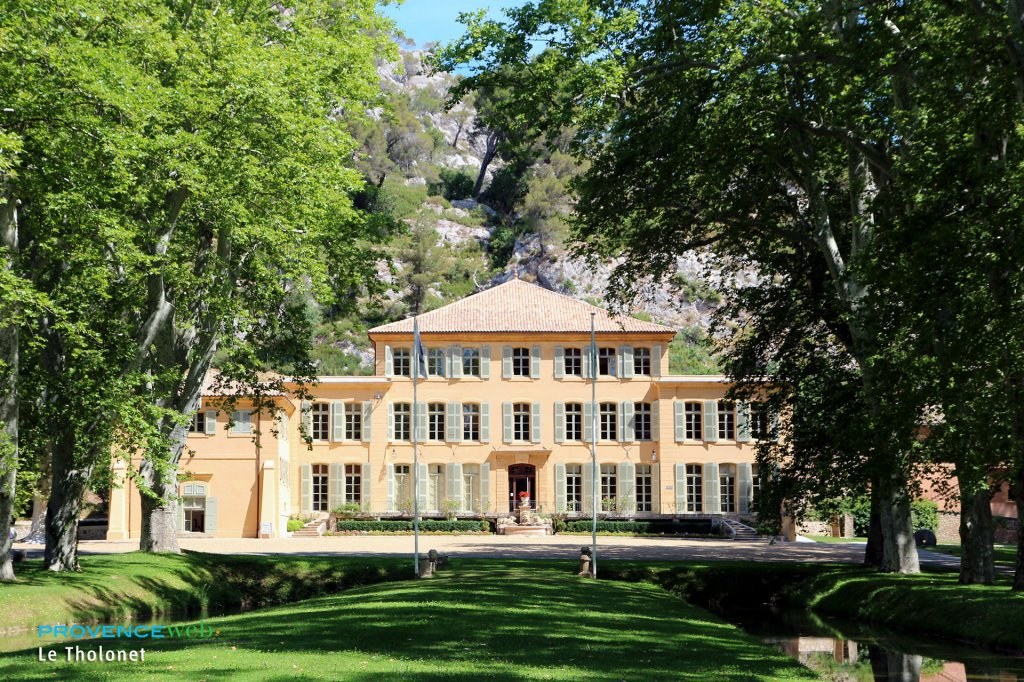 100 mi from Genoa · land adventureCézanne's Backyard: Wine, Art & Thermal Springs in Provence
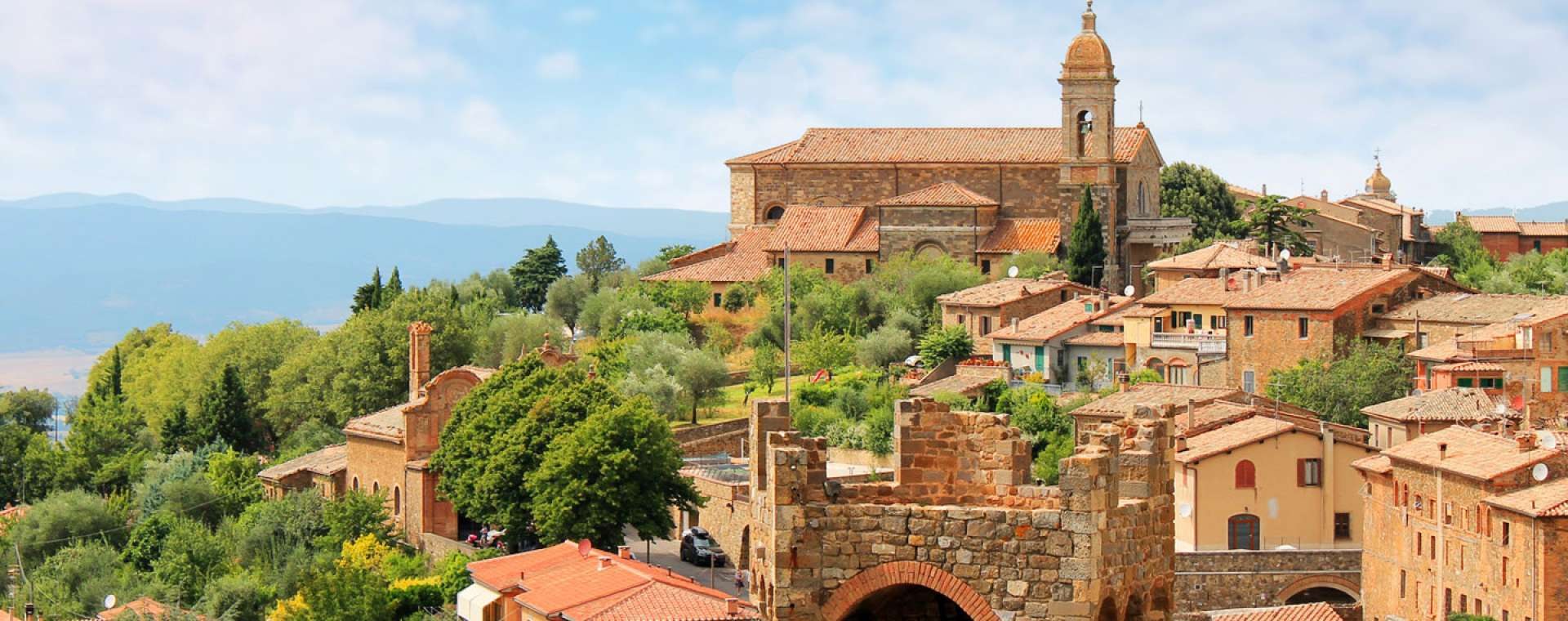 119 mi from Genoa · land adventureFlorence to Val d'Orcia: Wine, Frescoes & Thermal Springs
 After you step off · near Reykjavik
You end in a different port — stay on, and add what is within reach before you fly home.