Your cruise
Seabourn Quest · 120-night Pacific cruise, Miami to Southampton
Jan 7 – May 6 · 120 nights ·
Day 1 Miami (board) · Day 2–4 at sea · Day 5 Fuerte Amador · Day 5 at sea · Day 6 Fuerte Amador · Day 7–8 at sea · Day 9 Guayaquil (Quito) · Day 10 at sea · Day 11 Salaverry (Trujillo) · Day 12–14 Callao (Lima) · Day 15 General San Martin · Day 16–20 at sea · Day 21–22 Easter Island · Day 23–26 at sea · Day 27 Robinson Crusoe Island · Day 28 Santa Clara Island · Day 29 at sea · Day 30 Valparaiso (Santiago) · Day 31 at sea · Day 32 Puerto Montt · Day 33 Castro · Day 33 at sea · Day 34 Puerto Chacabuco · Day 35–36 at sea · Day 36 Pio Xi (Bruggen) Glacier · Day 36 at sea · Day 37 Amalia (Skua) Glacier · Day 37 at sea · Day 38 Punta Arenas · Day 38–39 at sea · Day 40 Garibaldi Glacier · Day 41 Ushuaia · Day 42–43 at sea · Day 44 The Seabourn Antarctic Experience (day 1) · Day 45 The Seabourn Antarctic Experience (day 2) · Day 46 The Seabourn Antarctic Experience (day 3) · Day 47 The Seabourn Antarctic Experience (day 4) · Day 48 The Seabourn Antarctic Experience (day 5) · Day 49–50 at sea · Day 51 The Seabourn Falkland Island Experience (day 1) · Day 52 The Seabourn Falkland Island Experience (day 2) · Day 53 Stanley · Day 54–56 at sea · Day 57 Montevideo · Day 58–59 Buenos Aires · Day 60–65 at sea · Day 66 Inaccessible Island · Day 66 at sea · Day 67 Nightingale Island · Day 68–73 at sea · Day 74 Richards Bay · Day 75 Maputo · Day 76 at sea · Day 77 Durban · Day 78 at sea · Day 79 Port Elizabeth · Day 80 Mossel Bay · Day 81 at sea · Day 82–83 Cape Town · Day 84 at sea · Day 85 Luderitz · Day 86–87 Walvis Bay · Day 88–89 at sea · Day 90 Luanda · Day 91–92 at sea · Day 93 Principe Island · Day 94 at sea · Day 95 Cotonou · Day 96 Tema (Accra) · Day 97 Takoradi · Day 98–100 at sea · Day 101 Dakar · Day 102 at sea · Day 103 Mindelo · Day 104–105 at sea · Day 106 Las Palmas · Day 107 Arrecife · Day 108 at sea · Day 109 Casablanca · Day 110 Tangier · Day 111 Cadiz (Seville) · Day 112 at sea · Day 113 Lisbon · Day 114 Leixoes (Oporto) · Day 115 La Coruna · Day 116 at sea · Day 117 St. Malo · Day 118 Cherbourg · Day 119 Rouen · Day 120 at sea · Day 120 Rouen · Day 121 Southampton (step off)
What you do Board a private vessel and transit the Panama Canal's working locks — one of the world's great engineering feats — from Miraflores to Pedro Miguel. A bucket-list passage that few ever experience from the water.
What to expect You depart from Fuerte Amador aboard a private vessel and glide into the famous lock chambers as the gates close around you — the scale is staggering up close. Your knowledgeable local guide narrates the canal's history, engineering, and geopolitical significance as you rise and fall with the water. Watch giant container ships share the waterway just meters away, a sight impossible to replicate from any observation deck. The journey culminates at Pedro Miguel Locks before a comfortable private transfer back to the port.
Good to know Canal transit days are fixed; confirm your ship's port date aligns with a transit day when booking. All-aboard times in Fuerte Amador are typically early evening — a half-day transit fits comfortably. Book well in advance as private vessel slots sell out months ahead.
Versus the ship tour A private, expert-guided canal transit places you on the water inside the locks — an intimate, unhurried experience with a dedicated English-speaking guide, port-to-port pickup, and all entrance fees included.
book direct with Top Private Tours Panama → · the full guide →
What you do Wander the cobblestone streets of Panama City's UNESCO-listed old quarter with a private historian-guide — crumbling colonial convents, Art Deco mansions, and rooftop skyline views over the Pacific. Utterly irreplaceable.
What to expect Your expert guide meets you dockside and whisks you the short distance to Casco Viejo, Panama City's extraordinary 17th-century old town. Stroll past the ruins of the original Cathedral and the ornate Palacio de las Garzas, pausing for rooftop panoramas where the Pacific sparkles behind the modern skyline. Step inside the gilded Metropolitan Cathedral and the Iglesia de San José, home to the famous Golden Altar. The tour ends with a curated ceviche tasting at a neighborhood cantina frequented by locals, not tourists.
Good to know Casco Viejo is approximately 15 minutes by private car from Fuerte Amador. Morning departures are ideal — light is magical and streets are quieter before midday. Wear comfortable walking shoes; cobblestones are uneven.
Versus the ship tour A private historian-led walk moves at your pace through hidden plazas and locked courtyards rarely accessed on group tours, with deep cultural and architectural storytelling tailored exclusively to your party.
book direct with Top Private Tours Panama → · the full guide →
What you do Soar above the forest canopy in a glass gondola over the Soberanía National Park, then explore the jungle floor for sloths, toucans, and troops of howler monkeys — pure, dripping, breathtaking rainforest.
What to expect The 45-minute drive from Fuerte Amador through the old Canal Zone is itself a journey through history. At Gamboa, your gondola ascends silently over a hundred-foot canopy, offering sweeping views of the Chagres River snaking through unbroken jungle toward the Canal. On the forest floor, your Smithsonian-trained naturalist reads the rainforest like a text — pointing out camouflaged poison dart frogs, pointing a scope at a three-toed sloth, and identifying bird calls before the birds are even visible. Lunch at the resort's terrace restaurant overlooks the river.
Good to know Gamboa is about 45 minutes from port; plan for a full-morning excursion to return comfortably before all-aboard. Light rain gear and insect repellent are essential. Pre-book the tram directly with the resort — slots are limited and peak season fills fast.
Versus the ship tour A private naturalist guide with a maximum group of six ensures you stop at every sighting — sloths in the cecropia trees, blue morpho butterflies, and the elusive harpy eagle — without the noise or rush of large tour groups.
book direct with Gamboa Rainforest Resort (Canopy Tower & Aerial Tram) → · the full guide →
What you do Journey by dugout canoe deep into the Chagres jungle to an authentic Emberá village — receive a ritual welcome, learn ancient crafts, taste traditional cuisine, and hear the stories of a people who have called this rainforest home for centuries.
What to expect Your private transfer takes you to the Chagres riverbank, where a hand-carved dugout canoe — piloted by Emberá men in traditional dress — carries you upstream through cathedral-like jungle silence. The village greets you with song and the scent of wood smoke. Women demonstrate the painstaking art of hand-weaving tagua nut figurines and intricate baskets; a village elder recounts creation stories through an interpreter. A lunch of fresh tilapia grilled over open fire, plantains, and jungle fruit is prepared for your group alone. You leave with a handmade piece and a perspective shift money cannot replicate.
Good to know The Chagres is about an hour from Fuerte Amador by private car plus a 20-minute canoe ride. Wear light clothing you don't mind getting splashed; bring cash in small USD bills for purchasing crafts directly from artisans. Confirm the community visit date aligns with your port call.
Versus the ship tour Booking directly with the community-operated Emberá Drua means your fee goes entirely to the village, you are welcomed by elders rather than a tour-company liaison, and group size is capped at eight for a genuinely intimate exchange.
What you do Glide across the glassy expanse of Gatún Lake — the man-made reservoir at the heart of the Panama Canal — to an island teeming with wild Geoffroy's tamarin and white-faced capuchin monkeys who climb aboard your boat.
What to expect You speed across Gatún Lake — a vast inland sea created when the Canal flooded the Chagres Valley — as freighters queue in the distance for their lock slots. Your captain idles the engine as you approach the island's bank, and within minutes, Geoffroy's tamarins materialize from the canopy and hop aboard the bow rail, their tiny hands investigating your camera. Capuchins follow, curious and bold. Between islands, your naturalist points out basilisk lizards running on water, caimans basking on logs, and kingfishers hovering over the turquoise shallows. The silence of this lake — engineered by humans, reclaimed by nature — is profoundly moving.
Good to know Gatún Lake is on the Atlantic side — approximately 1.5 hours from Fuerte Amador, so this excursion suits ships with a full-day port call. Do not feed the monkeys. Private charters must be reserved at least 2 weeks in advance. Bring sunscreen and a hat; the lake offers no shade.
Versus the ship tour A private charter means you set the pace on the water, linger at every encounter, and have a dedicated bilingual naturalist captain — no crowds, no time pressure, and monkeys that approach fearlessly because the boats are small and quiet.
What you do Watch 300-metre Panamax vessels squeeze through the Miraflores Locks from the best observation terrace in the world, then descend to the museum and the legendary Morgan Freeman-narrated IMAX film. Engineering awe, guaranteed.
What to expect Miraflores is only 20 minutes from the port, making it the most time-efficient bucket-list tick in Panama. From the multi-level observation decks, you watch enormous vessels — some as wide as the lock chamber itself, with just centimetres to spare — inch through with the help of electric mule locomotives running on rails. Your guide explains the physics and the politics in real time. The four-floor museum chronicles the canal's construction in extraordinary detail, and the IMAX presentation narrated by Morgan Freeman reframes what you've just witnessed with cinematic grandeur. A glass of champagne at the terrace restaurant toasting a passing freighter is the perfect finale.
Good to know Miraflores is 20 minutes from Fuerte Amador — ideal for a half-day if you want to combine with Casco Viejo. Check the ACP ship schedule at marinadb.com to time your visit with the largest vessels transiting. Upper deck fills quickly — arrive by 9 a.m. for prime position.
Versus the ship tour Arriving by private car with a bilingual guide means you access the upper observation deck at your own pace, time your visit to a scheduled lock transit for maximum drama, and bypass the logistics of group assembly entirely.
book direct with Miraflores Visitor Center (Panama Canal Authority — official) → · the full guide →
What you do Glide out onto Biscayne Bay aboard a double-decker boat for a fully-narrated 90-minute loop past the downtown skyline, Fisher Island and the palm-studded mansions of Star Island, with the captain calling out celebrity-owned homes tied to names like Gloria Estefan and Shaquille O'Neal. It departs from Bayside Marketplace, minutes from PortMiami, so you're on the water almost as soon as you step off the ship. This is the postcard Miami-from-the-water image first-timers come for, and the short run leaves the rest of the day wide open.
What to expect You board a double-decker vessel at Bayside Marketplace and spend 90 minutes gliding across Biscayne Bay while a bilingual narrator points out downtown Miami's skyline, Fisher Island, and the iconic palm-lined mansions of Star Island—including celebrity homes tied to Gloria Estefan and Shaquille O'Neal. The climate-controlled interior and open-air upper deck let you choose your vantage; many guests spend the voyage shifting between both to capture the postcard Miami-from-the-water views. The captain's real-time commentary transforms what could be a passive boat ride into a guided tour of architectural and cultural landmarks. By trip's end, you've absorbed the essential Miami skyline and still have most of your port day free.
Good to know Arrive at Miamarina (401 Biscayne Blvd, Bayside Marketplace) 30–45 minutes early to check in; the site sits only minutes from PortMiami, so budget 10–15 minutes walking from the cruise terminal. The 90-minute cruise fits easily into a 6–8 hour port window, leaving you 4+ hours for lunch or additional exploring. Bring cash if you want onboard drinks from the mojito bar, and wear sunscreen or a hat since the open-air upper deck offers full sun exposure. Book this excursion direct through Miami Skyline Cruises rather than your cruise line to save ~$23 per person versus the bundled ship price.
Versus the ship tour Direct wins big. The cruise line sells the bay sightseeing piece bundled around ~$51 per person (and up to $114 in airboat combos). The exact same Millionaire's Row bay cruise is $28 direct here, roughly $23 per person saved with no aggregator markup.
What you do Skim across the open sawgrass on an airboat hunting for wild alligators, herons and egrets in the one truly world-unique landscape on Miami's doorstep. Back on land your ticket adds an alligator/wildlife show, a jungle trail and observation exhibits, so it fills a real chunk of the day. This is the South Florida moment cruisers most regret skipping, run by an authorized Everglades National Park concession operating since 1968.
What to expect You'll skiff across open sawgrass on a 30–40 minute airboat hunt for wild alligators, herons, and egrets in the Everglades' one-of-a-kind landscape. Once back on land, you'll step into a live alligator and wildlife show, then explore a jungle trail and observation exhibits—a full immersion into South Florida's most iconic ecosystem. The day pulses between adrenaline on the water and intimate wildlife encounters on foot, filling a substantial chunk of your port time with the authentic Everglades moment most cruisers regret missing.
Good to know Plan 5–6 hours door-to-door; the park sits 45 minutes west of port with no public transit, so book a private driver or rideshare before you go and budget $60–$90 round-trip (direct booking beats the ship's price only if you split transportation among 3–4 people). Secure a driver who guarantees your return time to avoid missing the ship, and confirm your rideshare pickup well before your airboat slot to avoid delay on the way back. Bring sunscreen, a hat, and closed-toe shoes for the boat and jungle trail; water shoes or sandals that won't fly off in the wind are ideal.
Versus the ship tour Mixed. On the ride alone, direct ($49) beats Carnival's $64.99 airboat. BUT the ship's price includes round-trip transport; book direct and you must add a rideshare/car each way (the park is 45 min out with no transit). Budget about $60-$90 round-trip in rideshare on top, so direct only wins if you split a car among 3-4 people. PORT-DAY FLAG: plan ~5-6 hrs door-to-door; use a private driver who guarantees you back to the ship.
book direct with Everglades Safari Park → · the full guide →
What you do Most visitors never realize there's a national park snorkeling reef right at Miami's edge. Sail out over the northernmost Florida Keys reefs to drift among tropical fish, rays and sea turtles in turquoise shallows, with a guide teaching the park's habitats and history. The Coconut Grove departure keeps you closer to the port than the Homestead trips, making it the port-day-friendly way to get one genuine on-the-water adventure.
What to expect You'll depart from Dinner Key Marina in Coconut Grove and sail out over the northernmost Florida Keys reefs, where you'll drift among tropical fish, rays, and sea turtles in turquoise shallows while a guide interprets the park's habitats and marine life. The 3.5-hour experience includes your choice of reef, shipwreck, or mangrove snorkel sites—each revealing a different slice of Biscayne National Park's ecosystem. Most of the action happens in the water; expect calm instruction-based snorkeling rather than a rushed tour, with time to orient yourself to the underwater landscape before exploring freely. You'll return to Coconut Grove with the salt still on your skin and a genuine national park experience—not a cruise-line bay jaunt—under your belt.
Good to know Book directly with the Biscayne National Park Institute (not through an aggregator) to secure the 3.5-hour Snorkeling from Coconut Grove trip at $115 per person—this duration and departure point are designed to fit a port day, with transfers included. Plan for 3.5 hours on the water plus 1–1.5 hours for transfers from the cruise pier to Dinner Key Marina, leaving you a comfortable buffer for a typical 6–8 hour port window; skip the full-day option unless snorkeling is your only priority. Bring reef-safe sunscreen, a rash guard or lightweight cover-up, a towel, and water shoes or reef booties; the park and operator will provide snorkel gear but confirm ahead if you need prescription mask options. Return timing is tight on a short port day, so confirm the exact departure time when booking and plan to be back at the pier with 30–45 minutes to spare.
Versus the ship tour No true ship equivalent. The cruise lines don't sell an in-park national-park reef snorkel from Miami at all, their water tours top out at bay sightseeing and airboat combos. This is the one signature snorkel here, and the only way to do it is direct with the park's own concessionaire. PORT-DAY FLAG: the 3.5-hr trip plus transfers fits a port day; skip the 6-hr full-day option unless this is your only outing.
book direct with Biscayne National Park Institute → · the full guide →
What you do Eat your way through the cultural heart of Cuban Miami: a real Cuban sandwich, a jolt of cafecito and a mojito, while you watch cigars hand-rolled and dominoes slammed down in Maximo Gomez Park. A guide threads the history of exile, music and food through every stop along Calle Ocho. The tastings add up to a full meal plus drinks, an immersive, distinctly-Miami experience you can't replicate anywhere else, and it's an easy ride from the port.
What to expect Your guide escorts you through the vibrant streets of Calle Ocho, stopping to taste authentic Cuban sandwiches, croquetas, and pastries that build into a full meal—all while live music and the clatter of dominoes frame the scene at Maximo Gomez Park. You'll watch cigar rollers at work, their hands moving with practiced precision, before pausing for shots of cafecito and sipping a mojito at a neighborhood spot where locals gather. The walk threads Miami's Cuban exile history and food culture through each block, turning lunch into an immersive lesson on why this neighborhood is the real heart of Cuban America. Roughly 2.5 to 3 hours of steady walking and tasting, paced to savor both the food and the stories.
Good to know Book directly with Miami Culinary Tours (not the cruise line) to save $60+ per person—tours run roughly $69 versus $132+ through the ship. Calle Ocho is an easy, short ride from the port, so plan to depart within an hour of disembark and return comfortably 30–45 minutes before all-aboard. Bring small cash for tips and incidentals, wear comfortable walking shoes, and eat lightly before departure since the tastings amount to a full meal. Confirm your exact tour time and departure point with the operator when booking, as walking tours run on tight schedules and late arrivals will cost you stops.
Versus the ship tour Direct wins decisively. The cruise line charges $132+ for its Little Havana/mojito outing (and private versions run $162). The same Calle Ocho food-and-culture walk with the original operator is ~$69 direct, well over $60 per person saved.
What you do Tour the most opulent historic estate in Miami: an early-20th-century Italian Renaissance-style villa built as industrialist James Deering's winter home, with lavishly furnished rooms opening onto formal European gardens that run down to Biscayne Bay. A National Historic Landmark and one of the city's most photogenic spots, it's self-paced and close to the port near Coconut Grove, so it slots neatly into a half-day on shore.
What to expect You'll arrive at an early-20th-century Italian Renaissance villa—James Deering's former winter palace—where lavishly appointed rooms open directly onto formal European gardens that descend to Biscayne Bay, giving you a tangible sense of early-Miami opulence. The self-paced experience lets you linger in ornate interiors or photograph the manicured grounds at your own tempo. A short walk from Coconut Grove and the port itself, the estate unfolds as a series of intimate spaces rather than a sprawling museum; you'll move between decorated rooms and out onto the bayfront gardens in a natural rhythm. This is a half-day anchor—intimate, photogenic, and complete within 2–3 hours if you're deliberate.
Good to know Book timed-entry tickets direct on Vizcaya's official site before you dock to guarantee your preferred window and avoid queues. The estate sits close to the port near Coconut Grove, making it walkable or a quick taxi ride—buying direct at $25 per adult cuts the cruise-line markup entirely and gives you full control over timing. Plan for 2–3 hours on-site within your 6–8 hour port window, leaving a solid 90-minute buffer before all-aboard. Bring sunscreen and comfortable shoes for the gardens; there's no air conditioning between outdoor rooms, so dress for tropical sun.
Versus the ship tour Direct is the only sensible route. Cruise lines rarely package Vizcaya, and when a city tour drives past it you'd still pay $35-$70 for sightseeing that may not include entry. At $25 booked direct you control your own timing and skip the bus markup entirely.
book direct with Vizcaya Museum and Gardens → · the full guide →
What you do Walk the world's largest concentration of 1920s-40s Art Deco architecture with a guide from the nonprofit that literally saved and landmarked the district. Over two hours along Ocean Drive you learn to actually read the pastel hotels and neon instead of just photographing them, ending right in the heart of South Beach for lunch and beach time. It's the low-risk, easy-to-reach alternate if the bay, Everglades or reef don't fit your day.
What to expect You'll spend two immersive hours walking Ocean Drive with a trained guide from the Miami Design Preservation League—the nonprofit that saved these buildings—learning to decode the geometric patterns, pastel façades, and neon signage of the world's largest Art Deco district instead of just snapping photos. The walk moves at a contemplative pace through 1920s-40s hotels and landmarks, ending at the Art Deco Museum before you're released into the heart of South Beach for lunch, shopping, and beach time. The rhythm feels like a masterclass rather than a tourist blur: you're stationary for observation, walking short blocks for transition, absorbing stories that transform what you see into architecture you actually understand. This is the substance play—manageable distance, genuine expertise, and the flexibility to linger at the beach afterward or grab food on your own terms.
Good to know The 10:30am daily departure from the Art Deco Welcome Center (1001 Ocean Drive) gives you a tight but workable 6–7 hour window: book a rideshare from the port now (15–20 minutes, ~$15–20 each way), arrive by 10:15am, walk until 12:30pm, then own your afternoon. Plan to be back at the pier by 5:30–6pm for a typical evening departure, leaving 3+ hours of buffer for beach/lunch, transit back, and security. Bring sunscreen, comfortable walking shoes, and a light layer—you're outside for two straight hours on exposed Ocean Drive. Book direct through MDPL online ($35 adults, $30 seniors/students/veterans with ID); no need to pre-book the walk itself, but confirming your rideshare timing the morning of prevents last-minute scrambling.
Versus the ship tour Direct wins on substance and price. The ship's Miami city/hop-on tour is $69.99 and just rolls past the district; this definitive 2-hour guided Deco walk from the people who landmarked it is $35 direct, half the cost and far more depth, though you arrange your own ride to South Beach (short rideshare from the port).
book direct with Miami Design Preservation League (MDPL) → · the full guide →
What you do Board a private vessel and transit the Panama Canal's working locks — one of the world's great engineering feats — from Miraflores to Pedro Miguel. A bucket-list passage that few ever experience from the water.
What to expect You depart from Fuerte Amador aboard a private vessel and glide into the famous lock chambers as the gates close around you — the scale is staggering up close. Your knowledgeable local guide narrates the canal's history, engineering, and geopolitical significance as you rise and fall with the water. Watch giant container ships share the waterway just meters away, a sight impossible to replicate from any observation deck. The journey culminates at Pedro Miguel Locks before a comfortable private transfer back to the port.
Good to know Canal transit days are fixed; confirm your ship's port date aligns with a transit day when booking. All-aboard times in Fuerte Amador are typically early evening — a half-day transit fits comfortably. Book well in advance as private vessel slots sell out months ahead.
Versus the ship tour A private, expert-guided canal transit places you on the water inside the locks — an intimate, unhurried experience with a dedicated English-speaking guide, port-to-port pickup, and all entrance fees included.
book direct with Top Private Tours Panama → · the full guide →
What you do Wander the cobblestone streets of Panama City's UNESCO-listed old quarter with a private historian-guide — crumbling colonial convents, Art Deco mansions, and rooftop skyline views over the Pacific. Utterly irreplaceable.
What to expect Your expert guide meets you dockside and whisks you the short distance to Casco Viejo, Panama City's extraordinary 17th-century old town. Stroll past the ruins of the original Cathedral and the ornate Palacio de las Garzas, pausing for rooftop panoramas where the Pacific sparkles behind the modern skyline. Step inside the gilded Metropolitan Cathedral and the Iglesia de San José, home to the famous Golden Altar. The tour ends with a curated ceviche tasting at a neighborhood cantina frequented by locals, not tourists.
Good to know Casco Viejo is approximately 15 minutes by private car from Fuerte Amador. Morning departures are ideal — light is magical and streets are quieter before midday. Wear comfortable walking shoes; cobblestones are uneven.
Versus the ship tour A private historian-led walk moves at your pace through hidden plazas and locked courtyards rarely accessed on group tours, with deep cultural and architectural storytelling tailored exclusively to your party.
book direct with Top Private Tours Panama → · the full guide →
What you do Soar above the forest canopy in a glass gondola over the Soberanía National Park, then explore the jungle floor for sloths, toucans, and troops of howler monkeys — pure, dripping, breathtaking rainforest.
What to expect The 45-minute drive from Fuerte Amador through the old Canal Zone is itself a journey through history. At Gamboa, your gondola ascends silently over a hundred-foot canopy, offering sweeping views of the Chagres River snaking through unbroken jungle toward the Canal. On the forest floor, your Smithsonian-trained naturalist reads the rainforest like a text — pointing out camouflaged poison dart frogs, pointing a scope at a three-toed sloth, and identifying bird calls before the birds are even visible. Lunch at the resort's terrace restaurant overlooks the river.
Good to know Gamboa is about 45 minutes from port; plan for a full-morning excursion to return comfortably before all-aboard. Light rain gear and insect repellent are essential. Pre-book the tram directly with the resort — slots are limited and peak season fills fast.
Versus the ship tour A private naturalist guide with a maximum group of six ensures you stop at every sighting — sloths in the cecropia trees, blue morpho butterflies, and the elusive harpy eagle — without the noise or rush of large tour groups.
book direct with Gamboa Rainforest Resort (Canopy Tower & Aerial Tram) → · the full guide →
What you do Journey by dugout canoe deep into the Chagres jungle to an authentic Emberá village — receive a ritual welcome, learn ancient crafts, taste traditional cuisine, and hear the stories of a people who have called this rainforest home for centuries.
What to expect Your private transfer takes you to the Chagres riverbank, where a hand-carved dugout canoe — piloted by Emberá men in traditional dress — carries you upstream through cathedral-like jungle silence. The village greets you with song and the scent of wood smoke. Women demonstrate the painstaking art of hand-weaving tagua nut figurines and intricate baskets; a village elder recounts creation stories through an interpreter. A lunch of fresh tilapia grilled over open fire, plantains, and jungle fruit is prepared for your group alone. You leave with a handmade piece and a perspective shift money cannot replicate.
Good to know The Chagres is about an hour from Fuerte Amador by private car plus a 20-minute canoe ride. Wear light clothing you don't mind getting splashed; bring cash in small USD bills for purchasing crafts directly from artisans. Confirm the community visit date aligns with your port call.
Versus the ship tour Booking directly with the community-operated Emberá Drua means your fee goes entirely to the village, you are welcomed by elders rather than a tour-company liaison, and group size is capped at eight for a genuinely intimate exchange.
What you do Glide across the glassy expanse of Gatún Lake — the man-made reservoir at the heart of the Panama Canal — to an island teeming with wild Geoffroy's tamarin and white-faced capuchin monkeys who climb aboard your boat.
What to expect You speed across Gatún Lake — a vast inland sea created when the Canal flooded the Chagres Valley — as freighters queue in the distance for their lock slots. Your captain idles the engine as you approach the island's bank, and within minutes, Geoffroy's tamarins materialize from the canopy and hop aboard the bow rail, their tiny hands investigating your camera. Capuchins follow, curious and bold. Between islands, your naturalist points out basilisk lizards running on water, caimans basking on logs, and kingfishers hovering over the turquoise shallows. The silence of this lake — engineered by humans, reclaimed by nature — is profoundly moving.
Good to know Gatún Lake is on the Atlantic side — approximately 1.5 hours from Fuerte Amador, so this excursion suits ships with a full-day port call. Do not feed the monkeys. Private charters must be reserved at least 2 weeks in advance. Bring sunscreen and a hat; the lake offers no shade.
Versus the ship tour A private charter means you set the pace on the water, linger at every encounter, and have a dedicated bilingual naturalist captain — no crowds, no time pressure, and monkeys that approach fearlessly because the boats are small and quiet.
What you do Watch 300-metre Panamax vessels squeeze through the Miraflores Locks from the best observation terrace in the world, then descend to the museum and the legendary Morgan Freeman-narrated IMAX film. Engineering awe, guaranteed.
What to expect Miraflores is only 20 minutes from the port, making it the most time-efficient bucket-list tick in Panama. From the multi-level observation decks, you watch enormous vessels — some as wide as the lock chamber itself, with just centimetres to spare — inch through with the help of electric mule locomotives running on rails. Your guide explains the physics and the politics in real time. The four-floor museum chronicles the canal's construction in extraordinary detail, and the IMAX presentation narrated by Morgan Freeman reframes what you've just witnessed with cinematic grandeur. A glass of champagne at the terrace restaurant toasting a passing freighter is the perfect finale.
Good to know Miraflores is 20 minutes from Fuerte Amador — ideal for a half-day if you want to combine with Casco Viejo. Check the ACP ship schedule at marinadb.com to time your visit with the largest vessels transiting. Upper deck fills quickly — arrive by 9 a.m. for prime position.
Versus the ship tour Arriving by private car with a bilingual guide means you access the upper observation deck at your own pace, time your visit to a scheduled lock transit for maximum drama, and bypass the logistics of group assembly entirely.
book direct with Miraflores Visitor Center (Panama Canal Authority — official) → · the full guide →
What you do Step into Quito's UNESCO-listed colonial heart, then straddle two hemispheres at the Mitad del Mundo monument. A private expert guide makes every cobblestone and sunlit plaza feel personal and unhurried.
What to expect Your private guide collects you from the port and whisks you up into the Andean highlands to Quito, a UNESCO World Heritage City perched at 2,850 m. You'll drift through the gilded interior of La Compañía de Jesús — arguably South America's most ornate church — and wander the Plaza Grande before a long, leisurely lunch at a colonial mansion restaurant. The afternoon belongs to Mitad del Mundo: stand with one foot in each hemisphere, watch a gyroscope demonstration defy everything you learned in science class, and snap that iconic selfie at 0° latitude.
Good to know Guayaquil to Quito is a ~45-min flight or ~4-hr drive — confirm with your operator which transfer is included. This is a full-day excursion; verify your ship's all-aboard time and build in at least 3 hrs return buffer. Pre-book well in advance — private guides fill quickly in peak season.
Versus the ship tour Fully private — your own certified guide, your own vehicle, your own pace. No coach groups, no rushed photo stops. Access to off-the-beaten-path baroque churches and insider Ecuadorian history that large tours skip entirely.
book direct with Happy Gringo Travel (official Ecuador specialist) → · the full guide →
What you do Soar to 4,050 m on the Teleférico, Quito's iconic urban gondola scaling the flanks of Volcán Pichincha. The panoramic sweep over the entire city and Andean chain is simply unmissable.
What to expect The gondola glides 2,950 m above sea level to the upper station in under 10 minutes, but the landscape transforms dramatically — from bustling city to páramo grasslands dusted with Andean wildflowers. From the top station, hardy walkers continue to Cruz Loma (4,100 m) for a 360° panorama of five snow-capped volcanoes. Your private naturalist guide interprets the unique high-altitude ecosystem and ensures you acclimatise safely, with hot coca tea on hand. The descent back into the warm city feels like re-entering another world.
Good to know Altitude affects everyone differently — a short acclimatisation walk before ascending is wise. Best combined with a Quito Old Town morning for a full-day itinerary. Confirm weather windows: mornings are typically clearest. Pre-book gondola tickets online to skip queues.
Versus the ship tour The highest urban cable car in the world — and a genuine altitude adventure. Pair with a private guide who leads you along the crater-rim trail for views that stretch to Cotopaxi on a clear day; a completely different experience from a standard city bus tour.
What you do Descend into Mindo's legendary cloud forest — a biodiversity hotspot with 500+ bird species and dazzling butterfly houses — on a private naturalist-led day from Quito. One of the most biodiverse places on Earth.
What to expect The road from Quito drops dramatically from cold Andean plateau into a lush, warm world of orchids and mosses. Your expert ornithologist guide leads you along forest trails where toucans and hummingbirds perform overhead. A dedicated butterfly house shelters hundreds of tropical species — monarchs, blue morphos, and owl butterflies land on your arms. You cross the canopy on a traditional tarabita to reach a series of cascading waterfalls, where the mist and birdsong create an almost surreal atmosphere. Lunch is at a local eco-lodge with views over the forest canopy.
Good to know Mindo is ~2 hrs from Quito by private vehicle — best done as a full-day excursion from port. Wear light layers: cloud forest temperatures vary. Binoculars are essential; a quality guide will have a spotting scope. Early morning departures maximise birdwatching.
Versus the ship tour A private naturalist guide unlocks Mindo's secrets that group tours miss — rare tanagers, glass-wing butterflies, and the hypnotic Nambillo waterfalls reached by tarabita (zip-wire cable car over the canopy). Intimate, expert-led, and genuinely wild.
What you do Ride on horseback across the otherworldly páramo at the base of Cotopaxi, the world's highest active volcano. A bucket-list Andean landscape experience with a certified mountain guide and Andean horses.
What to expect Your private transfer winds through the national park to Tierra del Volcán's hacienda, where well-trained criollo horses await. The ride traverses volcanic moorland at 3,800 m, with the symmetrical white cone of Cotopaxi dominating the skyline. Your certified guide shares the volcano's dramatic geology and Andean ranch heritage as wild horses roam in the distance. After 2-3 hours in the saddle, a warming hacienda lunch of Ecuadorian highland cuisine — locro de papa soup, roasted corn — restores every calorie burned in the thin air.
Good to know Cotopaxi National Park is ~1 hr south of Quito by private vehicle. No riding experience necessary — horses are calm and well-matched to ability. Layers essential: temperatures at 3,800 m can drop sharply. Combine with a Quito morning for a full-day itinerary. Confirm national park entry (~USD 5 pp) with your operator.
Versus the ship tour Access to a private working hacienda at the foot of Cotopaxi — the horses are Andean-bred, the guide is a certified mountain expert, and the views of the snow-capped cone are unobstructed. A genuinely exclusive, small-group experience in a national park setting.
What you do Taste Ecuador's legendary fine-aroma cacao at source on a small-group tour combining Guayaquil's vibrant Malecón 2000 waterfront and a working cacao farm. Ecuador grows some of the world's finest chocolate — trace it from pod to bar.
What to expect Your morning begins on the iconic Malecón 2000, a sweeping riverside promenade where Guayaquil's colonial architecture, modern art installations, and the famous iguana-filled Parque Seminario come together in a single stroll. A local guide narrates the city's transformation from colonial port to Ecuador's commercial hub. After lunch, you transfer to a family-owned cacao finca where the farmer walks you through the entire chocolate journey: splitting pods, pressing nibs, roasting beans over wood fire, and finally tasting single-origin chocolate in its rawest, most extraordinary form.
Good to know This is a port-based excursion — ideal when the ship does not proceed to Quito. The Malecón is approximately 15 minutes from the cruise terminal by taxi (approx. USD 5). Cacao farms are typically 45-60 min outside the city; confirm pick-up from port with your operator. Light cotton clothing recommended — Guayaquil is coastal and humid.
Versus the ship tour Hands-on access to a working cacao plantation — you harvest, ferment, and taste single-origin chocolate with the farmer who grows it. The Malecón portion with a knowledgeable local guide reveals the history of South America's most important Pacific port in vivid, personal detail.
What you do Soar on the legendary 'Swing at the End of the World' over a 2,600 m Andean cliff edge, then thunder beside Pailón del Diablo — Ecuador's most spectacular waterfall. Baños is pure adrenaline wrapped in volcanic beauty.
What to expect The drive south from Quito winds through the Avenue of the Volcanoes, passing Tungurahua's brooding cone before descending into the lush, warm valley town of Baños. A private guide leads you first to the Casa del Árbol at 2,600 m — the wooden swing arcs out over a sheer precipice with nothing but clouds and jungle below, and the moment of release is pure exhilaration. The afternoon is spent following the Ruta de las Cascadas: a dramatic series of waterfalls culminating in Pailón del Diablo, where the Pastaza River thunders 80 m into a mist-filled gorge. Optional volcanic hot springs at dusk complete a near-perfect Andean day.
Good to know Baños is ~3.5 hrs south of Quito — this is a long full-day excursion best paired with an overnight in Quito if your itinerary allows. The swing operates in dry conditions only; have a backup plan for rainy days. Wear waterproof layers near Pailón del Diablo — the spray is intense. Pre-book a private vehicle to control the day's pace entirely.
Versus the ship tour The swing itself — a simple wooden seat cantilevered over a 2,600 m drop at the Casa del Árbol treehouse — is one of those rare, heart-stopping travel moments that becomes a story you tell for decades. A private guide ensures you move at your own pace between Baños's volcanic hot springs, the waterfall route, and the swing — no rushing, no queuing.
book direct with KimKim Ecuador (official private travel specialist) → · the full guide →
What you do Step inside Chan Chan, the UNESCO-listed Chimú capital and the largest pre-Columbian city in South America — a vast labyrinth of royal citadels, ceremonial courts, and exquisitely carved adobe friezes. With a private expert guide, you decode 600 years of coastal empire at your own pace.
What to expect Your guide meets you dockside at Salaverry and whisks you 20 minutes north to Chan Chan's desert edge. You enter the Tschudi Royal Citadel through monumental adobe gateways, winding through ceremonial plazas whose walls are alive with repeating pelican, otter, and fish reliefs. Your expert contextualises the Chimú civilisation — their hydraulic genius, their gold craft, their eventual defeat by the Inca — making the site visceral, not just visual. The complex is vast but the private pace ensures you emerge informed and elated rather than rushed.
Good to know Chan Chan is ~20 min drive from Salaverry port; allow 2–2.5 hrs on-site. Port pick-up is standard with Trujillo Turístico — confirm your ship's all-aboard time when booking so the guide tailors the schedule. Sun and wind are fierce; bring a hat, sunscreen, and a light layer. Book at least one week ahead for prime morning slots.
Versus the ship tour A private guide — such as the highly acclaimed Cinthia from Trujillo Turístico — means you linger in the Tschudi Palace's moon-fish friezes as long as you wish, with zero crowd pressure and deeply personalised archaeological storytelling unavailable in any group setting.
book direct with Trujillo Turístico (local expert operator) → · the full guide →
What you do Descend into millennia of Moche civilisation at the Temples of the Sun and Moon — two towering adobe pyramids that conceal layer upon layer of extraordinary polychrome murals. A private archaeologist-led visit here is one of the most remarkable cultural experiences on South America's Pacific coast.
What to expect You arrive at the Huacas de Moche complex, dramatically set at the foot of Cerro Blanco, to find the Huaca de la Luna still yielding its secrets to archaeologists digging just metres from the public walkways. Your guide leads you through exposed ceremonial platforms revealing four successive building phases — each painted over the last like a palimpsest of faith and power. The on-site Museum of the Sacrifice provides grisly and fascinating context on Moche ritual, and from the upper platform the panorama across the coastal desert to the Pacific is extraordinary. The nearby village artisan market makes a worthy five-minute detour on the way back.
Good to know Site is ~30 min from Salaverry port. Combine with Chan Chan in a half-day private itinerary (Trujillo Turístico excels at this). Wear sturdy shoes — walkways are unpaved ramps. Peak light for photography is early morning. Allow 1.5–2 hrs on-site.
Versus the ship tour Active excavation is ongoing — a knowledgeable private guide translates the multi-coloured warrior processions and the terrifying fanged deity Ayapec directly from the mud-brick walls, turning what looks abstract into a vivid narrative of sacrifice, power, and artistic genius.
book direct with Trujillo Turístico (local expert operator) → · the full guide →
What you do El Brujo is Peru's most electrifying active dig — here the tattooed, sacrificed 'Lady of Cao' rewrote history as evidence of South America's first known female ruler. A private expert-led visit to this remote coastal complex, far from tour buses, is as close to an Indiana Jones moment as travel gets.
What to expect The drive north hugs the Peruvian coast past sugar-cane fields and fishing villages before the pyramid complex of Huaca Cao Viejo rises from the desert. Your guide narrates the Moche world as you climb the ceremonial platform, its polychrome murals of warrior prisoners still vivid after 1,700 years. Inside the air-conditioned museum, the Lady of Cao's mummy, gilded war-clubs, and sacrificed attendants lie in museum-quality display — the context your guide provides is spine-tingling. This is a half-day that recalibrates what you think you know about gender and power in the ancient Americas.
Good to know Allow ~1 hr drive each way from Salaverry; plan for a minimum 4.5–5 hr excursion total. Innatur Peru handles full port logistics — confirm your all-aboard time at booking. The site is exposed desert; sunscreen and a hat are essential. Water and snacks are recommended as facilities are limited.
Versus the ship tour El Brujo's remoteness (60 km north of Trujillo) means it is rarely reachable on standard group itineraries. Innatur Peru's specialist guides have intimate knowledge of the excavation and the jaw-dropping reconstructed burial chamber of the Lady of Cao — an experience with profound emotional weight.
What you do Huanchaco is one of Peru's most beguiling fishing villages, where caballito de totora — reed sea-horses ridden by fishermen for 3,000 years — still launch into the surf at dawn. Combine a guided cultural walk with a long, lavish ceviche lunch at one of the village's celebrated seafront restaurants.
What to expect Your guide meets you at Salaverry and drives 25 minutes to Huanchaco's pastel-painted seafront, arriving in time to watch fishermen return on their torpedo-shaped totora reed boats — a UNESCO-recognised intangible heritage tradition unchanged since the Chimu era. You walk the village lanes, visit the 16th-century hilltop sanctuary, and hear the stories behind the craft. Lunch is the centrepiece: a long, unhurried table of Peruvian coastal classics — fresh ceviche, tiradito, jalea de mariscos — paired with a Cusqueña or a chilled pisco sour. The afternoon light on the Pacific from the pier is a photographer's dream.
Good to know Huanchaco is approx. 25 min from Salaverry. Perú Together Travel handles full port logistics; mention your all-aboard time at booking. Best visited on a morning when the fleet returns (typically 7–10 am). This excursion pairs beautifully with a Chan Chan visit en route back to the port — ask your operator to combine.
Versus the ship tour Huanchaco is only 5 km from Chan Chan yet feels like another world — a private cultural walk with a local guide unlocks the village's living fishing tradition, its colonial church, and the right seafood restaurants where locals actually eat, not tourist traps.
What you do Trujillo's Plaza de Armas is ringed by some of the finest colonial mansions in Peru — ocher, ochre-pink, and cobalt-blue facades hiding baroque altarpieces and Moorish-lace balconies. Add a private demonstration of the marinera norteña — Peru's most elegant national dance — and the city comes completely alive.
What to expect The drive from Salaverry takes 30 minutes, depositing you at the edge of Trujillo's perfectly preserved colonial grid. Your guide leads you through the Plaza de Armas, where the cathedral's ivory baroque towers frame a central garden of sculpted topiary. You step inside the Palacio Iturregui — one of South America's finest neoclassical interiors — then walk the covered arcades to the Casa de la Emancipación where Peru's northern independence was declared. The session closes with a private marinera demonstration by a local dance couple: the women's swirling white skirts and the men's hat-and-handkerchief courtship ritual are as visually dazzling as any Andean spectacle.
Good to know Trujillo centre is ~30 min from Salaverry port. The walking tour covers ~2 km of flat colonial streets — comfortable shoes suffice. The Marinera National Festival occurs every January; if your cruise calls then, book months ahead. Confirm church opening hours — the Cathedral closes midday.
Versus the ship tour A private guide opens doors — literally — to the Casa Urquiaga (where Simón Bolívar once slept) and the Casa de la Emancipación, and choreographs your visit around the city's rhythms so you arrive at the Plaza as the cathedral bells ring and avoid the midday crush entirely.
book direct with Trujillo Turístico (local expert operator) → · the full guide →
What you do The towering sand dunes flanking Trujillo's desert coast offer a world-class sandboarding experience — equal parts thrill and surreal beauty. Strap a board to your feet and carve down 100-metre faces of golden sand with the Pacific glittering on the horizon: pure bucket-list adrenaline.
What to expect Your guide collects you at Salaverry and drives you to the coastal dune fields that pile up dramatically between the ocean and the sugar-cane flatlands. After a brief safety and technique session, you ride lying, seated, or standing down faces that would humble a ski slope — with soft landings guaranteed by deep sand. Between runs, the silence and the scale of the desert landscape — broken only by the distant Pacific — is profoundly cinematic. Guides photograph and video your runs throughout, so you leave with evidence to astonish friends at home.
Good to know Approximately 30–40 min from Salaverry port. No sandboarding experience required — all levels welcome. Wear clothes you are happy to get sandy; a change of clothes for the return is highly recommended. Avoid midday heat in December–March; early morning slots are ideal. Innatur Peru handles full port logistics.
Versus the ship tour Innatur Peru's small-group specialist setup means you get properly fitted equipment, one-on-one instruction from an experienced desert guide, and access to the best dune faces — not a crowded, conveyor-belt outing. The combination of Pacific views and Saharan-scale dunes is genuinely otherworldly.
What you do Boat out to the wild Palomino Islands just off Callao and slip into the Pacific alongside a colony of 8,000 sea lions. This intimate, small-group marine encounter is one of the most extraordinary wildlife moments in all of South America.
What to expect A swift motorboat whisks you from Callao harbor out to four rugged Pacific islands, alive with barking sea lions. After briefing, you don a wetsuit and slide into crystal-cold water as curious sea lions spiral around you — bumping, twirling and staring you down. On the crossing you'll also spot Humboldt penguins and seabirds on the guano-white rocks. The entire outing lasts roughly four hours, returning you to port in good time.
Good to know Departs from the Callao fishing dock, less than 10 minutes from the cruise terminal — no transfer needed. Pre-book directly as space on small vessels fills weeks in advance. All-aboard times are typically respected with a 4-hour total run time. Bring a dry bag for your valuables and a warm layer for the boat ride back.
Versus the ship tour Limited to a small vessel so you're genuinely in the water with the animals — not watching from a large boat. Expert naturalist guides provide deep marine context, and the wetsuit swim is an adrenaline-edged, unforgettable bucket-list moment steps from the port.
What you do Journey four hours south of Lima into a landscape of flamingo-fringed bays, prehistoric Nazca-era history and a turquoise desert oasis ringed by towering sand dunes. One of Peru's most visually astonishing day trips, bookable from the port.
What to expect Depart Callao early and drive south through Peru's coastal desert to Paracas, where wind-sculpted red cliffs plunge into an azure bay thick with flamingos and pelicans. Board a speedboat to the Ballestas Islands ('the poor man's Galápagos') to witness sea lions, Peruvian boobies and penguins on volcanic arches. After lunch in Paracas, continue inland to Huacachina — a true desert oasis — where you board a dune buggy for the breathtaking ride up towering dunes before sandboarding back down at sunset.
Good to know This is a 17–18 hour excursion; confirm your ship's all-aboard time carefully — best suited to ships with a late-night or overnight Callao call. Departs 06:00–07:00 from the port. Bring sunscreen, a windbreaker and sea-sickness tablets for the Ballestas boat. Pre-booking essential; spaces extremely limited on private departures.
Versus the ship tour The luxury private-vehicle option means your own bilingual guide, your own pace at the Paracas National Reserve viewpoints and a genuinely personal sandboarding descent into Huacachina — not a rushed group convoy. Sunset over the oasis is the defining image of coastal Peru.
What you do Step inside a Miraflores culinary studio and master Peru's three most iconic dishes under the tutelage of a professional Lima chef. Peruvian cuisine is ranked among the world's best — this is the most direct way to own a piece of it.
What to expect The class opens at a local market where your chef narrates the kaleidoscopic world of Peruvian chillies, purple corn and exotic fruits — then you head to a beautifully equipped kitchen in Miraflores. You'll cure fresh corvina for leche de tigre ceviche, layer causa limeña with avocado and ají amarillo, and shake the city's most celebrated cocktail. The meal you've cooked becomes your lunch, served with Peruvian wine. A recipe booklet and a new passport-stamp skill go home with you.
Good to know Miraflores is approximately 30 minutes from Callao by taxi or Uber (approx. USD 8–12 each way). Classes typically run 3–3.5 hours, leaving comfortable time before all-aboard. Vegetarian adaptations available on request. Book at least two weeks ahead as this is Lima's most reviewed culinary experience.
Versus the ship tour A boutique kitchen, never more than 12 guests, with a chef who sources ingredients that morning from Surquillo market. You don't watch — you cook, plate and eat. Pisco Sours are shaken tableside, and recipes travel home with you.
book direct with Peruvian Cooking Classes Lima (La Floresta Culinary Studio) → · the full guide →
What you do Explore the grandest Spanish colonial fortress in South America, then step into Monumental Callao — a once-derelict neighbourhood reborn as Peru's most extraordinary open-air street-art district. History and living culture, minutes from the pier.
What to expect Begin at the Real Felipe Fortress, whose star-shaped walls once guarded Lima's silver trade against pirate fleets and independence armies. Your historian guide walks you through cannon-lined bastions, the eerie 'room of bones' and sweeping views of the Pacific. From there, enter Monumental Callao's labyrinthine patios splashed with floor-to-ceiling murals by international and Peruvian artists — boutique shops, artisan coffee and a rooftop lookout complete the picture. The tour finishes a short walk from the cruise terminal.
Good to know Real Felipe is open Tuesday–Sunday; confirm your port day falls on an open day. The fortress entry fee (approx. PEN 15 / USD 4) is typically separate. Monumental Callao is walkable from the fortress. Total duration 3–4 hours. Flat, paved surfaces throughout; suitable for all mobility levels.
Versus the ship tour A private guide grants access to Real Felipe's military museum and ramparts at your own pace, with storytelling that brings 18th-century sieges to life. Monumental Callao's muralled courtyards, boutique galleries and rooftop bars are the kind of off-itinerary discovery that defines a genuine luxury journey.
What you do Glide through Lima's most beautiful clifftop neighbourhoods and into the world's finest private collection of pre-Columbian gold, textiles and erotic pottery. A half-day that distils 5,000 years of Andean civilisation into one elegant arc.
What to expect Your private guide collects you from the terminal and drives south to Miraflores, stopping at the clifftop Larcomar complex for Pacific views before descending to bohemian Barranco — its painted bridges, colonial mansions and vibrant café scene feel like a Peruvian Montmartre. The centrepiece is the Larco Museum, a converted 18th-century vice-regal mansion housing the world's most important collection of pre-Columbian gold and ceramics, including the famous 'erotic gallery'. Lunch is optionally taken at the museum's garden restaurant.
Good to know Museo Larco is open daily 09:00–22:00; book timed entry at larcomuseum.org (USD 25 adult). Combined private guide + transport via ToursByLocals from approx. USD 83 pp. Miraflores is 30 min from port. Allow 5–6 hours total. The Larco garden restaurant is one of Lima's most acclaimed — reserve ahead for lunch.
Versus the ship tour A vetted private ToursByLocals guide tailors the itinerary to your interests — whether that is pre-Inca goldwork, Belle Époque Barranco architecture or the cliffside Parque del Amor at sunset. The Larco Museum's storage vaults (open to the public — a world rarity) hold 45,000 artefacts; your guide reads the room, spending time on what captivates you.
book direct with Museo Larco (official entry) + ToursByLocals private guide → · the full guide →
What you do Pedal Lima's dramatic Pacific Rim coastline on a curated small-group cycling tour, weaving from the clifftop promenades of Miraflores past a genuine pre-Inca adobe pyramid to the art-gallery lanes of Barranco. The city's most exhilarating half-day.
What to expect High-quality hybrid bikes are fitted to you in Miraflores before you roll onto the Malecón — Lima's Corniche — with the Pacific glittering hundreds of feet below the cliffs. The route threads past Parque del Amor's mosaic lover sculpture, descends to Barranco's coloured bridges and street-art alleyways, and detours through the grounds of Huaca Pucllana, an archaeological pyramid from 400 AD still being excavated. Guides share neighbourhood stories, stop for freshly squeezed lucuma juice and pace everything to ensure you never feel rushed.
Good to know Departs Miraflores (30 min taxi from port, approx. USD 8–12). Tour runs 3–3.5 hours; comfortable timing before most all-aboard calls. Helmets, locks and safety briefing included. The route is largely flat to gently rolling along the cliff edge — suitable for confident recreational cyclists. Wear comfortable clothing and bring a light layer for the coastal breeze.
Versus the ship tour Small groups of maximum 8 riders mean the guide sets a relaxed, commentary-rich pace — stopping for ceviche tastings, ocean viewpoints and hidden street art rather than rushing past them. The Huaca Pucllana adobe pyramid, rising incongruously from upscale Miraflores, is a moment no larger tour bus can replicate.
What you do Glide through the 'Peruvian Galápagos' on a private boat to witness tens of thousands of sea lions, Humboldt penguins, and seabirds in raw, protected waters. A once-in-a-lifetime wildlife spectacle that rivals any nature reserve on earth.
What to expect Board at El Chaco pier just 20 minutes from port and motor out to three rocky islets teeming with life. Sea lions bark from every ledge, Humboldt penguins shuffle at the waterline, and red-footed boobies wheel overhead. En route, your guide pauses at the enigmatic Candelabro geoglyph etched into the cliff face — a mysterious 180-metre figure visible only from the sea. The round trip takes roughly 2.5 hours, leaving ample time back ashore.
Good to know Book the earliest possible morning departure (8–9 am) for calmest seas and best light. The Candelabro geoglyph is included on the boat route at no extra cost. Bring a light windbreaker — it's breezy on the water year-round. All-aboard is typically early evening, so timing is very comfortable.
Versus the ship tour A dedicated private vessel means you linger at the best rookeries at your own pace — no crowded decks, no rushed turnarounds. Your naturalist guide tailors the narrative to what you're actually seeing in real time.
What you do Sweep through one of South America's most dramatic coastal deserts in a private 4×4 — rust-red cliffs plunging into turquoise Pacific, flamingo lagoons, and lunar landscapes utterly unlike anywhere else in Peru. Paracas is a UNESCO-recognised biosphere of staggering scale.
What to expect Your driver-guide collects you at the port gate and heads straight into the 335,000-hectare reserve. The first stop is the famous La Catedral coastal arch (now a dramatic collapsed sea stack after a 2007 earthquake, still spectacular). You'll scan lagoons for Chilean flamingos and Andean avocets before climbing to the panoramic Red Beach overlook, where crimson volcanic pebbles meet a jade-green sea. The reserve's silence and vast emptiness make it one of the most meditative landscapes on the continent.
Good to know Reserve entry fee is approx. USD 5 per person, paid on arrival. The full circuit runs 3–4 hours, well within port schedules. Sunscreen and sunglasses are essential — the Paracas sun is intense and there is zero shade inside the reserve.
Versus the ship tour A private 4×4 with a dedicated English-speaking naturalist guide stops wherever you want, for as long as you want — at the Cathedral rock arch, the flamingo feeding grounds, and the ochre dune overlooks that group minibuses simply drive past.
book direct with Paracas Explorer (official local operator) → · the full guide →
What you do Board a small charter aircraft and soar over the UNESCO-listed Nazca Lines — gigantic geoglyphs etched into the desert floor by an ancient civilisation, visible only from the air. The Spider, the Hummingbird, the Condor: a profound encounter with one of the world's great unsolved mysteries.
What to expect The overland journey south to Nazca takes roughly 2.5 hours by private vehicle through the dramatic Ica desert, building anticipation beautifully. At the airfield you board a light aircraft with a narrating pilot who banks over the Astronaut, the Monkey, the Hummingbird and a dozen more figures in sequence. The 30-minute flight feels simultaneously too short and too overwhelming. After landing you can visit the Nazca Lines Viewing Tower and the Maria Reiche Museum before the return drive.
Good to know This is a full-day commitment — depart port by 7 am, return by 5–6 pm. Confirm your ship's all-aboard time carefully and add buffer. Avoid a heavy breakfast before the flight (light turbulence is common). Book Aeroica flights directly well in advance, especially Nov–Mar peak season. Motion-sickness tablets recommended.
Versus the ship tour A small Cessna carries just 4–5 passengers, so every seat is a window seat and your pilot banks left and right so both sides see each figure. The intimacy and the scale — figures up to 370 metres long — is simply impossible to convey until you're hovering above them.
What you do Venture into Peru's legendary Ica Valley to tour a historic Pisco estate — walking the sun-drenched vineyards, watching the copper-pot distillation process, and conducting a guided tasting of Peru's national spirit at its source. An intimate, sensory experience you simply cannot replicate elsewhere.
What to expect The drive to Ica through the coastal desert (approx. 60 km from port) is itself scenic, with sand dunes rising alongside irrigated vineyard plots. At the estate, a knowledgeable guide leads you through the Quebranta and Torontel grape varieties before entering the cool, aromatic bodega where traditional clay pots (piscos) still line the walls. The guided tasting includes four to six expressions paired with local dried figs and chocolate. The estate's shop is exceptional for serious bottles to take home.
Good to know Allow 3–4 hours including transfers. The estate is open to private visits Monday–Saturday; pre-arrange your visit by emailing direct. Pair this excursion with a quick stop at the Huacachina oasis sand dunes (15 minutes from the bodega) for a spectacular desert lagoon photo stop en route back to port.
Versus the ship tour Vista Alegre is one of Peru's oldest operating Pisco estates (founded 1857), and a private visit — rather than a group excursion — means a personal guide who walks you through every stage of production, from harvest to bottling, with unhurried tastings of reserve and aged expressions rarely seen outside Peru.
What you do Discover the charming fishing village of El Chaco and the Paracas waterfront boulevard — Peru's most relaxed coastal promenade, lined with ceviche restaurants, artisan markets, and panoramic Pacific views. A living portrait of coastal Peruvian culture at its most authentic.
What to expect Stroll the Paracas malecón at golden-hour light with your guide interpreting the fishing culture that has defined this coast for millennia. Visit the Julio C. Tello Site Museum within the national reserve to see extraordinary Paracas weavings (some of the finest pre-Columbian textiles ever discovered). Then settle into a waterfront table for a freshly prepared ceviche lunch — sea bass, leche de tigre, choclo, and cancha — while pelicans parade along the jetty. A genuinely joyful, culturally rich few hours.
Good to know El Chaco is only 20 minutes by road from the General San Martín port gate — easily the most accessible excursion on offer. Combine with a morning Ballestas boat tour for the perfect full day. The Tello Museum is small but world-class; allow 45 minutes inside.
Versus the ship tour A private local guide opens doors — literally — to family-run cevicherías where the catch came in hours ago, to artisan studios selling hand-woven Paracas textiles, and to the Regional Museum of Paracas where mummies and pre-Columbian textiles are explained in depth. This is unhurried, curated, and entirely personal.
What you do Paddle a sea kayak along the base of the cliffs that bear the mighty Candelabro geoglyph — a 180-metre mystery figure carved into the hillside — as the desert light turns amber and the Pacific glows gold. A rare, active way to encounter one of Peru's most intriguing ancient enigmas.
What to expect Your guide fits you with a buoyancy aid and delivers a 10-minute safety briefing at the El Chaco beach launch point. The paddle to the Candelabro cliff takes around 30–40 minutes on calm, sheltered water inside the bay. You drift beneath the enormous carved figure, dwarfed by its scale, as seabirds swoop overhead and sea lions occasionally surface nearby. The return paddle at dusk, with the Andes silhouetted to the east and the Pacific blazing orange to the west, is a moment that stays with you long after you reboard.
Good to know No kayaking experience necessary — the bay is calm and sheltered. Afternoon departures (3–4 pm) give the best light on the geoglyph face. Wear quick-dry clothing and bring a waterproof bag for camera/phone. All-aboard is typically early evening so confirm exact ship departure; the tour runs approximately 2.5 hours door-to-door from port.
Versus the ship tour Approaching the Candelabro by kayak — just you, a small group of paddlers, and the sheer cliff face — delivers a visceral sense of scale impossible from a motor boat's deck. You're low on the water, close to the rock, with a specialist guide narrating theories about the geoglyph's origins as the afternoon sun rakes across the figure.
What you do A private, accredited-guide journey through Easter Island's most legendary moai platforms — Ahu Tongariki, Rano Raraku, Anakena & more — at your own pace, with no crowds and deep Rapa Nui context.
What to expect Your accredited guide meets you at the tender pier and whisks you off in a private 4x4 to the 15-moai platform of Ahu Tongariki, then up the volcanic slopes of Rano Raraku where nearly 400 half-carved giants still rise from the earth. Anakena Beach — the island's only white-sand cove backed by swaying palms and a standing ahu — follows, with time to swim if you wish. The guide weaves oral history, Polynesian navigation lore, and Ma'u Henua conservation context throughout, making every stone feel alive.
Good to know The USD 80 Rapa Nui National Park ticket (rising to USD 100 from 1 Oct 2025) is mandatory for all non-Chilean visitors and must be purchased in advance or at the park booth. Confirm tender schedule with your ship; all-aboard times are tight on Easter Island — a private guide is expert at managing this. Pre-book directly via the Green Island Tours website.
Versus the ship tour Fully private vehicle and Ma'u Henua-accredited bilingual guide means you linger at Ahu Tongariki for sunrise light, enter Rano Raraku's moai quarry without bus groups, and set your own pace at every platform — the island the way a serious traveler deserves to see it.
What you do Watch the 15 colossal moai of Ahu Tongariki glow in early-morning gold, then descend into the volcanic quarry where the ancestors were born — a small-group experience that is genuinely once-in-a-lifetime.
What to expect Arriving at Ahu Tongariki as the sun crests the horizon transforms the 15 re-erected moai into towering silhouettes — one of the great photographic moments on Earth. You then walk the crater slopes of Rano Raraku, where nearly 400 moai in various stages of carving rest exactly where the sculptors left them centuries ago. The guide contextualises the catastrophic social collapse that halted all work, making the scene profoundly moving. The volcanic lake shimmering inside the crater adds a surreal, Eden-like counterpoint.
Good to know Cruise passengers tendering ashore should prioritise this as a morning excursion to catch optimal light at Tongariki and avoid the midday heat. The operator specialises in cruise-ship shore excursions and is expert at timing runs back to the tender. National Park ticket purchase in advance is strongly recommended.
Versus the ship tour Small groups are capped to preserve the silence and intimacy of the quarry; your Ma'u Henua-accredited guide explains the unfinished moai still chained to the rock, giving you a forensic understanding of the island's most haunting mystery.
book direct with Easter Island Travel (easterisland.travel) → · the full guide →
What you do Hike the rim of Easter Island's most dramatic volcano to the cliff-edge village of Orongo — birthplace of the Birdman cult — with a private guide who brings the petroglyphs and the sheer 300-metre ocean drop to life.
What to expect The trail climbs steadily from Hanga Roa to the crater rim, where the scale of Rano Kau — arguably the most beautiful volcanic lake in the Pacific — stops every visitor cold. Orongo sits at the very edge: 54 stone houses perched between the crater and a 300-metre cliff plunging into the Pacific, with the sacred islets of Motu Nui just visible below. Your guide decodes the annual Tangata Manu (Birdman) competition petroglyphs — a ritual that replaced the moai era with something equally dramatic. On clear days the views stretch to infinity.
Good to know This is a moderate hike on uneven volcanic terrain; wear sturdy shoes and sun protection. Allow 3–4 hours; well-suited to late-morning departures that allow time for Hanga Roa exploration afterwards. Pre-book directly with Green Island Tours and confirm tender-return logistics.
Versus the ship tour The Rano Kau crater — a freshwater lake three kilometres wide, fringed with totora reeds — and the cliff-top petroglyphs of the Birdman competition are rarely given the depth they deserve; a private guide unlocks the mythology and lets you linger over the carved lava without the crowd.
What you do Sit down to an authentic umu (Polynesian earth oven) feast prepared by a Rapa Nui family, pairing fresh tuna ceviche, taro, and sweet potato with storytelling about the living culture that the moai were built to honour.
What to expect You arrive to the smell of stones heating underground — the umu has been preparing for hours. Dishes of fresh Pacific tuna, sweet potato (kumara), taro, and banana emerge wrapped in leaves, accompanied by homemade passion-fruit drinks. Your hosts narrate the deep Polynesian connections between food, land, and ancestor worship, weaving in the island's remarkable settlement story. The meal closes with a short traditional music performance, giving you a felt sense of living Rapa Nui culture.
Good to know Best scheduled for midday, fitting neatly between morning archaeological sites and an afternoon at Anakena Beach. Dietary requirements can be accommodated with advance notice. Book directly via the Easter Island Travel cruise-ship portal; group sizes are kept intimate.
Versus the ship tour This is a seat at a Rapa Nui family table — not a tourist buffet. The umu cooking method, unchanged for centuries, and the personal storytelling of your hosts reveal an Easter Island that the archaeological circuit alone cannot.
book direct with Easter Island Travel (easterisland.travel) → · the full guide →
What you do Easter Island's only palm-fringed white-sand beach doubles as an elite archaeological site — swim the crystalline Pacific beside restored red-topknotted moai in one of the world's most surreal beach afternoons.
What to expect The drive north along Easter Island's rugged coast is itself a spectacle, culminating in the sudden appearance of turquoise water and white sand framed by towering Ahu Nau Nau — seven moai, six still wearing their red pukao topknots, their detail extraordinarily well preserved by the sand that buried them. Slip into the water and the world goes quiet; the snorkelling reveals colourful reef fish and volcanic rock formations in visibility that regularly exceeds 30 metres. Back on the beach, fresh fruit and cold drinks complete the scene.
Good to know Ideal as an afternoon excursion after morning moai sites; the light is golden and the day-trippers have thinned. Note it is a 45-minute drive from Hanga Roa — factor this into your all-aboard window. Bring reef-safe sunscreen; no single-use plastics are permitted in the National Park.
Versus the ship tour Anakena is best appreciated slowly — snorkelling the coral-dotted shallows, then drying off in the shade of the palms while your guide narrates the legend of King Hotu Matu'a who landed here in ancient times. A private arrangement lets you stay as long as the light and the tide allow.
What you do Easter Island sits among the darkest skies on Earth — a private astronomer-led stargazing session connects the Polynesian star-navigation that found this impossible dot in the Pacific to the Milky Way blazing overhead.
What to expect As the last tender window closes and the island exhales, a local astronomer-guide leads you to a dark-sky plateau with high-powered telescopes already trained on the Southern Cross, Magellanic Clouds, and Saturn's rings. The guide weaves the Rapa Nui ancestral understanding of the stars — used for navigation, planting, and ceremony — into the scientific narrative, so the sky becomes both map and mythology. Hot drinks and local snacks are served under the stars; the silence and the scale are profound.
Good to know This excursion is best suited to passengers on an overnight anchor or late all-aboard; confirm your ship's departure schedule carefully. New moon periods yield the most spectacular skies — worth coordinating with your voyage dates. Pre-book directly via Easter Island Travel's cruise-ship concierge service.
Versus the ship tour Easter Island is one of the most remote inhabited places on the planet, placing it beyond virtually all light pollution — the Milky Way is not a subtle smudge here but a blazing river. The Polynesian celestial navigation tradition, which guided canoes thousands of miles to find this island, makes the experience intellectually as well as visually breathtaking.
book direct with Easter Island Travel (easterisland.travel) → · the full guide →
What you do Descend on the scuttled remains of the German Imperial Navy cruiser SMS Dresden, sunk in 1915 — one of the most historically charged and least-dived wrecks in the Pacific. This is a bucket-list dive for history lovers and wreck specialists alike.
What to expect Your locally registered dive guide briefs you dockside in San Juan Bautista before a short boat transfer into the bay. Below the surface, the outline of the Dresden's hull, artillery pieces and encrusted fittings emerge from the blue — sea lions frequently join the dive. Surface intervals are spent drifting in extraordinarily clear Pacific water before a second exploratory dive. All equipment can be arranged through the operator.
Good to know Pre-book well in advance — guide availability is limited and dive slots fill quickly. Confirm your all-aboard time carefully; the island's tender schedule can be weather-dependent. A PADI Open Water certification minimum is required; Advanced OW recommended for deeper sections.
Versus the ship tour The SMS Dresden wreck sits in Cumberland Bay at diveable depths and is reachable only via a locally registered dive guide — access is genuinely limited and the experience is shared with a tiny handful of people worldwide who ever get to fin over this wreck at all.
book direct with Far South Expeditions (Juan Fernández Nature Tour) → · the full guide →
What you do Follow the very ridge where real-life castaway Alexander Selkirk scanned the horizon for rescue ships for four years — the inspiration for Daniel Defoe's Robinson Crusoe. A certified local guide leads you through cloud forest to a panorama that stops the world cold.
What to expect The ascent climbs steeply through dense endemic forest alive with hummingbirds and the brilliant Juan Fernández firecrown — found nowhere else on earth. Your guide shares the island's castaway lore and points out flora unique to the archipelago. The summit delivers a 360° sweep of the Pacific that makes the effort feel genuinely epic. The descent follows an alternate route revealing different forest layers and coastal vistas.
Good to know Wear trail shoes and carry water; the climb takes 2–3 hours return. Island guides are booked directly on arrival at San Juan Bautista or pre-arranged via local guesthouses. Allow at least 4–5 hours ashore. Tender timings are weather-sensitive — check your all-aboard with the ship.
Versus the ship tour By Chilean national park regulation, this trail must be completed with a locally registered guide — so your experience is inherently small-group and expert-led. A private booking means you set the pace through dripping tree ferns, endemic Juan Fernández petrel nesting ground and the silent cloud forest canopy.
book direct with Horizon Guides / Locally Registered Island Guides (Robinson Crusoe Island) → · the full guide →
What you do The Archipiélago Juan Fernández is a UNESCO Biosphere Reserve and one of the most biodiverse marine environments in the southeast Pacific. Snorkel crystal-clear waters alongside playful Juan Fernández fur seals — a species brought back from the brink of extinction.
What to expect A short panga ride from the San Juan Bautista jetty brings you to rocky coves where visibility routinely exceeds 20 metres. Playful fur seals spiral around snorkellers and yellowtail amberjack hang in shimmering schools. Your naturalist guide identifies the endemic marine life and explains the conservation story of the seal's remarkable recovery. Dry off on volcanic boulders watching blue-footed boobies dive overhead.
Good to know All snorkel equipment is provided. Water temperature averages 18–22°C (bring a 3mm wetsuit or request one). Book via Adventure Life well ahead of the cruise; confirm day-excursion availability with the operator directly. Mornings offer the calmest sea state.
Versus the ship tour Guided by a naturalist fluent in the reserve's unique ecology, you enter the water where fur seal colonies haul out on volcanic rock — an encounter that is intimate, entirely unscripted and deeply moving. The reserve's protection means these animals are fearless and curious.
book direct with Adventure Life (Robinson Crusoe Island Castaway Explorer) → · the full guide →
What you do A private guided walk through Robinson Crusoe Island's layered colonial history — from the Spanish fortifications of Fuerte Santa Bárbara to the poignant island cemetery and the cannon balls fired at SMS Dresden, still embedded in the hillside above the village.
What to expect Beginning at the San Juan Bautista waterfront, your guide traces the island's occupation by pirates, Spanish colonists and Chilean settlers before leading you up to the restored Spanish fort with its sweeping bay view. The cemetery holds the graves of both Chilean islanders and German sailors from the Dresden, side by side — profoundly moving. The walk concludes with the extraordinary sight of WWI-era projectiles still lodged in the volcanic cliff face above the village.
Good to know The walk is mostly flat through the village but involves a moderate climb to the fort — allow 2.5–3 hours. Pre-arrange with Chile Tours before departure or engage a locally certified guide on arrival. The village is a short tender ride from your ship; the fort is a 10-minute walk uphill from the dock.
Versus the ship tour A private guide at your own pace means lingering in the fort's gun emplacements, reading the inscriptions in the German sailors' graves, and hearing the forensic detail of the 1915 naval battle that few visitors ever learn. The 'Balas al Dresden' — cannon balls in the hillside — are a jaw-dropping detail most visitors walk past.
book direct with Chile Tours (Latin Trip — Robinson Crusoe Island) → · the full guide →
What you do Ride through Robinson Crusoe Island's dramatic interior — fern-draped ravines, hummingbird-filled cloud forest and volcanic ridgelines — on a private or small-group horseback excursion led by an islander who knows every trail. One of the most cinematic ways to see the island.
What to expect Horses are sturdy Chilean criollos, well-suited to the island's steep volcanic trails. Your guide leads at a relaxed pace through tree ferns and myrtle forest, pausing at viewpoints that open onto the Pacific far below. Endemic birds — including the brilliant scarlet Juan Fernández firecrown — flash through the canopy. The route typically loops back along the coastal bluffs above Cumberland Bay for a final, unforgettable panorama.
Good to know Rides are arranged directly on the island — ask at the San Juan Bautista waterfront or pre-arrange via your island lodge contact. Closed-toe shoes required; helmets are provided. Allow 3–4 hours including the transfer from the tender dock. Morning departures are best before the midday heat.
Versus the ship tour The island's interior is inaccessible by road — horseback is how the islanders themselves have always moved through this terrain. Riding with a local expert through a UNESCO Biosphere Reserve, in near-total silence, is a luxury of a different order: pure, unmediated wilderness.
book direct with Horizon Guides / Local Island Horseback Operators (Robinson Crusoe Island) → · the full guide →
What you do Join one of the island's artisanal fishermen on a private early-morning outing to pull lobster traps from the pristine waters of the Juan Fernández Marine Reserve — then taste your catch over an open fire on the beach. An experience as rare as it is delicious.
What to expect Departing the dock at first light in a traditional wooden fishing boat, you motor to the trap lines set in the crystalline bay. The fisherman hauls his traps, explains the strict seasonal quotas that protect the fishery, and selects the finest specimens for your table. Back on shore, langosta is grilled simply over coals with local herbs and Chilean pebre — the freshest crustacean you are ever likely to eat. Wine or cold cerveza completes the ritual.
Good to know Lobster season runs October to May — confirm availability with the operator before your cruise departure date. The outing requires an early start (6–7 am), so verify tender operating times with the ship. Bring a light layer; mornings on the water are cool. Maximum 4–6 guests for a genuinely private feel.
Versus the ship tour The Juan Fernández rock lobster (langosta de Juan Fernández) is one of Chile's most prized crustaceans and is fished here sustainably by a tiny community. Pulling traps alongside the fisherman who set them — and eating the lobster on the beach — is an access that money rarely buys elsewhere in the world.
book direct with Far South Expeditions (Juan Fernández Nature Tour) → · the full guide →
What you do Explore Valparaíso's UNESCO-listed hillside barrios with a private local expert — riding century-old funiculars, decoding world-class murals, and drinking in panoramic Pacific views from secret miradores that groups never reach.
What to expect Your guide meets you at the port and leads you through Cerro Alegre and Cerro Concepción on foot, boarding the original Ascensor Reina Victoria and Ascensor El Peral funiculars. You'll pause at Mirador Paseo Gervasoni for sweeping harbour views before weaving through painted alleyways where internationally renowned muralists have turned retaining walls into open-air galleries. The tour finishes with a glass of local craft beer or pisco sour at a hilltop bar of your choosing.
Good to know Pre-book at least two weeks ahead — private guides fill quickly on port days. The port is in Valparaíso itself so transfer is minimal. All-aboard times are typically 18:00; a 4–5 hour tour is comfortable. Wear grippy shoes — the cerro cobblestones are steep and uneven.
Versus the ship tour Entirely private — just your group and a hand-picked local historian-guide. The itinerary bends to your curiosity: linger in a cerro café, detour to a lesser-known viewpoint, or duck into an artisan workshop. No queues, no megaphone, no strangers.
book direct with ToursByLocals – Private Valparaíso Guide → · the full guide →
What you do Chile's coolest coastal wine valley sits just 30 minutes from the port, producing world-class Sauvignon Blanc and Pinot Noir. A private, chauffeured half-day visits two boutique wineries unavailable on group itineraries, with barrel-room access and a seated, paired tasting.
What to expect You're collected dockside in a luxury vehicle and driven south through rolling vineyard landscapes to Casablanca Valley — one of South America's most celebrated cool-climate wine regions. At the first estate you descend into the barrel room for a vertical tasting with the winemaker or cellar manager. The second stop is a boutique family winery with an organic vineyard walk before a paired lunch or afternoon tasting spread on a shaded terrace. Your guide contextualises each varietal against Chile's geography and the valley's Pacific-cooled terroir.
Good to know The valley is approximately 30–40 minutes from Valparaíso port by private car. Pre-book direct and confirm your port arrival time so pick-up can be timed precisely. Allow 5–6 hours total; well within a standard port day. Designated driver included — no self-driving required.
Versus the ship tour Small-group, private vehicle with a sommelier-trained guide who sources access to family-owned boutique bodegas — properties that do not appear on mass-market itineraries. Tastings are seated, unhurried, and paired with local charcuterie and artisan cheeses.
book direct with GoWithGuide – Private Casablanca Valley Wine Tour → · the full guide →
What you do Visit the most theatrical of Pablo Neruda's three houses — a soaring, ship-inspired home clinging to a Valparaíso hillside — then explore the bohemian neighbourhood around it with a literary-focused private guide.
What to expect Enter Neruda's wildly personal five-story tower home, where each floor reveals another obsession: vintage maps, hand-painted glassware, a carousel horse, and a writing desk aimed at the harbour. Your guide reads passages from his poems in the very rooms that inspired them. After the house, you walk through Cerro Florida's painted laneways and visit a local ceramic atelier where artisans craft Neruda-inspired pottery. The panorama from Neruda's living room window — the entire bay of Valparaíso spread below — is one of the great views in South America.
Good to know La Sebastiana is open Tue–Sun 10:00–18:00. Timed-entry tickets sell out on busy port days — book the official entry online in advance at fundacionneruda.org. Pair with a private guide booked through GoWithGuide or ToursByLocals for the full literary experience. A 15-minute taxi from the port costs approx. CLP 4,000.
Versus the ship tour La Sebastiana is a genuine bucket-list literary landmark — Neruda designed every eccentric room himself, filling it with ship figureheads, a miniature bar-car, and kaleidoscopic Pacific views. A private literary guide layers in the poetry and the man behind the myth, turning a museum visit into a profound cultural encounter.
book direct with Fundación Pablo Neruda – La Sebastiana (Official) → · the full guide →
What you do The definitive coastal sweep of Chile's Riviera: UNESCO-listed Valparaíso's painted hills, Viña del Mar's belle époque boulevards and casino, and the glamorous beach resort of Reñaca — all in a private, chauffeured vehicle with a local expert at your side.
What to expect Starting from the port, your guide leads you first through Valparaíso's historic quarter — Plaza Sotomayor, the naval monument, and a funicular ascent to Cerro Alegre. You then drive north along the coastal road to Viña del Mar, passing the iconic flower clock and Wulff Castle before walking the palm-lined Avenida Libertad. The tour continues to Reñaca, one of Chile's most fashionable beach resorts, where a reserved table at a terrace restaurant overlooking Playa de Reñaca awaits. The return journey follows the Pacific cliffs as the afternoon light turns the ocean gold.
Good to know Full-day tour runs approximately 8–10 hours — confirm all-aboard time with the ship and plan for a 17:00 return at the latest. Book Nomades directly at nomades.com for the guided group version, or request a private vehicle upgrade when booking. Port is in Valparaíso city centre — no transfer needed to start.
Versus the ship tour This privately arranged version moves at a leisurely luxury pace: long stops at Mirador 21 de Mayo, a stroll through Viña's rose garden, a seafood lunch on the Reñaca esplanade, and time to browse Valparaíso's artisan fairs without being hurried. The guide curates the stops to your interests.
book direct with Nomades Chile – Valparaíso & Viña del Mar Day Tour → · the full guide →
What you do Valparaíso is the gateway to one of South America's most vibrant capitals. A private full-day with a handpicked local guide unlocks Santiago's Mercado Central, the bohemian Barrio Lastarria, Cerro San Cristóbal, and a pisco sour masterclass — a world away from the standard bus tour.
What to expect A private transfer (90 minutes) from Valparaíso port brings you to the capital in time for a morning market immersion at Mercado Central, where your guide navigates the freshest shellfish counters and arranges a chef's table lunch. The afternoon moves through Barrio Bellavista for street art and Pablo Neruda's La Chascona house, then up Cerro San Cristóbal by funicular for panoramic Andes views. The day closes with a tutored pisco sour session at a craft distillery before a private transfer back to the ship.
Good to know This is a long day — depart port by 08:00 and plan to return by 18:30. Confirm all-aboard time carefully and share it with your guide. Santiago is 130 km (80 miles) from Valparaíso port; private transfer is essential. Pre-book at least 3 weeks in advance as private Santiago guides are in high demand on port days.
Versus the ship tour Entirely private with a local guide who lives and breathes Santiago — expect access to the wholesale side of Mercado Central, a craft pisco bodega in Barrio Italia, and a rooftop vista that most visitors never find. The pace is yours: linger over a long lunch of fresh sea bass ceviche, or browse independent bookshops in Lastarria.
book direct with ToursByLocals – Private Santiago City Tour → · the full guide →
What you do Slip out onto the jade-green Pacific and see Valparaíso's iconic painted hillsides from the water — the perspective that inspired every sailor who ever anchored here. Watch wild sea lions lounge on the breakwater and glide past the historic fleet of warships in the naval port.
What to expect Small launches depart from Muelle Prat, just steps from the port gates, gliding out into Valparaíso Bay with an English-speaking skipper who narrates the city's history as a 19th-century maritime powerhouse. You circle the naval base where Chilean frigates and the heritage tall ship Esmeralda are moored, before drifting to the rocky breakwater colonies where dozens of South American sea lions bask in the sun. On the return, the full panorama of Cerros Alegre, Concepción, Panteón, and Florida unfolds like a living postcard.
Good to know Launches depart from Muelle Prat continuously through the day — no advance booking needed for standard tours, but private charters should be arranged 24–48 hours ahead. The pier is a 5-minute walk from the cruise terminal. Tours last 45–60 minutes, making this an ideal first or last activity of the port day. Bring a light layer — the bay breeze can be cool even in summer.
Versus the ship tour The bay boat tour offers a perspective of Valparaíso's UNESCO cerros that no hilltop walk can match — the entire amphitheatre of colour-washed houses cascading to the waterfront, seen from the very sea that made the city legendary. It's intimate, unhurried, and genuinely photogenic in a way that stops you mid-breath.
book direct with Puerto de Valparaíso – Official Port Boat Tours → · the full guide →
What you do Ascend the flanks of the iconic snow-capped Osorno Volcano and stand beside the thundering turquoise cascades of Petrohué Falls inside Vicente Pérez Rosales National Park — Chile's oldest. A private guided day that distills the raw Andean drama of the Lake District into one unforgettable journey.
What to expect Your private guide collects you dockside and whisks you along the shores of Lake Llanquihue with Osorno's perfect cone as your constant companion. At the national park, you hike the short trail to Petrohué Falls where the Petrohué River churns through ancient black-lava channels into brilliant aquamarine pools. The ascent toward the Osorno ski station rewards you with vertiginous views across multiple Andean lakes. Midday, pause for a lakeside picnic or artisan lunch before returning in time for all-aboard.
Good to know Pre-book well in advance for port days — this is the single most sought-after private excursion in Puerto Montt. The drive is ~1.5 hrs each way; all-aboard is typically 18:00. Wear waterproof layers — the falls generate considerable mist and the volcano elevation can be cool even in summer.
Versus the ship tour Fully private vehicle and guide — your timetable, your pace. You linger at the falls or the volcano viewpoint as long as you wish, with no coach crowds obscuring the glacial blue water and volcanic cones that define this landscape.
book direct with Ports of Call Tours (Puerto Montt local specialist) → · the full guide →
What you do Cross to the mythical Chiloé Archipelago — a UNESCO-studded world of stilted palafito houses, painted wooden churches, and shamanic folklore unlike anywhere else in South America. A full-day immersion into one of Chile's most distinctive living cultures.
What to expect A short ferry crossing to Chiloé sets the adventurous tone before you reach Castro, the island's colourful capital, where palafito stilt-houses glow in ochre, indigo, and coral above the tidal flats. The Jesuit church of San Francisco — one of 16 UNESCO World Heritage wooden churches — rises dramatically over the central plaza. In Dalcahue's artisan market, browse intricate Chiloé wool weavings directly from the makers. Lunch features the legendary curanto, a slow-cooked feast of shellfish, smoked meats, and potato bread unique to the island.
Good to know Departs from Puerto Montt pier; the ferry crossing at Pargua takes ~30 min. Full-day tour runs ~10–11 hours — confirm all-aboard time with your ship and choose a morning-departure option. Bring Chilean pesos for the market.
Versus the ship tour Small-group format keeps the experience intimate — you explore Castro's famous waterfront palafitos and the polychrome UNESCO church at human scale, with a knowledgeable guide who weaves Huilliche mythology and island gastronomy into every stop.
book direct with GetYourGuide (local Chiloé operator via direct platform) → · the full guide →
What you do Trace the emerald shore of Lake Llanquihue through two of Chile's most beautiful lakeside towns — the Germanic rose-garden village of Frutillar and the sophisticated 'City of Roses,' Puerto Varas — with Osorno and Calbuco volcanoes perfectly mirrored in the water. A refined circuit through Chile's Lake District at its most photogenic.
What to expect The journey hugs the western shore of Lake Llanquihue, where 19th-century German colonists built timber houses that still stand beneath permanent Andean snow caps. In Frutillar, the open-air German Colonial Museum and lakeside promenade command unobstructed views of Osorno Volcano. Puerto Varas's casas alemanas, artisan chocolate shops, and café culture give the tour a deliciously unhurried afternoon rhythm. Your guide curates the route to your pace, ensuring you're back dockside with time to spare.
Good to know Puerto Varas is just 20 km from Puerto Montt — the drive is easy and direct. The tour runs ~5–6 hours comfortably. Ask your guide to include the Plaza de Armas rose gardens and a stop at a local craft chocolatier for a memorable souvenir.
Versus the ship tour Private vehicle and vetted local guide means spontaneous detours — a lakefront café in Puerto Varas, a hidden volcanic-ash beach, or extended time at Frutillar's Teatro del Lago — without the rigidity of a group coach. Pricing is per tour, not per person, making it exceptional value for couples and small families.
book direct with ToursByLocals – Puerto Montt Private Guides → · the full guide →
What you do Trek deep into a primeval rainforest of alerce trees — the 'redwoods of the Andes' — some living for over 3,000 years and among the oldest living organisms on Earth, protected inside a CONAF national park just 45 minutes from port. For the discerning traveller who wants a genuine wilderness encounter, not a viewpoint.
What to expect The park's trail network winds through dense Valdivian temperate rainforest where the humidity is palpable and silence is broken only by rushing streams and birdcall. Ancient alerce trunks — some over 4 metres in diameter — tower overhead in cathedral-like groves; your guide reveals their growth rings and the conservation battles that saved them. Emerald lagoons and suspension bridges add drama to the trail, and the cloud-forest light makes for extraordinary photography. This is one of the least-visited gems near Puerto Montt, delivering genuine solitude.
Good to know Park is ~45 km from the port (~45-min drive). Wear proper waterproof hiking boots and layers — the Valdivian rainforest is lush because it is wet. A half-day option (4–5 hrs total) fits comfortably within most all-aboard windows. CONAF park entry fee is payable at the gate in cash.
Versus the ship tour A private naturalist guide brings the forest alive — pointing out the moss-draped millennia-old alerce trunks, Andean kingfishers, and endemic Valdivian flora that a standard group tour walks past. You set the hiking pace and depth.
book direct with ToursByLocals – Puerto Montt Private Guides → · the full guide →
What you do Combine the waterfall spectacle of Petrohué with a curated tasting of southern Chilean wines and smoked regional delicacies in the lakeside towns of Puerto Varas and Frutillar — a gourmet and scenic fusion that is the definitive Lake District experience for the food-forward traveller.
What to expect The morning begins at Petrohué Falls, where you walk the lava-rock trail to the rushing turquoise cascades inside Vicente Pérez Rosales National Park. The afternoon shifts to the cultured lakeside world of Puerto Varas, where German-heritage architecture and a thriving artisan food scene intersect. A hosted tasting introduces you to the under-the-radar wines of the Los Lagos region alongside house-smoked meats, artisan cheeses, and freshly baked küchen. The guide's bilingual narrative weaves together geology, immigration history, and terroir seamlessly.
Good to know Available as a small-group shared tour or private upgrade — choose private for the most immersive experience. Tour duration is approximately 8 hours; confirm your ship's all-aboard before booking. Dietary requirements can usually be accommodated with advance notice.
Versus the ship tour The wine-and-gastronomy layer elevates this beyond a standard falls trip — tastings are hosted at a lakeside venue with Osorno Volcano framed in the window, pairing Patagonian pinot noir and cold-smoked salmon with the dramatic scenery outside.
book direct with Viator – Local Puerto Montt Operator (Shore Excursion: Petrohué Falls, German Cities & Wine) → · the full guide →
What you do Dive into the sensory theatre of Angelmo — Puerto Montt's legendary waterfront fish market and artisan stall quarter — on a guided walking immersion that reveals the smoked meats, giant barnacles, sea urchin ceviche, and handwoven crafts that define southern Chilean coastal culture. The port's most authentic half-day experience.
What to expect Angelmo's wooden pier is lined with boats unloading the morning catch as vendors lay out centolla king crab, locos (abalone), and baskets of sea urchin — a photographer's and gastronome's paradise in equal measure. Your guide leads you through the covered market's smoky interior, explaining preparations and introducing you to the women who have run stalls for generations. A short walk inland reveals the Av. Angelmó handicraft corridor, where Mapuche weavings, lapis lazuli jewellery, and Chiloé wooden sculptures make for meaningful, locally-made souvenirs. The half-day format leaves the afternoon free for a longer excursion or leisurely exploration.
Good to know Angelmo is within walking distance (~2 km) of the cruise pier — no transfer needed. The market is liveliest before midday; aim for a 09:00 start. Bring small bills in Chilean pesos for tastings and craft purchases. This pairs beautifully as a morning warm-up before an afternoon excursion to Petrohué or Chiloé.
Versus the ship tour A private local guide navigates you past the tourist-facing stalls to the fishermen's own tables, introducing you by name to vendors and ensuring you taste the real thing — picorocos (giant barnacles), curanto, and milcao — rather than the sanitised version.
book direct with GoWithGuide – Local Puerto Montt Private Guides → · the full guide →
What you do Venture beyond Castro into Chiloé's misty, mythic hinterland — fishing hamlets, ancient wooden churches, and wild Pacific coastline on a curated small-group full-day tour. This is the Chiloé that most visitors never see.
What to expect Departing Castro port, your guide drives you through rolling hills draped in quilincha ferns to reach remote coastal villages where hand-painted wooden churches still anchor community life. You'll watch local fishermen haul in their catch, taste smoked salmon and milcao (potato bread) at a family kitchen, and walk windswept black-sand beaches with views of the Gulf of Ancud. The return route skirts the island's interior wetlands, rich with shorebirds and the low afternoon light that makes Chiloé so hauntingly beautiful.
Good to know Full day: 6–8 hours. Bring layers — coastal Chiloé is cool and can be wet year-round. Confirm the operator's all-aboard guarantee before booking. Runs in small groups; book early for port-day dates.
Versus the ship tour A small-group format (rarely more than 8 guests) means personal attention, spontaneous stops at roadside artisan stalls, and genuine interaction with Chilote fishing families in villages that larger coaches cannot reach.
book direct with Viator – Local Operator: Coastal Villages Tour of Chiloé from Castro → · the full guide →
What you do Reach the rarely visited Lemuy Island by ferry across the Dalcahue Channel — Chiloé's most atmospheric outer island, famous for ancient UNESCO churches, garlic farms, and living Chilote folklore. Utterly off the beaten track.
What to expect A scenic drive from Castro brings you to the Dalcahue ferry crossing, where the gulf opens up and Lemuy's green hills emerge through morning mist. On the island you'll visit the Ichuac and Detif wooden churches — both UNESCO-listed — before walking to a working garlic farm, where Lemuy's legendary ajo chilote has been cultivated for 400 years. Lunch is a home-cooked curanto (a feast of shellfish, pork, and potato breads slow-cooked over hot stones), the definitive Chilote experience. The afternoon returns via Dalcahue's artisan market.
Good to know Allow 6–8 hours for the full experience. Curanto lunch is included in most packages — confirm dietary requirements. Ferry crossings are weather-dependent; the operator will advise on the day.
Versus the ship tour Lemuy sees almost no international cruise visitors — you experience an island frozen in a quieter century, guided by a local who grew up with the island's legends of brujos (warlocks) and ghost ships, making this a profoundly authentic encounter.
book direct with Viator – Local Operator: Lemuy Island Tour from Castro → · the full guide →
What you do Explore Chiloé's extraordinary 'Stone Forest' reserve — a surreal landscape of ancient volcanic rock formations erupting from dense native temperate rainforest. One of southern Chile's best-kept secrets, best experienced with an expert naturalist guide.
What to expect The journey from Castro winds through farmland and into the cool, cathedral-like Valdivian rainforest, where lichen-draped coigüe trees tower over moss-carpeted trails. The reserve's signature rock pillars — shaped by millennia of volcanic activity and erosion — rise dramatically from the forest floor, creating natural viewpoints over the island's rolling green interior. Your naturalist guide explains the geology, points out Chiloé woodpeckers and austral parakeets in the canopy, and shares Huilliche plant lore at every turn. The pace is unhurried and deeply immersive.
Good to know 4–6 hours round trip from Castro. Wear sturdy walking shoes and waterproof layers — the forest floor is damp year-round. This is a moderate-level walk; not suitable for guests with mobility limitations.
Versus the ship tour A specialist naturalist guide interprets the rare geology and endemic flora of Chiloé's temperate rainforest in a way no generic group tour can match — identifying medicinal plants used by the Huilliche for centuries and pinpointing endemic bird species along quiet trails.
book direct with Viator – Local Operator: Bosque Piedra Reserve Tour → · the full guide →
What you do Paddle the mirror-calm inner channels of Chiloé by sea kayak, drifting past palafitos, kelp forests, and nesting cormorants at water level — the single most intimate way to experience this archipelago's legendary beauty.
What to expect After a safety and paddling briefing at the waterfront, you launch from Castro's harbour and head south along the shoreline, where the palafitos of Gamboa cast long reflections into the still water. The guide leads you into sheltered kelp-forested coves alive with sea otters, shags, and the occasional Magellanic penguin passing through on migration. The pace is relaxed — you pause to float, photograph, and simply absorb one of Patagonia's most painterly landscapes from its most privileged vantage point. Hot tea and local pastries are served on a shingle beach before the return paddle.
Good to know Morning departures recommended for the calmest water and best light. All equipment and dry bags provided. No prior kayaking experience required. Allow 3–4 hours; confirm exact all-aboard time with the operator.
Versus the ship tour The kayak perspective is simply unavailable from a coach window or a ship's deck — you glide silently beneath the stilts of working palafitos, startle a black-necked swan, and paddle into sea caves that no motorised vessel can reach, guided by a certified sea-kayak instructor with deep local knowledge.
book direct with Viator – Local Operator: Kayaking in Chiloé Island → · the full guide →
What you do Sail deep into Laguna San Rafael National Park aboard a catamaran to stand face-to-face with an ancient tidewater glacier. Floating blue icebergs, condors overhead, and the thunderous crack of calving ice make this the defining Patagonian moment.
What to expect Board a comfortable catamaran from Puerto Chacabuco and sail the Moraleda Channel, scanning for dolphins, sea lions, and Andean condors en route. Arrive at the San Rafael Lagoon to drift among luminous blue icebergs calved from the glacier's 45-metre face. Your onboard guide explains the glacier's millennia-old history while a warm Chilean lunch is served. The return journey at golden hour, with the Andes reflected in glassy water, is nothing short of extraordinary.
Good to know This is a full-day excursion (~13 hours) — confirm your ship's all-aboard time before booking. Book directly well in advance as capacity is strictly limited. Dress in windproof, waterproof layers; the glacier creates its own microclimate. Binoculars are essential.
Versus the ship tour A full 13-hour immersive expedition on a dedicated vessel, giving you unhurried time at the glacier face — far beyond a quick port stop. Expert naturalist guides narrate the ecology while you sip pisco sour with glacier ice in hand.
What you do Explore the pristine trails of Patagonia National Park on a private guided trek, encountering pumas, huemul deer, condors, and sweeping steppe vistas. Restored ranchlands reborn as wilderness make this one of conservation's greatest triumphs.
What to expect Your private guide collects you at the pier and transfers you to Patagonia National Park's less-visited northern sectors. Trek along trails flanked by lenga beech forest and open steppe, pausing for birdwatching at viewpoints that reward with panoramas of the Cochrane River valley. Your guide shares the remarkable rewilding story — former cattle estancia transformed back to wilderness by Tompkins Conservation. A packed gourmet picnic in the wild is the perfect finale before returning to port.
Good to know Allow ~5–6 hours total including transfers. Sturdy hiking boots and wind layers are essential. Pre-book your private guide at least 2 weeks ahead. Park entry fees are typically included in private tour rates — verify when booking.
Versus the ship tour Exclusively private, tailored to your pace and interests, led by a bilingual naturalist who knows every trail, puma print, and endemic bird call. Small groups mean you move silently through the landscape — the way wildlife encounters should happen.
What you do Wind along the legendary Cuesta Caracoles mountain switchbacks to the charming regional capital of Coyhaique for a classic Chilean lamb asado lunch. Dramatic Andean gorges, crystal rivers, and authentic Patagonian hospitality at every turn.
What to expect Depart the pier in a private, climate-controlled vehicle as your guide narrates the Aysén Region's frontier history. The Cuesta Caracoles route delivers a thrilling ascent through vertical rock walls and plunging river gorges, with stops for photography at the finest viewpoints. In Coyhaique, explore the German-settler Plaza de Armas before sitting down to a traditional whole-lamb asado at a local estancia — slow-roasted over open coals, served with pebre and fresh bread. Return relaxed and full, with the Andes glowing in the afternoon light.
Good to know Tour is ~5 hours — well within standard port times. Top Private Tours offers a full refund if your ship cannot dock. Book directly online; English, French, and Spanish guides available. Confirm the asado lunch inclusion when reserving.
Versus the ship tour A fully private vehicle and bilingual local guide — no coach, no crowds. Your guide curates the stops: iconic hairpin bends, roadside waterfalls, and a hand-picked family estancia for the slow-roasted asado, complete with Chilean wine.
What you do Discover Parque Aiken del Sur, a stunning private botanical park just minutes from the pier, bursting with native Patagonian flora, thundering waterfalls, and hanging rope bridges over emerald gorges. A hidden gem accessible only to those who seek it.
What to expect Step through the park's gates into a cathedral of temperate rainforest, where trails wind past cascading waterfalls, fern grottos, and viewpoints over the Aysén Fjord. Cross swaying rope bridges above rushing streams and pause to learn how indigenous Tehuelche people once inhabited this landscape. A private guide tailors the walk to your fitness level and interests, whether botany, photography, or pure immersion in silence. The park's proximity to the pier means you can linger longer and still return with ease.
Good to know Only 3 km from the pier — reachable by short taxi or on foot for the adventurous. Allow 2–3 hours for a thorough visit. Wear waterproof shoes; trails can be slippery near the waterfalls. Entry is modest; a guided experience elevates the visit significantly — enquire directly about private guide availability.
Versus the ship tour Just 3 km from the pier — ideal for those who want depth over distance. The park's private status keeps crowds minimal, and a dedicated guide unlocks the ecology of the temperate rainforest, from carnivorous plants to millenary coigüe trees.
What you do Embark on an immersive full-day private expedition through the Aysén Biosphere Reserve — turquoise glacial rivers, ancient forests, and remote valleys that few travellers ever reach. This is Patagonia as it was, untouched and breathtaking.
What to expect Your expedition departs the pier in a high-clearance private vehicle, heading deep into the Aysén Biosphere Reserve — a UNESCO-recognised wilderness of staggering scale. Stops include viewpoints over the turquoise Aysén River, hidden waterfall hikes, and encounters with native fauna in old-growth coigüe forest. A gourmet picnic is served at a remote riverside location with panoramic mountain views. The return traces the Carretera Austral, one of the world's great scenic roads, with your guide recounting the extraordinary story of how this route was carved through impenetrable Patagonian wilderness.
Good to know Full-day tour — verify your ship's all-aboard time before booking. Patagonia Shorex specialises in cruise passengers and will coordinate timing to your port schedule. Waterproof layers, trekking poles, and sun protection are all recommended. Book well in advance for private configuration.
Versus the ship tour Tailor-made for small groups or private parties, led by specialist wilderness guides who venture far beyond the standard routes. The itinerary is shaped around you — your pace, your passions, your defining Patagonian moments.
book direct with Patagonia Shorex Tours → · the full guide →
What you do Journey to the Aysén Region's cultural heart — the frontier town of Coyhaique — through a landscape of waterfalls, rope bridges, and German-settler heritage. End the day with legendary Streuselkuchen cake at a traditional local café.
What to expect Your local guide leads a curated journey through the Aysén valley, stopping at roaring waterfalls where spray catches the Patagonian light and at a rope bridge that rewards the brave with a view straight down to a milky turquoise river. In Coyhaique, stroll the pioneer-era Plaza de Armas and hear how European settlers shaped this remote region. The tour culminates at a beloved local bakery where Streuselkuchen — a German crumble cake that became a Patagonian institution — is served warm with Chilean coffee. A deeply authentic farewell to the Aysén Region.
Good to know At ~4 hours, this fits comfortably within most port schedules. Reviewers consistently praise the value and the expertise of local guides. Waterproof outer layers are wise even in summer. Confirm the exact meeting point at the pier when booking directly.
Versus the ship tour A local expert-led experience that weaves together landscape, history, and gastronomy in a way no generic coach tour can. Groups are kept deliberately small, allowing genuine interaction with local culture and unhurried stops at the most photogenic spots.
book direct with Puerto Chacabuco Tours → · the full guide →
What you do Journey deep into Chilean Tierra del Fuego to stand among the world's southernmost King Penguin colony — thousands of iridescent birds nesting in raw Patagonian wilderness. A true once-in-a-lifetime encounter at the end of the Earth.
What to expect Depart early by private vehicle through the dramatic landscapes of Chilean Tierra del Fuego, crossing grasslands and ancient lenga beech forests. Arrive at the King Penguin Park where a resident naturalist leads you through the colony at a leisurely pace, explaining the ecology and extraordinary life cycle of these regal birds. The journey back includes stops at scenic Patagonian viewpoints, often with condor sightings. A gourmet picnic lunch featuring local Patagonian produce is typically included.
Good to know Full-day tour runs approximately 10–12 hours; confirm all-aboard time with ship and book this as a priority — the round-trip to Tierra del Fuego is only feasible on a full-day port call. Pre-book at least 4–6 weeks in advance as spaces are strictly limited.
Versus the ship tour Small-group expedition format with expert Patagonian naturalist guides ensures intimate access to the colony — no crowds, no rushing, with time to observe mating displays and chick-rearing up close.
book direct with Tangol Tours Punta Arenas → · the full guide →
What you do Sail across the fabled Strait of Magellan to Isla Magdalena, home to over 120,000 Magellanic penguins — one of the densest colonies in South America. Walk freely among thousands of waddling birds utterly unbothered by human presence.
What to expect Board a dedicated expedition vessel at Punta Arenas port and cross the legendary Strait of Magellan — the same waters Magellan himself navigated in 1520. The 90-minute crossing delivers spectacular sea views and frequent dolphin and seabird sightings. On Magdalena, a marked trail winds through the colony where penguins nest right at your feet; a CONAF ranger provides fascinating ecological commentary. The return journey at golden-hour light is simply magical.
Good to know Tours run approximately 4–5 hours total; departures are weather-dependent on the strait. Book direct well in advance for the November–March nesting season. Dress in warm, windproof layers — the strait can be brisk even in summer.
Versus the ship tour The private small-group boat experience gives you maximum time ashore on the island — linger at burrow level with nesting pairs, photograph chicks at close range, and savour the haunting beauty of the strait without a regimented group timeline.
book direct with Tangol Tours Punta Arenas → · the full guide →
What you do Witness one of the planet's most jaw-dropping landscapes — the soaring granite towers, electric-blue lakes, and sweeping Patagonian steppe of Torres del Paine — on a private, chauffeur-driven full-day expedition from Punta Arenas.
What to expect Your private guide and luxury vehicle collect you from the pier for the 2.5-hour scenic transfer north through Patagonian steppe under vast open skies. Inside the park, the day is yours to design — classic stops include the emerald waters of Lago Pehoé, the turquoise Río Serrano, and the iconic silhouette of the three granite Torres. Wildlife encounters — guanacos, rheas, Andean condors, and pumas if fortune smiles — are a constant companion. A gourmet picnic or estancia lunch can be arranged on request.
Good to know The round trip is approximately 5 hours of driving total; confirm your ship's all-aboard time carefully and communicate it to Swoop to build your itinerary accordingly. This is only viable on full-day port calls. Book months in advance — bespoke private days fill early in the austral summer.
Versus the ship tour A fully bespoke private itinerary with an ex-guide expedition leader means stops are tailored entirely to your interests — whether that's wildlife photography at Lago Grey, a short hike to the Base of the Towers, or a private lakeside lunch. Zero compromise, total flexibility.
What you do Hike to the hauntingly beautiful San Isidro Lighthouse — a historic beacon perched at the very tip of the Brunswick Peninsula where the Strait of Magellan meets the wild Patagonian sky. One of the most atmospheric walks at the bottom of the world.
What to expect Transfer from the port through the outskirts of Punta Arenas and into the raw wilderness of the Brunswick Peninsula. The guided coastal trek winds through wind-sculpted native forest and open headlands, with the strait glittering below and, on clear days, the mountains of Tierra del Fuego visible across the water. Arriving at the red-and-white striped San Isidro Lighthouse — still operational — feels like reaching the edge of the Earth itself. The guide shares tales of maritime disasters, early settlers, and the lighthouse keepers who lived in total isolation here for years.
Good to know Trek duration is approximately 3–4 hours including transfers; suitable for moderate fitness levels. Wear sturdy, waterproof hiking boots and wind-proof layers. Generally compatible with a half-day port call, but confirm your all-aboard time. Ideal for late October through March.
Versus the ship tour Expert local naturalist guides bring the extraordinary history of Magellan's passage and the lighthouse keepers' isolated existence to vivid life, while leading you along coastal trails teeming with black-necked swans, Patagonian foxes, and endemic flora that no bus tour ever reaches.
book direct with Tangol Tours Punta Arenas → · the full guide →
What you do Step aboard full-scale replicas of the ships that changed world history — Magellan's Victoria, Darwin's Beagle, and Shackleton's James Caird — then explore Punta Arenas's extraordinary Salesian Museum chronicling the lost cultures of Patagonia's indigenous peoples.
What to expect Begin at the Nao Victoria Museum on the Punta Arenas waterfront, where you board three meticulously crafted full-scale ship replicas at anchor. Your historian guide narrates the voyages with cinematic detail — the terror of the strait, the survival of Shackleton's crew. A short transfer brings you to the Salesian Museum, whose vaulted halls hold natural history collections, indigenous textiles, ceremonial objects, and photographic archives of the now-vanished Fuegian peoples. The final stop is the iconic Plaza de Armas and the gilded Braun-Menéndez mansion, testament to the extraordinary wool-baron wealth that built this city.
Good to know Easily achievable in 3–4 hours, making it perfect for shorter port calls. The Nao Victoria Museum is a short walk or taxi from the pier. Book a private guide through a local operator such as Tangol or tourHQ for a curated narrative experience rather than self-guided. Open daily in the austral summer season.
Versus the ship tour A private expert historian guide transforms these museums from sightseeing stops into profound immersive experiences — boarding the replica Victoria, you feel viscerally the audacity of the first circumnavigation; the Salesian collections of Selknam and Kawésqar artefacts are among the most important in the southern hemisphere.
What you do Discover the bold, singular flavours of Patagonian cuisine — king crab, centolla, lamb slow-roasted asado-style, and wild calafate berry sweets — through a hands-on cooking class led by a local chef, preceded by a guided tour of the city's vivid municipal market.
What to expect Your local guide leads you through the Mercado Municipal, introducing you to the fishmongers hauling in the morning's centolla (Patagonian king crab) catch and the butchers preparing grass-fed Magallanes lamb. Moving to the kitchen, a professional Patagonian chef guides you through preparing two or three signature regional dishes — typically including a centolla starter, a lamb main, and a calafate berry dessert. The class concludes with a convivial shared meal accompanied by Chilean wine, and recipes to take home.
Good to know Classes typically run 3–3.5 hours and can be scheduled to fit morning or early-afternoon port calls. Private group bookings are recommended for a fully bespoke menu — contact Nomades or a local culinary operator directly to arrange. The market is at its most vibrant before midday.
Versus the ship tour This intimate, small-group culinary experience with a local chef and market guide offers the kind of genuine human connection and flavour revelation that defines luxury travel — you leave not just fed, but genuinely understanding what makes Patagonian food culture so distinctive and irreplaceable.
book direct with Nomades Travel Punta Arenas → · the full guide →
What you do Wade ashore on a wild island inhabited by thousands of Magellanic and Gentoo penguins — one of the rarest wildlife landings in the Southern Hemisphere. A private catamaran transfer and expert naturalist guide make this utterly bucket-list.
What to expect A private catamaran glides through the Beagle Channel past sea-lion colonies and cormorant rookeries before anchoring off Isla Martillo. Guests don waterproof boots and wade the shallows onto the beach, where Magellanic and Gentoo penguins are utterly unbothered by visitors. Your naturalist explains breeding behaviour, conservation challenges and the island's ecology. The return journey takes in the iconic Les Eclaireurs Lighthouse, perfectly golden in the afternoon light.
Good to know Landings are permit-controlled and close out weeks in advance — book the moment your itinerary is confirmed. Waterproof boots and splash pants are provided; bring layers. Typical duration is 4–5 hours; check your ship's all-aboard time and allow 30 minutes to return to the pier from the dock.
Versus the ship tour Martillo Island landings are strictly limited by permit — only small groups may wade ashore rather than view from a boat. A specialist naturalist guide narrates every step among the colony, giving you an intimate, unhurried encounter that large-group operators simply cannot provide.
What you do Sail the legendary Beagle Channel on a private or small-group catamaran, drifting past sea-lion haul-outs and the flame-red Les Eclaireurs Lighthouse — the iconic 'Lighthouse at the End of the World'. Raw Patagonian scenery at its most cinematic.
What to expect You board a sleek, well-appointed catamaran at the Ushuaia pier and ease into the steel-blue waters of the Beagle Channel, framed by snow-capped Fuegian peaks on both shores. The boat idles beside a vast sea-lion colony on a rocky islet where bulls bellow and pups play in the kelp. Rounding toward Les Eclaireurs, the red-and-white lighthouse emerges from mist — a genuinely spine-tingling moment. Steaming cormorant colonies and Imperial shags round out the wildlife count before you glide back to port.
Good to know The full navigation lasts approximately 2.5–3 hours, making it ideal for calls with a tighter schedule. Book private charter well in advance for peak season (November–March). Dress in serious windproof and waterproof layers — conditions on the Channel can change in minutes.
Versus the ship tour Tres Marias runs intimate vessels with a maximum of 12 passengers, allowing you to move freely on deck, linger at each wildlife stop, and enjoy unhurried commentary from a bilingual naturalist — a world away from crowded catamaran decks.
book direct with Tres Marias Excursiones → · the full guide →
What you do Explore the southernmost national park on Earth — ancient lenga-beech forests, beaver-dammed rivers and the raw shore of Lapataia Bay — in total privacy with a dedicated Fuegian naturalist. Darwin walked these same trails in 1833.
What to expect Your private guide collects you dockside and drives the 12 km into the park, stopping first at Laguna Verde where flamingos occasionally feed in season. Ancient southern-beech forest closes over the trail as you hike to the río Lapataia delta, carpeted in wildflowers. Lunch is taken overlooking Lago Roca — still, mirror-calm and ringed by mountains. The afternoon leads to Lapataia Bay, where the famous 'Fin del Mundo' sign marks the absolute southern end of the Pan-American Highway — a photograph worth crossing an ocean for.
Good to know Park entry (approx. ARS 5,000 / USD 5–7) is typically included in guided rates — confirm with operator. Full day runs 6–7 hours; verify your all-aboard time and book a private transfer for flexibility. November–March is peak season; book at least 4–6 weeks ahead.
Versus the ship tour A private vehicle and expert naturalist means you set the pace — lingering on a beaver dam, watching a Magellanic woodpecker, or simply standing in silence at Lapataia Bay where Route 3, the longest road in Argentina, ends at the edge of the ocean.
What you do Board the Tren del Fin del Mundo, the world's southernmost steam railway, chugging through pristine sub-Antarctic wilderness along the same route once used by Fuegian prisoners to haul timber. History, steam and scenery in one unforgettable ride.
What to expect The vintage steam locomotive departs from the station at the park entrance and winds 7 km through lenga-beech forests and over the Río Pipo gorge, with a bilingual on-board commentary narrating the haunting history of the Presidio prisoners who built this line. Stops include a reproduction of the original prisoner camp, where guides explain the brutal penal colony era. The final arrival inside Tierra del Fuego National Park drops you at the trailhead for Lapataia Bay — combine with a park exploration for a perfect full day.
Good to know First Class and private carriages sell out weeks ahead in high season — book directly via the official site. Round-trip journey is approximately 1 hour 30 minutes; one-way ticket (ending inside the park) saves time if combining with a park hike. Transfer from the Ushuaia pier to the station is approximately 20 minutes by private car.
Versus the ship tour Booking First Class or a private carriage directly with the railway grants access to a dedicated panoramic coach with wider seats, waiter service for hot drinks, and priority boarding — a markedly different experience from a crowded tourist wagon.
book direct with Tren del Fin del Mundo (Official) → · the full guide →
What you do Hike through peat bogs and wind-sculpted lenga-beech forest to a breathtaking emerald-green glacial lake — one of Patagonia's most photogenic hidden gems, virtually unknown to mass tourism. A private guide turns every step into a lesson in Fuegian ecology.
What to expect Your guide leads you across a wooden boardwalk over quaking peat bogs before the trail climbs gently into primeval beech forest draped in old-man's-beard lichen. After roughly 90 minutes of moderate hiking the trees part to reveal Laguna Esmeralda — a glacier-fed lake of impossible turquoise set against a wall of hanging ice and granite. You'll pause here for a hot Thermos of mate and medialunas as the glacier calves quietly overhead. The return through forest feels entirely different in the afternoon light.
Good to know The round-trip hike is approximately 9 km (5.5 miles) with 200 m elevation gain — suitable for moderately active travellers. Allow 4–5 hours total including transfers. Waterproof hiking boots are essential; operator provides trekking poles. Depart port early to maximise time and beat any afternoon weather.
Versus the ship tour Laguna Esmeralda sits outside the National Park and is rarely offered by large group operators — a private guide keeps the group small (2–6 people), moving at your own pace and stopping to examine native flora, peat formations and Andean condor sightings.
What you do Venture deep into the Fuegian Andes aboard a luxury 4×4, tracing a dramatic off-road pass to two remote glacial lakes invisible from any public road — Lago Escondido (Hidden Lake) and vast Lago Fagnano, straddling the Argentine-Chilean border.
What to expect Your private 4×4 leaves Ushuaia and climbs immediately onto a rough mountain track through dense southern-beech forest, cresting a rocky ridge for a jaw-dropping panorama of Lago Escondido shimmering 400 metres below. The descent brings you to a private lakeside lodge for a long, indulgent lunch of king crab, lamb asado and Patagonian wine. The afternoon continues east to the vast blue expanse of Lago Fagnano — 100 km long and flanked by Andean peaks — where condors soar on thermals above the shore. The return at dusk, with the Beagle Channel glittering below Ushuaia, is simply unforgettable.
Good to know Allow a full day — this excursion runs 7–8 hours. Confirm your ship's all-aboard time before booking; private 4×4 gives maximum flexibility to adjust timing. Roads can be muddy post-rain; the 4×4 handles it but wear sturdy shoes. Book 4–6 weeks ahead in peak season (December–February).
Versus the ship tour The unpaved off-road pass to Lago Escondido is inaccessible to standard coaches — only high-clearance 4×4 vehicles make the climb. A private vehicle means your group alone reaches the secret overlook above the Hidden Lake, one of the most dramatic viewpoints in all of Patagonia.
What you do Walk within touching distance of Gentoo penguins at Yorke Bay, explore the haunting Lady Elizabeth shipwreck, and discover iconic Stanley landmarks — all on a fully private guided tour tailored to your pace.
What to expect Your private guide collects you from the tender pier and whisks you first to Yorke Bay, where hundreds of Gentoo penguins waddle past with zero concern for your presence. Next, you pick your way around the rust-red wreck of the Lady Elizabeth, a Victorian iron-hulled barque beached since 1936 and one of the Southern Ocean's most photogenic shipwrecks. A swing through Gypsy Cove adds Magellanic penguins in their burrows, before a stroll through colourful Stanley itself — the Totem Pole, the whalebone arch, and Christ Church Cathedral all feature. The guide's personal Falklands history — many are families who lived through 1982 — lends every stop extraordinary depth.
Good to know Book well in advance as private guide availability is limited on multi-ship days. Full tour runs 3–4 hours; confirm the precise all-aboard time with your guide so you return with comfort to spare. Tender port — allow 20 minutes each way.
Versus the ship tour Completely private with an expert local guide who adjusts every stop to your group's interests — no queuing, no rushed crowd, and unhurried time at the penguin colony to absorb one of the world's most surreal wildlife encounters.
book direct with Stanley Lucky Private Tours (Falkland Islands Tourism) → · the full guide →
What you do Stand eye-to-eye with charismatic King and Rockhopper penguins at Bluff Cove Lagoon — one of the only places on Earth where both species breed side-by-side on a private working farm.
What to expect A Land Rover transfer across open Camp (the local name for Falklands countryside) brings you to a secluded lagoon where King penguins — in their full iridescent breeding plumage — tower alongside the punk-crested Rockhoppers. Guides keep groups small and patient, allowing the penguins to approach you rather than the reverse. After wildlife time, warm up in the farm's peat-fire tearoom with homemade cakes and the quintessential Falklands hospitality that money rarely buys. The vast, treeless landscape under a sky that goes on forever is as bucket-list as the birds themselves.
Good to know Bluff Cove is roughly 18 km from Stanley; the farm transfer is included. Wear weatherproof layers — wind-chill can be ferocious even on clear days. Pre-booking is essential; spaces fill quickly on cruise-call days.
Versus the ship tour Access is limited to small groups at a time, preserving a genuinely intimate experience; the farm family who own the land act as hosts, giving you the rare sensation of visiting a private Falklands homestead rather than a tourist site.
What you do Walk the frozen ground of the 1982 Falklands War battlefields with a guide who lived through the conflict, visiting memorials on Mount Longdon, Tumbledown and Wireless Ridge — a profoundly moving, once-in-a-lifetime pilgrimage.
What to expect Your guide drives you out of Stanley along the same roads that Argentine and British forces fought over in June 1982, stopping at the Argentine cemetery — one of the conflict's most quietly affecting memorials — before ascending to the rocky ridgeline of Mount Longdon, scene of one of the war's fiercest battles. Memorials, personal stories, and still-visible earthworks make history viscerally present. Wireless Ridge and Tumbledown complete the circuit, with panoramic views over Stanley Harbour rewarding the short hike. The guide's personal connection to events gives every location a human weight that is genuinely rare in battlefield tourism anywhere in the world.
Good to know Terrain is uneven and exposed — sturdy walking boots and windproof outerwear are essential. Half-day tours (2.5–3 hrs) fit comfortably within a typical port call. Book directly to secure a guide with personal Falklands War connection.
Versus the ship tour Expert local guides — several of whom are veterans or whose families were directly affected by the 1982 conflict — provide testimony and insight that no guidebook can replicate, turning a historical tour into a deeply personal and emotional experience.
What you do Photograph the majestic iron hull of the Lady Elizabeth — the Falklands' most iconic wreck — then follow the wild coastline to Gypsy Cove, where Magellanic penguins nest in sandy burrows against a backdrop of startling turquoise water.
What to expect The Lady Elizabeth, beached in Whalebone Cove since 1936, is one of the Southern Ocean's most hauntingly beautiful shipwrecks — her rusted iron ribs rising from the shingle against a backdrop of harbour and sky. Your guide walks you around the full hull at low tide, sharing her extraordinary history as a Cape Horn cargo vessel. The coastal path onward to Gypsy Cove winds past mine-field warning signs (a sobering 1982 legacy) to a pristine sandy bay where Magellanic penguins pop in and out of burrows with cheerful indifference. The combination of industrial wreck, war history, and wildlife in a single walk is quintessentially Falklands.
Good to know The walk from Stanley to Gypsy Cove is approx. 3 km each way on mixed terrain. A guide can arrange a vehicle for the return if needed. Best in morning light for photography. Mine-field perimeters are clearly fenced — stay on marked paths.
Versus the ship tour Small-group and private options move at a photographer's pace, with no pressure to hurry past the wreck or the wildlife — guides know the best light angles and tidal timings for extraordinary images.
book direct with tourHQ Stanley Local Guides → · the full guide →
What you do Discover the improbably charming capital of the Falklands on a curated heritage walk: the colourful painted-iron houses, the whalebone arch, Christ Church Cathedral, and the Falkland Islands Museum — a compact world utterly unlike anywhere else.
What to expect Stanley is one of those rare capitals that rewards slow, curious wandering. The whalebone arch on Ross Road — jawbones of two Blue Whales — frames a view of the harbour that has graced a thousand postcards. Christ Church Cathedral, the southernmost Anglican cathedral in the world, is a serene and beautiful stop. The Falkland Islands Museum, housed in a charming period building on Holdfast Road, contains a remarkably personal collection: portraits of pioneer settlers, Falklands-built vessels, and a moving 1982 gallery with original artefacts. The candy-coloured corrugated-iron homes, each with its own kitchen garden, make every street a photograph.
Good to know The museum is a short walk from the tender landing point — ideal for passengers who prefer a gentle pace. Combine with a stop at the Global Odyssey or Capstan Gift Shop for authentic Falklands wool products. Allow 2–2.5 hours for museum plus heritage walk.
Versus the ship tour Self-paced or guide-led access to the museum's extraordinary collection — penguin specimens, 1982 war artefacts, and the only surviving example of a Falklands kelp-and-peat cottage interior — gives genuine cultural depth unavailable on a brief bus circuit.
What you do Conquer Mount William — a key 1982 battlefield peak — for breathtaking 360° panoramas over Stanley Harbour, the South Atlantic, and the vast Falklands Camp: the ultimate active adventure for those who want to earn their view.
What to expect Mount William (150 m) looks modest on paper, but the quartzite ridge walk over classic Falklands 'stone runs' — rivers of ancient fractured rock flowing silently down the hillside — is otherworldly. Your guide narrates the battle fought here on the night of 13–14 June 1982, when British paratroopers and marines took the summit in darkness. From the top, Stanley Harbour glitters below, the open South Atlantic stretches to the horizon, and on clear days you can pick out the white dots of penguin colonies far below. The descent skirts a 1982 Argentine trench system, making the whole experience as educational as it is exhilarating.
Good to know Moderate fitness required — rocky, uneven terrain with some steep sections. Hiking boots, wind/waterproof jacket, and layers are non-negotiable. Transport from the tender pier to the trailhead is included. Allow 3.5–4 hours total; verify all-aboard time before booking.
Versus the ship tour A genuine summit hike on a real battlefield ridge, led by guides who combine fitness and military history expertise — an adrenaline-and-insight combination that a bus tour simply cannot deliver.
What you do Step inside Montevideo's legendary iron-and-glass market for a private guided experience culminating in a tableside asado feast — Uruguay's greatest culinary ritual. This is bucket-list South American dining, done properly.
What to expect Arrive at the ornate 19th-century cast-iron market as the grills roar to life and smoke fills the nave with the intoxicating scent of wood-fired beef. Your guide explains the cuts — entraña, vacío, chorizo — as Uruguayan grill culture unfolds around you. Settle at a reserved table at one of the legendary parrillas for a full asado lunch paired with Tannat wine. Finish with a stroll through the adjoining antique vendors and street performers outside.
Good to know The market is a short taxi ride (5–10 min, ~USD 5) from the cruise terminal. Confirm your reservation 48 hours ahead. All-aboard times in Montevideo are typically mid-to-late afternoon — a morning arrival leaves ample time for a leisurely 2-hour lunch.
Versus the ship tour A private local expert navigates you through the market's smoky parrillas, introduces you to the pit masters, and secures the best table — no queue, no rush, no group of 40 strangers.
book direct with VerdeAzul Private Guide Uruguay → · the full guide →
What you do Ascend the iconic Palacio Salvo — once the tallest building in South America — for a guided tour through its Art Deco interiors and a breathtaking panorama across Montevideo and the Río de la Plata. An unmissable icon of the city.
What to expect Enter through the grand portal on Plaza Independencia and ascend through the Palacio's extraordinary Art Deco corridors, lined with original tilework and wrought-iron detailing. Your guide reveals the building's legendary history — Mario Paysée Reyes's visionary design, the rumoured ghost stories, the literary salons of the 1930s. Emerge onto the rooftop terrace for sweeping 360-degree views of the old city, the rambla coastline, and the immense estuary beyond. On clear days, the view stretches to Argentina.
Good to know The Palacio sits directly on Plaza Independencia, a 15-minute taxi from the port (~USD 6). Book in advance as guided tour slots fill quickly on cruise days. Allow 1.5 hours total. Wear comfortable shoes for the tower climb.
Versus the ship tour Official guided access takes you beyond the lobby into the building's storied history — its bohemian past as artist studios, a hotel, and Uruguay's cultural heartbeat — with expert storytelling unavailable on self-guided visits.
book direct with Palacio Salvo (Official Tours) → · the full guide →
What you do Journey to Uruguay's most celebrated winery — Bodega Juanicó, founded in 1830 — for an exclusive private tour through colonial cellars, a barrel-room tasting, and a premium lunch pairing showcasing the world-class Tannat grape. A wine lover's bucket-list afternoon.
What to expect A scenic 45-minute private transfer carries you through Uruguay's rolling countryside to the estate, where a family winemaker or sommelier greets you personally. Walk through the original stone bodega, dating to 1830, and descend into candlelit barrel rooms breathing with aging Tannat. The tasting focuses on premium and reserve expressions — bold, velvety, and utterly distinct from any European variety. Lunch is served under the pergola: artisan charcuterie, local cheeses, and a three-course menu matched to cellar selections.
Good to know Arrange private round-trip transfers from the cruise terminal through VerdeAzul or your hotel concierge (approx. USD 60–80 each way for a private vehicle). Book the bodega experience directly via their website well in advance — cruise-day slots are limited. Total excursion time: 4–5 hours.
Versus the ship tour Access to the historic 19th-century barrel cellars and a sommelier-led tasting of reserve and single-vineyard Tannats rarely available in standard tours — paired with a gourmet lunch among the vines.
book direct with Bodega Juanicó (Familia Deicas) → · the full guide →
What you do Explore Montevideo's stunning Old City with a private expert guide — colonial plazas, Art Deco facades, hidden courtyards — culminating in a behind-the-scenes tour of the magnificent Teatro Solís, South America's oldest active opera house.
What to expect Begin at the ornate Puerta de la Ciudadela, the last remnant of the colonial fortress, and wind through the cobblestone streets of Ciudad Vieja past the Metropolitan Cathedral, Palacio Taranco, and the neoclassical Municipal Palace. Your expert guide narrates the city's architectural evolution — Spanish colonial to Art Deco to Modernist — with anecdotes that bring each façade to life. Arrive at Teatro Solís for a guided backstage tour: the gilded auditorium, the painted ceiling, the original machinery beneath the stage. End at a nearby café for mate and medialunas.
Good to know Ciudad Vieja is a 10-minute taxi from the port (~USD 5). Teatro Solís guided tours run on a fixed schedule — confirm times when booking your private guide. Allow 3–4 hours total. Wear flat shoes; cobblestones are uneven.
Versus the ship tour An architect or cultural historian guide — not a generalist — brings the layers of Montevideo's built heritage alive, accessing courtyards and building interiors closed to casual visitors, and timing the visit to the city's own rhythm.
book direct with ToursByLocals — Private Montevideo Guides → · the full guide →
What you do Glide along Montevideo's magnificent 22 km Rambla — one of the world's great urban waterfronts — on a private guided cycling journey from the Old City to Pocitos Beach, taking in the full sweep of the Río de la Plata at its most luminous.
What to expect Mount a quality city bike and set off along the broad seaside promenade as the Río de la Plata shimmers in the morning light — so vast it resembles an ocean horizon. Your guide narrates the neighbourhoods as they unfold: the fortified walls of the Old Port, the elegant Parque Rodó, the sun-drenched strand of Pocitos packed with joggers and mate-sipping retirees. Stop at a beachside café for a coffee and medialunas before looping back through the leafy Punta Carretas neighbourhood. The total route is approximately 12–15 km at a leisurely pace.
Good to know Orange Bike is a short taxi from the port (~USD 5). Morning departures (8–9 am) are recommended for cooler temperatures and the best light on the water. Allow 3 hours. Excursion is weather-dependent — confirm the morning of your port call.
Versus the ship tour The Rambla is impossible to appreciate from a motor coach — cycling its full coastal arc at your own pace, stopping for mate with locals at sunrise, is the authentic Montevideo experience that most visitors simply never get.
What you do Dive deep into Montevideo's greatest cultural secret — its UNESCO-recognised Carnival and Afro-Uruguayan Candombe tradition — with a private museum visit and a live drum circle immersion in the historic Barrio Sur. Utterly unique and completely unforgettable.
What to expect Begin at the Museo del Carnaval on the Rambla, where extraordinary costumes, elaborate comparsa floats, and archival film transport you into the world of Montevideo's legendary 40-day Carnival — the longest in the world. Your guide contextualises the African roots of Candombe and the neighbourhood histories of Barrio Sur and Palermo. Walk into the neighbourhood to witness a genuine tamboril drum rehearsal in a street or courtyard, and — if the group is welcoming — try your hand at the rhythm that has echoed through these streets for two centuries. End with a glass of Medio y Medio sparkling wine at a local bodegón.
Good to know The Museo del Carnaval is on the waterfront Rambla, a 10-minute taxi from the port (~USD 5). Drum rehearsals are most active on weekend afternoons — time your port call accordingly. This experience is profoundly authentic; dress casually and respectfully. Allow 3–4 hours total.
Versus the ship tour A guide with deep roots in the Afro-Uruguayan community provides access to the Barrio Sur drum rehearsals and introduces you to Candombe musicians — an encounter with living culture, not a staged performance.
book direct with ToursByLocals — Private Montevideo Guides → · the full guide →
What you do Step inside one of the world's top five opera houses, where gilded tiers, a sky-blue ceiling and acoustics second to none have awed audiences since 1908. A private guided tour reveals backstage secrets before you take your seat for a world-class performance.
What to expect Your bilingual expert guide leads you through the ornate foyers, the seven-tier auditorium dripping in red velvet and gold leaf, and the vast underground workshops where set designers and seamstresses craft every production by hand. You'll hear fascinating stories of the divas, scandals and triumphant premieres that shaped Argentina's cultural identity. In the evening, take your premium seat and let a world-class company perform beneath the magnificent painted dome. The standing ovation will give you goosebumps.
Good to know Book guided tours and performance tickets directly on the official website well in advance — top performances sell out months ahead. The theatre is a 20-minute taxi or Uber from the Puerto Madero cruise terminal. Check all-aboard time carefully; a daytime tour works easily for a port day, while an evening performance suits overnight calls.
Versus the ship tour Exclusive behind-the-scenes access to rehearsal halls, costume workshops and the main stage — a perspective almost no visitor secures — followed by a live ballet, opera or orchestral concert in one of the planet's most breathtaking acoustic spaces.
book direct with Teatro Colón (official) → · the full guide →
What you do Learn the languid drama of the tango with a private maestro before a gourmet Argentine dinner and a world-class milonga show at Buenos Aires' most storied venue. This is tango as a living art form, not a tourist spectacle.
What to expect Arrive early for a private or semi-private tango lesson in a mirrored studio, where a professional dancer breaks down the embrace, the pause, the pivoting drama of each step. The colonial-stone main hall fills with candlelight as a full orchestra of bandoneons, violins and piano strikes up the first compás. Six to eight elite dancers command the floor in a two-hour show of classic and contemporary tango, followed by a three-course asado-inspired dinner with premium Malbec. The intimacy of the venue means every table has a front-row feel.
Good to know Book dinner + show directly on the website; request a private lesson by emailing the venue. The San Telmo location is a 15-minute taxi from the cruise terminal. Evening shows suit overnight or late-departure port calls — confirm all-aboard time before booking.
Versus the ship tour El Viejo Almacén is the authentic 1860s colonial warehouse where tango was born — one of the very few venues where dancers, bandoneonists and singers are career artists, not performers on a circuit. A private lesson with an in-house maestro before the show transforms you from spectator to participant.
book direct with El Viejo Almacén (official) → · the full guide →
What you do Wander the marble city of the dead alongside a local historian who unlocks the stories of Argentina's oligarchs, generals and one legendary First Lady. Continue into elegant Palermo for boutique-lined streets and a table at a celebrated wine bar.
What to expect Your guide meets you at the ornate entrance to Recoleta Cemetery and navigates its labyrinthine avenues of mausoleums — grand neo-Gothic chapels and Art Deco tombs jostling for eternity. You'll pause at Evita Perón's understated tomb and hear the full, complex story that Hollywood simplified. Strolling into Palermo, the city transforms: jacaranda-shaded streets, independent design boutiques, and a curated stop at a wine bar for an Argentine varietal tasting paired with local charcuterie. The pace is entirely yours — nothing is rushed.
Good to know Book directly on the BuenosTours website and specify private if you prefer a solo-group experience. Wear comfortable walking shoes; the cemetery's cobblestone lanes are uneven. The route is roughly 4–5 hours and easily completed before a late-afternoon all-aboard.
Versus the ship tour BuenosTours' expert-led small-group and private walks are conversational and unhurried — guides are historians and cultural insiders who read the city's architecture, social tensions and politics with the fluency of a native novel. This is Buenos Aires understood, not just seen.
What you do Lose yourself in the kaleidoscopic corrugated-iron streetscape of Caminito before weaving through the cobblestoned artisan stalls and tango buskers of San Telmo's legendary Sunday fair — curated with a private guide who knows every back alley.
What to expect You arrive at Caminito as the morning light floods the vivid zigzag of zinc facades — Maria positions you for the photographs that don't appear on postcards. She introduces you to local artists selling in the street-level galleries and explains how this working-class barrio became Argentina's most painted neighbourhood. In San Telmo, the Sunday fair's hundreds of stalls overflow with silverwork, Art Deco porcelain and vintage leather; Maria steers you away from tourist trinkets to the antique dealers serious collectors frequent. The tour ends with a cortado and medialunas at a corner café that has served the neighbourhood for decades.
Good to know The Sunday San Telmo Fair operates 10:00–17:00 — this excursion is best on Sundays. Book directly via the Go Ask a Local website. La Boca has a concentrated tourist zone; staying with a local guide is both the safest and richest way to explore. Allow 4–5 hours; taxis back to the cruise terminal take approximately 15 minutes.
Versus the ship tour Maria is a lifelong Porteña whose insider knowledge transforms a walk through La Boca and San Telmo into a layered cultural narrative — from immigrant Italian dock workers painting their houses in leftover ship paint, to the milongas where tango evolved in tenement courtyards. You move at your own pace, off the tourist current.
book direct with Go Ask a Local – Maria's Private Buenos Aires Tours → · the full guide →
What you do Escape the city entirely on a private launch into the Paraná Delta — an Amazonian labyrinth of willow-shaded waterways, weekend villas and rowing clubs just 30 km from the capital. Lunch aboard or at a delta restaurant as the current does the work.
What to expect A private transfer north from Puerto Madero delivers you to the Tigre waterfront in under an hour. Your boat glides into channels shaded by ceibo trees and trailing willows, past brightly painted weekend houses accessible only by water. The captain points out native birds — kingfishers, herons, monk parakeets — as you drift deeper into the labyrinth. Lunch at a riverside restaurant means grilled river fish, provoleta and cold Torrontés as speedboats and kayakers pass in the dappled light. The return journey offers a completely different perspective of the channels as the afternoon light turns amber.
Good to know The Tigre Delta excursion takes approximately 6–7 hours return including transfer; confirm all-aboard time before booking. Apply sunscreen and bring a light layer — the delta breeze on the water can be cool even in summer. Book the private boat option directly by contacting Shore Excursions Group or a local Tigre operator for the most exclusive experience.
Versus the ship tour A private launch gives you total control of pace and itinerary — your captain navigates narrow channels the larger excursion boats cannot reach, and you stop where you choose: a riverside fruit vendor, a 19th-century rowing club, a vine-covered restaurant on stilts. The delta reveals an Argentina almost no cruise passenger sees.
book direct with Shore Excursions Group – Tigre Delta & River Cruise → · the full guide →
What you do Ride out to a working Pampas estancia for a full-day immersion in gaucho culture: watch expert horsemen perform, try a polo lesson, and feast on a traditional wood-fired asado with unlimited Malbec beneath an open sky.
What to expect A private transfer (approx. 90 minutes) delivers you through the flat, endless horizon of the Pampas to La Mimosa's white-painted colonial ranch house. Gauchos in traditional bombachas and berets demonstrate horsemanship with staggering precision, and guests are warmly invited to ride alongside. A polo introduction on gentle horses is led by an estancia instructor. The centrepiece is the asado: whole ribs, chorizo, morcilla and sweetbreads char-grilled over quebracho embers, served with chimichurri, salads and flowing Malbec at long communal tables. The afternoon slows to the rhythm of the Pampas — folk music, mate, and the longest horizon you've ever seen.
Good to know Transfer to La Mimosa takes approximately 90 minutes each way — this is a full-day excursion best suited to port days with a late-evening all-aboard. Book directly on the La Mimosa website and arrange private transfers through your concierge for maximum comfort. Wear closed-toe shoes for riding; bring sunscreen and a hat.
Versus the ship tour La Mimosa is a genuine working estancia — not a theatrical set piece — where third-generation gauchos demonstrate real skills honed over lifetimes: lazo work, doma (horse-breaking), and the intricate footwork of malambo. The wood-fired asado served in the open air under ombú trees is the finest meal most guests eat in Argentina.
book direct with Estancia La Mimosa (official) → · the full guide →
What you do Drift beneath cathedral-like basalt cliffs that plunge 300 m straight into the South Atlantic — a perspective no road or trail can ever give. This is the defining image of Inaccessible Island, best absorbed at water level.
What to expect Board an inflatable Zodiac and skirt the island's entire perimeter, pausing where waterfalls thread down black volcanic rock directly into the ocean. Your naturalist guide identifies nesting seabirds on near-vertical ledges — petrels, albatrosses, and the endemic Inaccessible Island rail peering from tussock grass above. The boat slows to a near-stop at the most dramatic headlands so guests can photograph without motion blur. Time on the water typically runs 2–3 hours, weather and swell permitting.
Good to know Zodiac access is entirely weather-dependent; the South Atlantic swell can be considerable. Wear layered, wind- and spray-proof clothing. This experience is built into small-ship expedition itineraries that include Inaccessible Island — confirm the all-aboard time with your ship's expedition team as schedules flex with conditions.
Versus the ship tour Expert polar guides provide live geological and ecological commentary at each cliff face; the small Zodiac group (max 10) means intimate access to sea caves and waterfall cascades invisible from a ship's deck.
book direct with Oceanwide Expeditions (Official Expedition Operator) → · the full guide →
What you do Seek out the Inaccessible Island rail — the world's smallest flightless bird and found nowhere else on Earth — alongside millions of nesting petrels, rockhopper penguins, and wandering albatrosses on their ancestral breeding grounds.
What to expect A specialist ornithologist leads a shoreline and lower-slope search for the rail — a bird so shy and so rare that a sighting demands patience, silence, and expert eyes scanning the tussock grass. Rockhopper penguin colonies occupy every available rocky ledge, entirely unbothered by careful observers. Atlantic yellow-nosed and Tristan albatrosses wheel overhead in near-constant display. The guide maintains a running checklist and provides optical equipment for distant sightings.
Good to know Inaccessible Island is a UNESCO World Heritage Site and a strict nature reserve; all wildlife interactions must follow the expedition naturalist's guidelines. Bring your own binoculars (8×42 minimum) and a telephoto lens. The rail is most active in low tussock at the island's coastal margins; early-morning Zodiac landings maximise sighting probability.
Versus the ship tour Guided by ornithologists with specialist knowledge of South Atlantic endemics, the group is strictly limited to protect the UNESCO World Heritage Site; most birdwatchers wait years for this tick.
book direct with Oceanwide Expeditions (Official Expedition Operator) → · the full guide →
What you do Step ashore on one of the planet's most protected and rarely visited UNESCO World Heritage Sites — a 6-million-year-old extinct volcano in the heart of the South Atlantic — guided by an expert volcanologist-naturalist.
What to expect A wet-landing Zodiac brings guests ashore at the island's narrow boulder beach — one of very few accessible points on the entire coastline. A volcanologist-naturalist traces the island's dramatic origins, pointing out columnar basalt formations, ancient lava flows frozen mid-cascade, and the plateau rim towering 449 m above. The group moves slowly, pausing at rock specimens and fossil-rich outcrops. No more than a handful of outsiders set foot here each year, making every moment quietly extraordinary.
Good to know Landings require calm sea states and are never guaranteed; a contingency Zodiac cruise is always planned. Wear waterproof ankle-height boots for the wet landing. The site is a strict nature reserve — nothing may be collected or disturbed. Confirm permit status with your expedition operator prior to sailing.
Versus the ship tour Landings are permitted only under strict conservation permit conditions; your guide is an accredited naturalist with formal clearance, making this one of the most exclusive terrestrial touchpoints in the world.
book direct with Oceanwide Expeditions (Official Expedition Operator) → · the full guide →
What you do Work alongside a professional expedition photographer in one of the most dramatic and least-photographed seascapes on the planet — sheer basalt ramparts, penguin colonies, and the mercurial light of the South Atlantic all in a single frame.
What to expect The expedition photographer briefs guests on camera settings before the Zodiac departs, accounting for spray, motion, and the island's signature dramatic overcast. At each cliff station the group pauses for a composition debrief — foreground sea, mid-ground rock, and the wheeling albatross above. Golden-hour light (when it breaks through South Atlantic cloud) transforms the basalt into copper and amber. An evening image-review session onboard rounds out the day.
Good to know Bring a waterproof camera bag or dry pouch — salt spray is significant. A 100–400 mm zoom is ideal for wildlife; a wide-angle lens is essential for the cliffs. The photography workshop places are strictly limited to keep Zodiac groups intimate — enquire well in advance of sailing.
Versus the ship tour A dedicated ship's photographer — expert in polar and remote-island conditions — coaches guests on Zodiac stability, low-light settings, and wildlife-approach ethics in real time, yielding images that outlast any memory.
book direct with Oceanwide Expeditions (Official Expedition Operator) → · the full guide →
What you do Drift silently alongside a thriving rockhopper penguin colony on the island's wave-lashed rock shelves — one of the most characterful and energetic penguin species, performing acrobatic leaps centimetres from your Zodiac.
What to expect Rockhoppers are fearless and curious; at water level they hop to the ledge edge and peer back at the Zodiac with evident interest. The guide narrates breeding cycles, population trends, and the colony's remarkable isolation — these birds have never known a land predator. Sub-Antarctic fur seals often share the same rocky outcrops, adding to the spectacle. The Zodiac lingers as long as conditions allow, giving every guest ample time for photography and pure wonder.
Good to know Rockhopper colonies are loudest and most active mid-morning; aim to be on the water by 09:00. Keep voices low and avoid sudden movements. Warm, windproof layers are essential — wind chill at water level can be severe even in the southern summer. Check with your expedition team for the most current colony locations, as access points vary by swell direction.
Versus the ship tour The small Zodiac group (max 10 guests) can hold station inches from the colony shelf while larger vessels must keep distance; the naturalist guide identifies individual behaviours — courtship, creching chicks, territorial sparring — in real time.
book direct with Oceanwide Expeditions (Official Expedition Operator) → · the full guide →
What you do Before — or after — approaching Inaccessible Island, immerse yourself in the living history of the Tristan da Cunha settlement: the world's most remote inhabited island community, whose ancestors named and studied Inaccessible Island for over two centuries.
What to expect The settlement of Edinburgh of the Seven Seas is home to fewer than 250 people, all of whom share just eight surnames — a community unchanged in its essential character for generations. A local heritage guide walks guests through the museum's collection of artefacts related to Inaccessible Island: shipwreck salvage, early ornithological specimens, and the journals of the 1922–23 Shackleton-Rowett expedition. The briefing transforms the view of Inaccessible Island from a distant cliff into a living story. Fresh-baked local goods at the community café complete the visit.
Good to know Tristan da Cunha does not have an airport — access is by sea only, and the harbour is weather-dependent. Landing permits must be arranged well in advance through the island administration. The community is welcoming but private; always ask permission before photographing residents. Combine with an Inaccessible Island Zodiac cruise on the same expedition call for the full context of both islands.
Versus the ship tour Access to the island's community museum and locally guided historical walks is arranged directly with the island administration — the guides are descendants of the original settlers, offering an irreplaceable first-person oral history of Inaccessible Island's exploration, shipwrecks, and scientific expeditions.
book direct with Tristan da Cunha Island Tourism (Official) → · the full guide →
What you do Step ashore one of the most wildlife-dense islands on Earth and walk among millions of nesting Great Shearwaters — the world's largest colony. This expert-guided experience is as close to a David Attenborough moment as travel gets.
What to expect You step ashore via Zodiac onto volcanic black-sand terrain carpeted in shearwater burrows, their occupants calling in an extraordinary cacophony. A specialist naturalist guide leads you at a slow, respectful pace through the colony, pausing to explain the birds' extraordinary 14,000 km migration to Newfoundland. The sheer scale — birds launching from every rock and tussock — produces photographs and memories that are genuinely unrepeatable. Landings last approximately 2–3 hours and group sizes are strictly capped.
Good to know Landing is weather- and swell-dependent; confirm with the expedition team the morning of port call. Wear sturdy waterproof ankle boots — terrain is uneven volcanic rock. All-aboard times on Nightingale are strict; keep a 45-minute buffer. Pre-register interest with Oceanwide well in advance as naturalist-guided slots are finite.
Versus the ship tour Landings are strictly limited by the Tristan da Cunha Conservation Department, making every group tiny by necessity — raw, unmediated access to 3+ million nesting shearwaters with a dedicated ornithologist guide who narrates nesting behaviour, burrow ecology and the birds' epic transatlantic migration story.
book direct with Oceanwide Expeditions (official Nightingale Island landing operator) → · the full guide →
What you do The critically endangered Tristan Albatross nests on Nightingale and Inaccessible Islands — and nowhere else on the planet. A specialist-led guided session to observe these magnificent birds with a 3-metre wingspan is among the rarest wildlife encounters in the world.
What to expect Your ornithologist guide leads a small group of no more than 8–10 guests through the island's tussock grass highlands to locate active albatross nesting sites. You observe courtship displays and chick-rearing behaviour at respectful distances using high-quality binoculars. The guide explains the ongoing conservation battle against invasive mice, giving the experience a powerful emotional dimension beyond pure wildlife spectacle. Expect 2 hours on the ground with extraordinary photographic opportunities.
Good to know This excursion is entirely subject to landing conditions and conservation authority approval on the day. Bring a telephoto lens (200mm+) for best photography results. Layers are essential — Southern Atlantic weather changes rapidly. Book your voyage berth as early as possible; Nightingale landings are among the rarest in expedition cruising.
Versus the ship tour Access to Tristan Albatross nesting grounds is governed by strict conservation permits — fewer than a few hundred travellers worldwide witness this each year. Polartours' resident ornithologist provides context on the species' critical endangerment (fewer than 5,000 individuals remain), making this a profoundly moving, once-in-a-lifetime encounter.
book direct with Polartours (official Nightingale Island expedition operator) → · the full guide →
What you do Board a rigid inflatable Zodiac for a full circumnavigation of Nightingale Island's dramatic sea-cliff coastline — caves, sea stacks, penguin-dotted ledges and wheeling albatross overhead, all from the waterline. Utterly spectacular and completely inaccessible on foot.
What to expect Zodiacs launch directly from your vessel and hug the coastline, weaving between cathedral-scale basalt columns and into partially submerged lava tubes. Rockhopper Penguins eye you curiously from ledges just metres away, while Great Shearwaters and Tristan Albatross wheel overhead. The guide pauses the craft at key geological formations to explain the island's volcanic origins. The two-hour circuit delivers the island's entire dramatic profile in a single, unforgettable sweep.
Good to know Sea conditions must be Beaufort 3 or below for safe Zodiac operation; the morning briefing will confirm. Wear the waterproof suit and life jacket provided — spray is inevitable and part of the adventure. Secure cameras with a wrist or neck strap. This is one of the most popular and limited-capacity experiences; register interest immediately upon embarkation.
Versus the ship tour The Zodiac drops right to water level at sea arches and sea caves that no larger vessel could approach — you are nose-to-beak with roosting Northern Rockhopper Penguins on their ledges, and the scale of the volcanic cliffs can only be appreciated from this vantage point. Expert naturalist guides narrate throughout.
book direct with Seabourn Ventures (official Seabourn expedition experience, Nightingale Island) → · the full guide →
What you do Nightingale Island shelters one of the Southern Atlantic's most accessible Northern Rockhopper Penguin colonies. Walk to the colony's edge with a specialist guide and watch these charismatic, red-eyed characters at remarkably close range — a scene of pure, joyful wildness.
What to expect A short guided walk across Nightingale's volcanic terrain brings you to the colony, where hundreds of Rockhoppers nest in dense, raucous clusters. The naturalist points out individual pair-bonds, explains the species' steep population decline, and positions the group for optimal photography without disturbing the birds. The penguins' comical personality — fearless, curious, entirely unbothered by your presence — makes this unmistakably one of the trip's headline moments. Allow 90 minutes on site.
Good to know Wear layers and waterproof trousers — the terrain is damp and wind is persistent. Keep a minimum 1-metre distance from nesting birds as required by Tristan da Cunha conservation rules. Closed-toe, grippy footwear is essential on the rocky approach path. Combine with the shearwater colony visit for a full-island wildlife circuit.
Versus the ship tour The Northern Rockhopper is globally Endangered — this is one of only a handful of places on Earth to encounter them. The small group size (capped at 10) and the guide's deep behavioural knowledge transforms a wildlife sighting into a genuine conservation story. You stay long enough to observe preening, squabbling and the birds' improbable hop-and-scramble up cliff faces.
book direct with Oceanwide Expeditions (official Nightingale Island landing operator) → · the full guide →
What you do One of the most remote short hikes on the planet — a guided trail across Nightingale Island's tussock grass highlands and volcanic plateau, with panoramic South Atlantic views in every direction and wildlife underfoot at every step.
What to expect The trail climbs from the landing beach through dense tussock grass — a habitat that rustles and heaves with burrowing shearwaters even by day. The plateau opens to extraordinary 360-degree Atlantic panoramas, with Inaccessible Island visible to the north and, on clear days, Tristan da Cunha's volcanic cone on the horizon. Your guide narrates the island's ecology and its extraordinary conservation story. The hike is moderate in fitness demand but challenging underfoot; allow 2–2.5 hours.
Good to know Bring trekking poles if possible — tussock grass hides uneven ground. Weather can change within minutes; a lightweight waterproof jacket is non-negotiable. This excursion must be arranged via the Tristan da Cunha Island authority and is only available when a landing is permitted. Combine with wildlife sessions for a full-day island programme.
Versus the ship tour All access to Nightingale Island requires a local or approved guide — this is not a trail you can simply walk unescorted. The guide's knowledge of the island's ecology, geology and conservation history is unmatched, and the experience of standing on an island visited by fewer than a few hundred people per year is a form of privilege that no amount of money can manufacture elsewhere.
book direct with Tristan da Cunha Island Tourism (official government tourism authority) → · the full guide →
What you do Nightingale Island is arguably the finest wildlife photography location in the South Atlantic — millions of seabirds, endemic penguins and a staggeringly dramatic volcanic landscape. A specialist photography guide maximises your time and compositions in this once-in-a-lifetime setting.
What to expect Your photography guide selects landing timing around the best natural light conditions and leads a maximum of 6 guests to the island's most visually extraordinary locations: the shearwater colony at dawn light, the rockhopper ledges, the basalt sea-cliff backdrops. The guide advises on settings, compositional framing and ethical wildlife photography practice. The session is unhurried — you stay at each location until the shots are made, not until a schedule dictates. Participants leave with a portfolio of images from one of the world's least-photographed wild places.
Good to know Bring your longest telephoto lens for albatross and penguin shots, plus a wide-angle for the landscape. Weather sealing on camera gear is strongly advised — salt spray and sudden rain are real risks. Confirm the photography-specific session in advance of arrival; slots are extremely limited. A solid tripod or monopod dramatically improves results in the island's persistent wind.
Versus the ship tour A dedicated expedition photography guide — rather than a general naturalist — positions you for the light, the behaviour and the composition that casual visitors simply don't achieve. On an island this remote and this rarely visited, coming away with exceptional images is an act of profound storytelling; this guide makes it possible.
book direct with Polartours (official Nightingale Island expedition operator) → · the full guide →
What you do Track the Big Five — lion, elephant, buffalo, leopard, and rhino — inside Africa's oldest proclaimed game reserve, guided by an expert ranger in a private, air-conditioned 4x4. This is the birthplace of rhino conservation and one of the continent's most thrilling wildlife encounters.
What to expect Your ranger meets you portside and transfers you in a luxury air-conditioned 4x4 for the scenic 90-minute drive north into KwaZulu-Natal's premier wilderness. Morning game drives in Hluhluwe-iMfolozi yield the highest Big Five density in the region, with white rhino sightings almost guaranteed. A bush lunch break under fever trees adds to the atmosphere before an afternoon circuit through the iMfolozi section. You return to the ship with time to spare, dust on your boots and extraordinary wildlife photographs.
Good to know Full-day excursion: approx. 10–11 hours. Departs port at ~07:00; returns by ~17:30 — well before standard all-aboard. Pre-book directly; small groups fill fast on port days. Bring sunscreen, neutral-coloured clothing, and a zoom lens.
Versus the ship tour Intimate groups of just 2–6 guests mean your guide tracks animals at your pace, not a crowd's. Expert rangers share deep ecological knowledge of the reserve they work in daily, and private vehicles allow off-road positioning for unobstructed, unhurried sightings.
book direct with Heritage Tours & Safaris (Richards Bay) → · the full guide →
What you do Glide across the UNESCO World Heritage St Lucia Estuary — Africa's largest estuarine system — past wallowing hippo pods and basking Nile crocodiles on a private guided boat safari. The sheer density of mega-fauna at the water's edge is unlike anywhere else on Earth.
What to expect A 30-minute transfer from Richards Bay brings you to the charming lakeside village of St Lucia, the gateway to the iSimangaliso Wetland Park. Aboard a flat-bottomed game-viewing vessel, your naturalist guide narrates as hippo families surface metres away and massive crocs haul onto sun-baked banks. The estuary is also a birdwatcher's paradise — saddle-billed storks, African fish eagles and goliath herons are regulars. After the safari, explore St Lucia's boardwalk and dine on fresh seafood before the transfer back.
Good to know Half-day option (5–6 hours total) fits comfortably within port hours. Estuary boat departs approximately every 90 minutes from 08:00. Private charter should be pre-booked at least 48 hours ahead. iSimangaliso park entry fee (~ZAR 280/USD 15 pp) is additional.
Versus the ship tour The estuary boat operates in strictly limited numbers under a national park concession, keeping the experience intimate. Private charters allow the skipper to linger at hippo pools and position for perfect wildlife photography without a fixed timetable.
What you do Experience a true luxury Big Five safari on Manyoni Private Game Reserve — 23,000 hectares of unspoiled Zululand bush, home to the endangered black rhino and free-roaming wild dog. This is Big Five game viewing with five-star service, away from any crowds.
What to expect Your private field guide collects you at the port in a comfortable safari vehicle for the transfer into the reserve. Open-sided Land Cruisers allow 360-degree sightings as your guide reads tracks and calls, building suspense before each encounter. A bush breakfast or sundowner (depending on timing) is served in the wild — linen napkins, fresh coffee, birdsong as the soundtrack. Manyoni's anti-poaching programme means rhino here are remarkably relaxed, allowing close, extended sightings.
Good to know Full-day excursion (~10 hours from port). Pre-booking is essential; Manyoni limits daily day-visitor numbers to protect the guest experience. Taxes and fees calculated at checkout. Wear earth tones; avoid strong fragrances.
Versus the ship tour Manyoni is a private reserve — no public roads, no self-drive traffic, only expert field guides in open Land Cruisers. Black rhino and wild dog sightings are genuinely rare globally, yet Manyoni's conservation success makes them realistic. The standard is luxury lodge, not day-tripper.
What you do Wander the ethereal boardwalk through Mtunzini's ancient raffia palm forest — the southernmost palm grove of its kind in Africa — and scan the mangrove channels for the rare palm-nut vulture. This intimate nature walk is one of South Africa's best-kept secrets.
What to expect Mtunzini village is a lush, colonial-era coastal hamlet fringed by one of South Africa's most unusual forests. The elevated boardwalk threads through towering raffia palms — their fronds the longest of any plant on earth — and descends to the Umlalazi estuary mangroves. Kingfishers dart through mangrove roots, and if you're quiet, the distinctive silhouette of the palm-nut vulture drifts overhead. The atmosphere is utterly tranquil; a world-class nature experience requiring nothing more than comfortable shoes and curiosity.
Good to know 45-minute drive from Richards Bay port. Half-day excursion — easily done in 3–4 hours including transfers. Combine with a seafood lunch at one of Mtunzini's overlooking-estuary restaurants. No pre-booking needed for self-guided boardwalk entry; arrange a local birding guide in advance for best sightings.
Versus the ship tour Mtunzini is just 45 minutes from Richards Bay yet feels like a world apart — no coaches, no crowds. The palm-nut vulture nests here and almost nowhere else in KwaZulu-Natal, making it an obsession for serious birders and nature lovers alike.
What you do Step inside a living Zulu homestead and engage directly with the most celebrated warrior culture in African history — beadwork demonstrations, traditional dance, ancestral storytelling, and a home-cooked feast. This is the soul of KwaZulu-Natal, experienced with genuine hospitality.
What to expect Arriving at DumaZulu, you are welcomed with a traditional greeting ceremony before your host guides you through a working Zulu homestead. Watch master beadworkers create intricate jewellery that communicates identity, status, and love in coded colours. Zulu warriors demonstrate ukugiya — the celebratory dance — with thunderous energy, and you are invited to try the steps yourself. Lunch is a traditional spread of samp, amasi, nyama and seasonal vegetables, eaten communally under a thatched indlu.
Good to know Approximately 45 minutes from Richards Bay port. Half-day excursion (3–4 hours); easily combined with the Mtunzini forest walk. Book the cultural lunch in advance to guarantee the full experience. Respectful dress appreciated; photography welcomed with permission.
Versus the ship tour DumaZulu is a living cultural village, not a staged show — residents are genuine community members sharing their heritage on their own terms. Expert cultural hosts explain the deep symbolism behind every ceremony, craft, and custom, giving discerning travellers real insight rather than a surface-level performance.
book direct with Dumazulu Cultural Village → · the full guide →
What you do Drift along Richards Bay's glittering inner harbour and estuary channels aboard a private boat as bottlenose dolphins bow-ride ahead of you and the African sun ignites the water in gold. A world-class sundowner experience minutes from the cruise terminal.
What to expect Stepping aboard just metres from the cruise terminal, you leave the industrial port behind almost instantly as the boat enters the serene inner estuary. Bottlenose dolphins are frequent visitors to the bay and often escort the vessel, leaping through the bow wave on cue. Pelican Island looms ahead, crowded with its namesake birds alongside cormorants and African spoonbills. As the sun drops toward the Zululand horizon, the light turns extraordinary — a perfect conclusion to a Richards Bay port day.
Good to know Departures available Friday, Saturday, and Sunday (confirm current schedule via WhatsApp). The cruise terminal is within walking distance — zero transfer time needed. Private charters can be arranged on weekday port calls with advance notice. Bring a light layer for the estuary breeze at dusk.
Versus the ship tour A private charter with Dockside means the boat, the skipper, and the entire estuary are yours alone — no schedule, no strangers, no rush. Bottlenose and humpback dolphins frequent the bay year-round, and the birdlife along the mangrove edges — including pelicans on Pelican Island — is extraordinary from the water.
What you do Venture into Mozambique's most accessible wilderness — the Maputo Special Reserve — on a private safari tracking elephants, hippos, crocodiles, and giraffes through pristine coastal bush. A bucket-list encounter with Africa's Big Wild, just 80 km from port.
What to expect Your private 4x4 departs Maputo port early, reaching the Reserve's game-rich interior within 90 minutes. Morning hours are prime for elephant and hippo sightings along the Futi Corridor wetlands. A light bush lunch is served in the field, often with birdsong as the only soundtrack. Your guide delivers the reserve's ecology and conservation story with genuine passion before returning you to port well before all-aboard.
Good to know Depart port by 07:00 to maximise game time; typical all-aboard for Maputo calls is 18:00, allowing a comfortable return. Pre-book private vehicle and guide at least 2 weeks ahead. Bring sun protection, binoculars, and layers — it can be cool in the early morning vehicle.
Versus the ship tour Fully private vehicle and guide means you linger at sightings as long as you wish — no rushing a herd of elephants so a group of 40 can catch the bus. Expert trackers bring the bush alive with detail no group tour can match.
What you do Walk the labyrinthine lanes of Mafalala — the cradle of Mozambican music, poetry, and resistance — guided by a community historian whose family has lived here for generations. This is the living heartbeat of Maputo that no vehicle tour can touch.
What to expect You'll weave through colourful corrugated-iron streets where Nobel laureate José Craveirinha once wrote his revolutionary verse and Eusébio — the great footballer — kicked his first ball. Stops include a traditional healer's workspace, a local music rehearsal space, and a home kitchen where matapa (cassava leaf stew) may be bubbling on the stove. The tour culminates at a community art wall that doubles as an open-air gallery, with works for sale directly from the artists.
Good to know Tours typically run 09:00–12:00; the port is a short taxi ride away. Wear comfortable closed-toe shoes and modest clothing. Book directly via the association's website or email at least one week in advance. Cash (Mozambican Metical or USD) welcomed for art purchases.
Versus the ship tour Small-group, community-led access to homes, studios, and gathering places that are simply closed to outsider vehicles. Your guide grew up here — the stories are first-hand, not scripted.
What you do Explore Maputo's astonishing layered identity — colonial Modernist boulevards, the Eiffel-attributed Iron House, the art-deco Railway Station, and the ancient Fortress — on a fully private, bespoke half-day city tour with a handpicked local expert guide.
What to expect Begin at the Maputo Central Railway Station, one of Africa's most beautiful buildings, its wedding-cake façade glowing in the morning light. Move to the Casa de Ferro (Iron House), allegedly pre-fabricated by Gustave Eiffel's atelier and shipped from Lisbon — a jaw-dropping curiosity. The Fortaleza de Nossa Senhora da Conceição reveals four centuries of maritime history through its cannon-lined ramparts. Your guide rounds the tour with a walk through Praça da Independência and the Cathedral before a stop at the FEIMA craft market for artisan shopping.
Good to know A half-day tour (4–5 hrs) fits comfortably within any port call. Request an 08:30 start to avoid midday heat. The guide meets you dockside. Pre-booking 1–2 weeks ahead is recommended; the platform holds payment securely and cancellation is flexible.
Versus the ship tour Every itinerary is yours alone — no strangers, no fixed script. Your local guide adjusts pace and depth to your interests, whether that's architectural detail, political history, or simply lingering over a bica at a pavement café on Avenida Julius Nyerere.
book direct with Tours by Locals – Maputo Private Guides → · the full guide →
What you do Cross the border into South Africa's legendary Kruger National Park for a full day of Big Five game viewing — lion, leopard, elephant, rhino, and buffalo — on a private open-sided safari vehicle with a professional ranger. The world's most famous safari reserve, accessed in a single port day.
What to expect Depart port at 05:30 for the 90-minute drive to the Kruger Komatipoort gate; the early start places you in the park at first light, when predators are most active. Your ranger reads tracks, dung, and broken branches to lead you to sightings the self-drive tourists drive straight past. A packed gourmet lunch is enjoyed at a waterhole picnic spot. Expect to re-enter Mozambique by late afternoon, arriving back at port by 19:00.
Good to know Confirm your ship's all-aboard time before booking — Maputo calls can vary. Bring your passport (border crossing required). An early 05:30 departure is non-negotiable for Kruger access; arrange a port-side car service the evening before. USD or ZAR cash useful for park curio shops.
Versus the ship tour A private or small-group open-backed safari vehicle with a qualified Kruger ranger — not a minibus — means you stop for every sighting, track animals off the main roads, and experience the silence of the bush between encounters.
book direct with Kruger Park Day Trips (Maputo-based specialist operator) → · the full guide →
What you do Zip through Maputo's sensory markets and street-food scenes aboard a classic tuk-tuk — from the chaotic, fragrant Mercado Central to the seafront Fish Market (Mercado de Peixe) — tasting piri-piri prawns, matapa, and freshly grilled espetada at each stop.
What to expect Your guide picks you up from the port and weaves immediately into the colour storm of the Mercado Central — piled high with tropical fruit, dried fish, and hand-dyed capulanas. The tuk-tuk threads down to the Mercado de Peixe on the seafront, where the morning's catch is grilled on open charcoal and the city's best piri-piri prawns are served at plastic tables with ice-cold 2M beer. A final swing past the Tunduru Botanical Gardens offers a moment of lush colonial-era calm before the return to port.
Good to know The Fish Market is most vibrant before noon — a 09:00 start is ideal. Tour runs approximately 3 hours. Wear light breathable clothing and bring small-denomination USD or Meticais for market purchases. The tuk-tuk is open-air; sun protection is essential.
Versus the ship tour The tuk-tuk format grants you access to narrow market lanes and waterfront alleys that a full-size coach can never reach, with a local guide narrating every stall, spice, and story in real time.
book direct with GetYourGuide – Tuk Tuk Maputo City Tour (local operator partner) → · the full guide →
What you do Discover Mozambique's natural world inside one of Africa's finest Manueline-style buildings — the Natural History Museum — then wander the fragrant colonial-era Tunduru Botanical Gardens with a private art and history guide. Intimate, intellectual, and utterly unhurried.
What to expect The Natural History Museum's magnificent 1913 Manueline façade — all maritime stonework and twisted columns — is one of Maputo's most photogenic buildings, and the interior doesn't disappoint: beautifully curated taxidermy, geological specimens, and ethnographic artefacts tell Mozambique's layered story. Your guide then leads you a short walk to the walled Tunduru Botanical Gardens, planted in 1885, where jacarandas and traveller's palms shade meandering paths and local artists sometimes set up easels in the dappled light. It is one of Maputo's most peaceful corners and a wonderful counterpoint to the city's kinetic energy.
Good to know The museum is typically closed on Mondays — confirm the day of your port call before booking. Allow 3–4 hours for both sites. The port is walkable (20 min) or a short taxi ride. Book your private guide via TourHQ at least one week ahead, specifying your language preference and focus (art, history, or natural history).
Versus the ship tour A private local guide with an art or natural-history specialism unlocks the museum's extraordinary diorama collection — including a full elephant skeleton and Mozambican fauna — with context and passion that a self-guided visit simply cannot deliver.
book direct with TourHQ – Maputo Private Local Guides → · the full guide →
What you do Conquer the legendary Sani Pass in a private 4x4, climbing to the highest pub in Africa at 2,874m on the Lesotho border. Breathtaking switchbacks, cascading mountain streams, and Basotho culture at the summit make this an unforgettable bucket-list ascent.
What to expect Depart Durban early for the 3-hour drive south to the base of the pass, then tackle 9km of legendary unpaved switchbacks in a high-clearance 4x4. At the top, visit the iconic Sani Mountain Lodge — the highest pub in Africa — for warming Basotho sorghum beer and panoramic Drakensberg views. A Basotho cultural encounter with local villagers adds rare authenticity before you wind back down the escarpment. Allow a full day; the drive alone rewards every minute.
Good to know This is a full-day excursion (approx. 12–14 hours); confirm your ship's all-aboard time carefully and book well in advance for port days. South African and Lesotho border crossings require your passport — carry it. Pre-book directly with Sani Pass Tours to secure a private vehicle.
Versus the ship tour Private 4x4 vehicle with an expert mountain guide means you stop where you want — for photography, wildlife, or Basotho village encounters — at a pace no large group can match. The summit moment, standing on the Lesotho plateau in thin mountain air, is genuinely once-in-a-lifetime.
book direct with Sani Pass Tours & Transfers → · the full guide →
What you do Explore South Africa's first UNESCO World Heritage Site — iSimangaliso Wetland Park — on a private guided safari blending big game, hippo-filled lakes, leatherback turtle shores, and the Indian Ocean in one spectacular landscape.
What to expect Head north from Durban through sugar-cane country to the park entrance at St Lucia, where the world's largest estuarine system unfolds. Open-vehicle game drives reveal elephant, buffalo, leopard, rhino, crocodile, and hundreds of bird species in a mosaic of wetland, forest, and savanna. An optional boat cruise on Lake St Lucia brings you nose-to-nose with hippos and Nile crocodiles. The return journey skirts the KwaZulu-Natal coast with views of the warm Indian Ocean all the way back to port.
Good to know Allow 10–12 hours for the full experience; confirm your all-aboard time before booking. The park entry fee (ZAR 232 per person) is typically included — confirm with the operator. Book the private vehicle option for maximum flexibility and quality guiding.
Versus the ship tour A private expert naturalist guide tailors every game drive to your interests — birding, big game, or the surreal sight of hippos wallowing metres from the Indian Ocean surf. Small groups mean unhurried stops and deeply informed wildlife commentary that transforms sightings into stories.
What you do Journey into the Valley of a Thousand Hills for an intimate Zulu cultural experience at PheZulu Safari Park — traditional dancing, village life, and a game drive through KwaZulu-Natal's rolling green heartland, all within easy reach of the port.
What to expect A scenic 45-minute drive from the port delivers you to a dramatic ridge overlooking the Valley of a Thousand Hills. The Zulu cultural village experience includes a high-energy traditional dance performance, a guided walk through a living homestead, and explanations of customs from beadwork to ancestor veneration. The reptile park introduces Africa's most iconic snakes and lizards up close, followed by an open-vehicle game drive alongside white rhino, zebra, and giraffe. The whole excursion runs 4–5 hours, making it perfect for port days.
Good to know Only 45 minutes from Durban's cruise terminal — ideal if you have a shorter port window. Book directly through PheZulu's website to confirm availability on your ship's port date. Combine with a Victoria Street Market stop en route back to the port for a perfect half-day.
Versus the ship tour PheZulu is run by a Zulu family with deep roots in the valley — the cultural presentations are genuine, not staged for mass tourism. The dramatic hilltop setting above the Valley of a Thousand Hills is one of the most visually arresting landscapes in KwaZulu-Natal.
What you do Soar above Durban's iconic arch at Moses Mabhida Stadium on the SkyRide gondola, then take the ultimate plunge — an abseil or Big Swing drop from 106m above the pitch for the most dramatic city panorama in South Africa.
What to expect The SkyRide gondola glides up the iconic white arch of the stadium, cresting at 106m above the pitch with 360-degree views of the city, harbour, and Indian Ocean coastline. Thrill-seekers can then strap in for the Big Swing — a 220m pendulum arc through the interior of the stadium arch — or opt for a controlled abseil down the outer curve. The stadium precinct itself is architecturally stunning, and a stroll through the People's Park alongside offers café stops and local artisan stalls.
Good to know Located just 2.5km from the cruise terminal — a short taxi or rideshare ride. Book the Big Swing or abseil directly on the stadium website well in advance, as slots fill on port days. Allow 2–3 hours for the full experience, easily combined with a Golden Mile beach walk.
Versus the ship tour Moses Mabhida's arch is Durban's defining landmark — a 2010 FIFA World Cup icon. The combination of the gondola's sweeping panorama of the Golden Mile, the Indian Ocean, and the Berea ridge, plus the optional adrenaline of the Big Swing, delivers a uniquely layered Durban experience unavailable anywhere else.
What you do Descend into the largest aquarium in the Southern Hemisphere and dive with ragged-tooth sharks, turtles, and rays in a 1.2-million-litre open-ocean tank — the most thrilling marine encounter in Durban, steps from the beach.
What to expect Check in at the spectacular shipwreck-themed entrance and descend through recreated hull sections to the open-ocean tank. Certified divers enter the 1.2-million-litre tank alongside ragged-tooth (sand tiger) sharks, green turtles, giant rays, and thousands of reef fish with expert Marine World divemasters at your side. Non-divers enjoy spectacular shark-tunnel walkways and the adjacent Wet 'n Wild water park — a full resort experience on Durban's Golden Mile beachfront. The dolphin and seal shows round out the day for families.
Good to know uShaka is 2km from the cruise terminal along the Golden Mile — walkable or a quick rideshare. Pre-book the Shark Dive experience directly on the uShaka website (PADI Open Water certification required); general admission is walk-up. Allow 4–6 hours for the full complex.
Versus the ship tour The chance to dive with ragged-tooth sharks in a controlled, expert-led environment — inside a shipwreck-themed aquarium built into a Bali Hai-style Durban beachfront complex — is genuinely unique to this destination. The scale and theatrical design of the venue elevate this far beyond a standard aquarium visit.
What you do Hop aboard Durban Tourism's iconic open-top Ricksha Bus to sweep through the city's most vivid neighbourhoods, then plunge into the aromatic labyrinth of Victoria Street Market — the greatest Indian spice bazaar in sub-Saharan Africa.
What to expect Board the distinctive open-top Ricksha Bus at the beachfront terminus for a hop-on, hop-off circuit of Durban's highlights — the Golden Mile, City Hall, the Indian Quarter, and the Botanic Gardens. Disembark at Victoria Street Market to wander a dazzling maze of 180 stalls piled with Durban curry spices, saffron, basmati, tropical fruits, and hand-carved curios. Lunch on a legendary Durban bunny chow — a hollowed-out loaf of bread filled with fragrant mutton or bean curry — at one of the market's original eateries. The bus returns you to the beachfront in time for a sunset stroll along the Golden Mile.
Good to know Tickets effective 1 July 2025–30 June 2026 at ZAR 110 adult / ZAR 56 child; book at visitdurban.travel or pay on board. The market is a 5-minute walk from the City Hall bus stop. This is a relaxed half-day excursion — ideal if your port window is shorter. Keep cash (Rands) handy for market purchases.
Versus the ship tour The Ricksha Bus is Durban Tourism's own curated circuit — it covers the Golden Mile, the Indian Quarter, the Berea, and the beachfront in a single elegant loop. Combining it with a self-guided deep-dive into Victoria Street Market, where third-generation spice merchants compete for your attention, delivers the authentic, layered soul of Durban that no coach tour can replicate.
book direct with Durban Tourism (Ricksha Bus) → · the full guide →
What you do Track the Big Five on a ranger-led 4x4 safari through Schotia — the Eastern Cape's most celebrated private reserve — then dine under the African stars. This is the rare Big Five experience within easy reach of the port, delivered in intimate small-group style.
What to expect Board an open Land Rover at the reserve gate and spend two game drives tracking lion prides, white rhino and tower-ing giraffe across 1,200 hectares of pristine bushveld. Between drives, a traditional bush dinner is served around a fire under a canopy of stars — a moment of genuine wilderness immersion. Rangers share deep ecological knowledge, making this as educational as it is thrilling. The reserve is just 72 km from the port, ensuring comfortable timing around your all-aboard.
Good to know Pre-book directly on the Schotia Safaris website. The drive from the port is approximately 70 minutes; arrange a private transfer for comfort. Full-day and half-day options exist — confirm the half-day for cruise itineraries. Closed footwear and neutral-coloured clothing recommended.
Versus the ship tour Schotia is a fully private, malaria-free reserve with resident lion, elephant, rhino, buffalo and leopard. Game drives are in open 4x4 vehicles with expert field rangers, limited to small groups — giving guests true predator sightings without the crowds of a national park.
What you do South Africa's third-largest national park and the only place on Earth where you can see the Big Seven in one region. A private guided safari puts you face-to-trunk with the world's densest elephant population plus lion, buffalo, rhino and leopard — a bucket-list wildlife encounter an hour from the ship.
What to expect Depart the port in a comfortable, air-conditioned safari vehicle for the scenic 70 km drive to Addo. Once inside the park, your dedicated naturalist guide navigates known elephant corridors and watering holes where mega-herds congregate. Lion, black rhino, spotted hyena and over 400 bird species round out a full morning of extraordinary wildlife theatre. A gourmet picnic lunch is included before a leisurely afternoon return, leaving ample time before all-aboard.
Good to know Book via Calabash Tours' website; private departures should be reserved at least 2–4 weeks in advance. The park entrance fee (~ZAR 392 per person) is additional. Wear light layers — mornings are cool, afternoons warm. Request the earliest possible departure to maximise game viewing in prime morning light.
Versus the ship tour Calabash is a long-established, award-winning Eastern Cape specialist offering fully private and small-group departures with expert naturalist guides. Their intimate approach — maximum 6 guests per vehicle — guarantees unhurried time at every sighting and personalised commentary that transforms a game drive into a masterclass.
What you do Algoa Bay is one of the world's premier marine wildlife spectacles — home to Southern right and humpback whales, vast superpods of bottlenose dolphins and the world's largest colony of African penguins on Bird Island. A zodiac-assisted landing on the island seals it as a true bucket-list moment.
What to expect Step aboard a sturdy yet comfortable rigid inflatable and head out into the shimmering bay where common and bottlenose dolphins regularly bow-ride alongside the vessel. Between October and January, humpback and Southern right whales breach spectacularly. Bird Island — a protected sanctuary — hosts up to 75,000 Cape gannets and thousands of endangered African penguins waddling the shoreline. An on-board marine biologist narrates every sighting with infectious expertise. The port is walkable from the quay, making logistics effortlessly simple.
Good to know Departs from the Shark Rock Pier, walking distance from the cruise terminal. Mornings typically offer the calmest seas — book the earliest available departure. Whales are seasonal (Oct–Jan peak); dolphins and penguins are year-round. Dress in windproof layers and apply sunscreen. Book directly via Raggy Charters' website.
Versus the ship tour Raggy Charters is the undisputed authority on Algoa Bay marine wildlife, operating for over two decades with marine biologists on board. Their small, purpose-built vessels allow intimate, low-impact encounters — guests often find themselves surrounded by hundreds of dolphins or just metres from breaching whales.
What you do A beautifully manicured, Big Five-stocked private reserve just 20 minutes from the port — ideal for guests seeking luxury wildlife encounters without a long drive. White rhino, giraffe, cheetah and over 400 species roam the park's lush terrain alongside prolific birdlife.
What to expect Your private ranger collects you at the gate and heads directly to the areas most active that morning — cheetah on open grassland, white rhino browsing in thicket, or a tower of giraffe against the blue sky. The reserve's compact size means sightings are virtually guaranteed within the first 30 minutes. A sumptuous bush breakfast is served in a scenic clearing, making this a sensory experience as much as a wildlife one. The relaxed pace means there is always time to step out and photograph before heading back to port with hours to spare.
Good to know Just 20 km from the cruise terminal; a taxi or Uber ride is under 20 minutes. Book the private guided safari (not the self-drive option) for the full luxury experience. Morning departures (7:30–8:00 am) coincide with peak animal activity. Book directly via the Kragga Kamma website.
Versus the ship tour Kragga Kamma's proximity to the port (20 minutes) combined with its well-maintained luxury safari infrastructure makes it the most time-efficient wildlife experience available — yet it never feels rushed. Private game drives with resident rangers offer front-row encounters with cheetah, white rhino and prolific plains game at close range.
book direct with Kragga Kamma Game Park → · the full guide →
What you do Port Elizabeth's Route 67 is one of South Africa's great public art trails — 67 monumental works celebrating Mandela's 67 years of service, winding through the city's historic heart to the iconic Donkin Reserve lighthouse and pyramid. A knowledgeable private guide transforms it into a profound cultural and historical journey.
What to expect Begin at the foot of the hill and ascend through 67 extraordinary artworks — mosaics, sculptures, weavings and murals — each narrating a chapter of South Africa's path to freedom. At the summit, the Donkin Reserve rewards you with panoramic views over Algoa Bay and the rust-red rooftops of the Victorian city. Your guide weaves personal stories, local legends and political history into every stop. The route concludes near the historic Port Elizabeth Opera House — one of Africa's oldest surviving theatres — and the colourful Victorian terraces of Donkin Street, perfect for a final photograph.
Good to know The Donkin Reserve is a short 10-minute taxi or Uber ride from the cruise terminal, or walkable (20 minutes) for energetic guests. Wear comfortable walking shoes — the route involves a steady uphill climb. Morning tours are cooler and the light is superb for photography. Book directly through Blue Pebbles Tours.
Versus the ship tour Blue Pebbles Tours specialises in authentic, small-group and private cultural tours of the Eastern Cape led by deeply passionate local guides. This is not a whistle-stop city overview — the guide connects each artwork, monument and street corner to the living history of South Africa's democratic journey, creating emotional resonance that lingers long after departure.
What you do The Eastern Cape coastline around Port Elizabeth is a sweep of pristine golden beaches, dramatic surf breaks and rich marine heritage. A private guided coastal tour takes in Hobie Beach, King's Beach, the iconic Campanile bell tower and the legends of the sardine run — a liquid spectacle unlike anywhere else on earth.
What to expect Your guide whisks you along the beachfront boulevard, pausing at Hobie Beach — famous for its calm, warm waters and vibrant kitesurfing scene — before continuing to the windswept drama of King's Beach with its sweeping views of Algoa Bay. A stop at the historic Campanile tower, built to commemorate the 1820 British Settlers, provides context for the city's colonial and multicultural heritage. The guide then reveals the extraordinary story of the annual sardine run — the greatest marine migration on the planet — which sees billions of sardines, followed by sharks, dolphins and whales, pass these very shores each June and July. The tour finishes with a walk along the famous Boardwalk promenade, ideal for a final espresso or sundowner.
Good to know The tour departs from and returns to the cruise terminal. Half-day format (3–4 hours) fits comfortably within a typical port call. For June–July arrivals, ask Calabash about sardine run viewing packages — they are extraordinary. Book directly via the Calabash Tours website.
Versus the ship tour Calabash's private coastal tours are personalised entirely around guest interests — whether that is lingering at a surf break, exploring the Victorian harbour precinct or hearing the jaw-dropping science behind the annual sardine run that turns the ocean silver. The small-group format and expert local guide elevate this far beyond a standard city drive.
What you do Descend into the deep blue off Mossel Bay and come face-to-face with a Great White Shark in a certified cage dive. This is one of the world's most thrilling wildlife encounters — raw, humbling, and utterly unforgettable.
What to expect Board a purpose-built vessel from the Mossel Bay harbour and motor out to prime shark grounds. A certified dive master briefs the group before you enter the steel cage, which is lowered alongside the boat as chum draws the sharks close. Non-divers can observe from the deck with excellent sightlines. The crew's running commentary on Great White ecology turns a thrill into a masterclass.
Good to know Departures are typically 07:00–09:00 — confirm timing against your all-aboard. Book directly at least 2–3 weeks ahead as slots sell out fast. No diving certification required. Bring a change of clothes and a waterproof camera.
Versus the ship tour White Shark Africa is the benchmark operator in Mossel Bay, rated 4.4 across 480+ reviews. Small, expert-led boats with marine biologists on board ensure both safety and extraordinary insight into Great White behaviour — a once-in-a-lifetime proximity no surface excursion can replicate.
What you do Walk through a cave system where Homo sapiens sheltered 164,000 years ago, eating shellfish and crafting the world's earliest known pigment. Rated 4.8 across 269 reviews, this is archaeology at its most visceral and profound.
What to expect A knowledgeable guide escorts you along a dramatic coastal boardwalk above sheer sea cliffs to Pinnacle Point Cave 13B, where ochre pigment use and heat-treated silcrete tools rewrote the timeline of human cognition. The guide contextualises each artefact layer with narrative that makes 164,000 years feel tangible. The return walk commands sweeping Indian Ocean panoramas, often with dolphins below.
Good to know The site is approximately 6 km from the harbour — a short taxi or pre-arranged transfer. Tours run at set intervals; arrive 15 minutes early. Wear comfortable closed-toe shoes for the boardwalk. Morning slots avoid afternoon heat and crowds.
Versus the ship tour Expert archaeologist-guides lead intimate groups through the actual excavation site — not a reconstruction. The clifftop setting above the Indian Ocean, with endemic fynbos underfoot and whales offshore in season, layers natural grandeur onto intellectual awe.
What you do Embark on a luxury open-vehicle game drive through one of the Garden Route's premier private reserves, tracking the Big Five in malaria-free wilderness just 45 minutes from the port. A genuine African safari without a long-haul flight.
What to expect Transfer through lush Garden Route scenery to a sweeping private reserve where lion, elephant, rhino, leopard and buffalo roam freely. Your ranger reads the bush with practiced precision, pausing at each encounter for photographs and storytelling. The lodge setting — with its panoramic koppie views — adds a cinematic quality to even a half-day visit. Refreshments are served in the bush.
Good to know Transfer time is approximately 45 minutes each way — factor this against all-aboard. Pre-book directly with the lodge to secure small-group vehicle allocation. Neutral-coloured clothing recommended. Binoculars worth bringing.
Versus the ship tour A private, malaria-free Big Five reserve with exclusive-feel game drives in small vehicles — the ranger-to-guest ratio means personalised tracking and unhurried time with each sighting, a world away from crowded park experiences.
What you do Glide through the indigenous forest canopy on a series of exhilarating ziplines, with sweeping views of the Garden Route coastline far below. Rated 4.7 across 67 reviews — an adrenaline highlight that doubles as a scenic masterpiece.
What to expect After a safety briefing and harness fitting by certified guides, you launch along a sequence of increasingly thrilling ziplines strung between towering trees and rocky outcrops. Midway platforms offer pauses to absorb the Garden Route forest stretching to the sea. Guides are expert, encouraging, and generous with local ecological knowledge. The finale line delivers a rush of speed with a perfect ocean backdrop.
Good to know Located within 20 minutes of the harbour — easy to manage against all-aboard. Book in advance as morning slots fill quickly. Minimum weight 30 kg, maximum 120 kg. Wear closed-toe shoes and comfortable active wear. Not recommended for guests with serious back or heart conditions.
Versus the ship tour SA Forest Adventures operates the only true forest canopy zipline in the area, threading cables through ancient indigenous trees. The combination of adrenaline, forest immersion and coastal panoramas — all within 20 minutes of the harbour — makes this an outsized adventure for the time invested.
book direct with SA Forest Adventures – Mossel Bay Zipline → · the full guide →
What you do Ascend to the historic Cape St. Blaize Lighthouse for panoramic Indian Ocean views, then descend for a curated craft gin tasting at the Cape St. Blaize Distillery — two of Mossel Bay's most iconic experiences, perfectly paired.
What to expect The lighthouse perches at the tip of the headland with jaw-dropping views across Mossel Bay, Diaz Beach and the open Indian Ocean — whale sightings are common in season. The distillery, a short walk away, pours a curated flight of four gins alongside expert tasting notes on the local botanicals. The setting is intimate and unhurried, perfect for a sophisticated mid-morning experience.
Good to know Both venues are within a 10-minute walk or short taxi from the harbour — extremely port-friendly. No advance booking required for the lighthouse. Distillery tastings benefit from a reservation, especially in peak season. Combine with the St. Blaize coastal trail for a fuller morning.
Versus the ship tour The distillery's small-batch gins are crafted from local fynbos botanicals — a distinctly South African product you can taste, understand and take home. Combined with the lighthouse's 360° coastal panorama, this pairing is a luxurious, leisurely way to absorb the essence of the Cape.
What you do Explore the world-class museum complex that houses a full-scale replica of Bartolomeu Dias's 15th-century caravel — the ship that rounded the Cape and changed history. Rated 4.5 across 731 reviews, this is Mossel Bay's cultural crown jewel.
What to expect Stroll through linked museum buildings that chart Portuguese exploration, Khoikhoi heritage and the natural history of the Garden Route coast. The centrepiece is a breathtaking replica caravel moored in its own great hall — you can board and stand on the deck that sailed from Lisbon in 1487. The iconic Post Office Tree in the gardens, used by sailors to leave messages for homebound ships, is one of the oldest landmarks in South Africa. A knowledgeable private guide weaves these threads into compelling narrative.
Good to know Located in the heart of the harbour precinct — an easy 5-minute walk from the cruise terminal. Book a private guide through the museum directly for the richest experience. Allow 1.5–2 hours. Combine with the nearby Diaz Beach for a complete morning of culture and coastline.
Versus the ship tour A private guide unlocks the layered story of the Age of Exploration from a distinctly African perspective — the indigenous Khoikhoi encounter, the Post Office Tree, the ancient shell midden — giving context that transforms a museum visit into a genuine historical revelation.
book direct with Bartolomeu Dias Museum Complex → · the full guide →
What you do Ascend one of the Seven Natural Wonders of the World with a private guide, ride the revolving cable car, and survey 1,000 km of coastline from the summit plateau. This is Cape Town's defining bucket-list moment.
What to expect Your guide collects you portside and drives via the scenic lower cable station approach. At the top, spend up to 90 minutes exploring the plateau's lunar rock formations and indigenous proteas, with Table Bay and Robben Island spread below. The revolving cable car provides 360° views on the descent. The whole experience is unhurried and entirely at your own pace.
Good to know Cable car operates weather-permitting — confirm on the morning. Book cable car tickets at tablemountain.net to avoid queues. Allow 3–4 hours total. The V&A Waterfront is a short drive back to port.
Versus the ship tour A private guide tailors the summit walk to your pace, shares the geology, fynbos ecology, and panoramic lore that a group tour rushes past — and knows exactly when to position you for the iconic Atlantic-and-City shot.
book direct with Cape Town Tour Guide (official private guide service) → · the full guide →
What you do Cross Table Bay to the island where Nelson Mandela was imprisoned for 18 years. A former political prisoner leads you through the maximum-security cellblock — one of the most profoundly moving experiences on the planet.
What to expect The 30-minute ferry departs the V&A Waterfront (a 10-minute walk from the cruise terminal) and crosses to the island. A bus tour covers the island's lime quarry and political exile sites before an ex-prisoner leads the cellblock tour, pausing at Nelson Mandela's actual cell. The emotional resonance is unlike anywhere else in Africa. The return ferry gives views of the full Cape Town mountain backdrop.
Good to know Ferries depart at set times (09:00, 11:00, 13:00); pre-book well in advance as tours sell out weeks ahead, especially on cruise days. Total duration is approximately 3.5 hours. Confirm your ship's all-aboard time — the 09:00 departure is safest.
Versus the ship tour The guides here are survivors, not historians — their personal testimony in Mandela's cell block transforms a museum visit into a living, breathing witness to the triumph of the human spirit.
book direct with Robben Island Museum (official operator) → · the full guide →
What you do A full-day private odyssey along one of the world's great coastal drives — Chapman's Peak, the Cape of Good Hope, and a penguin colony at Boulders Beach. This is the definitive Cape Town bucket-list route.
What to expect Depart the V&A Waterfront and wind south along the Atlantic Seaboard past Clifton's white-sand coves. Chapman's Peak Drive — a cliff-carved corniche — delivers jaw-dropping ocean panoramas. At Cape Point, hike to the lighthouse perch where two oceans meet. Then on to Simon's Town's Boulders Beach, where 3,000 African penguins waddle within arm's reach. The return leg traces the False Bay coastline through charming fishing villages.
Good to know Full-day tour — allow 8–9 hours. Cape Point entry is additional. Pre-book Boulders Beach (SANParks) online. Depart by 08:00 to make the most of the light and return comfortably before all-aboard.
Versus the ship tour Private vehicle means you linger at Chapman's Peak as long as the light is golden, skip the crowds at Boulders Beach, and stop spontaneously at Kalk Bay Harbour for a freshly grilled fish lunch — a pace no group coach can match.
book direct with Cape Town Tour Guide (official private guide service) → · the full guide →
What you do Journey 45 minutes into the Cape Winelands' UNESCO-listed landscape of oak-lined streets, Cape Dutch manor houses, and world-class Chenin Blanc and Pinotage estates — a sensory masterpiece for the discerning palate.
What to expect Your driver-guide whisks you through the Helshoogte Pass into Stellenbosch, where whitewashed Cape Dutch gables frame centuries of viticulture. Visit two to three handpicked estates — perhaps Meerlust, Rust en Vrede, or Delaire Graff — for tutored tastings of benchmark South African wines. Pair with artisan cheeseboards or a light estate lunch. The drive through vine-quilted valleys is as intoxicating as the wine itself.
Good to know A half-day tour (5 hours) fits comfortably within a port call. Pre-book estate tastings directly to secure a slot — Delaire Graff and Rust en Vrede are particularly sought-after. Stellenbosch is 50 km from the cruise terminal.
Versus the ship tour A private guide accesses first-growth estates not open to bus groups — think cellar-door tastings with the winemaker present, shaded terraces overlooking the Drakenstein Mountains, and itineraries built entirely around your wine preferences.
book direct with Cape Town Tour Guide (official private guide service) → · the full guide →
What you do The smartest independent way to see Cape Town's iconic landmarks — from the V&A Waterfront and Bo-Kaap to Kirstenbosch Gardens — with a premium combo ticket that includes the Table Mountain cable car ascent.
What to expect Buses depart the V&A Waterfront (a 10-minute walk from the cruise terminal) every 20 minutes on two routes covering 26 stops. The premium open-top double-decker comes with audio commentary in 16 languages. Hop off at the lower cable station for the Table Mountain ascent included in your combo ticket, then reboard for the Camps Bay and Sea Point route back. The Bo-Kaap stop delivers some of Cape Town's most photogenic streetscapes.
Good to know Buy tickets online in advance at citysightseeing.co.za to skip the queue. Cable car is weather-dependent — check the morning of. A full loop without stopping takes 2.5 hours; plan 5–6 hours for 4–5 hop-offs. Buses run until approximately 17:00.
Versus the ship tour Complete freedom to set your own agenda — step off at Bo-Kaap's cobblestoned rainbow houses for as long as you wish, linger over the Company's Garden's squirrels and roses, or spend an extra hour at Kirstenbosch. No fixed itinerary, no waiting for others.
book direct with City Sightseeing Cape Town (official operator) → · the full guide →
What you do Face the ocean's apex predator from inside a submerged cage off the world's most celebrated Great White hotspot, Dyer Island — a raw, adrenaline-charged bucket-list encounter that redefines your relationship with the sea.
What to expect A 2-hour transfer from Cape Town brings you to the small fishing harbour of Gansbaai. After a marine biologist briefing aboard a purpose-built shark vessel, you anchor at Shark Alley — a narrow channel between Dyer Island and Geyser Rock, home to 60,000 Cape fur seals. Wetsuits on, the cage is lowered, and Great Whites glide past within metres. Even observers on deck experience extraordinary close encounters. A warm lunch and debrief complete the expedition.
Good to know Full-day commitment: depart port by 06:00, return by 17:00 — verify against your ship's all-aboard time. Transfer from Cape Town adds ~2 hours each way. Pre-book directly with Marine Dynamics as capacity is strictly limited. No diving experience required; cage diving is surface-level.
Versus the ship tour Marine Dynamics is the scientific and conservation leader in Gansbaai — a team of researchers and marine biologists who turn the boat briefing into a masterclass on Great White behaviour, shark ID, and ocean ecology. The 45-person maximum boat keeps the experience intimate.
book direct with Marine Dynamics Shark Tours (official operator) → · the full guide →
What you do Step inside Namibia's most hauntingly beautiful ruin — a once-opulent diamond-mining town now swallowed by the Namib. Sand dunes reclaim ballrooms and billiard halls in slow motion, creating one of Africa's most surreal and photogenic scenes.
What to expect Your guide leads you through the restored manager's villa, the casino, the skittle alley and the haunting family homes where dunes have risen waist-high through doorways. Every room is a perfectly preserved time capsule of 1920s colonial wealth. The contrast between German Art Nouveau interiors and the encroaching desert is viscerally unforgettable. Guided tours depart at 09:30 and 11:00; the site is open Monday–Friday 08:00–15:00.
Good to know Kolmanskop is 10 km from the Lüderitz pier — a short taxi or private transfer ride. Book tickets online in advance at kolmanskuppe.com to secure your slot. All-aboard times vary by ship; confirm with your concierge, but the 09:30 tour comfortably fits most itineraries. Bring a wide-angle lens and a hat — the desert sun is fierce.
Versus the ship tour Arrange an early-morning photography slot before the day-tripper crowds arrive — golden light floods the sand-drifted rooms at a pace no group tour can match. The official operator's guides are historians of the diamond era, unlocking stories of baronial excess in the middle of the desert.
book direct with Kolmanskuppe (Official Ghost Town) → · the full guide →
What you do Penetrate the legendary Sperrgebiet — the 'Forbidden Diamond Area' — to reach the 55-metre natural rock arch of Bogenfels and the eerie ruins of Pomona, a ghost diamond town even more remote than Kolmanskop. Fewer than a handful of operators hold the rare permits to enter.
What to expect A rugged but luxuriously guided 4x4 journey skirts the wild Atlantic coastline and plunges into the Namib's forbidden interior. At Bogenfels, the colossal freestanding arch rises from the desert floor in near-total silence — no crowds, no fences, just raw geological wonder. Pomona's abandoned ore-processing plant and crumbling workers' quarters tell a story of diamond-rush boom and bust. Expert guides narrate the extraordinary history of the Sperrgebiet throughout.
Good to know This is a full-day excursion — confirm all-aboard time with your ship's schedule and allow a full 8–9 hours. Wear sturdy closed-toe shoes and sun protection. Limited group sizes mean spaces sell out quickly — pre-book well before your port call. Transfer from the pier is included in most packages.
Versus the ship tour This is one of the most restricted land areas in Africa — the Sperrgebiet was closed to the public for over a century. Coastways holds specialist permits that grant access very few tour operators can offer, making this a genuinely once-in-a-lifetime excursion for discerning travellers.
What you do Sail the icy, wildlife-rich waters of Lüderitz Bay aboard a private catamaran to encounter African penguins, Cape fur seals, cormorants and — seasonally — dolphins and whales, all against the backdrop of a pristine desert coastline.
What to expect The catamaran glides out of the sheltered harbour into the cold, turquoise Atlantic, where African penguins — an endangered species — bob and porpoise around the bow. Cape fur seals haul out on rocky outcrops in their thousands, filling the air with their distinctive bark. Your skipper and naturalist guide narrate the ecology of the Benguela upwelling, one of the world's most productive marine systems. Oysters and Namibian sparkling wine are typically served on deck.
Good to know Tours depart from the Lüderitz waterfront, a short walk from the cruise pier. Bring a warm windproof layer — even on sunny days the Atlantic breeze is brisk. Morning departures offer the calmest seas and best light. Book directly with the operator and confirm availability against your all-aboard time.
Versus the ship tour The Benguela Current makes these waters extravagantly rich in marine life. Small-boat access gets you close to penguin colonies on offshore islands that larger vessels cannot reach — you are at eye-level with the wildlife, not photographing it from a distance.
book direct with Penguin Catamaran Tours Lüderitz → · the full guide →
What you do Explore one of Africa's most unexpected architectural treasures — a perfectly preserved German colonial town perched above the wild South Atlantic, crowned by the landmark Felsenkirche, whose stained-glass windows were a personal gift from Kaiser Wilhelm II.
What to expect Wander the pastel-coloured Jugendstil (German Art Nouveau) villas of Diamantberg, each one a statement of colonial-era diamond wealth. The Felsenkirche (Rock Church, 1912) commands the highest point in town, its soaring nave flooded with jewel-coloured light from the Kaiser's windows. Your guide brings the history vividly alive — from the diamond rush to the South African mandate to independence. Finish at the waterfront for panoramic views across the bay to the offshore islands.
Good to know The entire old town is walkable from the pier in under 10 minutes. The Felsenkirche is open to visitors most mornings — confirm current opening hours on arrival. The tour easily fits within a half-day, leaving time for lunch at a local restaurant. Sturdy flat shoes are recommended for the granite cobblestones.
Versus the ship tour A private local expert guide — such as the acclaimed Heinz, noted by travellers for his encyclopaedic knowledge of Lüderitz's colonial and diamond history — tailors the pace entirely to your interests, lingering in the spots that matter and bypassing the generic.
book direct with Namib Offroad Excursions → · the full guide →
What you do Journey to the wild tip of the Lüderitz Peninsula to stand beside the replica of Bartolomeu Dias's 1488 cross — the furthest point of European exploration at the time — while scanning the sea for African penguins on Halifax Island directly below.
What to expect A 4x4 vehicle navigates the dramatic, boulder-strewn peninsula road, passing Agate Beach — where semi-precious stones litter the shoreline — and Shark Island with its sobering colonial history. At Diaz Point, the Atlantic hurls itself against the rocks with extraordinary force, and the padrao cross marks a pivotal moment in world exploration history. Halifax Island, just offshore, hosts one of Namibia's most accessible African penguin colonies, visible through binoculars from the clifftops.
Good to know Diaz Point is approximately 22 km from the pier — a private vehicle is the only practical option. The road is unmade in parts; a 4x4 is recommended, especially after rain. The site is always open and free to access once at the point. Allow 3–4 hours for the full peninsula loop. Kali Tours is best reached via the Cruise Critic contact thread for the most current pricing.
Versus the ship tour Kali Tours is celebrated by cruise passengers as a standout local expert — rated 10/10 on Cruise Critic community boards — offering a deeply personal, knowledgeable experience that goes far beyond standard sightseeing. The peninsula's wind-sculpted geology and colony-fringed coastline reward those who venture beyond the town centre.
What you do As the Namib's light drains to crimson and then to ink, settle into the world's oldest desert for a private sundowner and expert-guided stargazing session under one of Earth's darkest, most pristine night skies — far from any city glow.
What to expect Your private guide drives you into the desert interior as the sun dips, the sand turning from gold to ember to violet. Chilled Namibian wine, local canapés and warm blankets are laid out as darkness falls with astonishing speed. The guide sets up high-powered telescopes and narrates the southern hemisphere constellations — the Southern Cross, the Magellanic Clouds — with genuine expertise. The silence and the scale of the star-canopy overhead is a profoundly moving experience.
Good to know This excursion is evening-dependent — ideal for ships with a late all-aboard or overnight call in Lüderitz. Confirm departure time carefully against your ship's schedule. Temperatures drop sharply after sunset; bring or request a warm layer. The experience is best on moonless nights — your operator can advise on optimal dates. Private transfers from the pier are included.
Versus the ship tour The Namib is the world's oldest desert and one of the few places on Earth where virtually zero light pollution meets crystalline dry-air skies — the Milky Way is not a smudge but a blazing river overhead. A private operator provides telescopes, expert narration and fine sundowner drinks in total silence, miles from anyone else.
What you do Plunge into one of Africa's most surreal landscapes where 100-metre Namib dunes collapse directly into the Atlantic surf. A private 4x4 takes you deep into Sandwich Harbour, a UNESCO-listed wetland with no roads, no crowds — just you and the raw edge of the world.
What to expect Your private 4x4 deflates its tyres at the beach and powers over shifting dune faces that drop sheer into the ocean — a spectacle found nowhere else on Earth. The guide interprets the Benguela Current ecosystem, the endemic Welwitschia plants, and the birdlife of the lagoon. A gourmet picnic with local snacks and cold drinks is served on a dune with panoramic views. You return to port along the shore just as the golden-hour light ignites the sand.
Good to know Tours depart from the cruise terminal and take approximately 4–5 hours; confirm your ship's all-aboard time and request early-departure slots. Pre-book directly to secure the private vehicle. Bring a windproof layer — the sea breeze on the dunes is fierce.
Versus the ship tour Fully private vehicle with an expert desert ecologist guide; the pace is entirely yours — linger on a dune crest for champagne sundowners while flamingos feed in the shallows below.
book direct with Alter Action Sandwich Harbour Tours → · the full guide →
What you do Board a sleek catamaran to encounter Namibia's Marine Big 5 — Cape fur seals, bottlenose dolphins, leatherback turtles, African penguins, and flamingos — all within Walvis Bay's extraordinary lagoon. Oysters and sparkling wine are served as the wildlife comes to you.
What to expect The catamaran glides out of Walvis Bay harbour into the Benguela Current-rich lagoon, one of Africa's most productive marine ecosystems. Thousands of Cape fur seals loll on the jetty pontoons and often haul themselves onto the boat's stern. Oysters are shucked fresh from local beds and paired with Namibian sparkling wine mid-cruise. Bottlenose dolphins frequently surf the bow wave just metres from where you stand.
Good to know Cruises run approximately 2.5–3 hours and depart from Walvis Bay Waterfront — a short taxi ride from the cruise terminal. Book the morning departure to maximise dolphin activity. Dress in layers; the Benguela Current keeps the bay brisk even on sunny days.
Versus the ship tour A small-vessel, intimate experience where wild dolphins bow-ride alongside and Cape fur seals clamber aboard the swim platform — wildlife encounters of startling closeness that feel genuinely unscripted.
What you do Paddle a sea kayak alongside 80,000 Cape fur seals at Pelican Point, where a Victorian-era lighthouse stands guard over a bone-white beach strewn with shipwreck ribs. This is the most intimate way to meet Namibia's marine wildlife — eye-to-eye at water level.
What to expect After a short transfer along the Walvis Bay spit, you launch your tandem sea kayak into the calm inner lagoon. Within minutes, inquisitive juvenile seals bob around your paddle blades, occasionally leaping clean over the bow. Your guide narrates the ecology of the Benguela upwelling and points out flamingo flocks feeding in the shallows nearby. The paddle rounds Pelican Point itself, where the 1910 lighthouse and skeletal shipwreck frames make for extraordinary photographs.
Good to know No kayaking experience necessary; the lagoon is sheltered and calm. The excursion runs approximately 2.5 hours. Combine it with an afternoon Sandwich Harbour 4x4 for the ultimate dual-landscape day — operators on both sides support the combo. Wear a swimsuit under your clothes; curious seals will splash you.
Versus the ship tour A maximum small-group experience led by a qualified sea-kayak guide; you are in the water with the seals, not looking down at them from a boat deck, and the lighthouse at the tip of the spit is accessible only by kayak or foot.
What you do Step into Namibia's most atmospheric colonial-era town — a place of German-Wilhelmine architecture, crisp ocean air, and extraordinary dune-backed streets. A private guided tour unlocks the hidden history of this improbable desert port, from German colonial rule to the uranium-boom present.
What to expect Your private guide collects you dockside and drives the coast road to Swakopmund, narrating the astonishing story of how Germany built a functioning colonial port in the middle of the world's oldest desert. The walk through the town centre takes in the Kaiserliches Bezirksgericht (the Old German courthouse), the Lighthouse, the Kristall Galerie, and the landmark Hotel Swakopmund. Lunch at a quayside restaurant — local yellowtail or Namibian oysters — is built into the itinerary. The return skirts the vast salt pans, often pink with flamingos.
Good to know Walvis Bay to Swakopmund is approximately 30 km (30-minute drive). Allow 4–5 hours minimum; confirm the all-aboard time before booking. The Kristall Galerie houses the world's largest known single quartz crystal cluster — entry is NAD 50 (~USD 3). Book private transfer in advance to guarantee port pick-up.
Versus the ship tour A private, unhurried drive from Walvis Bay (30 min) with a local expert who grew up here; the guide opens doors — the Swakopmund Museum's colonial-era artefacts, the jetty at sunset, the local fishmonger for fresh smoked fish — that a group tour rushes past.
What you do Watch the Namib go molten gold as the sun drops behind 100-metre dunes inches from the open Atlantic — one of the most dramatic sunsets on the planet, enjoyed with chilled champagne on a private dune crest with your own guide and vehicle.
What to expect Departing Walvis Bay mid-afternoon, the 4x4 tackles the tidal beach corridor as the light softens to amber. The guide reads the dune faces like a pilot, climbing to a private vantage point above the surf line just as the sun descends. Sundowners are served from a cool-box while flamingos glow pink in the lagoon below. The return drive by starlight — the Milky Way ablaze over the Namib — is an experience unto itself.
Good to know Sunset timing varies by season; confirm departure time against your ship's all-aboard. This tour is only viable if your ship overnights or has a late (post-20:00) departure from Walvis Bay — verify with the bridge before booking. A warm layer is essential after sunset on the dunes.
Versus the ship tour The sunset departure means virtually no other visitors in the reserve; your guide positions the vehicle on the highest accessible dune face for a 360° horizon — Atlantic west, Namib south, lagoon flamingos north — with chilled Namibian sparkling wine and local charcuterie.
book direct with Alter Action Sandwich Harbour Tours → · the full guide →
What you do The Walvis Bay Lagoon hosts the largest congregation of greater and lesser flamingos in southern Africa — up to 150,000 birds turning the shallows cerise. A specialist bird guide leads an intimate small-group exploration of this Ramsar-listed wetland, the ecological crown jewel of the Namibian coast.
What to expect The guide drives the levee roads between the industrial salt pans and the tidal lagoon, where vast flamingo flocks feed in the pink-tinged brine. A short kayak section allows you to drift soundlessly to within metres of roosting birds; the silence is broken only by the collective murmur of 50,000 wingbeats. The guide identifies species with a spotting scope — from chestnut-banded plovers to Damara terns — and explains the extraordinary Benguela ecosystem that sustains this abundance. Fresh Namibian oysters and local sparkling wine conclude the morning at the lagoon edge.
Good to know Morning departures (07:00–08:00) are essential for flamingo feeding activity and the best photographic light. The excursion runs approximately 3 hours. Wear neutral-coloured clothing; bright colours disturb the birds. Long lens cameras (200mm+) are highly recommended. Bookings fill fast — reserve well before your cruise date.
Versus the ship tour A certified ornithologist-guide leads a maximum six-guest group through restricted-access sections of the lagoon, using a low-profile vehicle and kayaks to approach flamingo flocks without disturbance — intimate, silent, and utterly unlike any boat-from-a-distance experience.
book direct with Eco Marine Kayak Tours → · the full guide →
What you do Embark on a private full-day safari to Angola's flagship national park, 75 km south of Luanda. Spot elephants, zebras, buffalo and rare giant sable antelope across a vast wilderness that is one of Africa's great conservation comeback stories.
What to expect Your private 4×4 departs Luanda's port at dawn, crossing the Kwanza River by ferry into Kissama. Spend the morning game-driving through miombo woodland and open savannah, scanning for elephants, eland and hippos along river banks. A gourmet bush picnic is served in the shade before an afternoon of deeper exploration. Your guide returns you to port with time to spare before all-aboard.
Good to know The park is roughly a 90-minute drive from the cruise terminal. Pre-book the private vehicle to guarantee your slot — walk-in access is unreliable. Allow at least 8 hours in port; confirm your ship's all-aboard time and communicate it to the operator at booking. Bring high-SPF sunscreen, binoculars and a zoom lens.
Versus the ship tour A fully private vehicle and guide means you set the pace — lingering at waterholes, tracking on foot-accessible trails, and experiencing the park with none of the crowd. Expert naturalist guides unlock the ecological story behind Angola's rewilding project, which reintroduced wildlife from South Africa and Zimbabwe.
What you do Paddle and cruise the legendary Kwanza River — Angola's longest waterway — through papyrus-lined channels, past fishing villages and beneath cathedral-canopy forest. A bucket-list blend of adventure, wildlife and authentic Angolan riverside culture.
What to expect Transfer to Calumbo, where traditional wooden boats and optional kayaks await on the Kwanza's calm upper reaches. Glide through narrow papyrus channels alive with birdlife, stopping to visit a riverside fishing community for a taste of freshly smoked catfish and palm wine. The experience closes with a sundowner aboard a larger vessel as the African sun melts into the river. Return transfer to the cruise terminal is included.
Good to know The Calumbo departure point is approximately 40 minutes from the port. Book the half-day morning session to comfortably clear all-aboard. Lightweight, quick-dry clothing and water shoes are strongly recommended. Bring insect repellent for the papyrus sections.
Versus the ship tour Small-group format — never more than eight guests — ensures intimate river access that large boats simply cannot achieve. Your bilingual guide is a certified naturalist who narrates the river's role in Angolan history and points out kingfishers, fish eagles and crocodiles from a position of safe proximity.
book direct with FindMyExcursions – Kwanza River (local expert operator) → · the full guide →
What you do Step inside Angola's most storied colonial fortress — built by the Portuguese in 1576 — for a private, expert-guided tour of Luanda's dramatic founding story. Pair it with a walk through Cidade Alta, the elevated old city, for panoramic bay views and hidden architectural gems.
What to expect Your guide meets you dockside and escorts you up to the Fortress of São Miguel, now home to the Museum of the Armed Forces. Wander the ramparts where Portuguese cannons once defended Atlantic trade routes, hearing tales of the slave trade, independence and modern Angola. Continue into Cidade Alta for Independence Square, the Agostinho Neto Mausoleum and the ornate Palácio de Ferro. The tour closes with espresso at a terrace café overlooking the bay before a smooth return to port.
Good to know The fortress is approximately 15 minutes by car from the cruise terminal. A private vehicle is included. Allow 4–5 hours. Some areas of the fortress require modest dress — covered shoulders and knees — bring a lightweight layer. Pre-book at least two weeks ahead, as private guide slots fill quickly on port days.
Versus the ship tour A hand-picked local historian guide — not a generalist driver — delivers the kind of layered storytelling that transforms colonial stonework into a living narrative. Private access means you linger in the fortress's cannon terraces and climb to the highest rampart for an unobstructed panorama over the Bay of Luanda.
book direct with ToursByLocals – Luanda Private Guides → · the full guide →
What you do The narrow Ilha de Luanda peninsula — a ribbon of white sand separating the bay from the Atlantic — is where Luanda's elite eat, sail and unwind. A private half-day of fresh lobster, Angolan craft beer and hammock time on the city's most glamorous strip.
What to expect Your private driver crosses the causeway to Ilha, stopping first at the lively Roque Santeiro promenade to absorb the local rhythm. A pre-reserved table at a top-tier seafood terrace restaurant awaits — expect grilled lobster, piri-piri prawns and Angolan mussels. After lunch, retreat to a quiet beach section with arranged sun loungers. Your guide then whisks you back through the Marginal waterfront boulevard to port, with time for a stroll along Avenida 4 de Fevereiro.
Good to know Ilha is a 10-minute drive from the port across the causeway. Book the morning departure to capture both lunch and beach time before all-aboard. Bring swimwear, sunscreen and cash in Angolan Kwanza (AOA) for tips — USD is widely accepted at restaurants. Pre-book the restaurant table through your operator.
Versus the ship tour Rather than a coach stop for a photo, this is a lingering private table at one of Ilha's lauded seafood restaurants, with a guide who knows the owners, secures the best terrace seats and curates the menu around the morning's catch. Time on a private stretch of beach with sun loungers and cold drinks is included.
book direct with GetYourGuide – Luanda Full-Day Tour (local operator) → · the full guide →
What you do From the eerie rusted hulks of Shipwreck Beach to the otherworldly lunar landscape of the Viewpoint of the Moon (Miradouro da Lua), this is Luanda's most cinematically dramatic private drive — a full-day sweep of the capital's most iconic and least-visited extremes.
What to expect Depart the port heading north to the atmospheric Ship Graveyard, where skeletal hulls of decommissioned vessels lean dramatically into the Atlantic breakers — an utterly unique landscape. Your photographer-friendly guide allows ample time before heading south through Luanda's Marginal waterfront and into the rust-red badlands of the Miradouro da Lua, where eroded sandstone pillars cascade to the sea. The return route passes the National Slavery Museum for an optional 30-minute cultural stop. You are back at the port with time to freshen up before all-aboard.
Good to know The full loop covers roughly 100 km and takes 9–10 hours; confirm your all-aboard time with the operator before booking. Mobile ticket accepted — no printing needed. The Miradouro da Lua path can be uneven; wear sturdy flat shoes. Camera batteries should be fully charged — both sites are exceptionally photogenic.
Versus the ship tour The Miradouro da Lua — 40 km south of the city — is a UNESCO-tentative site of eroded ochre cliffs that look lifted from a science-fiction film set; virtually no independent traveller reaches it on a port day. The Ship Graveyard at the northern tip offers rusted Cold War-era vessels half-submerged in surf — extraordinary for photographers. A single private vehicle links both in one seamless arc.
book direct with Viator – Full-Day Luanda Tour (local expert operator) → · the full guide →
What you do Two of Luanda's most remarkable and undervisited museums — the Museu da Moeda (a 17th-century coin and monetary history museum) and the deeply moving National Slavery Museum — in a private, expert-guided half-day that reveals Angola's profound and complex Atlantic history.
What to expect Begin at the Museu da Moeda, housed in a beautifully restored colonial building, where centuries of Angolan monetary history — from cowrie shells to Portuguese escudos — are displayed in elegant galleries. Your guide animates the economic machinery of the Atlantic slave trade through the artefacts. Transfer to the National Slavery Museum, set above the original slave pens, for an experience that is both sobering and profoundly illuminating. The morning closes with a private coffee and debrief at a nearby café before your driver returns you to the port.
Good to know Both museums are within 20 minutes of the cruise terminal by private car. The half-day format (4–5 hours) fits comfortably around most all-aboard times. Dress modestly — the Slavery Museum in particular commands a respectful tone. Pre-book your private guide slot as English-speaking specialist guides are limited in Luanda.
Versus the ship tour A specialist cultural guide — fluent in both the Portuguese colonial archive and Angolan oral tradition — contextualises these collections in ways a standard audio guide never could. The Slavery Museum, built on the original slave-holding site, is one of the most significant Atlantic history sites in sub-Saharan Africa and is rarely featured on mainstream itineraries.
book direct with GetYourGuide – Museu da Moeda Luanda → · the full guide →
What you do Plunge into the ancient UNESCO-recognised rainforest of Obô Natural Park with a private naturalist guide. Spot endemic birds, rare orchids and dramatic volcanic plugs on trails few visitors ever walk — pure bucket-list wilderness.
What to expect Your guide — a local expert who knows every birdsong — leads you through cathedral-canopy rainforest on narrow endemic trails. Highlights include the Newton's fiscal, the Príncipe sunbird and giant tree-ferns dripping with humidity. You'll pause at volcanic rock formations and secluded viewpoints overlooking the Atlantic before emerging, exhilarated, at a chilled drinks station back at the lodge.
Good to know Pre-book directly with HBD at least 2 weeks ahead — capacity is strictly limited. The park trailhead is a 20-minute 4WD transfer from Santo António port. Allow a full half-day (4–5 hrs); confirm all-aboard time before departure.
Versus the ship tour Fully private or micro-group (2–6 guests) with a dedicated naturalist; no crowds, your own pace, and deep access into protected forest corridors that large groups cannot enter.
What you do Glide along Príncipe's untouched Atlantic coastline by private boat to legendary Banana Beach — consistently rated the island's most beautiful stretch of sand — with snorkelling, a chilled beach picnic and volcanic sea-arch scenery.
What to expect You board a sleek private launch in Santo António harbour and trace the island's dramatic coastline, passing sea-caves carved into black basalt cliffs. The boat anchors off Banana Beach — a sweeping arc of golden sand backed by jungle — for swimming and snorkelling over pristine coral. A picnic of local fruit, fresh-caught fish and chilled wine is served on the beach before a scenic return cruise.
Good to know Book at least 10 days ahead via See Wild Travels' website. Snorkelling equipment is included. Banana Beach is approx. 40 mins by boat from port. Factor in all-aboard time — a 5-hour tour is tightly managed but perfectly feasible for most port calls.
Versus the ship tour A boutique, small-group boat experience that lands you on beaches accessible ONLY by sea — no roads, no coaches, no crowds. The pace is yours: linger as long as you wish on each shore.
book direct with See Wild Travels Ltd (Príncipe island operations) → · the full guide →
What you do Join a private conservation-led night walk on Príncipe's remote beaches to witness nesting sea turtles — one of West Africa's most extraordinary wildlife encounters. Access is controlled and numbers are tiny, making this a genuine once-in-a-lifetime moment.
What to expect After dark a 4WD collects you from port for a short drive to a protected nesting beach. Your conservation guide — who monitors these turtles year-round — leads the group in total silence along the shoreline. When a turtle is located, you crouch in the sand as she excavates her nest and lays eggs under a sky full of equatorial stars. The return journey includes a short briefing on HBD's turtle-tagging programme.
Good to know Seasonal (principal nesting: October–March). Must be pre-booked weeks in advance; numbers are capped at 4–6 guests. Confirm ship's overnight schedule — this excursion requires the ship to be in port after dusk. Bring insect repellent and closed shoes.
Versus the ship tour Strictly limited to a handful of guests per night under the supervision of a marine conservation officer. You are escorted in silence — torches off — to within metres of nesting leatherbacks and hawksbills. This is not a show; it is wild nature at its most raw.
What you do Step inside the atmospheric ruins of Príncipe's Portuguese-era roças — grand plantation estates now reclaimed by jungle — with a private local historian. This is the island's haunting colonial story told with depth, empathy and extraordinary access.
What to expect Your guide collects you in a private 4WD from Santo António and drives into the island's interior, where crumbling plantation mansions, chapel ruins and workers' quarters are being gently reclaimed by tropical vegetation. At Roça Sundy — where Einstein's theory of relativity was confirmed in 1919 — the guide narrates both the scientific and deeply human history of the estate. Coffee and freshly harvested cacao are tasted in situ.
Good to know Book private guide via tourHQ at least 2 weeks ahead. Wear comfortable walking shoes; interiors can be uneven. Roça Sundy is approx. 45 mins from port. A half-day (4 hrs) comfortably covers 2–3 roças with time to spare before all-aboard.
Versus the ship tour A private, narrative-rich experience guided by a local expert who grew up on the island and whose family history is intertwined with the roças. The depth of storytelling and off-road access to ruins not on any signposted trail is unmatched.
book direct with Conversant Traveller / Local Príncipe Guide Network (via tourHQ) → · the full guide →
What you do Cast off from Santo António on a private sportfishing charter into the extraordinarily rich waters of the Gulf of Guinea — renowned for blue marlin, wahoo and giant yellowfin tuna. One of the world's most underrated big-game fishing grounds.
What to expect You board a well-equipped game fishing boat at dawn and head offshore to the seamounts that concentrate bait and predators in remarkable numbers. The captain and mate rig trolling lures and live bait as the volcanic silhouette of Príncipe fades astern. Strikes come fast in these untouched waters — blue marlin exceeding 200 kg have been caught and released here. Cold drinks, fresh fruit and light snacks are served throughout.
Good to know Pre-book directly with HBD; charters depart 06:30. Half-day (4 hrs) is well-suited to a port call. Confirm all-aboard time before booking — allow a 30-min buffer. All rods, reels and terminal tackle are provided; just bring sunscreen and sea-legs.
Versus the ship tour A fully private charter on a purpose-built sportfishing vessel with an experienced local captain and first mate who know the precise seamounts and drop-offs. Catch-and-release philosophy; the experience is the trophy.
What you do Discover Príncipe's beating cultural heart on a private walking tour of charming colonial Santo António, culminating at the acclaimed Kaxí Tetuga Museum — a 5-star rated community space celebrating Príncipense identity, art and biodiversity.
What to expect Your private guide leads you through Santo António's pastel-painted colonial streetscape, explaining the island's layered Portuguese, African and creole heritage at each landmark — the old cathedral, the colonial governor's residence, the bustling covered market. At Kaxí Tetuga — the island's finest cultural institution — you explore beautifully curated exhibits on endemic wildlife, traditional music, and the island's cacao heritage, with passionate staff on hand to answer every question.
Good to know The museum is a short walk from the cruise tender landing in Santo António — no transport required. Plan 3 hrs for the combined walk and museum visit. Pre-arrange a private guide via tourHQ or HBD Príncipe concierge. The museum may have variable opening hours; confirm in advance.
Versus the ship tour An intimate, community-curated experience. The museum is run by Príncipenses for Príncipenses — every exhibit, artefact and artwork reflects an insider perspective on the island's unique creole culture that no generic tour can replicate.
book direct with Kaxí Tetuga Museum (official) → · the full guide →
What you do Glide by private pirogue into Ganvié, the 30,000-strong stilt village on Lake Nokoué — the largest lake village in Africa. An exclusive, unhurried journey through living history that no photograph truly prepares you for.
What to expect Your guide meets you portside in Abomey-Calavi and arranges a private wooden pirogue. You weave through channels crowded with fishermen, schoolchildren in dugouts, and women vendors who paddle their wares to your boat. Stop at the floating market to photograph and shop for hand-woven textiles at the source. Your guide translates conversation with village elders, unlocking stories of the Fon people who built this sanctuary to escape slave raiders.
Good to know Journey is approximately 5 hours door-to-door from Cotonou port; Abomey-Calavi is roughly 20 km north — arrange a private transfer. Pre-book at least 48 hours ahead; wear light sun protection and bring CFA francs for the floating market. Confirm all-aboard time before departure.
Versus the ship tour A fully private pirogue with a dedicated bilingual guide means you set the pace — drifting deep into the market lanes, floating mosques, and stilted homes that mass-market boat tours never reach. No crowded jetties, no rushed turnarounds.
book direct with GetYourGuide – Cotonou, Ganvié & Ouidah Day Tour (local operator: Bénin Évasion) → · the full guide →
What you do Walk the original Door of No Return on the Ouidah Slave Route, enter the living Python Temple, and trace Voodoo's birthplace in the city that exported it to the Americas. One of the most profound historical journeys in all of West Africa.
What to expect Depart Cotonou by private air-conditioned vehicle for the 40-minute drive to Ouidah. Begin at the Portuguese Fort São João Batista, now the Musée d'Histoire de Ouidah, where your guide narrates the 17th-century slave trade with arresting precision. Enter the Python Temple — a Voodoo sanctuary where royal pythons drape over your shoulders if you choose. Walk the 4 km Slave Route to the Atlantic and stand before the haunting Door of No Return arch. End in the Sacred Forest among the ancient Iroko trees.
Good to know Ouidah is ~40 km west of Cotonou port — allow 6 hours total. Entry fees to the museum and Sacred Forest are modest (CFA 2,000–5,000 per site); bring cash. January sees the Grand Voodoo Festival — extraordinary but extremely busy. Book a private vehicle in advance.
Versus the ship tour A private expert guide contextualises the Slave Route not as spectacle but as living memory — consulting with Voodoo priests, entering the Sacred Forest of Kpasse, and positioning you at the beachside monument at golden hour when the light is extraordinary.
book direct with GetYourGuide – Cotonou & Ouidah Half-Day City Tour (local operator: Bénin Découverte) → · the full guide →
What you do Step inside the 19th-century royal palace of King Toffa in Porto-Novo — Benin's official capital — where Yoruba, Goun, and colonial Brazilian cultures collide in astonishing architectural detail. An unmissable window into living West African royalty.
What to expect A private vehicle whisks you 30 km east to Porto-Novo, Benin's constitutional capital, along a scenic lagoon road. At the Musée Honmé — King Toffa's former living palace — your expert guide decodes the Yoruba cosmology embedded in every carved pillar and painted frieze. Cross the street to the striking Brazilian-influenced Grande Mosquée, a legacy of returned Afro-Brazilian traders. Finish with a slow walk through the Ancien Quartier, where colonial-era villas crumble beautifully alongside Yoruba shrines.
Good to know Porto-Novo is approximately 30–35 minutes from Cotonou port. Allow 5–6 hours round-trip. Museum entry is CFA 2,000 (~USD 3); the building is compact but deeply layered — budget 1.5 hours inside. Confirm all-aboard before booking; private vehicle is strongly recommended.
Versus the ship tour A private local historian guide opens restricted ceremonial rooms rarely accessible to group tours, and paces the visit to allow unhurried exploration of the ornate throne room, ceremonial masks, and royal regalia that trace an unbroken dynasty.
book direct with Oceania Cruises Shore Excursions (local ground operator: Tourcoop Bénin) → · the full guide →
What you do The Fondation Zinsou is one of the few world-class contemporary African art museums on the continent, housed in a 1930s Brazilian-style villa in Cotonou — a revelation for any serious art lover. Privately guided visits bring the collection to vivid life.
What to expect The villa itself — a lovingly restored 1930s colonial mansion in the Haie Vive neighbourhood — is as beautiful as the art within. Rotating exhibitions have featured everything from Hazoumè's fuel-can masks to monumental photography documenting the Voodoo ceremony. Your private guide weaves personal anecdotes about the Zinsou family's patronage and each artist's background. A small bookshop stocks limited-edition prints and catalogues that serve as exceptional keepsakes.
Good to know The foundation is 10–15 minutes from Cotonou port by private car. Call or email ahead to arrange a curator-led visit; walk-in is possible but a private guided session must be pre-booked. Open Tuesday–Sunday; confirm current hours before your cruise calls. Combine with a coffee at a nearby patisserie in Haie Vive for a leisurely morning.
Versus the ship tour The foundation's own curators and approved local art historians lead private visits, contextualising artists like Romuald Hazoumè and Georges Adéagbo within the wider story of Beninese cultural identity — a depth of interpretation simply unavailable on a group walkthrough.
What you do Dantokpa is one of the largest open-air markets in West Africa — a thundering, colour-drenched labyrinth of spices, fetish stalls, textiles, and live animals. A private expert guide transforms it from overwhelming to utterly exhilarating.
What to expect You enter Dantokpa from the quieter northern gate, avoiding the chaotic main entrance that disorients most first-timers. Your guide introduces you to a spice merchant whose family has held the same stall for four generations, and a 'féticheur' (Voodoo priest) who explains — without performance — the ritual use of skulls, roots, and powders sold nearby. The textiles section glows with indigo-dyed bogolan and Ghanaian kente; your guide knows which weavers offer genuine artisanal work. End with a tasting of atassi (black-eyed peas and rice) from a celebrated market cook.
Good to know Dantokpa is 10 minutes from the cruise terminal. Go early (7–9 am) when it is freshest and coolest. Wear closed shoes — the ground is uneven and wet. Carry small CFA notes; your guide handles all bargaining. Cameras are welcome but always ask permission first via your guide.
Versus the ship tour Your private guide — fluent in Fon and French — navigates you past the tourist-facing stalls and deep into the Voodoo fetish section, the dried-fish quarter, and the bronze-casters' lane, negotiating respectfully on your behalf and explaining the spiritual logic behind every offering.
book direct with TourHQ – Private Local Guides in Cotonou → · the full guide →
What you do At first light, Lake Nokoué's vast lagoon erupts with flamingos, African fish eagles, egrets, and kingfishers — one of the great, overlooked birding spectacles in West Africa. A private motorised pirogue with a specialist naturalist guide is the only way to experience it properly.
What to expect Departure from Abomey-Calavi jetty before 6:30 am means you arrive on the lake as mist lifts off the water. The guide cuts the engine at the first reed-bank and you drift in silence, spotting African open-billed storks, malachite kingfishers, and — with luck — the rare pel's fishing owl. The floating village of Ganvié appears in the middle distance, its stilt homes reflected perfectly in glassy water at this hour. You return before 10 am, well ahead of all-aboard, with photographs that look impossibly cinematic.
Good to know Pre-book at least 72 hours ahead; departures are tide-and-light dependent and the operator will confirm the optimal start time. Abomey-Calavi is ~20 km from port — arrange a private car the evening before. Bring a telephoto lens, insect repellent, and a light layer for the cool dawn air. Confirm all-aboard time before committing.
Versus the ship tour A specialist ornithologist guide leads a small-group or fully private boat, positioning you in the reed beds at the precise moment the light turns gold — silent, unhurried, and infinitely more rewarding than any generic lake crossing. Binoculars and field guide provided.
book direct with MTT Safaris Benin (Benin Tours & Travel) → · the full guide →
What you do Walk the same dungeons where millions of enslaved Africans took their last steps on home soil, then soar above ancient rainforest on Kakum's famous canopy walkway. A profound, unmissable day on Ghana's 'Slave Coast.'
What to expect Your licensed guide meets you at Tema port with a private air-conditioned vehicle for the ~3-hour drive west along the coast. At Cape Coast Castle — a UNESCO World Heritage Site — you pass through the 'Door of No Return' with a moving, expert-led narrative. Elmina Castle, the oldest European building in sub-Saharan Africa, adds Portuguese and Dutch colonial layers. Kakum National Park's seven suspension bridges, strung 30–40 metres above the forest floor, close the day with a breath-taking canopy perspective.
Good to know Full day: depart by 07:00, return by 19:30 — confirm all-aboard time carefully. Cape Coast Castle entry: GHS 100 (~USD 7); Elmina: GHS 80 (~USD 5.50); Kakum: GHS 100 (~USD 7). Pre-book the private vehicle and guide directly. Wear comfortable walking shoes and bring insect repellent for Kakum.
Versus the ship tour A private, expert-led journey with a deeply knowledgeable local historian guide who can give full, unhurried time in each castle — no crowds, no rush — plus the rare combination of both castles and the canopy walk in a single curated day.
What you do Stand at the epicentre of African independence — Nkrumah's mausoleum and museum — then climb the colonial-era Jamestown Lighthouse over old Accra's rooftops and fishing harbour. Two of Ghana's most iconic landmarks, curated into one elegant morning.
What to expect Your guide collects you dockside in Tema (30 minutes from central Accra). At the Kwame Nkrumah Memorial Park you tour the marble mausoleum, the well-curated museum of independence-era artefacts and the striking modernist grounds. Jamestown follows: the red-and-white lighthouse offers sweeping views over the Atlantic and the chaotic, colourful fishing canoes below — one of Accra's great panoramas. Optional stop at the Accra Arts Centre for Kente and Adinkra craft shopping rounds out the morning.
Good to know Half-day (4–5 hours); easily back for any all-aboard time. Tema port to Accra is 25–35 minutes by private car. Book a guide fluent in the political history of the independence era for the fullest experience. Lightweight clothing; the lighthouse climb involves a narrow spiral stair.
Versus the ship tour A private guide who specialises in Ghana's political and cultural history transforms these sites from photo stops into living stories — from the moment of independence in 1957 to the layered life of Jamestown's fishing community, photographed and savoured at your own pace.
What you do Escape the heat into Ghana's cool Akuapem Hills: stroll a Victorian-era botanical garden alive with exotic palms, then trek to the twin curtains of Boti Falls and scramble atop the dramatic natural arch of Umbrella Rock for panoramic views.
What to expect The road winds steeply into the Akuapem ridge, offering sweeping views back toward Accra and the Gulf of Guinea. Aburi Botanical Gardens — established 1890 — is a serene world of giant silk-cotton trees, bamboo groves and manicured lawns. The trail to Boti Falls leads through dense forest to twin cascades that merge in the wet season; a dugout canoe trip is possible at the base. Umbrella Rock, a natural stone arch perched on the hillside, rewards the short scramble with extraordinary views across the Eastern Region.
Good to know Full day: ~8 hours. Aburi is ~1 hour from Tema port. Aburi Gardens entry: GHS 30 (~USD 2); Boti Falls: GHS 30 (~USD 2). Wear sturdy trainers/hiking shoes; the trail to Boti can be slippery. Confirm departure time to allow comfortable return before all-aboard.
Versus the ship tour Small-group or fully private format at an unhurried pace, with a naturalist guide explaining 650+ species of tropical flora in Aburi's living collection and leading the forest trail to Boti Falls — a scene rarely reached without a knowledgeable local to navigate the paths.
book direct with GetYourGuide (Accra Local Expert – Aburi Eco & Cocoa Experience) → · the full guide →
What you do Just 45 minutes from the port, Shai Hills is Ghana's closest wildlife reserve — baboons, kob antelopes and rare Chandler's reedbuck roam sacred Dangme cave systems and open savannah. A genuine wild Africa experience with almost no other visitors.
What to expect A private 4WD with a Ghana Wildlife Society ranger takes you into the reserve's mix of rocky outcrops, dry savannah and forest patches. Olive baboon families are near-guaranteed sightings; look also for green vervet monkeys, oribi and the reserve's striking bird life including hornbills and rollers. The Dangme sacred caves — once used as shelter and spiritual sites — add a cultural dimension unique to this reserve. The open savannah sections offer sweeping vistas rarely photographed.
Good to know Half-day: depart by 08:00, back by early afternoon. Shai Hills is ~45 km north of Tema on the Accra–Akosombo road — one of the closest wildlife areas to the port. Book a private ranger guide directly through the reserve or via a licensed Accra operator. Binoculars strongly recommended.
Versus the ship tour Shai Hills is consistently overlooked yet delivers authentic wildlife encounters within an easy half-day of the port — a private guided drive and cave walk with a ranger who knows each troop of baboons and the sacred history of the Dangme caves intimately.
book direct with Ghana Wildlife Society / Shai Hills Resource Reserve (GWS Official) → · the full guide →
What you do Board a scenic cruise on the world's largest man-made lake — Volta Lake — stopping at the idyllic Dodi Island, then stand at the base of the mighty Akosombo Dam. A rare, otherworldly landscape of still water, fishing villages and forested islands.
What to expect Your private transfer from Tema (~1.5 hrs) delivers you to Akosombo, where you board the Dodi Princess. The lake stretches to the horizon in every direction — an inland sea fringed by green hills and dotted with dugout canoes. Dodi Island itself is a peaceful, forested retreat where you disembark to explore and lunch. A stop at the Akosombo Dam viewpoint on the return leg contextualises the sheer engineering ambition of Nkrumah's post-independence Ghana.
Good to know Cruises typically depart Akosombo at 10:00 and return ~15:00; factor in the 1.5-hour drive each way from Tema — a full day. Pre-book VIP/upper deck seats for the best experience. The lake can be breezy; bring a light layer. Check the cruise schedule and book in advance as weekend departures fill quickly.
Versus the ship tour The Dodi Princess is a fully equipped passenger vessel with open decks, a bar and a live Ghanaian cultural performance — afrobeats drumming, traditional dance — making the 2-hour lake journey a celebration as much as a scenic excursion. Arriving at Dodi Island by boat feels genuinely exploratory.
What you do Plunge into the sensory theatre of Makola Market — Accra's beating commercial heart — then eat your way through Ghana's boldest flavours: kelewele, grilled tilapia, jollof rice, fresh coconut and more, guided by a private local culinary expert.
What to expect Your guide meets you in central Accra and leads you through Makola Market's dizzying corridors of spices, batik fabrics, fresh produce and Ghanaian craftsmanship. Tastings begin immediately: street-fried plantain with pepper, skewered grilled meat, fresh pineapple and pawpaw, and eventually a sit-down lunch of authentic Ghanaian jollof rice or banku with tilapia at a trusted local spot. The tour closes with a visit to the Accra Arts Centre for Kente, Adinkra prints and handcrafted jewellery at artisan-direct prices.
Good to know Half-day: 4–5 hours; very manageable before any all-aboard. Accra city centre is 25–35 minutes from Tema port by private car. Wear comfortable shoes; markets are busy and uneven underfoot. Inform your guide of any dietary restrictions in advance. Best experienced on weekday mornings when the market is at full vibrant life.
Versus the ship tour A private, small-group tour with a culinary-specialist local guide who navigates Makola's labyrinthine lanes with confidence, introducing you to vendors and explaining the cultural story behind every dish — from the spice traders to the fabric sellers — at a pace that feels immersive, not overwhelming.
book direct with Airbnb Experiences Accra – Local Food & Culture Guides → · the full guide →
What you do Stand inside the haunting slave dungeons of Cape Coast Castle and Elmina Castle — two UNESCO World Heritage Sites that defined the Atlantic slave trade. A private guide brings the weight of history alive with expert storytelling and unhurried access.
What to expect Your private air-conditioned vehicle collects you at the Takoradi cruise terminal and heads east along Ghana's Cape Coast. At Elmina Castle — the oldest European building in sub-Saharan Africa — your guide narrates the Portuguese, Dutch, and British chapters etched into every stone. Cape Coast Castle follows, with its underground dungeons and the infamous 'Door of No Return' opening directly onto the Atlantic. The dual-castle visit is emotionally profound and historically irreplaceable.
Good to know The round trip is approximately 3 hrs driving; allow 6–8 hrs total. Pre-book well in advance as private slots fill quickly. All-aboard time: confirm your ship's schedule and build in a 90-min buffer. Entrance fees are typically included in the tour price.
Versus the ship tour A fully private vehicle, a dedicated expert guide, and a pace set entirely by you — linger in the Door of No Return or request a quiet moment in the chapel without a crowd behind you.
book direct with Viator – Private Takoradi Castles Shore Excursion (local operator-led) → · the full guide →
What you do Walk seven rope-and-plank bridges suspended 30 m above the rainforest canopy in Kakum National Park, then pivot to the 15th-century slave fort at Elmina — Ghana's most dramatic nature-to-history pairing, all in one private day.
What to expect Depart Takoradi port in an air-conditioned vehicle heading toward Kakum, Ghana's most celebrated rainforest reserve. The canopy walkway — a world-class engineering feat — sways gently above a cathedral of tropical hardwoods; trogons, hornbills, and black-and-white colobus monkeys are regular sightings. After descending, the itinerary pivots to Elmina Castle for a guided tour of its UNESCO-listed battlements and dungeons. The juxtaposition of natural wonder and colonial history makes this one of West Africa's most complete single-day experiences.
Good to know Wear sturdy, closed-toe shoes for the canopy walk; the bridges can be narrow. Arrive at Kakum early (gates open 08:00) to avoid school groups. Canopy walk entry is approx. GHS 80 (≈ USD 5) if not bundled. Confirm the full itinerary and guide credentials when booking.
Versus the ship tour Small-group exclusivity means you reach the canopy walkway early, before day-trippers arrive, when the forest is alive with birds and the mist hasn't yet lifted.
book direct with Viator – Ghana Cultural and Wildlife Adventure Exclusive Shore Excursion → · the full guide →
What you do Paddle a traditional dugout canoe through the Amansuri Wetlands to reach Nzulezo — a living village built entirely on stilts above Lake Tadane, listed as a UNESCO tentative World Heritage Site. One of West Africa's most surreal and intimate encounters.
What to expect Your guide drives you west along Ghana's coastal highway to Beyin, gateway to the Amansuri Wetlands. Local paddlers pole narrow wooden canoes through papyrus-lined channels — a 45-minute glide alive with kingfishers and weaverbirds. Nzulezo emerges from the water like a mirage: raised boardwalks connect homes, a primary school, a bar, and a traditional chief's palace, all afloat. The community chief often grants a brief audience, and the experience is as far from a tourist attraction as Ghana gets.
Good to know Distance from Takoradi port: approx. 1.5 hrs each way. Allow a full day (8–9 hrs total). Wear light, quick-dry clothing; canoes are low to the water. Pre-arrange with the operator to confirm the canoe is reserved. No photography of residents without permission — your guide will brief you.
Versus the ship tour A private arrangement means you glide into the village before the midday rush, spending genuine time with residents, photographing the water-level school, church, and market at your own unhurried pace.
What you do Explore the twin-city character of Sekondi's colonial-era hilltop quarter and Takoradi's vibrant Market Circle, fishing harbour, and Fort Orange in a single curated private half-day — the port city through a local expert's eyes.
What to expect Your guide meets you at the port gate and leads you first to Sekondi's old town, where British colonial architecture rises above the Atlantic on a breezy promontory — Fort Orange's cannons still point seaward. Descending into Takoradi, the Market Circle delivers a full sensory overload: bolts of kente cloth, pyramids of tropical spice, and grilled plantain smoke in the air. The Albert Bosomtwi-Sam fishing harbour reveals the city's working soul — hundreds of wooden pirogues, fishermen mending nets, and a genuine, unscripted slice of Ghanaian daily life.
Good to know This excursion is ideal if your ship's all-aboard time is early afternoon. The 4-hr format keeps you comfortably close to port. Dress modestly for the market. Bring small GHS bills for artisan purchases — your guide can advise on fair pricing.
Versus the ship tour An entirely private vehicle and guide means you dictate the stops — spend longer at the chaotic, colourful Market Circle or linger at the harbour watching the night's catch being landed, rather than moving at a group's pace.
book direct with Viator – 4 Hours Sekondi-Takoradi Twin City Private Shore Excursion → · the full guide →
What you do Escape to Busua — Ghana's finest beach — for a morning of Atlantic surf, golden sand, and fresh coconut under a palapa, just 35 km from Takoradi port. Arrange a private lesson with a local surf instructor for a bucket-list West African wave.
What to expect The 45-minute private drive west along Ghana's coast delivers you to a sweeping bay of fine brown sand backed by palms, with a consistent shore break that has made Busua a quiet legend among West Africa's surf community. Local instructors — several trained at international surf schools — run patient, encouraging lessons for all levels. Between sets, the beach reveals its quieter pleasures: hammocks, fresh grilled barracuda, and cold Club beer. It is the effortless, unhurried afternoon that perfectly counterbalances a morning of history.
Good to know Busua is approx. 35–40 km (45 min) from Takoradi port — allow 3–4 hrs minimum on the beach. Pre-arrange your private return transfer before you leave the ship. Surf conditions are best October–March. Confirm swim safety with your instructor; the shore break can be powerful.
Versus the ship tour A private transfer drops you directly on the sand — no shared coach, no fixed group schedule. Pair it with a pre-arranged surf lesson and a fresh-seafood lunch at a beachfront restaurant for a fully personal coastal day.
book direct with GetYourGuide – Takoradi Local Guide & Coastal Experience → · the full guide →
What you do Forage for plantain, tilapia, and native spices at Takoradi Market Circle with a local chef, then cook — and feast on — an authentic Ghanaian spread: jollof rice, kontomire stew, and kelewele. The most delicious two hours in port.
What to expect Your chef-guide walks you through Takoradi Market Circle at a connoisseur's pace — identifying smoked herrings, garden eggs, dawadawa, and fresh cocoyam while explaining how each ingredient anchors Ghanaian cuisine. Back in a local kitchen, you'll learn the technique behind the perfect one-pot jollof, the patience of a slow kontomire stew, and the art of frying kelewele (spiced plantain). The meal that follows is communal, generous, and genuinely home-cooked. Cold bissap (hibiscus juice) seals the afternoon beautifully.
Good to know Advise of any dietary restrictions when booking — Ghanaian cuisine is naturally abundant in vegetables and fish, easily adapted. Allow 3–4 hrs. The market is liveliest before noon; a morning departure from port is ideal. Wear clothes you don't mind getting a little smoky and fragrant.
Versus the ship tour A hands-on private cooking session with a local culinary expert in a real Ghanaian kitchen — not a demonstration, but a working collaboration where you grind palm spices, season the pot, and sit down together to eat what you made.
What you do Step onto UNESCO-listed Gorée Island, the most haunting and historically significant site in West Africa. Walk through the Door of No Return at the House of Slaves and absorb centuries of human history with a private expert guide.
What to expect Board the government ferry from Dakar's port for the short 20-minute crossing to Gorée. Your private guide leads you through the cobblestone lanes, the Gorée Castle, the History Museum, and finally the House of Slaves — pausing at the Door of No Return for a moment of profound reflection. Afternoons on Gorée are magical: hibiscus-pink colonial facades, cannonball-smooth boulders, and local artists selling work in open courtyards. The island is car-free, gloriously quiet, and utterly unlike anywhere else on earth.
Good to know Ferry departs from the pier adjacent to Dakar cruise terminal — a short walk. Crossings run frequently; the last return ferry is well before any standard all-aboard. Pre-book your private guide in advance; the island can be busy mid-morning. Wear comfortable walking shoes — cobblestones throughout.
Versus the ship tour A private or small-group guide unlocks the island's deeper narrative — from the colourful bougainvillea-draped mansions to the harrowing slave dungeons — at a contemplative pace impossible in a crowd. Your guide brings personal, scholarly context to the Door of No Return that transforms a visit into a genuinely moving, bucket-list experience.
book direct with Teranga Tour Guide (Blek Niang – local expert) → · the full guide →
What you do Ascend the tallest statue in Africa — taller than the Statue of Liberty — for a private guided summit visit and sweeping panoramas across Dakar, the Atlantic, and the Cape Verde Peninsula. An unmissable architectural marvel and cultural statement.
What to expect Rising 49 metres from the top of one of Dakar's twin volcanic hills (Les Mamelles), the bronze monument depicts an African family striding boldly into the future. Your guide interprets the iconography and the political context as you ascend via internal stairs and lift to the crown viewing platform. The 360° view takes in the Atlantic Ocean, the lighthouse of Phare des Mamelles, and Dakar's entire sprawling skyline. On clear days you can see across to Gorée Island. Allow time to photograph the monument from below at the ornamental plaza.
Good to know Located approximately 15 minutes by private car from the cruise terminal. Best visited in the morning for clear skies and cooler temperatures. The climb inside the statue involves narrow stairs — not suitable for those with mobility concerns. Combine with a lunch at the nearby Phare des Mamelles restaurant for a seamless luxury half-day.
Versus the ship tour Pairing an official entry ticket with a pre-arranged private cultural guide means you receive the full ideological and artistic story behind Senegalese President Wade's extraordinary commission — the symbolism, the controversy, and the triumph — rather than a surface-level photo stop. The rooftop panorama at sunset is a true bucket-list moment.
What you do Witness one of nature's most surreal palettes — a bubblegum-pink lake whose salinity rivals the Dead Sea — on a private full-day excursion to Lac Rose. Swim in the hyper-saline waters, meet salt harvesters, and explore a Serer fishing village.
What to expect Your air-conditioned private vehicle collects you at the cruise terminal and heads northeast along the Dakar Peninsula, passing through traditional Lebou fishing villages en route (approx. 45 minutes). At the lake, your guide introduces you to the Serer salt workers who wade chest-deep, their skin coated in shea butter as protection. You can float in the extraordinary saline water yourself — a weightless, otherworldly experience. A freshwater rinse, a traditional lunch of thiéboudienne (Senegalese fish rice) at a lakeside restaurant, and a short walk through the adjacent Serer village complete the day.
Good to know Full-day excursion — confirm your ship's all-aboard time and allow at least 90 minutes for the return drive. The lake's pinkest hues appear in dry season (November–June) when salinity peaks. Bring a swimsuit, sunscreen, and sandals you don't mind getting salty. Do not wear jewellery into the water — high salinity is corrosive.
Versus the ship tour A private full-day transfer ensures you arrive at Lac Rose before the day-tripper crowds turn the shore busy, and your guide connects you with the actual salt harvesters — a community whose traditions stretch back generations. Floating effortlessly in the pink water, surrounded by salt pyramids and baobab trees, is a once-in-a-lifetime image.
book direct with Teranga Tour Guide (Blek Niang – local expert) → · the full guide →
What you do Immerse yourself in Dakar's vibrant creative soul on a private guided walk through the legendary Soumbedioune artisan market and the city's thriving gallery district, meeting master craftspeople and contemporary Senegalese artists in their studios.
What to expect Begin at the Soumbedioune beachside market, where fishermen haul in the morning catch alongside stalls heaped with bronze sculptures, indigo textiles, carved baobab wood, and glittering jewellery. Your guide steers you to the authentic craftspeople — and away from the tourist hustle — explaining the cultural provenance of each tradition. The route continues to Dakar's gallery strip, stopping at the celebrated Sand Painting Gallery (a Dakar institution) and a contemporary art space in the Plateau neighbourhood. Finish with a café touba — Senegal's spiced coffee — at a local terrace café.
Good to know Half-day excursion — easily paired with the African Renaissance Monument for a full day ashore. Market mornings (before noon) are liveliest. Bring CFA francs in small denominations for purchases. Wear light clothing — Dakar's humidity can be high. Your guide will handle any overzealous vendors diplomatically.
Versus the ship tour Your private local guide has personal relationships with the artists and artisans — bypassing the tourist-facing stalls to take you inside working studios where sculptors, sand painters, and weavers create extraordinary pieces. You shop (if you choose) at genuine local prices with cultural context, not from a curated gift shop.
book direct with ToursByLocals – Dakar Local Experts → · the full guide →
What you do Glide silently through the UNESCO Saloum Delta's labyrinthine mangrove channels aboard a traditional wooden pirogue, spotting flamingos, pelicans, and dolphins, then step ashore to walk among the delta's ancient, cathedral-like baobab forests.
What to expect Transfer by private vehicle south from Dakar (approx. 2 hours) to the delta embarkation point, where your hand-crafted wooden pirogue and expert naturalist await. The two-hour cruise weaves through channels flanked by ancient mangrove roots, with sightings of pink-backed pelicans, African spoonbills, and — if the season favours — bottlenose dolphins riding the bow. You step ashore on a shell-mound island (created over millennia by the Serer people) for a guided walk among giant baobabs, some over 800 years old. A fresh seafood lunch at a riverside eco-lodge precedes the return journey.
Good to know This is a full-day excursion (approx. 8 hours including transfers). It is best suited to ships with a late afternoon all-aboard. Confirm departure time with your operator. Bring binoculars, insect repellent, a sun hat, and a light layer for the pirogue. Wildlife sightings are most abundant November–April. Advance booking is essential.
Versus the ship tour The Saloum Delta is one of West Africa's last great wilderness secrets — a private pirogue with a specialist naturalist guide means you slip into channels where larger craft cannot go, arriving at shell-mound islands and mangrove bird rookeries in near-total silence. Lunch at a boutique delta lodge elevates this to a genuine luxury safari experience.
What you do Gain rare privileged access to one of Africa's most important new museums — the Museum of Black Civilisations — with a private curator-led tour through 14,000 square metres of Pan-African art, artefacts, and civilisational heritage spanning 5,000 years.
What to expect Your private vehicle delivers you to the museum's striking circular facade — modelled on a traditional African hut writ monumental — in central Dakar. The curator opens collections across six permanent thematic wings: African origins of humanity, ancient Egyptian civilisation, the trans-Saharan trade world, the Diaspora, resistance and liberation, and contemporary African expression. Highlights include original artefacts repatriated from European collections, rare Dogon ceremonial masks, and an extraordinary photographic archive of 20th-century African independence movements. The visit concludes in the museum's rooftop café with views over Dakar's Plateau.
Good to know Located in the Plateau district, approximately 10 minutes by private car from the cruise terminal. Allow 2–3 hours for a thorough private tour. The museum is air-conditioned throughout — a welcome retreat on hot days. Photography is permitted in most galleries. Advance contact with the museum's education department is recommended to arrange a private curator; allow at least one week's notice.
Versus the ship tour Opened in 2018 and still little-known on international circuits, this pan-African museum rivals the British Museum in ambition and the Smithsonian in scale — but with a fraction of the crowds. A private curator delivers a scholarly yet passionate interpretation of exhibits impossible to access through a standard group visit, from ancient Malian manuscripts to contemporary Afrofuturist installations.
What you do A private, chauffeur-guided full-day journey across São Vicente's dramatic contrasts — colonial Mindelo streetscapes, the lunar moonscape of Calhau, Monte Verde's summit, and hidden fishing villages. The island's soul, distilled into one extraordinary day.
What to expect Your private guide collects you at the pier and sweeps you through Mindelo's pastel-hued centre before climbing the switchbacks to Monte Verde, the island's highest point at 750 m, where the Atlantic sprawls in every direction. You descend into the raw, volcanic badlands framing Calhau beach — otherworldly and almost entirely untouched. A visit to the tiny fishing hamlet of São Pedro, where sea turtles patrol shallow turquoise waters, rounds out a genuinely cinematic day. Lunch is taken at a locally loved restaurant chosen by your guide.
Good to know Full-day tours run approximately 6–8 hours, comfortably within the typical all-aboard window. Pre-book directly via the Facebook page or WhatsApp contact listed. Confirm your ship's departure time when booking so the guide calibrates the return.
Versus the ship tour An intimate private vehicle and local guide means the itinerary bends entirely to you — linger at Monte Verde's panorama, detour to a fisherman's cove, or stop for grogue at a village distillery. No crowds, no fixed pace, just pure São Vicente.
What you do Trek to the windswept 750 m summit of Monte Verde — São Vicente's volcanic crown — for a 360° panorama spanning ocean, desert plains, and distant Santo Antão island. One of the Atlantic's most dramatic viewpoints, earned on foot.
What to expect The trail begins in the cooler morning air, winding through scrubby vegetation and exposed lava ridges as the city of Mindelo shrinks below. At the summit, on clear days, the silhouette of Santo Antão rises from the sea like a mirage — a shot that defines any Cape Verde visit. Your guide shares the legend of Monte Verde as a navigation landmark for trans-Atlantic sailors for centuries. The descent follows an alternate ridge trail, offering entirely new perspectives on the island's patchwork of green valleys and golden desert.
Good to know Allow approximately 3–4 hours round-trip including transfer. Wear sturdy walking shoes and bring sun protection — the ridge is fully exposed. Book directly and confirm the morning slot to allow a comfortable return to port. Light layers recommended as summit winds can be brisk even in summer.
Versus the ship tour A small-group ascent with a knowledgeable local naturalist who narrates the island's volcanic geology, endemic flora, and the cultural significance of the mountain to Mindelenses — layers a large coach transfer simply cannot offer.
What you do Walk in the footsteps of the 'Barefoot Diva' — a deeply personal journey through the streets, haunts, and museum of Cape Verde's most celebrated soul, Cesária Évora, brought alive by a guide steeped in morna music tradition.
What to expect The tour opens at the Núcleo Museológico Cesária Évora, a lovingly curated museum inside her former family home, filled with personal photographs, costumes, gold records, and instruments. Your guide — often a morna musician themselves — recounts her rise from Mindelo's backstreet taverns to the concert halls of Paris. You then walk to the People's Palace (Palácio do Povo), the colonial landmark that anchors the city's cultural identity, and through the atmospheric backstreets where Cesária performed as a young woman. The tour closes with a live morna performance at a local venue over a glass of Cape Verdean punch.
Good to know Duration approximately 4 hours. The museum is a short walk from the cruise pier. Book in advance as small-group slots fill quickly on port days. Afternoon departures allow the live music finale — confirm scheduling when booking.
Versus the ship tour Morna — Cape Verde's melancholic, UNESCO-listed musical soul — is not background noise here; it is the entire story. A local music-specialist guide connects Cesária's biography to the living culture of Mindelo's bars and plazas in a way that is genuinely moving.
book direct with Nucleo Museologico Cesaria Evora (Official Museum) → · the full guide →
What you do Slip into the crystalline shallows of São Pedro bay and share the water with graceful sea turtles in one of the Atlantic's most reliable turtle-encounter sites. A rare, intimate wildlife moment just minutes from Mindelo.
What to expect A short transfer south along São Vicente's coast brings you to the sheltered arc of São Pedro, a village beach beloved by windsurfers and, more importantly, resident loggerhead and green sea turtles that feed in the bay year-round. Your guide briefs the group on respectful wildlife interaction before you wade in — within minutes, turtles glide past with serene indifference to your presence. The water is warm, calm, and brilliantly clear, making this accessible even for novice snorkellers. After the swim, the bay's palms and soft sand invite a leisurely dry-off before the return to port.
Good to know Duration approximately 3 hours including transfer. All snorkel equipment provided. No experience necessary. Book early on port call days — this is the island's most sought-after water experience. Transfer departs from Mindelo port; confirm exact meeting point at booking.
Versus the ship tour Small groups of no more than 8 guests per session ensure minimal disturbance to the turtles and maximum personal time in the water — a conservation-conscious experience that feels genuinely wild rather than performative.
book direct with Atlantur Viagens e Turismo → · the full guide →
What you do As the heat softens and Mindelo's lantern-lit plazas fill with music, join a curated evening walk through the city's finest cachupa kitchens, rum bars, and live morna venues — a sensory immersion into Cape Verde's vibrant nocturnal soul.
What to expect The tour begins at Praça Nova as the square fills with locals, and your guide leads you through the illuminated colonial streetscape past the Torre de Belém replica and the African Market's evening traders. First stop is a family kitchen renowned for cachupa rica — the slow-cooked corn and bean stew that is Cape Verde's culinary heartbeat — paired with local Strela beer. A grogue (sugar-cane rum) tasting at a specialist bar follows, before the evening peaks at a live morna session in a candlelit venue where the music physically aches with saudade. A perfect, unhurried finale to any port day.
Good to know Evening departure — confirm your ship's all-aboard time carefully; this tour suits later departure ships. Duration approximately 3–3.5 hours. Group size strictly limited. Comfortable walking shoes and a light layer for the evening breeze recommended. Book directly well in advance of your port call date.
Versus the ship tour An evening ashore in Mindelo is one of the great hidden gifts of a Cape Verde port call. This small-group walk — led by a local food and culture specialist — unlocks restaurants and bars that most visitors never find, with tastings pre-arranged and tables secured.
book direct with Atlantur Viagens e Turismo → · the full guide →
What you do Board the inter-island ferry from Mindelo to Cape Verde's most breathtaking island, Santo Antão, and hike the legendary Ribeira Grande valley — a UNESCO-recognised landscape of cathedral gorges, lush terraces, and ancient stone paths.
What to expect The 35-minute ferry crossing from Porto Novo delivers you to an island that feels geographically and emotionally worlds apart from São Vicente — fertile, mountainous, and jaw-dropping. Your private guide navigates the winding road to Paul Valley, where ancient cobbled levada trails thread between banana groves, papaya trees, and terraced plots cultivated for centuries. The trek descends through Ribeira Grande's gorge walls, which rise hundreds of metres on both sides, to the Atlantic coast, where fishermen haul in their morning catch. A local lunch of fresh fish, grilled octopus, and catchupa at a hillside restaurant is the perfect punctuation before the return ferry.
Good to know This is a full-day excursion of approximately 8 hours — essential to confirm your ship's departure time is late enough (typically 18:00 or later). Ferry schedules are twice daily; your operator books the appropriate crossings. Moderate fitness required for the trail. Pre-book well in advance as ferry capacity is limited on port call days.
Versus the ship tour Santo Antão's interior is one of the Atlantic islands' last great wild landscapes — dramatic beyond expectation and almost entirely unvisited by cruise passengers. A private guided crossing and expert local trekking guide transforms this into a bucket-list expedition rather than a simple day trip.
book direct with Atlantur Viagens e Turismo → · the full guide →
What you do Ascend to Gran Canaria's iconic volcanic monolith — a 65-metre basalt needle at 1,813 m — through cloud-forest trails and the achingly pretty village of Tejeda. This is the island's single most dramatic landscape, full stop.
What to expect Your private driver-guide collects you portside and winds south through the dramatic caldera interior, stopping at panoramic miradors before the short hike to Roque Nublo's base. The views sweep from the Atlantic to Teide on a clear day. You return via Tejeda for local wine and almond sweets before a scenic descent back to Las Palmas.
Good to know Pre-book directly with Shore Emotion to secure a private vehicle. The round trip takes 5–6 hours; confirm your ship's all-aboard time and request an adjusted itinerary if needed. Wear sturdy walking shoes and a windproof layer — the summit is brisk even in summer.
Versus the ship tour A private 4×4 expedition means you reach the trailhead before day-trippers arrive, linger as long as you wish at the summit viewpoint, and drop into Tejeda's artisan honey and marzipan shops at your own pace — unhurried, unscripted, and utterly unforgettable.
book direct with Shore Emotion (Private 4×4 Tour) → · the full guide →
What you do Ranked among Europe's finest aquariums, Poema del Mar is an architectural and marine marvel just steps from the port — its centrepiece a 33-million-litre deep-ocean tank inspired by an underwater volcano. A private guide transforms it into an intimate marine biology masterclass.
What to expect Move through immersive biotopes replicating the Canarian coastline, tropical reefs, and open ocean, culminating in the spectacular 8-metre-deep tunnel beneath the main tank. The private guide narrates the conservation mission behind each habitat. Conclude with a coffee at the aquarium's sky-view terrace overlooking the harbour.
Good to know The aquarium is a 5-minute walk from the cruise terminal — ideal if time ashore is limited. Book private guided slots directly via the official website. Open daily; morning slots offer the quietest experience. Allow 2–2.5 hours.
Versus the ship tour Early-access or private-guided entry means you experience the cathedral-like deep-ocean atrium before crowds gather, with a marine biologist on hand to explain the ecosystems — a level of intimacy impossible in a general admission queue.
book direct with Poema del Mar (Official) → · the full guide →
What you do The largest botanical garden in Spain and the finest in the Macaronesian islands — 27 hectares of dragon trees, giant Canarian palms, endemic laurel forest, and cliff-face cactus gardens carved into a ravine. With a private botanist-guide, it becomes a living encyclopedia of island evolution.
What to expect Your guide leads you through the Dragon Tree Forest, the Macaronesian laurel collection, and the spectacular cliff gardens, pausing to explain the unique adaptations of each species. The garden's upper terraces reveal sweeping views across the Guiniguada ravine. The experience is as much philosophy as botany — an intimate meditation on isolation and evolution.
Good to know Located 20 minutes by taxi from the port (approx. EUR 15 each way). Arrange private guided tours via the official website's contact form well in advance. Best visited in the morning before the heat peaks. Wear comfortable walking shoes; the terrain includes steps and slopes.
Versus the ship tour A specialist botanist guide reveals the garden's endemic secrets — plants found nowhere else on Earth — and narrates the 10,000-year story of island colonisation by seed, wind, and wave. The ravine setting is dramatic in any season and virtually unknown to most visitors.
book direct with Jardín Botánico Canario Viera y Clavijo (Official) → · the full guide →
What you do The smartest, most flexible way to cover Las Palmas's greatest hits — from the golden arc of Las Canteras beach and the art nouveau Santa Catalina Park to the UNESCO-listed Vegueta quarter — on a panoramic open-top double-decker with live or audio commentary in multiple languages.
What to expect Board steps from the cruise terminal and ascend to the open-top deck for unobstructed panoramas as you loop through the city's 14 key stops. Hop off at Playa de las Canteras — one of Europe's great urban beaches — for a swim or a seafood lunch, then re-board to continue to Vegueta. The live English-speaking guide on select departures adds rich local colour.
Good to know Book online directly with City Sightseeing for e-ticket access and to guarantee a morning departure. The full loop takes approximately 75 minutes non-stop. The cruise terminal stop is the logical starting and ending point, making it effortless to return for all-aboard.
Versus the ship tour The freedom to hop off at Las Canteras for a swim, linger over lunch at a harbour-front terrace, and re-board at will is the luxury of time — a complete, self-directed exploration of the city's full sweep, from colonial quarter to Atlantic beachfront, on your own schedule.
book direct with City Sightseeing Las Palmas (Official) → · the full guide →
What you do Gran Canaria's wine culture is one of the Atlantic's best-kept secrets — volcanic soils, ancient listán negro vines, and trade-wind-cooled microclimates produce wines of extraordinary character. A private visit to Bodega San Juan, one of the island's most respected producers, is a connoisseur's revelation.
What to expect Your host walks you through the estate's volcanic vineyards before descending into the cellar to explore fermentation and ageing techniques unique to the Canary Islands' appellation. The tasting table features five to seven estate wines, each paired with local Canarian specialities — Flor de Guía cheese, sobrasada, and mojo-dressed bread. The session closes with an exclusive bottle selection for purchase.
Good to know Located approximately 30 minutes from the port; arrange private taxi transfer in advance (approx. EUR 30–40 each way). Contact Bodega San Juan directly to reserve a private session — group sizes are intentionally small. Allow 2.5–3 hours. Confirm all-aboard time before booking and build in comfortable transfer time.
Versus the ship tour An intimate, private cellar tour with the winemaker or estate guide — exploring volcanic terroir, pre-phylloxera vine stocks, and traditional Canarian winemaking — followed by a curated tasting of estate wines paired with local charcuterie and cheeses. This is the island's most authentic sensory experience.
What you do Walk the edge of a still-active volcanic landscape frozen in time since the 1730s eruptions. A private guide unlocks the science, drama, and eerie beauty of Lanzarote's most iconic natural wonder — utterly bucket-list.
What to expect You'll ride through the Montañas del Fuego, where guides pour water into fissures to produce instant geysers of steam — the earth here sits at 400°C just metres below. The 'camel-back' lava fields stretch to the horizon in burnt ochres and blacks, interrupted only by wind-sculpted cinder cones. A specialist naturalist guide narrates 300 years of eruption history and explains how life is slowly, impossibly, reclaiming the rock. The excursion typically pairs with El Golfo green lagoon for a full volcanic circuit.
Good to know Timanfaya is 45 minutes from the port by private vehicle — confirm your all-aboard time and allow 30 minutes' buffer. The park's inner road requires the official coach, but a private guide maximises your free time at the perimeter viewpoints. Book well ahead in high season; spaces are capped.
Versus the ship tour A private or small-group format means you linger at viewpoints others rush past, with an expert guide who decodes the geology and volcanic mythology — no megaphone, no crowds, your own pace through one of Europe's most surreal landscapes.
What you do Descend into a volcanic lava tube transformed by visionary artist César Manrique into one of the world's most extraordinary subterranean concert halls and gardens. A knowledgeable guide brings the artistry and geology to vivid life.
What to expect You descend through a lava tunnel into a cathedral-like cave where a saltwater lagoon harbours the hypnotic Munida iris — the blind, albino crab found nowhere else on earth. The cave opens into Manrique's white-washed garden of tropical plants and black lava, then into a 600-seat concert hall of jaw-dropping beauty carved entirely from volcanic rock. Your guide weaves together Manrique's philosophy of harmonising art and nature with the island's geological story. The ascent takes you through the Casa de los Volcanes science exhibition.
Good to know Jameos del Agua is about 30 minutes north of Arrecife port. Combined tickets with the nearby Cueva de los Verdes offer excellent value. Go early — the albino crabs retreat when the caves get busy. Pre-book your guided slot to guarantee entry.
Versus the ship tour An expert-led private visit lets you arrive at opening before day-trippers flood in, enjoying the albino blind crabs of the underground lagoon and Manrique's breathtaking auditorium in near-silence — a privilege impossible on a rushed group itinerary.
book direct with Centro de Arte, Cultura y Turismo – Jameos del Agua (Official) → · the full guide →
What you do Explore the world's most extraordinary wine landscape — individual vines sheltered in hand-dug volcanic pits across a black lava plain — then taste the crisp, mineral Malvasía whites that grow nowhere else on earth.
What to expect La Geria is one of viticulture's great spectacles: thousands of black volcanic 'zoccos' (crescent walls) dotting the hillside, each sheltering a single vine from Atlantic winds. El Grifo's museum traces 250 years of winemaking on the island, and the guided tasting pairs their flagship Malvasía — honeyed, volcanic, utterly distinctive — with local cheeses and mojo sauces. The bodega's original 18th-century press room is a living piece of Canarian heritage. The drive through the valley alone, framed by Timanfaya's cone, is worth the journey.
Good to know La Geria is about 25 minutes from port. El Grifo's museum and tasting room is open daily; book private tours directly via their website. Combine with a stop at Yaiza village for lunch — the island's prettiest whitewashed square. Allow a minimum of 3 hours for the full experience.
Versus the ship tour A private visit to El Grifo — the Canaries' oldest operating winery — includes a cellar tour with the winemaker, a curated tasting of rare aged expressions, and unhurried time to absorb the UNESCO-recognised landscape that inspired Manrique himself.
book direct with Bodega El Grifo (Lanzarote's oldest winery, est. 1775 – Official) → · the full guide →
What you do Cross to La Graciosa — a pristine, car-free island of white sand dunes, turquoise shallows, and no paved roads — for a day of barefoot luxury that feels like the Atlantic's best-kept secret.
What to expect The fast ferry from Órzola (40 minutes by car from port) drops you in the tiny village of Caleta del Sebo, population 700. From here, hire a bicycle or join a small guided 4x4 excursion to the wildly beautiful Playa de las Conchas on the north shore, framed by the Monte Corona volcano. Fresh grilled fish, Canarian wrinkled potatoes, and mojo verde at a harbourside table is lunch as it should be. The island's emptiness — no hotels beyond small guesthouses, no traffic — is its defining luxury.
Good to know Allow yourself the full port day for this one — factor the 40-minute drive to Órzola, 20-minute ferry each way, plus 5–6 hours on the island. Book the return ferry the moment you arrive to secure your seat. First ferry around 09:00; last return approx. 18:00 — check the Líneas Romero timetable and confirm your ship's all-aboard time before committing.
Versus the ship tour La Graciosa is a protected marine reserve and Spain's newest and least-developed island. The absence of cars, the translucent waters of Playa de las Conchas, and the village's salt-of-the-earth fish restaurants create an escapism that feels genuinely remote — yet it's only 20 minutes by ferry.
book direct with Líneas Romero (Official ferry operator to La Graciosa) → · the full guide →
What you do Board a real certified submarine — not a glass-bottom boat — and descend 30 metres into the Atlantic to drift past volcanic reefs, sea turtles, rays, and technicolour reef fish in climate-controlled comfort.
What to expect You board a tender at Puerto de Naos Marina, which ferries you out to the waiting submarine. Once submerged, the 45-minute dive takes you across a volcanic reef landscape at 20–30 metres, where moray eels lurk in lava crevices, angel sharks rest on sand, and shoals of bream drift past your porthole. The on-board marine biologist commentary (in multiple languages) turns the experience into a masterclass in Atlantic ecosystems. Surface with a glass of cava — this is Lanzarote as seen by almost no one.
Good to know The submarine operates from Playa Blanca marina, about 45 minutes south of Arrecife — arrange private transfers from port. Departures run several times daily; morning slots offer the clearest visibility. Suitable for all ages and non-swimmers. Book directly via the Sub Lanzarote website well in advance as capacity is strictly limited.
Versus the ship tour This is a genuine certified submarine carrying up to 28 passengers with individual porthole seats, diving to depths no snorkel or semi-sub can reach. The volcanic seabed geology — lava formations, black sand valleys — combined with abundant Atlantic marine life makes every dive uniquely spectacular.
What you do Step inside the actual home that César Manrique — Lanzarote's greatest artist and visionary — built within five volcanic bubbles, an architectural masterpiece that defined the island's identity and protected it from overdevelopment.
What to expect You enter through Manrique's 1960s studio, hung with his vibrant abstract canvases that bridge Abstract Expressionism and Canarian identity. The tour descends into the volcanic bubble rooms — each one a different colour, naturally air-conditioned by the lava, with circular windows framing the landscape like paintings. The garden, centred on a pool perched over a lava flow, is one of the Canary Islands' most photographed spaces. The permanent collection includes Miró, Picasso, and Fernández alongside Manrique's own bold, joyful works.
Good to know The Foundation is 15 minutes from Arrecife port in Tahíche — easily reached by taxi or private transfer. Open Monday to Saturday from 10:00; book timed entry online to avoid queues. Pair with a visit to the Cactus Garden (Jardín de Cactus) in Guatiza, another Manrique masterwork, 10 minutes further north, for a complete Manrique day.
Versus the ship tour The Foundation is housed in Manrique's actual live-in studio — five naturally formed lava bubbles interconnected as rooms, each painted in a signature bold colour, opening onto a black lava garden with a pool. A private guide reveals the philosophy, the art, and the man himself in a way no audio guide can replicate.
book direct with Fundación César Manrique (Official) → · the full guide →
What you do Step inside one of the world's great religious monuments with a private licensed guide — then explore the Art Deco boulevards, Royal Palace, and Quartier Habous at your own pace. An intimate, unhurried encounter with Casablanca's layered identity.
What to expect Your private guide meets you portside and whisks you first to the Hassan II Mosque, where official guided access takes you into the breathtaking prayer hall — the world's largest with an ocean-opening floor. From there, wind through the Quartier Habous, a 1930s Moroccan-French new medina of honey-coloured arches and artisan stalls, then sweep past the neo-Moorish facades of Mohammed V Square. The tour wraps in the Corniche, where the Atlantic horizon closes the story perfectly.
Good to know Hassan II Mosque is closed to non-Muslims on Fridays — plan accordingly. Mosque guided tours run roughly 09:00–10:30 and 14:00–15:30; book ahead on the official mosque site (fmh2.ma) to secure your slot. Allow ~5–6 hours total; well within typical all-aboard windows.
Versus the ship tour A vetted local expert shapes the itinerary entirely around your group — no fixed coach stops, no waiting for 40 strangers. You move at a discerning traveller's pace through every neighbourhood, with stories that go far beyond the guidebook.
book direct with Tours By Locals – Casablanca Private Guides → · the full guide →
What you do The Hassan II Mosque rises over the Atlantic on a promontory built for eternity — its 210-metre minaret the tallest on earth. The official guided interior tour is the only way non-Muslims may enter, and it is genuinely unmissable.
What to expect An official foundation guide leads a small group through the vast prayer hall, its retractable roof open to the sky above 25,000 worshippers. Zellige tilework, hand-carved cedarwood, and Italian marble stretch in every direction; the glass floor panels reveal the Atlantic beneath your feet. The tour continues through the hammams, the ablution halls, and the museum-quality lower level. The experience closes with unobstructed views of the sea terrace — the most photogenic spot in Casablanca.
Good to know Tours depart at set times (typically 09:00, 10:00, 11:00, 14:00 & 15:00). Closed Fridays and during prayer times. Modest dress mandatory — shoulders and knees covered; scarves available at the entrance. Book your slot on fmh2.ma well in advance as timed entries sell out. Port to mosque is a ~15-minute taxi ride (approx. MAD 40).
Versus the ship tour Booking direct through the mosque foundation guarantees your timed slot inside the genuine monument, guided by the foundation's own certified historians — the deepest, most authoritative interpretation of this architectural wonder available.
book direct with Fondation de la Mosquée Hassan II (fmh2.ma — Official) → · the full guide →
What you do A private guided culinary walk through the Marché Central, the Habous souks, and hidden neighbourhood kitchens — tasting pastilla, msemen, argan-drizzled dishes, and Moroccan pastries at addresses only locals know. Casablanca on a plate.
What to expect The tour opens at Marché Central, Casablanca's beautiful 1930s covered market, where the guide introduces you to the spice merchants, fishmongers, and olive vendors who set the city's culinary tempo. You then thread through the Quartier Habous — stopping for hot harira soup, almond-stuffed briouat, and honeyed chebakia from family bakeries. A street corner serves the city's best msemen (griddle-fried flatbread) with argan oil and amlou paste. The finale is a glass of Moroccan mint tea with a pastry-maker who learned the craft from his grandfather.
Good to know Best undertaken in the morning when the market is at its freshest. Allow 3–4 hours. Inform your guide of any dietary restrictions at booking. The Marché Central is a short taxi ride from the port (MAD 30–40). The tour ends within easy reach of the port for all-aboard compliance.
Versus the ship tour A private local food guide with deep neighbourhood knowledge — not a set menu at a tourist restaurant, but a curated sequence of stops chosen for quality and authenticity. You eat where Casablancais eat, at a pace that allows conversation with the cooks.
book direct with GoWithGuide – Casablanca Local Food Guides → · the full guide →
What you do Casablanca holds one of the world's finest intact collections of 1920s–1940s Art Deco architecture — a secret rival to Miami's South Beach. A licensed architectural guide decodes this extraordinary streetscape alongside the neo-Moorish Habous quarter.
What to expect Beginning at Mohammed V Square, your guide unveils the neoclassical post office, the Mauresque courthouse, and the sweeping colonnaded facades that have earned Casablanca UNESCO recognition discussions. You move into the Quartier Habous — designed in the 1930s to blend French urban planning with traditional medina architecture — discovering a royal patisserie, a cedar-carved bookbinder, and the Royal Palace's ceremonial gates. The tour closes with an aperitif stop at one of the district's historic café terraces, surveying the cityscape over a glass of freshly squeezed orange juice.
Good to know A morning start (08:30–09:00) avoids midday heat and catches the best light on the pale stone facades. Allow 3–4 hours. Comfortable walking shoes essential — the route covers roughly 4 km on foot. Taxis from the port to Mohammed V Square cost approx. MAD 35–45.
Versus the ship tour A specialist guide with architectural expertise and a genuine passion for Casablanca's Belle Époque and Mauresque layers — the kind of interpretation that turns a walk down a boulevard into a masterclass in colonial history, modernism, and Moroccan identity.
book direct with Typically Morocco Tours (Tripadvisor-verified, official) → · the full guide →
What you do Cruise the sweeping Atlantic Corniche by private car with a local expert — past the sea-facing terraces of Ain Diab, the rock pools of the coastline, and the iconic silhouette of Hassan II Mosque reflected in the ocean. Casablanca's most cinematic vista.
What to expect Your driver-guide collects you from the port and heads straight for the Corniche de Casablanca — a palm-lined seafront boulevard that unfolds like a Moroccan Riviera. You pause at the best vantage point for the Hassan II Mosque framed by ocean spray, then continue to the Ain Diab beach clubs, where Casablanca's stylish set spend their weekends. A stop at a sea-terrace café for fresh seafood brochettes and Moroccan mint tea rounds out the coastal experience before a leisurely return to port.
Good to know Ideal in the afternoon when the western light catches the Atlantic. Allow 3–4 hours. The Corniche is roughly 5 km from the cruise terminal — easily combined with a morning mosque visit. Inform your guide of any café or restaurant preferences and they will pre-arrange a preferred table.
Versus the ship tour A private car and guide means you stop where the light is perfect, linger at your favourite terrace café, and absorb the Atlantic panorama at your own rhythm — with none of the time pressure of a group coach.
book direct with GoWithGuide – Casablanca Private Drivers & Guides → · the full guide →
What you do When Casablanca is your port but Marrakech is on your bucket list — this private full-day transfer makes it possible. The Pink City's labyrinthine medina, intoxicating souks, and the cobalt-blue Majorelle Garden await, just 2.5 hours away by train or private car.
What to expect Depart at dawn by private car for the Atlas foothills road to Marrakech, arriving in time to explore Djemaa el-Fna as the square awakens. Your guide navigates the souk labyrinth — spice stalls, lantern-makers, leatherworkers — then leads you to the cobalt serenity of the Majorelle Garden (entry ~MAD 150). A private rooftop riad lunch follows before a late-afternoon wander through the mellah (Jewish quarter) and the Ben Youssef Medersa. Return to Casablanca in comfortable time for all-aboard.
Good to know Majorelle Garden should be pre-booked online (jardinmajorelle.com) to guarantee entry — it sells out. Depart by 07:00 to maximise time in Marrakech. Return journey is approximately 2.5 hours; verify your all-aboard time and build in a 2-hour buffer. This is a full-day commitment — best for longer port calls (8+ hours in port).
Versus the ship tour A private vehicle and expert guide means no group transfers, no rushed schedules — you decide how long you linger in a souk alley or over a rooftop lunch. This is the unhurried, immersive Marrakech experience that a day-tripper deserves.
book direct with Typically Morocco Tours (Tripadvisor-verified, official) → · the full guide →
What you do Step inside Tangier's living history on a private guided tour of the Kasbah, labyrinthine Medina, and the only US National Historic Landmark on foreign soil. An intimate, expert-led journey through the city's legendary cosmopolitan soul.
What to expect Your licensed private guide meets you portside and leads you up through the Medina's ancient souks to the 15th-century Kasbah and its museum of Moroccan arts. You'll then visit the Tangier American Legation — a stunning Andalusian palace and the USA's first diplomatic property abroad — before descending through the storied Petit Socco square. The pace is entirely yours: linger, photograph, and absorb the extraordinary layering of Arab, Berber, Jewish, and European cultures that define Tangier.
Good to know Book directly at tangier-private-tours.com well in advance — private guides fill fast on port days. The Kasbah Museum entrance is approx. MAD 20 extra. All-aboard is typically 6–7 hours after docking; a private half-day tour comfortably fits within 4–5 hours. Wear comfortable walking shoes; Medina streets are cobbled and steep.
Versus the ship tour Fully tailored, private expert guide sets the pace entirely around you — no crowds, no rushing, lingering time in the Kasbah alleyways and the extraordinary American Legation museum that mass tours skip past.
book direct with Tangier Private Tours (tangier-private-tours.com) → · the full guide →
What you do Escape to Morocco's most photogenic mountain town — a maze of indigo-washed alleys draped in bougainvillea. This private day trip from Tangier is a once-in-a-lifetime visual and cultural immersion in the Rif Mountains.
What to expect A luxury private transfer whisks you through the dramatic Rif Mountain landscape to Chefchaouen — roughly 2 hours each way. Your guide leads you through the electric-blue Medina, past the Plaza Uta el-Hammam and its 15th-century kasbah, into artisan-lined lanes selling hand-woven wool and argan products. You'll have ample time to photograph the legendary blue-washed stairways, sample local Rif cuisine at a quality restaurant, and browse the vibrant weekly market if timing aligns. The return journey offers a scenic mountain sunset back to port.
Good to know This is a full-day excursion — typically 9–10 hours. Confirm your ship's all-aboard time carefully; this works best with a late-evening departure. Book private transfer well in advance. Entrance to the Chefchaouen Kasbah is approx. MAD 10. Bring cash (dirhams) for artisan purchases.
Versus the ship tour A private vehicle and expert guide means you arrive in Chefchaouen ahead of day-trippers, enjoy unhurried exploration of the most photogenic corners, and have the flexibility to linger in a rooftop café over mint tea before the crowds arrive.
book direct with Tangier Private Tours (tangier-private-tours.com) → · the full guide →
What you do Stand at the dramatic meeting point of the Atlantic and Mediterranean, descend into the mythical Caves of Hercules, and ride a camel along a wild Atlantic beach. Tangier's most iconic coastal experience, done privately and at leisure.
What to expect Your guide drives you through the lush Perdicaris forest to Cap Spartel — the northwesternmost tip of mainland Africa — where the historic lighthouse presides over one of the world's great meeting-of-seas views. You descend into the Caves of Hercules, ancient sea-carved chambers steeped in Phoenician, Roman, and mythological history, where the Atlantic light through the famous 'Africa-shaped' aperture is simply magical. A camel ride along the wild Atlantic beach follows, a genuinely extraordinary moment on Africa's edge. Return via the scenic coastal corniche.
Good to know Hercules Caves admission is approx. EUR 8 per person, payable on site — bring cash. Camel ride is typically included in private tour price; confirm when booking. Cap Spartel is 14 km from port — easily reached in 20 minutes by private car. A half-day excursion comfortably fits a 4-hour window. Best light for photography is mid-morning.
Versus the ship tour A private guide and vehicle eliminates the coach-tour bottleneck at both Cap Spartel and the caves, giving you time to truly absorb the geology, mythology, and breathtaking coastal panoramas rather than shuffling through with a crowd.
book direct with Tangier Private Tours (tangier-private-tours.com) → · the full guide →
What you do The definitive, unhurried immersion in Tangier's legendary history — from its ancient Kasbah and Phoenician roots to the clifftop café where the Rolling Stones and the Beats once held court. A VIP full-day private journey through layers of empire and bohemia.
What to expect Your licensed guide begins at the Grand Socco, Tangier's historic meeting point of old and new, before plunging into the Medina's sensory labyrinth of spice stalls, leather workshops, and silver filigree jewellers. The Kasbah's panoramic terrace reveals sweeping views across the Strait of Gibraltar to the Spanish coast — on clear days, Europe feels touchably close. A visit to Café Hafa, the legendary clifftop terraced institution founded in 1921 with its UNESCO-celebrated sea views, is the perfect mid-tour pause over traditional Moroccan mint tea. The afternoon includes the St. Andrew's Church — an extraordinary fusion of Gothic and Islamic architecture — and the Mendoubia Gardens.
Good to know Book through GetYourGuide for transparent pricing; confirm private option at checkout for a premium experience. The Grand Tour typically runs 4–6 hours. Café Hafa is cash-only; bring small dirhams. Wear light, breathable layers — Tangier can be warm and the Medina involves significant walking. Grand Socco is a 10-minute walk or short taxi from the port.
Versus the ship tour Expert local guides bring the city's extraordinary literary and political past vividly to life — from the International Zone intrigues to the Beat Generation's Tangier — with insider access to hidden riads and artisan workshops rarely included on group tours.
book direct with GetYourGuide – Tangier Grand Tour (local licensed operators) → · the full guide →
What you do Discover Asilah, Morocco's most elegant whitewashed coastal town — a Portuguese-walled Medina adorned with world-class murals, elite galleries, and an achingly beautiful Atlantic rampart walk. The most refined and underrated day trip from Tangier.
What to expect A private luxury transfer takes you 45 km south along Morocco's gorgeous Atlantic coast to Asilah — a fortified town of dazzling whitewashed walls built by the Portuguese in the 15th century. Your guide walks you through the stunning rampart-encircled Medina, past vivid open-air murals left by the renowned Asilah Festival artists, to the clifftop Raissouni Palace terrace with its postcard Atlantic views. Time is yours to browse the exceptional artisan boutiques — leather, ceramics, Berber jewellery — and take lunch at one of the seafront restaurants serving the freshest grilled Atlantic fish in Morocco. A beach camel ride at Cap Spartel is easily combined on the return.
Good to know Asilah is approx. 45 minutes from Tangier port by private car. Combine with a Cap Spartel stop on the return for an exceptional full-day itinerary. Best visited on a Friday or Saturday when the weekly market adds colour. Bring dirhams for artisan shopping; cards rarely accepted in boutiques. Confirm all-aboard time — full day itinerary needs 7–8 hours.
Versus the ship tour Asilah's intimate scale and artistic soul reward those who arrive privately and slowly — a small-group or private tour means you can linger in gallery courtyards, pause on the Medina ramparts above the crashing Atlantic, and explore without any time pressure.
book direct with Tangier Private Tours (tangier-private-tours.com) → · the full guide →
What you do Escape into Tangier's extraordinary secret: a lush, wild cork-oak and eucalyptus forest reserve tumbling down to the Strait of Gibraltar, teeming with Barbary macaques and rare birds. A refined, private nature experience far from the port crowds.
What to expect Just 5 km from the port, Parc Perdicaris (rated 4.5 on Tripadvisor) is a hauntingly beautiful nature reserve protecting a rare Atlantic forest of cork oak, wild olive, and giant cacti, home to Barbary macaques, Egyptian mongooses, and over 100 bird species. Your private guide leads you along shaded forest trails to dramatic clifftop viewpoints over the Strait, recounting the extraordinary 1904 Perdicaris kidnapping that brought US gunboats to Tangier. A luxury Moroccan picnic — pastilla, fresh fruit, Moroccan pastries, and mint tea — is laid out in a forest clearing, making this a sensory counterpoint to the city's intensity. Easily combined with Cap Spartel, just 3 km further west.
Good to know Park entry is approx. MAD 20 per person; a private guide is essential to find the best viewpoints and wildlife spots. Best visited in the morning for birdwatching. A half-day excursion (3–4 hours) easily combined with Cap Spartel and Hercules Caves for a superb full coastal morning. Wear closed walking shoes; forest paths can be uneven. Advance booking essential.
Versus the ship tour A private naturalist-informed guide turns Perdicaris — Tangier's most underrated gem — into a genuine wildlife and history encounter, combining the legendary Raissouni story (the 1904 kidnapping that sparked an international crisis) with birdwatching and a curated forest picnic.
book direct with Tangier Private Tours (tangier-private-tours.com) → · the full guide →
What you do Step inside one of the world's most breathtaking royal palaces — still an active royal residence — with a private expert guide who unlocks its layered Moorish, Gothic and Renaissance splendour. A true bucket-list pinnacle of Andalusian heritage.
What to expect Your guide meets you in Seville after the scenic 90-minute drive from Cádiz. Pre-booked skip-the-line access sweeps you past the public queue straight into the Patio de las Doncellas and the breathtaking King Pedro I chambers. The ornate tilework, gilded ceilings and tranquil garden fountains unfold at your pace. Personalised commentary weaves together the Catholic Monarchs, Columbus's voyages and centuries of royal intrigue.
Good to know Alcázar entry must be pre-booked well in advance — it sells out weeks ahead. Allow 3.5–4 hrs in Seville; add Seville Cathedral next door. Confirm all-aboard time before booking; transfer from Cádiz port is ~90 min each way. Book the private guide directly via themagicofseville.com.
Versus the ship tour A private, hand-picked expert guide shapes the pace entirely around you — no queues, no crowds, no rushed timelines. You linger where you wish inside the Mudéjar gardens and royal apartments, with storytelling calibrated to genuine connoisseurs.
book direct with The Magic of Seville – Private Tours → · the full guide →
What you do Ascend the iconic Giralda bell tower — a converted 12th-century Almohad minaret — and gaze across golden Seville from 70 metres, then descend into the world's largest Gothic cathedral to stand before Columbus's monumental tomb.
What to expect You enter through the Puerta del Perdón, and immediately the sheer scale of the nave — the largest Gothic nave on earth — stops you in your tracks. Your guide leads you through the royal chapels, the priceless Zurbarán and Murillo paintings, and the towering golden altarpiece before the Giralda climb. From the top, the whole of Seville stretches to the horizon in every direction. The combined visit with the Alcázar next door is one of the great days in all of Europe.
Good to know Book entry tickets at https://www.catedraldesevilla.es well in advance — same-day availability is rare. Pair with the Alcázar for a full-day Seville experience. Flat, ramp-based Giralda ascent is accessible. Allow 2 hrs for the cathedral alone.
Versus the ship tour A private expert guide delivers cathedral history as a living story rather than a script — from the Almohad mosque that stood here to the treasure-laden sacristy and the precise spot where Columbus's coffin rests. The Giralda ascent is a ramp, not stairs, making it supremely elegant.
book direct with The Magic of Seville – Private Tours → · the full guide →
What you do Glide across the ceramic-tiled bridges of the magnificent Plaza de España — arguably Spain's most cinematic square — then wind through the whitewashed lanes of Barrio Santa Cruz, Seville's medieval Jewish quarter, with a private local guide.
What to expect The Plaza de España opens like a stage set: a sweeping semicircular baroque-revival palace fronting a canal, every Spanish province represented in hand-painted tiles. Your guide navigates you through the María Luisa Park's tropical shade before ducking into the labyrinthine Barrio Santa Cruz — orange-blossom patios, tapas bars open since the 1800s, and rooftop views over the historic centre. A perfectly curated mid-morning or afternoon complement to the cathedral and Alcázar.
Good to know No advance ticket required for Plaza de España (free). Hire a rowboat on the canal for EUR 6 pp. Best light for photography is morning. Combine with the Alcázar (adjacent) for a full-day experience. Confirm all-aboard time before planning the Seville itinerary.
Versus the ship tour A private local expert transforms the neighbourhood into a living tapestry — revealing the azulejo tile craft traditions, the hidden courtyards, the flamenco history etched into every alley — at a pace that lets you photograph, savour and simply be present.
book direct with The Magic of Seville – Private Tours → · the full guide →
What you do Journey to Jerez de la Frontera — birthplace of sherry and flamenco — for a private tour of a legendary bodega, an expert-guided tasting of aged Fino, Amontillado and Oloroso, then witness pure flamenco at the world-renowned Real Escuela Andaluza del Arte Ecuestre.
What to expect The towering whitewashed bodega cathedral-halls hold barrels stacked in the solera system — gravity, time, and Andalusian air conspiring to produce the world's most complex fortified wines. Your expert guide explains the criadera system while you sip directly from the barrel with a venencia. Afterwards, the Real Escuela's Carthusian stallions perform an equestrian 'ballet' choreographed to live music — a UNESCO-recognised cultural tradition of extraordinary grace. Jerez is only 35 minutes from Cádiz port.
Good to know Real Escuela shows run Tuesday, Thursday, and Friday mornings — check the schedule at www.realescuela.org and pre-book. Bodega visits at Osborne (El Puerto de Santa María, en route) or Bodegas Barbadillo (Sanlúcar). All aboard is easily achievable from Jerez. Driving time from Cádiz ~35 min.
Versus the ship tour This pairing — sherry craftsmanship at one of Andalusia's most storied bodegas, followed by the equestrian ballet of Jerez — is entirely local and entirely authentic. The cellars hold barrels signed by Orson Welles and the Duke of Wellington; that alone is bucket-list.
book direct with Bodegas Osborne – El Puerto de Santa María (Bodega de Mora) → · the full guide →
What you do Explore Cádiz itself — one of Europe's oldest cities — climbing the Tavira camera obscura tower for panoramic rooftop views, then descending into the vibrant La Viña neighbourhood for a curated tapas and fino sherry trail with a private local guide.
What to expect Begin at the baroque Cádiz Cathedral, gleaming gold against a turquoise sea, before climbing the Tavira Tower's camera obscura for a 360-degree real-time panorama of the whole city and its Atlantic coastline. Wind through the Mercado Central's magnificent produce halls, then your guide leads a progressive tapas tour through La Viña — the ancient fishing neighbourhood — stopping for papas aliñás, tortillitas de camarones, and ice-cold manzanilla at bars that have barely changed in a century. It's the most honest, joyful afternoon in the port.
Good to know Cádiz Cathedral entry approx. EUR 6 pp; book at the door or online. Tavira Tower (Torre Tavira) entry ~EUR 7; pre-book at www.torretavira.com. La Viña tapas bars are busiest 13:00–15:00. The port is walking distance from all sights — no transfers needed. Ideal for guests who prefer depth over distance.
Versus the ship tour Staying in Cádiz with a private guide means absorbing the city at the pace of a local — no transfers, no time pressure, just the salty Atlantic air, the golden baroque cathedral dome, and the finest tapas in Andalusia chosen by someone who eats here every day.
book direct with Pancho Tours – Day Trip & Cadiz Local Experiences → · the full guide →
What you do Visit Bodegas Barbadillo in the atmospheric river town of Sanlúcar de Barrameda — the only place on earth where true Manzanilla sherry is produced — for an intimate expert-led cellar tour and a tasting masterclass paired with local Andalusian delicacies.
What to expect A knowledgeable bodega guide leads you through vaulted 19th-century cellars where 30,000 barrels age under a gossamer veil of flor yeast — the living microculture that gives Manzanilla its singular coastal character. You taste through a curated flight from crisp Manzanilla Solear to aged Palo Cortado, each paired with jamón ibérico and local almonds. Sanlúcar itself is a postcard Andalusian town on the Guadalquivir estuary, just 45 minutes from Cádiz — the drive through the Doñana marshes is a bonus wildlife spectacle. A deeply civilised, deeply local experience.
Good to know Pre-book directly at barbadillo.com — tours fill quickly on port days. Sanlúcar is ~45 min by taxi or private transfer from Cádiz port (approx. EUR 50–60 one-way). Doñana National Park borders the estuary — keep eyes open for flamingos and eagles en route. Perfectly achievable with time to spare before all-aboard.
Versus the ship tour Sanlúcar's Manzanilla is the world's most delicate sherry — sea-salt-tinged, bone dry, alive — and it can only be made here, where Atlantic breezes carry through the bodega. Barbadillo is the historic house that essentially built the town; this is the inner sanctum of a living tradition.
What you do Climb to the candy-colored Pena Palace, a Romanticist fairytale castle floating on a forested peak above Sintra, then stand at Cabo da Roca, the westernmost cliff of continental Europe, before the seaside polish of Cascais. It's a UNESCO-listed day you physically cannot do from Lisbon's center on foot, and the single experience a first-timer most regrets skipping. The guided van solves Sintra's brutal timed-entry queues and, critically, guarantees you back to the ship.
What to expect You'll ascend into the forested hills above Sintra to explore the candy-colored Pena Palace, a Romanticist fairytale castle perched on a peak with sweeping views across the landscape. From there, the van carries you to Cabo da Roca, the windswept westernmost cliff of continental Europe, where you can stand at the edge and take in the Atlantic. You'll finish in the seaside polish of Cascais before returning to the ship, completing a full arc of Sintra's dramatic geography in a single morning and afternoon—a journey impossible to accomplish on foot from Lisbon's center.
Good to know This 8-hour small-group van tour includes Pena Palace timed-entry tickets and Lisbon pickup/return from the pier, eliminating the brutal entry queues that plague independent visitors. Book this operator specifically because they guarantee return to the ship; the cruise line's own coach options run 5–7 hours at nearly double the price. Depart early enough to be back well before your ship's evening departure, and bring layers and comfortable walking shoes for steep palace grounds and coastal winds.
Versus the ship tour The ship's 5-hr Sintra/Cascais coach is $129.99 and the 7-hr lunch version is $174.99. Direct is ~$88 in a small van vs a full coach, saving roughly $40-$85 per person AND skipping the entry-queue problem. This is a 8-hour mainland item: only book it on a standard call if your ship is in port well past mid-afternoon, and use this operator specifically because it guarantees the return.
What you do Lisbon was built to be seen from its river, and a small boat delivers the money shot: the red 25 de Abril Bridge (the city's Golden Gate twin), the Cristo Rei statue on the far bank, Belem Tower and the pastel hills tumbling to the water. Two relaxed hours with a drink in hand is the perfect bookend before sailaway. Pick the sunset departure if your ship leaves late.
What to expect You'll board a small boat at the riverside dock near the city center and spend two hours on the water, drink in hand, as Lisbon unfolds in front of you. The route showcases the red 25 de Abril Bridge—Lisbon's iconic rival to the Golden Gate—then glides past the historic Belem Tower and the Christ the King statue (Cristo Rei) rising from the far bank. Pastel-colored hills tumble down to the waterline, and the boat's intimate scale delivers the views that made Lisbon built to be seen from its river. If your ship departs in the evening, the sunset tour transforms the same skyline into burnished gold and rose.
Good to know The dock sits right in town, minimizing back-to-ship risk; plan for a 2-hour cruise within a 6–8 hour port window, leaving time to return before sailaway. Book direct with Tagus Cruises (€38–€45 per person, depending on day or sunset slot) rather than through the ship's add-ons (which cost €73–€100), saving €30–€55 per person for the same experience. The tour is fully inclusive—skipper, drinks, and taxes are built in—and runs on fixed daily departures; reserve ahead to secure your preferred time slot, especially if timing a sunset departure with your ship's schedule.
Versus the ship tour This is the single biggest markup gap at Lisbon. Cruise-line river/sunset water add-ons run ~$80-$110 per person; booking direct at ~$41-$49 saves roughly $40-$60 each for the same skyline. Direct wins decisively. The only edge the ship has is a back-to-ship guarantee, but the dock is right in town, so the risk is minimal.
What you do Alfama is the medieval Moorish heart of Lisbon, a tangle of staircases, laundry-strung alleys and miradouro viewpoints far too steep to cover on foot in a port-day window. An open electric tuk-tuk hauls you up to Castelo de Sao Jorge, Portas do Sol and Santa Luzia for the iconic red-roof-and-river panoramas. The cruise dock literally sits at the foot of Alfama, so this is the lowest-risk, walk-off-and-go option of the day.
What to expect You'll board an open electric tuk-tuk at the cruise dock—no shuttle, no fuss—and climb the steep medieval alleys of Alfama as the vehicle winds through a tangle of laundry-strung staircases and narrow cobbled streets. The route hauls you up to three iconic miradouro (viewpoint) stops: Castelo de Sao Jorge, Portas do Sol, and Santa Luzia, each delivering panoramic shots of Lisbon's signature red rooftops spilling down to the river. At each vantage, you'll have time to photo and breathe the sea-salt air before the tuk-tuk descends back through the Moorish quarter to the dock. The whole rhythm unfolds in 1–2 hours depending on which tour you choose, leaving you with hours to explore Belem or the city on foot.
Good to know The cruise dock sits at Alfama's literal foot, so you walk off the ship and onto a tuk-tuk—book direct with Tuk On Me (operator RNAAT 485/2014 registered with Turismo de Portugal) to lock in €15–€30 per person rather than the ship's €104.99 coach. In a 6–8 hour port window, the 1–2 hour tuk-tuk tour leaves ample buffer time; simply confirm your return time with the driver to ensure you're back at the dock with 30+ minutes before all-aboard. Wear comfortable shoes for the few steps between tuk-tuk stops, bring sunscreen and a hat for the open-air exposure at each viewpoint, and have small euro bills or a card ready for the operator if paying on-site rather than pre-booking.
Versus the ship tour The ship's 3.5-hr Panoramic Lisbon & Belem coach is $104.99. A focused Alfama/viewpoints tuk-tuk at $16-$32 covers the most photogenic, hardest-to-walk part of the city for a fraction of that. Direct wins on price and access. Fair caveat: the ship coach also tacks on Belem, so if Belem is a must-see for you, pair this tuk-tuk with a short ride or walk out there yourself.
What you do Portuguese food is a bucket-list draw in its own right, and a small-group walk is the fastest way to taste the canon: bacalhau (salt cod), petiscos (Portuguese tapas), a bifana pork sandwich, regional cheeses and a shot of sour-cherry ginjinha, learning the city through its makers. This operator works real everyday neighborhoods like Campo de Ourique and Mouraria rather than tourist traps, capped at 12 people. Best for travelers who want depth over a checklist.
What to expect You'll join a small group of no more than 12 people for a walking tour through authentic Lisbon neighborhoods—Campo de Ourique and Mouraria—guided by local food experts who know the real makers and spots. The tour flows as a series of tastings and stops: bacalhau (salt cod), petiscos (Portuguese tapas), a bifana pork sandwich, regional cheeses, and a shot of sour-cherry ginjinha, with drinks included throughout. Rather than hitting tourist checkboxes, you're learning the city's food culture through the people who've shaped it, moving at a conversational pace through working neighborhoods. The whole experience runs 3 to 3.5 hours—intimate, depth-focused, and flavored with real Lisbon rhythm.
Good to know This tour costs ~$76 per person and is offered by Taste of Lisboa Food Tours; book directly with the operator rather than through the cruise line to lock in the small-group cap and local-neighborhood routing. Plan for a 3–3.5 hour excursion, leaving you a comfortable 2.5–3 hour buffer to return to the ship within a typical 6–8 hour port window. Wear comfortable walking shoes suitable for navigating neighborhood streets, and bring cash or confirm card acceptance at each stop, as smaller vendors may have payment limitations. No special advance preparation is needed beyond booking, though arriving 10–15 minutes early at the meeting point in central Lisbon helps you settle in before the group departs.
Versus the ship tour Cruise-line tapas/Fado evenings run ~$70-$100 per person. Direct here is ~$76 for a genuinely local, small-capped walk, so it's roughly even on price but you get a max-12 group in real neighborhoods instead of a tour-bus crowd. Honest call: if you only want a quick cheap taste, a $23-$30 highlights snack-and-wine walk on a marketplace site beats both this and the ship on price; this card is the depth pick, not the budget one.
book direct with Taste of Lisboa Food Tours → · the full guide →
What you do A fully private, chauffeur-guided exploration of Porto's UNESCO World Heritage Centre — from the gilded São Bento azulejo panels to a tutored tasting in a historic port wine lodge. The ultimate curated introduction to Portugal's second city.
What to expect Your guide meets you dockside at Leixões and whisks you into Porto's medieval core, pausing at Ribeira's colourful waterfront, the baroque Torre dos Clérigos, and the jaw-dropping azulejo murals of São Bento station. The grand finale is a private tasting room in a historic Vila Nova de Gaia lodge where a sommelier walks you through aged tawny and vintage ports with local charcuterie. With a private vehicle, you're back aboard with time to spare — stress-free and unhurried.
Good to know Book well in advance as private slots fill quickly on peak-season port days. Journey from Leixões to Porto centre is roughly 20–25 minutes by private car. Confirm your ship's all-aboard time with the operator so they can plan the return buffer.
Versus the ship tour Your own licensed guide and private vehicle wait at the pier — no queuing, no group compromise. The itinerary bends to your interests, and the port wine lodge session is led by a specialist, not a generic guide.
What you do Journey into the UNESCO-listed Douro Valley — Europe's oldest demarcated wine region — for a guided quinta tour, terraced-vineyard walk, and a long, leisurely lunch paired with estate wines. A once-in-a-lifetime landscape best seen from inside it.
What to expect The drive east from Porto takes you through olive groves and into the dramatic schist terraces of the Douro gorge — one of the world's great wine landscapes. At a family-owned quinta you tour the adega (wine cellar), walk the vines with an estate guide, and sit down to a four-course regional lunch — bacalhau, roast kid, local cheeses — paired with whites, reds, and a late-harvest dessert wine. The return journey hugs the Douro riverside road as the afternoon light turns the terraces gold.
Good to know This is a full-day excursion — typically 8–9 hours. Confirm the operator's guaranteed return time relative to your all-aboard. The drive is approximately 1.5 hours each way; motion-sickness tablets are advisable for those sensitive on winding mountain roads. Pre-booking is essential.
Versus the ship tour Small groups of eight or fewer mean you're dining with the winemaker, not a crowd. The quinta is selected for quality rather than volume, and lunch is a true farm-to-table affair with wines you can't buy in a shop.
What you do Step inside the world's most beautiful bookshop — Livraria Lello, the neo-Gothic 1906 masterpiece said to have inspired J.K. Rowling — then climb the baroque Torre dos Clérigos for a 360° panorama over Porto's terracotta rooftops and the Douro.
What to expect Livraria Lello's stained-glass ceiling and sweeping double staircase are as breathtaking in person as in every photograph — and the curated selection of Portuguese literature makes the EUR 8 voucher genuinely useful. A ten-minute stroll brings you to the Torre dos Clérigos, Porto's most recognisable silhouette; the 225-step climb rewards you with an unobstructed panorama stretching to the Atlantic on clear days. Together, these two icons make for a perfect self-guided half-morning in the Bairro das Artes.
Good to know Pre-book Lello timed-entry online — walk-up queues can exceed 45 minutes in high season. Both landmarks are within a 5-minute walk of each other in central Porto. Leixões to central Porto by taxi or Uber takes 20–25 minutes (approx. EUR 15–20 one way). Allow 3–4 hours total and return in good time for all-aboard.
Versus the ship tour Pre-booked timed-entry tickets let you walk straight in, bypassing the queues that regularly stretch around the block. You move at your own pace — lingering on that famous red staircase for the photograph you came for.
book direct with Livraria Lello (official) → · the full guide →
What you do Board a sleek private or small-group yacht and sail beneath all six of Porto's iconic bridges on the Douro — sipping chilled Vinho Verde as the city's World Heritage hillsides unfold on both banks. The most elegant way to read Porto's skyline.
What to expect Departing from the Cais da Ribeira pontoon in Porto's historic waterfront, you glide beneath the iconic Dom Luís I iron bridge and onward through the dramatic gorge framed by port wine lodges on the Vila Nova de Gaia side. Your host provides a narrative of each bridge's engineering and history as you sip crisp local wine. The roundtrip cruise takes approximately 50 minutes, leaving ample time to explore Ribeira before returning to Leixões.
Good to know Douro Azul departures run throughout the day from Cais da Ribeira; the six-bridges route takes 50 minutes. Ribeira is 20–25 minutes from Leixões by taxi (approx. EUR 15–20). Book the morning departure to allow time for lunch and exploration before heading back to the port. Check seasonal schedules as winter timetables vary.
Versus the ship tour A private or premium small-group charter means unhurried passage with a knowledgeable host, chilled local wines, and unobstructed sight lines — no jostling for the bow rail. The perspective from the water is one that land-based visitors simply never see.
book direct with Douro Azul (official river cruises) → · the full guide →
What you do Follow a local food expert through Porto's Bolhão Market and hidden tascas, tasting the city's soul — from freshly baked pastéis de nata and presunto to petiscos and vintage port in a backstreet adega that tourists rarely find.
What to expect Your guide leads you through the beautifully restored Mercado do Bolhão — a 19th-century iron market hall reopened after a meticulous restoration — where you meet fishmongers, cheese vendors, and bakers. From there, a series of curated stops in the Baixa and Cedofeita neighbourhoods introduce you to bifanas (spiced pork rolls), bacalhau com natas, local cheeses, and a poured-to-order vintage port. The tour covers roughly 2 km on foot and finishes with a toast in a century-old adega.
Good to know Tours typically run 3–3.5 hours; check departure time to ensure comfortable return to Leixões before all-aboard. The tour starts in central Porto — approx. 20–25 min from Leixões by taxi. Dietary restrictions can usually be accommodated with advance notice. Pre-booking essential as the small-group format sells out days ahead.
Versus the ship tour Groups are capped at a maximum of 12, and the guide is a genuine local food obsessive — the stops are neighbourhood institutions chosen for quality, not footfall, meaning you eat where Portuenses actually eat.
book direct with Secret Food Tours Porto → · the full guide →
What you do A rare, private full-day journey south to fairy-tale Sintra — a UNESCO World Heritage mountain village of Romantic palaces, ancient Moorish ramparts, and wild Atlantic-facing gardens. The Pena Palace alone is worth crossing Portugal for.
What to expect Your private car collects you at Leixões and heads south, arriving in Sintra in approximately three hours. The morning is spent climbing to the wildly colourful Pena Palace — a 19th-century Romanticist confection of Moorish arches, Gothic towers, and Manueline portals perched above the clouds — with your guide providing rich historical context at every turn. The afternoon takes you to the ruined Moorish Castle for sweeping views, then through Sintra village for a pastel de Sintra (almond tart) at Piriquita before the scenic return. This excursion suits a port day of 10+ hours.
Good to know This is a very long day — plan only if your ship is in port for 10–12 hours. Confirm exact all-aboard time with the operator before booking so they can build in a safe return buffer. Pre-book Pena Palace timed-entry online (from EUR 20 per adult) to avoid the ticket queue. Wear comfortable shoes — the palace grounds involve significant uphill walking.
Versus the ship tour A private vehicle and dedicated guide means a door-to-door experience with zero waiting — you arrive at Pena Palace as it opens, ahead of day-trippers, for golden-hour photographs on the battlements with the mist still in the valley below.
What you do Walk the cobblestones of one of Christianity's holiest cities with your own expert local guide. Stand beneath the gilded Baroque altar of the Cathedral, explore the Portico of Glory, and feel the electric atmosphere of the Pilgrim's Square — bucket-list by any measure.
What to expect Your private guide meets you at the pier and whisks you the 75 km inland to Santiago de Compostela in a premium vehicle. You'll enter the Cathedral of Santiago de Compostela ahead of the crowds, witnessing the iconic Botafumeiro incense-burner ritual if timing aligns with the Pilgrim's Mass. Afternoon is yours to explore the Archbishop's Palace, the medieval market squares, and atmospheric tapas bars before a relaxed return to the ship.
Good to know Santiago is ~75 km / 1 hr from the port. Full day runs roughly 8 hrs — confirm all-aboard time and build in 30 min buffer. Pre-book the guide at least 2 weeks ahead; private slots fill fast in summer. Cathedral entry is free; museum access ~EUR 12 extra.
Versus the ship tour Fully private vehicle and licensed guide means you linger where you choose — inside the Cathedral at the Pilgrim's embrace ceremony, down hidden medieval laneways, over a long Galician lunch with local wines — no group queues, no megaphone, no rush.
book direct with ToursByLocals – La Coruña Local Guides → · the full guide →
What you do Climb the world's only functioning Roman lighthouse — a UNESCO World Heritage Site dating to the 2nd century AD — for 360° Atlantic panoramas. The surrounding Celtic sculpture park adds mythic drama to an already extraordinary ascent.
What to expect The 55-metre climb up the restored Roman core reveals successive layers of history: original Roman masonry, 18th-century restoration, and finally the lantern room with sweeping views across the Costa da Morte. The surrounding Monte dos Bicos sculpture park showcases giant Celtic stone carvings, a Viking-ship monument, and a Galician rose of the winds labyrinth — all free to explore. Allow 1.5–2 hrs for the full experience.
Good to know The Tower is a 15-min taxi ride or 25-min walk from the cruise pier along the coastal promenade. It opens at 10:00 (check seasonal hours). Arrive first thing for the best light and fewest visitors. Comfortable walking shoes essential for the cobbled spiral.
Versus the ship tour Walking directly into a 1,900-year-old working lighthouse — still guiding ships through these same Atlantic waters — is a singular, unhurried experience best savoured at your own pace at opening time, before day-tripper crowds arrive.
What you do Discover the Cidade Vella with a licensed local historian — from the Romanesque Church of Santiago to the iconic glass-galleried façades of Avenida da Mariña. Intimate, unhurried, and shaped entirely around your interests.
What to expect Begin at the medieval Puerta de Aires, threading through the labyrinthine lanes of the Old Town past the twin Romanesque churches of Santiago and Santa María del Campo. Your guide decodes the famous glazed white galería balconies — A Coruña's architectural fingerprint — as you emerge onto the sweeping Avenida da Mariña seafront. End with a coffee and a pastry at a historic café the tourists haven't found yet.
Good to know Meeting point is typically at the cruise terminal or Praza de María Pita (confirm with operator on booking). Tour is 2 hours — very manageable well within any all-aboard window. Book at least 48 hrs ahead for private slot. Flat terrain, suitable for most fitness levels.
Versus the ship tour A private licensed historian — not a generic guide — means every story is tailored: Galician independence, the Battle of Elviña, the unique galerías architecture found nowhere else on earth. You stop, linger, and ask questions at will.
book direct with VisitACity – Private La Coruña Walking Tours → · the full guide →
What you do Escape into Galicia's emerald wine country on a bespoke private tour of the Rías Baixas DO — vineyards, coastal fishing villages, and Albariño straight from the estate. A masterclass in Galician terroir matched to the wild Atlantic coast.
What to expect Your private guide drives you south into the heart of the Rías Baixas, stopping at a small family-owned Albariño bodega for a cellar tour and seated tasting of three to four estate wines. A second stop at a coastal village — think whitewashed granite, fishing boats, eucalyptus forests — delivers the sensory poetry of Galicia. Return includes a scenic coastal drive along the ría with commentary on Galician culture and cuisine.
Good to know Journey is approx. 1–1.5 hrs each way from the pier; confirm all-aboard time and plan for a 5-hr excursion minimum. Wine tastings are included; estate-bottle purchases available. Book 2+ weeks in advance — private routes are customised per group.
Versus the ship tour Direct access to boutique estate cellars that don't open to tour groups — small-production Albariño poured by the winemaker, paired with local cheeses and percebes (barnacles), in a setting of granite vineyards terraced above ria estuaries.
book direct with ToursByLocals – La Coruña Local Guides → · the full guide →
What you do Soar above A Coruña on the clifftop gardens of Monte de San Pedro, reached by a dramatic glass-and-steel elevator from sea level. The 360° panorama — coastline, city, harbour, and open Atlantic — is the finest urban viewpoint in Galicia.
What to expect The panoramic elevator ascends through the hillside to manicured clifftop gardens with sculpture installations, a café terrace, and sweeping 360° vistas. On clear days you can see Cape Finisterre — the ancient 'end of the world' — on the horizon. The park is lightly visited on weekday mornings, giving an almost private feel. Pair with a stroll along the Paseo Marítimo back toward the Old Town for a perfect half-day.
Good to know A 10-min taxi from the pier. Park opens from 09:00; elevator hours vary seasonally — check the Concello website. Best visited mid-morning for the clearest light. Combine with the Tower of Hercules (nearby) for a full coastal panorama morning.
Versus the ship tour The sense of floating above the city — ship, harbour, and the endless Costa da Morte unfolding below — is one of those effortless, jaw-dropping moments that costs almost nothing and delivers everything. Combine with a picnic from the local market for a genuinely luxurious slow morning.
What you do Explore A Coruña's 16th-century sea fortress — now the Archaeological and Maritime Museum — then ride a VIP private tuk-tuk along the harbour for a perfectly paced, cinematic introduction to the city. History, water, and Galician character all at once.
What to expect Begin inside the Castelo de San Antón, a star-shaped fortress built by Philip II, whose dungeon walls once held Galician independence heroes. The on-site museum displays Roman gold torques, pre-Celtic treasures, and Armada artefacts. Then your private tuk-tuk collects you for a 2-hour coastal circuit: the glass-galleried Mariña, the fishing quarter of Monte Alto, the Riazor beach esplanade, and Praza de María Pita — Galicia's grandest square — with commentary throughout.
Good to know The Castelo is a flat 15-min walk from the pier along the harbour front. Book the tuk-tuk tour in advance as VIP slots are limited. This combination works beautifully as a half-day (3–4 hrs total), leaving the afternoon free for lunch and independent exploration.
Versus the ship tour The tuk-tuk format means you glide along the seafront, through the Old Town, and past the galleried façades at a speed set by you — stopping for photos, stepping out to explore, with your personal driver-guide narrating Galician history and local secrets.
book direct with Expedia Local Expert A Coruña – VIP Tuk-Tuk Tours → · the full guide →
What you do A private, expert-guided journey to UNESCO-listed Mont Saint-Michel — the gravity-defying island abbey rising from a tidal bay — one of the most astonishing sights in all of Europe. Small group, unhurried, and utterly unforgettable.
What to expect Your private guide collects you directly at St. Malo port and whisks you across the tidal causeway to Mont Saint-Michel. Walk the narrow cobblestone streets of the medieval village before ascending to the soaring Gothic abbey, with your guide bringing centuries of history vividly to life. Time the visit to witness the extraordinary interplay of light and tide that has awed pilgrims and travellers for a thousand years. The return journey is timed precisely to your all-aboard, stress-free.
Good to know Mont Saint-Michel is approximately 55 km (about 1 hour) from St. Malo port. Allow 5 hours minimum. Pre-book well in advance as private slots fill quickly. Abbey entry is included in most private packages — confirm at booking. All-aboard time should be confirmed with your ship before reserving.
Versus the ship tour A premium, private door-to-door transfer from the port, with a knowledgeable local guide who curates your visit — no crowded coach groups, no rushed timelines. You explore the medieval village, the abbey, and the bay ramparts entirely at your own pace.
book direct with France Private Guided Tours (Saint-Malo DMC) → · the full guide →
What you do Walk the legendary granite ramparts that crown the Corsair City, then dive deep into the labyrinthine medieval streets of Intra-Muros with a passionate local expert. Panoramic Channel views and swashbuckling history at every turn.
What to expect Begin atop the 12th-century ramparts, where the full sweep of the Emerald Coast unfolds before you — islets, fortresses, and the open Atlantic. Your guide narrates the extraordinary history of the city's privateers, its WWII near-total destruction, and its meticulous postwar reconstruction stone by stone. Descend into the Intra-Muros old town, weaving through Place Chateaubriand, the Cathedral, and the mansions of the great Corsair families. The pace is entirely yours — linger, photograph, and absorb.
Good to know The port (Gare Maritime) is a short 10-minute walk or taxi ride to the Intra-Muros walls. Tours depart from the Tourist Office — book ahead to secure an English-language guide. Comfortable walking shoes are essential; the rampart walk covers approximately 1.8 km. Allow 2–2.5 hours.
Versus the ship tour Led by an officially accredited local guide who knows every hidden courtyard, every privateer legend, and every architectural secret — this is the intimate, story-rich walk that transforms Saint-Malo from a pretty walled town into one of the great living histories of Europe.
book direct with Saint-Malo Tourist Office Guided Tours → · the full guide →
What you do Set sail on the legendary bay of Saint-Malo with a passionate local captain-guide, circling the offshore forts and islets that defended the Corsair City for centuries. Sea spray, sea views, and seafaring stories — this is Saint-Malo at its most cinematic.
What to expect Depart from the historic harbour and glide past the Grand Bé island (resting place of Chateaubriand), Fort National, and the extraordinary Île du Grand Bé before heading out toward the offshore forts. The bay's legendary tidal range — among the largest in Europe — makes the seascape ever-changing and dramatic. Your bilingual captain-guide weaves navigational expertise with vivid tales of the privateers who once commanded these very waters.
Good to know Departures are from the Cale de Dinan or Bassin Vauban — a short walk from the port gates. Frequency varies by season; pre-book to guarantee your preferred departure time. Dress in layers — it can be brisk on the water even in summer. Allow 2 hours total including embarkation.
Versus the ship tour A small, intimate vessel keeps the group compact and the experience personal. Your captain delivers expert, bilingual commentary on the forts, the tides, and the privateer heritage — history and spectacle combined in a single, unmissable hour and a half on the water.
book direct with Compagnie Corsaire (Saint-Malo) → · the full guide →
What you do Explore the Emerald Coast in extraordinary style aboard a gleaming vintage sidecar, with a charming local driver-guide whisking you through Saint-Malo's iconic sights and on to Cancale — the oyster capital of Brittany — for a taste of the finest bivalves in France.
What to expect Your helmeted adventure begins at the port as you settle into the leather-trimmed sidecar of a beautifully restored vintage motorcycle. Your driver-guide navigates the ramparts, the Sillon beach, and the Grande Plage before setting course along the dramatic Emerald Coast road to Cancale. Arrive at the Cancale oyster beds — one of the most famous in the world — where you'll sample the celebrated oysters, plucked from the bay, with a glass of crisp Muscadet. The return sweep along the clifftops is pure joy.
Good to know Tours depart from central Saint-Malo — a short taxi ride from the cruise terminal. Helmets and weatherproof gear are provided. Combined Saint-Malo & Cancale itineraries typically run 3–4 hours; confirm the duration with the operator at booking. Cancale is approximately 15 km east along the coast road.
Versus the ship tour This is the single most original, photogenic way to experience the Saint-Malo coastline. Utterly private (1–2 guests per sidecar), completely flexible, and delivered with the warmth and local knowledge of a true Malouin — a bucket-list memory on wheels.
book direct with Saint-Malo Sidecar Tours → · the full guide →
What you do Wade or walk across the tidal flats to Fort National — Vauban's magnificent 17th-century island fortress, accessible only at low tide — for a guided exploration of the most dramatic military citadel on the Breton coast.
What to expect When the tide retreats, a sandy causeway emerges linking Saint-Malo beach to this extraordinary granite fortress — a crossing that feels genuinely adventurous. Inside, your guide narrates the fort's role as a privateer prison and coastal defence, with the full panorama of the walled city, the bay, and the open Atlantic as your backdrop. The views from the upper bastions are among the finest in all of Brittany — and because access windows are brief, the experience always feels singular and unhurried.
Good to know Tide times are published on the Fort National website — check before your port day and plan your timing carefully. The walk across takes around 10 minutes from the beach at Bon Secours. Fort National is a 15-minute walk from the cruise terminal along the seafront. Open seasonally (generally April–October); confirm opening dates at fortnational.com.
Versus the ship tour Access is governed entirely by the tides — Fort National is only reachable for a few precious hours each day, giving every visit a thrilling sense of exclusivity and privilege. The on-site expert guides bring the privateer era and Vauban's military genius alive in a way no museum exhibit ever could.
book direct with Fort National (Official) → · the full guide →
What you do Walk the hallowed sands of Omaha Beach, stand atop Pointe du Hoc, and visit the American Cemetery with a dedicated private guide — an immersive, deeply personal reckoning with the most consequential day of the 20th century.
What to expect Your private guide meets you at the cruise terminal and whisks you through the Normandy countryside in a premium vehicle. At Pointe du Hoc the original German bunkers and shell craters remain almost untouched — your guide brings the Ranger assault to life standing exactly where it happened. Omaha Beach and the immaculate Normandy American Cemetery are deeply moving, with time to reflect at headstones and the overlook memorial. The return drive passes through hedgerow country, with your guide framing the broader Battle of Normandy before you're back aboard with time to spare.
Good to know Full-day tour runs 6–8 hours; confirm all-aboard time with the ship and request a departure of no later than 08:00. Pre-book well in advance for summer 2026 sailings — private vehicles sell out months ahead. No physical limitations beyond walking on uneven ground at Pointe du Hoc.
Versus the ship tour Fully private vehicle and expert driver-guide means you linger at the moments that move you — no headsets, no crowds, no fixed pace. The guide tailors the narrative to your group, connecting personal stories to the landscape in a way a large coach simply cannot.
book direct with Ophorus Normandy Private Tours → · the full guide →
What you do Rise with the tides to visit one of the world's great UNESCO World Heritage silhouettes — the abbey-crowned island of Mont Saint-Michel — on a private guided day trip that handles every detail from port to port.
What to expect The drive south through the bocage countryside takes roughly 1.5 hours each way, setting the scene for the jaw-dropping first glimpse of the mount rising from the bay. Your guide leads you through the Grande Rue to the Benedictine abbey at the summit, explaining 1,000 years of pilgrimage and architectural ambition. The cloister garden, the refectory, and the rampart walks over the tidal flats are all included. A table at a traditional Norman restaurant near the causeway allows time for a galette and local cider before the return journey.
Good to know Round trip is approximately 7–8 hours; request an 08:00 departure to maximise time at the mount. Book the guided abbey entry separately at Mont Saint-Michel official site (from EUR 13 adult). The mount is busiest July–August — an early start is essential. Wear comfortable walking shoes; the cobbled streets are steep.
Versus the ship tour A private itinerary means you arrive early before the day-trippers flood the causeway, climb the abbey ramparts at your own pace, and have genuine time in the medieval village — not a timed march through the gift shops.
book direct with Ophorus Normandy Private Tours → · the full guide →
What you do Board France's most decorated nuclear submarine, Le Redoutable, and stand in the very terminal where Titanic's passengers stepped ashore — all within a 10-minute walk of the cruise pier, making it the port's most theatrical in-depth experience.
What to expect The visit begins in the grand Gare Maritime Transatlantique, a stunning 1930s hall that once welcomed liners from New York, now housing an emotive Titanic permanent exhibition with recovered artefacts and personal stories. From there you descend into Le Redoutable — France's first ballistic missile submarine — touring the torpedo room, the officers' mess, the reactor compartment mock-up, and the cramped crew quarters across seven decks. The adjacent deep-sea aquarium features a 360° tank and bioluminescent species. Allow three to four hours to do justice to all three attractions.
Good to know Open daily from 09:30; last entry 16:00 in shoulder season. Book tickets online in advance at citedelamer.com to avoid queues. The submarine involves ladders and narrow hatches — not suitable for guests with severe mobility limitations. Only 10 minutes on foot from the cruise terminal via the port promenade.
Versus the ship tour Walking distance from the gangway and entirely self-paced, this is a world-class maritime museum that rewards the curious — the scale of Le Redoutable's interior is genuinely staggering, and the Titanic hall occupies the original Art Deco transatlantic terminal where first-class passengers once embarked.
book direct with Cité de la Mer (official) → · the full guide →
What you do Explore Cherbourg's secret Napoleon-built arsenal, Art Nouveau covered market, and the rain-soaked streets immortalised in Jacques Demy's film with a hand-picked local guide who genuinely loves showing off their city.
What to expect Your local guide meets you at the port gate and leads you into the historic centre, pausing at the Basilique de la Trinité, the flamboyant covered market Les Halles, and the Place Général-de-Gaulle. Film enthusiasts are treated to the exact locations used in 'Les Parapluies de Cherbourg,' including a stop at the Manufacture Le Parapluie de Cherbourg where the legendary hand-crafted umbrellas are still made. The tour winds through the Parc Emmanuel Liais — a lush 19th-century botanical garden — before finishing at a local oyster bar of your guide's recommendation. Duration and pace adjust entirely to you.
Good to know Book at least 48 hours ahead; guides have limited availability on peak port days. Duration is flexible from 2 to 6 hours — a 3-hour morning tour leaves ample time for an afternoon at Cité de la Mer. Flat, walkable terrain throughout the town centre. Wear comfortable shoes; light layers for coastal breezes.
Versus the ship tour Every step is unscripted and personalised to your interests — cinema history, Napoleonic military engineering, Norman gastronomy, or all three. A local resident rather than a professional guide means candid recommendations, neighbourhood cafés, and the stories that never appear in guidebooks.
book direct with Lokafy Private Local Tours → · the full guide →
What you do Stand before the world's most extraordinary embroidered chronicle — 70 metres of 11th-century linen depicting the Norman Conquest — then wander Bayeux's perfectly preserved medieval cathedral city on a private guided tour.
What to expect The drive east from Cherbourg through the Cotentin peninsula takes about 75 minutes, arriving at the Musée de la Tapisserie de Bayeux before the coach groups arrive. Your guide decodes each of the 58 scenes in the Tapestry, from Harold's oath to the Battle of Hastings, revealing the visual jokes and coded messages that most visitors miss entirely. From the museum you walk minutes to the soaring Gothic Cathédrale Notre-Dame de Bayeux — remarkably intact and achingly beautiful. Lunch at a traditional Norman brasserie (own account) is followed by a stroll through Bayeux's half-timbered old town before the return drive.
Good to know Bayeux Tapestry Museum entry: EUR 14.50 adult (book direct at bayeuxmuseum.com). Full tour is 6–7 hours; depart by 09:00 to return comfortably before all-aboard. Bayeux is approx. 120 km from Cherbourg port — private transfer makes this seamless. Museum closed Tuesdays in low season; check dates before booking.
Versus the ship tour A private guide contextualises the Tapestry far beyond the audio-guide experience — explaining the propaganda, the hidden details, and the political genius of William's commission. The leisurely pace through Bayeux's cathedral close and the Saturday market (seasonal) feels genuinely unhurried.
book direct with Ophorus Normandy Private Tours → · the full guide →
What you do Discover the wild, wind-sculpted headland of Cap de la Hague — Normandy's rugged answer to Land's End — where dramatic granite cliffs, lighthouse-crowned coves, and empty moorland walk you back to a France untouched by tourism.
What to expect Departing Cherbourg port, the drive west along the Cotentin coast reveals a landscape of heathland and granite sea stacks quite unlike the rest of Normandy. The first stop is the Nez de Jobourg — one of the highest sea cliffs in Western Europe — with a short walk to the cliff edge for vertiginous views over the Channel Islands on a clear day. Your guide then takes you to the charming hamlet of Goury with its circular lighthouse at the tip of the cape, a working lifeboat station, and a local café famous for its fresh langoustines. The return route passes through the village of Omonville-la-Petite where poet Jacques Prévert is buried in a walled garden cemetery.
Good to know Half-day tour runs approximately 4–5 hours, making it ideal for port days with a late all-aboard. Wear sturdy walking shoes and a windproof layer — the cape lives up to its reputation. This tour pairs beautifully with an afternoon at Cité de la Mer. Book the private guide via ToursByLocals at least one week in advance.
Versus the ship tour This is wild, off-itinerary Normandy that almost no cruise passenger discovers — a private driver-guide with deep knowledge of local geology, flora, and fishing culture. You'll have the cliffs almost entirely to yourselves, with stops chosen by the guide based on tides and light.
book direct with ToursByLocals — Cherbourg Private Guides → · the full guide →
What you do Walk the sands of Omaha Beach, stand above the vast American Cemetery, and trace the story of liberation with a dedicated private historian-guide. One of history's most moving pilgrimages, told intimately.
What to expect Your private driver-guide collects you at the Rouen port and heads west into the Calvados countryside. The day takes in the American Cemetery at Colleville-sur-Mer, Omaha and Pointe du Hoc, and the German gun batteries — each site contextualised with first-hand accounts and archival detail. Lunch is taken at a local Norman restaurant before the afternoon beaches. You return to Rouen with time to spare before all-aboard.
Good to know The round trip from Rouen is approximately 3–3.5 hours driving; plan on a 7–8 hour port day minimum. Pre-book well in advance — private D-Day guides fill months ahead, especially in summer. Confirm your all-aboard time with the operator so the return is scheduled with buffer.
Versus the ship tour A fully private vehicle and expert guide means you linger where you feel moved — at a lone grave, a bullet-scarred bunker — rather than following a flag on a fixed schedule. The narrative is calibrated to your group's depth of knowledge and emotion.
book direct with Loire Secrets – Rouen Shore Excursions → · the full guide →
What you do Rise above the tidal flats to the abbey that has crowned its granite island for over a thousand years — in complete privacy, at your own pace. Mont-Saint-Michel is one of Europe's supreme sights, and a private day from Rouen is the way to experience it.
What to expect Your guide collects you at port and makes the roughly 2-hour drive south-west to the bay. On the island you ascend through medieval streets to the Benedictine abbey, with your guide illuminating the monastery's Romanesque and Gothic layers. The drama of the bay — the fastest-rising tide in Europe — is woven into the storytelling. A Norman lunch (famous omelettes at La Mère Poulard or a quieter local table) is factored into the day before the return journey.
Good to know Allow a minimum 9-hour port day. Tidal conditions affect access to the surrounding sands — your guide will advise on the best approach on the day. Abbey entry is EUR 13 per adult (direct at abbey-mont-saint-michel.fr), not always included in tour price — confirm at booking.
Versus the ship tour A private driver-guide navigates the approach before the crowds arrive and tailors the abbey visit to your pace — spending as long as you wish in the cloisters or on the ramparts watching the tide race in across the bay.
book direct with Loire Secrets – Rouen Shore Excursions → · the full guide →
What you do Step inside the pink-shuttered farmhouse where Impressionism was lived and breathe the gardens that gave the world the Water Lilies. Combine with Rouen's medieval heart for a day of sublime beauty.
What to expect Giverny's Fondation Claude Monet sits an easy 75 minutes from Rouen by private car. You arrive early when the gardens are at their most serene and the Japanese bridge is free of crowds. Your guide reads the garden as a living artwork, connecting every flower bed to a specific canvas in the Orangerie or Musée d'Orsay. The afternoon is spent in Rouen itself — the Cathedral that Monet painted 30 times, the Gros-Horloge, and the medieval lanes of Vieux-Rouen.
Good to know Fondation Monet is open April–November; peak season (May–June) sees queues — pre-book timed entry online at fondation-monet.com. The garden is at its most spectacular in May–June (wisteria, tulips) and July (water lilies in full bloom). Confirm all-aboard time; the return from Giverny to Rouen port is approximately 1.5 hours.
Versus the ship tour A private guide with an art-history background transforms the garden visit from a stroll into a revelation — pointing out the exact angles Monet painted, the seasonal plantings he obsessed over, and the Japanese bridge in the water garden exactly as it appears on canvas.
book direct with Loire Secrets – Rouen Shore Excursions → · the full guide →
What you do Uncover 2,000 years of hidden Rouen with a passionate local guide — from Viking origins and Joan of Arc's martyrdom to the plague cemetery that still bears its macabre carvings. The medieval city at its most intimate.
What to expect The tour weaves through the Aître Saint-Maclou — the only surviving medieval plague cemetery in France, its timber galleries carved with skulls and gravediggers' tools — then on to the Place du Vieux-Marché where Joan of Arc was burned in 1431. The Historial Jeanne d'Arc and the soaring Gothic nave of the Cathédrale Notre-Dame complete the circuit. Stories are layered, local, and often deliberately left off mainstream itineraries.
Good to know Tours typically run 2–2.5 hours, making them ideal for the morning before exploring on your own. The Cathédrale Notre-Dame is free to enter; the Historial Jeanne d'Arc charges EUR 10 adult. The Aître Saint-Maclou audio-guide entry is EUR 5 (included in the Rouen Pass at en.visiterouen.com). Book directly via WhatsApp to confirm departure time aligned to your all-aboard.
Versus the ship tour Groups are kept deliberately small so every question is answered and no moment is rushed. Ludovic has lived in Rouen for 30 years and leads in English, French and Spanish — his insider knowledge of back-alleys and overlooked carvings is simply unavailable on any bus tour.
book direct with Guided Tour Rouen (Ludovic – local expert guide) → · the full guide →
What you do Inside the Archbishop's Palace where Joan of Arc was sentenced, a state-of-the-art immersive museum brings the trial — and the woman — to extraordinary life. One of France's most original historical experiences.
What to expect Costumed guides and immersive projections place you inside the chamber where Joan was interrogated and condemned. Six successive rooms trace her military campaigns, capture, trial and burning, using original trial transcripts as the script. The building itself — ancient stone vaulting, original Gothic windows — is part of the drama. The adjacent Cathédrale Notre-Dame and the Place du Vieux-Marché are steps away for a natural continuation.
Good to know Timed-entry tickets sell out in high season — pre-book at historial-jeannedarc.fr. Visits last approximately 1 hour. The museum is a 10-minute walk from the Rouen port shuttle drop-off. Combine with the Gros-Horloge belfry (EUR 7.70 direct, included in the Rouen Pass) and the plague cemetery for a full half-day in the medieval city.
Versus the ship tour The Historial is a theatrical journey through six rooms of the original 15th-century Archbishop's Palace — using actors, projection and spatial sound rather than glass cases — making Joan's story visceral rather than academic. It cannot be replicated anywhere else on earth.
book direct with Historial Jeanne d'Arc (official) → · the full guide →
What you do Drink golden Calvados in the orchards that produce it, taste five AOC Norman cheeses at a working fermier, and sit down to a long lunch of sole normande and tarte aux pommes. Normandy's table is one of France's great pleasures.
What to expect The route winds through the Pays d'Auge — the heartland of Camembert, Livarot, Calvados and Pommeau — stopping at a heritage apple orchard to learn the pressing and distillation process, then at a fifth-generation cheese farm for a guided tasting straight from the cave. Lunch is a leisurely Norman affair at a ferme-auberge. The afternoon may include the charming harbour town of Honfleur before the return to Rouen — a perfect, unhurried immersion in one of France's richest gastronomic landscapes.
Good to know Confirm all-aboard time carefully — the Pays d'Auge loop from Rouen is approximately 1.5 hours each way. Tell the operator upfront about any dietary restrictions so farm and restaurant selections can be adjusted. This tour is best from spring through autumn when the orchards and farms are in full operation.
Versus the ship tour Access to working farms, cideries and private artisan producers not open to the general public — your guide has the relationships built over years. You eat where the producers eat, not at a tourist restaurant, and the pace is set entirely by your appetite.
book direct with Loire Secrets – Rouen Shore Excursions → · the full guide →
What you do Just over an hour from the ship, walk up to the 5,000-year-old stone circle that is the most iconic prehistoric monument on Earth, then drive to Salisbury to stand before one of only four surviving 1215 originals of Magna Carta beneath Britain's tallest cathedral spire. This is the textbook Southampton port day and the single thing a first-timer would most regret skipping. English Heritage entry is timed-ticket only, so a direct operator who pre-books your slot and paces the day to your all-aboard time is what actually gets you inside.
What to expect You'll depart Southampton and drive just over an hour to Stonehenge, where you walk directly up to the 5,000-year-old stone circle—the most iconic prehistoric monument on Earth—with a guided perspective on this timeless landmark. From there, it's a short drive to Salisbury Cathedral, where you stand beneath Britain's tallest spire to view one of only four surviving original 1215 Magna Carta documents, a moment of profound historical weight. The pace is calibrated throughout to your all-aboard time, and your private vehicle with driver-guide ensures you move at your own rhythm rather than waiting for a 40-person coach to reassemble. You'll return to the ship with both major entries completed, the cultural textbook Southampton port day checked off.
Good to know English Heritage entry to Stonehenge is timed-ticket only; Southampton Tours pre-books your slot as part of the package, which is essential to guarantee access on busy days. The 6-hour tour window fits comfortably within a standard 8-hour port day, with your driver-guide coordinating return timing to your ship's all-aboard. Groups of 4–7 will pay £145–£199 per person (roughly $185–$203) with both entries and air-conditioned transport included; book ahead directly with Southampton Tours rather than through the ship's 40-person coach if your group meets the minimum. The operator offers a formal cruise-return guarantee in writing—they cover next-port travel if you ever miss the ship, providing peace of mind on timing.
Versus the ship tour Direct wins clearly. The ship's Stonehenge & Salisbury coach tour runs $179-$229/pp, and you share a 40-person bus on its schedule. Here a group of 6-7 pays roughly $185-$203/pp for a private vehicle with both entries included and a written get-you-back guarantee. Solo or as a couple the ship coach is actually the better value, so this card is for groups of 4 or more.
What you do An entire UNESCO World Heritage city built around Britain's only natural hot springs, where you walk the same Roman baths still fed by steaming spring water, beneath honey-stone Georgian crescents straight out of Jane Austen and Bridgerton. Many rank it the most beautiful city in England. It is a longer day (~1.5 hrs each way) so an operator who paces the drive to your all-aboard time matters.
What to expect You'll drive roughly 1.5 hours inland to arrive in Bath's honey-stone heart, where you'll walk the Roman Baths—an ancient complex still fed by steaming natural hot springs—before ascending into Georgian crescents and terraces that look lifted from a Jane Austen novel. The city unfolds at a human pace: Roman history underfoot, Regency elegance overhead, and those iconic honey-coloured stone facades that have made Bath consistently ranked as England's most beautiful city. Your driver-guide controls the rhythm of the day, pacing the route and your time away from the pier so you make your all-aboard window without stress.
Good to know Confirm your ship's all-aboard time before booking—the Bath + Stonehenge 8-hour combo is tighter than the Bath + Cotswolds option, and a 1.5-hour return drive means no margin for error. Book the Roman Baths entry (~£28/$36) directly once you've secured your tour, as it's not bundled into the operator fee. Your private driver and vehicle are included in the ~$190–$250/pp cost, making this far cheaper and more flexible than ship-run premium combos at $300–$400+/pp. Factor 3 hours minimum for Bath itself (Roman Baths + walking the crescents), leaving 1.5 hours on each end for driving, ensuring you're back at the pier with a comfortable buffer before all-aboard.
Versus the ship tour Direct wins on access and pacing. Bath is rarely sold as a standalone ship excursion from Southampton and when bundled into premium full-day combos it runs $300-$400+/pp. A private Bath day at ~$190/pp plus your own Roman Baths ticket is both cheaper and far more flexible. Mind the 8-hour length: confirm your ship's all-aboard before booking the Stonehenge combo version.
What you do Southampton IS the Titanic's home port: she sailed from Berth 44 on 10 April 1912, and most of the crew who died were Sotonians. This award-winning guided walk leaves on foot right from Town Quay by the cruise terminals (no coach) and threads the White Star Line offices, the Grapes pub where firemen famously missed the sailing, and the memorials. For anyone who knows the story, walking the actual streets where it happened is moving and almost free on a tight port day.
What to expect You step off the gangway at Town Quay and begin walking immediately—no coach, no waiting—threading through Southampton's historic streets with your guide. You'll stand at the White Star Line offices where the Titanic's fate was managed, visit the Grapes pub where firemen fatefully missed the 10 April 1912 sailing, and pause at memorials dedicated to the local crew who perished. The walking route is intimate and grounded: you're tracing the actual streets where the story unfolded, hearing period details and crew narratives as you move through the port district. Over roughly two hours, the rhythm builds from administrative sites to human moments, ending with a deeper understanding of why this ship's story belongs so deeply to Southampton.
Good to know Book ahead online via Walsh Tours (use code DIRECT for 10% off) and choose either the 10:00am or 2:30pm departure; both fit comfortably within a 6–8 hour port day, leaving a 90-minute buffer before all-aboard. The tour departs directly from Town Quay beside the cruise terminal—no transport needed—and costs £16/pp (~$20), making it easy to return to the ship in time. Bring comfortable walking shoes and a camera; the tour includes photography privileges and offers pub/tavern discounts along the route. At roughly two hours, this excursion is one of the shortest and closest to the ship you can book, ideal if you're timing a tight turnaround or prefer to stay near your gangway.
Versus the ship tour Direct wins overwhelmingly. The ship's Southampton/Winchester city tour runs $80-$130/pp for a coach panoramic. This is the actual Titanic story, on foot, from beside your gangway, for about $20/pp. The only thing the ship adds is a bus seat you do not need here, since the whole walk starts at the terminal.
book direct with Walsh Tours (guide Brian Walsh) → · the full guide →
What you do Southampton's own backyard wilderness: a 1,000-year-old royal hunting forest created by William the Conqueror, where wild ponies, deer and cattle roam free across heath and ancient oak, just minutes from the ship. The most quintessentially English countryside on a short port day, with a stop at Beaulieu on the river. Ideal for travelers who would rather see living landscape and free-roaming animals than monuments.
What to expect Your private coach departs the Southampton pier and within minutes enters the New Forest—William the Conqueror's ancient 1,000-year-old hunting domain—where wild ponies, deer, and cattle move freely across open heath and gnarled oak woodland. You'll spend the heart of the day immersed in this living landscape, observing free-roaming animals in their natural habitat, the rhythms of the English countryside unfolding at ground level rather than behind glass. A stop at Beaulieu on the river gives you a chance to step out and experience the waterside setting before the journey continues. The day winds down with a drive to Salisbury Cathedral (entry included), a chance to view one of England's finest Gothic monuments, before your driver-guide returns you to the ship with time built in for a safe turnaround.
Good to know Departures run on your group's schedule from the Southampton pier, with 6–8 hour tours giving you roughly 4–5 hours in the New Forest itself and 1–2 hours at Salisbury Cathedral; book the Beaulieu Motor Museum or Palace House in advance if those interest you, as they're separate admissions. Your private vehicle picks you up directly from the cruise terminal—no waiting for a coach—so factor in only a 15-minute buffer before the posted return time. Dress in layers and bring waterproof jackets; the New Forest is exposed moorland where weather changes quickly and there's no shelter while spotting wildlife. The cruise-return guarantee means if your ship departs early, the operator covers your transport back, so you can book with confidence even on a tight port schedule.
Versus the ship tour Direct wins for groups. The ship's New Forest & Beaulieu scenic coach runs $130-$200/pp on its own schedule. A private vehicle at ~$134-$152/pp for 6-7 people undercuts that and adds Salisbury. As a solo traveler the per-head private price climbs, so the ship coach is the smarter buy for one or two; this card shines at 4+.
What you do The definitive Titanic museum, opened in 2012 for the disaster's centenary and built around the city's own loss. Its interactive 'Southampton's Titanic Story' uses real passenger and crew records, a vast working model of the ship, and the actual disaster-inquiry courtroom. Walkable from the port and the perfect rainy-day or short-window option that pairs with the Titanic walk to complete the story the city is famous for.
What to expect You walk out of the terminal and head straight into Southampton's city center—a 15–20 minute stroll that itself becomes part of the journey. Once inside SeaCity Museum, you're immersed in interactive stations built around real passenger and crew records, a sprawling working model of the Titanic, and the actual courtroom from the disaster inquiry, each exhibit drawing you deeper into the human story of the ship and the city that built and lost it. The rhythm is unhurried and self-paced; there's no coach departure window or strict schedule, so you move through at your own speed, lingering over the objects and stories that grip you. You exit with the definitive Titanic narrative, especially Southampton's own role—and you're minutes from the port the entire time.
Good to know In a 6–8 hour port day, allocate 2–2.5 hours for the museum itself, plus 30–40 minutes round-trip walking and buffer time, keeping you safely back at the ship 1.5–2 hours before departure. The museum sits at the Civic Centre, a walkable 15–20 minutes from the terminals, or take a short cab (£5–10) if time or mobility is tight. Admission is £14.50/adult (student and senior discounts available) and includes both the main Titanic exhibition and Southampton Stories; no advance booking is typically required, but arrive early in your port window to avoid any midday crowds. Dress for British weather and wear comfortable walking shoes—this is fundamentally a walk-and-explore day with zero risk of missing the ship.
Versus the ship tour Direct wins, and it is your low-risk safety net. The ship's city/panoramic tour is $80-$130/pp; here you self-walk to a world-class Titanic museum for about $18.50. No coach, no schedule, no risk of missing the ship since you are minutes from the port. The one thing the ship buys is transport you do not need for a near-port museum.
book direct with SeaCity Museum (Southampton City Council) → · the full guide →
Before you sail · near Miami
Fly in at least a day early — every seasoned cruiser does, so a delay never costs you the ship. This is what is worth that day within reach of the port.
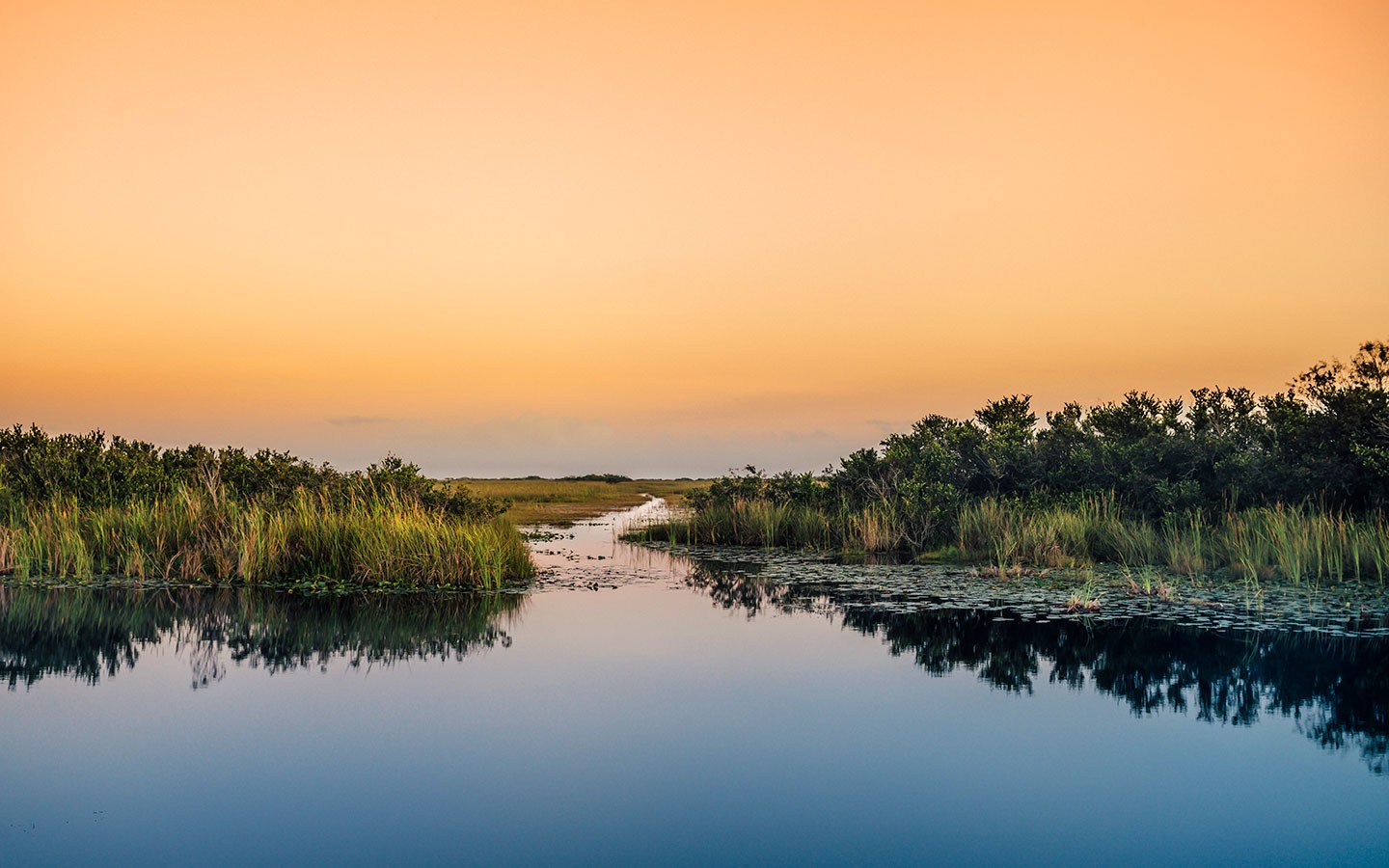 43 mi from MiamiThe Everglades National Park
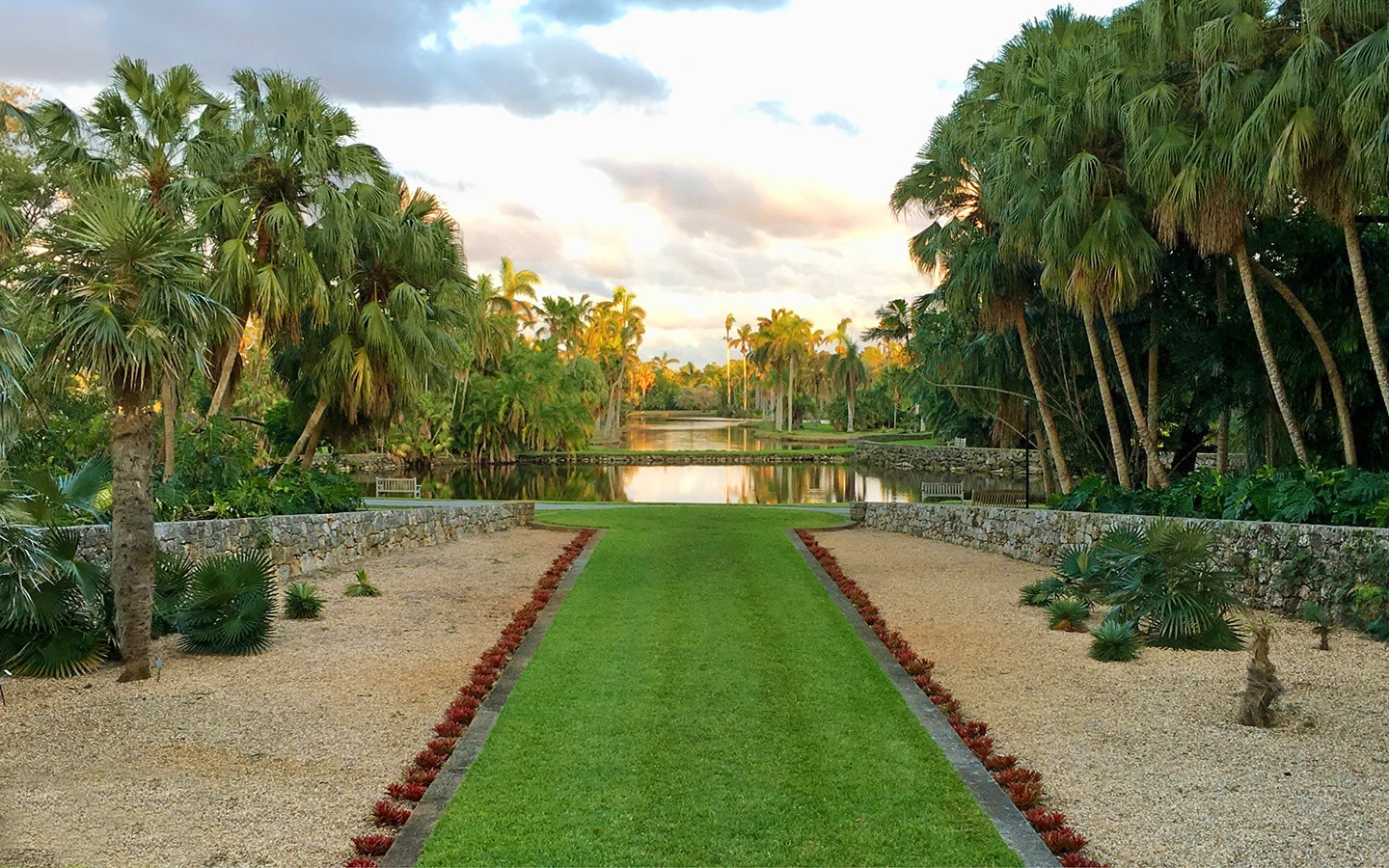 10 mi from MiamiFairchild Tropical Botanic Garden
 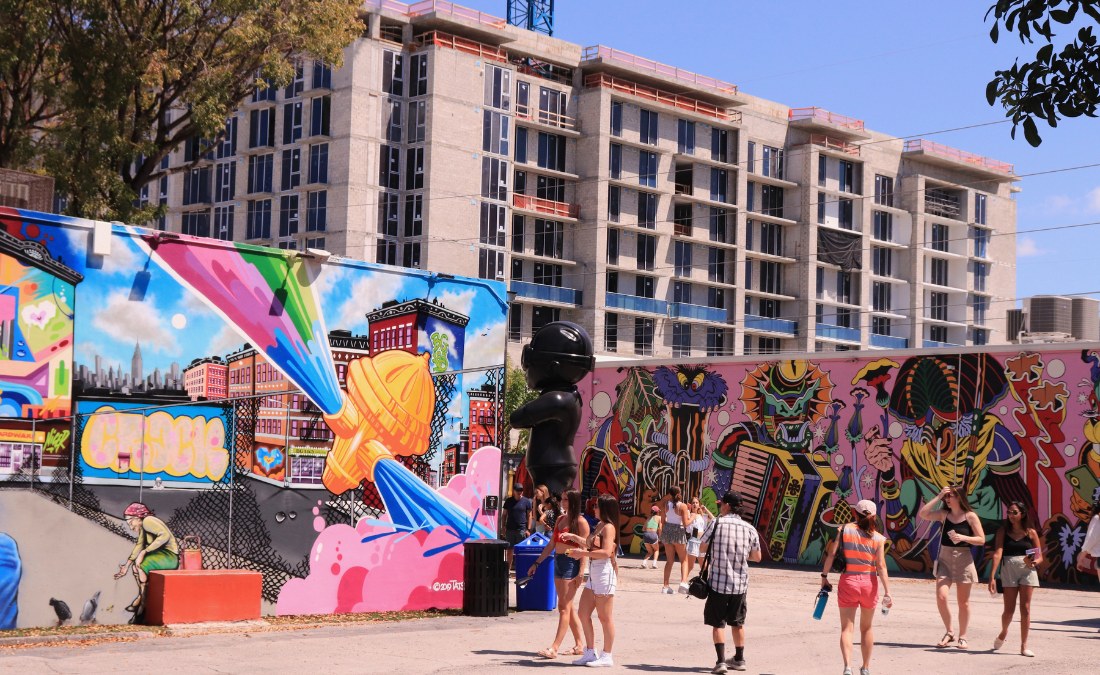 6 mi from Miami · land adventureMiami Beach: Art, Everglades & Cuban Soul at a Smart Price
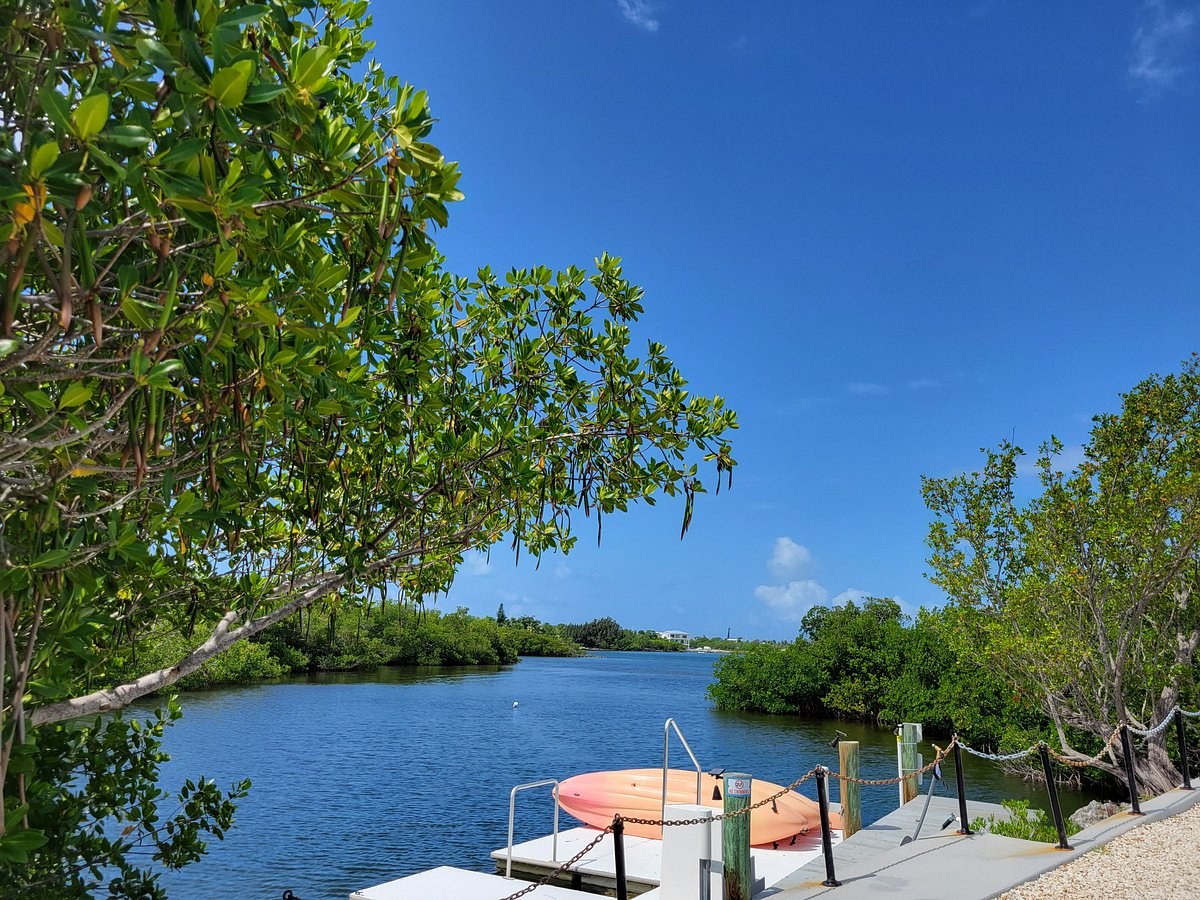 129 mi from Miami · land adventureSalt Air & Secrets: A Key West Road Trip Worth Lingering Over
 After you step off · near Southampton
You end in a different port — stay on, and add what is within reach before you fly home.
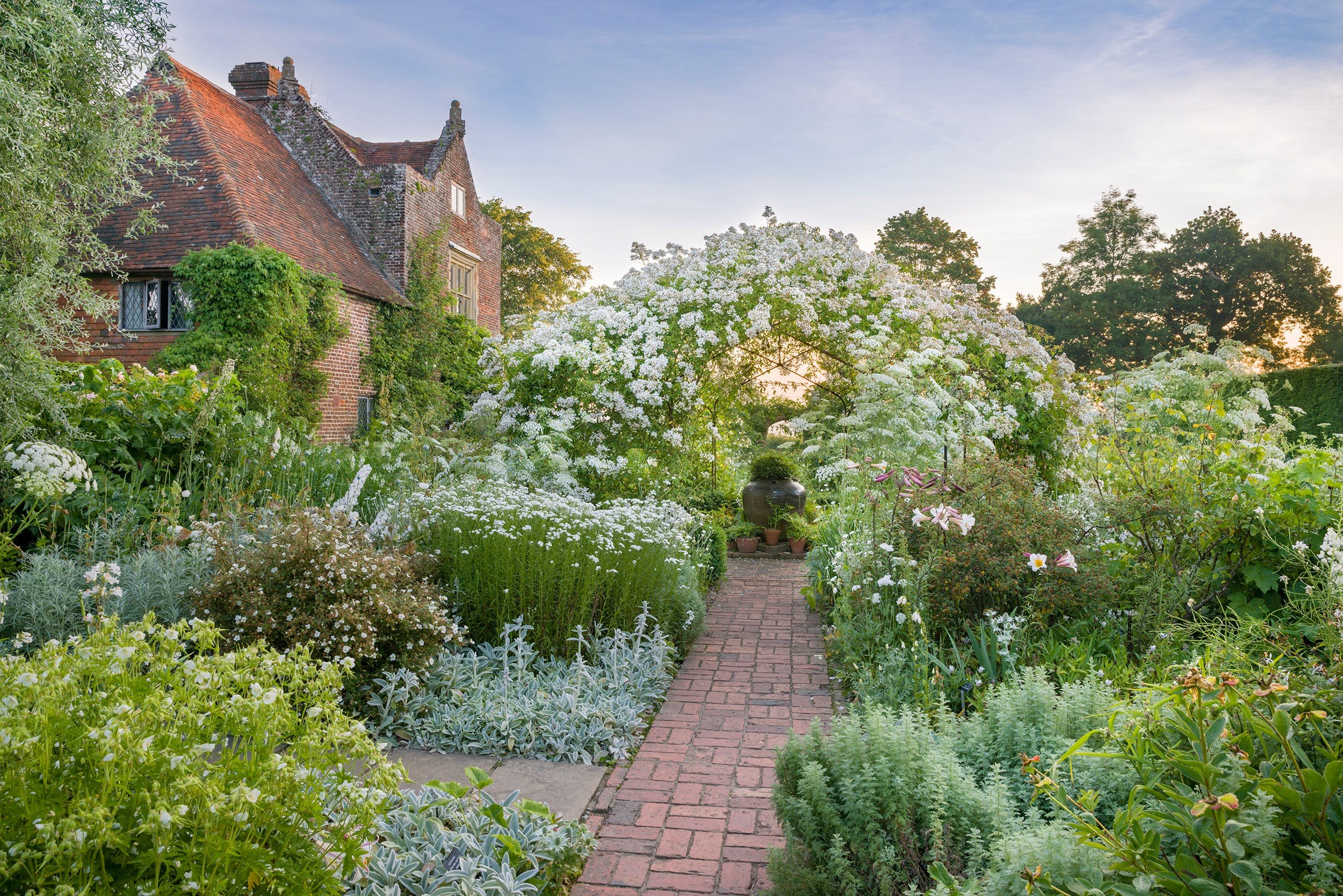 87 mi from SouthamptonSissinghurst Castle Garden: Room-by-Room Garden Design Masterclass
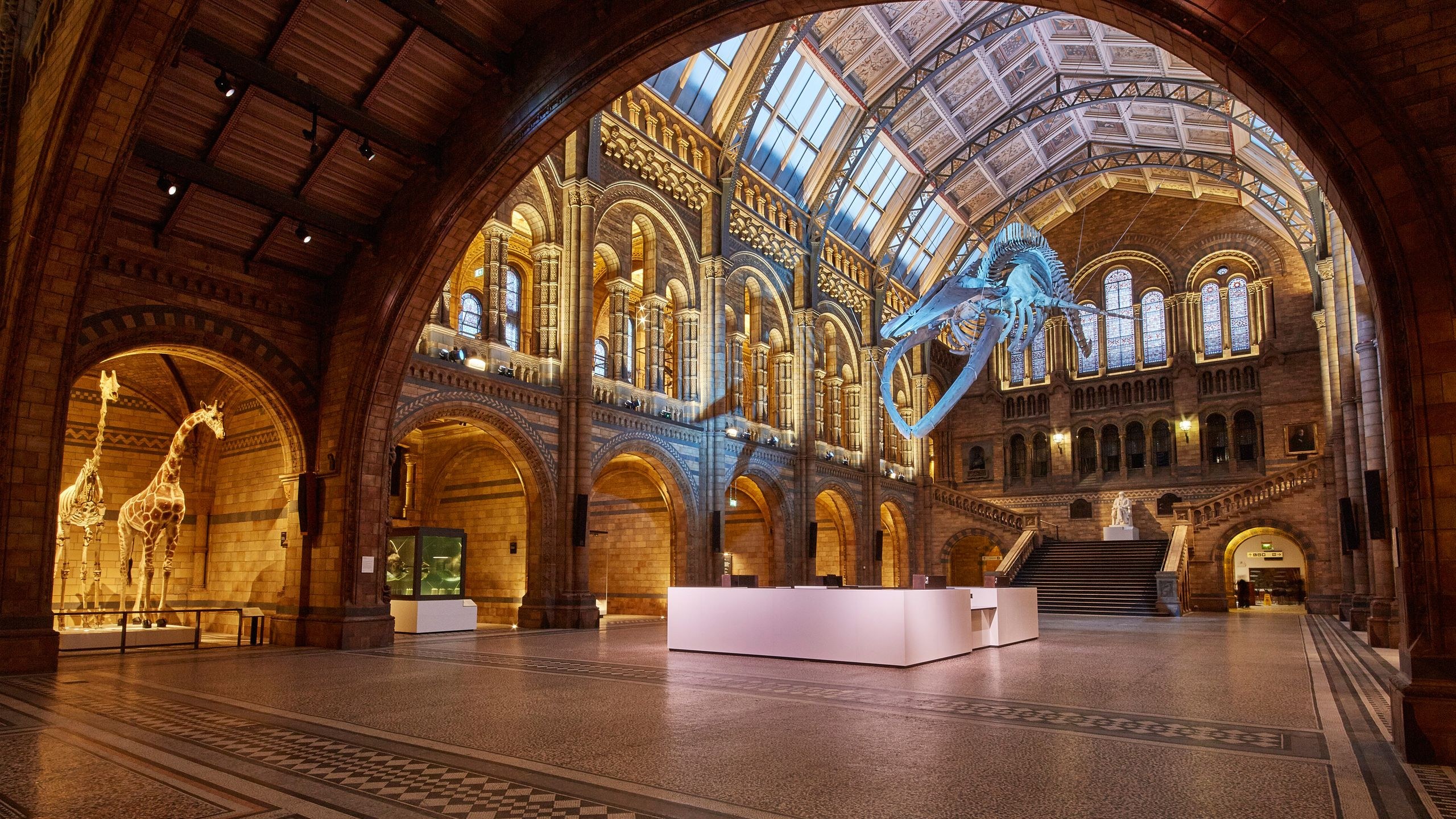 67 mi from SouthamptonNatural History Museum
 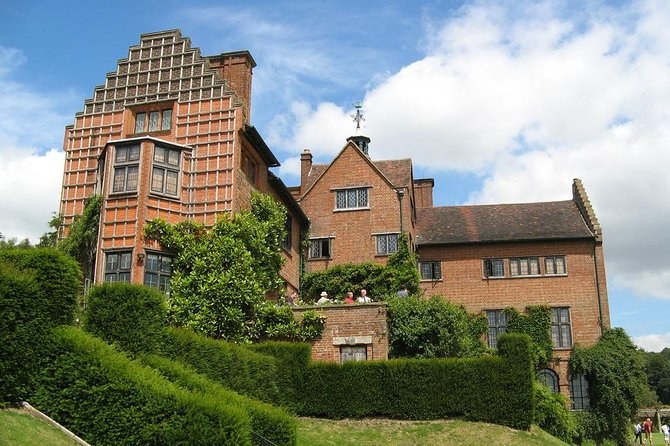 57 mi from Southampton · land adventureChurchill's Kent, Glyndebourne at Dusk & London's Secret Side
 57 mi from Southampton · land adventureCornwall's Wild Coast: Tin Mines, Tidal Castles & Beach Bars