Your cruise
Seven Seas Explorer · 61-night Asia cruise, Hong Kong to Tokyo
Jan 5 – Mar 6 · 61 nights ·
Day 1 Hong Kong (board) · Day 2 Willis Island · Day 3 Manila · Day 4 Coron · Day 5 Puerto Princesa · Day 6–8 Willis Island · Day 9 Jakarta · Day 10 Semarang · Day 11 Surabaya · Day 12 CELUKAN BAWANG · Day 13–14 Bali · Day 15 Komodo Island · Day 16 Lombok · Day 17 Probolinggo · Day 18–19 Willis Island · Day 20 Port Klang (Kuala Lumpur) · Day 21 Penang · Day 22 Phuket · Day 23 Langkawi · Day 24 at sea · Day 25 Singapore · Day 26 Willis Island · Day 27 Ko Samui · Day 28–29 Laem Chabang (Bangkok) · Day 30 Willis Island · Day 31 Ho Chi Minh City (Saigon) · Day 32 Cam Ranh · Day 33 Willis Island · Day 34 Hanoi · Day 35 Willis Island · Day 36 Hong Kong · Day 37 Willis Island · Day 38 Keelung (Taipei) · Day 39 Ishigaki · Day 40 Miyakojima · Day 41 Willis Island · Day 42–43 Shanghai · Day 44 Willis Island · Day 45 Kagoshima · Day 46 Nagasaki · Day 47 Willis Island · Day 48 Seoul (Inchon) · Day 49 Willis Island · Day 50 Jeju Island South Korea · Day 51 Yeosu · Day 52 Nagasaki · Day 53 Kagoshima · Day 54 Willis Island · Day 55 Beppu · Day 56 Hiroshima · Day 57 Kochi · Day 58 Tokushima · Day 59 Osaka (Kyoto and Nara) · Day 60 Willis Island · Day 61 Shimizu · Day 62 Tokyo (step off)
What you do Board a rigid inflatable Zodiac for a close-up circumnavigation of one of the Coral Sea's most remote specks of land. Drift alongside vast nesting colonies of red-footed boobies, frigatebirds and brown noddies — a wildlife spectacle almost no traveller on earth ever witnesses.
What to expect Your Zodiac departs the ship's swim platform and skirts the island's entire coastline at water level, giving you eye-to-eye encounters with seabird colonies that number in the tens of thousands. The guide pauses the engine so you can hear the cacophony of calls and photograph birds in undisturbed flight. Shallow coral gardens glow electric beneath the hull as you round each headland. The round trip typically takes 90–120 minutes, leaving ample buffer before all-aboard.
Good to know Pre-book directly via email well in advance — this is a tender-only island and Zodiac capacity is strictly capped. Wear non-marking soles, bring a hat and reef-safe sunscreen. Confirm your ship's all-aboard time and allow 30 minutes' return buffer.
What you do Slip beneath the surface of some of the least-dived water on the planet — the Coral Sea surrounding Willis Island, hundreds of kilometres from the nearest coast. Visibility regularly exceeds 30 metres, revealing walls of hard coral, reef sharks, giant trevally and undisturbed sea-turtle feeding grounds.
What to expect Guests kit up in a purpose-equipped dive room and giant-stride into waters of extraordinary clarity. The reef structures here are pristine — no bleaching, no crowds — and the sheer biomass of pelagic life reflects the island's status as a protected marine reserve. Drift snorkelling across shallow coral plateaus, you are likely to encounter hawksbill turtles grazing, schools of chevron barracuda and the flash of a reef whaler in the blue. Safety divers and guides remain in the water throughout.
Good to know Swimming competency is required; full snorkel equipment is provided. Confirm landing and in-water permissions with the Australian Bureau of Meteorology station keeper in advance — access can be subject to weather and conservation protocols. Bring a rash vest for UV protection.
book direct with Mike Ball Dive Expeditions (Townsville/Cairns — Coral Sea specialists) → · the full guide →
What you do Step ashore — one of only a handful of visitors ever permitted — and receive a private briefing inside Australia's most remote operational weather station. The data collected here has guided cyclone warnings across Queensland for over a century; it is a living piece of scientific history.
What to expect After a short Zodiac transfer to the beach, you walk across the coral-rubble islet — the entire thing is barely 400 metres across — to the weatherboard station compound. The duty meteorologist explains the island's role in tracking Coral Sea cyclogenesis, shows you the instrument arrays and balloon launch facilities, and fields questions with refreshing candour. The sense of absolute remoteness — no roads, no shops, just science and sea — is profoundly affecting. Visits are brief (30–45 minutes) out of respect for operations.
Good to know Landing is at the discretion of BOM and sea conditions; it is never guaranteed. Wear closed shoes for the coral-rubble foreshore. Do not touch or enter any instrument enclosures. This is one of cruising's rarest privileges — treat it accordingly.
What you do Join a dedicated marine naturalist on a slow, deliberate circuit of Willis Island's offshore waters — prime habitat for dwarf minke whales, spinner dolphins, red-tailed tropicbirds and occasional whale sharks. This is expedition-grade wildlife observation in one of Earth's most intact marine environments.
What to expect The excursion runs in the calm conditions that typically prevail in the lee of the island, with the naturalist briefing the group on cetacean behaviour before departure. Spinner dolphins frequently bow-ride the vessel's wake, while tropicbirds trace lazy arcs overhead trailing their extraordinary white tail streamers. In season (June–September), dwarf minke whales approach curious vessels with remarkable boldness. The naturalist's running identification and ecological commentary transforms an already astonishing scene into a masterclass in Coral Sea ecology.
Good to know Bring image-stabilised binoculars if you own them — loaner binoculars are available but limited. A polarised lens filter dramatically improves underwater wildlife sighting from the deck. Morning cruises yield the best light and the calmest seas.
book direct with Coral Expeditions (Australia's premium expedition cruise specialist) → · the full guide →
What you do Combine world-class snorkelling with a dedicated underwater photography tuition session led by a professional marine photographer. The pellucid, undisturbed waters around Willis Island provide a studio backdrop that professionals travel half a year to reach — and you are already here.
What to expect After a 20-minute on-deck briefing covering exposure, buoyancy control for photography and coral-safe positioning, the group enters the water with the lead photographer. Each participant is given real-time feedback via underwater slates and post-dive screen reviews. The reef here hosts nudibranchs, juvenile turtles and extraordinary soft-coral detail that rewards close, patient framing. By the final dive, guests leave with a curated set of images that would pass muster in any travel magazine.
Good to know Bring your own mirrorless or compact camera with an underwater housing if possible; hire housings are limited. Basic snorkel competency required. Maximum group size of 6 is strictly enforced — book your place the moment you board the ship.
What you do Rise before the rest of the ship and join an ornithologist-guide for a dawn landing on Willis Island — arguably the most exclusive birdwatching address in the Southern Hemisphere. The island hosts one of Australia's largest documented seabird colonies, and first light is when it erupts into extraordinary life.
What to expect The Zodiac lands on the coral-rubble beach just as the sky softens to indigo. Within seconds, frigatebirds begin their courtship displays, inflating scarlet throat pouches while brown boobies jostle on nesting scrapes metres from your feet. The ornithologist narrates the scene with infectious expertise, calling species by name as they lift and wheel overhead in their thousands. The island's absolute silence — broken only by wind and wings — produces a meditative quality that experienced travellers consistently describe as one of cruising's most affecting moments.
Good to know Landing is subject to BOM approval and sea-state — pre-register your interest at the expedition desk on day one of the voyage. Wear dark, non-reflective clothing to avoid disturbing nesting birds. Carry a long lens (200mm+ equivalent) for perched-bird shots. Soft-soled shoes protect both the coral-rubble substrate and your footing.
book direct with Coral Expeditions (Australia's premium expedition cruise specialist) → · the full guide →
What you do Ride the legendary Peak Tram to Hong Kong's most iconic viewpoint and stand on Sky Terrace 428 as the city's skyline ignites at dusk — a panorama that defines the word 'bucket-list.'
What to expect The 125-year-old funicular climbs at a thrilling 27-degree angle through the Mid-Levels jungle before delivering you to Sky Terrace 428 — the highest viewing platform on the Peak at 428 metres. Victoria Harbour stretches below you in every direction, skyscrapers glinting gold and then neon. Linger for the full colour change from sunset to city-glow before descending to Central for dinner. The Peak Tower complex also houses upscale dining for a post-view sundowner.
Good to know Trams run daily 07:00–23:00; the last return tram is 23:30. Book online in advance to skip the physical ticket queue — walk-up waits can exceed 45 min at peak times. Central Star Ferry pier is a 10-min taxi from the Ocean Terminal (Harbour City), giving you maximum time ashore. Factor ~3 hours return.
book direct with The Peak Tram (Hong Kong & Shanghai Hotels, official) → · the full guide →
What you do Board a traditional Chinese junk decked in teak and lanterns for a private sunset-to-nightfall voyage across Victoria Harbour, watching the world's largest permanent light show paint 44 skyscrapers in laser and neon.
What to expect Step aboard one of Aqua Luna's iconic red-sailed wooden junks at Tsim Sha Tsui for a private voyage timed to the 20-minute Symphony of Lights show (nightly 20:00). The crew serves Champagne and canapés as the Kowloon and Hong Kong Island skylines synchronise in coloured lights and lasers to a soundtrack. After the show, your junk glides close to the Star Ferry crossing for a final iconic photo. The harbour breeze and zero light pollution at water level make the spectacle vastly more immersive than any shoreside vantage.
Good to know Charter departs from Central Pier 9 or Tsim Sha Tsui Pier; confirm your pickup point at booking. All-aboard times at Hong Kong cruise terminals vary — Symphony of Lights starts at 20:00 sharp, so confirm your ship's overnight schedule before booking an evening charter. Minimum 2 hrs ashore after 19:30 recommended.
What you do Journey to Lantau Island by ferry or cable car, climb 268 steps to the world's largest outdoor seated bronze Buddha, then glide through Tai O — Hong Kong's last stilt-house fishing village — on a sampan boat.
What to expect The Ngong Ping 360 gondola soars above emerald ridges before depositing you at the monastery village. At 34 metres, Tian Tan Buddha commands the hilltop with quiet authority — your guide shares the Buddhist symbolism while the incense smoke curls below. The drive to Tai O feels like stepping back a century: weathered stilts over tidal channels, dried seafood hung like garlands, and pink dolphins sometimes spotted on the sampan. A private seafood lunch in the village rounds out an extraordinary day.
Good to know Lantau is ~45 min by ferry from Central Pier 6 or via MTR to Tung Chung for the cable car. Book the Ngong Ping 360 cable car separately in advance at np360.com.hk (HKD 235 standard return adult). The full circuit takes 7–8 hours; confirm all-aboard time before booking. Closed-toe shoes recommended for the 268 Buddha steps.
book direct with Hello! Hong Kong Private Tours (official) → · the full guide →
What you do Let a private expert guide lead you through Kowloon's layered soul — incense-wreathed Wong Tai Sin Temple, the Jade Market, and hidden dai pai dong alleyways for a chef-curated dim sum and roast goose tasting.
What to expect Begin at the ornate Wong Tai Sin Temple, where fortune-tellers have practised their craft for generations and the air is thick with incense sticks. Wind through the Jade Market's covered stalls where connoisseurs tap rings to test quality. Descend into a Sham Shui Po wet market for a sensory awakening of live seafood and exotic spices. The tour climaxes at a neighbourhood roast-goose specialist and a century-old yum cha teahouse where bamboo steamers arrive in towers — dishes chosen by your guide for genuine authenticity.
Good to know Tsim Sha Tsui (Kowloon) is a 5-min walk or free shuttle from Ocean Terminal — ideal for half-day forays. The tour operates rain or shine; bring a compact umbrella. Confirm dietary restrictions in advance. A half-day tour (4 hrs) leaves ample time for independent exploration of Harbour City or a Star Ferry crossing before all-aboard.
book direct with Hong Kong With Stephen Private Tours (official) → · the full guide →
What you do Cross Victoria Harbour on the legendary Star Ferry, then walk the layered colonial heart of Central — the Court of Final Appeal, Pottinger Street, and Man Mo Temple — guided by a private expert historian.
What to expect The Star Ferry crossing itself is a rite of passage — the 7-minute ride with the skyline bearing down is one of travel's great theatrical moments. On Hong Kong Island, your guide leads you through the granite neo-classical buildings of Central, up the steep stone steps of Pottinger Street to Sheung Wan, and into the incense-blackened interior of Man Mo Temple (1847), one of Hong Kong's oldest. Stories of British governors, Chinese merchant dynasties, and wartime resistance unfold at every corner. The walk ends with a glass of chilled Champagne at a rooftop bar overlooking the harbour.
Good to know Star Ferry departs from Tsim Sha Tsui Pier every 6–10 minutes (HKD 3.40 lower deck — collector's experience). The heritage walk covers ~4 km on gentle gradients with rest stops. Allow 4–5 hours total. Wear comfortable walking shoes. This tour can pair beautifully with a Victoria Peak visit in the same day if you have an overnight call.
book direct with Hello! Hong Kong Private Tours (official) → · the full guide →
What you do Glide across two iconic routes on an open-top double-decker — past the neon-lit temples of Wan Chai, the waterfront of Kowloon, and up through Victoria Peak Road — with hop-on, hop-off freedom and a live commentary.
What to expect The red double-deckers cover both Hong Kong Island and Kowloon on colour-coded routes, with 24 stops including the Star Ferry, Man Mo Temple, the Peak, and the Temple Street Night Market. Live English commentary brings context to every neighbourhood. The optional harbour junk cruise can be added for a water-level contrast. The night route (departs ~18:00) transforms the city into a neon dreamscape viewed from above — one of the most photogenic ways to experience Hong Kong after dark.
Good to know Tickets bought online (bigbustours.com) save ~15% vs. at the kiosk. The nearest stop to the Ocean Terminal cruise port is Tsim Sha Tsui (Star Ferry), a 5-min walk. Day tours start ~09:00; night tours ~18:00. A 1-day pass covers both; ideal if your ship has an evening departure. Download the Big Bus app for live bus tracking and stop audio guides.
book direct with Big Bus Tours Hong Kong (official) → · the full guide →
What you do Board a rigid inflatable Zodiac for a close-up circumnavigation of one of the Coral Sea's most remote specks of land. Drift alongside vast nesting colonies of red-footed boobies, frigatebirds and brown noddies — a wildlife spectacle almost no traveller on earth ever witnesses.
What to expect Your Zodiac departs the ship's swim platform and skirts the island's entire coastline at water level, giving you eye-to-eye encounters with seabird colonies that number in the tens of thousands. The guide pauses the engine so you can hear the cacophony of calls and photograph birds in undisturbed flight. Shallow coral gardens glow electric beneath the hull as you round each headland. The round trip typically takes 90–120 minutes, leaving ample buffer before all-aboard.
Good to know Pre-book directly via email well in advance — this is a tender-only island and Zodiac capacity is strictly capped. Wear non-marking soles, bring a hat and reef-safe sunscreen. Confirm your ship's all-aboard time and allow 30 minutes' return buffer.
What you do Slip beneath the surface of some of the least-dived water on the planet — the Coral Sea surrounding Willis Island, hundreds of kilometres from the nearest coast. Visibility regularly exceeds 30 metres, revealing walls of hard coral, reef sharks, giant trevally and undisturbed sea-turtle feeding grounds.
What to expect Guests kit up in a purpose-equipped dive room and giant-stride into waters of extraordinary clarity. The reef structures here are pristine — no bleaching, no crowds — and the sheer biomass of pelagic life reflects the island's status as a protected marine reserve. Drift snorkelling across shallow coral plateaus, you are likely to encounter hawksbill turtles grazing, schools of chevron barracuda and the flash of a reef whaler in the blue. Safety divers and guides remain in the water throughout.
Good to know Swimming competency is required; full snorkel equipment is provided. Confirm landing and in-water permissions with the Australian Bureau of Meteorology station keeper in advance — access can be subject to weather and conservation protocols. Bring a rash vest for UV protection.
book direct with Mike Ball Dive Expeditions (Townsville/Cairns — Coral Sea specialists) → · the full guide →
What you do Step ashore — one of only a handful of visitors ever permitted — and receive a private briefing inside Australia's most remote operational weather station. The data collected here has guided cyclone warnings across Queensland for over a century; it is a living piece of scientific history.
What to expect After a short Zodiac transfer to the beach, you walk across the coral-rubble islet — the entire thing is barely 400 metres across — to the weatherboard station compound. The duty meteorologist explains the island's role in tracking Coral Sea cyclogenesis, shows you the instrument arrays and balloon launch facilities, and fields questions with refreshing candour. The sense of absolute remoteness — no roads, no shops, just science and sea — is profoundly affecting. Visits are brief (30–45 minutes) out of respect for operations.
Good to know Landing is at the discretion of BOM and sea conditions; it is never guaranteed. Wear closed shoes for the coral-rubble foreshore. Do not touch or enter any instrument enclosures. This is one of cruising's rarest privileges — treat it accordingly.
What you do Join a dedicated marine naturalist on a slow, deliberate circuit of Willis Island's offshore waters — prime habitat for dwarf minke whales, spinner dolphins, red-tailed tropicbirds and occasional whale sharks. This is expedition-grade wildlife observation in one of Earth's most intact marine environments.
What to expect The excursion runs in the calm conditions that typically prevail in the lee of the island, with the naturalist briefing the group on cetacean behaviour before departure. Spinner dolphins frequently bow-ride the vessel's wake, while tropicbirds trace lazy arcs overhead trailing their extraordinary white tail streamers. In season (June–September), dwarf minke whales approach curious vessels with remarkable boldness. The naturalist's running identification and ecological commentary transforms an already astonishing scene into a masterclass in Coral Sea ecology.
Good to know Bring image-stabilised binoculars if you own them — loaner binoculars are available but limited. A polarised lens filter dramatically improves underwater wildlife sighting from the deck. Morning cruises yield the best light and the calmest seas.
book direct with Coral Expeditions (Australia's premium expedition cruise specialist) → · the full guide →
What you do Combine world-class snorkelling with a dedicated underwater photography tuition session led by a professional marine photographer. The pellucid, undisturbed waters around Willis Island provide a studio backdrop that professionals travel half a year to reach — and you are already here.
What to expect After a 20-minute on-deck briefing covering exposure, buoyancy control for photography and coral-safe positioning, the group enters the water with the lead photographer. Each participant is given real-time feedback via underwater slates and post-dive screen reviews. The reef here hosts nudibranchs, juvenile turtles and extraordinary soft-coral detail that rewards close, patient framing. By the final dive, guests leave with a curated set of images that would pass muster in any travel magazine.
Good to know Bring your own mirrorless or compact camera with an underwater housing if possible; hire housings are limited. Basic snorkel competency required. Maximum group size of 6 is strictly enforced — book your place the moment you board the ship.
What you do Rise before the rest of the ship and join an ornithologist-guide for a dawn landing on Willis Island — arguably the most exclusive birdwatching address in the Southern Hemisphere. The island hosts one of Australia's largest documented seabird colonies, and first light is when it erupts into extraordinary life.
What to expect The Zodiac lands on the coral-rubble beach just as the sky softens to indigo. Within seconds, frigatebirds begin their courtship displays, inflating scarlet throat pouches while brown boobies jostle on nesting scrapes metres from your feet. The ornithologist narrates the scene with infectious expertise, calling species by name as they lift and wheel overhead in their thousands. The island's absolute silence — broken only by wind and wings — produces a meditative quality that experienced travellers consistently describe as one of cruising's most affecting moments.
Good to know Landing is subject to BOM approval and sea-state — pre-register your interest at the expedition desk on day one of the voyage. Wear dark, non-reflective clothing to avoid disturbing nesting birds. Carry a long lens (200mm+ equivalent) for perched-bird shots. Soft-soled shoes protect both the coral-rubble substrate and your footing.
book direct with Coral Expeditions (Australia's premium expedition cruise specialist) → · the full guide →
What you do Glide through Asia's best-preserved colonial walled city on a bamboo bicycle, weaving past 16th-century ramparts, cobblestone lanes, and the haunting Fort Santiago dungeon where national hero José Rizal awaited execution.
What to expect Your bamboo bicycle — handcrafted by Manila artisans — carries you along the 4.5 km perimeter walls of Intramuros, past Baluarte de San Diego and through the grand gates of Fort Santiago. Inside the fort, you walk the very corridors where Rizal was imprisoned, then stand in the garden where his footprints are cast in brass marking his final walk to execution. The tour concludes at San Agustín Church, a UNESCO World Heritage Site and the oldest stone church in the Philippines, where the baroque interior glows in the afternoon light.
Good to know Tours run in the morning (8 am) and early afternoon (1 pm); allow 2.5–3 hours total. Intramuros is 10–15 minutes by taxi or ride-share from the Manila cruise terminal. Pre-book directly via the Bambike website to secure a private slot. All-aboard times at Manila port are typically 5–6 pm, so a morning tour is ideal.
book direct with Carlos Celdran's Intramuros Walking Tours / Bambike Ecotours → · the full guide →
What you do Binondo has fed Manila since 1594 — this expert-led food walk through the world's oldest Chinatown is a sensory pilgrimage of siopao, tikoy, fresh lumpia, and century-old dim sum parlours that no restaurant reservation can replicate.
What to expect The walk begins at the Binondo Church, one of the oldest in the world, before threading into the labyrinthine lanes where every doorway reveals a culinary secret. You'll taste fresh hand-rolled pork asado siopao still warm from the steamer, slurp wonton noodle soup at a 90-year-old eatery, nibble on sesame-studded tikoy, and sample calamansi juice pressed to order. Ivan's storytelling connects each dish to waves of Chinese migration, the Spanish colonial era, and Manila's modern identity — a living history you eat your way through.
Good to know Tours start at 9 am and last approximately 3 hours. Binondo is a 10-minute taxi ride from the cruise terminal. Private bookings are strongly recommended — contact Old Manila Walks directly via the website. Come hungry and wear comfortable walking shoes; streets can be uneven.
book direct with Ivan Man Dy / Old Manila Walks → · the full guide →
What you do Corregidor — the 'Rock' that guarded Manila Bay — is among the Pacific War's most hallowed battlegrounds. Traverse its haunting gun batteries, the legendary Malinta Tunnel, and the Pacific War Memorial on a guided day voyage that reads like living history.
What to expect The Sun Cruises catamaran departs CCP Complex (a 15-minute ride from the cruise port) and crosses Manila Bay in about 1.5 hours, with sweeping views of the bay at dawn. On the island, an open-air tram ferries you past the bombed-out Mile-Long Barracks, the Spanish Lighthouse, and the Pacific War Memorial, where the eternal flame burns for Filipino and American soldiers. Inside Malinta Tunnel, a dramatic sound-and-light show recreates General MacArthur's final hours before his famous escape. The return sail offers sundowners with the Manila skyline silhouetted against the bay.
Good to know Ferries depart at 7:30 am from CCP Complex; the full-day tour returns by approximately 4–4:30 pm, comfortably before typical all-aboard times. Book ferry tickets directly on the Corregidor Philippines website well in advance — weekend departures sell out. Wear sun protection and comfortable shoes; the island terrain is uneven.
book direct with Sun Cruises / Corregidor Island (Official Ferry & Tour Operator) → · the full guide →
What you do Step inside the Philippines' only UNESCO World Heritage baroque church — San Agustín — then cross the cobblestones to Casa Manila, a jaw-dropping recreation of a 19th-century ilustrado mansion, on a private expert-led tour of Manila's golden colonial age.
What to expect Your private guide meets you at the Intramuros gates and leads you first into San Agustín Church, whose interior is a masterclass in baroque excess: trompe-l'œil ceilings, 17th-century frescoes, and the tombs of Spanish conquistadors. The adjacent Augustinian Museum holds one of the finest collections of religious art and vestments in Southeast Asia. Crossing the plaza, Casa Manila's three floors of antique Filipino furniture, Chinese porcelain, and capiz-shell windows transport you into the world of Manila's 19th-century elite — the very ilustrados who inspired the Philippine Revolution.
Good to know Tours can be customised for a half-day (3–4 hours) or combined with a Binondo food walk for a full-day experience. Both sites are within Intramuros — 10–15 minutes by taxi from the pier. Book via the Don't Skip Manila website; private slots fill quickly on port days. San Agustín Church may be closed for Mass from 8–9 am.
book direct with Don't Skip Manila Tours → · the full guide →
What you do The Philippines' national shrine and its world-class museum complex sit side by side along Manila Bay — a profound pairing of outdoor monument and extraordinary collection that frames the entire Filipino story in a single luminous morning.
What to expect Begin at Rizal Park, where the monument to Dr. José Rizal — the polymath martyr whose writings ignited Philippine independence — commands the grand Luneta esplanade. Stroll the landscaped grounds past the relief maps of the archipelago and the serene Japanese garden before crossing to the National Museum complex. Inside the Fine Arts building, the rotunda soars above you as you approach Luna's 4.22 × 7.675-metre 'Spoliarium', a canvas of such scale and emotion it stops visitors in their tracks. The Natural History Museum's Tree of Life atrium — a sculptural centrepiece rising five floors — is an architectural wonder in its own right.
Good to know Both sites are easily walkable from each other and 10–15 minutes by taxi from the pier. Arrive at opening (10 am) for the coolest temperatures and fewest visitors. Engage a private licensed guide through Don't Skip Manila or ToursbyLocals for context that transforms the visit. Allow 3–4 hours for both sites comfortably.
book direct with National Museum of the Philippines (Official) → · the full guide →
What you do Shoot the legendary Pagsanjan Gorge rapids by dugout canoe — bankero paddlers steering you through 14 thundering cascades to the foot of a 91-metre waterfall — a raw, cinematic adventure filmed in 'Apocalypse Now' and utterly unlike anything else in the region.
What to expect Your private vehicle departs Manila early morning, arriving at Pagsanjan (Laguna province) by 9–9:30 am when the gorge light is magical. Two barefoot bankero (boatmen) — masters of the rapids, whose families have paddled this gorge for generations — power your narrow dugout upstream through swirling green water, ducking under rock overhangs and riding white-water chutes. At the base of Pagsanjan Falls, a bamboo raft is lashed together on the spot; your bankero guide you through the mist and spray to stand directly beneath the 91-metre cascade. The downstream return is an exhilarating half-hour ride as the rapids work in your favour.
Good to know Allow a full day: depart by 6:30–7 am from Manila to return comfortably by 4–4:30 pm. The boating portion takes 2–3 hours round-trip on the river. Book a private round-trip transfer in advance (ToursbyLocals or a Manila-based private driver) and pre-register at the official tourism office upon arrival. Wear clothes you don't mind getting wet; waterproof bags for cameras are essential. Not suitable on days of heavy rain/flooding.
book direct with Pagsanjan Falls Tourism Office (Official Boating Concession) → · the full guide →
What you do Coron's crown jewels — crystalline Kayangan Lake, the mysterious thermocline of Barracuda Lake, and the emerald Twin Lagoon — explored at your own pace on a private chartered bangka. This is the definitive Coron day, done in luxury.
What to expect Board your dedicated traditional bangka at Coron town pier, draped in shade cloth and equipped with snorkel gear. Glide to Kayangan Lake — UNESCO-recognised as one of Asia's cleanest — and swim beneath towering karst cliffs. Slip through the mangrove channel into Twin Lagoon, where warm and cool water layers create an almost supernatural glow. Finish with a stop at Barracuda Lake, whose eerie thermocline shifts the water from warm to cold in a single kick.
Good to know Pre-book the private charter directly to lock your date; environmental fees (approx. PHP 200–400 per person) are collected at each site and paid on arrival. Depart by 07:00 to beat crowds at Kayangan; all-aboard is typically 17:00–18:00, giving ample buffer.
book direct with Calamian Islands Travel and Tours (coron-travel.com) → · the full guide →
What you do Coron Bay holds one of the world's great wreck-diving graveyards — a fleet of Japanese supply ships sunk in a single 1944 US airstrike. Descend on the massive Okikawa Maru tanker and the hauntingly intact Skeleton Wreck with an expert local dive guide.
What to expect Kit up at the Coron Divers base, then motor across the glassy bay to your first wreck. The Okikawa Maru lies at 10–28 m, her vast hull blanketed in vibrant soft corals and patrolled by batfish and barracuda. The Skeleton Wreck (Kogyo Maru) rewards with intact engines and dramatic swim-throughs. Your guide narrates the 1944 raid history both above and below water. Surface intervals are taken on deck with cold towels and local fruit.
Good to know Minimum Open Water certification required; Advanced OW recommended for deeper sections. Book at least 48 hours ahead as guides fill quickly. Full-day 2-tank dives depart 07:30 and return by 13:00, well within any all-aboard window.
What you do On a remote island north of Coron, giraffes, zebras, and Calamian deer roam freely alongside endemic Philippine wildlife — a surreal safari experience transplanted from Africa to tropical karst. Calauit Game Preserve is one of Southeast Asia's most extraordinary wildlife encounters.
What to expect Depart Coron town by motorised bangka for the 1.5-hour crossing to Calauit Island, watching flying fish leap alongside the bow. Inside the 3,700-hectare reserve, a jeepney takes you through open savannah where Rothschild's giraffes and Burchell's zebras graze beside Calamian deer and bearcats. Guides share the remarkable story of how Ferdinand Marcos relocated these animals from Africa in the 1970s. The return journey crosses open sea with dramatic views of the Calamian archipelago.
Good to know This is a full-day excursion (approx. 8–9 hours); confirm your ship's all-aboard time before booking — most Coron port calls are long enough. Bring sun protection; the open jeepney offers limited shade. Calauit is best visited on a private charter to control timing.
book direct with Calamian Islands Travel and Tours (coron-travel.com) → · the full guide →
What you do Paddle a sea kayak through Coron Island's hidden tidal lagoons as the limestone karsts glow amber and rose in the dying light. This intimate evening experience reveals a side of Coron that almost no visitor sees.
What to expect Launch your stable sit-on-top sea kayak from a quiet beach on Coron Island's sheltered western shore. Your guide leads you through narrow rock channels where bats begin their evening flight above and phosphorescent plankton shimmer below. Paddle into a hidden lagoon framed by 200-metre limestone cliffs glowing deep orange in the sunset. Drift in silence, listening to nesting birds before paddling back under a sky full of stars. Cold towels and local refreshments await on the support boat.
Good to know No kayaking experience necessary; guides are experienced with first-timers. Departs approximately 3.5 hours before sunset — confirm exact time with operator based on season. Lightweight dry bags provided for cameras and valuables.
book direct with Calamian Islands Travel and Tours (coron-travel.com) → · the full guide →
What you do Malcapuya Island is routinely cited as one of the Philippines' most beautiful beaches — powdery white sand, transparent turquoise shallows, and almost no development. A private day charter delivers you there before any other boats arrive.
What to expect The one-hour bangka crossing from Coron town is itself spectacular, threading past uninhabited limestone islands and over reefs visible in 20 metres of gin-clear water. Malcapuya greets you with a crescent of flour-white sand that squeaks underfoot. Snorkel the fringing reef alive with clownfish and parrotfish, then retreat to the shade of coconut palms with a chilled drink. A crew-prepared lunch of grilled fresh catch, rice, and tropical fruit is served on your private boat as gentle waves lap the hull.
Good to know Malcapuya is about 1 hour from Coron — factor in travel time when planning around your all-aboard. The beach has minimal facilities; the private charter provides everything you need. Combine with a stop at Bulog Dos sandbar on the return for an aerial-worthy photograph.
book direct with Calamian Islands Travel and Tours (coron-travel.com) → · the full guide →
What you do One of only two saltwater hot springs in the world, Maquinit is fed by volcanic rock and fringed by mangroves — a deeply restorative soak just 7 km from the pier. At dusk, fireflies emerge and the karst ridgeline silhouettes against an indigo sky.
What to expect The main pool sits at a consistent 39°C (102°F), naturally heated by volcanic activity deep beneath Coron Island — warm enough to ease every muscle after a day of island-hopping. Elevated timber decks overlook the mangrove forest; a cooler freshwater pool provides relief between hot soaks. The salt content gives the water a silky, skin-softening quality distinct from any freshwater onsen. After dark, the mangroves light up with bioluminescent fireflies in a genuinely magical display.
Good to know Only 7 km from the cruise pier — a 15-minute tricycle ride. Best visited from 16:00 onwards when day crowds thin. Bring a change of clothes and a small towel; lockers and basic changing facilities are on-site. This pairs perfectly as a late-afternoon wind-down after an earlier island excursion.
book direct with Maquinit Hot Springs (official site) → · the full guide →
What you do Glide by kayak into one of the world's longest navigable underground rivers — a UNESCO World Heritage Site and New7Wonders of Nature. Cathedral-scale caverns dripping with stalactites, bats swirling overhead, and near-silence make this utterly otherworldly.
What to expect A 90-minute van transfer through lush Palawan jungle brings you to Sabang Wharf, where a private pump boat whisks you to the park entrance. Helmeted and life-vested, you board a paddle kayak and drift into the darkness as your licensed guide illuminates towering limestone formations with a torch. The river stretches 8.2 km underground; the navigable tourist section takes roughly 45 minutes and passes the breathtaking Cathedral and Italian's Room chambers. A buffet lunch at Sabang Wharf is included before the scenic return.
Good to know Permits sell out — book at least 2–3 weeks ahead. The park is ~2 hours from Puerto Princesa port; plan for a full day (8 AM–5 PM) to be comfortable before all-aboard. Wear clothes you don't mind getting splashed. Bring insect repellent for the Sabang beachfront.
What you do Escape to the shimmering coral gardens of Honda Bay on a fully chartered private pump boat, stopping at postcard-perfect Cowrie Island and shallow Starfish Island. Crystal-clear water, live coral snorkeling, and powdery white sand — this is quintessential Palawan luxury.
What to expect Honda Bay is a 20-minute drive from the cruise pier, making it one of the most time-efficient island experiences in Palawan. Your private pump boat departs Santa Lourdes Wharf and island-hops across jewel-colored shallows. Cowrie Island offers a pristine beach with swaying palms and a floating cottage for relaxing between snorkel sessions. Starfish Island lives up to its name — wade through ankle-deep water to find enormous starfish resting on the seabed. Equipment, environmental fees, and a light lunch are included.
Good to know Honda Bay is only 30–40 minutes from port — ideal if your ship has a shorter call. Bring reef-safe sunscreen and water shoes; the coral is very close to the surface. Book direct to secure the private vessel and not share with other groups.
What you do Climb through the eerie limestone passages of Ugong Rock, then launch off a 420-metre zipline above an untouched rainforest canopy. This rare combo of cave adventure and aerial thrill is run entirely by the indigenous Tagbanua community — raw, authentic, and unforgettable.
What to expect Located in Barangay Salvacion, roughly 45 minutes from the city centre, Ugong Rock rises dramatically from the jungle floor. Your Tagbanua guide leads you through a series of tight, lamp-lit chambers — squeezing, climbing, and marvelling at glittering formations — before you emerge blinking into sunlight at the summit. The reward is a 420-metre dual zipline that sends you soaring above the forest canopy with a jungle-framed horizon stretching to the bay. The whole experience takes 2–3 hours and is exhilarating without being extreme.
Good to know Wear sturdy closed-toe shoes and clothes that can get dirty. Combine with the Underground River on the same day if your ship has a late all-aboard — Ugong Rock is on the Sabang road. Not suitable for those with severe claustrophobia.
book direct with Ugong Rock Adventures (Tagbanua Community Enterprise) → · the full guide →
What you do Drift silently down a Palawan mangrove river as thousands of synchronised fireflies transform the trees into living constellations. This once-in-a-lifetime twilight spectacle is one of Southeast Asia's greatest natural light shows.
What to expect After a traditional Filipino dinner at a riverside pavilion, you board a narrow wooden bangka boat as dusk deepens over the mangroves. The forest falls quiet, then the trees begin to pulse — first one, then hundreds, then thousands of Pteroptyx fireflies flashing in perfect synchrony. Your guide cuts the engine and lets you drift in near-silence, the only light a green-gold shimmer reflected on the water. The return journey along the illuminated riverbank feels like floating through a dream. Total experience: approximately 3–4 hours.
Good to know Tours depart at approximately 6 PM — ideal for ships with a late afternoon or evening all-aboard. Bring mosquito repellent. This tour runs year-round but is most vivid during the dry season (November–May). Book at least a week in advance as group sizes are capped for environmental reasons.
book direct with Corazon Travel and Tours → · the full guide →
What you do Go behind the scenes at the Philippines' premier crocodile rescue facility, home to the legendary 6-metre saltwater crocodile Lolong's legacy and over 900 endemic Palawan species. A private naturalist guide unlocks access far beyond the standard visitor experience.
What to expect The Palawan Wildlife Rescue and Conservation Center sits just minutes from the city centre, making it perfect for a morning excursion. Your private guide narrates the remarkable conservation history as you walk through enclosures housing Philippine crocodiles, Palawan bearcat, sea turtles, and exotic birds — many rescued from illegal wildlife trade. The highlight is the breeding lagoon, where massive saltwater crocodiles glide under the boardwalk beneath your feet. A visit to the on-site butterfly garden and medicinal plant nursery rounds out a surprisingly rich two-hour experience.
Good to know Located only 15 minutes from the cruise pier — excellent as a standalone morning visit or combined with the Honda Bay island hop. The centre opens at 8 AM. Photography is encouraged. Wear light, breathable clothing as the outdoor enclosures have little shade.
book direct with Corazon Travel and Tours → · the full guide →
What you do Discover the soul of Palawan's capital through its Spanish-era cathedral, living heritage markets, panoramic Mitra's Ranch viewpoint, and a private tasting of Palawan's freshest seafood. A bespoke half-day that reveals the city's beauty far beyond the port gates.
What to expect Your air-conditioned private vehicle and knowledgeable local guide collect you at the pier and begin at the Immaculate Conception Cathedral, whose Spanish colonial facade frames the city's history perfectly. The Palawan Public Market overflows with dried mango, cashews, and the freshest tuna sashimi you'll find anywhere in the Philippines. Mitra's Ranch, a working farm-turned-viewpoint on the city outskirts, rewards with sweeping 360° vistas over Honda Bay and the Sulu Sea. The tour closes with a private lunch at a top local restaurant featuring fresh Palawan seafood. Total: approximately 4–5 hours.
Good to know This tour is entirely close to the port — all stops are within 30 minutes of the pier, making it the safest choice for ships with an early all-aboard. Ideal as a complement to an early-morning wildlife visit. Confirm private vehicle (not shared) when booking for the full luxury experience.
book direct with Corazon Travel and Tours → · the full guide →
What you do Ascend the flanks of an active Javanese volcano, wade through emerald rice terraces, soak in natural hot springs, and tour a colonial-era tea plantation — all in one extraordinary full-day odyssey from Jakarta's port.
What to expect Your private air-conditioned vehicle departs early, climbing into the volcanic highlands above the city as rice terraces open up on either side of the road. At the volcano crater rim, the sulfuric steam and panoramic views are breathtaking and otherworldly. A stop at a natural hot-spring pool offers a rejuvenating soak, before a visit to a working tea plantation reveals the elegance of colonial-era cultivation. A local fruit market and a traditional Javanese lunch round out an immersive, multi-sensory day.
Good to know This is a 12–13 hour excursion — confirm all-aboard time carefully and discuss departure time with your operator. Book in advance as private slots fill quickly. Wear layers; highland temperatures can be cool. Sturdy walking shoes essential for volcanic terrain.
book direct with TripAdvisor Experiences (local operator via Tripadvisor) → · the full guide →
What you do Explore one of Asia's most spectacular colonial botanical gardens, discover a hidden jungle waterfall, and walk the stepped emerald rice terraces of West Java — a serene, sensory counterpoint to Jakarta's urban energy.
What to expect The drive south from Tanjung Priok port takes you past the dramatic contrast of Jakarta's skyline fading into lush volcanic hillsides. The Kebun Raya Bogor gardens unfold across rolling grounds shaded by centuries-old trees, with the Presidential Palace visible through the mist. A short jungle trek leads to a cascading waterfall for a cooling pause, before terraced rice fields offer picture-perfect views and a window into traditional Sundanese agriculture. A sit-down Sundanese lunch with local delicacies completes the experience.
Good to know Bogor is approximately 60 km south of Jakarta — allow 1.5 hrs each way in traffic; early morning departure is strongly recommended. Book a private vehicle to control timing relative to all-aboard. Bring light rain gear — Bogor is one of the rainiest cities in Indonesia.
book direct with GetYourGuide (local Jakarta operator) → · the full guide →
What you do Escape to the Kepulauan Seribu — Jakarta's Thousand Islands — for a private tropical day of snorkelling over coral gardens, canoeing through crystal-clear bays, and lounging on near-deserted white-sand beaches.
What to expect A private speedboat whisks you north from Tanjung Priok into the Java Sea, arriving at a scattering of palm-fringed islands with turquoise shallows and coral-rich waters. Your guide leads a snorkelling session over vivid reef gardens teeming with tropical fish, followed by a relaxed canoe exploration of a sheltered mangrove bay. A freshly prepared seafood lunch on a private island beach — think grilled fish, coconut rice, and tropical fruit — is an unrushed highlight. The return speedboat gives you ample time for all-aboard.
Good to know Speedboat departure is from Tanjung Priok or nearby Marina Ancol — confirm with operator. Total travel time each way is approx. 45–60 min by fast boat. Book a full private speedboat charter (not shared) for the luxury experience. Bring reef-safe sunscreen, a hat, and a dry bag. Sea conditions can vary — confirm weather on the day.
book direct with GetYourGuide (local Jakarta operator) → · the full guide →
What you do Experience Jakarta's dazzling contrasts — from the soaring Monas monument to the Grand Istiqlal Mosque and vibrant street-food culture — through the eyes of a hand-picked private local host who makes the city genuinely come alive.
What to expect Your private, air-conditioned vehicle and personal host collect you from the port and whisk you to the base of Monas — the 132-metre National Monument — where a lift to the observation deck rewards you with a sweeping panorama across the megacity to the Java Sea. The Istiqlal Mosque, Southeast Asia's largest, impresses with its vast marble courtyards and serene atmosphere. A stroll through Kota Tua's colonial squares and a spontaneous street-food tasting organised by your host bring authentic Jakarta flavour. The pace is entirely yours — linger, photograph, and explore on your terms.
Good to know Monas observation deck tickets should be pre-booked; your host typically arranges this. Monas entry: approx. IDR 20,000–85,000 (USD 1–5) depending on level — usually included. Half-day format (approx. 5–6 hrs) fits comfortably within most port-day schedules. Dress modestly for mosque entry (shoulders and knees covered); scarves/sarongs provided on-site.
book direct with Tripadvisor Experiences (Jakarta Half-Day Guided Tour with a Private Fun Local Host) → · the full guide →
What you do Jakarta transforms at night — neon-lit street-food hawkers, illuminated monuments, and a humming social energy that reveals the city's true character. This private evening experience is the most atmospheric way to end a port day.
What to expect As the sun sets, your private driver and guide collect you and head first to the glittering Monas monument, stunning when flood-lit against the evening sky. The tour then dives into Jakarta's legendary street-food scene — a guided tasting trail of martabak (stuffed pancakes), satay, bakso (meatball soup), and es teler (tropical fruit dessert) at stalls chosen for quality and authenticity. A cruise past the glittering Grand Hyatt roundabout and the fashionable Sudirman corridor showcases Jakarta's glamorous modern face before a comfortable return to the ship.
Good to know This tour works best for ships with a late all-aboard (9 PM or later) — confirm your ship's schedule. Pick-up from Tanjung Priok port is included; confirm the exact meeting point with the operator. For a premium upgrade, request a dinner stop at a rooftop restaurant overlooking the city lights. Bring light layers — air-conditioning in malls and vehicles can be cool.
book direct with VisitACity / Local Jakarta Operator → · the full guide →
What you do Ascend the world's greatest Buddhist monument with exclusive upper-level access — standing among the iconic bell stupas at sunrise is a once-in-a-lifetime moment that very few visitors ever experience.
What to expect Your guide collects you at the port and whisks you south through Central Java's emerald rice-terrace landscape to Borobudur, a UNESCO World Heritage site dating to the 9th century. With your pre-booked upper-level ticket you climb all the way to the highest circular terraces, where 72 latticed stupas — each concealing a serene Buddha — surround the great central dome. Your guide decodes the 2,672 relief panels carved into the gallery walls, bringing the Mahayana Buddhist cosmology vividly to life. The private format means you can spend as long as you wish on the summit before a leisurely lunch in the surrounding countryside.
Good to know Borobudur is roughly 2.5–3 hours from Semarang port; allow a full day (10–11 hours). Upper-level tickets sell out fast — pre-book as far in advance as possible. Check your all-aboard time carefully and communicate it clearly to your guide before departure.
book direct with Tours by Locals – Semarang Private Guides → · the full guide →
What you do Conquer both of Java's supreme UNESCO temples in a single legendary day — Buddhist Borobudur at dawn and the soaring Hindu spires of Prambanan by afternoon — an itinerary that ranks among Asia's great cultural journeys.
What to expect Depart Semarang port early and head directly to Borobudur to catch the quieter morning light on its nine stacked platforms of stone reliefs, guided up through the four levels of Buddhist cosmology to the bell stupas at the summit. After a local lunch, you continue east to Prambanan, where eight towering Trimurti shrines rise dramatically from the Javanese plain — the tallest Hindu temple compound in Southeast Asia. Your guide illuminates the Ramayana epic carved into the inner galleries before you return in time for all-aboard. The contrast between the two sites — one meditative and rounded, one explosive and vertical — makes the day intellectually and visually unforgettable.
Good to know This is a very long day — depart port by 07:00 to be comfortable. Confirm your all-aboard time with your guide and build in a 30-minute buffer. Modest dress (shoulders and knees covered) is required at both temples; sarongs are available on-site. Borobudur upper-level tickets must be booked separately in advance.
What you do Unravel three centuries of Semarang's layered soul in a single private morning — Dutch colonial grandeur, a hauntingly beautiful art-deco railway HQ, and a blazing Chinese-Javanese temple all within the city itself.
What to expect Begin in Kota Lama (Old Town), Semarang's remarkably intact Dutch colonial quarter, where 18th-century trading houses, warehouses and the iconic Blenduk Church line cobblestone streets that feel lifted from Amsterdam. Your guide walks you into Lawang Sewu ('Thousand Doors'), the magnificent 1907 Dutch East Indies Railway Company headquarters — its vaulted stained-glass corridors and underground chambers are genuinely dramatic. The tour then swings to Sam Poo Kong Temple, a vivid red-and-gold Chinese-Javanese shrine built to honour the legendary Admiral Zheng He, alive with incense and ritual. Finish with a tasting of Semarang's signature lunpia (spring rolls) at a respected local spot before returning to the port.
Good to know All three sites are within 20 minutes of the cruise port — ideal if you prefer a relaxed pace or are combining a morning in the city with an afternoon on the ship. Lawang Sewu entry: approx. IDR 10,000–20,000 (under USD 2). Sam Poo Kong entry: approx. IDR 10,000. Pre-book your guide at least one week ahead.
book direct with Tours by Locals – Semarang Private Guides → · the full guide →
What you do Trek between nine ancient Hindu temples scattered across the volcanic slopes of Mount Ungaran — steaming geothermal vents, mountain panoramas and thousand-year-old stone shrines make this Java's most atmospheric secret.
What to expect The drive from Semarang into the Ungaran highlands takes just over an hour, climbing through tea plantations and cool mountain air. At Gedong Songo ('Nine Buildings' in Javanese) you follow a scenic trekking path that links the temple clusters across the hillside, with Mount Ungaran looming above and a bubbling sulphur spring steaming dramatically beside one of the shrines. Your private guide explains the Shaivite iconography carved into each cella while you take in views stretching across Central Java. Horses are available for those who prefer to ride between temples. The site is rarely crowded, giving it a genuinely sacred, exploratory atmosphere.
Good to know Comfortable walking shoes and a light layer are essential — it is noticeably cooler at altitude. Entry fee: approx. IDR 10,000–15,000 per person. Allow 5–6 hours round-trip from the port. A good option to pair with a brief Semarang city stop on the return leg.
What you do A beautifully curated private 5–7-hour immersion into Semarang's cultural mosaic — colonial, Javanese and Chinese heritage woven together with a sit-down local lunch — perfectly calibrated for discerning cruise passengers.
What to expect Your private English-speaking guide meets you at the pier and takes you through Semarang's greatest hits with the unhurried pace of a personal host. Kota Lama's colonial streetscapes, the art-deco grandeur of Lawang Sewu, the spiritual colour of Sam Poo Kong Temple and the soaring dome of the Central Java Grand Mosque each receive proper time and explanation. Lunch is taken at a well-regarded local restaurant where you try Semarang's distinctive cuisine — from the savoury-sweet lunpia to garang asem chicken — before a comfortable return to port. The guide's personal anecdotes and local knowledge elevate every stop.
Good to know Departure is flexible from the cruise terminal. Duration is 5–7 hours, comfortably within most Semarang port windows. Modest dress is advisable for the mosque and temple visits. Book directly through the Viator listing to lock in the operator; free cancellation policies typically apply.
book direct with Semarang Private City Tour (via Viator direct operator listing) → · the full guide →
What you do Plunge into Semarang's legendary Semawis (Gang Lombok) Night Market — the aromatic, lantern-lit epicentre of the city's Peranakan Chinese-Javanese food culture — guided by a local culinary expert on a private tasting journey.
What to expect Gang Lombok — the heart of Semarang's Chinatown — transforms at dusk into a sensory spectacle of red lanterns, sizzling woks and decades-old family recipes. Your guide leads you through the stalls explaining the Peranakan heritage that fuses Hokkien Chinese and Javanese cooking traditions, steering you toward the definitive lunpia basah (fresh spring rolls), soto semarang (aromatic chicken broth), and es campur (shaved ice dessert) that have made this market famous. Between tastings you explore the surrounding Gang Lombok streetscape — ornate clan houses, a working Chinese temple, and the textures of a neighbourhood unchanged for generations. A digestive stroll through Simpang Lima square and its illuminated fountain rounds off the evening perfectly.
Good to know Best suited to ships with an evening all-aboard (20:00 or later) or an overnight Semarang call. The market is busiest and most atmospheric from 18:00 onwards. Cash in IDR is essential — no card facilities at market stalls. Your guide can arrange a return taxi or private car to the port.
book direct with TourHQ Semarang Local Guides → · the full guide →
What you do Watch dawn ignite the smoking caldera of Mount Bromo from the legendary viewpoint at Penanjakan — one of the most arresting natural spectacles on Earth. A private photographer captures every frame, so you live the moment rather than chase it.
What to expect A pre-dawn departure by private 4WD takes you up to the Penanjakan ridge in time for the spectacular sunrise over the Sea of Sand and the smouldering Bromo crater. Your personal photographer positions you perfectly for images that will define the trip. After sunrise, descend to the crater rim for a close encounter with the sulphur-wreathed caldera. Return transfer delivers you comfortably back to the port.
Good to know This is a long day — depart by 2–3 AM and return by 3–5 PM; confirm all-aboard time carefully. Pre-book well in advance as private slots at sunrise fill fast. Bromo entrance fees are included; dress in warm layers for the cold summit.
book direct with Klook (local operator: Bromo Sunrise Private Tour with Photographer) → · the full guide →
What you do Witness the electric-blue sulphuric flames of Kawah Ijen — a phenomenon found almost nowhere else on Earth — before dawn reveals the world's largest acidic crater lake, shimmering in impossible turquoise. A bucket-list spectacle for the senses.
What to expect Your private guide leads a night hike up the volcano under a canopy of stars, timing arrival at the rim for the pre-dawn blue-fire phenomenon — a surreal vision of neon-cobalt flames licking the darkness. At first light, the lake materialises below in vivid turquoise, framed by sulphur-dusted cliffs. Porters carrying sulphur baskets on their backs add a deeply human dimension to the landscape. A private vehicle and driver handle all transfers in air-conditioned comfort.
Good to know Requires an overnight stay; coordinate carefully with your ship's schedule — best suited for itineraries with a late departure or overnight stay in Surabaya. Proper gas masks are provided; sturdy hiking shoes and warm layers essential. Book via Melampa for the combined multi-day itinerary.
book direct with Melampa Tour (Tumpak Sewu, Bromo & Ijen from Surabaya) → · the full guide →
What you do Descend into a jungle gorge to stand before Tumpak Sewu — Java's most breathtaking waterfall, its 120-metre curtain of white water encircling a lush amphitheatre of emerald cliff. Few landscapes in Southeast Asia rival this raw, cinematic grandeur.
What to expect Your private vehicle departs early for the scenic drive through East Java's volcanic highlands. A guided trek descends via rope-assisted pathways into the gorge, where Tumpak Sewu unfolds in full panoramic glory — mist, thunder, and shafts of jungle light. You'll wade through shallow streams to reach the base of the falls for the defining photograph. A picnic-style lunch is taken with the roar of the falls as your soundtrack.
Good to know The descent is moderately challenging — comfortable trail shoes and a change of clothes are strongly recommended. Depart very early from port (by 5 AM) to make the most of daylight; confirm all-aboard time. Can be combined with Bromo as part of Melampa's multi-day private package.
book direct with Melampa Tour (Tumpak Sewu Waterfall tour from Surabaya) → · the full guide →
What you do Peel back 700 years of Surabaya in a single private day — from the grand Al Akbar National Mosque to the Arab Quarter of Ampel, the Dutch colonial facades of Kota Lama, and the emotive Heroes Monument, Tugu Pahlawan. Indonesia's second city, unfiltered.
What to expect Begin at the soaring Masjid Nasional Al Akbar, one of Indonesia's largest mosques, before weaving through the fragrant alleyways of the Ampel Arab Quarter. The route continues to the candy-coloured shophouses of Chinatown and then to Kota Lama's grand Dutch colonial boulevards. The day culminates at Tugu Pahlawan — the towering obelisk marking the 1945 Battle of Surabaya — where your guide brings the independence story vividly to life.
Good to know Tours run approximately 6–8 hours; factor travel time to/from port (15–25 mins by private car). Modest dress required for mosque entry — long trousers and a head scarf for women, provided on arrival. The submarine monument Monkasel can be added en route; confirm with your guide.
book direct with Tripadvisor-verified local operator (Private Day Tour Surabaya Historiculture) → · the full guide →
What you do Step inside a Dutch colonial mansion turned living museum, where hand-rolling kretek cigarettes has been a craft for a century. Then join the legendary Surabaya Heritage Track tram through the city's most storied streets — culture, craft, and colonial grandeur in one elegant morning.
What to expect The elegant Sampoerna mansion houses a beautifully curated collection of Indonesian tobacco history, colonial artefacts, and a live kretek-rolling floor where workers hand-craft cigarettes at extraordinary speed. The museum café — set in the original courtyard — serves premium Javanese coffee worth lingering over. Board the vintage-style Heritage Track bus/tram for a narrated loop through Old Surabaya's most atmospheric corners, from Dutch warehouses to the old port quarter.
Good to know The museum is free to enter and open daily; the Heritage Track departs on a fixed schedule (check houseofsampoerna.museum for current timings). Located in central Surabaya, approximately 20 minutes by private car from the port. Pair with a riverside lunch at a colonial-era café nearby for a full half-day.
What you do Board a real Cold War-era Soviet submarine beached on the Surabaya waterfront — the only such monument in Southeast Asia — then sweep along Surabaya Bay to the sweeping cables of the Suramadu National Bridge, Indonesia's longest. History, engineering, and seafaring drama in one elegant afternoon.
What to expect Your private guide walks you through the KRI Pasopati 410, a Whiskey-class Soviet submarine decommissioned in 1989 and now resting on the Kalimas riverbank as a monument to Indonesia's naval history. Climb through narrow hatches, inspect torpedo tubes, periscopes, and the crew quarters, while your guide narrates the vessel's dramatic service life. The afternoon continues along the waterfront to the Suramadu Bridge viewpoint — its 5.4 km span connecting Java to Madura island in one spectacular arc.
Good to know The submarine interior can be tight — not recommended for guests with severe claustrophobia. Monkasel is approximately 20 minutes from the cruise terminal by private car. The Suroboyo Monument and nearby New Kenjeran Beach can be added to the afternoon for a fuller waterfront itinerary. Comfortable flat shoes recommended.
book direct with Shore Excursions Asia (Surabaya Shore Excursion for Cruise Passengers) → · the full guide →
What you do Trek through jungle to Sekumpul — Bali's most breathtaking waterfall complex, where seven torrents plunge 80 m into a lush gorge. A bucket-list moment that rewards every step of the trail.
What to expect A private driver whisks you into the lush highlands above Singaraja. Your expert local guide leads you down a steep, verdant trail — past cacao and clove trees — to the thundering multi-tiered falls. You can wade into the cool pool and feel the mist on your face. The return journey passes through a traditional village for a glimpse of authentic Balinese daily life.
Good to know Allow 4–5 hours return from port. The trail involves roughly 300 steps down (and back up) — wear proper closed-toe shoes. Book a private departure for 08:00 to reach the falls before crowds. Confirm all-aboard time and build in a 60-minute buffer.
What you do Glide across misty Lake Beratan to Bali's iconic Ulun Danu Beratan temple — an 11-tiered pagoda that appears to float on water. One of the island's most photographed and spiritually resonant sites.
What to expect You ascend through cool mountain air into the Bedugul highlands, arriving at the lakeside as morning mist still clings to the caldera. Your guide walks you through each shrine compound, explaining the water-goddess Dewi Danu's significance to Balinese rice culture. A traditional wooden boat ride gives you the classic mirror-image view of the pagoda. Lush botanical gardens surround the complex for serene after-temple strolling.
Good to know About 1.5 hours from Celukan Bawang port; allow 5–6 hours total. Entrance fee approximately IDR 75,000 (USD 4.50) per person — confirm if included. Dress modestly; sarongs are provided at the gate. Aim for a 07:30 departure for the best light and thinnest crowds.
What you do Walk through a working Munduk plantation where Arabica coffee, vanilla, cacao, cloves and cardamom grow side by side. Taste freshly hand-ground Balinese luwak coffee and aromatic spice infusions in a jungle setting.
What to expect Your expert guide walks you through shaded plantation rows, identifying every crop by scent and leaf. You hand-pick ripe coffee cherries and learn the wet-process method on the spot. A beautifully laid tasting table presents a flight of single-origin coffees alongside fresh-roasted cacao nibs and spice teas. The panoramic terrace overlooks mist-wreathed Munduk valley — one of North Bali's most beautiful vistas.
Good to know Munduk is approximately 45 minutes from Celukan Bawang; ideal when combined with Ulun Danu Beratan for a full highlands day. Wear light layers — the altitude (1,000 m) is noticeably cooler. Luwak coffee is available for purchase; prices are fixed and transparent at reputable estates.
What you do Set out at dawn on a traditional jukung outrigger to watch wild spinner dolphins leap in Lovina Bay, then snorkel a pristine coral reef teeming with tropical fish — all within 30 minutes of the port.
What to expect You board a hand-painted outrigger before dawn and motor out into the Bali Sea. As the sun rises over the volcanoes, pods of wild spinner dolphins — sometimes hundreds strong — leap and play around the boat. After the dolphin watch, you anchor above a vibrant coral garden and snorkel among parrotfish, sea turtles and reef sharks. A fresh fruit breakfast awaits on the beach on return.
Good to know Depart by 05:30 for the best dolphin sighting window; confirm port-to-beach transfer time. The experience is back well before 09:00, leaving the full day free for inland exploration. Sea conditions are calmest May–October. Book a private boat for exclusivity — share boats exist but are not recommended for this clientele.
What you do Journey through golden rice terraces, traditional Balinese villages and panoramic volcanic highlands on a fully private full-day tour — the definitive way to experience the unspoiled north that most visitors never reach.
What to expect Your private air-conditioned vehicle departs the port heading into Buleleng's emerald interior. You wind through terraced rice fields that cascade down hillsides, passing farmers in conical hats tending their crops. Stops include a traditional Balinese compound home for a cultural briefing, a roadside clove-drying village, and a highland viewpoint overlooking the Java Sea. Your guide curates every moment with local knowledge you won't find in a guidebook.
Good to know Up to 10 hours — perfect for a full port day. Request an air-conditioned minivan for groups of 3–6. Comfortable walking shoes and light layers recommended. The guide can incorporate Gitgit Waterfall, Ulun Danu, or Munduk on request — discuss your priorities when booking.
What you do Soak in naturally hot sulphur springs surrounded by jungle, then explore Brahma Vihara Arama — Bali's only Buddhist monastery, with its gilded stupas and sweeping ocean views. A rare, dual-cultural afternoon.
What to expect Just 20 minutes from the port, Brahma Vihara Arama rises from the jungle in a blaze of saffron and gold — monks in robes tend the gardens as your guide explains Theravada Buddhism's quiet presence in Hindu Bali. A short drive brings you to Banjar's steaming spring pools, where mineral-rich waters carved by centuries of use flow through naga-dragon spouts into tiered stone pools. The jungle canopy overhead and birdsong all around make this a profoundly restorative experience.
Good to know Only 20–30 minutes from Celukan Bawang — ideal for a half-day or as part of a longer itinerary. Bring a swimsuit and a change of clothes; towels can be rented on site. The monastery requires modest dress (sarong provided). Entry to the springs is approximately IDR 30,000 (USD 2) per person.
What you do Perch on a 70-metre sea cliff as the Indian Ocean blazes gold, then watch Bali's most hypnotic ritual — the Kecak fire dance — unfold at the ancient Pura Luhur Uluwatu. This is the single most cinematic evening Bali offers any visitor.
What to expect Your private driver collects you at Benoa and whisks you south along the Bukit Peninsula. Arriving before dusk, your guide escorts you through the temple compound — draped in a traditional sarong — pointing out centuries-old carvings and the resident long-tailed macaques. As the sun sinks, 70 bare-chested Balinese men form a circle and unleash the chanting, percussion-free Kecak: the epic Ramayana told entirely through voice and firelight. The drive back to the port takes roughly 45 minutes, well within any all-aboard.
Good to know Kecak performances begin at approximately 18:00 and last one hour; check your ship's all-aboard time carefully. The temple is 45–50 min from Benoa by car. Pre-book the private vehicle; temple entry sarong is mandatory (provided). Bring a light layer — clifftop breezes can be cool after sunset.
book direct with Agus Bali Private Tours → · the full guide →
What you do Journey into Bali's cultural heartland for a private full-day immersion: the Sacred Monkey Forest Sanctuary, Tirta Empul holy spring temple, and the UNESCO-listed Tegallalang rice terraces — the trifecta every first-timer must experience.
What to expect Leaving Benoa early, you wind through Bali's lush interior to the Ubud area. At Tirta Empul, your guide explains the purification rituals performed by pilgrims in the sacred spring pools before you explore the 10th-century temple compound. The Tegallalang terraces unfold in jaw-dropping green staircases — your guide knows the quieter southern paths away from the Instagram throngs. The Sacred Monkey Forest delivers genuine wildlife drama: 1,200 long-tailed macaques roaming ancient banyan-shaded shrines. A comfortable private return reaches Benoa in roughly 90 minutes.
Good to know Ubud is 1.5–2 hrs from Benoa; this excursion needs at least 8 hrs ashore — confirm your ship's schedule. Modest dress (shoulders and knees covered) is required at all temples; sarongs are provided. The Bali tourism levy of IDR 150,000 (USD 10) is payable online before arrival at lovebali.com. Book well in advance for school-holiday periods.
book direct with Agus Bali Private Tours → · the full guide →
What you do Tackle Bali's most iconic volcano before dawn and reach the 1,717 m rim just as sunrise ignites the caldera lake and distant Mount Agung. A primal, once-in-a-lifetime high that no beach club can replicate.
What to expect Departure from Benoa is around 01:00–02:00 to make the pre-dawn start at Toya Bungkah village. Your certified guide leads a moderate 2-hour trail through hardened lava flows and forest to the crater rim, arriving in darkness moments before the sky cracks open with colour. Breakfast — eggs and bananas steam-heated in volcanic vents — is a surreal summit ritual. On descent, enjoy sweeping views over Lake Batur and the valley before a comfortable private transfer back to port, typically arriving by 12:00–13:00.
Good to know This excursion requires an overnight port call or a very early departure — verify your ship's arrival time (ideally docked by midnight). The hike is moderate fitness; no technical climbing required. Temperatures at the summit can be 10–15°C — pack layers and sturdy trainers. All crater guide fees and PHRI trekking permits are included. Book at least two weeks ahead.
book direct with Agus Bali Private Tours → · the full guide →
What you do Escape to Bali's most pristine offshore island for a private boat charter, world-class snorkelling above vivid coral gardens, and a humbling drift-swim alongside oceanic manta rays at Manta Point — arguably the best marine encounter in Southeast Asia.
What to expect A 45-minute fast-boat transfer from Sanur (private transfer from Benoa included) brings you to Lembongan's crystalline waters. Your marine biologist-trained guide leads you first to Crystal Bay and its coral bommies teeming with reef fish, then to the open-water channel at Manta Point, where oceanic mantas cruise effortlessly through nutrient-rich currents. After the snorkel, enjoy lunch at a clifftop warung before the return boat to Sanur and private transfer back to Benoa.
Good to know Manta sightings are highly reliable year-round but peak May–October. Allow 8–9 hrs from Benoa. Strong currents at Manta Point mean this is best suited to confident swimmers; your guide provides full safety briefing. Book the private charter for parties of 4+ for the most luxurious experience. Confirm all-aboard time with your ship — the port is approximately 30 min from Sanur.
book direct with World Diving Lembongan → · the full guide →
What you do Step inside a working Balinese compound belonging to a noble family in Ubud, forage for spices at a morning market, then craft a 10-dish feast under the guidance of a master cook — the most intimate cultural handshake Bali offers.
What to expect Your morning begins at a local Ubud market where your host — a member of the Balinese noble Suarsa family — guides you through fragrant stalls of galangal, turmeric, kaffir lime and pandan, explaining their medicinal and ceremonial uses. Back at the open-air compound kitchen, you grind your own spice pastes (base genep) by hand, then cook dishes including sate lilit, lawar, and black rice pudding. The class culminates in a communal feast at a long table in the family garden. Recipes and a spice kit to take home are included.
Good to know Paon Bali runs morning sessions starting at 08:30 — perfectly timed for a cruise day call. The compound is in central Ubud, approx. 90 min from Benoa by private car. Book your private transfer separately (Agus Bali or similar). Classes fill weeks in advance; book online at paon-bali.com. Vegetarian options fully accommodated.
book direct with Paon Bali Cooking Class → · the full guide →
What you do Walk among white lions, Komodo dragons, Sumatran elephants and 60+ other species at one of Asia's finest wildlife parks — then witness a spectacular traditional Balinese cultural performance inside the park grounds.
What to expect Located in Gianyar, about 60 minutes from Benoa, the park spans 40 hectares of naturalistic habitat housing Sumatran tigers, Indian rhinos, pygmy hippos and rare Balinese mynas. The open-air Safari Journey tram drifts through African Savanna and Asian jungle zones while expert guides share conservation insights. The highlight for many is the Bali Agung Show — a 25-minute theatrical performance blending Kecak, Barong dance and Legong in a 1,200-seat open-air theatre — rivalling anything you'll see independently in Ubud. Factor in time at the Marine Park zone for an optional animal encounter upgrade.
Good to know The park opens at 09:00; plan to arrive by 09:30 for the best animal activity before midday heat. Allow 4–5 hours minimum; a private car from Benoa takes 50–60 min. The Bali Agung Show runs at 13:00 and 15:30 — check schedule on the official site. Pre-book tickets online at balisafarimarinepark.com to skip queues. Comfortable walking shoes essential; light cotton clothing recommended.
What you do A full-day private speedboat charter through Komodo National Park — face-to-face with Komodo dragons on the island, a summit hike on Padar, and a sunset dip at the legendary Pink Beach. The ultimate bucket-list trifecta in one day.
What to expect Your licensed ranger-guide leads you deep into Komodo Island's dry savannah trails, where ancient dragons bask in the open — close enough to feel the primal thrill. The boat then cuts across to Padar Island, where a 30-minute ridge hike delivers one of Southeast Asia's most photographed panoramas: three bays in contrasting colours spread below you. Pink Beach follows — a rare stretch of blush-pink sand fringed by crystalline water, perfect for snorkelling over vivid coral. The private speedboat returns you to the port with time to spare before all-aboard.
Good to know Pre-book directly at least 2 weeks ahead as private charters fill fast. The full circuit runs 7–8 hours; confirm your ship's all-aboard time when booking. Bring reef-safe sunscreen, a hat, and sturdy shoes for the Padar hike. Park entry fees are sometimes charged separately — clarify at booking.
What you do Glide alongside oceanic manta rays in the nutrient-rich currents of Manta Point, then step ashore on Komodo Island for a ranger-led close encounter with the world's largest living lizard. Two once-in-a-lifetime moments in a single day.
What to expect The speedboat races out to Manta Point in the Komodo Strait, where giant oceanic mantas — wingspans of up to 5 metres — wheel lazily through the blue. You slip in with a snorkel and hover above these impossibly graceful creatures for up to an hour. After a freshly prepared on-board lunch, the boat heads to Komodo Island for a medium trek with a licensed park ranger. Dragons are regularly spotted within minutes of entering the park — resting in the shade, patrolling the scrub, or gathering at the feeding ground. The return journey skirts the golden coastline as the afternoon light turns the water jade and turquoise.
Good to know Manta sightings are near-guaranteed April–November; still likely but slightly less predictable December–March. Confirm manta season timing at booking. Snorkel gear is provided; bring your own fins if you prefer a perfect fit. Allow 8 hours total — confirm against your all-aboard.
What you do Rise before dawn and reach Padar Island's iconic ridgeline just as the sun ignites three differently coloured bays below. A short but steep hike rewards you with what many call Indonesia's most breathtaking viewpoint — and one of the world's great sunrise photographs.
What to expect A sleek speedboat whisks you across the dark, glassy strait at 5 a.m., arriving at Padar's white-sand beach as the sky begins to blush. The 30–40 minute hike climbs stepped stone paths and rocky ridgelines, each switchback revealing a bigger slice of sky. At the summit, the view is staggering: a panorama of three curved bays — turquoise, black-sand, and the blush of Pink Beach — framed by dragon-spine ridges. Your guide shares the island's geology and ecology while you photograph freely. Breakfast is served on the boat on the return, as dolphins often race the bow.
Good to know This excursion requires an early off-ship departure — coordinate with the ship's gangway team the night before. Wear trail shoes; the path is rocky. Bring a light layer for the boat ride and a fully charged camera. Book 2–3 weeks ahead for sunrise departure slots.
What you do Rinca Island is the insider's choice for dragon encounters — a wilder, less-visited landscape where Komodo dragons roam freely around the ranger station and along forest trails. Expert-led, unhurried, and dramatically close to nature.
What to expect The boat docks at Loh Buaya, where dragons are known to congregate around the ranger station — your first sighting often comes within moments of stepping ashore. Your ranger leads you on the medium 'long trek' through open savannah and coastal forest, passing wild buffalo, deer, and Timor horses that form part of the dragons' natural prey. The island's dramatic landscape — golden grass, twisted trees, and sweeping sea views — makes every photograph compelling. After the trek, the boat pauses at a pristine snorkel site on the return to port.
Good to know Rinca is closer to Labuan Bajo than Komodo Island, making it particularly practical for cruise itineraries with tight turnaround times. Allow 5–6 hours total. The 'long trek' (approx. 3 km) is recommended for the best wildlife encounters — confirm fitness level at booking.
book direct with Shore Excursions Asia — Komodo Tours → · the full guide →
What you do Komodo National Park is one of the planet's top ten dive sites — strong currents push nutrient-rich cold water up from the deep, creating extraordinary marine biodiversity. A private 2-tank dive visits Castle Rock or Batu Bolong, where reef sharks, Napoleon wrasse, and walls of anthias await.
What to expect Your PADI-certified dive master briefs you on board while the boat reads the current and selects the optimal site — Castle Rock for pelagic drama (white-tip reef sharks, schooling barracuda, giant trevally) or Batu Bolong for its near-vertical coral wall plunging 70 metres into the blue. Between dives, lunch is served on deck as the boat moves to the second site. Surface intervals offer views of flying foxes and sea eagles over the islands. The biodiversity here is staggering — more fish species per square kilometre than almost anywhere on Earth.
Good to know Open Water certification (minimum) required; Advanced recommended for Castle Rock due to currents. Bring your logbook and certification card. A 24-hour no-fly/no-tender rule applies post-dive — note this against helicopter transfers or tender departures. Allow 6–7 hours total.
What you do As dusk falls over Komodo National Park, millions of giant flying foxes pour from the mangroves of Kalong Island in a living, swirling river of wings against a fiery sky. Watch this astonishing spectacle from the teak deck of a private traditional Phinisi sailing vessel.
What to expect The Phinisi glides out of Labuan Bajo harbour in the golden late afternoon, its carved teak hull cutting through water that turns molten at sunset. As the boat anchors off Kalong Island's mangrove shore, the sky begins to fill — first dozens, then thousands, then hundreds of thousands of Pteropus vampyrus (giant fruit bats, wingspan up to 1.5 metres) spiralling upward in a tornado of wings. Your naturalist guide explains their ecological role while staff serve Indonesian canapés and chilled Bintang or sparkling wine on deck. The return journey under a rising moon, with bioluminescent plankton flickering in the wake, is a fittingly magical end.
Good to know This excursion times perfectly as a late-afternoon addition after morning dragon or diving activities — check your ship's all-aboard time, as the bat emergence peaks 30–60 minutes after local sunset. The Phinisi departs Labuan Bajo marina — short transfer from the cruise tender dock. Book the full private charter for the most intimate experience.
What you do Stand on the smouldering crater rim of Indonesia's second-highest volcano at dawn, gazing over a turquoise crater lake with Bali's Agung on the horizon. A once-in-a-lifetime high-altitude spectacle.
What to expect Your private guide and personal porter collect you from Gili Mas Port before dawn and drive to the Senaru trailhead. You trek through ancient montane forest, emerging onto the breathtaking crater rim above 2,600 m as the sun ignites the caldera lake below. Camp overnight in comfort — porter-carried sleeping gear, hot meals cooked at altitude — before a triumphant descent the next morning.
Good to know This is a 2-day/1-night commitment — confirm your ship's schedule allows an overnight ashore. Book at least 4–6 weeks ahead; porter and camping slots fill fast. Moderate fitness required; trekking poles and rain layers recommended.
book direct with Green Rinjani (local specialist since 2011) → · the full guide →
What you do Drift over psychedelic coral gardens teeming with sea turtles and reef sharks on a fully crewed private charter between the Gili Islands, finishing with sundowners on the open sea.
What to expect A traditional wooden phinisi or speedboat departs Bangsal Harbour directly for the Gili Islands. You snorkel three premium sites — turtle-rich shallows off Gili Meno, the vibrant coral bommies of Gili Air, and the famous underwater sculptures off Gili T — with a freshly prepared seafood lunch served on board. As the afternoon softens, the skipper anchors for a golden-hour swim before returning you to port in time for all-aboard.
Good to know Gili Mas Port to Bangsal Harbour is ~45 minutes by private car. Depart by 08:00 to fit three snorkel stops and be back by 16:30. Pre-book the car transfer with your guide the same day for a seamless experience.
book direct with Lombok Private Tour (local guide specialist) → · the full guide →
What you do Weave through traditional Sasak walled villages where hand-loom weaving and ancient animist-Islamic rituals endure, then ascend the emerald staircase of Bukit Selong's rice terraces for Lombok's most photographed vista.
What to expect Your guide escorts you through the earthen lanes of Sade or Ende village, where conical thatched bale houses and hand-woven ikat textiles paint a vivid picture of Sasak life. A scenic drive into the Sembalun highlands rewards you with the jaw-dropping terraced rice fields of Bukit Selong, backdropped by the flanks of Rinjani. A farm-to-table lunch at a hillside warung completes the immersion before a comfortable return to port.
Good to know Full day; aim to depart port by 08:00. Sade village entrance is a modest donation (~IDR 20,000). Light, modest clothing (shoulders & knees covered) is respectful and practical. Book 1–2 weeks ahead for private vehicle availability.
book direct with Lombok Private Tour (local guide specialist) → · the full guide →
What you do Plunge into North Lombok's ancient rainforest to discover two of Southeast Asia's most spectacular waterfalls — one with a legendary healing mist, the other a sheer 45-metre curtain of ice-cold water.
What to expect The drive to Senaru village winds past clove and vanilla plantations before you enter the national park on foot. Sendang Gile's thunderous cascade greets you first — mist-drenched and magnificent. A 20-minute jungle trail then reveals Tiu Kelep, where local legend promises a year subtracted from your age for every swim beneath its fall. Your guide picnics you on a riverside boulder before a relaxed return drive.
Good to know North Lombok waterfalls are 1.5 hours from Gili Mas Port; depart by 08:00 to be safely back by 16:00. Wear water shoes or sturdy sandals — the river-crossing approach involves slippery rocks. Park entrance ~IDR 20,000 per person.
book direct with Green Rinjani (local specialist since 2011) → · the full guide →
What you do Thunder across volcanic hillsides and remote coastal tracks on a private ATV before arriving at Lombok's blush-pink beach — one of only seven pink-sand beaches on Earth — for a private swim and picnic.
What to expect Kitted out in helmet and gloves, you pilot your own ATV along rugged dirt tracks through tobacco fields and over volcanic ridges with panoramic coastal views. The trail deposits you at the secluded blush sands of Pink Beach (Pantai Merah), where the crimson fragments of Foraminifera coral tint the shoreline a warm rose. Snorkel the fringing reef, feast on a private beach picnic, and take your time before the drive back to Gili Mas.
Good to know East Lombok is approximately 1.5–2 hours from port; this is a full-day commitment — depart by 07:30. No prior ATV experience needed; a brief safety briefing is given. Confirm all-aboard time with ship before booking.
book direct with Green Rinjani (local specialist since 2011) → · the full guide →
What you do Harvest vanilla, clove and turmeric from a working spice plantation, then cook a lavish Sasak feast from scratch under a master chef's guidance — Indonesia's most flavour-forward cultural half-day.
What to expect Your guide drives you to a fragrant working spice garden outside Mataram, where the owner walks you through dozens of spices that once made these islands the most coveted on Earth. You then move to a traditional family compound where a gifted home cook guides you through three Sasak dishes — ayam taliwang, plecing kangkung and pelecing — using a wood-fire stove and hand-ground pastes. The meal is served open-air, paired with fresh coconut water and palm-sugar sweets.
Good to know Half-day experience (~4–5 hours); can be combined with an afternoon beach or cultural stop. Suitable for all fitness levels. Inform your guide of any dietary restrictions at booking. Located ~30 minutes from Gili Mas Port — perfect for ships with earlier all-aboard times.
book direct with Lombok Private Tour (local guide specialist) → · the full guide →
What you do Chase the most iconic sunrise in Indonesia from King Kong Hill as Bromo's volcanic plume glows gold, then descend by private 4WD across the eerie Sea of Sand to hike the crater rim. A true bucket-list volcanic spectacle unlike anywhere on Earth.
What to expect Departure begins around 2:00 AM from Probolinggo port to reach Cemorolawang village before ascending King Kong Hill for the pre-dawn light show. After sunrise, your private 4WD Jeep crosses the vast, moonscape 'Sea of Sand' (Lautan Pasir) to the base of Bromo's 253 steps leading to the crater rim. You peer into an active caldera belching white sulphurous smoke, framed by the towering peak of Semeru beyond. Return to port is timed carefully to ensure you are comfortably back well before all-aboard.
Good to know Depart port by ~02:00–02:30 AM; total round-trip is 7–8 hours. Bring a warm layer — King Kong Hill at pre-dawn is surprisingly cold. Sturdy walking shoes are essential for the crater-rim steps. Pre-book your private jeep and guide in advance as this is the single most sought-after experience from Probolinggo and capacity is limited.
book direct with GetYourGuide – Shared/Private Bromo Tour ex-Cemorolawang (local operator: Bromo Tengger Semeru National Park jeep cooperatives) → · the full guide →
What you do Visit the ancient Hindu sea-of-sand temple at Bromo's caldera floor — a working spiritual sanctuary where the Tenggerese people offer flowers and incense directly to the volcano deity. Witnessing active devotion inside a volcanic caldera is hauntingly beautiful.
What to expect You cross the dramatic Sea of Sand by private 4WD Jeep, arriving at Pura Luhur Poten as morning light bathes the caldera in gold. The temple's pagoda-style meru towers stand in stark, spiritual contrast to the ash-grey volcanic plain surrounding it. Your guide translates offerings and prayers from local Tenggerese worshippers, making this a profoundly human encounter as much as a visual one. Mount Bromo looms directly behind the temple, creating one of Indonesia's most photographed — yet deeply felt — compositions.
Good to know Combine with the Bromo sunrise excursion for maximum efficiency; the temple visit fits naturally after the crater-rim trek. Dress respectfully — a sarong may be required for entry and is usually provided. Park entry fees (Bromo-Tengger-Semeru National Park) are included in most private tour quotes; confirm this when booking.
book direct with TourHQ – Private Local Guide, Probolinggo → · the full guide →
What you do Glide through Probolinggo's leafy colonial streets aboard a classic becak (pedicab) with a local guide, taking in the Chinese temple, Dutch-era architecture, city square, and the vibrant colour and chaos of Pasar Probolinggo market.
What to expect You pedal-glide past the ornate Chinese klenteng (temple) with its vivid red lanterns, pause at the colonial-era alun-alun (city square) where locals gather for morning exercise, and peer inside Museum Probolinggo's collection of Majapahit artefacts. The crescendo is Pasar Probolinggo market: a sensory riot of spice, tropical fruit, batik, and street food where your guide handles introductions and translates vendor stories. It is an authentic slice of Javanese daily life at its most colourful.
Good to know This excursion is port-adjacent and very manageable within a 3-hour window — ideal if you prefer a relaxed morning ashore after a long sea day. Wear light, breathable clothing. Bring small Indonesian Rupiah notes (IDR) for market purchases; your guide can advise on current exchange. Book a private guide in advance to avoid relying on ad-hoc arrangements at the pier.
book direct with TourHQ – Private Local Guide, Probolinggo → · the full guide →
What you do Retreat to Probolinggo's own black-sand coastal sanctuary, where calm waters, swaying casuarina pines, and an unobstructed panorama of Mount Bromo rising inland create a uniquely dramatic beach tableau — Java's volcano meeting the Java Sea.
What to expect A short 15-minute drive from the cruise port delivers you to a gently curving bay lined with casuarina trees whose shade makes midday entirely pleasant. The dark volcanic sand — testament to Bromo's geological dominance — is soft underfoot, and the sea is calm enough for a leisurely paddle or simply a long, meditative sit with a cold coconut. On clear mornings, the silhouette of Mount Bromo and its neighbours commands the northern skyline in a view that stops conversation. Local warung (food stalls) serve fresh grilled fish and coconut drinks for an effortlessly authentic lunch.
Good to know Best visited mid-morning before heat peaks. The beach is approximately 15 minutes from port by private car. If combining with a Probolinggo city becak tour, do the city first and finish at the beach for a relaxed pre-departure wind-down. Entry fees are negligible; the main cost is your private transfer and guide. Confirm the beach is accessible on your port day, as occasional local events can affect public access.
book direct with TourHQ – Private Local Guide, Probolinggo → · the full guide →
What you do Ascend the world's most iconic twin towers — once the tallest buildings on earth — for panoramic views from the Sky Bridge on Level 41 and the Observation Deck on Level 86. A defining KL bucket-list moment that rewards every minute of the journey from Port Klang.
What to expect A glass-enclosed Sky Bridge connects the two towers at Level 41 with vertiginous views down to KLCC Park below. The Observation Deck on Level 86 delivers an unobstructed 360° panorama stretching to the jungle-clad hills beyond the city. Informative displays trace the towers' engineering story. An elegant retail podium and the KLCC aquarium sit at the base for post-visit exploration.
Good to know Port Klang is approximately 1 hour from KL city centre by taxi or private car. Pre-book timed tickets online — walk-up slots are rarely available. Allow 3–4 hours for the towers plus travel. Confirm your ship's all-aboard time before you depart; budget at least 90 minutes for the return journey.
What you do Climb 272 vividly painted rainbow steps to one of Hinduism's most spectacular cave shrines, presided over by a towering 42.7-metre golden Lord Murugan statue. Ancient limestone caverns, living temples, and swirling incense make this one of Asia's most arresting sacred sites.
What to expect The golden statue gleams against the jungle backdrop as you approach; resident long-tailed macaques patrol the staircase with theatrical confidence. At the summit, Cathedral Cave opens into a vast limestone chamber filled with shrines, flower offerings, and the sound of temple bells. The adjoining art and museum caves display diorama scenes from Hindu mythology with vivid drama. Descent reveals the full scale of the cliff face towering over the road below.
Good to know Batu Caves is free to enter; the cost above covers private transport, a guide, and pickup from port. Dress modestly — shoulders and knees covered — or rent a sarong at the entrance. Arrive early (pre-10 am) to beat both the heat and the crowds. Combine with the Petronas Towers for a full-day private itinerary.
book direct with Shore Excursions Asia (local specialist, Port Klang) → · the full guide →
What you do A fully private, chauffeur-driven full-day tour threading together Kuala Lumpur's regal, colonial, and multicultural layers — the Istana Negara royal palace, the Moorish grandeur of Merdeka Square, the sensory overload of Central Market, and the gilded Thean Hou Temple.
What to expect The day opens at Merdeka Square, where the colonial-era Selangor Club and the soaring Sultan Abdul Samad Building frame the spot where independence was declared in 1957. A short drive brings you to the imposing Istana Negara gates for ceremonial guard photography. The vivid Thean Hou Temple — a six-tiered Chinese masterpiece — offers a contemplative contrast before you lose an hour in the artisan stalls and antique dealers of Central Market. Your guide weaves Malay, Chinese, and Indian stories into one cohesive KL narrative.
Good to know Withlocals matches you with a vetted, English-speaking local expert. Pickup directly from Port Klang Cruise Terminal can be arranged at booking. Allow a full 7–8 hours and confirm your all-aboard deadline. Light, breathable clothing and comfortable walking shoes are essential.
book direct with Withlocals (private local expert guides, KL) → · the full guide →
What you do Glide silently through the mangrove waterways of Kuala Selangor at nightfall as thousands of synchronised fireflies blink in the riverside trees — one of Southeast Asia's most magical and little-known natural spectacles, just 45 minutes from Port Klang.
What to expect Small, silent wooden sampans push off from the jetty as the light drains from the sky, punting slowly along creek channels lined with berembang trees. As darkness falls, the riverbanks erupt with thousands of Pteroptyx tener fireflies pulsing in perfect synchrony — a natural phenomenon so surreal it's been compared to a living Christmas tree. A knowledgeable guide explains the beetles' ecology and the mangrove's importance to coastal Selangor. On the return journey, silver river reflections and the sound of night insects complete the experience.
Good to know Tours depart after 7:30 pm, so this works best on late all-aboard evenings (check with guest services). Book private charters directly with the resort for a more intimate experience. Insect repellent and a light layer are recommended. The reserve is approximately 45 minutes from Port Klang by private taxi or car.
book direct with Firefly Park Resort Kuala Selangor (official) → · the full guide →
What you do Discover Putrajaya — Malaysia's stunning planned federal capital — anchored by the blush-pink domes of Putra Mosque rising from a man-made lake. A serene, architecturally breathtaking alternative to the city rush, closer to port than central KL.
What to expect Putra Mosque's 116-metre rose-granite minaret and Persian-inspired dome reflect in the glassy 650-hectare lake — a photographer's dream in morning or golden light. Robed guides escort non-Muslim visitors inside the vast, hushed prayer hall. A leisurely cruise on the Putrajaya Lake passes the palatial Istana Melawati and the dramatic Seri Saujana Bridge. The nearby Perdana Putra (Prime Minister's complex) and the futuristic Putrajaya Botanical Gardens round out a composed, unhurried afternoon.
Good to know Women must cover hair and shoulders inside the mosque; robes are provided free at the entrance. Putrajaya is approximately 40–45 minutes from the cruise terminal — notably closer than KL. This tour is ideal for guests who prefer elegance and architecture over the urban intensity of the capital. Combine with a Batu Caves stop en route for a longer full-day itinerary.
book direct with Shore Excursions Asia (local specialist, Port Klang) → · the full guide →
What you do Eat your way through Kuala Lumpur with a private culinary guide navigating the steam-filled lanes of Chinatown's Jalan Alor, century-old kopitiam coffee houses, and the fragrant stalls of Chow Kit Market — one of Asia's most electrifying food cities distilled into a single morning.
What to expect The morning begins in a pre-war kopitiam where thick, sock-filtered kopi-o and buttered kaya toast have been served since the 1930s. Your guide then threads through the charismatic chaos of Chinatown's Petaling Street, pausing for char siu bao and freshly pressed cane juice. Chow Kit Market — KL's most atmospheric wet market — delivers a sensory crescendo of spice, tropical fruit, and whole-fish ice displays. The tour closes with a sit-down spread of Malaysia's national dish, nasi lemak, at a neighbourhood warung beloved by locals rather than guide books.
Good to know Tour is best conducted in the morning when markets and kopitiams are at their liveliest; depart from port by 8 am to make the most of it. Inform your guide in advance of any dietary restrictions — halal and vegetarian routing is easily accommodated. Wear comfortable shoes suitable for wet market floors. Total food spend is included in the tour price.
book direct with Withlocals (private local expert guides, KL) → · the full guide →
What you do Step inside the most magnificent Straits Chinese mansion in Southeast Asia — a UNESCO-awarded indigo-blue masterpiece built by Penang's 19th-century 'Rockefeller of the East.' Expert-guided, intimate, and utterly irreplaceable.
What to expect A resident guide leads you through 38 rooms, five granite-paved courtyards, and seven staircases of this meticulously restored 1880s mansion. Stained-glass skylights, blue-glazed ceramic floors, and intricate cast-iron fittings tell the story of Thio Thiaw Siat, who rose from Chinese coolie to global trading magnate. The blue exterior — an iconic Penang photographic landmark — is even more arresting up close.
Good to know Tours depart daily at 11:00 am, 1:30 pm, and 3:00 pm; each lasts approx. 45–55 min. Book directly at the mansion gate or via the official website. George Town cruise terminal is 10–15 min by taxi/Grab. Mansion closes on Tuesdays. Arrive at least 15 min before your chosen slot.
book direct with Cheong Fatt Tze – The Blue Mansion (official) → · the full guide →
What you do Ascend Penang Hill by funicular to 833 m above the Strait of Malacca, then lose yourself in The Habitat — a pristine primary rainforest reserve with a treetop walkway and 360° panoramic tower. Bucket-list views, world-class biodiversity.
What to expect Board the steep-gradient funicular railway at the foot of Penang Hill — a 5-minute ride through jungle-clad slopes. At the summit, a naturalist guide leads you along elevated boardwalks through 130-million-year-old rainforest. The Curtis Crest tower emerges above the canopy with a 360° sweep: George Town's colonial skyline, the Penang Bridge, and the Andaman Sea on clear days. Birdlife is extraordinary at altitude.
Good to know The Habitat opens at 9:00 am; pre-book entry online to avoid peak queues. Allow 3–4 hours for the full experience including funicular. The funicular queue can extend — use the Fast Lane ticket option. Penang Hill base station is 25 min by Grab from the cruise terminal. Last funicular down is around 9:00–10:00 pm.
book direct with The Habitat Penang Hill (official) → · the full guide →
What you do Enter Penang's grandest Peranakan palace — 1,001 antiques, hand-painted tiles, and gilded furniture across 38 show-rooms — guided by a Baba-Nyonya cultural specialist who brings the Straits Chinese story to vivid, personal life.
What to expect A short walk from Armenian Street in the UNESCO Heritage core, the mansion dazzles from the moment you pass the ornate carved-wood screen doors. Room after room reveals bridal palanquins inlaid with mother-of-pearl, ancestral portraits in European oils, hand-painted Cantonese furniture, and a labyrinth of blue-and-white Delft tiles. The guide contextualises how the Peranakan identity — Chinese traders who adopted Malay customs — forged a unique civilisation still alive in Penang today.
Good to know Open daily 9:30 am–5:00 pm (last entry 4:30 pm). Walk 5 min from the mansion to Armenian Street for Penang's famous street art murals. George Town cruise terminal is approx. 10–12 min by Grab. Combine this with Khoo Kongsi clan temple (5 min walk) for a full heritage morning.
What you do Explore George Town's UNESCO-listed streets with a private licensed heritage guide — from Ernest Zacharevic's legendary iron-rod murals to the Clan Jetties, Kapitan Keling Mosque, and Little India — at an unhurried, bespoke pace.
What to expect Beginning in the colonial core at Fort Cornwallis, your guide weaves through the Street of Harmony — where a mosque, temple, and church stand within metres of each other — and into the dense back lanes of Armenian Street, where Zacharevic's boy-on-bicycle mural has become one of Asia's most photographed images. The Clan Jetties reveal a living water village of Chinese clan communities on stilts over the strait. Every turn holds a story that maps 200 years of mercantile empire.
Good to know PHT walks depart at 9:00 am; contact phtwalks@gmail.com or call +604-264-2631 to book. Private group walks require advance notice. The cruise terminal is within walking distance of the heritage core (approx. 15–20 min on foot) or 5 min by Grab. Wear light, breathable clothing and good walking shoes — George Town is compact but the heat is real.
book direct with Penang Heritage Trust (official) → · the full guide →
What you do Visit Southeast Asia's largest Buddhist temple at its most serene — Kek Lok Si's seven-tier pagoda and 30.2-metre bronze Goddess of Mercy statue at dawn — then ascend Penang Hill in a private guided vehicle for an unhurried half-day of wonder.
What to expect The approach through the market street of stalls is itself a spectacle of colour and scent. The Turtle Liberation Pond, the Ban Po Thar pagoda — its three tiers representing Chinese, Thai, and Burmese architectural traditions — and the ethereal Goddess of Mercy statue veiled in morning mist create an otherworldly atmosphere. From Kek Lok Si, the short drive to Penang Hill's funicular base completes a perfect cultural-to-natural arc.
Good to know Kek Lok Si opens from 8:30 am; aim to arrive by 9:00 am before large groups. Modest dress is required — shoulders and knees covered. The temple and Penang Hill are within 10 min of each other by car. George Town cruise terminal is approx. 25–30 min by Grab. Pre-book a private guide via ToursByLocals (toursbylocals.com) for the smoothest experience.
book direct with Kek Lok Si Temple (official) + Penang Hill Corporation (official funicular) → · the full guide →
What you do Penang is Asia's undisputed street food capital — char kway teow, assam laksa, cendol, and Hokkien mee from hawker stalls with decades of provenance. A private food guide navigates you to the city's legendary but hard-to-find stallholders.
What to expect Your guide begins in the Gurney Drive Hawker Centre — a waterfront institution — before threading through the back lanes of George Town to cult-status hawker stalls that rarely feature on tourist maps. Expect six to eight carefully sequenced tastings: the smoky depth of wok-kissed Penang char kway teow, the fierce tamarind bite of assam laksa (ranked among the world's top 10 foods by CNN Travel), Nyonya kuih pastries, and the icy redemption of a proper Penang cendol under a heritage shophouse. The guide pairs food history with personal producer stories throughout.
Good to know Tours typically run 3–4 hours; morning departures (9:00–10:00 am) hit the best hawker stalls before they sell out. Inform the operator of any dietary restrictions in advance. Wear loose, comfortable clothing — the humidity is part of the experience. George Town cruise terminal is 10–15 min by Grab from Gurney Drive. All-aboard times in Penang are typically late afternoon, leaving ample time.
What you do Glide by longtail through cathedral limestone karsts, paddle a sea kayak into hidden hongs (cave lagoons), and stand on the iconic island made famous by The Man with the Golden Gun. This is Phuket's most dramatic natural spectacle.
What to expect Depart by speedboat from Ao Por Pier into Phang Nga Bay, where more than 40 limestone islands erupt from glassy green water. Your sea-kayak guide paddles you through low-ceilinged sea caves into perfectly enclosed lagoons invisible from outside. After Ko Tapu (James Bond Island) and a floating village lunch, you drift home through golden-hour karsts. The light in the late afternoon turns the cliffs amber — have your camera ready.
Good to know Journey time from Phuket: ~1.5 hrs each way by speedboat. Full-day tours run 8 hrs; confirm all-aboard time and allow a 30-min buffer. Pre-book the private charter well in advance — it sells out. Wear quick-dry clothing and reef-safe sunscreen.
What you do Race across the Andaman Sea to the powdered-sugar crescent of Maya Bay — the filming location of The Beach — then snorkel kaleidoscopic reefs off Bamboo Island. This is Thailand's most iconic island-hopping experience.
What to expect Skim past sheer karst walls to Phi Phi Leh, where Maya Bay's turquoise waters are framed by 100-metre cliffs. Snorkel with reef fish over vivid coral at Phi Phi Don and Bamboo Island before a fresh seafood lunch on a quiet beach. The speedboat's range means you tick off sites that slower boats never reach. Crystal-clear visibility (10–25 m) makes every dip genuinely spectacular.
Good to know Depart from Chalong Pier or Ao Por Pier — roughly 45–60 min from Patong. Full day runs 7–8 hrs. Maya Bay has timed-entry restrictions; your operator handles permits. Book the private charter early in high season (Nov–Apr). Bring motion-sickness tablets if prone — the open-sea crossing is lively.
What you do The Similan Islands rank among the world's top-ten dive destinations — granite boulders, manta rays, whale sharks, and 30-metre visibility. A luxury day-trip by catamaran delivers this UNESCO-listed marine park to non-divers and seasoned divers alike.
What to expect Board a luxury catamaran at Tab Lamu Pier (2 hrs north of Phuket) and sail to the Similan archipelago, open October–May. Two to three snorkel or dive stops reveal staghorn coral gardens, hawksbill turtles, and schools of barracuda. Above water, the islands' white-quartz beaches backed by monsoon-sculpted boulders are straight out of a travel poster. Gourmet Thai lunch is served on deck as the boat repositions between sites.
Good to know The Similans are only open Oct–May; verify your cruise date. Transfer from Phuket to Tab Lamu Pier is ~90 min — factor this into all-aboard planning. Full day is 10–11 hrs; this is a full-port-day commitment. Non-swimmers can join for snorkelling with a flotation vest.
What you do Stand before Phuket's 45-metre alabaster Big Buddha as panoramic views sweep over jungle and Andaman sea, then explore Wat Chalong — the island's grandest and most spiritually active temple. A private guide transforms both icons into living culture.
What to expect Your private air-conditioned vehicle collects you at the pier and winds up into the Nakkerd Hills to the Big Buddha, where the views alone justify the journey. At Wat Chalong your guide decodes the temple's ornate shrines, relics, and incense ceremonies with the kind of context no audio guide can match. The half-day format leaves the afternoon free for the beach or Old Town. Dress modestly — sarongs are provided at both sites.
Good to know Half-day runs ~4 hrs, comfortably inside a typical port call. Shoulders and knees must be covered; the operator supplies wraps. Pre-book the private vehicle; the guide is a native Phuketian. Morning departure (8 am) gives the coolest temperatures and emptiest sites.
What you do Wander lanes of pastel shophouses built by Chinese tin-mining dynasties, taste century-old Peranakan recipes still made in family kitchens, and photograph facades that have starred in international fashion shoots. Phuket's Old Town is Thailand's best-kept architectural secret.
What to expect The walk begins on Thalang Road, where art-deco mansions in faded saffron and sage blue line up for a kilometre. Your guide narrates the Chinese-Portuguese fusion that shaped Phuket's food and architecture over 200 years. Eight to ten tastings weave through covered markets and temple courtyards, finishing with a freshly brewed local kopi (coffee) in a 1920s coffee shop still run by the founding family. An hour of free exploration is built into the end of the tour.
Good to know Old Town is 30–40 min by private taxi from Chalong Pier / Patong. Morning tours (8–10 am) catch the golden light on the facades and cooler temperatures. Wear comfortable walking shoes — cobblestone laneways are uneven. This tour pairs perfectly with the Big Buddha/Wat Chalong excursion for a full-day private itinerary.
What you do Wade into a jungle river to bathe rescued elephants alongside their mahouts — no riding, no performance, pure connection. Phuket's leading ethical sanctuary is among Southeast Asia's most moving wildlife encounters.
What to expect A resort-style jungle camp in the hills above Phuket is home to a multi-generational herd of rescued working elephants. You feed them tropical fruit, learn their individual stories from their mahout, and follow the family down to the river for an exuberant mud-and-water bath. A traditional Thai lunch is served in the open-air pavilion overlooking the jungle. Departure is in small air-conditioned minivans with hotel or pier pick-up included.
Good to know Half-day runs ~4 hrs including transfers. Morning sessions (8 am pick-up) are cooler and better for photography. Wear old clothes you don't mind muddying. Closed-toe shoes recommended for the river walk. Book directly on the sanctuary's website to ensure proceeds support elephant welfare, not third-party commission.
book direct with Elephant Jungle Sanctuary Phuket → · the full guide →
What you do Soar 700m above sea level on Southeast Asia's most dramatic cable car, then cross the world-famous curved Sky Bridge suspended over a jungle-cloaked mountain. An icon of Malaysia — and utterly unmissable.
What to expect Board the gondola at Oriental Village and glide past ancient rainforest canopy to the peak of Gunung Mat Cincang, Langkawi's second-highest mountain. The Sky Bridge — a 125-metre curved pedestrian span — hangs 660m above sea level with vertiginous views down to limestone karst and turquoise sea. A private guide narrates the geological story of this 550-million-year-old landscape. The descent reveals a different panorama, equally jaw-dropping.
Good to know Opens at 9:30 AM; arrive by 10 AM to avoid peak queues. All-aboard times are typically 5–6 PM — the summit visit takes 2–3 hours, leaving ample buffer. Pre-book SkyCab tickets online as they sell out on busy days. Pair with Telaga Tujuh Waterfalls nearby for a full morning.
book direct with Langkawi SkyCab (Official) → · the full guide →
What you do Glide through the ethereal limestone-karst mangroves of Kilim Geoforest Park — a UNESCO World Geopark — spotting brahminy kites, monitor lizards, and otters from a private boat. Watching eagles swoop for fish at arm's length is pure magic.
What to expect Set off from Kilim Jetty by private boat into a labyrinth of mangrove channels flanked by soaring limestone cliffs. Your guide steers into Gua Kelawar (Bat Cave) — home to thousands of bats — then out to open waters to witness the electrifying brahminy kite eagle feeding ritual. A seafood lunch at a floating restaurant over the water is followed by a stop at the fish farm to hand-feed stingrays and grouper. The return leg skirts fossil-studded karst outcrops dating back 500 million years.
Good to know Tours run morning and afternoon; morning (9 AM start) is best for wildlife and light. Duration approx. 3.5–4 hours. Wear light, breathable clothing and bring insect repellent. Jetty is 30 minutes from the cruise port — arrange private transfer in advance.
book direct with Langkawi Private Tour by Fauzi → · the full guide →
What you do Langkawi's only marine park — a protected coral garden 30km offshore — delivers technicolour reef fish, reef sharks, and sea turtles in gin-clear Andaman waters. This is the finest snorkelling and diving in northern Malaysia, full stop.
What to expect A 45-minute catamaran crossing delivers you to Pulau Payar's moored floating platform, your base for exploring three distinct reef zones. Snorkellers drift over healthy hard and soft corals teeming with parrotfish, angelfish, and blacktip reef sharks that cruise casually past. Divers can descend to 18m for encounters with moray eels and sea turtles. A buffet seafood lunch on the platform, with the open Andaman Sea on every horizon, is an experience unto itself. The return sail often catches a perfect late-afternoon breeze.
Good to know Departs Kuah Jetty at 9:30 AM, returns by 3:30–4 PM — well within all-aboard. Pre-book well ahead as capacity is strictly limited by the marine park authority. Bring reef-safe sunscreen only; chemical sunscreen is prohibited in the park. Not recommended in rough-sea months (Oct–Nov).
What you do Charter a private speedboat to Langkawi's legendary island trinity — the mystical freshwater Lake of the Pregnant Maiden on Pulau Dayang Bunting, pristine Pulau Beras Basah, and eagle-rich Pulau Singa Besar. A legendary Langkawi ritual, done in total privacy.
What to expect Speed across Langkawi's warm, island-dotted waters to Pulau Dayang Bunting, where a short jungle trail leads to the serene Lake of the Pregnant Maiden — a natural freshwater lake ringed by forest and limestone cliffs. A cooling swim here feels otherworldly. Pulau Beras Basah offers a postcard-perfect crescent of white sand for snorkelling and a beach picnic. En route, the skipper slows at Pulau Singa Besar to witness brahminy kites and sea eagles in dramatic low flight overhead.
Good to know Departs from Kuah or Telaga Jetty — confirm with operator. Duration 4–5 hours. Book the private speedboat option for maximum flexibility and luxury. Bring reef-safe sunscreen, swimwear, and a dry bag. Timed departure by 9 AM allows comfortable return before a 5 PM all-aboard.
book direct with Langkawi Tickets (Official Island Hopping Operator) → · the full guide →
What you do Trek through ancient Langkawi rainforest to the thundering Seven Wells Waterfall, a series of natural rock pools cascading 90m down the mountainside. Rare birds, wild durian trees, and a refreshing natural plunge pool make this a true jungle adventure.
What to expect Your guide meets you dockside and transfers you by private car to the trailhead at the base of Gunung Mat Cincang. The 20-minute forest trail climbs through dense old-growth rainforest, alive with the calls of oriental pied hornbills and the scent of wild ginger. Seven natural rock pools connect in a breathtaking staircase of cascading whitewater — the upper pools, rarely visited, are ideal for a private freshwater swim. On the descent, the guide points out 500-year-old trees and explains the island's rich geological heritage.
Good to know Best visited in the morning before afternoon heat builds. Wear non-slip footwear and bring a change of clothes for swimming. Approx. 3 hours including transfers. Easily combined with the SkyCab for a full-day mountain itinerary. The falls are 10 minutes from Oriental Village.
book direct with Wendy C. — ToursByLocals Langkawi Private Guide → · the full guide →
What you do Sail into the Andaman's famous fiery sunsets aboard a luxury catamaran, cocktail in hand, as Langkawi's jungle-covered islands glow gold then crimson. An utterly romantic, unhurried finale to a day in paradise.
What to expect Board a sleek catamaran from Kuah or Teluk Baru Jetty as the late afternoon heat softens into gold. Champagne and canapés are served as you cruise past the southern archipelago, with the silhouettes of over 90 islands dissolving into a legendary Langkawi sunset — consistently ranked among Asia's finest. The captain navigates to a private anchorage for a calm-water swim before dinner under the stars. A freshly prepared Malay-Western seafood dinner is served on deck as the first stars appear.
Good to know Departs approx. 5–6 PM — confirm timing with operator relative to your all-aboard, as some ships have a later departure from Langkawi. Duration 2.5–3 hours. Ideal as a twilight option if your ship stays late in port. Book the private charter option for a truly luxury experience; advance booking essential in peak season (Dec–Mar).
book direct with Langkawi Tickets — Sunset Cruise → · the full guide →
What you do Step into the surreal world of Gardens by the Bay — marvel at the towering Supertrees, walk the aerial OCBC Skyway, and lose yourself in the Cloud Forest's misty 35m indoor waterfall. As dusk falls, the Supertrees ignite in a breathtaking light-and-music spectacular.
What to expect Enter the Cloud Forest and be engulfed by a wall of tropical mist cascading down the world's tallest indoor waterfall. Wind your way up walkways draped in exotic orchids and carnivorous plants with jaw-dropping views of Marina Bay. As evening arrives, settle on the lawn below the 50-metre Supertrees and watch the grove erupt in choreographed colour and music. The juxtaposition of futuristic architecture and lush biodiversity is unlike anything else on earth.
Good to know Gardens by the Bay is a 10-min taxi from Marina Bay Cruise Centre (approx SGD 12–15). Pre-book timed-entry tickets online to avoid queues. Last Cloud Forest entry is 8 pm; Garden Rhapsody shows at 7:45 pm & 8:45 pm. Check ship's all-aboard time — most evening departures allow this comfortably.
What you do Ascend to the iconic SkyPark atop Marina Bay Sands — 200 metres above the city — for the most photographed panorama in Asia. Hotel guests can take a dip in the infinity pool seemingly suspended over the skyline; non-guests access the observation deck for equally staggering views.
What to expect Ride the express lift to the 57th floor and step out onto the ship-shaped SkyPark. The city unfurls in every direction — the glittering bay, the green lung of Gardens by the Bay, the colonial CBD, and the Strait of Malacca beyond. Sunset here turns the skyline amber and gold. Hotel guests can slip into the infinity pool at the sky's edge and float above one of the world's great city panoramas. The attached bar serves Singapore Slings 200 metres in the air.
Good to know Observation deck is open daily 11 am–9 pm (last entry 8:30 pm). Marina Bay Sands is a 10-min taxi from Marina Bay Cruise Centre. Book observation deck tickets online at marinabaysands.com. If overnighting, book well in advance — rooms sell out fast on cruise-call dates.
What you do Guided by a passionate local expert, eat your way through Singapore's legendary hawker culture — UNESCO-listed and utterly irreplaceable. Taste laksa, char kway teow, Hainanese chicken rice and chilli crab across Maxwell Food Centre and the lanes of Chinatown and Tanjong Pagar.
What to expect Begin at Maxwell Food Centre, one of Singapore's most storied hawker complexes, where Tian Tian Chicken Rice has a legendary queue. Your guide explains the fascinating immigrant heritage behind each dish — Hokkien, Teochew, Malay, Tamil. Wind through the shophouse lanes of Chinatown, stop for a traditional kopi (coffee) in a century-old kopitiam, and finish with Singapore's greatest controversy: which laksa is best. Every bite is backed by a story.
Good to know Tours depart from central Singapore and can be customised by Hello! Singapore Tours. Book directly via their website and mention your cruise all-aboard time so the guide tailors the pace. Most food tours run 3–4 hours. Maxwell Food Centre is a short taxi ride from Marina Bay Cruise Centre.
book direct with Hello! Singapore Tours → · the full guide →
What you do Plunge into the riot of marigolds, incense, and vibrant street art of Little India, then cross to the bougainvillea-draped lanes of Arab Street and Kampong Glam. A private local guide unlocks the spiritual, artistic, and culinary soul of Singapore's most colourful precincts.
What to expect Arrive in Little India and immediately sense the sensory shift — jasmine garlands, Tamil film music, and the copper glow of temple gopurams. Enter Sri Veeramakaliamman Temple, one of Singapore's holiest Hindu shrines, and hear its 19th-century founding story. Stroll the candy-coloured shophouses of Haji Lane, where indie boutiques and striking murals fill every wall. At the Sultan Mosque, your guide contextualises Singapore's extraordinary multicultural governance. A short detour to a family-run spice merchant completes the portrait.
Good to know Culture Curious tours are fully private and customisable — email directly to tailor the itinerary to your interests and ship schedule. Dress modestly for temple and mosque visits (covered shoulders and knees). Little India is 15–20 minutes by taxi from Marina Bay Cruise Centre.
book direct with Culture Curious Singapore Tours → · the full guide →
What you do Wander 160 years of living botanical history at the Singapore Botanic Gardens — a UNESCO World Heritage Site — culminating in the National Orchid Garden, home to over 1,000 species including the rare black orchid and hybrid orchids named for visiting royalty.
What to expect Enter through the grand Tanglin Gate and immediately shed the city's pace. Heritage rain trees form a cathedral canopy over meandering paths through themed gardens — the Swan Lake, the Evolution Garden, the fragrant Ginger Garden. In the National Orchid Garden, colour saturates every sightline: cascading purple Dendrobiums, blazing orange Arantheras, and the pale, ethereal Vanda Miss Joaquim, Singapore's national flower. Benches, birdsong, and cool shade make this a rare moment of genuine tranquillity.
Good to know Gardens open daily 5 am–midnight (free); National Orchid Garden 8:30 am–7 pm (last entry 6 pm). Roughly 20 minutes by taxi from Marina Bay Cruise Centre (SGD 18–22). Pre-purchase Orchid Garden tickets at the gates or online via nparks.gov.sg. Allow 2–3 hours minimum.
What you do Board a converted WWII-style DUKW amphibious craft for Singapore's only land-and-water city tour — rolling past the colonial CBD, Esplanade, and Marina Bay before dramatically splashing into the Singapore River for a unique skyline perspective from the water.
What to expect Your guide narrates Singapore's dramatic transformation from colonial trading port to futuristic metropolis as you roll past the Padang, St Andrew's Cathedral, and the glittering towers of Marina Bay. Then — with a roar and a splash — the DUCK powers into the Singapore River, and the skyline rearranges itself into a postcard. From the water you drift past the Merlion statue, under the Cavenagh Bridge, and along the rejuvenated banks of Boat Quay. The combination of history, humour, and spectacle makes this a genuinely joyful 60 minutes.
Good to know DUCKtours depart from Suntec City (central Singapore), approx 15-min taxi from Marina Bay Cruise Centre. Tours run daily; book direct at bigducktours.com to secure your preferred time slot. Duration approx 60 minutes. Ideal as a morning orientation before exploring on your own.
book direct with Singapore DUCKtours (official) → · the full guide →
What you do Glide by private speedboat through 42 emerald islands of Ang Thong National Marine Park — a UNESCO-protected archipelago of limestone karsts, hidden lagoons, and electric-blue waters that inspired 'The Beach.' This is Ko Samui's single most spectacular natural escape.
What to expect Your private speedboat departs early from the pier, skimming past dozens of uninhabited karst islands draped in jungle. Kayak into the famous emerald lagoon of Ko Mae Ko, hike to the panoramic viewpoint for that iconic horizon shot, and snorkel pristine coral gardens teeming with tropical fish. A fresh Thai lunch is served on board or at the park's beach, and the crew handles all park permits so you simply arrive and explore. Back on Ko Samui well before all-aboard.
Good to know The park is roughly 30 km northwest of Ko Samui — about 45 minutes by speedboat. Book the earliest departure (7–8 AM) to beat day-trippers and maximise time. Pre-book directly; the park requires advance permits in peak season. All-aboard is typically 5–6 PM; full-day tours return by 4 PM.
book direct with Koh Samui Tours (kohsamui.tours) → · the full guide →
What you do Spend a meaningful half-day at Ko Samui's most acclaimed ethical elephant sanctuary — feeding, bathing, and walking alongside rescued elephants in their natural forested habitat. Rated 4.9 stars with over 1,500 reviews, this is the island's most emotionally unforgettable experience.
What to expect A naturalist guide introduces you to the sanctuary's rescued herd and explains each elephant's journey to freedom. You prepare and hand-feed fruit baskets, then walk beside the elephants through tropical forest as they forage naturally. The experience culminates in a supervised mud bath and river splash — one of those rare wildlife moments that stays with you for life. A traditional Thai snack and refreshments are included.
Good to know Located in the island's lush interior, approximately 20 minutes from the cruise pier. Morning sessions (starting ~9 AM) are recommended for cooler temperatures and the most active elephants. Wear clothes you don't mind getting muddy. Pre-book well in advance — sessions sell out weeks ahead, especially when multiple ships are in port. Returns well within a standard all-aboard window.
book direct with Samui Elephant Sanctuary → · the full guide →
What you do Explore Ko Samui's most iconic spiritual landmarks and its most atmospheric neighbourhood on a fully private guided tour — the golden 12-metre Big Buddha, the kaleidoscopic Wat Plai Laem temple, and the charming Sino-Portuguese shophouses of Fisherman's Village in Bophut.
What to expect Your air-conditioned private vehicle collects you from the pier and whisks you first to the serene Big Buddha complex on its own island causeway, where you receive a personal briefing on Theravada Buddhism from your guide. Next, the flamboyant Wat Plai Laem dazzles with its 18-armed goddess statue rising from a lotus pond ringed by lucky fish. The morning closes in Fisherman's Village — one of Samui's most photogenic streets — with time to browse boutiques, sip Thai iced coffee, and absorb the relaxed coastal atmosphere. A tailored lunch stop can be arranged on request.
Good to know Modest dress required at both temples (shoulders and knees covered); lightweight scarves can be borrowed at the entrance. The full circuit takes around 4–5 hours. Request an 8 AM pickup for the calmest temple crowds. Confirm your all-aboard time with the operator when booking so the itinerary is timed precisely.
What you do Venture into Ko Samui's lush interior to the spectacular Na Muang Waterfalls — the island's most dramatic natural landmark — on a private guided tour that weaves in panoramic viewpoints, tropical orchid gardens, and hidden local gems most visitors never find.
What to expect The tour heads inland through coconut groves and rubber plantations to Na Muang 1, a 30-metre cascade tumbling into a violet-hued natural pool framed by ancient rock. A short jungle hike leads to the more secluded Na Muang 2 — a reward of cool mist, golden light, and near-solitude. Your guide shares stories of the island's agricultural heritage along the way. The return leg winds through Samui's rolling viewpoints, with stops calibrated to catch the most photogenic light and vistas over the Gulf of Thailand.
Good to know Wear light grip footwear — the waterfall path can be slippery after rain. Insects are present; bring repellent. The full tour runs approximately 4–5 hours. Morning departure recommended; Na Muang fills with day visitors after 11 AM. Your guide will plan the route to have you back at the pier with time to spare.
What you do Fly above Ko Samui's jungle canopy on the island's longest and most acclaimed zipline circuit — a high-adrenaline series of platforms, cables, and sky bridges through pristine rainforest with breathtaking Gulf of Thailand views. Rated top adventure activity on the island.
What to expect After a thorough safety briefing and harness fitting by certified instructors, you ascend into the forest canopy for a multi-platform circuit featuring Samui's longest individual zip run — over 400 metres of pure freefall flight above the treetops. Sky bridges and rappelling sections add variety between the big runs. Guides are stationed at every platform, sharing knowledge of the jungle ecosystem and keeping the energy high. The finale offers a sweeping panorama over the island and sea — an extraordinary perspective on Ko Samui available no other way.
Good to know Minimum weight 30 kg, maximum 120 kg; closed-toe shoes required. The course takes approximately 2–3 hours. Located in central Samui's highlands — around 20–25 minutes from the pier by taxi or tuk-tuk. Book directly via their website to confirm a morning slot; afternoon tropical showers are common. Leaves ample time to return for all-aboard.
What you do Immerse yourself in southern Thai cuisine with a hands-on cooking class at one of Ko Samui's most acclaimed five-star beachfront resorts — mastering aromatic curries, fragrant soups, and traditional Thai techniques guided by the resort's expert culinary team. The flavours of Thailand, recreated in your own kitchen forever.
What to expect The session begins with a guided visit to the resort's herb garden and an introduction to Thailand's foundational flavour principles — sweet, sour, salty, spicy, and umami in perfect balance. Under the guidance of the head chef, you prepare three to four dishes: typically a green or red curry paste from scratch, Tom Kha Gai, a stir-fry, and a classic Thai dessert. The class is intimate (maximum 8–10 guests), allowing one-on-one coaching at every step. The grand finale is sitting down to enjoy the full spread you've created, paired with fresh tropical juices, overlooking Chaweng Noi Bay.
Good to know Classes typically run for 3–4 hours including the meal. Morning sessions are most popular and align perfectly with cruise schedules — confirm the start time when booking. The resort is approximately 15–20 minutes from the main pier; the resort can arrange a private transfer. Wear comfortable, heat-appropriate clothing. Advance booking is essential.
book direct with Nora Beach Resort & Spa Koh Samui → · the full guide →
What you do Step inside the dazzling Grand Palace complex, kneel before the sacred Emerald Buddha, trace the intricate murals of Wat Pho, and cross the Chao Phraya at golden hour to ascend Wat Arun's prang-studded spire. A private luxury vehicle and expert guide make Bangkok's crown jewels feel intimate.
What to expect Your luxury air-conditioned vehicle collects you portside for the ~2-hour scenic drive to Bangkok. The guide navigates the Grand Palace's labyrinthine courtyards, sharing royal history and the spiritual significance of the Emerald Buddha shrine. At Wat Pho you'll admire the 46-metre gold Reclining Buddha up close before a longtail boat whisks you across the Chao Phraya to Wat Arun, whose mosaic-encrusted towers are breathtaking at close range. A curated lunch at a riverside restaurant is included before the return transfer, timed carefully to your all-aboard.
Good to know Allow a full 10–11 hours door-to-door from Laem Chabang. Book the private option to guarantee your return time. Smart dress (covered shoulders and knees) is mandatory at all three sites — the operator will advise on sarong hire. Pre-book well in advance for port days.
What you do Wander the hauntingly beautiful ruins of Ayutthaya, a UNESCO World Heritage Site and former Siamese capital of 33 kings. Ancient prangs, headless Buddhas, and vast temple complexes reward those willing to make the 3-hour drive north — an unmissable deep-dive into Thai civilisation.
What to expect A private luxury vehicle collects you at the terminal for the drive north to Ayutthaya, the 14th-century Siamese capital that once dazzled European ambassadors. Your expert guide leads you through Wat Mahathat — home to the iconic Buddha head entwined in Bodhi tree roots — then on to Wat Phra Si Sanphet and the great chedi of Wat Yai Chai Mongkhon. Lunch is taken at a curated riverside restaurant overlooking the Chao Phraya, and the afternoon is spent at a relaxed pace before your private return to port. The experience ends with the satisfaction of having walked a truly world-class UNESCO World Heritage Site almost entirely at your own tempo.
Good to know This is a long day — budget 12 hours round-trip. Confirm your all-aboard time with the port agent and communicate it clearly to your guide. Covered attire required. Ayutthaya is best on weekdays when crowds thin; avoid national holidays.
What you do Stand inside the Sanctuary of Truth, a 105-metre all-wood architectural marvel carved entirely by hand and still under construction after 40 years — every surface a story from Hindu-Buddhist cosmology. Combine it with a private sunset longtail cruise along Pattaya Bay for a truly theatrical afternoon.
What to expect Just 30 minutes from Laem Chabang port, the Sanctuary of Truth rises dramatically from the sea — its teak silhouette unlike anything else on earth. Inside, master craftspeople are still at work, chiselling scenes of Ramayana, Hindu gods, and Buddhist cosmology into its soaring interior. Your private guide decodes the iconography with scholarly precision. Afterwards, a traditional longtail boat takes you along the coastline at golden hour, the temple's spires glowing against the sunset. You're back at the terminal with time to spare.
Good to know One of the closest top-tier attractions to Laem Chabang — ideal if you prefer not to travel to Bangkok. Book the private tour directly for exclusive pickup from the cruise terminal. The temple is an active construction site; hard hats are provided and visitors must follow guide instructions.
book direct with GetYourGuide (Sanctuary of Truth Private City Tour) → · the full guide →
What you do Glide by longtail boat through the labyrinthine canals of Damnoen Saduak, where vendors in wide-brimmed hats paddle laden wooden boats at dawn, then witness the jaw-dropping Maeklong Railway Market — where an entire market folds itself away as a live train thunders through.
What to expect Departing Laem Chabang early, your private air-conditioned vehicle heads west to the famous floating market. A private longtail boat navigates the canal network at your pace, stopping to sample fresh coconut pancakes and tropical fruits direct from vendors' boats. By mid-morning you reach Maeklong Railway Market where the spectacle of the 'umbrella pullback' — merchants retracting awnings as the train passes centimetres away — delivers an unforgettable photo moment. A relaxed Thai lunch follows before the return drive, ensuring comfortable clearance of the all-aboard.
Good to know Departing by 07:00 from port is strongly advised to beat the heat and crowds at Damnoen Saduak. Confirm the Maeklong train schedule in advance with your guide — timings vary. Comfortable walking shoes and light clothing essential; a small day bag is preferable.
book direct with Tours in Bangkok (Thai Sabai Life) → · the full guide →
What you do Explore 600 acres of immaculate themed gardens at Nong Nooch Tropical Botanical Garden — rated one of Asia's finest — then take a front-row seat at the acclaimed Thai cultural show featuring traditional dance, muay thai demonstrations, and an elephant encounter in an ethical sanctuary setting.
What to expect Only 40 minutes from Laem Chabang, Nong Nooch's manicured gardens unfold across sweeping hillsides — French-formal parterres give way to a spectacular palm valley and a surreal topiary park. The cultural show in the open-air theatre weaves classical Khon dance, kite-flying traditions, and muay thai into a polished 90-minute performance. Elephant encounters are conducted in a responsible, low-stress environment. A garden restaurant serves a refined Thai lunch amid the flora. The proximity to port makes this one of the most time-efficient luxury experiences available from Laem Chabang.
Good to know Cultural shows run at set times (confirm on the official website before your visit). Arrange private round-trip transfers directly with your hotel or a reputable local driver. The garden is large — comfortable walking shoes are essential. Ideal for sea days or when Bangkok feels too ambitious.
What you do Spend a sun-drenched day at Ramayana Water Park, Southeast Asia's largest water park, rated 4.6 stars and designed to the highest international resort standards — wave pools, lazy rivers, thrill slides, and private cabanas set against a lushly landscaped tropical backdrop just minutes from port.
What to expect Located just 20 minutes from Laem Chabang port, Ramayana is meticulously themed and impeccably maintained — a world away from a typical water park. The FlowRider surf simulator, the Dragon's Tail speed slide, and the 800-metre lazy river keep energy high, while private cabanas with shaded daybeds, cooling misters, and waiter service provide the luxurious downtime a discerning traveller expects. The park's design — incorporating Thai mythological imagery throughout — elevates it to a genuine cultural experience as well as a thrill destination. Return transfers are an easy taxi or tuk-tuk ride.
Good to know Pre-book VIP cabanas on the official website — they sell out quickly on port days. Gates open at 10:00; arriving early secures the best poolside spots. Lockers, premium towels, and swimwear are available for hire on site. The park is ideal for guests who prefer a relaxed, resort-style day close to the ship — all-aboard is easily achievable.
book direct with Ramayana Water Park (Official) → · the full guide →
What you do Descend into the legendary 250km Viet Cong tunnel network used during the Vietnam War. A private guide brings the claustrophobic history alive at the less-crowded Ben Duoc section — bucket-list, visceral, and profoundly moving.
What to expect Your private guide collects you at the port and briefs you on the war-era context during the drive. At the tunnels, you crawl through widened (but still narrow) passages, inspect booby-trap displays, and fire period weapons at the shooting range if you wish. The guide weaves personal family narratives into the history, making it far more than a textbook lesson. Return transfer to the ship is included, timed precisely to all-aboard.
Good to know Phu My port is roughly 90 minutes from Cu Chi — allow a full day (8–9 hours). Book private transport that picks up dockside. Wear light, dark-coloured clothing (tunnels are dusty) and closed-toe shoes. Pre-book well in advance as private slots fill quickly on port days.
book direct with Tours by Locals – Ho Chi Minh City Private Guides → · the full guide →
What you do Trade the city for the lush, labyrinthine waterways of the Mekong Delta. A private boat whisks you past floating markets, coconut candy workshops, and rice-paddy villages — a sensory world that feels a universe away from modern Saigon.
What to expect After a scenic drive south from Phu My, your private guide boards a covered speedboat at My Tho. You weave through narrow canals shaded by banana palms, stopping at a working coconut-candy factory, a honey-bee farm, and a hand-woven mat workshop. A leisurely lunch of fresh river fish, morning-glory stir-fry, and tropical fruits is served in a local family's garden. The final leg is a cyclo ride through a riverside village before your return transfer to the ship.
Good to know Full-day commitment — plan for 9–10 hours from Phu My. Confirm your operator accounts for drive time from the port (approx. 2 hours each way) so all-aboard is not a concern. Light clothing and insect repellent essential. Pre-book private transport dockside.
book direct with Shore Excursions Asia – Vietnam Private Tours → · the full guide →
What you do Climb onto the back of a vintage Honda and tear through Saigon's neon-lit back alleys with a passionate local foodie guide. Bánh mì, bún bò Huế, bánh xèo, and craft bia hơi at hidden gems the tourist trail never finds — utterly unforgettable.
What to expect Your guide meets you in District 1 at dusk and fits you with a helmet before weaving into the electric chaos of Saigon's evening rush. You stop at six to eight street-food stalls across multiple districts — from steaming phở stalls lit by bare bulbs to hidden rooftop bars overlooking the Saigon River. Each guide shares personal stories of growing up in the city alongside culinary context. The tour ends in the heart of District 1, a short taxi ride from Phu My port.
Good to know Tour runs from approximately 6 PM to 10 PM — ideal for ships with a late all-aboard or overnight stay in Ho Chi Minh City. Confirm the ship's schedule before booking. Modest attire recommended (long trousers advised on the bike). Book via xotours.vn at least 2–3 weeks ahead for weekend port days.
book direct with XO Tours – Saigon Motorbike Food Tours → · the full guide →
What you do Walk the corridors of the palace where the Vietnam War ended — intact war rooms, rooftop helicopter pads, underground bunkers — then confront the war's human cost at the globally acclaimed War Remnants Museum with a private expert guide.
What to expect Your guide meets you at the palace gates and leads you through the preserved 1960s state rooms, the rooftop where tanks famously broke through the gates in April 1975, and the subterranean command bunkers. The mood shifts profoundly at the War Remnants Museum — graphic, honest, and essential. Your guide contextualises both perspectives of the conflict with nuance and personal family history. The half-day format leaves afternoon time free for the city.
Good to know Reunification Palace entry: VND 40,000 (~USD 1.60); War Remnants Museum entry: VND 40,000 (~USD 1.60) — both are included when booking via Withlocals private packages. Open daily from 7:30 AM. Phu My to District 1 is a 1.5–2 hour drive; book a dockside private transfer to maximise time. Wear comfortable walking shoes.
book direct with Withlocals – Private Ho Chi Minh City Guides → · the full guide →
What you do Three of Southeast Asia's most photogenic landmarks in one private-guided morning — French colonial Notre Dame Cathedral, the ornate Central Post Office designed by Gustave Eiffel's studio, and the incense-wreathed Jade Emperor Pagoda, still an active place of worship.
What to expect Your air-conditioned private vehicle collects you at the port and delivers you to the red-brick Notre Dame Cathedral for an exterior exploration (interior currently under restoration). Steps away, the Central Post Office dazzles with its vaulted ironwork ceiling and vintage Ho Chi Minh portraits — still a working post office where you can send a postcard home. The finale is the smoky, lantern-hung Jade Emperor Pagoda, where worshippers burn offerings and the carved deity galleries feel centuries removed from the modern city outside.
Good to know This half-day (4–5 hours) pairs well with an afternoon food or river tour. Modest dress is required at the Jade Pagoda — shoulders and knees covered. Notre Dame Cathedral exterior only (restoration ongoing as of 2025–2026). Port transfer roughly 1.5 hours each way — factor into timing.
book direct with Shore Excursions Asia – Vietnam Private Tours → · the full guide →
What you do Board a chartered traditional sampan at golden hour and drift along the Saigon River as the city's skyline — from colonial spires to the gleaming Landmark 81 tower — ignites in the sunset. Champagne, fresh spring rolls, and zero crowds: pure luxury.
What to expect Your boat departs from the central Saigon River quay at dusk, gliding past the colonial customs house, working cargo barges, and the glittering Ben Nghe canal mouth. Cold-pressed Vietnamese fruit juices and Champagne are poured as the sun drops behind the cityscape. Your guide points out landmarks from the water — a completely different vantage point from street level. As night falls, the river lights up and the energy of the city hums from the banks; you return to the dock refreshed and unhurried.
Good to know Ideal for ships with an evening departure or overnight stay in Ho Chi Minh City — best departures are 5–6 PM. Quay is in central District 1, roughly 1.5 hours from Phu My port by private car. Pre-book the return transfer before boarding. Secure reservations 2–3 weeks ahead as private charters are limited.
book direct with Les Rives Experience – Saigon River Cruises → · the full guide →
What you do Slip beneath the surface of Hon Mun's UNESCO-protected marine reserve — Vietnam's richest coral ecosystem — on a private boat charter. Schools of tropical fish, staghorn corals, and sea turtles await in gin-clear water just 45 minutes from port.
What to expect Board a sleek speedboat at the pier and skim out to Hon Mun Island's southern tip, where visibility regularly exceeds 15 m. Your in-water guide points out nudibranchs, lionfish, and hard-coral formations as you snorkel at a leisurely pace. After the reef, anchor at a floating BBQ platform for grilled seafood, cold beer, and panoramic bay views. The return journey hugs the coastline so you can photograph Hon Chong's limestone stacks from the water.
Good to know All-aboard is typically 17:00–18:00; the excursion runs ~5–6 hours so depart by 10:00. Pre-book the private boat option to guarantee your time slot and vessel. Bring reef-safe sunscreen — standard sunscreen is prohibited in the marine reserve.
book direct with GetYourGuide – Nha Trang Coral Reef Snorkeling & Floating Bar → · the full guide →
What you do Bai Dai — 'Long Beach' — is one of Southeast Asia's last great undeveloped stretches of white sand, just 15 minutes from the cruise pier. Powdery sand, turquoise shallows, and almost zero crowds make it an unmissable tropical escape.
What to expect Your private guide meets you at the gangway and whisks you the short distance to Bai Dai's quietest northern end, where the sand is talcum-fine and the water is flat calm inside the bay. Spend the morning swimming, kayaking, or simply reading under a palm umbrella before a private seafood lunch at a locally loved beachside grill. The afternoon is yours to explore the coconut-palm hinterland or return to the water for stand-up paddleboarding. The guide handles all logistics so you never queue, carry, or negotiate.
Good to know Cam Ranh port is only ~8 km from Bai Dai — a 15-minute transfer. Book your private guide 2–3 weeks in advance for peak season (Jan–Aug). Confirm the all-aboard time with your guide and build in a 45-minute buffer for the return.
book direct with Little Vietnam Tours (private full-day, Cam Ranh) → · the full guide →
What you do The 8th-century Po Nagar Cham Towers rise above the Cai River estuary in Nha Trang — a sacred Hindu sanctuary still actively worshipped today. A private expert guide unlocks the mythology, architecture, and living rituals of Vietnam's ancient Cham civilization.
What to expect Your guide collects you from the pier and drives the scenic 30-minute coastal road north to Nha Trang. At Po Nagar, you ascend the ancient stone staircase above the estuary as fishing boats drift below — a timeless juxtaposition. Inside the main Kalan tower, priests still conduct daily offerings to the goddess Yan Po Nagar; your guide interprets the Sanskrit inscriptions and dancing-apsara reliefs in vivid detail. Combine with a stroll through the adjacent riverside market before returning via the Nha Trang esplanade.
Good to know The towers are ~30 km (30-min drive) from the cruise pier. Modest dress required — shoulders and knees covered; sarongs available at the entrance. Best visited in the morning before midday heat. Pair with a Nha Trang lunch stop for a full half-day itinerary.
book direct with Little Vietnam Tours (private guided, Cam Ranh to Nha Trang) → · the full guide →
What you do Nha Trang is the seafood capital of southern Vietnam — fresh-off-the-boat crab, bánh mì, bún bò, and nem nướng grilled tableside. A private food guide navigates the city's hidden kitchens, market stalls, and rooftop restaurants in a single bucket-list half-day.
What to expect Your guide meets you at the pier and navigates you by private car into central Nha Trang, stopping first at Dam Market where fishmongers display the morning's catch still wriggling in baskets. You taste freshly pressed sugarcane juice, crispy bánh căn rice cakes cooked over charcoal, and spicy bún bò Huế at a generations-old family stall. Midway, a rooftop stop offers cold Vietnamese iced coffee and panoramic bay views before a final feast of grilled lobster and local beer at a beachside seafood restaurant. Every stop is pre-selected for quality and hygiene.
Good to know Nha Trang city centre is ~30 km from the pier (30-min drive). Inform your guide of any dietary requirements or allergies at booking — excellent vegetarian alternatives exist. Book 1–2 weeks ahead; morning departures (08:30–09:00) make the most of market freshness.
book direct with GetYourGuide – Nha Trang Food & Drinks Experiences → · the full guide →
What you do A full eight-hour expedition combining three snorkel sites around Hon Mun and Hon Tam islands, a floating BBQ lunch, and an afternoon on a private island beach. This is the definitive Cam Ranh sea-day — coral, colour, and Vietnamese coastal hospitality.
What to expect Depart the pier by speedboat and reach your first coral garden within the hour. The crew briefs you on marine life and reef etiquette before you slip in with mask and fins — sergeant-major fish dart between table corals while your guide points out hidden octopus and anemone. Three distinct dive sites offer progressively richer marine life. At midday, the boat anchors at a floating restaurant where the crew grills fresh squid, tiger prawns, and rice over charcoal with cold Tiger beer. The final stop is the white-sand beach of Hon Tam for a leisurely swim before the speedboat return.
Good to know Duration is 8 hours — verify your all-aboard time and confirm the operator can return you with at least a 60-minute buffer. All snorkel equipment is included; bring reef-safe sunscreen, a hat, and a change of clothes. Book directly via the Shore Excursions Group link above and confirm port logistics with them at time of booking.
book direct with Shore Excursions Group – Cam Ranh Mun Island Snorkeling & Swimming Tour → · the full guide →
What you do Explore the spiritual heart of Cam Ranh at Tu Van Pagoda — a serene hilltop Buddhist sanctuary draped in bougainvillea with sweeping bay views — then delve into the region's layered French colonial and US military history at the Cam Ranh Museum.
What to expect Your guide meets you steps from the gangway and walks you through Cam Ranh's quieter lanes to Tu Van Pagoda, where monks in saffron robes conduct morning chants beneath a gilded Buddha flanked by sea views. The guide explains the pagoda's 200-year history and the significance of each shrine alcove. Next, the Cam Ranh Museum traces the bay's extraordinary strategic history — one of the world's finest deep-water harbours, contested by the French, Japanese, Americans, and Soviets — through maps, photographs, and intact military artefacts. The tour ends at a riverside café for Vietnamese lotus tea and a final look across the bay.
Good to know Both sites are within or very close to central Cam Ranh — minimal transfer time, ideal if you want a shorter or slower-paced morning ashore. Modest dress required at the pagoda. Book your guide through TourHQ at least one week in advance and confirm English-language proficiency at time of enquiry.
book direct with TourHQ – Local Cam Ranh Private Guides → · the full guide →
What you do Ride in a gleaming restored US Army jeep through Hanoi's labyrinthine Old Quarter, hidden pagodas, and local markets with a passionate expert guide. A cinematic, utterly private way to unlock the soul of Vietnam's capital.
What to expect Your personal guide meets you portside and leads you into the Old Quarter's 36 ancient guild streets aboard a polished vintage jeep. You'll duck into Bach Ma Temple, weave past silk merchants and lantern-makers, and pause at a hidden courtyard café for Vietnamese iced coffee. The afternoon reveals French Quarter architecture and the tranquil shores of Hoan Kiem Lake at golden hour. Every moment is unhurried, exclusive, and tailored to you.
Good to know Departs 08:00 from Halong Bay port; allow ~10 hours total including transfer. Pre-book directly with Maika Tours and confirm your ship's all-aboard time — typically a 3-hour drive each way. Request a bilingual English-speaking guide at booking.
What you do Seamlessly transition from the emerald waters of Halong Bay to the storied streets of Hanoi in a private air-conditioned vehicle, taking in the Temple of Literature, Ho Chi Minh Mausoleum, and Hoan Kiem Lake with a dedicated local expert.
What to expect A sleek private car collects you at the dock as Halong Bay fades in the rearview mirror. Your expert guide narrates Vietnam's layered history en route to Hanoi, arriving at the solemn Ho Chi Minh Mausoleum complex, then the 1,000-year-old Temple of Literature. A leisurely stroll around Hoan Kiem Lake and the vermilion-lacquered Ngoc Son Temple on its island follows, before a farewell bowl of pho at a revered Old Quarter institution. Return transfer to port is included.
Good to know Pick-up 08:00 from Halong Bay port; total ~10 hours. Confirm the Ho Chi Minh Mausoleum opening days (closed Mon/Fri and for maintenance periods) when booking. Book direct for the best rate and itinerary flexibility.
book direct with Halong Bay Shore Excursion → · the full guide →
What you do Perch side-saddle on a classic Vespa scooter piloted by a charismatic local foodie and weave through Hanoi's glowing evening streets, grazing on bun cha, banh mi, egg coffee, and crispy bánh cuốn at stalls only locals know.
What to expect As the afternoon heat softens, your Vespa glides into the Old Quarter's maze of motorbikes and neon signs. First stop: a centuries-old bun cha (grilled pork noodle) kitchen praised by Anthony Bourdain. You'll sip the legendary Giang Café egg coffee — a Hanoi invention — in a hidden rooftop den overlooking Hoan Kiem Lake. The evening ends at a street-side che dessert cart, your guide translating the menu and the city in equal measure.
Good to know Best run in the late afternoon/evening; confirm timing against your all-aboard. Helmets provided; smart-casual attire recommended. Advance booking essential as private slots fill fast. A 3-hour drive from Halong Bay port applies — coordinate an early port departure.
What you do Enter the infamous 'Hanoi Hilton' — Hoa Lo Prison — with a private historian guide who brings to life both the Vietnamese revolutionary story and the American POW era with rare nuance and personal testimony.
What to expect Your expert guide meets you inside Hoa Lo's weathered gates and narrates the prison's double life: colonial-era Vietnamese political prisoners and, later, American airmen including John McCain. Preserved cells, original guillotines, and poignant artefacts are explained with careful historical balance. The morning continues to the Vietnamese Women's Museum — one of Southeast Asia's finest — before lunch at a French-Vietnamese fusion restaurant in a restored colonial villa. Afternoon at leisure to explore the French Quarter on foot.
Good to know Hoa Lo is open daily 08:00–17:00; arrive early to beat school groups. Combine with the Temple of Literature on the same private day. Pre-book your guide and confirm language preference. Allow 3 hours travel time from Halong Bay port each way.
What you do Escape the city to Dong Ngac, a 2,000-year-old village on the banks of the Red River, where ancient communal houses, dynasty-era temples, and multigenerational craft families offer a Vietnam that tourism has barely touched.
What to expect A private car sweeps you to Dong Ngac, where narrow brick lanes wind past lotus ponds and ancestral homes that have stood for 400 years. Your guide introduces a mandarin-descendant family who serves green tea and shares their village's role in shaping Vietnamese scholarship. You'll observe a local lacquerware artisan at work, visit a 17th-century communal house, and share a home-cooked Red River delta lunch. The afternoon includes a gentle cycling loop along the dike with panoramic river views.
Good to know Village access is at its best on weekday mornings before midday heat. Lightweight, modest clothing is appreciated in communal houses. Confirm the cycling option (flat, easy terrain) at booking. Allow 3 hours from Halong Bay port each way — an early 07:30 departure is recommended.
What you do Watch Vietnam's 1,000-year-old water puppet theatre tradition performed by the masters at Thang Long Theatre, then go behind the curtain for a private backstage session with the puppeteers — an experience unavailable to standard ticket-holders.
What to expect Arrive at the ornate lakeside theatre as lanterns reflect on Hoan Kiem's water and the drums begin. The 50-minute performance features dragons, phoenixes, and rice-harvest scenes narrated by a live traditional orchestra. After the curtain falls, your guide takes you through the backstage bamboo screen into waist-deep water where puppeteers reveal their hidden rods and strings, demonstrate techniques, and — if you dare — guide your hand on a puppet. A champagne transfer back to port rounds off the evening.
Good to know Performances run multiple times daily from 15:00; the 17:30 or 20:00 show pairs best with a same-day Hanoi city tour. Book official tickets at thanglongwaterpuppet.org well in advance — premium front-row seats sell out. Backstage access requires advance arrangement through a local specialist guide; confirm via Maika Tours. Best suited to ships with an overnight Halong Bay stop.
book direct with Thang Long Water Puppet Theatre (Official) → · the full guide →
What you do Wander the lantern-lit stone alleyways of Jiufen — the hillside village that inspired Studio Ghibli's aesthetic — then descend to the surreal golden cascade of the Gold Waterfall. A private car and guide mean your pace, your photos, your Taiwan.
What to expect Your driver meets you dockside at Keelung and whisks you 45 minutes into the mountains to Jiufen, arriving before the midday crowds. Explore the cascading red lantern-strewn alleyways and sip oolong in a clifftop teahouse with panoramic sea views. From there, continue to the ethereal Gold Waterfall at Jinguashi, where mineral-rich waters stain the rocks vivid amber. Finish with a stroll around the haunting ruins of the Crown Prince Chalet before returning to port.
Good to know Allow 6–7 hours; Jiufen is 45 min from Keelung port. Book the teahouse (A-MEI Tea House) in advance on weekends. Confirm all-aboard time with your ship and ask your guide to track it — most private drivers are expert at port timings.
book direct with Taiwan Private Tours (local licensed guide service) → · the full guide →
What you do Home to the world's greatest collection of Chinese imperial art — over 700,000 artifacts — the National Palace Museum is one of Asia's true cultural crown jewels. A private expert guide transforms it from overwhelming to utterly absorbing.
What to expect Your private guide meets you at the museum entrance in Shilin and immediately navigates you past the queues to the Northern Court's most treasured galleries. You'll spend unhurried time with the famous Jadeite Cabbage and marvel at the astronomical precision of Qing-dynasty enamelware. The guide weaves stories of imperial intrigue, wartime evacuation from Beijing, and the cultural stakes of these objects that no audio guide can match. End with a refined lunch at the museum's Palace Café overlooking the classical gardens.
Good to know Keelung to NPM is about 50 min by taxi or private car (approx. TWD 800 one-way). Museum opens at 09:00; book guide at least 1 week ahead. Allow 4.5–5 hours door-to-door. Online ticket booking at npm.gov.tw reduces queuing.
What you do Combine a spectacular helicopter flight over the marble-walled Taroko Gorge with a private guided walk through its jade-green river canyons — one of Asia's most dramatic natural wonders, seen from above and within on the same day.
What to expect An early-morning high-speed train or private car (2.5 hrs) delivers you to Hualien, gateway to Taroko. A short helicopter transfer lifts you above the sheer 1,000-metre marble cliffs and turquoise Liwu River — a jaw-dropping 15-minute panorama. On the valley floor, your naturalist guide leads you through the Shakadang Trail and Swallow Grotto, pointing out marble formations millions of years in the making and sharing the heritage of the Truku aboriginal people. Return by train to Keelung in the late afternoon.
Good to know This is a FULL-DAY commitment — depart port by 07:00, return by 19:00; confirm ship's all-aboard carefully. Book helicopter well in advance (weather cancellations possible; have a backup plan). Taroko Park entry is free. Train: Keelung→Hualien approx. TWD 340.
book direct with Formosa Airlines Helicopter Tours / Taroko National Park licensed guide → · the full guide →
What you do Taiwan is Asia's undisputed street-food capital AND a Michelin destination. This private evening food journey pairs a reservation at a starred or Bib Gourmand restaurant with an insider's tour of Ningxia or Shilin Night Market, guided by a passionate local food expert.
What to expect Your guide meets you in central Taipei and begins with an orientation over freshly brewed oolong at a century-old tea merchant. You're escorted to a pre-booked lunch — perhaps the legendary Din Tai Fung on Xinyi Road for its benchmark xiao long bao, or the innovative tasting menu at RAW by chef André Chiang. As dusk falls, Ningxia Night Market comes alive: oyster vermicelli, pineapple cake sampling, bubble tea at its birthplace, and stinky tofu for the brave. The guide curates every bite with cultural context, history, and perfect Mandarin ordering.
Good to know Keelung to central Taipei is 40 min by Taiwan Railways (TRA) from Keelung Station — very convenient. Evening tours suit ships with late all-aboard; confirm timing. Book Din Tai Fung (Xinyi) or RAW well in advance — weeks ahead in peak season. Tasting Taiwan recommends groups of 2–8.
What you do Soak in the world-renowned radium-rich hot springs of Beitou in a private onsen suite at a Japanese-era luxury ryokan — a rare geothermal phenomenon found in only two places on earth, right on Taipei's doorstep.
What to expect A 40-minute taxi or MRT ride from Keelung delivers you to Beitou, a leafy thermal valley where Japanese colonial spa culture survives beautifully intact. Check into a private tatami-floored suite at Spring City Resort, where milky jade-green spring water flows directly into your stone soaking tub. Between soaks, stroll to the stunning 1913 Beitou Hot Spring Museum — a Hokkaido-style wooden library built over a stream — and browse the preserved Japanese-era Bathhouse District. Emerge glowing for an unhurried lunch of Taiwanese bento at a valley teahouse before returning to port.
Good to know Private suite bookings at Spring City Resort fill fast on weekends — book at least 1–2 weeks ahead online. Keelung to Beitou: ~40 min by taxi (TWD 500–600) or TRA + MRT (TWD 50). Allow 4–5 hours. Bring a swimsuit for public areas; private suites require no swimwear.
What you do Stand amid the alien moonscape of Yehliu Geopark's wind-sculpted sandstone 'mushroom rocks' and Queen's Head formation, then sail the golden-hour waterfront of historic Tamsui — Taiwan's two most photogenic coastal icons in one elegant half-day.
What to expect Departing Keelung port, your private driver heads 30 minutes up the rugged Northeast Coast to Yehliu, where millennia of sea erosion have carved sandstone into extraordinary organic forms. Your guide navigates the restricted inner zone where the Queen's Head and Fairy's Shoe await — dramatic formations most visitors photograph from afar. After Yehliu, the scenic coastal road leads 45 minutes to Tamsui's colonial waterfront: Fort San Domingo (1629), the Customs Officer's House, and the legendary 'a-gei' fish cake at old street vendors. Watch the sun dip behind the mountains over the Tamsui River estuary before your 30-minute return to port.
Good to know Yehliu is just 30 min from Keelung port — the closest bucket-list site to the ship. Arrive at Yehliu before 09:30 to beat crowds. Tamsui Fort entry TWD 80. Easy half-day (4–5 hrs total); suitable for guests who prefer a lighter pace. Pre-book the private car to avoid taxi queues at port.
What you do Glide over Kabira Bay's legendary coral gardens in a glass-bottom boat, then snorkel its protected turquoise shallows — home to black pearls and some of Japan's most biodiverse reef life. The bay's swimming ban makes this boat-only access genuinely exclusive.
What to expect You board a low-slung glass-bottom boat and drift over electric-blue water above brain corals, sea turtles, and schools of tropical fish. The bay is legally off-limits to swimmers, so this vessel is your only window into its underwater world. Opt for the snorkel extension at a nearby cove for a hands-on reef encounter. The whole experience unfolds against a backdrop of jungle-draped hills and pearl farm buoys that have graced this bay for centuries.
Good to know Kabira Bay is a 30-min taxi ride from the cruise pier (approx. JPY 3,000 each way). Book the private snorkel slot directly by email or phone at least 48 hours in advance. Confirm your all-aboard time and allow 90 minutes for the return journey.
What you do A speedboat whisks you to Hamajima — 'Phantom Island' — a sandbar that vanishes with the tide, encircled by coral so vivid it barely looks real. Snorkel its pristine reef with a certified guide in a group of just 8–10.
What to expect Your speedboat skims 20 minutes across the East China Sea to a luminous sandbar that appears only at low tide — an almost surreal arrival. Fins on, you enter water so clear that visibility stretches beyond 30 metres, with coral towers rising from a white sandy floor. Your guide points out nudibranchs and resident sea turtles before you surface to a boxed Okinawan lunch on the sand. The return journey hugs the island coastline for panoramic views of Ishigaki's volcanic peaks.
Good to know Departs from Aza Misakicho pier, a 10-min walk from the cruise terminal. Tour duration is approximately 3.5 hours — confirm your sailing time and build in a comfortable buffer. Wetsuit rental available; reef-safe sunscreen mandatory.
book direct with Ishigaki Island Snorkeling Tours (サンゴのいのち) → · the full guide →
What you do Paddle a private kayak through the largest mangrove forest in Japan on neighbouring Iriomote Island, then trek into primary jungle to stand beneath the thundering Pinaisara Falls — Okinawa's tallest. Truly bucket-list wilderness, 30 minutes by ferry.
What to expect The Uehara ferry delivers you to Japan's last great wilderness island in just 40 minutes. You slip into sit-on-top kayaks and glide silently through cathedral mangroves, roots arching into jade-green water alive with fiddler crabs and kingfishers. Pulling ashore, you lace up for a jungle trail that winds past strangler figs to the base of Pinaisara Falls — a 55-metre curtain of white water in a hidden amphitheatre. Lunch is a packed bento on the riverbank, serenaded by subtropical birdsong.
Good to know Ishigaki–Iriomote ferry (Anei Kanko or Yaeyama Kanko Ferry) departs Ishigaki Port; adult return approx. JPY 4,000. Full-day duration means an early departure is essential — verify the first ferry and your all-aboard time carefully. Confirm availability directly with the operator at least one week ahead.
book direct with Iriomote Nature Guide Service (西表島ネイチャーガイドサービス) → · the full guide →
What you do Step back 300 years on coral-walled Taketomi Island — 10 minutes by ferry — riding a traditional water-buffalo rickshaw through lanes of bougainvillea and star-sand beaches, then sit with a master weaver at a Minsa textile atelier. A living time capsule.
What to expect The ferry from Ishigaki takes just 10 minutes, depositing you on an island where the loudest sound is the clip of buffalo hooves on coral-stone paths. Your driver-singer narrates in lilting Japanese and English, pausing at the lookout tower for sweeping views over Kondoi Beach and its famous star-shaped sand. Afterwards, at a heritage textile studio, an Okinawan artisan guides your hands on a backstrap loom to create an inch of authentic Minsa fabric — yours to keep. The return ferry leaves plenty of time before all-aboard.
Good to know Yaeyama Kanko Ferry or Anei Kanko serve Taketomi; adult return approx. JPY 1,340. Rickshaw tours run continuously 9 am–5 pm — no advance booking required, but weaving workshops should be reserved 48 hours ahead. Flat terrain, suitable for all mobility levels.
book direct with Taketomi Suikyu (竹富島水牛車観光) → · the full guide →
What you do A dedicated local expert drives you in a private vehicle to Tamatorizaki Observatory, Yonehara Reef, Hirakubo Lighthouse, and Miyara Dunchi samurai residence — the island's greatest hits on your schedule, at your pace, with no crowds.
What to expect You're collected at the pier and immediately whisked north along the coast road to Tamatorizaki, where coral peninsulas fan out below a flower-lined hilltop — a view that defines Ishigaki. Yonehara Beach follows: wade the shallows above a reef that rivals any in Okinawa without lifting a fin. The car swings to the remote Hirakubo cape, where a candy-striped lighthouse overlooks open Pacific and grazing water buffalo. The afternoon brings Miyara Dunchi, a 19th-century samurai garden — the only Ryukyuan aristocratic residence still standing in the Yaeyamas.
Good to know Book directly via GoWithGuide at least 5–7 days ahead; guide profiles show languages and specialisms. Confirm all-aboard and work backwards — most full-day itineraries run 8 hours. The guide will time the return to the pier with a comfortable margin.
book direct with GoWithGuide Ishigaki Private Tours → · the full guide →
What you do Paddle a sea kayak into Ishigaki's celebrated Blue Cave, where refracted sunlight turns the water an electric cobalt, then snorkel a sheltered outer reef teeming with Moorish idols and parrotfish — all within a 3-hour small-group adventure from the pier.
What to expect A short boat transfer delivers your group to the cave entrance, where you transition to nimble kayaks and glide single-file into a vaulted sea grotto. Sunlight refracts through the underwater arch, flooding the cavern with an otherworldly sapphire glow that reflects on the limestone ceiling above. Outside, you swap paddle for mask and snorkel a coral garden populated by clouds of sergeant-major fish and the occasional curious octopus. Your bilingual instructor ensures safe cave entry and exits, and the whole adventure wraps in time for a leisurely lunch ashore.
Good to know Meeting point is a 10-min taxi from the cruise pier. Morning departures (9–10 am) catch the optimal light angle inside the cave — book the earliest slot. Wetsuits and reef-safe sunscreen provided. Not suitable for non-swimmers; moderate kayak fitness required.
book direct with Ishigaki Blue Cave Diving & Snorkeling (石垣島ブルーケイブ) → · the full guide →
What you do Sink your toes into Japan's finest white-sand beach — voted best in the country — then slip into impossibly clear, shallow turquoise water to snorkel coral gardens alive with tropical fish. A private cabana and dedicated attendant make this a genuinely luxurious half-day.
What to expect Your private driver delivers you to Yonaha Maehama at the quietest morning hour, when the 7 km of powder-white sand is almost deserted. A certified local snorkel guide leads you through staghorn coral gardens and schools of parrotfish in water so clear you can see the seabed in 5 m. Back on the beach, a reserved parasol-and-sunbed set with chilled Okinawan awamori cocktails awaits. The afternoon light turns the sea an impossible shade of jade before your return transfer.
Good to know Beach is a 30-min drive from Hirara Port; pre-book the cabana setup at least 48 hrs ahead. All-aboard is typically 17:00–18:00 — a morning start leaves plenty of buffer. Reef shoes recommended; guide provides snorkel gear.
What you do Descend into the legendary 'Thuduk' underwater cave system linking Irabu and Shimoji islands — a once-in-a-lifetime dive through cathedral-lit caverns and swim-through arches in waters of extraordinary clarity. This is Okinawa's most coveted dive site.
What to expect A small speedboat departs Irabu's marina and reaches the dive site in under 15 minutes. You slip into 25 °C water and follow your guide through the famous 'Nagama Anaa' passage — sunlight refracts through the cave mouth in stunning cathedral beams. The second tank takes you along the outer reef wall draped in sea fans and patrolled by white-tip reef sharks. Post-dive, a light bento lunch with Okinawan sea-salt onigiri is served on deck before the return.
Good to know Advanced Open Water certification required; cavern sections are suitable for Open Water divers with a guide. Irabu Bridge is 20 mins from Hirara Port. Book at least one week ahead — this operator limits daily slots. Dry suit not needed; 3 mm wetsuit provided.
What you do Paddle a stand-up paddleboard across mirror-flat inland sea channels, then transition to a sea-kayak to glide through Miyakojima's lush mangrove forests — a pristine, crowd-free wilderness that feels utterly remote despite being minutes from port.
What to expect Your guide collects you at Hirara and drives you to the protected inner lagoon near Maehama, where the water is glass-calm even on breezy days. After a 10-minute SUP orientation you're gliding across a turquoise channel with no other humans in sight. The kayak leg winds through a dense mangrove corridor, branches arching overhead, the air thick with birdsong. The session ends with fresh-cut Miyakojima mango on the shore — a perfect palate cleanser before your return.
Good to know No prior SUP or kayak experience needed; guides are patient and safety-first. Best done in the morning for flat water. Sunscreen (reef-safe only), rash guard, and water provided. Duration is approx. 3 hrs — comfortable within a typical port day.
What you do Walk the dramatic, lighthouse-tipped eastern cape of Miyakojima at the golden hour — open Pacific on one side, Philippine Sea on the other — guided by a local naturalist who brings the Ryukyu landscape thrillingly to life.
What to expect The drive to Hennazaki takes 25 minutes from port, arriving as dawn light turns the limestone cliffs amber. Your naturalist guide narrates the geology of the fossilised coral plateau underfoot and stops to identify migrating shorebirds on the rocky margins. At the lighthouse, the view opens to a full 360-degree ocean horizon — on a clear day, you can see the islands of Irabu and Kurima floating offshore. The walk ends at a small local café tucked behind the cape carpark for Miyakojima sea-salt coffee and warm sata andagi doughnuts.
Good to know The cape is free to enter; this price covers the expert guide only. Wear non-slip shoes — the coral limestone path can be slippery. Start time should be 07:00–08:00 to catch best light and avoid tour groups. Round-trip from port fits comfortably into a half-day.
What you do Tour the storied Yukishio salt pans on Miyakojima's eastern shore — Japan's most celebrated artisan sea-salt producer — then sit down to a curated Ryukyu tasting table pairing the island's mineral-rich salts with premium awamori spirits and local delicacies.
What to expect A knowledgeable factory guide walks you through the extraordinary solar-evaporation process unique to Miyakojima's mineral-rich coral-filtered seawater. In the private tasting room, six signature salts — ranging from delicate fleur-de-sel style crystals to bold smoked varieties — are presented alongside a curated plate of local tofu, mozuku seaweed, and aged Miyakojima awamori. The salt-maker himself (or herself) describes the flavour nuances with the seriousness of a Burgundy vigneron. You leave with a beautifully packaged selection as a lasting memento.
Good to know Factory is 20 mins by car from Hirara Port; admission is open to walk-ins but the private tasting must be pre-booked. Full experience runs approx. 1.5 hrs — easy to combine with the Hennazaki cape walk for a full-day itinerary. Excellent gift-buying opportunity for premium Japanese artisan produce.
What you do Explore Miyakojima's ancient Ryukyu kingdom heritage with a private cultural historian, visiting sacred 'utaki' stone shrines, Nishi-Hennazaki's hidden ceremonial sites, and the Miyako Museum — a rare, unhurried window into one of Japan's most distinctive cultures.
What to expect Your licensed guide meets you at the port and leads you first to the Miyako Museum, where artefacts from the Ryukyu kingdom's tribute-trade era and the extraordinary 'Nintozei' head-tax stone (a grim colonial relic) set the historical stage. The route then winds to a pair of moss-draped utaki — limestone grove shrines still tended by local 'noro' priestesses — where your guide explains the living animist tradition in precise, fascinating detail. A quiet stop at Nishihennazaki's sea-view terrace concludes the morning before a leisurely return to port. The pace is entirely yours to set.
Good to know Museum is 10 mins on foot or 5 mins by taxi from Hirara Port — the most accessible excursion of the day. Pre-book the licensed guide via the city tourism office minimum 5 days ahead; English-speaking guides are limited. Comfortable walking shoes essential; some shrine paths are unpaved. Half-day format leaves afternoon free for the beach or diving.
book direct with Miyakojima City Museum (Miyako Hakubutsukan) → · the full guide →
What you do Shanghai's most iconic mile, the Bund, transforms at dusk into one of the world's great spectacles. A private guide leads you along the floodlit promenade as Pudong's towers ignite across the Huangpu River — bucket-list Shanghai at its most cinematic.
What to expect Your guide meets you and whisks you along the 1.5 km Bund promenade past the neoclassical HSBC building and the Customs House, timing arrival at the riverfront rail for the exact moment the Pudong skyline lights up. Cross on the historic ferry for a Lujiazui-side view of the Bund in reverse — a perspective most visitors never get. End with a nightcap recommendation at a Bund rooftop bar before your private transfer back to port.
Good to know Sunset times vary by season — confirm departure time with Jenny's so you arrive 45 minutes before dusk. The cruise terminal at Wusongkou is roughly 40 minutes by car from the Bund; factor that into your all-aboard window. Pre-book at least two weeks ahead for private vehicle inclusion.
book direct with Jenny's Shanghai Tours → · the full guide →
What you do Soar to the 118th floor of the world's second-tallest building for a vertiginous 360° panorama that spans the entire Yangtze Delta. On a clear day the view from 546 m is utterly otherworldly — a must for any discerning visitor to Shanghai.
What to expect Ride the record-breaking elevator to the sky lobby, then step onto the glass-floored observation gallery to look straight down onto the Shanghai World Financial Center and Jin Mao Tower below you. Interactive exhibits chronicle Shanghai's vertical ambition across three decades. On clear mornings visibility stretches to Suzhou; afternoon light turns the Huangpu River to hammered gold.
Good to know Pre-book timed tickets online to avoid walk-up waits. Wusongkou cruise terminal is ~50 minutes from Lujiazui by car or Metro Line 6 + Line 2; allow 3 hours minimum including transit. Combine with a Pudong riverside walk back to the ferry crossing for maximum impact.
What you do Step inside a sublime Ming Dynasty sanctuary hidden within the city's buzzing heart. Rockeries, koi ponds, latticed pavilions, and 400-year-old ginkgo trees make Yu Garden one of China's most exquisite classical gardens — pure bucket-list when explored privately.
What to expect Enter through the dragon-crested walls into six distinct garden courtyards, each a miniature universe of classical Chinese design. Your guide narrates the garden's turbulent history from 16th-century mandarin retreat to wartime refuge. Afterwards, weave through the Yuyuan Bazaar's timber-framed lanes to a century-old dim sum house for xiaolongbao before returning to port.
Good to know Yu Garden is busiest 10am–2pm; request an early-morning start (opens 9am) for a serene experience. Allow 30–40 minutes transit from Wusongkou Cruise Terminal. Book the private guide in advance; garden entry tickets can be purchased on arrival but fast-track options are available via the official WeChat mini-program.
book direct with Jenny's Shanghai Tours → · the full guide →
What you do Drift through 1,700 years of history on a private gondola along willow-draped canals, stone-arch bridges, and Ming-Qing Dynasty merchant houses just 40 km from Shanghai. Zhujiajiao is China's most atmospheric water town — and infinitely more tranquil than the city.
What to expect Glide beneath 36 stone arch bridges on a wooden gondola poled by a local boatman, passing women washing vegetables at the water's edge and incense drifting from canal-side temples. Walk the cobbled Xijing Street market for hand-pulled rice cakes and ink-stone carvings. Visit the magnificent 5-span Fangsheng Bridge, the grandest in the region, for a panoramic view of the entire townscape.
Good to know Zhujiajiao is ~60–70 minutes by private car from Wusongkou. A half-day (morning) excursion is tightest; a full-day is ideal — confirm your all-aboard time and book accordingly. Gondola rides sell out by late morning on weekends; pre-arrange through your guide.
book direct with Jenny's Shanghai Tours → · the full guide →
What you do Shanghai's most seductive neighborhood — leafy plane-tree avenues, 1920s art deco villas, and a world-class dining scene — comes alive on a private walking tour through the Former French Concession, capped with a reserved table at a celebrated Michelin-recognized restaurant.
What to expect Stroll Wukang Road, named one of the world's great urban streets, past the Normandie Building and celebrity villas converted into boutique concept stores. Duck into Tianzifang's labyrinthe of shikumen alleyways for artisan chocolatiers and independent galleries. Your guide reserves a coveted lunch table at a Xintiandi-area Michelin-listed restaurant for signature Shanghainese red-braised pork and crab roe tofu.
Good to know The French Concession is ~45 minutes from Wusongkou by private car or Metro Line 6 + Line 1. Request lunch reservation details when booking your guide — top tables need 2–3 weeks' notice. Tianzifang is best explored before noon; afternoons get crowded.
book direct with Tours by Locals – Shanghai → · the full guide →
What you do Two of China's most revered Buddhist sanctuaries in a single private half-day — the ancient Longhua Pagoda rising above its peach-blossom gardens, and the Jade Buddha Temple housing two breathtaking Burmese jade Buddhas carved from a single stone. Spiritual, beautiful, and utterly authentic.
What to expect Begin at Longhua Temple (3rd century AD), Shanghai's oldest and largest, where monks in saffron robes tend incense coils and the seven-storey pagoda casts long shadows over blooming gardens. Your guide explains the significance of the 100-bell ceremony unique to Longhua. Continue to the Jade Buddha Temple to stand before the 1.9-metre seated Buddha, its serene face carved from a single piece of Burmese jade — one of the most revered objects in Chinese Buddhism.
Good to know Dress modestly (shoulders and knees covered) for both temples; scarves available at the gate. Longhua is ~50 minutes from Wusongkou; Jade Buddha Temple a further 20 minutes. Morning visits (before 10am) are quietest and most atmospheric. Pre-book with China Shore Excursion to secure private vehicle and timed entry.
What you do Cross Kagoshima Bay by private ferry to Japan's most active volcano, Sakurajima. Walk the ancient lava fields, stand at the Arimura Lava Observatory, and witness raw volcanic power up close — a bucket-list encounter with living geology.
What to expect The 15-minute ferry crossing delivers your first jaw-dropping view: Sakurajima's cone looming over the bay, often trailing a plume of ash. Your guide leads you through the eerie, obsidian-black lava fields that buried an entire village in 1914. At the Arimura Lava Observatory, panoramic views stretch back across the water to Kagoshima city. End at one of the rim viewpoints for an intimate encounter with an actively rumbling crater.
Good to know Ferries run every 15 minutes from Kagoshima Port (5-min walk from the cruise pier); first departure ~06:30. Pre-book your private guide well in advance for port days. Allow 4–5 hours; confirm your all-aboard time and build in a 45-minute buffer for the return ferry.
book direct with GoWithGuide Kagoshima Private Tours → · the full guide →
What you do Explore the stunning 17th-century seaside estate of the Shimadzu clan — feudal lords of Satsuma — with Sakurajima as your dramatic garden backdrop. A masterpiece of Japanese landscape design and aristocratic history.
What to expect Enter through the ancient stone torii and step into a landscape unchanged for 350 years, with Sakurajima's volcanic cone perfectly framed across the bay — the garden was deliberately designed to 'borrow' the volcano as a scenic element. Wander moss-covered paths past koi-filled streams, plum orchards and a 19th-century Shoko Shuseikan industrial complex (a UNESCO World Heritage site). The villa interior reveals lacquerwork, ceramics and personal artefacts of the Shimadzu lords. Your guide brings alive the dramatic Satsuma role in Japan's Meiji Restoration.
Good to know Sengan-en is 5 km north of the cruise pier; a taxi takes ~10 minutes (approx. JPY 1,200). Book timed villa entry online in advance. Allow 2–3 hours; easily combined with a Sakurajima morning for a full-day itinerary.
What you do Journey south through the Satsuma countryside to Chiran — Japan's finest intact samurai town — then pay solemn respects at the Chiran Peace Museum, home to the world's most significant collection of kamikaze pilot artefacts and letters.
What to expect Seven centuries of samurai culture are preserved along Chiran's 700-metre main street, where seven immaculate clan gardens (all registered Special Places of Scenic Beauty) cascade behind white-walled residences. Your guide interprets the dry-stone garden compositions — each a microcosm of Japanese aesthetics. At the Peace Museum, personal letters, photographs and flight suits of the young tokko (special attack) pilots create a profoundly affecting experience; your guide provides essential historical context. The drive through tea fields and cedar forests is scenic in its own right.
Good to know Approximately 50–60 minutes each way from the cruise pier by private vehicle. Chiran gardens open at 09:00; Peace Museum at 09:00. Allow 4–5 hours total. Pre-arrange pickup at the pier and confirm return timing against your all-aboard.
book direct with GoWithGuide Kagoshima Private Tours → · the full guide →
What you do Surrender to one of Japan's most extraordinary wellness rituals — being buried to the neck in naturally geothermally heated black volcanic sand on the shores of Ibusuki, followed by a refined kaiseki lunch showcasing Kagoshima's black pork and local seafood.
What to expect Ibusuki sits at the southern tip of the Satsuma Peninsula, 50 km from Kagoshima, where geothermal heat warms the beach sand to a perfect 50–55°C. Attendants in traditional dress shovel the fine black sand over your prone body; the warmth penetrates deep into muscles and joints within minutes. The sensation is extraordinarily restorative — a natural onsen unlike any other. Afterwards, a light outdoor shower and the ryokan baths refresh you completely before a beautifully presented kaiseki meal showcasing Kagoshima kurobuta (black Berkshire pork) and locally caught sea bream.
Good to know Approximately 60–70 minutes from the cruise pier by private car. Saraku opens at 08:30; arrive early to avoid midday queues. Bring a change of undergarments; sand gets everywhere. Allow 4–5 hours including lunch. Book the kaiseki restaurant and private vehicle well in advance.
What you do Discover why Kagoshima's Satsuma warriors were the hidden engine of modern Japan at this world-class, theatrical museum — featuring life-size dioramas, a dramatic wax-figure show and rare Meiji-era artefacts, guided in depth by a licensed local expert.
What to expect Set inside a lovingly restored castle complex in central Kagoshima, the Reimeikan traces the Satsuma domain's extraordinary role in overthrowing the Tokugawa shogunate and launching Japan's modernisation. Life-size wax recreations of the key Meiji figures — Saigo Takamori, Okubo Toshimichi and Kuroda Kiyotaka — are staged in immersive, theatrically lit scenes. The robotic diorama show is surprisingly moving. Your private guide layers context onto every exhibit, from Satsuma's secret overseas student missions to the blood-soaked Seinan War of 1877.
Good to know Located in central Kagoshima, 10 minutes by tram from the port (JPY 170 single, or JPY 1,300 for the CUTE all-day pass). Open Tue–Sun 09:00–18:00. Allow 2–2.5 hours. An ideal half-day option that pairs beautifully with a Sengan-en visit in the afternoon.
book direct with Reimeikan / Kagoshima Prefectural Museum of Culture (official) → · the full guide →
What you do Ascend the forested hill of Shiroyama — site of Saigo Takamori's last stand — for the finest panorama in Kagoshima: city, bay, and the smoking cone of Sakurajima at dawn. Follow with an intimate private Satsuma tea ceremony in a hillside garden.
What to expect The forested trail to Shiroyama's 107-metre summit takes just 20 minutes and passes the cave where the Meiji rebel hero Saigo Takamori made his final stand in 1877 — your guide narrates this poignant story as you climb. At the top, the observation deck reveals a sweeping 270-degree panorama: Kagoshima's terracotta rooftops, the glittering arc of the bay, and Sakurajima dramatically punctuating the horizon, often releasing lazy plumes of ash at first light. Descend to a private hillside garden where a practitioner of Urasenke-style tea ceremony prepares matcha with locally grown Satsuma leaves, served with seasonal wagashi confections.
Good to know Shiroyama is a 20-minute walk or 5-minute taxi from the cruise pier. The observation deck is accessible 24/7. Aim for a 07:00–08:00 arrival for the best light and minimal crowds. Pre-book the tea ceremony host with your guide at the time of reservation. Best as a morning excursion before the day warms up.
book direct with GoWithGuide Kagoshima Private Tours → · the full guide →
What you do Step ashore the hauntingly beautiful Hashima Island — 'Battleship Island' — a UNESCO World Heritage Site abandoned since 1974. Walk through crumbling concrete ruins of Japan's first high-rise apartments, once home to 5,000 coal miners, with an expert guide unlocking every ghostly layer of its industrial past.
What to expect A scenic 45-minute ferry from Nagasaki port carries you past the dramatic silhouette of Hashima rising from the East China Sea. Once ashore, a certified guide leads you along permitted walkways through collapsed apartment blocks, the old schoolyard, and the mining infrastructure, narrating the island's extraordinary social history. The sense of frozen time — desks still in classrooms, staircases leading nowhere — is profoundly cinematic. Return sailing offers spectacular panoramic views of the island against the open sea.
Good to know Landings are weather-dependent and can be cancelled at short notice — confirm on the morning of your port call. Book well in advance as permits are strictly limited. The ferry departs from Nagasaki Port (Tokiwa Terminal), a short taxi ride from the cruise pier. Allow 3–4 hours total. Check all-aboard time carefully.
book direct with Yamasa Kaiun (Official Gunkanjima Landing Operator) → · the full guide →
What you do A government-licensed private guide accompanies you through the deeply moving Atomic Bomb Museum and Peace Park — the ground zero of 9 August 1945. Unfiltered, nuanced, and emotionally resonant, this is one of the most significant historical pilgrimages in all of Asia.
What to expect Your guide meets you dockside and escorts you north to Hypocenter Park, where a simple black monolith marks the exact epicentre of the blast. The adjacent Atomic Bomb Museum is a masterpiece of sober, powerful curation — melted glass, charred garments, and survivor photographs are presented with unflinching honesty. A short walk leads to Peace Park and the iconic 9-metre Peace Statue, arms outstretched skyward. Your guide weaves in personal survivor accounts (hibakusha stories) that transform statistics into deeply human narratives.
Good to know The museum and Peace Park are approximately 4 km north of the cruise pier — a short taxi or tram ride (Nagasaki Electric Tramway, Line 1/3 to Matsuyamamachi stop). Mornings are quieter; aim to arrive by 09:00. Allow 3 hours minimum. This is a reflective experience — dress respectfully.
book direct with Japan Guide Association – Nagasaki Licensed Guides (J-G-A) → · the full guide →
What you do Ascend 333 metres to the summit of Mt. Inasa — one of Japan's three great night views — for a breathtaking 360° panorama of Nagasaki harbour glittering below. Pair it with a refined kaiseki dinner at a harbourside restaurant for an evening of pure Japanese luxury.
What to expect A short taxi ride from the port brings you to the ropeway base station, where gondolas glide up through forested slopes to the summit. The observation deck wraps around the peak, offering unobstructed views across Nagasaki Harbour, Hashima Island in the distance, and the surrounding green hills. As dusk settles, the city lights bloom below in extraordinary fashion. Descend and transfer to a curated harbourside kaiseki restaurant for a multi-course seasonal dinner featuring local Nagasaki seafood, wagyu, and sake pairings.
Good to know Mt. Inasa is best experienced at sunset/dusk — ideal for ships with an overnight stay or late all-aboard. The ropeway runs until 22:00. Arrange a pre-booked kaiseki table (Nagasaki Grand Hotel or Sakamoto-ya are superb choices) to avoid disappointment. Taxi from port is approximately 15 minutes.
What you do Wander through the Western-Japanese architectural masterpiece of Glover Garden — Japan's oldest surviving Western-style building — then step inside the breathtaking Ōura Cathedral, a National Treasure and the only Gothic cathedral in Japan. A private licensed guide brings the Meiji-era stories of Nagasaki's remarkable openness to the world vividly alive.
What to expect Your guide leads you up the hillside terraces of Glover Garden, where 19th-century Scottish merchant Thomas Glover built a home with sweeping harbour views that remain spectacular today. Stone pathways wind past preserved colonial villas housing period artefacts. A short walk downhill brings you to the luminous Gothic façade of Ōura Cathedral, its stained-glass windows casting jewelled light across its interior — consecrated in 1865 and a UNESCO World Heritage Site. The neighbourhood's cobblestone lanes and Dutch-era Dejima trading post complete a walk through 400 years of cosmopolitan history.
Good to know Glover Garden and Ōura Cathedral are a short tram ride (Line 5 to Oura Tenshudo stop) or 10-minute taxi from the port. Both open from 08:00–18:00. Combination discount tickets are available (JPY 1,580 for three heritage sites). Allow 3–4 hours. Comfortable walking shoes are essential — the garden involves gentle but sustained uphill walking.
book direct with Discover Nagasaki – Nagasaki Crew Private Tours → · the full guide →
What you do Explore Japan's oldest and most atmospheric Chinatown — Shinchi — then sit down to Shippoku, Nagasaki's extraordinary fusion banquet cuisine born from centuries of Chinese, Dutch, and Japanese cultural exchange. This is the most distinctive regional dining experience in all of Kyushu.
What to expect Your guide leads you through the vermillion gates of Shinchi Chinatown, the oldest in Japan, where temple incense mingles with the aroma of freshly steamed kakuni manju (braised pork buns) and sizzling chanpon — Nagasaki's beloved noodle soup. Market stalls display Nagasaki castella sponge cake, a Portuguese legacy dating to the 16th century. You then settle into a curated Shippoku banquet — served on a shared round table in the Chinese tradition — with courses including sashimi, braised fish, seasonal vegetables, and sake, a meal that embodies 400 years of Nagasaki's unique cultural openness.
Good to know Shinchi Chinatown is a flat 10-minute walk or short tram ride from the cruise pier. Pre-book your Shippoku table at least a week ahead — Hamakatsu (長崎卓袱料理 浜勝) and Ichiriki are both acclaimed and require reservations. Allow 3–4 hours for guide, market walk, and full Shippoku lunch. The best Shippoku is lunch service — confirm your ship's all-aboard time.
book direct with GoWithGuide – Nagasaki Private Food & Culture Guides → · the full guide →
What you do A bespoke full-day private tour with a nationally licensed guide weaving together Nagasaki's most iconic and most overlooked treasures — the One-Pillar Torii of Sanno Shrine, the Confucian Sofukuji Temple, the historic Meganebashi spectacle-stone bridge, and a ride on the beloved Nagasaki Electric Tramway through the city's living neighbourhoods.
What to expect Board the charming Nagasaki Electric Tramway — one of Japan's oldest operating tram networks — for a local's journey through the city's historic districts. Your guide leads you to the haunting One-Pillar Torii of Sanno Shrine, one of the few structures to survive the atomic blast and now a powerful symbol of resilience. The ornate Chinese-baroque Sofukuji Temple, founded in 1629, rewards with its lacquered gates and serene courtyards. The iconic Meganebashi ('Spectacles Bridge') — Japan's oldest stone-arch bridge — reflects perfectly in the Nakashima River below. The day closes with elevated harbour views over green tea at a traditional machiya townhouse teahouse.
Good to know The guide meets you at the cruise pier. A day tram pass (JPY 600) is excellent value and an experience in itself. The full-day itinerary can be adjusted to your pace and interests — request your preferences when booking. Allow 6–7 hours. Confirm all-aboard time with your guide at the outset of the day.
book direct with Japan Guide Association – Nagasaki Licensed Guides (J-G-A) → · the full guide →
What you do A bespoke private guided day in Seoul — Gyeongbokgung Palace, Bukchon Hanok Village, and Insadong's artisan lanes — with a certified local expert who tailors every hour to you. The ultimate bucket-list introduction to Korea's 600-year-old capital.
What to expect Your guide meets you dockside at Incheon Port and whisks you to Gyeongbokgung for the Changing of the Royal Guard ceremony before the crowds arrive. You'll stroll the stone-paved alleys of Bukchon, peering over tiled rooftops at a skyline unchanged for centuries. Lunch is a curated royal-court banchan spread at a historic hanok restaurant. The afternoon belongs to Insadong's galleries and Cheonggyecheon Stream before a seamless return to the ship.
Good to know Seoul is roughly 60–90 min from Incheon Port by private car. Confirm all-aboard time with your ship and book a guide who guarantees port drop-off. Pre-book at least 2 weeks in advance; private dates fill quickly on peak cruise days.
book direct with GoWithGuide Korea (certified private local guides) → · the full guide →
What you do Stand inside the Joint Security Area at Panmunjom — one of the world's most charged geopolitical flashpoints — and gaze across the Military Demarcation Line into North Korea. A once-in-a-lifetime encounter with living Cold War history, just 90 minutes from Incheon.
What to expect Departing from Incheon, you pass through checkpoints and into the 4km-wide Demilitarized Zone, visiting the hauntingly quiet 3rd Infiltration Tunnel dug by North Korea in the 1970s. At the JSA, a UN Command soldier escorts you to the iconic blue conference buildings straddling the border — you can literally step across into North Korean territory inside the room. The Dorasan Observatory offers sweeping views of the ghost city of Kijong-dong across the wire. History becomes viscerally, unforgettably real.
Good to know Passport required — no exceptions. Strict dress code enforced (no ripped jeans, sleeveless tops). JSA slots are limited and sell out weeks ahead; book immediately. Must depart Incheon by 07:00 to make JSA entry time; confirm against your ship's all-aboard.
What you do Glide along an open-air rail bike track suspended above the Yellow Sea tidal flats of Yeongjong Island — dramatic sea vistas, sea breeze, and a thrillingly unusual way to experience Korea's coastline just minutes from the cruise port.
What to expect You board a four-seat pedal rail car at the station and set off along a dedicated coastal track with unobstructed views of glittering mudflats and distant islands. The 3.5km outbound journey ends at a scenic turnaround with a small observation platform; the return is motor-assisted so no one arrives breathless. Combine with a stop at Eurwangni Beach for a restorative seafood lunch of fresh clams and grilled fish at the waterfront stalls.
Good to know Located on Yeongjong Island — same island as Incheon International Airport, roughly 20 min by taxi from the cruise terminal (approx. KRW 15,000–20,000). Book rail bike slots online in advance as weekend sessions sell out. Ideal as a half-day activity, leaving ample time to return before all-aboard.
What you do Explore Korea's only remaining Chinatown — a vivid quarter of painted archways, hand-pulled noodle masters, and century-old treaty-port architecture — then lose yourself in the labyrinthine Sinpo International Market, Korea's oldest indoor market. A sensory feast steps from the pier.
What to expect Stroll through the scarlet and gold Paeiru Gate into a neighbourhood where Chinese and Korean cultures have merged for over 130 years. Lunch at one of the legendary black-bean noodle (jajangmyeon) restaurants whose recipes date to the 1880s. Cross the street into Sinpo Market's covered maze for hotteok (sweet filled pancakes), fresh makgeolli rice wine, and stalls piled with dried seafood. The adjacent Freedom Park and its bronze statues of General MacArthur complete the afternoon with sweeping harbour views.
Good to know Incheon Chinatown is a 10-min taxi ride from the cruise terminal (approx. KRW 8,000–12,000). No advance booking needed for self-guided exploration; for a private food guide, book via GoWithGuide or similar at least one week ahead. Easily achievable in 3–4 hours, ideal for pairing with a morning rail bike or afternoon return.
book direct with Incheon City Tour (official Incheon Tourism Organisation) → · the full guide →
What you do Escape to Ganghwado, Korea's fifth-largest island and a cradle of civilisation, where prehistoric UNESCO-listed dolmen tombs rise from misty hillsides beside one of Korea's oldest Buddhist temples. A profoundly serene counterpoint to Seoul's electricity.
What to expect Cross the Ganghwa Bridge onto an island where ox-drawn carts once shared roads with royal refugees. The UNESCO Gochang-Hwasun-Ganghwa Dolmen Sites present massive capstone burial monuments framed by rolling green hills — an eerie, atmospheric encounter with Korea's Bronze Age. Jeondeungsa Temple's stone walls and bronze bell, dating to the Goryeo dynasty, invite quiet reflection in a mountain forest. The island's tidal mudflats, visible from the Ganghwa Peace Observatory, offer a final, haunting view toward North Korea across the Han River estuary.
Good to know Ganghwado is approx. 40–50 min by car from Incheon cruise terminal. Pre-book a guided tour to include transport; self-driving is possible but signage is limited in English. Full day recommended — allow 7–8 hours. Confirm all-aboard time and factor in the return transfer.
book direct with Klook Korea – Ganghwa Island Day Tour (local licensed operator) → · the full guide →
What you do Tour Songdo International Business District — one of the world's first purpose-built smart cities, rising from reclaimed land beside Incheon — culminating in a 33rd-floor sky-lounge ascent at G-Tower for dazzling 360° views of the Yellow Sea and Seoul's skyline. The city of the future, today.
What to expect A private guide collects you at the terminal and introduces Songdo's masterplan as the city's canal-laced grid appears on the horizon. Stroll Central Park's waterfront — deliberately modelled on New York's Central Park, with paddle boats and open-air sculpture — before ascending G-Tower's glass-walled observation floor, where floor-to-ceiling windows frame the Incheon Bridge's graceful arc and the Yellow Sea beyond. A curated stop at the Hyundai Premium Outlet Songdo completes the experience for those wishing to take home a piece of Korean luxury design.
Good to know Songdo is only 20–30 min by taxi from the Incheon cruise terminal (approx. KRW 15,000–20,000) — the closest world-class destination to the port. G-Tower is open daily; no ticket required for the observation floor. Ideal as a half-day excursion, easily combined with a morning at Chinatown or Sinpo Market.
What you do Ascend the UNESCO-listed volcanic tuff cone of Seongsan Ilchulbong — Jeju's crown jewel — to stand on the rim of a 100,000-year-old crater with panoramic views of the East China Sea. This is Jeju's single most iconic image, and seeing it in person is transformative.
What to expect Your guide leads a manageable 30-minute ascent up 99-metre Seongsan through lush pathways to the vast green crater bowl at the summit — one of nature's great amphitheatres. At the base, watch haenyeo (female free-divers) surface with their catch in a centuries-old tradition unique to Jeju. The surrounding golden coastline and turquoise sea stretch to the horizon in every direction. Descent is equally scenic, with time to explore the charming village at the foot of the peak.
Good to know Seongsan is on Jeju's east coast — approximately 1 hour from Jeju Port by vehicle. The climb takes ~30 min up and down; wear comfortable shoes. The East Course small-group tour departs from port/hotel, runs 8–9 hours, and returns well before typical all-aboard times — confirm your ship's schedule and book directly with Core Travel.
book direct with Core Travel Jeju (corejeju.com) → · the full guide →
What you do Stand at the summit of South Korea's highest peak — the dormant shield volcano Hallasan (1,950 m) — and gaze down into its emerald crater lake, Baengnokdam. A once-in-a-lifetime ascent through ancient forest and cloud, this is as close to the heart of Jeju as you can get.
What to expect The Seongpanak trail (9.6 km one-way) winds through subalpine forest draped in morning mist, past volcanic rock formations and seasonal wildflowers. The reward is Baengnokdam crater lake shimmering at the summit — a view of extraordinary stillness. Your private guide ensures you are well-paced, well-hydrated, and back at the trailhead on time. The return journey through Hallasan National Park feels like emerging from another world entirely.
Good to know The full Seongpanak trail to the summit and back takes approximately 8–9 hours; a fit pace is required. The park has strict cut-off entry times — your guide manages all timing. Wear proper hiking footwear, pack layers (it is cool and often misty at the summit), and book your private guide well in advance for cruise-day slots.
book direct with ToursByLocals Jeju Private Guides → · the full guide →
What you do Step into the extraordinary world of Jeju's haenyeo — the UNESCO-intangible-heritage female free-divers who have harvested the sea for 1,500 years — at the Haenyeo Museum and a live diving performance. An encounter with one of the world's most remarkable living traditions.
What to expect Begin at the dedicated Haenyeo Museum in Seongsan-eup, where exhibits trace the haenyeo lineage from subsistence divers to UNESCO icons — their suits, tools, and haunting diving songs preserved with care. Step outside for a live diving performance where elderly haenyeo, some in their 70s and 80s, dive to extraordinary depths without tanks. Your guide translates their personal stories and answers every question at an unhurried pace. A genuinely humbling, privilege-of-travel moment.
Good to know The Haenyeo Museum (entry ~KRW 1,100) is in Gujwa-eup on the east coast, approx. 1 hour from Jeju Port. Live diving performances run at set times — your guide coordinates arrival to catch a show. Combined with Seongsan Ilchulbong on the South or East Course day tour for a full UNESCO sweep.
book direct with Core Travel Jeju (corejeju.com) → · the full guide →
What you do Descend into Manjanggul — one of the world's longest and most spectacular lava tubes, stretching 13 km beneath Jeju, and a UNESCO World Natural Heritage site. Walking its cathedral-like chambers, past lava stalactites and a 7.6-metre lava column, is primordially awe-inspiring.
What to expect A 1 km section of the tube is open to visitors, and the scale is extraordinary — ceilings soar to 30 metres, the walls ripple with ancient lava flow marks, and the temperature drops to a refreshing 11°C year-round. Your guide points out the rare lava formations — bridges, shelves, and the iconic lava column at the far end, the world's largest. The dim lighting and cathedral silence make this an almost sacred experience. Combine with nearby Seongsan on the East Course for a full-day UNESCO double.
Good to know Manjanggul is in Gimnyeong-ri, northeast Jeju, ~50 minutes from port. Wear a light jacket (cave is 11°C regardless of season) and flat shoes — the cave floor is uneven. Entry to Manjanggul is KRW 4,000 (~USD 3) independently; included in the Core Travel East Course tour price. Book the tour in advance.
book direct with Core Travel Jeju (corejeju.com) → · the full guide →
What you do Walk the raw southern coastline past Daepo Jusangjeolli — a breathtaking colonnade of hexagonal basalt columns sculpted by the sea — then witness Jeongbang Waterfall, the only waterfall in Asia that plunges directly into the ocean. Jeju's geological drama at its most theatrical.
What to expect Arriving at Jusangjeolli on Jeju's south coast, you face a jaw-dropping wall of perfectly formed hexagonal basalt columns rising from crashing surf — the result of volcanic lava meeting the sea. Your guide explains the slow geological magic that created them. A short drive brings you to Jeongbang Waterfall, cascading 23 metres directly into the sea below in a spectacle that genuinely has no parallel on earth. The sea mist, the roar, and the sheer cliffside setting make it unforgettable. Add Cheonjiyeon Falls and Seogwipo's coastal Olle trail for a complete south coast afternoon.
Good to know Both sites are near Seogwipo on the south coast, 40–50 minutes from Jeju Port. Jeongbang Waterfall entry is KRW 2,000 (~USD 1.50); Jusangjeolli entry is KRW 2,000 — minimal costs best bundled into a private day itinerary. The coastal paths can be slippery; wear sturdy, non-slip shoes.
book direct with ToursByLocals Jeju Private Guides → · the full guide →
What you do Wander Jeju's rolling emerald tea fields at the O'Sulloc Tea Estate — the finest green tea farm in Korea — then visit the acclaimed O'Sulloc Tea Museum to master the art of Korean tea ceremony in surroundings of quiet, breathtaking beauty.
What to expect The O'Sulloc estate in Seogwipo's Andeok Valley unfolds as a vast carpet of vivid green tea rows framed by Hallasan's volcanic silhouette — one of Jeju's great photographic vistas. Inside the airy, beautifully designed museum, trace 1,200 years of Korean tea culture through artisan ceramics, historical artefacts, and interactive exhibits. Then settle into a guided tasting — from light, grassy sejak to rich matcha-style malcha — paired with exquisite jeju green-tea confections. The on-site INNISFREE Jeju House adds a luxurious botanical skincare dimension for those inclined.
Good to know O'Sulloc is in Andeok-myeon, western Jeju, approximately 45–60 minutes from Jeju Port. Museum entry is free; allow 1–2 hours. Best combined with nearby Hallim Park (volcanic lava caves and botanical gardens) or Hyeopjae Beach for a full western Jeju private day. No advance booking required for the museum itself — arrange your private transport/guide in advance.
book direct with ToursByLocals Jeju Private Guides → · the full guide →
What you do Perched on dramatic sea cliffs at the tip of Dolsan Island, Hyangiram is one of Korea's four sacred Buddhist hermitages. Carved into rock faces above crashing waves, it delivers a spiritual and visual experience unlike anywhere else in Asia.
What to expect Your guide meets you at port and transfers you to the southern tip of Dolsan Island, where a short forest path leads to the hermitage carved directly into sea-facing granite boulders. Stone pavilions jut over the ocean, incense drifts through salt air, and resident monks go about their rituals around you. The panoramic views of the Korea Strait islands are simply breathtaking. On the return, stop at Dolsan Park's observation deck for the full sweep of Yeosu's coastline.
Good to know Allow 3.5–4 hours round-trip from port. Dolsan Bridge is 10–15 minutes by car. Book your private guide at least 48 hours in advance via GoWithGuide. Wear comfortable shoes — the final approach involves uneven stone steps. Check all-aboard time carefully; a 5-hour port window is ideal.
book direct with GoWithGuide – Yeosu Private Licensed Guide → · the full guide →
What you do Soar 324 metres above glittering sea in a crystal-floor gondola connecting Dolsan Island to the mainland — the only maritime cable car in Korea. The views of the island-studded Korea Strait and Yeosu's harbour are genuinely world-class.
What to expect Step into a sleek gondola at the Dolsan terminal and glide out over open ocean, sea-lanes busy with cargo ships and fishing boats far below you. The crossing takes roughly 15 minutes each way, and on clear days you can count dozens of islands stretching to the horizon. At the Dolsan Landing you can descend to a cliffside observation terrace before riding back. Sunrise and golden-hour crossings are particularly magical.
Good to know The cable car is about 15 minutes from the cruise pier by taxi or private car. Book crystal-floor cabins in advance during weekends and Korean public holidays — queues can be long. Open daily from 09:00; last gondola varies by season. A 2-hour round-trip window is sufficient.
book direct with Yeosu Maritime Cable Car (Official) → · the full guide →
What you do Connected to the mainland by a 768m causeway, Odongdo is a jewel of the Korean coast — dense with 3,000 wild camellias, bamboo groves, sea caves, and a storied lighthouse. In full bloom (Feb–March) it is one of the most photographed islands in Korea.
What to expect Stroll or ride the charming Dongbaek Train along the causeway with the sea on both sides, arriving at an island draped in subtropical foliage. Winding paths lead past dramatic sea cliffs, blowhole caves that spray mist in rough weather, and a traditional lighthouse with panoramic views. The camellia trees, which can exceed 100 years old, form a cathedral-like canopy. Birdsong and the sound of waves make this one of the most serene spots in Yeosu.
Good to know Odongdo is walkable (1–1.5 hrs for the full loop) and just 20 minutes by taxi from the cruise pier. No vehicle access beyond the causeway. Ideal in late afternoon light. Combine with Yi Sun-sin Square nearby for a full morning. Suitable for all fitness levels.
What you do A UNESCO-recognised coastal wetland and one of the world's last pristine tidal estuaries, Suncheon Bay protects rare black-faced spoonbills and red-crowned cranes. An expertly guided private visit reveals a Korea most tourists never see.
What to expect Your private car whisks you 40 minutes north of Yeosu to where a vast reed marsh meets a tidal mudflat of international ecological importance. Walk elevated boardwalks through two-metre-high reeds alive with herons, egrets, and migratory shorebirds. A steady climb to the Yongsan Observatory rewards you with a sweeping aerial view of the estuary's famous S-bend river meeting the sea. The adjacent Suncheon Bay Garden — developed for the 2023 International Garden Expo — adds a stunning botanical dimension.
Good to know Best visited October–March for migratory birds; June–July for reed flowers. Transfer is approximately 40 minutes each way from Yeosu port. Allow 3–4 hours total. Wear flat, comfortable shoes; boardwalks can be slippery. Book guide 48+ hours in advance.
book direct with GoWithGuide – South Jeolla Private Licensed Guide → · the full guide →
What you do Stand before the towering bronze statue of Admiral Yi Sun-sin — the Korean naval genius who defeated Japan's vast armada with a handful of iron-clad 'Turtle Ships' — and board a life-size replica of his legendary vessel. This is where Korean pride runs deepest.
What to expect The waterfront square is centred on a dramatic multi-storey statue of the admiral, flanked by a fully reconstructed Geobukseon (Turtle Ship) you can board and explore below decks. Your private guide explains the revolutionary iron-plated design that made the ships virtually impenetrable, and the tactical genius of Yi Sun-sin who never lost a battle. The surrounding promenade overlooks the very harbour from which the admiral launched his campaigns, making the history feel immediate and real.
Good to know The square is an easy 10–15 minute walk or 5-minute taxi ride from the cruise pier — ideal as a morning opener or a final stop before re-boarding. Allow 1–1.5 hours with a guide. Combine with Odongdo Island (15-minute walk along the waterfront) for a seamless half-day.
book direct with Yeosu City Tourism – Yi Sun-sin Square (Official) → · the full guide →
What you do Pedal a four-wheel rail bike along a decommissioned coastal railway with the Korea Strait glittering directly beside you. One of the most unique and photogenic experiences in South Korea, and a genuinely fun, active alternative to sightseeing on foot.
What to expect Board your open-sided rail bike at the Iyatang Station terminal and set off along a converted railway line that hugs the rocky coastline above the sea. The 5km route weaves through two tunnels (one lit with a dazzling LED art installation) and around headlands where the ocean fills your entire view. The pace is entirely yours — stop for photos, pause at sea-view platforms, or power through for the exhilaration. The return journey is by electric assist, making it entirely accessible.
Good to know Advance booking is strongly recommended — slots sell out, especially on weekends and Korean holidays. The rail bike terminal is approximately 20–25 minutes by taxi from the cruise pier. Allow 2–2.5 hours including transfer. Suitable for most fitness levels; electric assist on the return. Wear sunscreen — the route is largely exposed.
What you do Journey through all eight of Beppu's legendary geothermal 'Hells' — cobalt-blue Umi Jigoku, blood-red Chinoike, and roaring geyser Tatsumaki — with a nationally-licensed multilingual guide. A surreal, bucket-list immersion into Japan's most dramatic volcanic landscape.
What to expect Your guide meets you portside and whisks you in a private vehicle to the Kannawa district, where eight distinctly different hotspring spectacles await. Stand at the edge of the vivid cobalt pool of Umi Jigoku, watch the geyser at Tatsumaki erupt on its precise schedule, and feel the eerie stillness over Shiraike's milky-white waters. At the celebrated Chinoike Jigoku — the 'Blood Pond Hell' — your guide explains the 1,300-year mythology behind its vermillion hue. The full circuit runs approximately three hours at a civilised, luxury pace with photography stops built in.
Good to know Pre-book directly via the J-G-A website specifying your all-aboard time; a half-day tour fits comfortably within a standard port day. The Hells are spread across two clusters, ~2 km apart — private vehicle is essential. Wear comfortable walking shoes; some paths are uneven. A combined entry pass covering all hells costs approx. JPY 2,000–2,400 per adult and is purchased on-site.
book direct with Japan Guide Association – Beppu Licensed Guides (J-G-A) → · the full guide →
What you do Surrender to the ancient art of sunamushi — a therapeutic geothermally-heated sand bath — inside Beppu's most storied bathhouse, a Meiji-era wooden masterpiece built in 1879. Attendants bury you in warm volcanic sand as the springs' minerals melt away the tension of a sea voyage.
What to expect Step beneath the ornate wooden façade into a fragrant, steam-warmed hall where kimono-clad attendants guide you through the sunamushi ritual. You change into a yukata robe, lie in a shallow trough, and are gently blanketed in naturally-heated volcanic sand that rises to around 50°C. After approximately 10–15 blissful minutes you emerge deeply relaxed, rinse in the indoor hot-spring bath, and emerge onto the old-town street refreshed. The combination of architecture, ritual, and therapeutic heat is entirely singular.
Good to know Takegawara is a five-minute taxi from the port; taxis are plentiful at the terminal. The sand bath section opens at 08:00 and closes at 22:30 (last entry 22:00); mornings are quieter. Bring a small towel or purchase one on-site. Remove jewellery and avoid eating a heavy meal immediately beforehand. The entire experience takes about 45–60 minutes, leaving ample time for other excursions.
book direct with Takegawara Onsen (Official) → · the full guide →
What you do Escape into the mist-shrouded Yufu valley to the beloved hot-spring resort town of Yufuin, framed by the twin peaks of Mount Yufu, on a private small-group tour from Beppu. Willow-lined Kinrinko Lake, artisan galleries, and a kaiseki lunch make this one of Kyushu's most complete luxury day escapes.
What to expect Your private guide collects you at the pier and drives the scenic mountain road to Yufuin in under an hour. Walk the willow-bordered path to Kinrinko Lake, reflecting Mount Yufu on still mornings, then explore the charming Yufuin Floral Village and independent boutiques selling local lacquerware, Oita pottery, and yuzu confections. A recommended reservation at a local kaiseki restaurant provides a refined multi-course lunch using Oita-prefecture ingredients. The return journey can incorporate the Mount Tsurumi Ropeway for panoramic views over Beppu Bay and the Kuju range.
Good to know Confirm your all-aboard time with the guide at booking — the Beppu–Yufuin round-trip is typically 5–7 hours. Tours by Locals allows full itinerary customisation in advance; specify lunch preferences and any mobility requirements. Yufuin's main street becomes busy midday in peak season (July–August, October); guides typically time arrival for the morning calm.
book direct with Tours by Locals – Beppu Private Guides → · the full guide →
What you do Ascend 1,375 metres above sea level on the Beppu Ropeway for a breathtaking panorama stretching from the geothermal steam plumes of the city below to the shimmering expanse of Beppu Bay and the peaks of the Kuju range. On clear days, Shikoku Island is visible across the Bungo Channel.
What to expect The gondola departs from a station in the Tsurumi highlands, climbing steadily through pine and cedar forest before breaking into open sky near the summit. At the top, walking trails fan out across volcanic meadows and, in season, wild flowers carpet the hillside. On the observation deck, interpretive panels identify the volcanic peaks of Kyushu's interior. Staff at the summit café serve locally-sourced Oita tea and light refreshments with the panorama as backdrop. The descent, particularly at dusk, illuminates Beppu's steam-scape in golden light.
Good to know The ropeway operates from approximately 09:00–17:00 (last ascent 16:30); check the official site for seasonal adjustments. A taxi or pre-arranged private vehicle (approx. 20 minutes from the port) is the most convenient option — parking at the base station is available. Summit temperatures are approximately 5°C cooler than the city; bring a light layer. Combine efficiently with the Jigoku Meguri hells in the lower city for a full-day itinerary.
What you do Cook — and devour — a masterful Japanese meal using the same volcanic steam vents the people of Beppu have used for centuries in a hands-on jigoku-mushi (hell-steam) cooking experience. Seasonal vegetables, fresh seafood, and local Oita wagyu are steamed to perfection in natural geothermal heat.
What to expect At the Kannawa steam workshop, staff guide you through selecting seasonal ingredients from the market-style counter — plump Beppu shrimp, local tofu, sweet potato, corn, and the prized Bungo wagyu beef. You load your bamboo steamer, lower it over a natural vent, and within minutes the volcanic steam works its alchemy. The result is intensely flavoured, mineral-kissed food eaten al fresco in the misty Kannawa streetscape. It is a sensory experience as much as a meal — the hiss of the vents, the rising steam, the volcanic perfume of the air.
Good to know The workshop is located in Kannawa, the same district as the northern Hells — combine both in a single half-day. No reservation required for walk-ins, but arriving before 11:00 avoids any wait. The experience lasts approximately 45–60 minutes. Pair with a private guide (see J-G-A listing) for contextual storytelling about the jigoku-mushi tradition.
book direct with Jigoku-mushi Kobo Kannawa (Official Steam Cooking Workshop) → · the full guide →
What you do Come face-to-face with over 1,500 wild Japanese macaques on the forested slopes of Mount Takasaki, just minutes from Beppu port — one of the largest free-roaming macaque colonies on Earth, managed with zero enclosures. A genuinely wild, deeply Japanese wildlife spectacle.
What to expect A short monorail ride from the base station delivers you into the heart of the macaque territory on the wooded hillside. Hundreds of monkeys go about their daily social rituals within touching distance (though guests are asked not to touch) — alpha males asserting dominance, mothers nursing infants, juveniles play-fighting in the undergrowth. Expert park rangers provide feeding demonstrations and narrate troop dynamics. The forest setting, with Beppu Bay glinting below through the trees, adds a scenic dimension that elevates this well beyond a standard zoo visit.
Good to know Takasakiyama is approximately 10 minutes by taxi from Beppu port — an easy and inexpensive transfer. The park opens at 08:30; mornings see the most active troop behaviour. The full visit, including the monorail, takes approximately 60–90 minutes — ideal as a standalone experience or paired with the Oita Marine Palace Aquarium next door. Do not bring food visibly; macaques are opportunistic and rangers advise keeping bags closed.
book direct with Takasakiyama Natural Zoological Garden (Official) → · the full guide →
What you do A fully private, expert-led day uniting Hiroshima's two UNESCO World Heritage sites — the Peace Memorial Park & Atomic Bomb Dome and the iconic floating Torii Gate of Itsukushima Shrine on Miyajima Island. The ultimate bucket-list pairing in a single shore day.
What to expect Your licensed private guide meets you at the port and whisks you first to the Peace Memorial Park, where you linger at the Cenotaph, Children's Peace Monument and the haunting Atomic Bomb Dome at your own pace. A focused visit to the Peace Memorial Museum follows — your guide provides layered historical context that transforms exhibits from information into lived understanding. You then ferry across to Miyajima Island, walking the ancient cedar-lined path to the vermilion Itsukushima Shrine and its legendary floating Torii at the water's edge. The day ends with a quiet moment on the island before your private transfer back to port.
Good to know Full-day tours run approximately 8–9 hours — confirm your ship's all-aboard time and communicate it to Michi Travel at booking to ensure a tailored return schedule. Pre-book as far in advance as possible; private licensed guides fill quickly on port days. Ferry to Miyajima takes ~10 min from Miyajima-guchi; included in most private tour packages. Book direct via michitravel.com.
book direct with Michi Travel Japan (Private Licensed Guides) → · the full guide →
What you do Walk the epicentre of 6 August 1945 with a Hiroshima Peace Volunteer guide through the Park and Museum, then stand face-to-face with the Atomic Bomb Dome — the only structure left standing at the hypocentre. Profoundly moving and utterly irreplaceable.
What to expect Certified Hiroshima Peace Volunteers lead a 90-minute English walking tour of the Peace Memorial Park, pausing at each monument to explain its significance with striking personal anecdotes and historical precision. Inside the museum, the East Building's timeline and West Building's human-scale testimonies — melted watches stopped at 8:15 a.m., a child's scorched tricycle — are given meaning far beyond what signage alone conveys. The reconstructed Atomic Bomb Dome, designated a UNESCO World Heritage Site, is approached last, its skeletal iron dome reflected in the Motoyasu River — a moment of absolute stillness. Allow a minimum of three to four hours for the full experience.
Good to know Peace Volunteer tours depart from the museum front at set times (typically 10:00 & 14:00); no advance booking required but arrive early. Museum opens 08:30 (Mar–Jul & Sep–Nov), 08:00 (Aug). Closed the last Mon of Dec. From the cruise port, take the Hiroshima Electric Railway (tram) to Genbaku-dome-mae — approx. 30–40 min, JPY 190. Allow ample buffer before all-aboard.
book direct with Hiroshima Peace Memorial Museum (Official) → · the full guide →
What you do Ride the ropeway to the summit of sacred Mt. Misen (535 m) for panoramic Seto Inland Sea views, then descend to the water-lapped Itsukushima Shrine and its legendary floating Torii Gate — a single excursion that delivers both spiritual grandeur and breathtaking natural beauty.
What to expect A short JR ferry crossing (included in JR Pass or JPY 180 one-way) brings you to the island, where free-roaming sika deer greet you on the stone-paved lanes. The ropeway whisks you up through dense forest to獅子岩 (Shishi-iwa) Station and a short trail leads to Misen's summit — commanding views across the island-studded Seto Sea reward every step. Back at sea level, Itsukushima Shrine's vermilion corridors appear to float on the tidal flats, and at high tide the great Torii Gate rises from open water in one of Japan's most iconic vistas. Oysters grilled on the waterfront and freshly made momiji-manju (maple-leaf cakes) make the perfect island farewell.
Good to know Check tide tables before departure — the floating Torii effect is best at high tide (check visit-miyajima.com). The ropeway can have queues on busy port days; arrive by 09:00–09:30 to beat the midday rush. From Hiroshima port, take a taxi or tram to Hiroden-Miyajima-guchi and board the JR Ferry (~50 min total travel). Allow at least 5–6 hours on the island. Pre-purchase ropeway tickets online to save time.
book direct with Miyajima Ropeway (Hiroshima Prefecture Official) → · the full guide →
What you do Explore the beautifully restored 16th-century 'Carp Castle' — Hiroshima's feudal centrepiece — with its five-storey keep housing immersive samurai-era exhibits, then ascend to the top floor for sweeping views over the city and distant Inland Sea.
What to expect Originally built in 1589 by feudal lord Mori Terumoto and faithfully reconstructed after 1945, the castle keep contains five floors of absorbing exhibits tracing Hiroshima's samurai heritage — armour, swords, maps and scale models bring the Edo period vividly to life. The top floor observation deck frames the Peace Memorial Park and Chugoku mountains in a single vista that is surprisingly affecting given the city's history. Immediately adjacent, the 400-year-old Shukkei-en strolling garden offers tea-pavilion tranquillity beside a miniature lake — a moment of calm between landmarks. Local volunteers occasionally offer free English commentary at the garden.
Good to know Hiroshima Castle is a 15-minute tram ride (Hiroden Line 9) from Hiroshima Station, or a short taxi from the Peace Park area. Opening hours 09:00–18:00 (Mar–Nov), 09:00–17:00 (Dec–Feb). Combine with Peace Memorial Park for an efficient cultural full morning — they are just 1.5 km apart. No advance booking required; buy tickets at the gate.
book direct with Hiroshima Castle (Official City Museum) → · the full guide →
What you do Learn to make Hiroshima-style okonomiyaki — the city's beloved layered savoury pancake, wildly different from Osaka's version — in a hands-on class at Okonomi-mura, the legendary three-storey 'village' of 25 competing family stalls that has fed locals since 1945.
What to expect Your class begins with a briefing on how Hiroshima-style okonomiyaki differs from all others — the layers of cabbage, pork belly, yakisoba noodles and egg are built on a flat teppan griddle with the precision of a craft. Under a local chef's guidance, you master the technique yourself, flipping and layering until your own perfect version is ready to eat. The class wraps with sake or Japanese craft beer pairing and recommendations for the city's best street-food. Afterwards, Okonomi-mura's atmospheric stalls — each a tiny, smoky theatre of cast-iron — beckon for a second course or a Hiroshima lemon chuhai.
Good to know Classes are small-group (typically 6–10 people) and run in English; book at least 2 weeks ahead as they sell out on port days. Okonomi-mura is in central Hiroshima — a 10-min tram ride from the Peace Park area. The experience takes 2–2.5 hours, making it an ideal complement to a morning at the Peace Memorial. Vegetarian and gluten-free adaptations available on request.
What you do Step inside the beating heart of Hiroshima's greatest industrial legacy on an exclusive factory floor tour at the MAZDA Museum — tracing the brand's rise from near-atomic-bomb destruction to global automotive icon, with live assembly-line access unavailable to the general public.
What to expect Your guided tour (approximately 90 minutes, English available) opens in the heritage showroom where the original three-wheeled Mazda-Go of 1931 stands alongside rotary-engine legends and concept vehicles. You then step onto the Ujina Plant assembly floor — robots and humans working in choreographed precision building the latest models in real time, a spectacle of engineering that even non-car enthusiasts find mesmerising. The tour concludes with the brand's powerful post-war narrative: MAZDA's Ujina plant was one of only a handful of Hiroshima buildings to survive the blast, and the company became a cornerstone of the city's remarkable reconstruction. A visit to the showroom boutique rounds out the experience.
Good to know Reservations are mandatory and must be made in advance via the MAZDA Museum website (mazda.com/en/about/museum/). English tours are offered on select days — check the calendar carefully. The factory is in Fuchu-cho, approximately 20–25 min by taxi from the city centre or Hiroshima port. Photography is restricted on the factory floor. Tours fill weeks in advance on cruise port days; book the moment your itinerary is confirmed.
book direct with MAZDA Motor Corporation (Official Museum Tours) → · the full guide →
What you do A bespoke, fully private full-day journey through Kochi's greatest highlights — Fort Kochi, Mattancherry Palace, spice markets and more — guided by a government-licensed expert who brings the city's layered history to vivid life.
What to expect Your government-licensed guide meets you at the port and whisks you through the atmospheric streets of Fort Kochi, pausing at the iconic Chinese Fishing Nets at their most photogenic hour. You'll explore Mattancherry Palace's stunning Kerala murals, wander the lanes of Jew Town, and browse fragrant spice warehouses that have perfumed this coast for centuries. The pace is entirely yours — linger where you choose, skip what you don't, and enjoy a curated lunch at a heritage restaurant.
Good to know Book directly through Japan Shore Excursions with cruise port pickup included. Confirm all-aboard time with your ship and build in 30 min buffer. Pre-book at least 2 weeks ahead for private guide availability.
book direct with Japan Shore Excursions → · the full guide →
What you do Paddle through the impossibly turquoise waters of Japan's Niyodo River on a small-group stand-up paddleboarding adventure — arguably the most pristine and beautiful river in all of Japan, rated a bucket-list natural wonder.
What to expect Kochi Prefecture, Japan's Shikoku island, is home to the Niyodo River — consistently rated Japan's clearest river, its waters an ethereal shade of aquamarine fed by pristine mountain springs. Your certified guide equips you with a paddle board and leads the small group downstream through forested gorges, past mossy boulders and under cedar canopies. Calm stretches invite you to peer through the glass-clear water to the riverbed below; gentle rapids add a pulse of excitement. A riverside bento lunch and post-paddle onsen option complete the experience.
Good to know The Niyodo River is approximately 60–90 minutes from Kochi Port by private car or taxi — factor in travel time and book an early-morning slot to return comfortably before all-aboard. Book directly via Visit Kochi Japan's official tour portal. Suitable for all fitness levels; no prior SUP experience necessary.
book direct with Visit Kochi Japan – Official Tours → · the full guide →
What you do Stand above Japan's thundering tidal whirlpools on the Uzu-no-Michi glass-floor walkway, then descend to sea level on a sightseeing boat for a heart-pounding close encounter. A once-in-a-lifetime fusion of engineering marvel and raw natural power.
What to expect The walkway extends 45 m out over the Naruto Strait beneath the Onaruto Bridge, with transparent panels directly above the churning vortices. On the boat, you'll feel the spray and hear the roar as currents collide at up to 20 km/h. Whirlpools peak at new and full moons — check the Uzushio tide schedule before you go. The combined visit takes around 2–2.5 hours, leaving ample time to return to port.
Good to know Naruto is 30–40 min from Tokushima cruise pier by taxi or chartered car. Pre-check the daily whirlpool peak-time calendar at uzunomichi.jp. Book the sightseeing boat online in advance during peak season (spring/autumn). All-aboard is typically early evening — a 09:00 departure is very comfortable.
book direct with Tokushima Prefectural Uzu-no-Michi Walkway (official) + Uzushio Sightseeing Boats → · the full guide →
What you do Tokushima's soul is the Awa Odori — a 400-year-old ecstatic folk dance that takes over the entire city each August. At the dedicated Awa Odori Kaikan, elite Awa dance troupes perform daily, and guests can step into the circle to learn the steps. A genuine, joyful immersion in Japan's most exuberant festival tradition.
What to expect The 40-minute performance showcases the hypnotic chanting, shamisen strings, and taiko percussion that drive the Awa Odori rhythm. Costumed dancers sweep within centimeters of the front row. After the show, the troupe invites guests onto the stage to learn the deceptively simple — but deeply satisfying — haneto steps. The rooftop Mt. Bizan Ropeway station is directly attached to the building for a seamless double experience.
Good to know Showtimes run several times daily; the 10:00 and 14:00 slots suit cruise schedules well. Located in central Tokushima, about 10 min by taxi from the pier. No advance booking required for general admission, but seats fill quickly in summer — arrive 20 min early. Combine with the Mt. Bizan Ropeway upstairs for a half-day program.
book direct with Awa Odori Kaikan (official) → · the full guide →
What you do Explore Tokushima entirely on your own terms, guided by a nationally licensed, English-speaking local expert who tailors the day to your interests — from indigo dyeing workshops and hidden temple gardens to market tastings and dramatic gorge scenery. The definitive luxury way to experience a layered, often-overlooked corner of Japan.
What to expect Your guide meets you at the pier and steers the day around your passions — whether that's the pilgrimage culture of the 88-temple Shikoku circuit, the craft tradition of Awa indigo dyeing at Ai-No-Yakata, or a quiet stroll along Mima's Udatsu merchant street. Insightful commentary transforms every temple gate and market stall into a story. Guides carry emergency contacts and local knowledge for complete peace of mind.
Good to know Book at least 4 weeks ahead via the J-G-A Tokushima page; specify cruise all-aboard time so the guide can design a time-safe itinerary. Private car/taxi hire is easily arranged through the guide. Ideal for groups of 2–6 seeking a fully curated, unhurried day ashore.
book direct with Japan Guide Association – Tokushima Licensed Guides (official) → · the full guide →
What you do Deep in Shikoku's mountain interior, the Iya Valley harbors ancient kazurabashi vine bridges strung across jade-green ravines — one of Japan's three most remote and storied landscapes. Pair it with a drift boat through the emerald waters of Oboke Gorge for a day of jaw-dropping, crowd-free scenery.
What to expect The Kazurabashi bridges, woven from mountain vines and rebuilt every three years by local craftsmen, sway gently underfoot above a rushing river — a thrilling, visceral crossing. The Oboke drift boat glides through sheer limestone walls painted every shade of green and blue. Local soba or river fish at a riverside inn completes an unforgettable mountain tableau. Allow 5–6 hours for the round trip from the pier.
Good to know Distance is approx. 70 km from Tokushima pier — plan on a full day ashore; confirm all-aboard time is no earlier than 18:00. The vine bridges are closed December–March. A chartered car with driver is strongly recommended; arrange through your licensed guide or hotel concierge in advance. Wear sturdy shoes for the vine-bridge descent path.
book direct with Mannaka (Oboke Gorge Boat Tours – official operator) → · the full guide →
What you do Tokushima has been Japan's indigo capital for over 400 years. At Ai-No-Yakata, artisans guide you through a hands-on dyeing session using centuries-old sukumo fermented indigo — the same craft that once dressed samurai and kabuki actors. Leave with a small, uniquely personal textile you created yourself.
What to expect You'll select a folding and binding pattern, then submerge your fabric into a vat of deep blue sukumo indigo that has been 'fed' and tended for months. Each dip and rinse reveals the pattern emerging — a genuinely meditative process. The finished piece is rinsed, dried, and yours to take aboard. The studio sits amid traditional townhouses and is beautifully photogenic. Sessions last approximately 45–60 minutes.
Good to know Located approx. 20 min by taxi from the pier in the Kamiita area. Book ahead — sessions fill quickly and the studio is small by design. Wear clothes you don't mind splashing; aprons are provided but indigo is a committed dye. A wonderful pairing with a licensed guide tour of central Tokushima in the same half-day.
What you do Glide above Tokushima on the iconic Bizan Ropeway to a summit that reveals Shikoku's mountain spine, the Yoshino River delta, and the Naruto Strait in one sweeping panorama. Descend to the serene, moss-carpeted grounds of Tokushima Castle for a meditative stroll through Japan's feudal past — all within the city itself.
What to expect The four-minute aerial cable car ascent delivers panoramic views of the city grid dissolving into the blue Pacific. At the summit, forested walking paths lead to observation decks and a small shrine draped in cedar silence. Back at street level, Tokushima Castle's Senjiko-style stroll garden dates to the 1600s and features sculpted stone lanterns reflected in mirror-still water. The Awa Odori Kaikan performance hall is at the ropeway base station — combine both for a complete morning.
Good to know The ropeway base station (inside Awa Odori Kaikan) is a 10-min taxi ride from the pier. Both attractions open from 09:00. The combined visit takes 2–2.5 hours at a civilised pace, leaving the afternoon free. Fine weather is essential for the summit panorama — check the forecast and prioritise on clear days.
What you do Walk the sacred mountain of 10,000 vermilion torii gates before the crowds arrive. A private licensed guide leads you through misty forest shrines at the most ethereal hour of the day — a truly bucket-list Kyoto moment.
What to expect Your private, government-licensed guide meets you dockside and transfers you by private vehicle to Fushimi Inari Taisha, arriving as lanterns still glow in the pre-dawn light. You ascend the Senbon Torii tunnels at your own pace, pausing at hidden sub-shrines and fox deity altars draped in offerings. The guide weaves Shinto cosmology and personal storytelling into every step. You descend refreshed with time to spare for the rest of Kyoto.
Good to know Pre-book well in advance for early-morning slots. Allow 3–4 hours for Fushimi Inari alone. Confirm your all-aboard time and request a return window when booking — the operator is experienced with cruise schedules.
book direct with Japan Shore Excursions → · the full guide →
What you do Glide through Kyoto's iconic bamboo cathedral and stroll the UNESCO-listed Zen garden of Tenryu-ji on a fully private tour. The rustling canopy, koi ponds and mountain-framed raked gravel make this one of Japan's most sublime sensory experiences.
What to expect Door-to-door private transfer from Osaka cruise port delivers you to Arashiyama as the morning mist clings to the bamboo. You weave through the grove's emerald tunnels, then enter Tenryu-ji — a 14th-century Zen masterpiece whose 'borrowed scenery' garden frames the Arashiyama mountains. Your guide explains the garden's dry-landscape symbolism before you stroll along the Oi River at leisure. Optional rickshaw ride can be arranged for an extra layer of indulgence.
Good to know Rickshaw rides fill quickly; ask your operator to pre-arrange. The grove is a 75-minute drive from Osaka port — plan departure by 8:00 am for a relaxed morning. Tenryu-ji opens at 8:30 am.
book direct with Japan Shore Excursions → · the full guide →
What you do Command the full sweep of Japan's ancient capitals in a single day: Golden Pavilion, Bamboo Grove, Nara's sacred deer park, and Todai-ji's colossal Buddha — all on your own private itinerary with a licensed expert guide.
What to expect Your guide meets you at the port and whisks you north to Kyoto, where Kinkakuji's gold-leaf reflection shimmers on the mirror pond. The bamboo grove and Fushimi Inari are woven in based on your priorities, before the route sweeps east to Nara. In Nara Park, wild Sika deer bow for rice crackers against the backdrop of Todai-ji, home to Japan's largest bronze Buddha. The guide narrates 1,300 years of capital history with the ease of a storyteller, not a lecturer.
Good to know Confirm all-aboard time upfront — the operator is cruise-savvy and will build a return buffer. All major entry tickets (Kinkakuji, Tenryu-ji, Todai-ji) are typically included; verify at booking. Group size capped at 6 for genuine privacy.
book direct with GetYourGuide (Kyoto/Osaka: Kyoto and Nara Customized Private Guided Tour) → · the full guide →
What you do Spend an immersive half-day in Japan's first permanent capital — feeding sacred free-roaming deer, entering the world's largest wooden building, and uncovering 8th-century imperial history with a government-licensed expert guide.
What to expect A licensed guide meets you with private transport and introduces you to Nara's 1,200 wild Sika deer — designated national treasures — who roam freely through parkland and even bow for shika senbei crackers. Inside Todai-ji's Great Buddha Hall, you stand beneath the 15-metre bronze Daibutsu, one of the most awe-inspiring interiors in Asia. The guide contextualises Nara as Japan's first Buddhist capital, tracing the political intrigue behind each monument. A walk through lantern-hung Kasuga Taisha shrine closes the experience in quiet reverence.
Good to know Osaka to Nara is approx. 45 minutes by private car. Book 6-hour window to allow unhurried exploration. Deer crackers sold at park entrances (approx. JPY 200). Wear comfortable shoes — the park path from gate to Todai-ji is 1 km of gentle gravel.
book direct with Viator (Nara 6hr Private Tour with Government-Licensed Guide) → · the full guide →
What you do Two of Kyoto's most transcendent UNESCO sites back-to-back on a private tour: the gold-leafed temple floating on its mirror lake, and the world's most contemplated Zen rock garden — 15 stones, infinite interpretation.
What to expect Your private driver delivers you to Kinkakuji as morning light ignites the gold-leaf exterior above its still pond — one of the world's great visual moments. Your guide explains how Shogun Ashikaga Yoshimitsu commissioned this paradise as a retirement villa in 1397. The journey continues to Ryoan-ji, where you sit before 15 rocks arranged in raked white gravel, and your guide invites you to find all 15 from any single vantage point (you cannot). The profound silence of the karesansui garden is deeply restorative before returning to port.
Good to know Kinkakuji opens at 9:00 am — arrive early to beat school groups. Both sites are in northwest Kyoto and pair efficiently. Total time from Osaka port: allow 6–7 hours. Request a bilingual guide specialising in Zen Buddhism for maximum depth.
What you do Explore Kyoto's 400-year-old 'Kitchen of Japan' food market with a culinary guide, tasting tofu, pickles, wagashi sweets and dashi broths stall by stall — then sit down to a refined seasonal kaiseki lunch in a Gion machiya townhouse.
What to expect Your private culinary guide meets you in central Kyoto and leads you into the covered lanes of Nishiki Ichiba, where 100+ vendors have traded since the 1600s. You sample house-made yudofu, brine-cured Kyoto-style tsukemono pickles, freshly pounded mochi, and aged Nishiki miso straight from the barrel. The guide weaves food history and Buddhist dietary philosophy throughout. The morning culminates in a quietly spectacular kaiseki lunch — Japan's most refined culinary tradition — served course by seasonal course in a restored Gion machiya.
Good to know Nishiki Market is busiest after 11:00 am; an early start is ideal. Confirm kaiseki restaurant reservation at time of booking — tables in top Gion establishments require advance notice. Wear comfortable walking shoes; the market is pedestrianised. Allow 5–6 hours total from Osaka port.
book direct with Japan Shore Excursions → · the full guide →
What you do A bespoke private full-day journey to Japan's most iconic landscape — Mt. Fuji and the volcanic wonders of Hakone. Your licensed guide collects you dockside for an unhurried, deeply personal encounter with Japan's sacred peak.
What to expect Your guide meets you directly at Shimizu Port and escorts you in a private vehicle through the Fuji Five Lakes region, stopping at the most photogenic viewpoints of the sacred volcano. You'll visit the torii gate of Hakone Shrine rising from Lake Ashi before exploring the sulphurous steam vents of Owakudani. The pace is entirely yours — a genuine luxury rarely available on group excursions. Every detail, from entry tickets to insider commentary on Shinto traditions, is handled for you.
Good to know Book well in advance — private guides fill quickly on cruise call days. Confirm your ship's all-aboard time with your guide (typically 17:00–18:00); the tour is designed to return you with ample time. Fuji visibility is weather-dependent; a morning departure maximises clear views before afternoon cloud build-up.
book direct with Japan Guide Agency (J-G-A) → · the full guide →
What you do Glide across mirror-calm Lake Ashi with Mt. Fuji as your backdrop, pass beneath Hakone Shrine's iconic water torii, then feel the earth's raw power at Owakudani's steaming volcanic vents. A quintessential Japan bucket-list day.
What to expect Depart Shimizu Port and ascend into the Hakone caldera, where the air cools and the landscape shifts to cedar forests and steaming vents. At Owakudani, try the legendary black eggs (kuro-tamago) said to add seven years to your life, cooked in the sulphurous springs. A scenic ropeway or sightseeing cruise on Lake Ashi brings you face-to-face with Hakone Shrine's red torii rising from the water — one of Japan's most photographed moments. Your guide ensures you understand the deep spiritual significance of this UNESCO-recognised landscape.
Good to know Owakudani access can be restricted during elevated volcanic activity — your operator will have an alternative plan. Lake Ashi cruises and ropeway tickets are typically included; confirm at booking. Allow a 2–2.5 hour return transfer from Hakone to Shimizu Port.
book direct with Japan Shore Excursions → · the full guide →
What you do Ascend to Japan's most ornate Toshogu Shrine — a National Treasure perched atop Mt. Kunozan overlooking Suruga Bay — via a dramatic 1,159-step staircase or scenic ropeway. This is Ieyasu Tokugawa's first resting place, and it is breathtaking.
What to expect The ropeway glides up over forested slopes to reveal sweeping panoramas of Suruga Bay and, on clear days, the full cone of Mt. Fuji beyond. The shrine complex itself is a masterpiece of Momoyama-era architecture — vivid vermilion lacquer, intricate wood carvings, and gilded gates that rival Nikko's famous Toshogu. Inside the treasure museum, Ieyasu's personal armour and artefacts offer a direct line to the samurai age. The descent by stairs through towering cryptomeria forest is a meditative, unforgettable finale.
Good to know Shimizu Station is the nearest hub; combine with a private guide for context. The ropeway closes periodically for maintenance — check ahead. The shrine is just 20–30 minutes from the port by taxi, making it ideal even on a tighter schedule. Wear comfortable shoes for the steps.
book direct with Kunozan Toshogu Shrine (Official) → · the full guide →
What you do Walk Japan's longest pedestrian suspension bridge — 400 metres of heart-stopping views over Mt. Fuji — then decompress in Shuzenji, Izu's most elegant ancient hot-spring town. Drama and serenity in one extraordinary day.
What to expect The Mishima Skywalk bridge sways gently 70 metres above a river gorge, with Fuji's perfect cone framed ahead of you on clear days — a photograph you will show for the rest of your life. From there, your journey continues to Shuzenji, a hot-spring town that has drawn Zen monks, poets, and nobility for over 1,200 years. Stroll the willow-lined Katsura River, visit the ancient Shuzenji Temple, and enjoy a private kaiseki lunch or onsen footbath at a traditional ryokan. The bamboo grove path is a serene, Instagram-worthy finale.
Good to know Shuzenji is approximately 60–70 minutes from Shimizu Port by private vehicle. Book a private guide to connect both experiences seamlessly and ensure you return to port comfortably. Mishima Skywalk can be busy on weekends — a morning start is strongly advised.
book direct with Japan Shore Excursions → · the full guide →
What you do Trace the journey of Mt. Fuji's ancient snowmelt from the ethereal curtain of Shiraito Falls — a UNESCO World Heritage site — to the crystal-clear sacred springs of Oshino Hakkai. Nature at its most transcendent, just beyond Fuji's skirts.
What to expect Shiraito Falls cascades in a 150-metre-wide lace curtain of crystalline water — not from a river above, but directly from Fuji's volcanic rock, filtered over centuries through the mountain's ancient lava layers. The sound and sight are otherworldly. From there, Oshino Hakkai's eight ponds each shimmer with impossibly clear Fuji snowmelt, the mountain reflected in their glassy surfaces. Local artisans and food stalls offer Fuji-region delicacies, and your guide provides deep cultural context about Japan's reverence for this living volcano.
Good to know Both sites are approximately 75–90 minutes from Shimizu Port by private vehicle. Shiraito Falls is a short walk from the car park; Oshino Hakkai is flat and easy. Book early morning departures to coincide with the clearest Fuji views. Confirm your all-aboard time when booking — guides here are accustomed to cruise schedules.
book direct with GetYourGuide (local licensed operator) → · the full guide →
What you do Stand atop Nihondaira — the summit voted Japan's most beautiful viewpoint — and look out over Suruga Bay, Mt. Fuji, and the Izu Peninsula, then walk the ancient pine grove of Miho-no-Matsubara, a UNESCO World Heritage shore of ethereal beauty.
What to expect The Nihondaira Yume Terrace's dramatic cantilevered observation deck delivers a 360-degree panorama that stops even seasoned travellers in their tracks — Fuji to the north, the Pacific to the south, and Shimizu's bay sparkling below. A short ropeway descends to Kunozan Toshogu Shrine if time allows. Then your driver takes you to Miho-no-Matsubara, where 30,000 ancient pine trees line a curved white-sand shore, the air scented with salt and resin. Mt. Fuji rises above the blue bay beyond the pines — the scene immortalised in countless woodblock prints by Hokusai and Hiroshige.
Good to know Both sites are within 20–40 minutes of Shimizu Port, making this ideal for half-day or flexible itineraries. Miho-no-Matsubara is a UNESCO World Heritage component of the 'Fujisan' inscription — bring a camera and allow time to walk its full length. The Yume Terrace is best visited early morning before haze develops.
book direct with Japan Shore Excursions → · the full guide →
What you do Explore Tokyo's most iconic districts — Asakusa, Shibuya, Shinjuku and the Imperial Palace — guided by a nationally licensed, multilingual expert on an entirely private itinerary tailored to you. This is Tokyo at your pace, through a connoisseur's eyes.
What to expect Your guide meets you at the terminal and whisks you into Tokyo's layered world: the incense haze of Sensō-ji, the electric scramble at Shibuya Crossing, the raked gravel calm of Imperial Palace East Gardens. Lunch is arranged at a chef-selected restaurant befitting your taste. The day is a seamless private narrative rather than a checklist, ending with enough time to return comfortably before all-aboard.
Good to know Book well in advance — licensed private guides are in high demand. Confirm your ship's all-aboard time so your guide can plan the return; Tokyo International Cruise Terminal (Ariake) is roughly 30–40 min by taxi or direct Yurikamome rail from central Tokyo.
book direct with Japan Guide Association (JGA) – Official Licensed Guides → · the full guide →
What you do Ascend the world's second-tallest structure to 634 metres for a panorama stretching from Mount Fuji to Tokyo Bay. On a clear day the view is simply one of the great urban spectacles on earth.
What to expect A high-speed elevator whisks you to the Tembo Deck at 350 m in under 60 seconds. A second ascent takes you to the Tembo Galleria, a glass-walled spiral walkway at 450 m where the floor disappears beneath your feet over the Tokyo skyline. The adjacent Solamachi shopping and dining complex adds a refined post-visit option before heading back.
Good to know Pre-purchase timed-entry tickets online — they sell out days ahead, especially on weekends. From Tokyo International Cruise Terminal, take the Yurikamome line to Asakusa, then the Tobu Skytree Line — allow 50 min total. Allow 2 hrs for both decks. Confirm weather forecast: Mount Fuji views require clear skies.
book direct with Tokyo Skytree (Official) → · the full guide →
What you do Step inside teamLab Borderless — the world's most visited single-artist museum — where thousands of laser projections dissolve boundaries between art and visitor. There are no maps; every room is a living, breathing, bucket-list spectacle.
What to expect You wander freely through interconnected rooms where waterfalls, forests, and koi ponds exist entirely as light and projection — and shift when you touch them. The 'Athletic Forest' zone challenges the body as much as the mind. No two visits are identical; the art evolves in real time. Budget at least two hours, though most guests lose track of time entirely.
Good to know The new Azabudai Hills venue is a taxi/subway ride from the cruise terminal — allow 40 min. Wear comfortable shoes (some zones involve steps and uneven surfaces). Timed-entry tickets are date- and time-specific; book the earliest slot to leave the afternoon free for other stops. Avoid white clothing as projections can stain perception.
book direct with teamLab Borderless Tokyo (Official) → · the full guide →
What you do Explore the legendary Tsukiji Outer Market with a private chef guide who navigates the stalls, sources the finest morning catch, and explains the art of Edomae sushi — ending at a reserved counter for an unforgettable omakase breakfast.
What to expect The morning begins in the alley labyrinth of Tsukiji Outer Market as vendors arrange glistening tuna, sea urchin, and seasonal shellfish. Your chef-guide explains provenance, seasonality, and the knife traditions behind each cut. A tamagoyaki (rolled omelette) master lets you watch the craft up close. The tour culminates at a reserved sushi counter where the chef orders on your behalf — a succession of impossibly fresh nigiri paired with explanations of each piece.
Good to know Tsukiji Outer Market is most vibrant 7–10 am; an early start is essential and pairs well with an early all-aboard schedule. The market is approximately 30 min by taxi from Tokyo International Cruise Terminal. Confirm any dietary restrictions with Context Travel at booking. Sturdy shoes are advised — the alleys are narrow and sometimes wet.
book direct with Context Travel Tokyo – Expert-Led Food Tours → · the full guide →
What you do Walk the ancient cedar-forested approach to Tokyo's most sacred Shinto shrine, then emerge into Harajuku's kaleidoscopic street culture — a single morning that captures the full spiritual and creative soul of Tokyo.
What to expect The 700-metre forested gravel path to Meiji Jingu feels remote despite being at the heart of 14-million-person Tokyo — a genuine hush descends. Your guide explains the daily rituals, points out the sake-barrel wall offered by French wineries, and arranges a quiet moment at the inner shrine. The short walk to Harajuku delivers the visual shock of kawaii fashion and the understated elegance of Omotesandō boutiques — Dior, Louis Vuitton, and local ateliers alike.
Good to know Shoulders and knees should be covered or a scarf carried for the shrine approach. From the cruise terminal, take the Yurikamome to Shimbashi then JR Yamanote Line to Harajuku — approx. 50 min. The combined experience takes 3–4 hours; pairs perfectly with a lunch reservation on Omotesandō. Book your GoWithGuide guide at least 2 weeks ahead.
book direct with GoWithGuide – Private Tokyo Local Guides → · the full guide →
What you do Ascend the beloved iron icon of Tokyo at golden hour for the exclusive Diamond Tour — access to both the Main Deck at 150 m and the Top Deck at 250 m, limited to just 70 guests per day. A sunset over the Tokyo skyline from here is a memory for life.
What to expect Tokyo Tower glows tangerine and crimson at dusk — a deliberate nod to the Eiffel Tower's evening palette — and from the glass-floor panels of the Top Deck, the city grid fans out to Tokyo Bay and beyond. The Diamond Tour guide explains the tower's 1958 construction story and its role as Tokyo's emotional heartbeat. The lounge offers premium refreshments as the city lights ignite below you.
Good to know Book online the moment your itinerary is confirmed — the 70-person cap sells out fast, especially on weekends and holidays. Tokyo Tower is in Minato, roughly 40 min by taxi from the cruise terminal. Plan to arrive at least 30 min before your slot. A sunset slot (approximately 5–6 pm) is spectacular but confirm your ship's all-aboard time allows for it.
book direct with Tokyo Tower (Official) → · the full guide →
Before you sail · near Hong Kong
Fly in at least a day early — every seasoned cruiser does, so a delay never costs you the ship. This is what is worth that day within reach of the port.
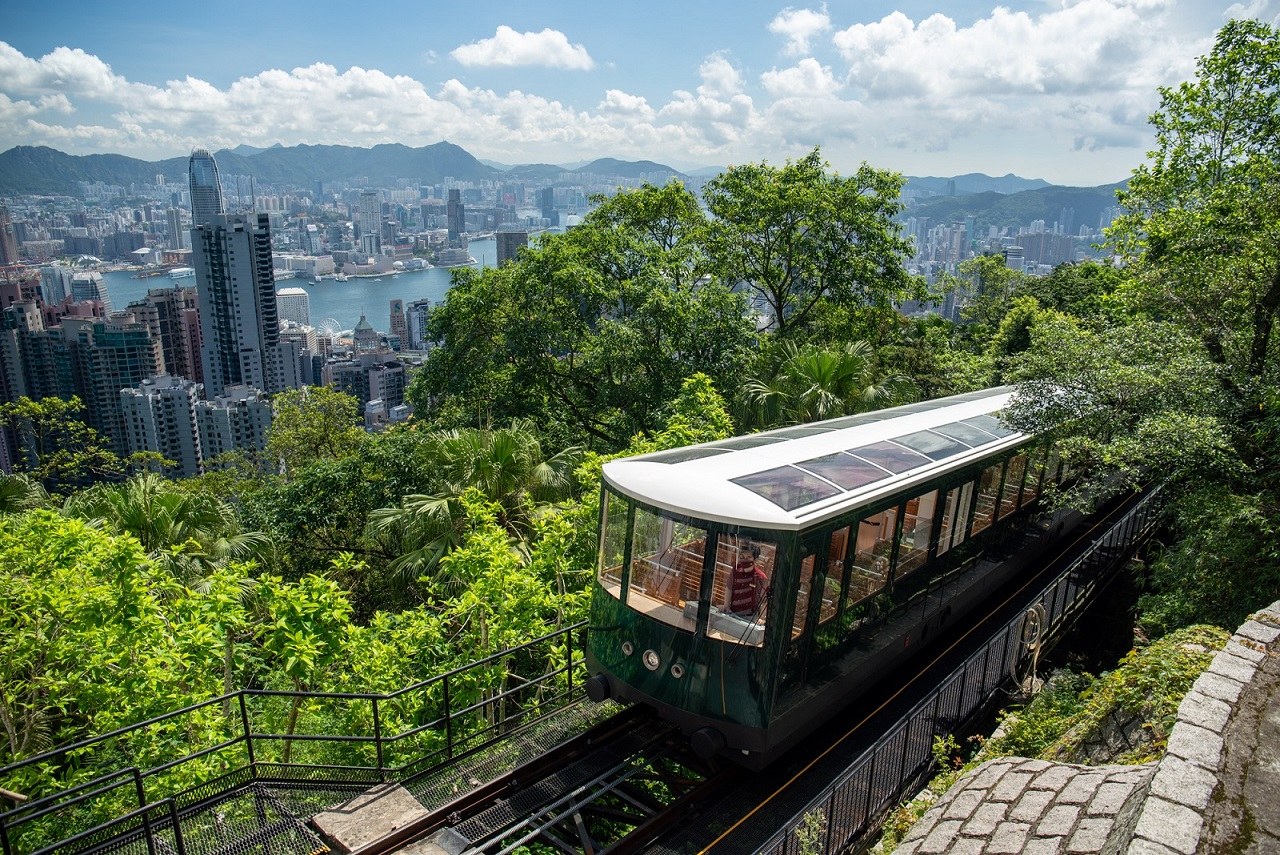
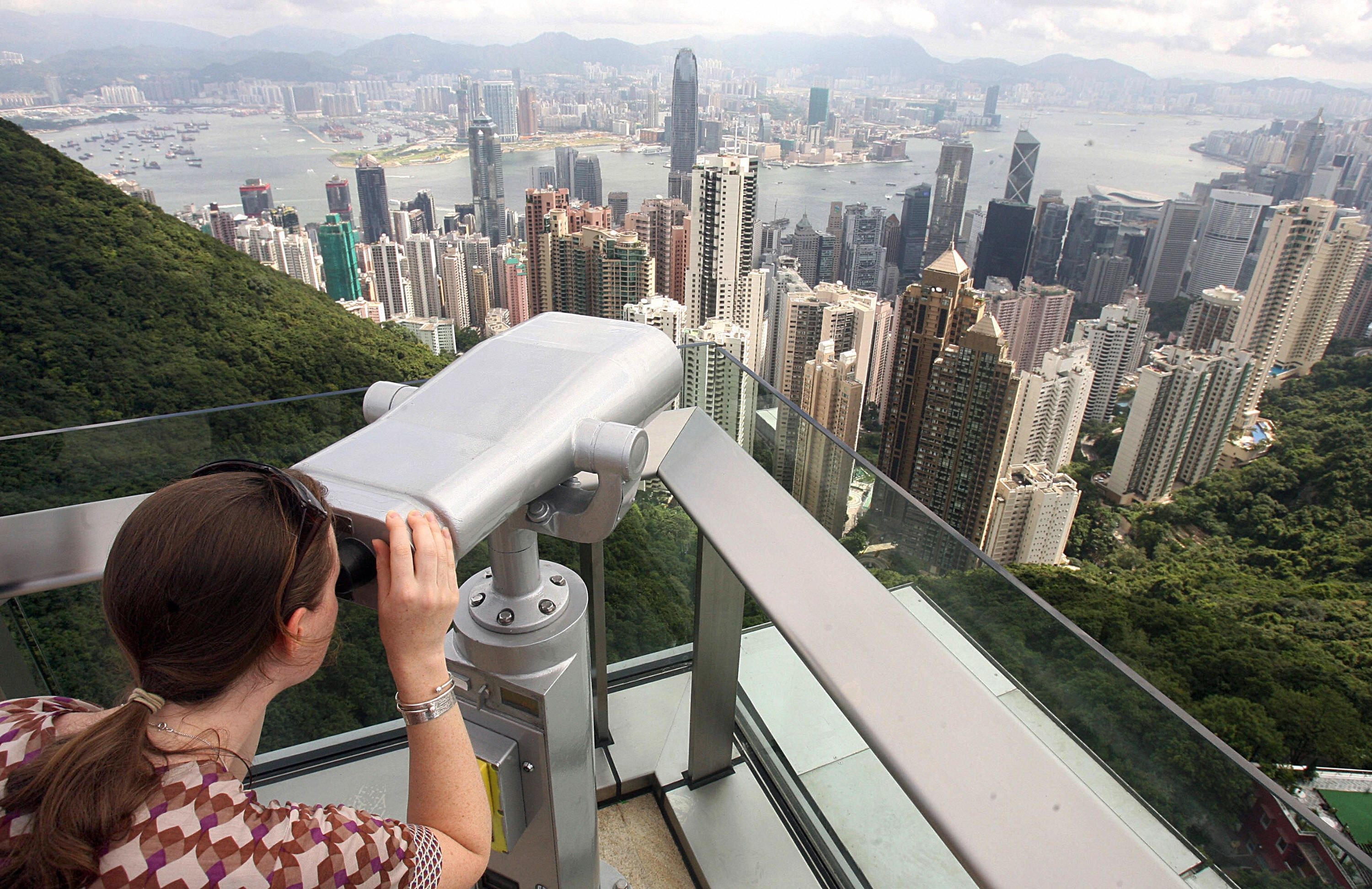
After you step off · near Tokyo
You end in a different port — stay on, and add what is within reach before you fly home.